Fake Landlord Scams: How Renters Lose Money to People Who Don't Own the Property
A young graduate lands a job in Lekki, needs a place fast, and finds a "too good to pass up" two-bedroom listing at half the market rate.
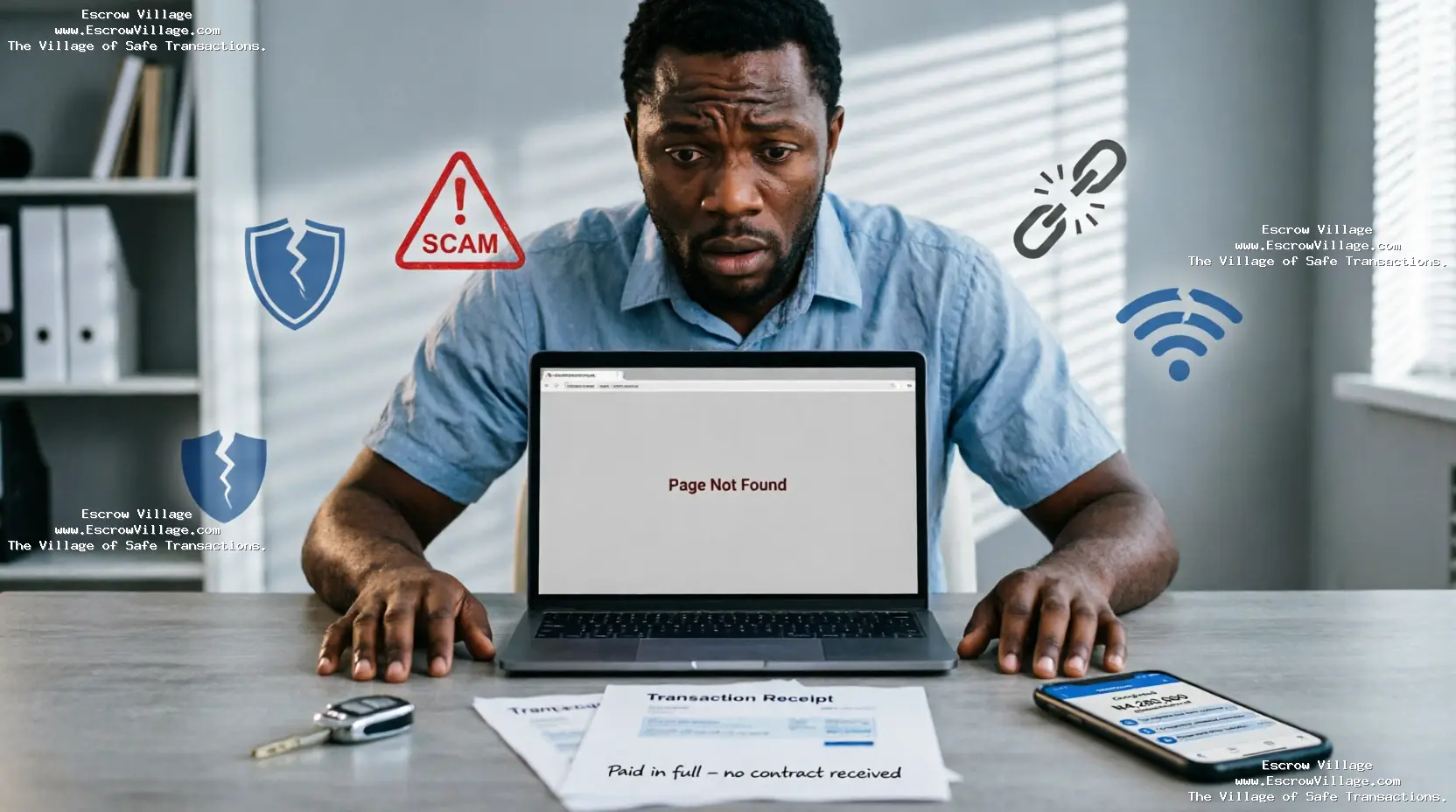
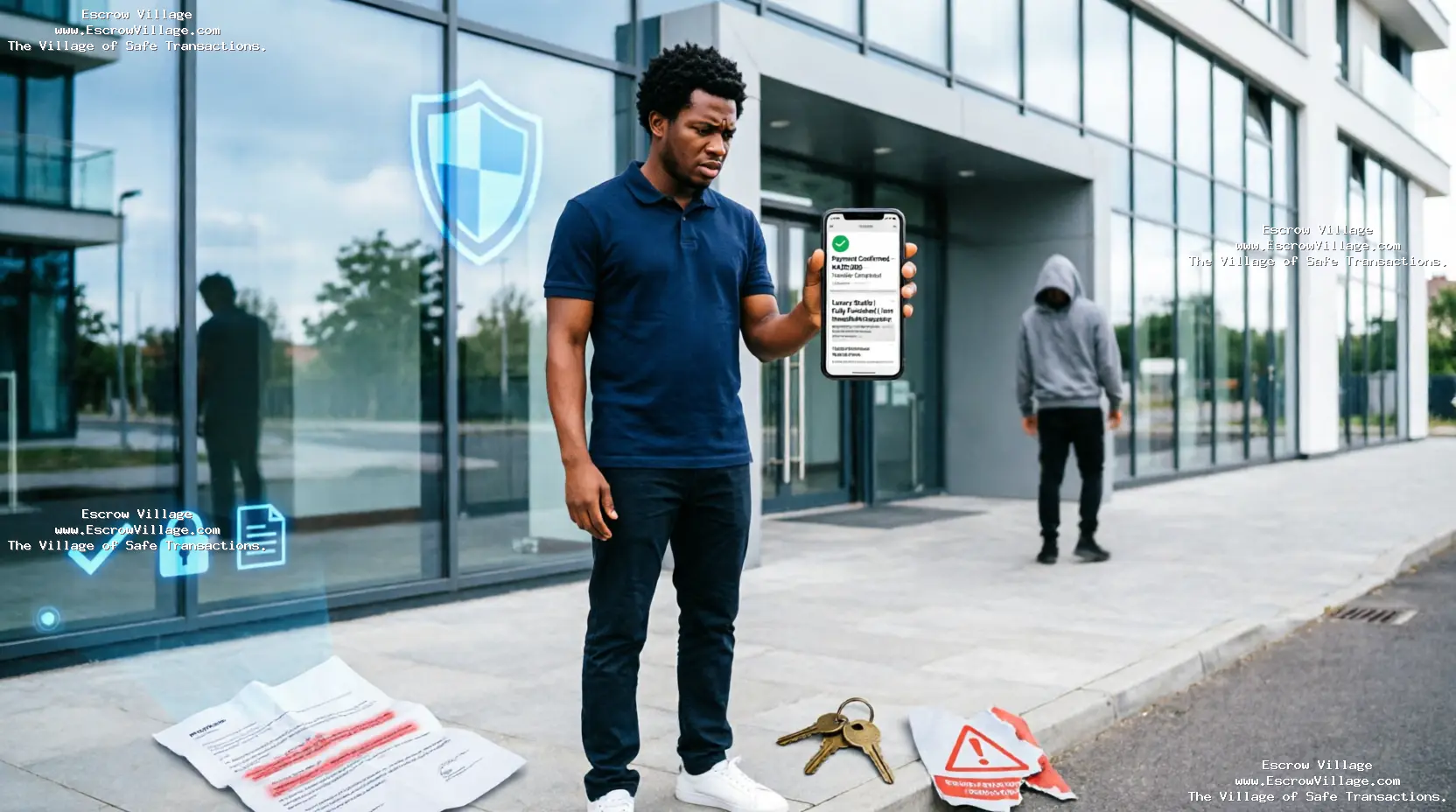
Three days and one bank transfer later, she's standing outside a locked gate with a phone number that no longer rings. The man who took her N800,000 doesn't own that house. He never did.
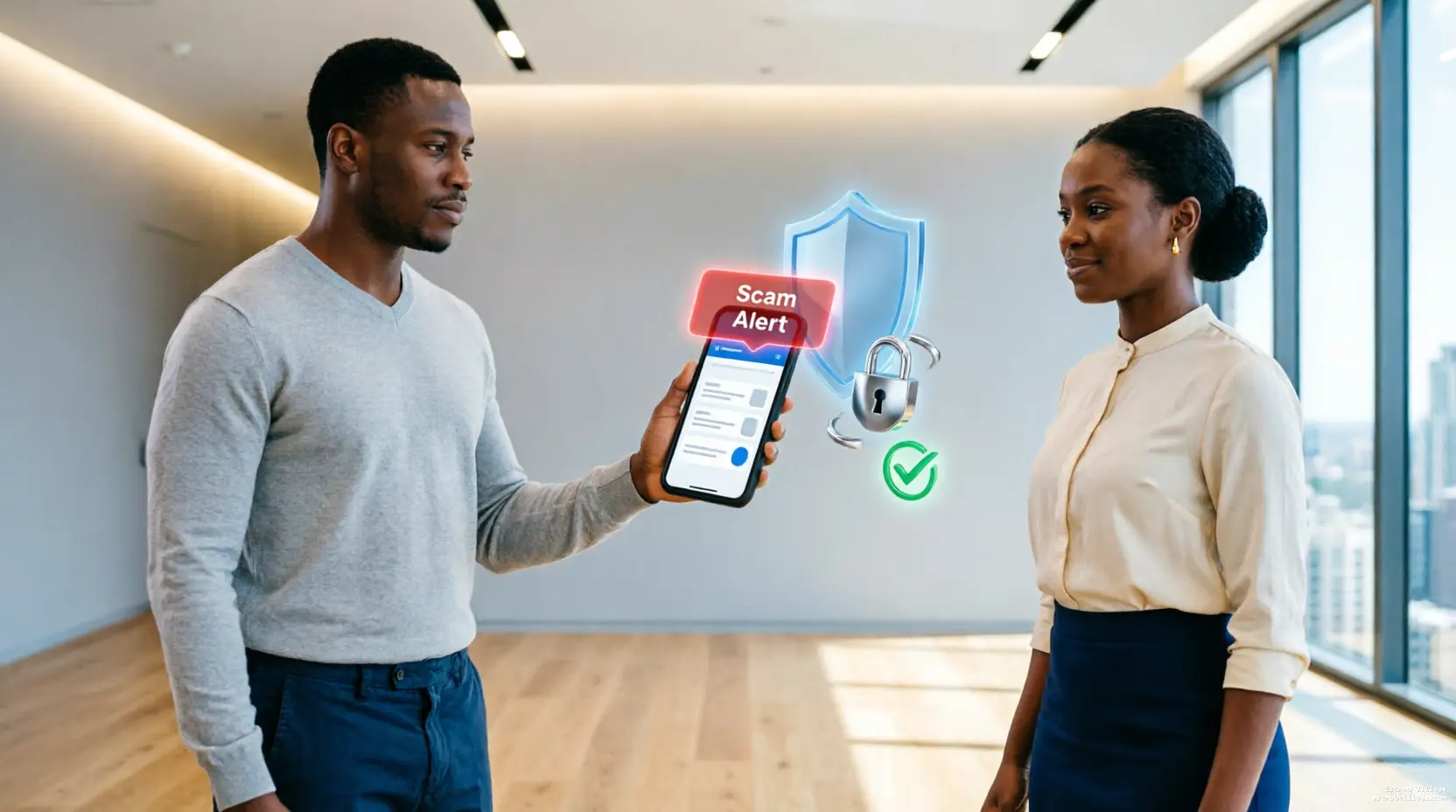
This happens more than most people admit, and it's rarely because the victim was careless. It's because the scam is designed to appear exactly like a normal, slightly lucky rental deal.
Understanding how these schemes are actually constructed, not just the generic "be careful" advice, is what makes them easier to spot.
A recent report on property fraud in Nigeria noted that rental scams are among the fastest-growing complaint categories in urban centres, precisely because so much of the process still happens outside any formal system.
- The Scam Isn't About the House; It's About Urgency

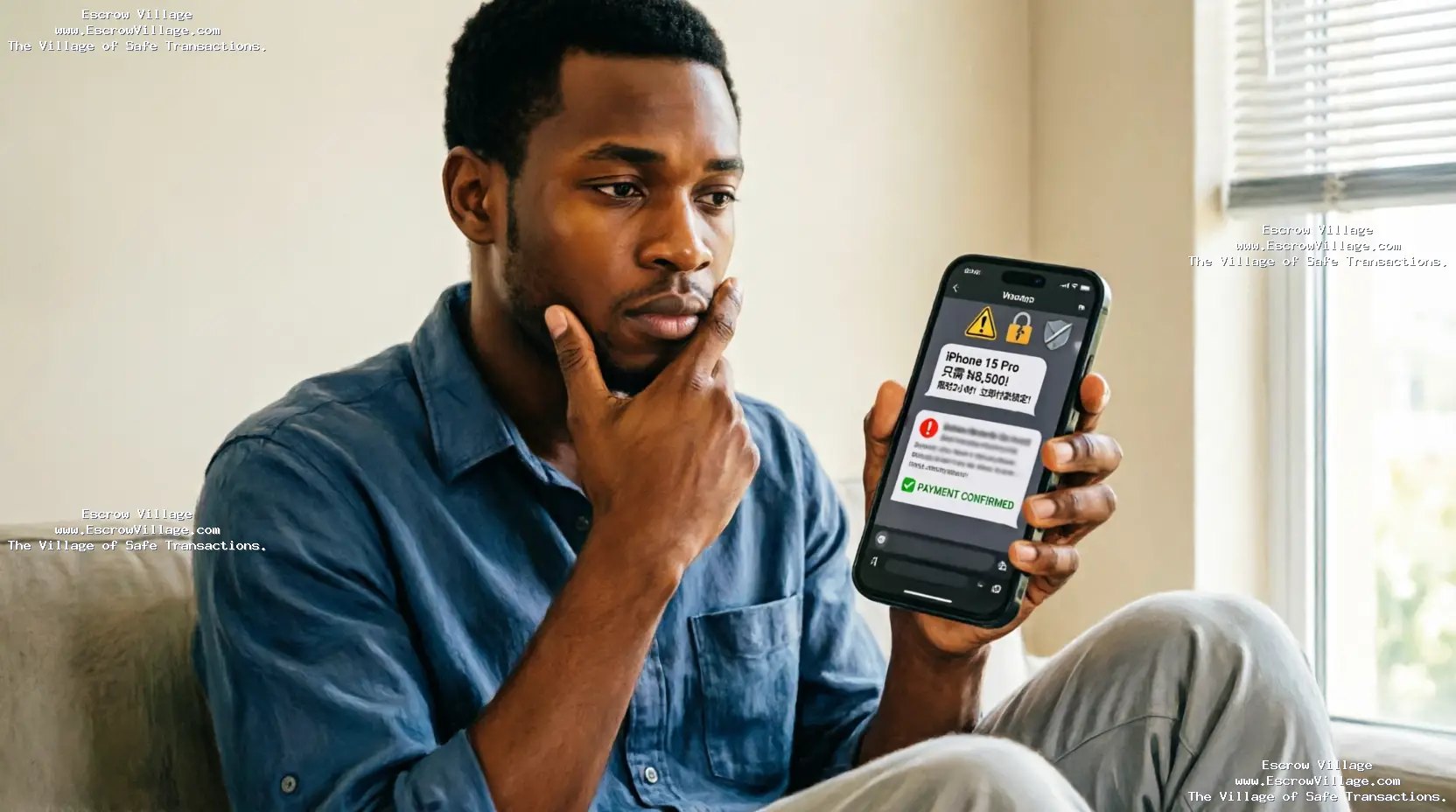
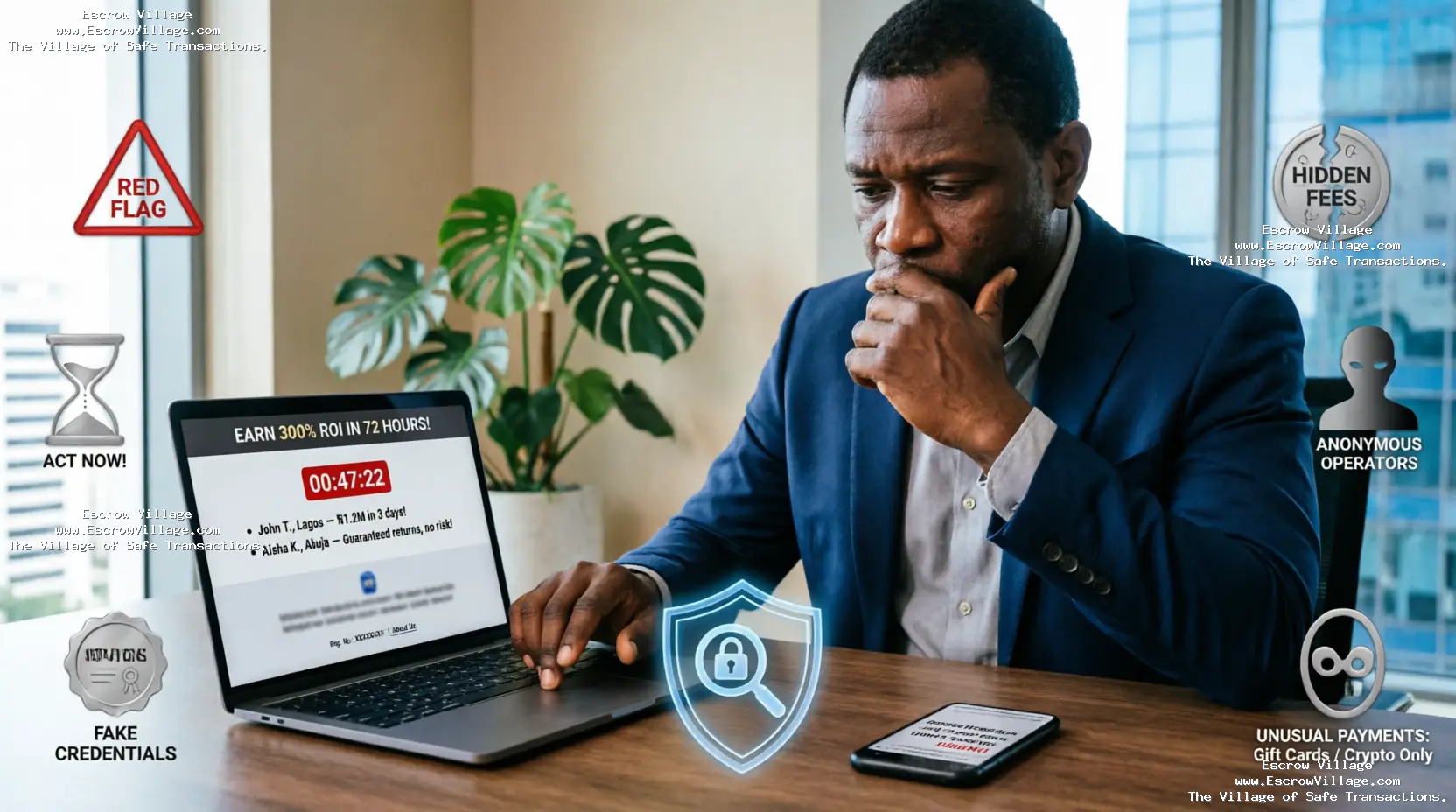
The fake landlord isn't selling a property. He's selling pressure.
The listing is priced just low enough to feel like a win, and just high enough to seem believable.
Then comes the second ingredient: a reason you need to move fast. "Three other people are coming to see it this weekend." "I'm travelling on Monday, so whoever pays the deposit first gets it." That urgency is the actual product being sold.
The house might not even be for rent. It might not even belong to the person showing it.
- How the Setup Actually Works
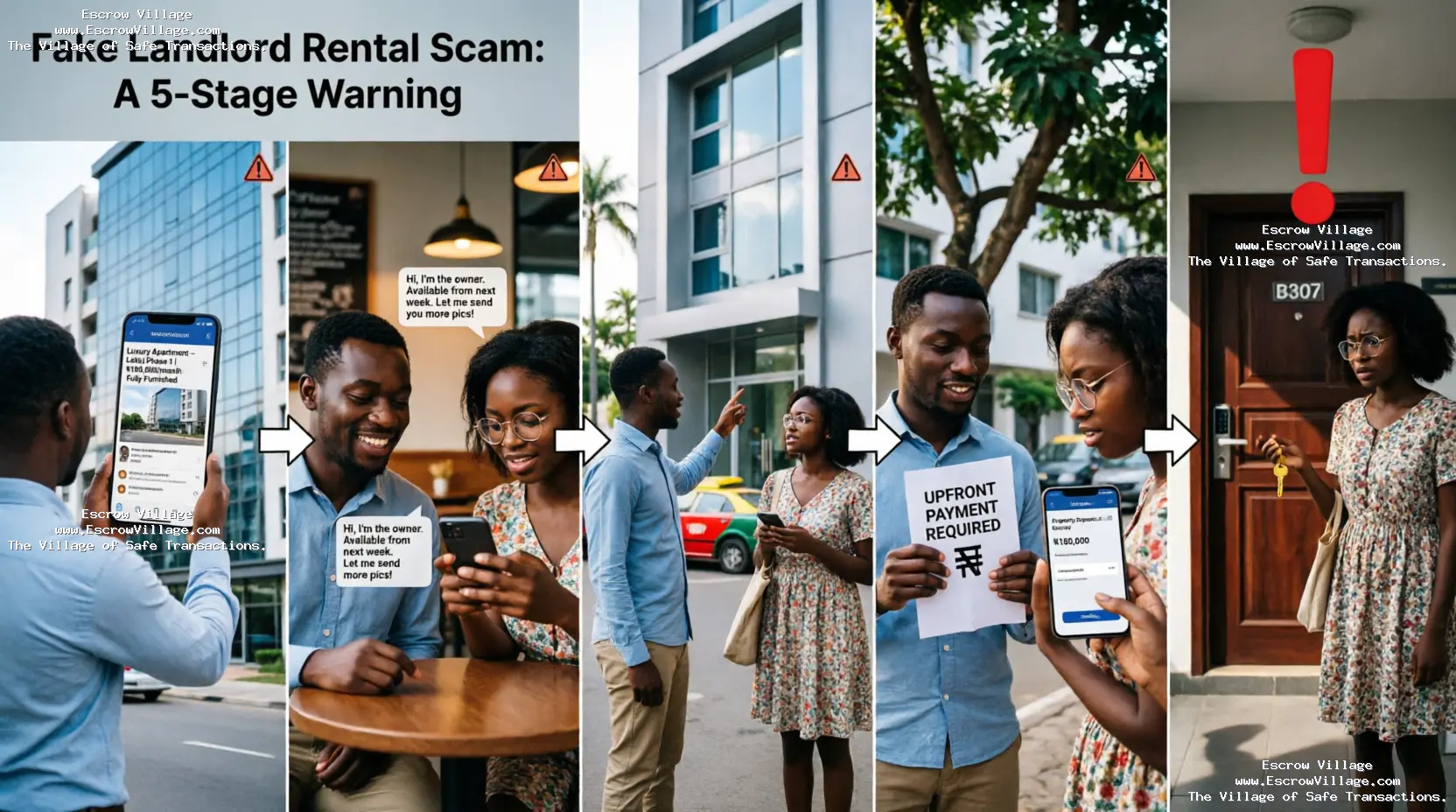
Most fake landlord operations follow a pattern that repeats with small variations:
- ● The scammer finds a real, often vacant or rarely-visited property, sometimes by posing as a tenant, agent, or even a cleaner to get inside for photos
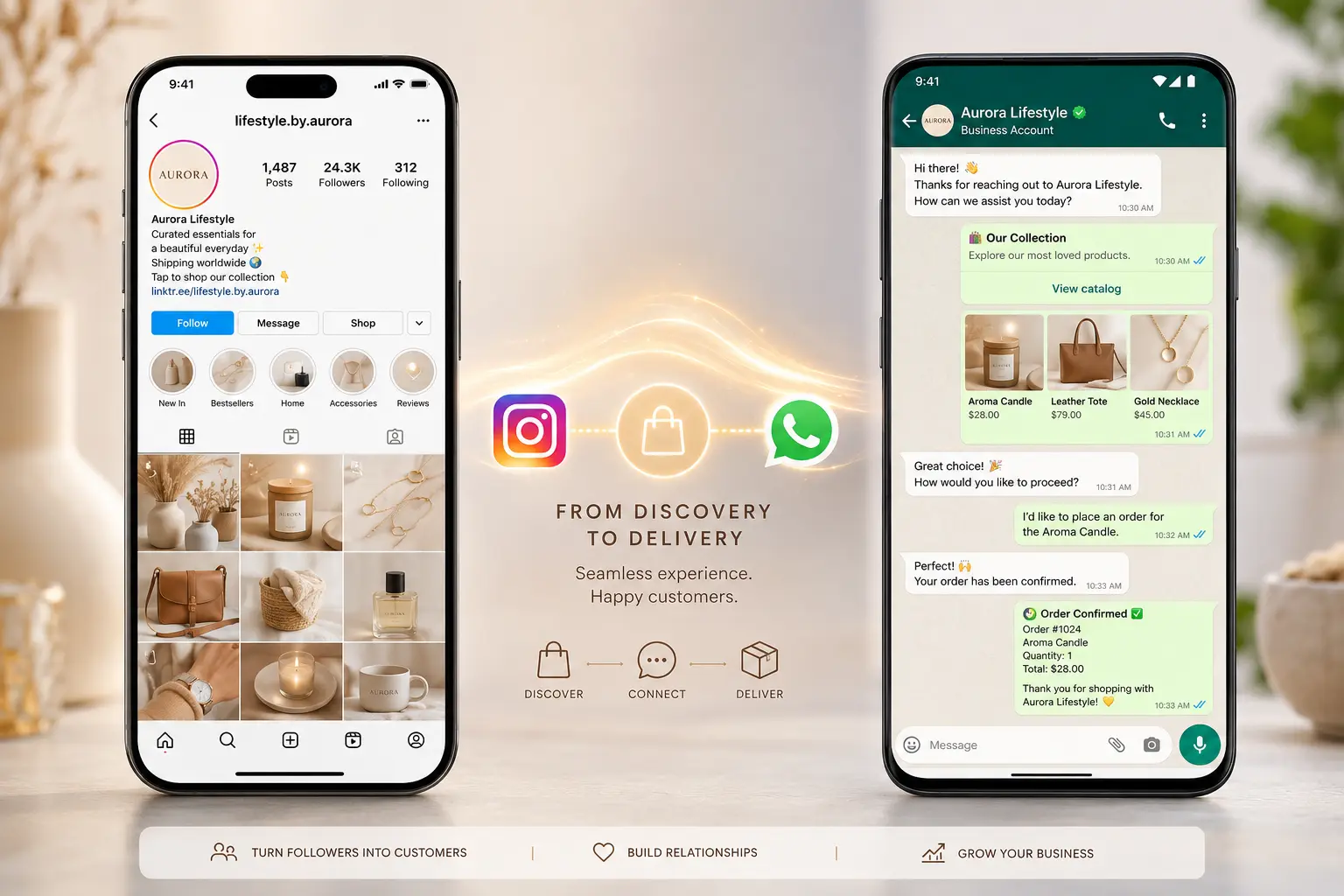
- ●They list it on Facebook Marketplace, property groups, or WhatsApp status updates, using photos from an actual viewing
- ●They avoid formal agents or platforms, insisting on dealing "directly" to save you agency fees
- ● They request an inspection at an odd hour, or send a "caretaker" who conveniently can't answer detailed questions
- ● They push for full payment: rent plus agreement fee plus caution fee before handing over any signed documentation
- Why Educated, Careful People Still Fall for It

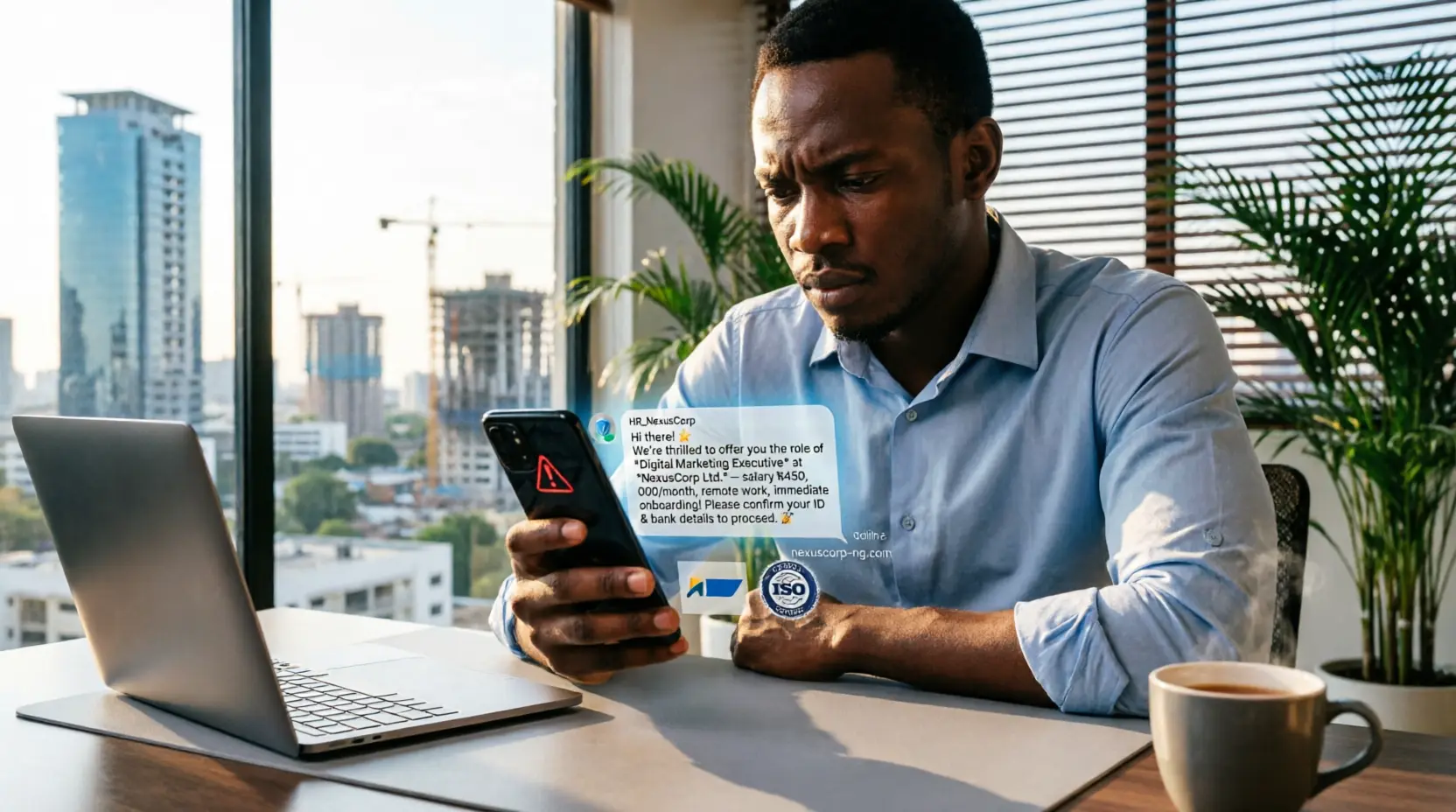
A national ID card that could belong to anyone. None of these things proves ownership; they feel like proof, and feelings move faster than paperwork checks, especially when someone else is "about to take the house."
- What Actually Breaks the Scam

The single biggest structural weakness in a fake landlord's setup is that the whole thing depends on getting paid directly and immediately. Remove that, and the scam collapses on its own.
- ● Ask for the property's Certificate of Occupancy or a recent utility bill in the landlord's name, not just a photo of an ID
- ● Request the landlord's number and call it yourself; don't rely on a number given to you by the agent.
- ● Involve a registered estate agent or property lawyer for anything above a basic room rental.
- ● Refuse to pay the full amount before signing a tenancy agreement, no matter how convincing the urgency feels.
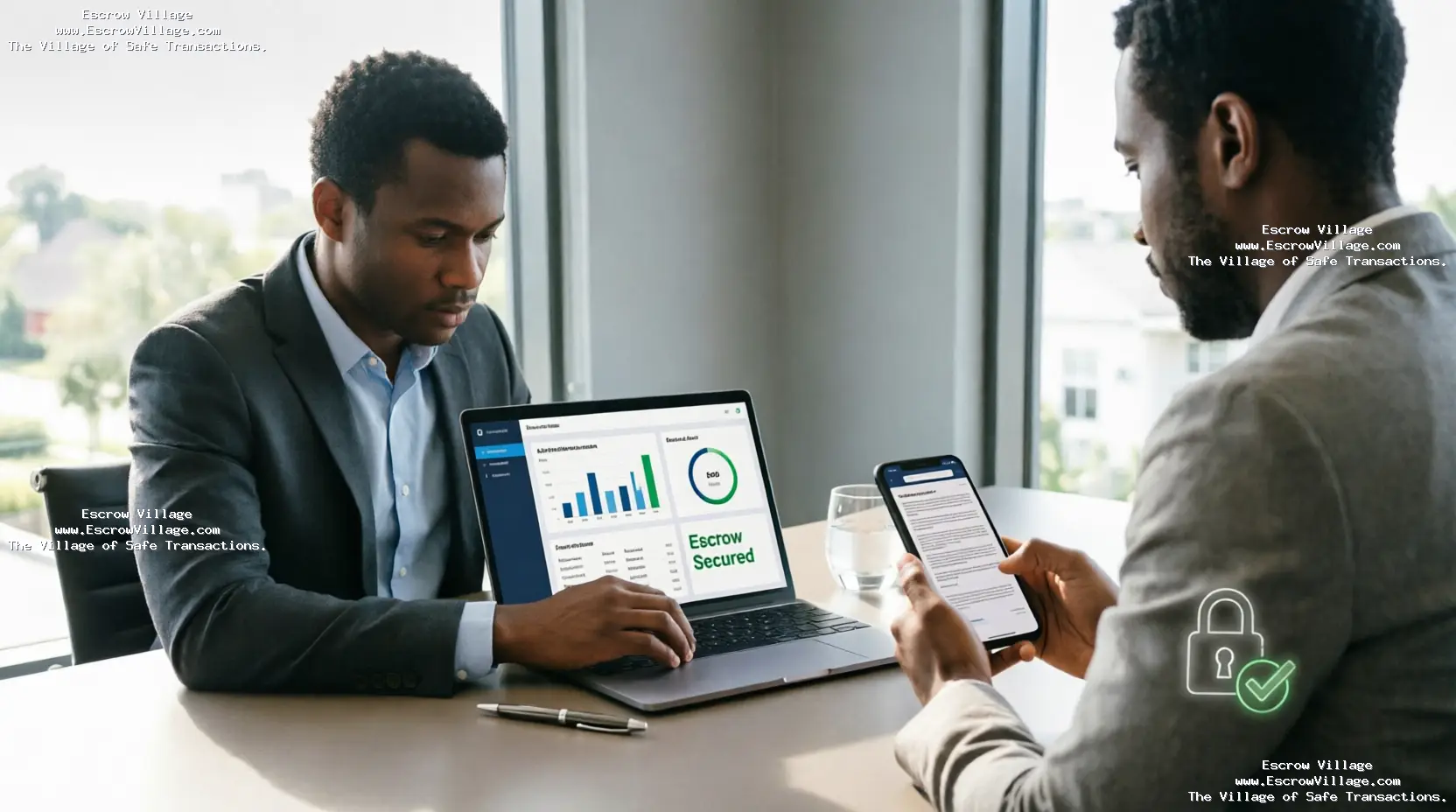
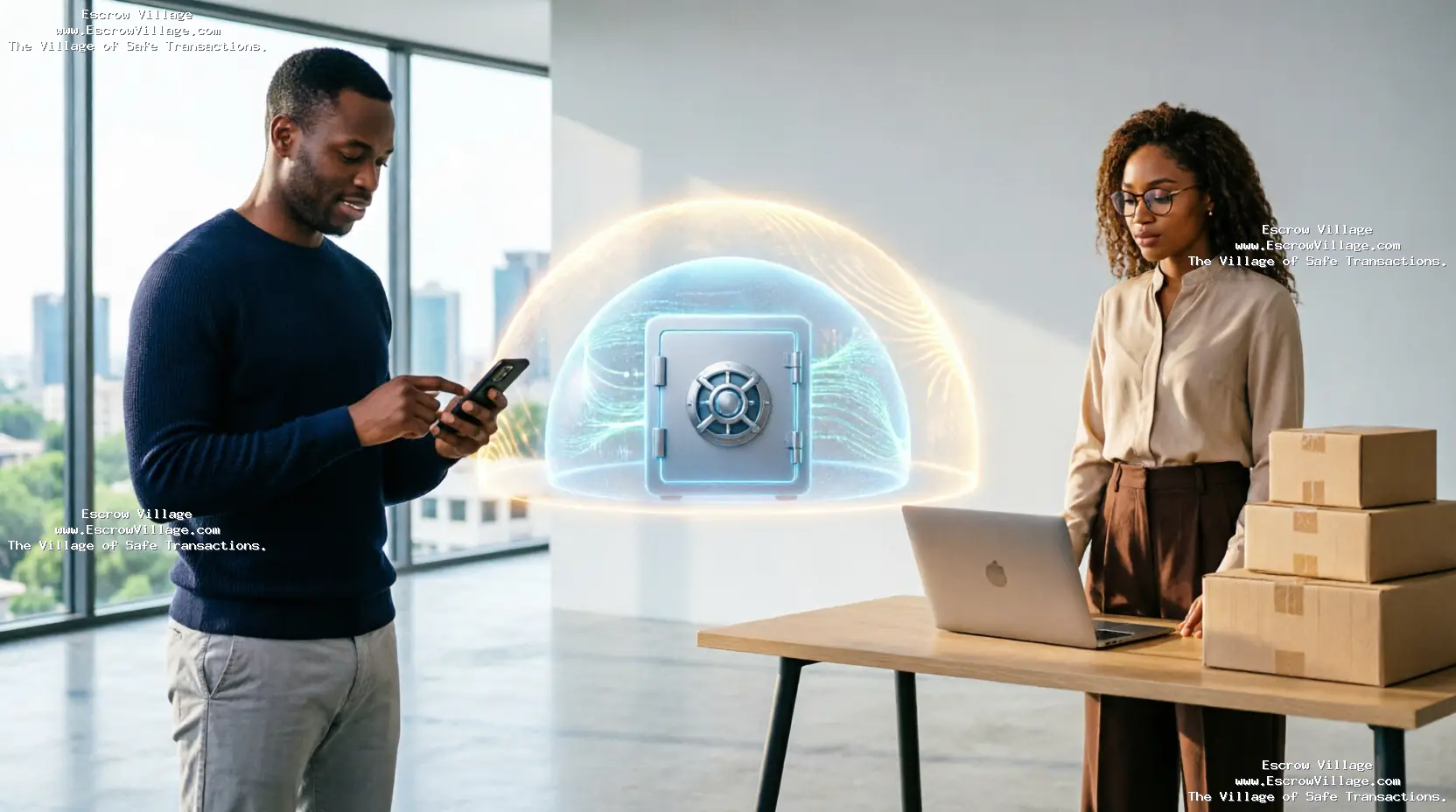
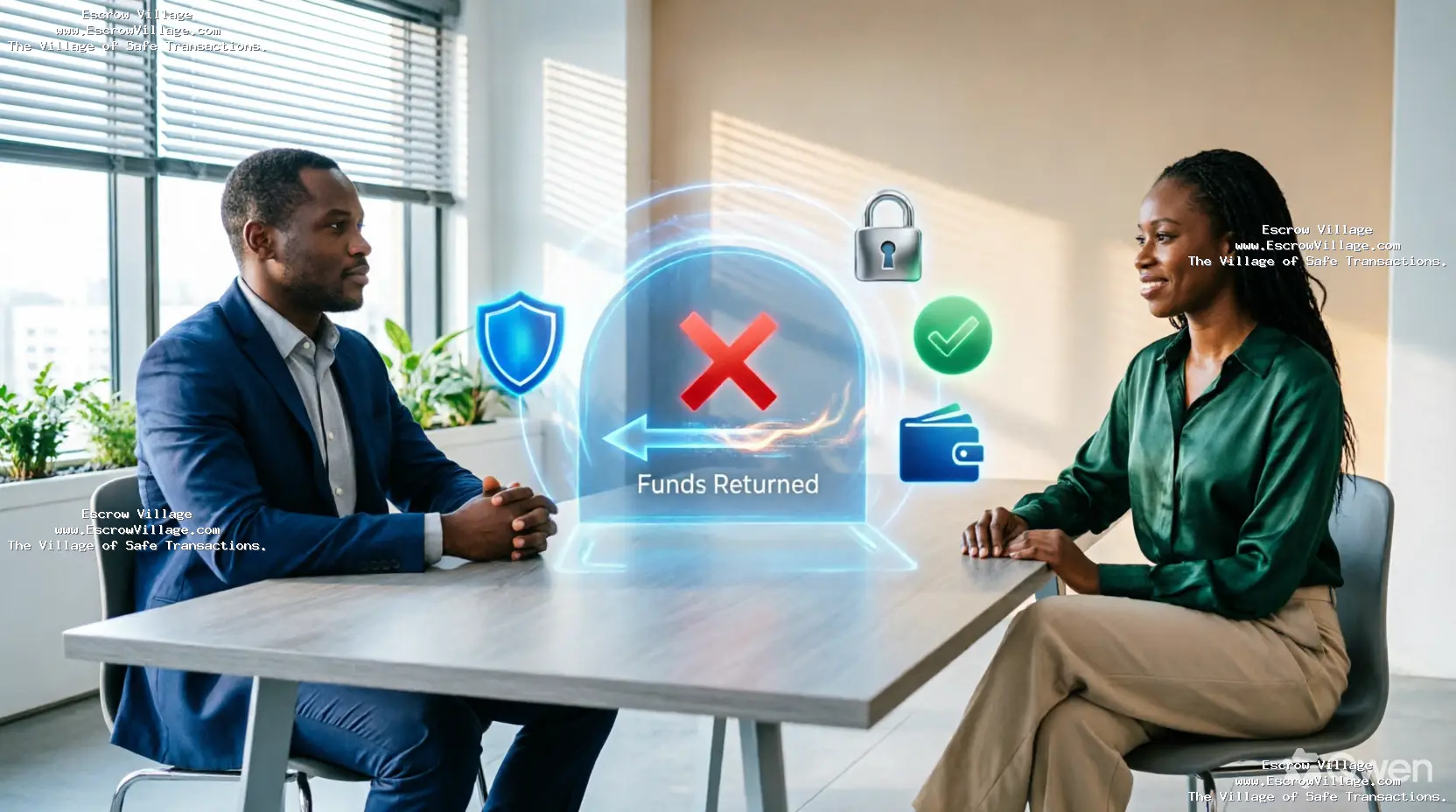
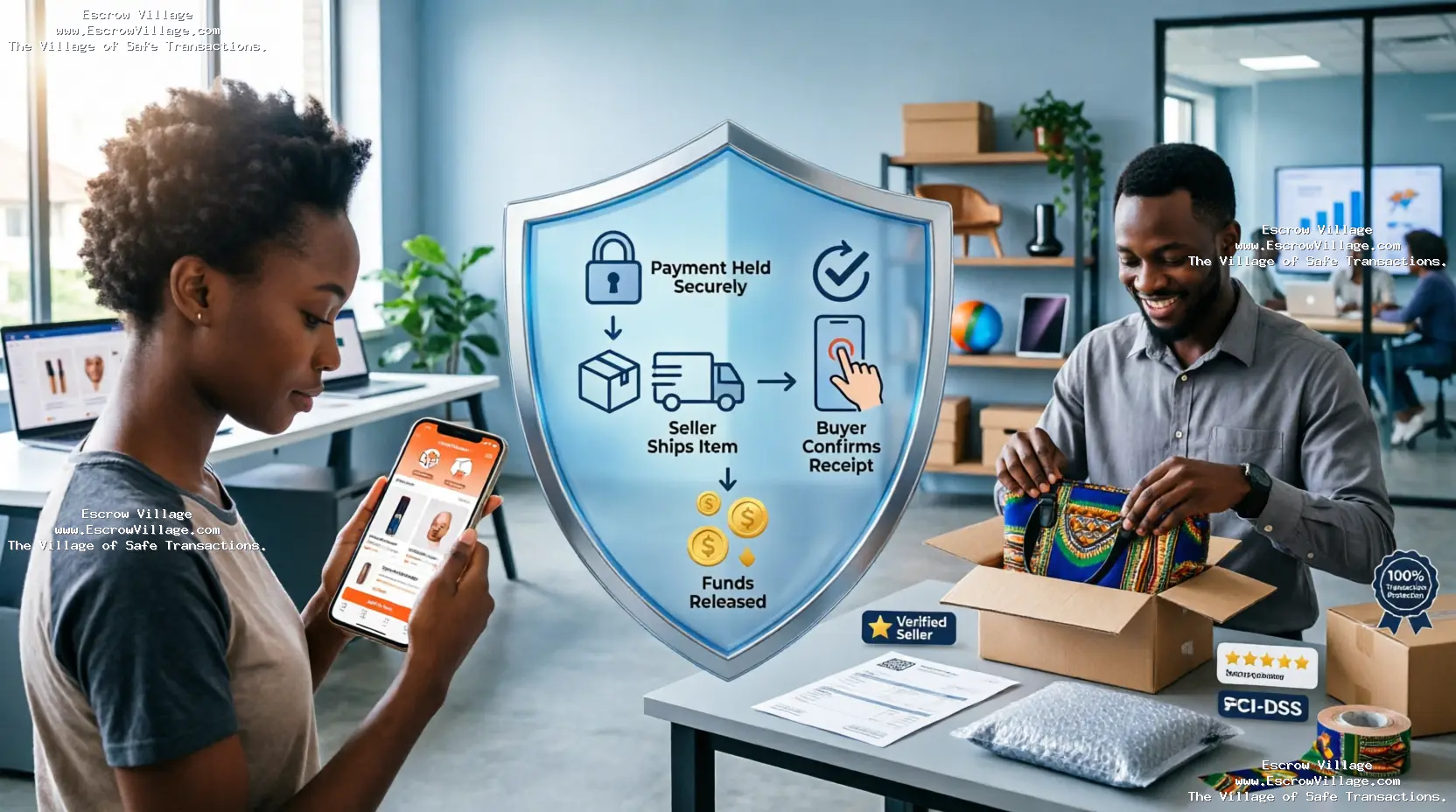
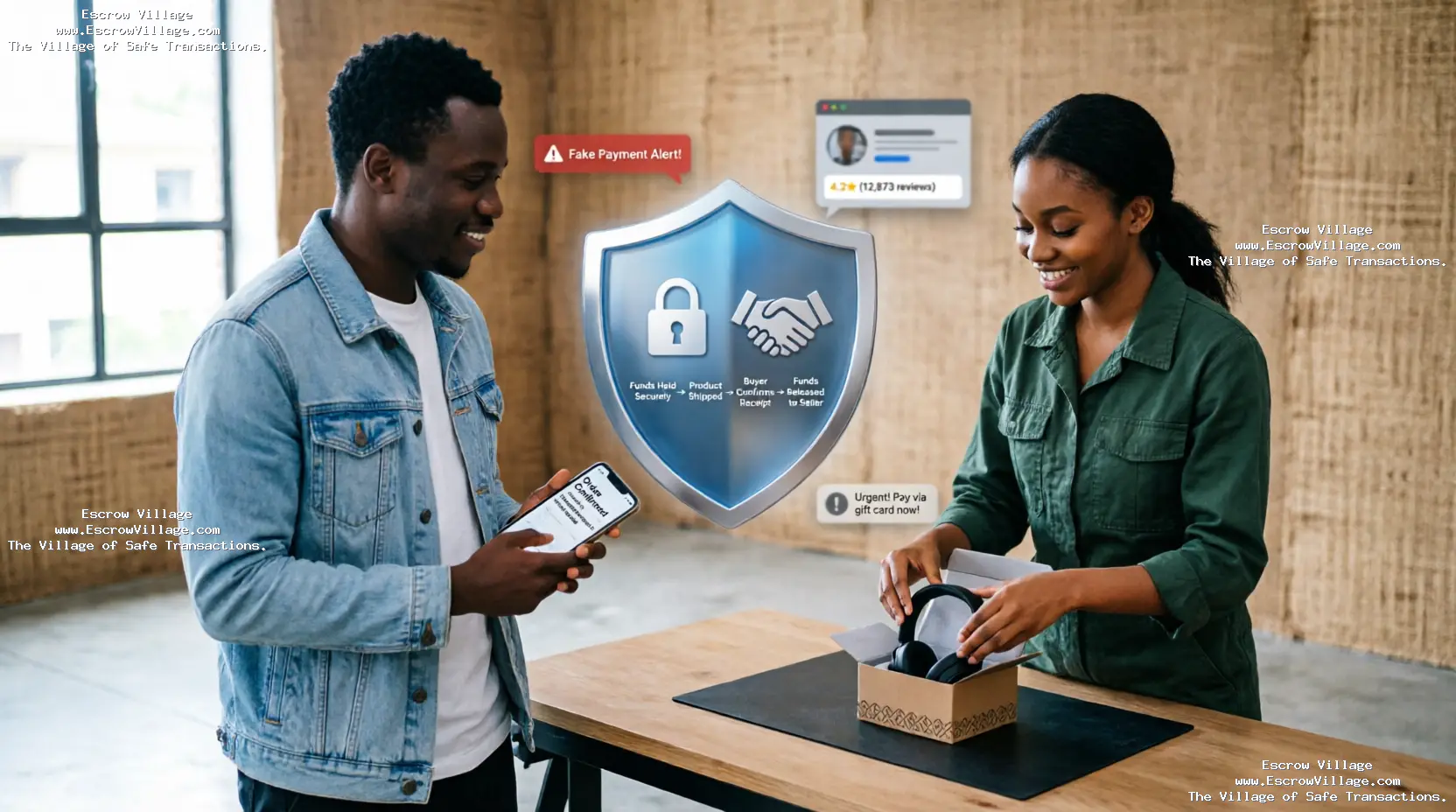
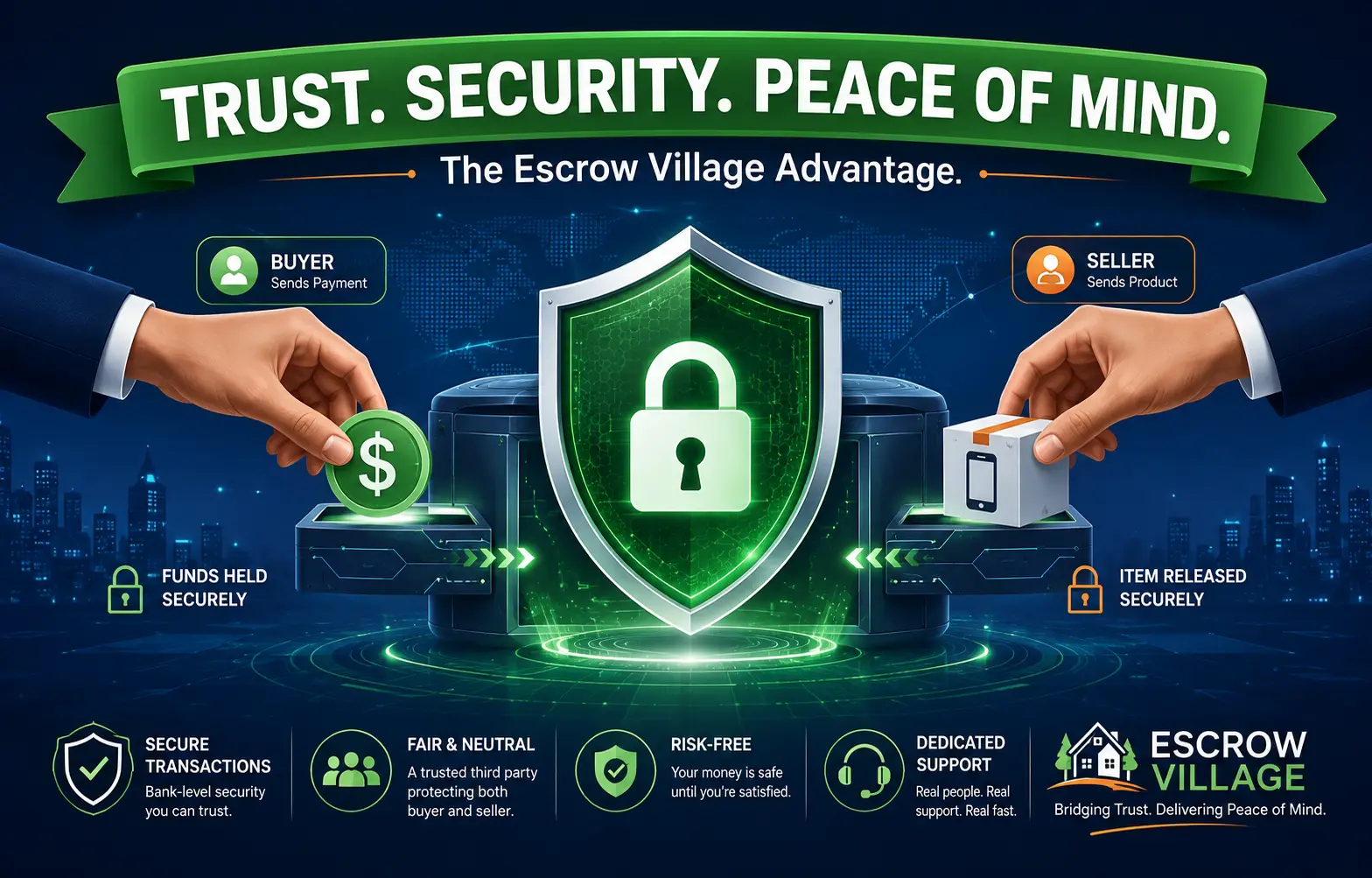
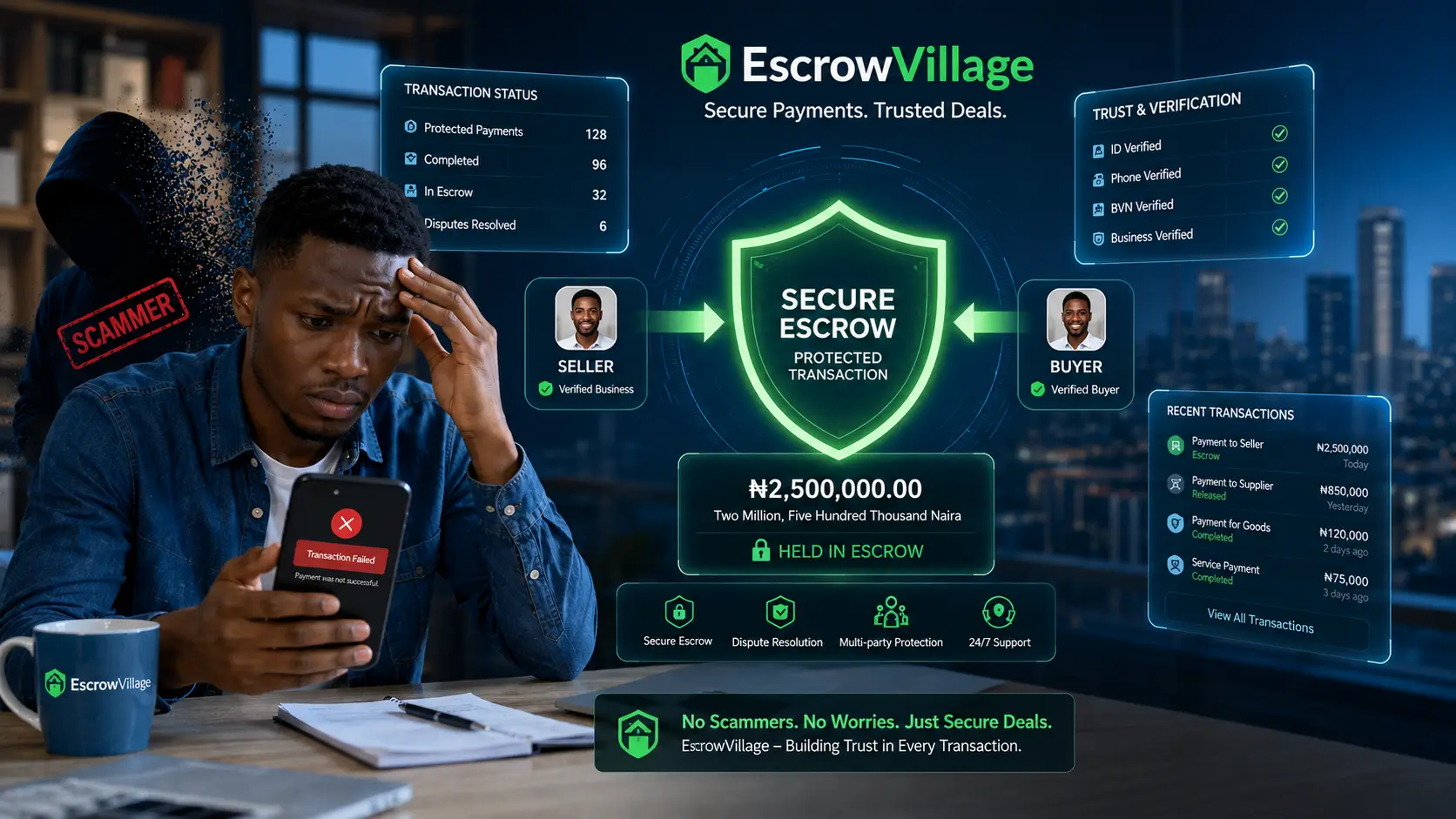
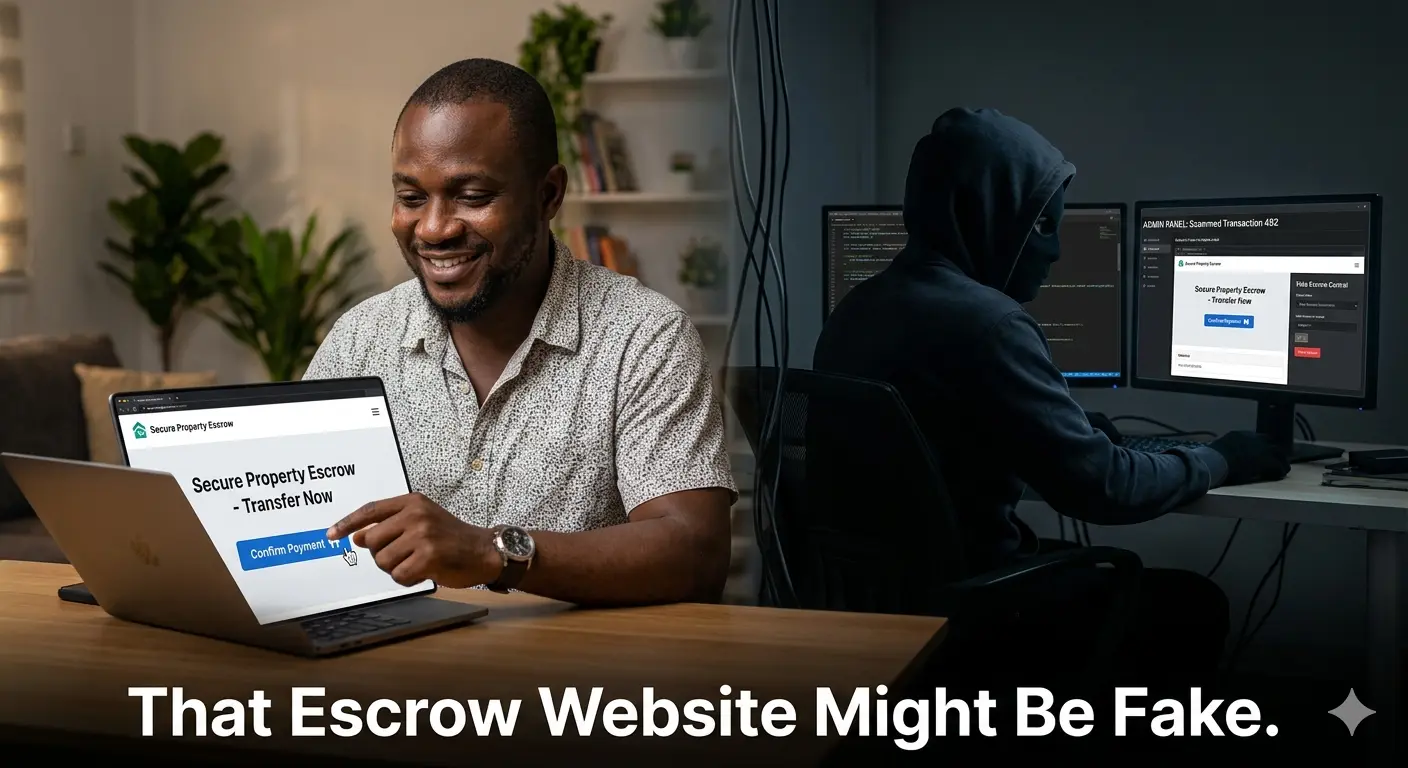
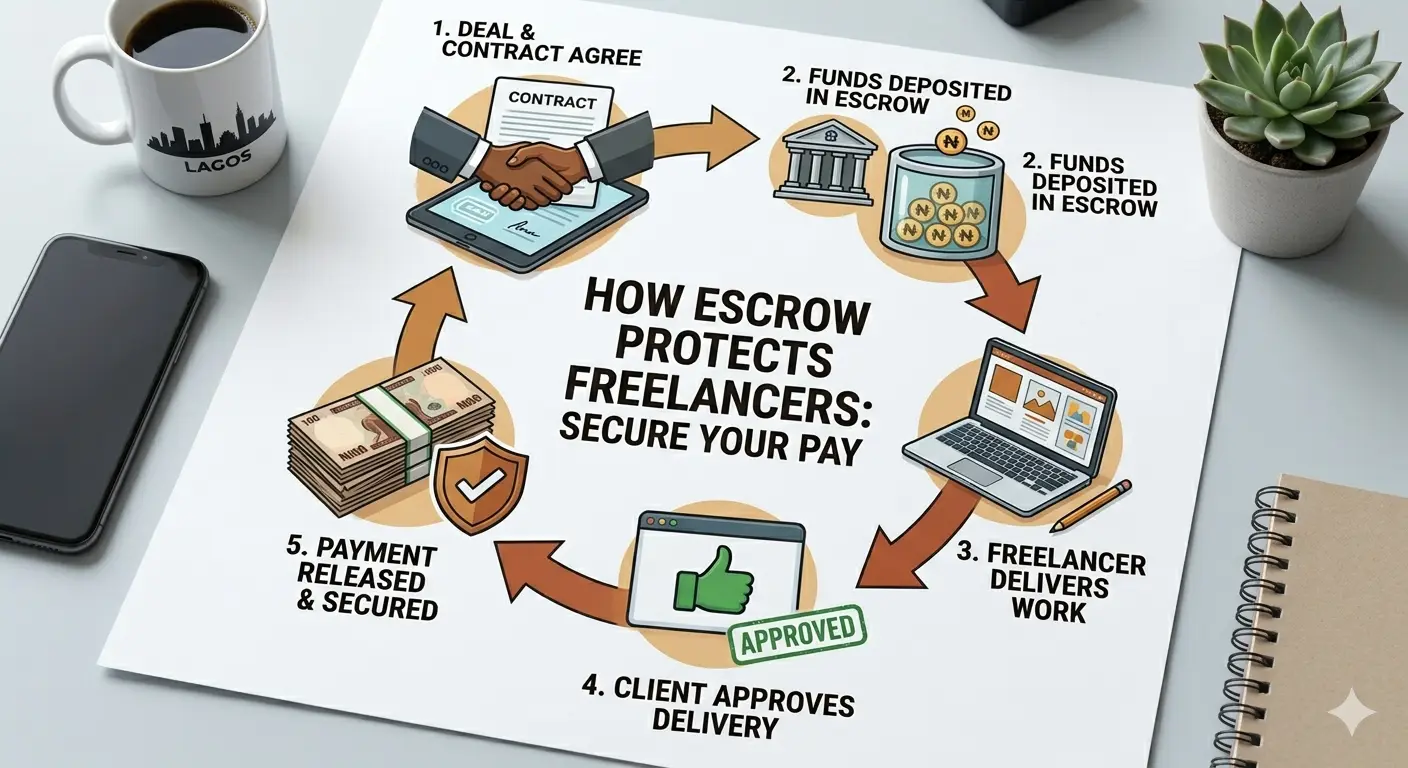
- ● Where the deal allows it, use an escrow arrangement so your money is only released to the landlord once occupancy and documentation are confirmed. This single change removes the scammer's main incentive, because there's nothing to disappear with until the house checks out.
Escrow removes both the instant part and the irreversible part.
- What to Do Next

If you're currently house-hunting and about to send money to someone you've only met once or twice, pause before the transfer. Reach out to Escrow Village's support team through the live chat on escrowvillage.com and ask specifically about using escrow for a rental deposit or agreement fee.
They'll walk you through how funds stay protected until the property and paperwork check out, rather than handing your rent to a stranger and hoping for the best.