Fake Property Listings in Nigeria: How Scammers Advertise Properties They Don’t Own
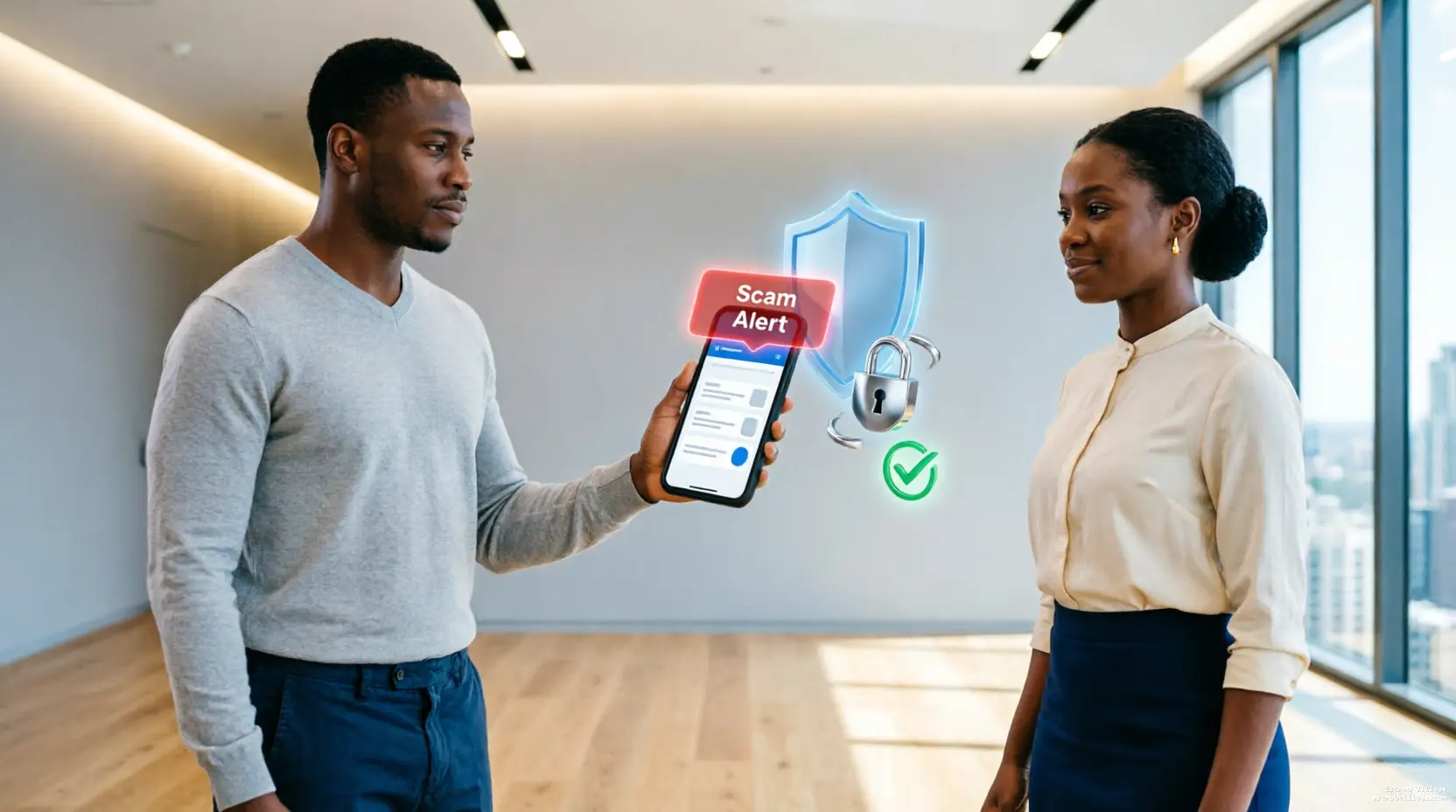
That beautiful apartment you just found online may be real. The person advertising it may not be.
This is one of the biggest problems with searching for property online.
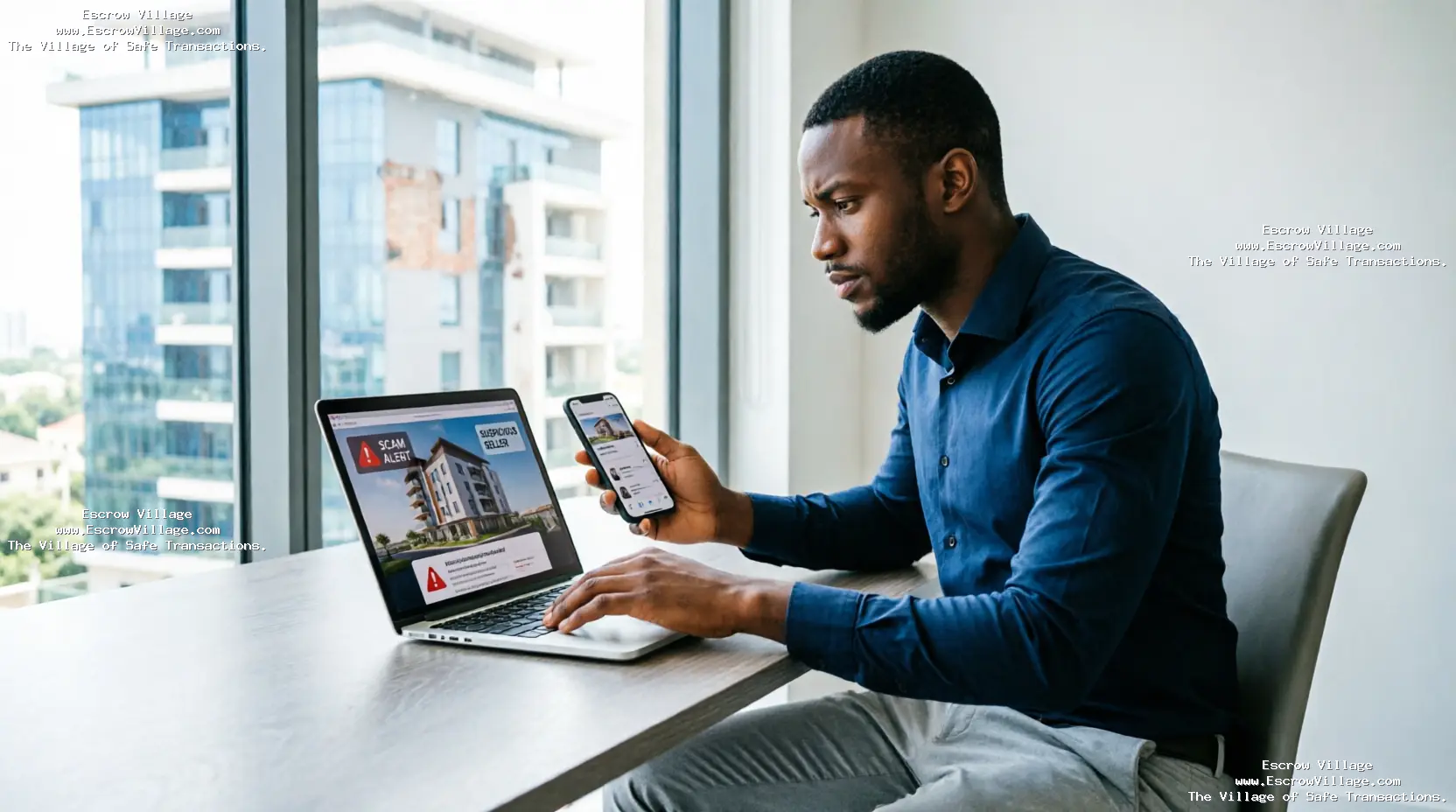
A scammer doesn't necessarily need to own a house, apartment or piece of land to advertise it. They can simply take pictures from a genuine listing, copy the address, create a convincing advert and wait for someone to send money.
By the time you discover that the property was never theirs to sell or rent, the scammer may already be gone.
Fake property listings are a serious risk for anyone searching for houses, apartments, land or commercial properties online. And because property transactions often involve large amounts of money, Sending money to the wrong person be extremely expensive.
So, how do these scams work, and how can you protect yourself?
A scammer may find pictures of a beautiful apartment on a legitimate real-estate website, Instagram page, Facebook Marketplace or WhatsApp status. They download the pictures and create their own listing.
They may change the contact details, offer the property at an attractive price and claim to be the owner or agent.
When an interested person contacts them, everything may appear normal.
They answer questions.
They send more pictures.
They may even arrange a viewing.
The problem is that none of this proves they have the legal right to rent or sell the property.
And that's why verifying the person behind the property listing is just as important as inspecting the property itself.
Let's be honest: a surprisingly cheap apartment can be difficult to resist.
If similar houses in the same area are going for ₦3 million per year and someone suddenly offers a similar property for ₦1.5 million, you might feel like you've found a great deal.
But before celebrating, ask why.
There could be a genuine explanation. Maybe the property has fewer facilities or is located in a different part of the area.
But if the price is significantly below what comparable properties are selling or renting for, investigate before paying.
EFCC scam guidance similarly warns people to be cautious with deals that appear too good to be true and to verify questionable offers through relevant sources.
A cheap property isn't automatically a scam.
A cheap property that comes with pressure to pay immediately is a different story.
They may copy professional photographs from another agent or property website and use them in their own advert.
Try searching for the property images online where possible.
You may discover that the same pictures are being used with different prices, phone numbers or locations.
Pay attention to inconsistencies too.
Maybe the advert says the property is in Lekki, but an older listing places the same house somewhere else.
Maybe the pictures show one apartment while the video shows another.
These small details can tell you that something isn't right.
A legitimate property should be available for proper inspection through the owner, authorized agent or appropriate representative.
Be cautious if you're constantly given excuses:
“The owner is out of town.”
“The keys are with someone else.”
“You can inspect after payment.”
“Send the money first so I can reserve it.”
You shouldn't have to pay a stranger before you can establish that the property exists and that they have the authority to offer it to you.
A viewing doesn't prove everything either. But refusing reasonable verification is a significant warning sign.
So, being an agent isn't a scam.
The important question is whether the person actually has permission to represent the property.
Ask who the owner is and what role the person has in the transaction.
For larger transactions, don't be afraid to request appropriate documentation and professional verification.
The goal isn't to make the process unnecessarily difficult.
It's to make sure the person receiving your money has a legitimate connection to the property.
You may be told to pay:
The problem is when new charges keep appearing before you've properly verified the property and the person handling the transaction.
You pay one amount, then suddenly there's another fee.
Then another.
Don't keep paying simply because you've already spent money.
Stop and verify the entire transaction.
Social media makes it incredibly easy for someone to present themselves as a real-estate agent.
Look beyond the advert.
Does the person have a consistent business identity?
Can their agency or company be independently verified?
Do they have a physical office or other credible business presence?
Are there genuine client interactions?
Can they explain the property's ownership or their authority to represent the owner?
The more money you're about to send, the more verification you should do.
Once you've transferred money directly to a stranger, recovering it can become difficult.
That's why payment structure matters.
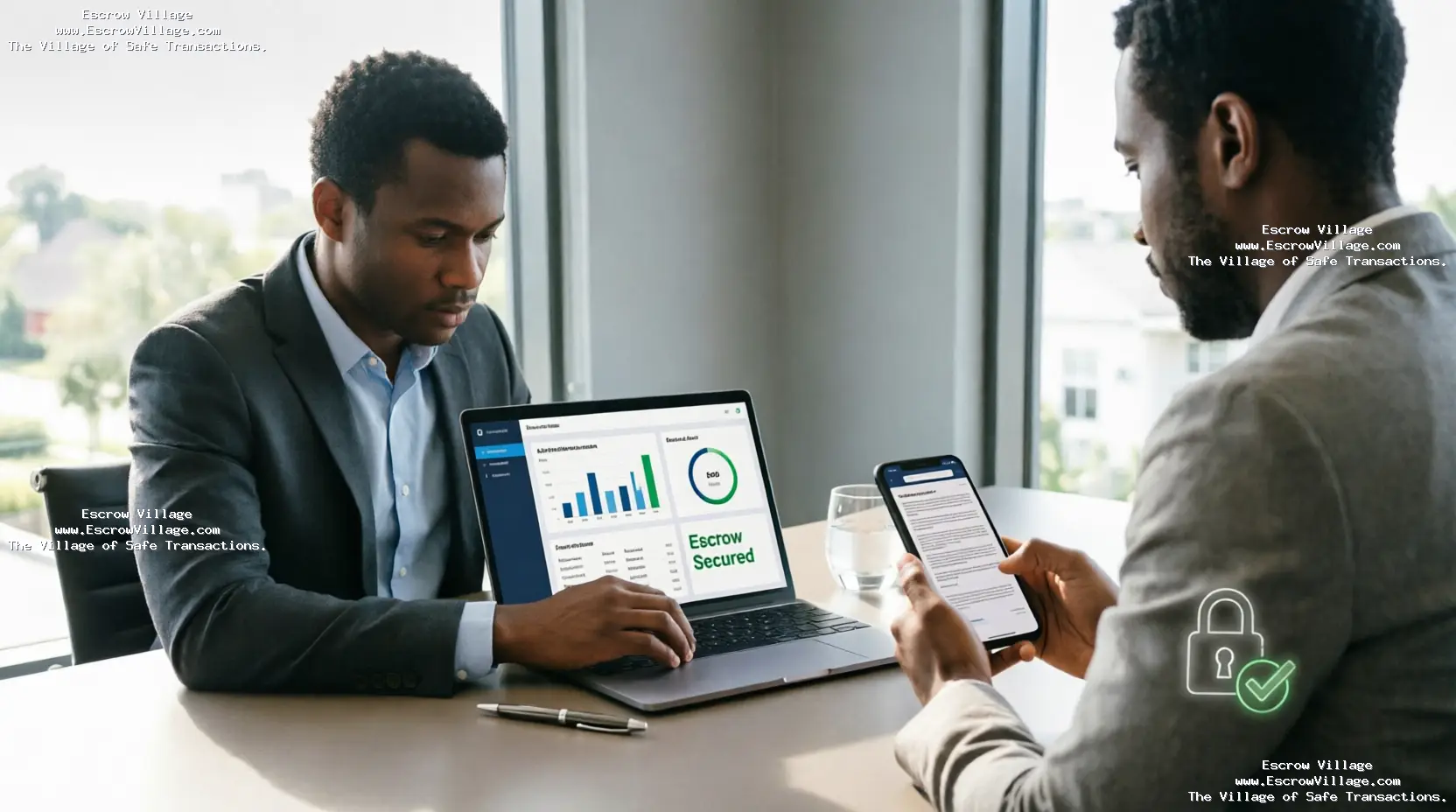
For transactions where both parties need protection, escrow can provide an additional layer of security.
Instead of the buyer simply sending money directly to the other party and hoping everything goes as promised, an escrow arrangement can hold the funds until agreed conditions are met.
For example, a buyer and seller can agree on specific conditions that must be satisfied before funds are released.
This doesn't replace property verification or legal due diligence.
But it can help reduce the risk that one party receives the money and disappears before fulfilling their side of the agreement.
And don't allow a seller or agent to pressure you into making a payment simply because they claim other people are interested.
For land or high-value property transactions, consider getting professional legal and property advice before committing your money.
A low price can make you feel lucky.
A convincing agent can make you feel comfortable.
But none of those things proves that the person advertising the property actually has the right to sell or rent it to you.
Before you pay, verify.
And when you're ready to make the payment, think beyond simply asking, “Can I afford this property?”
Ask another important question:
“How can I make this transaction safer?”
For transactions between buyers and sellers, Escrow Village provides an escrow-based approach that can help protect funds while agreed transaction conditions are being fulfilled.
Because when you're dealing with property and significant amounts of money, trust should not be the only thing protecting your payment.
Verify the property. Verify the person. And consider a safer way to handle the money with Escrow Village.
This is one of the biggest problems with searching for property online.
A scammer doesn't necessarily need to own a house, apartment or piece of land to advertise it. They can simply take pictures from a genuine listing, copy the address, create a convincing advert and wait for someone to send money.
By the time you discover that the property was never theirs to sell or rent, the scammer may already be gone.
Fake property listings are a serious risk for anyone searching for houses, apartments, land or commercial properties online. And because property transactions often involve large amounts of money, Sending money to the wrong person be extremely expensive.
So, how do these scams work, and how can you protect yourself?
- How Fake Property Listings Work
A scammer may find pictures of a beautiful apartment on a legitimate real-estate website, Instagram page, Facebook Marketplace or WhatsApp status. They download the pictures and create their own listing.
They may change the contact details, offer the property at an attractive price and claim to be the owner or agent.
When an interested person contacts them, everything may appear normal.
They answer questions.
They send more pictures.
They may even arrange a viewing.
The problem is that none of this proves they have the legal right to rent or sell the property.
And that's why verifying the person behind the property listing is just as important as inspecting the property itself.
- 1. The Price Is Too Good to Ignore
Let's be honest: a surprisingly cheap apartment can be difficult to resist.
If similar houses in the same area are going for ₦3 million per year and someone suddenly offers a similar property for ₦1.5 million, you might feel like you've found a great deal.
But before celebrating, ask why.
There could be a genuine explanation. Maybe the property has fewer facilities or is located in a different part of the area.
But if the price is significantly below what comparable properties are selling or renting for, investigate before paying.
EFCC scam guidance similarly warns people to be cautious with deals that appear too good to be true and to verify questionable offers through relevant sources.
A cheap property isn't automatically a scam.
A cheap property that comes with pressure to pay immediately is a different story.
- 2. The Pictures Look Perfect, but Something Feels Off
They may copy professional photographs from another agent or property website and use them in their own advert.
Try searching for the property images online where possible.
You may discover that the same pictures are being used with different prices, phone numbers or locations.
Pay attention to inconsistencies too.
Maybe the advert says the property is in Lekki, but an older listing places the same house somewhere else.
Maybe the pictures show one apartment while the video shows another.
These small details can tell you that something isn't right.
- 3. They Refuse to Let You Inspect the Property Properly
A legitimate property should be available for proper inspection through the owner, authorized agent or appropriate representative.
Be cautious if you're constantly given excuses:
“The owner is out of town.”
“The keys are with someone else.”
“You can inspect after payment.”
“Send the money first so I can reserve it.”
You shouldn't have to pay a stranger before you can establish that the property exists and that they have the authority to offer it to you.
A viewing doesn't prove everything either. But refusing reasonable verification is a significant warning sign.
- 4. The Person Advertising the Property Isn't the Owner
So, being an agent isn't a scam.
The important question is whether the person actually has permission to represent the property.
Ask who the owner is and what role the person has in the transaction.
For larger transactions, don't be afraid to request appropriate documentation and professional verification.
The goal isn't to make the process unnecessarily difficult.
It's to make sure the person receiving your money has a legitimate connection to the property.
- 5. They Keep Creating Reasons for You to Pay
You may be told to pay:
- - Inspection fees
- - Reservation fees
- - “Commitment” fees
- - Legal fees
- - Documentation charges
- - Processing fees
- - Security deposits
The problem is when new charges keep appearing before you've properly verified the property and the person handling the transaction.
You pay one amount, then suddenly there's another fee.
Then another.
Don't keep paying simply because you've already spent money.
Stop and verify the entire transaction.
- 6. Don't Trust a Property Listing Just Because It's on Social Media
Social media makes it incredibly easy for someone to present themselves as a real-estate agent.
Look beyond the advert.
Does the person have a consistent business identity?
Can their agency or company be independently verified?
Do they have a physical office or other credible business presence?
Are there genuine client interactions?
Can they explain the property's ownership or their authority to represent the owner?
The more money you're about to send, the more verification you should do.
- 7. Be Careful With Direct Payments to Strangers
Once you've transferred money directly to a stranger, recovering it can become difficult.
That's why payment structure matters.
For transactions where both parties need protection, escrow can provide an additional layer of security.
Instead of the buyer simply sending money directly to the other party and hoping everything goes as promised, an escrow arrangement can hold the funds until agreed conditions are met.
For example, a buyer and seller can agree on specific conditions that must be satisfied before funds are released.
This doesn't replace property verification or legal due diligence.
But it can help reduce the risk that one party receives the money and disappears before fulfilling their side of the agreement.
- What Should You Do Before Paying for a Property?
- ● Check the person advertising it.
- ● Verify the property.
- ● Inspect it physically where appropriate.
- ● Ask questions about ownership or representation.
- ● Review the documents.
- ● Confirm who you're paying.
And don't allow a seller or agent to pressure you into making a payment simply because they claim other people are interested.
For land or high-value property transactions, consider getting professional legal and property advice before committing your money.
- Don't Let a Beautiful Property Make You Skip the Verification
A low price can make you feel lucky.
A convincing agent can make you feel comfortable.
But none of those things proves that the person advertising the property actually has the right to sell or rent it to you.
Before you pay, verify.
And when you're ready to make the payment, think beyond simply asking, “Can I afford this property?”
Ask another important question:
“How can I make this transaction safer?”
For transactions between buyers and sellers, Escrow Village provides an escrow-based approach that can help protect funds while agreed transaction conditions are being fulfilled.
Because when you're dealing with property and significant amounts of money, trust should not be the only thing protecting your payment.
Verify the property. Verify the person. And consider a safer way to handle the money with Escrow Village.
Related services and practical guides
Hire a digital marketer for your business
Find digital marketing help for ads, social media and content. Agree what the person will do, what it costs and what they will send.
Read the guide →Escrow in Nigeria: pay safely when you buy or sell
Learn how Escrow Village holds a buyer’s payment while the seller delivers. Agree the deal and check the item before you release the money.
Read the guide →Buy and sell goods and clothing on Village Market
Buy and sell clothing, phones and other goods on Village Market. Check the size, condition and delivery before you release payment.
Read the guide →Meet buyers, sellers and skilled Villagers
Explore public Villages, meet buyers and sellers, and find skilled people on Escrow Village. Learn how to agree a deal before paying.
Read the guide →