
Why Smart People Still Get Scammed Online: The Psychology Behind Digital Fraud

You are not careless, you are not naïve, and you are not even overly trusting.
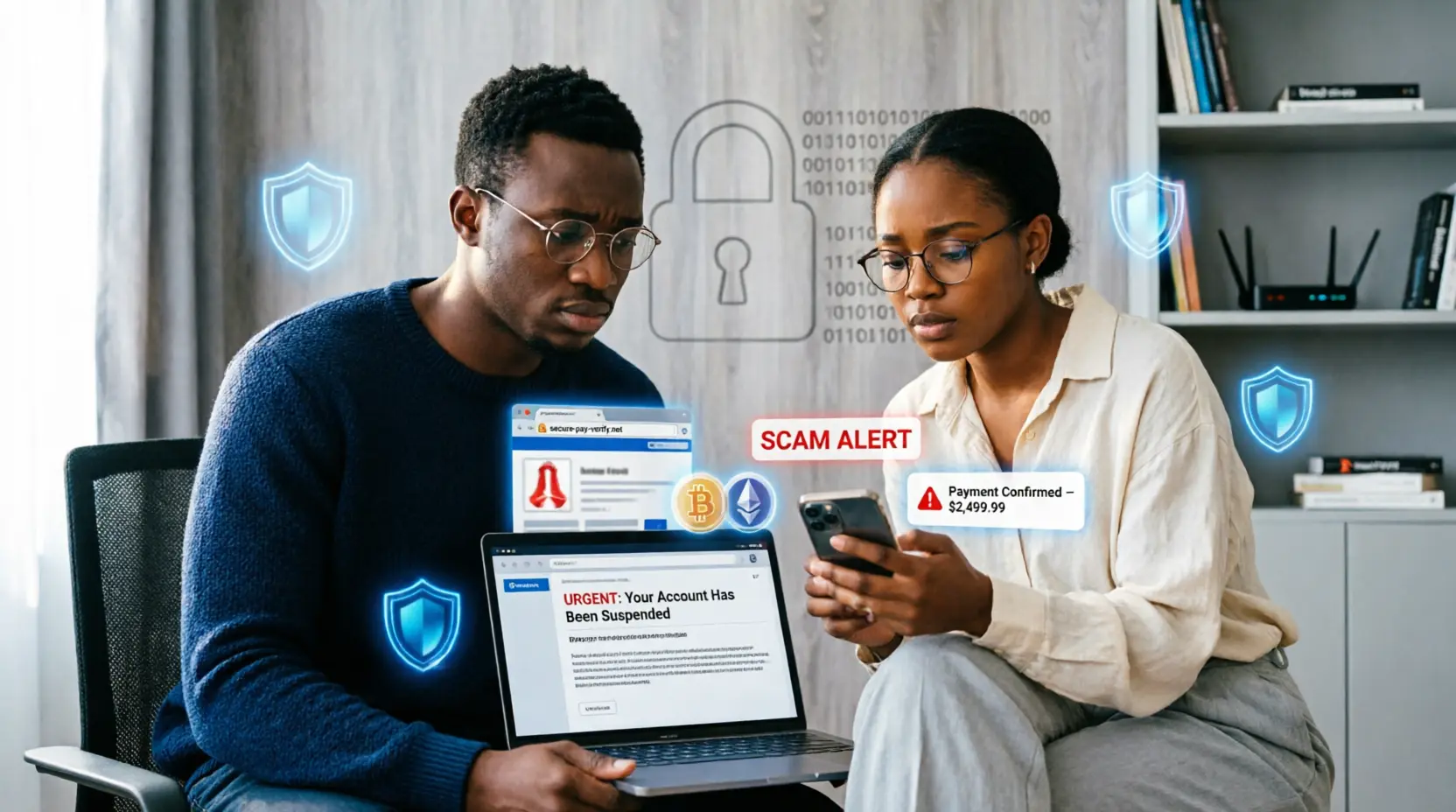
Yet, in the world of online business and transactions, even the sharpest of minds can fall victim to scams.
Even professionals, such as economists, accountants, and financial gurus, can't explain it.
They have all fallen for scam schemes. With so many people falling victim to online scams, it's clear that intelligence does not protect against financial fraud.
Your education, your high IQ, and professional experience don't reduce susceptibility to scams.
If smart people aren't careless, naïve, or uneducated, then why do they still get scammed?
The truth is, scammers are resourceful and tricky when devising new ways to con people, they don’t rely on luck, they rely on psychology.
Here are reasons why even intelligent people fall into their traps.
The Confidence Trap: “I’m Too Smart to Be Fooled

Scammers are resourceful and over the years they have devised schemes that have evolved far beyond the stereotypical “Nigerian prince” scam.
Today's scammers exploit human behaviour and psychology.
When someone believes they're “too smart to be fooled” they put themselves in a vulnerable state.
They often overestimate their ability and create a dangerous belief:
- • I'd never fall for something like that
- • I can smell a scam from a mile away
- • If it looks professional, it must be legit
- • I know what spoofing looks like
They may skim messages instead of reading closely, and trust a familiar-looking website without verifying it.
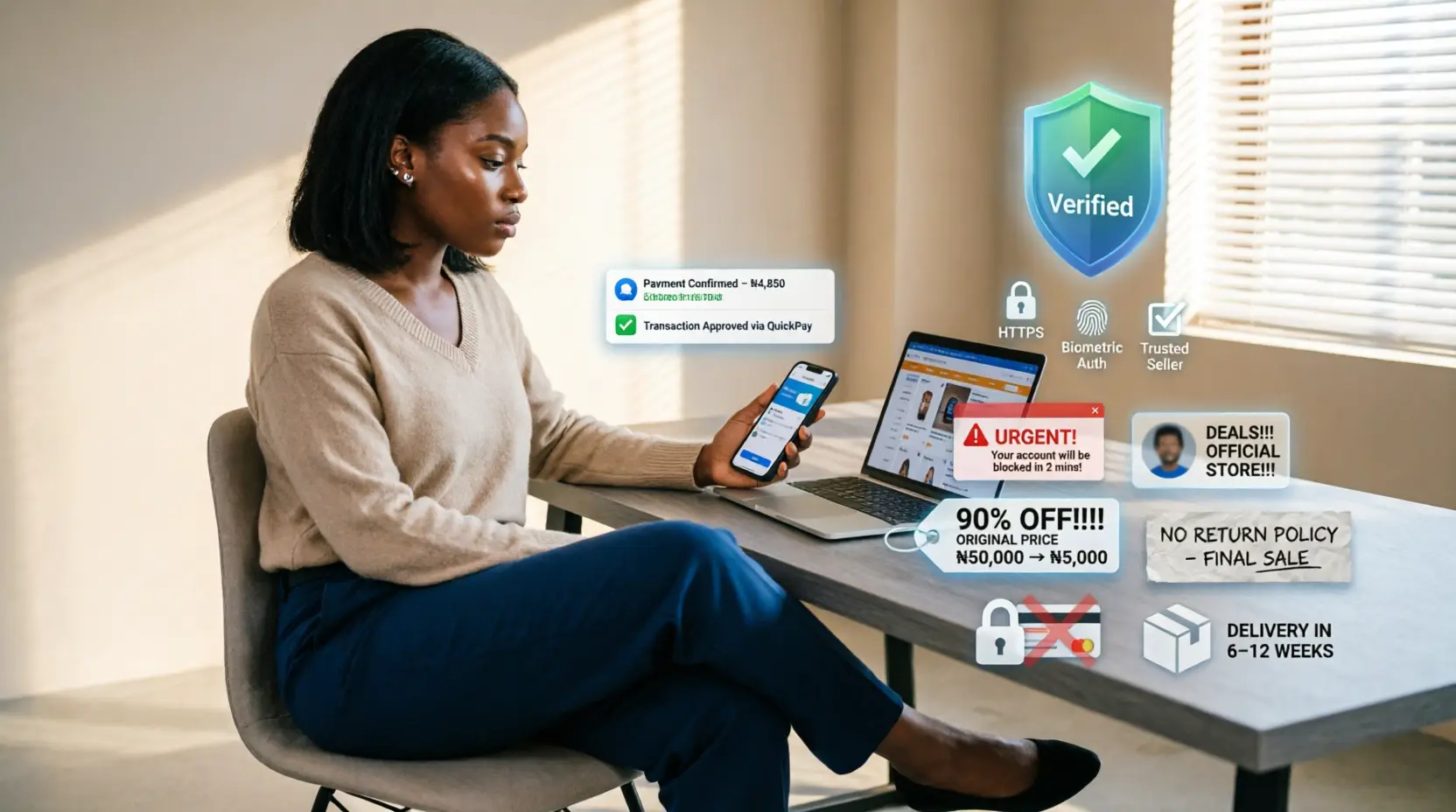
Scammers understand this mindset very well. So, instead of using obvious tricks, they design schemes that look professional, urgent and believable.
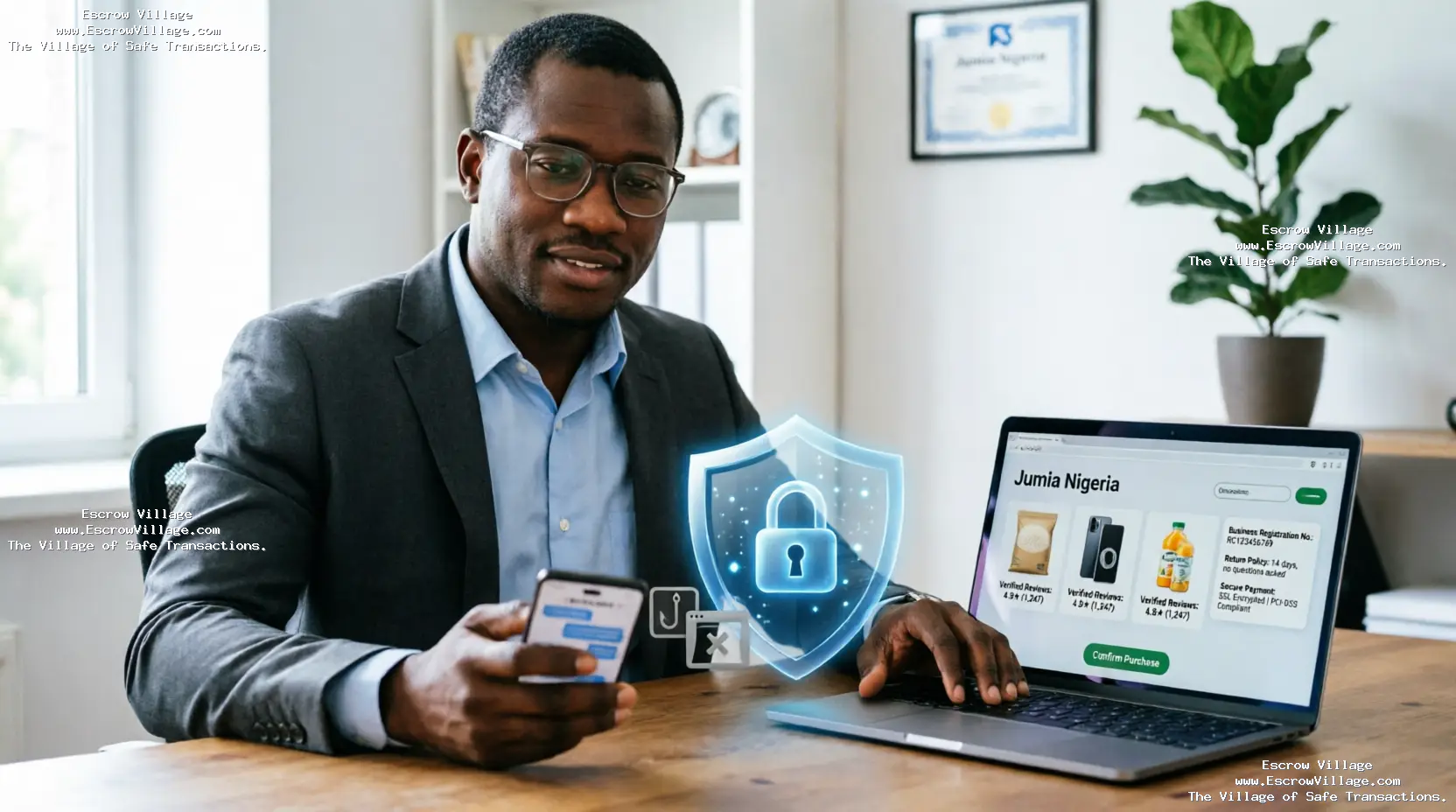
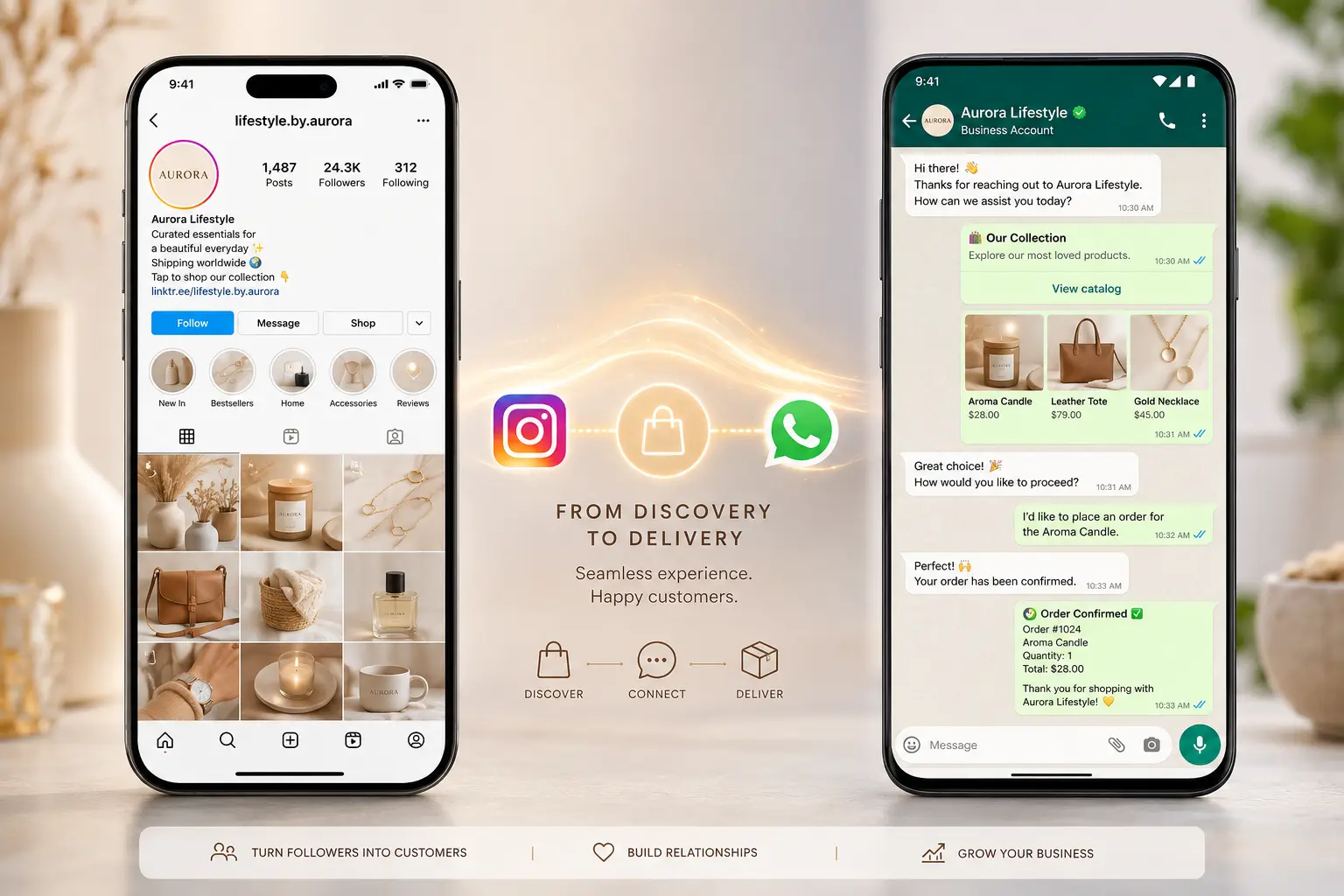
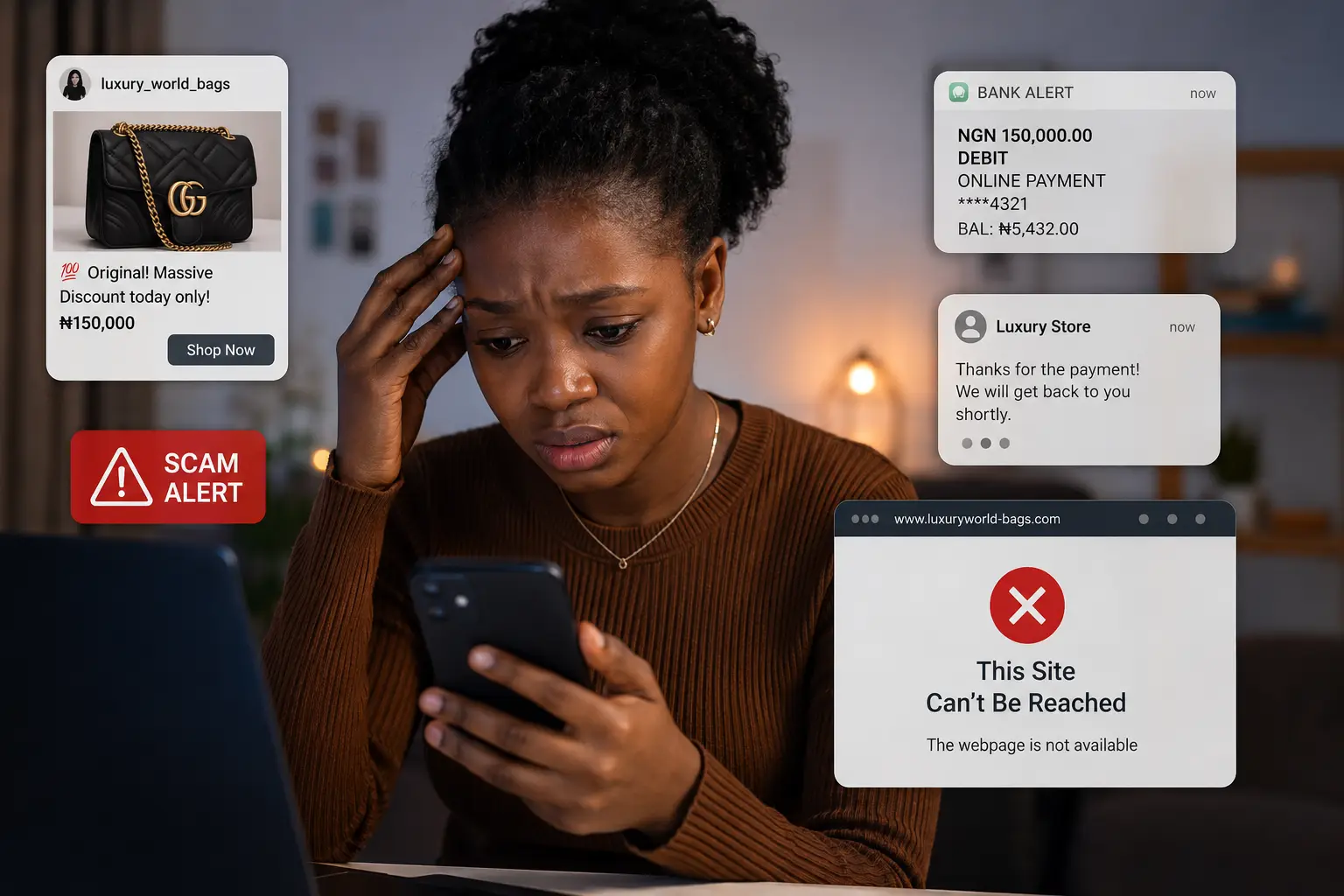
- • They create a fake online store that looks exactly like a real brand
- • Create polished content and fabricated customer feedback.
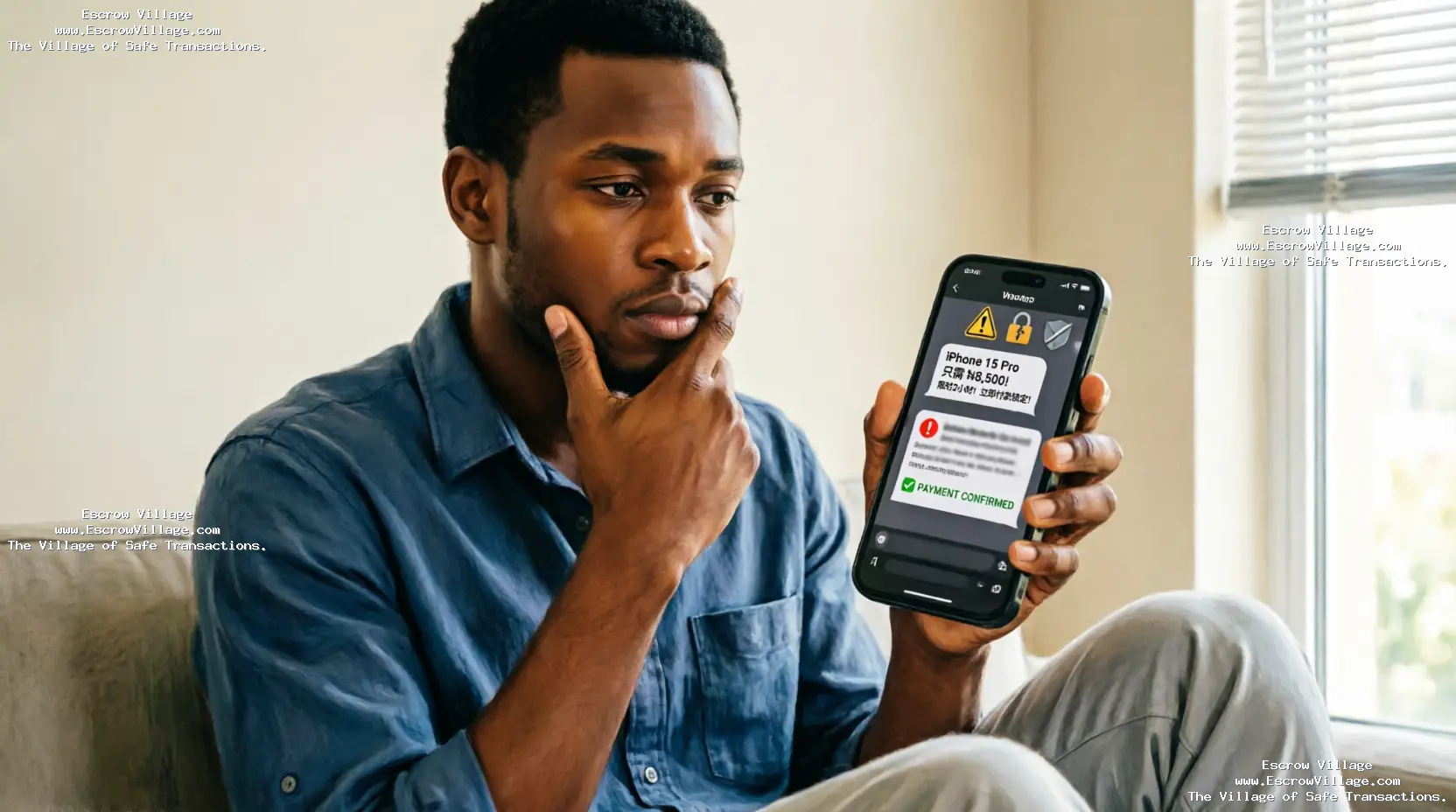
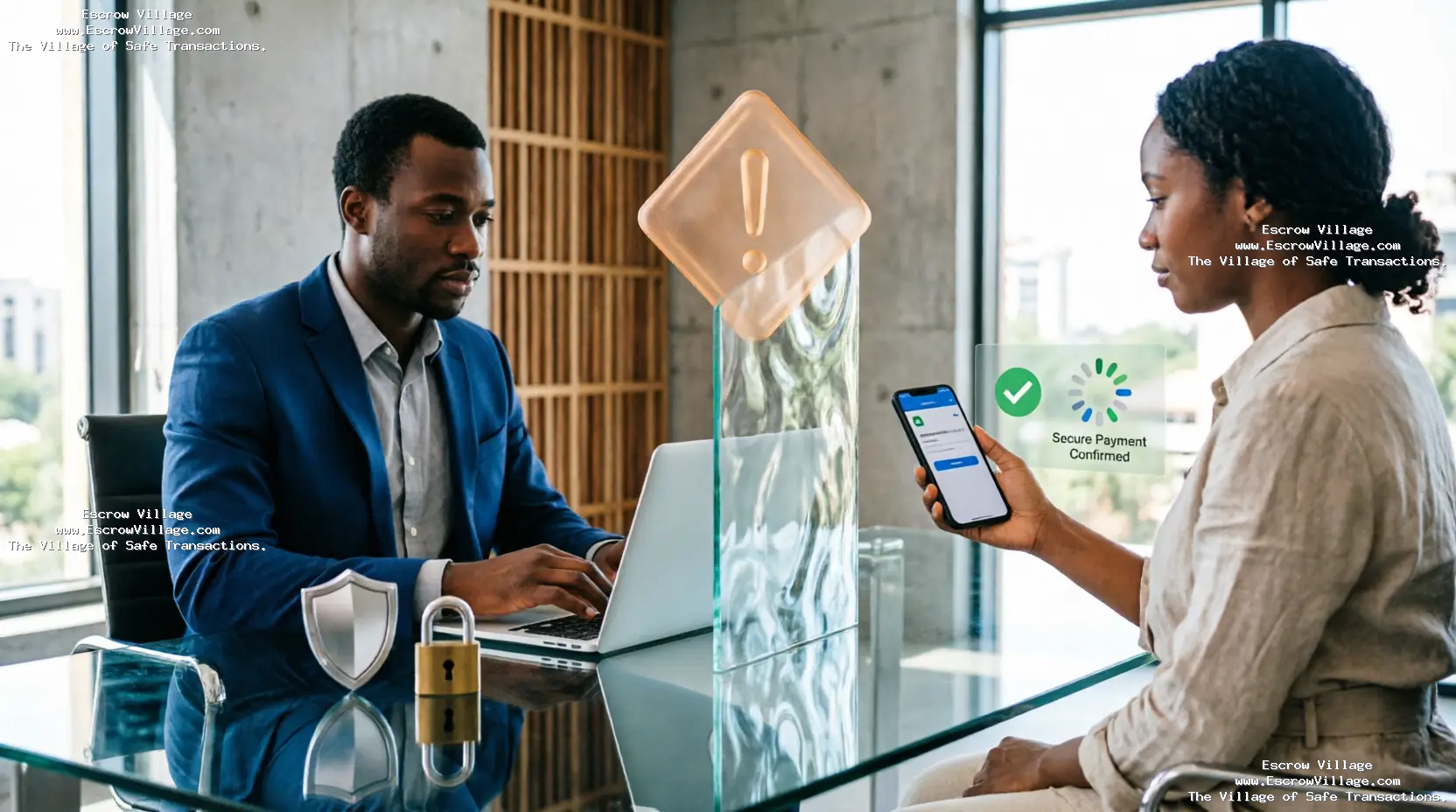
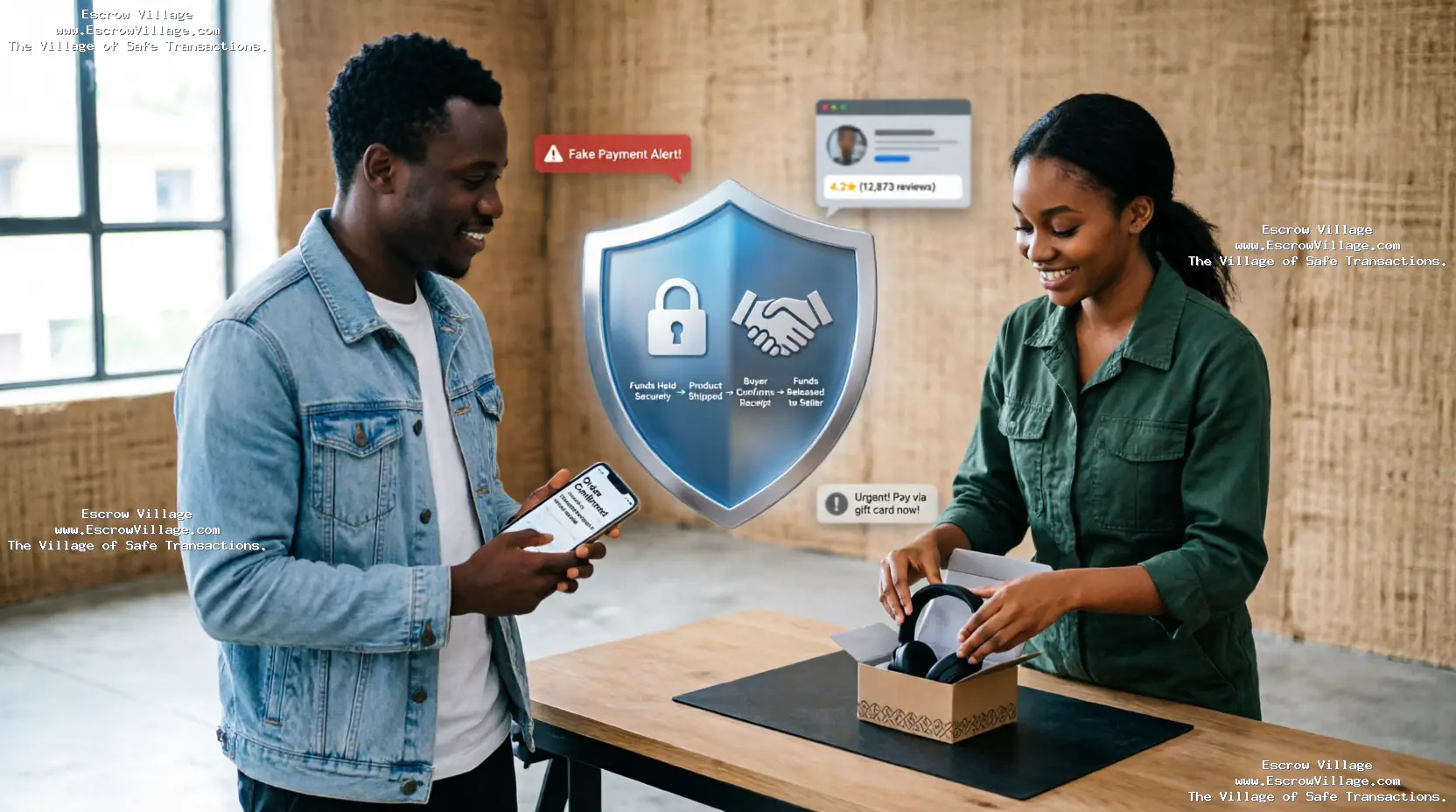
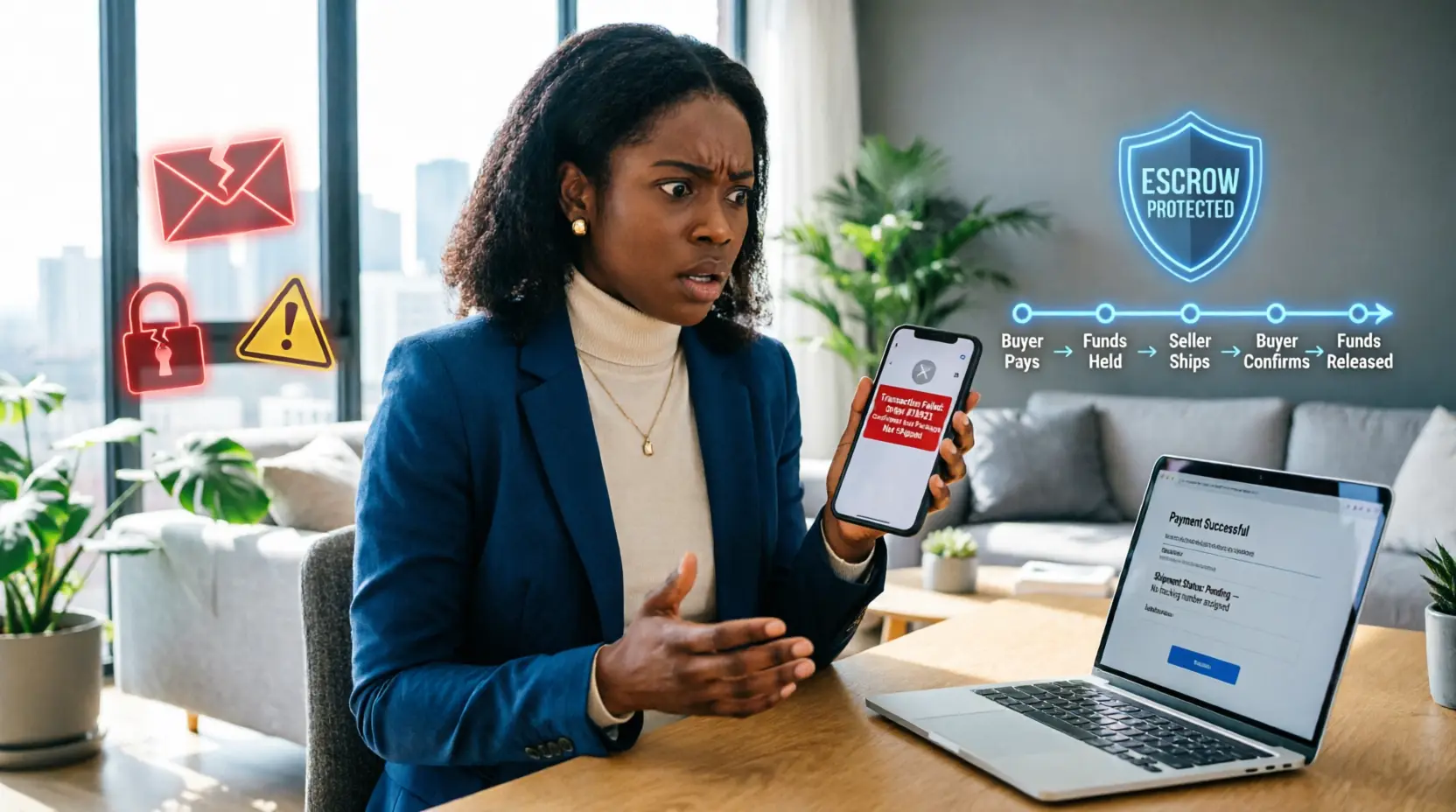
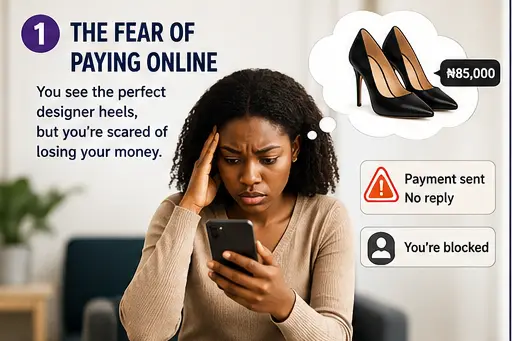
- • They send fabricated payment confirmations or bank alerts to convince sellers that payment has been made.
- • Etc.
When Emotions Cloud Logic

Scammers often rely on emotional manipulation to fool you, using intense feelings to cloud your judgment.
Scammers try to get victims in a highly emotional state where logic takes a back seat.
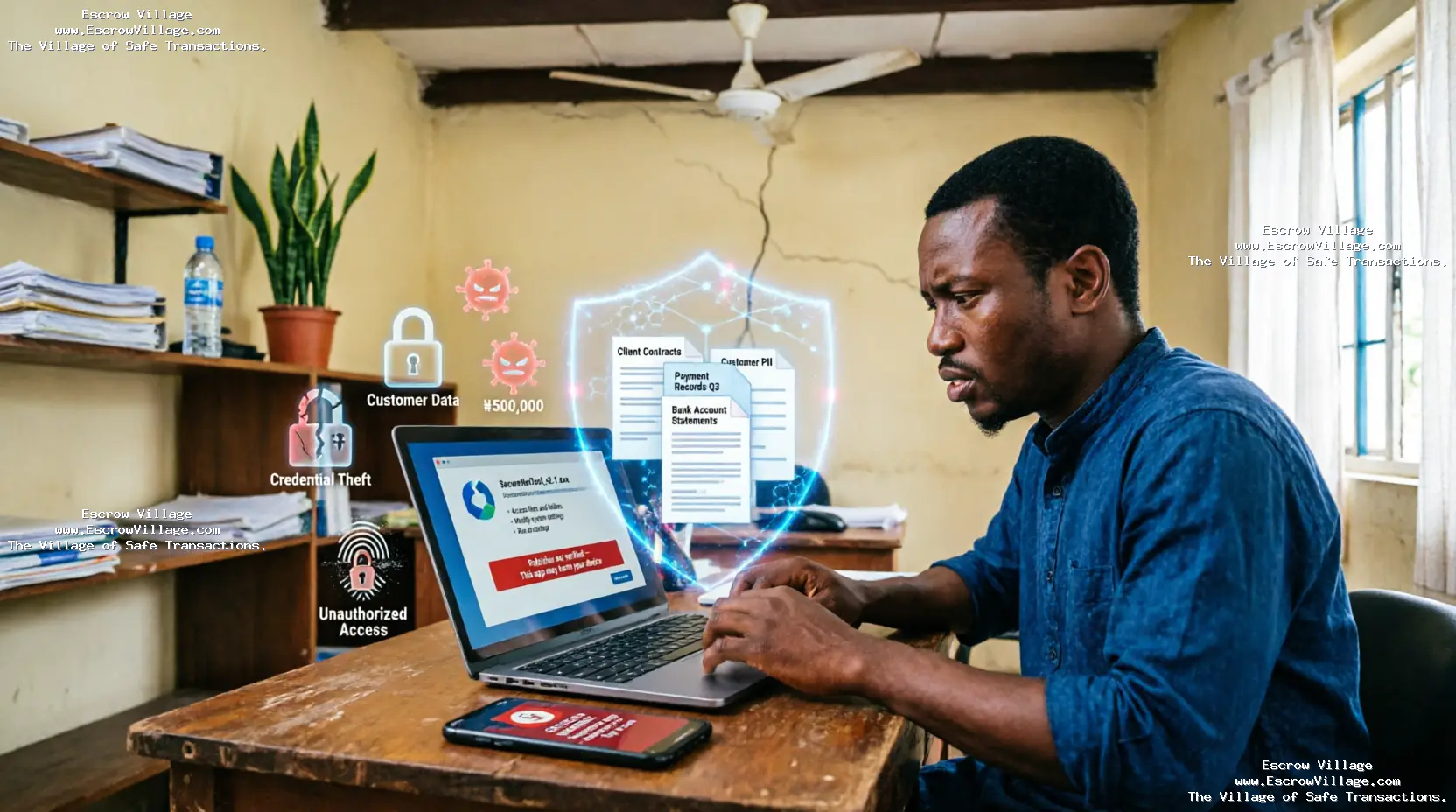
Scammers exploit this by creating fear, excitement, or urgency in the minds of their victims.They target your desires, fears, and empathy and once you are triggered, you are more likely to comply with their demands.
They trigger these emotions by:
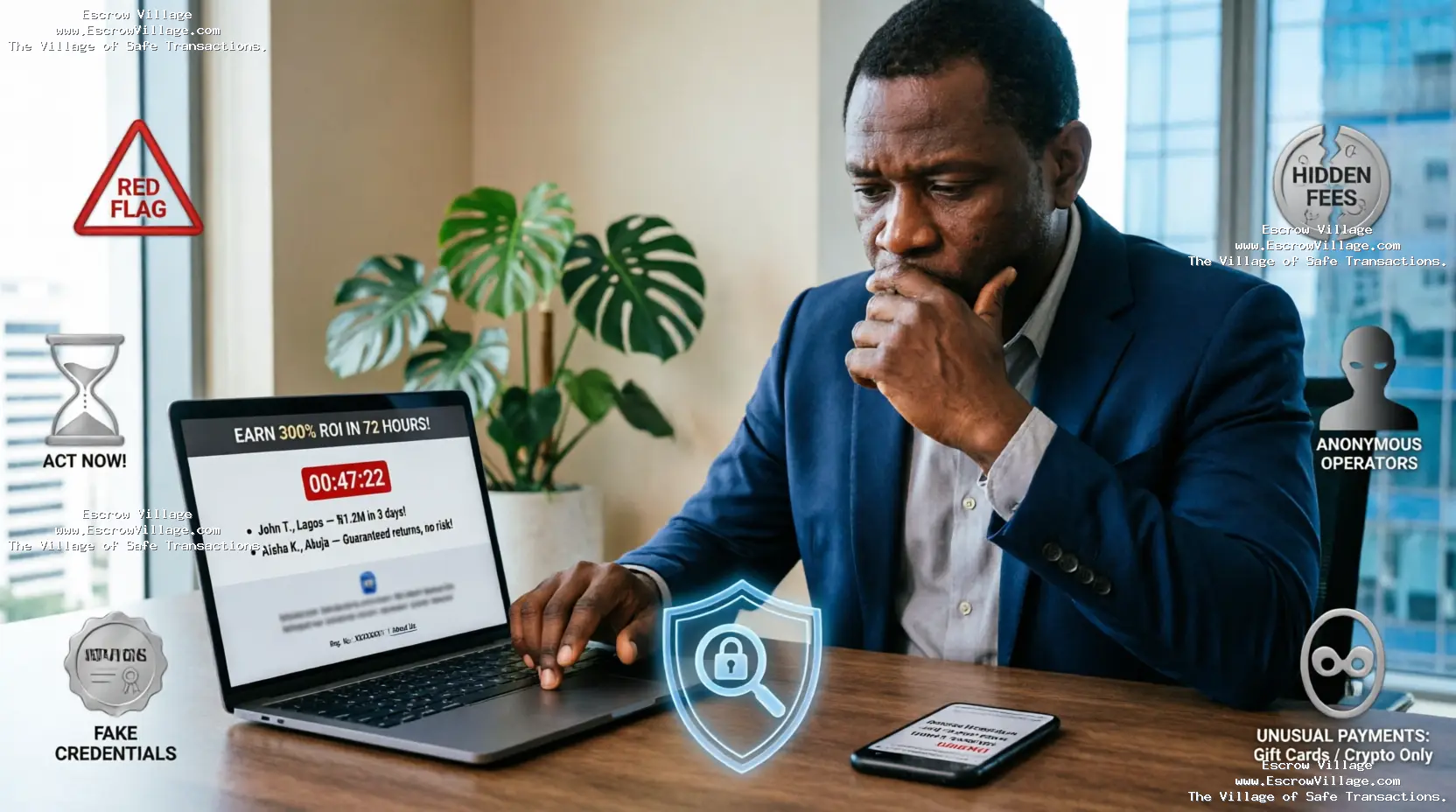
• Urgency: creating a fake deadline, countdown, or “last item left”
•Fear and anxiety: they make you feel like something will go wrong if you don't act fast.
• Excitement: they sell luxury products at a low price and with huge discounts.
• Greed: they make people feel they are gaining something rare and valuable.
When emotions take over, logic becomes silent and that silence is exactly what scammers depend on.
Trust-the-tittle trap

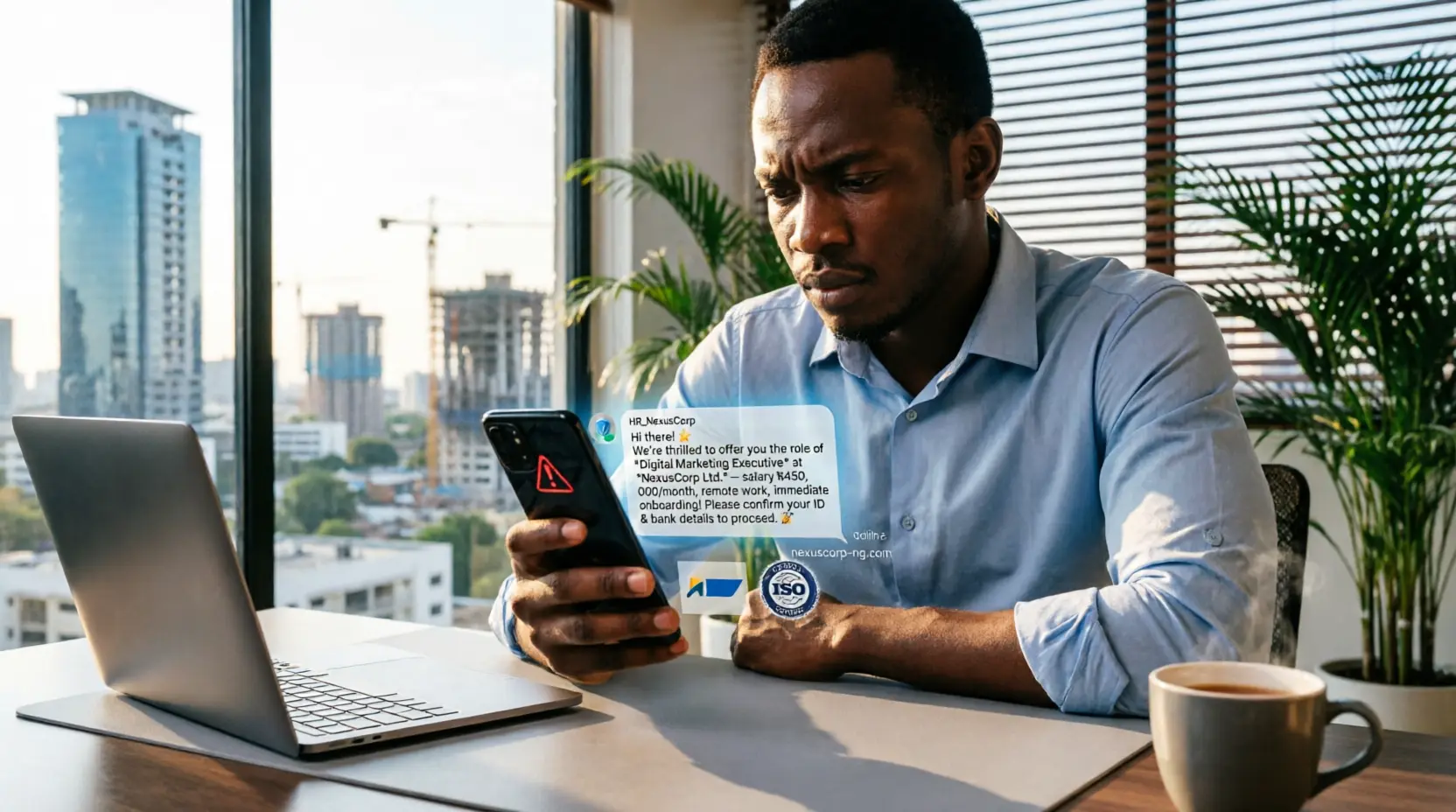
Scammers present themselves as an "expert" in a specific field. The scammer may drop terms or present data that seems highly credible, tricking the victim into trusting their advice or offer.
They send messages that look “official” or come from a “recognised” source thereby leading to gaining the trust of their victim.
Smart people are vulnerable here because they are used to dealing with organised and structured systems.So, when a message looks like it comes from a trusted system, their mind quickly assumes it is legitimate.
Scammers also take the route of impersonation, pretending to be someone else.
This involves taking the profile, personality, voice, and act of someone else. They create an account similar to the impersonated person's account or take over the account.
Authority trap can be dangerous because it does not look suspicious and in online transactions people respond quickly to an official source for fear of missing out.
Scammers don't gain trust through force, they borrow authority to manufacture trust and once trust is created, intelligent buyers can act before verifying.
Escrow Village is here to help

The truth is, intelligence alone is not enough protection in today’s digital marketplace.
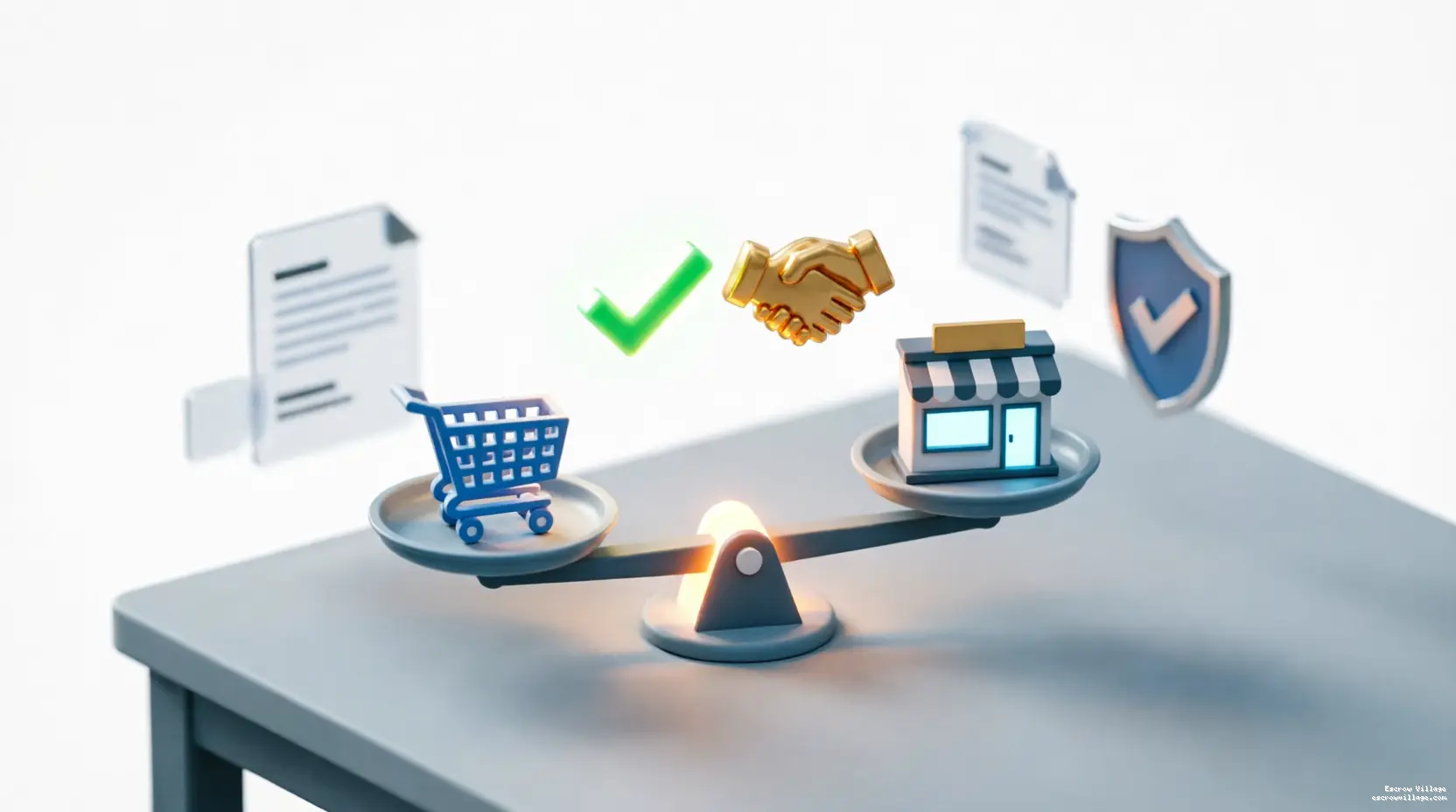
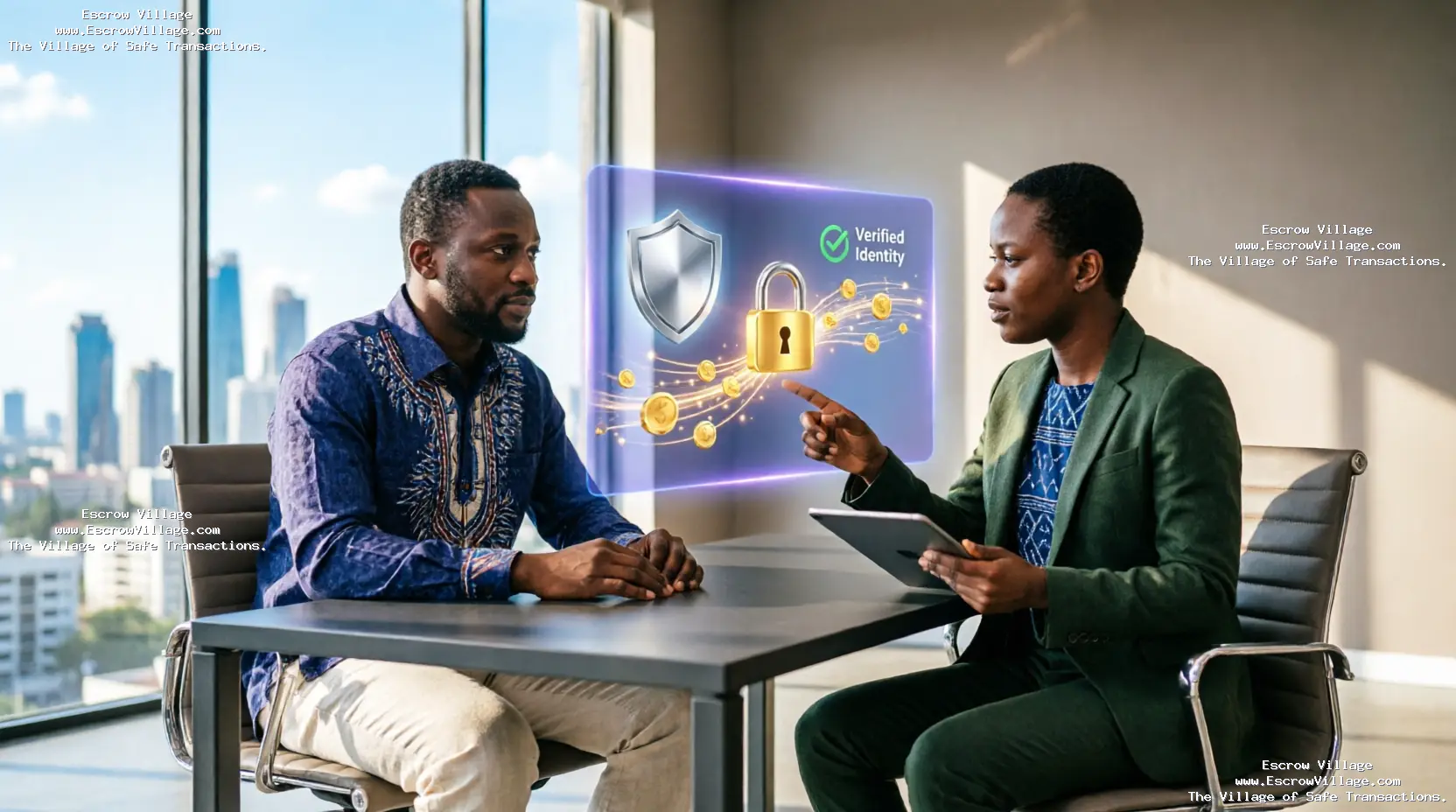
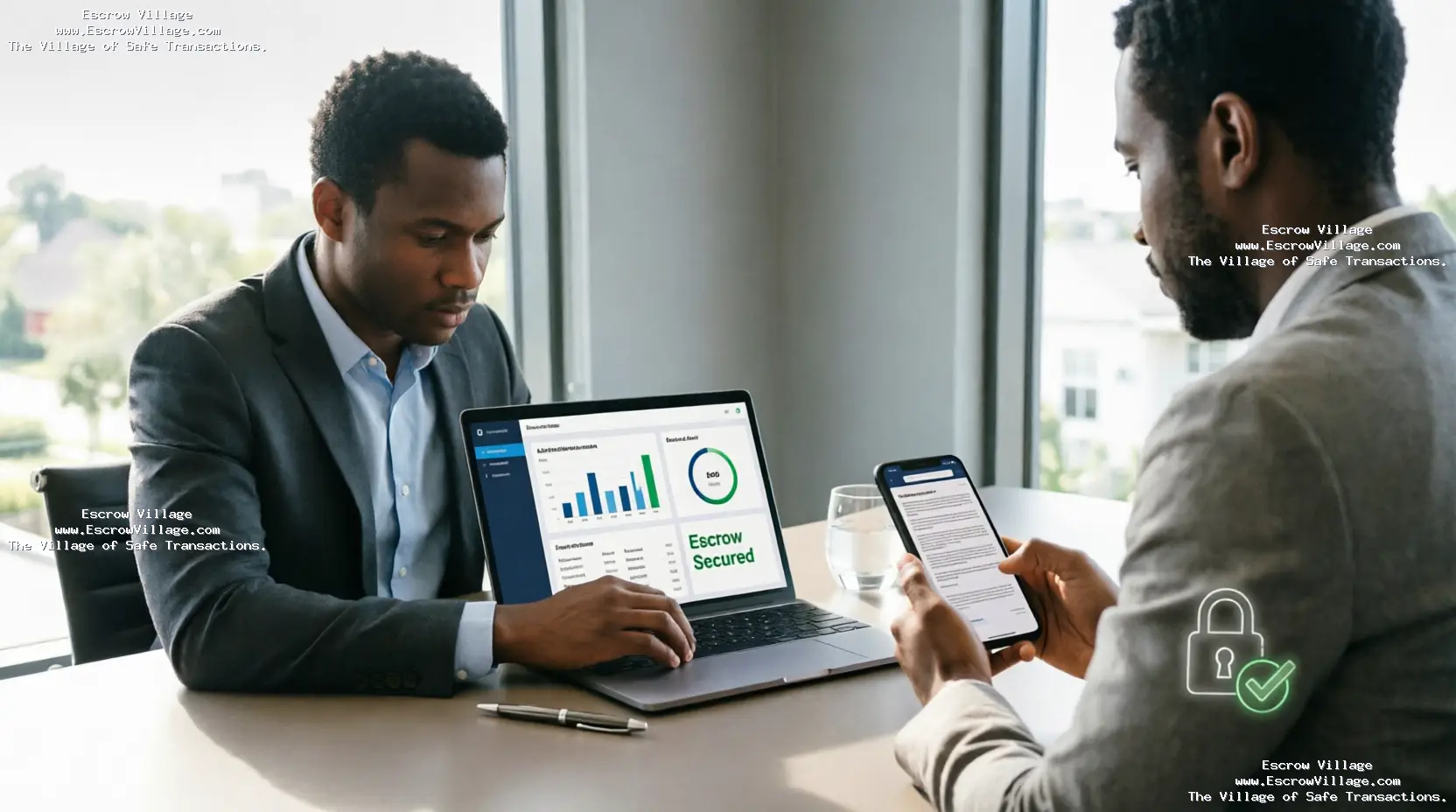
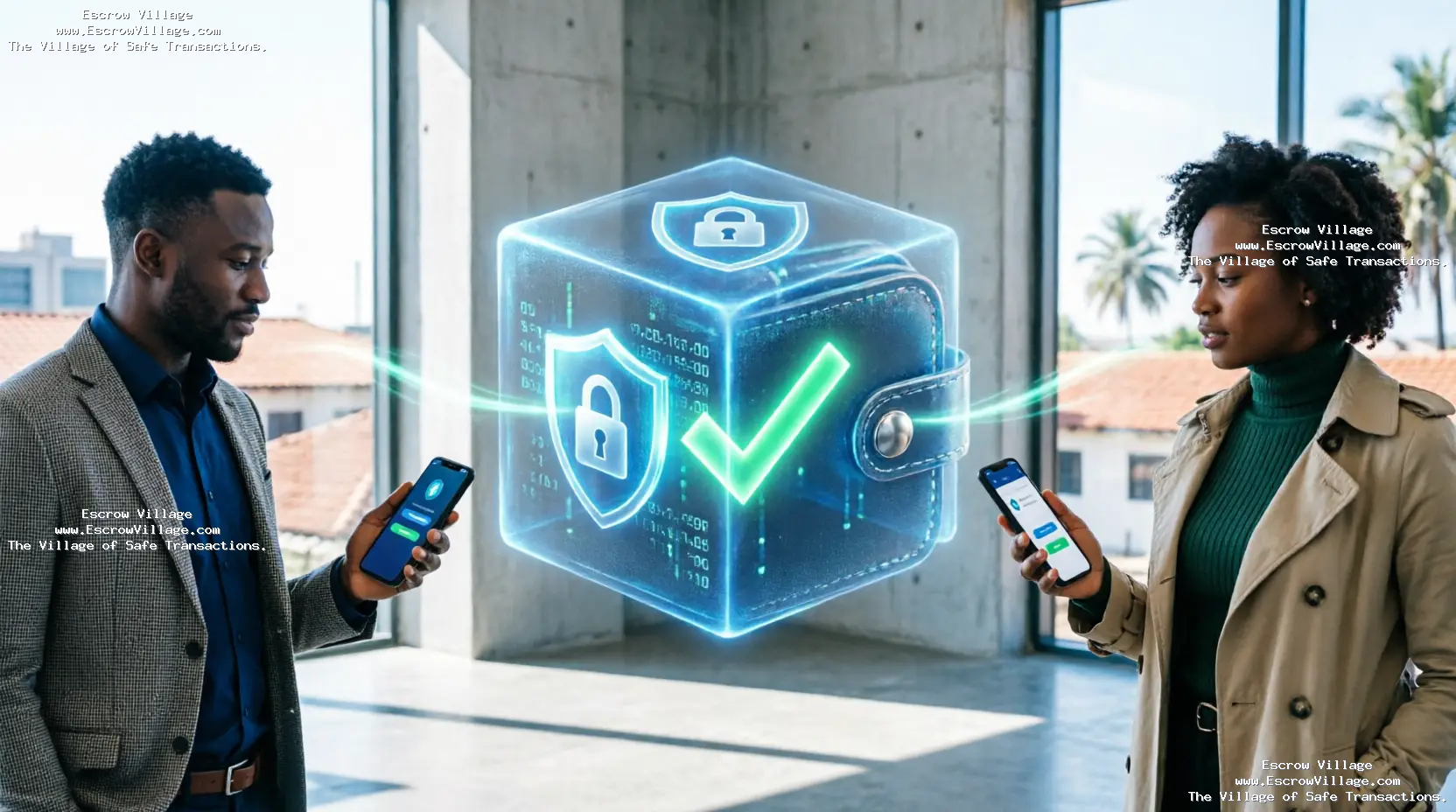
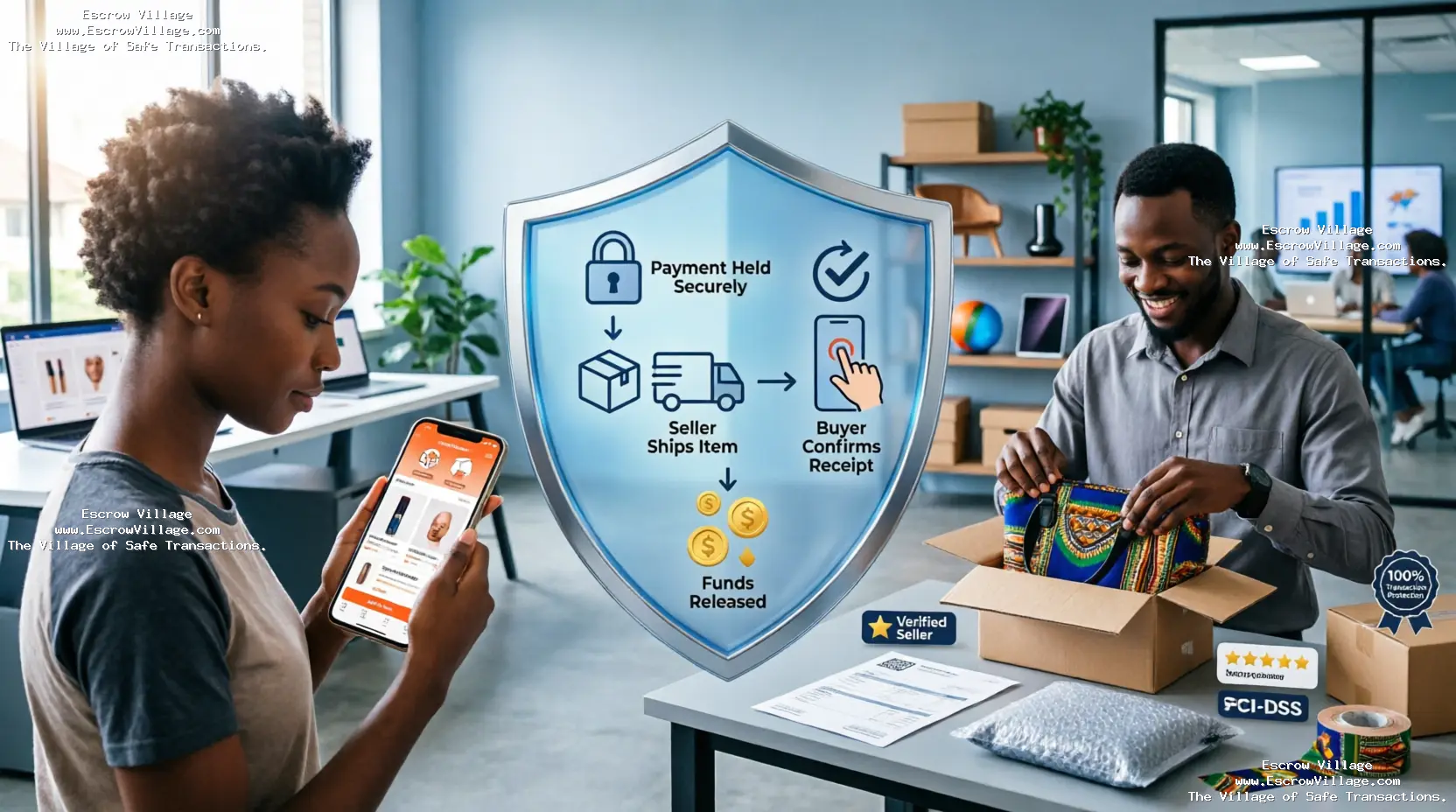
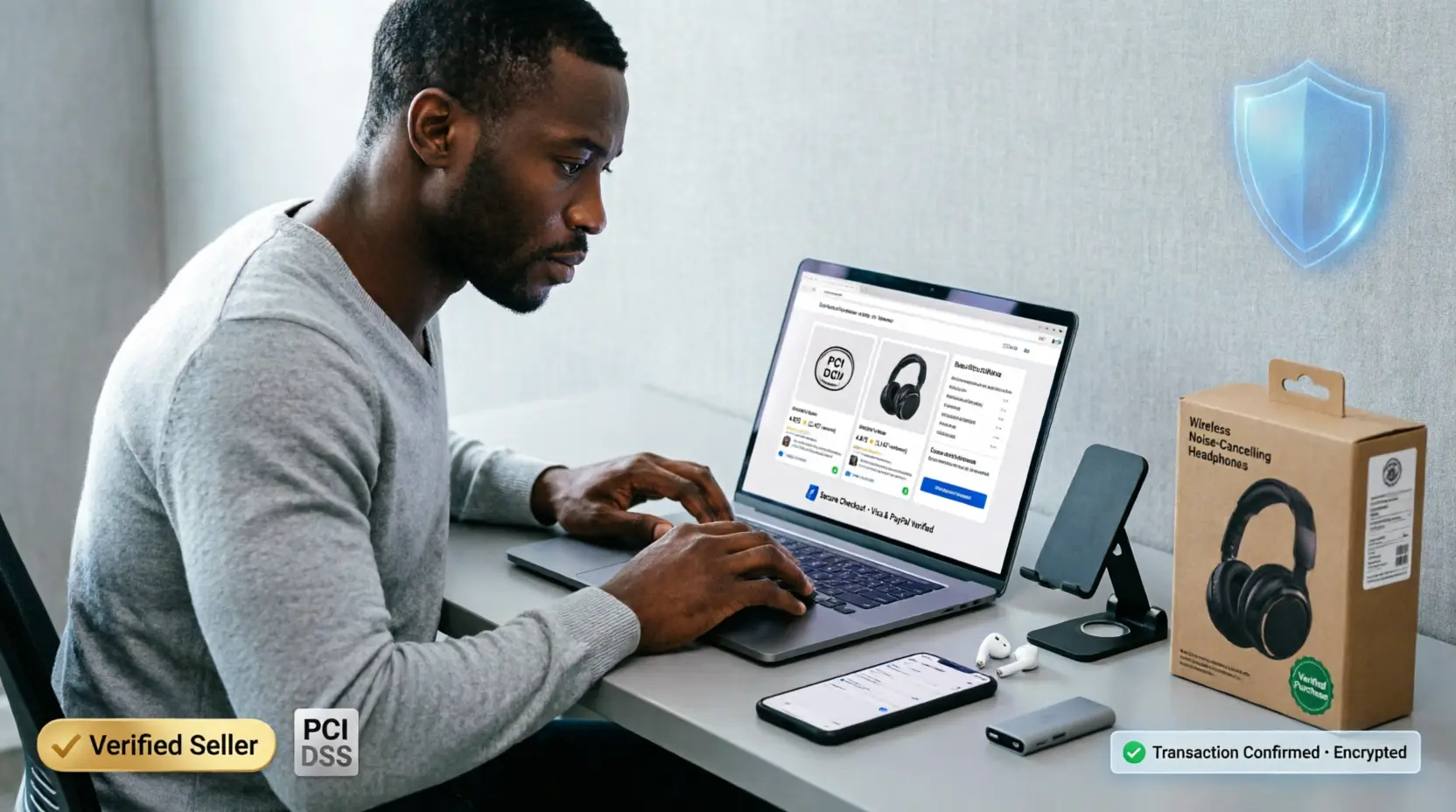
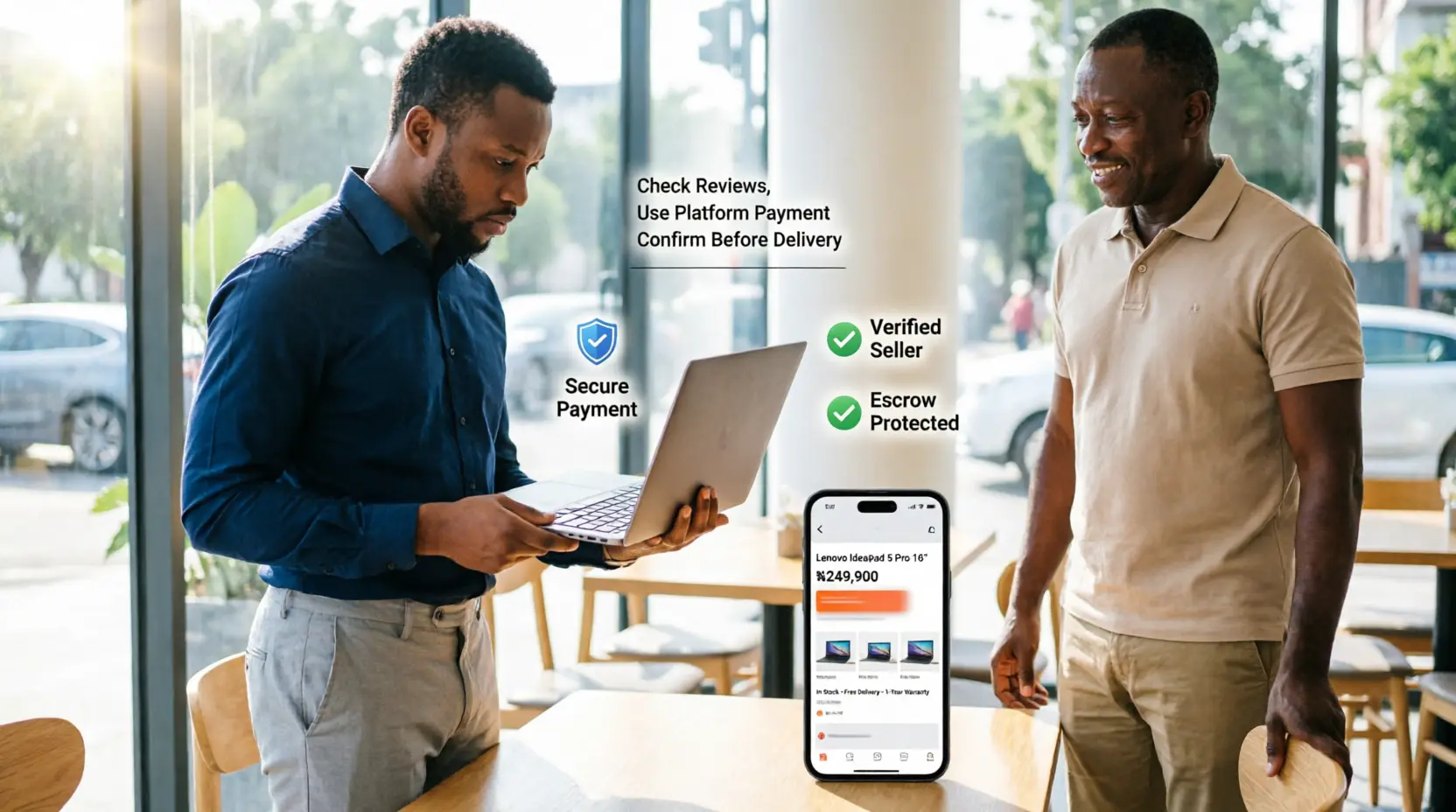
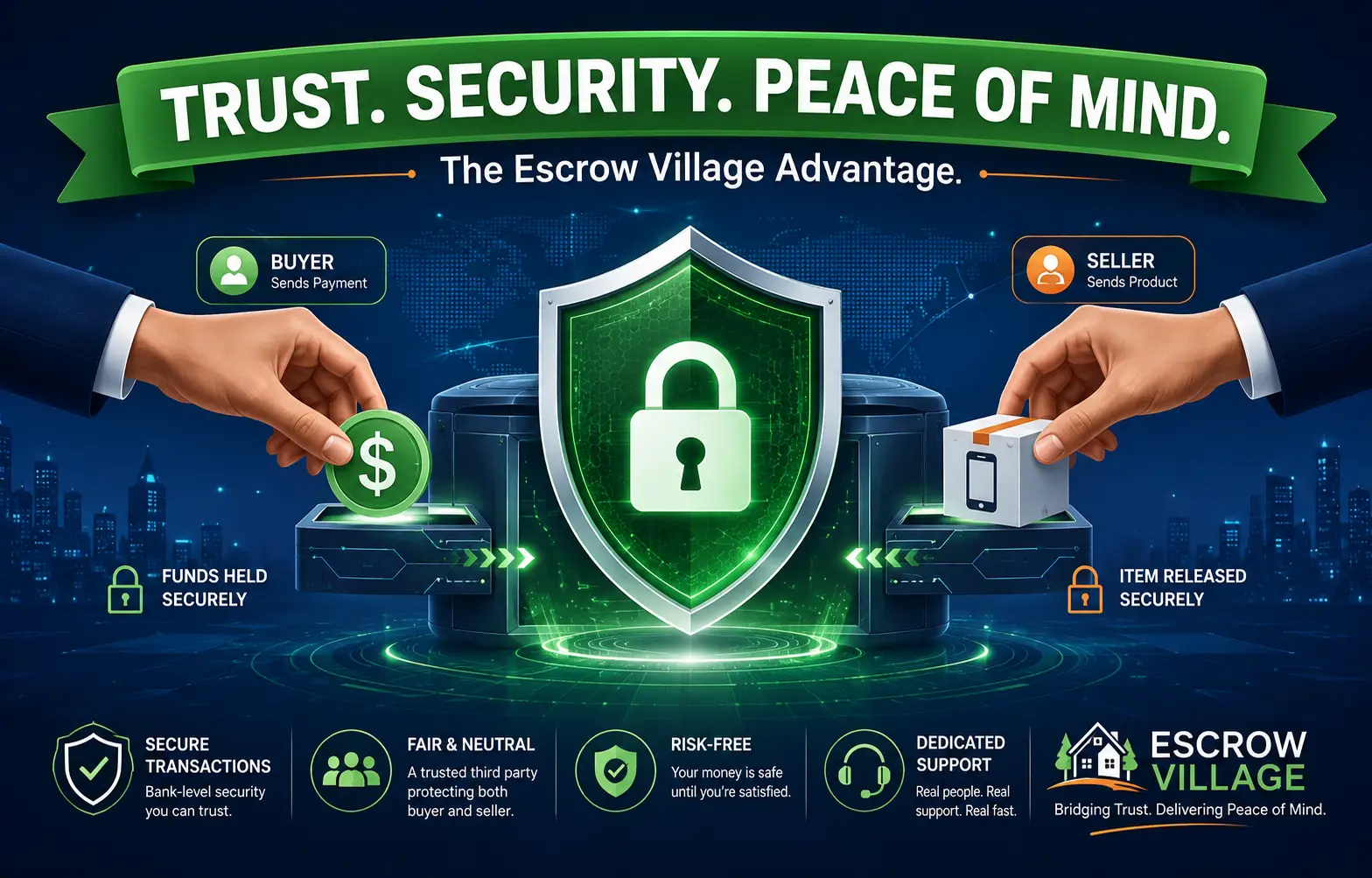
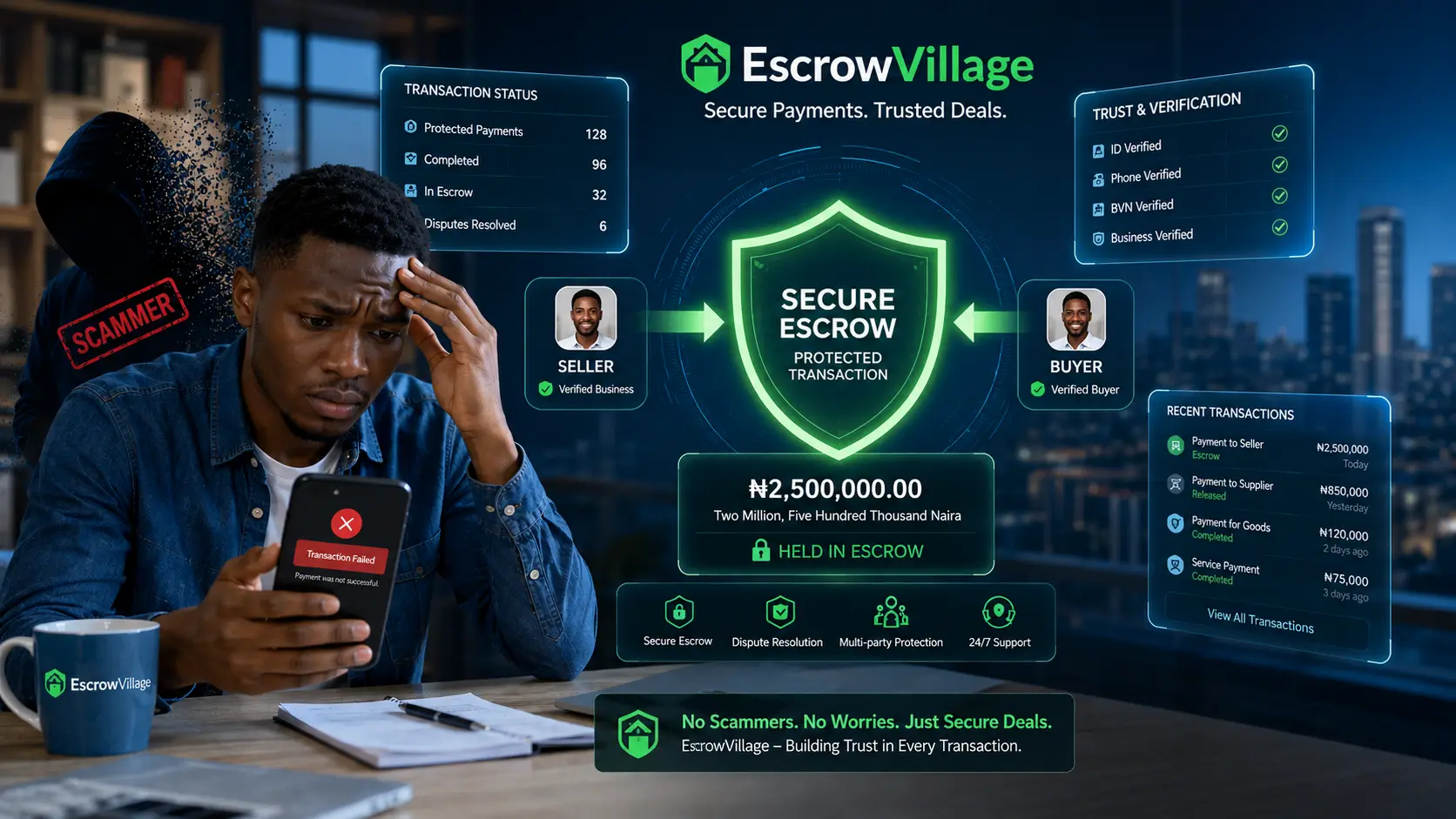
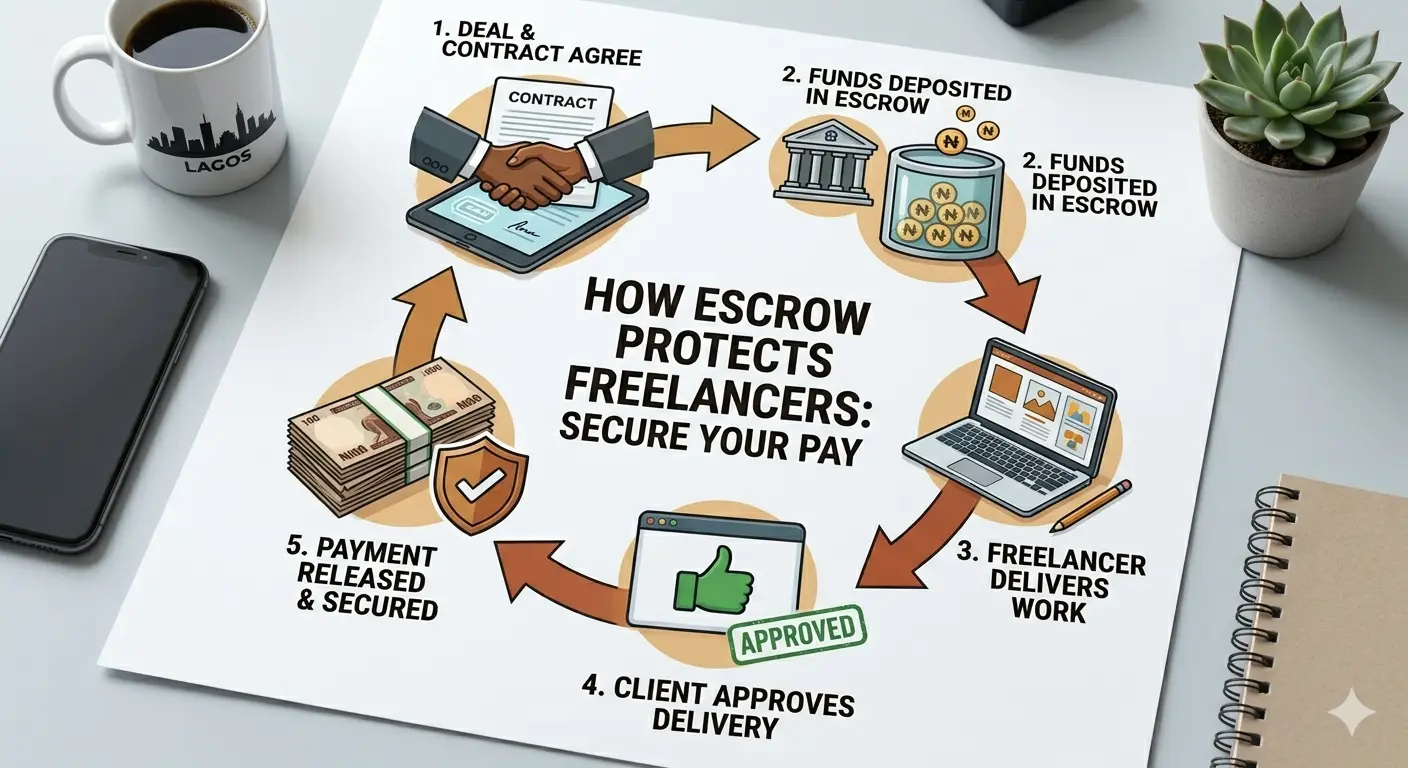
Awareness, caution, and the right systems are what truly keep buyers and sellers safe.This is where trusted platforms like Escrow Village come in, helping buyers and sellers transact safely by holding payments securely until both parties are satisfied.
Instead of relying on blind trust, escrow systems add a layer of protection that reduces the risk of fraud and builds confidence in online transactions.

In a world where scammers study people carefully, the safest approach is not just to be smart but also to be protected.
Visit: https://www.escrowvillage.com to start using Escrow Village today and make every online transaction safer.