How to Identify Fake Buyers and Sellers in Nigeria: 4 red flags
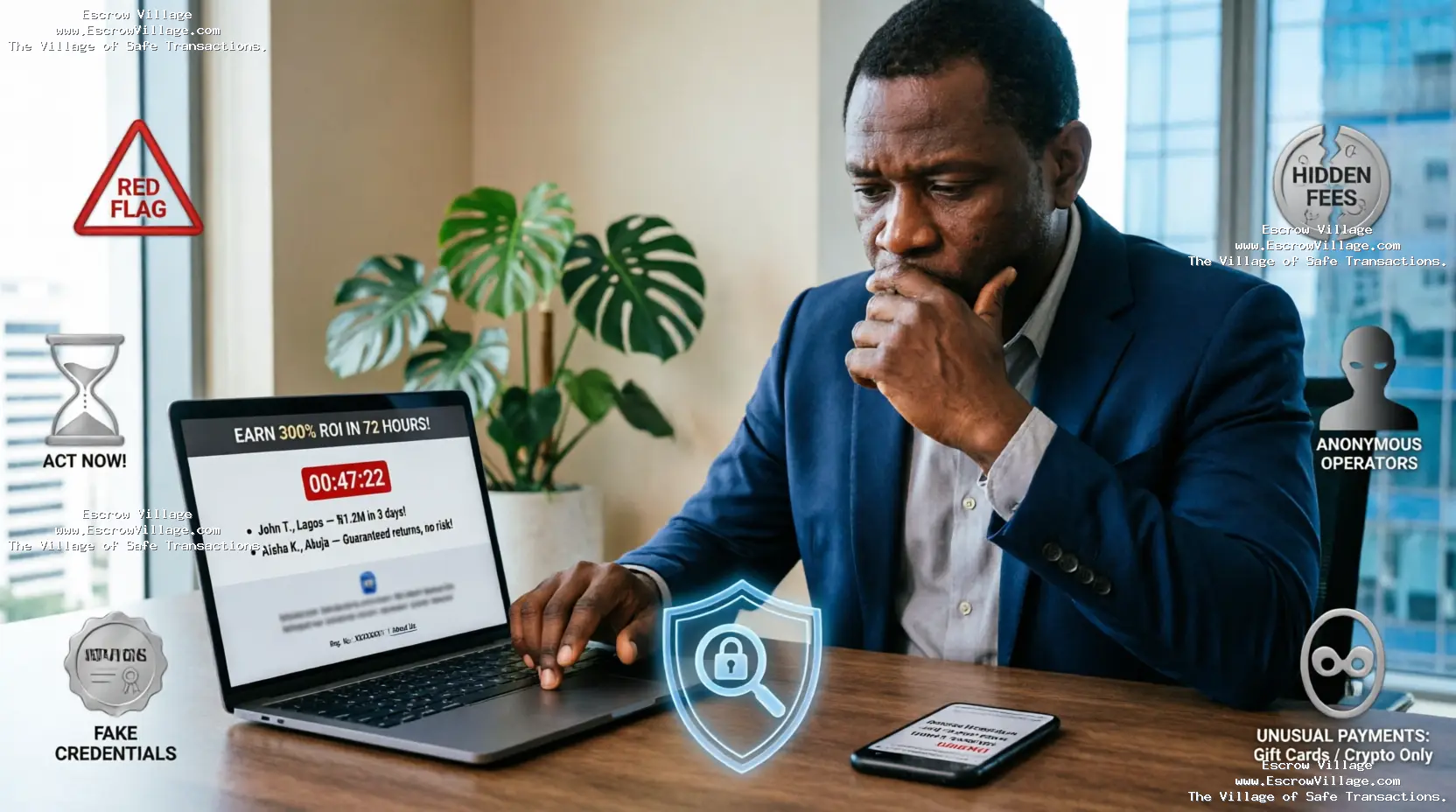
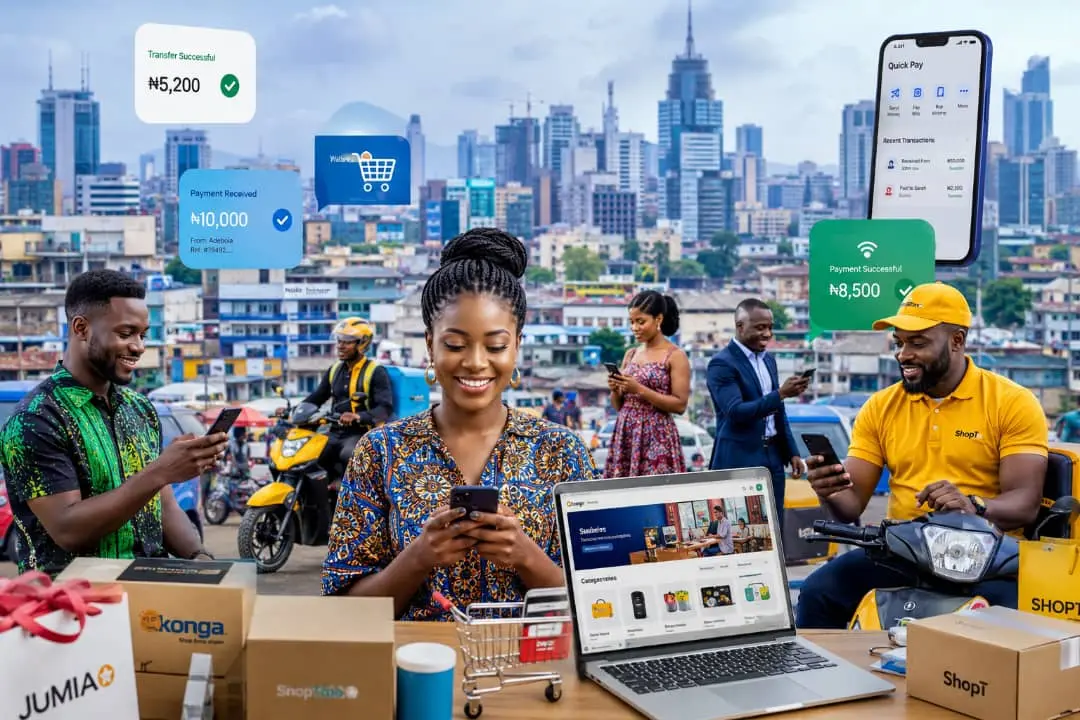
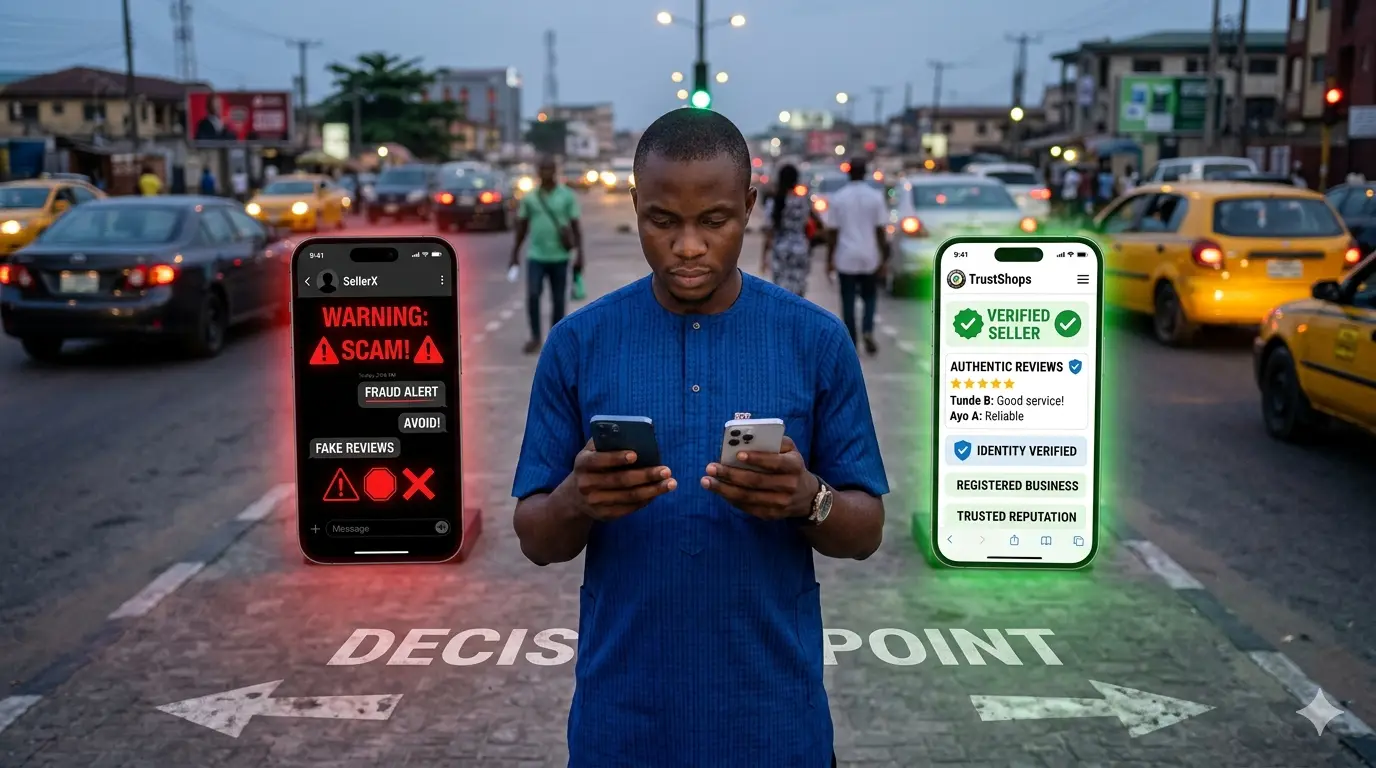
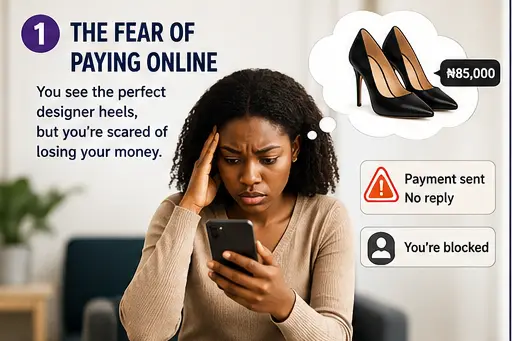
The Nigerian digital economy is booming, from Facebook Marketplace to Instagram vendors, buying & selling are now at our fingertips. But let's be honest, buying and selling online in Nigeria has become a high-risk environment as the opportunities grow.
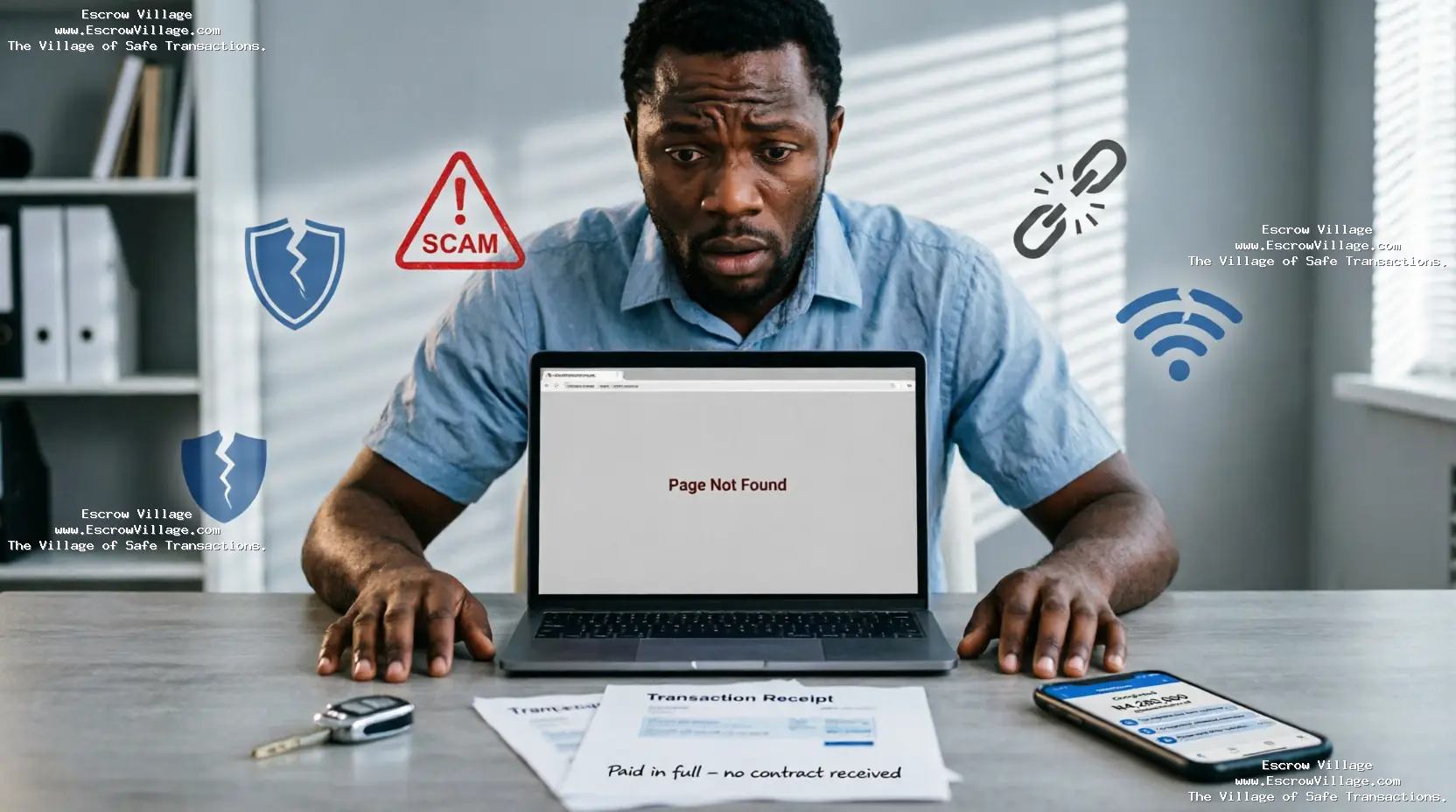
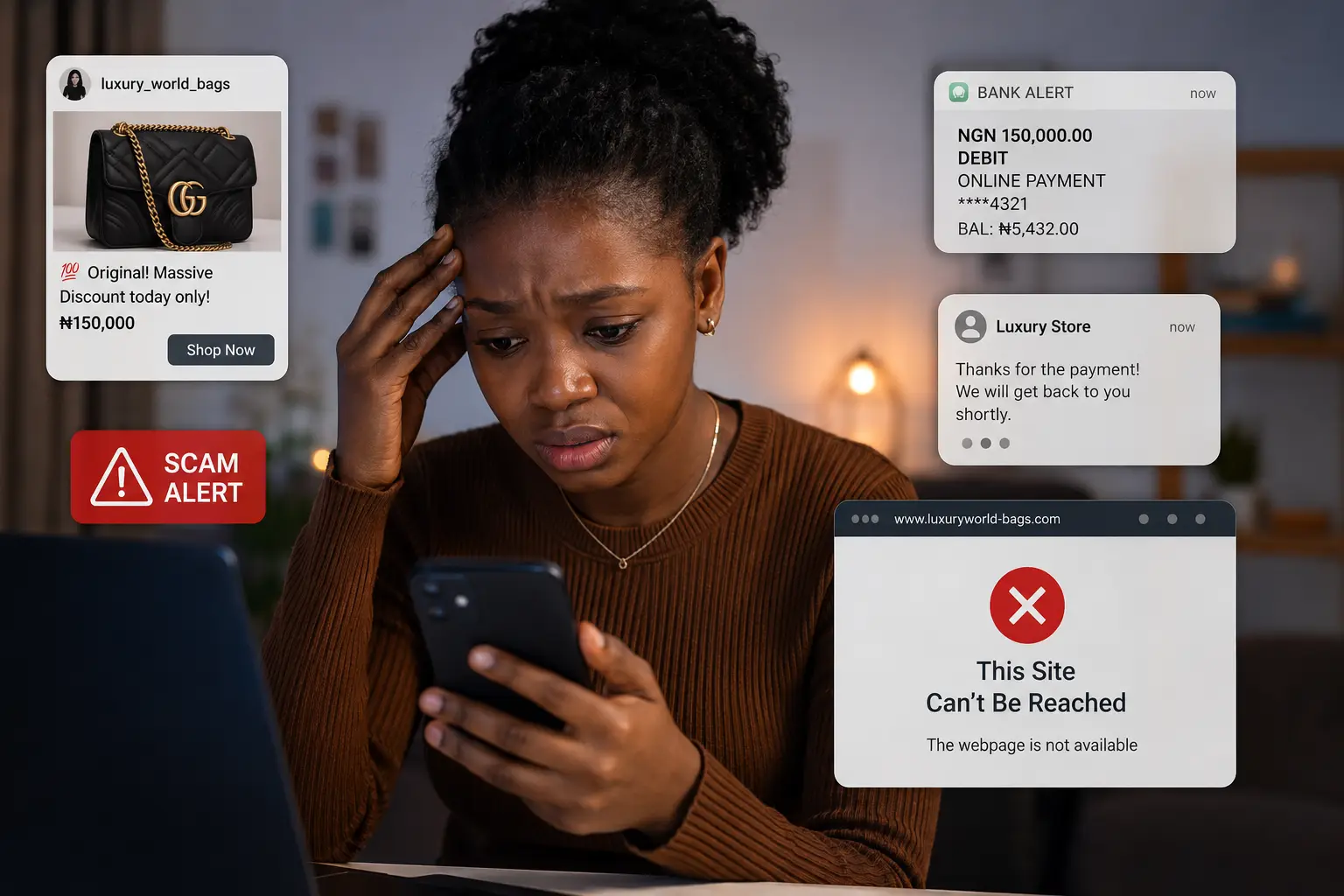
Whether you are a business owner trying to scale or a shopper looking for a deal, the "what I ordered vs what I got" nightmare, or worse, losing your money entirely, is a hazard.
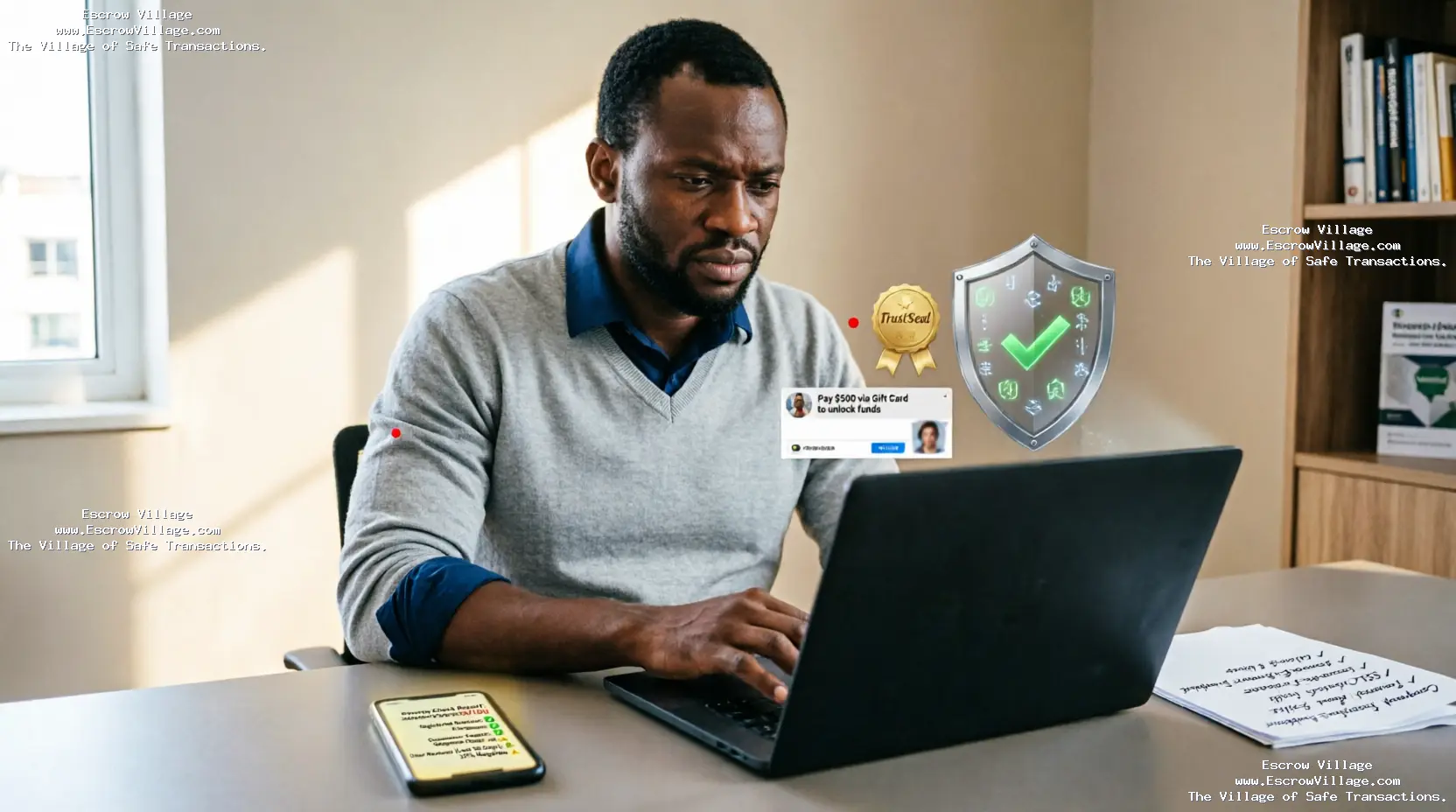
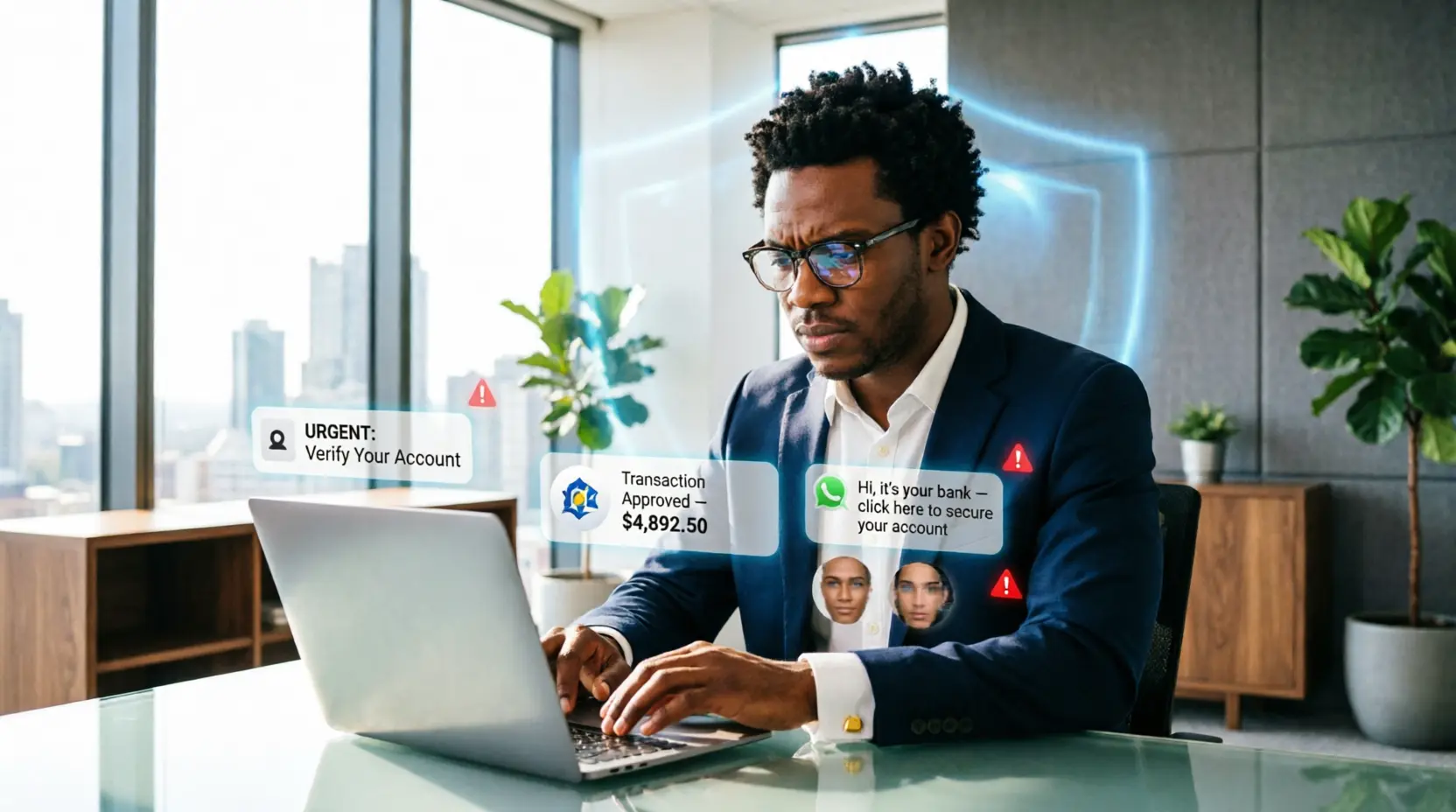
Behind those "yes, it is available" comments are scammers waiting to wipe out your account.
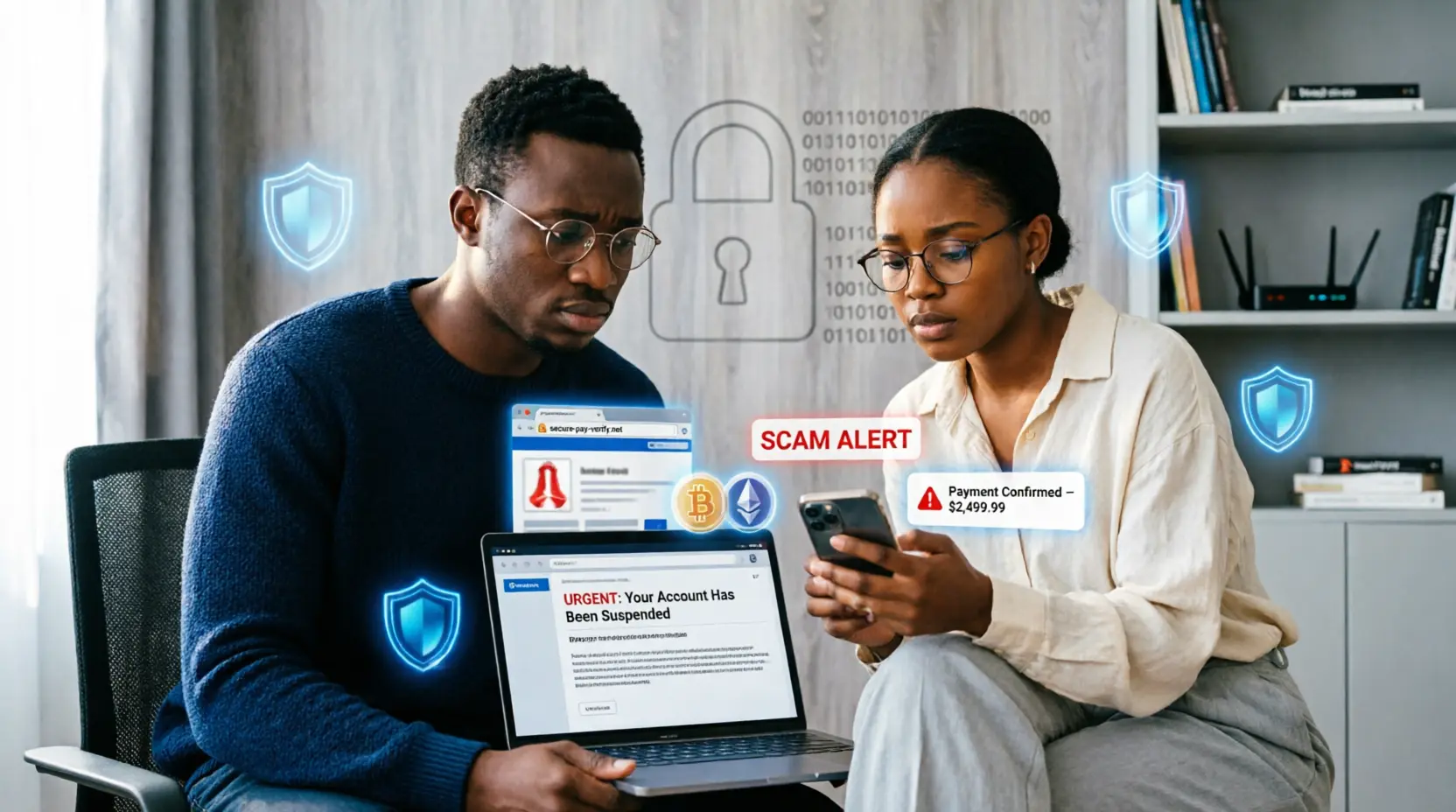
They also exploit our trust in "evidence" like bank receipts and screenshots.
Knowing how to identify a fake buyer and seller isn't considered a skill anymore, it is a necessity.
I'll show you exactly how to identify false buyers and sellers online in Nigeria before they scam you.
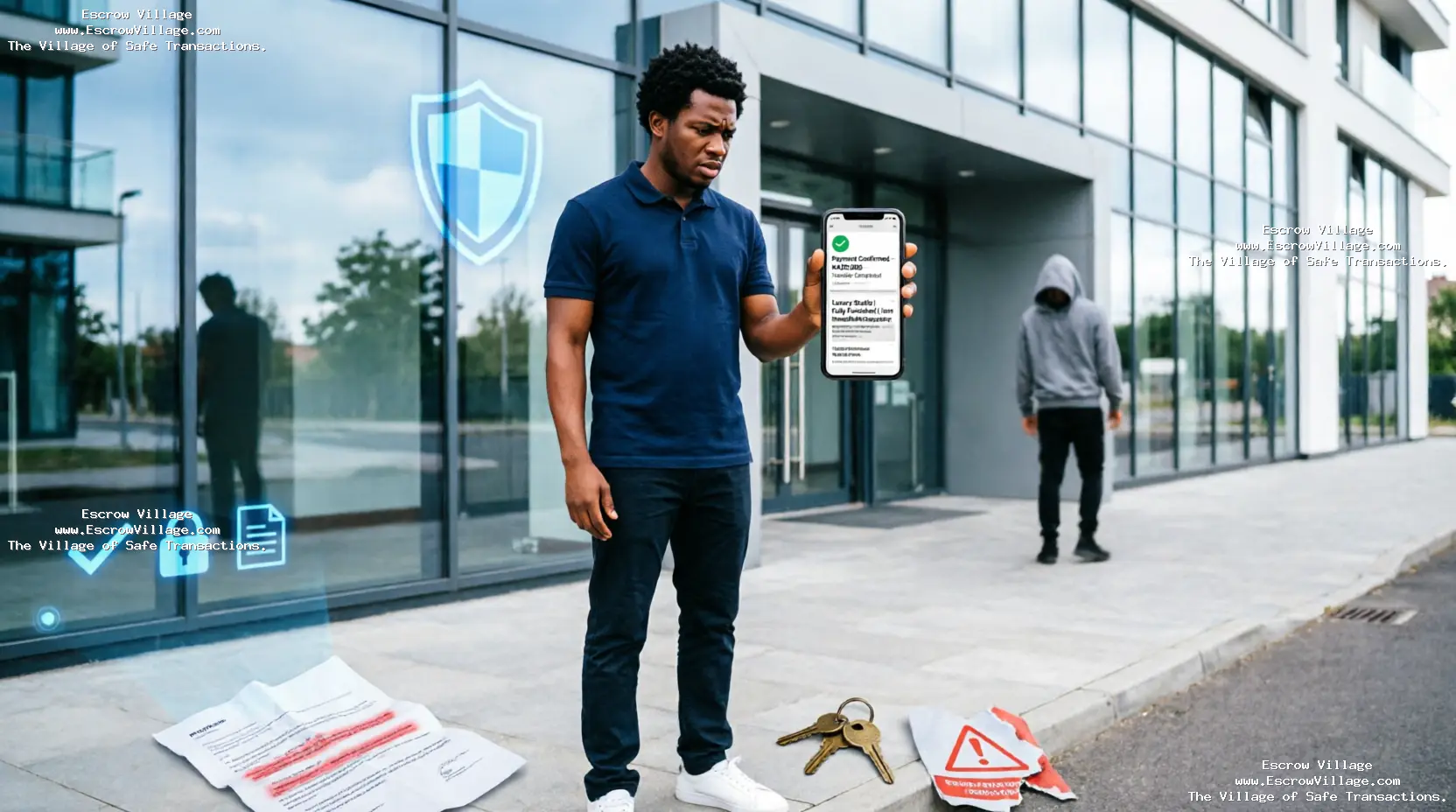
You list an item, let's say an iPhone 12 for 5,500,000 naira. Here is how to spot a fake buyer before you hand over the goods.
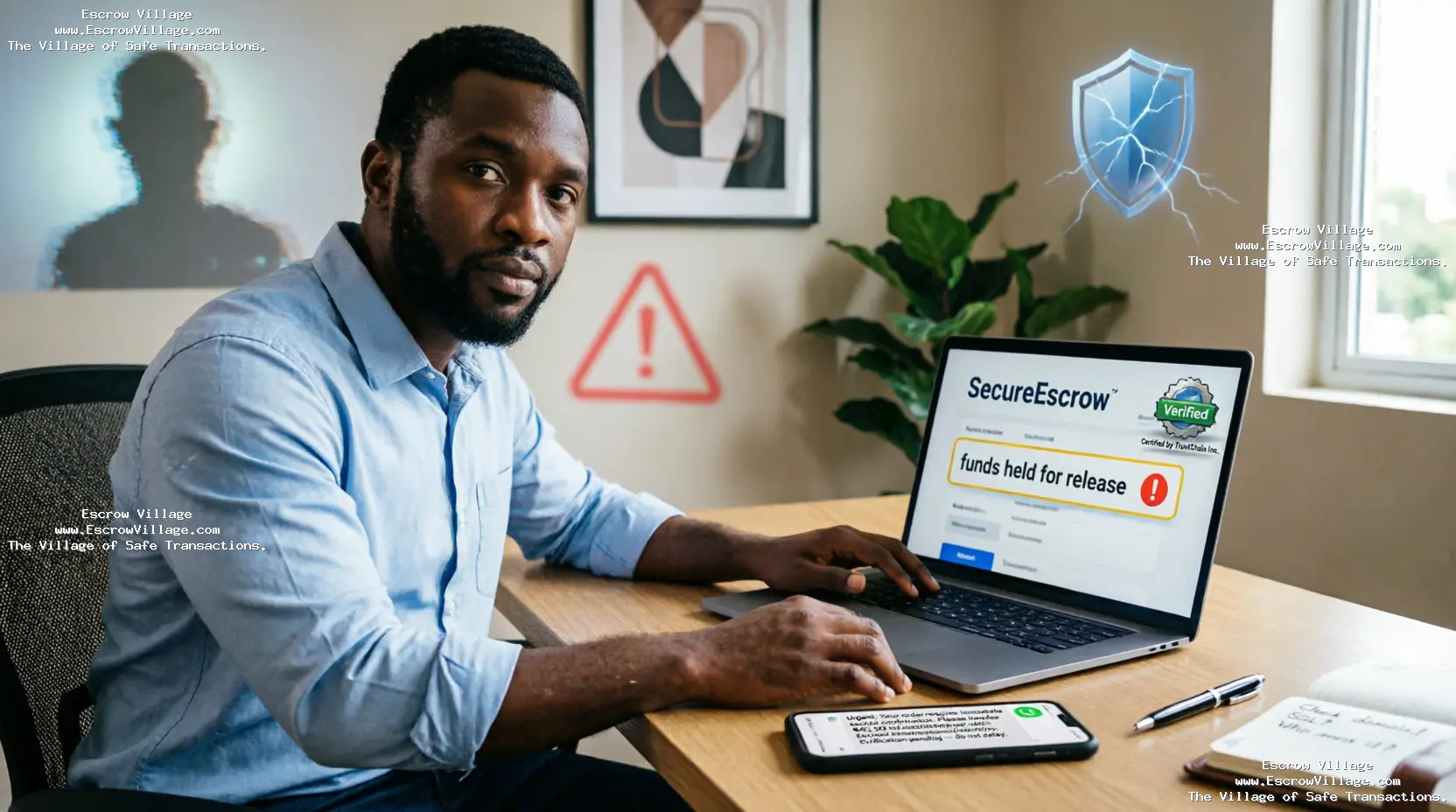
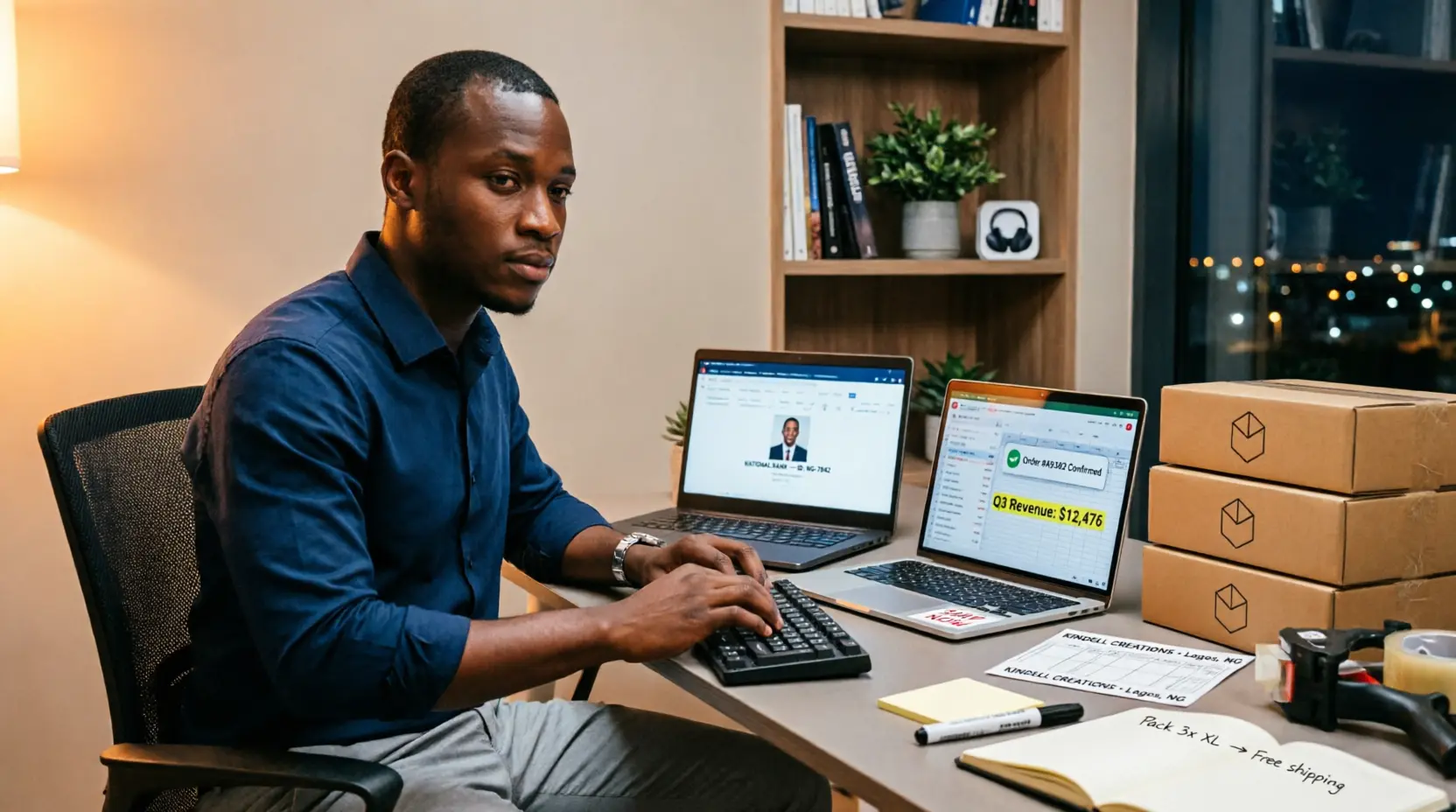
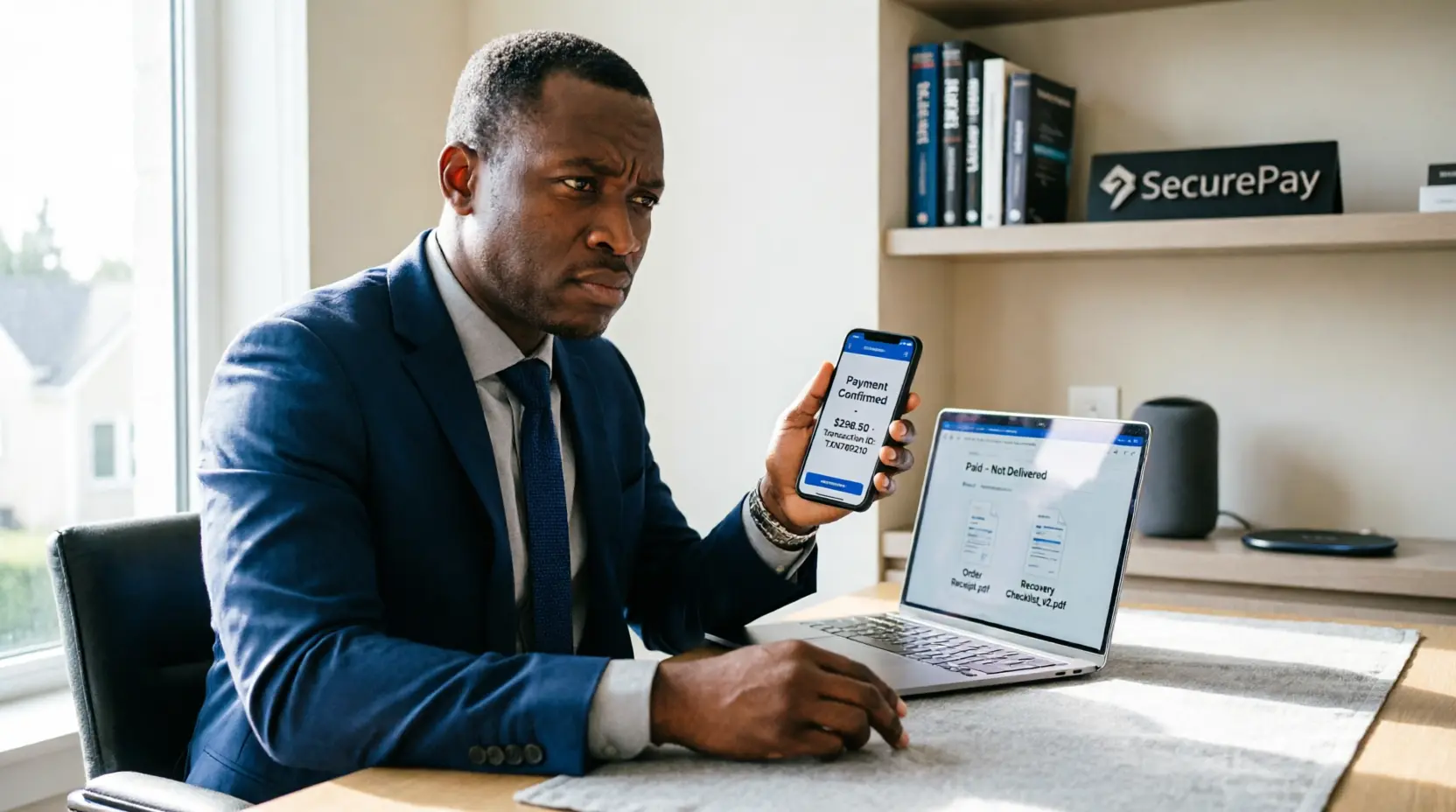
Never rely on screenshots. Always check your actual app or dial your USSD code. Wait for the money to reflect in your available balance.
A genuine buyer asks questions. A fake buyer just wants the deal to be done.
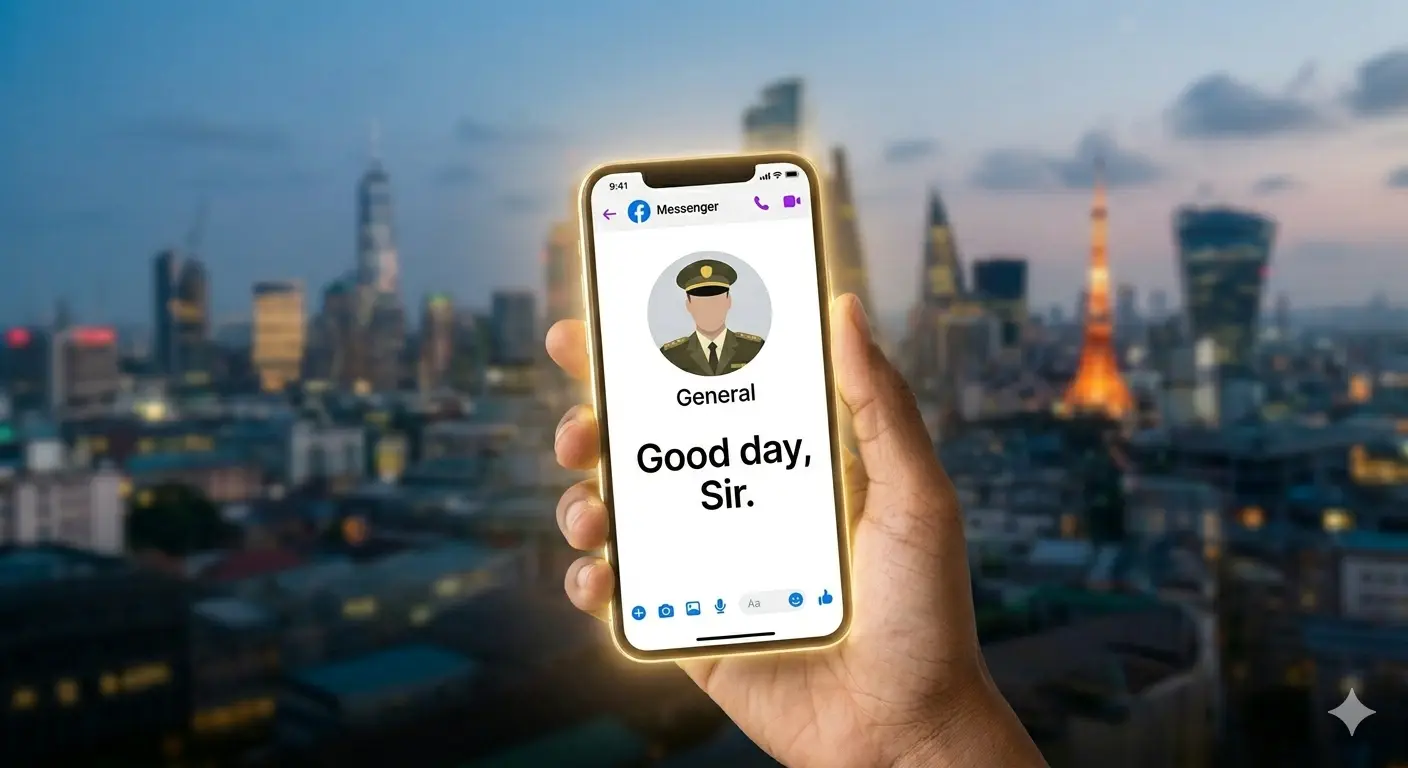
“Where is your shop, i am sending a dispatch rider now”.
This kind of urgency sends you into a flight mode and locks your reasoning.
Always verify payment before sending goods even if the buyer sends a dispatch rider.
Real buyers are happy to verify.
Or
They send money from a stolen account, it will bounce back in 24hrs but your refund (100,000 naira) is real and gone forever.
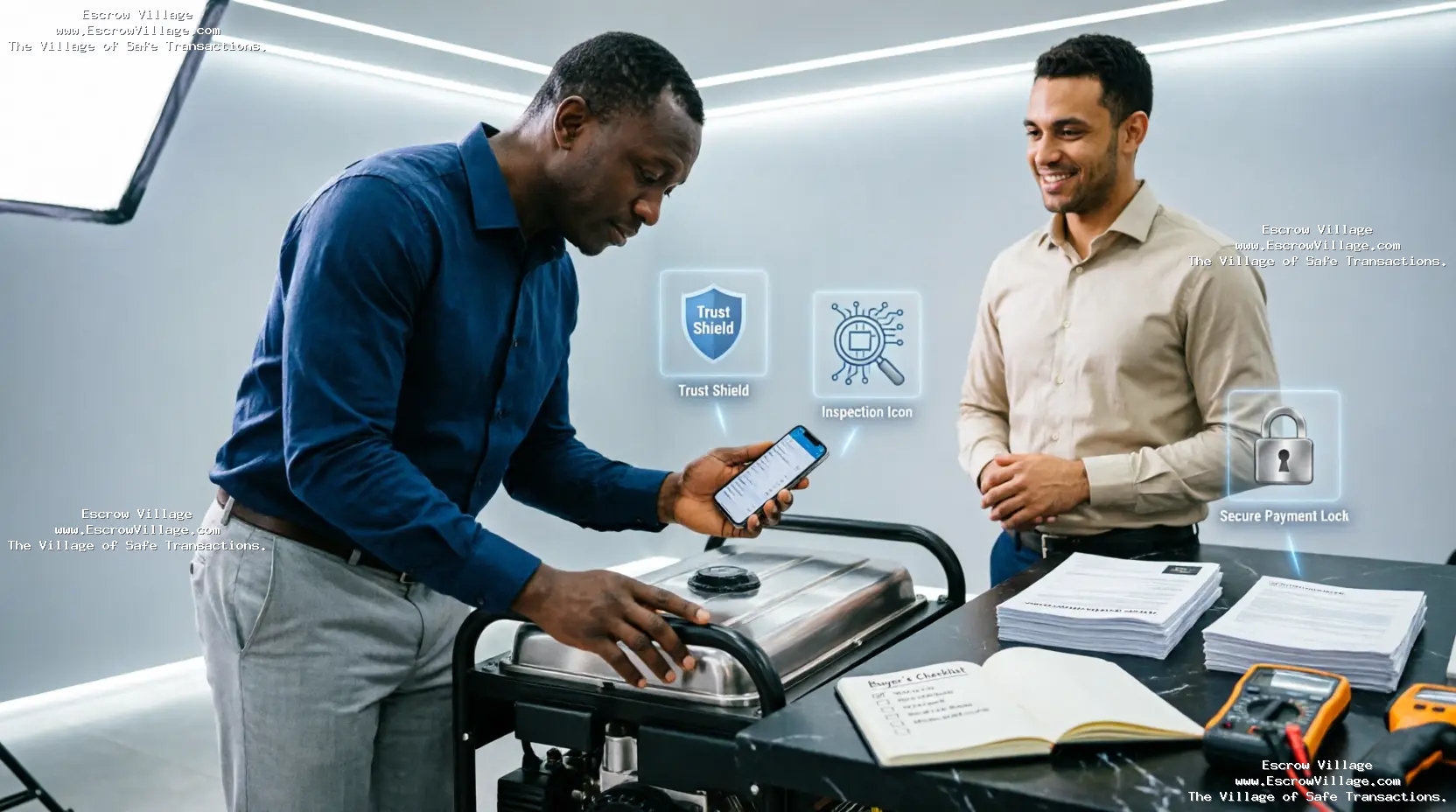
You saw a generator online and you decided to buy it. Here is how to stop sending money to a ghost.
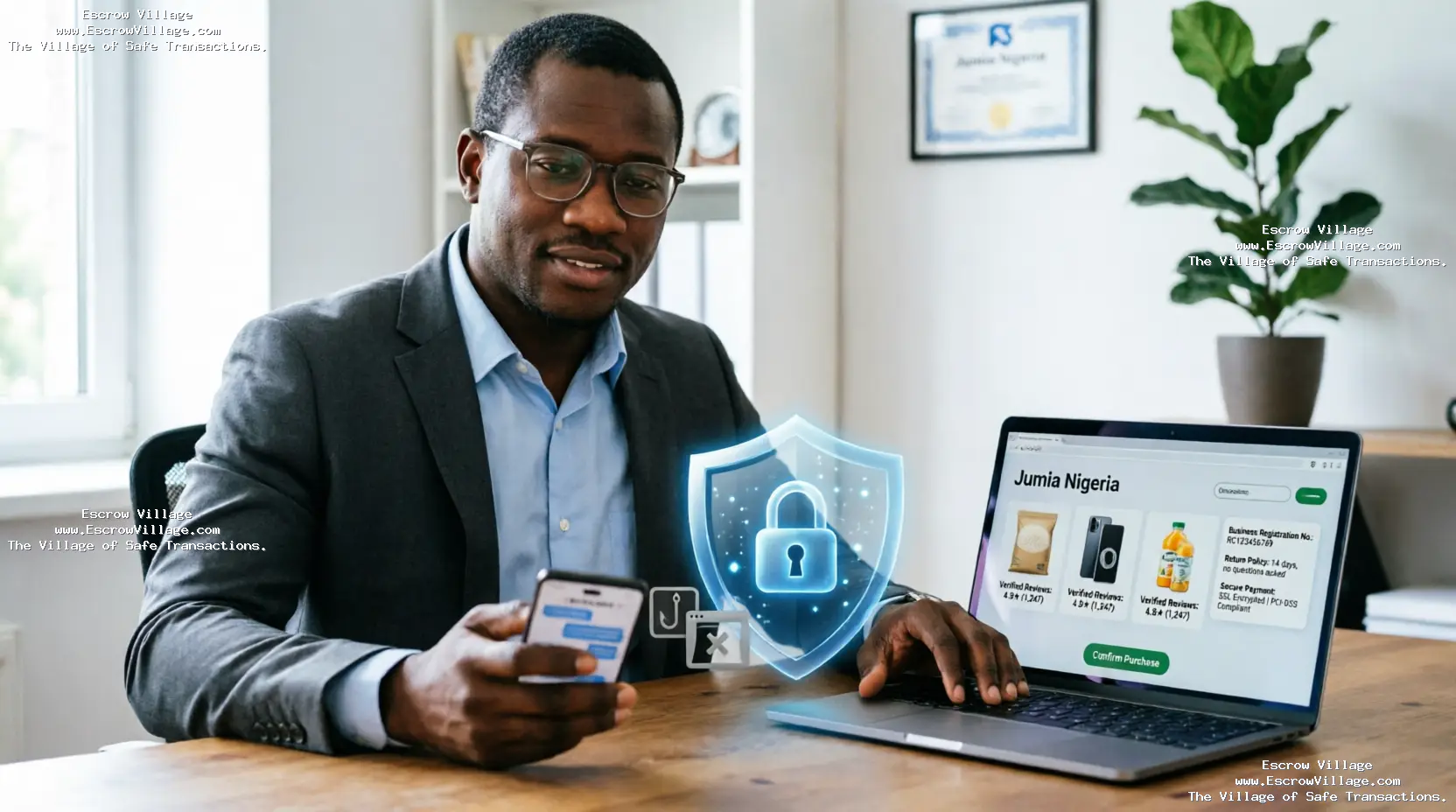
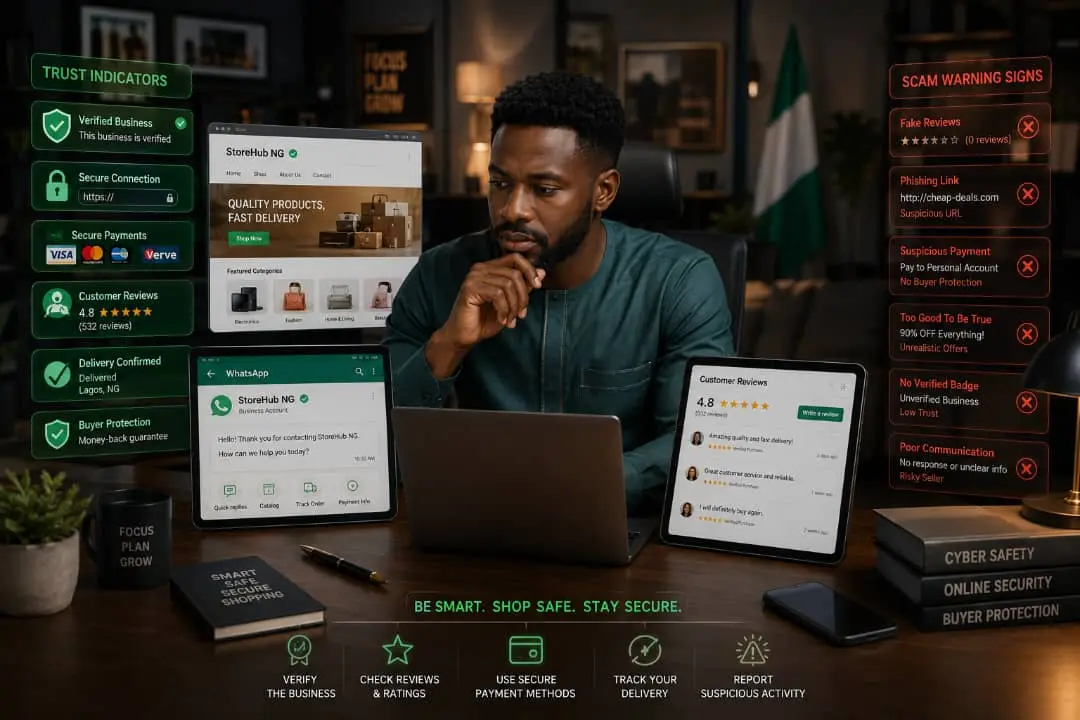
If the price makes your jaw drop, it is a trap. Fake sellers use low prices to trigger your greed and your fear of missing out.
They are genuine business owners that are just starting out but what are the odds and would you leave your money to chance? At least let's see a real-life video, if there is none, RUN.
Fake sellers also turn off comments to prevent previous victims from warning new targets.
A genuine seller usually has at least one consistent way to be reached and can prove they actually exist.
Scammers on the other hand, often hide behind incomplete and unstable contact details, so they can disappear after getting paid.
Demand a live video call of the product if they refuse, RUN.
Scammers create artificial scarcity. A real seller will wait for proper payment.
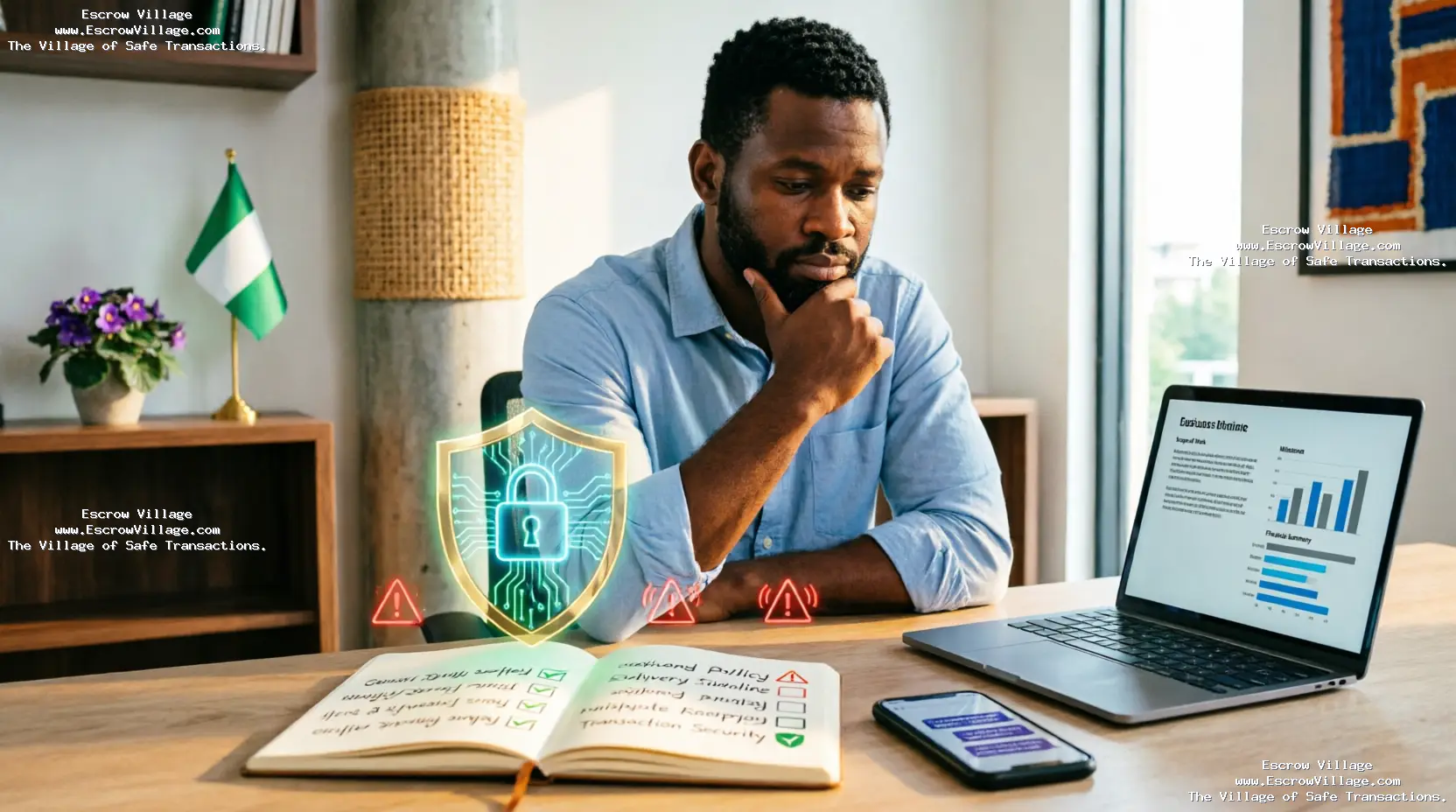
The Checklist Before Any Transaction
Before you pay as a buyer:
Before you release goods as a seller:
Don't Be Lazy, Be Paranoid
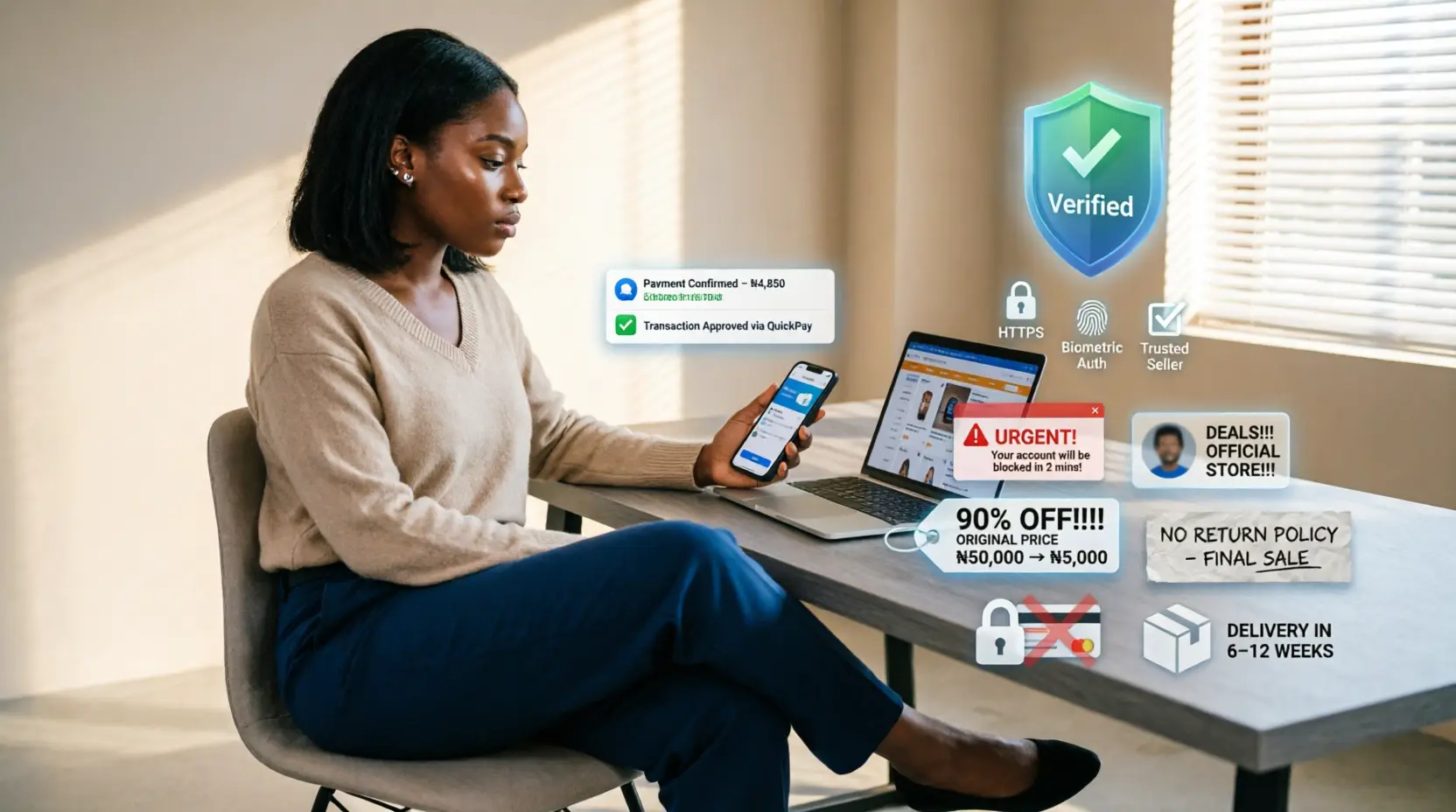
Here is the truth, most online fraud in Nigeria happens because we ignore our gut. You saw the red flag (strange account name, fake urgency, weird grammar), but you wanted the cheap deal.
Stop that.
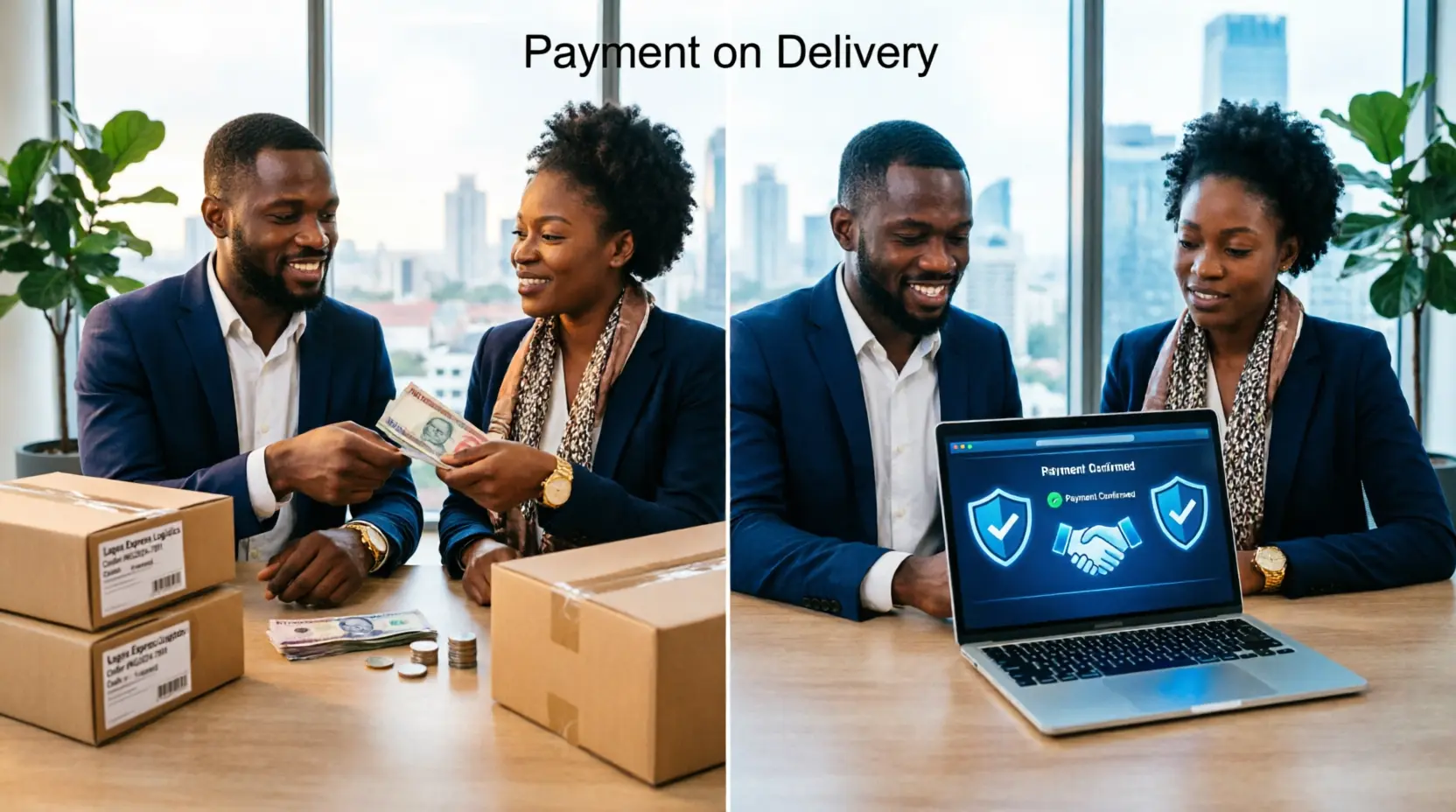
In online marketplaces in Nigeria, trust is earned, never assumed. Use escrow services where possible. Use "Pay on Delivery" even if it costs extra.
If you can touch it and test if it's real. If it exists only on a phone screen, verify three times.
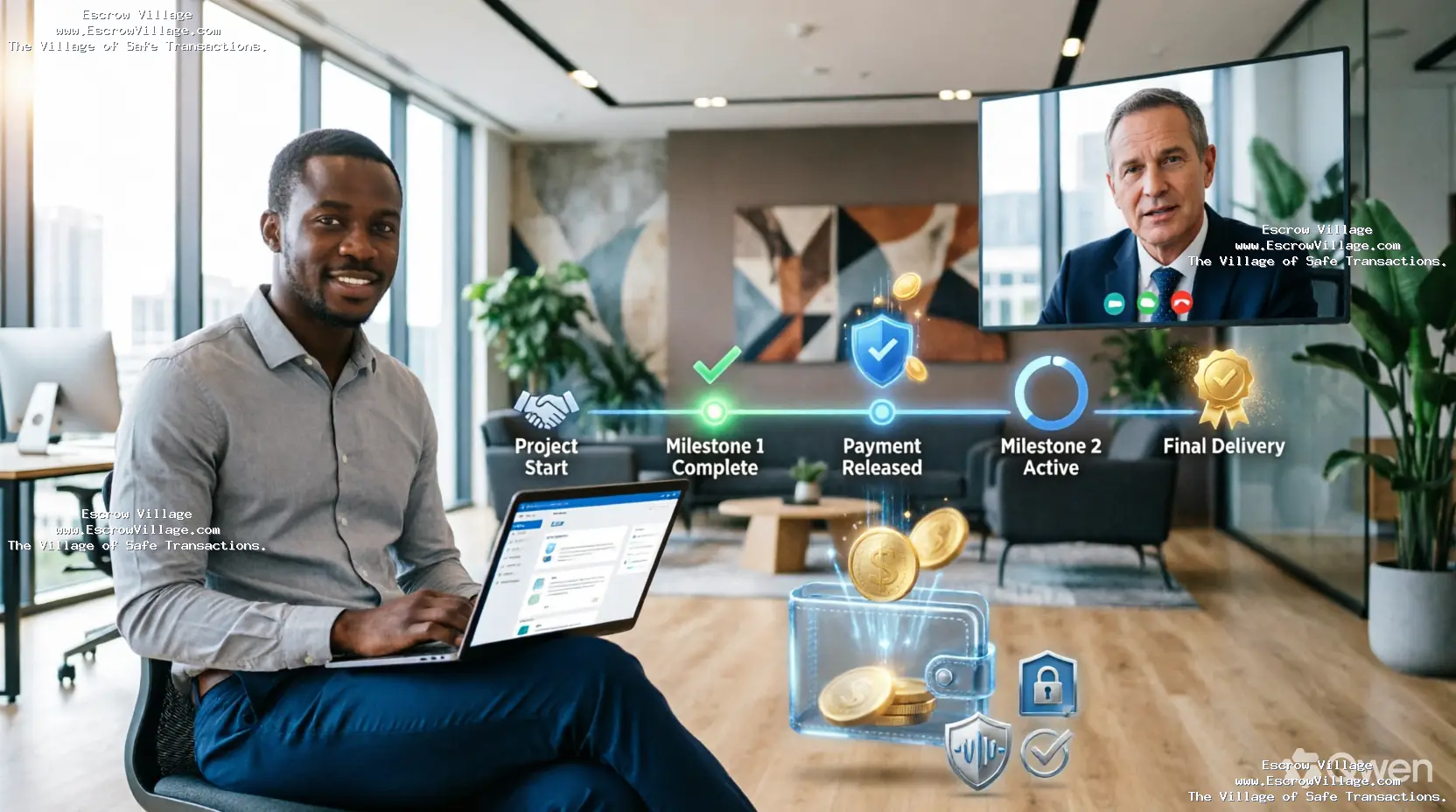
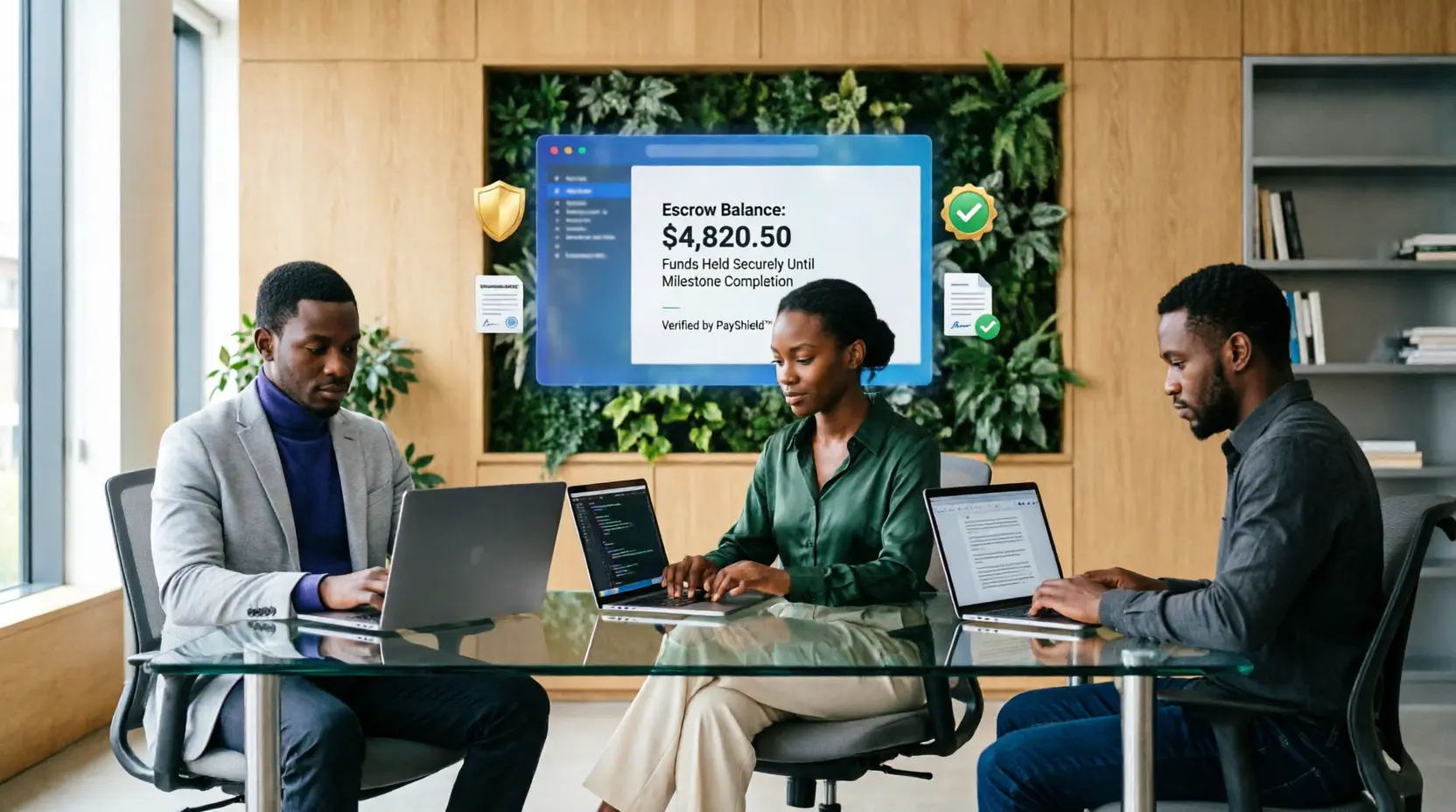
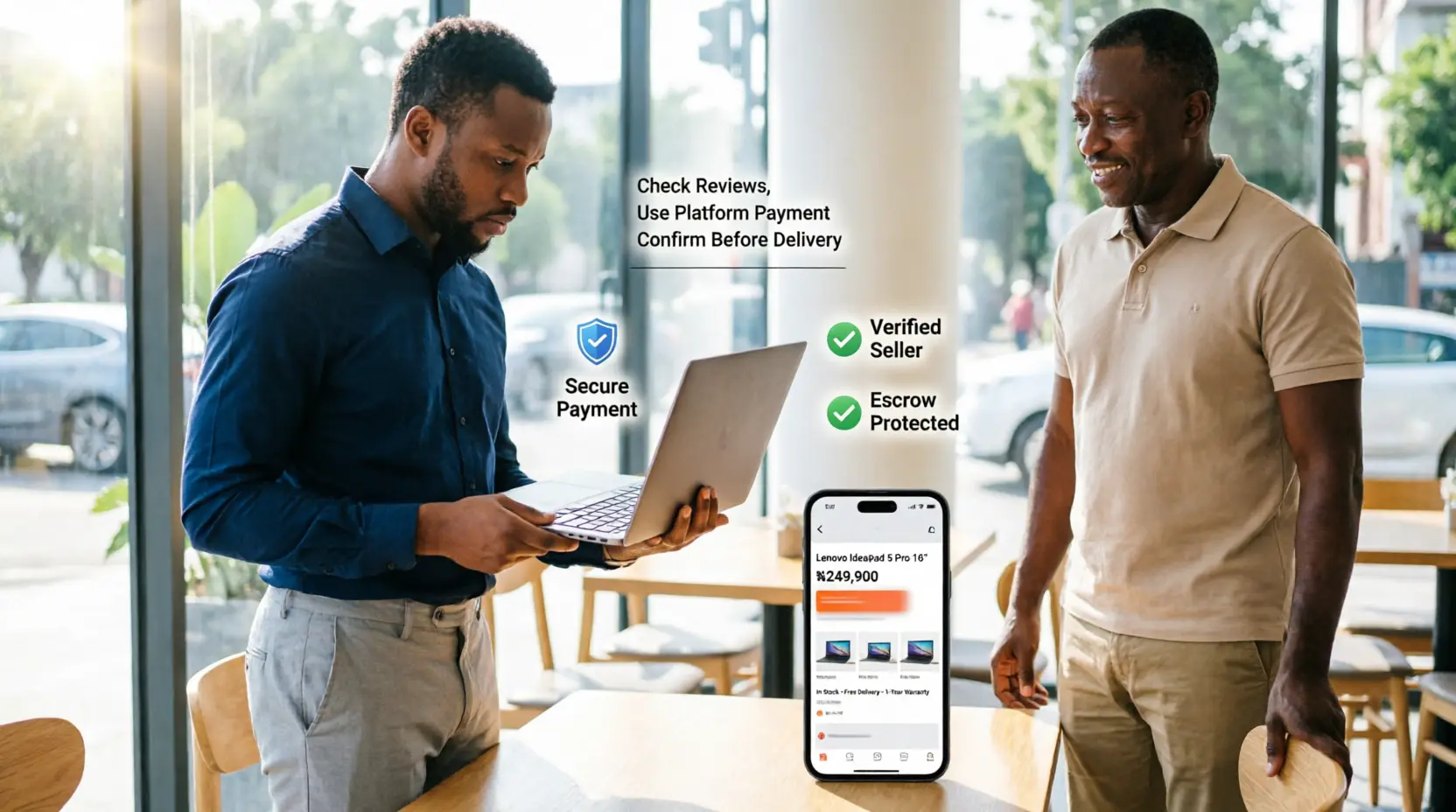
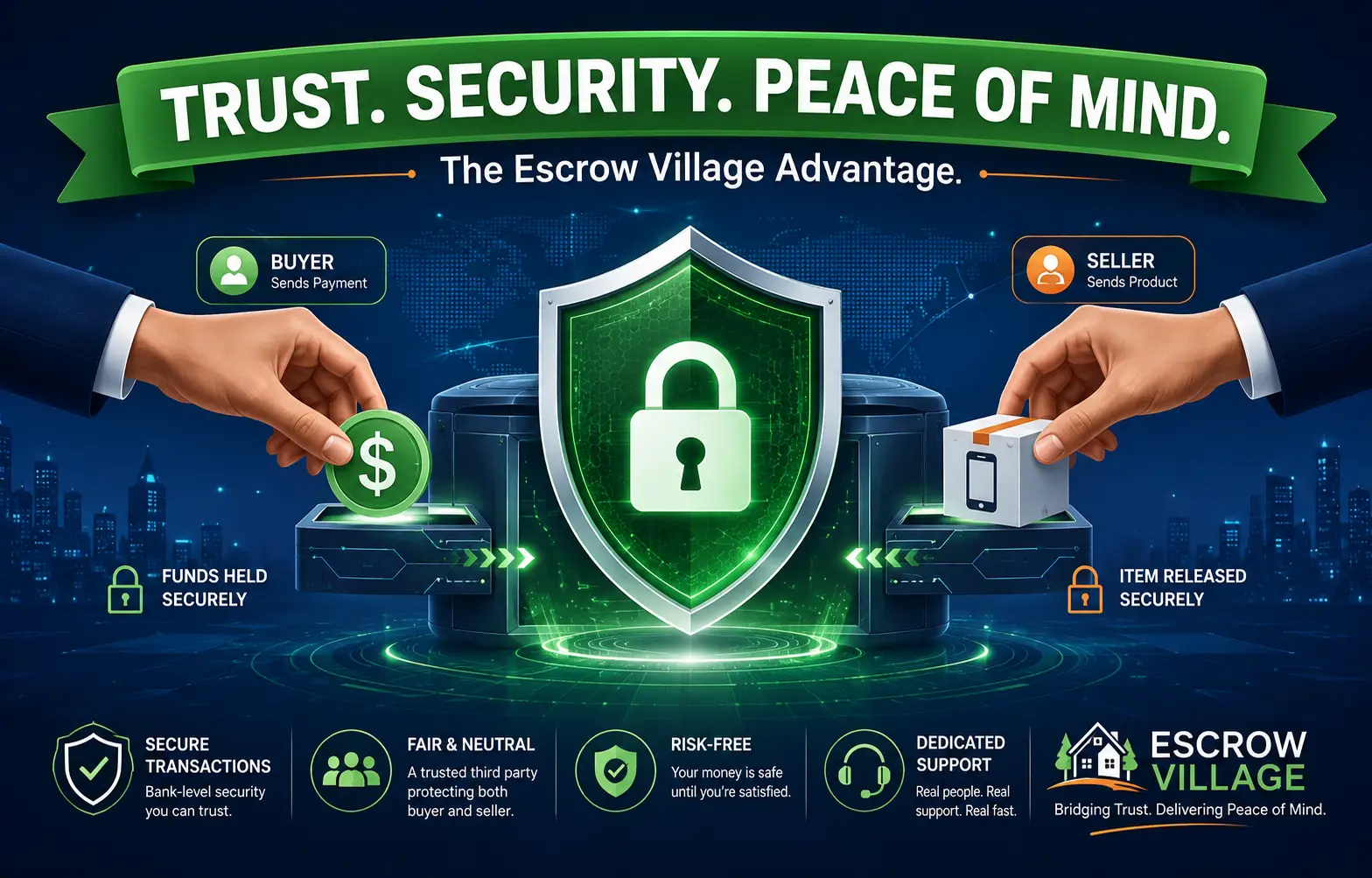
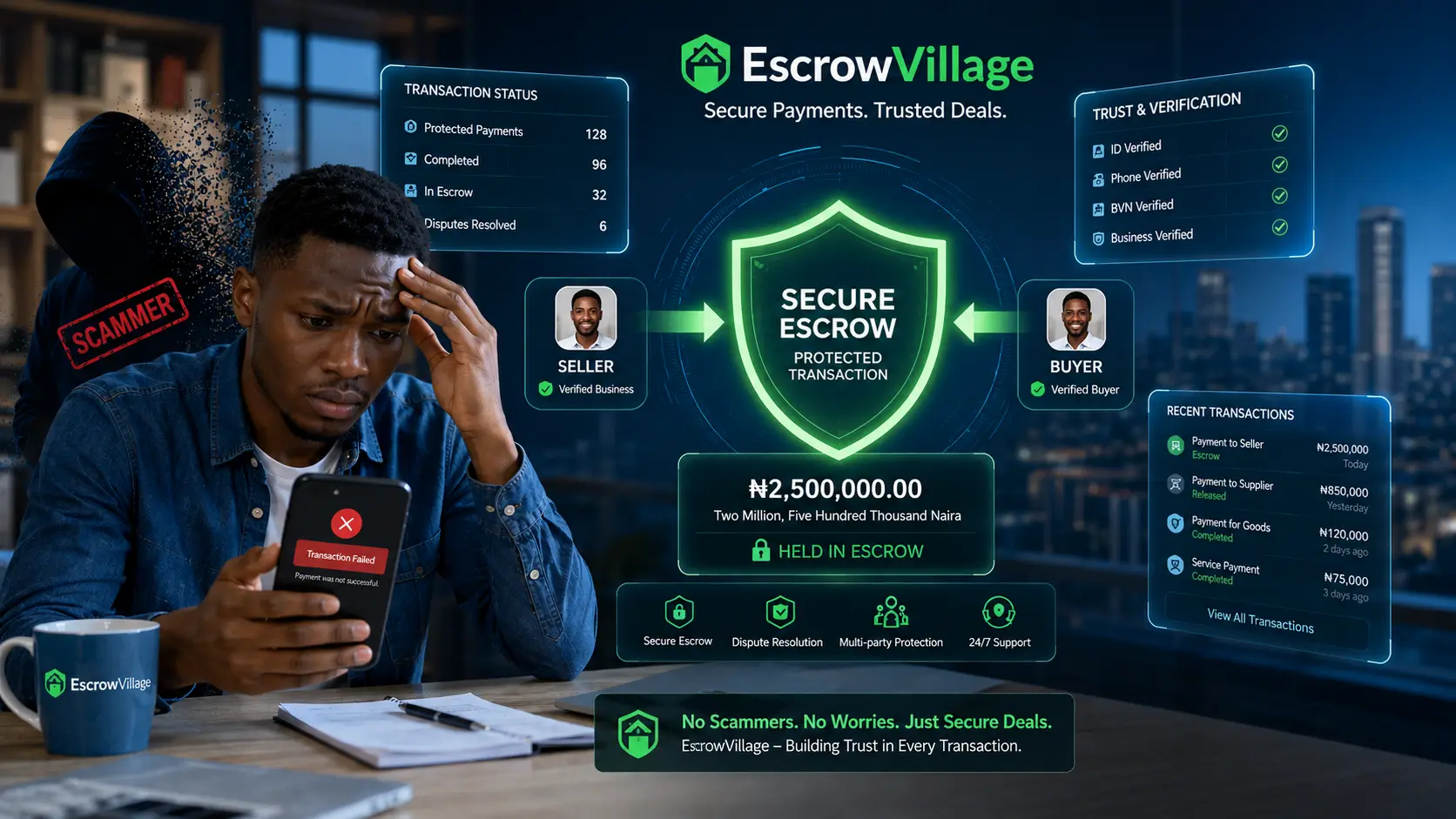
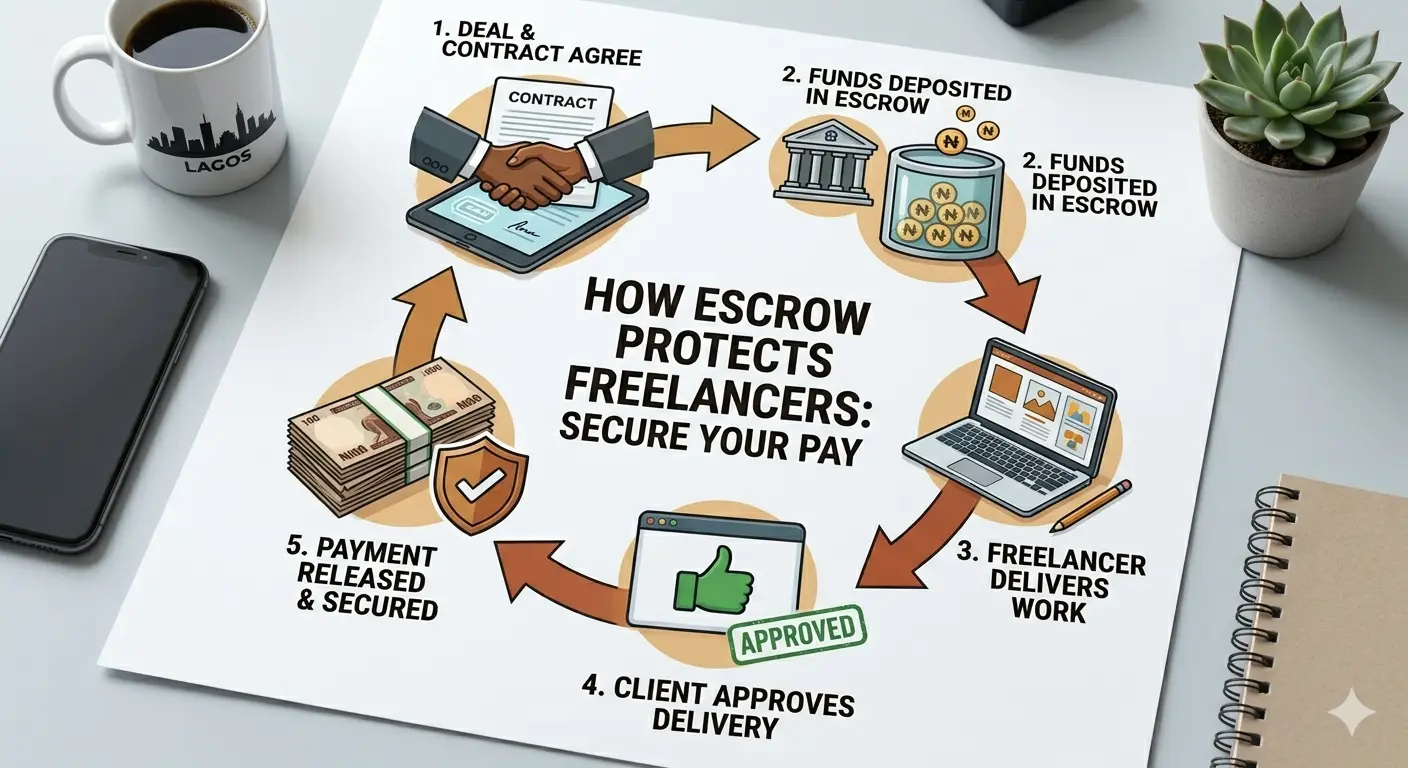
This is where EscrowVillage comes in. Instead of wondering if the seller will ship the item or if the buyer’s alert is real, EscrowVillage acts as the secure middleman.
Stop playing "Calculated Risk" with your hard-earned money. Whether you are buying a laptop, paying a freelancer, or selling designer clothes, use EscrowVillage to ensure every transaction is a successful one.
Whether you are a business owner trying to scale or a shopper looking for a deal, the "what I ordered vs what I got" nightmare, or worse, losing your money entirely, is a hazard.
Behind those "yes, it is available" comments are scammers waiting to wipe out your account.
- Why the Nigerian Online Market is a Goldmine for Scammers
They also exploit our trust in "evidence" like bank receipts and screenshots.
Knowing how to identify a fake buyer and seller isn't considered a skill anymore, it is a necessity.
I'll show you exactly how to identify false buyers and sellers online in Nigeria before they scam you.
- 4 Ways to Spot a Fake Buyer: Someone Pretending to Pay
You list an item, let's say an iPhone 12 for 5,500,000 naira. Here is how to spot a fake buyer before you hand over the goods.
- 1. The Chairman of Fake Credit Alert.
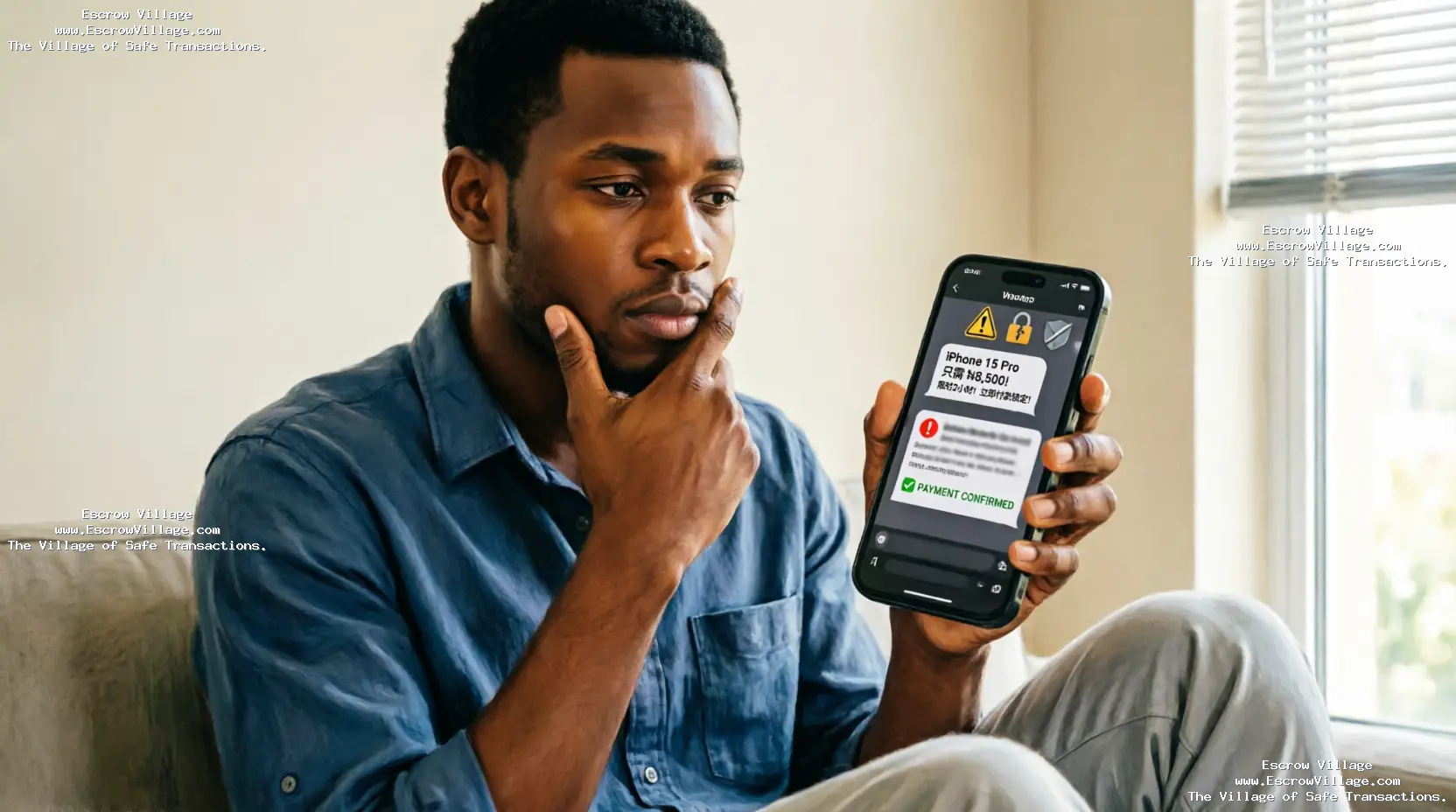
Never rely on screenshots. Always check your actual app or dial your USSD code. Wait for the money to reflect in your available balance.
- 2. “Too Eager to Close the Deal” Gang
A genuine buyer asks questions. A fake buyer just wants the deal to be done.
“Where is your shop, i am sending a dispatch rider now”.
This kind of urgency sends you into a flight mode and locks your reasoning.
Always verify payment before sending goods even if the buyer sends a dispatch rider.
- 3. The “No Meeting Needed” Trick
Real buyers are happy to verify.
- 4. The Overpayment Strategy
Or
They send money from a stolen account, it will bounce back in 24hrs but your refund (100,000 naira) is real and gone forever.
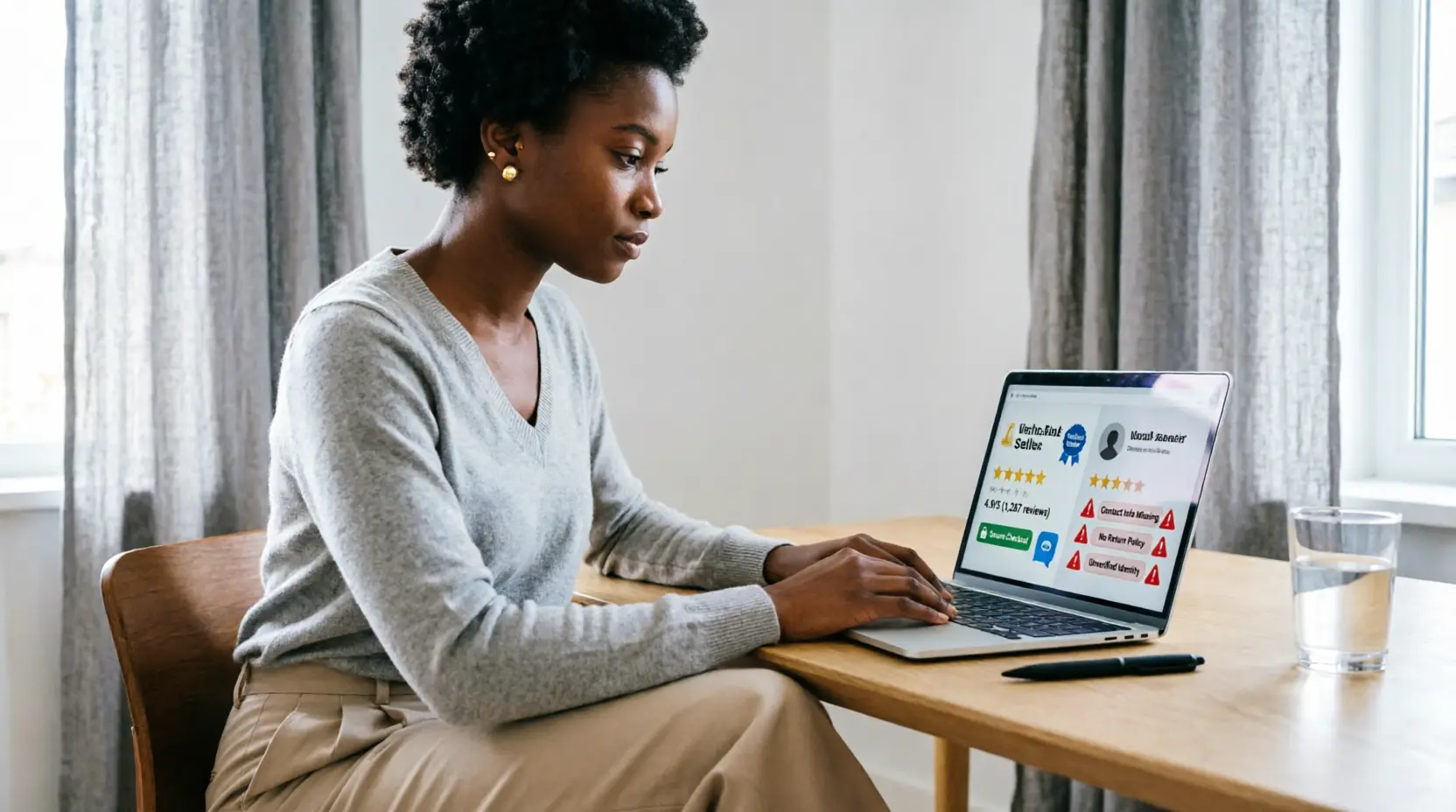
- 4 Ways to Spot a Fake Seller:Someone Pretending to Sell.
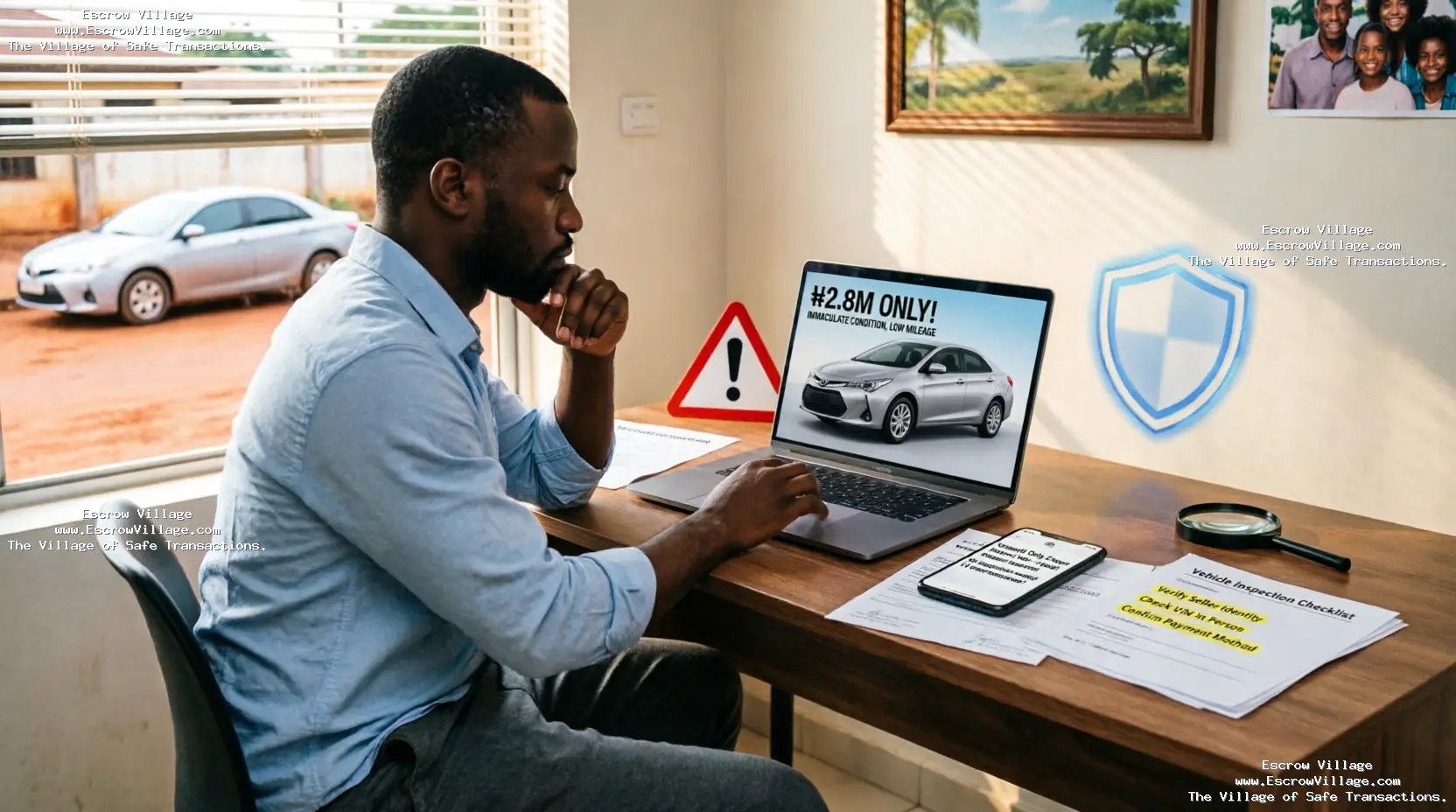
You saw a generator online and you decided to buy it. Here is how to stop sending money to a ghost.
- 1. The Too-Good-to-be-True Price
If the price makes your jaw drop, it is a trap. Fake sellers use low prices to trigger your greed and your fear of missing out.
- 2. Their Social Media is Brand New
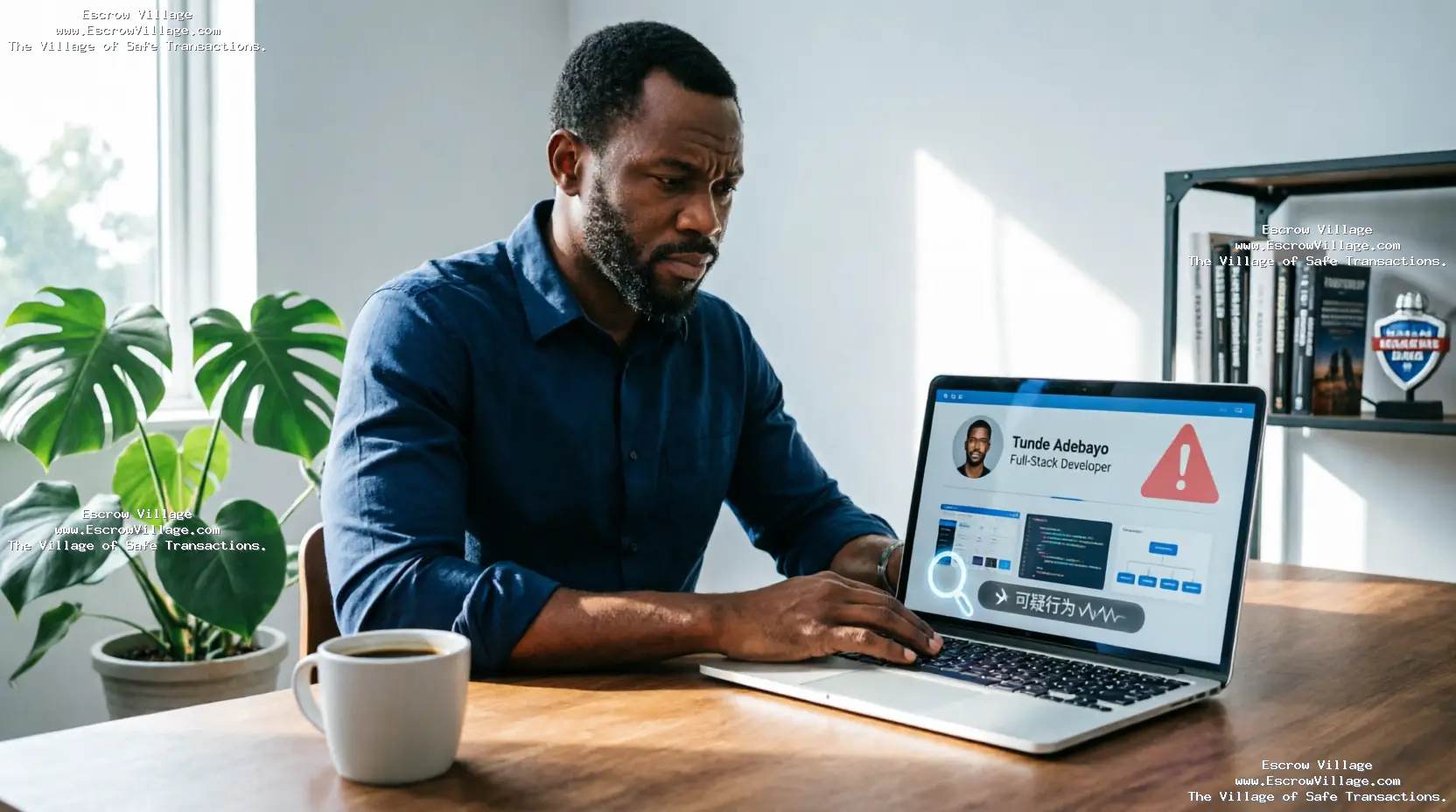
They are genuine business owners that are just starting out but what are the odds and would you leave your money to chance? At least let's see a real-life video, if there is none, RUN.
Fake sellers also turn off comments to prevent previous victims from warning new targets.
- 3. No Verified Contact or Location
A genuine seller usually has at least one consistent way to be reached and can prove they actually exist.
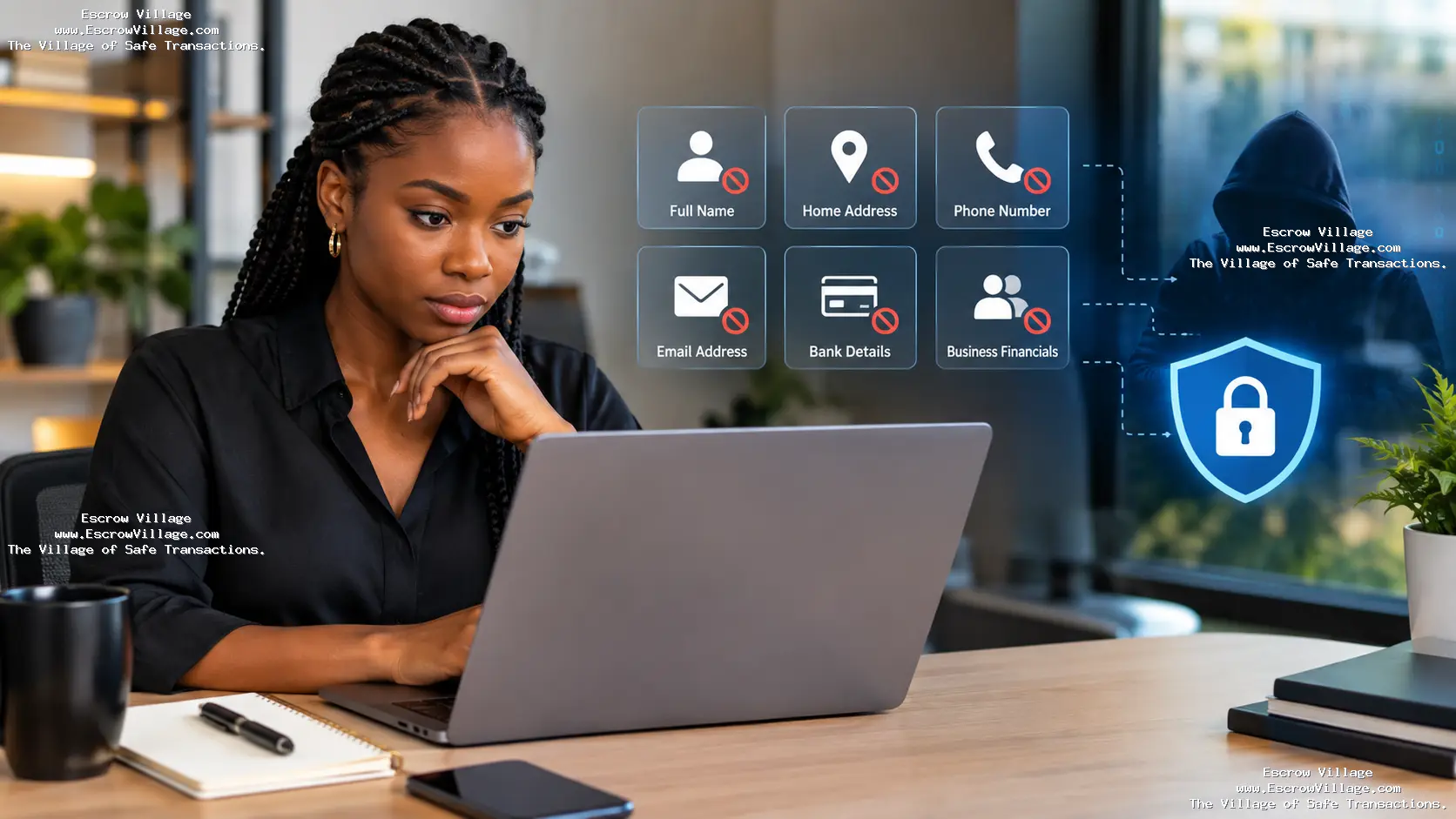
Scammers on the other hand, often hide behind incomplete and unstable contact details, so they can disappear after getting paid.
Demand a live video call of the product if they refuse, RUN.
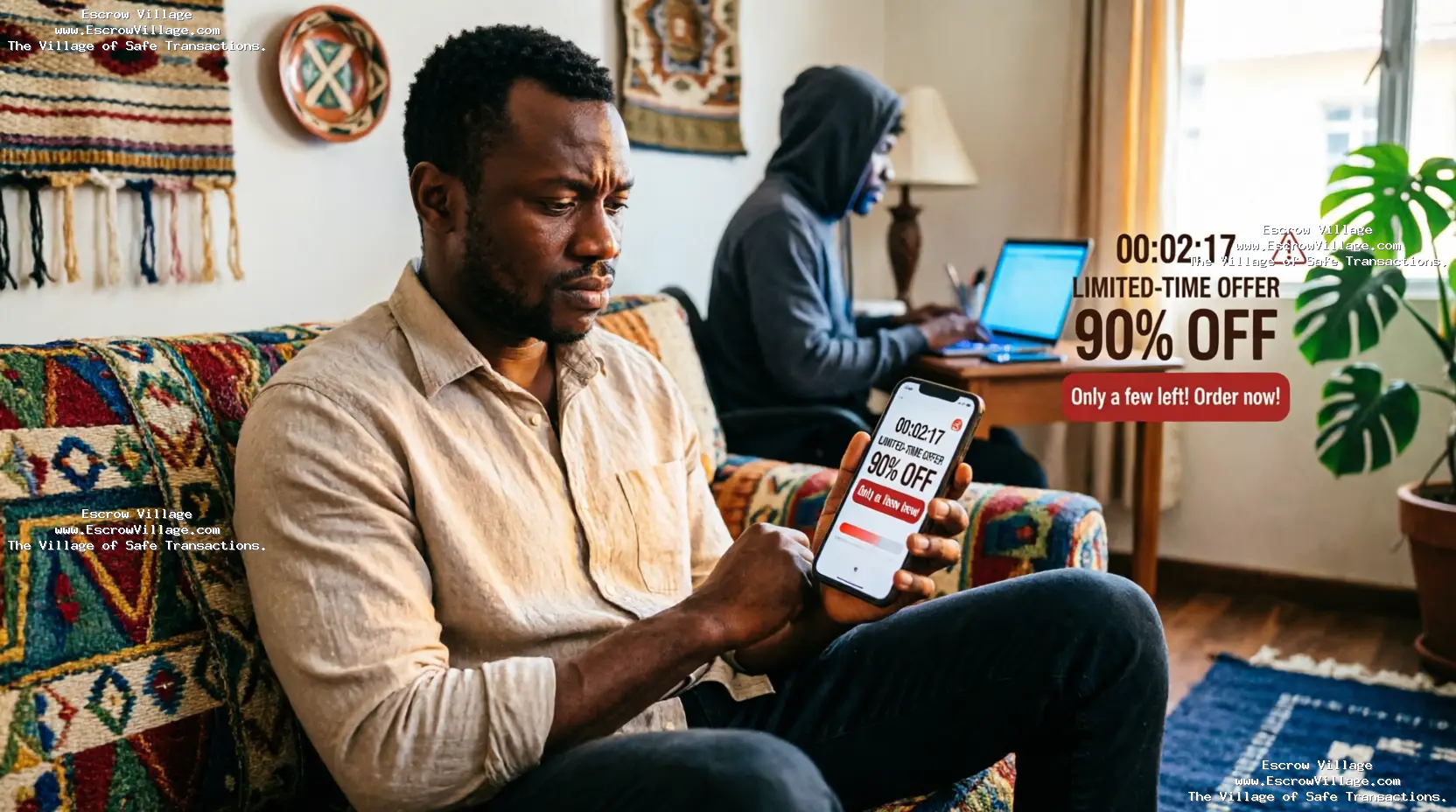
- 4. Urgency and Pressure
Scammers create artificial scarcity. A real seller will wait for proper payment.
The Checklist Before Any Transaction
Before you pay as a buyer:
- · Have I seen this item on a live video call?
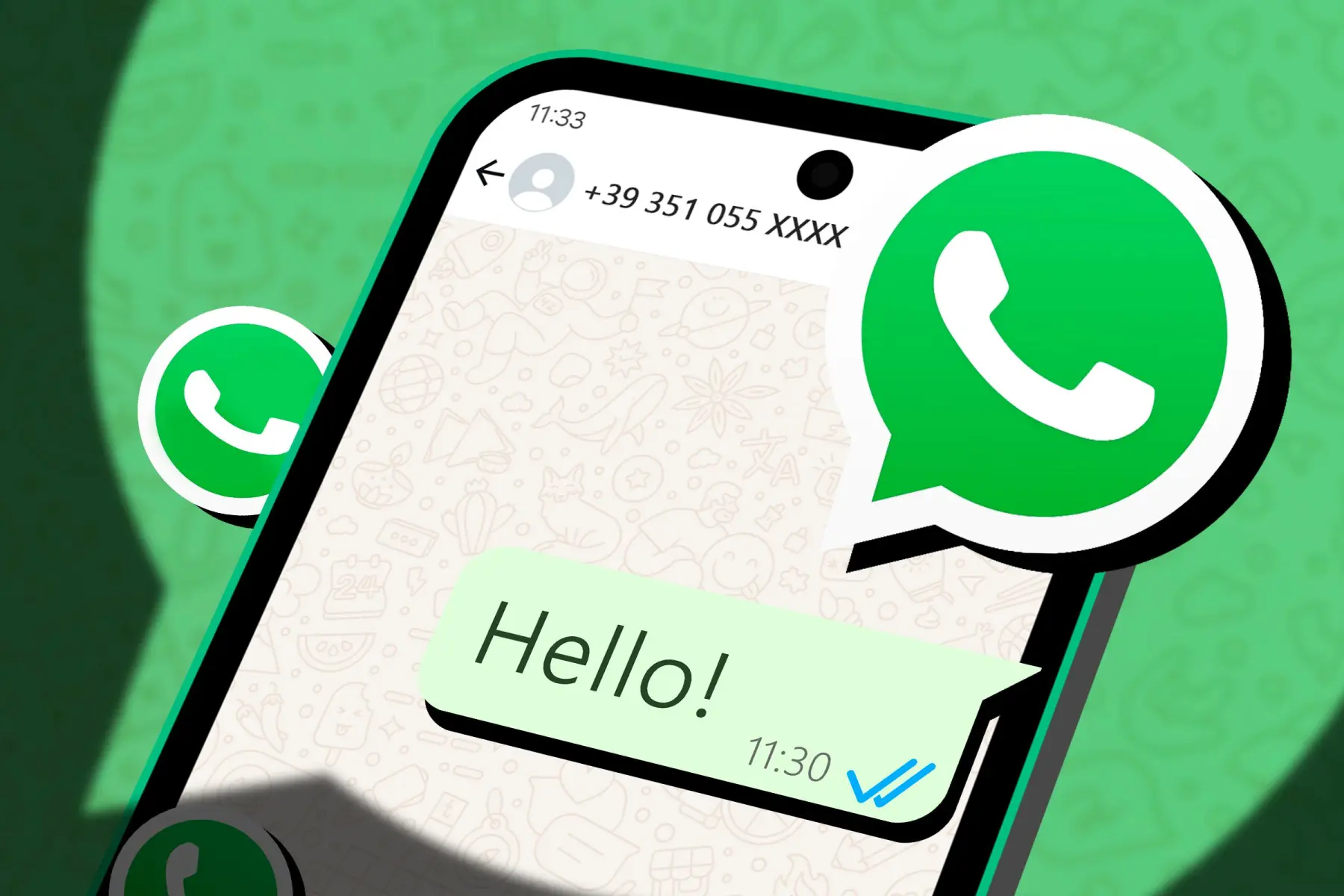
- · Is the seller’s phone number active on WhatsApp (check last seen)?
- · Can I find a real person willing to vouch for them (A customer who has purchased before, etc)?
Before you release goods as a seller:
- · Is the money actually in my bank app (not SMS)?
- · Is the buyer avoiding a face-to-face meeting for no reason?
Don't Be Lazy, Be Paranoid
Here is the truth, most online fraud in Nigeria happens because we ignore our gut. You saw the red flag (strange account name, fake urgency, weird grammar), but you wanted the cheap deal.
Stop that.
In online marketplaces in Nigeria, trust is earned, never assumed. Use escrow services where possible. Use "Pay on Delivery" even if it costs extra.
If you can touch it and test if it's real. If it exists only on a phone screen, verify three times.
- The Ultimate Solution: Use Escrow
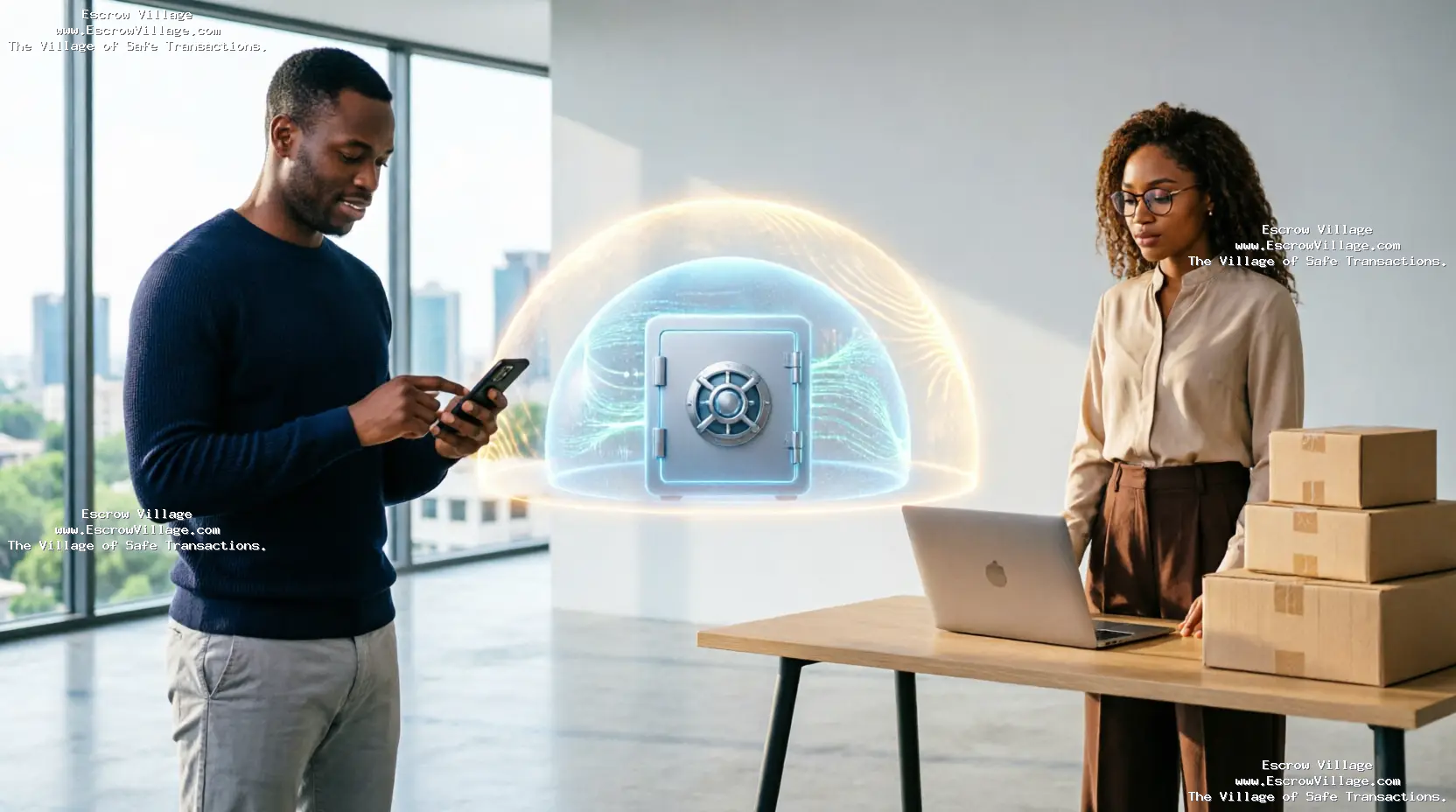
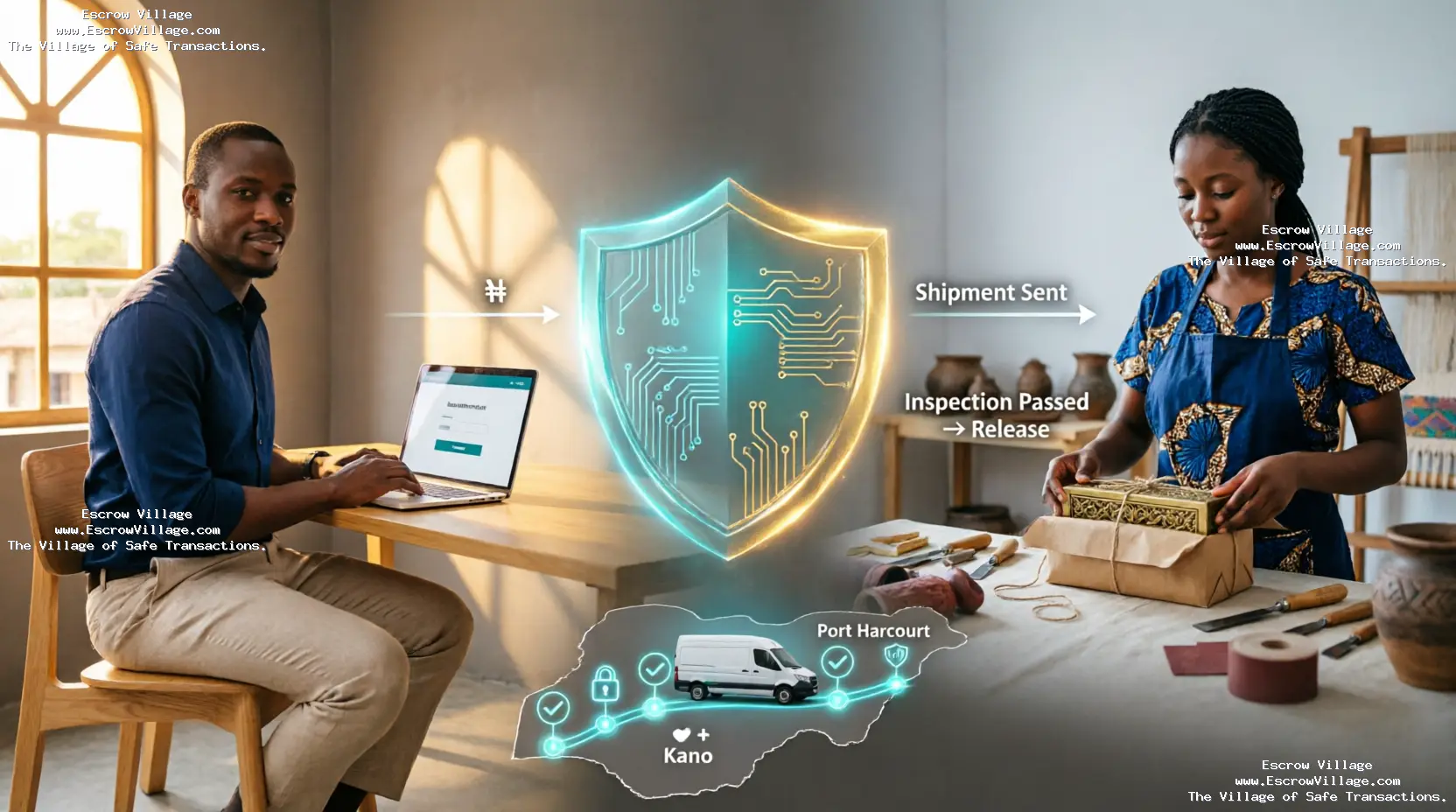
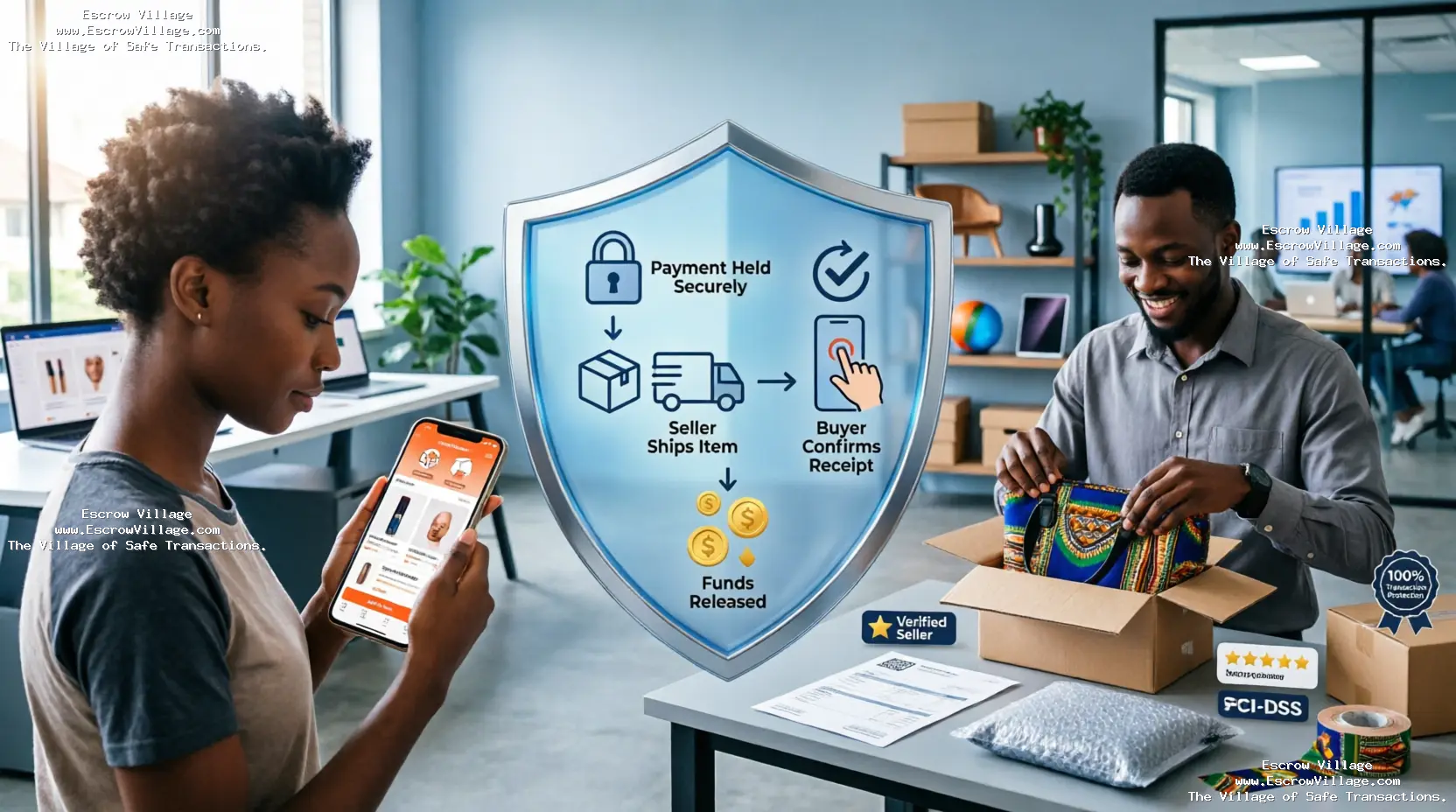
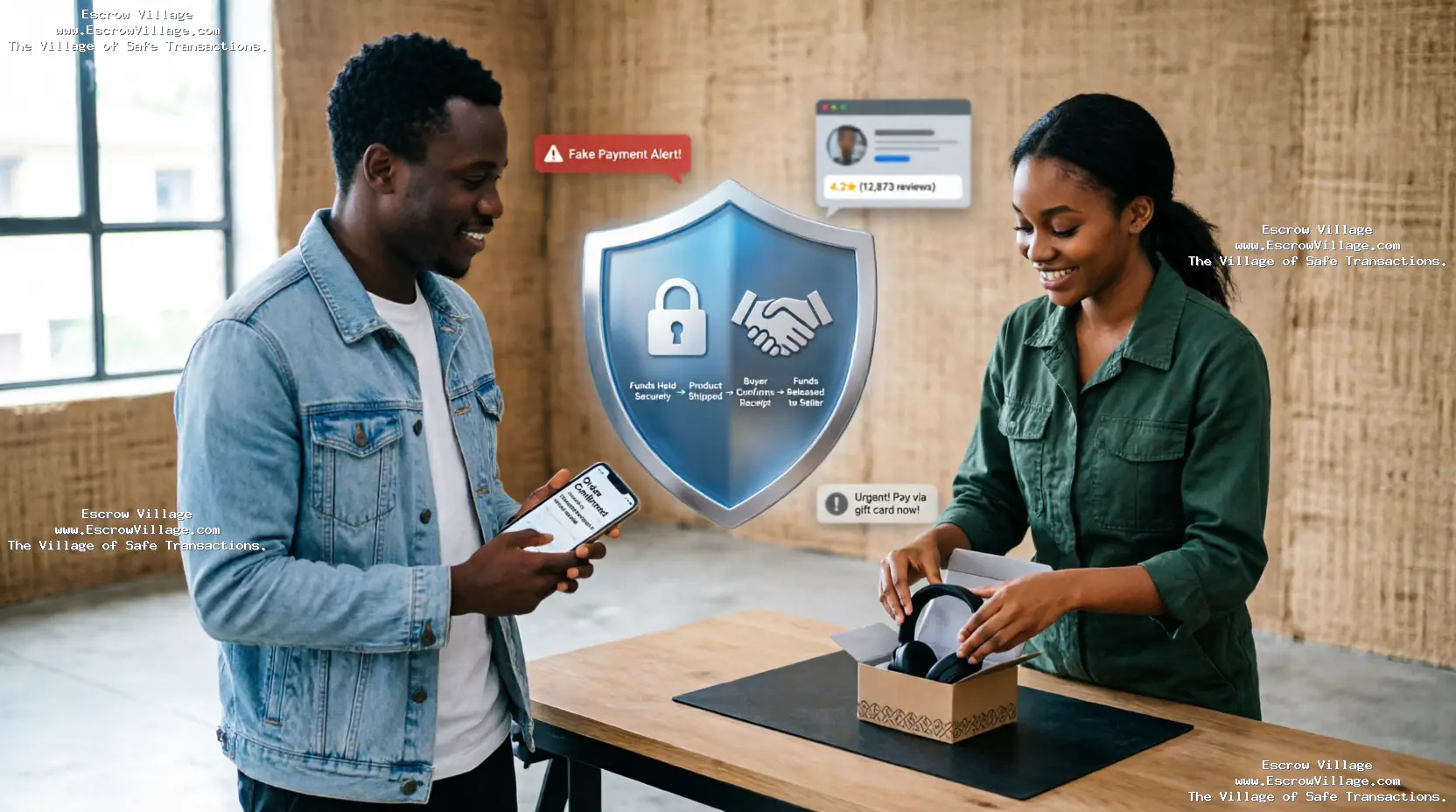
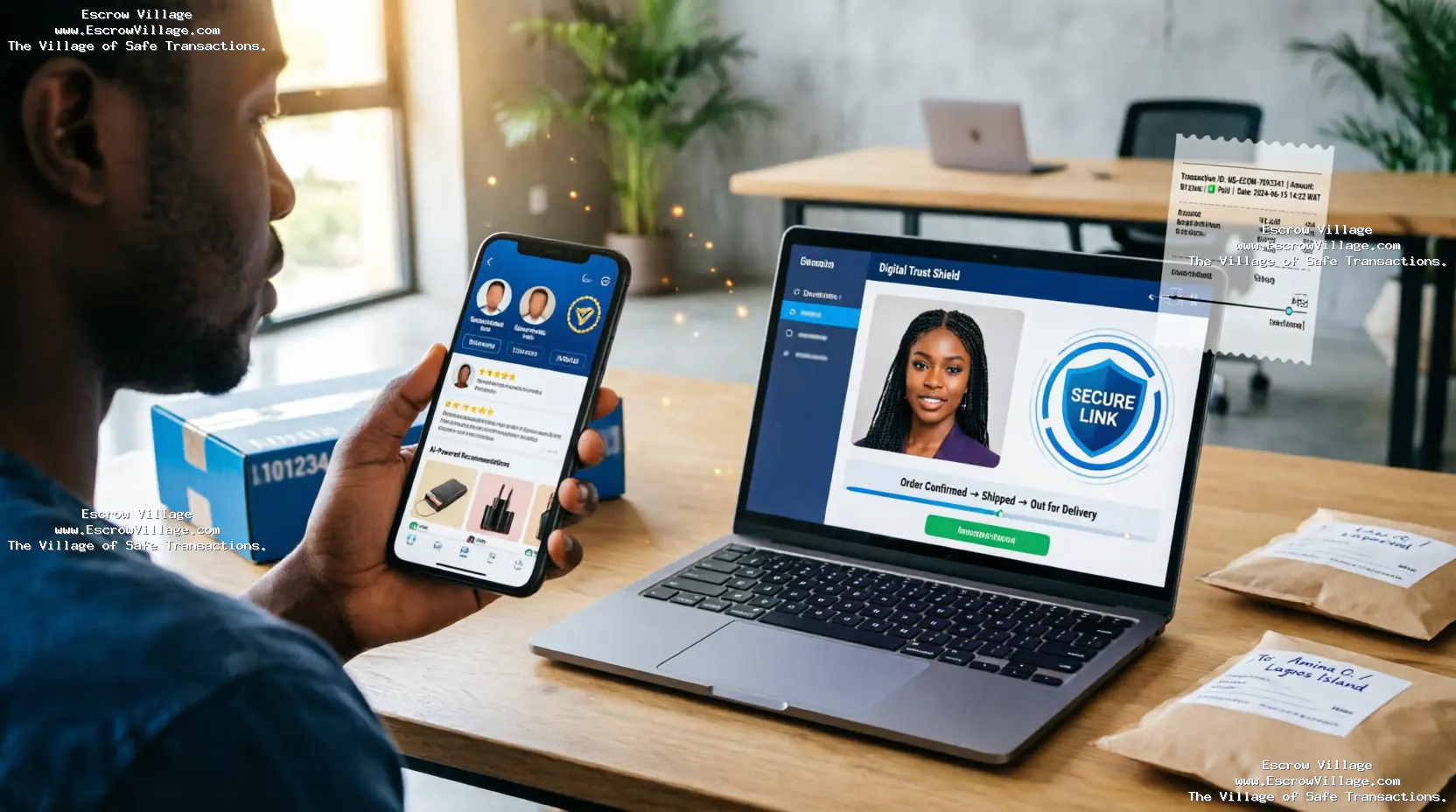
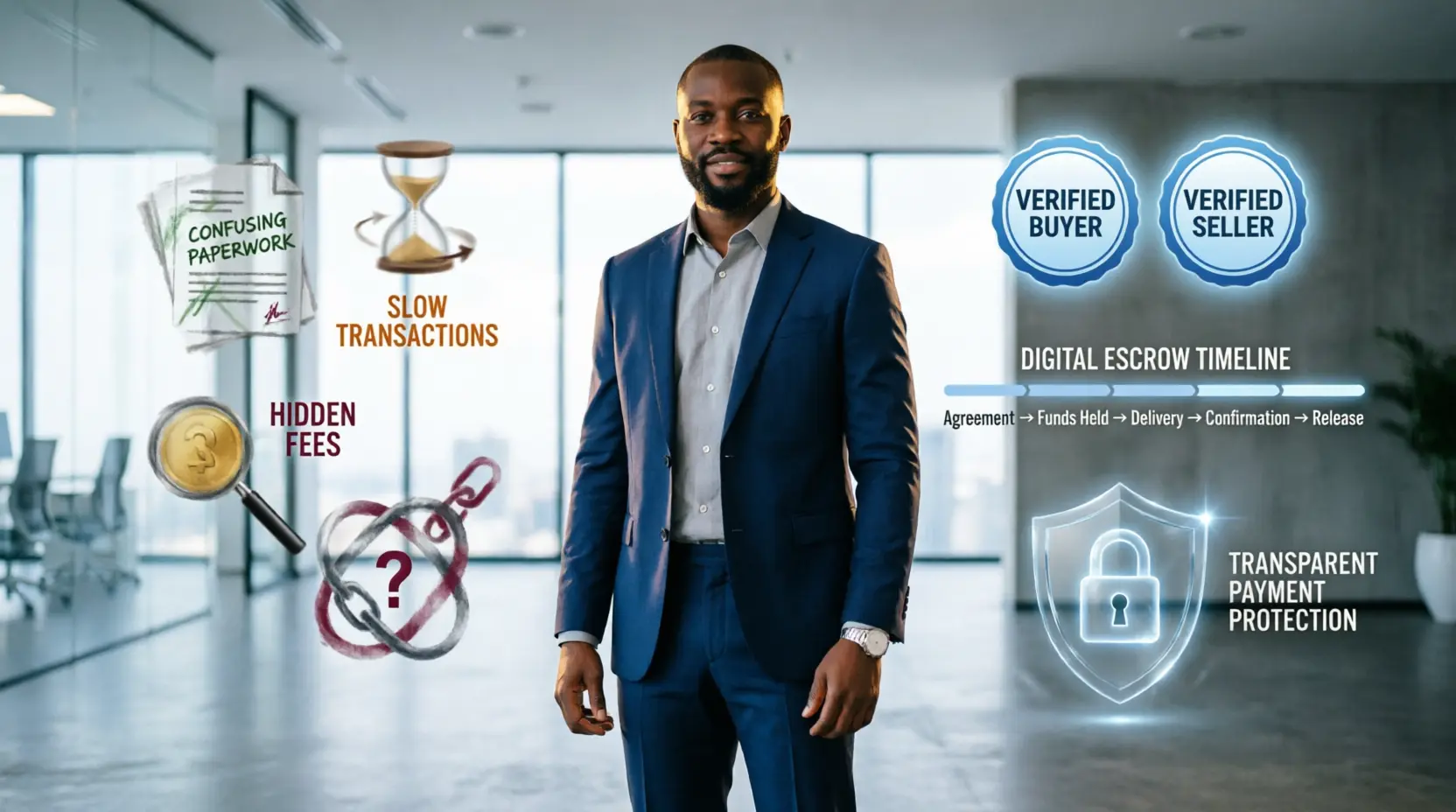
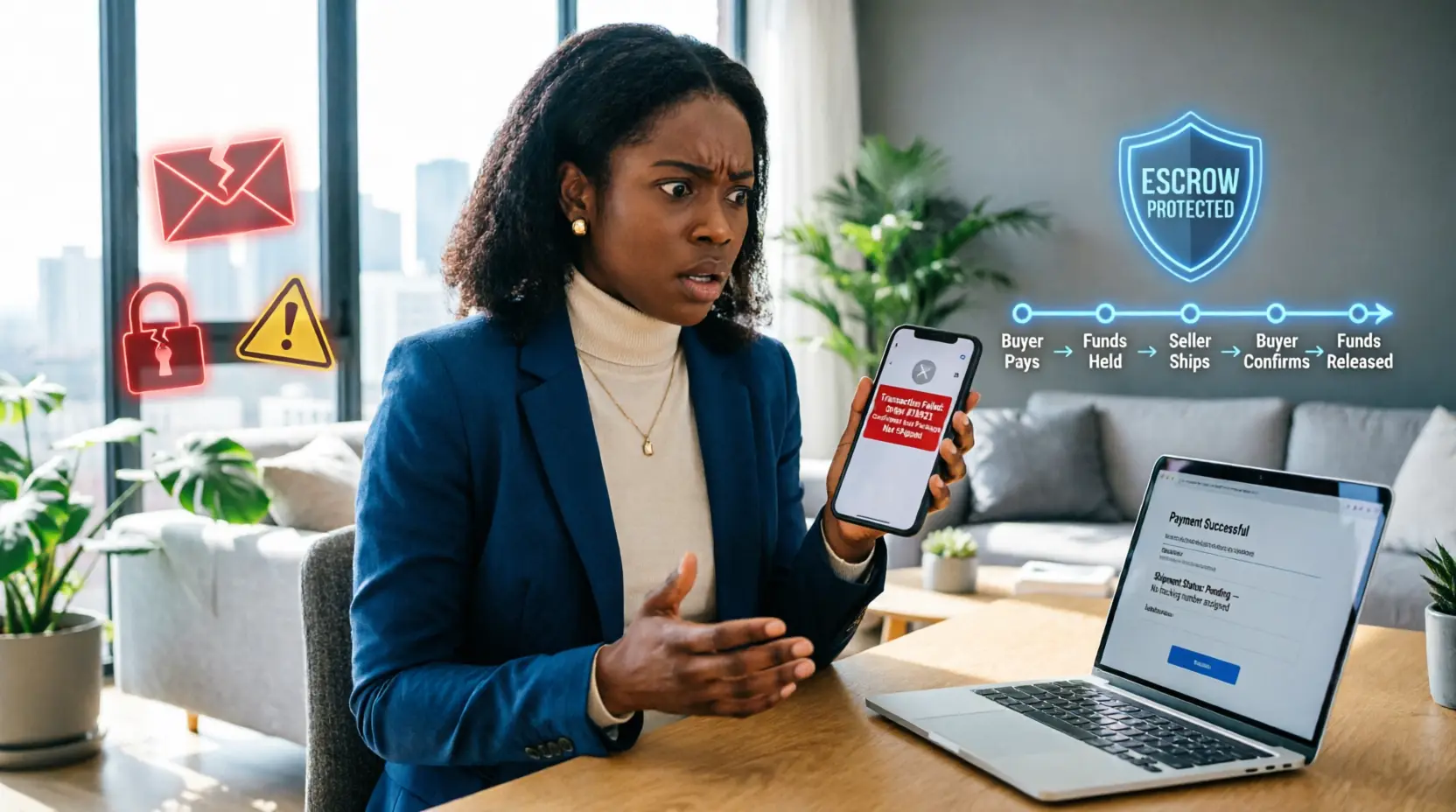
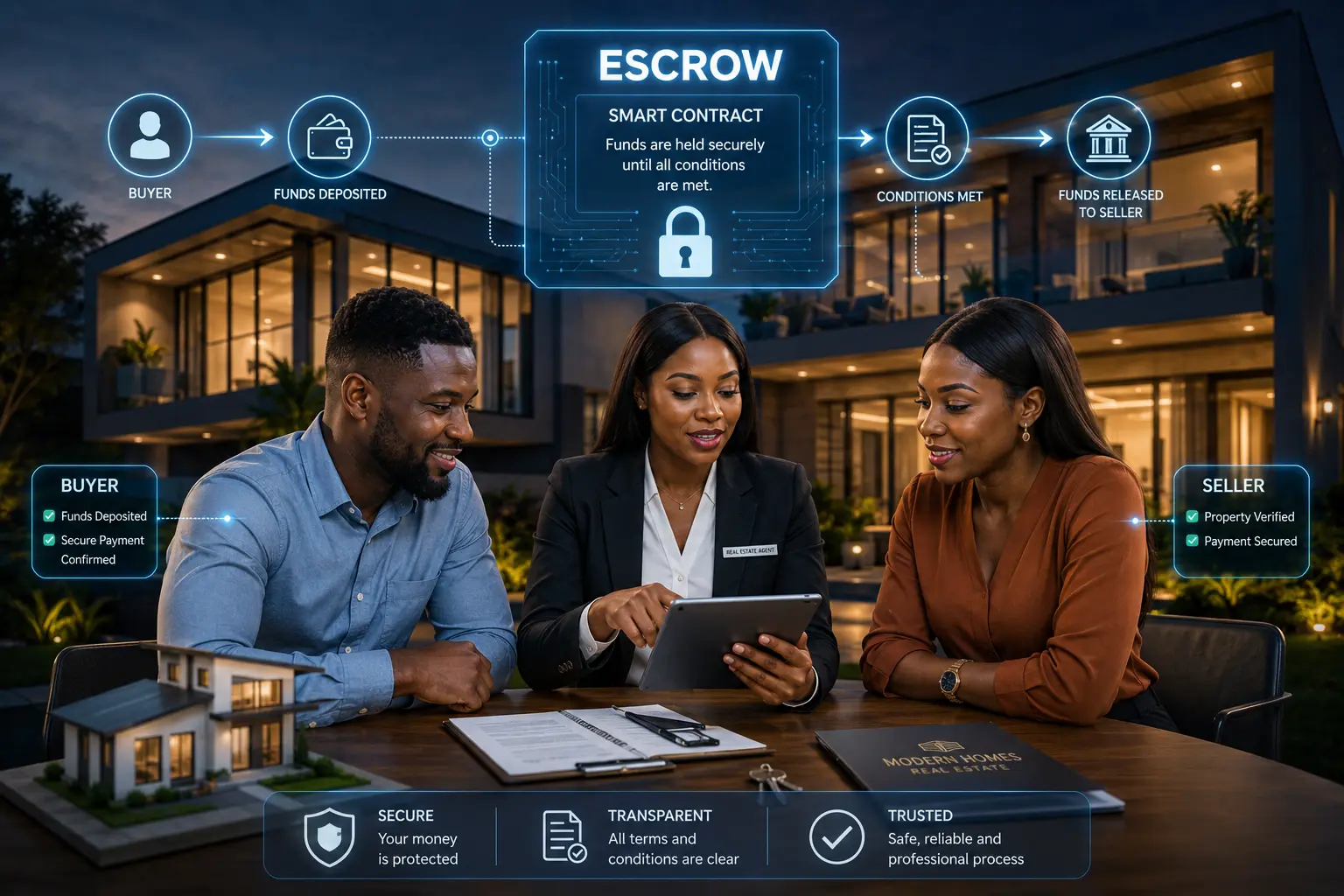
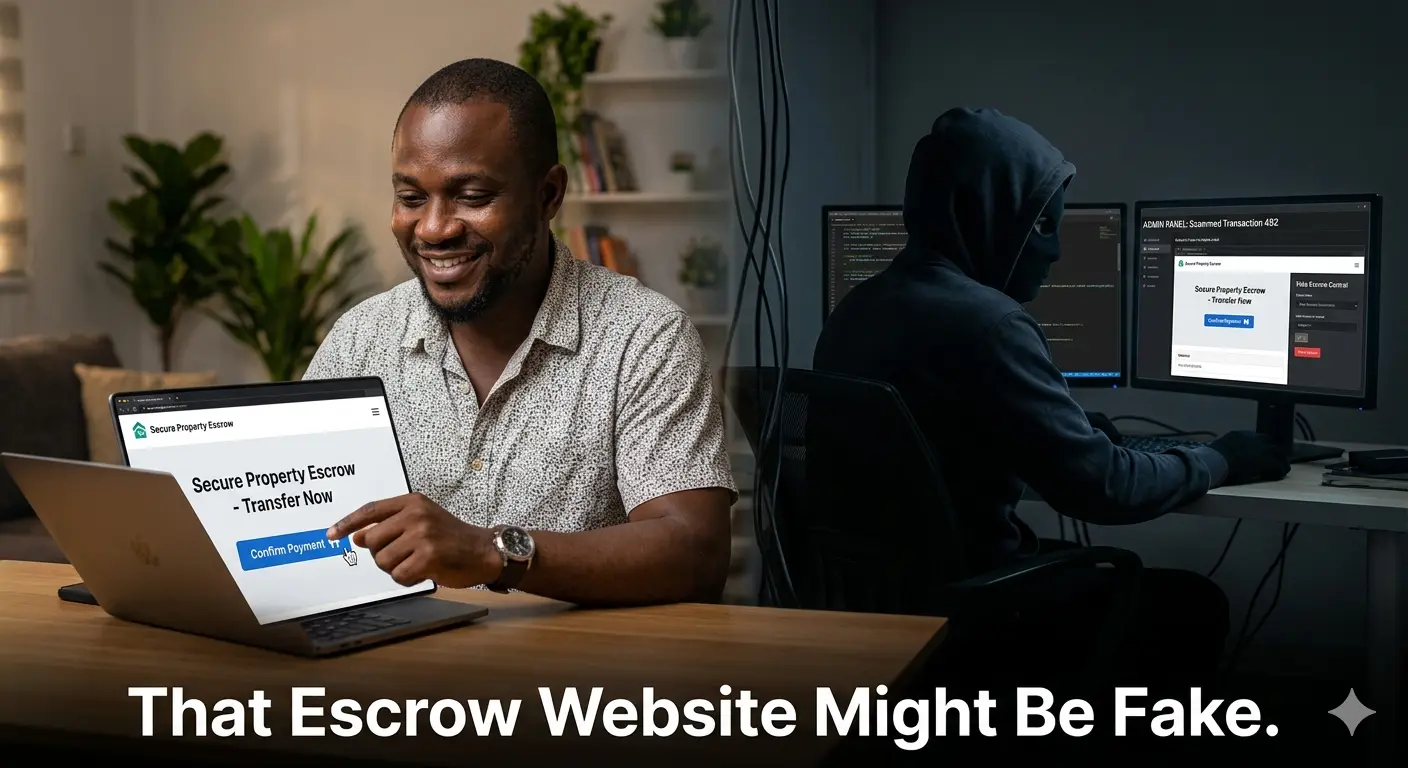
This is where EscrowVillage comes in. Instead of wondering if the seller will ship the item or if the buyer’s alert is real, EscrowVillage acts as the secure middleman.
- ■ The Buyer pays into the secure EscrowVillage account.
- ■ The Seller sees that the money is secured and ships the item.
- ■ The Buyer inspects the item and confirms it's perfect.
- ■ EscrowVillage releases the money to the seller.
Stop playing "Calculated Risk" with your hard-earned money. Whether you are buying a laptop, paying a freelancer, or selling designer clothes, use EscrowVillage to ensure every transaction is a successful one.