Fake Supplier Invoice Scam in Nigeria: How to Spot It
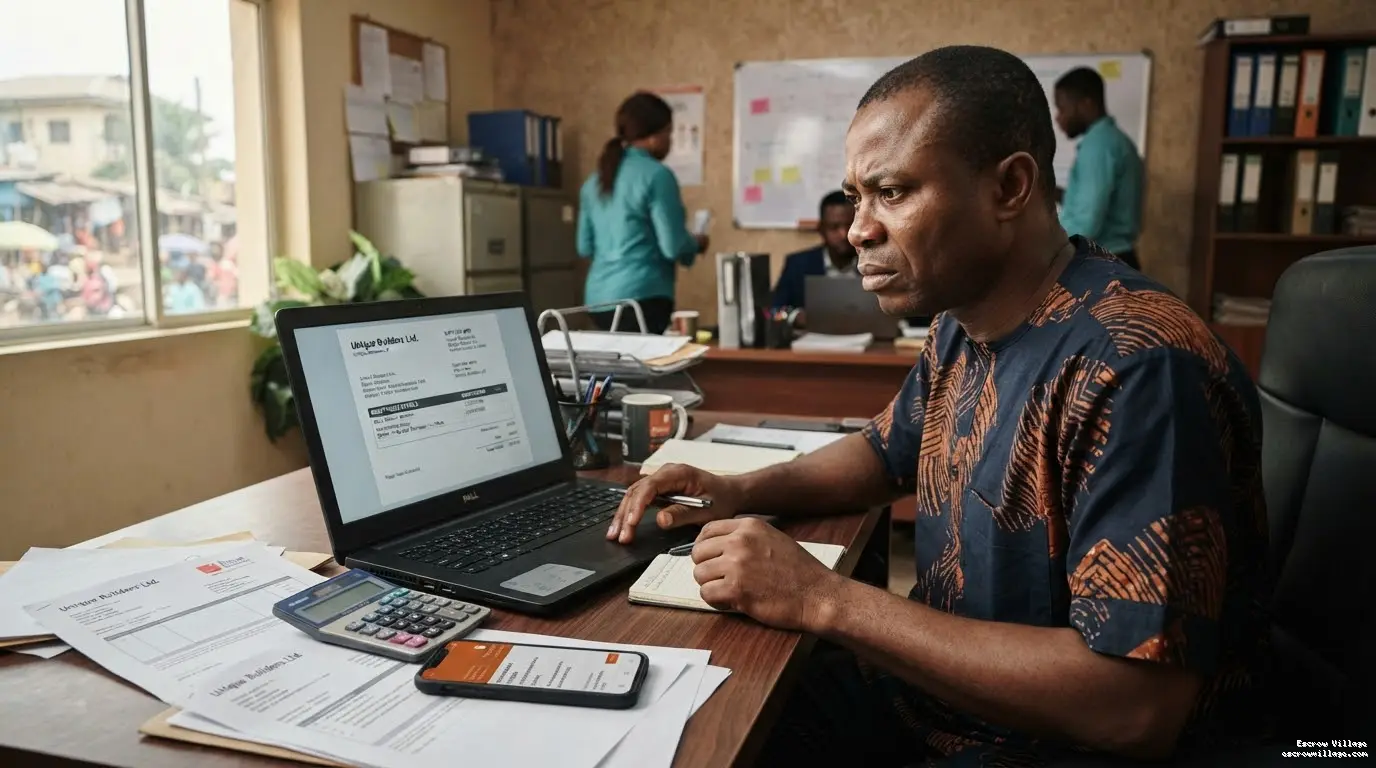
The money has gone to a fraudster. This is a fake invoice scam, a form of supplier invoice fraud.
How the Fake Supplier Invoice Scam Works
Supplier invoice fraud can happen in a few different ways. The goal is usually the same: trick a business into paying money into an account controlled by a scammer.
The "We've Changed Our Account Number" Message
A scammer poses as a regular supplier and sends a message claiming their bank details have changed. The invoice may look genuine, but the new account belongs to the fraudster.
Invented Suppliers and Made-Up Invoices
Some scammers create fake supplier identities and send invoices for goods or services a business never ordered. They rely on busy staff approving payments without checking the details.
Hacked or Lookalike Accounts
A scammer may take over a genuine supplier's email or WhatsApp account. Alternatively, they create an address that looks almost identical to the real one, making fraudulent payment requests harder to spot.
- Real Invoice vs Fake Invoice: What to Check
Knowing how to spot a fake invoice can save your business from losing money. Before approving any payment, pay attention to these details:
Sender details: A genuine invoice usually comes from the supplier's regular email address or contact.
Be cautious if the sender's address looks unfamiliar or has slight spelling changes.
Account name: Check that the bank account name matches the supplier's registered business name.
An unrelated account name is a reason to pause and investigate.
Changes to payment details: Be careful with unexpected messages claiming a supplier has changed their bank account. Always verify supplier bank details using a trusted contact number you already have.
Urgency: Scammers often pressure businesses to make immediate payments. Be suspicious of messages that discourage normal checks or insist on urgent transfers.
Tone and language: Watch out for unusual wording, spelling mistakes or messages that sound different from how your supplier normally communicates.
Missing purchase order: Check that the invoice matches an actual order, delivery or service your business requested. If there is no record of the transaction, do not rush to pay.
When something feels different, stop and verify before sending money. A familiar-looking invoice does not automatically mean it is genuine.
- How to Verify a Supplier Before You Pay
Before making any payment, take a few minutes to confirm that the invoice is genuine. These simple checks can help you avoid supplier fraud.
- - Call the supplier directly: Use a phone number you already have on record, not the one provided on the invoice.
- - Confirm account changes: If a supplier claims to have changed their bank details, verify the change in person or by phone.
- - Check the account name: Make sure it matches the supplier's registered business name before transferring money.
- - Match the invoice to an order: Confirm that the goods or services were actually requested.
- - Get a second approval: Have another person review large or first-time payments.
- - Check your banking app: Review the transfer details displayed before confirming payment.
Do not rely on memory or assume every Nigerian bank app shows the same information.
These steps make safe supplier payment a routine part of running your business.
- Where Escrow Fits In
Escrow adds another layer of protection when dealing with suppliers, especially new ones.
It holds your payment until the agreed goods or services are delivered, preventing a fake or altered invoice from sending money directly to a scammer.
However, escrow only protects transactions made through the platform. It cannot protect you if you pay a fraudster outside it. Consider using escrow for new suppliers and larger orders.
- Verify Before You Pay
Whether you're a small business owner, vendor or online seller, don't let a familiar invoice fool you. Verify supplier details before every payment.
Visit Escrow Village or join Escrow Village Communities to learn safer ways to handle transactions and protect your money.
Related services and practical guides
How to withdraw money from Escrow Village
Learn how to withdraw from your Escrow Village wallet. Check the bank or crypto details, fee and amount before you confirm.
Read the guide →Find help with CAC registration in Nigeria
Find someone to help with CAC registration. Agree the fees and check the work before releasing payment through Escrow Village.
Read the guide →Buy and sell goods and clothing on Village Market
Buy and sell clothing, phones and other goods on Village Market. Check the size, condition and delivery before you release payment.
Read the guide →How to spot a scam before you pay
Spot fake payment alerts, risky links and people pretending to be support. Learn what to check before you pay or release money.
Read the guide →