
How AI Is Making Nigerian Scams Almost Impossible to Detect
AI helps scammers create realistic voices, videos, emails, and messages, making fraud attempts harder to identify and avoid.
In Nigeria, online shoppers, businesses, and internet users face rising threats from AI-powered scams, identity theft, and fraud.
The rising threat is the increasing use of artificial intelligence by scammers to create highly convincing fraud schemes, including fake websites, phishing messages, cloned voices, deepfake videos, and identity theft attempts that target online shoppers, businesses, and everyday internet users.
As AI-powered scams become more sophisticated, individuals and businesses must stay informed, verify transactions carefully, and adopt stronger security measures to protect their finances, identities, and sensitive information online.
In this blog article, we will be exploring different ways scammers use AI for scams.
- The Rise of AI-Powered Scams

Artificial intelligence (AI) is technology that mimics human intelligence. Scammers use it to create realistic messages, voices, videos, and fake identities, making fraudulent schemes more convincing and difficult to detect.
AI scams are harder to identify because they mimic human language, personalise messages, replicate trusted brands, and continuously adapt, making fake communication appear authentic, urgent, and emotionally convincing to victims.
- How AI Creates More Convincing Fake Messages
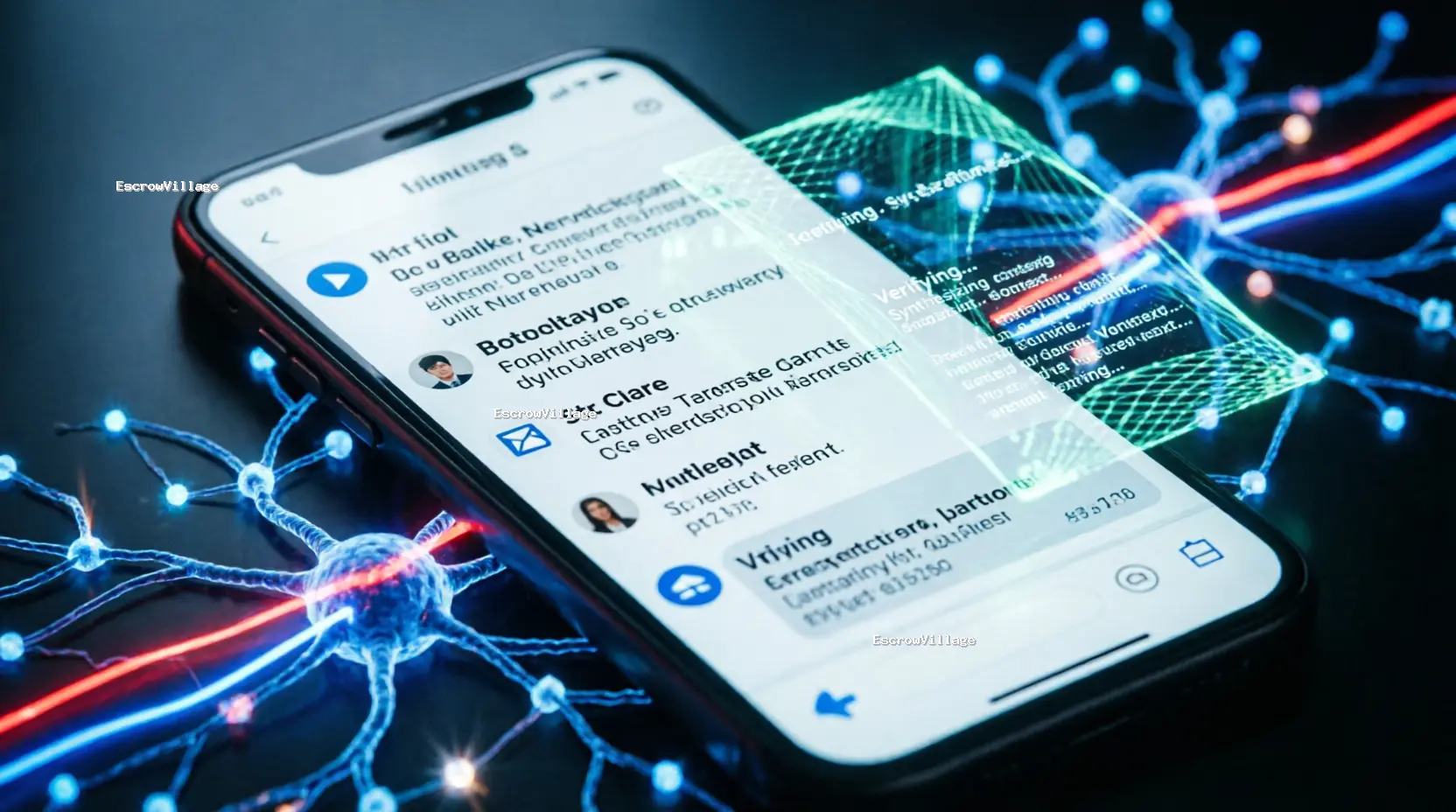
AI can generate personalised emails, WhatsApp messages, and social media DMs that mimic trusted contacts, increasing scam success rates.
Examples include fake customer support messages, urgent payment requests, account verification alerts, and fraudulent investment opportunities promising returns.
Victims are more likely to trust them because they appear authentic, personalised, professional, and often imitate familiar brands.
- Deepfakes and Voice Cloning Are Changing the Game

Deepfake videos use AI to swap faces or create realistic fake footage, while voice cloning mimics a person’s speech patterns, tone, and accent to impersonate them convincingly for fraud.
Voice-based fraud includes scammers cloning a CEO’s voice to request urgent transfers or impersonating family members in distress calls asking for money, often convincing victims through emotional pressure and urgency.
Trusting audio or video without verification is dangerous because AI can fabricate realistic deepfakes, making false identities, fake instructions, or fraudulent requests appear authentic, leading victims to financial or personal loss.
- Fake Websites and Online Stores Look More Legitimate Than Ever

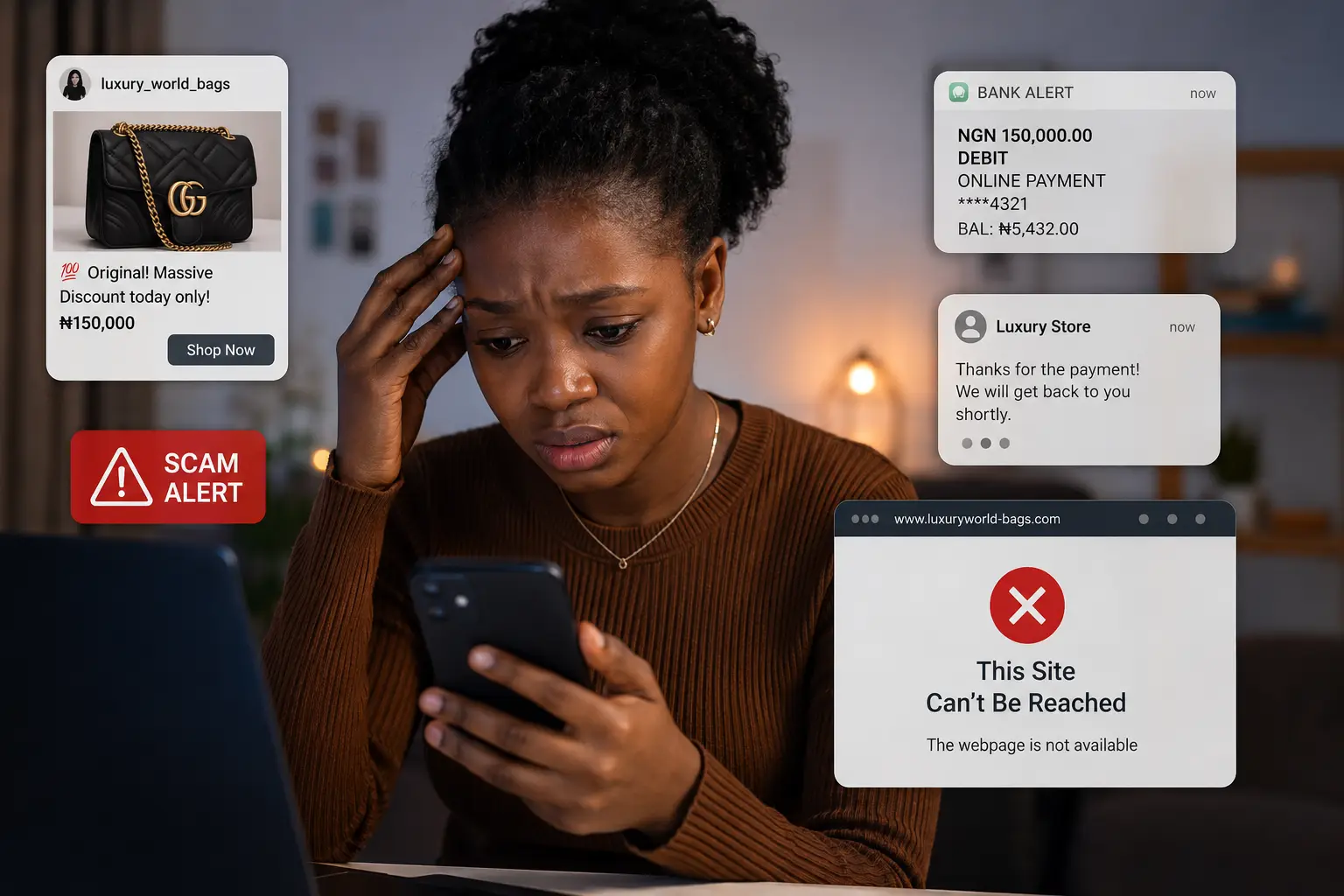
AI-assisted website creation lets scammers quickly build professional-looking fake sites that mimic real businesses, including logos, layouts, and checkout pages, making the fraudulent platform appear legitimate and trustworthy to unsuspecting users.
Scammers mimic trusted brands by copying logos, websites, emails, and communication styles, using AI to create convincing replicas that deceive users into believing they are interacting with legitimate businesses.
Consumers should verify sellers to avoid fraud, ensure legitimacy, protect money, and confirm genuine products before making any payments.
- The Impact on Nigerian Businesses and Consumers

Financial losses from fraud continue to rise as scammers exploit AI tools to deceive unsuspecting users.
This growing problem also damages trust in online transactions, making consumers more cautious and sometimes hesitant to shop or invest online.
Legitimate businesses face additional challenges as they must constantly prove their credibility against sophisticated fake competitors.
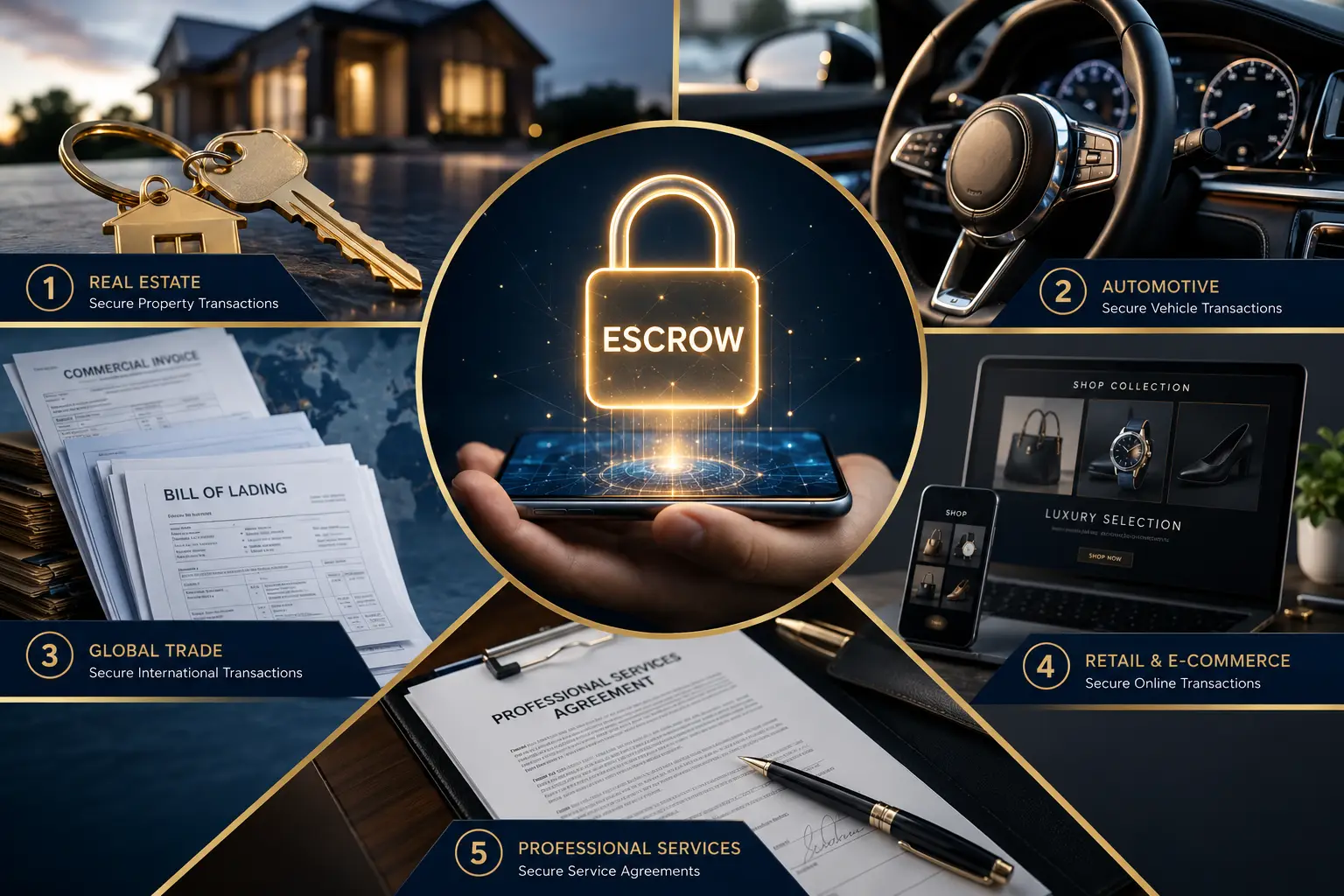
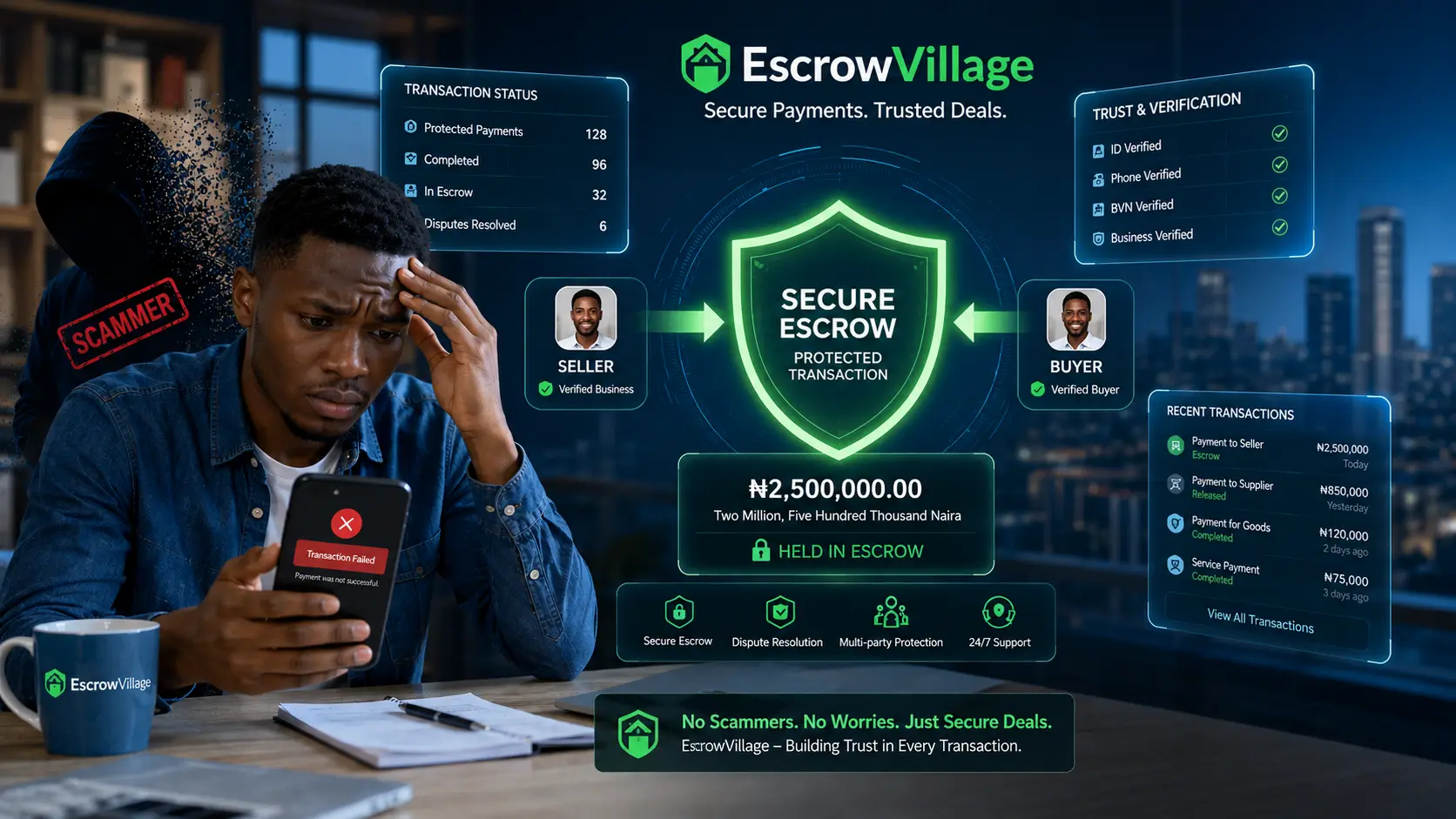
As a result, there is an increased need for secure payment systems such as escrow services, stronger verification processes, and advanced cybersecurity measures to protect users, restore confidence, and ensure safer digital commerce environments for everyone involved.
- How to Protect Yourself from AI-Powered Scams

To stay safe online, always verify identities through multiple channels before trusting any request or transaction.
Be cautious of urgent payment demands, as scammers often use pressure to force quick decisions.Double-check websites, email addresses, and contact information for inconsistencies or fake domains.
Avoid sharing sensitive personal or financial details without proper verification of the recipient.
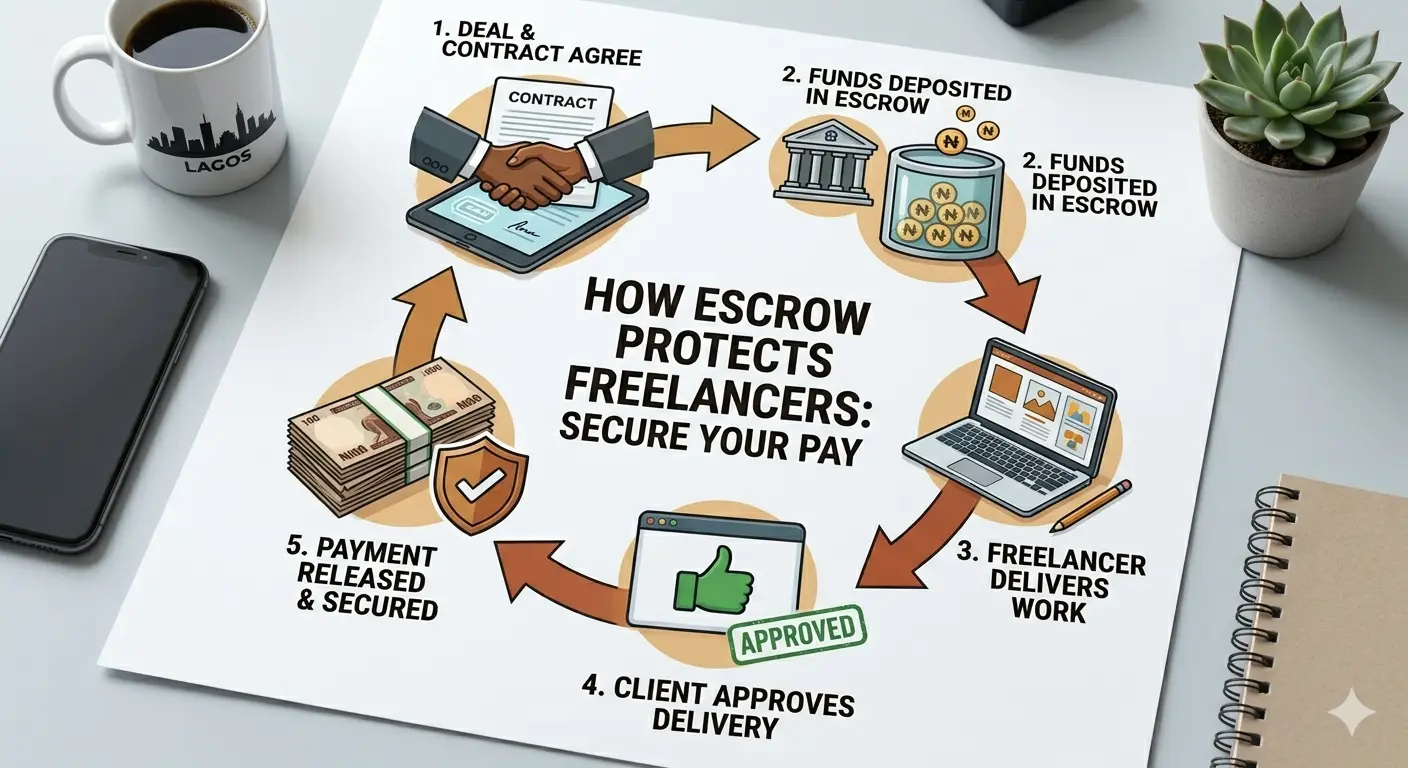
Use secure payment methods and trusted escrow services when dealing with online transactions to reduce risk.
Finally, stay informed about emerging scam tactics, as awareness is one of the strongest defences against evolving fraud techniques powered by artificial intelligence and digital manipulation.

AI is transforming both innovation and fraud across the digital world. While it drives progress in communication, business, and automation, it also gives scammers powerful tools to create more convincing and deceptive schemes.
As a result, scams are becoming more sophisticated, making them harder to detect and avoid.
However, awareness remains the strongest defence against these evolving threats.
Users must stay alert, question unexpected requests, and verify information before taking action.
Prioritising secure transaction methods, such as trusted payment platforms and escrow services, further reduces risk.
Ultimately, caution, verification, and informed decision-making are essential for safer online interactions in today’s AI-driven environment.