7 Banking Habits That Can Put Your Money at Risk
Sharing your ATM PIN, ignoring transaction alerts or clicking suspicious banking links may seem harmless, but these actions can expose your finances to fraud and unauthorised transactions.
Understanding the banking habits that put your money at risk can help you protect your salary, savings and everyday spending money.
Here are seven common banking mistakes to avoid and what you can do differently.
- 1. Sharing Your ATM PIN, OTP or Banking Password
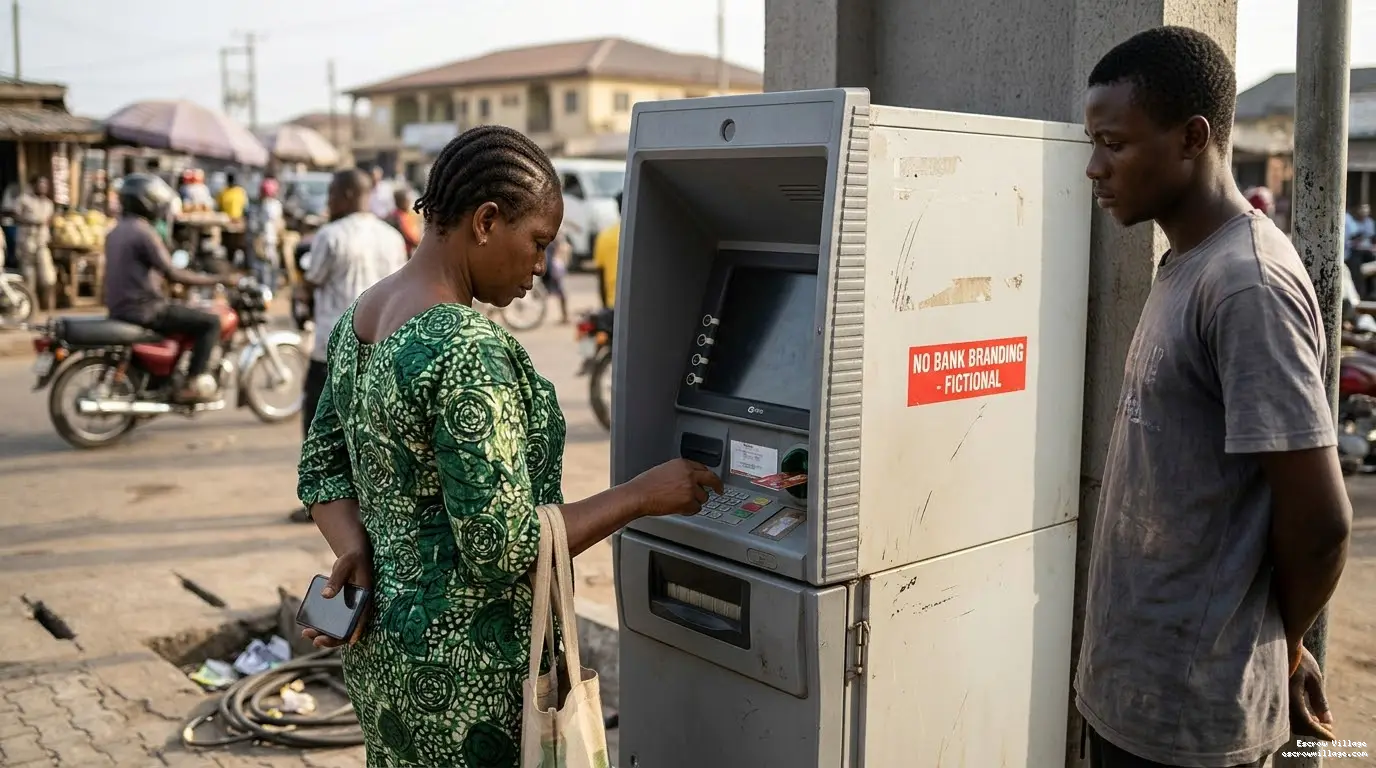
One of the easiest ways to expose your bank account is by sharing confidential banking information.
Some fraudsters pretend to be bank representatives and claim they need your OTP (One-Time Password) or PIN to resolve an account problem.
The risk: Someone with access to your banking credentials may try to make unauthorised transactions.
Warning signs: Someone calls claiming your account will be blocked unless you provide a verification code.
The fix: Never share your PIN, password or OTP. Your bank does not need you to disclose these details over the phone.
- 2. Using Weak or Repeated Passwords
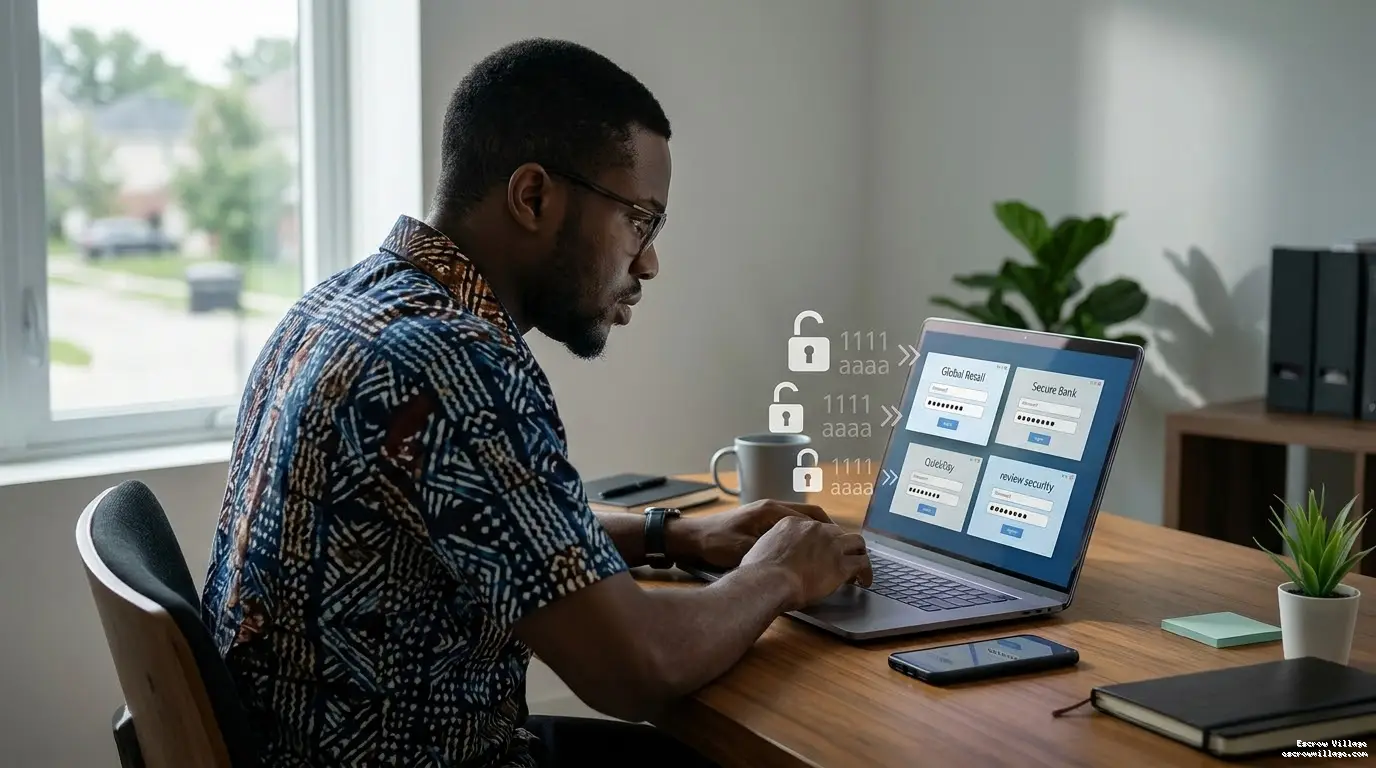
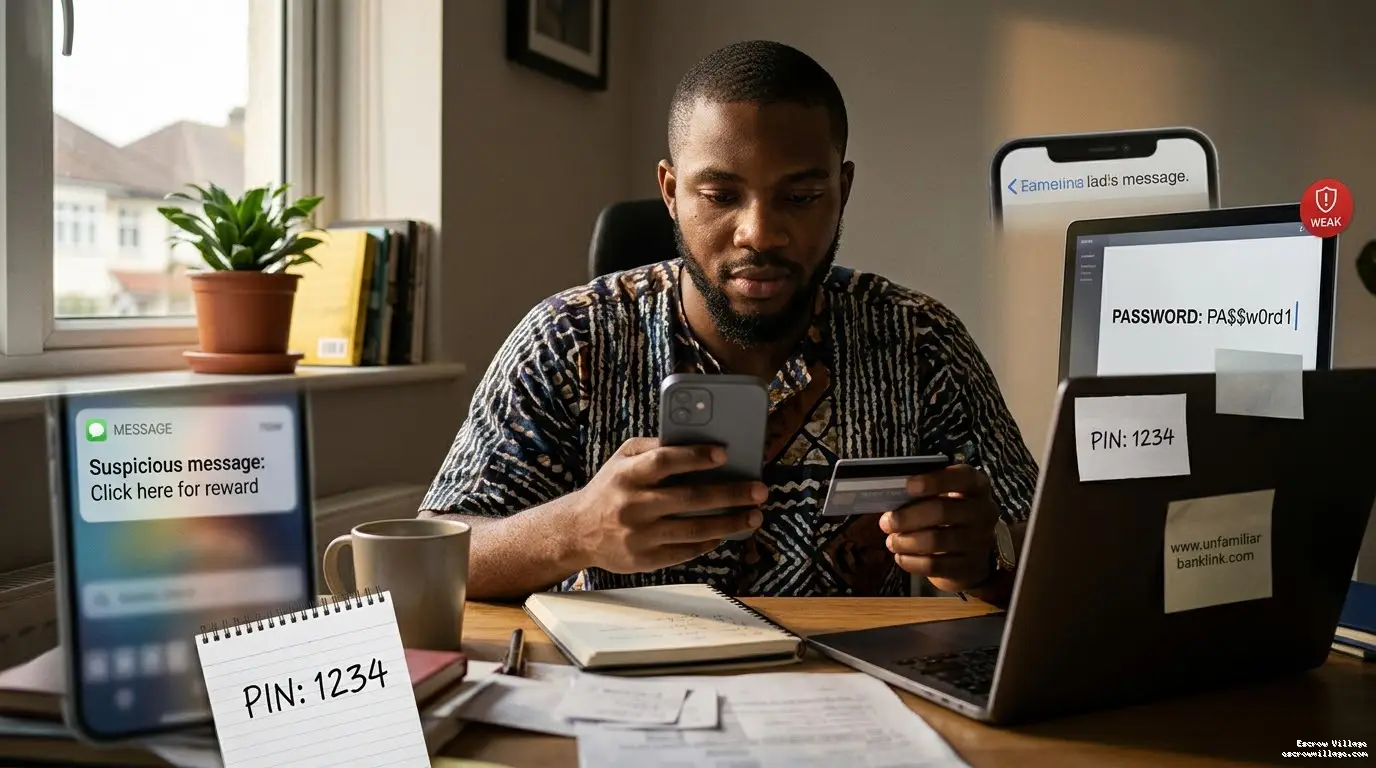
Using your birthday, phone number, or simple combinations like 1234 makes your accounts easier to compromise.
Reusing the same password across your email, social media, and banking accounts also creates problems.
The risk: If an attacker compromises one account, they may be able to access other accounts using the same password.
Warning signs: Your password is easy to guess or you use it across several platforms.
The fix: Create strong, unique passwords. Enable additional security features where available.
- 3. Clicking Suspicious Banking Links
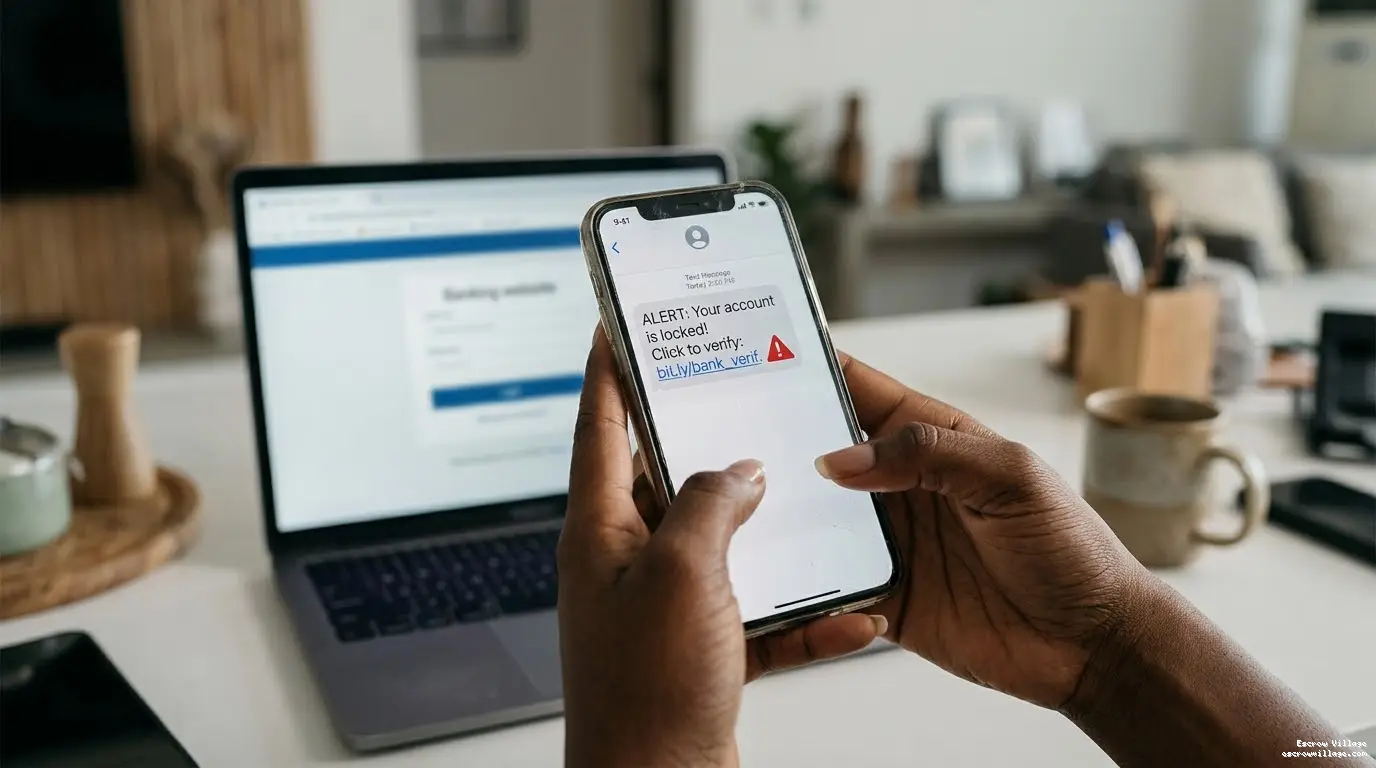
Have you received an SMS claiming that your bank account needs an urgent update?
Be careful. Fraudsters create fake websites that look like legitimate banking platforms to steal personal information.
The risk: Entering your details on these websites can expose your banking credentials.
Warning signs: Messages containing unfamiliar links, urgent warnings or unexpected rewards.
The fix: Never access your bank through suspicious links. Use your bank's official app or type its verified website address yourself.
- 4. Ignoring Bank Alerts and Account Statements
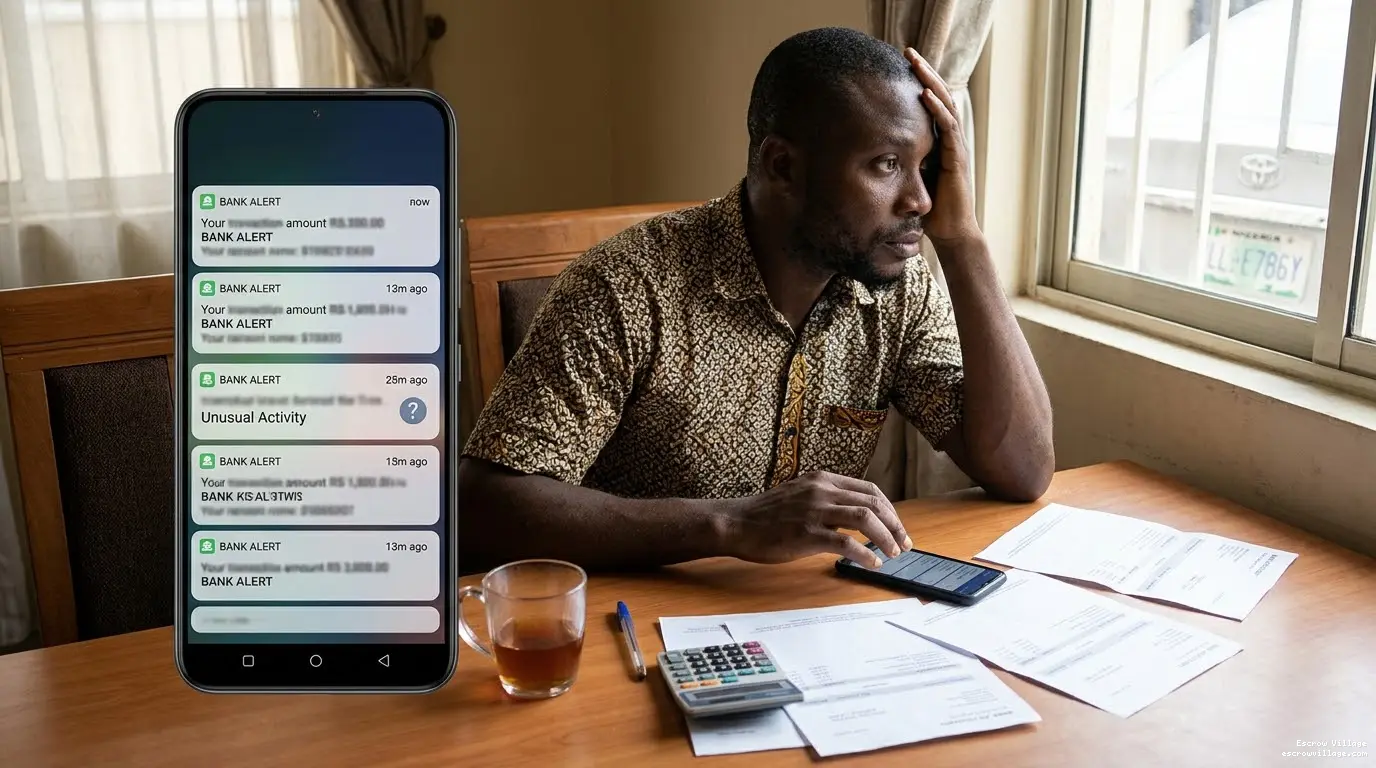
Many people receive debit alerts without checking them. Others rarely review their monthly statements.
This is a risky banking habit because unfamiliar transactions can go unnoticed.
The risk: Unauthorised withdrawals, incorrect charges and suspicious transfers may continue without your knowledge.
Warning signs: Missing alerts, unfamiliar deductions or unexplained changes in your account balance.
The fix: Review transaction alerts regularly. Check your account statement at least once a month and report suspicious transactions immediately.
- 5. Using Public Devices for Banking Transactions
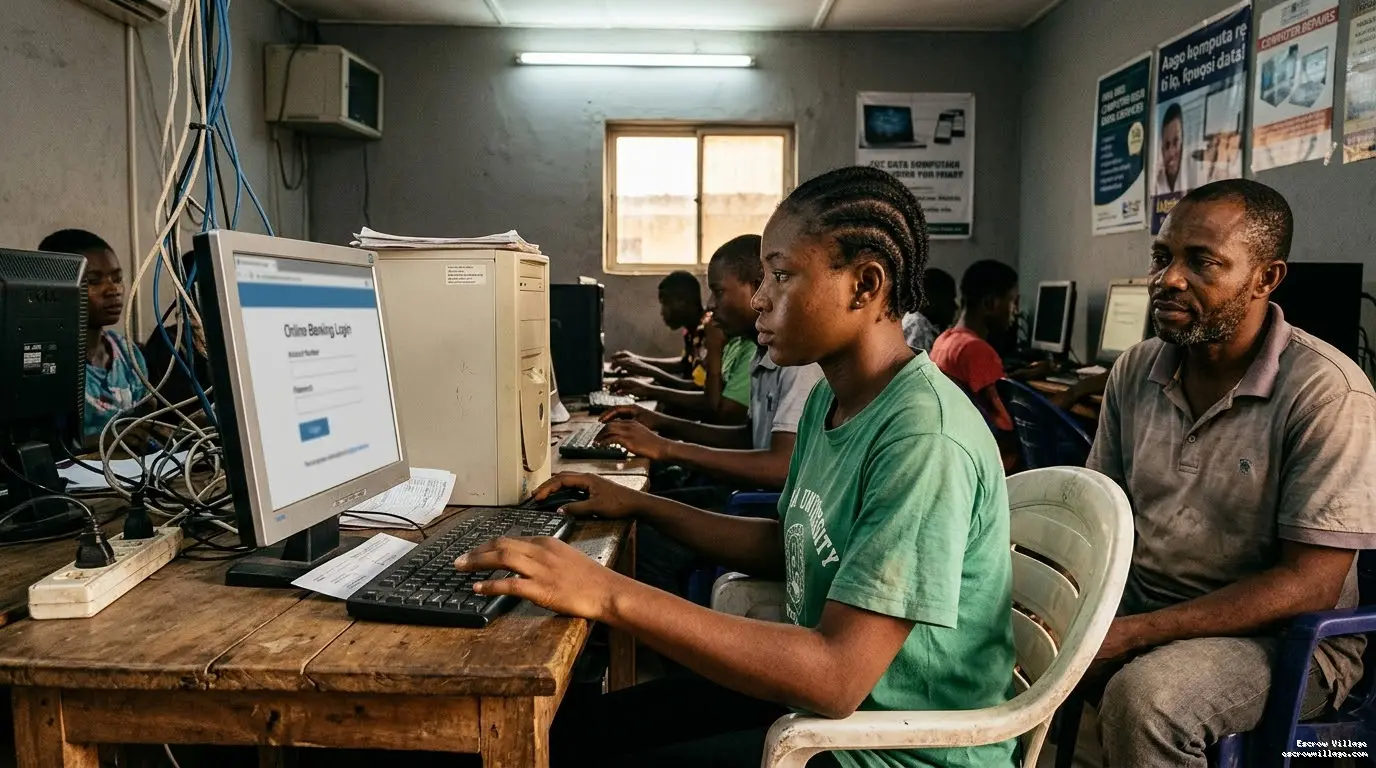
Logging into your banking app or internet banking account on a public computer can expose your information.
The same applies to using someone else's phone without understanding its security.
The risk: Your login details could remain saved, become visible to others or be exposed through malicious software.
Warning signs: Unfamiliar devices, shared computers or requests to save your banking password.
The fix: Use your personal device for banking. Avoid saving passwords on shared computers and always log out after transactions.
- 6. Keeping Your ATM Card and PIN Together
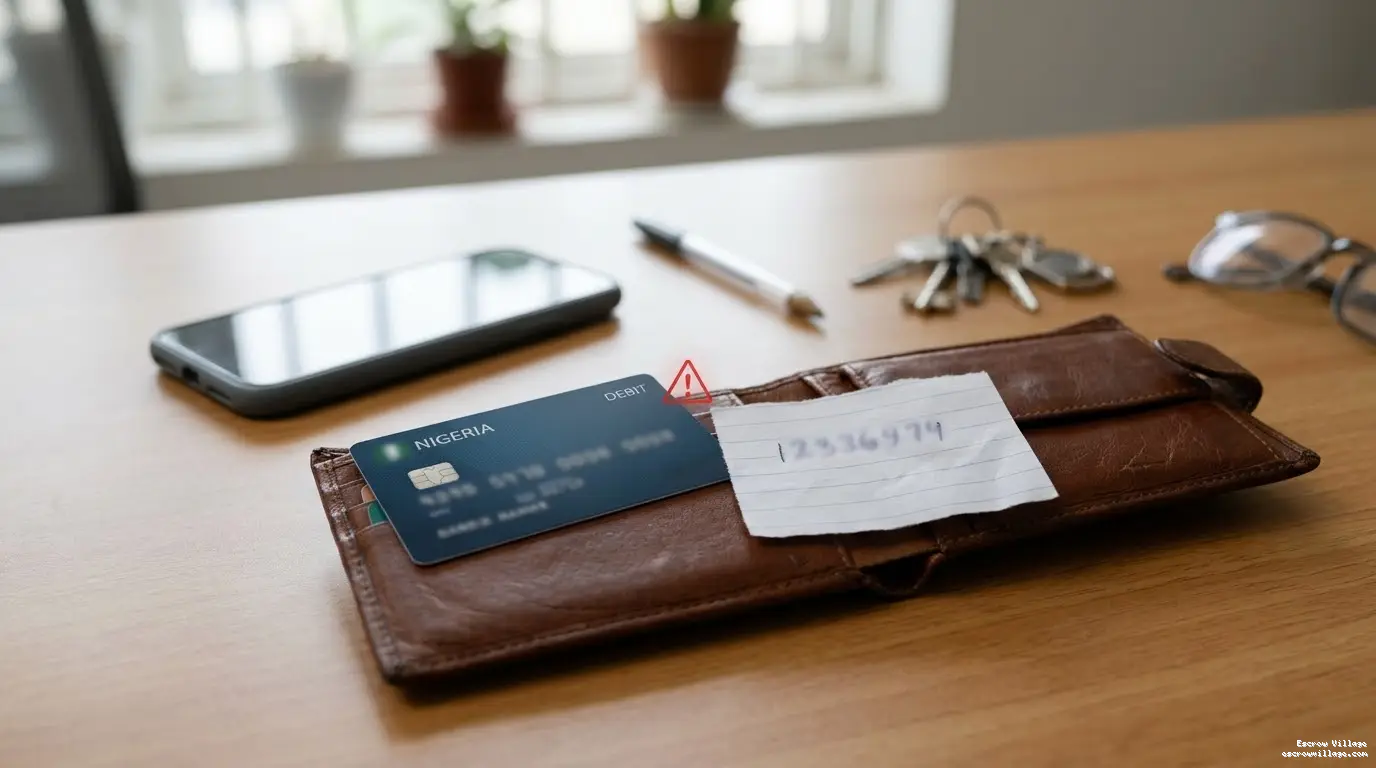
Writing your ATM PIN on your card or keeping both inside the same wallet is an unnecessary risk.
If your wallet gets stolen, the thief may have both your card and the information needed to use it.
The risk: Your card could be used for unauthorised transactions.
Warning signs: Your PIN is written on your card or stored in your wallet.
The fix: Memorise your PIN. Keep it private and never store it alongside your ATM card.
- 7. Ignoring Unusual Phone or SIM Activity
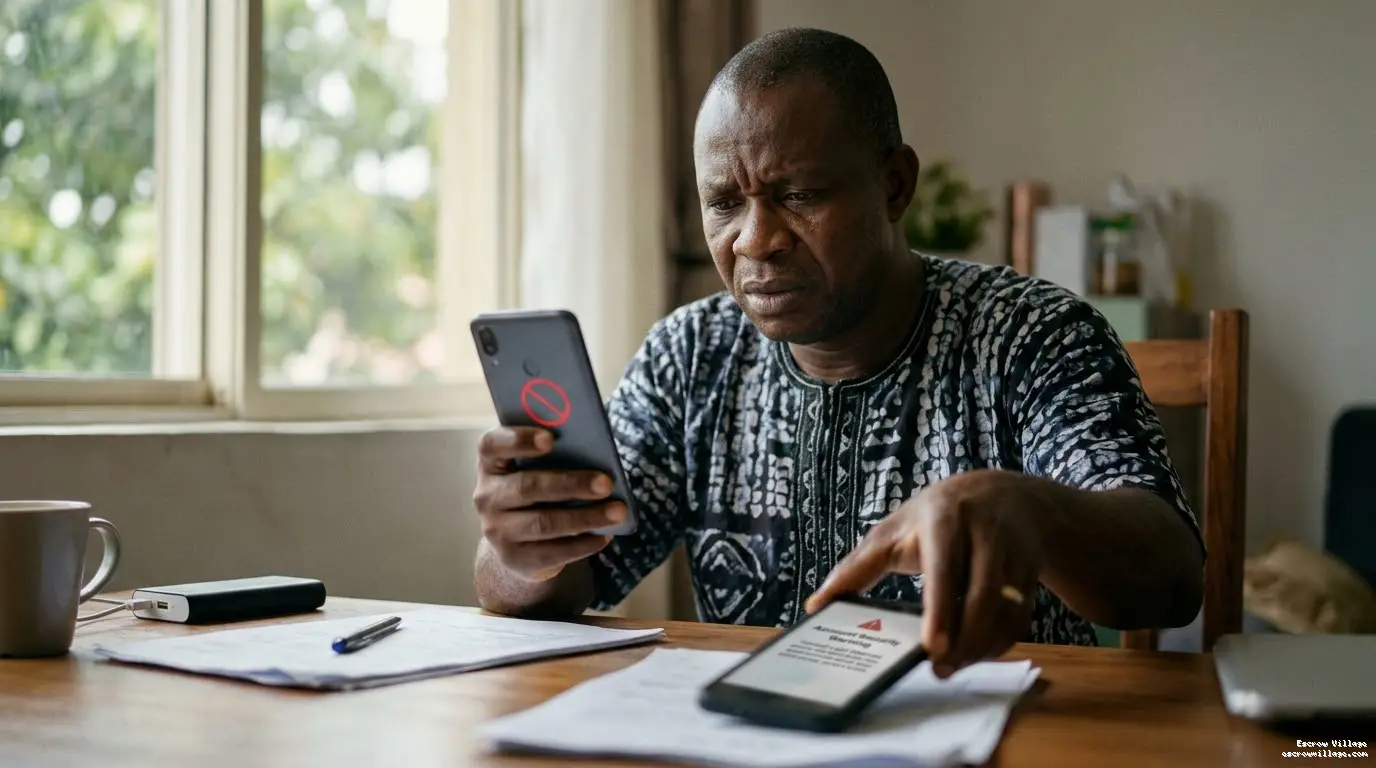
Your phone number is often connected to your banking alerts, OTPs and mobile banking services.
A sudden loss of network signal that you cannot explain could be a warning sign of SIM swap fraud.
The risk: Fraudsters who gain control of your number may attempt to access services linked to it.
Warning signs: Unexpected loss of network, unfamiliar OTP messages or banking notifications you did not initiate.
The fix: Contact your network provider immediately if your SIM suddenly stops working. Also notify your bank about any suspicious activity.
- How to Protect Your Bank Account
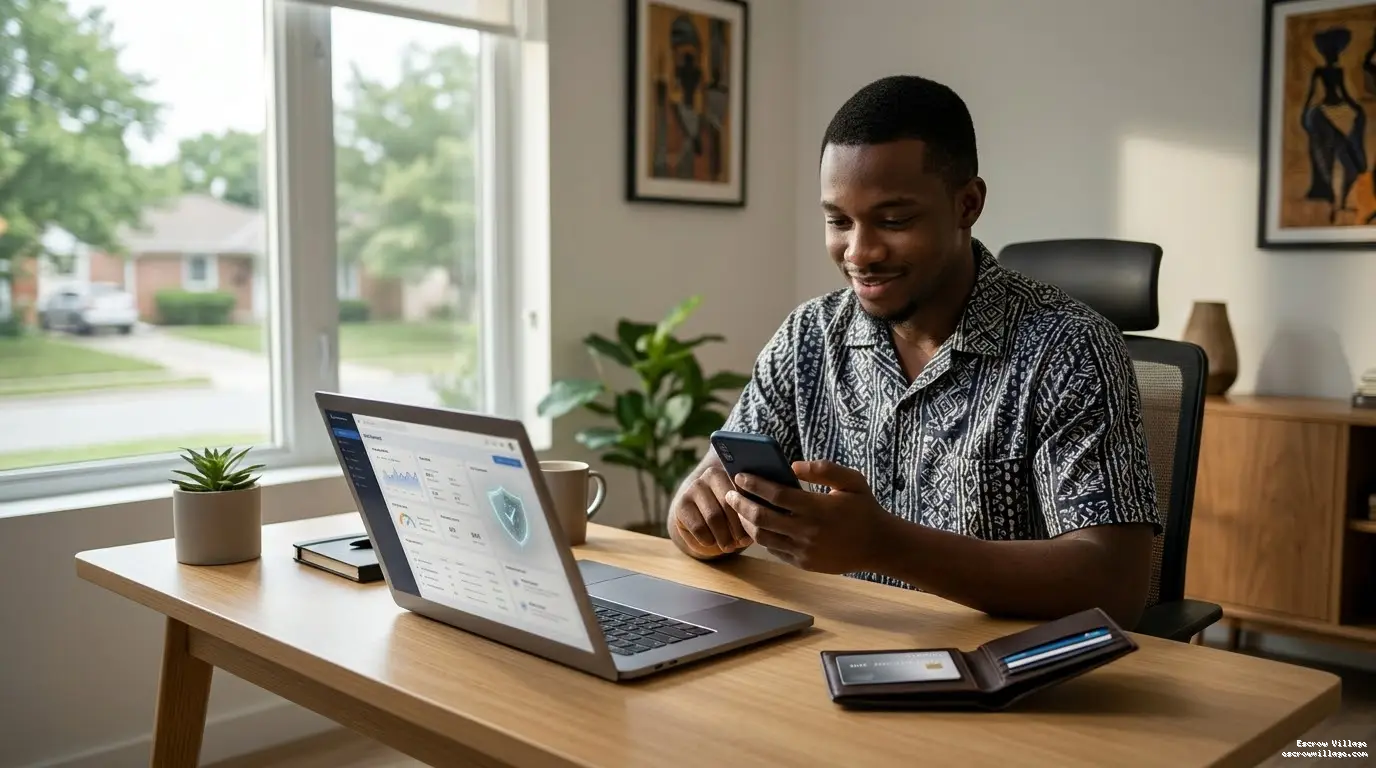
Protecting your money doesn't require complicated financial knowledge. Start with these simple habits:
- ● Check your account balance and transaction history regularly.
- ● Never share your PIN, OTP or banking password.
- ● Download banking apps only from official app stores.
- ● Set reasonable transaction limits where your bank allows it.
- ● Report lost ATM cards and suspicious transactions immediately.
- ● Use strong passwords and secure your phone with a screen lock.
- ● Keep your contact details updated with your bank.
The Central Bank of Nigeria also advises customers to protect their banking information and report suspected fraud promptly.
- Frequently Asked Questions

- What are the most common banking mistakes?
Common banking mistakes include sharing PINs and OTPs, using weak passwords, ignoring transaction alerts and clicking suspicious banking links.
- How can I protect my bank account from fraud?
Use strong passwords, keep your PIN private, avoid suspicious links, secure your phone and monitor your account regularly.
- Can someone access my bank account through my phone number?
A phone number alone does not automatically give someone access to your account. However, SIM swap fraud and compromised verification details can expose your banking services to unauthorised access.
- What should I do if I notice an unauthorised transaction?
Contact your bank immediately through its official customer service channels. Request that affected cards or banking services be secured, report the transaction and keep any relevant evidence.
If your complaint remains unresolved after the applicable period, you can escalate it to the CBN.
Your money deserves protection. Sometimes, protecting it starts with changing small habits you have practised for years. Pay attention to your banking activities, question unusual requests and never take your account security for granted.
- How Escrow Village Helps Protect Your Money During Online Transactions
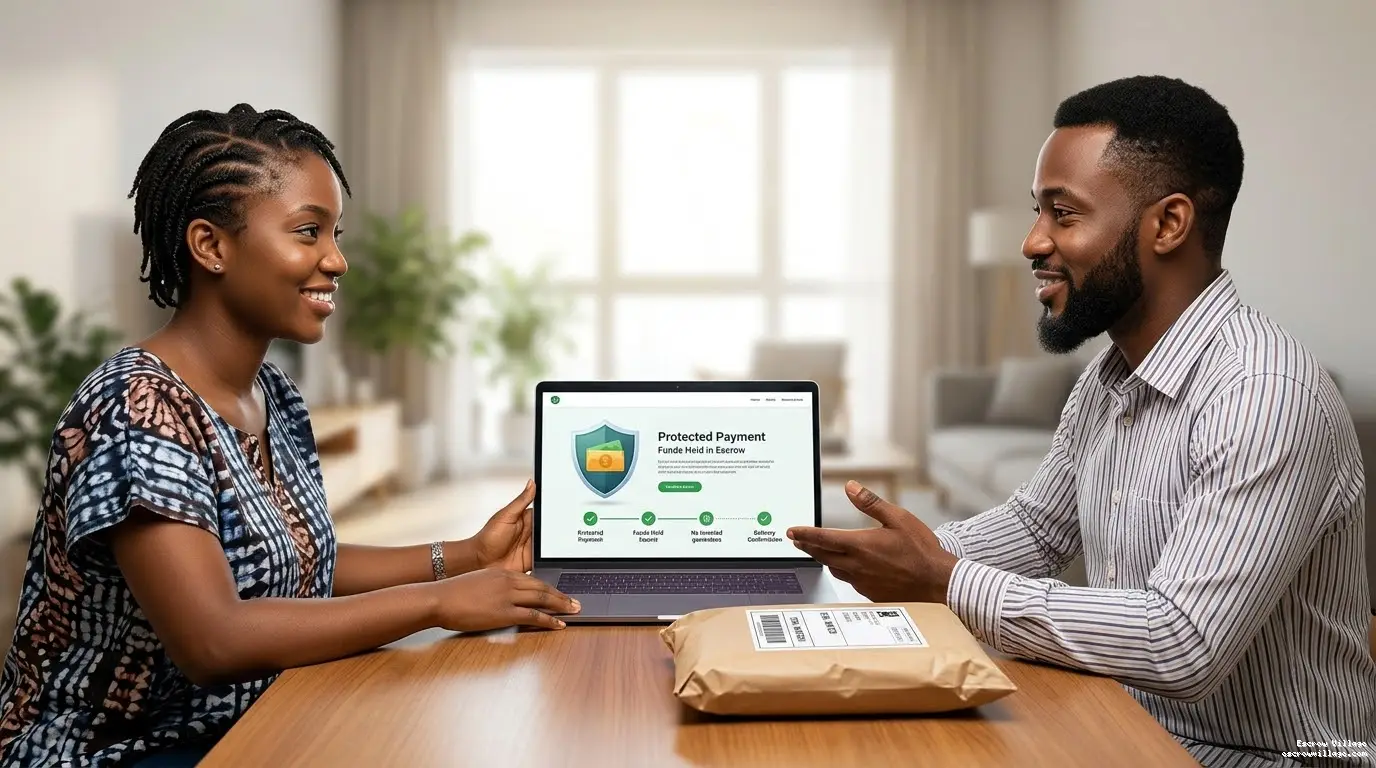
One banking risk many Nigerians overlook is sending money directly to strangers when buying products or paying for services online.
Imagine finding a phone worth ₦350,000 on Instagram.
The seller asks you to make full payment before delivery. You transfer the money, but the seller stops responding.
Your bank may confirm that the transfer was successful, but that doesn't mean you received what you paid for.
Escrow Village provides an escrow payment service that holds money until the buyer and seller fulfil their agreed responsibilities.
Here's how it works:
- ● Agree on the deal: The buyer and seller agree on the price, delivery timeline and transaction conditions.
- ● Deposit the money: The buyer pays into the Escrow Village transaction.
- ● Deliver the product or service: The seller fulfils their part of the agreement.
- ● Confirm delivery: The buyer checks the product or service and confirms that it meets the agreed conditions.
- ● Release payment: Escrow Village releases the money to the seller.
If something goes wrong, either party can raise a dispute and provide evidence for review.
Whether you're buying a phone, hiring a graphic designer, purchasing business supplies or paying for an online service, escrow can reduce the risks associated with sending money directly to strangers.
You can learn more at Escrow Village.
Related services and practical guides
How to withdraw money from Escrow Village
Learn how to withdraw from your Escrow Village wallet. Check the bank or crypto details, fee and amount before you confirm.
Read the guide →Hire a digital marketer for your business
Find digital marketing help for ads, social media and content. Agree what the person will do, what it costs and what they will send.
Read the guide →Buy and sell goods and clothing on Village Market
Buy and sell clothing, phones and other goods on Village Market. Check the size, condition and delivery before you release payment.
Read the guide →Escrow in Nigeria: pay safely when you buy or sell
Learn how Escrow Village holds a buyer’s payment while the seller delivers. Agree the deal and check the item before you release the money.
Read the guide →