
How Escrow Can Help Reduce Payment Disputes on Fintech Platforms
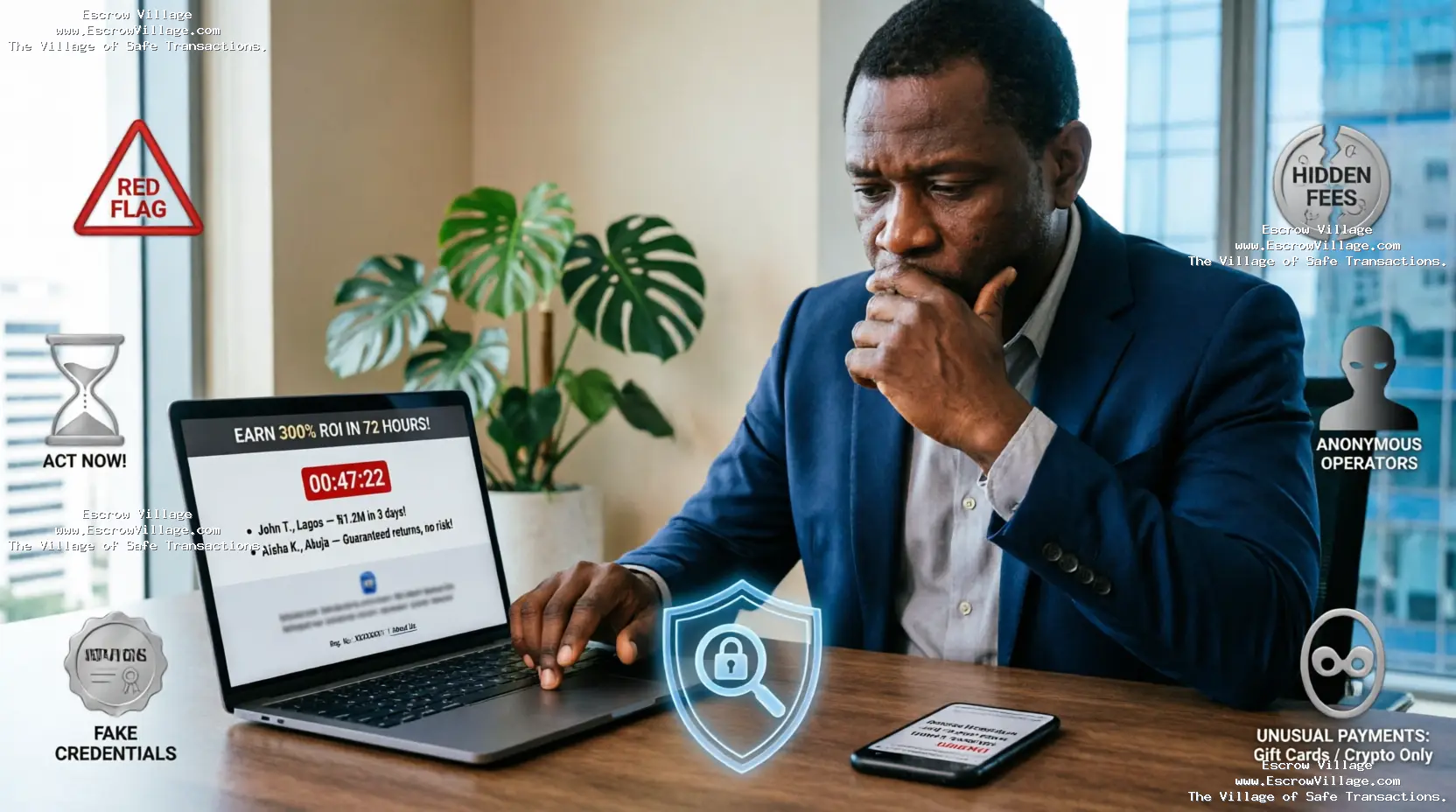
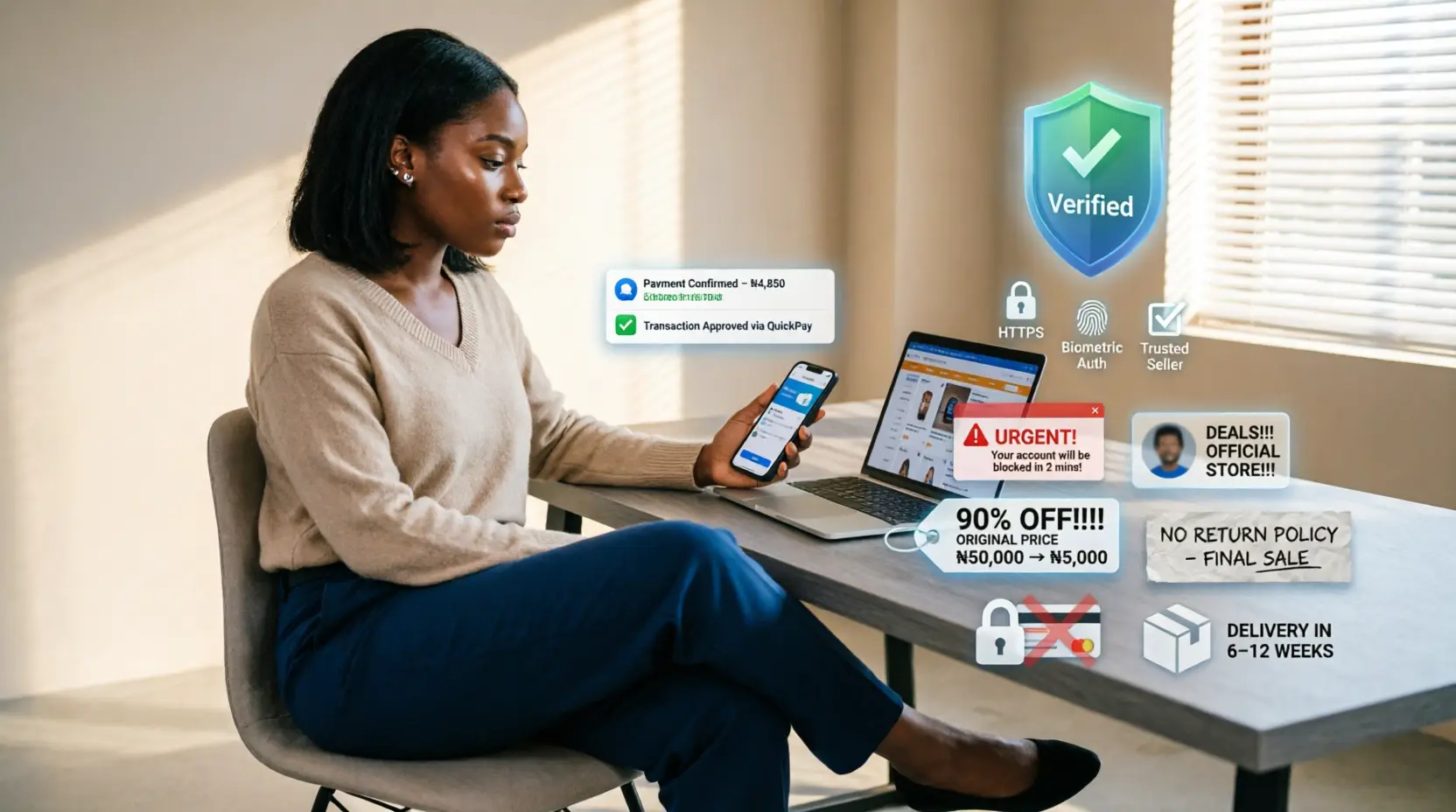
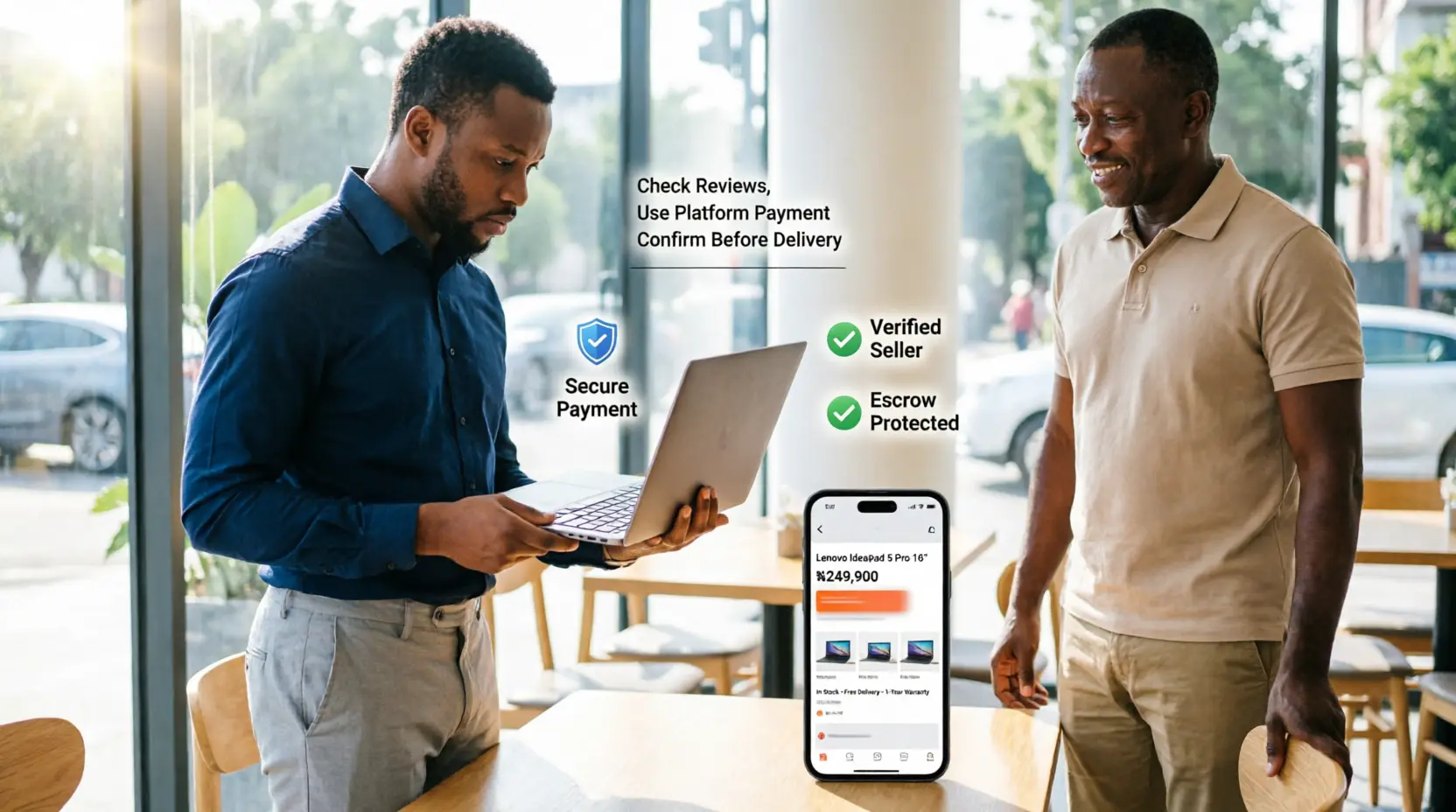
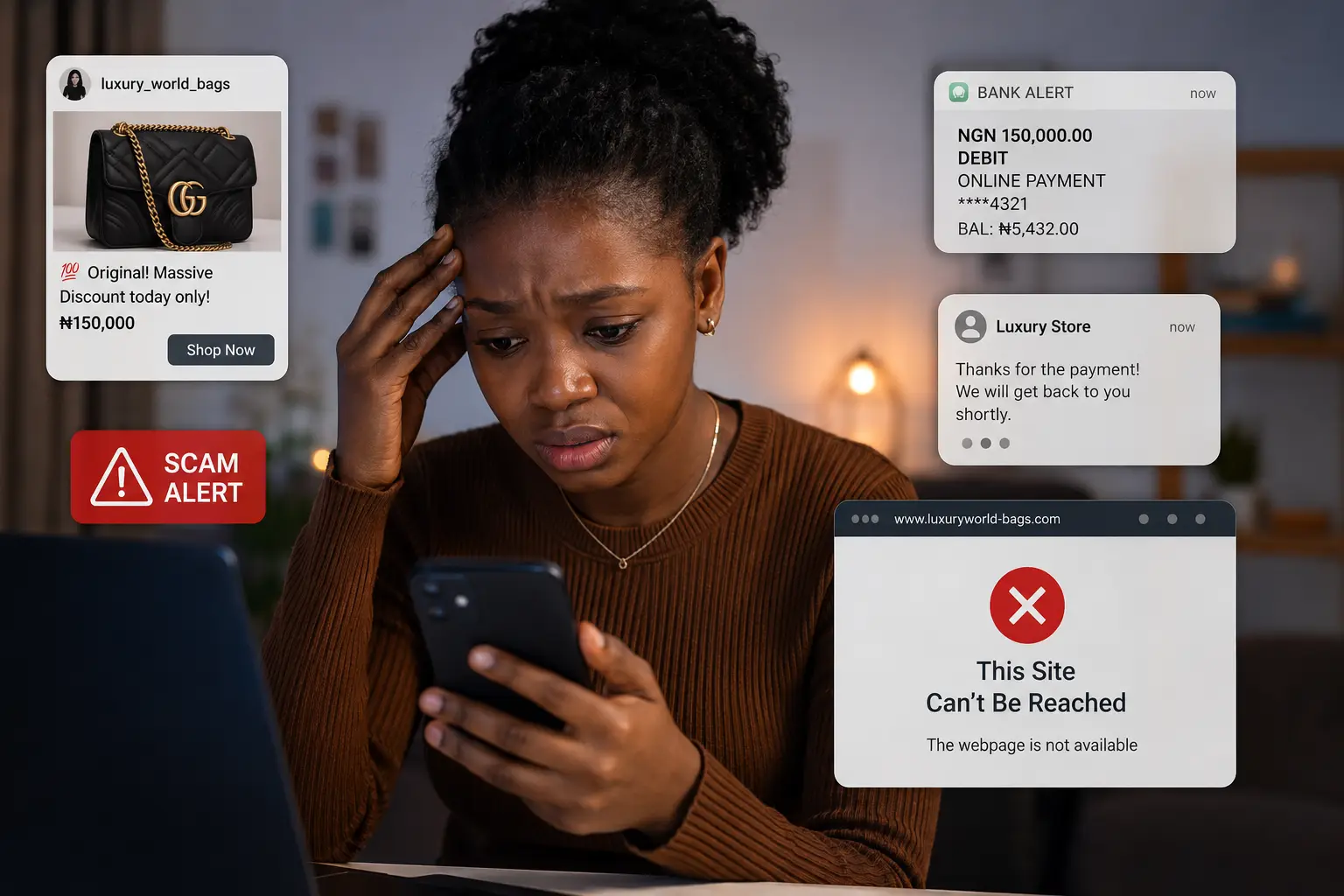
Payment disputes are common in fintech, especially when a buyer pays for a product that never arrives, a service fails to meet expectations, or an unexpected payment failure affects a transaction.
These situations can lead to chargebacks, financial losses, and a breakdown of trust between buyers and sellers.
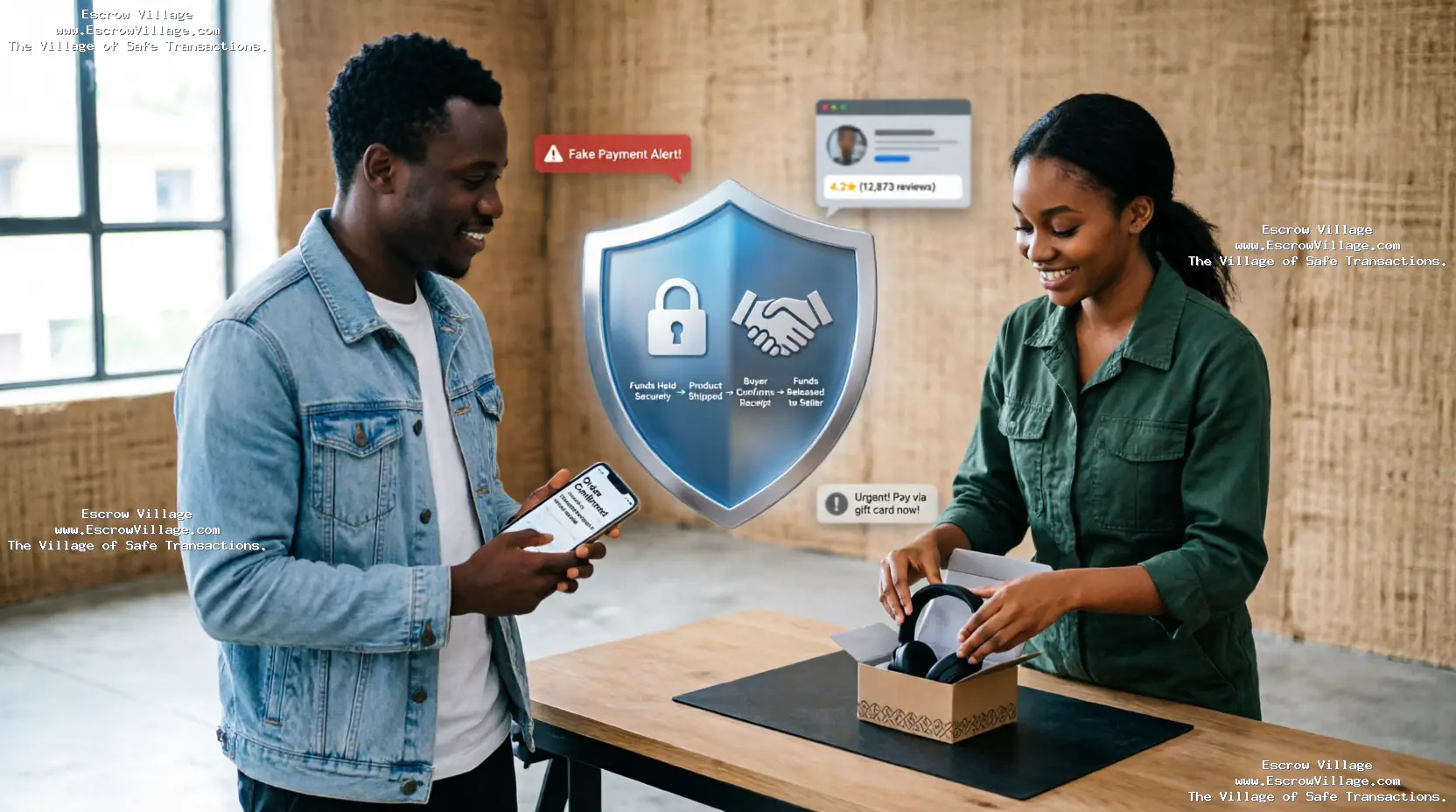
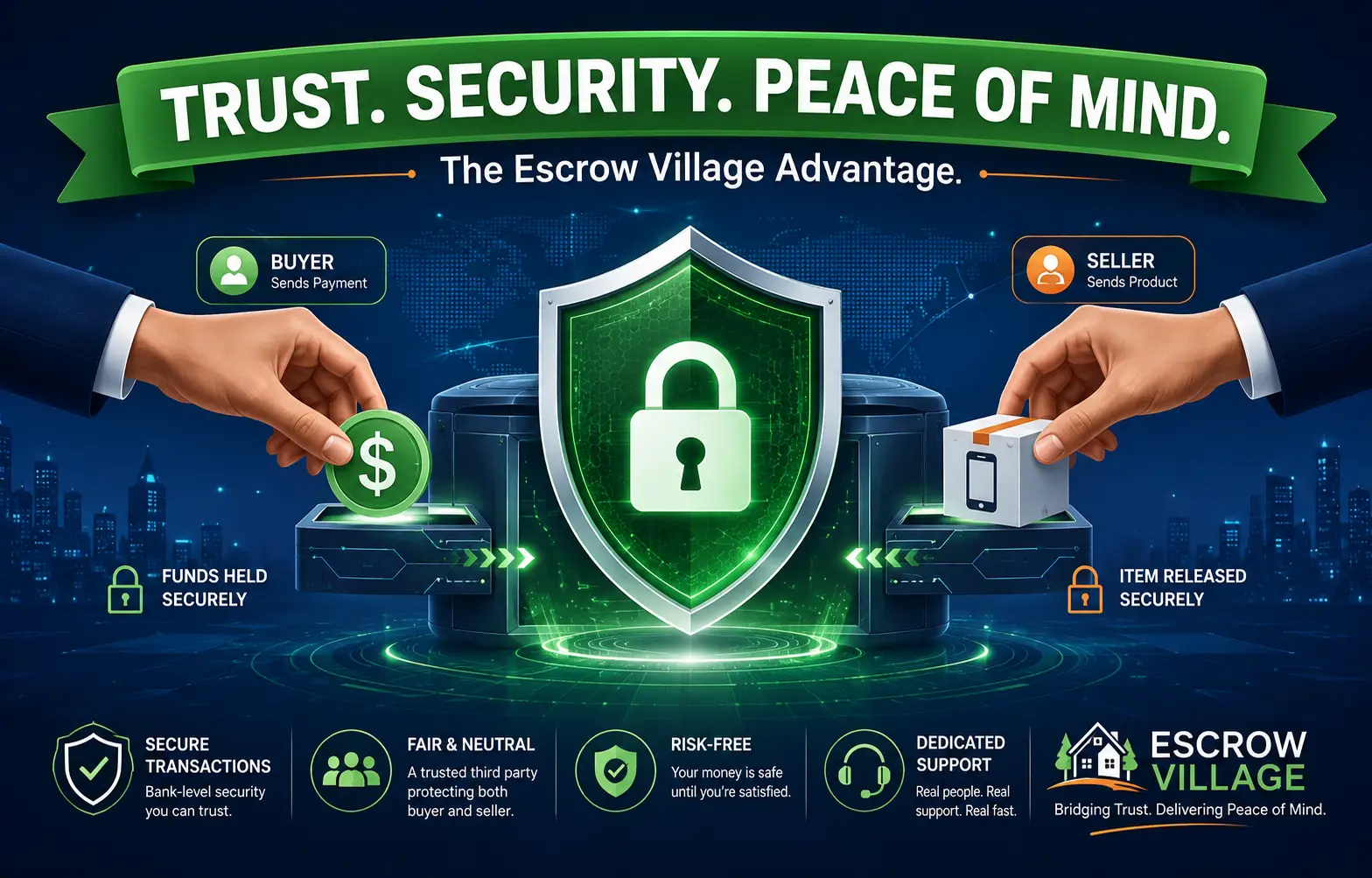
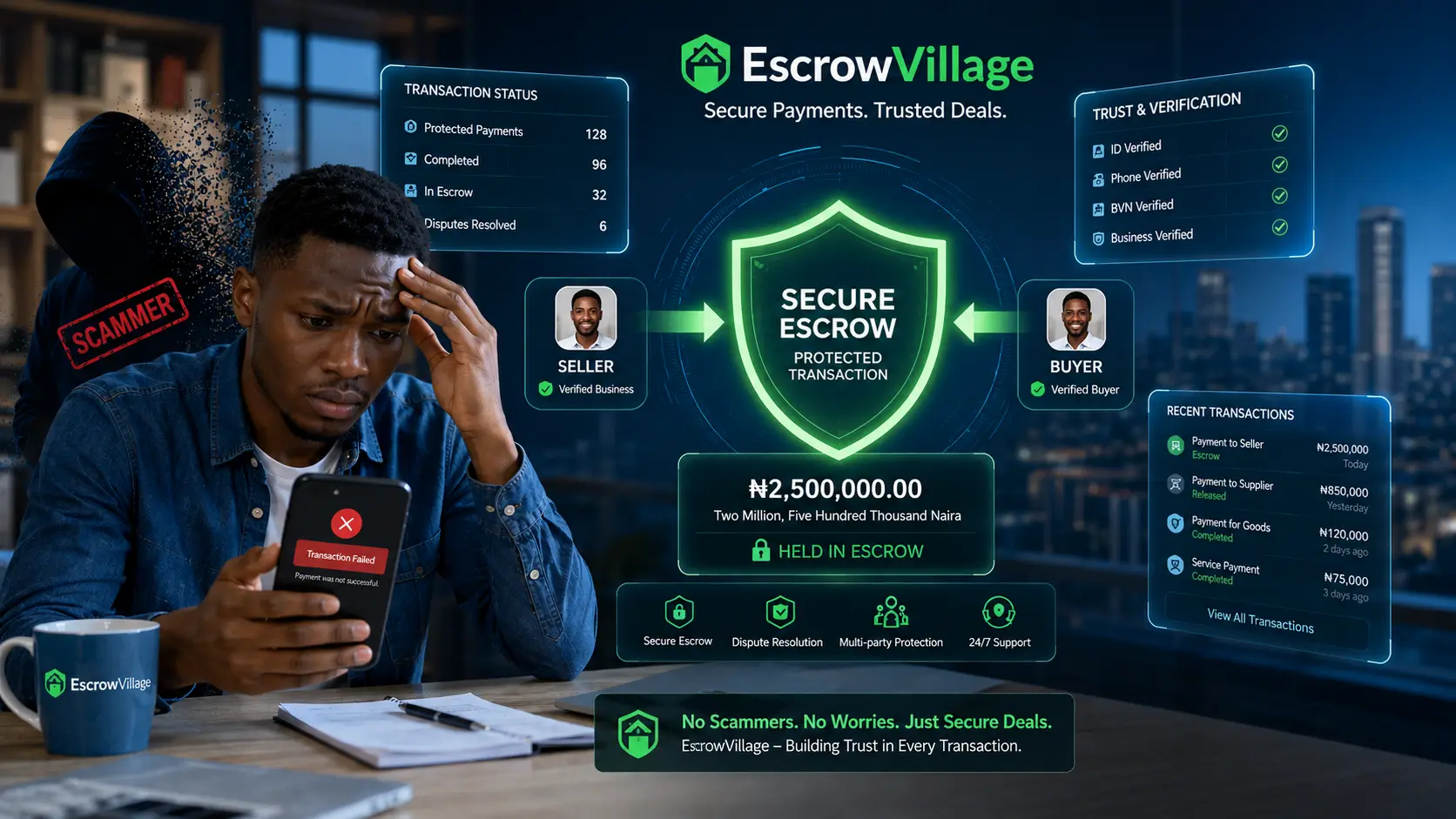
Escrow reduces risk by holding funds with a neutral third party until both parties meet the agreed conditions.
For fintech platforms, integrating escrow can help prevent disputes, protect users, and create a safer, more reliable environment for digital transactions.
Common examples include paying for goods or services that are never delivered, receiving items that differ from their descriptions, unauthorised transactions, and delays in refunds after cancellations.
These issues can create problems for both users and fintech platforms.For platforms, disputes often mean additional customer support costs, potential chargeback fees, reputational damage, and increased regulatory scrutiny.
They can also discourage users from completing future transactions. In many cases, disputes arise because buyers and sellers do not fully trust each other or have unclear expectations about payment and delivery.
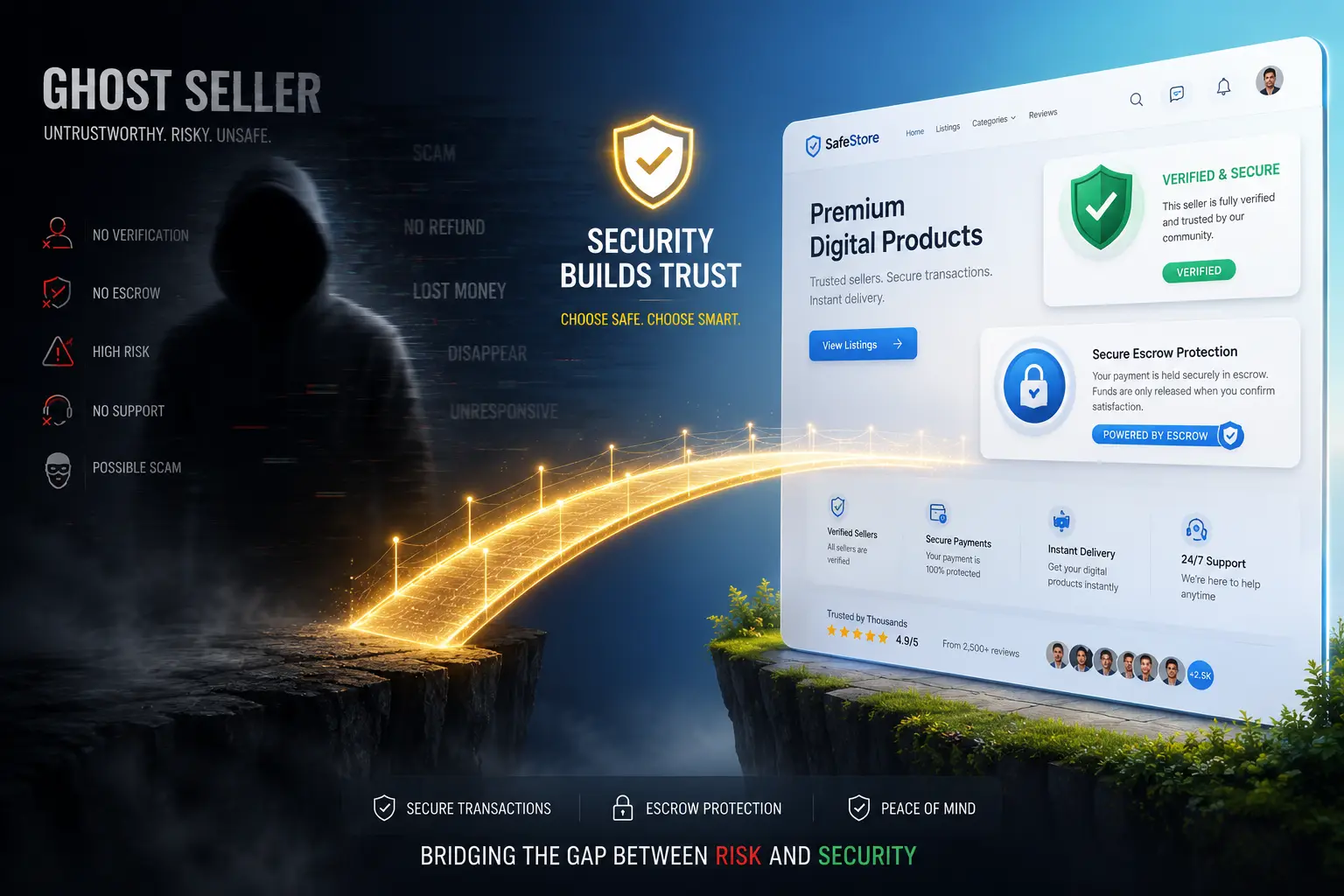
Escrow helps address these gaps by holding funds until agreed transaction conditions are met.
PlatformsEscrow on fintech platforms provides a structured way to protect both buyers and sellers during a transaction.
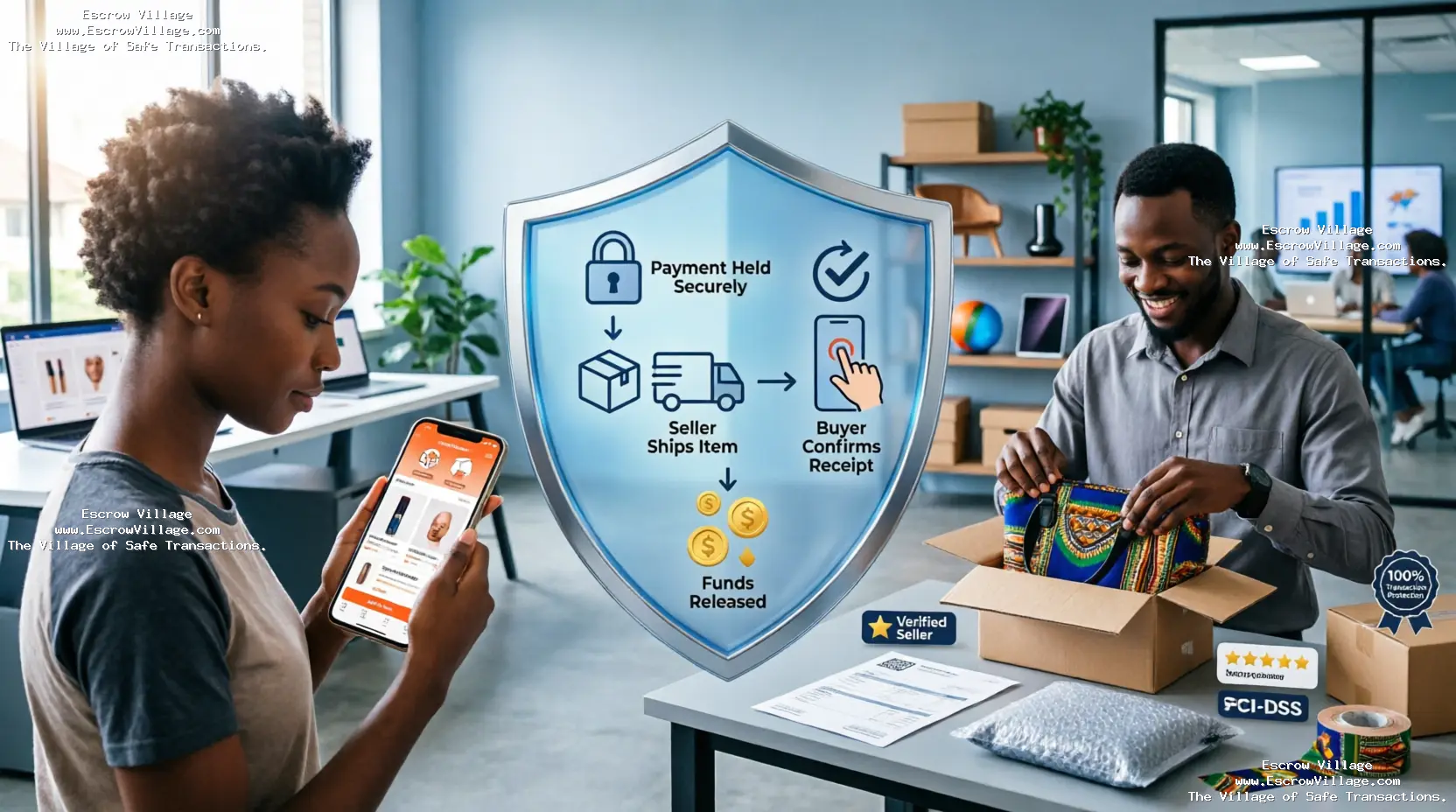
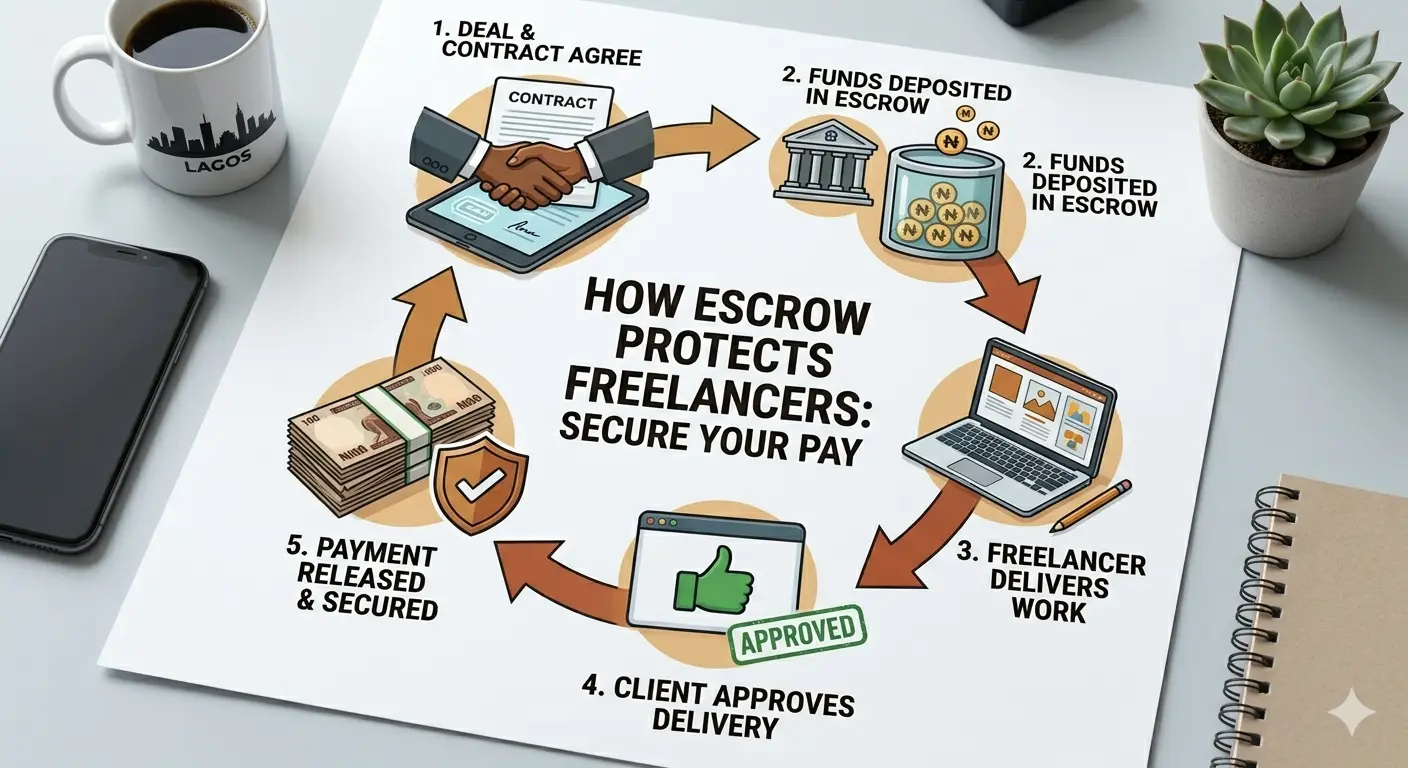
The process begins when both parties agree on the terms, including the price, delivery timeline, and expected quality.
The buyer then deposits the payment into a secure escrow account managed by the fintech platform or a trusted partner.
Once the funds are secured, the seller proceeds to deliver the product, complete the service, or meet the agreed milestones.
The buyer is given an inspection period to confirm that the seller has fulfilled their obligations. If everything checks out, the funds are released to the seller.
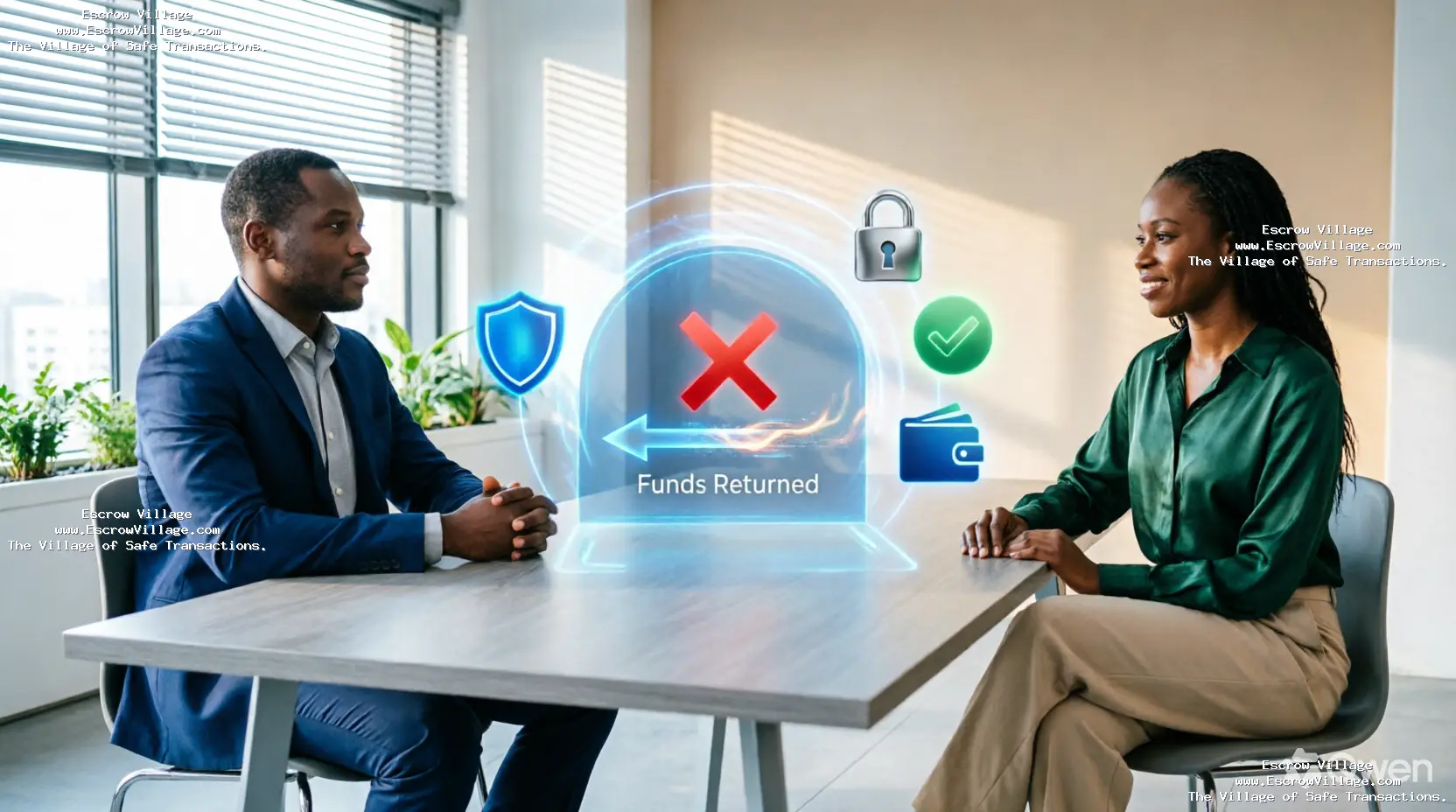
If the agreed conditions are not met, the funds may be refunded according to the transaction terms and dispute resolution process.
Modern fintech platforms can integrate escrow through APIs, smart contracts, and automated release triggers, making transactions more efficient while maintaining a neutral process for both parties.
Instead of paying upfront and hoping for the best, buyers know their money will remain secured until the agreed conditions are met.
This reduces the risk of sellers disappearing after receiving payment and gives buyers more confidence to complete transactions.
These may include delivery deadlines, quality standards, inspection periods, and conditions for releasing funds.
When expectations are documented upfront, there is less room for misunderstandings about what each party must do.
Funds can remain on hold while the platform reviews evidence, such as delivery records, screenshots, and service completion logs.
Based on the agreed terms and available evidence, the funds may be released or refunded. This can help resolve disputes before they escalate to banks or legal channels.
This can discourage dishonest behaviour and make users more comfortable transacting with people they have never met.
These records help platforms investigate complaints, reconcile payments, and maintain accountability.
They can also support compliance efforts where applicable, making it easier to understand what happened when a dispute arises.
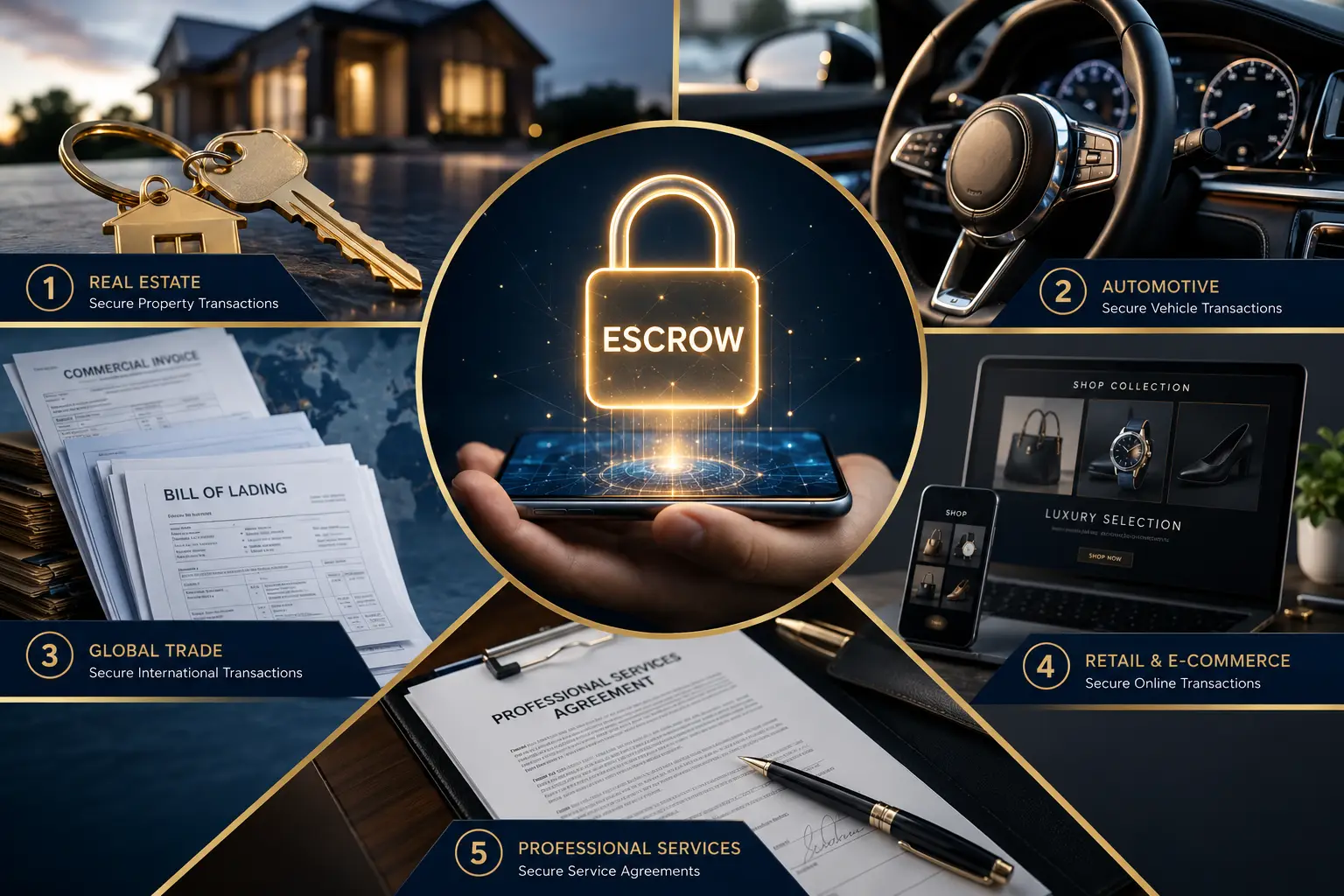
In freelance and gig marketplaces, milestone-based payments ensure freelancers receive their money when agreed deliverables are completed and approved.
This helps prevent conflicts over unpaid work or services that were never delivered.In e-commerce and cross-border trade, escrow gives buyers time to inspect high-value purchases before funds are released.
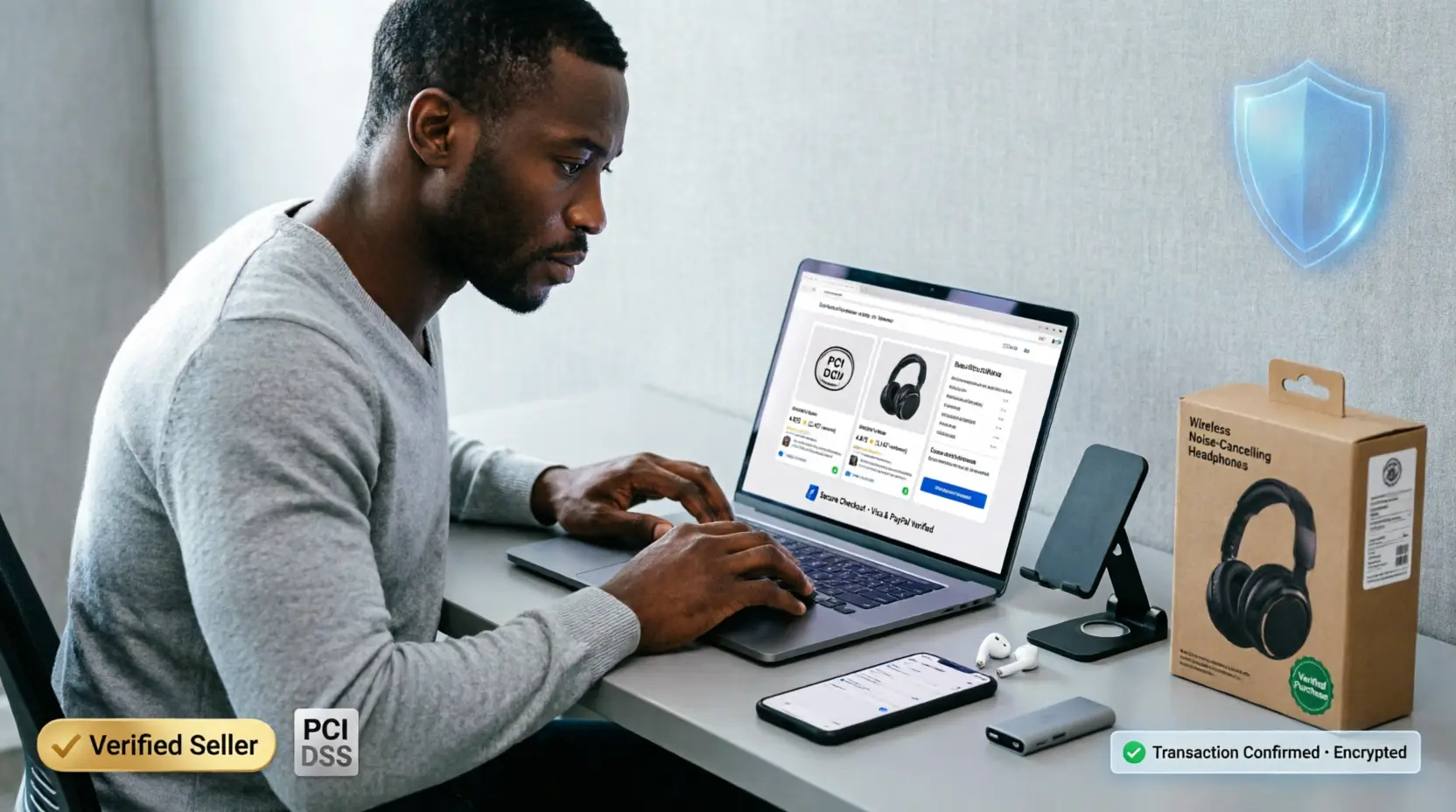
This can reduce disputes involving missing items, damaged goods, or products that differ from their descriptions.
For business-to-business (B2B) service contracts, escrow allows payments to be tied to specific project milestones. This helps both parties manage expectations, track progress, and avoid disagreements over payments for incomplete work.
Escrow is also useful for digital asset and domain name sales.
Funds are held until the agreed transfer is verified, protecting buyers from paying without receiving the asset and sellers from transferring ownership without securing payment.
PlatformAdding escrow to a fintech platform requires more than simply holding customer funds.
First, platforms need to choose the right model, whether that means building the system in-house, partnering with an escrow provider, or using embedded finance APIs.
Clear policies should also be established around inspection periods, dispute windows, evidence requirements, and the conditions for releasing or returning funds.
Where possible, platforms can automate these processes using smart contracts or workflow rules that trigger releases after verifiable events, such as delivery confirmation.
User education is equally important. Platforms should clearly explain that escrow is designed to protect both buyers and sellers, helping users understand how it works and when funds are released.
Finally, fintech businesses must consider applicable regulations governing fund holding, KYC, and anti-money laundering requirements before implementing an escrow system.
Payment disputes do more than create financial losses; they can weaken users’ confidence in digital transactions.
Escrow helps address this by bringing neutrality, clear transaction conditions, and accountability into the payment process.
For fintech platforms operating in fast-growing, trust-sensitive markets like Africa, this can make transactions more secure and predictable for both buyers and sellers.
That’s where Escrow Village comes in. With secure fund holding, customizable release conditions, and API integration, Escrow Village helps fintechs and online marketplaces manage transactions with greater confidence.
By integrating escrow into their payment flows, platforms can reduce avoidable disputes, strengthen user trust, and create a more reliable experience for everyone involved.
These situations can lead to chargebacks, financial losses, and a breakdown of trust between buyers and sellers.
Escrow reduces risk by holding funds with a neutral third party until both parties meet the agreed conditions.
For fintech platforms, integrating escrow can help prevent disputes, protect users, and create a safer, more reliable environment for digital transactions.
- 1. What Are Payment Disputes in Fintech?
Common examples include paying for goods or services that are never delivered, receiving items that differ from their descriptions, unauthorised transactions, and delays in refunds after cancellations.
These issues can create problems for both users and fintech platforms.For platforms, disputes often mean additional customer support costs, potential chargeback fees, reputational damage, and increased regulatory scrutiny.
They can also discourage users from completing future transactions. In many cases, disputes arise because buyers and sellers do not fully trust each other or have unclear expectations about payment and delivery.
Escrow helps address these gaps by holding funds until agreed transaction conditions are met.
- 2. How Escrow Works on Fintech
PlatformsEscrow on fintech platforms provides a structured way to protect both buyers and sellers during a transaction.
The process begins when both parties agree on the terms, including the price, delivery timeline, and expected quality.
The buyer then deposits the payment into a secure escrow account managed by the fintech platform or a trusted partner.
Once the funds are secured, the seller proceeds to deliver the product, complete the service, or meet the agreed milestones.
The buyer is given an inspection period to confirm that the seller has fulfilled their obligations. If everything checks out, the funds are released to the seller.
If the agreed conditions are not met, the funds may be refunded according to the transaction terms and dispute resolution process.
Modern fintech platforms can integrate escrow through APIs, smart contracts, and automated release triggers, making transactions more efficient while maintaining a neutral process for both parties.
- 3. Key Ways Escrow Reduces Payment Dispute
- a) Prevents Premature Payouts
Instead of paying upfront and hoping for the best, buyers know their money will remain secured until the agreed conditions are met.
This reduces the risk of sellers disappearing after receiving payment and gives buyers more confidence to complete transactions.
- b) Creates Clear, Enforceable Conditions
These may include delivery deadlines, quality standards, inspection periods, and conditions for releasing funds.
When expectations are documented upfront, there is less room for misunderstandings about what each party must do.
- c) Enables Structured Dispute Resolution
Funds can remain on hold while the platform reviews evidence, such as delivery records, screenshots, and service completion logs.
Based on the agreed terms and available evidence, the funds may be released or refunded. This can help resolve disputes before they escalate to banks or legal channels.
- d) Deters Fraud and Builds Accountability
This can discourage dishonest behaviour and make users more comfortable transacting with people they have never met.
- e) Provides Transparent Audit Trails
These records help platforms investigate complaints, reconcile payments, and maintain accountability.
They can also support compliance efforts where applicable, making it easier to understand what happened when a dispute arises.
- 4. Real-World Use Cases Where Escrow Cuts Disputes
In freelance and gig marketplaces, milestone-based payments ensure freelancers receive their money when agreed deliverables are completed and approved.
This helps prevent conflicts over unpaid work or services that were never delivered.In e-commerce and cross-border trade, escrow gives buyers time to inspect high-value purchases before funds are released.
This can reduce disputes involving missing items, damaged goods, or products that differ from their descriptions.
For business-to-business (B2B) service contracts, escrow allows payments to be tied to specific project milestones. This helps both parties manage expectations, track progress, and avoid disagreements over payments for incomplete work.
Escrow is also useful for digital asset and domain name sales.
Funds are held until the agreed transfer is verified, protecting buyers from paying without receiving the asset and sellers from transferring ownership without securing payment.
- 5. Integrating Escrow Into Your Fintech
PlatformAdding escrow to a fintech platform requires more than simply holding customer funds.
First, platforms need to choose the right model, whether that means building the system in-house, partnering with an escrow provider, or using embedded finance APIs.
Clear policies should also be established around inspection periods, dispute windows, evidence requirements, and the conditions for releasing or returning funds.
Where possible, platforms can automate these processes using smart contracts or workflow rules that trigger releases after verifiable events, such as delivery confirmation.
User education is equally important. Platforms should clearly explain that escrow is designed to protect both buyers and sellers, helping users understand how it works and when funds are released.
Finally, fintech businesses must consider applicable regulations governing fund holding, KYC, and anti-money laundering requirements before implementing an escrow system.
Payment disputes do more than create financial losses; they can weaken users’ confidence in digital transactions.
Escrow helps address this by bringing neutrality, clear transaction conditions, and accountability into the payment process.
For fintech platforms operating in fast-growing, trust-sensitive markets like Africa, this can make transactions more secure and predictable for both buyers and sellers.
That’s where Escrow Village comes in. With secure fund holding, customizable release conditions, and API integration, Escrow Village helps fintechs and online marketplaces manage transactions with greater confidence.
By integrating escrow into their payment flows, platforms can reduce avoidable disputes, strengthen user trust, and create a more reliable experience for everyone involved.