Escrow Vs Bank Transfer in Nigeria: Which Is Safer for Online Transactions?
Online transactions have made buying and selling easier in Nigeria. From purchasing products on Instagram to paying for services online, bank transfers have become part of everyday life.
Every day, millions of naira move between Nigerian businesses through direct bank transfers, which most Nigerians use as their default payment option.
However, convenience comes with risks. Most transactions end without problems.
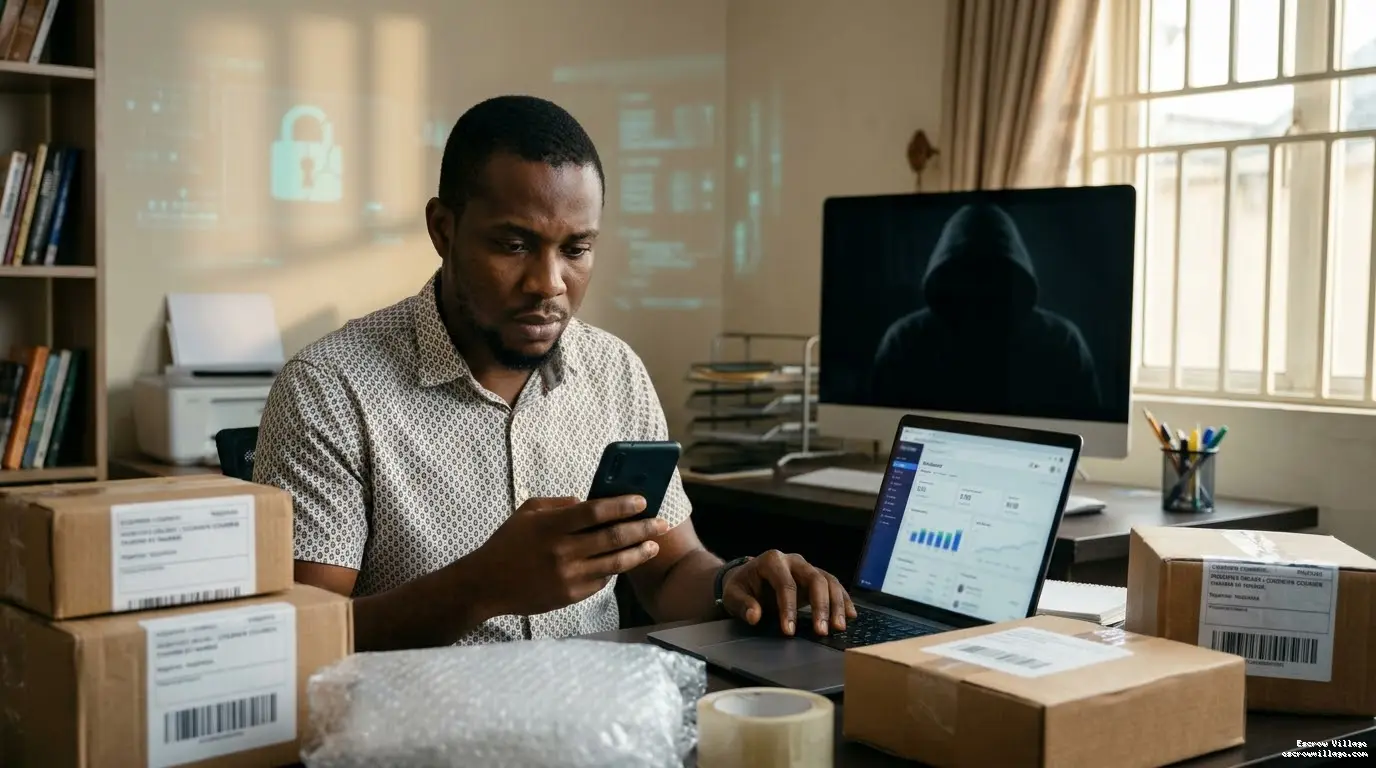
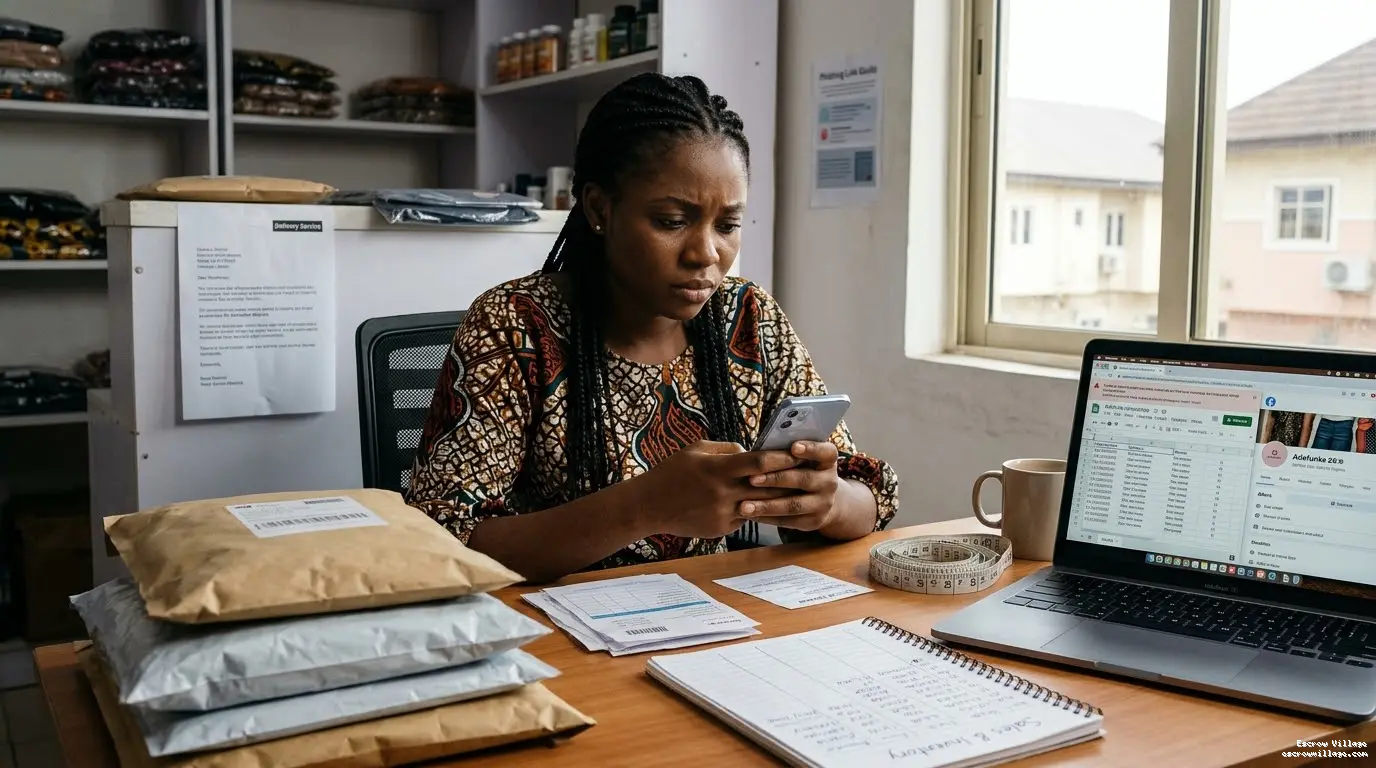
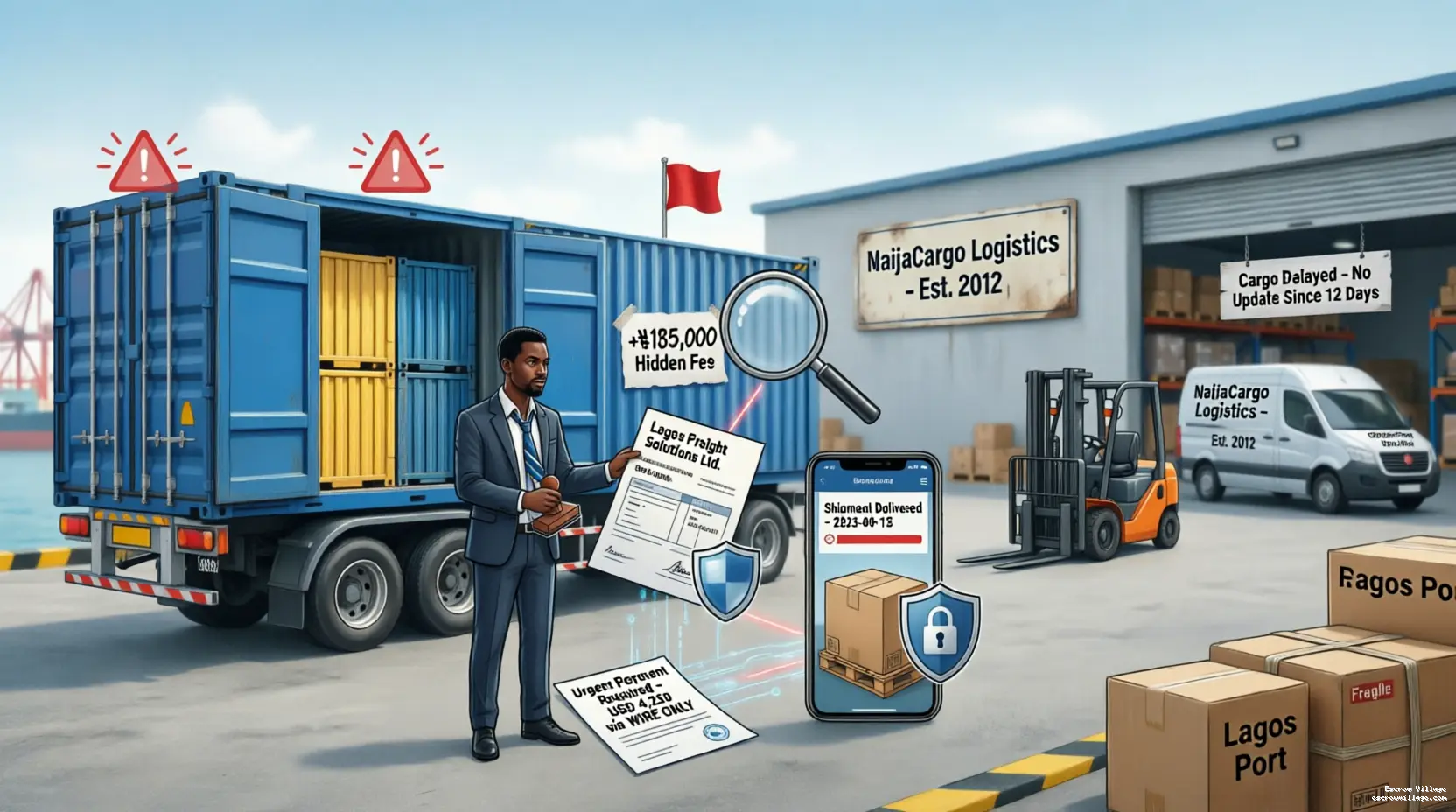
There have been cases of buyers losing money to fake sellers, while some sellers have dealt with dishonest buyers.
This raises an important question: is bank transfer safe? Is escrow a better payment option?
Let's look at how both payment methods work and which payment may be a safer option when dealing with people you don't know.
- Escrow Vs Bank Transfer in Nigeria: Which Is Safer?
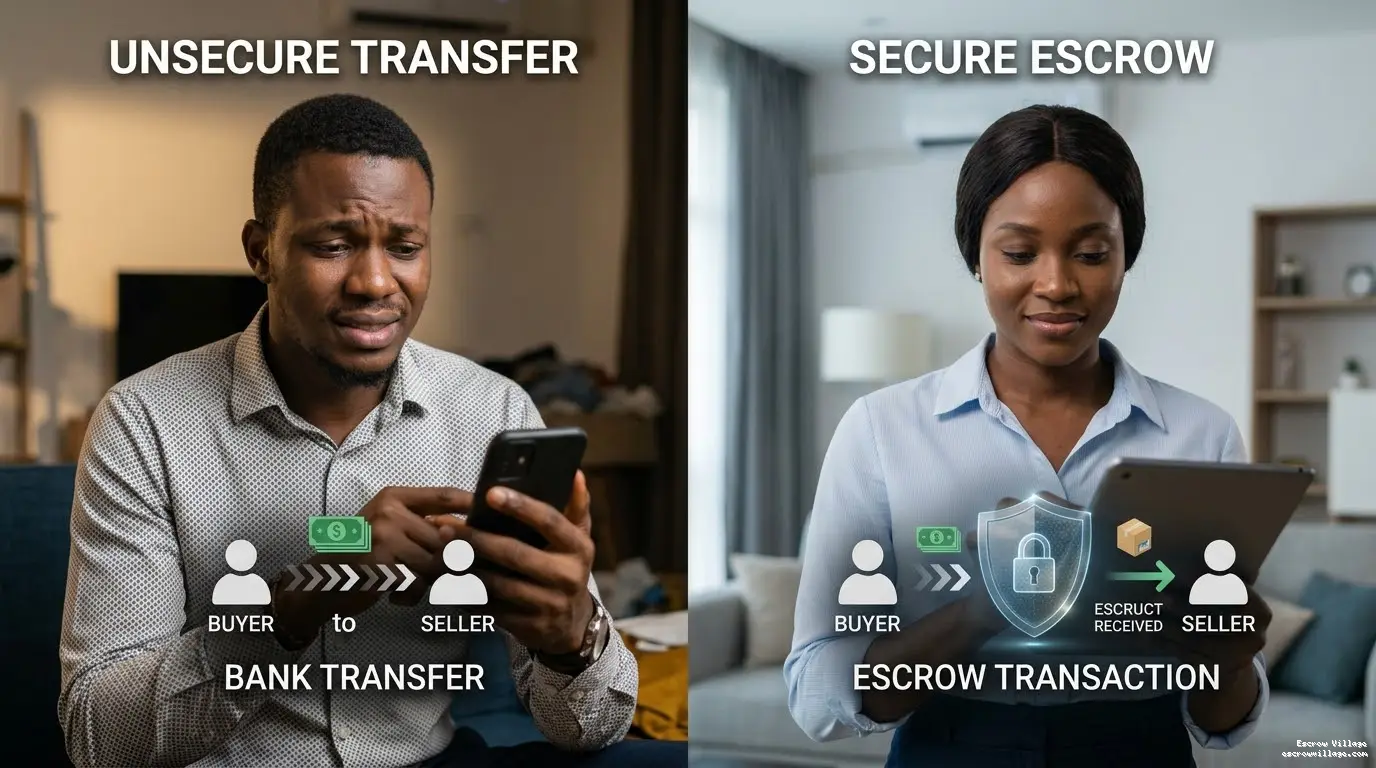
When comparing escrow and bank transfers, the major difference is how payment is handled.
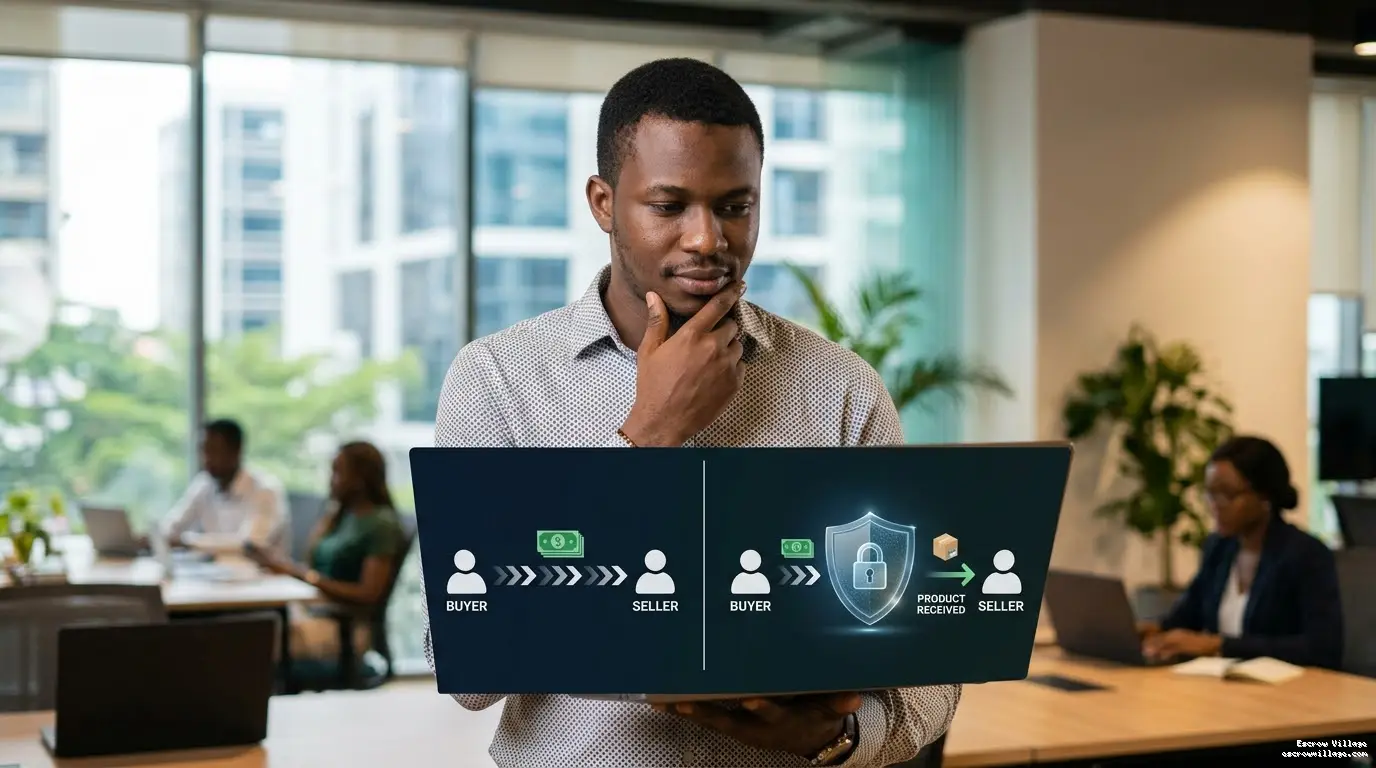
With a direct bank transfer, money goes straight from the buyer's account to the seller's account.
Once the payment is made, the buyer depends on the seller to deliver what was promised.
With escrow, a trusted third party holds the buyer's payment until the agreed transaction conditions are met.
So, which is safer?
For transactions involving strangers, especially online purchases and business deals, escrow generally offers better protection for both parties. Unlike direct transfers, it provides an additional layer of security before the seller receives payment.
- The Hidden Problem With Direct Bank Transfer

Direct bank transfers are convenient, but they leave room for fraud.
A buyer can transfer money to a seller who disappears without delivering the product.
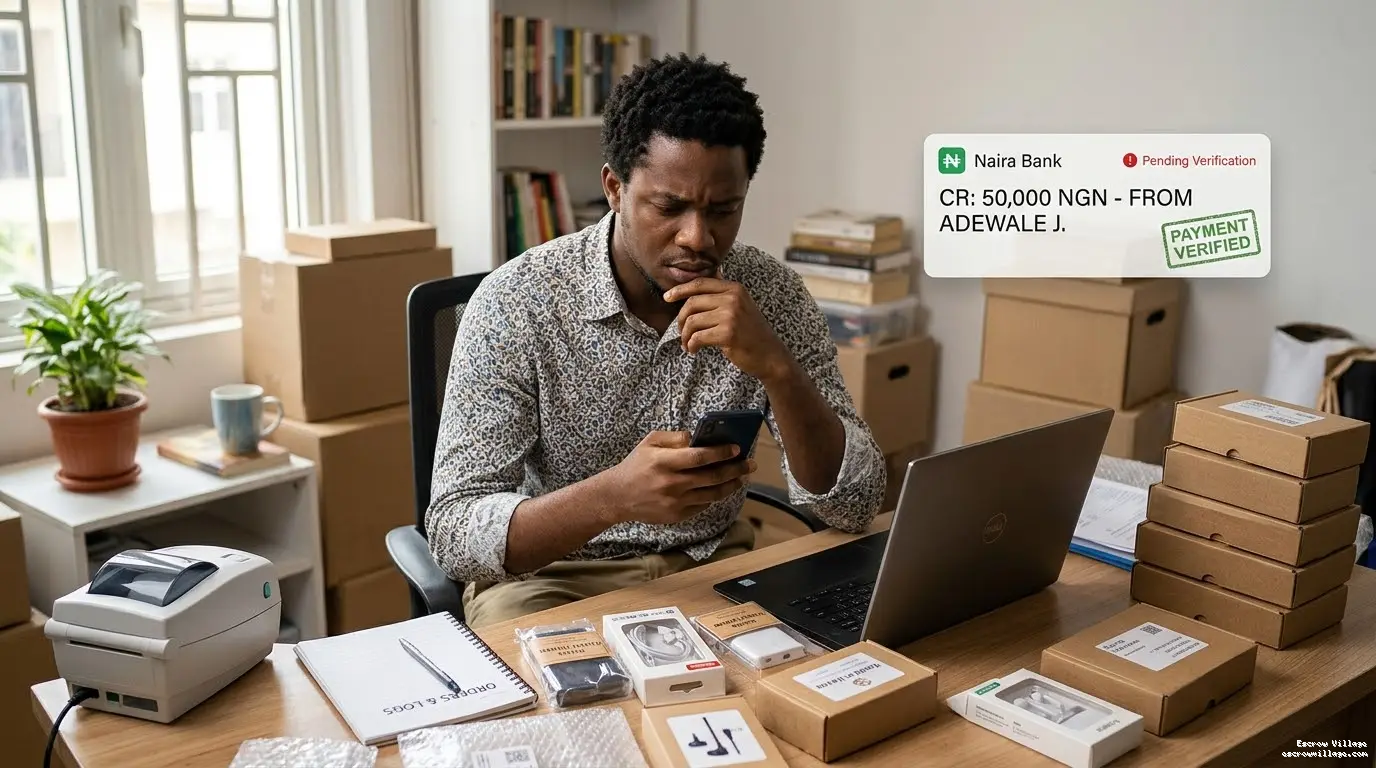
Similarly, a seller may release goods after receiving a fake payment alert.
The biggest problem is that once money is transferred, recovering it can be difficult.
Although banks may assist with fraud reports and recovery efforts, there is no guarantee that the money will be returned.
- Why Nigerians Still Prefer Direct Transfer
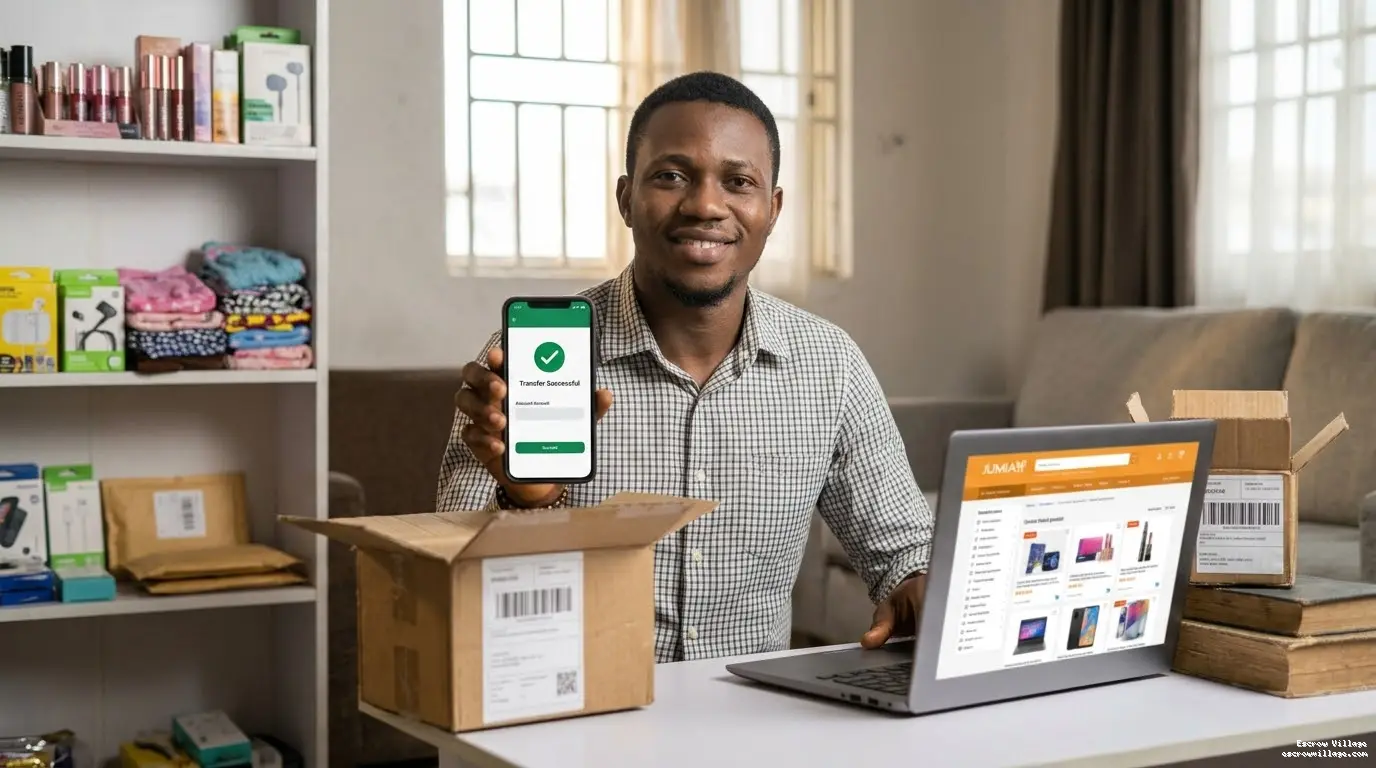
Despite the risks, direct bank transfers remain popular in Nigeria for several reasons:
- ● Convenience: Transferring money takes only a few seconds.
- ● Familiarity: Nigerians are already comfortable using mobile banking and USSD transfers.
- ● Speed: Payments are usually received almost instantly.
- ● Lack of awareness: Many people do not fully understand how escrow works or the protection it offers.
- The Real Cost of One Bad Transaction
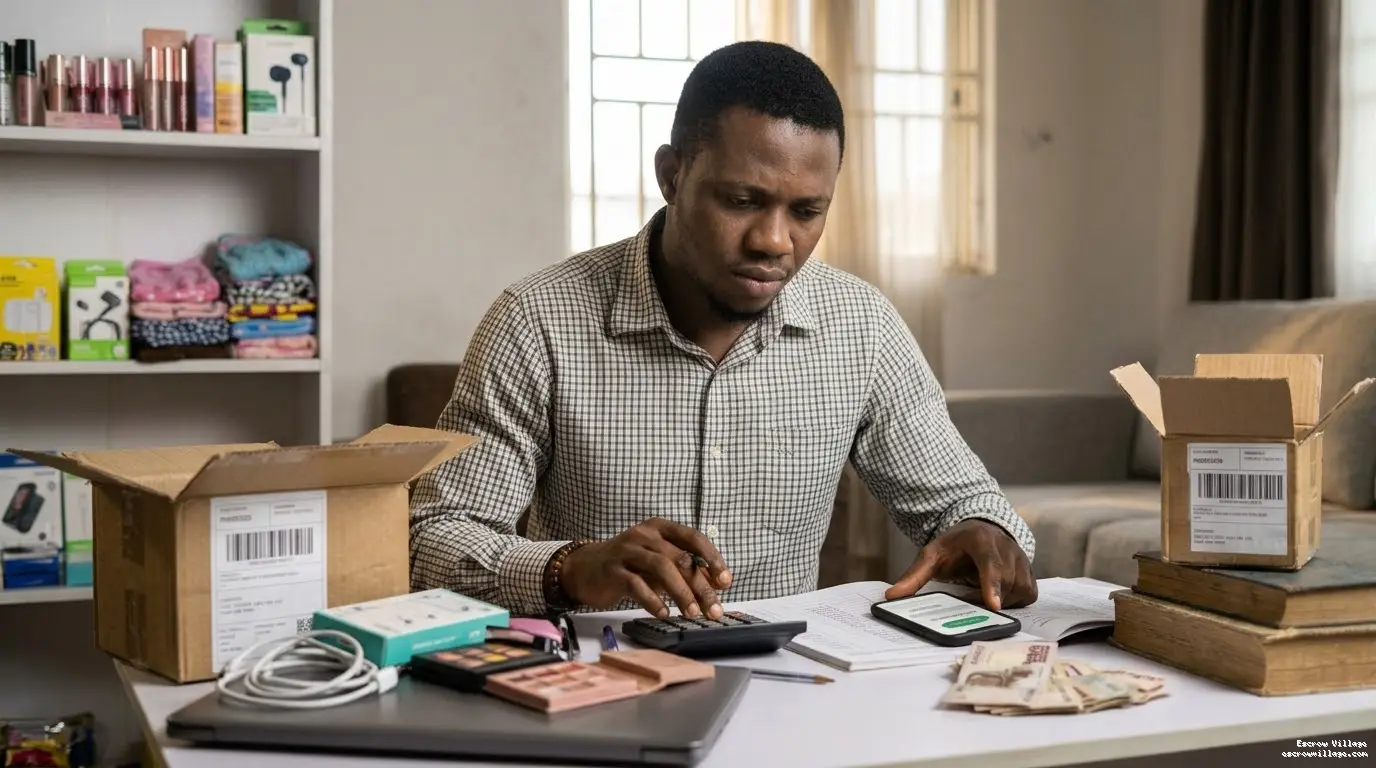
One failed transaction can cost more than the money involved.
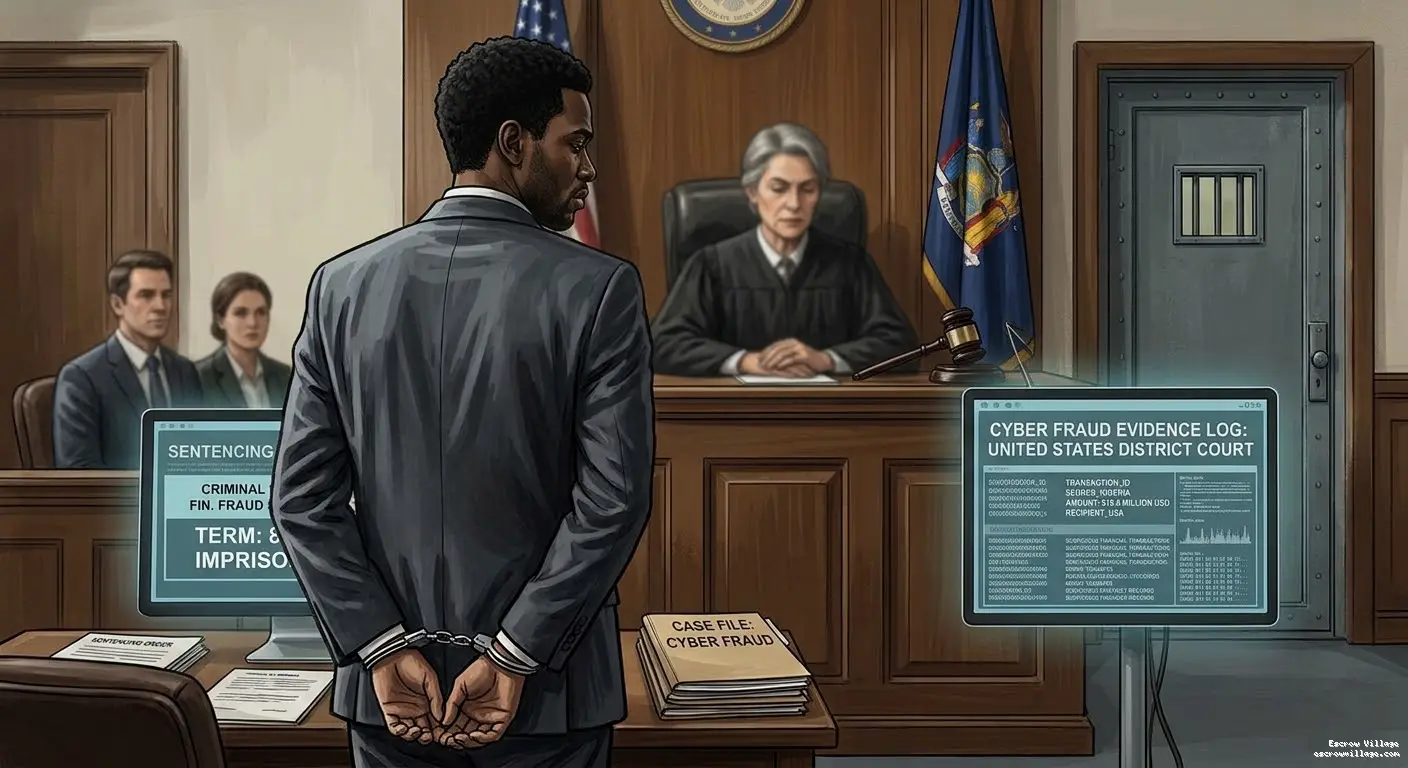
Buyers may lose their savings, sellers may lose valuable products, and businesses may lose customers' trust.
Beyond the financial loss, there is also the stress of reporting fraud, contacting banks and trying to recover lost money.
This is why choosing a safer payment method matters.
- What Is Escrow?
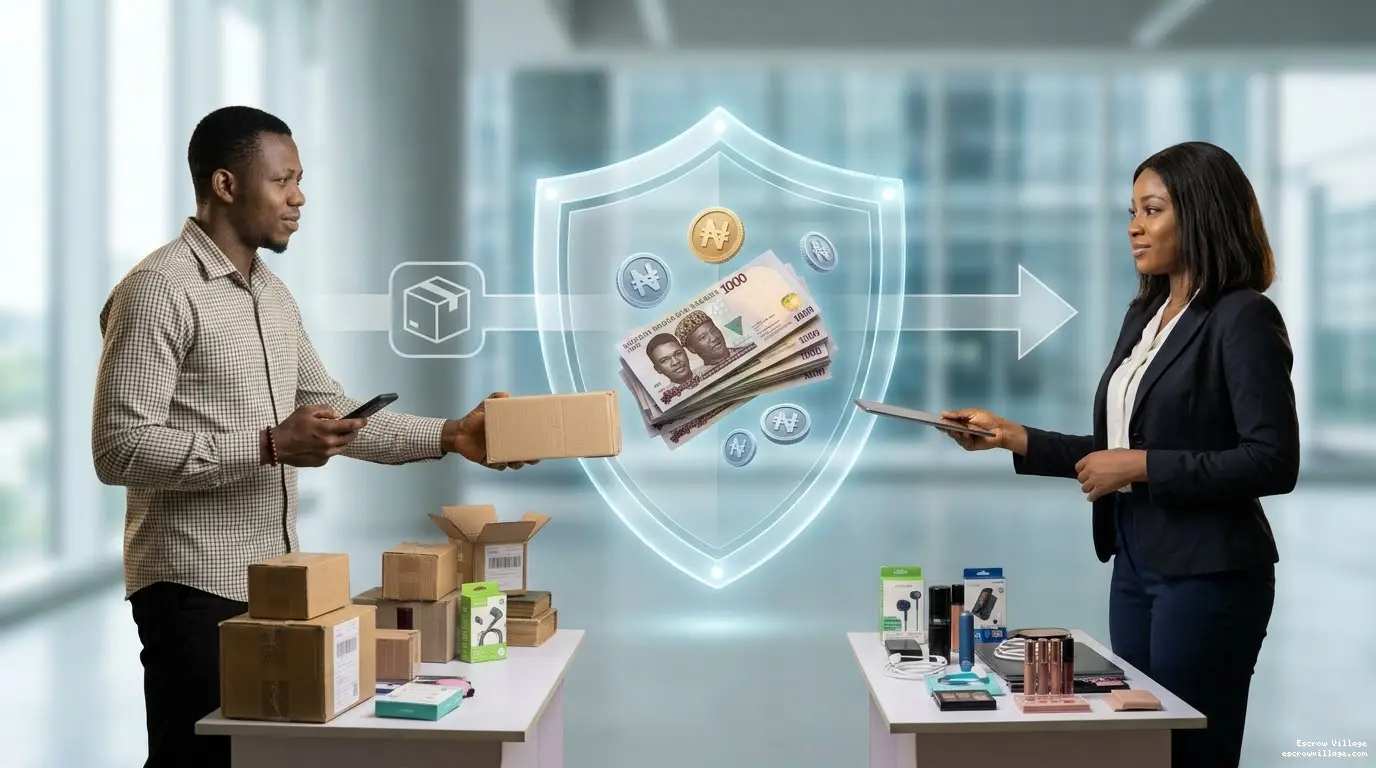
Escrow is a secure payment arrangement where a neutral third party holds money until both parties fulfil their agreed responsibilities.
It helps protect buyers and sellers by ensuring that payment is not released prematurely.
To understand escrow better, [read more about what escrow is and how it works].
- How Escrow Protects Buyers
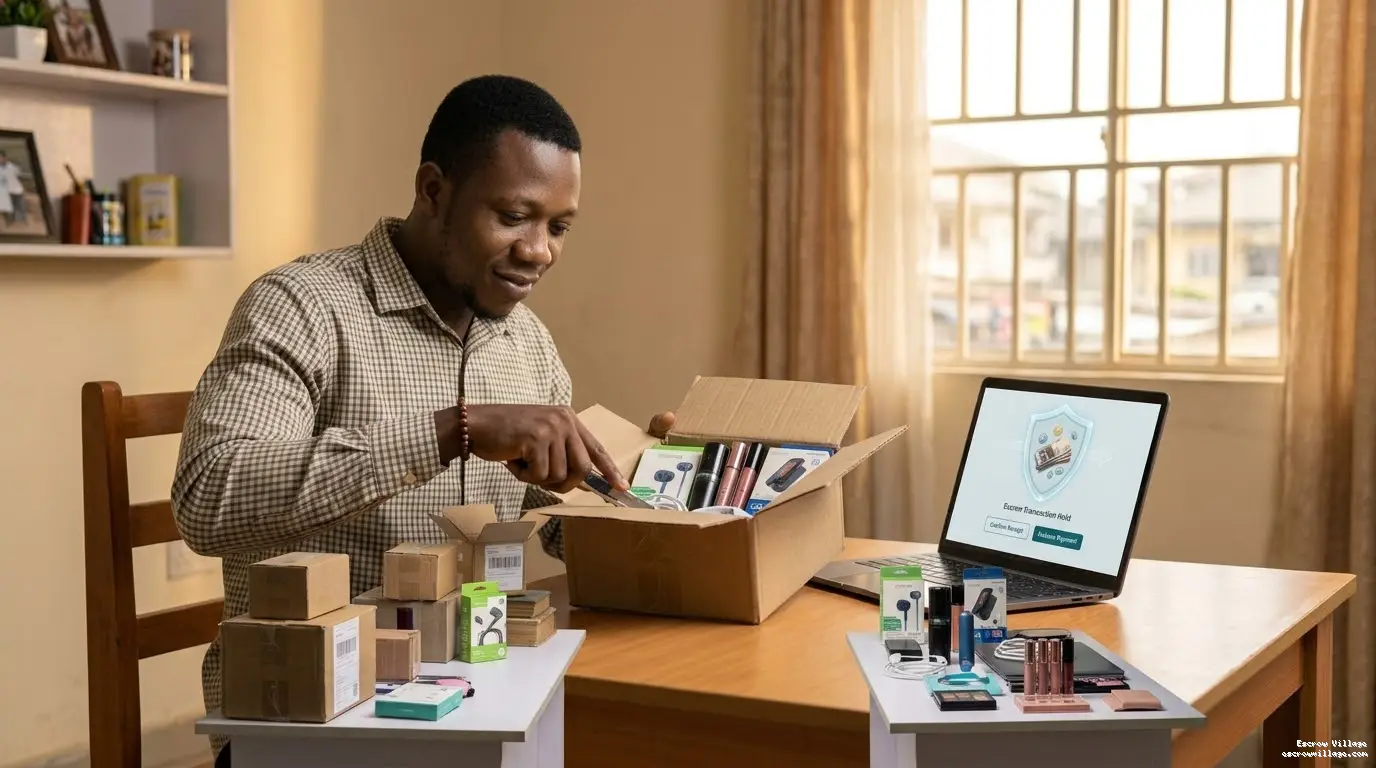
Escrow protects buyers by ensuring that their money is held safely until the seller fulfils the agreed transaction conditions.
This reduces the risk of paying for products or services that are never delivered.
[Read more about how escrow protects buyers.]
- How Escrow Protects Sellers
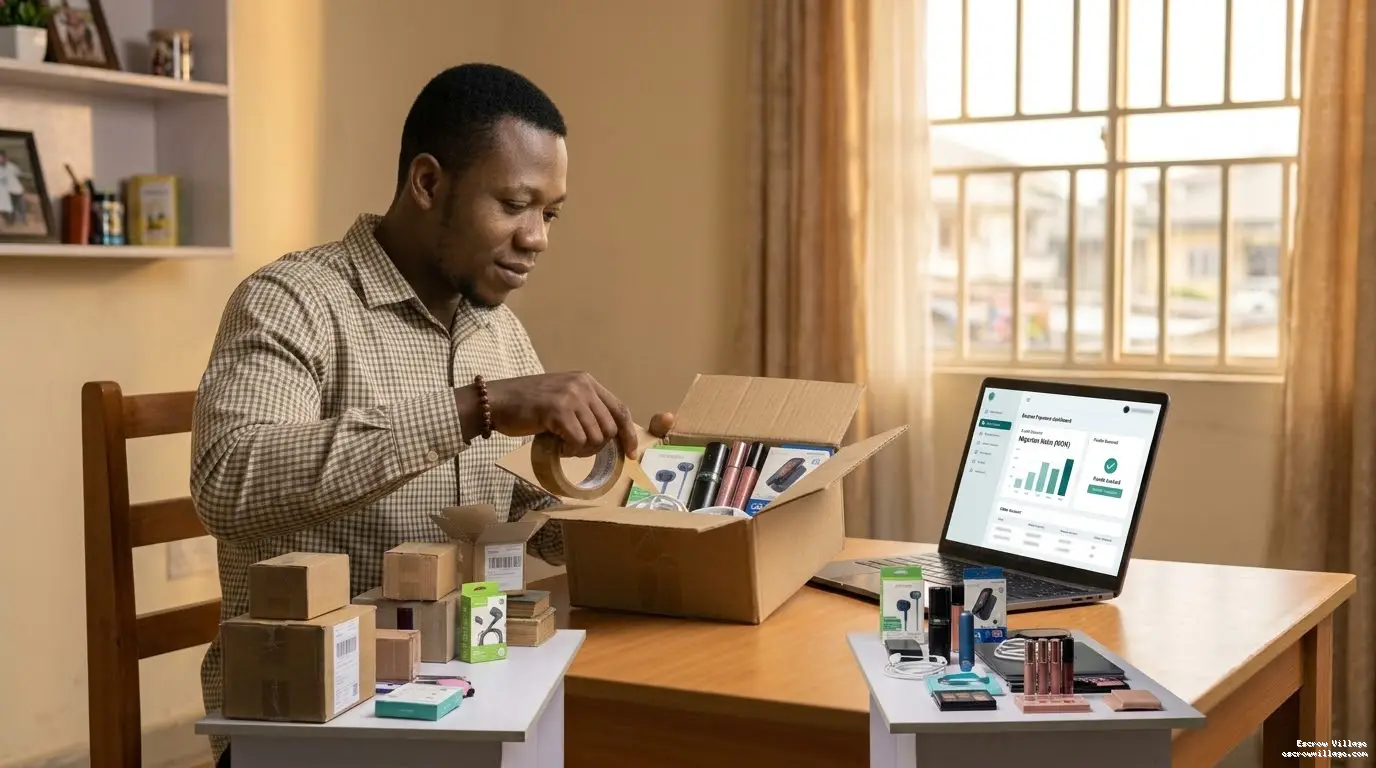
Sellers also benefit from escrow because it provides payment assurance before they release goods or complete a service.
It helps reduce fake payment claims and dishonest buyers.
[Read more about how escrow protects sellers.]
- Why Escrow Is Becoming Essential in Nigeria
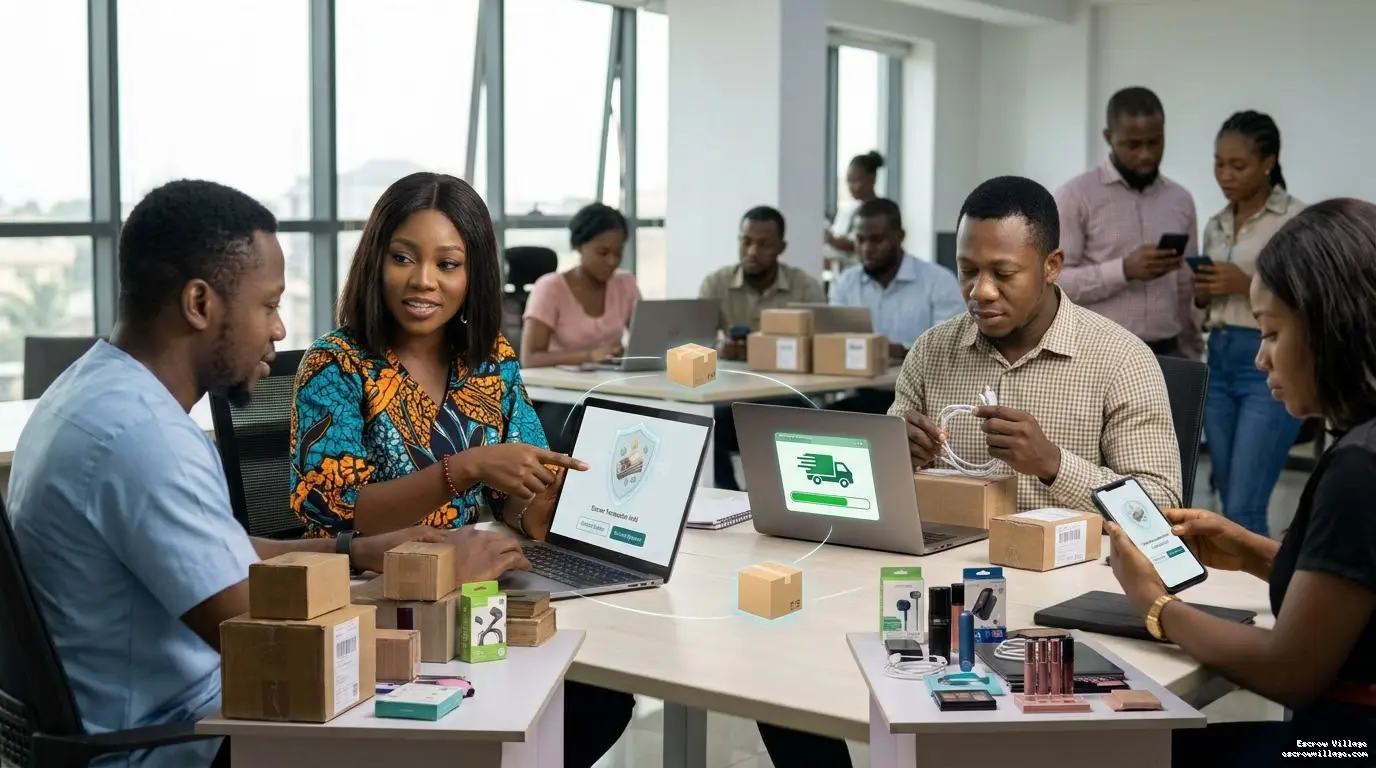
As online shopping, freelancing and digital businesses continue to grow in Nigeria, the need for safer payment methods is becoming more important.
Escrow helps build trust between people who may have never met before. It also creates a more structured way to handle payments and resolve transaction disputes.
For buyers and sellers who want to reduce transaction risks, escrow is becoming an important alternative to direct bank transfers.
- Ready to Stop Risking Your Money?
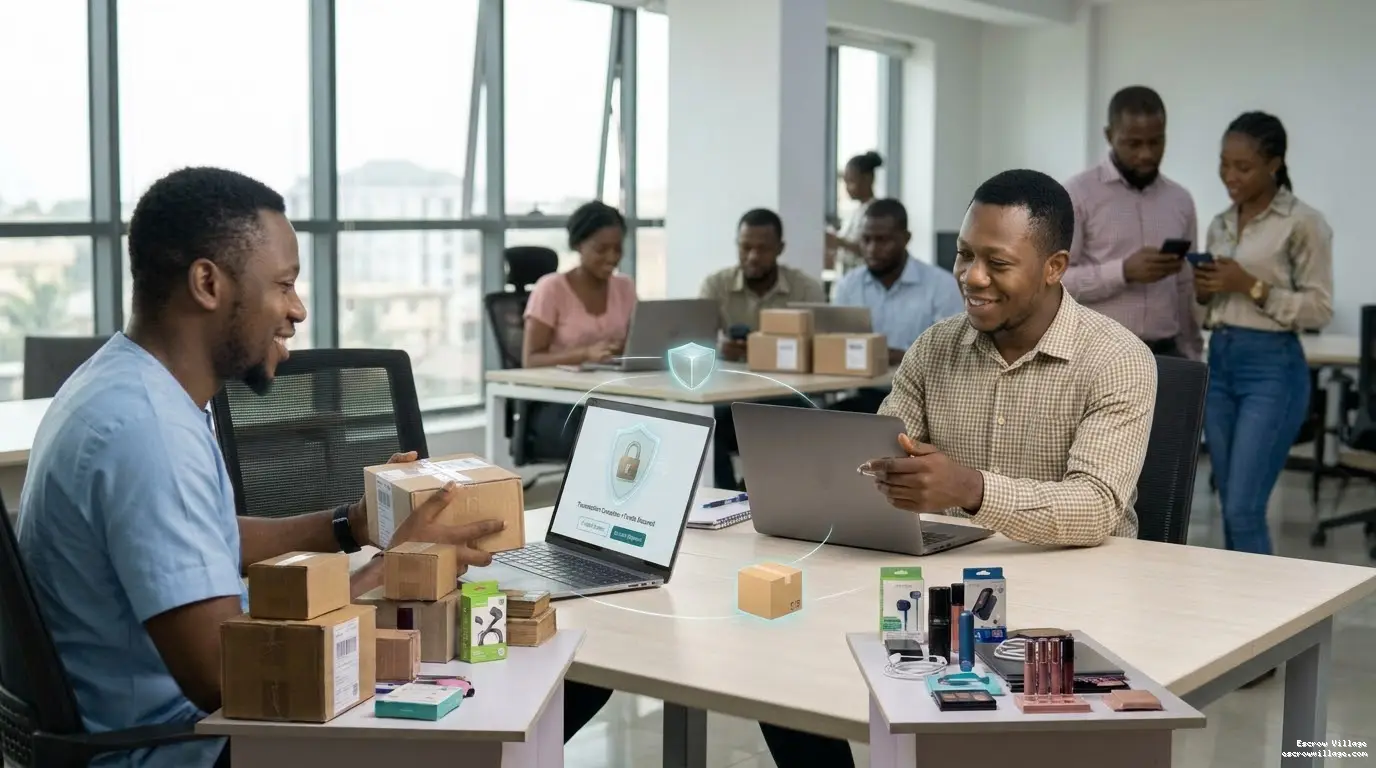
This is where Escrow Village comes in.
Escrow Village provides a platform where buyers and sellers can complete transactions with an added layer of payment protection.
Instead of sending money directly to someone you barely know, you can use Escrow Village to make your transaction more secure and structured.
- Why Businesses Should Choose Escrow Village
Whether you run an online store, offer freelance services or manage a growing business, Escrow Village can help you:
- ● Build trust with customers.
- ● Reduce the risks associated with direct payments.
- ● Protect both buyers and sellers during transactions.
- ● Create a safer payment experience.
- ● Handle transactions with greater confidence.
With Escrow Village, businesses can focus more on delivering value while making payment security a priority.
Start your first escrow transaction today.
- Final Thoughts
Direct bank transfers are convenient, but convenience does not always mean security. While they may work well when dealing with people you trust, they expose buyers and sellers to unnecessary risks when dealing with strangers.
Escrow offers an additional layer of protection by holding payments until agreed conditions are met.
With Escrow Village, Nigerians can enjoy a safer and more reliable way to complete online transactions without relying entirely on trust.
Related services and practical guides
Escrow in Nigeria: pay safely when you buy or sell
Learn how Escrow Village holds a buyer’s payment while the seller delivers. Agree the deal and check the item before you release the money.
Read the guide →How to spot a scam before you pay
Spot fake payment alerts, risky links and people pretending to be support. Learn what to check before you pay or release money.
Read the guide →How to add money to your Escrow Village wallet
Learn how to add naira or USD to your Escrow Village wallet. Check your payment details and see when your money is ready to use.
Read the guide →Buy and sell goods and clothing on Village Market
Buy and sell clothing, phones and other goods on Village Market. Check the size, condition and delivery before you release payment.
Read the guide →