Fake Payment Alert Scams: 5 Warning Signs Every Online Seller Should Know
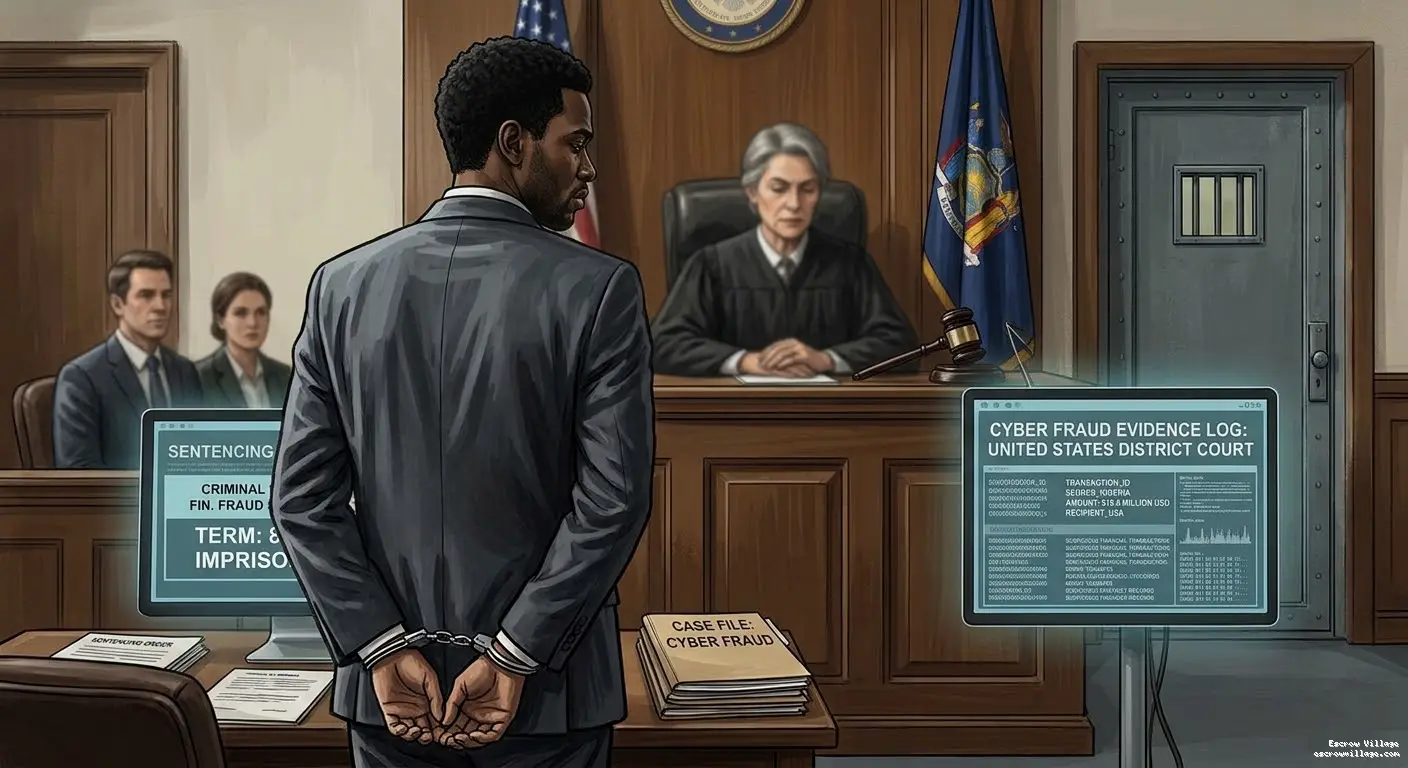
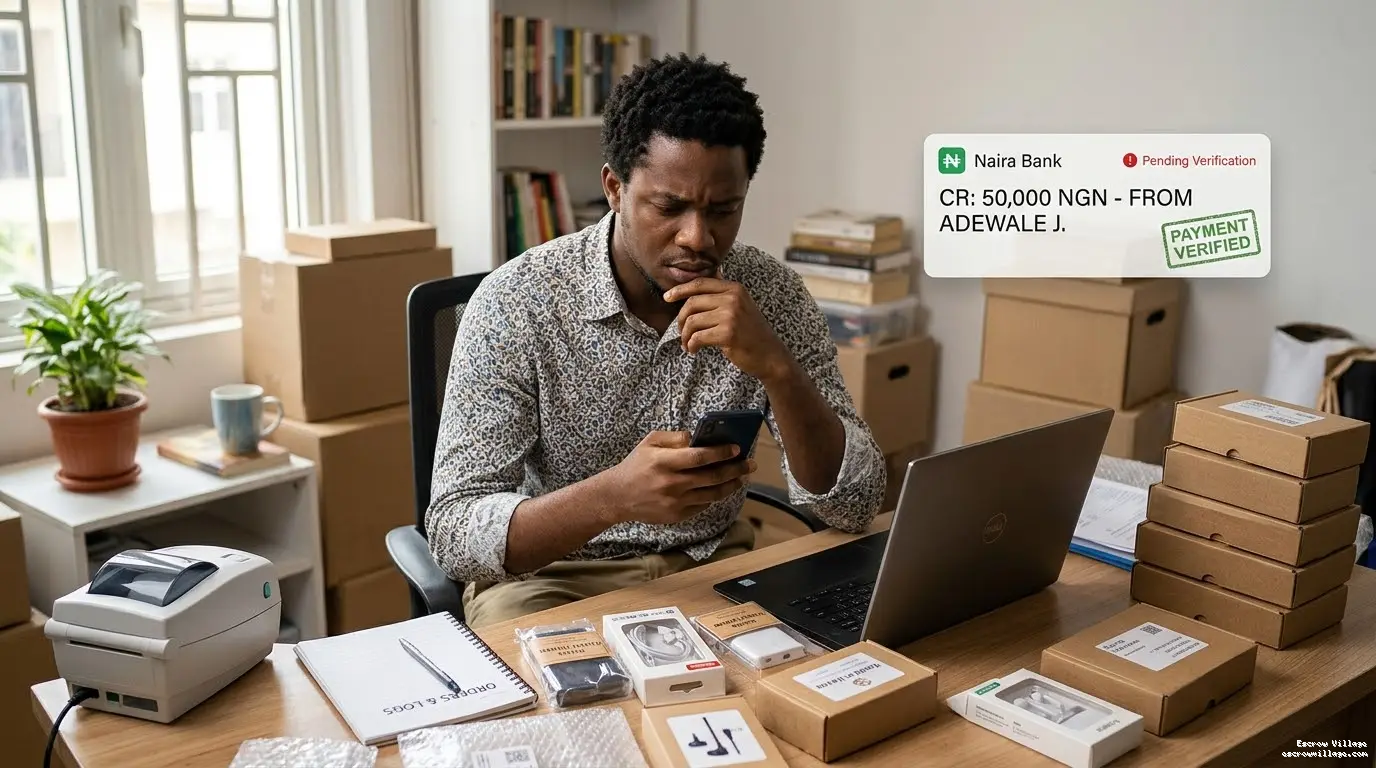
You wait for hours for the money to reflect in your account, only to discover that no money was ever sent.
For a seller who has just lost goods worth over ₦500,000, the experience can be heartbreaking and financially draining.
If you sell products on Instagram, WhatsApp, or other social media platforms, fake payment alerts are a serious threat to your business and cash flow.
Imagine losing goods worth ₦500,000 or more in a single transaction simply because you trusted a payment screenshot.
What makes this scam particularly dangerous is that it doesn't always involve sophisticated hacking.
Instead, scammers exploit human psychology, especially the excitement of closing a big deal and the fear of losing a potential customer.
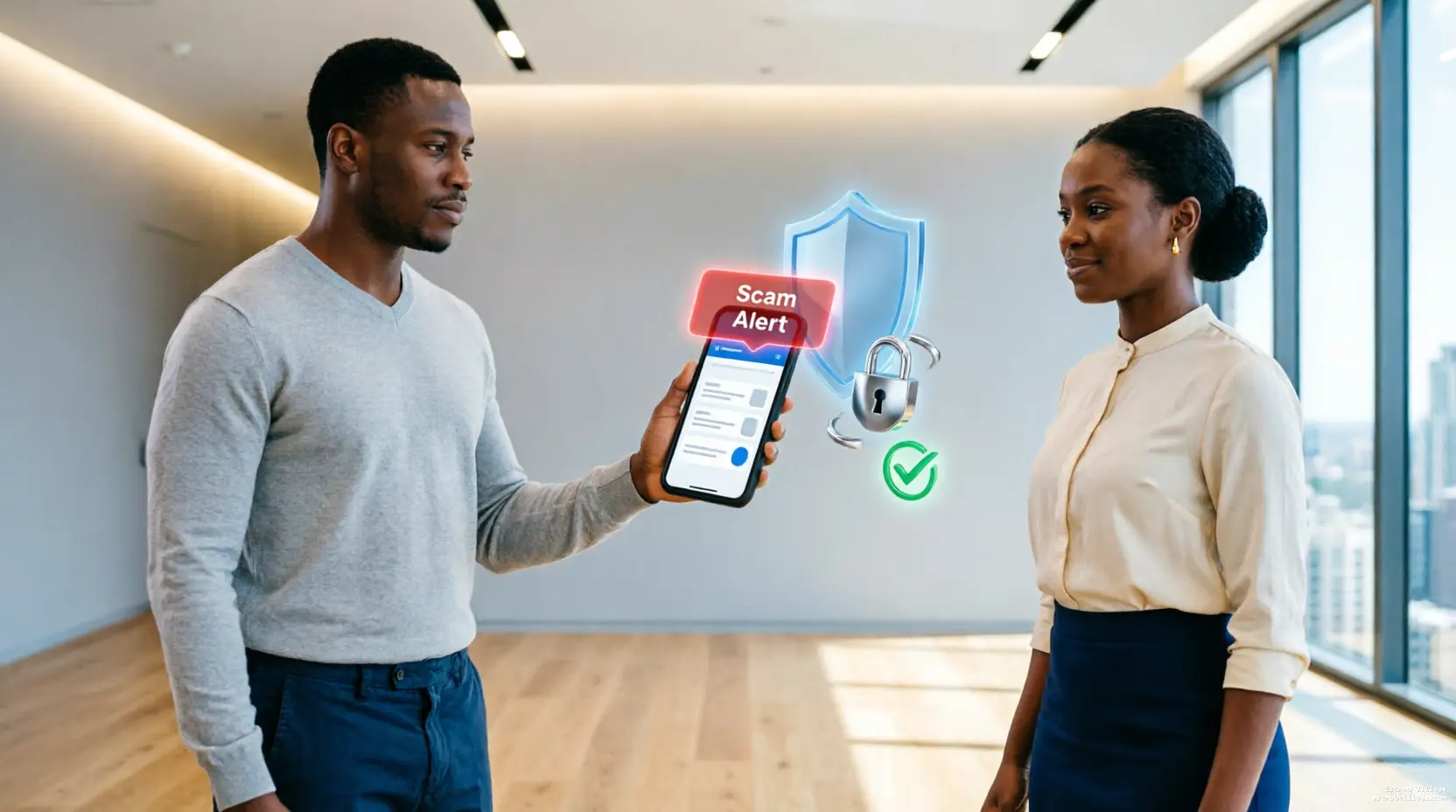
In this article, we'll break down how fake payment alert scams work, the warning signs you should never ignore, and practical ways to protect your business.
- How Scammers Fake Bank Transfers in Nigeria
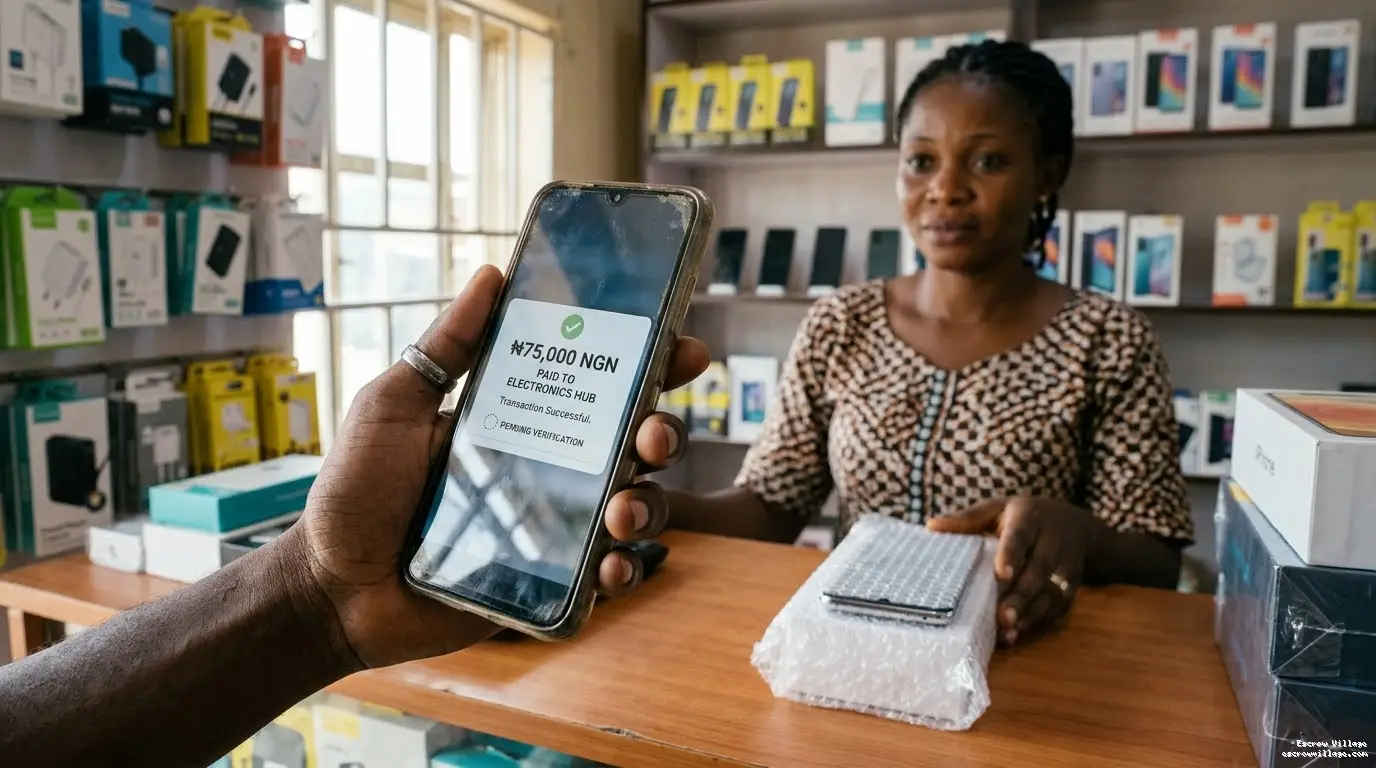
Here are three common methods scammers use to deceive unsuspecting vendors.
1. The Scheduled/Canceled Transaction Trick
Some banking apps allow users to schedule transfers for a later date or time. Scammers exploit this feature by showing vendors screenshots of scheduled transactions as proof of payment.
In some cases, they may initiate a transfer and later cancel it before it is completed. The vendor sees what looks like a successful transaction and releases the goods without confirming the actual credit.
2. Mockup Generator Apps and Web Clones
Scammers use fake alert generators and cloned banking interfaces to create convincing transaction receipts.
These tools allow them to manipulate details such as the amount, recipient's name, account number, and transaction reference. They then send the edited screenshot or video to the vendor as evidence of payment.
3. Bulk SMS Masking/Spoofing
SMS spoofing involves manipulating the sender information of a text message to make it appear as though it came from a legitimate bank.
A scammer can send a fake credit alert that appears alongside genuine bank messages on the seller's phone. This makes the message look convincing, especially when the vendor doesn't check their actual account balance.
- 7 Red Flags Online Vendors Must Watch Out For
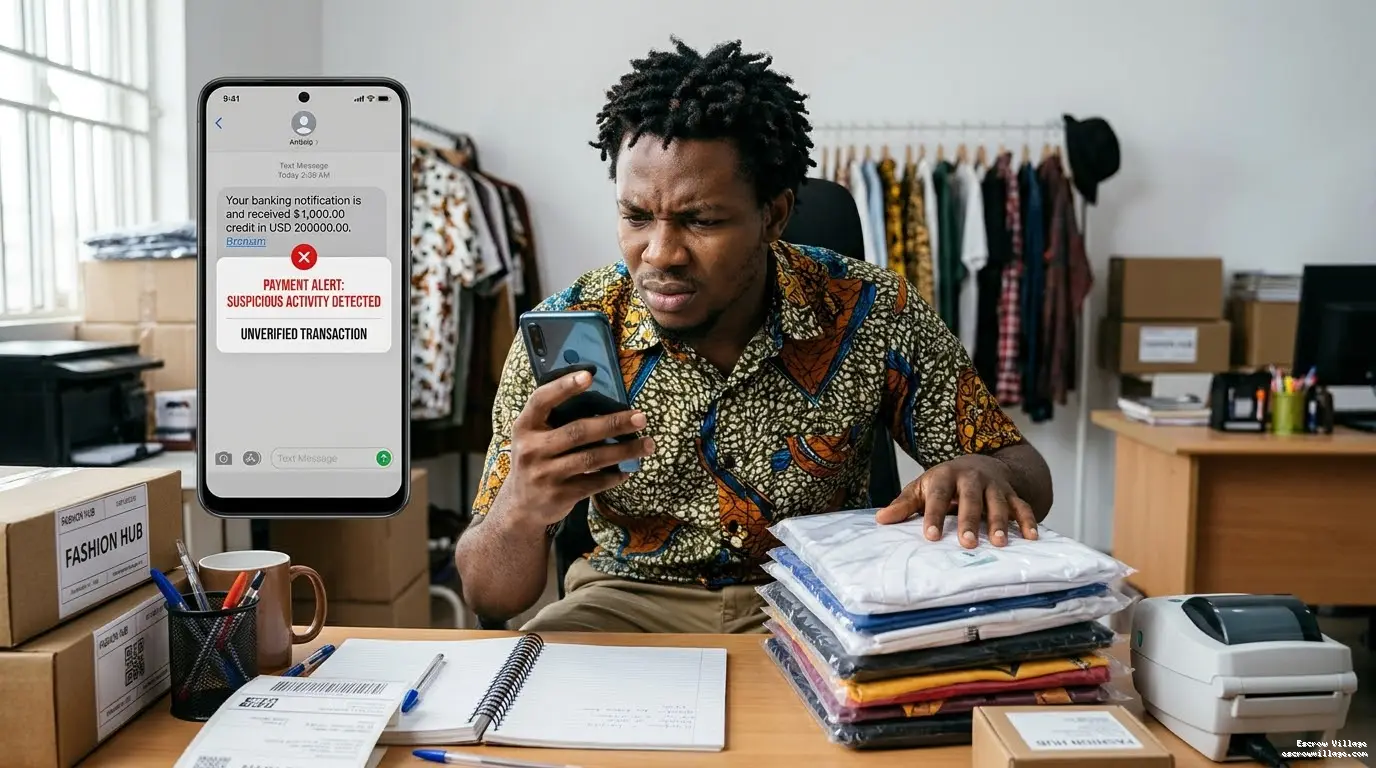
Knowing how these scams work is important, but recognising the warning signs before releasing your goods is even more important.
Here are seven red flags to look out for.
1. Extreme Urgency, Rushing, and High Agitation
A buyer who constantly pressures you to release goods immediately because they are in a hurry should raise suspicion.
Scammers often create unnecessary urgency to prevent vendors from verifying payments. Don't let the excitement of making a sale push you into making careless decisions.
2. Eagerly Shoving Screenshots and Video Proof in Your DMs
A buyer who keeps sending screenshots, transaction receipts, and screen recordings to convince you they've paid may be trying too hard.
Remember, screenshots and videos can be manipulated. No matter how convincing the evidence looks, it is not a substitute for checking your bank account.
3. The "Network Delay/Bank Server Downtime" Defence
After presenting a fake alert, the buyer may claim that the bank is experiencing network problems or that transfers are delayed.
They may even ask you to release the goods while waiting for the money to reflect.
Never accept this excuse as confirmation of payment. If the money hasn't entered your account, don't release the goods.
4. Irregularities in the SMS Alert Header and Format
Pay attention to unusual sender names, spelling errors, inconsistent formatting, and strange message structures.
Fake SMS alerts may look similar to genuine bank notifications but contain small inconsistencies. However, even a perfectly formatted message should never replace checking your account.
5. The "Overpayment and Immediate Refund" Trap
A buyer may claim to have mistakenly transferred more than the agreed amount and ask you to refund the excess immediately.
For example, they claim to have transferred ₦150,000 instead of ₦100,000 and request a ₦50,000 refund.
The problem? The original transfer may be fake, leaving you to lose your own money when you send the refund.
- Critical Security Rules for Nigerian Vendors
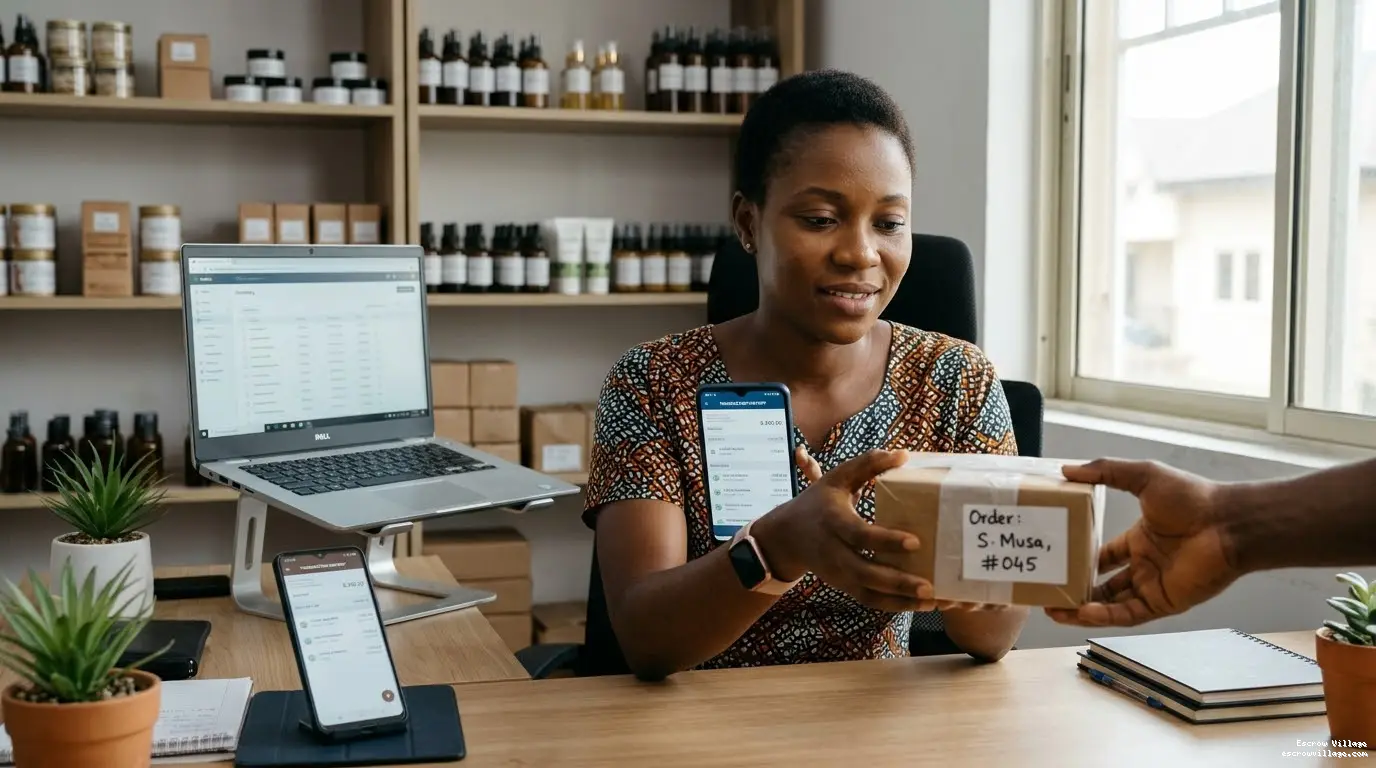
Protecting your business requires more than knowing how scammers operate. You also need clear payment and order-release procedures.
Here are three important rules to follow:
1. Confirm Before Releasing Goods: Always check your bank's official app, USSD channel, or account statement to confirm that the money has entered your account. Never rely solely on screenshots, SMS alerts, or videos.
2. Establish a Strict Payment Policy: Make it clear to customers that orders will only be processed after confirmed payment. Don't make exceptions because someone is rushing you.
3. Keep Transaction Records: Save payment confirmations, order details, customer conversations, and transaction references. These records can be useful if you need to report a suspicious transaction to your bank or relevant authorities.
- How Escrow Village Helps Protect Vendors from Fake Payment Scams
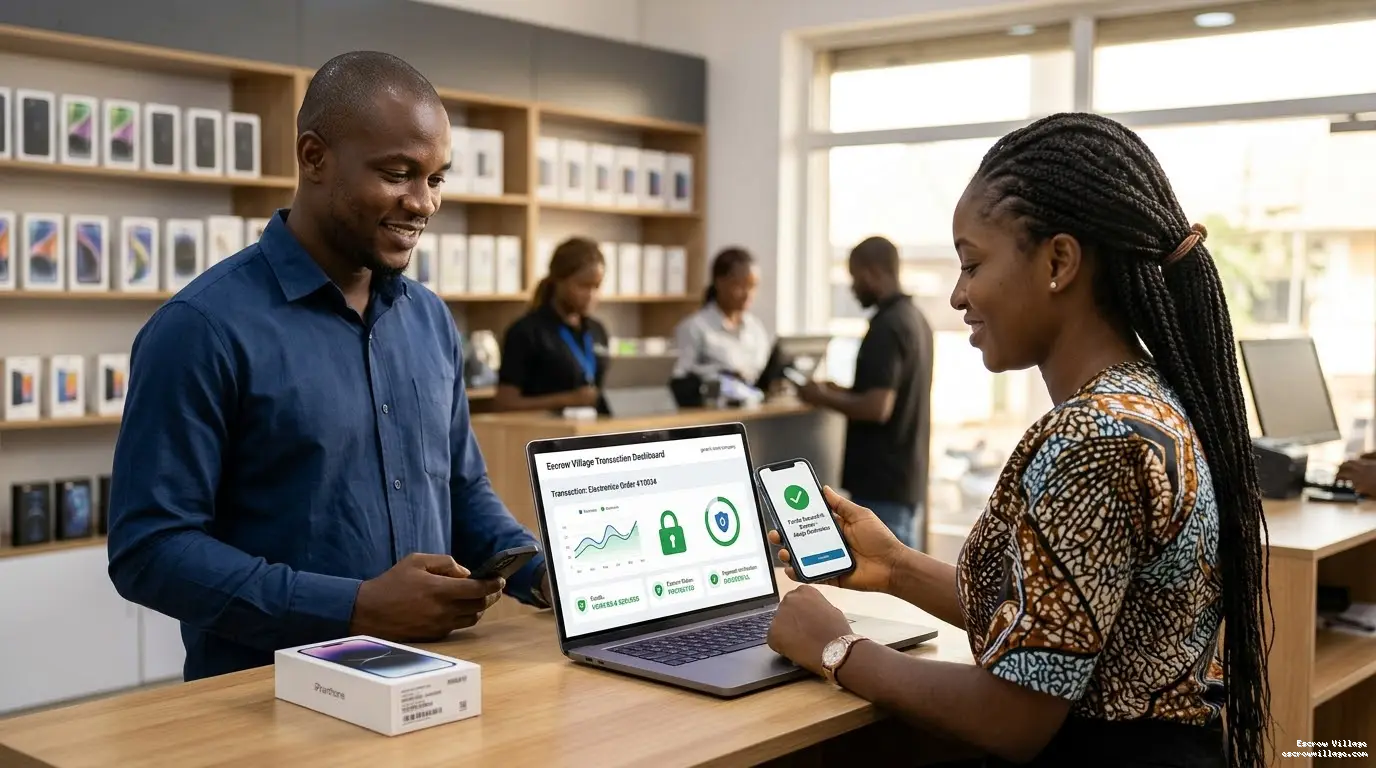
As an online vendor, you shouldn't have to rely on screenshots or SMS alerts to determine whether a customer has paid. This is where Escrow Village comes in.
Escrow Village provides a safer way to handle online payments by holding funds securely until the agreed transaction conditions are met. This helps protect vendors from fake payment claims and reduces the risk of releasing goods without receiving payment.
With Escrow Village, you can enjoy greater peace of mind knowing that payment security is taken seriously.
Don't let a fake payment alert cost you money. Make payment safety a priority in your business.
Related services and practical guides
How to spot a scam before you pay
Spot fake payment alerts, risky links and people pretending to be support. Learn what to check before you pay or release money.
Read the guide →How to withdraw money from Escrow Village
Learn how to withdraw from your Escrow Village wallet. Check the bank or crypto details, fee and amount before you confirm.
Read the guide →Hire a digital marketer for your business
Find digital marketing help for ads, social media and content. Agree what the person will do, what it costs and what they will send.
Read the guide →Buy and sell goods and clothing on Village Market
Buy and sell clothing, phones and other goods on Village Market. Check the size, condition and delivery before you release payment.
Read the guide →