Online Scams Nigerians Should Know About
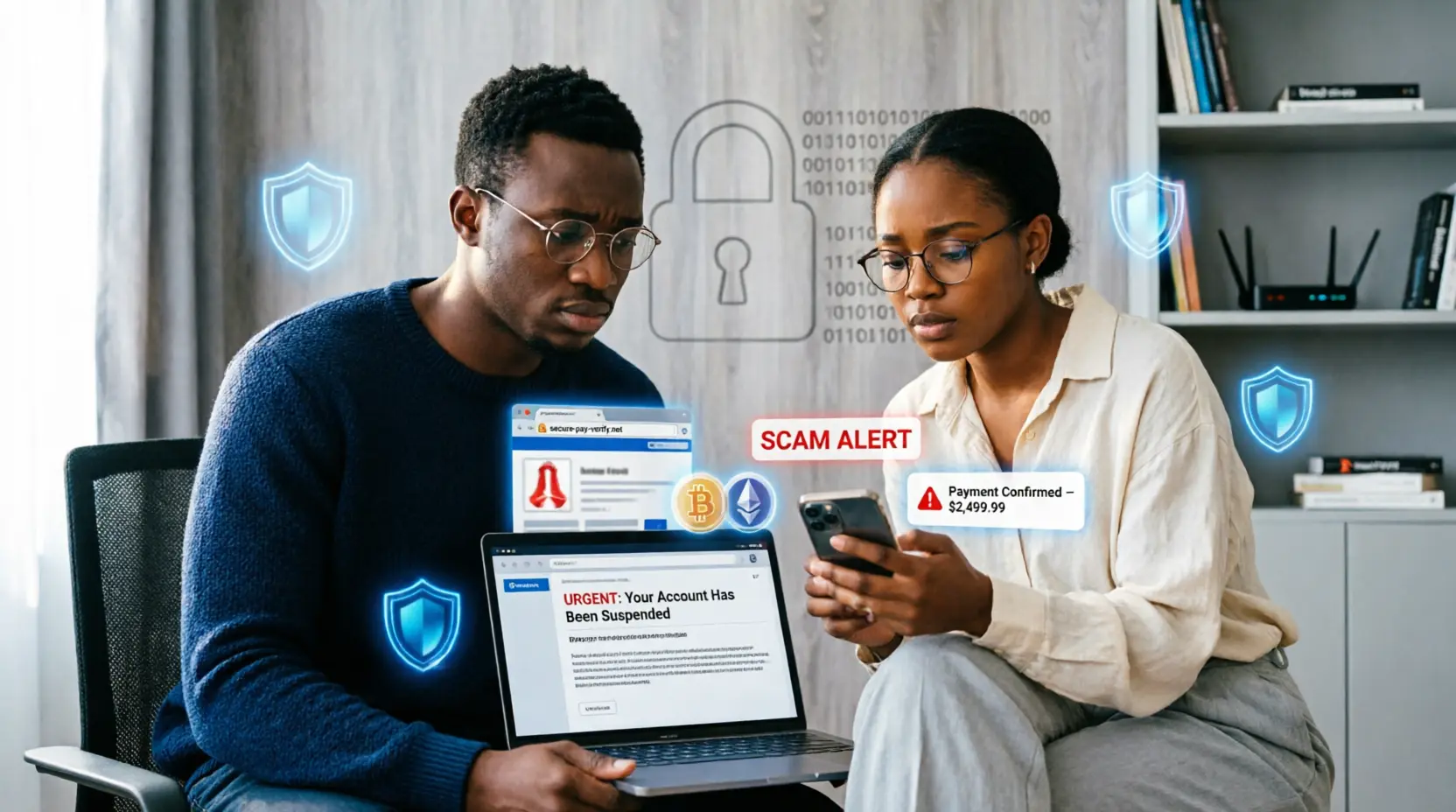
From fake online stores and phishing messages to cryptocurrency investment fraud, scammers are constantly finding new ways to trick unsuspecting Nigerians.
Whether you're buying a phone online, hiring a freelancer, investing in crypto, or shopping on social media, staying informed is one of the best ways to protect your money.
In this week's scam alert, we'll break down some of the most common scams Nigerians are facing right now, how they work, and the simple steps you can take to stay safe.
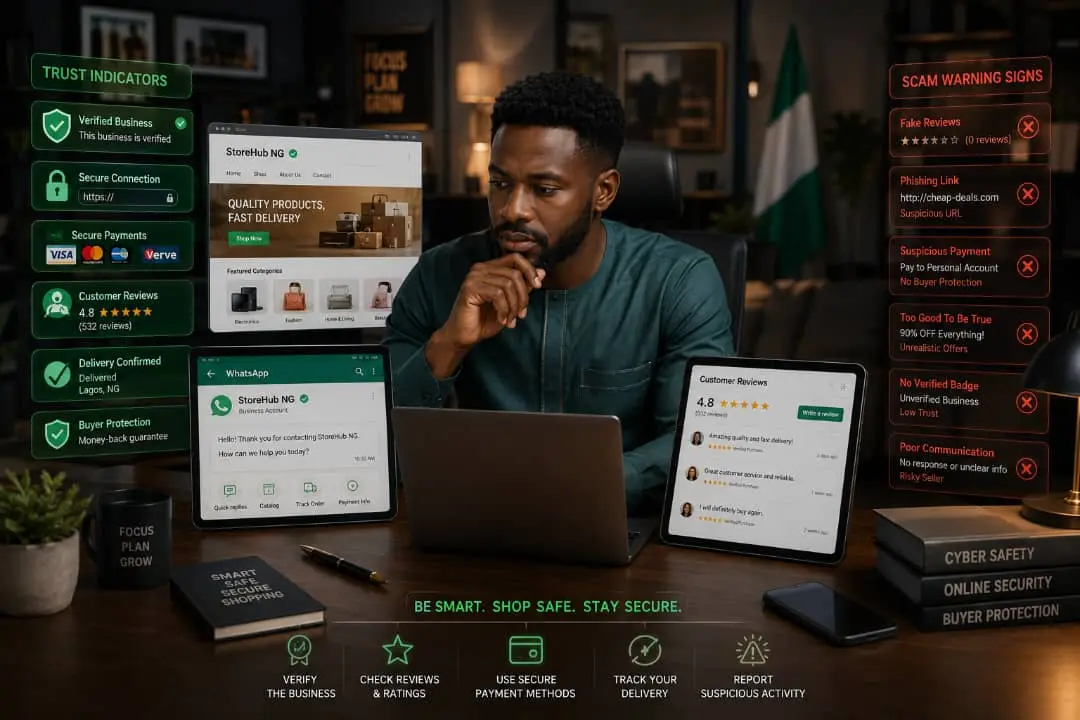
- 1. Fake Online Store Scams

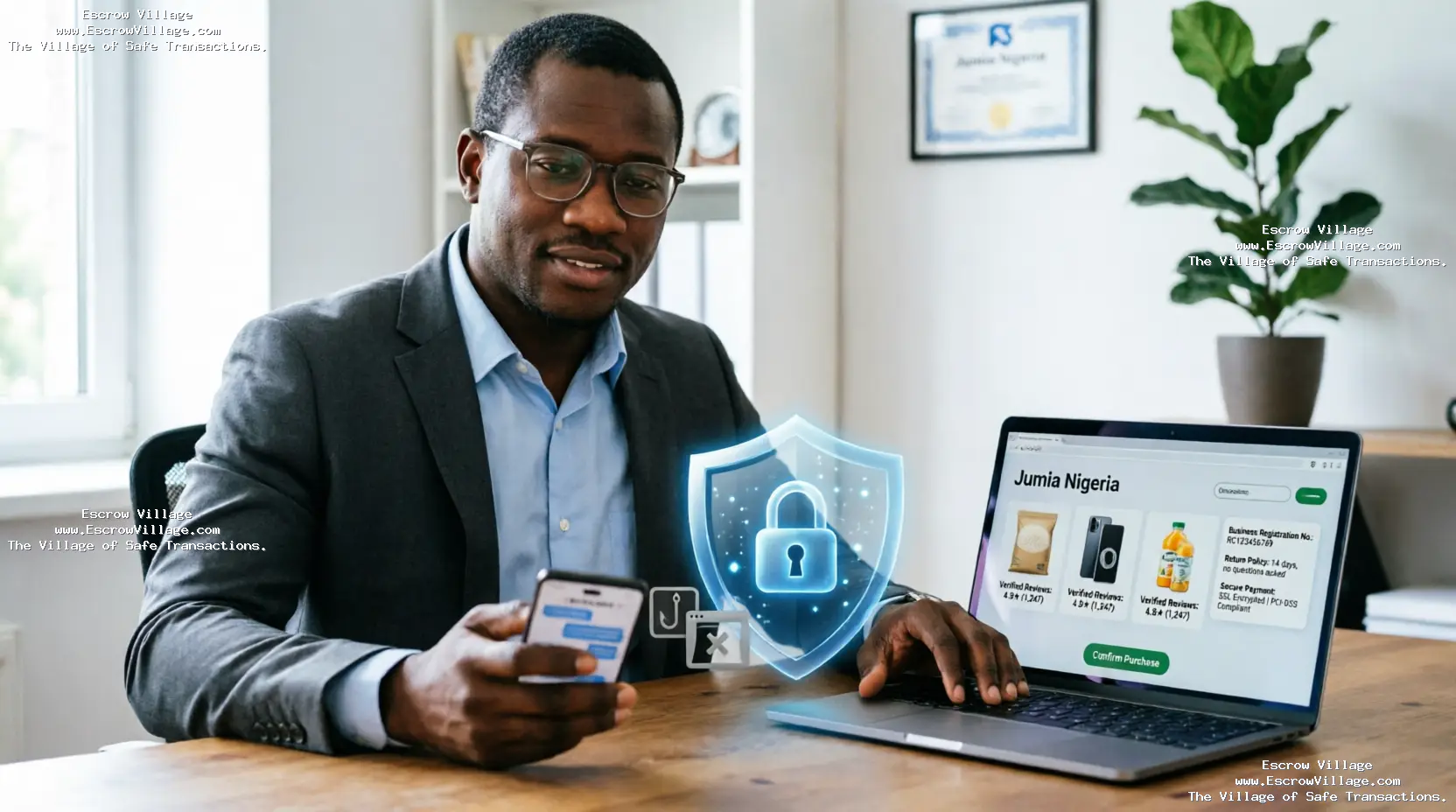
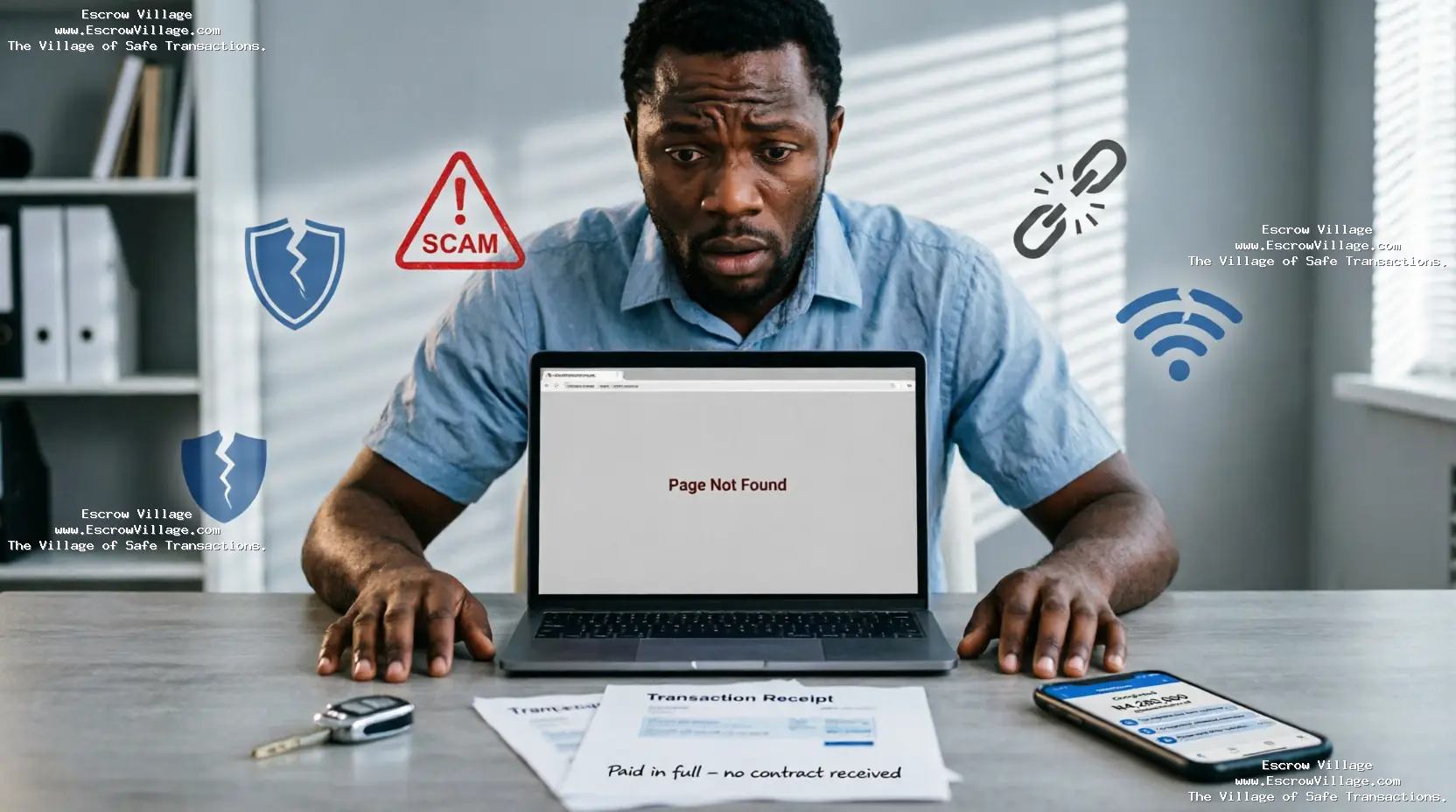
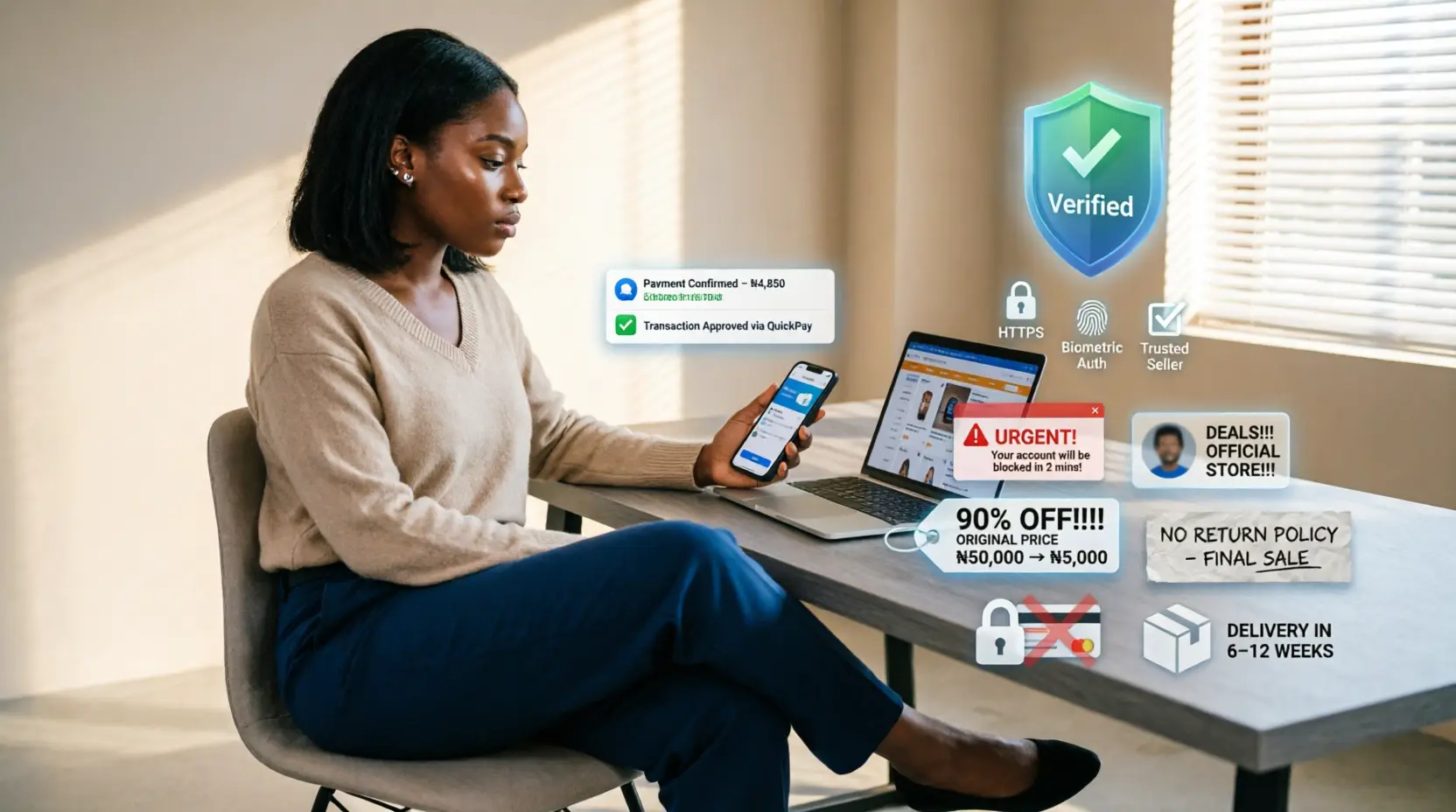
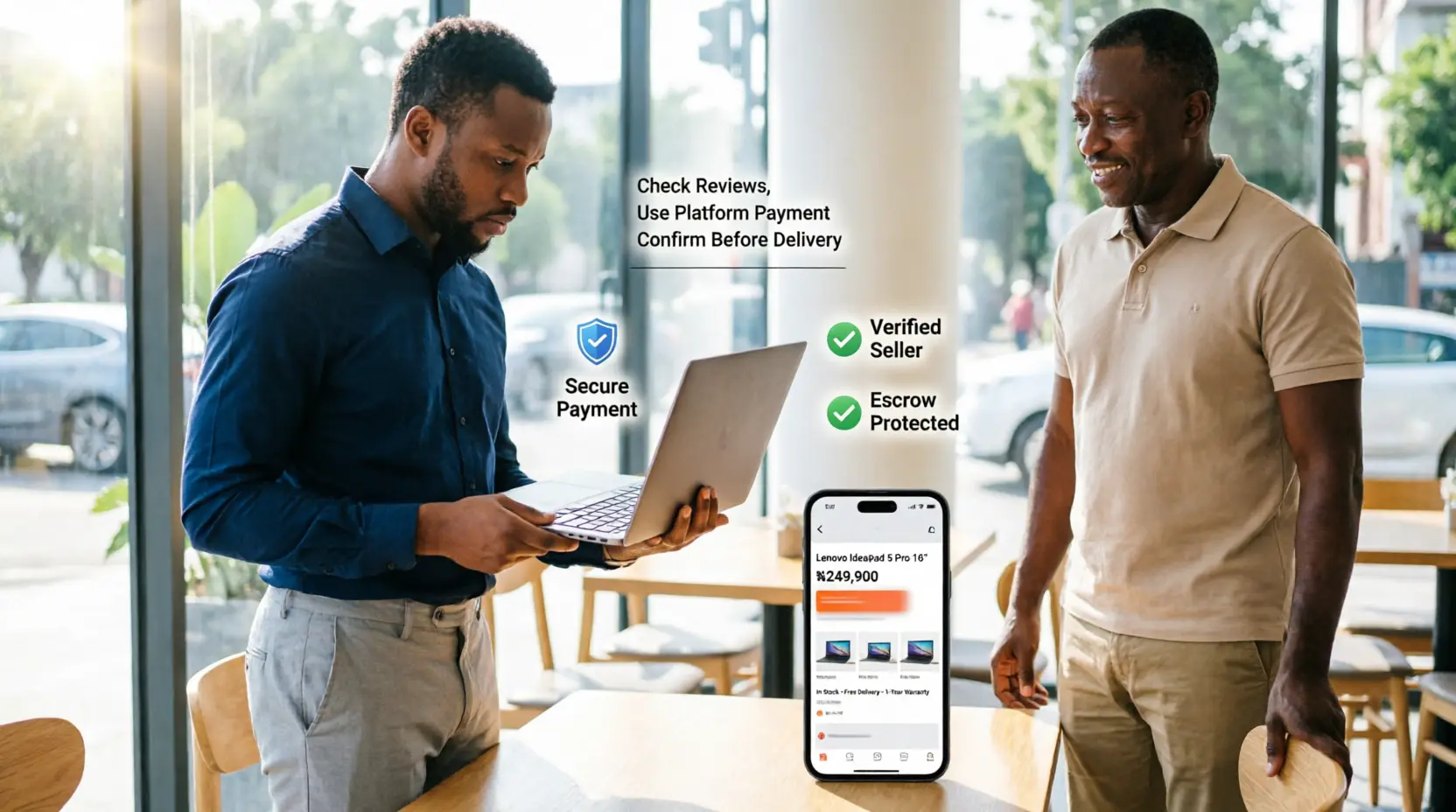
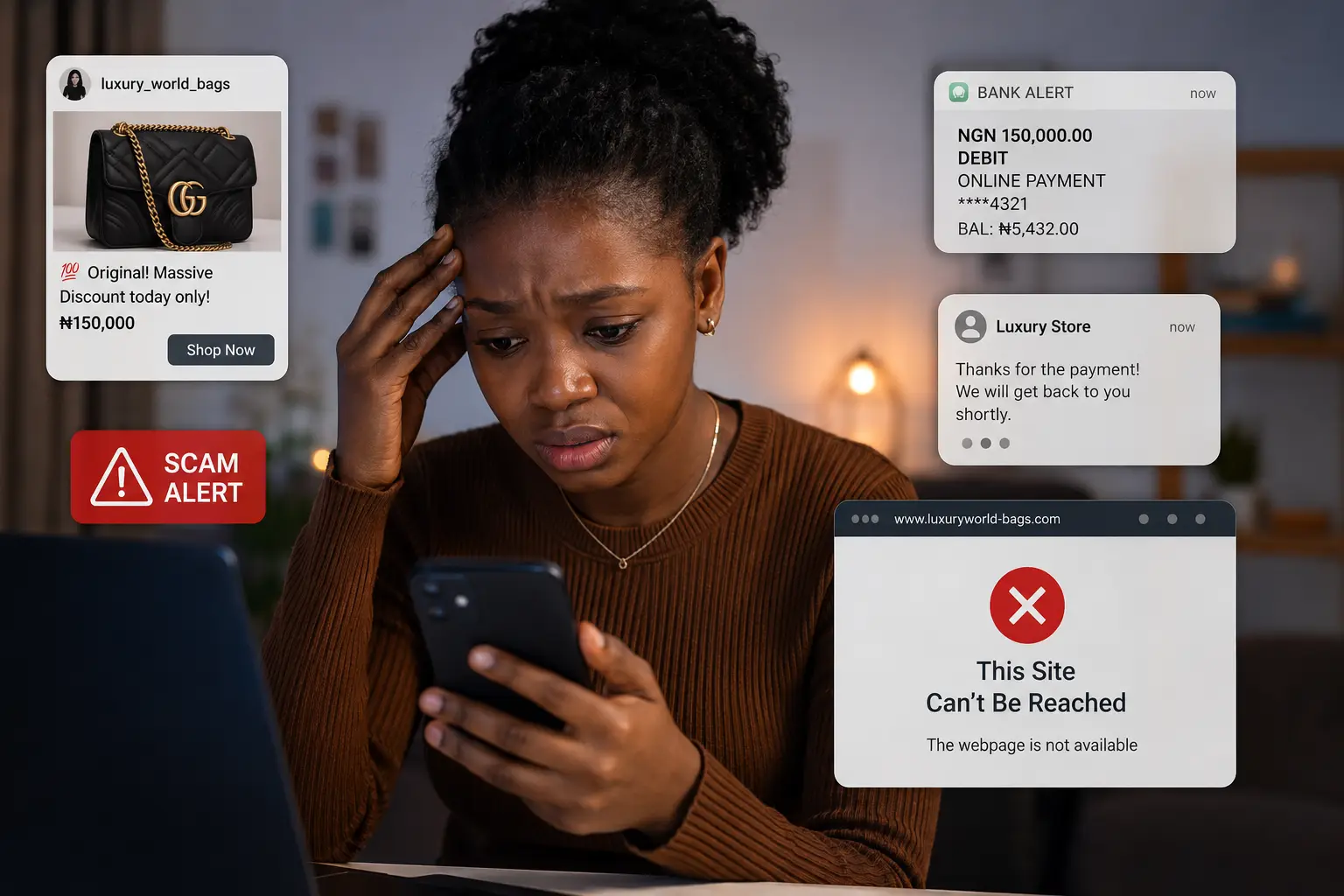
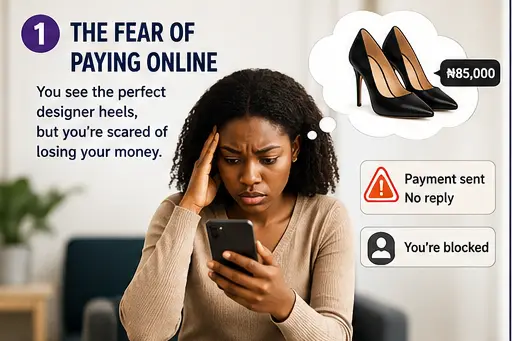
One of the fastest-growing scams involves fake online stores advertising expensive products at unbelievable discounts.
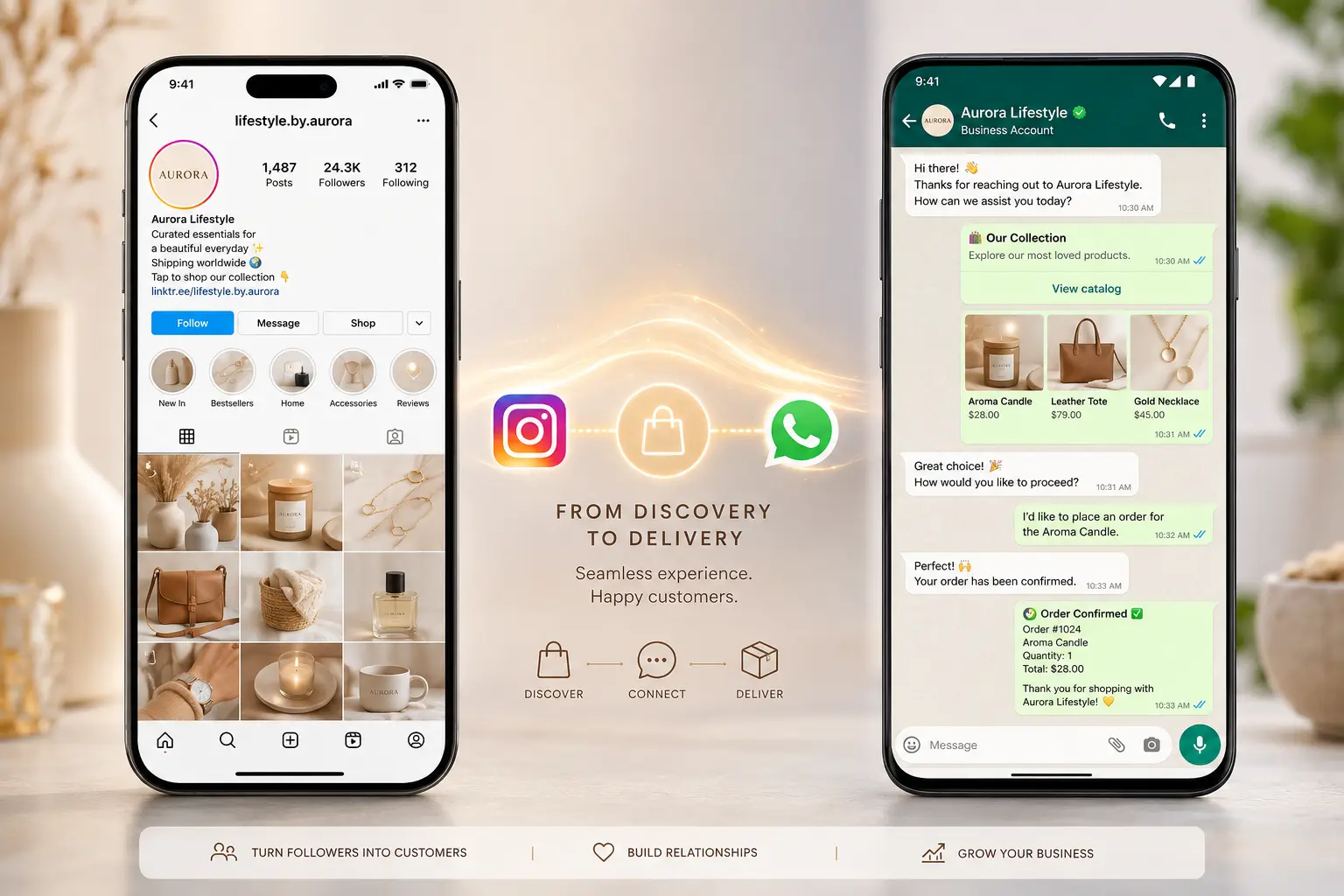
You'll often find these ads on Facebook, Instagram, TikTok, or WhatsApp Status.
How it works
- ~ The seller posts attractive product photos.
- ~ They pressure buyers to pay upfront.
- Once payment is made, they disappear or send fake tracking information.
- ~ The buyer never receives the product.
Red flags
- ~ Prices that are far below market value.
- ~ New social media pages with little engagement.
- ~ No physical address or verified business details.
- ~ Requests for full payment before delivery.
- 2. Fake Bank or Payment Alerts
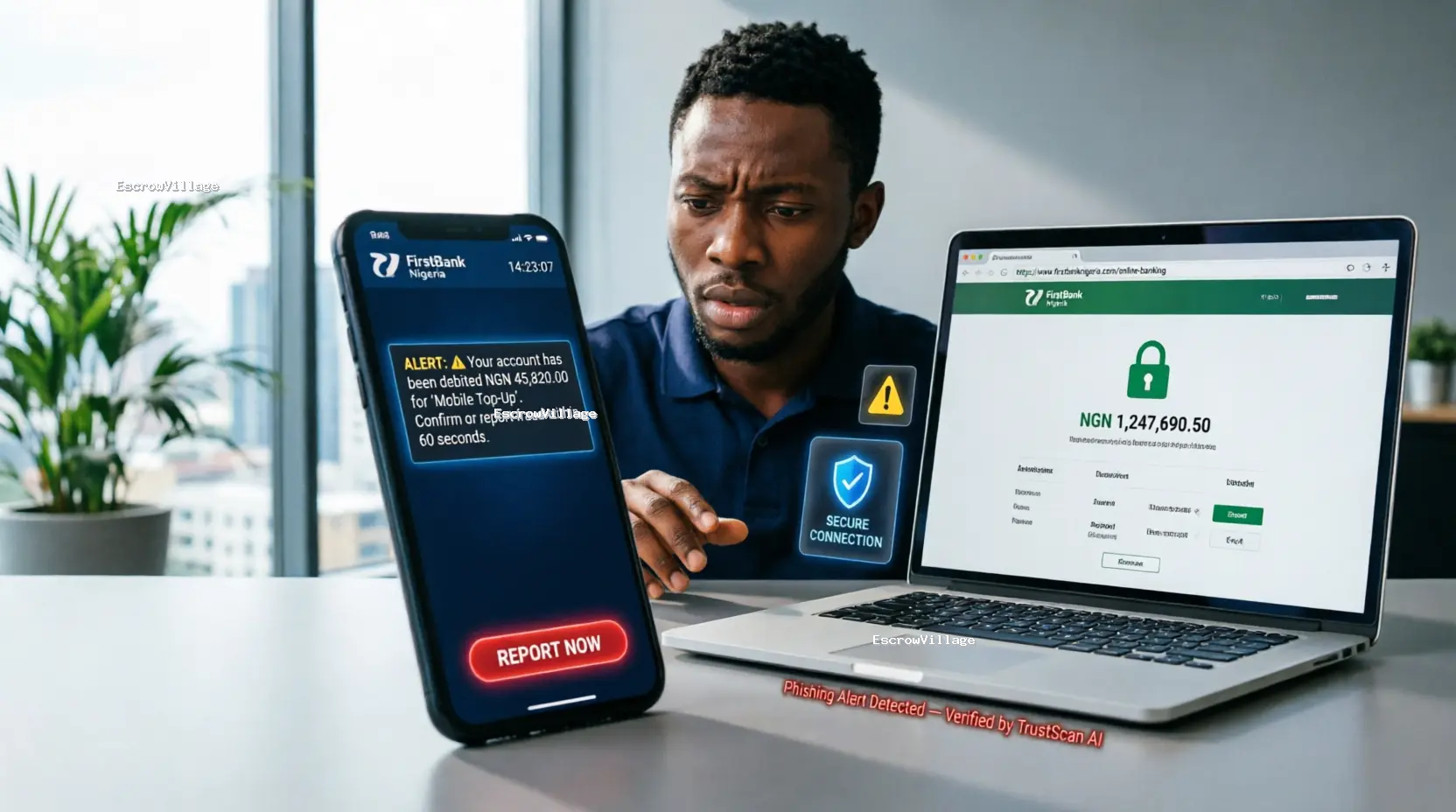
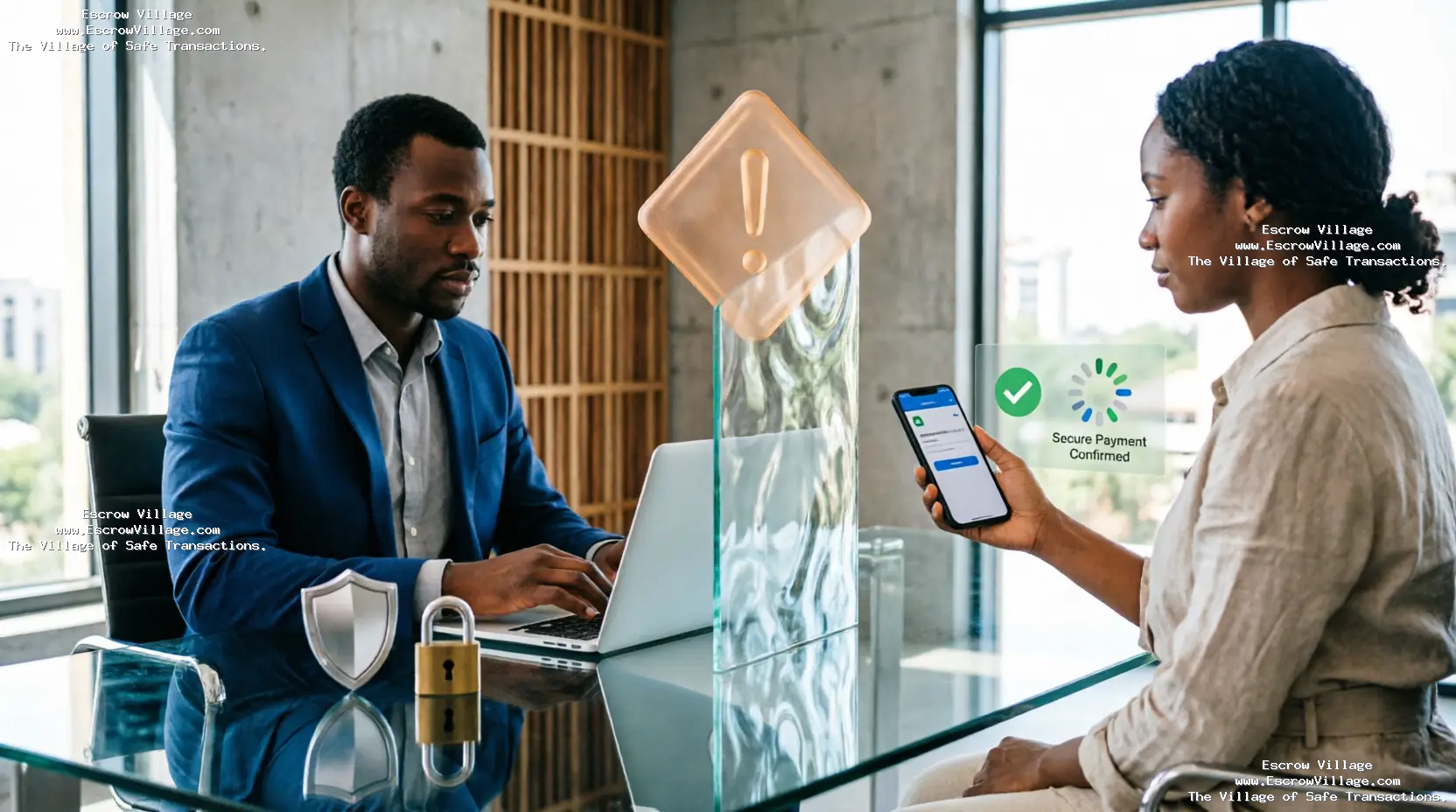
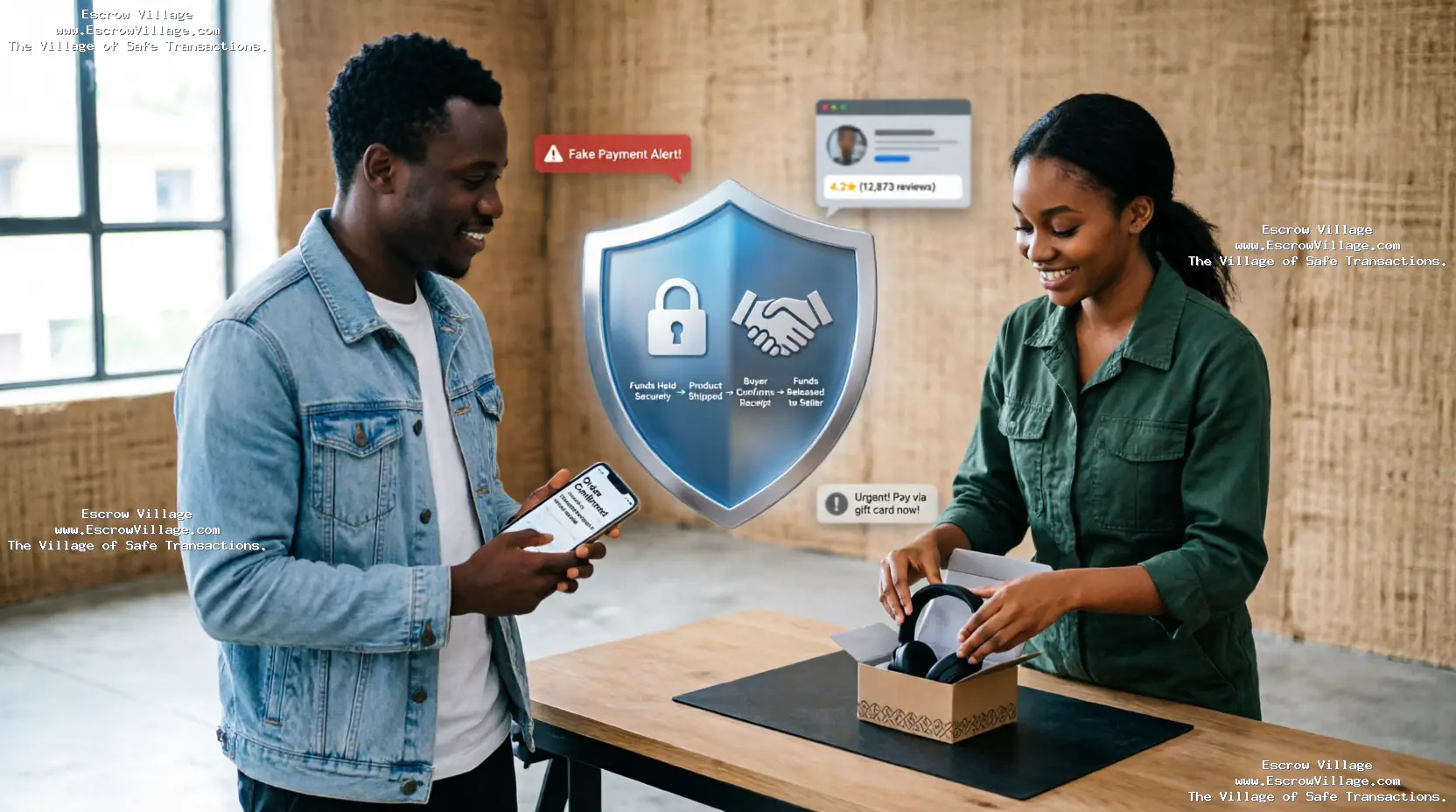
Scammers now create convincing fake transfer notifications to trick sellers into releasing goods before confirming payment.
How it works
- ~ The buyer sends a fake bank alert.
- ~ They pressure the seller to release the item immediately.
- ~ The money never enters the seller's account.
- Stay safe
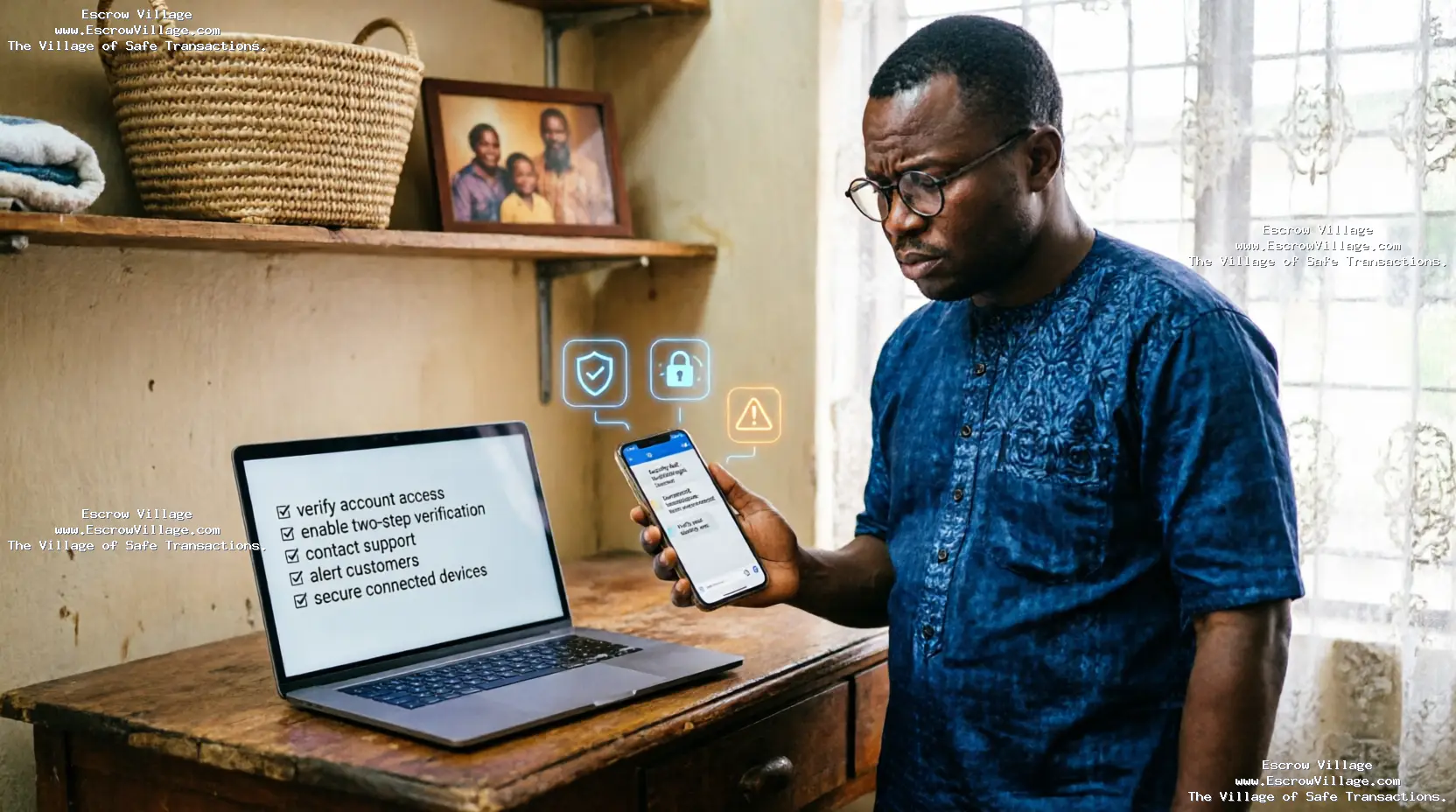
- 3. WhatsApp Account Takeover

This scam continues to affect many Nigerians.
- How it works
Once they gain access, they:
- • Message your contacts asking for money.
- • Promote fake investment schemes.
- • Attempt more scams using your identity.
- How to protect yourself
- • Never share your OTP or verification code.
- • Enable two-factor authentication.
- • Ignore unexpected requests for verification codes.
- 4. Fake Investment and Crypto Schemes

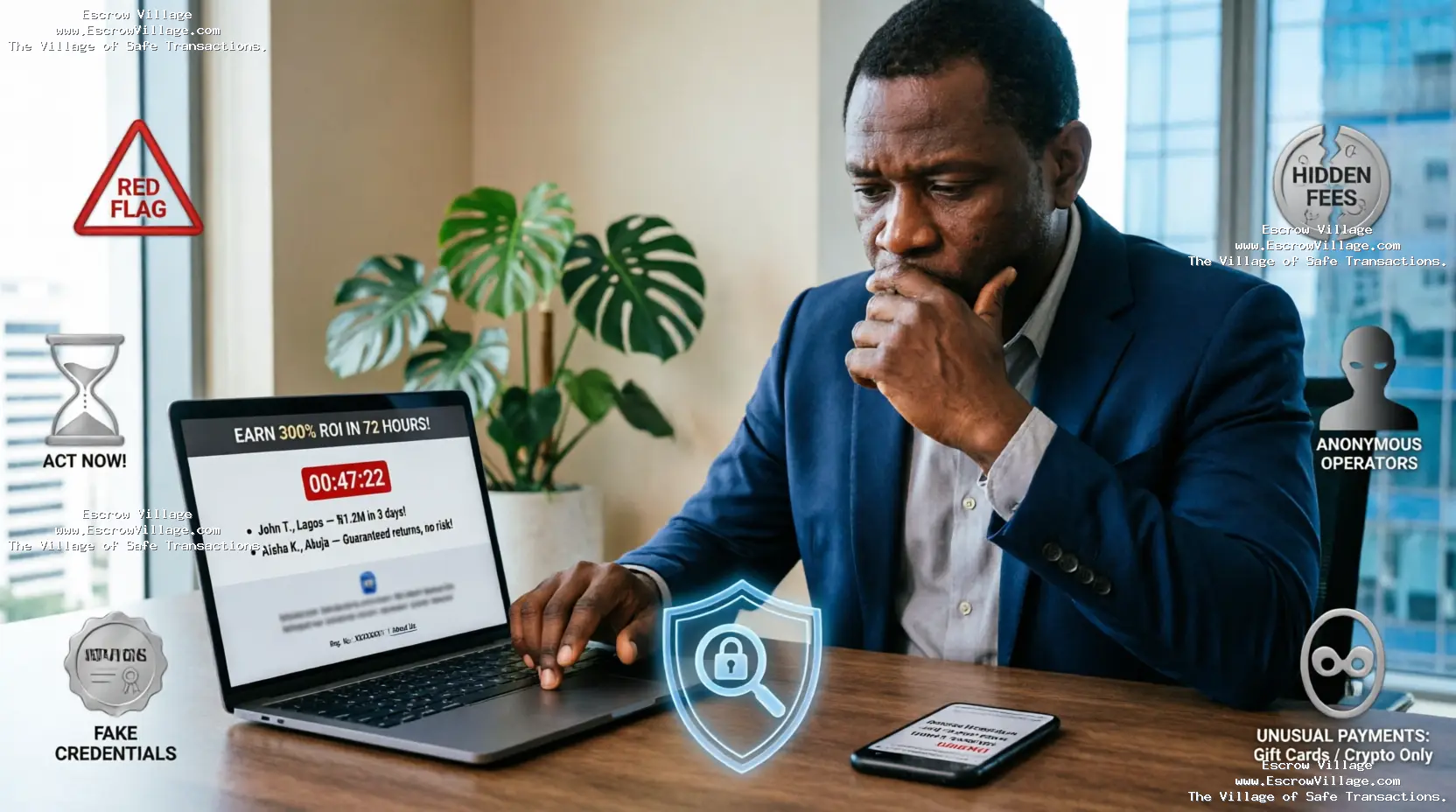
Promises of "double your money in 24 hours" remain one of the biggest online scams.
Common promises:
- ~ Guaranteed profits.
- ~ Zero risk.
- ~ Secret trading bots.
- ~ Exclusive investment opportunities.
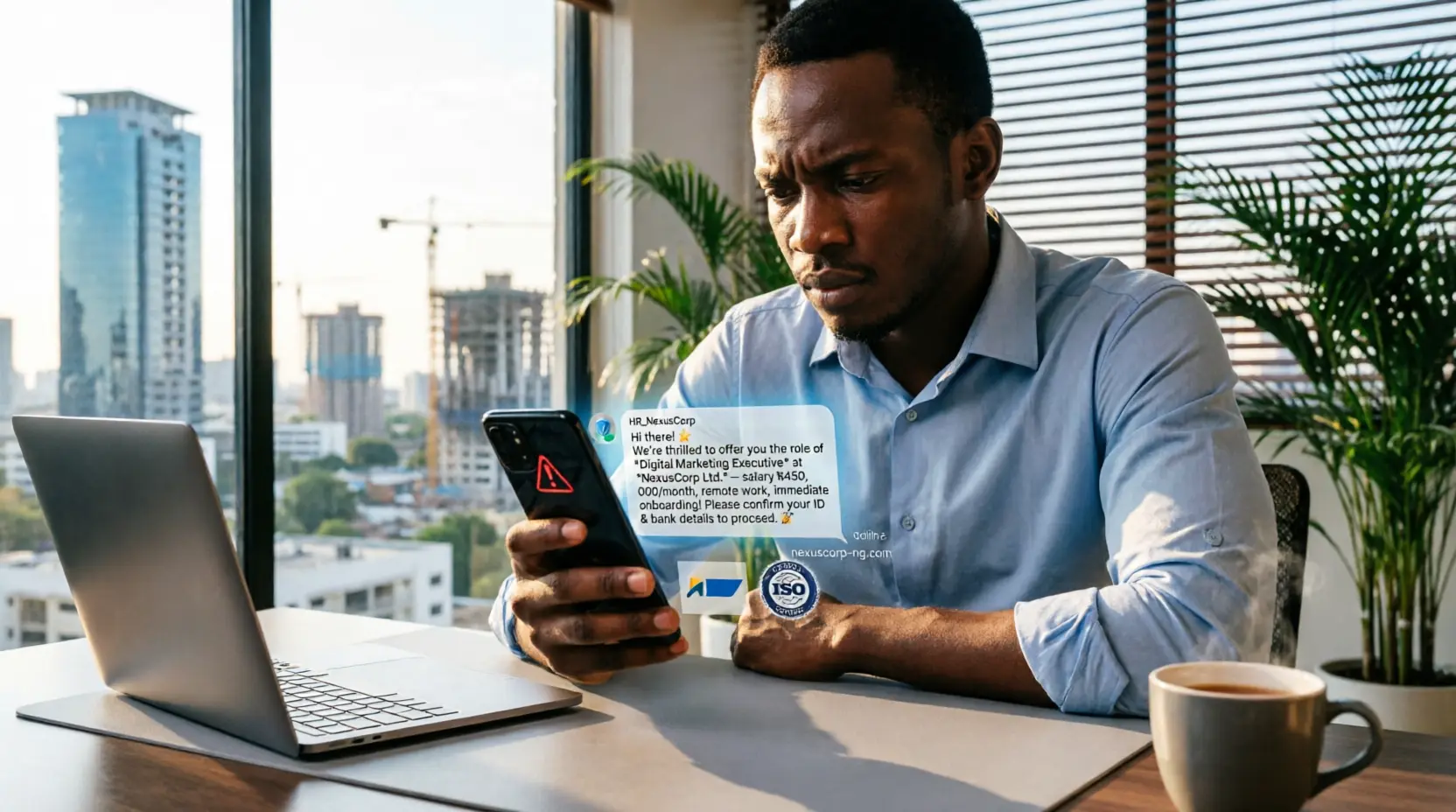
- 5. Fake Job Offers
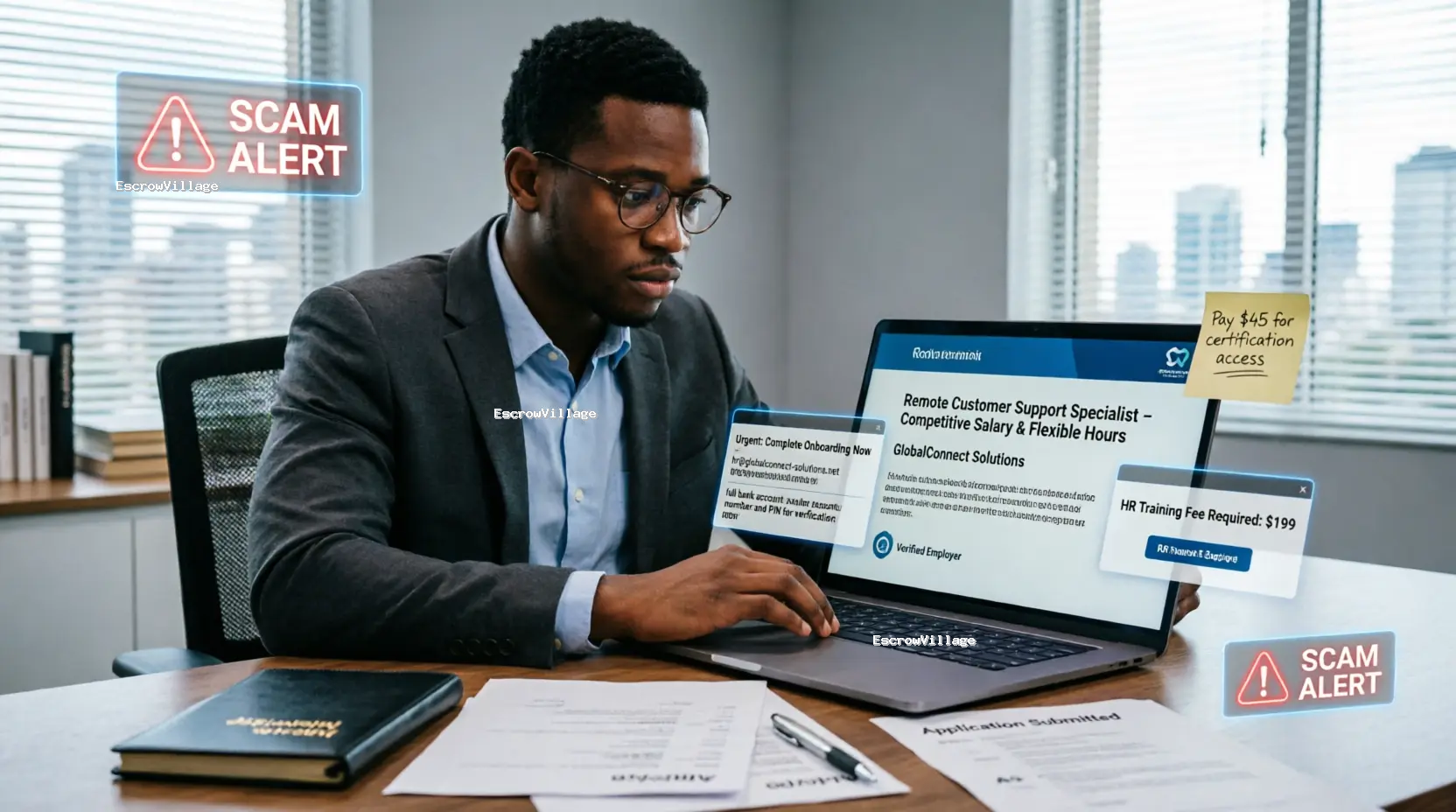
Scammers target job seekers by advertising remote jobs with attractive salaries.
After applicants apply, they're asked to pay for:
- ~ Registration
- ~ Training materials
- ~ Interview processing
- ~ Starter kits
- 6. Social Media Giveaway Scams
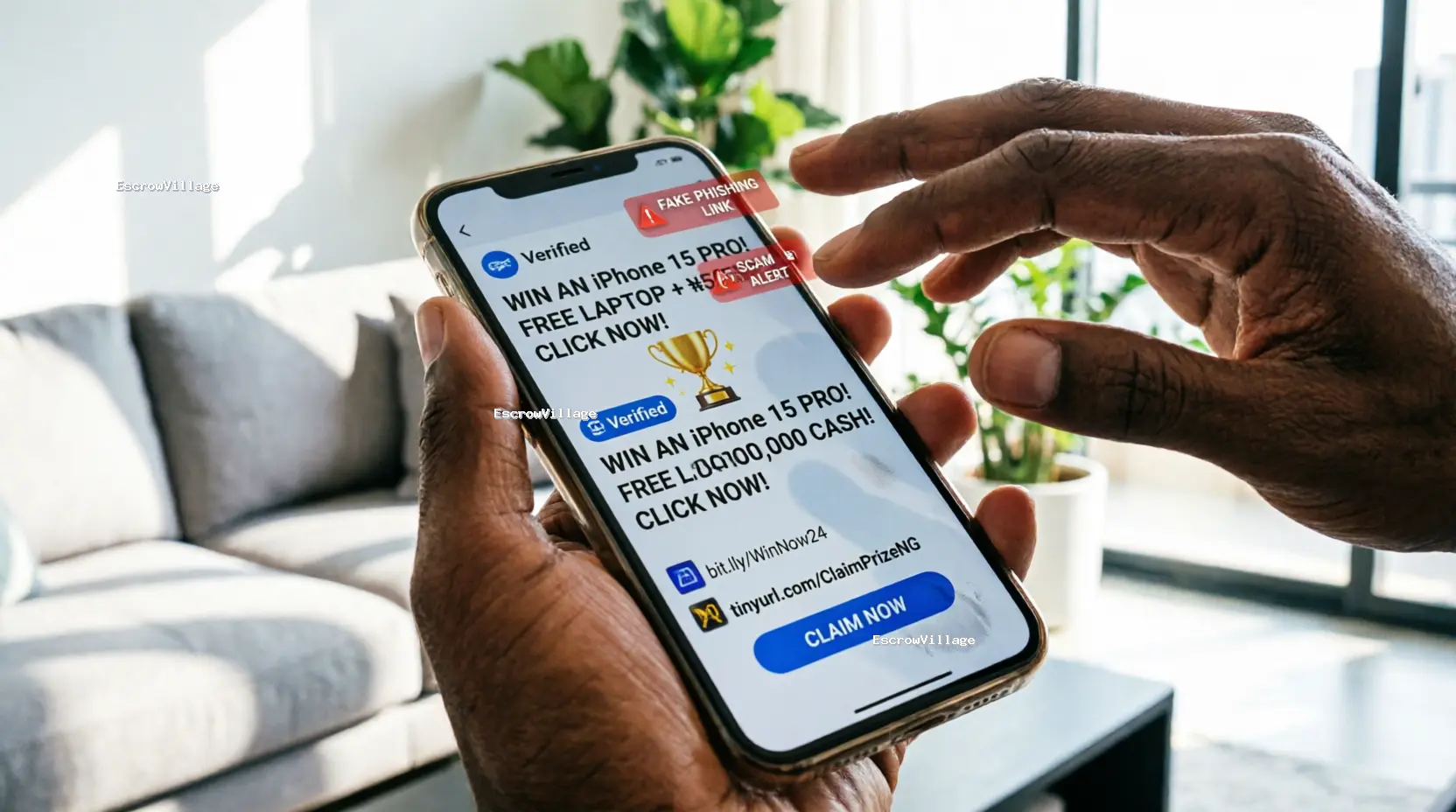
Fake giveaways often use stolen photos of celebrities, influencers, or well-known brands.
Victims are told they've won cash or prizes but must first pay:
- ~ Delivery fees
- ~ Clearance charges
- ~ Tax payments
Remember: a legitimate giveaway doesn't require you to pay before receiving your prize.
- 7. Romance Scams

Scammers create fake online relationships to build trust before requesting money.
Common excuses include:
- ~ Medical emergencies
- ~ Visa applications
- ~ Flight tickets
- ~ Customs fees
- ~ Family emergencies
- How to Protect Yourself from Online
- Scams

Here are a few habits that can save you from losing money:
- 1. Verify sellers before making payment.
- 2. Avoid deals that seem too good to be true.
- 3. Confirm every payment independently.
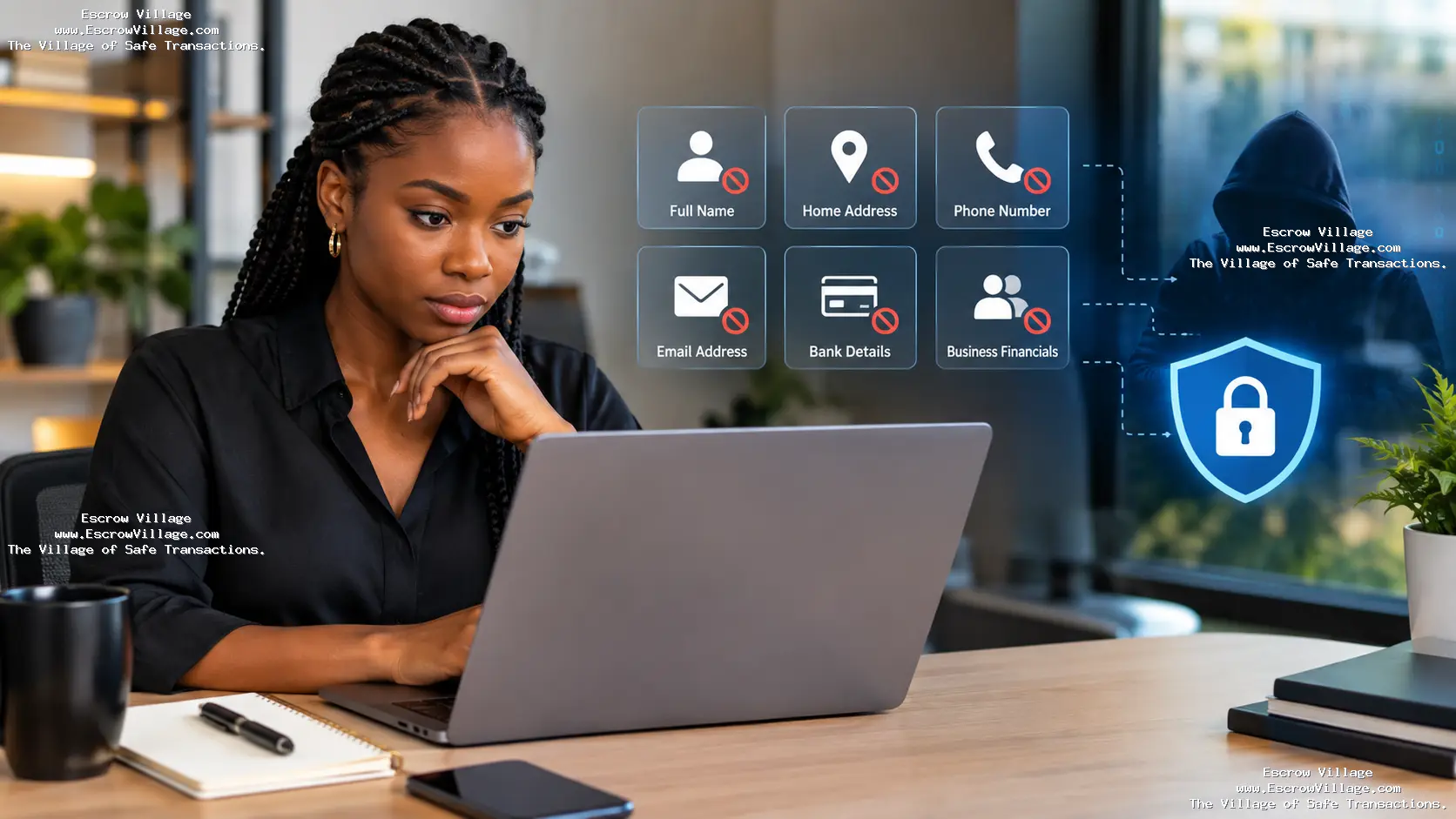
- 4. Never share passwords or verification codes.
- 5. Be cautious of urgent requests.
- 6. Research businesses before buying.
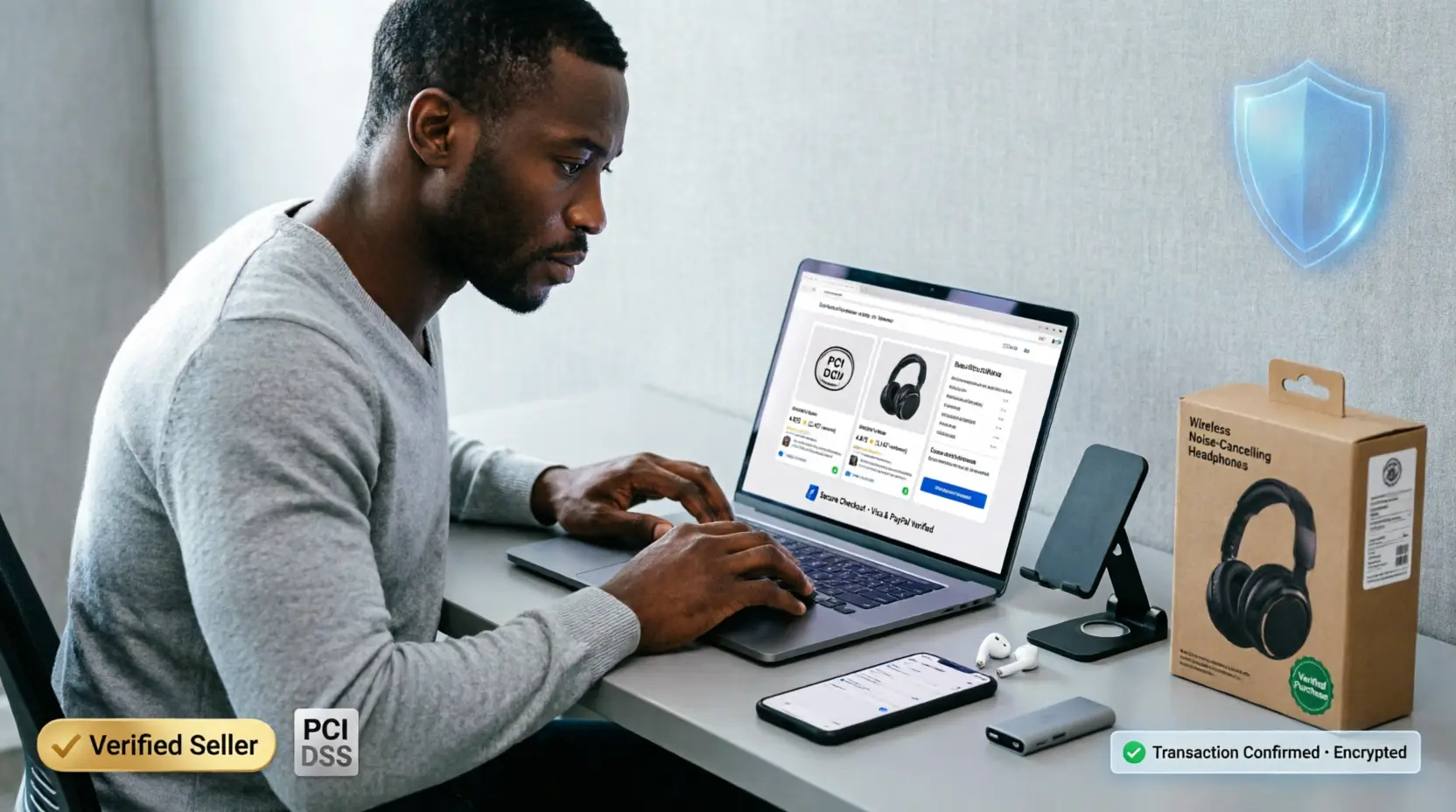
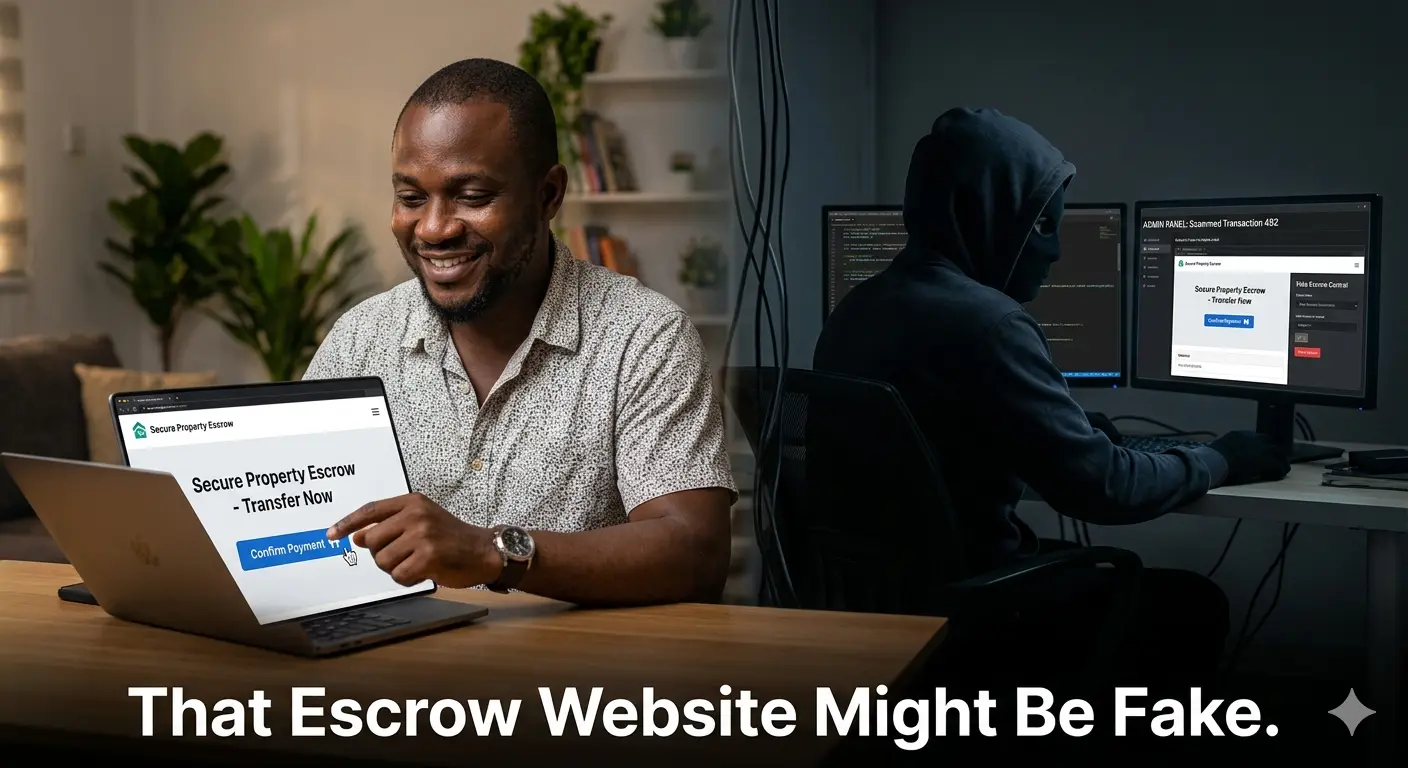
- 7. Use secure payment methods for high-value transactions.
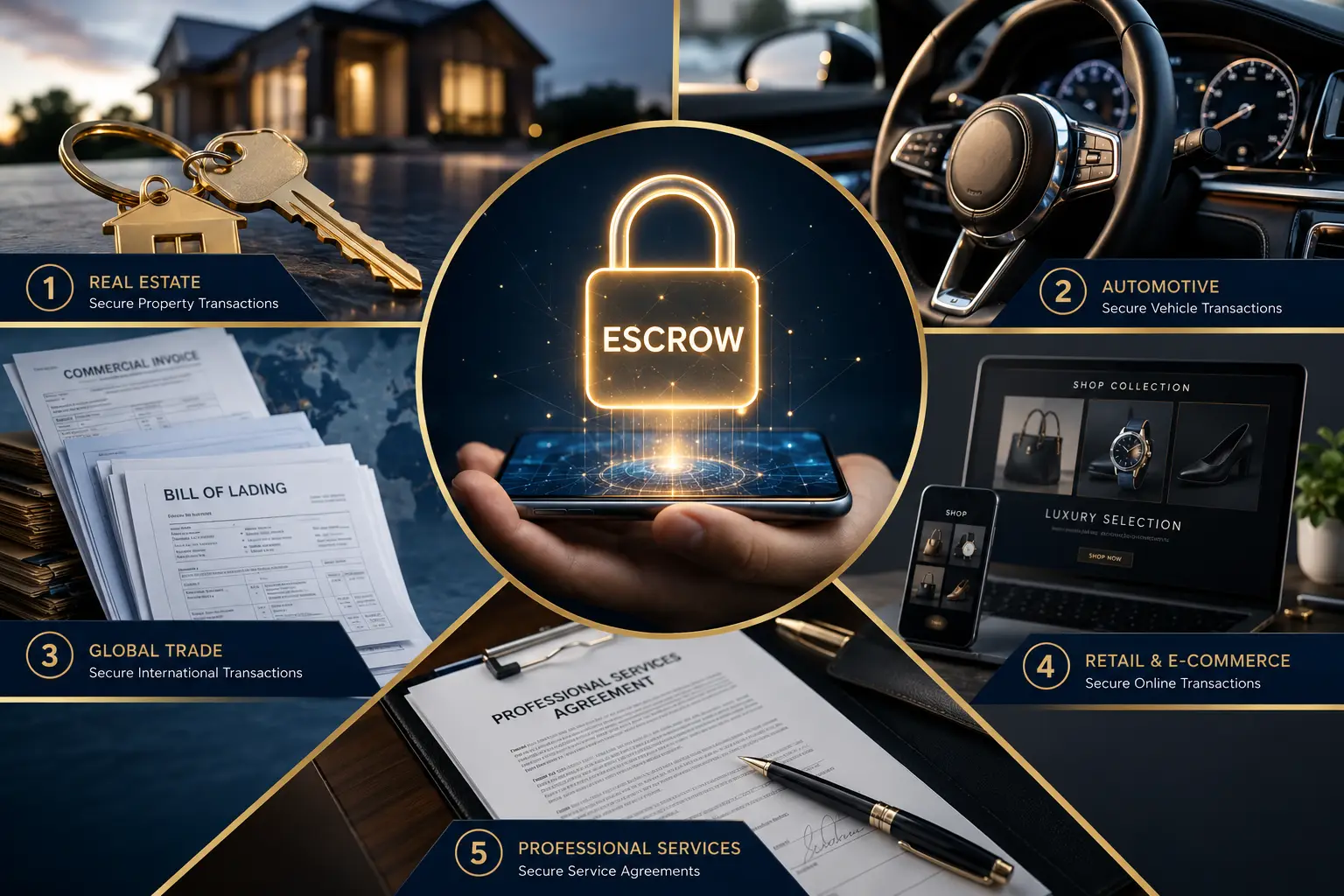
- How Escrow Village Helps You Trade Safely

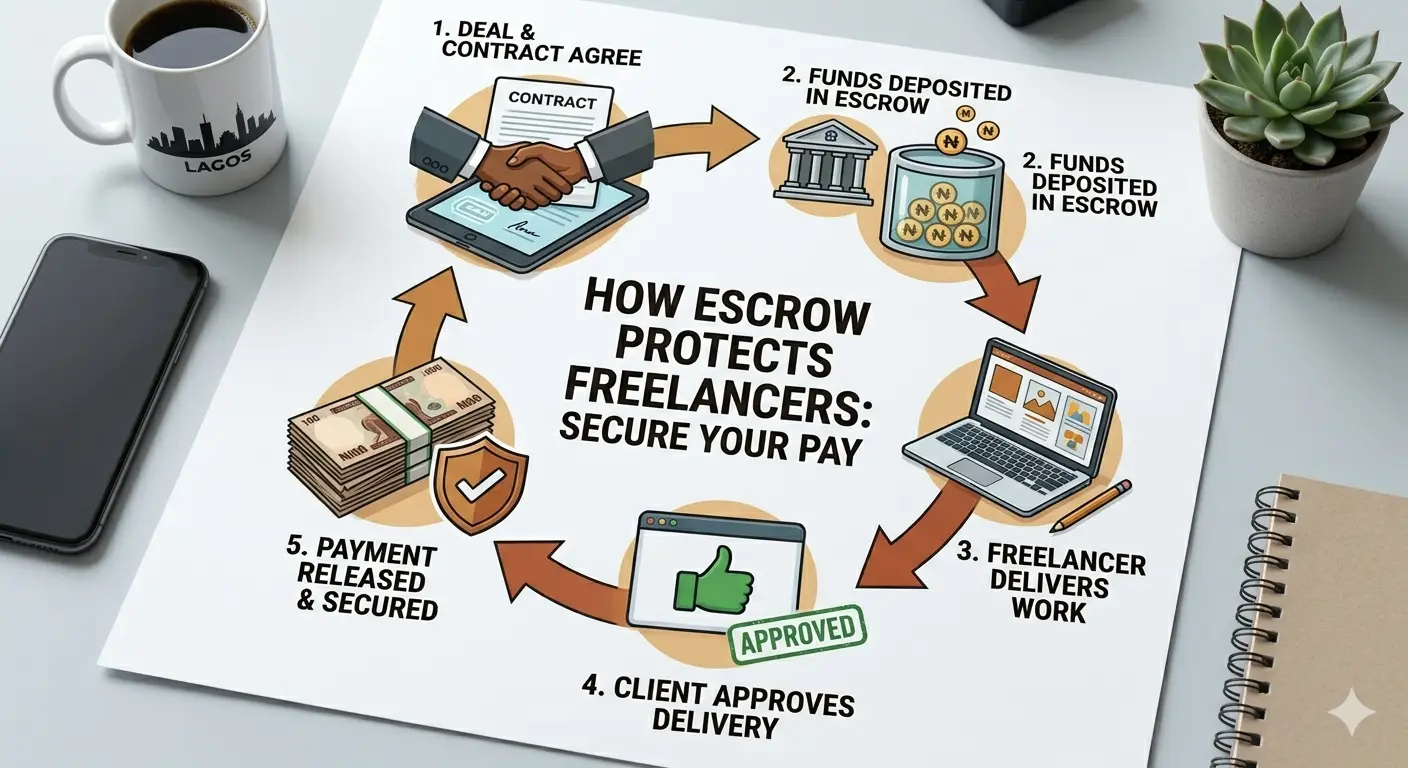
Many online scams happen because buyers are asked to pay before receiving their products, while sellers fear delivering items without receiving payment.
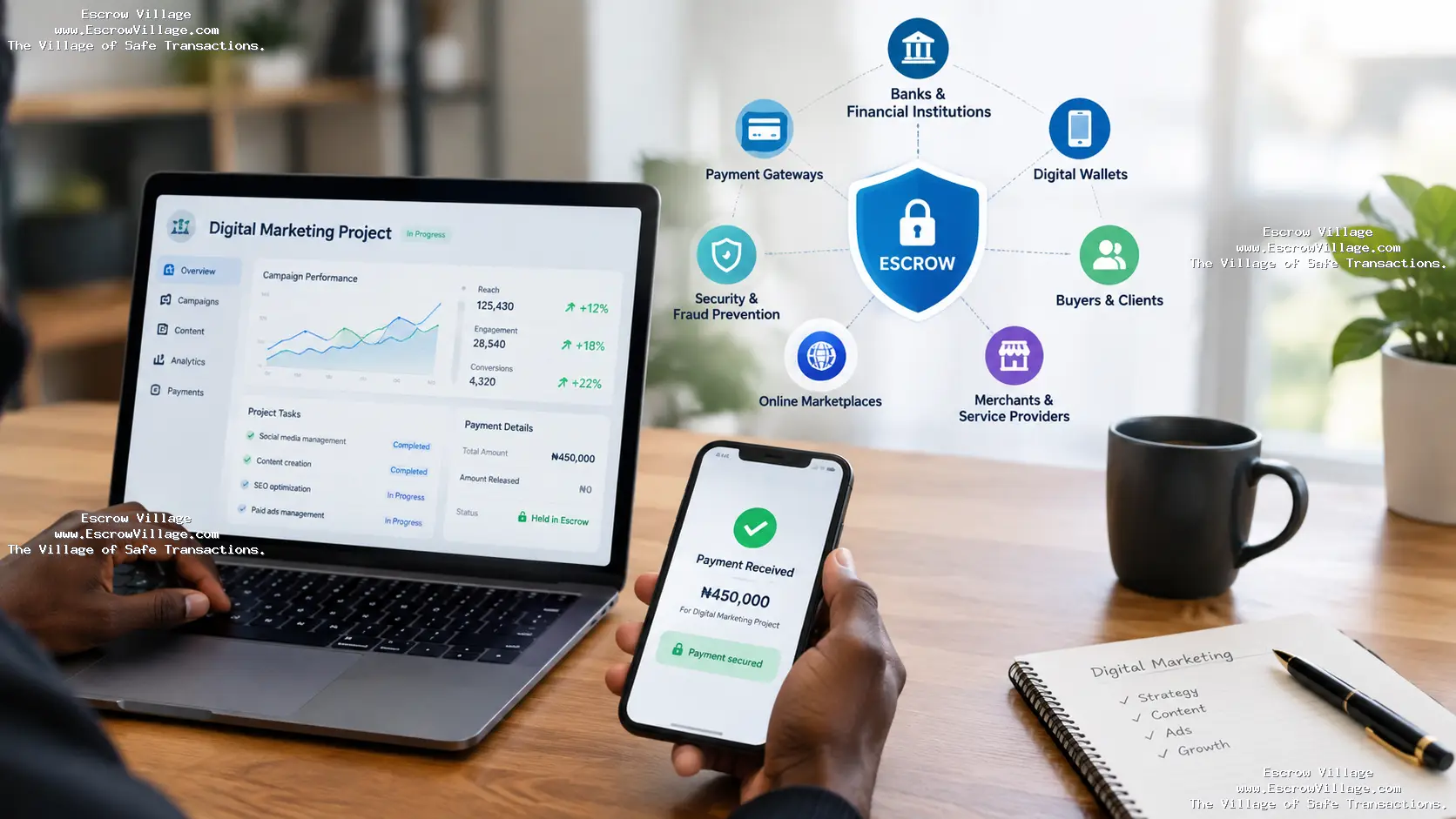
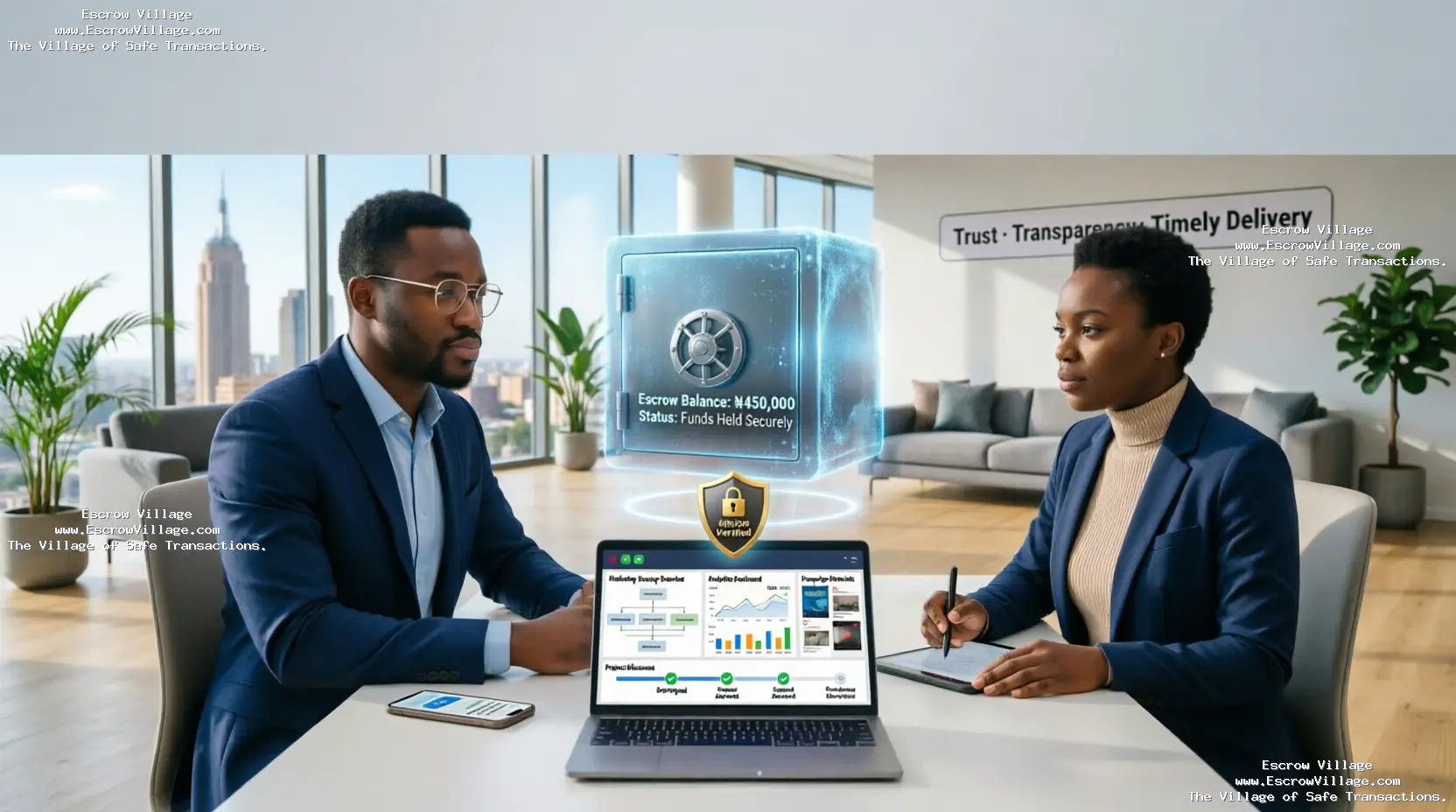
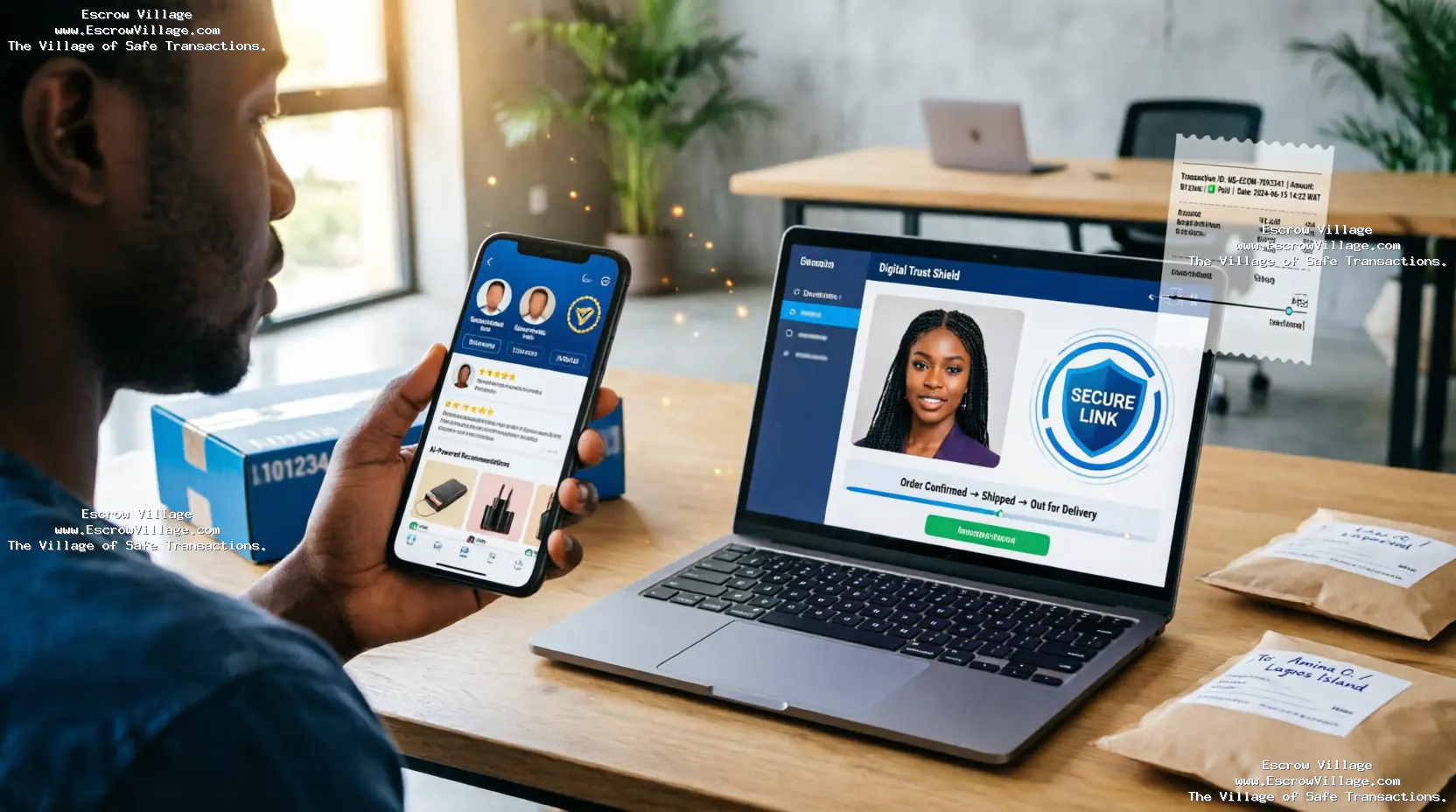
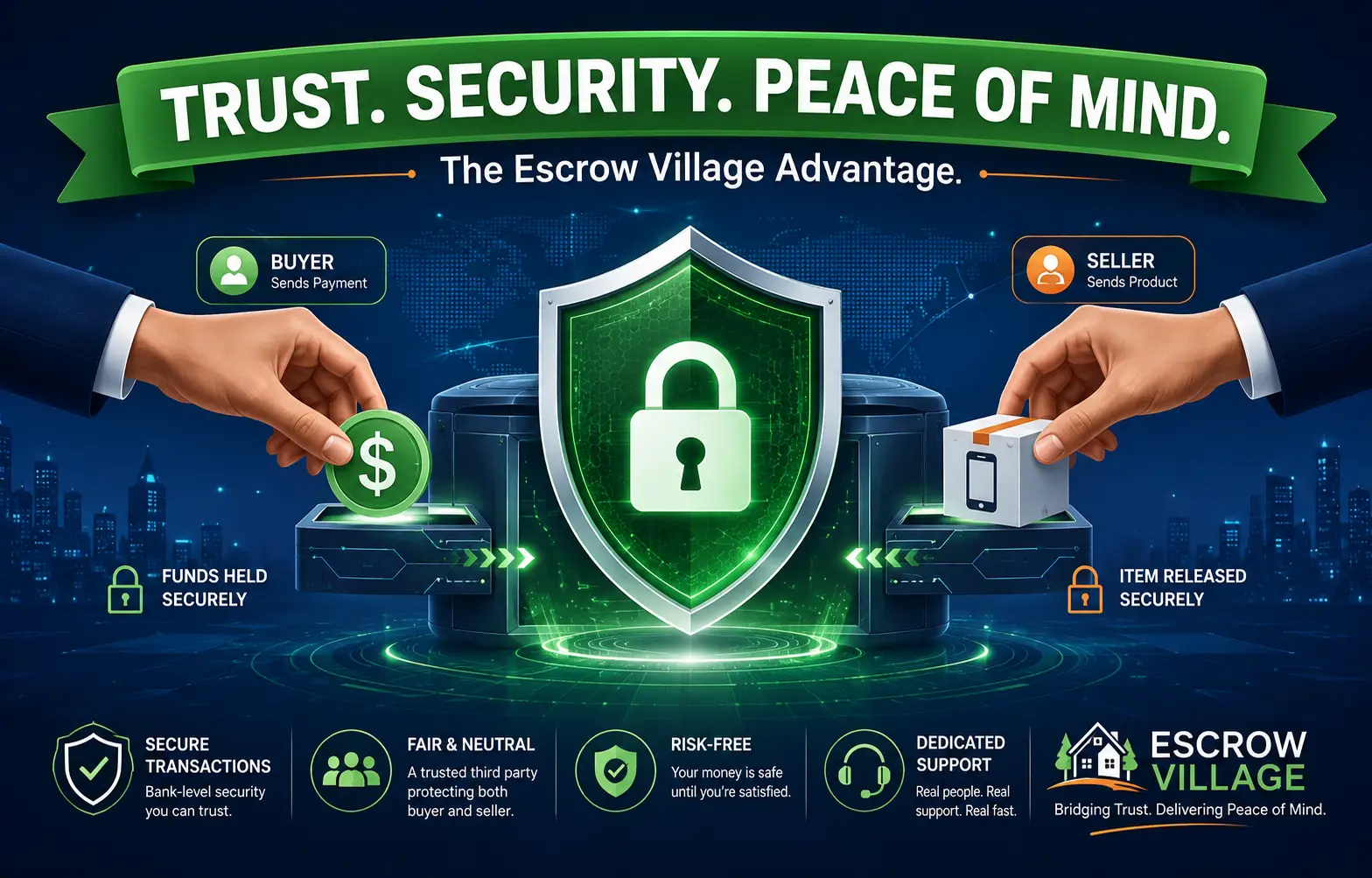
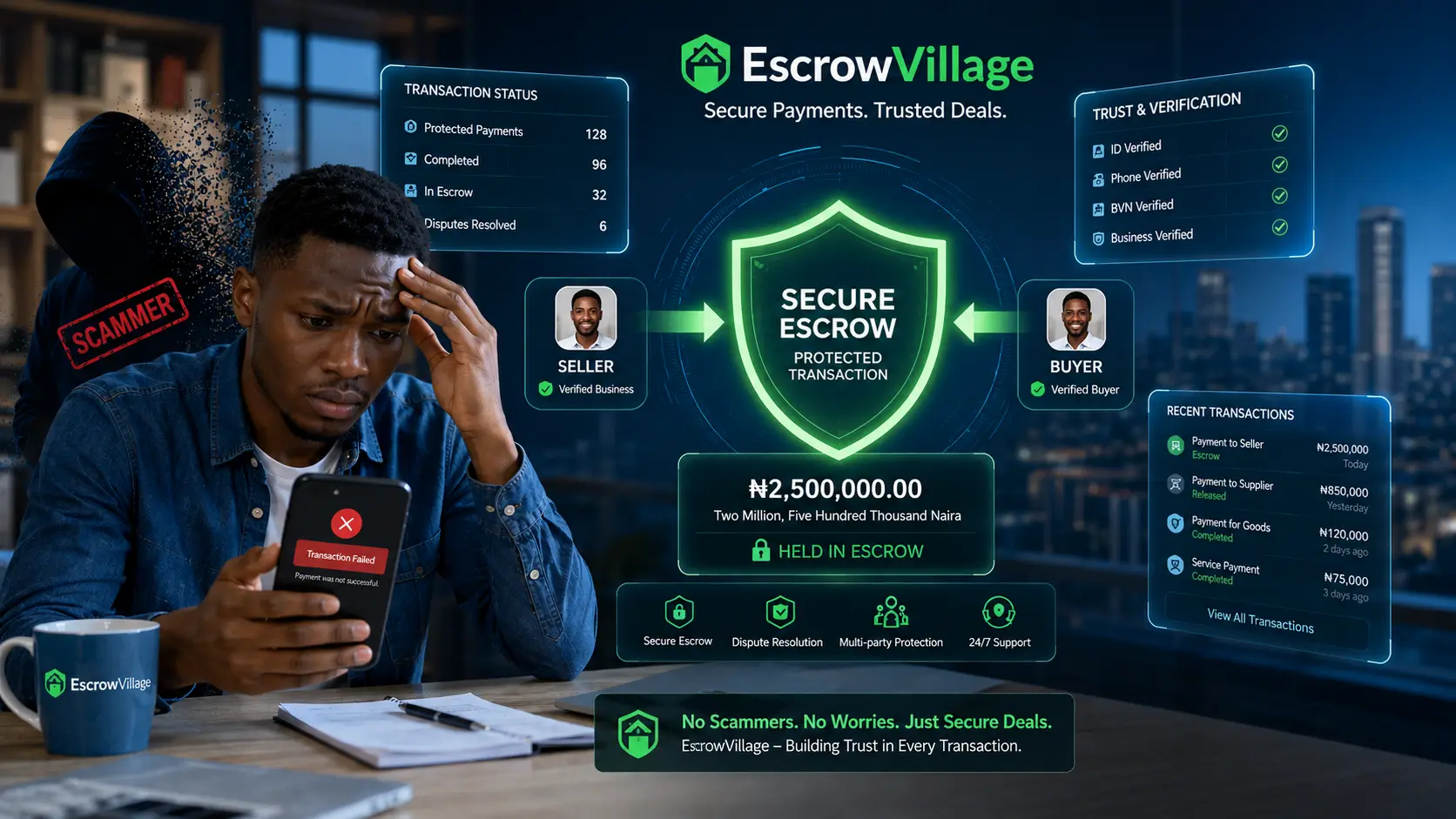
Escrow Village solves this problem by acting as a trusted third party.
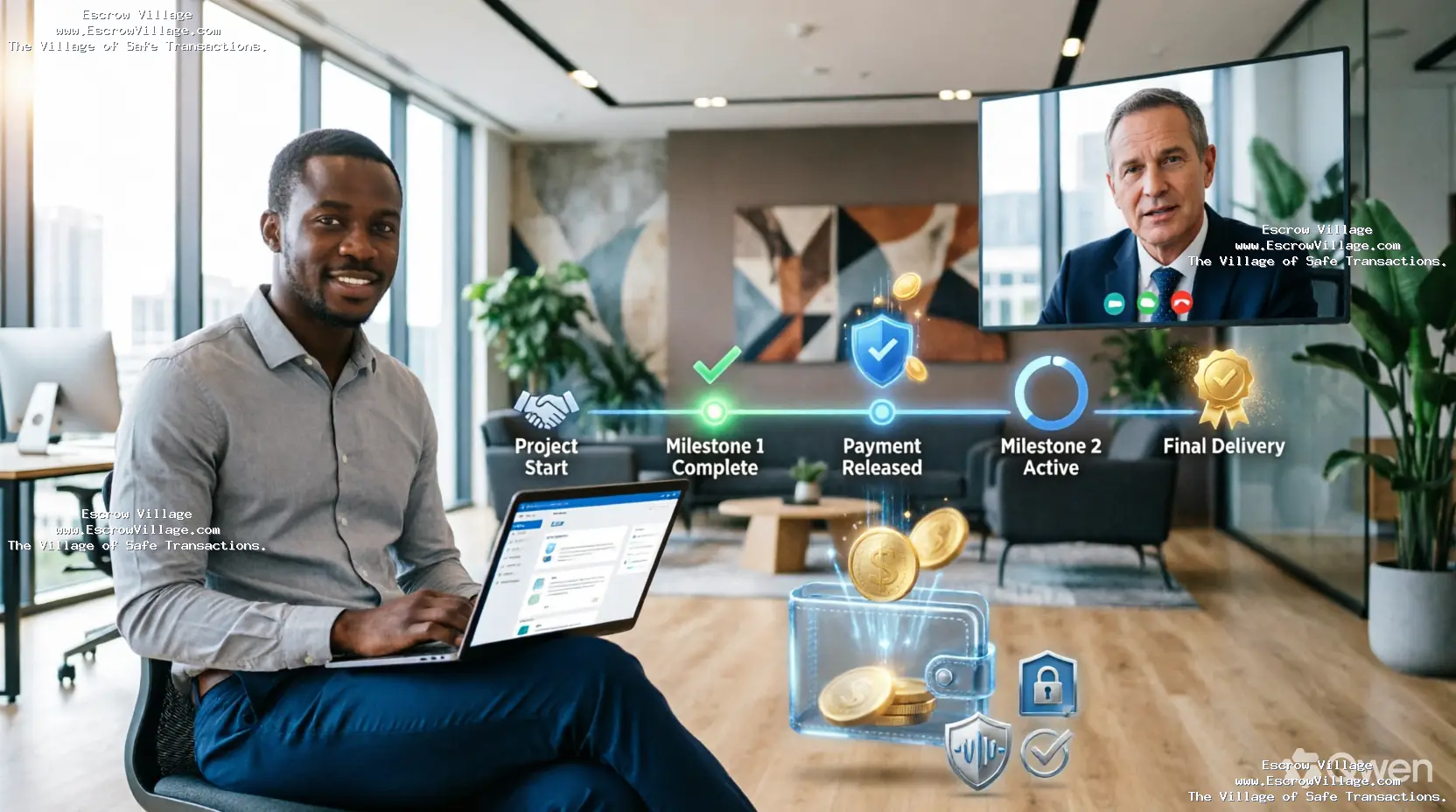
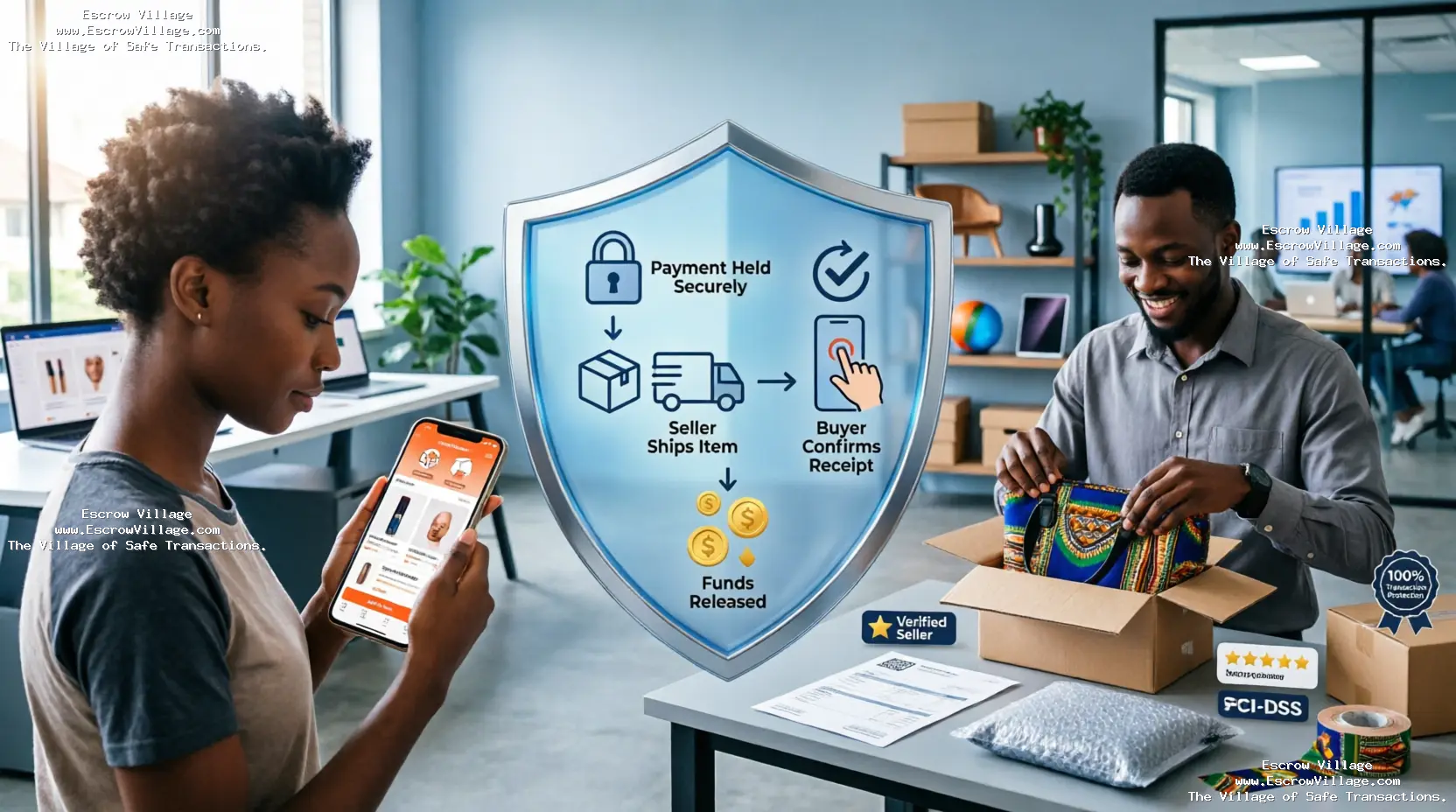
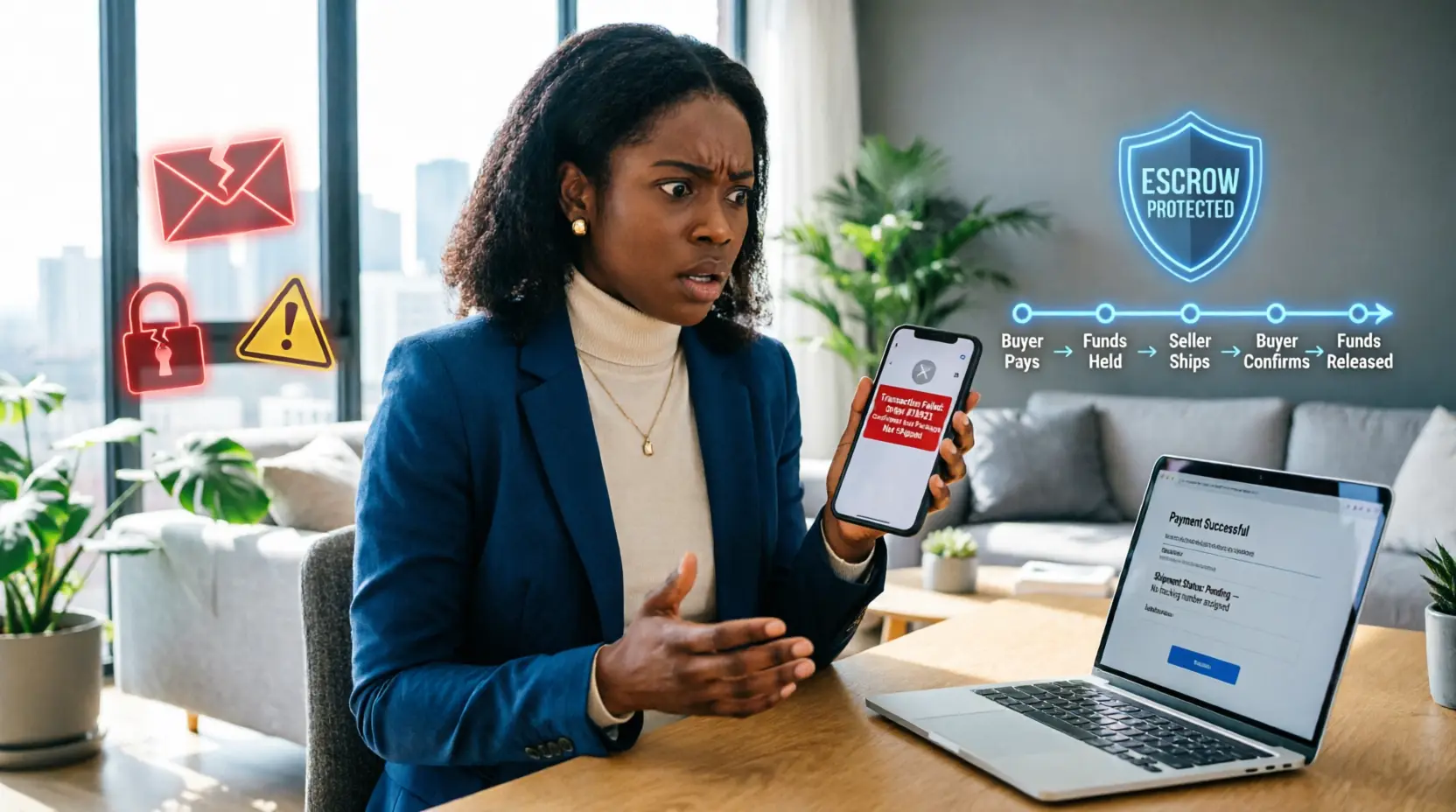
Here's how it works:
- ~ The buyer sends payment to Escrow Village.
- ~ Escrow Village securely holds the money.
- ~ The seller delivers the agreed product or service.
- ~ The buyer confirms satisfaction.
- ~ Escrow Village releases the payment to the seller.
This simple process protects both parties from fraud and builds trust in online transactions.
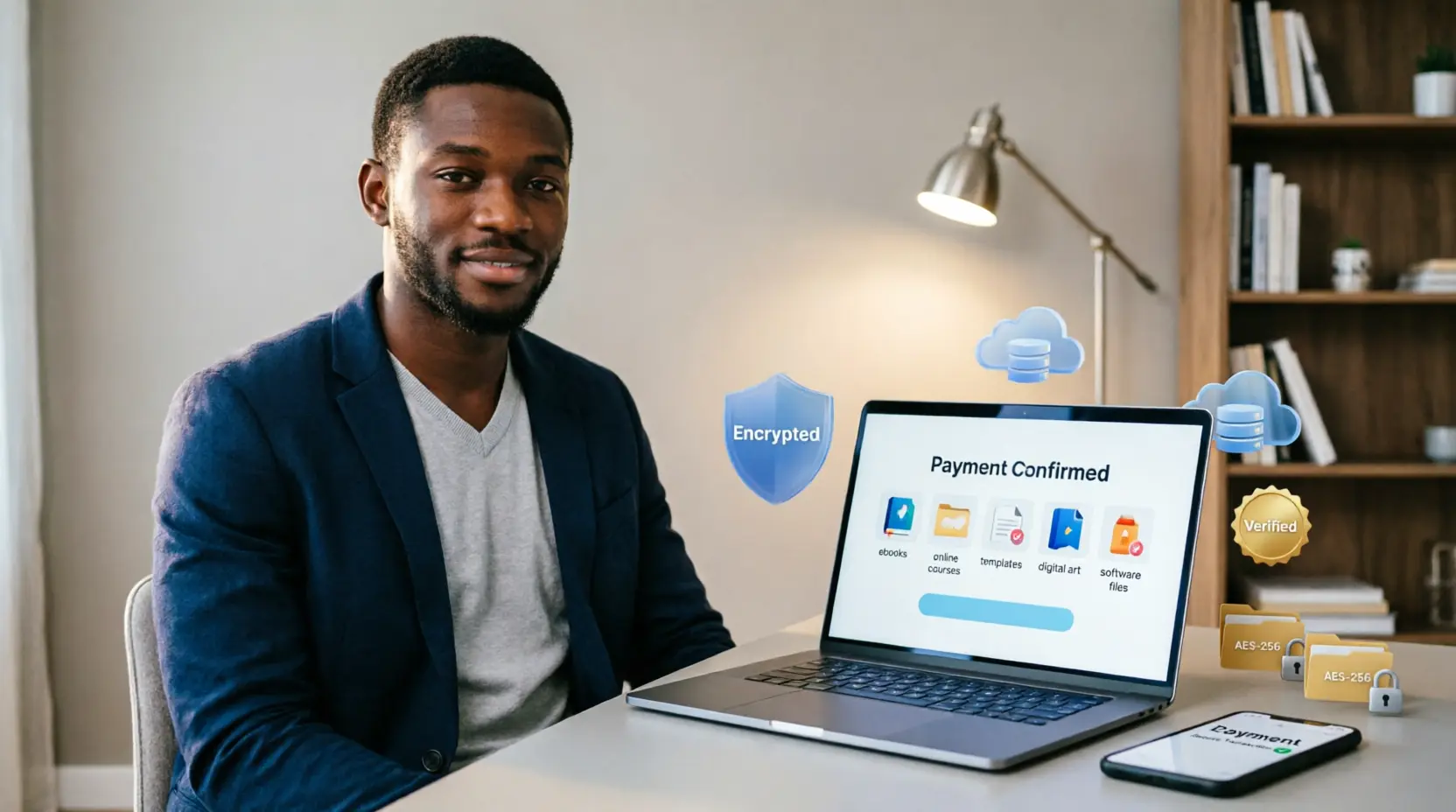
Whether you're buying electronics, hiring freelancers, purchasing digital products, or trading valuable items, using an escrow service significantly reduces your risk.

Online scammers constantly change their tactics, but their goal remains the same, to steal your money or personal information.
The best defense is staying informed, verifying every transaction, and avoiding rushed decisions.
Before making any high-value online payment, ask yourself one simple question:"Is there a safer way to complete this transaction?"
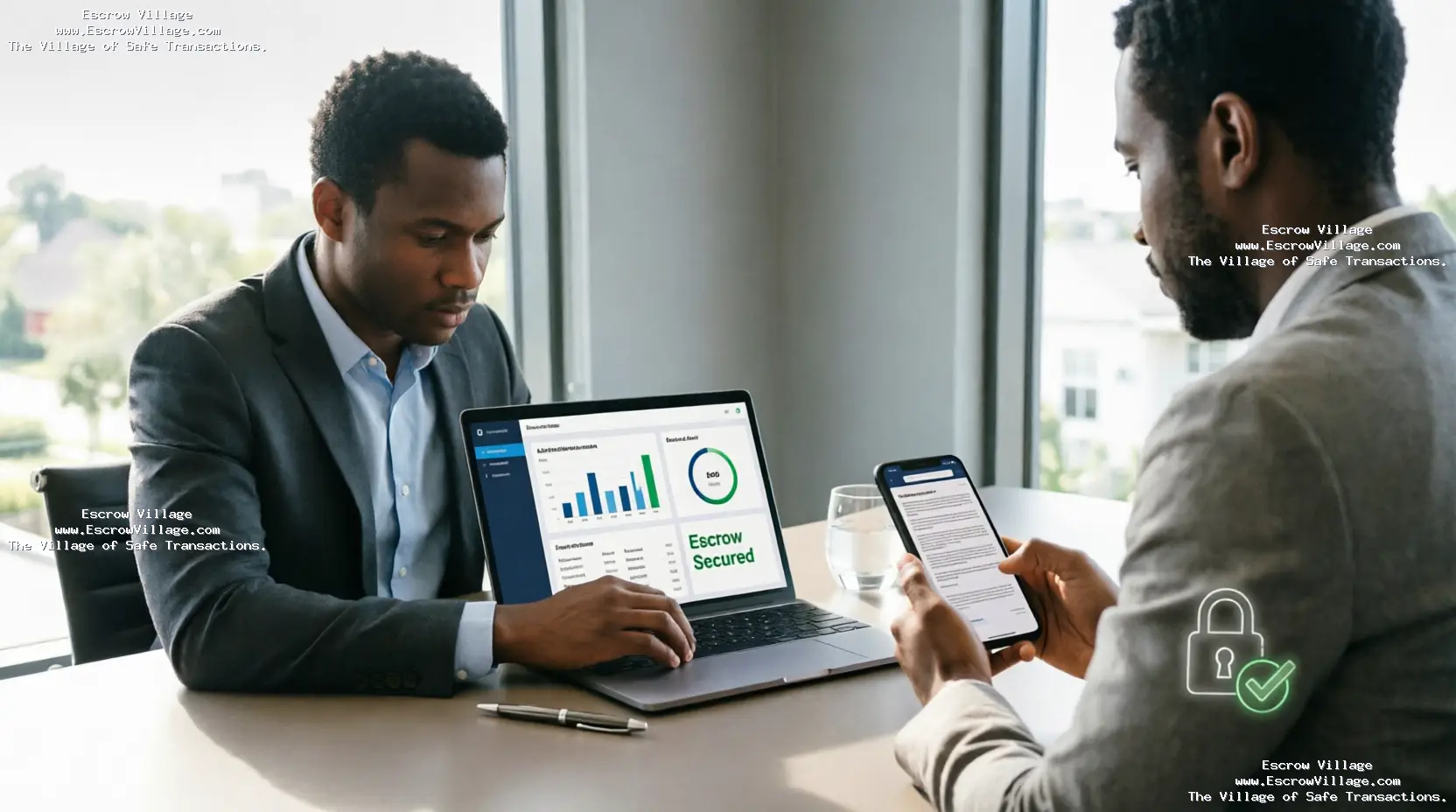
Using a trusted escrow service like Escrow Village can give both buyers and sellers peace of mind by ensuring that money only changes hands when both parties fulfill their obligations.
Stay informed, stay cautious, and stay protected.