Common Scams Targeting Artisans in Nigeria
You finish a customer's outfit, repair their generator, install their plumbing, or spend days building a piece of furniture. Then, when it is time to collect your money, the customer disappears.
There are some scams targeting artisans in Nigeria, whether you are a tailor, carpenter, electrician, plumber, makeup artist, or mechanic, one dishonest client can cost you money, materials, and valuable time.
In this article, we would uncover Common Scams targeting artisans and how to prevent it.
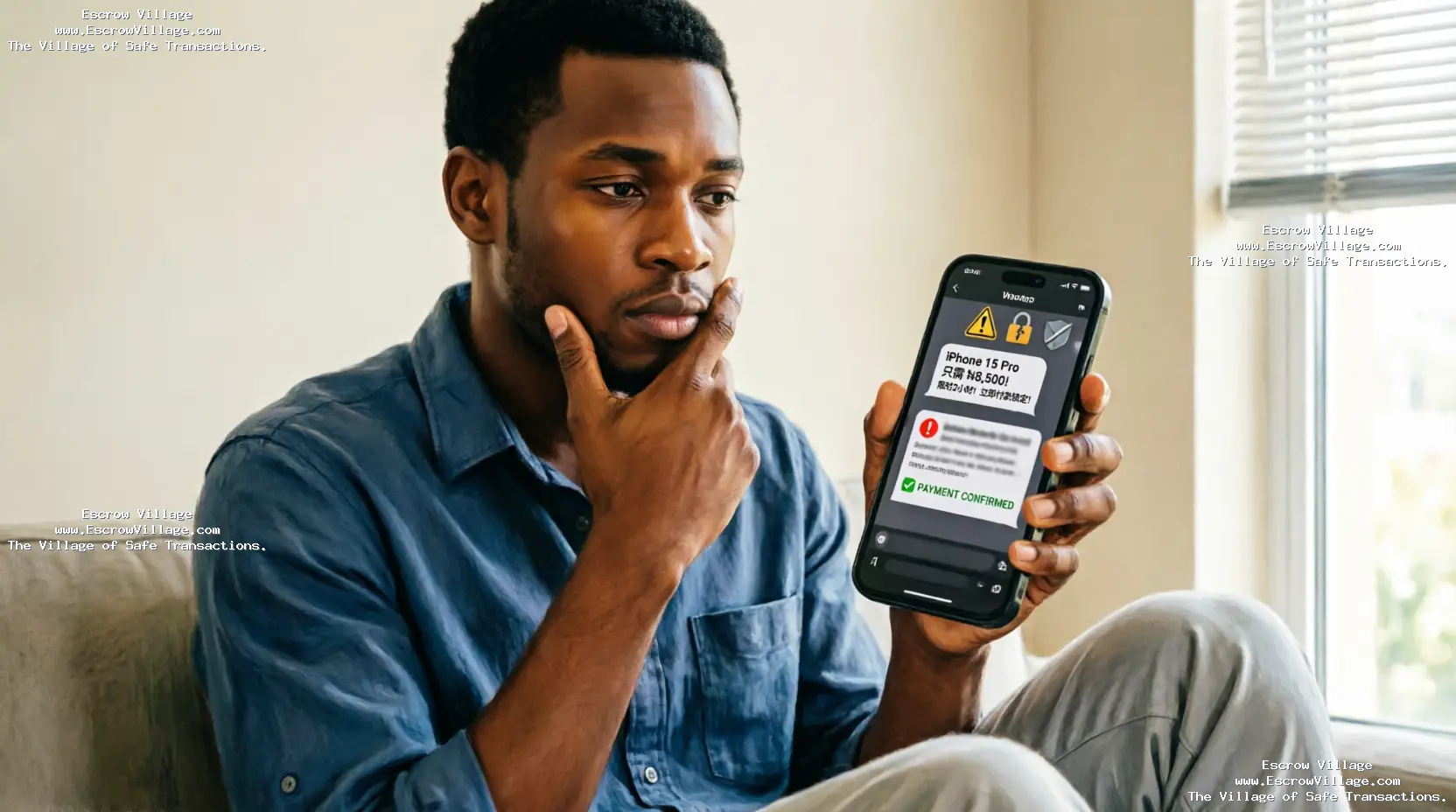
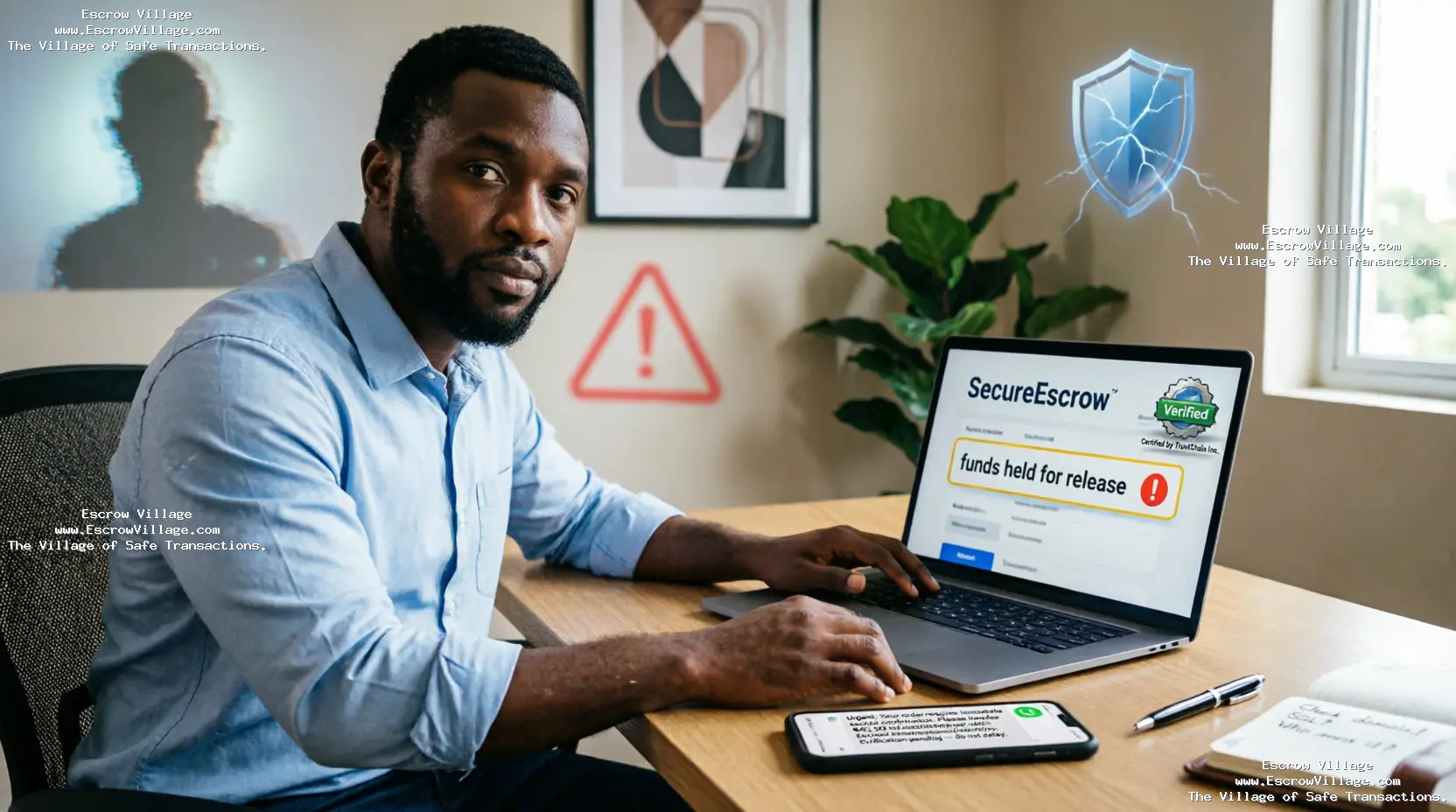
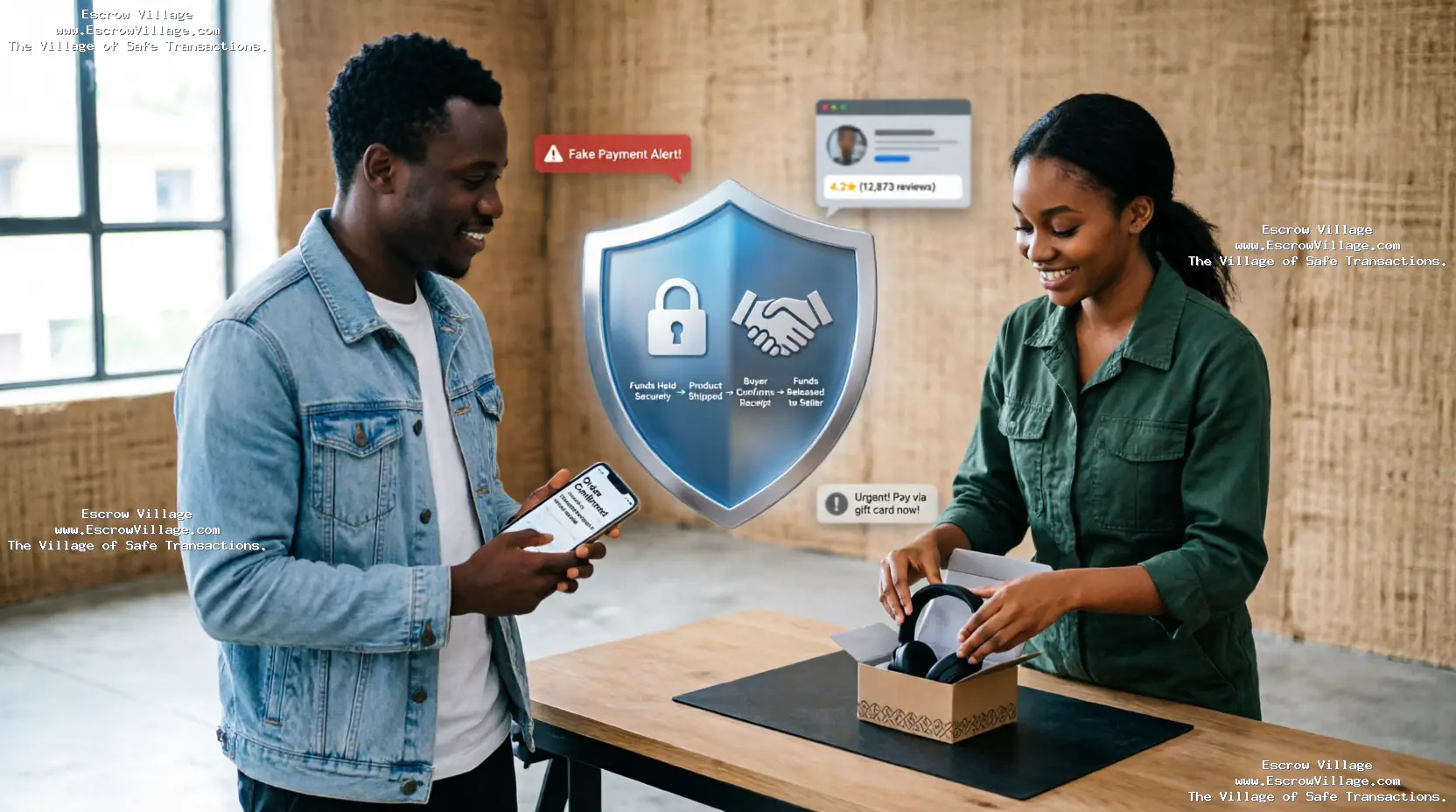
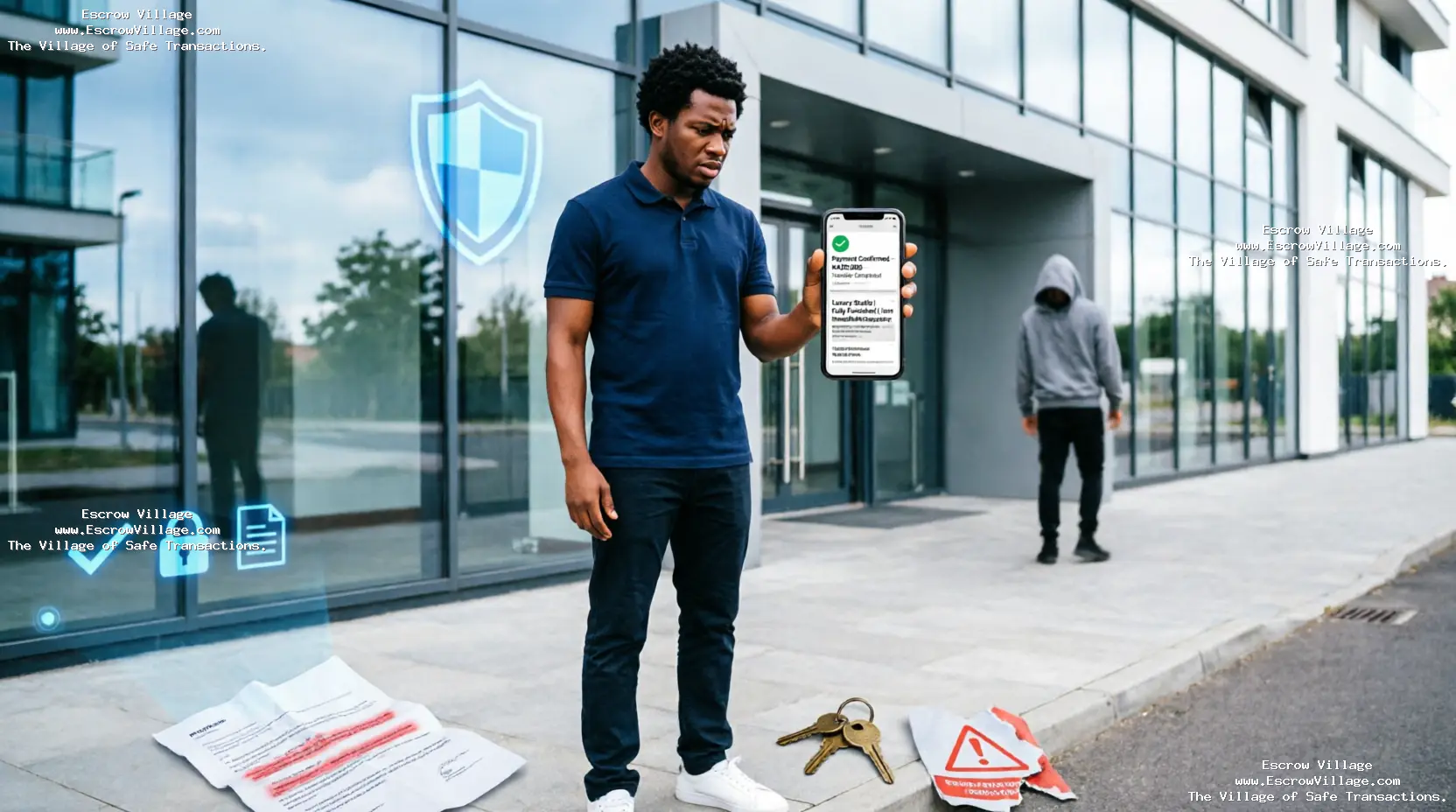
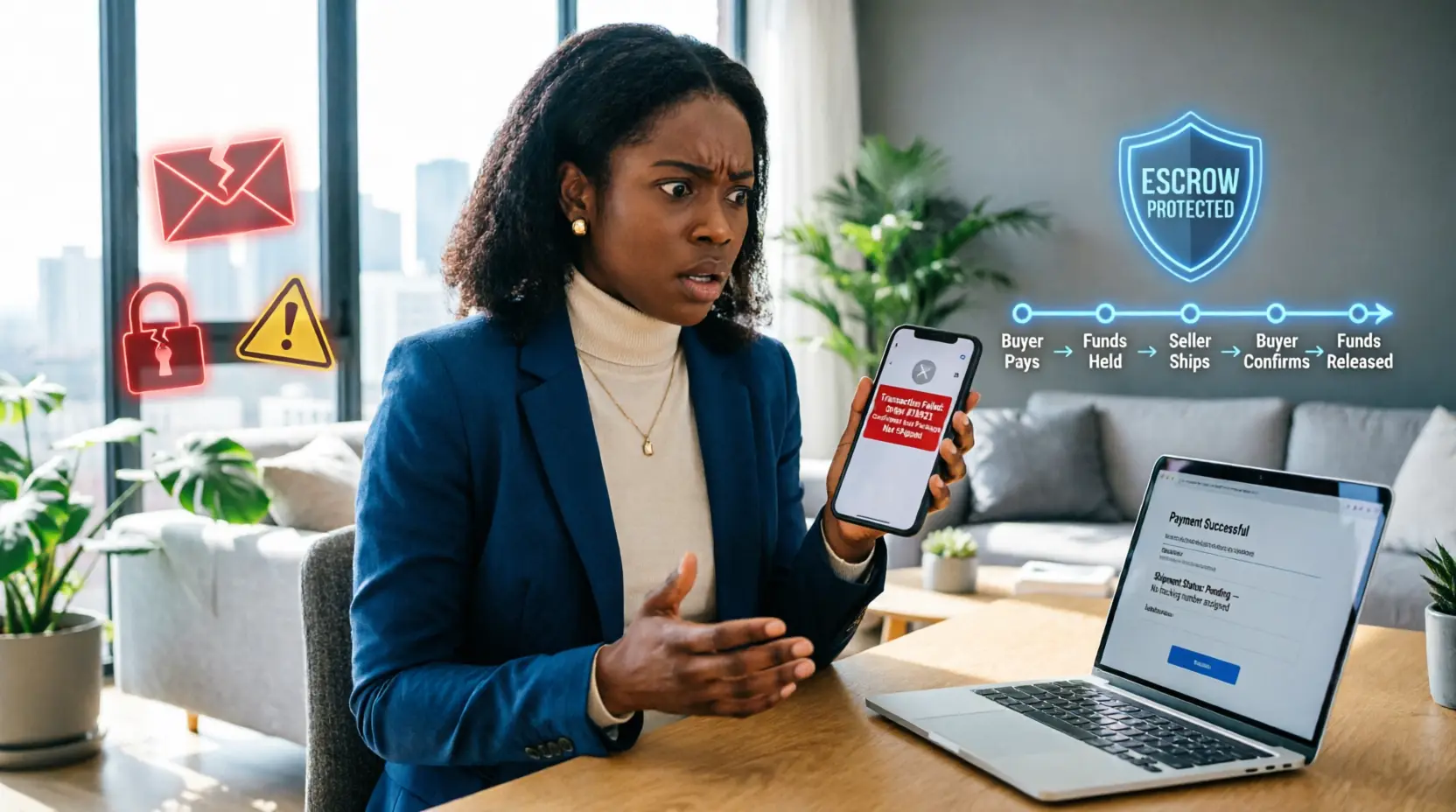
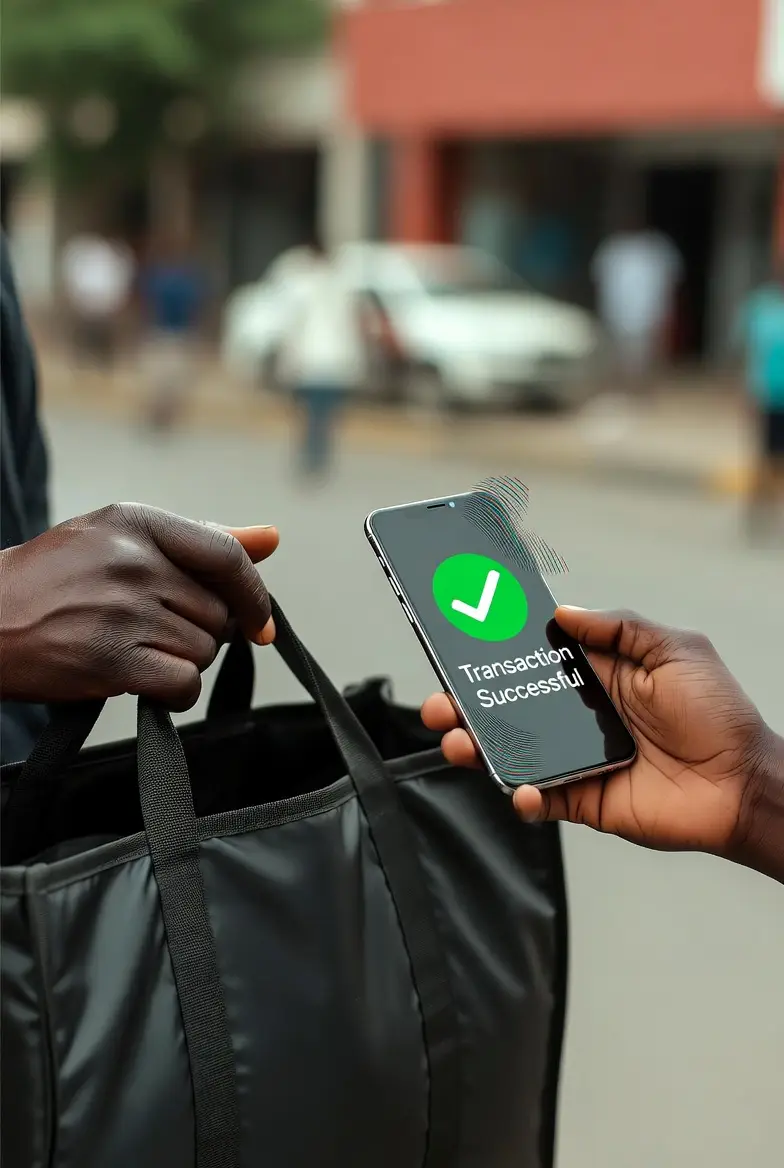
But when you check your bank account, the money is nowhere to be found.
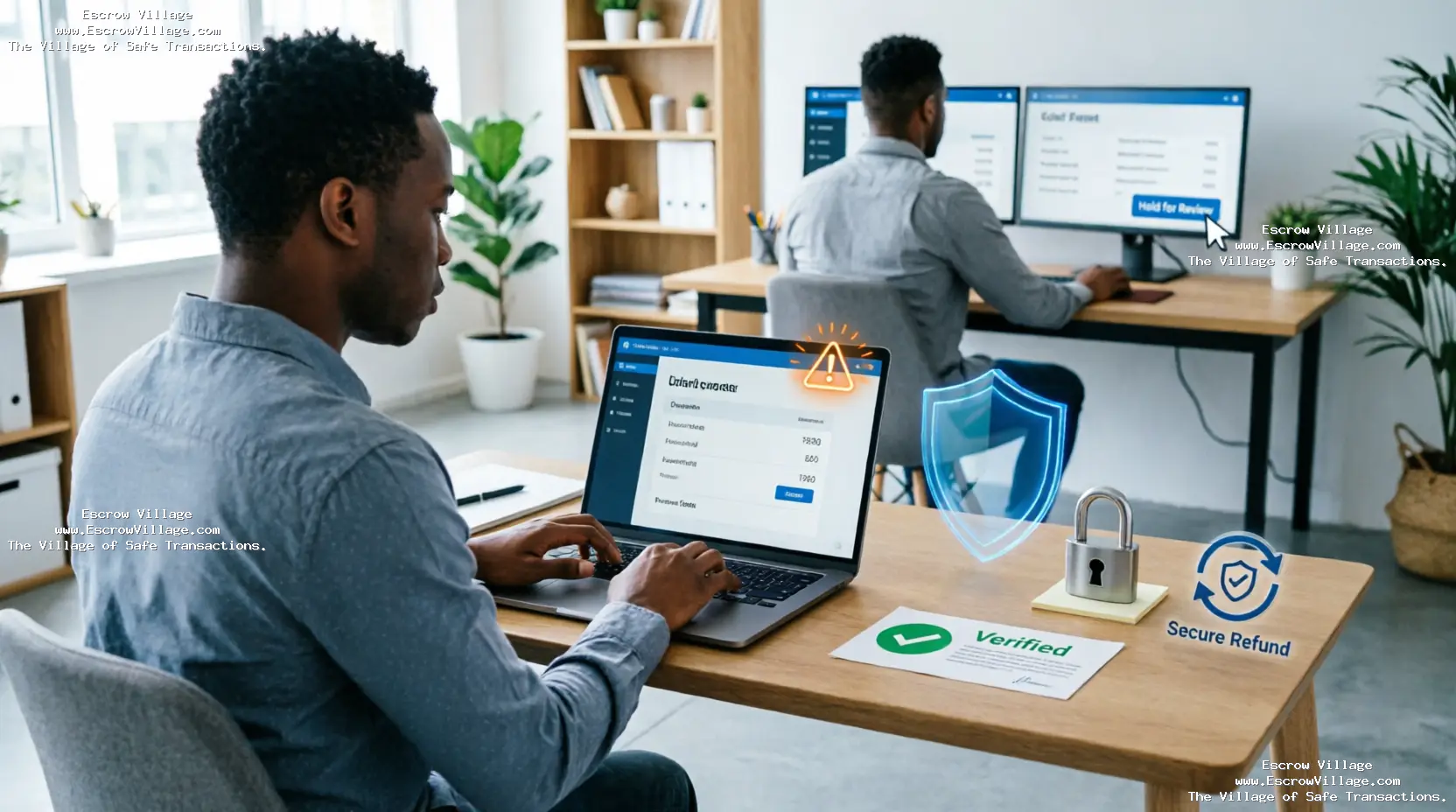
How to avoid it: Always confirm payments directly through your bank app or official banking channels before releasing goods or considering a job paid. Screenshots and SMS notifications alone are not proof that funds have arrived.
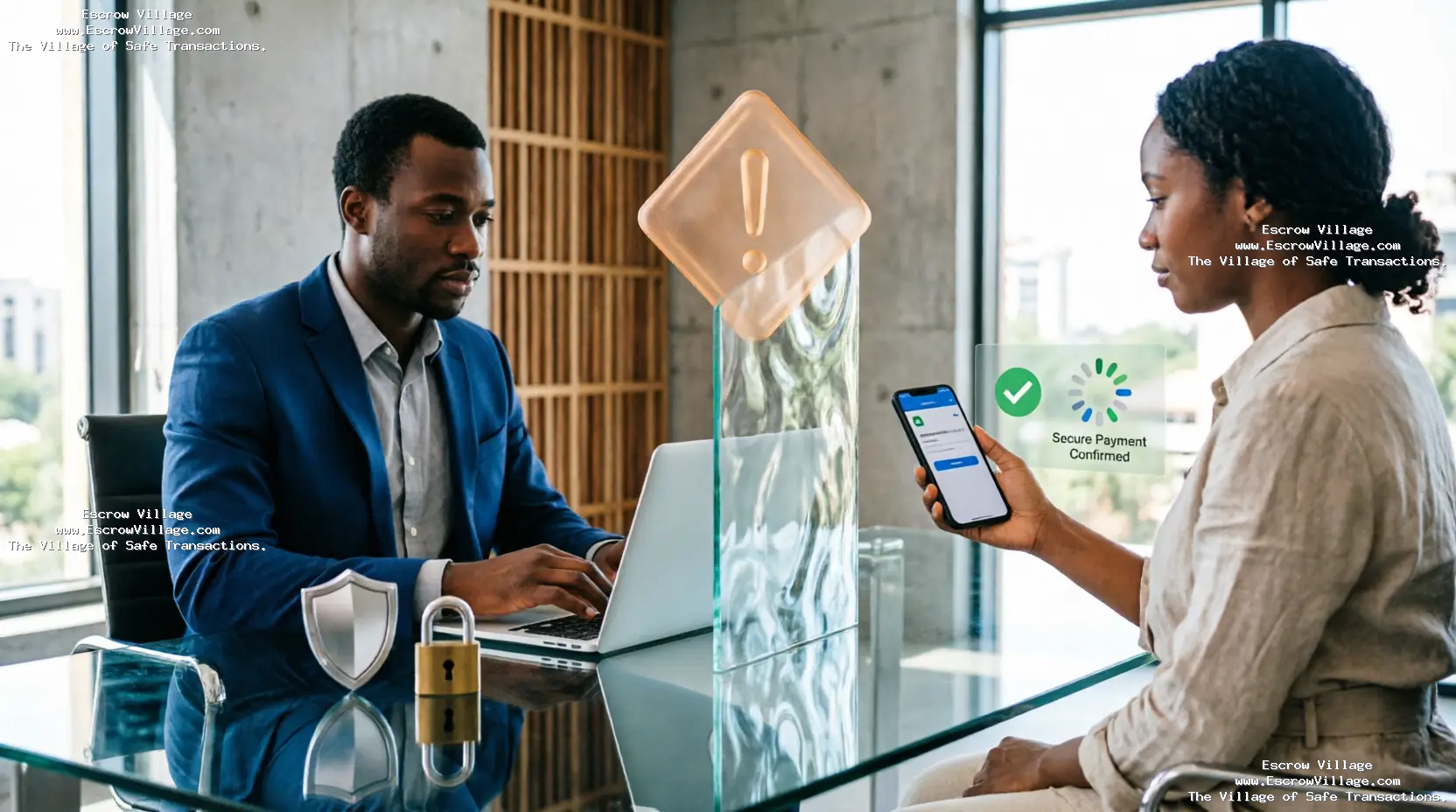
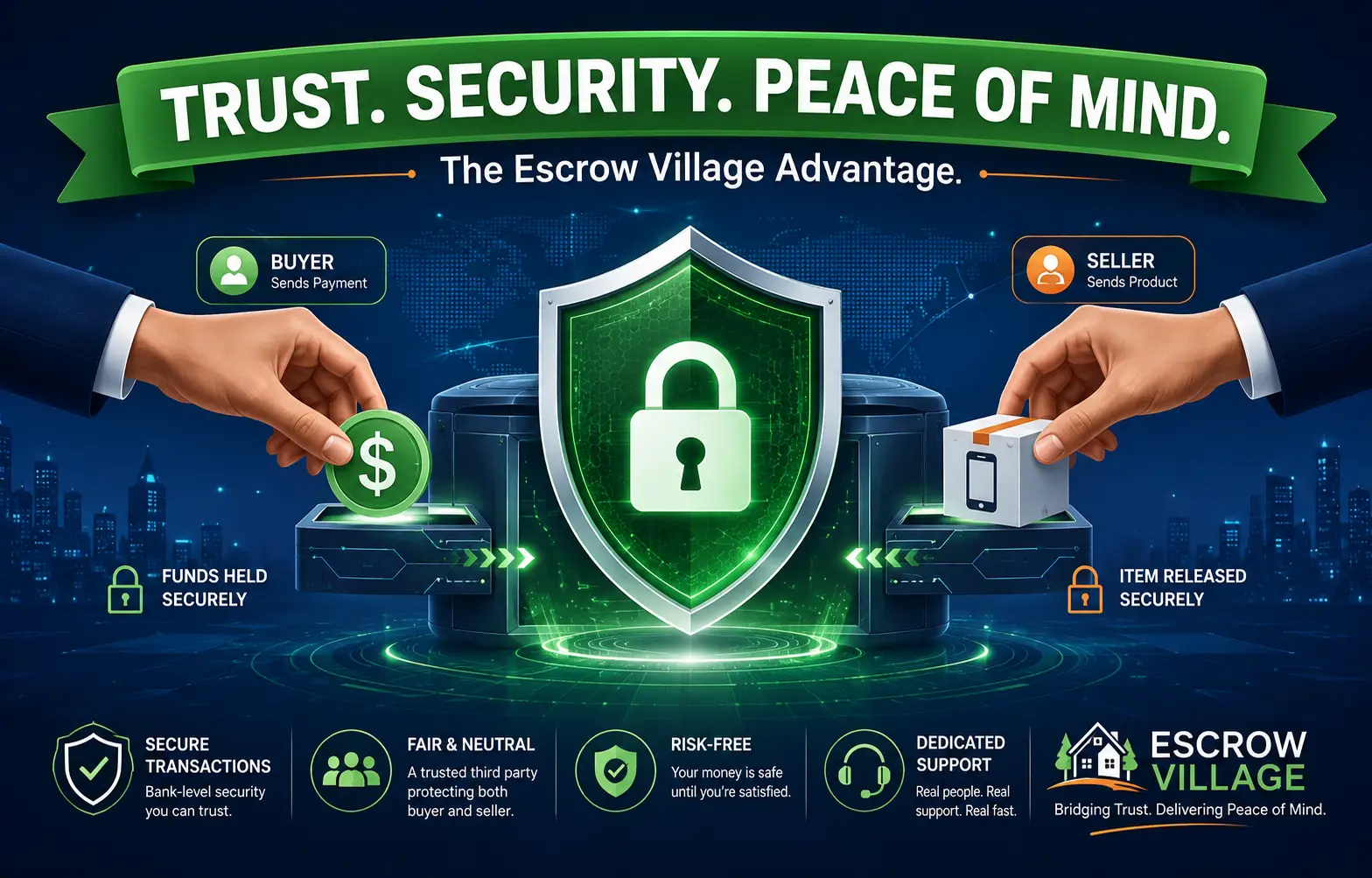
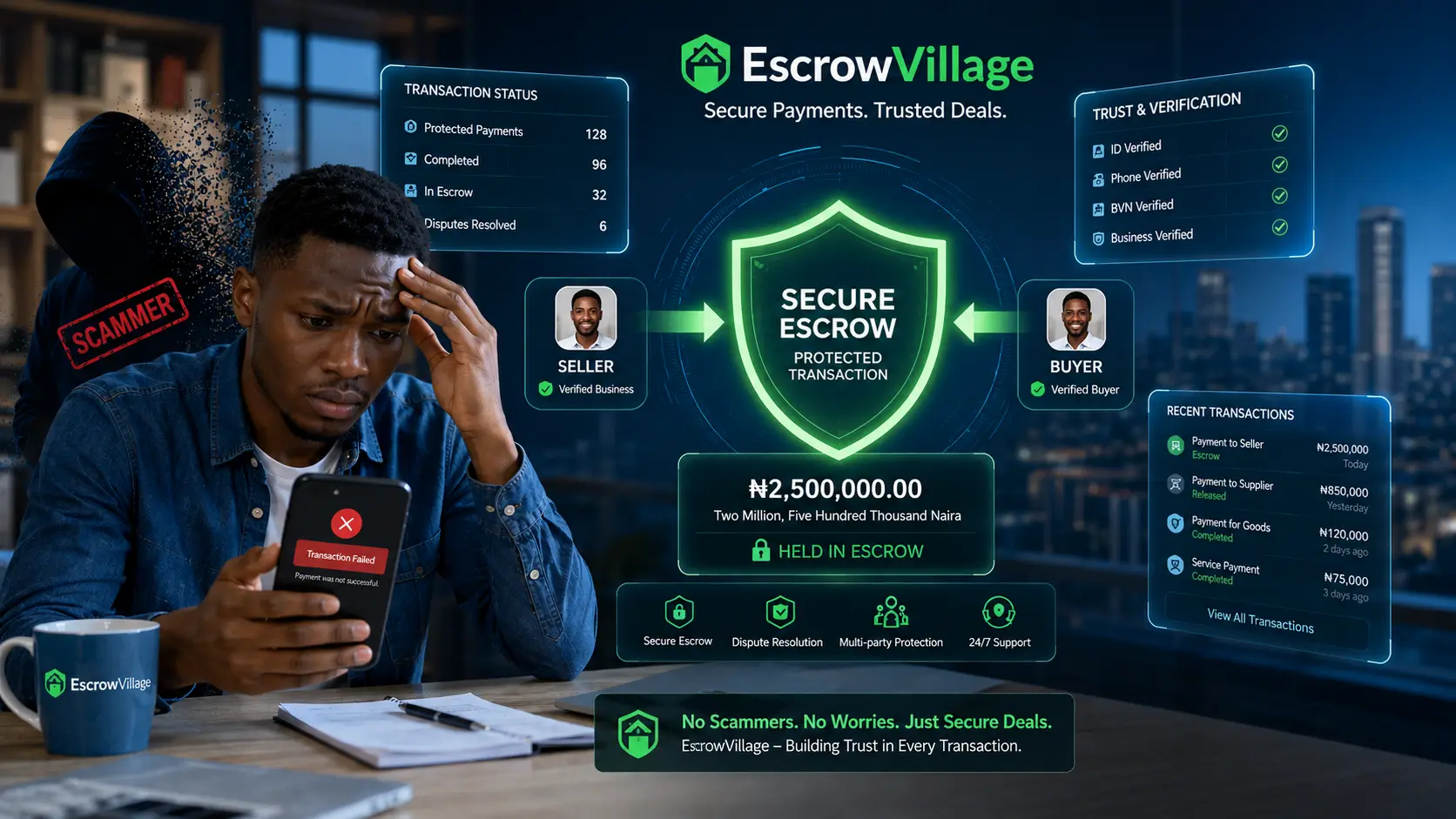
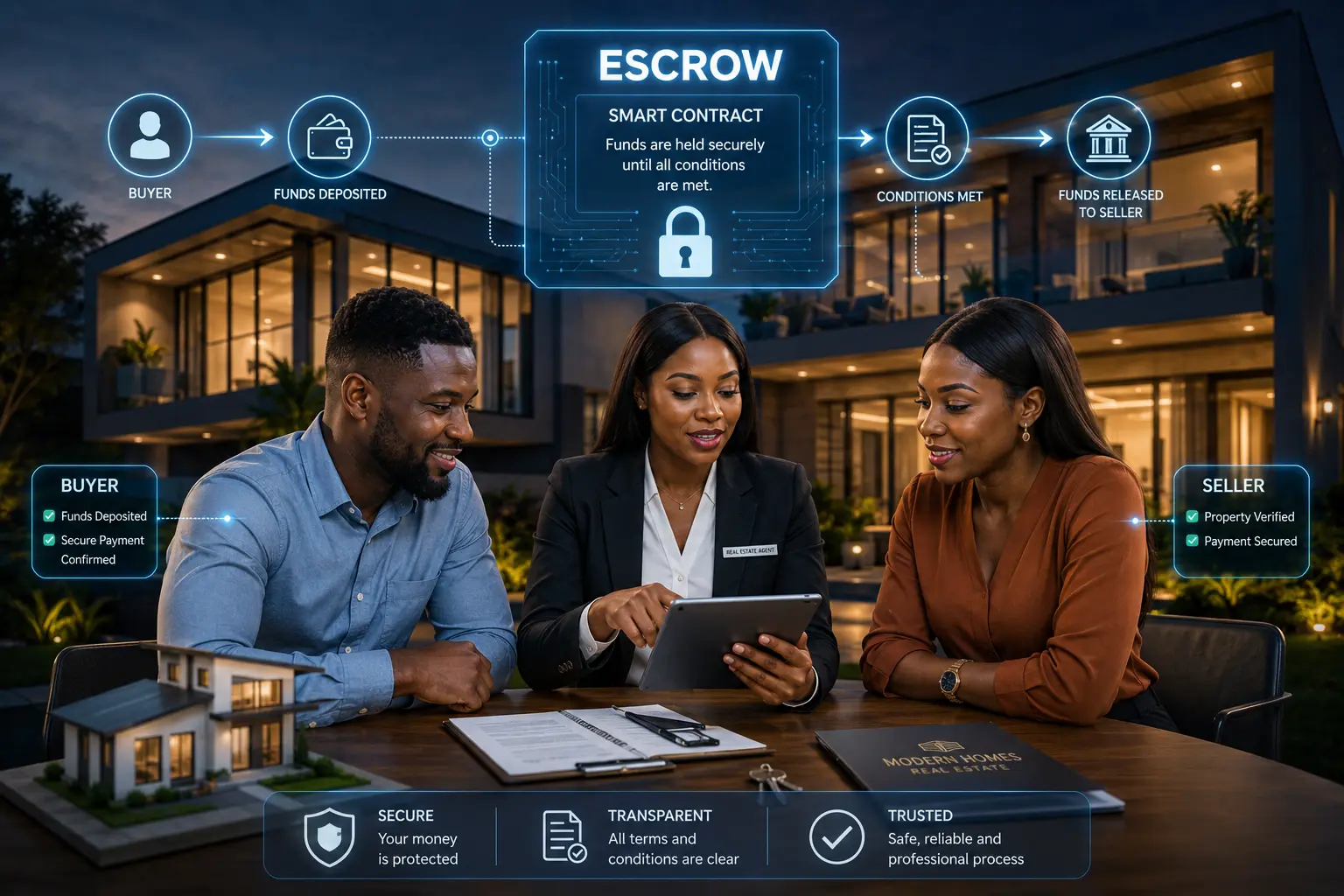
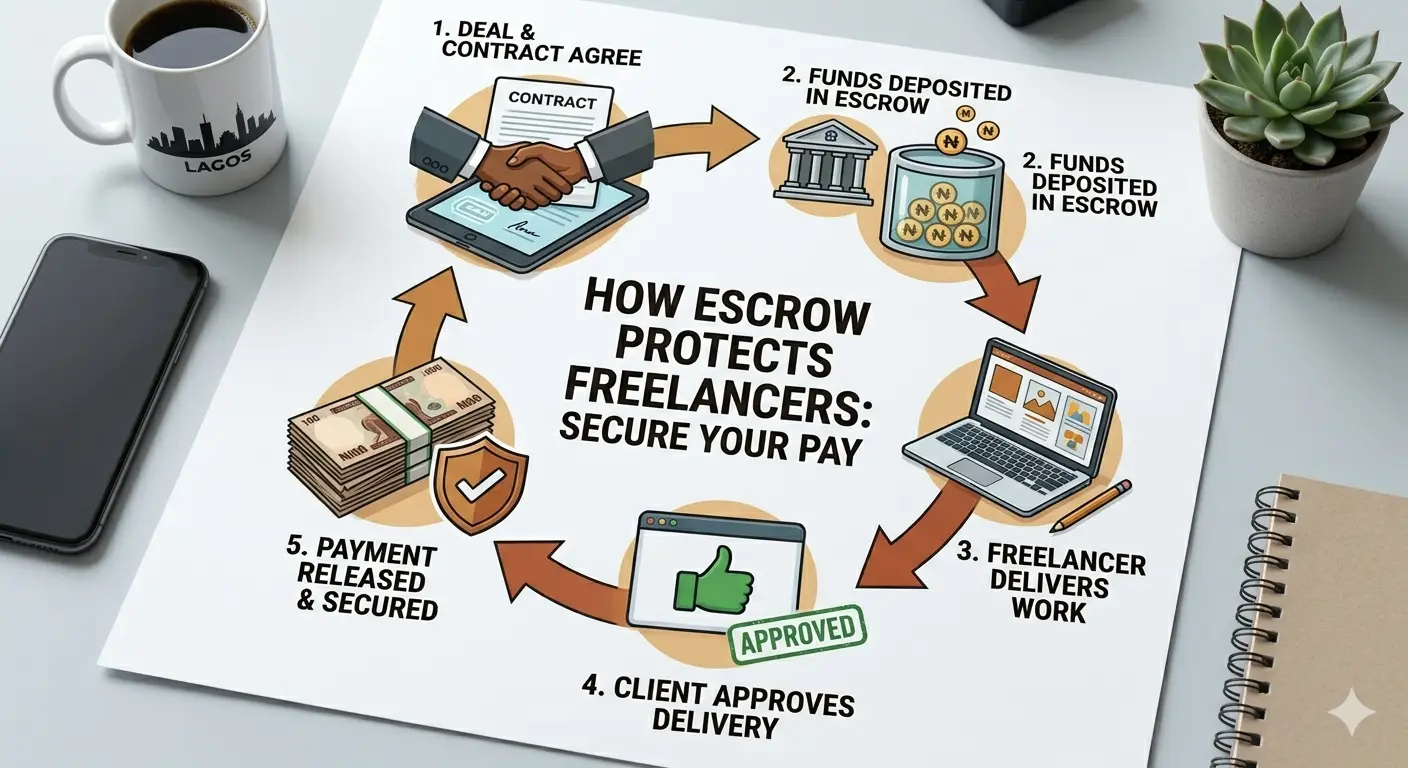
For extra protection, consider using Escrow Village for eligible transactions. Rather than relying on a customer's payment screenshot, both parties can follow an agreed payment process before the work or goods are handed over.
This is one of the difficult client scams for tradespeople in Nigeria because you have already spent your time, skill, and sometimes your own money on materials.
How to avoid it: Agree on the price, scope of work, payment schedule, and what counts as completion before starting.
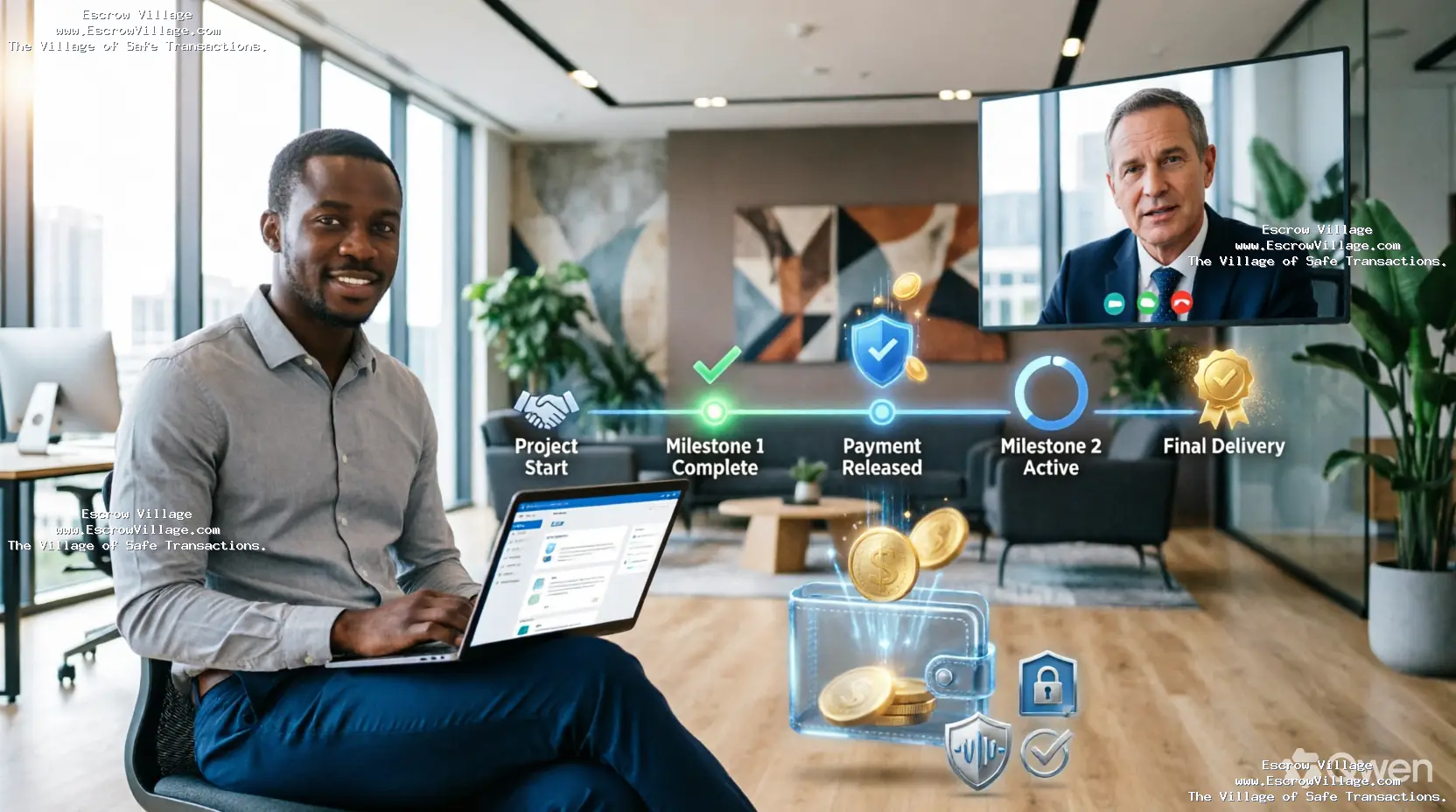
For larger jobs, break the payment into milestones.
With Escrow Village, you can explore an agreed payment arrangement that helps establish when funds should be released. Make sure the terms are clear before work begins.
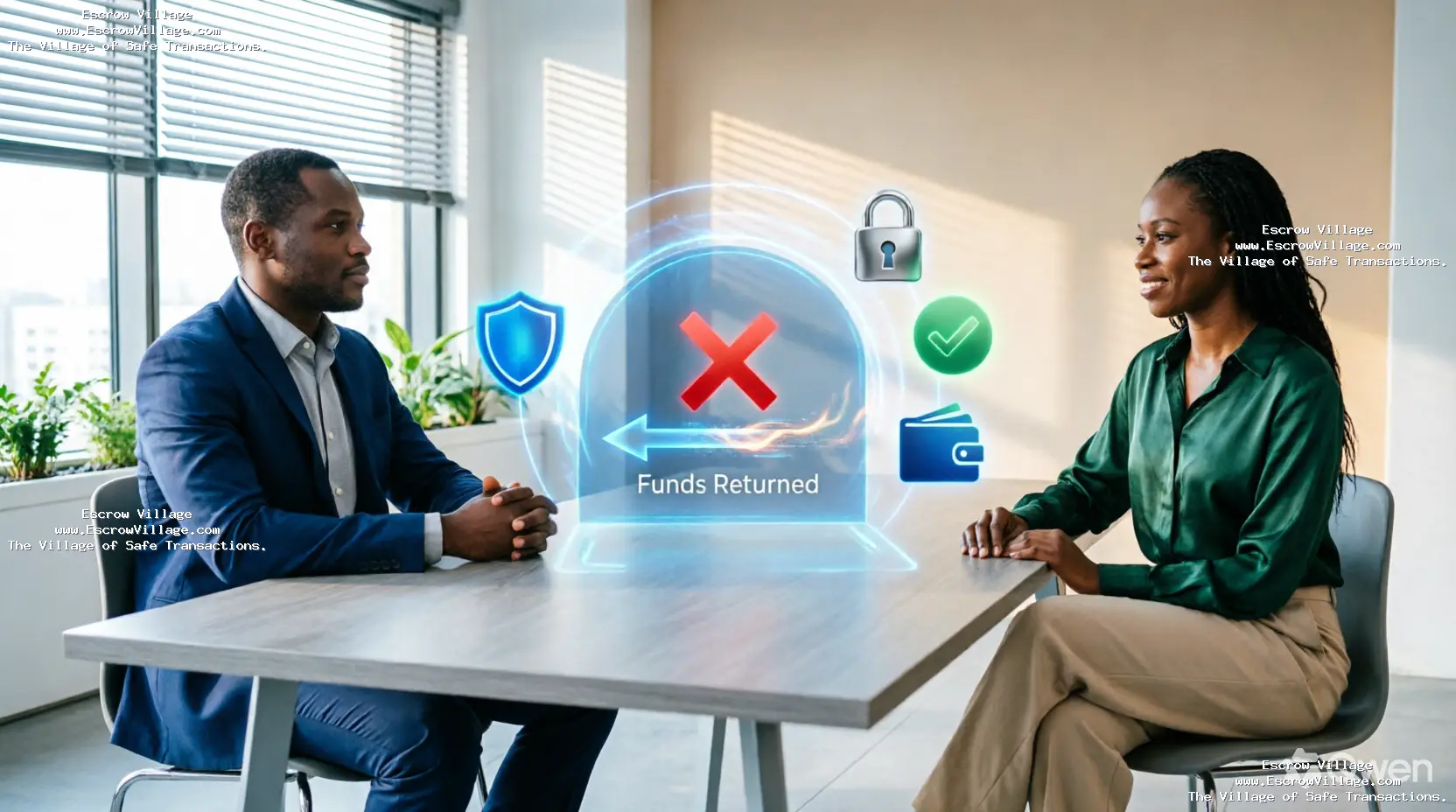
The problem? The original payment may be fake, or the transaction may later be reversed. If you refund money from your own account before confirming the payment, you could lose your own funds.
How to avoid it: Never refund an alleged overpayment until your bank confirms the original funds are available and the transaction is valid. If the payment is genuine, ask the customer to follow the appropriate reversal process through their bank.
For transactions handled through Escrow Village, follow the platform's payment and refund procedures instead of making separate transfers based on a customer's claims.
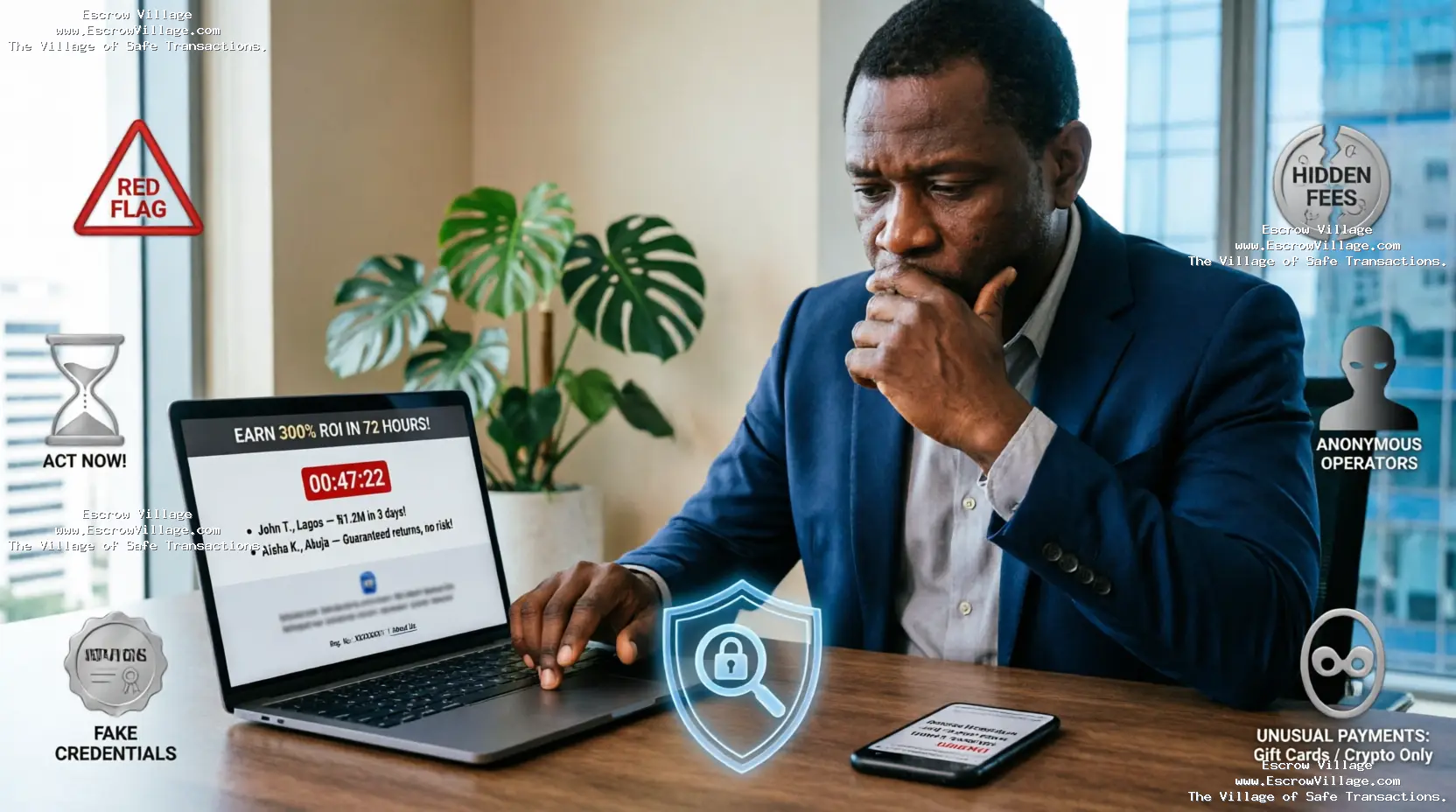
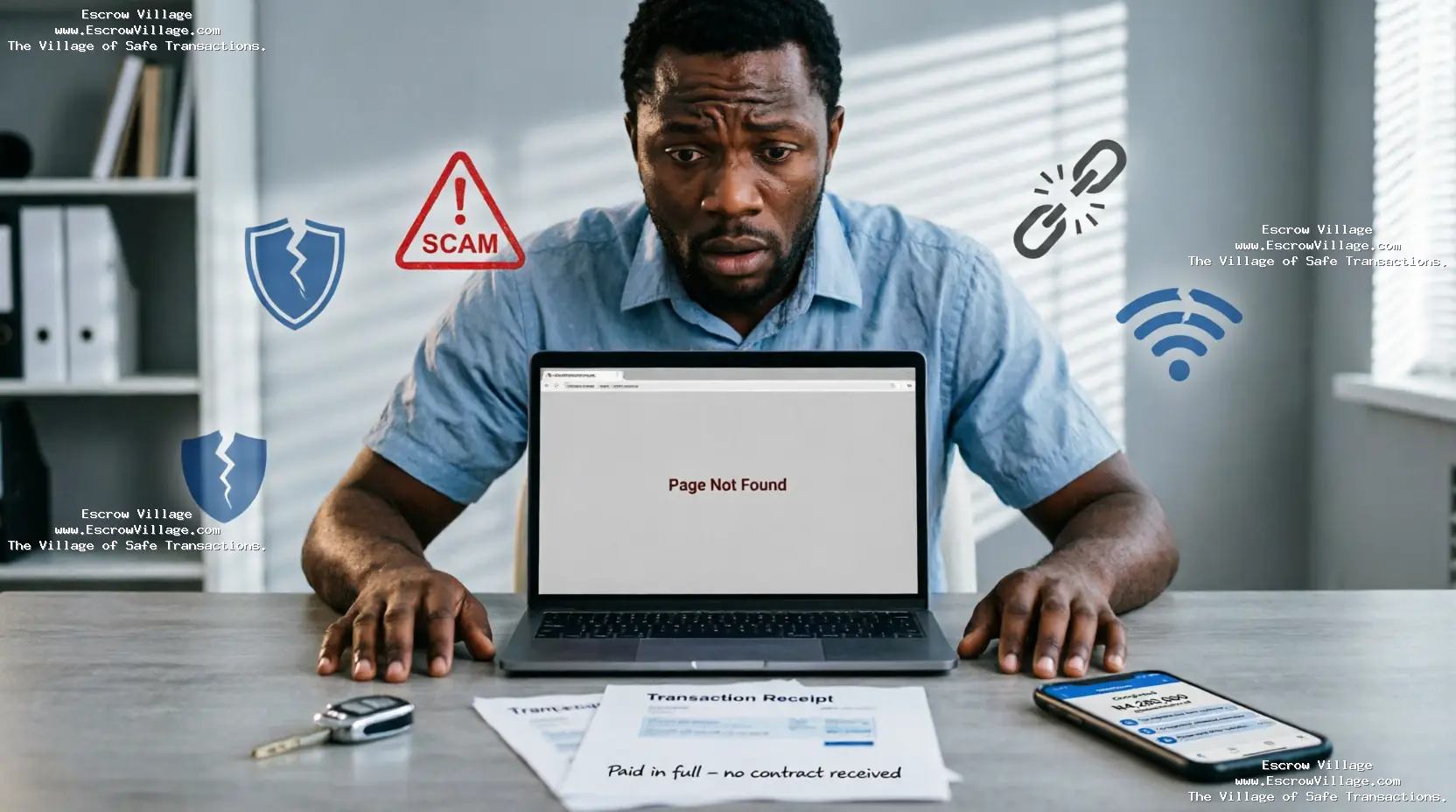
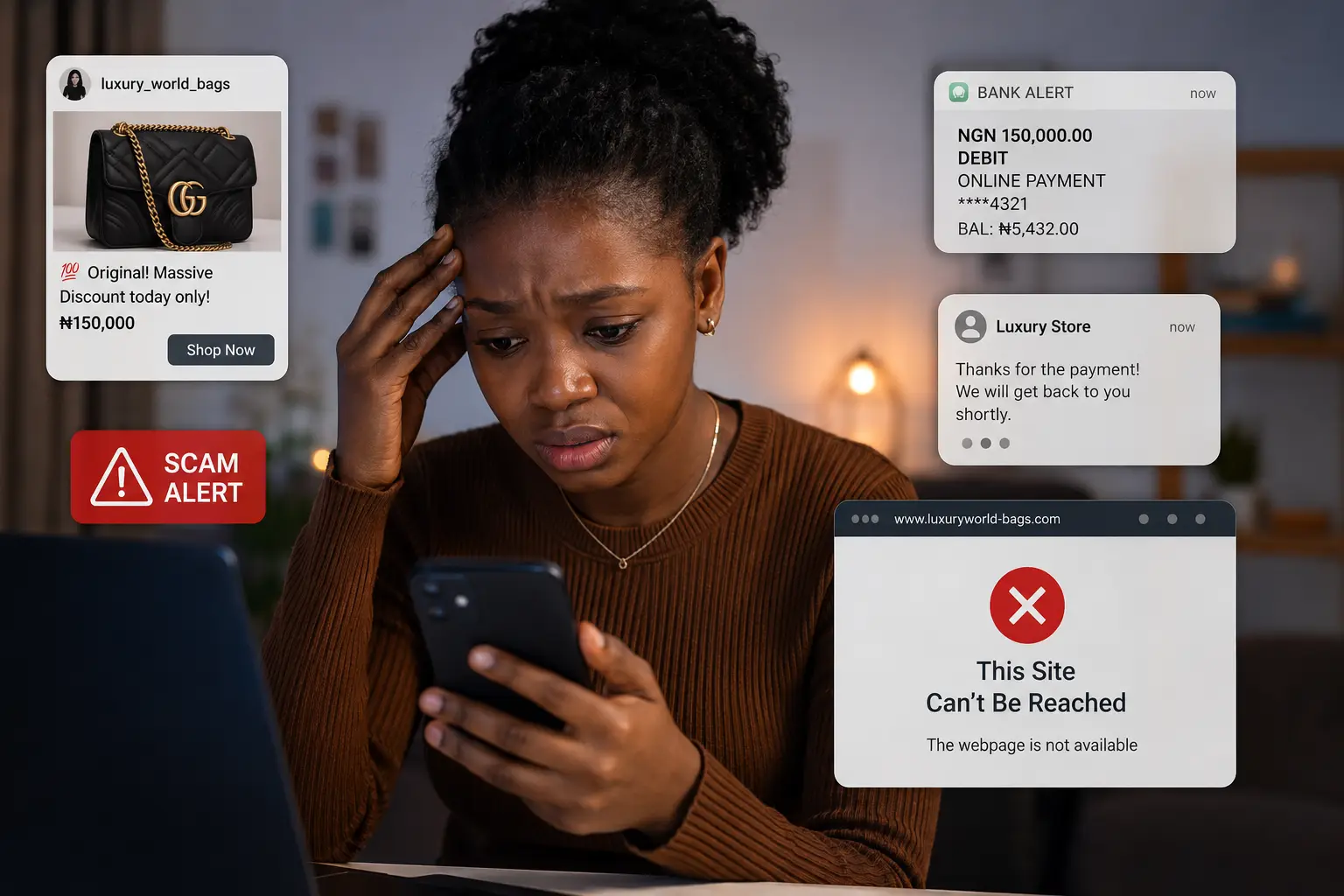
The client sounds professional but asks you to pay a registration fee, processing charge, or compulsory fee before you can get the job.After you pay, the supposed client disappears.
How to avoid it: Verify the company and the person contacting you. Check official contact details, ask for written job specifications, and be cautious about paying unexpected fees to secure work.
Escrow Village can help create a clearer payment process for genuine service transactions, but it cannot make an unverified job offer legitimate. Always check who you are dealing with before committing money.
A tailor may be asked to make extra outfits, or a painter may be told to cover additional rooms for the original price. When the artisan requests extra payment, an argument begins.
How to avoid it: Write down the agreed work, materials, price, and delivery date. If the customer requests additional work, agree on the new cost and timeline before proceeding.
When using Escrow Village, make sure any changes to the job are reflected in the agreed transaction terms. Clear expectations help both sides understand what the payment covers.
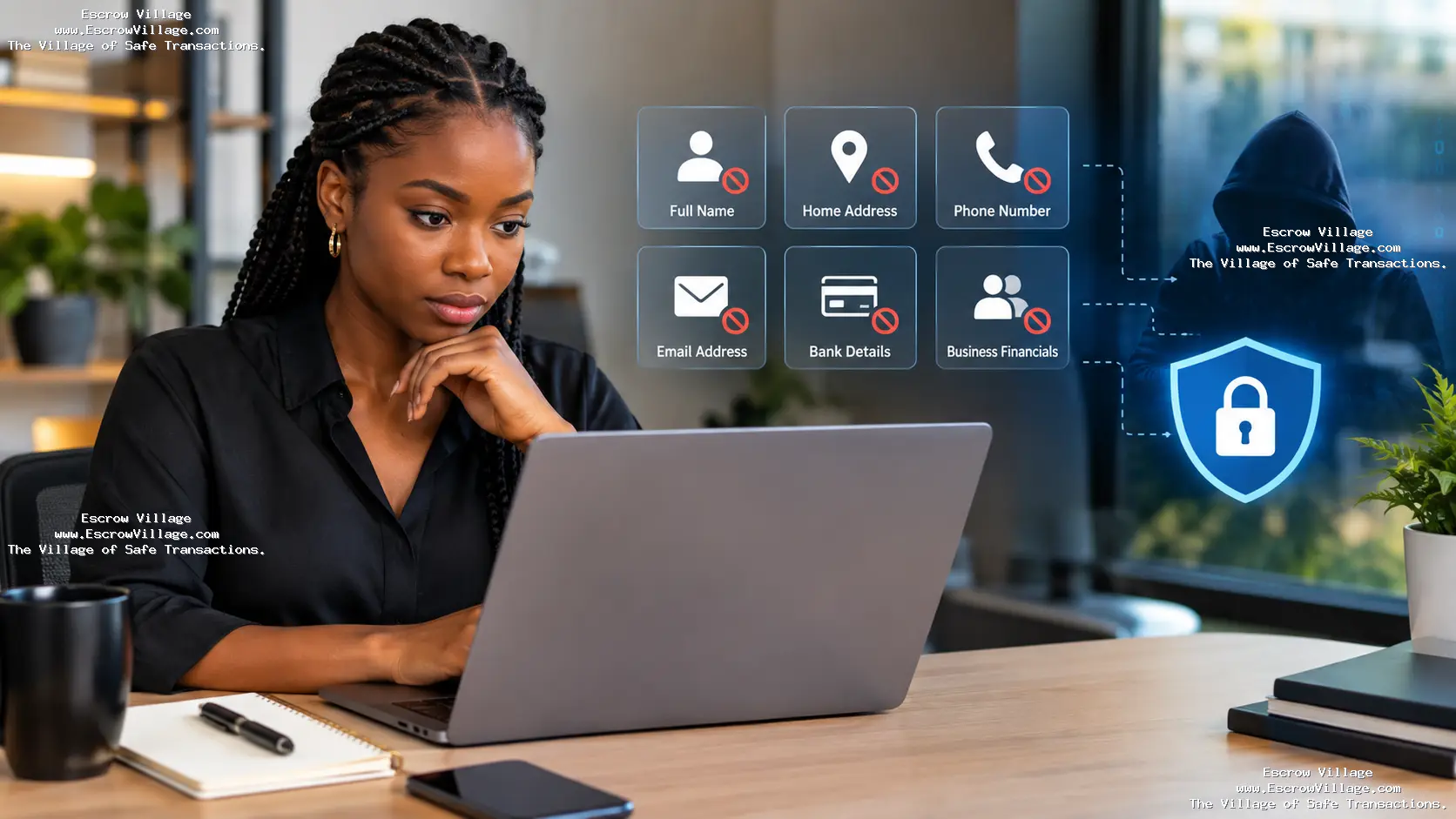
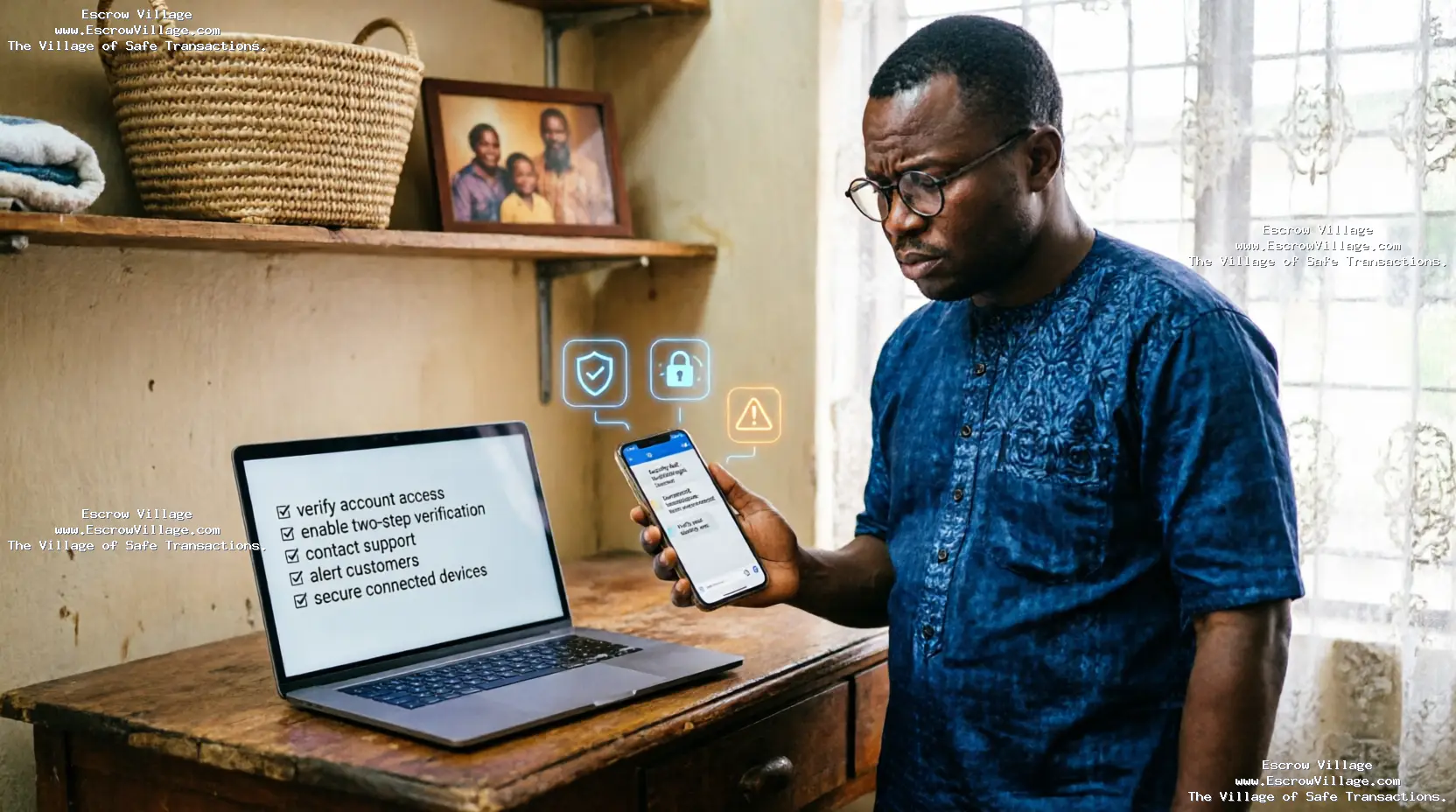
These details can give criminals access to your money.
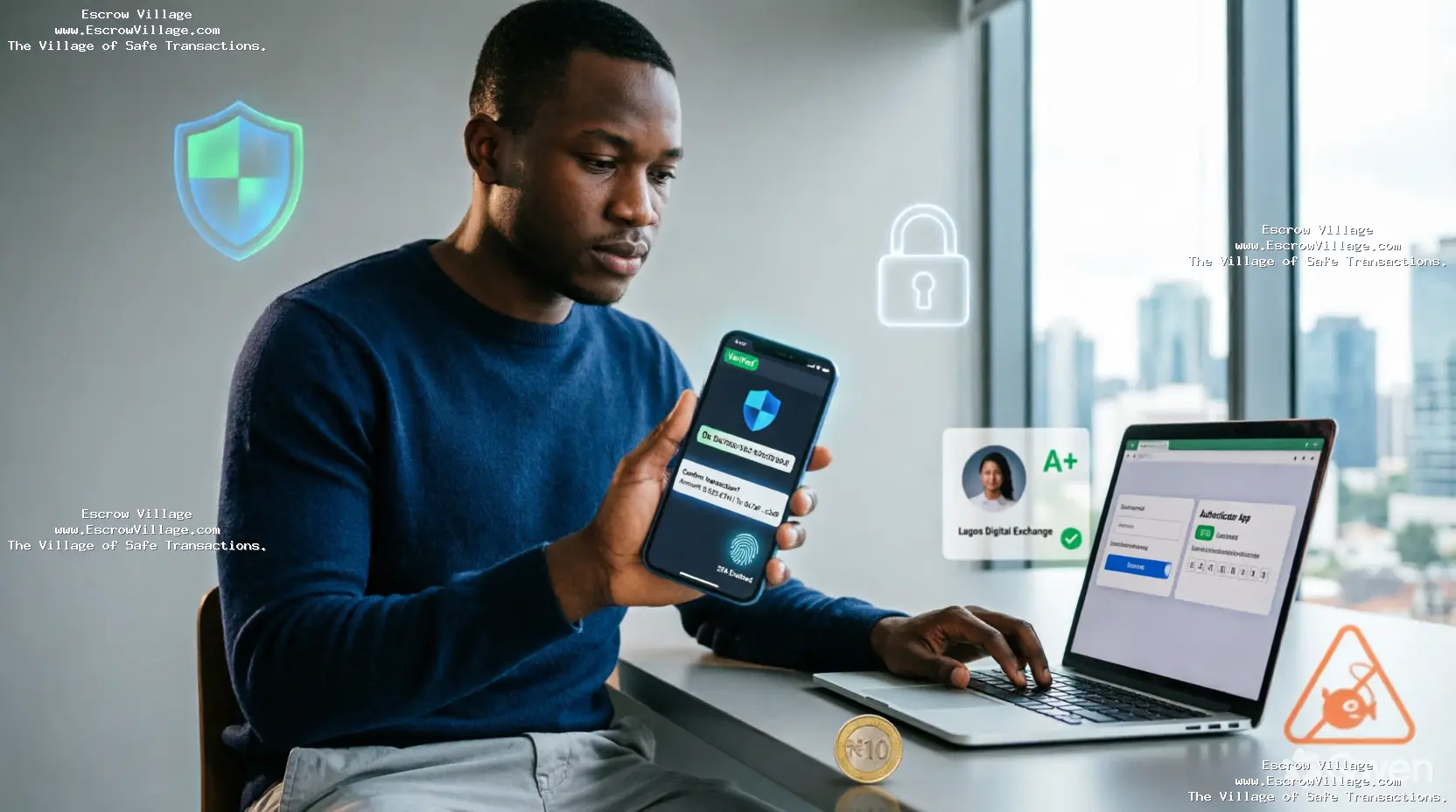
How to avoid it: Never share your PIN, password, or OTP to receive a payment. Avoid suspicious links and access financial services through their official apps or websites.
The Nigeria Computer Emergency Response Team has warned about phishing messages circulated through channels including WhatsApp, SMS, and social media.
How Can Artisans Get Paid Safely in Nigeria?Knowing how artisans can avoid scams in Nigeria starts with building a payment process that protects your time and money.
Here are five habits worth adopting:Verify every payment:
● Check your account before handing over completed work or goods.
● Put agreements in writing: Record the price, deadline, materials, and payment terms in a message or contract.
● Request reasonable deposits: Where materials are involved, agree on a deposit that covers the necessary costs.
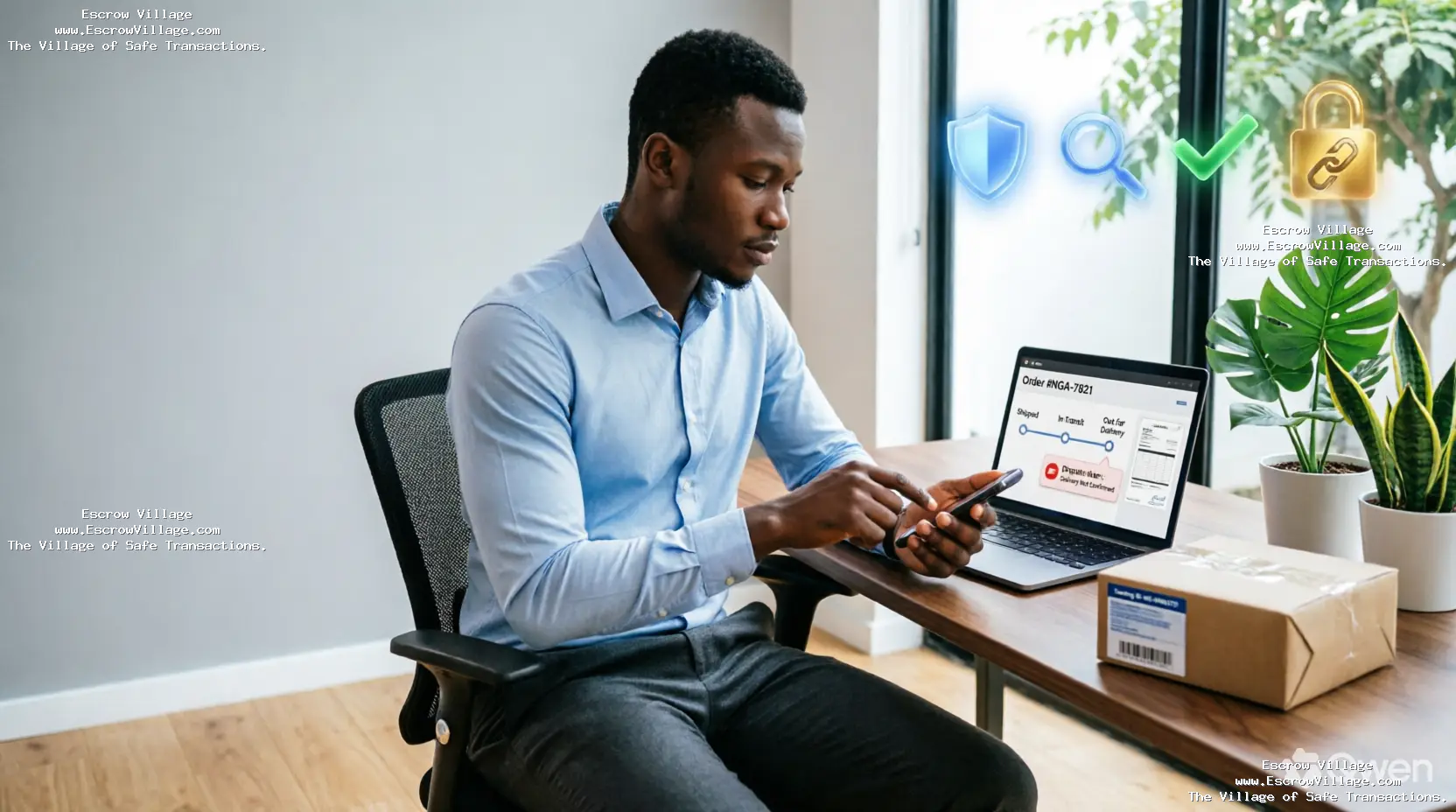
● Keep evidence: Save receipts, customer conversations, progress photos, and proof of delivery.
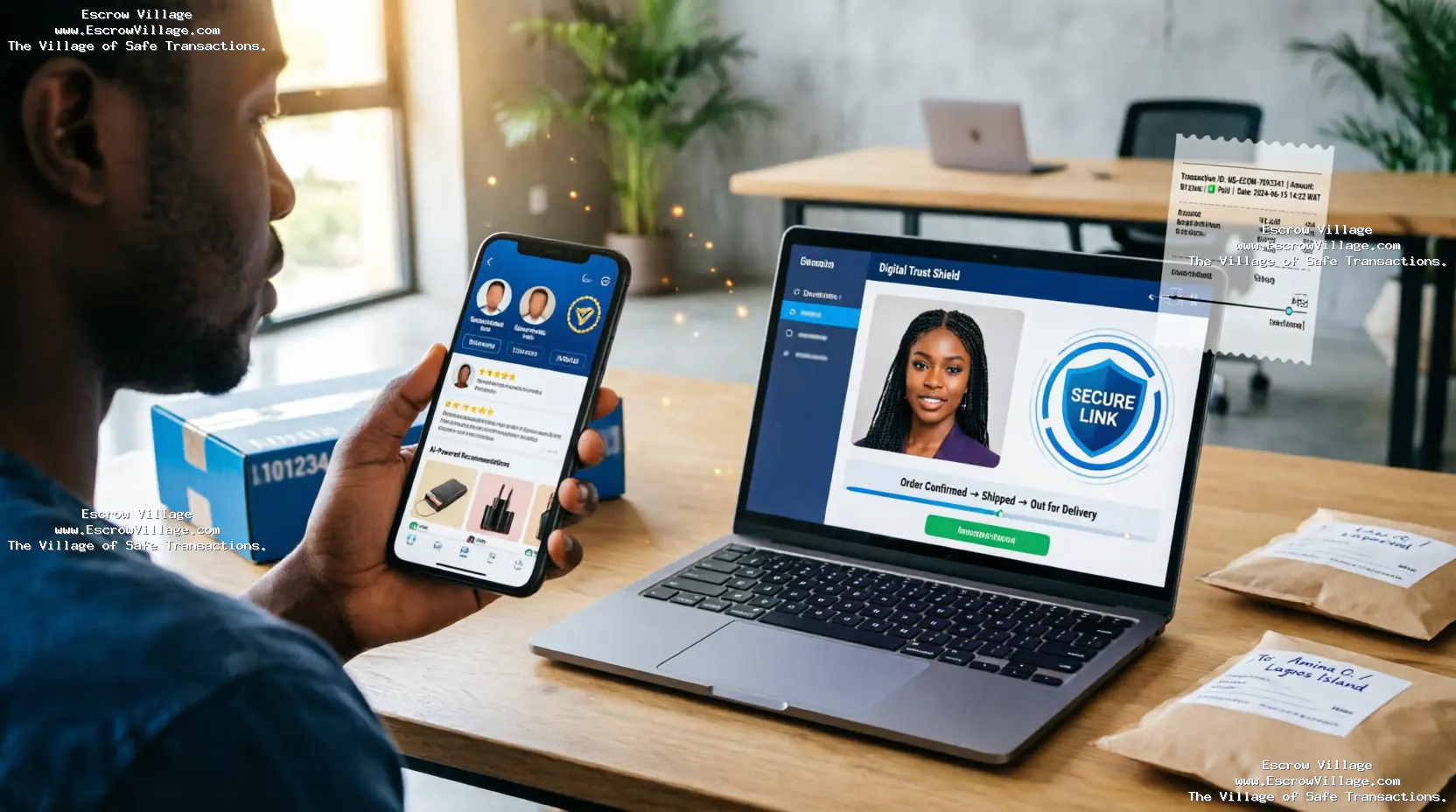
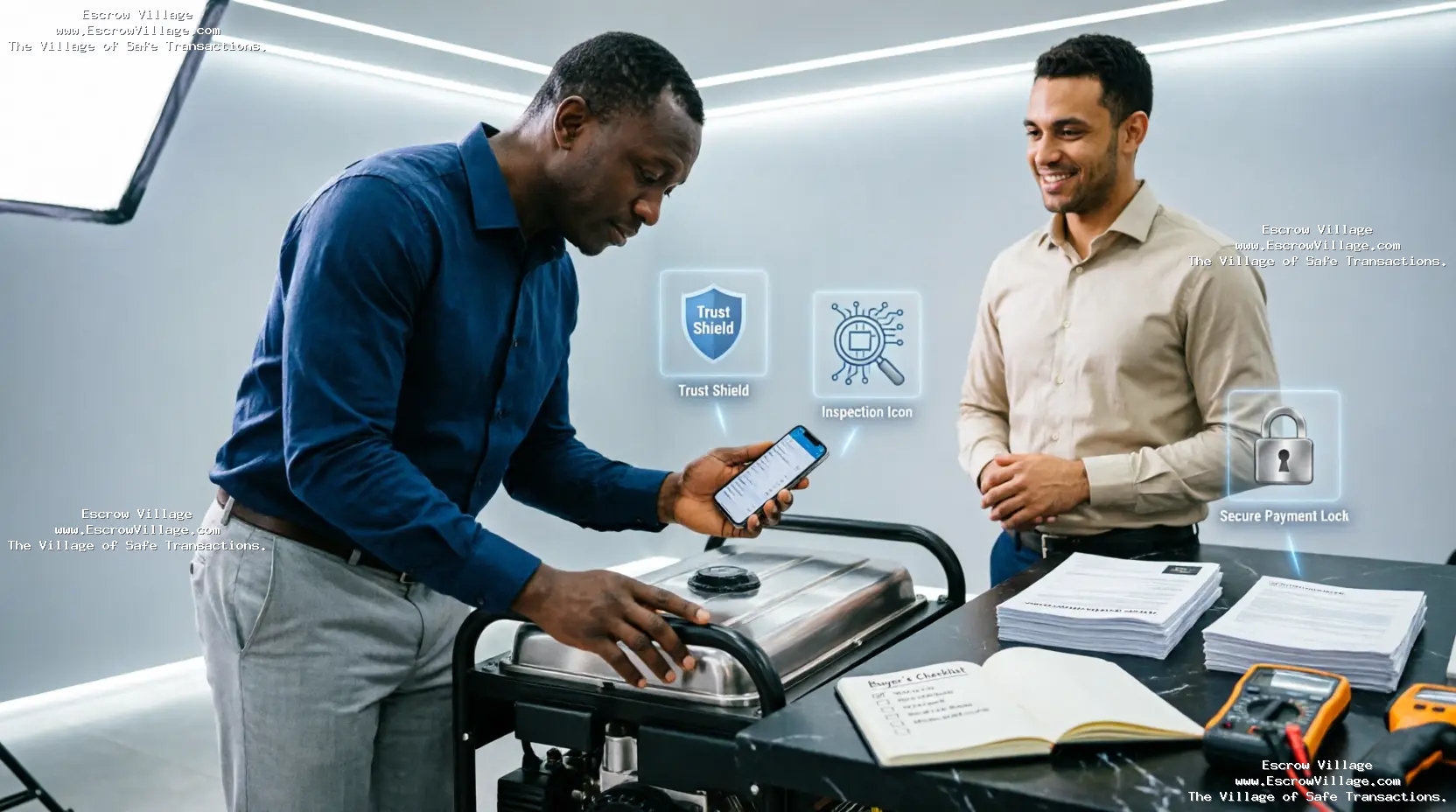
● Use escrow for suitable jobs: With Escrow Village, buyers and artisans can explore a structured way to handle payments based on agreed conditions.
Escrow payment for services can be especially useful when working with a new client.
However, always confirm the platform's fees, supported transactions, and dispute process before using it.
There are some scams targeting artisans in Nigeria, whether you are a tailor, carpenter, electrician, plumber, makeup artist, or mechanic, one dishonest client can cost you money, materials, and valuable time.
In this article, we would uncover Common Scams targeting artisans and how to prevent it.
- 1. Fake Payment Alert Scams
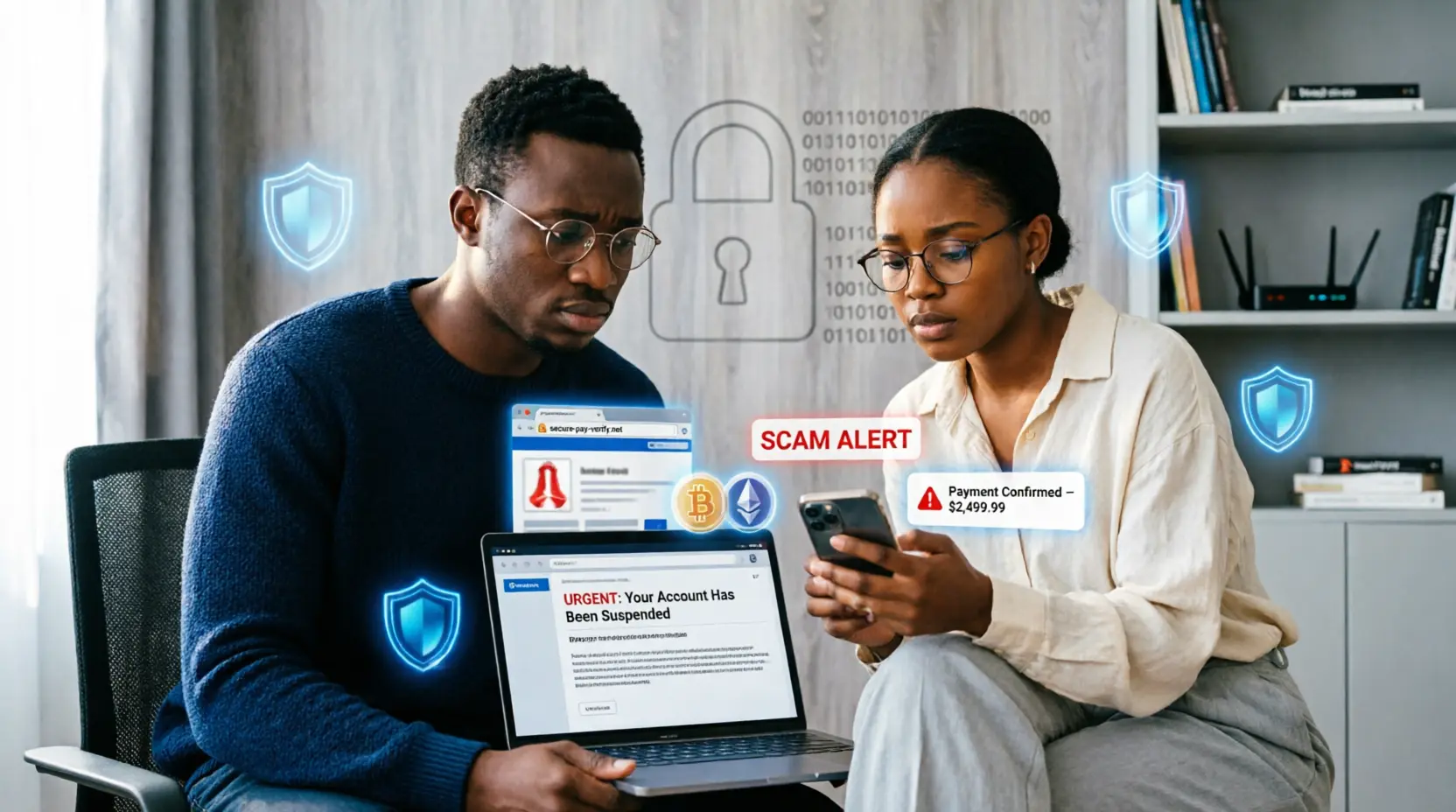
But when you check your bank account, the money is nowhere to be found.
How to avoid it: Always confirm payments directly through your bank app or official banking channels before releasing goods or considering a job paid. Screenshots and SMS notifications alone are not proof that funds have arrived.
For extra protection, consider using Escrow Village for eligible transactions. Rather than relying on a customer's payment screenshot, both parties can follow an agreed payment process before the work or goods are handed over.
- 2. Clients Who Refuse to Pay After the Job
This is one of the difficult client scams for tradespeople in Nigeria because you have already spent your time, skill, and sometimes your own money on materials.
How to avoid it: Agree on the price, scope of work, payment schedule, and what counts as completion before starting.
For larger jobs, break the payment into milestones.
With Escrow Village, you can explore an agreed payment arrangement that helps establish when funds should be released. Make sure the terms are clear before work begins.
- 3. The Overpayment and Refund Scam
The problem? The original payment may be fake, or the transaction may later be reversed. If you refund money from your own account before confirming the payment, you could lose your own funds.
How to avoid it: Never refund an alleged overpayment until your bank confirms the original funds are available and the transaction is valid. If the payment is genuine, ask the customer to follow the appropriate reversal process through their bank.
For transactions handled through Escrow Village, follow the platform's payment and refund procedures instead of making separate transfers based on a customer's claims.
- 4. Fake Job Offers and Advance-Fee Scams
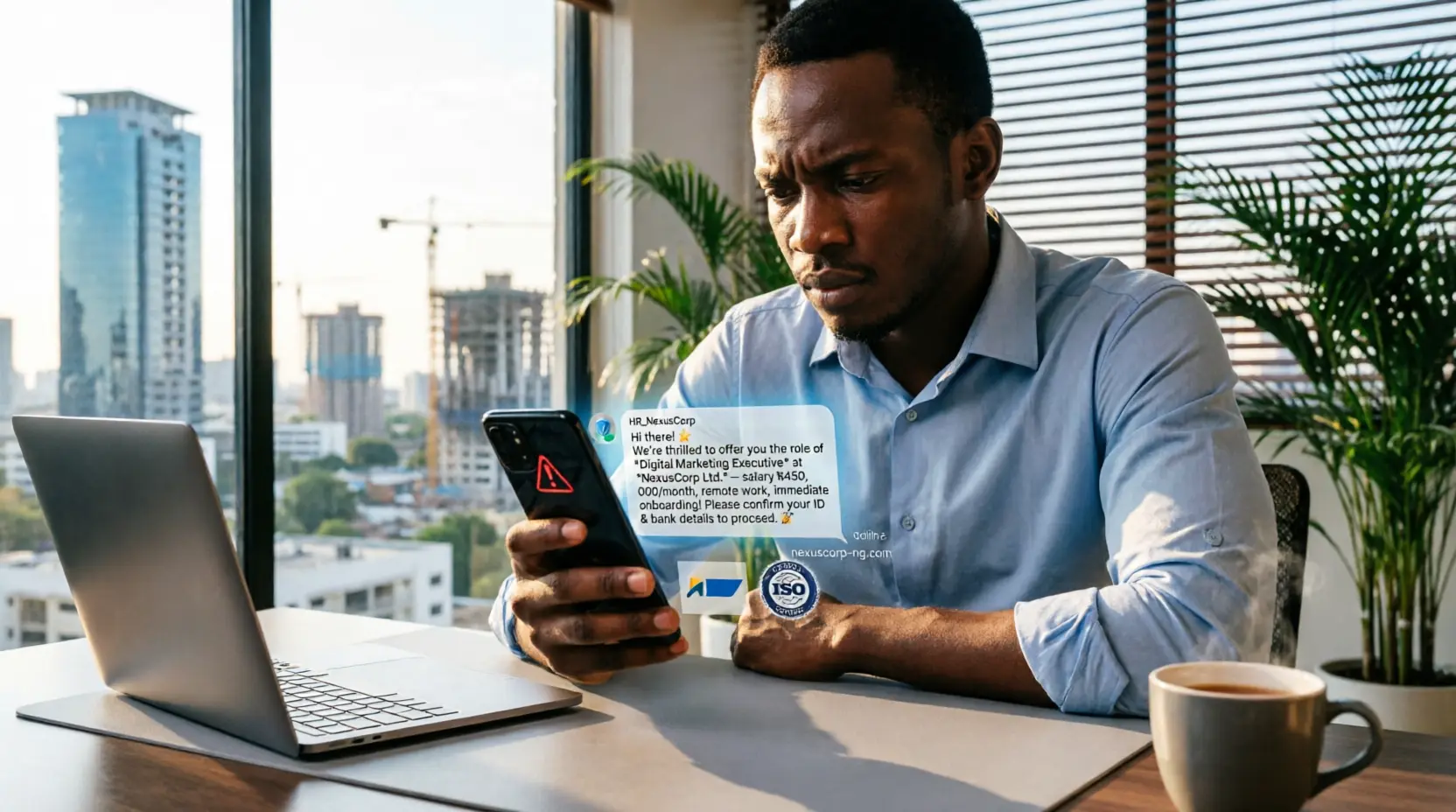
The client sounds professional but asks you to pay a registration fee, processing charge, or compulsory fee before you can get the job.After you pay, the supposed client disappears.
How to avoid it: Verify the company and the person contacting you. Check official contact details, ask for written job specifications, and be cautious about paying unexpected fees to secure work.
Escrow Village can help create a clearer payment process for genuine service transactions, but it cannot make an unverified job offer legitimate. Always check who you are dealing with before committing money.
- 5. Clients Who Keep Changing the Job Requirements
A tailor may be asked to make extra outfits, or a painter may be told to cover additional rooms for the original price. When the artisan requests extra payment, an argument begins.
How to avoid it: Write down the agreed work, materials, price, and delivery date. If the customer requests additional work, agree on the new cost and timeline before proceeding.
When using Escrow Village, make sure any changes to the job are reflected in the agreed transaction terms. Clear expectations help both sides understand what the payment covers.
- 6. Phishing Links and Fake Payment Portals
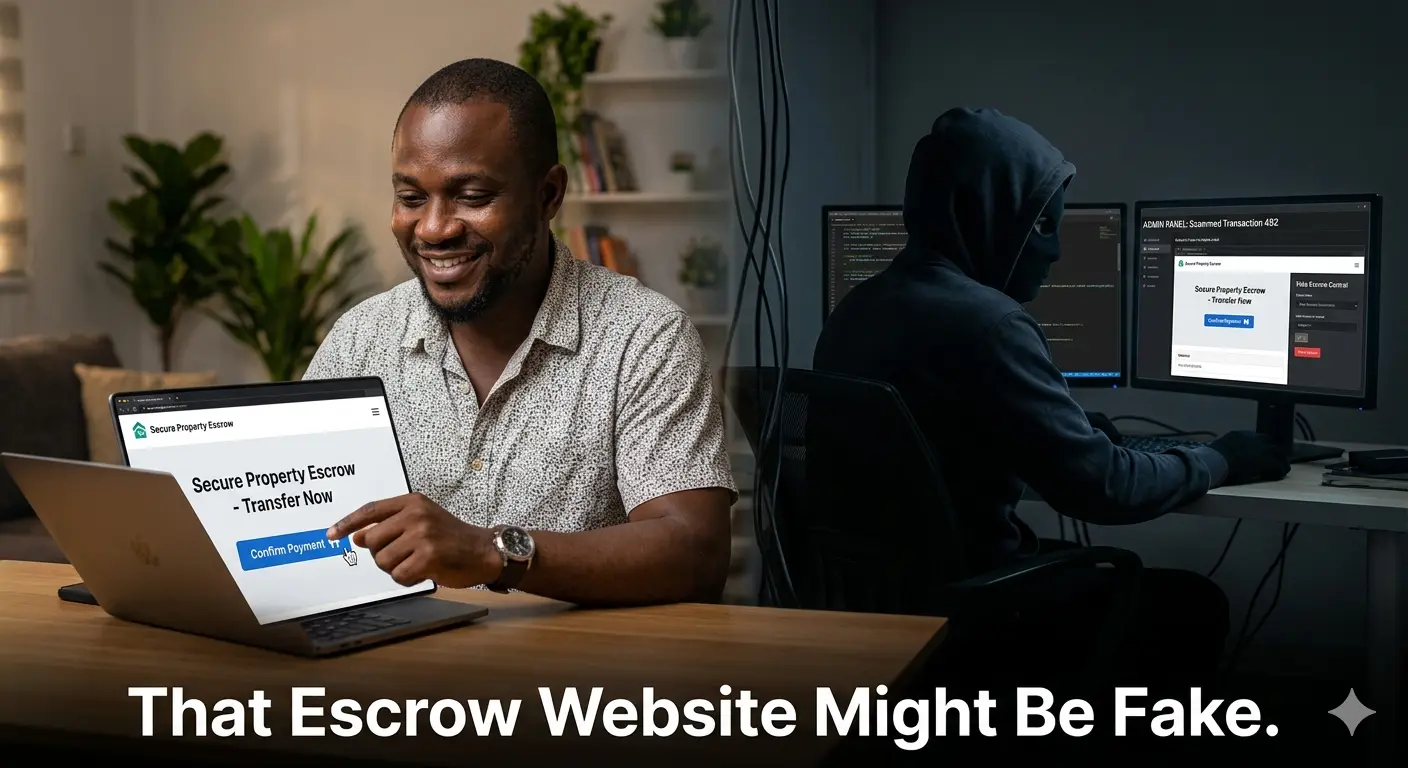
These details can give criminals access to your money.
How to avoid it: Never share your PIN, password, or OTP to receive a payment. Avoid suspicious links and access financial services through their official apps or websites.
The Nigeria Computer Emergency Response Team has warned about phishing messages circulated through channels including WhatsApp, SMS, and social media.
How Can Artisans Get Paid Safely in Nigeria?Knowing how artisans can avoid scams in Nigeria starts with building a payment process that protects your time and money.
Here are five habits worth adopting:Verify every payment:
● Check your account before handing over completed work or goods.
● Put agreements in writing: Record the price, deadline, materials, and payment terms in a message or contract.
● Request reasonable deposits: Where materials are involved, agree on a deposit that covers the necessary costs.
● Keep evidence: Save receipts, customer conversations, progress photos, and proof of delivery.
● Use escrow for suitable jobs: With Escrow Village, buyers and artisans can explore a structured way to handle payments based on agreed conditions.
Escrow payment for services can be especially useful when working with a new client.
However, always confirm the platform's fees, supported transactions, and dispute process before using it.