
The Cost of One Bad Customer Review (And How to Prevent It)
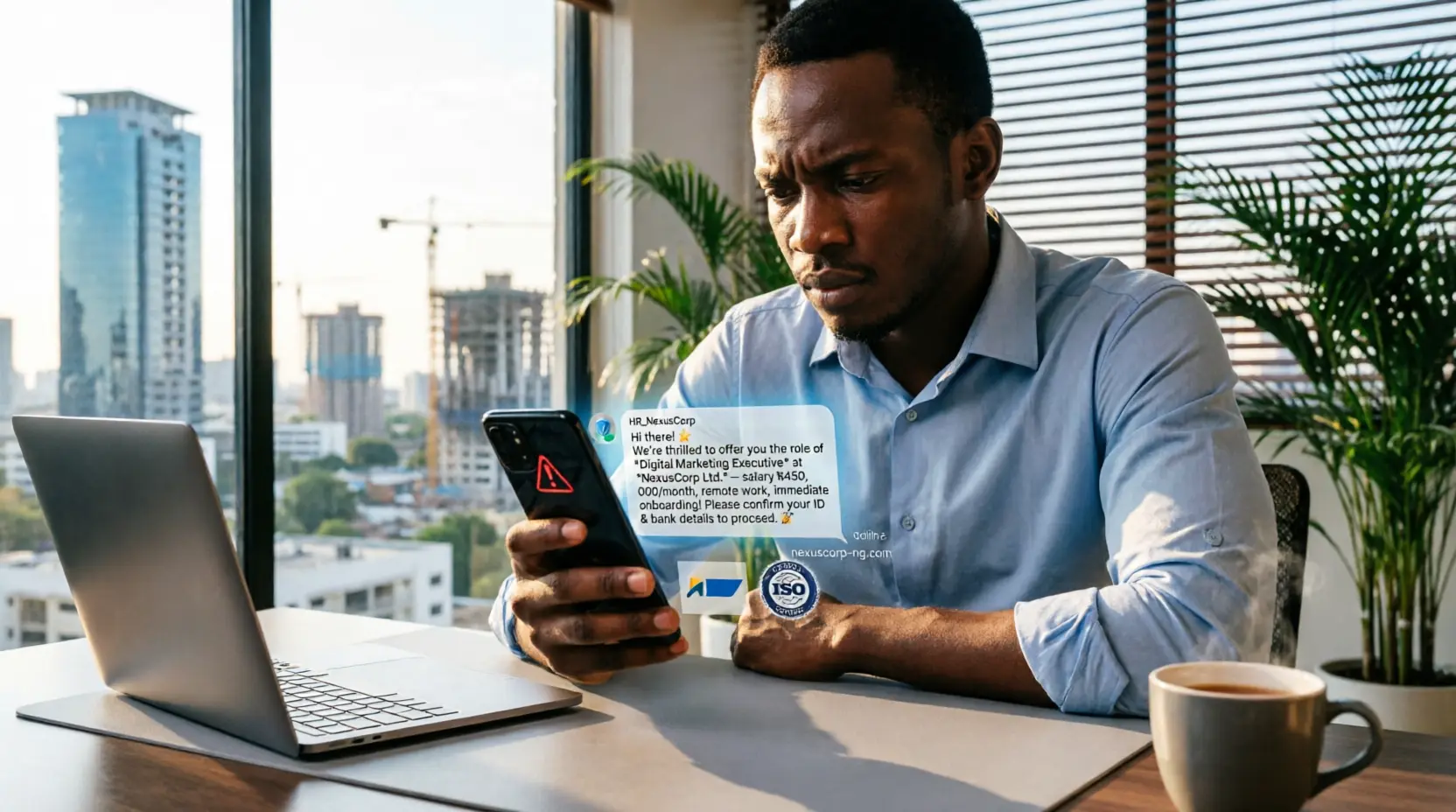
A single negative comment sitting at the top of your page can quietly turn away buyers before they even read your product description or visit your pricing page.
That's the power and danger of feedback in the digital age.
One bad customer review, especially if left unanswered, can chip away at your online reputation and make hesitant shoppers second-guess your credibility.
Trust is fragile; a pattern of complaints, or even one dramatic story, can be enough to make a potential customer choose a competitor instead.
This is why customer trust and business reputation are closely tied to how you handle criticism, not just the number of five-star ratings you collect.
The truth is, negative feedback is unavoidable no business pleases everyone. What matters is the response.
Delivering consistently excellent customer experience, responding to complaints professionally, and showing genuine effort to resolve issues can turn a bad review into proof that you genuinely care.
In this blog article, we will break down the cost of one bad customer review and how to prevent it.
- Why One Bad Customer Review Can Have a Big Impact

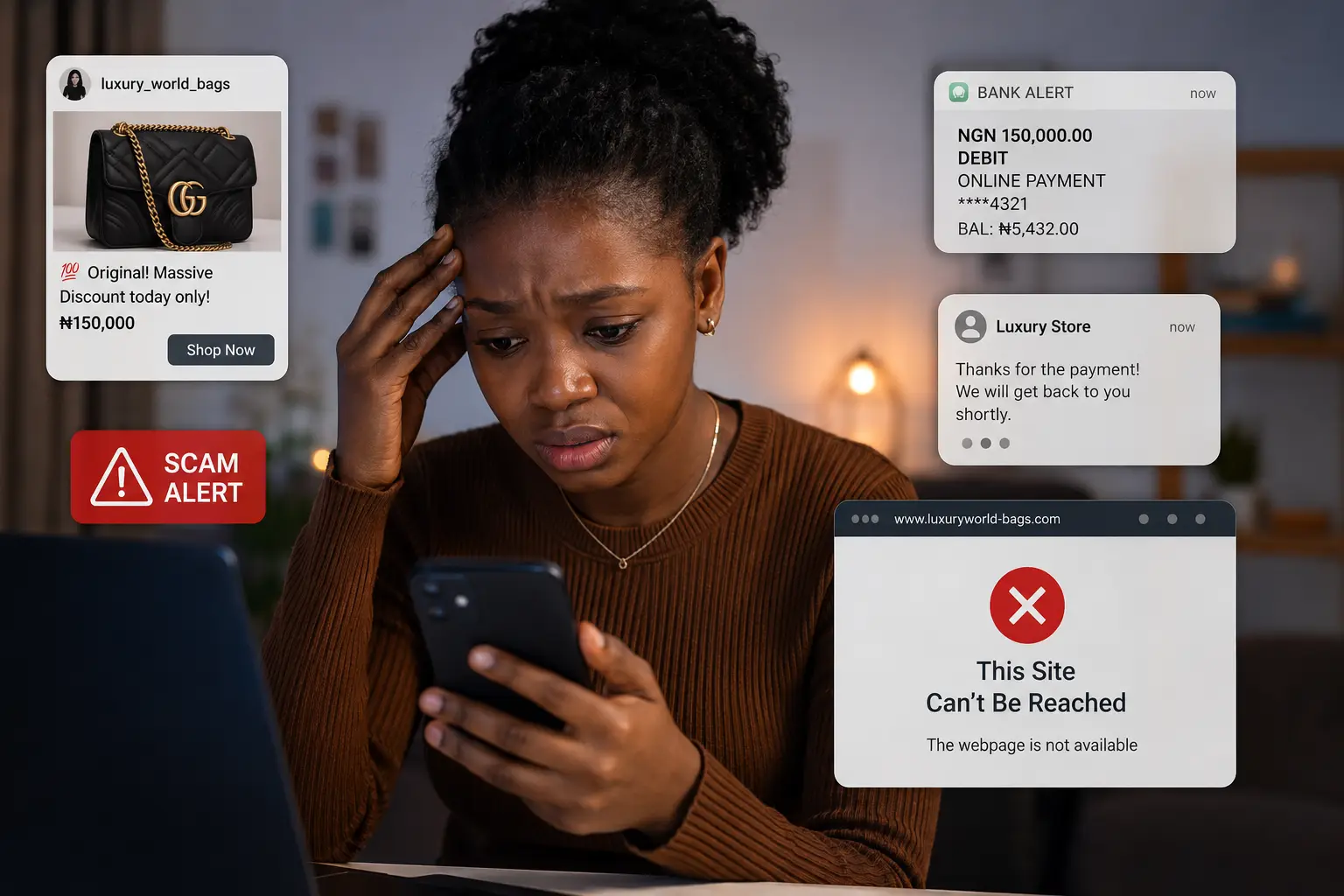
Consumers trust online reviews almost as much as recommendations from friends and family, which is exactly why negative customer reviews carry so much weight.
One bad experience shared publicly doesn't just affect a single sale, it ripples outward, quietly discouraging dozens of other potential customers who never even reach checkout.
This ripple effect directly impacts buying decisions.
A shopper comparing options will often choose the business with fewer complaints, even if the product itself is comparable.
Over time, this erodes customer trust and chips away at business credibility, making conversions harder to earn.
In a landscape driven by peer validation, one unresolved review can cost far more than one lost customer.
- The Hidden Costs of Negative Customer Reviews

Negative feedback doesn't just sting in the moment, it quietly drains a business from multiple directions long after the comment is posted.
It can lead to:- ● Lost Revenue
Even a handful of harsh reviews can be enough to send potential buyers straight to a competitor.
- ● Damage to Brand Image
Since most customers research before buying, a pattern of negative feedback shapes first impressions before a business even gets the chance to make its case in person or through marketing.
- ● Lower Customer Retention
When people feel unheard or mistreated, they're less likely to return, and repeat business is often far more valuable than one-time sales.
- ● Reduced Referrals
- ● Long-Term Business Impact
Negative feedback isn't just a customer service issue, it's a business-wide risk.
Responding quickly, professionally, and transparently can limit the damage and, in many cases, turn a critic into a loyal advocate.
- Common Reasons Customers Leave Bad Reviews

- ● Poor Communication
- ● Missed Deadlines
- ● Product or Service Not Meeting Expectations
Overpromising in marketing or sales conversations sets customer expectations too high, setting the business up for disappointment even when the actual product is decent.
- ● Slow Responses
- ● Lack of Transparency
Customers value honesty, even about bad news, far more than being kept in the dark or surprised after the fact.
Most bad reviews stem not from major failures, but from poor customer service around communication and expectation-setting.
Addressing these root causes proactively is often simpler and cheaper than repairing a damaged reputation after the fact.
- How to Respond to a Bad Customer Review

How a business handles criticism often matters more than the complaint itself.
A thoughtful response can turn a public misstep into a display of genuine customer service recovery.
- ● Respond Promptly
Replying quickly shows other potential customers that you're actively engaged and take feedback seriously, which helps protect your online reputation before the review gains more visibility.
- ● Stay Calm and Professional
Calm, measured replies signal maturity and control, not guilt.
- ● Acknowledge the Customer's Concerns
A simple statement recognising their frustration shows you're listening, not just following a script, and often diffuses tension immediately.
- ● Offer a Practical Solution
- ● Learn from the Feedback
Responding to negative reviews isn't damage control, it's an opportunity.
Handled well, it shows every future customer exactly how you treat people when things go wrong.
- How to Prevent Bad Customer Reviews Before They Happen

The best way to handle negative reviews is to stop them before they're written. Most complaints are preventable with a few consistent habits built into how a business operates.
- ● Set Realistic Expectations
- ● Communicate Proactively
- ● Deliver Consistently
- ● Gather Feedback Before Problems Escalate
- ● Train Your Customer Support Team
Prevention isn't about avoiding mistakes entirely, it's about building habits that catch problems early, before they turn into a review.
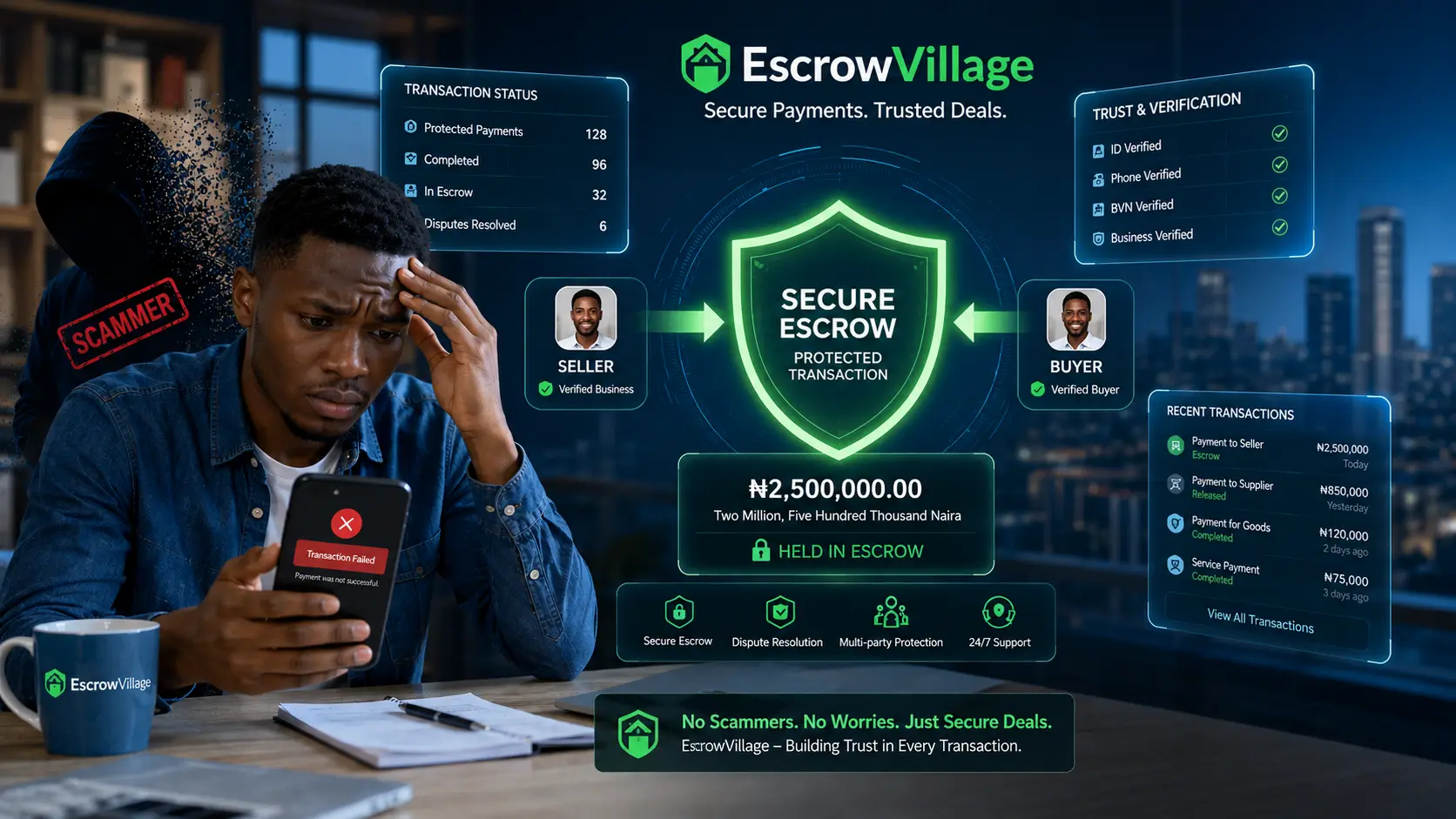
- How Escrow Helps Prevent Customer Complaints in Online Transactions

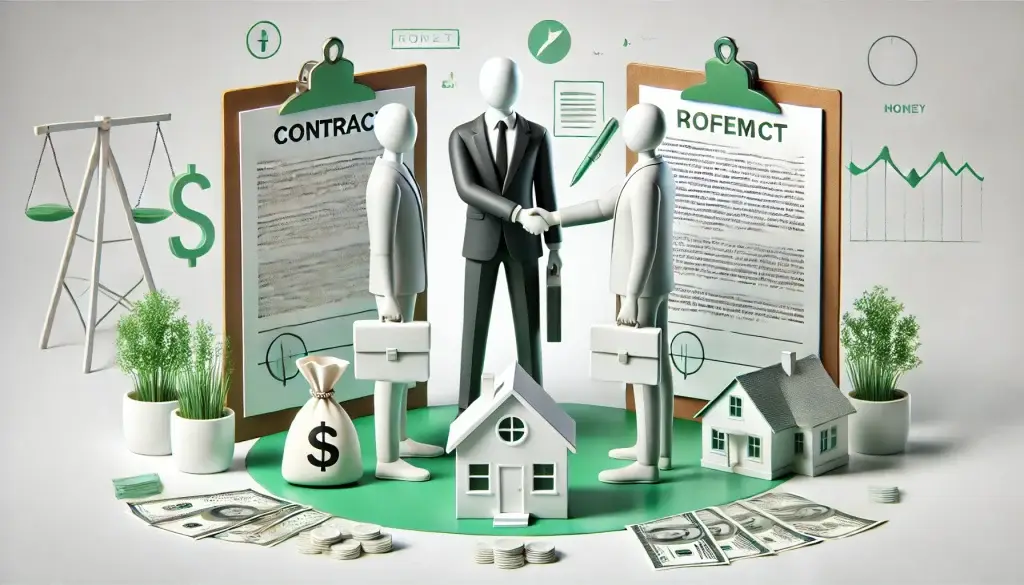
Many online disputes come down to one core issue: trust.
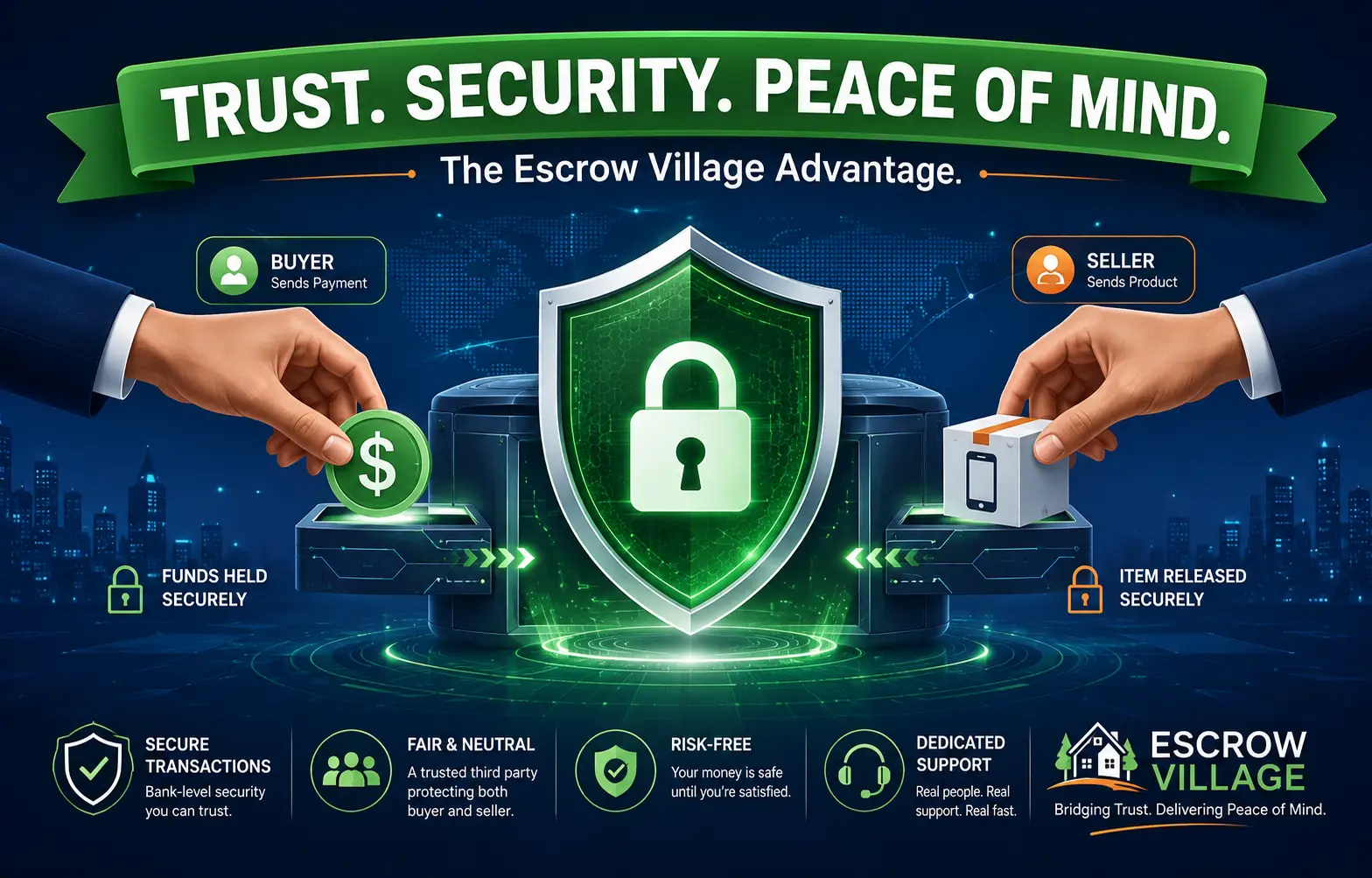
Buyers worry about paying for something that never arrives, while sellers worry about delivering without getting paid.
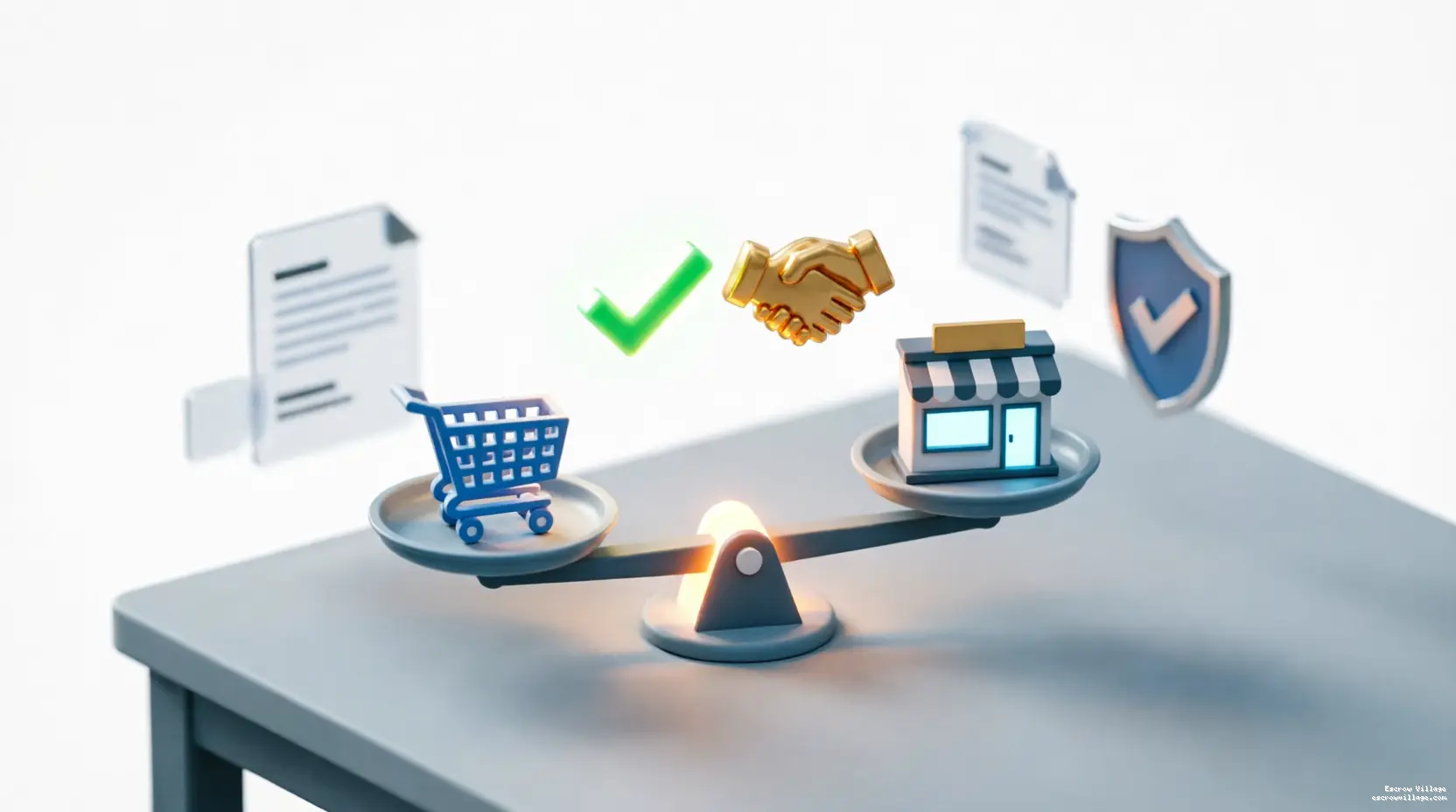
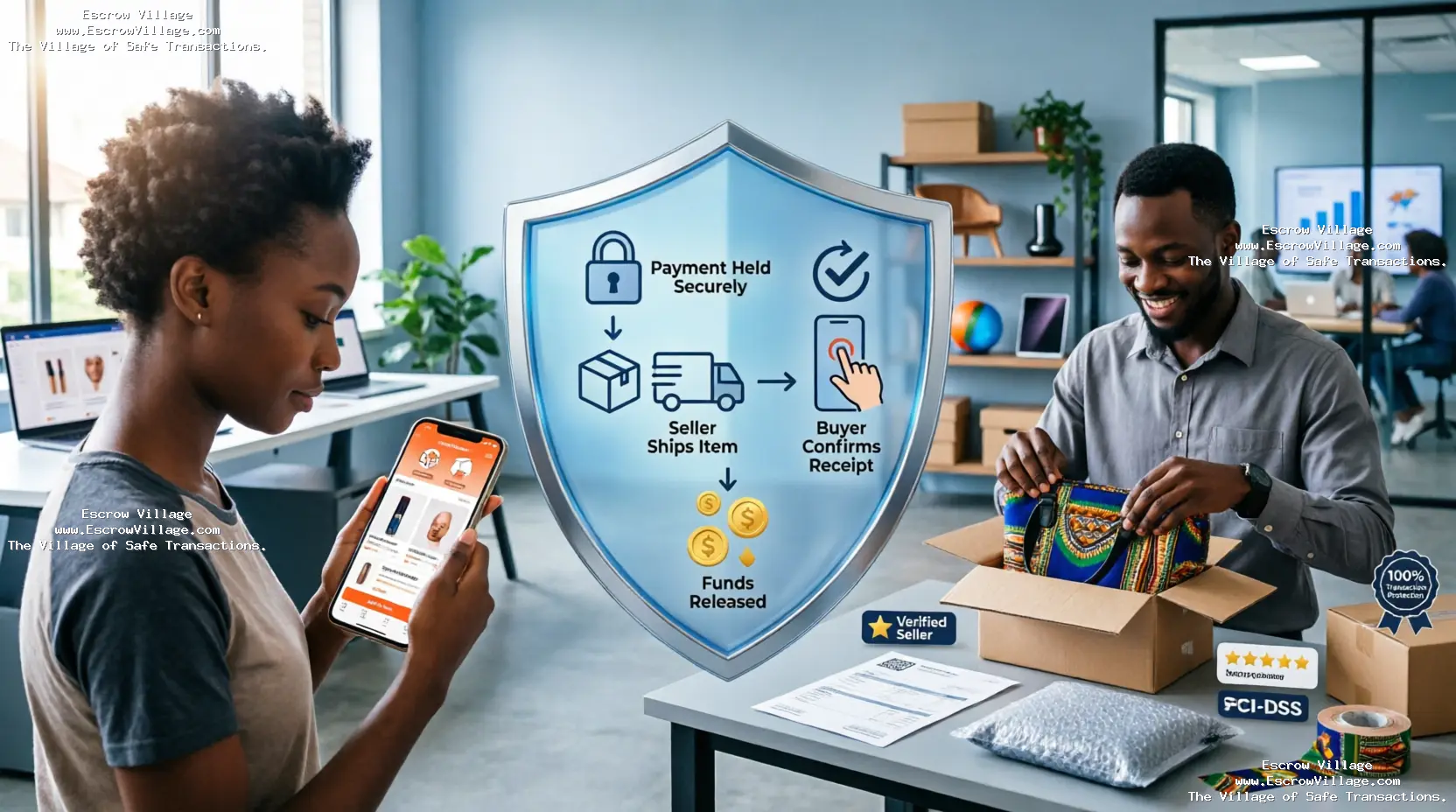
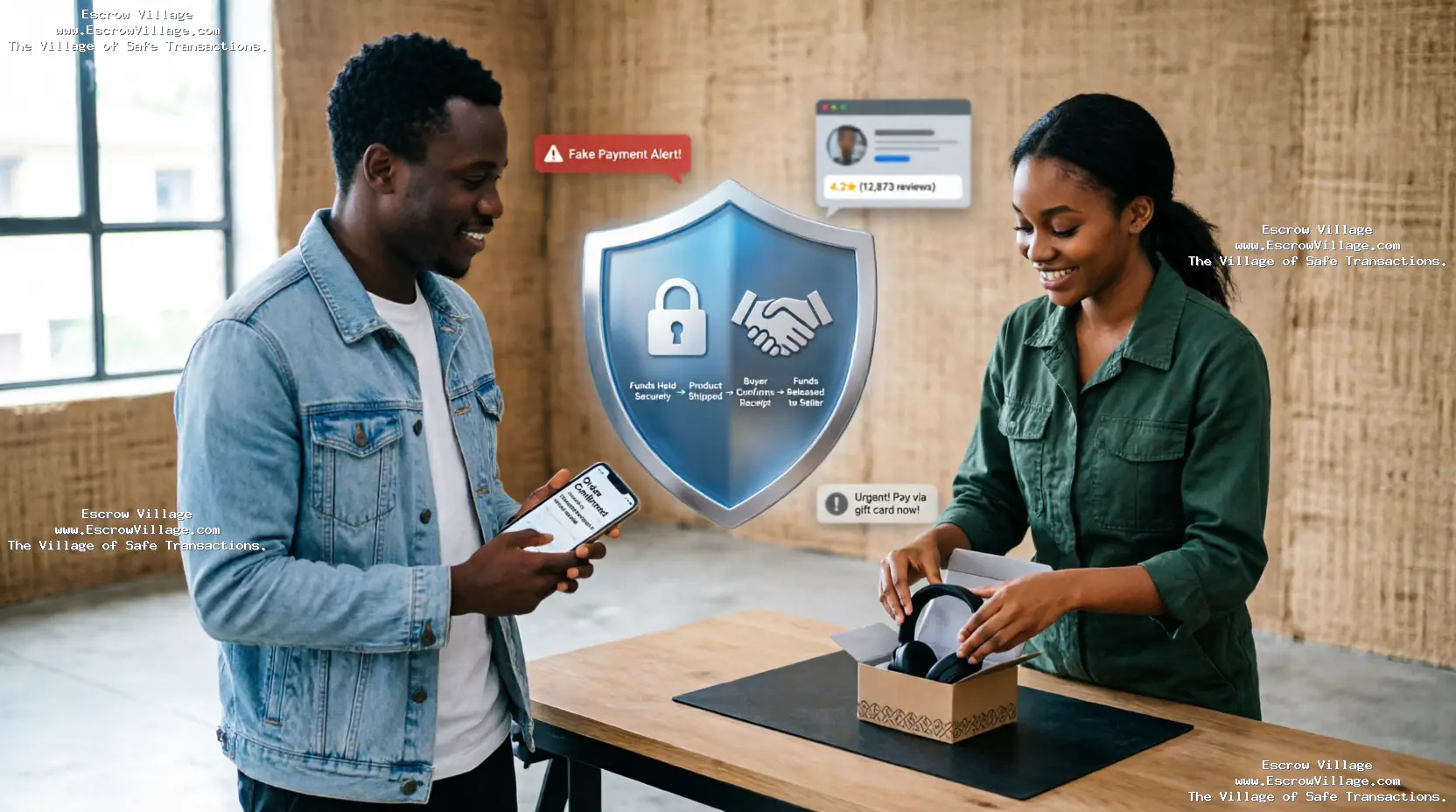
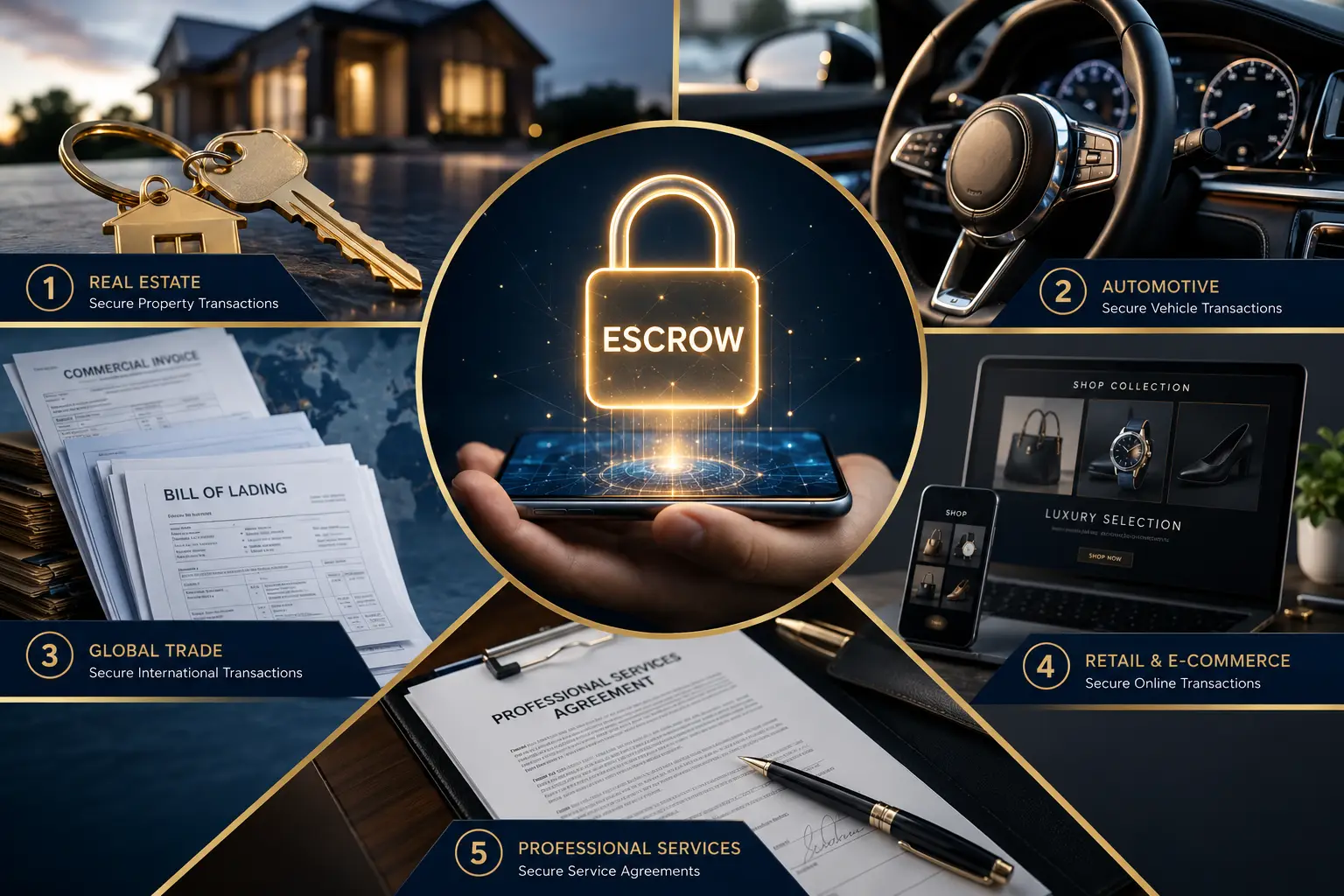
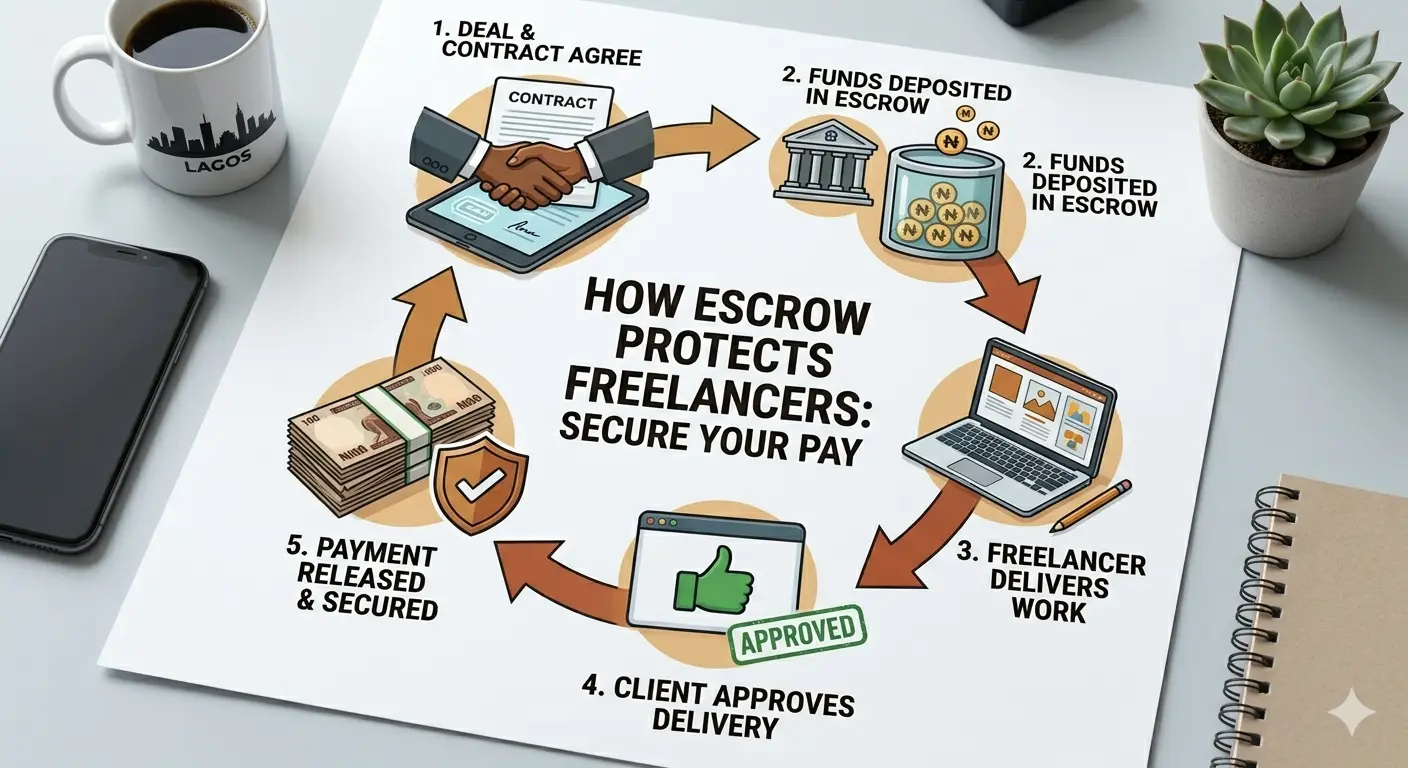
Escrow services solve this problem at the root.
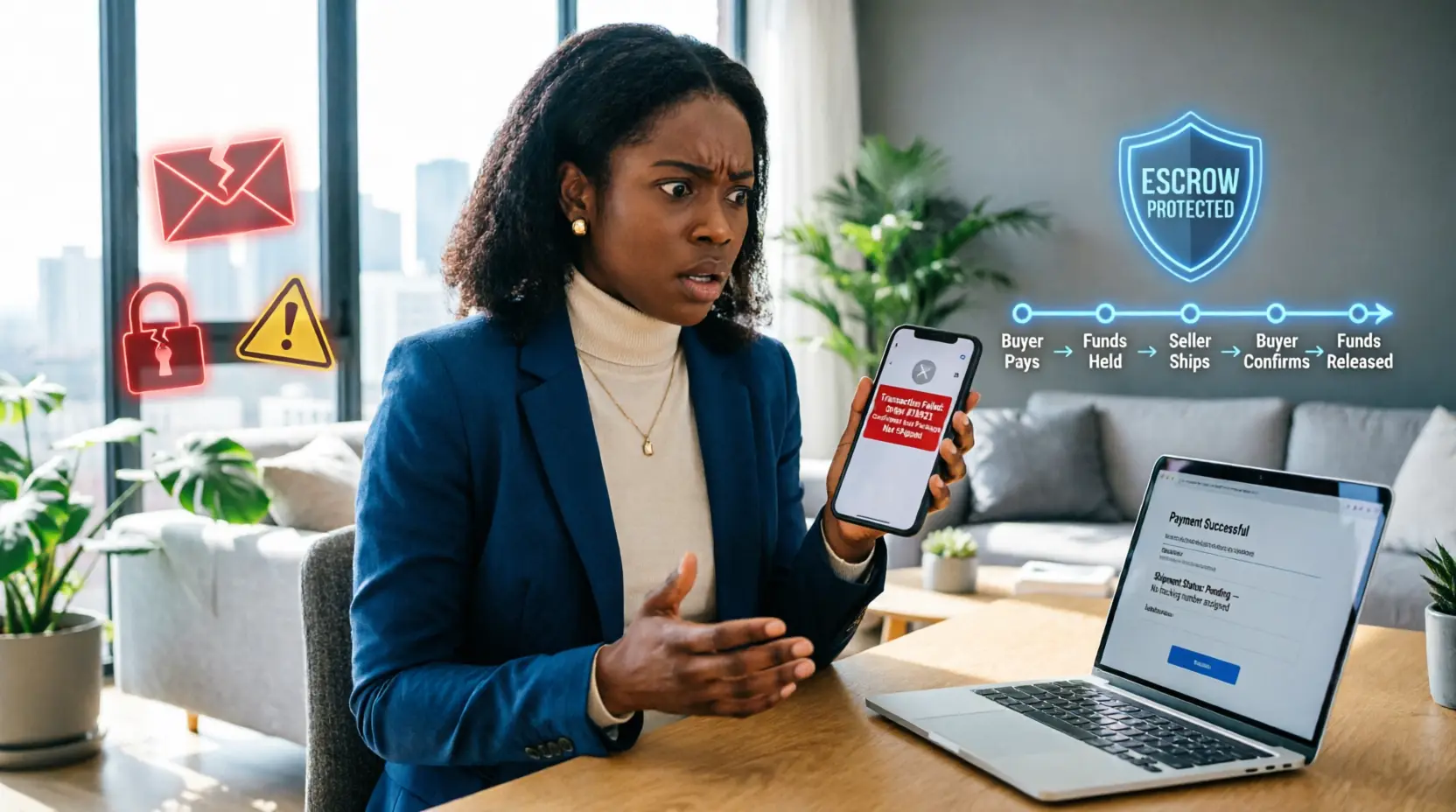
- ● Funds Held Until Obligations Are Met
Instead, funds are held securely until both parties confirm the transaction went as agreed, the buyer receives what was promised, and the seller receives payment.
This structure removes the guesswork from secure online payments.
- ● Transparency and Accountability
Both sides know exactly what's expected, which reduces the miscommunication that often leads to complaints.
- ● Confidence for Buyers, Security for Sellers
Seller protection comes from knowing a serious buyer has already committed funds.
This mutual assurance changes the tone of the transaction from suspicion to cooperation.
- ● Fewer Disputes, Fewer Negative Reviews
Should an issue arise, escrow platforms typically offer structured dispute resolution, giving both sides a fair processcess instead of a public review as their only recourse.
By addressing trust before a transaction even begins, escrow doesn't just protect payments, it prevents the frustration that leads to bad reviews in the first place.
- Bringing It All Together: Protecting Your Reputation, One Transaction at a Time

As we've seen throughout this article, one bad review rarely stays contained.
It chips away at customer trust, discourages potential buyers, and can quietly stall business growth over time.
What starts as a single complaint can ripple into lost sales and a harder climb back to a positive online reputation.
That's why the smartest approach isn't reacting well to bad reviews, it's preventing them in the first place.
Setting clear expectations, communicating proactivelyly, and delivering consistent service all reduce the chances that a customer will ever feel the need to complain publicly.
Prevention will always be less costly than damage control.
This is where tools like escrow prove especially valuable.
By securing payments and holding both parties accountable, escrow removes much of the uncertainty that fuels disputes in online transactions.
Paired with genuinely excellent customer service, it creates the kind of smooth, trustworthy experience that leads to customer satisfaction and, ultimately, positive reviews.
At the end of the day, strong online reputation management isn't about controlling the narrative after something goes wrong, it's about building transactions and relationships solid enough that things rarely go wrong at all.