The New Face of Fraud: How AI-Powered Scams Are Targeting Nigerians in 2026
Written by BLESSING ABADI IFEOMA
Cybercrime in Nigeria is advancing at an unprecedented rate. By mid-June 2026, the transition from the outdated image of the “Yahoo Boy” to highly sophisticated, tech-based fraud schemes is now unmistakable.
If you regularly use WhatsApp, Instagram, or Jiji, you may have noticed a change in the messages you receive: they’re more convincing than ever.
The clumsy grammar and obvious red flags that once defined classic "419" scams are fading. What’s replacing them is alarming: well-crafted, professional communication that feels authentic.
If something has felt subtly wrong lately, your suspicion is justified. We’ve entered a new phase of cybercrime where fraudsters aren’t just improvising, they’re deploying Artificial Intelligence (AI) to precisely target Nigerian users.
Gone are the days when poor writing or suspicious links were clear warning signs.
In 2026, those indicators are no longer reliable. Criminals now use AI to analyse your online activity, replicate the way your friends or colleagues write, and even reproduce voices with startling accuracy.
The danger isn’t just someone asking for money; it’s an intelligent system engineered to gain your confidence before stealing from you.
The New Face of Fraud
Scams in Nigeria have evolved from crude, easily spotted attempts into a high-tech, organised enterprise. Ten years ago, fraud relied on generic emails, basic phishing, and obvious impersonation mistakes that often gave scammers away immediately.
Perpetrators worked manually, sending out mass messages hoping for a rare response.
Today, AI has revolutionised the game. Fraudsters now send tailored messages that mirror professional tone and personal context. By harvesting data from social media, AI crafts communications that reflect your job, location, and even the slang you use, making scams feel genuine. With deepfake videos and voice cloning, criminals can now mimic trusted individuals at scale. What used to be a numbers game has become a precise, automated operation designed to exploit trust in digital interactions.
How AI-Powered Scams Operate
The most troubling part? These scams don’t raise alarms until it’s too late. Here’s how they work:
• Tailored Phishing Attacks: AI gathers public details from your profiles. If you’re a business owner in Lagos or a student in Abuja, the scam message will reference your reality, using industry-specific terms and local expressions to appear credible.
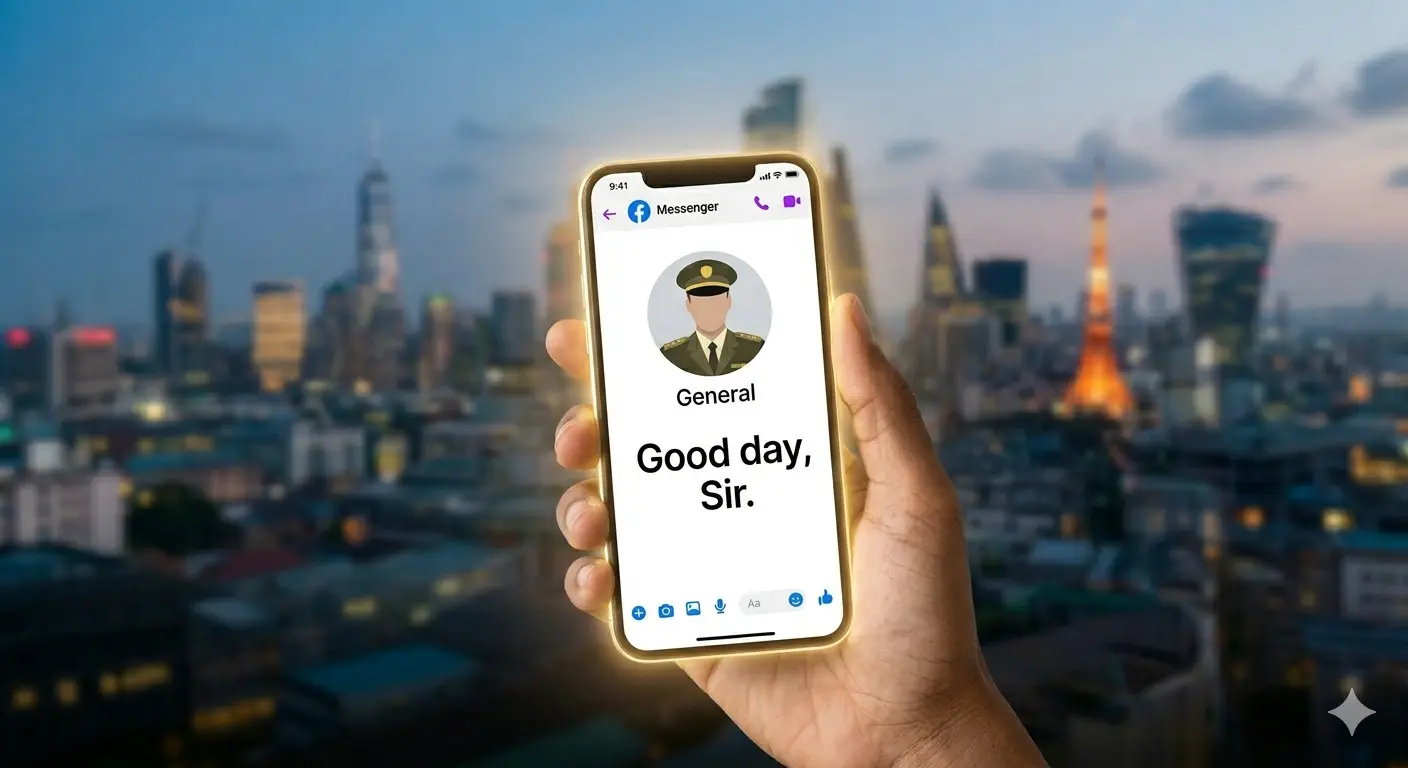
• Exploiting the Trust Gap with Deepfakes: People are receiving calls or messages from what seems to be their bank manager, relative, or business contact. AI replicates speech patterns or clones voices so convincingly that victims are tricked into skipping security steps.
• Automated Manipulation: Instead of one person running a scam, AI bots now manage thousands of conversations at once. They simulate ongoing negotiations, building trust until you’re ready to transfer funds.
Beyond the Device: Staying Alert
While headlines focus on large-scale fraud, everyday Nigerians are the main targets. The EFCC recovers stolen funds, but prevention remains the strongest shield.
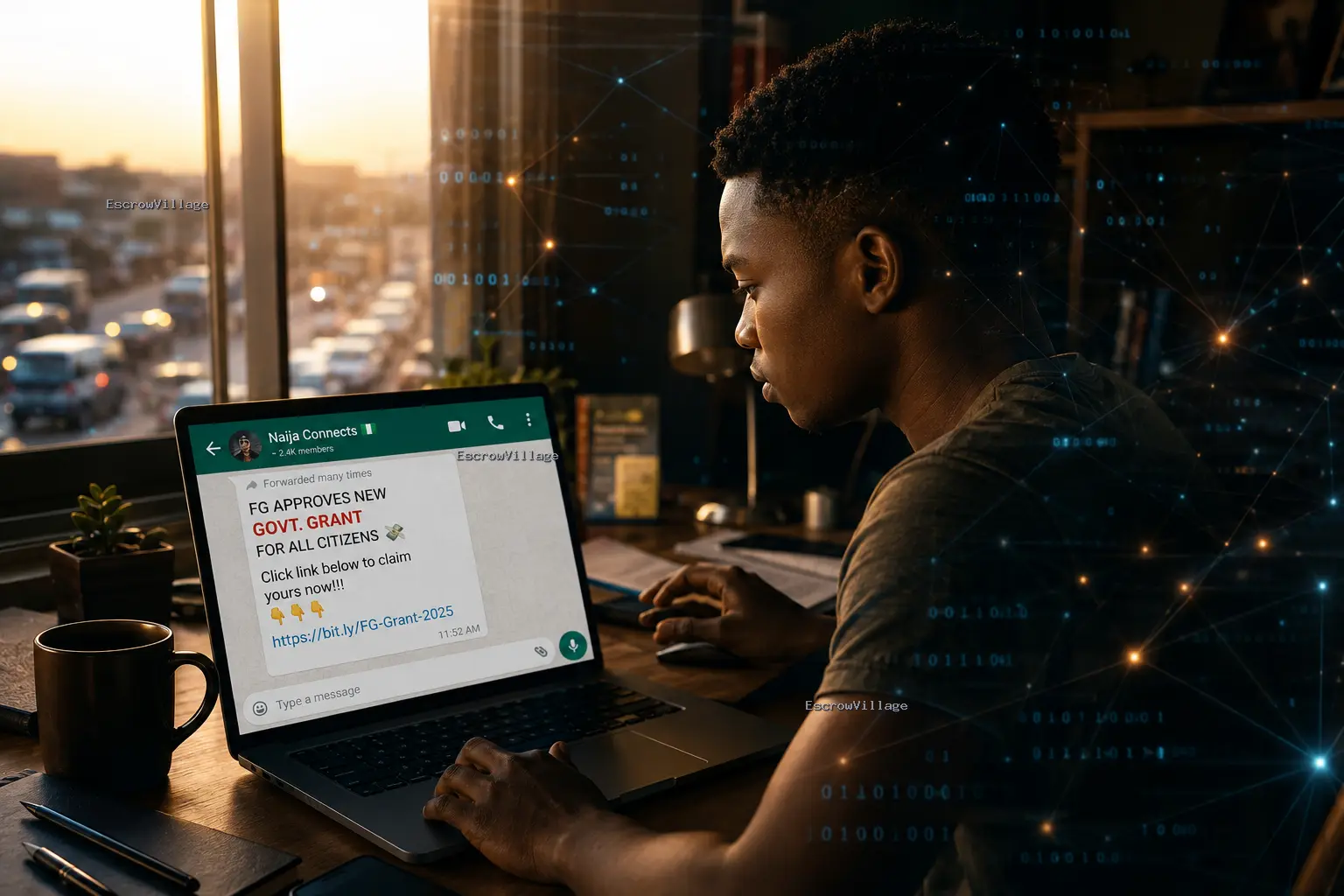
Whether it’s a viral WhatsApp message about a government grant or an investment app promising huge weekly returns, the rule holds: if it seems unrealistic, it’s likely a scam.
In a world where technology can fabricate reality, healthy scepticism is essential. Always confirm official claims through verified websites, and never disclose banking information through unofficial links.
As 2026 progresses, remember: your personal data is valuable. Protect your online presence as fiercely as you would protect your wallet. Stay informed, stay cautious, and don’t let digital deception jeopardise your financial stability.
Why Your Approach Must Change
These criminals aim to make fraud seem like a normal activity. Their goal is to make you feel so at ease that you don’t question whether an investment platform is legitimate.
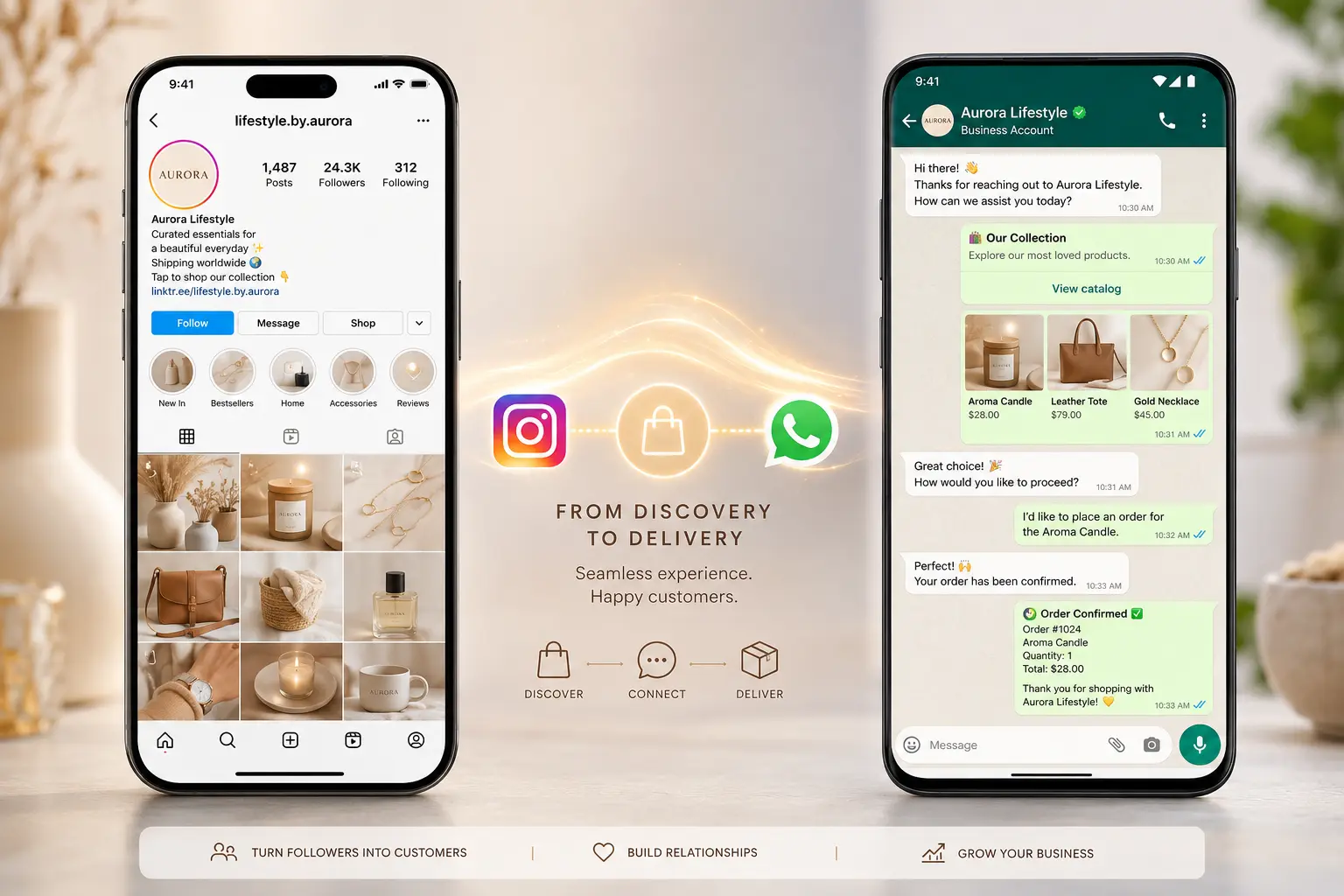
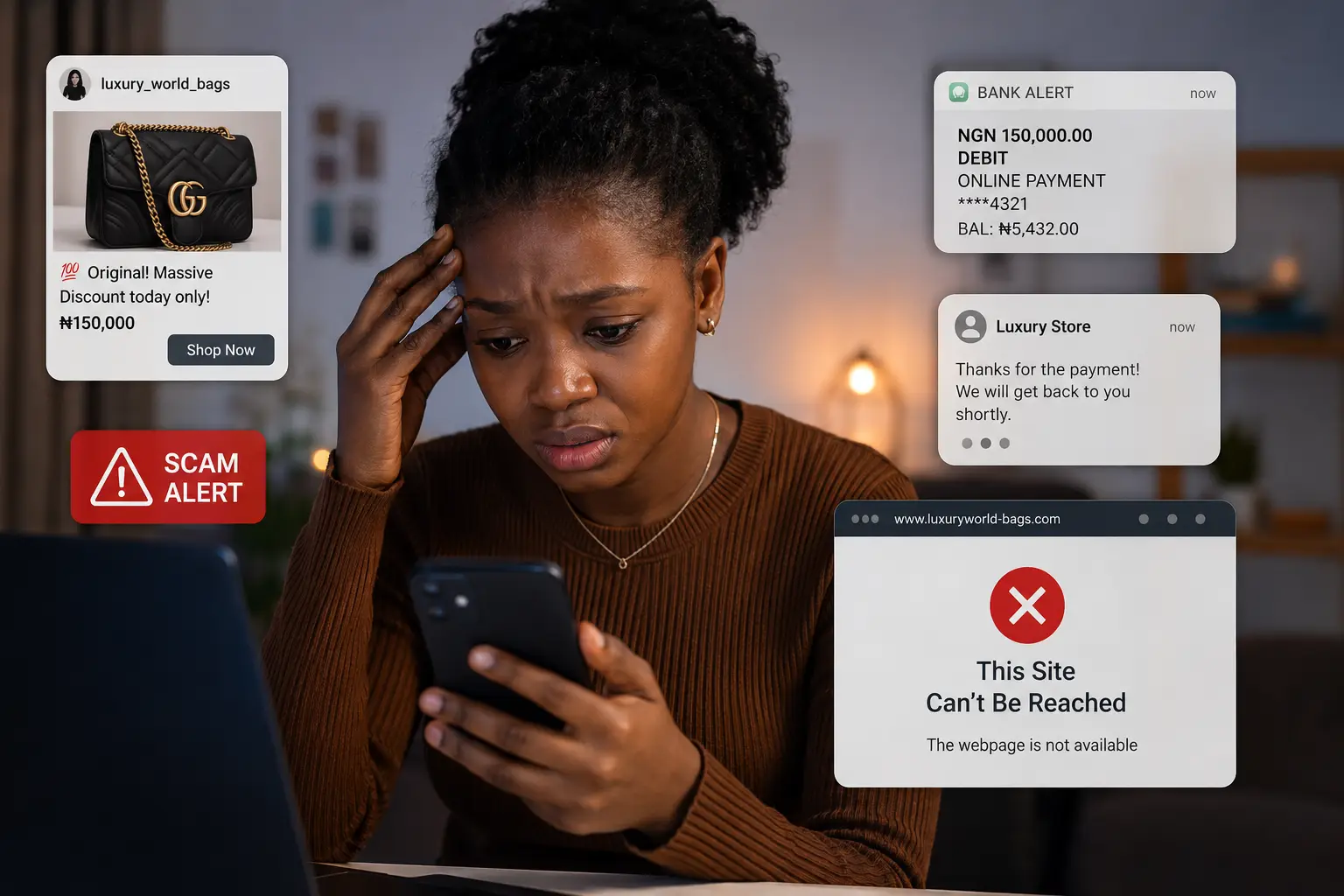
When buying online on Jiji, WhatsApp, or Instagram, assume the person you’re talking to could be an AI-generated profile.
Don’t mistake polished language for authenticity. AI can make a scammer sound like an expert.
This week and beyond, stay alert. If a deal seems flawless, or a “colleague” insists on switching to private payment due to a “technical issue,” pause and verify. Don’t let fluent, professional communication distract you from potential risks.
Stick to official platforms, confirm identities, and always prioritise security over speed or convenience. A seemingly perfect opportunity could come at a very real cost.