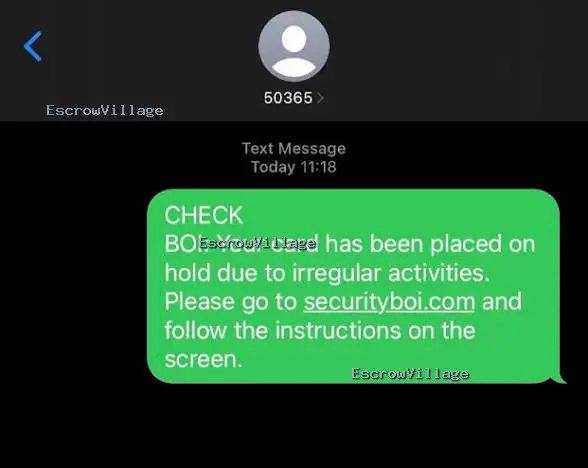
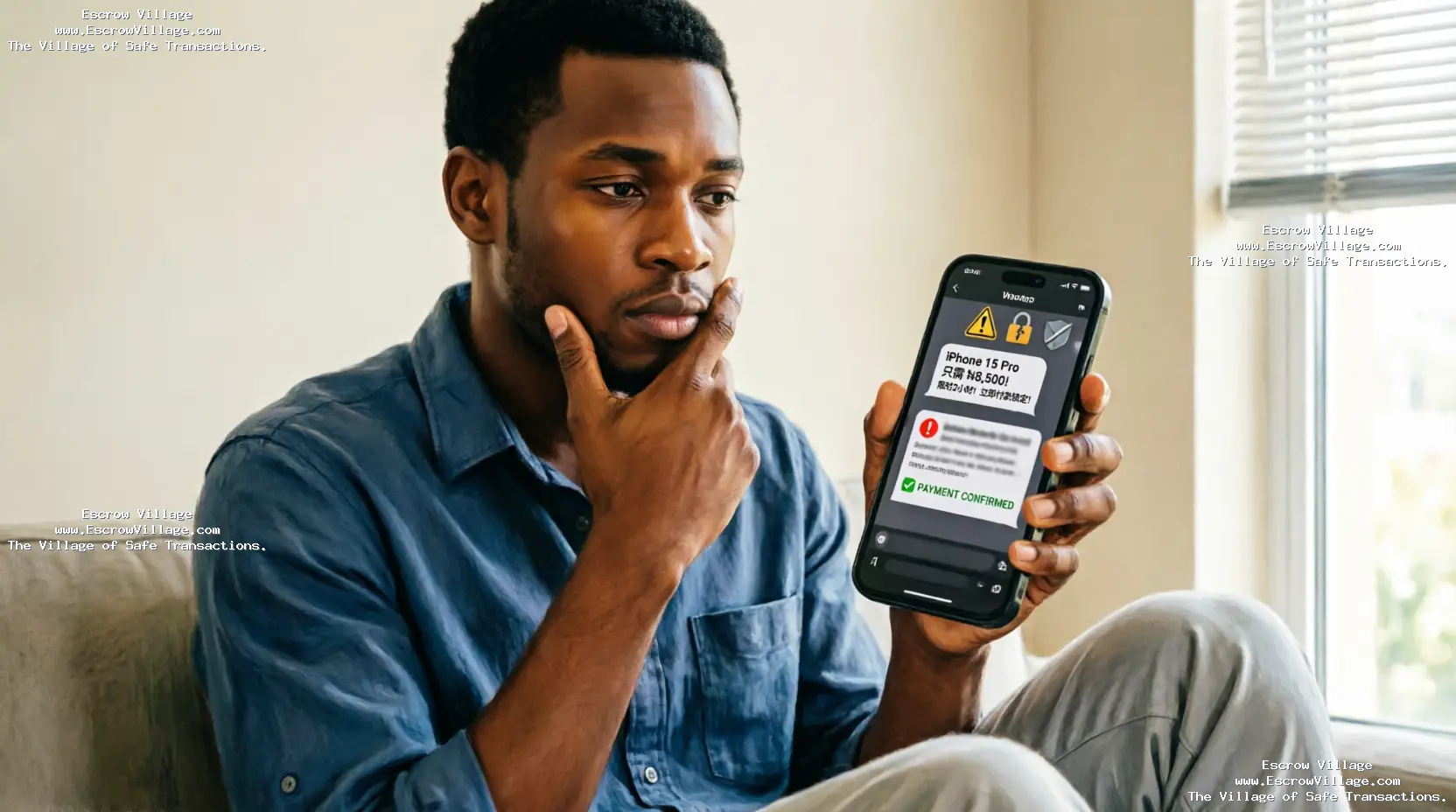
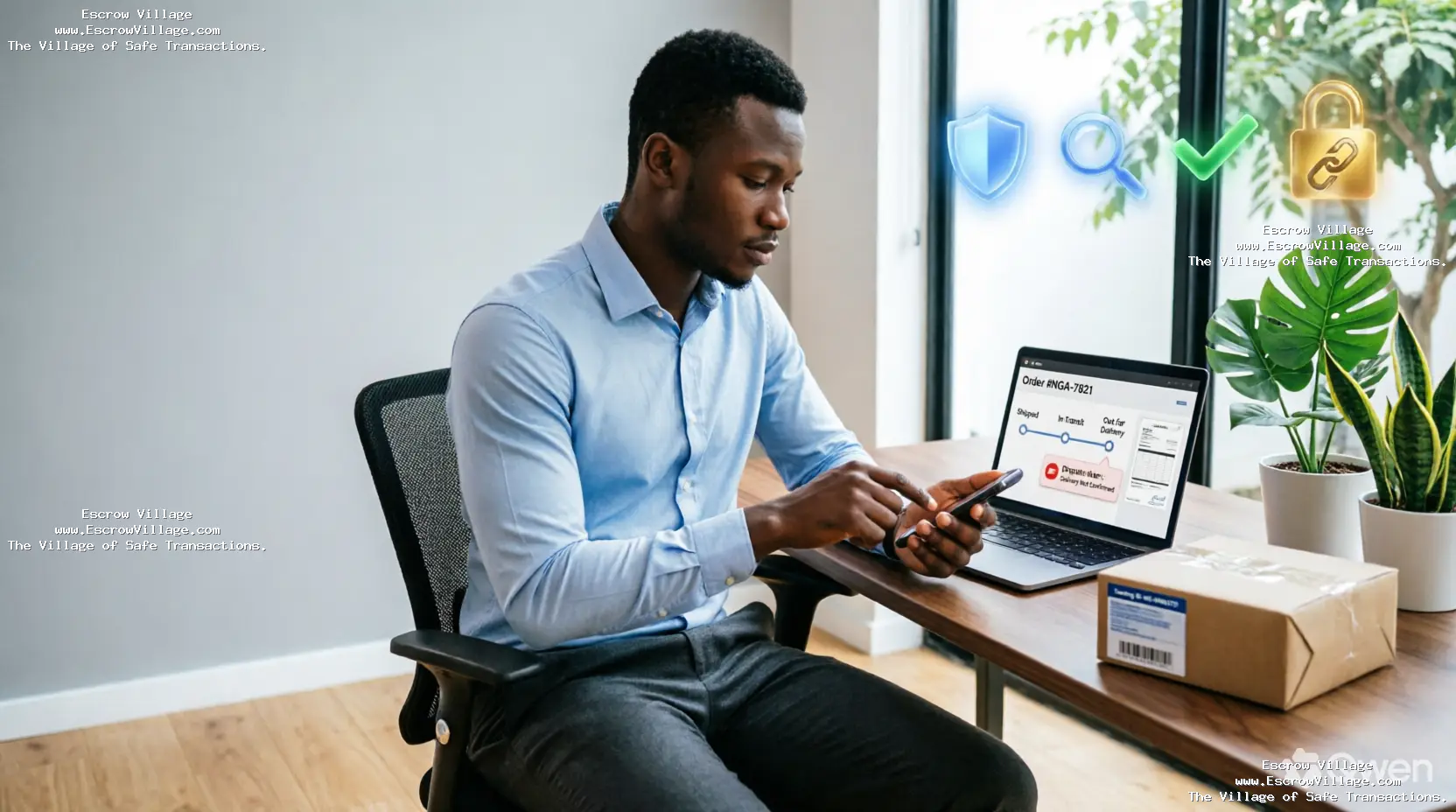
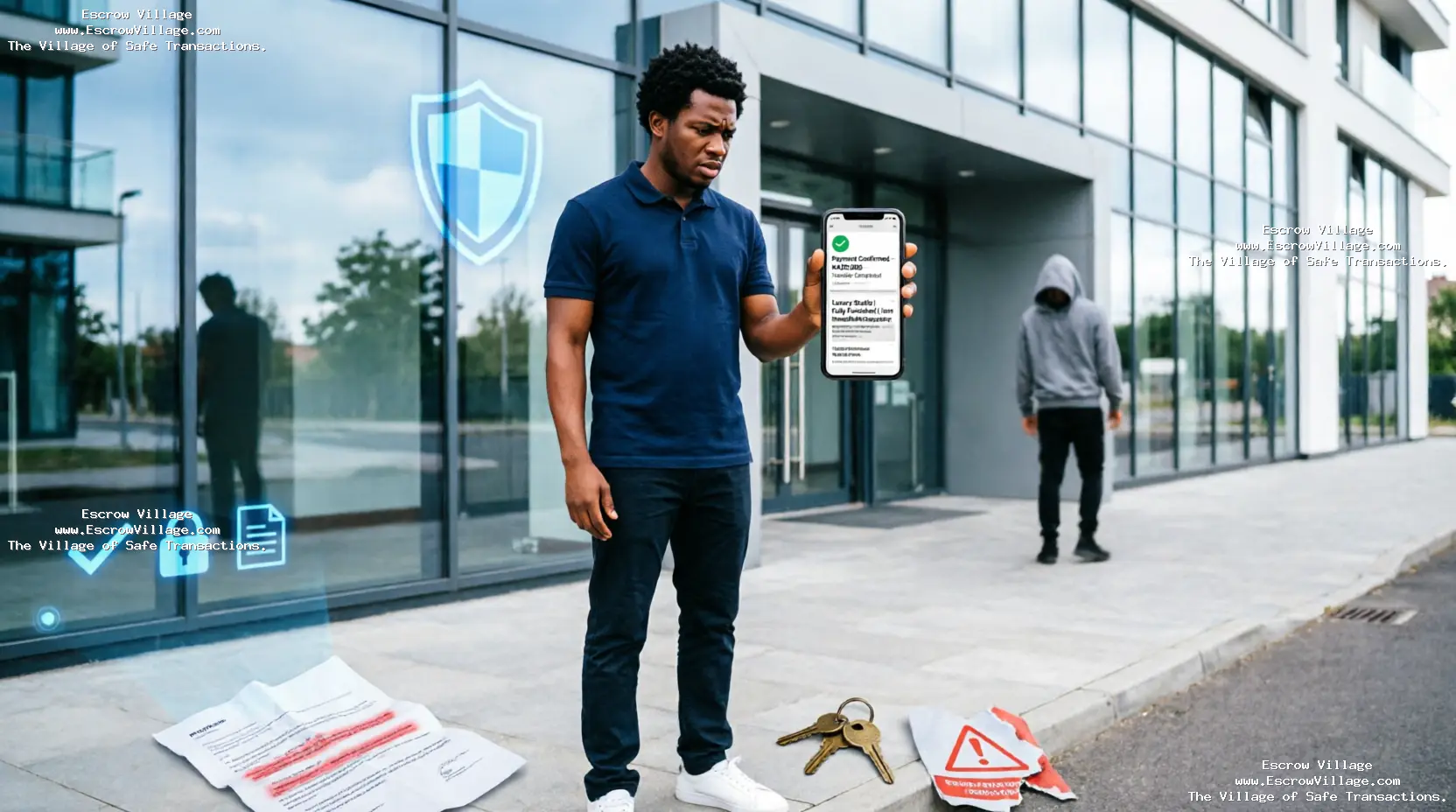
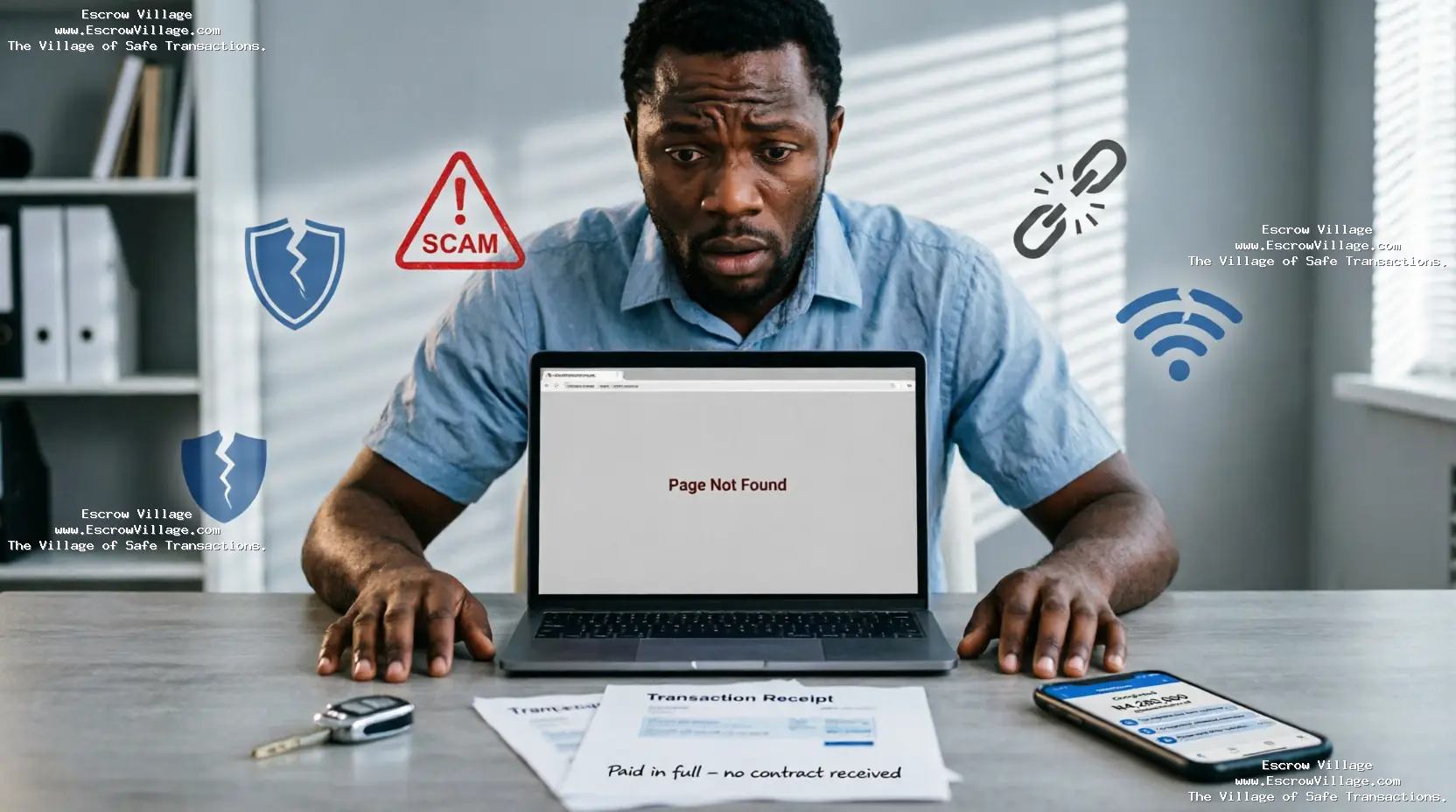
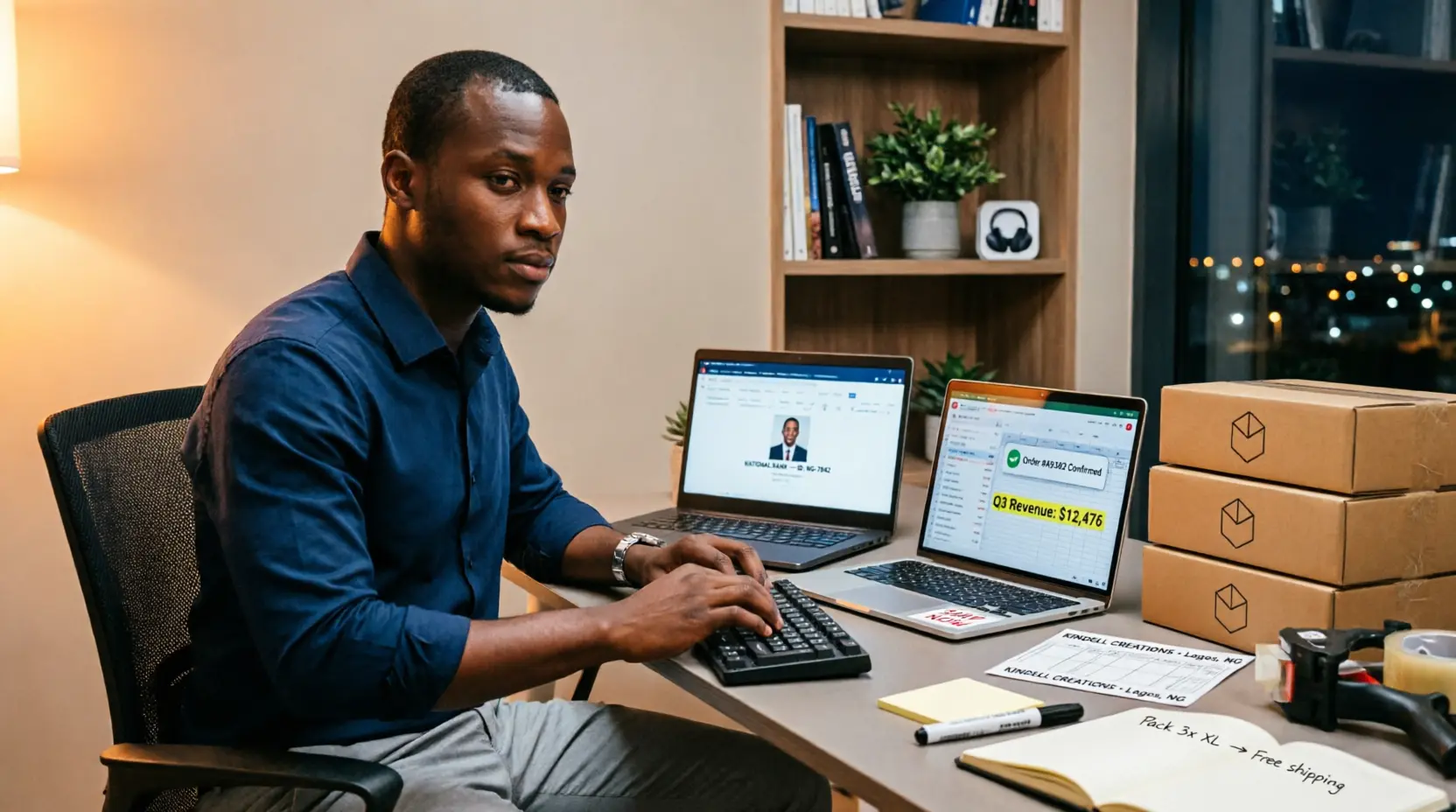
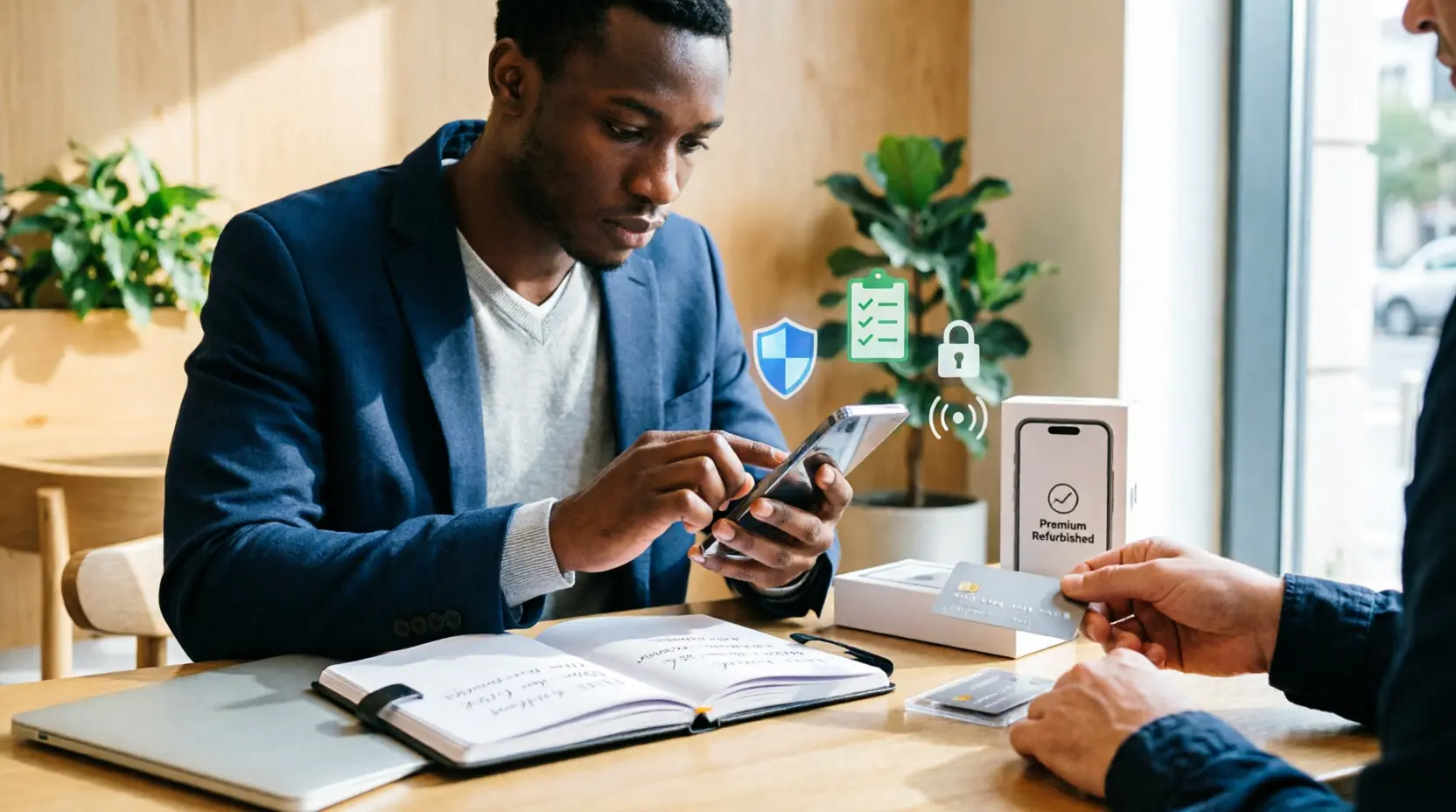
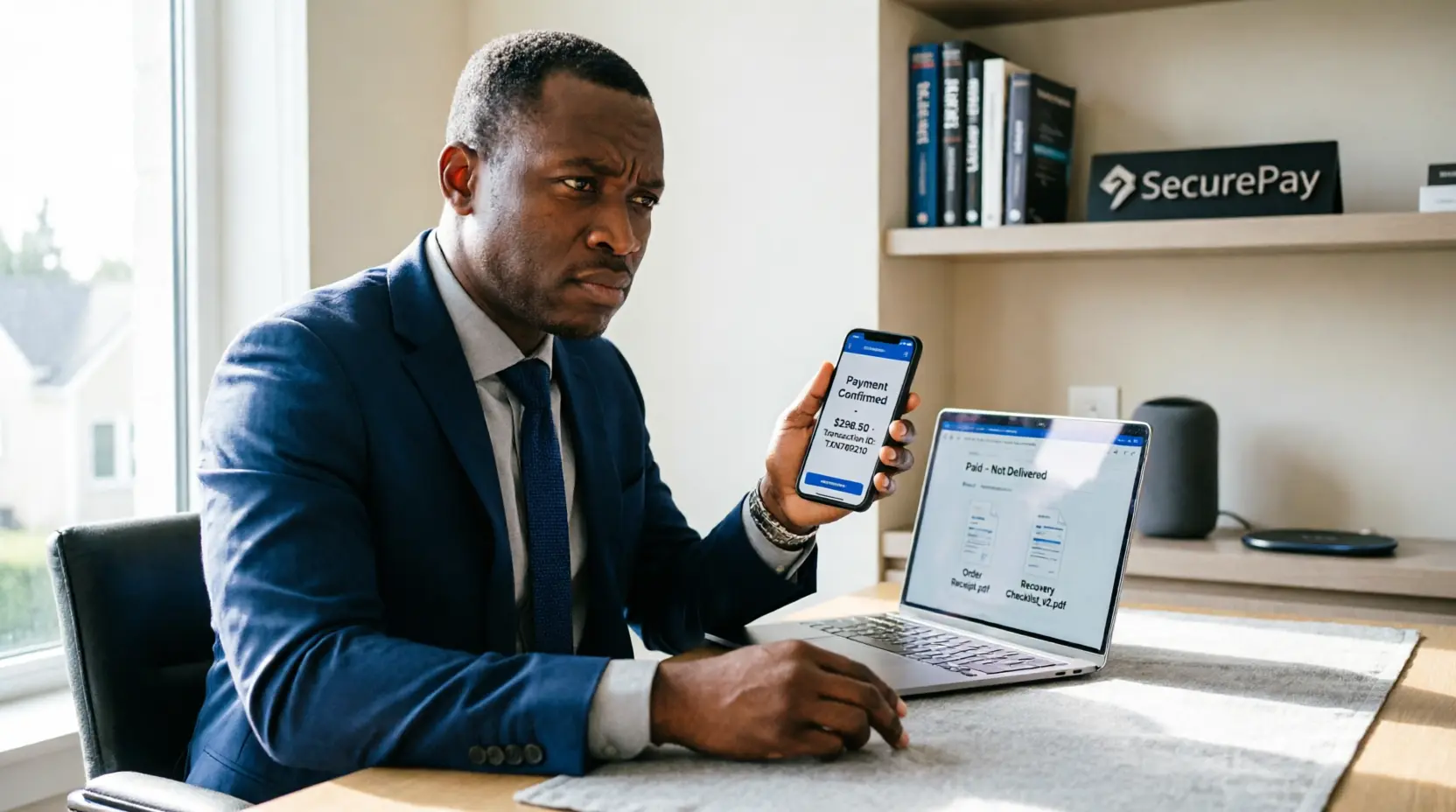
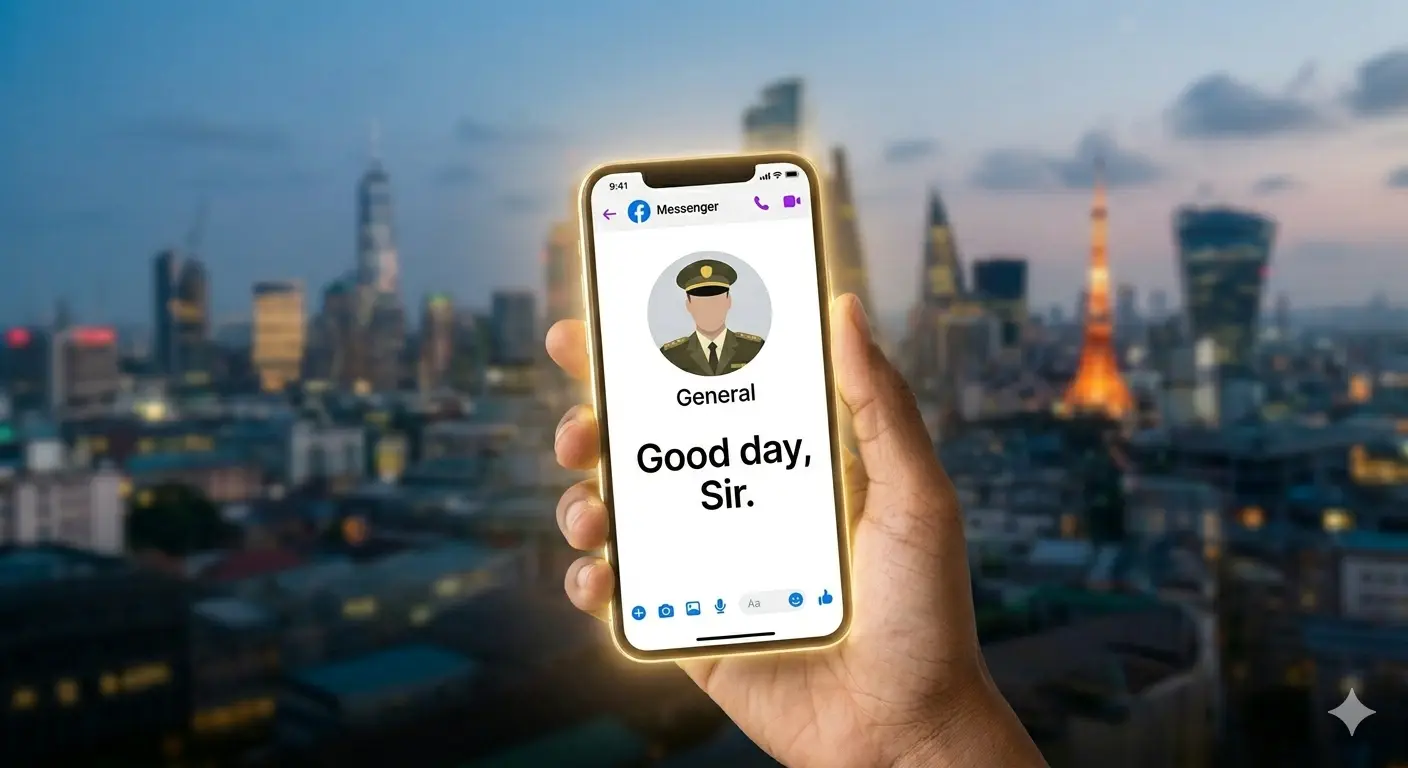
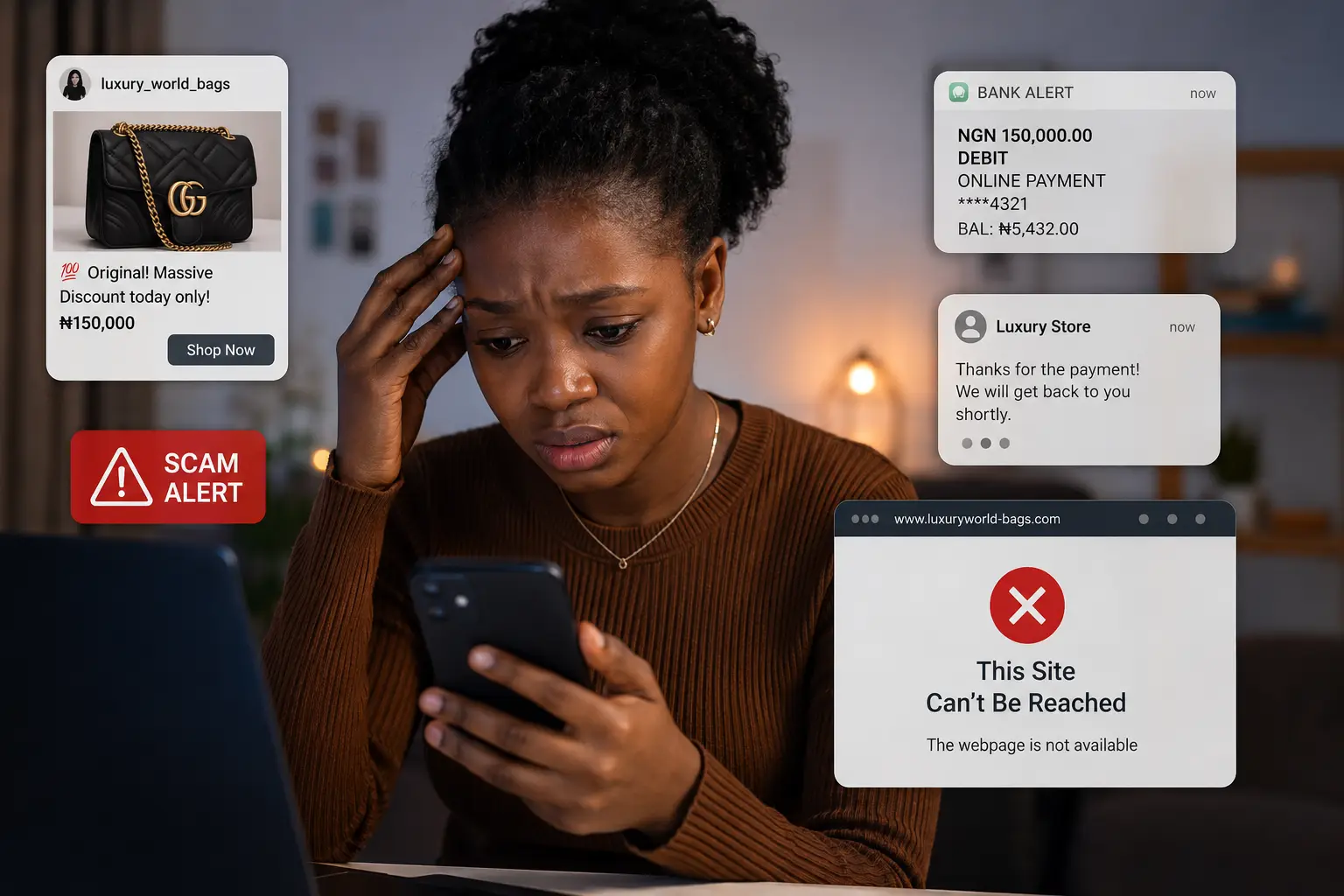
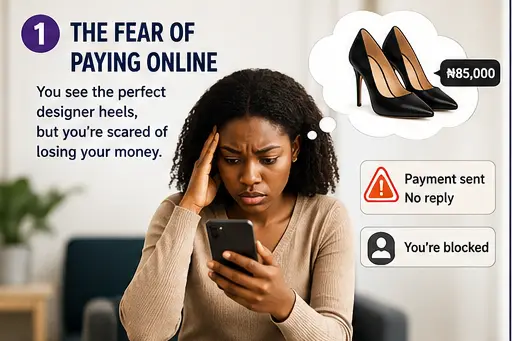
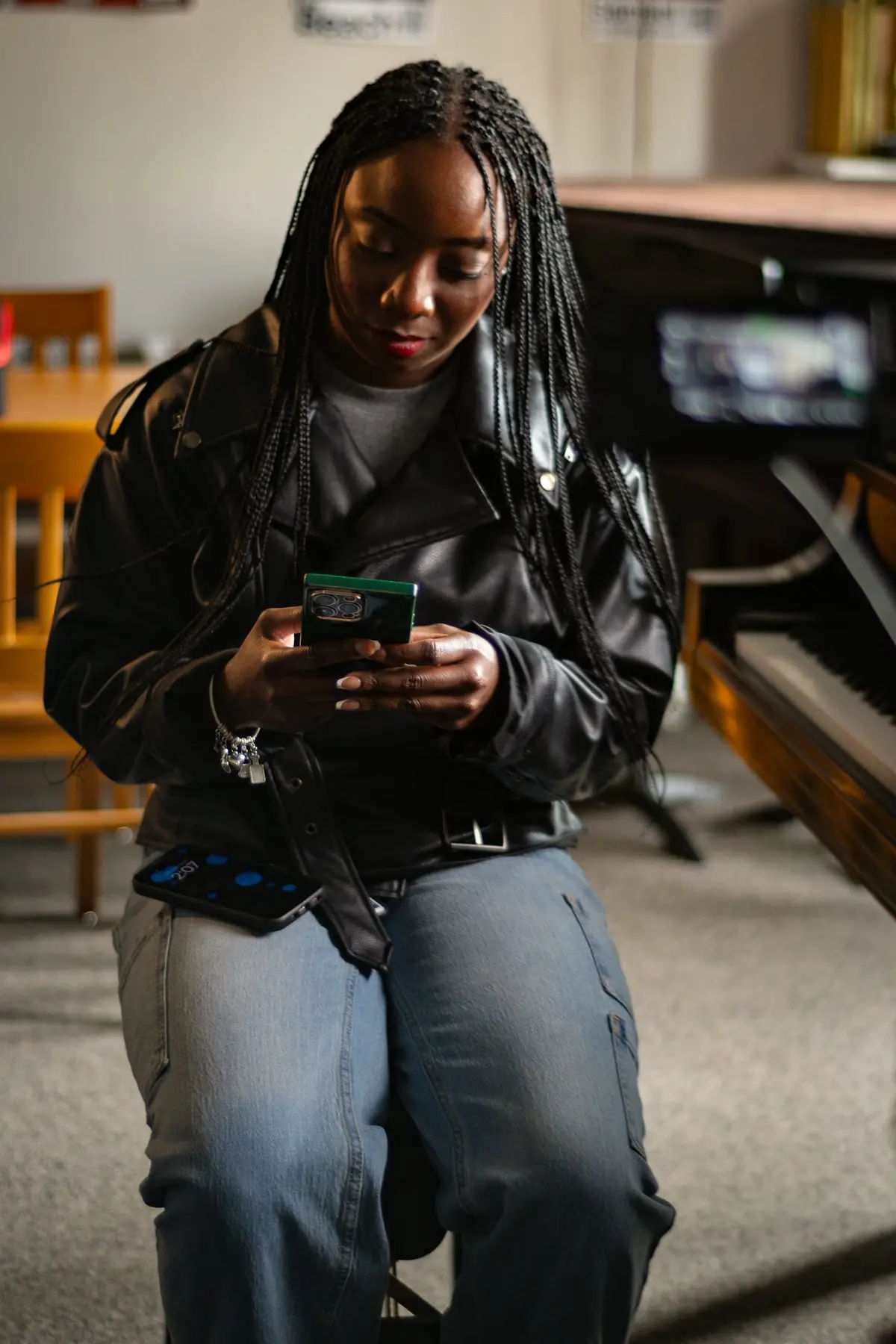
You see a great deal on Jiji or a vendor's WhatsApp status: a Samsung phone for 80,000 naira. You message the seller on WhatsApp, they send real-looking pictures, and you agree on a price. They say, "Just send half the payment now to secure the phone because other people are also interested." You send the money, and immediately you send the money, the vendor goes quiet. Two days passed, and no reply from the vendor. You have sent hundreds of "hello," but yet no response and then boom, you get blocked.
It hurts. And it happens every single day. But here is the good news: you can protect yourself. Learning how to buy and sell safely on WhatsApp in Nigeria is not rocket science. It just requires a few smart habits and the right backup plan.
Why WhatsApp Has Become a Hotspot for Scams
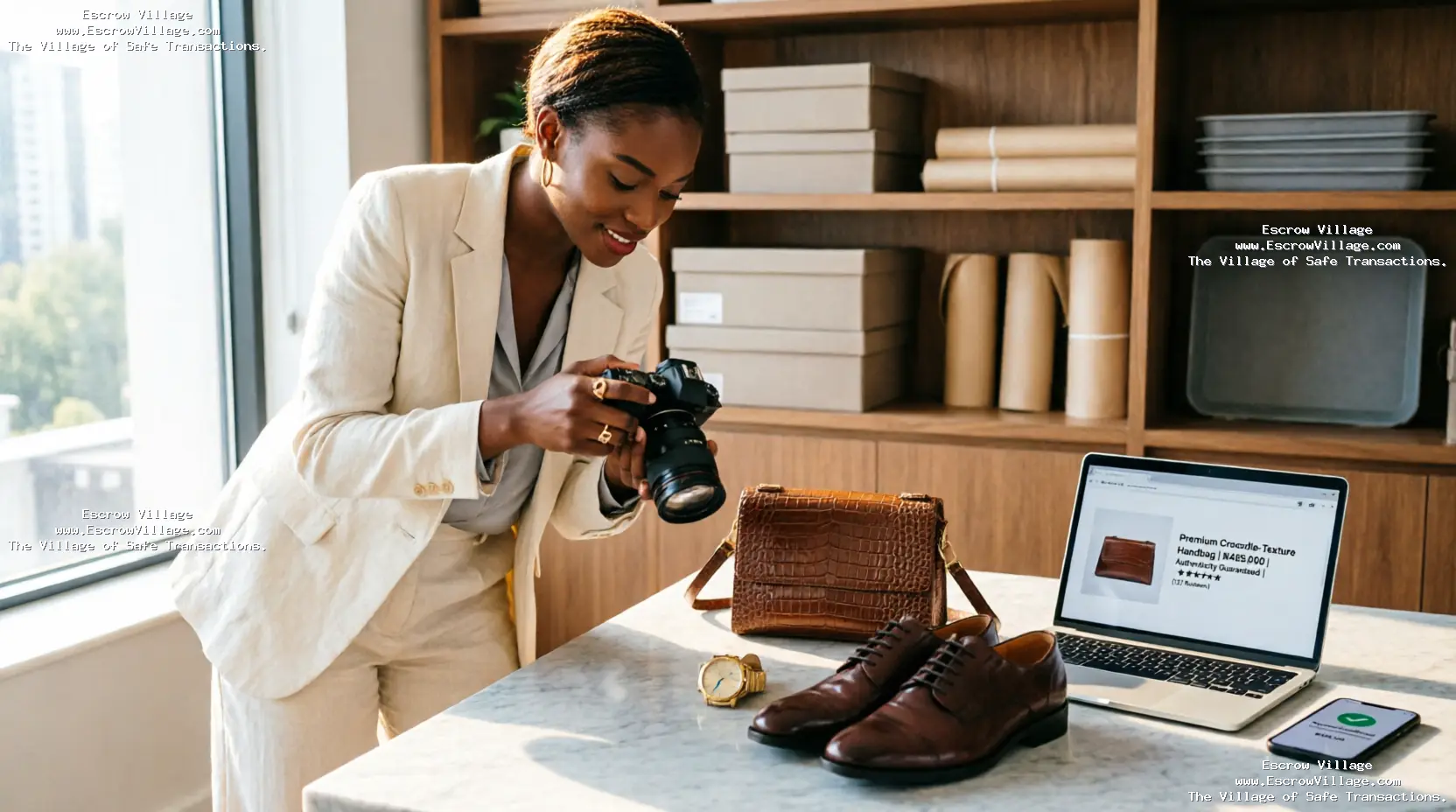
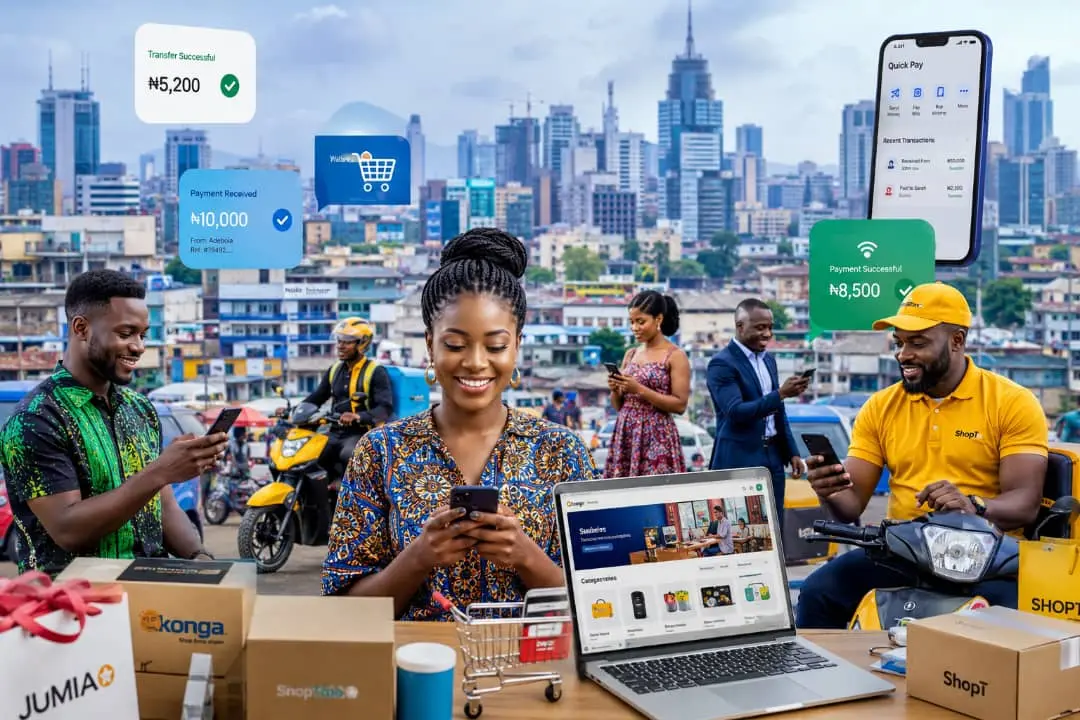
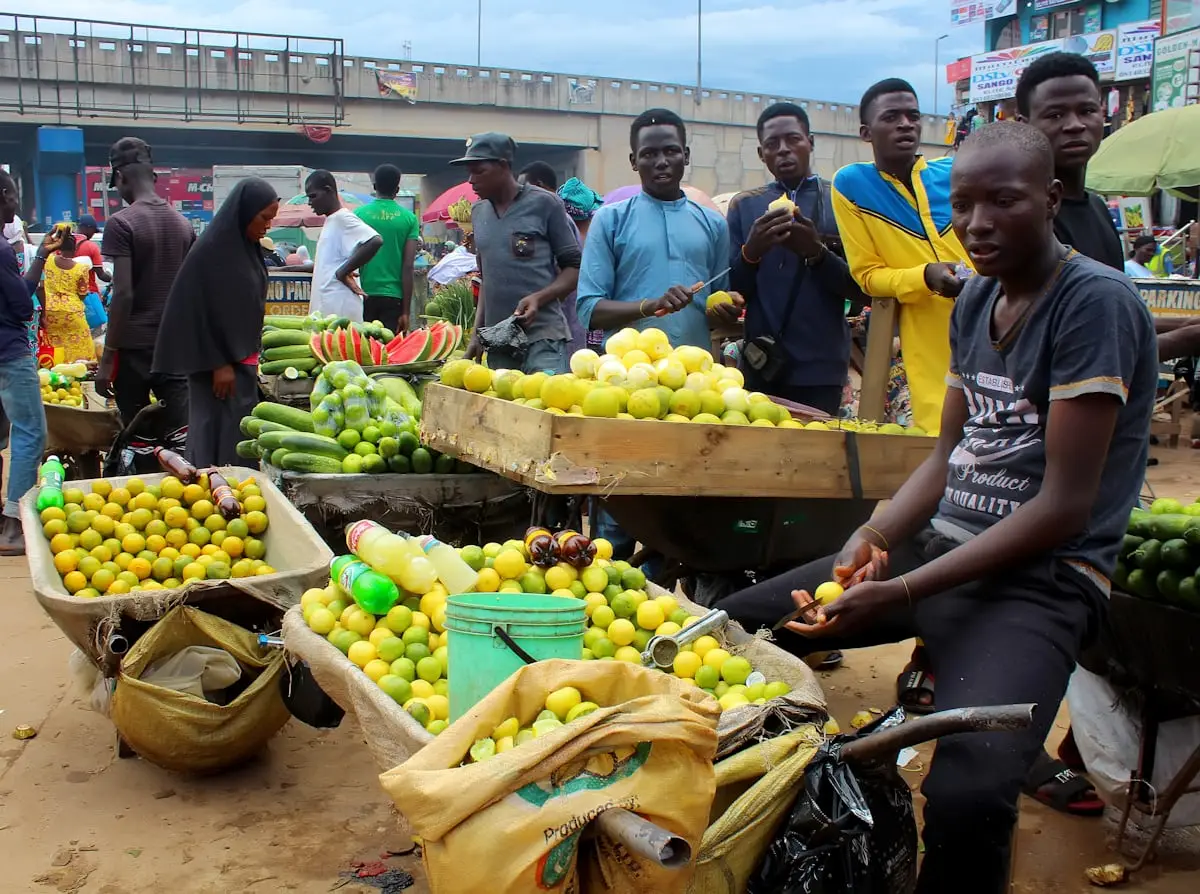
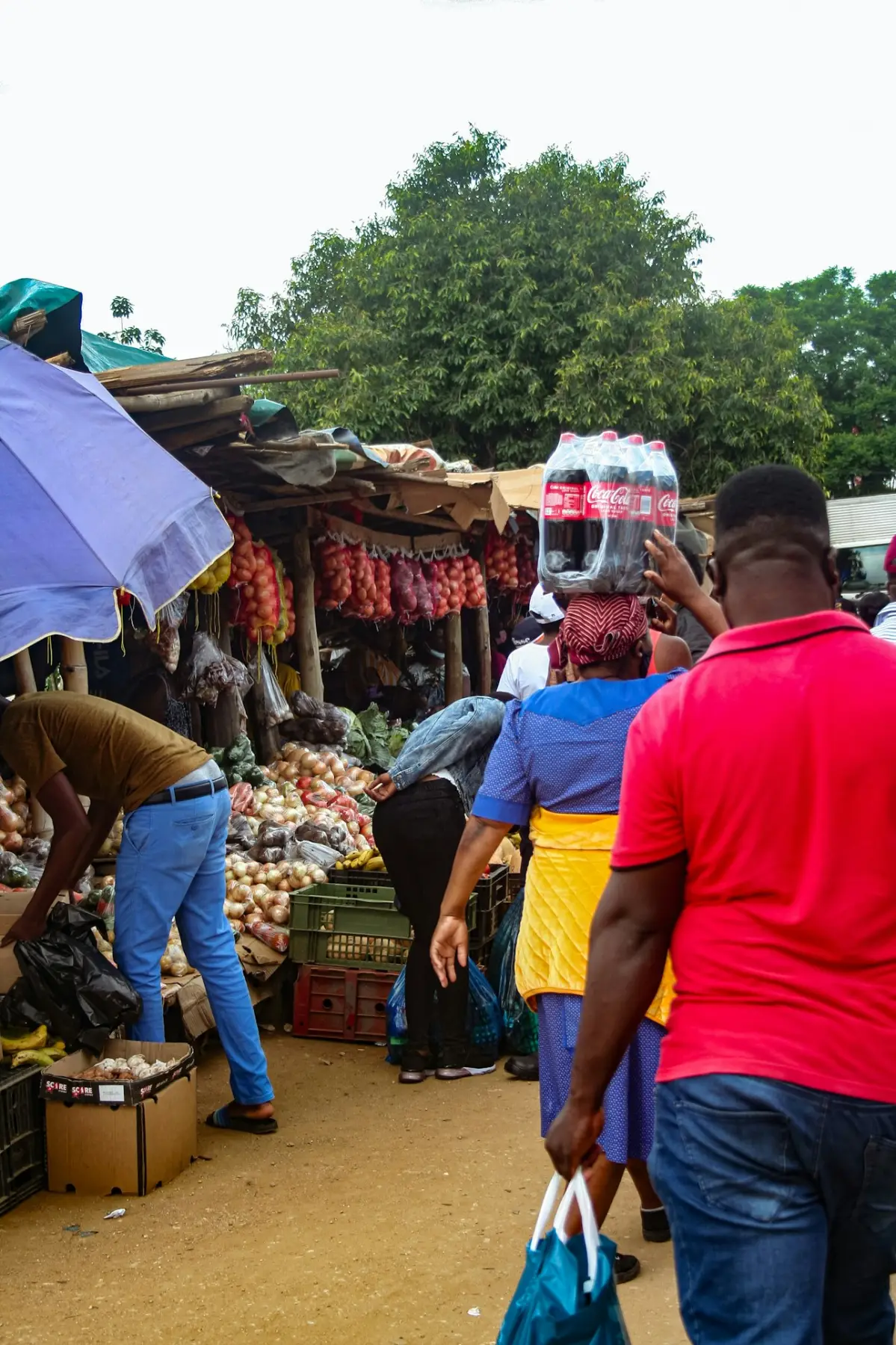
WhatsApp has quietly become one of the biggest marketplaces in Nigeria. People sell everything there, phones, wigs, thrift clothes, sneakers, perfumes, gadgets, and even cars. It feels easy because everybody uses WhatsApp daily.
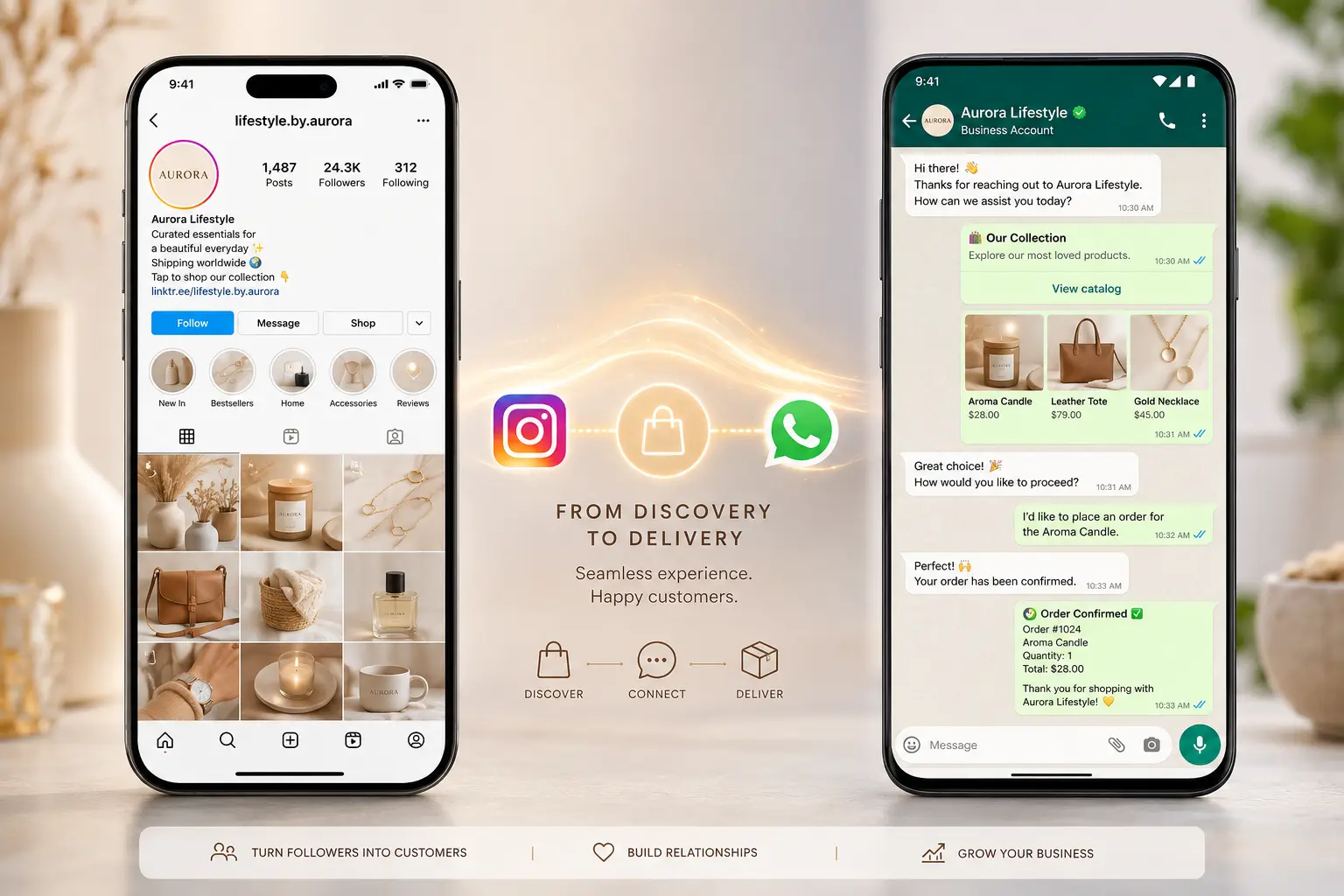
And let's be honest. Almost every online deal in Nigeria ends up on WhatsApp. You find the item on Instagram, Facebook marketplace, or Jiji, then move to WhatsApp to "fast talk" the price.
The problem? WhatsApp has no buyer protection.
Once money enters the wrong account, recovery can be difficult. Scammers know that the stress of tracking a bad account through Nigerian banks or the police is often more expensive than the money lost. They rely on the fact that you will eventually "leave it for God." When you send that transfer to a stranger's GTBank or UBA account, you are praying they are honest. In this economy, many people are not. Scammers love WhatsApp because they can disappear in seconds, delete the chat, change their number, and start again. That’s why online shopping safety in Nigeria matters more than ever.
The "My Friend Was Scammed" Scenario We All Know
Chidinma sells waiting beads on Instagram. A buyer messaged her and agreed to pay 45,000 naira for bulk beads. Asked for Chidinma's account, made payment, and sent the receipt.
Chidinma quickly rushed to a dispatch station and shipped the goods because the buyer told her to hurry up and send the goods today, as she was leaving town.
But it turns out the receipt was fake. No money entered her account.
On the other side, Emeka paid 120,000 naira for a "clean" iPhone 12 Pro Max. The seller went silent after Emeka sent the money.
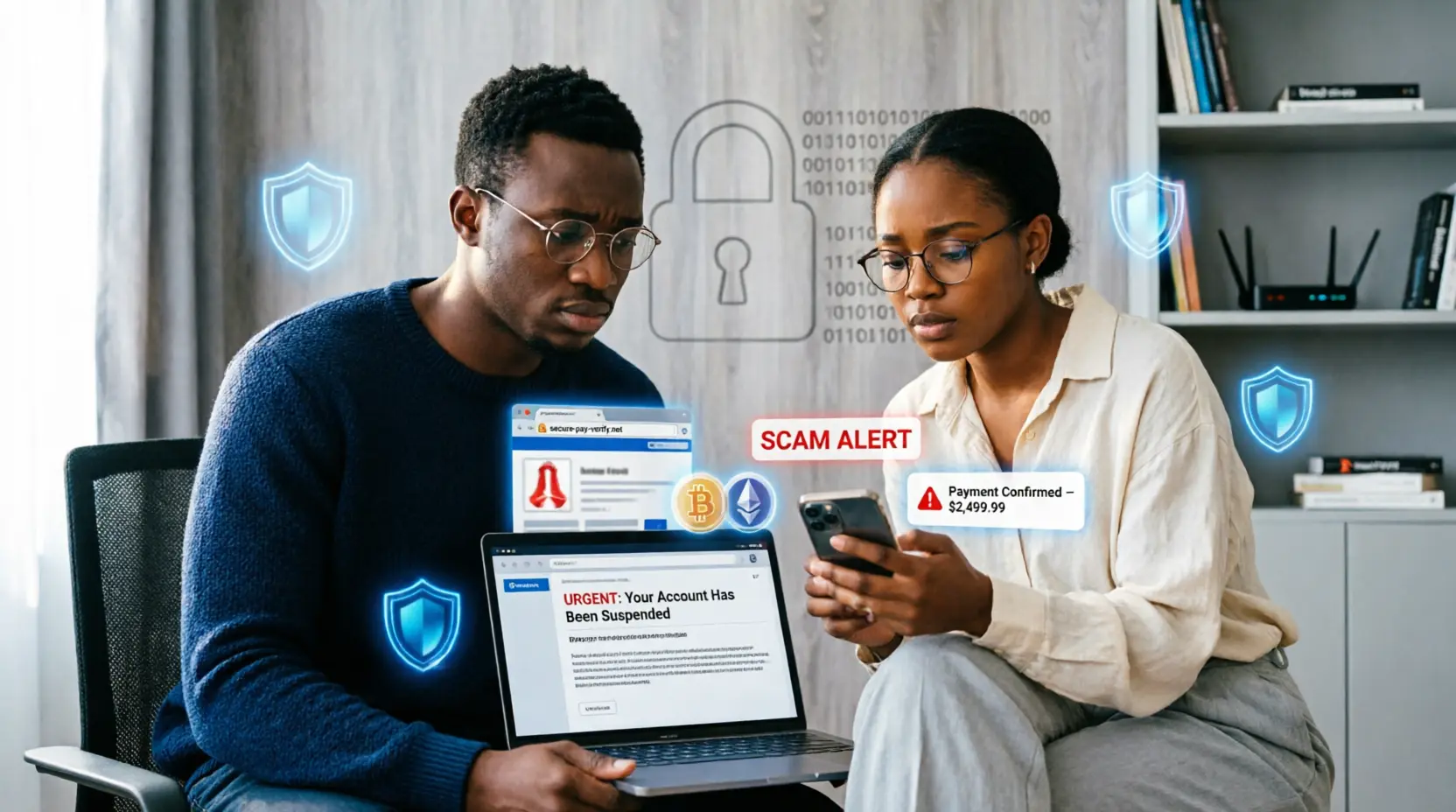
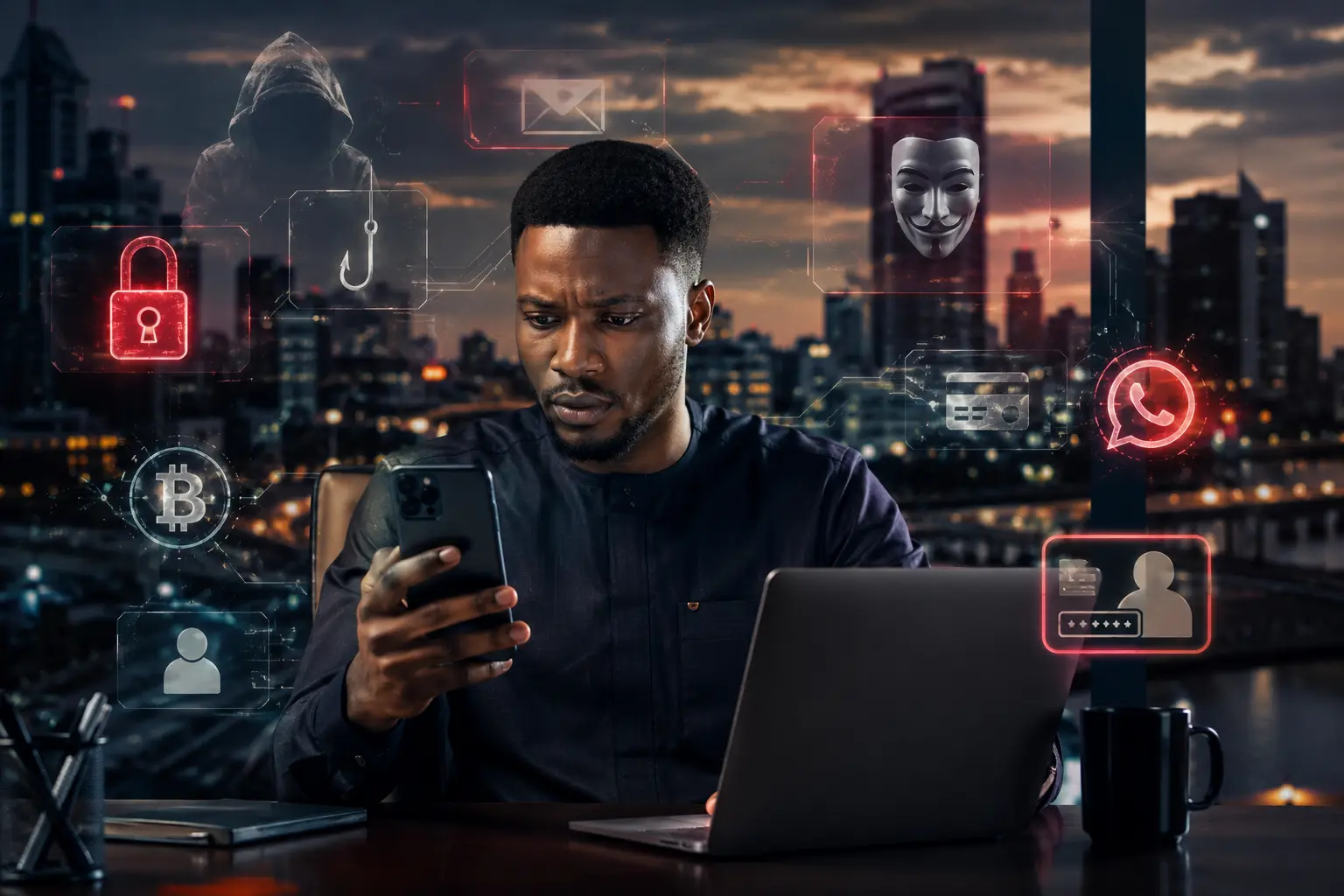
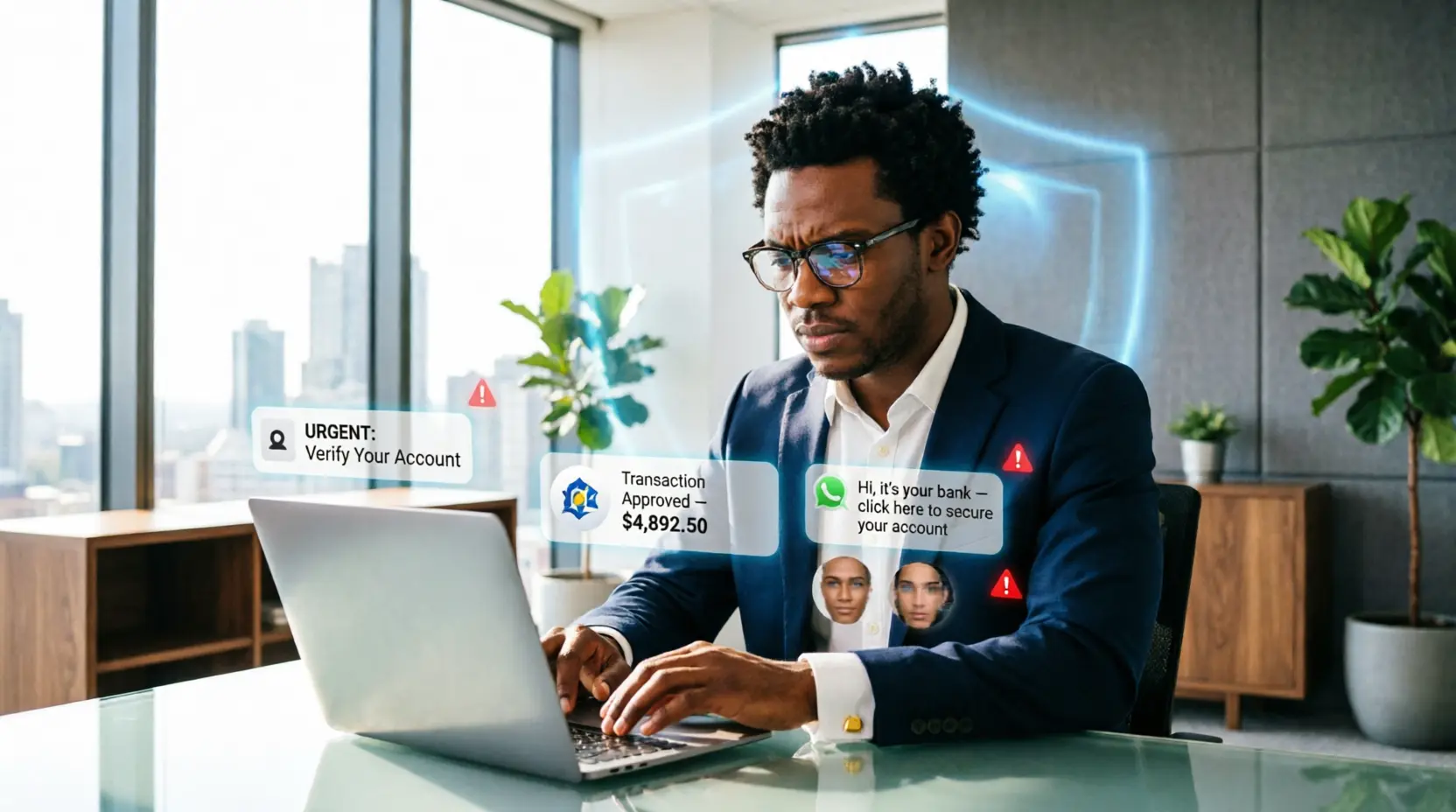
Common WhatsApp Scams Nigerians Face
Before talking about protection, let’s look at the traps people fall into every day.
● Fake Vendors
This is the most common one.
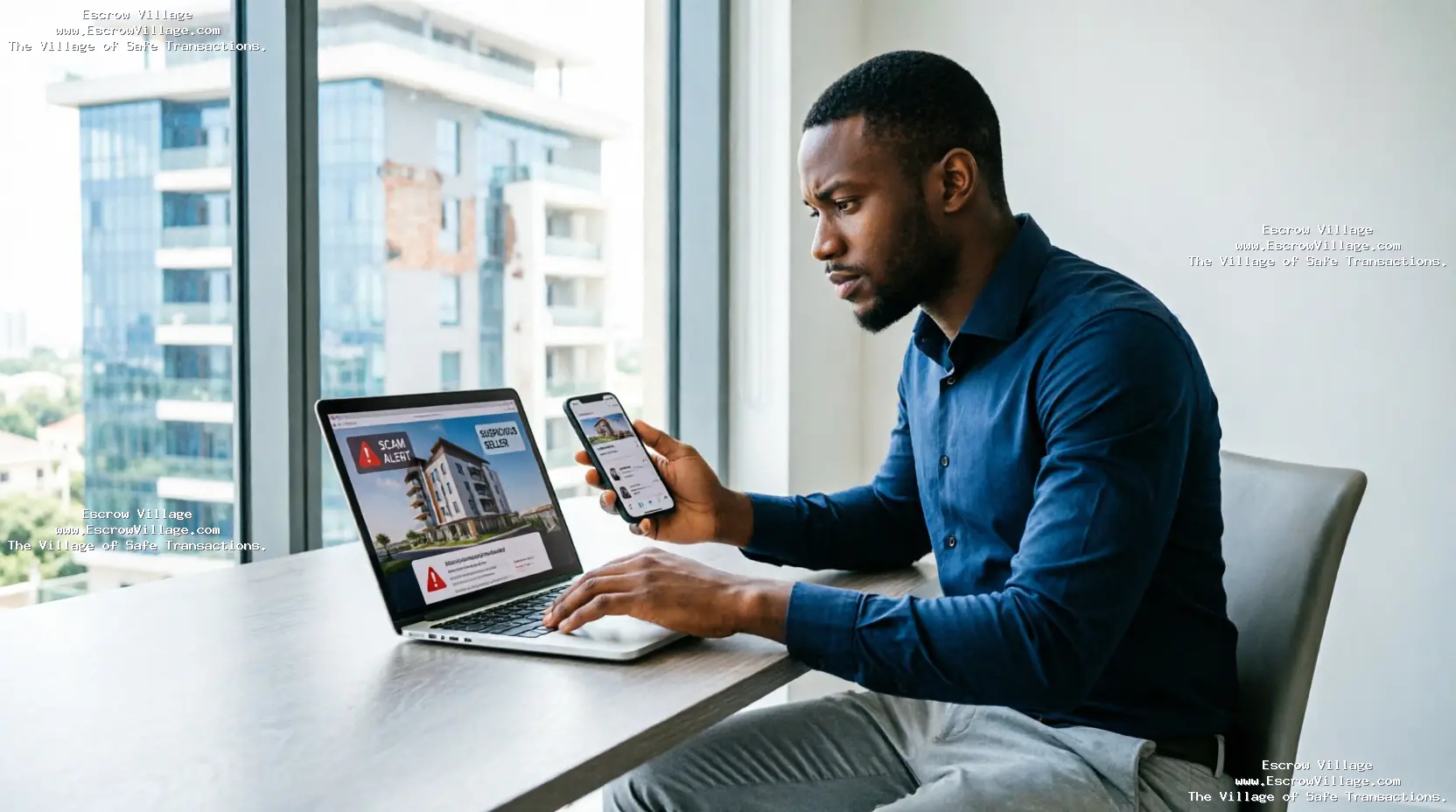
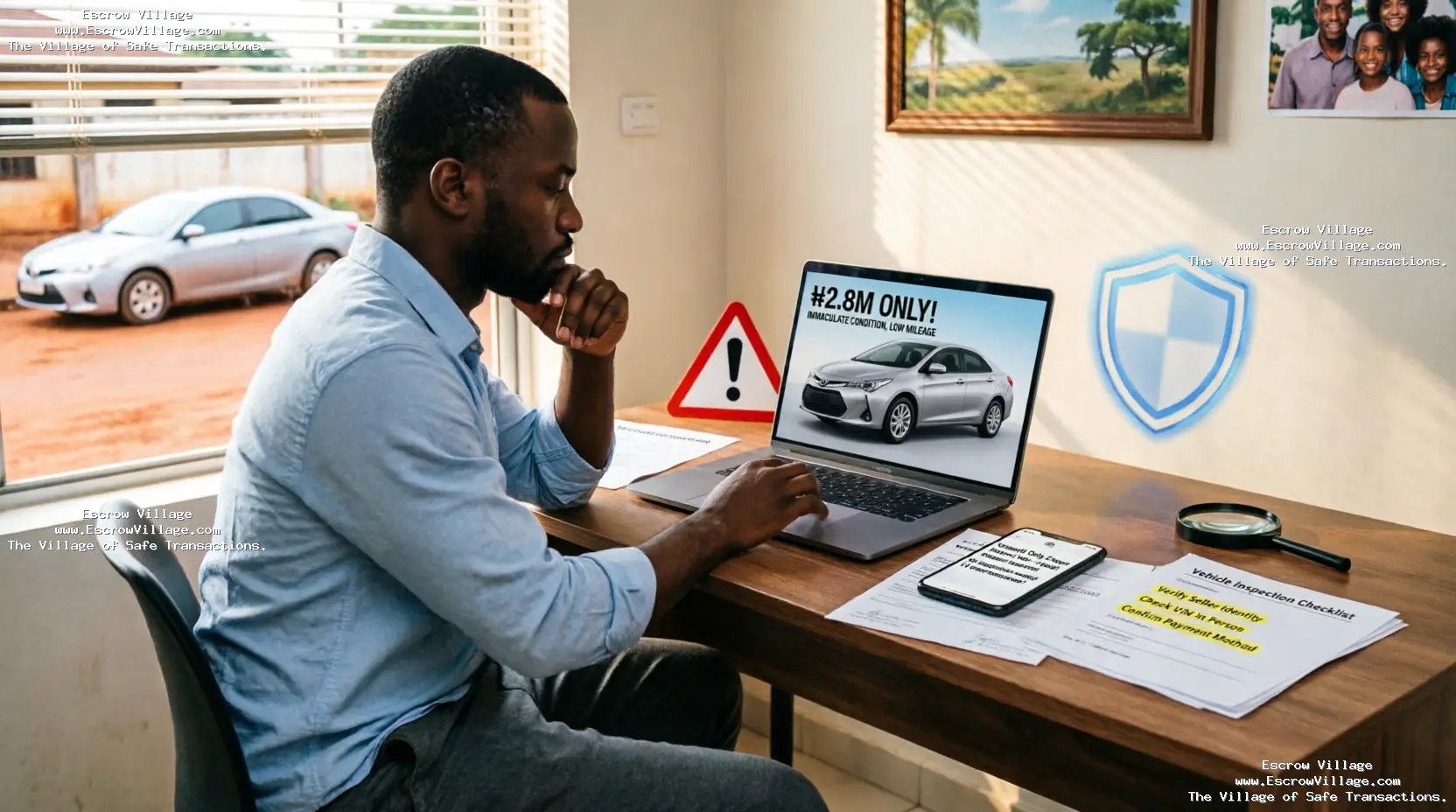
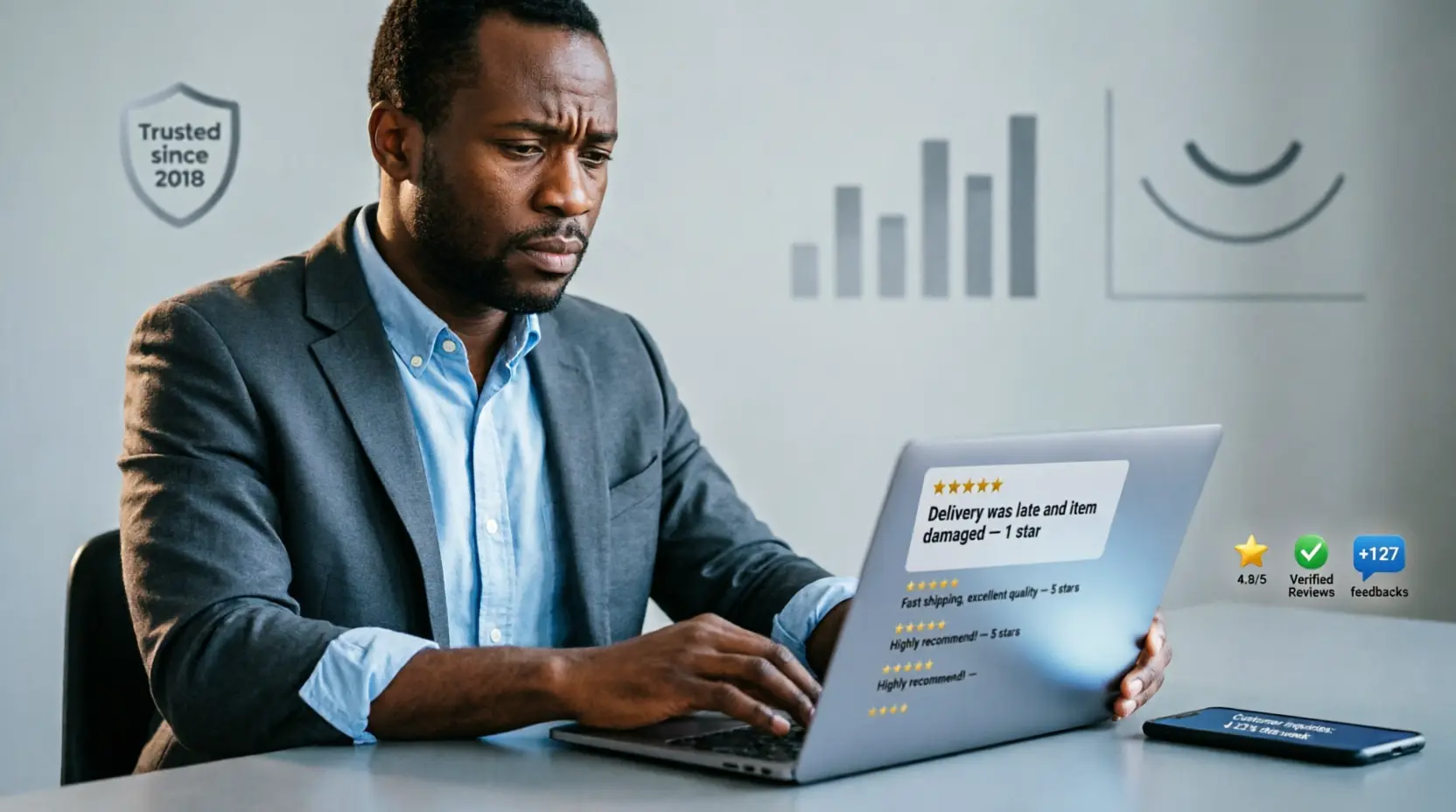
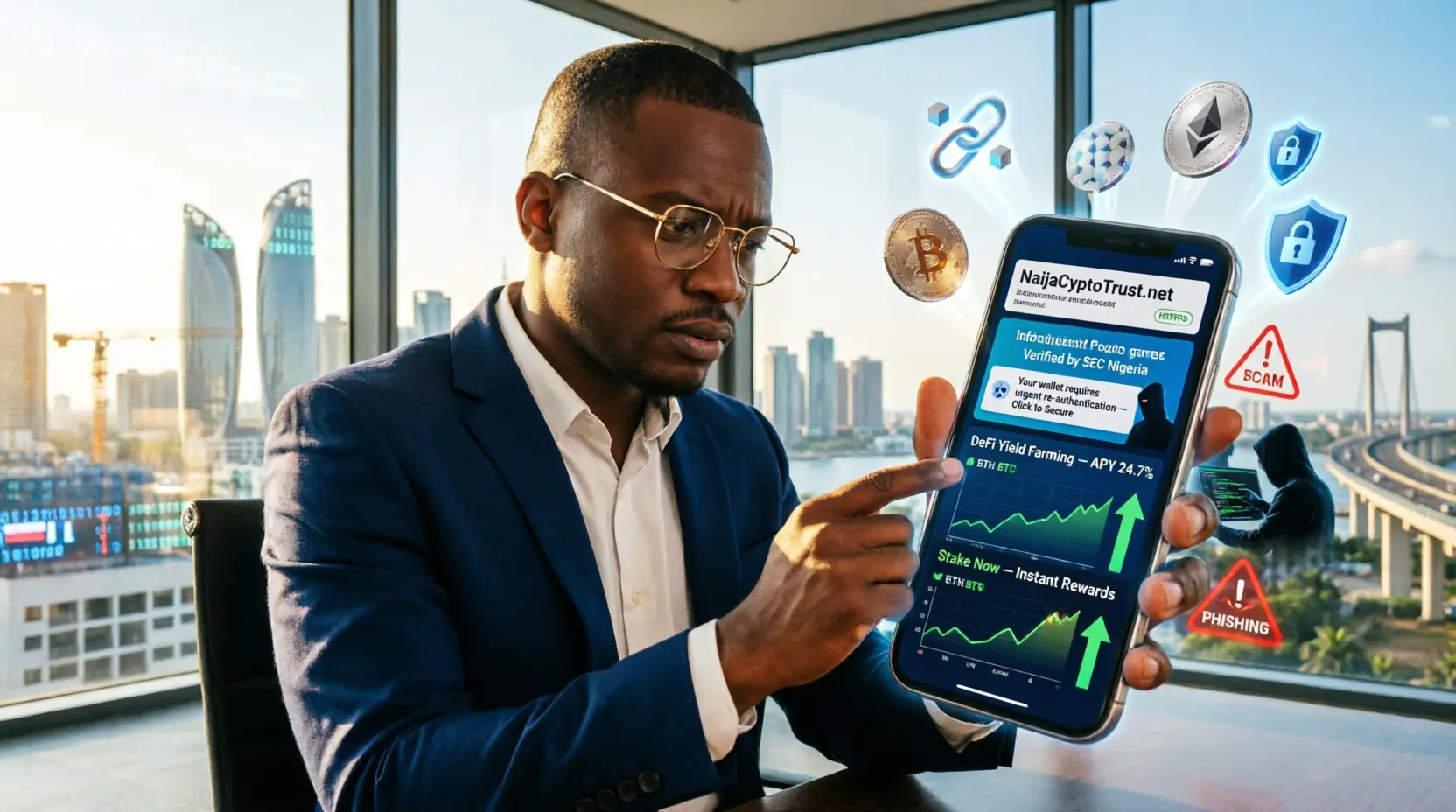
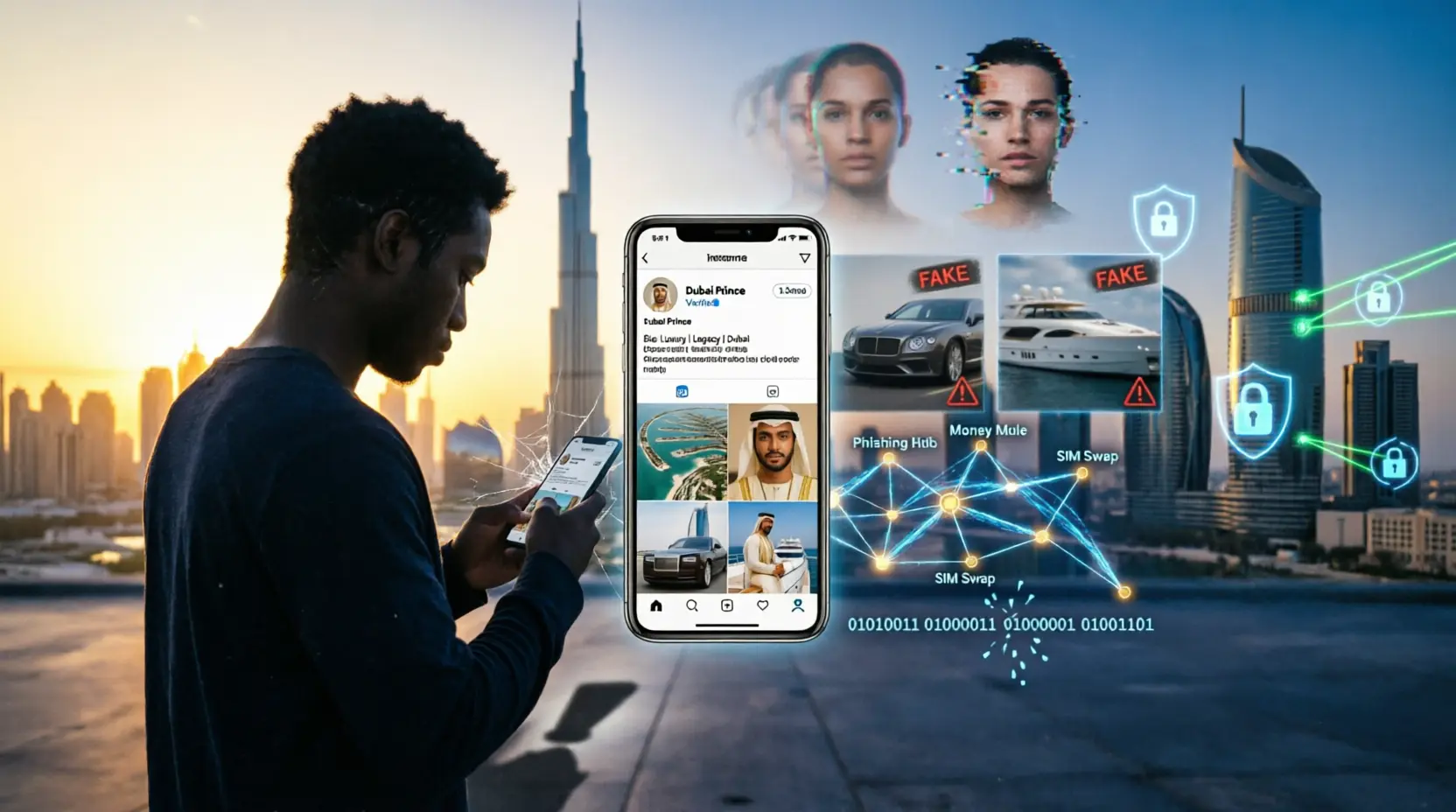
A scammer steals product pictures from Instagram or Jiji, posts them on WhatsApp, and advertises ridiculously low prices. Once payment is made, they disappear.
● Fake Payment Alerts
This one affects sellers.
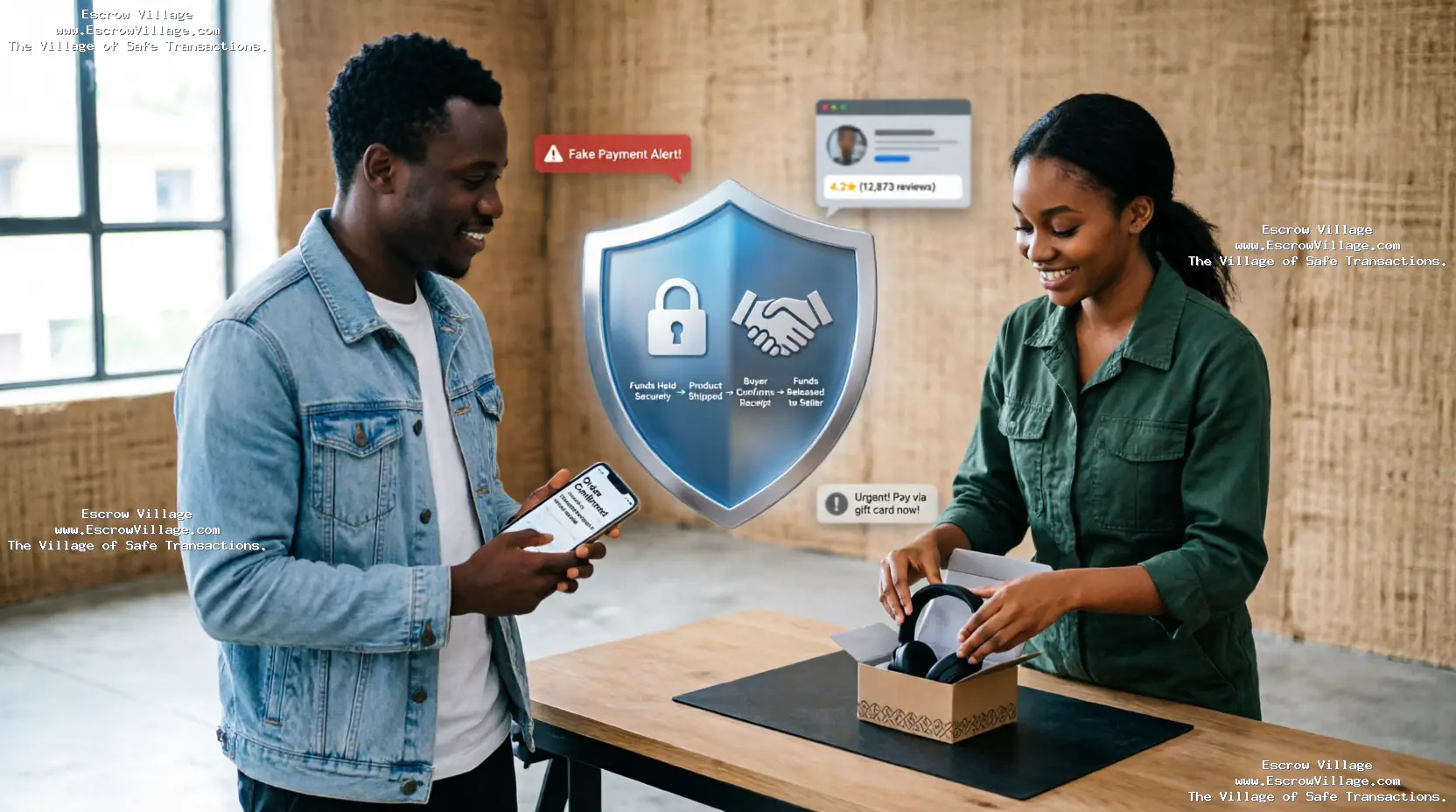
A buyer sends a fake bank alert screenshot and pressures the seller to release the item quickly. Sometimes the seller discovers hours later that no money entered the account.
● Dispatch Rider Confusion
Some buyers pay for products that never arrive. Other times, sellers hand products to riders without confirming payment properly.
● Pressure Tactics
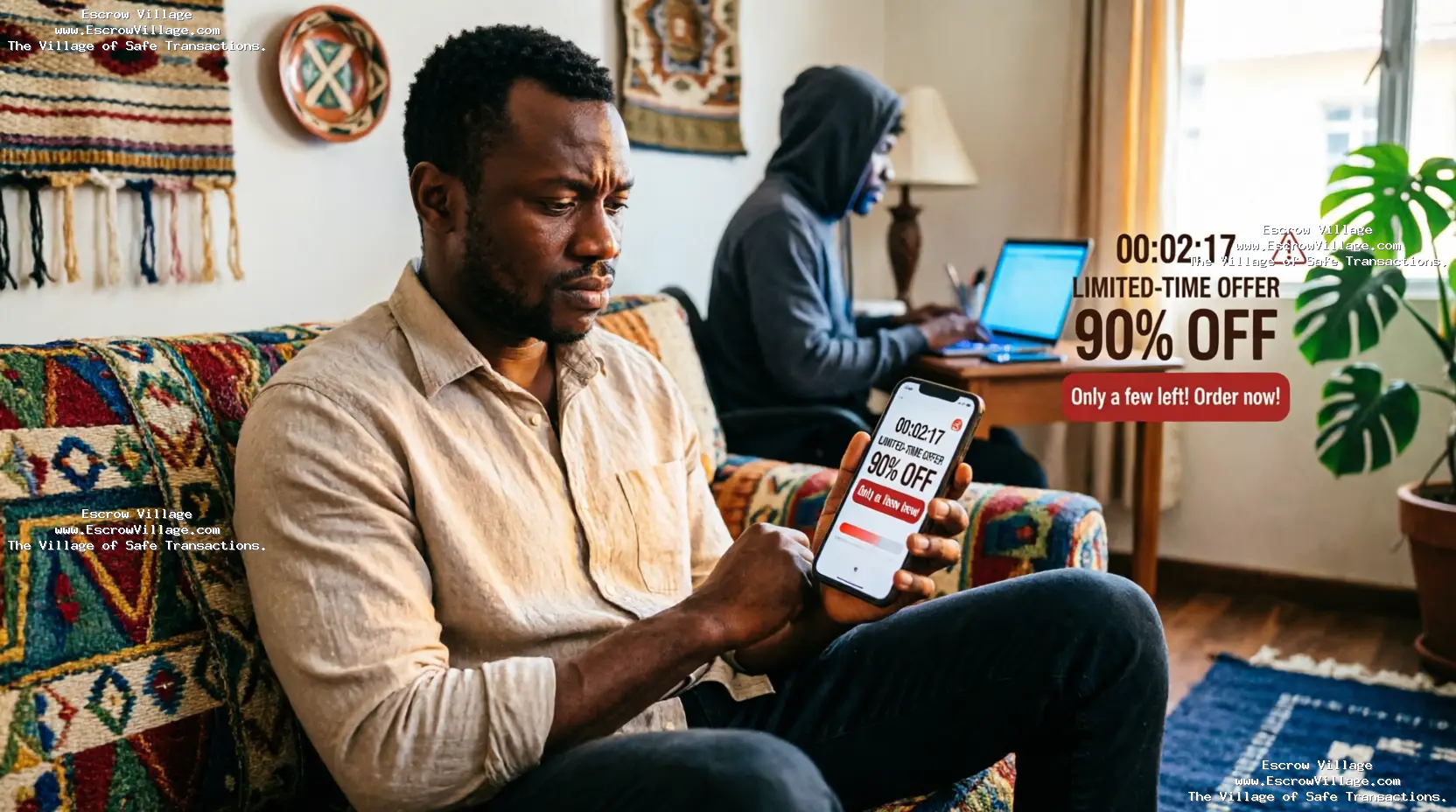
Scammers love urgency.
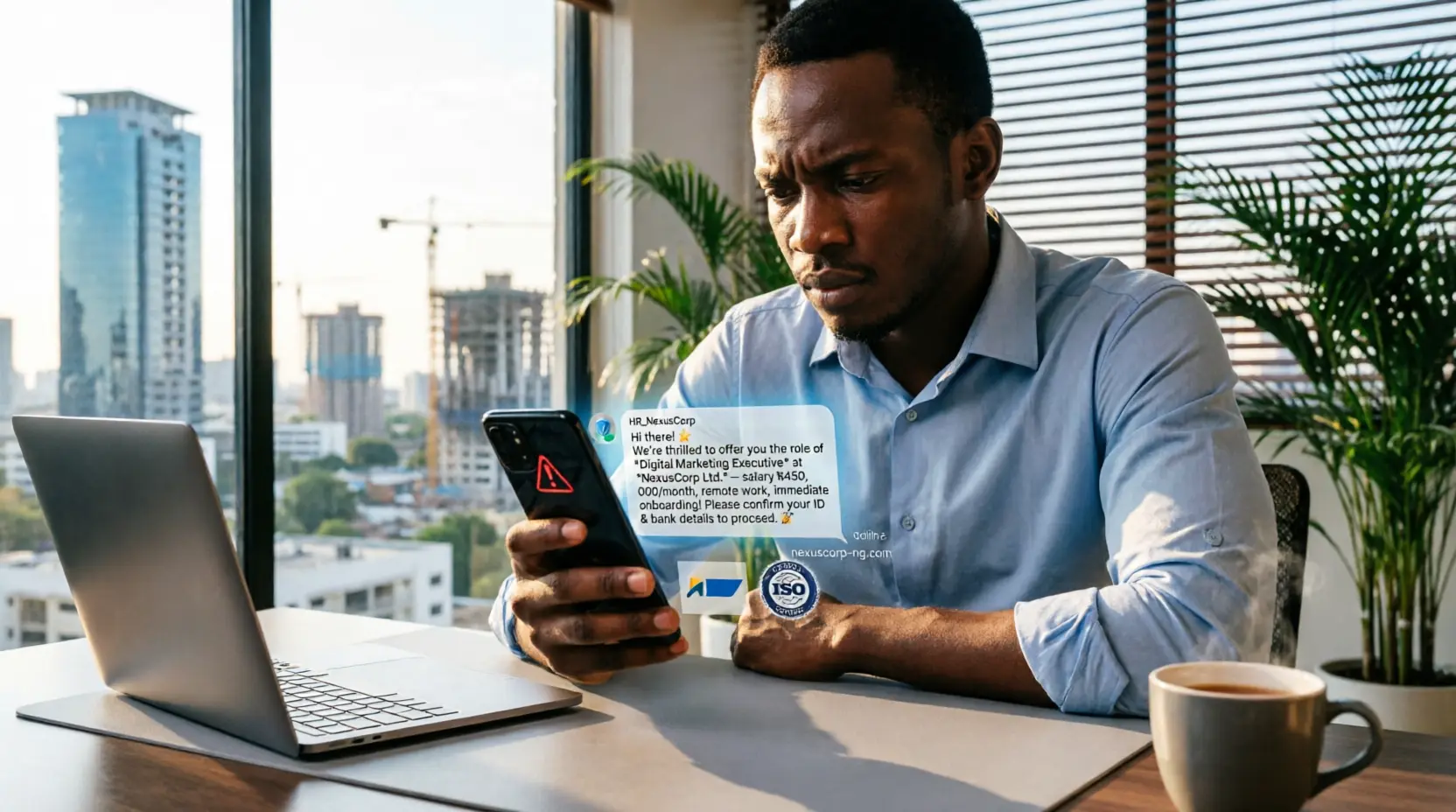
“Pay now.” “Another buyer is ready.” “The dispatch rider is already waiting.”
Pressure makes people skip proper verification.
How to Buy and Sell Safely on WhatsApp in Nigeria
Here is where we solve the problem. Follow these steps for every single transaction, whether it is 5,000 naira or 500,000 naira.
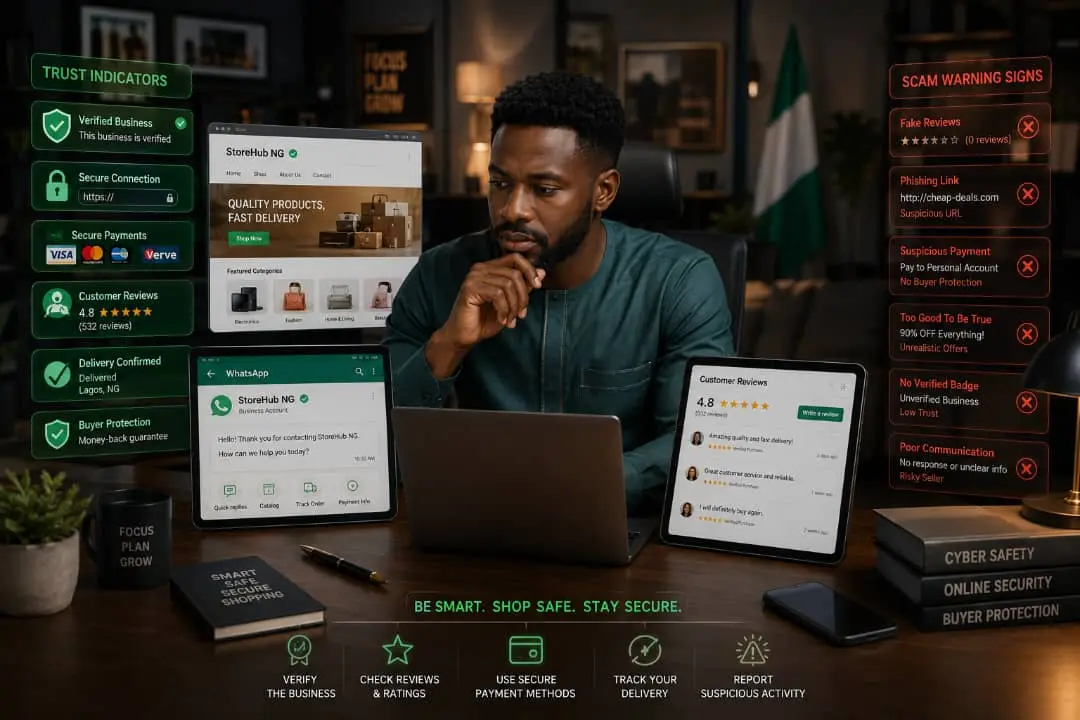
1. Verify Before You Trust
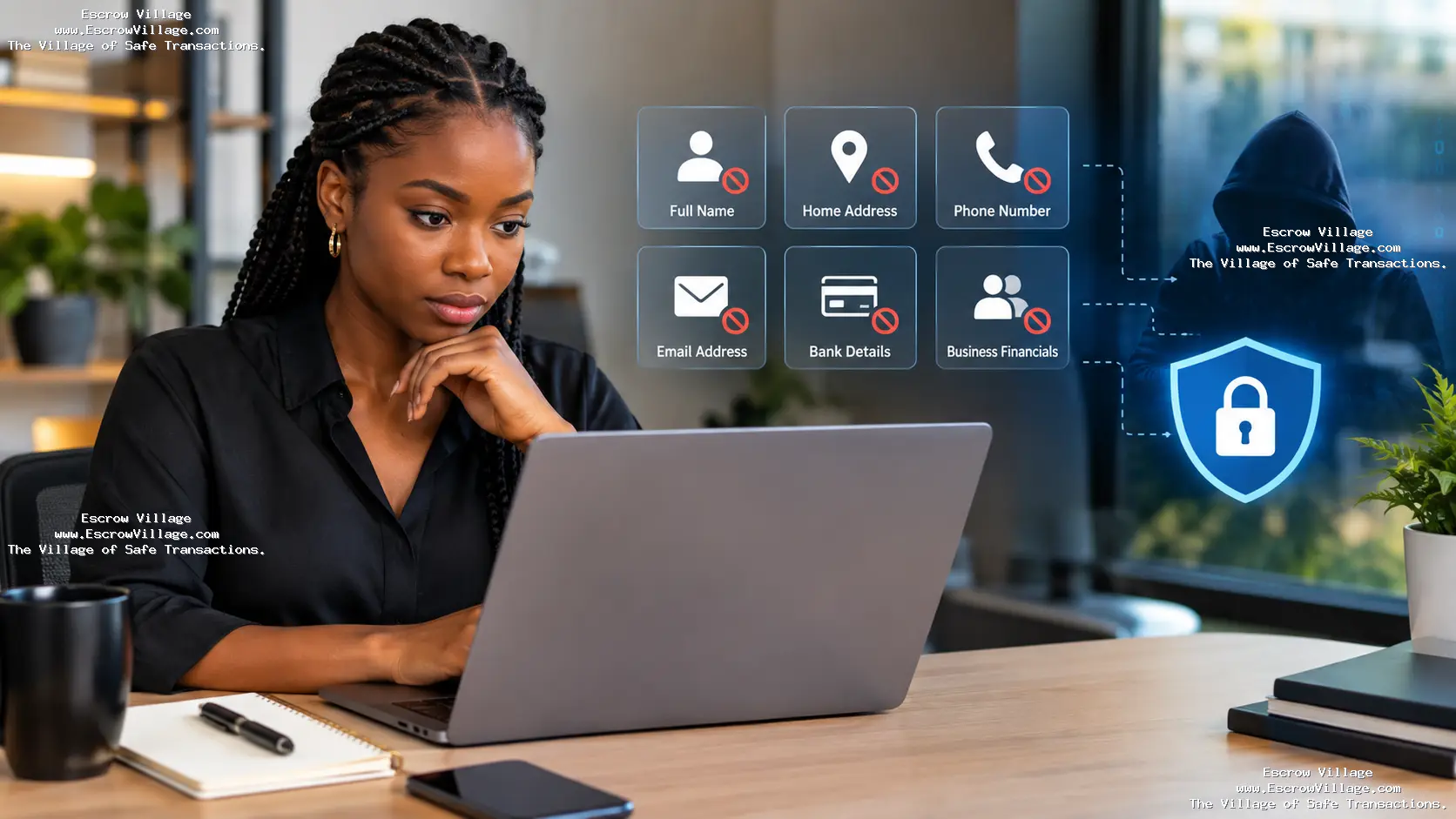
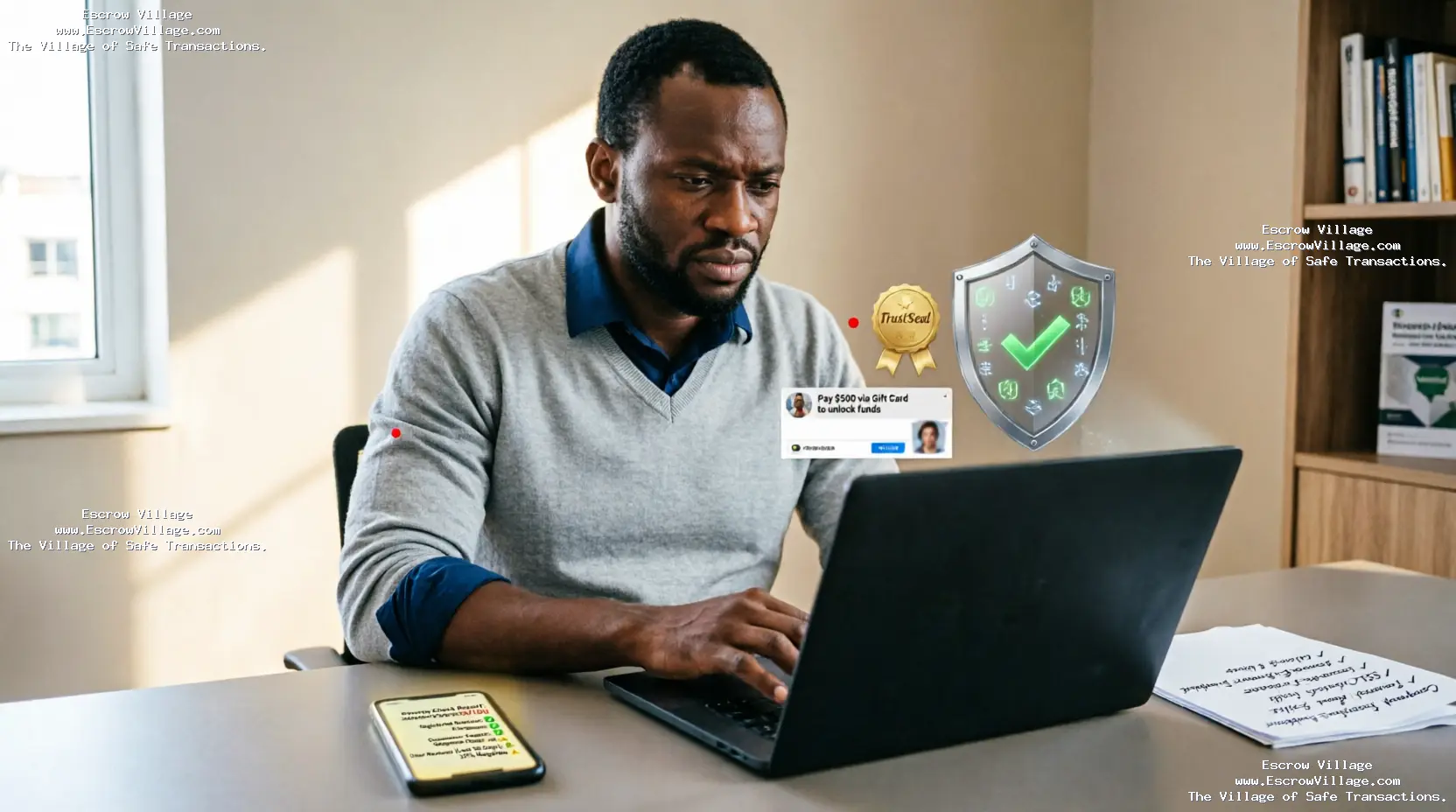
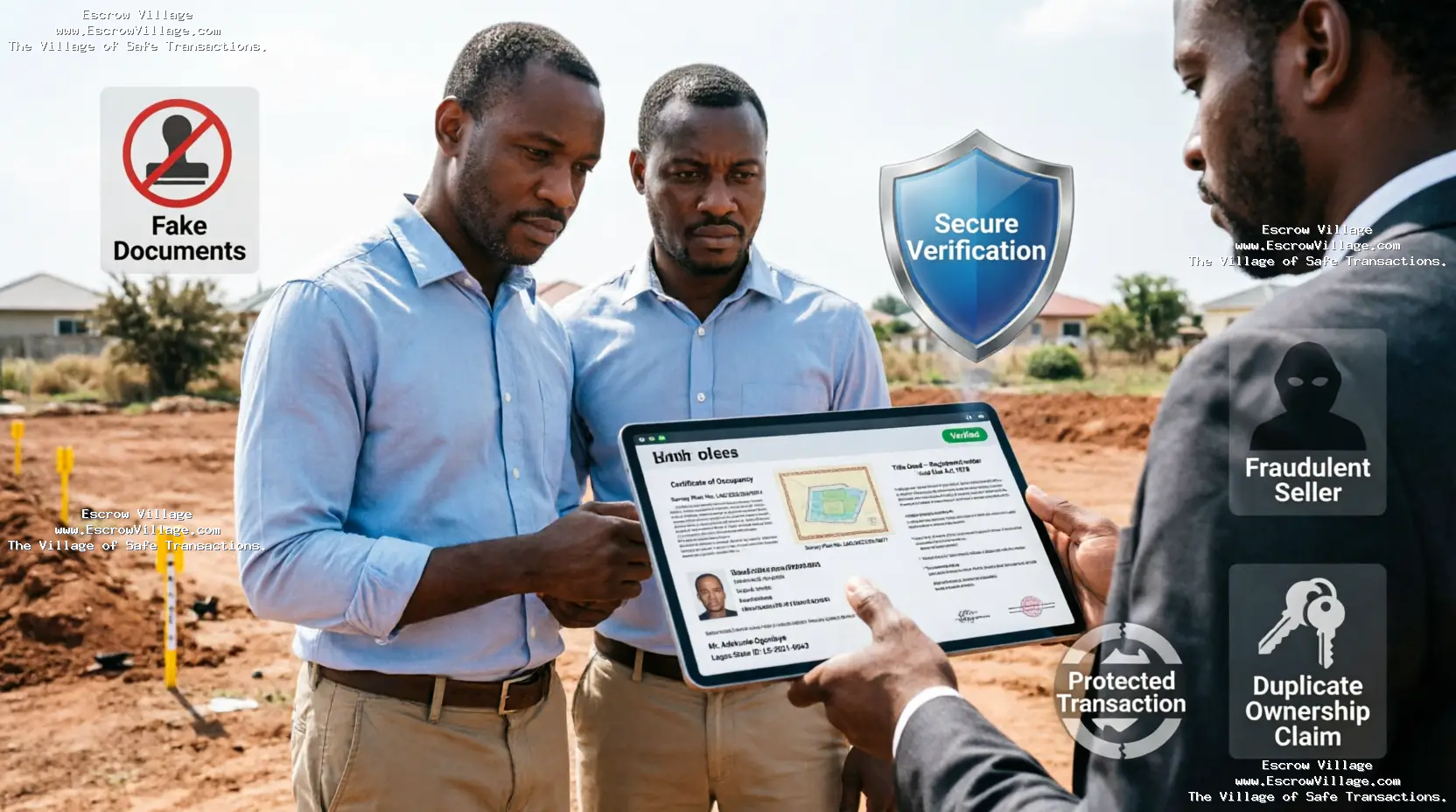
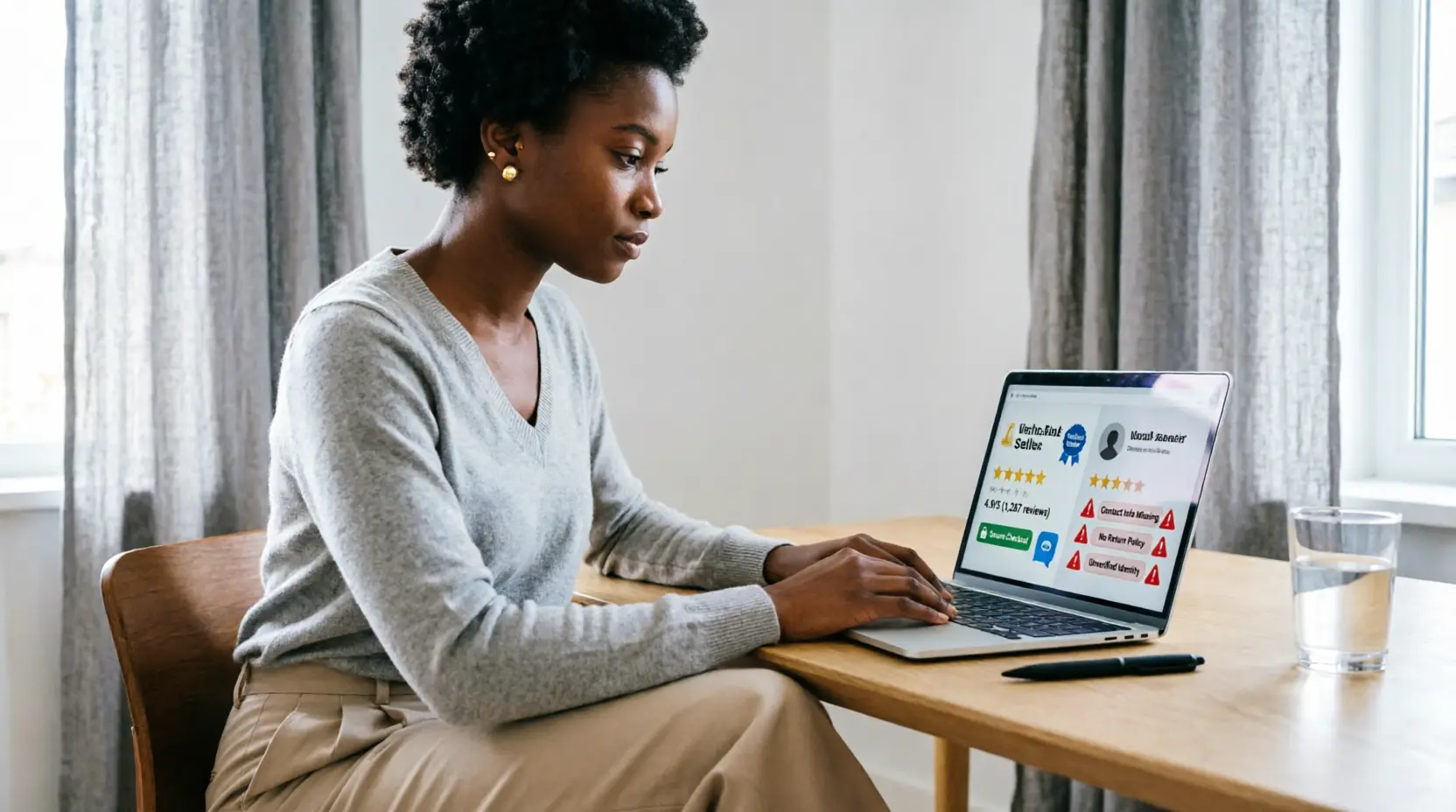
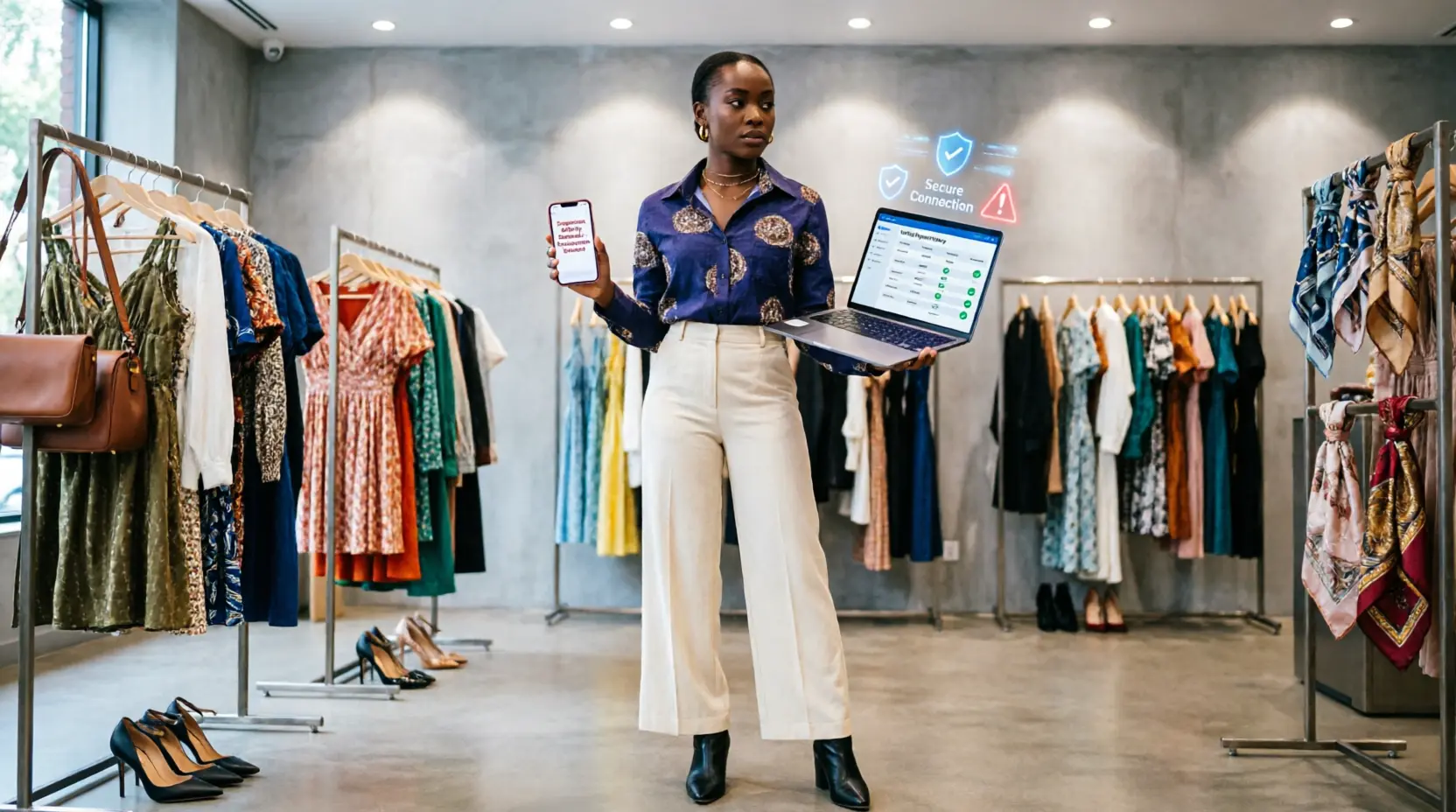
Don’t rush because the deal looks attractive. If a seller asks for "waybill fare" or "holding fee" before you have seen proof of their identity, pause.
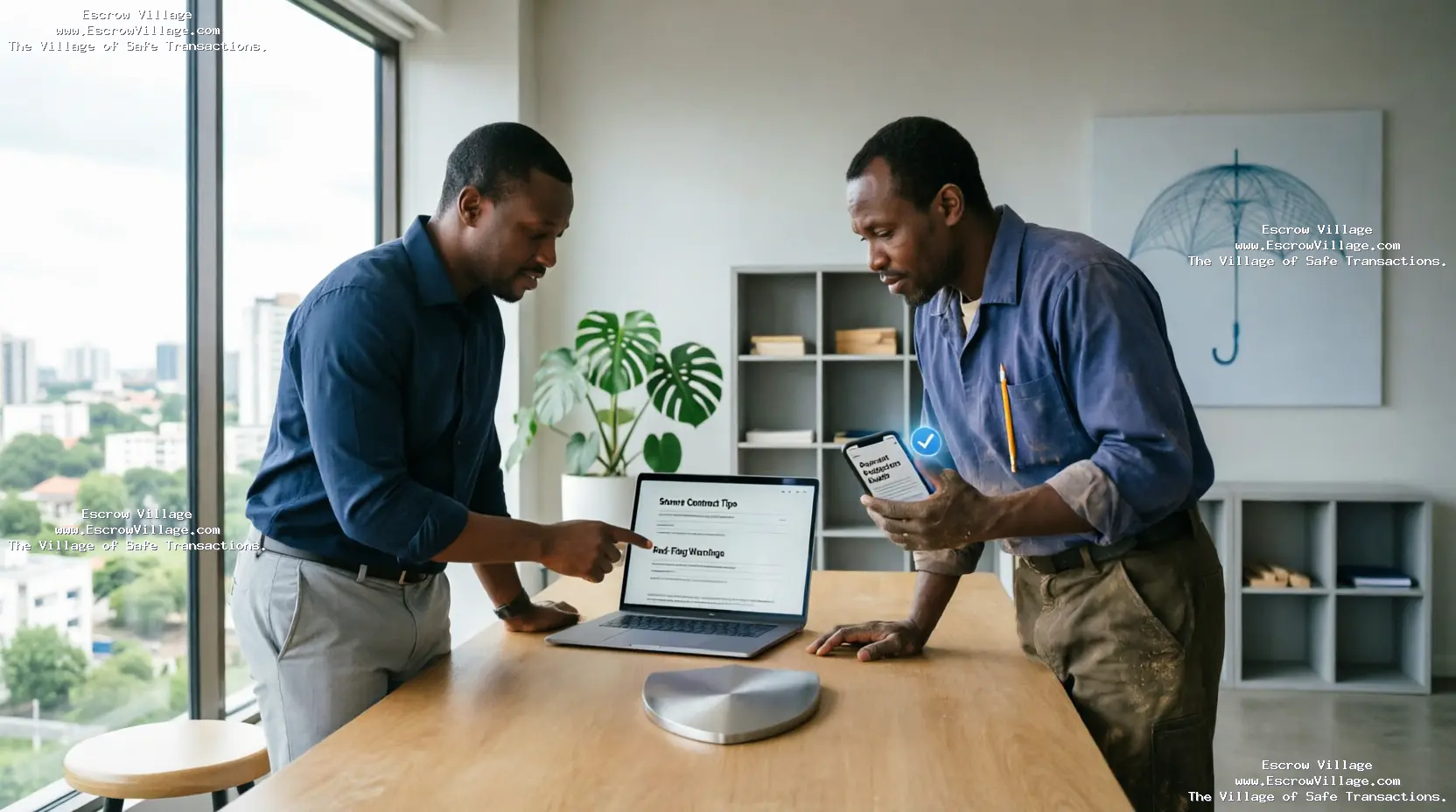
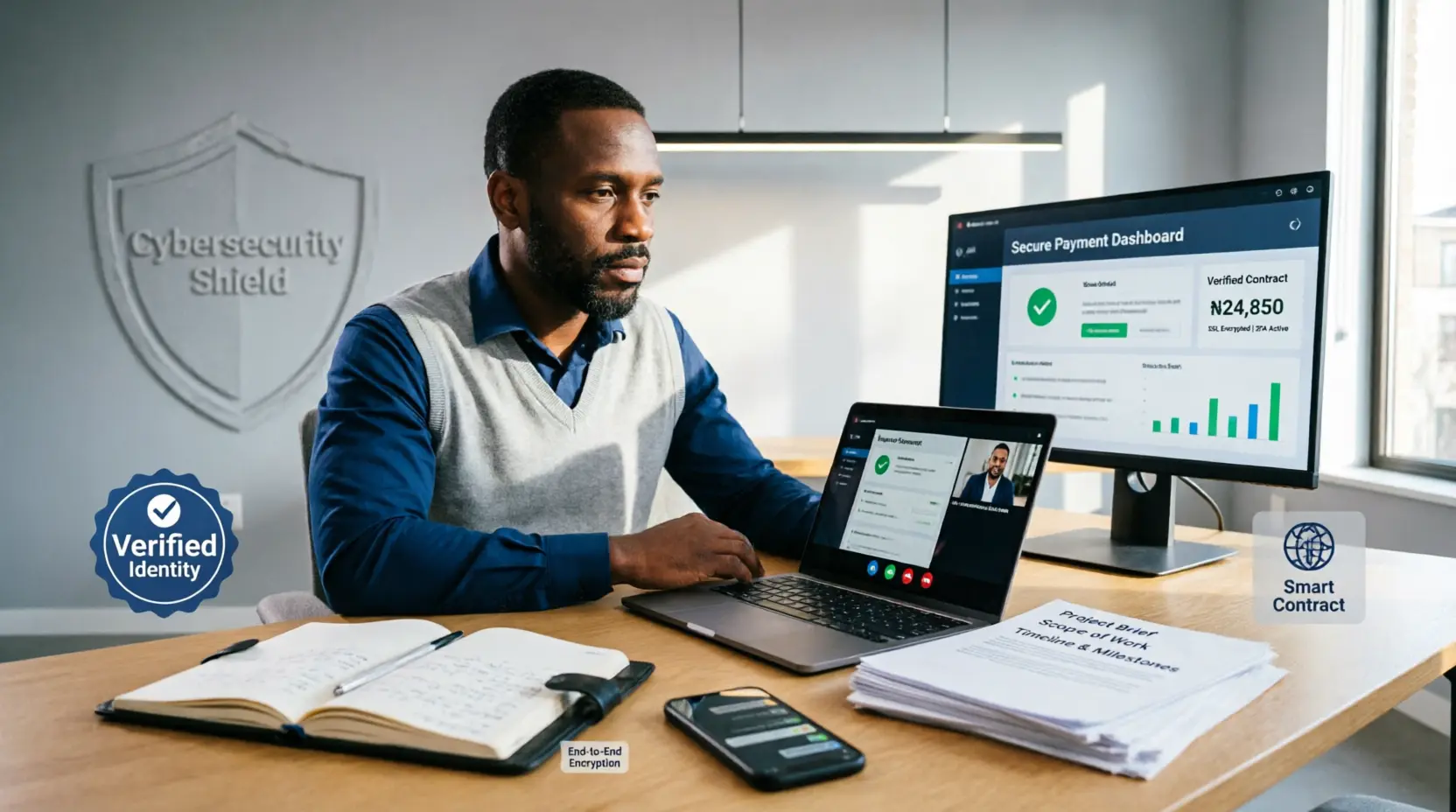
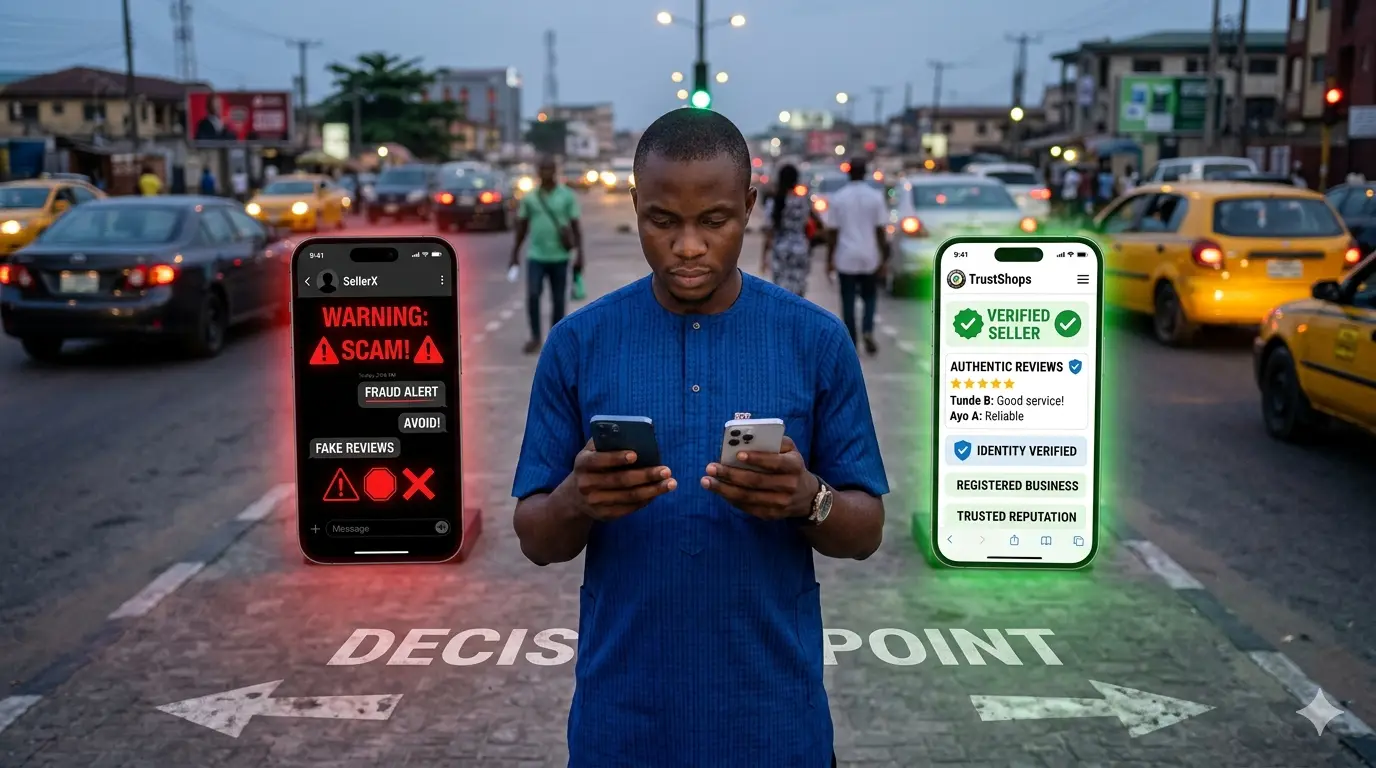
● Request a brief video call. Legitimate buyers and sellers are usually open to this to confirm they are real.
● Ask them to provide their official full name and match it with the name linked to their bank transfers or delivery address.
● If they reached out to you on a different platform (like Instagram, a website, or Facebook), ensure their WhatsApp contact aligns with those details.
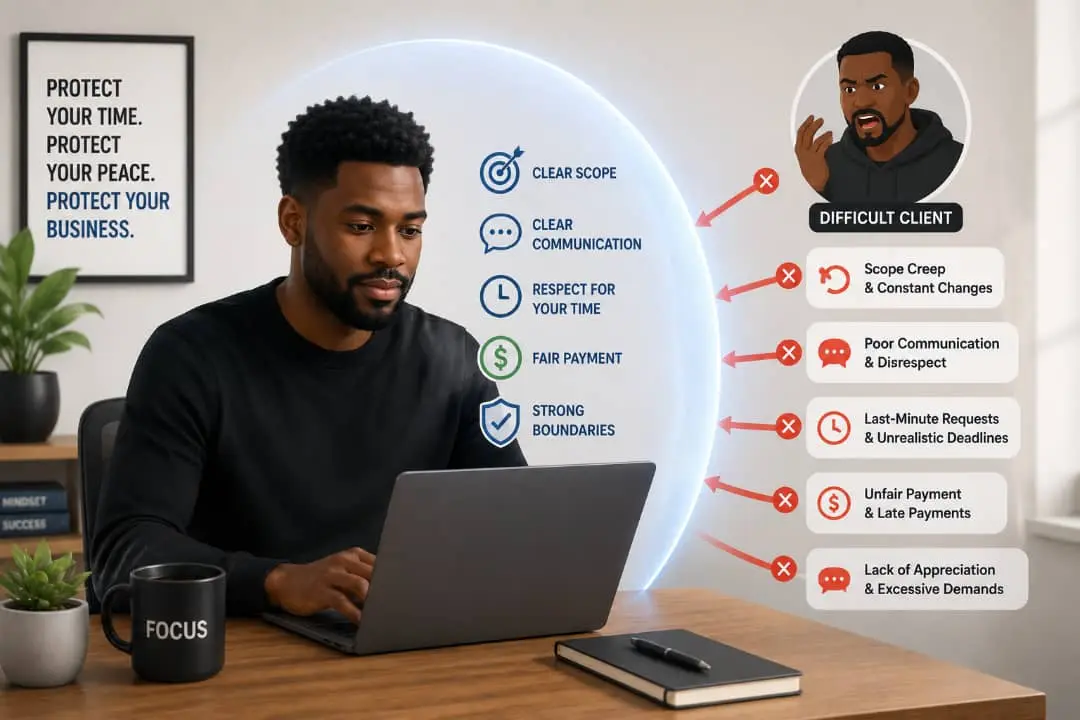
If they refuse, walk away. Legitimate sellers will not hide. For sellers, verify buyers too. A serious buyer should not resist proper payment confirmation.
2. Use a Payment Method That Can Be Reversed
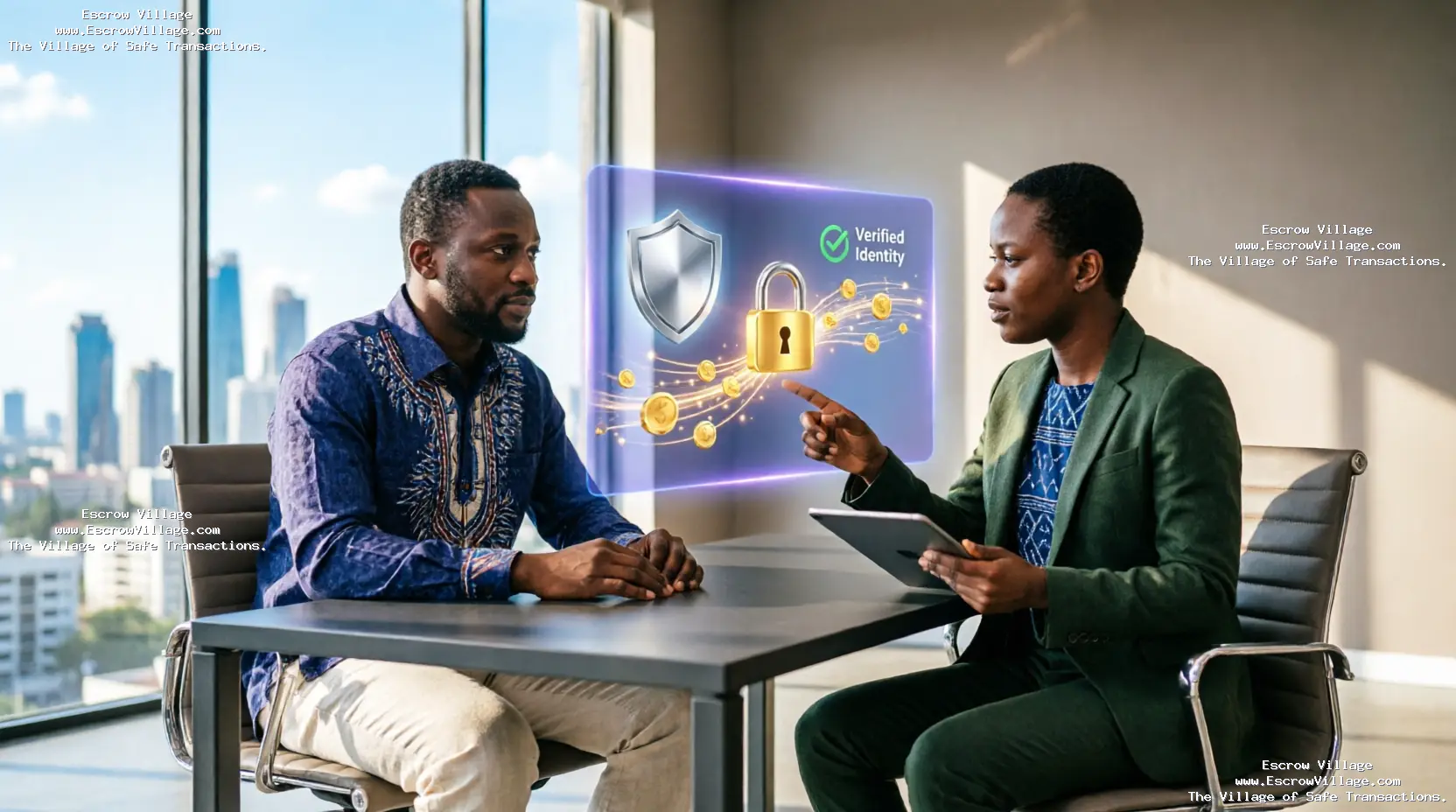
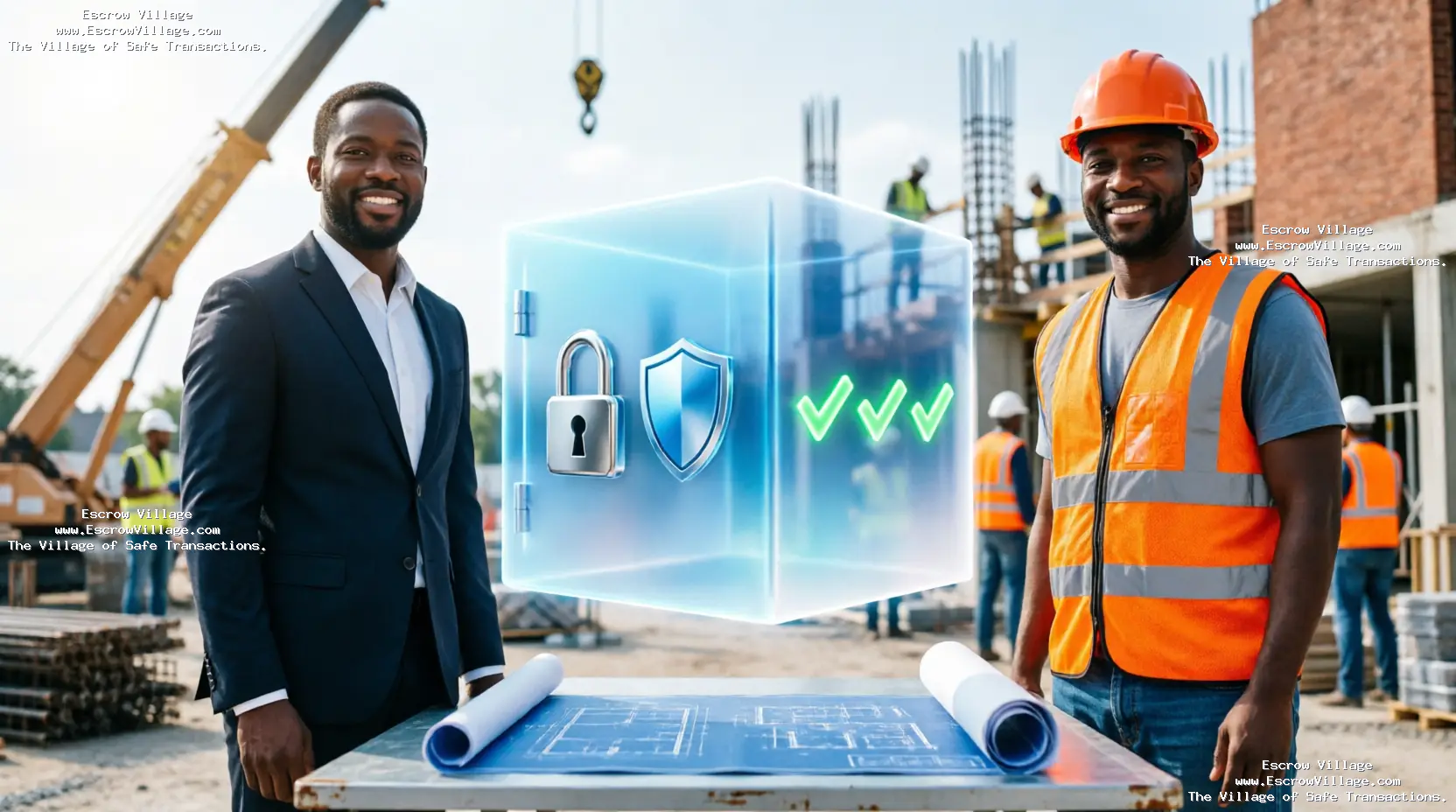
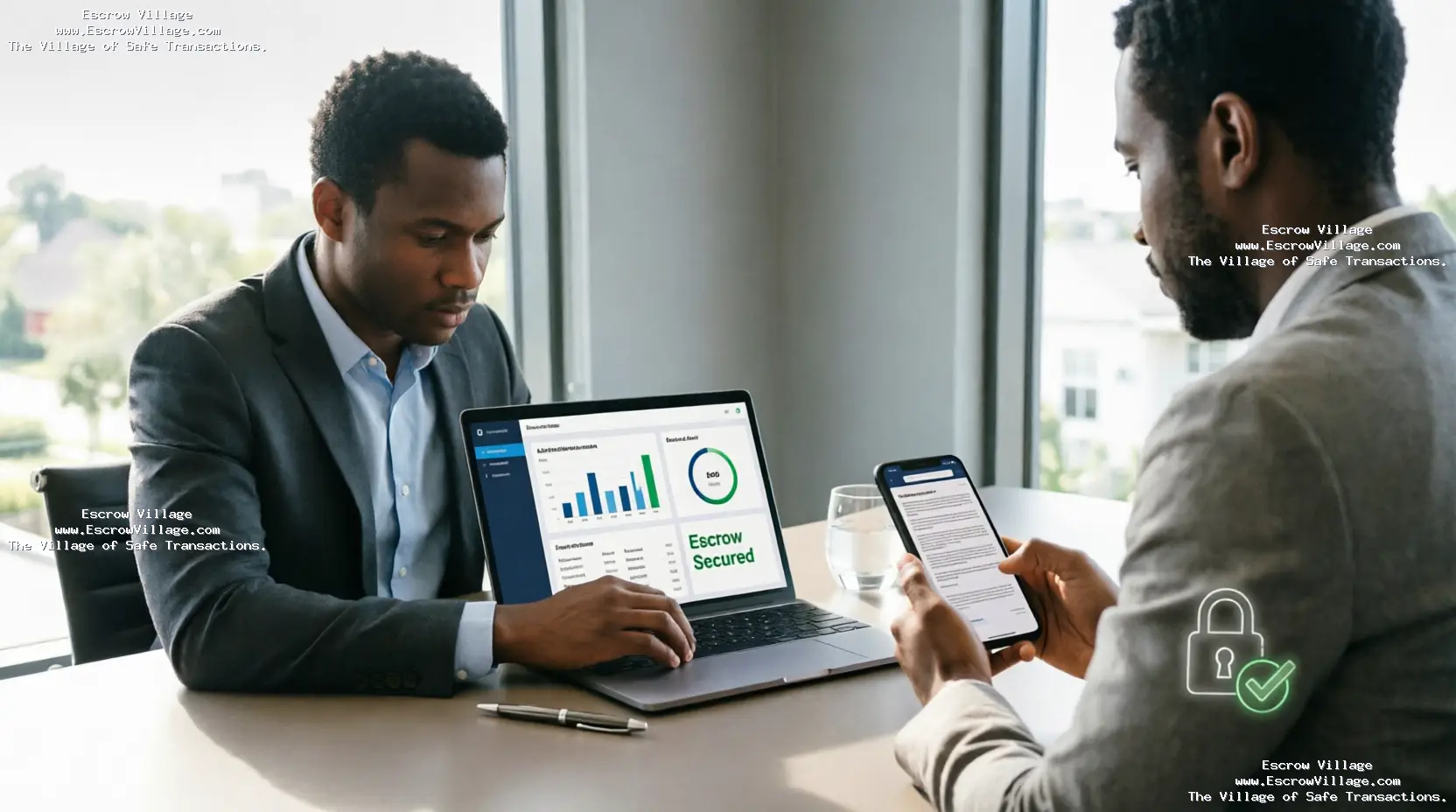
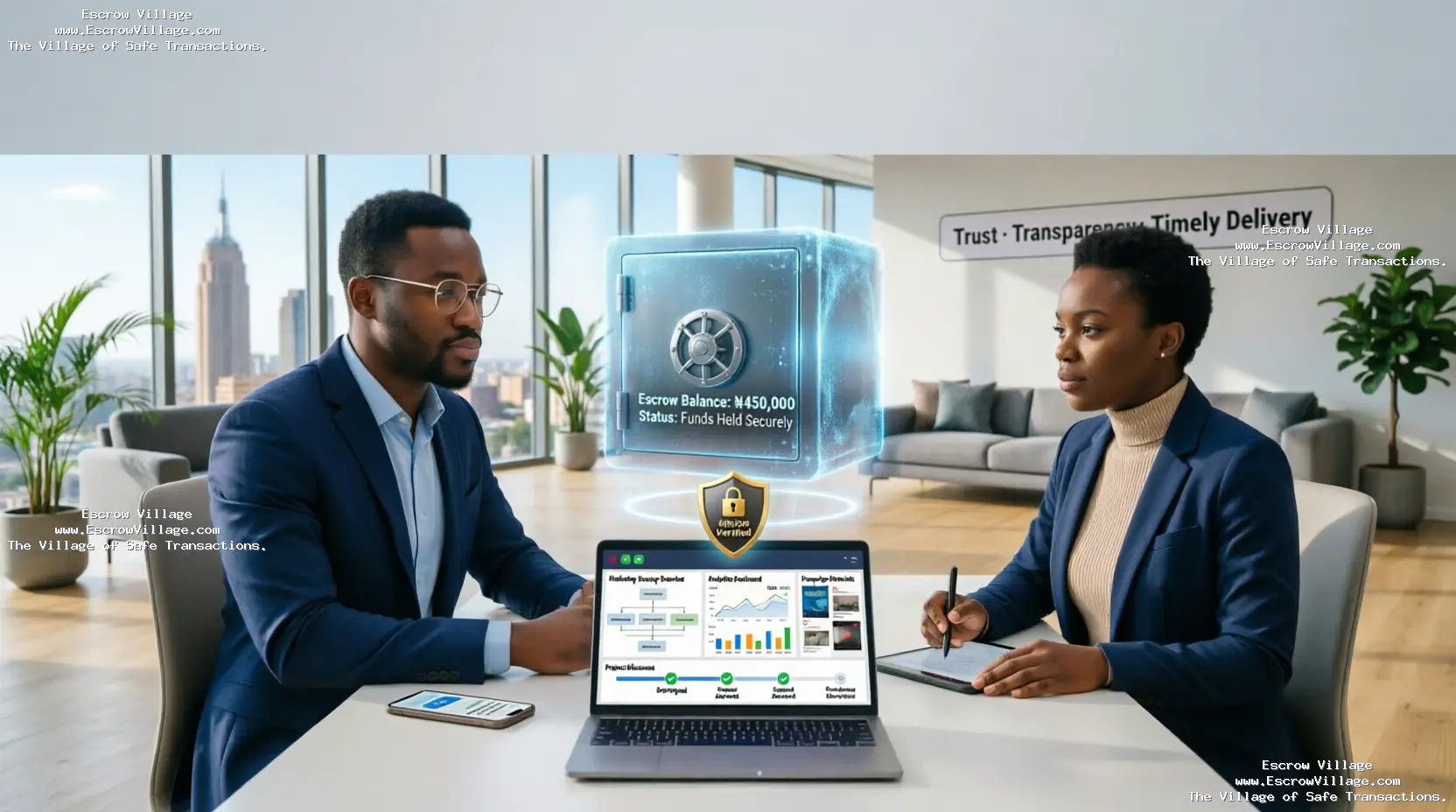
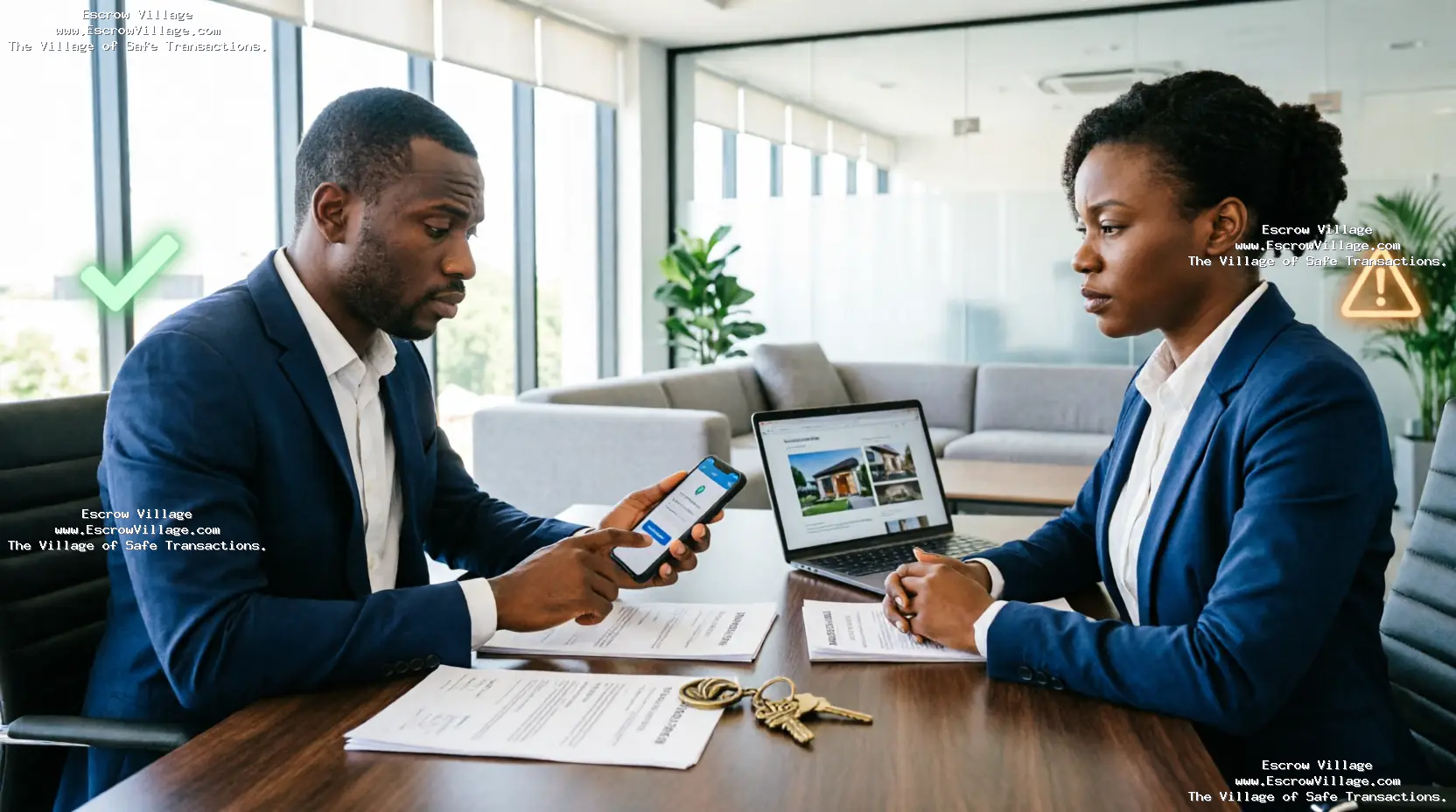
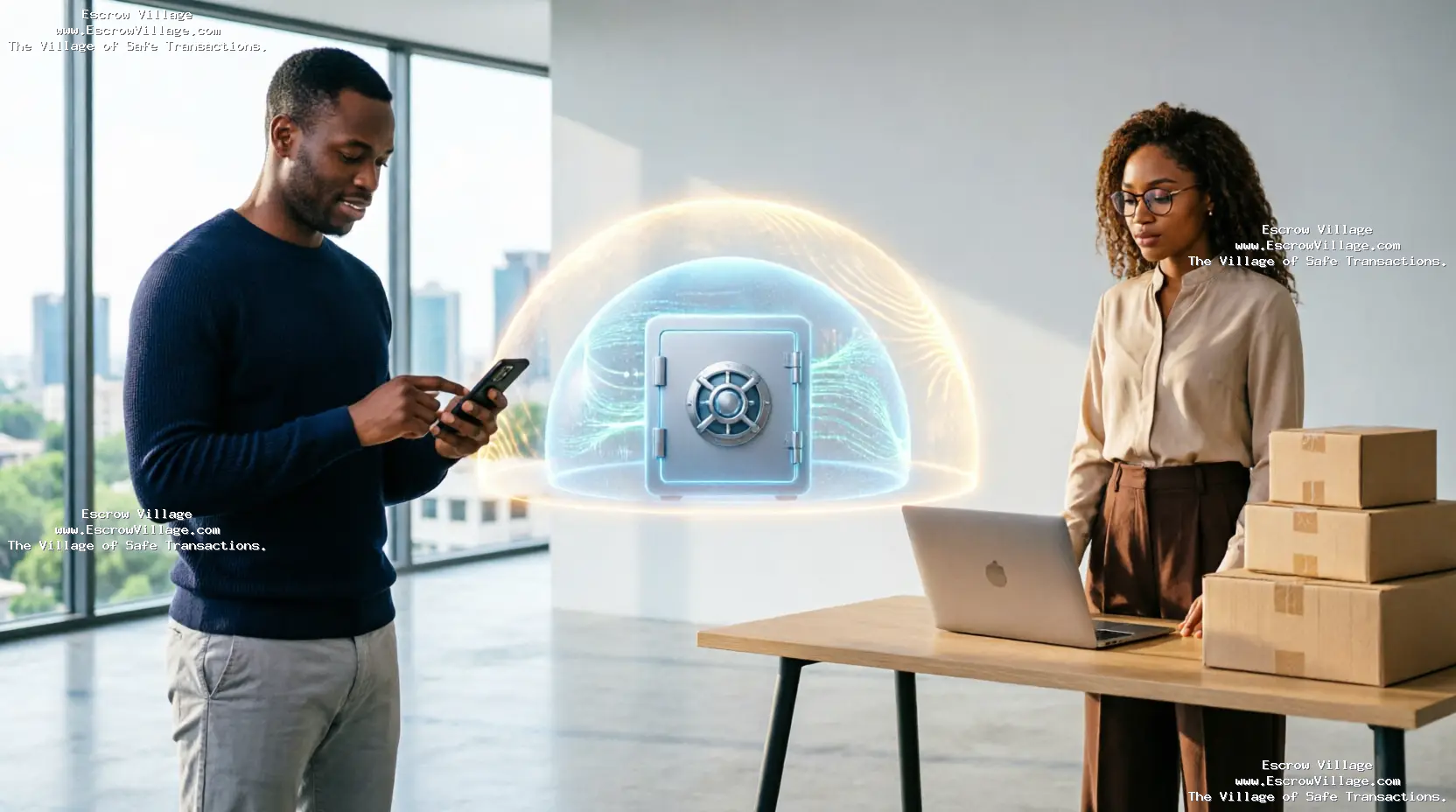
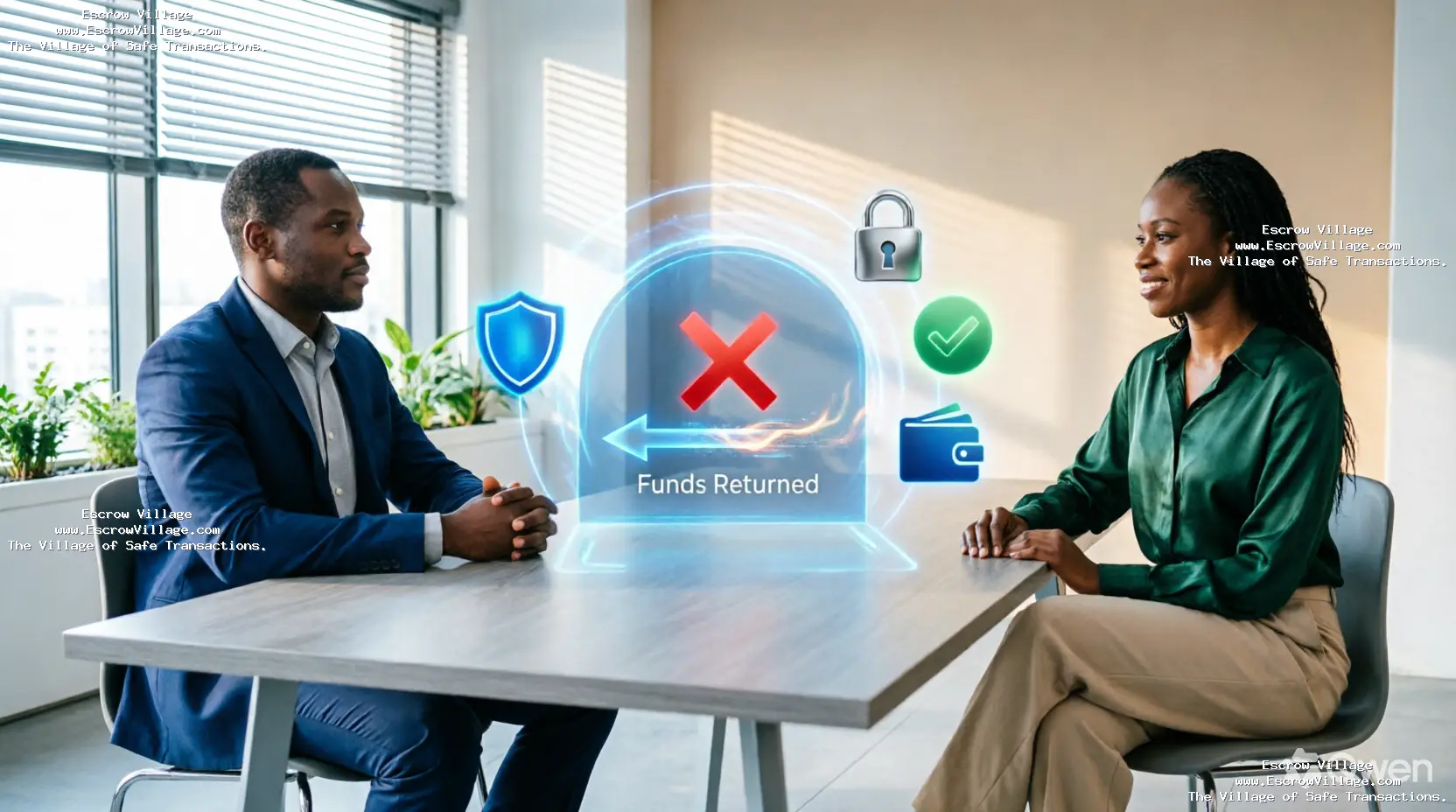
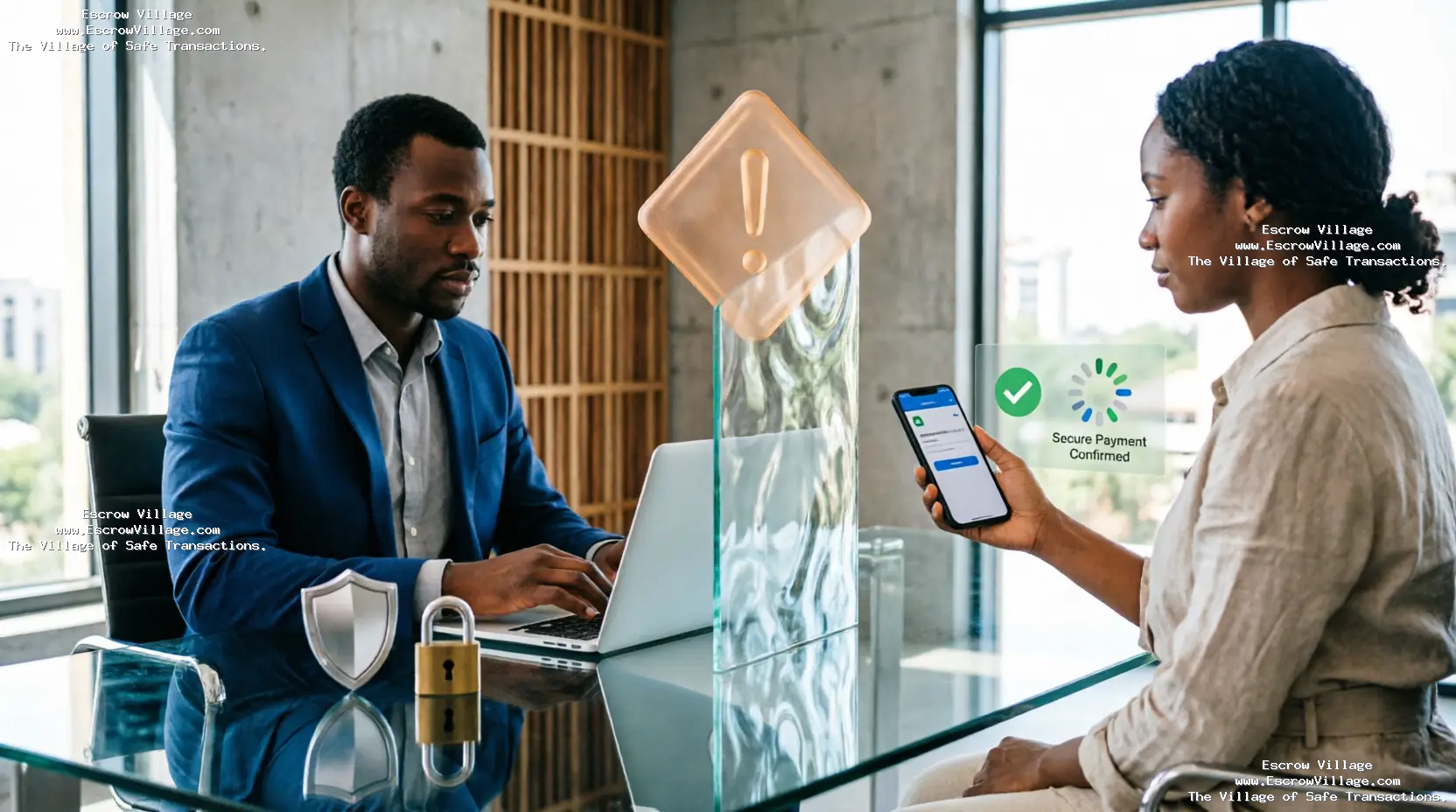
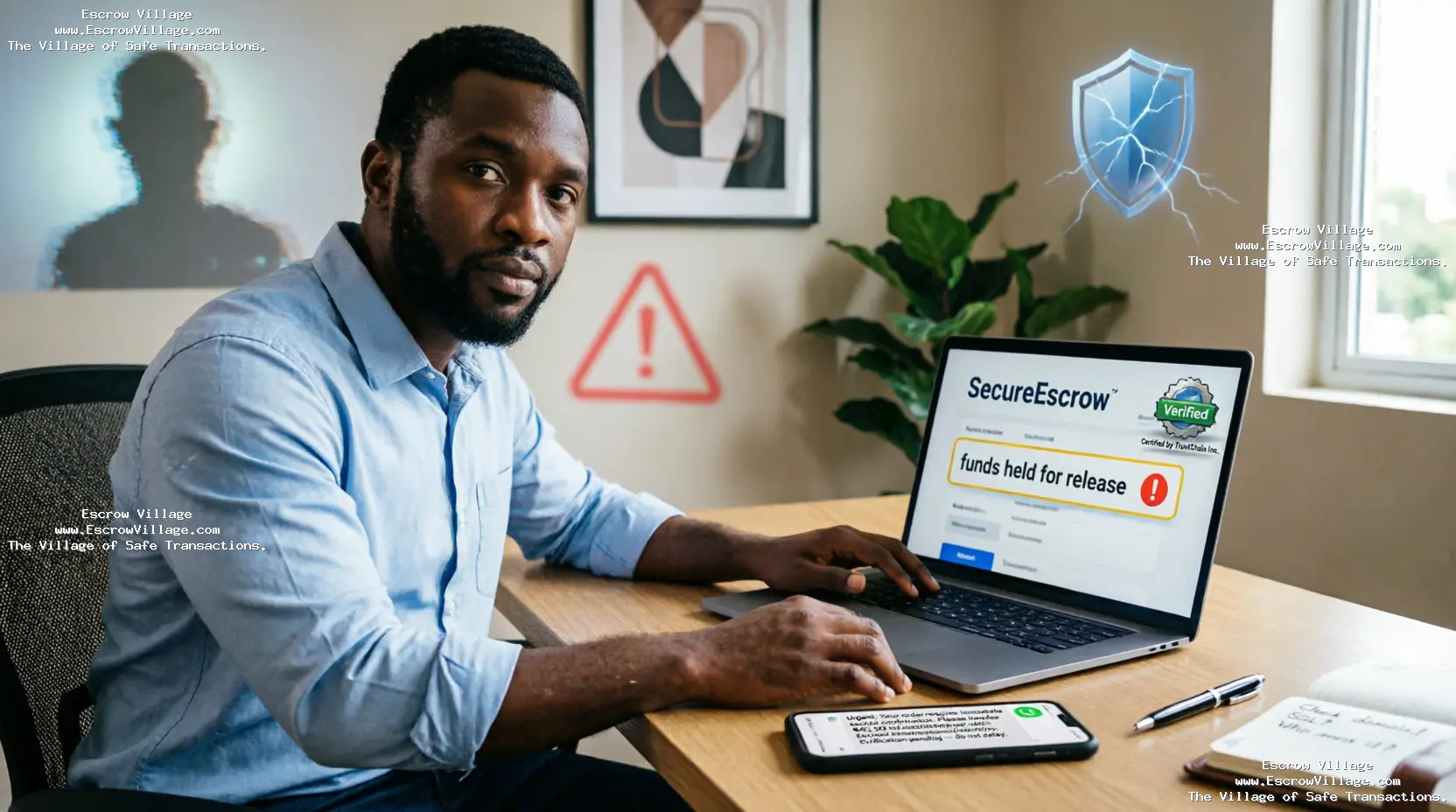
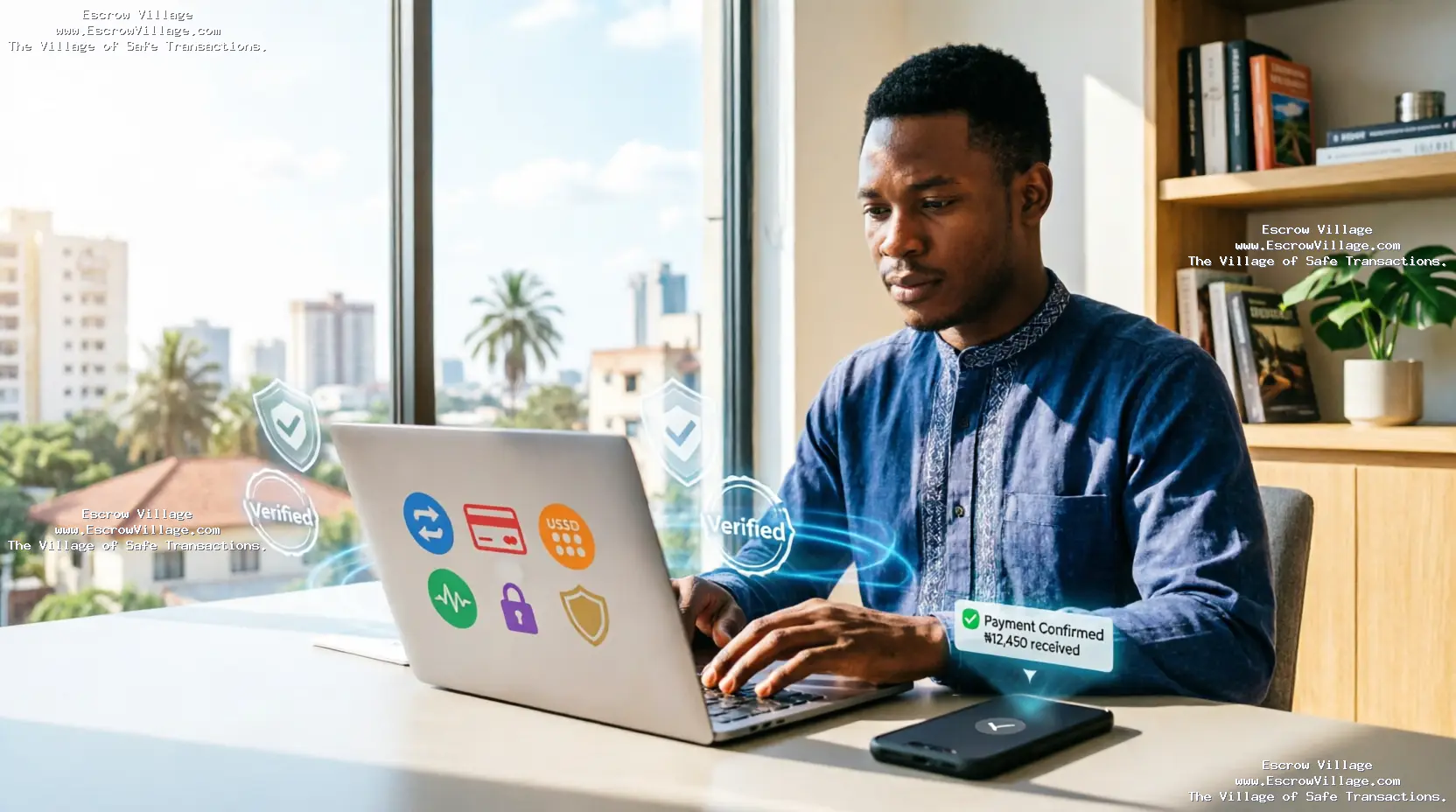
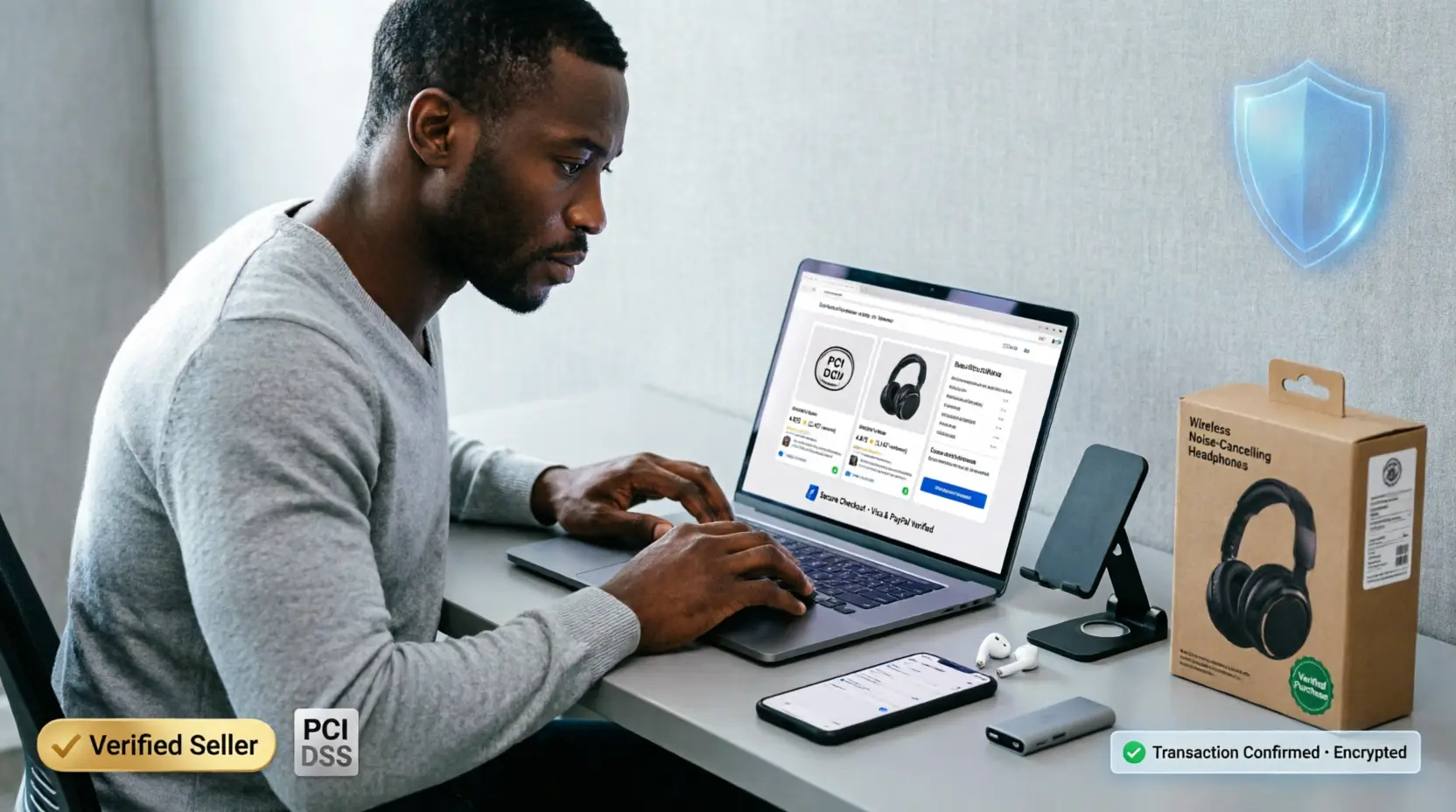
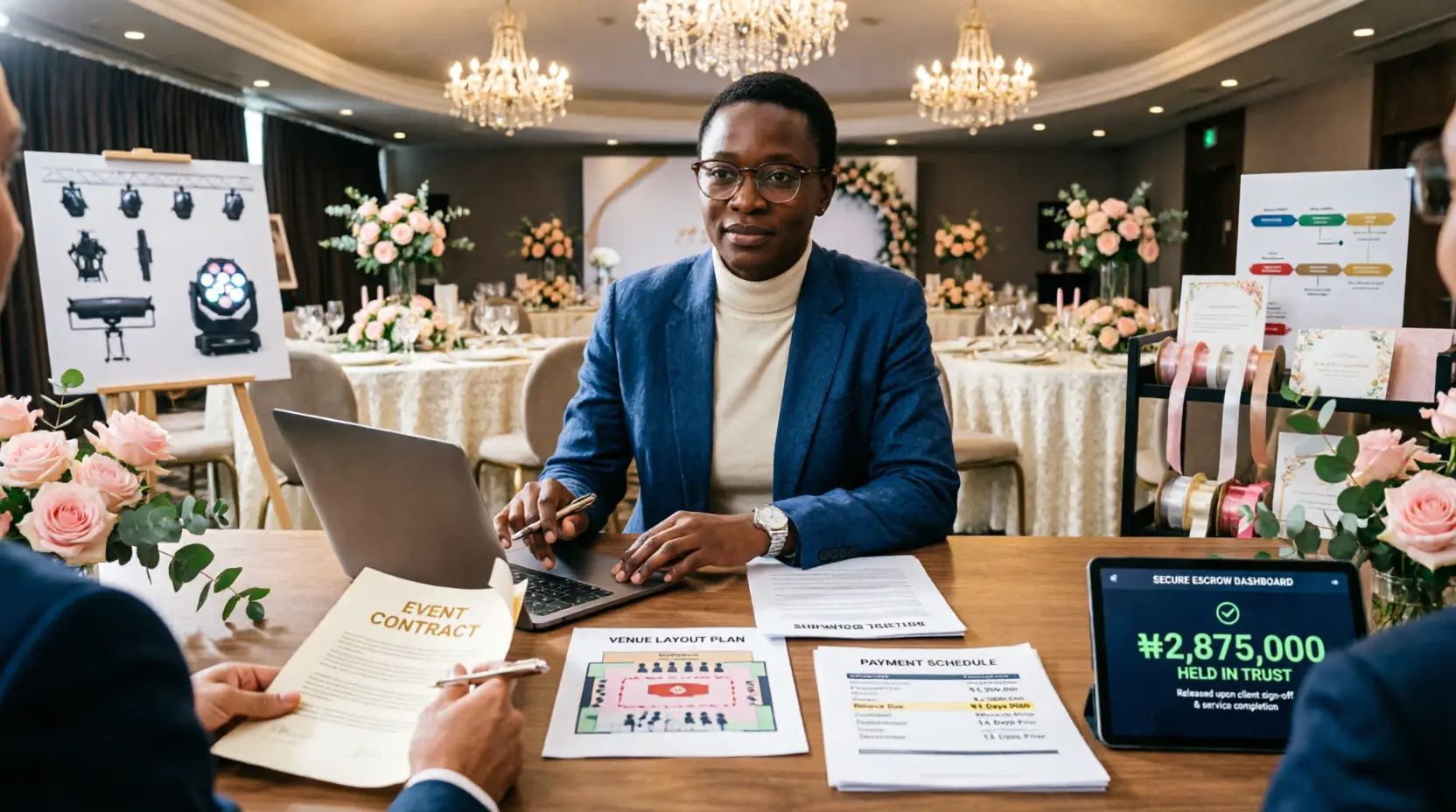
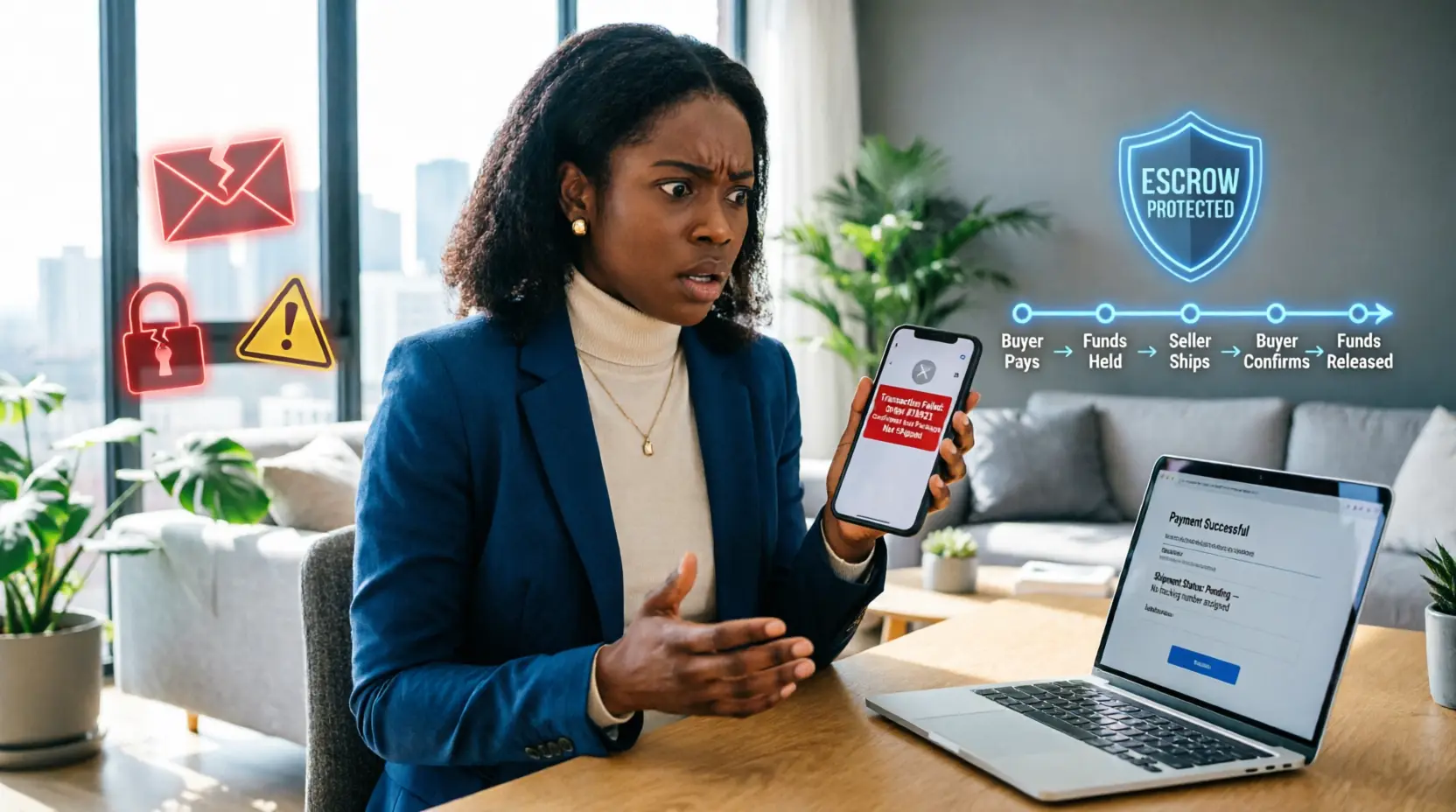
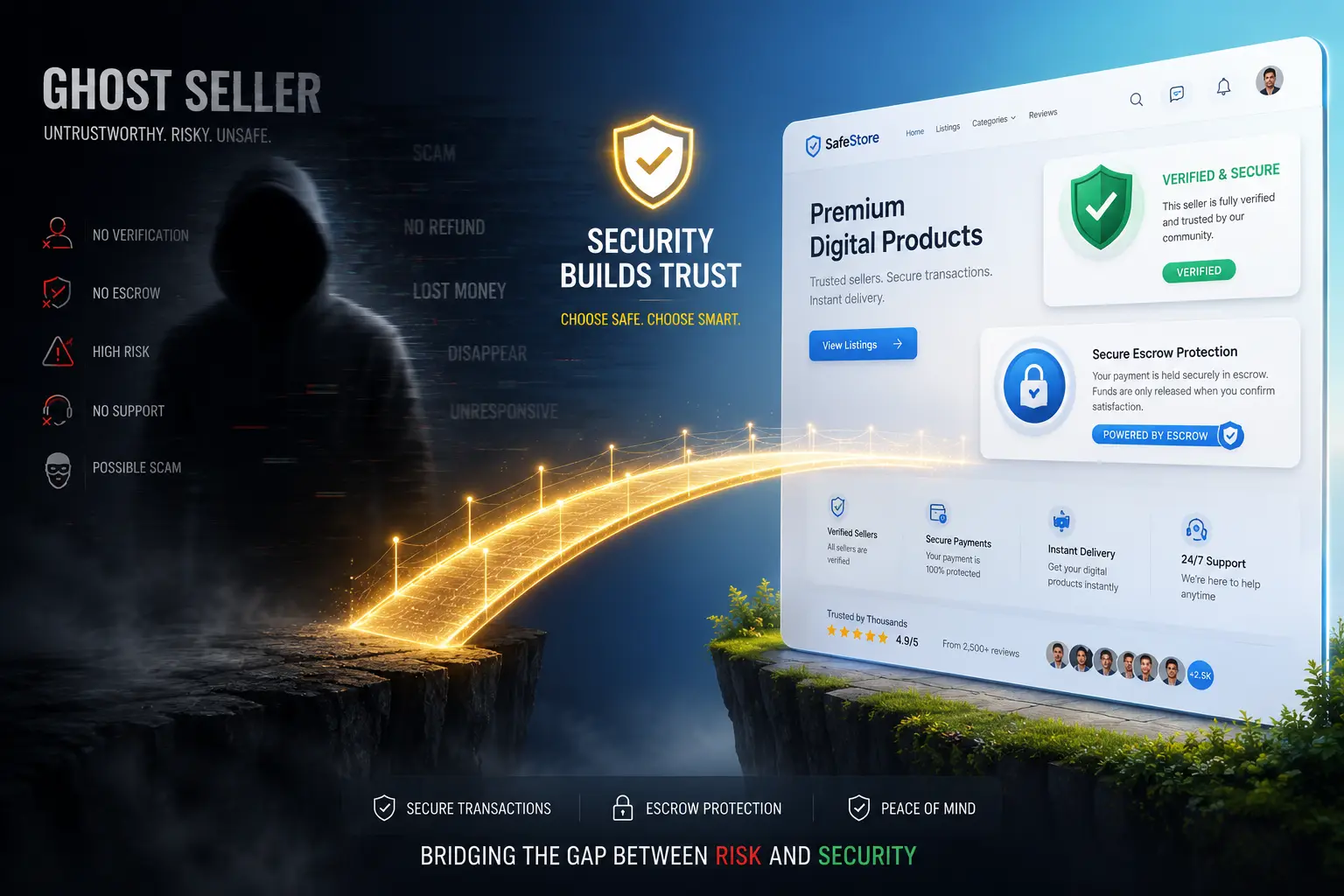
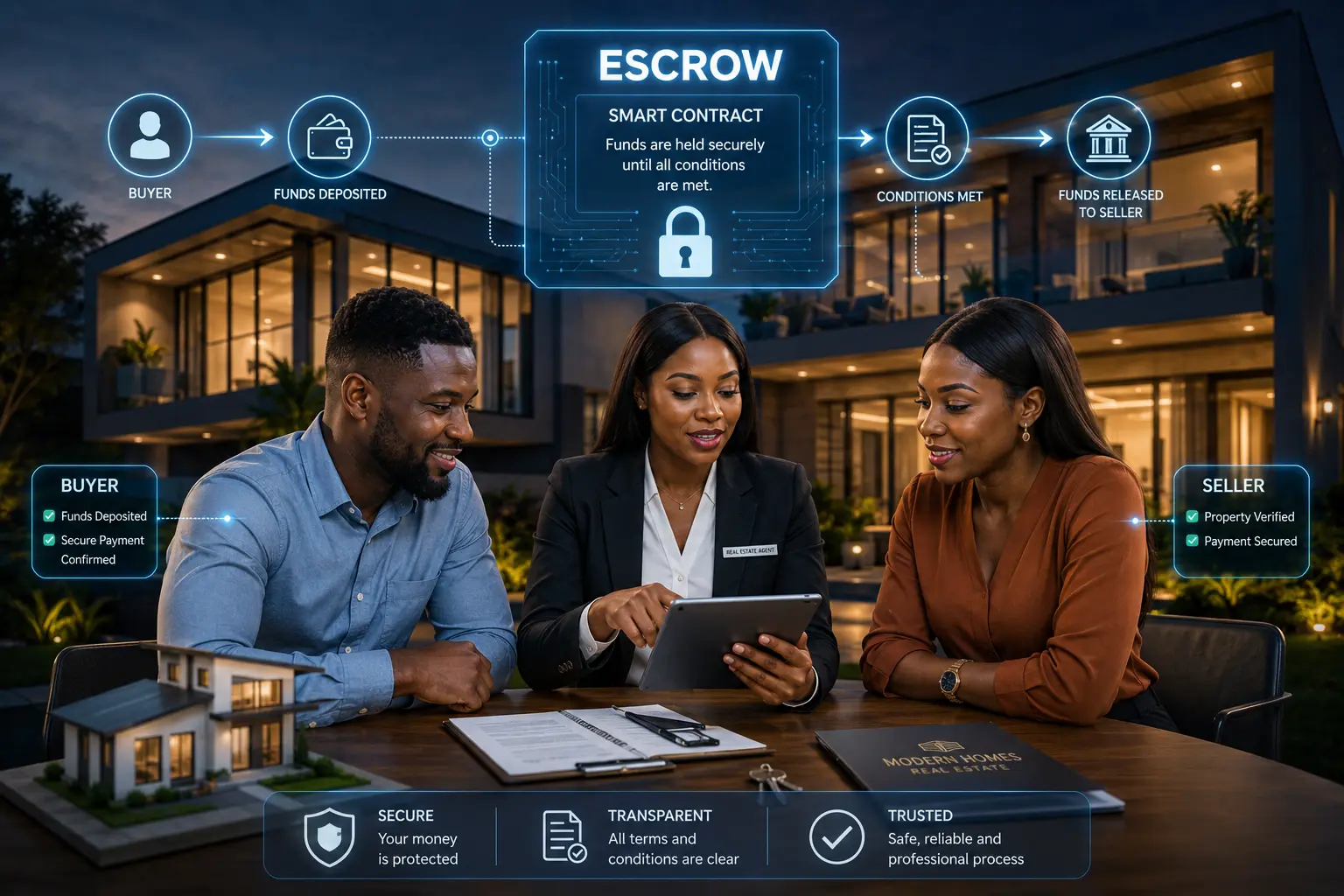
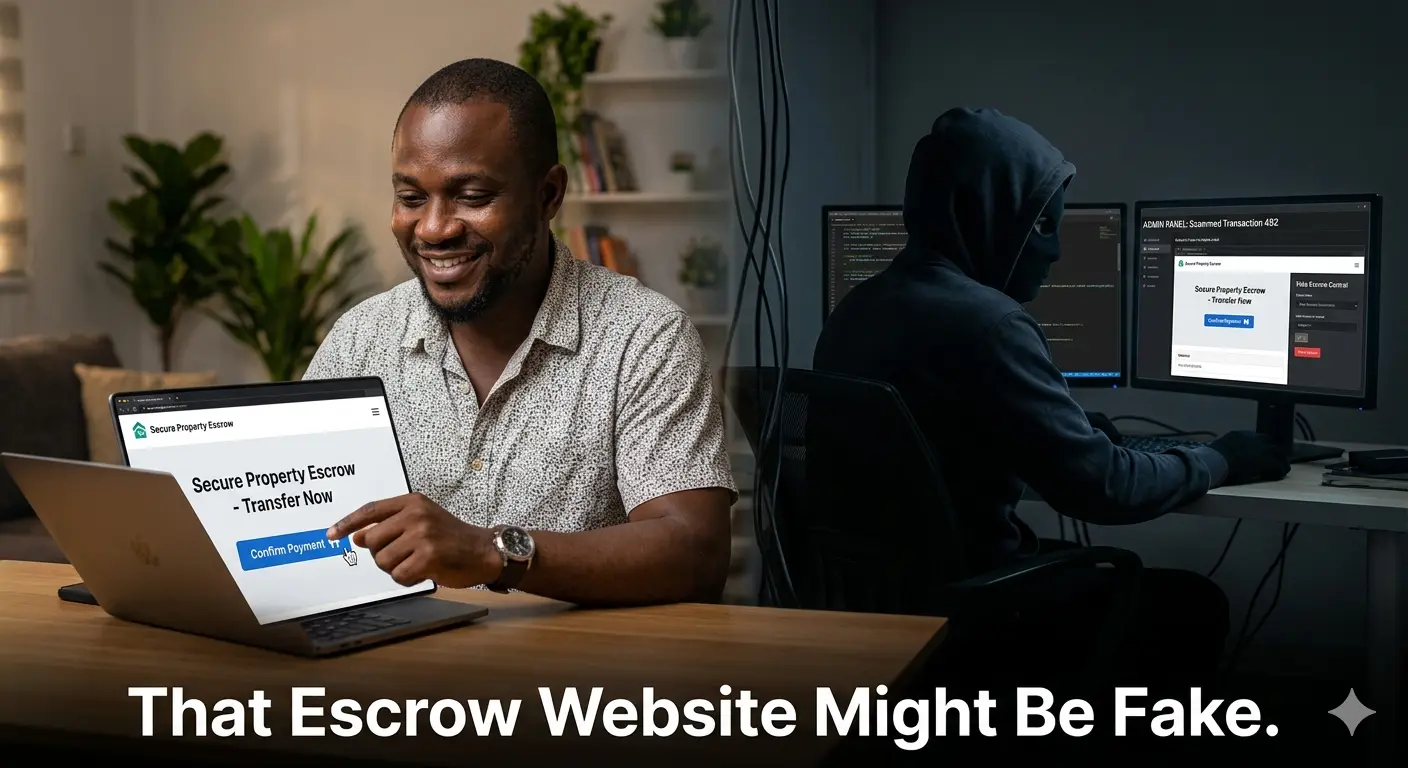
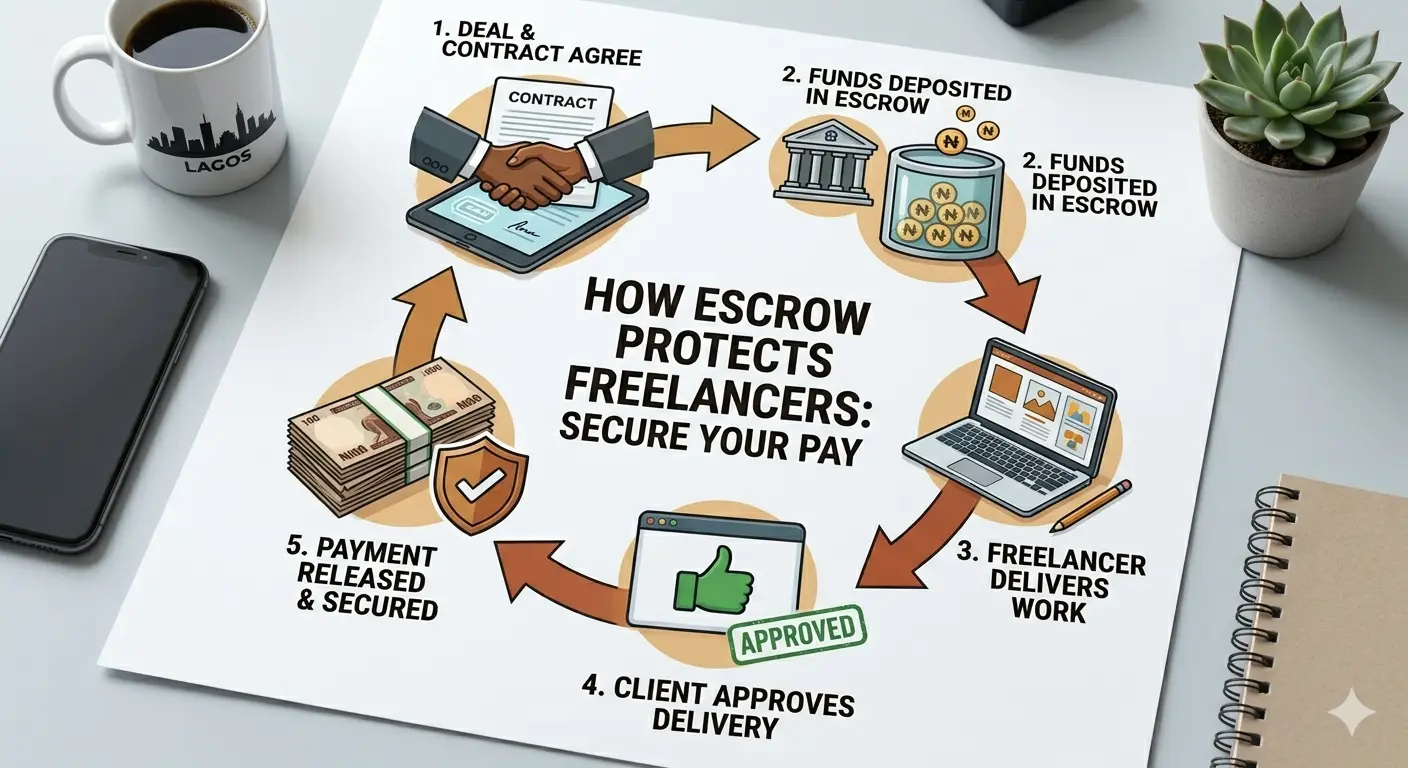
Bank transfers are final. Once you click "confirm" your money is gone. CashApp, P2P crypto, and direct debit cards are also hard to reverse. If you must pay upfront, use a platform that holds funds. Use an escrow service. With escrow, the buyer sends money to a trusted third party first. The seller only receives the money after the buyer confirms the product arrived as agreed. This protects both sides.
3. Agree on Delivery Terms Before Money Moves
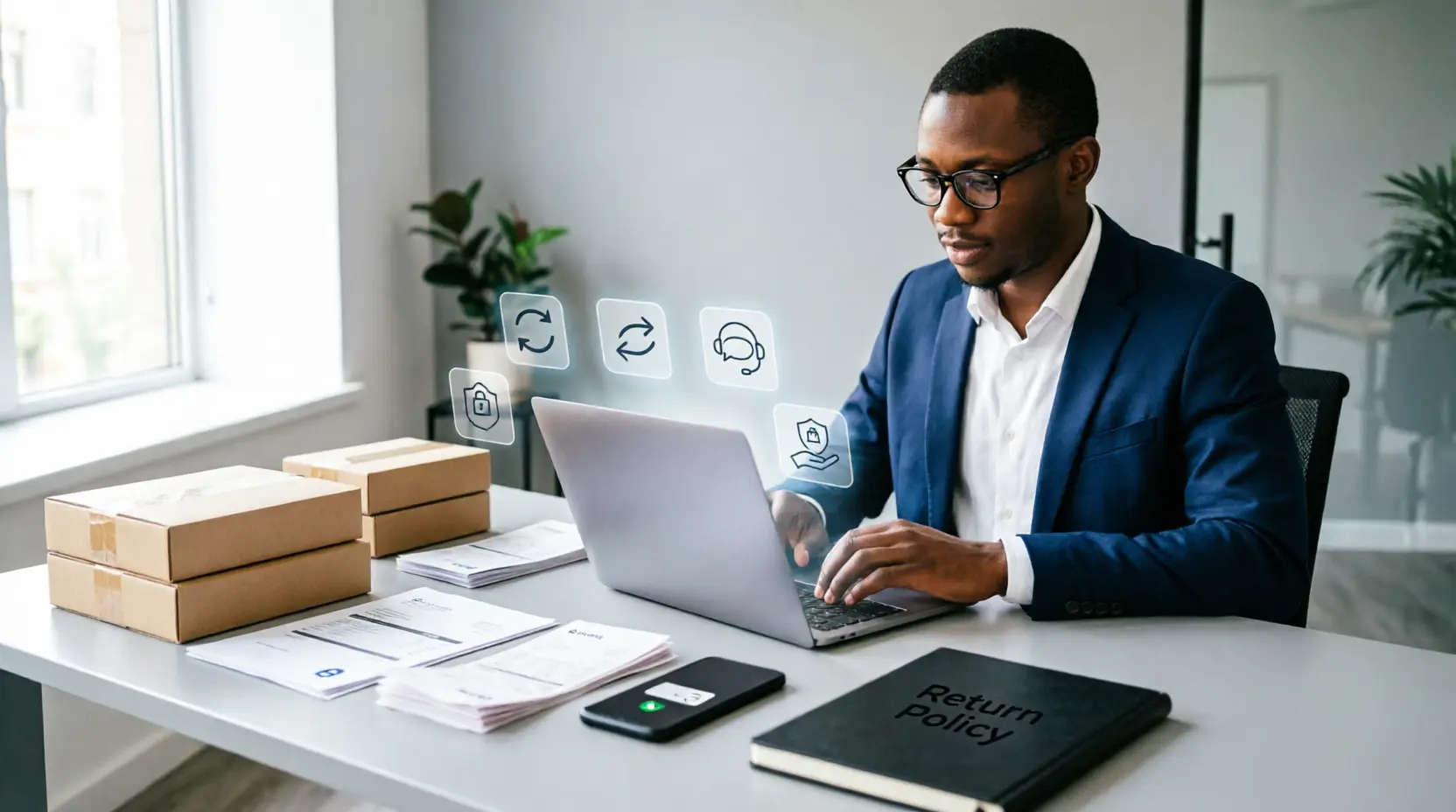
Who pays for courier? What happens if the item arrives damaged? Write down on WhatsApp. Screenshot the agreement. Scammers hate proof.
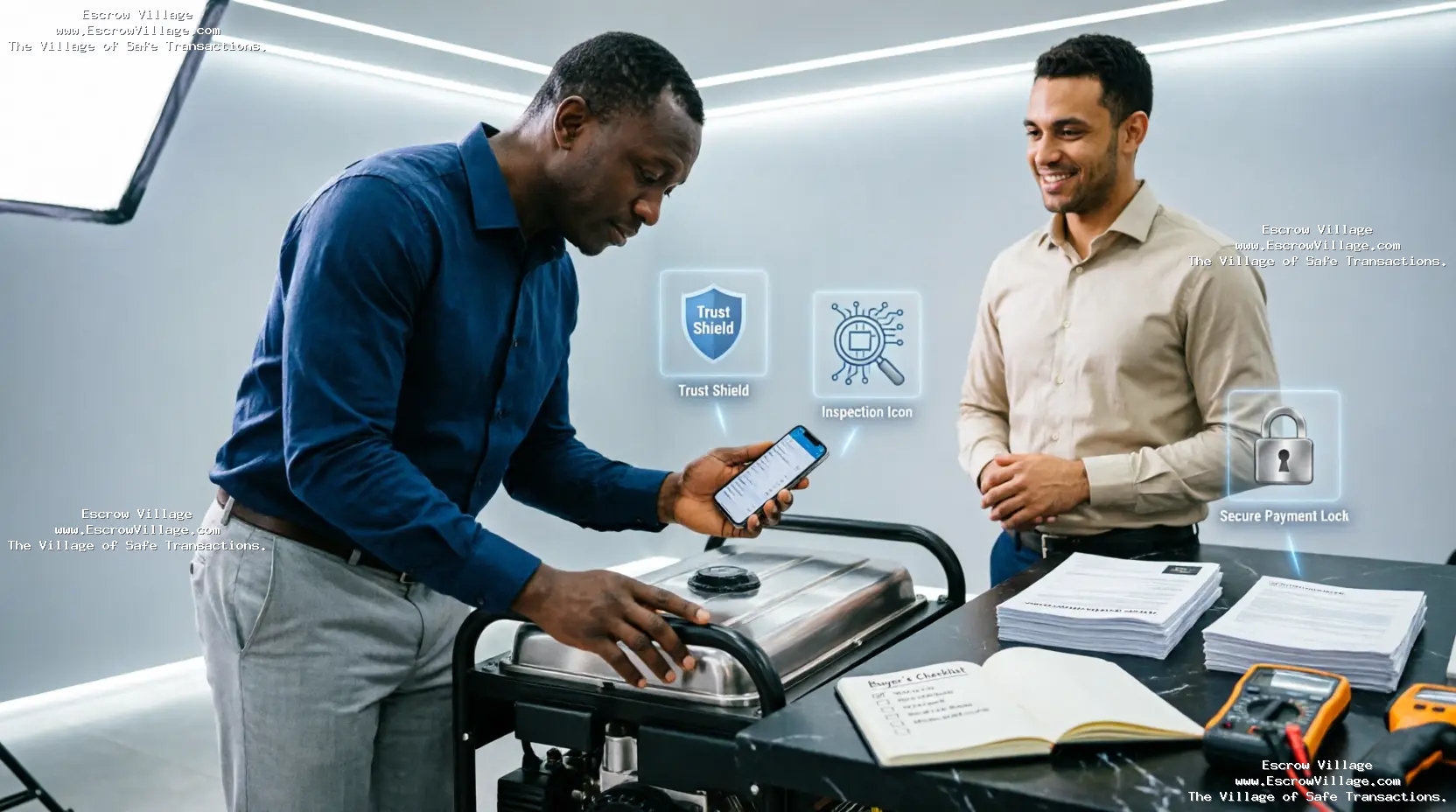
4. Meet Physically for High-Value Items
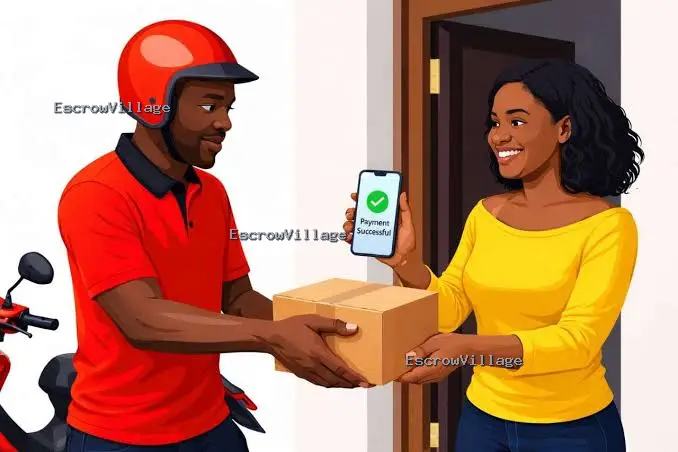
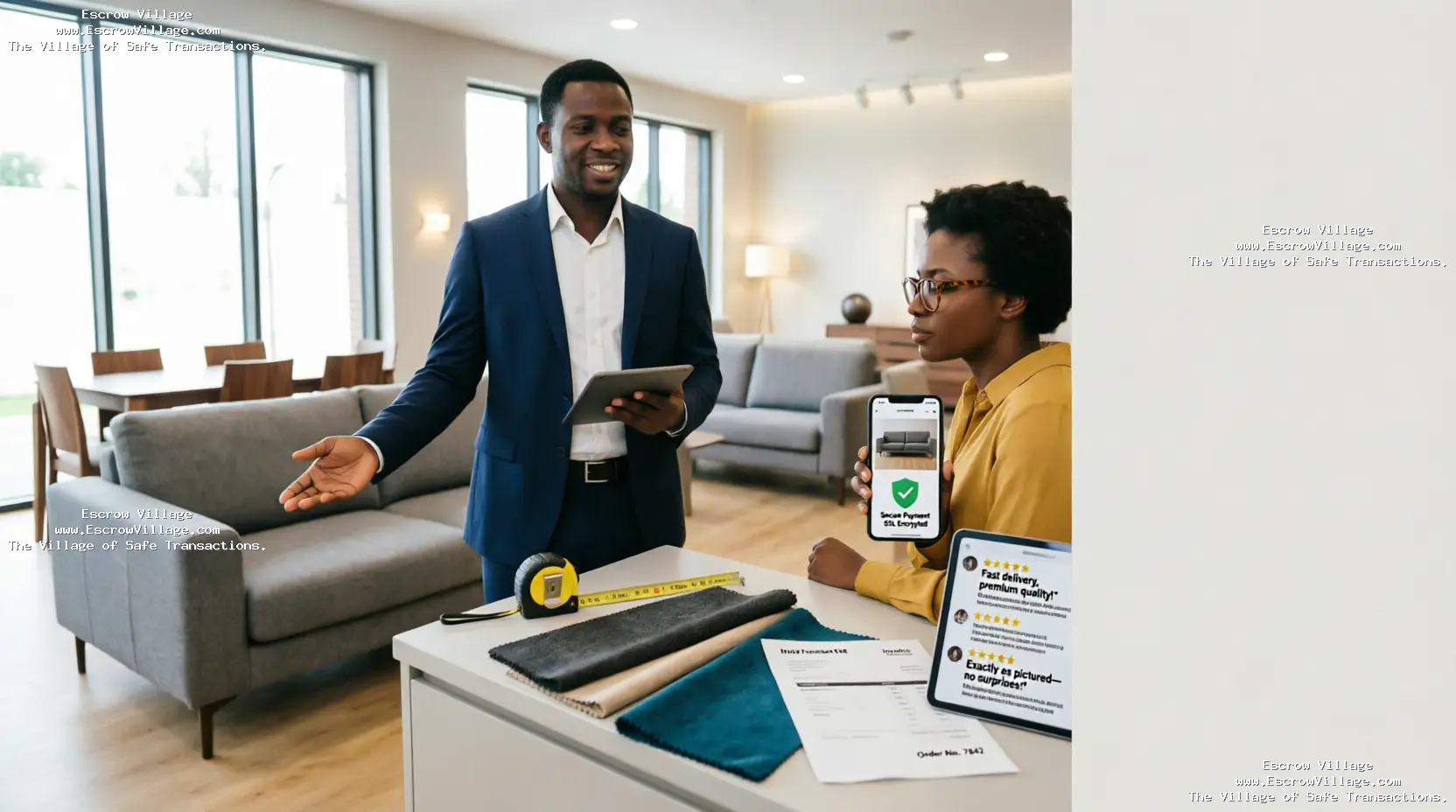
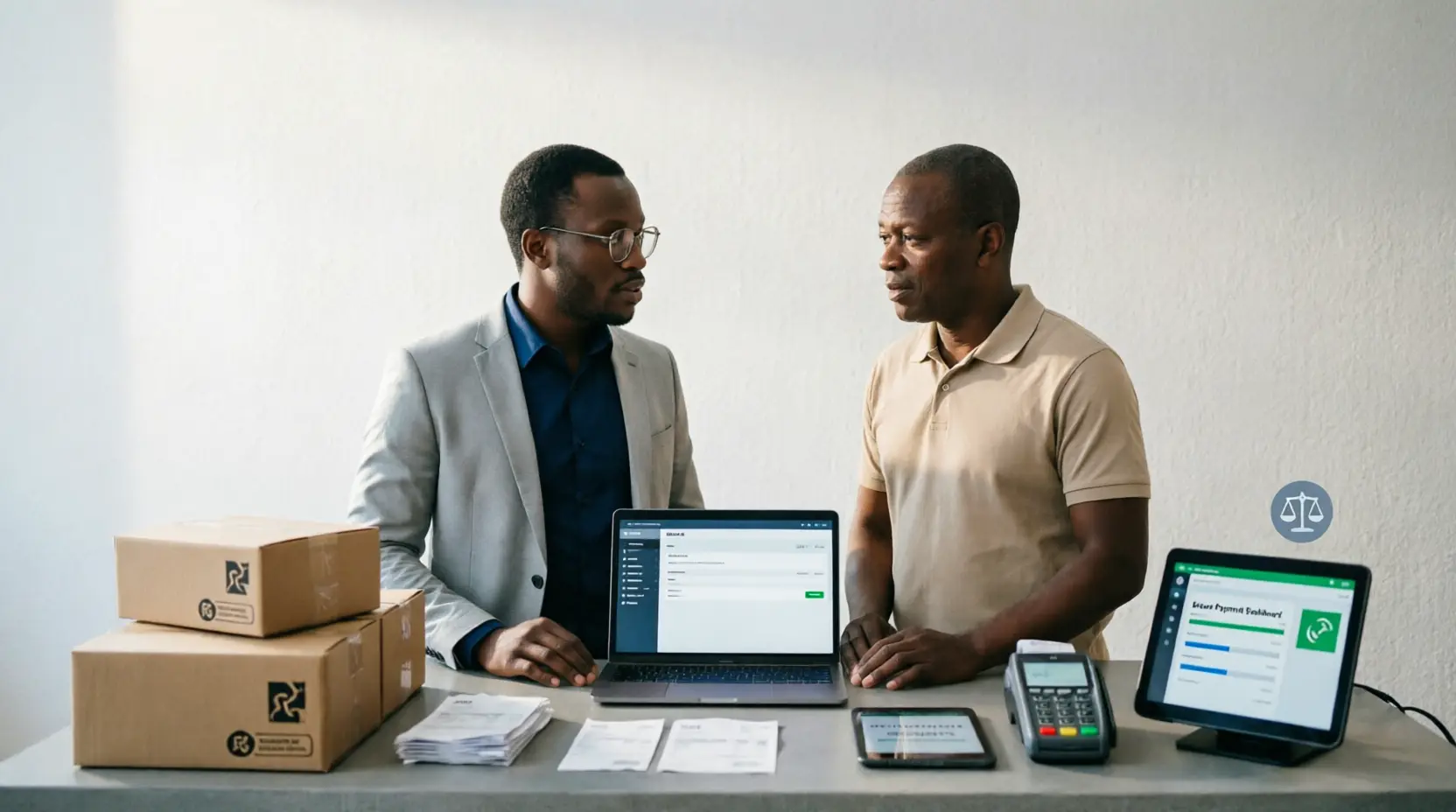
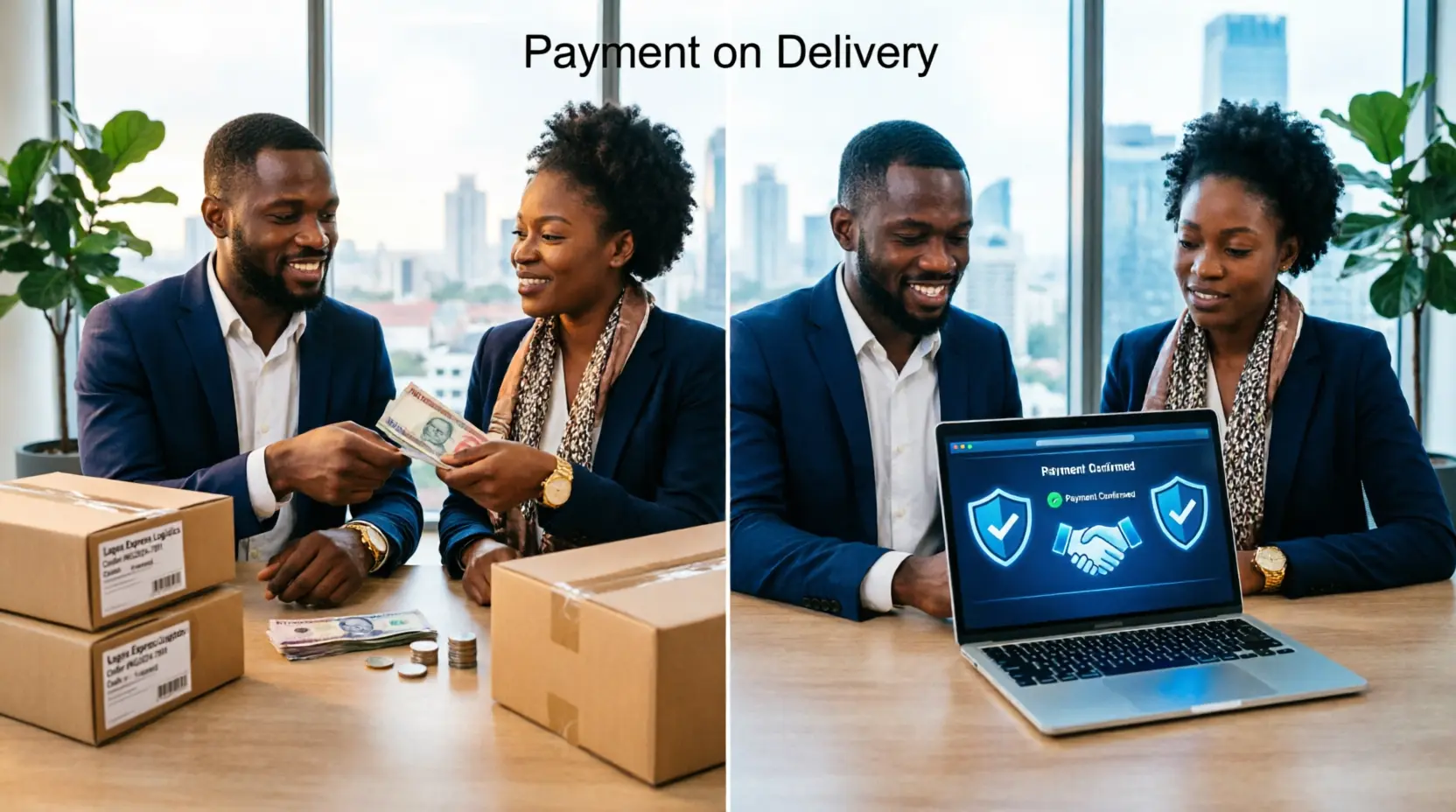
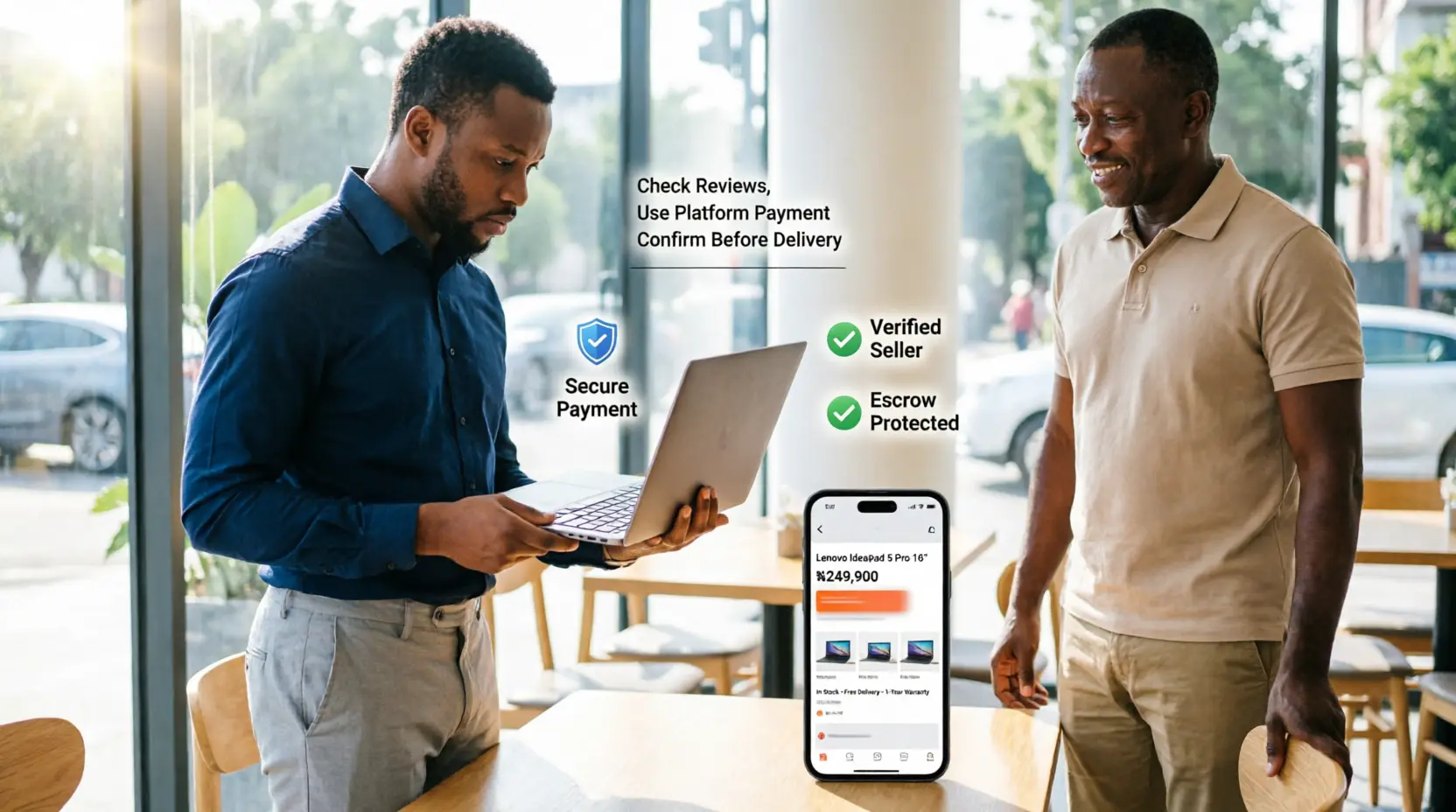
For phones, laptops, or anything above 50,000 naira, meet at a public place if you are in the same location as the buyer or seller. A petrol station, a police station, or a busy mall works perfectly. Check the product thoroughly before paying for it. As a seller, make sure the money has reflected in your bank account before releasing the goods
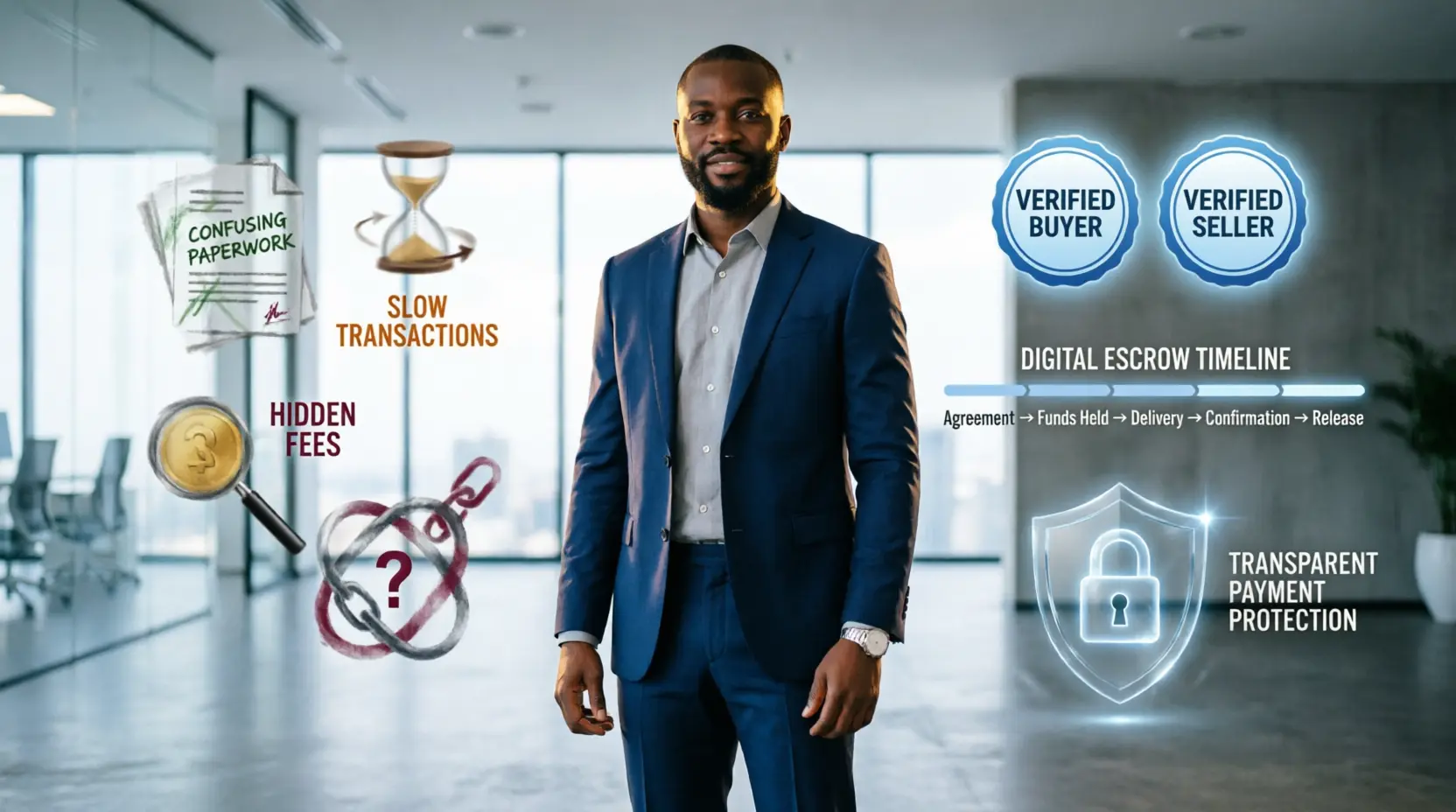
5. Use Escrow Village
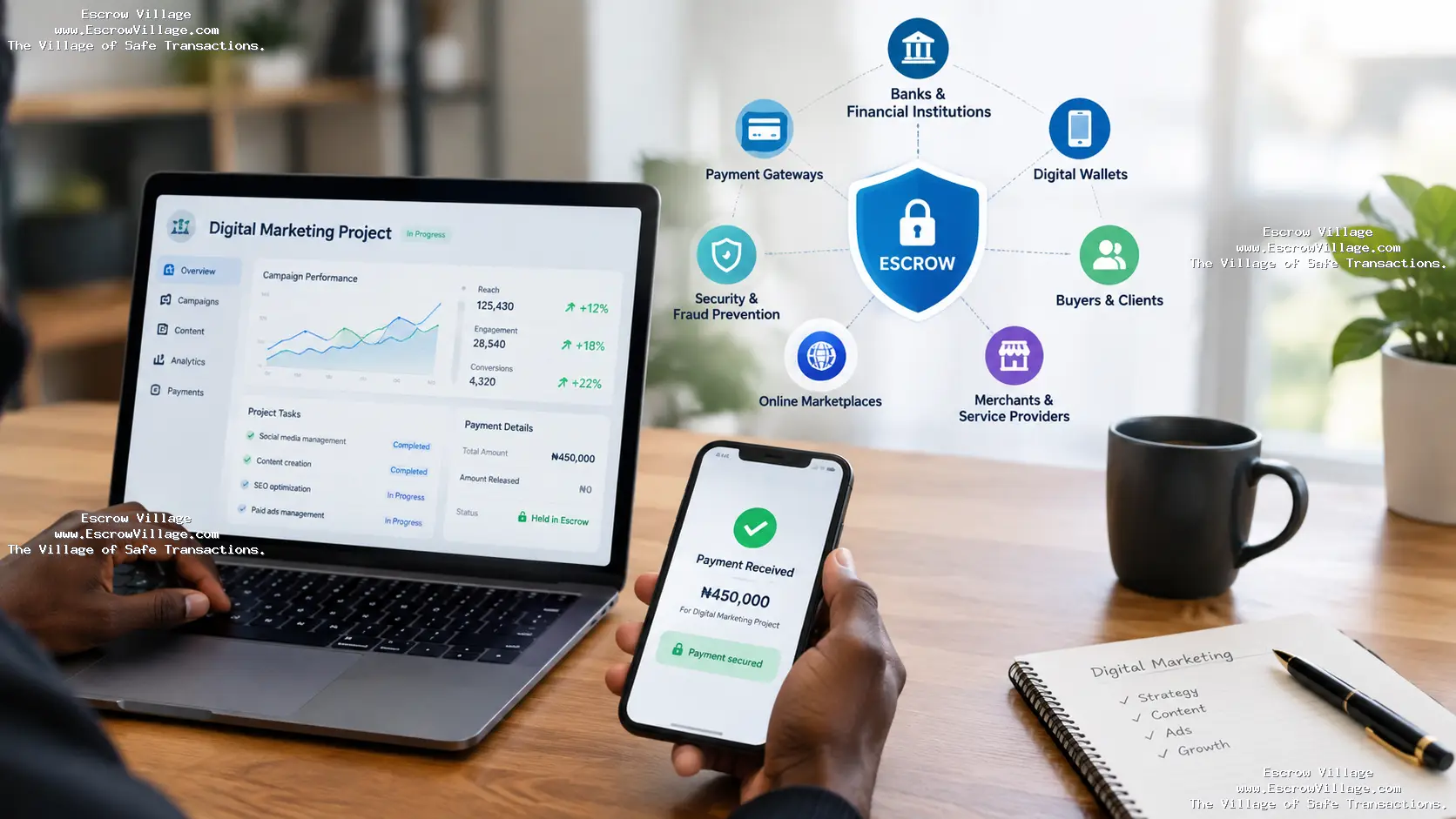
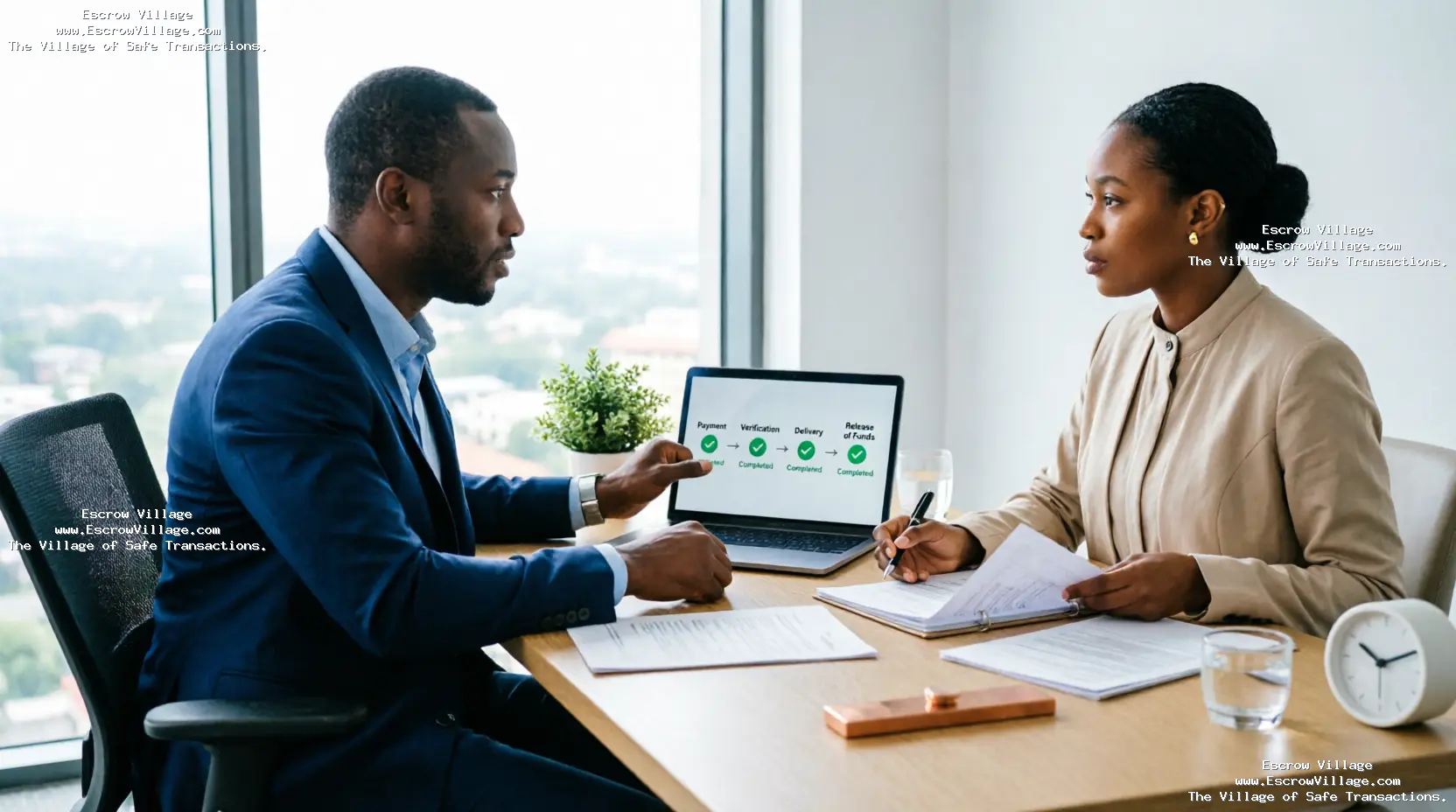
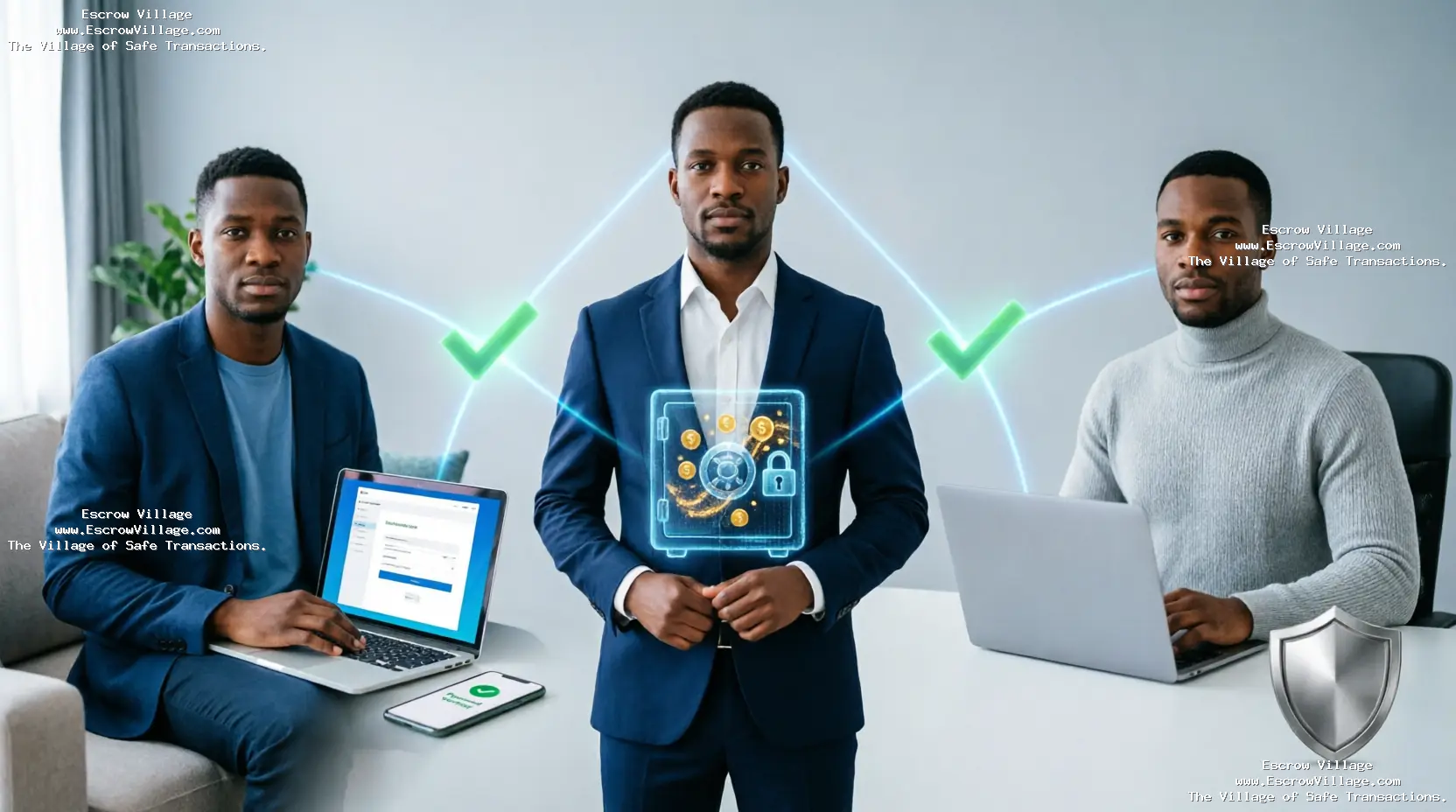
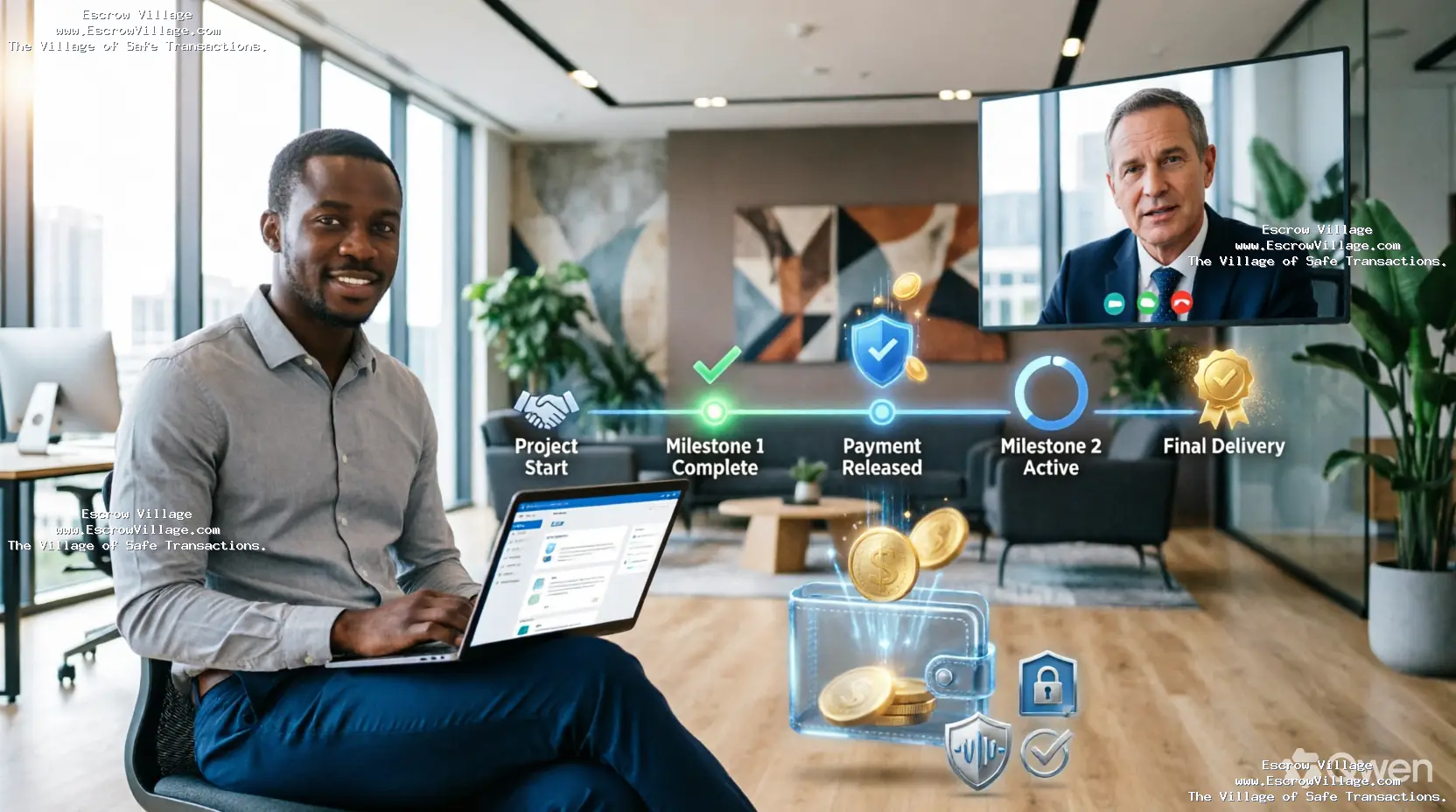
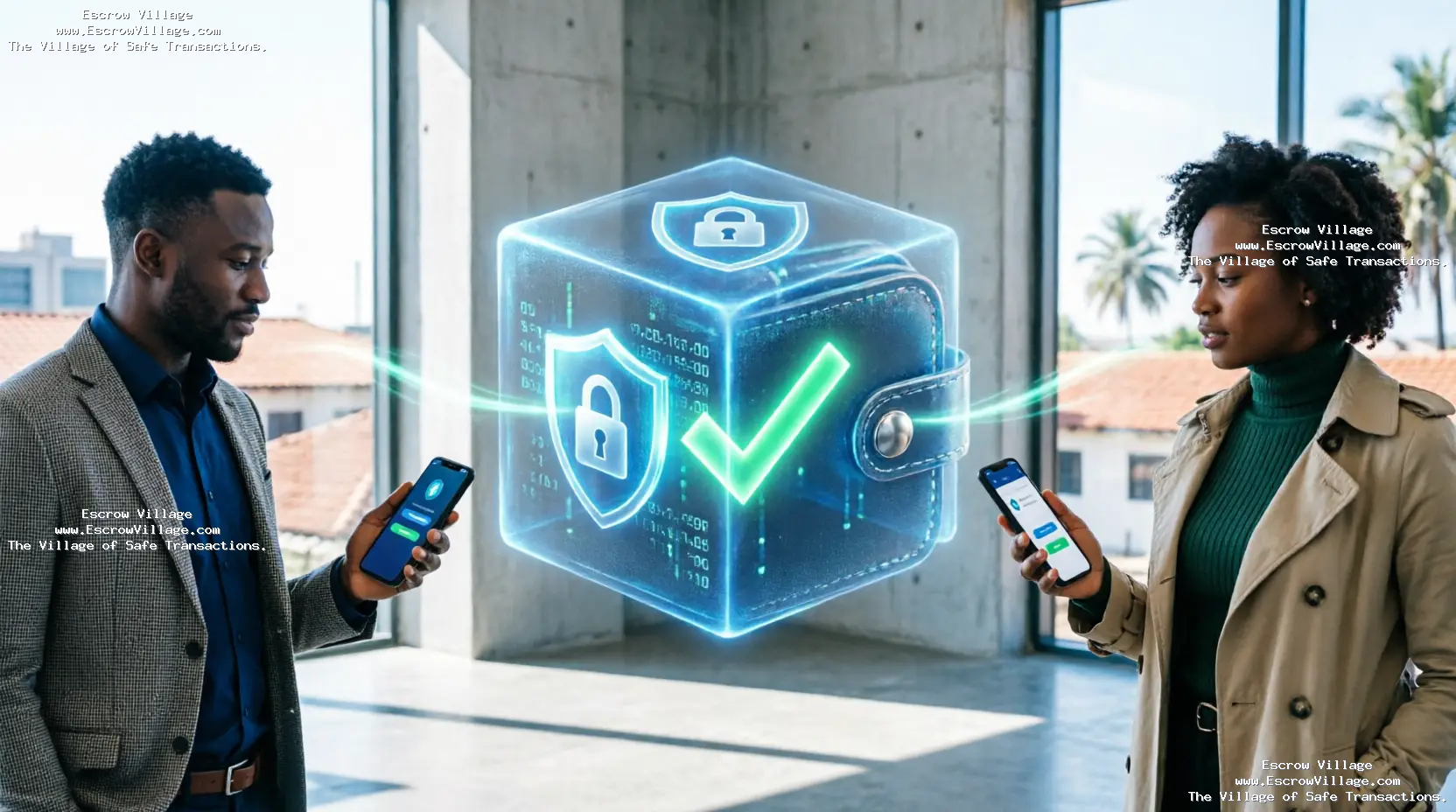
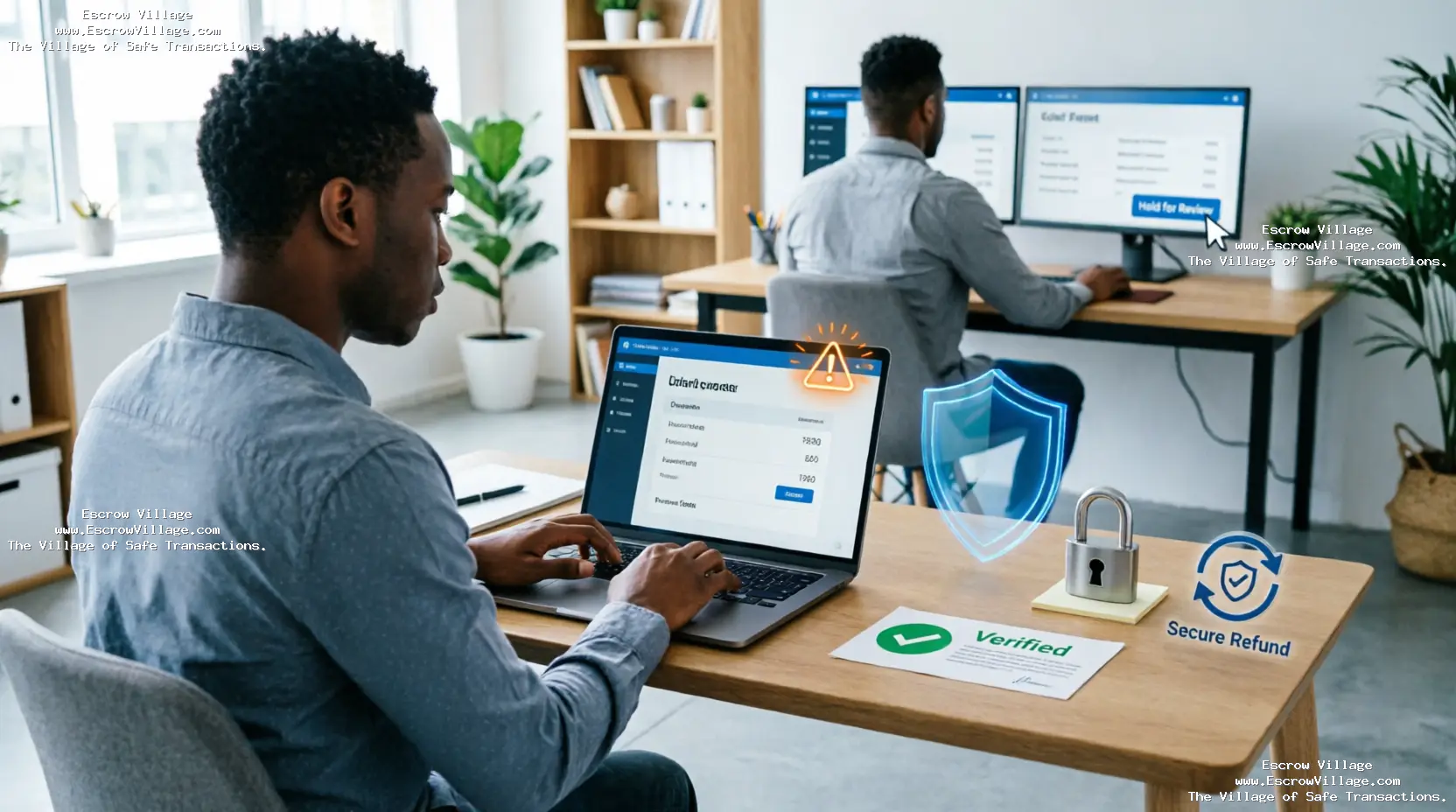
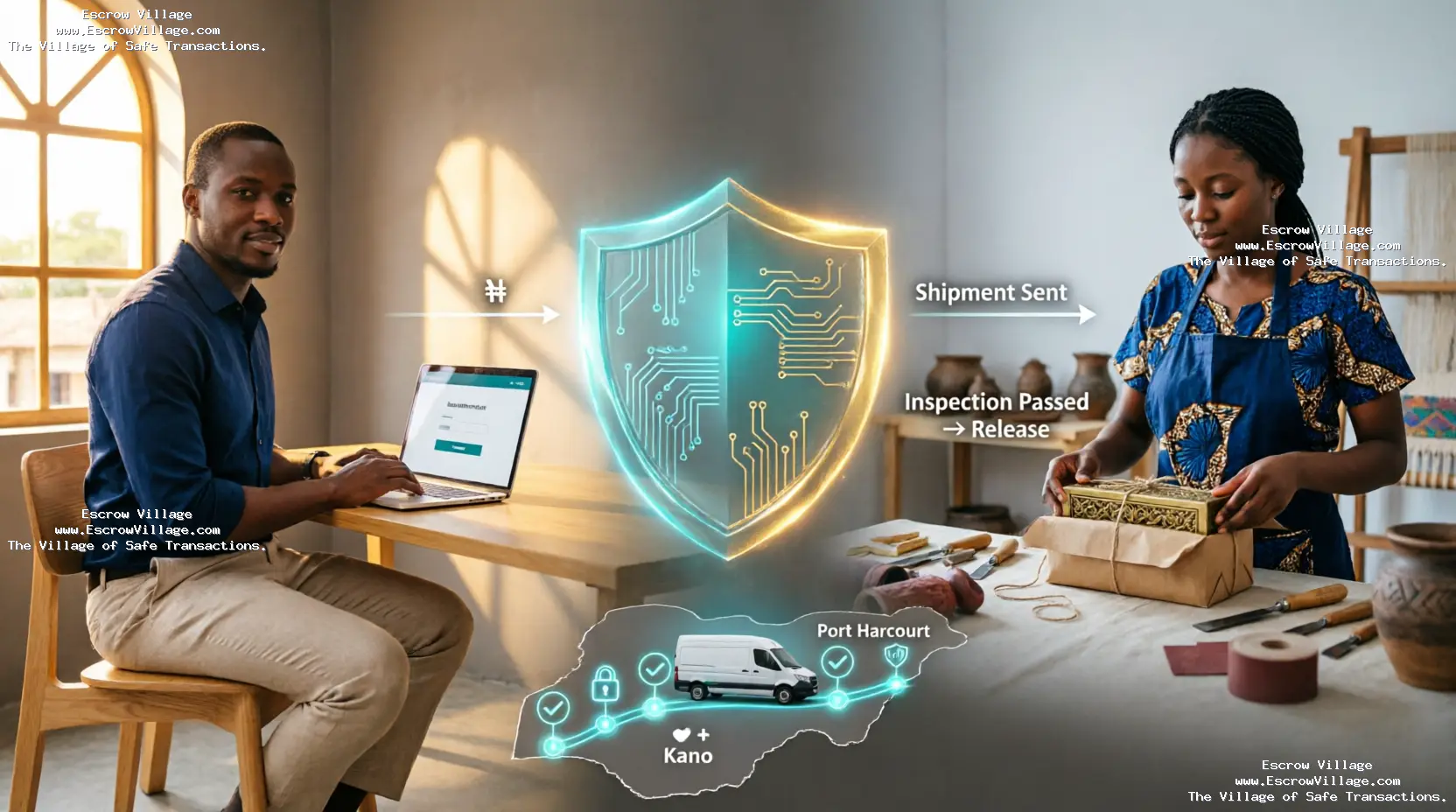
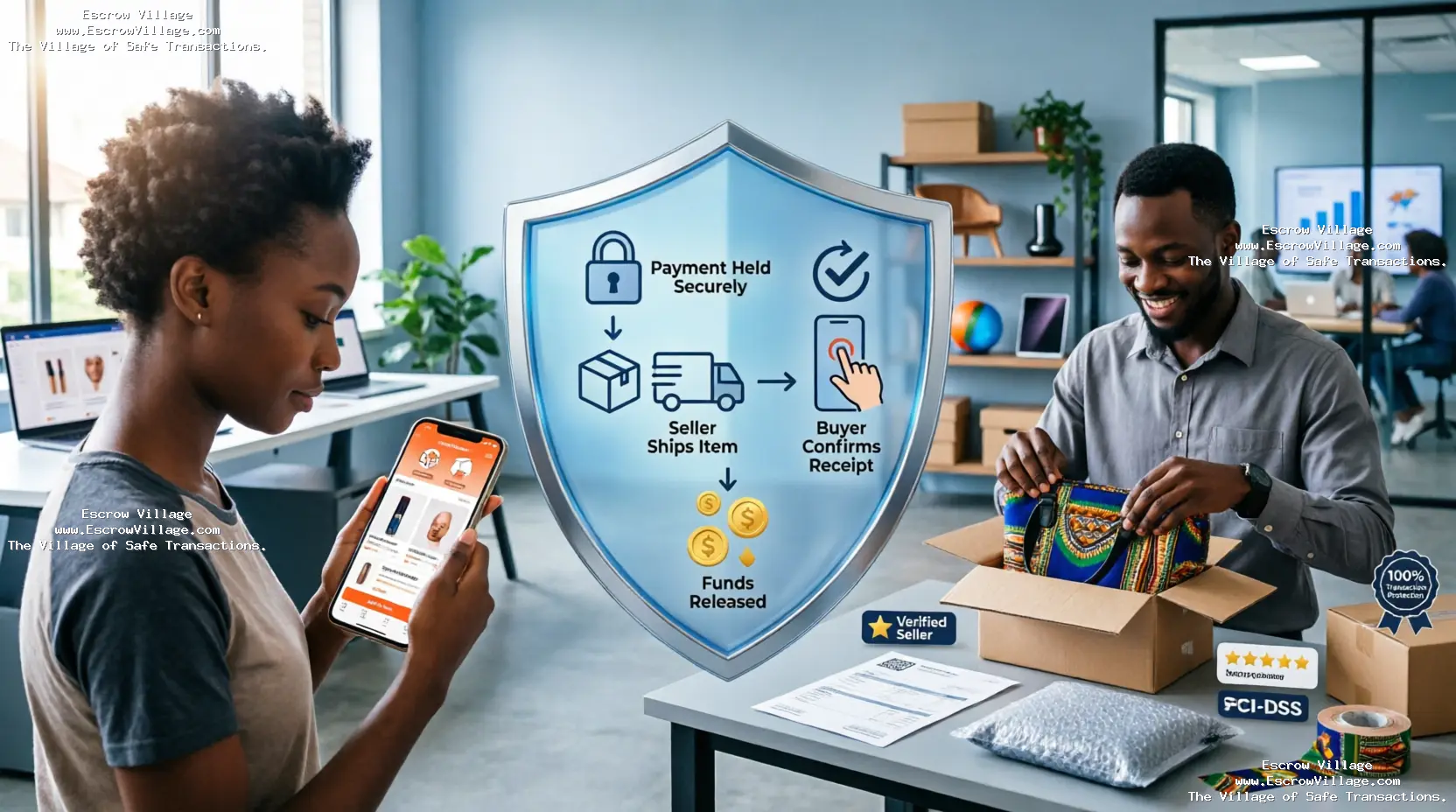
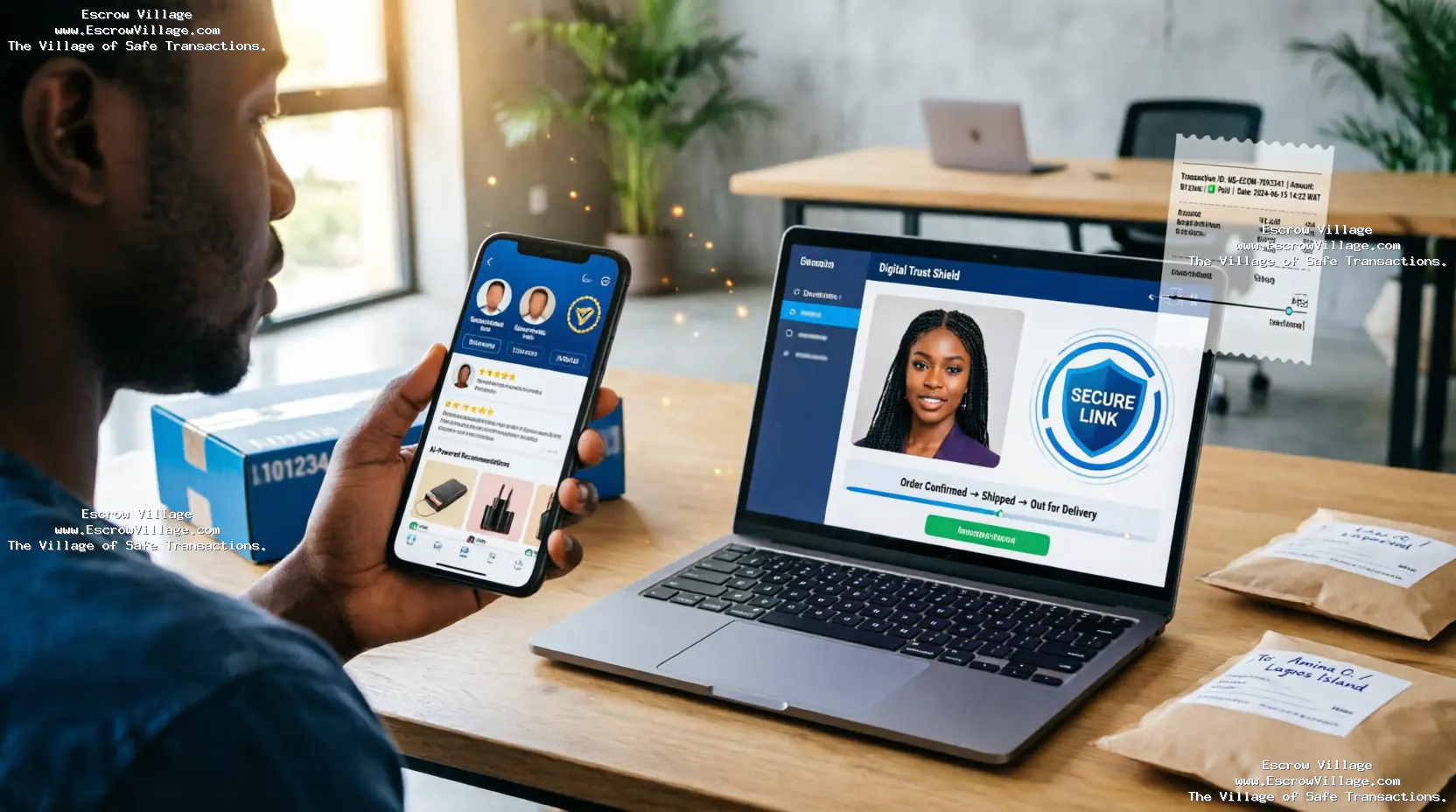
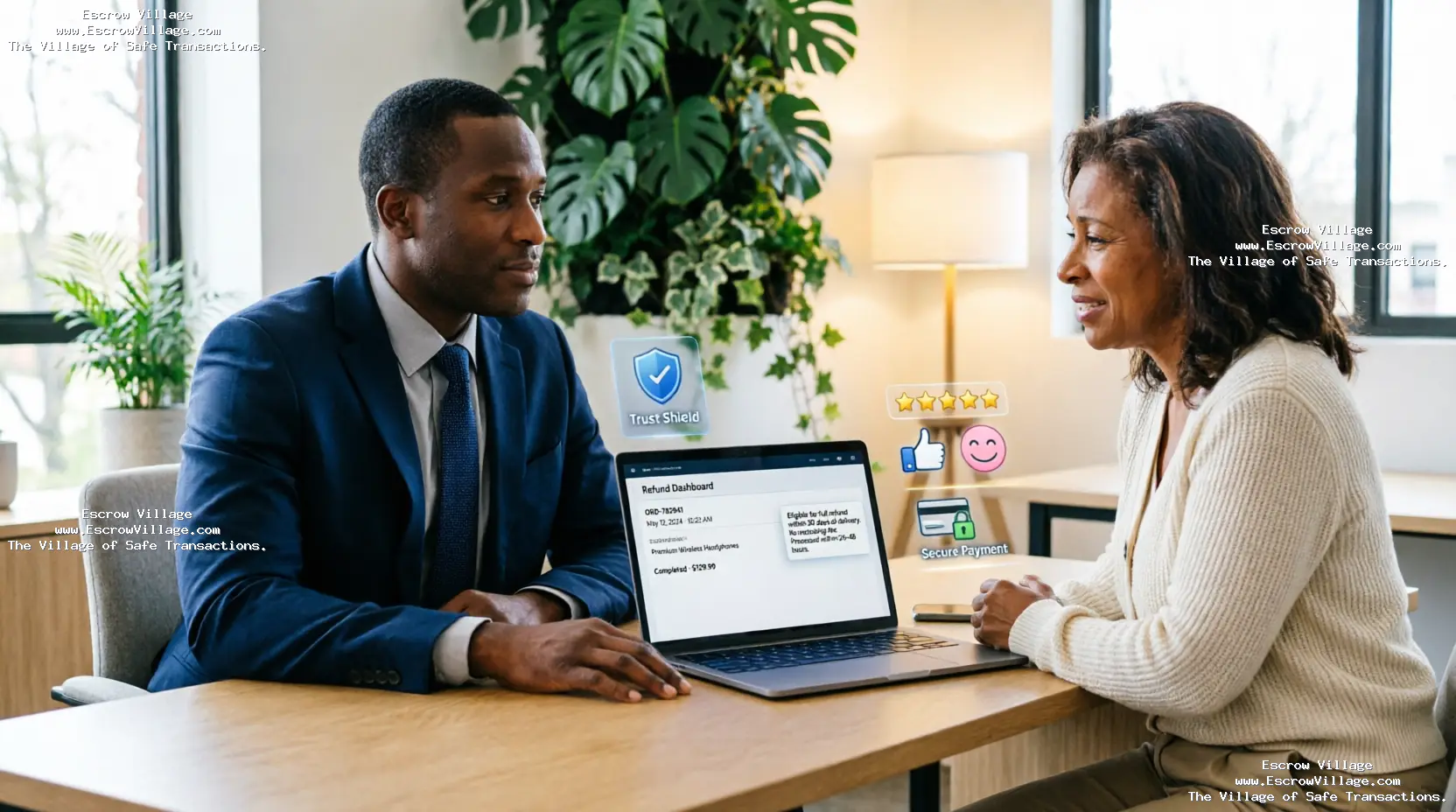
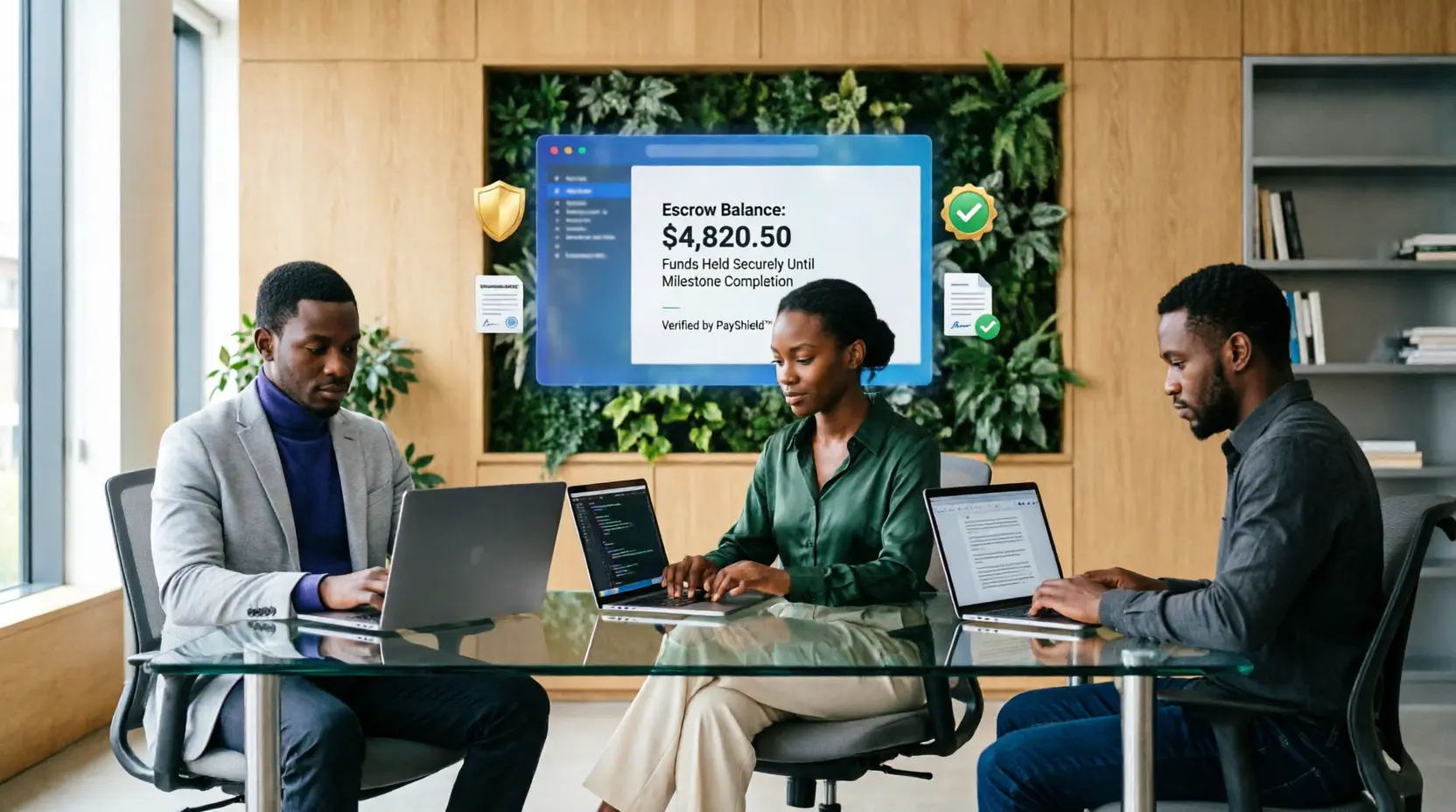
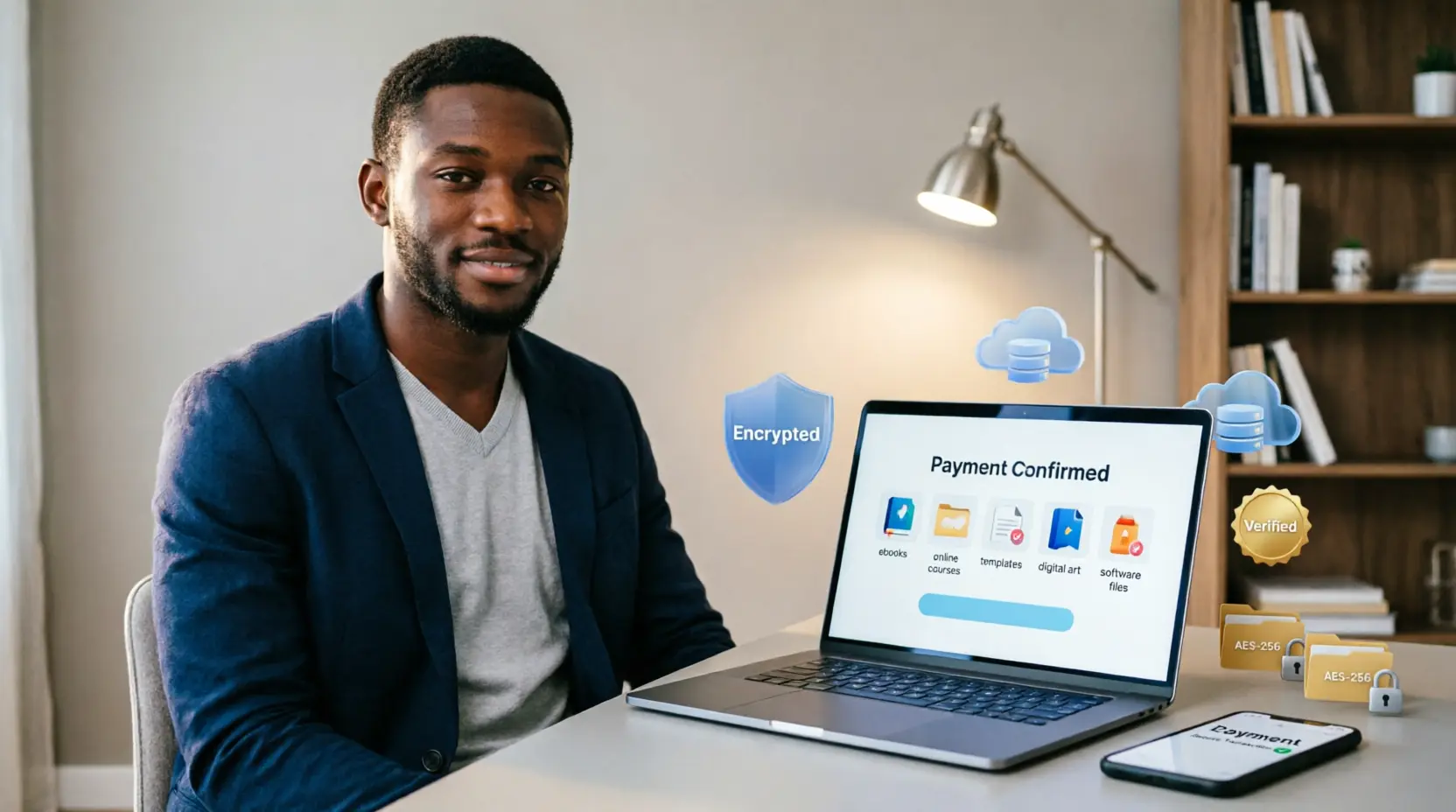
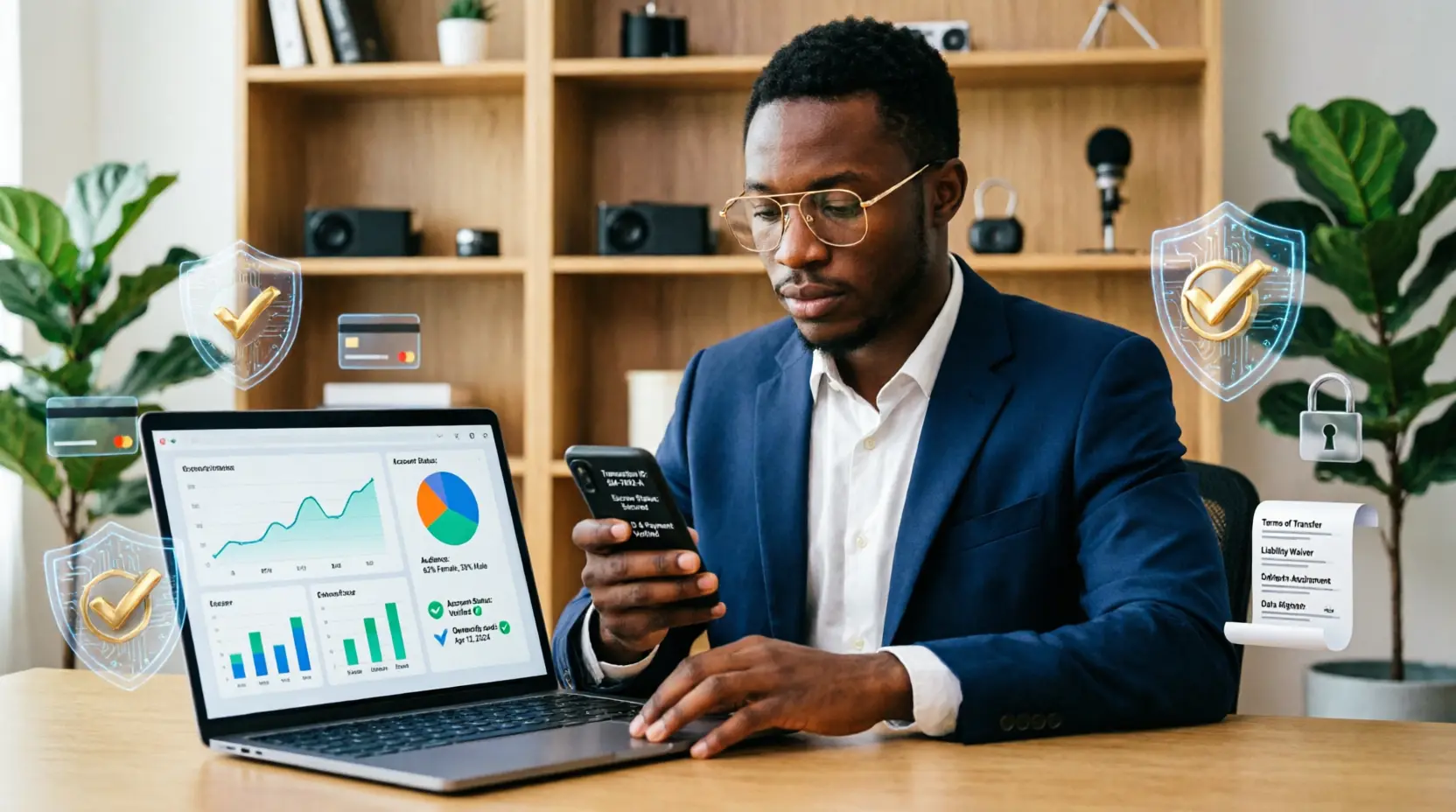
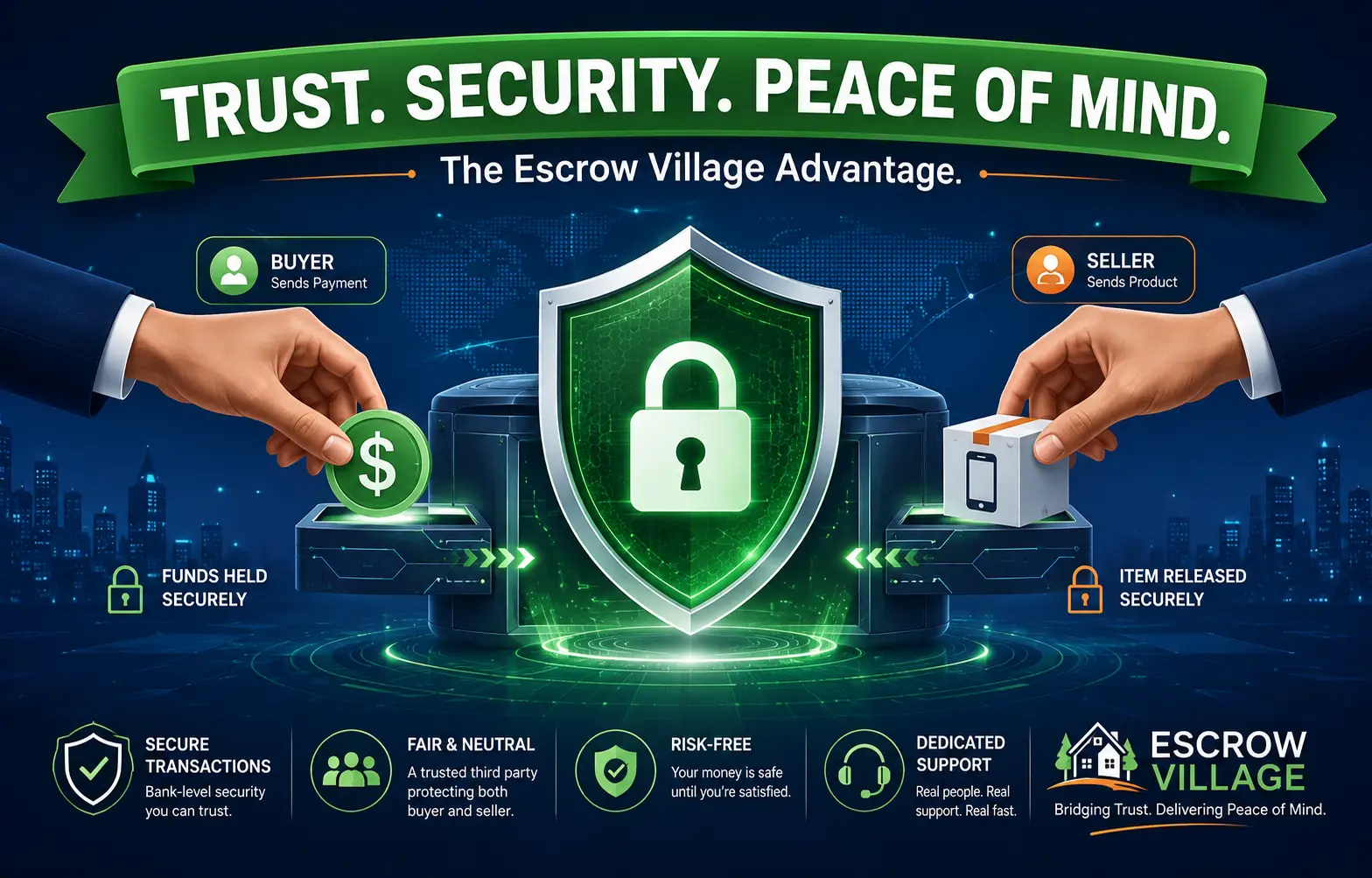
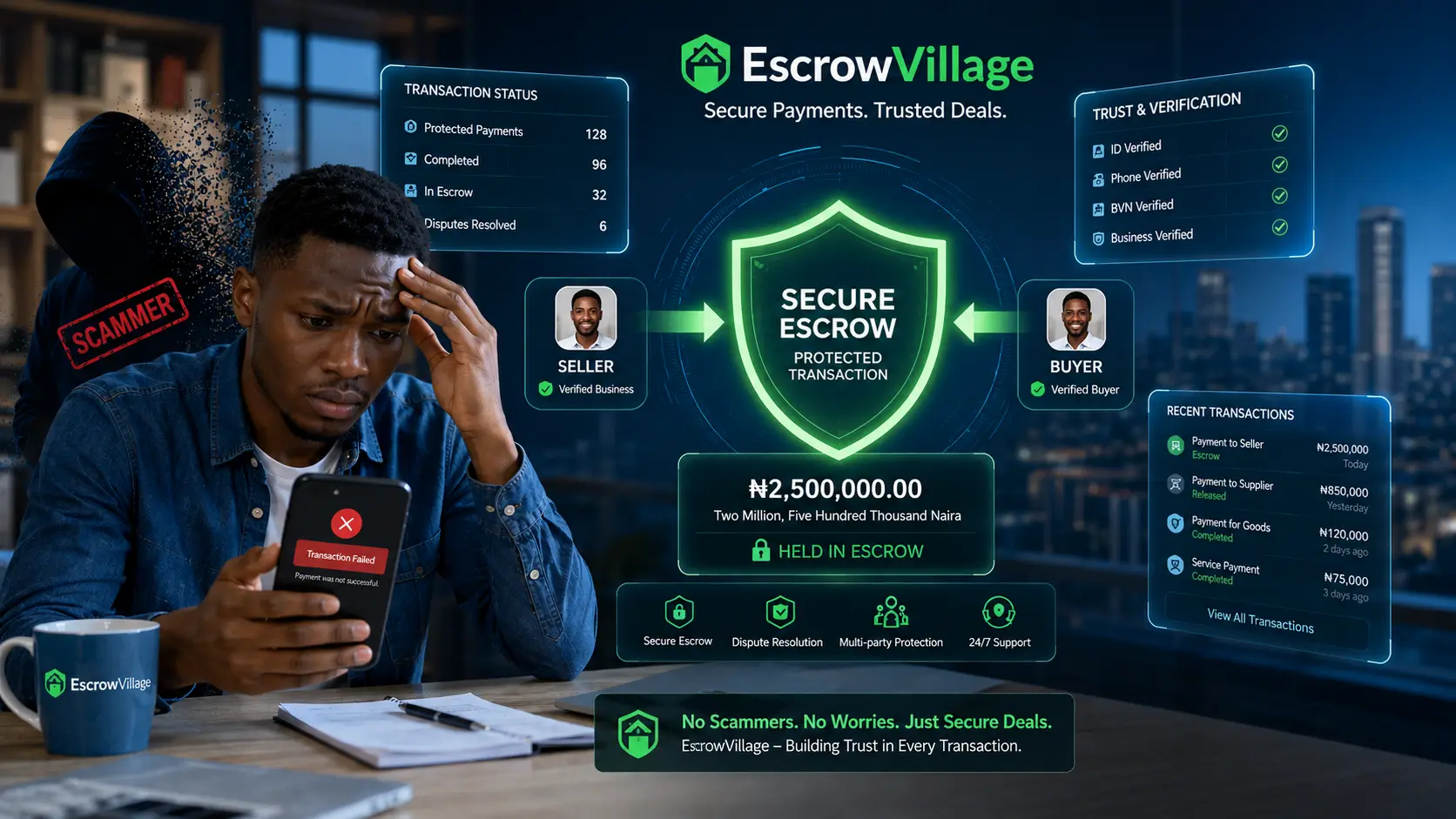
This is the game changer. With Escrow Village, the buyer sends money to us, not to the seller. We hold it safely. The seller ships the item. The buyer inspects and confirms. Then, we release the money to the seller. No one can run away. No one loses money. It is how buying and selling should always work. Simple. Instead of arguing over trust, both parties rely on a secure process. Platforms like Escrow Village help Nigerians buy and sell online safely without fear of scams.
Safety Tips for Sellers on WhatsApp
Buyers are not the only victims online. Sellers lose money too. Here are smart habits every seller should follow.
● Confirm Money Yourself
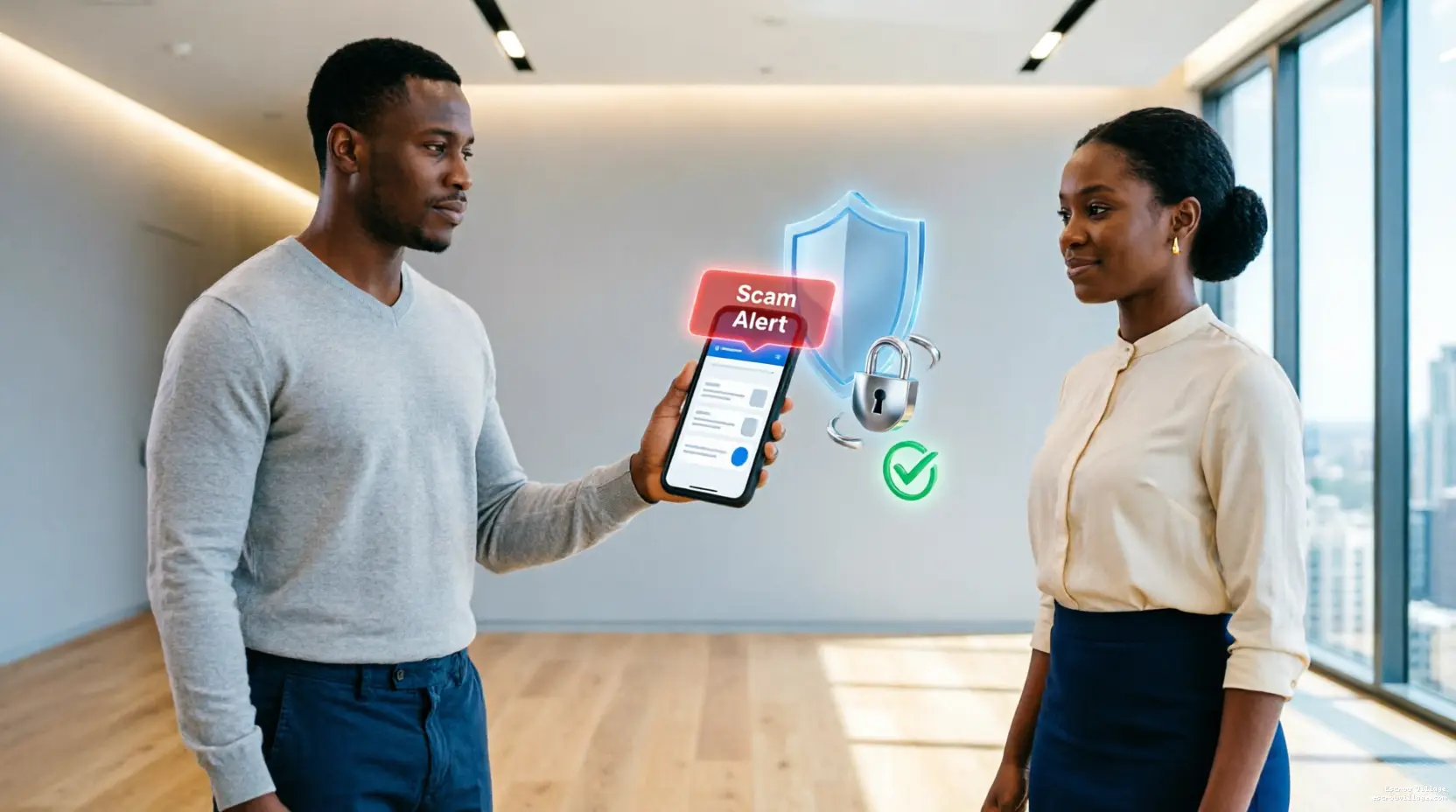
Never rely on screenshots or SMS alerts alone.
Open your banking app and confirm the money has entered your account before releasing products.
● Be Careful With “Urgent” Buyers
Scammers often try to rush sellers.
They may claim:
Their driver is waiting
They’re travelling
They already sent the payment
Don’t let urgency override caution.
● Keep Records of Conversations
Save chats, receipts, delivery details, and account numbers. If disputes happen, records help protect you.
● Use Escrow for Expensive Deals
If you’re selling something valuable to a stranger, escrow protects you from fake payment claims and dishonest buyers.
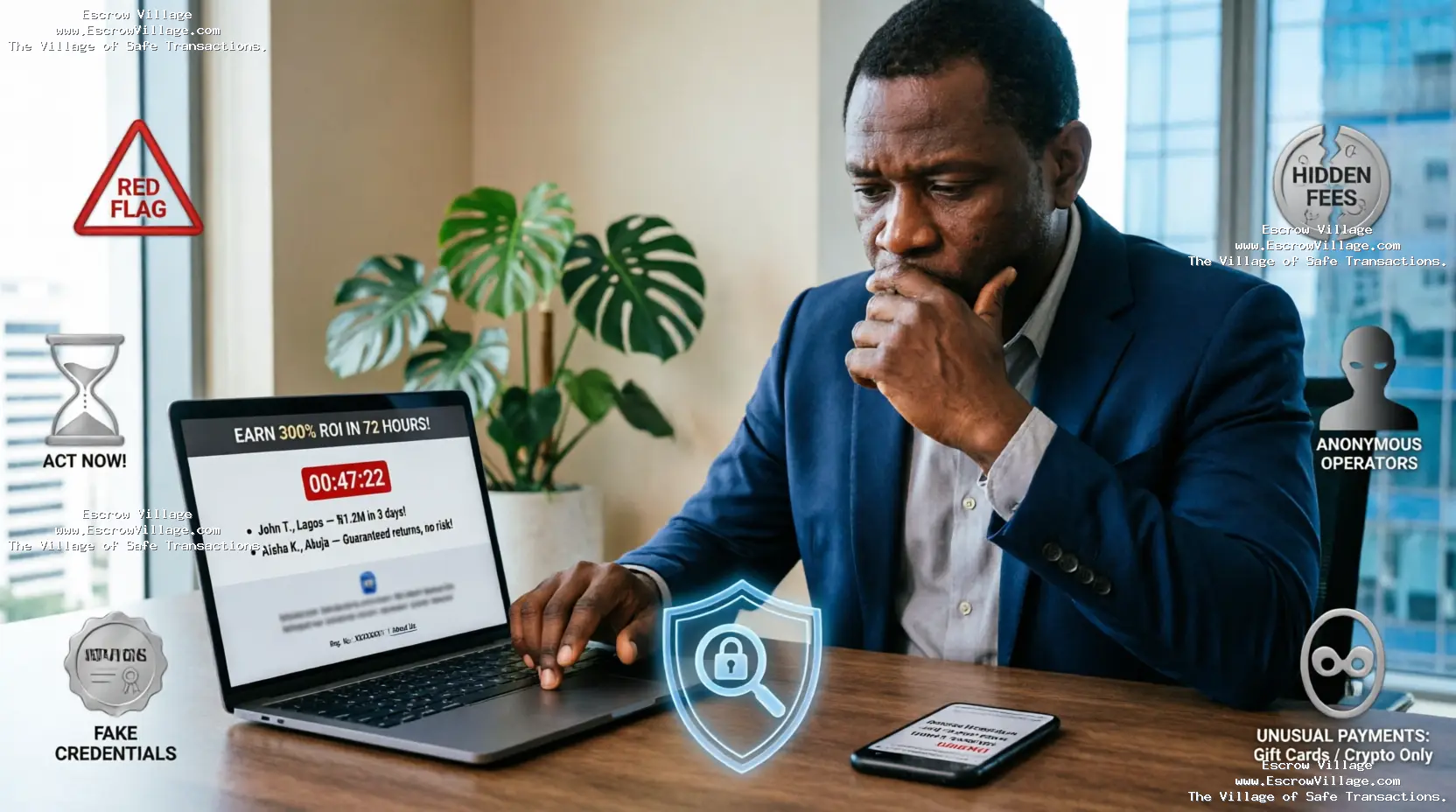
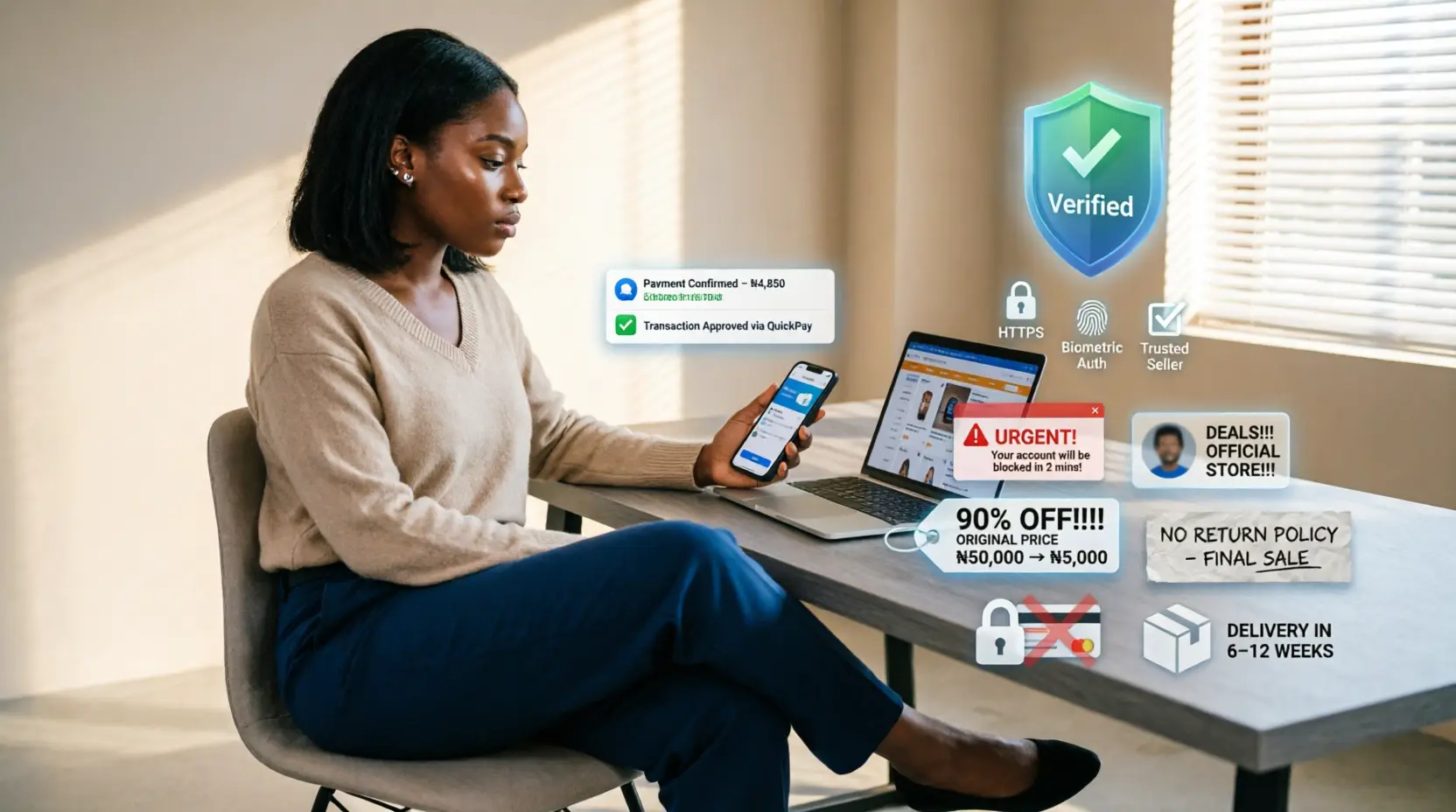
Red Flags You Should Never Ignore
Sometimes your instincts already know something feels wrong.
Pay attention when:
》 Prices are unrealistically cheap
》 The person avoids video calls
》 They refuse escrow completely
》 Their stories keep changing
》 They pressure you to pay immediately
》 They refuse proper verification
A legitimate seller or buyer usually understands caution. Anybody angry because you want safety is suspicious already.
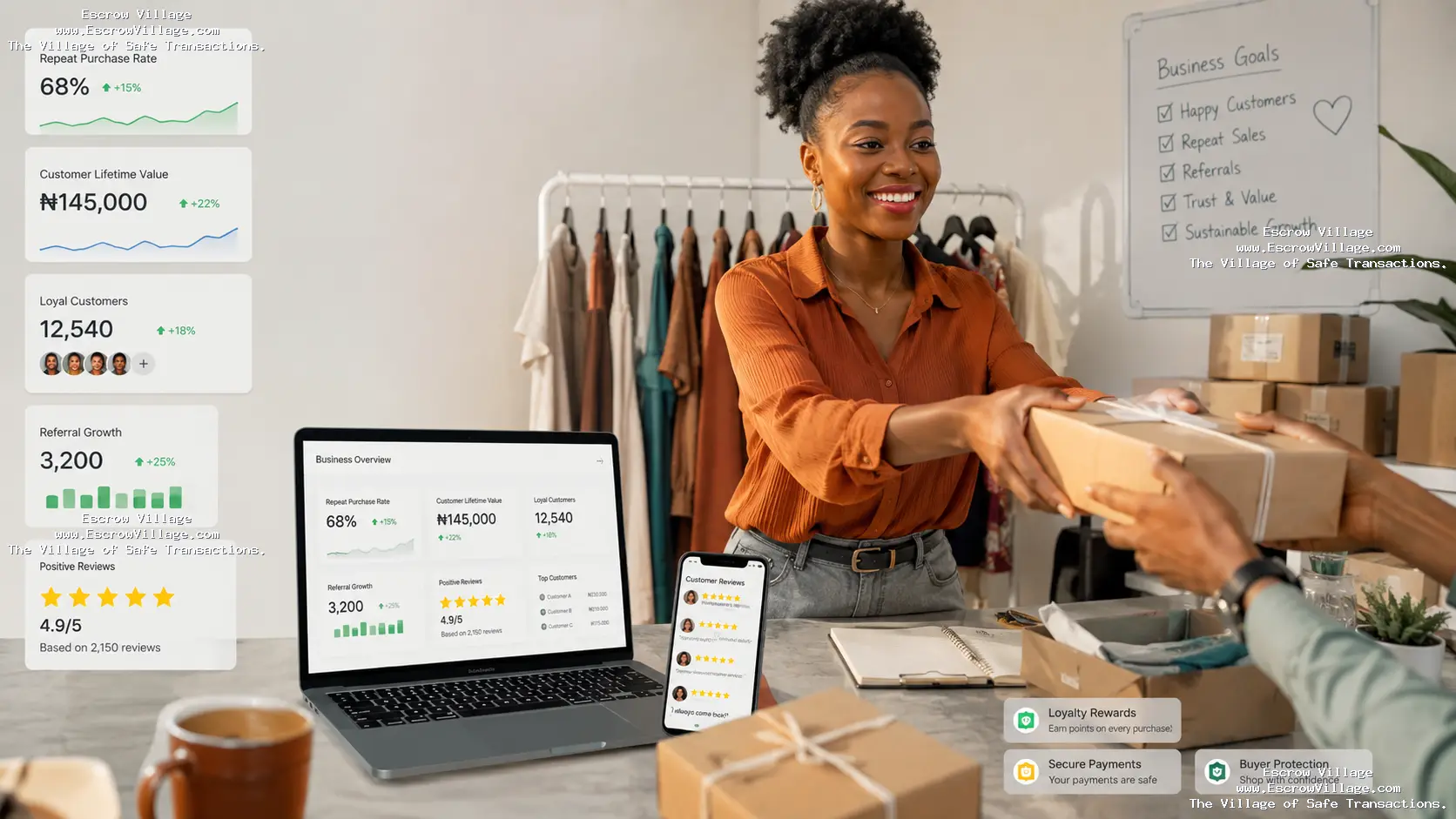
Don't let fear stop you from selling or buying. The internet is not the problem. WhatsApp is not the enemy. The lack of a safety net is. Once you master how to buy and sell safely on WhatsApp in Nigeria, you will stop losing money. You will buy that phone, sell that designer bag, and close those deals with confidence. Stop trusting strangers with your alert. Start trusting a system that protects everyone. Ready to do your next deal without fear? Visit Escrow Village today. Create a free account in two minutes. Lock in your first safe transaction and finally enjoy online buying and selling in Nigeria. Your money stays safe. Your business keeps growing. No more ghost sellers.