
How Scammers Build Trust Before They Scam You
Scammers rarely begin with threats or pressure.
Most times, they begin with trust.
Think about this: someone sends you a friendly message online. They complement your business, ask simple questions, and continue chatting for days. Nothing feels suspicious. In fact, they seem more patient and polite than real customers. That is exactly the strategy.
Scammers understand one thing very well: people lower their guard when they feel comfortable.
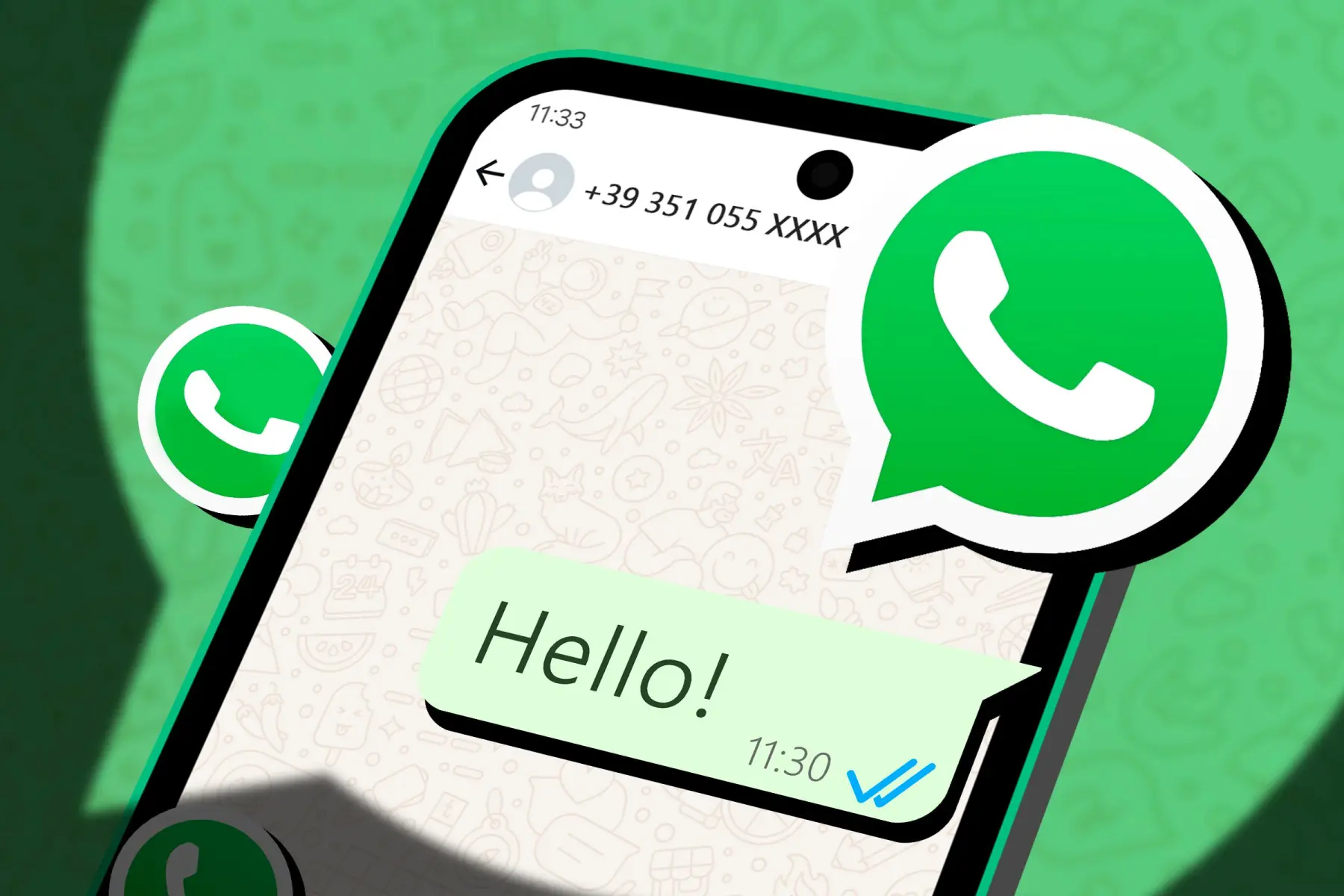
Imagine getting a text: “Hey Sarah, it’s Chris. Did you fix that leak yet?” You reply that you have the wrong number. Instead of a quick "sorry," they write back: “Oh, my bad! You seem really nice though, I’m Mark by the way.”
It feels like a harmless, quirky modern encounter. In reality, you’ve just stepped into A Trap.
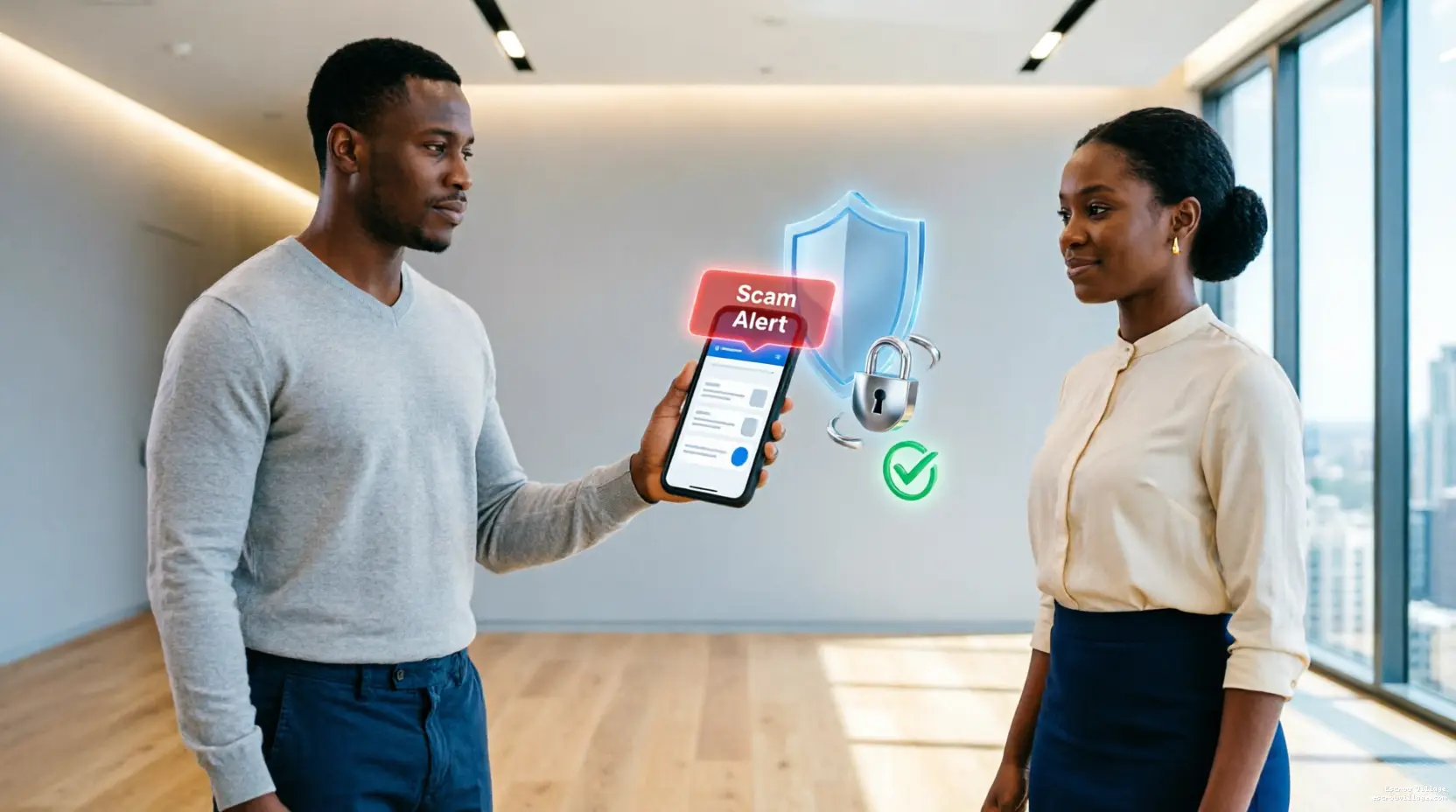
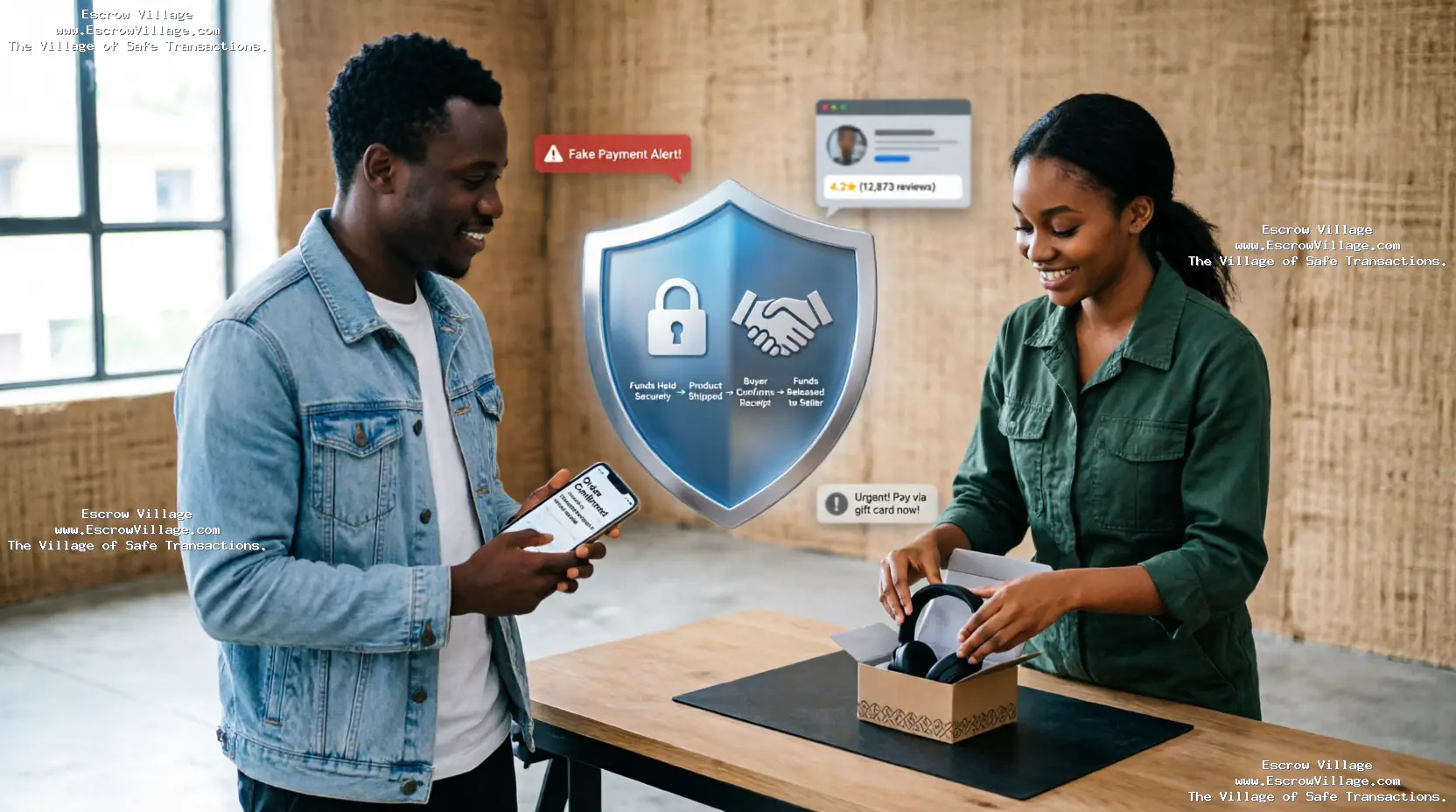
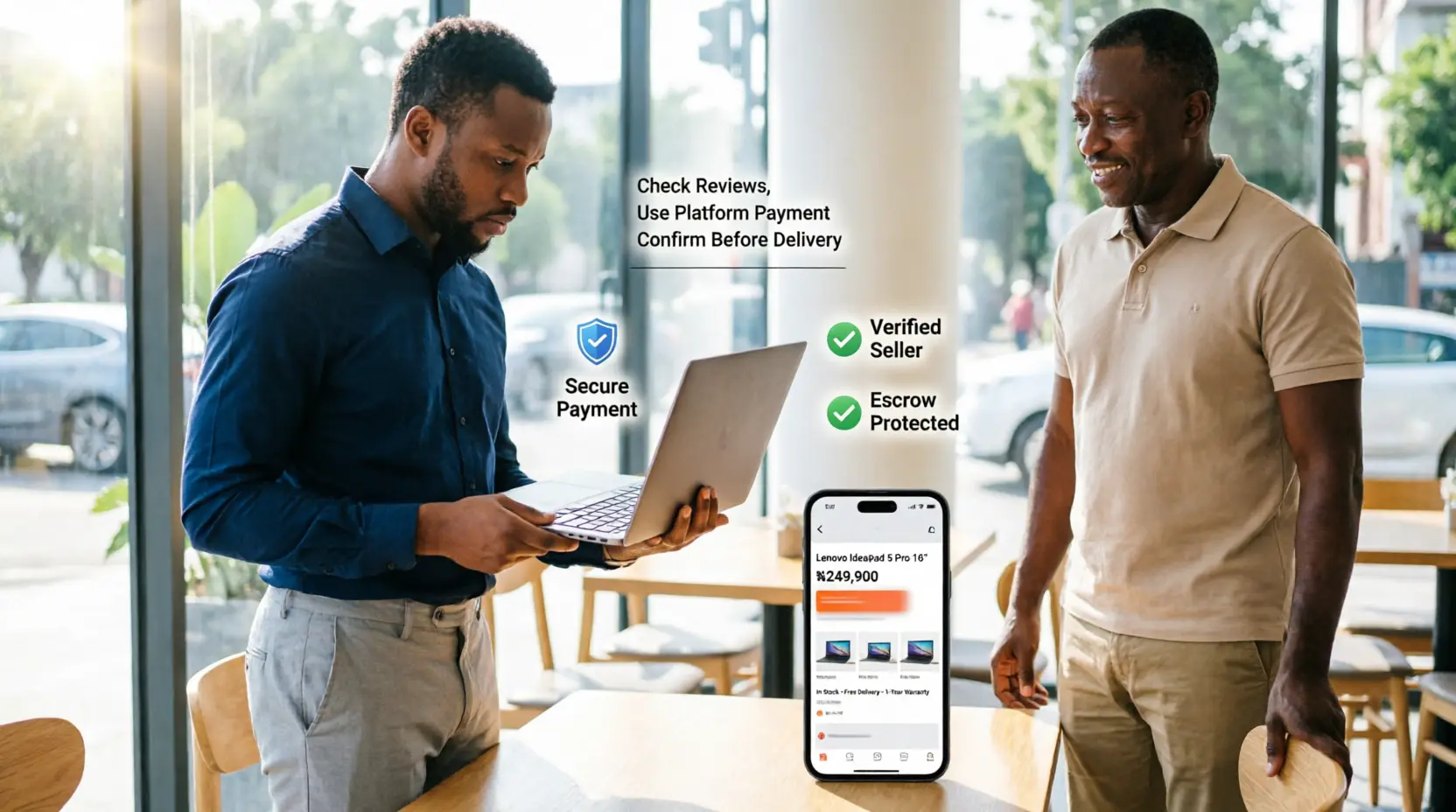
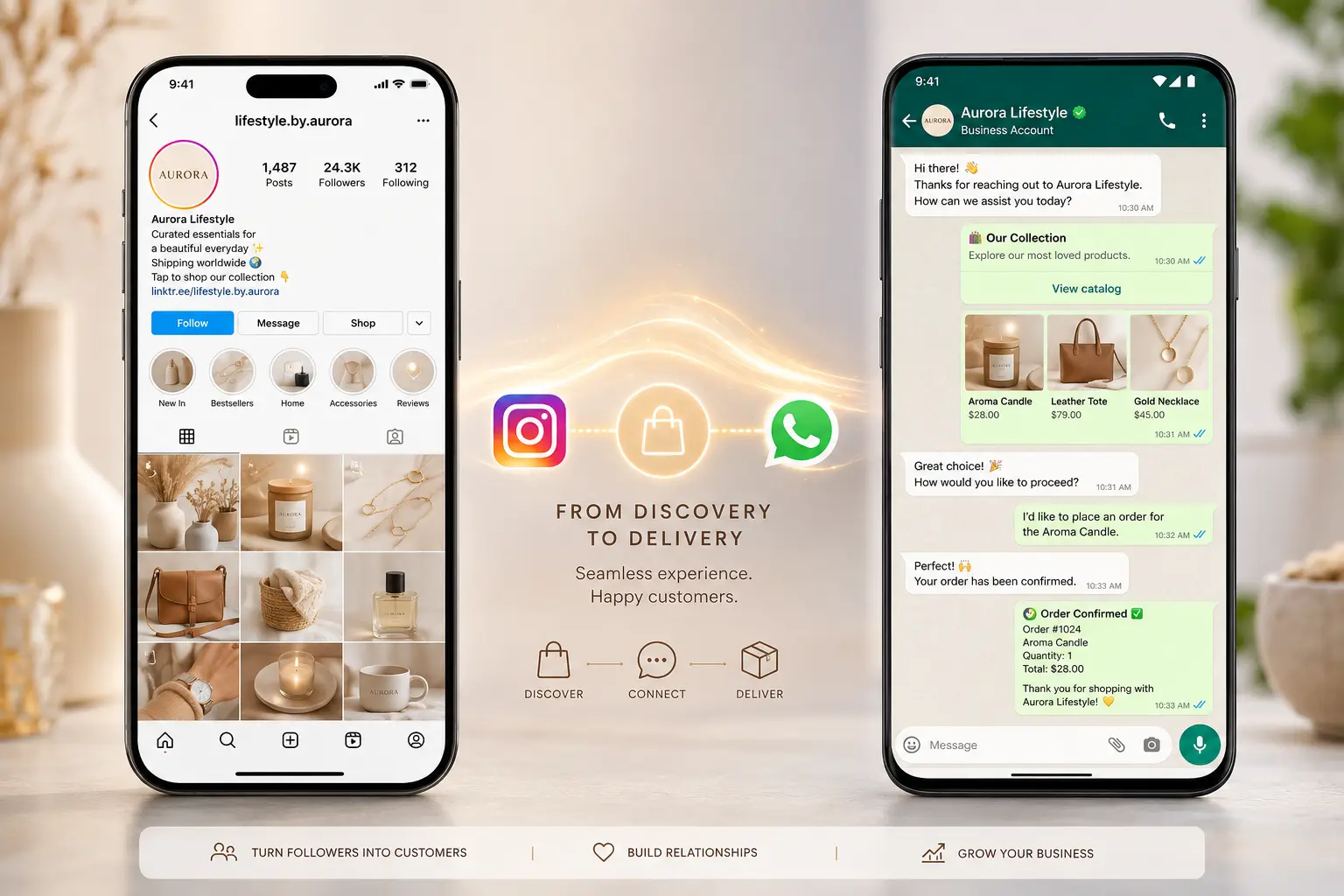
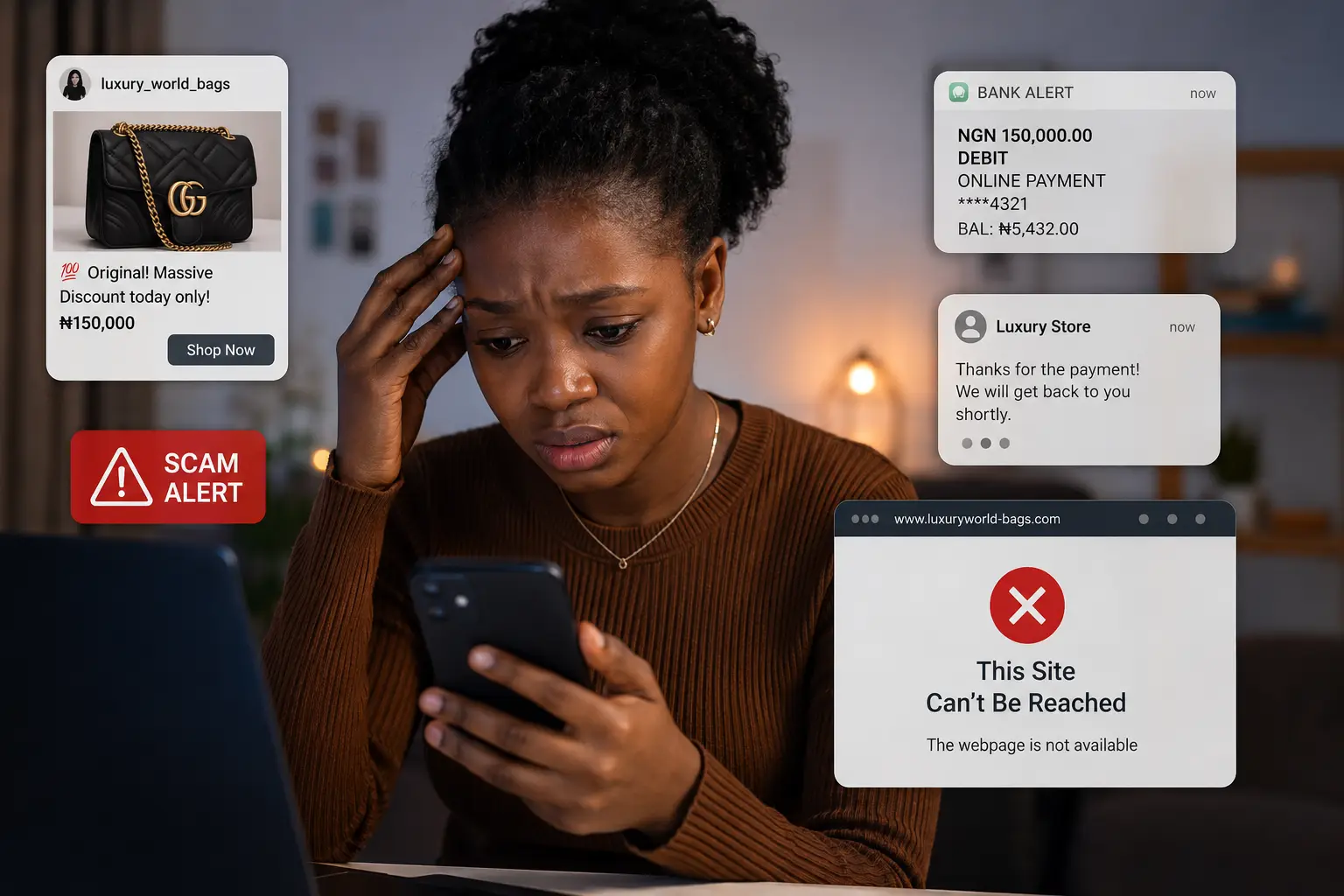
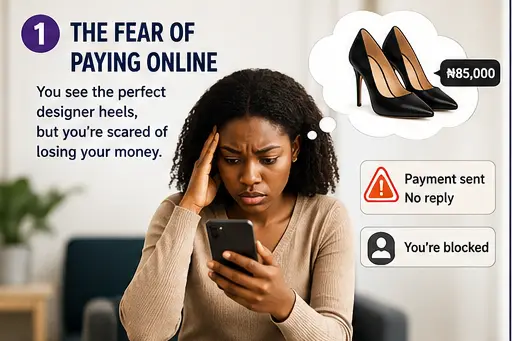
A common example in online marketplaces. A “buyer” chats normally, asks about delivery, negotiates politely, and even shares personal stories to appear genuine. After building trust, they suddenly say, “I’ve made the payment, but there’s a little issue. Can you send the product first while the bank updates?”
Because trust has already been built, many people ignore the warning signs.
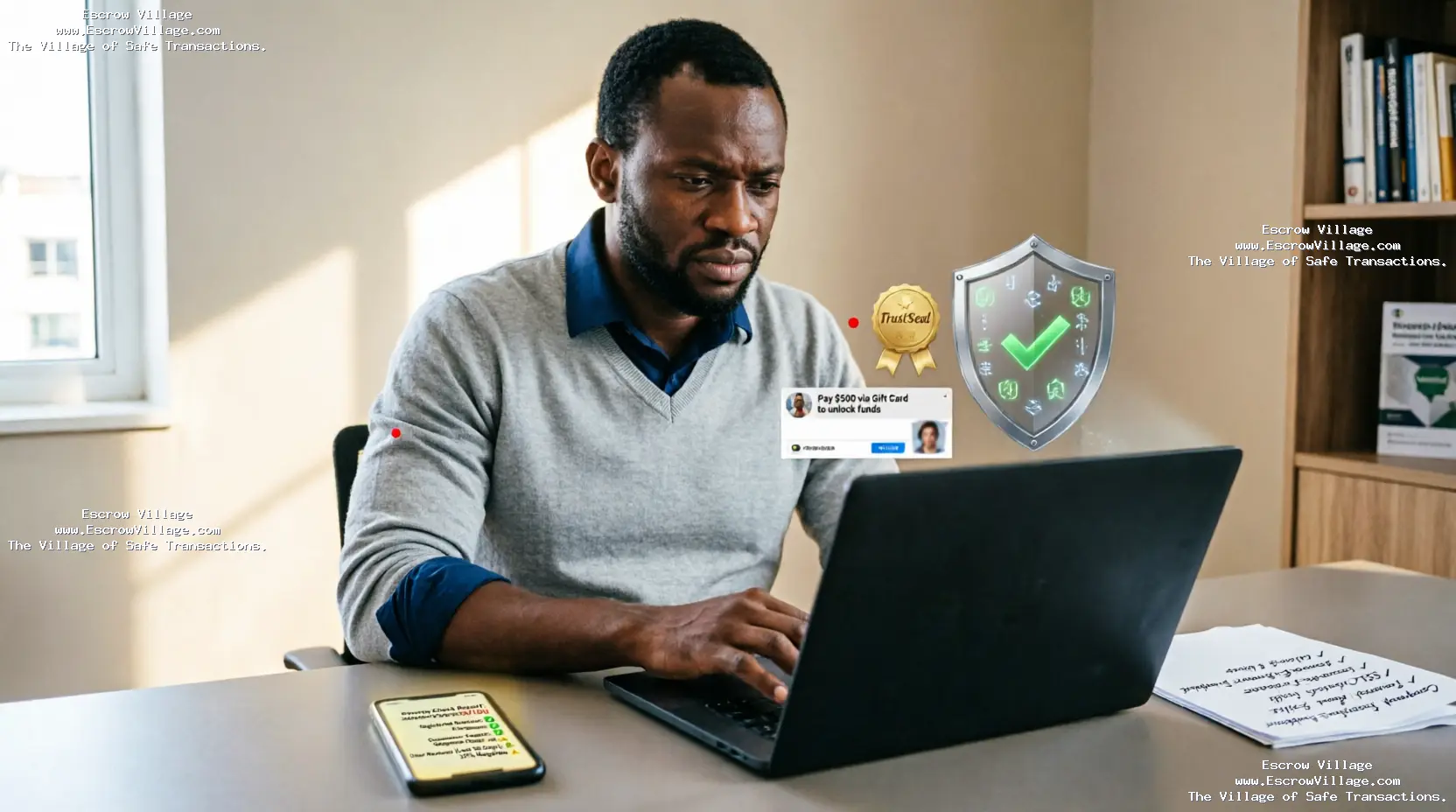
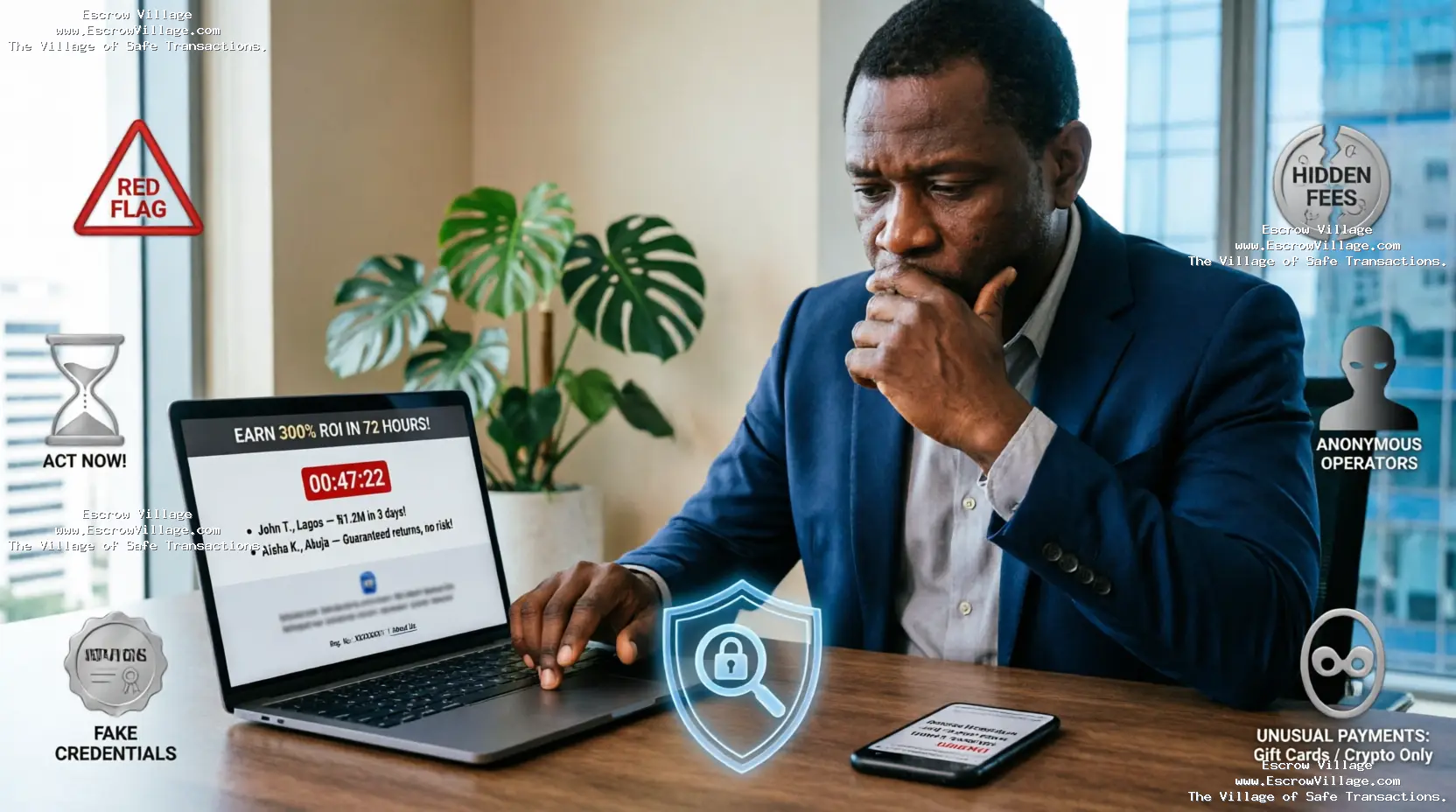
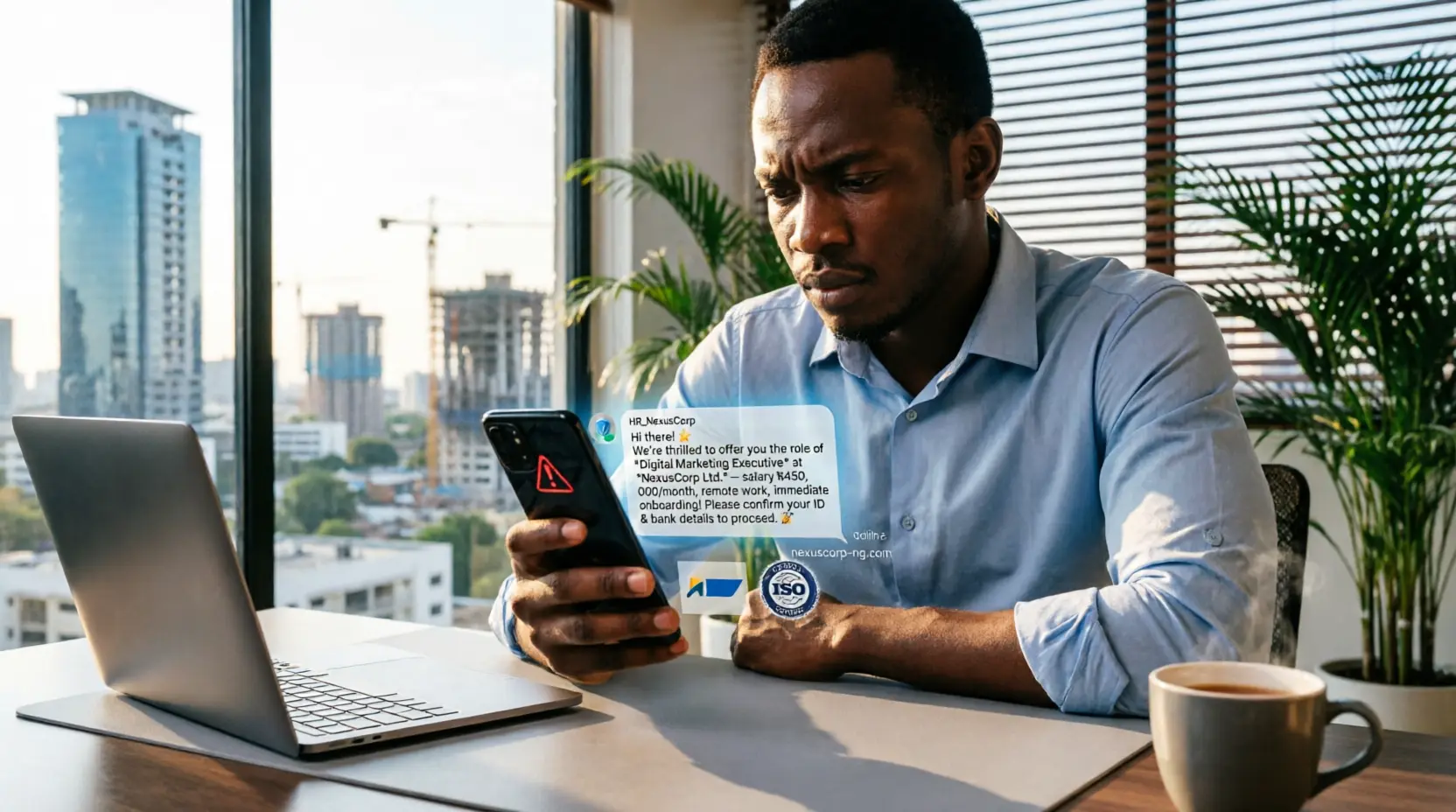
Another popular tactic happens through fake investment or job opportunities. The scammer spends days encouraging the victim, sending motivational messages, fake testimonials, and screenshots of successful payments. Everything feels real until the victim is asked to send money “just once” to unlock bigger rewards.
The attack is rarely sudden. It is carefully prepared.
Modern scammers don't always rush you with panic; instead, they play the long game. They build a digital bridge of empathy, cross it, and then blow it up.
Scammers study emotions. They know trust creates emotional attachment, and emotional attachment weakens caution. Once they sense urgency, excitement, or desperation, they strike.
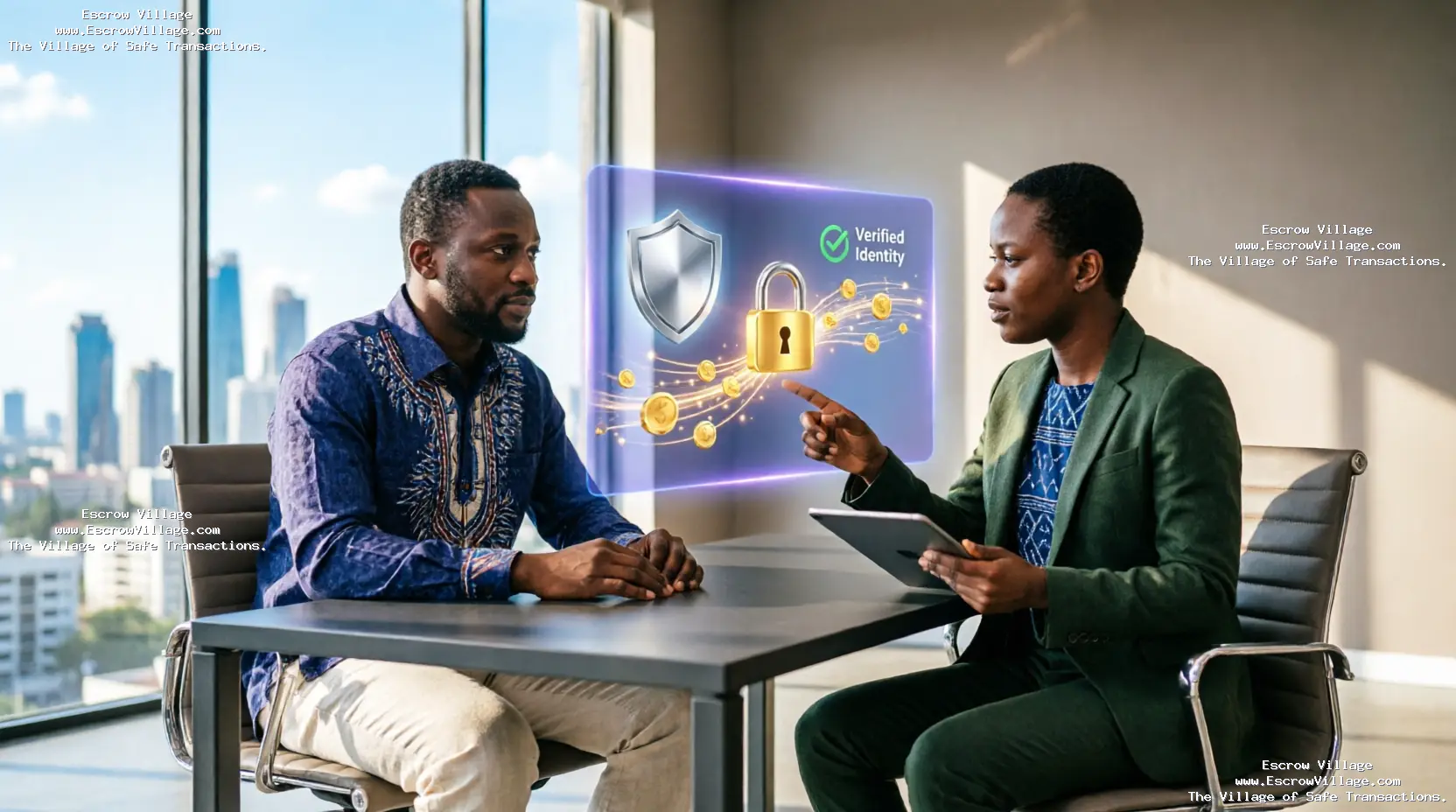
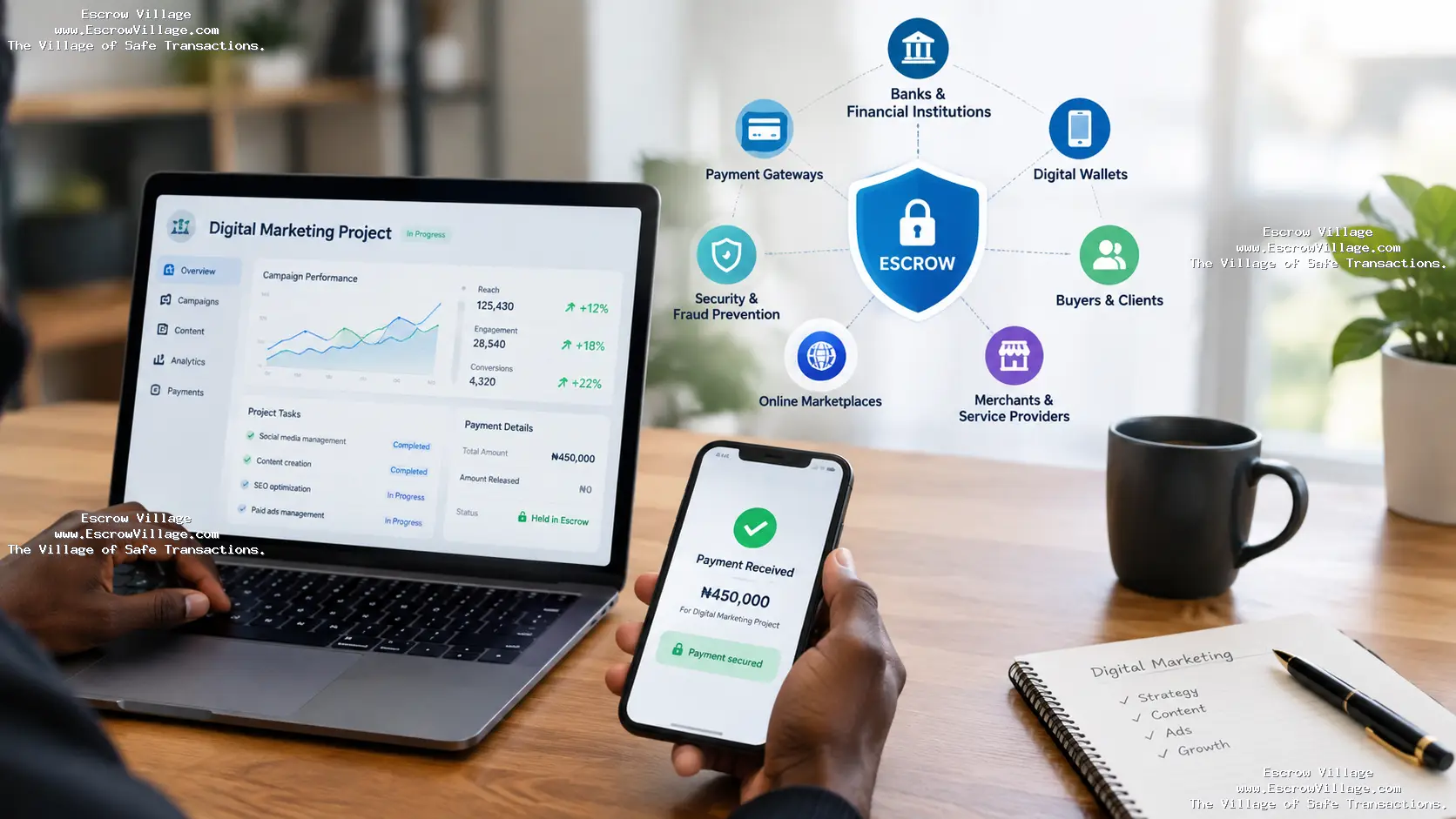
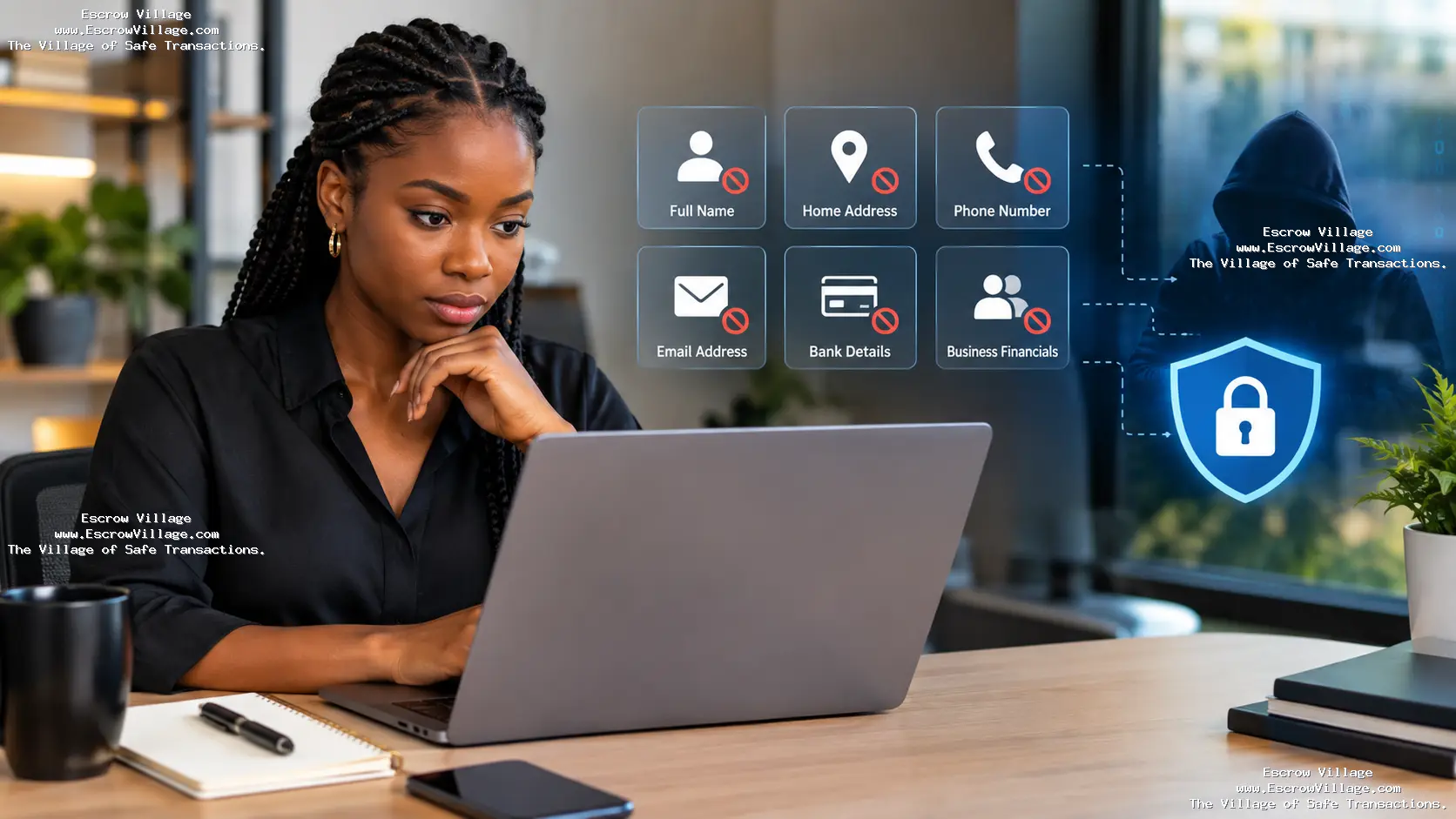
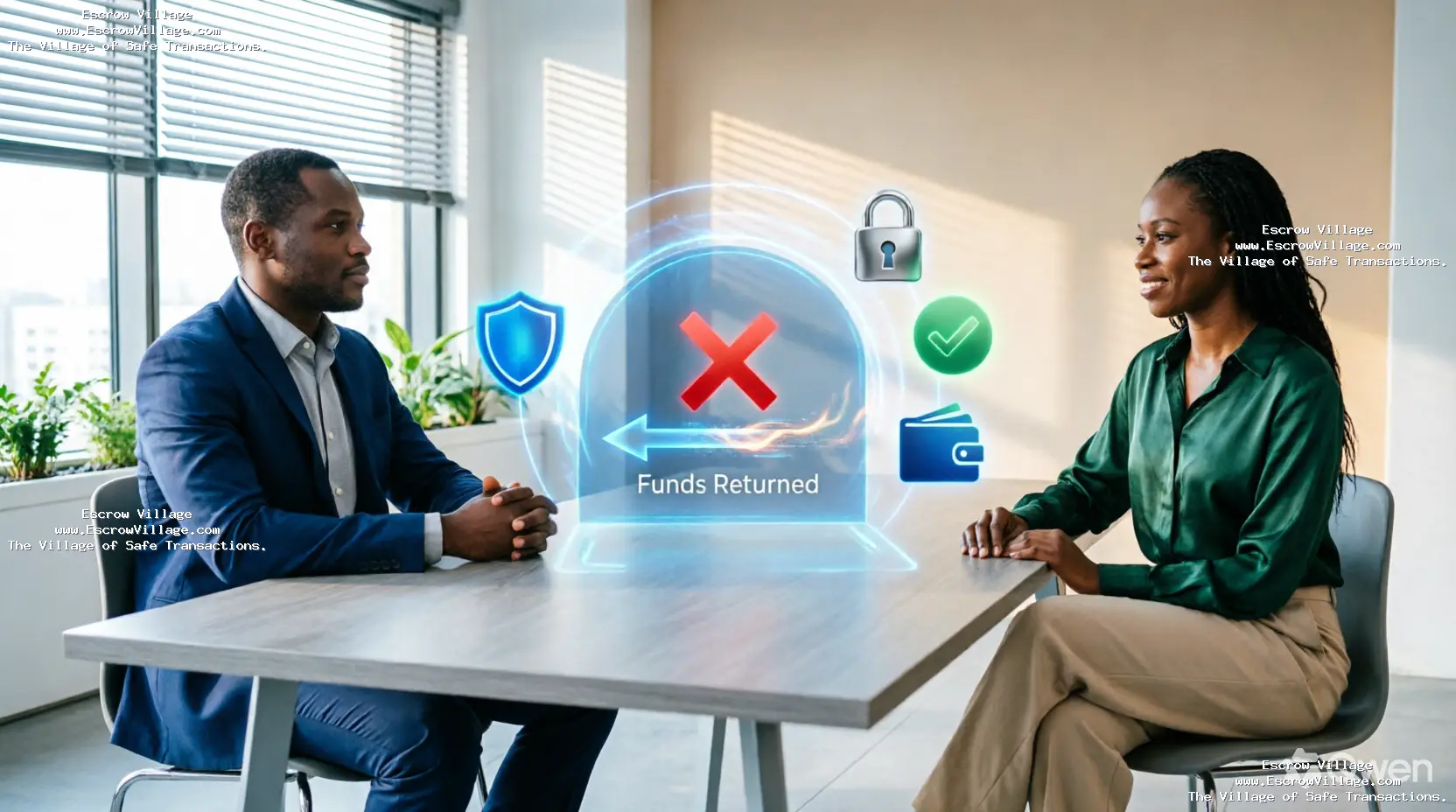
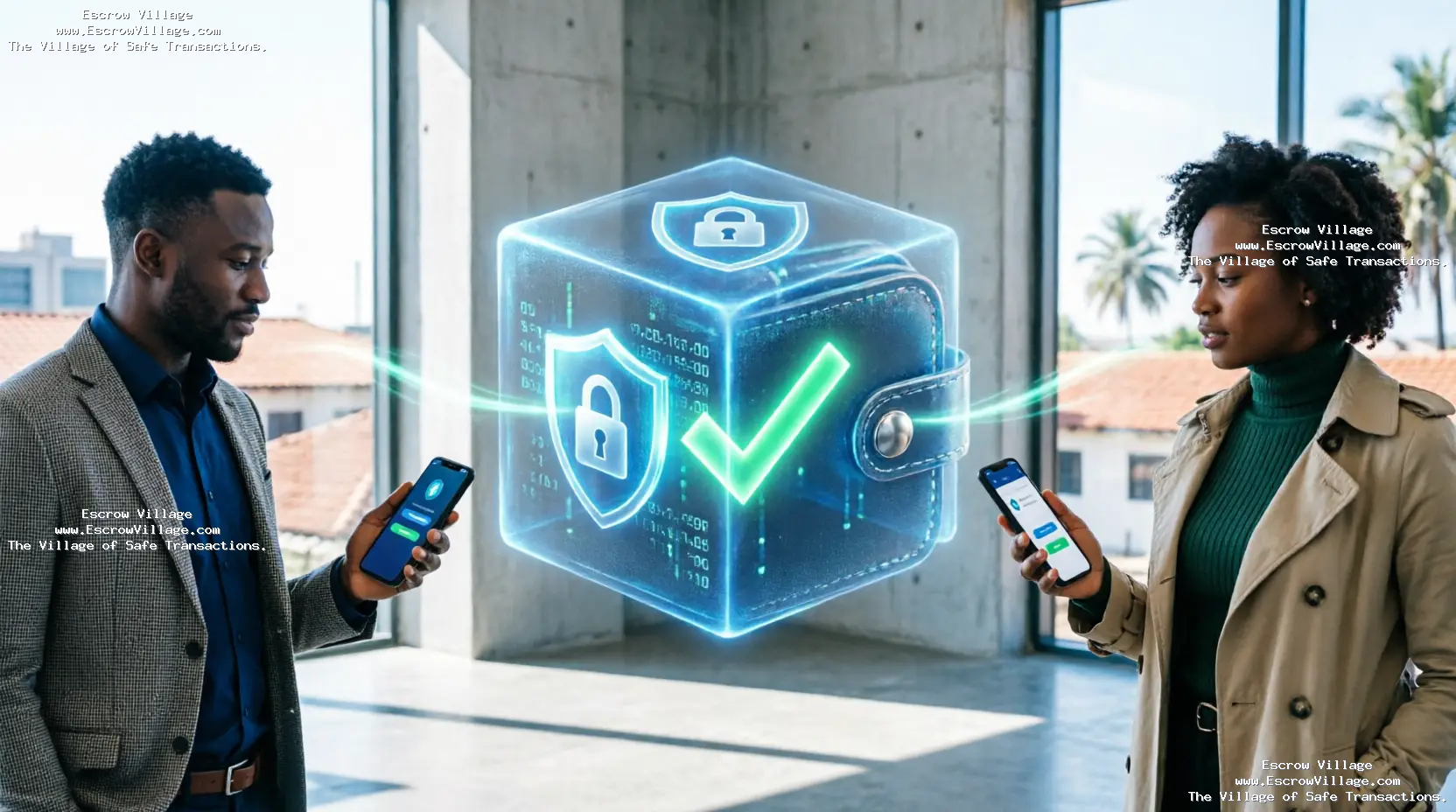
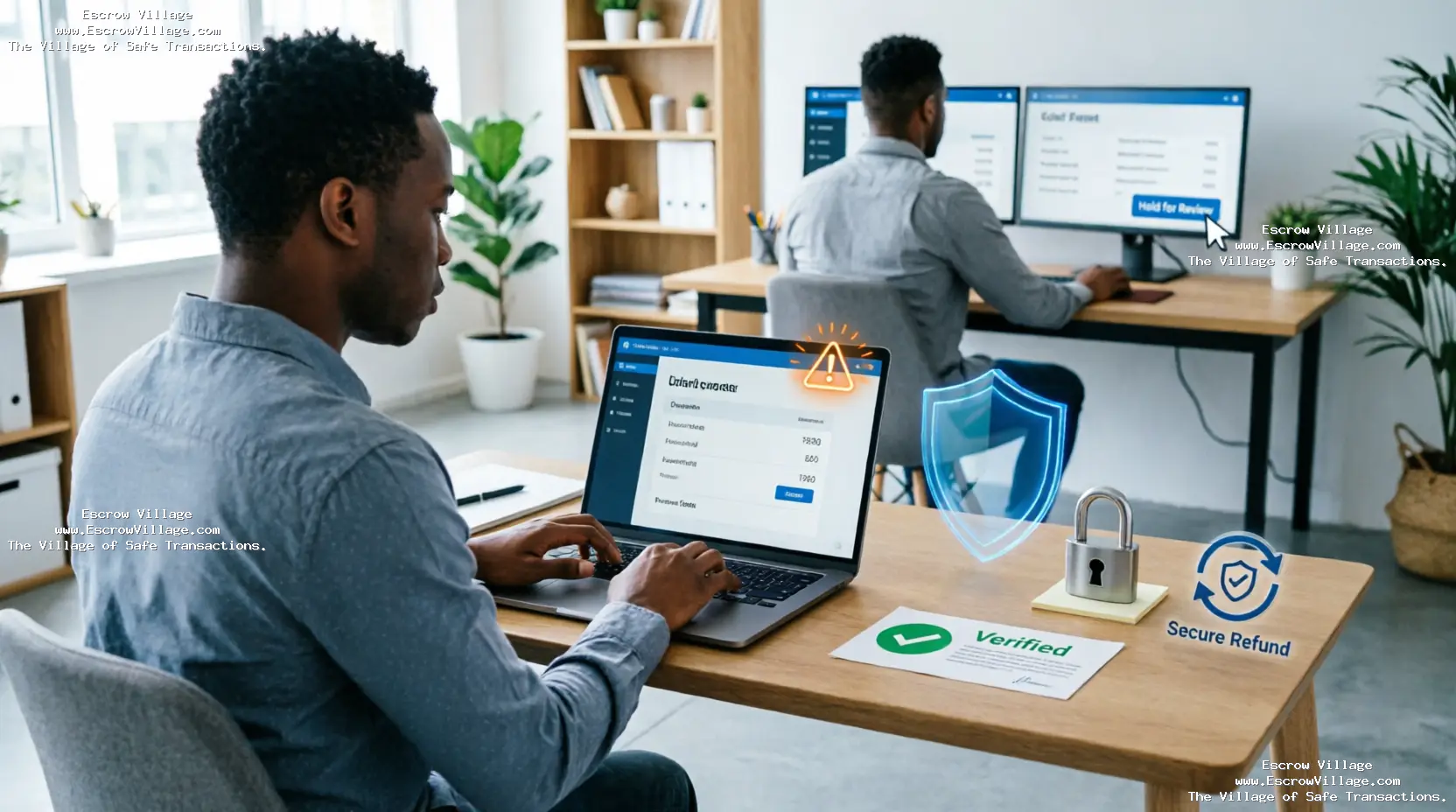
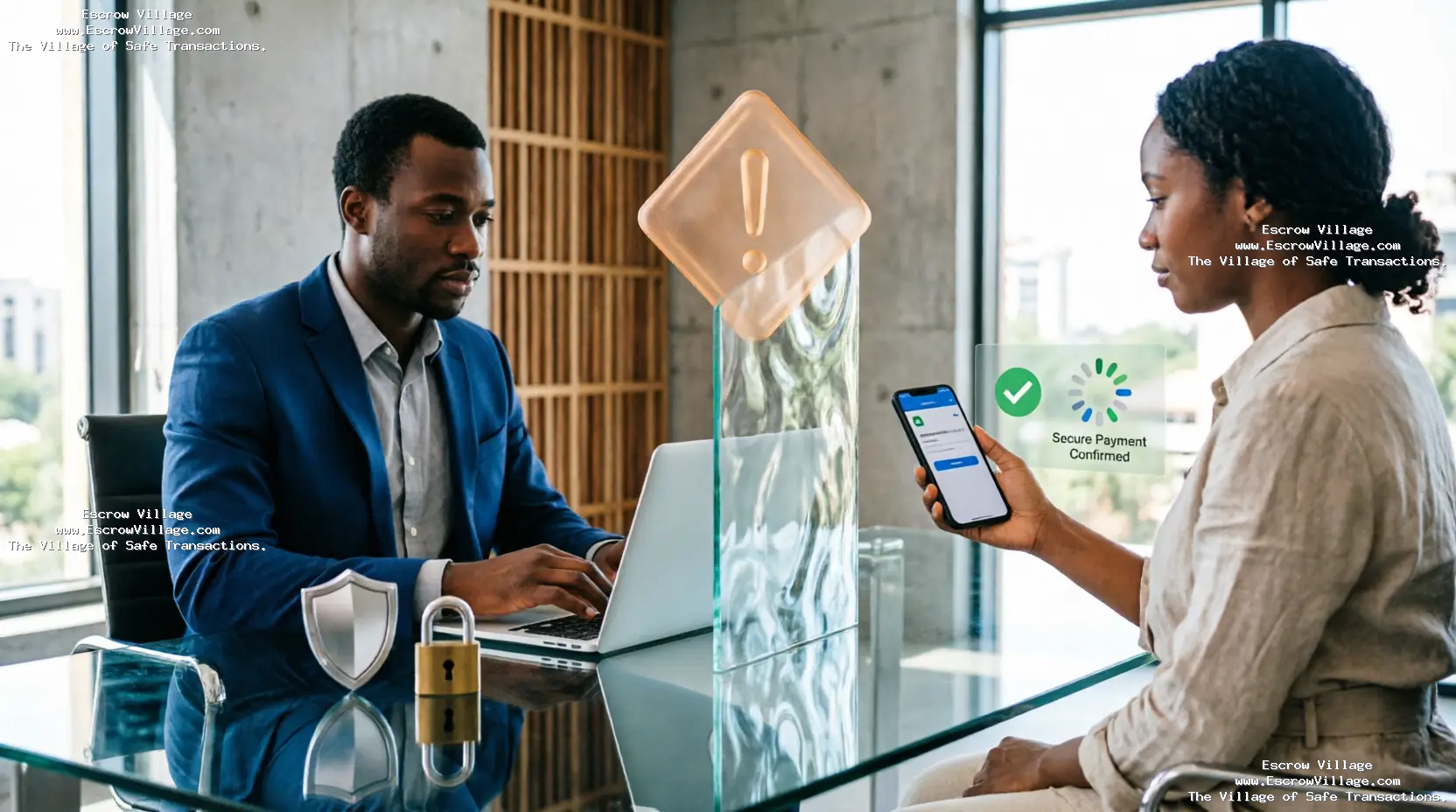
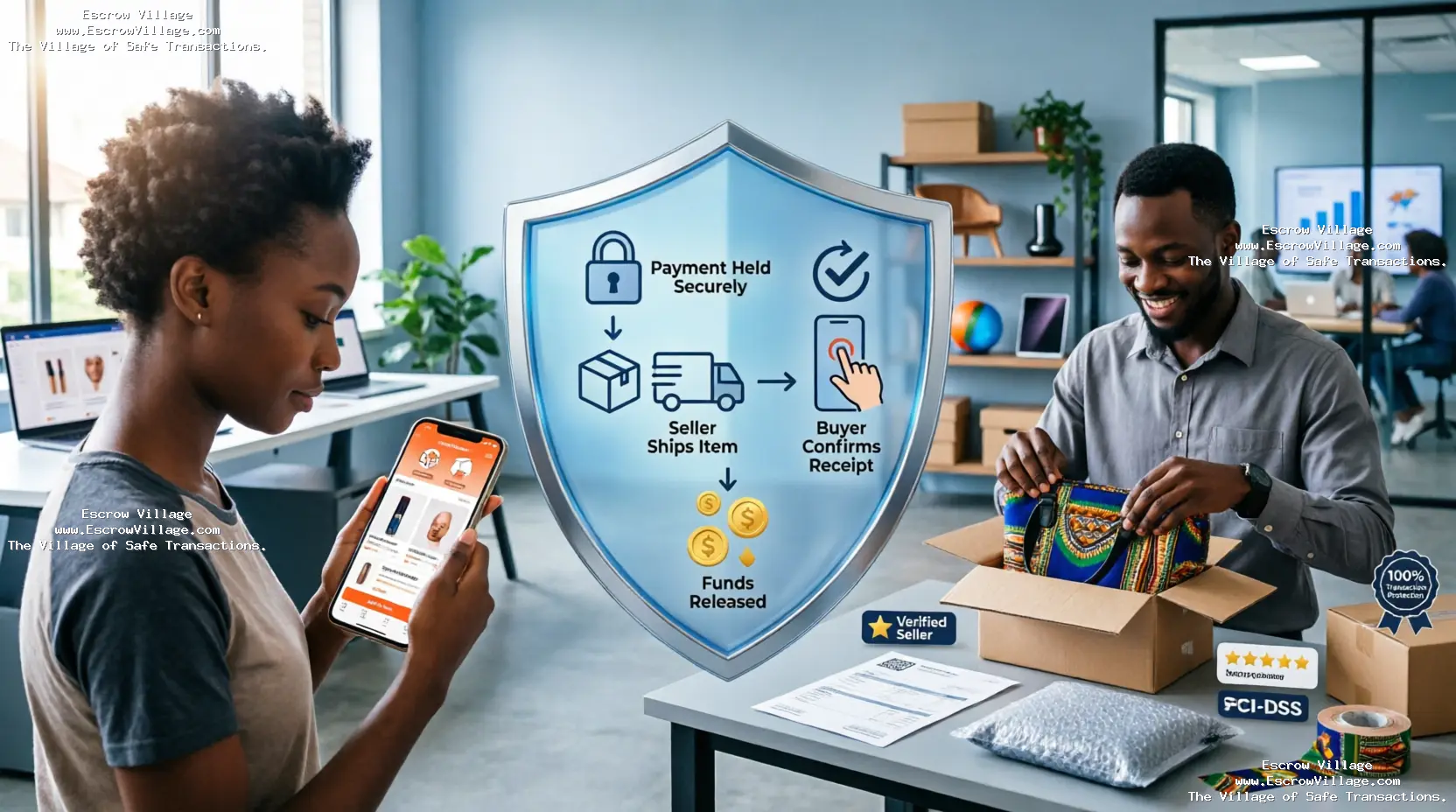
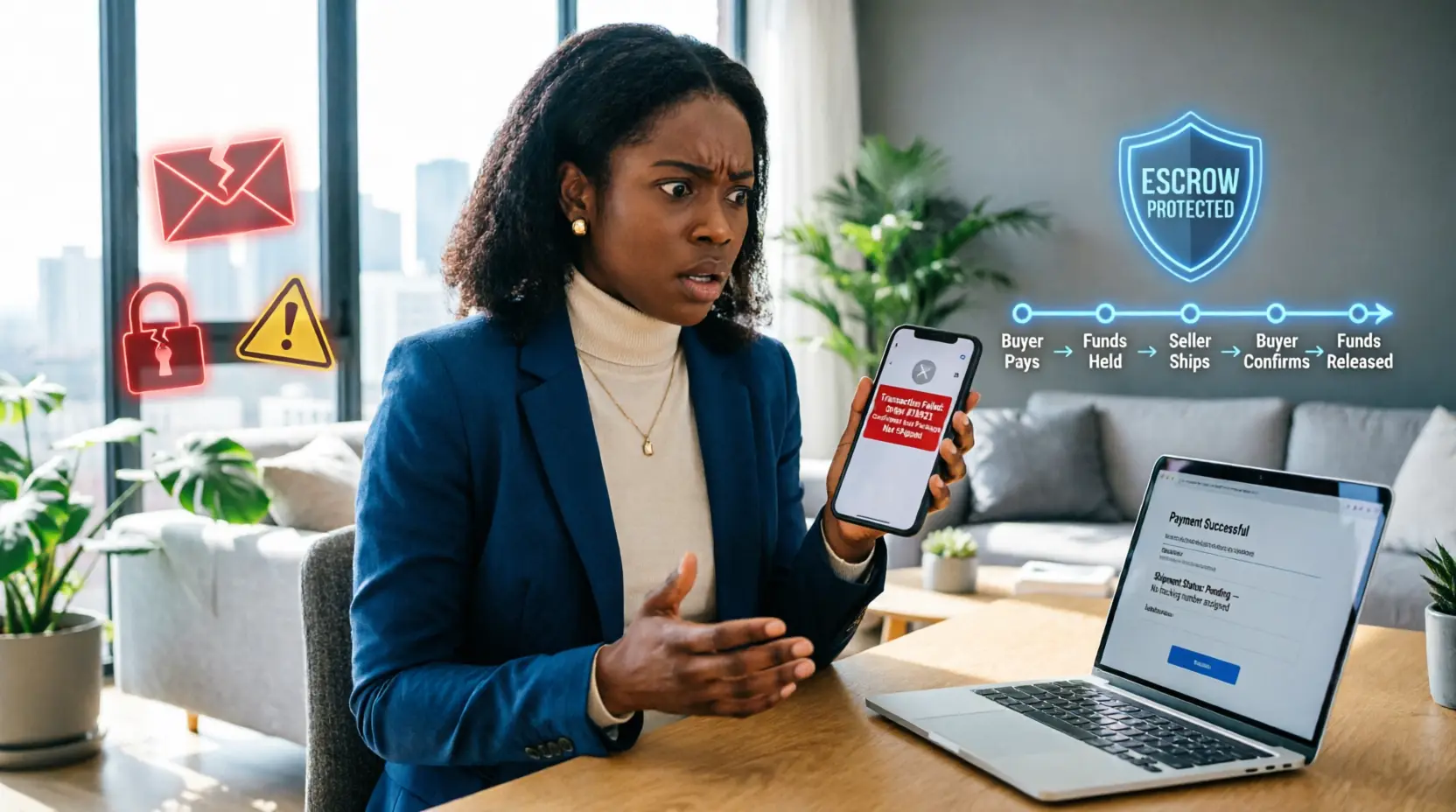
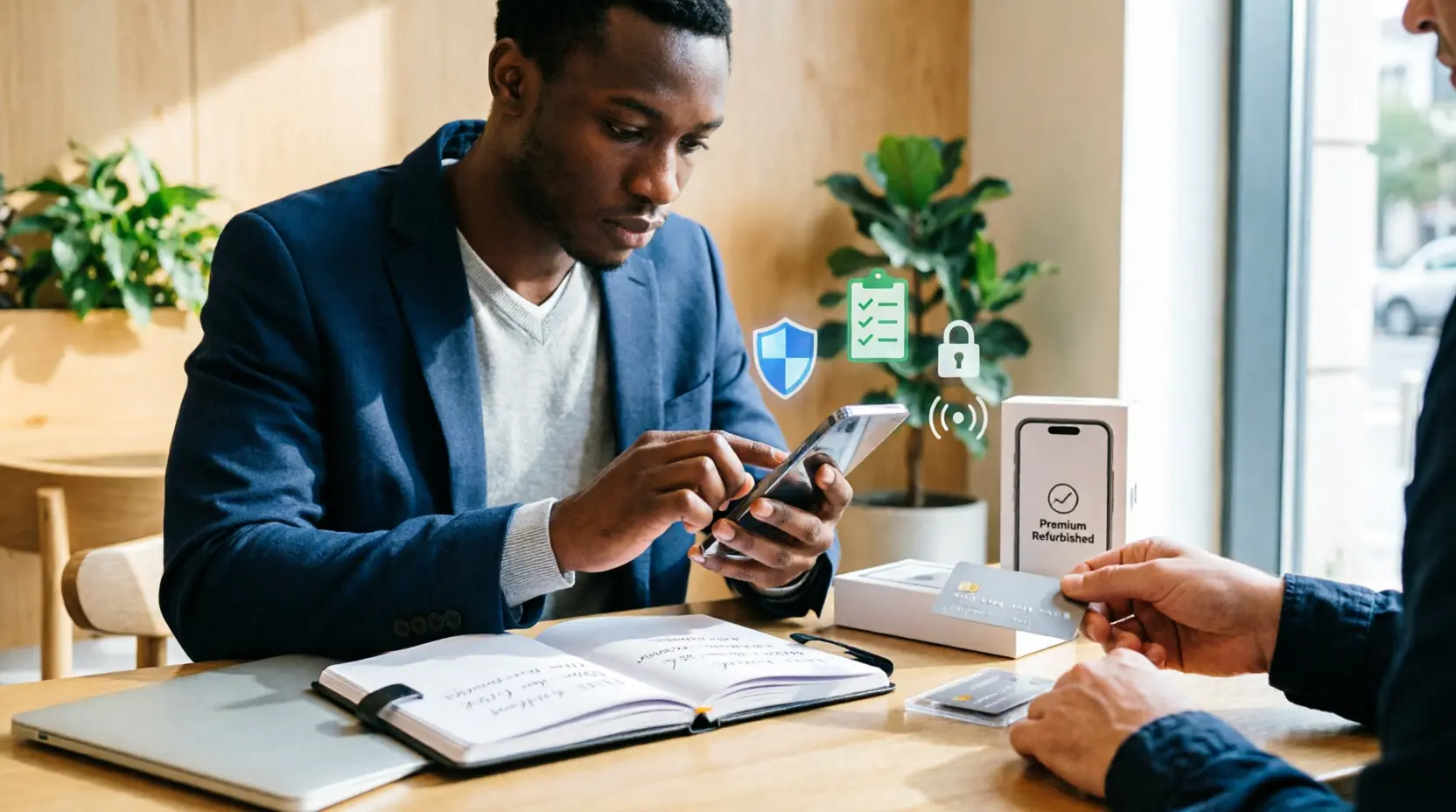
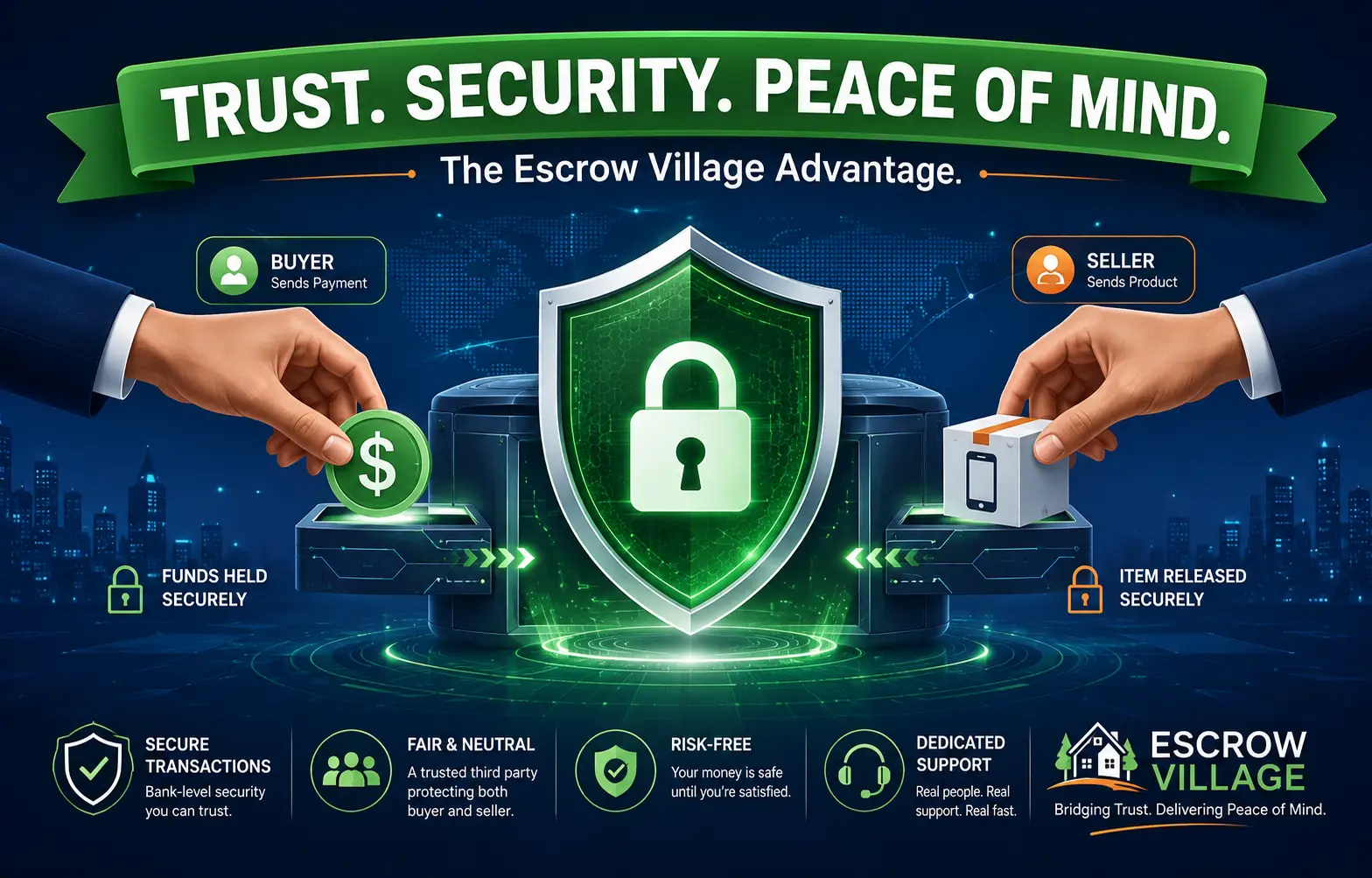
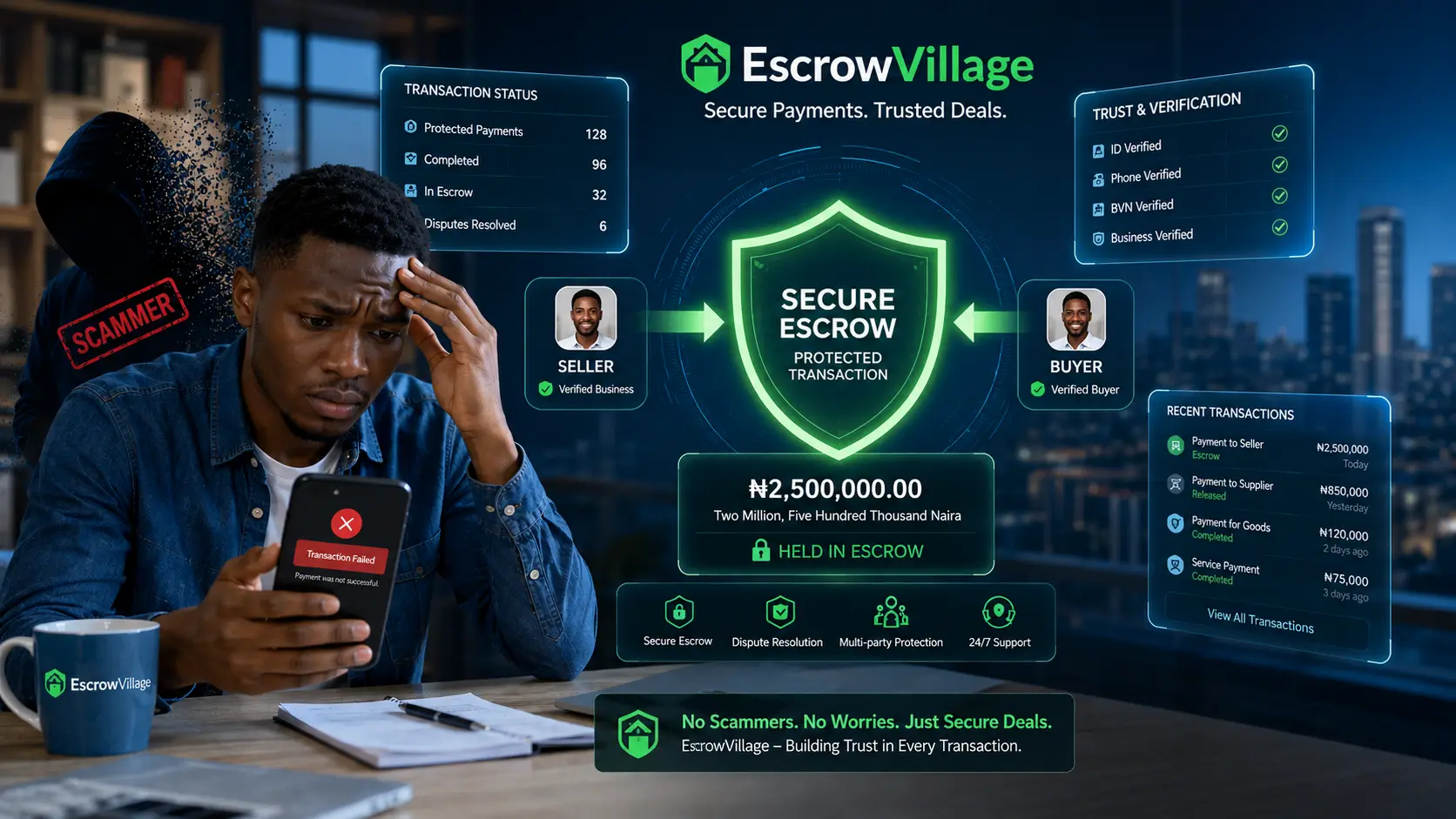
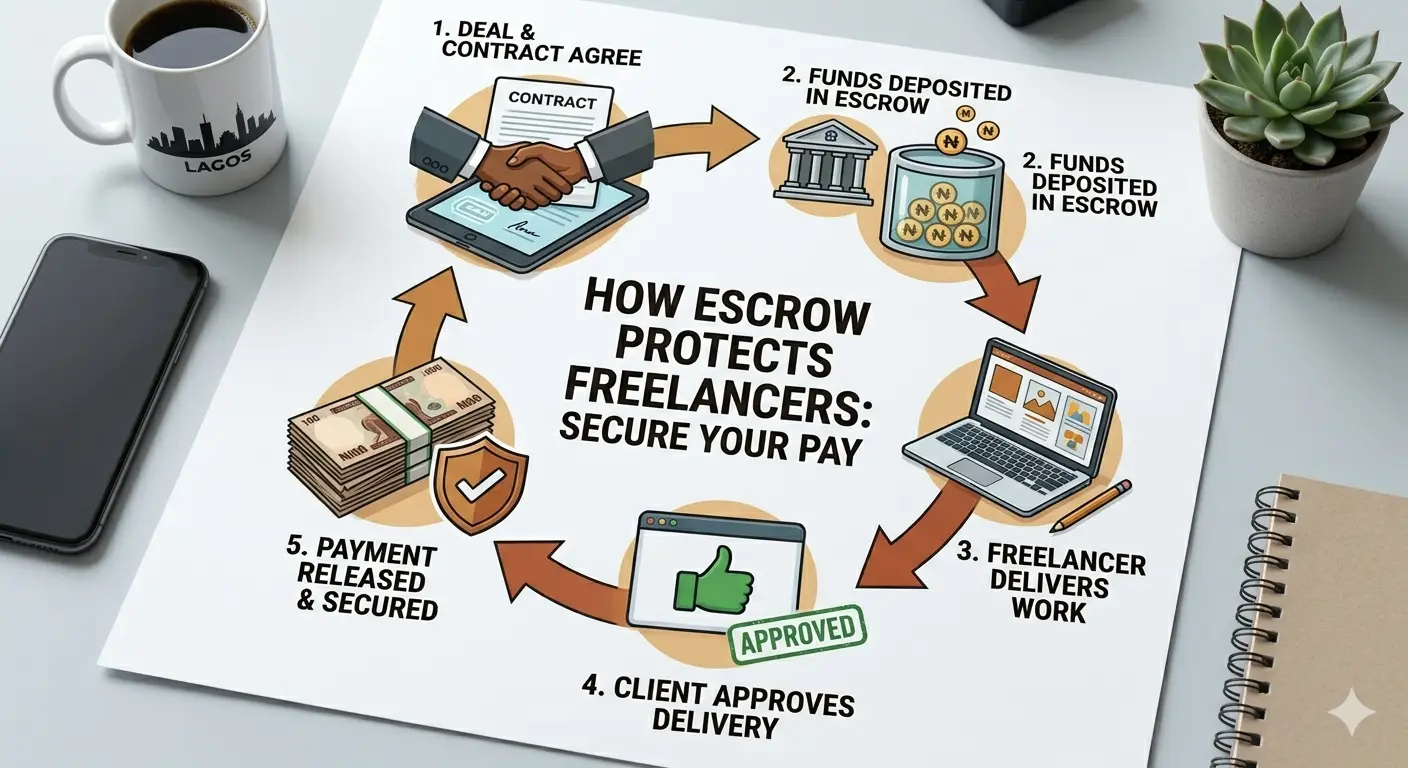
Platforms like Escrow Village help reduce these risks by holding payments securely until botfulfil fulfill their agreement. Instead of relying on words or screenshots, the transaction is protected by a neutral process.
escrowvillage.com
Because online trust should be verified not assumed.
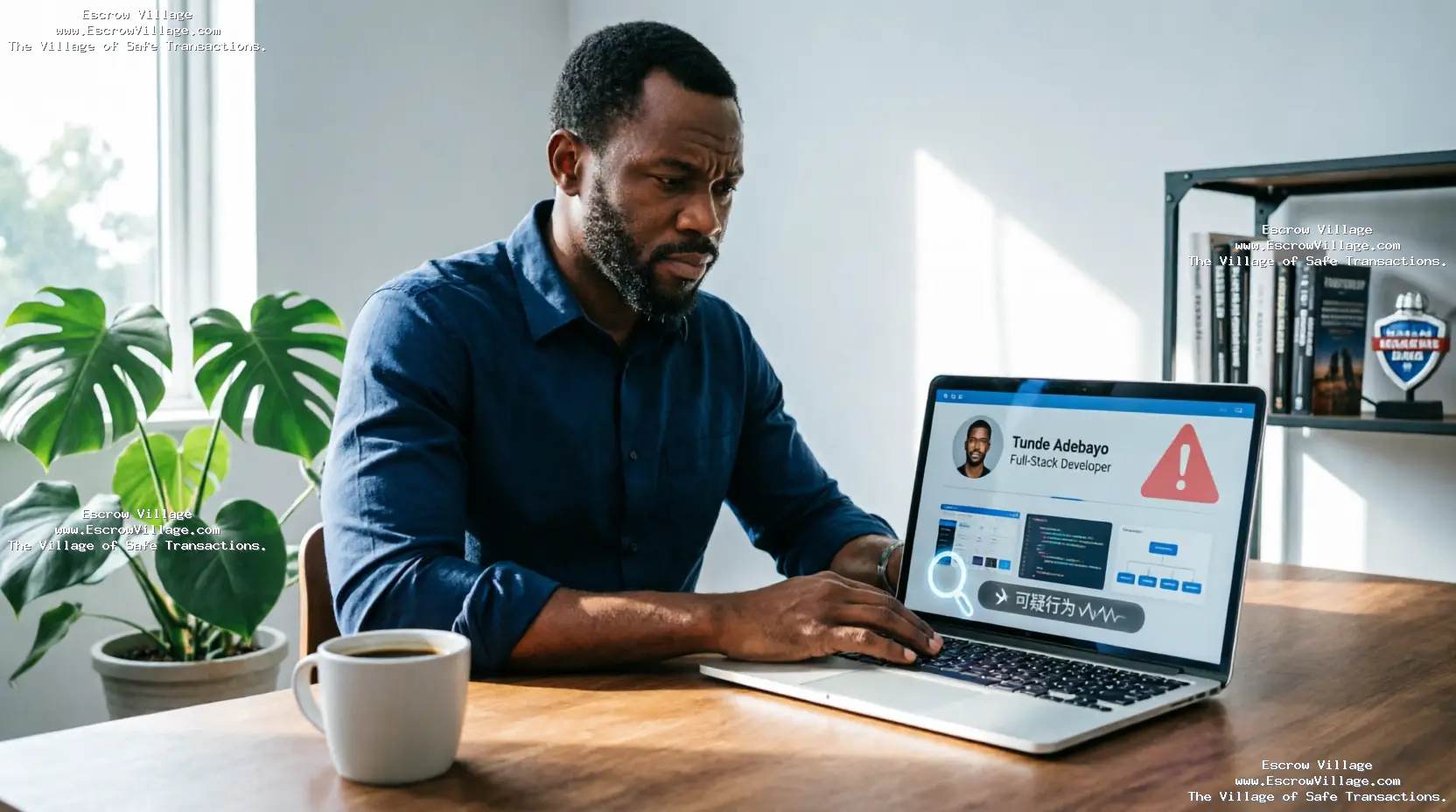
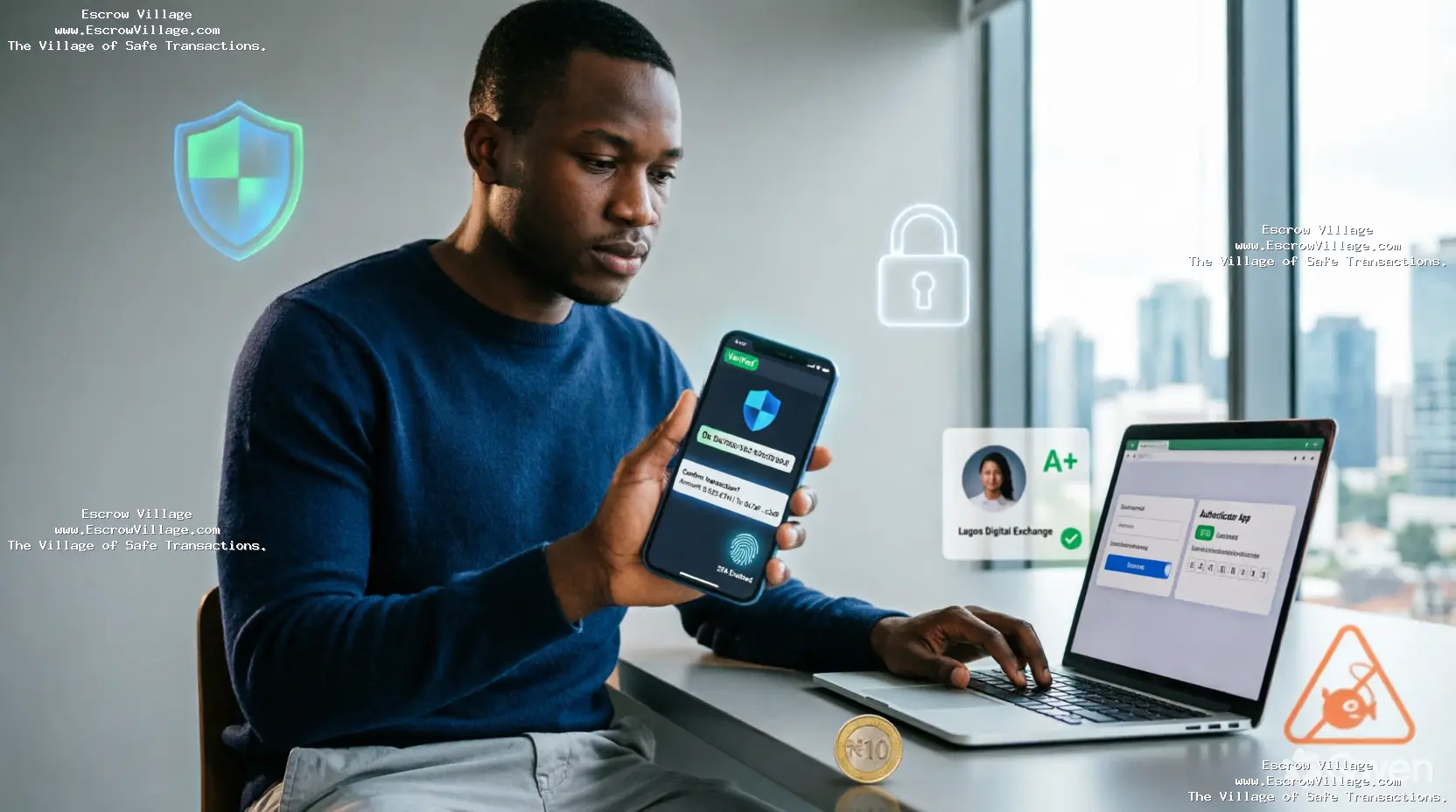
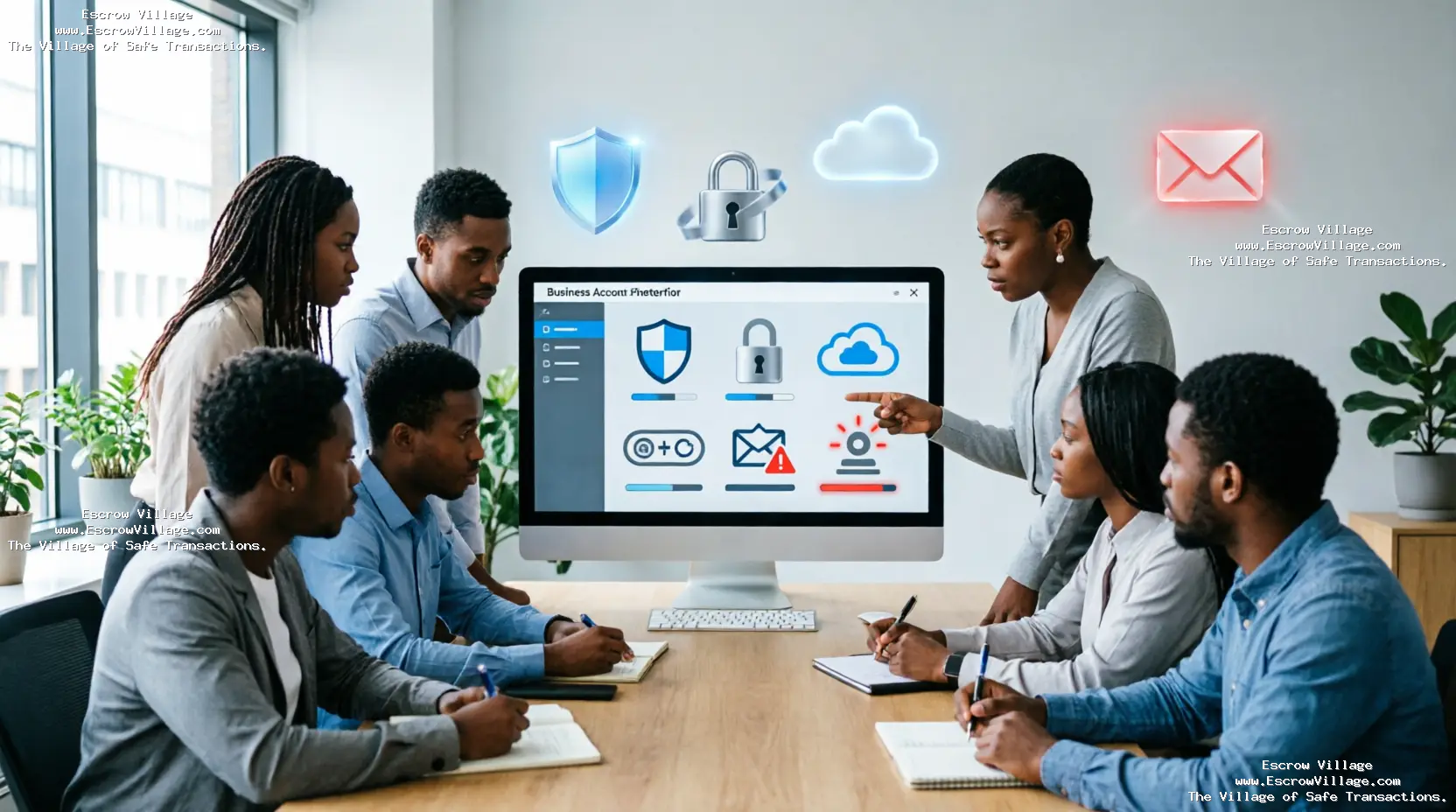
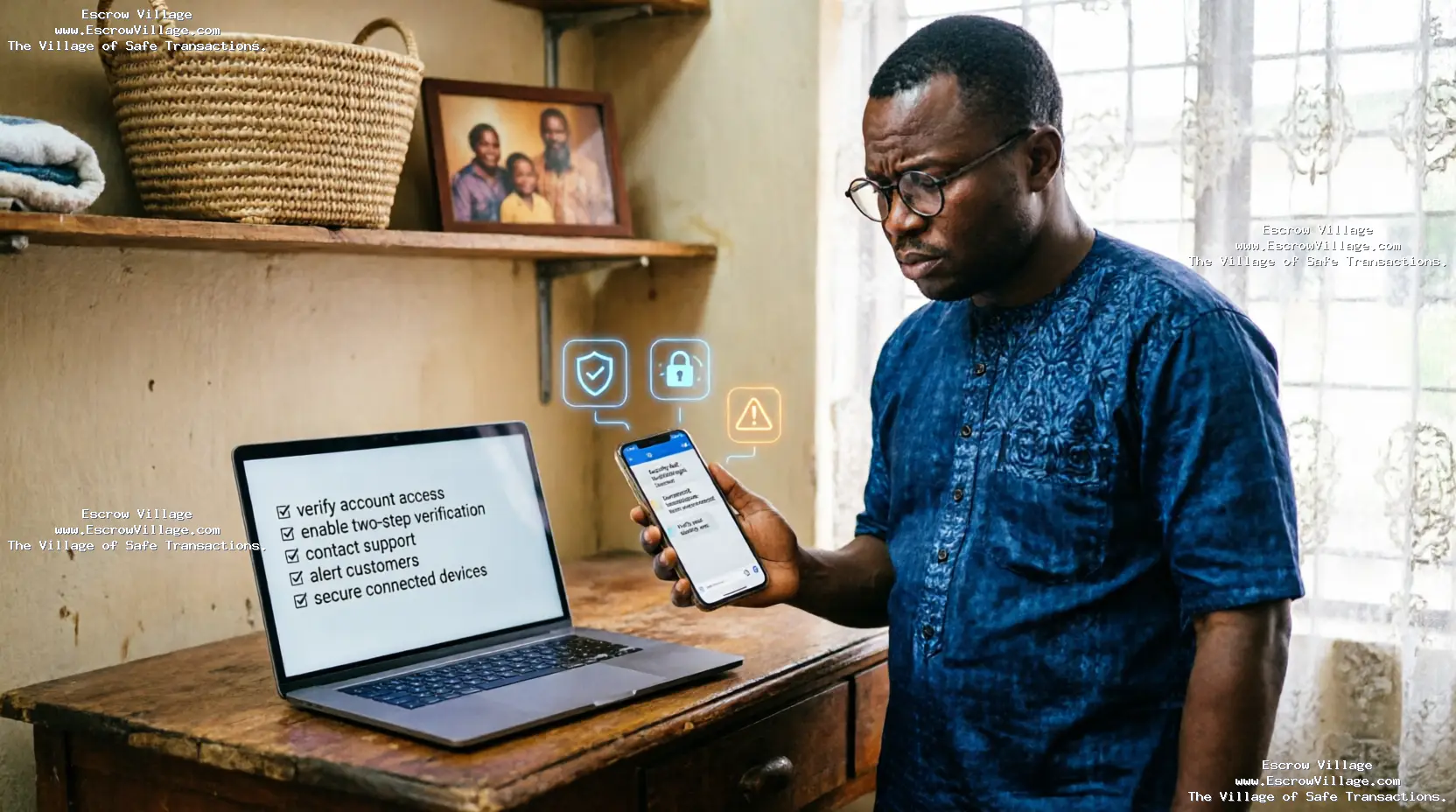
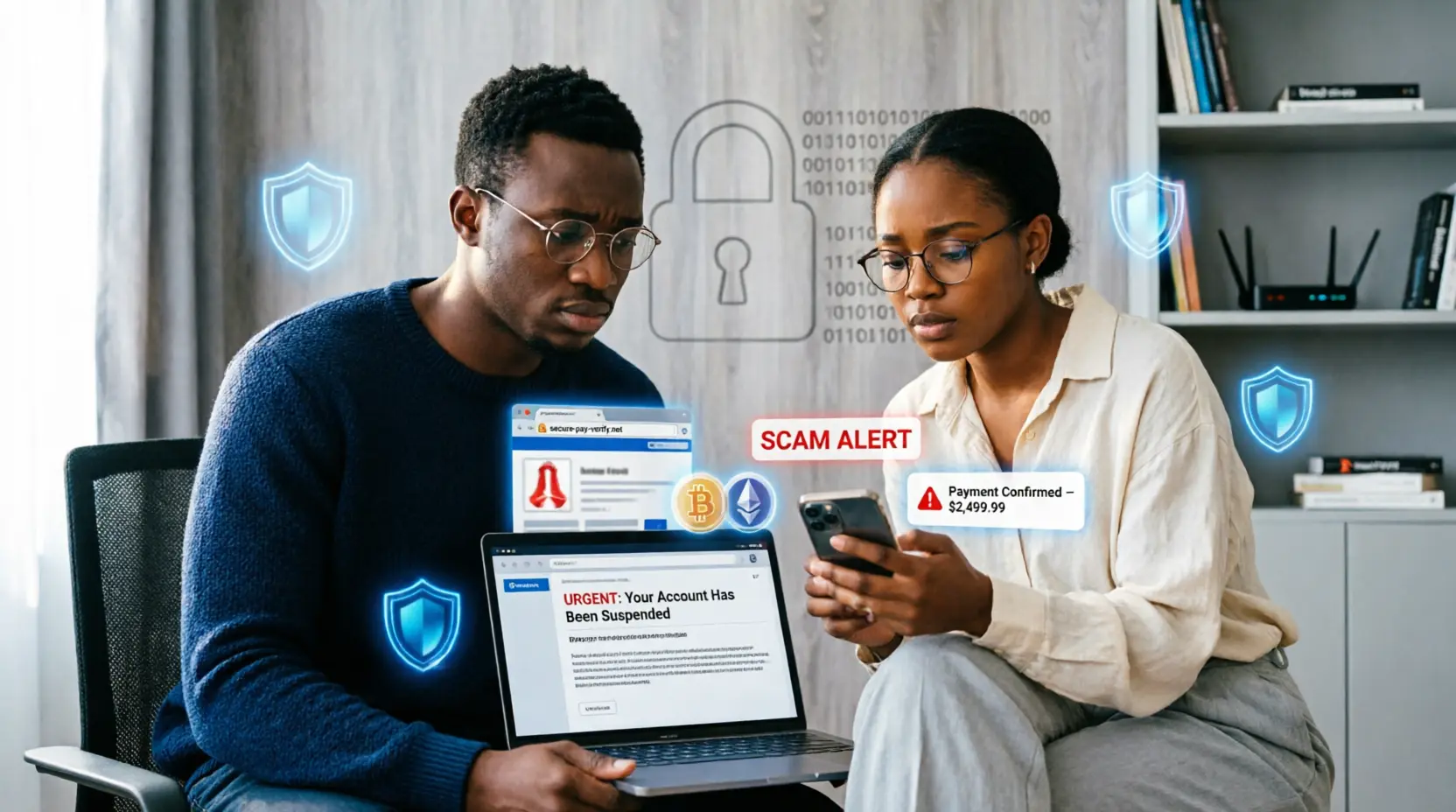
Trust is earned, but online, it should also be verified. If a new digital acquaintance starts steering conversations toward crypto, urgent money transfers, or "secret" opportunities, step back.
Most times, they begin with trust.
Think about this: someone sends you a friendly message online. They complement your business, ask simple questions, and continue chatting for days. Nothing feels suspicious. In fact, they seem more patient and polite than real customers. That is exactly the strategy.
Scammers understand one thing very well: people lower their guard when they feel comfortable.
Imagine getting a text: “Hey Sarah, it’s Chris. Did you fix that leak yet?” You reply that you have the wrong number. Instead of a quick "sorry," they write back: “Oh, my bad! You seem really nice though, I’m Mark by the way.”
It feels like a harmless, quirky modern encounter. In reality, you’ve just stepped into A Trap.
A common example in online marketplaces. A “buyer” chats normally, asks about delivery, negotiates politely, and even shares personal stories to appear genuine. After building trust, they suddenly say, “I’ve made the payment, but there’s a little issue. Can you send the product first while the bank updates?”
Because trust has already been built, many people ignore the warning signs.
Another popular tactic happens through fake investment or job opportunities. The scammer spends days encouraging the victim, sending motivational messages, fake testimonials, and screenshots of successful payments. Everything feels real until the victim is asked to send money “just once” to unlock bigger rewards.
The attack is rarely sudden. It is carefully prepared.
Modern scammers don't always rush you with panic; instead, they play the long game. They build a digital bridge of empathy, cross it, and then blow it up.
Scammers study emotions. They know trust creates emotional attachment, and emotional attachment weakens caution. Once they sense urgency, excitement, or desperation, they strike.
- So how do you protect yourself?
Platforms like Escrow Village help reduce these risks by holding payments securely until botfulfil fulfill their agreement. Instead of relying on words or screenshots, the transaction is protected by a neutral process.
escrowvillage.com
Because online trust should be verified not assumed.
Trust is earned, but online, it should also be verified. If a new digital acquaintance starts steering conversations toward crypto, urgent money transfers, or "secret" opportunities, step back.