How Scammers Use Fear, Pressure, and Urgency to Steal Money Online
Written by BLESSING ABADI IFEOMA556 views
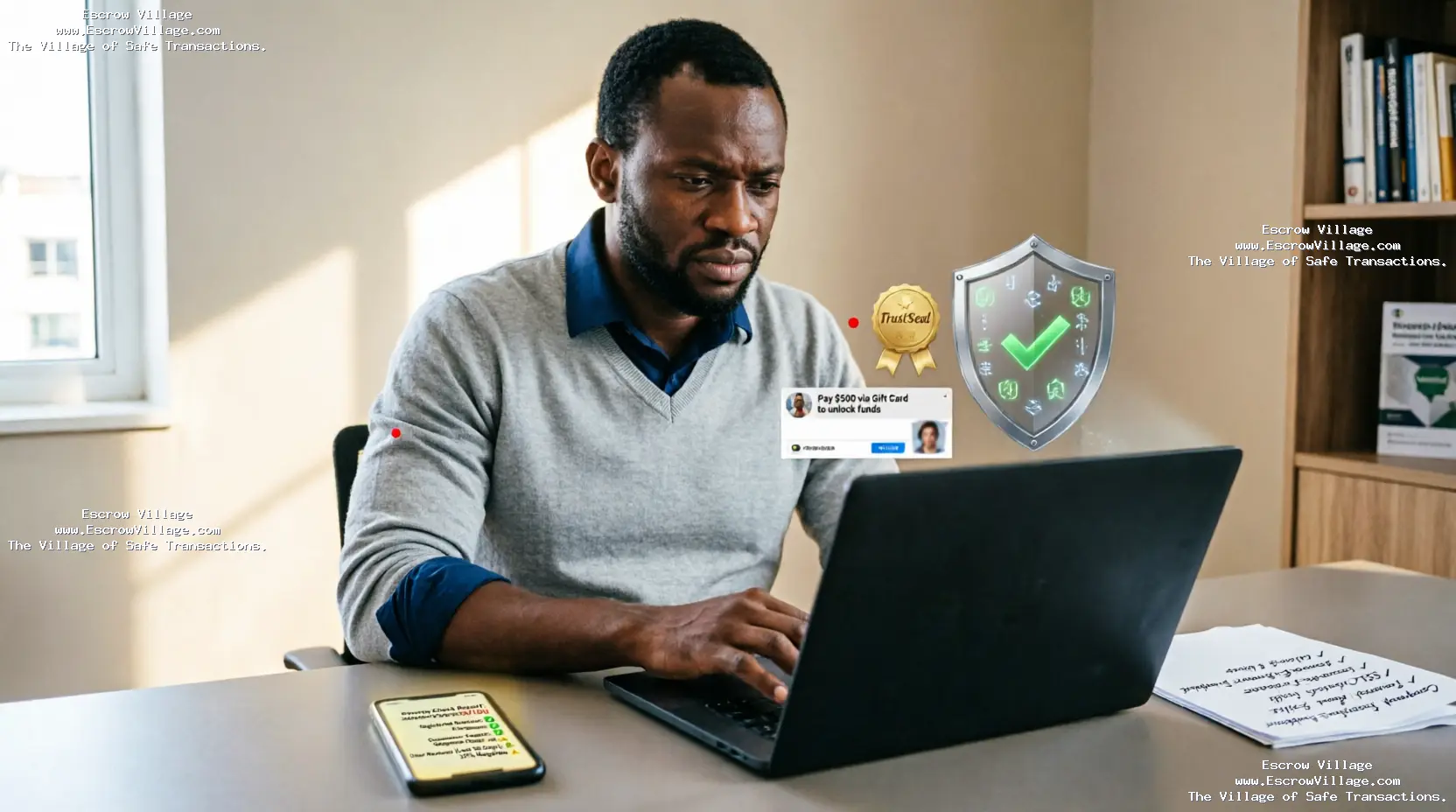
It can take years to build financial security, but just 30 seconds of engineered panic to wipe it out.
We live in a digitally dense world where a single, urgent push notification can make a brilliant professional hand over their credentials to a stranger.
The internet has trained people to move fast. Fast payments. Fast replies. Fast deals. Fast decisions. And scammers are taking advantage of that culture. Scammers have perfected the art of creating high-stress digital environments where waiting means losing, forcing users to act first and ask questions later.
Today, many online scams succeed not because the scam looks believable, but because the victim feels pressured to respond immediately. The faster the decision, the less time there is to verify, question, or investigate the information.
The real danger of the "act fast" scam is that it transforms your own survival instincts into your greatest vulnerability.
In this article, readers will learn why urgency is such an effective psychological weapon in online fraud and how scammers strategically use countdowns, threats, fake scarcity, and emotional pressure to control behaviour.
This guide is designed to help anyone who buys, sells, invests, or does business online become more aware, cautious, and scam-resistant.
1. Fear of Missing Out (FOMO)
One of the biggest reasons “act fast” scams work is that they make people feel they are about to lose something valuable. This tactic is especially effective for online shoppers, investors, freelancers, job seekers, and social media users who are constantly exposed to limited-time offers and competitive opportunities.
Scammers know that when people fear missing out, they stop carefully evaluating risks and start focusing only on securing the opportunity before it disappears.
● Triggers emotional decision-making instead of logical thinking
● Pressures victims into acting before verifying information
Real-life Story:
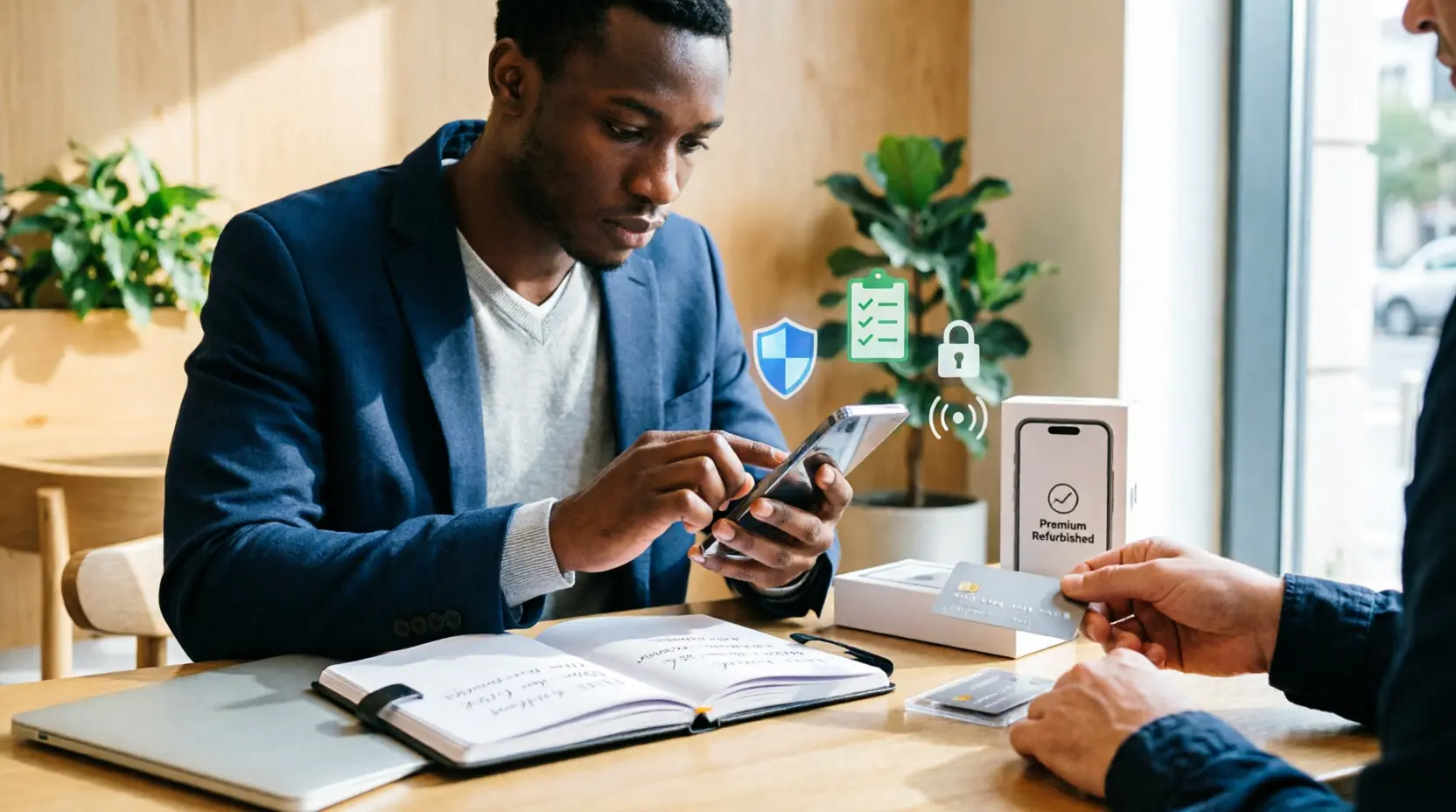
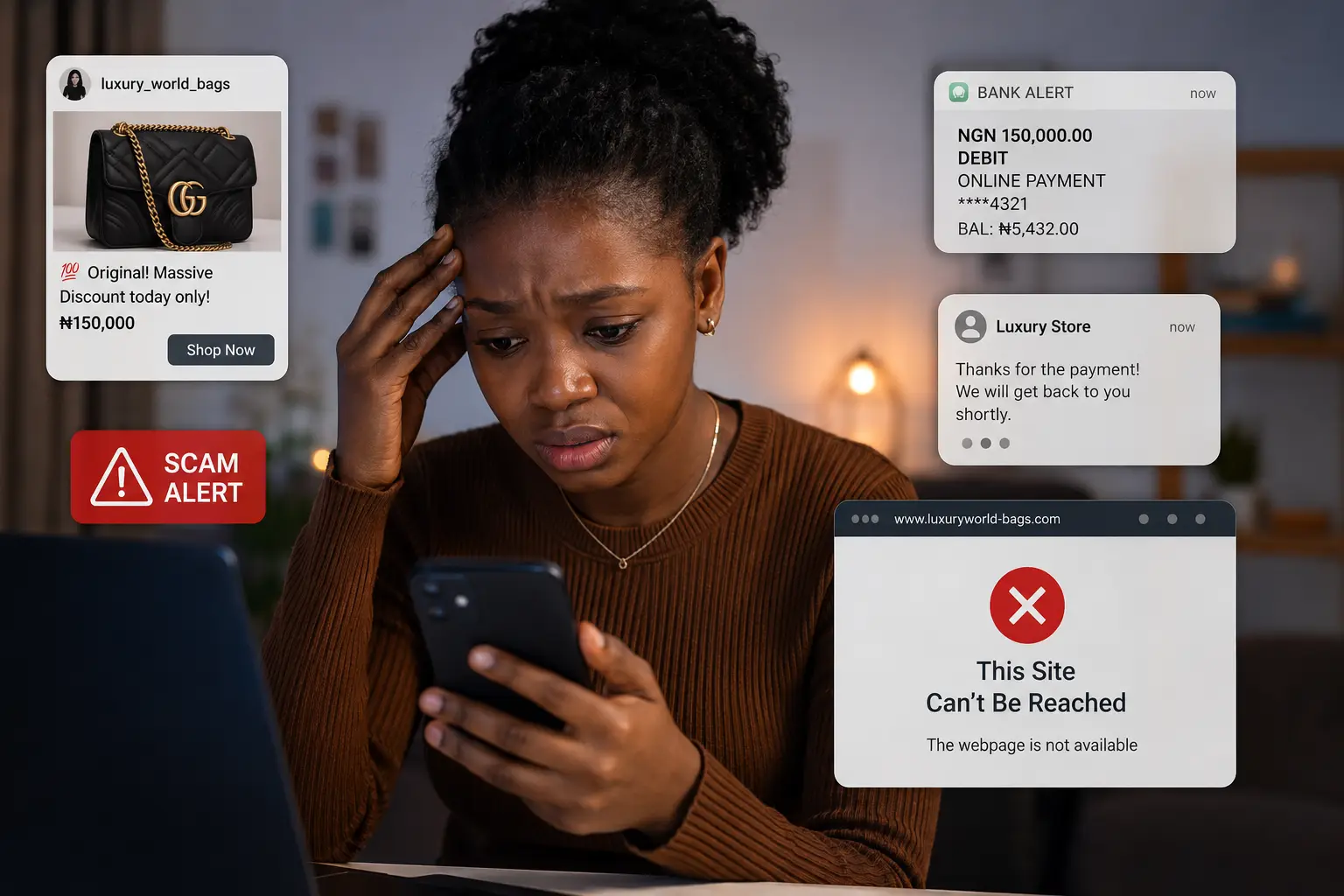
A university student scrolling through Instagram sees a post advertising a discounted iPhone for half the normal price. The seller claims, “Flash sale ends in 30 minutes” and says several buyers are already waiting. Afraid of missing such a rare opportunity, the student quickly transfers payment without checking the seller’s credibility. Hours later, the seller disappears, and the account is deleted.
The scam succeeded because the victim focused more on the fear of losing the deal than on verifying whether the deal was legitimate.
2. Panic Reduces Critical Thinking
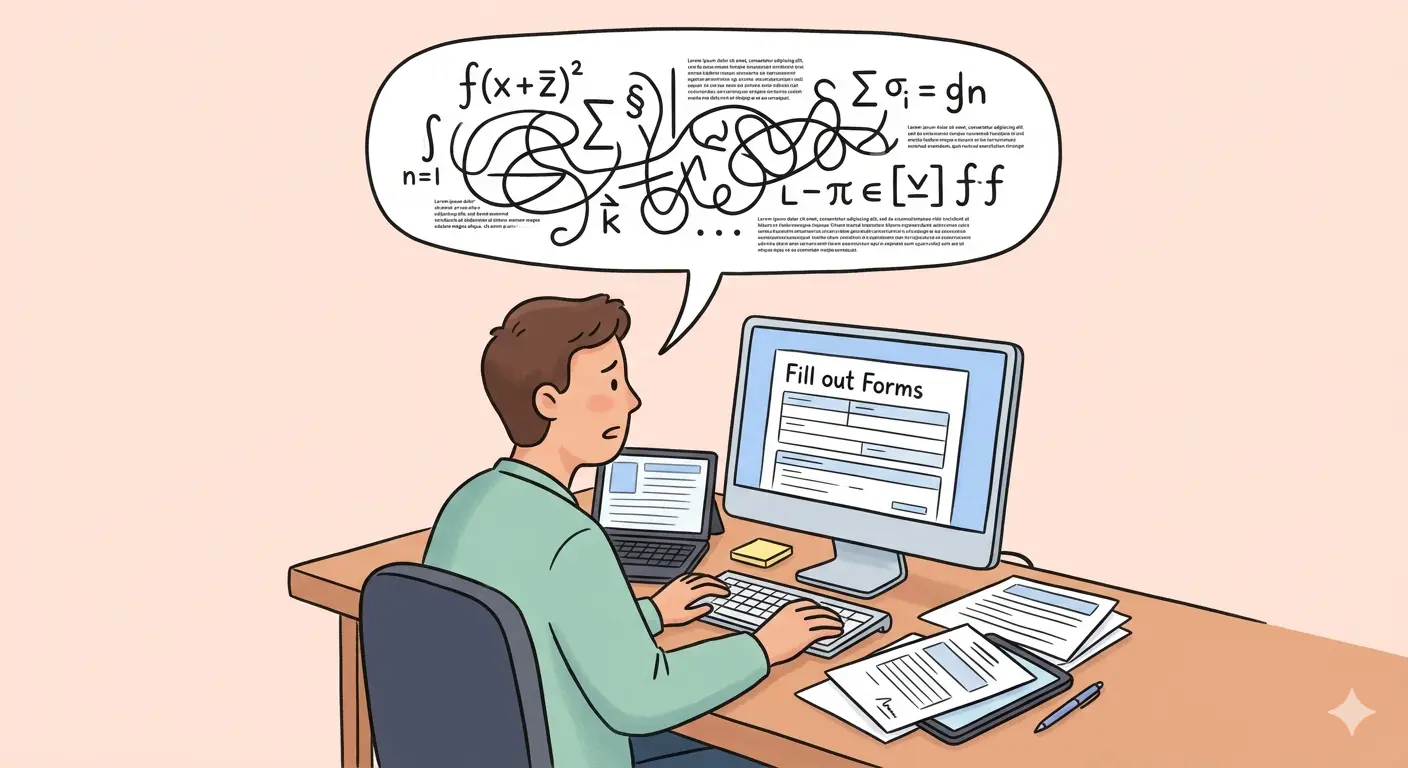
Urgency scams work because panic changes how people think. This tactic is especially dangerous for busy professionals, older adults, parents, and people handling financial or business transactions online.
When people feel stressed or threatened, the brain shifts into survival mode. Instead of analysing details carefully, people become focused on solving the immediate problem as quickly as possible.
They:
● Uses fear-based messages and threats
● Creates emotional pressure and anxiety
● Pushes victims to respond immediately
● Reduces logical reasoning and attention to warning signs.
● Makes victims afraid of consequences if they delay.
Real-Life Story:
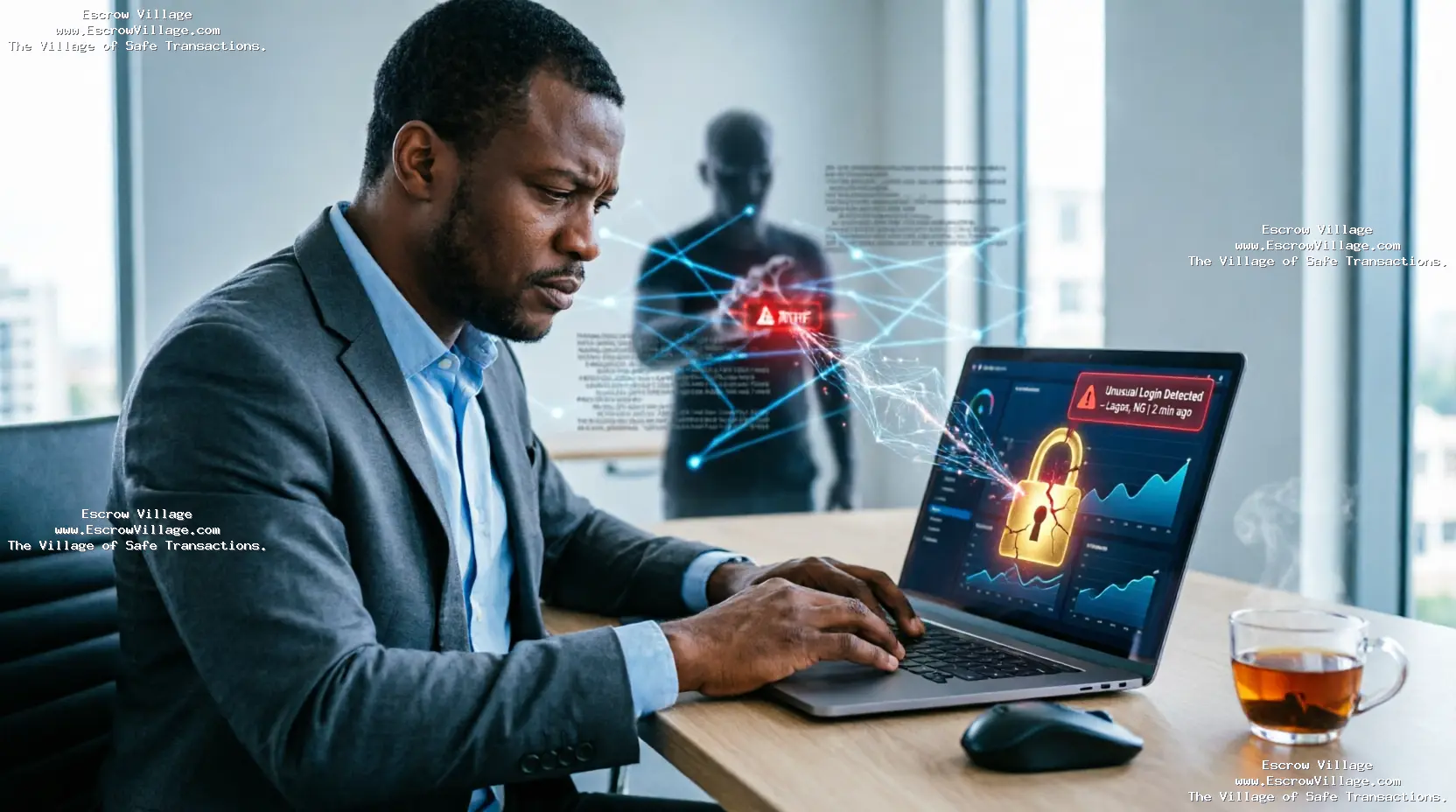
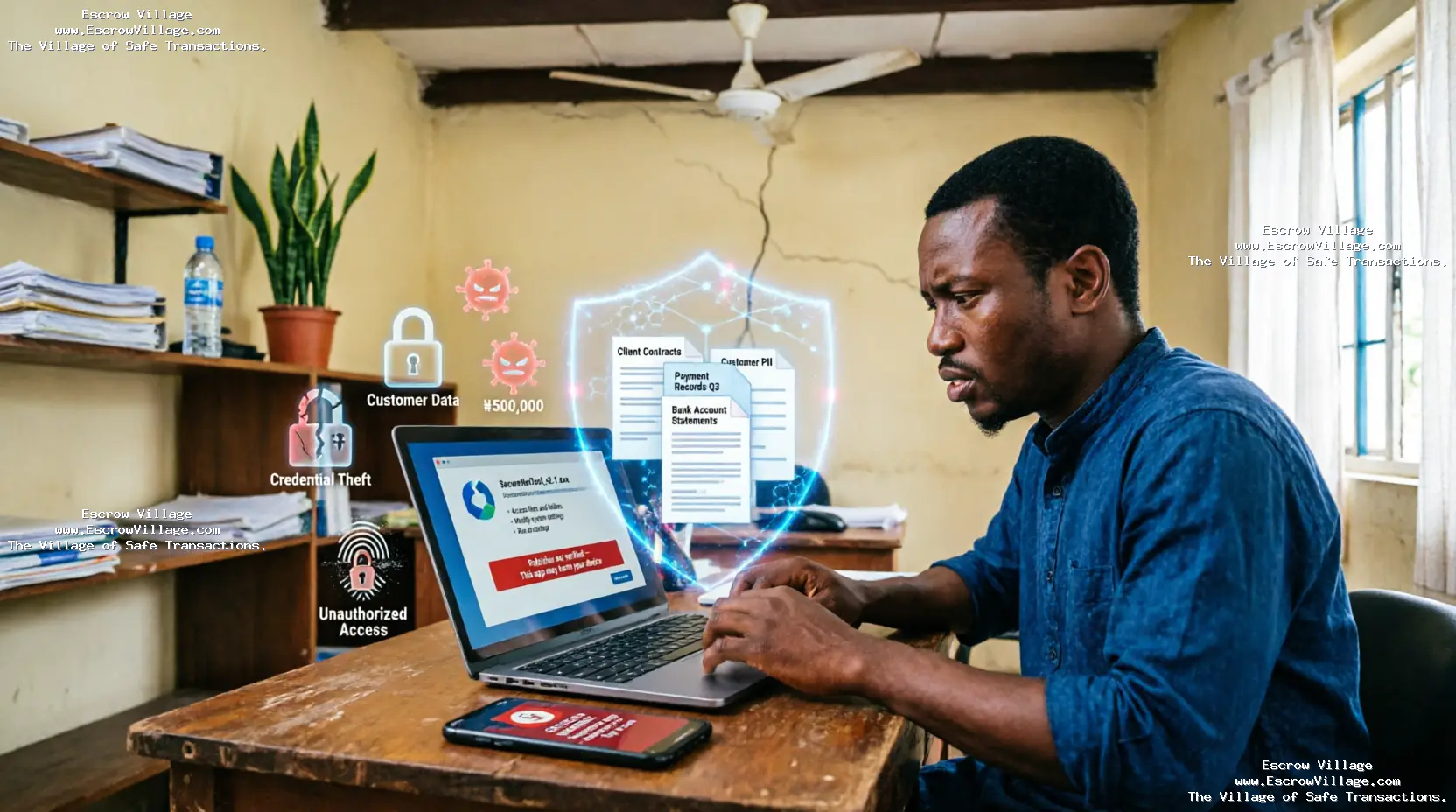
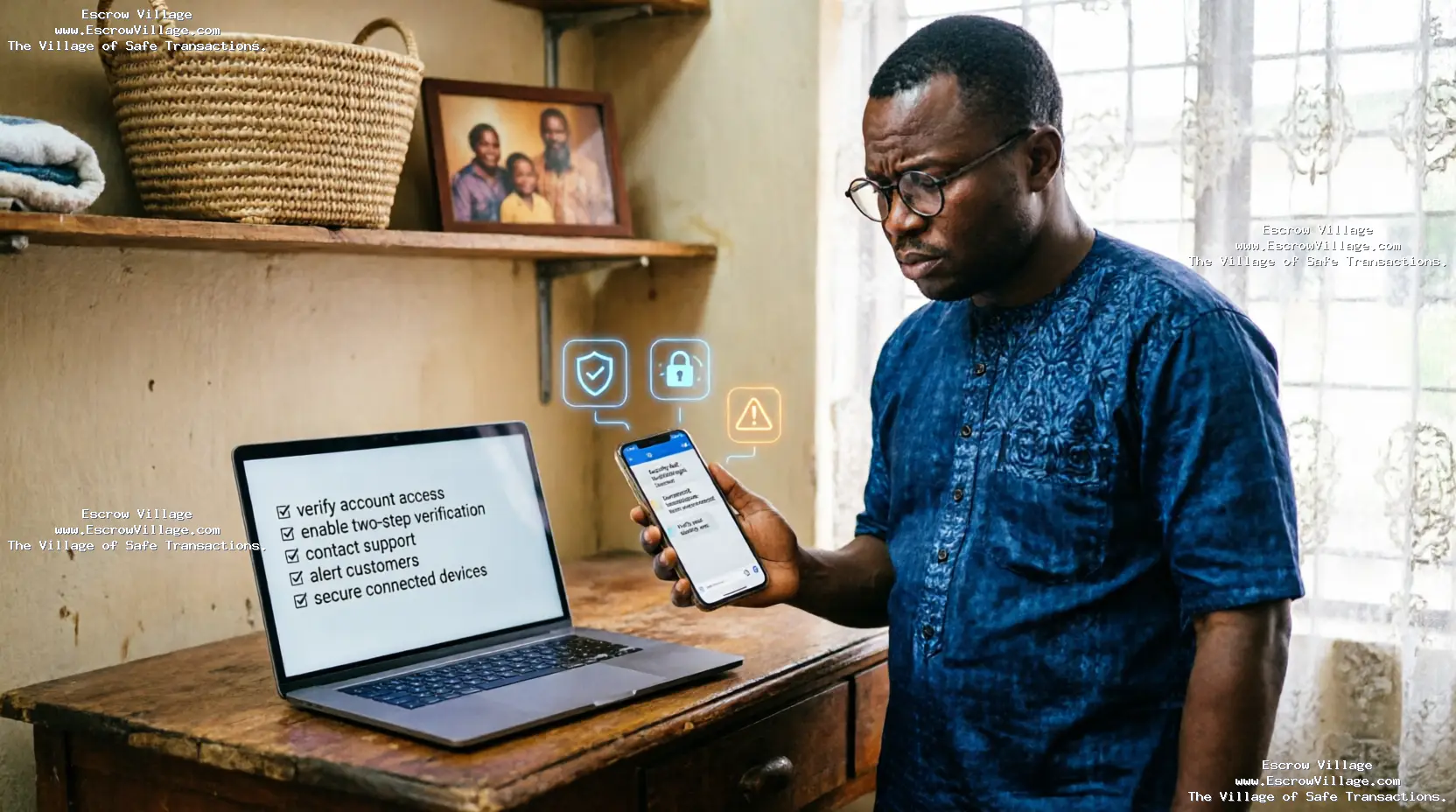
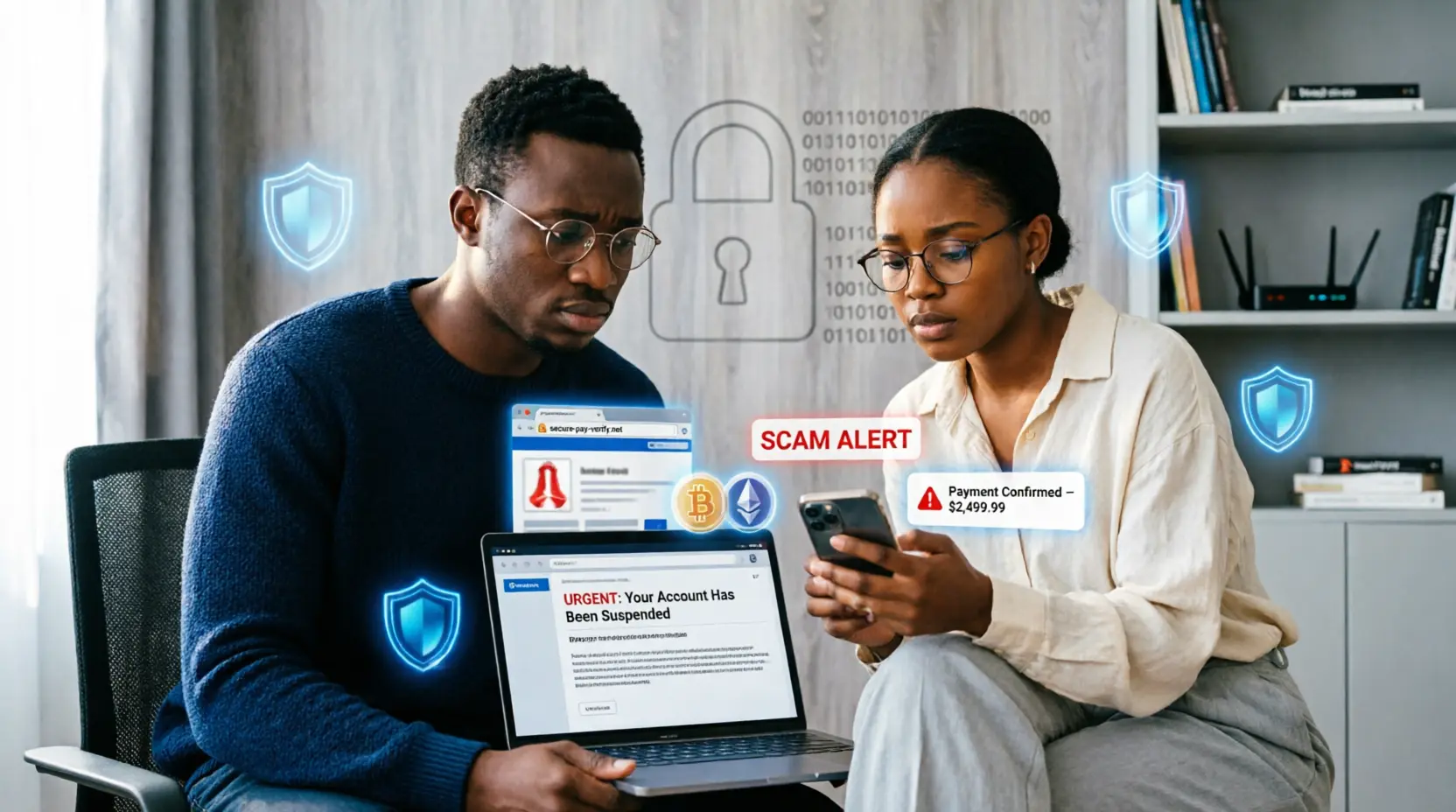
A small business owner receives an email claiming their business bank account will be suspended within the hour unless they verify their login details immediately. The message looks urgent and official, complete with warning symbols and phrases like “Immediate action required.”
Panicked about losing access to business funds, the owner clicks the fake link and enters their banking information without double-checking the sender’s email address. By the next morning, unauthorised transactions had emptied part of the account. The scam worked because fear and urgency overpowered careful thinking.
3. People Naturally Trust Authority and Confidence
Scammers often sound confident, professional, and authoritative because people are more likely to obey instructions when they appear to come from someone important. This tactic is particularly effective on employees, online buyers, new investors, and people unfamiliar with cybersecurity threats.
When urgency is combined with authority, victims feel pressured to comply quickly rather than question instructions. They:
● Pretends to represent trusted institutions or brands
● Uses official-looking logos, emails, or documents
● Combines authority with strict deadlines
● Makes victims feel disobedient or irresponsible for delaying
● Creates false legitimacy through professionalism
Real-Life Story:
An employee receives a message that appears to come from the company’s CEO requesting an urgent transfer to a “new supplier account” before the end of the business day. The tone is serious and direct: “Please handle immediately. We cannot afford delays.” Because the message appears to come from senior leadership, the employee rushes to complete the transfer without confirming through another channel. Later, the company discovers the email was fake and the funds were sent to scammers. The urgency alone was powerful, but the perceived authority made the victim comply even faster.
4. Urgency Exploits Human Impulsiveness
Many urgency scams succeed because humans are naturally emotional decision-makers. This tactic is especially effective on people shopping online, trading investments, looking for jobs, or trying to secure financial opportunities quickly.
Scammers understand that excitement, greed, fear, and desperation can make people act impulsively before thinking through the consequences.
They:
● Exploits emotional highs and lows
● Encourages instant action without reflection
● Promises quick rewards or fast solutions
● Targets emotional vulnerabilities
● Prevents victims from seeking advice from others
Real-Life Story:
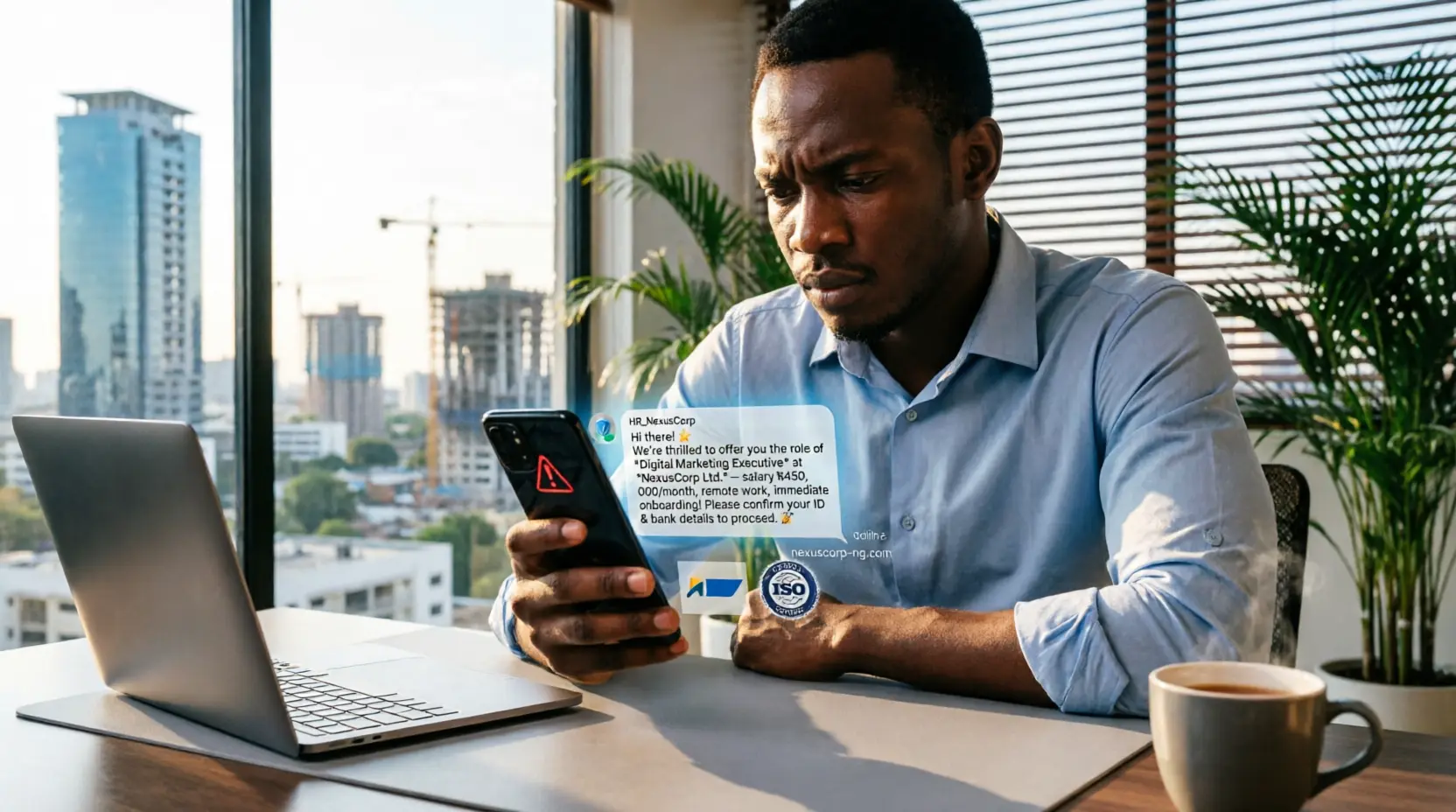
A young freelancer receives a WhatsApp message offering a “guaranteed remote job” paying in dollars. The recruiter says only a few positions remain and demands immediate payment for onboarding materials before the application closes that night. Excited about the chance to earn internationally, the freelancer sends the fee without researching the company or asking questions. After payment, communication stops completely. The scam worked because excitement and urgency pushed the victim to act impulsively instead of carefully evaluating the offer.
You Don't Have to be a Victim
Urgency has become one of the most powerful weapons scammers use to manipulate people. The moment someone says “Act now,” “Last chance,” or “Payment must be made immediately,” they are often trying to push you into making an emotional decision before you have time to think clearly. And once emotions take control, logic usually takes a back seat.
The best way to avoid falling victim to “act fast” scams is to slow down intentionally.
Take time to verify offers, confirm identities, review payment details, and ask questions before sending money.
If a seller, buyer, recruiter, or investor refuses to give you time to think, that alone should be treated as a warning sign.
Legitimate businesses and trustworthy people do not need to pressure others into rushed decisions.
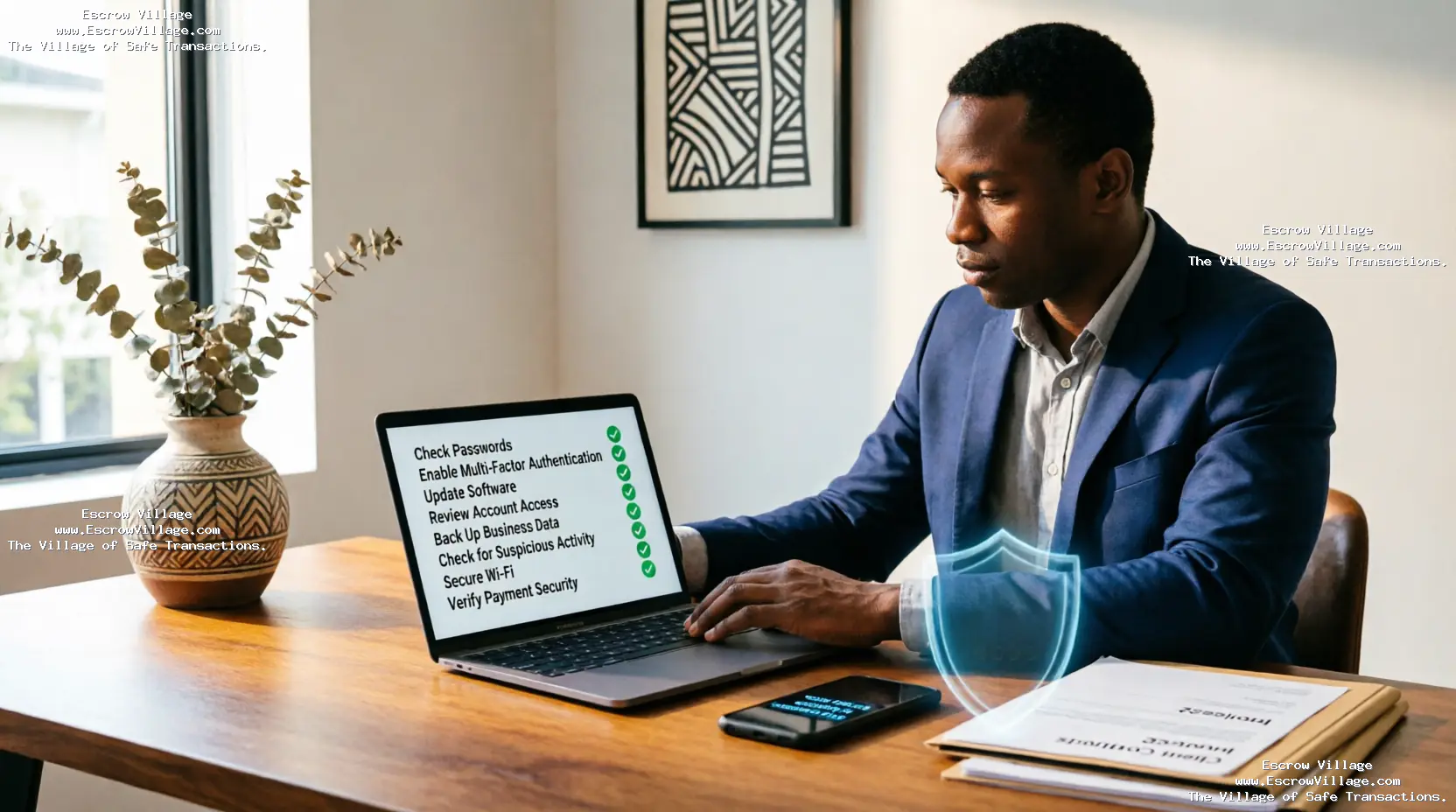
Some important precautions include:
● Never send money simply because you feel pressured
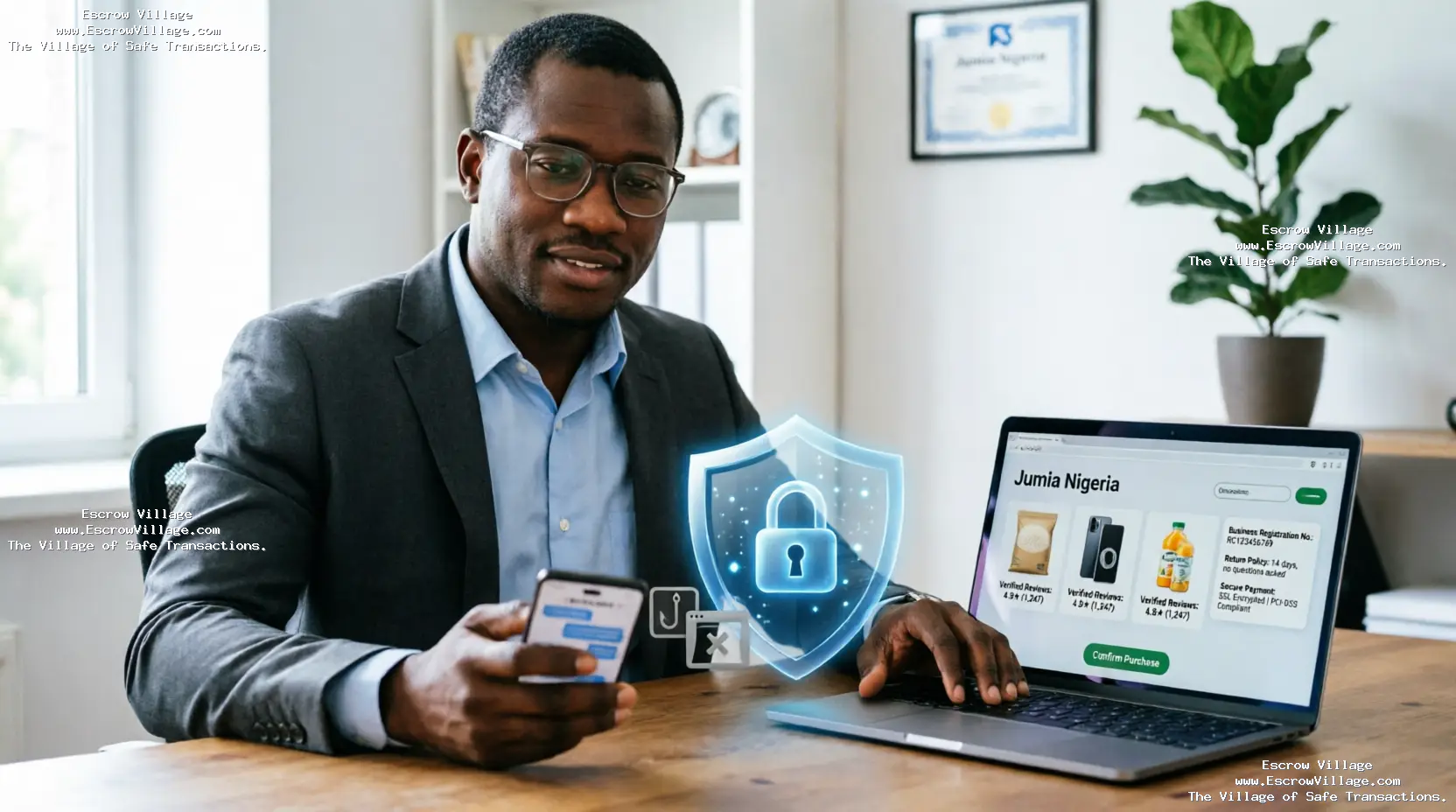
● Verify websites, payment details, and identities carefully
● Avoid making financial decisions when emotional, excited, fearful, or desperate
● Take a few minutes to research offers before responding
● Ask for proof, documentation, or references
● Consult someone you trust before completing large transactions
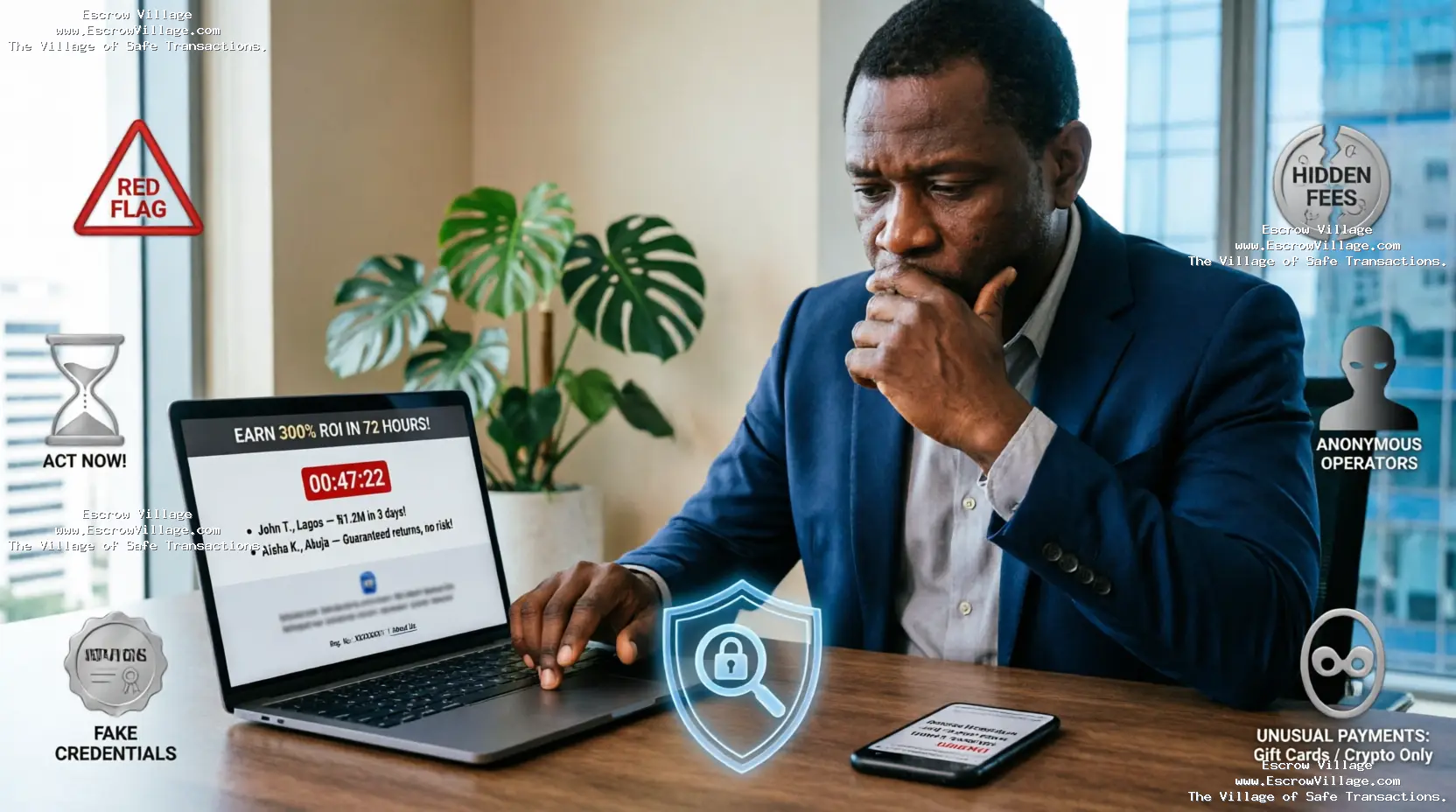
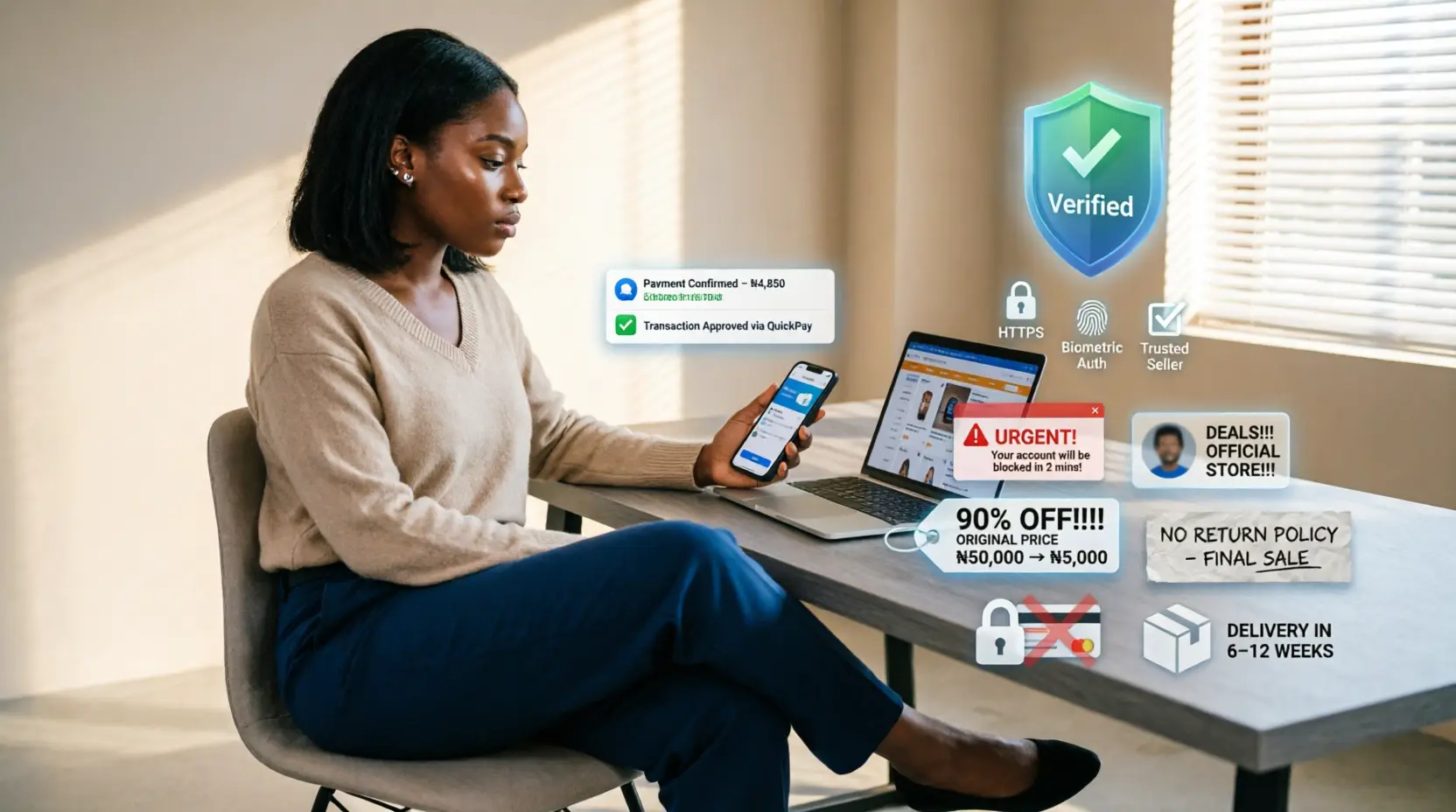
● Be suspicious of countdown timers, “limited slots,” and threats of immediate consequences
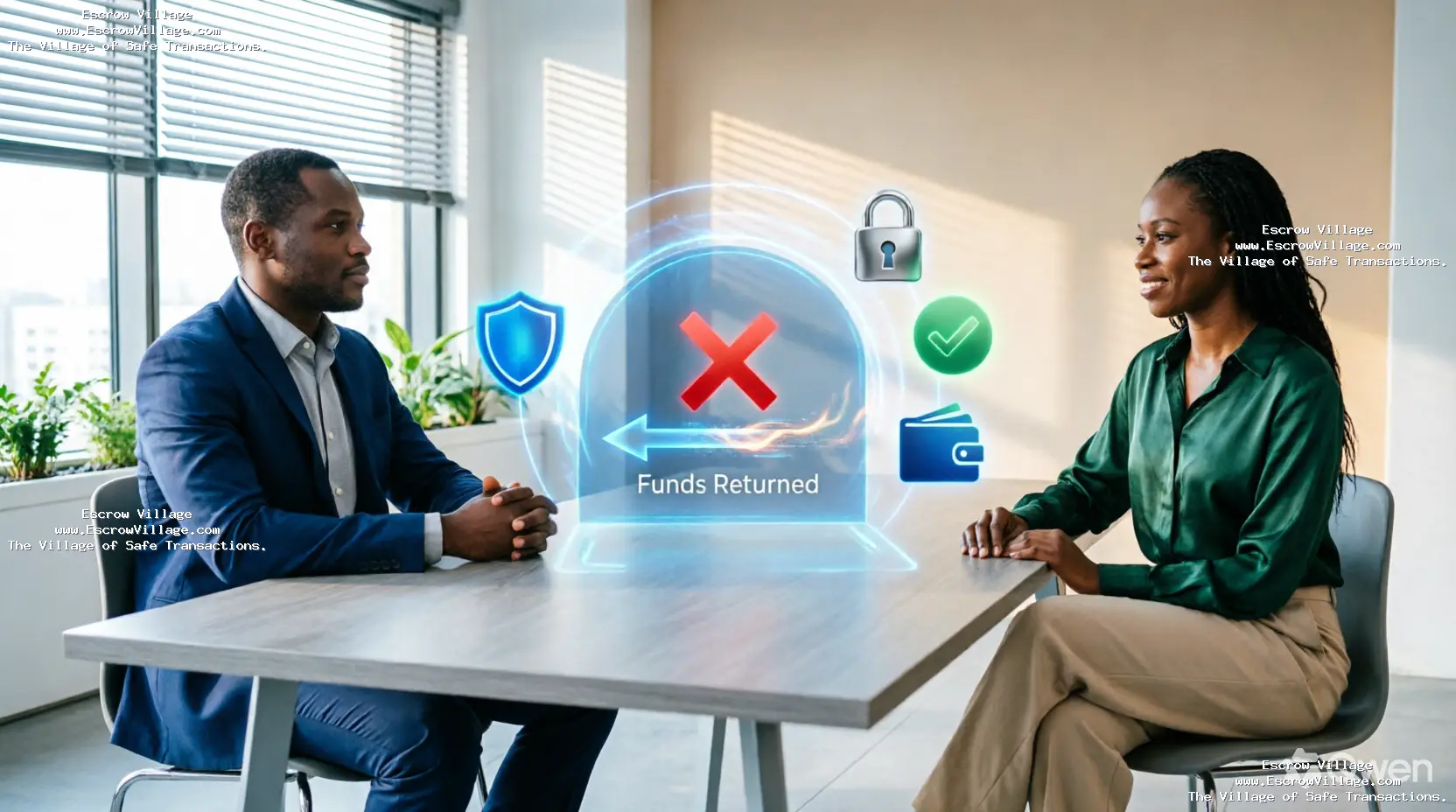
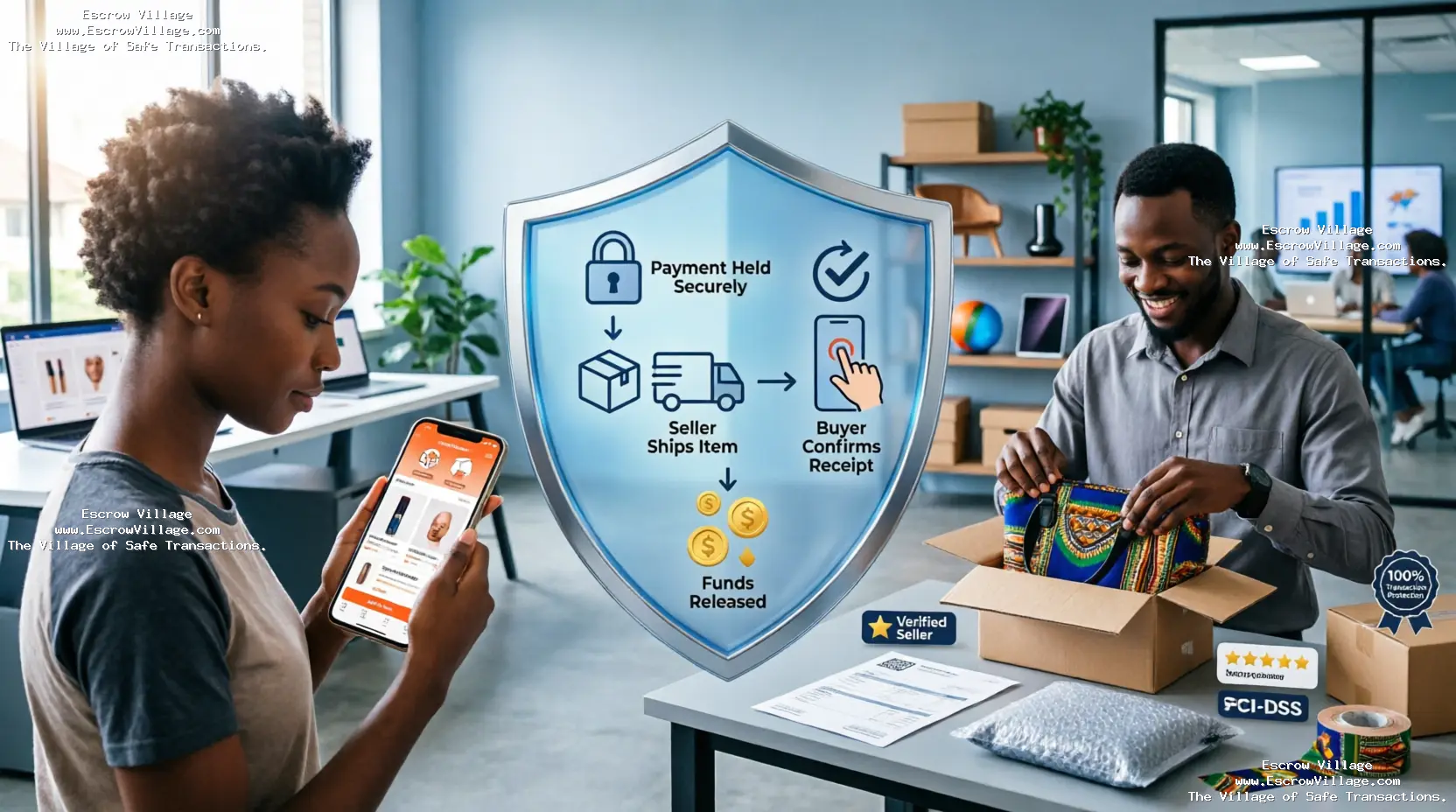
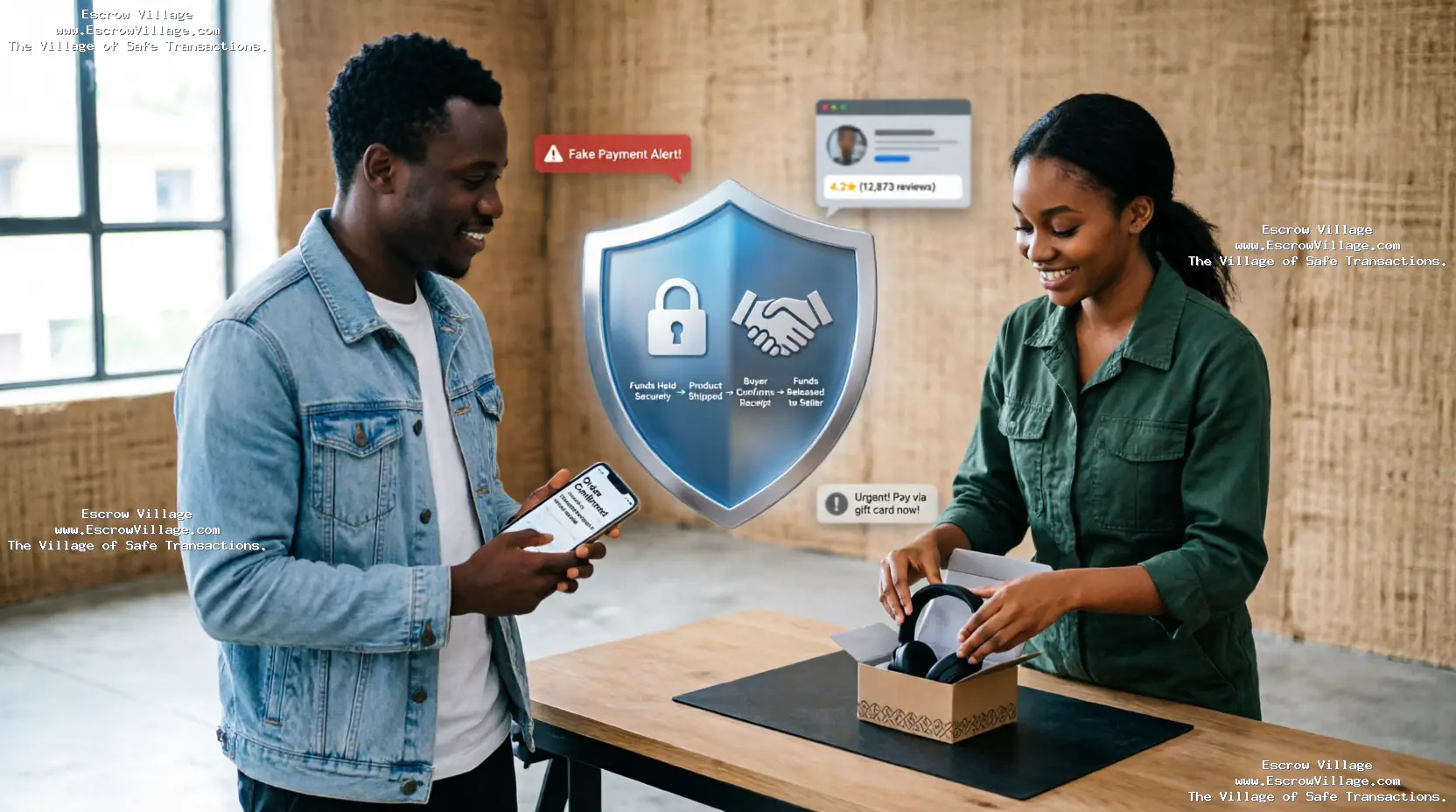
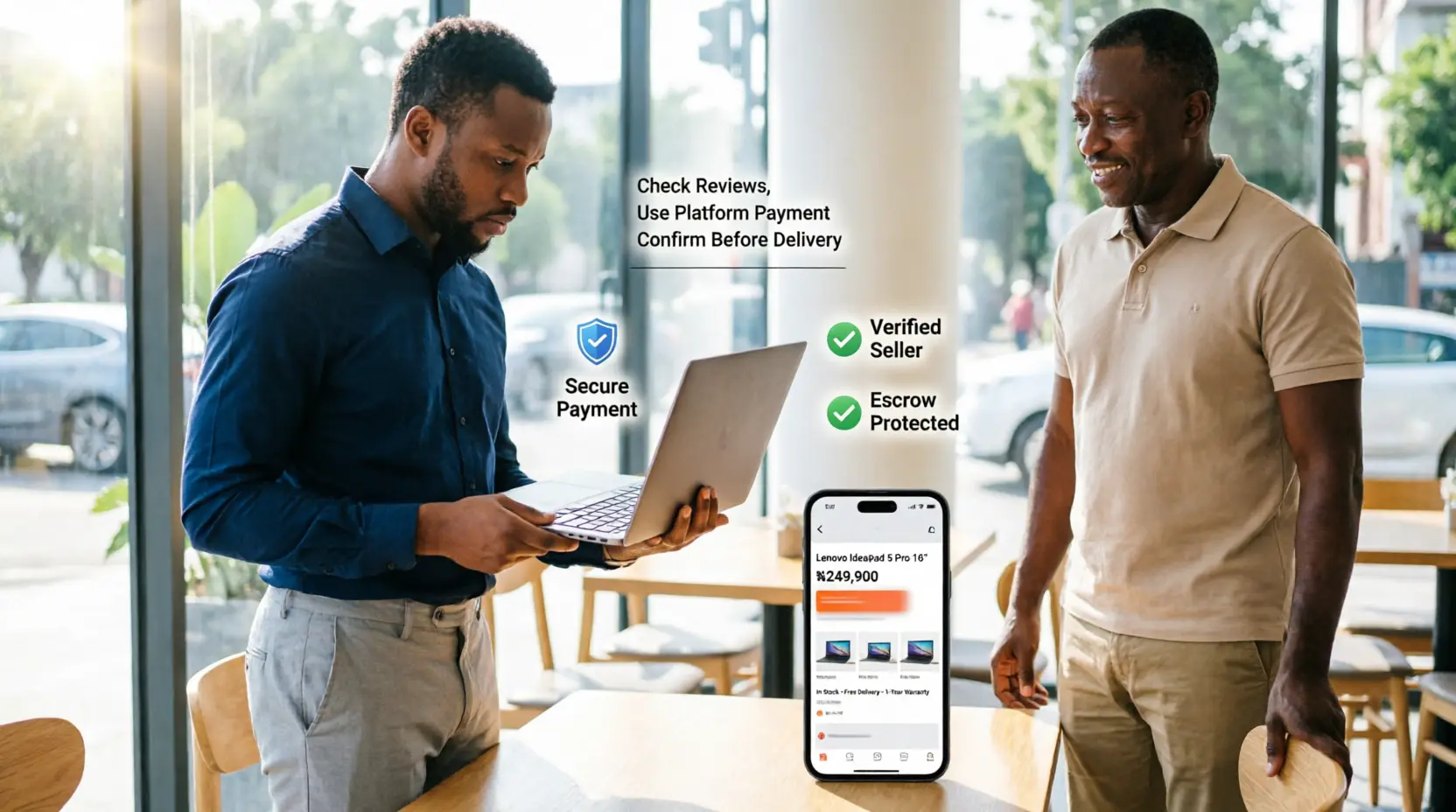
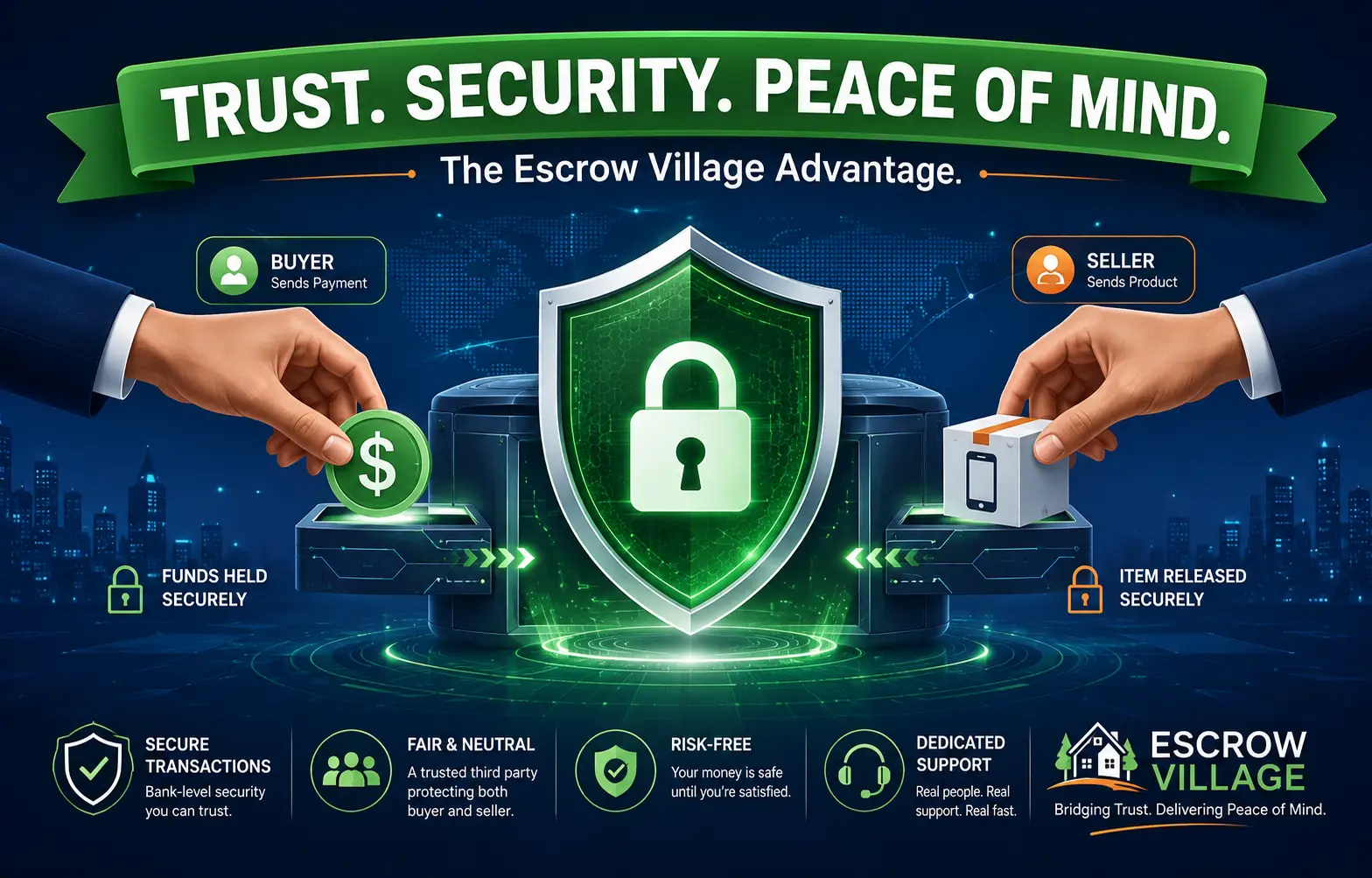
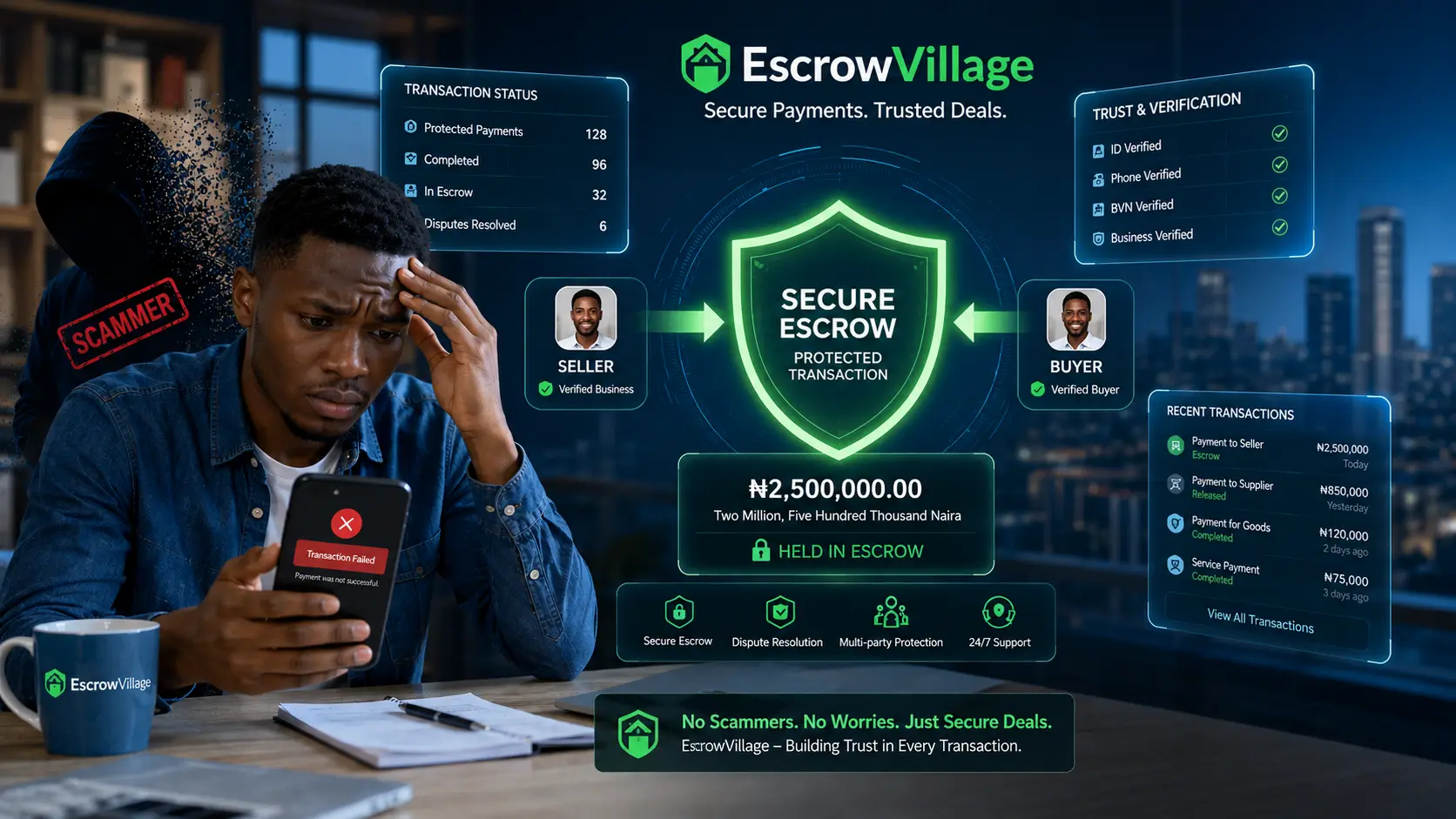
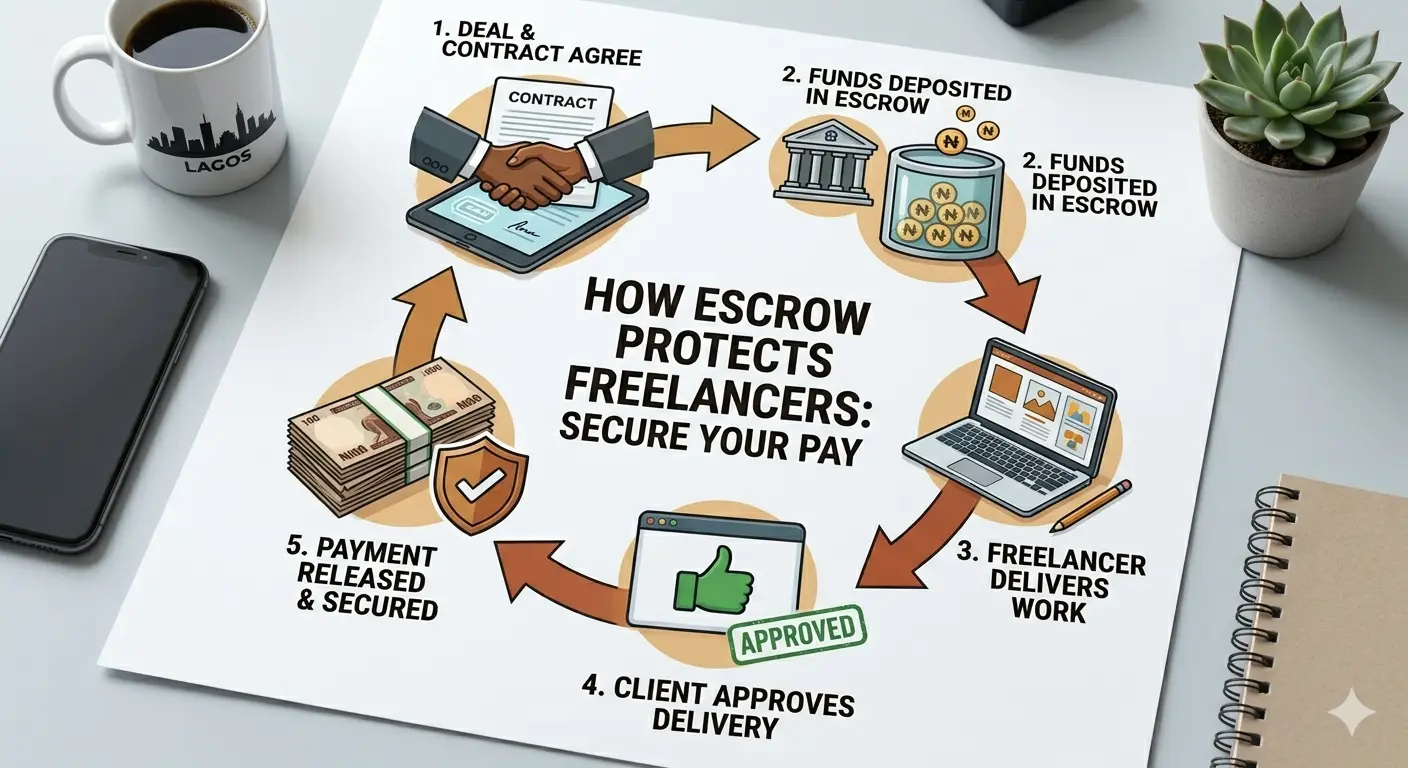
This is also where escrow services like Escrow Village become valuable. Escrow Village reduces the emotional hijack that urgency scams rely on by introducing structure, transparency, and protection into transactions. Instead of rushing to send money directly to a stranger, Escrow Village hold funds securely until agreed-upon terms are met.