
The Documents That Protect Your Transaction: What Really Matters in Escrow
In Nigeria, we have a saying: "Inside life." It’s a phrase that captures the unpredictability of transactions.
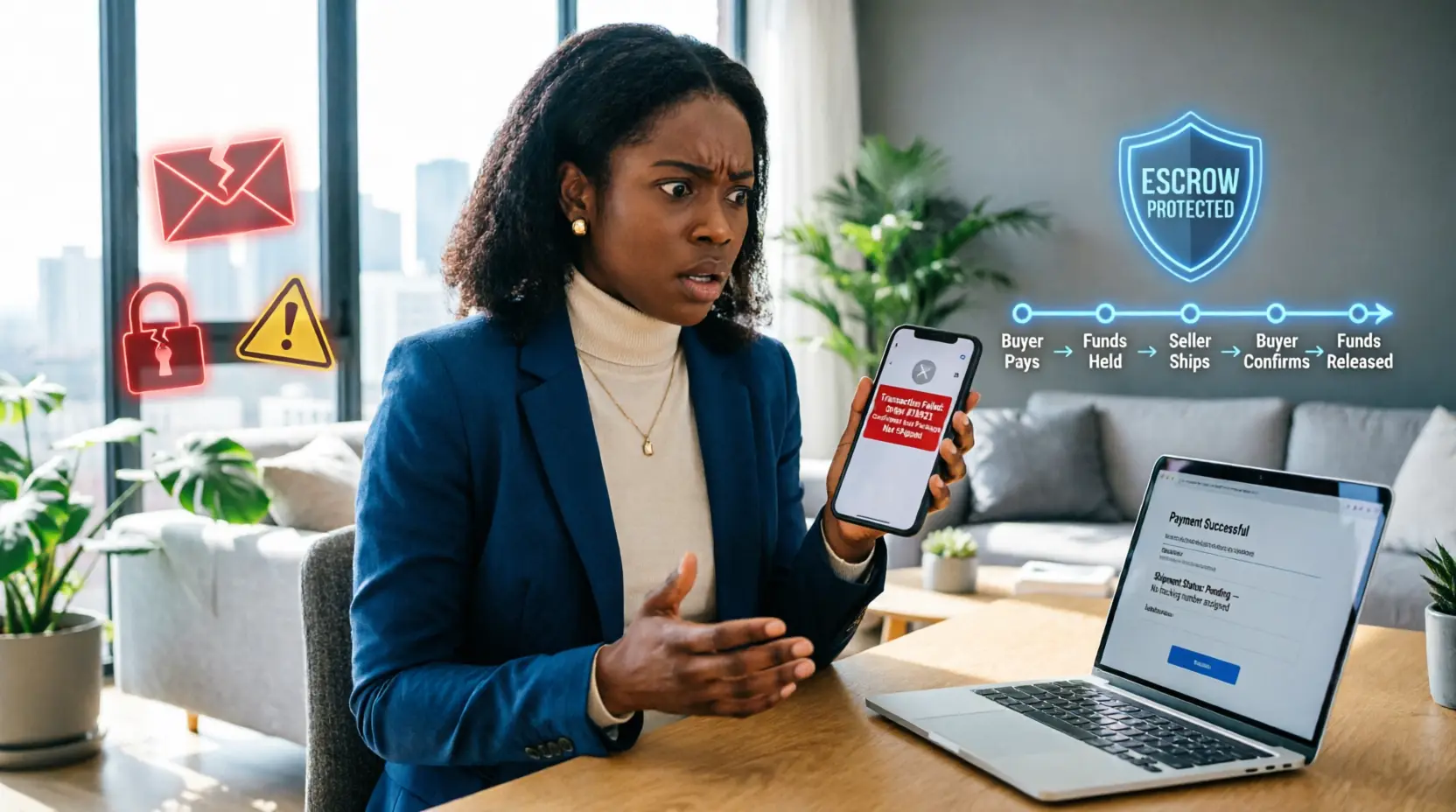
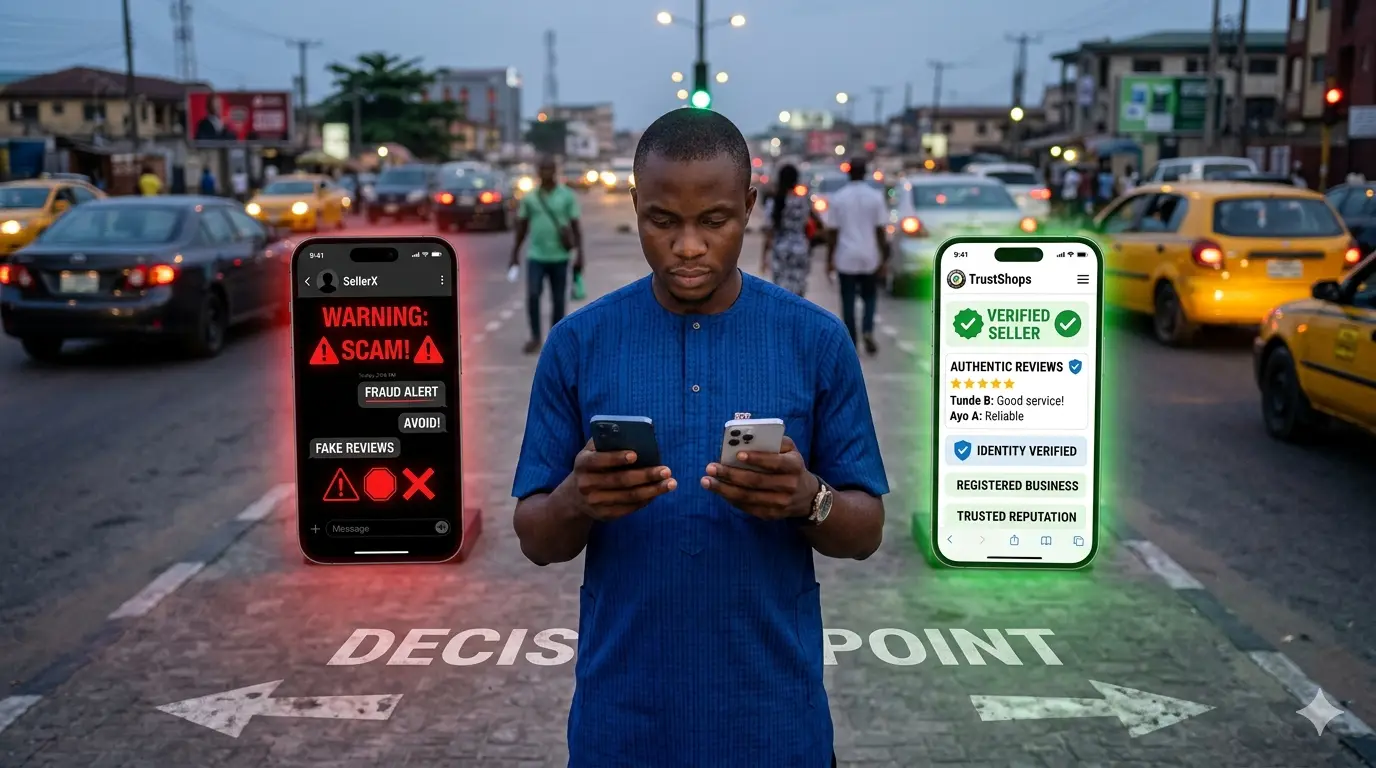
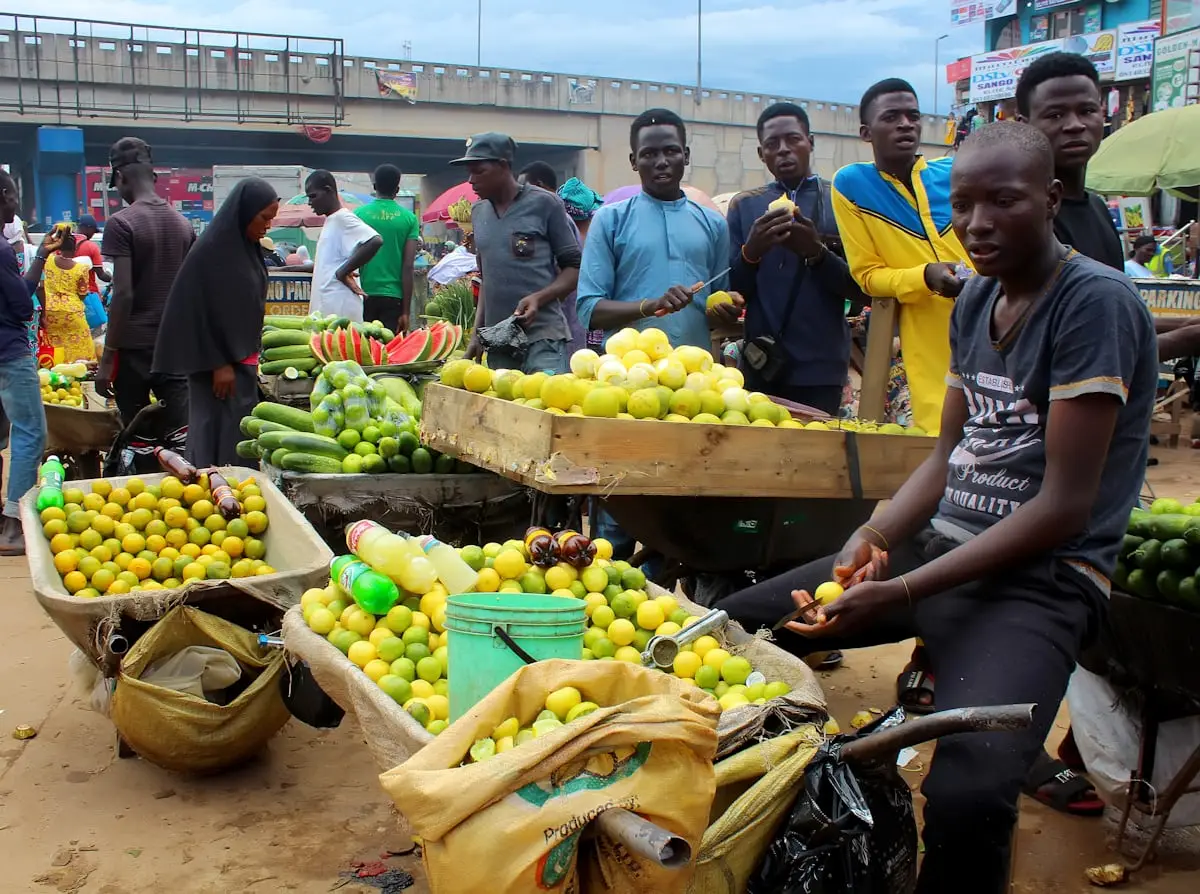
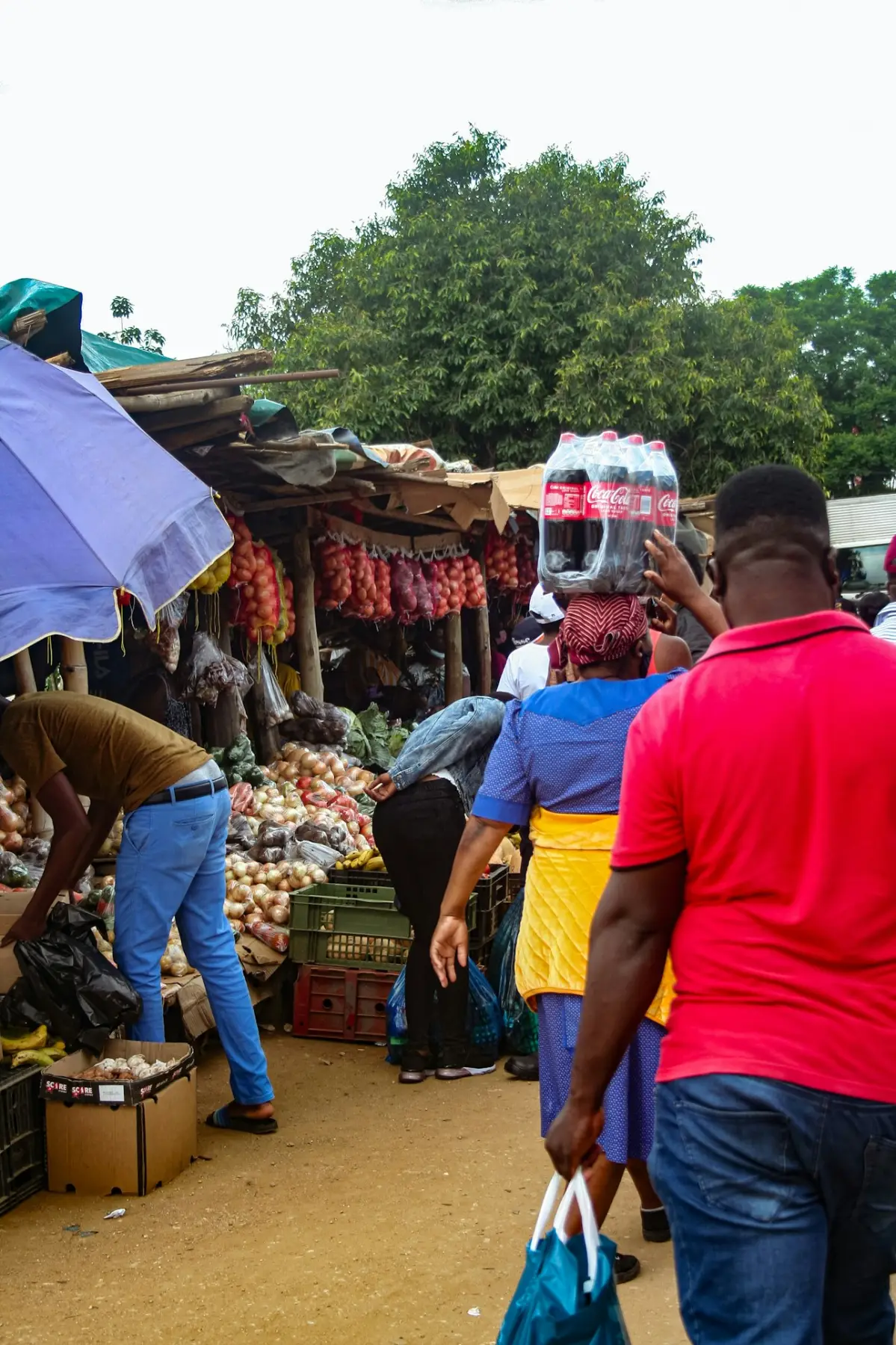
We often trade on "good faith" as Nigerians. Whether you are buying a used Toyota Camry from a dealer in Berger, paying for a bulk supply of Ankara for an Owanbe, or securing a freelance contract for a tech project, there is always that moment of tension: Do I send the money first, or do I wait for the goods to arrive?
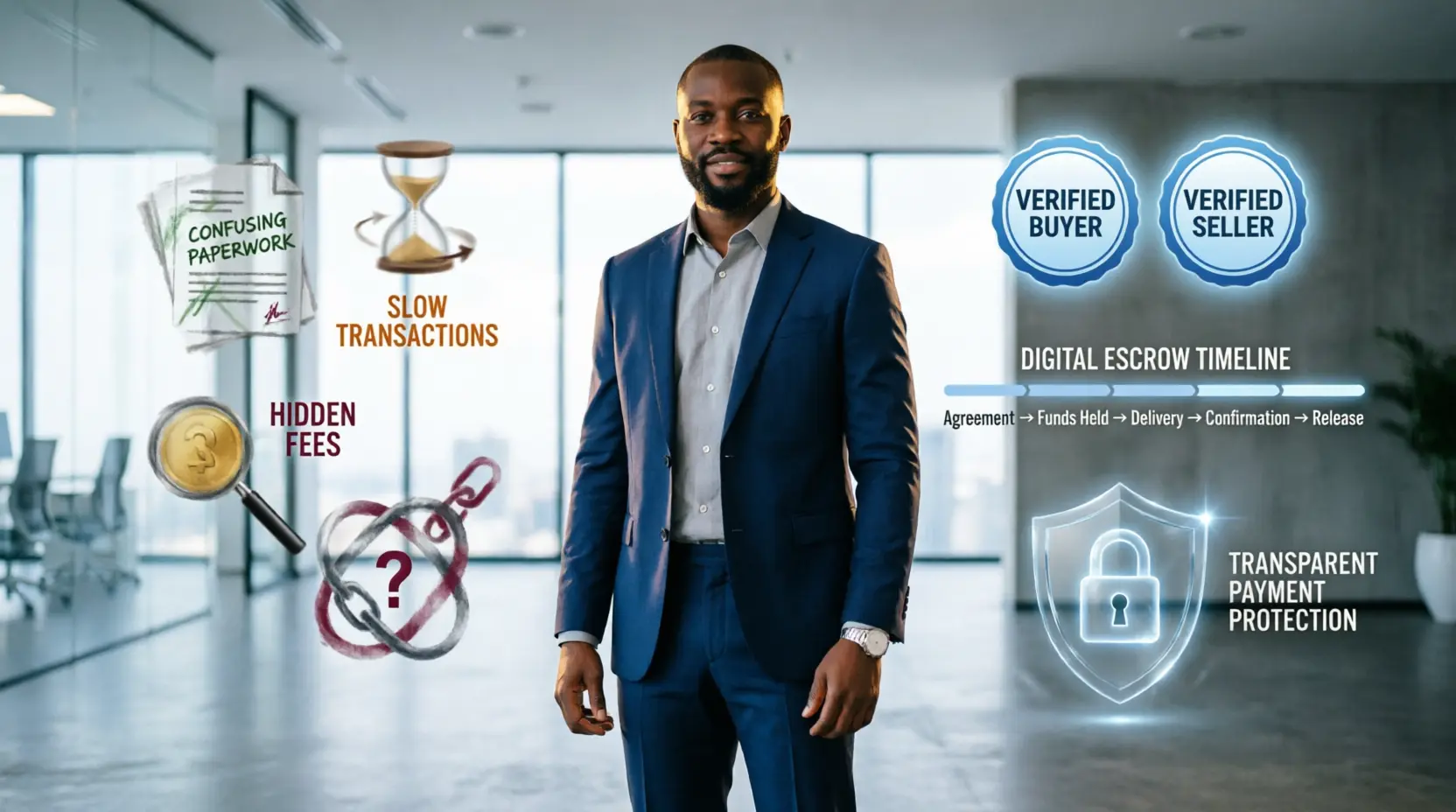
Often, we rely on "trust," "connections," or the fact that the seller is a "big man" in the community, or the buyer is a close friend or colleague. But when you enter an escrow arrangement, the rules of engagement change.
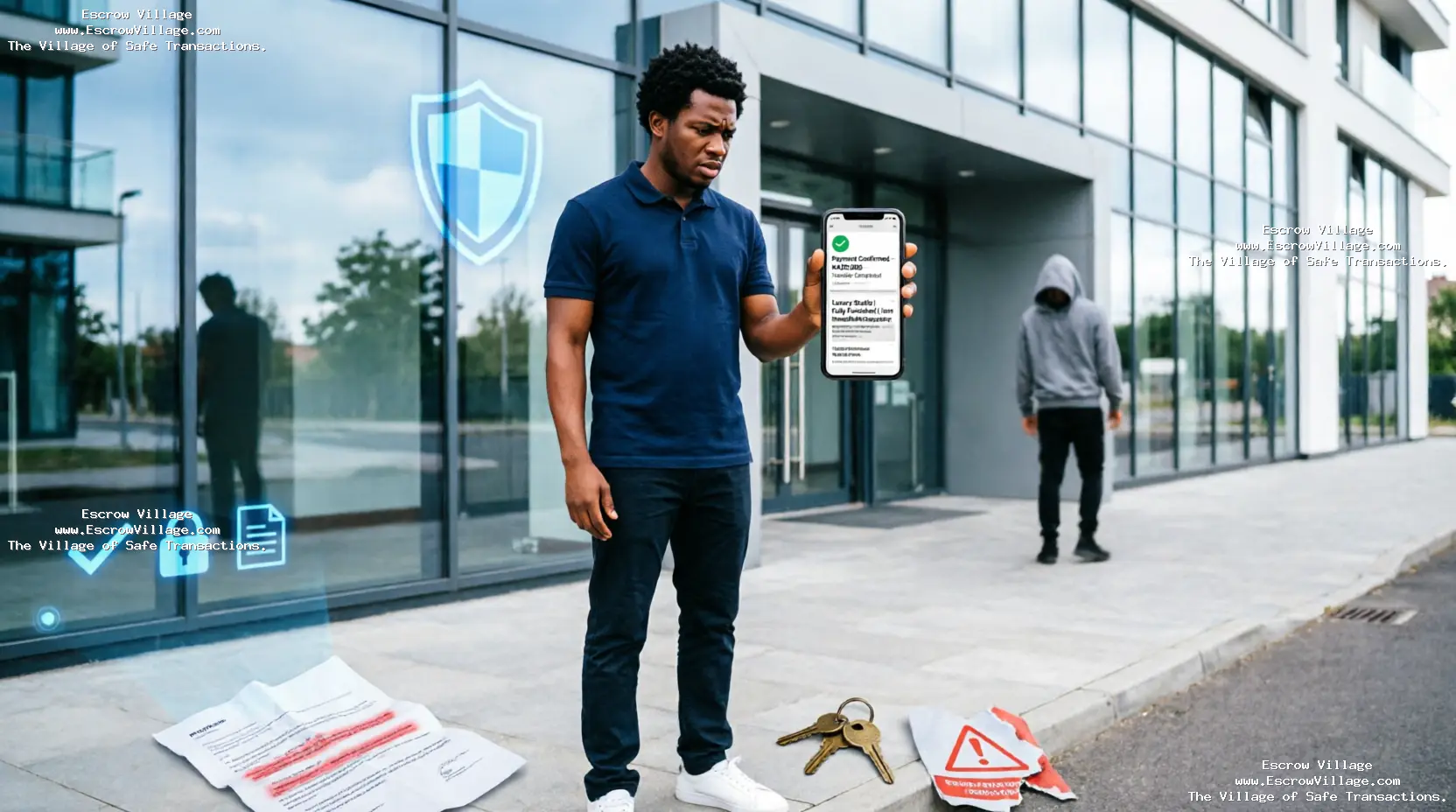
In escrow, "trust" isn't a signed document, and "truth" isn't a bank confirmation.
If you want to ensure your money is safe or your property is secured, you need to understand what evidence actually carries weight and what is just lamba (not important).
An escrow agent is like a referee in a football match, they don’t care who you support; they only care if the ball crosses the line. To move a transaction forward, they look for:
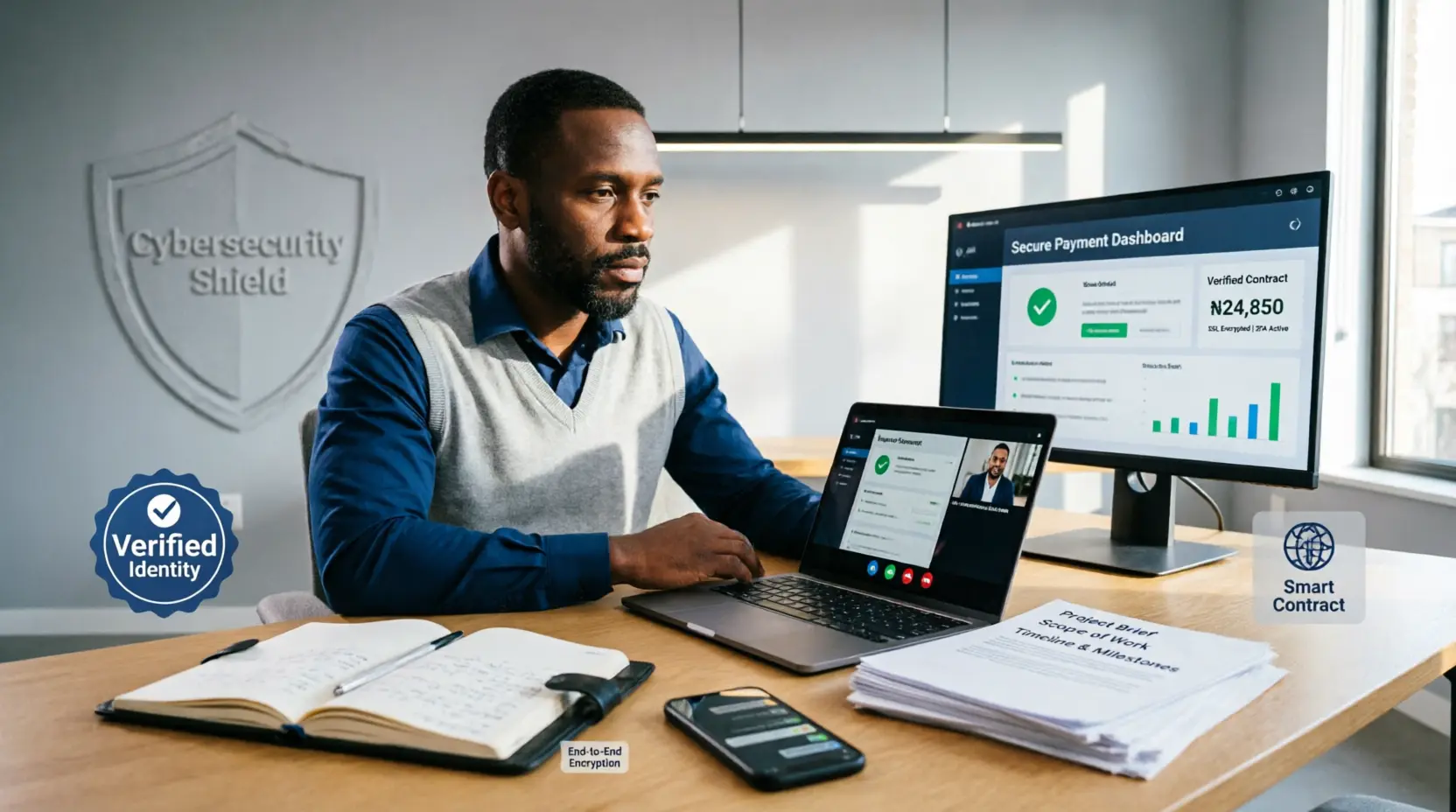
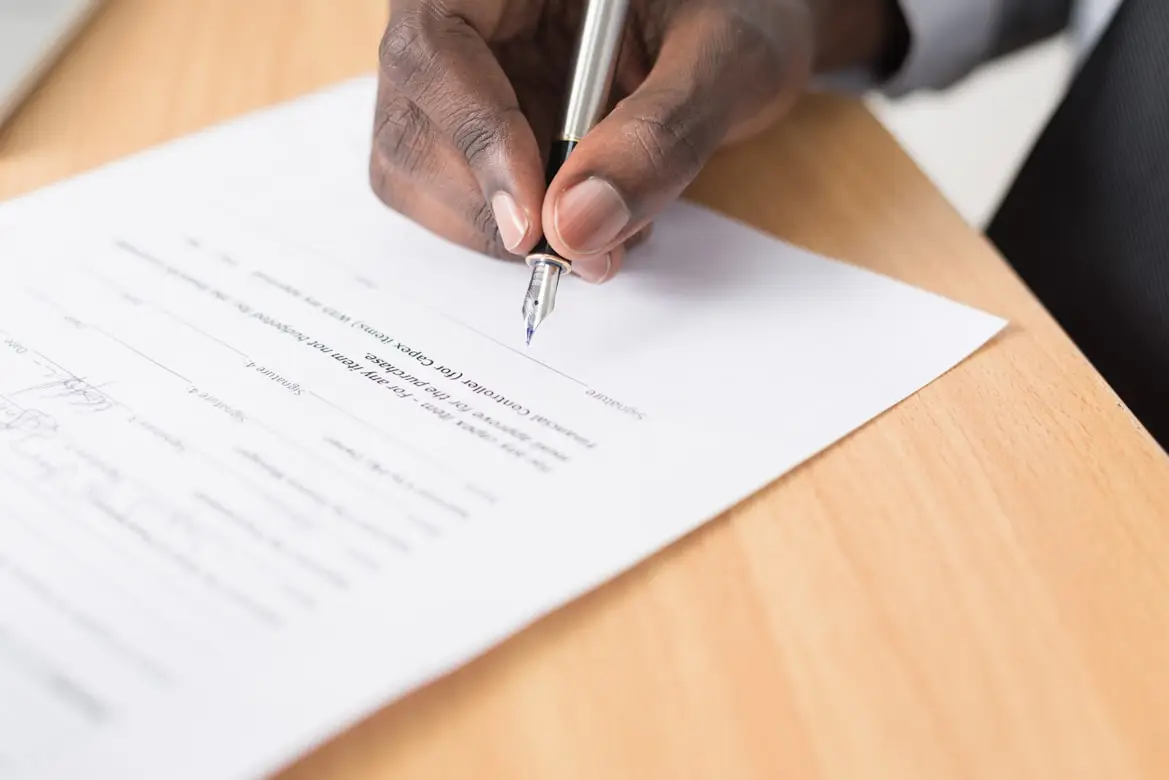
But sometimes WhatsApp message like, “I’ve agreed to sell the land for ₦15 million,” is not enough. Some escrow transactions that are high-stake might require formal documents such as a Contract of Sale or a Memorandum of Understanding (MOU) signed by all parties and preferably witnessed.
If the terms change later like an increase in price a signed amendment must also be provided. Without proper documentation, the escrow officer can only act based on the original agreed terms.
These things might make you feel better, but they won't help you in an escrow dispute:
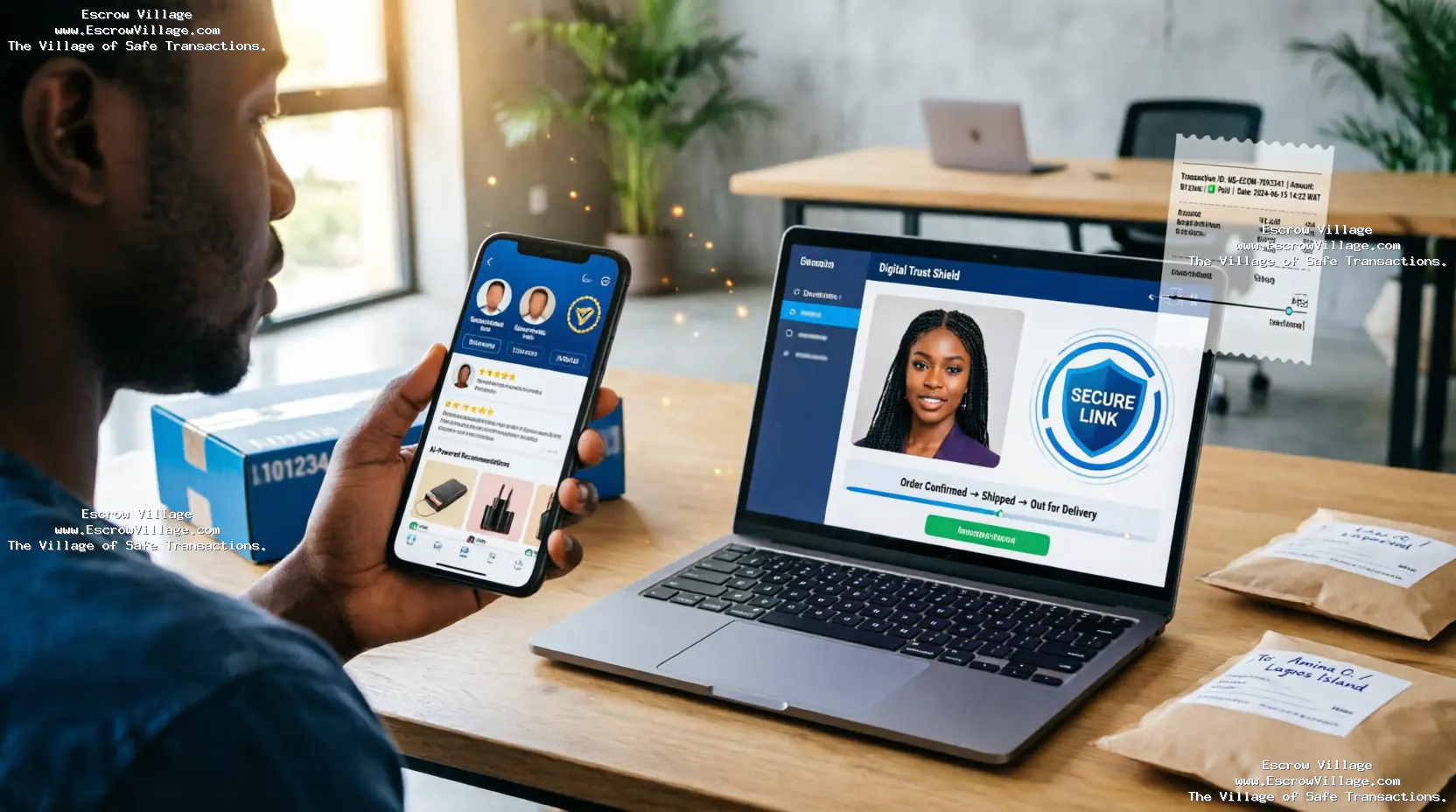
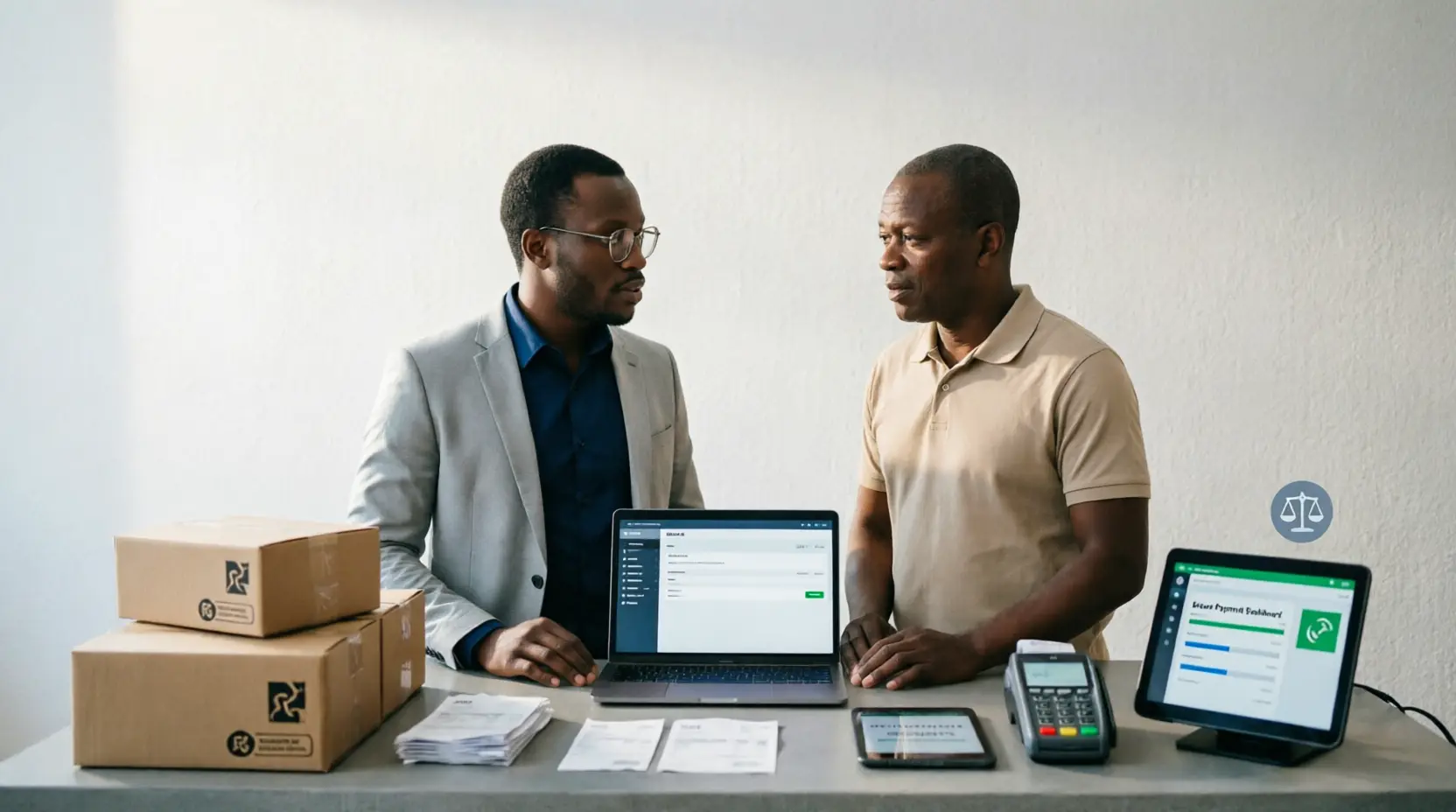
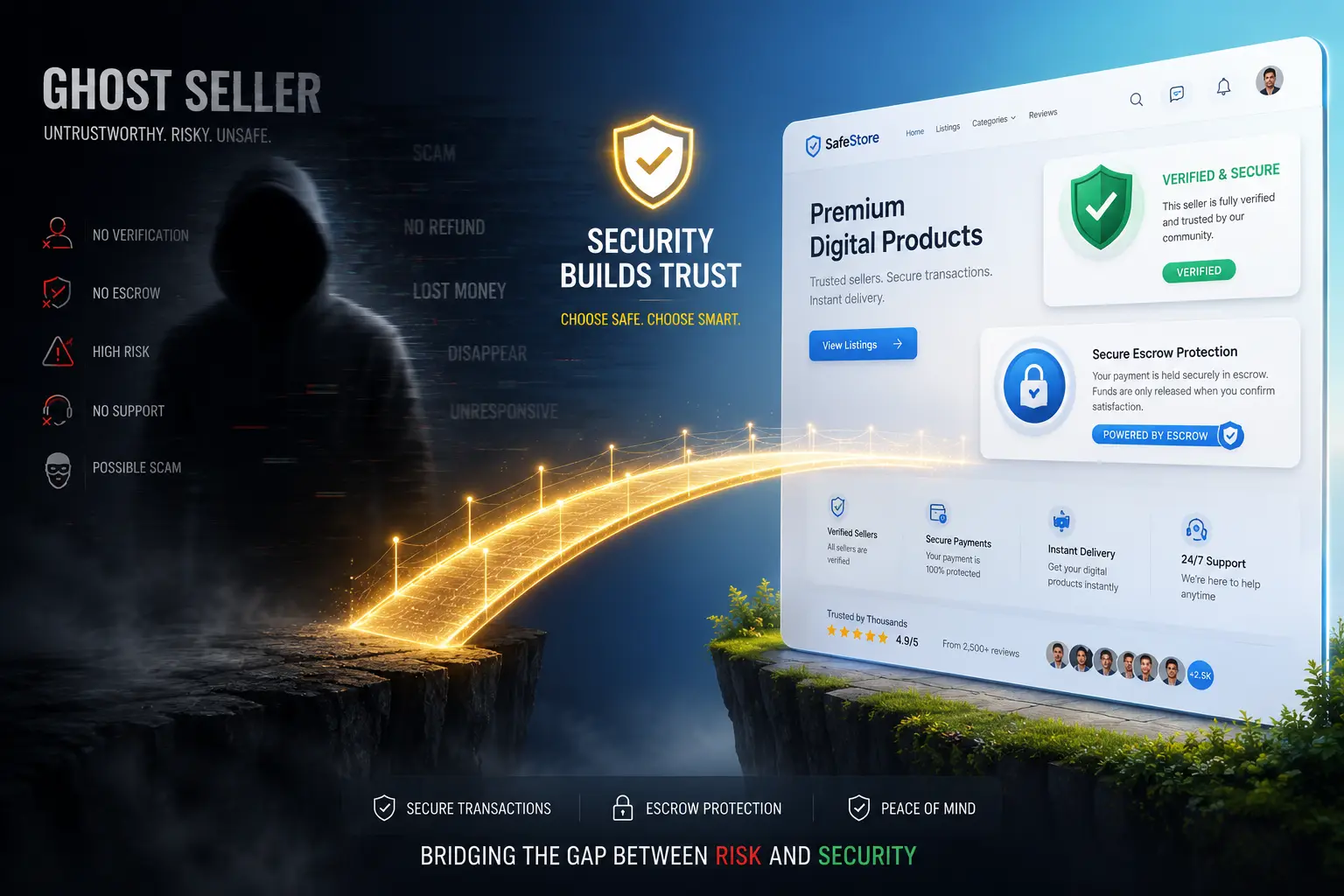
Escrow turns a risky "trust-based" transaction into a "fact-based" one. Whether you are dealing in "Odogwu" amounts or small business supplies, keep your evidence digital, documented, and delivered. If it’s not on the dashboard, it’s not part of the deal.
Keep the paper trail clean, and your money stays safe.
We often trade on "good faith" as Nigerians. Whether you are buying a used Toyota Camry from a dealer in Berger, paying for a bulk supply of Ankara for an Owanbe, or securing a freelance contract for a tech project, there is always that moment of tension: Do I send the money first, or do I wait for the goods to arrive?
Often, we rely on "trust," "connections," or the fact that the seller is a "big man" in the community, or the buyer is a close friend or colleague. But when you enter an escrow arrangement, the rules of engagement change.
In escrow, "trust" isn't a signed document, and "truth" isn't a bank confirmation.
If you want to ensure your money is safe or your property is secured, you need to understand what evidence actually carries weight and what is just lamba (not important).
- Evidence That Speaks Loudest: The Only Thing That Matters
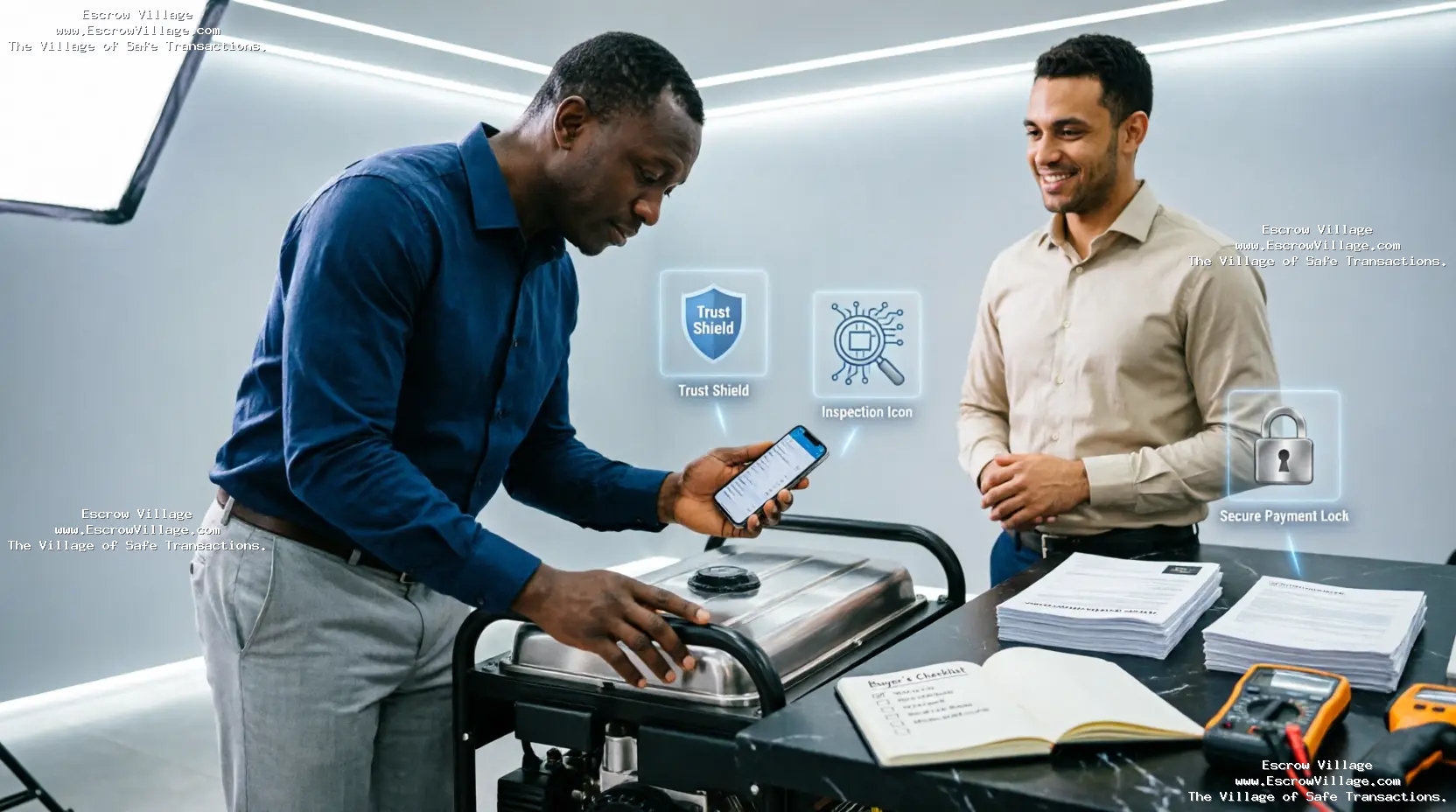
An escrow agent is like a referee in a football match, they don’t care who you support; they only care if the ball crosses the line. To move a transaction forward, they look for:
- Chat Evidence & Properly Signed Agreements:
But sometimes WhatsApp message like, “I’ve agreed to sell the land for ₦15 million,” is not enough. Some escrow transactions that are high-stake might require formal documents such as a Contract of Sale or a Memorandum of Understanding (MOU) signed by all parties and preferably witnessed.
If the terms change later like an increase in price a signed amendment must also be provided. Without proper documentation, the escrow officer can only act based on the original agreed terms.
- The Progress-Based Payment Agreement:
- Verified Inflow of Funds:
- Proof of Delivery/Completion:
- Valid Government ID:
- What Doesn't Matter (The "Lamba" Section)
These things might make you feel better, but they won't help you in an escrow dispute:
- "Brotherhood" and Titles:
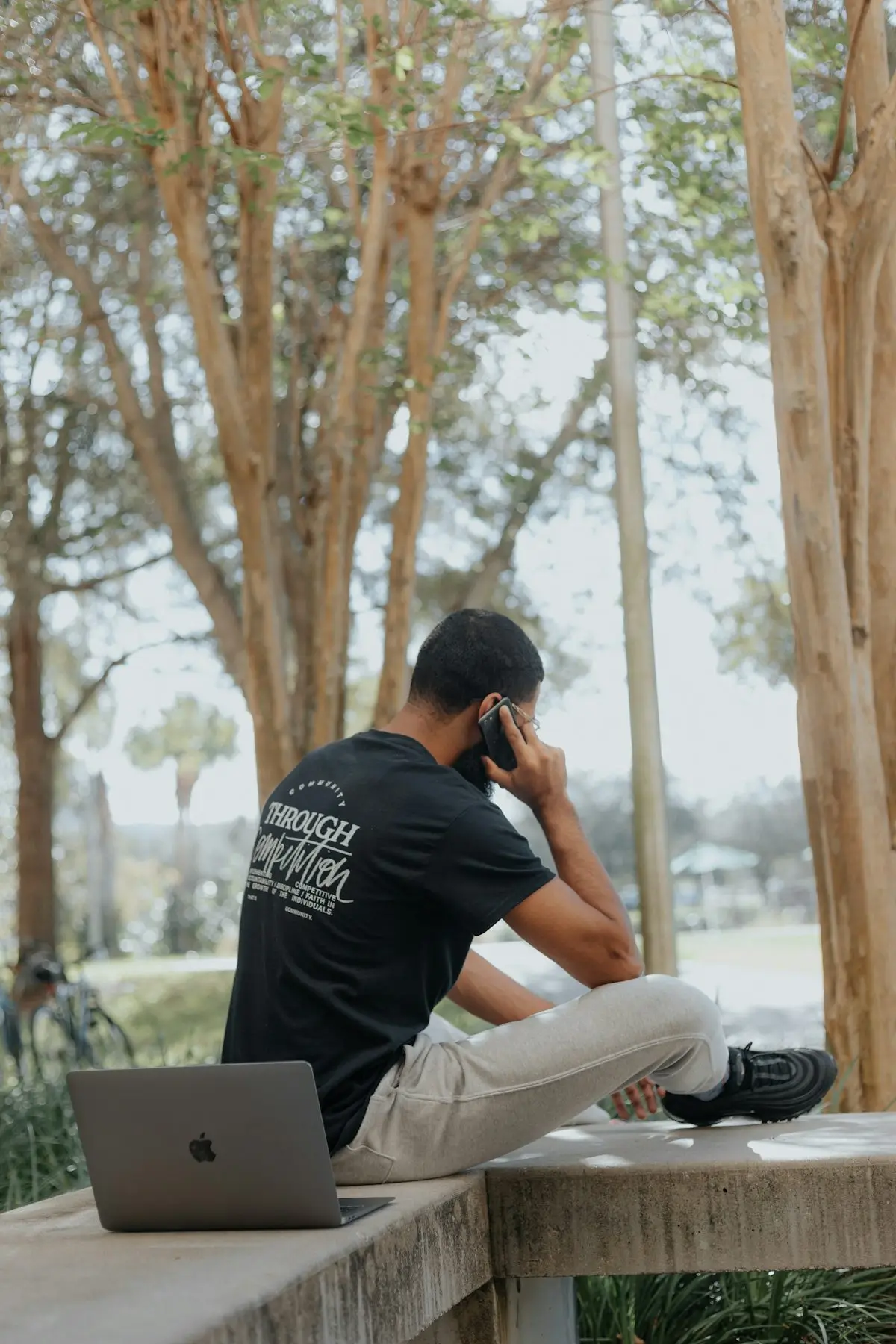
- The "I’m at the Park" Video:
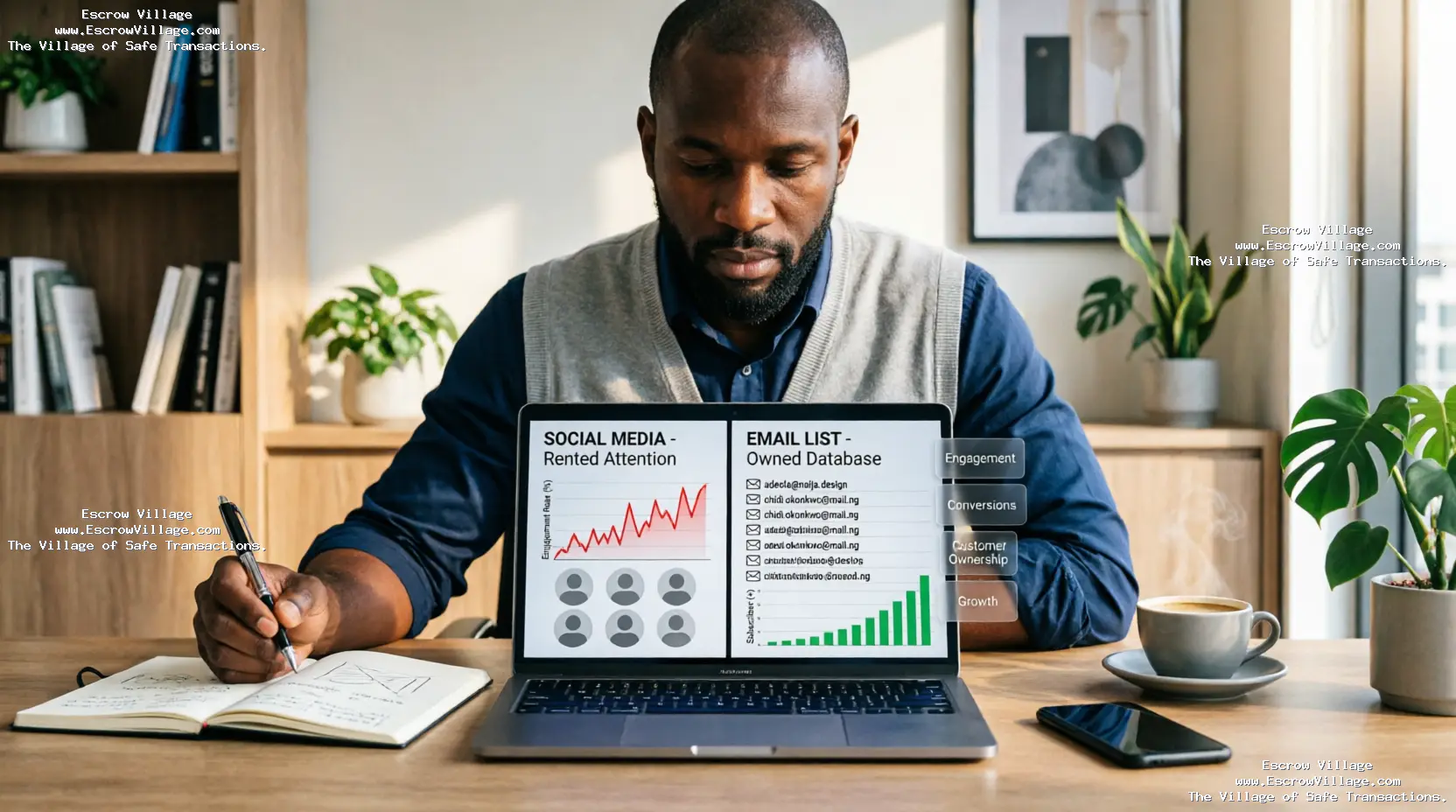
- Social Media Reputations:
- Verbal Adjustments:
Escrow turns a risky "trust-based" transaction into a "fact-based" one. Whether you are dealing in "Odogwu" amounts or small business supplies, keep your evidence digital, documented, and delivered. If it’s not on the dashboard, it’s not part of the deal.
Keep the paper trail clean, and your money stays safe.