How to Spot Fake Escrow Websites (And Stay Safe)
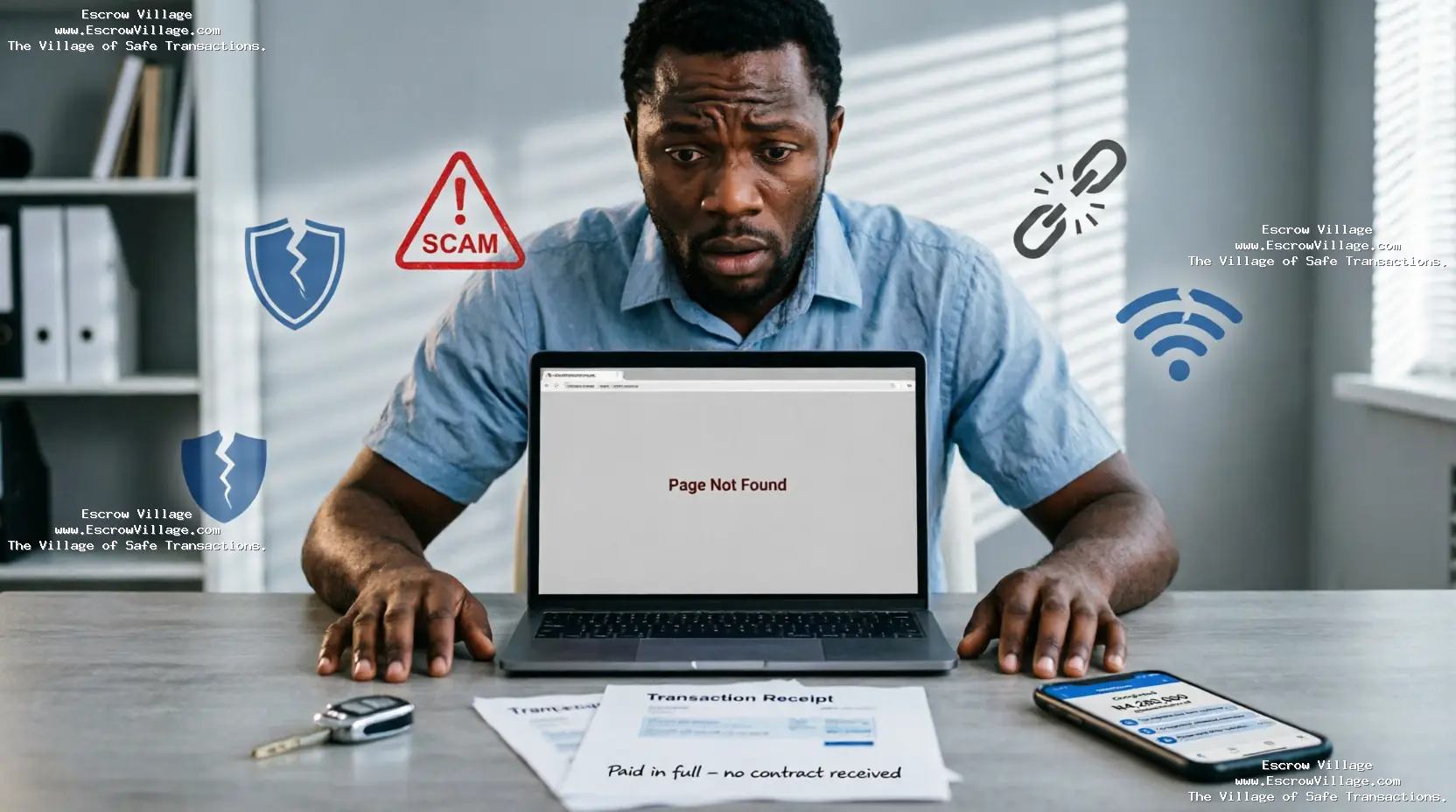
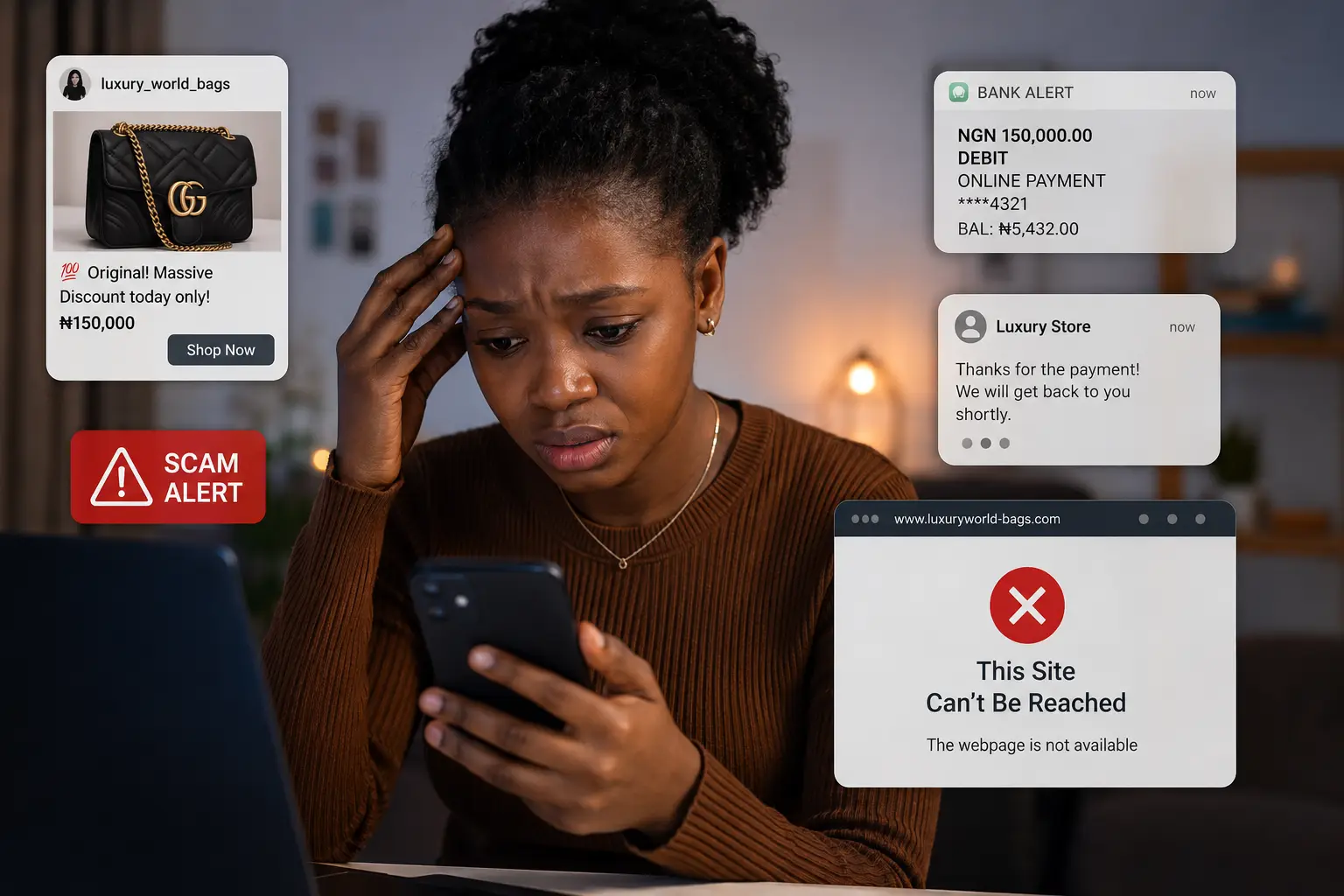
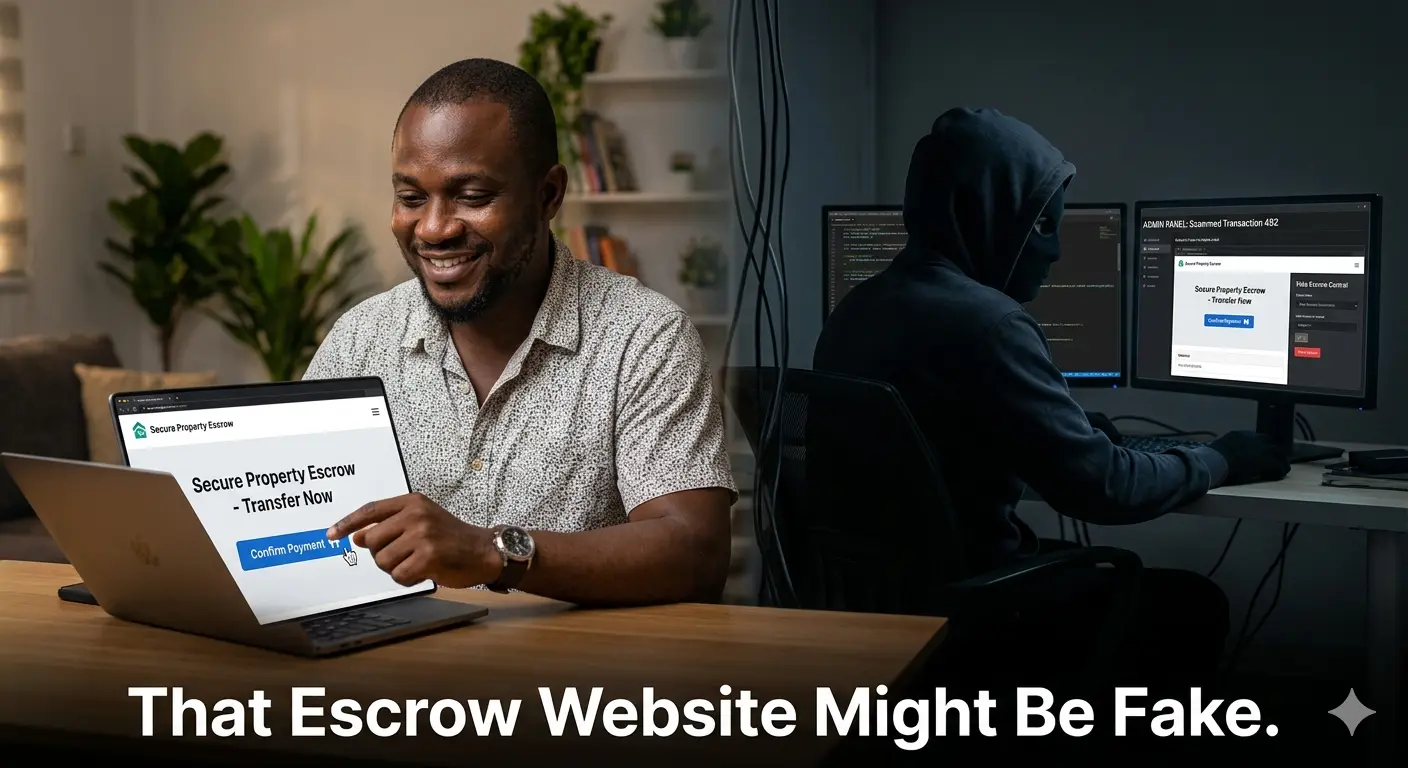
They found a property, agreed on a price, and used what looked like a professional platform. Then the money vanished.
The website went dark. And the escrow company never existed.
This is happening in Lagos, Abuja, Port Harcourt and everywhere.
And scammers are getting smarter. Here's how to stay ahead of them.
- How the Scam Works
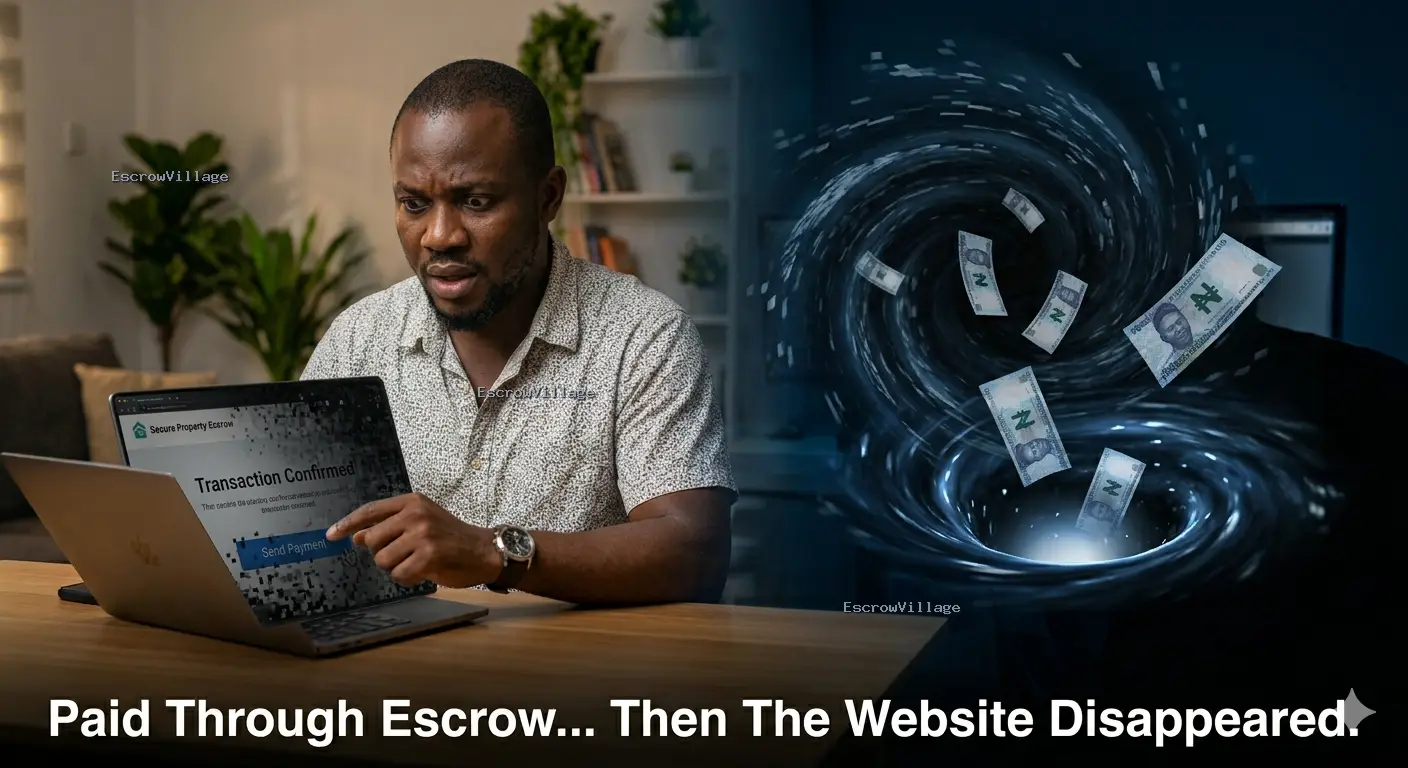
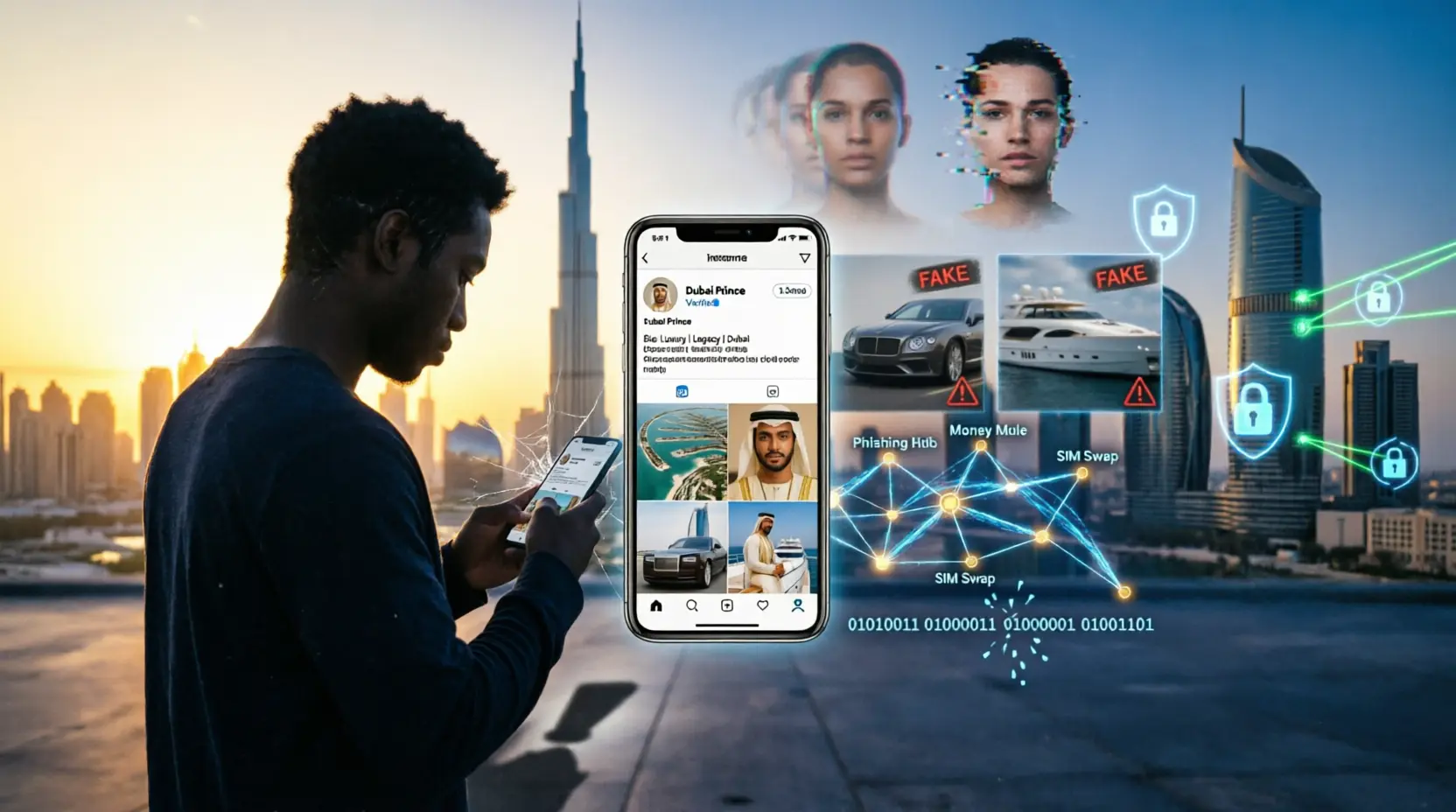
Fraudsters know Nigerians are warming up to escrow as a safety tool, so they weaponise that trust.
They build convincing websites, fake customer service lines, and professional-looking portals.
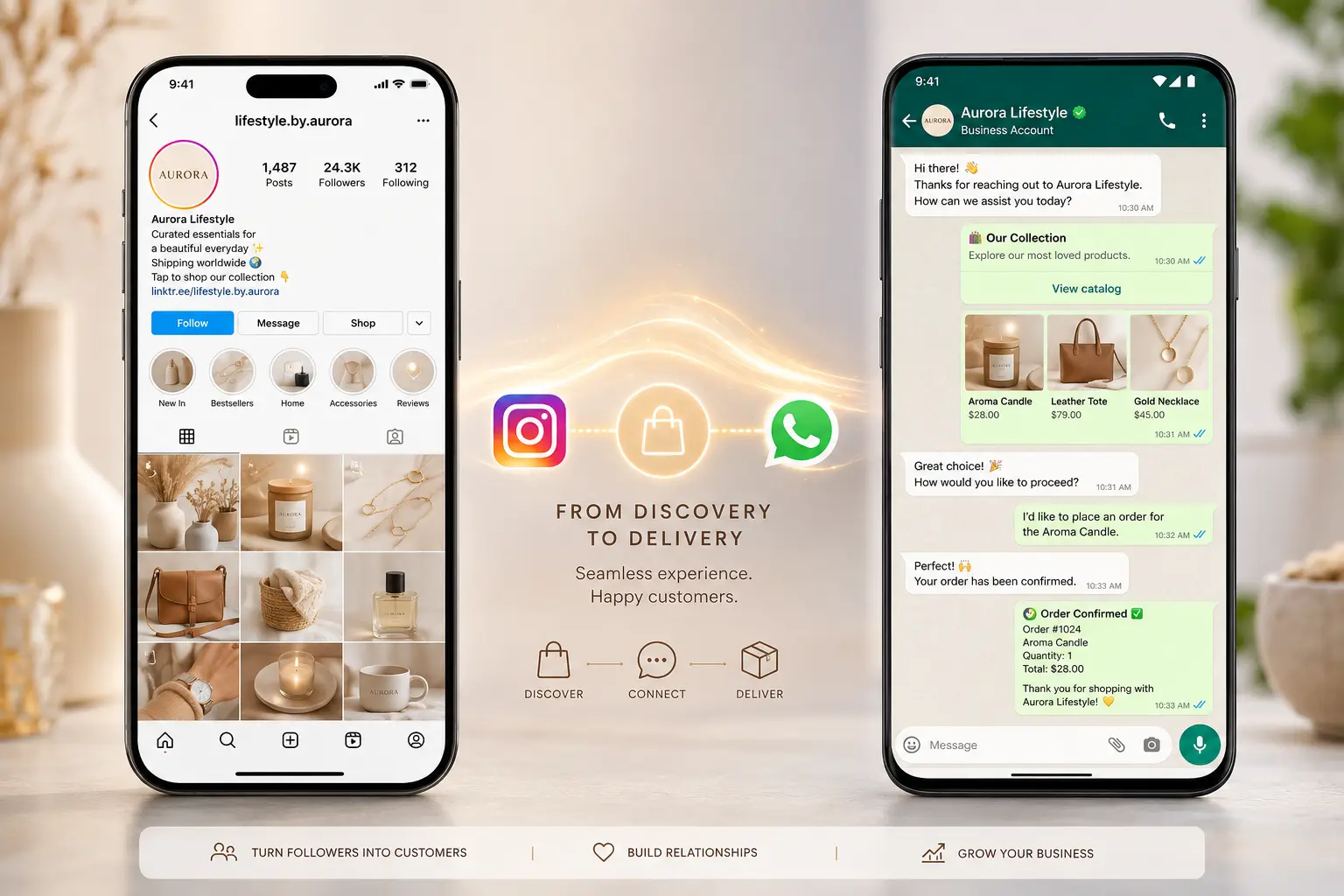
Then they find you through a too-good-to-be-true property listing, WhatsApp group, Facebook marketplace, etc. insist you use their specific escrow platform, and pressure you to pay fast before someone else "grabs the property/product.
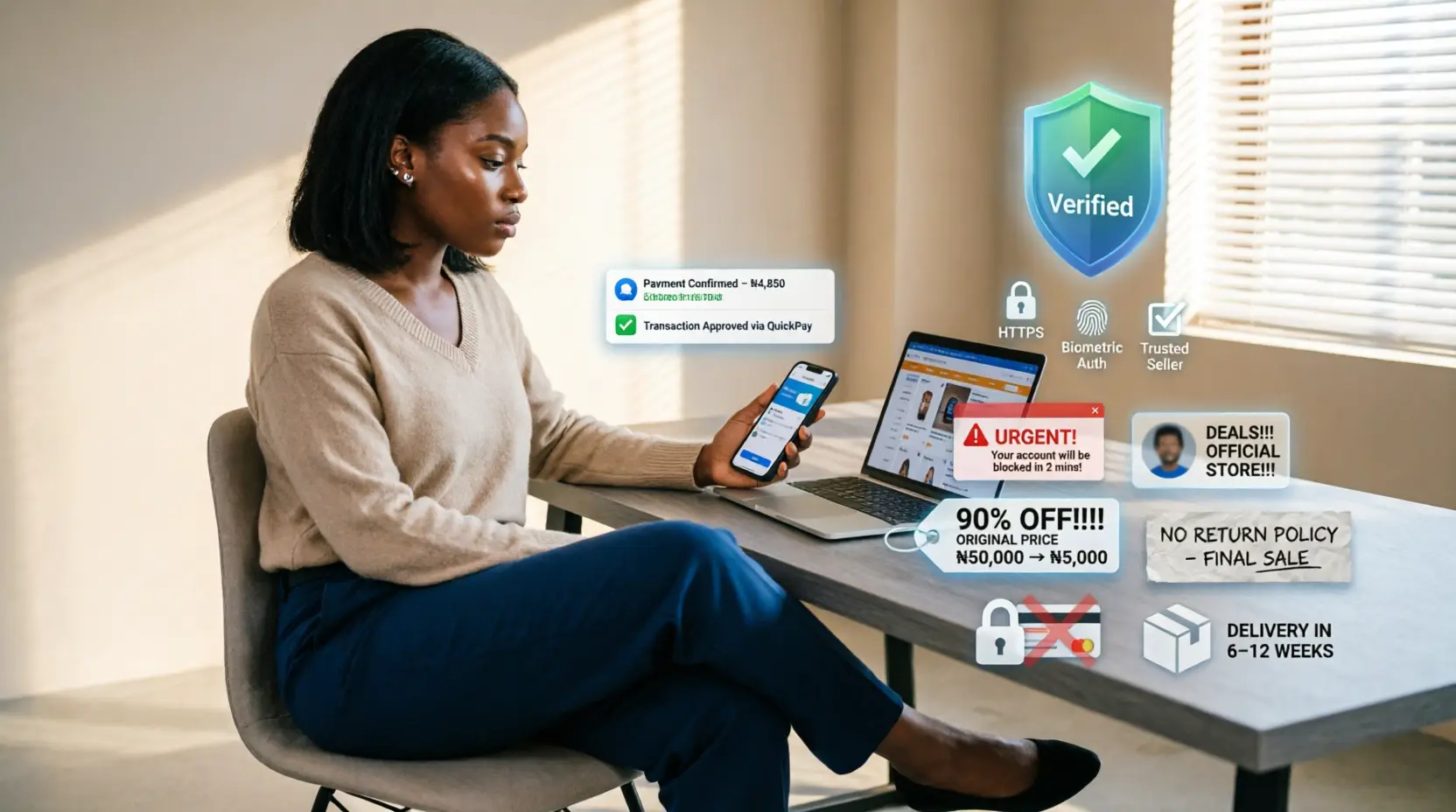
- Red Flags You Cannot Ignore
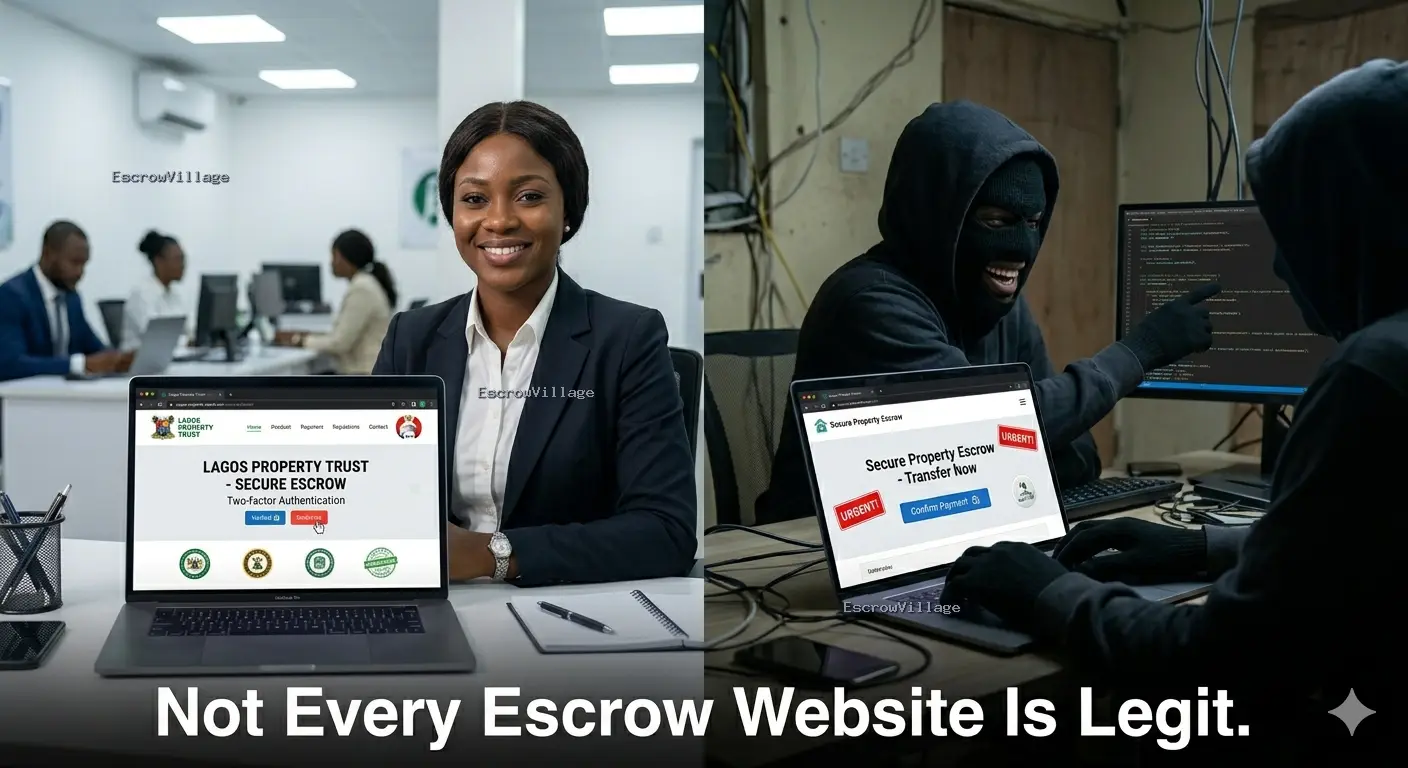
- 1. The seller recommends the escrow site. Legitimate escrow is always mutually agreed upon. If they're pushing a specific platform, walk away.
- 2. The website is brand new. Check the domain age on Whois.com. No genuine escrow company operates on a site registered two months ago.
- 3. No CAC registration certificate. Every legitimate financial service in Nigeria is regulated. Ask for their registration certificate.
- 4. No verifiable address. A real company has a traceable physical office. Google it. Call them. Visit if possible.
- 5. Pressure to act fast. Urgency is a scammer's greatest weapon. Anyone rushing you to deposit money is trying to shut down your common sense.
- How to Protect Yourself

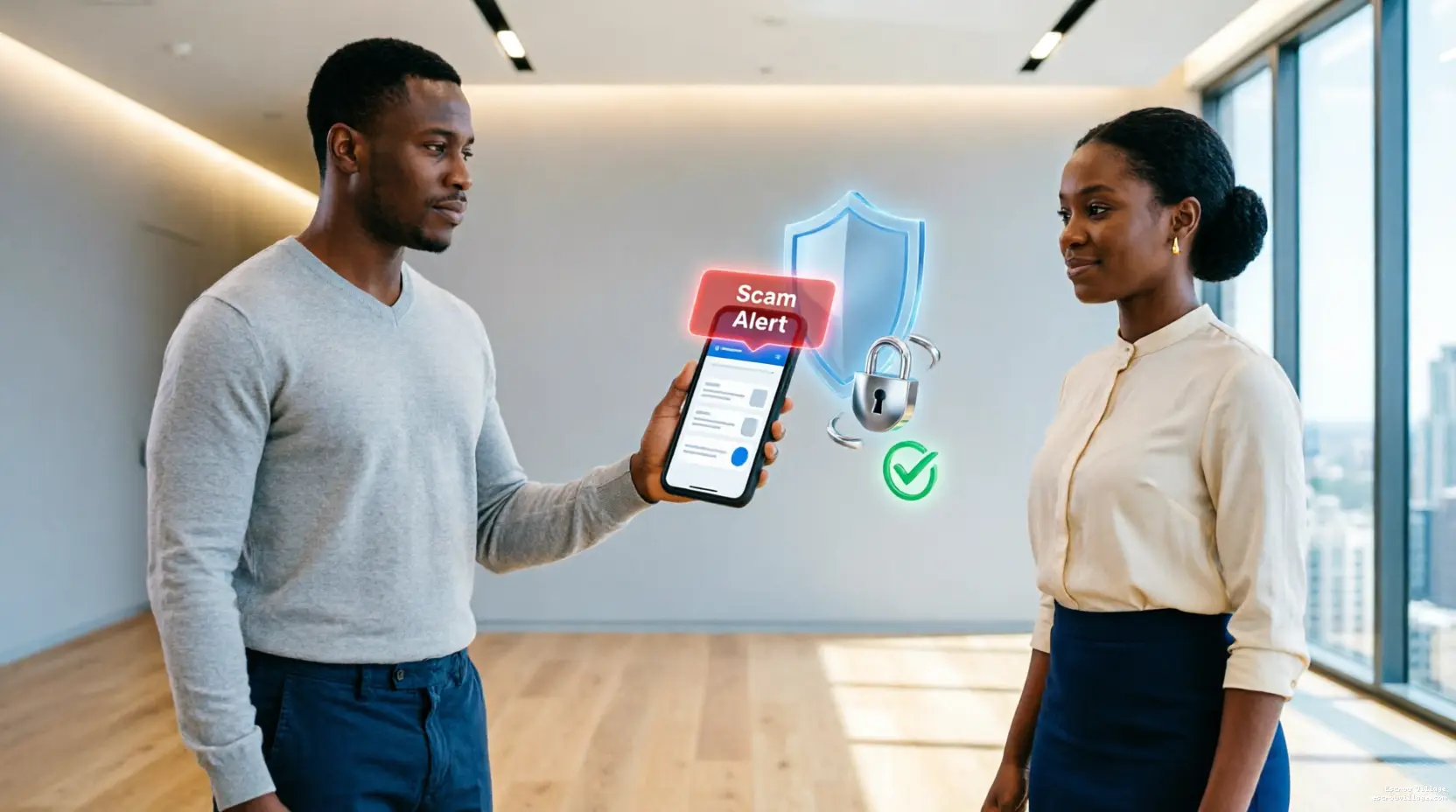
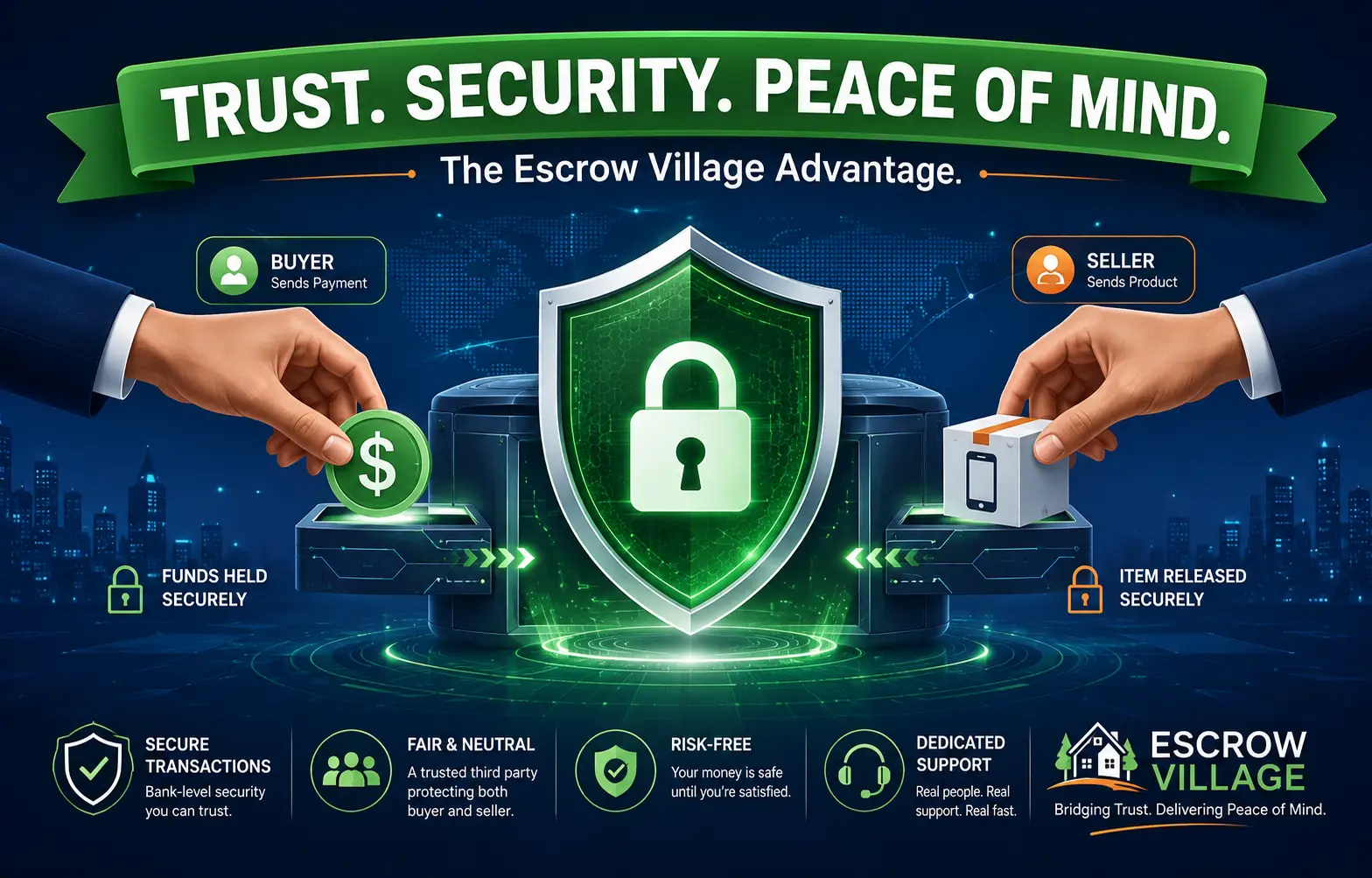
Never click escrow links sent by the seller. Find the platform yourself through an independent search. Confirm their social media presence is active and aged. Read real user reviews. Call their support line and expect a human to answer.
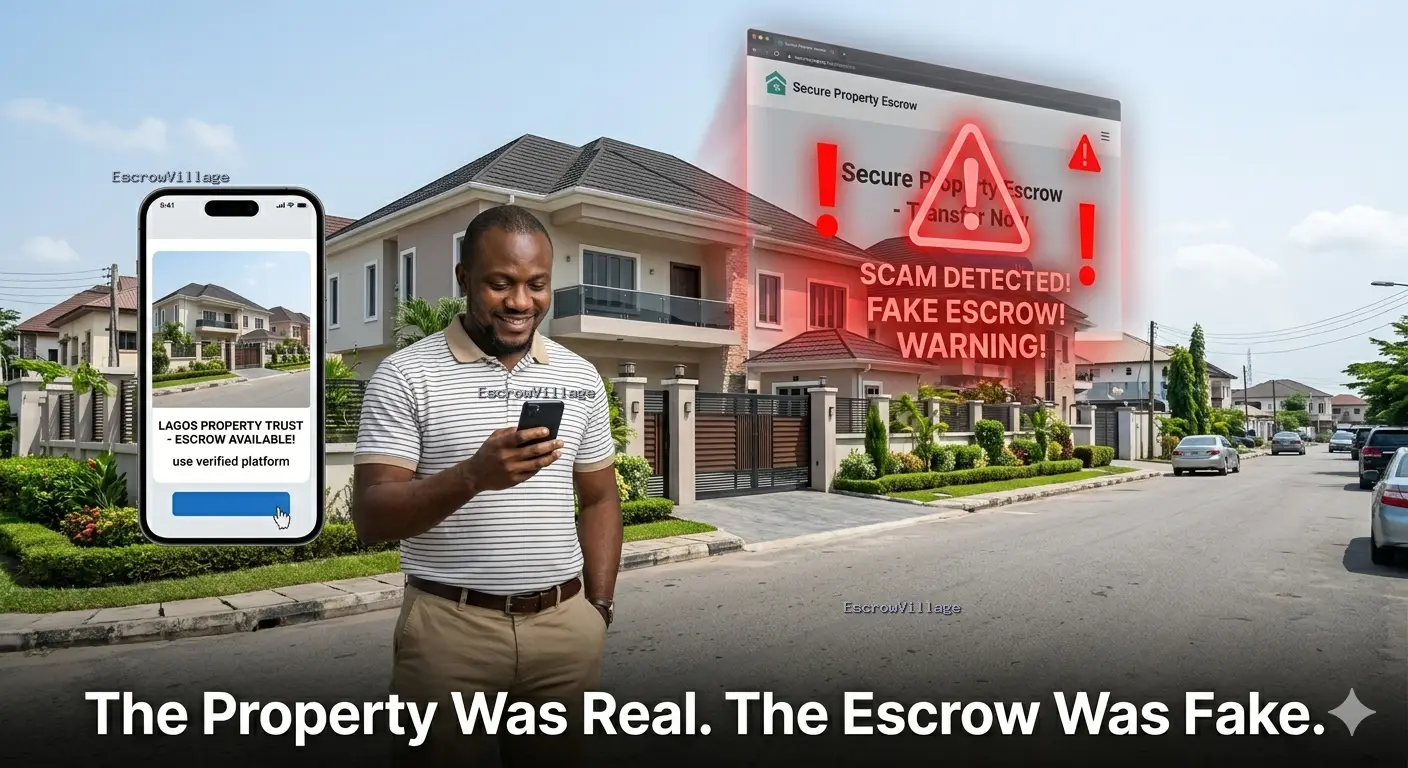
In Nigeria's market, your sharpest protection is deliberate suspicion.
If something feels slightly off about the website, the seller, or the urgency, trust that feeling completely.
Your money deserves better than a website that disappears by morning.