7 Ways to Know If an Online Vendor Is Trustworthy
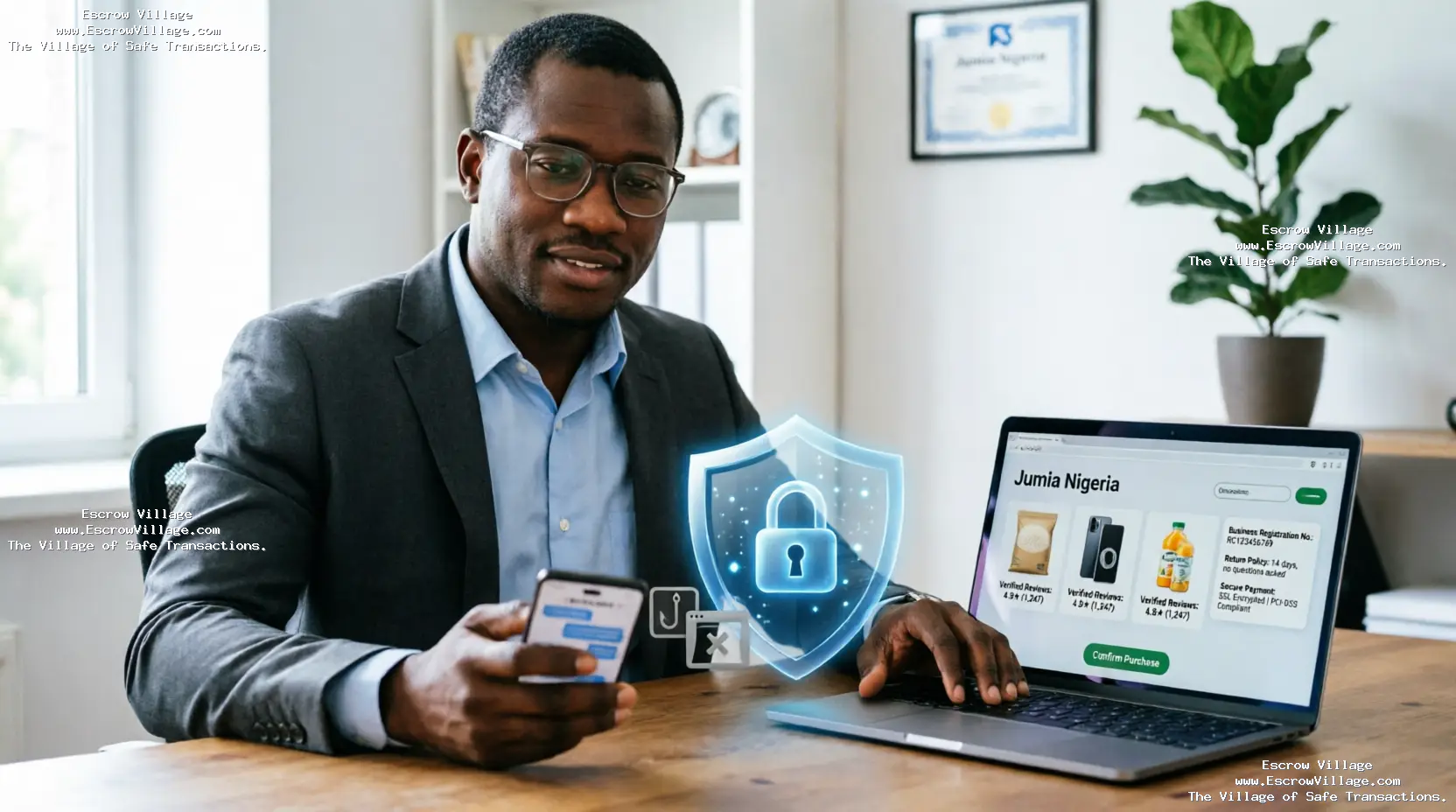
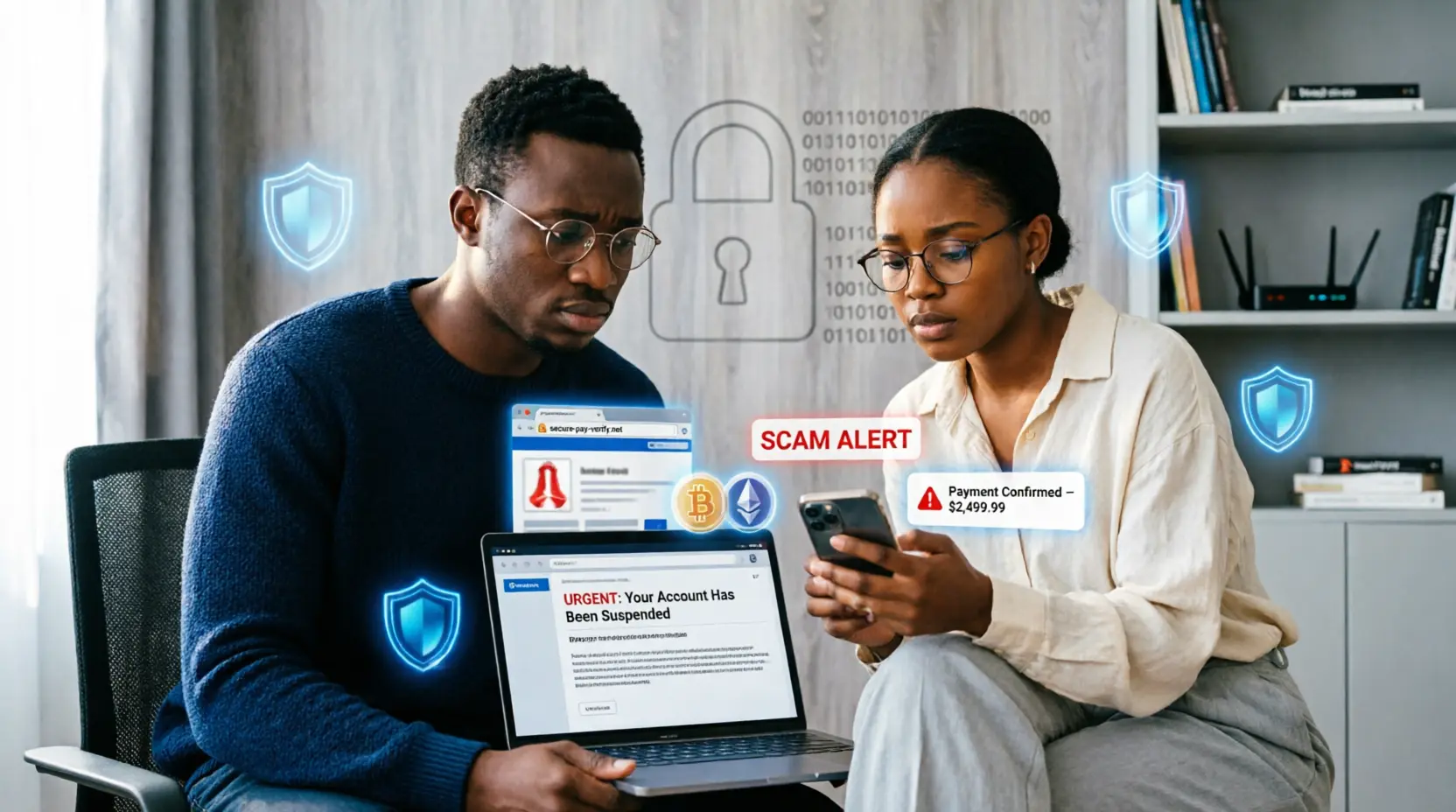
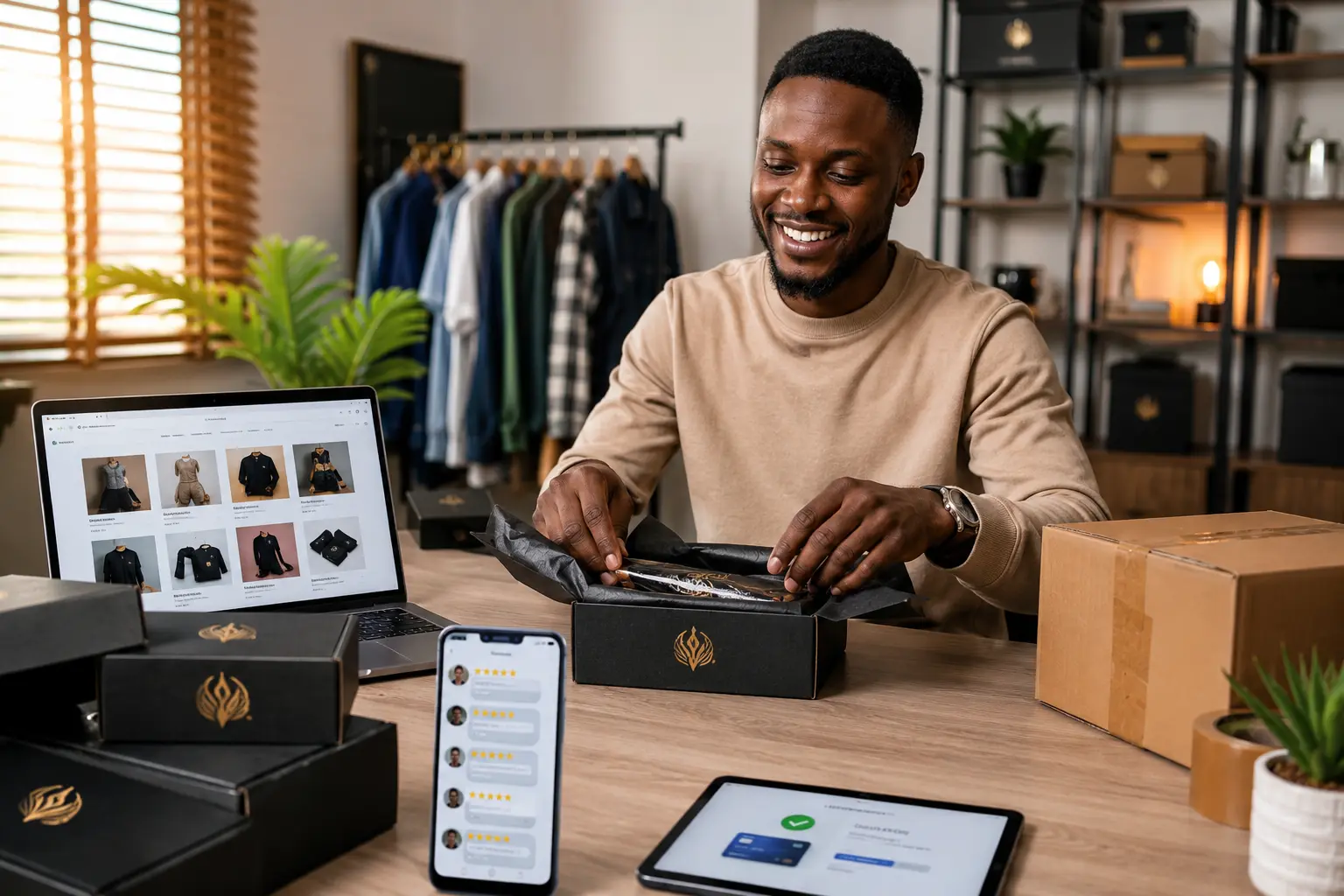
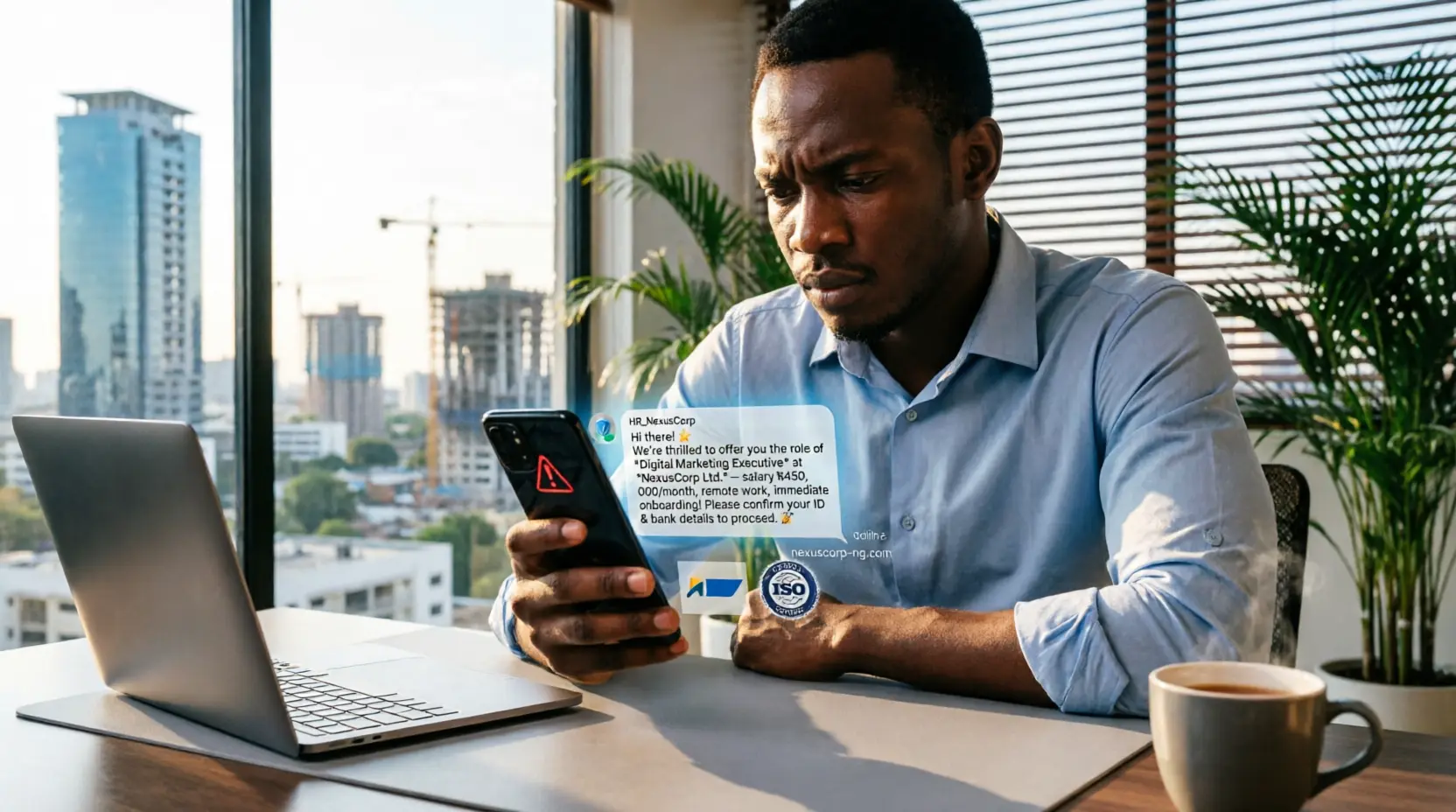
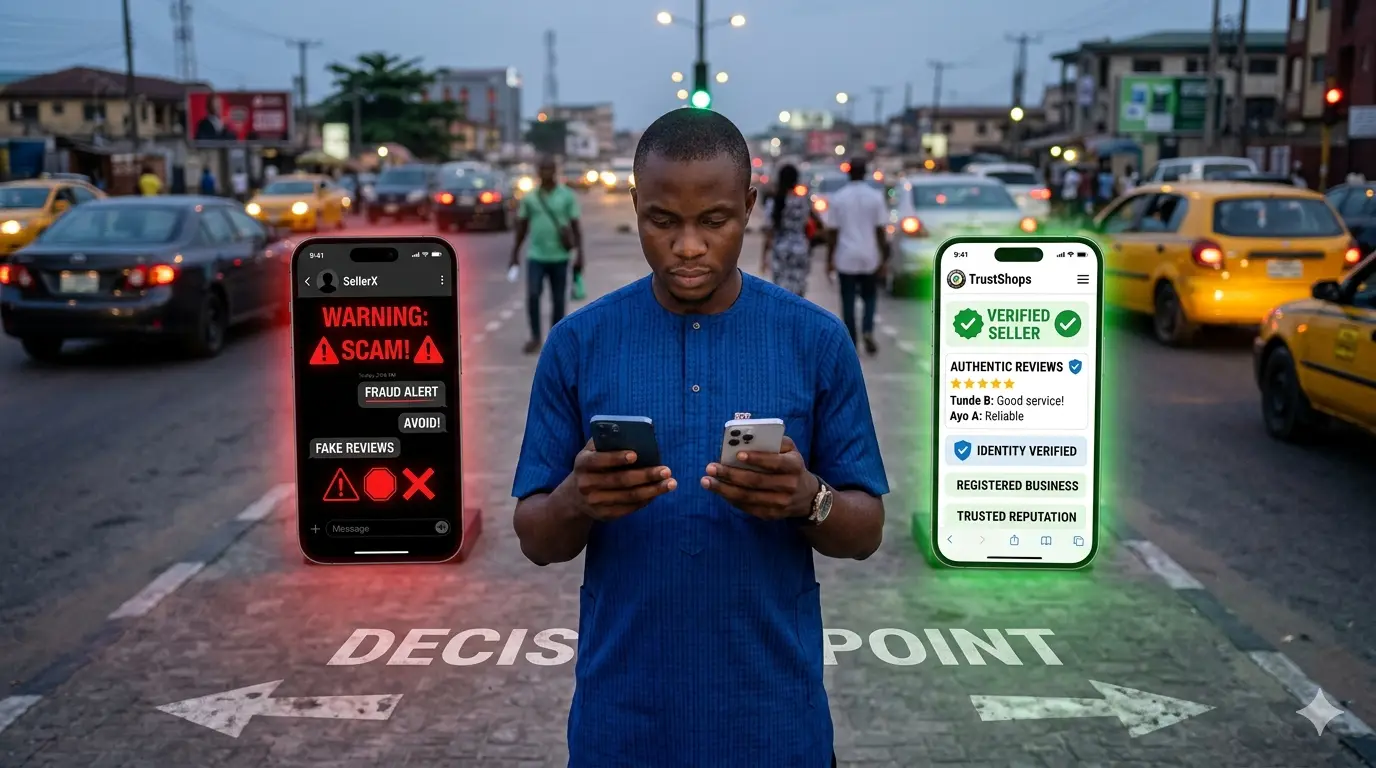
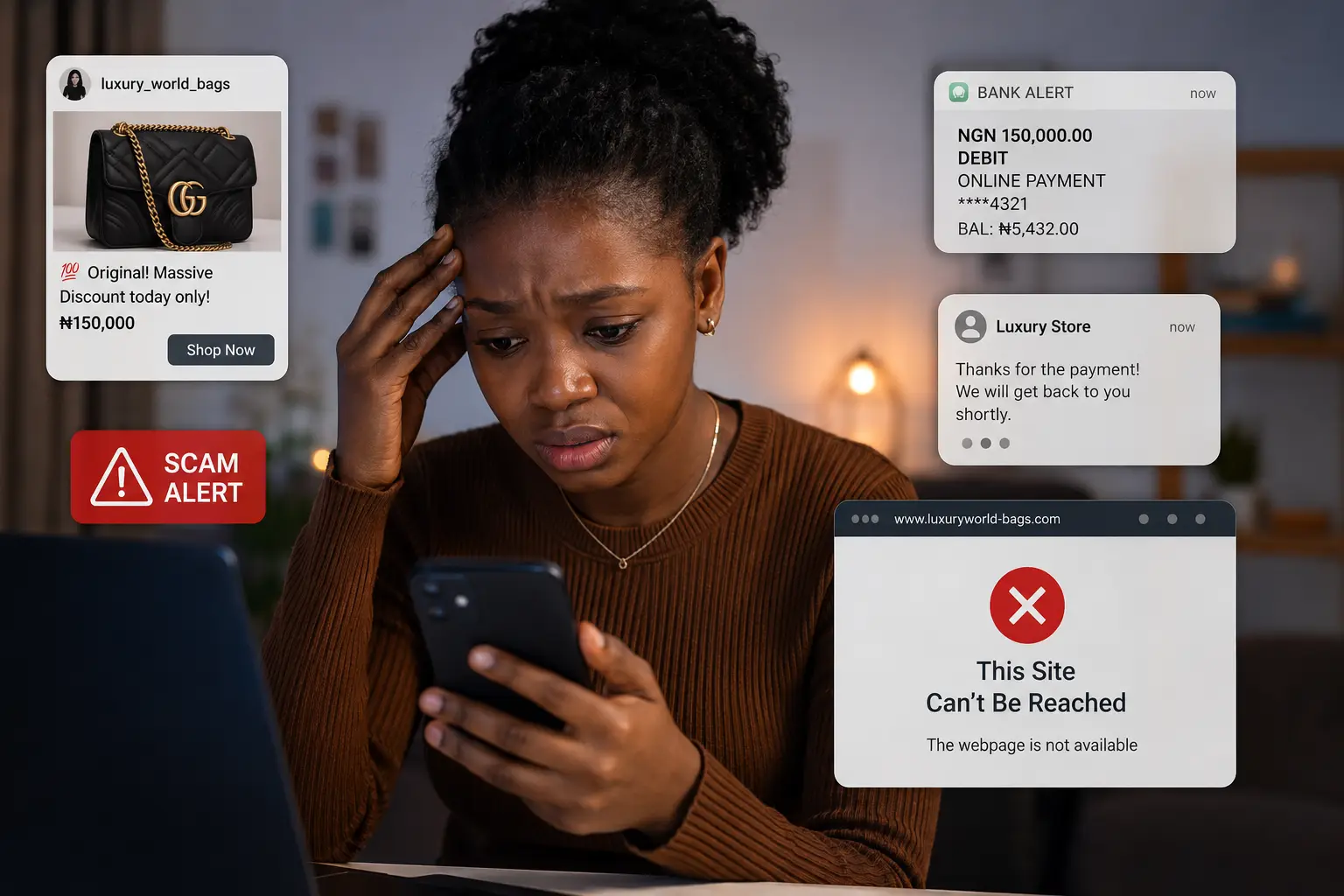
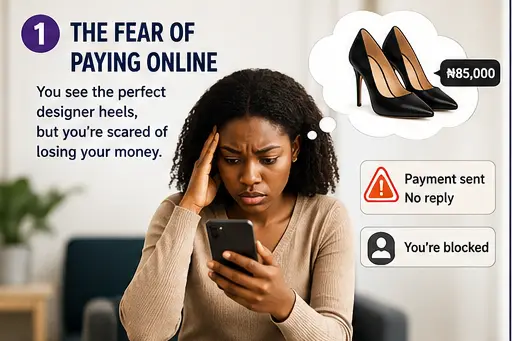
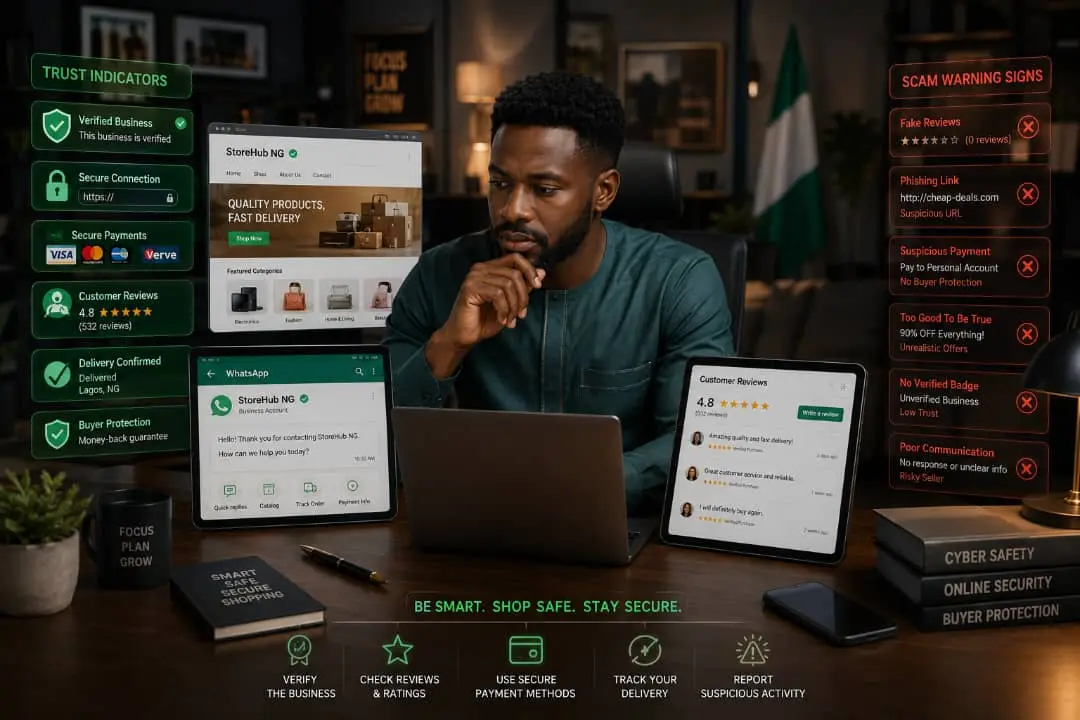
If you’re buying from a WhatsApp seller, a Jiji listing, or an unfamiliar website, you need to have a list of checks to determine whether that vendor is trustworthy.
- What does "online vendor trustworthy" mean?
In practice, that means clear contact details, verifiable reviews, safe payment options, and transparent return or escrow policies.
- 1. Verify contact details and business identity
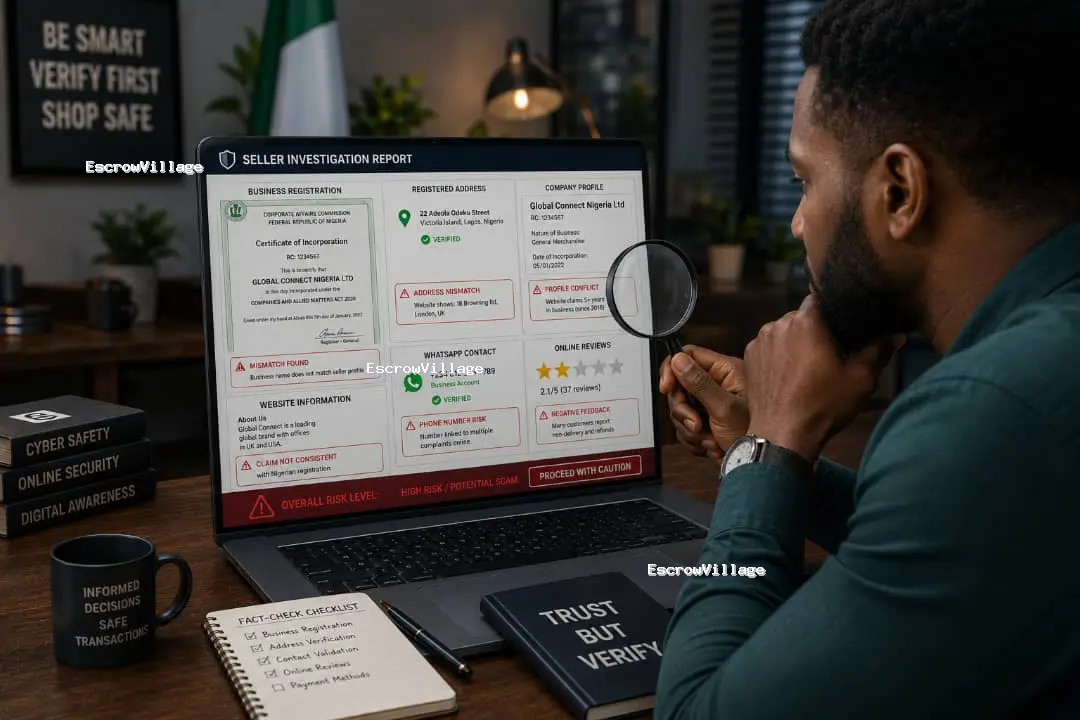
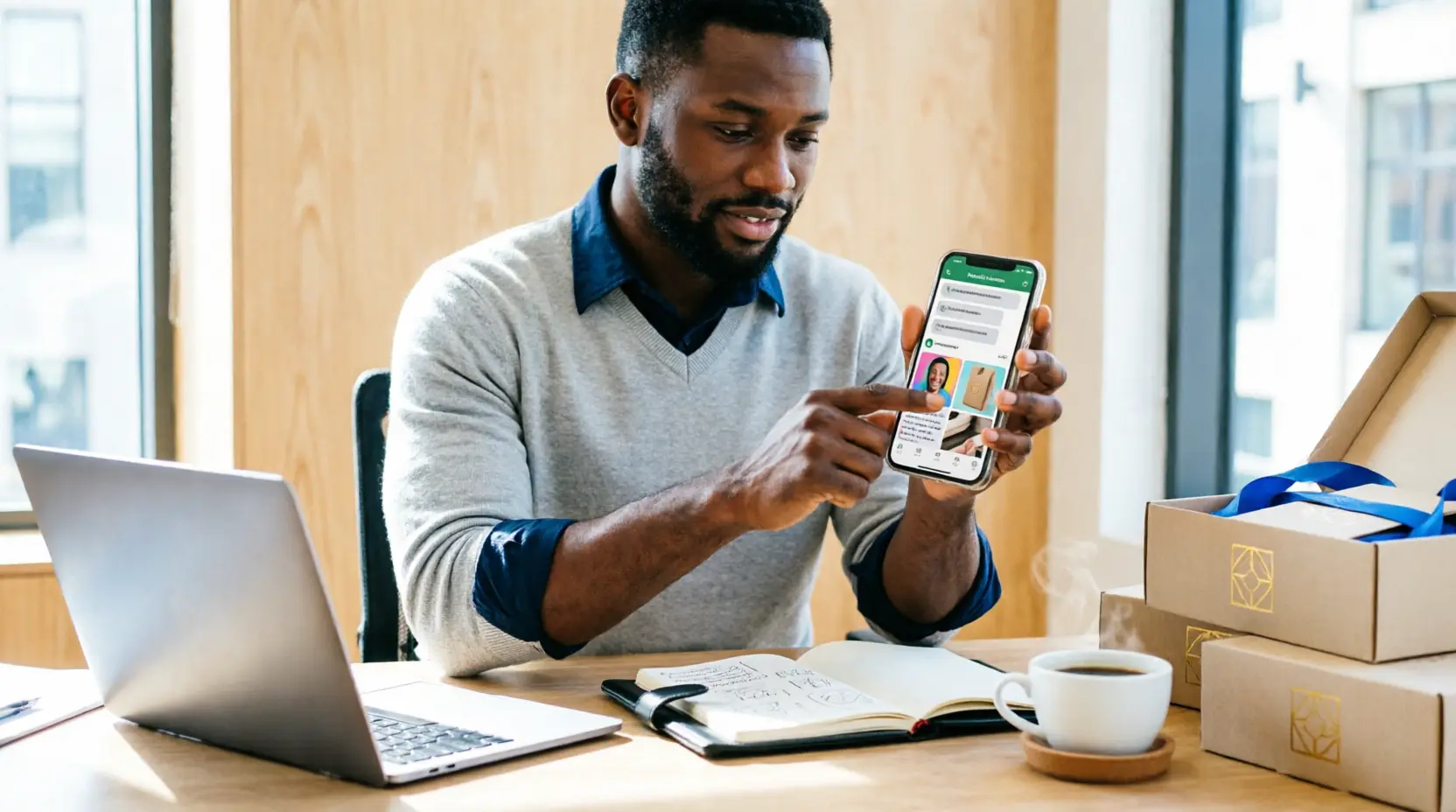
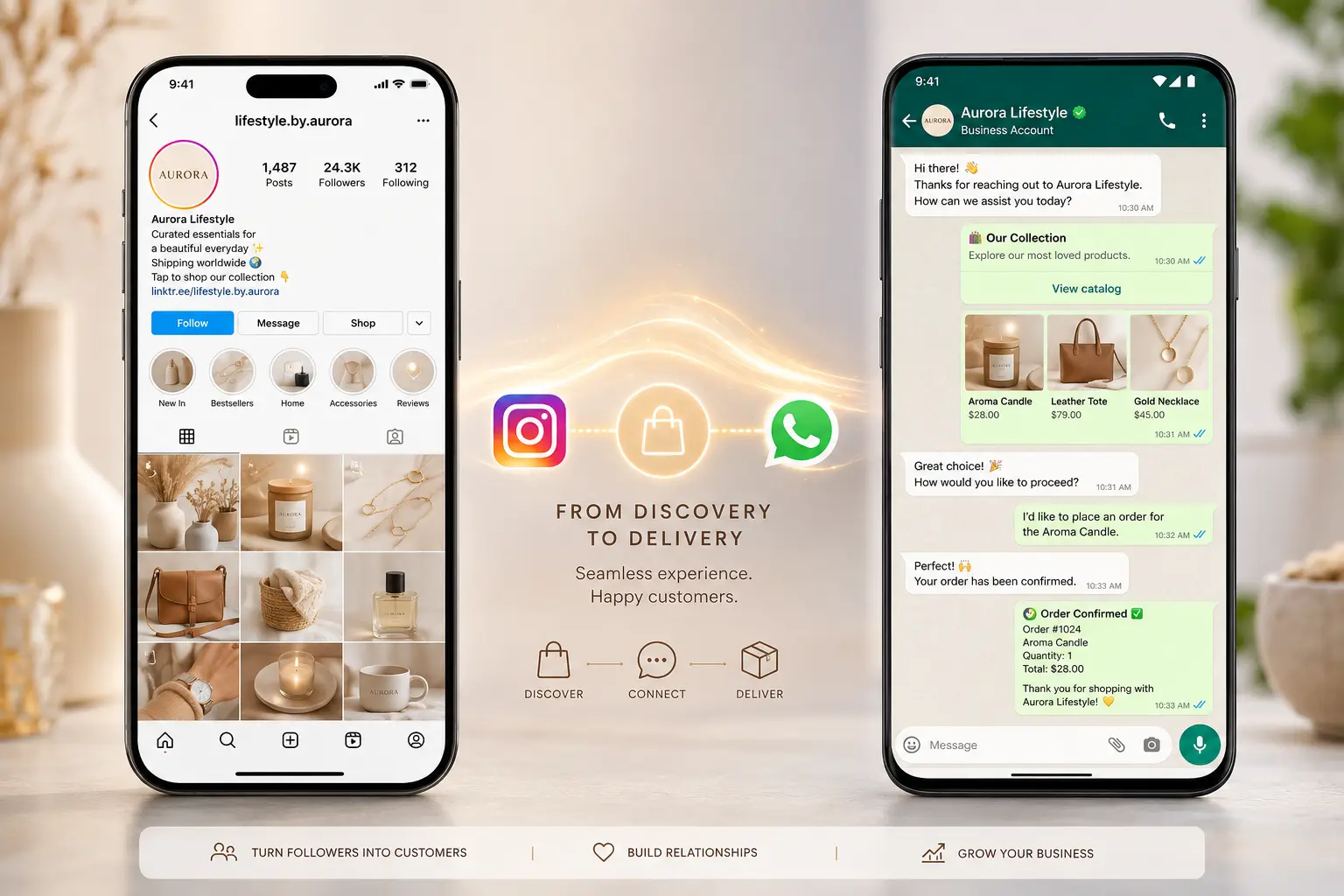
Whenever you come across a vendor page on Instagram, WhatsApp group/status, or website, look for a physical address, Email address or registration number.
Check the phone number on WhatsApp. Does it match the country and area code?
If a seller claims to be Lagos-based but uses a foreign number, ask why.
Search the business name plus keywords like “scam,” “reviews,” or “complaints.” Real businesses usually have multiple touchpoints: website, social profiles, and directory listings.- 2. Inspect the website and product pages
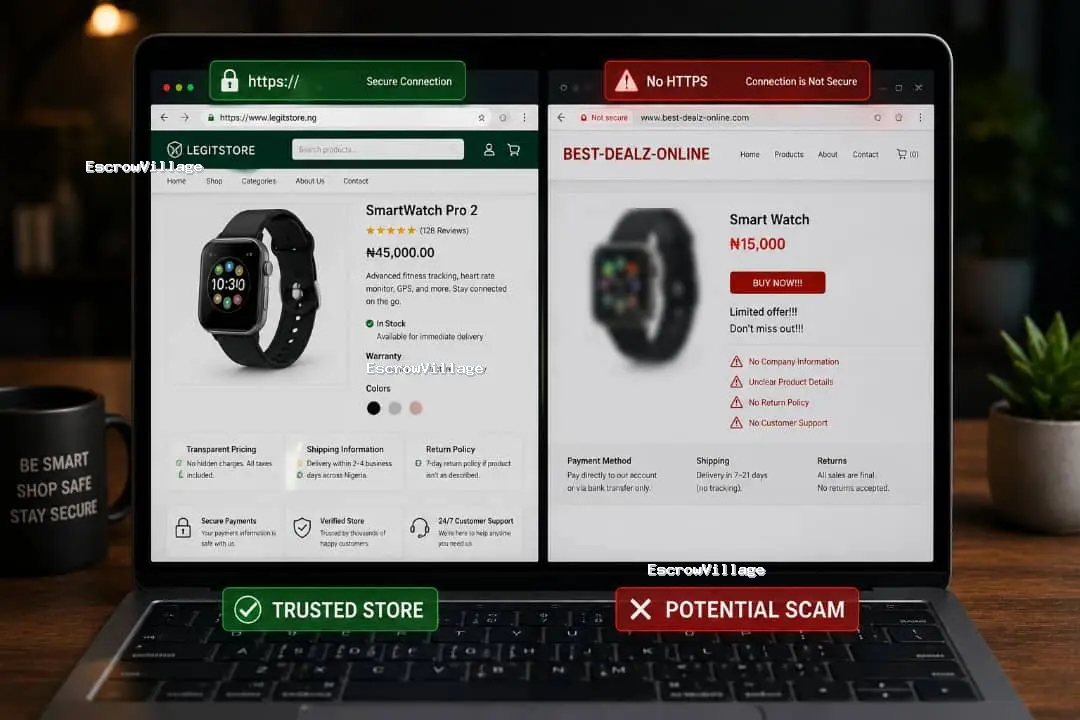
Legitimate sites have clear product descriptions, prices, shipping terms, and return policies.
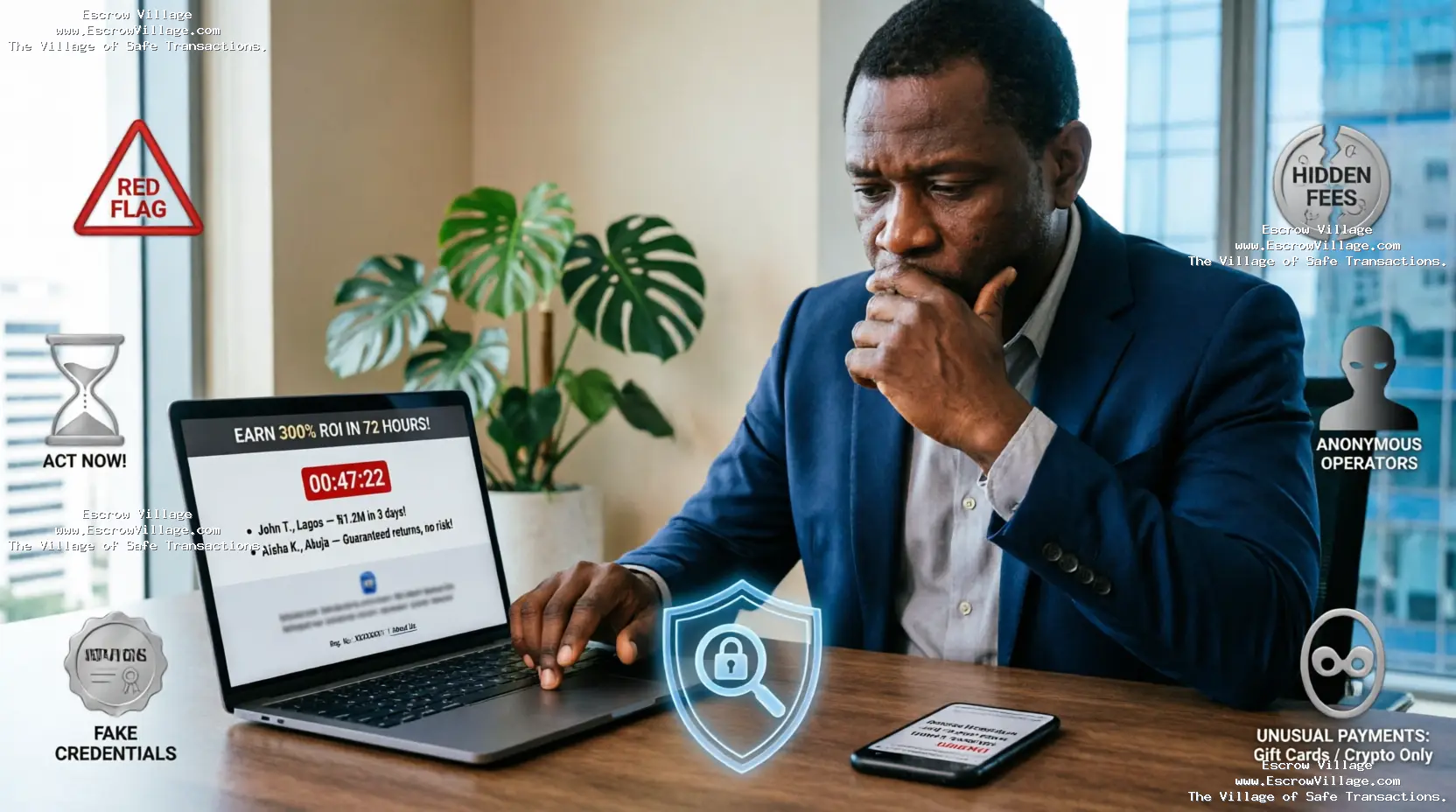
Vague descriptions or photos lifted from other sites are red flags.
Check for an SSL certificate (URL starts with https:// and shows a padlock). No padlock means the data you send (card numbers, addresses) isn’t encrypted.
- 3. Payment methods and money protection
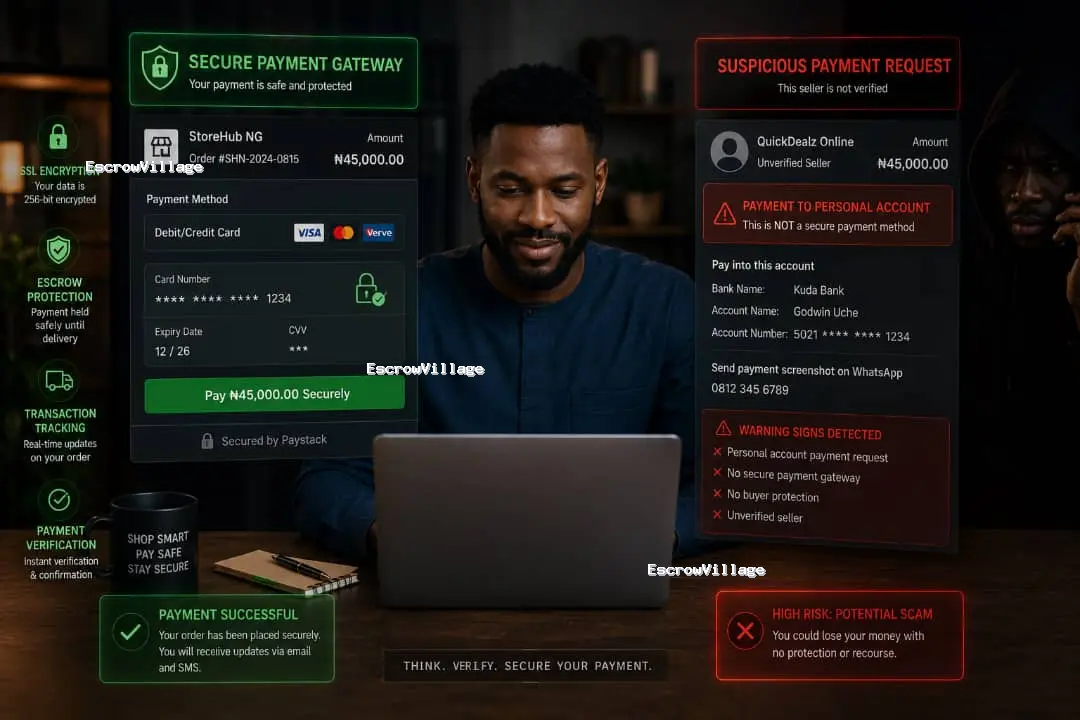
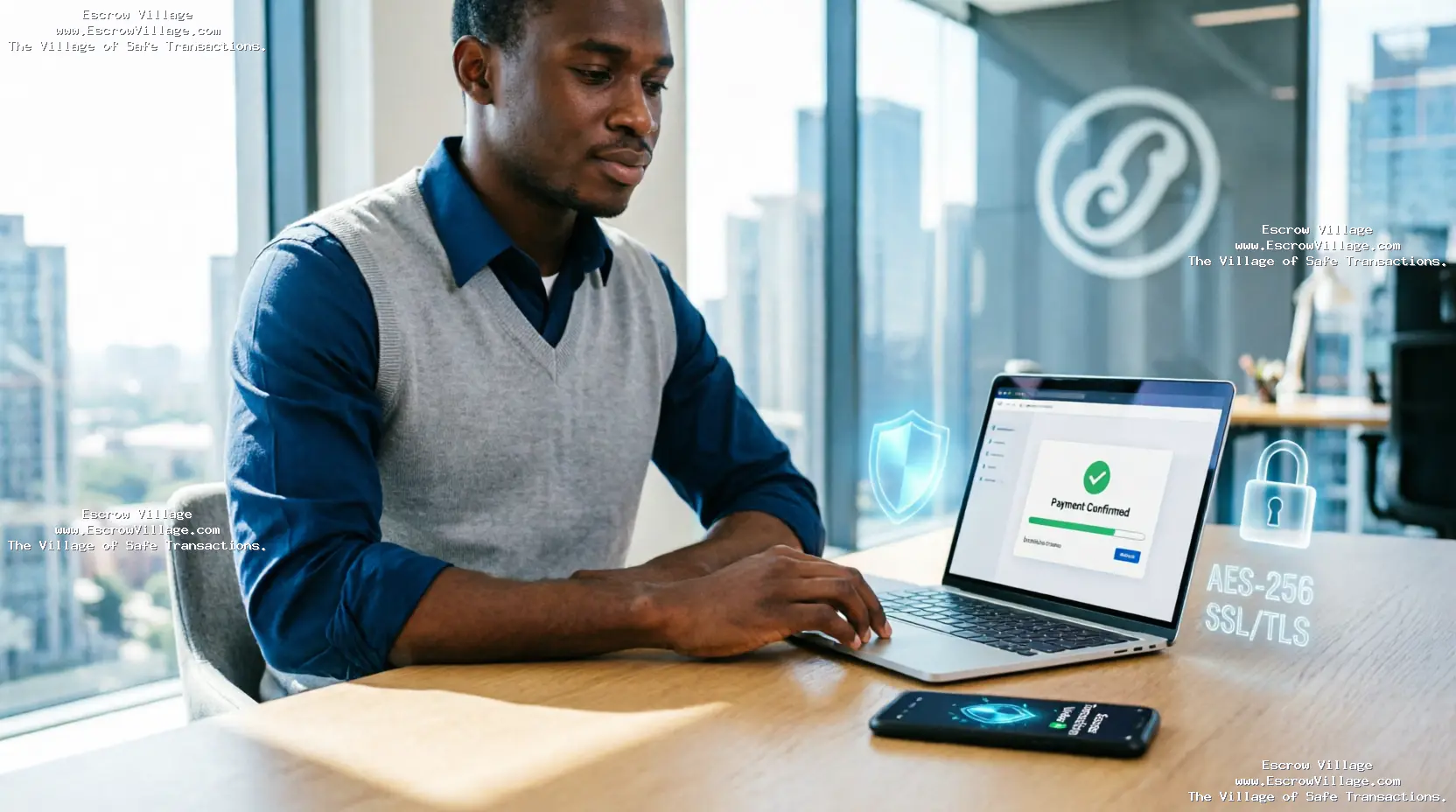
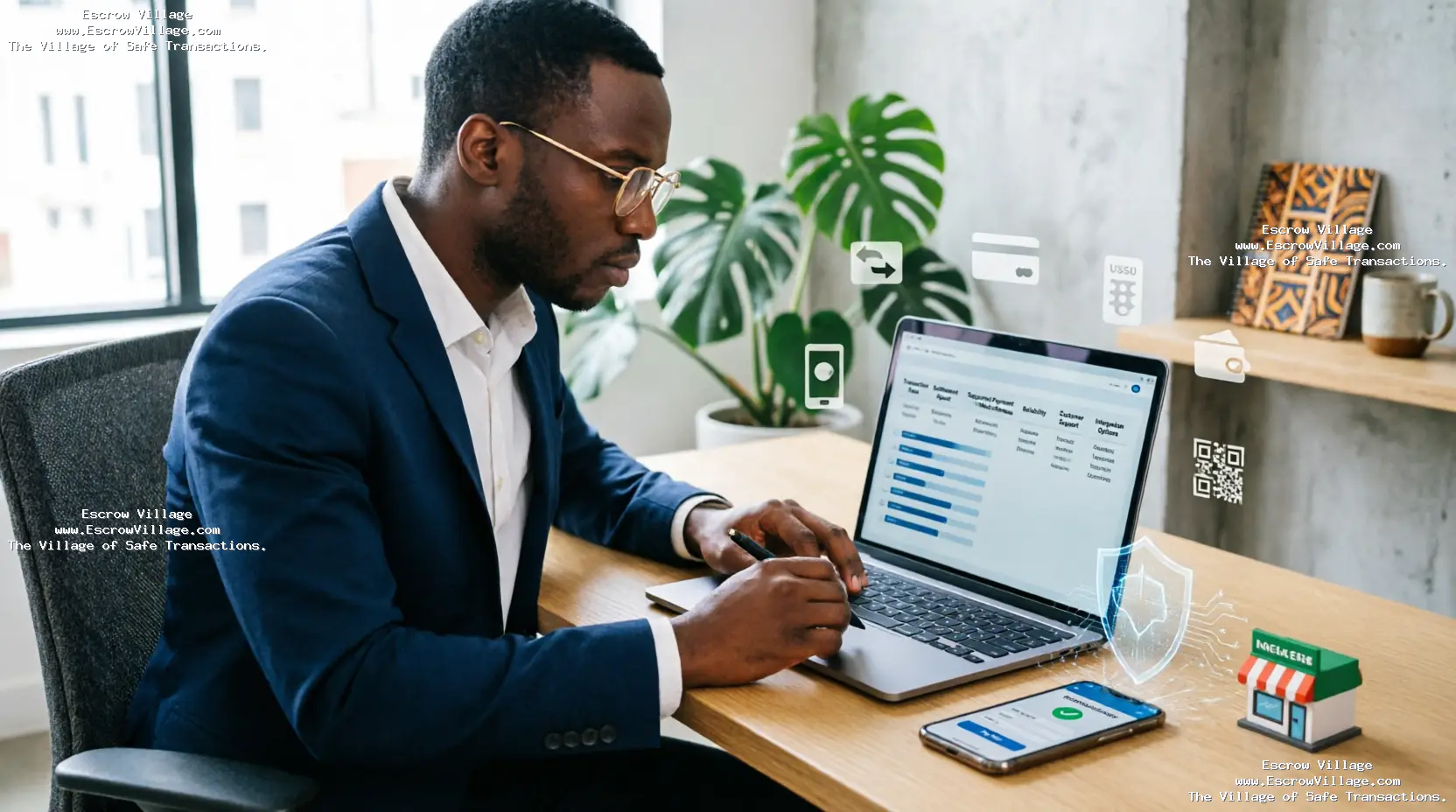
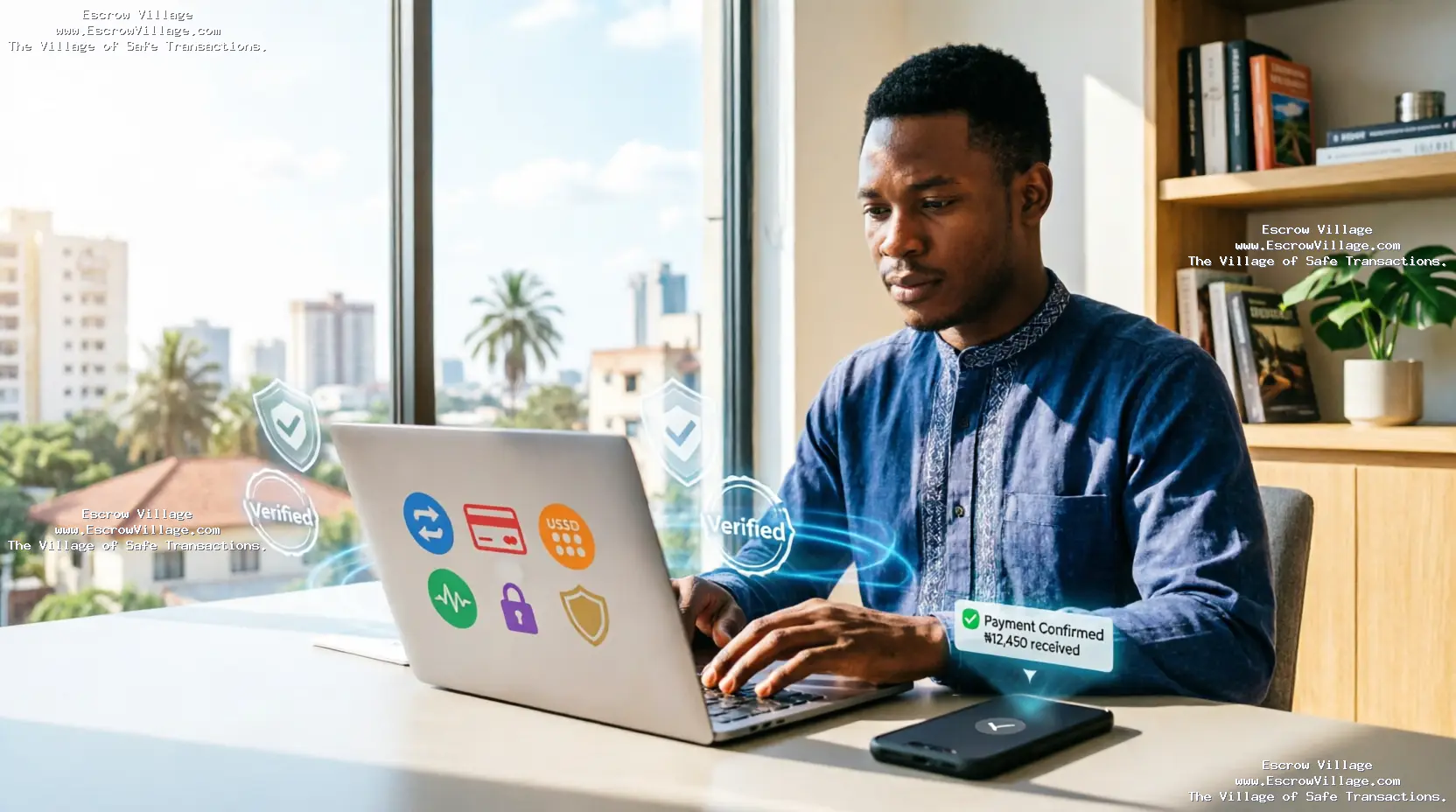
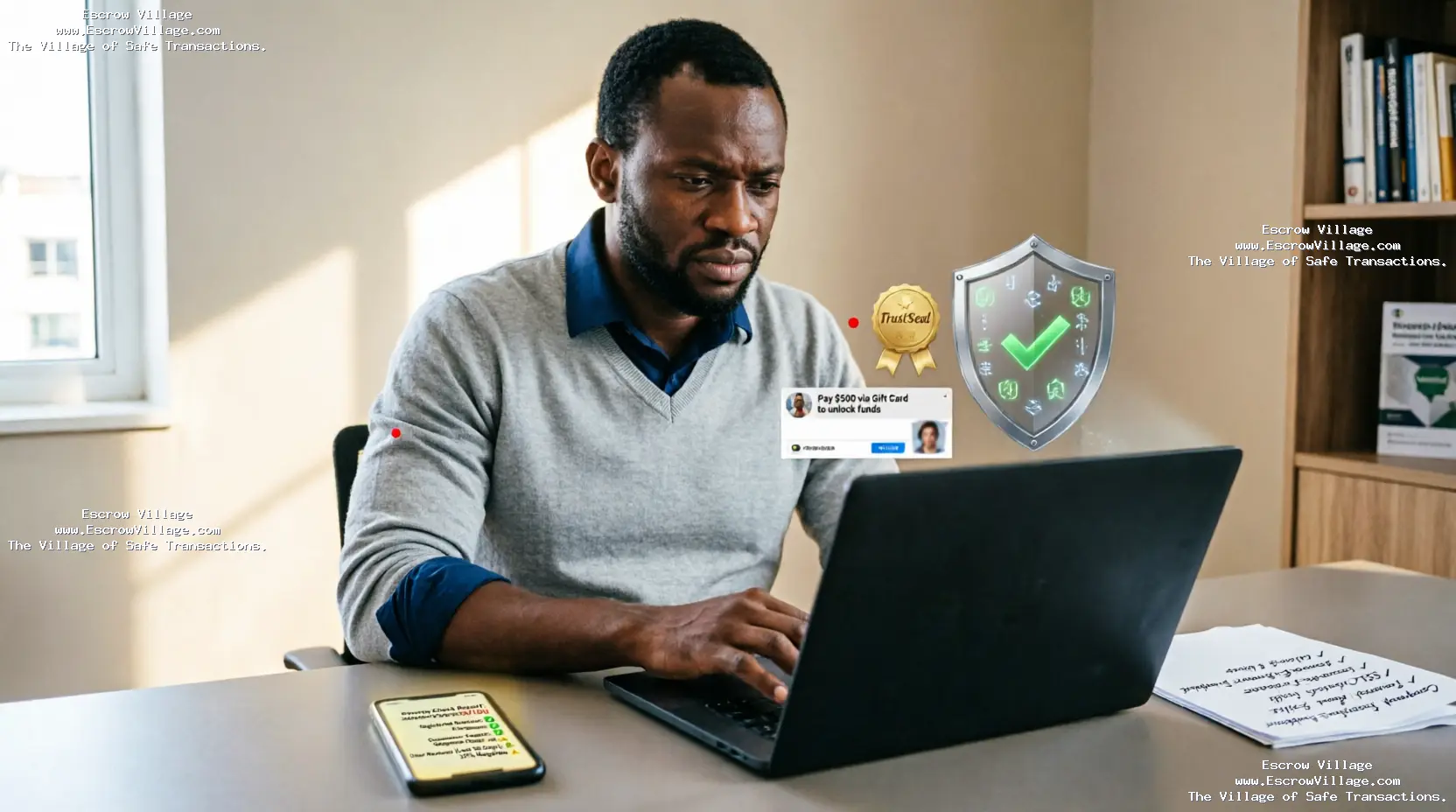
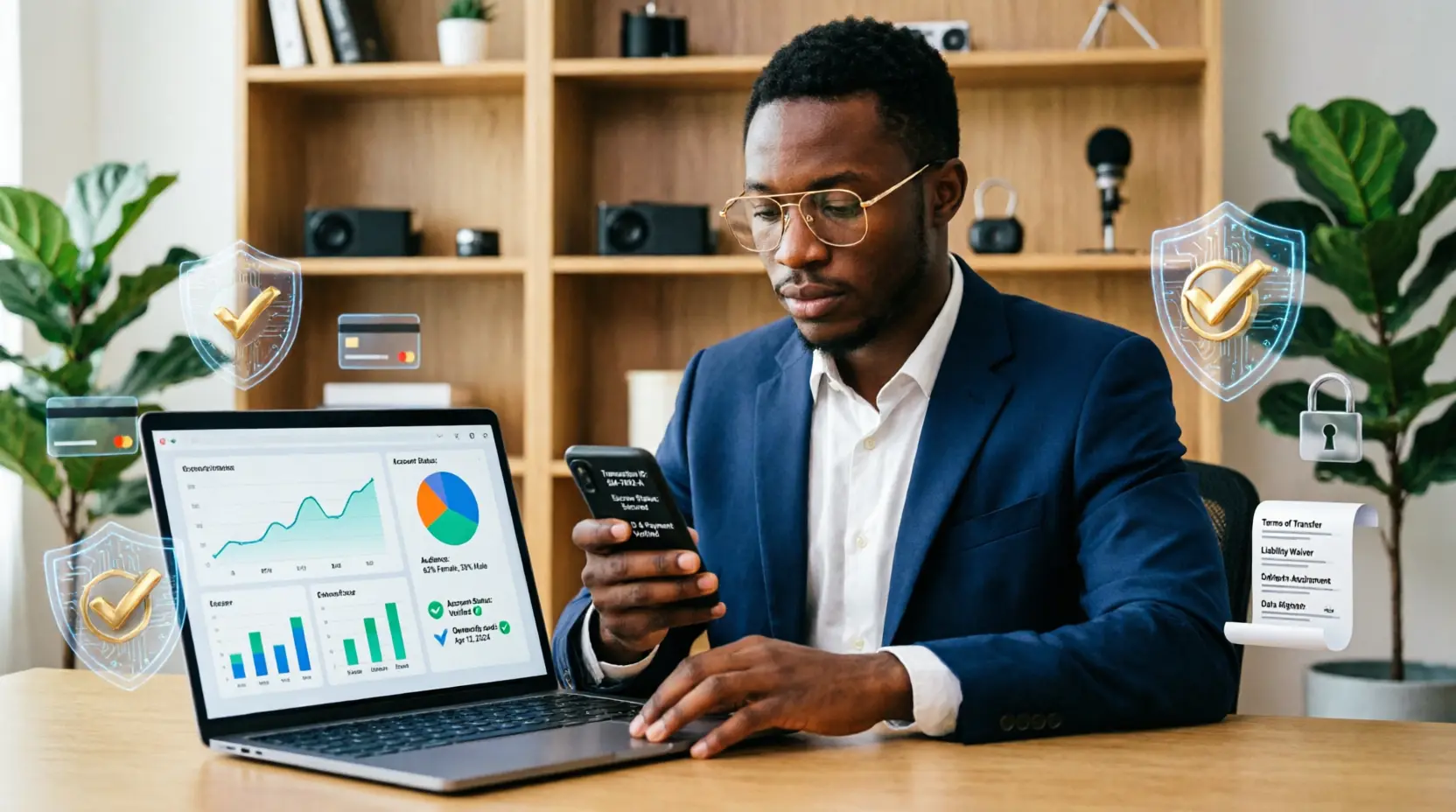
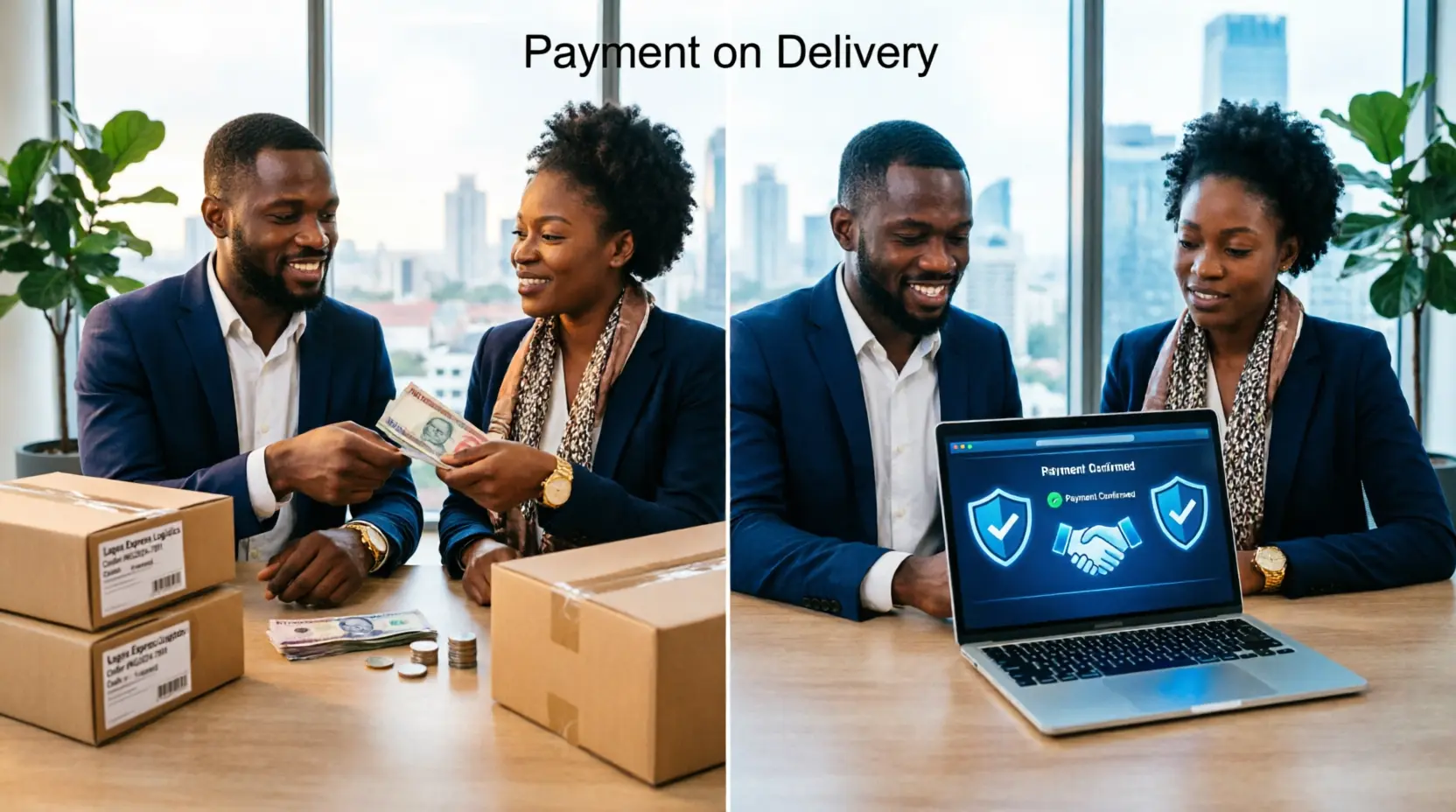
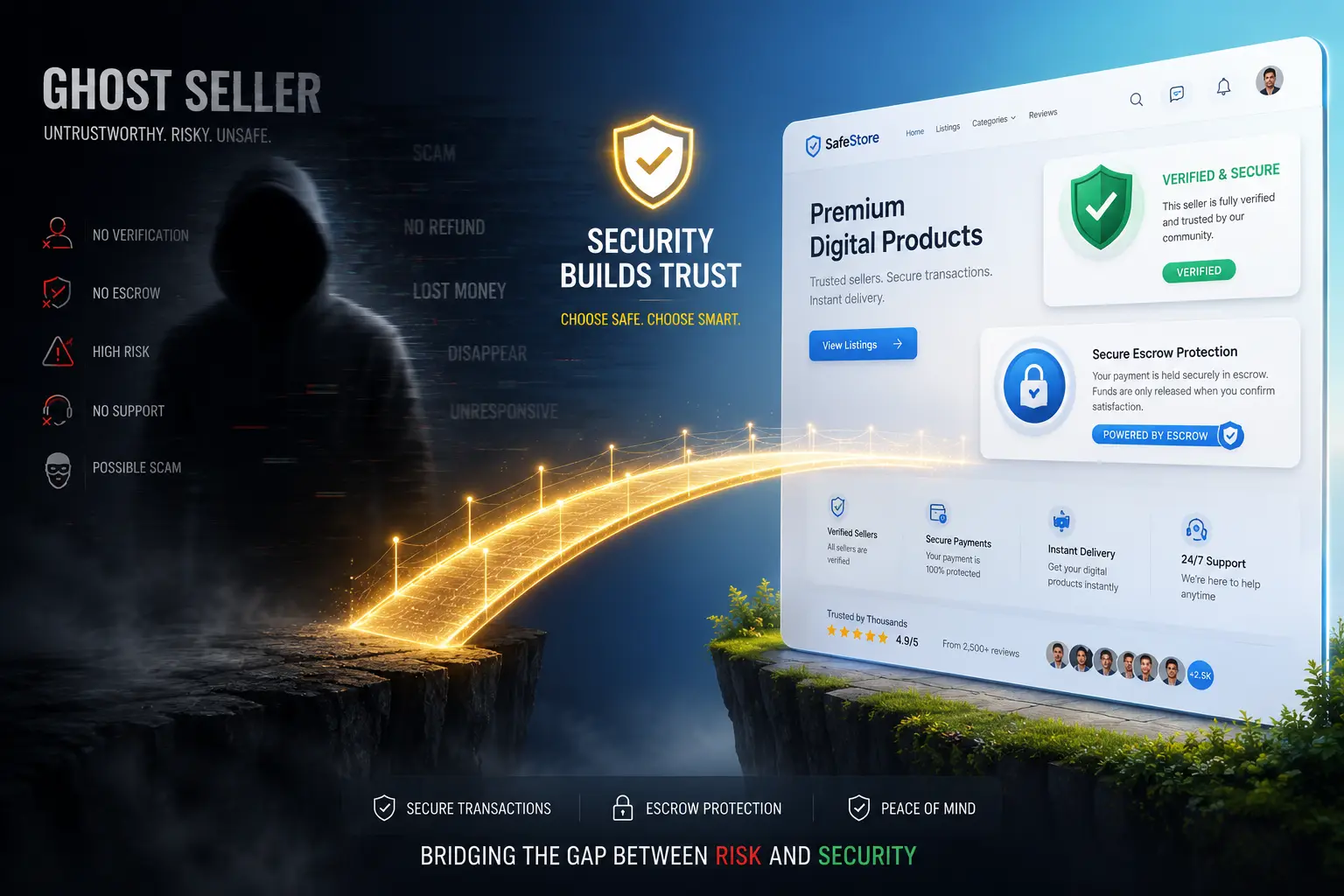
Trustworthy vendors offer secure, traceable payment options: card payments (with 3D Secure), bank transfers to corporate accounts, or payment gateways (Flutterwave, Paystack).
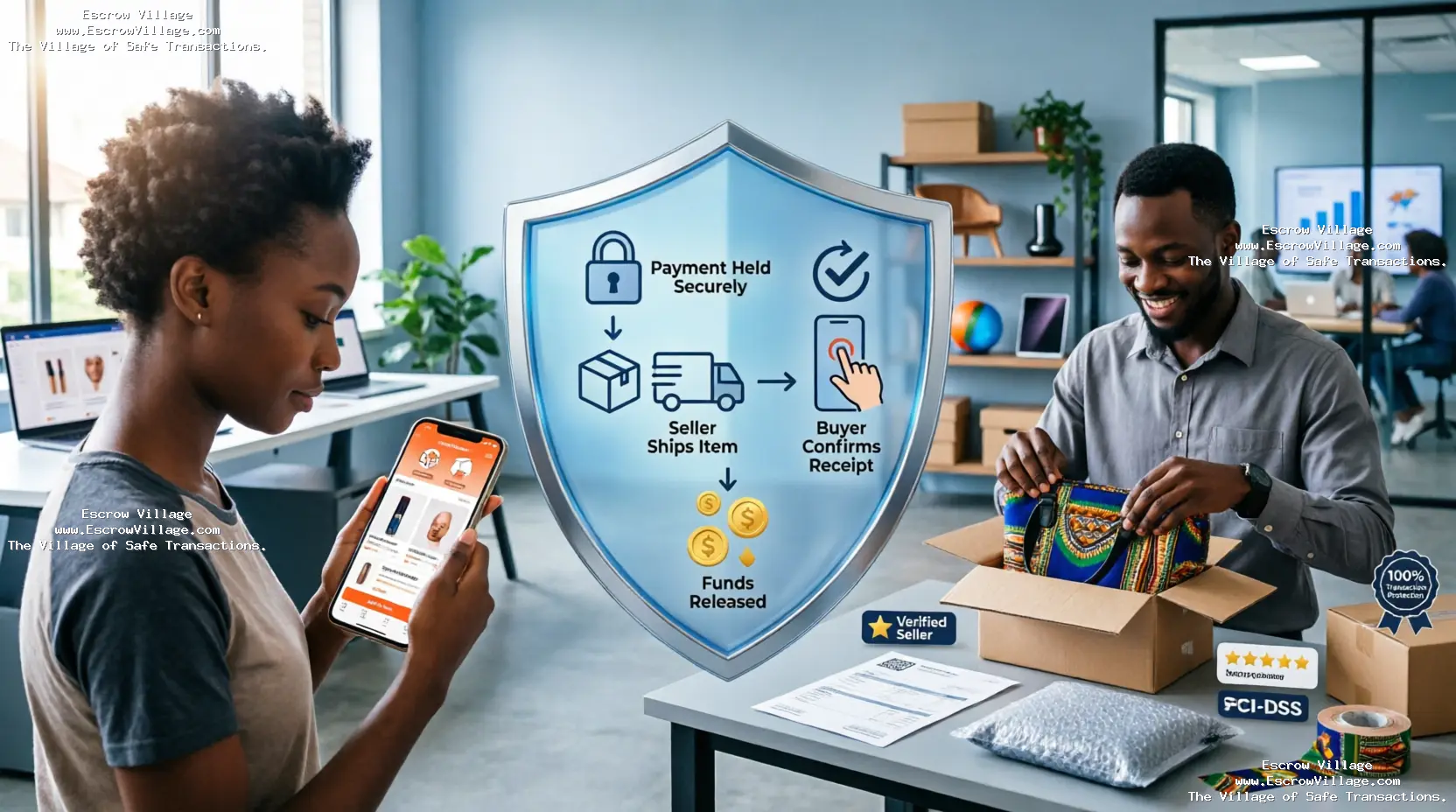
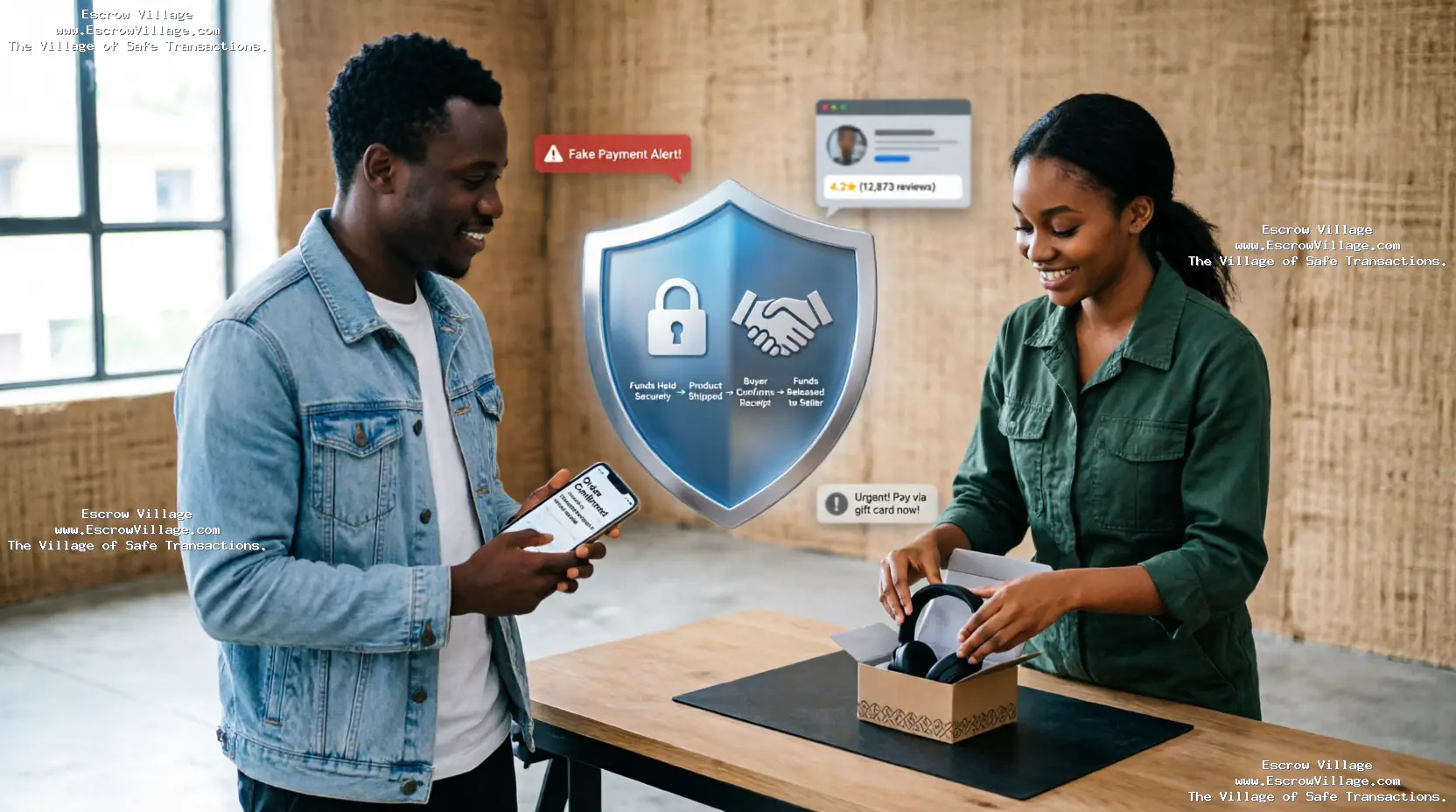
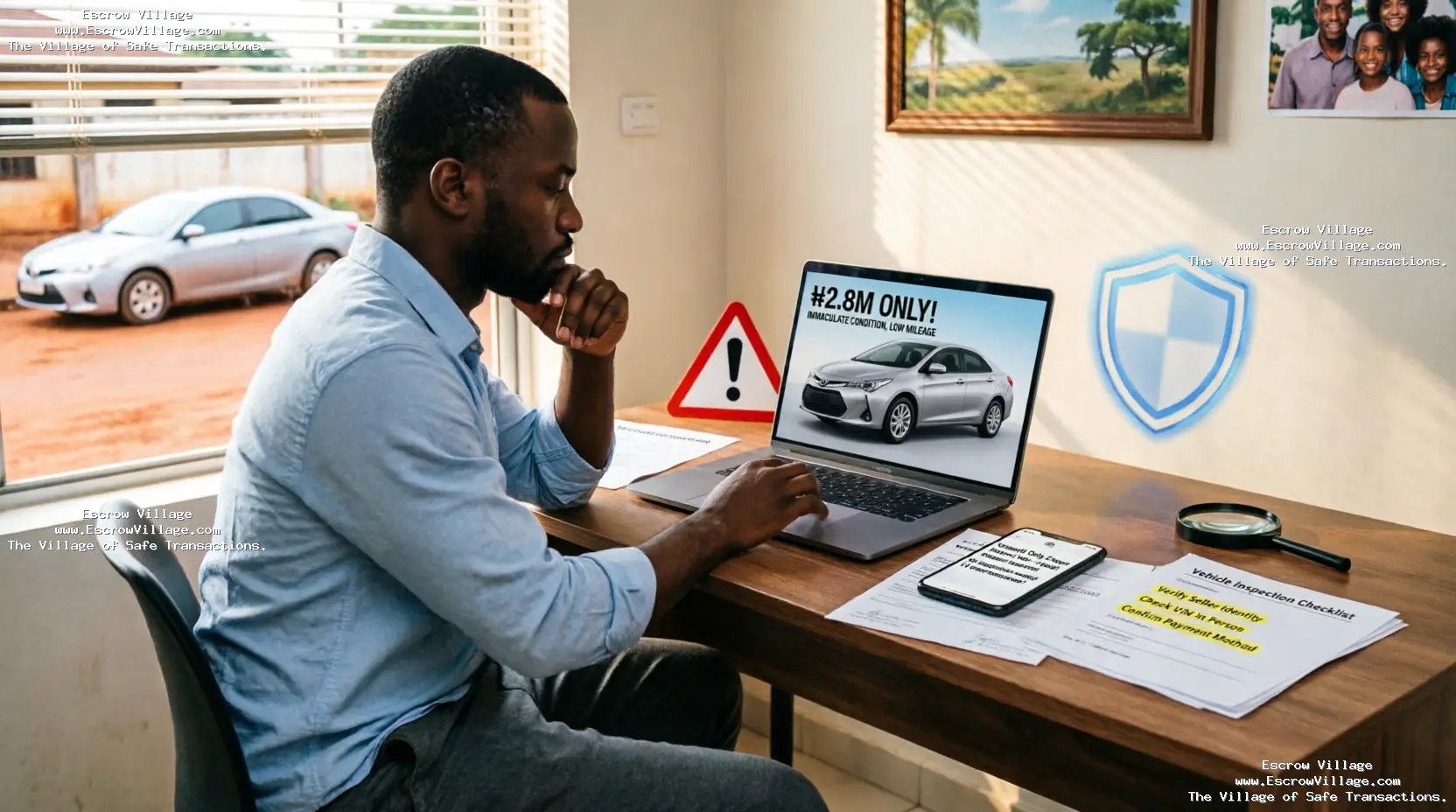
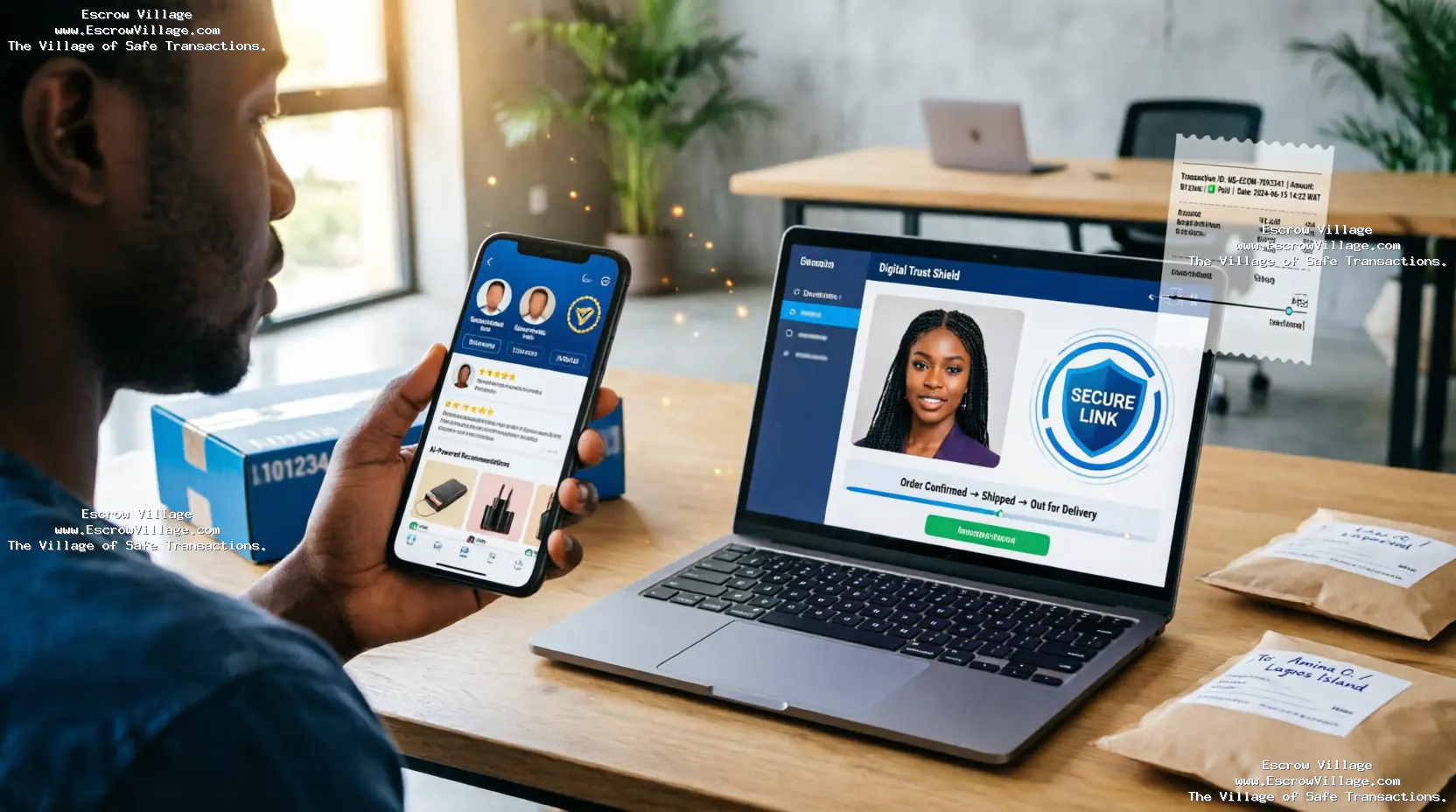
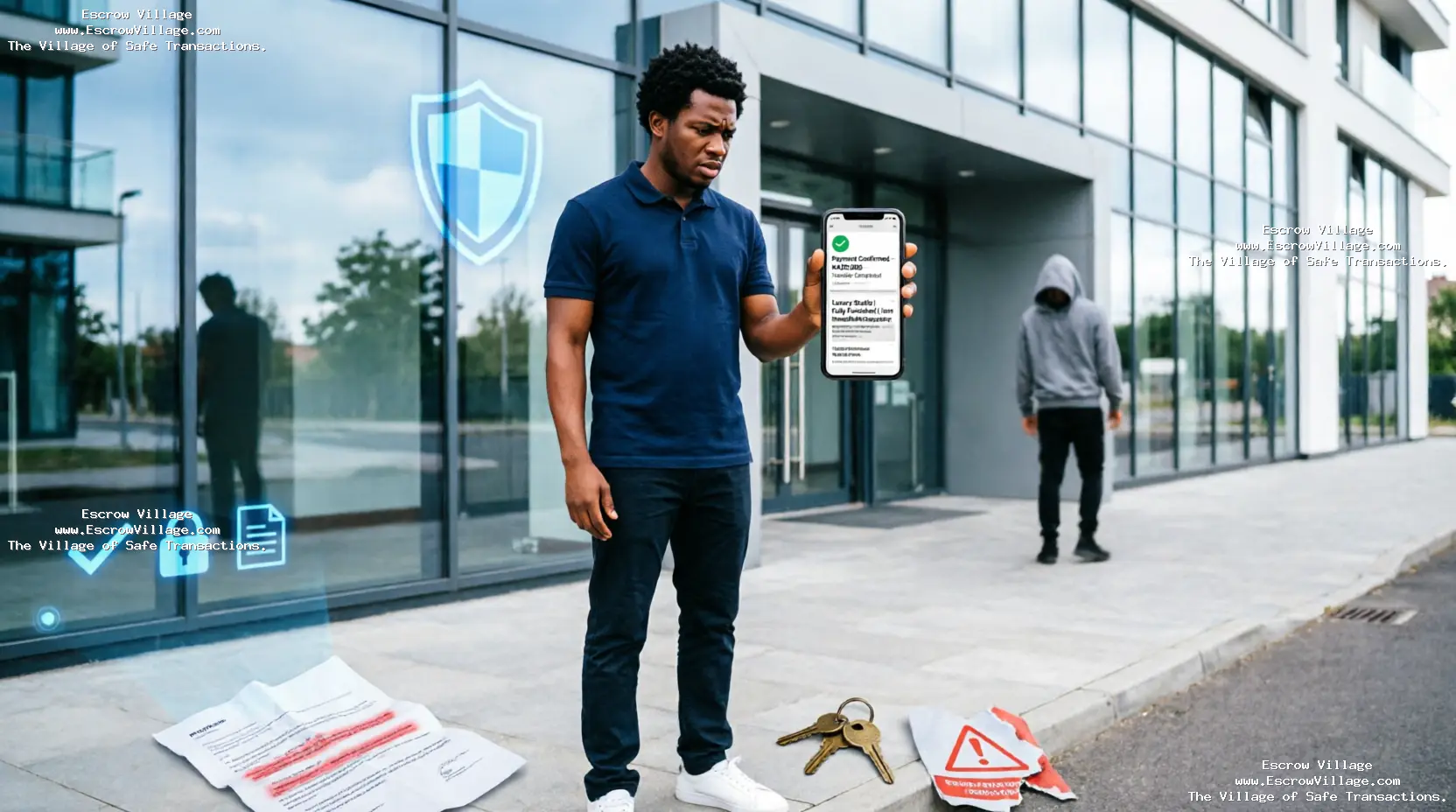
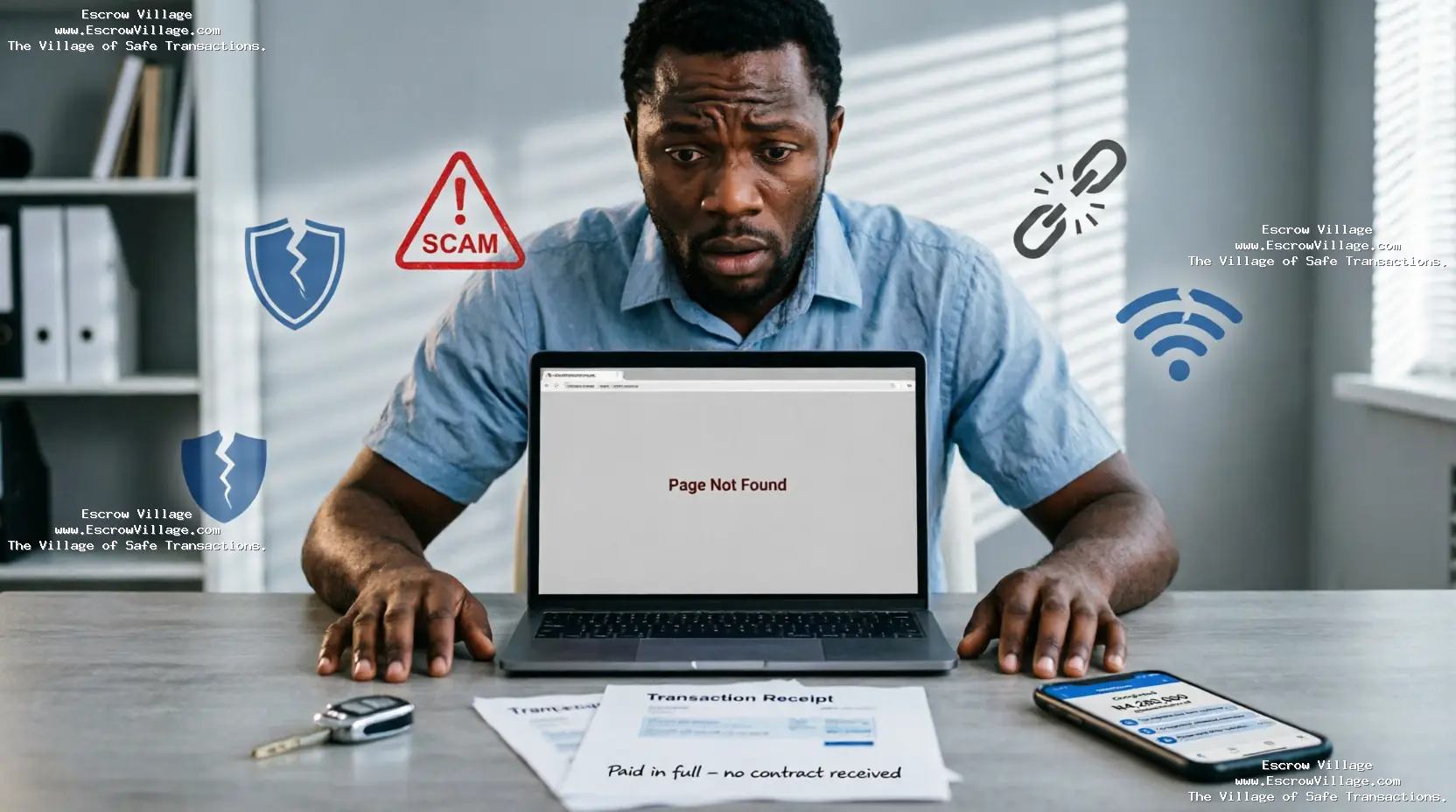
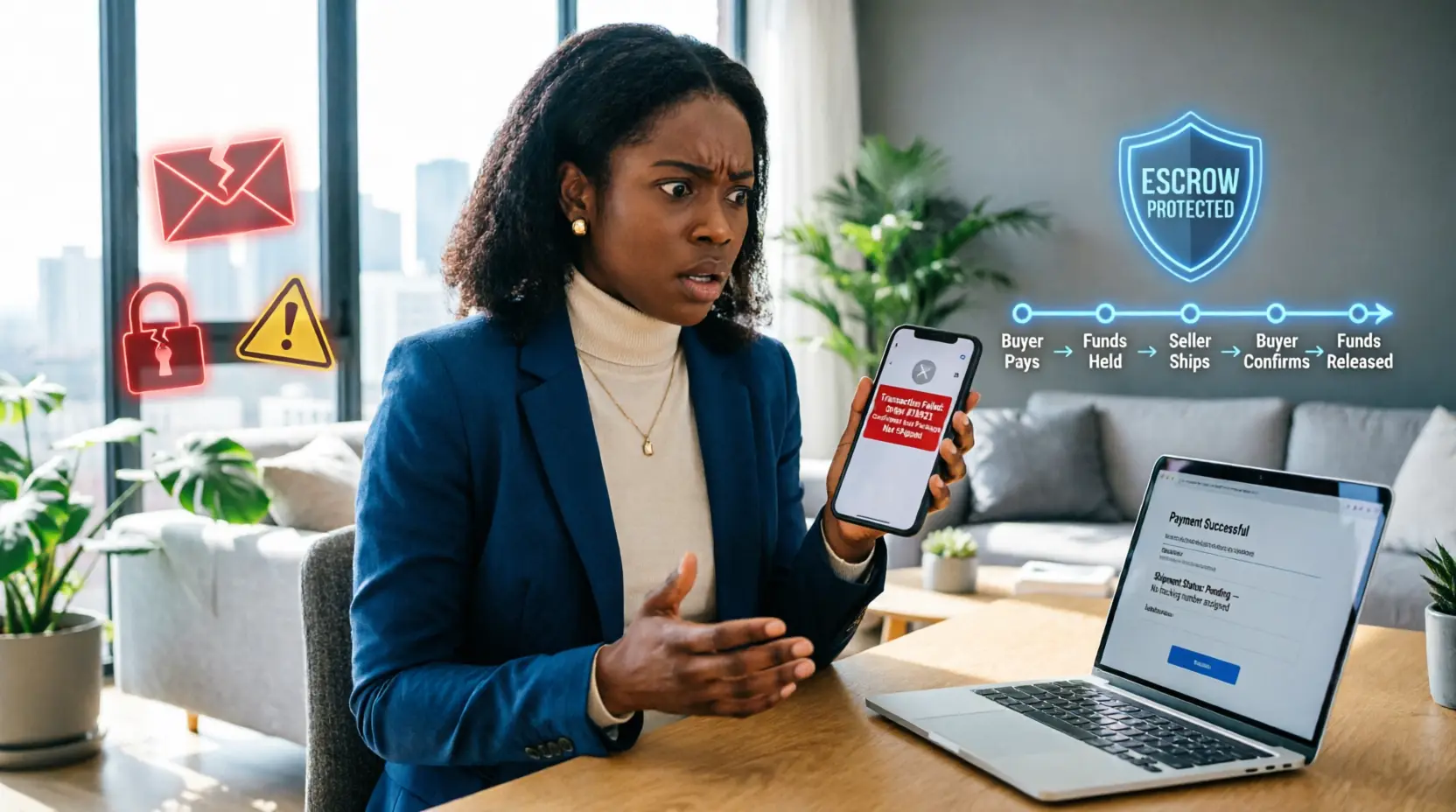
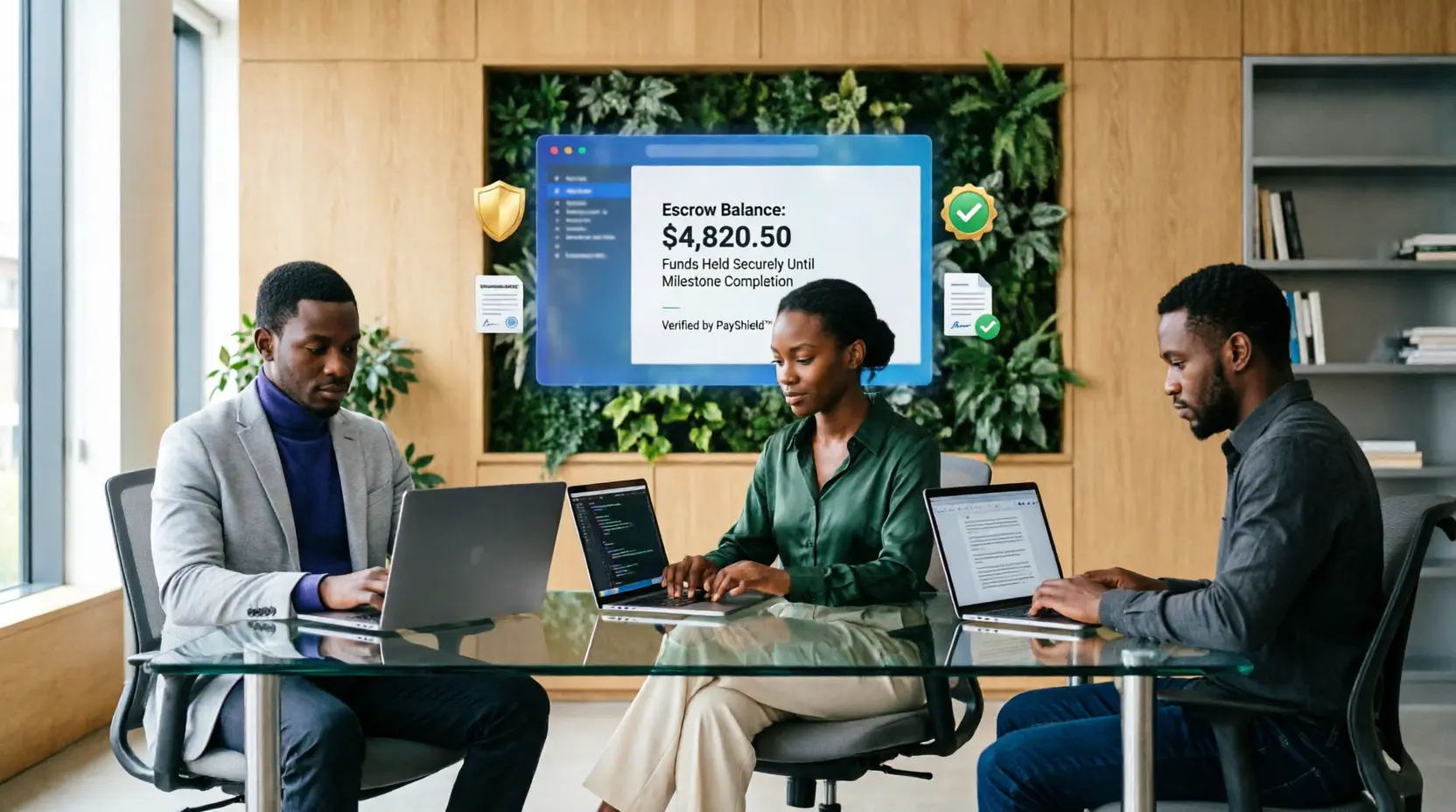
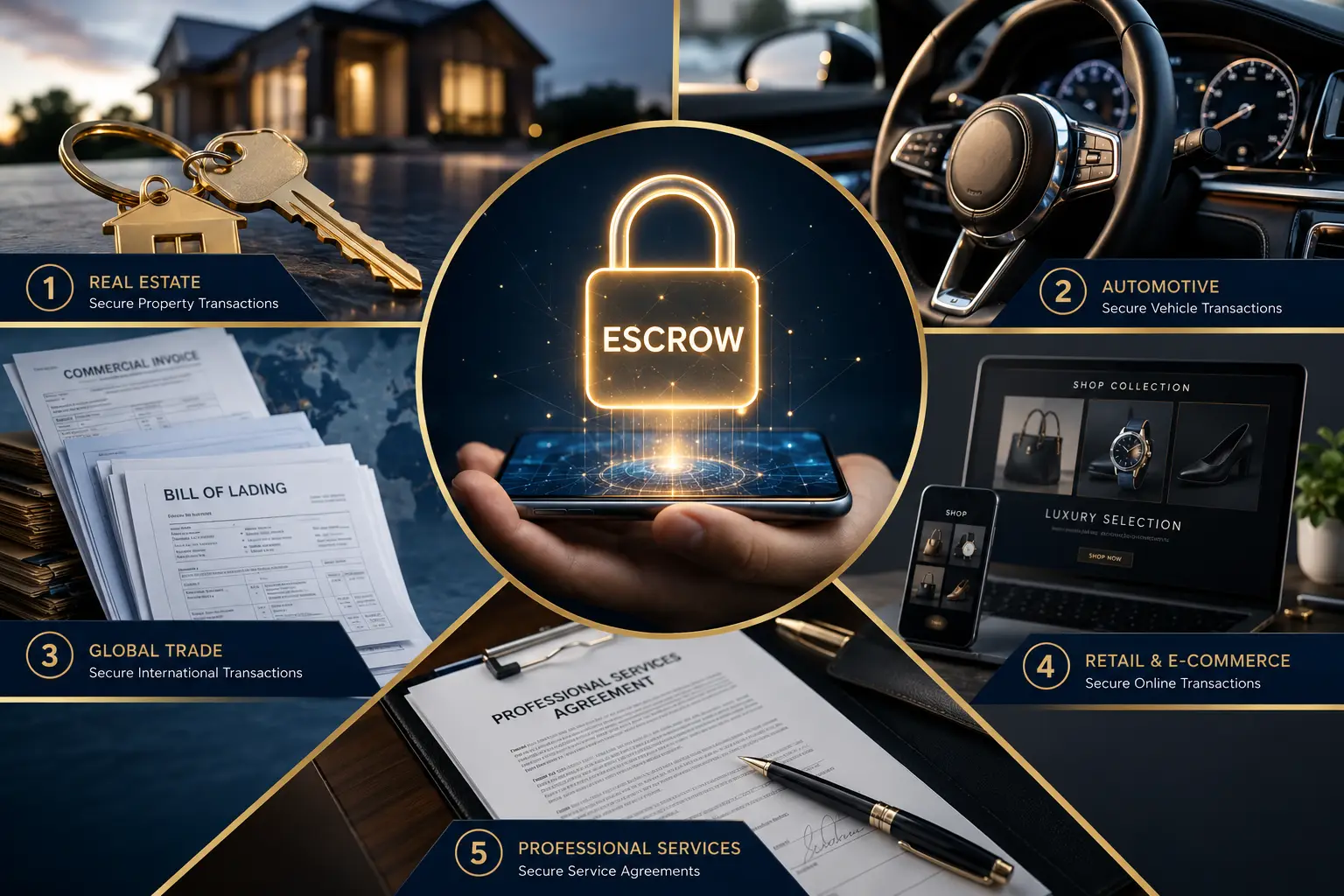
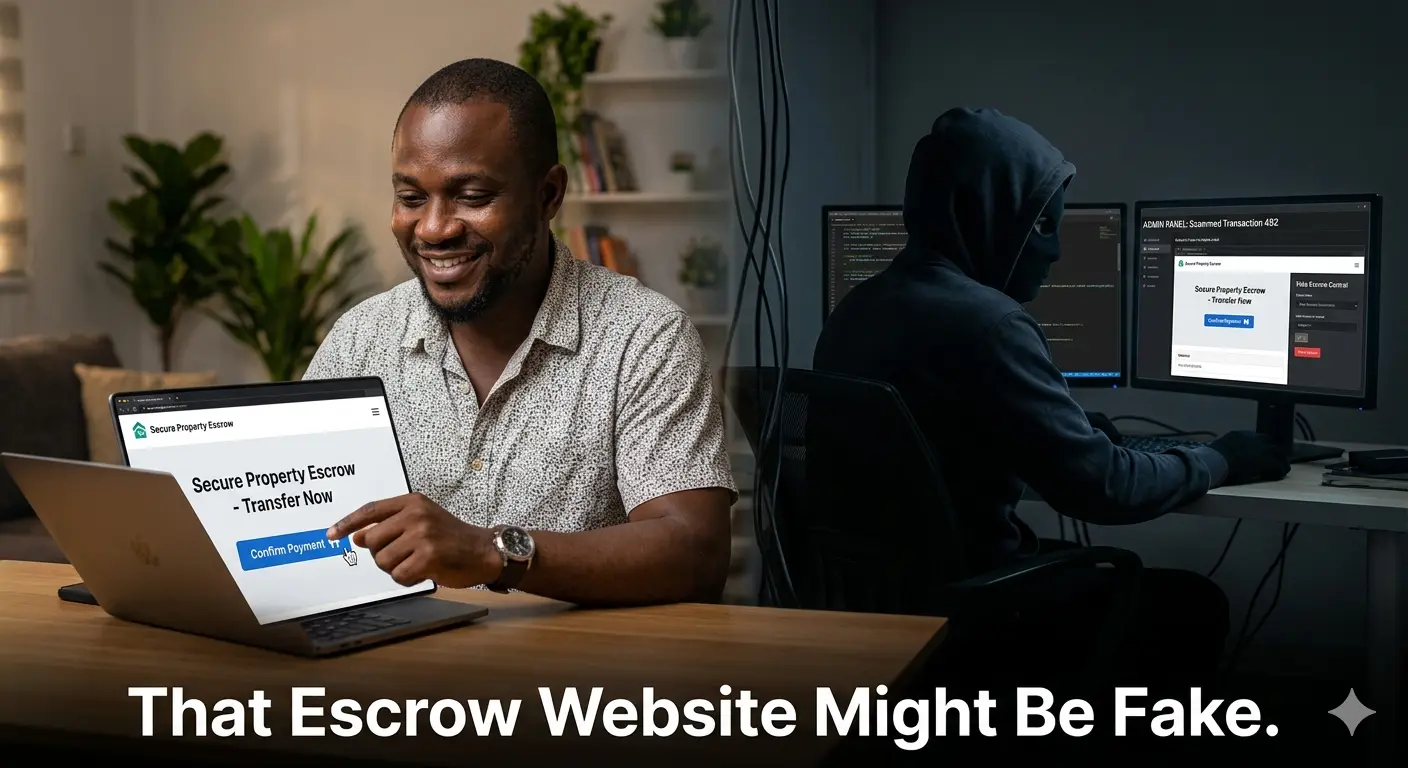
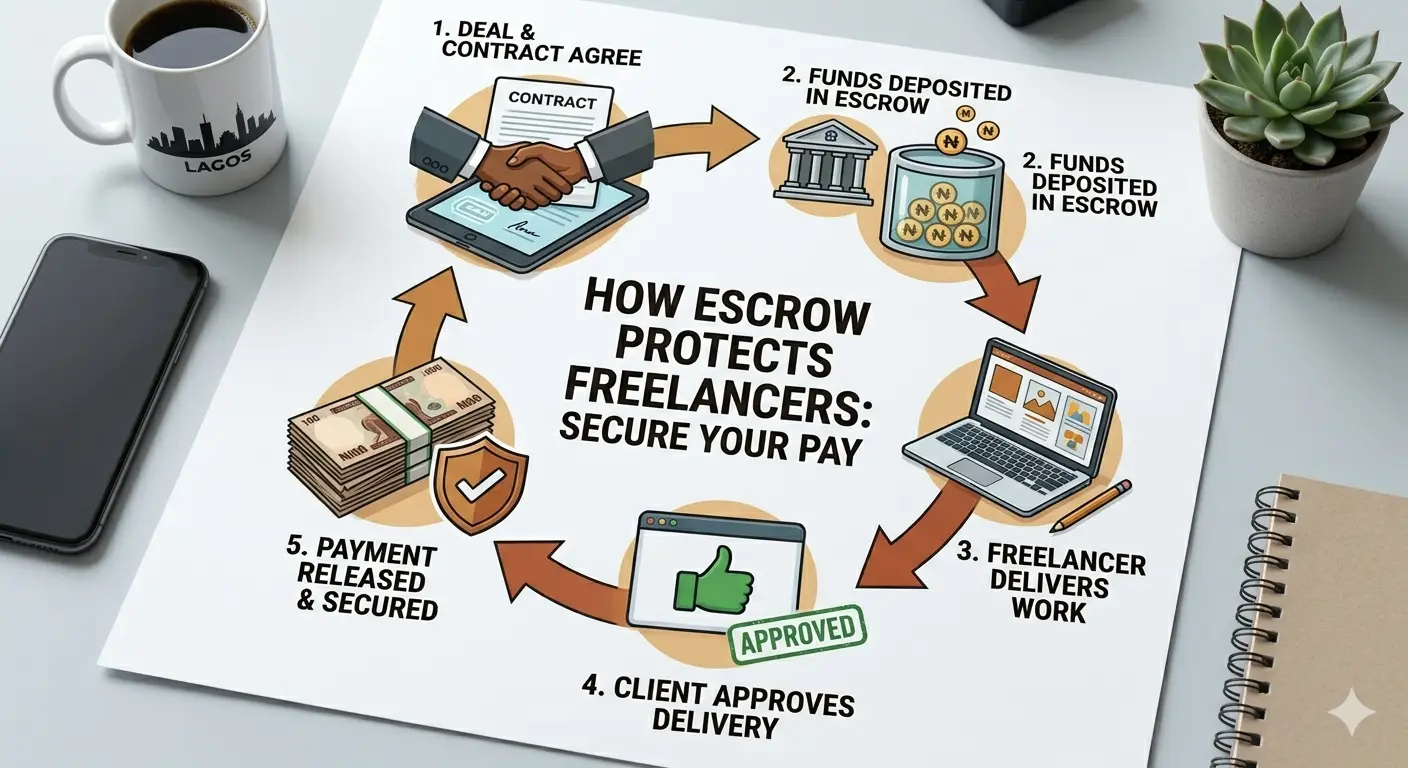
Be cautious with vendors who ask for mobile money transfers or cash deposits to personal accounts only.For high-value purchases (property, vehicles, or bulk goods), use an escrow service so funds are released only after delivery.
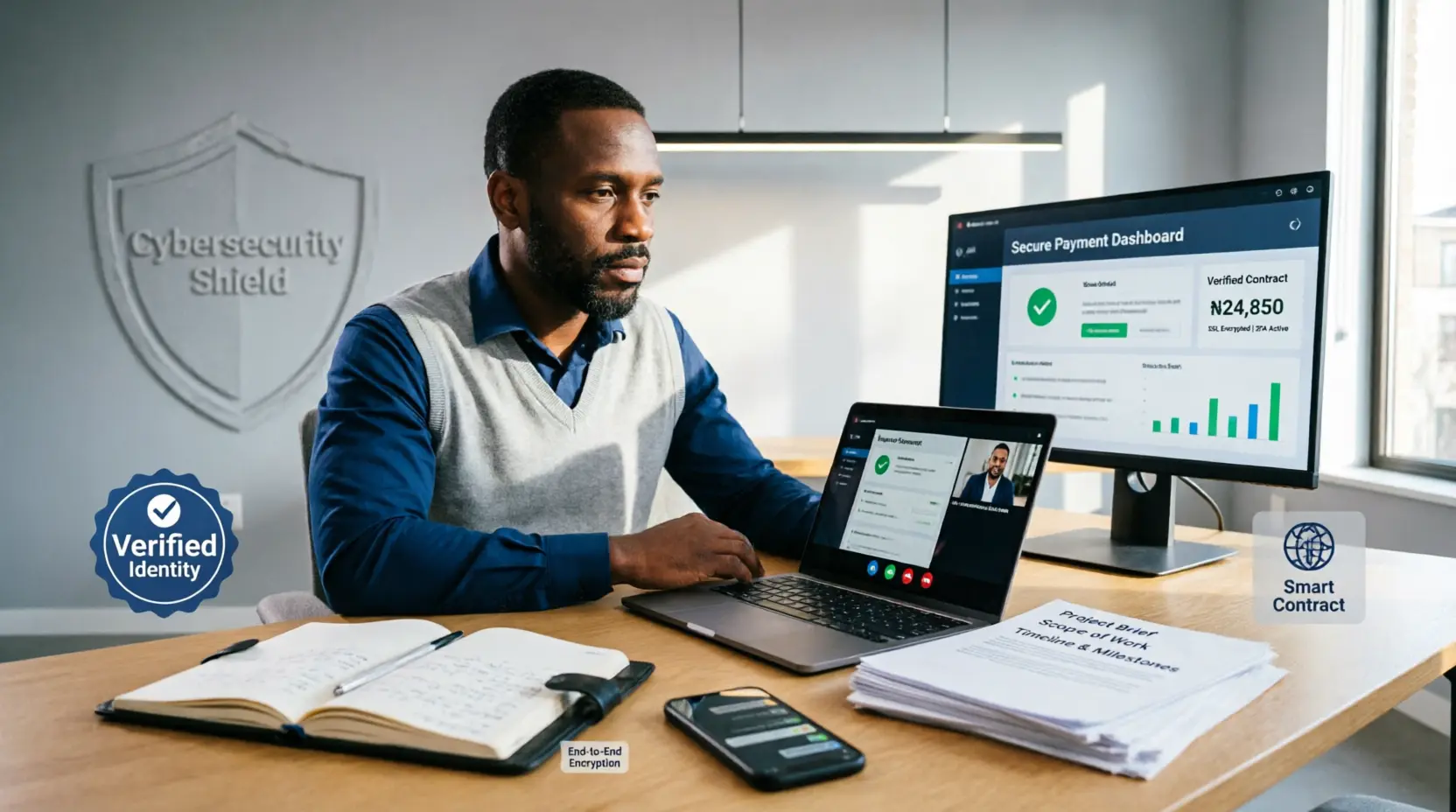
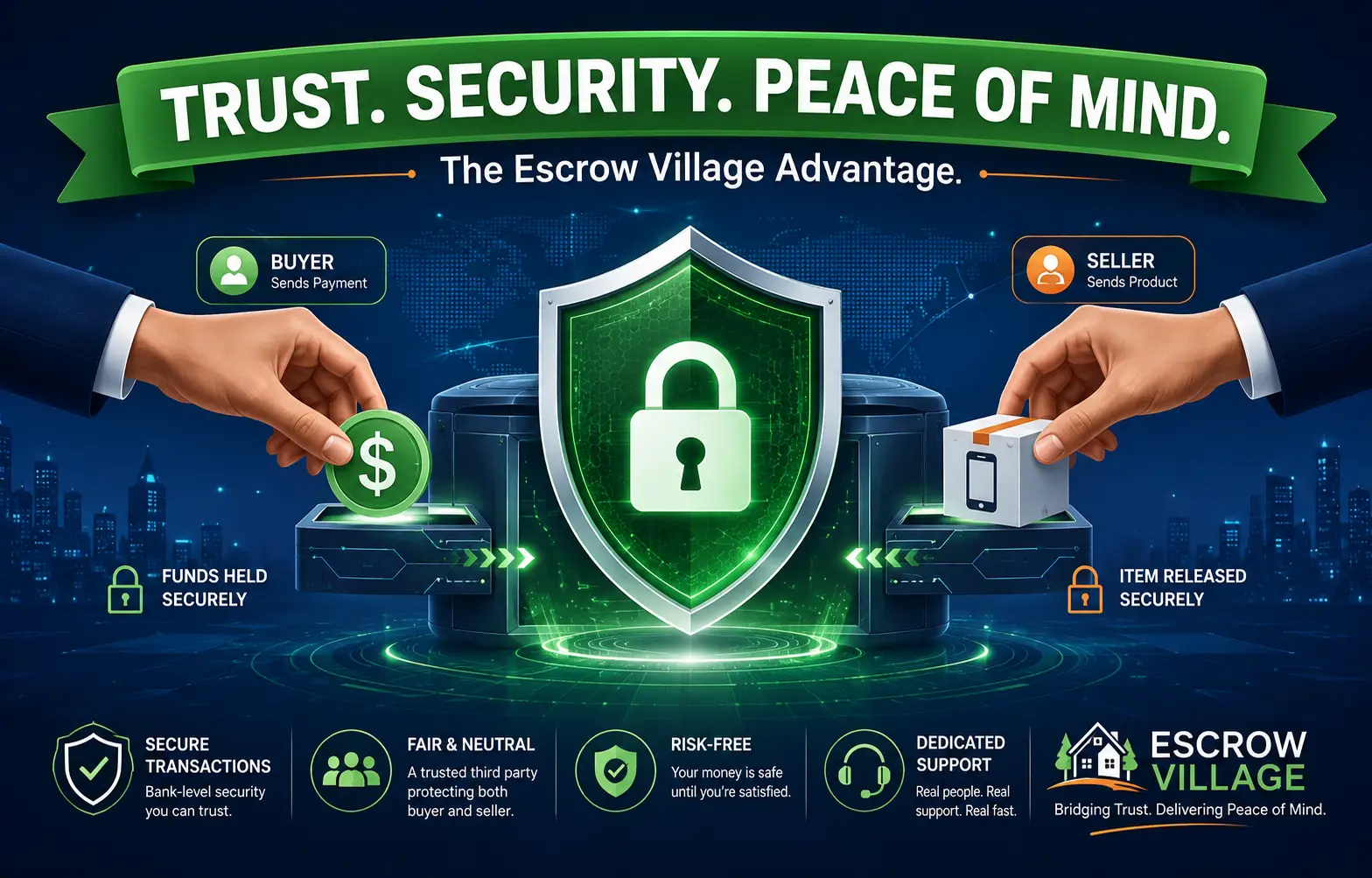
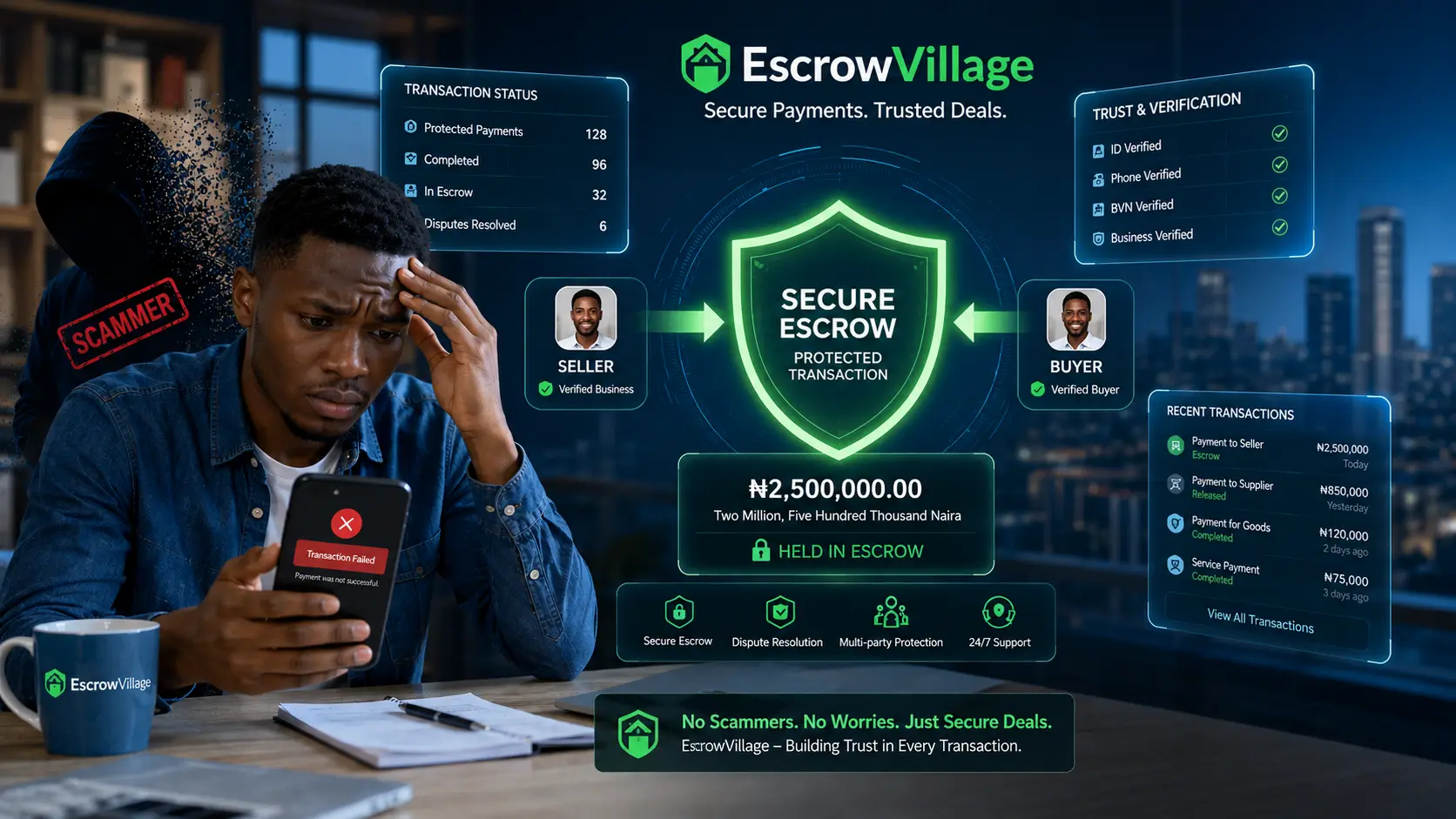
Escrow Village offers escrow solutions tailored for Nigerian and pan-African transactions—use them when in doubt.
- 4. Read reviews—but verify authenticity
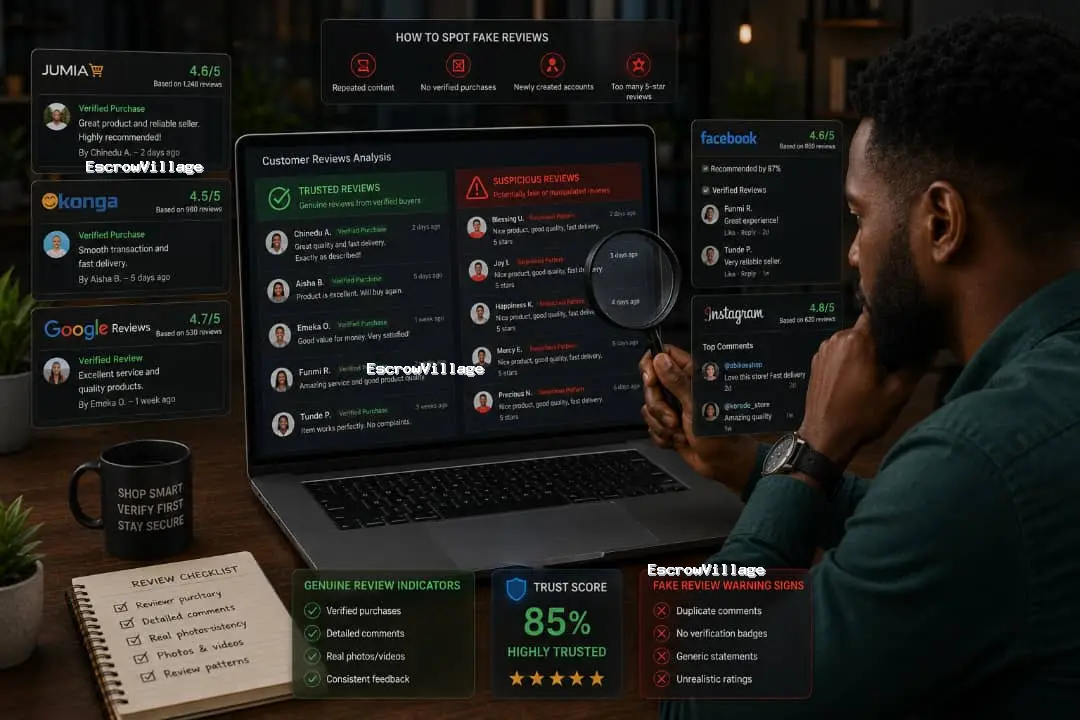
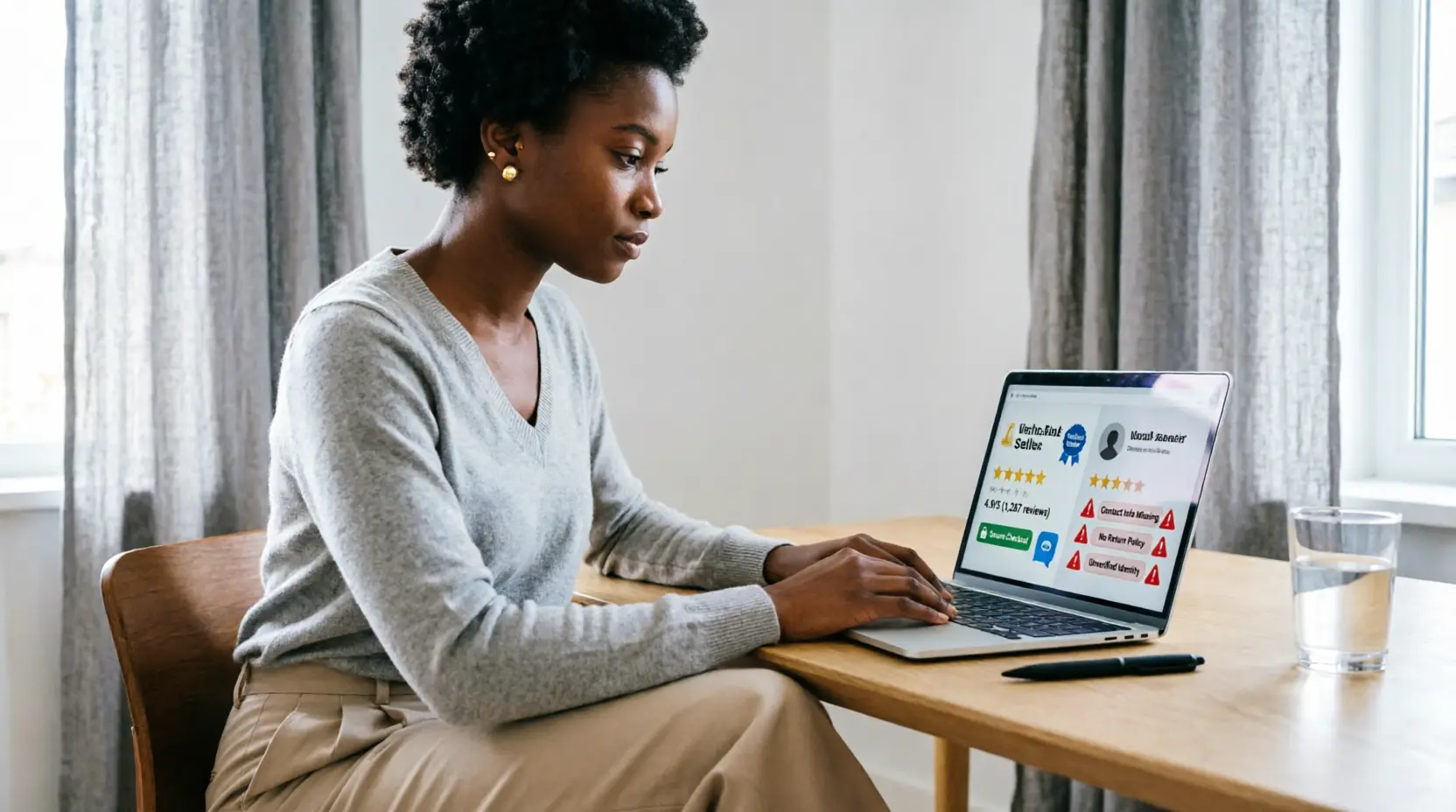
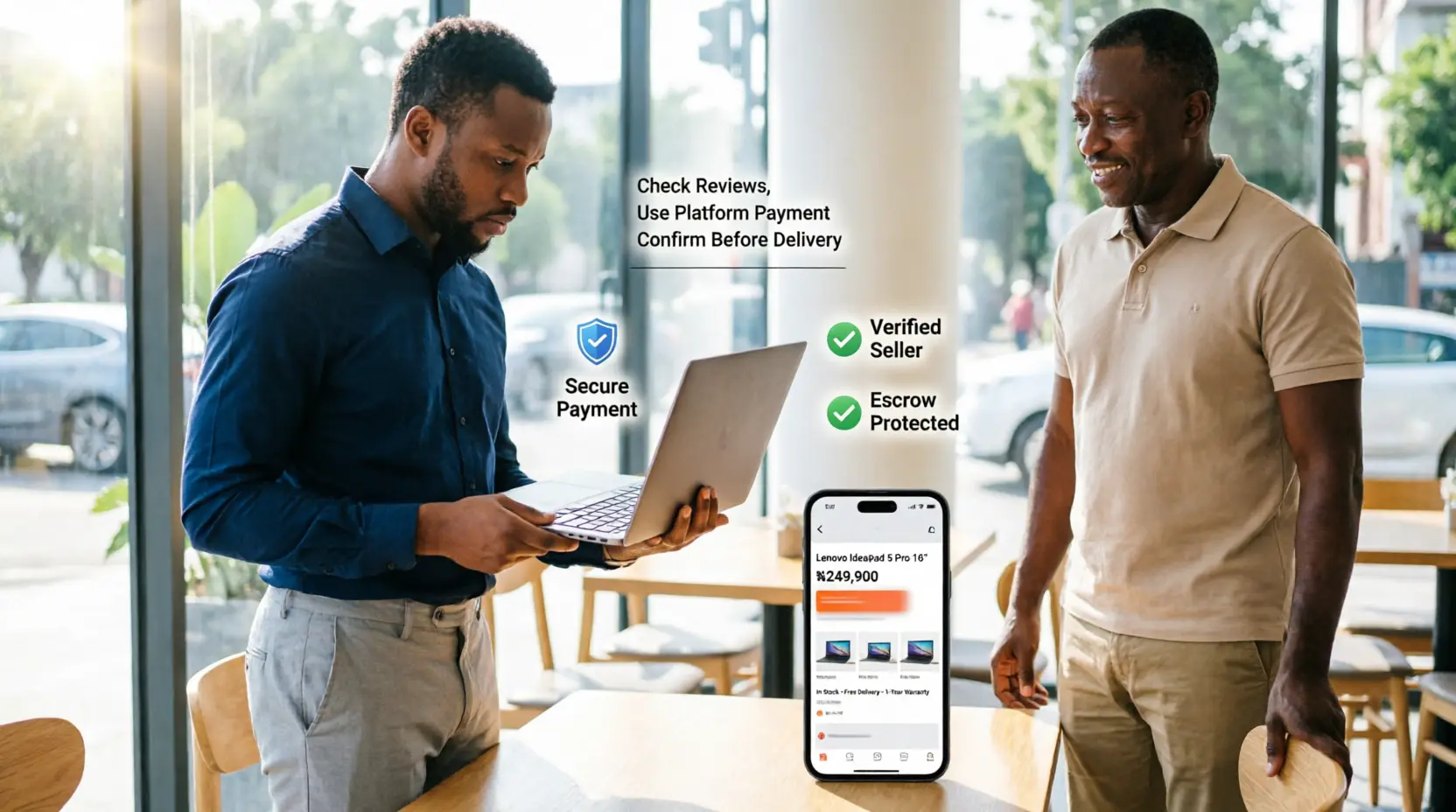
Look for reviews on independent platforms (Google, Facebook, Jiji comments), not just on the vendor’s site.
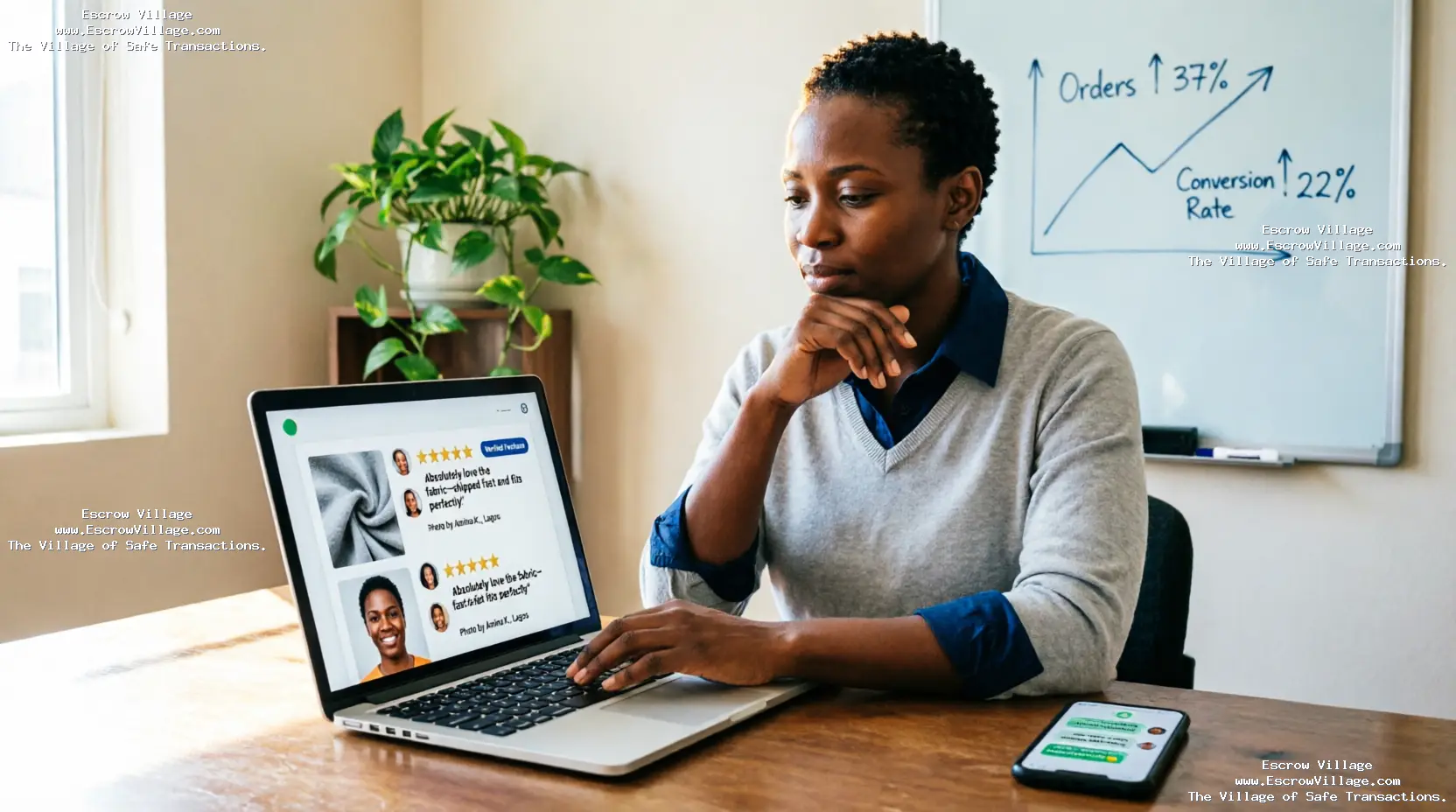
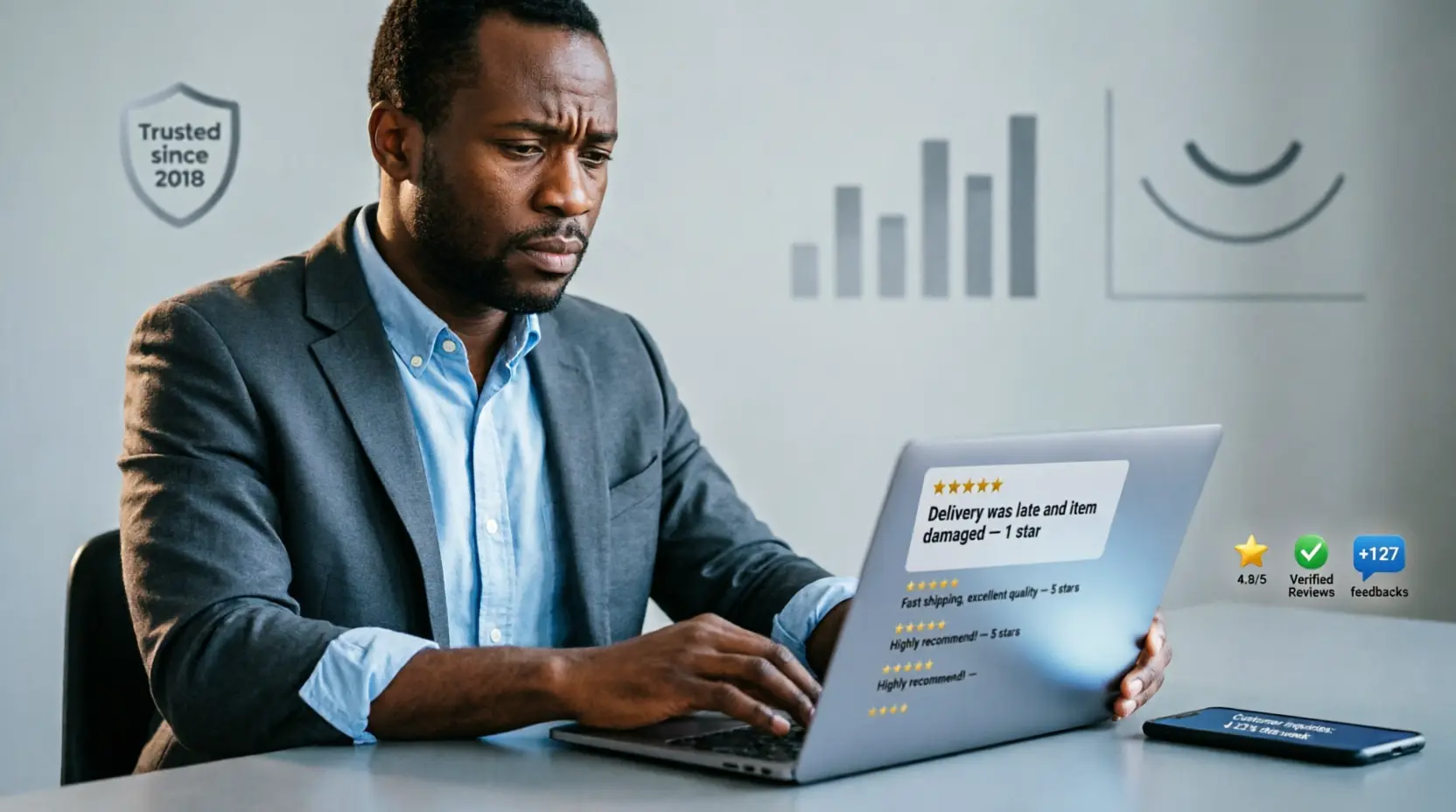
Spot fake reviews by checking for repeated phrases, extreme one-line praise, or many 5-star reviews posted within a short time.
If possible, contact past buyers or ask the seller for references. Local sellers often have WhatsApp groups or Telegram channels where customers post feedback.
- How to triangulate reviews quickly
Use screenshots of reviews and ask the seller to confirm purchase details. Real customers typically allow that.
- 5. Check delivery, returns, and warranty terms
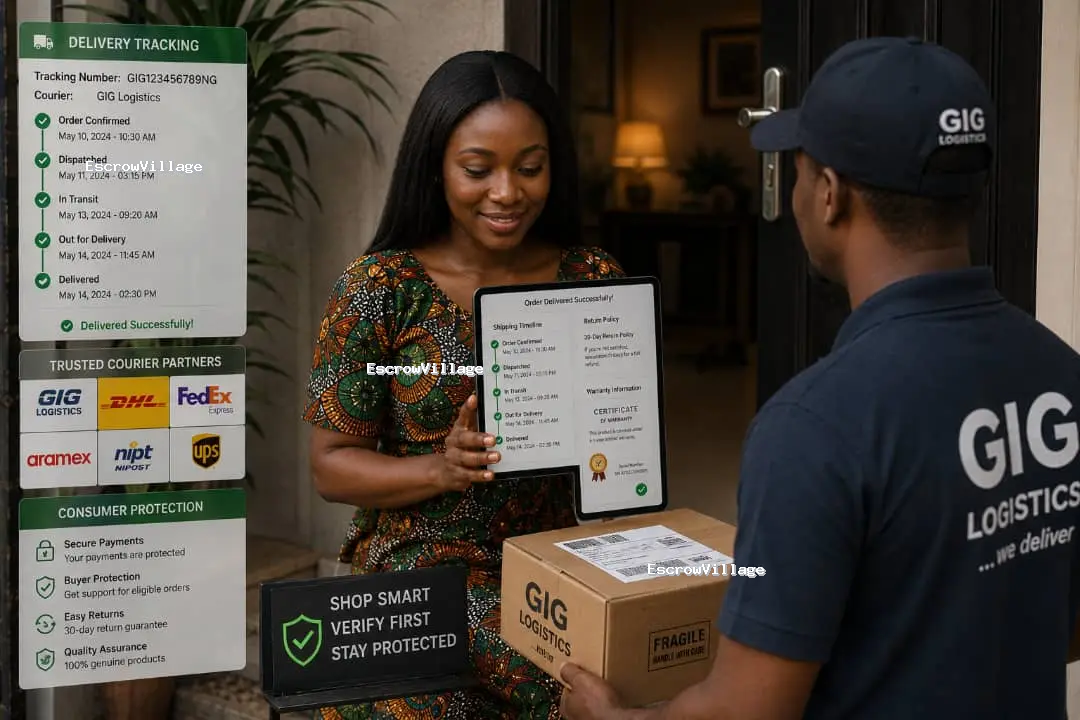
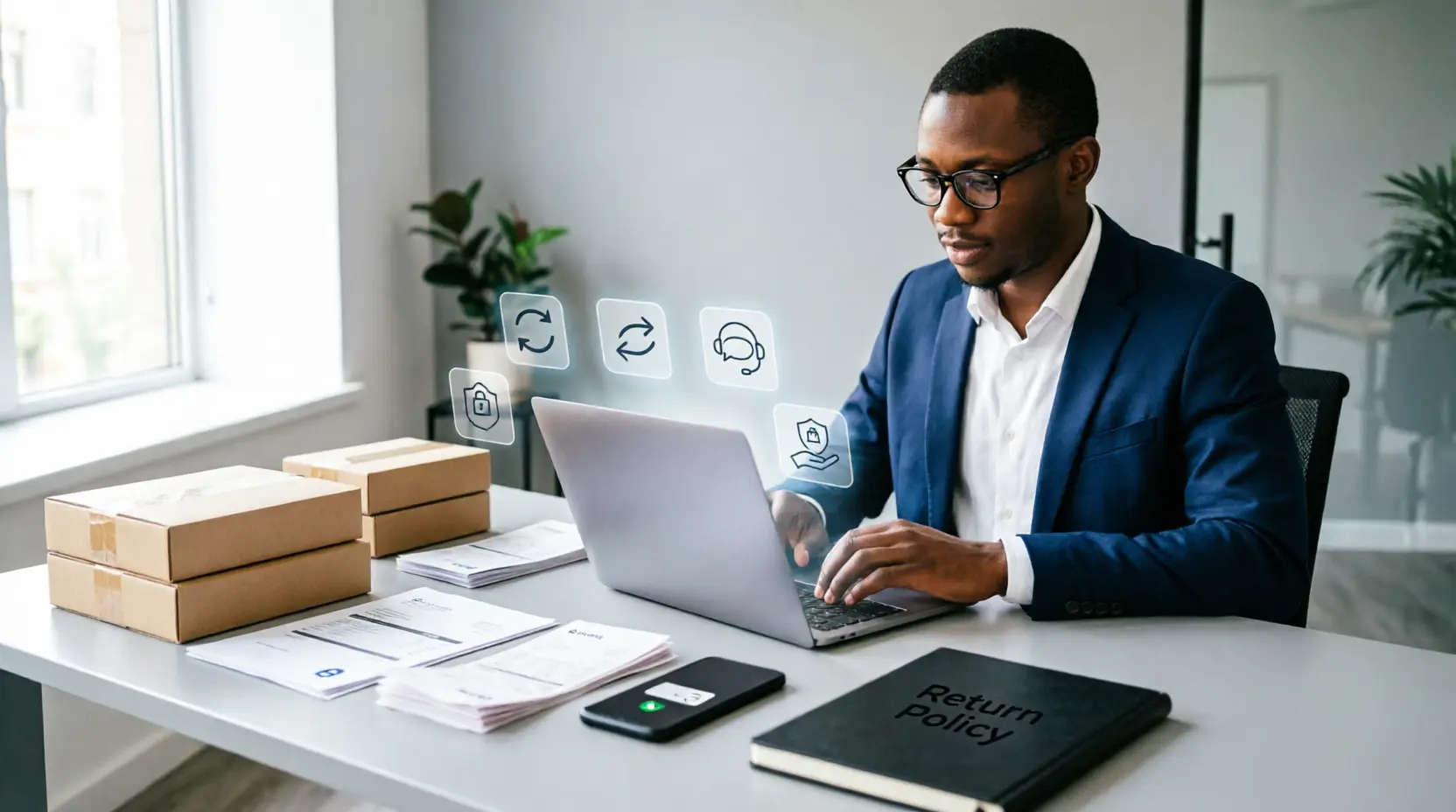
A trustworthy seller states shipping timelines, courier partners (GIG, DHL, or local trusted couriers), and how they handle lost/damaged goods.
For electronics or appliances, confirm that warranty registration is possible in Nigeria or your country.
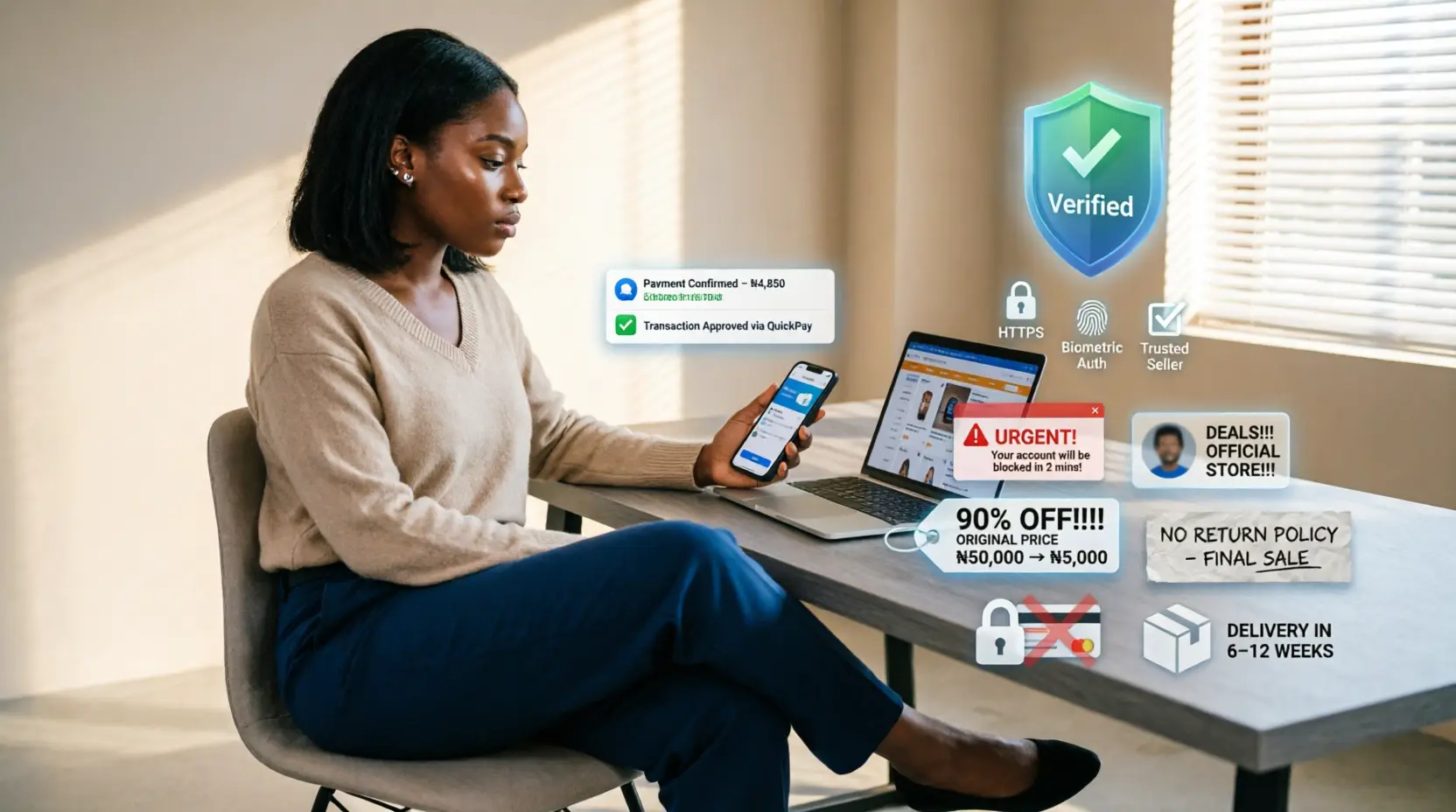
Beware vendors who insist on “no returns” for used or costly items—this is a major red flag.
- 6. Ask specific, verifiable questions
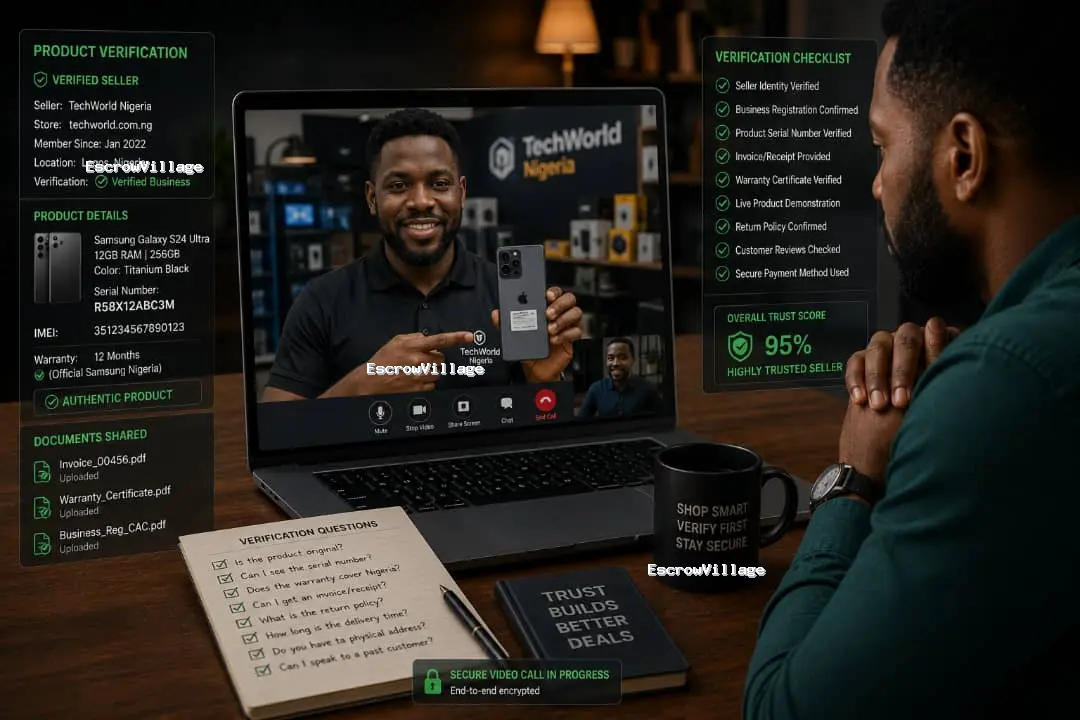
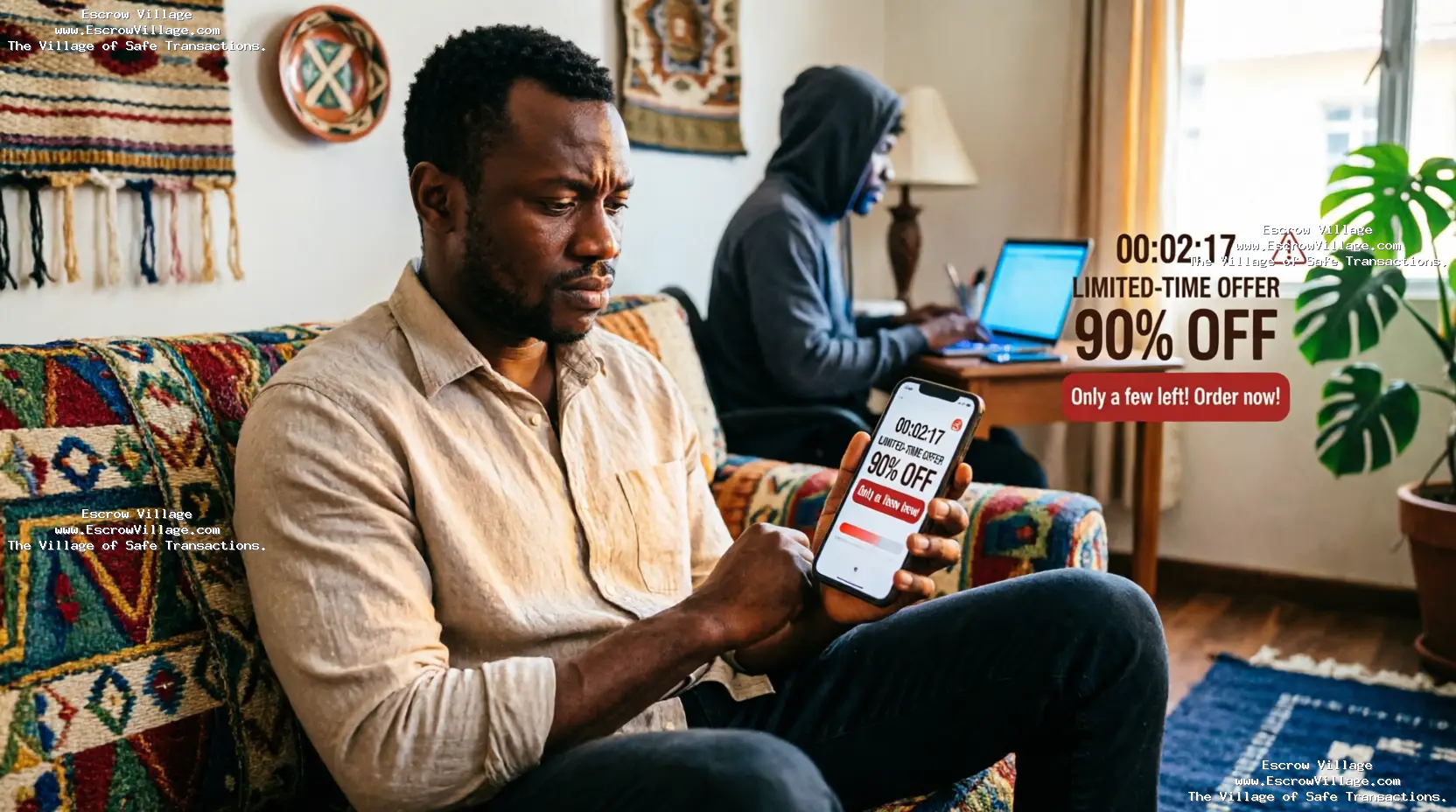
If the seller pressures you to act fast or refuse written terms, step back; pressure is a tactic to avoid scrutiny.
- 7. Use local knowledge and regulatory signals
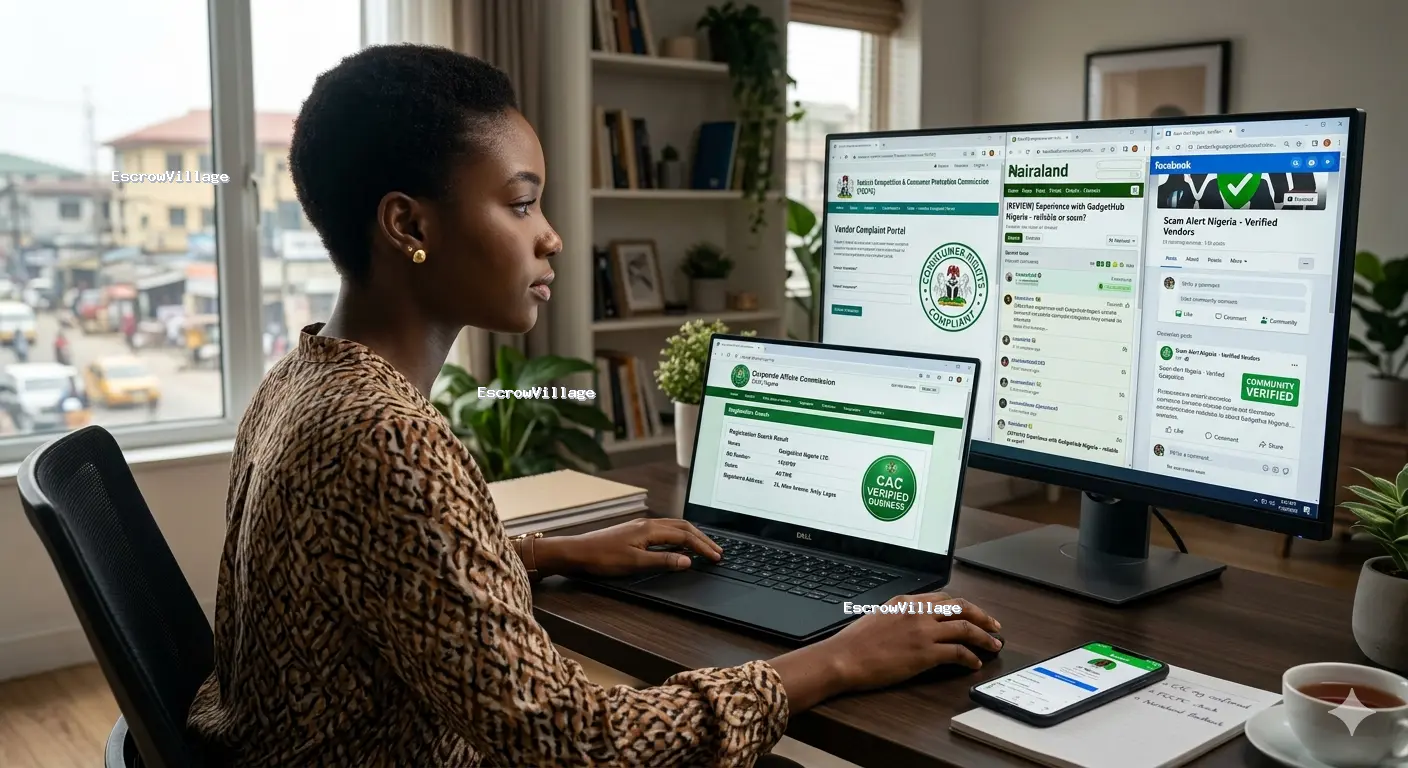
Check if the vendor or platform obeys local rules: NIBSS guidelines for electronic payments, CAC registration for companies, or consumer protection notices from the FTC/Consumer Protection Council.
Leverage community resources: ask in local WhatsApp marketplace groups, neighbourhood social pages, or forums like Nairaland for a quick background on a seller.
- Practical step-by-step checklist before you pay
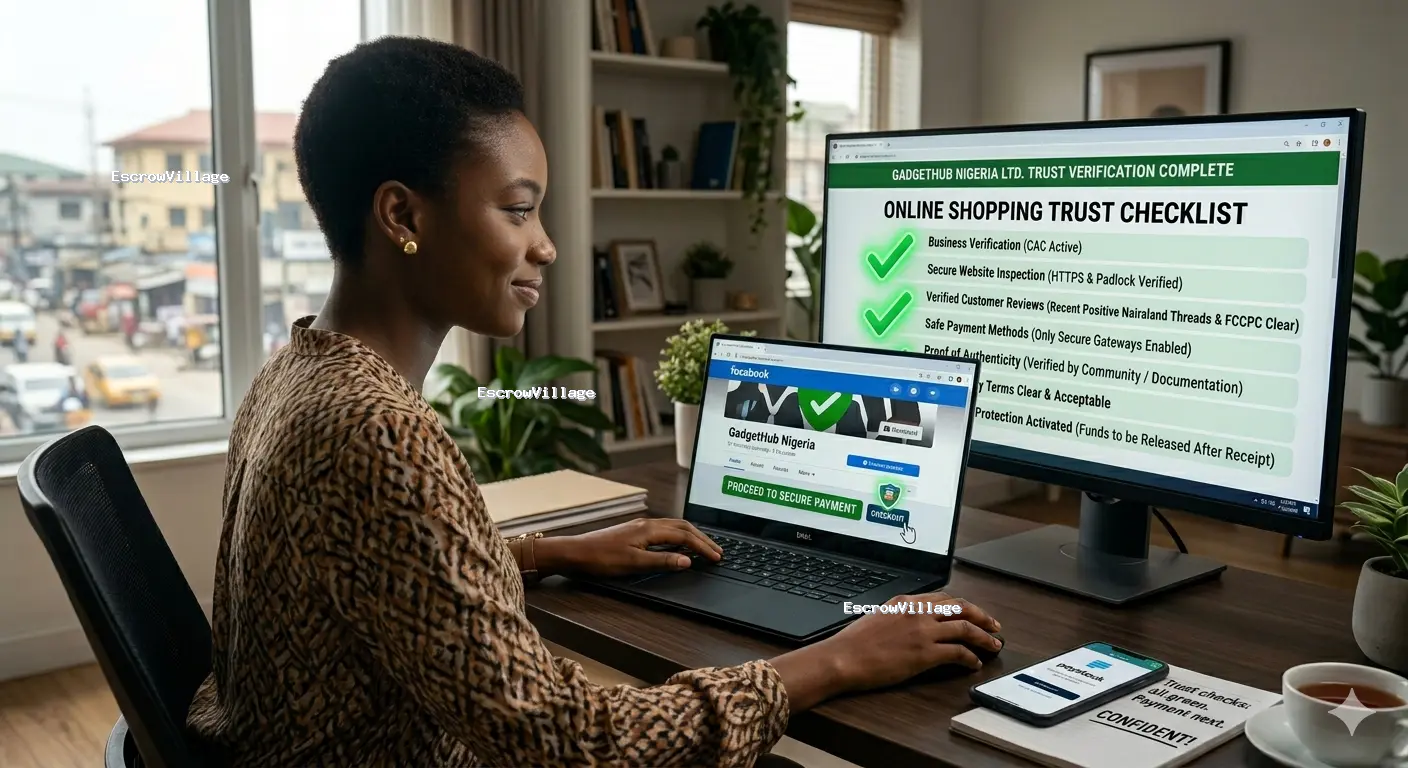
- ~ Confirm vendor identity: company name, CAC number, and contact that matches across platforms.
- ~ Verify website security: HTTPS, clear product pages, and domain age.
- ~ Check independent reviews and sample buyer contacts.
- ~ Confirm payment safety: prefer card, payment gateway, or escrow; avoid personal account transfers.
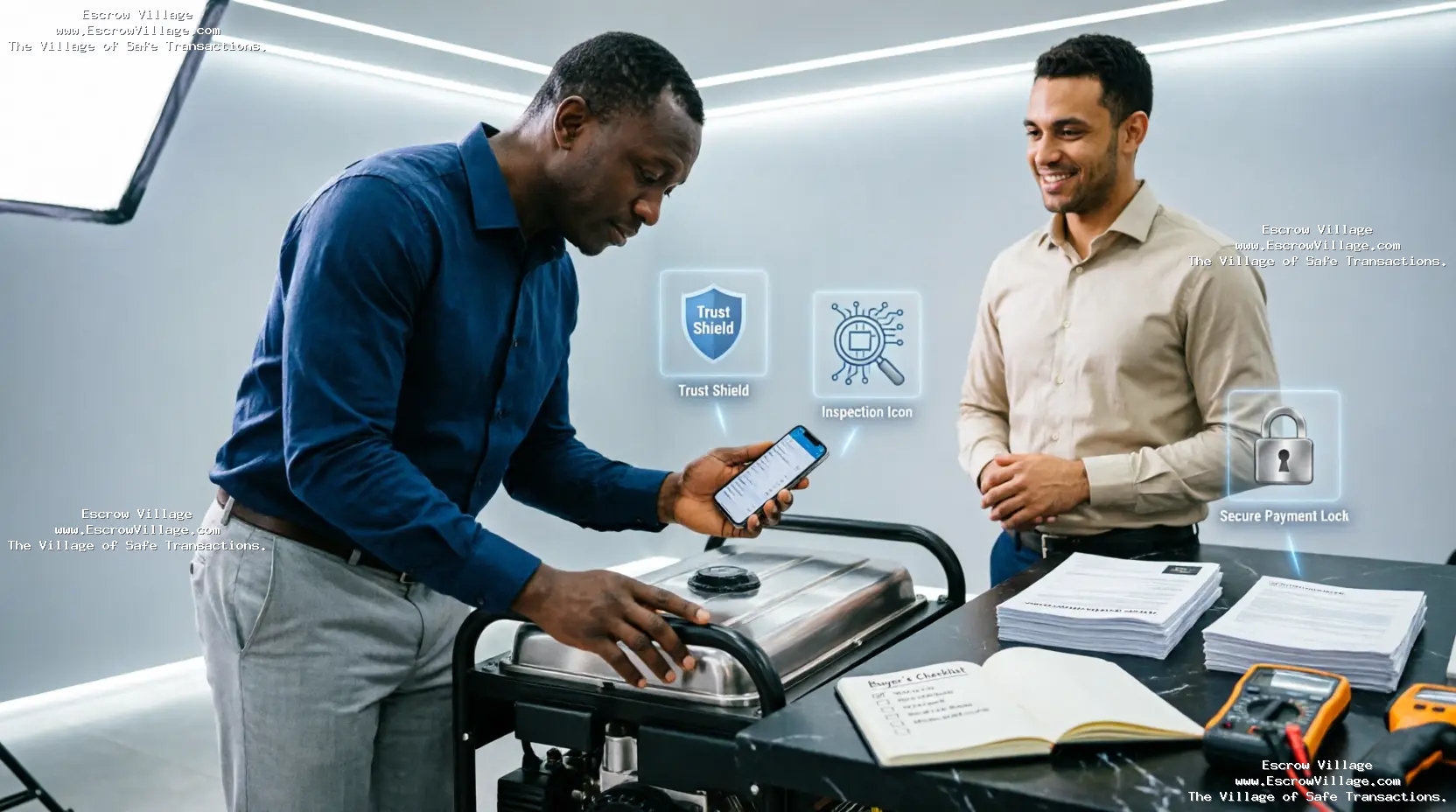
- ~ Request verifiable proof (serial, video, documents).
- ~ Confirm shipping/return policy and courier partner.
If buying high-value goods, use an escrow service for staged release of funds.
Buying online in Nigeria and across Africa can be safe when you use practical rules to verify identity, insist on secure payments, confirm delivery terms, and use escrow for big purchases.
If you want a fast, reliable way to protect payment until goods or services are delivered, consider using Escrow Village’s escrow solutions to avoid online shopping scams and make sure the vendor is trustworthy.
Visit escrowvillage.com to learn how escrow protects both buyers and sellers on every transaction.
Other related topics:
How Escrow Works for Buyers and Sellers
Protecting High-Value Transactions in Nigeria