
How to Handle Difficult Clients Professionally as a Freelancer
Issues like delayed payments, vague instructions, endless revisions, or inconsistent communication can harm your workflow, income stability, and overall well-being.
The upside is that you can manage tough client situations effectively without compromising your professionalism, business integrity, or peace of mind.
Here are the practical ways:
- 1. Clarify Expectations Early

Misunderstandings often arise when expectations aren’t clearly outlined from the beginning. Before starting any project, make sure to go over key details such as:
- - The specific tasks involved
- - Final deliverables
- - Project timelines
- - Number of allowed revisions
- - Payment schedule and terms
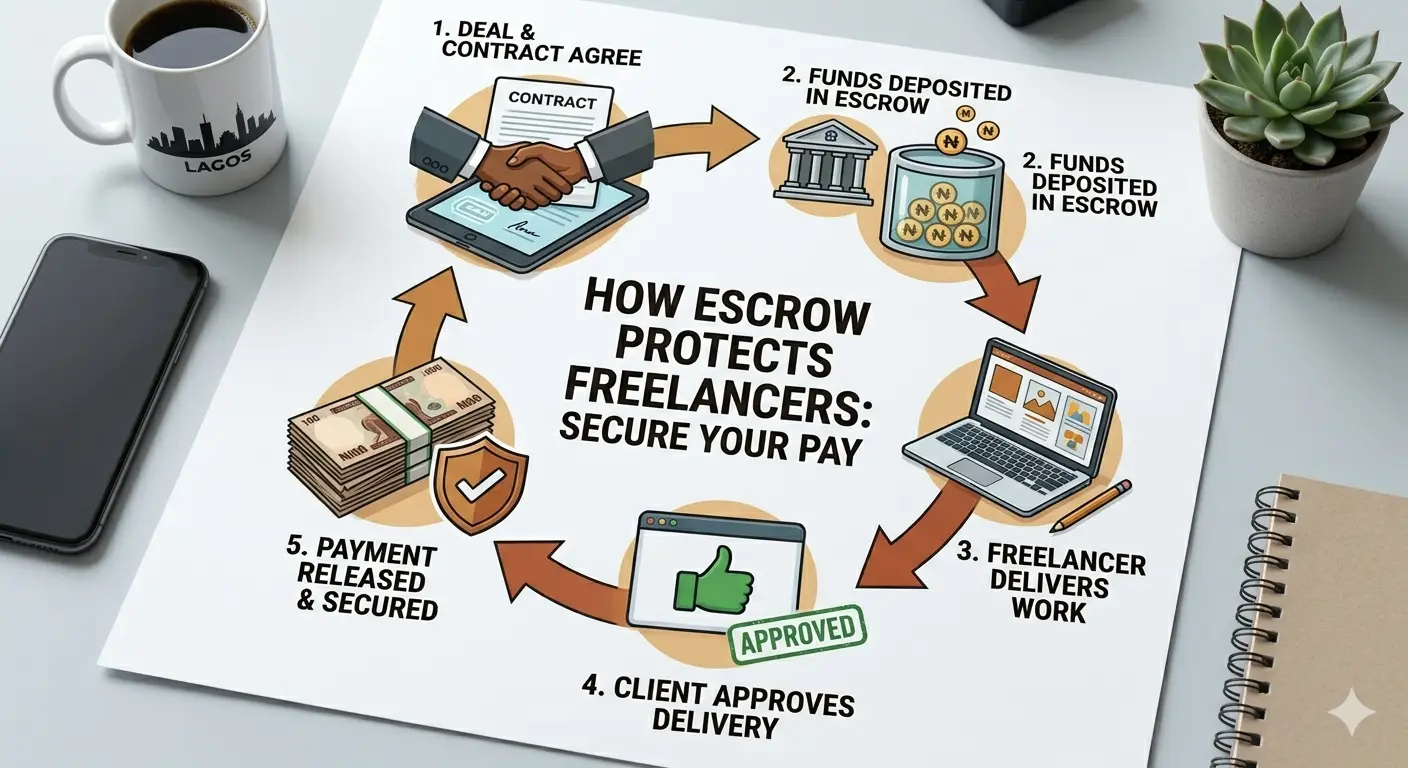
Put all agreements in writing. Clear documentation reduces confusion and ensures both sides are on the same page. For added security, freelancers can use Escrow Village to formalize project terms and payment conditions before work begins.
- 2. Maintain Professional Communication

When tensions rise, staying calm and composed is essential. Avoid reacting emotionally and instead focus on constructive dialogue.
Rather than saying: "You keep changing what you want." Try rephrasing it as: "I’ve noticed some shifts in the project direction. Let’s go over the current goals so we can stay aligned going forward."This approach fosters cooperation and helps prevent minor issues from turning into major conflicts.
- 3. Keep a Written Record of Everything
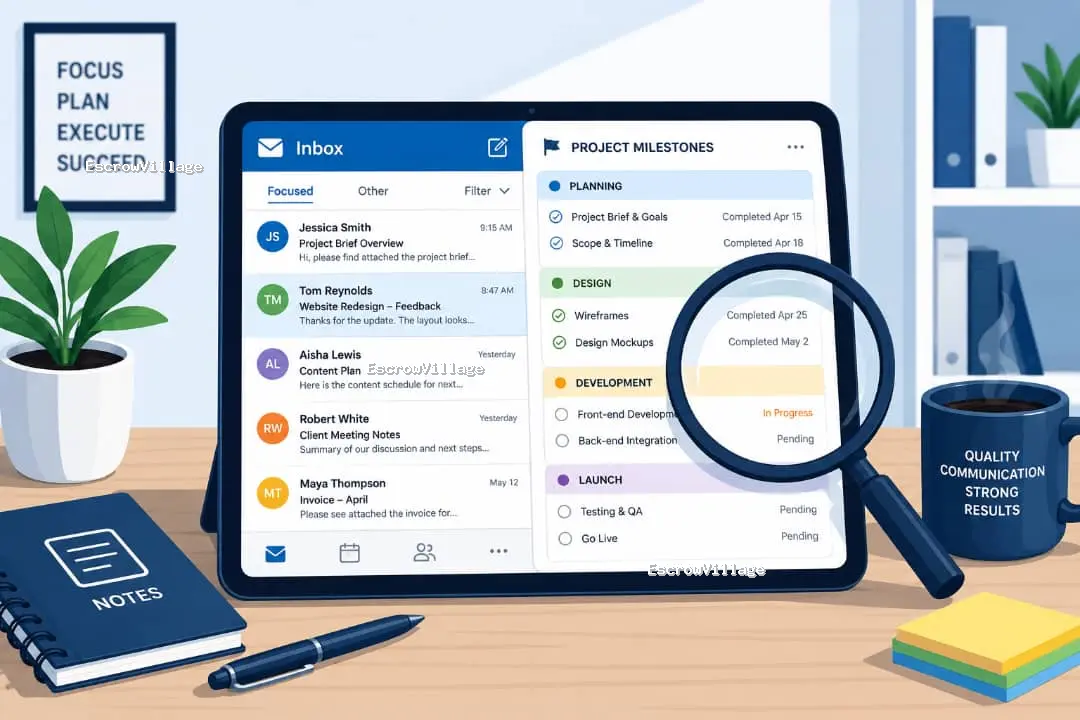
Relying on verbal agreements increases the risk of disputes. Maintain written records of all important interactions, including:
- - Project discussions
- - Changes to scope
- - Client approvals
- - Payment arrangements
- - Requests for revisions
When using Escrow Village, the platform provides a structured framework that supports transparency and accountability throughout the project.
- 4. Stand Firm Against Unpaid Extra Work
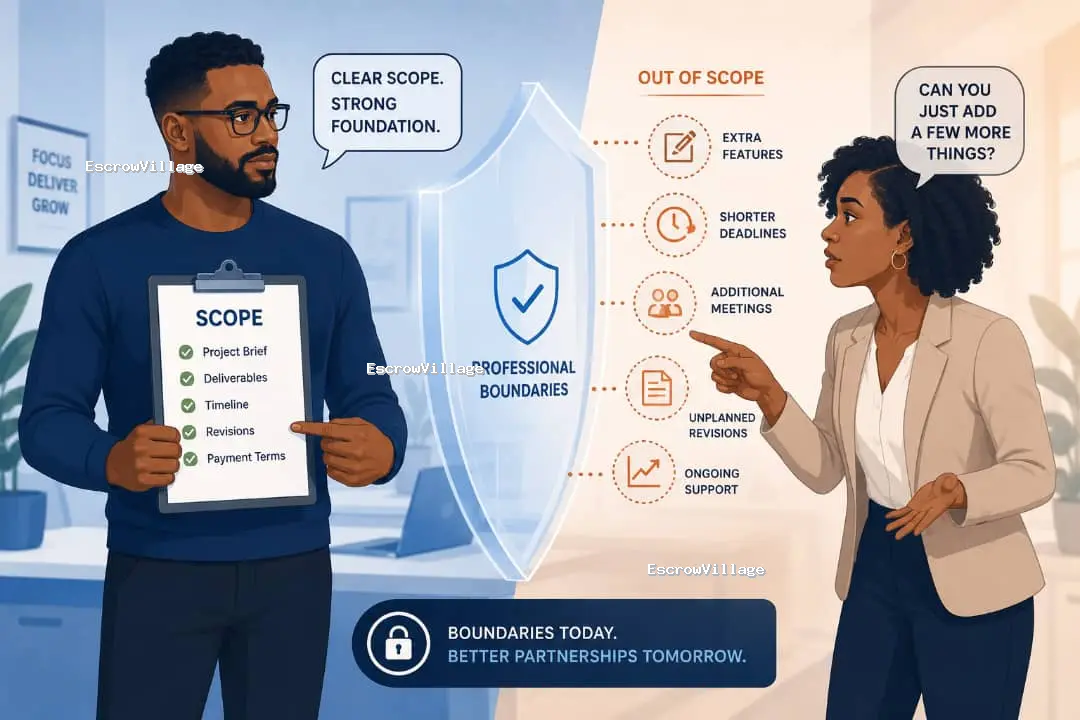
Scope creep occurs when clients ask for additional tasks outside the original agreement and without offering extra pay. Address this politely but clearly.
For instance: "I'm happy to help with that new feature. Since it wasn't part of the initial plan, I’ll prepare a separate estimate for the added work."Establishing boundaries shows professionalism and safeguards your time and effort.
- 5. Address Payment Concerns Early

Late payments are a frequent source of stress for freelancers. To minimize risks:
- - Ask for an upfront deposit
- - Use formal contracts
- - Define clear payment deadlines
- - Use reliable payment methods
- 6. Recognize When to End a Client Relationship

Some situations can’t be fixed. If a client becomes disrespectful, repeatedly breaks agreements, or consistently causes problems, ending the collaboration may be the best choice.
Do so respectfully and professionally. Prioritizing your mental well-being and long-term reputation is more valuable than keeping a problematic client.
- Why Escrow Village Is Important

Many conflicts between freelancers and clients stem from lack of trust, unclear terms, or payment uncertainty.
Dealing with difficult clients is a reality in freelance work, but it doesn’t have to threaten your success.
By setting clear terms, communicating effectively, documenting every step, managing project boundaries, and using trusted tools like Escrow Village, you can navigate tough situations with greater control.
The most successful freelancers aren’t those who never face difficult clients, they’re the ones who handle them wisely, protecting their time, income, and professional standing.