How to Use Escrow for P2P Crypto Transactions
Buying and selling cryptocurrency directly with another person can be convenient.
You can agree on a price, choose a payment method and complete the transaction without going through a traditional crypto exchange.
But one obvious problem remains: how do you know the other person will keep their side of the deal?
A buyer could send money and never receive the cryptocurrency. A seller could release their crypto and never receive the agreed payment.
This is where escrow for P2P crypto transactions can make a difference.
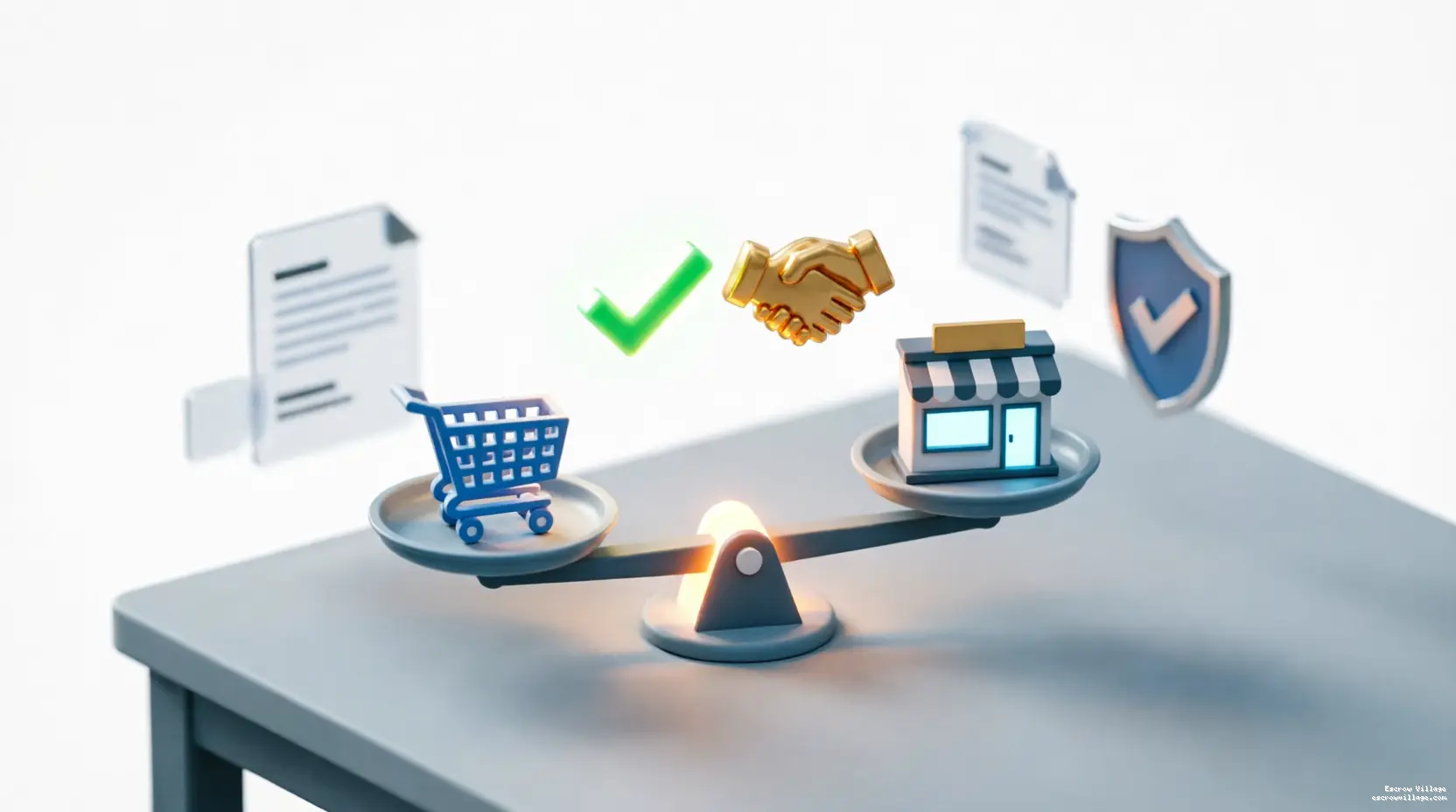
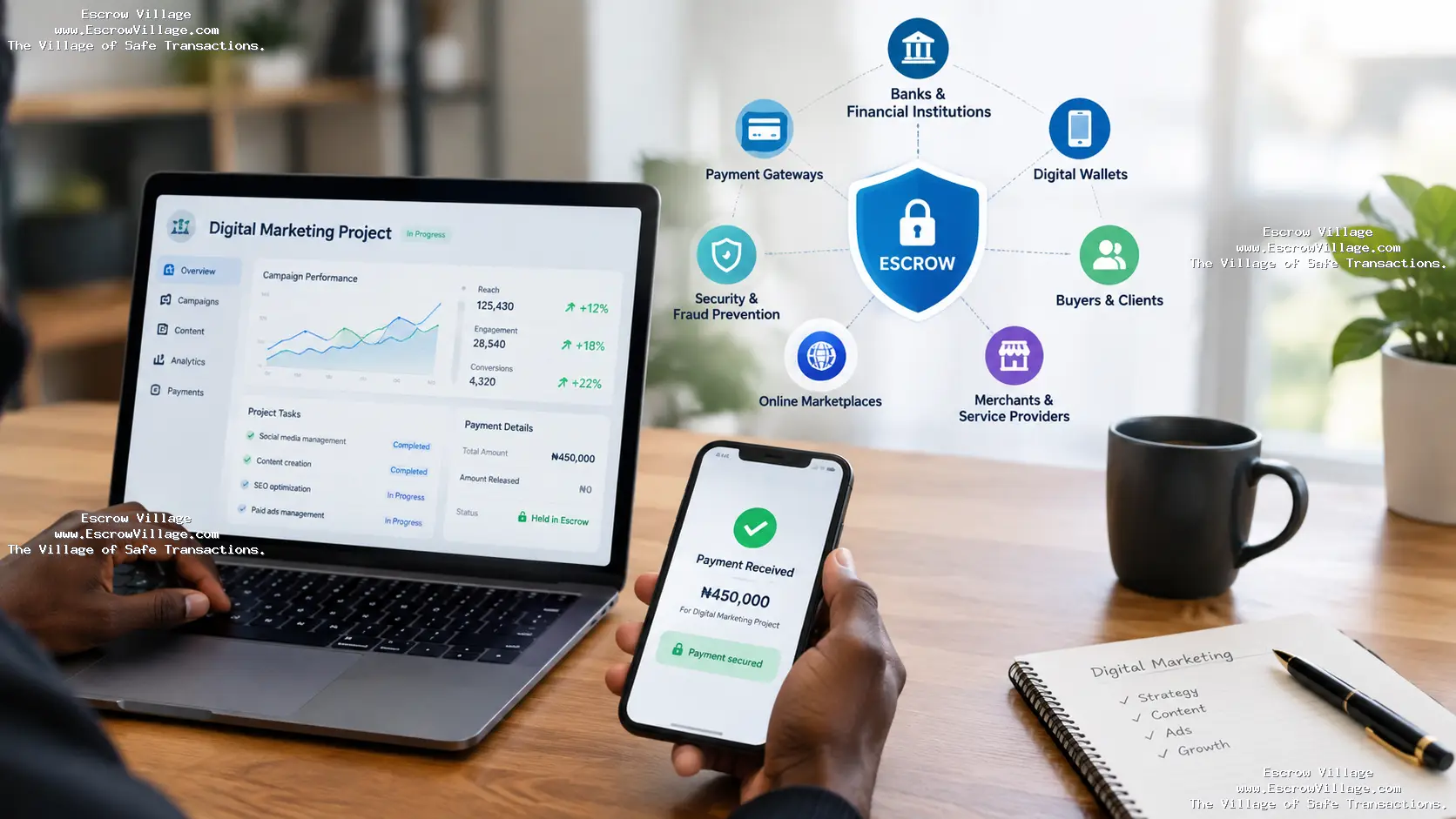
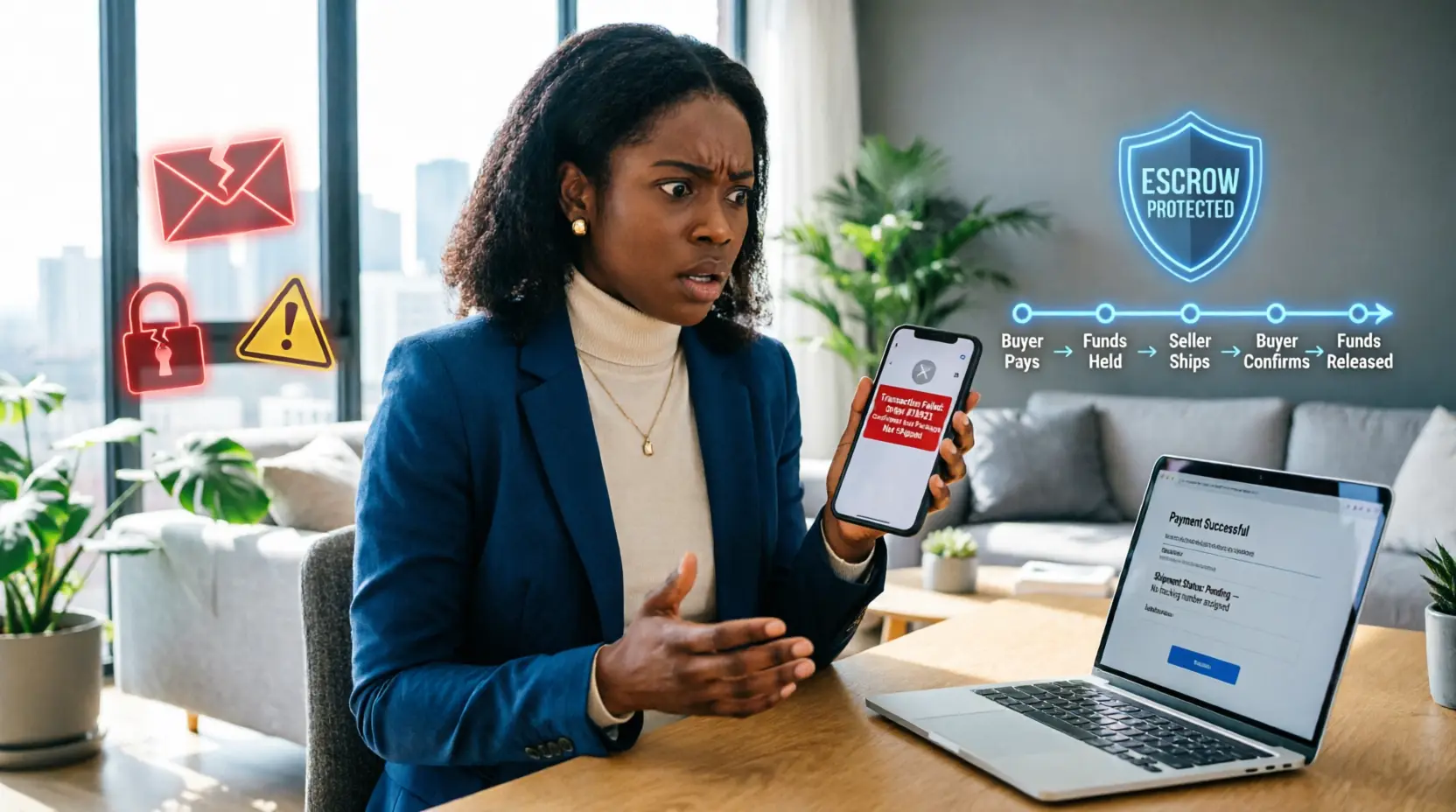
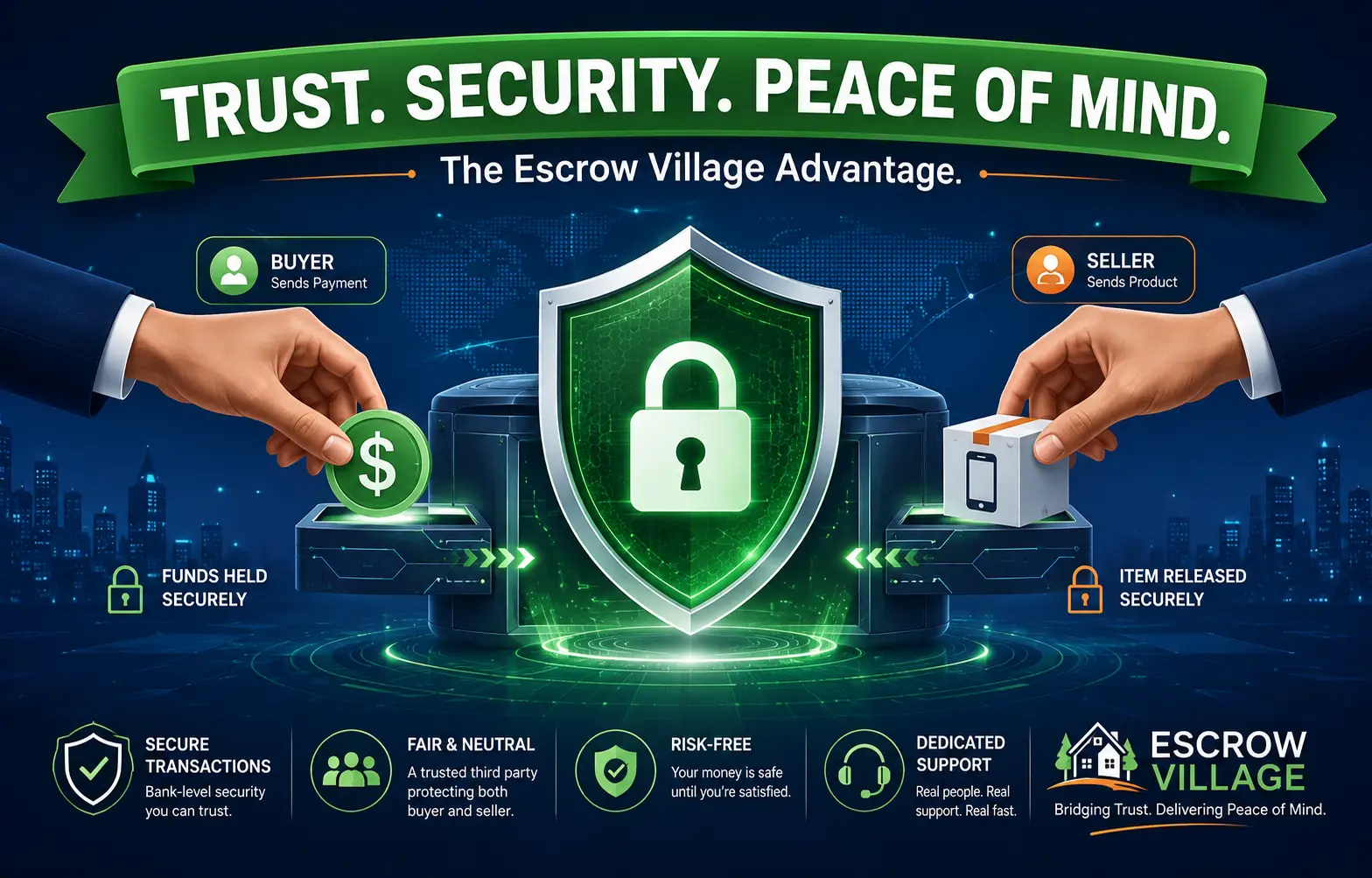
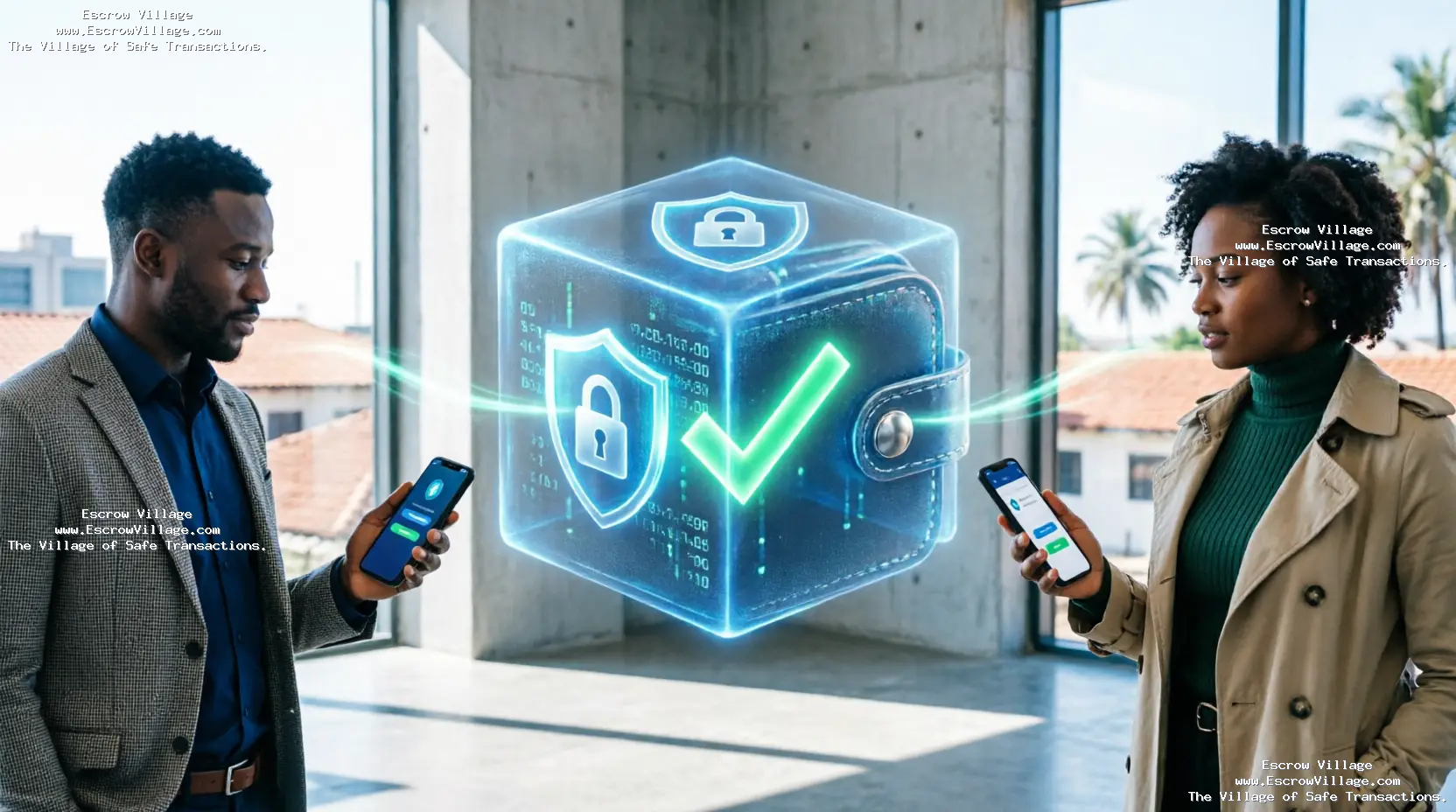
Escrow provides a middle layer between the buyer and seller by holding the crypto temporarily until the agreed conditions of the transaction are met.
Major P2P crypto platforms already use this model to reduce the risk of one party taking the other party's money or cryptocurrency without completing the trade.
For example, imagine that Chinedu wants to buy $500 worth of USDT from another person.
The seller agrees to sell the USDT at a particular price. Chinedu sends the equivalent amount in naira to the seller's agreed bank account, and the seller releases the USDT.
That sounds straightforward.
The problem is that the two people may not know or trust each other.
If Chinedu sends ₦800,000 and the seller refuses to release the USDT, getting the money back could become difficult.
On the other hand, if the seller releases the USDT before receiving payment, they could also lose their cryptocurrency.
This is the trust problem that escrow helps solve.
For example:Buyer: I want to buy 500 USDT.Seller: I will sell 500 USDT for ₦800,000.They then agree to make the payment.
This is an important part of the process.
The buyer knows that the cryptocurrency has already been secured for the transaction, while the seller knows that the buyer cannot simply claim the crypto without following the agreed process.
P2P marketplaces such as Binance use this type of escrow arrangement, temporarily holding the seller's cryptocurrency while the trade is being completed.
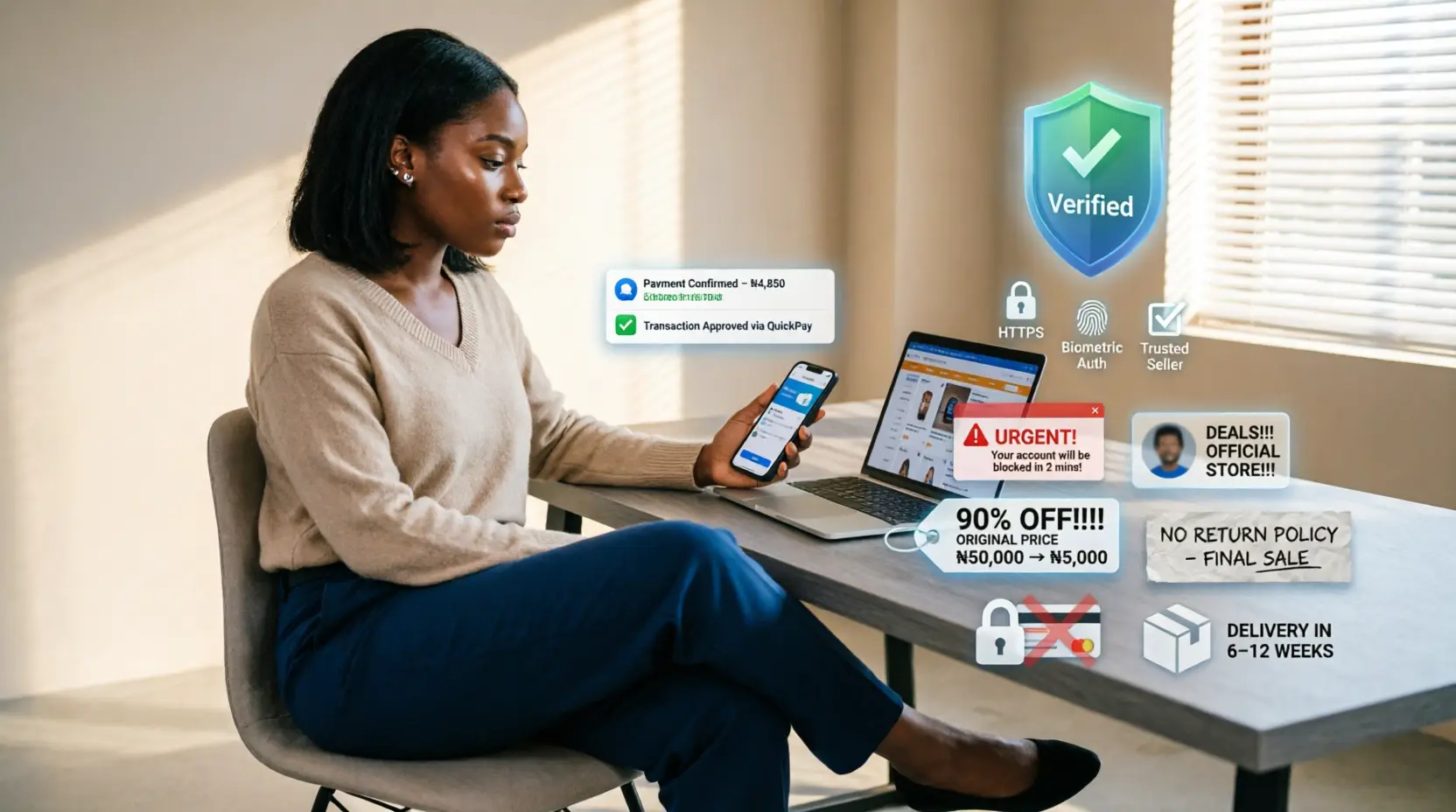
The buyer should not simply send money to a different account because someone in the chat asks them to.
The payment details should match the transaction instructions.
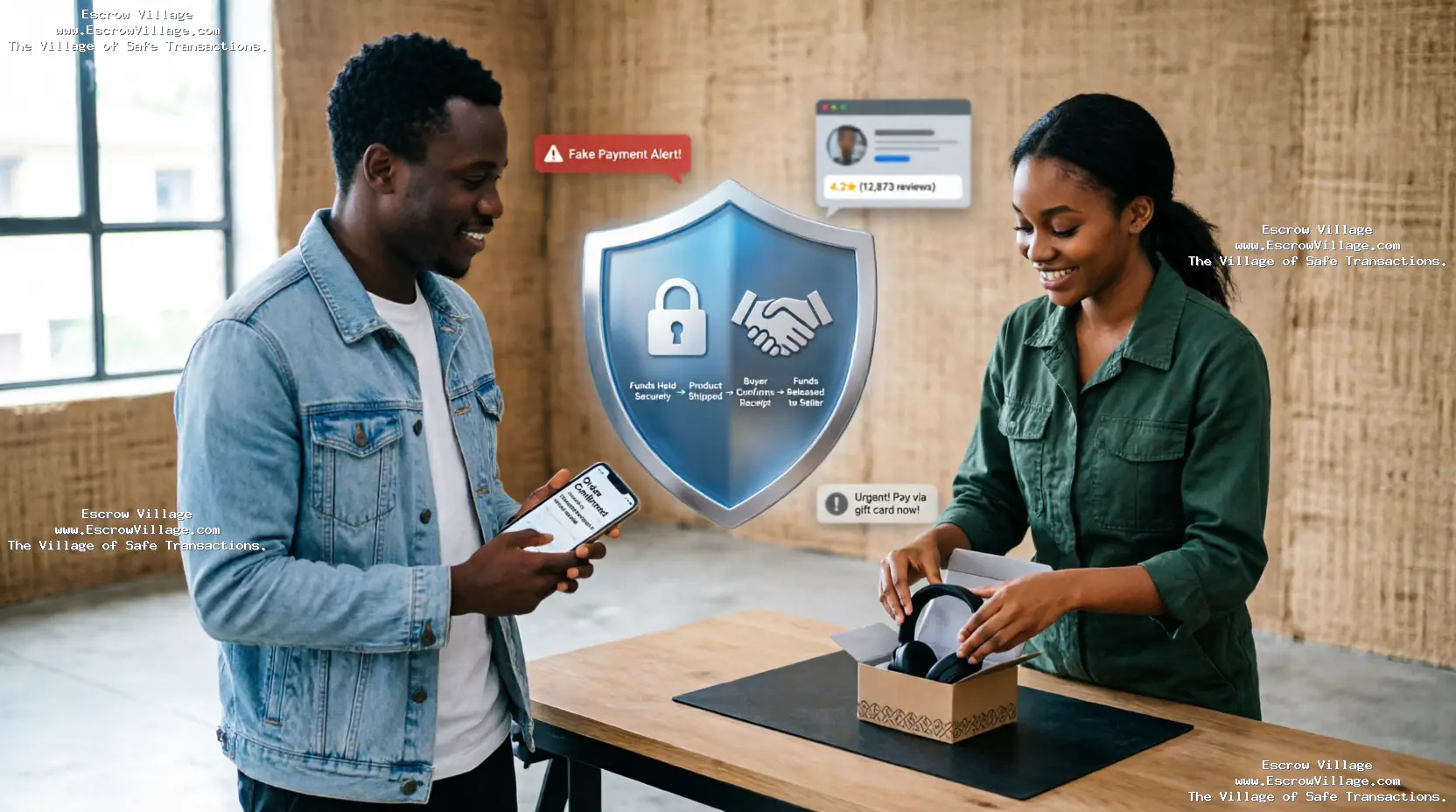
A buyer might send a screenshot claiming that a transfer has been completed. But a screenshot is not proof that money has actually arrived.
The seller should check their bank account or payment wallet directly before releasing the cryptocurrency.
P2P safety guidance from Binance specifically warns sellers not to rely on screenshots or supposed payment notifications when confirming payment.
The transaction is then completed.This simple structure changes the situation considerably.
Instead of:“Send me the money and trust that I'll send the crypto.”It becomes:“The crypto is secured, your payment is made, and the crypto is released when the agreed conditions are fulfilled.”
That is the basic value of escrow.
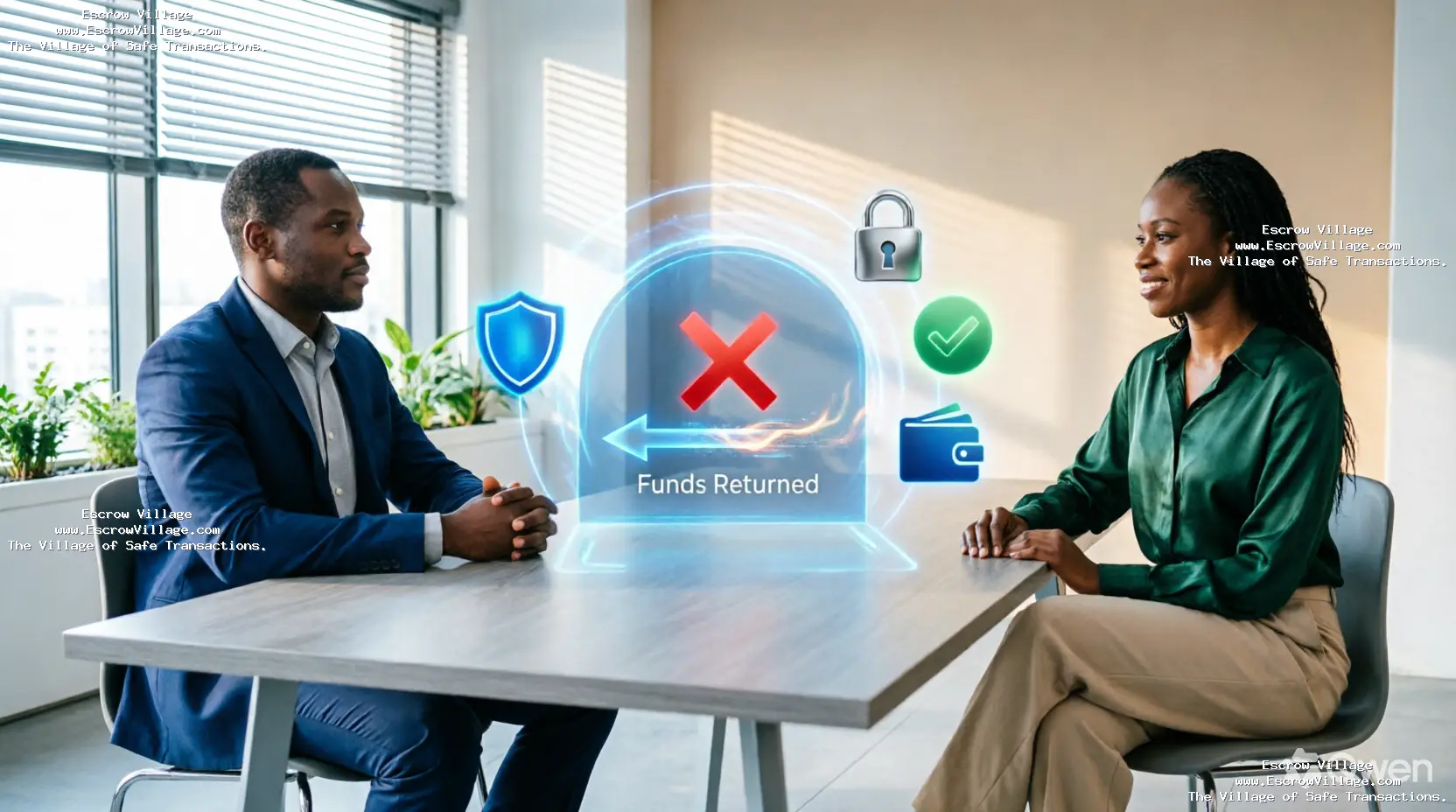
Escrow reduces that risk by putting the crypto aside while the payment is being completed.
The seller cannot simply disappear with the crypto after receiving the buyer's payment because the crypto has already been placed under the escrow arrangement.
Likewise, the buyer cannot simply receive the crypto without completing the payment.
It creates a process for resolving disputesNot every P2P transaction goes smoothly.
A buyer may claim they paid while the seller says nothing was received. A seller may claim that the payment was incomplete. There may also be problems involving payment delays or incorrect transaction details.
A proper escrow arrangement should have a dispute process.
This is one reason it is important to use an escrow service or P2P platform that clearly explains what happens when something goes wrong.
Some P2P platforms allow users to open an appeal and submit transaction records or chat history for review.
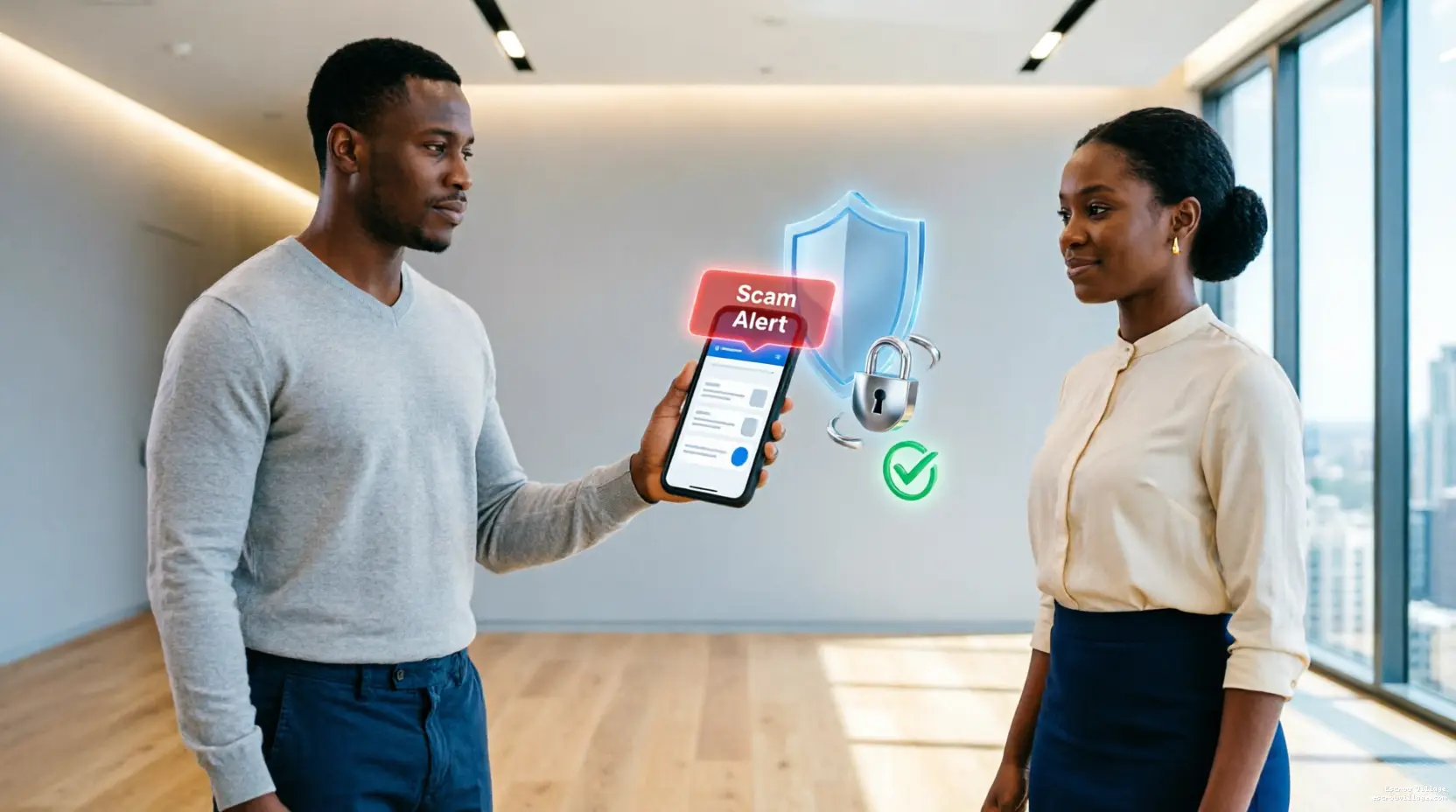
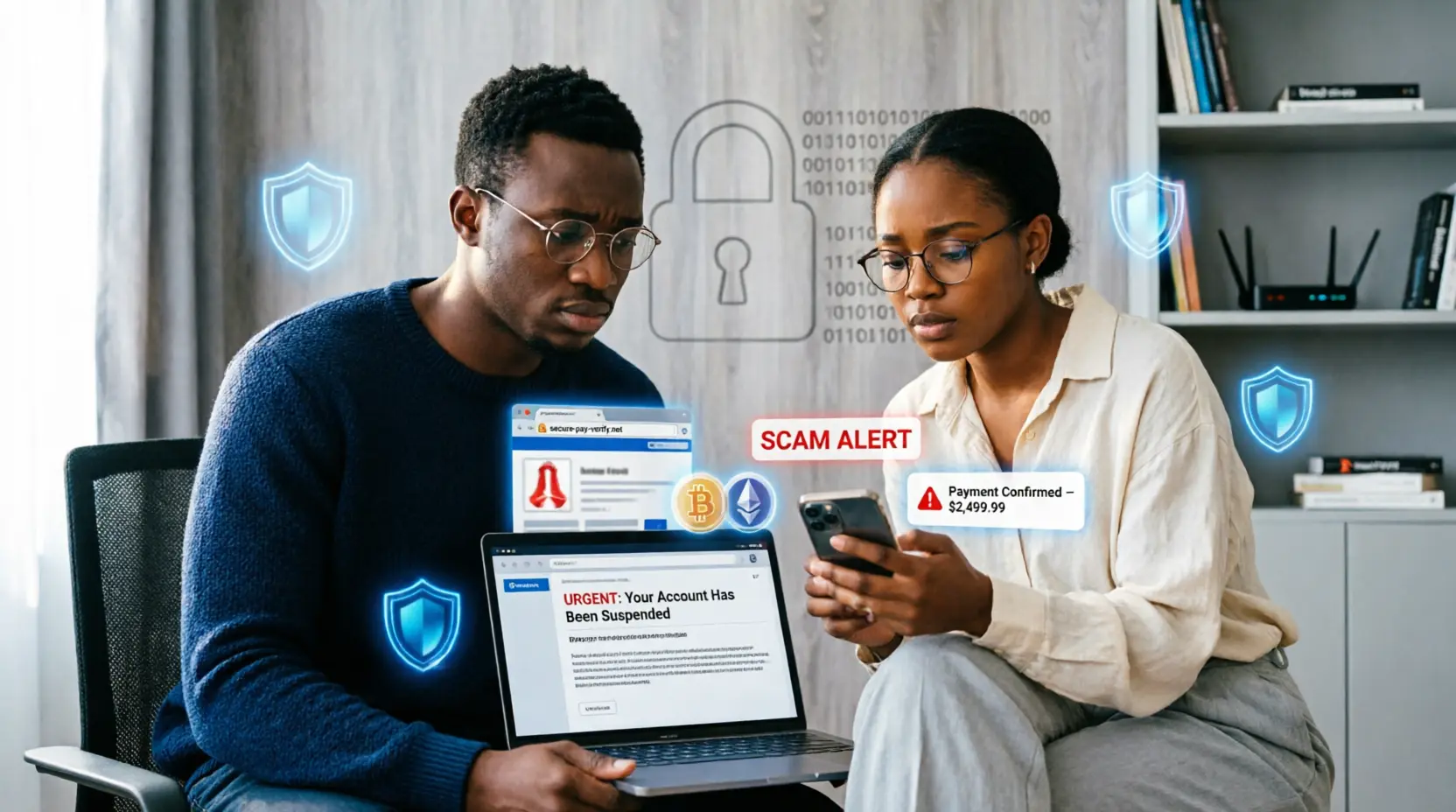
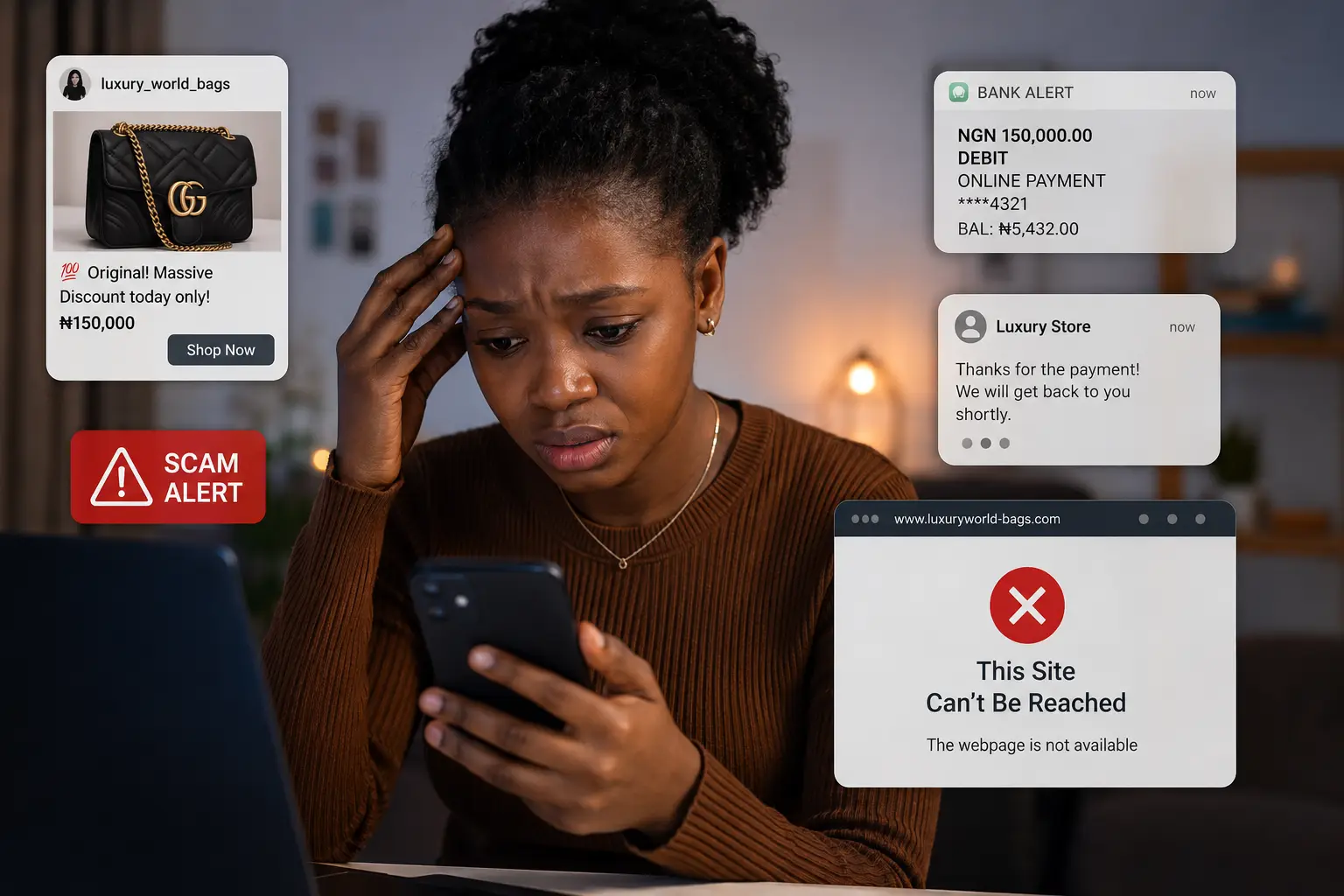
A scammer could send a screenshot that appears to show a successful bank transfer and pressure the seller to release the crypto.
With a proper escrow process, the seller should first confirm that the money has actually arrived before releasing the cryptocurrency.
Another common problem is being asked to move the transaction outside the platform.
A person might say:“Let's continue on WhatsApp. I'll give you a better rate.”
That might sound harmless, but moving away from the platform can remove important protections, including the transaction record and dispute process.
P2P safety guidance recommends keeping communication and transactions within the platform's official process rather than moving them to external channels.
An independent escrow service can potentially act as a neutral third party between a buyer and seller.
For example, if two people agree to exchange cryptocurrency directly, they could use a trusted escrow service to hold the asset until both sides fulfil the agreed conditions.
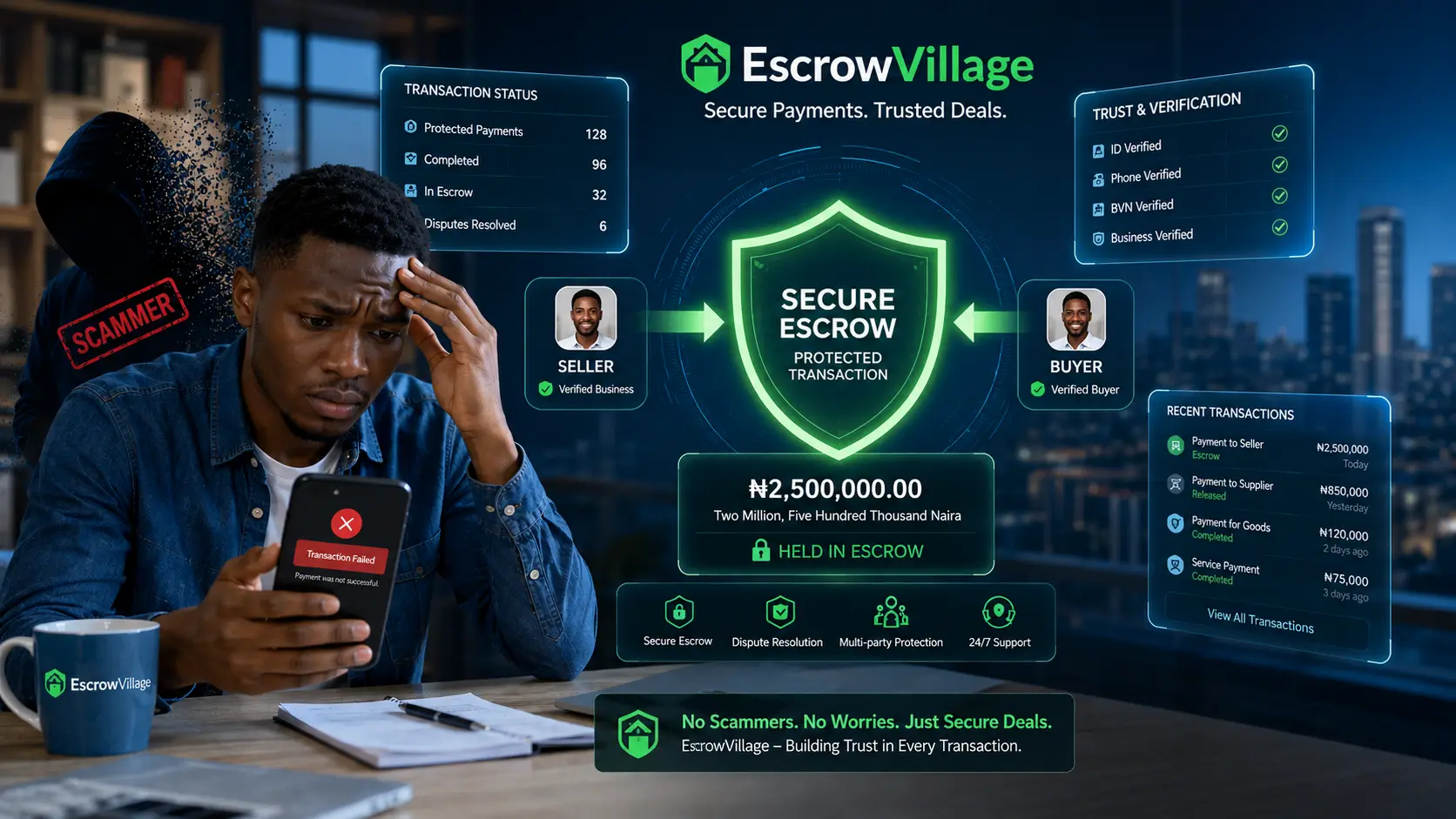
This is where the broader idea behind Escrow Village becomes relevant.
The purpose of escrow is not limited to one particular type of asset. Whether people are buying products, paying for services or exchanging digital assets, the fundamental problem remains the same:
How can two people who don't completely trust each other complete a transaction safely?
Escrow provides a structured answer by introducing a trusted party into the transaction.
However, anyone considering escrow for crypto should confirm that the escrow provider actually supports cryptocurrency transactions and understand exactly what happens to the crypto and payment if there is a dispute.
Escrow does not automatically make every P2P crypto transaction safe.
It does not protect you from choosing a fraudulent platform.
It does not guarantee that the person you are dealing with is legitimate.
And it cannot necessarily protect you from every problem associated with the payment itself.
For example, if you are selling crypto and receive money from a suspicious or unauthorised account, the transaction could create problems even if your crypto was held in escrow.
This is why escrow should be one part of a broader safety strategy.
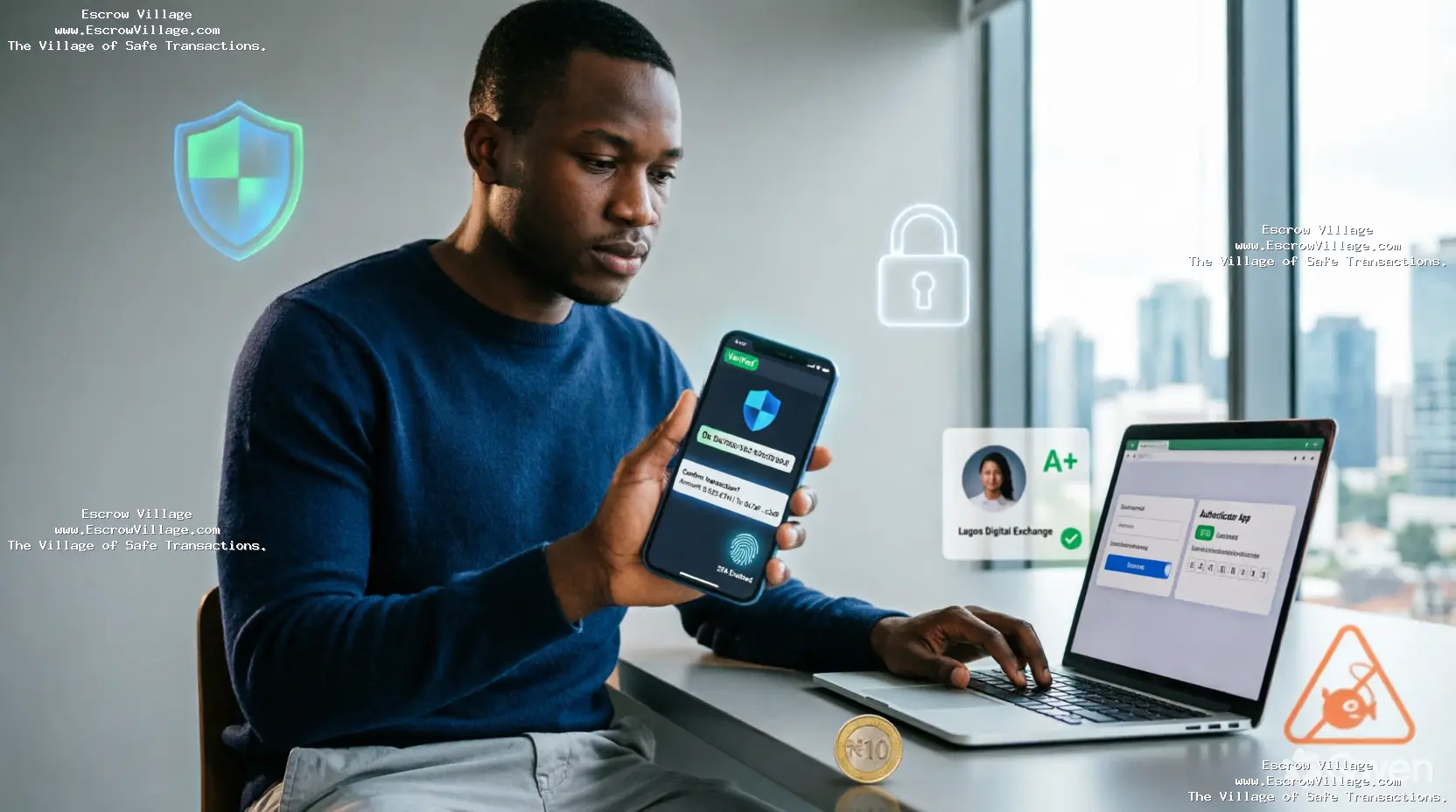
You should still verify the person you are trading with, check transaction details carefully, use the official payment process and keep evidence of the transaction.
But that freedom comes with responsibility.When two strangers exchange valuable assets, simply saying “trust me” is not enough.
Escrow provides a structure that allows the transaction to move forward without requiring either party to blindly trust the other.
The seller's cryptocurrency can be secured while the buyer makes payment. The payment can then be verified before the crypto is released.
That is why escrow has become an important part of safer P2P crypto trading.
And the idea goes beyond cryptocurrency.
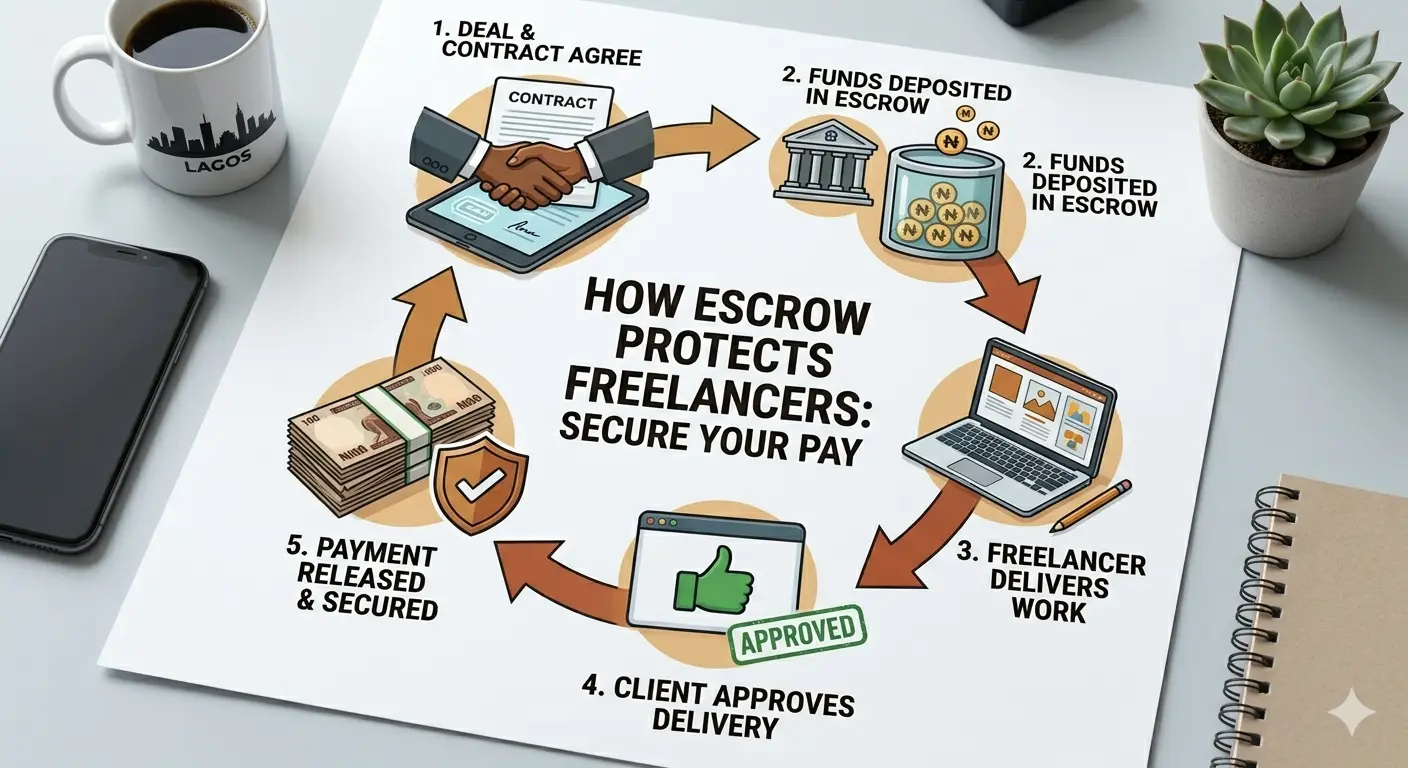
Whether you are buying USDT from another person, paying an online seller, hiring a freelancer or doing business with someone you have never met, the fundamental purpose of escrow remains the same:protect the transaction while both sides fulfil their promises.
That is the problem services such as Escrow Village are designed to address: making transactions between people who may not know or completely trust each other safer and more structured.
You can agree on a price, choose a payment method and complete the transaction without going through a traditional crypto exchange.
But one obvious problem remains: how do you know the other person will keep their side of the deal?
A buyer could send money and never receive the cryptocurrency. A seller could release their crypto and never receive the agreed payment.
This is where escrow for P2P crypto transactions can make a difference.
Escrow provides a middle layer between the buyer and seller by holding the crypto temporarily until the agreed conditions of the transaction are met.
Major P2P crypto platforms already use this model to reduce the risk of one party taking the other party's money or cryptocurrency without completing the trade.
- What Is P2P Crypto Trading?
For example, imagine that Chinedu wants to buy $500 worth of USDT from another person.
The seller agrees to sell the USDT at a particular price. Chinedu sends the equivalent amount in naira to the seller's agreed bank account, and the seller releases the USDT.
That sounds straightforward.
The problem is that the two people may not know or trust each other.
If Chinedu sends ₦800,000 and the seller refuses to release the USDT, getting the money back could become difficult.
On the other hand, if the seller releases the USDT before receiving payment, they could also lose their cryptocurrency.
This is the trust problem that escrow helps solve.
- How Does Escrow Work in a P2P Crypto Transaction?
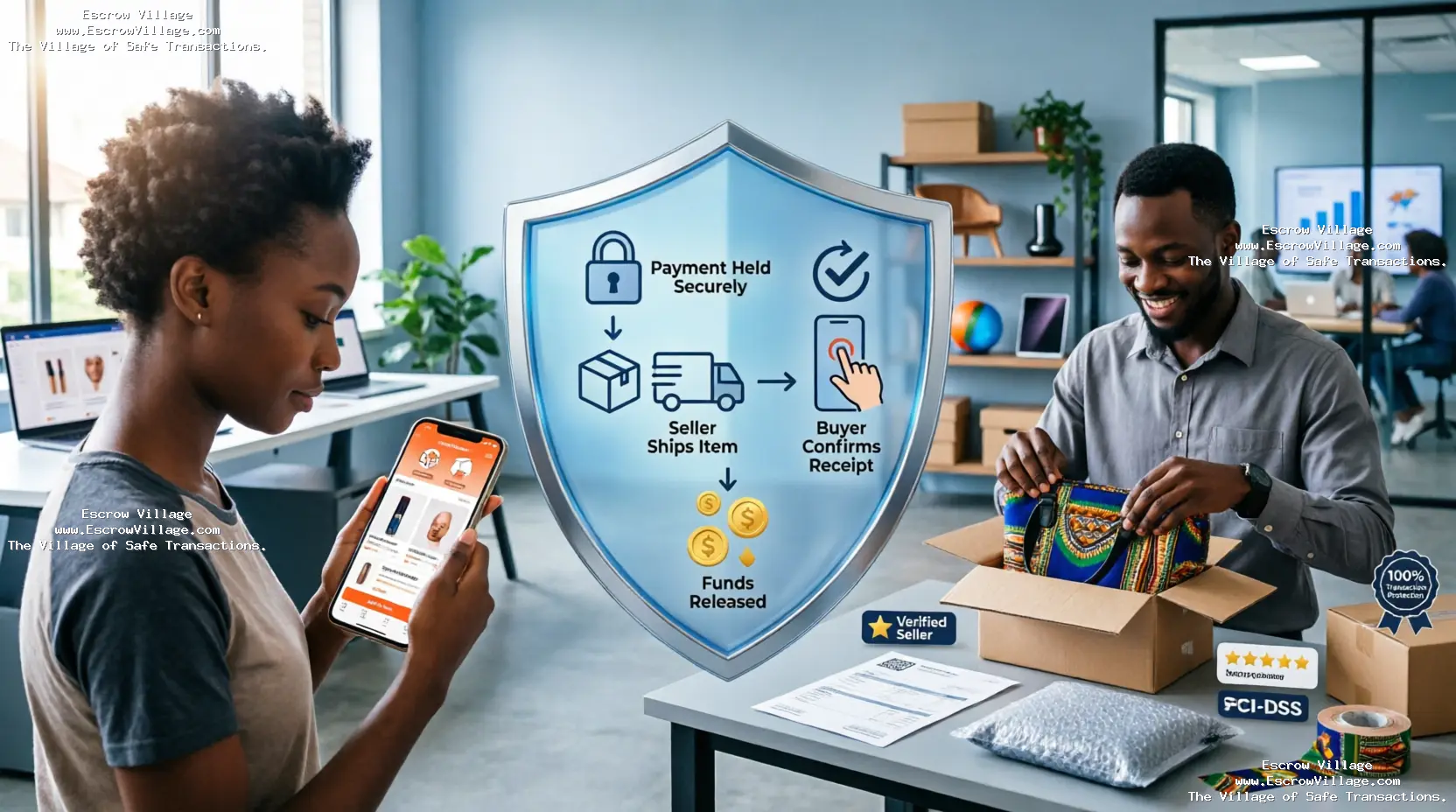
- 1. The buyer and seller agree on the transaction
For example:Buyer: I want to buy 500 USDT.Seller: I will sell 500 USDT for ₦800,000.They then agree to make the payment.
- 2. The seller's crypto is placed in escrow
This is an important part of the process.
The buyer knows that the cryptocurrency has already been secured for the transaction, while the seller knows that the buyer cannot simply claim the crypto without following the agreed process.
P2P marketplaces such as Binance use this type of escrow arrangement, temporarily holding the seller's cryptocurrency while the trade is being completed.
- 3. The buyer makes the payment
The buyer should not simply send money to a different account because someone in the chat asks them to.
The payment details should match the transaction instructions.
- 4. The seller confirms the payment
A buyer might send a screenshot claiming that a transfer has been completed. But a screenshot is not proof that money has actually arrived.
The seller should check their bank account or payment wallet directly before releasing the cryptocurrency.
P2P safety guidance from Binance specifically warns sellers not to rely on screenshots or supposed payment notifications when confirming payment.
- 5. The crypto is released to the buyer
The transaction is then completed.This simple structure changes the situation considerably.
Instead of:“Send me the money and trust that I'll send the crypto.”It becomes:“The crypto is secured, your payment is made, and the crypto is released when the agreed conditions are fulfilled.”
That is the basic value of escrow.
- Why Use Escrow for P2P Crypto Transactions?
Escrow reduces that risk by putting the crypto aside while the payment is being completed.
The seller cannot simply disappear with the crypto after receiving the buyer's payment because the crypto has already been placed under the escrow arrangement.
Likewise, the buyer cannot simply receive the crypto without completing the payment.
It creates a process for resolving disputesNot every P2P transaction goes smoothly.
A buyer may claim they paid while the seller says nothing was received. A seller may claim that the payment was incomplete. There may also be problems involving payment delays or incorrect transaction details.
A proper escrow arrangement should have a dispute process.
This is one reason it is important to use an escrow service or P2P platform that clearly explains what happens when something goes wrong.
Some P2P platforms allow users to open an appeal and submit transaction records or chat history for review.
- How Escrow Can Help Prevent Common P2P Crypto Scams
A scammer could send a screenshot that appears to show a successful bank transfer and pressure the seller to release the crypto.
With a proper escrow process, the seller should first confirm that the money has actually arrived before releasing the cryptocurrency.
Another common problem is being asked to move the transaction outside the platform.
A person might say:“Let's continue on WhatsApp. I'll give you a better rate.”
That might sound harmless, but moving away from the platform can remove important protections, including the transaction record and dispute process.
P2P safety guidance recommends keeping communication and transactions within the platform's official process rather than moving them to external channels.
- Can You Use Escrow Without a Crypto Exchange?
An independent escrow service can potentially act as a neutral third party between a buyer and seller.
For example, if two people agree to exchange cryptocurrency directly, they could use a trusted escrow service to hold the asset until both sides fulfil the agreed conditions.
This is where the broader idea behind Escrow Village becomes relevant.
The purpose of escrow is not limited to one particular type of asset. Whether people are buying products, paying for services or exchanging digital assets, the fundamental problem remains the same:
How can two people who don't completely trust each other complete a transaction safely?
Escrow provides a structured answer by introducing a trusted party into the transaction.
However, anyone considering escrow for crypto should confirm that the escrow provider actually supports cryptocurrency transactions and understand exactly what happens to the crypto and payment if there is a dispute.
- What Escrow Does Not Protect You From
Escrow does not automatically make every P2P crypto transaction safe.
It does not protect you from choosing a fraudulent platform.
It does not guarantee that the person you are dealing with is legitimate.
And it cannot necessarily protect you from every problem associated with the payment itself.
For example, if you are selling crypto and receive money from a suspicious or unauthorised account, the transaction could create problems even if your crypto was held in escrow.
This is why escrow should be one part of a broader safety strategy.
You should still verify the person you are trading with, check transaction details carefully, use the official payment process and keep evidence of the transaction.
- Tips for Using Escrow Safely for P2P Crypto
- 1. Use a reputable escrow service.
- Do not trust an escrow account simply because someone sends you a link or says it is safe. Use Escrow Village.
- 2. Check the transaction details before paying.
- Confirm the cryptocurrency, amount, exchange rate and payment information.
- 3. Never release crypto based on a screenshot.
- Check your actual bank or payment account.
- 4. Keep communication within the official platform when possible.
- This creates a record that may be useful if there is a dispute.
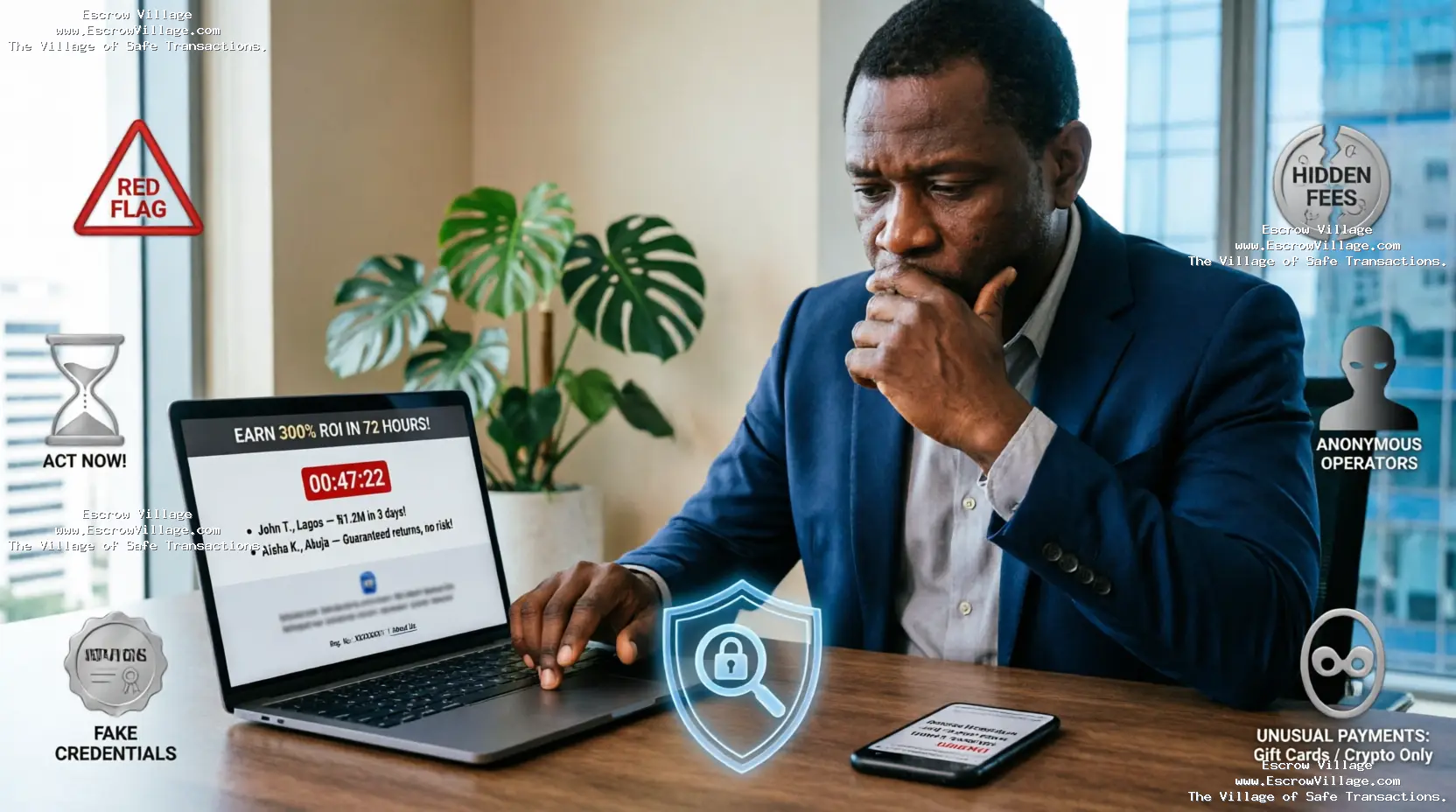
- 5. Do not allow someone to pressure you into rushing.
- Urgency is often used to make people ignore warning signs.
- 6. Understand the dispute process before starting the transaction.
- Know who holds the crypto, what evidence is required and what happens if the buyer or seller disagrees.
- 7. Never assume escrow means zero risk.
- Escrow reduces certain risks, but you still need to make sensible decisions.
- Escrow Makes P2P Crypto Trading About More Than Trust
But that freedom comes with responsibility.When two strangers exchange valuable assets, simply saying “trust me” is not enough.
Escrow provides a structure that allows the transaction to move forward without requiring either party to blindly trust the other.
The seller's cryptocurrency can be secured while the buyer makes payment. The payment can then be verified before the crypto is released.
That is why escrow has become an important part of safer P2P crypto trading.
And the idea goes beyond cryptocurrency.
Whether you are buying USDT from another person, paying an online seller, hiring a freelancer or doing business with someone you have never met, the fundamental purpose of escrow remains the same:protect the transaction while both sides fulfil their promises.
That is the problem services such as Escrow Village are designed to address: making transactions between people who may not know or completely trust each other safer and more structured.