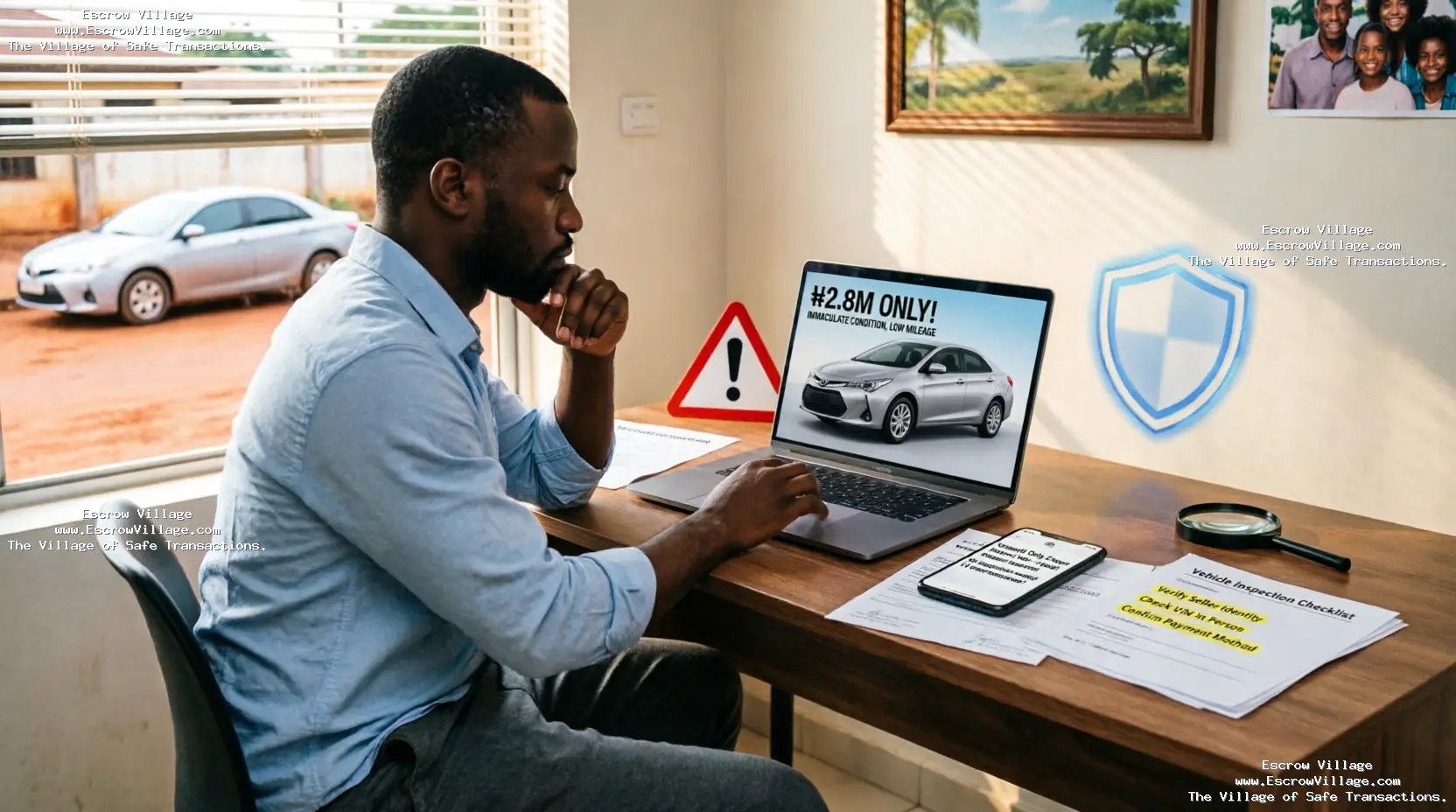
Common Mistakes People Make When Buying Cars Online
Buying a car online can be a convenient option. You can compare different models, check prices and contact sellers without visiting several dealerships.
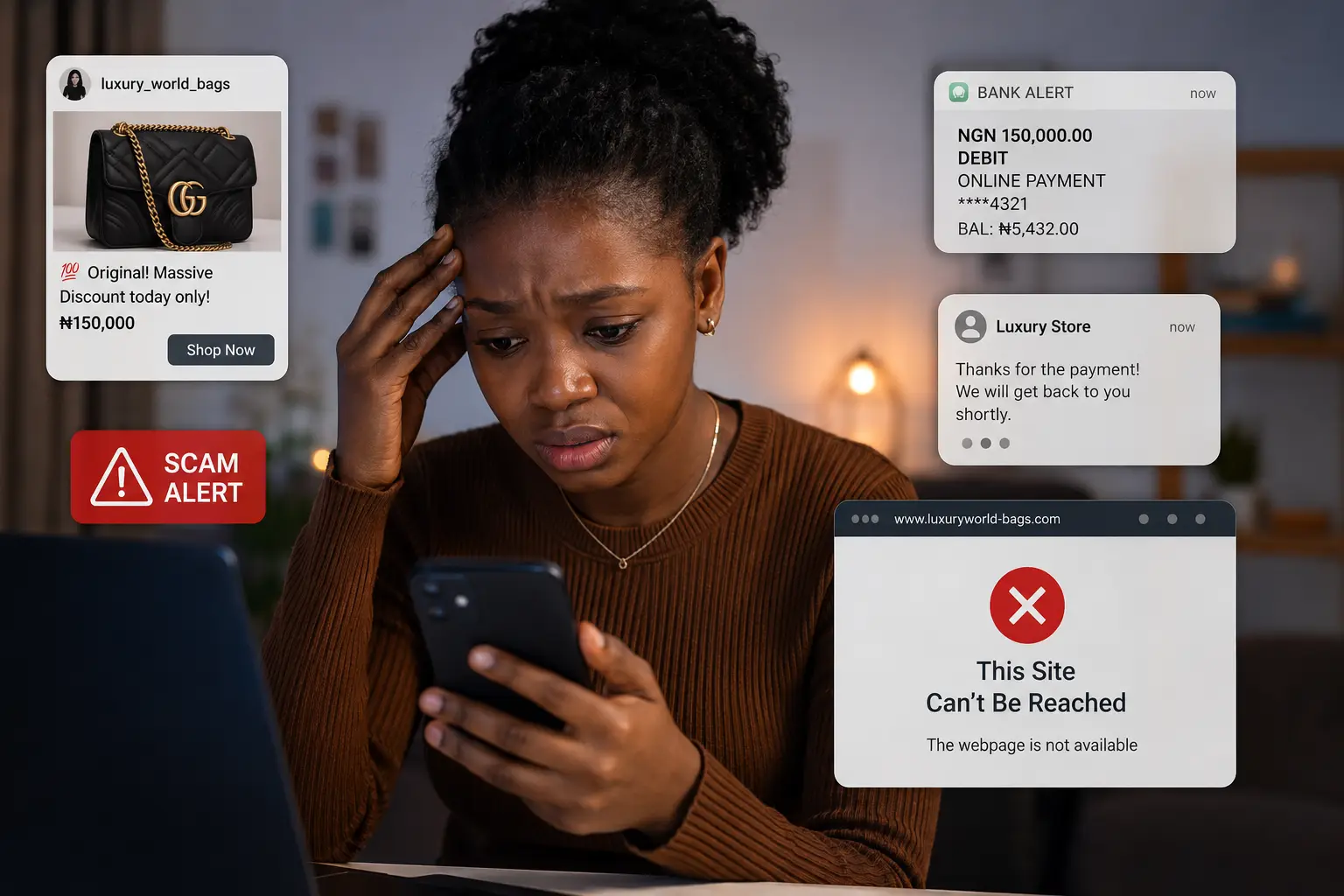
However, online car shopping also comes with risks, especially when buying from private sellers or unfamiliar platforms.
From fake listings to hidden vehicle problems, a mistake can cost you a lot of money.
Here are some common mistakes to avoid when buying a car online.
Ask the seller for recent photos and videos showing the engine, interior, tyres, dashboard and exterior.
Most importantly, inspect the car physically before paying. If you cannot do it yourself, have a trusted mechanic inspect it for you.
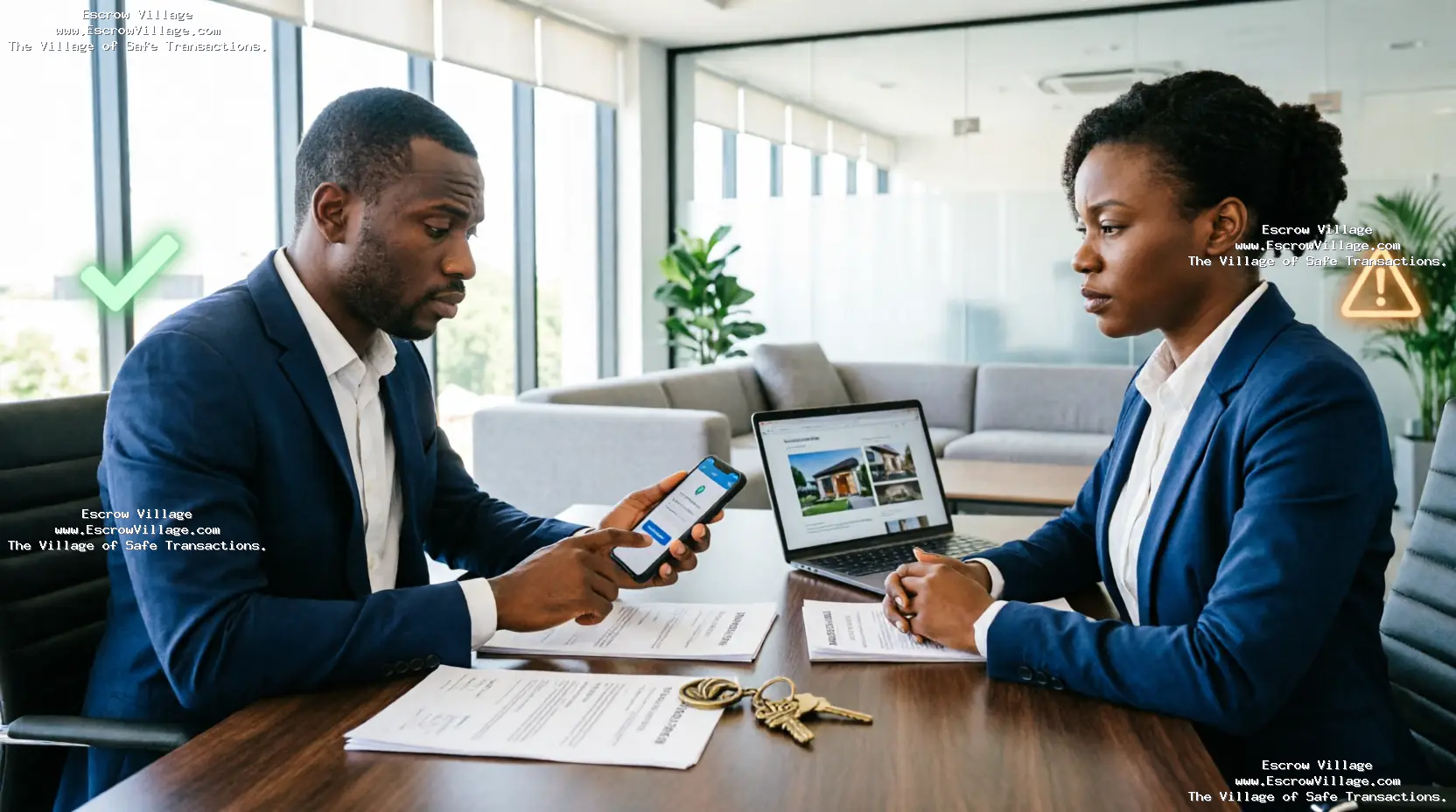
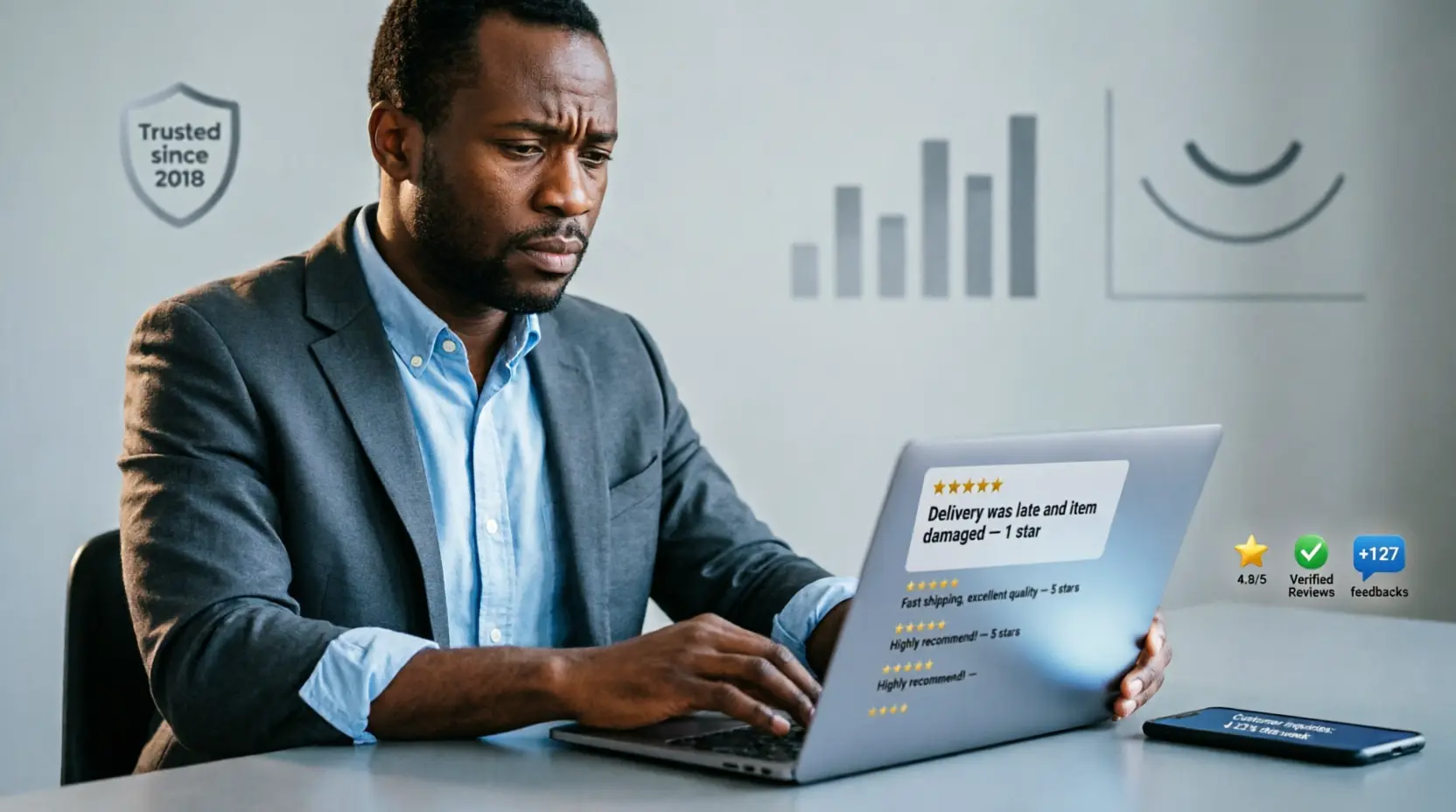
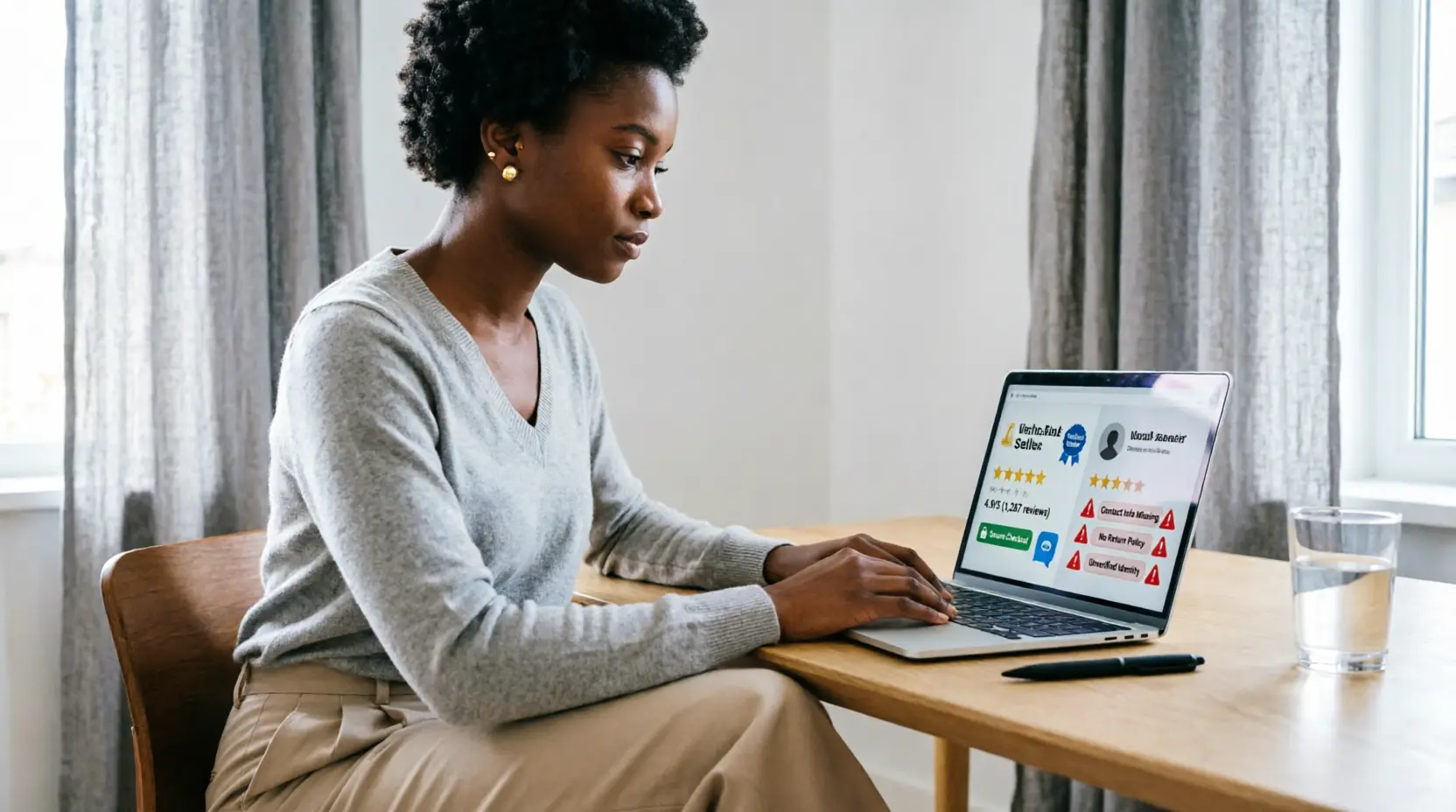
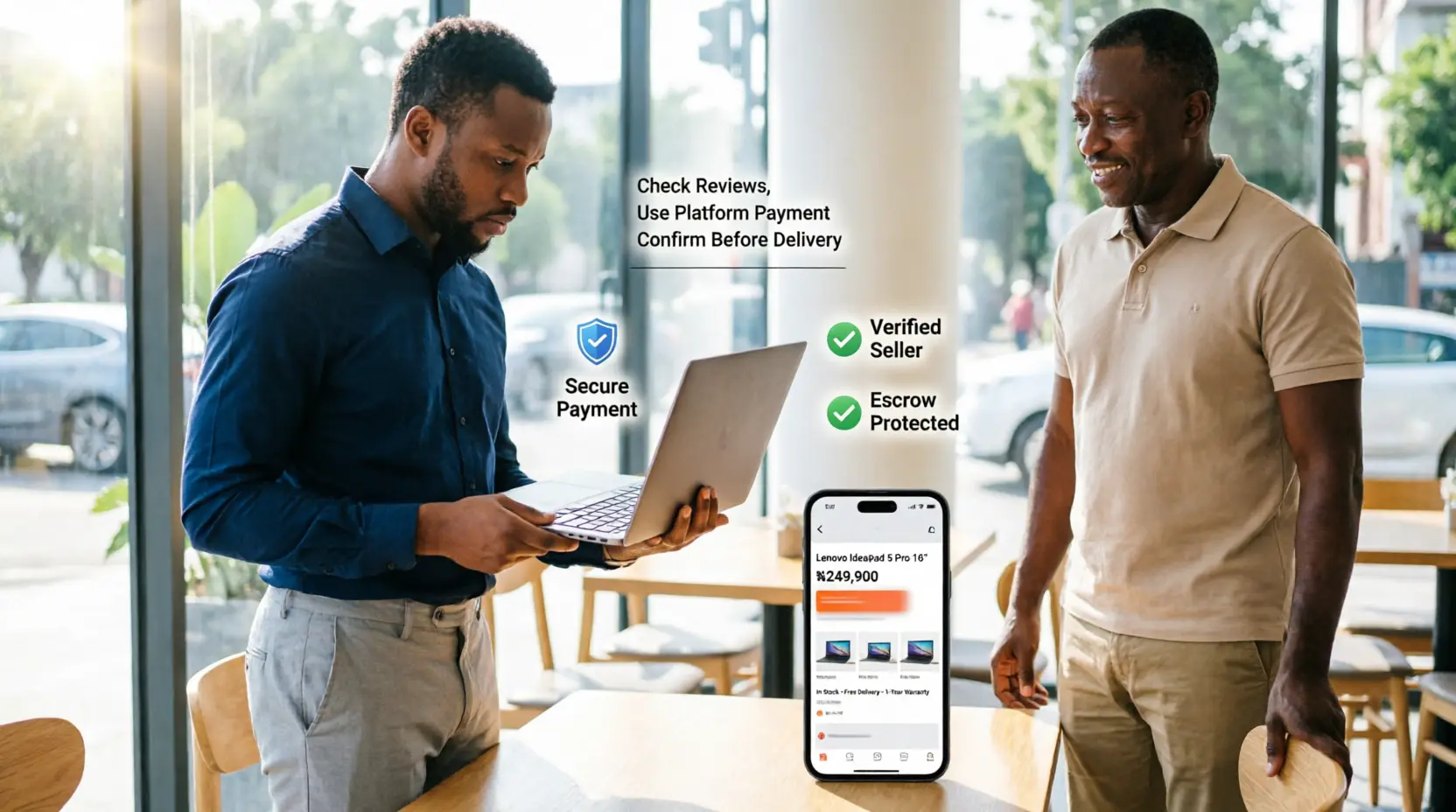
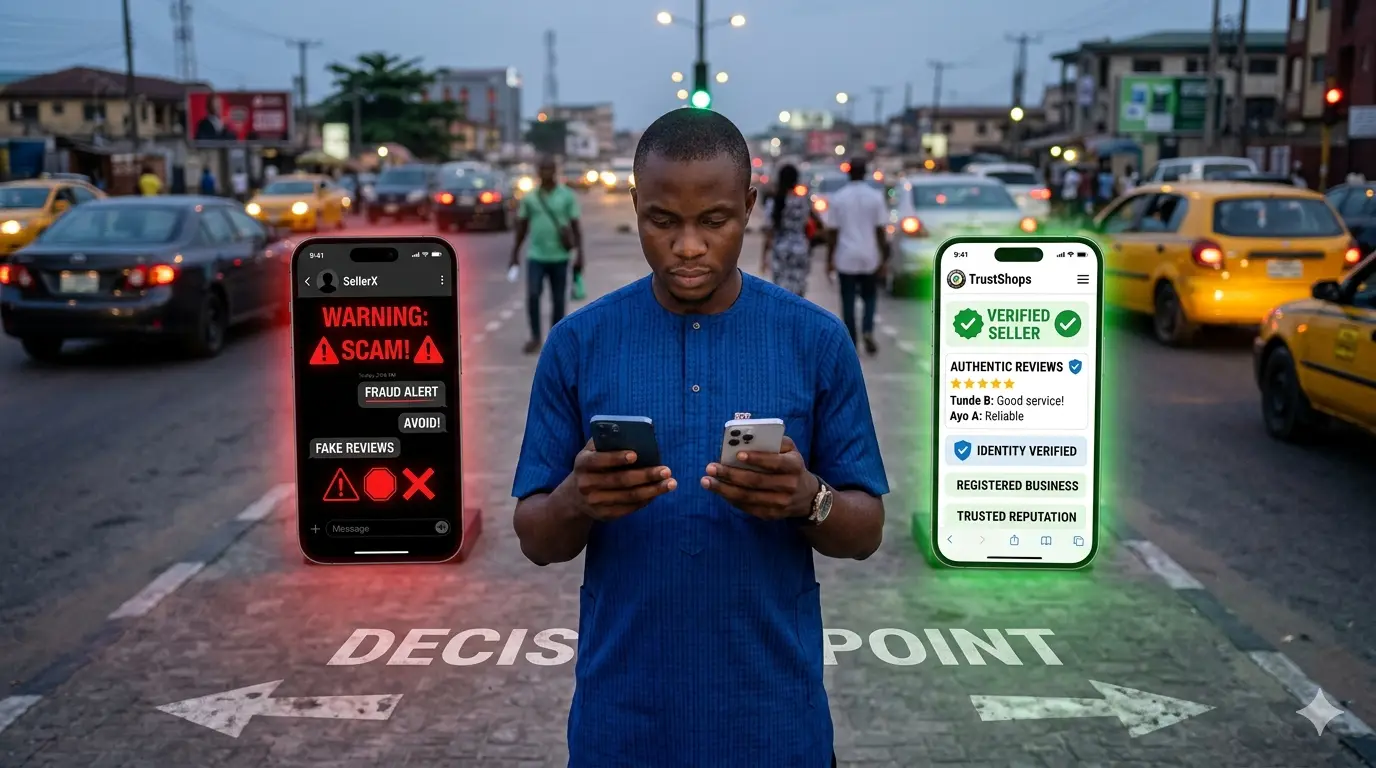
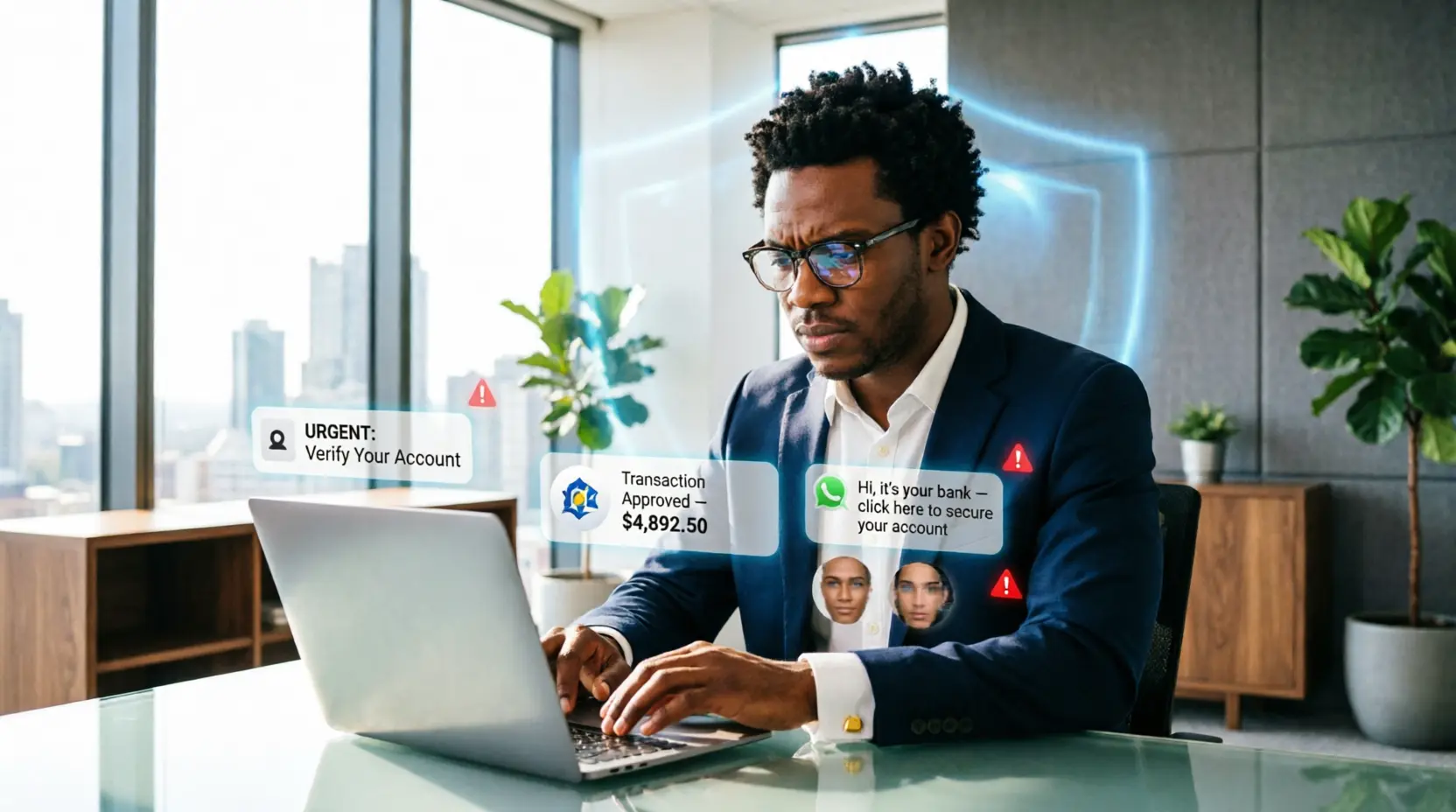
Check the seller's identity, contact details, business information, location and reviews.
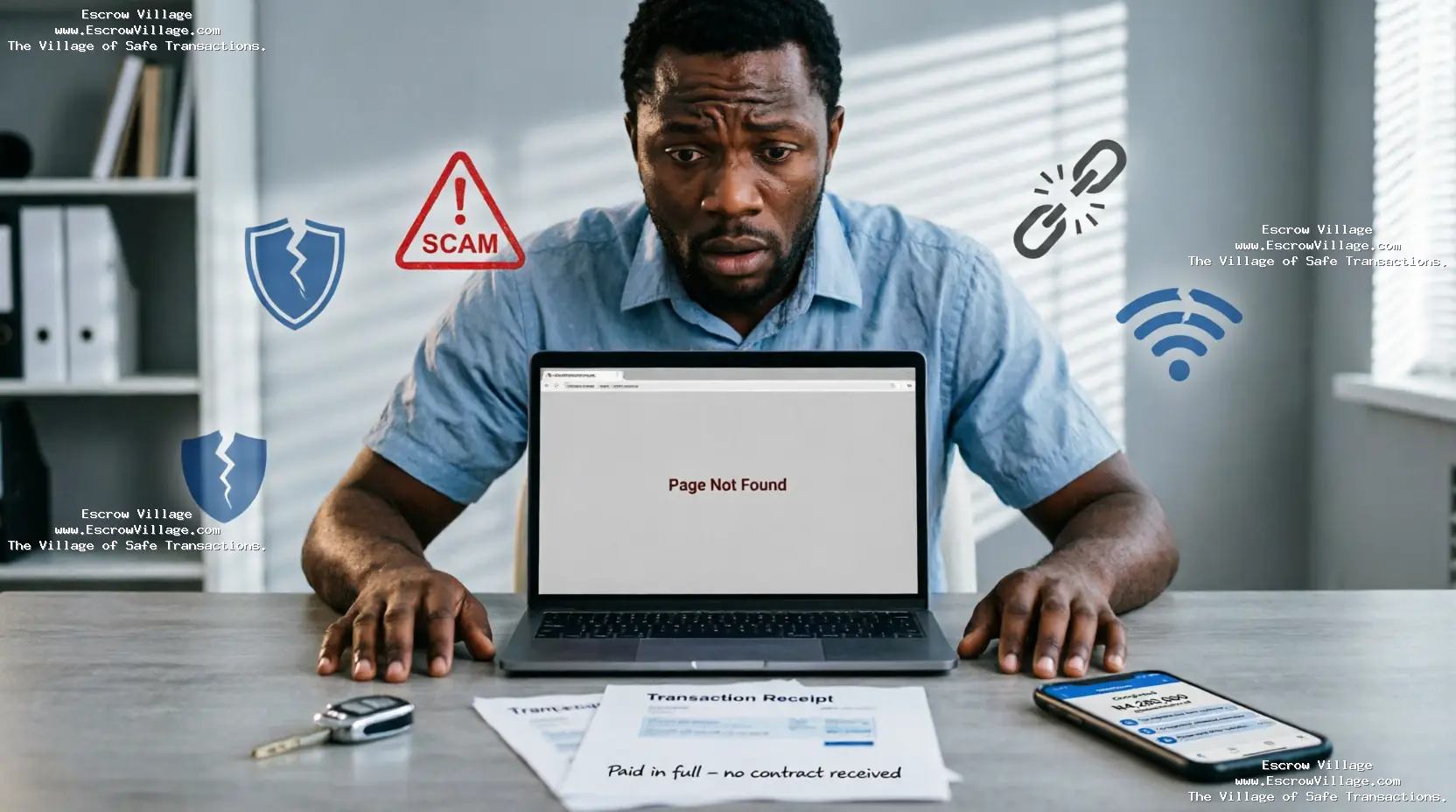
Be especially careful if the seller refuses to meet or insists that you pay immediately to secure the car.
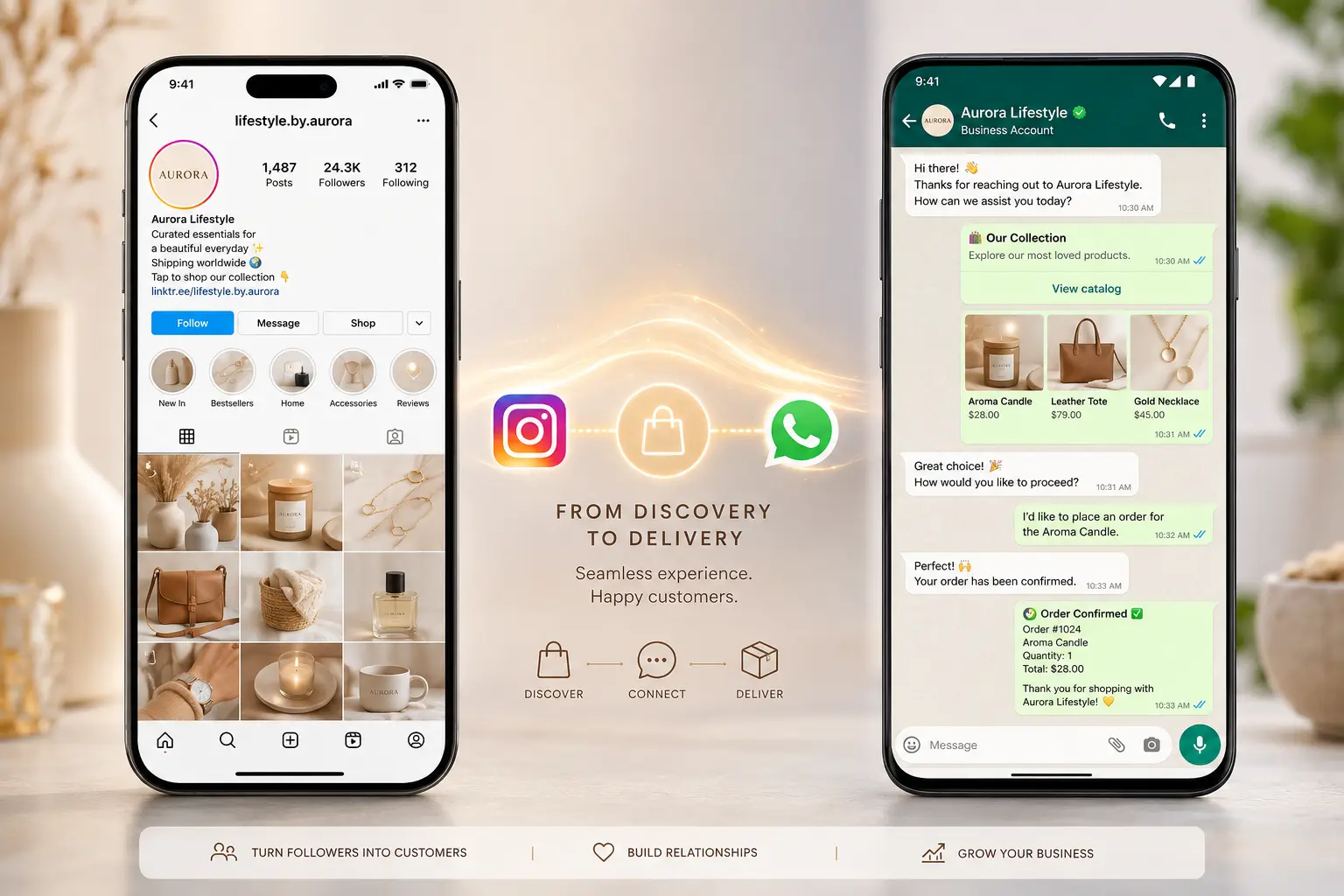
A professional-looking social media account does not automatically mean the person is legitimate.
If the price is unusually low, find out why before making any payment.
Sometimes the vehicle may have serious problems. In other cases, the listing may simply be a scam.
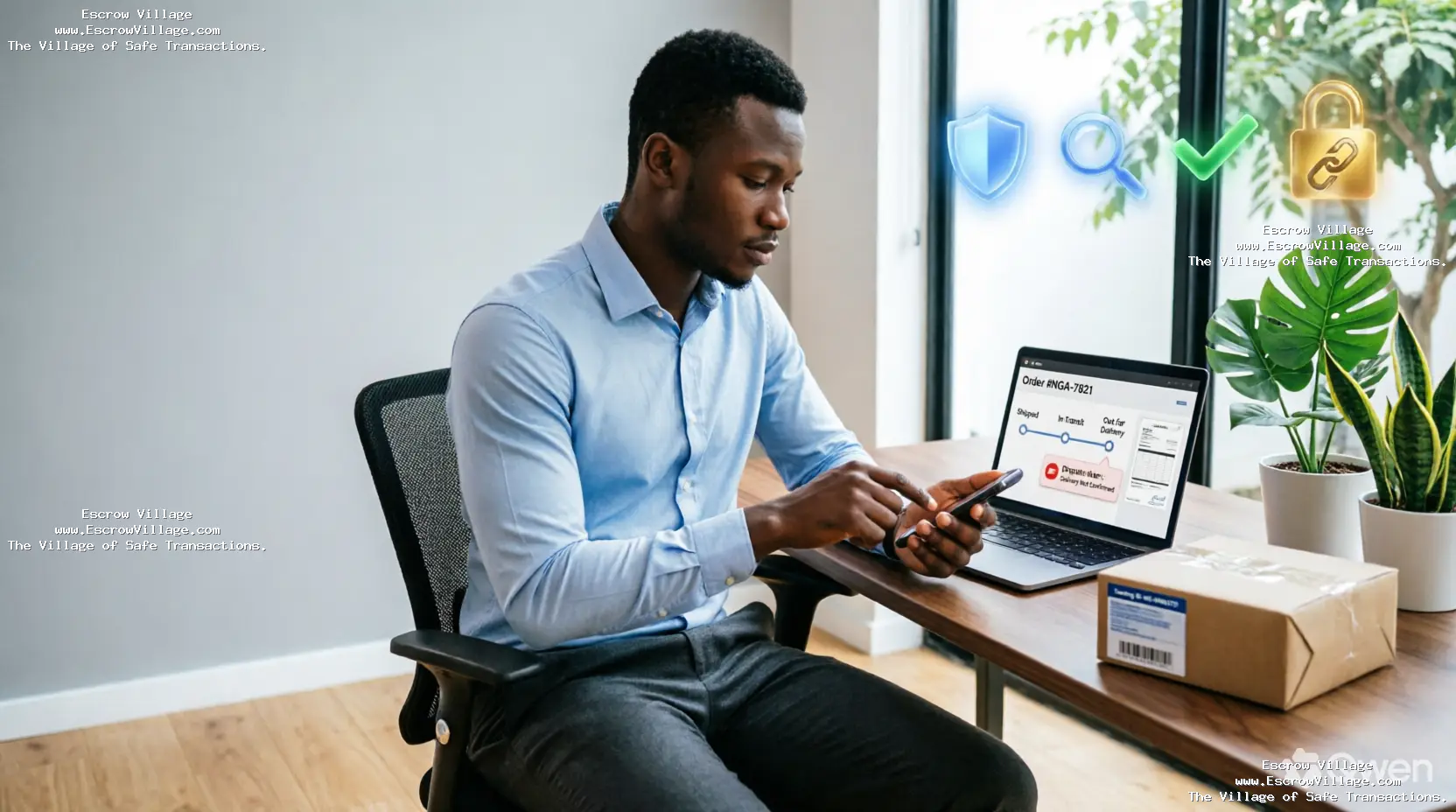
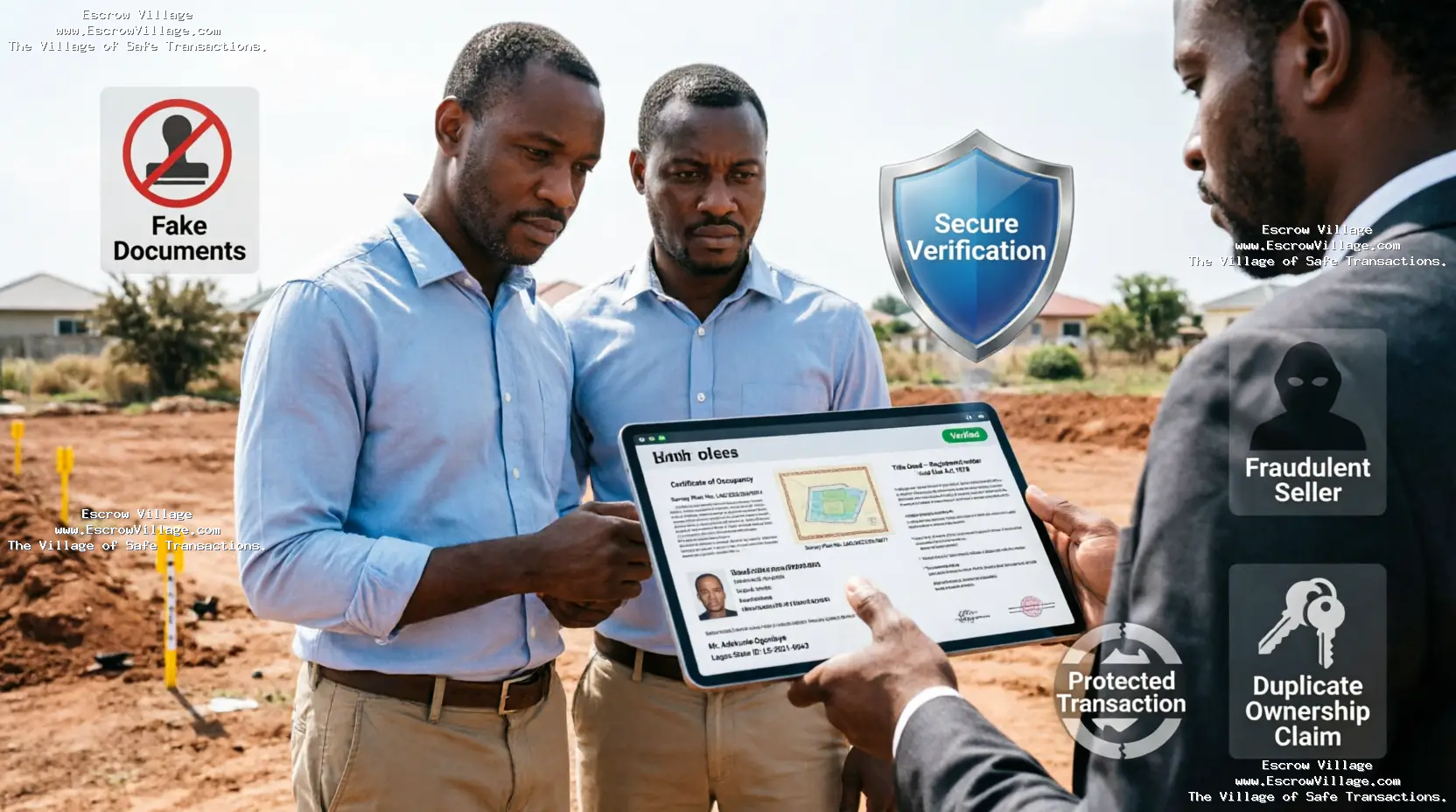
Ask for the vehicle identification number (VIN), where applicable, and use reliable vehicle-history services to check for previous accidents, ownership issues or other problems.
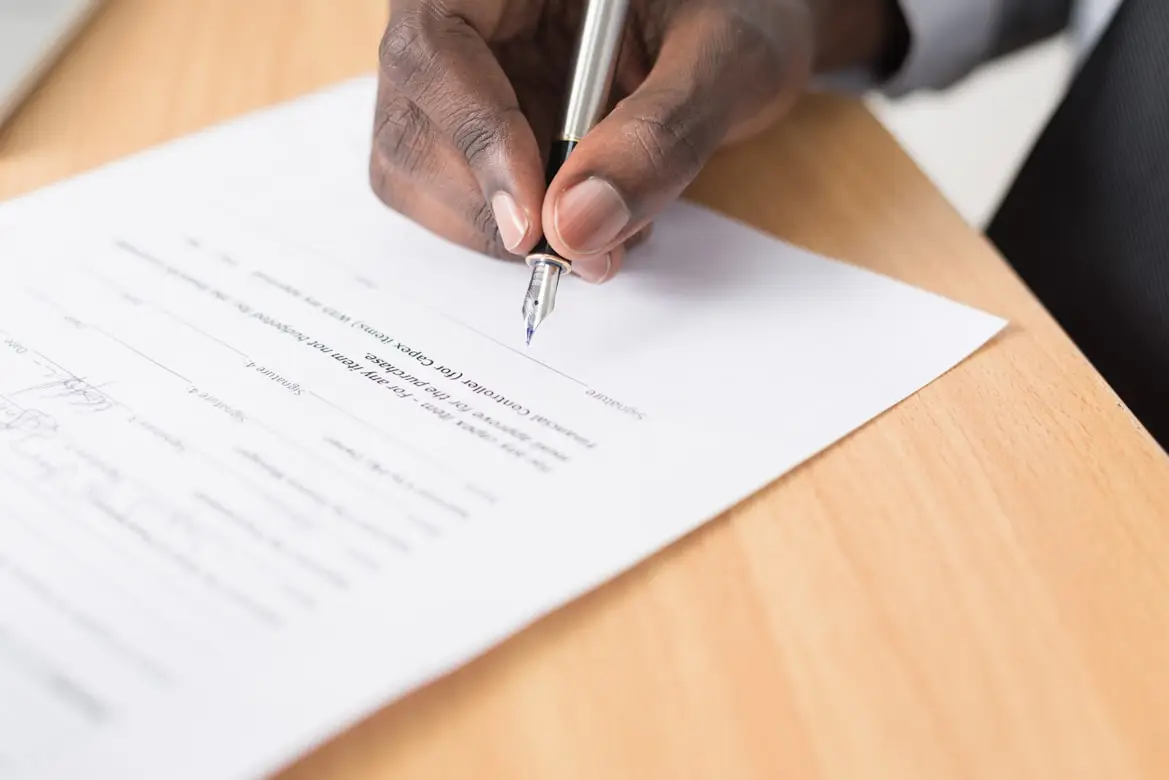
You should also verify the vehicle's registration and ownership documents.
Do not rely only on the seller's word that everything is legitimate.
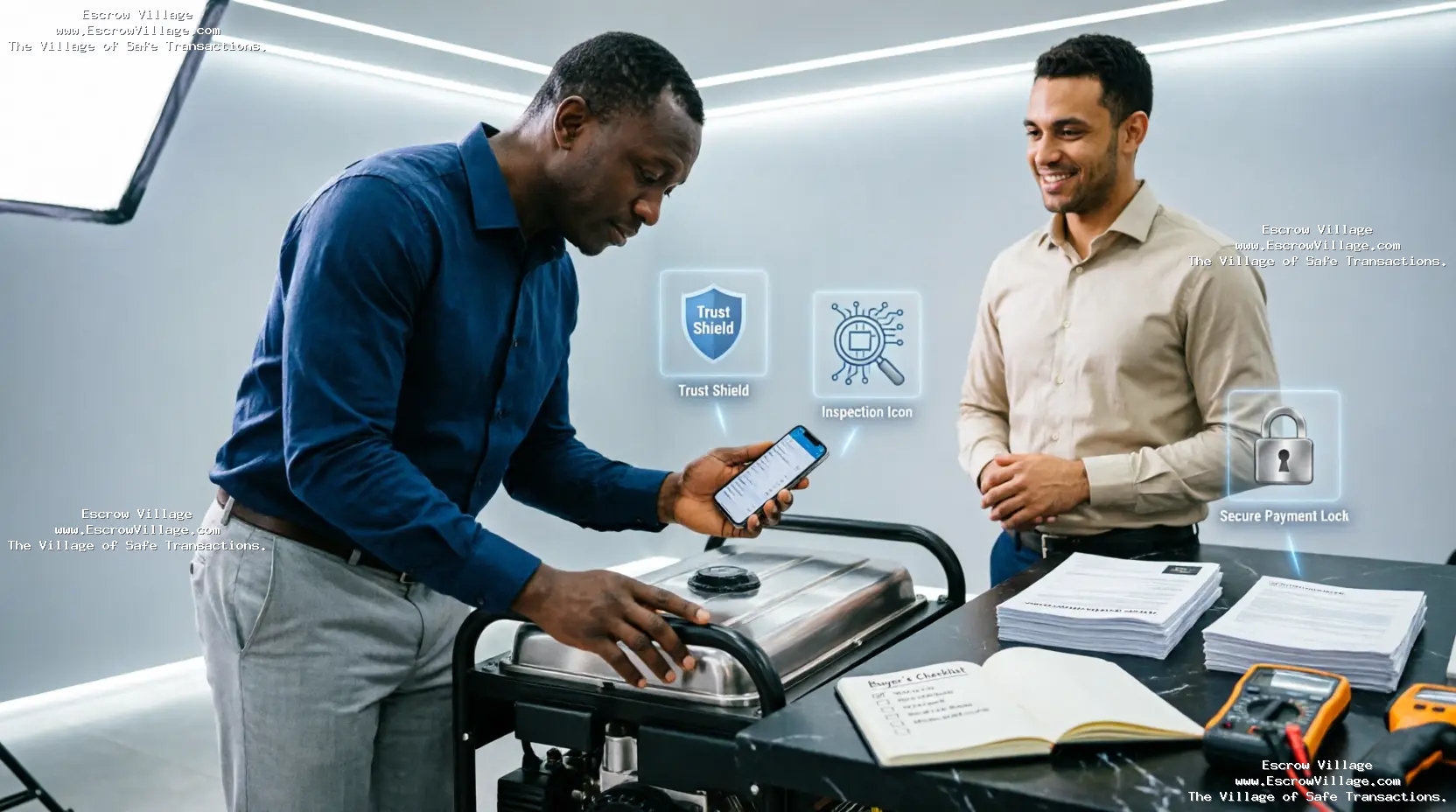
Have a qualified mechanic check the engine, transmission, suspension, brakes, electrical system, tyres and other important components.
Spending money on an inspection before buying is better than discovering a major mechanical problem after you have already paid.
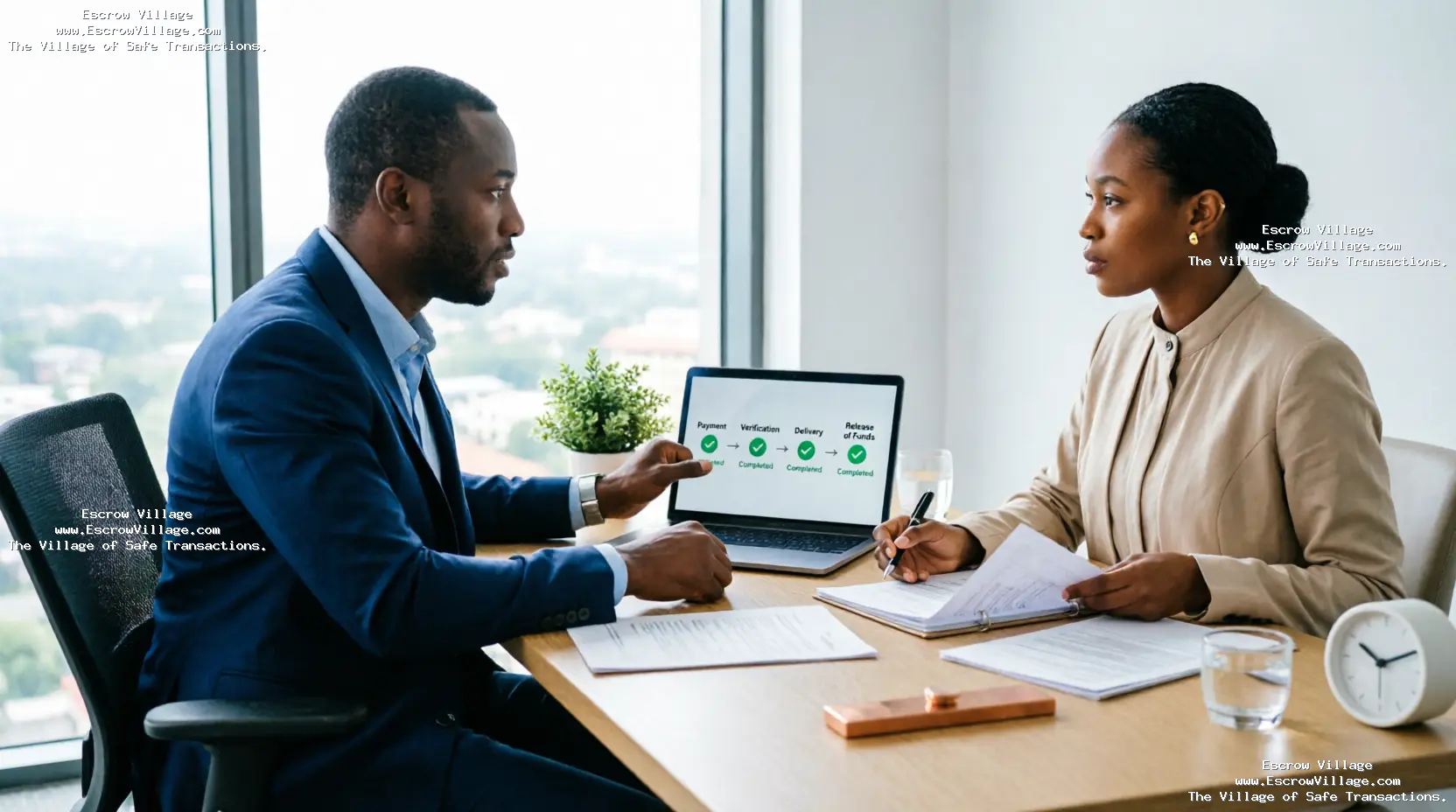
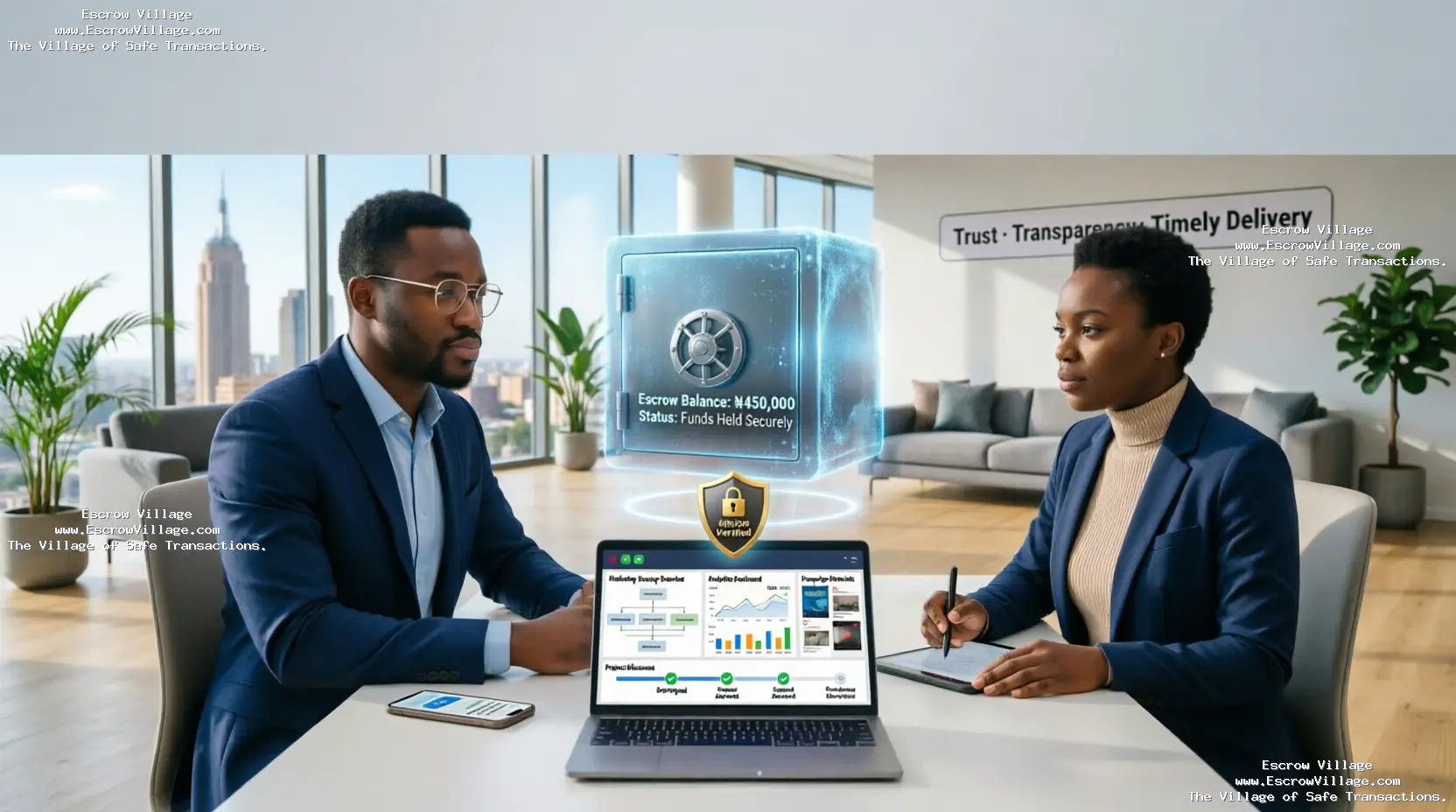
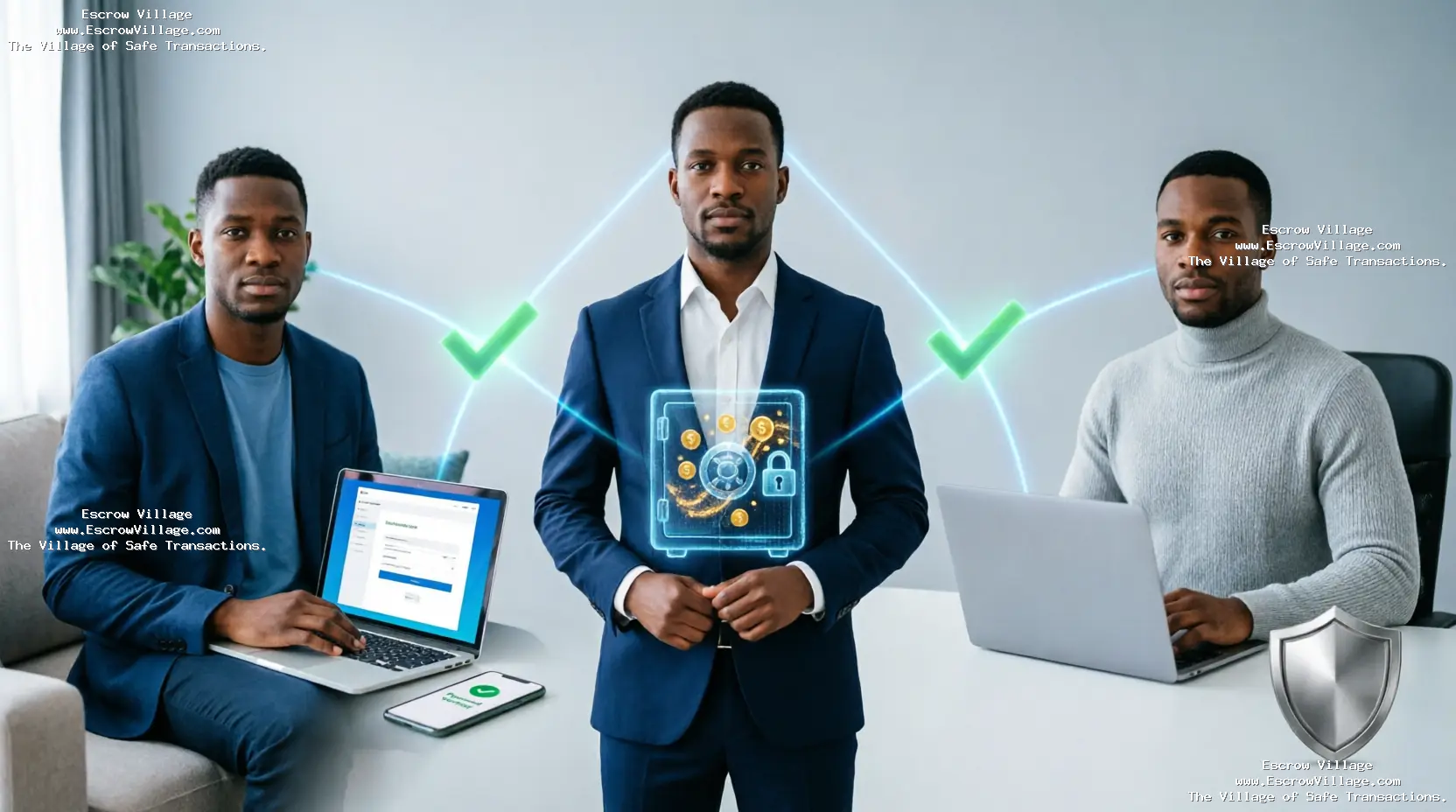
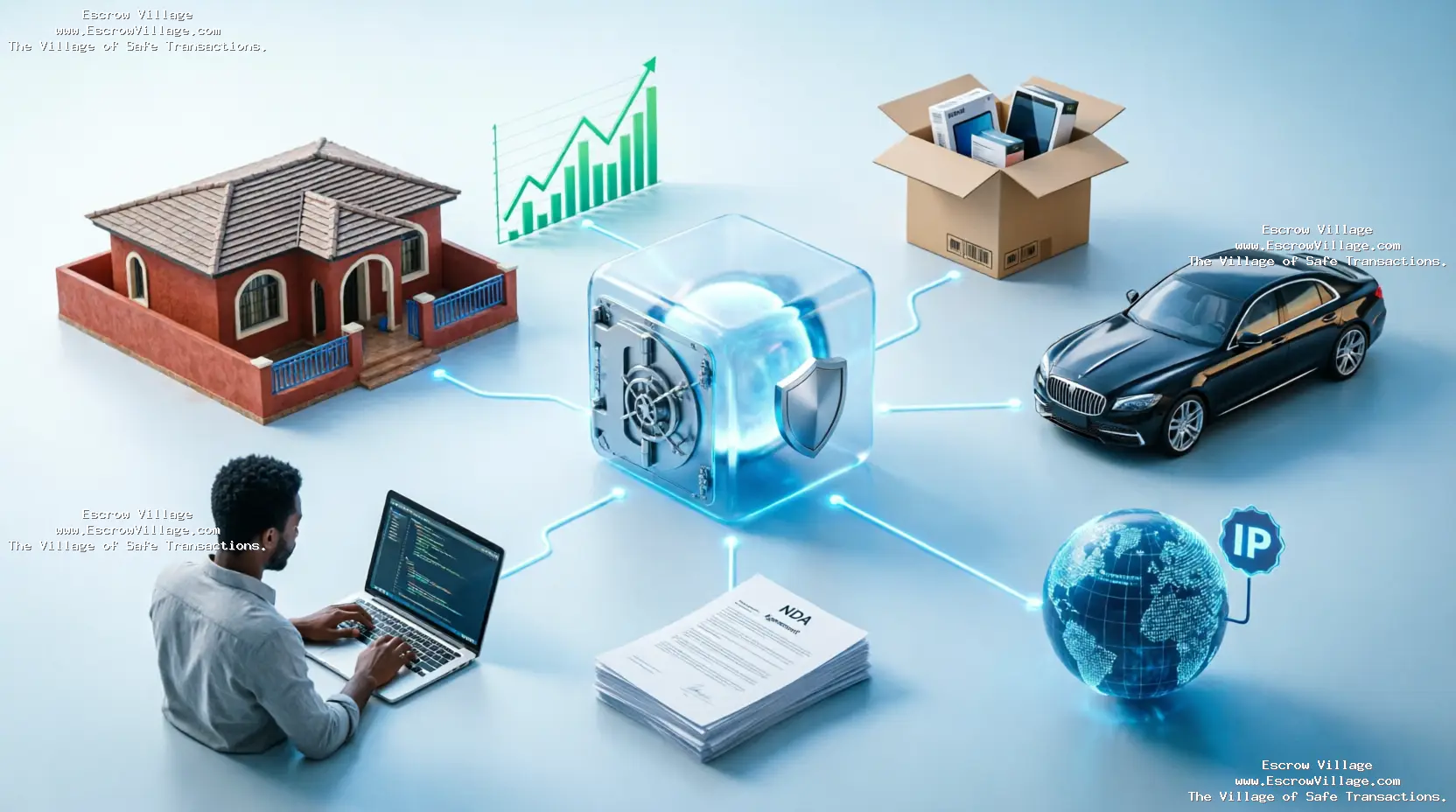
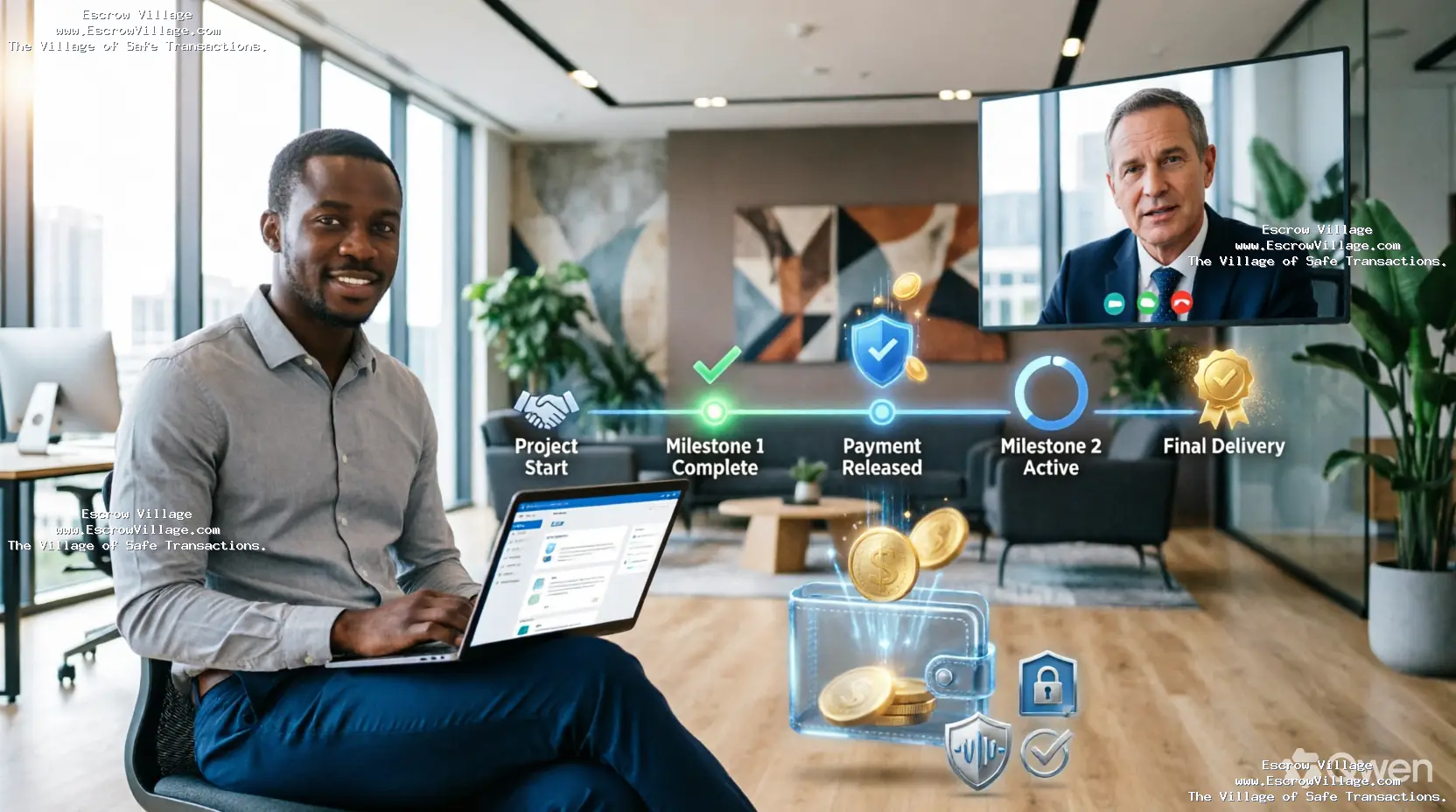
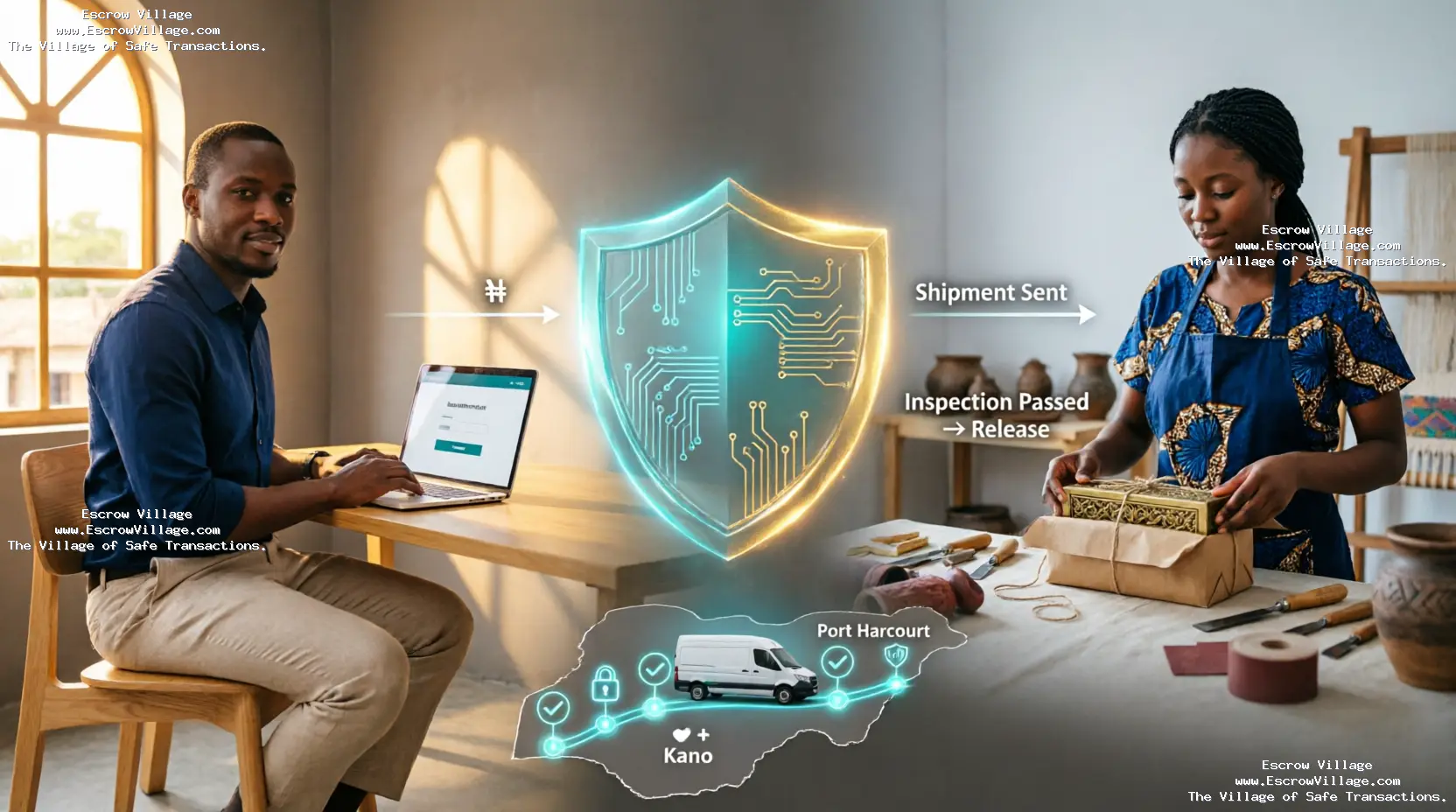
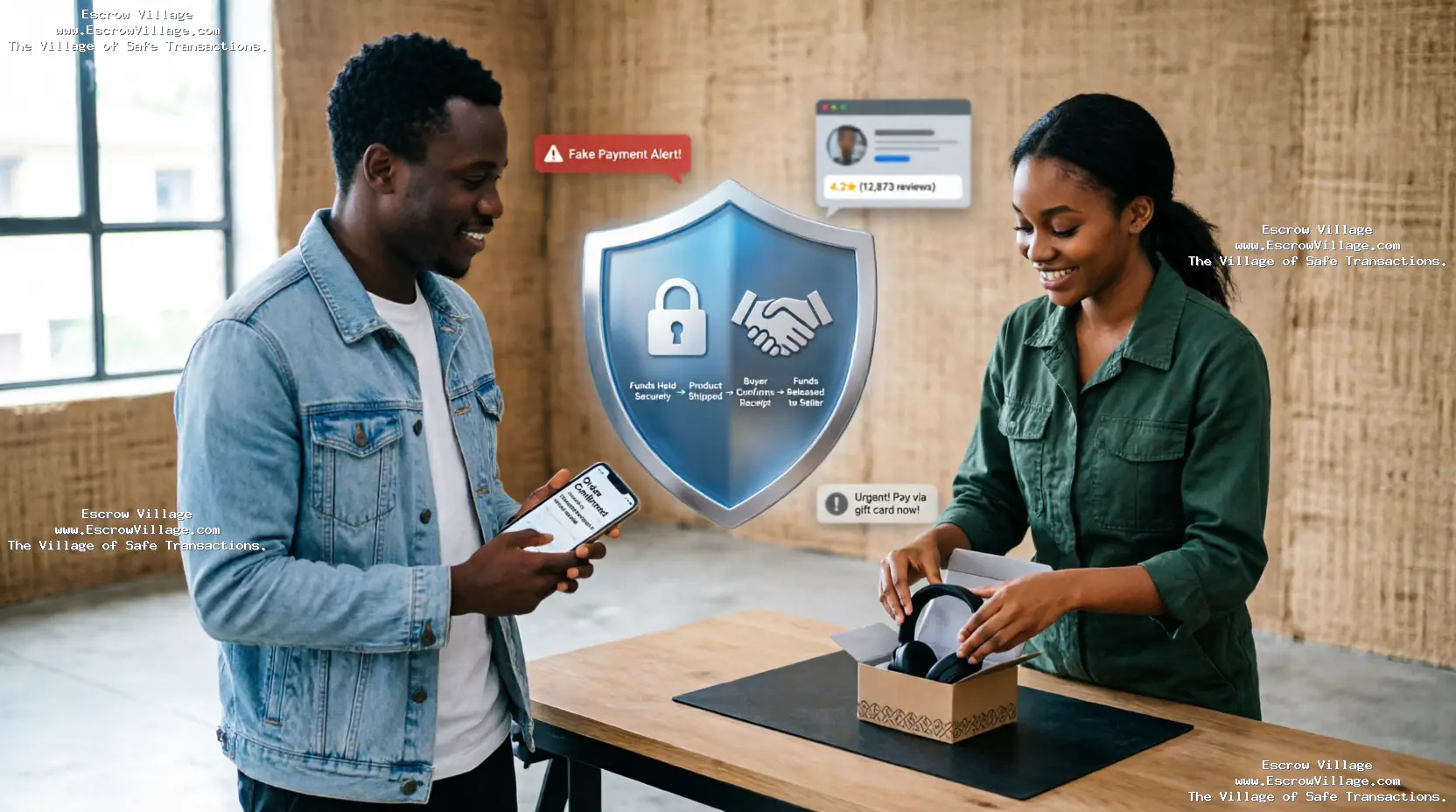
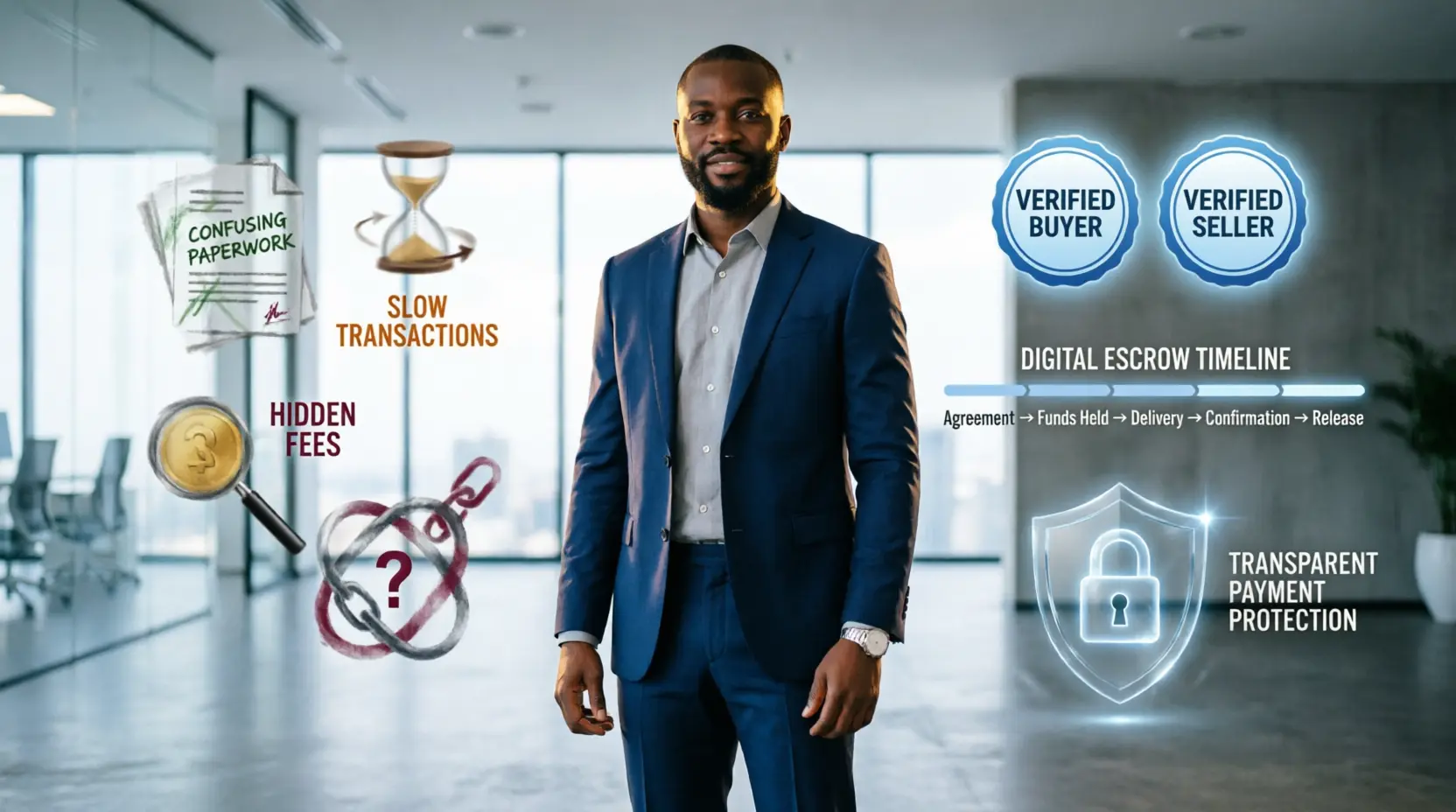
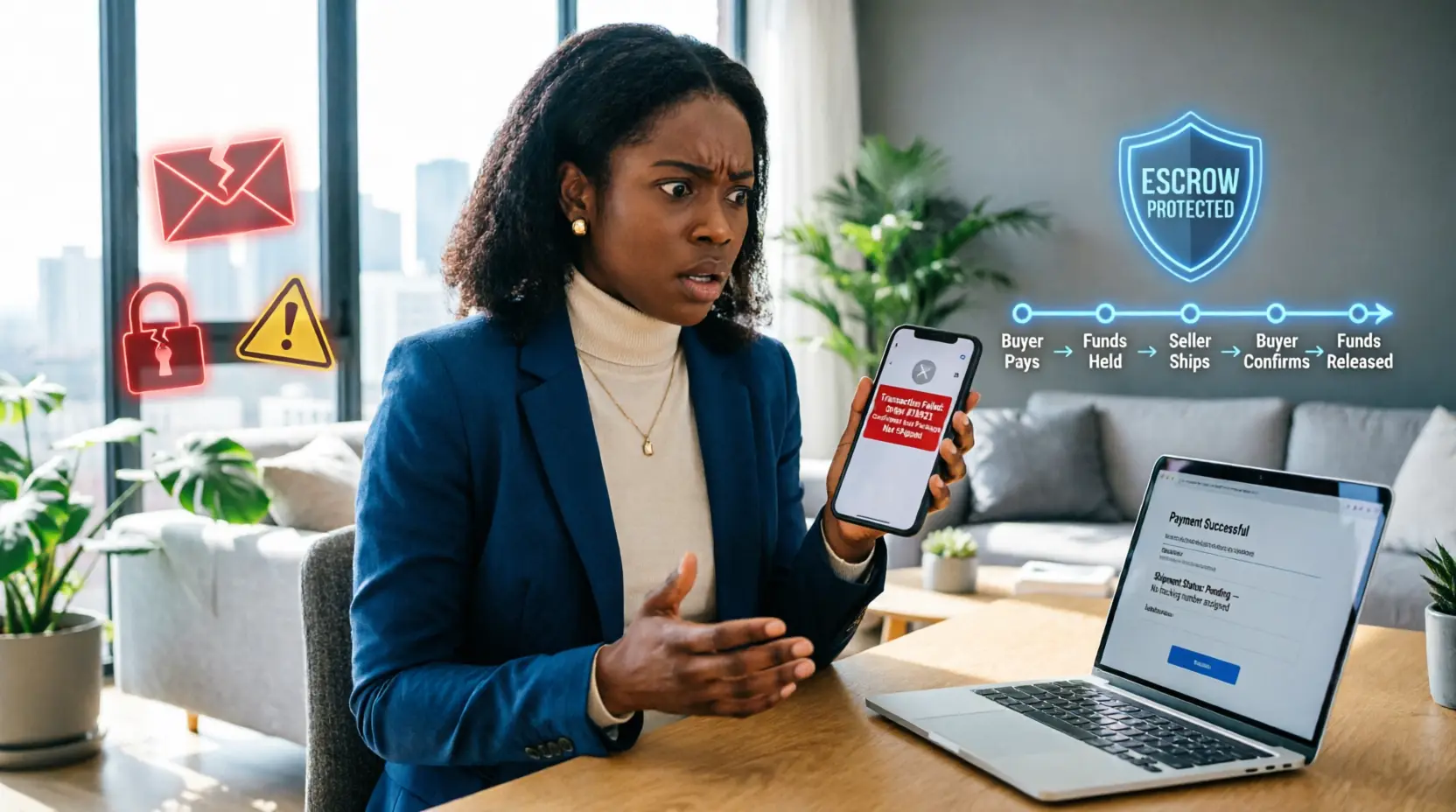
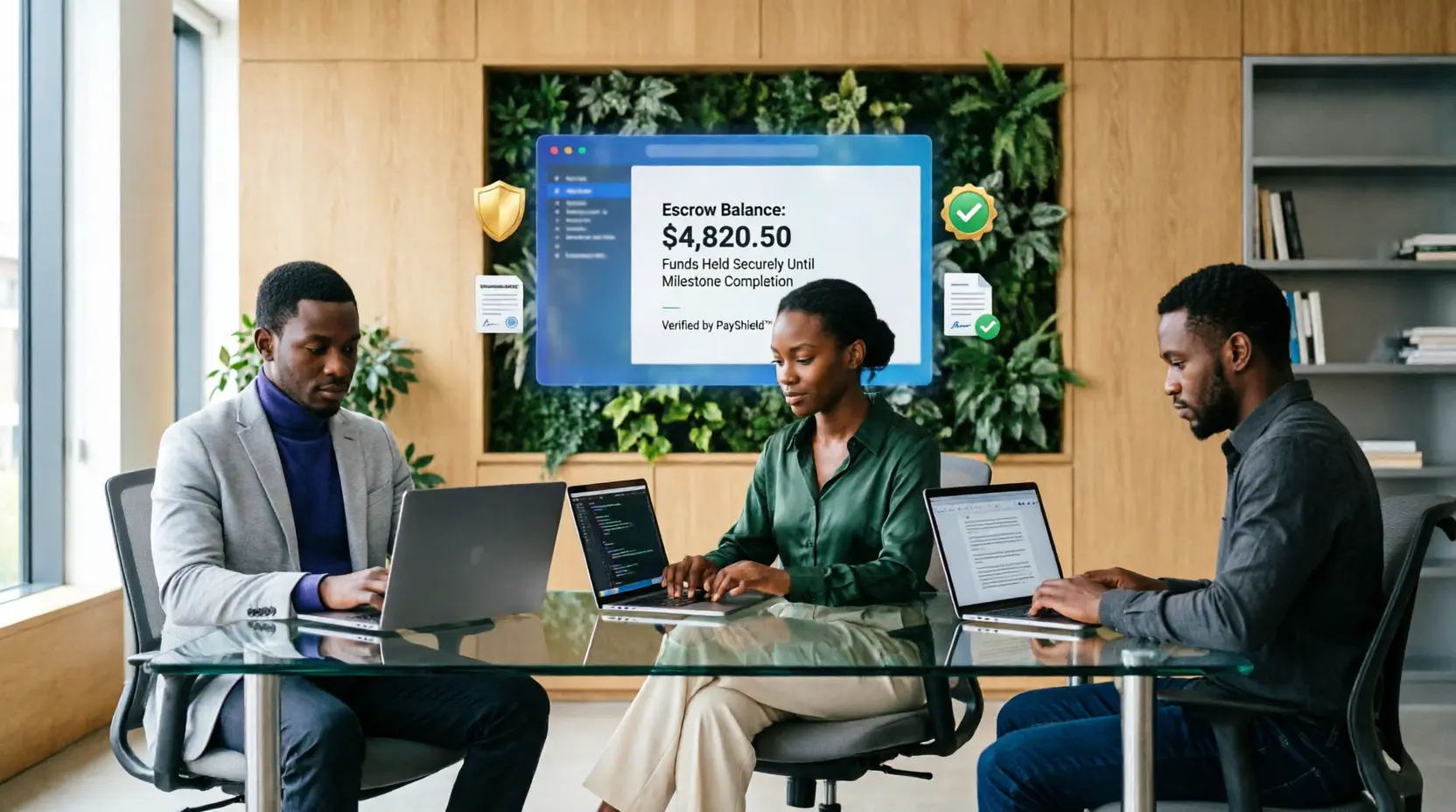
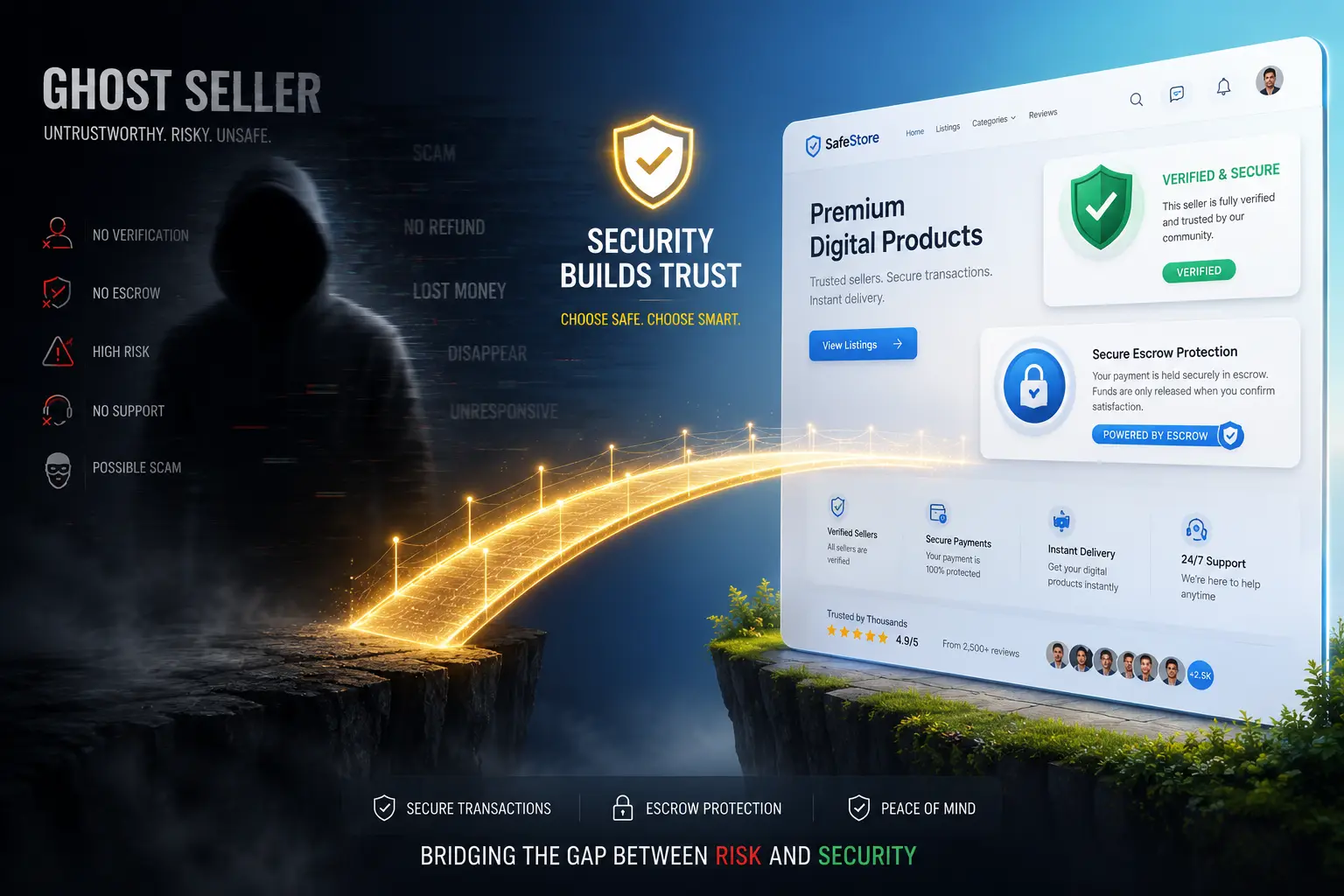
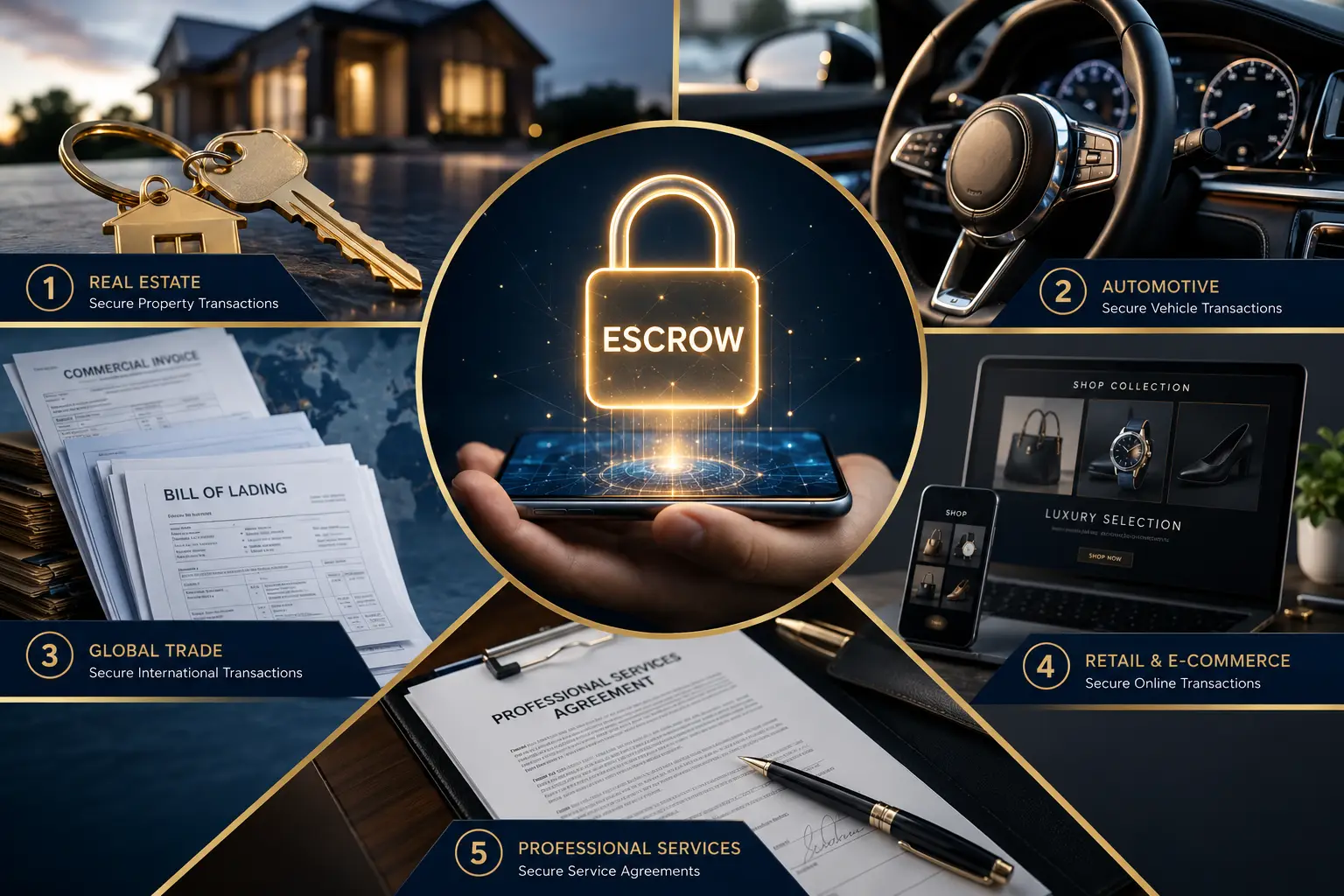
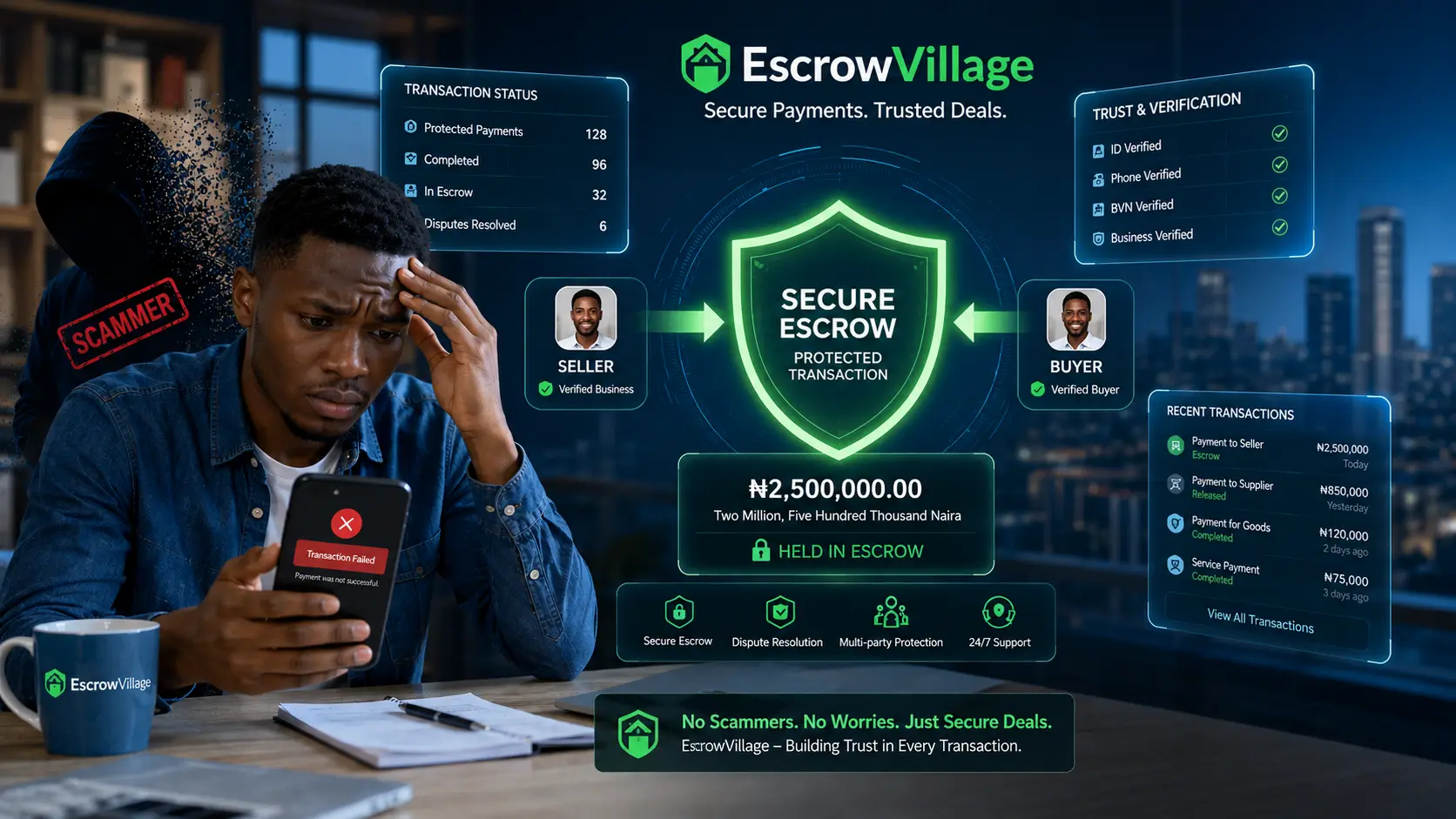
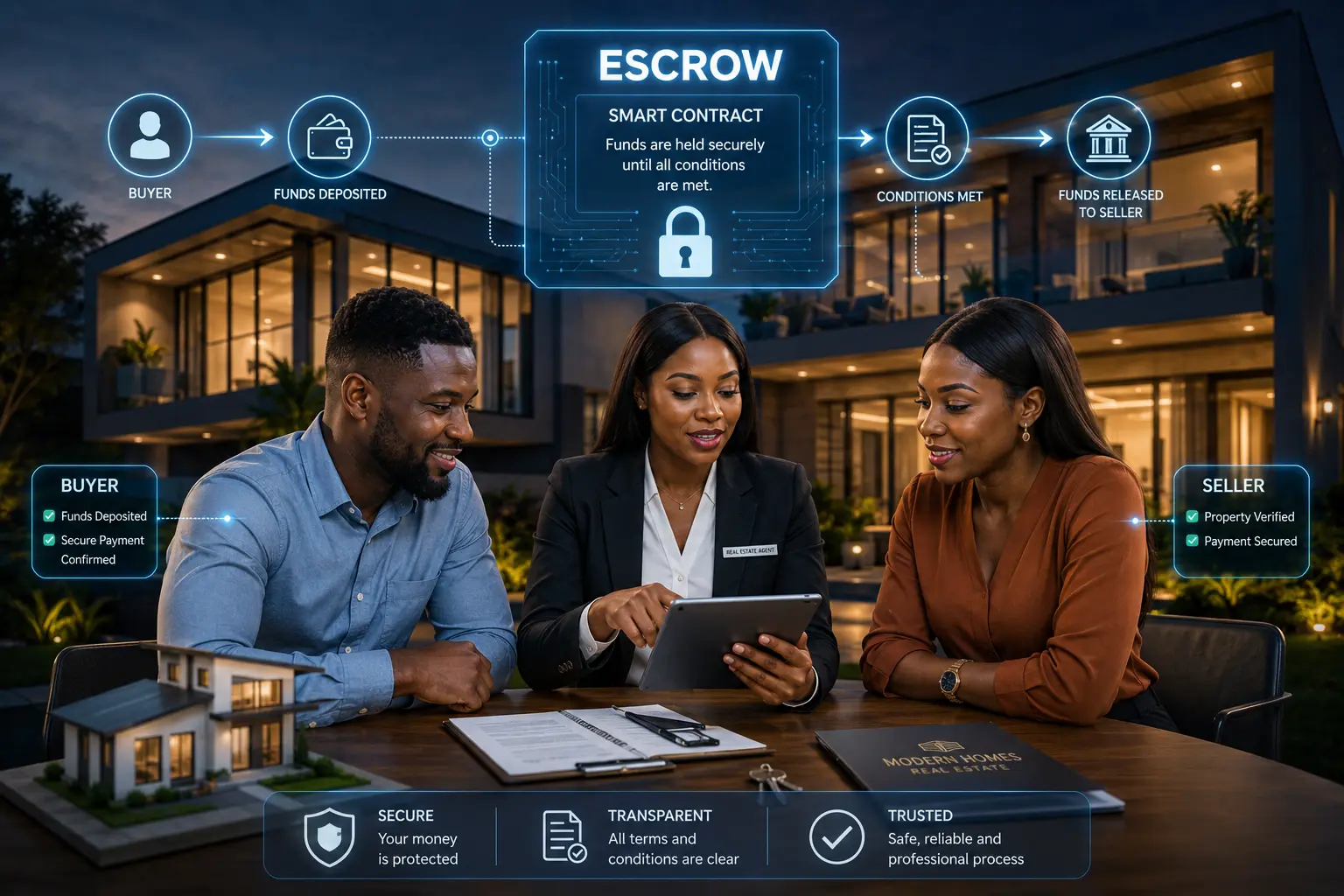
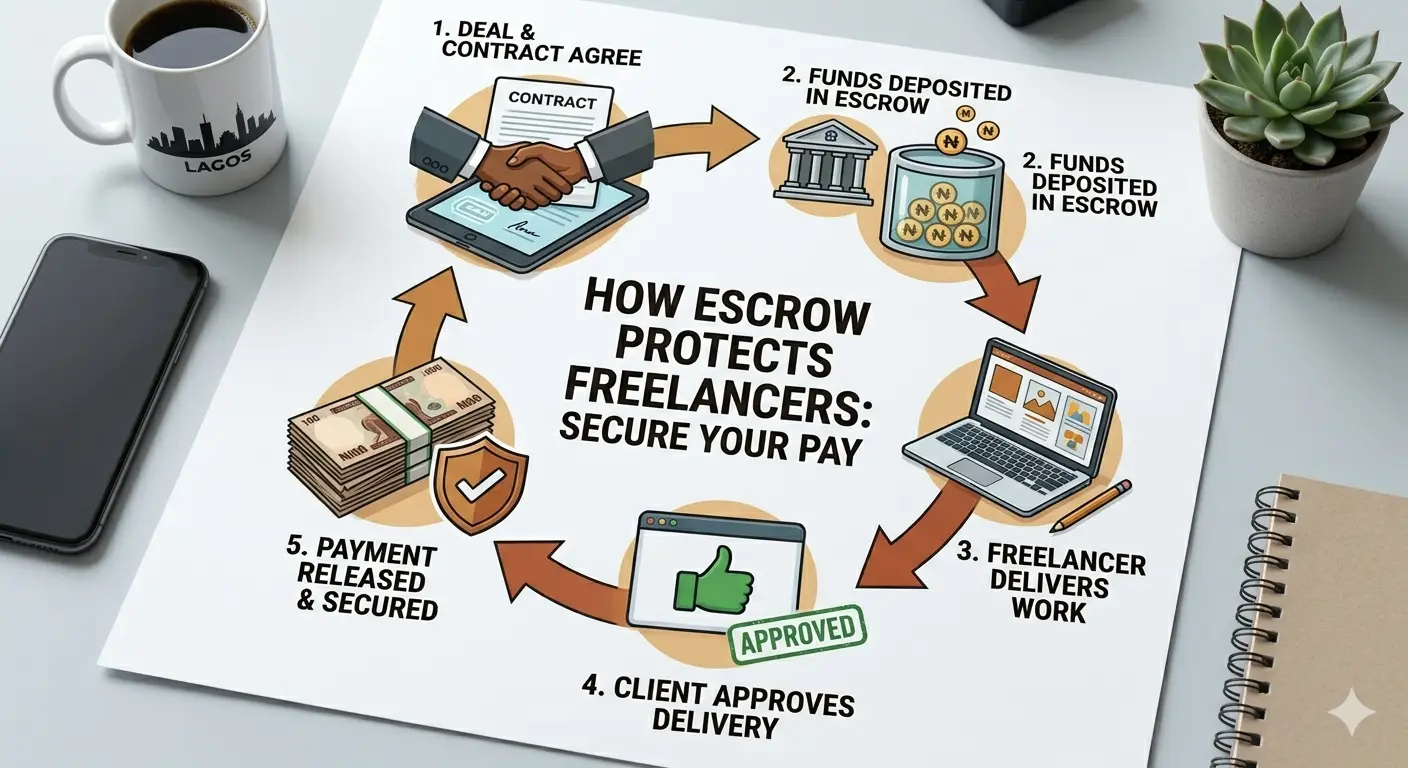
For online transactions, consider using a legitimate escrow service where appropriate.
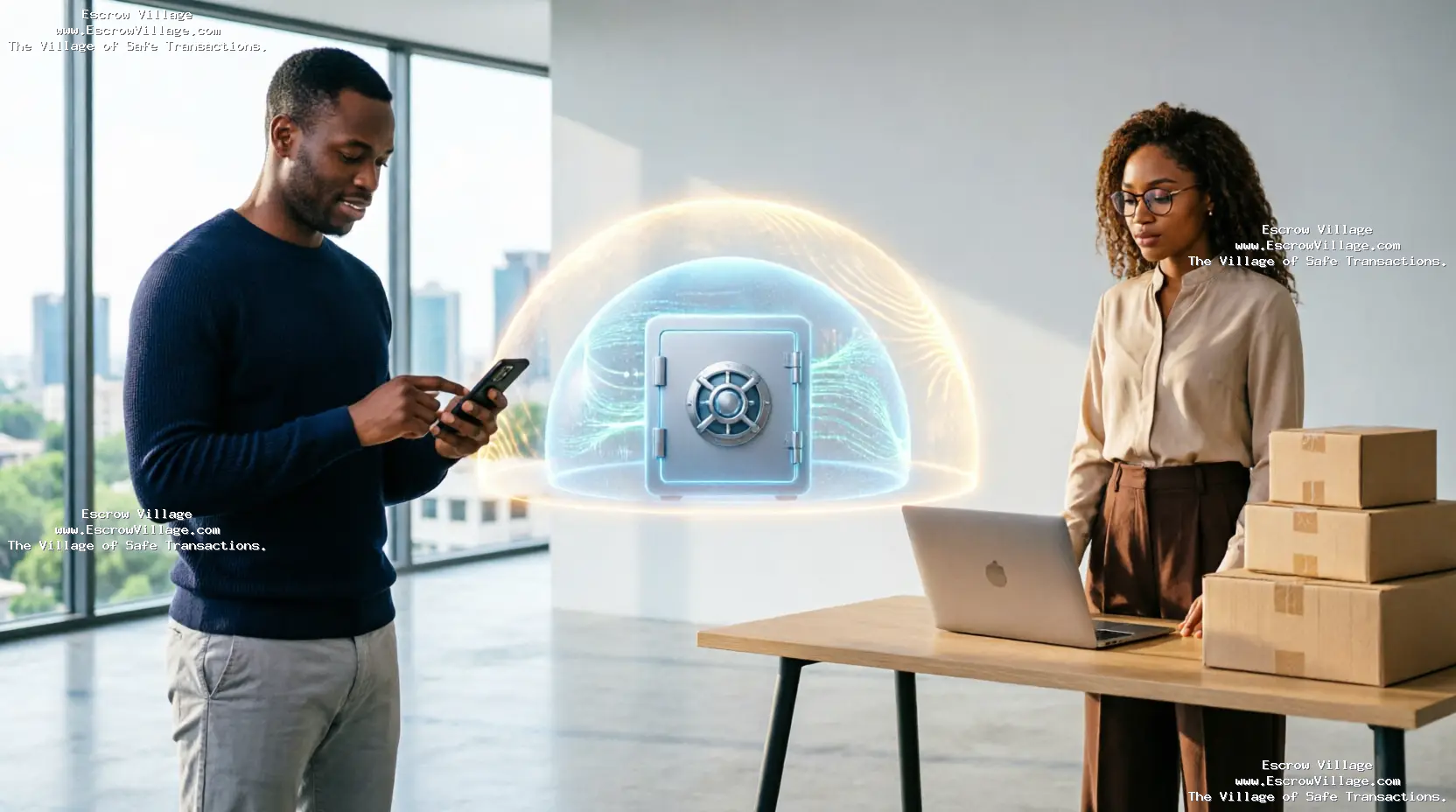
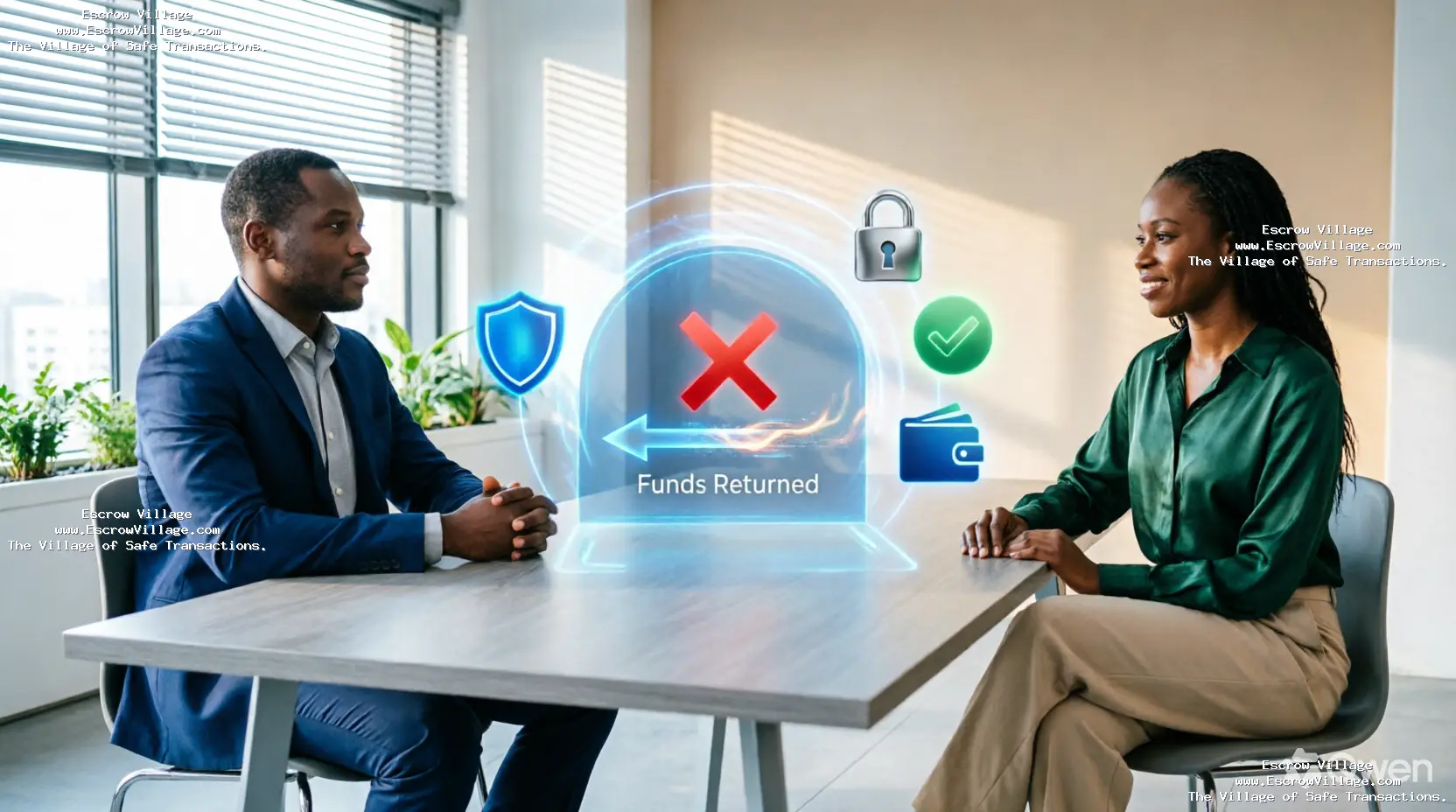
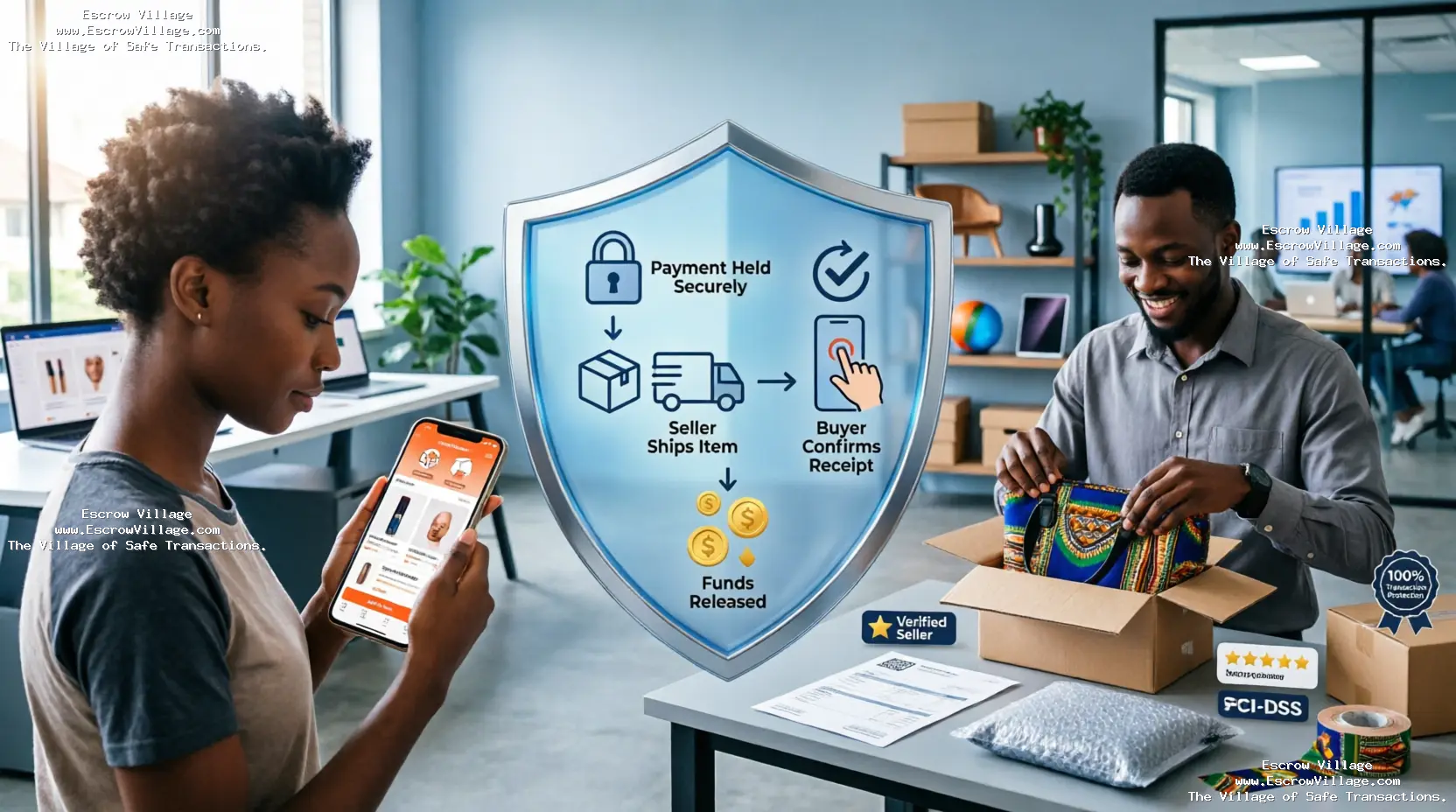
An escrow service can hold the buyer's money until agreed conditions are met, providing an additional layer of protection.
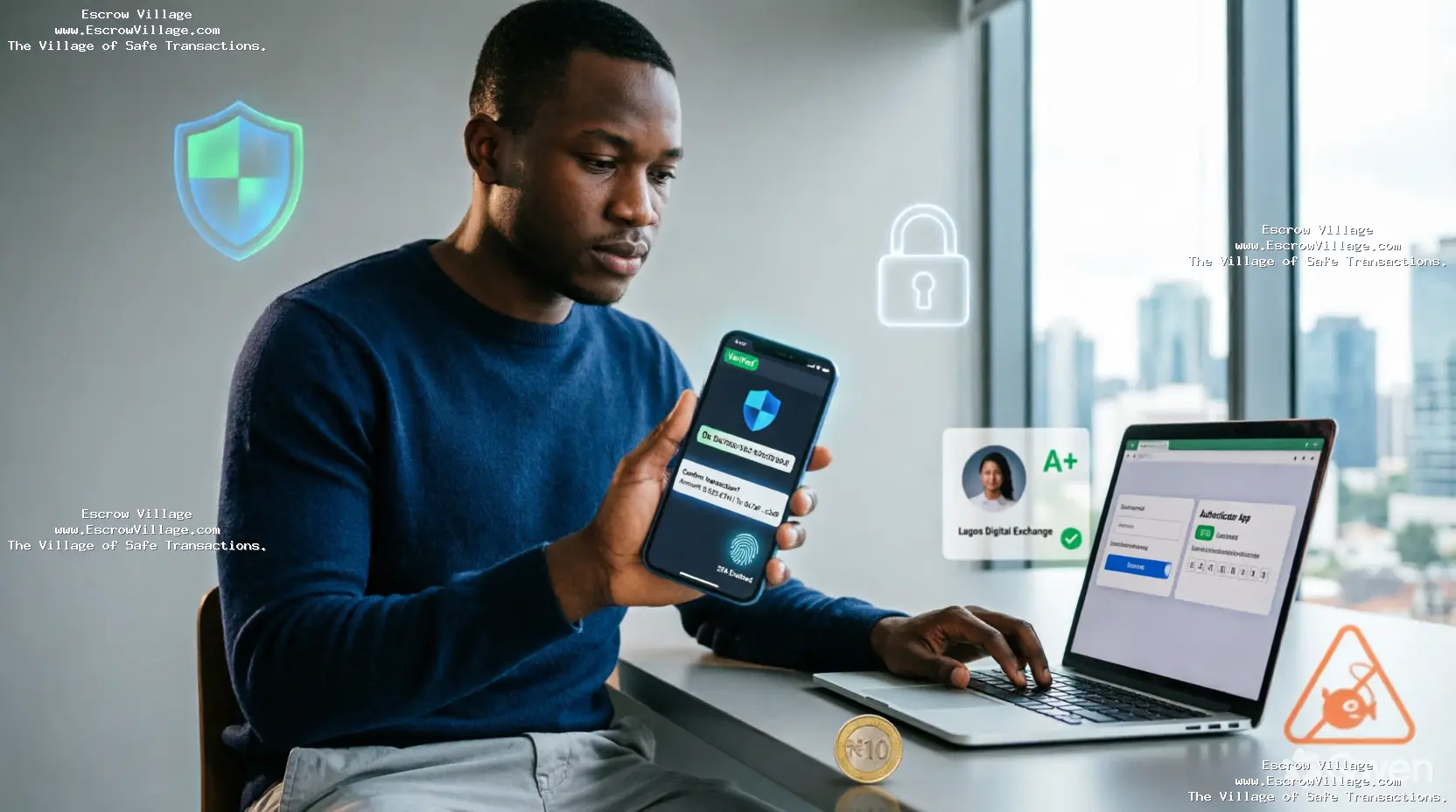
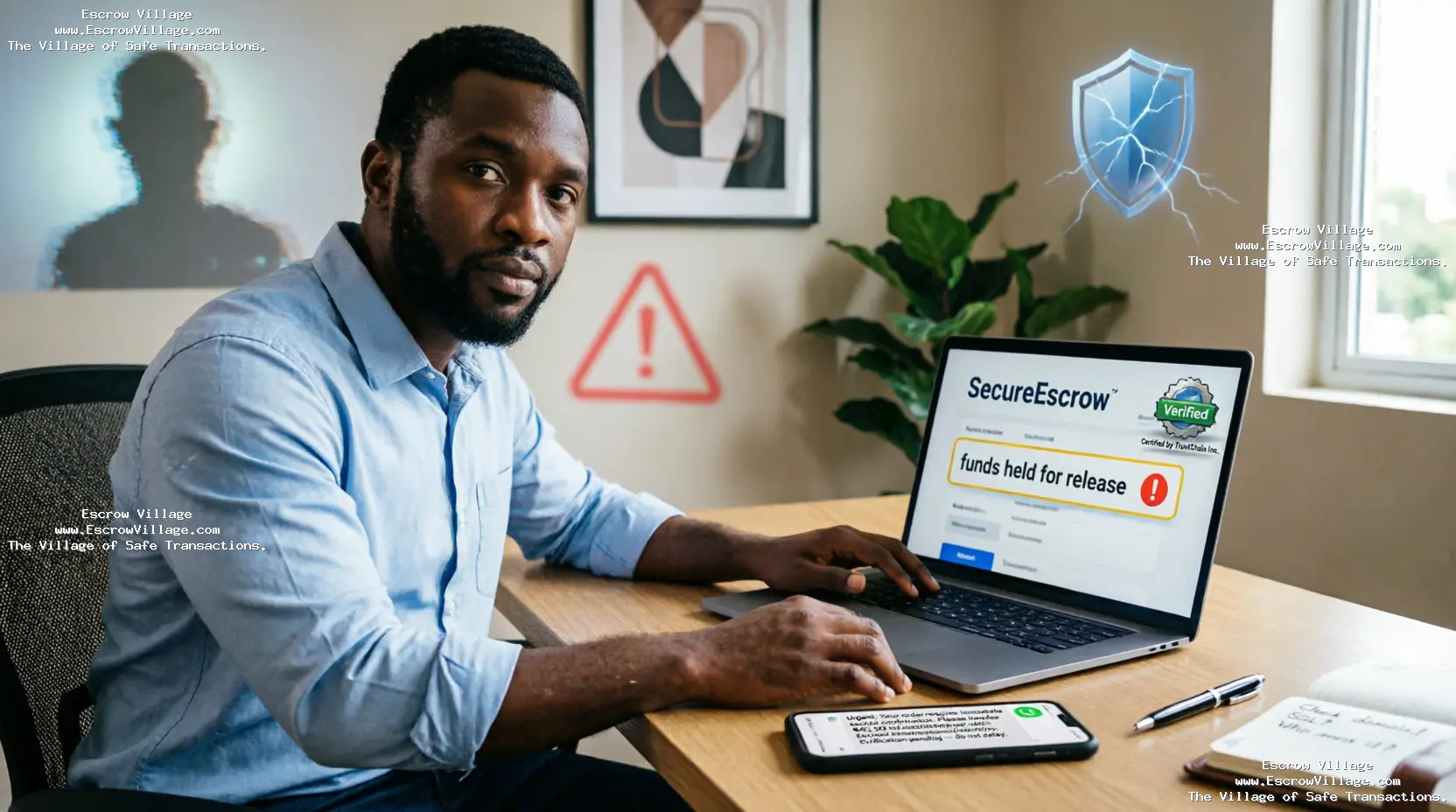
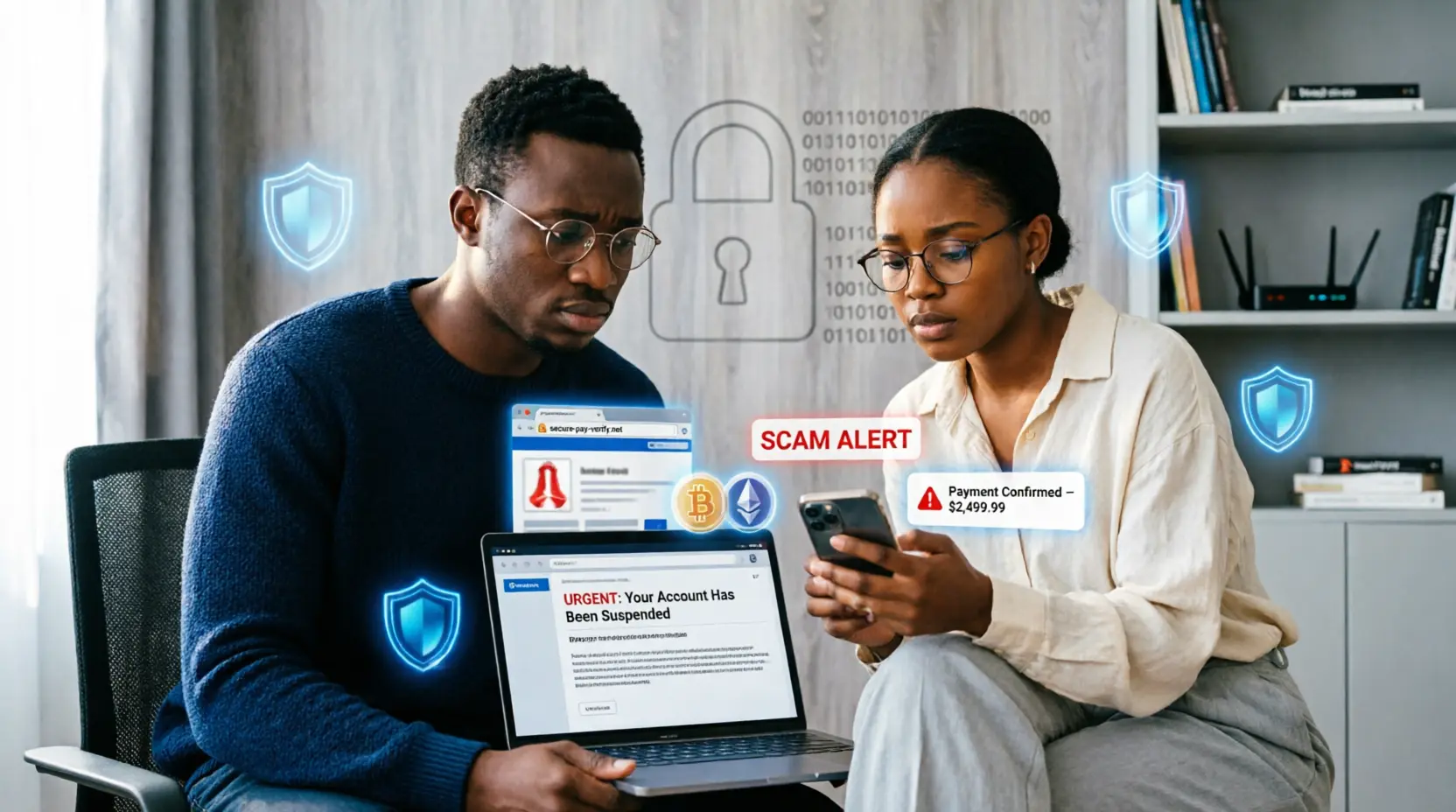
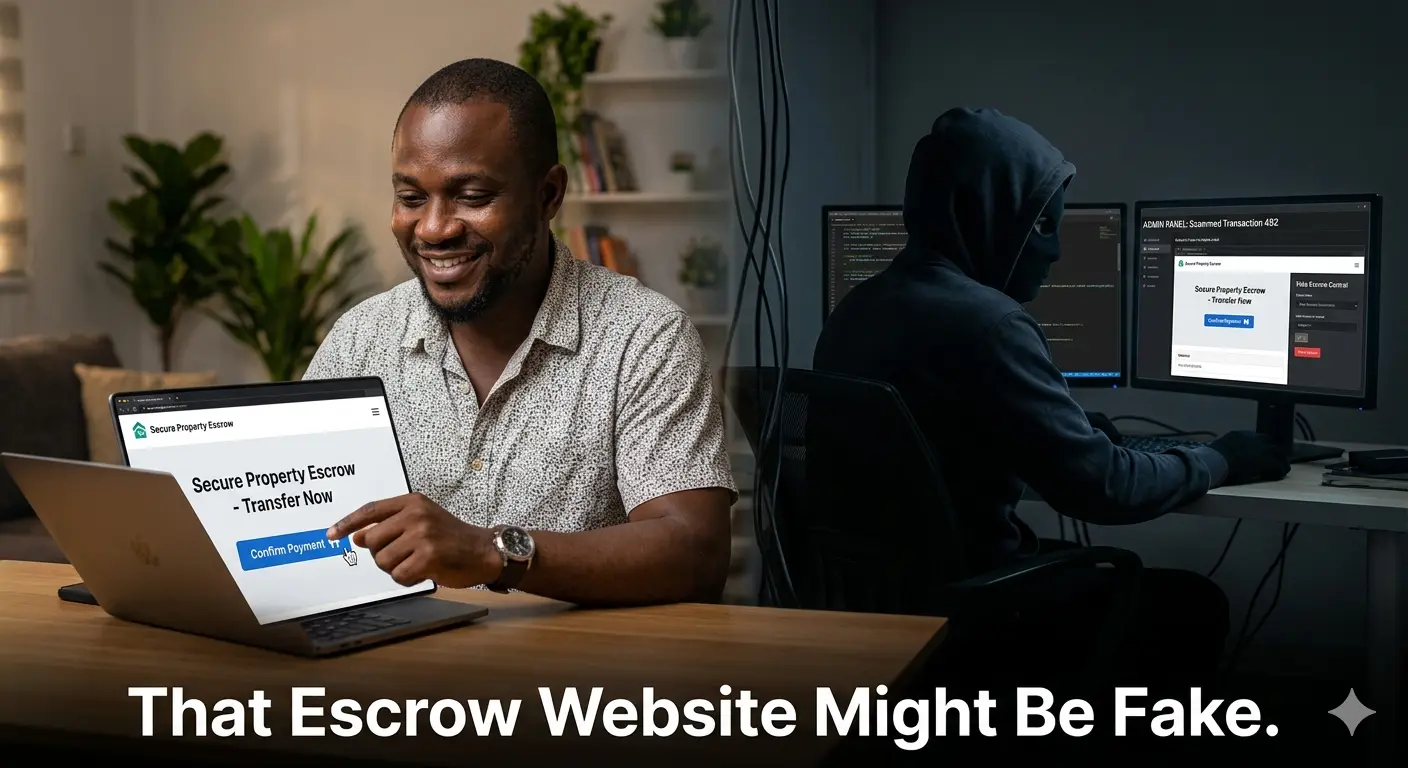
However, verify that the escrow provider is genuine. Scammers can also create fake escrow websites.
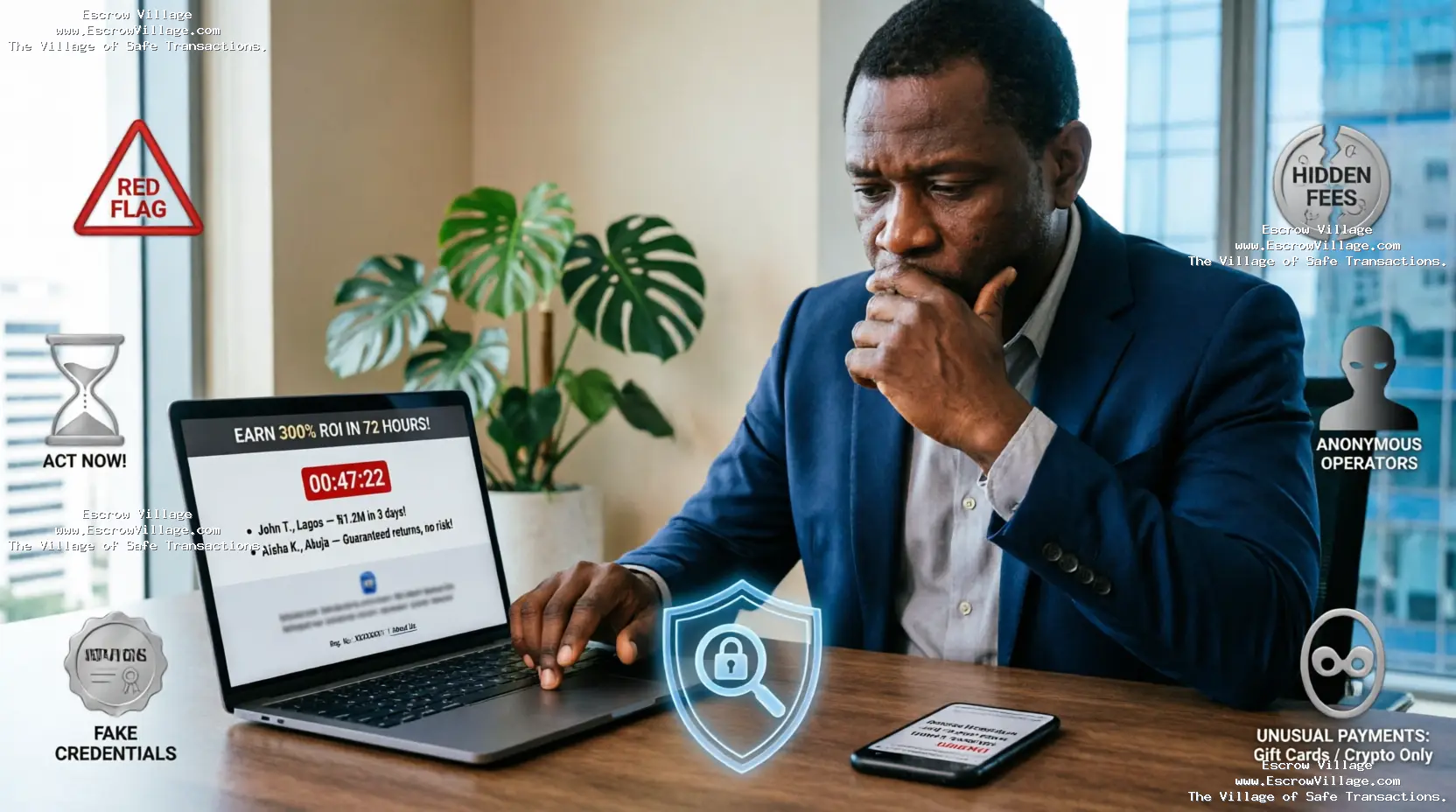
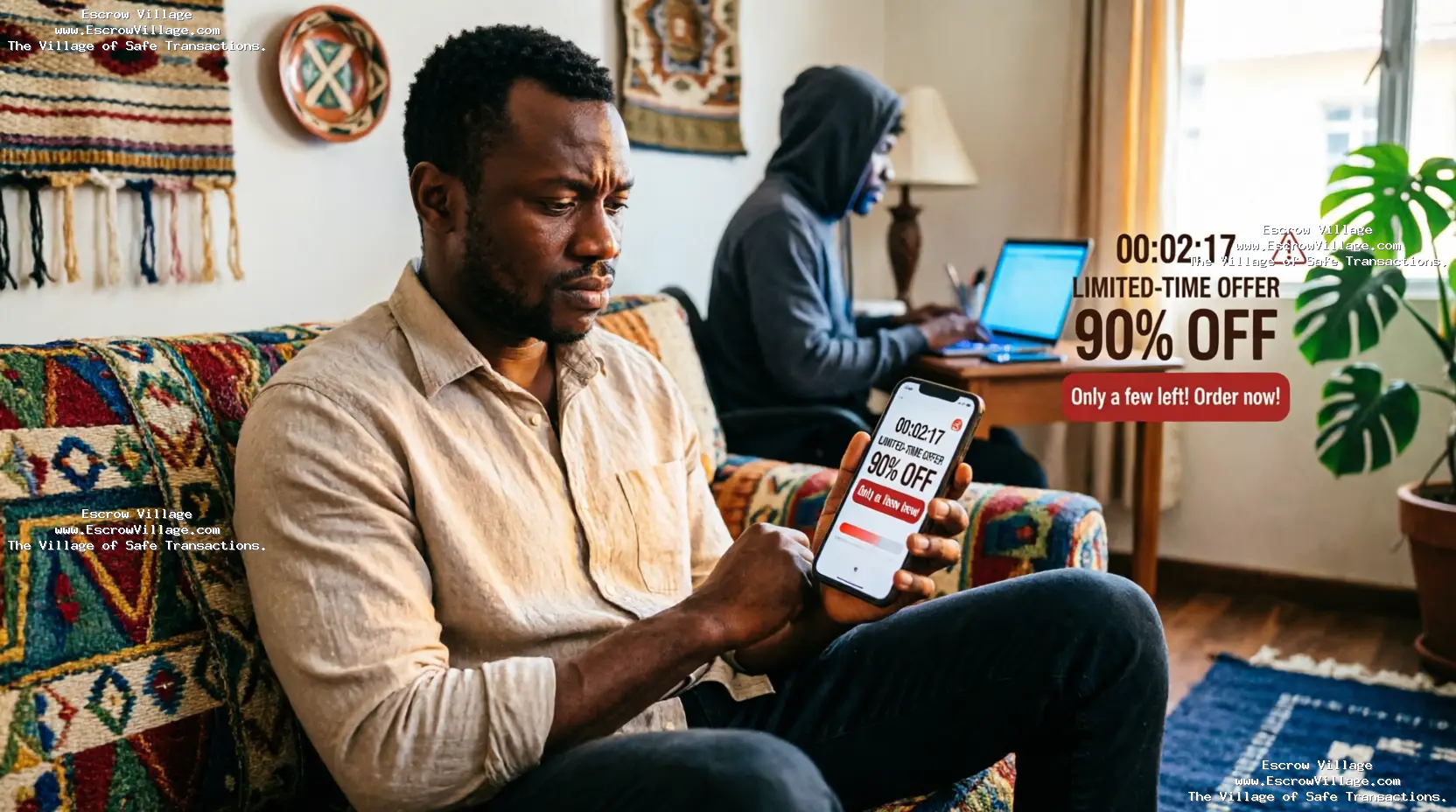
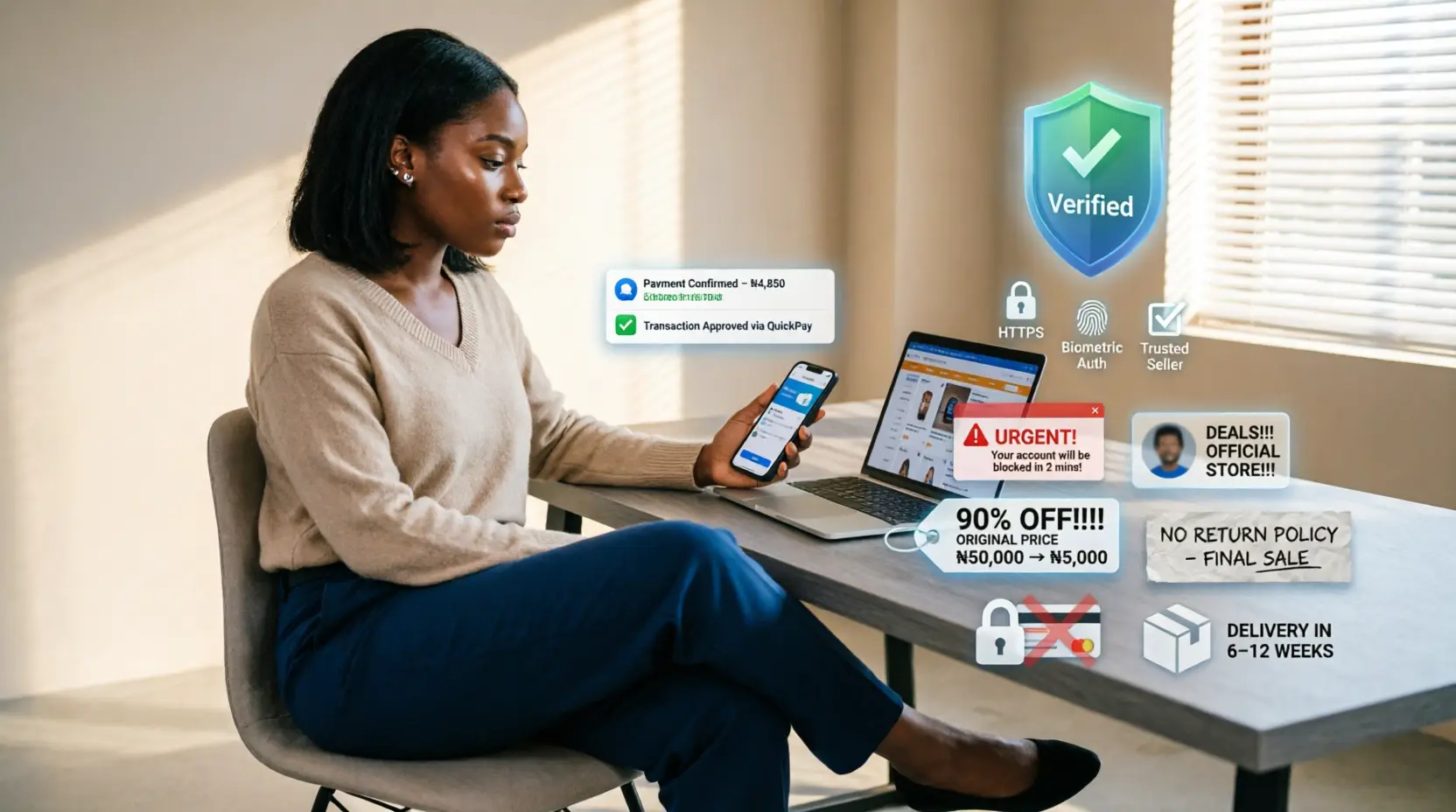
Statements such as "another buyer is waiting" or "you must pay today" should encourage you to slow down, not rush.
A legitimate seller should allow you reasonable time to inspect the vehicle, verify documents and ask questions.
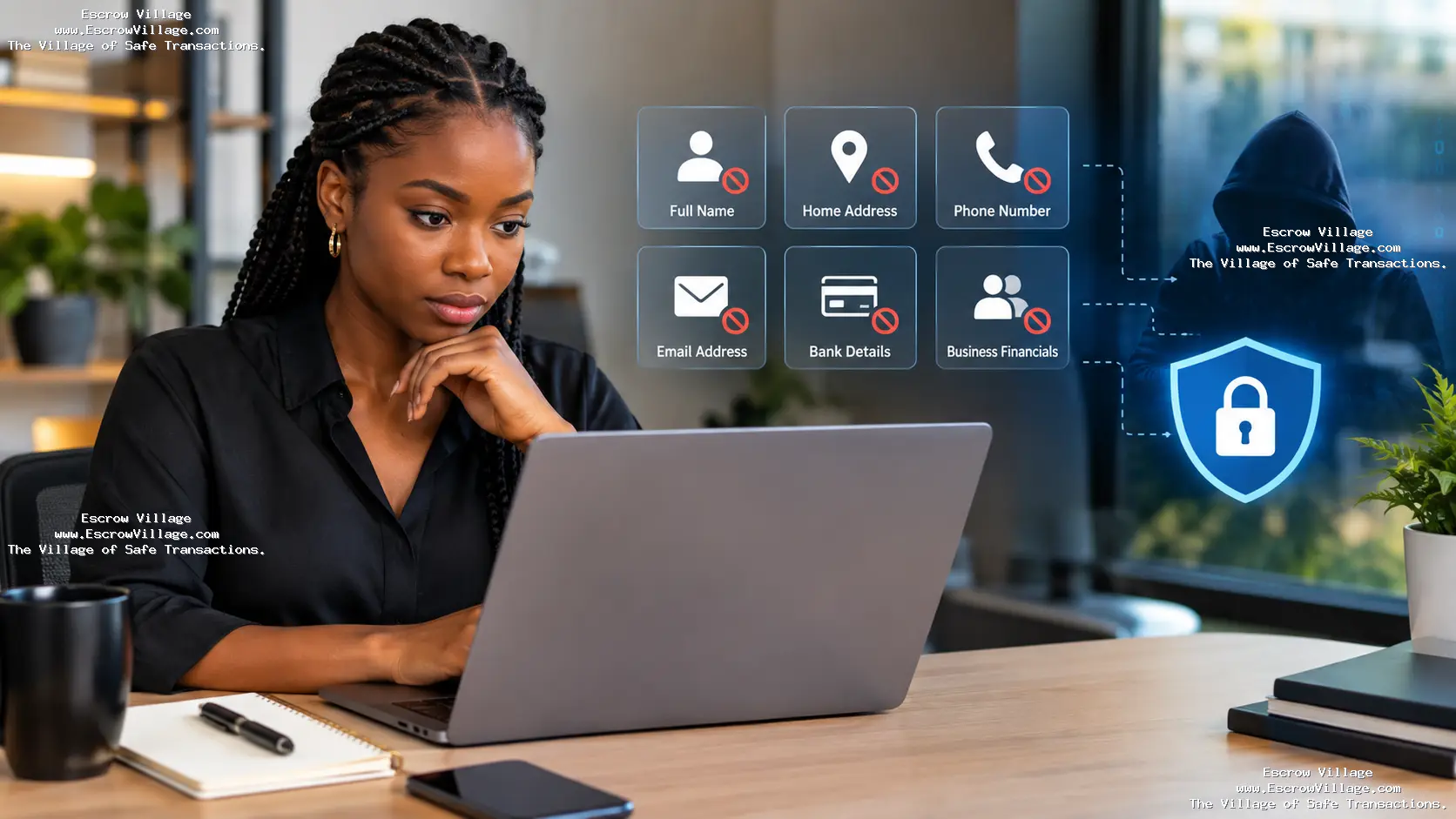
Before paying, confirm the recipient's details and keep records of conversations, receipts, invoices and payment confirmations.
Buying a car online does not have to be risky, but you need to do your homework.
Verify the seller, inspect the vehicle, check its history and documents, compare prices and use a secure payment method.
Most importantly, never let excitement or pressure replace proper verification.
Taking extra time before paying can help you avoid losing money to a bad deal or an online car scam.
However, online car shopping also comes with risks, especially when buying from private sellers or unfamiliar platforms.
From fake listings to hidden vehicle problems, a mistake can cost you a lot of money.
Here are some common mistakes to avoid when buying a car online.
- 1. Trusting Pictures Without Inspecting the Car
Ask the seller for recent photos and videos showing the engine, interior, tyres, dashboard and exterior.
Most importantly, inspect the car physically before paying. If you cannot do it yourself, have a trusted mechanic inspect it for you.
- 2. Paying Before Verifying the Seller
Check the seller's identity, contact details, business information, location and reviews.
Be especially careful if the seller refuses to meet or insists that you pay immediately to secure the car.
A professional-looking social media account does not automatically mean the person is legitimate.
- 3. Choosing a Car Because It Is Too Cheap.
If the price is unusually low, find out why before making any payment.
Sometimes the vehicle may have serious problems. In other cases, the listing may simply be a scam.
- 4. Failing to Check the Vehicle'sHistory.
Ask for the vehicle identification number (VIN), where applicable, and use reliable vehicle-history services to check for previous accidents, ownership issues or other problems.
You should also verify the vehicle's registration and ownership documents.
Do not rely only on the seller's word that everything is legitimate.
- 5. Skipping a Mechanical Inspection
Have a qualified mechanic check the engine, transmission, suspension, brakes, electrical system, tyres and other important components.
Spending money on an inspection before buying is better than discovering a major mechanical problem after you have already paid.
- 6. Sending the Full Payment Upfront
For online transactions, consider using a legitimate escrow service where appropriate.
An escrow service can hold the buyer's money until agreed conditions are met, providing an additional layer of protection.
However, verify that the escrow provider is genuine. Scammers can also create fake escrow websites.
- 7. Falling for Pressure Tactics
Statements such as "another buyer is waiting" or "you must pay today" should encourage you to slow down, not rush.
A legitimate seller should allow you reasonable time to inspect the vehicle, verify documents and ask questions.
- 8. Using Unsafe Payment Methods
Before paying, confirm the recipient's details and keep records of conversations, receipts, invoices and payment confirmations.
Buying a car online does not have to be risky, but you need to do your homework.
Verify the seller, inspect the vehicle, check its history and documents, compare prices and use a secure payment method.
Most importantly, never let excitement or pressure replace proper verification.
Taking extra time before paying can help you avoid losing money to a bad deal or an online car scam.