WhatsApp Shopping Scams: Red Flags Nigerian Buyers Should Know
Written by BLESSING ABADI IFEOMA85 views
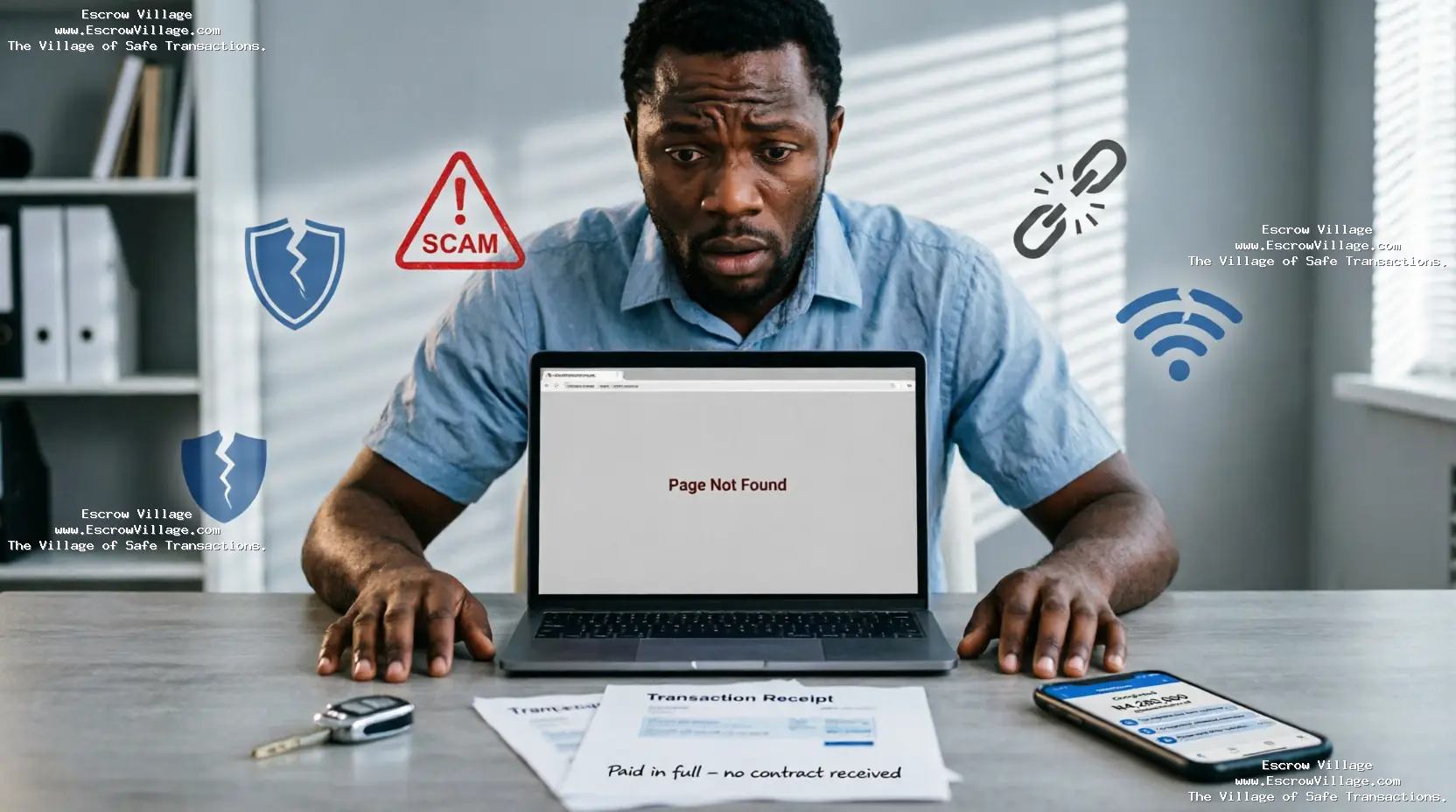
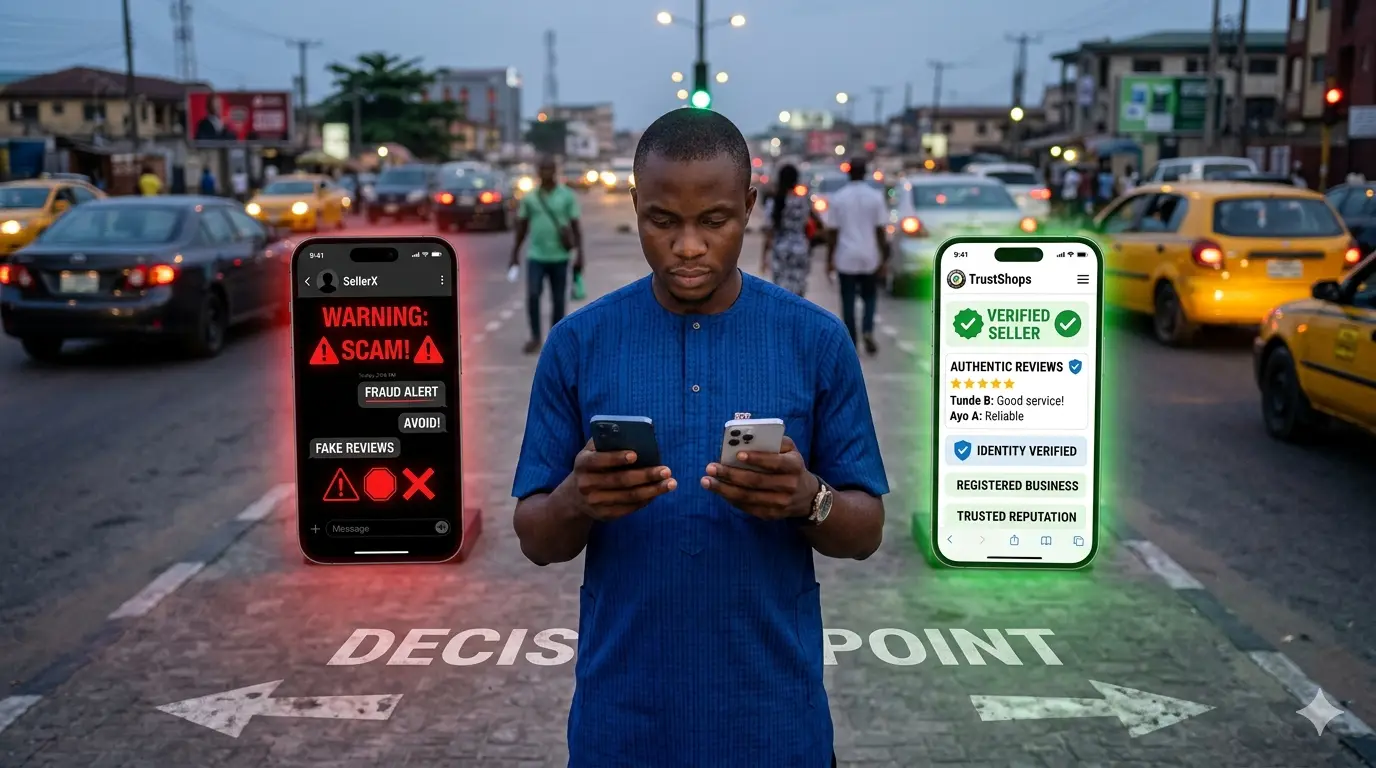
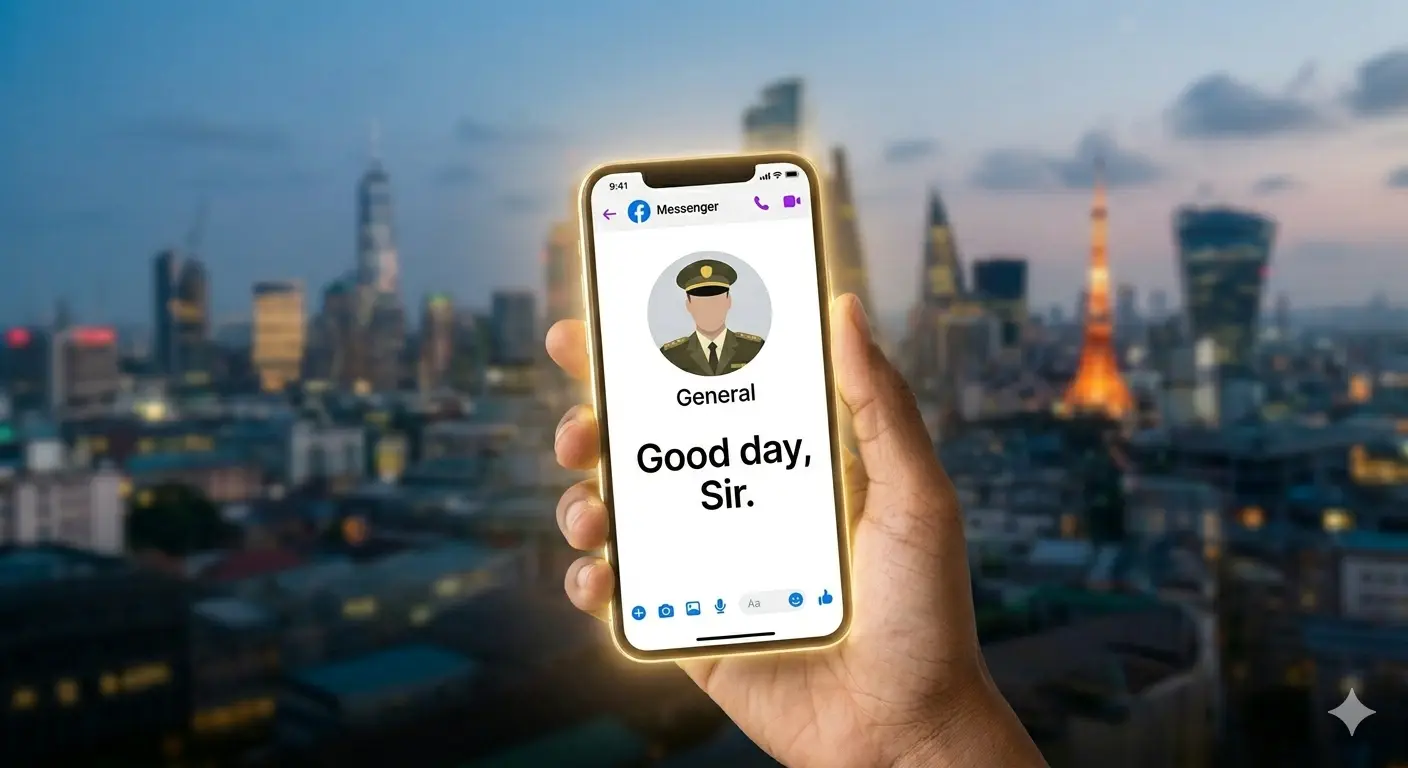
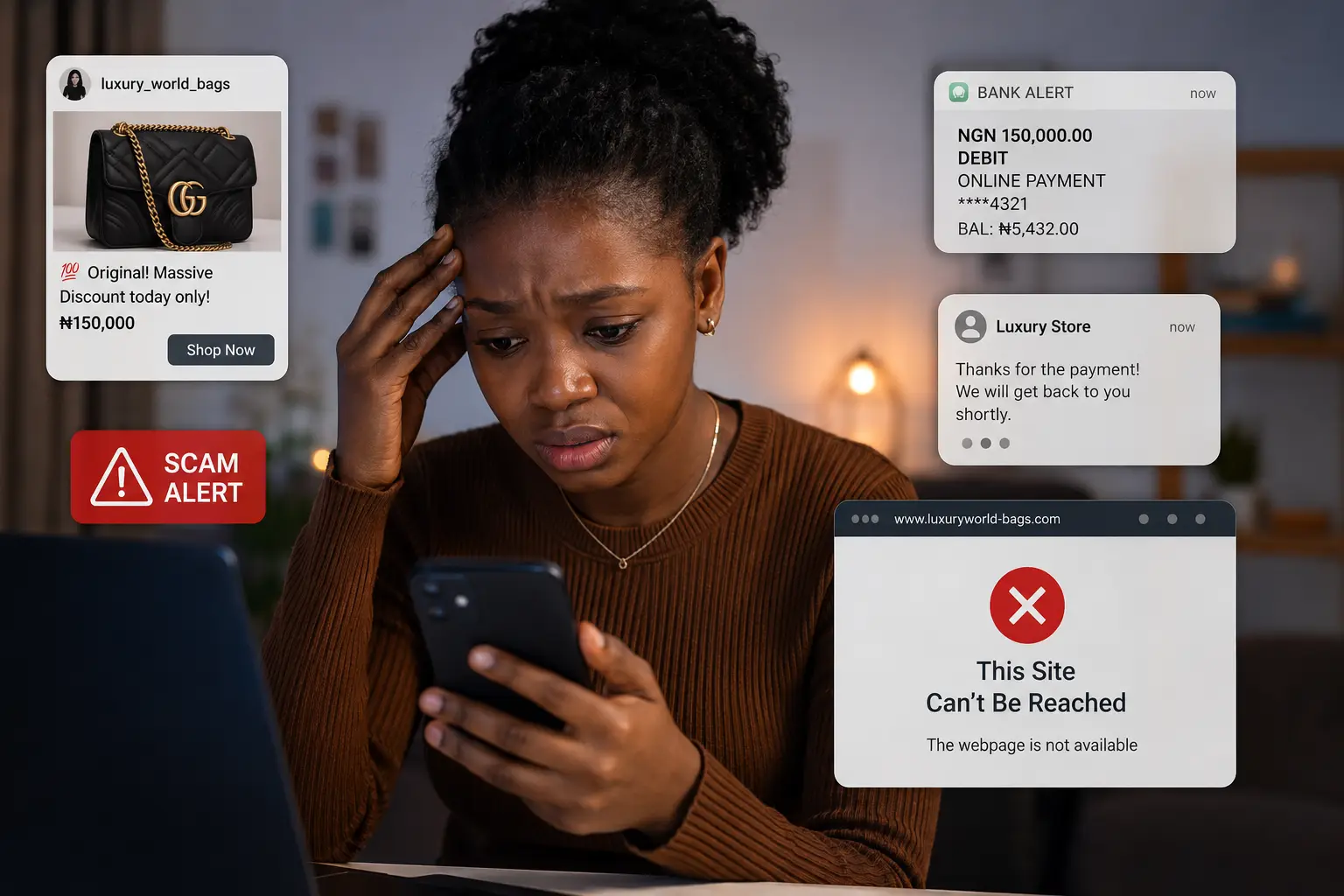
A seller can sound completely trustworthy on WhatsApp and still be planning to take your money and disappear.
That is what makes WhatsApp shopping scams particularly tricky. No big warning sign tells you, “This person is a scammer.”
Instead, it may start with a friendly conversation, a convincing product picture, a reasonable price and a seller who seems to know exactly what they are doing.
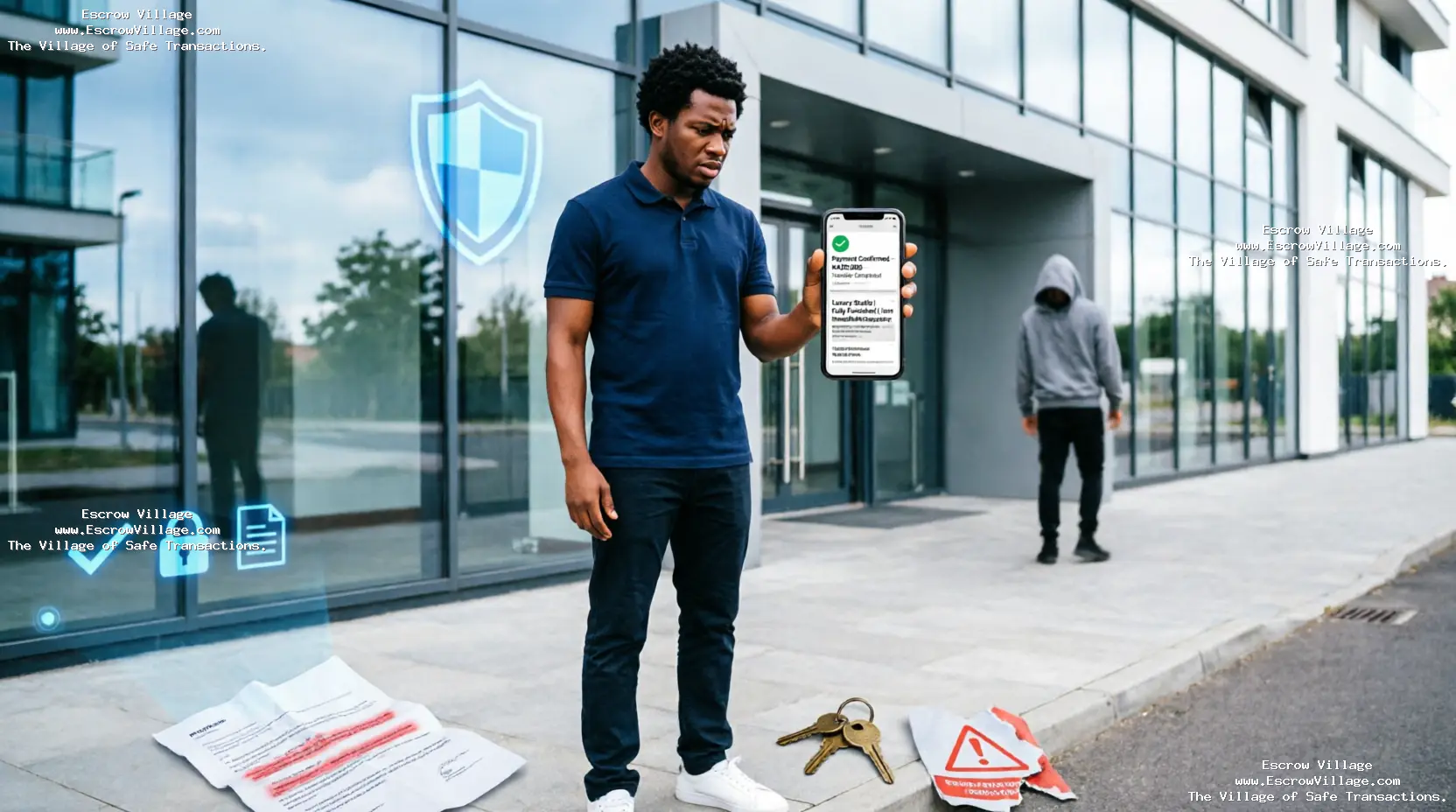
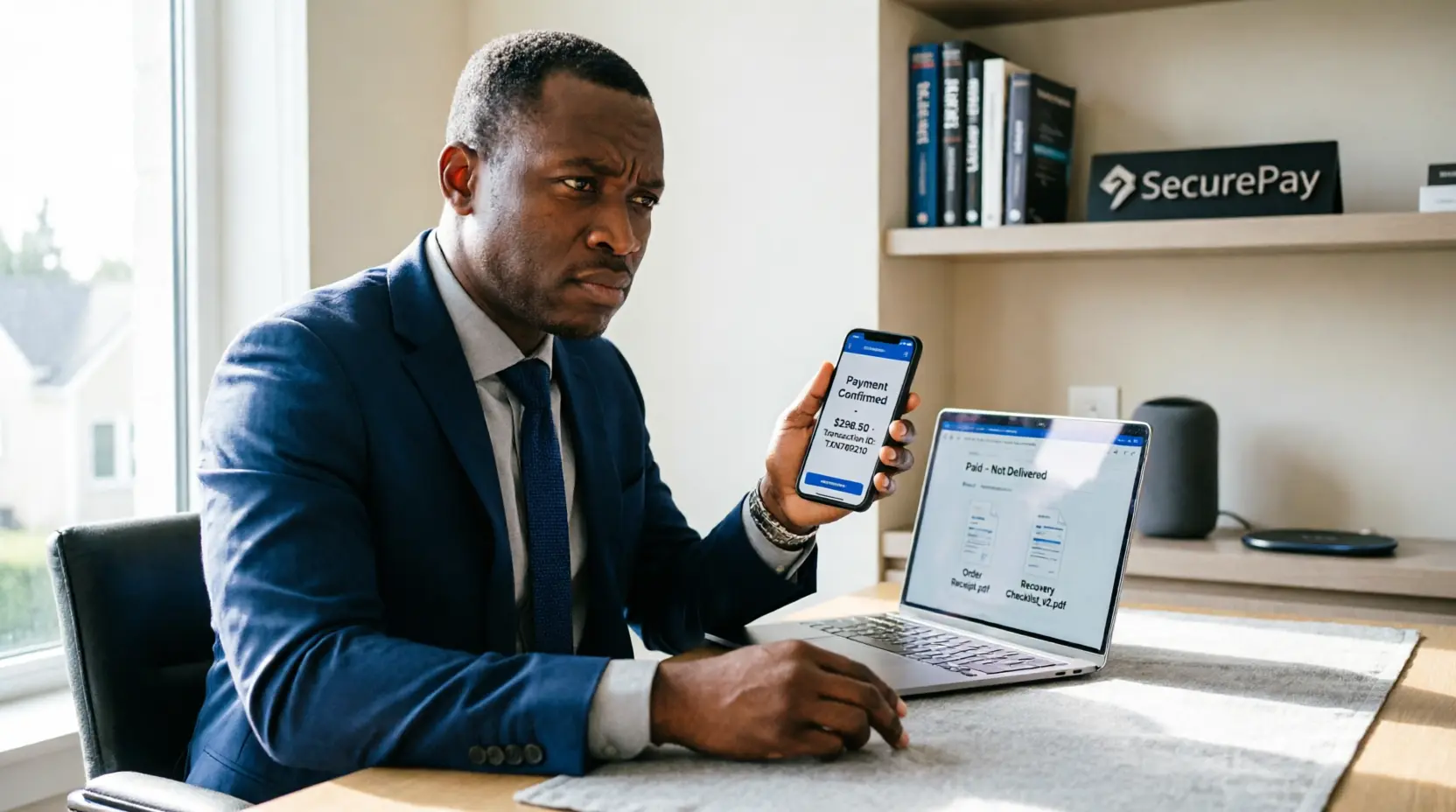
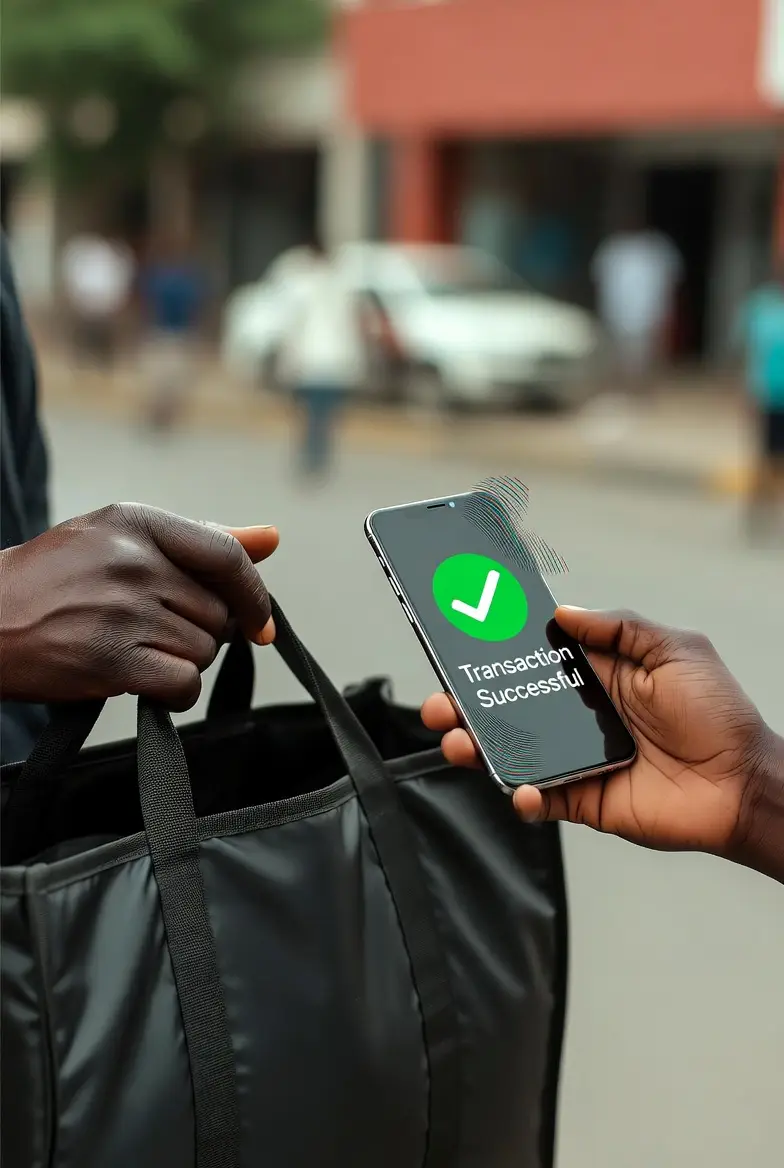
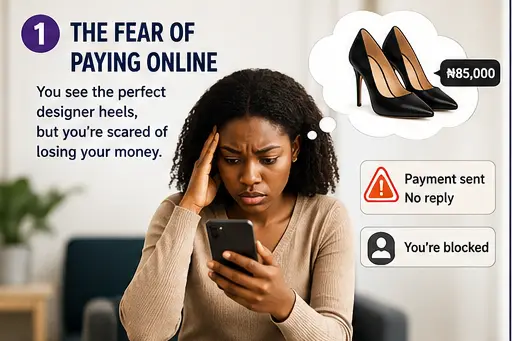
Then you make the payment.
And suddenly, the seller stops replying.
For Nigerians who buy clothes, phones, electronics, beauty products, furniture and other items through WhatsApp, knowing the warning signs can save you from losing money.
Here are some WhatsApp shopping scam red flags you should pay attention to before sending money.
Why WhatsApp Shopping Scams Are So Common
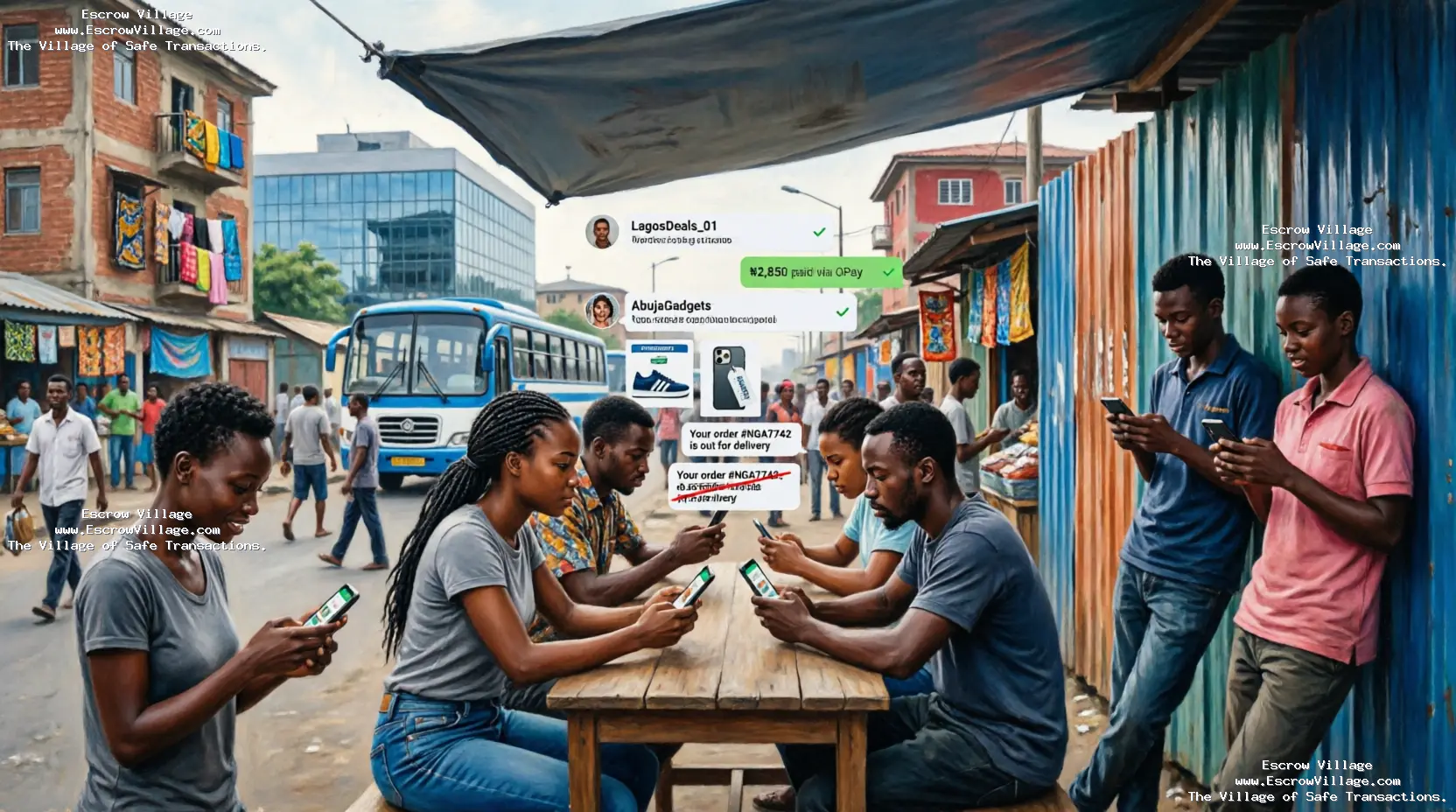
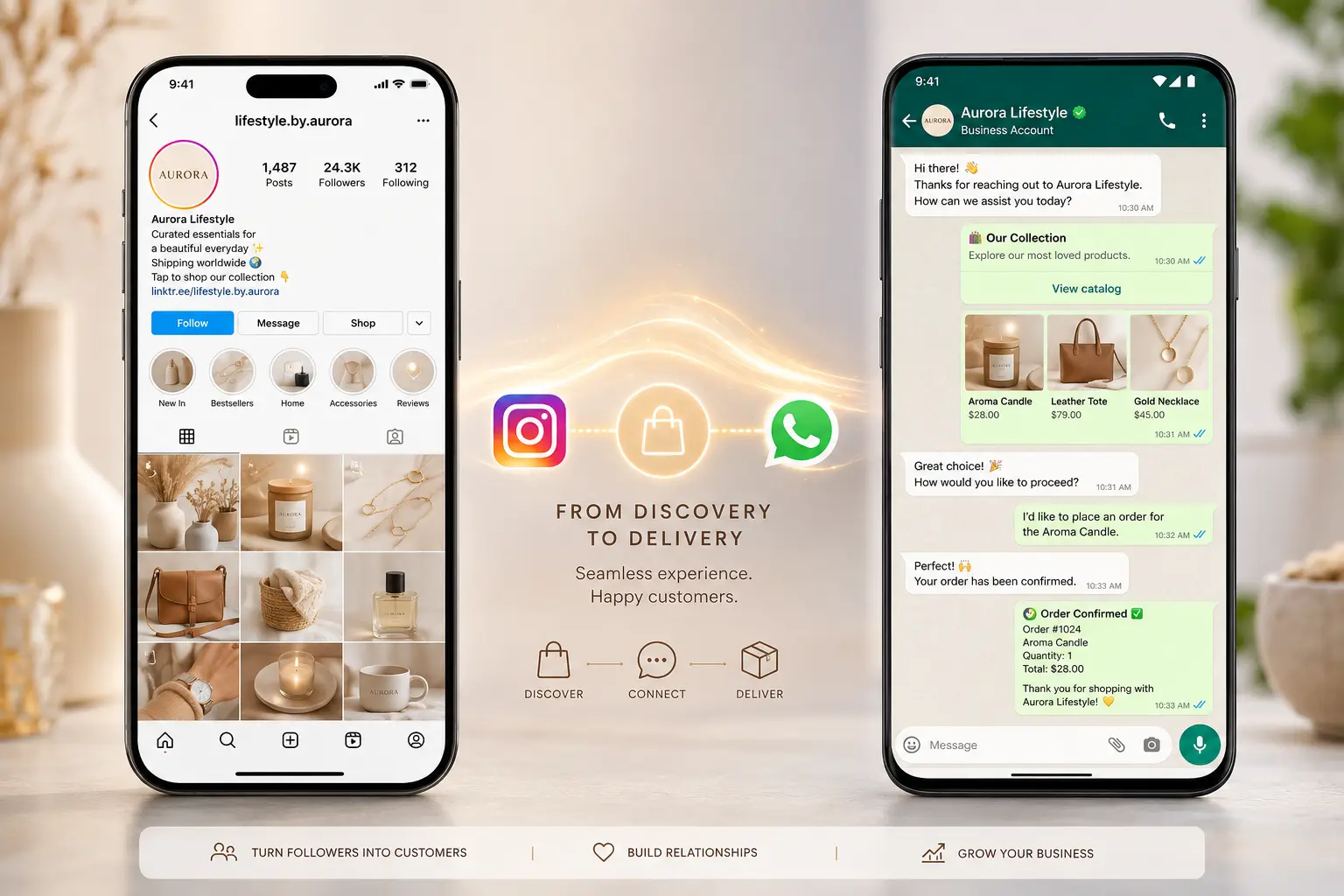
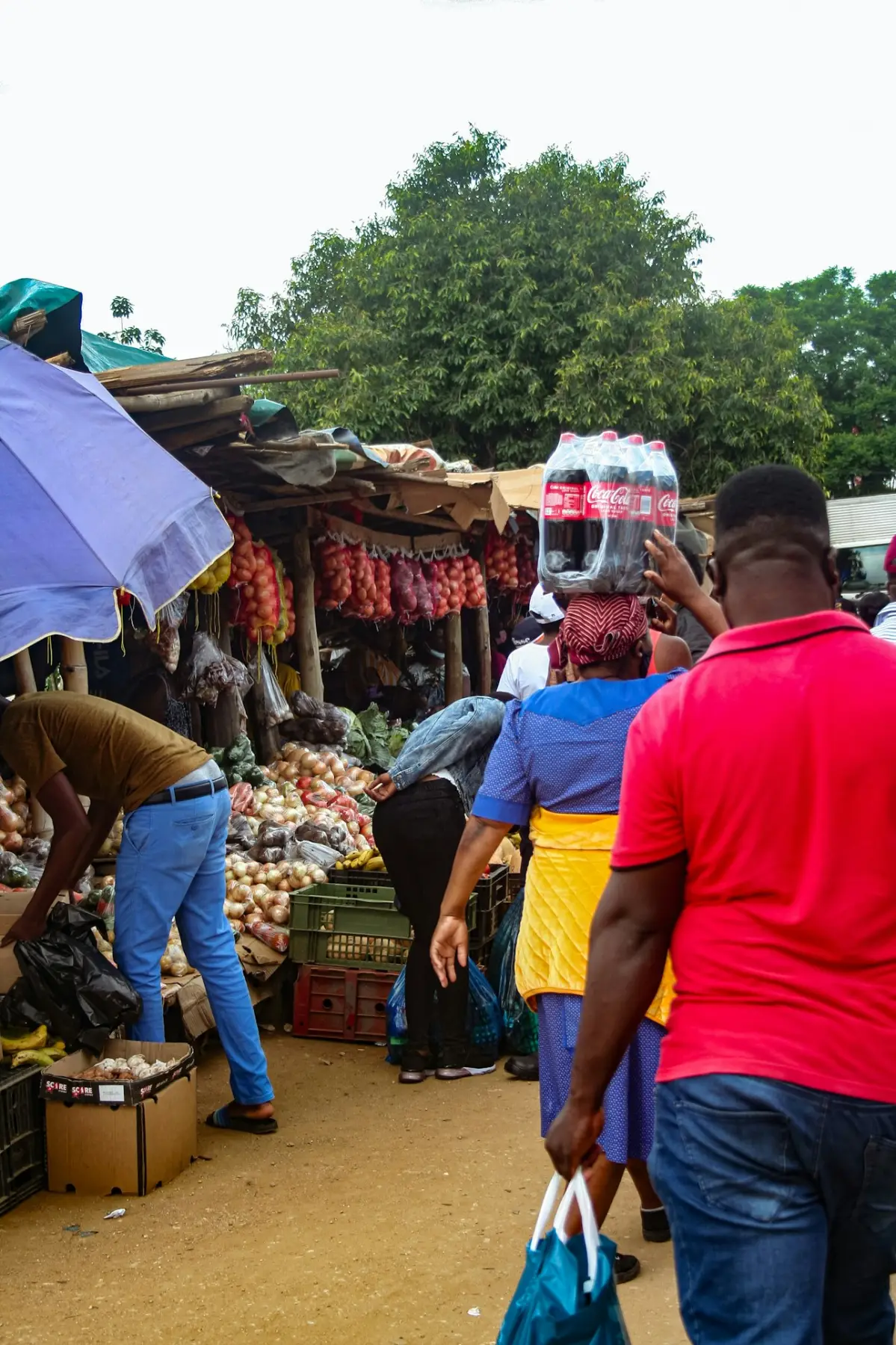
WhatsApp has become part of everyday business in Nigeria.
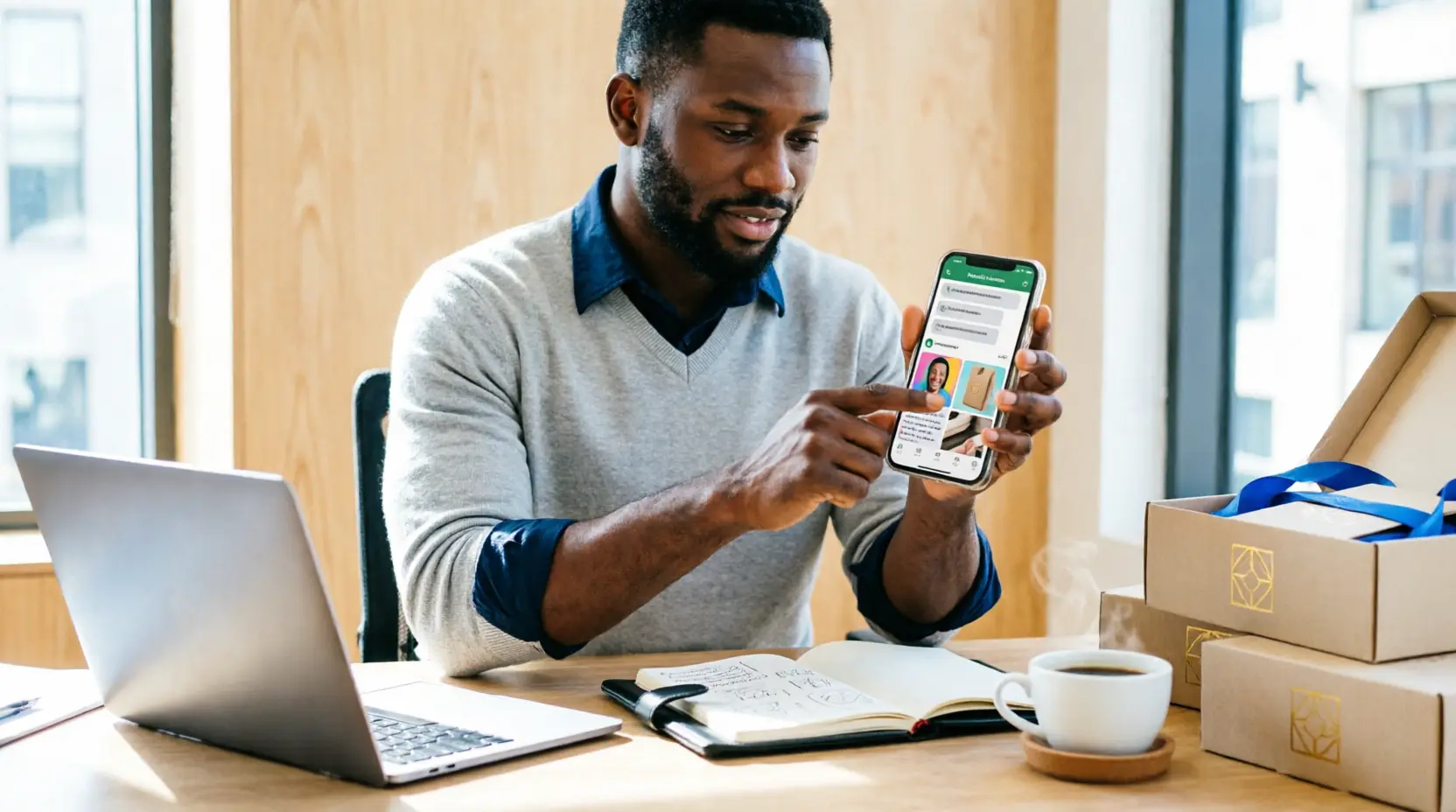
Many small businesses and independent sellers use WhatsApp to display products, communicate with customers and receive orders.
That is not a bad thing. In fact, WhatsApp makes shopping much easier.
The problem is that scammers can use the same convenience.
A scammer can create a WhatsApp Business account, copy product pictures from a genuine vendor, advertise attractive prices and chat with potential buyers like a normal business owner.
And because the entire transaction can happen through private messages, it may be difficult for a buyer to know who is actually behind the account.
This is why you should look beyond how friendly or professional a seller appears.
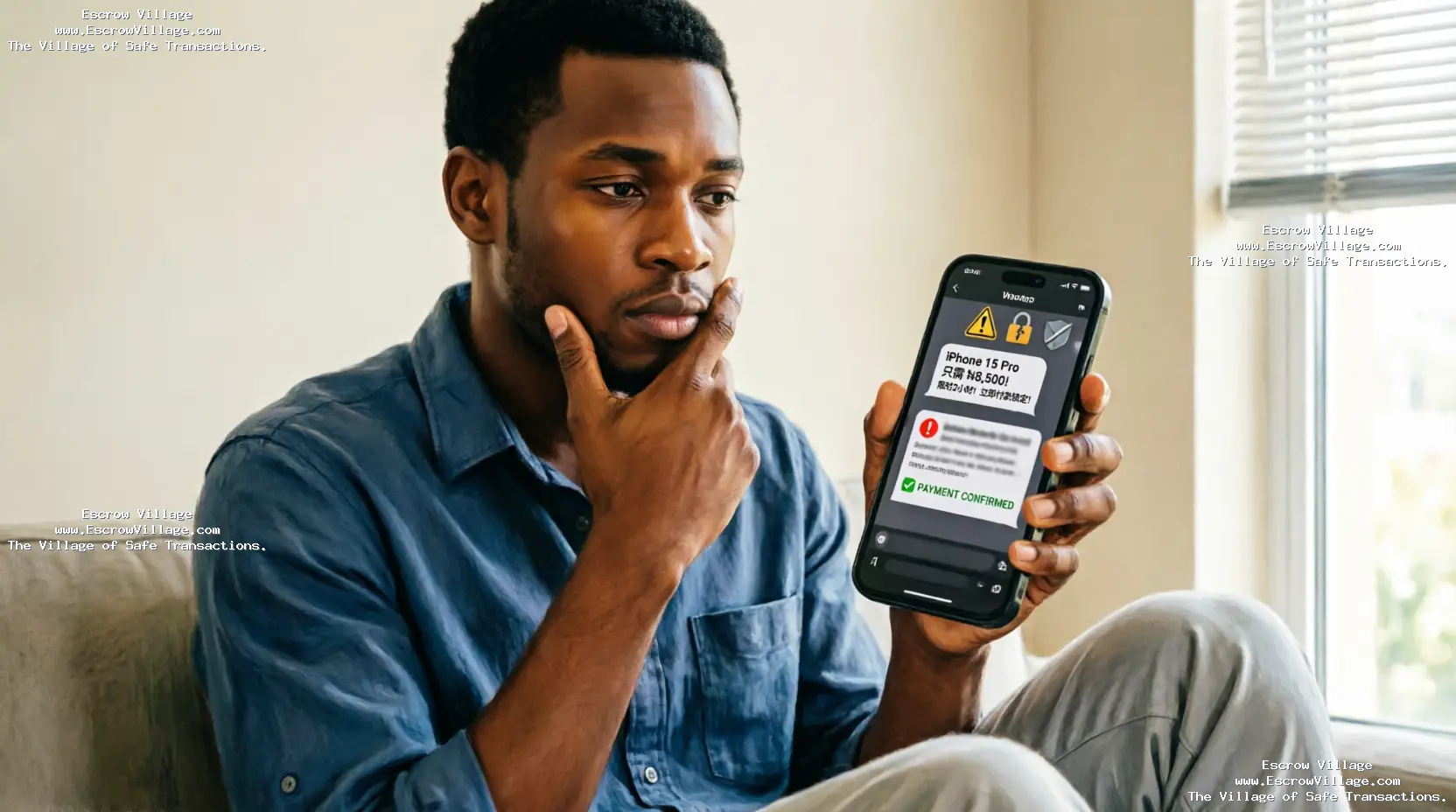
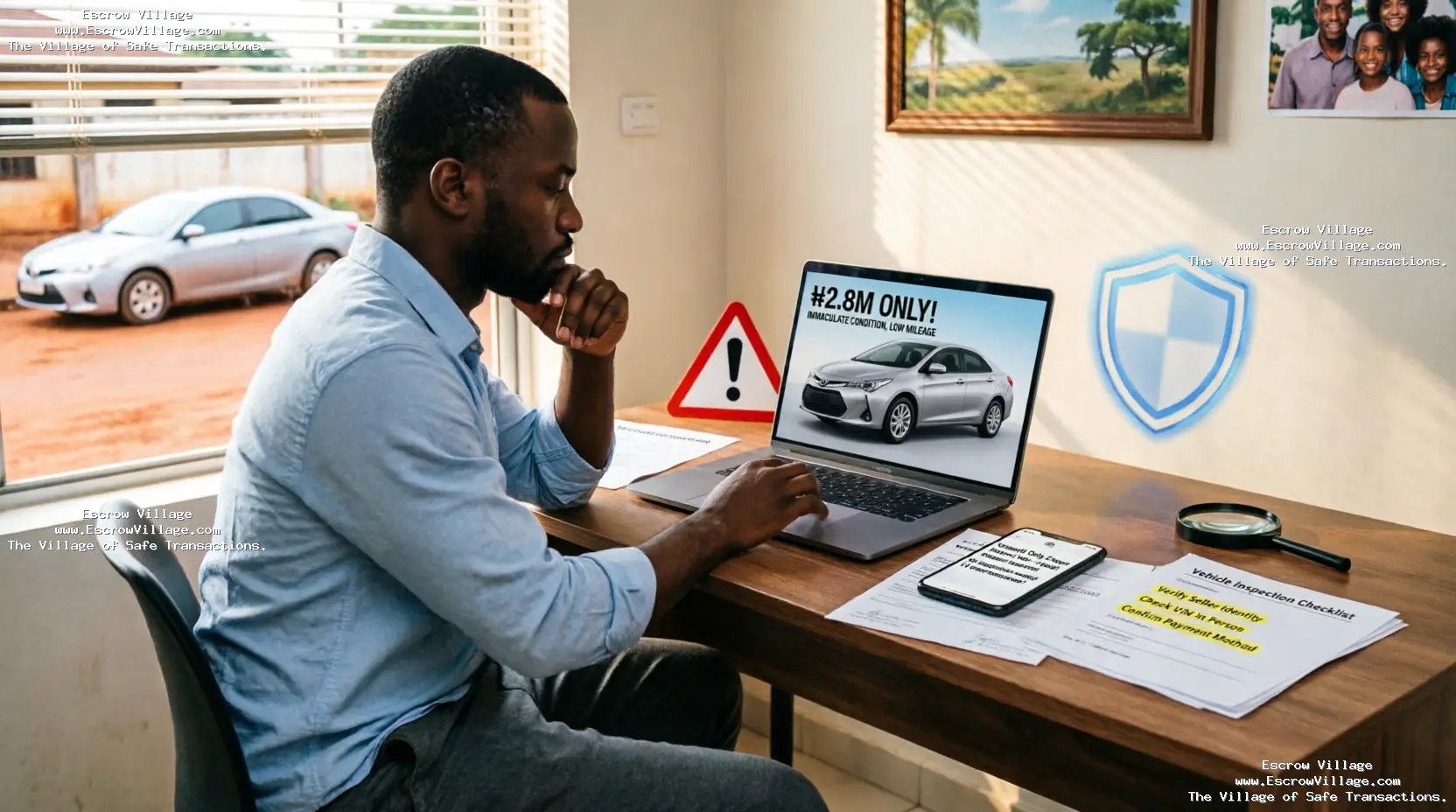
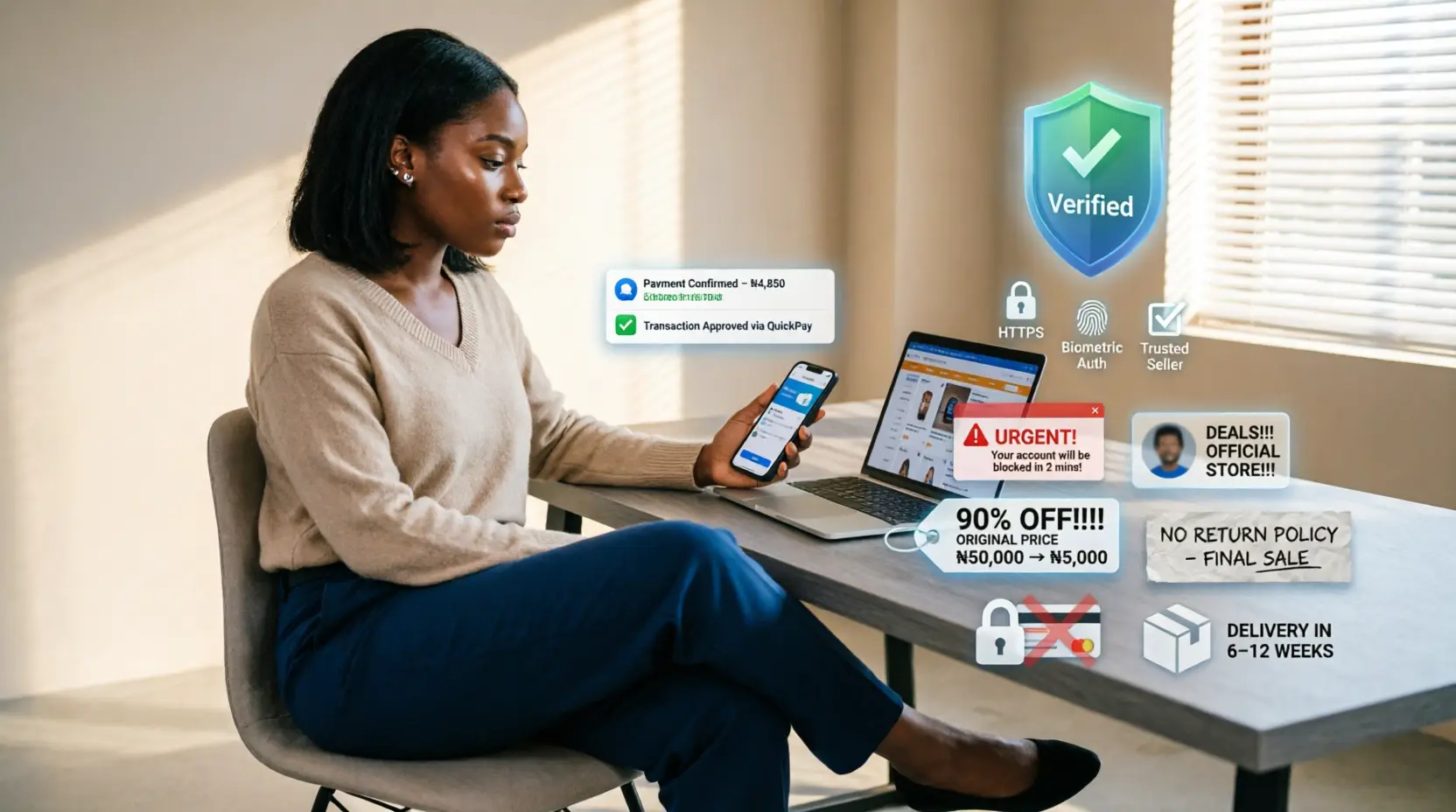
1. The Price Is Suspiciously Low
One of the oldest tricks in online shopping is also one of the easiest to fall for: an unbelievable price.
You find an iPhone, laptop, designer bag or other expensive product being sold for significantly less than what other sellers are charging.
The seller may have an explanation: “I'm relocating.” “It's clearance.” “I got it directly from the supplier.” “I just want to sell quickly.” Sometimes these explanations are genuine. But sometimes, they are simply designed to make you ignore the fact that the price does not make sense.
Before paying, compare the price with several other sellers.
A low price does not automatically mean a scam. But an unusually low price combined with other red flags should make you slow down.
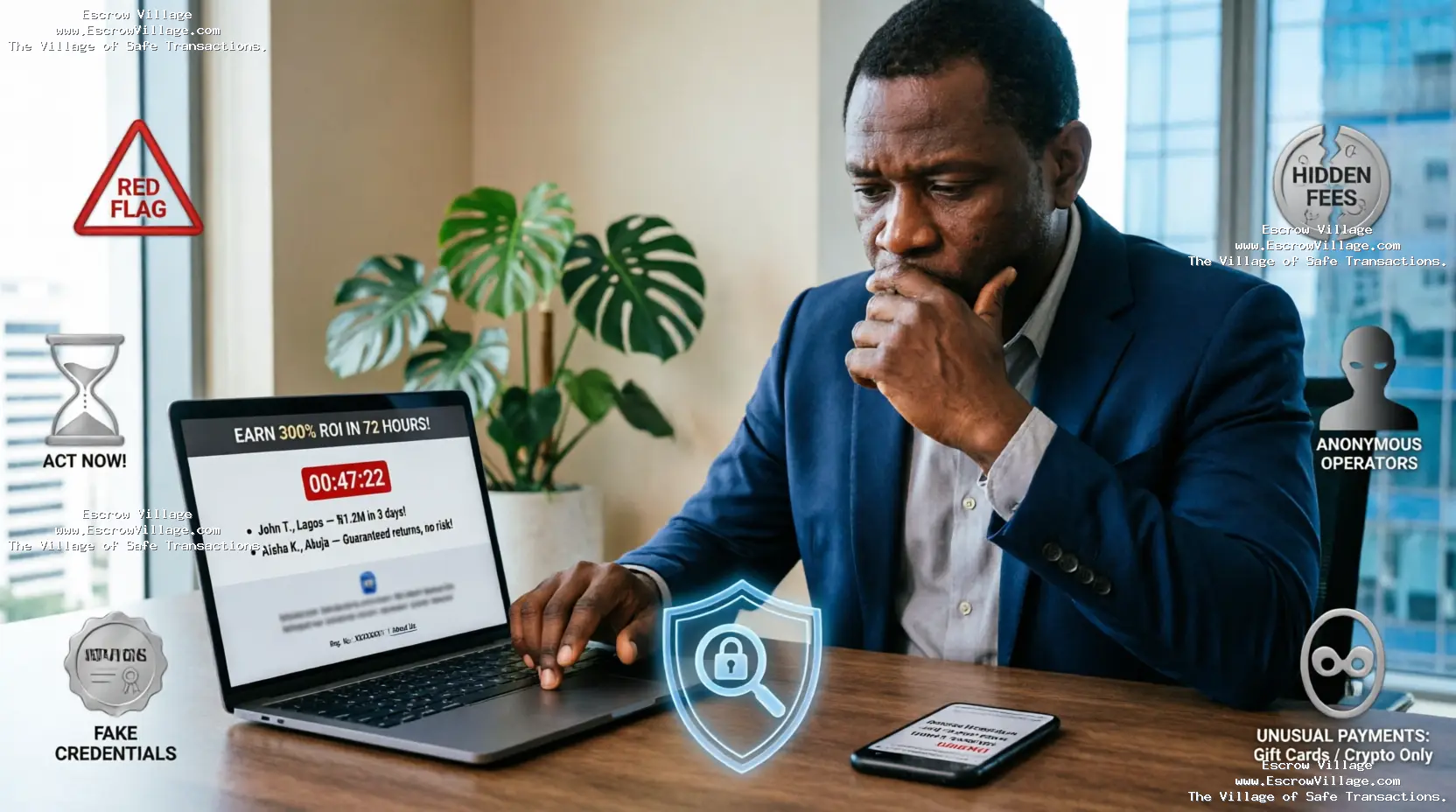
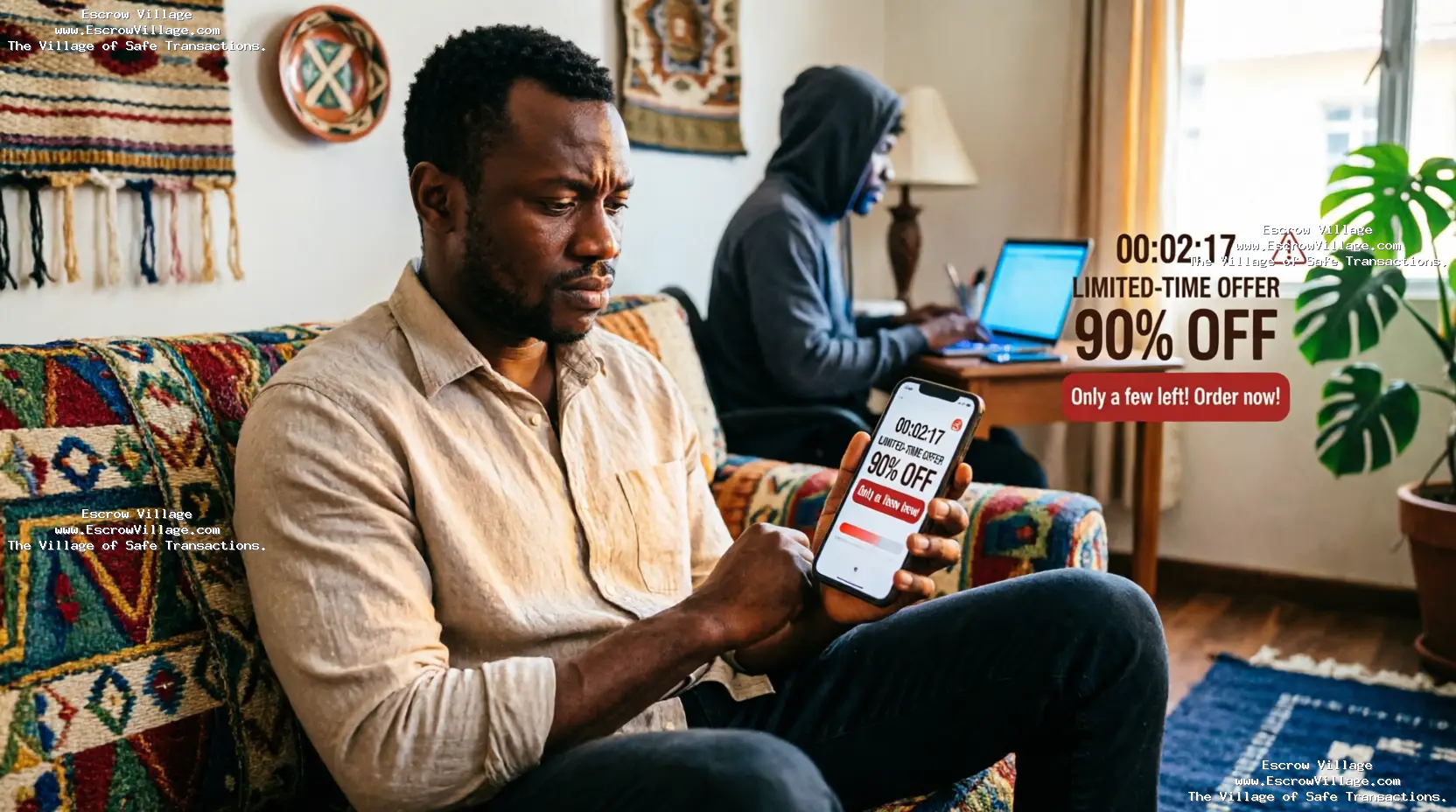
2. The Seller Is Pressuring You to Pay Immediately
A legitimate seller may want you to confirm an order, especially when stock is limited. But there is a difference between urgency and pressure.
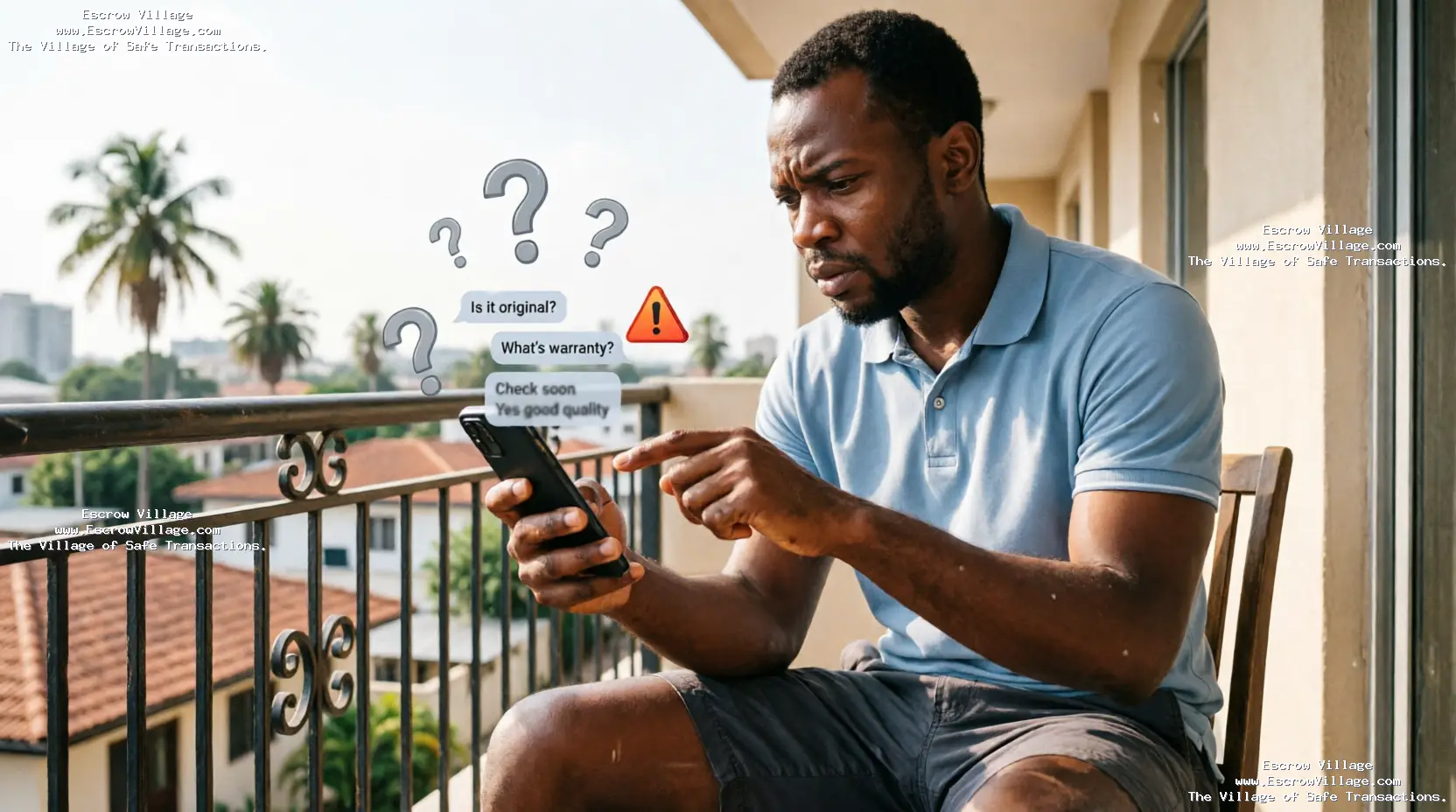
If someone keeps telling you: “Pay now or someone else will buy it.” “Send the money within 10 minutes.” “This is the last one.” “I have many buyers waiting.” You should take a step back. Scammers often create urgency because they do not want you to have enough time to investigate them.
You don't have to prove that a seller is a scammer before slowing down. If something feels rushed, take your time.
3. They Refuse to Answer Basic Questions
Before buying something online, you should be able to ask reasonable questions.
Where is the business located? Is the product available? Can they provide more pictures or videos? What is their return policy? How will delivery work? What happens if the product arrives damaged?
A seller who becomes unnecessarily defensive when you ask normal questions deserves caution.
For example, if you ask for a current video of a product and the seller keeps sending you old pictures, that is worth investigating.
You are not being difficult. You are trying to know what you are paying for.
4. The Seller Wants Payment Through a Personal Account
Seeing a personal bank account does not automatically mean the seller is a scammer.
Many legitimate Nigerian small businesses operate informally or use personal accounts. However, if a seller claims to be a registered business but insists that you pay into an unrelated person's account, ask questions.
The account name may be completely different from the business name.
There may be a legitimate explanation, but you should understand it before sending money.
And never assume that because a bank account has a Nigerian name attached to it, the transaction is automatically safe.
5. They Avoid Calls or Video Calls
A WhatsApp seller does not necessarily have to accept video calls.
But if you are about to send a large amount of money and the seller consistently avoids any form of verification, that should make you more careful.
You could ask for a quick call or request a fresh video showing the product.
For expensive purchases, verification becomes even more important.
A scammer may have plenty of product pictures but struggle to prove that they actually have the product.
6. The Seller Has a New or Suspicious WhatsApp Account
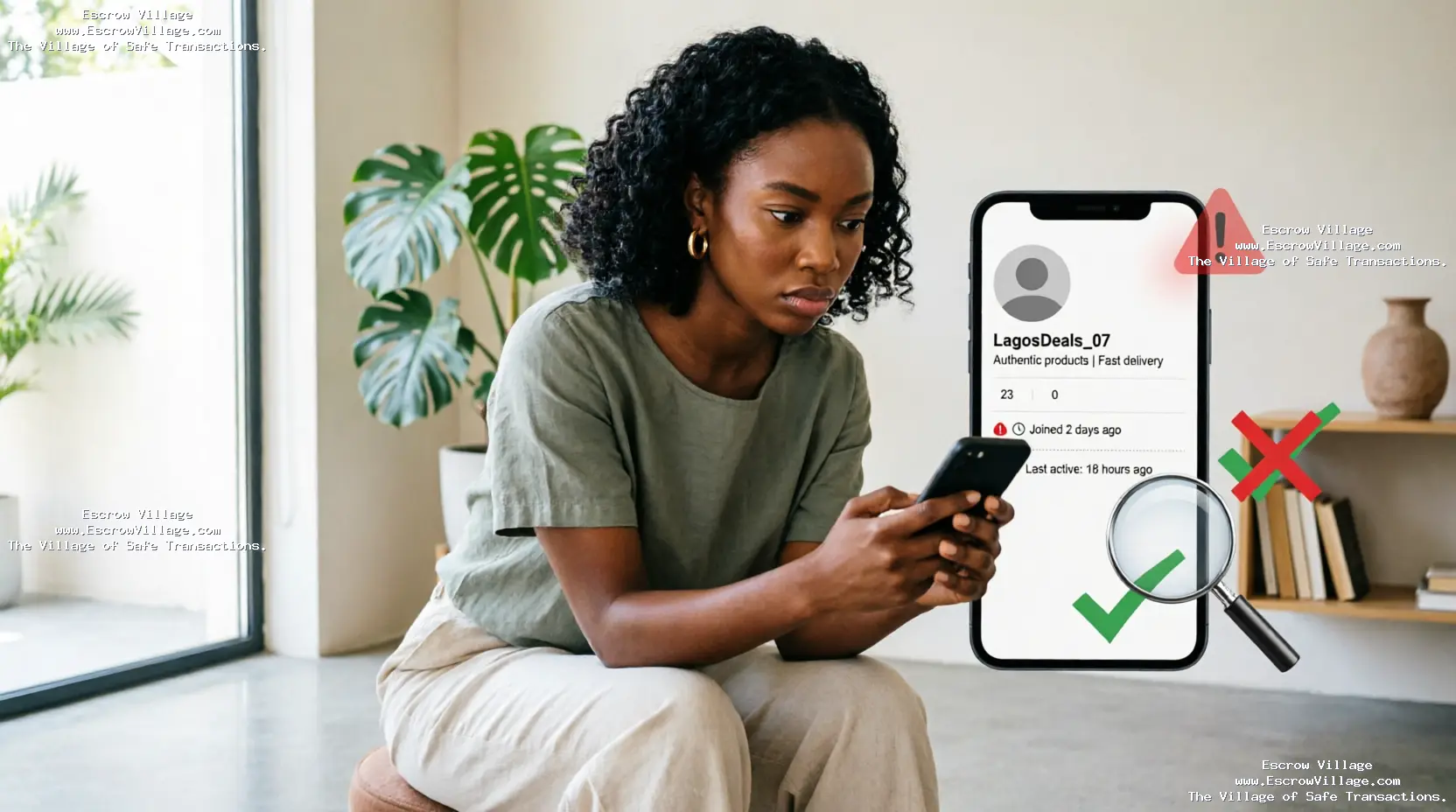
A new WhatsApp account does not mean someone is fraudulent. Every legitimate business starts somewhere.
Still, look at the bigger picture.
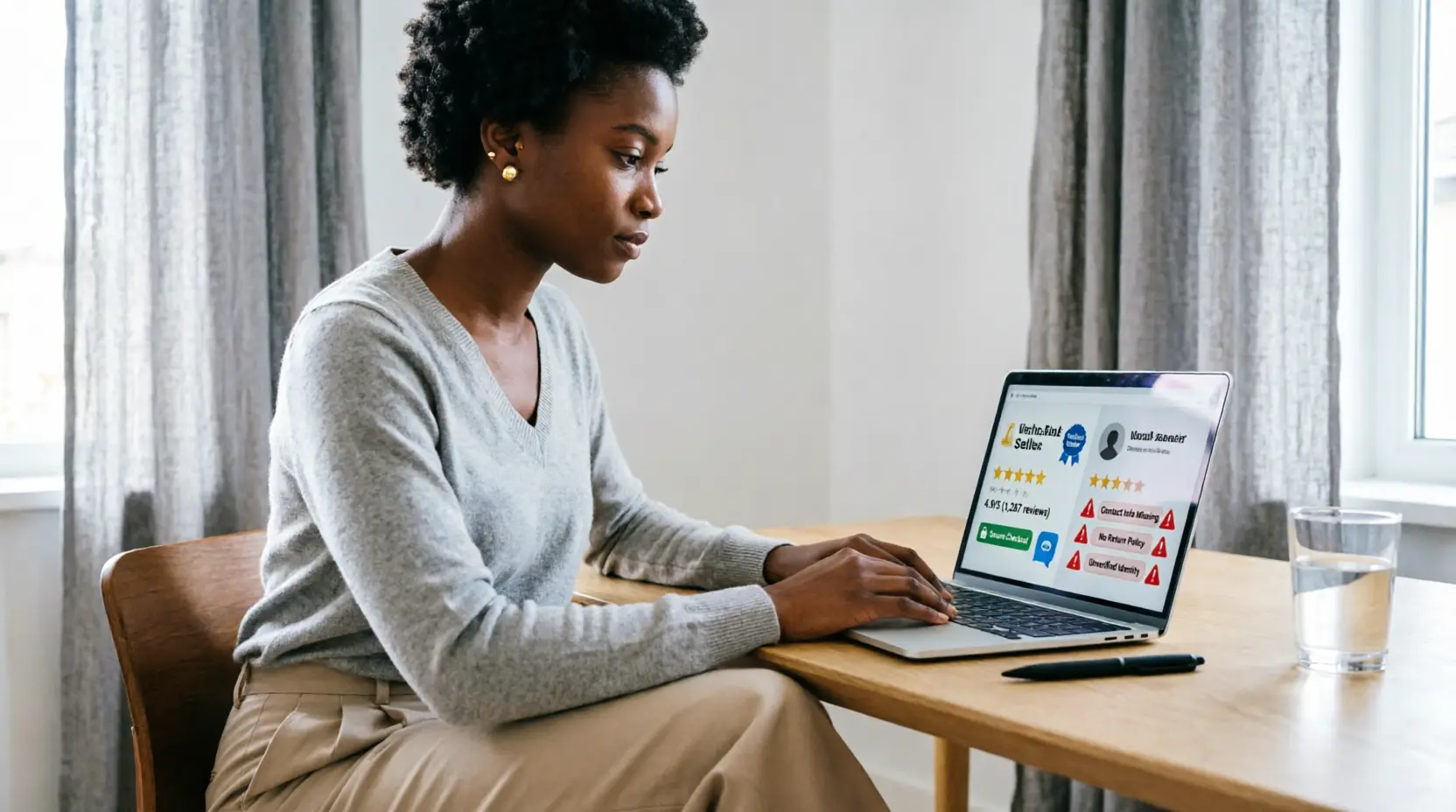
Does the seller have any previous customer reviews?
Do they have an established social media presence?
Are there comments from real customers?
Do the pictures look copied from another business?
Does the phone number appear across multiple business names?
Don't rely on one piece of information. Look for patterns.
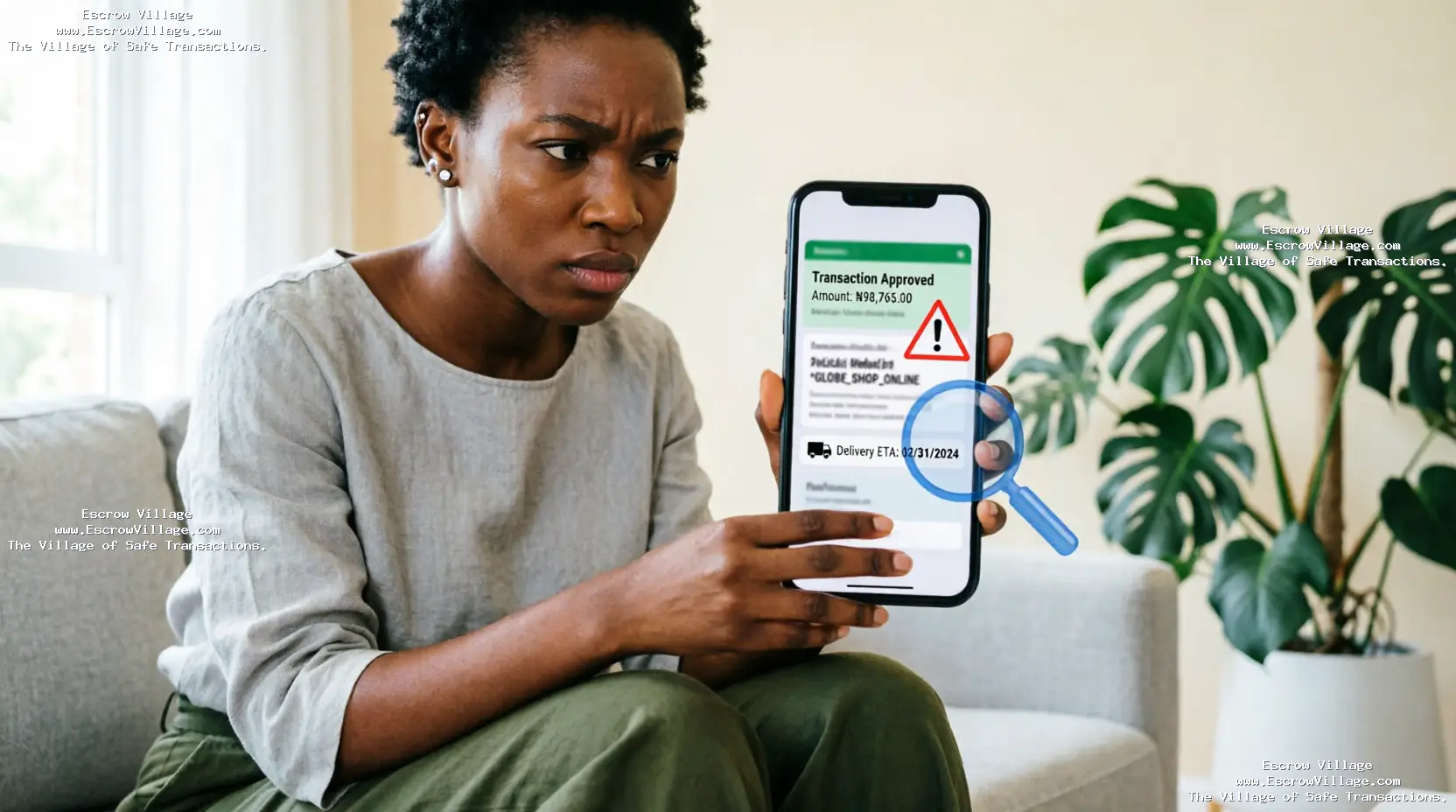
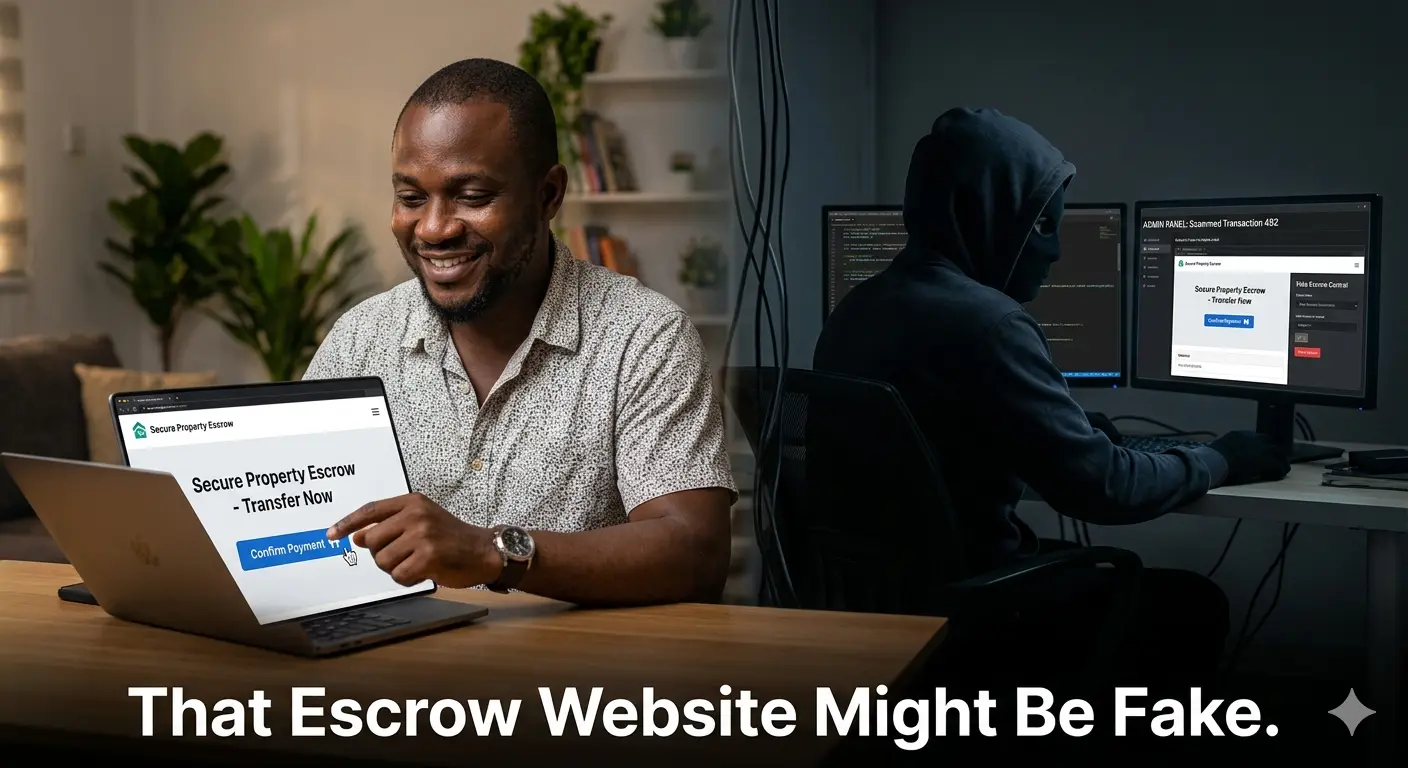
7. They Send Fake Payment or Delivery Information
WhatsApp shopping scams don't always involve a fake seller.
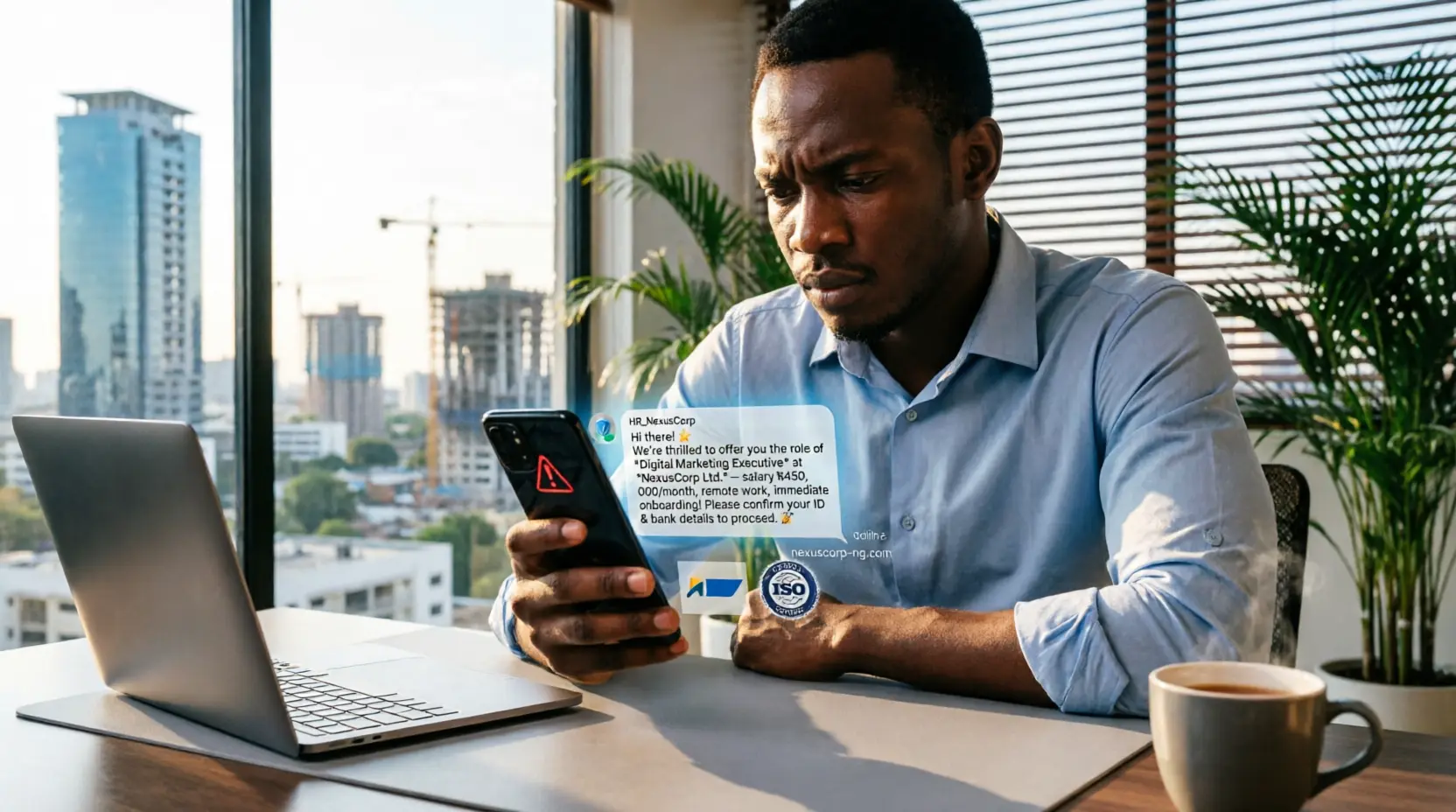
Sometimes the scammer pretends to be a delivery company, bank representative or payment agent after you have placed an order.
You might receive a message saying that you need to pay an additional fee before your package can be delivered.
For example: “Your package is on hold.” “Pay ₦5,000 clearance fee.” “Confirm your payment by clicking this link.” “Your delivery has failed. Make another payment.” Be careful with unexpected payment requests or links.
If you are unsure, contact the seller or delivery company through a verified contact method rather than simply replying to the message.
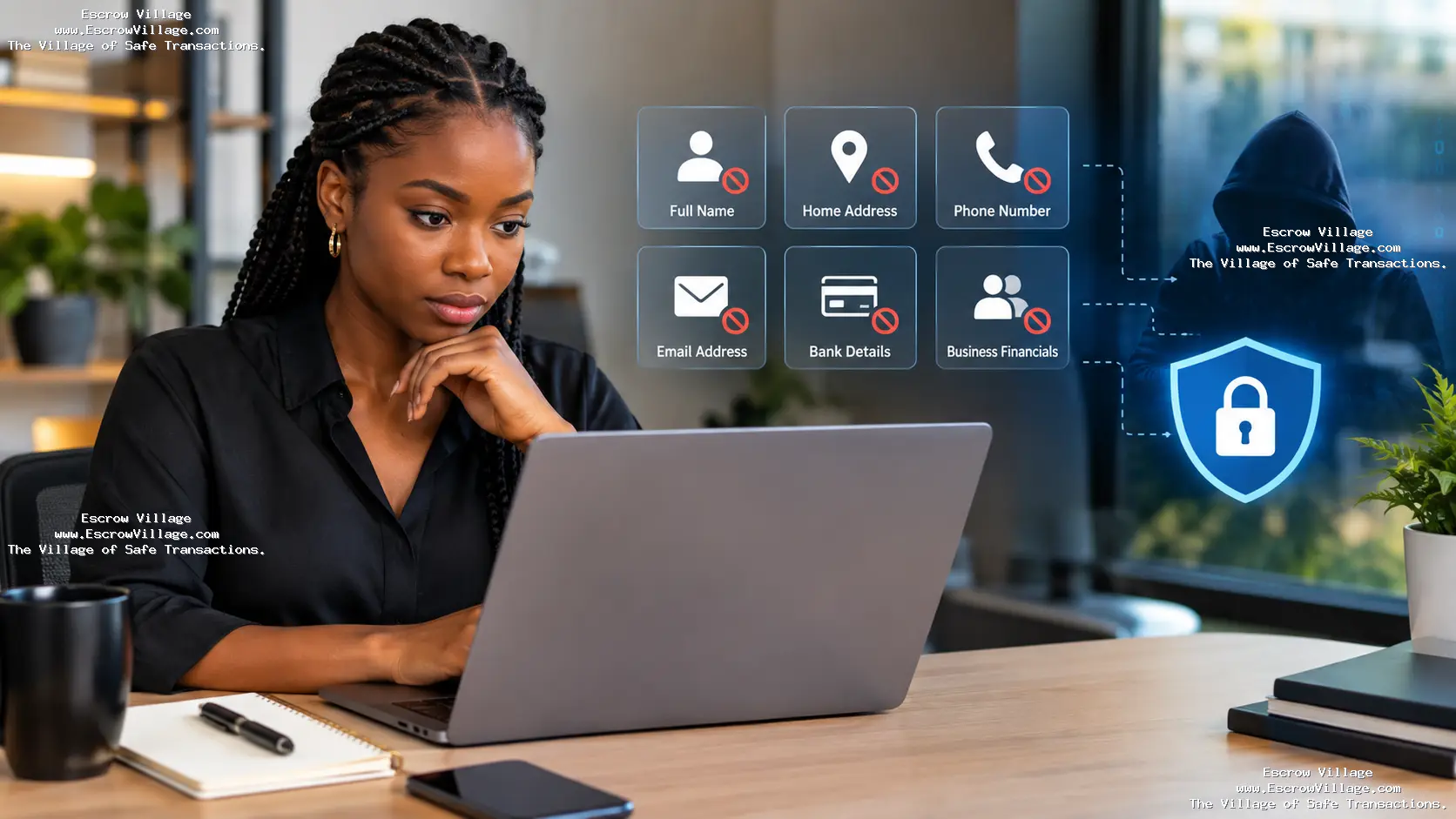
8. They Ask for Sensitive Information
A seller may need certain information to deliver your order.
But that does not mean they need everything.
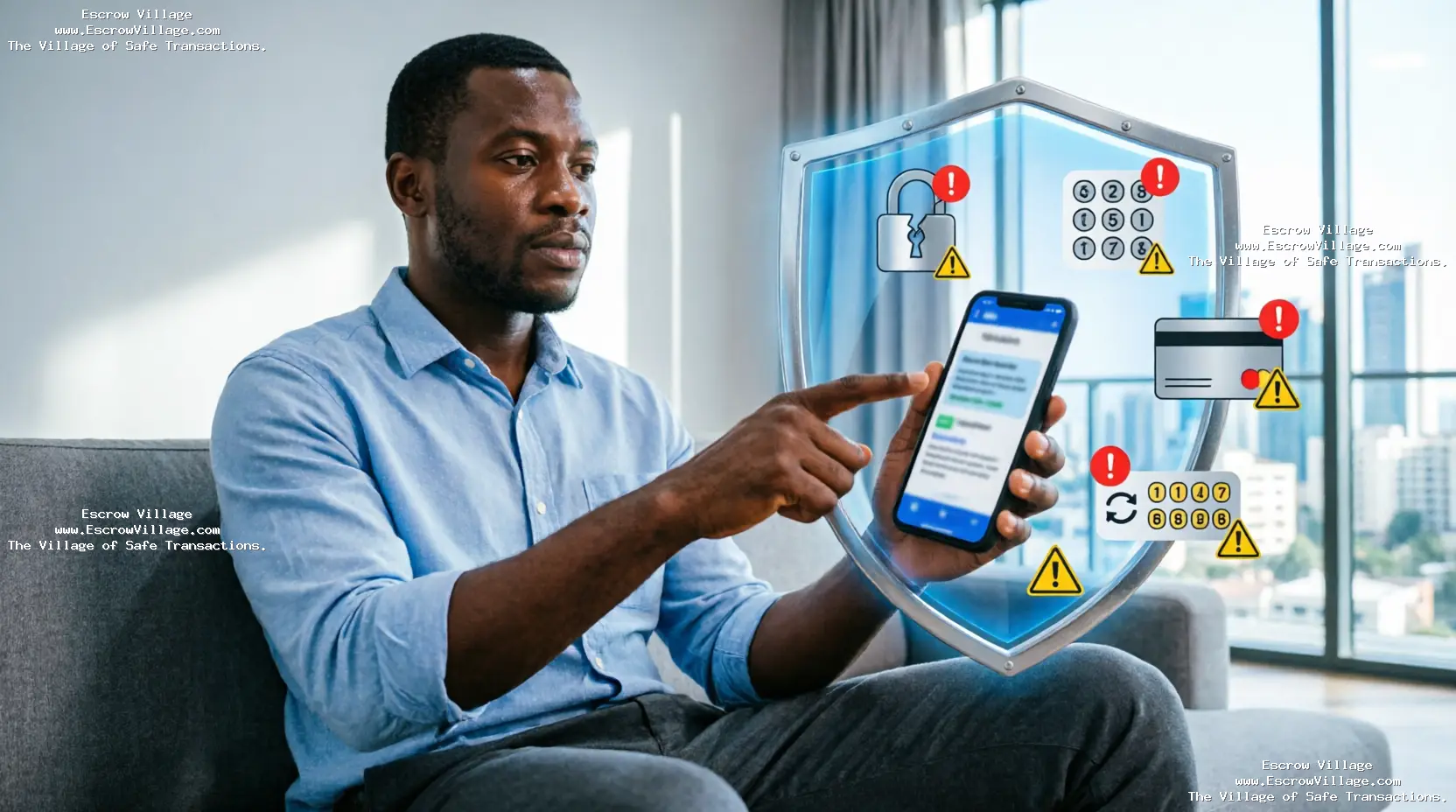
Be careful if someone asks for your bank PIN, OTP, card PIN, password or other highly sensitive information.
You should never give someone your banking password or OTP simply because they claim they need it to process a WhatsApp order.
If someone says, “Send the OTP so I can confirm your payment,” stop. That is a major warning sign.
9. They Don't Want You to Use Any Form of Buyer Protection
This is one of the most important things to consider when making an expensive online purchase.
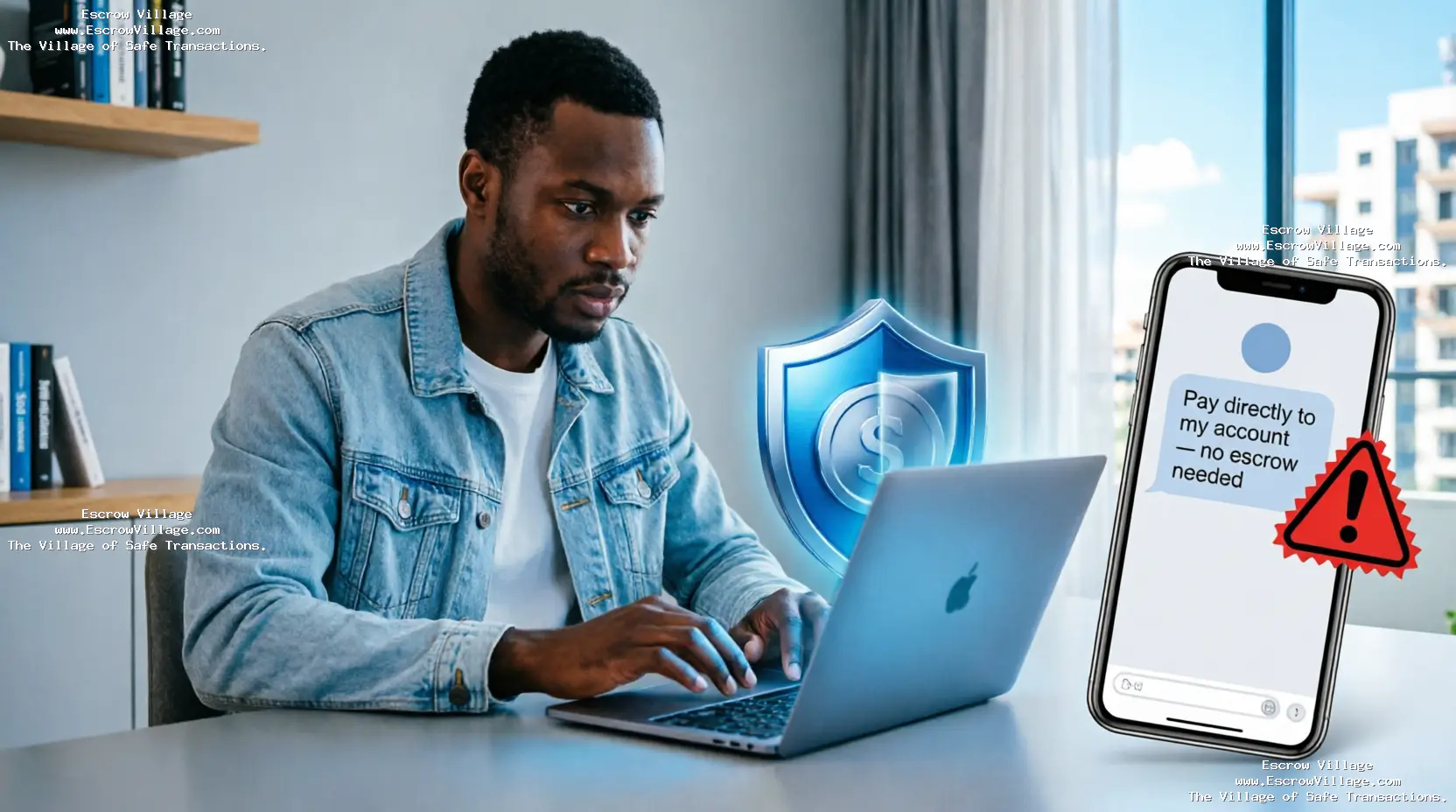
Some sellers may insist that you transfer money directly to them before they will do anything.
Again, direct payment does not automatically mean fraud.
But when you are dealing with an unfamiliar seller, having a way to protect the transaction can reduce your risk.
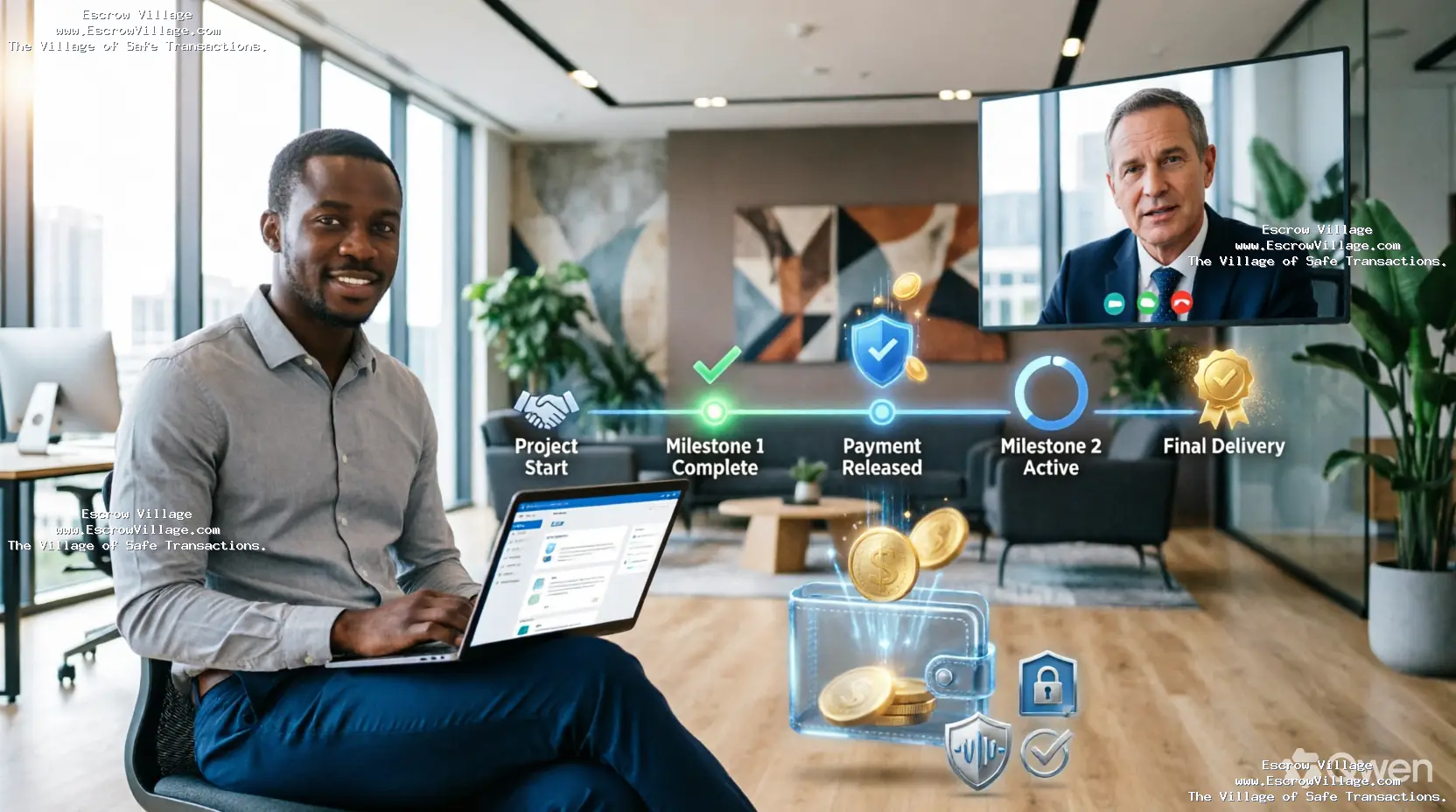
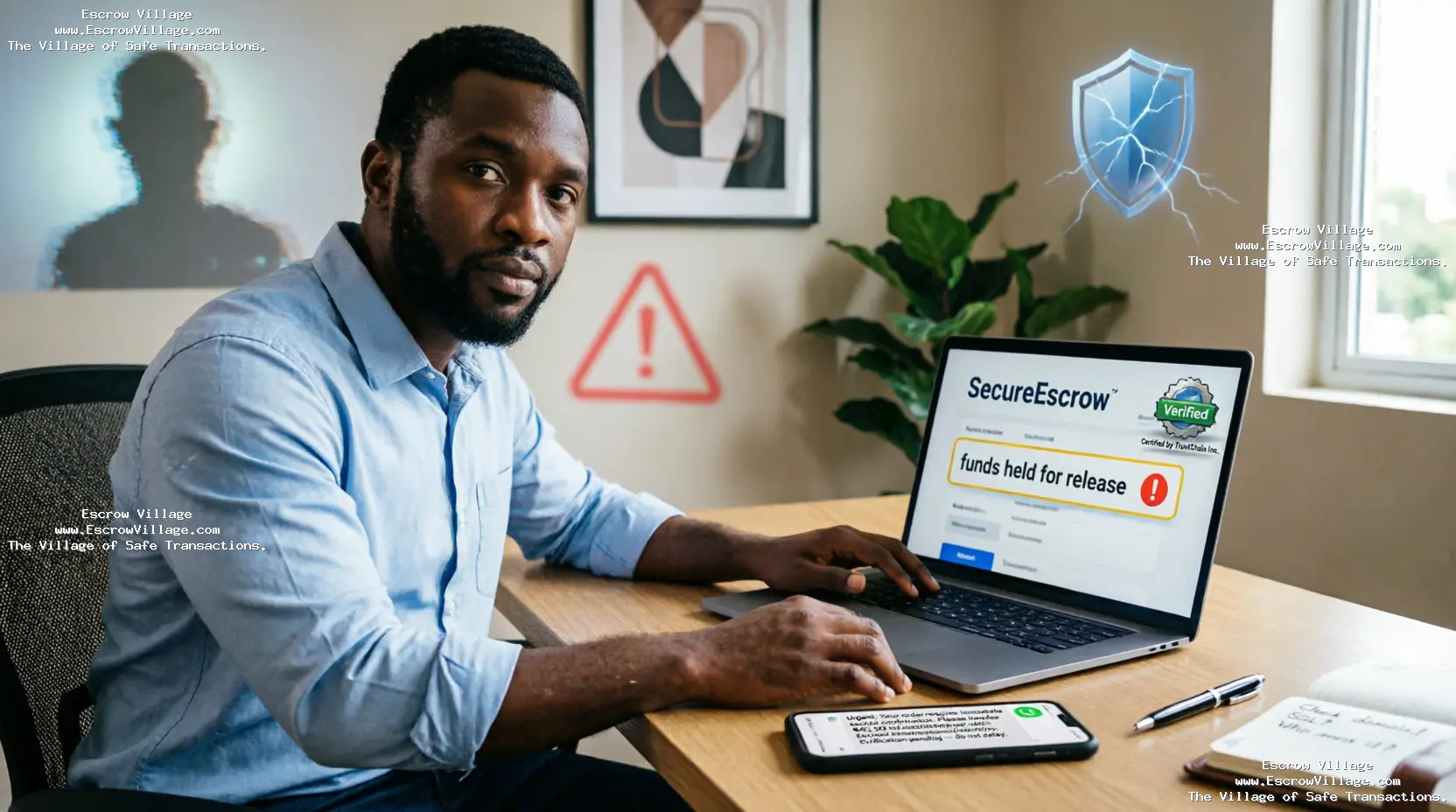
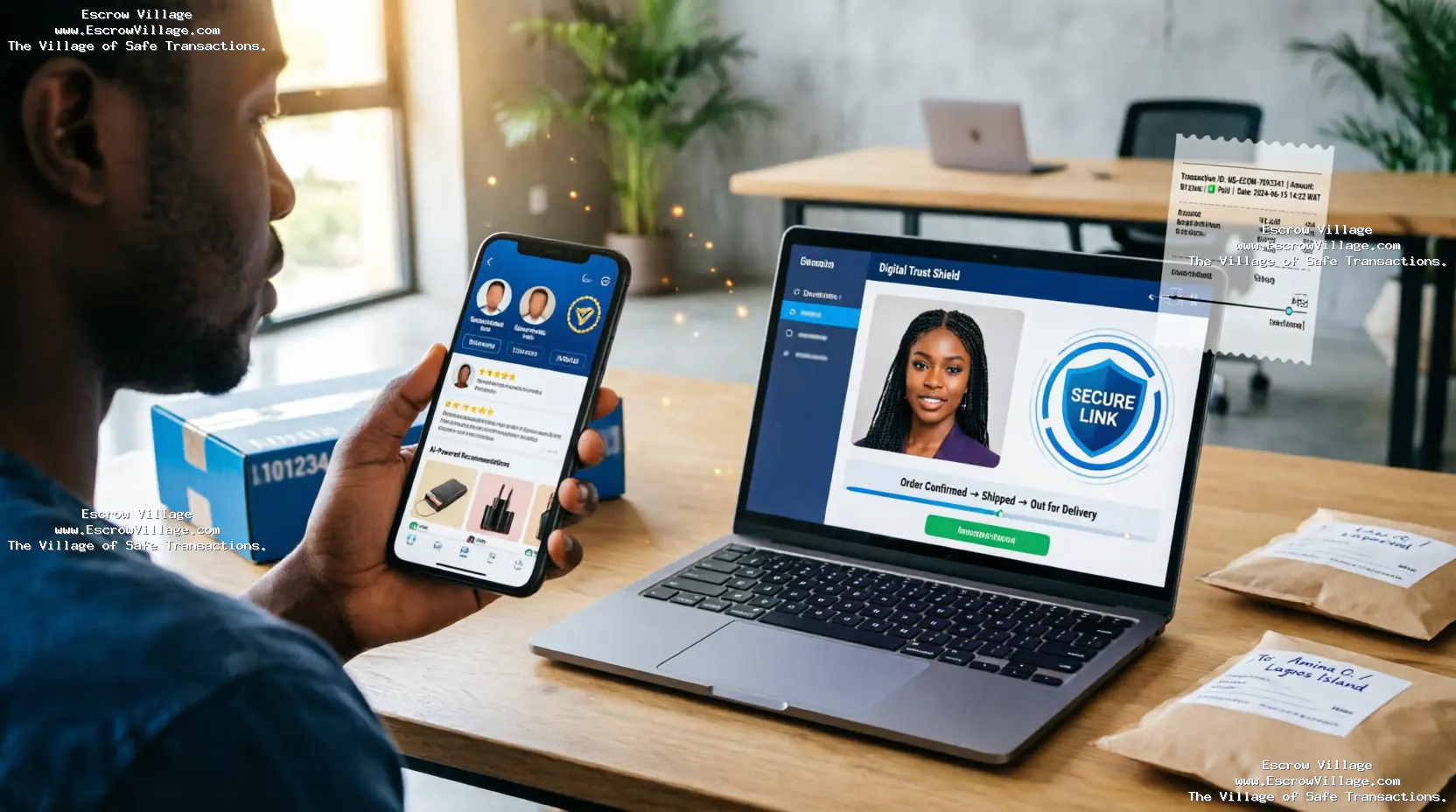
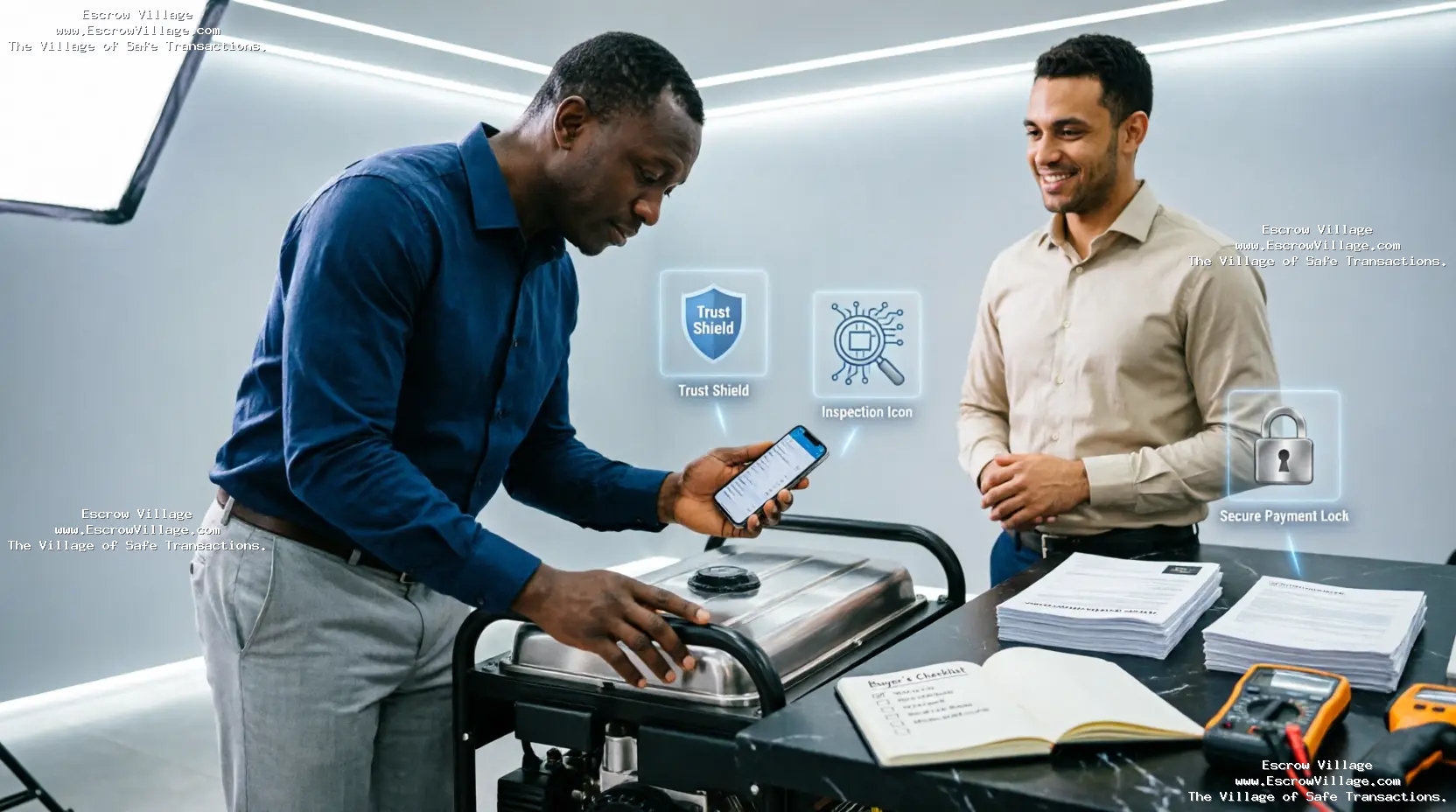
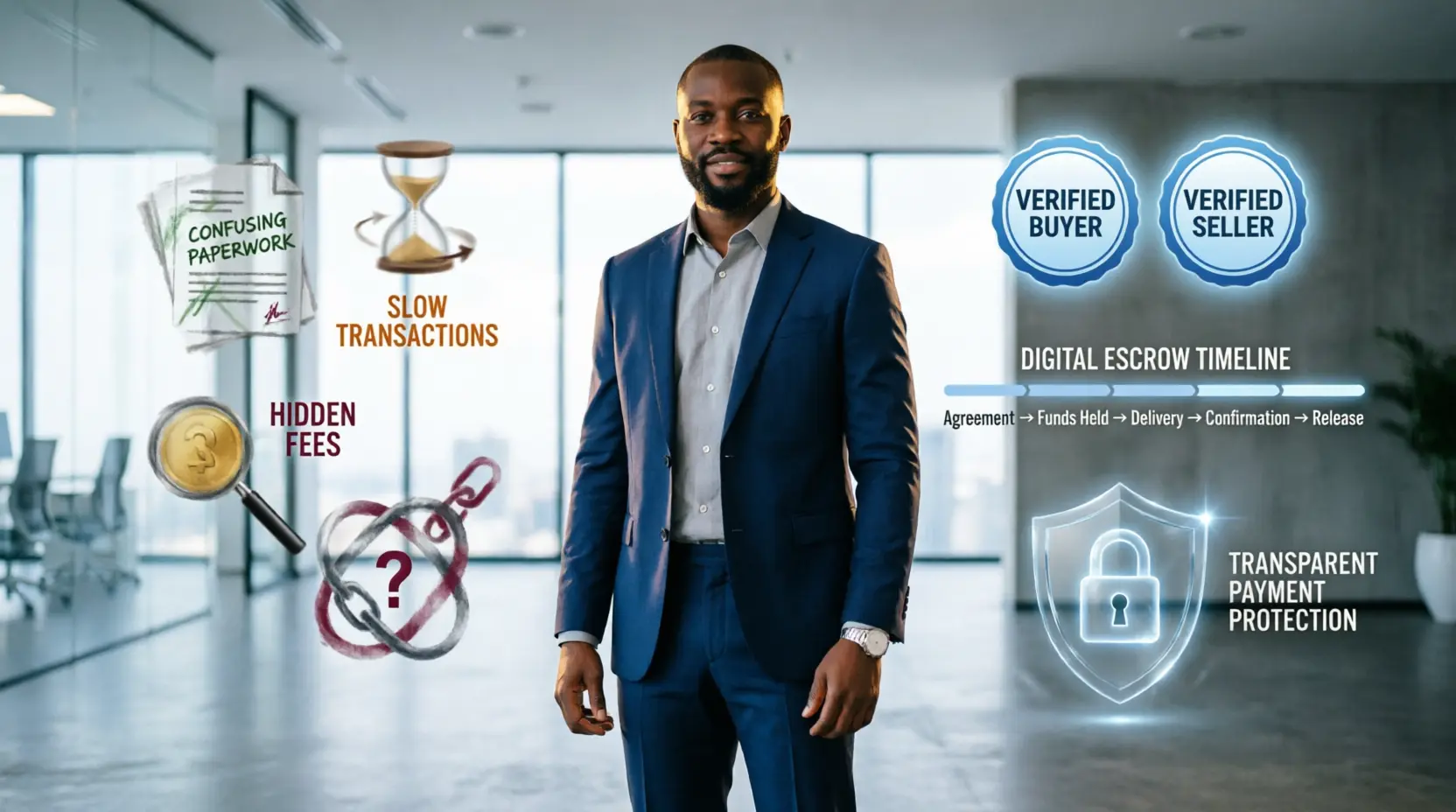
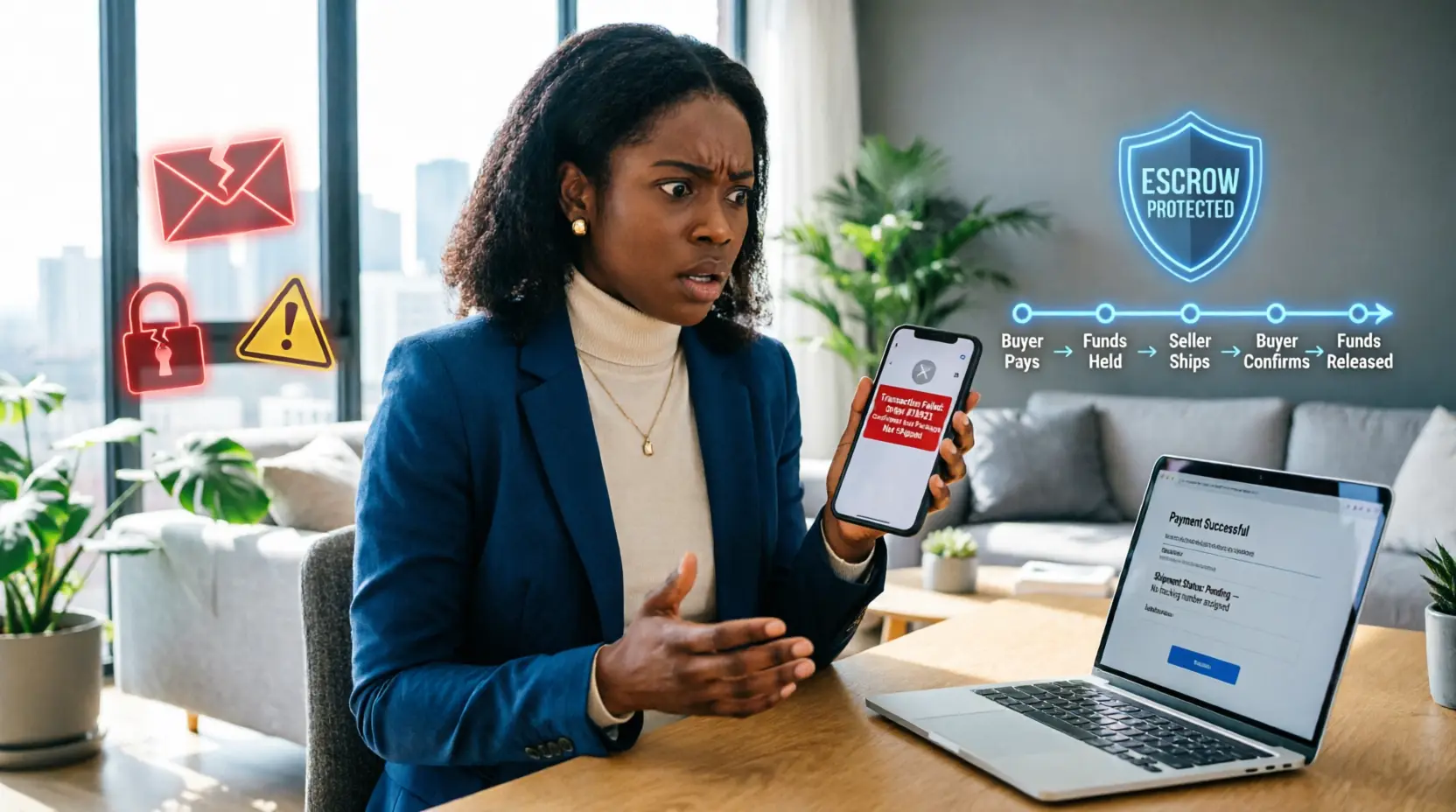
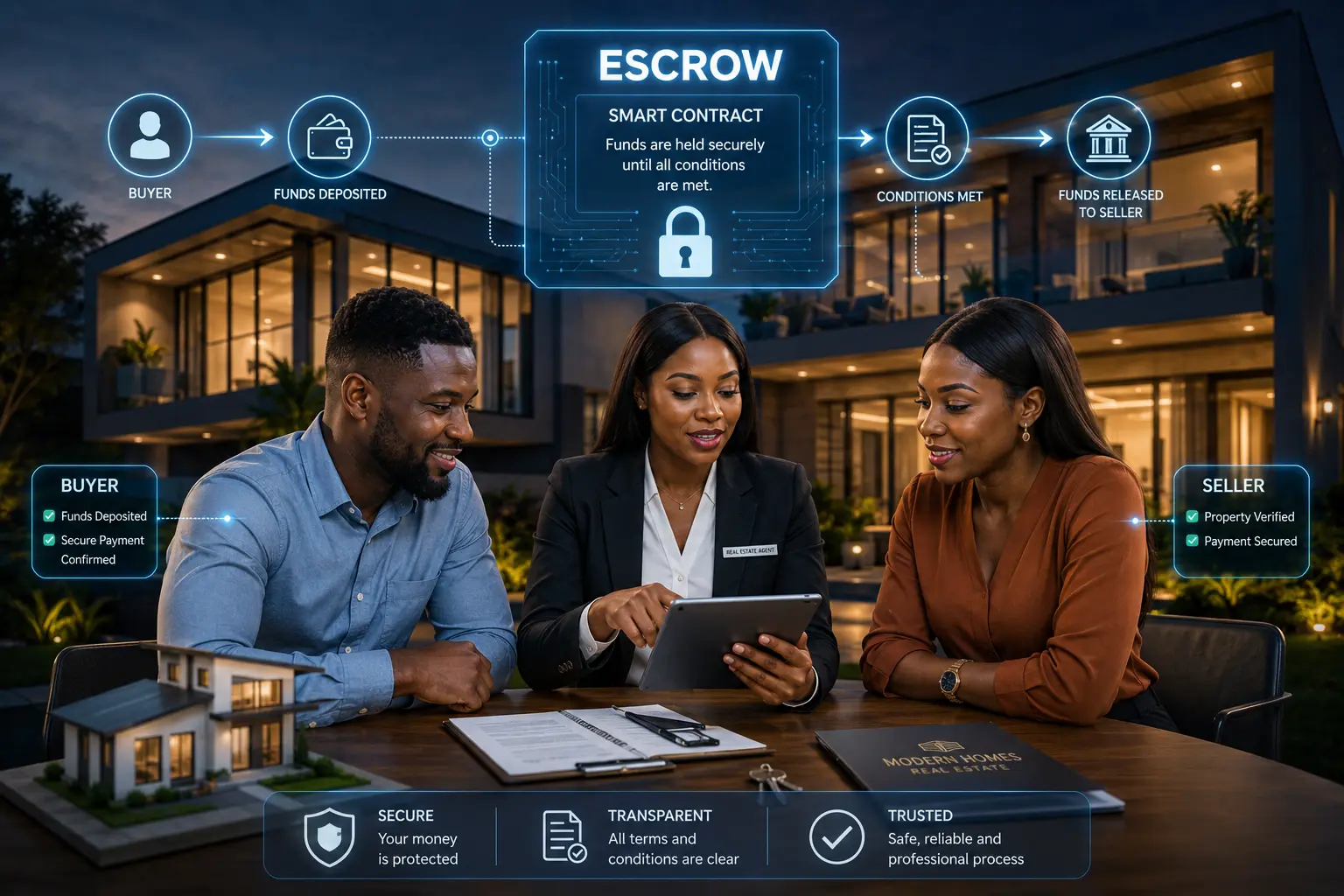
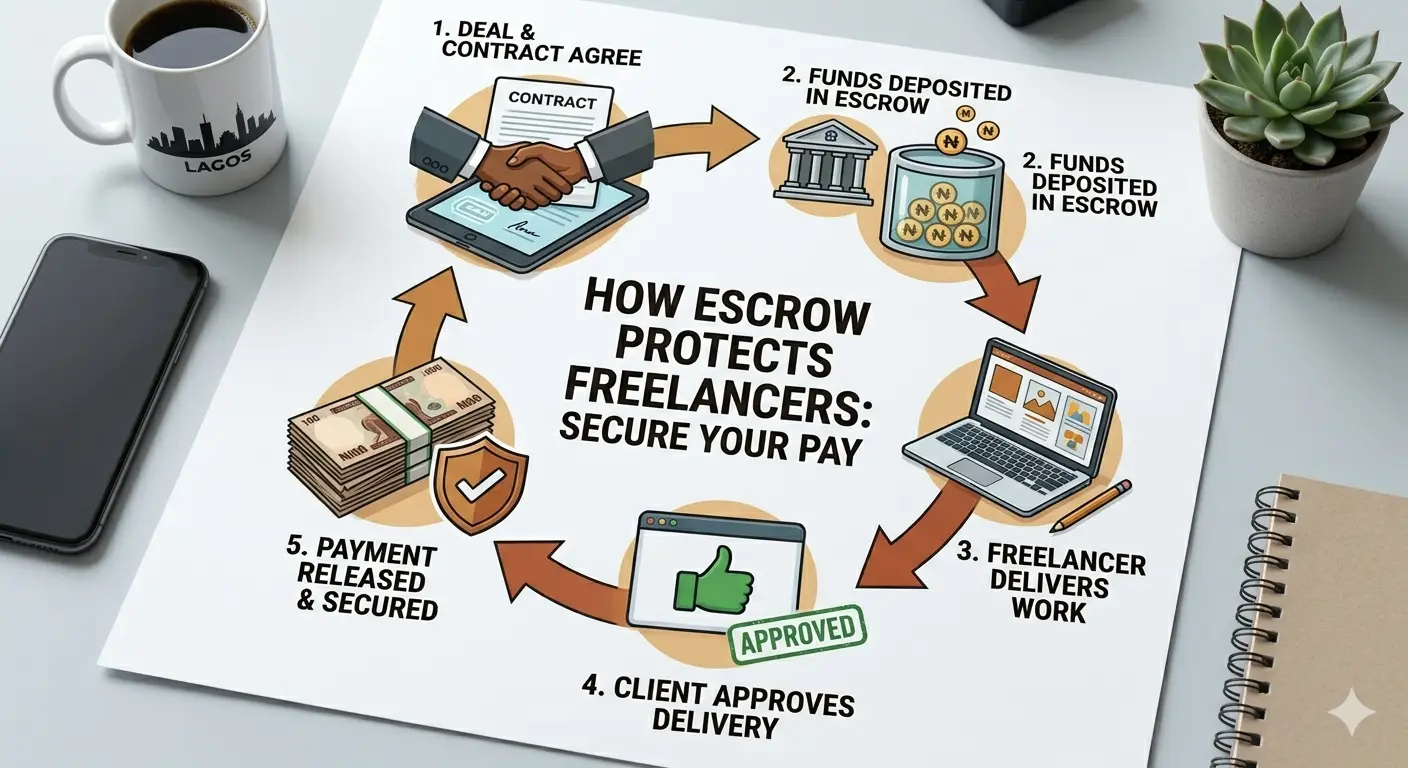
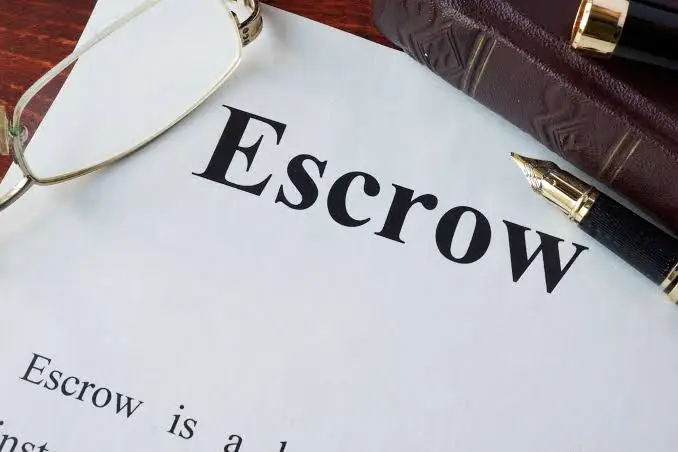
This is where escrow payment can be useful.
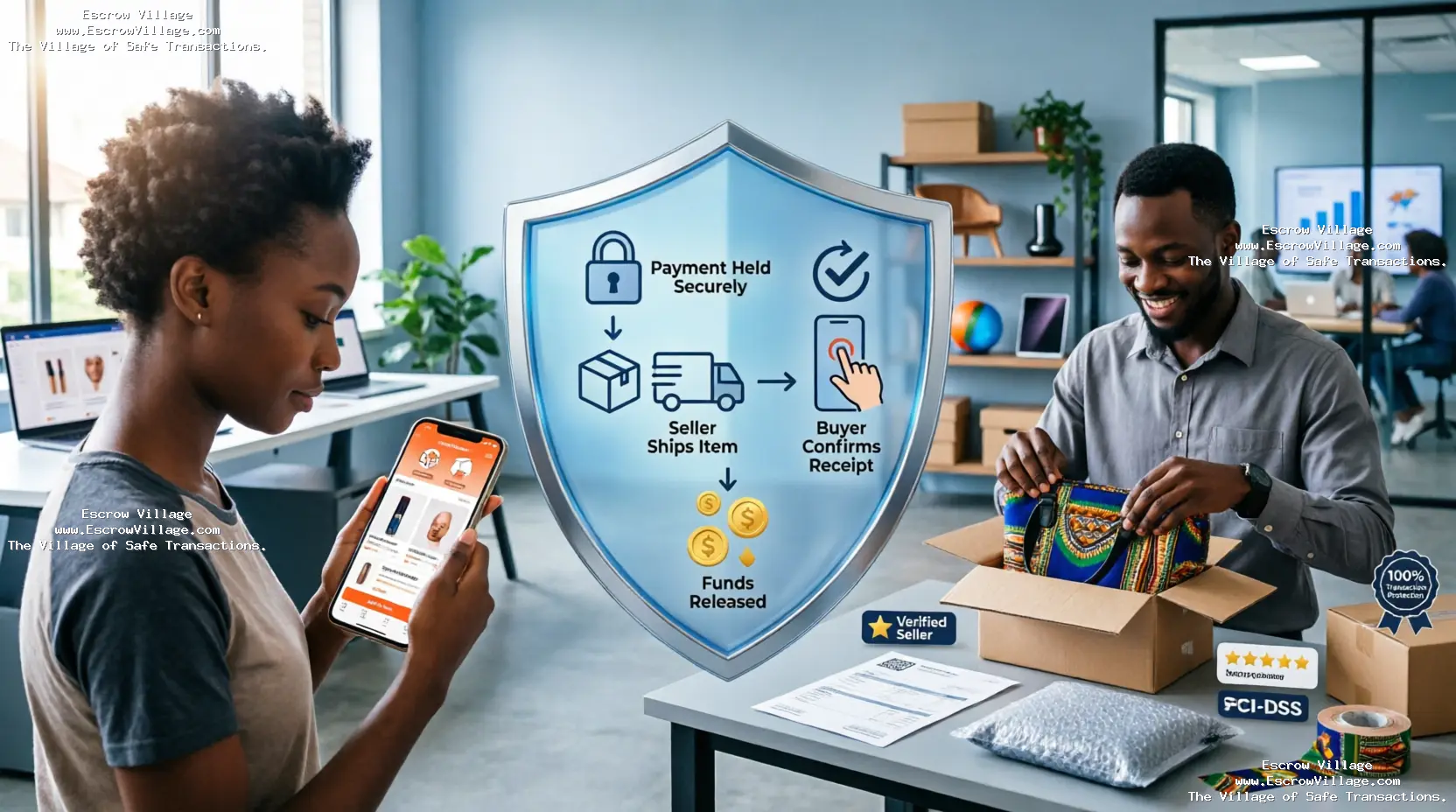
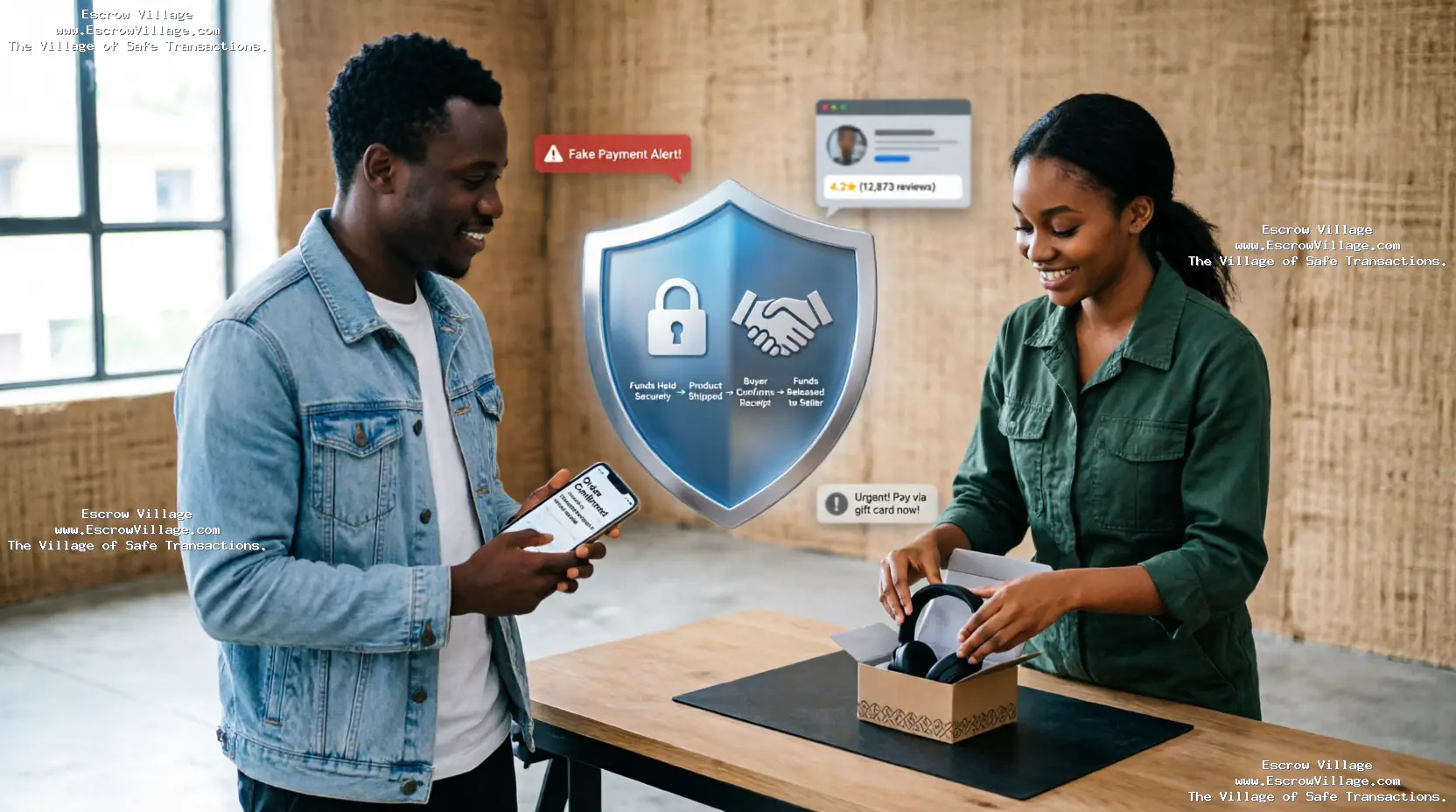
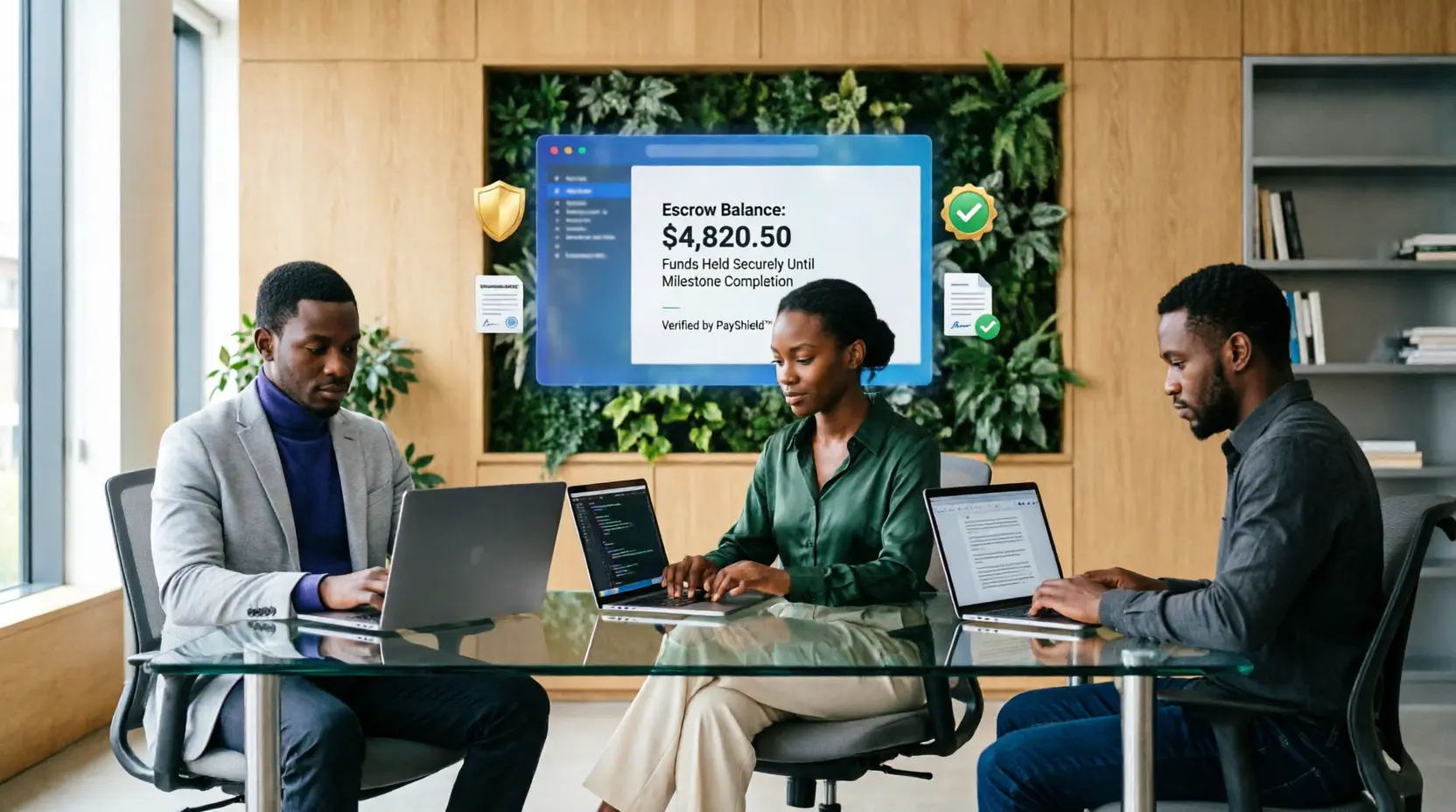
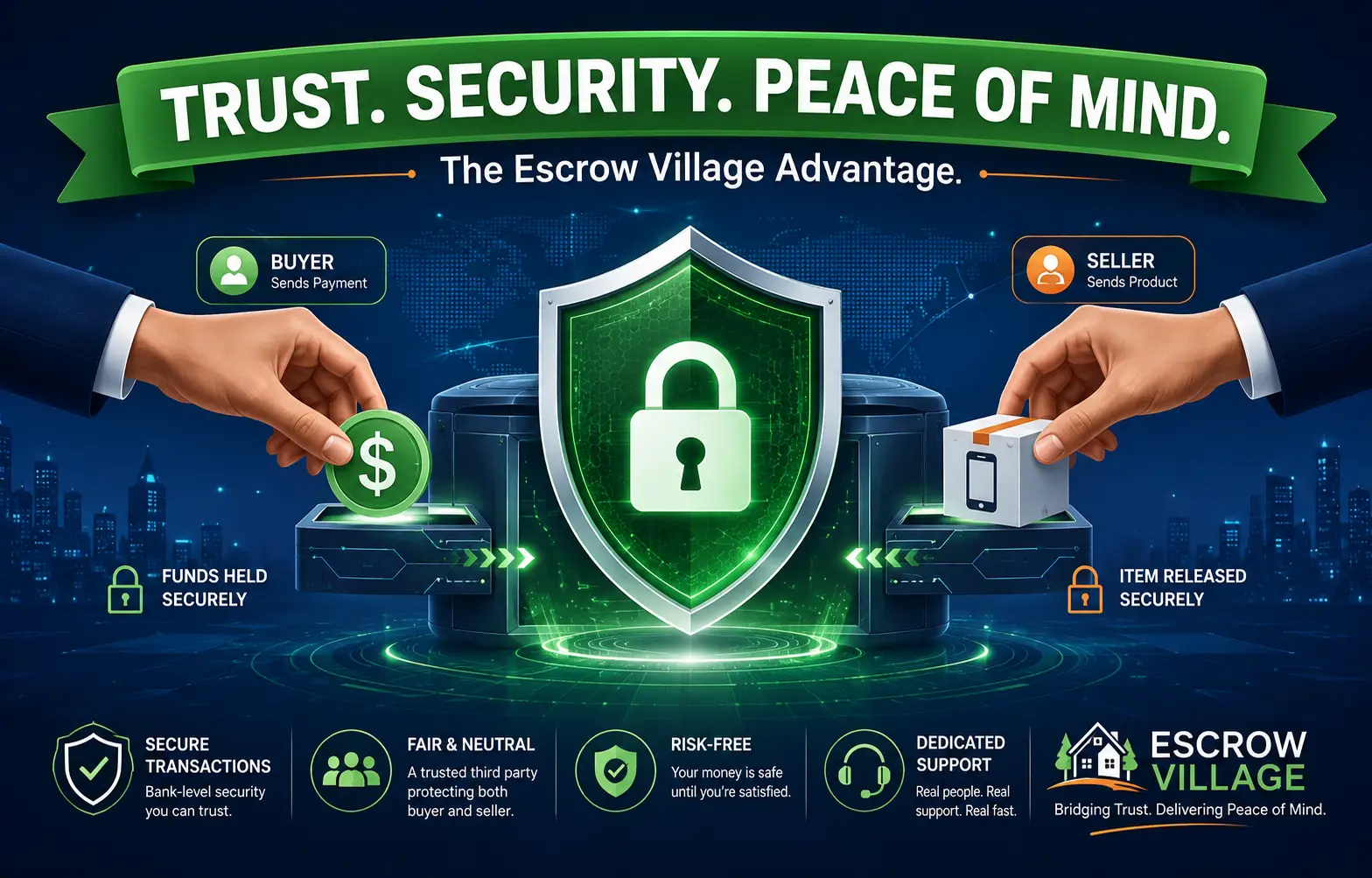
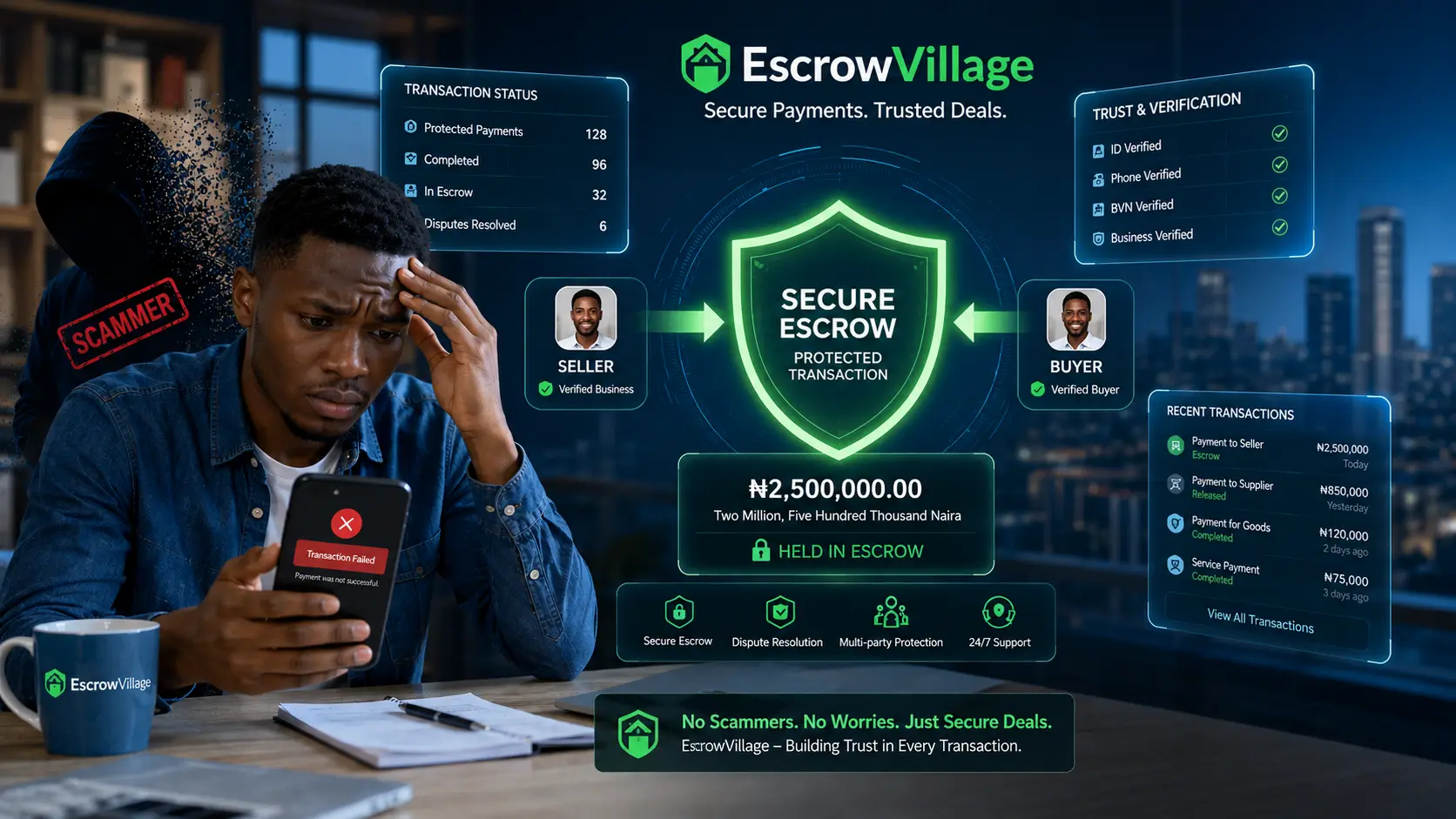
With an escrow arrangement, the buyer's money is held by a trusted third party and released to the seller when the agreed conditions of the transaction are met.
Instead of simply thinking, “I have sent the money, so I hope the seller delivers,” both sides have clearer conditions for completing the transaction.
For buyers dealing with unfamiliar online sellers, that extra layer of protection can be worth considering.
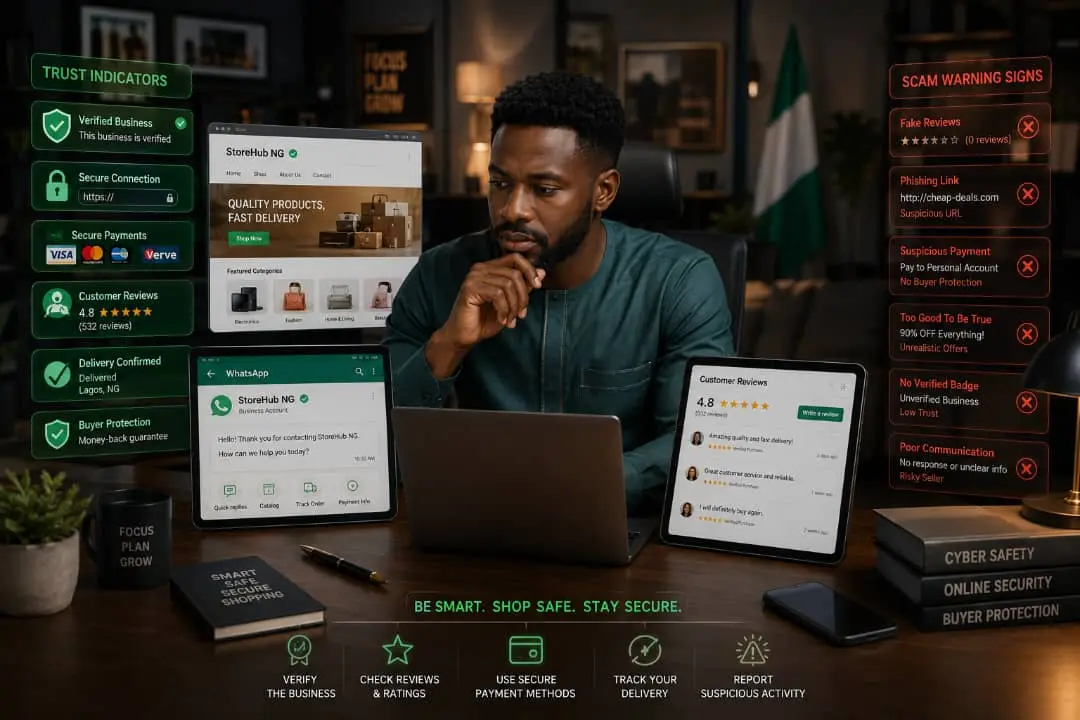
What Should You Do Before Buying on WhatsApp?
You don't need to become a cybersecurity expert before buying a product online.
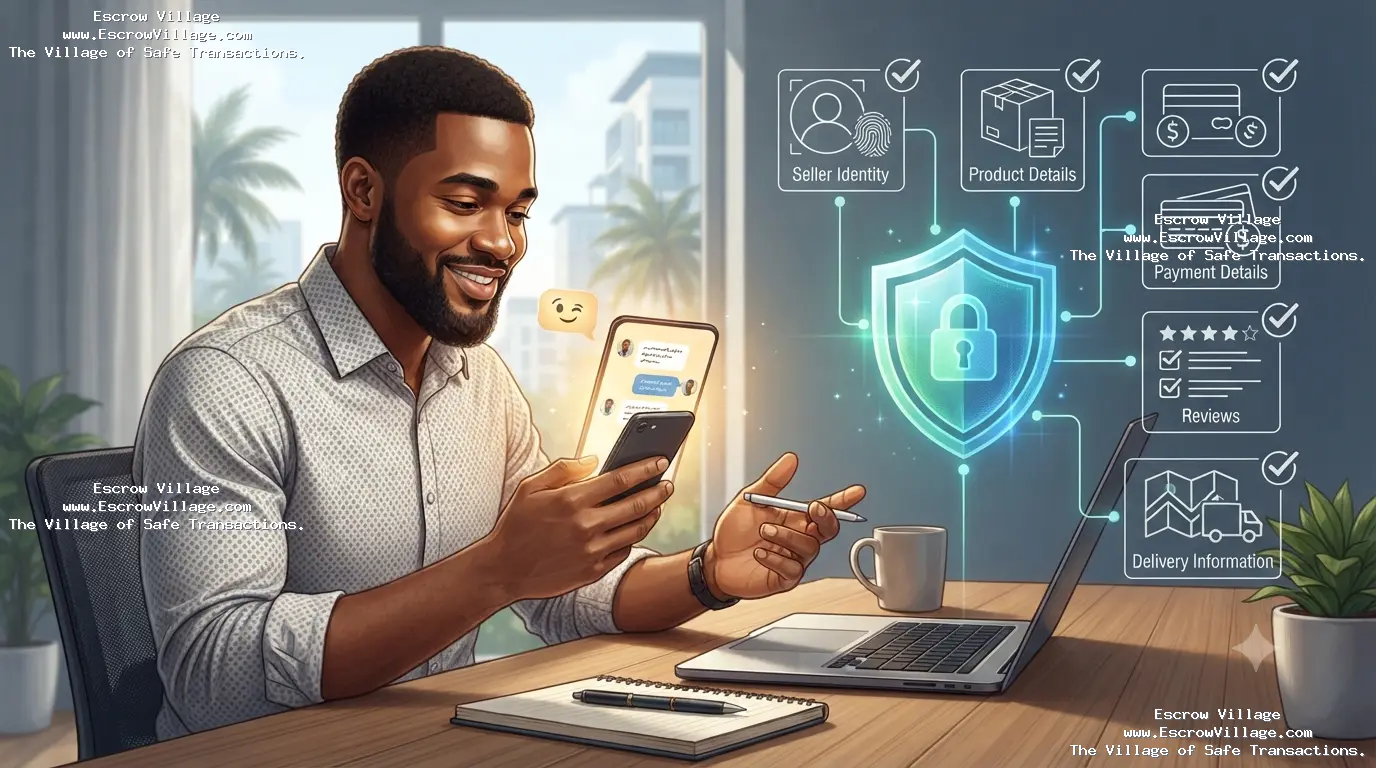
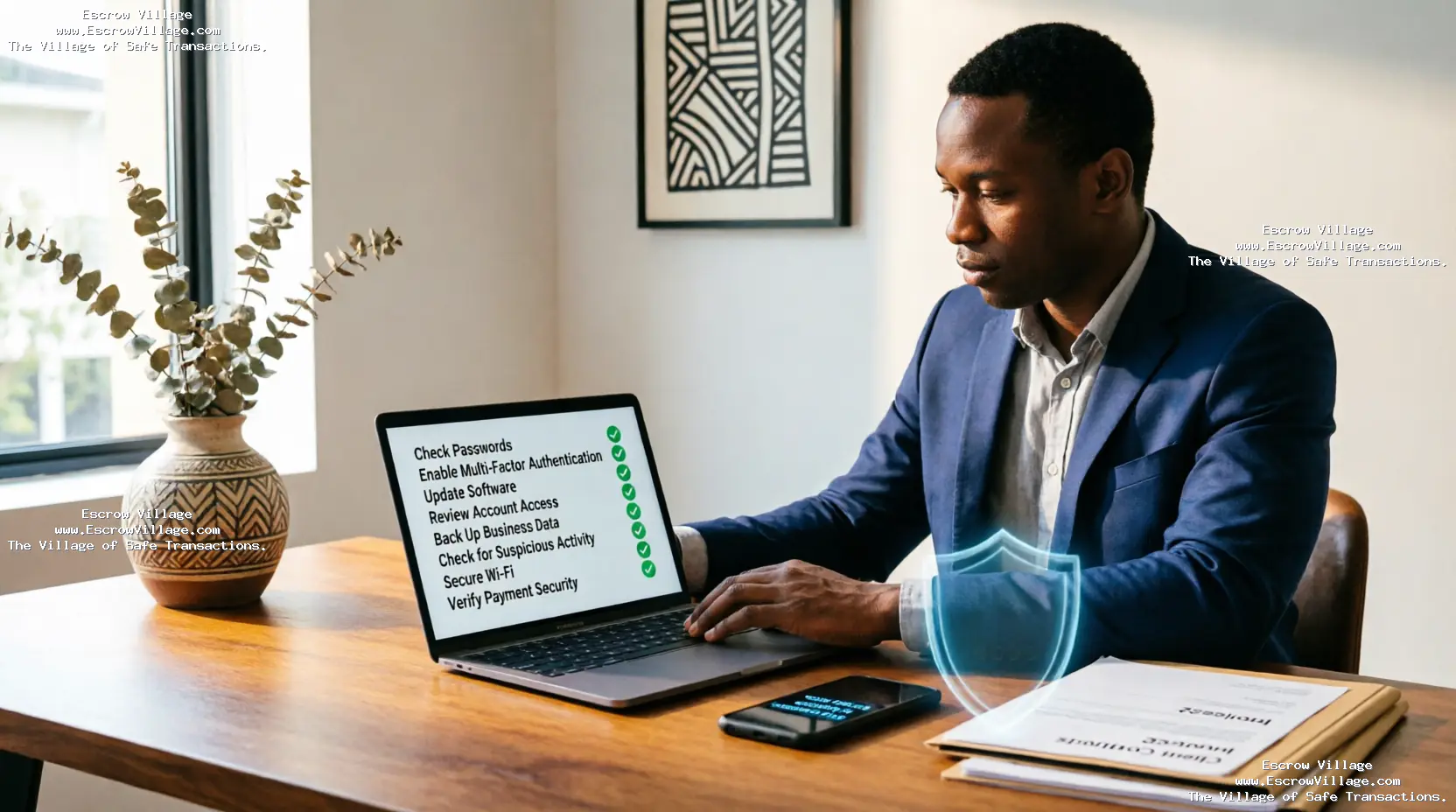
Start with a simple checklist:
● Research the seller. Search their business name, phone number and social media pages.
● Compare prices. If the price is dramatically lower than normal, find out why.
● Ask questions. A genuine seller should be able to explain the product, delivery process and terms.
● Verify the product. Ask for fresh pictures or videos when necessary.
● Don't rush. Pressure is not a reason to send money.
● Protect your information. Never share your PIN, password or OTP with a seller.
● Keep your records. Save chats, receipts, account details and other transaction information.
● Consider safer payment methods. Especially when dealing with someone you have never bought from before.
What If You Have Already Been Scammed?
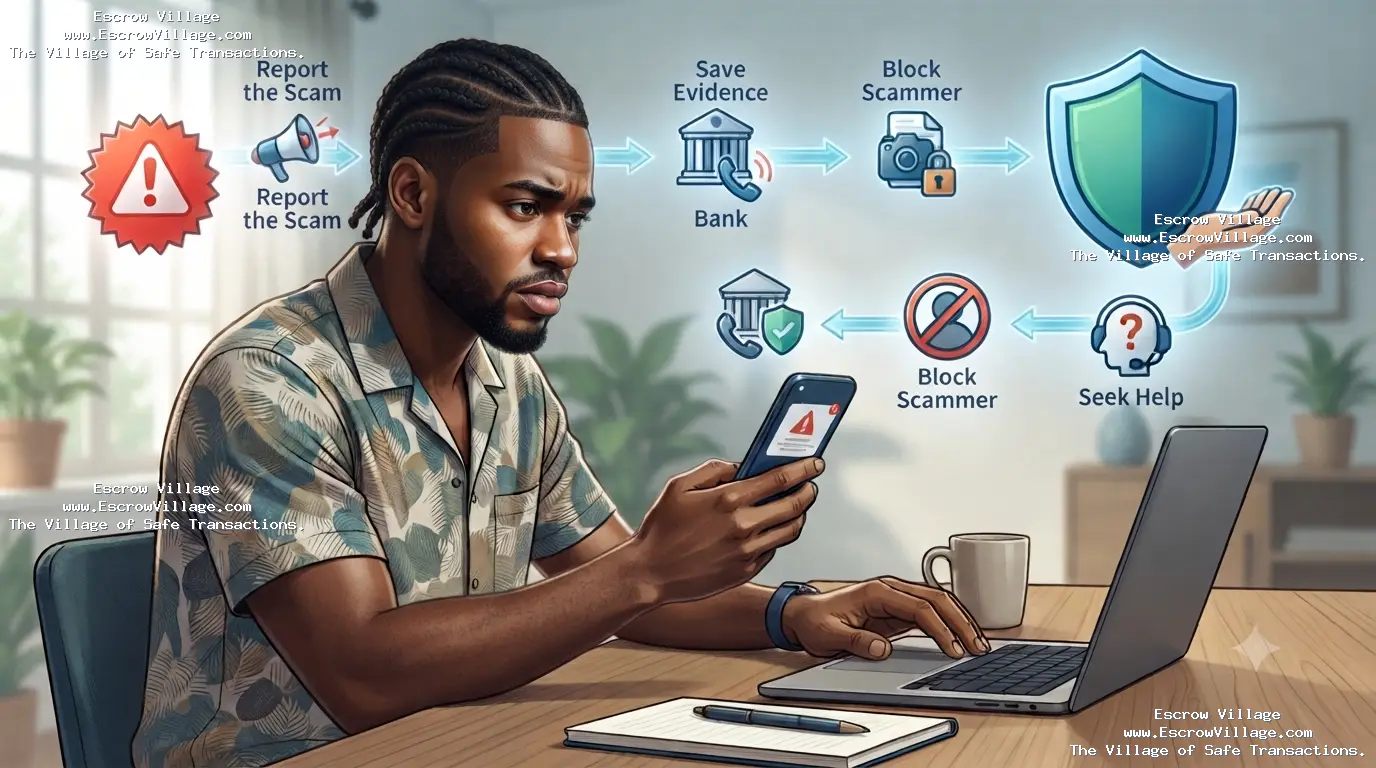
First, don't panic.
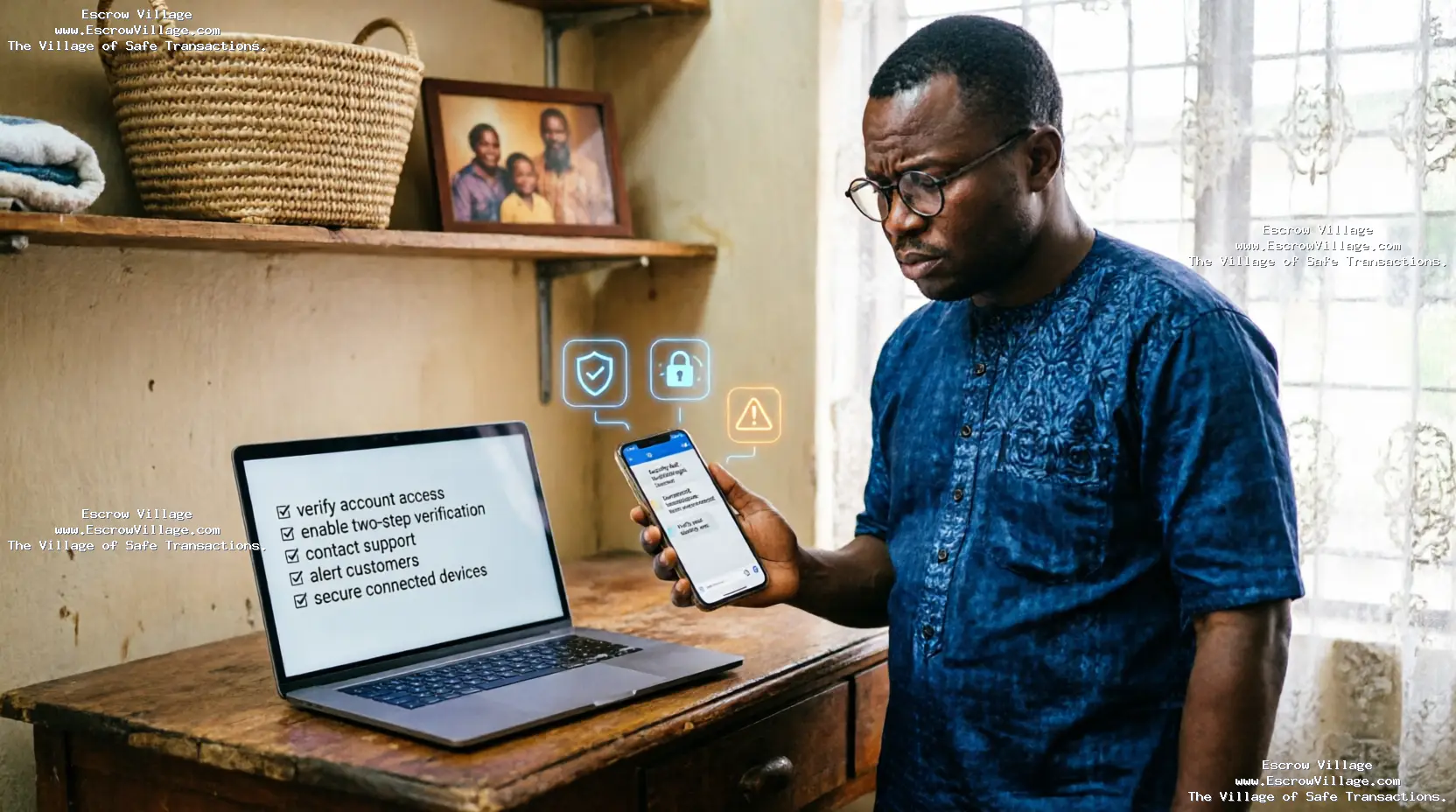
If you have already transferred money and suspect that you have been scammed, act quickly.
● Keep screenshots of the WhatsApp conversation, payment receipt, phone number, account details, product advertisement and any other evidence.
● Contact your bank or payment provider as soon as possible and explain what happened.
● You can also report the incident to the appropriate authorities and the platform where the scam occurred.
● And don't send additional money because the person promises to “refund” you after another payment. Scammers sometimes target victims a second time by pretending they can recover the lost money.
Don't Let a Friendly WhatsApp Chat Replace Verification
The biggest mistake you can make when shopping on WhatsApp is confusing a good conversation with a trustworthy transaction.
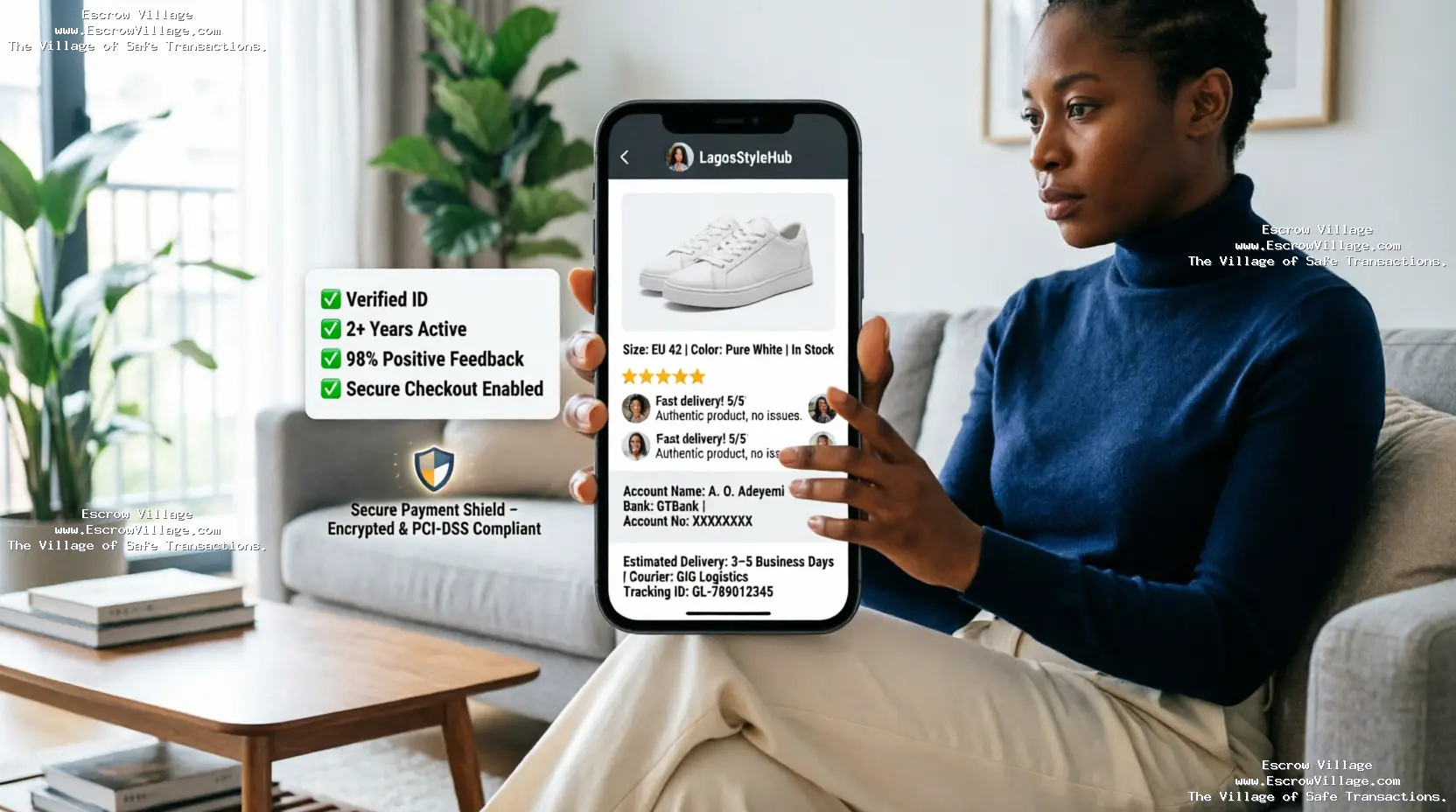
A seller can be polite. They can reply quickly. They can have a professional-looking WhatsApp profile. They can even send you pictures of previous customers.
None of those things, by themselves, prove that your money is safe.
Before making a payment, slow down and verify what you can.
And when the transaction involves a significant amount of money, consider using a payment method that gives both the buyer and seller clearer protection.
Shopping online should be convenient, not a gamble with your money.
If you're buying from an unfamiliar seller, explore safer ways to make online transactions with Escrow Village, where escrow can help create a more secure process for buyers and sellers.