How to Verify an Overseas Supplier and Avoid Fake Supplier Scams
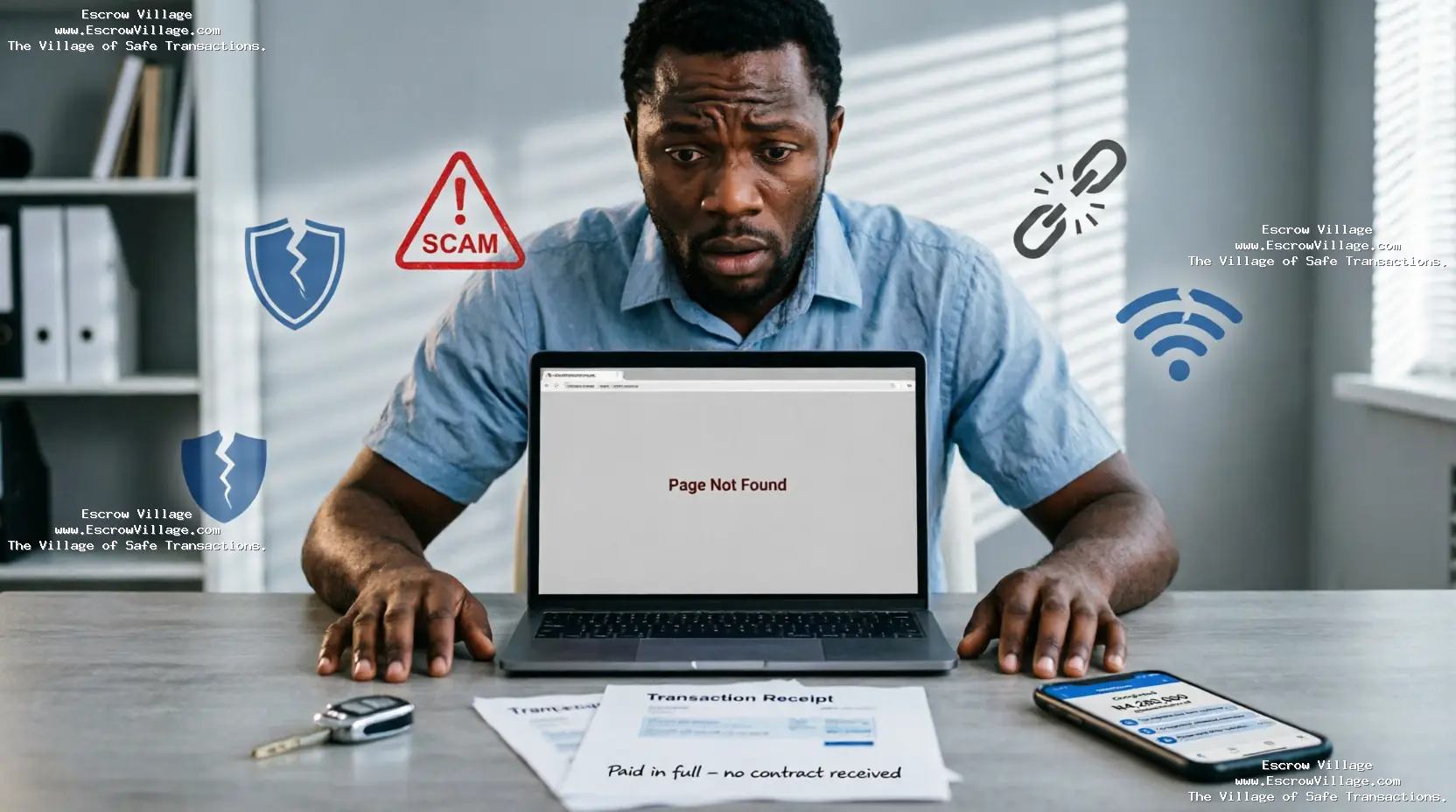
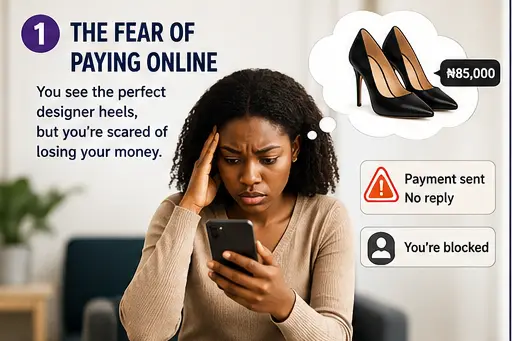
Importing goods can help you grow your business, but dealing with a fake supplier can cost you money and time.
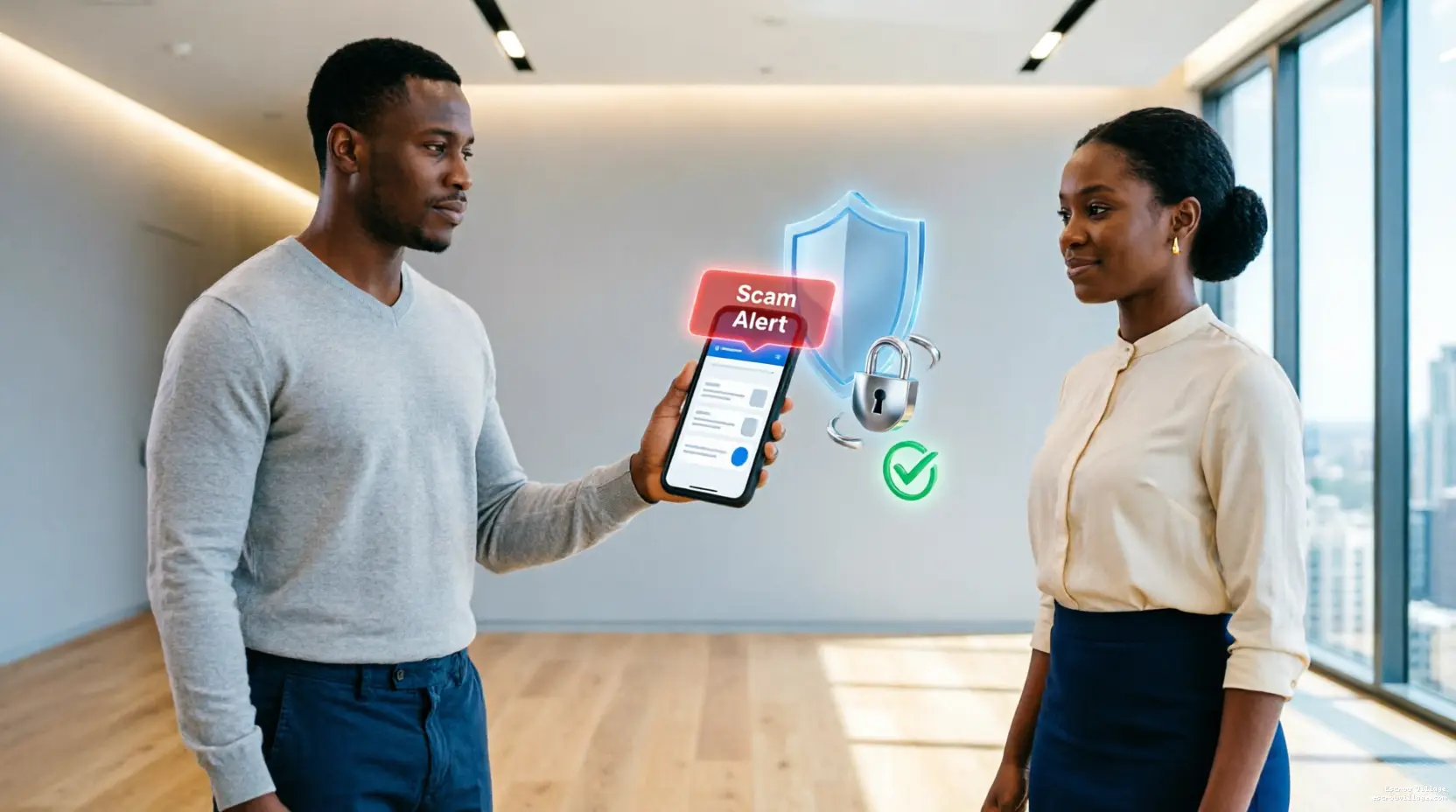
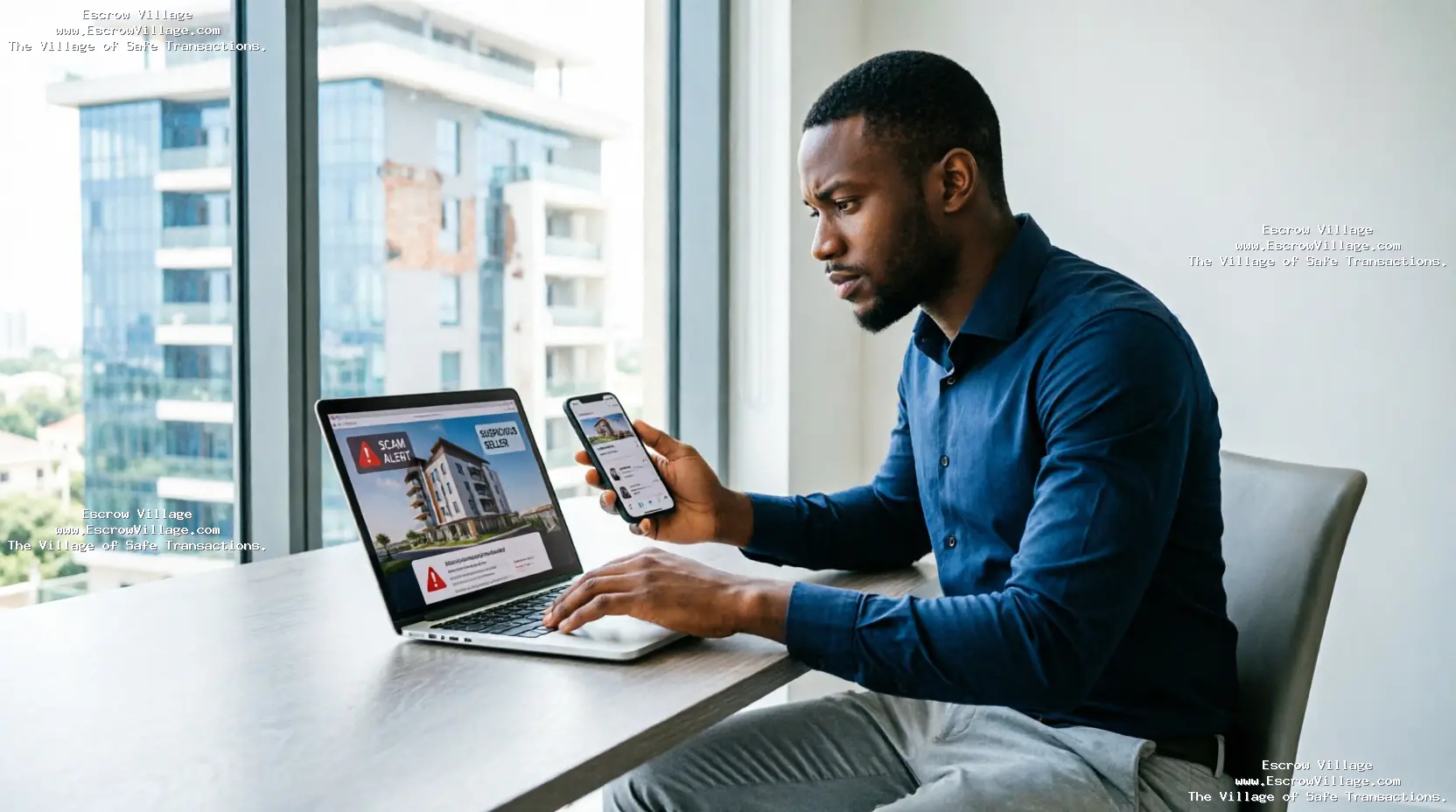
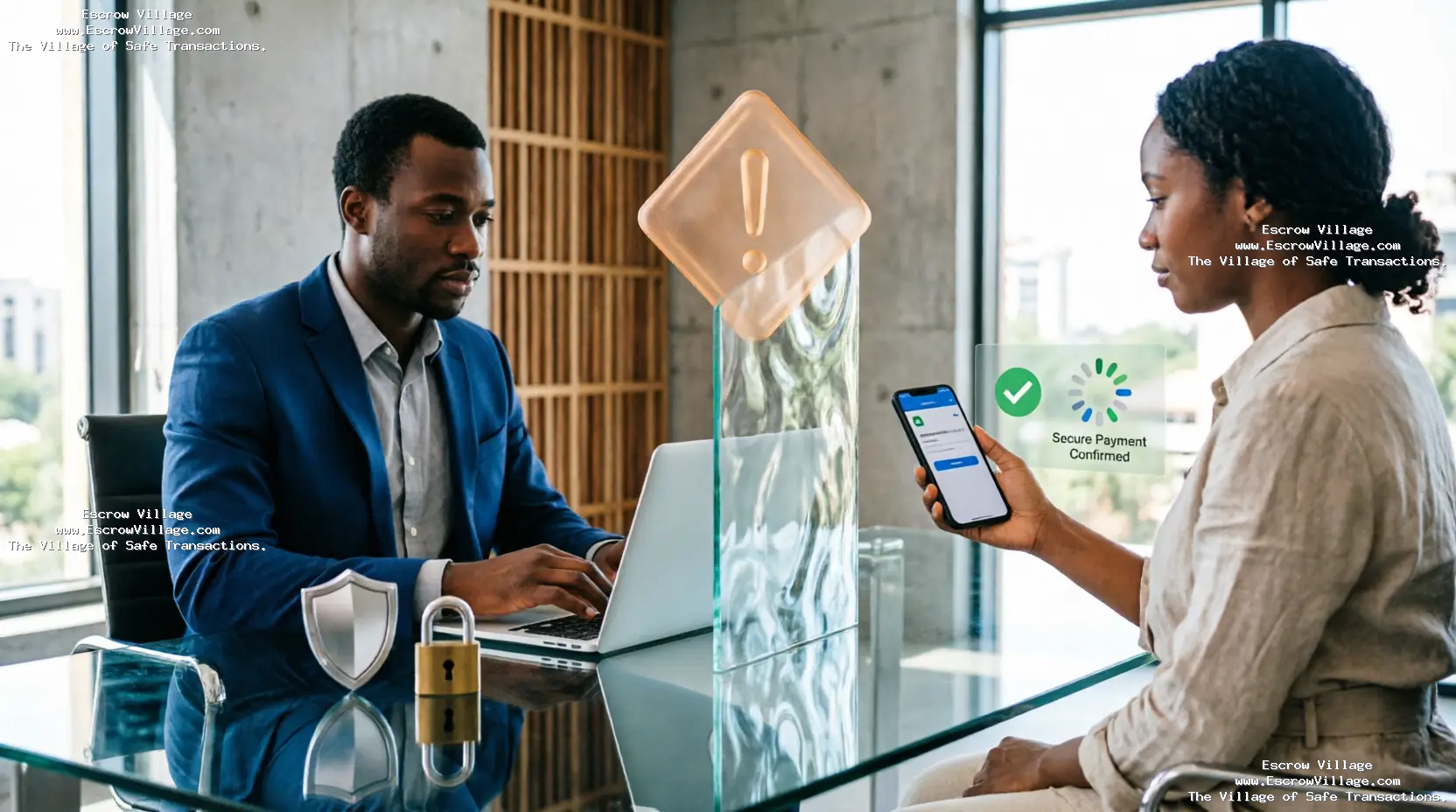
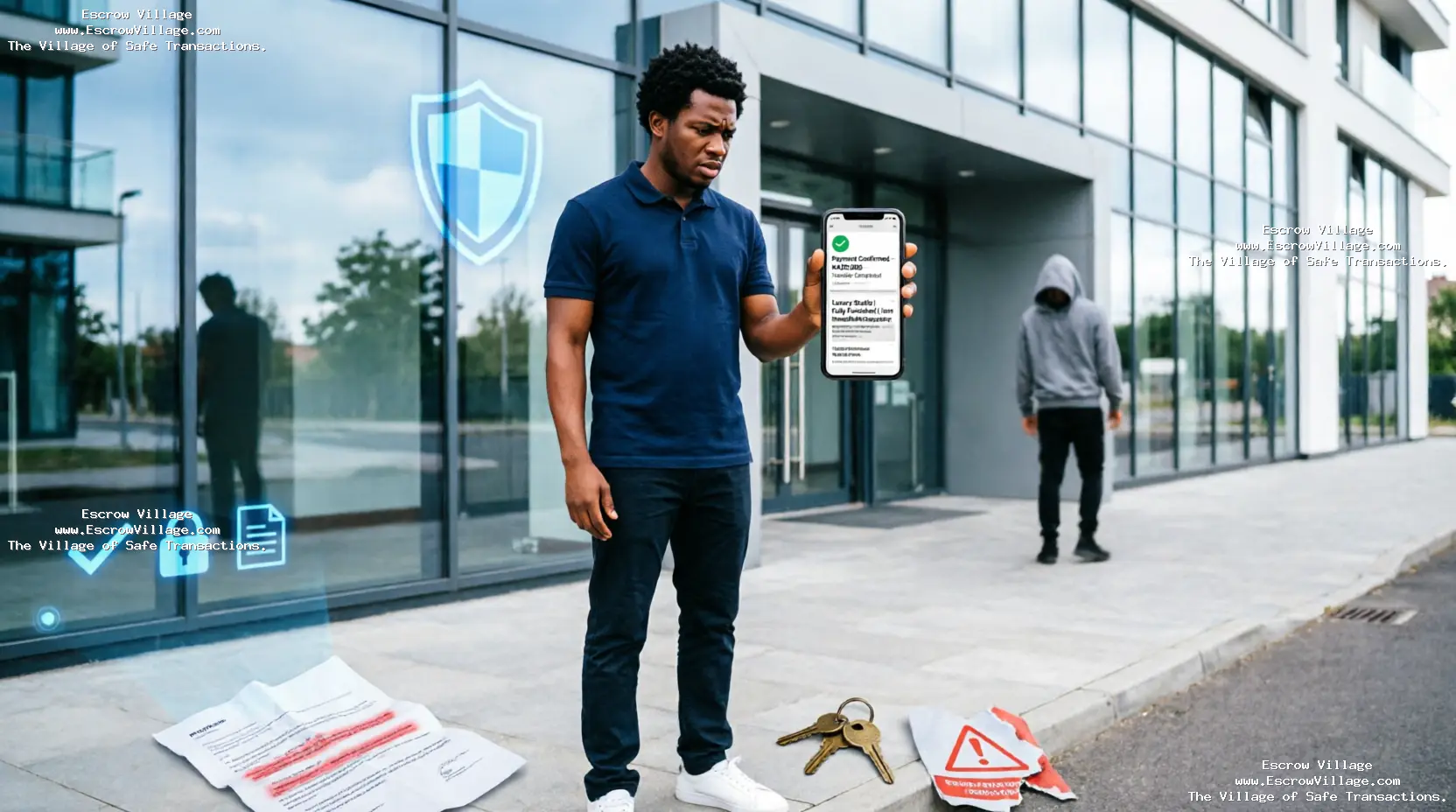
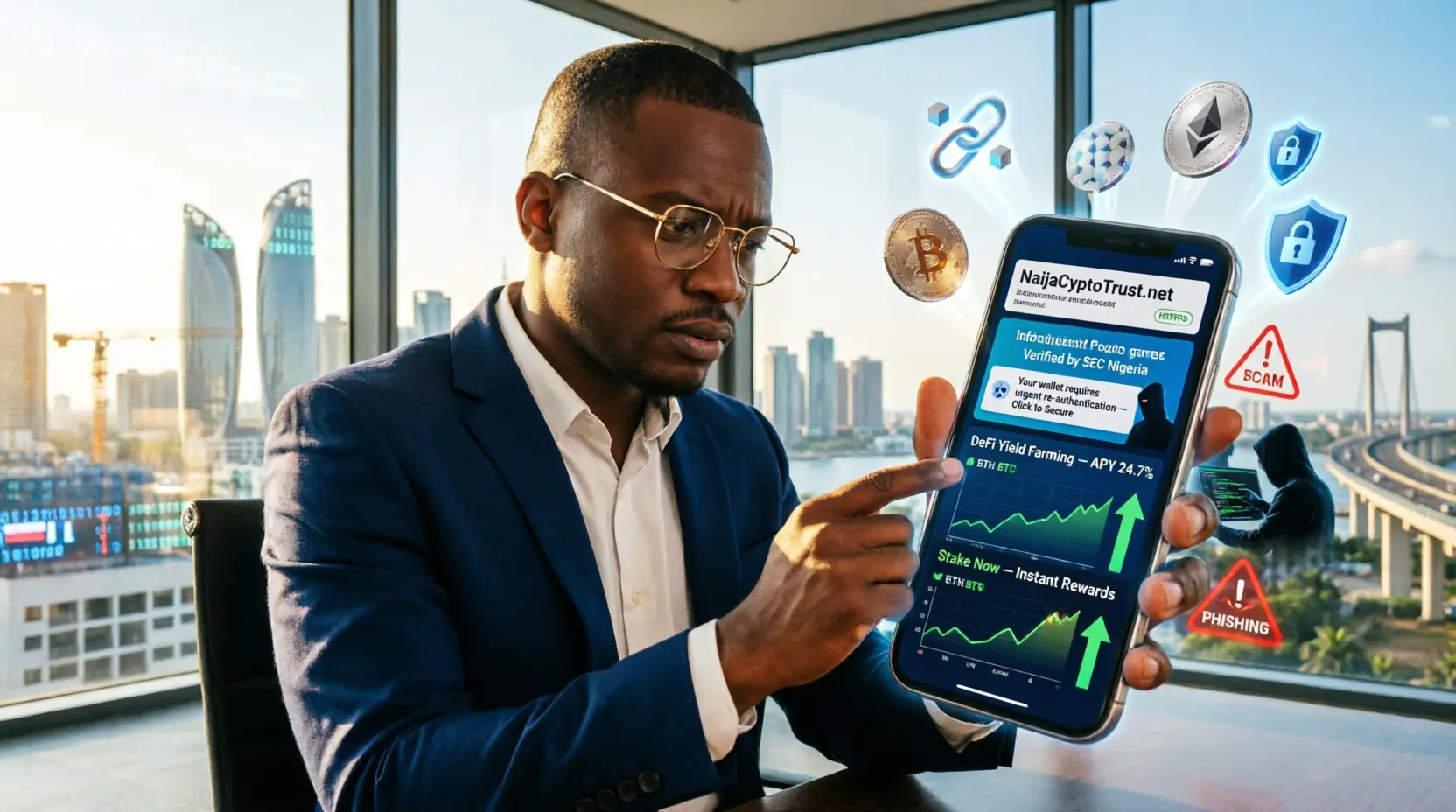
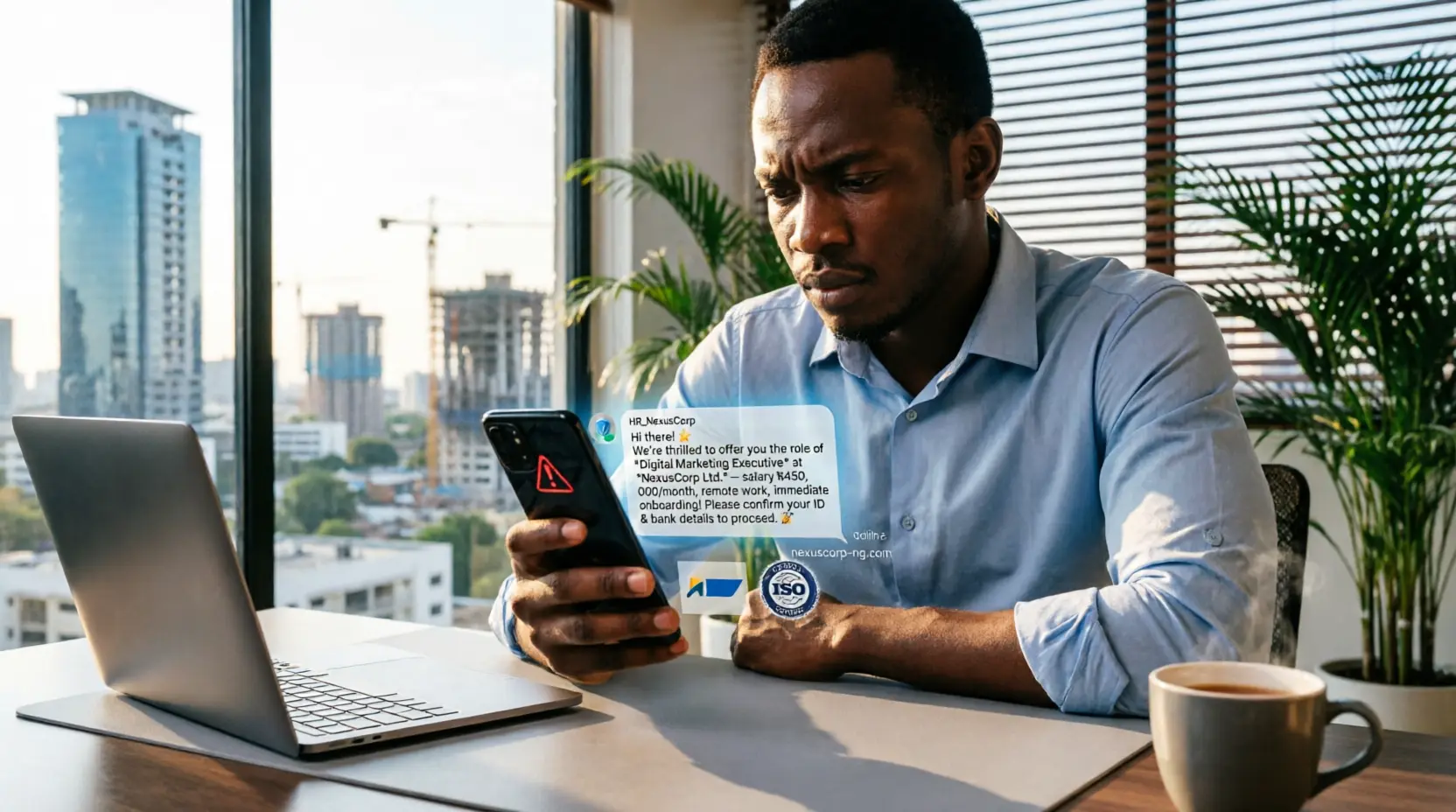
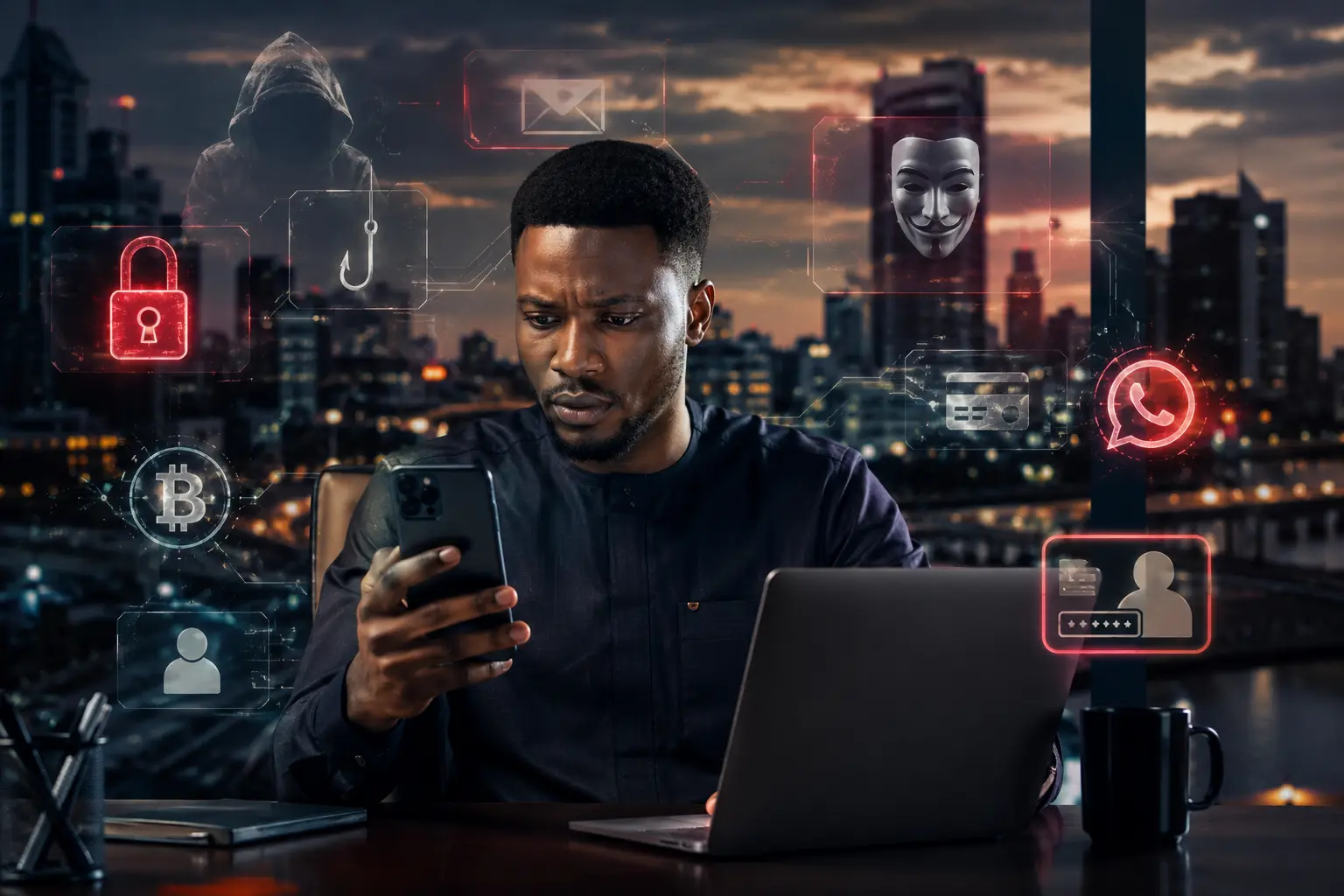
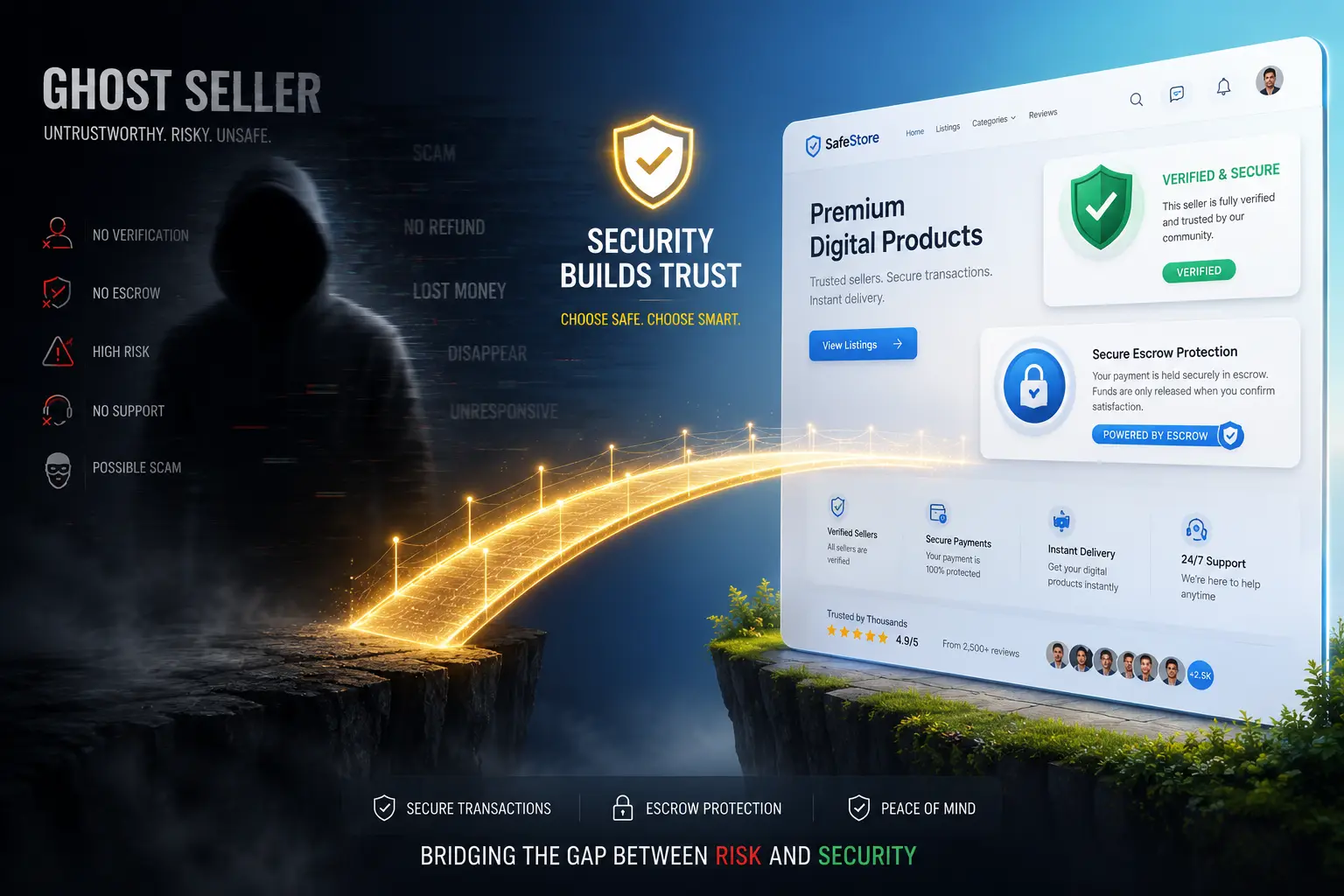
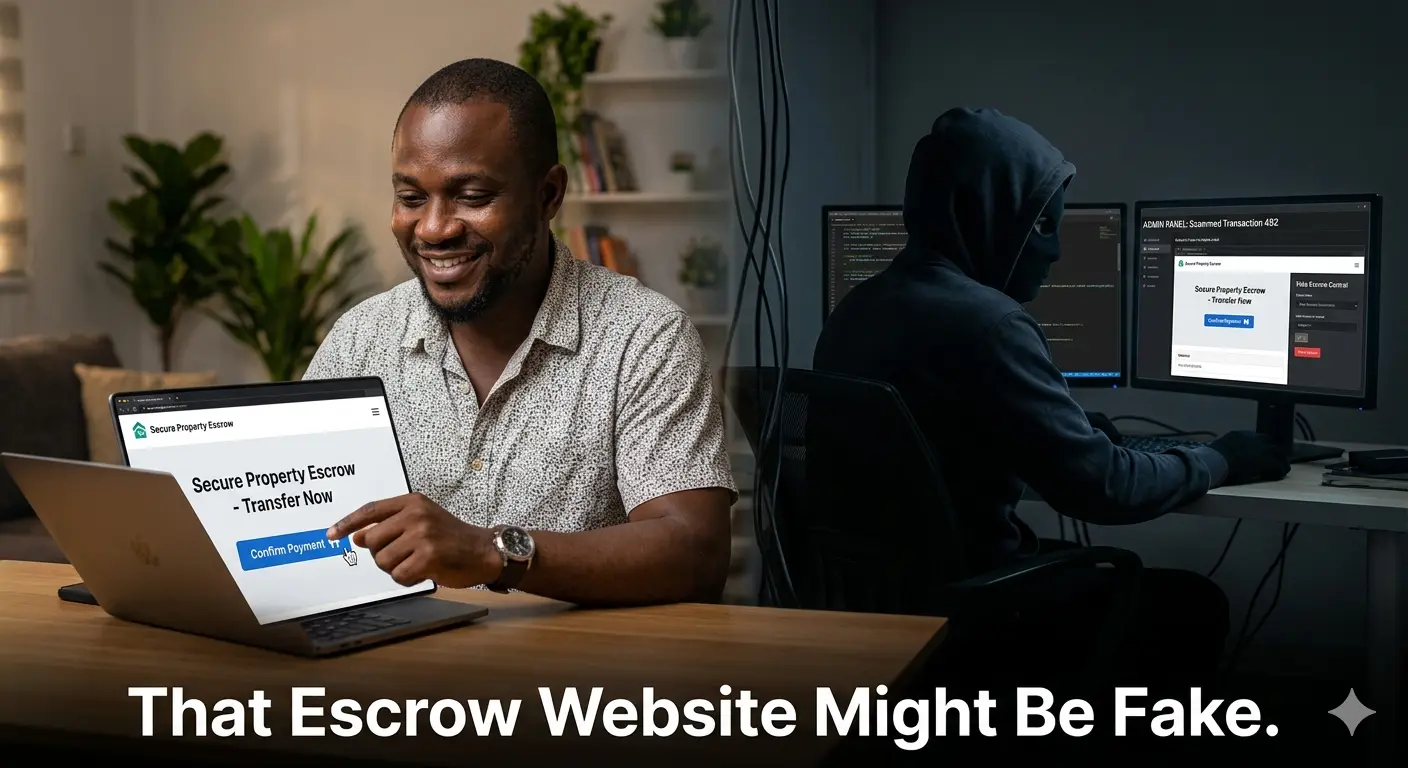
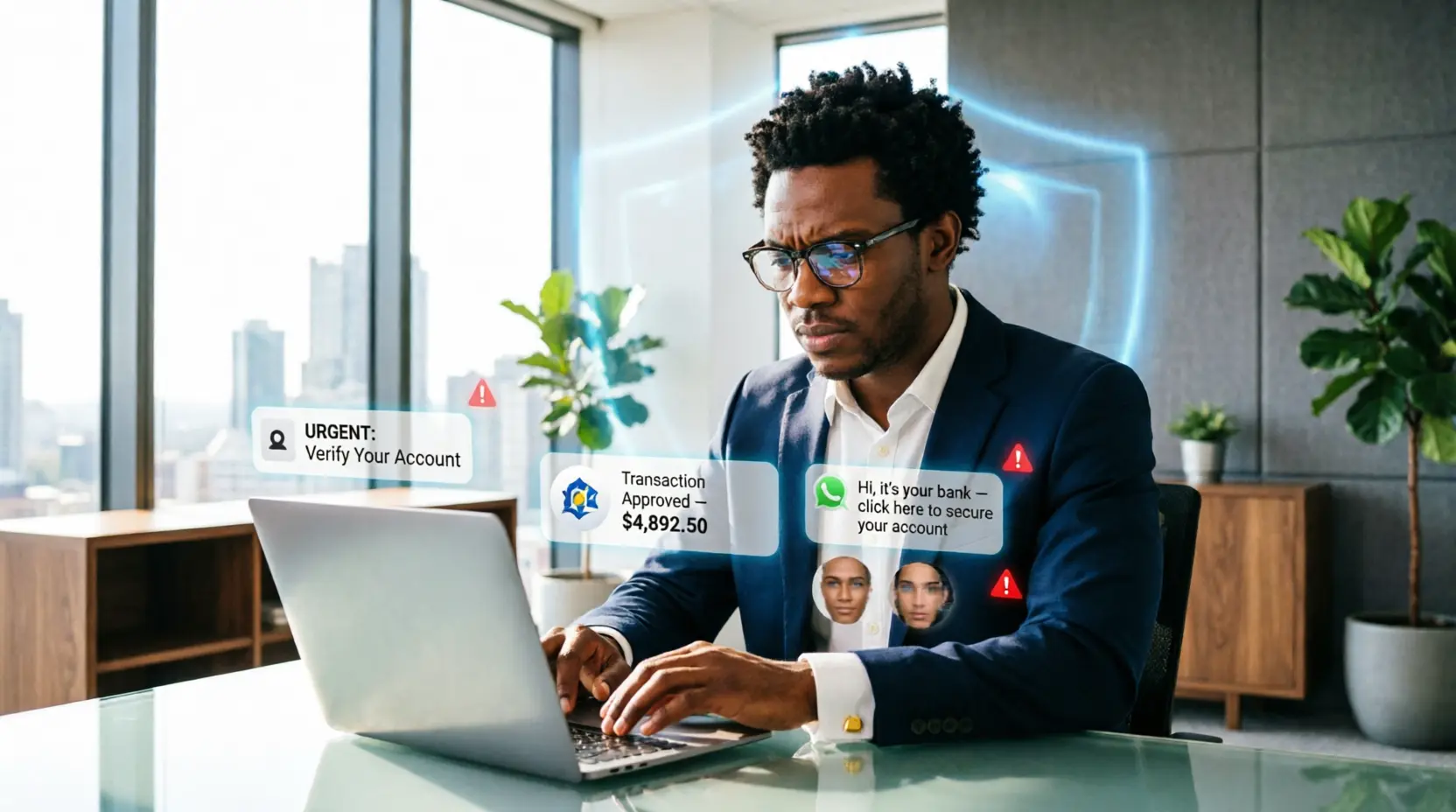
Some scammers create professional websites, share product photos, and send fake business documents to convince you they're genuine.
So, how do you protect yourself before sending money?
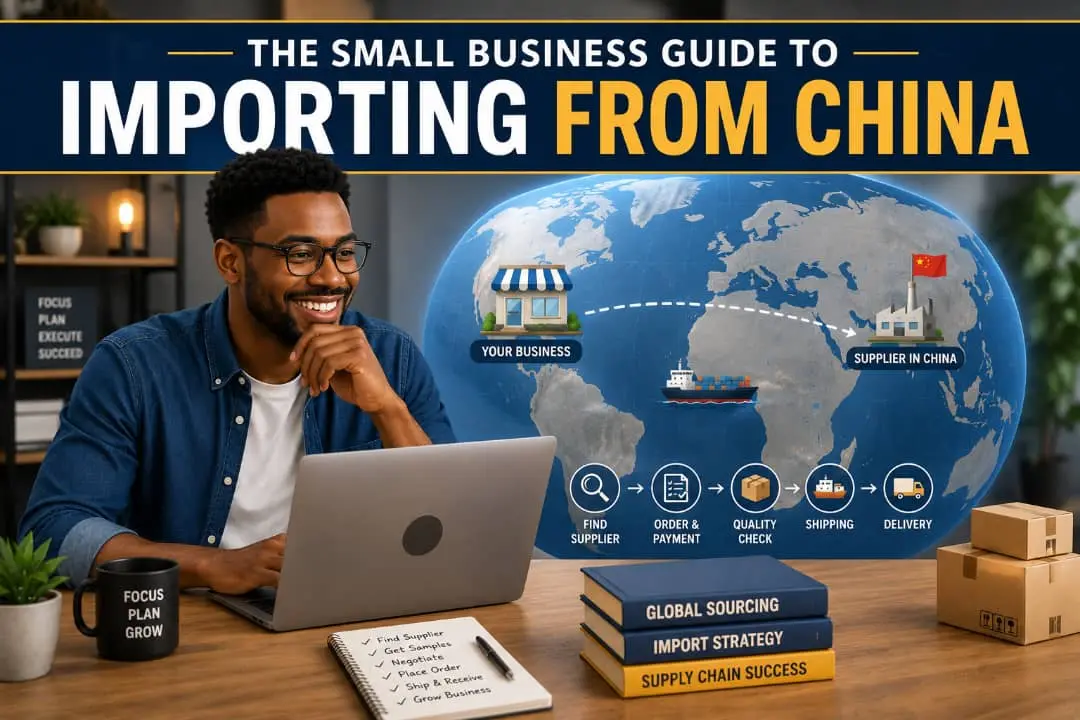
Here are eight practical steps to follow when importing goods from overseas.
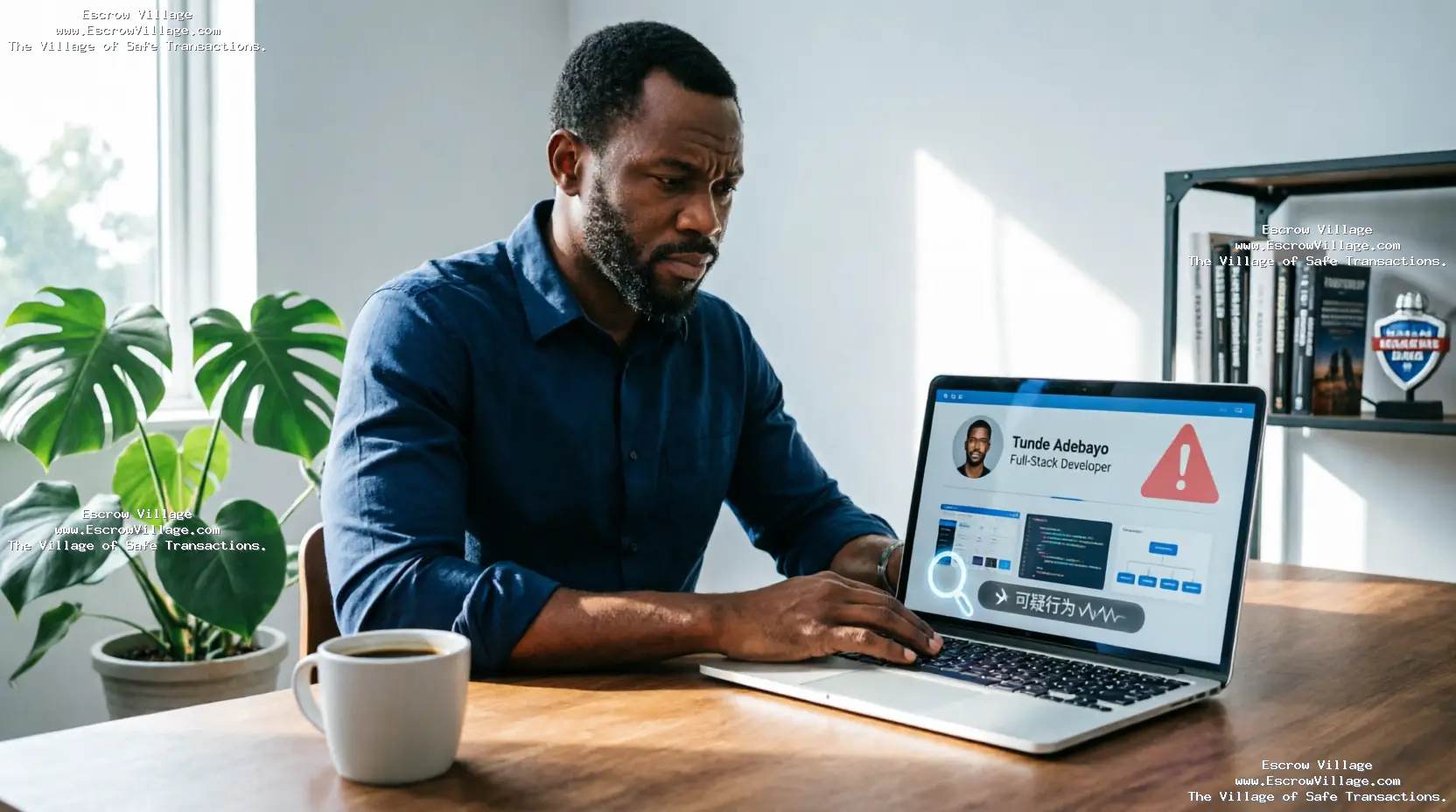
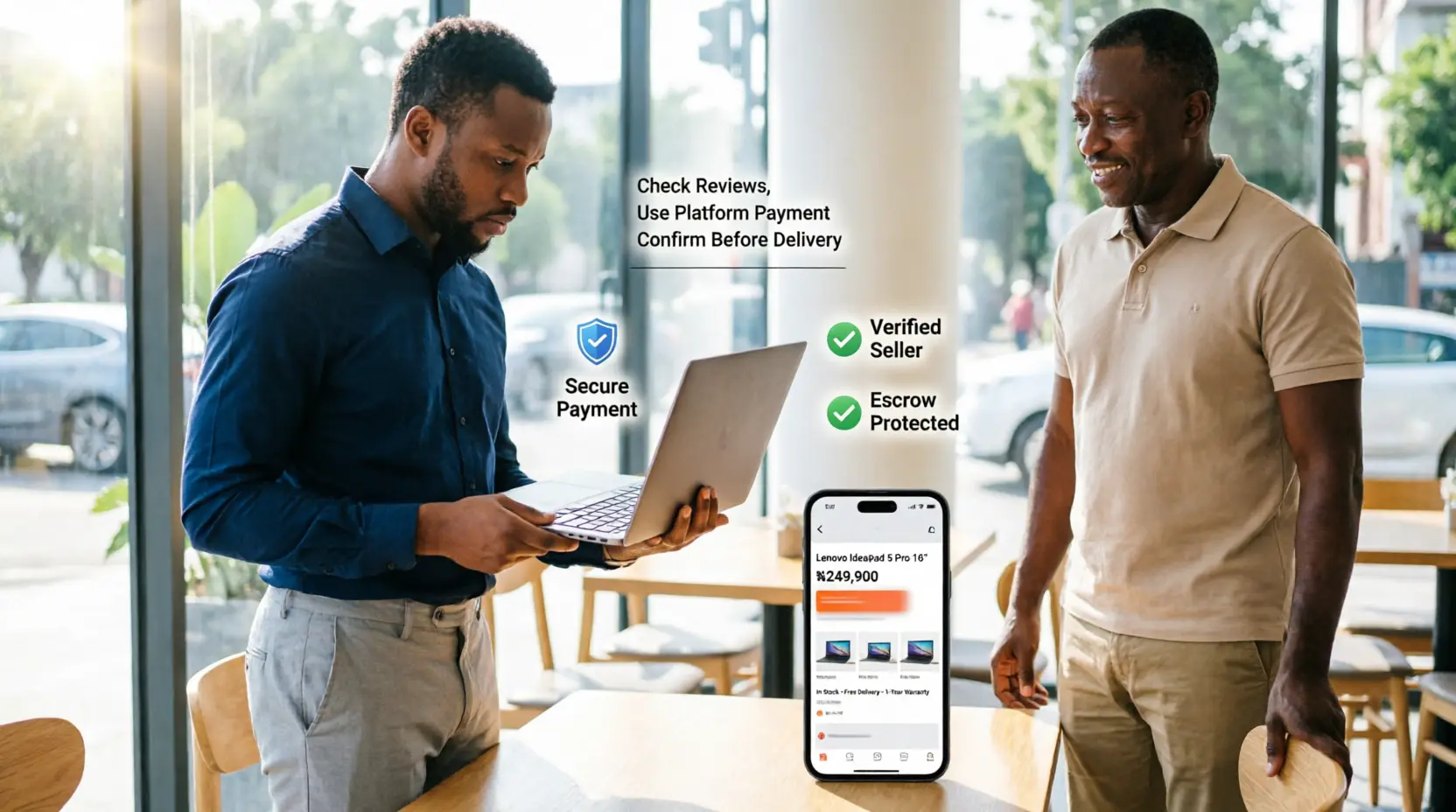
Start by searching for the supplier's business name on Google.
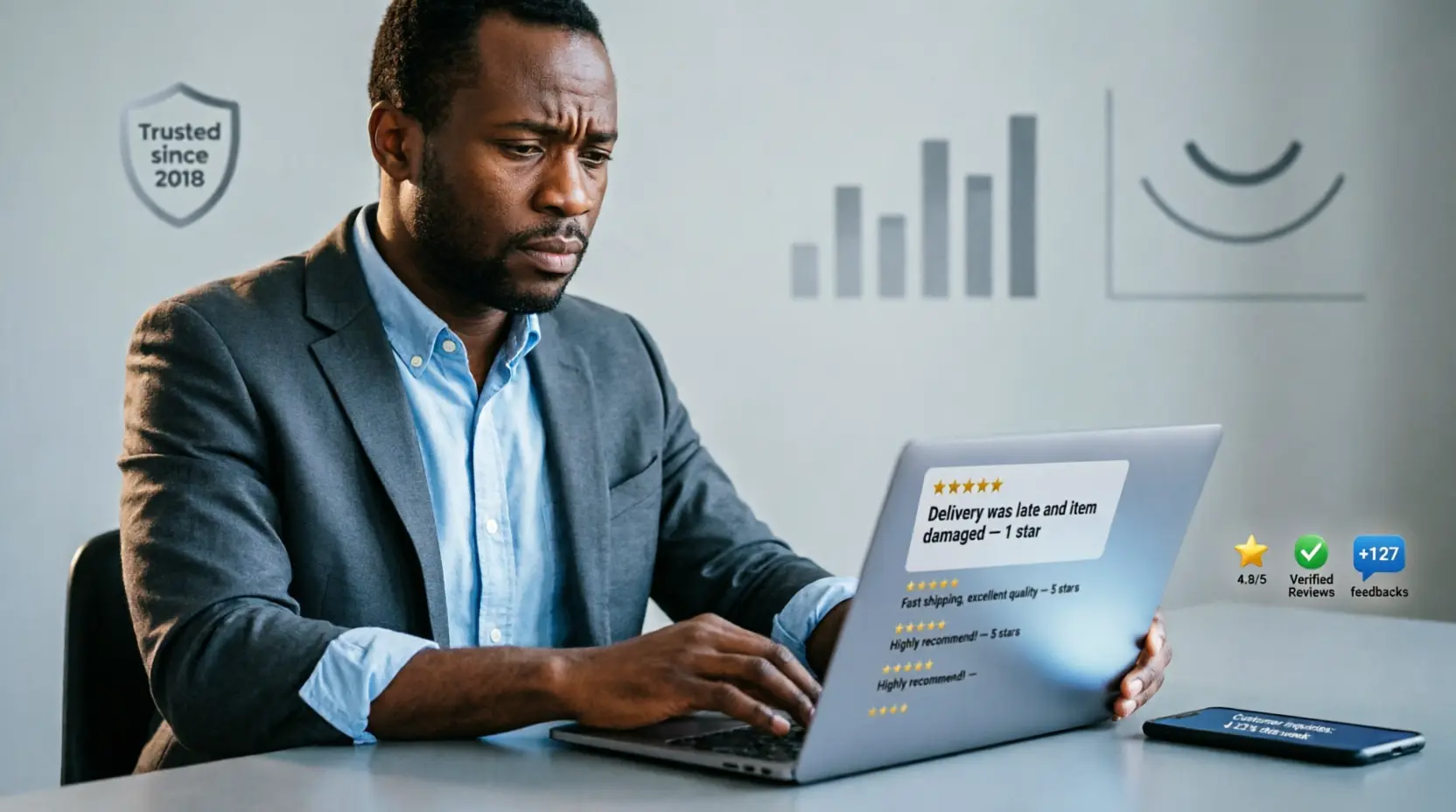
Check their website, business address, contact details, and customer reviews. If you found them on a marketplace, check their profile and how long they've been operating.
Look for independent reviews rather than relying only on testimonials published on their website.
This is the first step in learning how importers can verify suppliers.
Remember, a professional website doesn't automatically mean a business is legitimate.
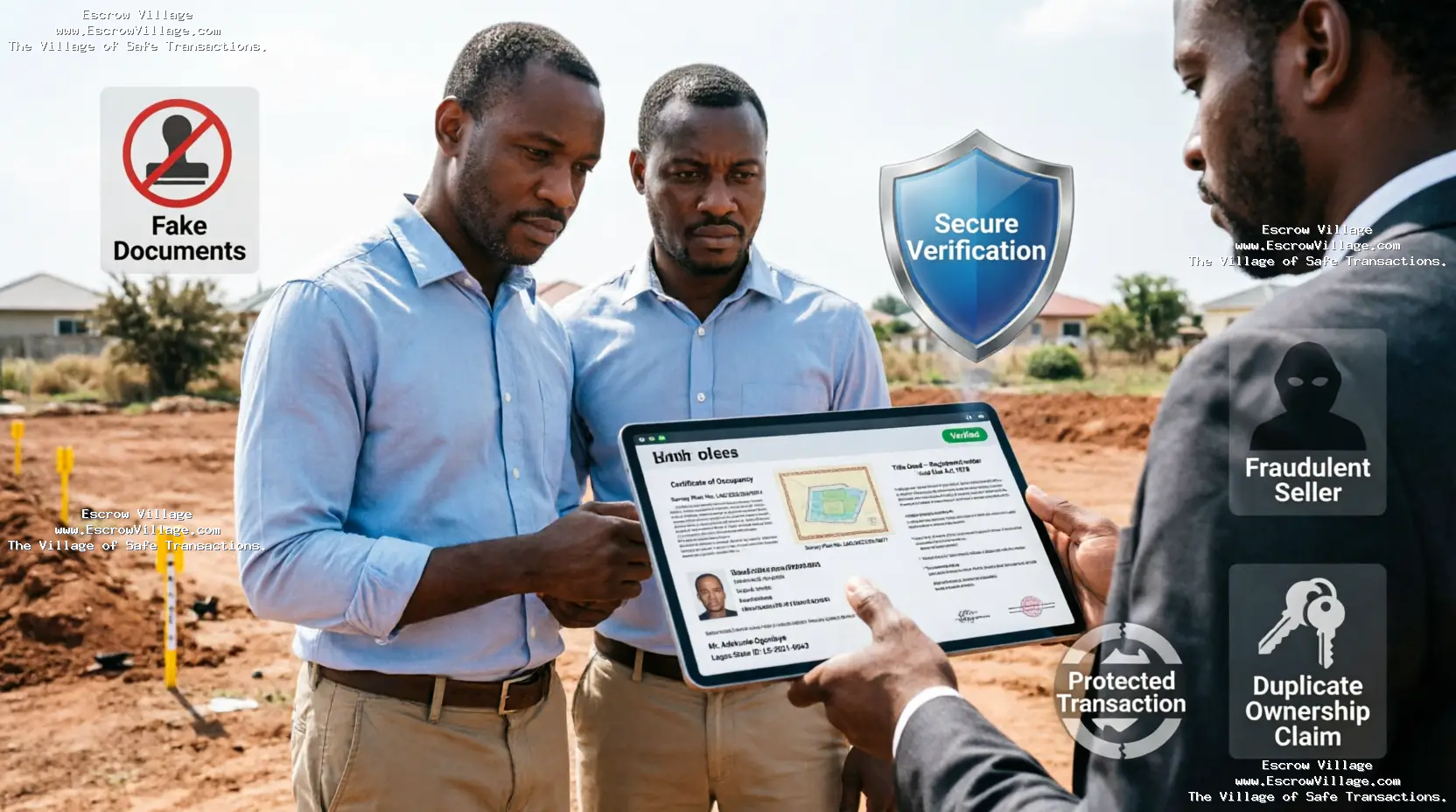
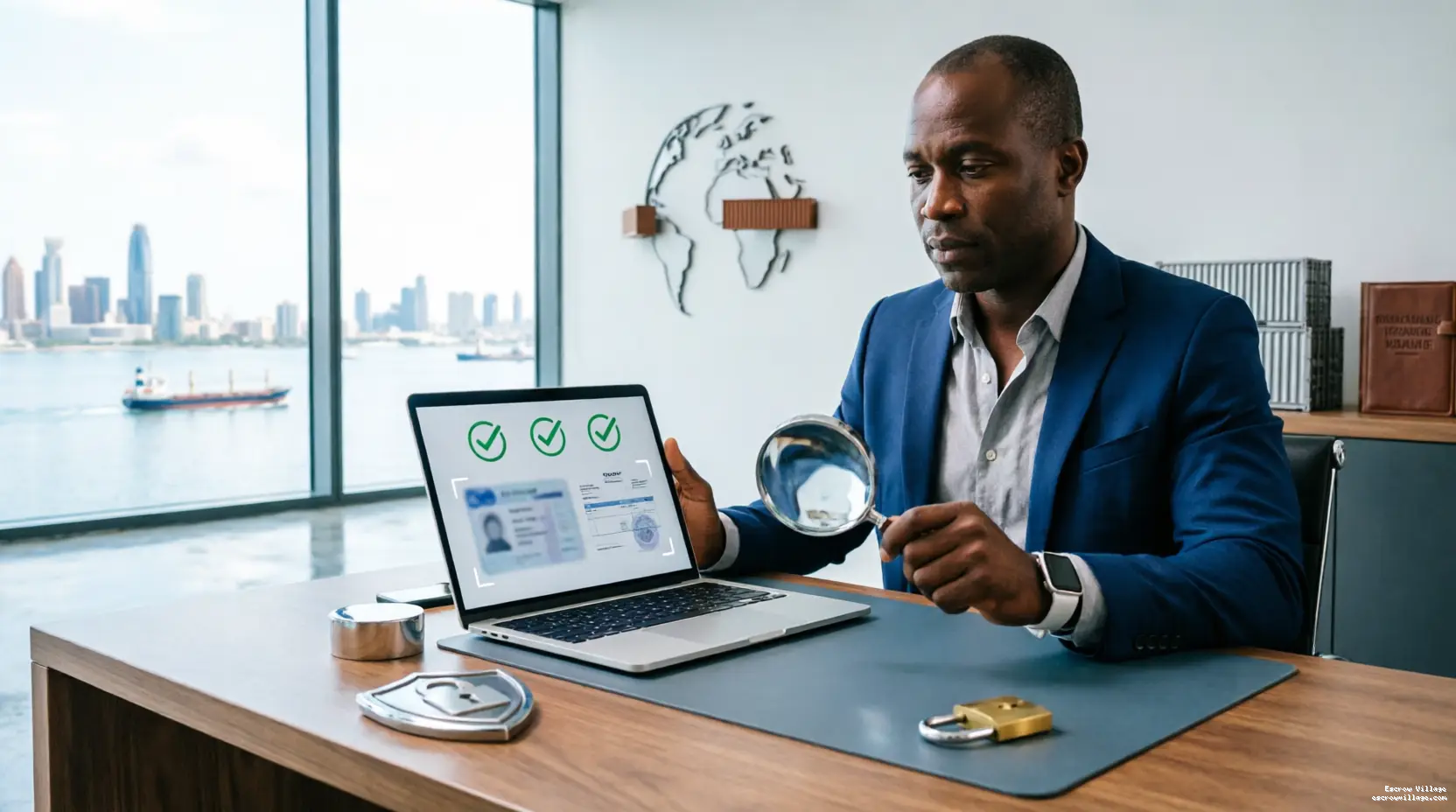
Ask the supplier for their registered business name, registration number, and other relevant documents.
Where possible, verify these details through the company's official business registry.
Compare the information with their website, invoices, and business address. If the details don't match, ask questions and investigate further.
These supplier background checks are an important part of import supplier due diligence. Never assume a document is genuine simply because it looks official.
Before placing an order, arrange a live video call with the supplier.
Ask them to show you their office, warehouse, factory, or available products.
If they claim to manufacture the goods, ask about their production process. You can also request a live demonstration of the product you intend to purchase.
However, a video call alone cannot prove that a supplier is genuine. For expensive orders, consider hiring an independent inspection company to verify their operations.
If you're working with a new supplier, don't rush into a large order.
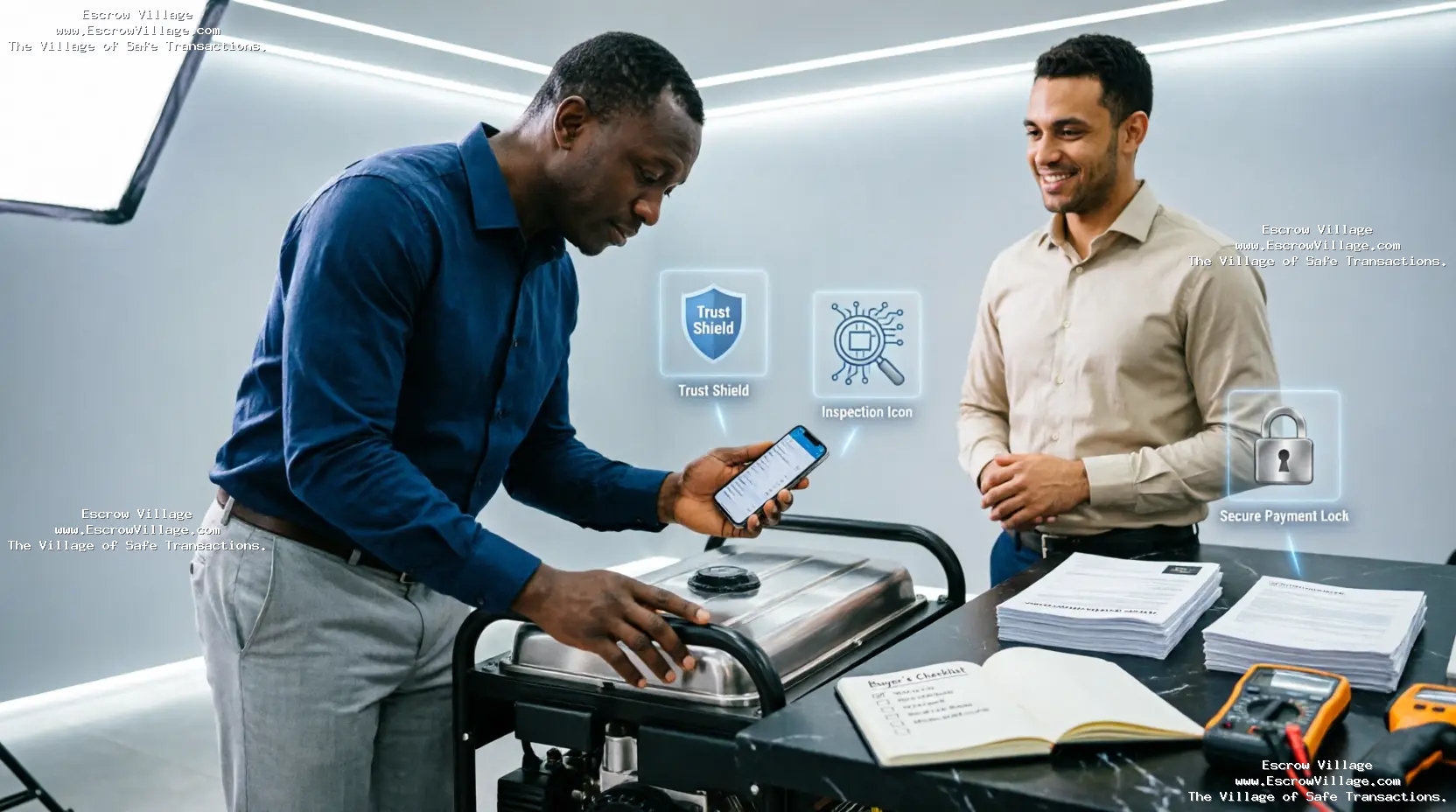
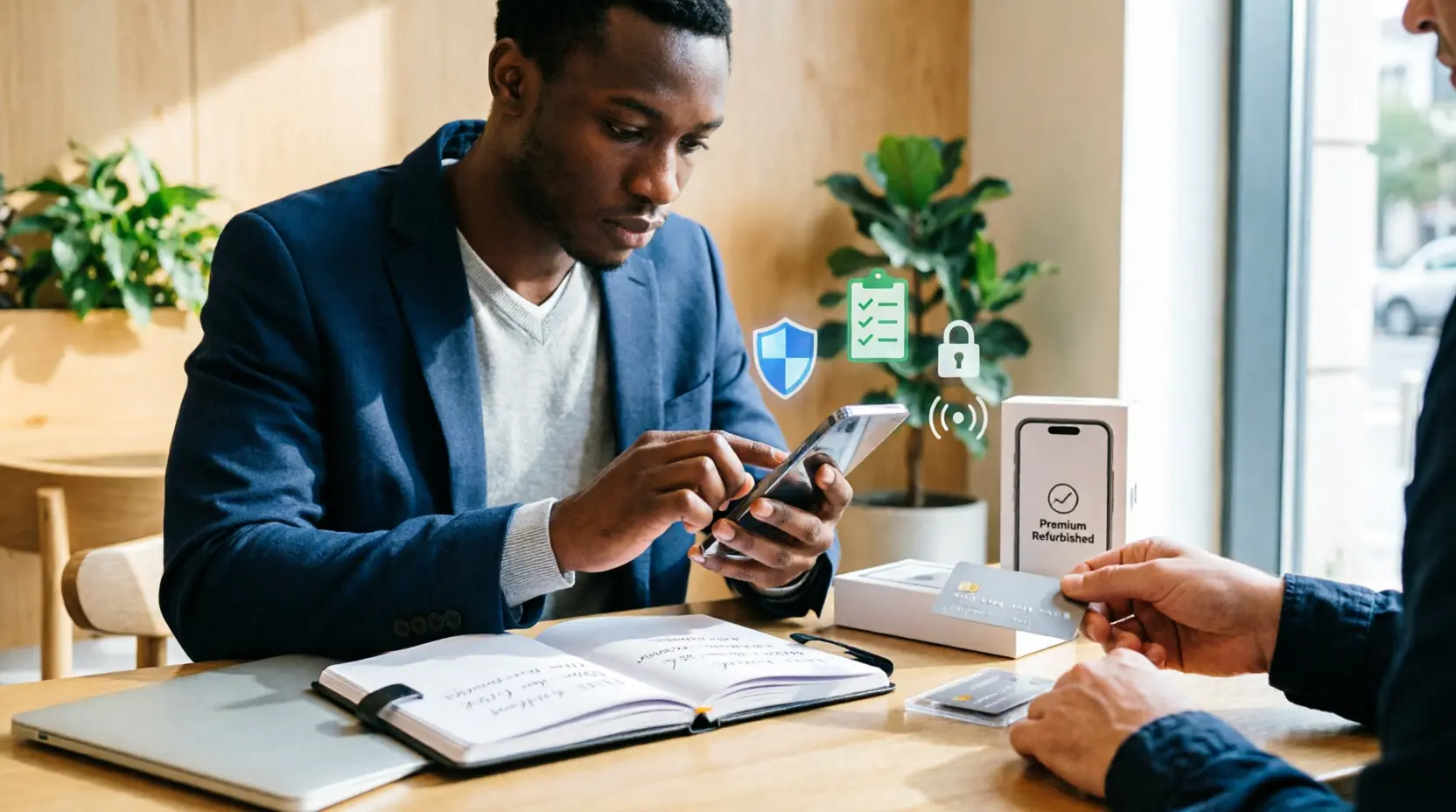
Ask for a product sample to check its quality, packaging, and specifications. If everything meets your expectations, consider starting with a small trial order before increasing your quantity.
This helps reduce the risk of receiving poor-quality goods or products that don't match what was advertised.
Keep in mind that a genuine sample doesn't guarantee that the supplier will fulfil a larger order. Continue verifying the business before committing more money.
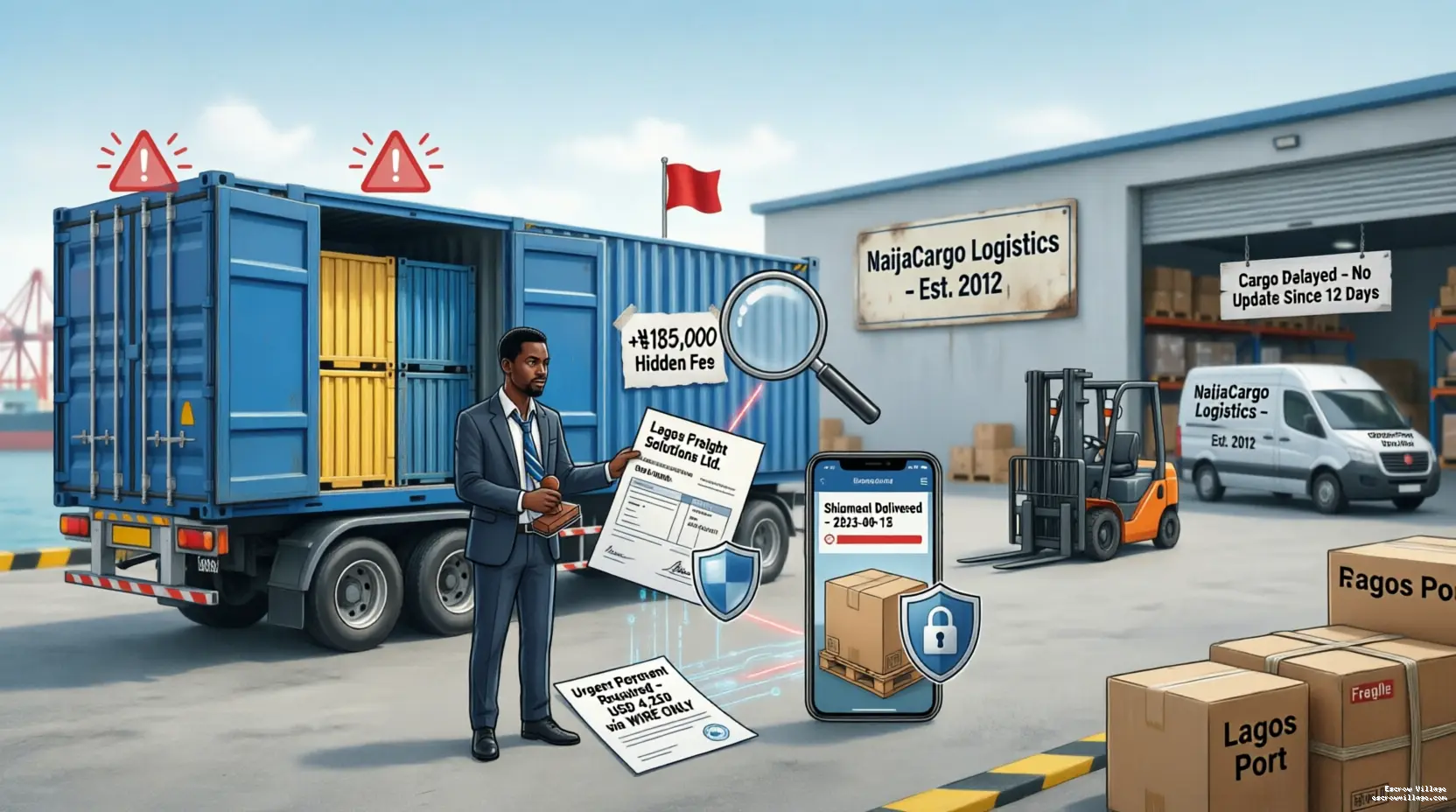
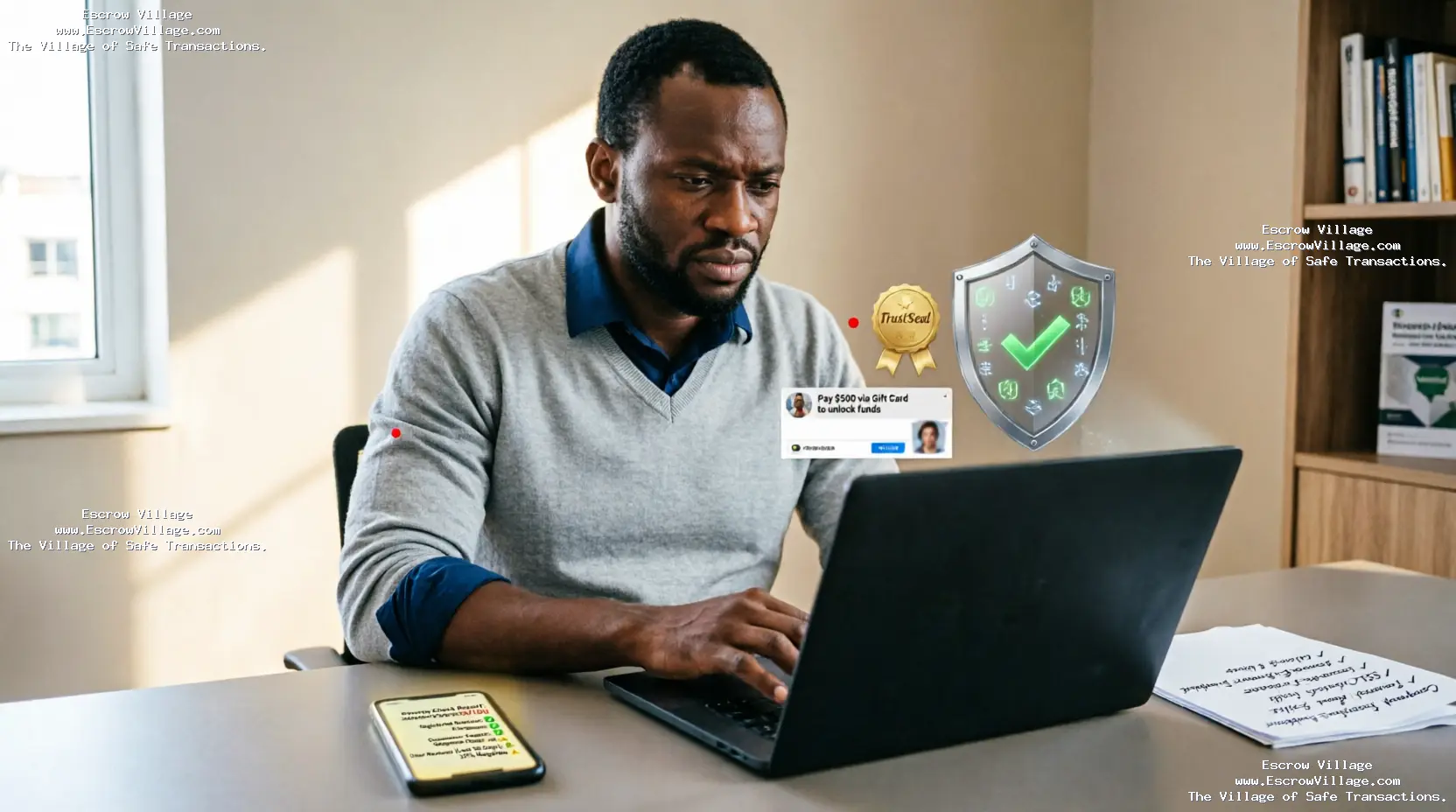
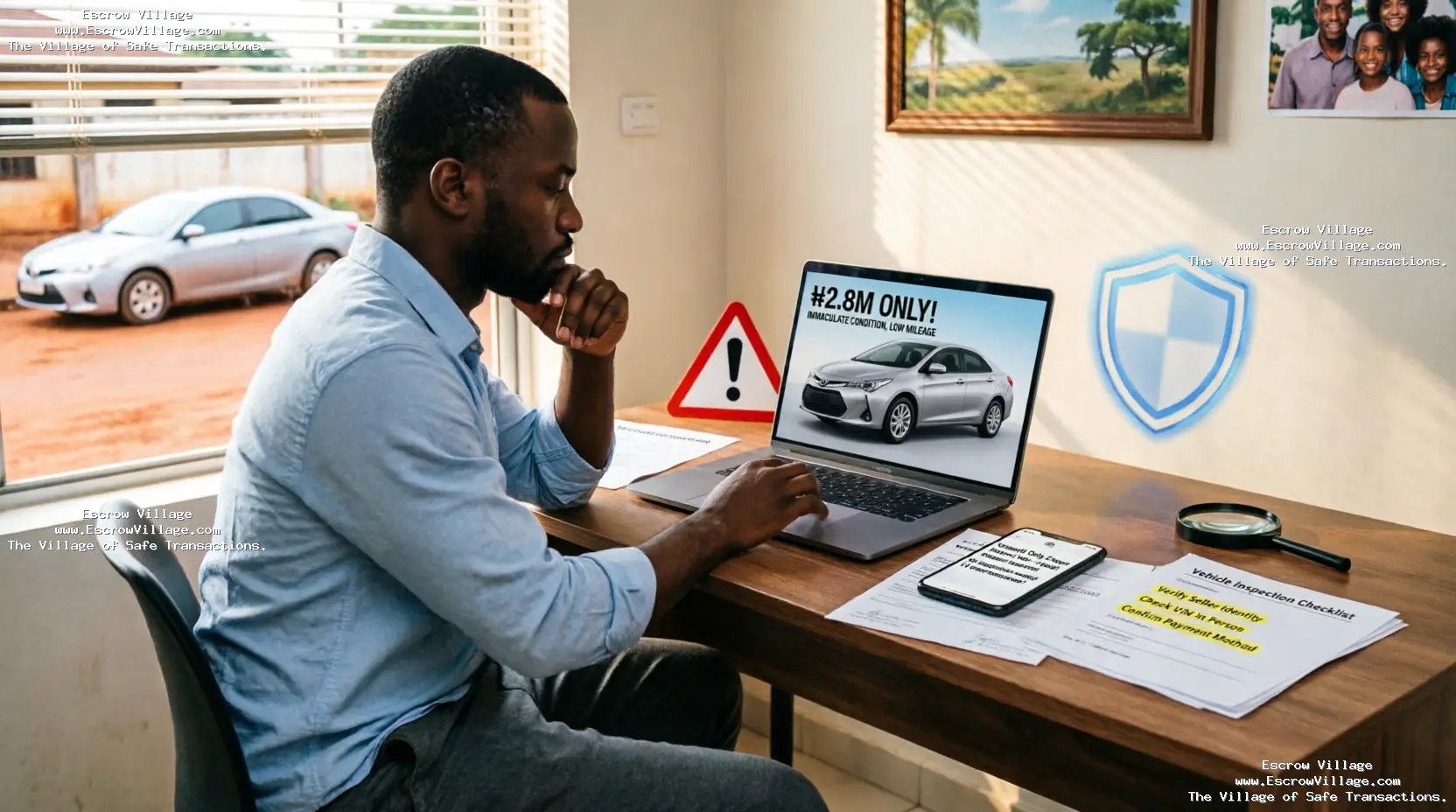
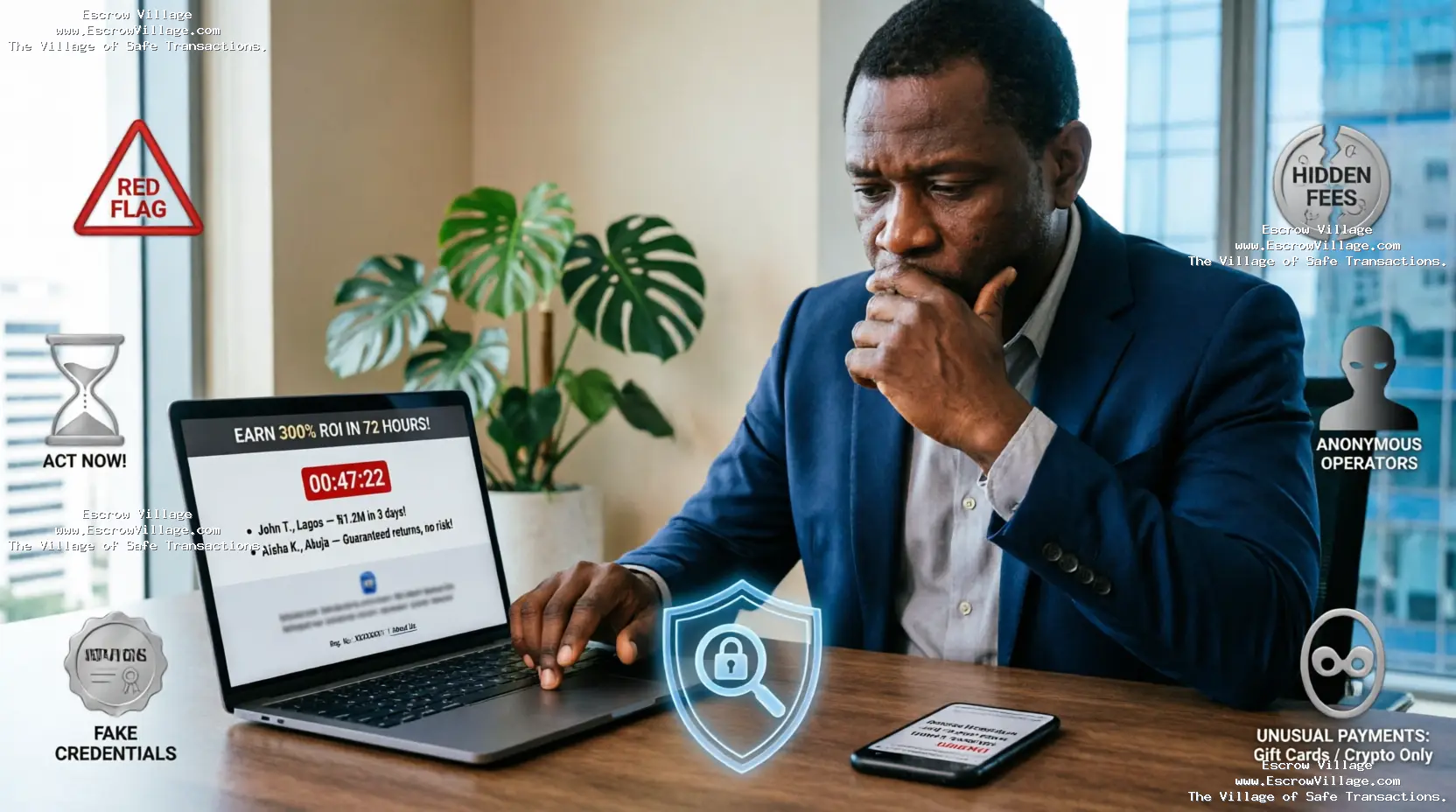
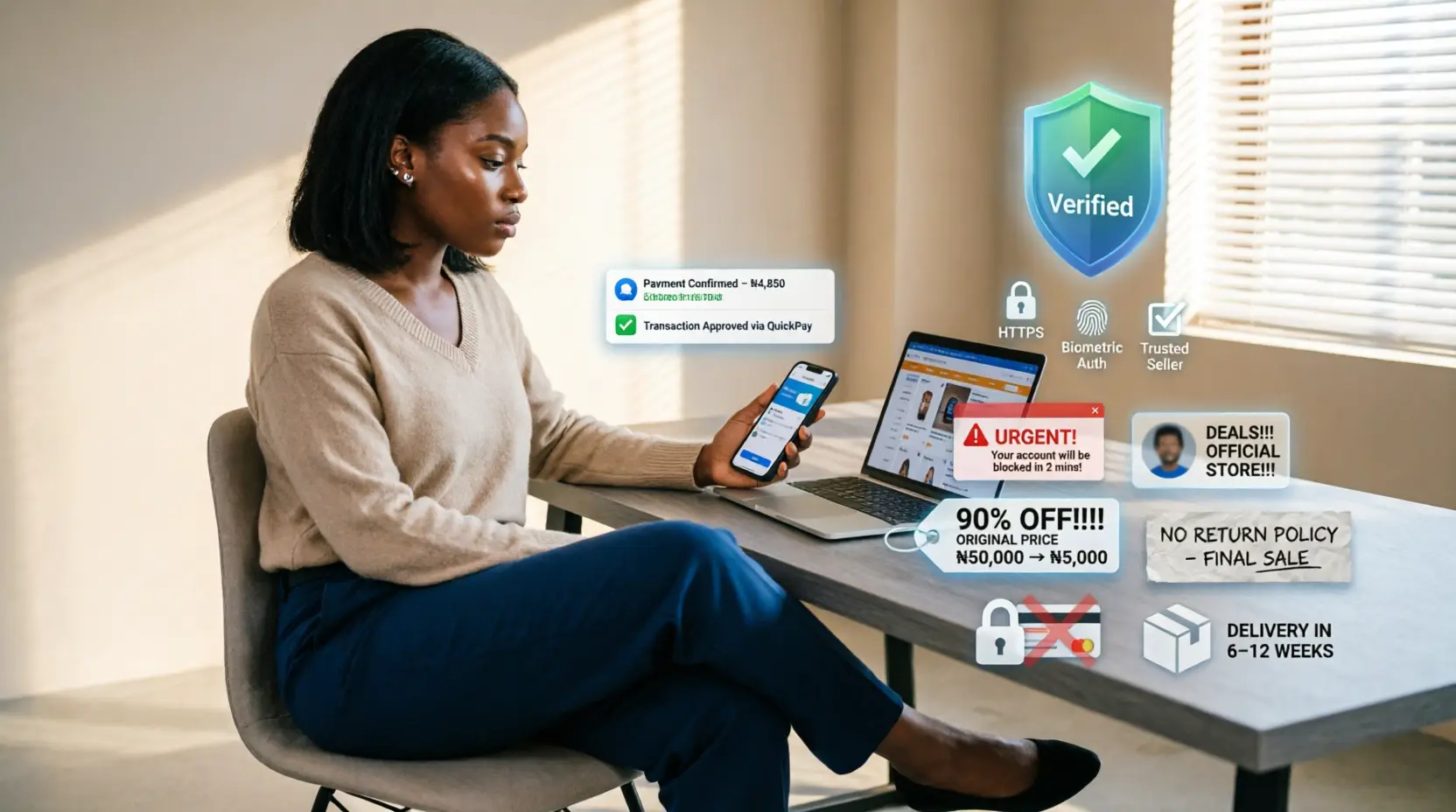
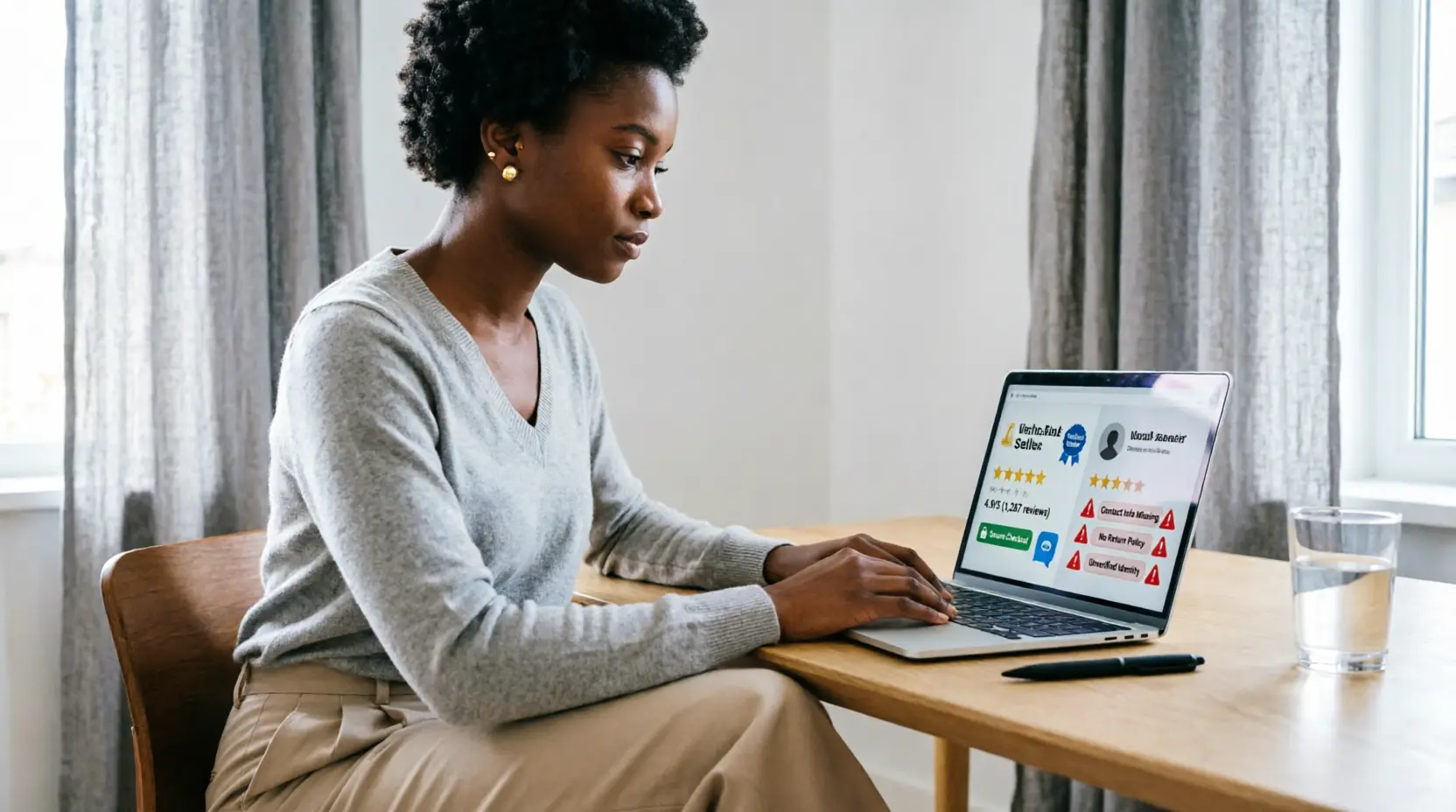
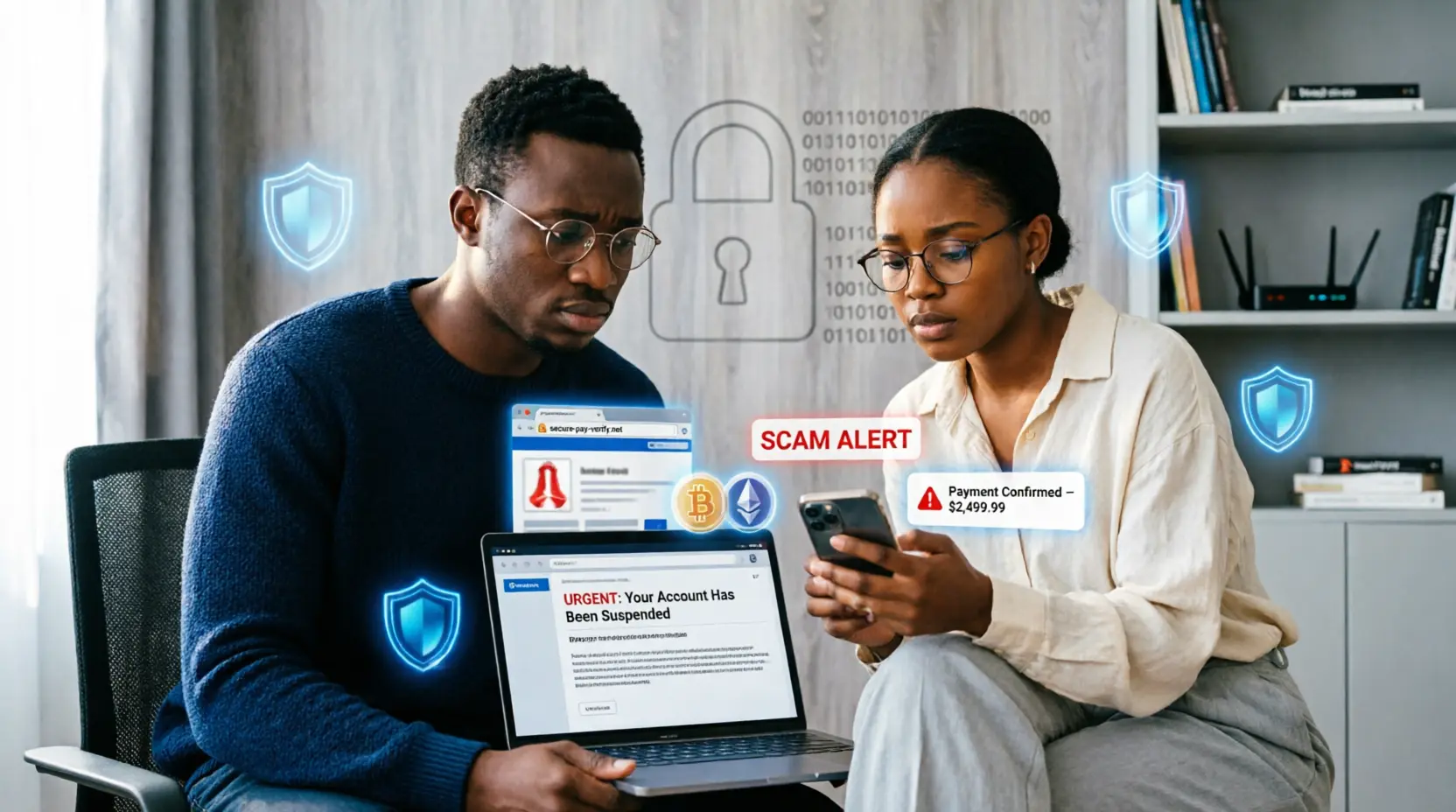
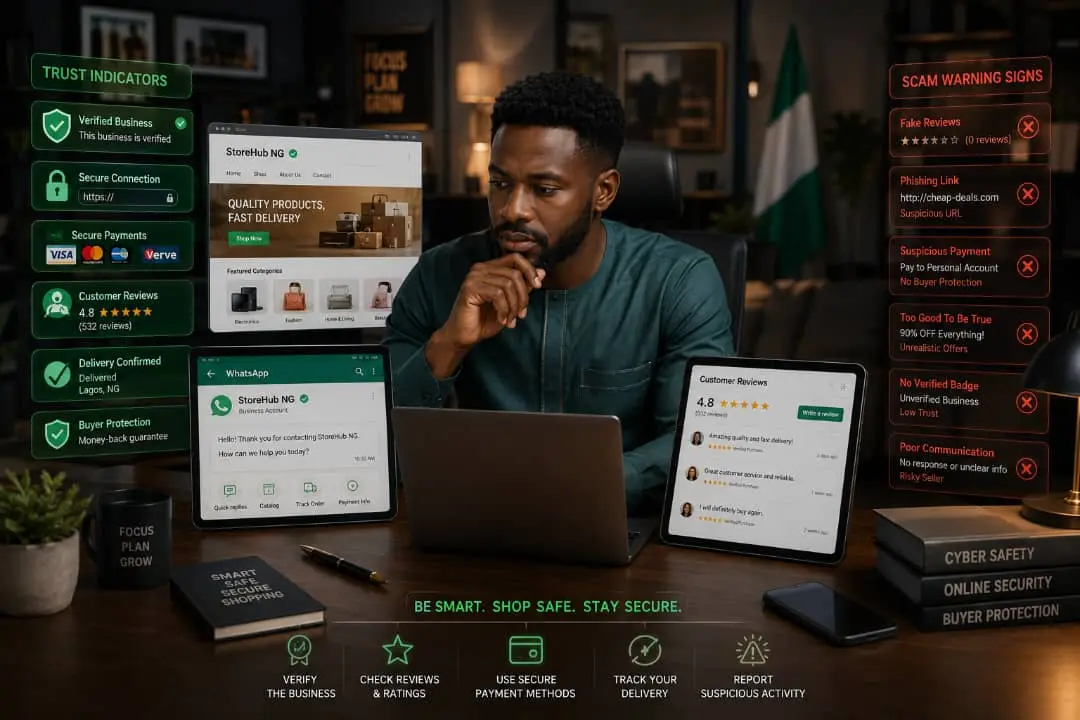
Watch out for these red flags of supplier fraud:
These signs don't always prove fraud, but several appearing together should make you cautious.
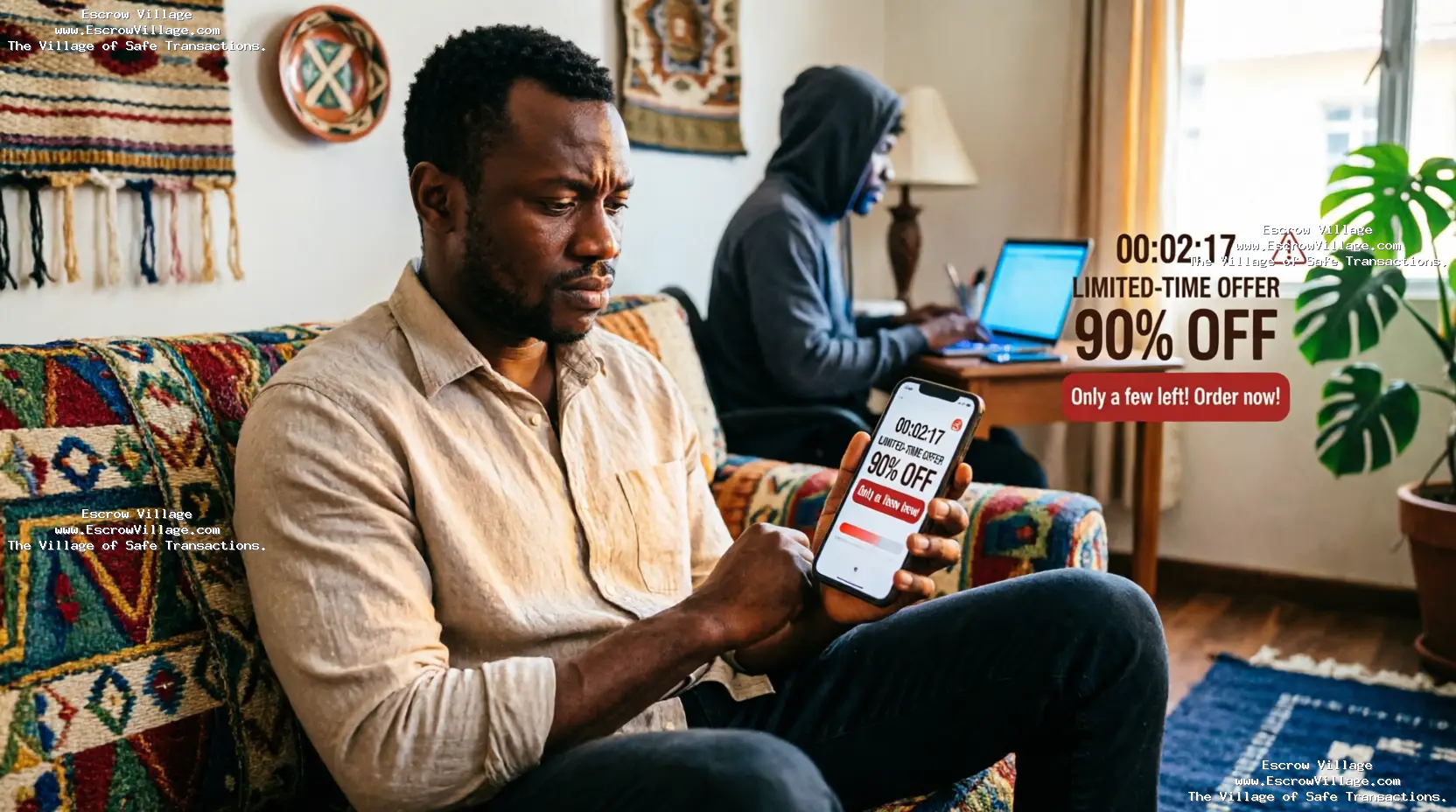
Don't let an attractive price push you into making a rushed decision.
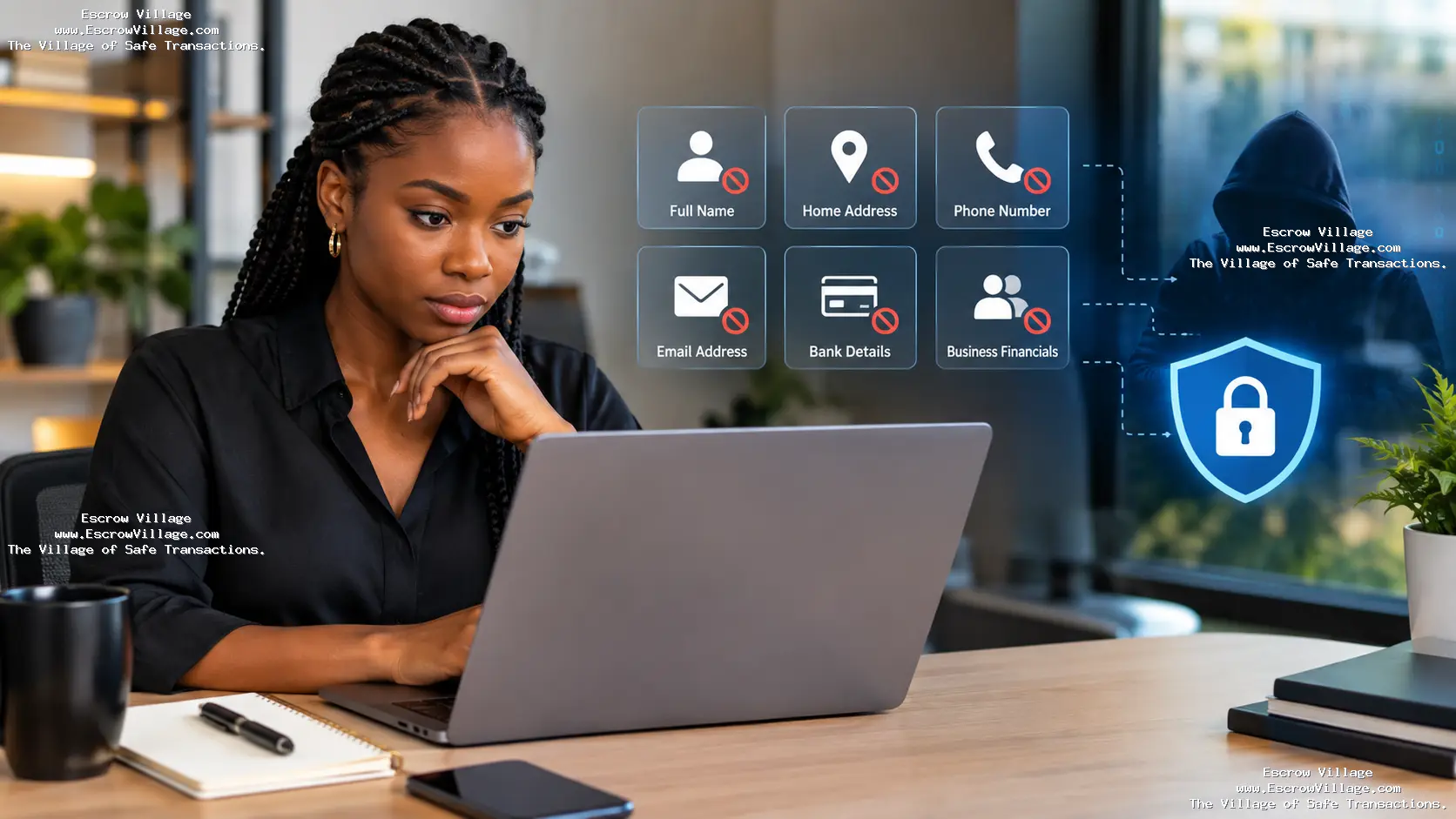
Before making payment, request an official invoice and check the beneficiary's name and bank details.
Ideally, the account name should match the supplier's registered business name.
If it doesn't, ask for an explanation and verify it independently.
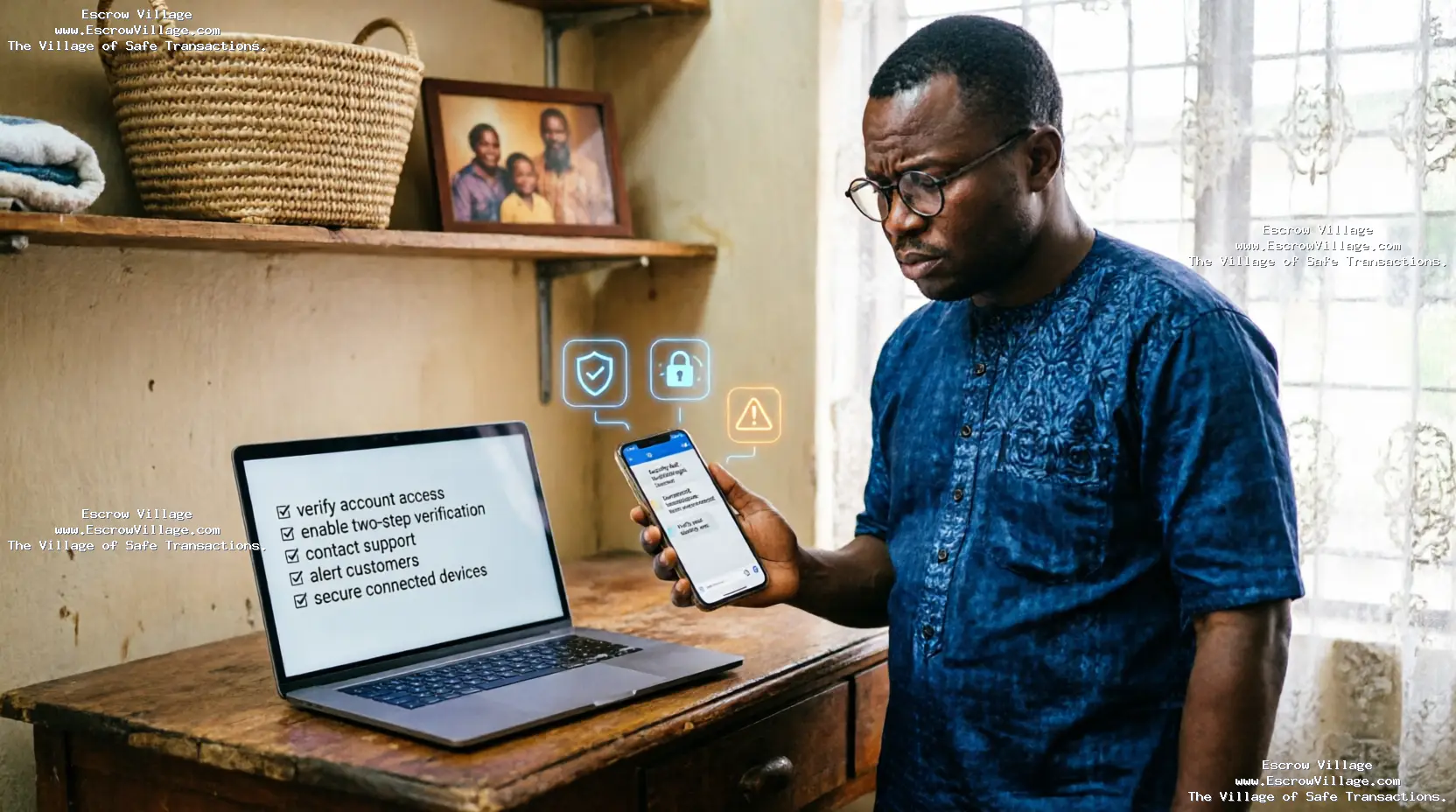
To understand how to verify supplier bank details, contact the supplier through a phone number or email address you've previously confirmed.
This is especially important if they suddenly send new payment instructions.
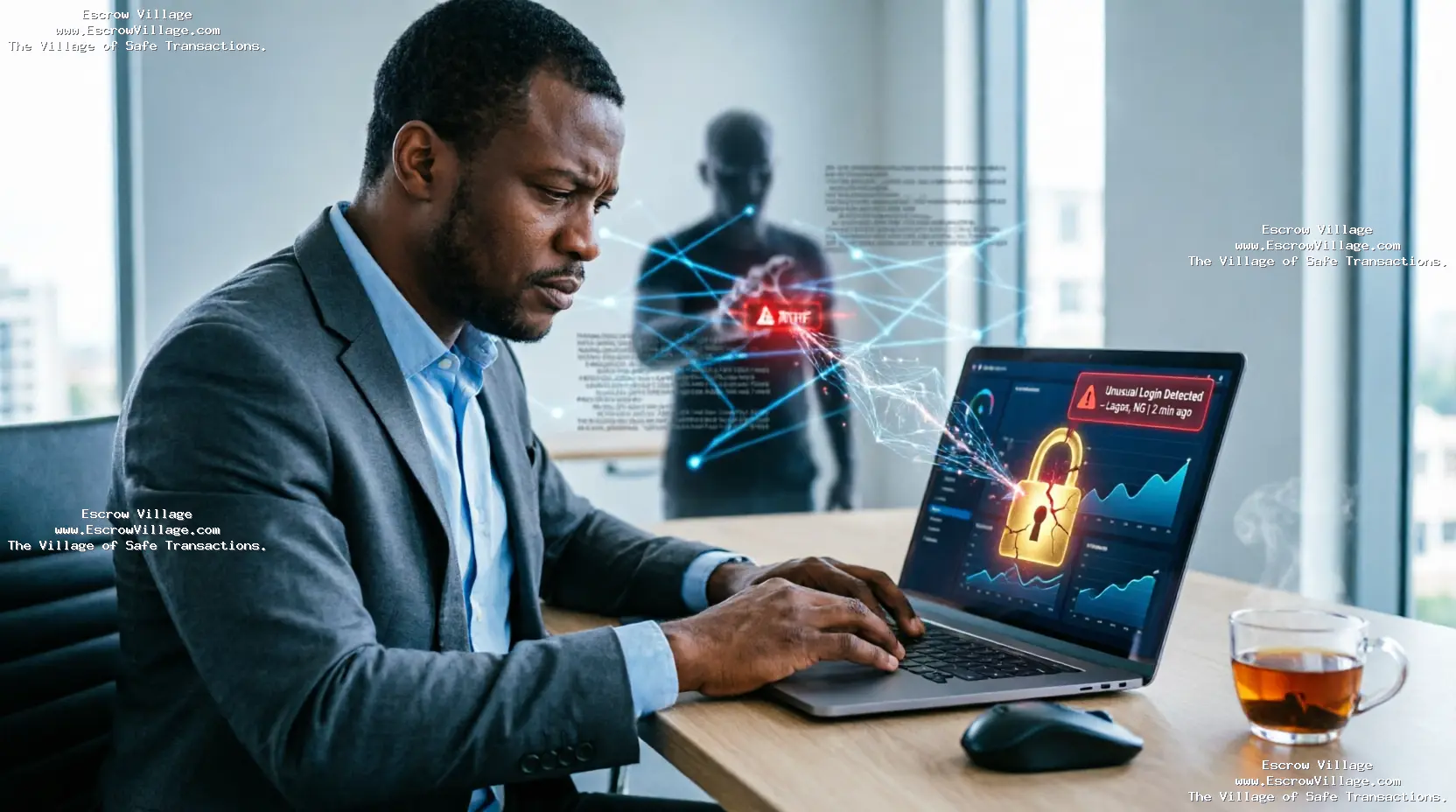
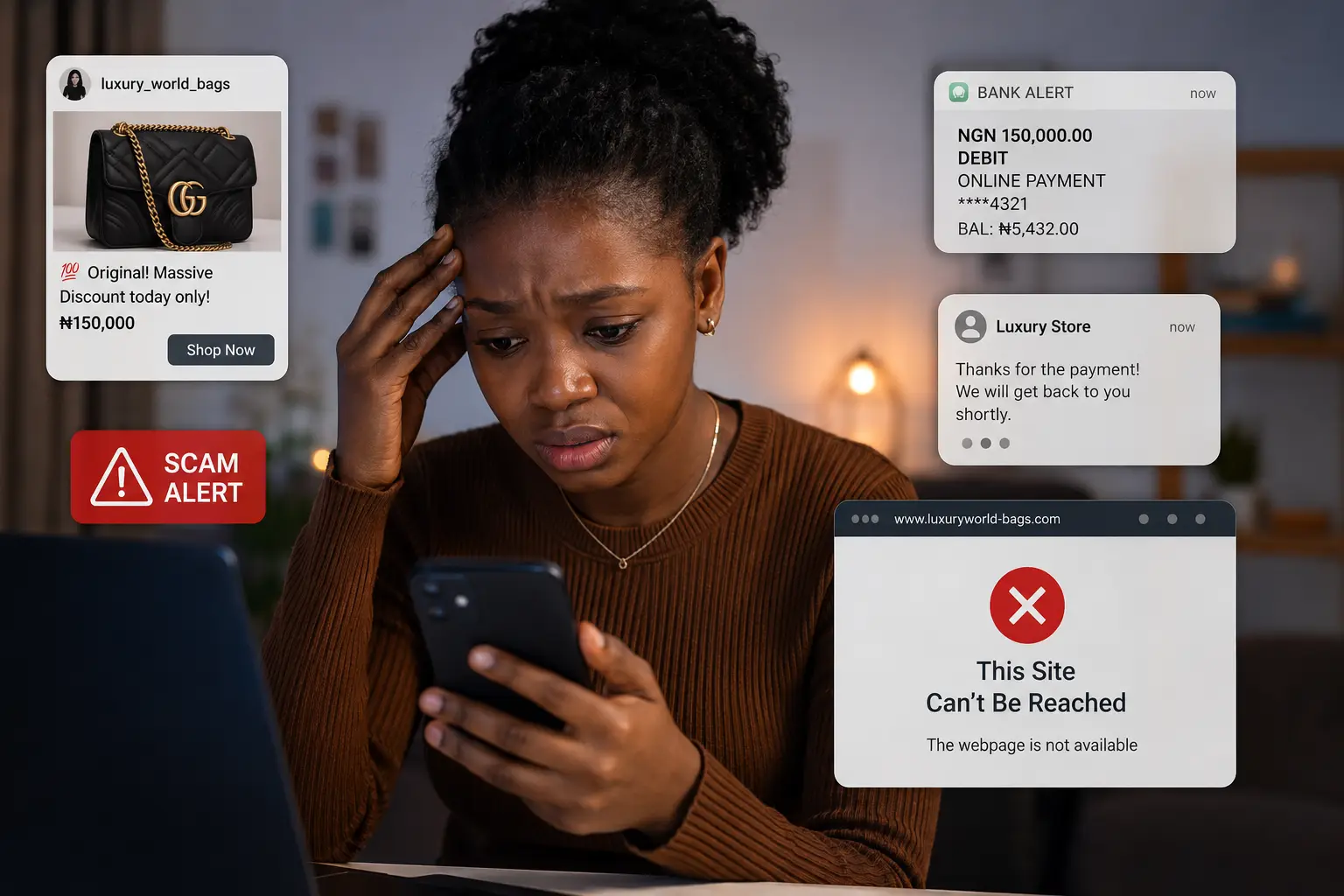
Scammers sometimes impersonate legitimate suppliers and replace their bank details on invoices.
Always confirm unexpected changes through a separate, trusted communication channel.
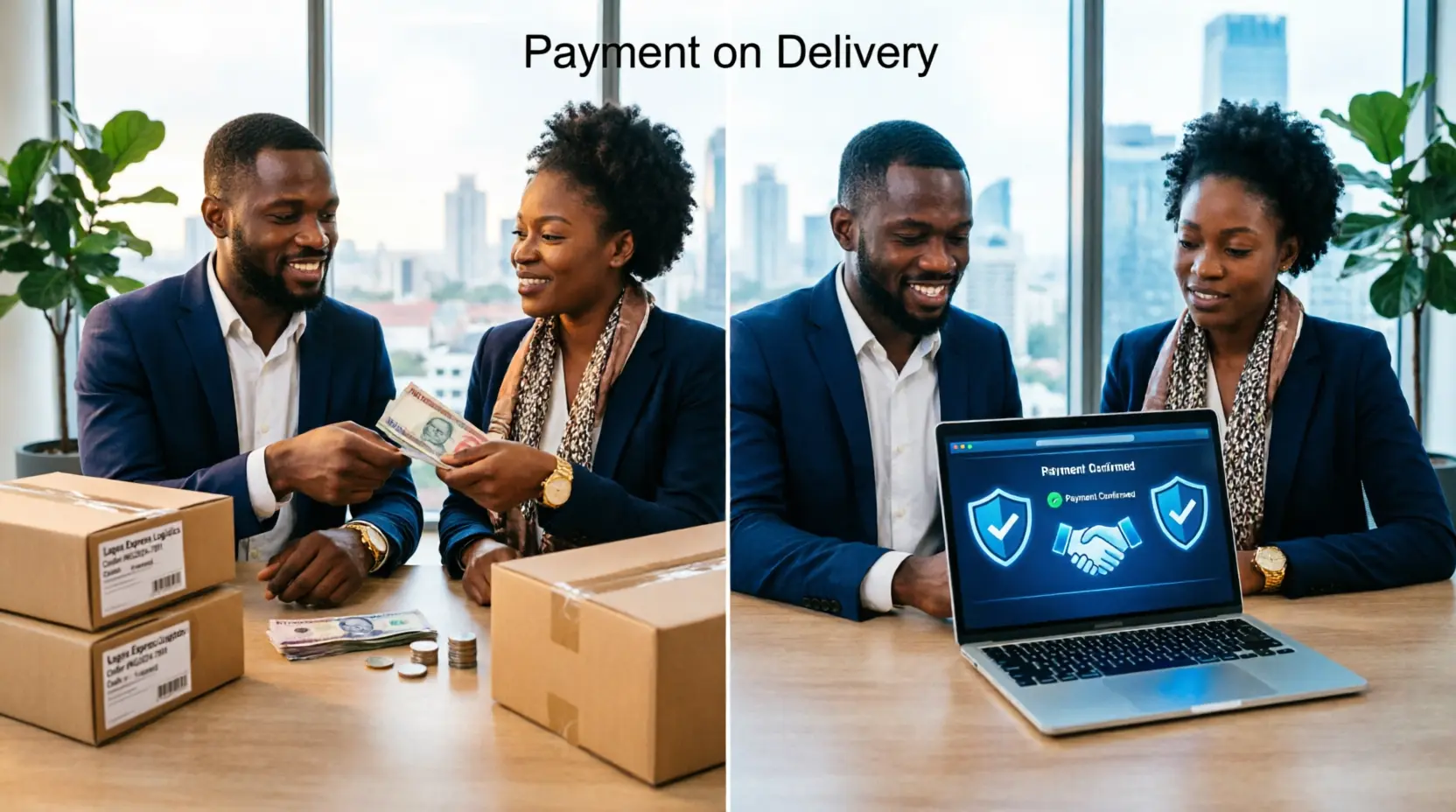
Choosing safe payment methods for importing can help reduce your financial risk.
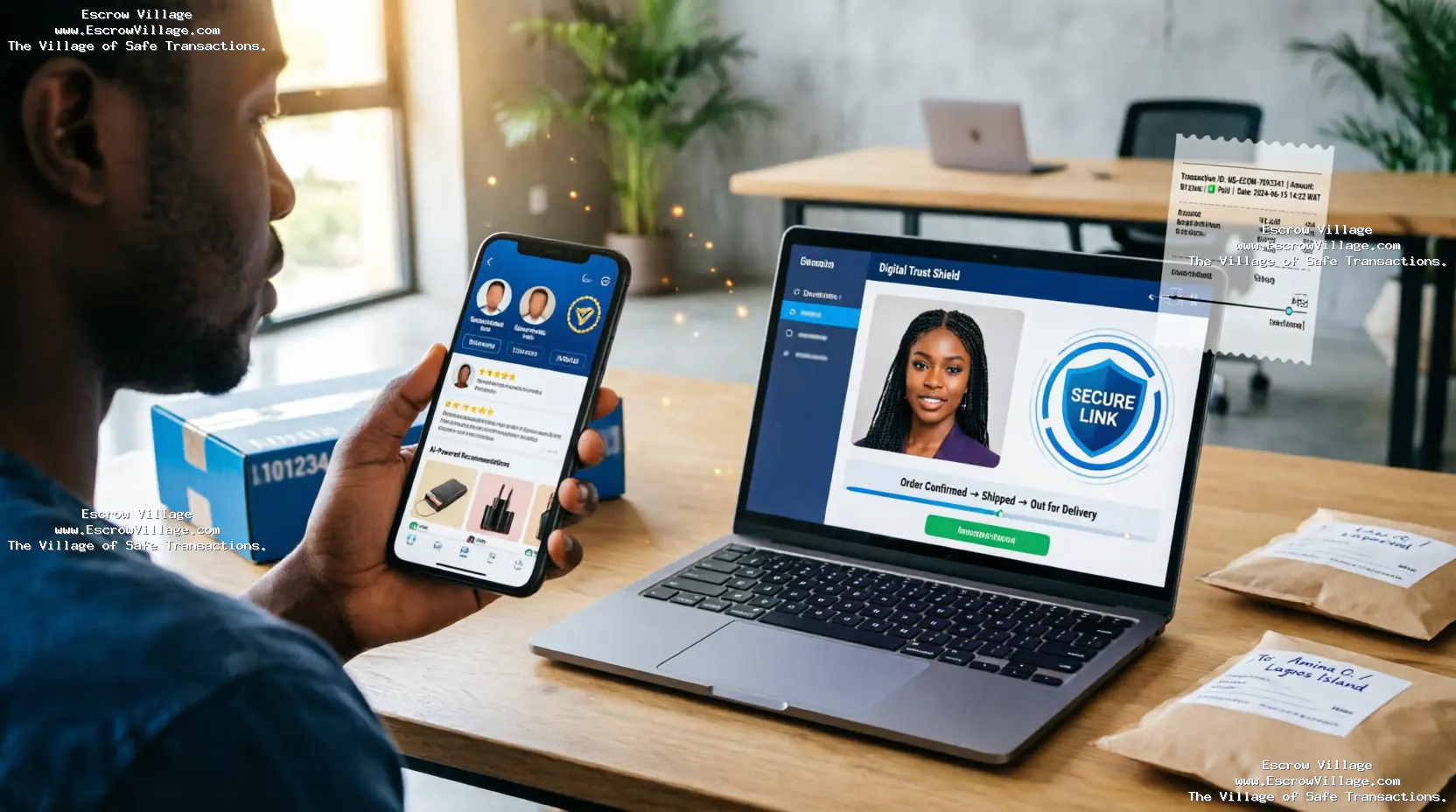
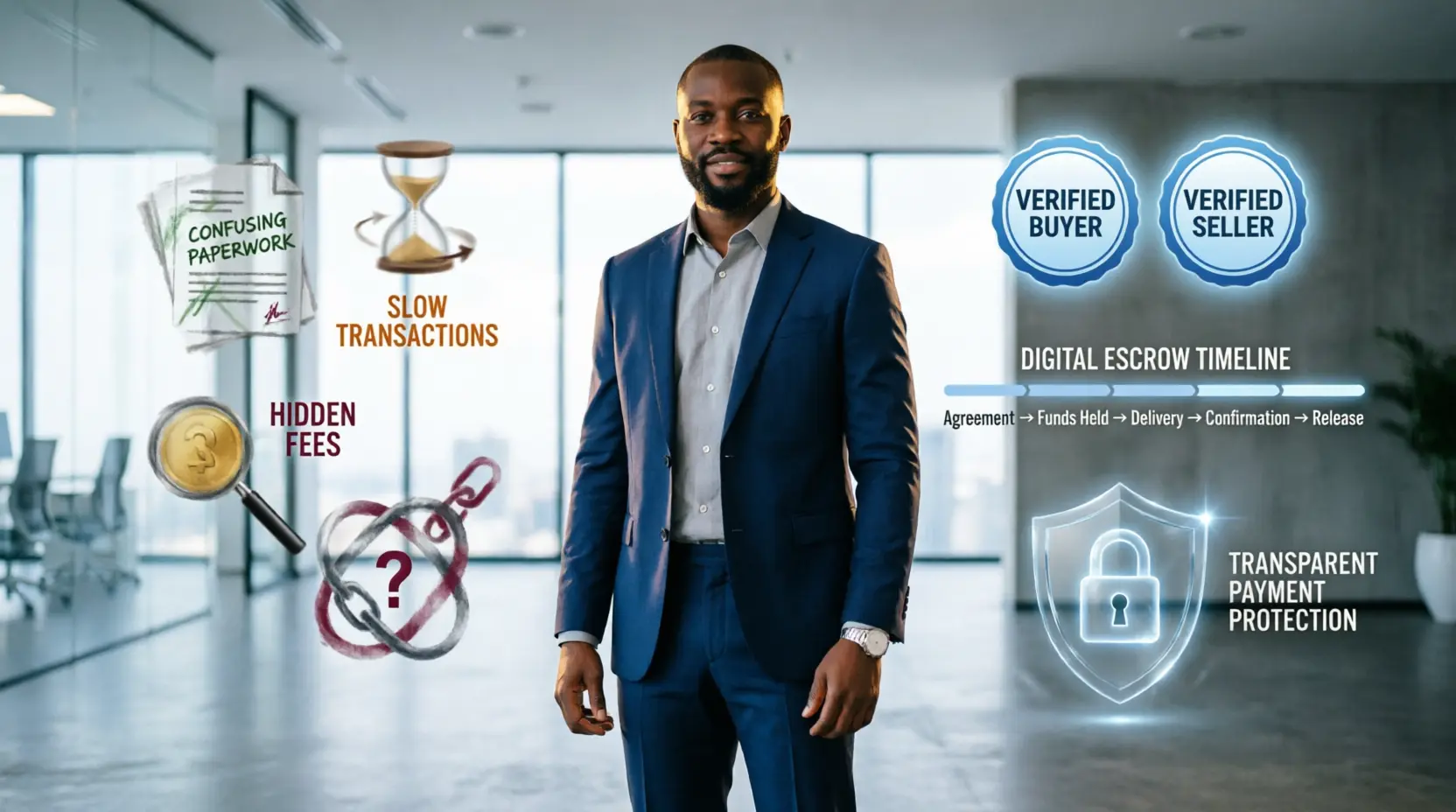
Depending on the transaction, you may use a protected marketplace payment system, a letter of credit, or an escrow service.
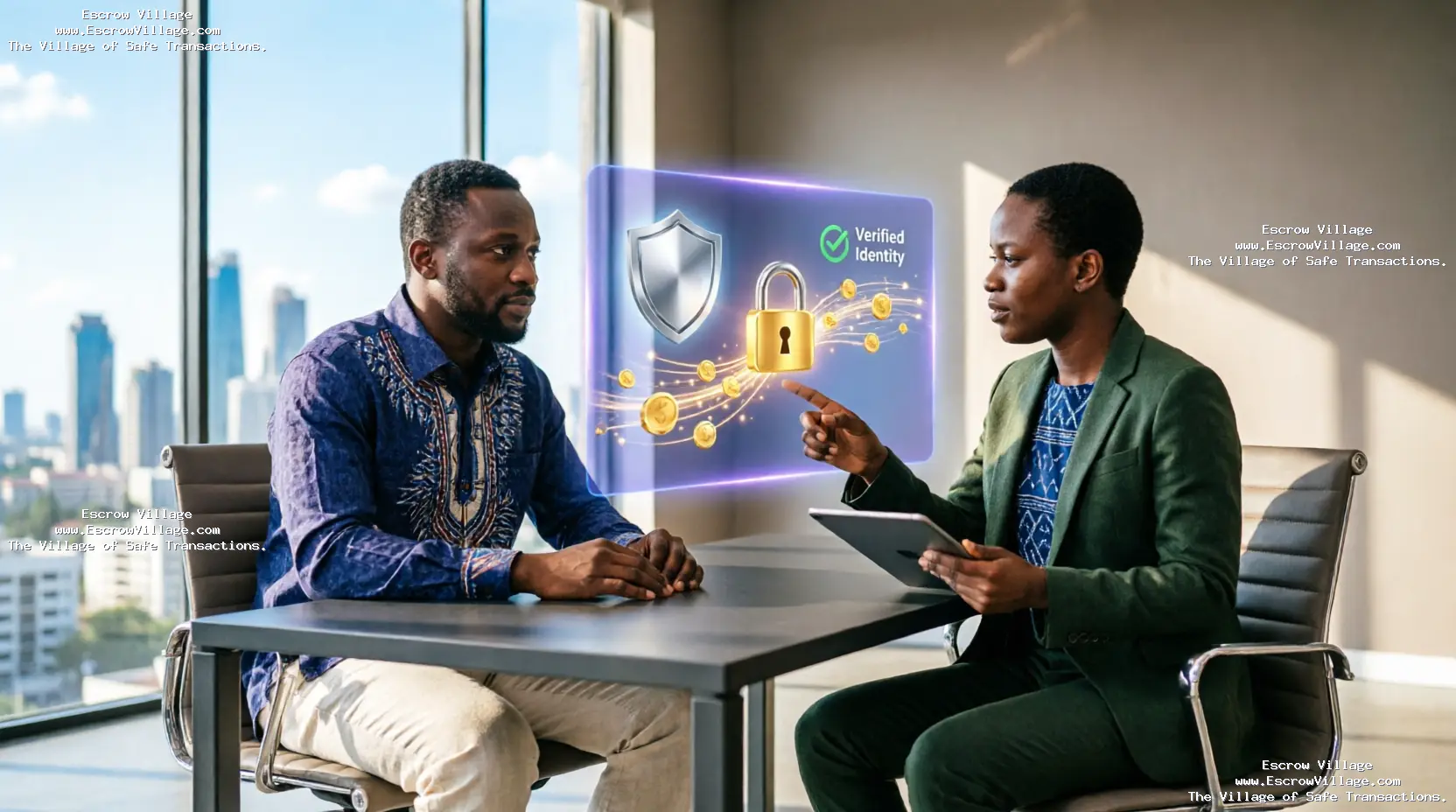
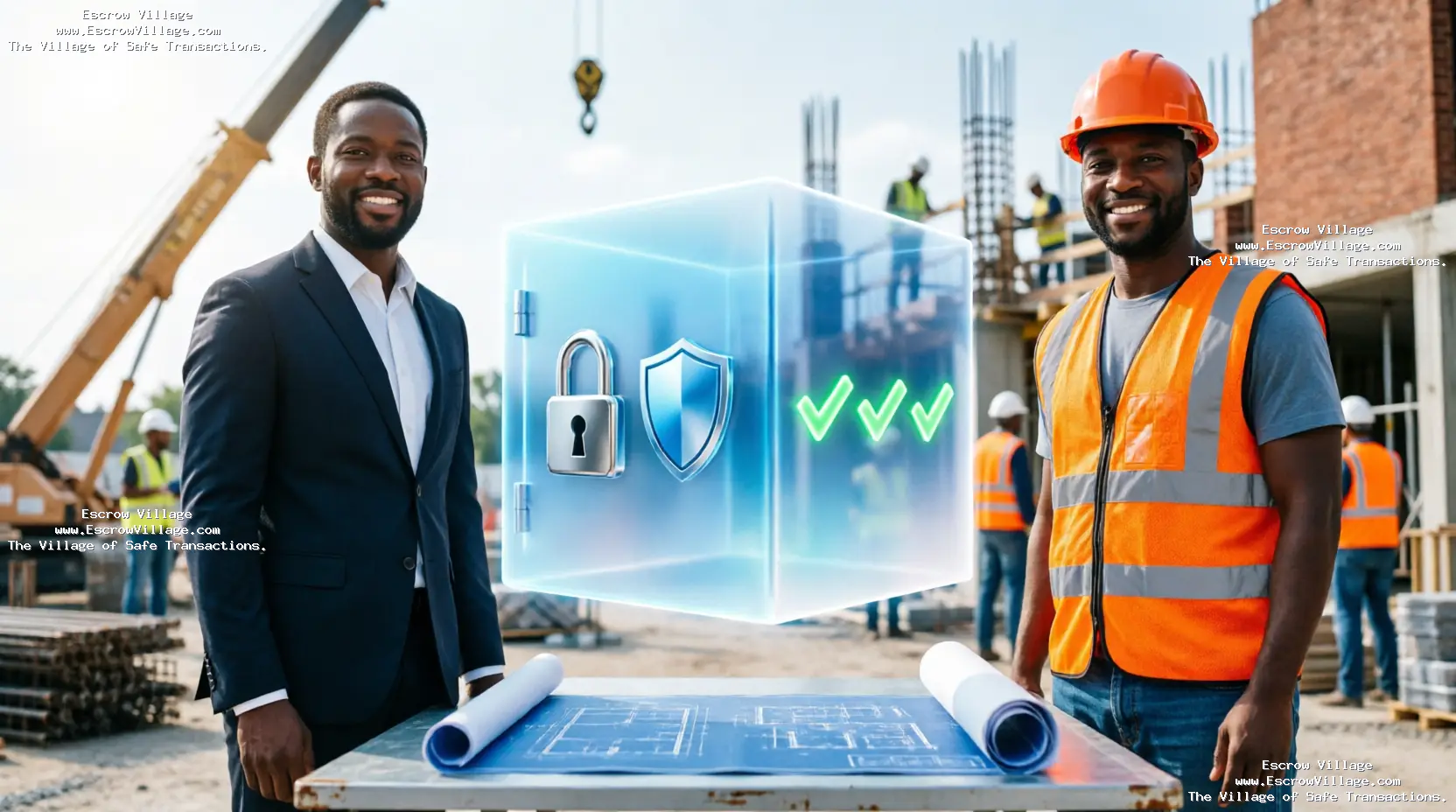
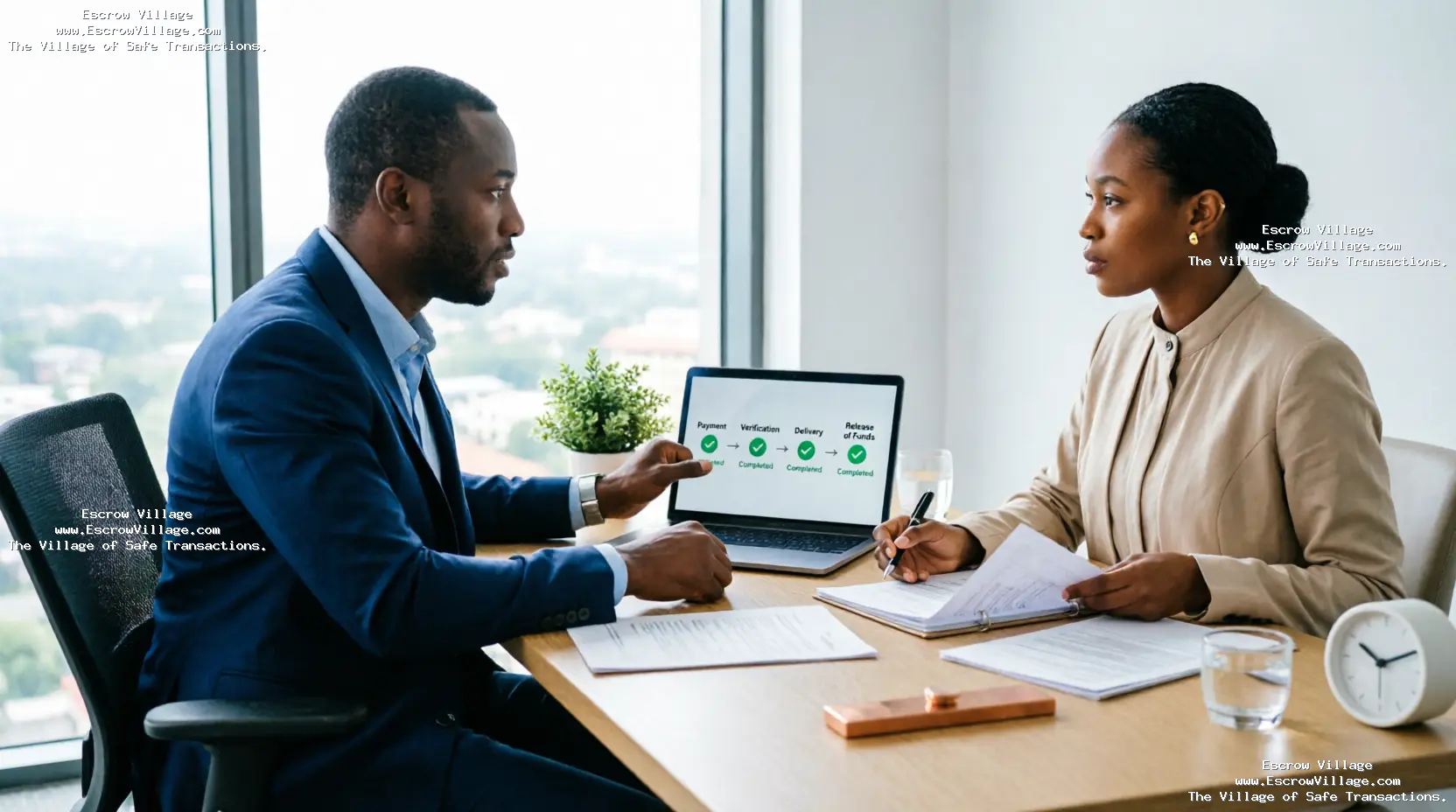
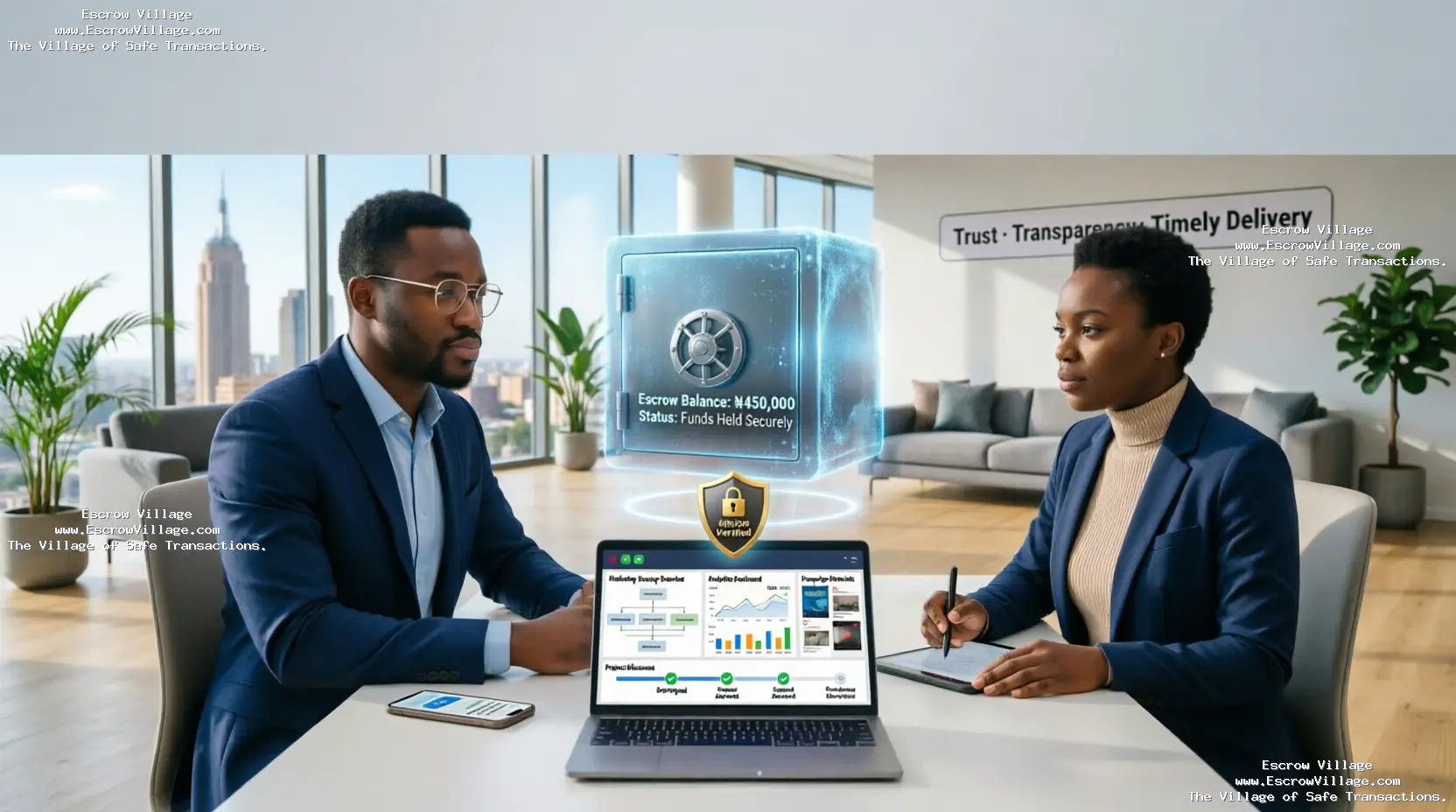
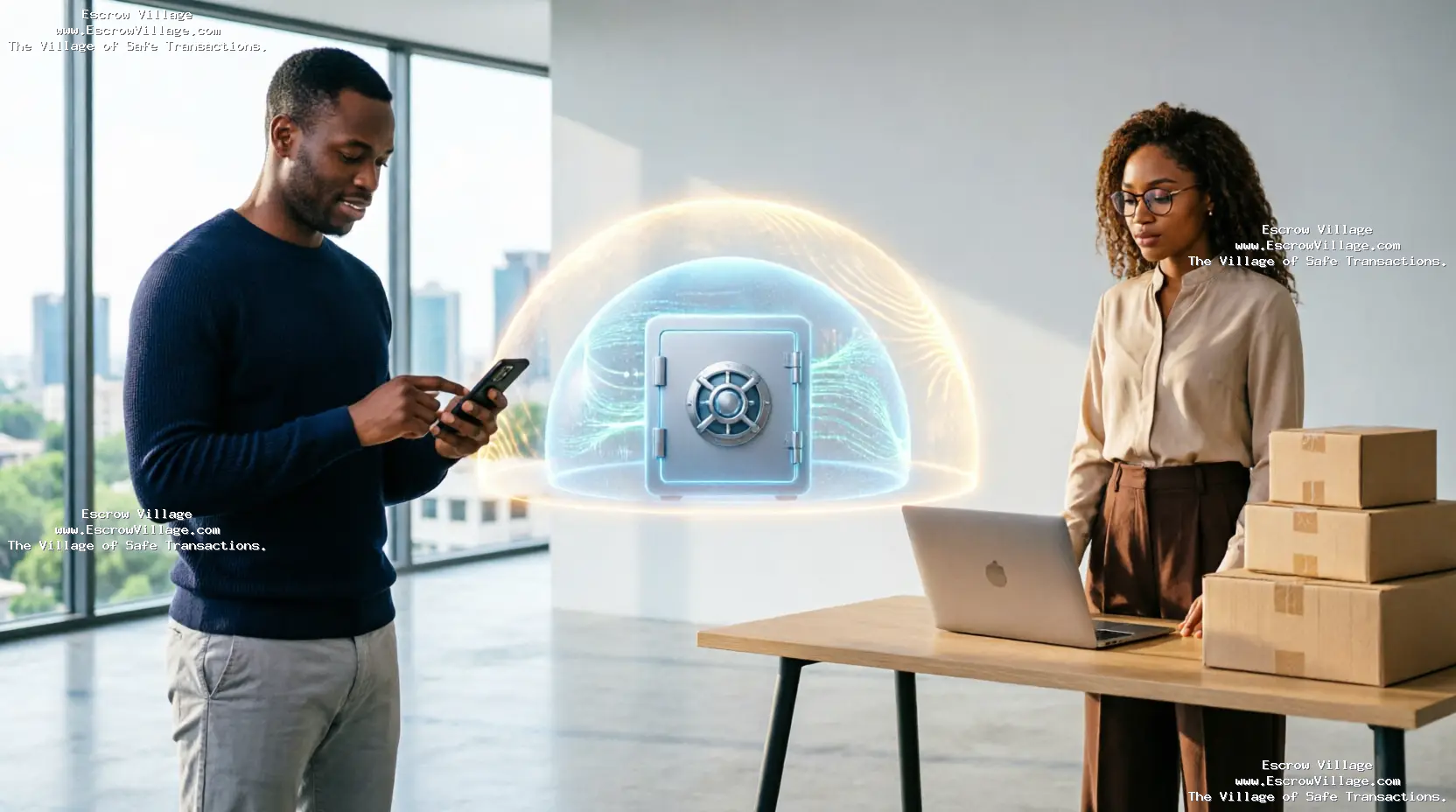
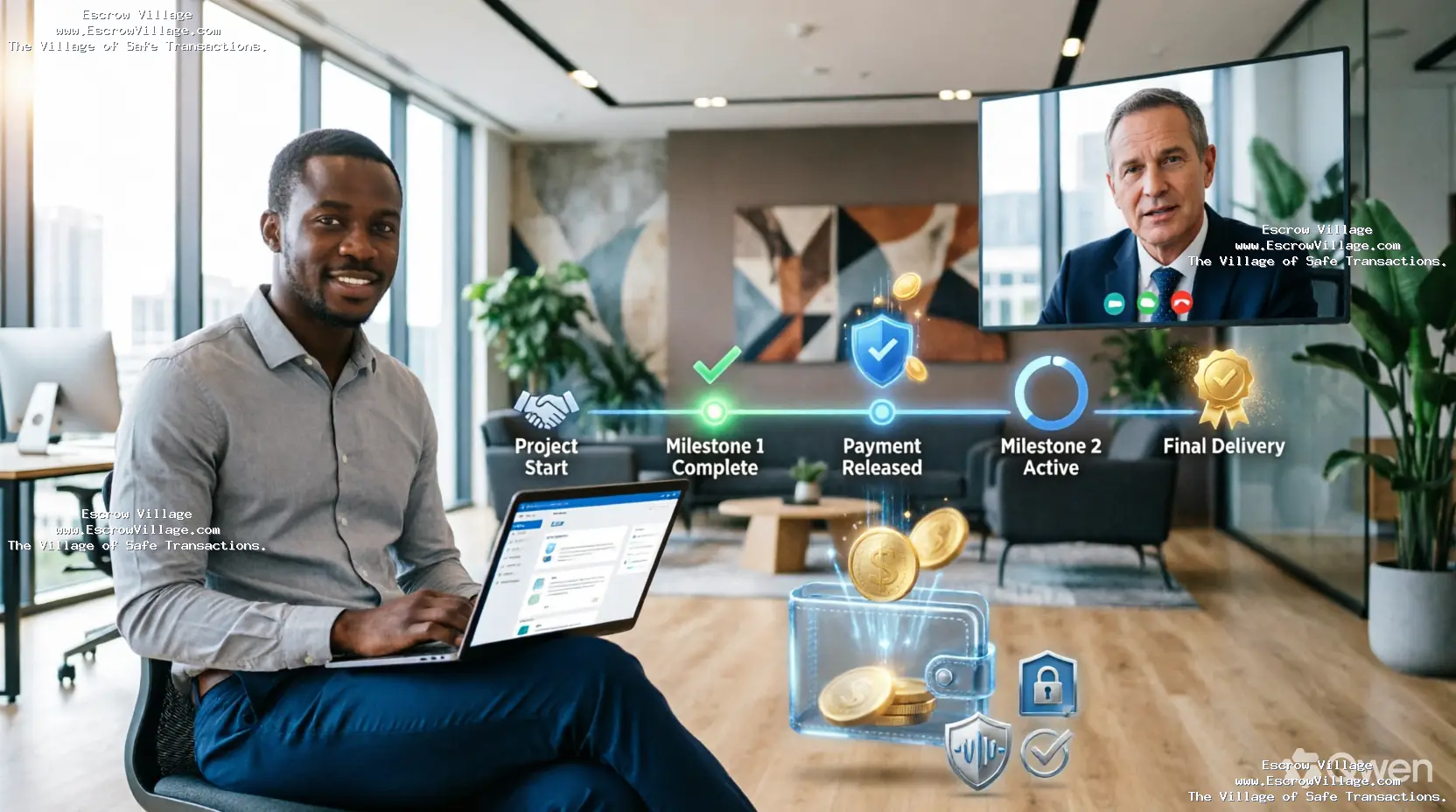
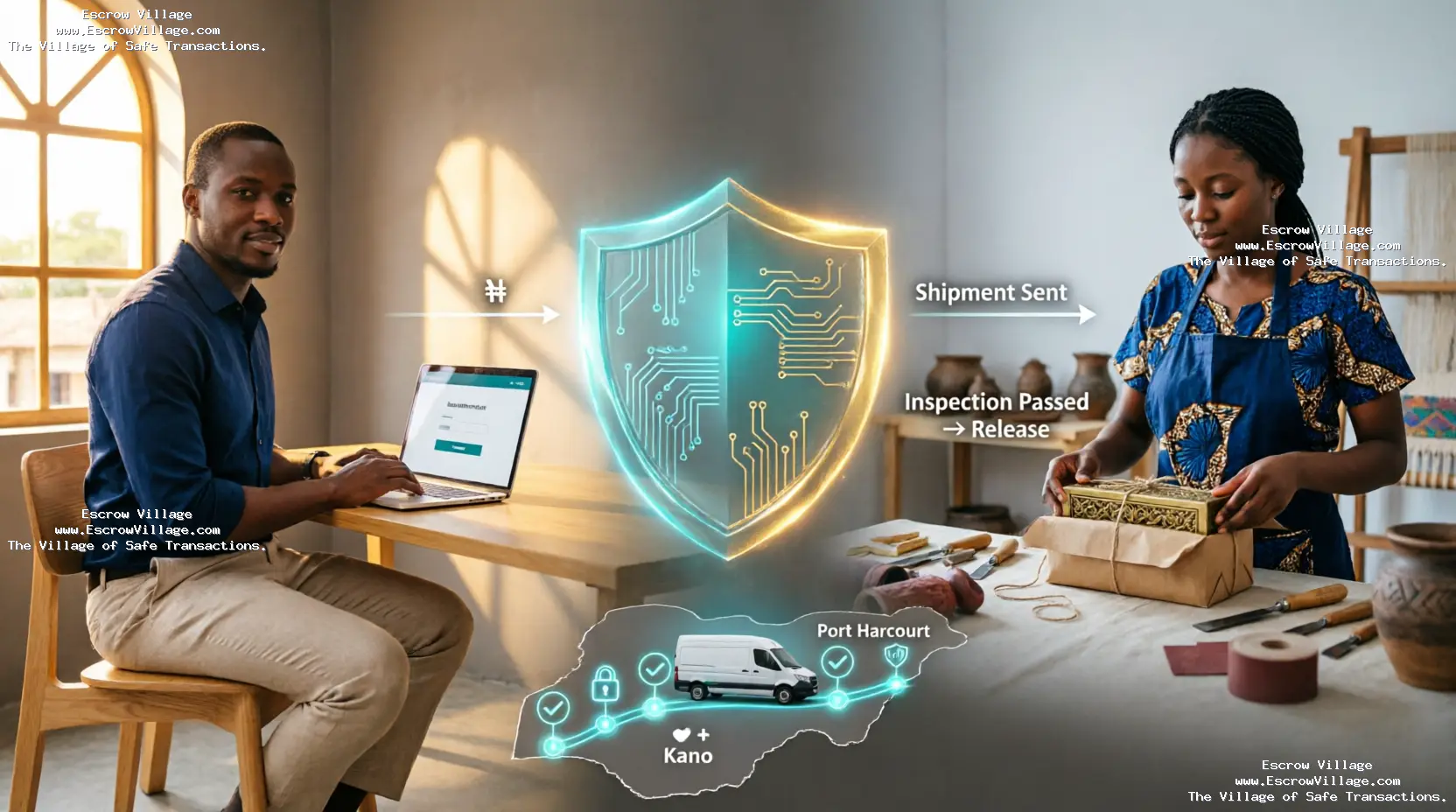
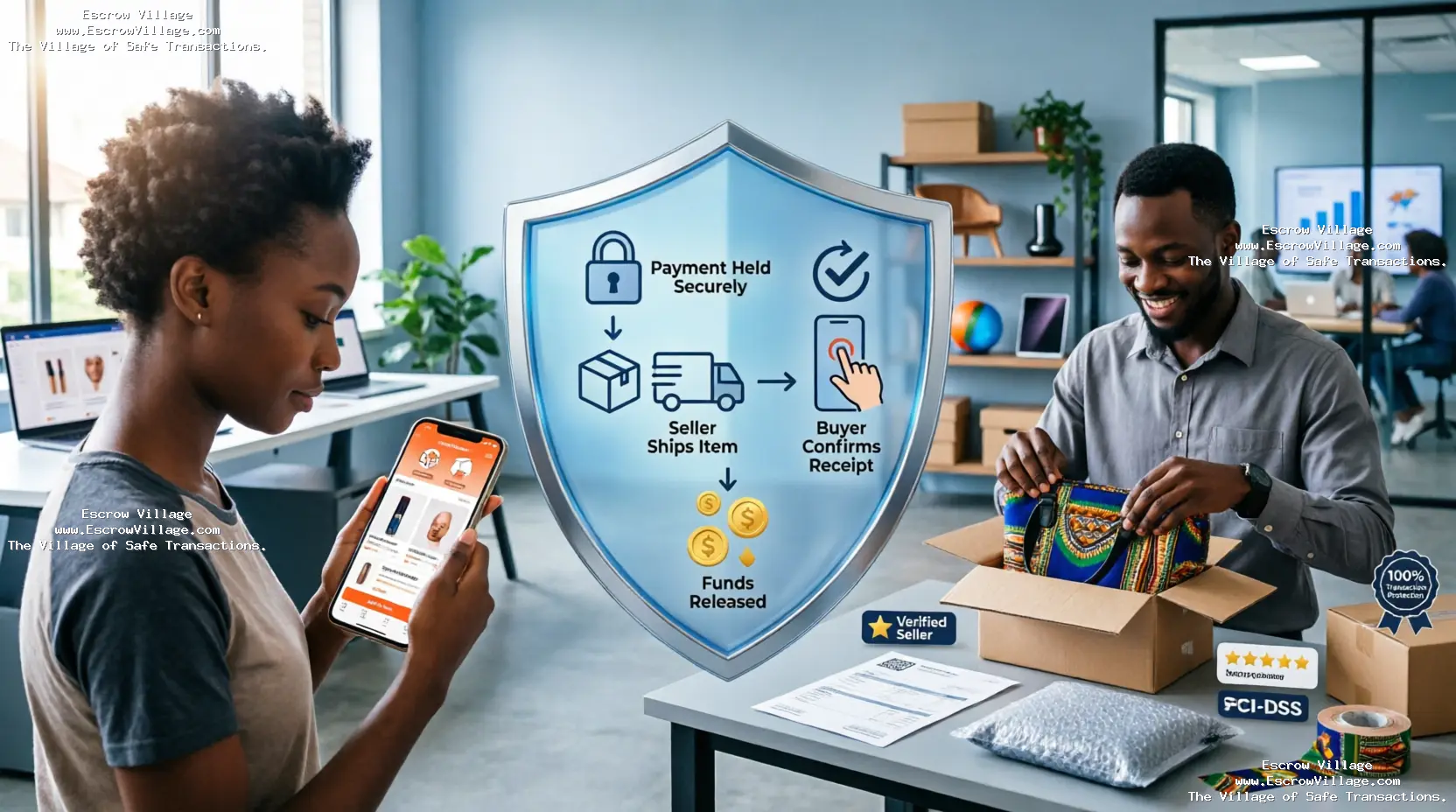
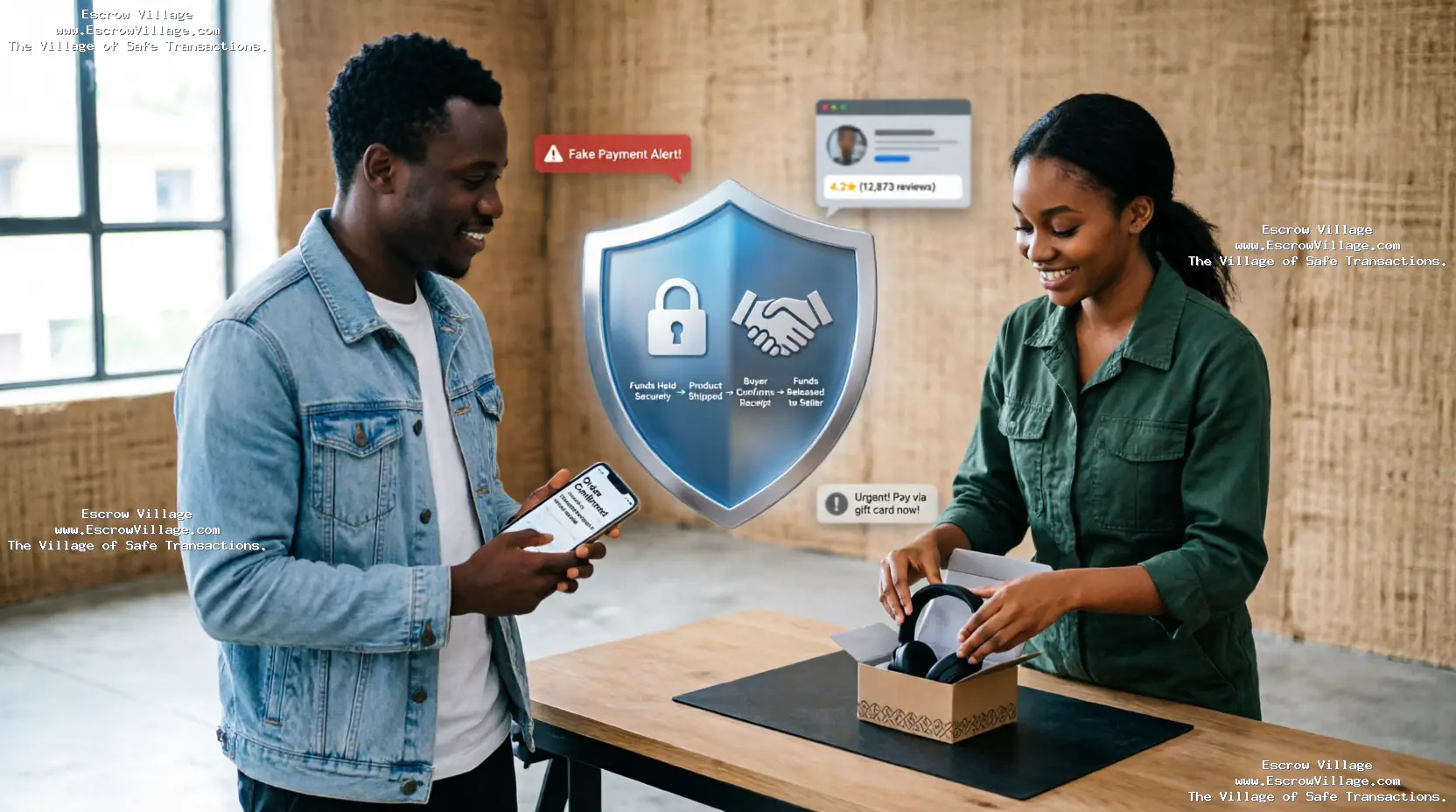
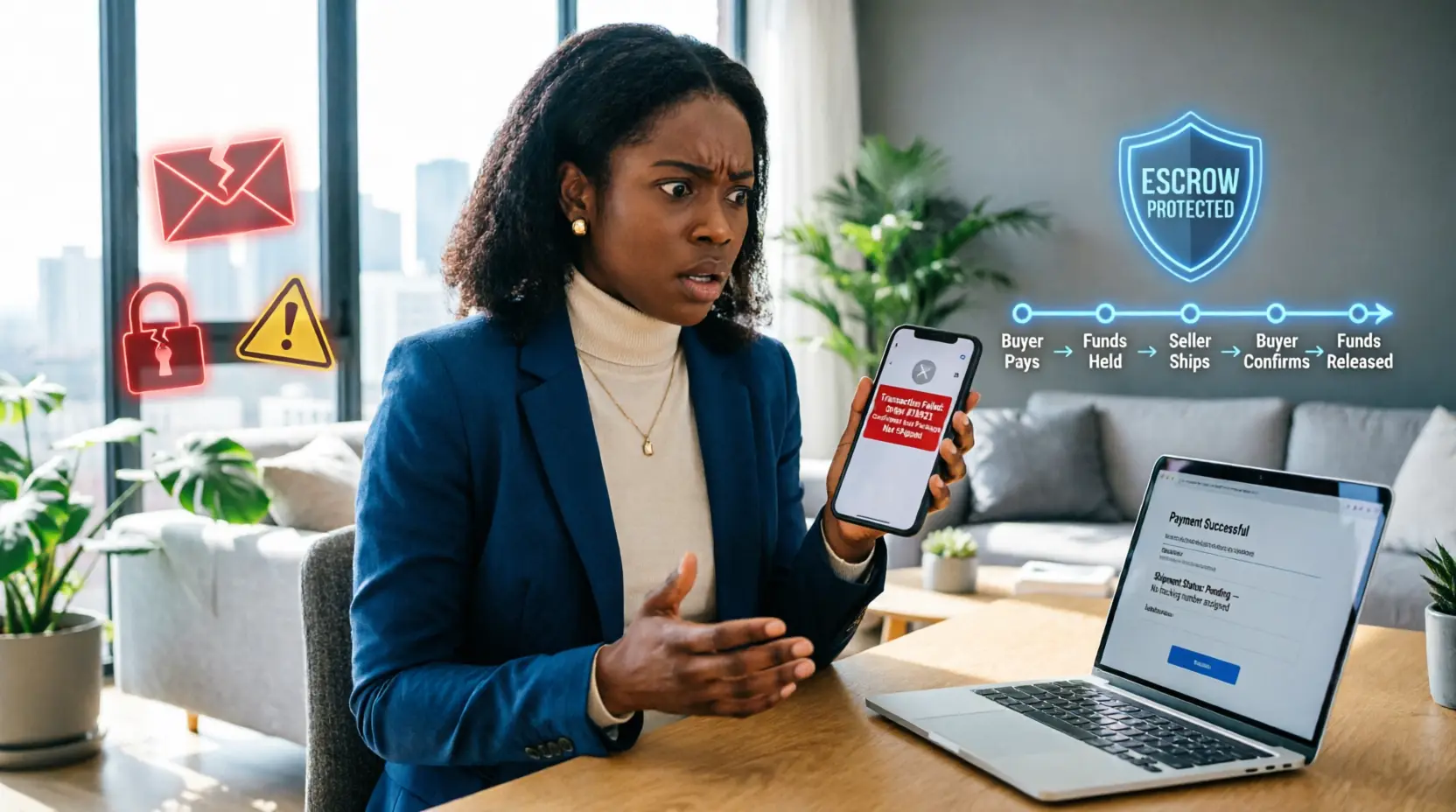
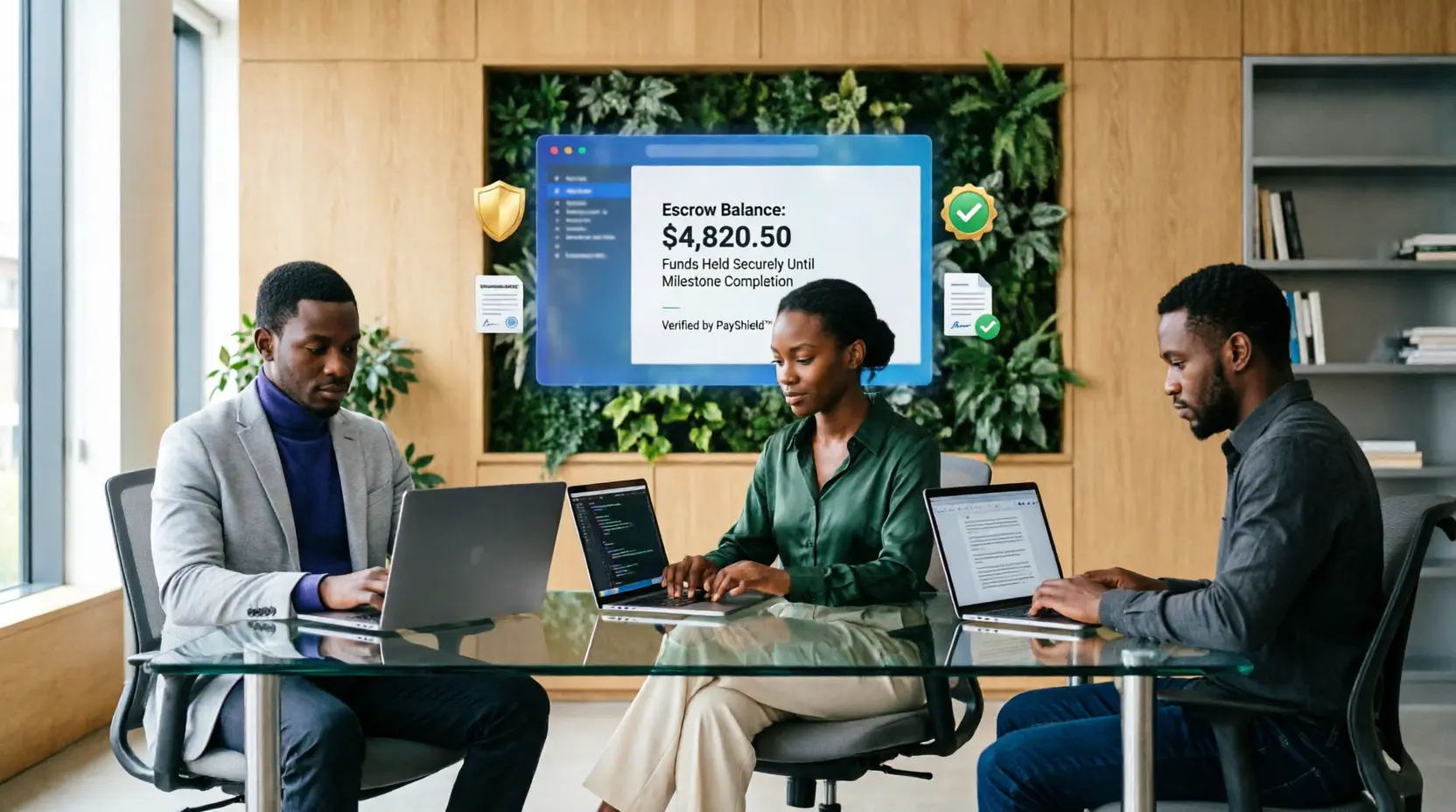
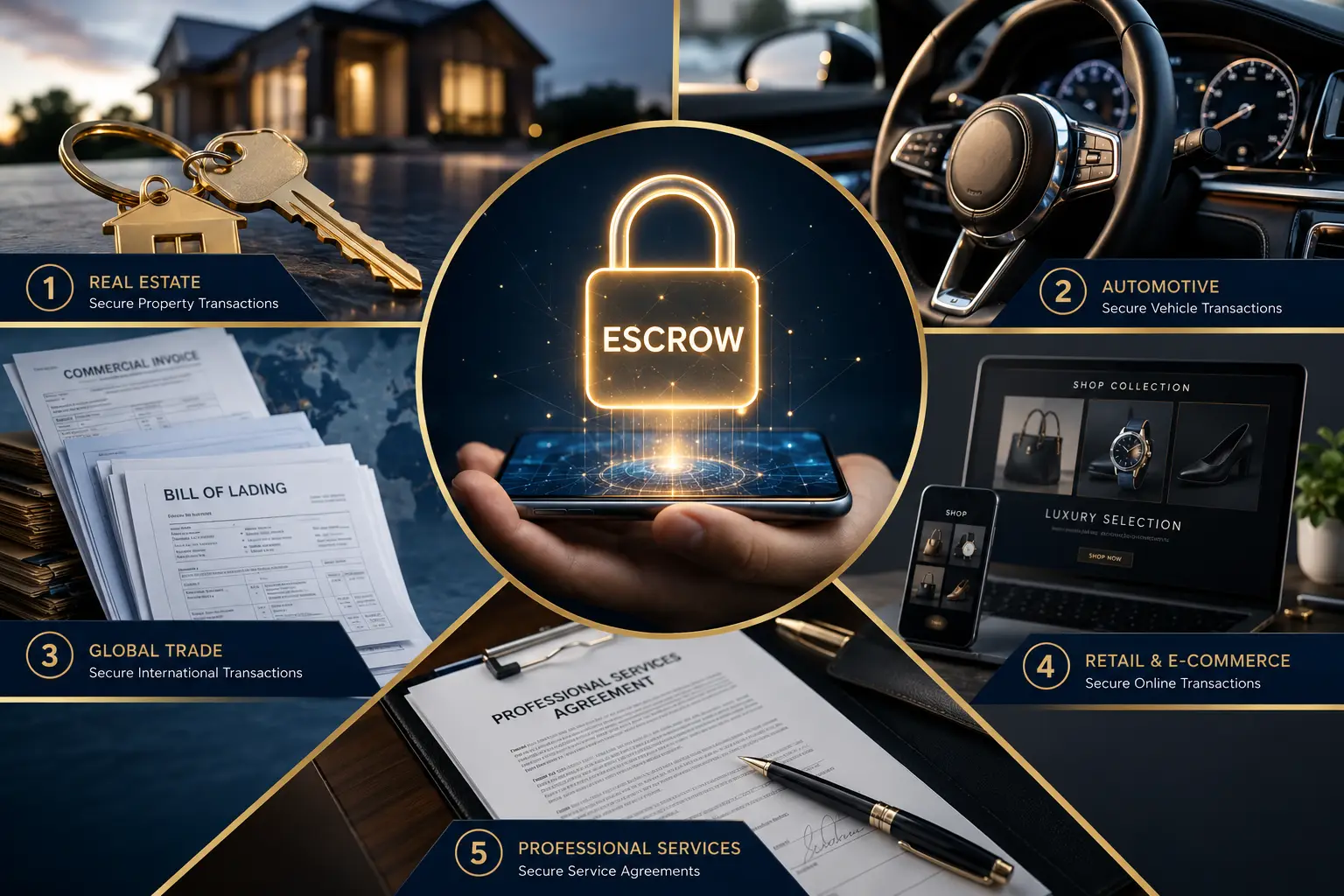
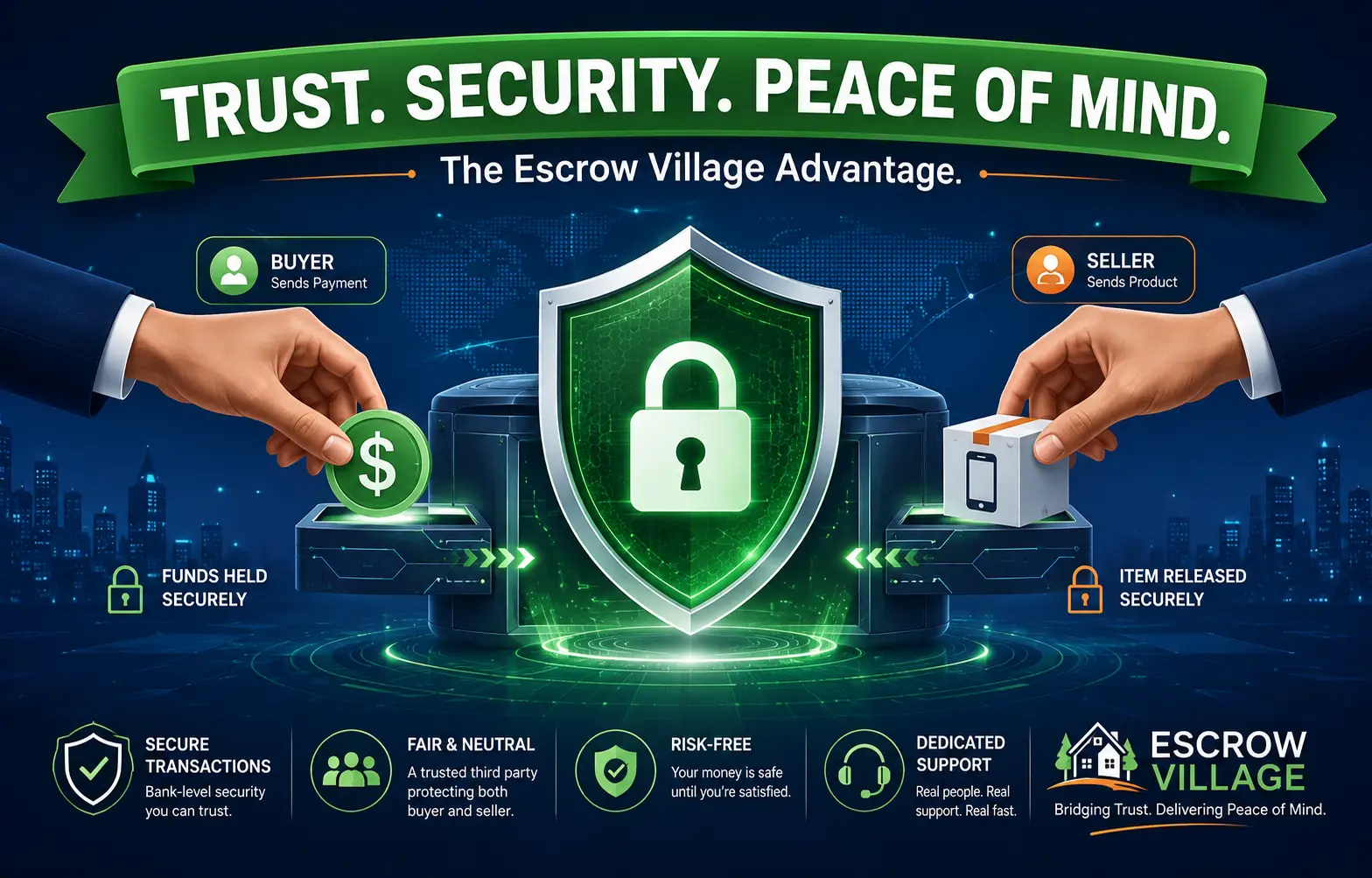
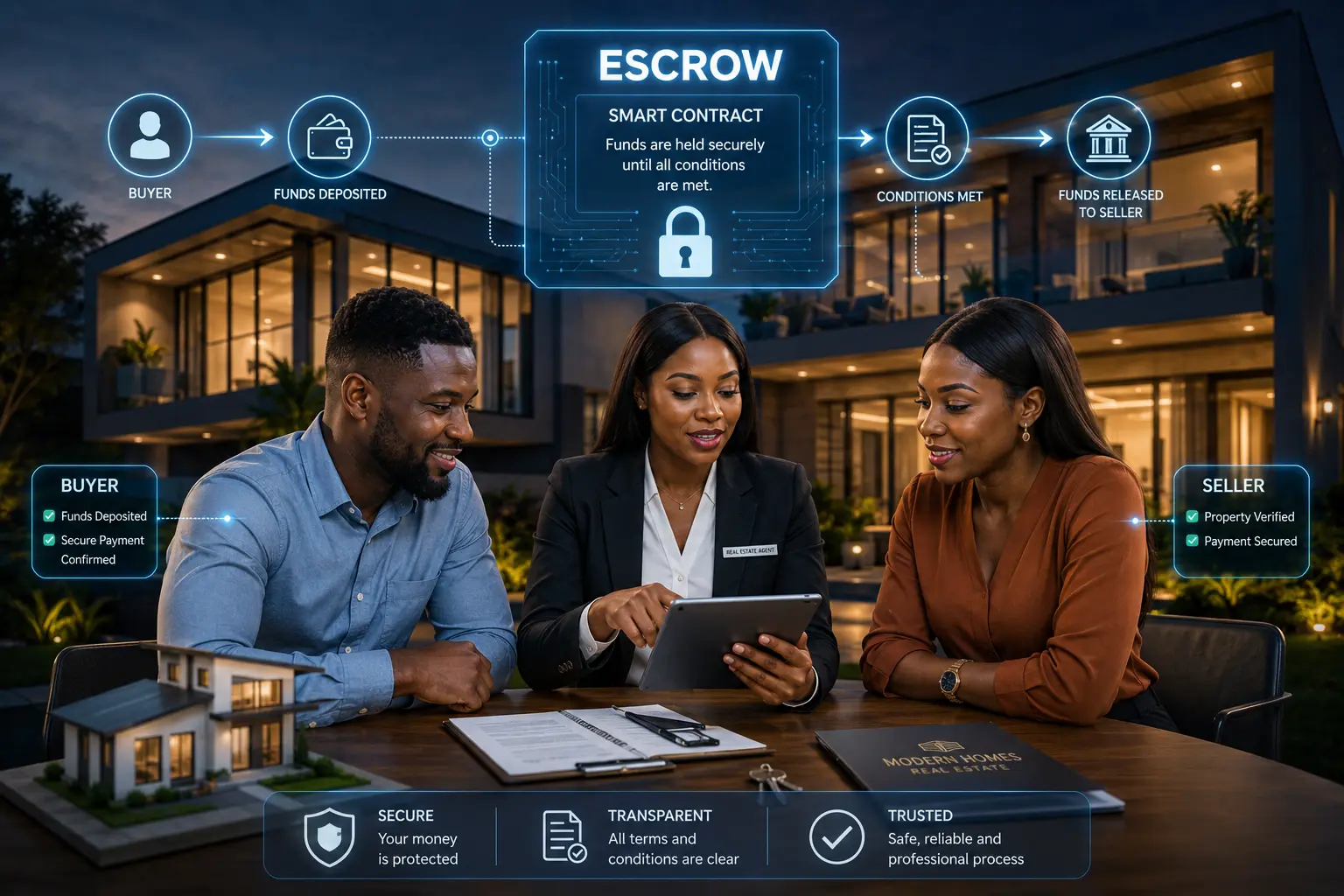
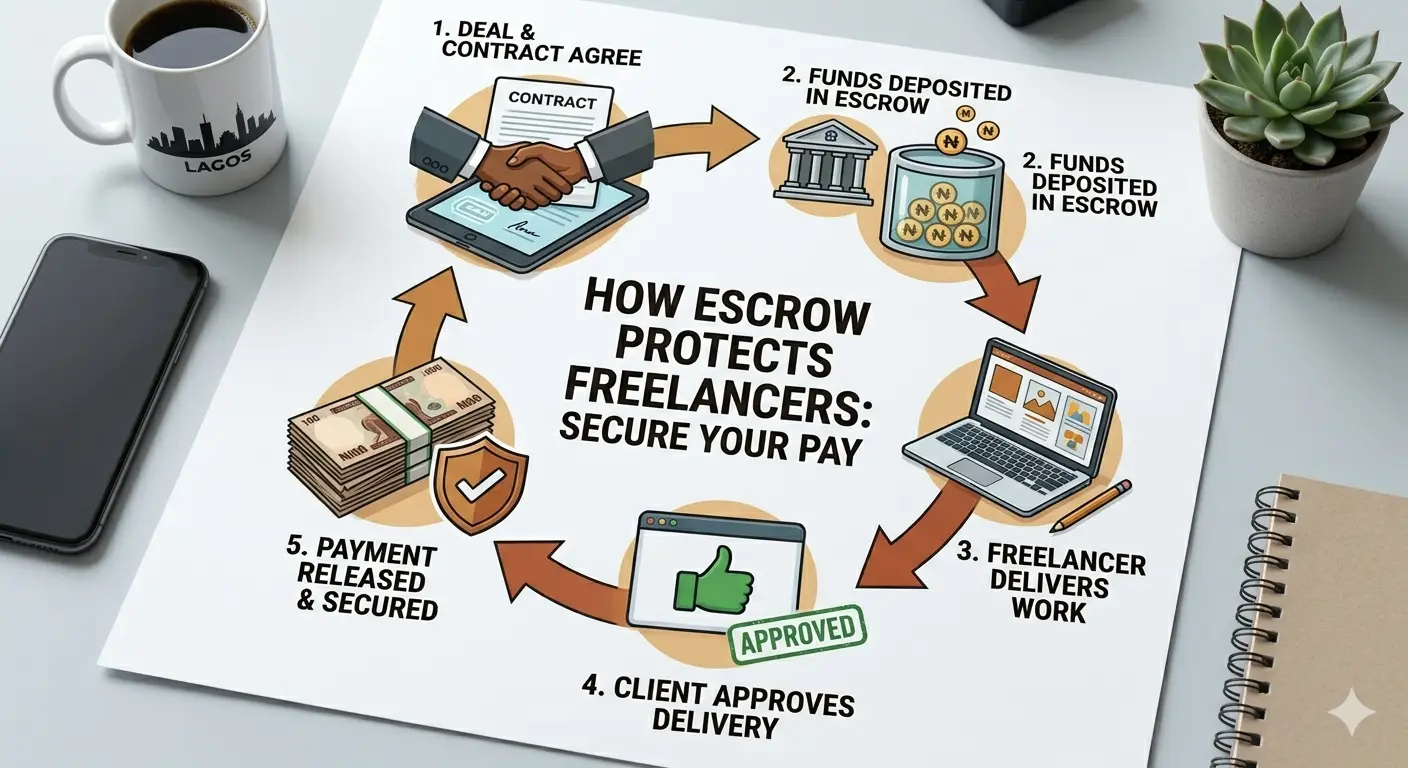
An escrow service holds funds under agreed conditions and releases them when the requirements are met.
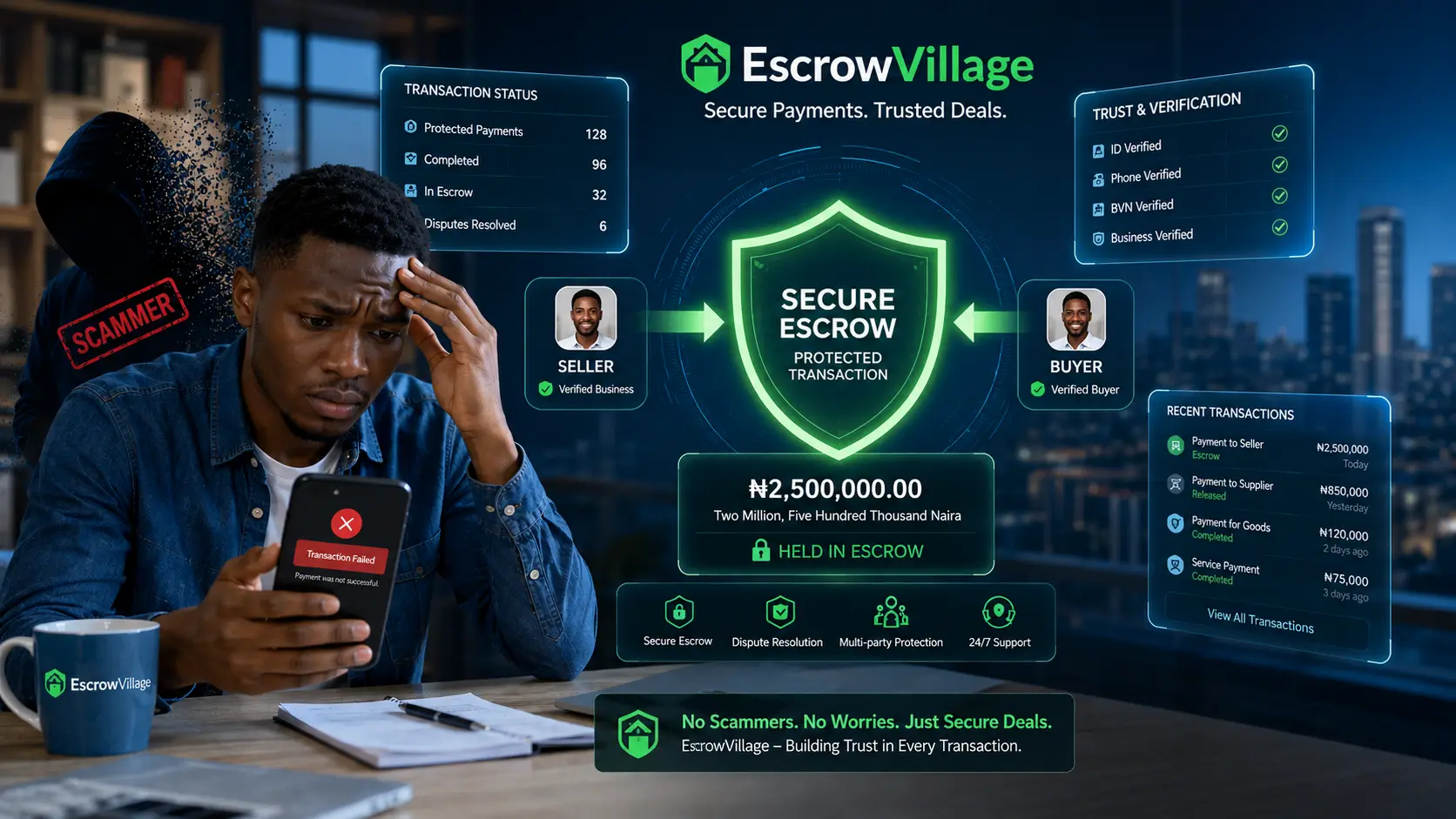
Escrow Village offers an escrow-based approach to help make eligible transactions safer by providing payment protection under agreed terms.
Before using any provider, confirm that it supports your transaction, understand its fees, and check how disputes and refunds are handled.
Remember, escrow doesn't automatically guarantee that goods will arrive or replace the need to verify your supplier. Always read the terms before paying.
Before sending money, agree on the product specifications, quantity, total cost, payment terms, delivery deadline, and what happens if the goods are defective or never arrive.
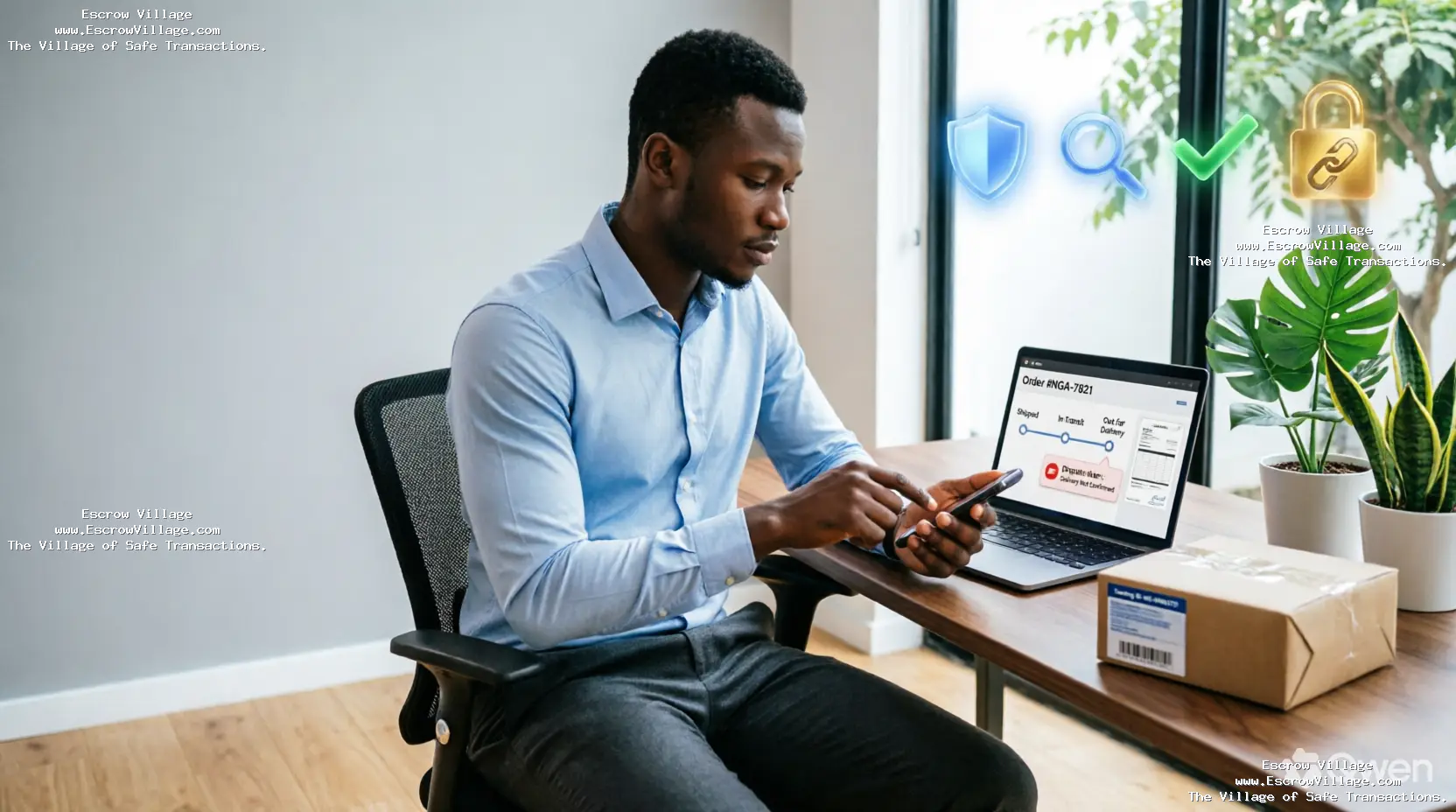
Keep copies of invoices, receipts, messages, and shipping documents. Once the goods are dispatched, request a tracking number and verify it directly with the shipping company.
These simple steps strengthen your international supplier fraud prevention process and provide useful evidence if a dispute occurs.
Import scams and how to avoid them should be part of every importer's planning. Research the supplier, verify their documents, inspect samples, check bank details, and choose a suitable payment method.
Don't rush because a supplier offers a discount or demands immediate payment. Take time to verify the business and consider using Escrow Village for eligible transactions that require additional payment protection.
Before sending money to a new supplier, make sure you've done your checks. And when you're ready to transact, take an extra step to protect your payment with Escrow Village. Our escrow service helps make eligible transactions safer by holding funds until the agreed conditions are met.
Ready to trade with more confidence? Visit "Escrow Village" (https://escrowvillage.com) and make your next transaction a safer one.
Some scammers create professional websites, share product photos, and send fake business documents to convince you they're genuine.
So, how do you protect yourself before sending money?
Here are eight practical steps to follow when importing goods from overseas.
- 1. Research the Supplier Online
Start by searching for the supplier's business name on Google.
Check their website, business address, contact details, and customer reviews. If you found them on a marketplace, check their profile and how long they've been operating.
Look for independent reviews rather than relying only on testimonials published on their website.
This is the first step in learning how importers can verify suppliers.
Remember, a professional website doesn't automatically mean a business is legitimate.
- 2. Check Their Business Documents
Ask the supplier for their registered business name, registration number, and other relevant documents.
Where possible, verify these details through the company's official business registry.
Compare the information with their website, invoices, and business address. If the details don't match, ask questions and investigate further.
These supplier background checks are an important part of import supplier due diligence. Never assume a document is genuine simply because it looks official.
- 3. Arrange a Video Call
Before placing an order, arrange a live video call with the supplier.
Ask them to show you their office, warehouse, factory, or available products.
If they claim to manufacture the goods, ask about their production process. You can also request a live demonstration of the product you intend to purchase.
However, a video call alone cannot prove that a supplier is genuine. For expensive orders, consider hiring an independent inspection company to verify their operations.
- 4. Request a Sample Before Ordering in Bulk
If you're working with a new supplier, don't rush into a large order.
Ask for a product sample to check its quality, packaging, and specifications. If everything meets your expectations, consider starting with a small trial order before increasing your quantity.
This helps reduce the risk of receiving poor-quality goods or products that don't match what was advertised.
Keep in mind that a genuine sample doesn't guarantee that the supplier will fulfil a larger order. Continue verifying the business before committing more money.
- 5. Look Out for Fake Supplier Scams
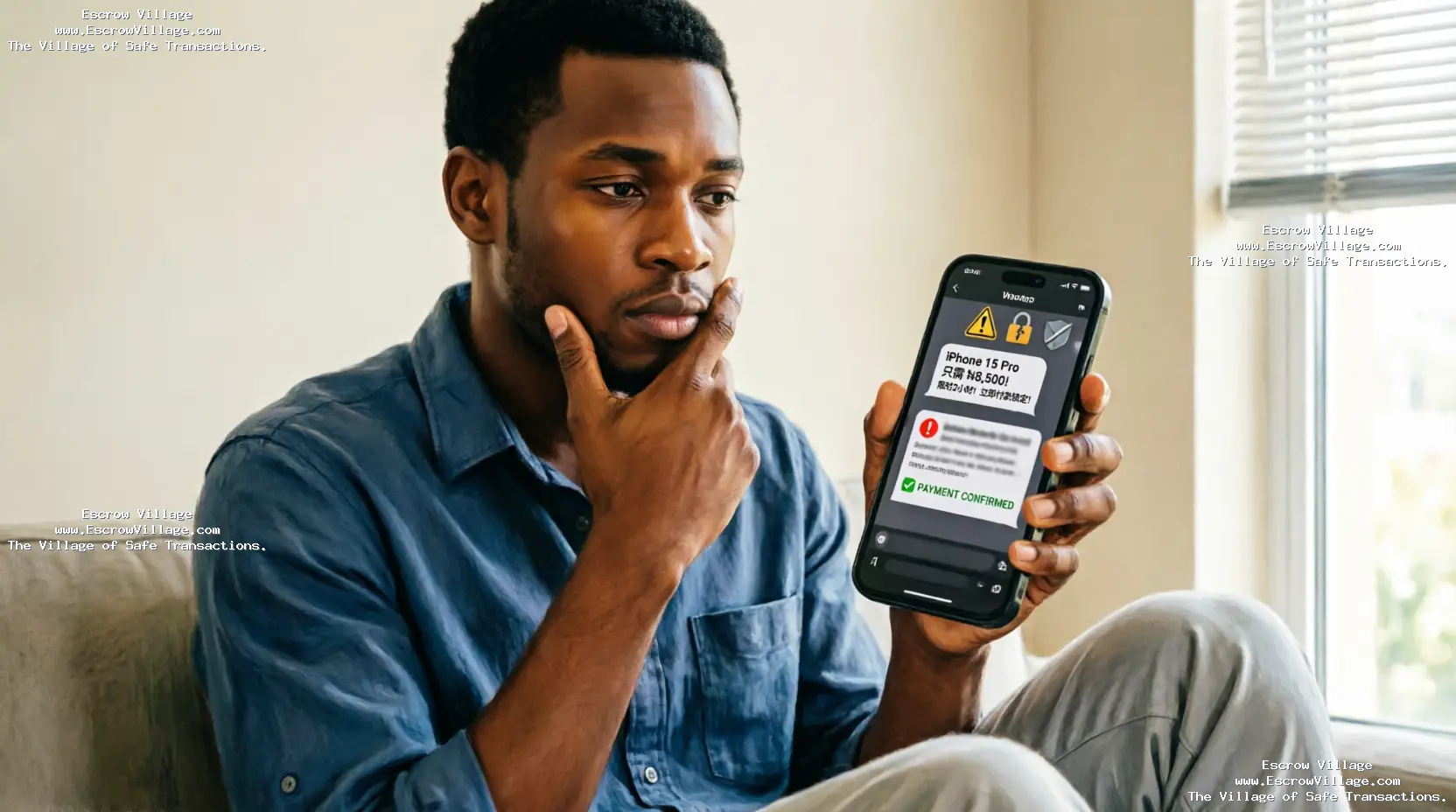
Watch out for these red flags of supplier fraud:
- ● Prices that are unusually low compared with other suppliers.
- ● Pressure to make payment immediately to secure a deal.
- ● Refusal to provide verifiable business details.
- ● Inconsistent names or addresses across documents.
- ● Requests to pay an unrelated individual or company.
- ● Vague answers about delivery dates and shipping arrangements.
These signs don't always prove fraud, but several appearing together should make you cautious.
Don't let an attractive price push you into making a rushed decision.
- 6. Verify the Supplier's Bank Details
Before making payment, request an official invoice and check the beneficiary's name and bank details.
Ideally, the account name should match the supplier's registered business name.
If it doesn't, ask for an explanation and verify it independently.
To understand how to verify supplier bank details, contact the supplier through a phone number or email address you've previously confirmed.
This is especially important if they suddenly send new payment instructions.
Scammers sometimes impersonate legitimate suppliers and replace their bank details on invoices.
Always confirm unexpected changes through a separate, trusted communication channel.
- 7. Choose a Safe Payment Method
Choosing safe payment methods for importing can help reduce your financial risk.
Depending on the transaction, you may use a protected marketplace payment system, a letter of credit, or an escrow service.
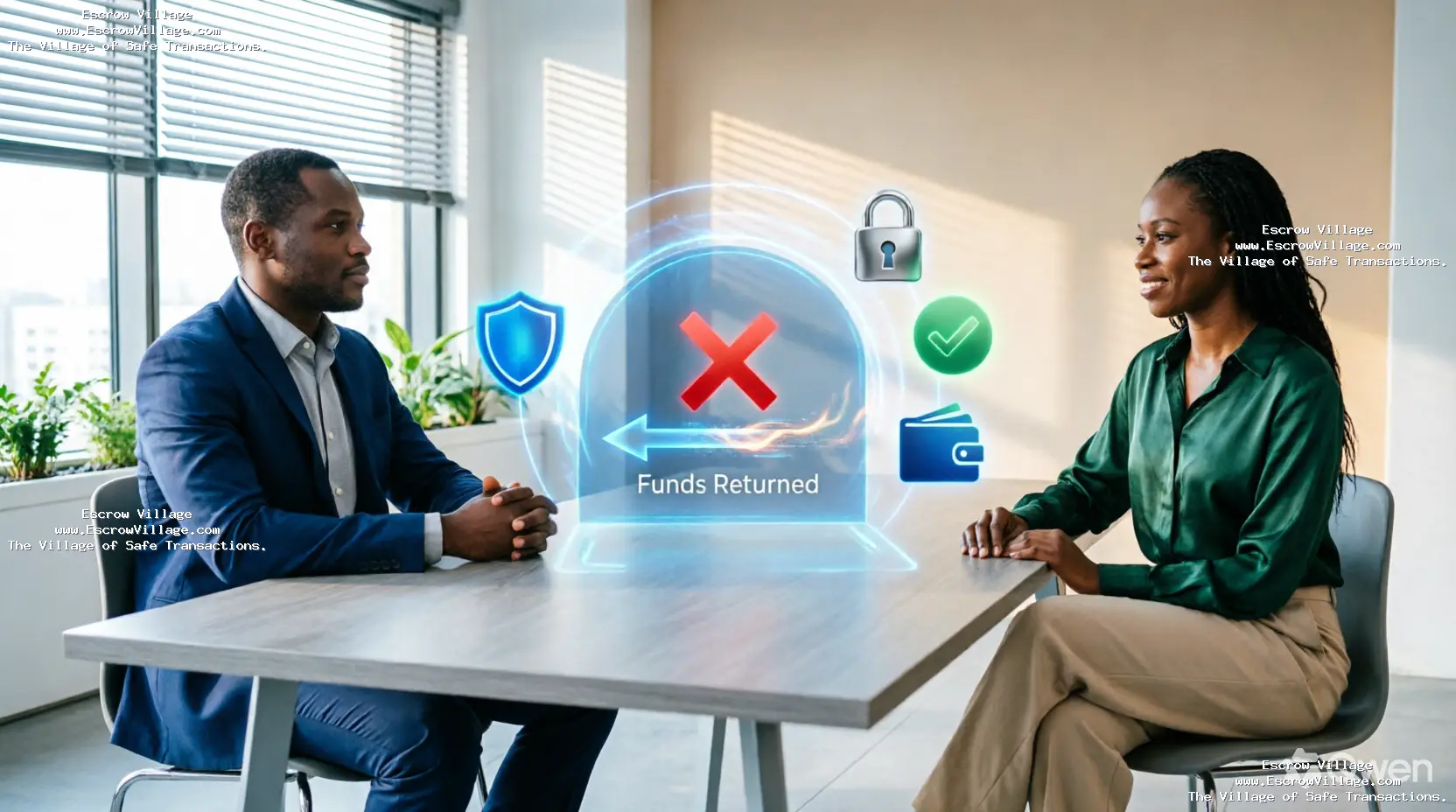
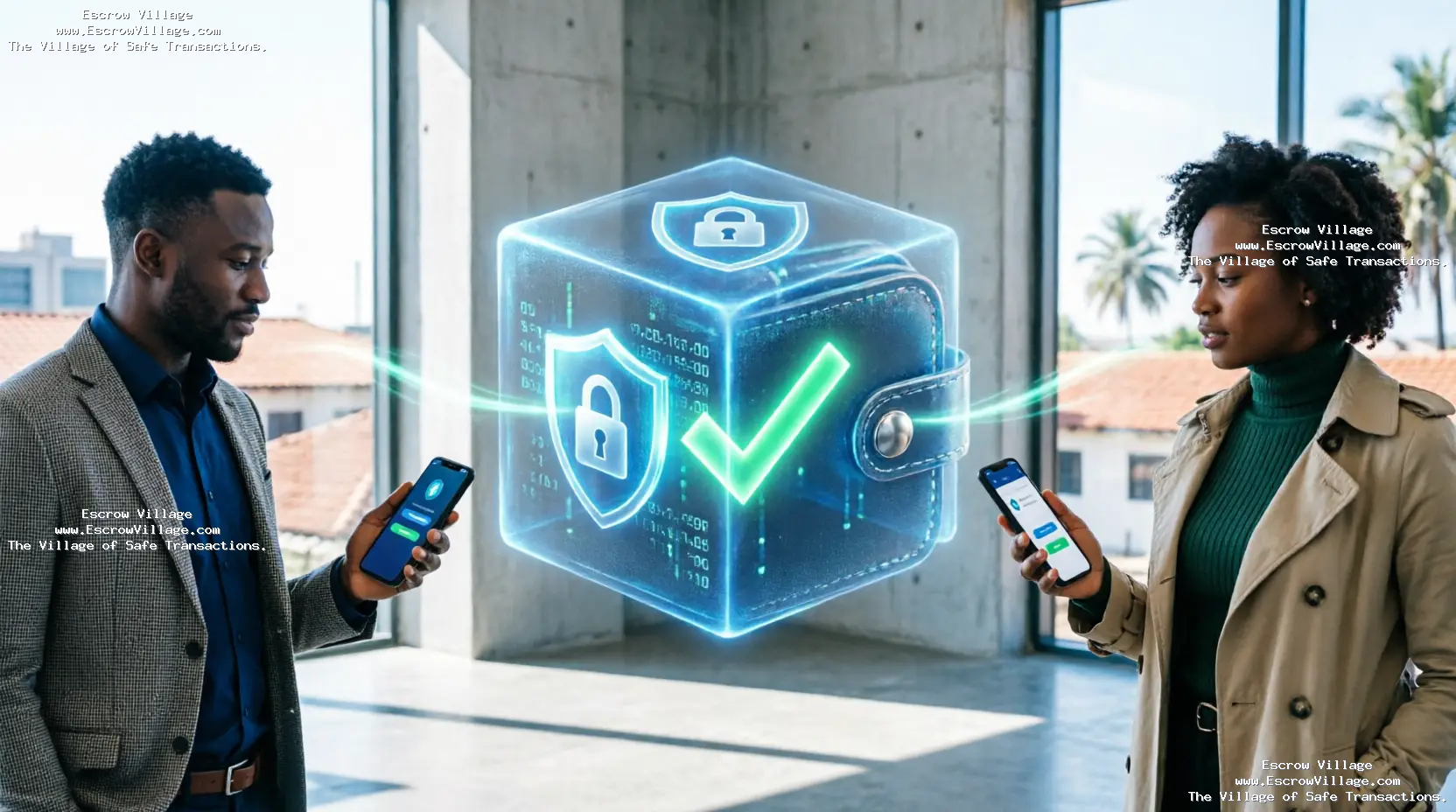
An escrow service holds funds under agreed conditions and releases them when the requirements are met.
Escrow Village offers an escrow-based approach to help make eligible transactions safer by providing payment protection under agreed terms.
Before using any provider, confirm that it supports your transaction, understand its fees, and check how disputes and refunds are handled.
Remember, escrow doesn't automatically guarantee that goods will arrive or replace the need to verify your supplier. Always read the terms before paying.
- 8. Put Everything in Writing
Before sending money, agree on the product specifications, quantity, total cost, payment terms, delivery deadline, and what happens if the goods are defective or never arrive.
Keep copies of invoices, receipts, messages, and shipping documents. Once the goods are dispatched, request a tracking number and verify it directly with the shipping company.
These simple steps strengthen your international supplier fraud prevention process and provide useful evidence if a dispute occurs.
Import scams and how to avoid them should be part of every importer's planning. Research the supplier, verify their documents, inspect samples, check bank details, and choose a suitable payment method.
Don't rush because a supplier offers a discount or demands immediate payment. Take time to verify the business and consider using Escrow Village for eligible transactions that require additional payment protection.
Before sending money to a new supplier, make sure you've done your checks. And when you're ready to transact, take an extra step to protect your payment with Escrow Village. Our escrow service helps make eligible transactions safer by holding funds until the agreed conditions are met.
Ready to trade with more confidence? Visit "Escrow Village" (https://escrowvillage.com) and make your next transaction a safer one.