10 Mistakes First-Time Online Buyers Make in Nigeria
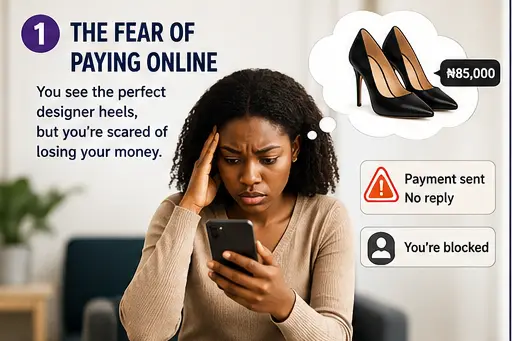
But for first-time buyers, the excitement of finding a great deal often comes with costly lessons.
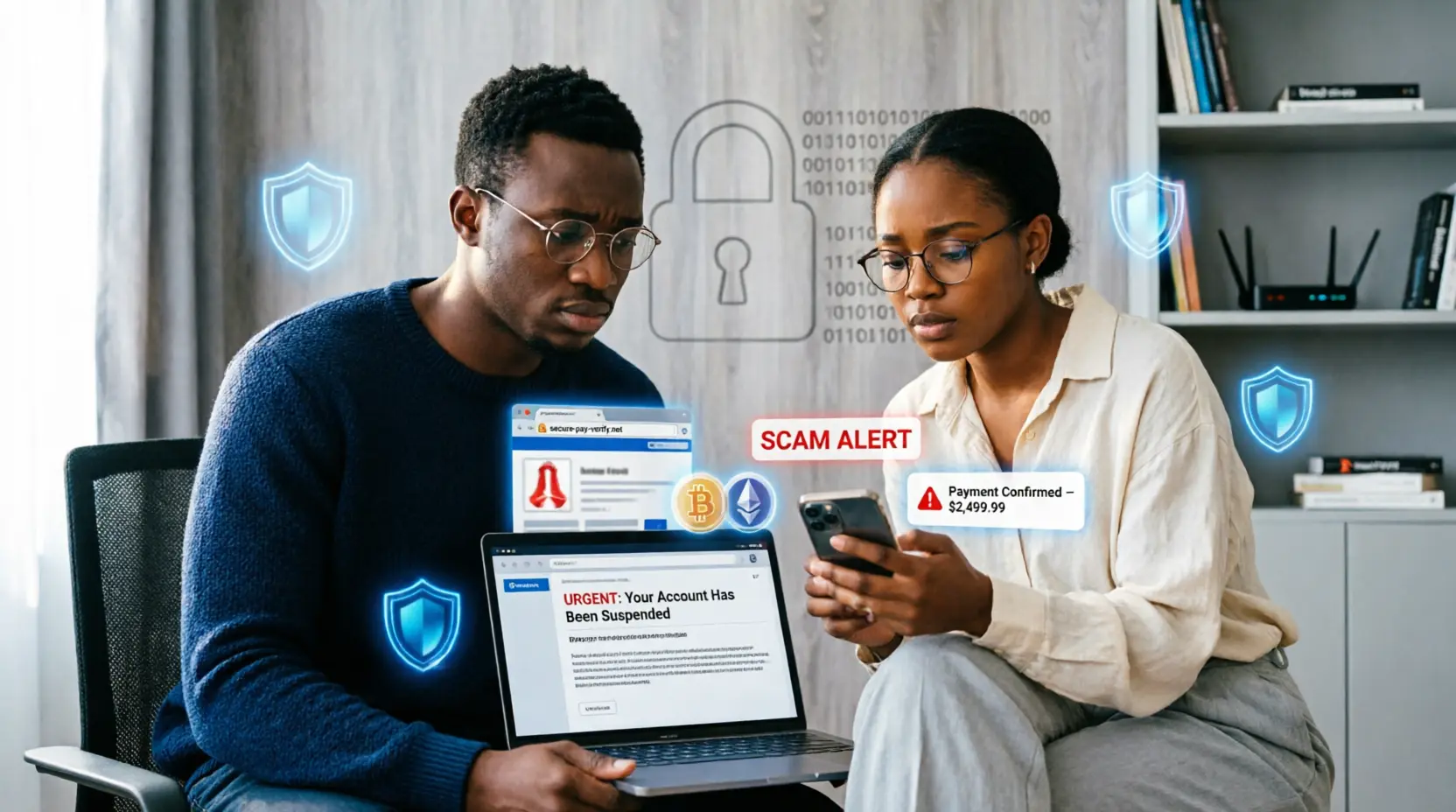
Nigeria's online marketplace, while offering numerous opportunities, is also home to sophisticated scams that specifically target inexperienced shoppers.
If you're new to buying online in Nigeria, understanding these common mistakes can save you money, time, and frustration.
- 1. Paying Full Price Upfront Without Protection
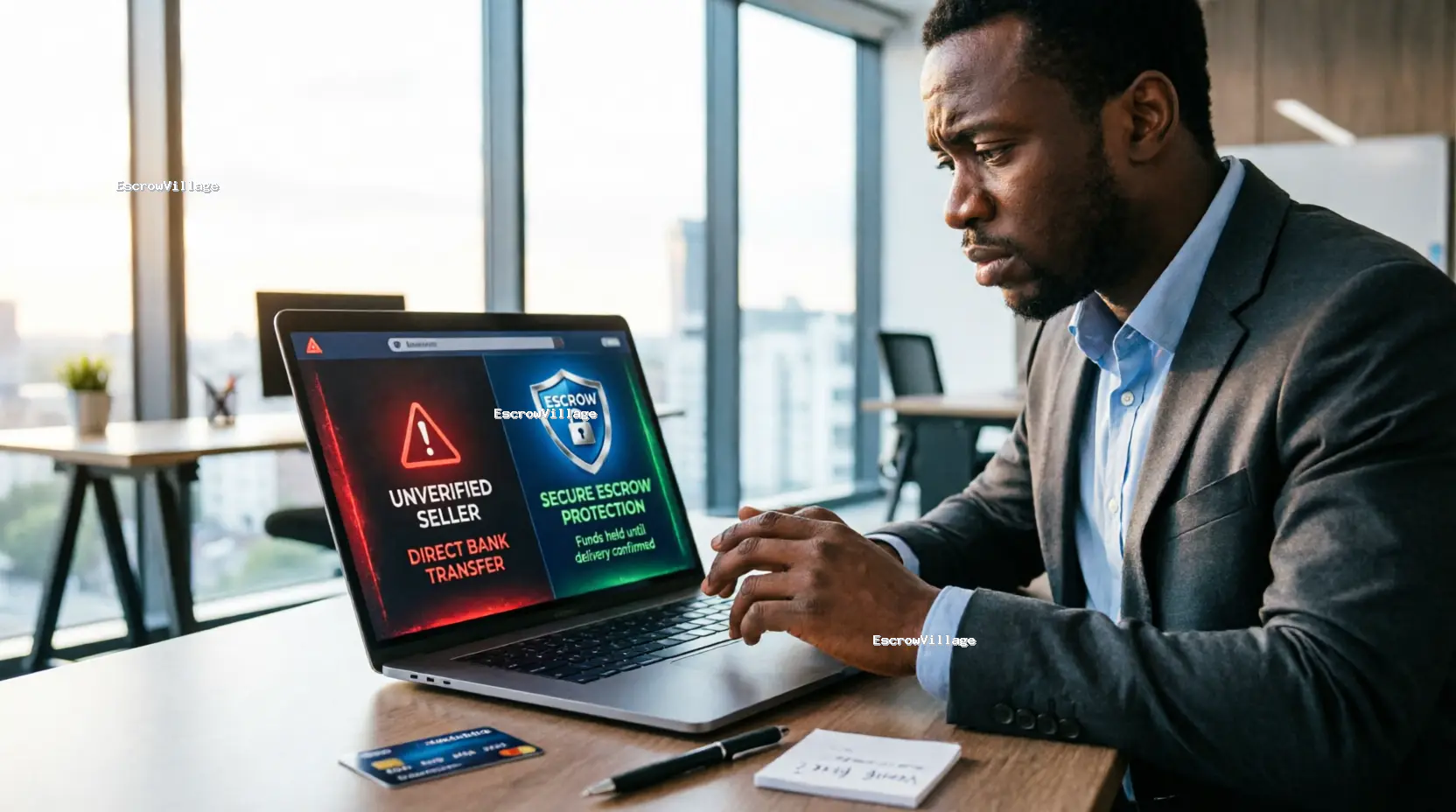
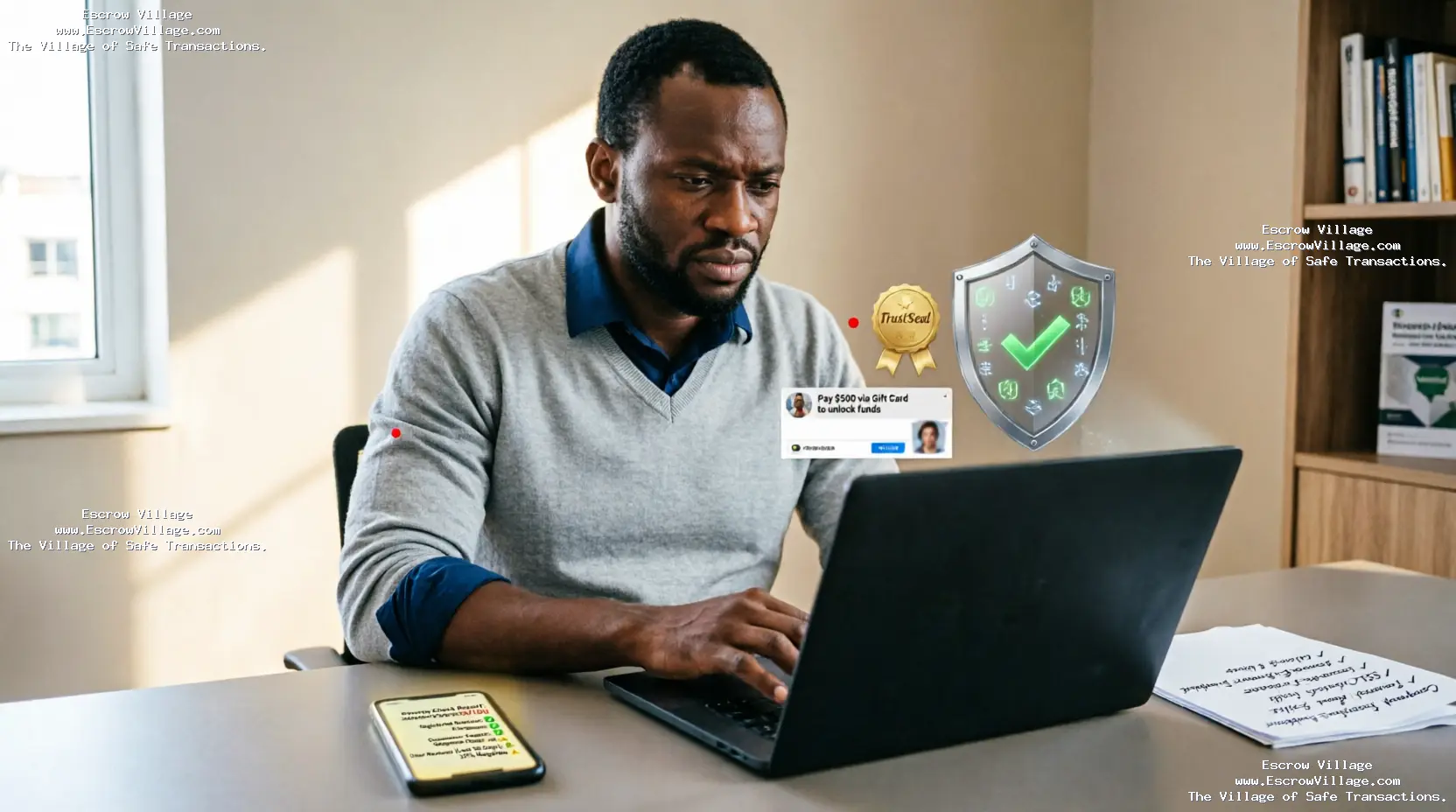
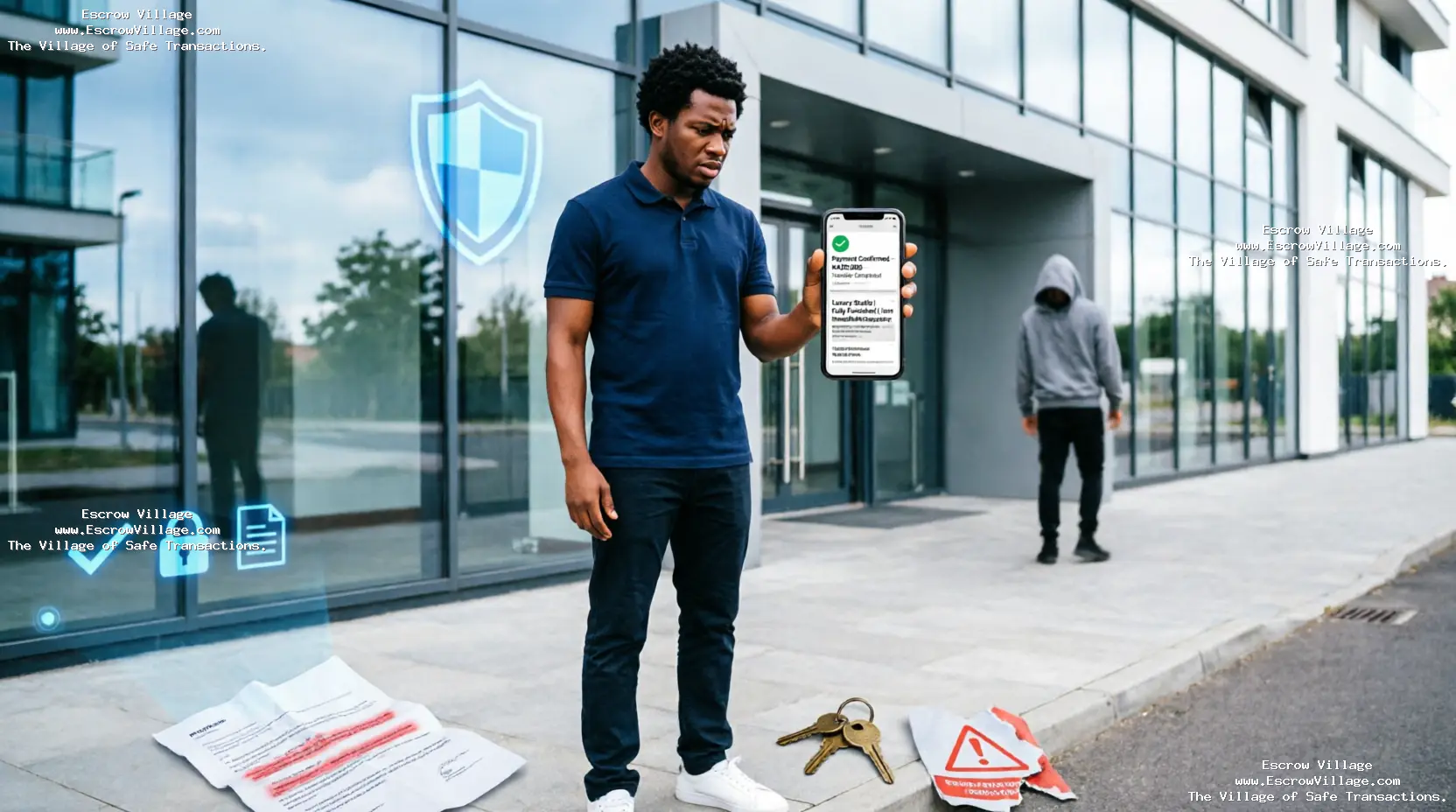
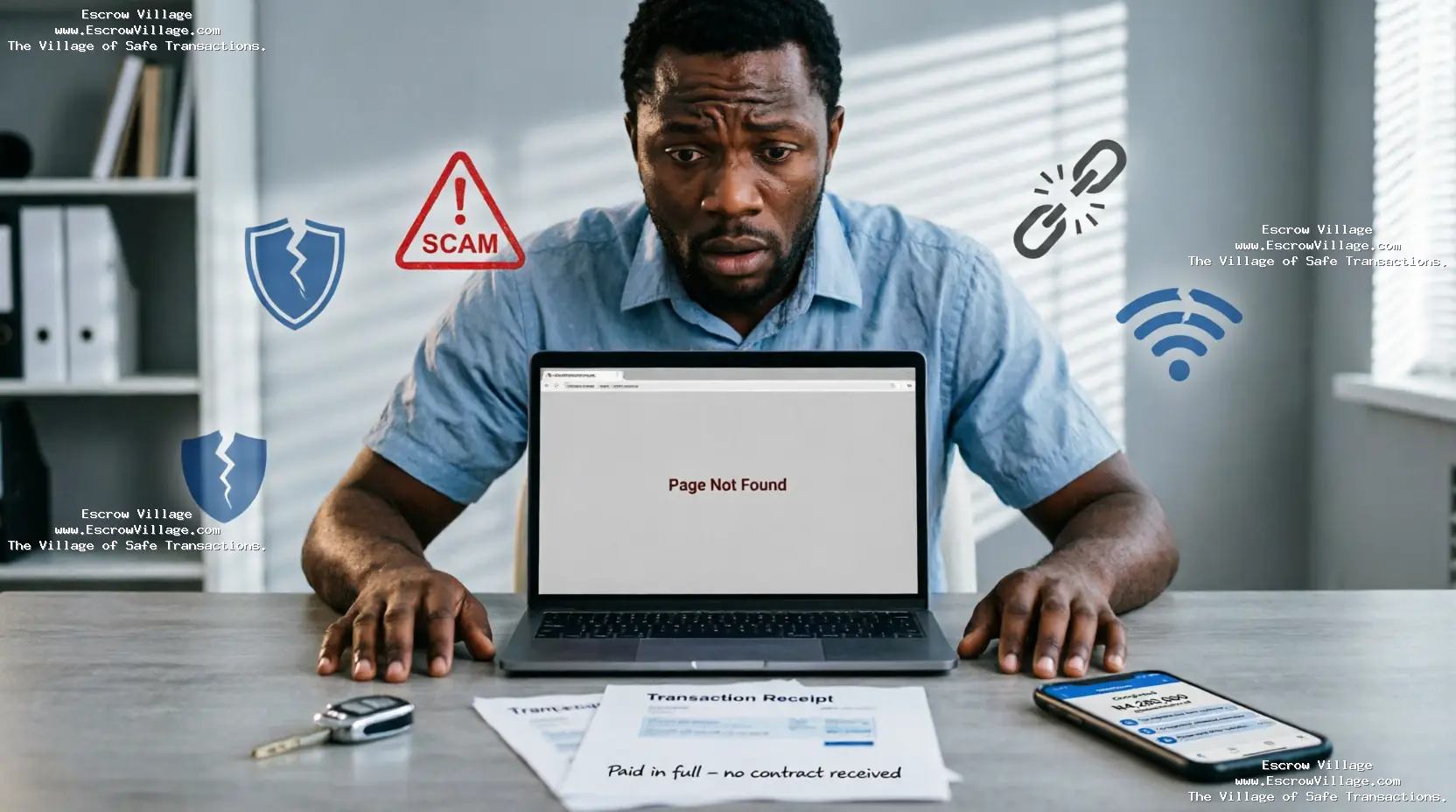
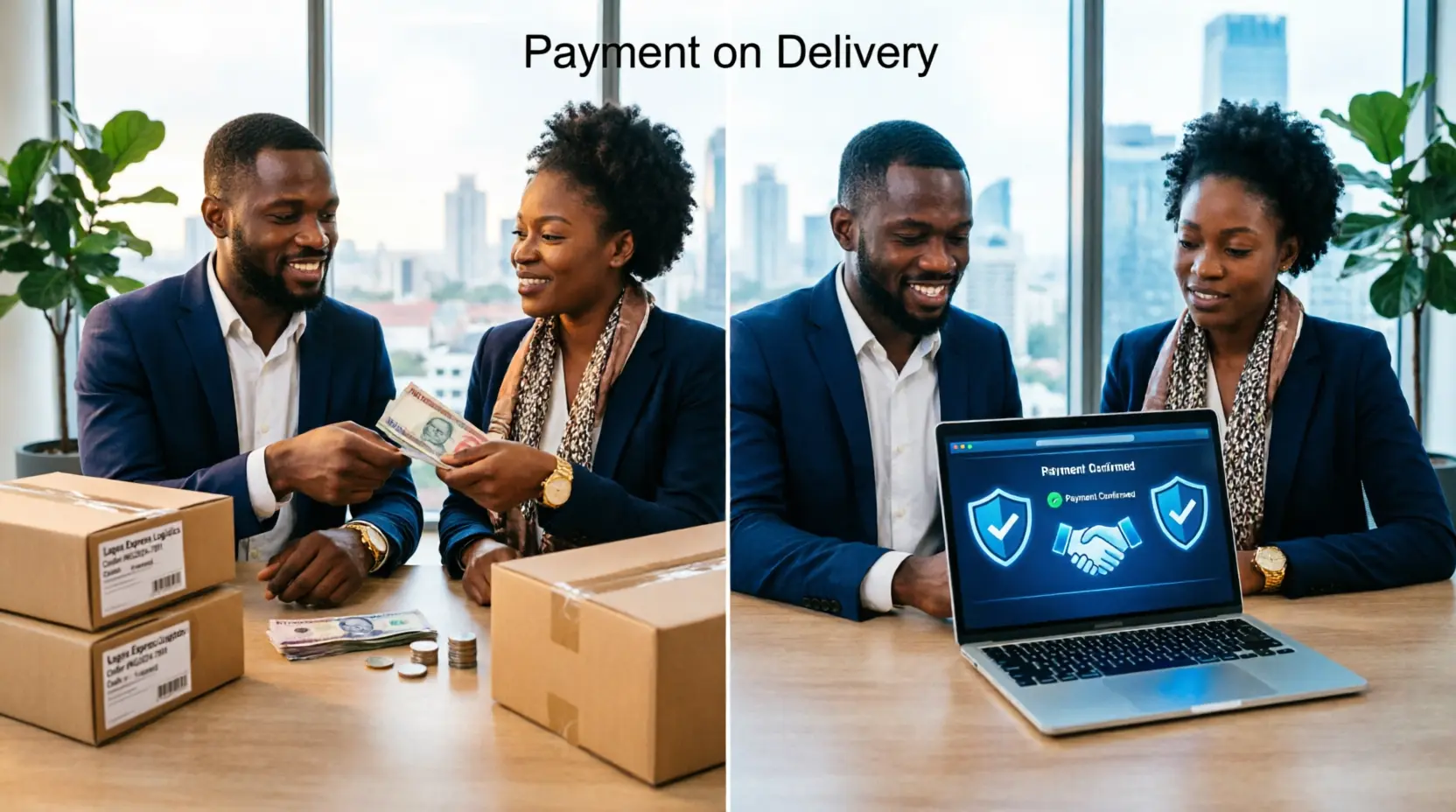
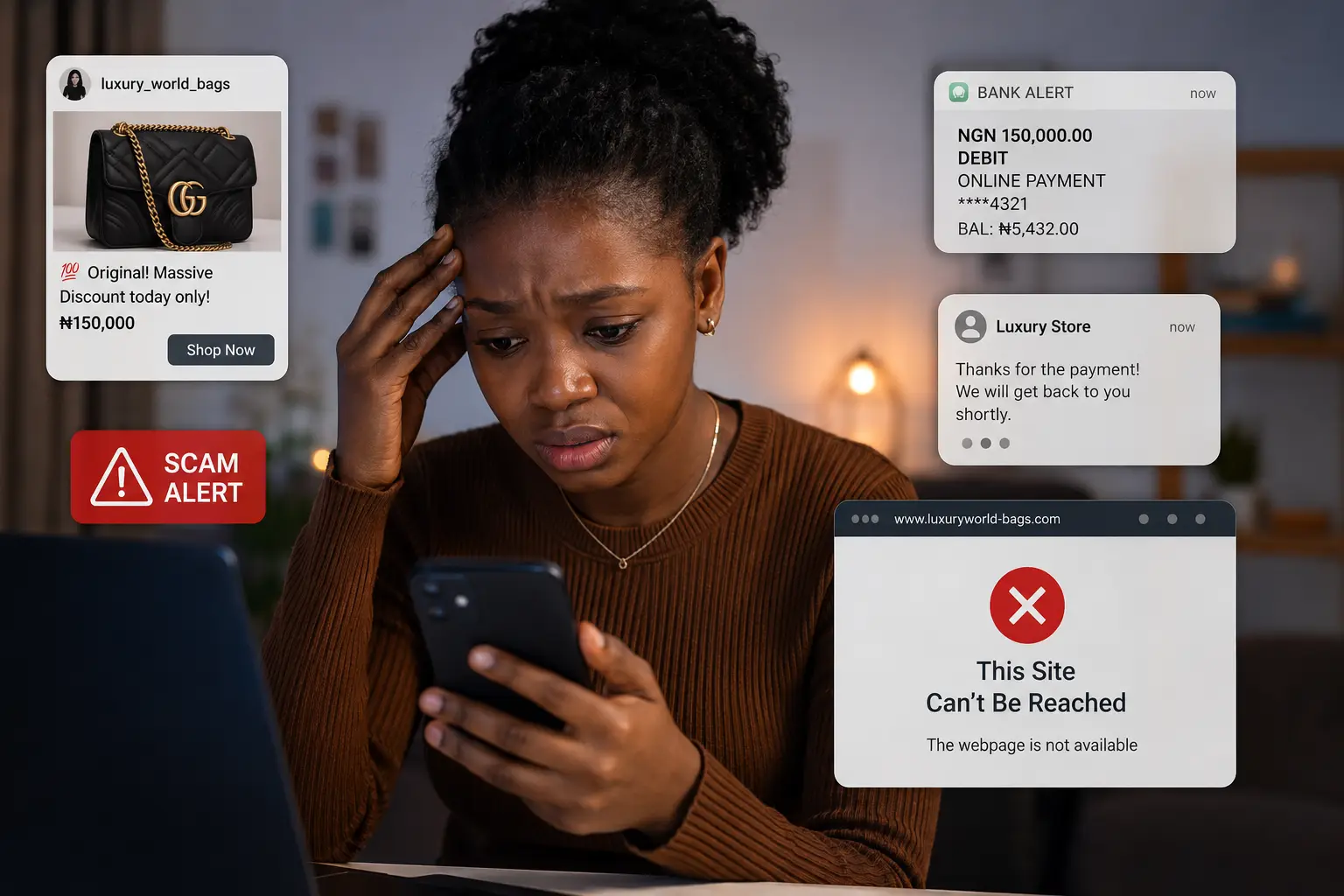
The single biggest mistake first-time buyers make is sending 100% payment directly to a seller's personal bank account before receiving the item.
Once the money leaves your account, you have little recourse if the seller disappears.- 2. Not Verifying the Seller's Identity
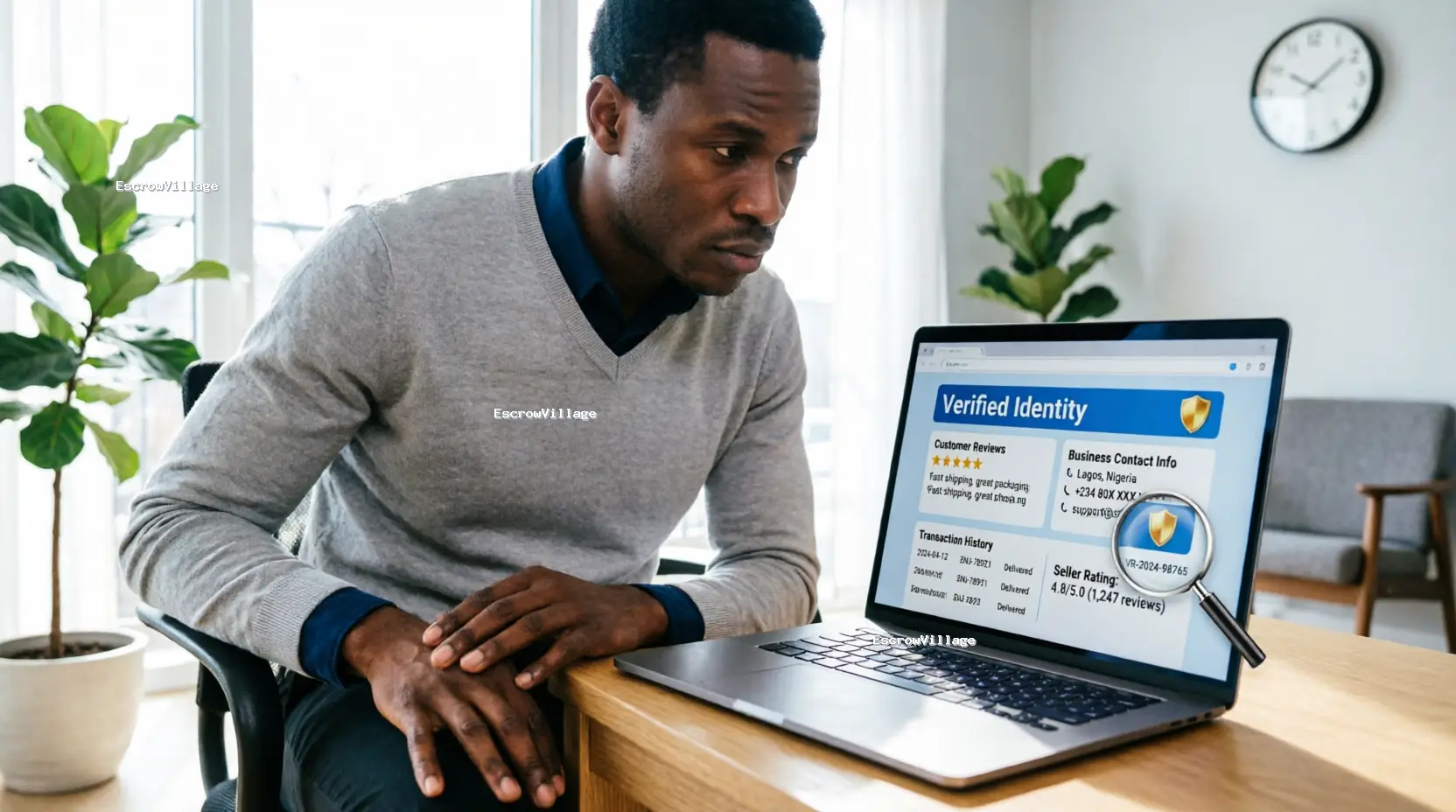
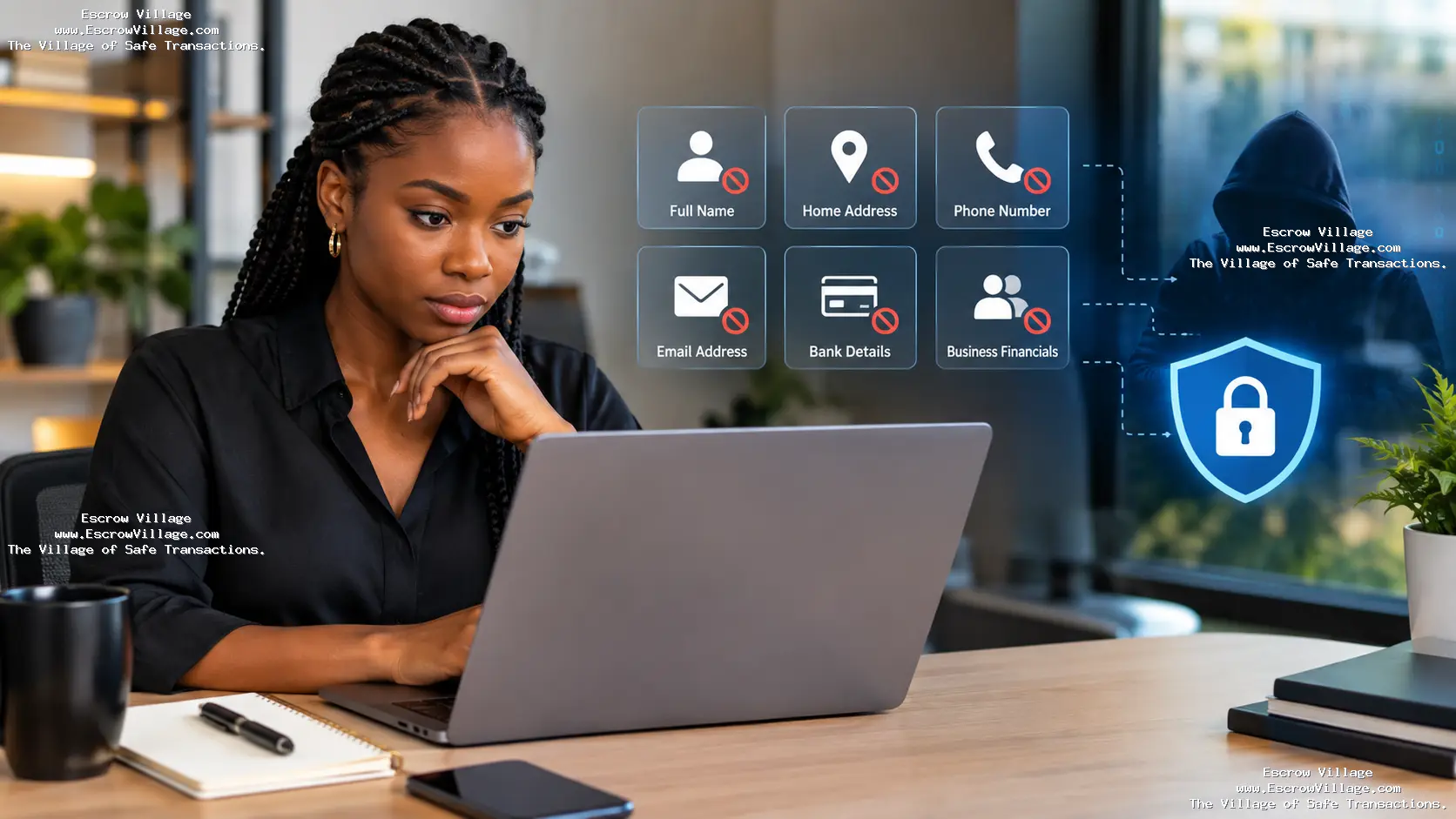
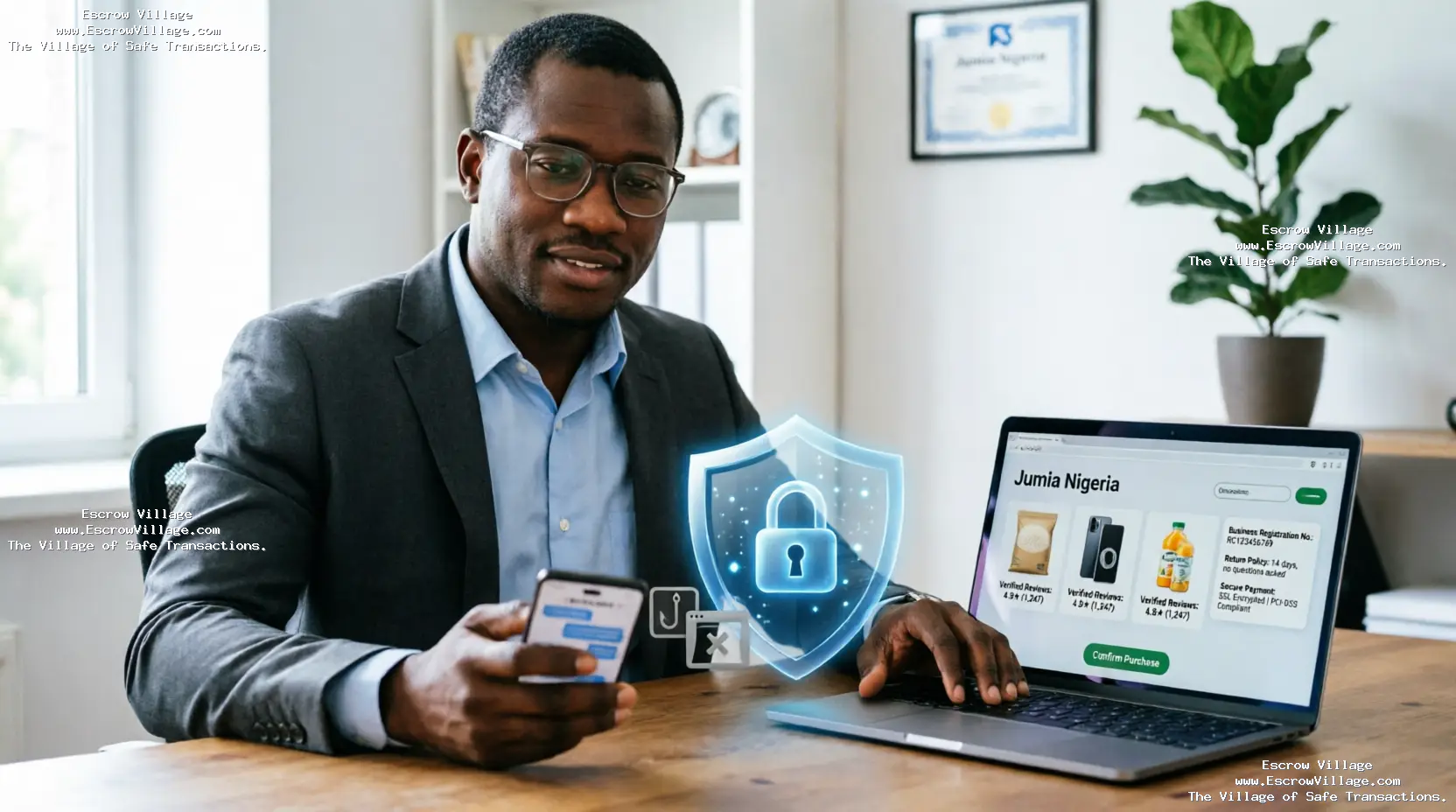
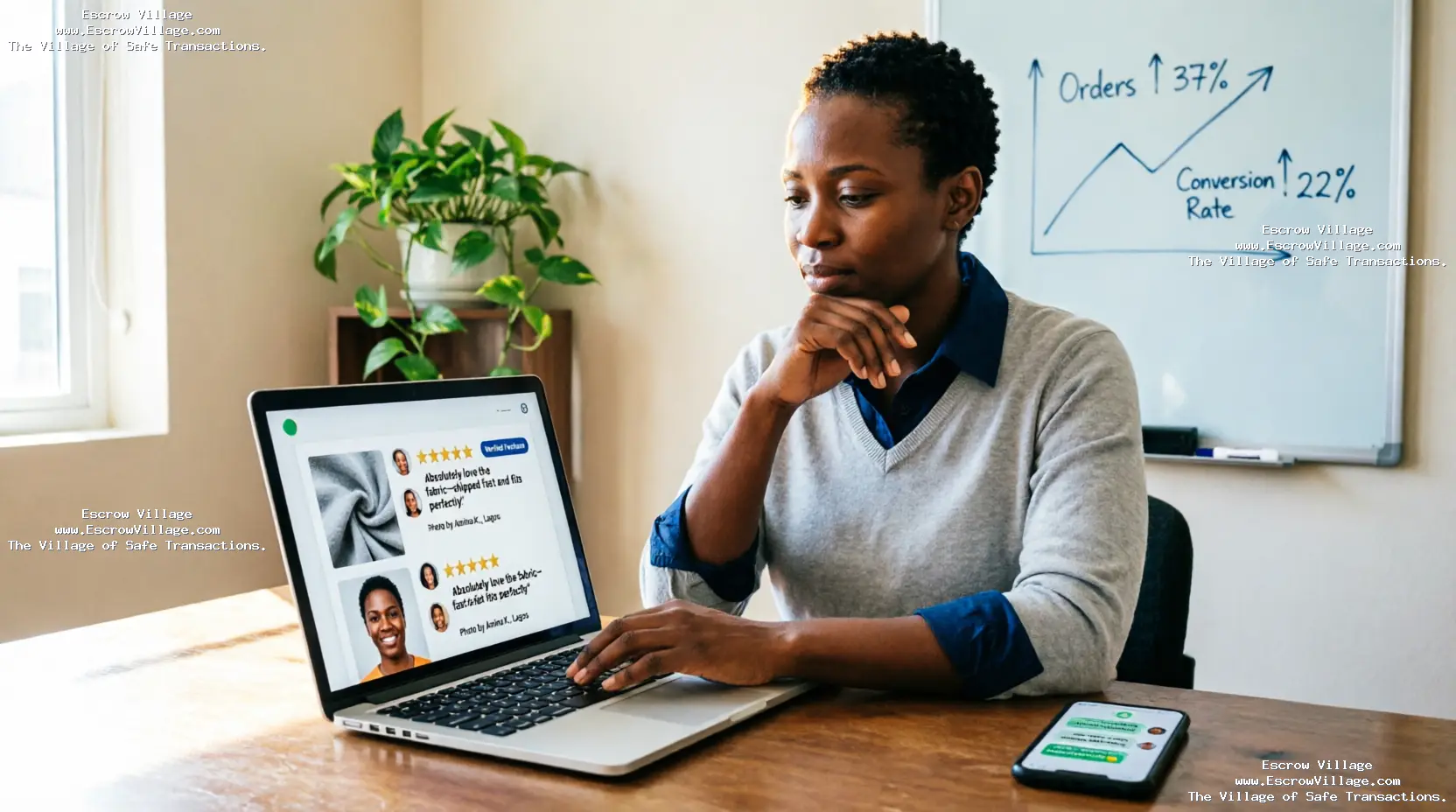
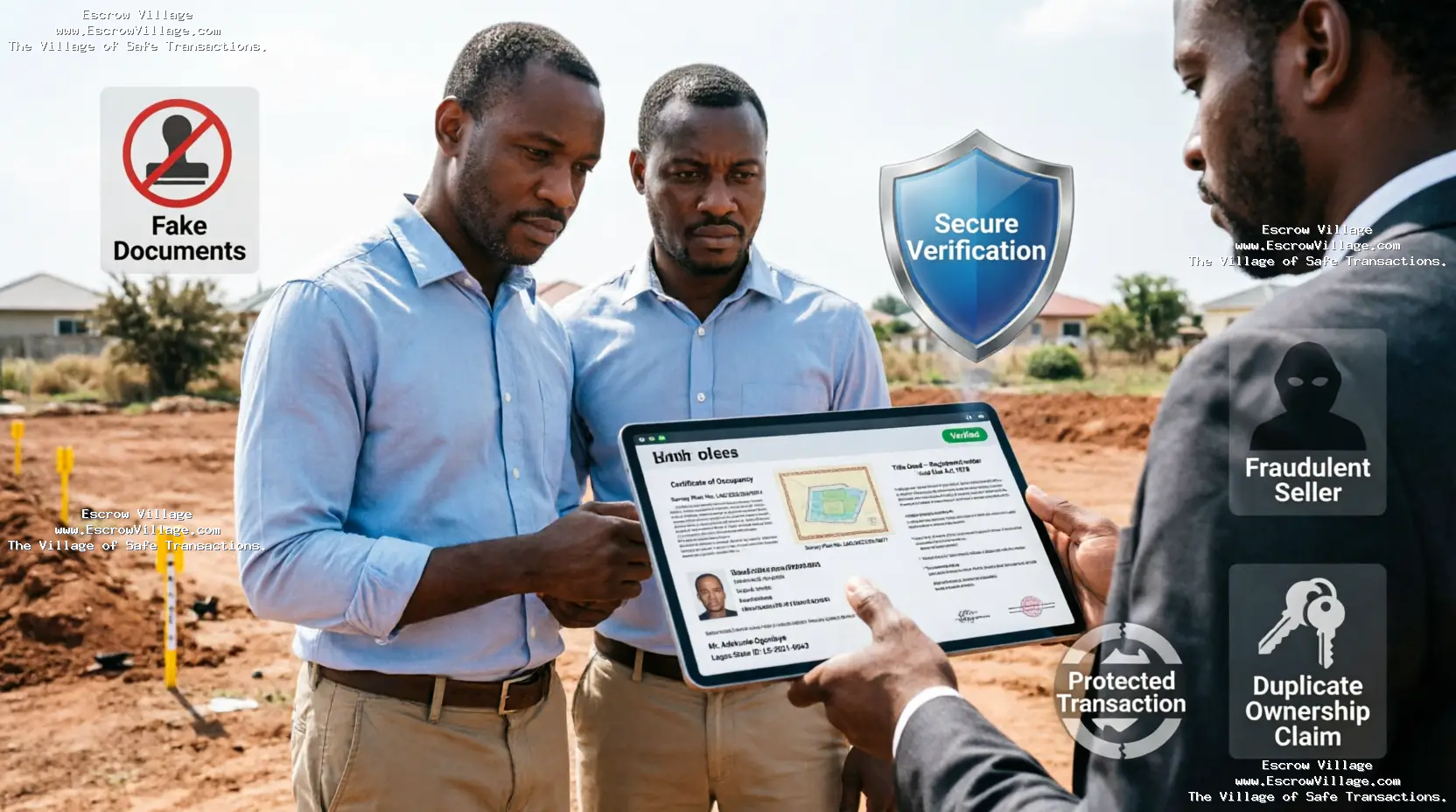
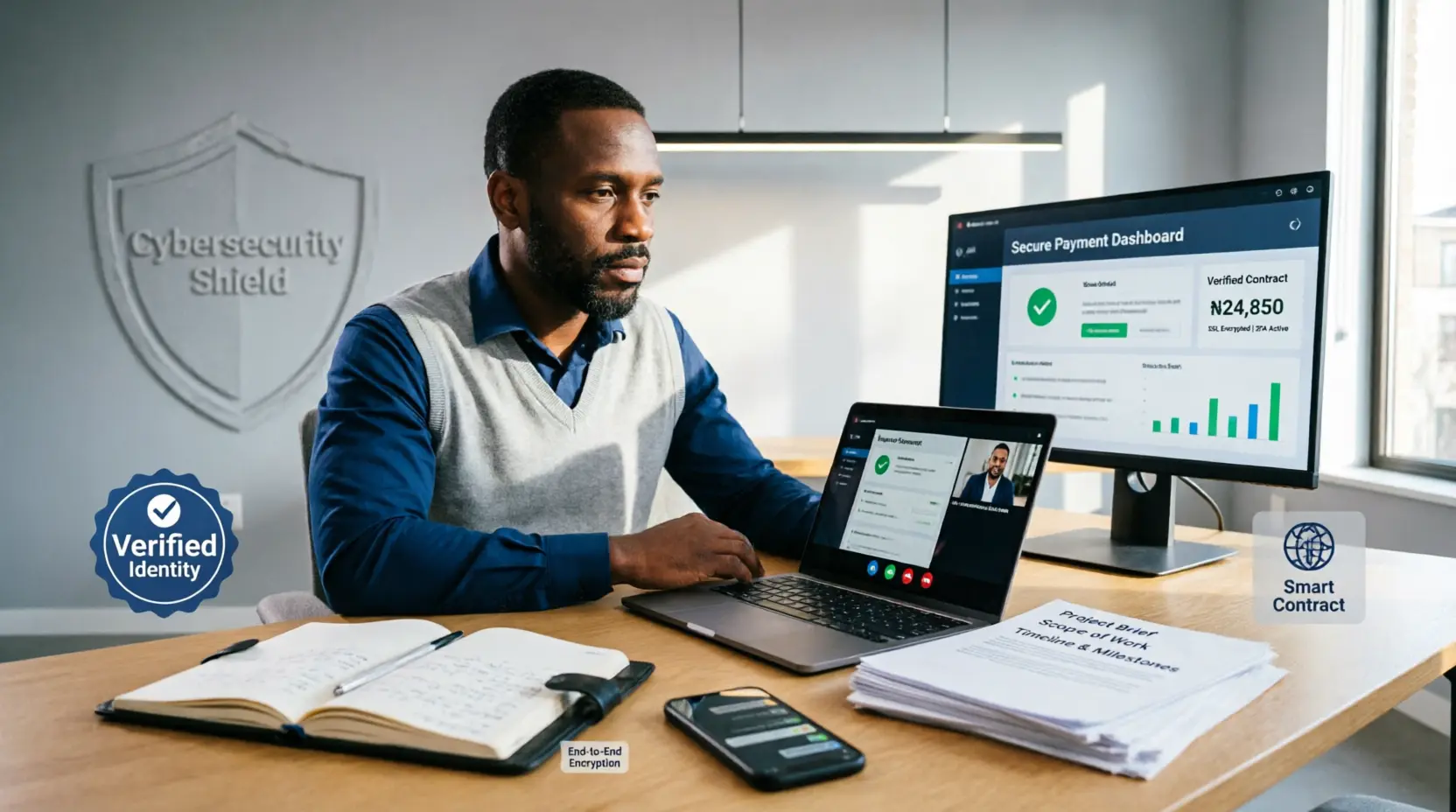
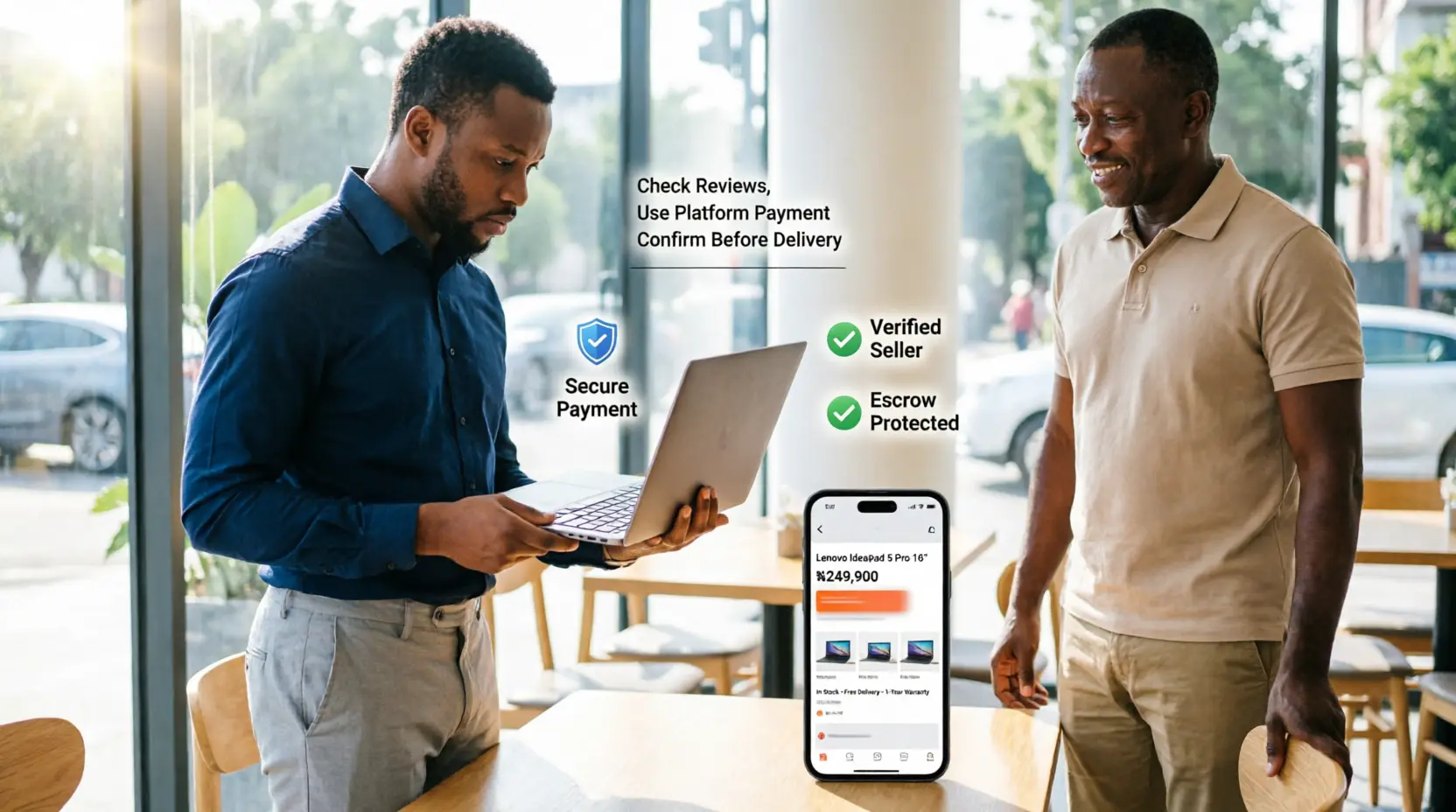
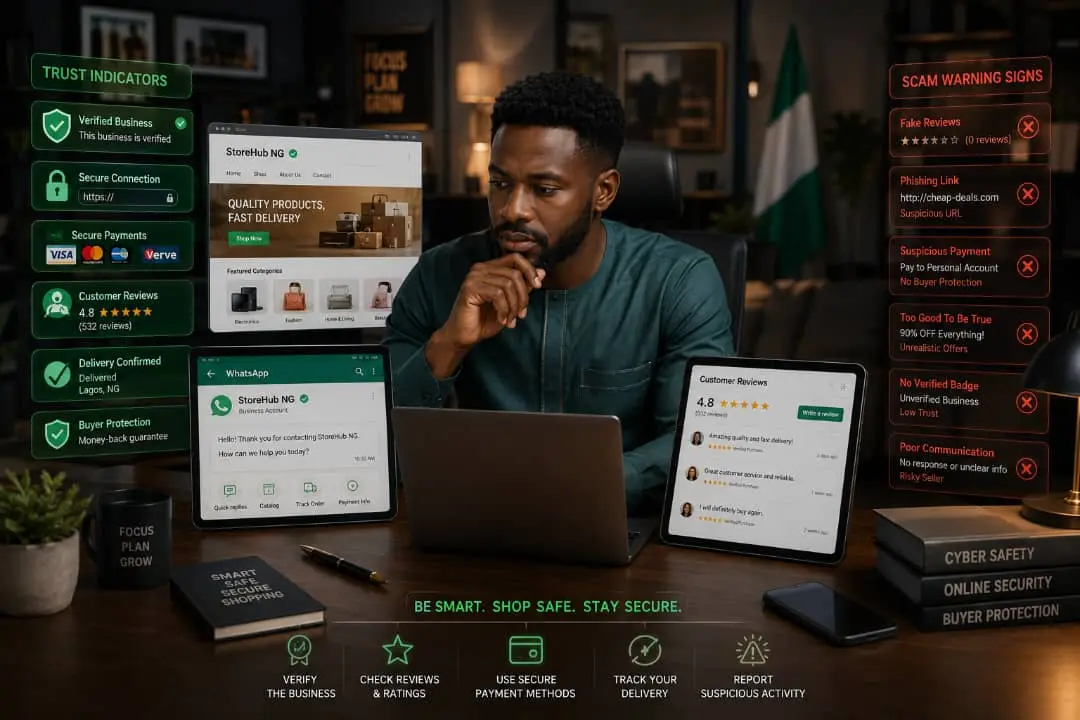
Many buyers skip basic due diligence, such as checking how long a vendor's page has been active, reading past customer reviews, or verifying that a physical address exists.
A seller with no verifiable history is a red flag, not a bargain.- 3. Ignoring Red Flags in Pricing
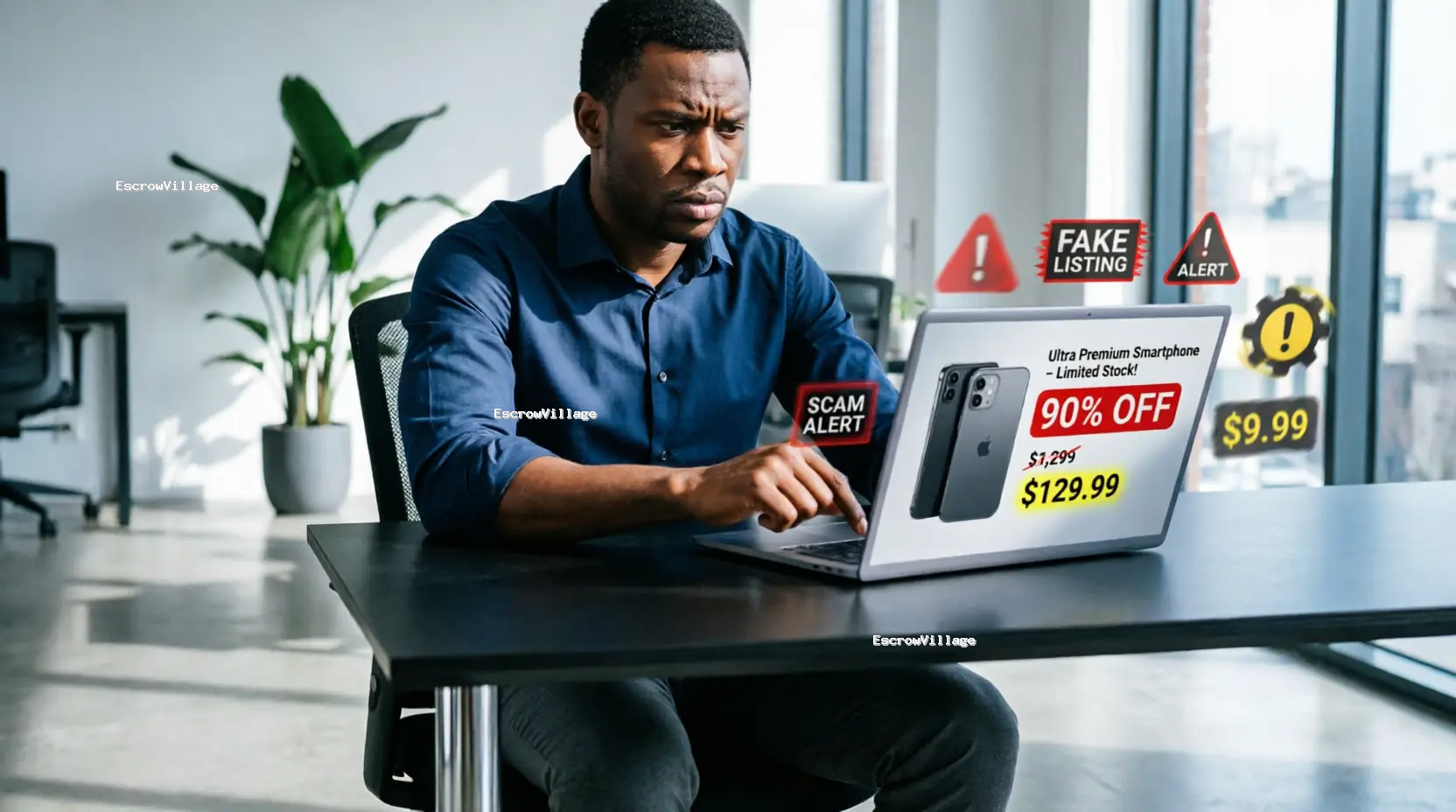
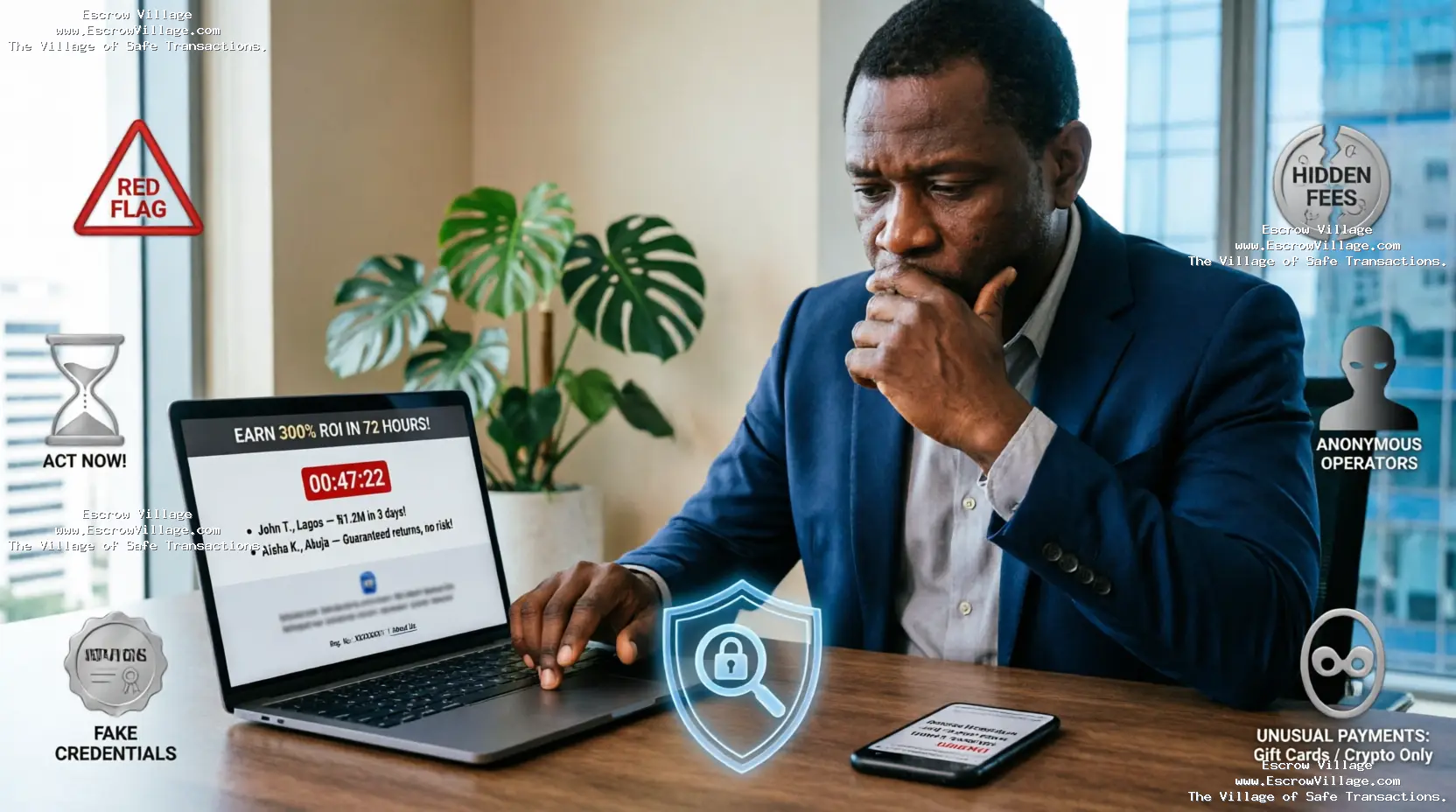
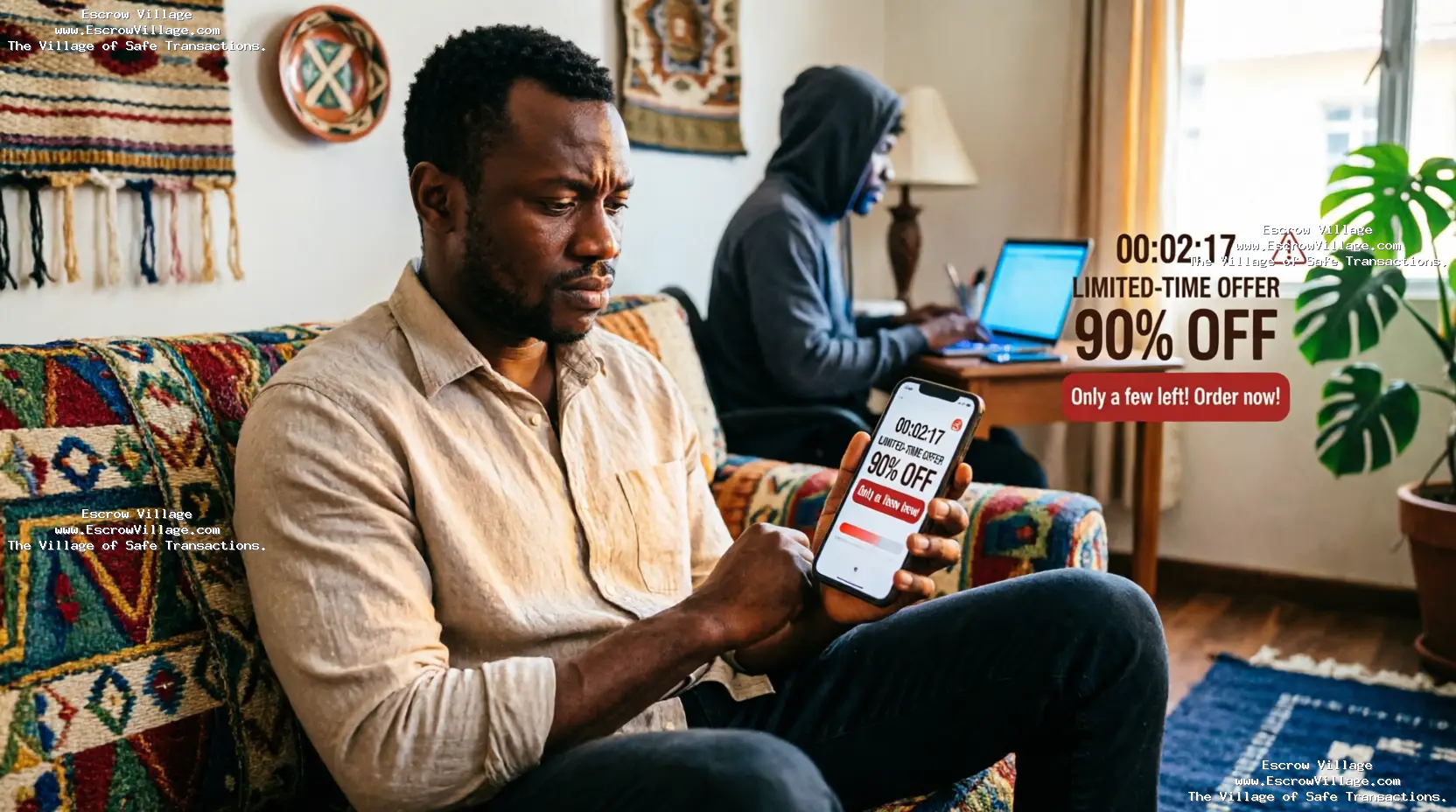
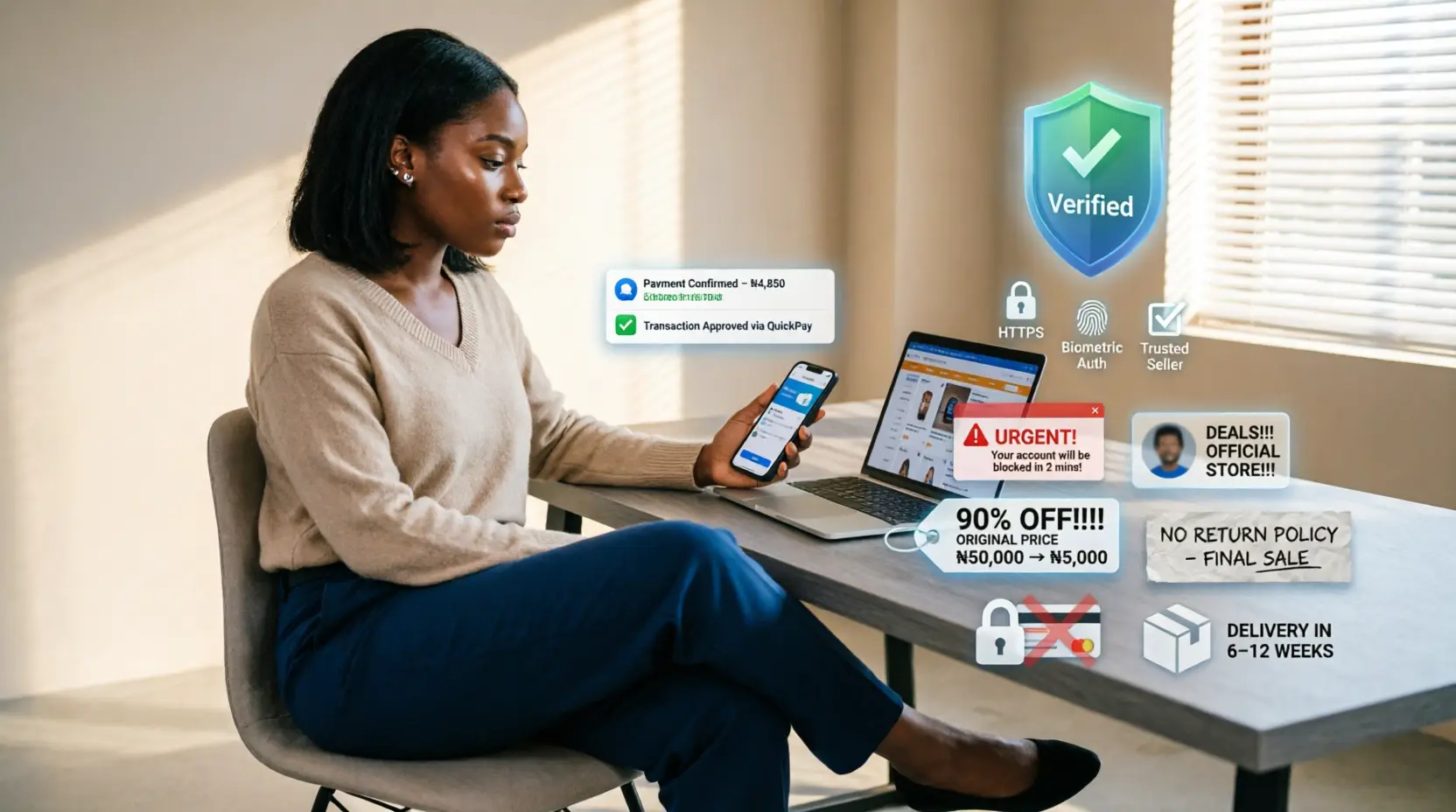
If a brand-new iPhone is listed at half the market price, that's not a lucky find; it's bait. Scammers use unrealistically low prices to create urgency and bypass a buyer's better judgment.
- 4. Communicating Only Through Unofficial Channels
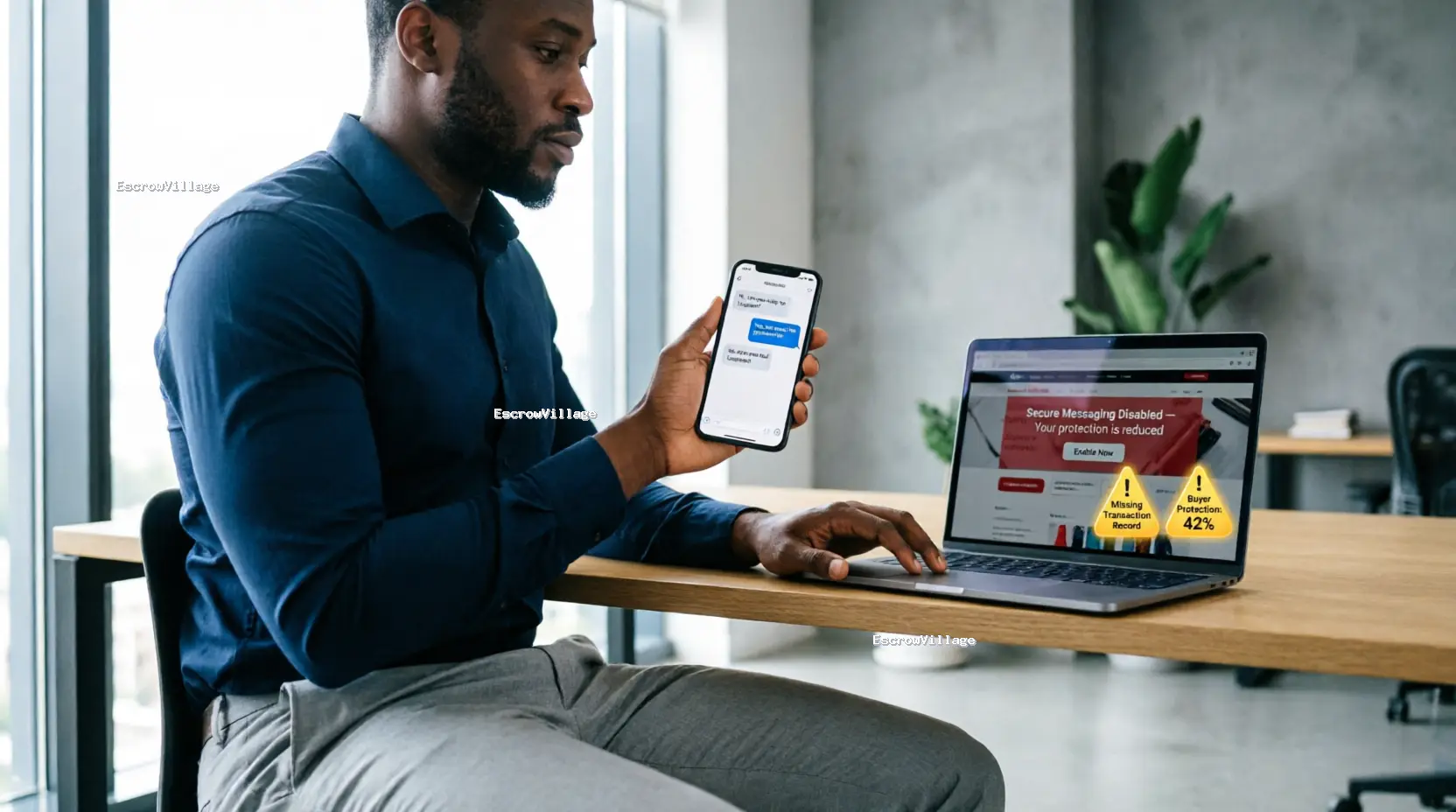
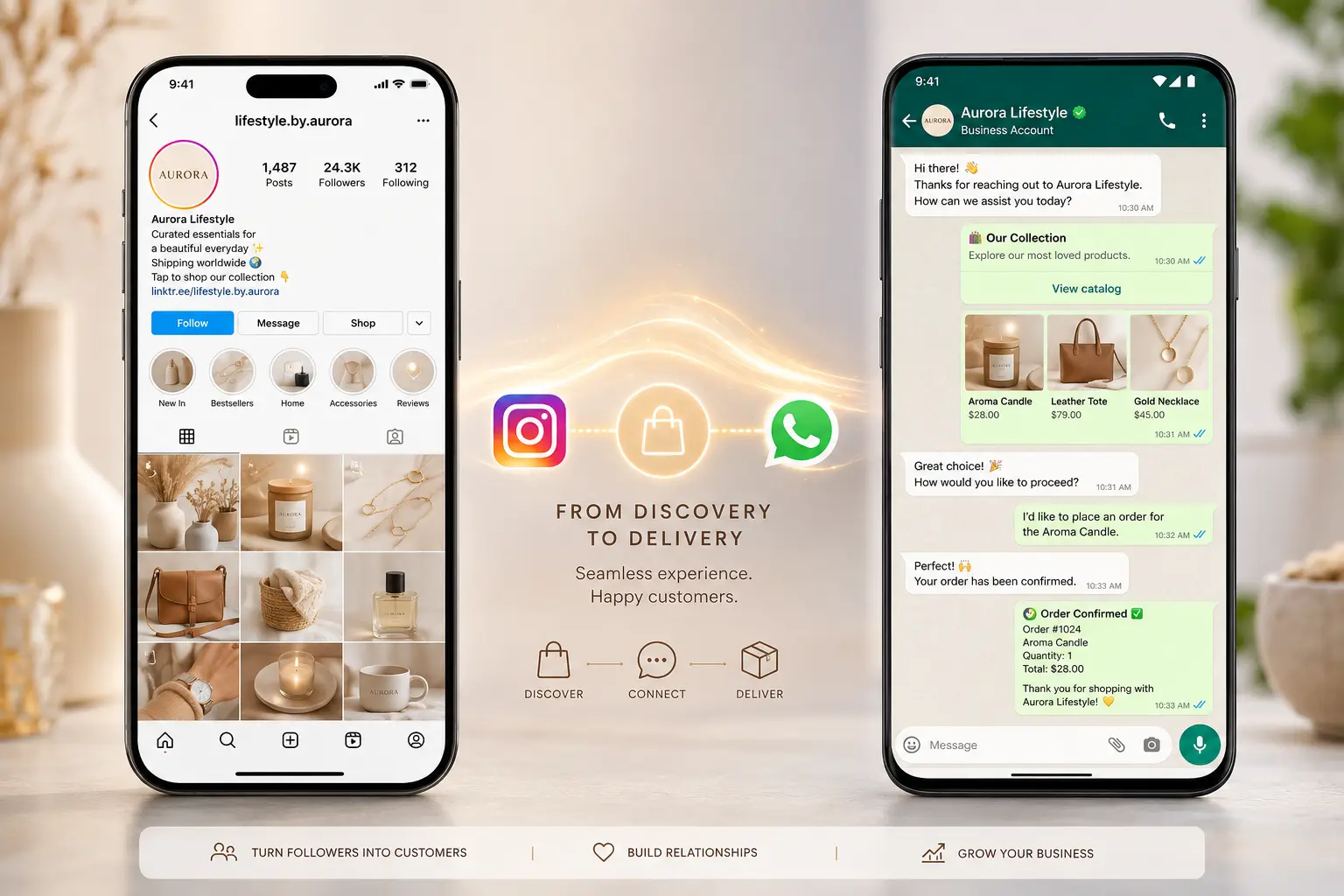
Deals negotiated entirely through WhatsApp or Instagram DMs, with no paper trail or formal agreement, are harder to dispute later. Legitimate vendors are usually willing to move transactions to a platform with documented records.
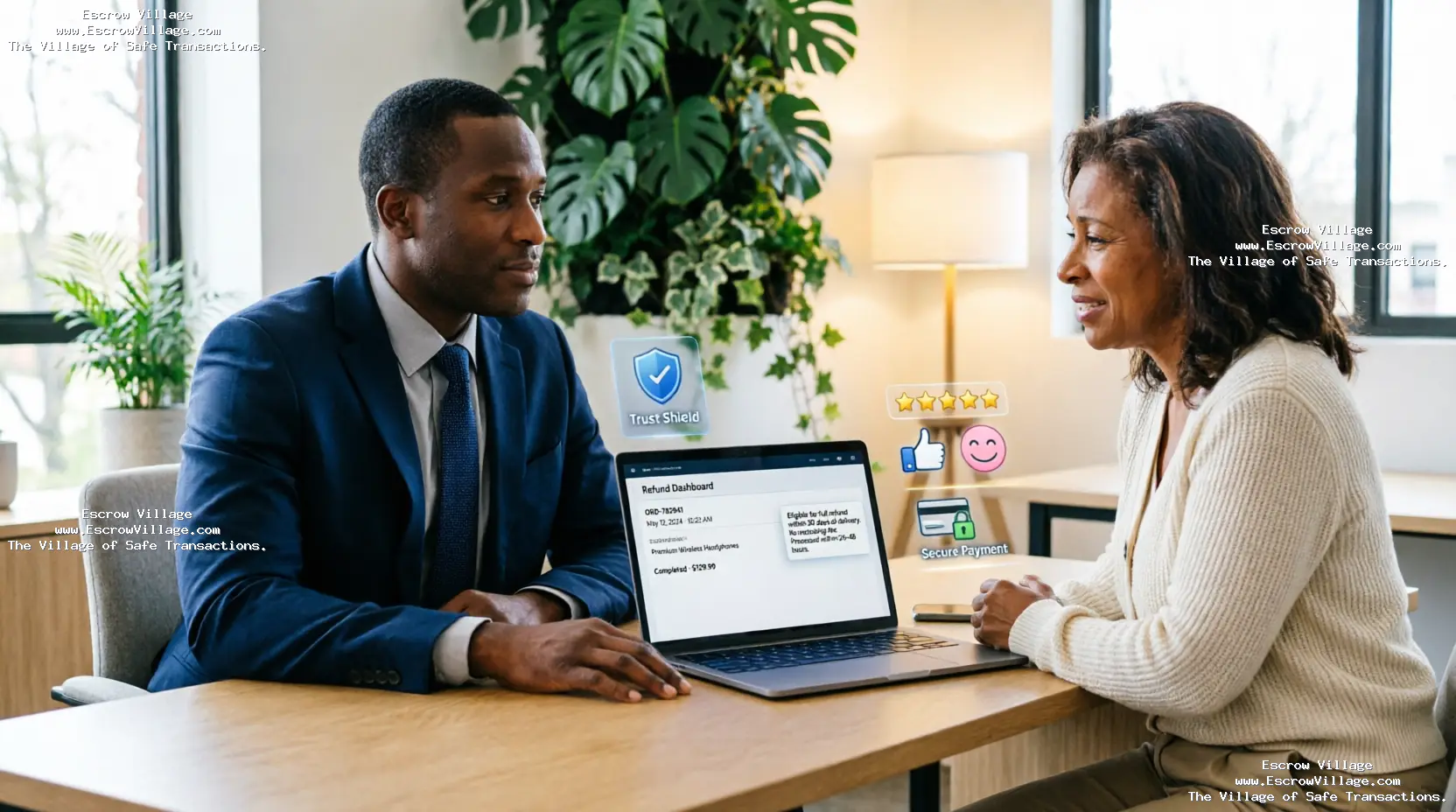
- 5. Skipping the Fine Print on Returns
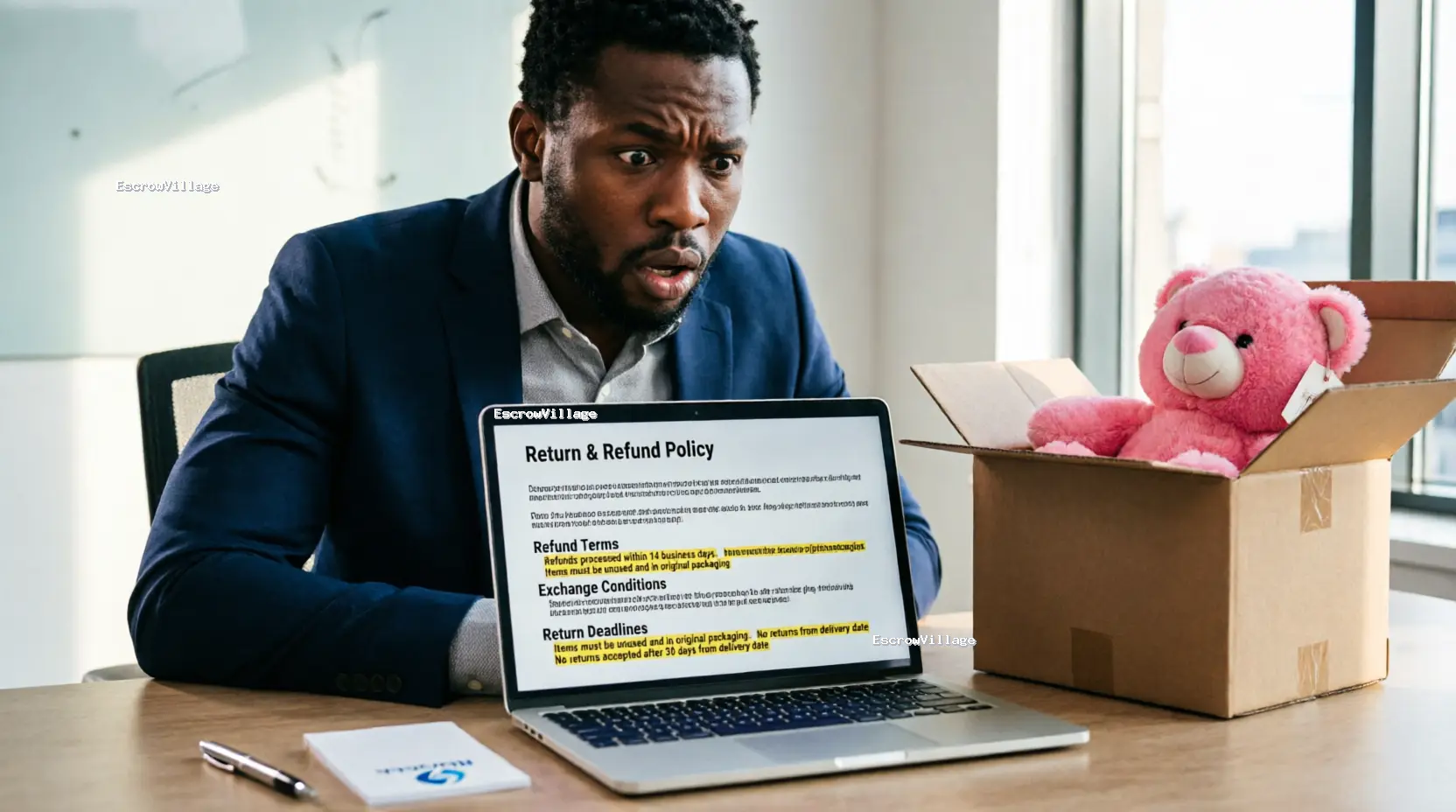
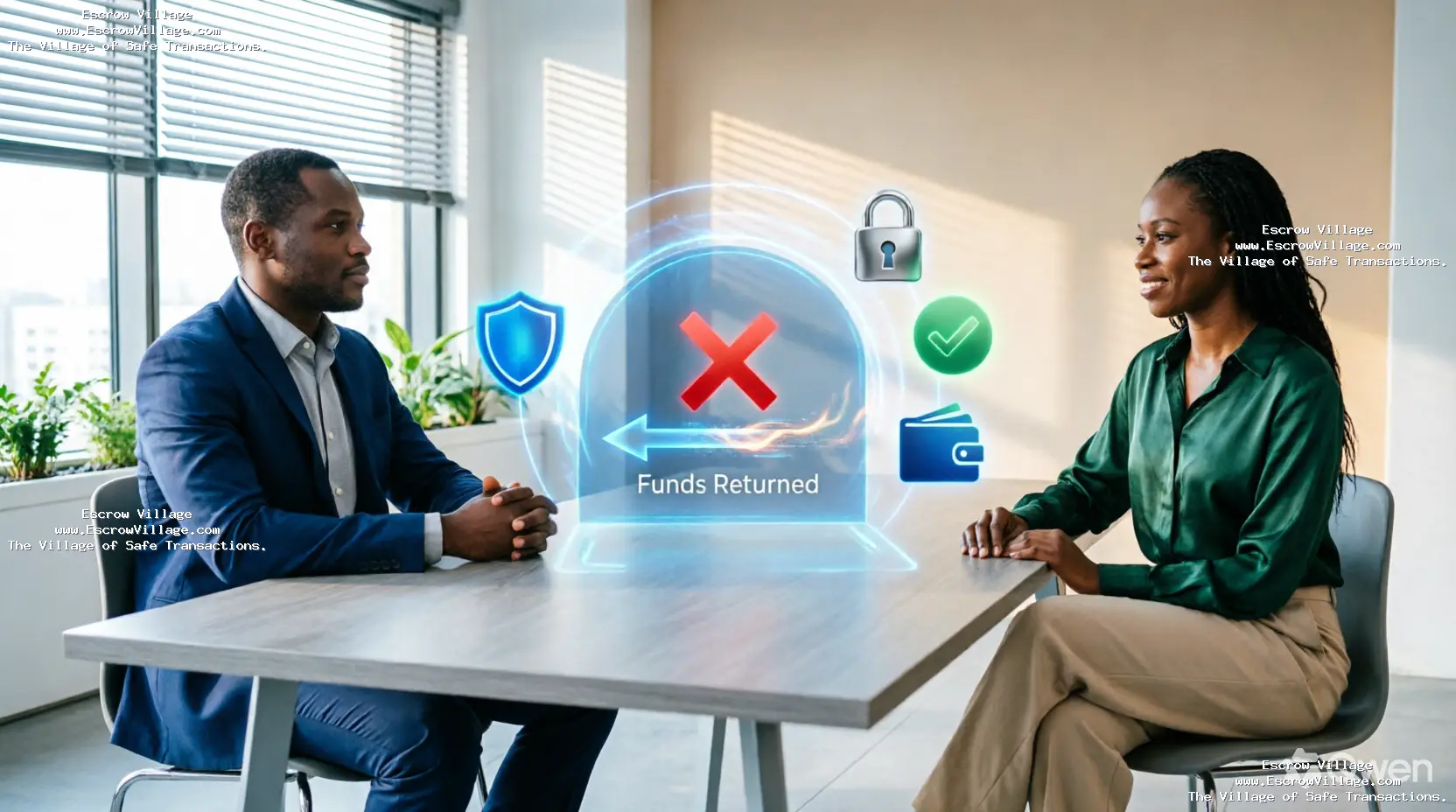
First-time buyers rarely ask about return or refund policies before paying. By the time an item arrives damaged or different from what was advertised, it's often too late to negotiate terms that should have been settled upfront
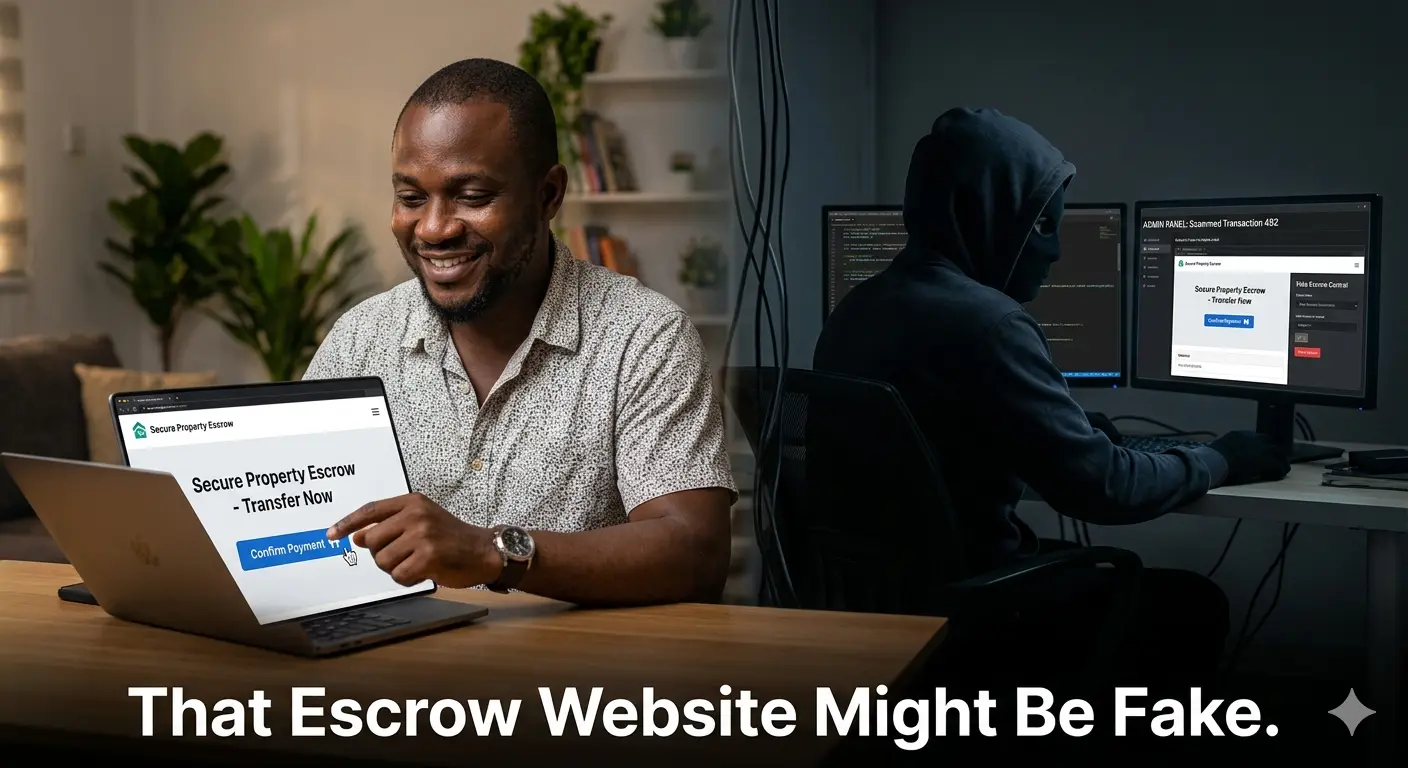
- 6. Not Using Escrow for High-Value Purchases

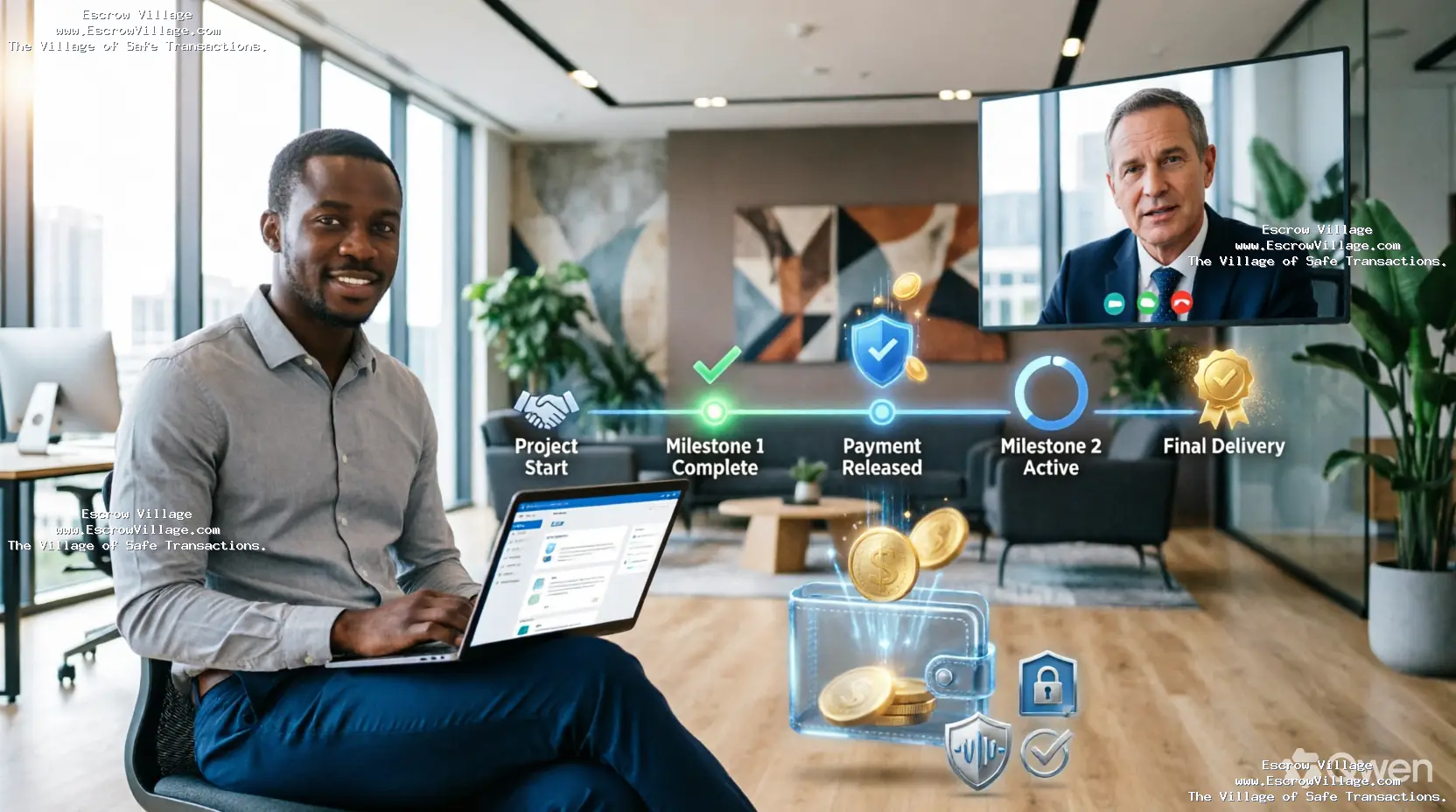
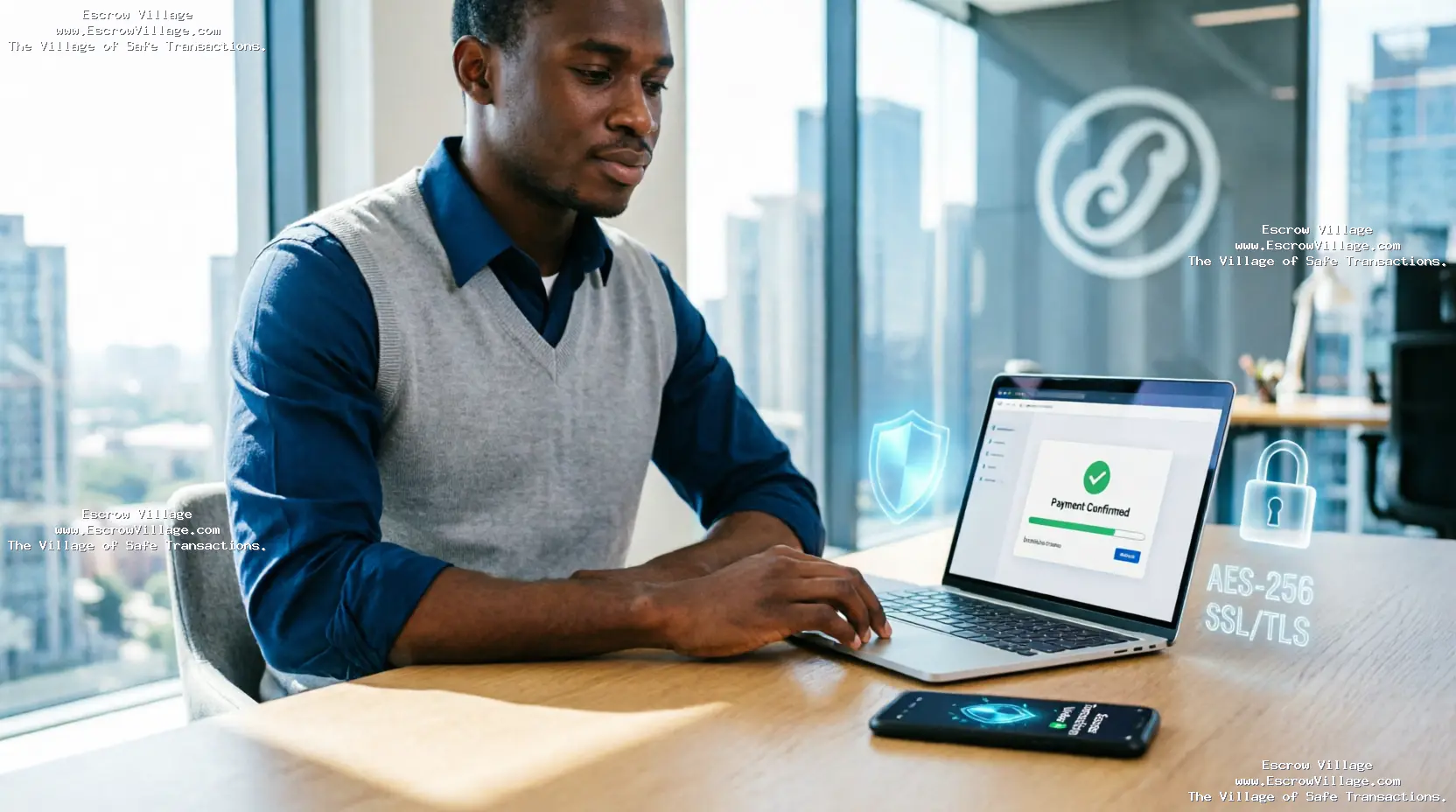
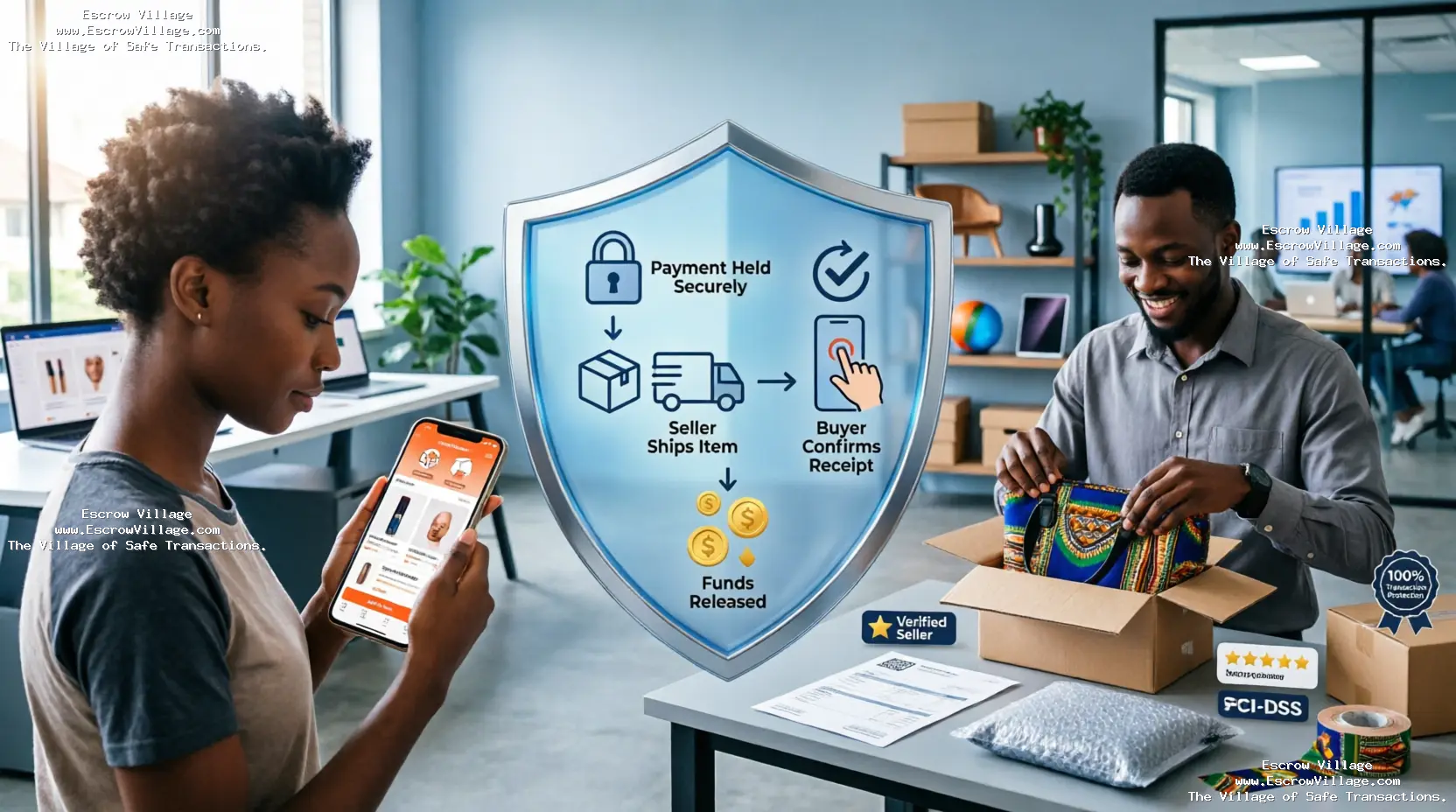
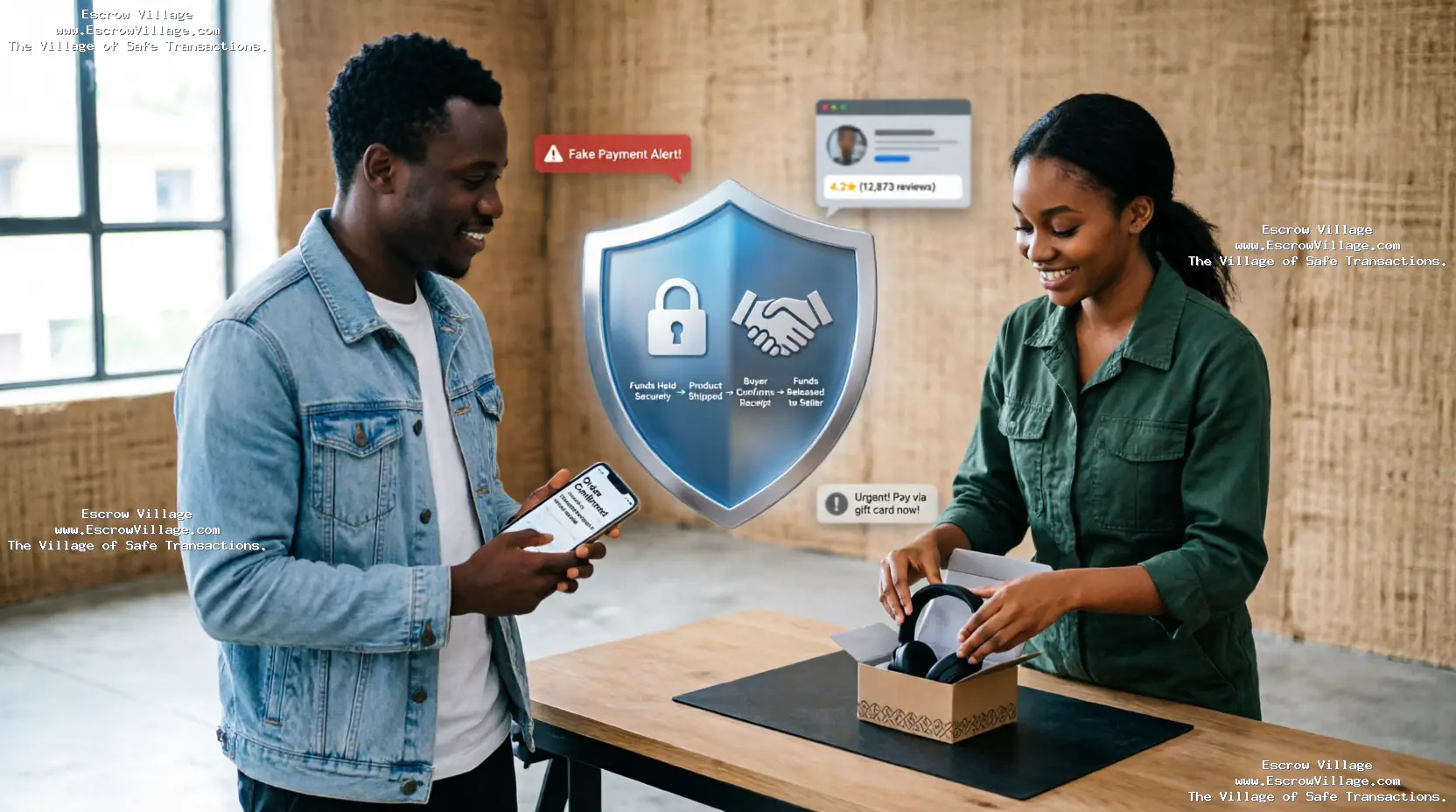
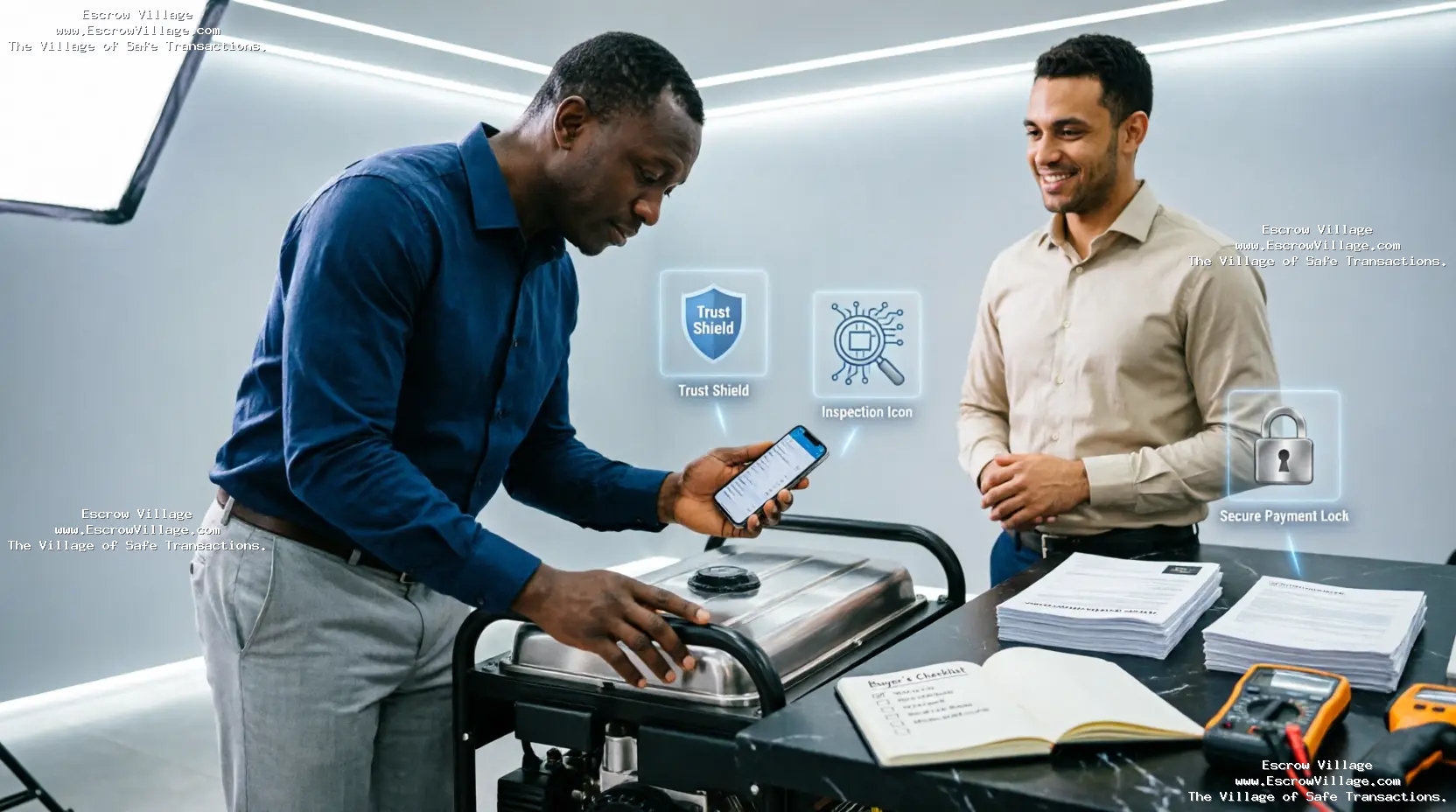
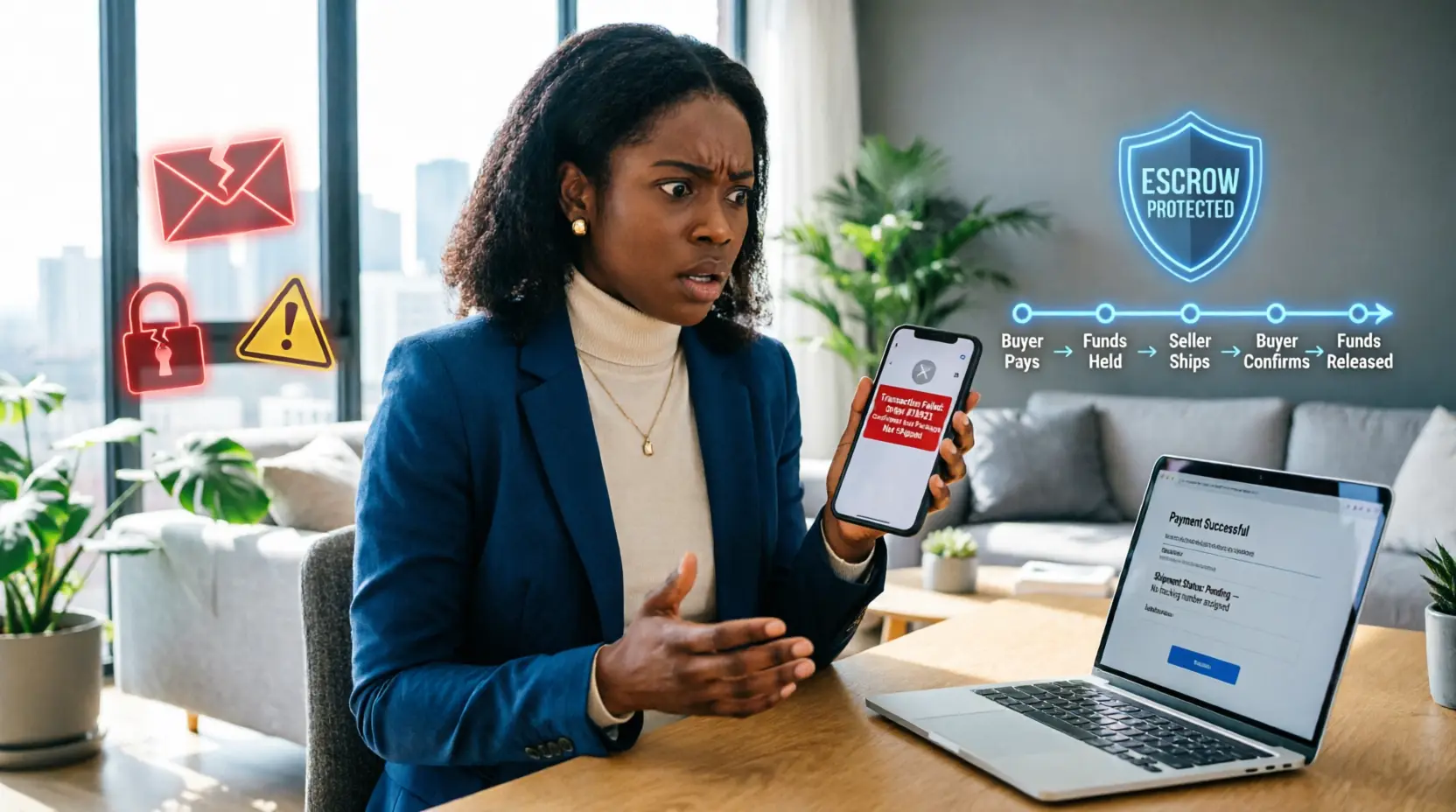
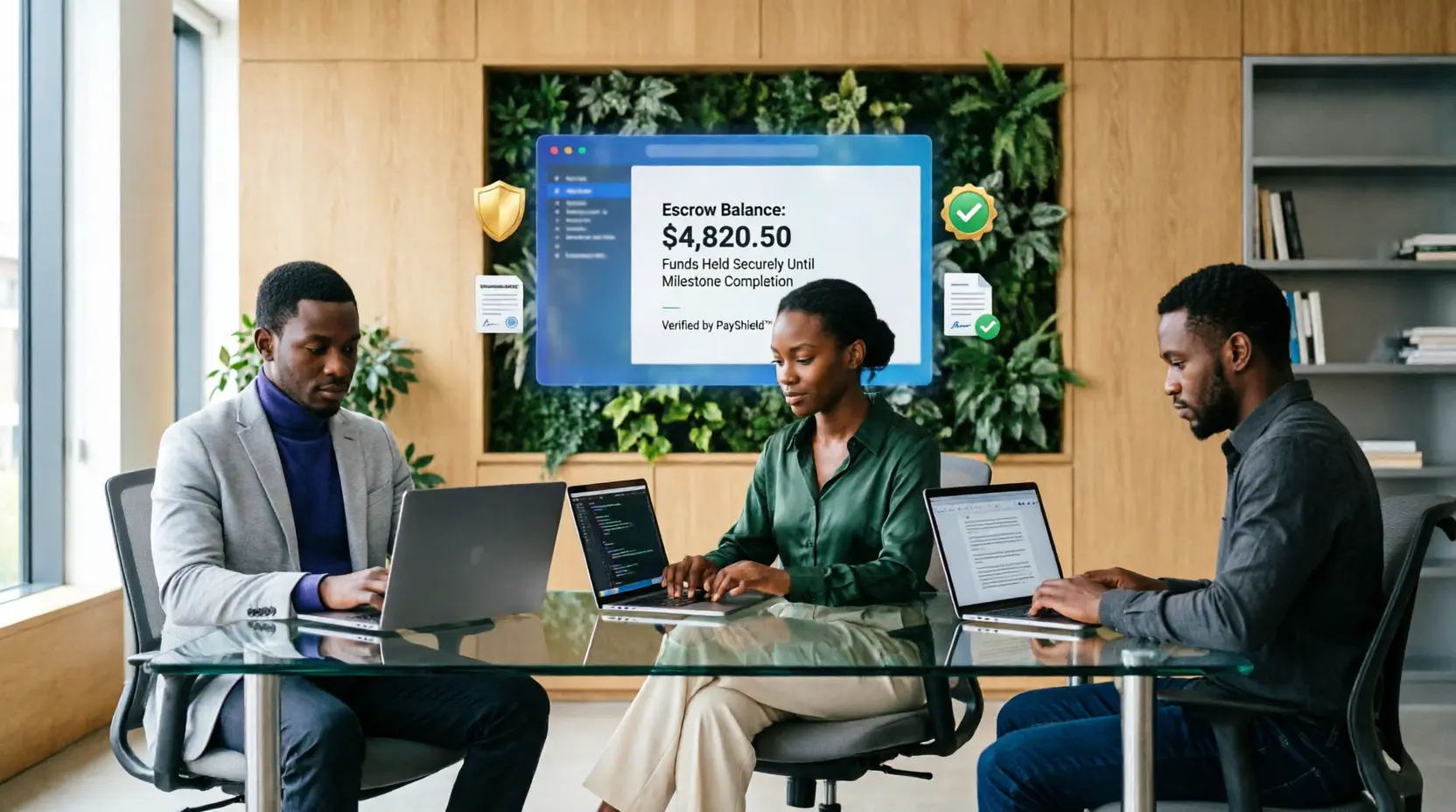
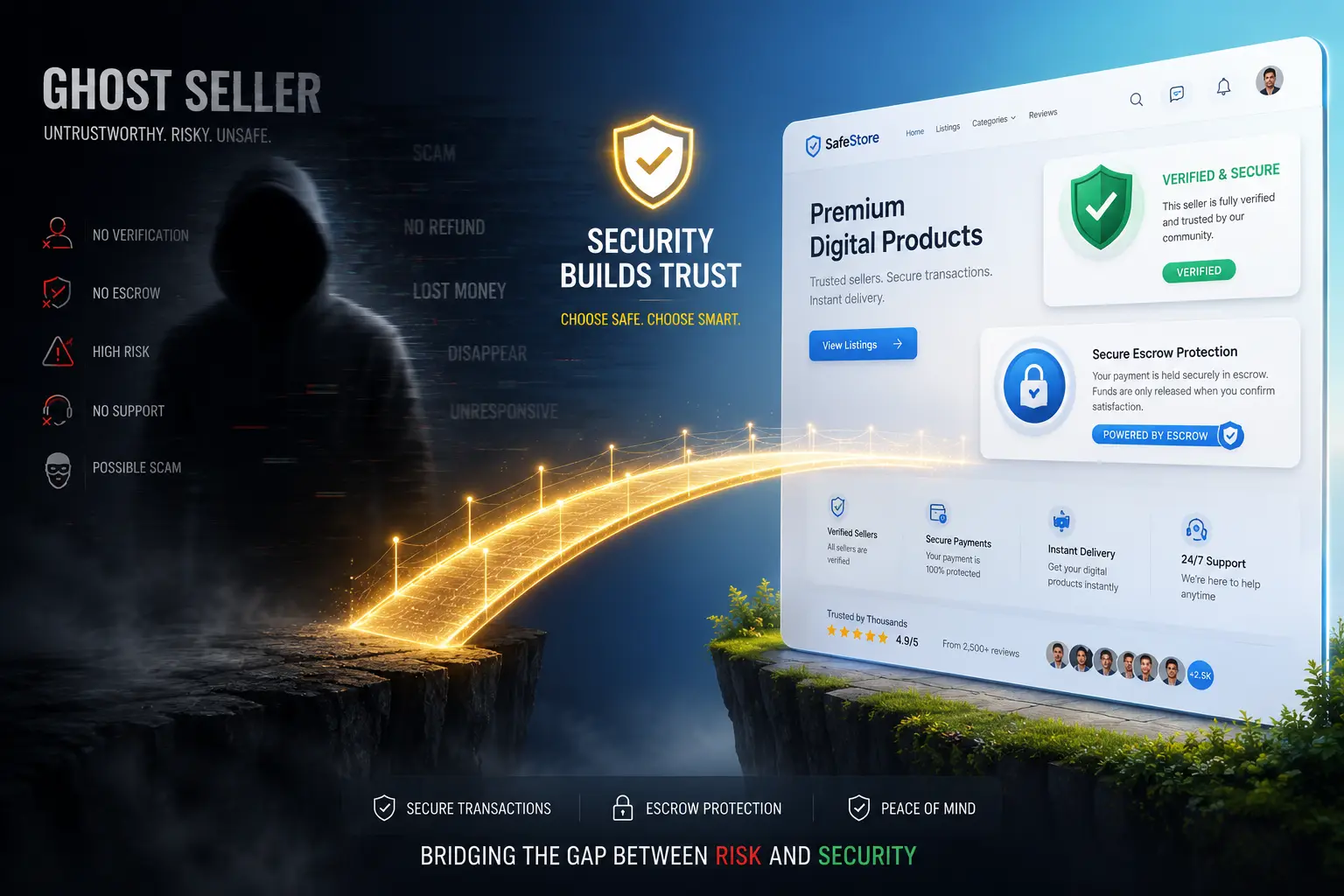
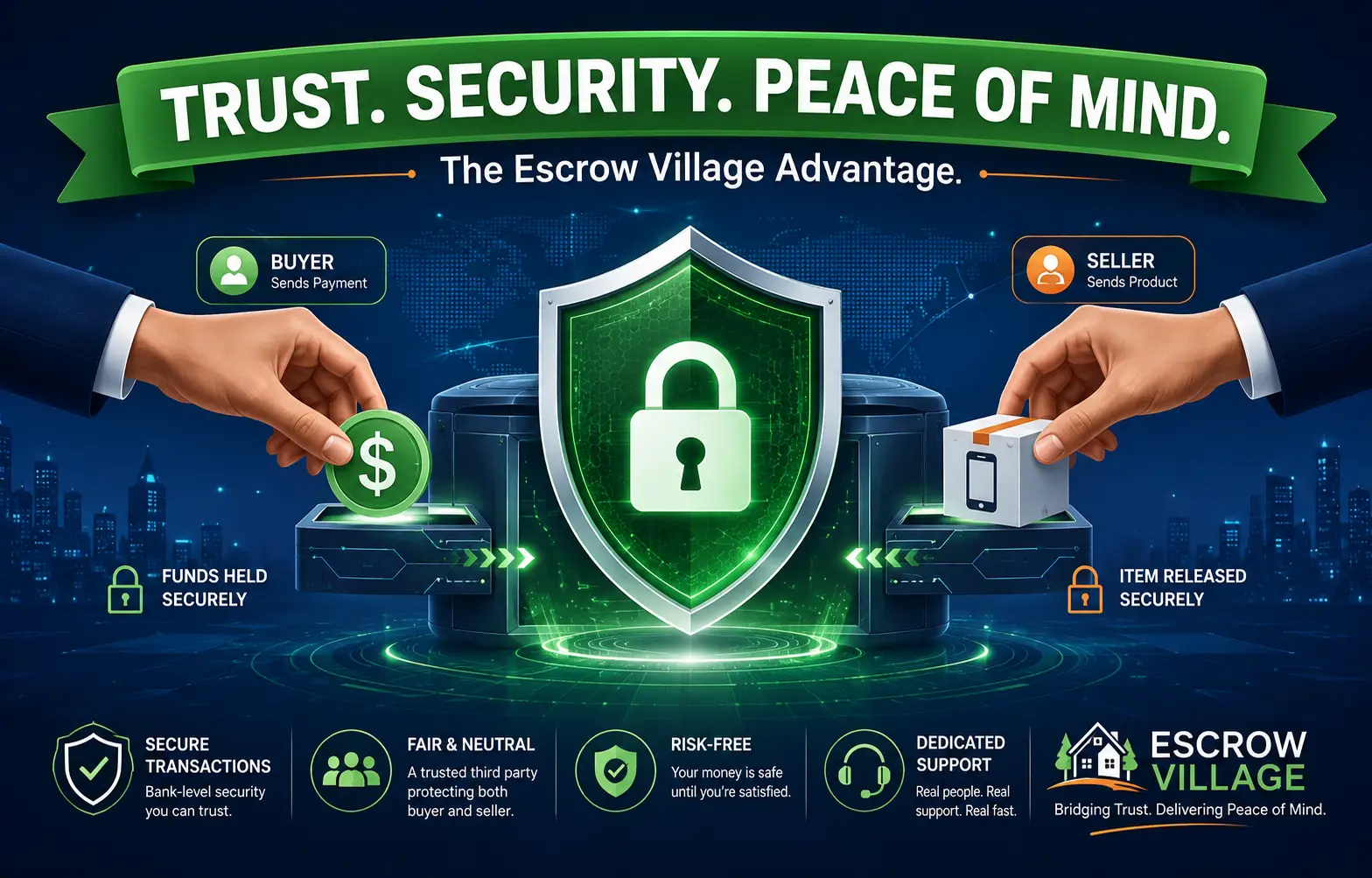
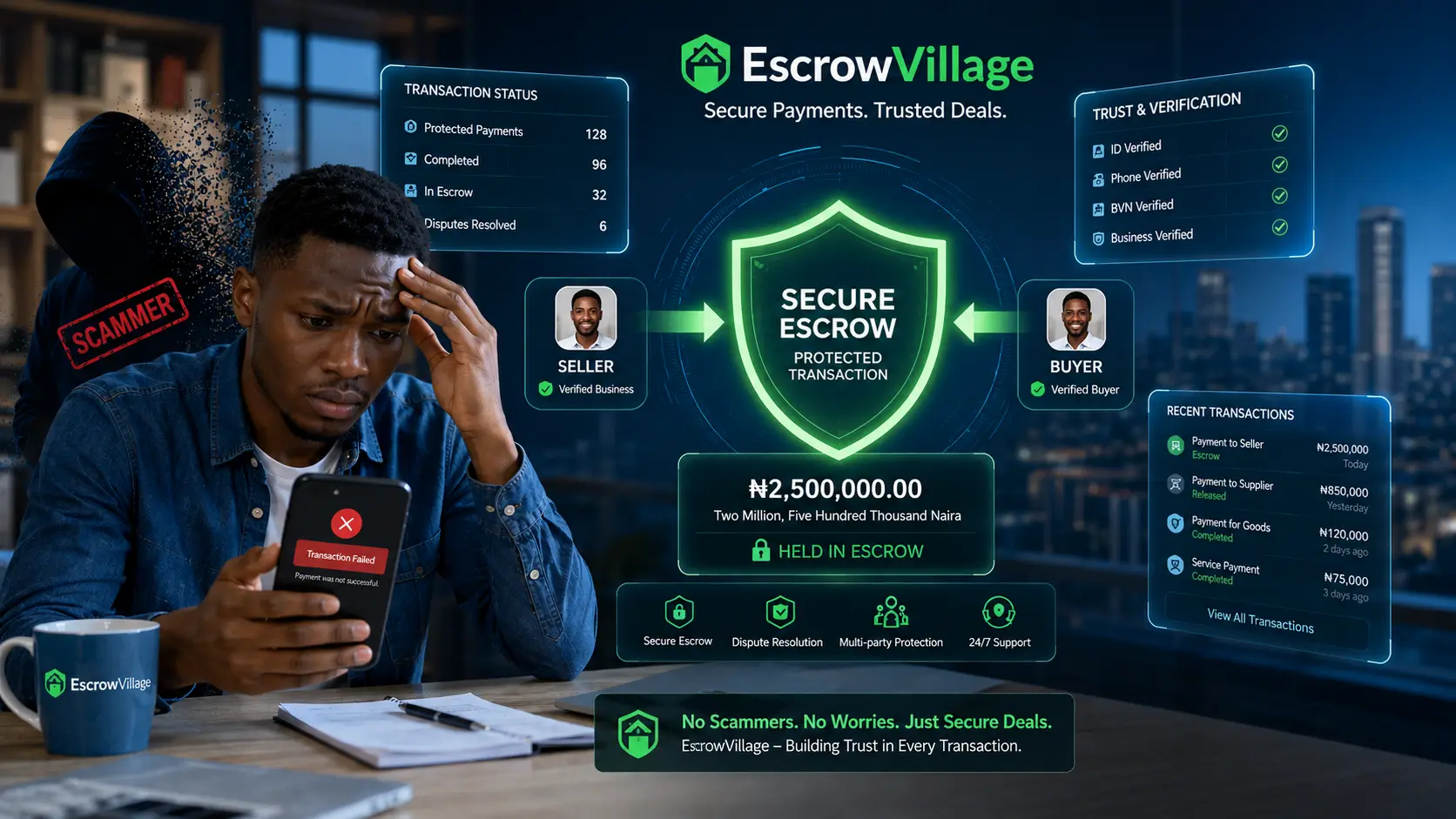
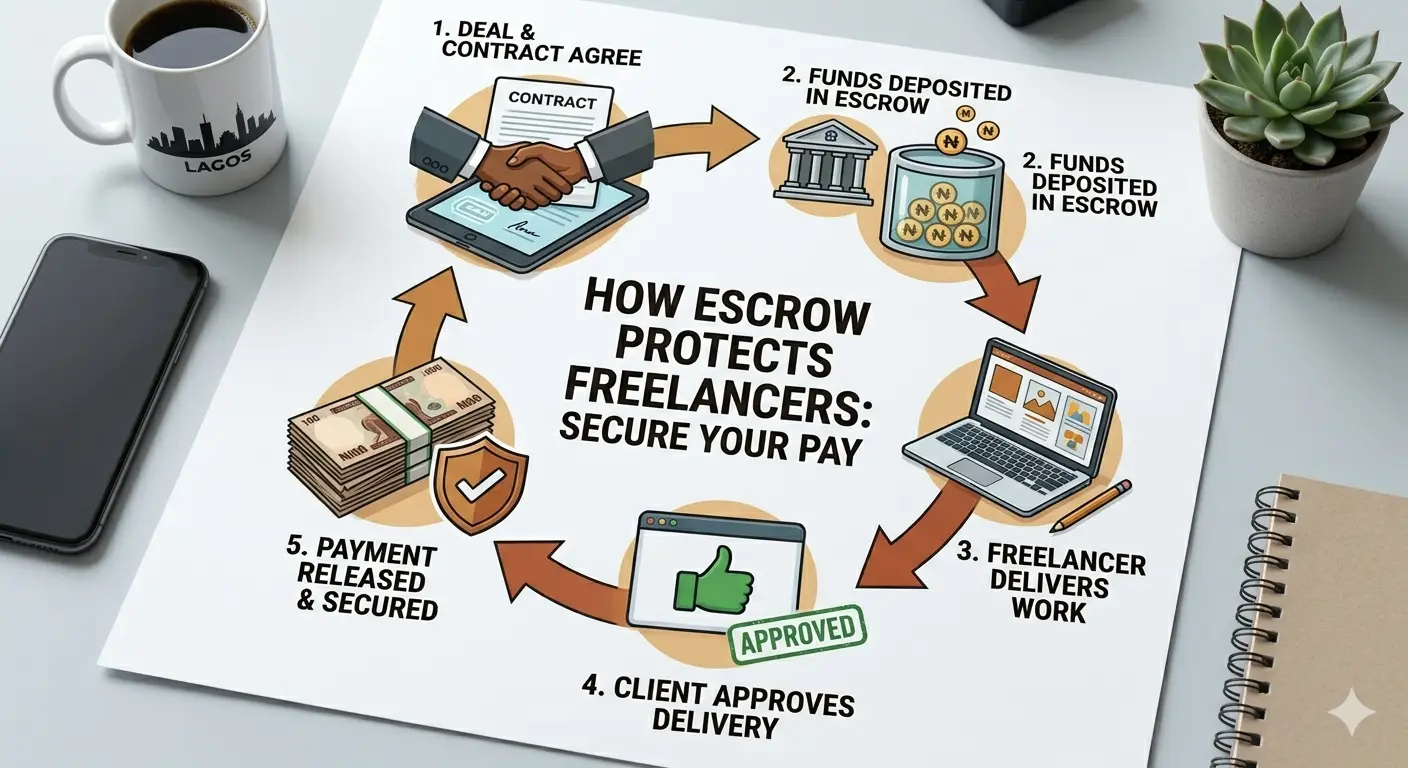
For big-ticket items like laptops, phones, social media accounts, or bulk goods, paying without a neutral third party holding the funds is a gamble.
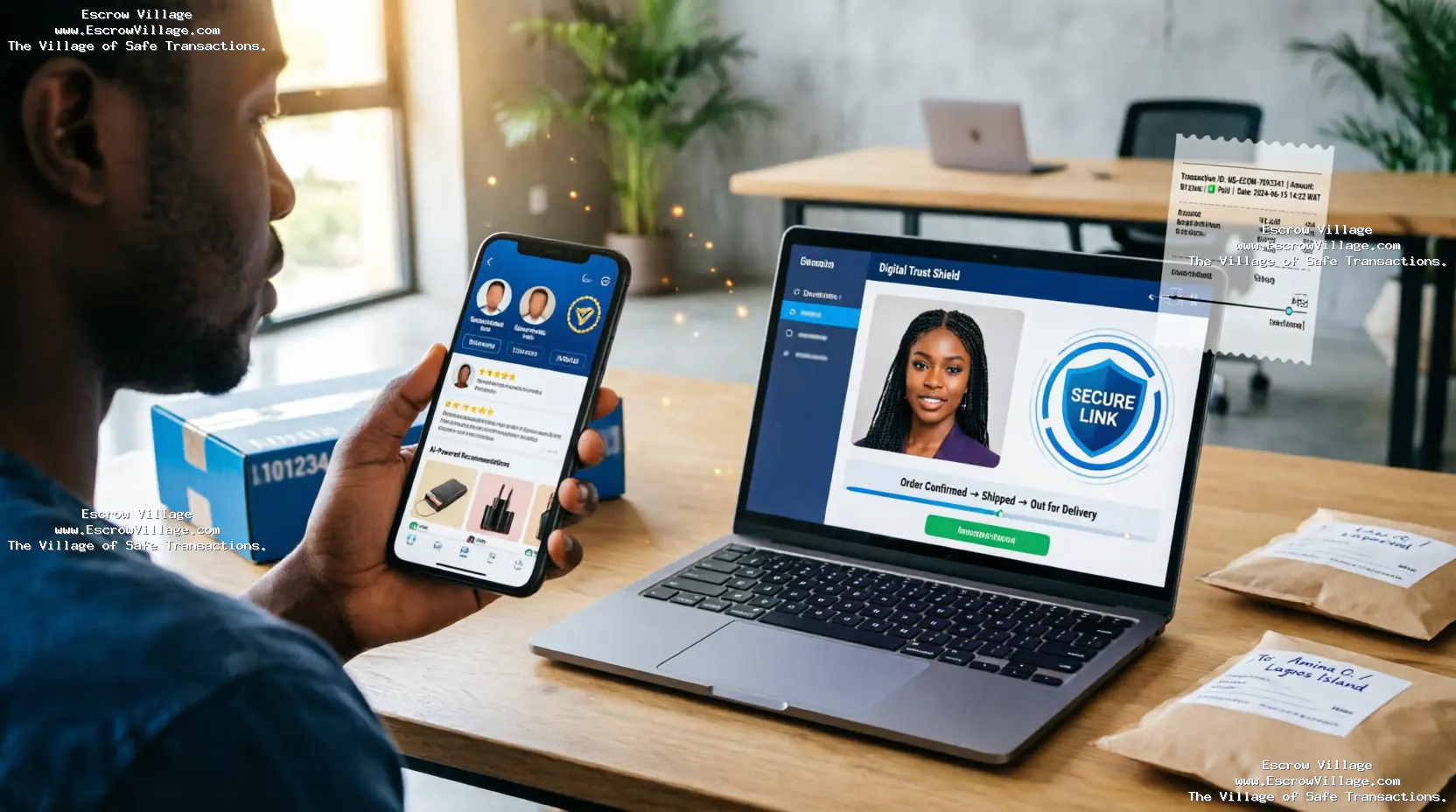
An escrow arrangement releases payment to the seller only after the buyer confirms the item matches what was promised.- 7. Failing to Document the Transaction

Screenshots of product descriptions, agreed prices, and delivery timelines matter.
Without this evidence, disputing a bad transaction becomes a case of "he said, she said," one that rarely favours the buyer.- 8. Overlooking Delivery and Inspection Terms
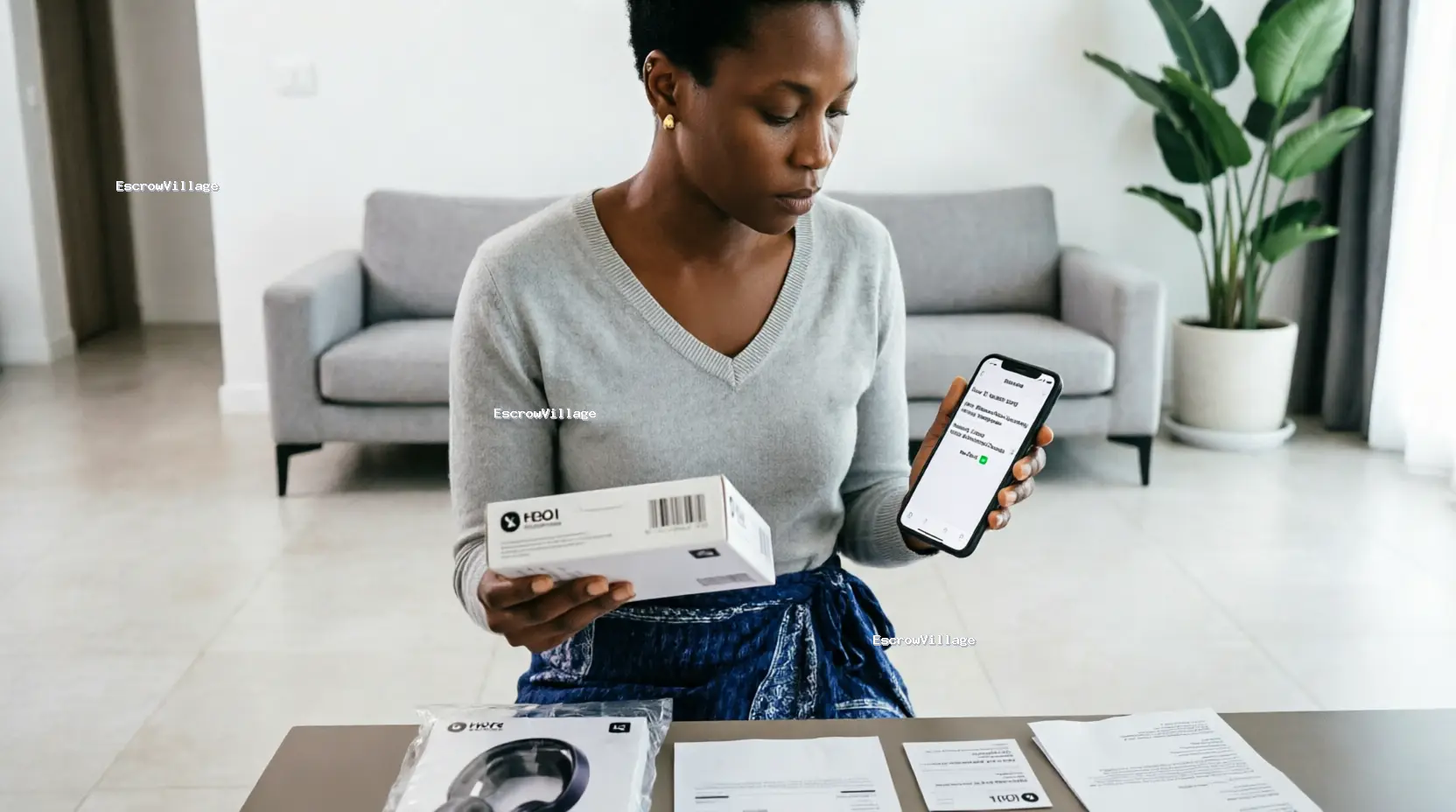
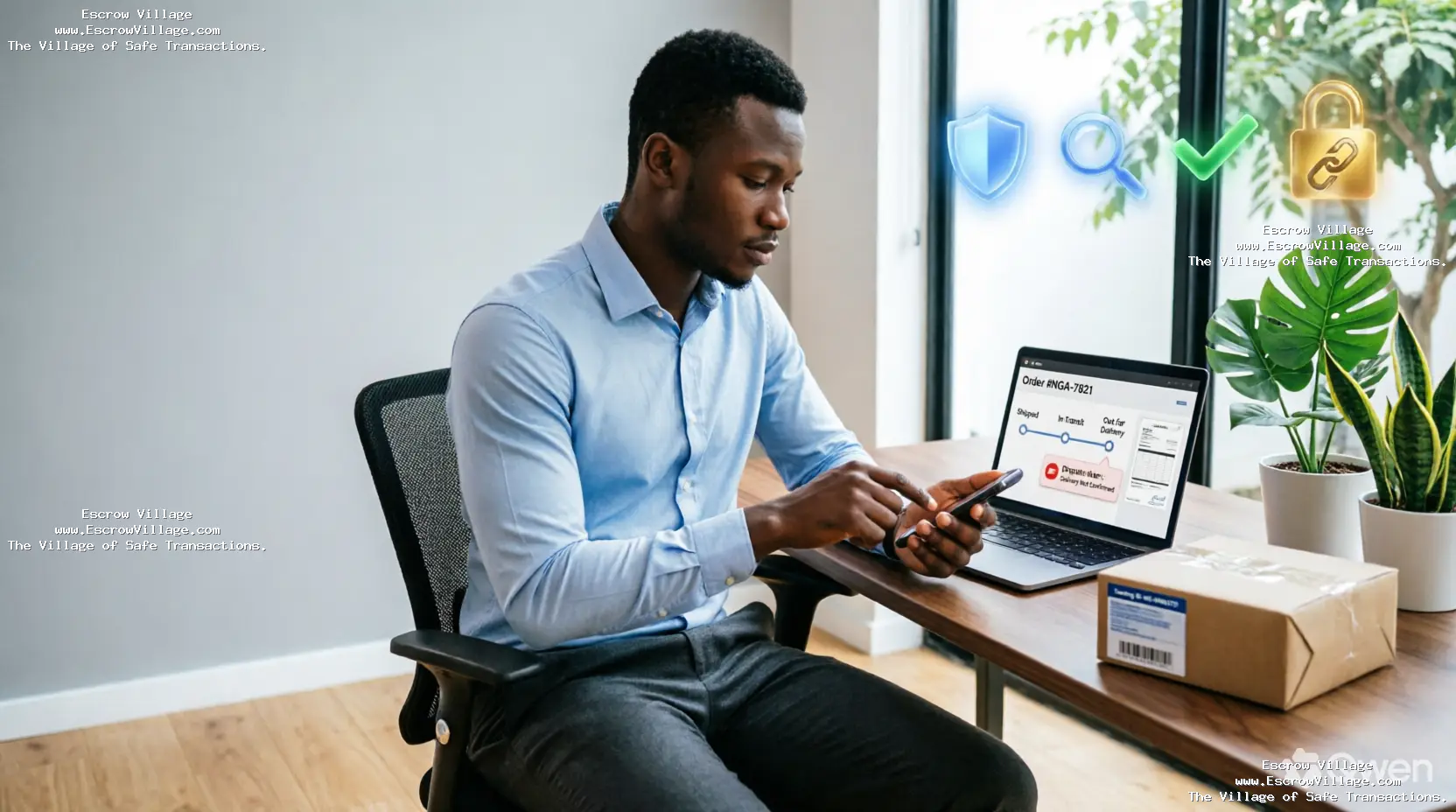
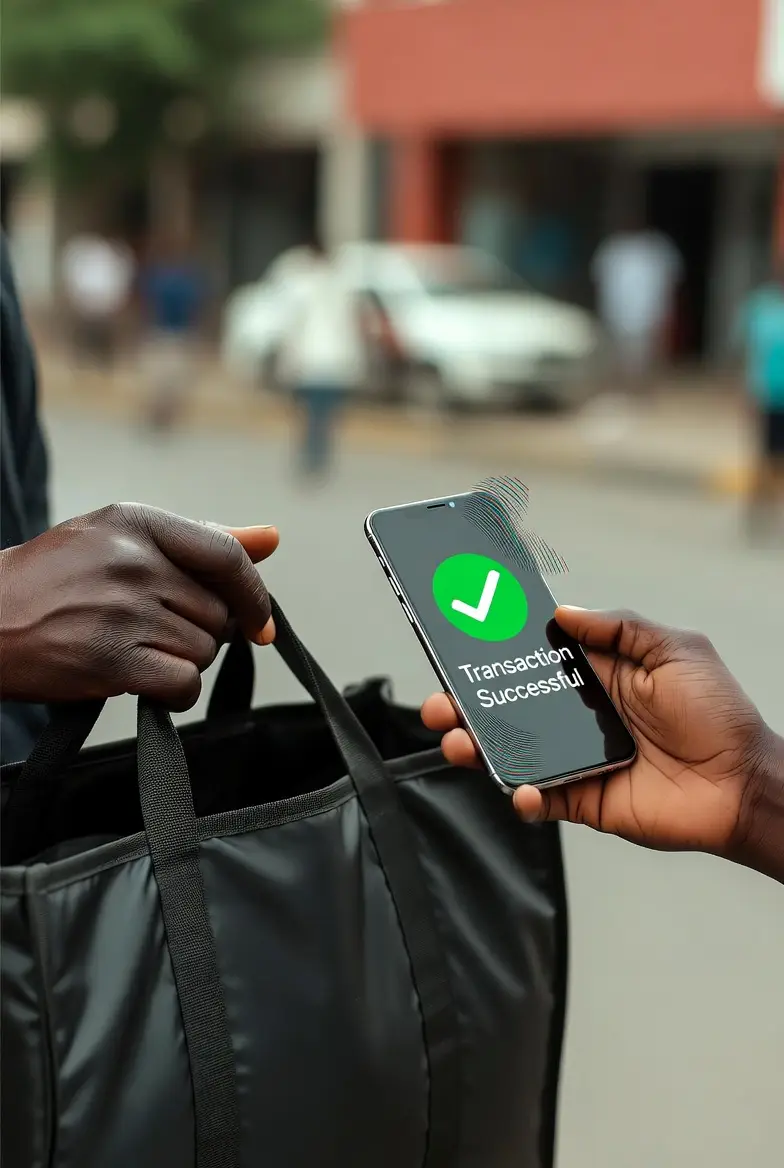
Always agree on a clear delivery timeline and inspect goods before confirming receipt.
- 9. Assuming All Marketplaces Offer the Same Protection
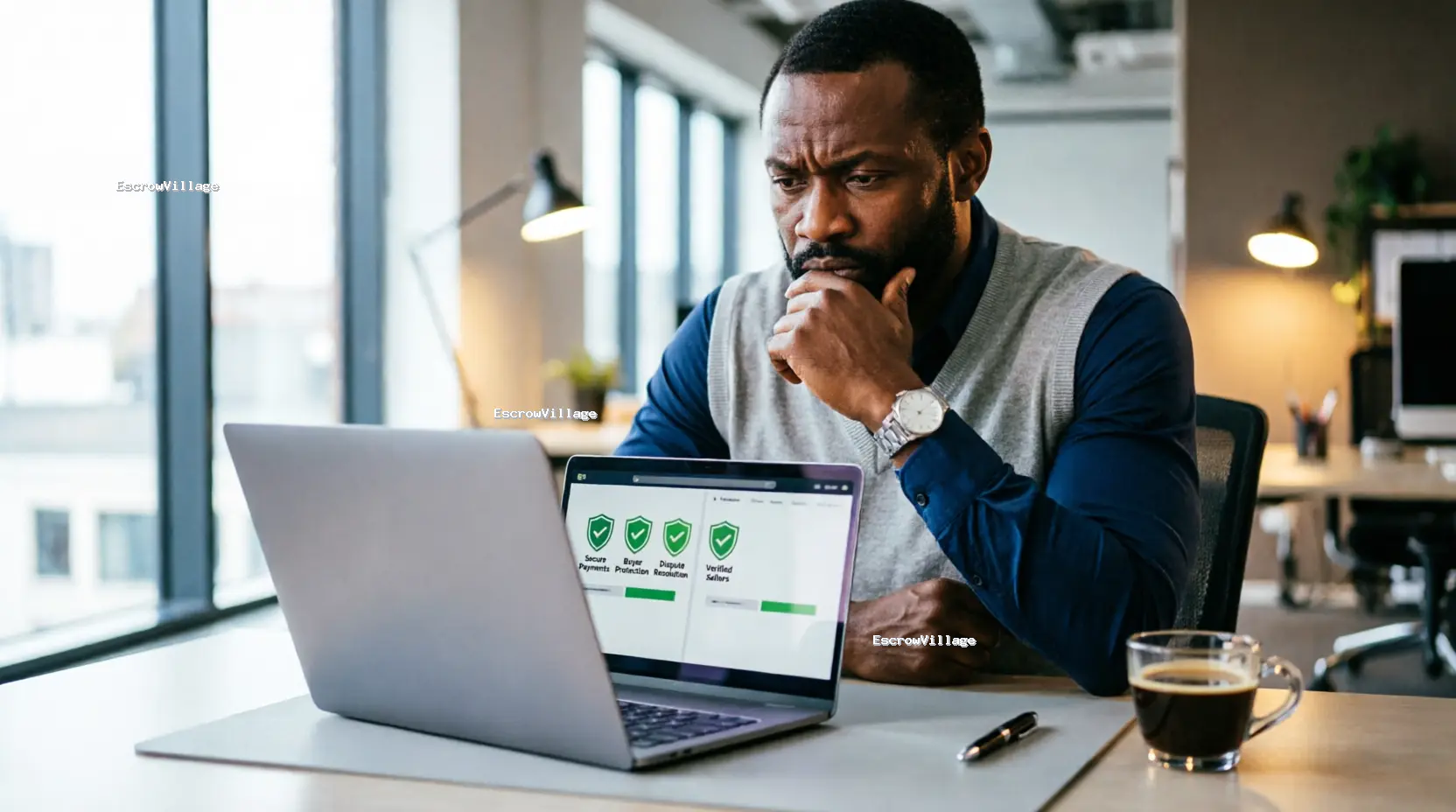
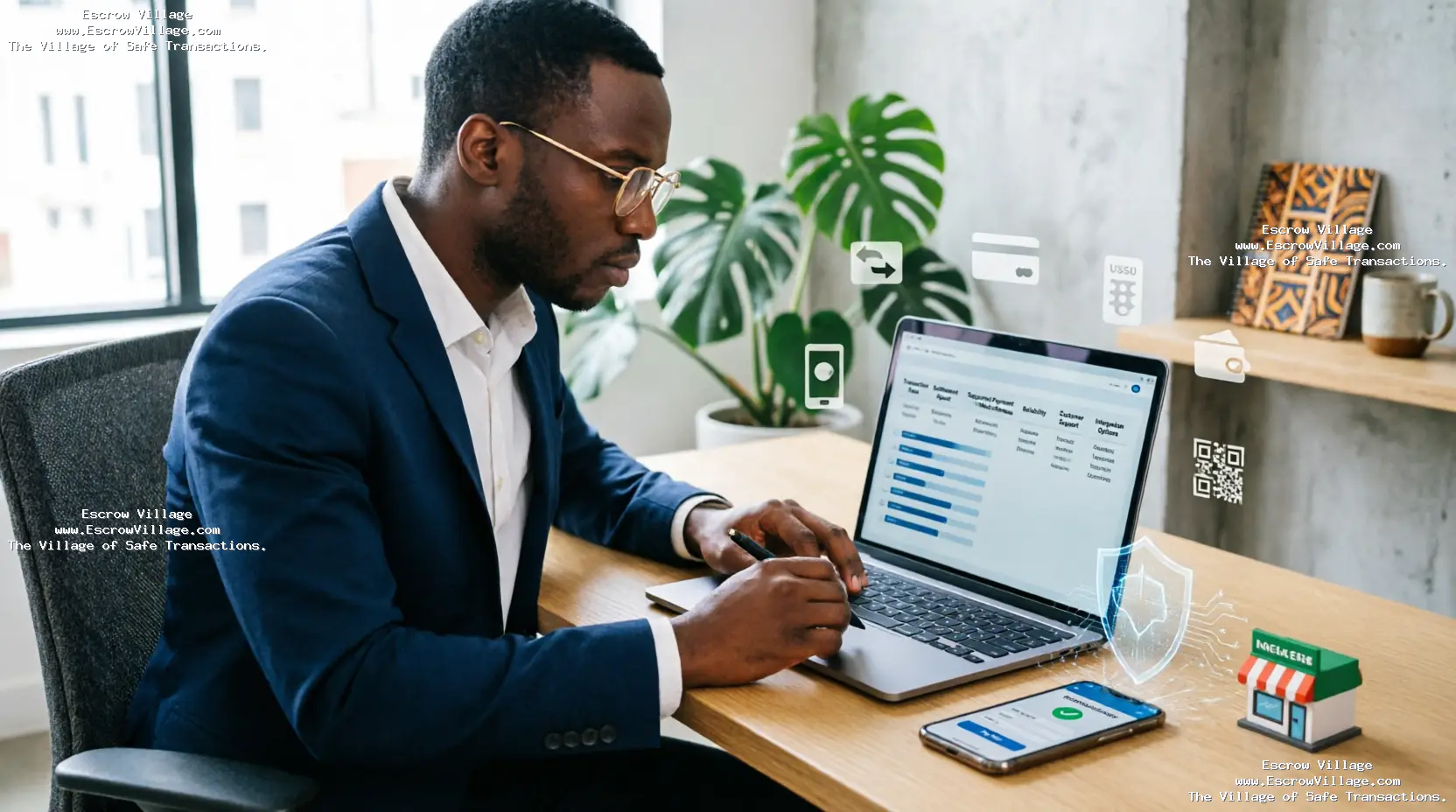
Not every platform buyers use in Nigeria has built-in dispute resolution or buyer protection.
Assuming a marketplace will "sort it out" if something goes wrong is a mistake; always check what protections, if any, actually exist before committing funds.- 10. Rushing the Transaction
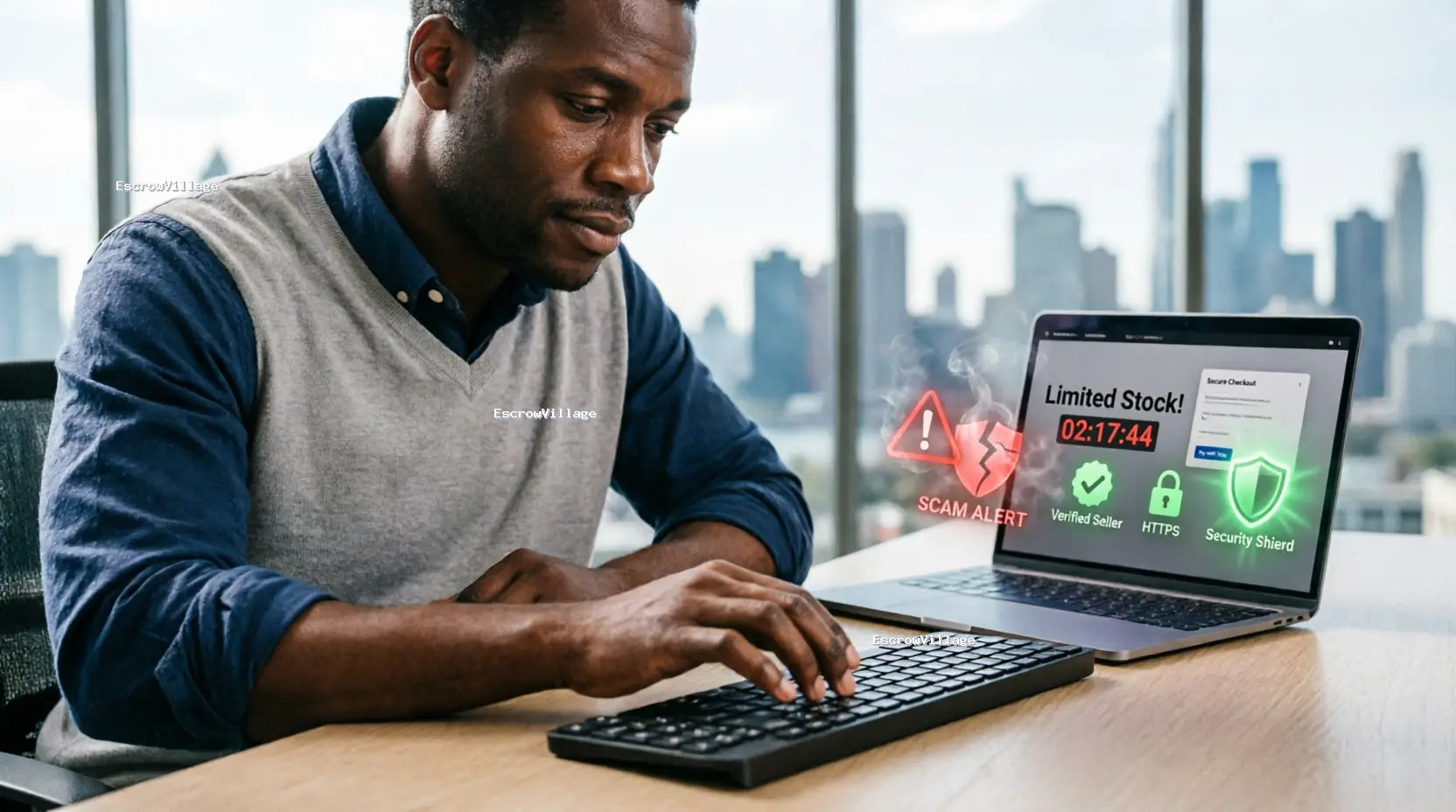
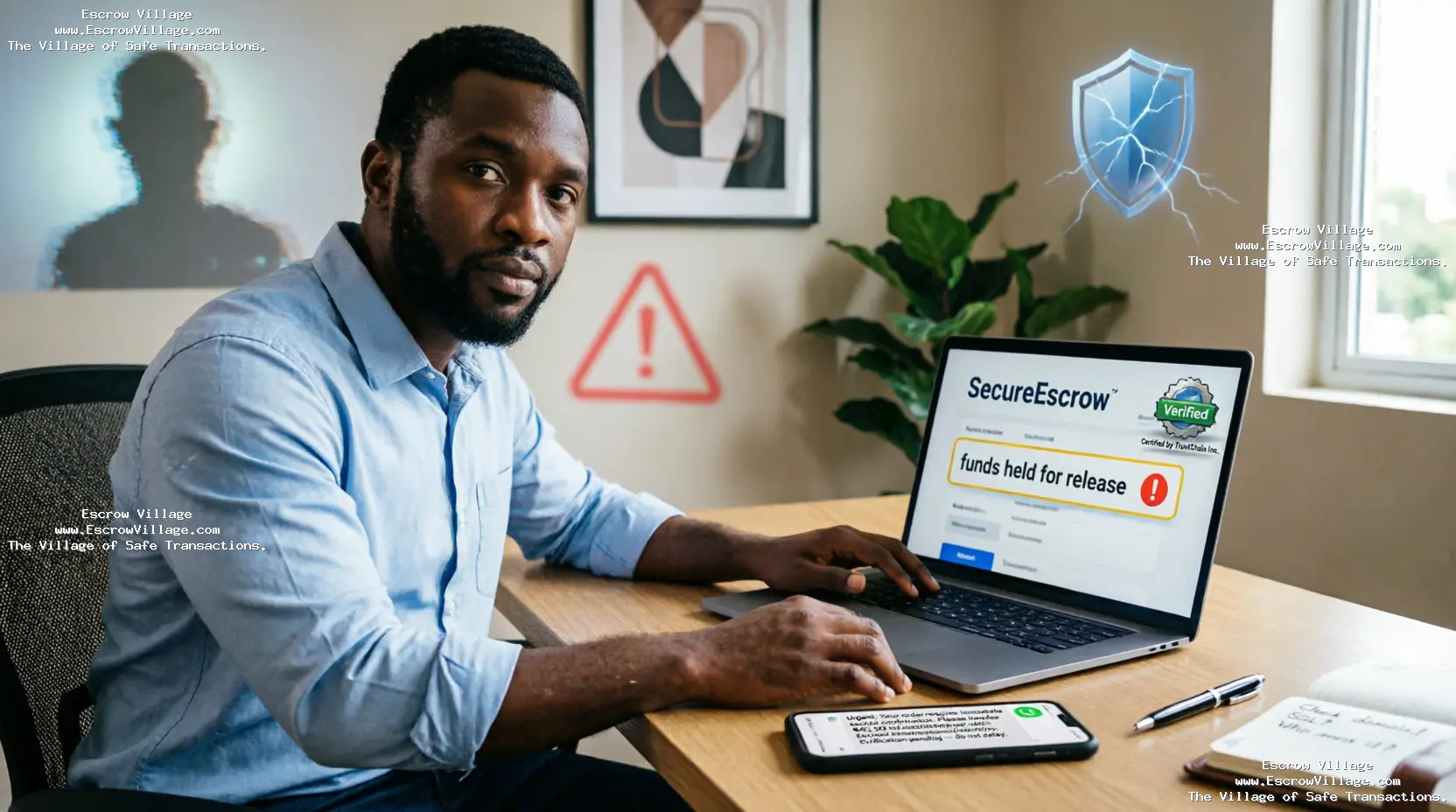
Scammers thrive on urgency — "only one left," "price expires in an hour," "pay now or lose the deal."
First-time buyers who rush to avoid missing out often skip the very steps that would have protected them.- How to Shop Safely as a First-Time Online Buyer
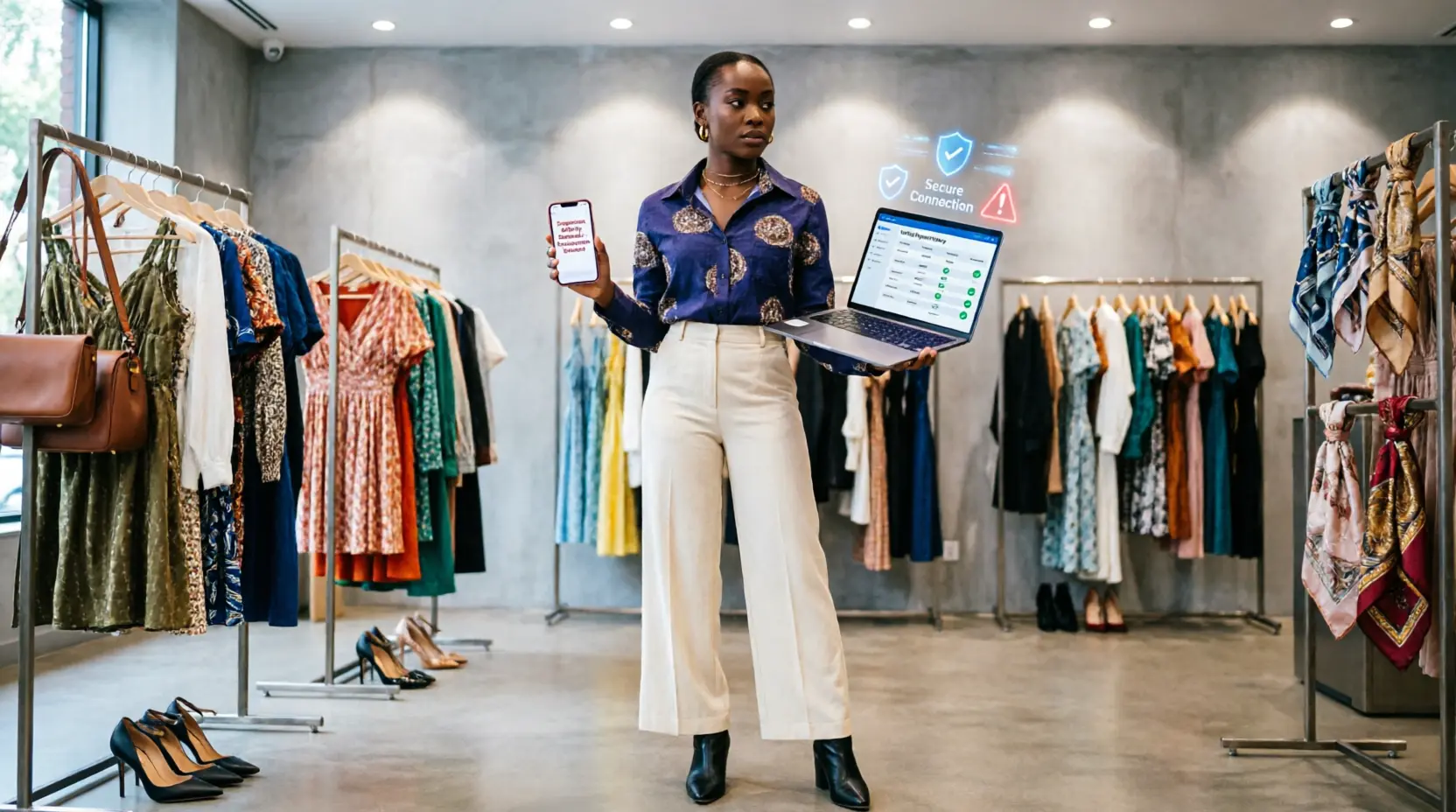
- ● Always verify the seller before paying
- ● Use a secure, escrow-backed payment method for anything above a small, disposable amount
- ● Keep records of every conversation and agreement
- ● Confirm return and delivery terms in writing
- ● Never let urgency override caution
Escrow Village exists to remove the guesswork from online transactions.
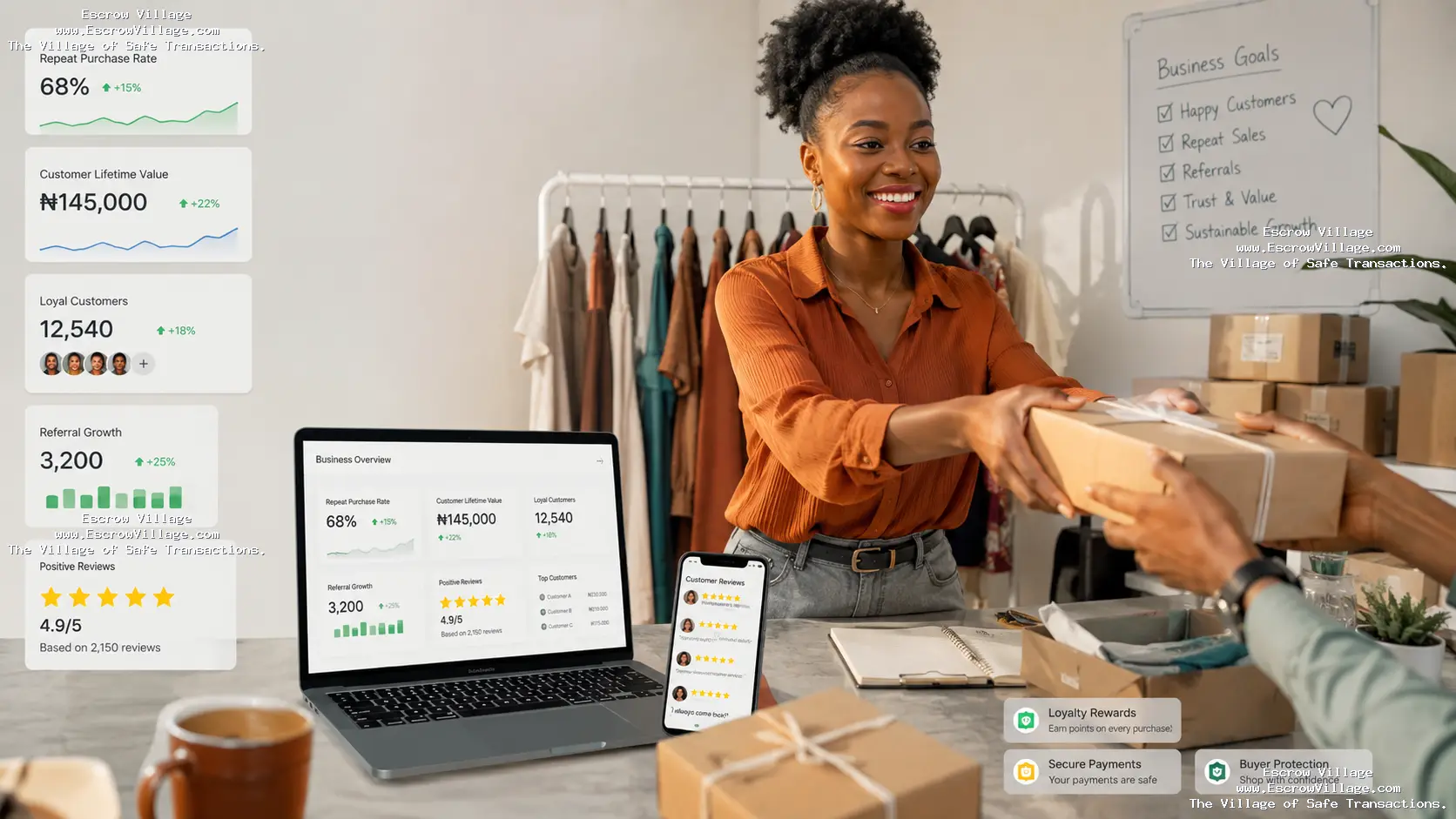
By holding payment securely until both buyer and seller confirm the deal went as agreed, it gives first-time buyers the confidence to shop online without the fear of losing their money to a bad actor.
Ready to shop online with real protection? Join Escrow Village Communities today and start every transaction knowing your money is safe until you get exactly what you paid for.