Payment Security: How to Handle Overpayments Safely
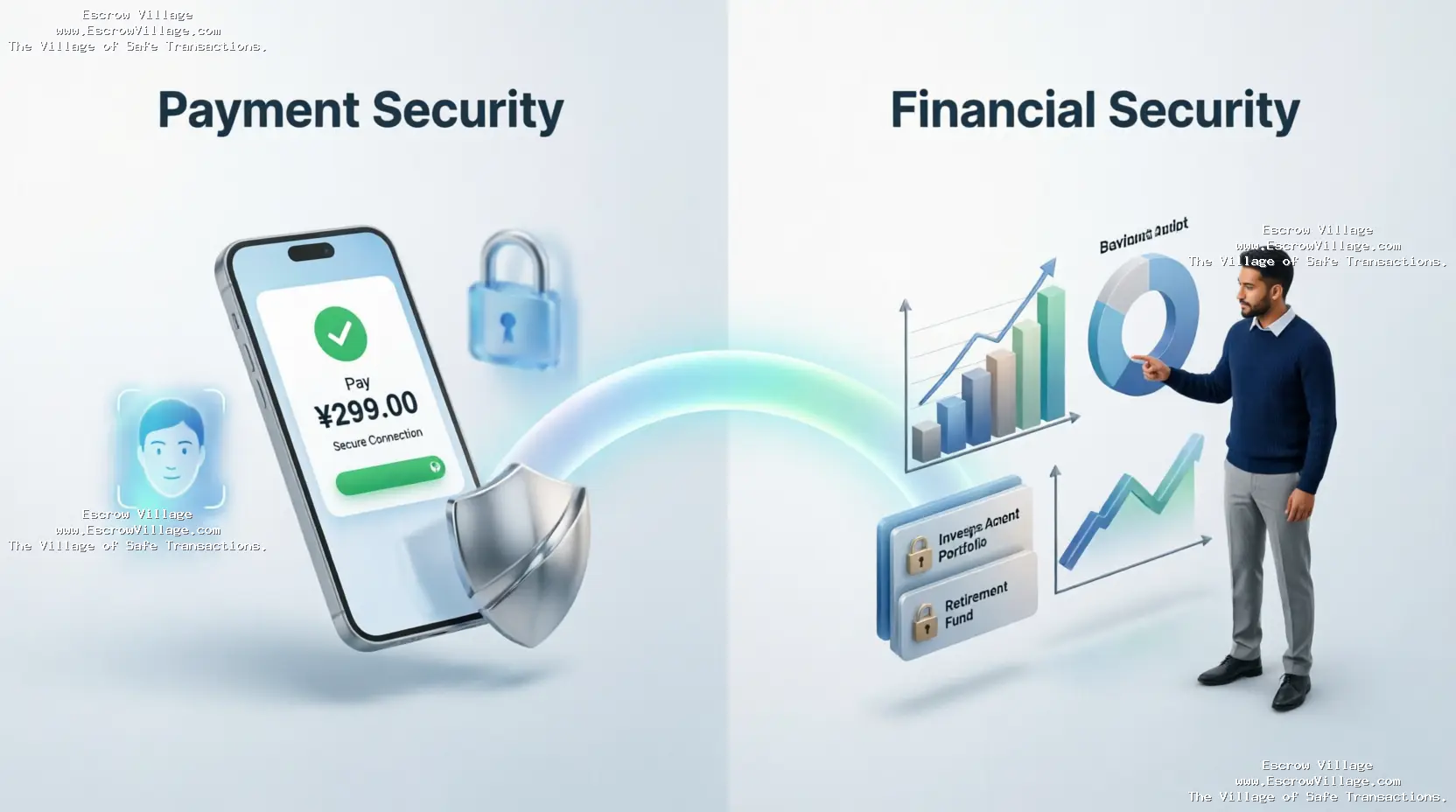
Payment security is important even when a customer appears to have paid you too much.
An overpayment may seem like a simple mistake, but handling it incorrectly can expose your business to payment disputes, fraud, or unnecessary financial losses.
For online businesses, an overpayment can happen when a customer enters the wrong amount, pays twice, or claims to have sent more money than expected.
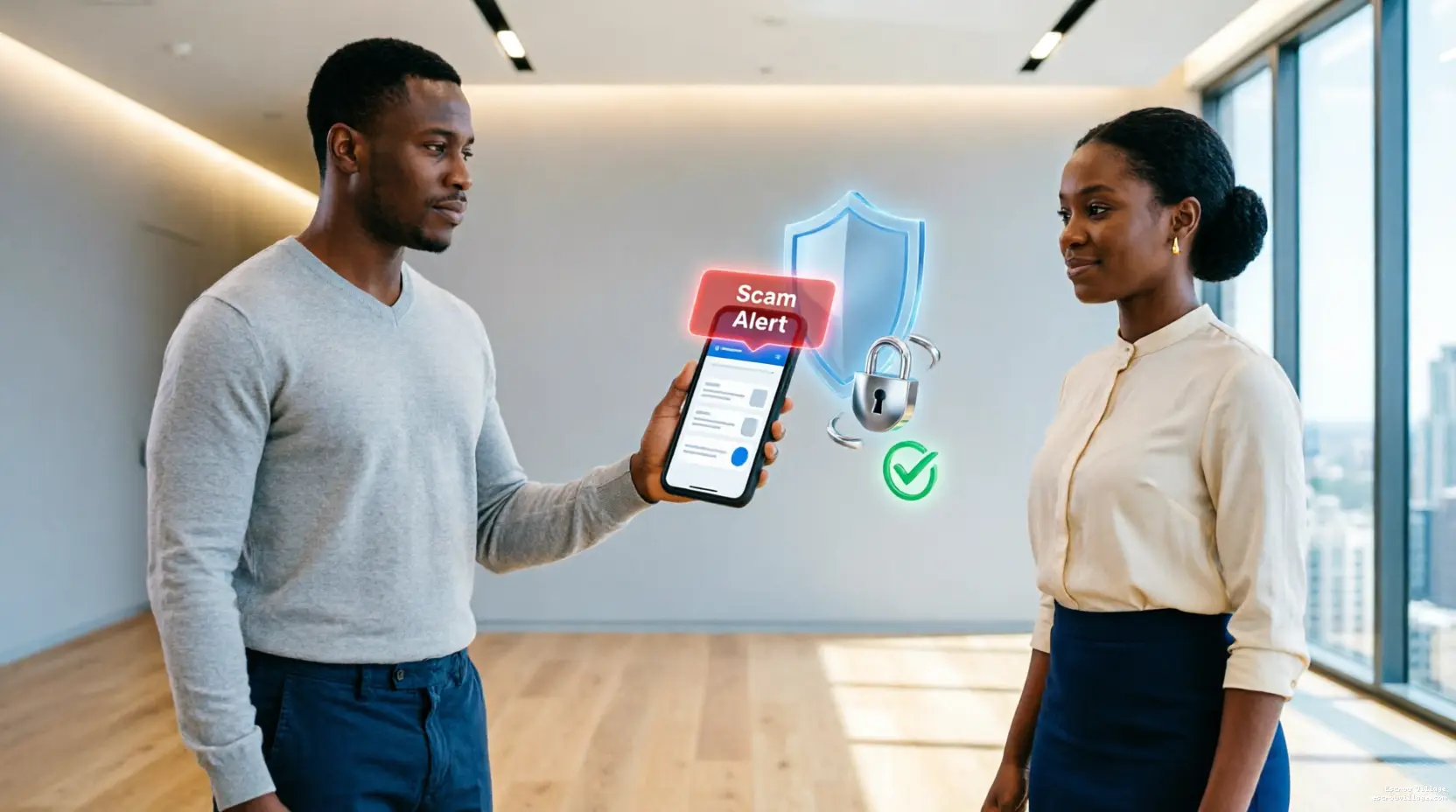
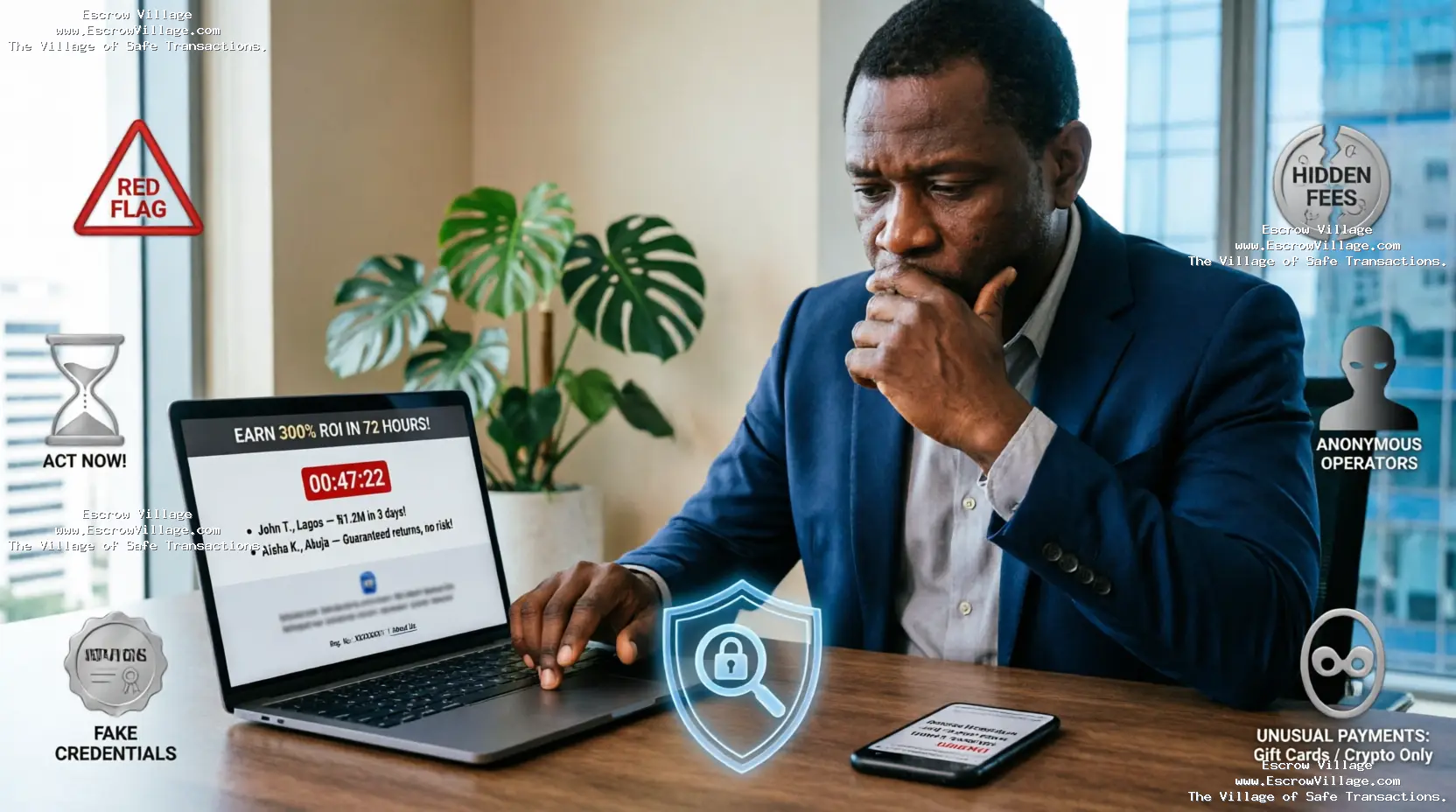
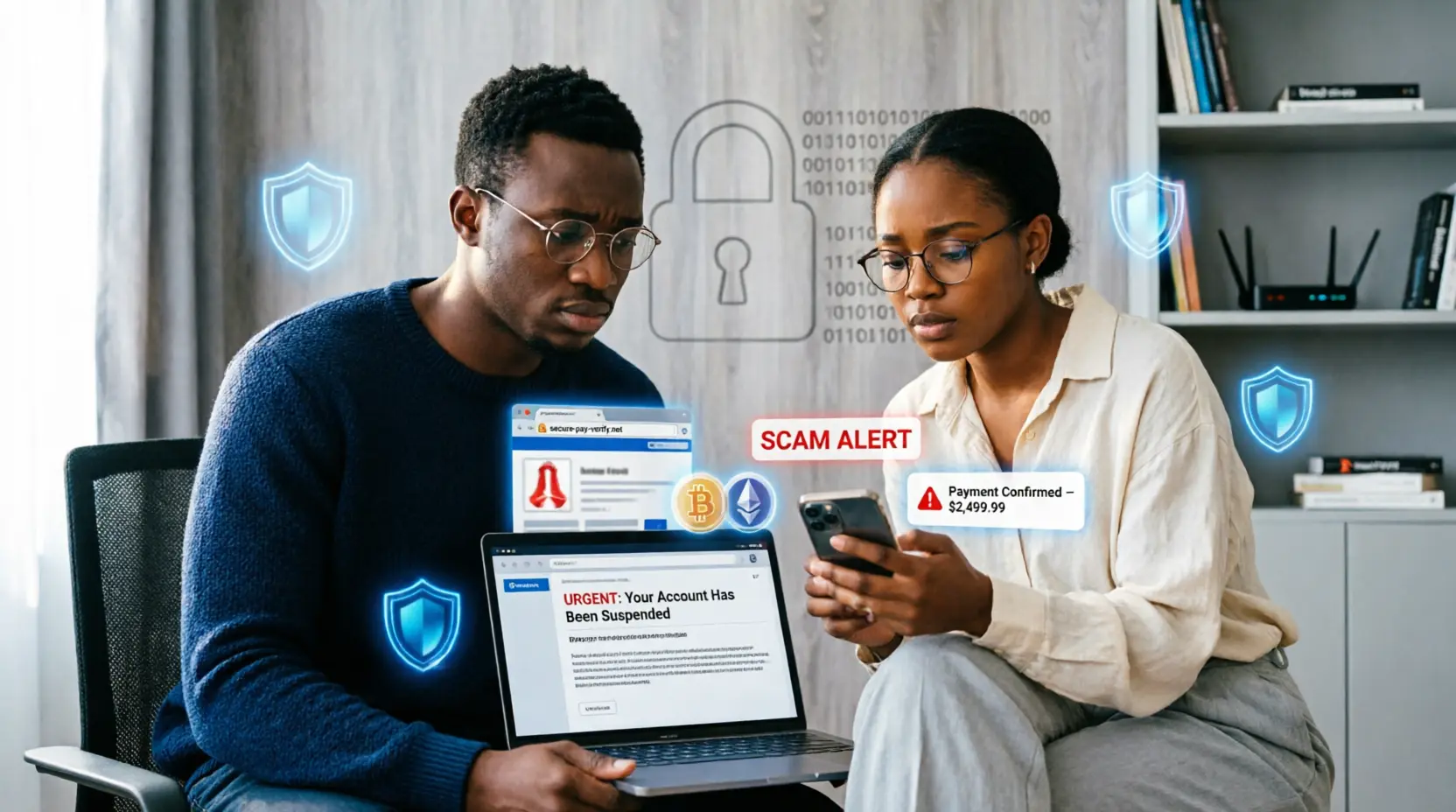
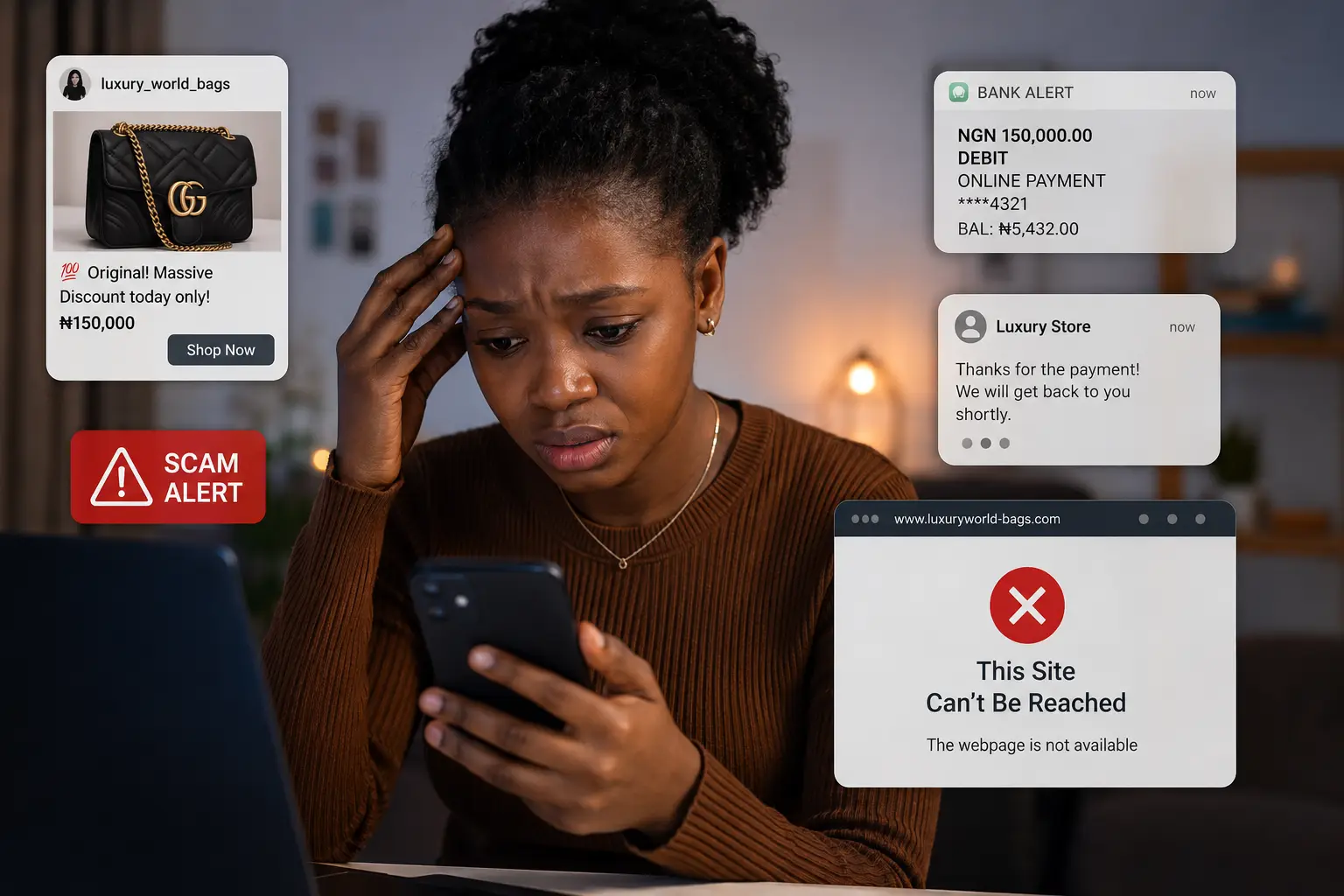
In some cases, however, an apparent overpayment can be part of a scam designed to make you send money back before the original payment is properly verified.
So, what should your business do when a customer overpays?
Here are practical steps for handling overpayments safely while protecting your business and your customers.
For example, if a customer owes ₦100,000 but ₦150,000 appears in your account, you have an excess payment of ₦50,000 that needs to be properly addressed.
Before refunding the difference, verify the payment first.
How to Handle an Overpayment Safely
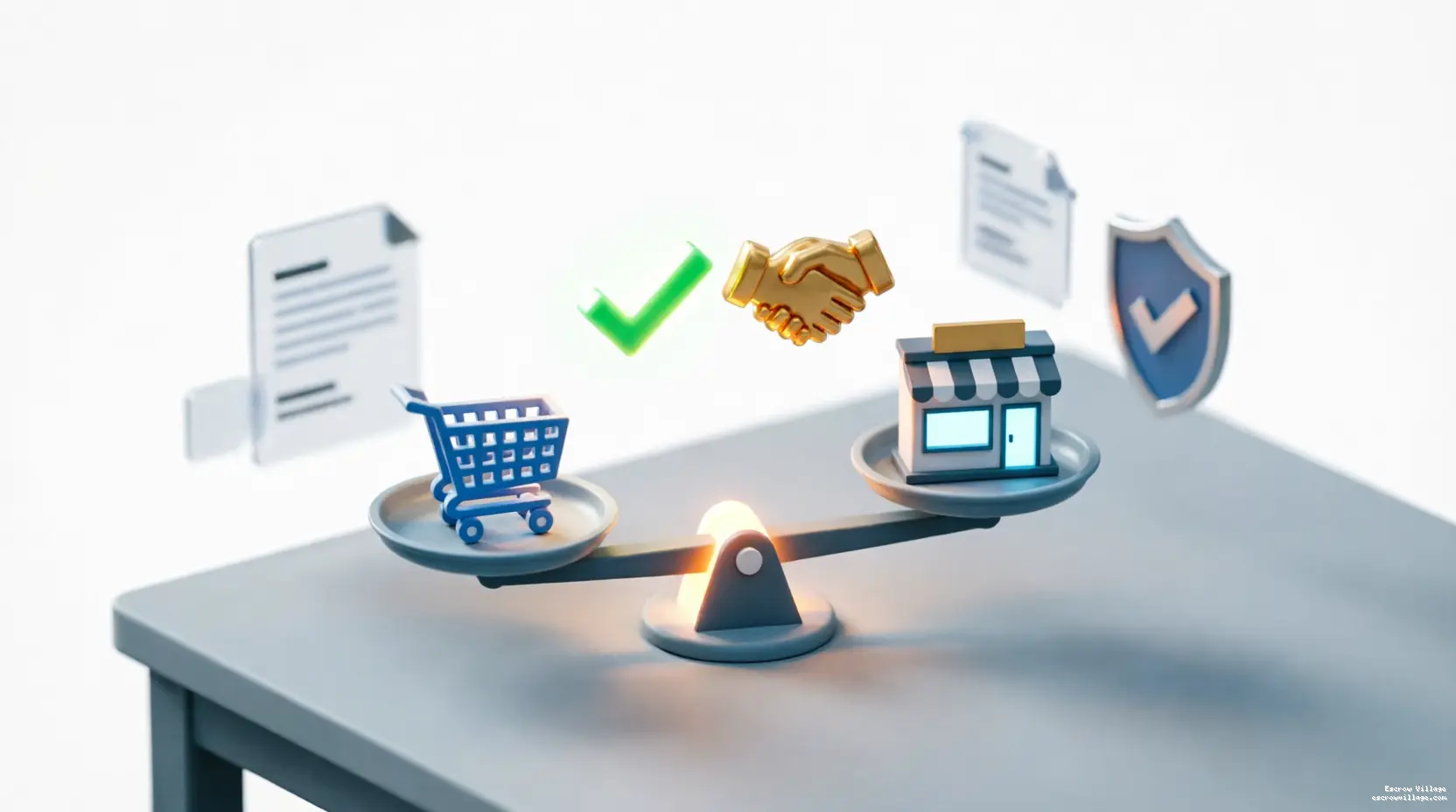
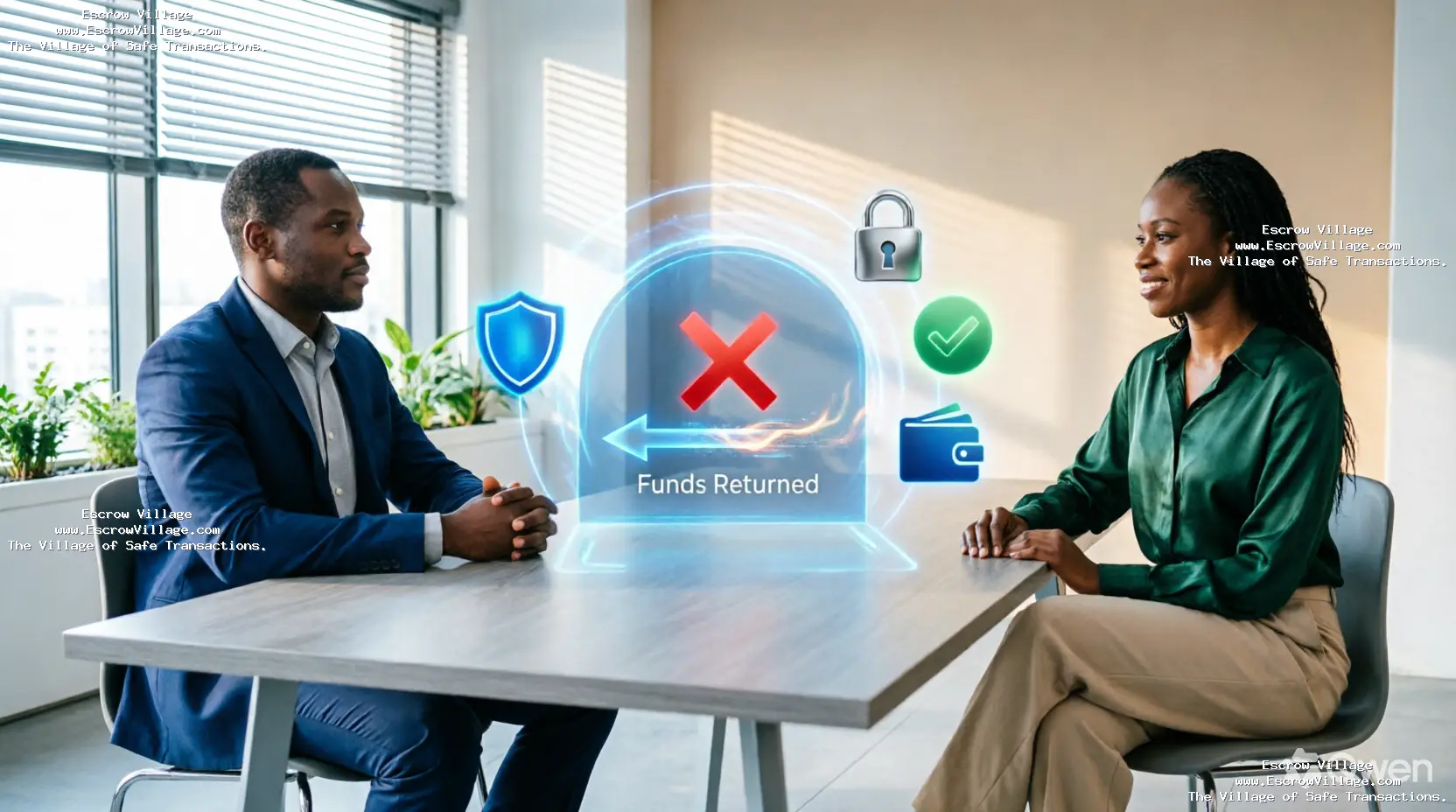
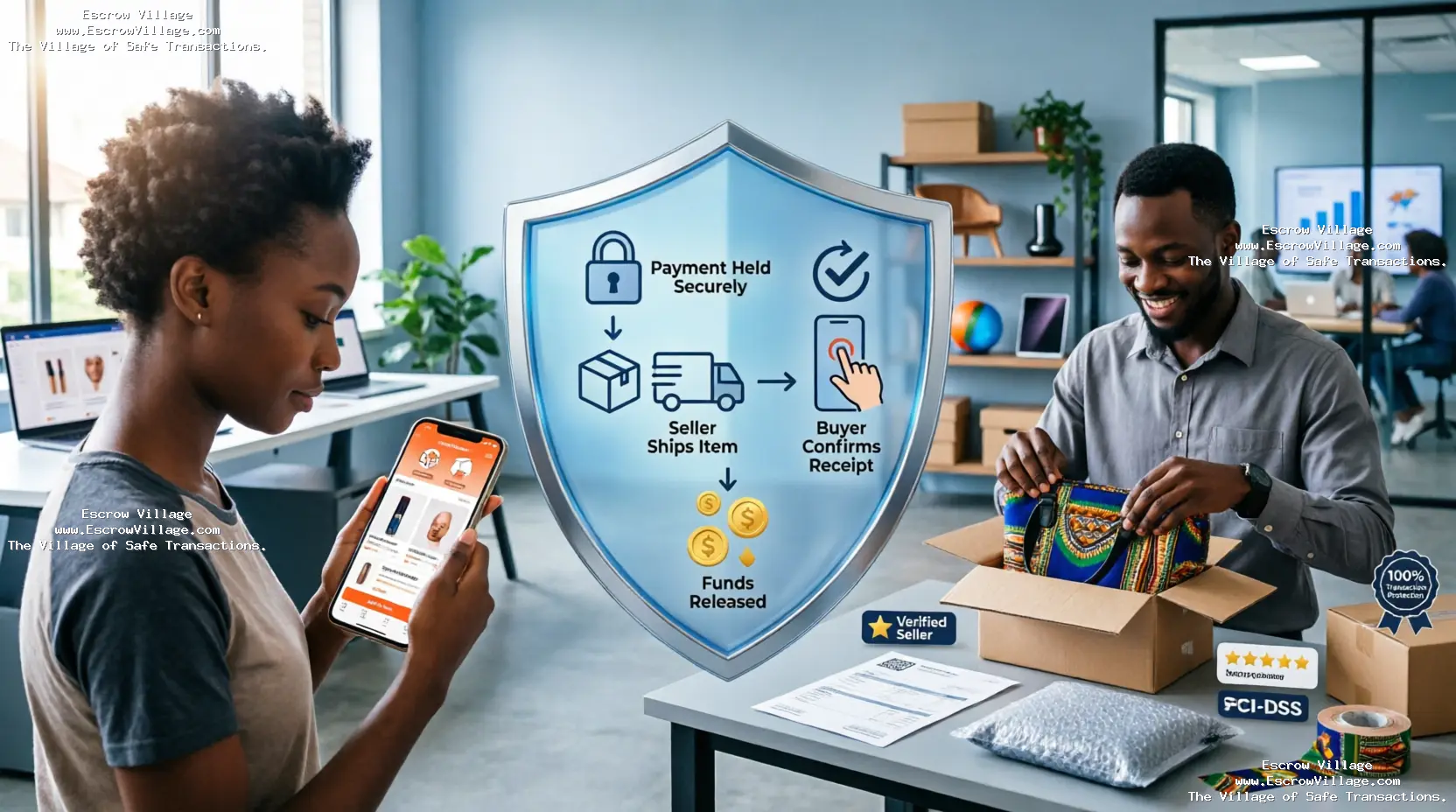
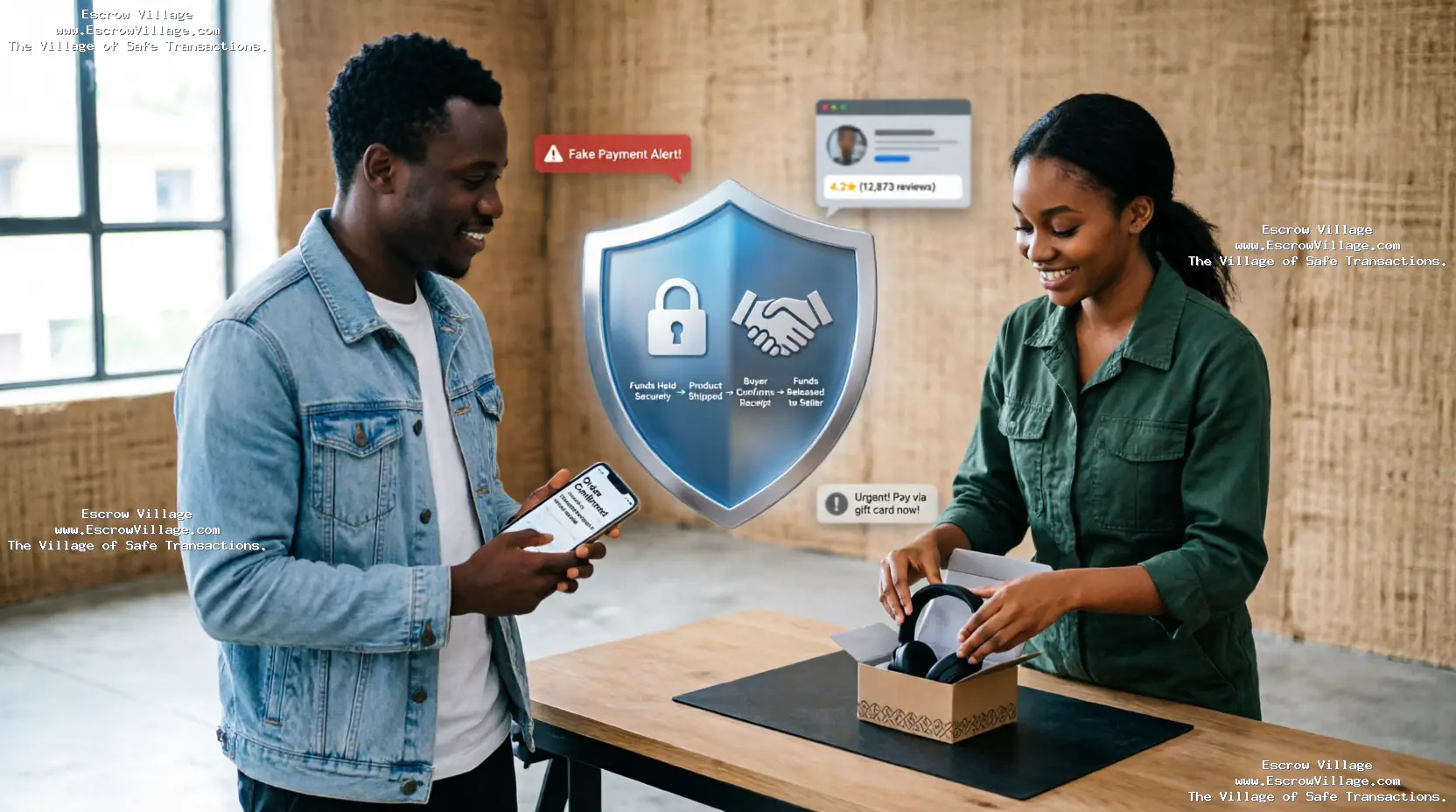
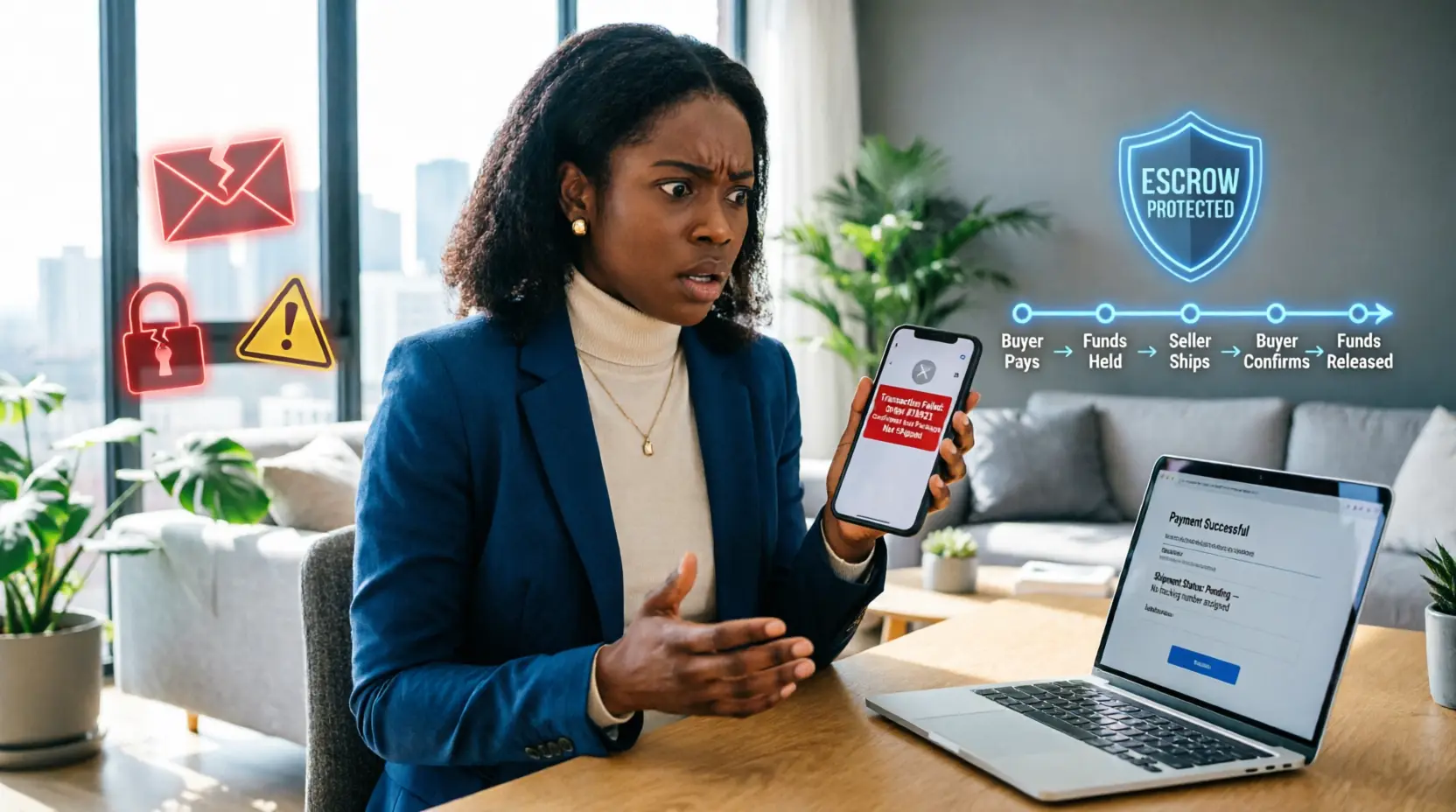
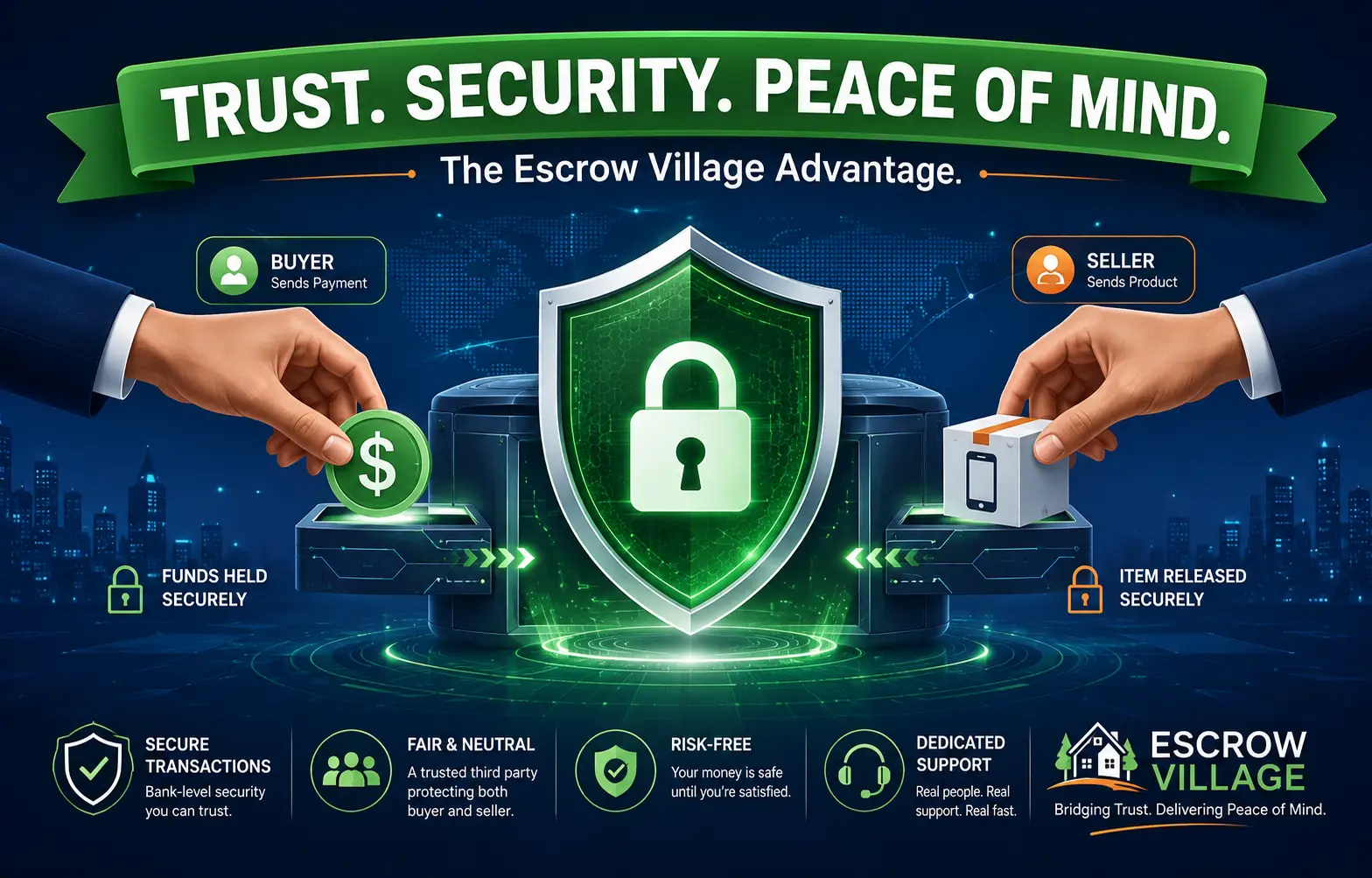
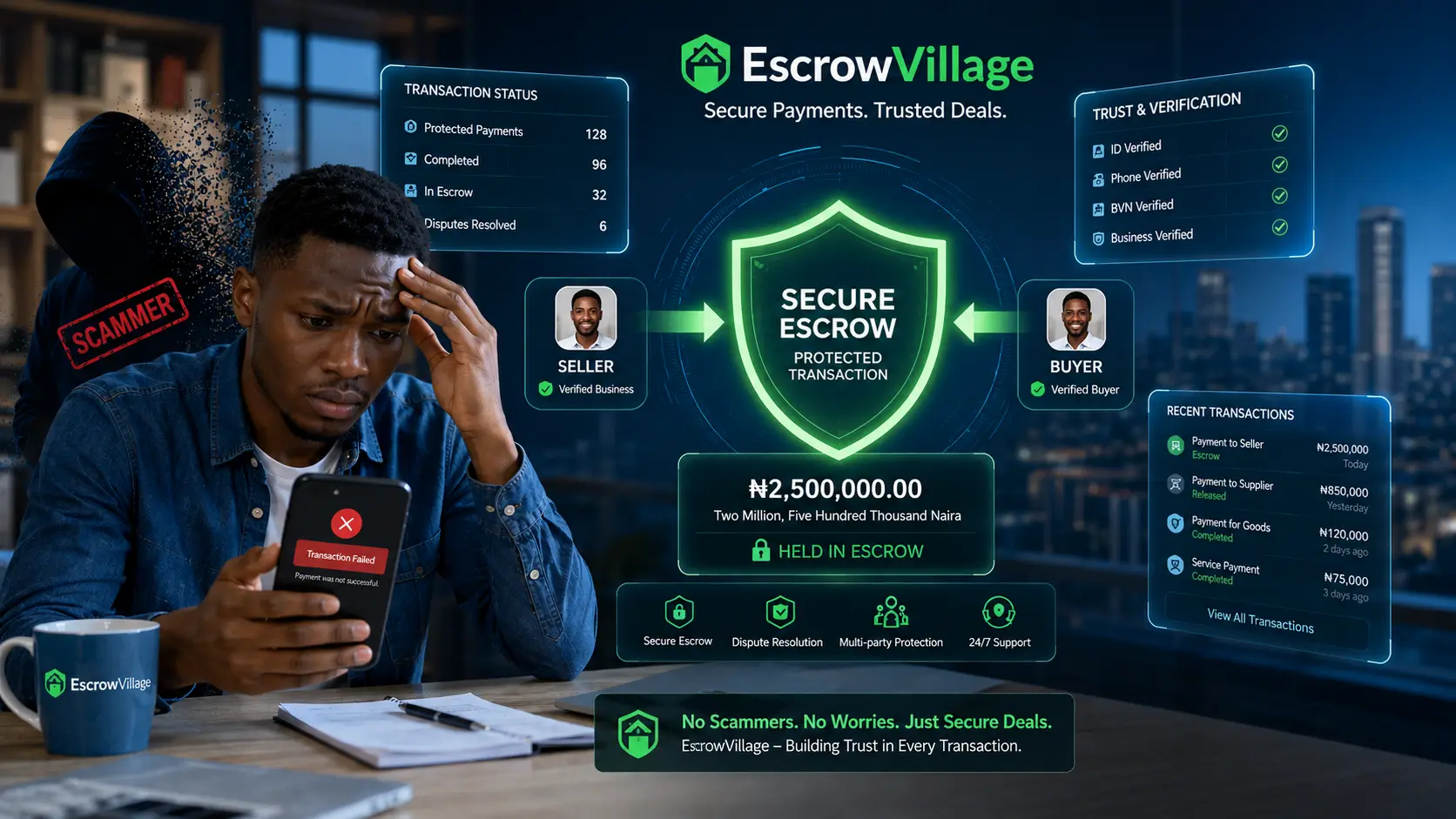
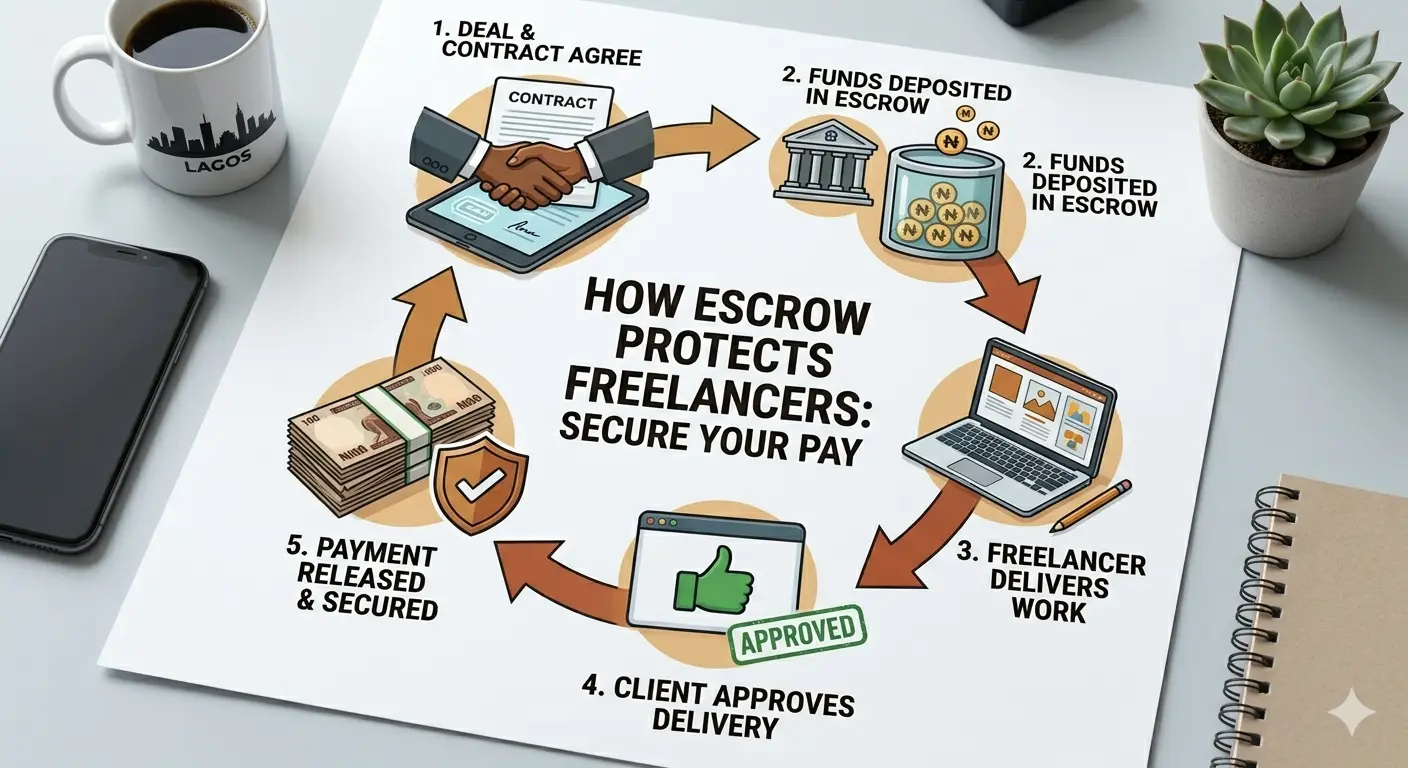
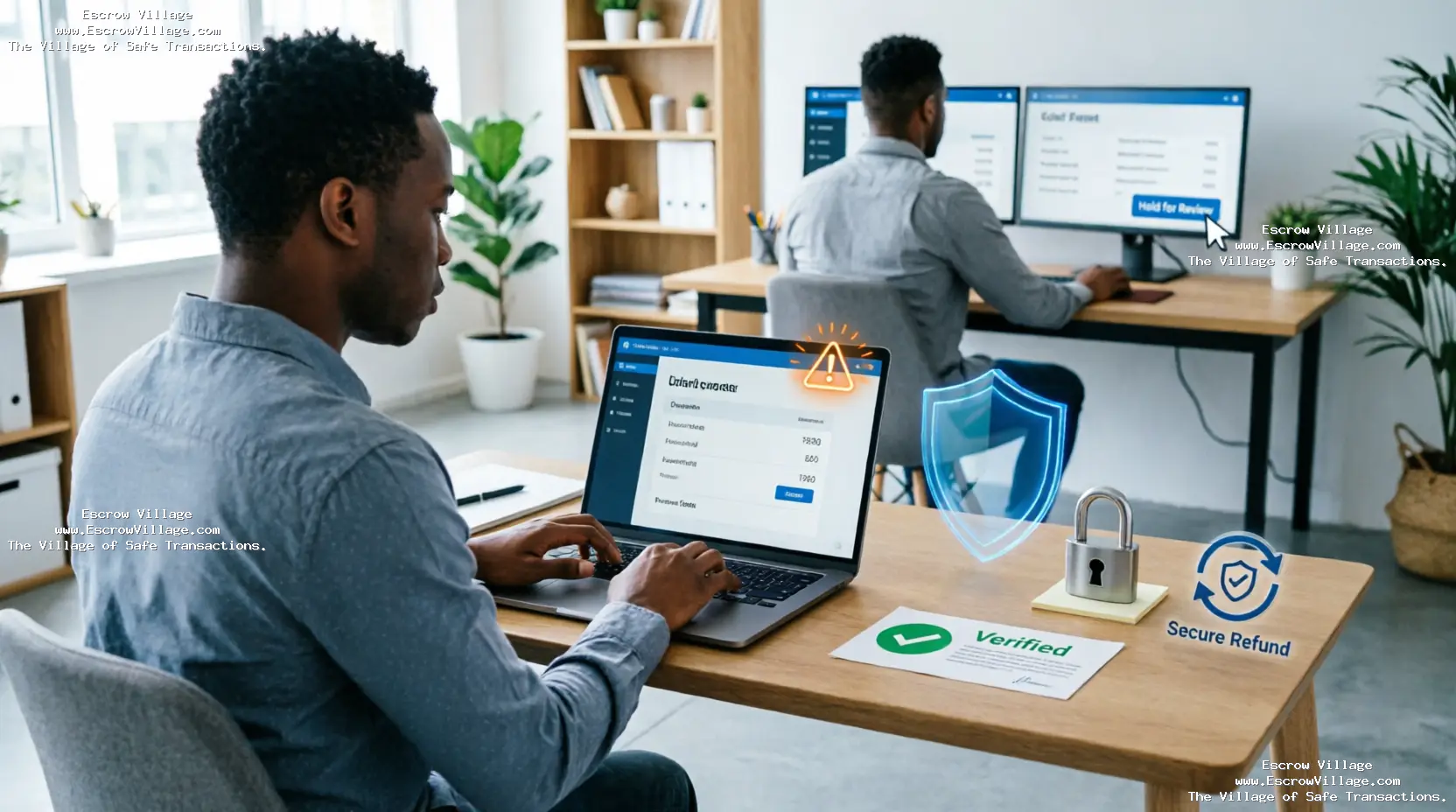
With Escrow Village, funds can be handled within a structured transaction process rather than relying entirely on direct payments between unfamiliar buyers and sellers.
For example, instead of a customer sending money directly to an online seller and immediately asking for a refund when something goes wrong, both parties can use an escrow arrangement with clear transaction terms.
This can make payments easier to track and help reduce misunderstandings between buyers and sellers.
An overpayment isn't just a refund issue. It can become a payment security problem when businesses fail to verify transactions or act too quickly.
Before returning excess funds, verify the payment, document the transaction, and follow a clear refund process.
For businesses that regularly transact online, Escrow Village can provide a safer way to manage transactions and build confidence between buyers and sellers.
When money is involved, don't just focus on receiving payment. Focus on making the entire transaction secure.
An overpayment may seem like a simple mistake, but handling it incorrectly can expose your business to payment disputes, fraud, or unnecessary financial losses.
For online businesses, an overpayment can happen when a customer enters the wrong amount, pays twice, or claims to have sent more money than expected.
In some cases, however, an apparent overpayment can be part of a scam designed to make you send money back before the original payment is properly verified.
So, what should your business do when a customer overpays?
Here are practical steps for handling overpayments safely while protecting your business and your customers.
- What Is an Overpayment?
For example, if a customer owes ₦100,000 but ₦150,000 appears in your account, you have an excess payment of ₦50,000 that needs to be properly addressed.
Before refunding the difference, verify the payment first.
How to Handle an Overpayment Safely
- 1. Confirm the Payment
- Don't rely only on a payment screenshot, SMS, or message from the customer.
- Check your actual payment account or transaction records to confirm:
- - The payment was received.
- - The amount is correct.
- - The transaction is successful.
- - The money is available for use.
- This simple step can prevent your business from falling for fake payment notifications.
- 2. Don't Rush to Refund
- A customer may ask you to return the excess amount immediately. However, rushing can create unnecessary risk.
- If the original payment later turns out to be reversed, fraudulent, or unauthorized, your business could lose both the money you refunded and the money you thought you received.
- Payment security starts with verification, not urgency.
- 3. Keep a Record
- Document the transaction and communication with the customer.
- Keep records of:
- - The agreed purchase price
- - The amount received
- - The excess amount
- - Payment confirmation
- - Refund details
- - Customer communication
- Good records make it easier to resolve disputes and explain what happened if questions arise later.
- How Escrow Can Reduce Payment Risks
With Escrow Village, funds can be handled within a structured transaction process rather than relying entirely on direct payments between unfamiliar buyers and sellers.
For example, instead of a customer sending money directly to an online seller and immediately asking for a refund when something goes wrong, both parties can use an escrow arrangement with clear transaction terms.
This can make payments easier to track and help reduce misunderstandings between buyers and sellers.
- Protect Your Business From Payment Problems
An overpayment isn't just a refund issue. It can become a payment security problem when businesses fail to verify transactions or act too quickly.
Before returning excess funds, verify the payment, document the transaction, and follow a clear refund process.
For businesses that regularly transact online, Escrow Village can provide a safer way to manage transactions and build confidence between buyers and sellers.
When money is involved, don't just focus on receiving payment. Focus on making the entire transaction secure.