what buyers and sellers should do during a payment dispute
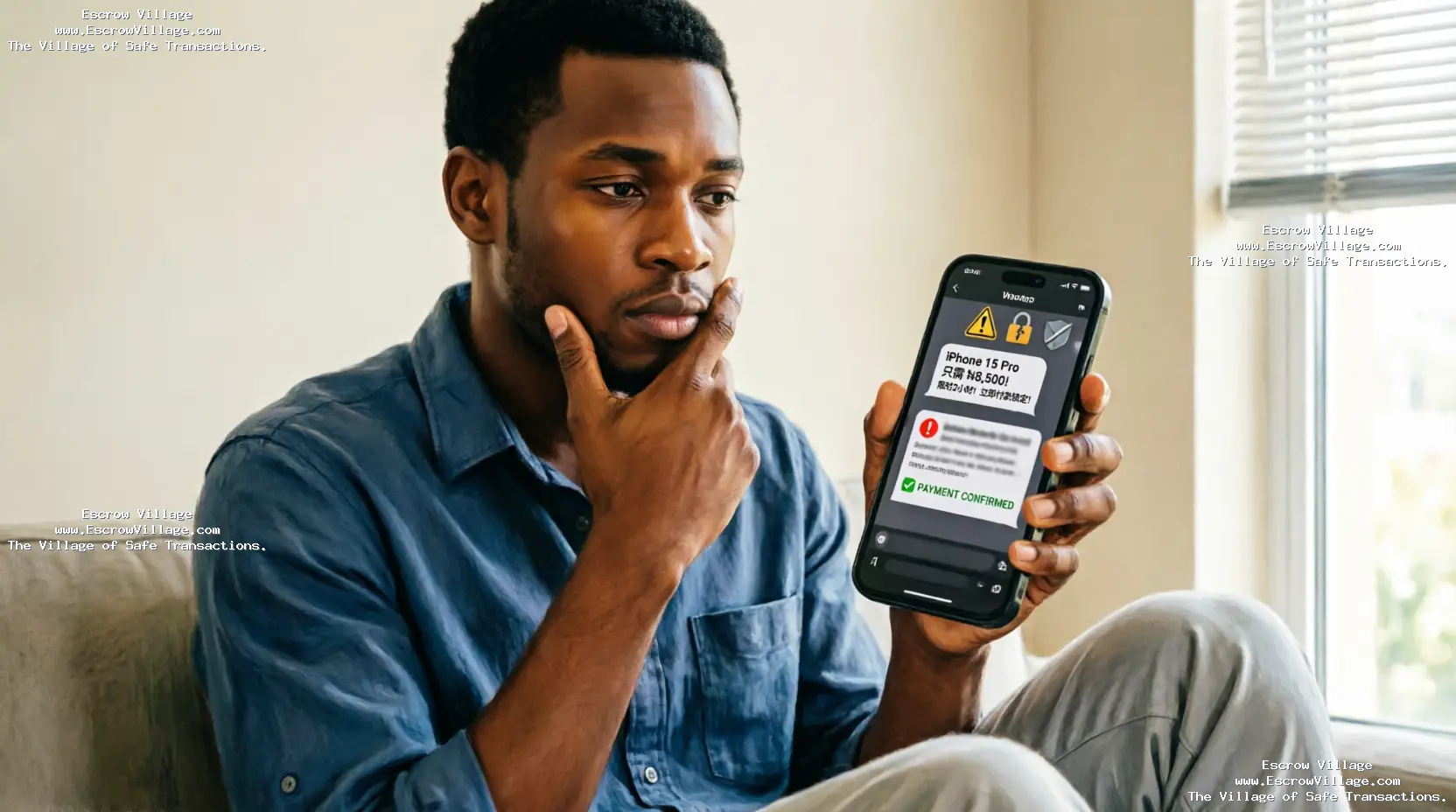
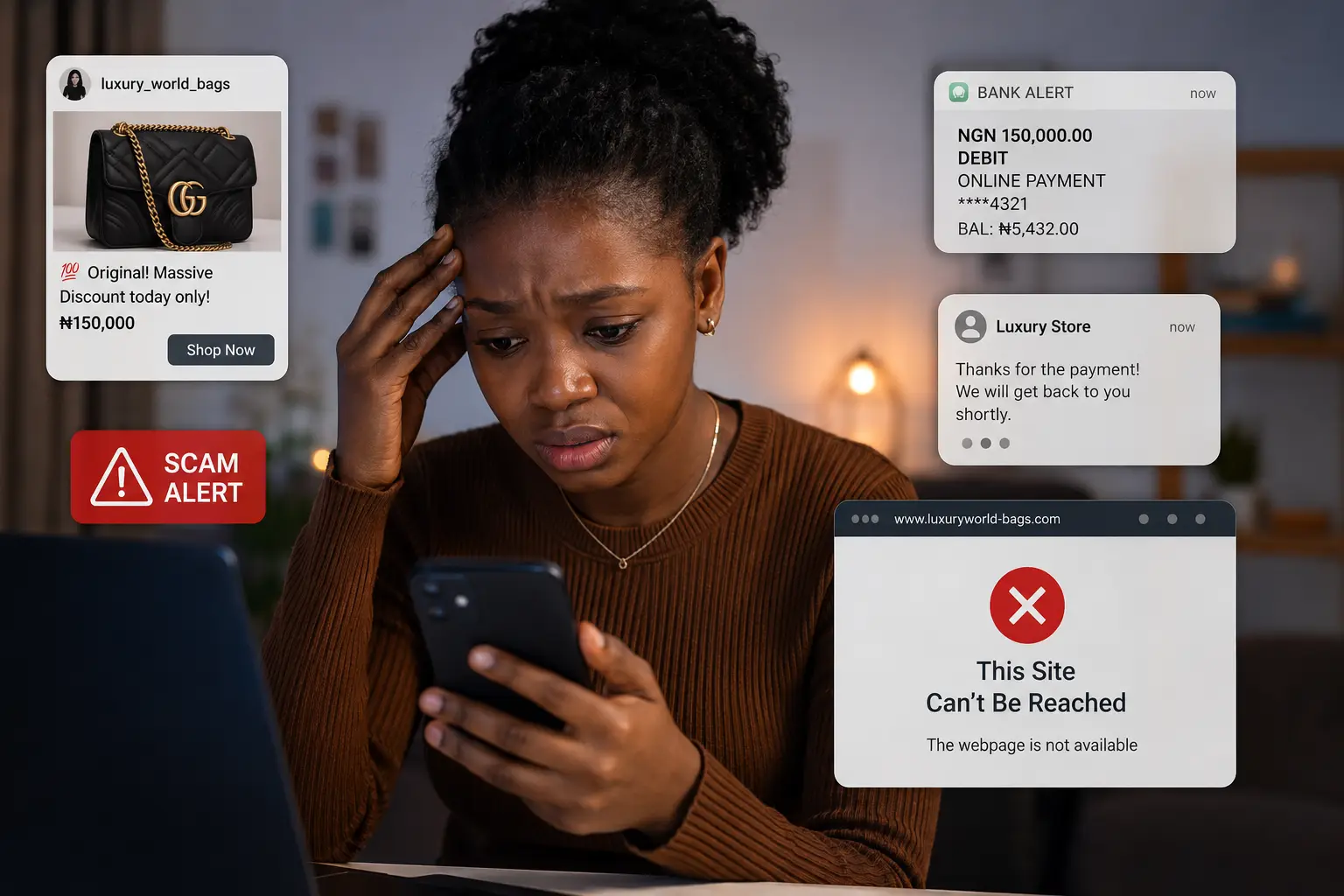
You've paid for an item, but the seller says they haven't received the money. Or perhaps you're a seller who delivered an order, only for the buyer to claim something went wrong and demand a refund.
Situations like these happen in online business. A payment dispute doesn't always mean someone is trying to scam you. Sometimes, it's a misunderstanding, a delayed payment, or a disagreement about what was delivered.
The important thing is knowing what to do next.
Here's a practical guide to handling payment disputes fairly, without making the situation worse.
First, identify the actual problem. Is the payment missing? Was the wrong amount charged? Did the buyer receive a different product? Or is the seller waiting for confirmation that the money has arrived?
For example, a buyer might see a debit alert, but the seller hasn't received the funds. Making another transfer immediately could result in paying twice.
This is the first step in knowing what to do when a payment dispute occurs: understand the problem before deciding on a solution.
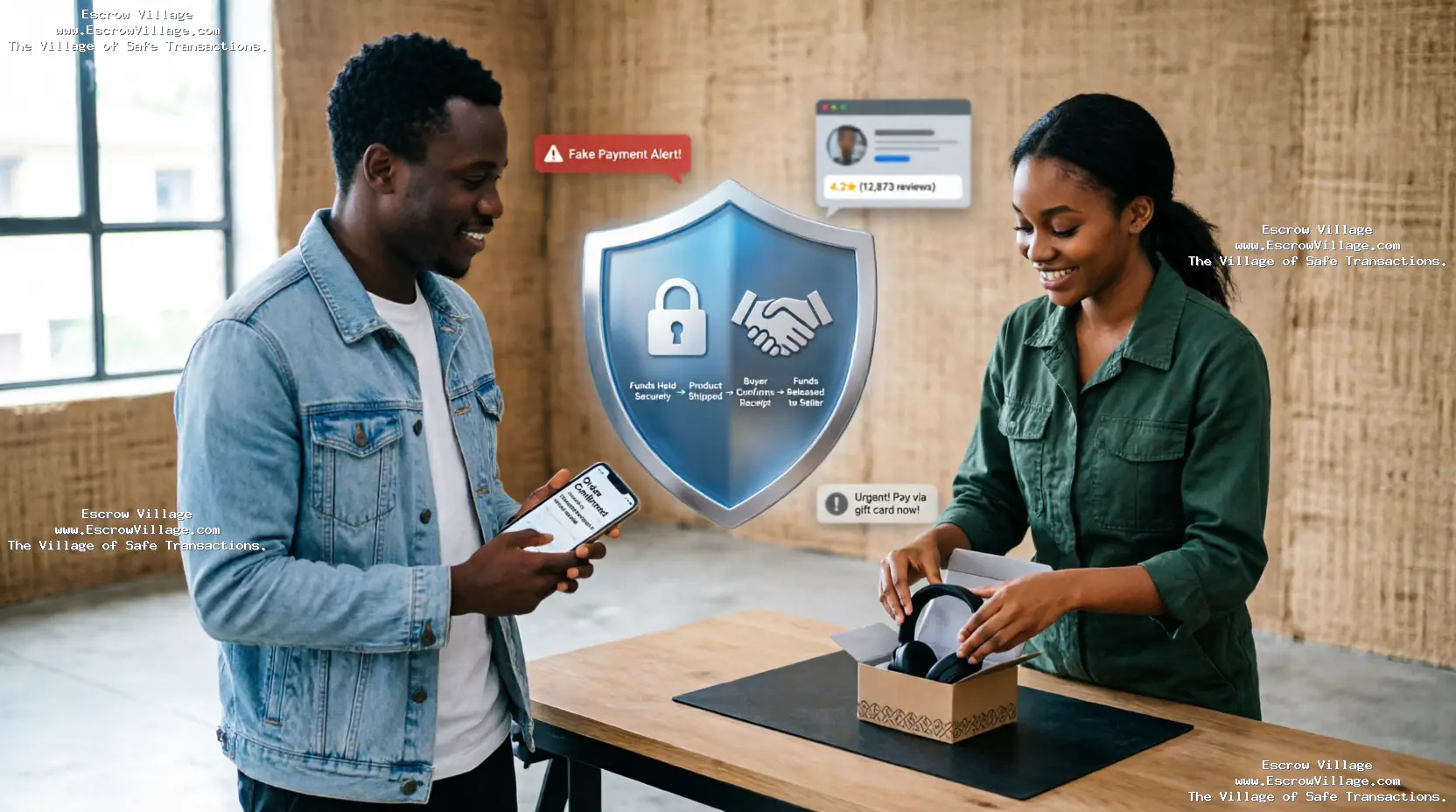
If the transaction involves Escrow Village, follow the platform's applicable dispute procedures before making changes outside the agreed arrangement.
Online payment disputes between buyers and sellers can easily become personal.
The buyer feels cheated, while the seller feels accused of dishonesty.
Instead of exchanging angry messages, focus on the specific issue.
Buyers should explain what went wrong, when it happened, and what outcome they want. Sellers should acknowledge the complaint and explain their side clearly.
For instance, instead of saying, "You're trying to cheat me," a buyer could say, "I paid on Tuesday, but the payment hasn't been confirmed. Can we check the transaction reference together?"
Keep the conversation in writing so both parties have a record of what was discussed.
A payment dispute resolution process becomes easier when both parties have relevant evidence.
Buyers should keep payment receipts, order confirmations, screenshots of the product listing, and messages discussing delivery.
Sellers should keep invoices, payment records, dispatch details, delivery confirmations, and messages showing what was agreed.
The evidence you need depends on the problem. If the complaint concerns a damaged product, photographs and delivery records may be more useful than a payment screenshot.
Keep original records where possible, and avoid editing screenshots in ways that could undermine their credibility.
If you're using Escrow Village, retain the relevant transaction details and submit supporting evidence through the appropriate process.
Not every payment dispute requires a full refund.
If the seller received less than the agreed amount, the parties may need to reconcile the payment. If an order arrived with a minor defect, they might agree on a replacement or partial refund.
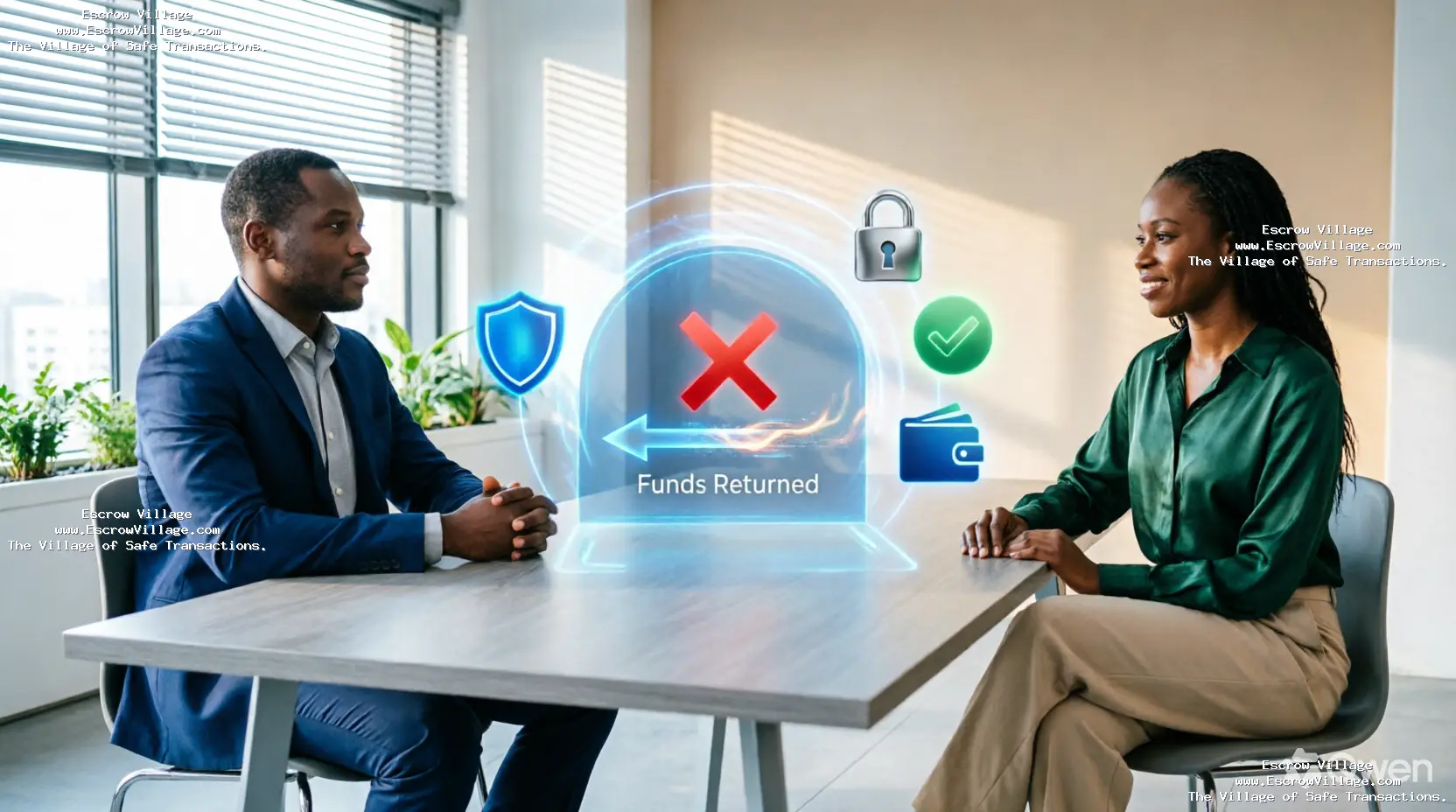
If the goods were never delivered, a refund or another remedy may be appropriate, depending on the agreement and applicable rules.
The key is to match the solution to the problem.
Buyers should explain what outcome would resolve their complaint. Sellers should consider reasonable solutions instead of rejecting every request immediately.
For a buyer-seller payment dispute involving an escrow transaction, follow the agreed release, refund, and dispute conditions rather than making conflicting arrangements.
A chargeback is different from an ordinary disagreement between a buyer and seller.
It happens when a cardholder disputes a card transaction through their bank or card issuer, which may reverse the payment while the case is reviewed.
Common chargeback reasons include unauthorised transactions, goods not received, and products that differ significantly from their descriptions.
If you're a buyer, contact your seller first when appropriate, but don't delay contacting your bank if you suspect fraud or need to meet a dispute deadline.
If you're a seller, learn how to handle chargebacks by reading the notice carefully and checking the response deadline.
Your seller response to chargeback claims should address the specific reason for the dispute.
Relevant chargeback evidence for sellers may include order details, customer communications, delivery confirmation, and proof that the agreed service was provided.
There is no guaranteed way to win a chargeback dispute. Your response needs to match the claim and the card provider's requirements.
If direct communication doesn't resolve the issue, use the relevant formal process.
For card payments, follow the bank or payment provider's instructions. For marketplace purchases, use the marketplace's dispute procedure.
If the transaction was arranged through Escrow Village, use its official support and dispute channels where applicable.
Provide the requested evidence, explain the timeline, and avoid submitting contradictory information.
Don't assume that a private agreement automatically cancels a formal dispute.
Make sure any settlement is properly documented and handled through the relevant provider.
Once the issue is resolved, identify what caused it.
Were the delivery terms unclear? Was the refund policy missing? Did the buyer misunderstand the product description? Or was there confusion about when payment would be released?
Update your processes accordingly. Clear product descriptions, written agreements, realistic delivery timelines, and documented refund terms can help reduce future disagreements.
For sellers, these habits are also part of how to prevent chargebacks in online business.
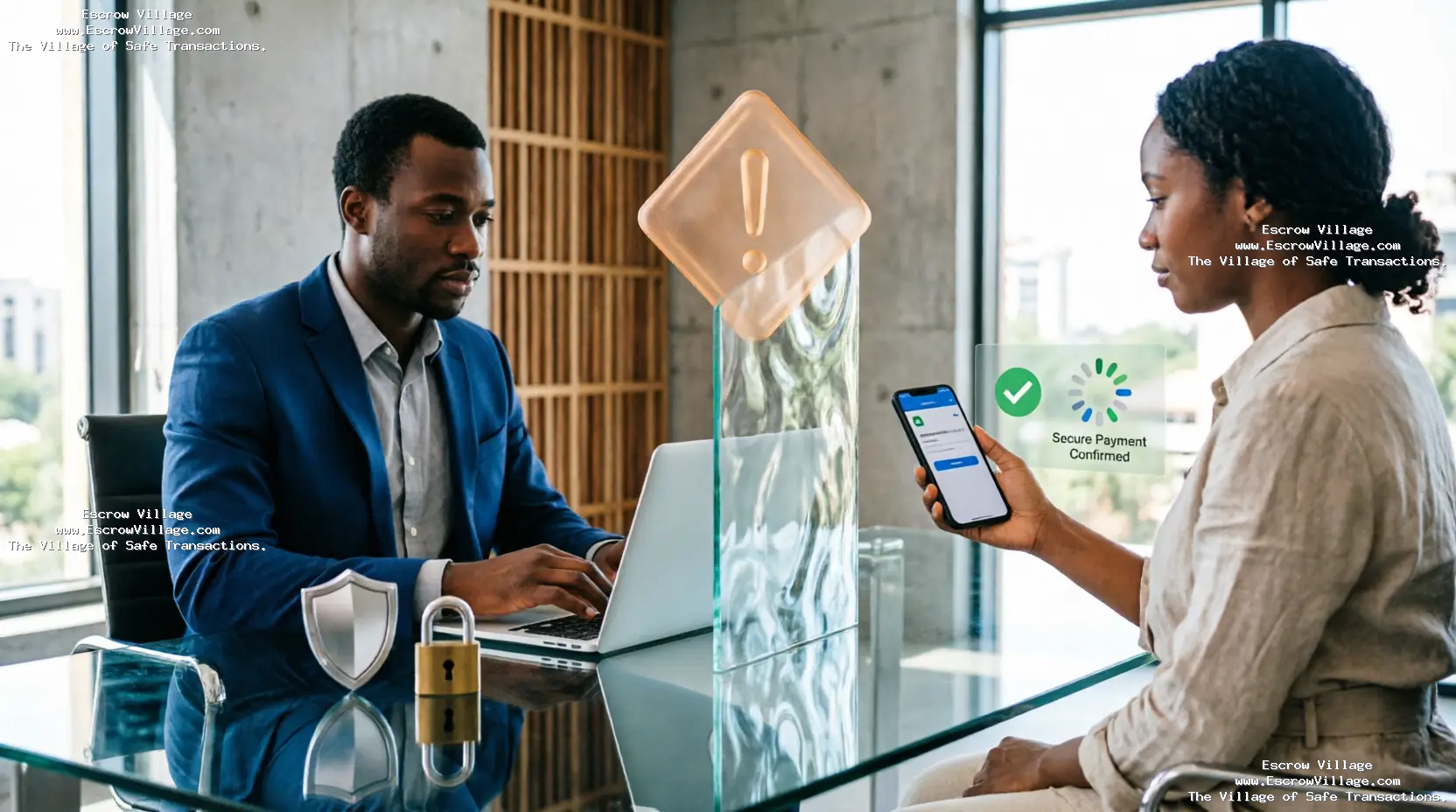
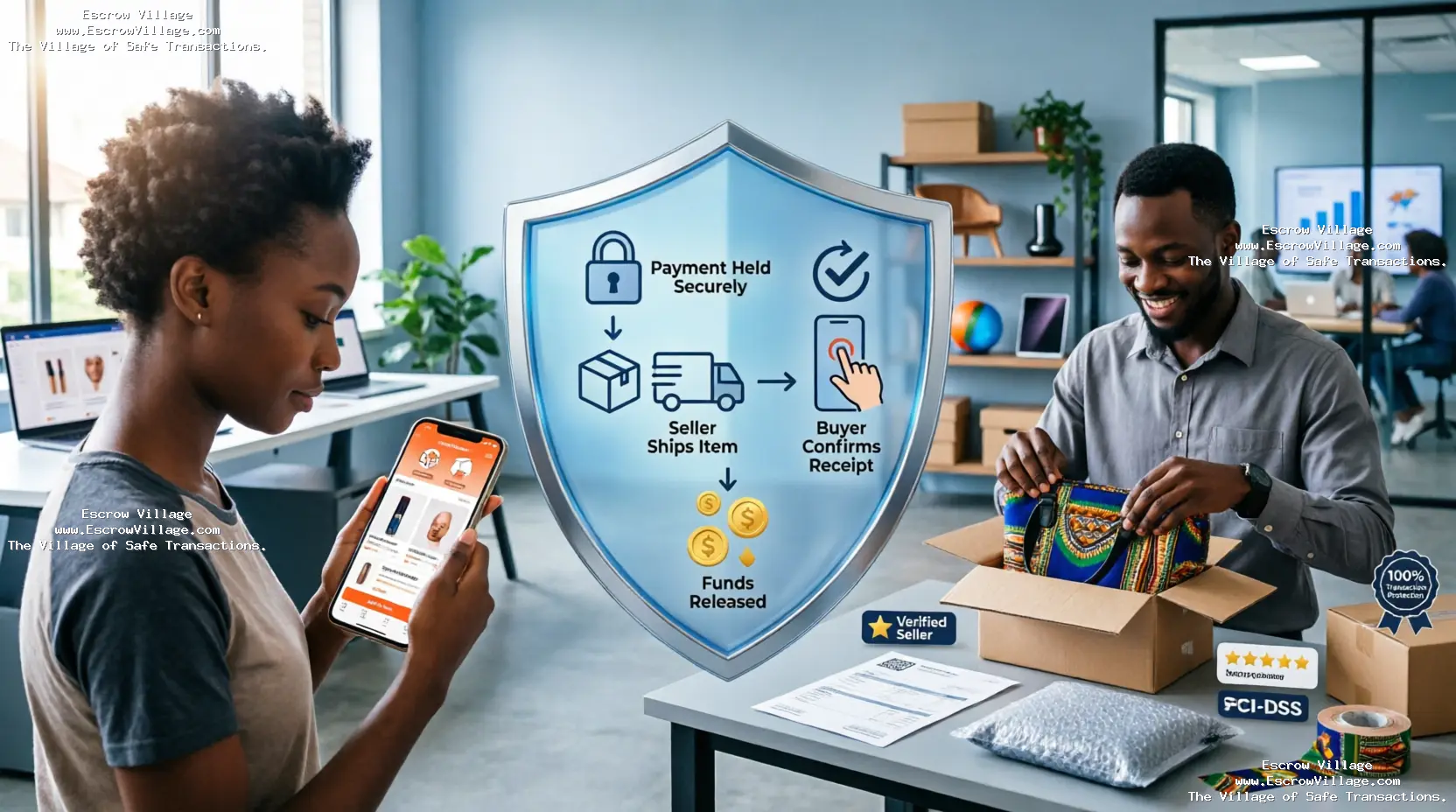
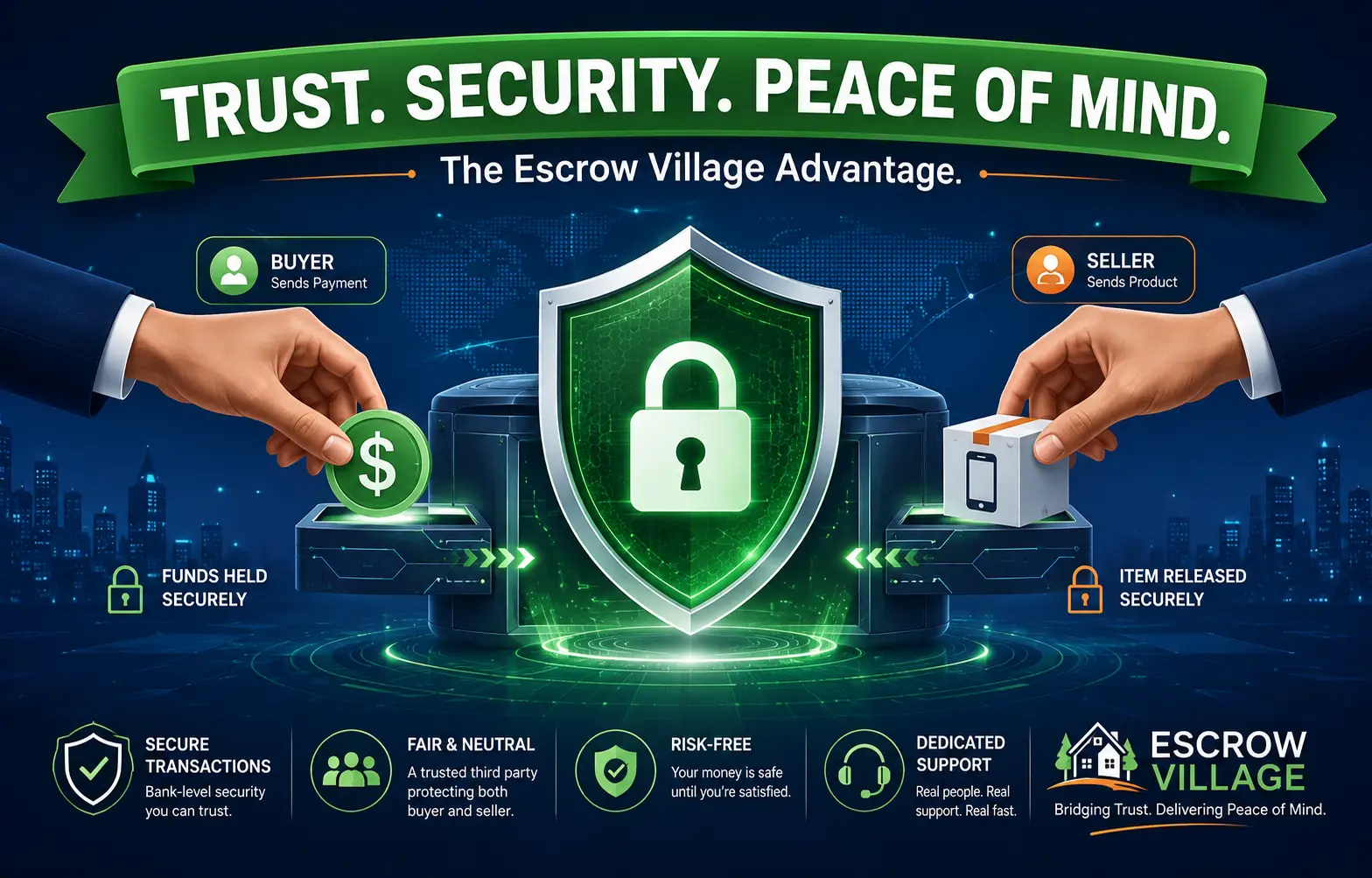
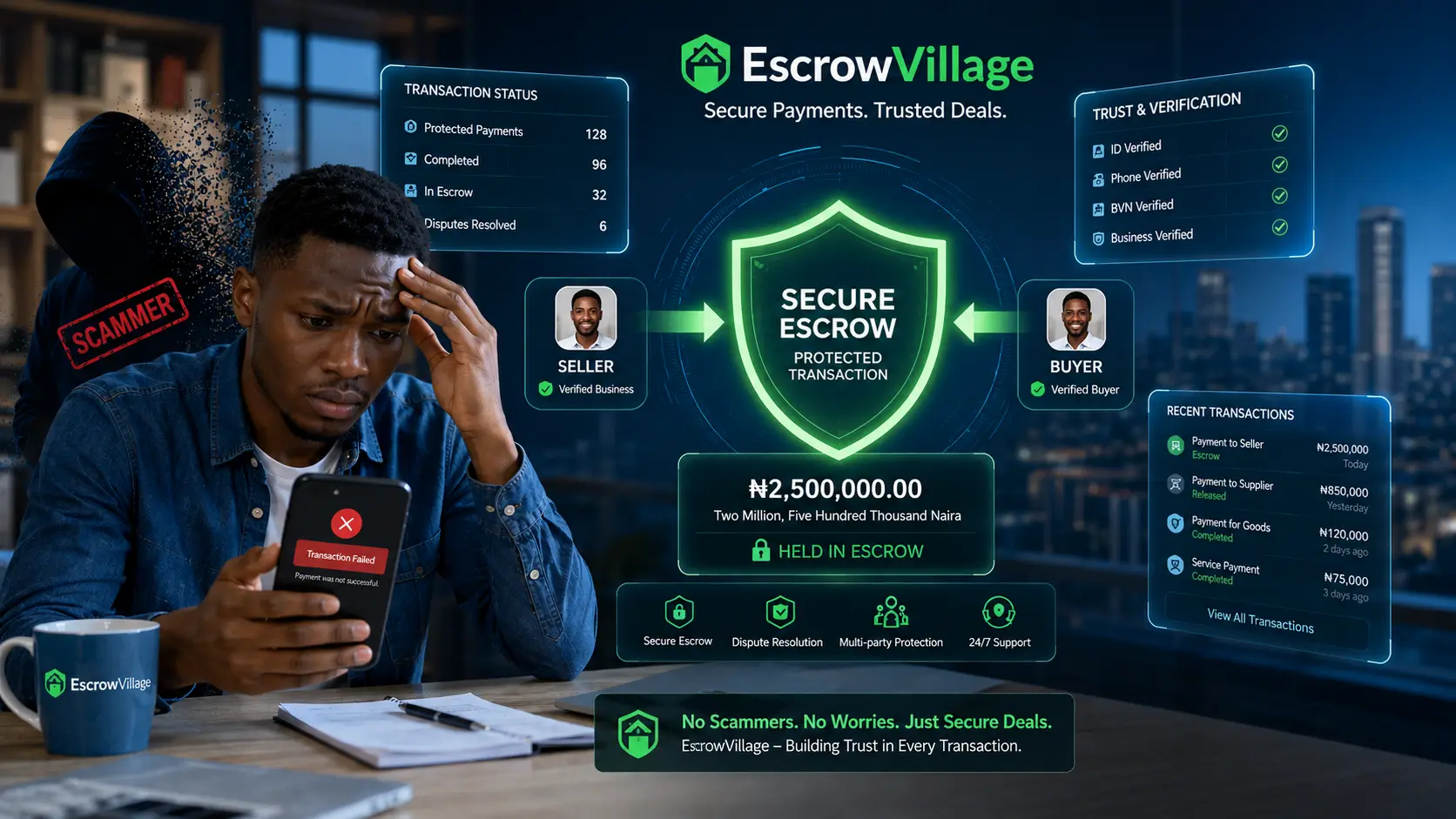
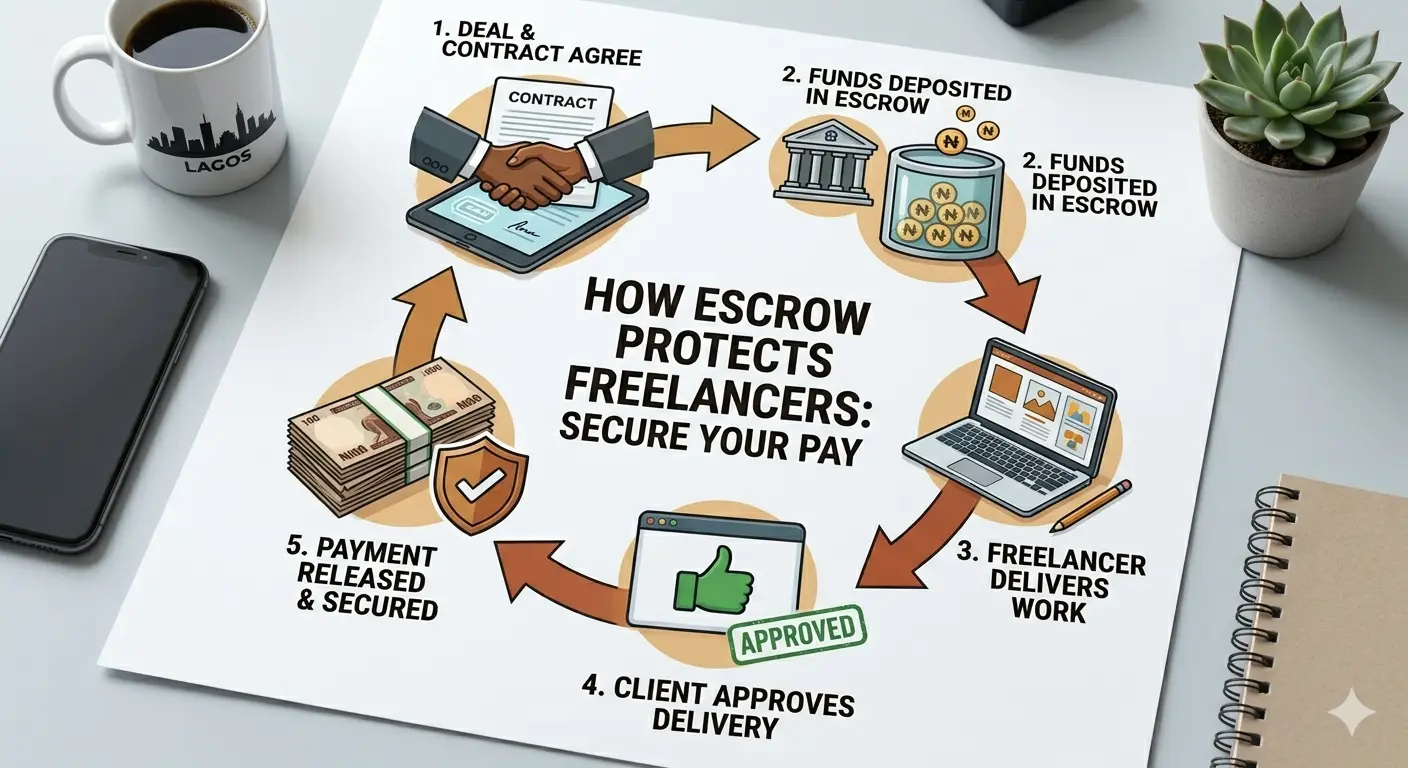
Escrow Village can help make eligible transactions clearer by providing an escrow-based payment arrangement under agreed conditions.
Visit "Escrow Village" (https://escrowvillage.com) to explore a safer way to manage your transactions.
Payment disputes don't have to end in insults, lost customers, or unnecessary financial losses.
Pause the transaction, communicate calmly, gather evidence, agree on a fair solution, and follow the proper dispute process.
Whether you're buying or selling, handle the issue with facts rather than assumptions.
And for your next eligible transaction, consider Escrow Village to help establish clearer payment conditions from the beginning.
Situations like these happen in online business. A payment dispute doesn't always mean someone is trying to scam you. Sometimes, it's a misunderstanding, a delayed payment, or a disagreement about what was delivered.
The important thing is knowing what to do next.
Here's a practical guide to handling payment disputes fairly, without making the situation worse.
- 1. Pause the Transaction and Establish What's Happened
First, identify the actual problem. Is the payment missing? Was the wrong amount charged? Did the buyer receive a different product? Or is the seller waiting for confirmation that the money has arrived?
For example, a buyer might see a debit alert, but the seller hasn't received the funds. Making another transfer immediately could result in paying twice.
This is the first step in knowing what to do when a payment dispute occurs: understand the problem before deciding on a solution.
If the transaction involves Escrow Village, follow the platform's applicable dispute procedures before making changes outside the agreed arrangement.
- 2. Move the Conversation From Arguments to Facts
Online payment disputes between buyers and sellers can easily become personal.
The buyer feels cheated, while the seller feels accused of dishonesty.
Instead of exchanging angry messages, focus on the specific issue.
Buyers should explain what went wrong, when it happened, and what outcome they want. Sellers should acknowledge the complaint and explain their side clearly.
For instance, instead of saying, "You're trying to cheat me," a buyer could say, "I paid on Tuesday, but the payment hasn't been confirmed. Can we check the transaction reference together?"
Keep the conversation in writing so both parties have a record of what was discussed.
- 3. Gather Evidence Before Offering a Solution
A payment dispute resolution process becomes easier when both parties have relevant evidence.
Buyers should keep payment receipts, order confirmations, screenshots of the product listing, and messages discussing delivery.
Sellers should keep invoices, payment records, dispatch details, delivery confirmations, and messages showing what was agreed.
The evidence you need depends on the problem. If the complaint concerns a damaged product, photographs and delivery records may be more useful than a payment screenshot.
Keep original records where possible, and avoid editing screenshots in ways that could undermine their credibility.
If you're using Escrow Village, retain the relevant transaction details and submit supporting evidence through the appropriate process.
- 4. Agree on a Solution That Addresses the Actual Problem
Not every payment dispute requires a full refund.
If the seller received less than the agreed amount, the parties may need to reconcile the payment. If an order arrived with a minor defect, they might agree on a replacement or partial refund.
If the goods were never delivered, a refund or another remedy may be appropriate, depending on the agreement and applicable rules.
The key is to match the solution to the problem.
Buyers should explain what outcome would resolve their complaint. Sellers should consider reasonable solutions instead of rejecting every request immediately.
For a buyer-seller payment dispute involving an escrow transaction, follow the agreed release, refund, and dispute conditions rather than making conflicting arrangements.
- 5. Know When a Chargeback Is Involved
A chargeback is different from an ordinary disagreement between a buyer and seller.
It happens when a cardholder disputes a card transaction through their bank or card issuer, which may reverse the payment while the case is reviewed.
Common chargeback reasons include unauthorised transactions, goods not received, and products that differ significantly from their descriptions.
If you're a buyer, contact your seller first when appropriate, but don't delay contacting your bank if you suspect fraud or need to meet a dispute deadline.
If you're a seller, learn how to handle chargebacks by reading the notice carefully and checking the response deadline.
Your seller response to chargeback claims should address the specific reason for the dispute.
Relevant chargeback evidence for sellers may include order details, customer communications, delivery confirmation, and proof that the agreed service was provided.
There is no guaranteed way to win a chargeback dispute. Your response needs to match the claim and the card provider's requirements.
- 6. Follow the Official Dispute Process
If direct communication doesn't resolve the issue, use the relevant formal process.
For card payments, follow the bank or payment provider's instructions. For marketplace purchases, use the marketplace's dispute procedure.
If the transaction was arranged through Escrow Village, use its official support and dispute channels where applicable.
Provide the requested evidence, explain the timeline, and avoid submitting contradictory information.
Don't assume that a private agreement automatically cancels a formal dispute.
Make sure any settlement is properly documented and handled through the relevant provider.
- 7. Use the Experience to Prevent Future Disputes
Once the issue is resolved, identify what caused it.
Were the delivery terms unclear? Was the refund policy missing? Did the buyer misunderstand the product description? Or was there confusion about when payment would be released?
Update your processes accordingly. Clear product descriptions, written agreements, realistic delivery timelines, and documented refund terms can help reduce future disagreements.
For sellers, these habits are also part of how to prevent chargebacks in online business.
Escrow Village can help make eligible transactions clearer by providing an escrow-based payment arrangement under agreed conditions.
Visit "Escrow Village" (https://escrowvillage.com) to explore a safer way to manage your transactions.
Payment disputes don't have to end in insults, lost customers, or unnecessary financial losses.
Pause the transaction, communicate calmly, gather evidence, agree on a fair solution, and follow the proper dispute process.
Whether you're buying or selling, handle the issue with facts rather than assumptions.
And for your next eligible transaction, consider Escrow Village to help establish clearer payment conditions from the beginning.