
Lessons Entrepreneurs Can Learn From Major Fraud Cases in Nigeria
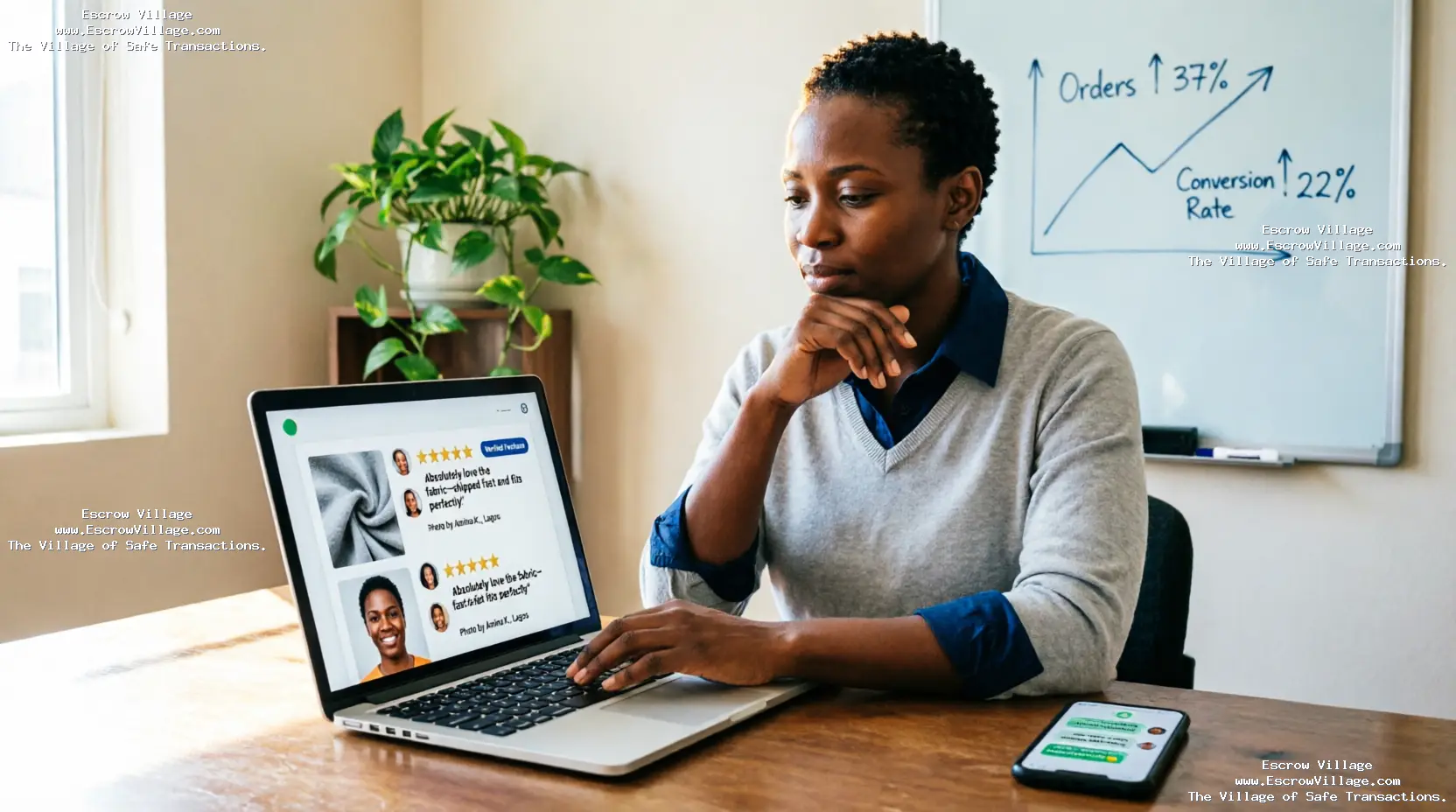
It's easy to assume fraud only targets big corporations, but entrepreneurs and small business owners are just as vulnerable, sometimes more so, since they often have fewer safeguards in place.
Looking closely at these major cases reveals patterns worth paying attention to.
- Why Entrepreneurs Should Learn From Major Fraud Cases

Major fraud cases in Nigeria often follow familiar patterns, weak internal controls, unchecked trust, and overlooked red flags that repeat themselves across industries.
For Nigerian entrepreneurs, studying these cases offers a rare advantage: learning from other people's costly mistakes instead of paying for the lesson firsthand.
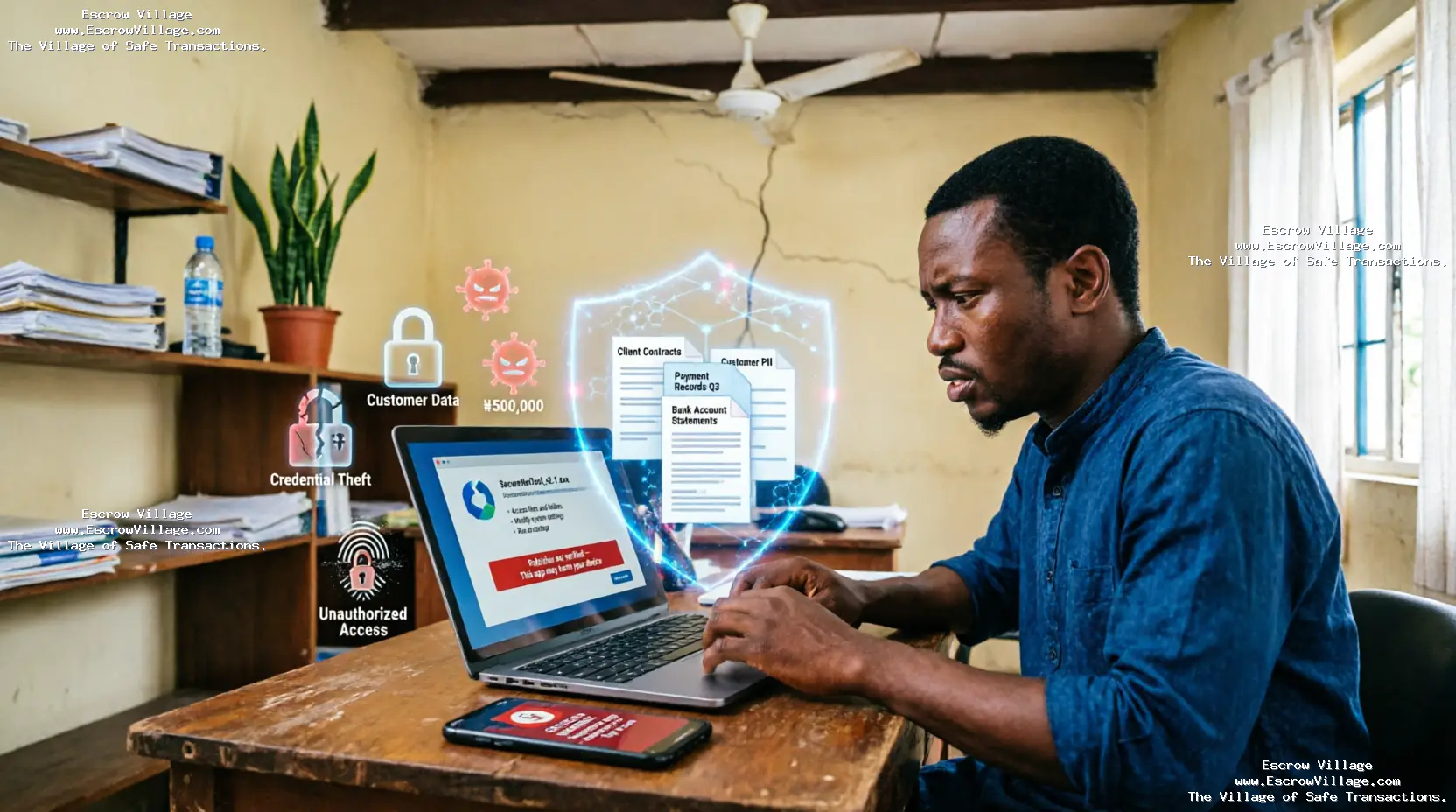
Business fraud in Nigeria doesn't just drain finances; it can quietly erode a company's reputation and the customer trust built over years, sometimes in a matter of days.
Even well-established, successful businesses aren't immune, proof that fraud prevention should never be treated as optional. By examining how past cases unfolded, Nigerian business owners can sharpen their judgment, spot warning signs early, and build stronger, more resilient companies from the ground up.
- Lesson 1: Always Conduct Proper Due Diligence

One of the clearest lessons from major fraud cases in Nigeria is that promises alone should never be the basis for a business relationship.
Many victims lost money simply because they trusted a partner, vendor, investor, or client based on charisma or persuasive talk, without confirming who they were actually dealing with.
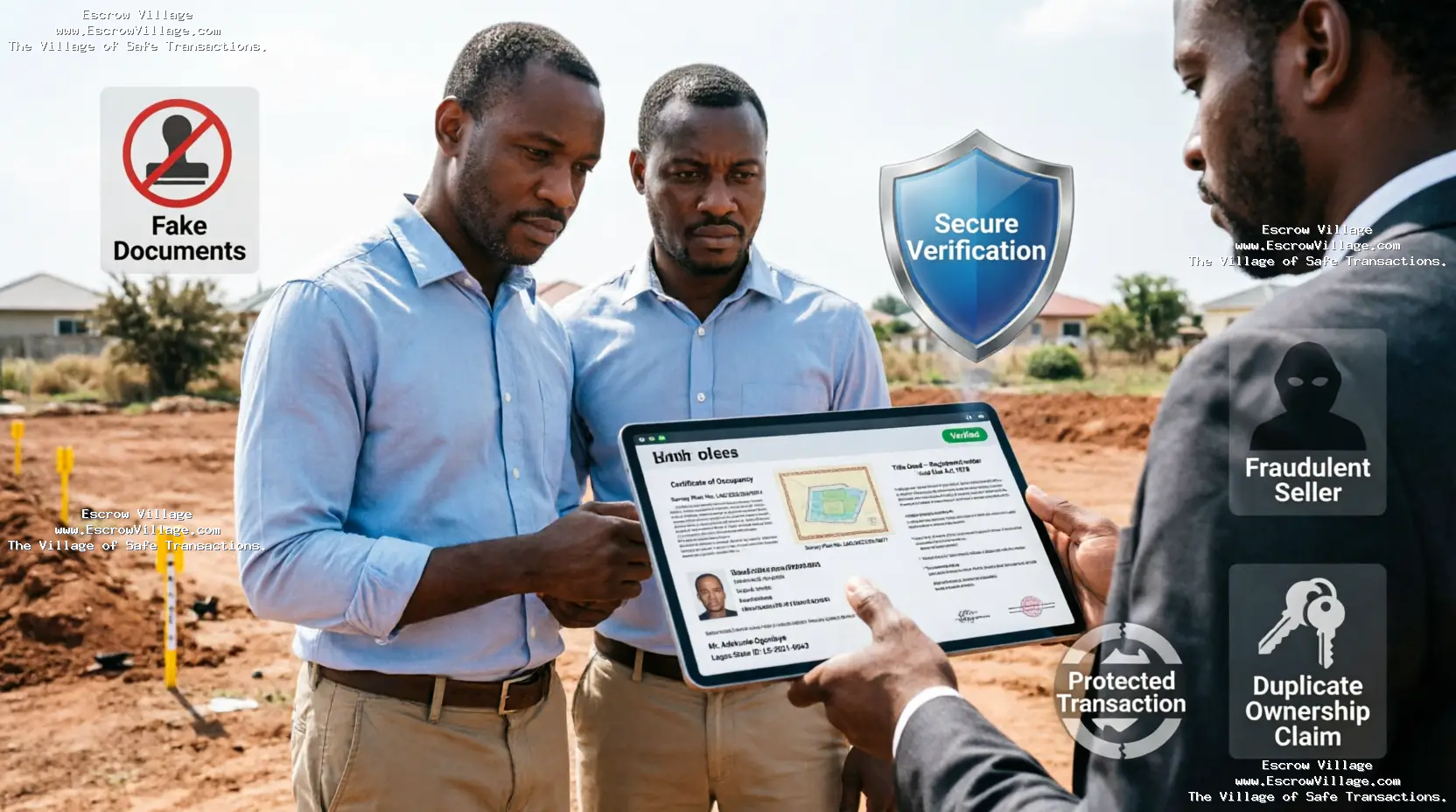
Proper business due diligence means verifying identities, checking business registration details, requesting references, and reviewing past transaction history before committing funds or resources.
Before entering major financial agreements, entrepreneurs should research the individuals and companies involved, cross-checking claims against verifiable records rather than assumptions.
This kind of verification is often the easiest way to avoid business scams. Red flags rarely appear out of nowhere, they show up early, but only for those willing to look closely before signing anything.
- Lesson 2: Create Strong Financial Controls

Weak financial oversight is a recurring theme across major fraud cases, and it's one of the easiest gaps for entrepreneurs to close.
Financial fraud prevention starts with a simple but often ignored rule: separate personal and business finances completely.
When the two are mixed, it becomes far harder to notice when something is off.
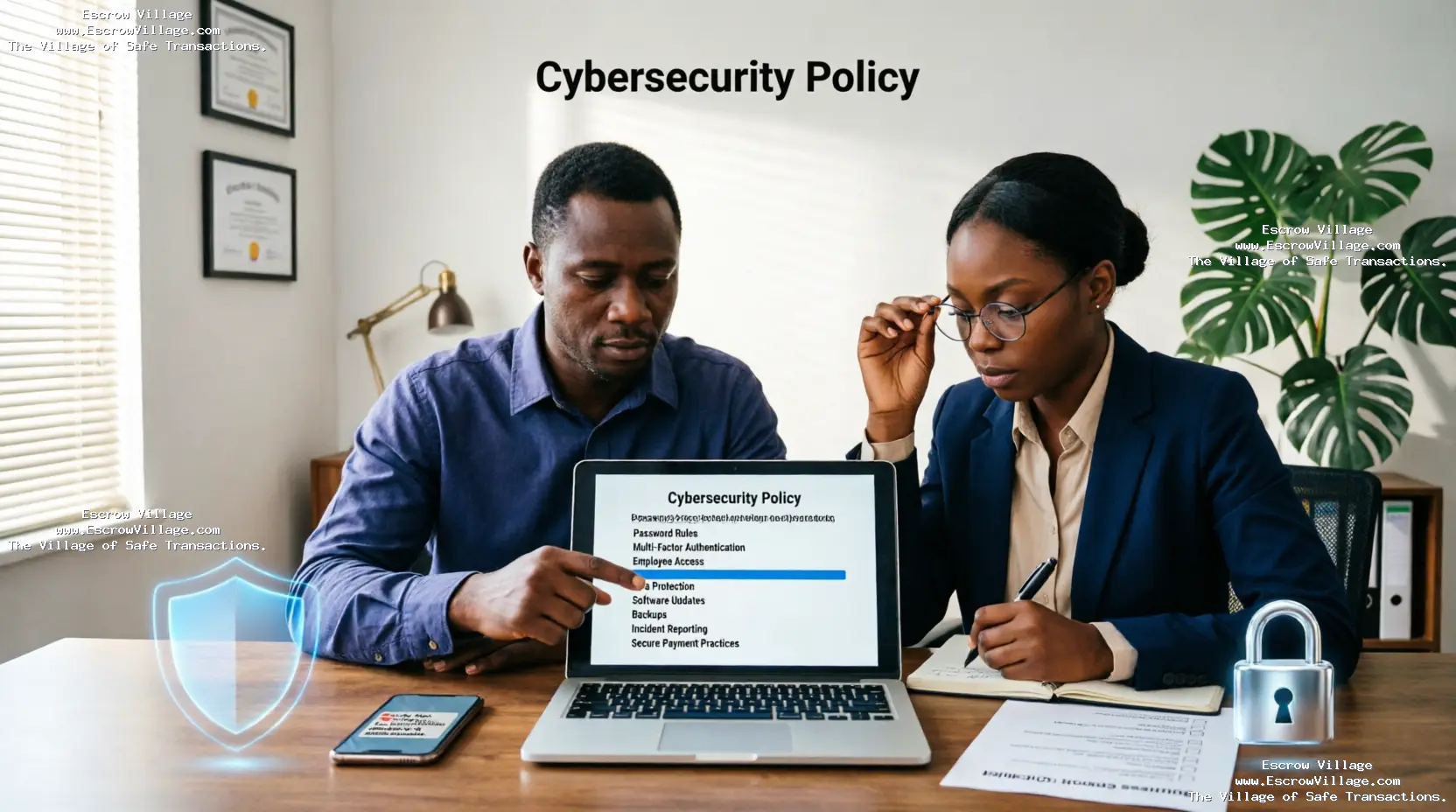
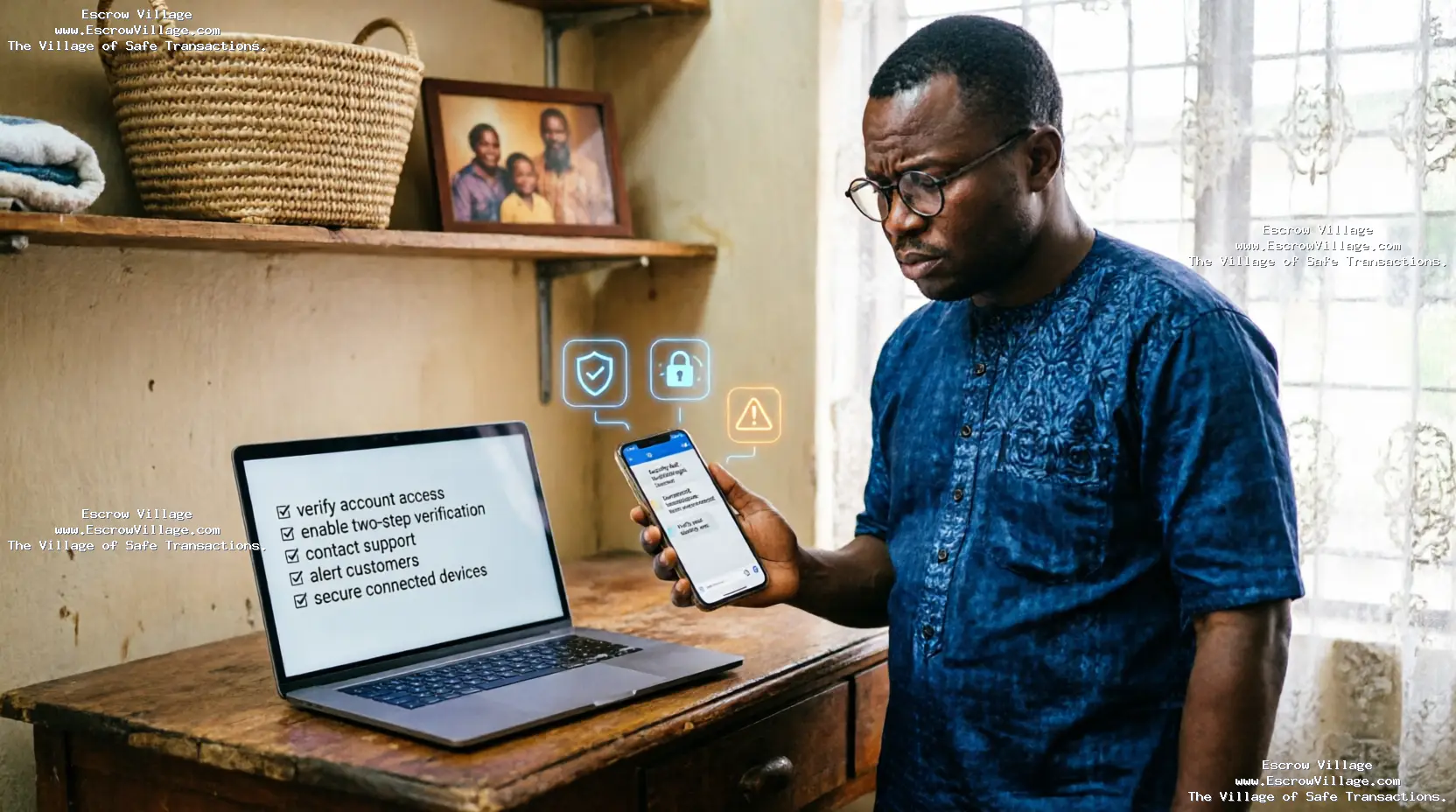
Beyond that, strong business financial controls mean keeping accurate, up-to-date records, requiring proper approval before large transactions go through, and reviewing business accounts regularly rather than only checking in when something feels wrong.No single person, no matter how trusted, should control every stage of a financial transaction alone.
That kind of unchecked access is exactly where fraud tends to slip in unnoticed.
Using proper accounting systems and documentation makes it much easier to catch suspicious activity early, before it becomes a full-blown loss.
For Nigerian entrepreneurs building long-term businesses, secure business transactions depend on structure, not just trust.
- Lesson 3: Do Not Ignore Red Flags Because of Greed or Urgency

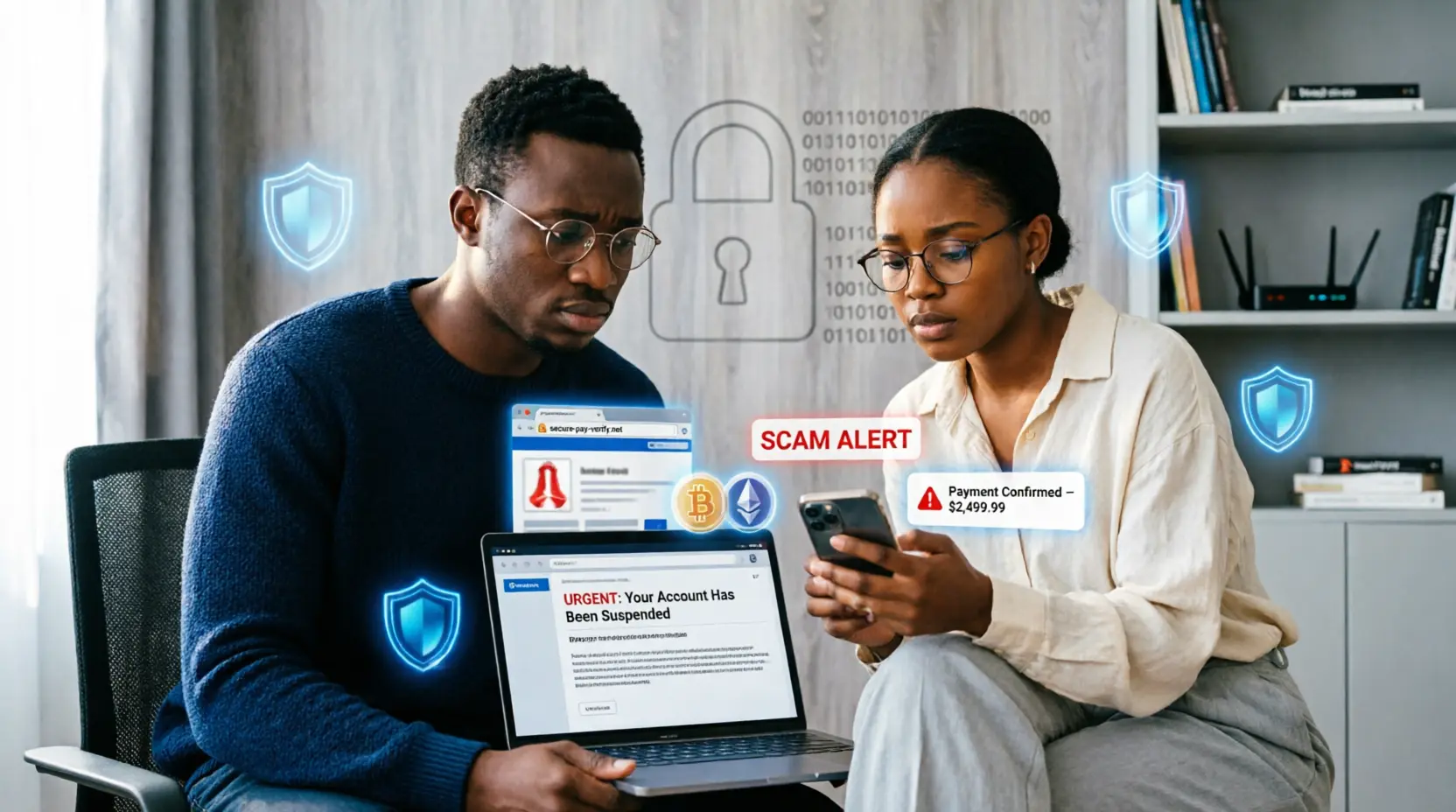
Many online business scams in Nigeria succeed not because they're clever, but because victims override their own instincts.
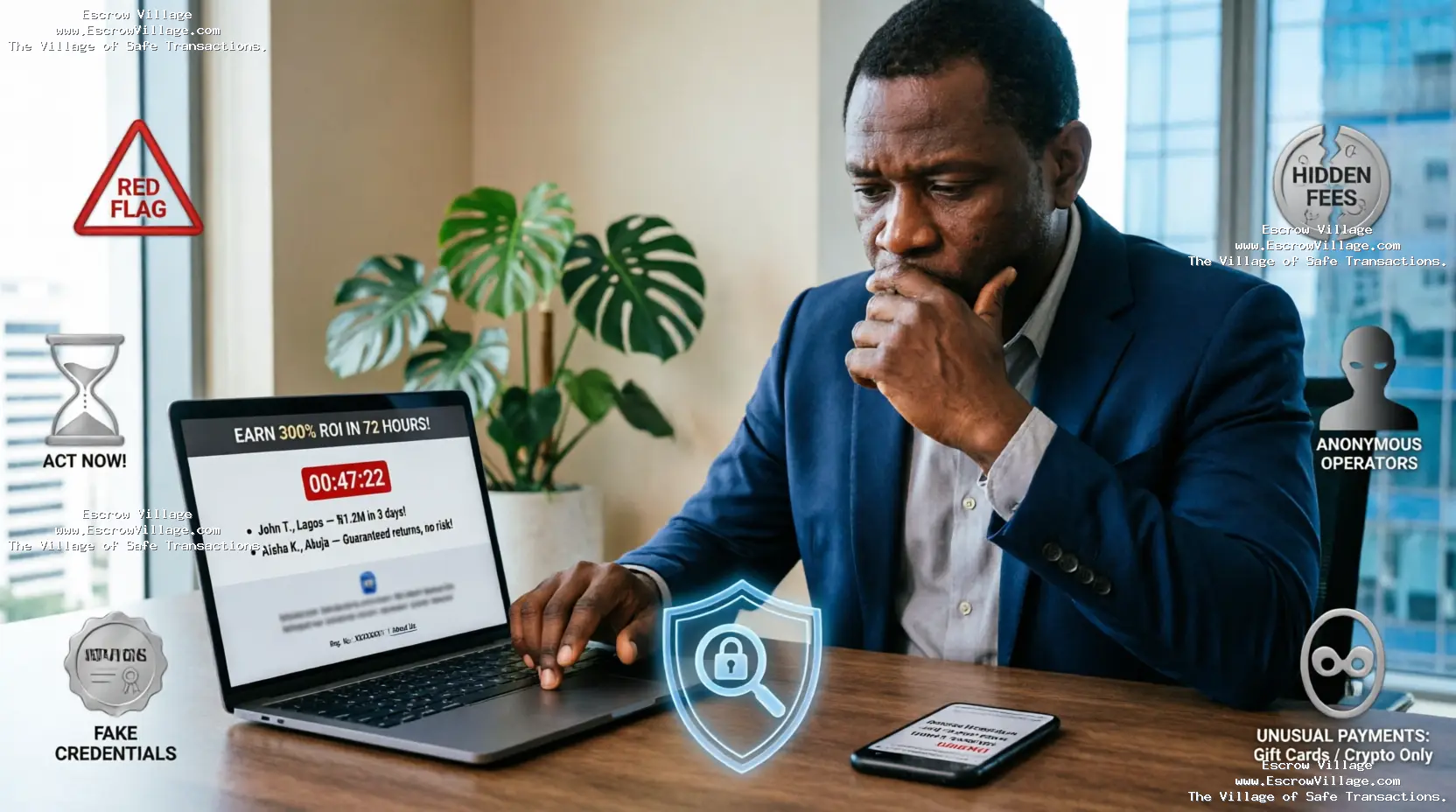
Unrealistic profits and guaranteed returns are among the clearest fraud warning signs, yet the promise of quick money often silences caution.
Scammers also rely on urgency, pressuring targets to pay immediately, leaving no time for proper investigation.
Real business scam prevention means learning to pause. Before committing funds, entrepreneurs should slow down, ask direct questions, and investigate thoroughly, no matter how urgent the opportunity seems.
- Lesson 4: Use Secure Payment and Transaction Methods

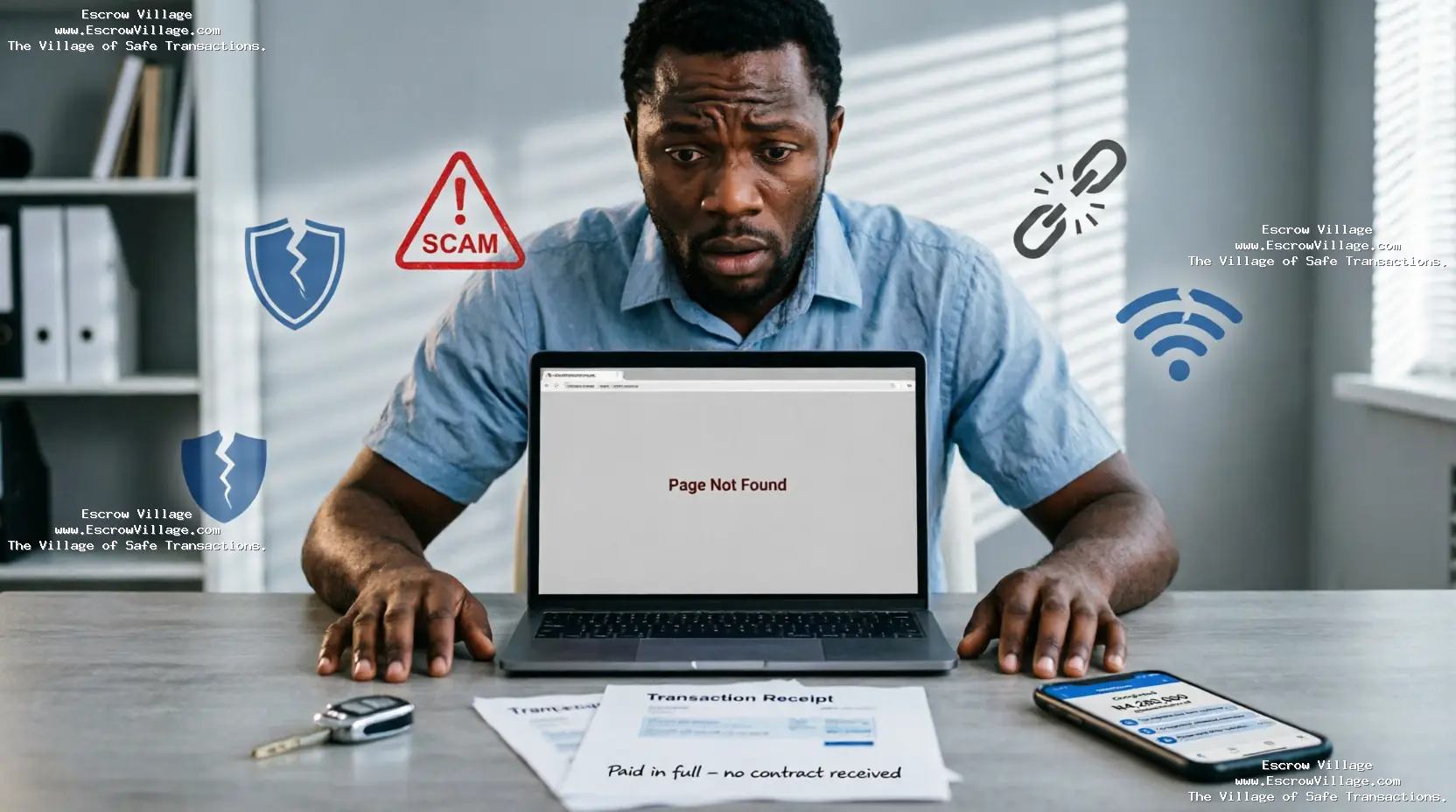
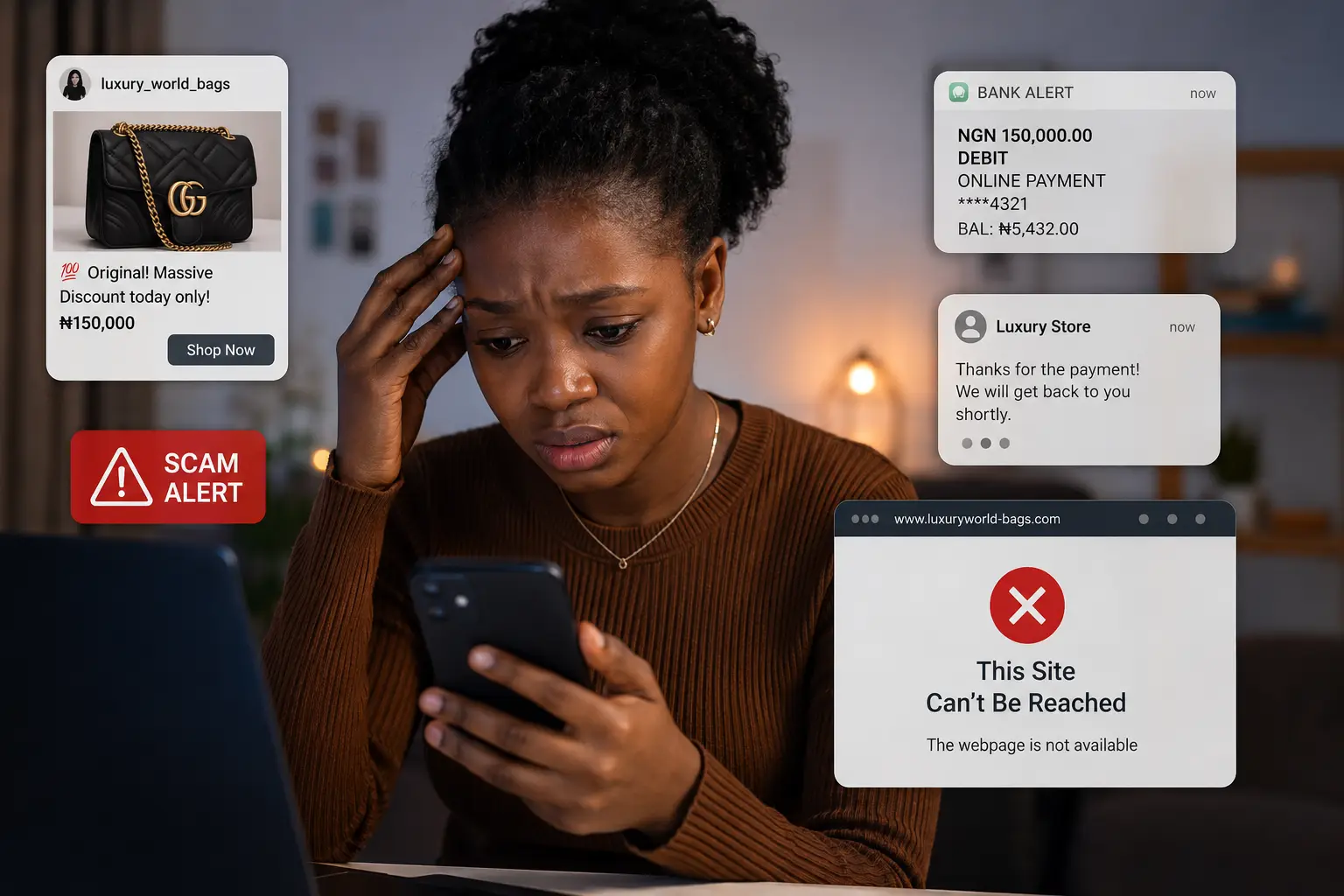
Sending large sums directly to individuals you barely know, without any form of protection, is one of the fastest ways to fall victim to fraud.
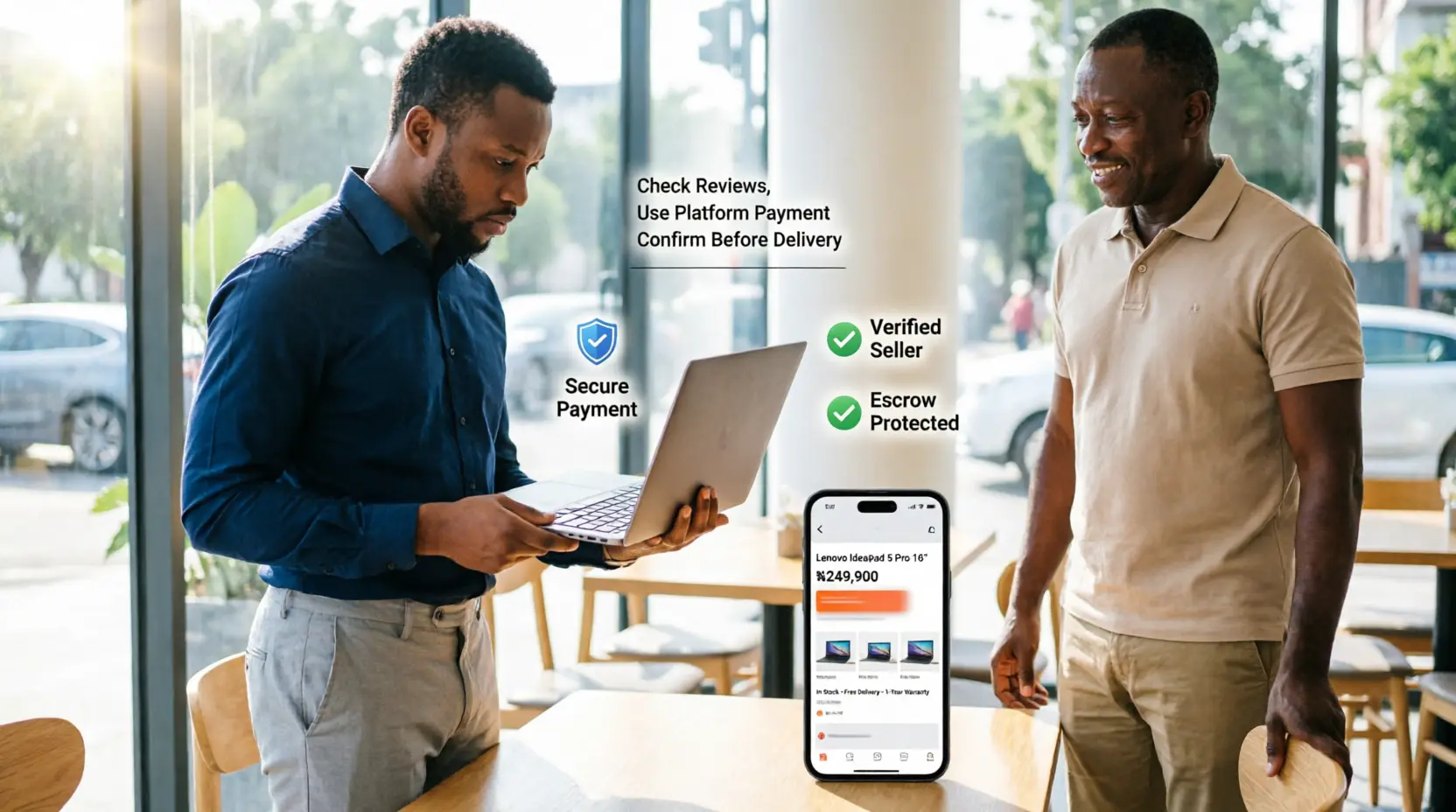
Secure business transactions should always rely on documented agreements and secure payment methods rather than trust alone.
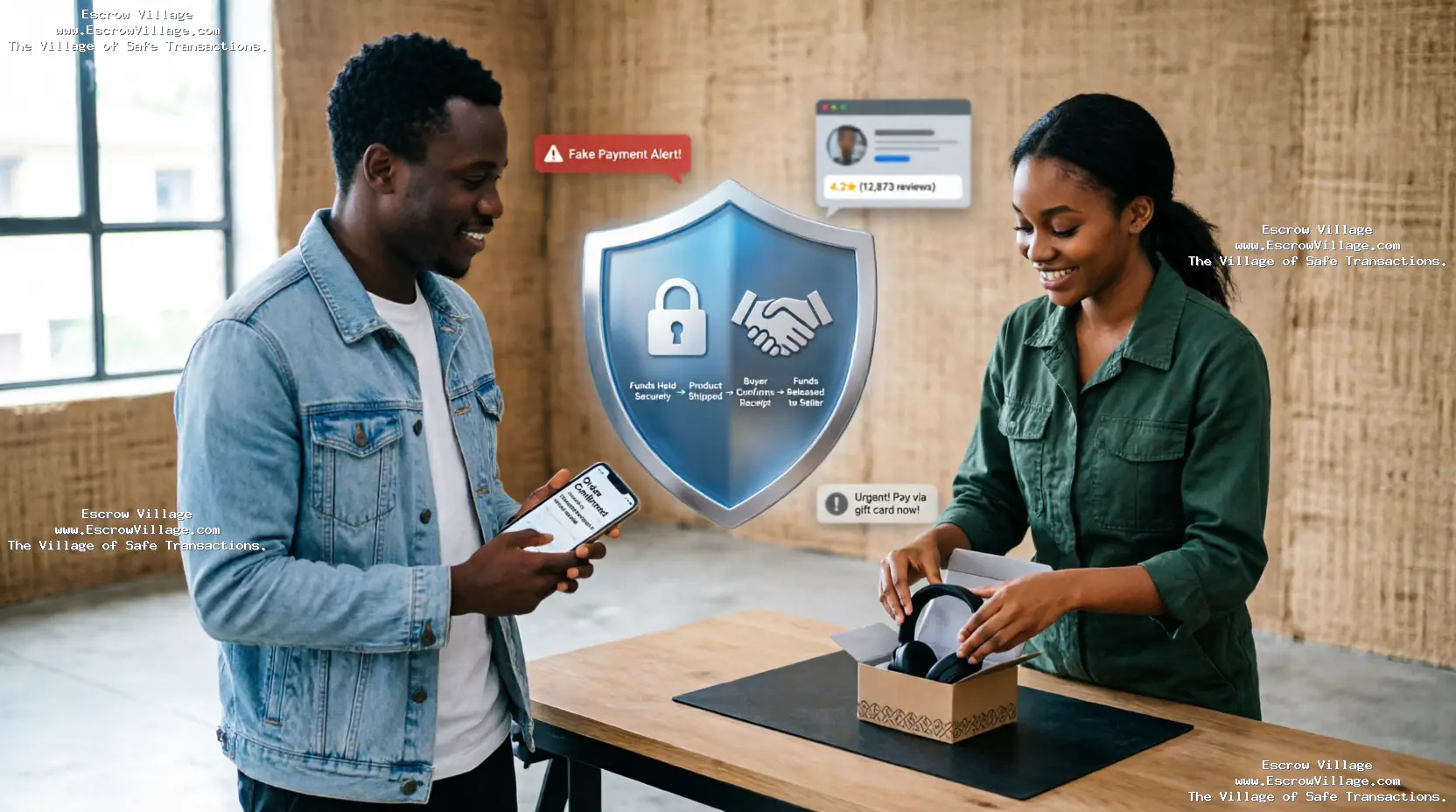
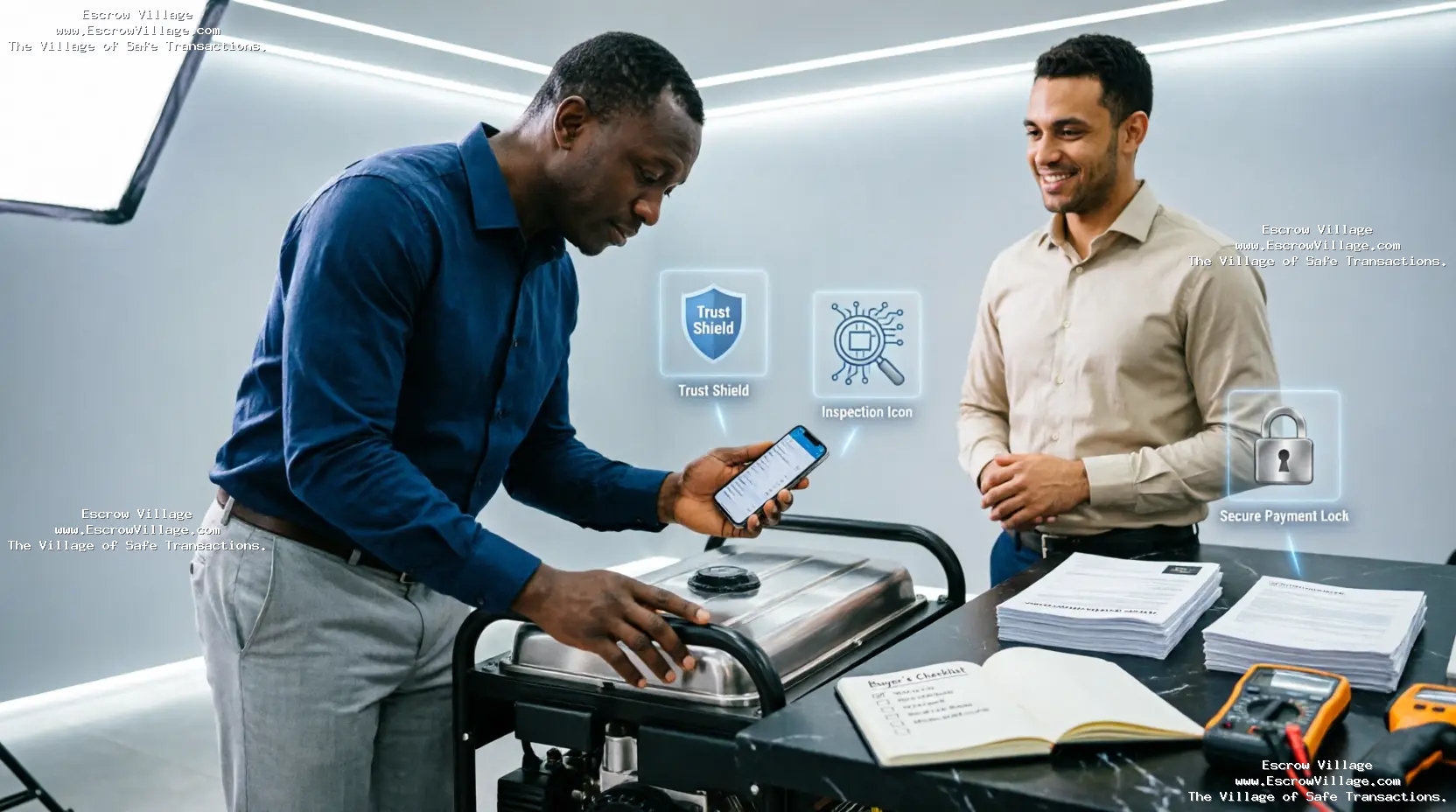
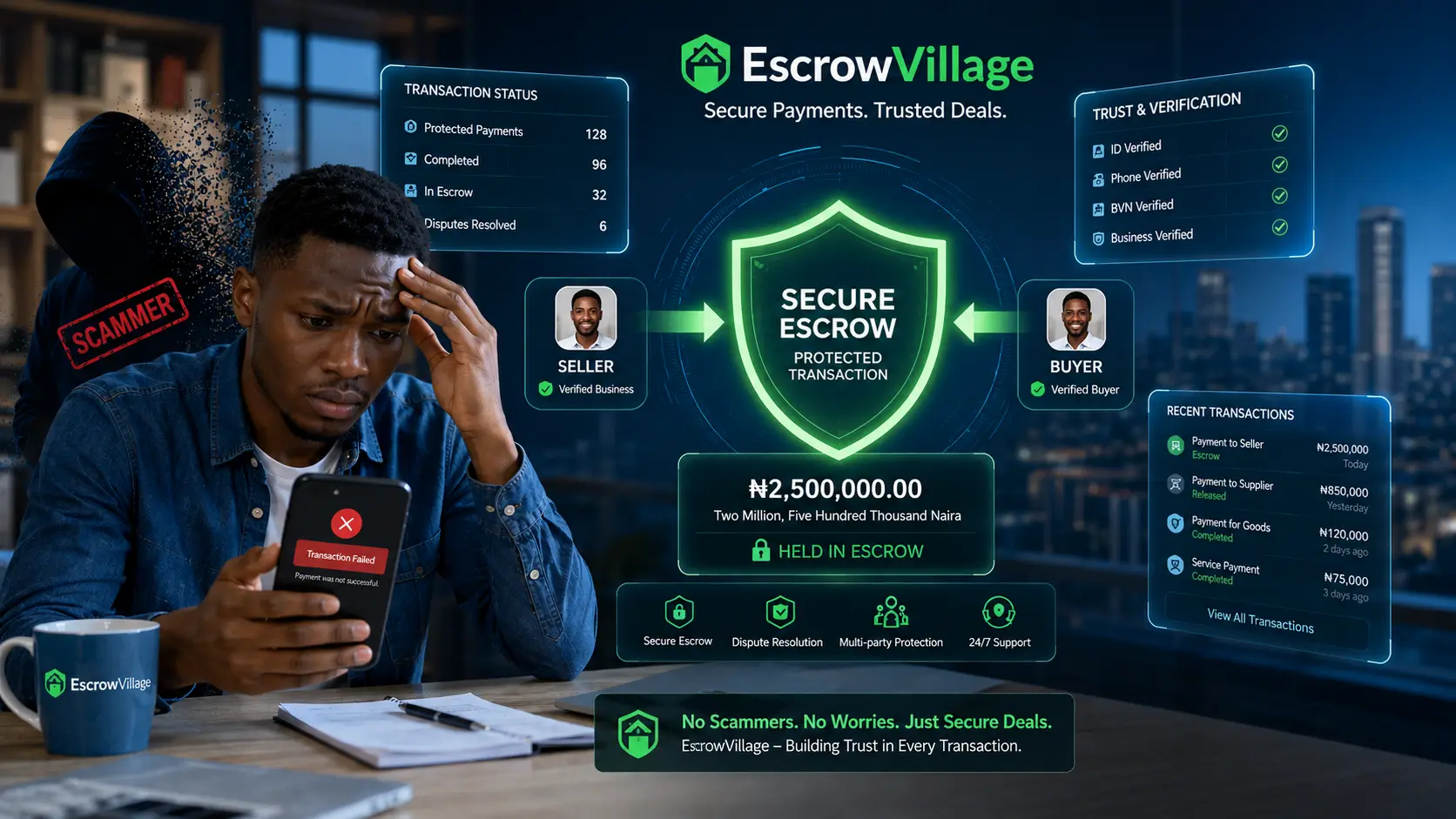
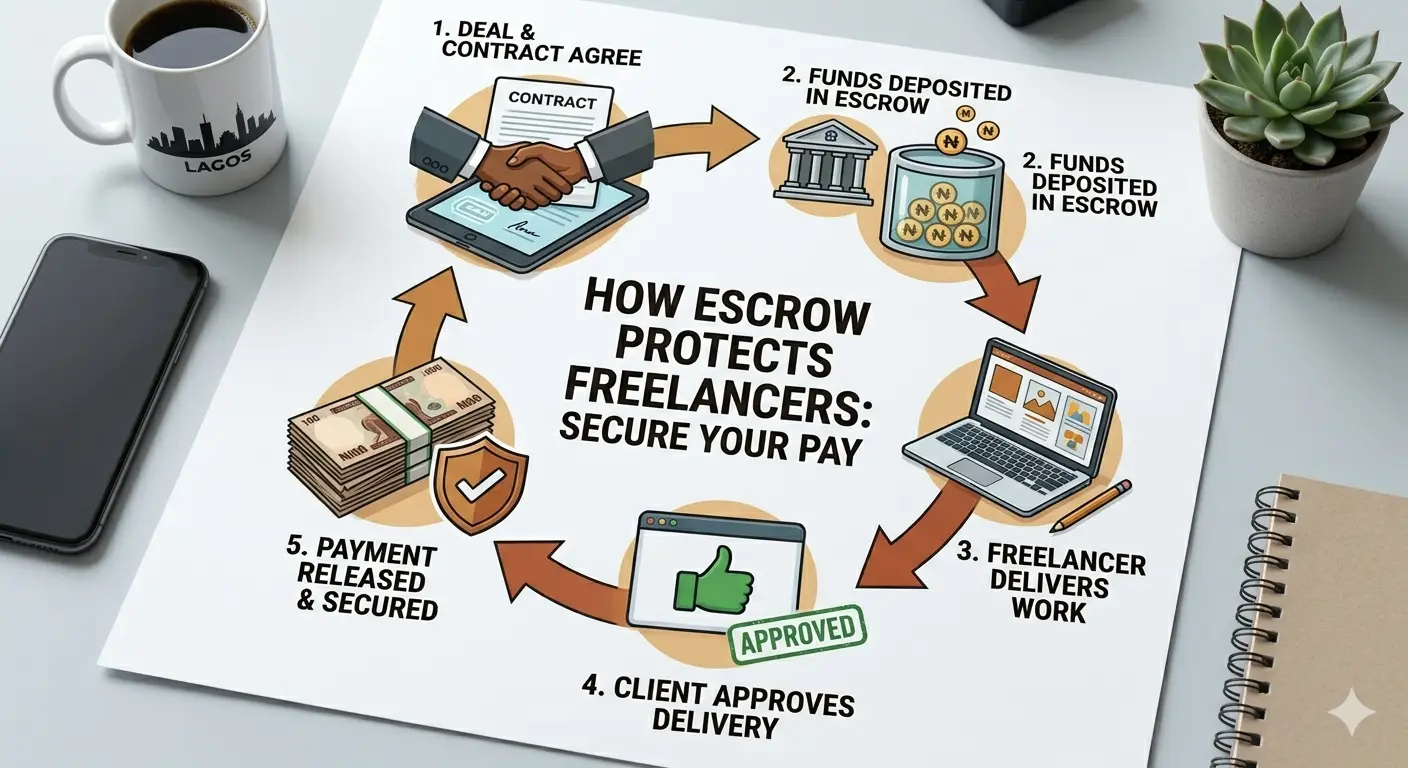
This is where escrow payment in Nigeria becomes especially valuable.An escrow arrangement holds funds securely until both parties confirm that agreed conditions have been met, protecting the buyer from paying for something that's never delivered, and protecting the seller from releasing goods or services without guaranteed payment. Neither side is left exposed.
Alongside secure payment methods, entrepreneurs should keep thorough records, receipts, contracts, invoices, and all related communication.
These documents become critical if a dispute arises later. Together, secure online payments and proper documentation form one of the strongest lines of payment fraud prevention available to any business.

The lessons for Nigerian entrepreneurs drawn from major fraud cases in Nigeria all point back to the same core habits: verify the people you do business with, monitor your finances closely, recognize red flags before greed or urgency clouds judgment, and rely on secure transaction methods for every deal.
Fraud prevention for businesses isn't a one-time checklist, it requires continuous vigilance as new schemes emerge. Learning how to avoid business scams is ultimately about protecting what you've built.
Real business success comes not just from spotting opportunities, but from safeguarding your business against the risks that could quietly undo them.