How to Avoid Fake Freelancers and Fraudulent Service Providers
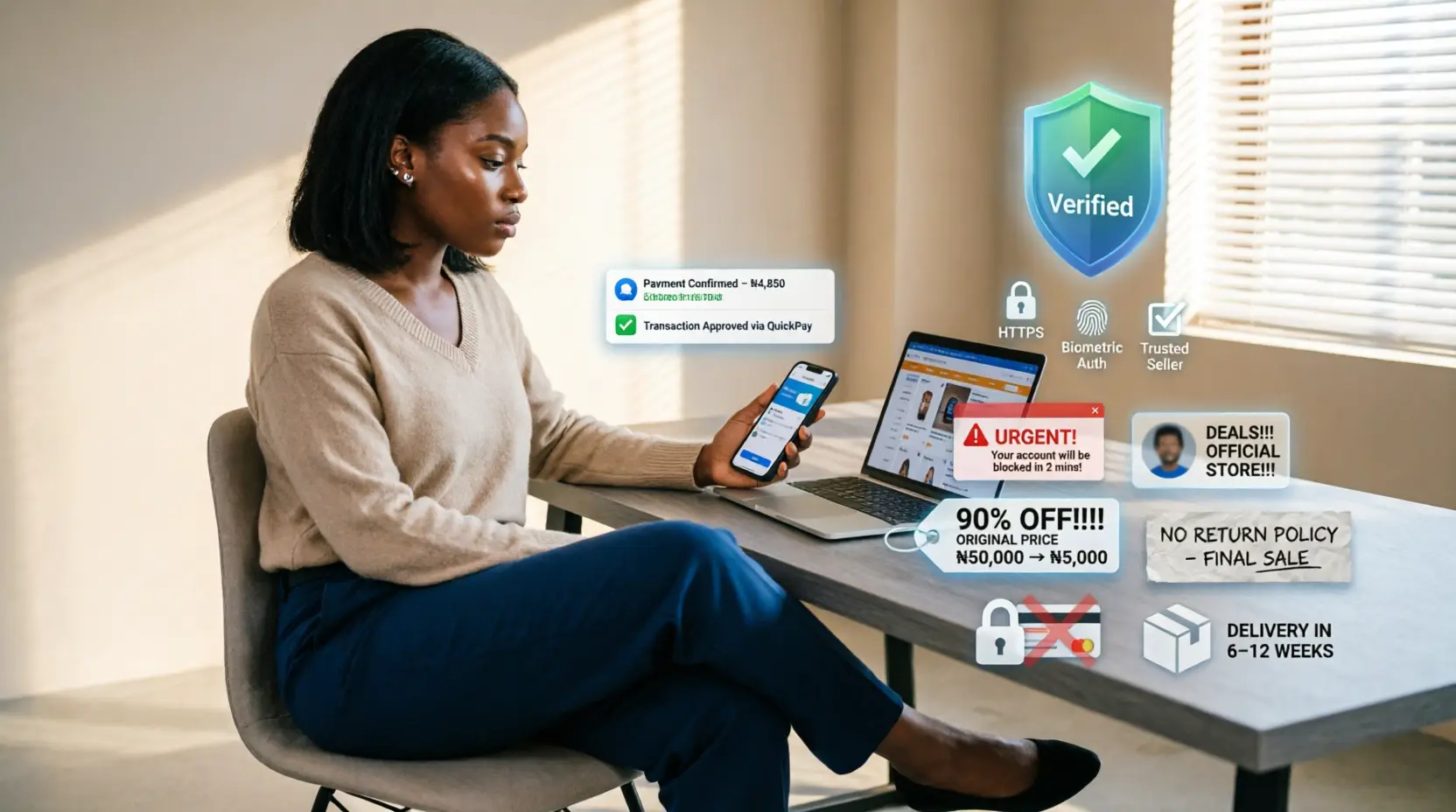
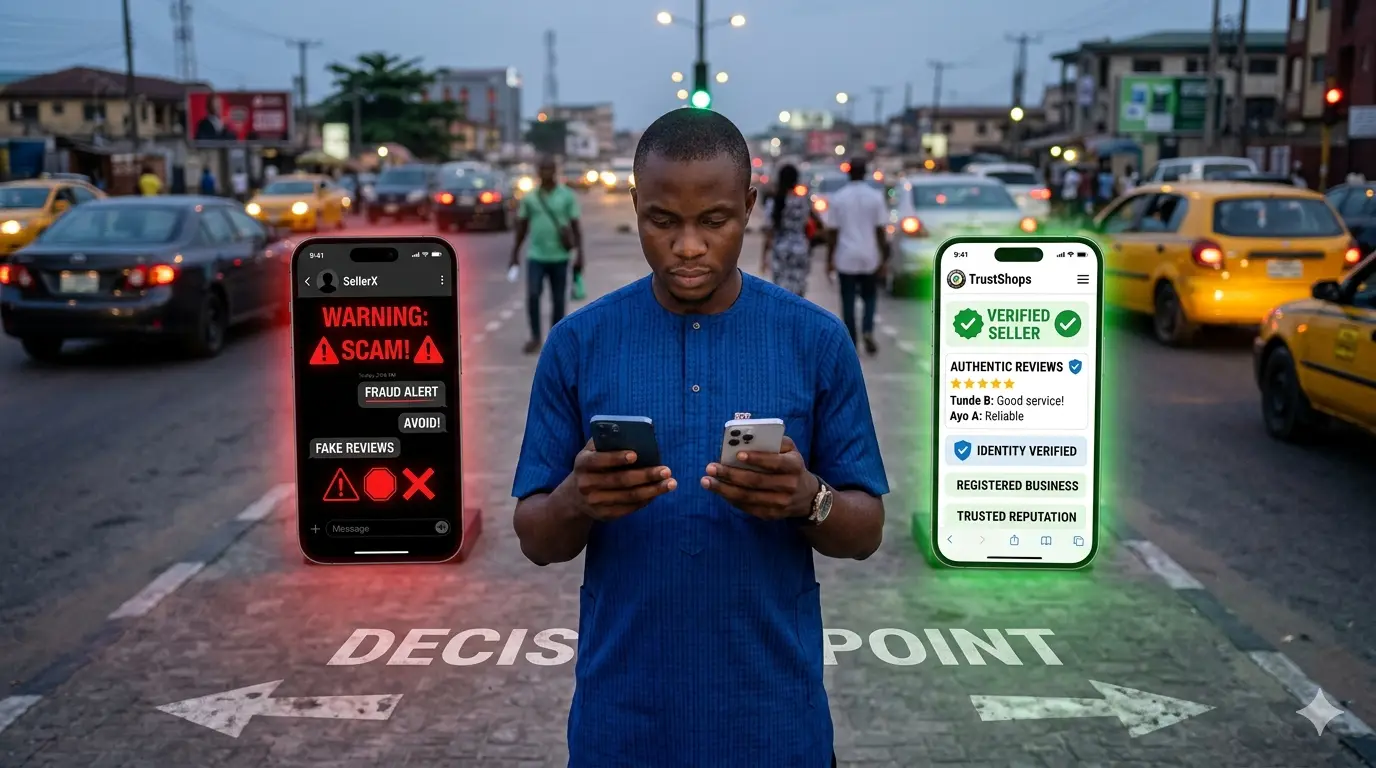
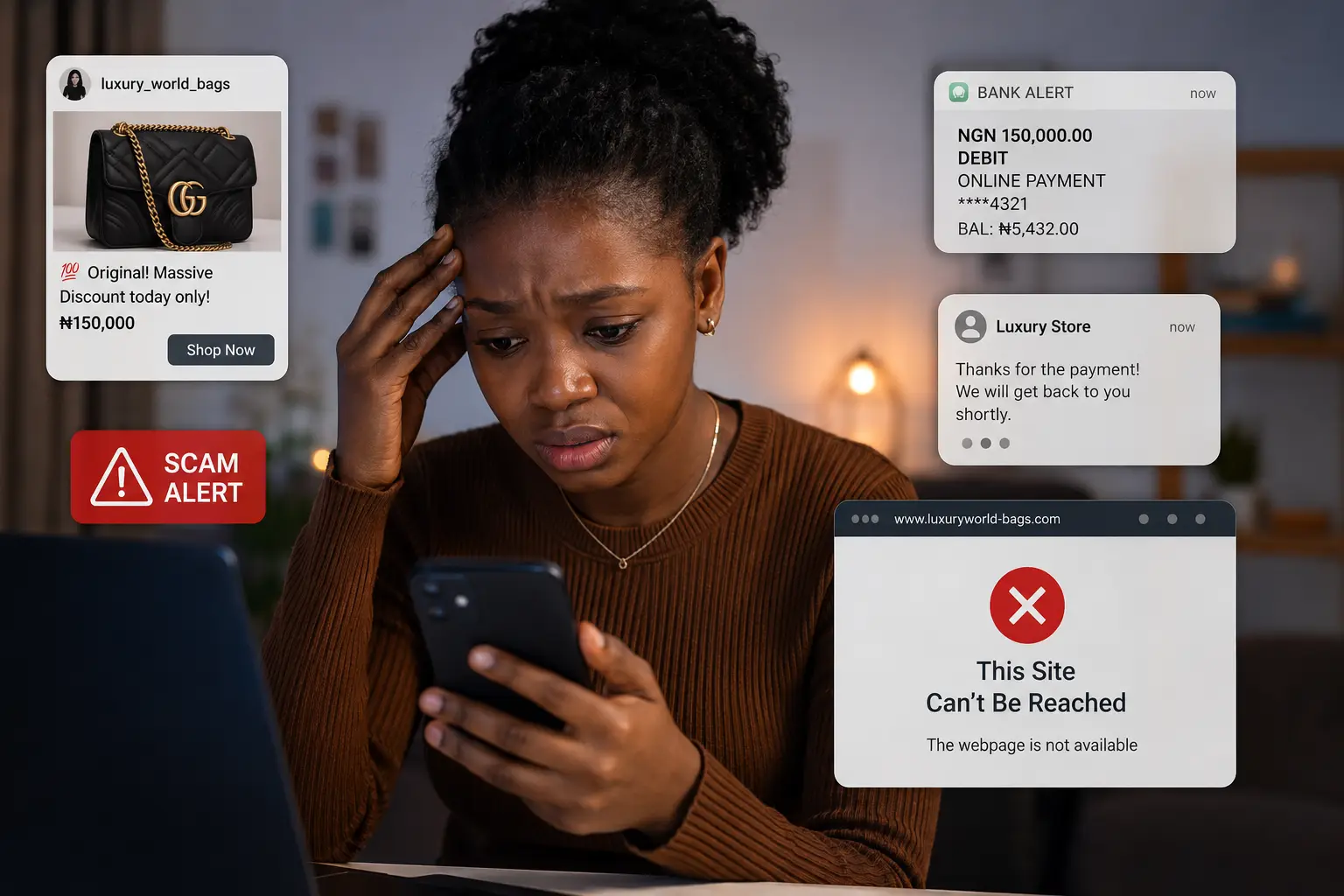
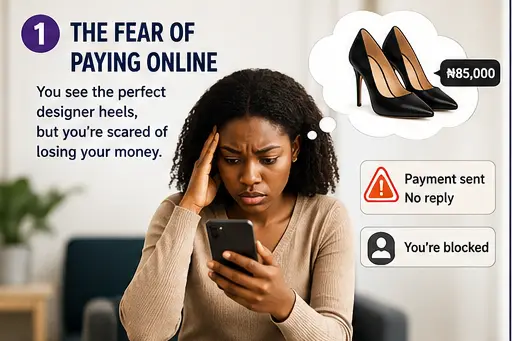
That is the uncomfortable part of hiring people online.
Finding a freelancer for a logo, website, article, social media management, video editing, photography, software development, or another service can take only a few minutes.
But figuring out whether that person is actually trustworthy can take much longer.
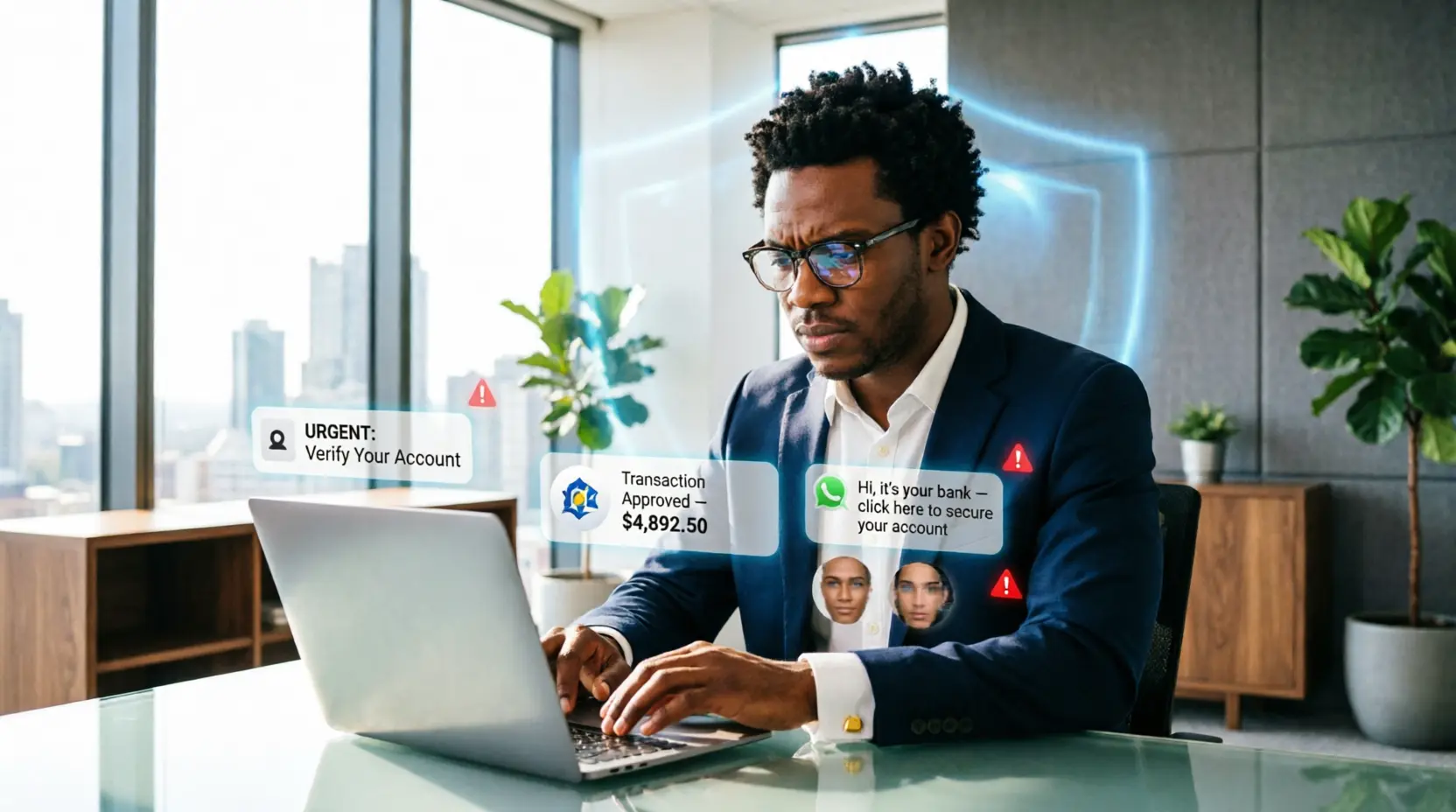
And when money is involved, getting it wrong can cost you more than the payment itself. You could lose your money, miss a deadline, expose sensitive business information or end up starting the entire project again with someone else.
The good news is that you don't have to assume every freelancer is a scammer. You need to know what to check before you pay.
Here are practical ways clients can avoid fake freelancers and fraudulent service providers when hiring online.
- Why Fake Freelancers Are Becoming a Problem
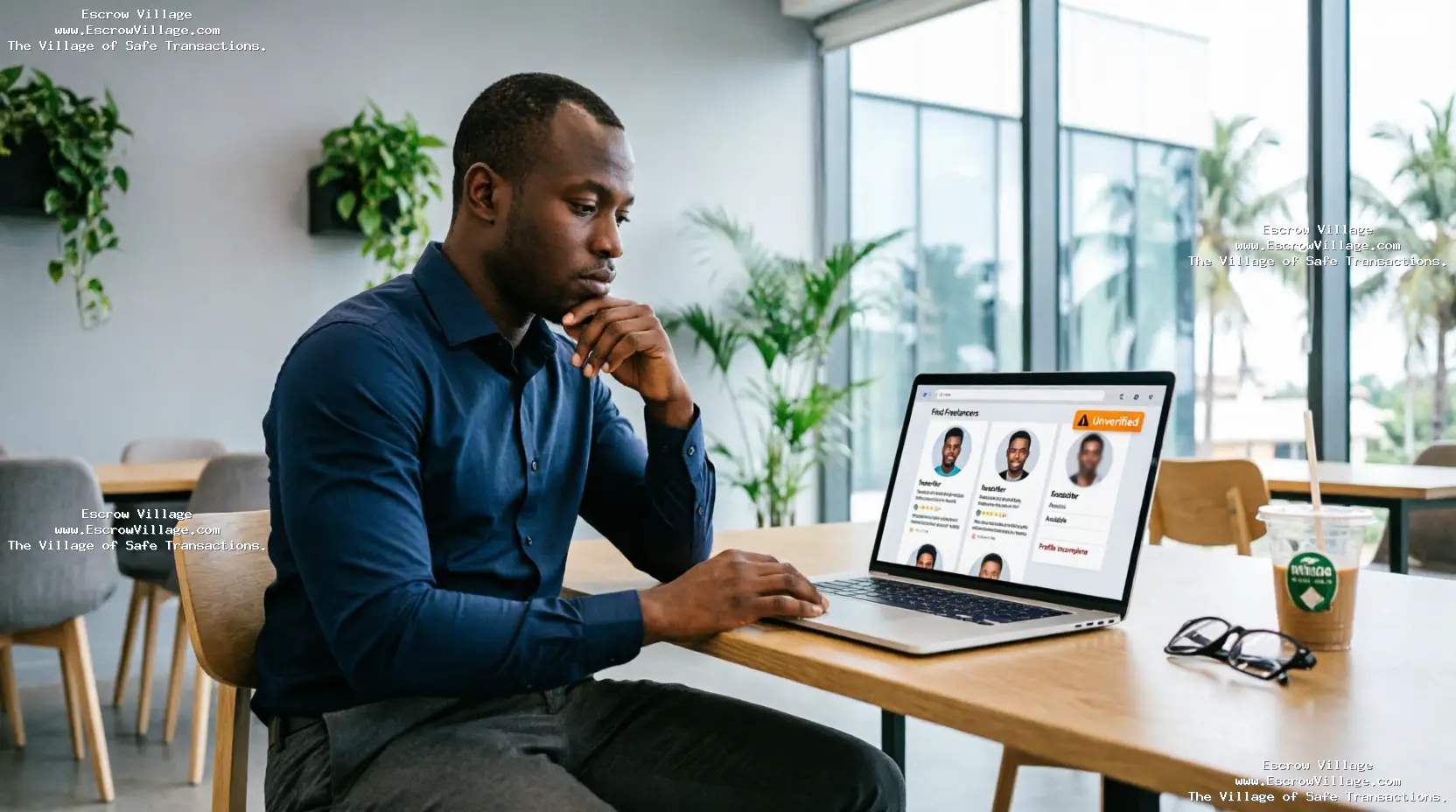
Freelancing has made it easier for businesses and individuals to hire talent from almost anywhere.
That convenience is useful, but it also creates opportunities for fraud.
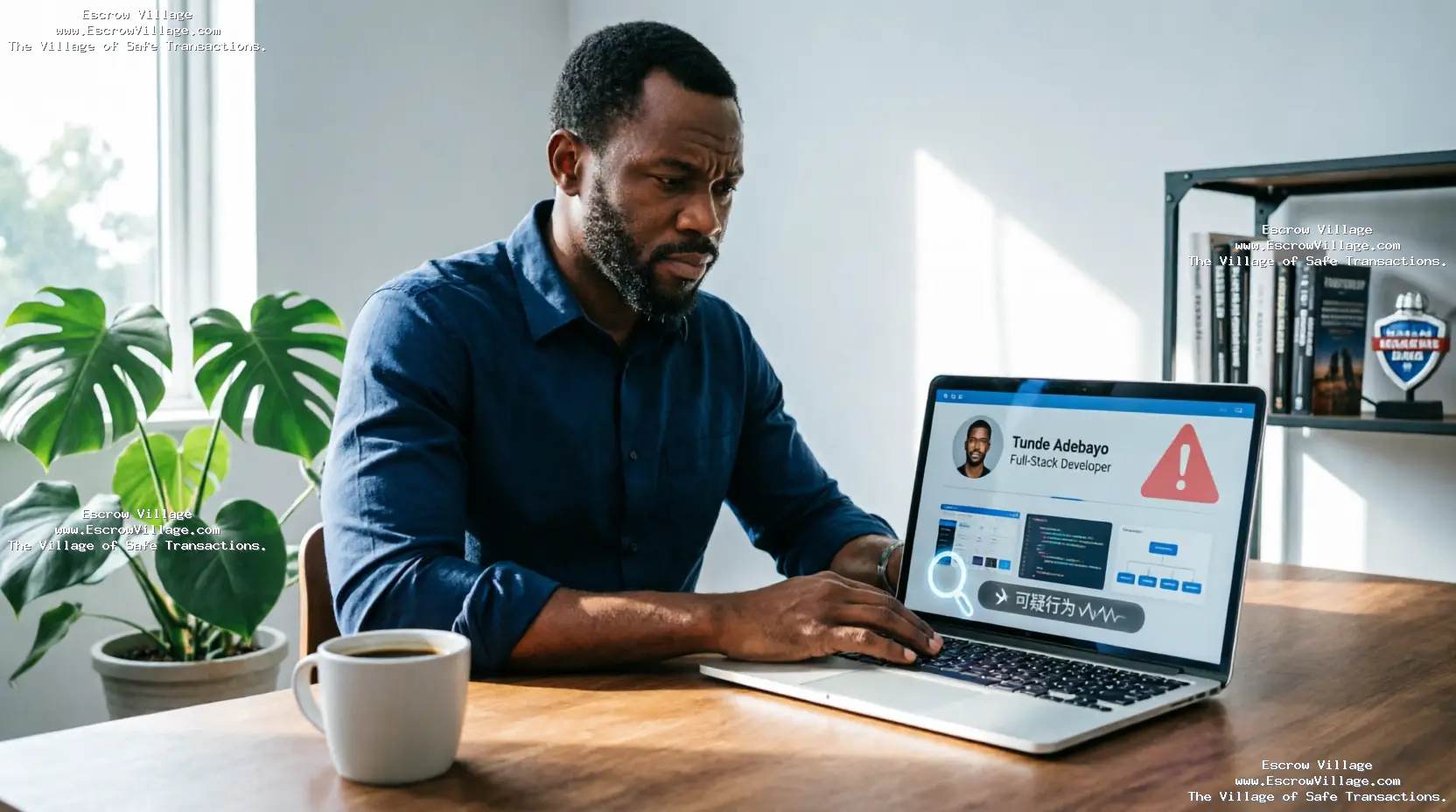
Someone can copy another freelancer's portfolio, use someone else's photographs, create a fake social media profile or claim to have skills they don't actually possess.
There are also cases where a genuine freelancer may accept a project, receive payment and then disappear.
This doesn't mean you should stop hiring freelancers online. It means you should have a process for checking who you're dealing with.
- 1. Don't Choose a Freelancer Based Only on a Beautiful Portfolio
A good portfolio is useful, but it isn't proof that the person created all the work inside it.
Images, websites, articles, logos and other creative work can be copied from other people's websites and presented as someone's own.Before hiring a freelancer, ask questions about their previous work.
If you're hiring a graphic designer, ask how they approached a particular design.
If you're hiring a writer, ask about their writing process.
If you're hiring a developer, ask about projects they have worked on and the technologies they used.
You don't need to interrogate them. You're simply checking whether they can comfortably explain the work they're claiming.
You can also search for their portfolio pieces online when possible.
- 2. Check Their Reviews and Previous Clients
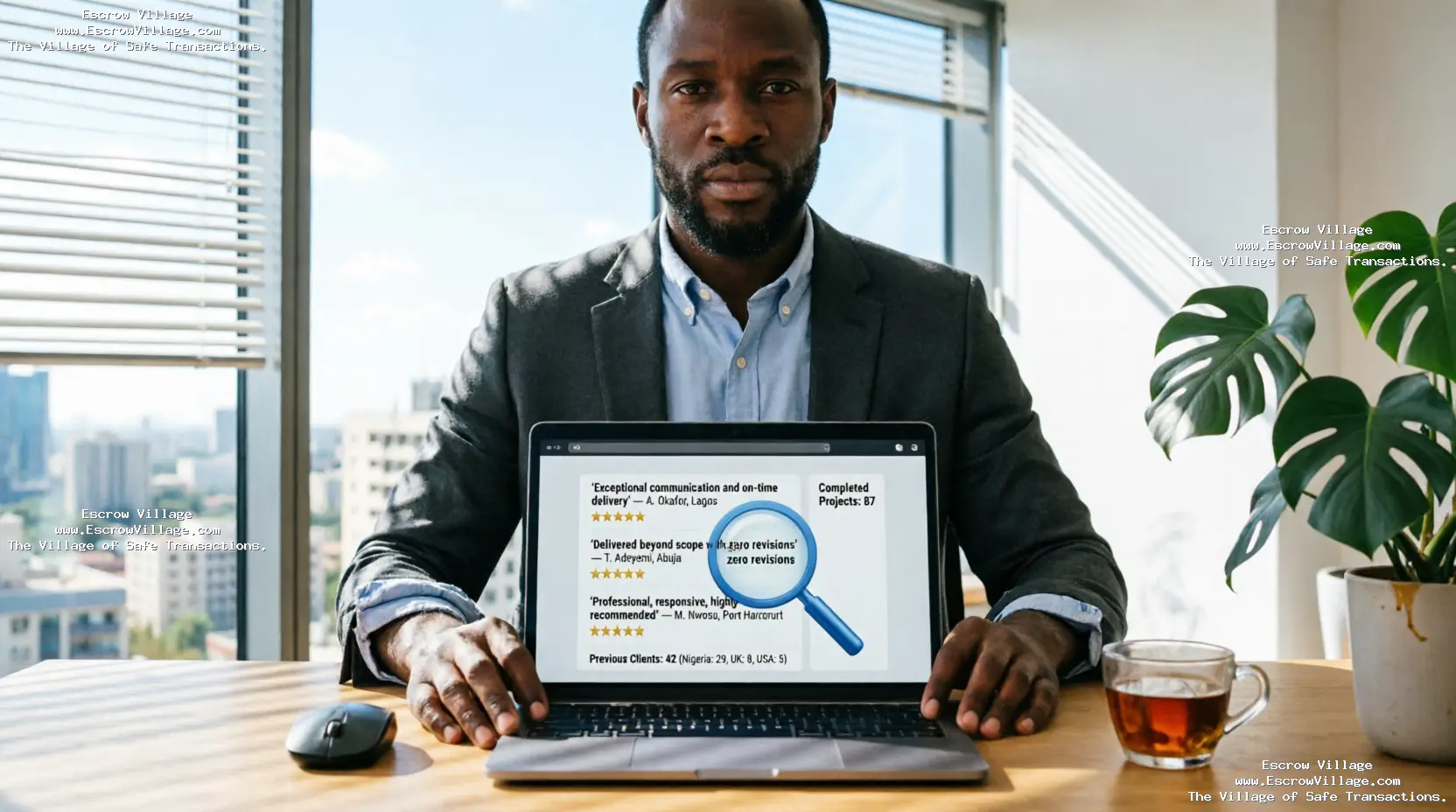
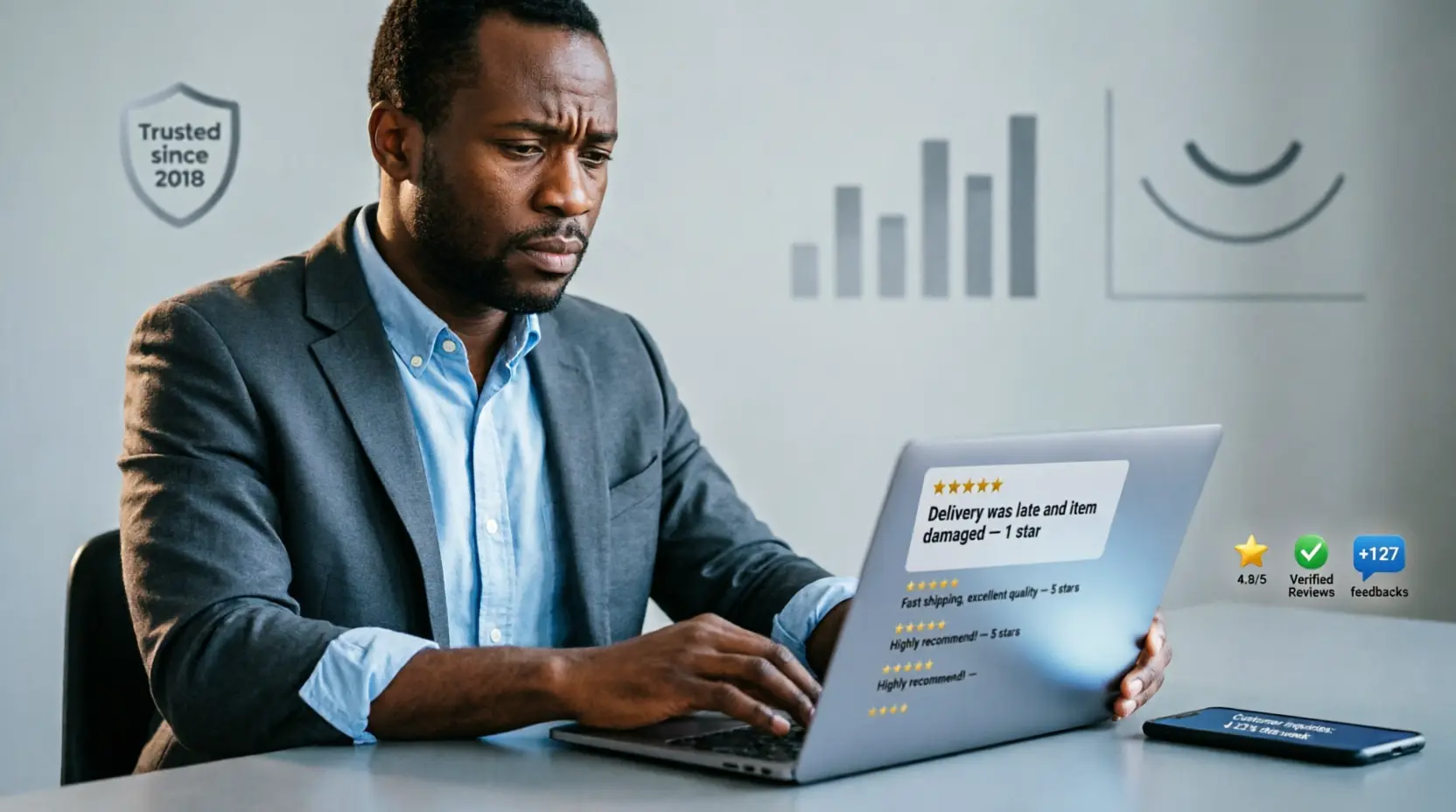
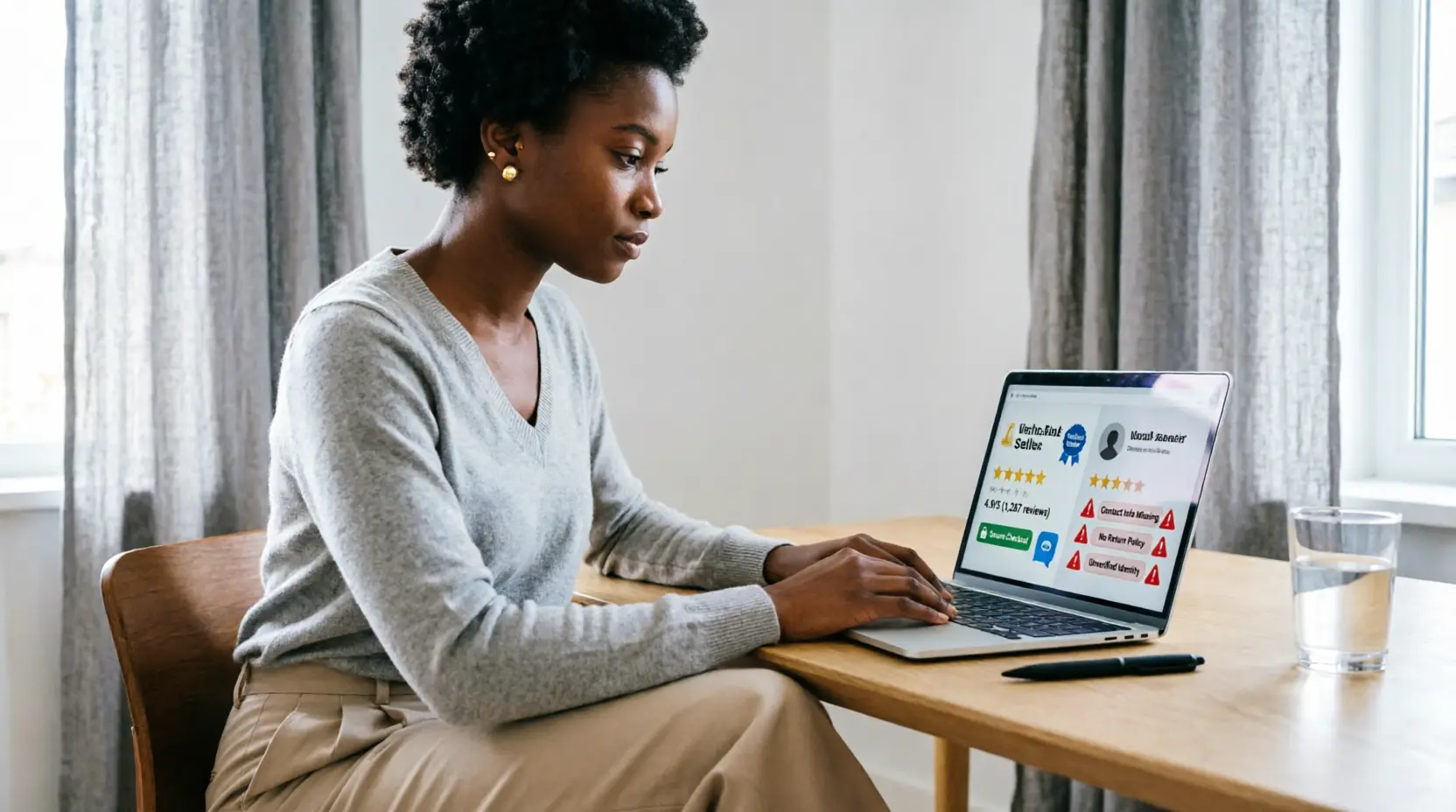
Reviews can tell you a lot, but don't stop at the testimonials displayed on the freelancer's own page.
Anyone can write, “Amazing service! Highly recommended!”Instead, look for evidence that the freelancer has actually worked with real people or businesses.
Check their LinkedIn profile, professional platforms, social media pages or other places where their work appears.
If they mention previous clients, you can also look at whether those businesses or individuals actually exist.
Be careful with a profile that suddenly has dozens of perfect reviews but very little history.
That doesn't automatically mean the reviews are fake. It simply means you may need more evidence before trusting the person with your money.
- 3. Ask for a Clear Breakdown of the Work
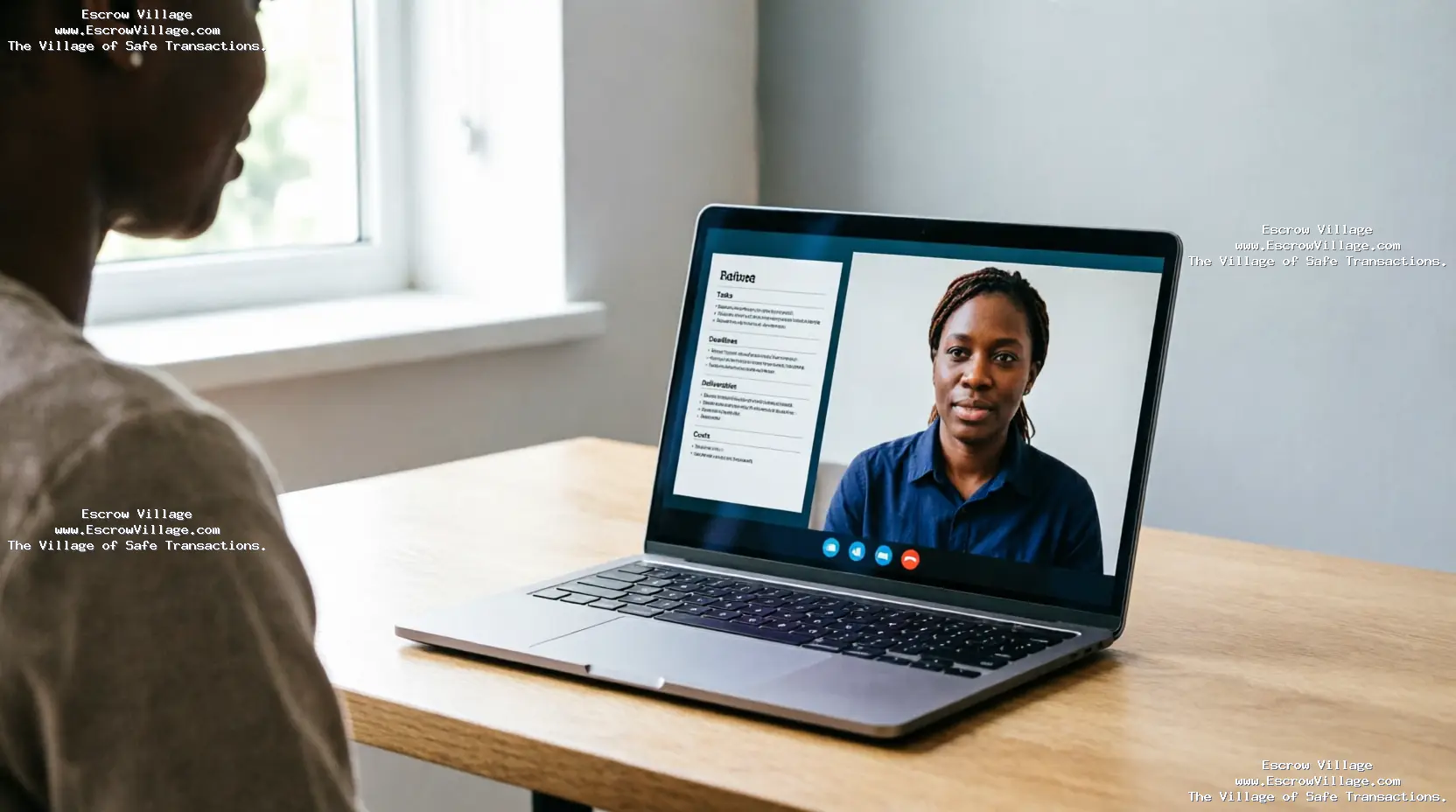
One of the easiest ways to identify problems early is to discuss the project properly before making payment.
What exactly will you deliver?
How long will the project take?
How many revisions are included?
What files will I receive?
What happens if the deadline is missed?
What is the payment structure?
What happens if either party wants to cancel?
A genuine freelancer should be able to discuss these things without making the conversation unnecessarily complicated.
Clear expectations also protect both sides if there is a disagreement later.
- 4. Be Careful When Someone Is Too Eager to Get Your Money
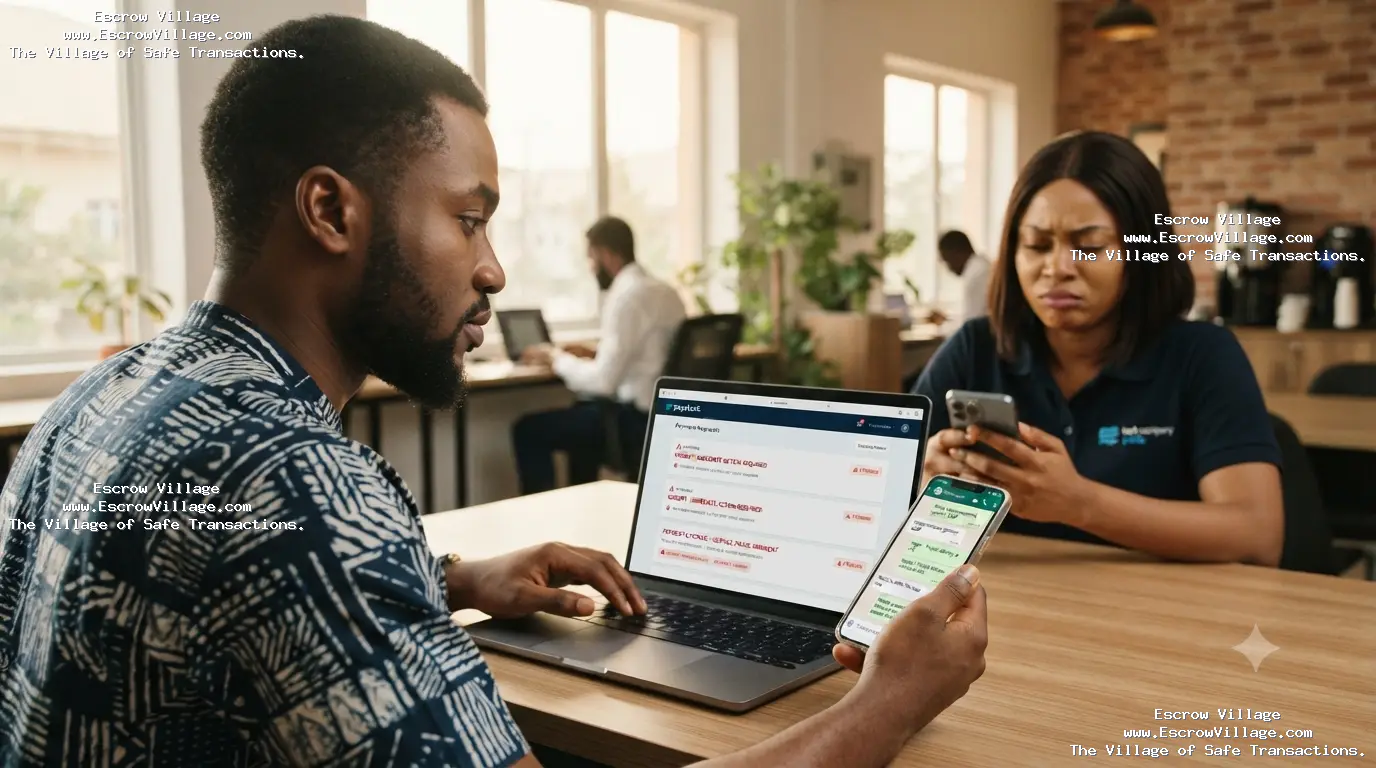
There's nothing wrong with a freelancer asking for a deposit.
In fact, many legitimate freelancers require upfront payment before beginning work.The problem is when the person focuses more on getting your money than understanding your project.
If you haven't properly discussed what you need and the freelancer is already demanding full payment immediately, slow down.
You should understand what you're paying for before you pay.
And if someone becomes aggressive or starts threatening that they'll give your slot to someone else simply because you asked reasonable questions, that's another reason to pause.
- 5. Verify Their Identity and Professional Presence
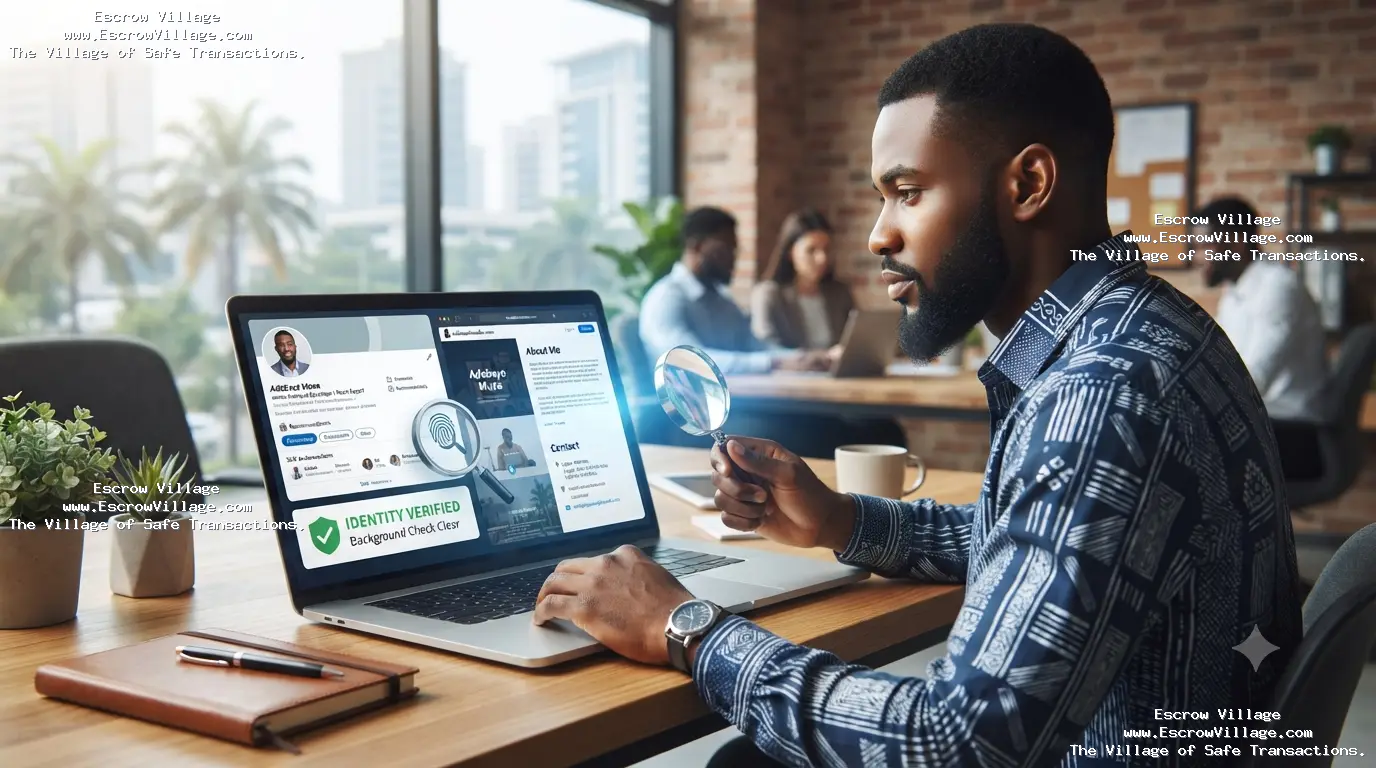
You don't necessarily need someone's government ID before hiring them for every small project.
Look at how long their professional accounts have existed.
Does their name remain consistent across platforms?
Do their profiles contain actual work?
Do they interact with real people?
Do previous posts show a history of doing the work they claim to do?
A professional online presence isn't a guarantee that someone is honest, but a complete lack of verifiable history should make you more careful.
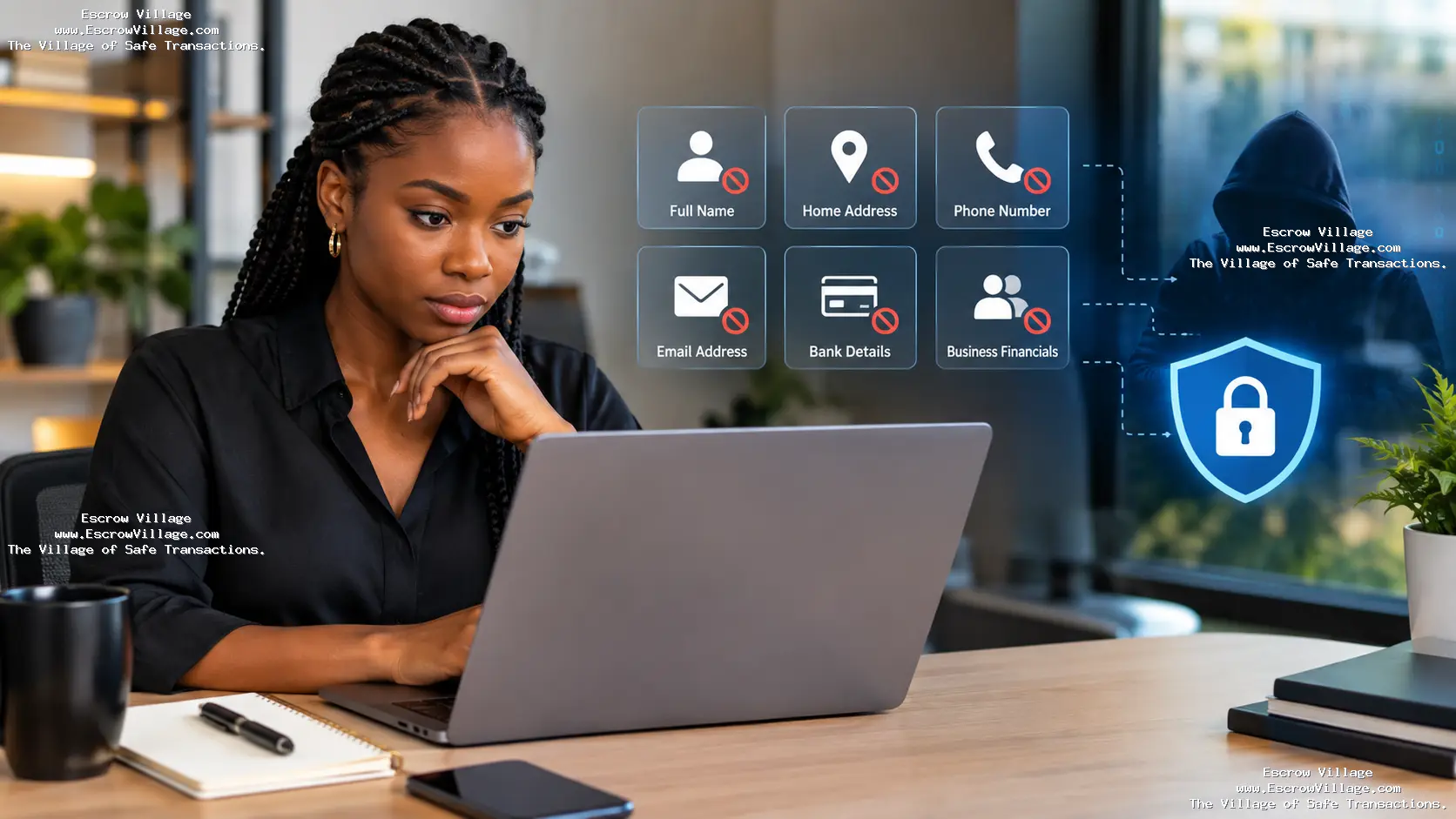
- 6. Don't Send Sensitive Information Too Early
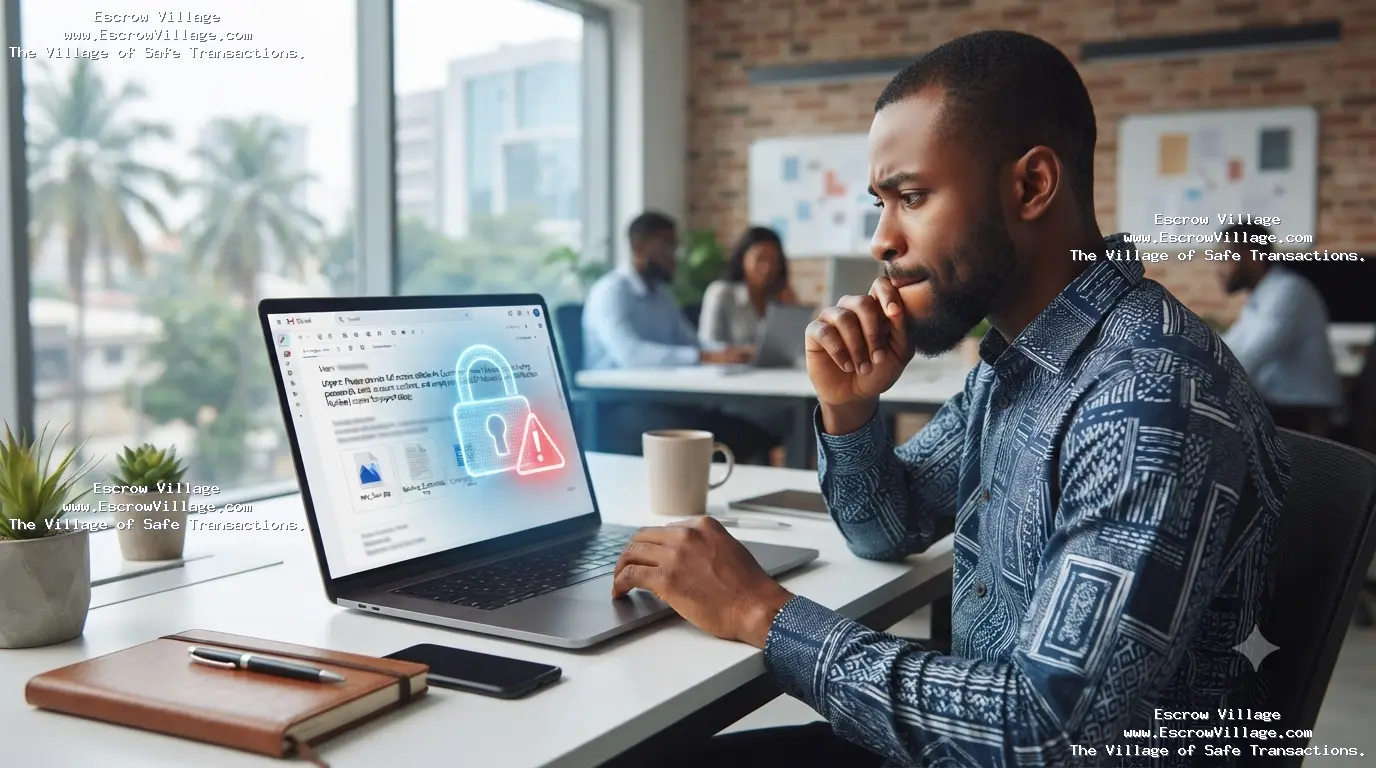
Hiring a freelancer sometimes requires sharing information.
A developer may need access to a website.A social media manager may need access to a business account.
A designer may need your brand assets.
But don't hand over everything simply because someone has been hired.
Give freelancers only the access they need to complete the job.
For example, instead of sharing your personal email password, use the appropriate account permissions where available.
The same applies to financial information, customer databases, private documents and business credentials.
Someone can be a legitimate freelancer and still mishandle sensitive information. Limiting access reduces the damage if something goes wrong.
- 7. Don't Ignore a Freelancer Who Refuses to Use Clear Agreements
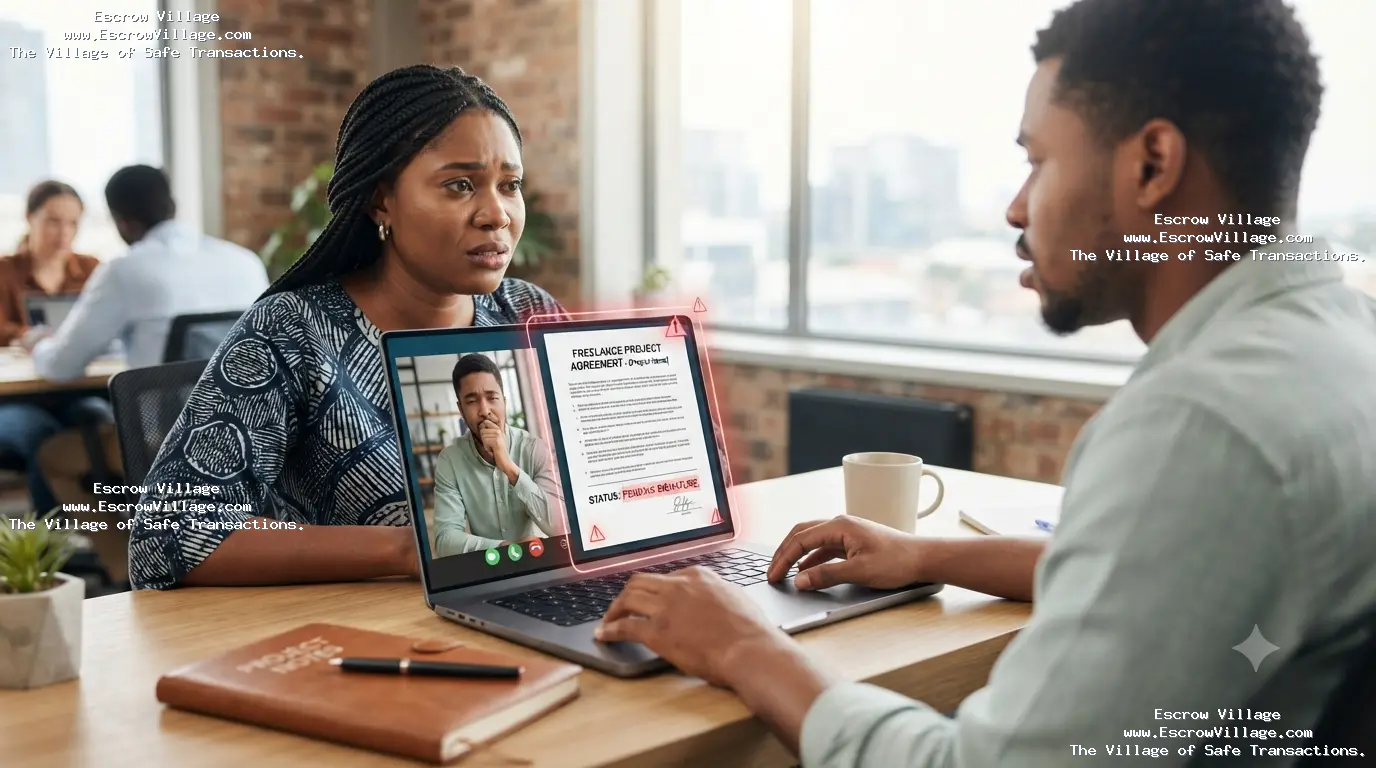
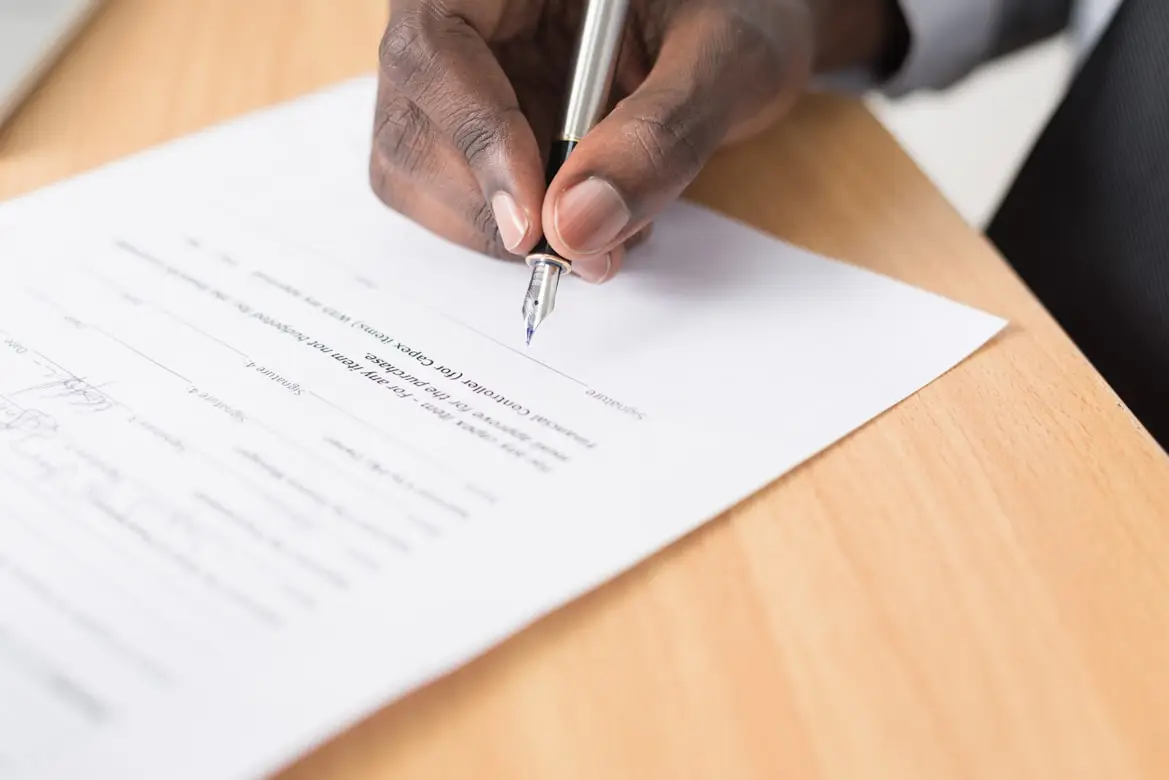
For larger projects, put the agreement in writing.
It doesn't have to be a complicated legal document.A simple written agreement should explain what the freelancer will do, what you will pay, when the work is due and what happens if the project changes or is cancelled.
This is particularly important when the project involves a significant amount of money.
A WhatsApp conversation can be useful evidence, but having clear project terms makes misunderstandings much less likely.
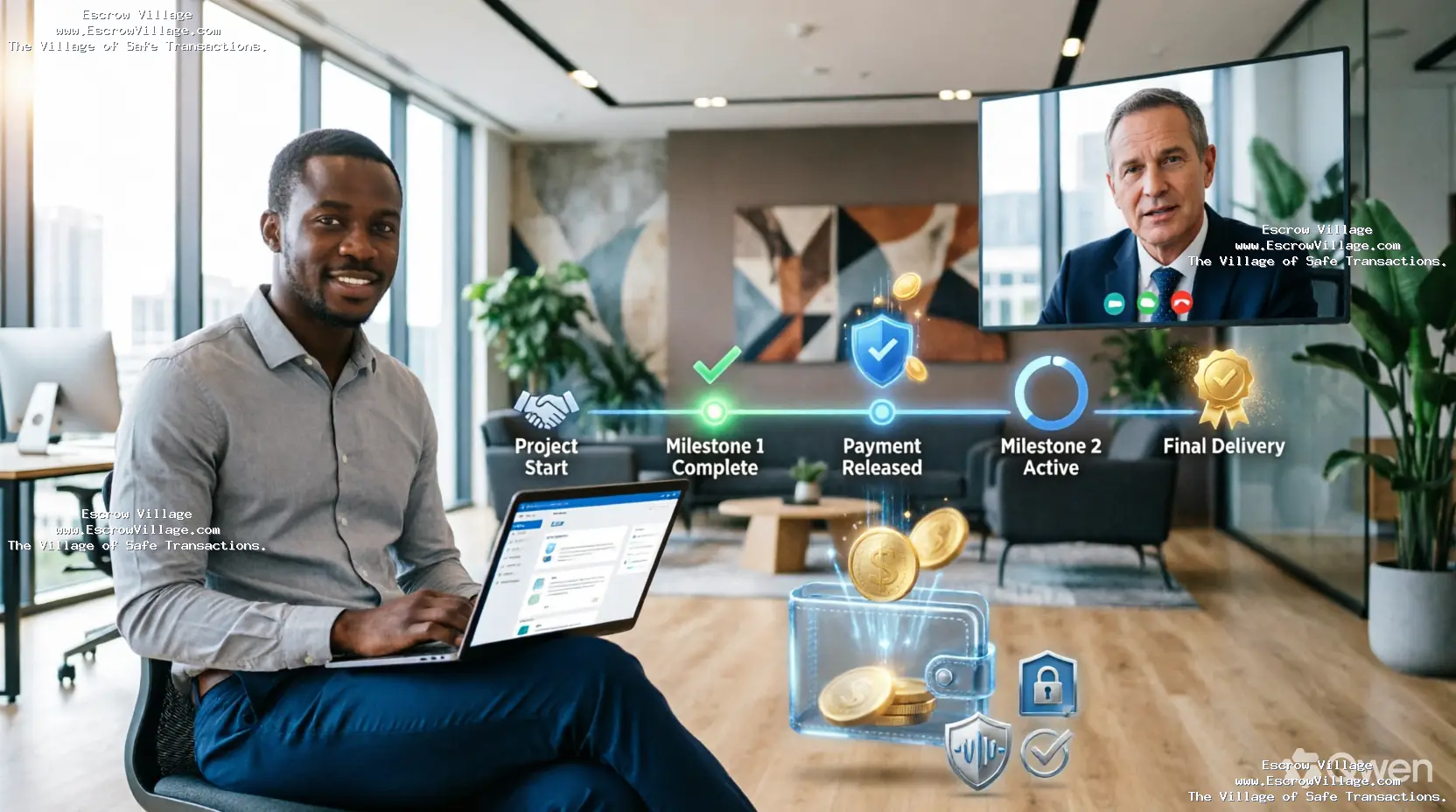
- 8. Consider Milestone Payments Instead of Paying Everything Upfront
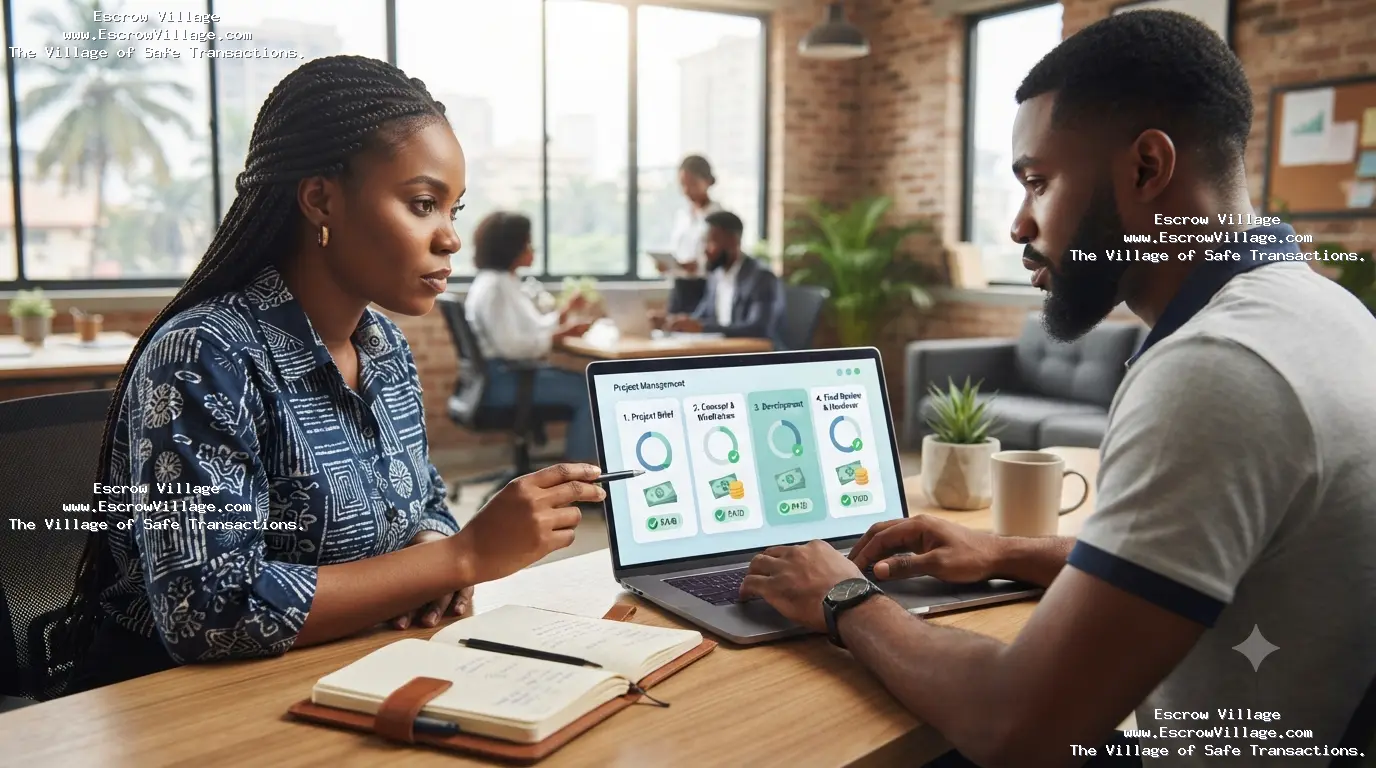
Let's say you're hiring a developer to build a website.
The project will take two months and cost ₦500,000.You could pay the entire amount before the work begins.
But another option is to divide the project into milestones.
For example:
- - Initial planning and design
- - First working version
- - Testing and revisions
- - Final delivery
Payment can then be connected to agreed stages of the project.
This doesn't eliminate fraud, but it can reduce your exposure if the freelancer stops working halfway through the project.
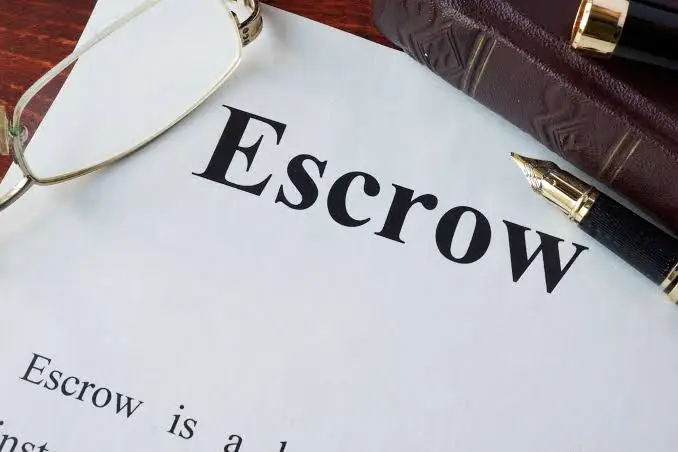
- 9. Consider Escrow for Freelance Projects
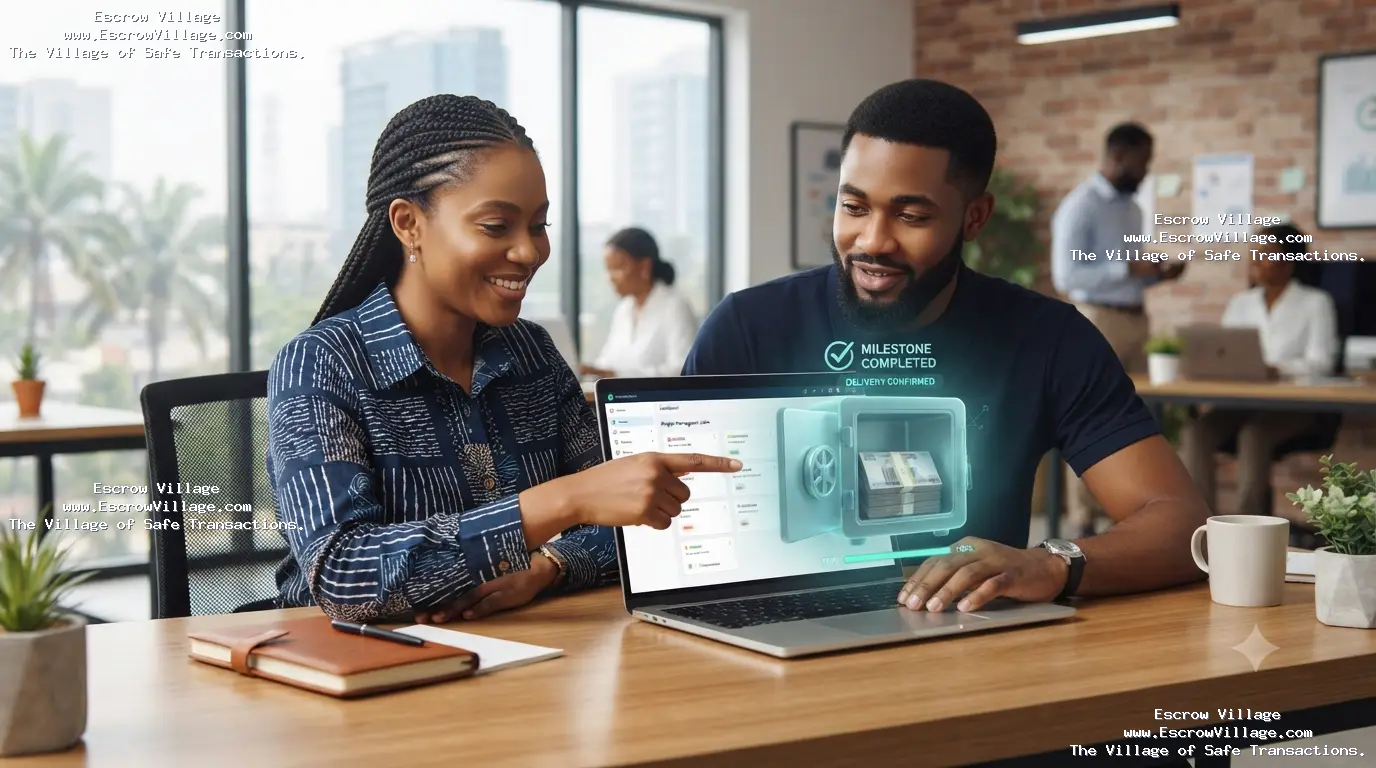
For every transaction, clients may want some layer of protection.
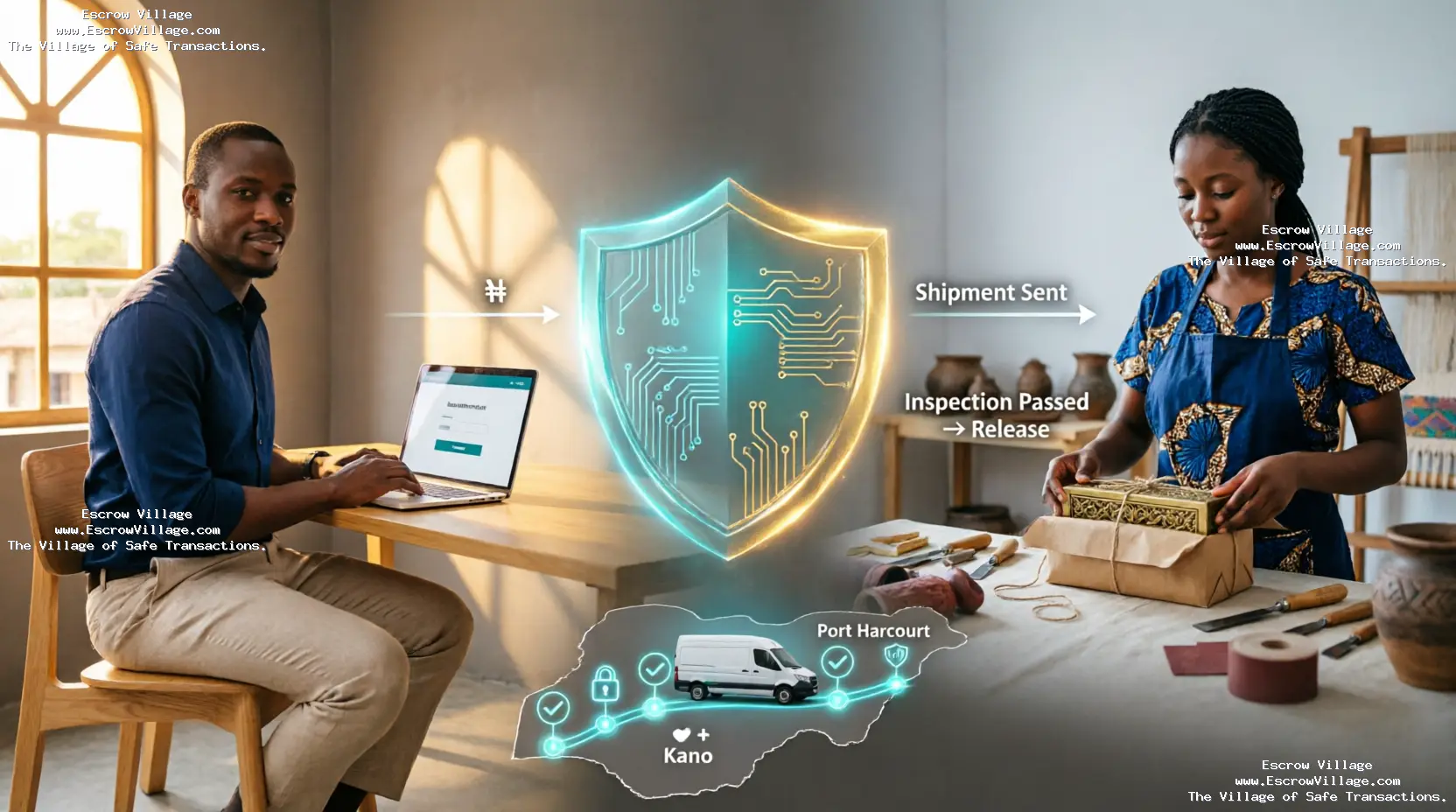
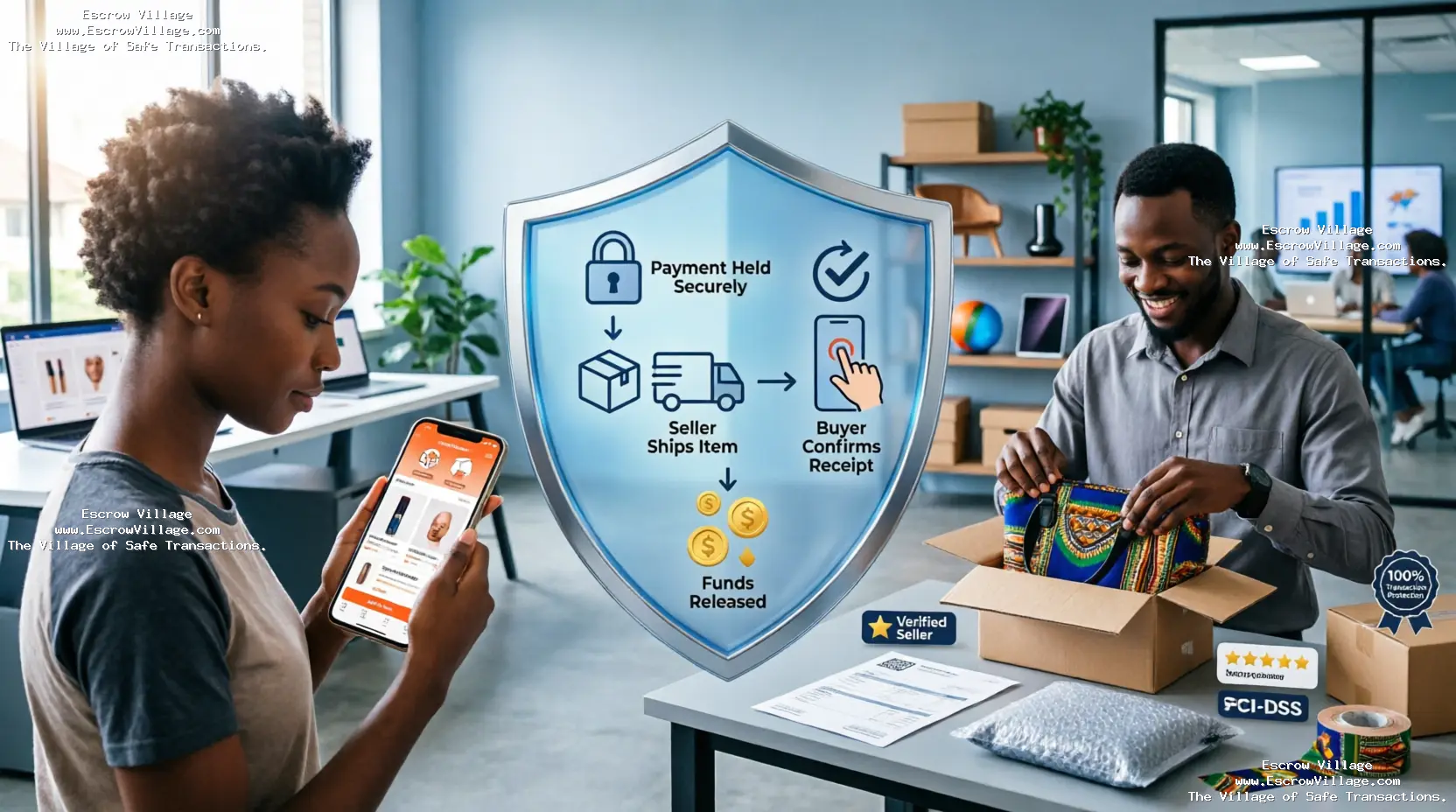
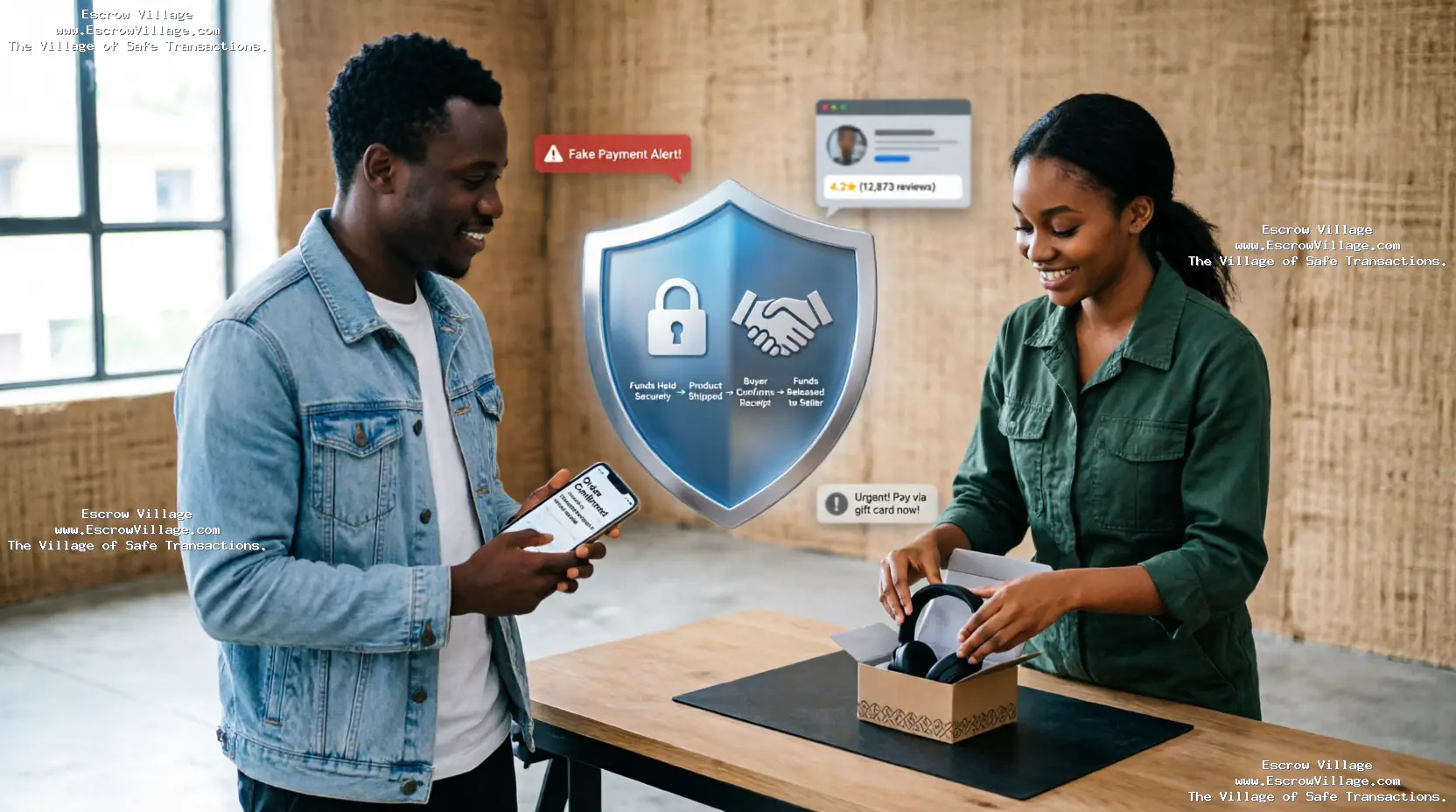
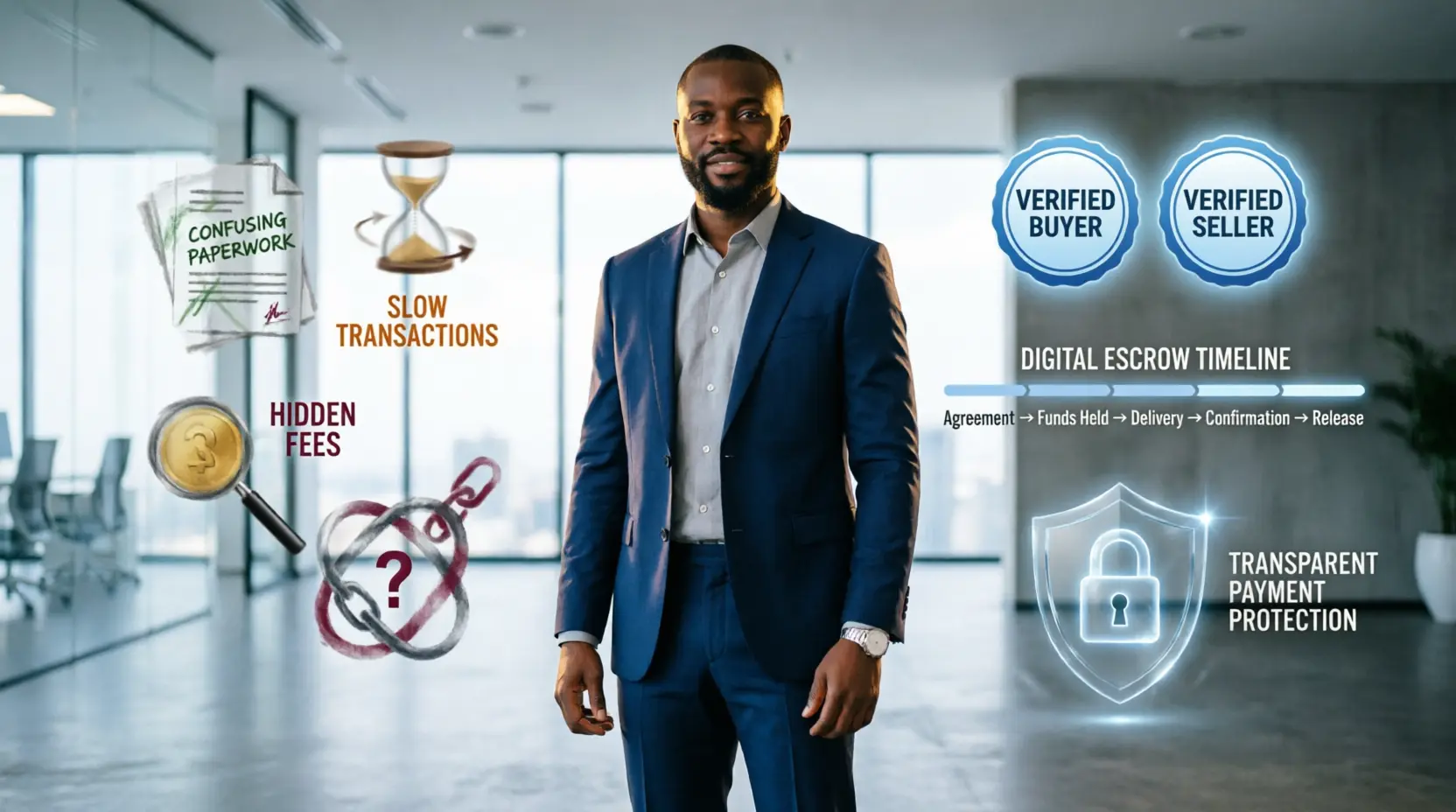
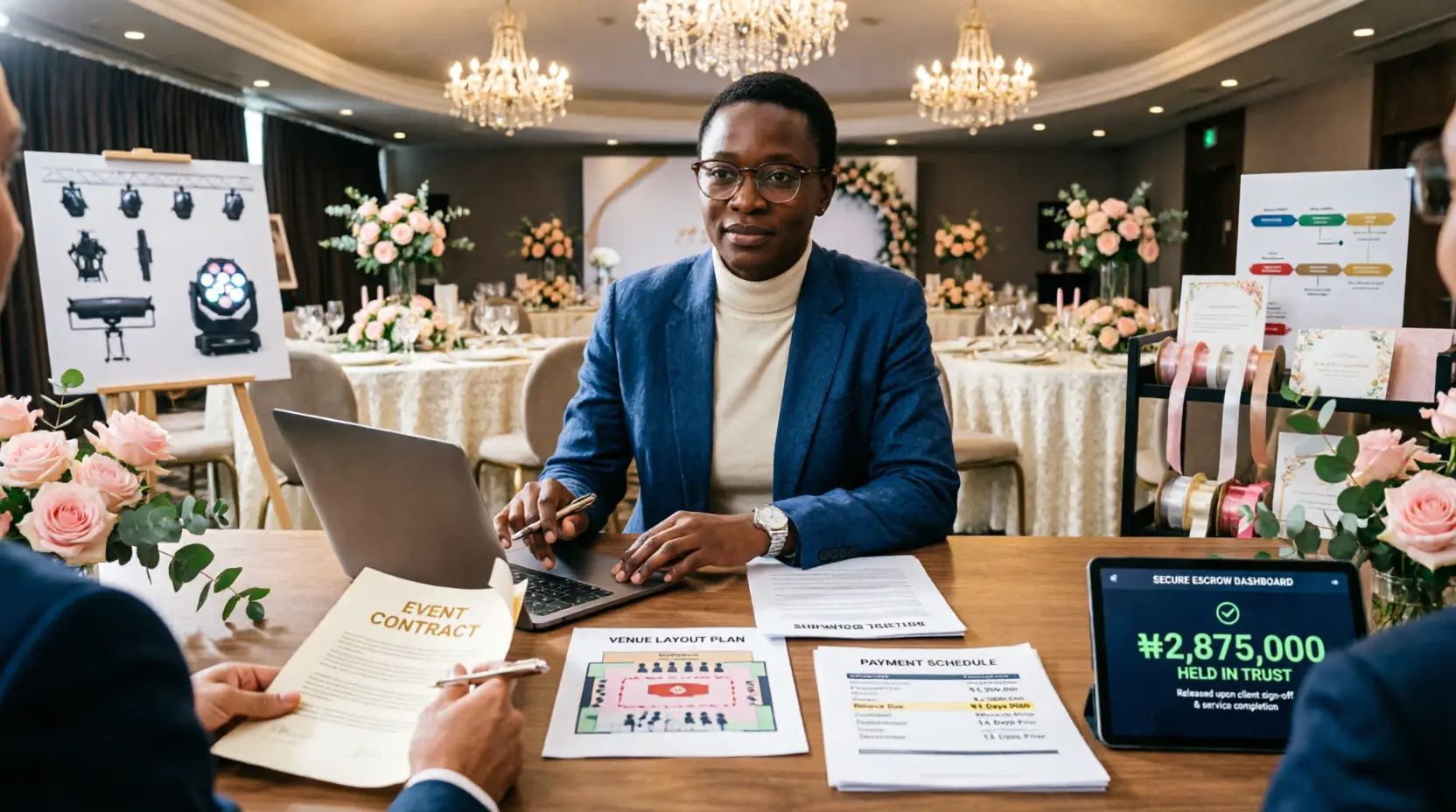
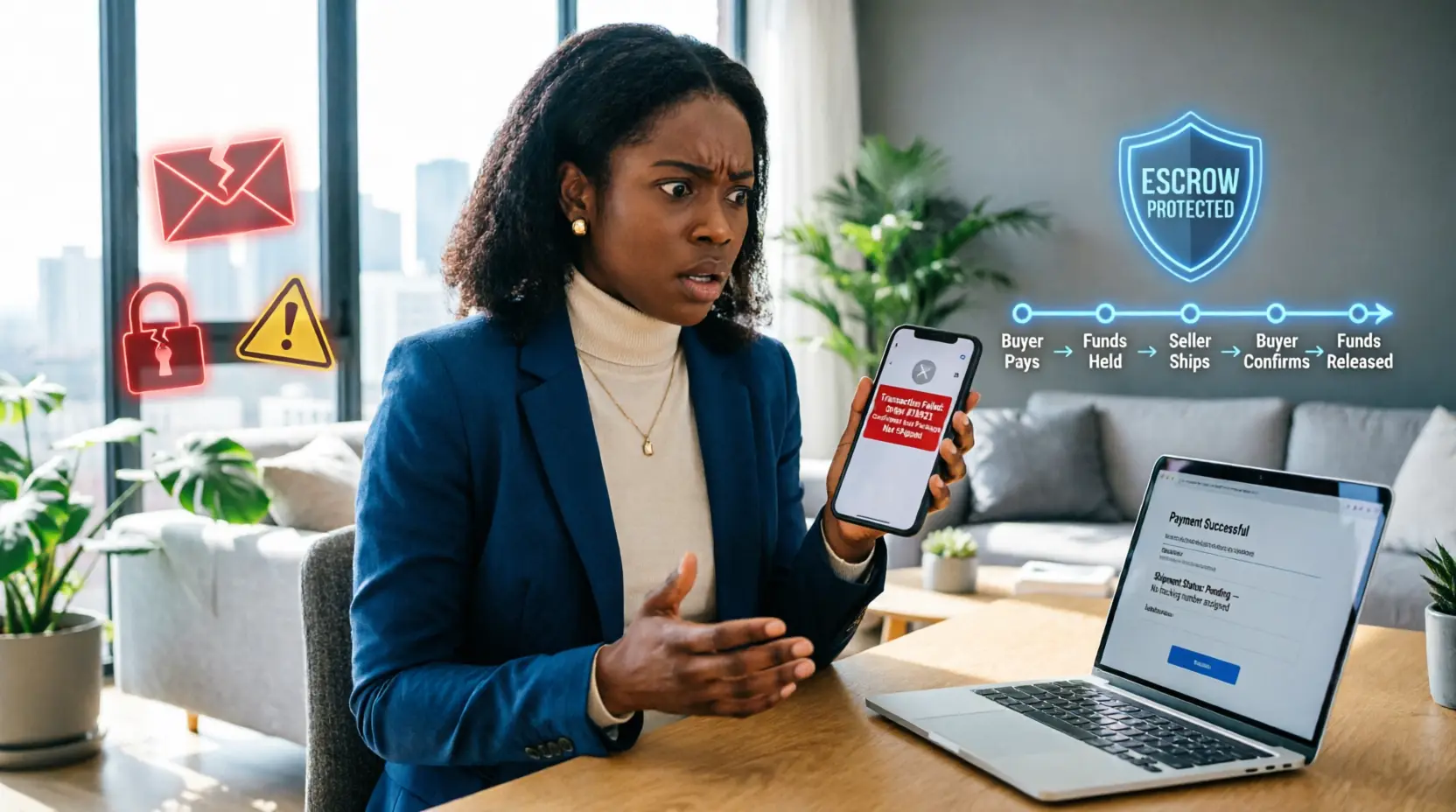
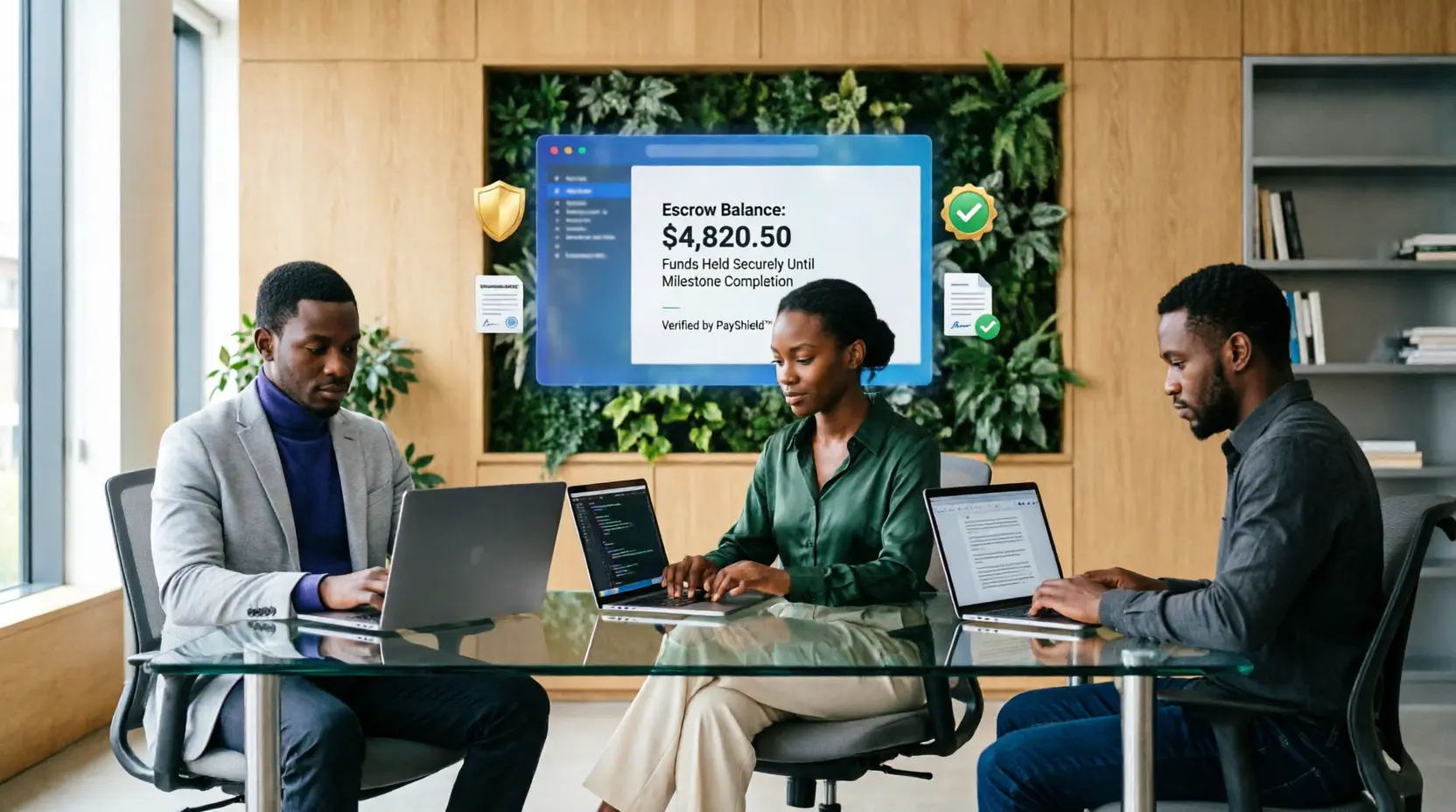
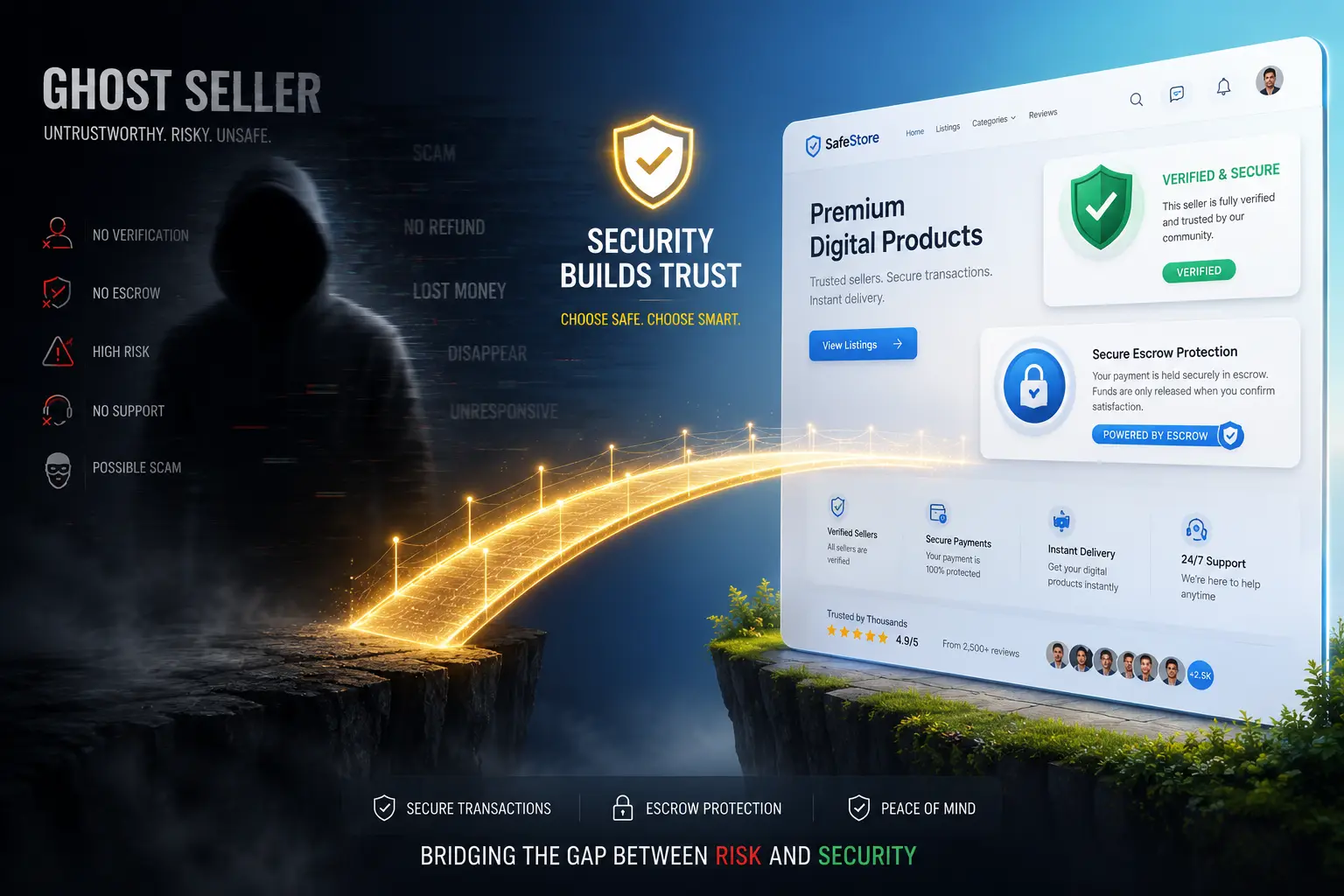
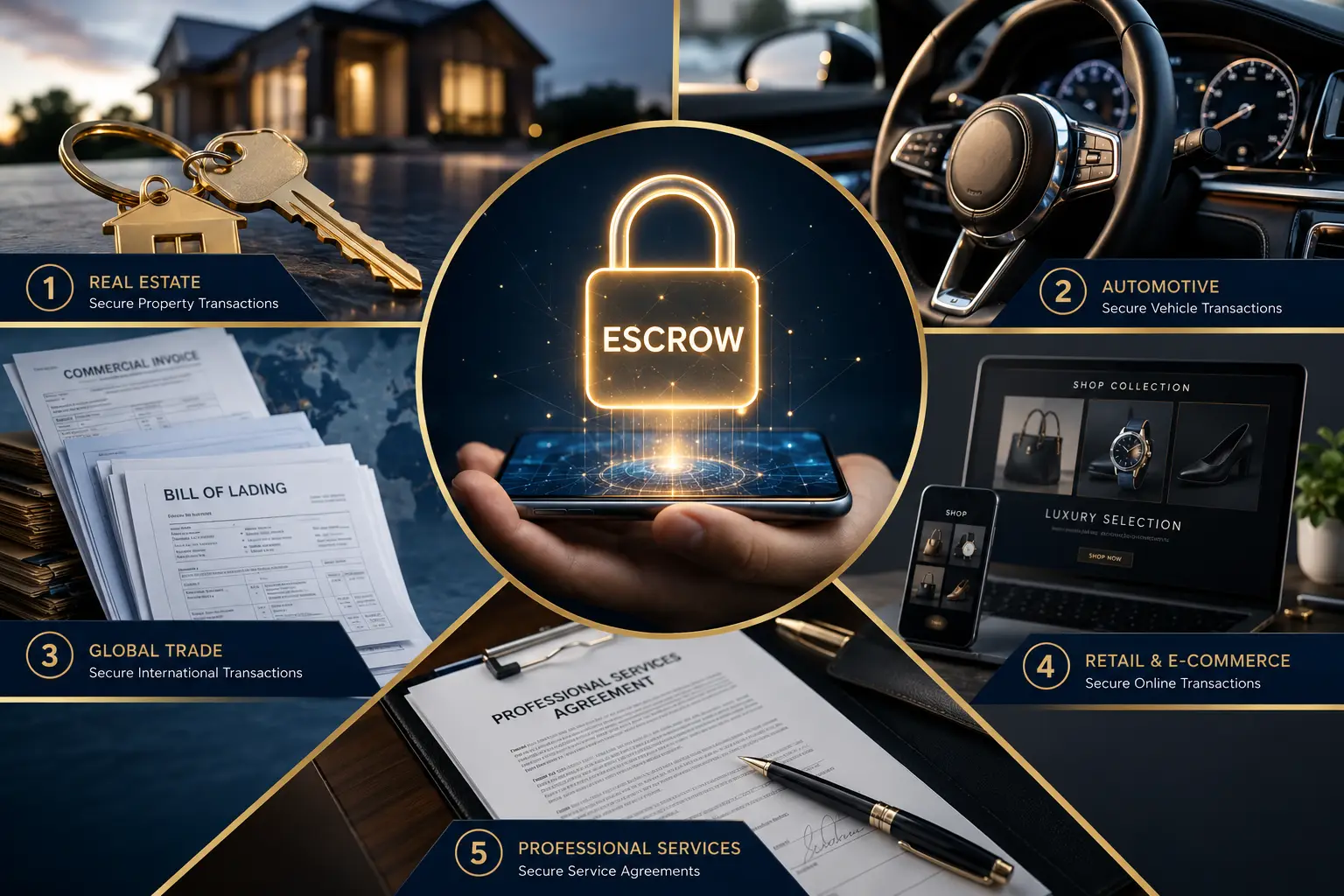
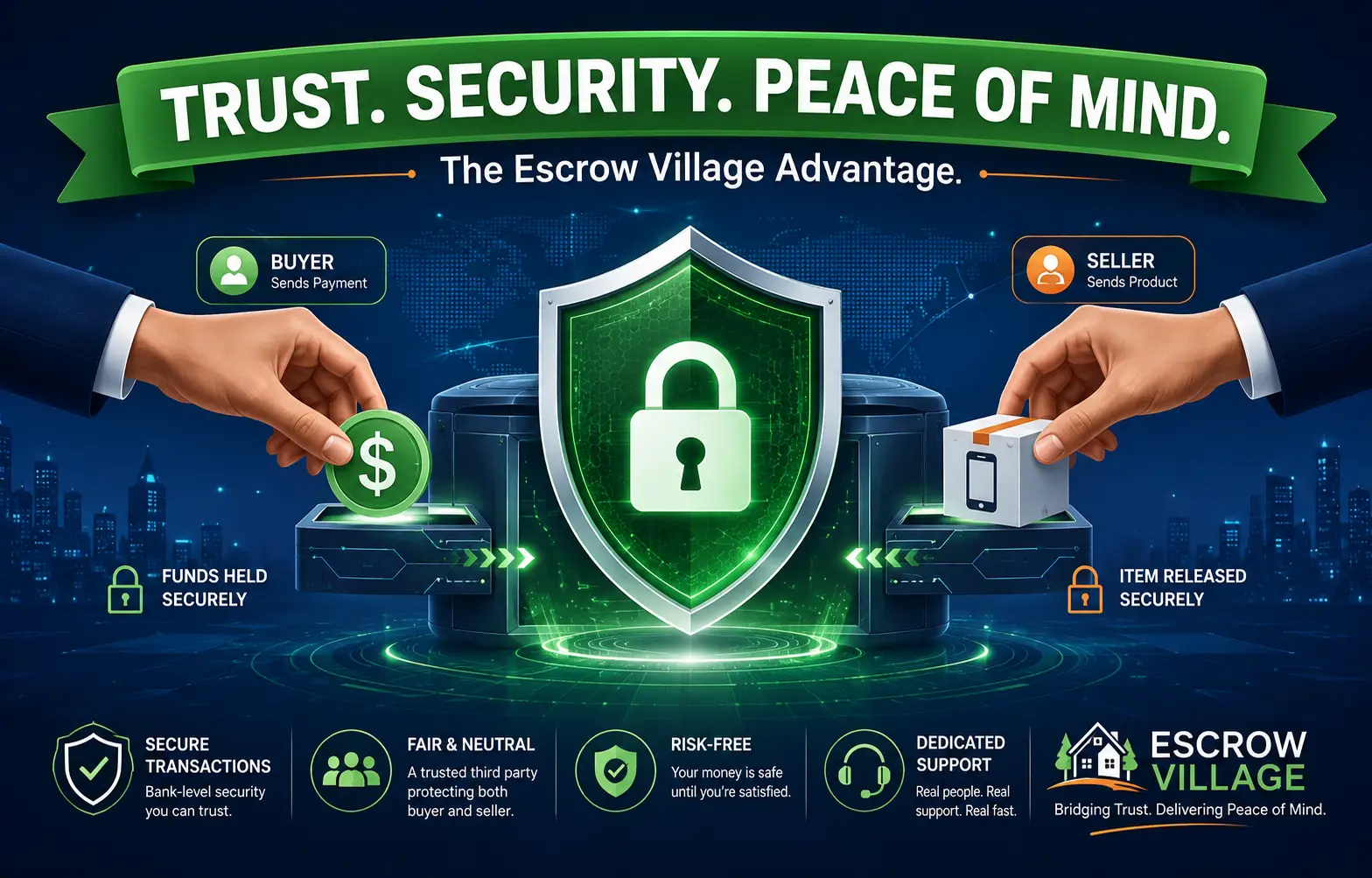
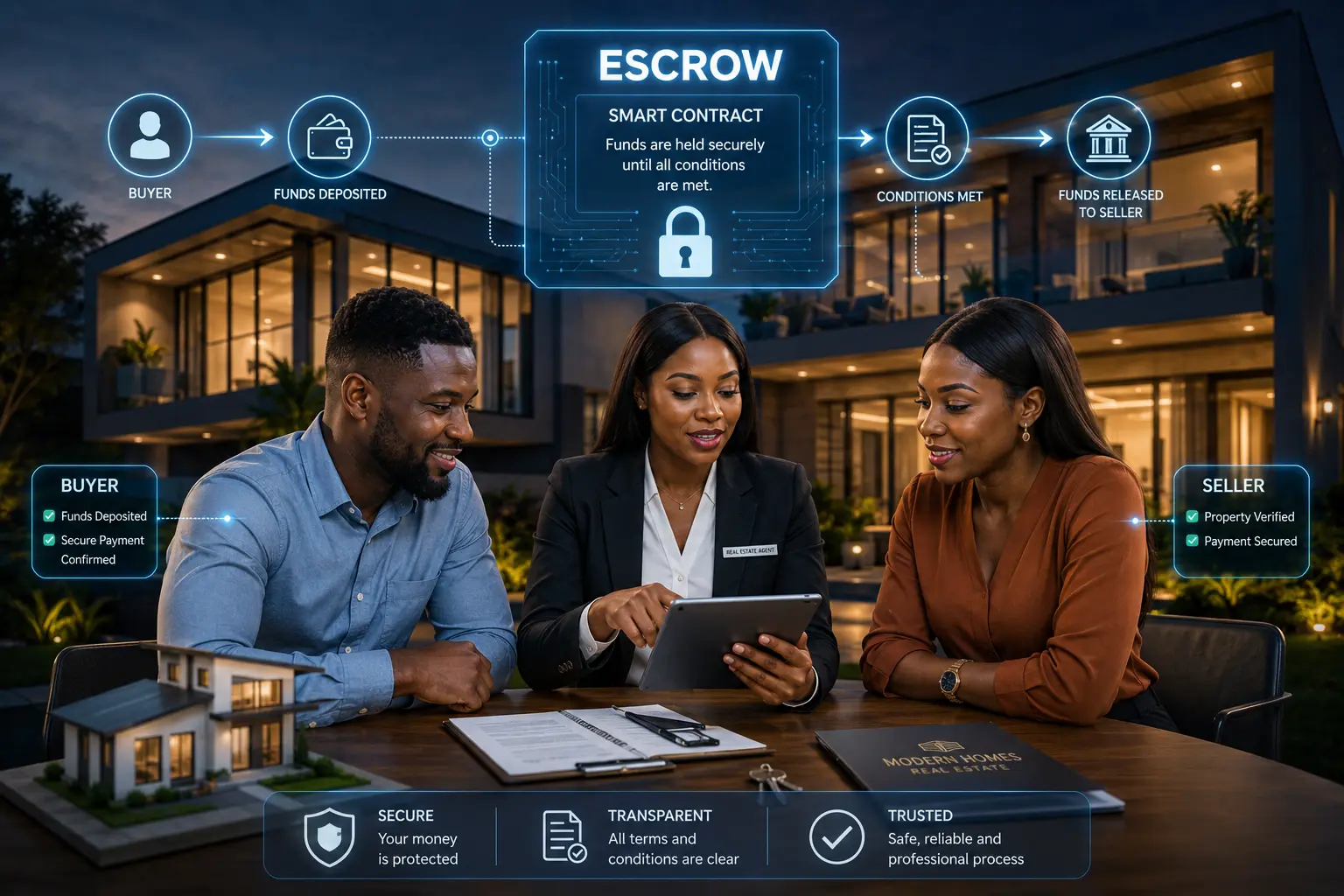
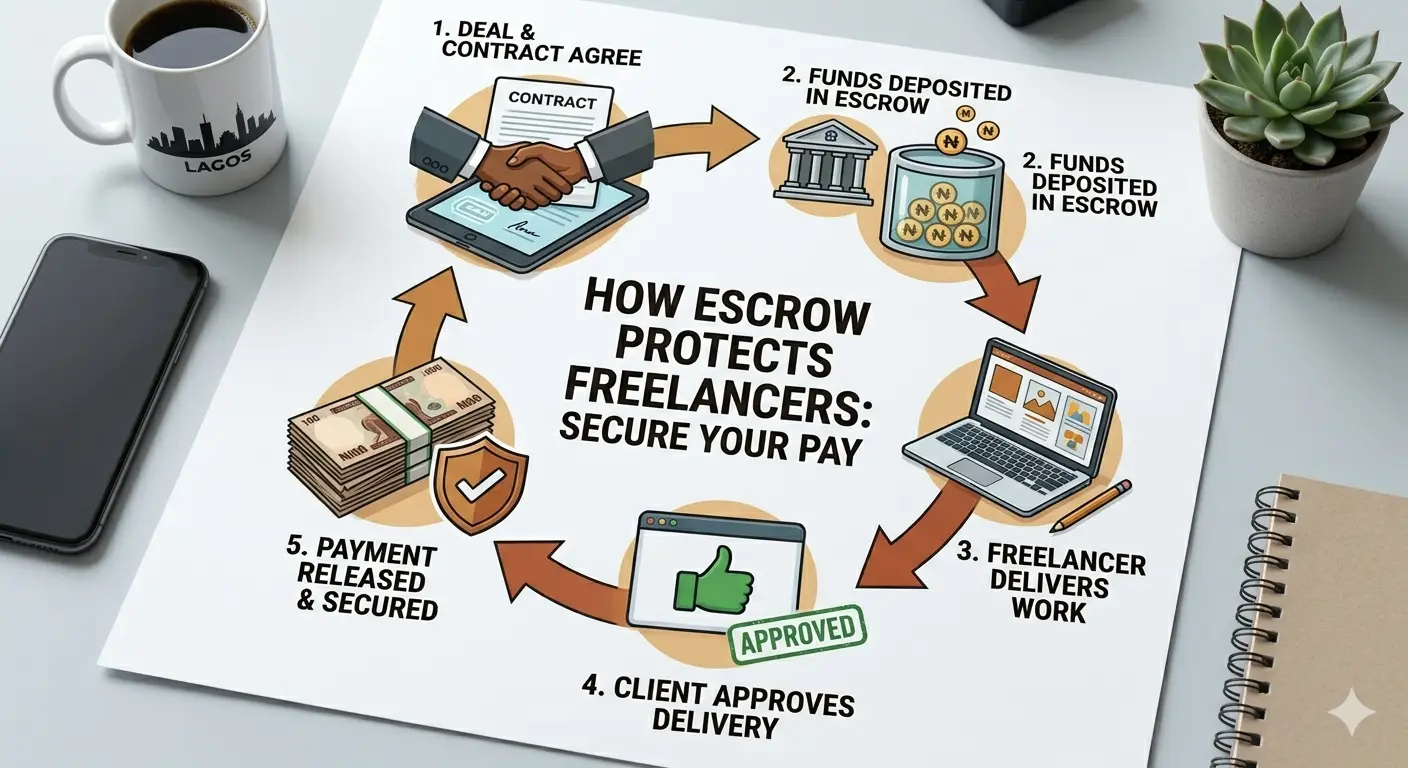
This is where escrow payments can be useful.Instead of paying the freelancer directly and hoping everything goes according to plan, an escrow service can hold the funds until the agreed conditions of the transaction are met.
For example, a client and freelancer could agree that payment will be released when a specific milestone is completed.
This gives both parties a clearer structure.
The freelancer knows that the money has been committed, while the client doesn't necessarily have to hand the money directly to the freelancer before the agreed work is completed.
For clients working with freelancers they have never met, escrow can be particularly useful for higher-value projects.
- 10. Pay Attention to What Happens When You Say No
Here's a simple test that people often overlook.
Tell the freelancer you need time to think about the project.A trustworthy professional may follow up, answer your questions or simply give you space to decide.
A fraudulent service provider may become aggressive.
They may tell you that you're wasting their time, threaten to increase the price or create an artificial deadline to pressure you into paying.
You don't have to make a decision simply because someone is pressuring you.
If you need time to verify someone, take it.
- What Should You Do Before Hiring a Freelancer?
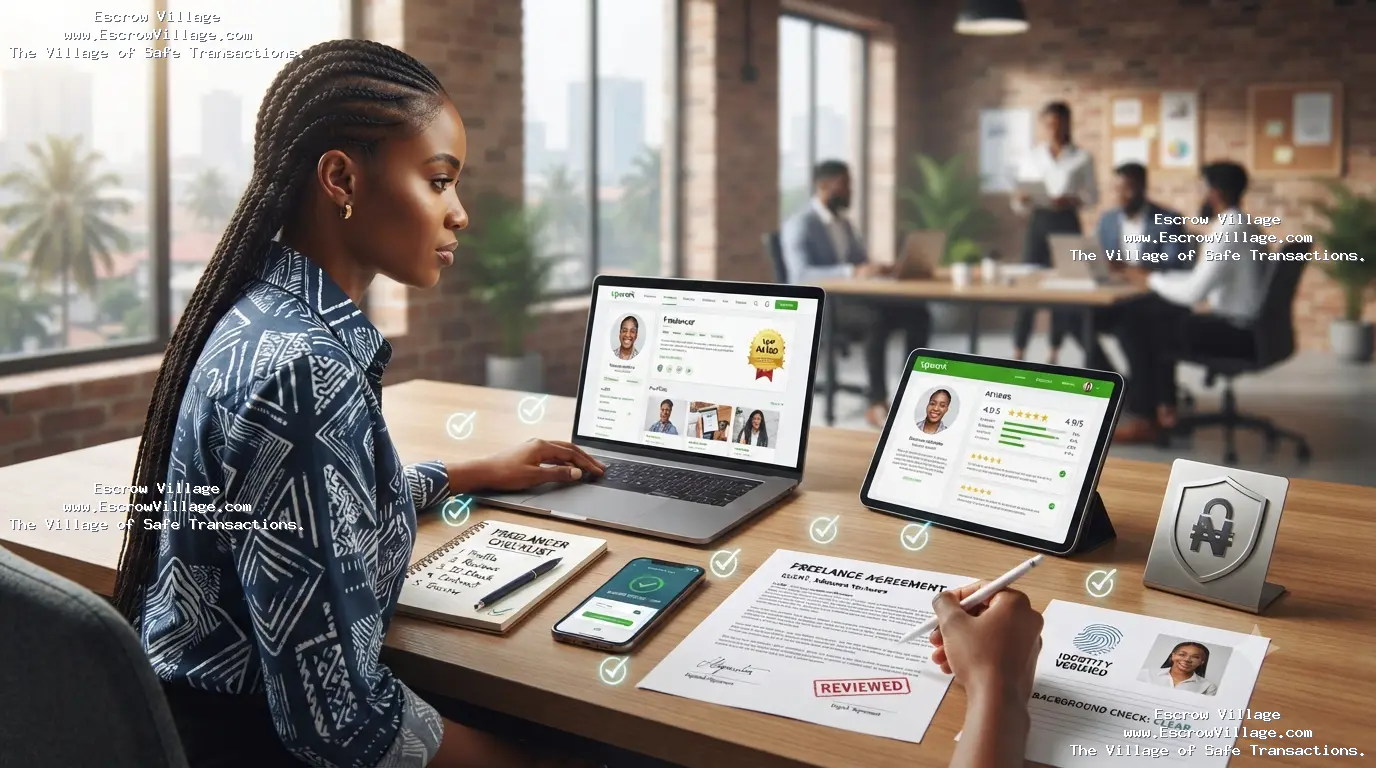
Before sending money, run through this quick checklist:
● Check their previous work. Make sure the portfolio can be reasonably verified.● Research their online presence. Look for consistency across professional platforms.
● Look for genuine reviews. Don't rely only on testimonials posted by the freelancer.
● Discuss the project clearly. Agree on deliverables, deadlines and revisions.
● Put important terms in writing. Especially for expensive projects.
● Avoid unnecessary upfront payments. Consider deposits or milestone payments where appropriate.
● Protect sensitive information. Give access only when it is necessary.
● Use safer payment arrangements. Consider escrow.
● Don't let pressure make the decision for you. A good opportunity shouldn't require you to ignore obvious warning signs.
- A Good Freelancer Shouldn't Be Your Biggest Risk
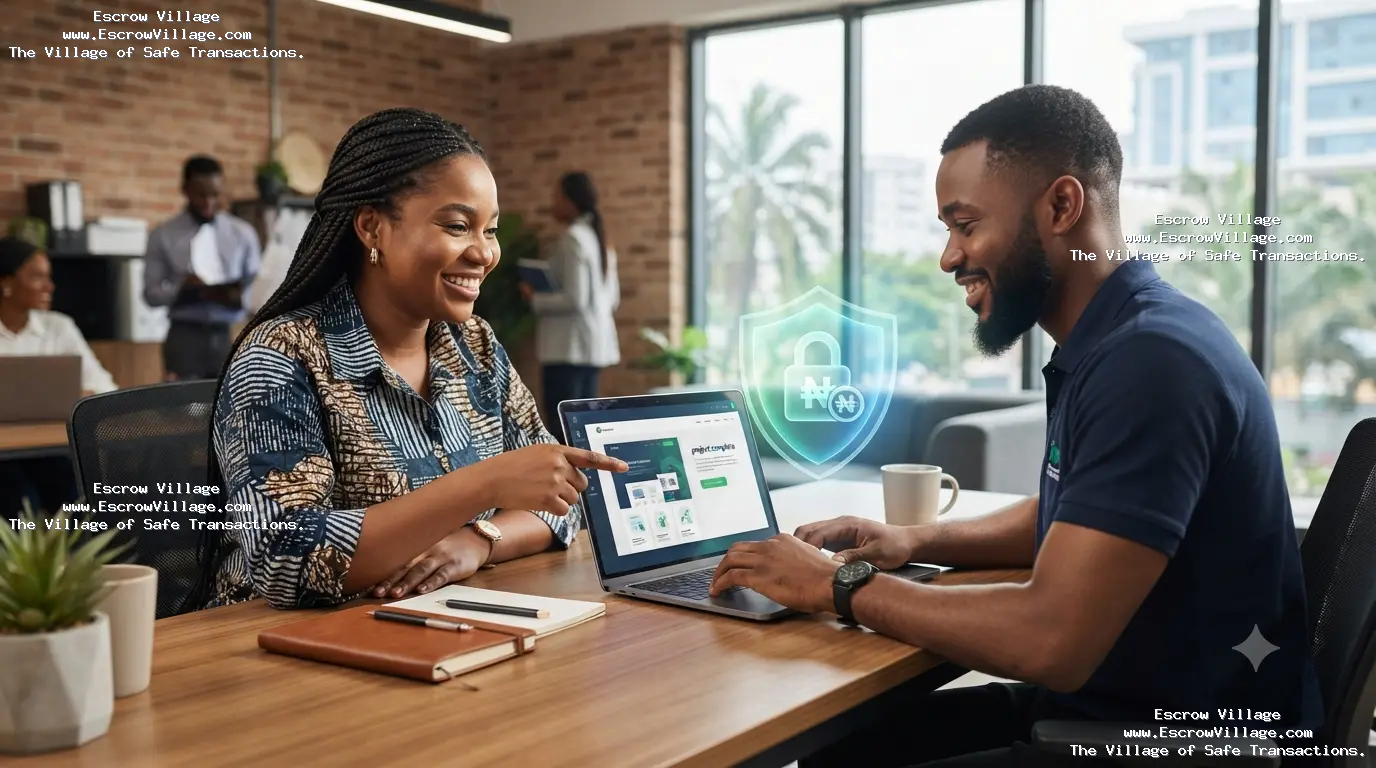
Hiring freelancers online isn't inherently dangerous.
Thousands of legitimate professionals work with clients every day without ever meeting them in person.The real problem is hiring blindly.
You don't need to become an expert at detecting scammers.
You just need to stop treating a profile, portfolio or friendly conversation as enough proof that someone is trustworthy.
Do your checks.
Ask questions.
Agree on the terms.
Protect your information.
And when the project involves serious money, consider using a payment structure that protects both sides.
A little verification before a project starts can save you a much bigger headache after the money has been sent.
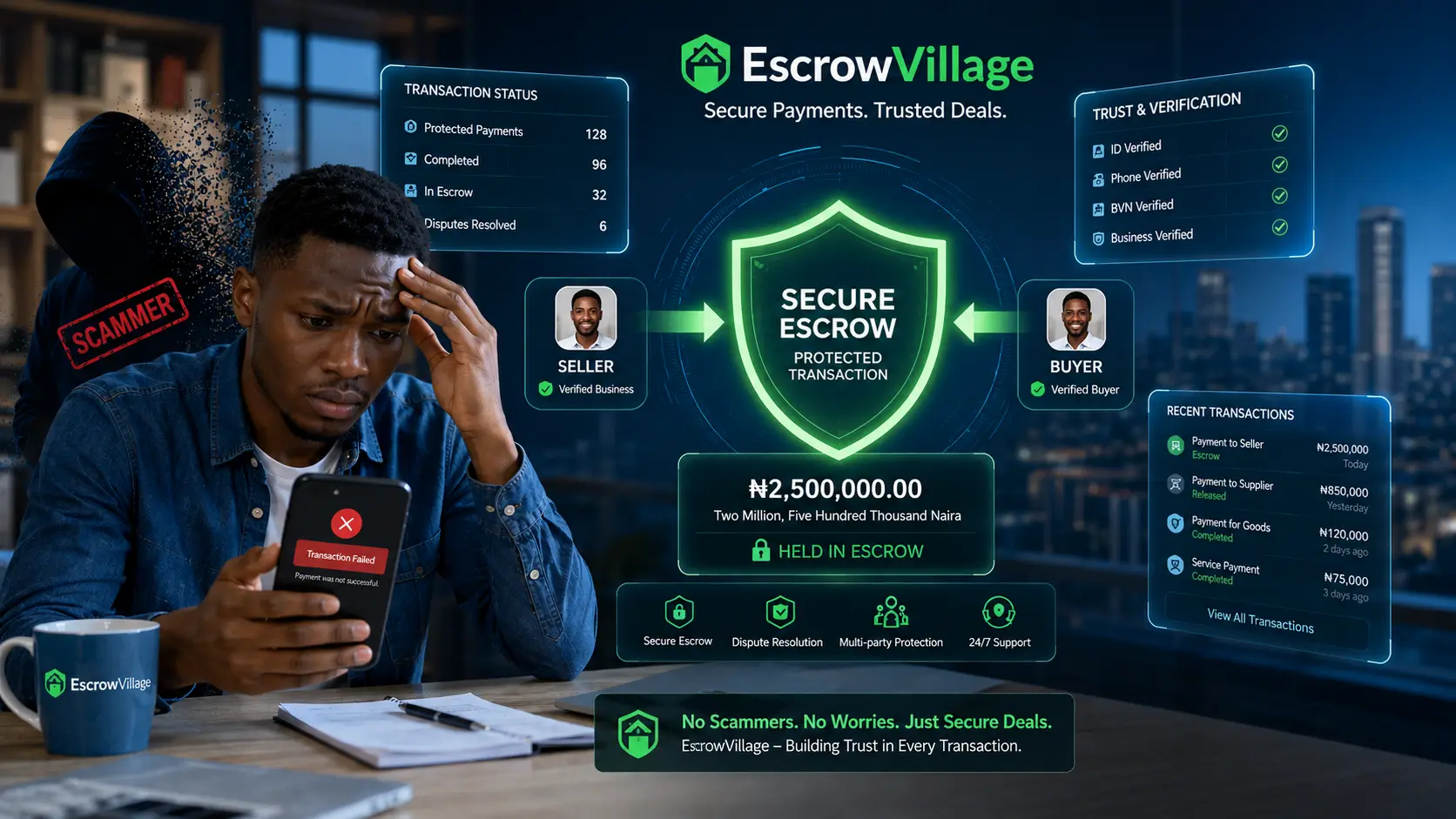
If you're hiring someone online and want a safer way to structure payments, Escrow Village can help create a transaction process where agreed conditions are clear before funds are released.