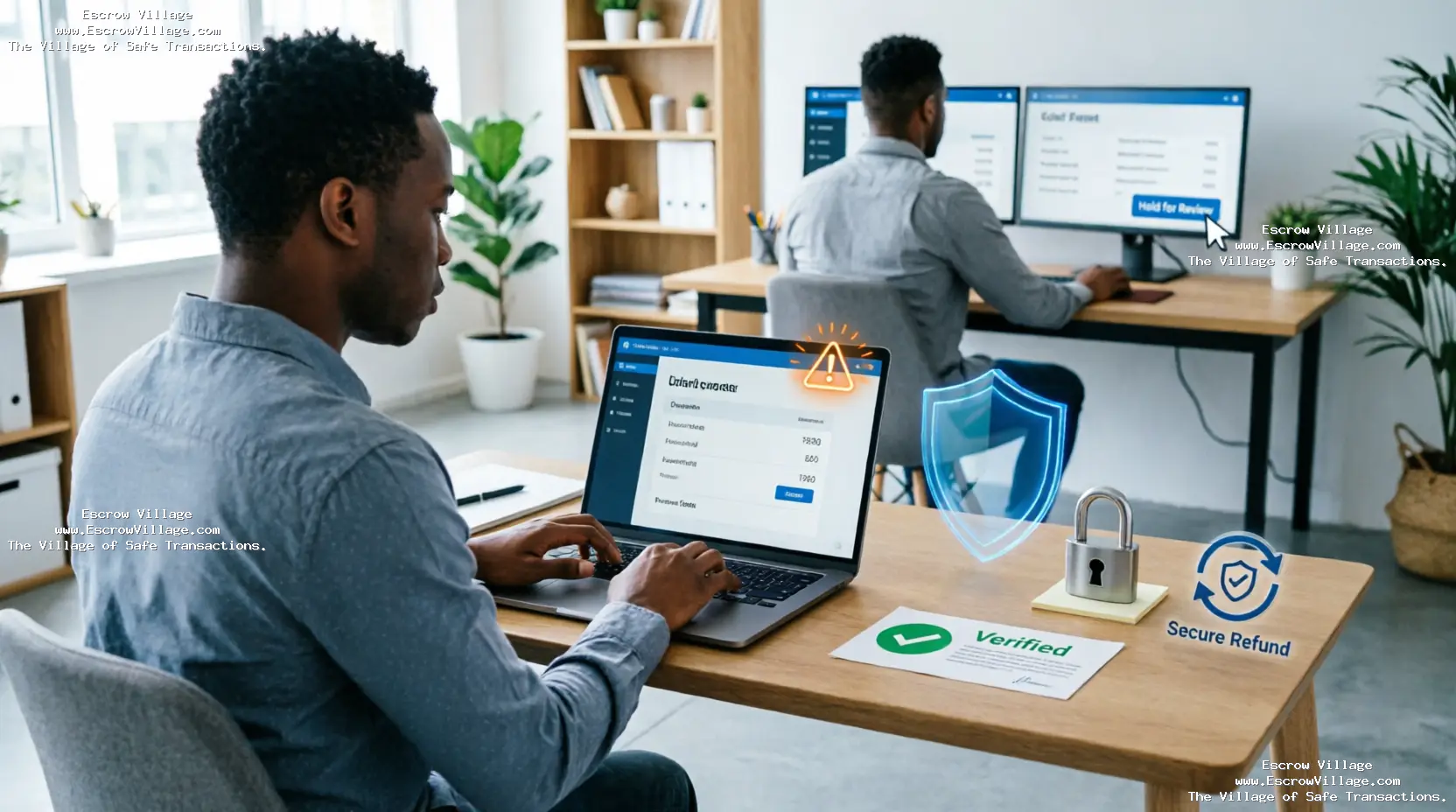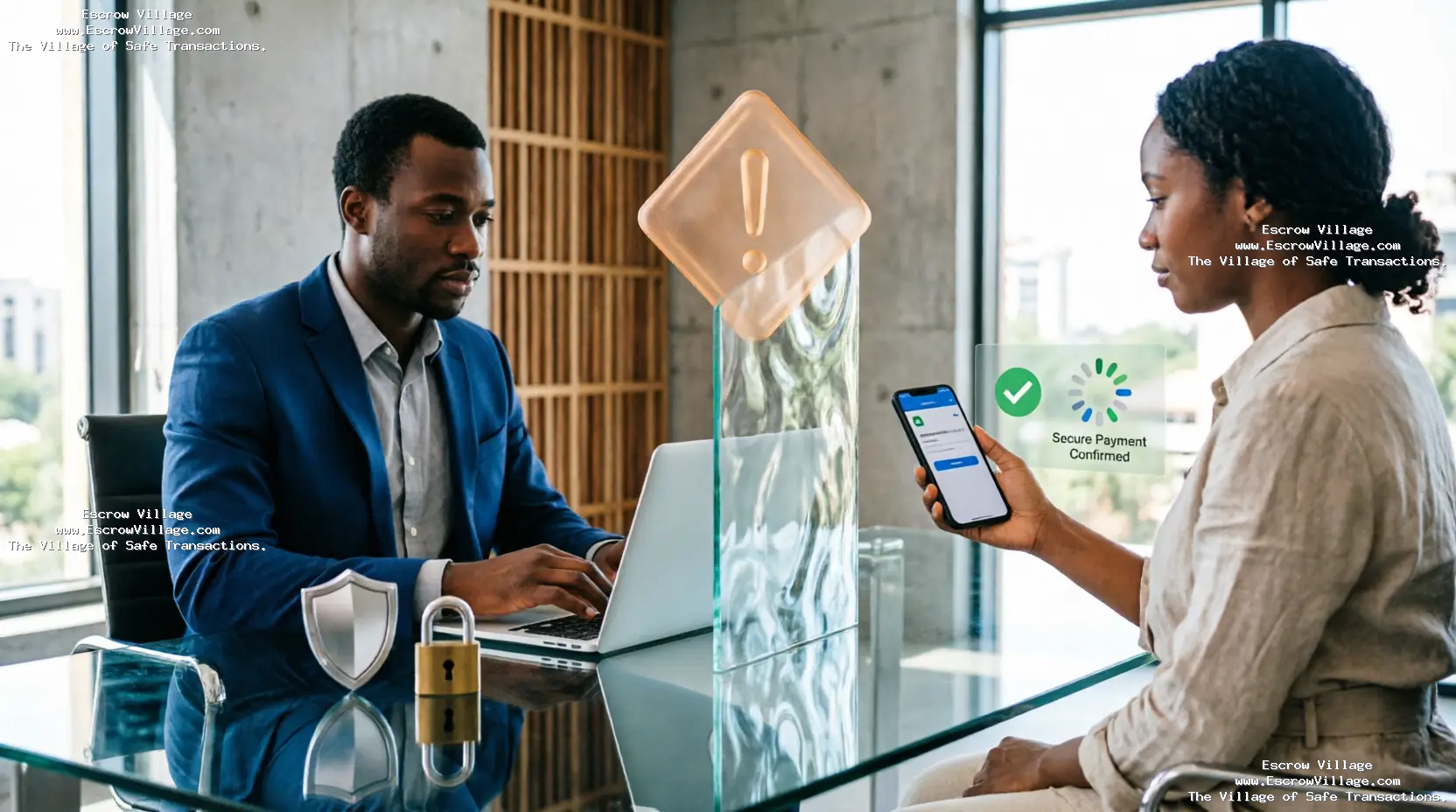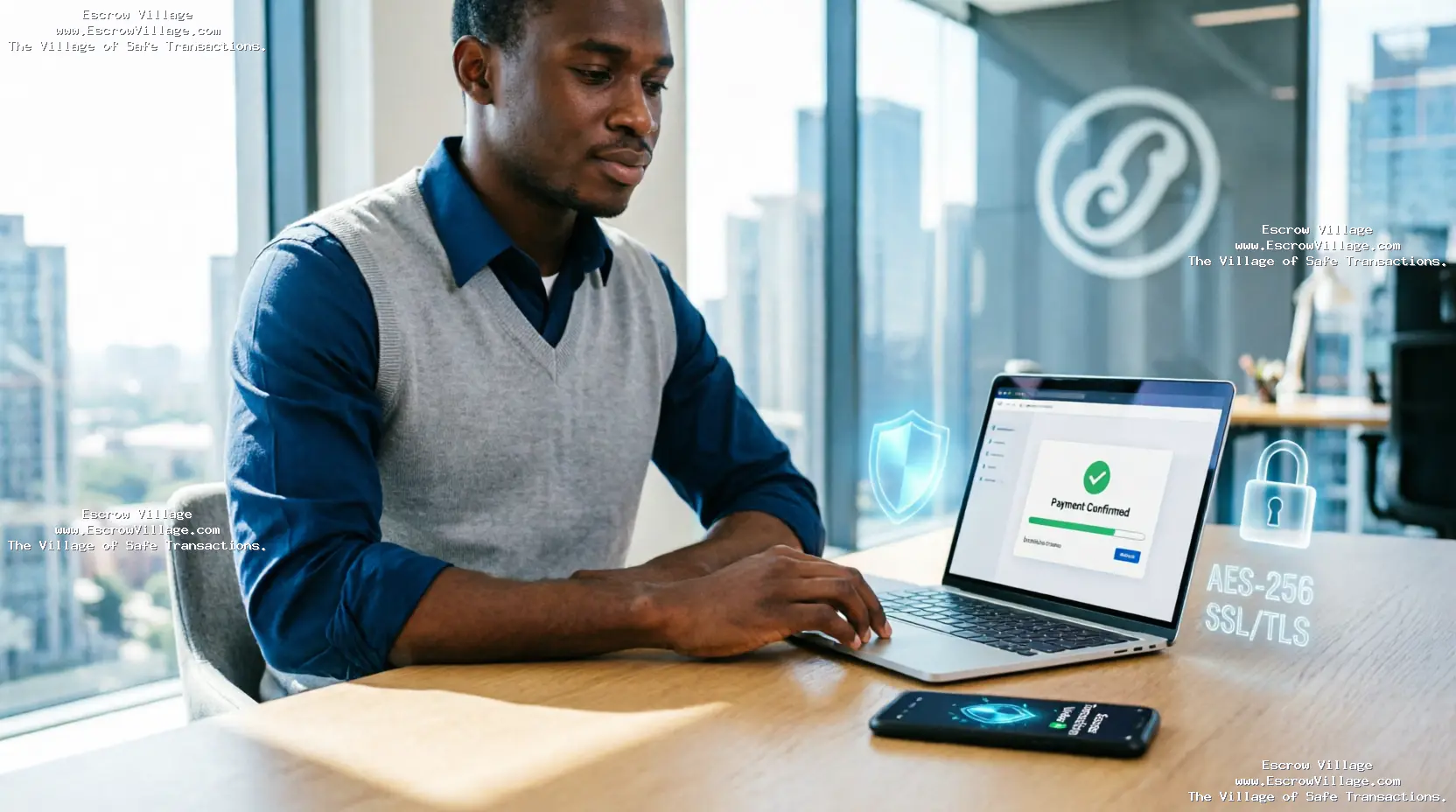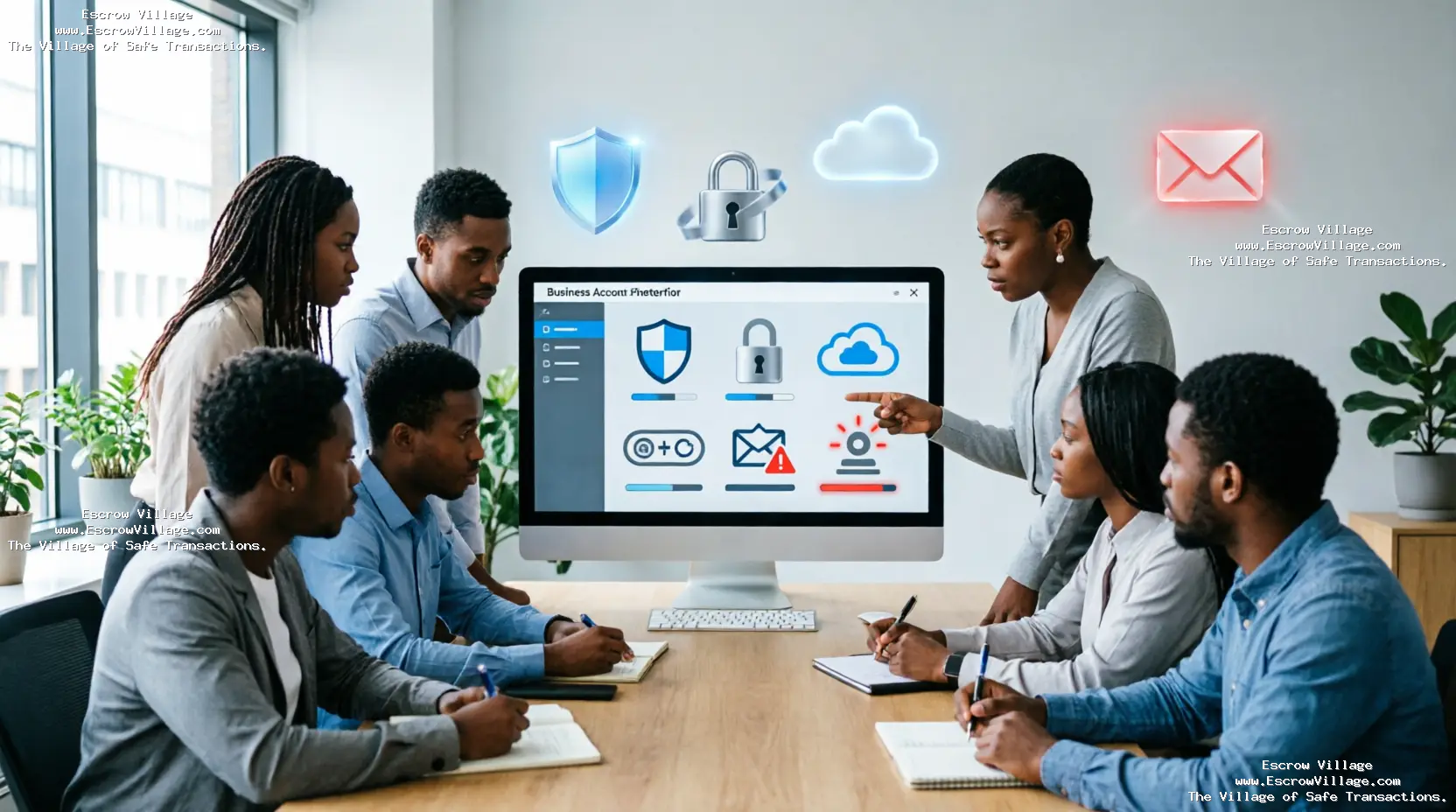

How Escrow Protects Graphic Designers, Developers and Writers
Whether you're a graphic designer handing over final files, a developer shipping completed code, or a writer submitting a finished manuscript, the moment of delivery is also the moment of greatest financial risk.
For years, freelancers have tried to manage this risk with contracts, upfront deposits, or simply choosing to work only with clients they trust.
But contracts are difficult to enforce across borders, deposits don't guarantee the remaining balance gets paid, and trust alone has failed too many creatives to rely on.
What freelancers actually need is a system that removes the risk entirely, not one that just documents it after something goes wrong.
Escrow payment systems exist to close that gap, and every freelance creative should understand how.
- The Freelancer's Payment Problem

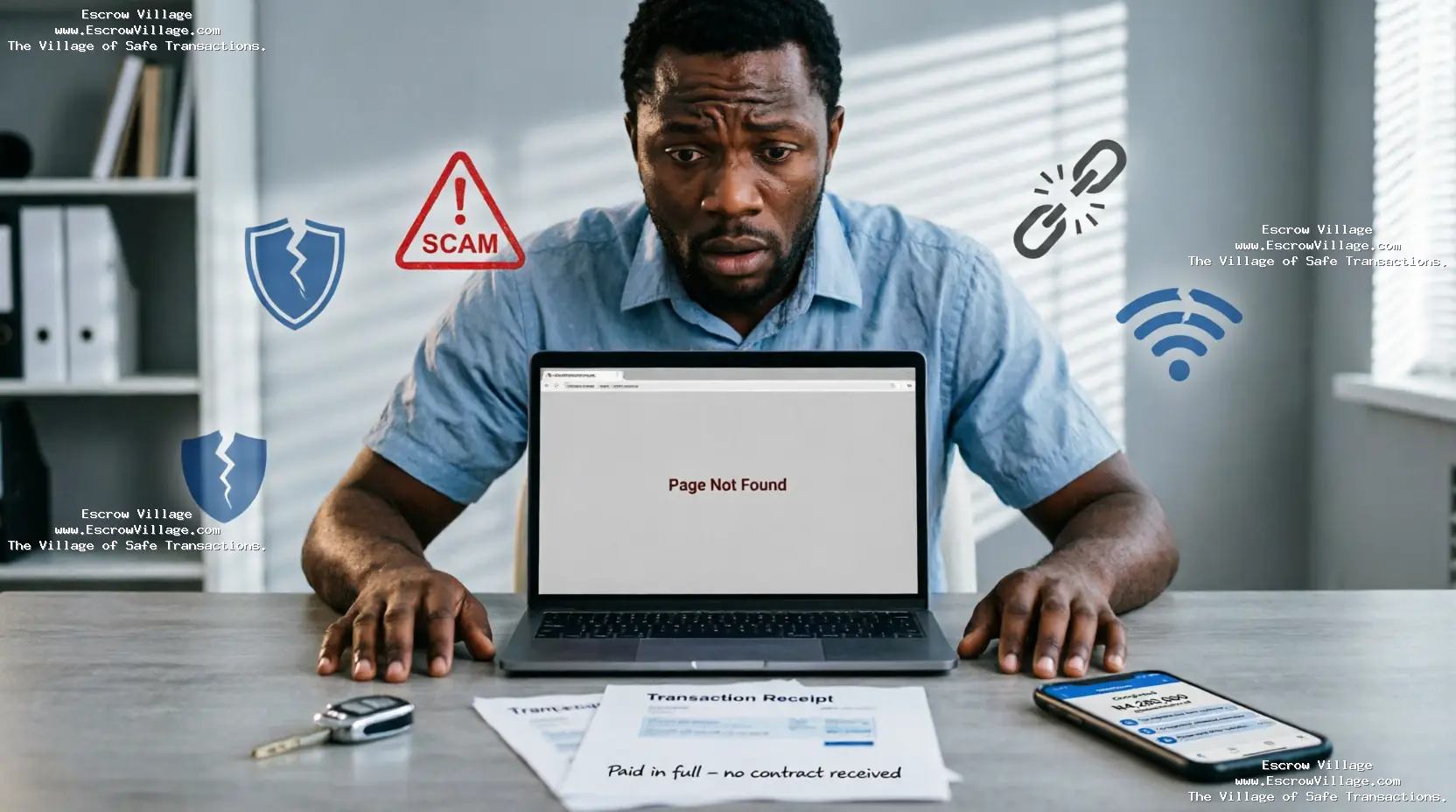
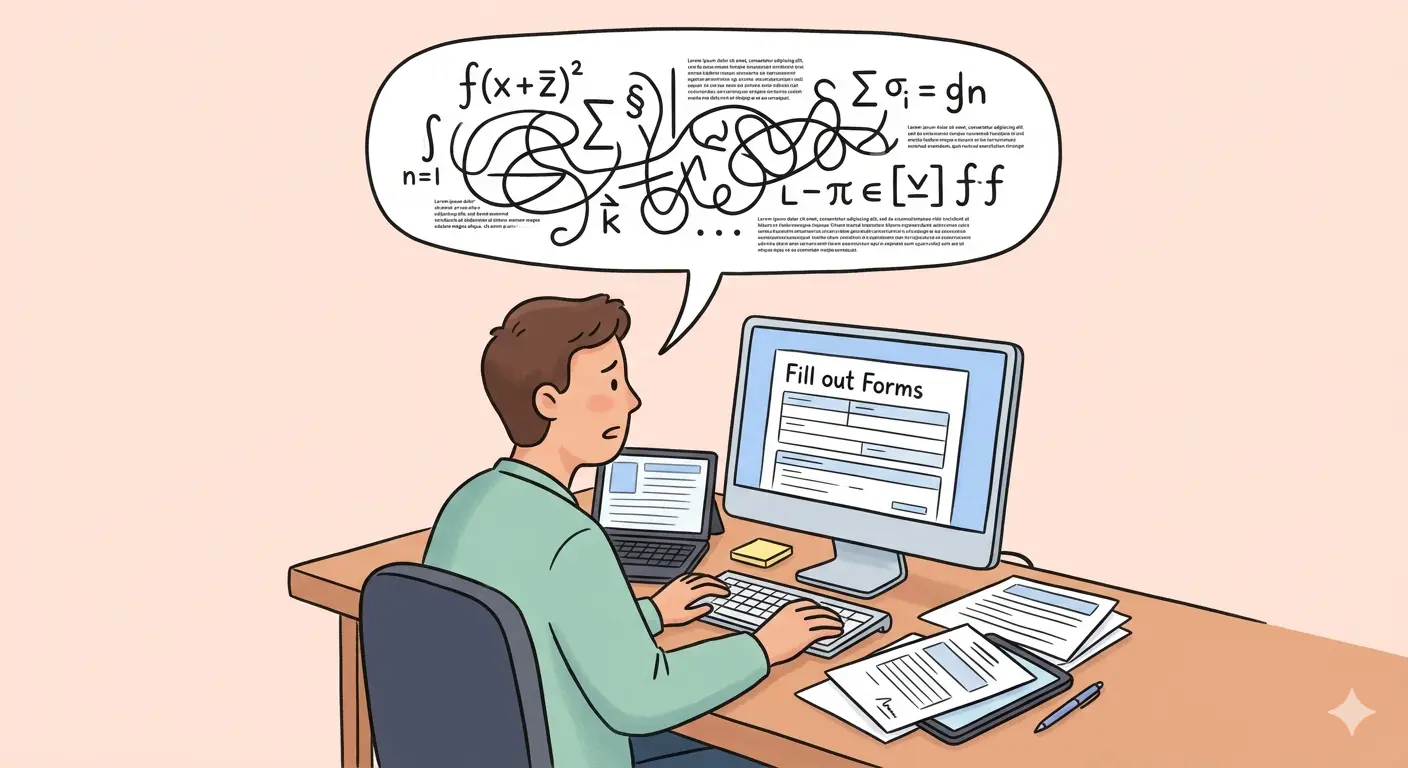
Unlike traditional employment, freelance work often happens across borders, time zones, and platforms with little legal recourse if a client disappears after receiving your work.
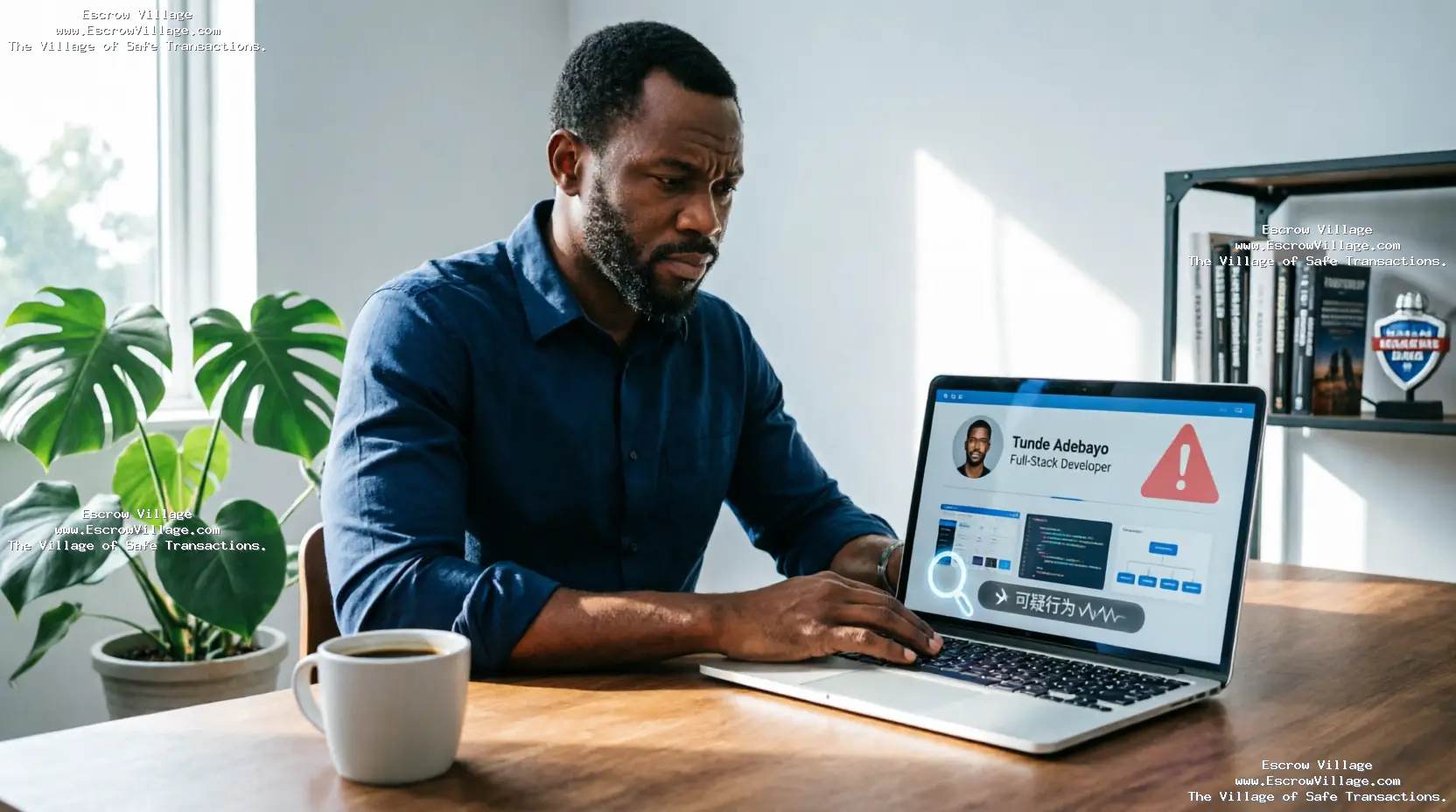
Common freelancer nightmares include:
- ● Clients who vanish after receiving the final files
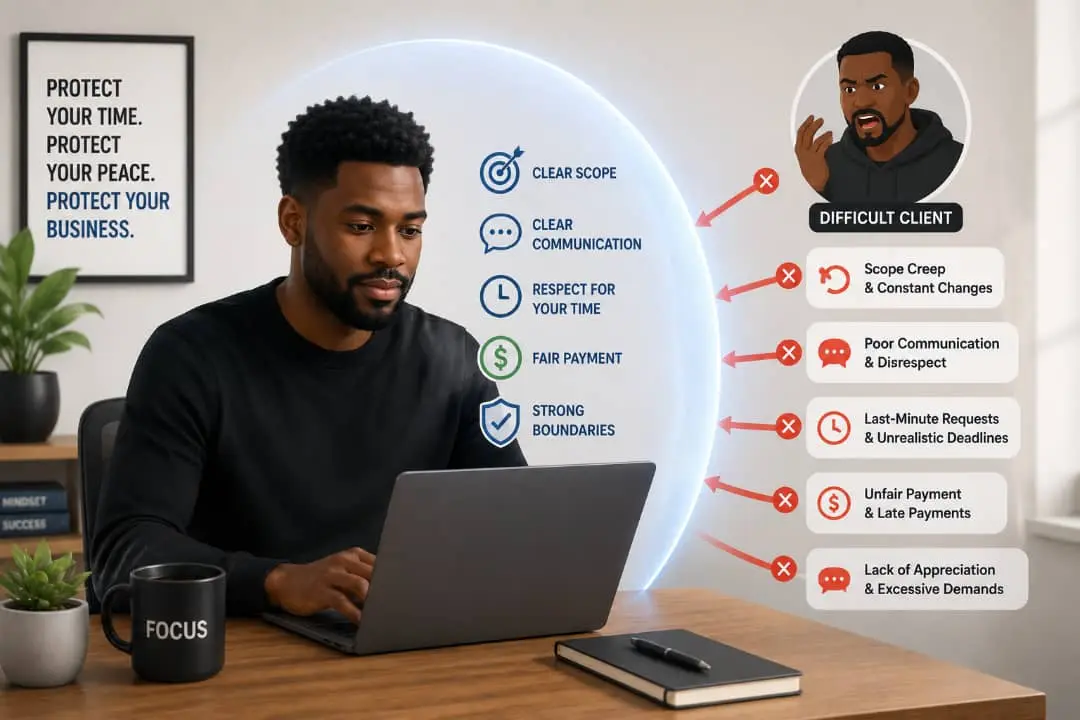
- ● Scope creep with no additional payment
- ● Clients disputing "quality" after work is delivered as a excuse not to pay
- ● Delayed payments that stretch for weeks or months
- ●Upfront work requests with no payment commitment at all
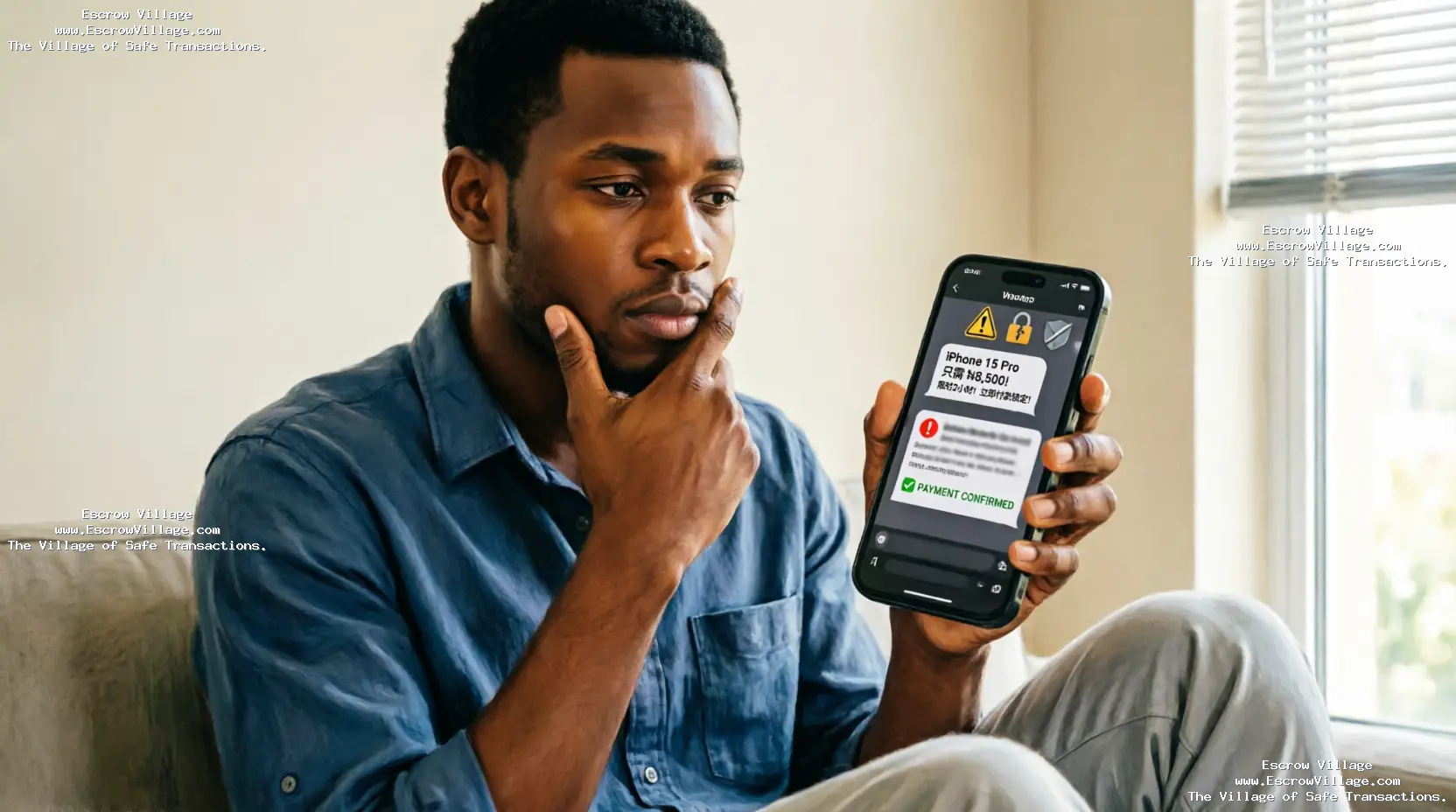
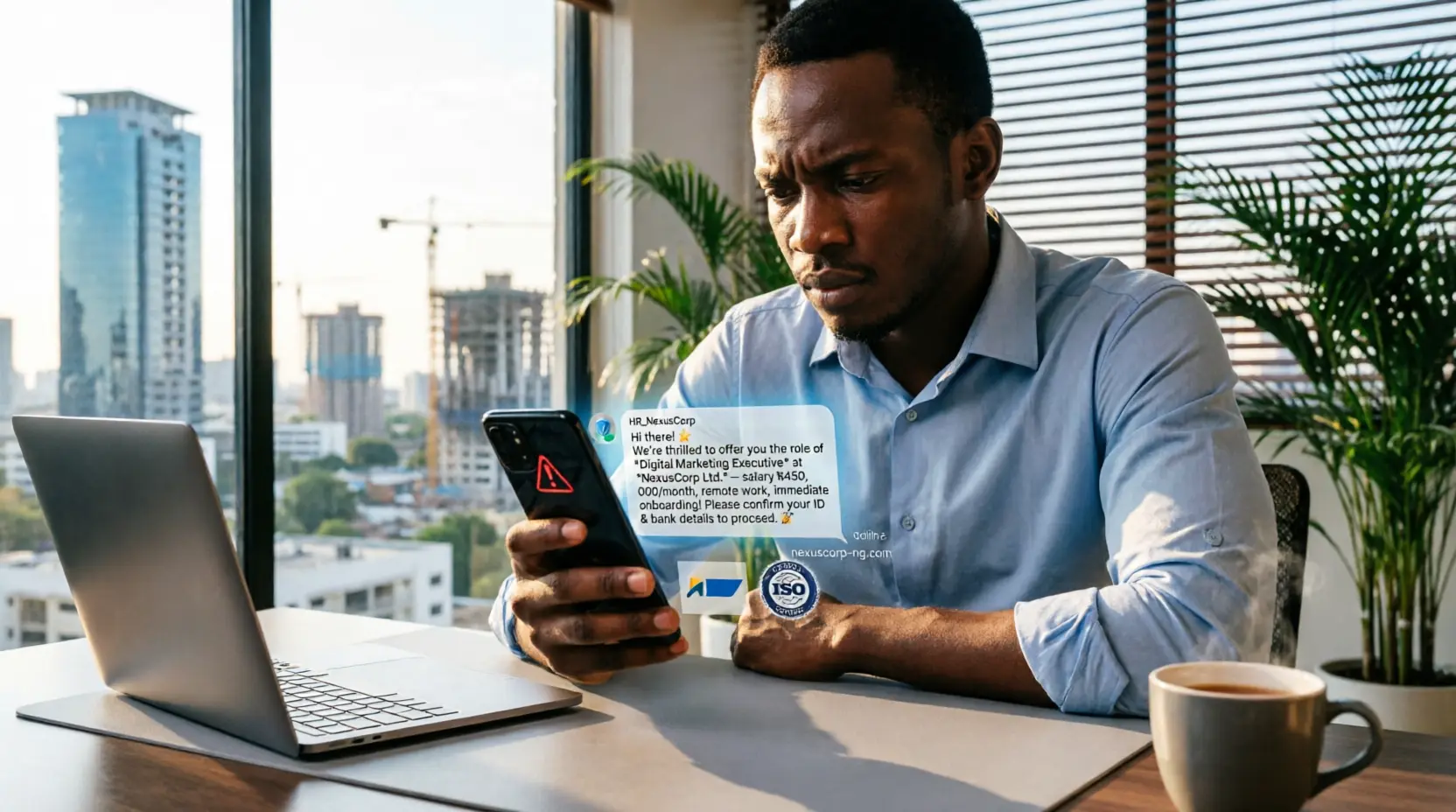
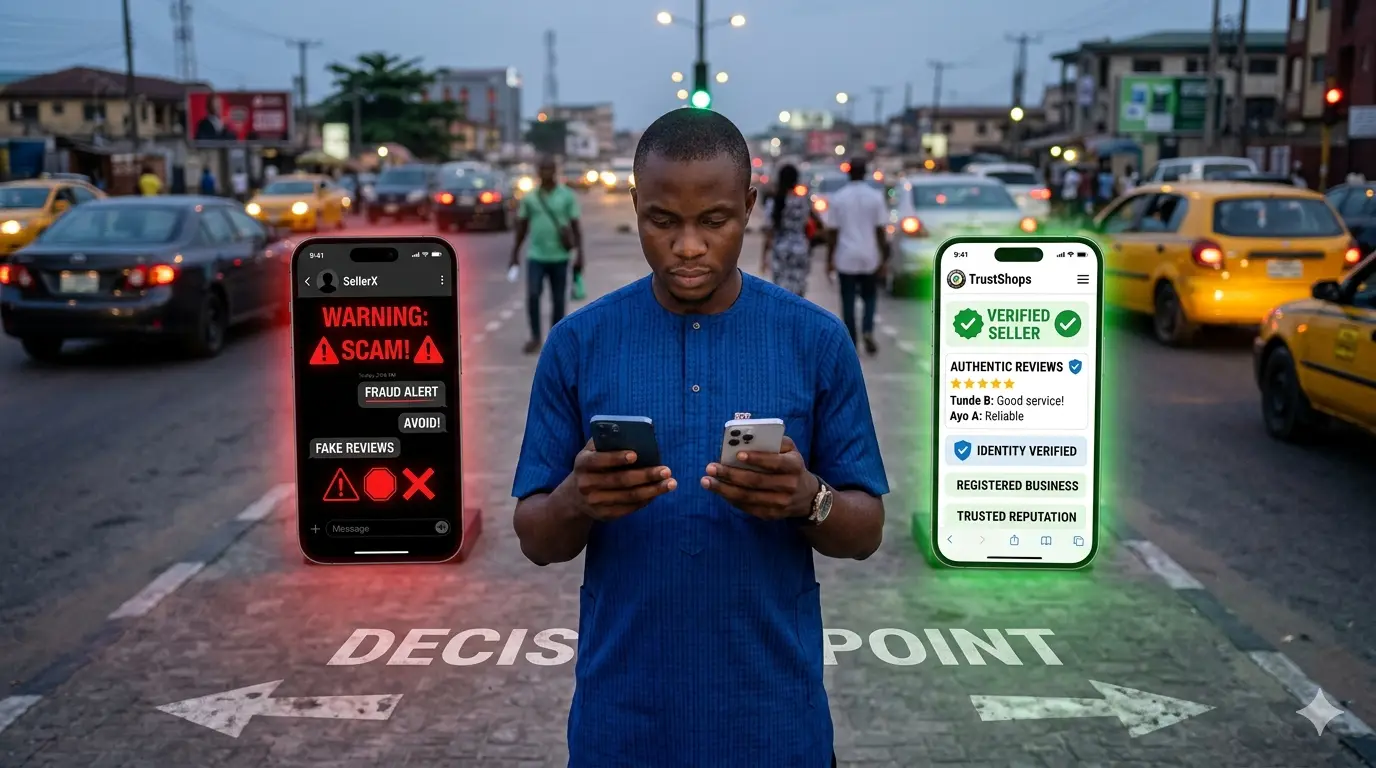
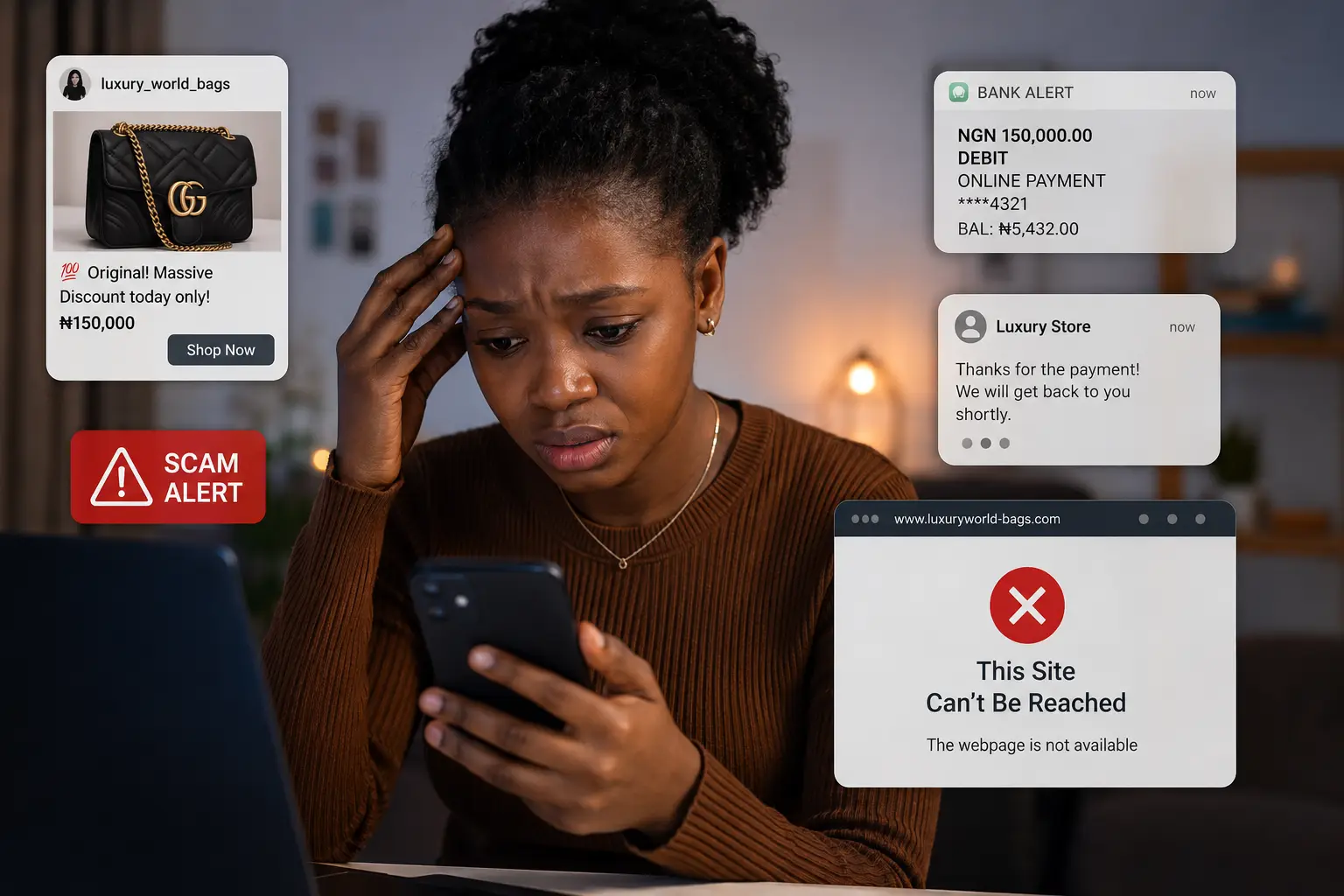
These risks aren't rare, they're widely reported across freelance communities, especially for those working with international clients.
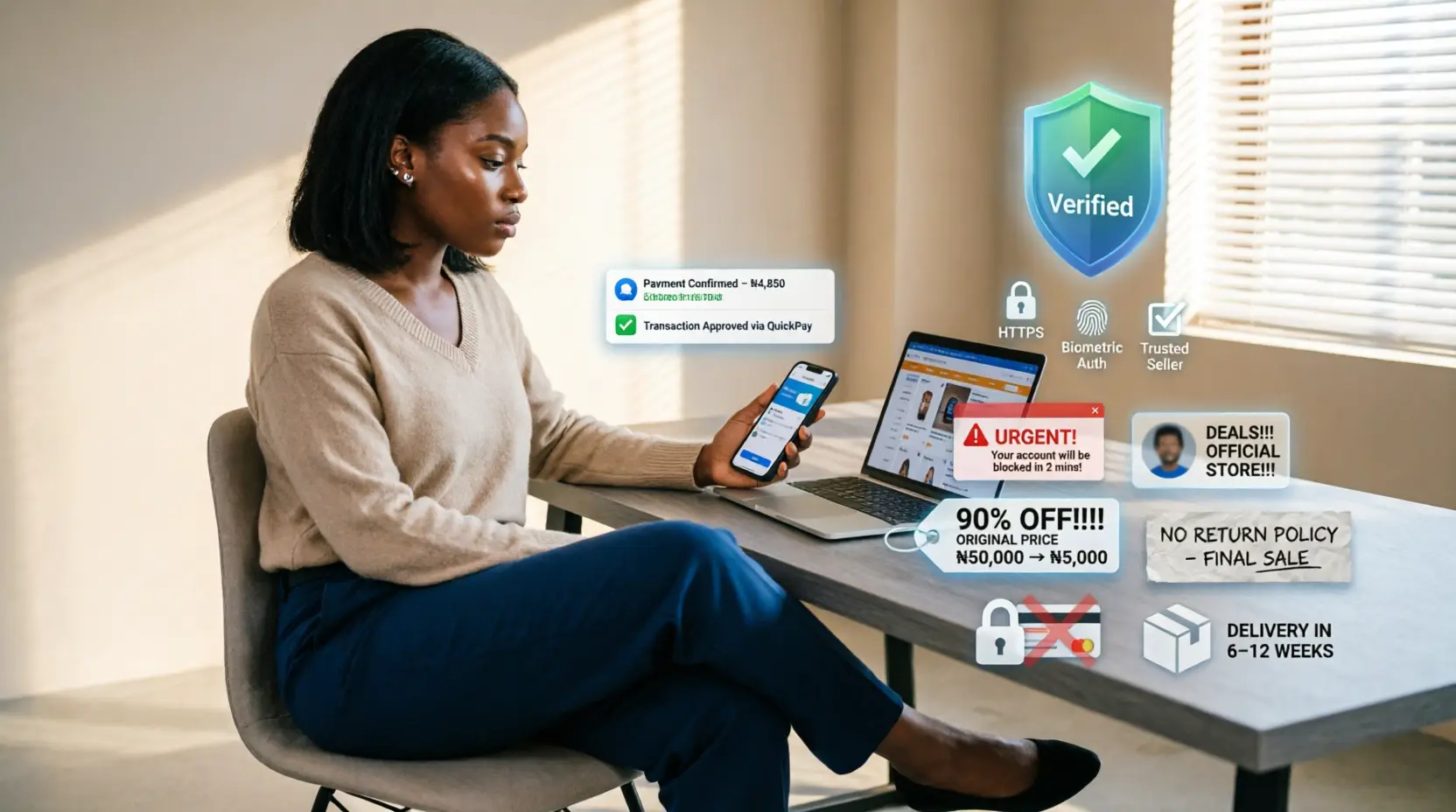
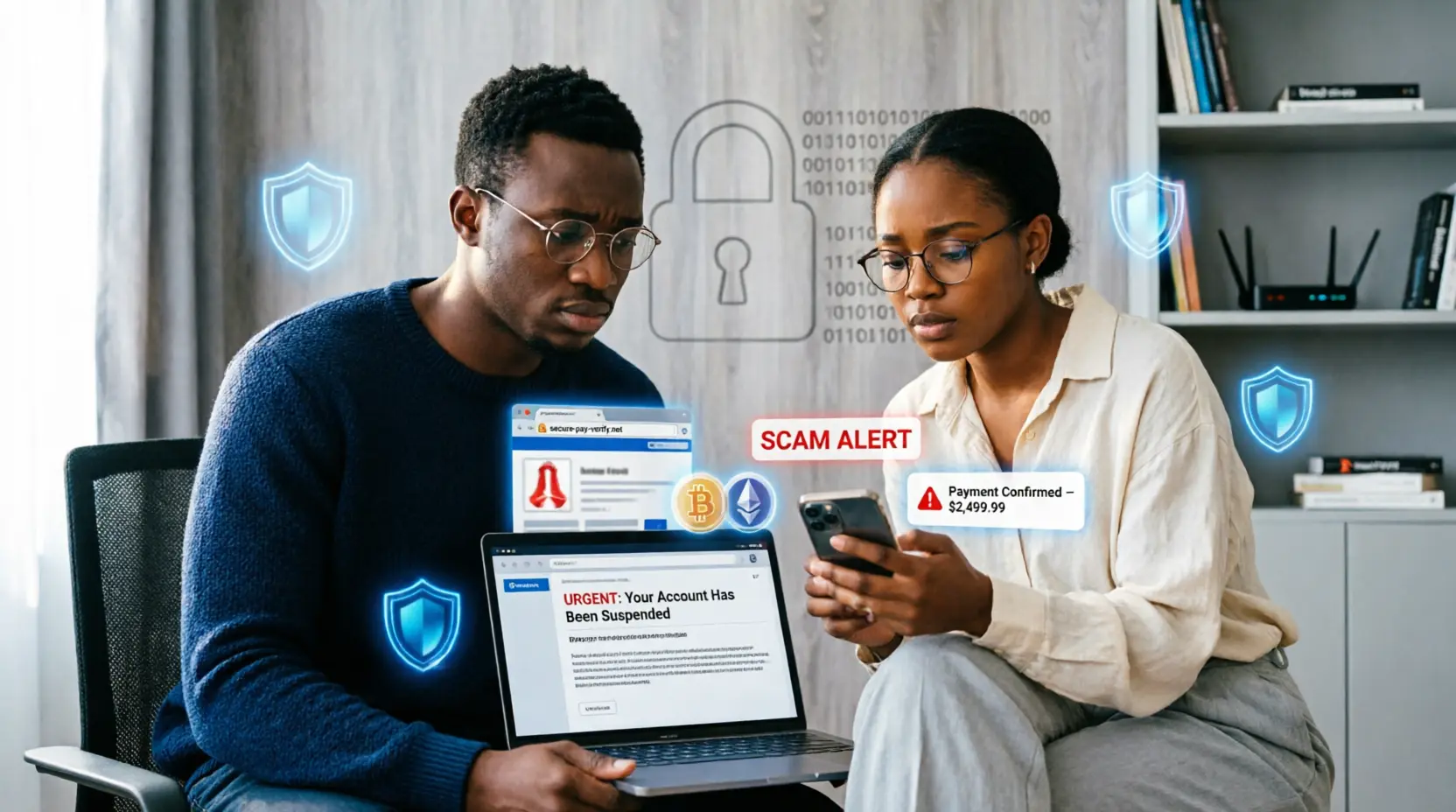
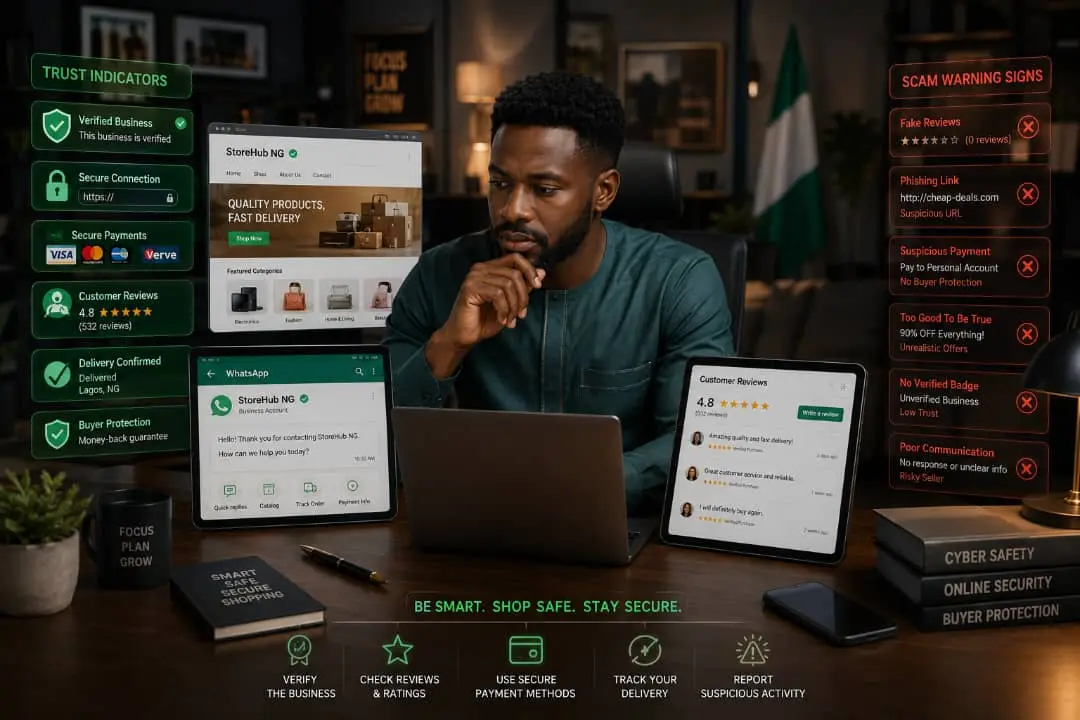
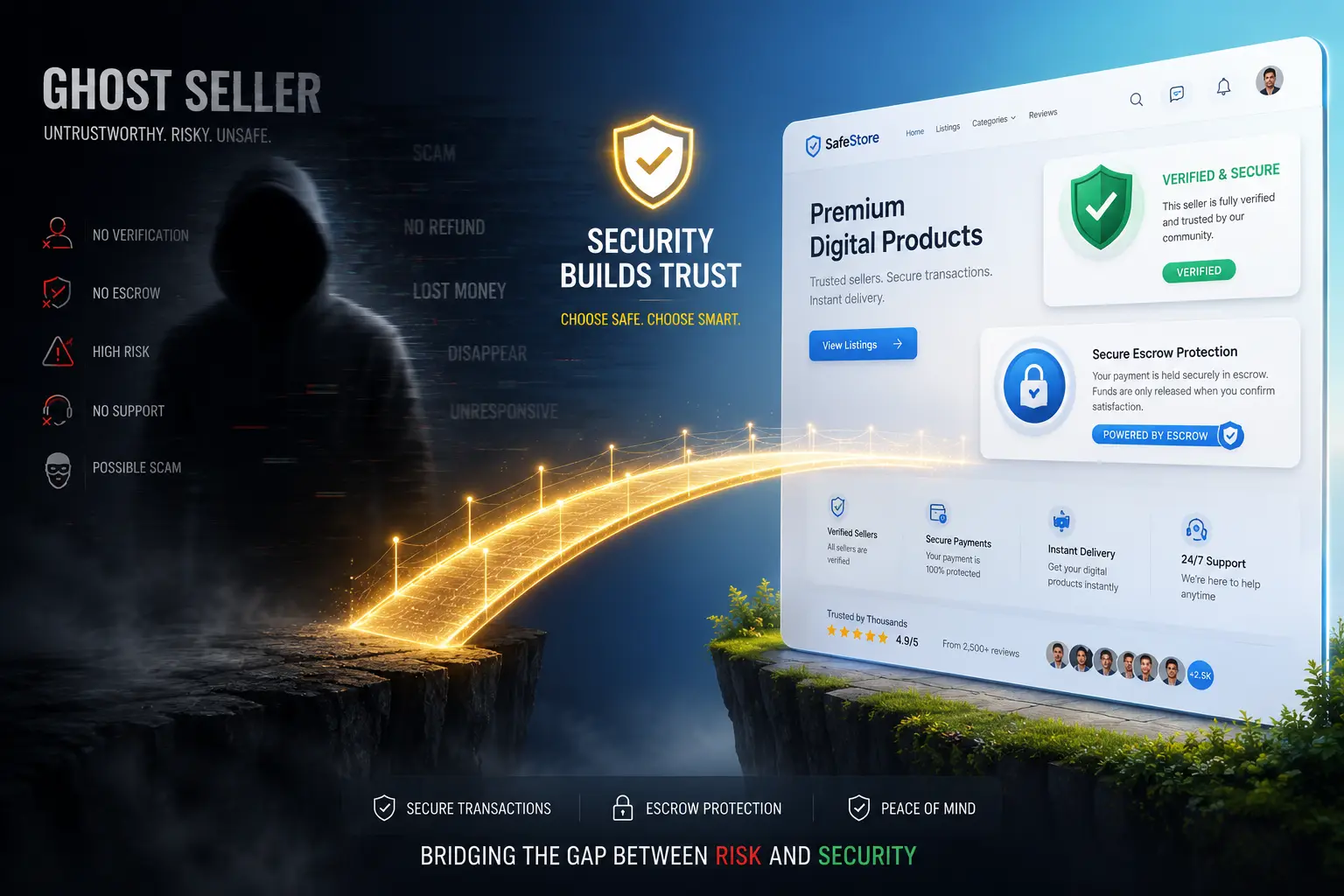
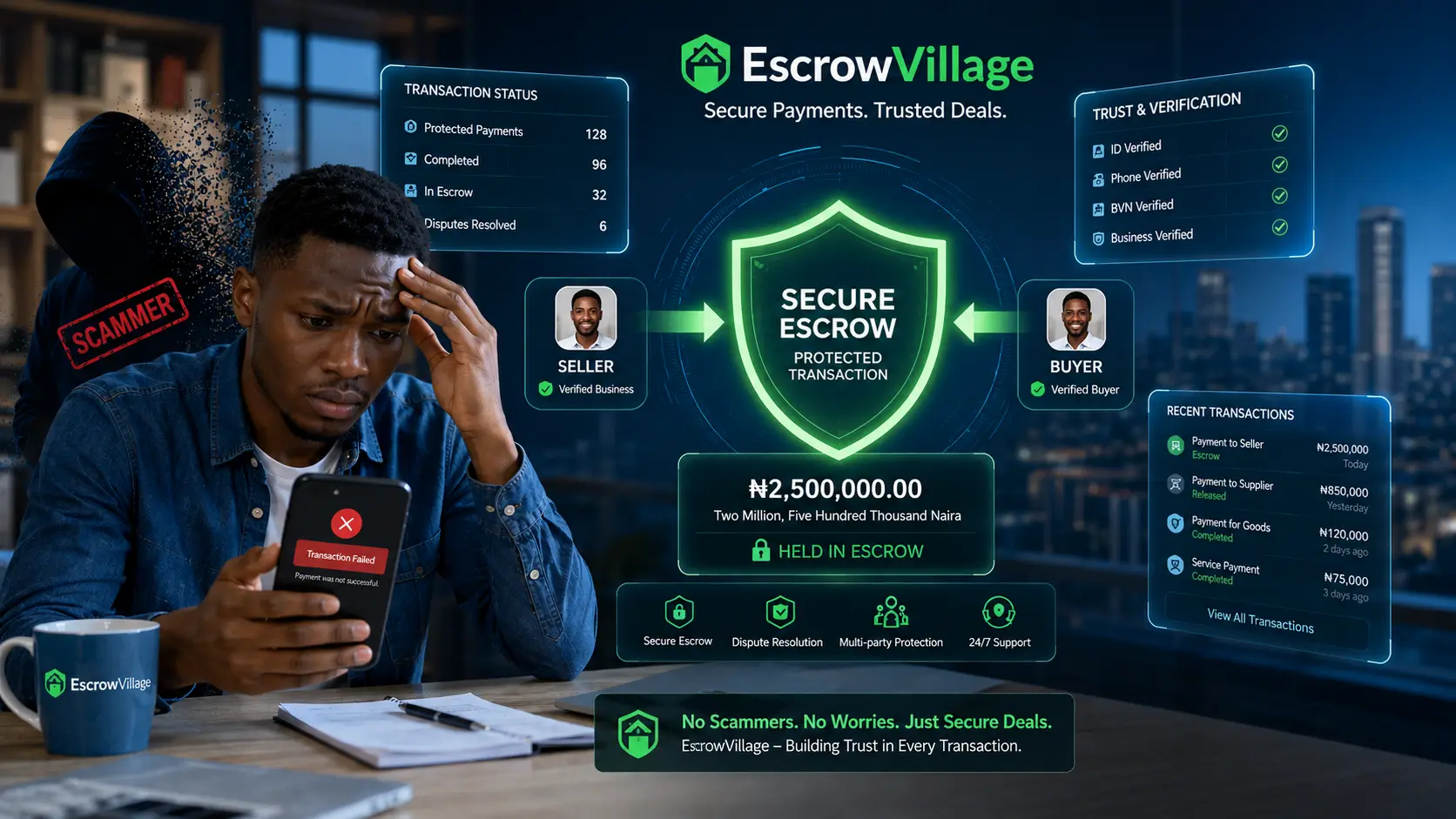
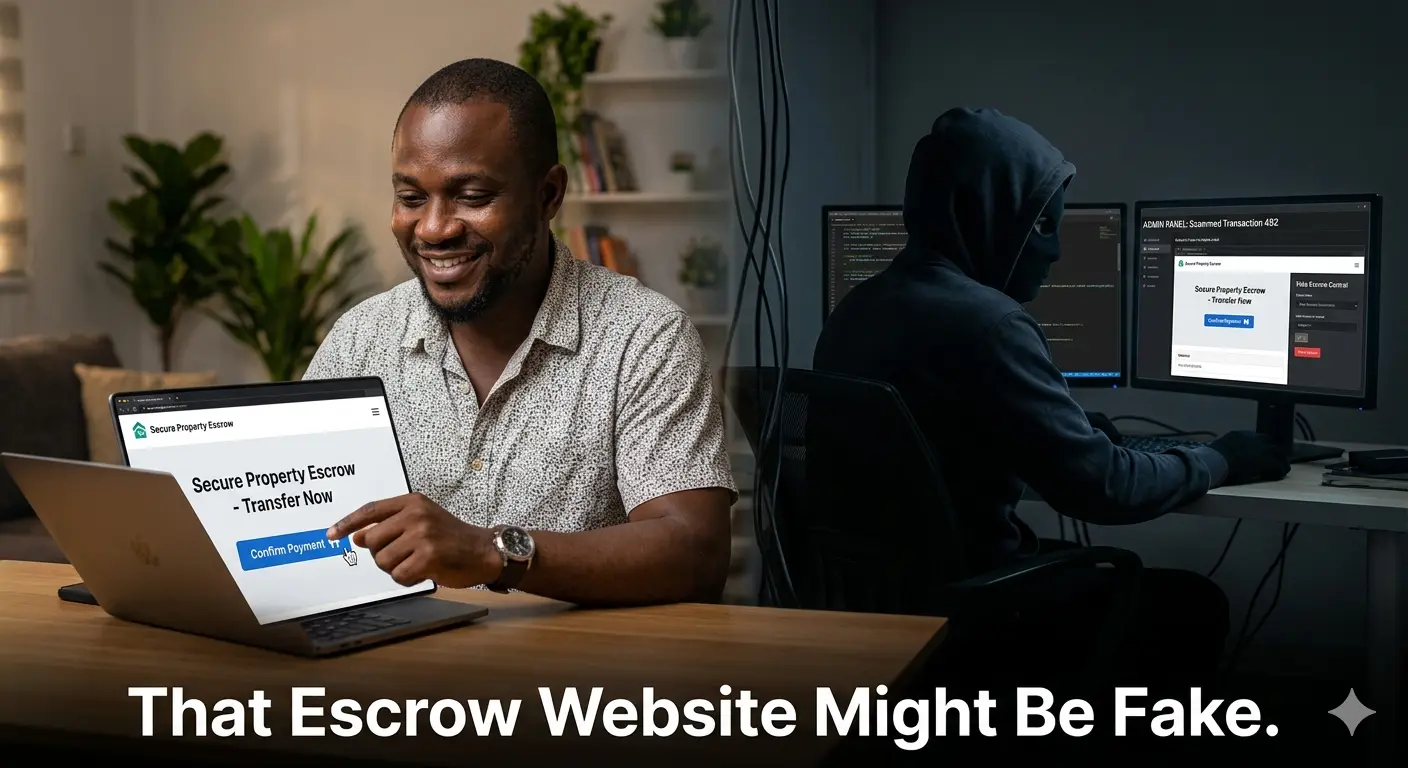
These are the common online scams every freelancers, both old and new shouldn't fall for.
- What Escrow Actually Does
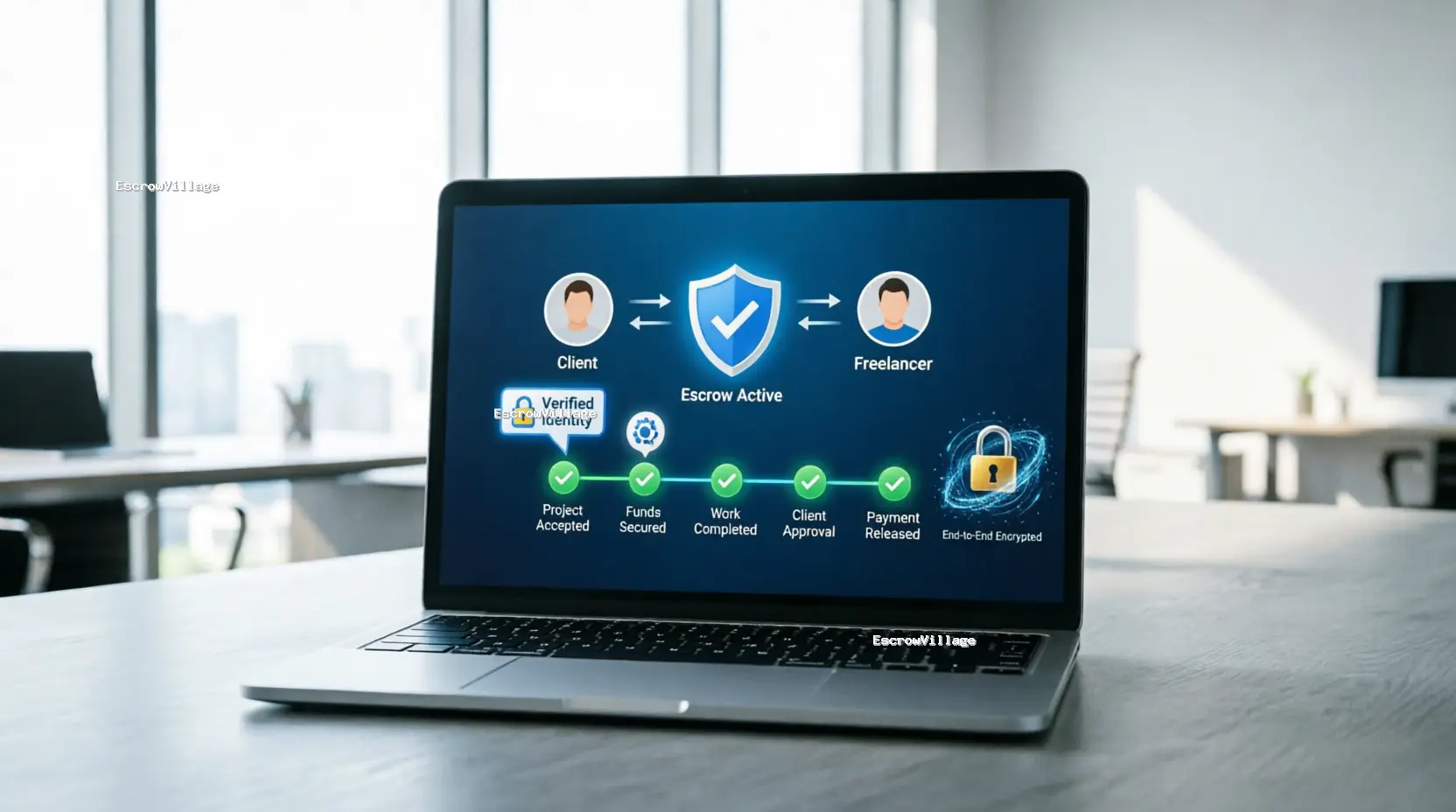
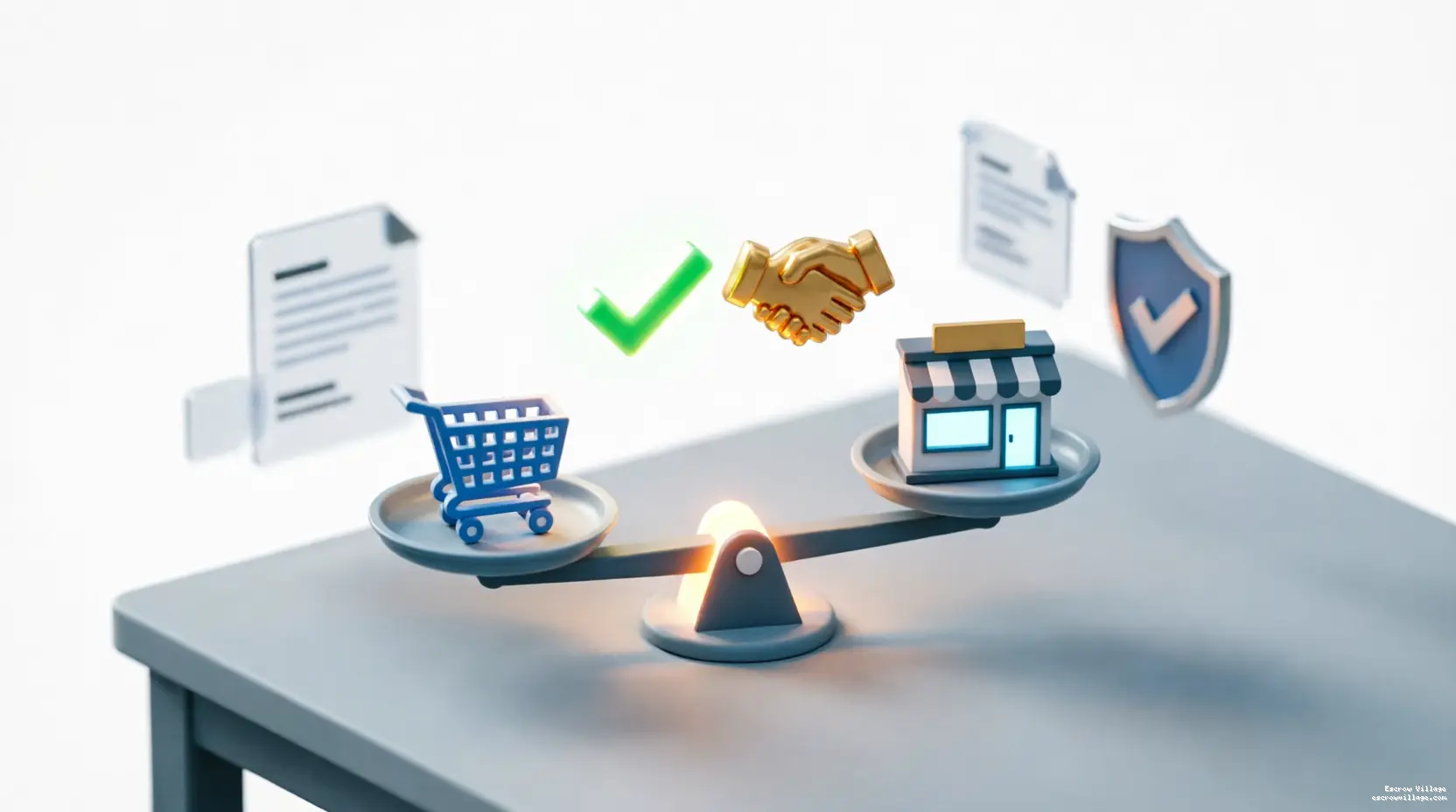
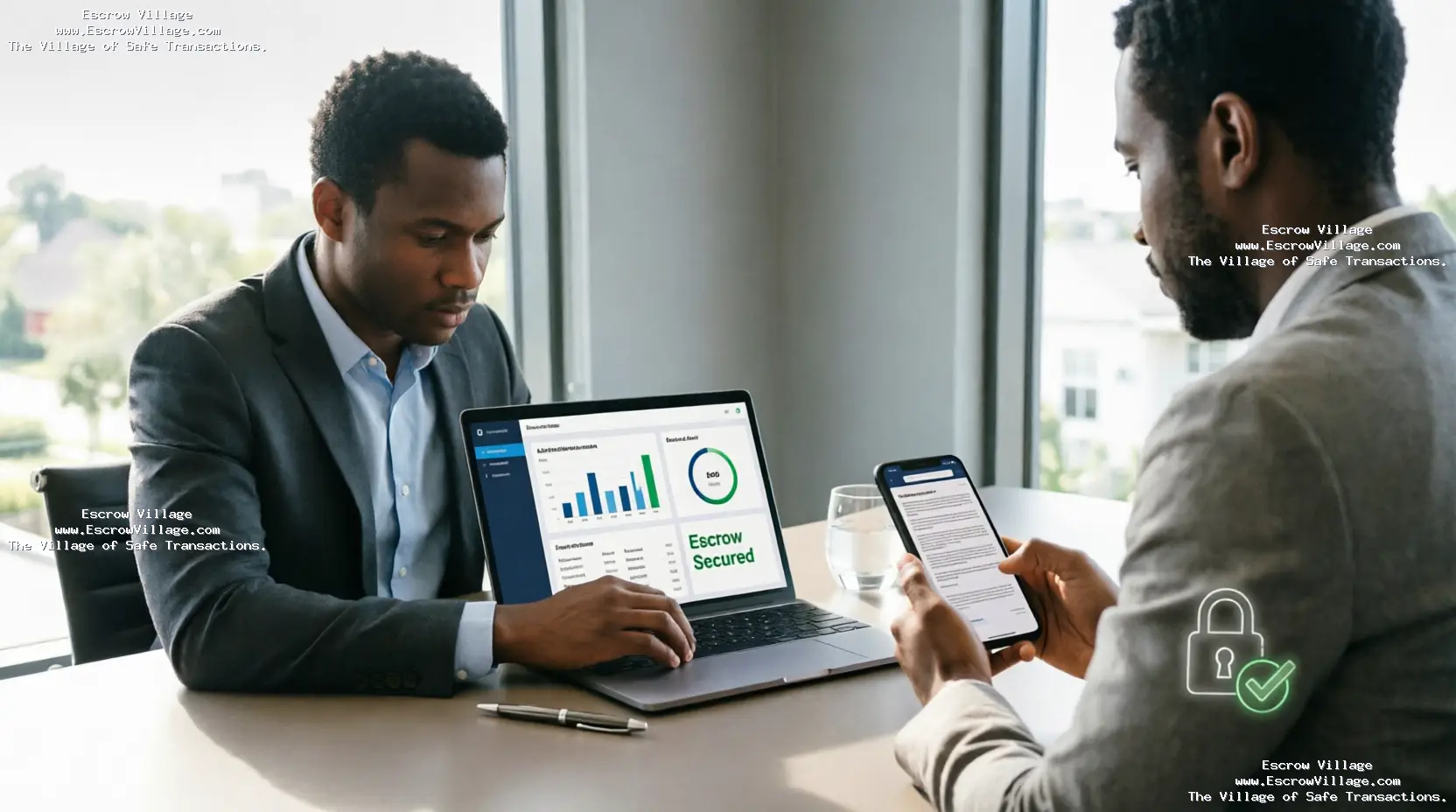
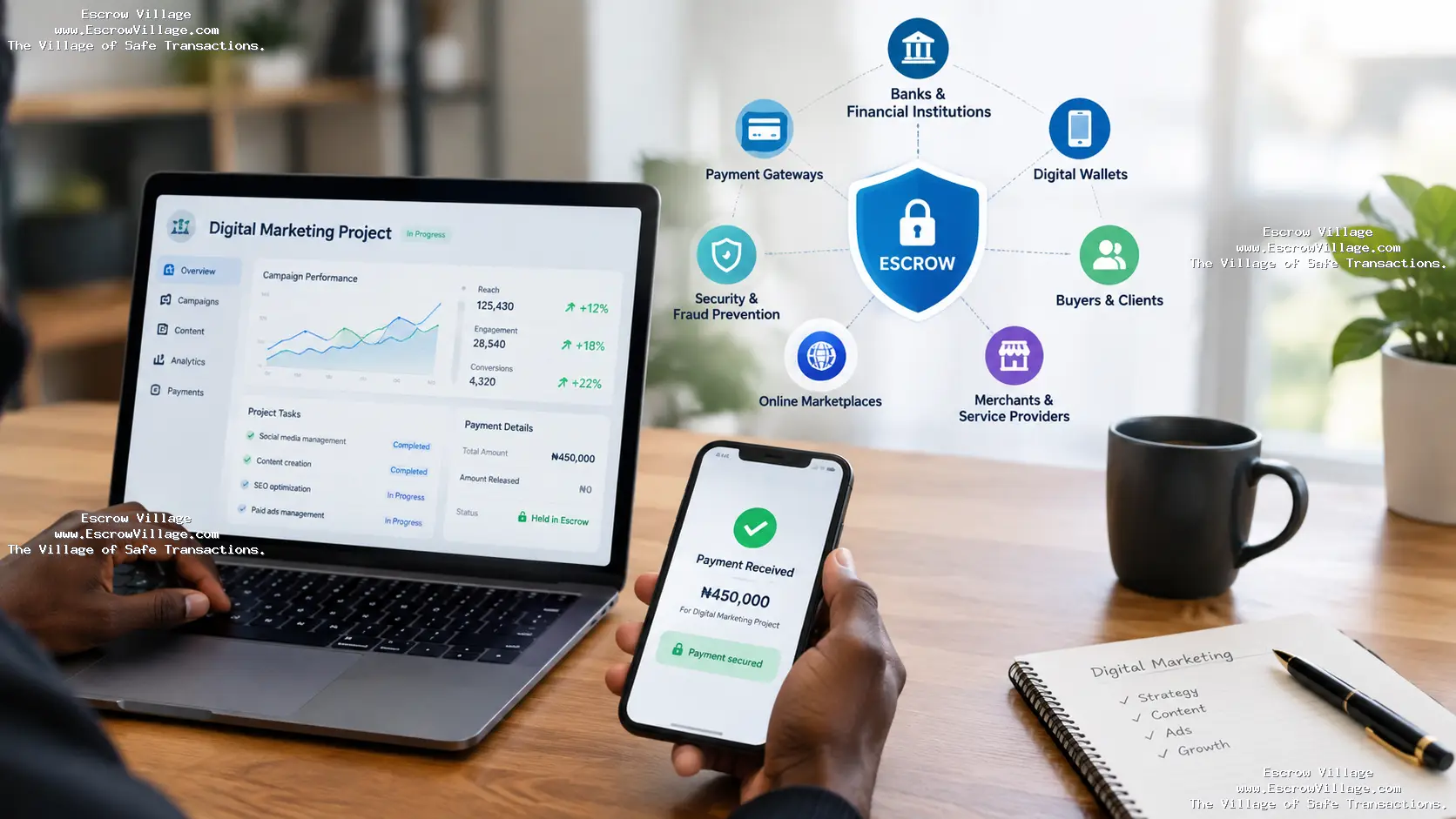
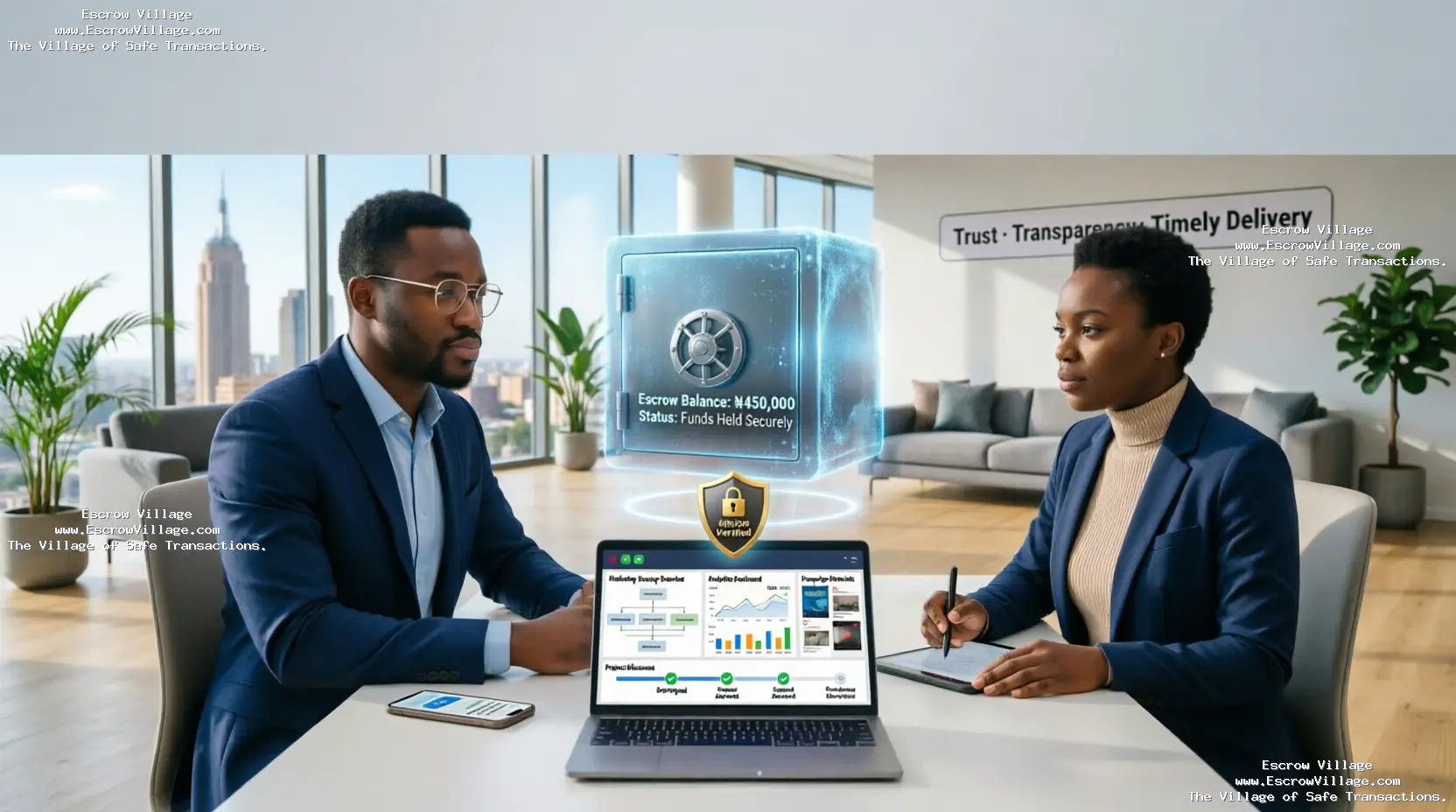
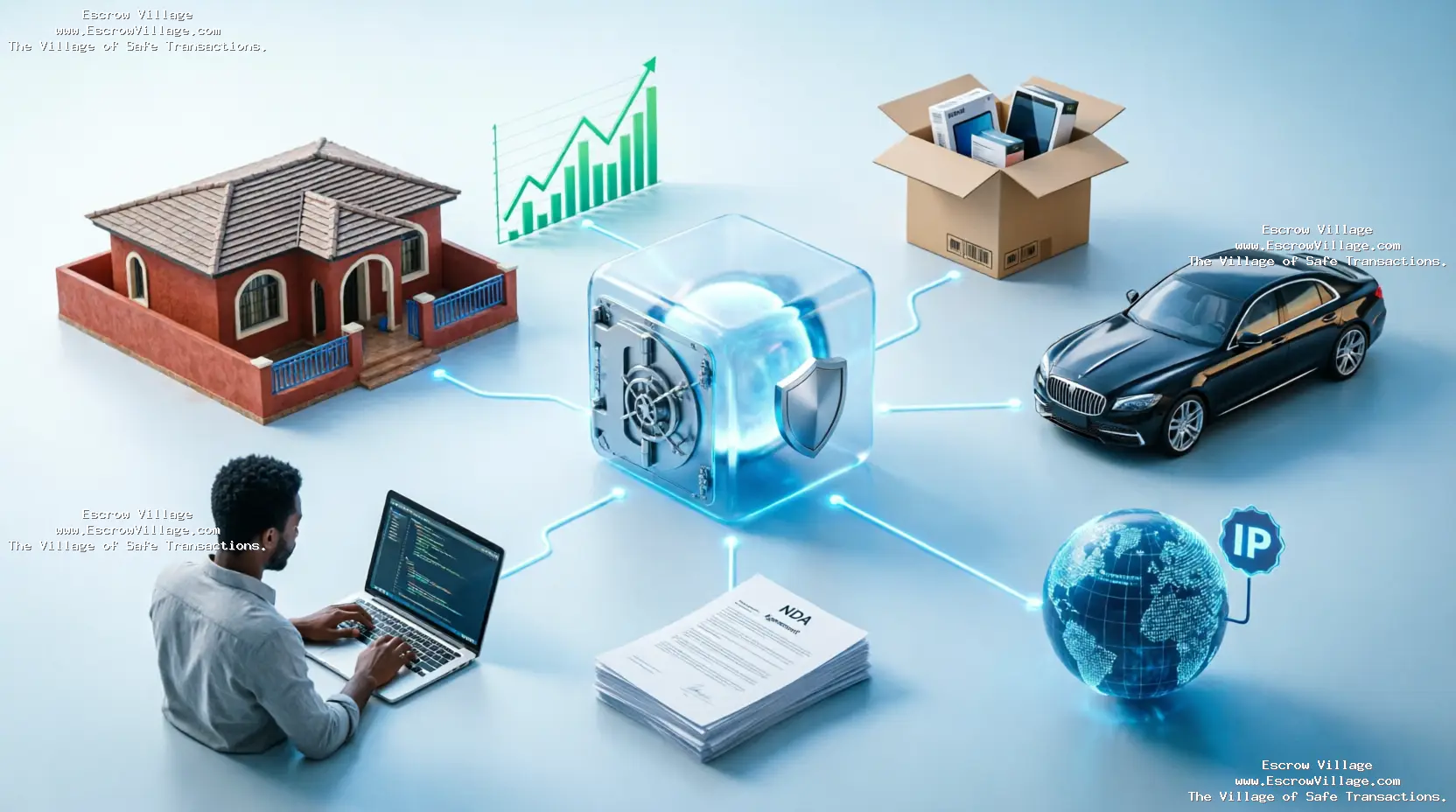
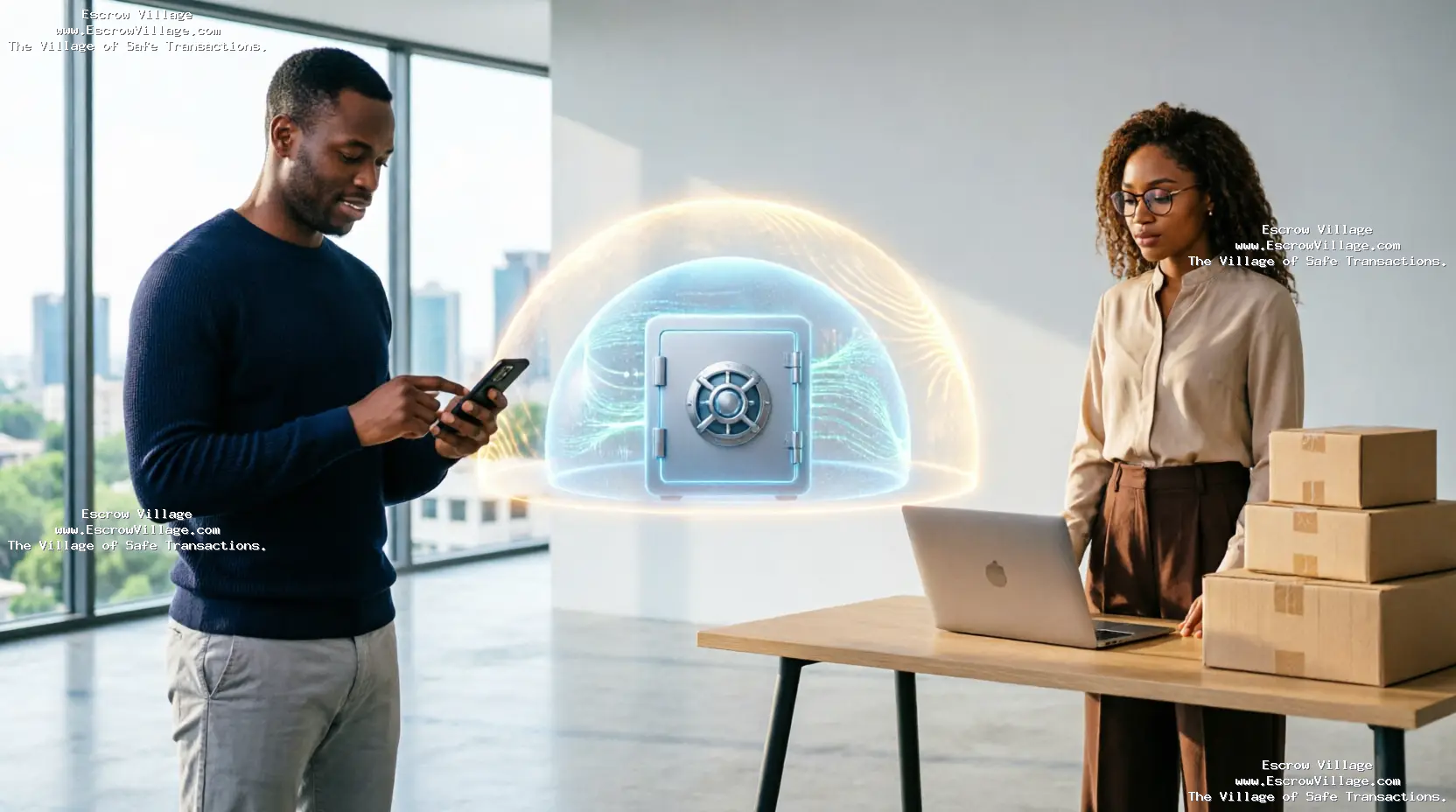
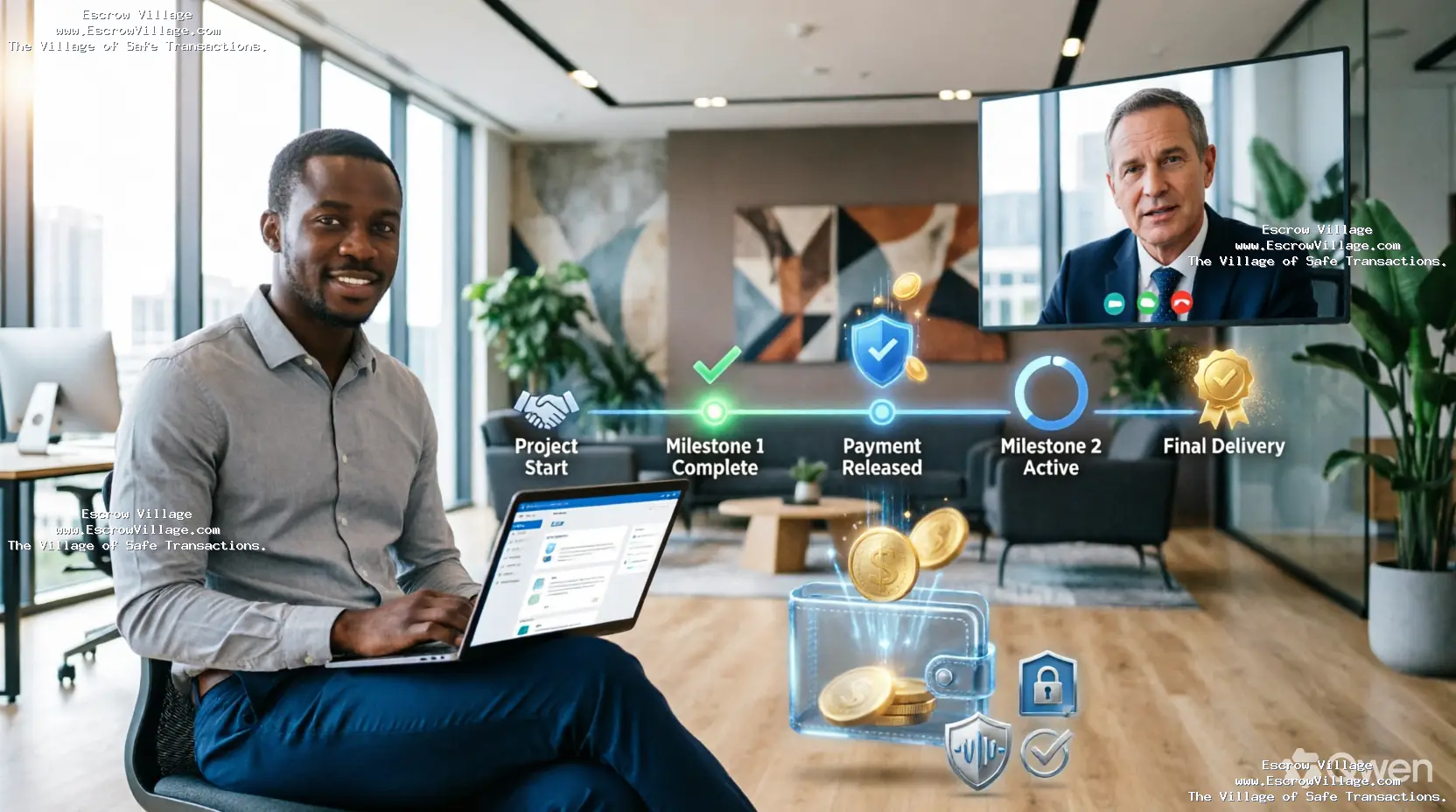
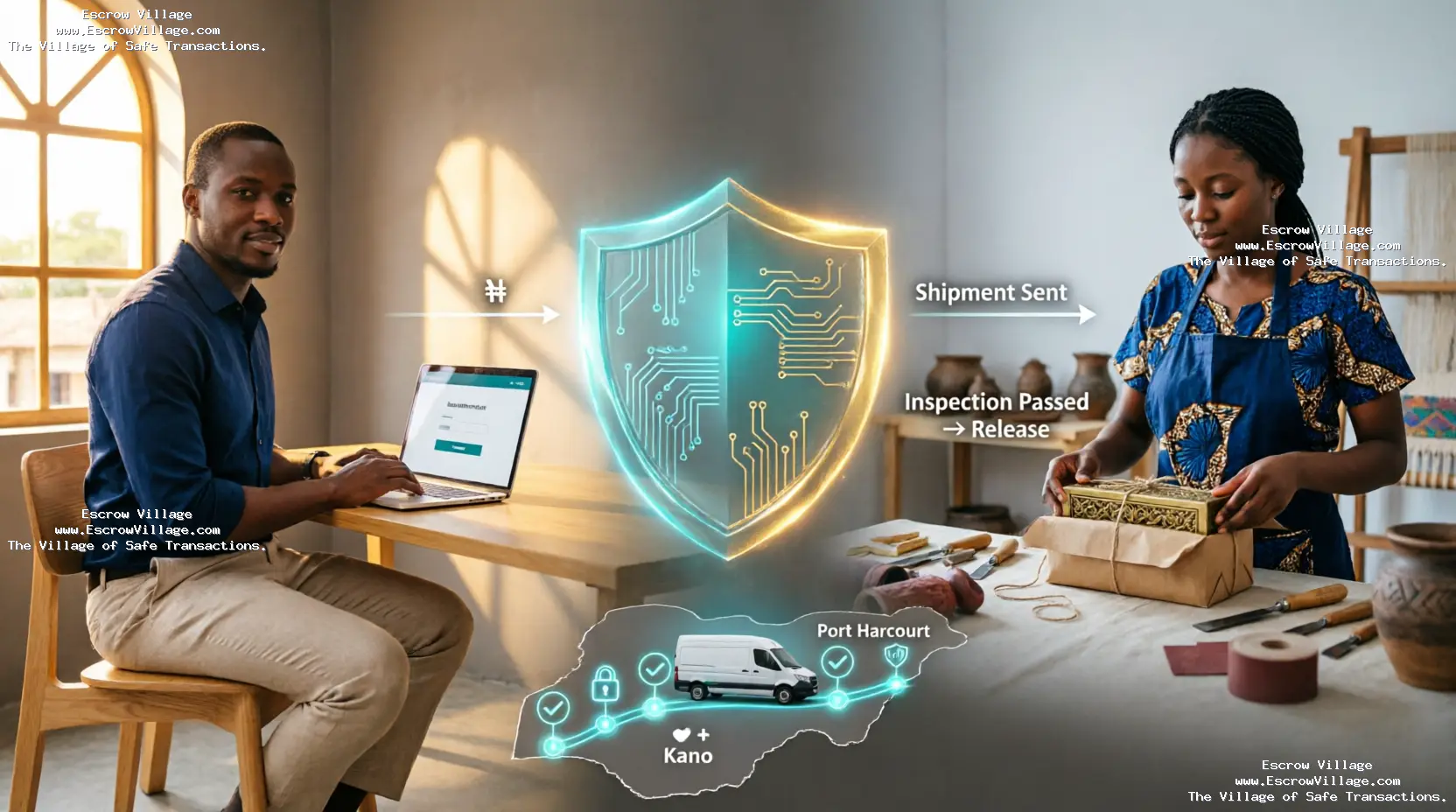
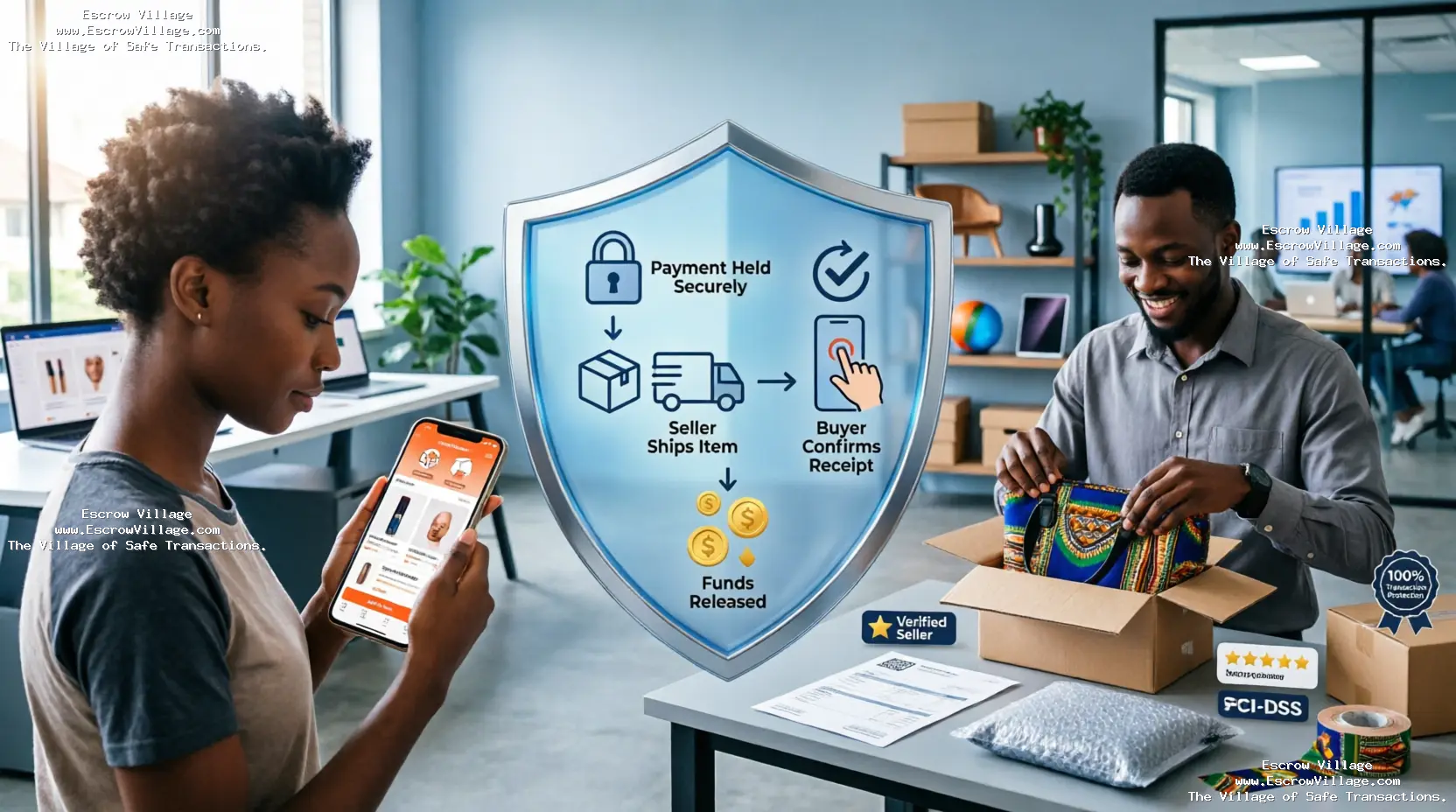
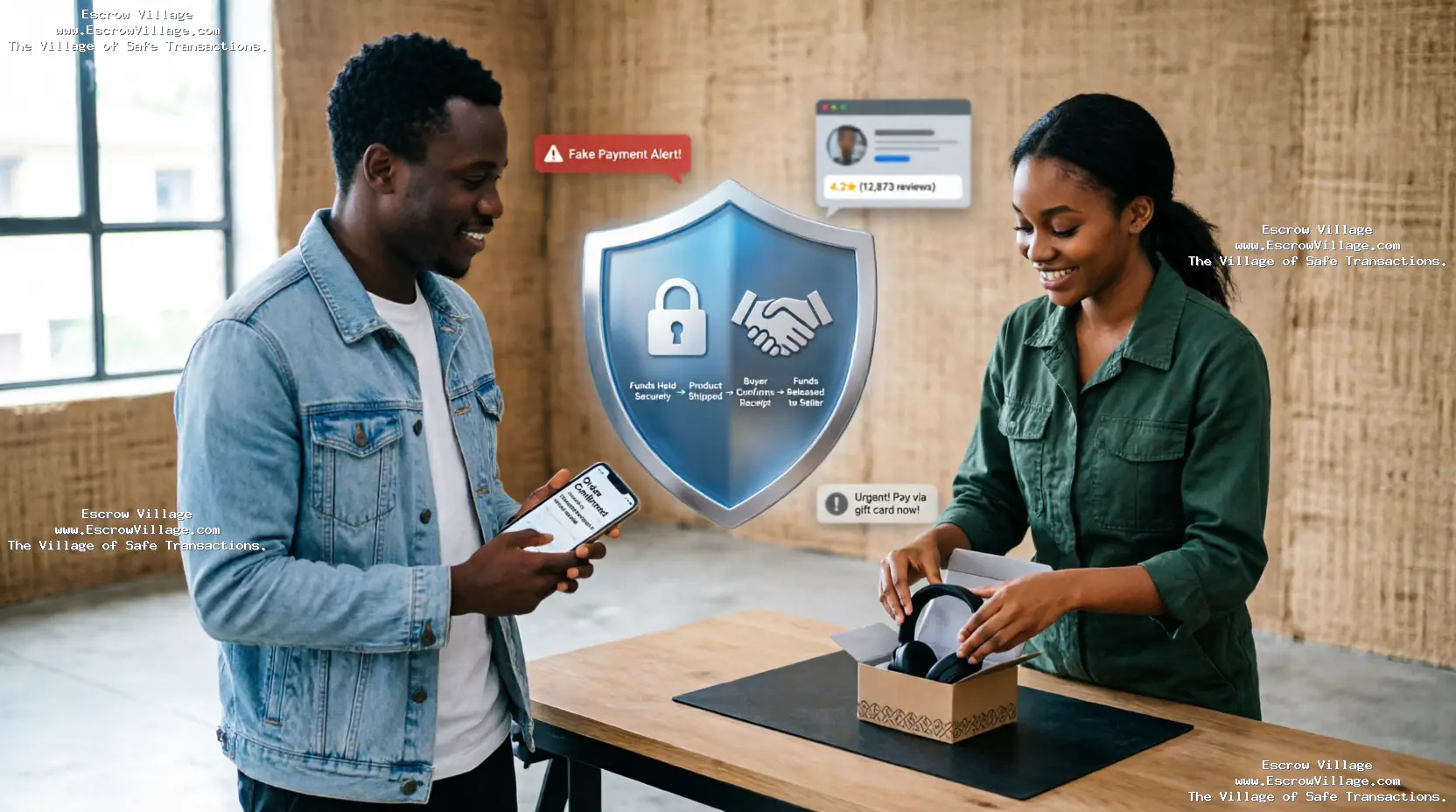
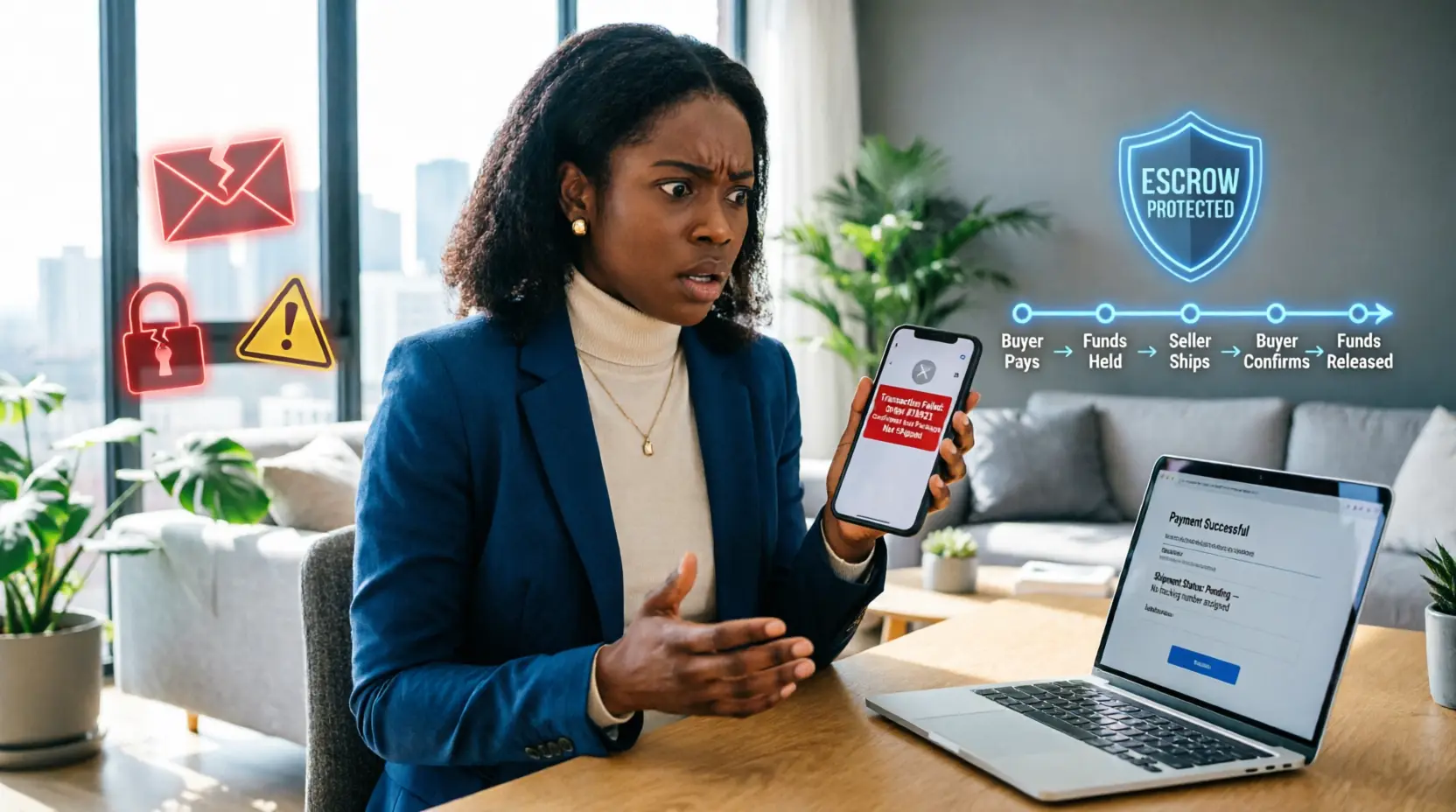
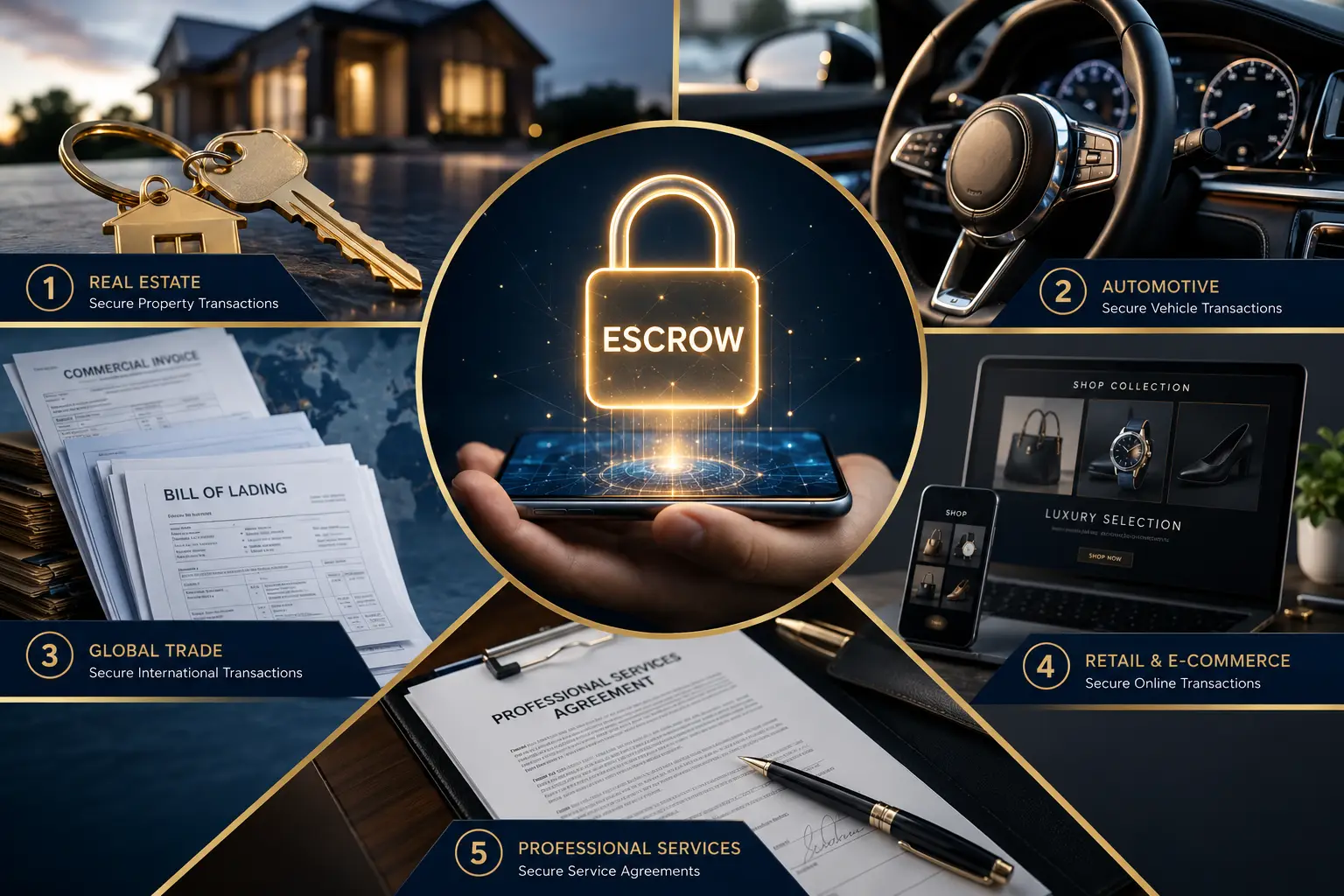
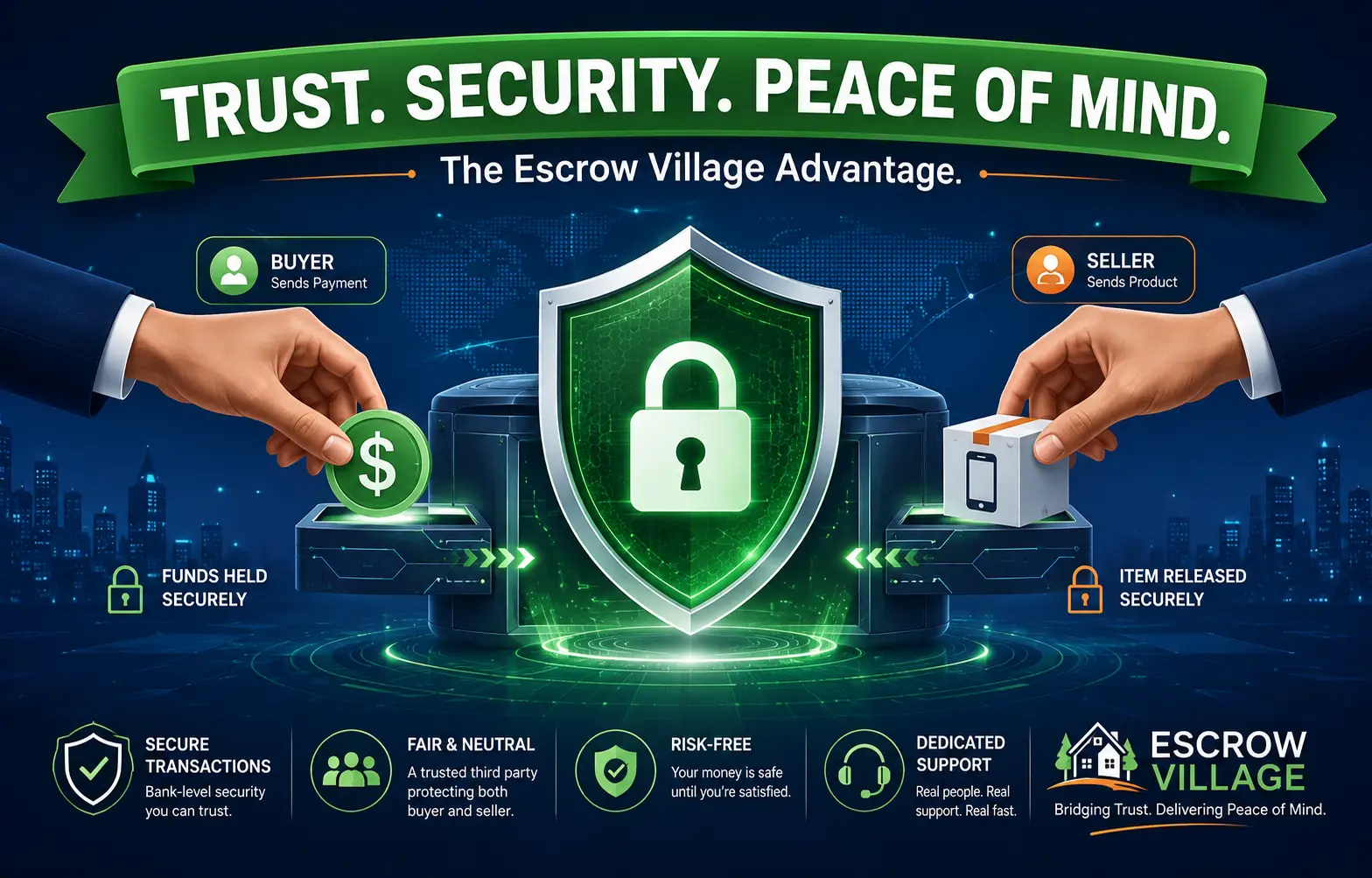
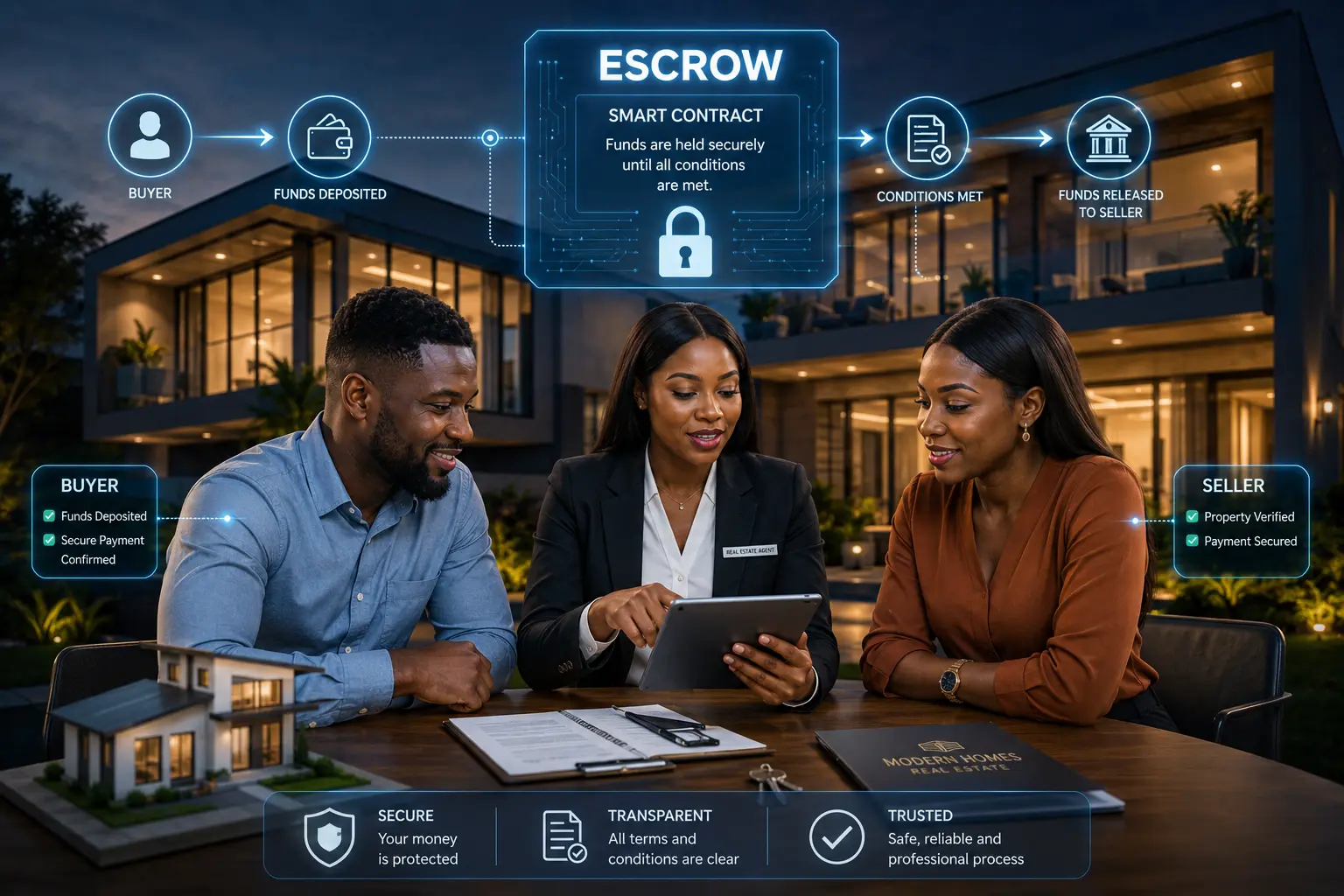
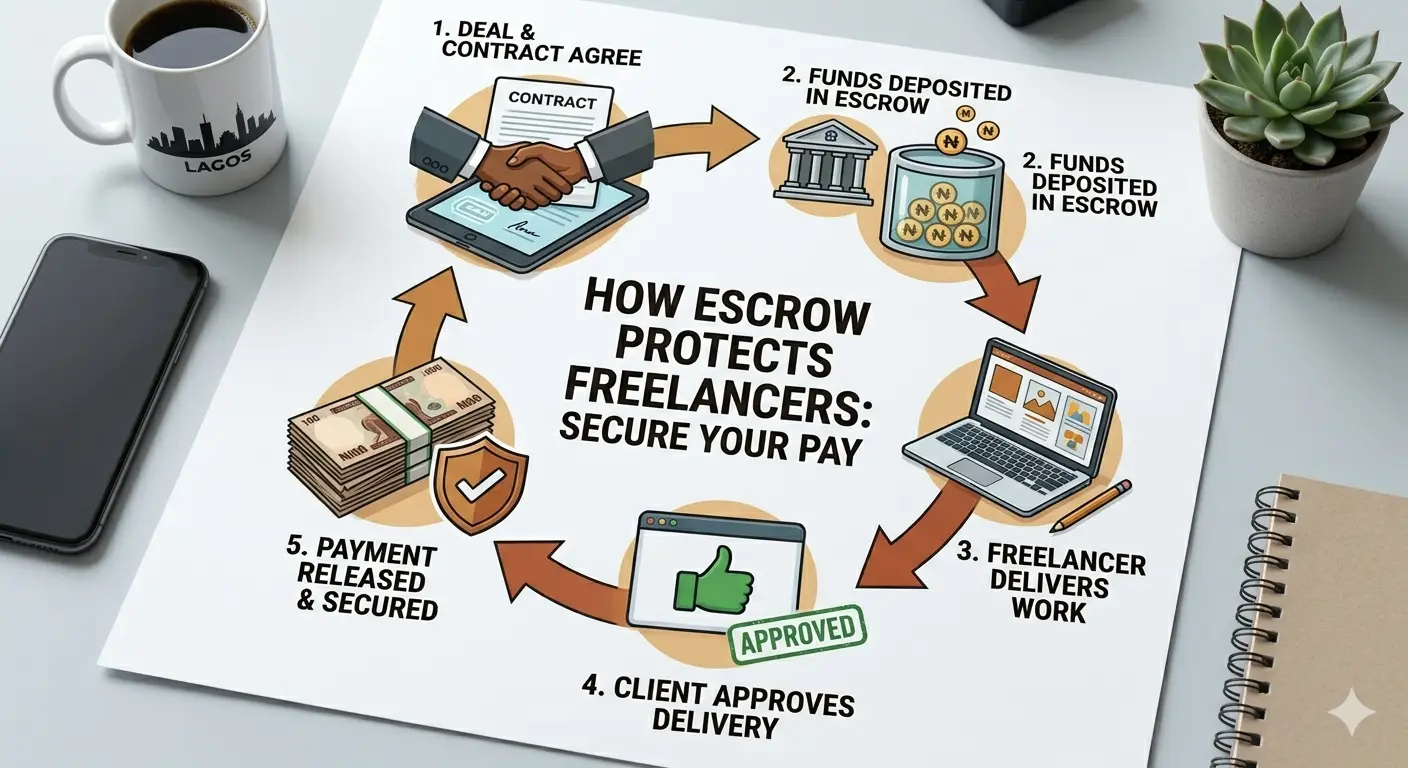
Escrow works by having a neutral third party hold the client's payment before work begins.
The funds sit securely until both parties confirm the agreed terms have been met, the freelancer delivers the work, and the client verifies it matches what was promised.
Only then is payment released.
This structure removes the biggest point of failure in freelance work: trust based on a stranger's word.- For Graphic Designers: Protecting Creative Work From Non-Payment
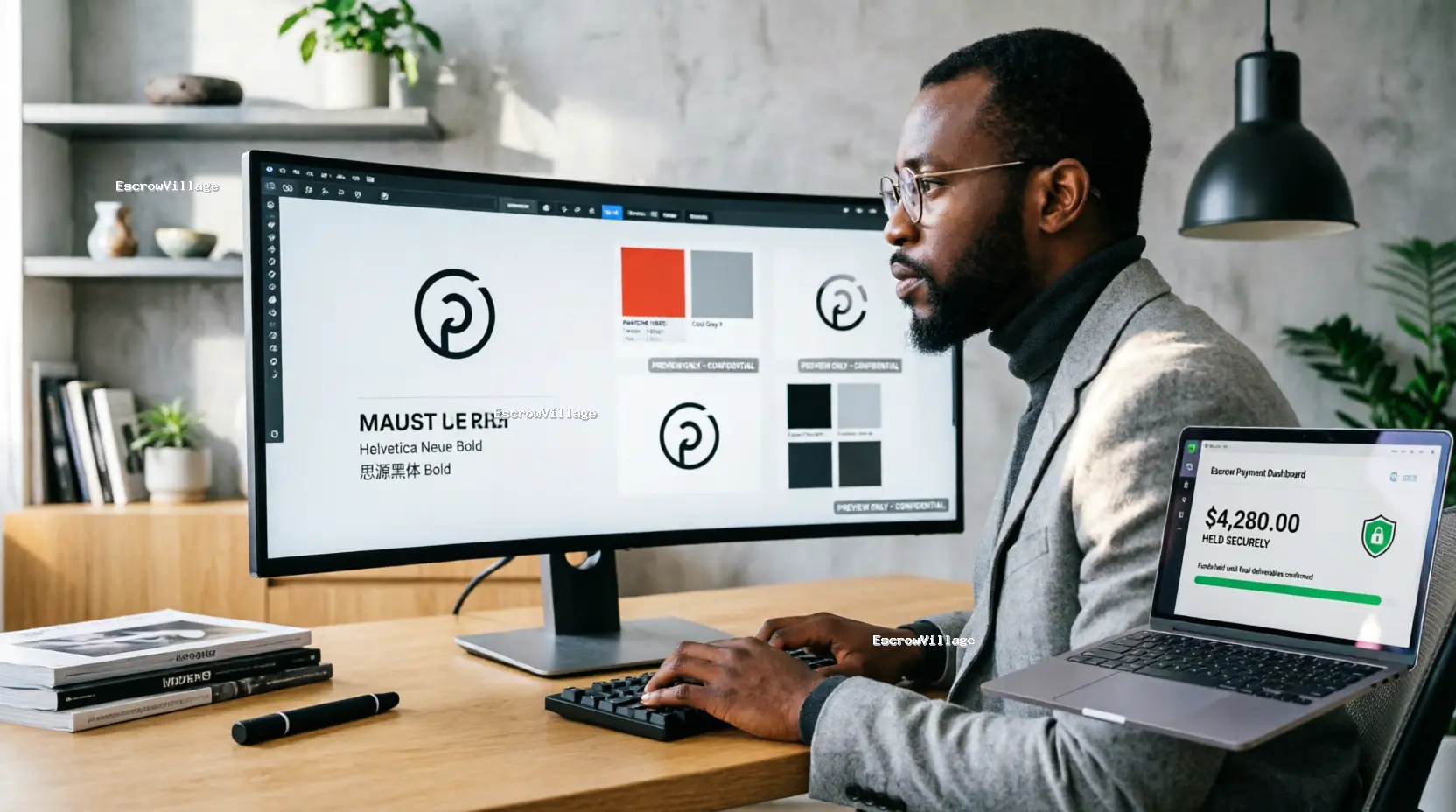
Designers face a unique risk; once a final file is sent, it can be used, printed, or published immediately, whether or not payment ever clears.
Escrow protects designers by ensuring:
- ● Payment is secured before final high-resolution files are released
- ● Clients can't "ghost" after receiving deliverables
- ● Revisions and milestones can be tied to partial payments, reducing risk on large projects
This is especially useful for logo design, branding packages, and illustration work, where files are easy to use immediately after delivery.
- For Developers: Securing Payment for Code and Technical Work
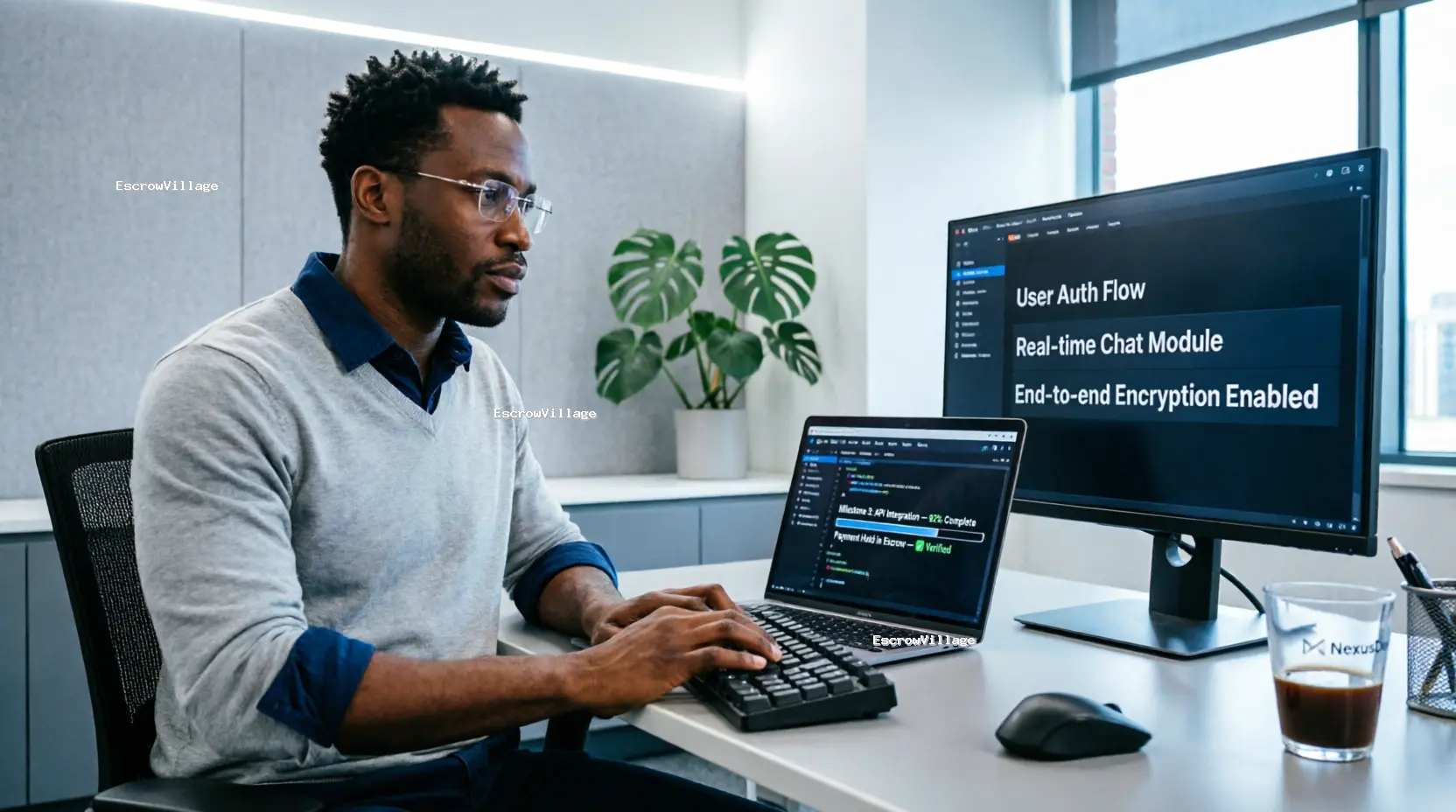
Developers often work on multi-week or multi-month projects, which makes payment security even more critical.
Escrow allows developers to:
- ● Break large projects into milestone-based payments, each secured before the next phase begins
- ● Avoid the common "silent client" scenario where a business stops responding after receiving working code
- ● Protect against clients who request last-minute "free" changes disguised as bug fixes
For developers taking on international clients, escrow also removes uncertainty around currency transfers and cross-border payment disputes.
- For Writers: Protecting Words That Can't Be "Returned"
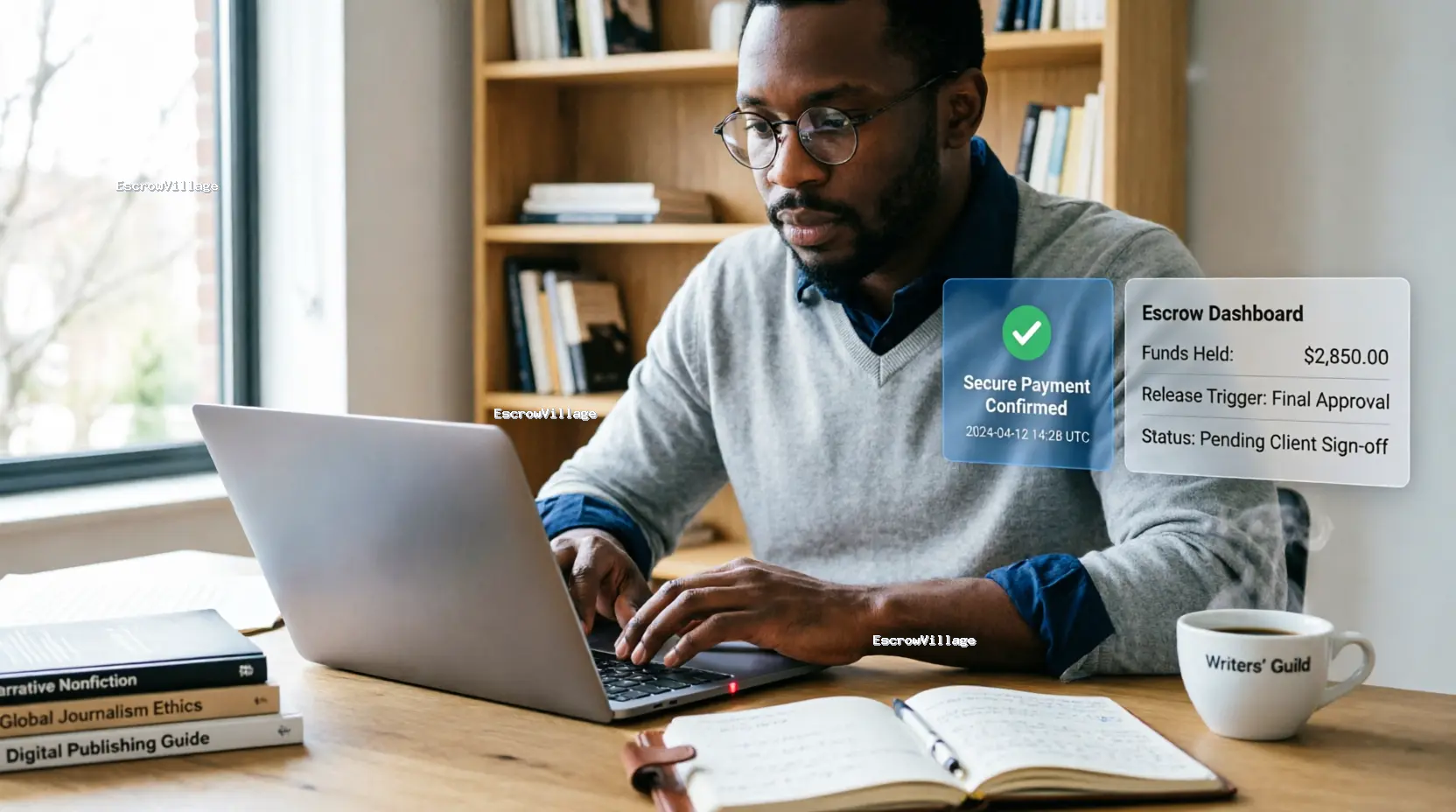
Once a writer submits a manuscript, article, or script, there's no way to "take it back" if the client refuses to pay.
Unlike physical goods, written work can be copied, published, or used internally without any proof of payment ever changing hands.
Escrow protects writers by:
- ● Ensuring payment is committed before the final draft is released
- ● Reducing disputes over "revisions" being used as a stalling tactic
- ● Giving writers proof of an agreed transaction, useful in case of future disputes
This is particularly valuable for ghostwriters and content writers who often deliver work before receiving any confirmation of payment.
- Why This Matters More for African Freelancers

Freelancers working with international clients, a growing trend among Nigerian and African creatives face additional payment risk due to currency conversion issues, unfamiliar banking systems, and limited legal recourse across borders.
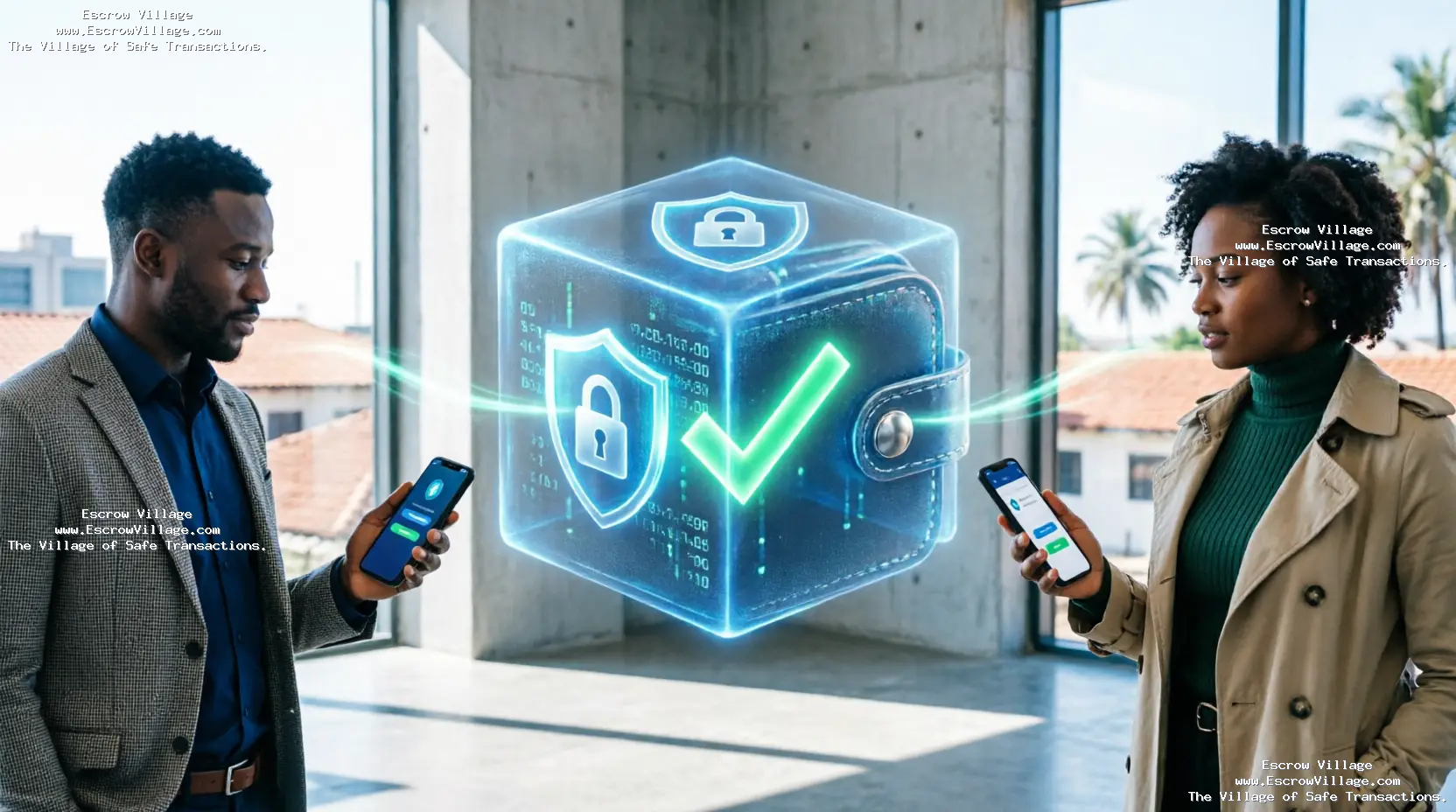
Escrow bridges this gap by giving both freelancer and client a shared, secure space to transact, regardless of location.
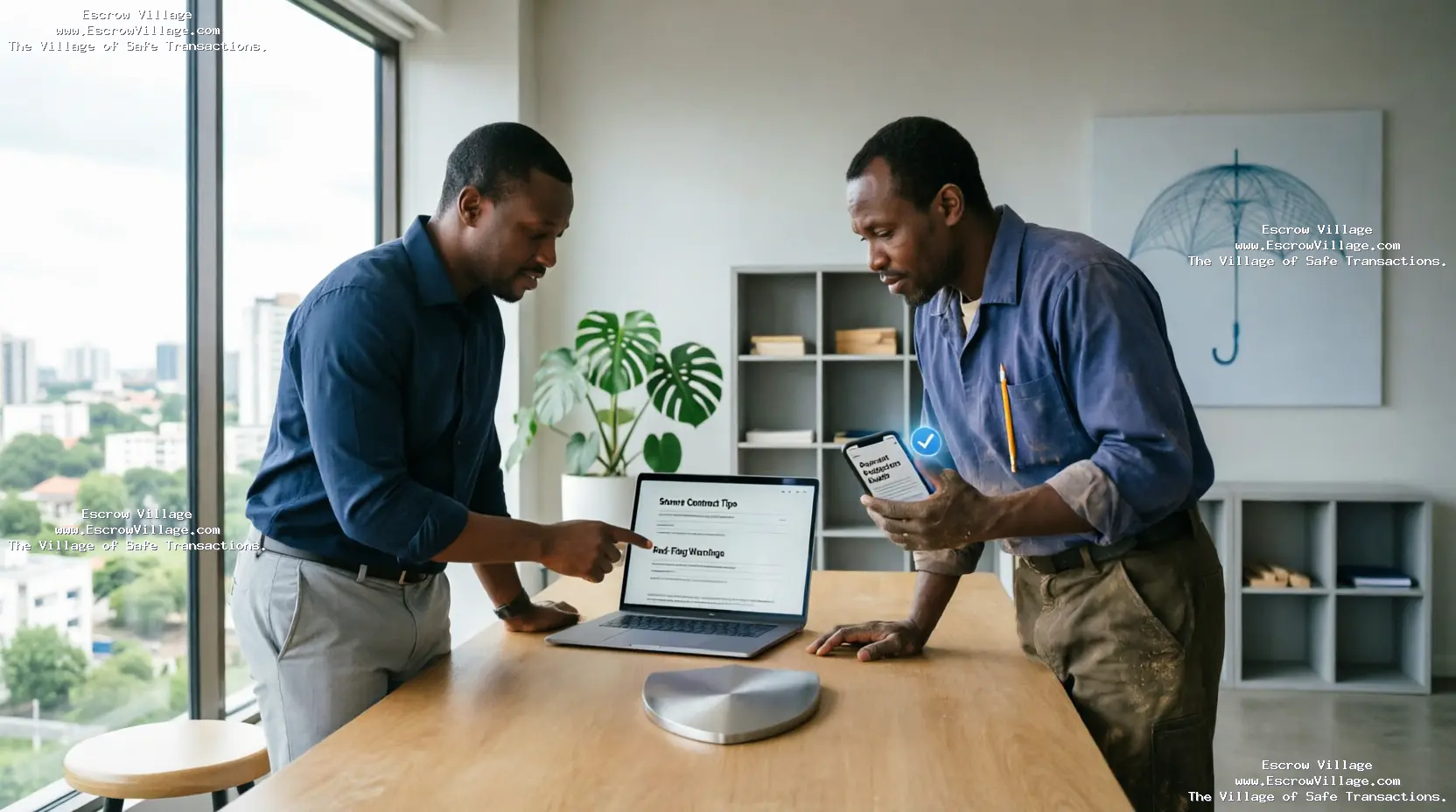
- Setting Clear Terms Alongside Escrow

Escrow protects payment, but clarity protects the relationship.
Before starting any project, freelancers should always define:
- ● Full project scope and deliverables
- ● Payment milestones tied to specific stages
- Revision limits
- ● Timeline expectations
Combining clear terms with escrow protection significantly reduces disputes before they start.

Freelancing as a designer, developer, or writer means constantly trading finished work for trust.
Escrow removes the guesswork from that trade, giving creatives the same payment security that traditional employment offers without needing a formal contract or legal team.
If you're tired of chasing invoices or worrying about non-paying clients, it's time to work differently.Join the Escrow Village community to connect with other creatives who've made the switch.