Why Nigerians Keep Losing Money to Crypto Investment Scams
Written by BLESSING ABADI IFEOMA1,493 views
Cryptocurrency began with the launch of Bitcoin in 2009 by the pseudonymous Satoshi Nakamoto, introducing decentralized digital money powered by blockchain technology.
Bitcoin's success inspired thousands of other cryptocurrencies, including Ethereum, which added smart contracts.
Today, cryptocurrencies support payments, decentralized finance (DeFi), digital ownership, and other blockchain-based applications.
Since Bitcoin introduced the world to decentralized digital money in 2009, cryptocurrency has grown into a global financial ecosystem, attracting millions of investors including many Nigerians.
Unfortunately, its popularity, fast transactions, and limited regulation have also made it a prime target for scammers.
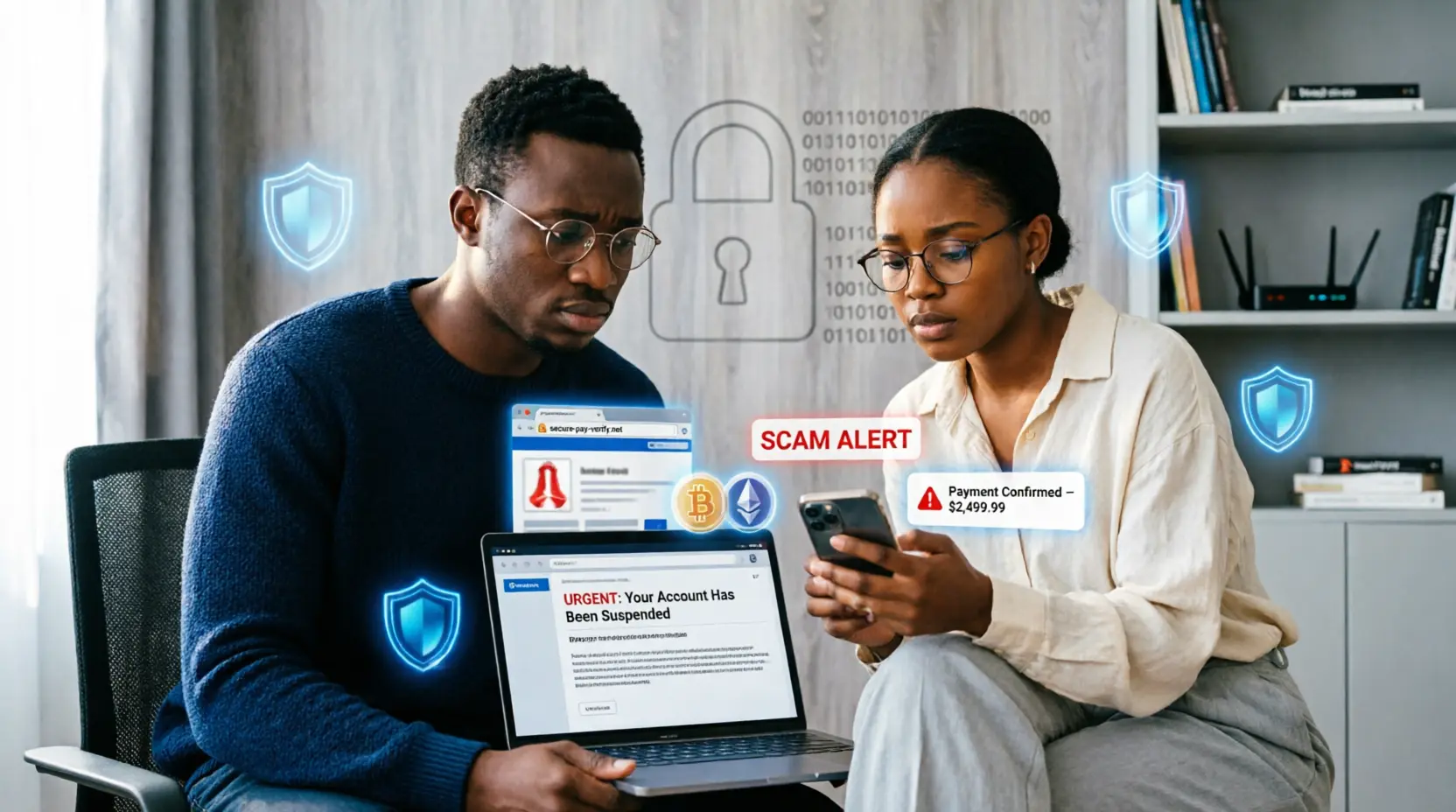
Fraudsters exploit people's desire for quick profits through fake investment platforms, Ponzi schemes, and impersonation scams, leaving victims with devastating financial losses and emotional distress.
In this article, you'll discover why crypto investment scams are so effective, the warning signs to watch for, and practical steps you can take to protect your money.
Why Crypto Investment Scams Are on the Rise
Several factors have contributed to the rapid rise of cryptocurrency scams.
First, increased interest in digital assets has attracted millions of new investors eager to participate in the growing market.
Many people are also drawn by the promise of quick wealth, making them more vulnerable to fraudulent investment schemes that guarantee unrealistic returns.
Unfortunately, limited understanding of how cryptocurrency, blockchain technology, and digital wallets work leaves many investors unable to recognize warning signs or verify legitimate opportunities. Scammers exploit this knowledge gap by creating convincing fake platforms and impersonating trusted figures.
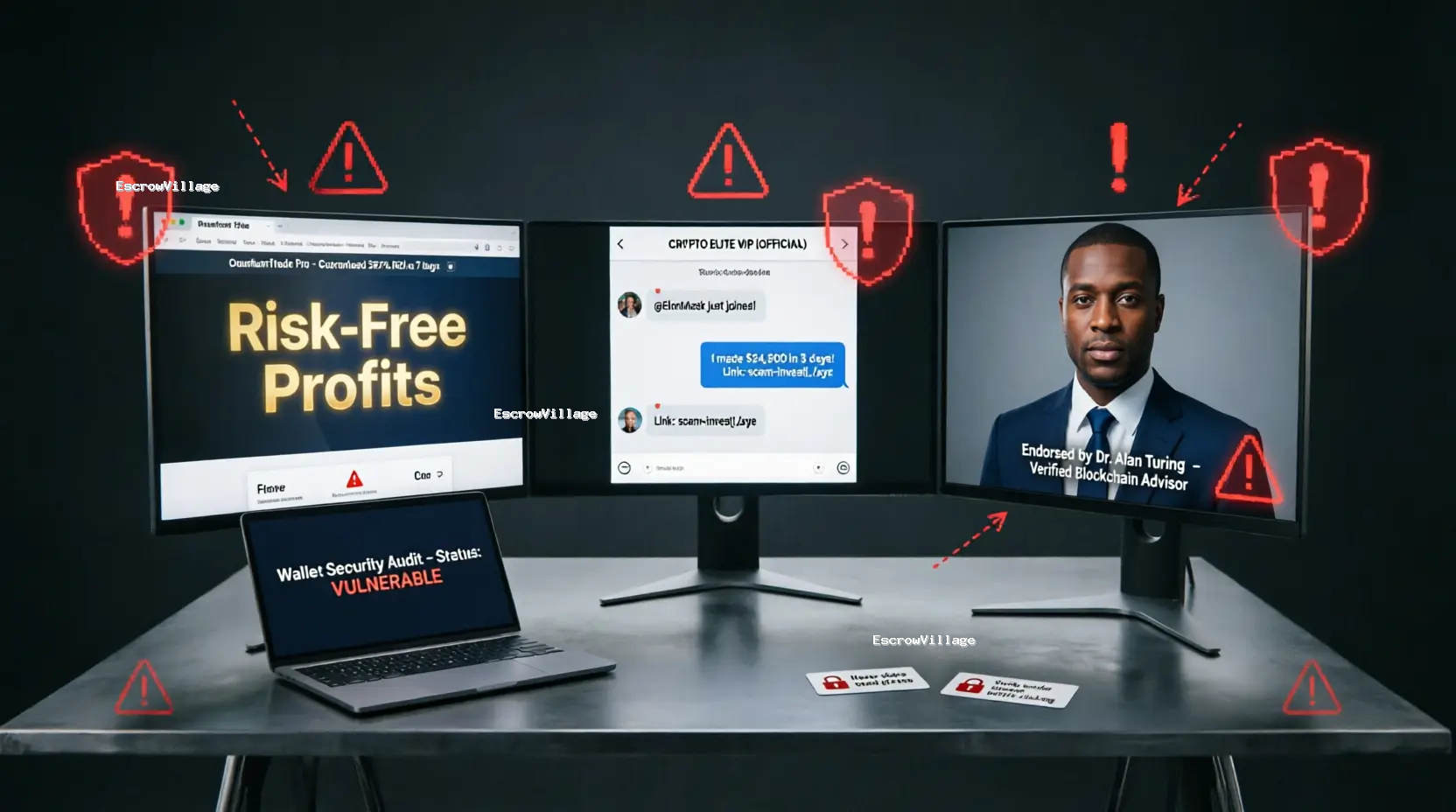
In addition, social media platforms and messaging apps have become powerful tools for spreading scams. Fraudsters use sponsored advertisements, fake testimonials, celebrity impersonations, and direct messages to reach potential victims quickly.
These platforms allow scams to spread rapidly, making it essential for users to verify investment opportunities, conduct independent research, and remain cautious before sending money or sharing personal information.
The Most Common Crypto Investment Scams in Nigeria
● Fake Investment Platforms
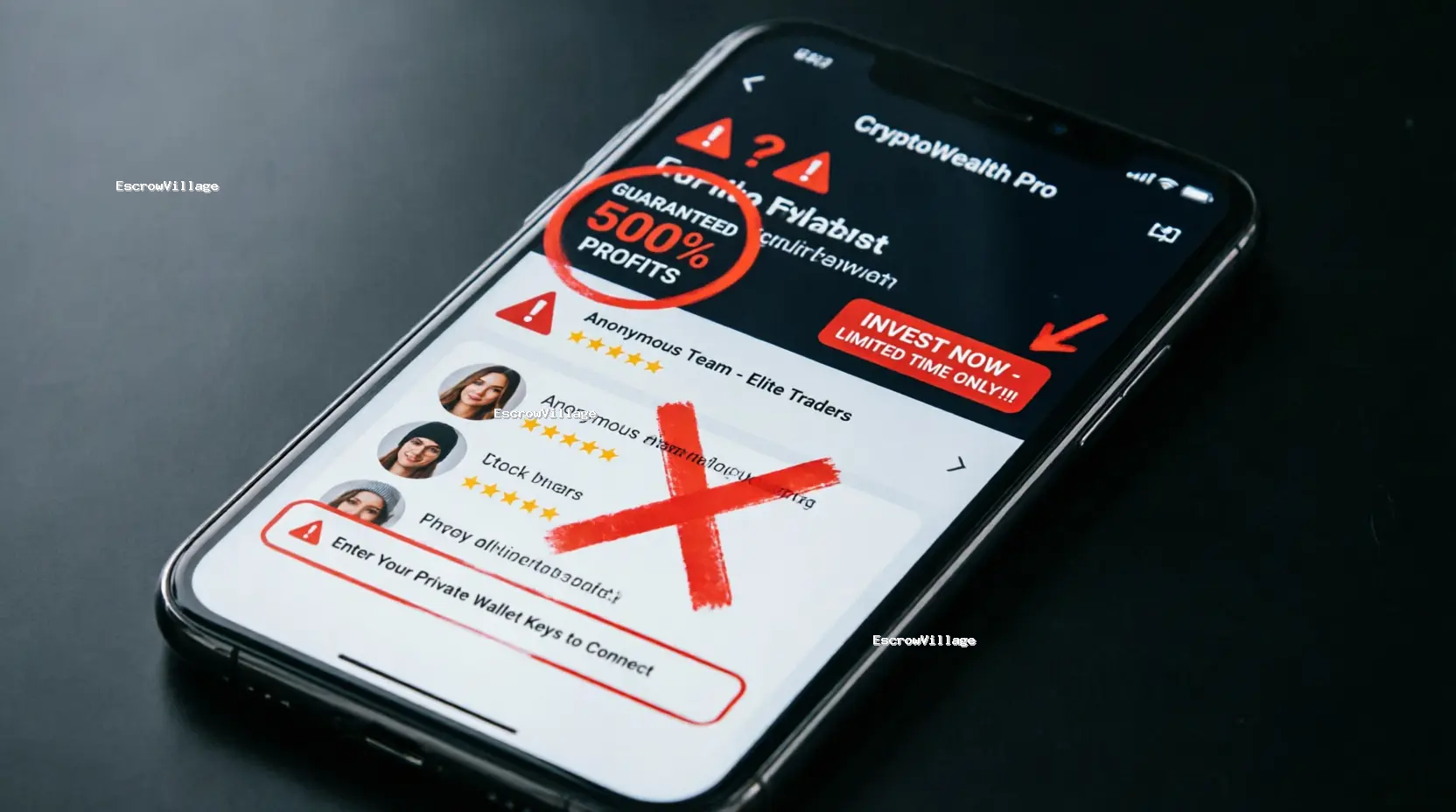
Fraudsters create professional-looking cryptocurrency websites and mobile apps that appear legitimate.
Victims are shown fake account balances, impressive profit charts, and successful trading histories to encourage larger deposits.
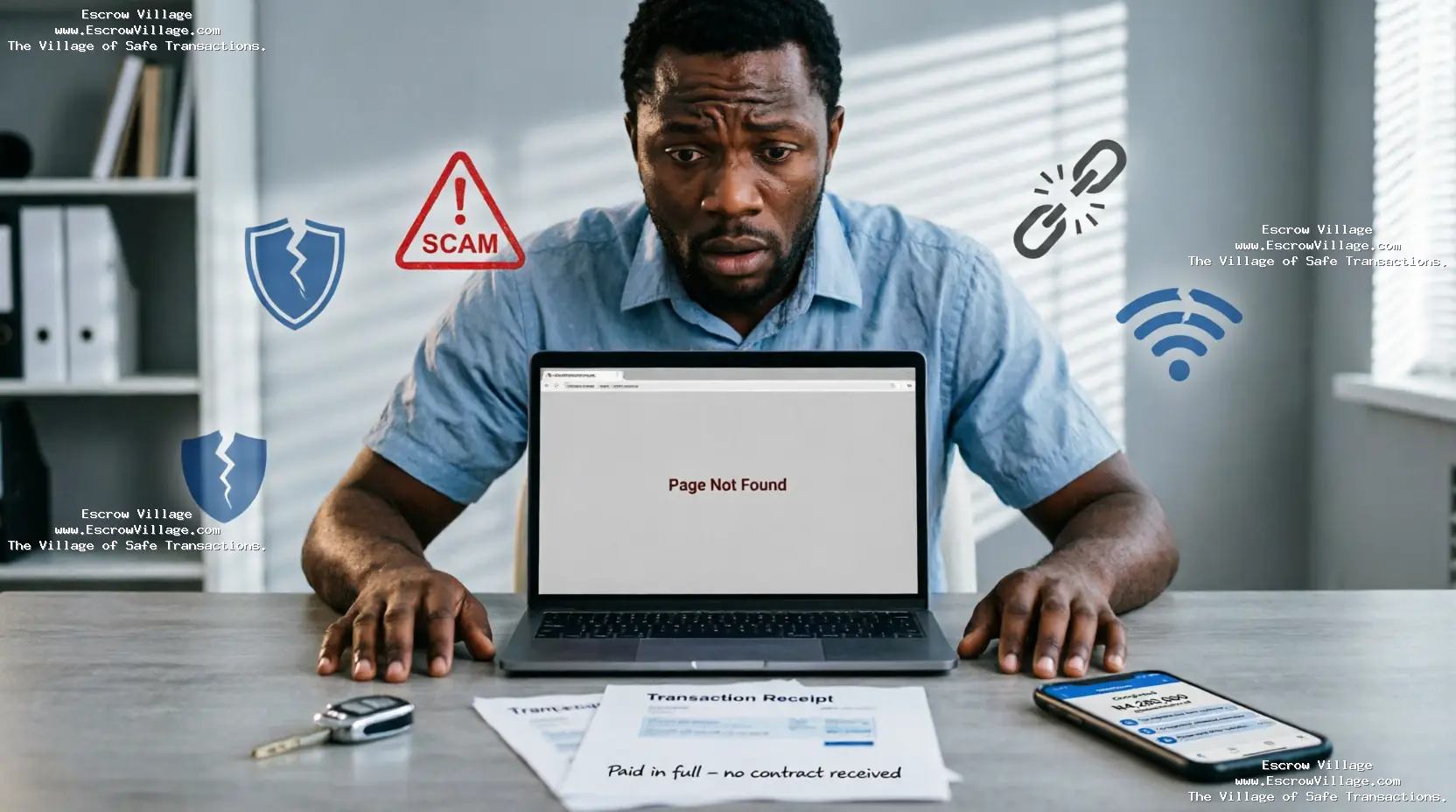
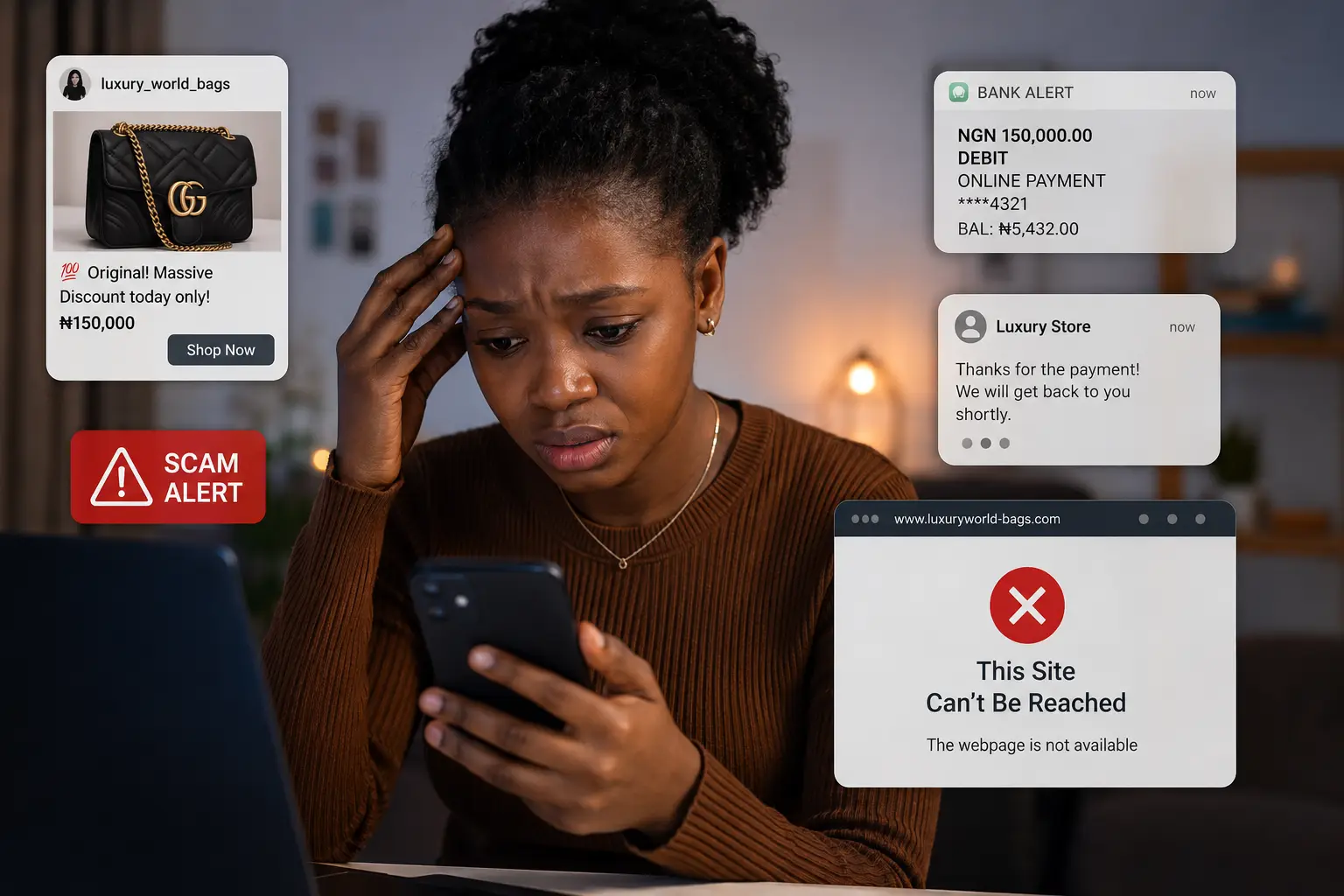
When users try to withdraw their funds, the platform demands additional fees or simply disappears, leaving investors with significant financial losses.
● Ponzi and Pyramid Schemes
These scams promise unusually high returns and rely on money from new participants to pay earlier investors.
Members are encouraged to recruit others for additional rewards. Since there is no genuine investment activity, the scheme eventually collapses when new recruits stop joining, causing most participants to lose money.
● Fake Crypto Trading Experts
Scammers pose as experienced traders, mentors, or account managers on social media and messaging apps.
They promise guaranteed daily or weekly profits and claim to have secret trading strategies.
After receiving investors' funds, they either disappear or continue demanding additional payments while delivering no legitimate returns.
● Giveaway and Impersonation Scams Criminals impersonate popular cryptocurrency influencers, celebrities, or trusted exchanges to promote fake giveaways.
Victims are told to send cryptocurrency first to receive a larger amount in return.
Once payment is made, the scammers vanish, and no giveaway or reward is ever delivered.
● Pump-and-Dump Schemes
Scammers coordinate groups to promote low-value cryptocurrencies, encouraging people to buy quickly before prices rise.
As demand increases, the organizers secretly sell their holdings for a profit.
The token's price then crashes, leaving ordinary investors with worthless assets and significant financial losses.
Why So Many Nigerians Fall for These Scams
1. The Fear of Missing Out (FOMO)
Scammers create urgency by claiming a cryptocurrency opportunity is available for only a limited time.
They pressure victims to invest immediately before it's "too late," discouraging careful research or verification.
Fear of missing potential profits often leads people to make emotional, costly investment decisions.
2. Guaranteed High Returns
Fraudsters promise unrealistic profits, such as doubling or tripling investments within days or weeks with little or no risk.
Legitimate investments cannot guarantee such returns.
These claims are designed to attract greedy or inexperienced investors before the scammers disappear with the deposited funds.
3. Social Proof and Fake Testimonials Scammers use fabricated success stories, edited screenshots, fake reviews, and staged videos showing people supposedly earning huge profits.
These deceptive testimonials create the illusion that many others have succeeded, making potential victims more likely to trust the scam and invest their money.
4. Trust in Friends and Family
Some scams spread through referrals from friends or relatives who unknowingly joined fraudulent investment schemes.
Because recommendations come from trusted people, victims are less likely to question the opportunity.
Unfortunately, both the referrer and new investors often lose money when the scheme eventually collapses.
Red Flags That Should Never Be Ignored
● Guaranteed or risk-free profits
Legitimate investments never guarantee profits or eliminate all financial risks completely.
● Requests to send crypto directly to personal wallets
Legitimate businesses rarely request payments to individuals' personal cryptocurrency wallet addresses.
● Lack of company registration or transparency
Missing licenses, unclear ownership, and hidden information indicate potential fraudulent operations.
● Difficulty withdrawing funds
Scammers create excuses, demand extra fees, or block withdrawal requests entirely.
● No clear explanation of how profits are generated
Legitimate investments clearly explain business models, strategies, risks, and expected returns.
How to Verify a Crypto Investment Before You Invest
• Research the Company
Investigate the company's history, ownership, reputation, and online presence before investing.
• Verify Regulatory Claims
Confirm licenses through official regulators instead of trusting company-provided registration details.
• Read Independent Reviews
Check trusted review platforms and forums for genuine customer experiences and warnings.
• Start Small and Test Withdrawals
Invest small amounts first and confirm withdrawals work before committing larger funds.
What to Do If You Suspect a Crypto Scam
1. Stop sending money immediately
Cease all payments to prevent further financial losses from escalating scams.
2.Save transaction records and conversations
Keep screenshots, receipts, emails, and chats as valuable evidence for investigations.
3. Report the platform or account
Notify relevant authorities, exchanges, and platforms to help stop fraudulent activities.
4. Warn others to prevent more victims Share your experience responsibly, helping others recognize and avoid similar cryptocurrency scams.
How to Protect Yourself from Future Crypto Scams
● Learn the basics of cryptocurrency before investing
Understand how cryptocurrencies, blockchain technology, digital wallets, and exchanges work before investing.
Learning the fundamentals helps you recognize legitimate opportunities, identify common scam tactics, manage risks effectively, and make informed financial decisions instead of relying solely on social media hype or unverified investment advice.
● Be skeptical of guaranteed returns
Any investment promising guaranteed or risk-free profits should raise immediate concern.
Cryptocurrency markets are highly volatile, and no legitimate investor or company can promise consistent returns.
Always question unrealistic claims and remember that higher potential rewards usually come with higher levels of financial risk.
● Verify information through trusted sources
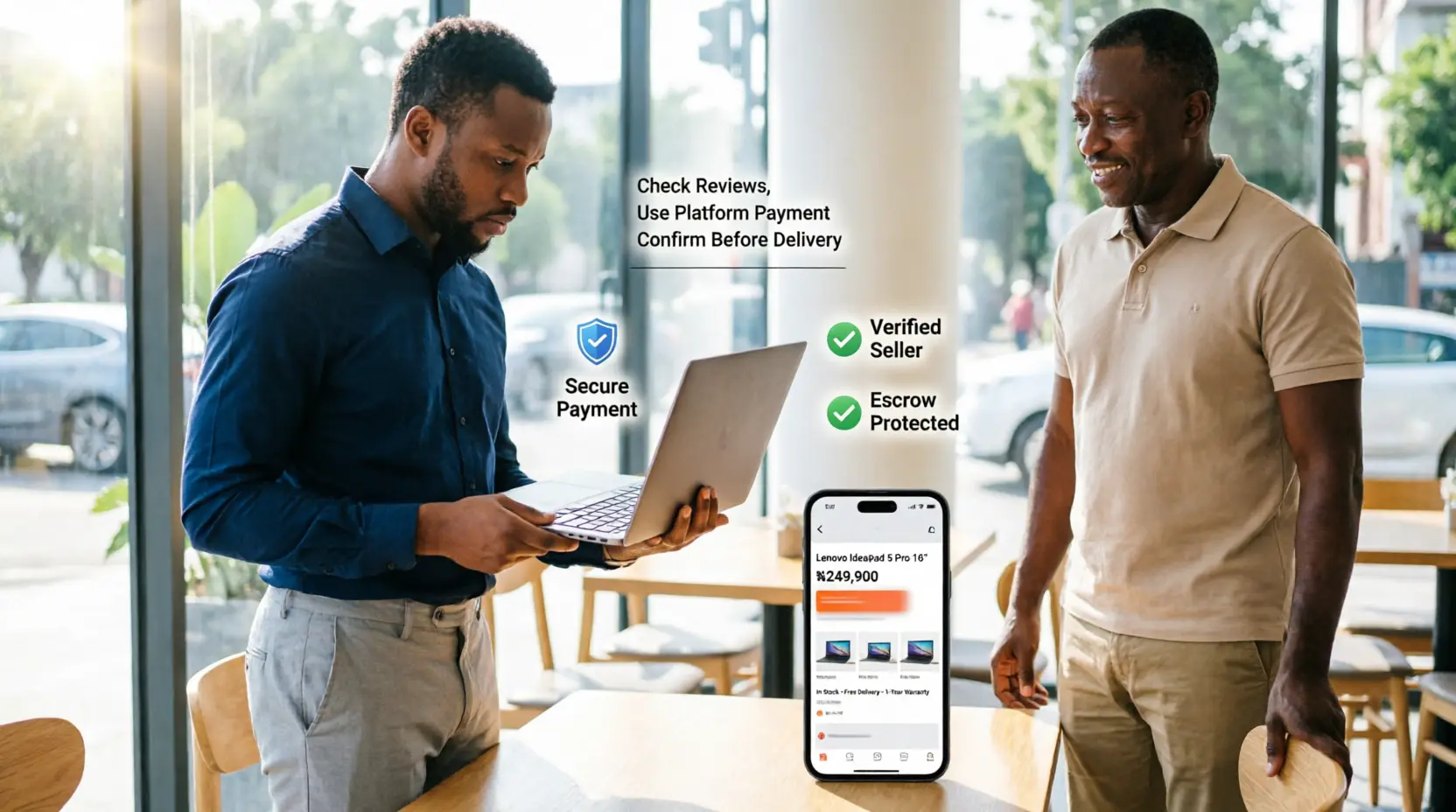
Before investing, confirm company details, licenses, and investment claims using official regulatory websites, reputable financial news outlets, and independent review platforms.
Never rely solely on advertisements, influencers, testimonials, or messages shared through social media and private messaging applications.
● Take your time before making investment decisions
Avoid rushing into investments because of pressure or fear of missing out.
Research thoroughly, compare multiple sources, ask questions, and seek independent advice if necessary.
Careful decision-making reduces the chances of falling victim to fraud and costly financial mistakes.
Remember: if it sounds too good to be true, it probably is.
Extraordinary promises of effortless wealth, guaranteed profits, or exclusive investment opportunities are common scam tactics.
Trust your instincts, verify every claim carefully, and walk away from any opportunity that seems unrealistic.
Protecting your money is always more important than chasing unrealistic returns.
Cryptocurrency is a legitimate technology, but scammers exploit its popularity to deceive unsuspecting investors.
Understanding how crypto works, recognizing common warning signs, and researching every investment opportunity can help you avoid costly mistakes.
Never rush into investments or trust promises of guaranteed returns.
Smart investing begins with careful verification, informed decision-making, and protecting your money from fraudulent schemes.