Top 15 Escrow Terms You Must Know Before Any Deal
Before agreeing to something, signing a document, or filling out any form, it's essential to understand the terms, what is written, and the words used to avoid mistakes and delays.
The same applies to escrow deals. Before using escrow services, understanding escrow terms is crucial to protecting your money and avoiding costly mistakes.
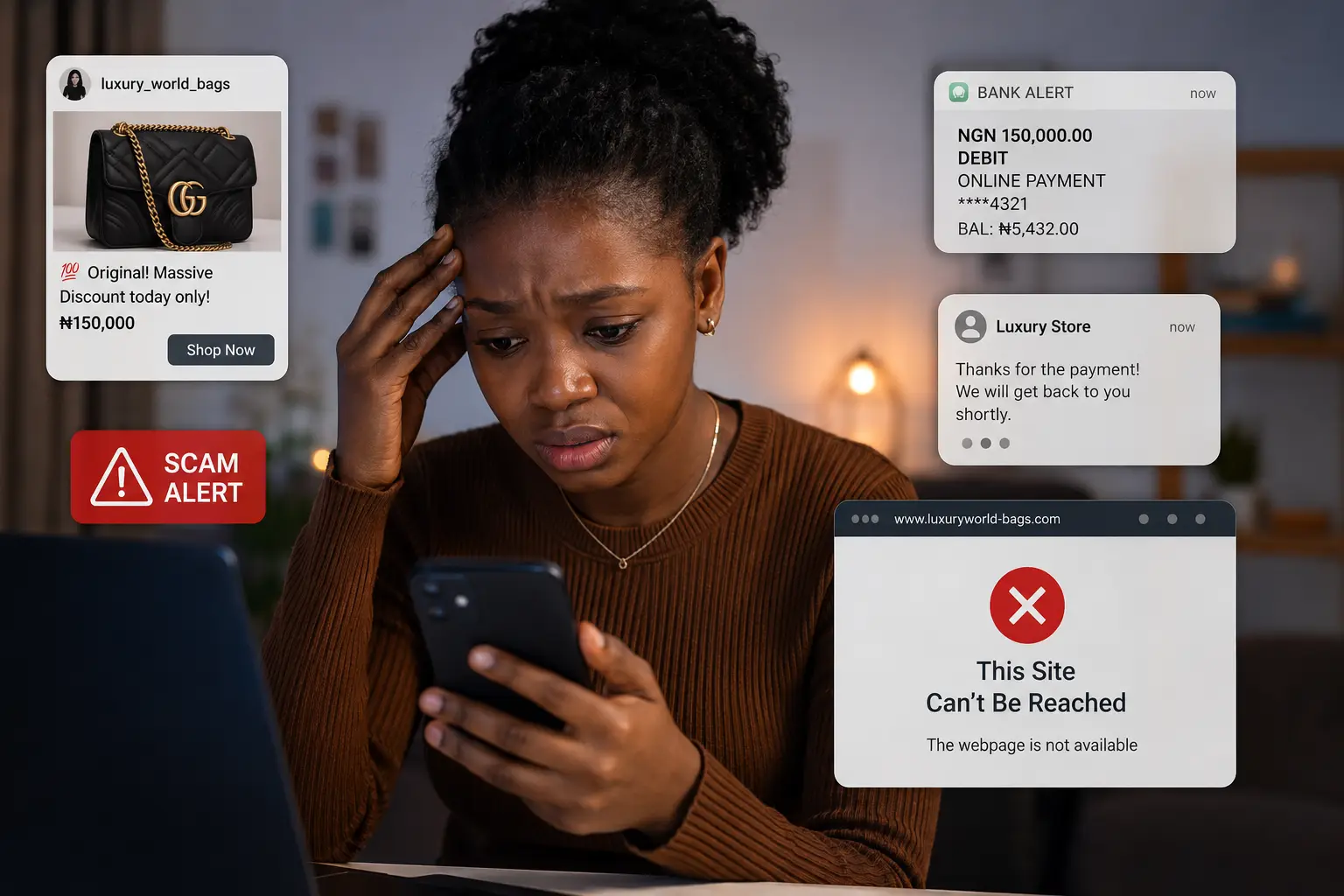
Most online transaction problems don't start with obvious scams. They start with confusion, and "I thought this is what it meant."
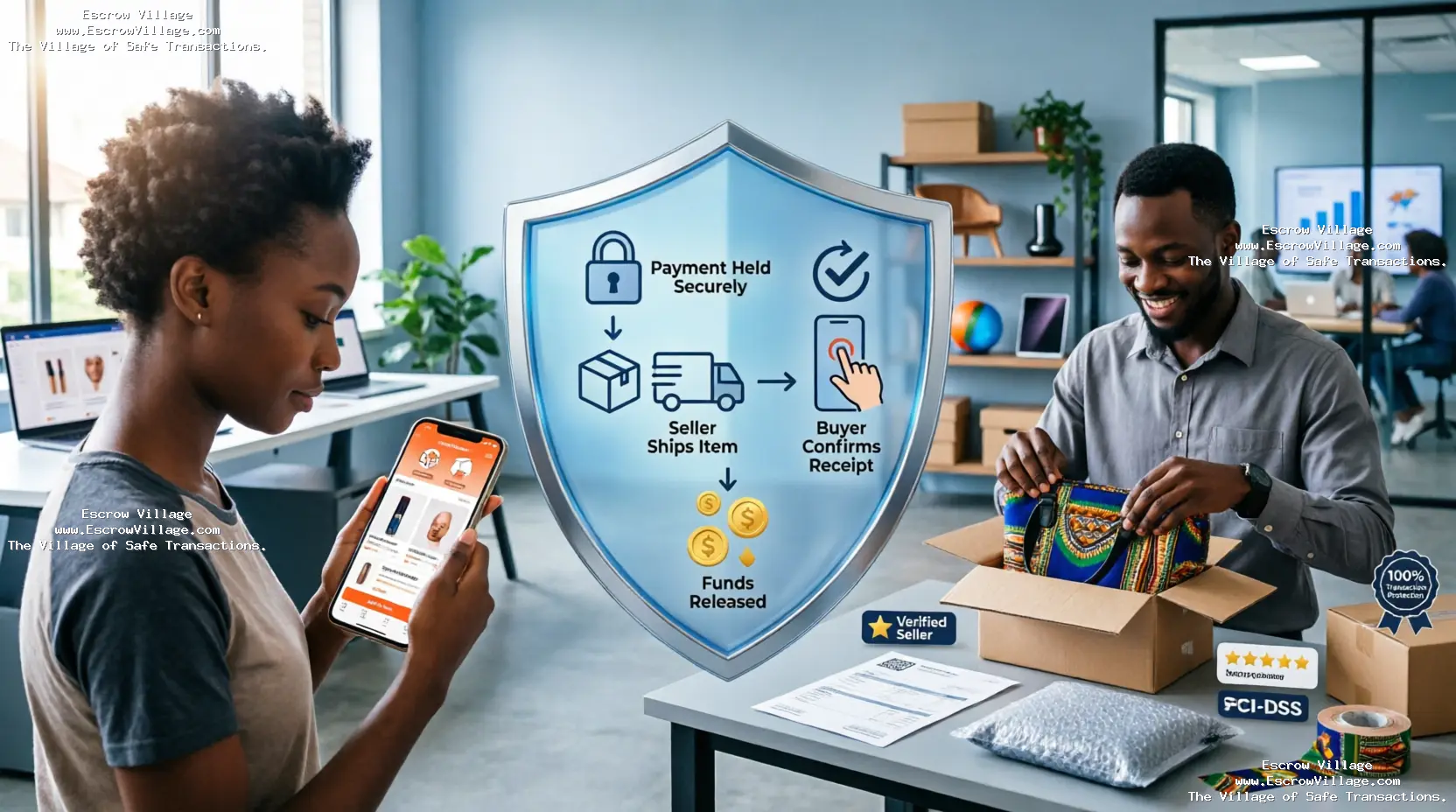
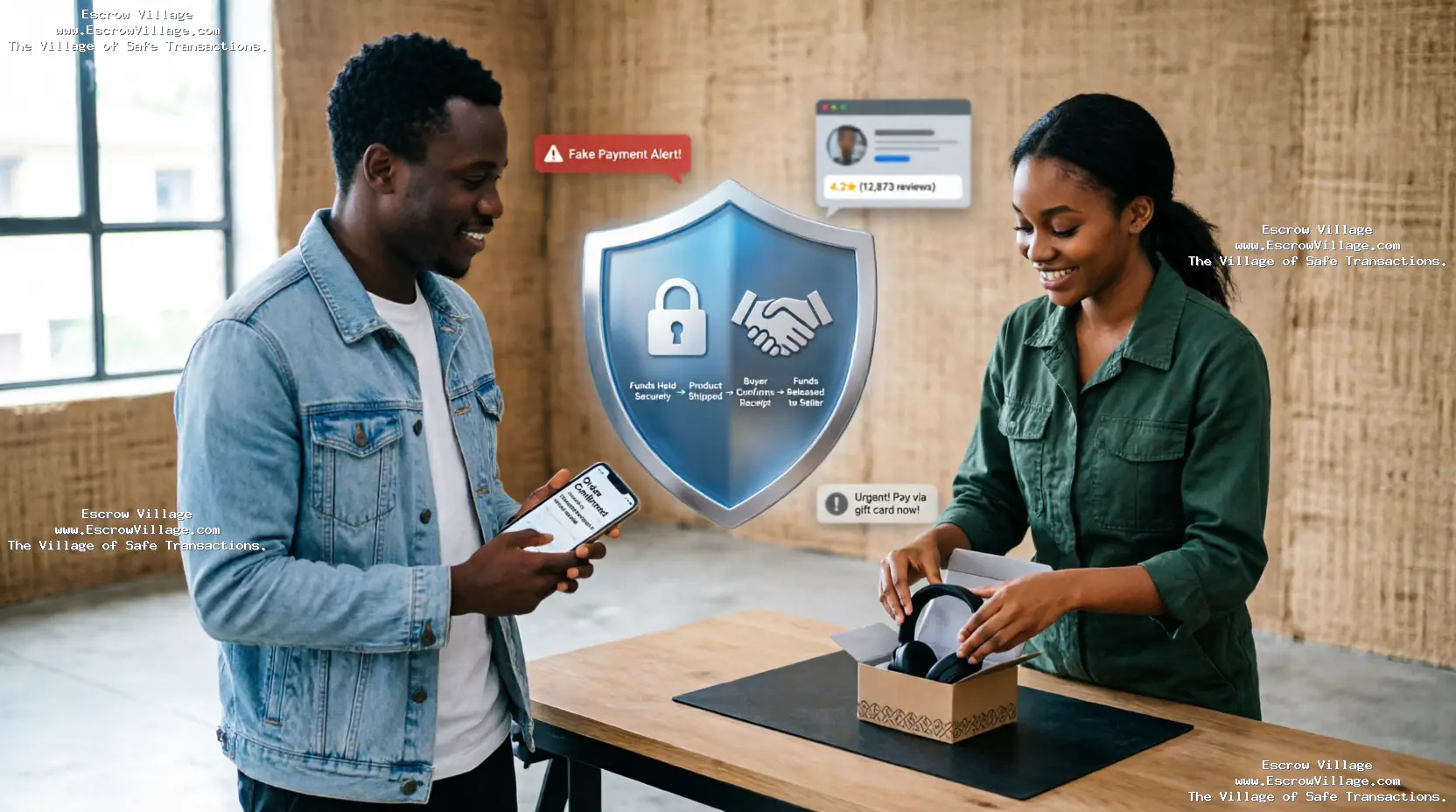
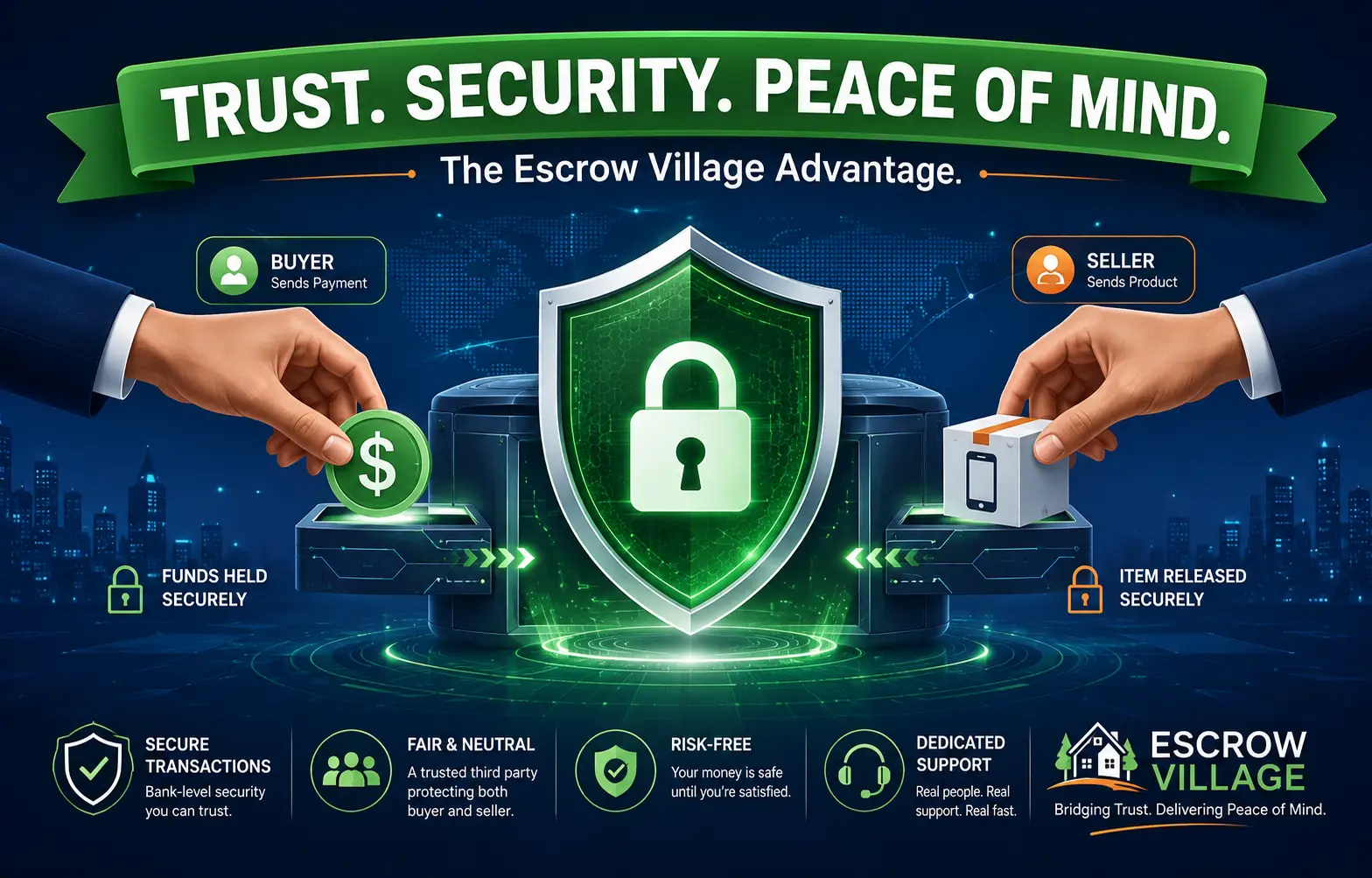
Escrow is a trusted neutral third party that holds funds and documents until all conditions are met, safeguarding both buyers and sellers.
However, some terms can be confusing and if not properly understood can cause delays or mistakes.
Here are the 15 essential escrow terms you must know before any deal closes, giving you the knowledge to negotiate confidently and protect your transaction.
Quick Reference: 15 Escrow Terms at a Glance
1. Escrow
2. Escrow agreement
3. Escrow Agent
4. Buyer
5. Seller
6. Disbursement
7. Dispute Resolution
8. Know your customers (KYC)
9. Milestone Payment
10. Contingency
11. Escrow Account
12. Create Escrow
13. Closing
14. Transaction Fee
15. Inspection Period
- 1. Escrow
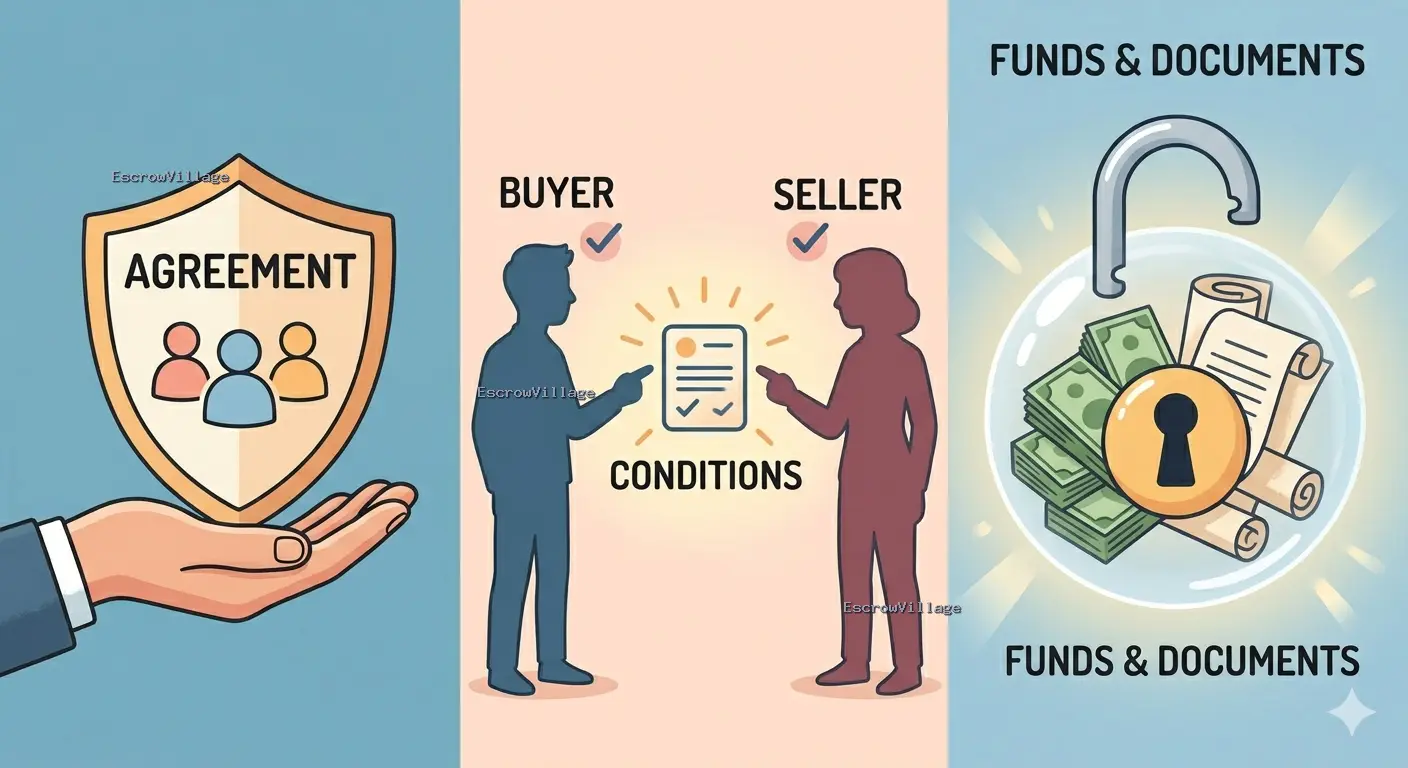
Let's start with the foundation. What is Escrow?
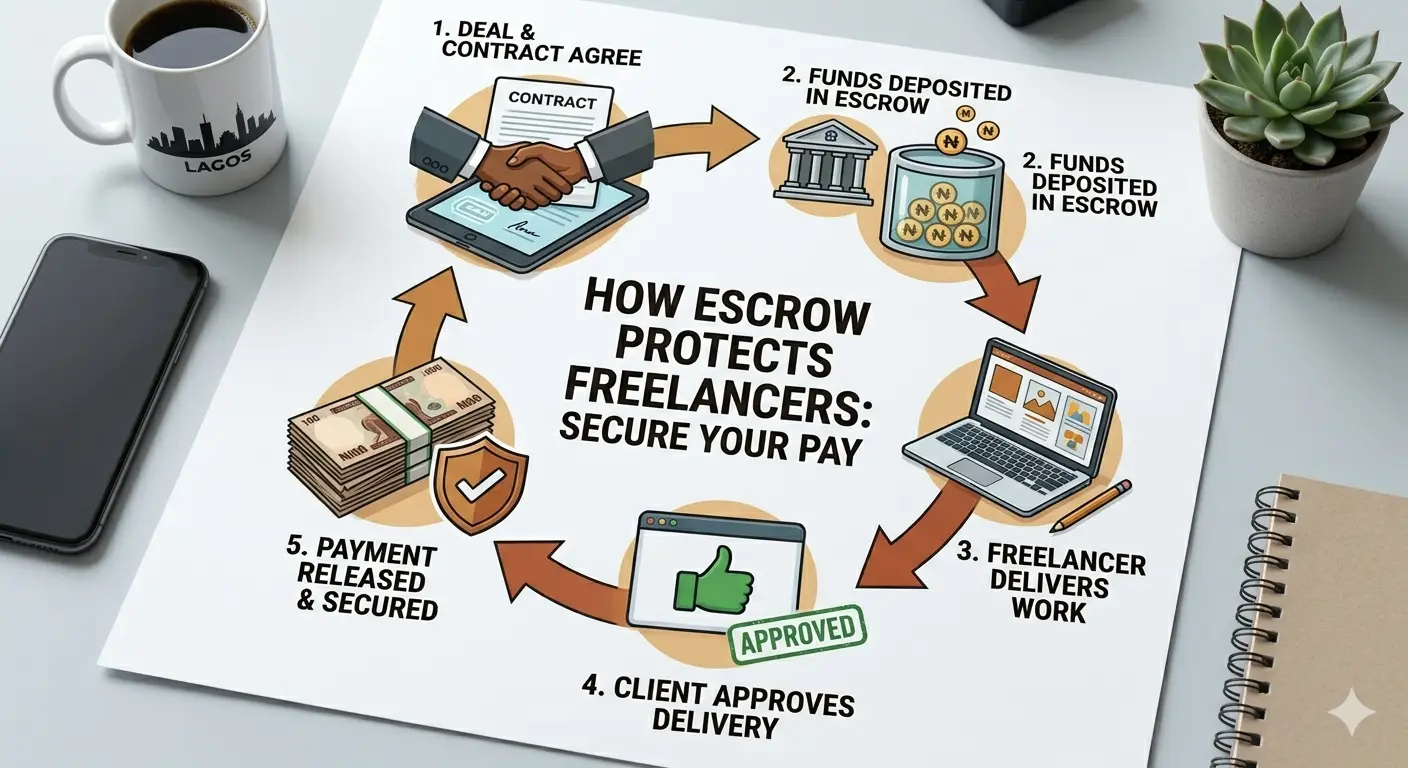
In simple and short terms, escrow is a neutral holding account where money or assets are kept by a third party until both the buyer and seller meet their agreed-upon conditions.For example, a Nigerian freelancer selling a logo design to a client in Canada can place the payment in escrow. The client pays first but the freelancer only gets the money after delivering the approved design. No one gets cheated.
What is escrow is the first step toward safer online transactions.
- 2. Escrow Agreement
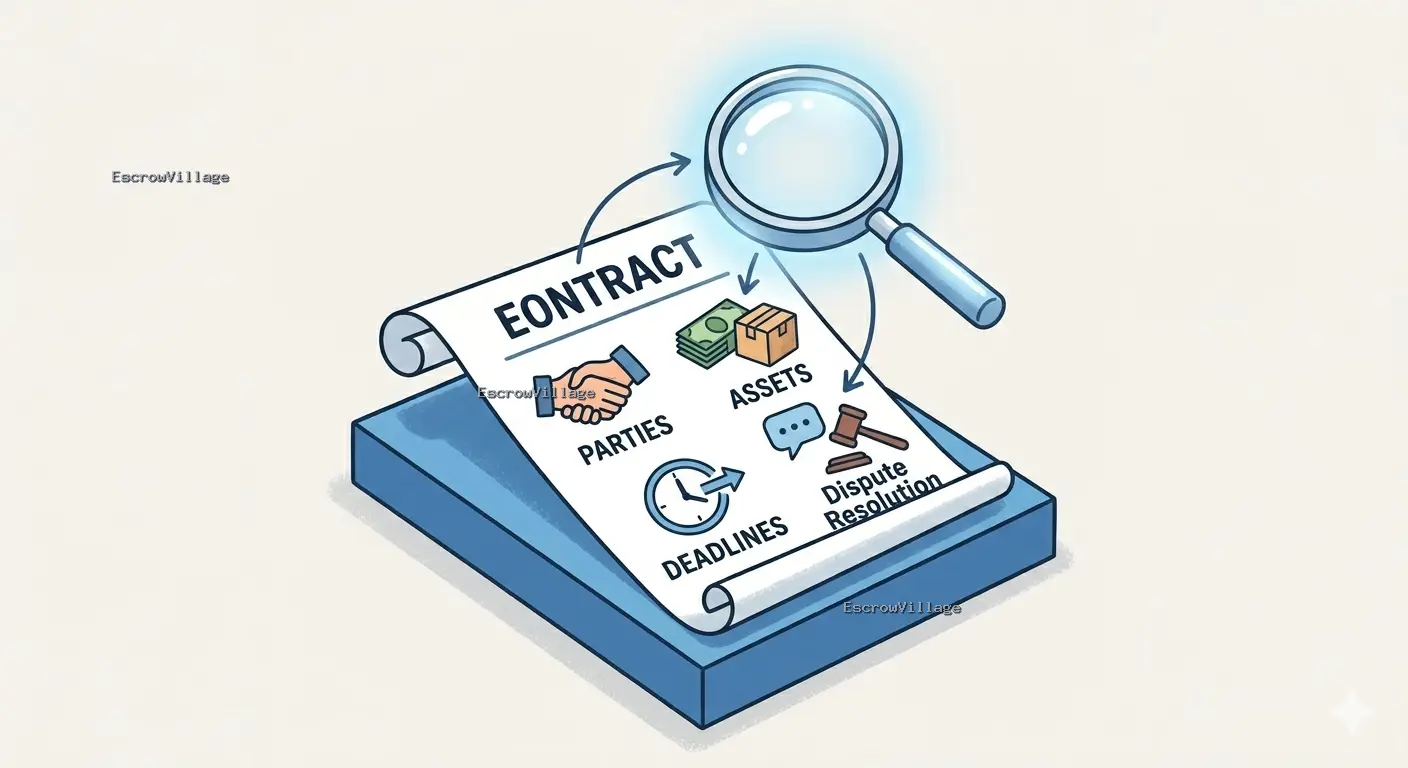
This is a legally binding contract that spells out exactly what happens for funds to be released. It covers who the parties are, what's being sold, the deadline, and what happens if something goes wrong.
Without clear escrow agreement terms, you leave room for confusion.For instance, a car dealer in Lagos selling a Toyota to a buyer in Port Harcourt would use the agreement to state: “Buyer has 5 days to inspect the vehicle after delivery. If there is no complaint, funds are released to the seller.”
- 3. Escrow Agent
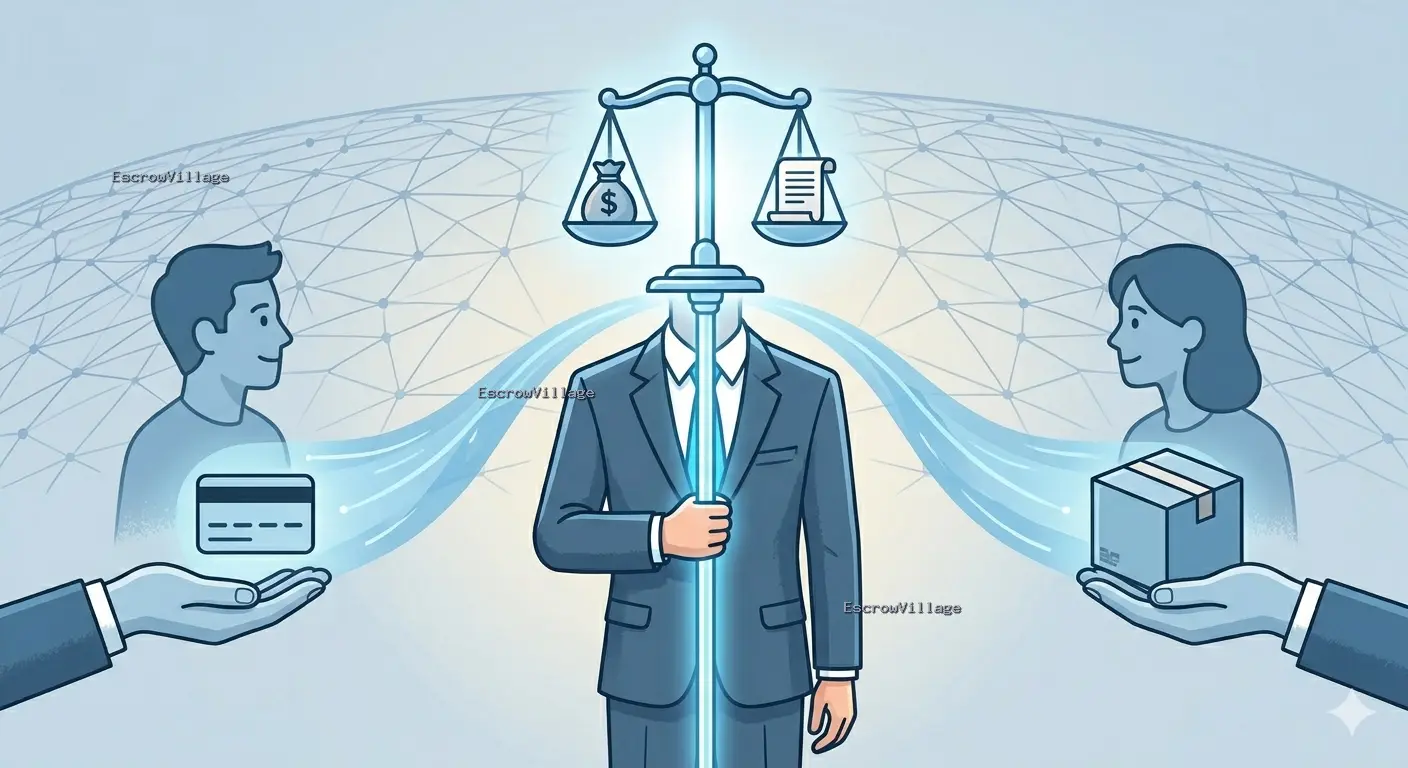
An escrow agent is the neutral entity that holds and manages the funds or assets. This could be a licensed company, a lawyer, or a digital escrow platform.
The agent's job is simple: follow the escrow agreement. They cannot favour the buyer or the seller. If you are a digital vendor, using a professional escrow agent eliminates the risk of “I will pay you after delivery.”
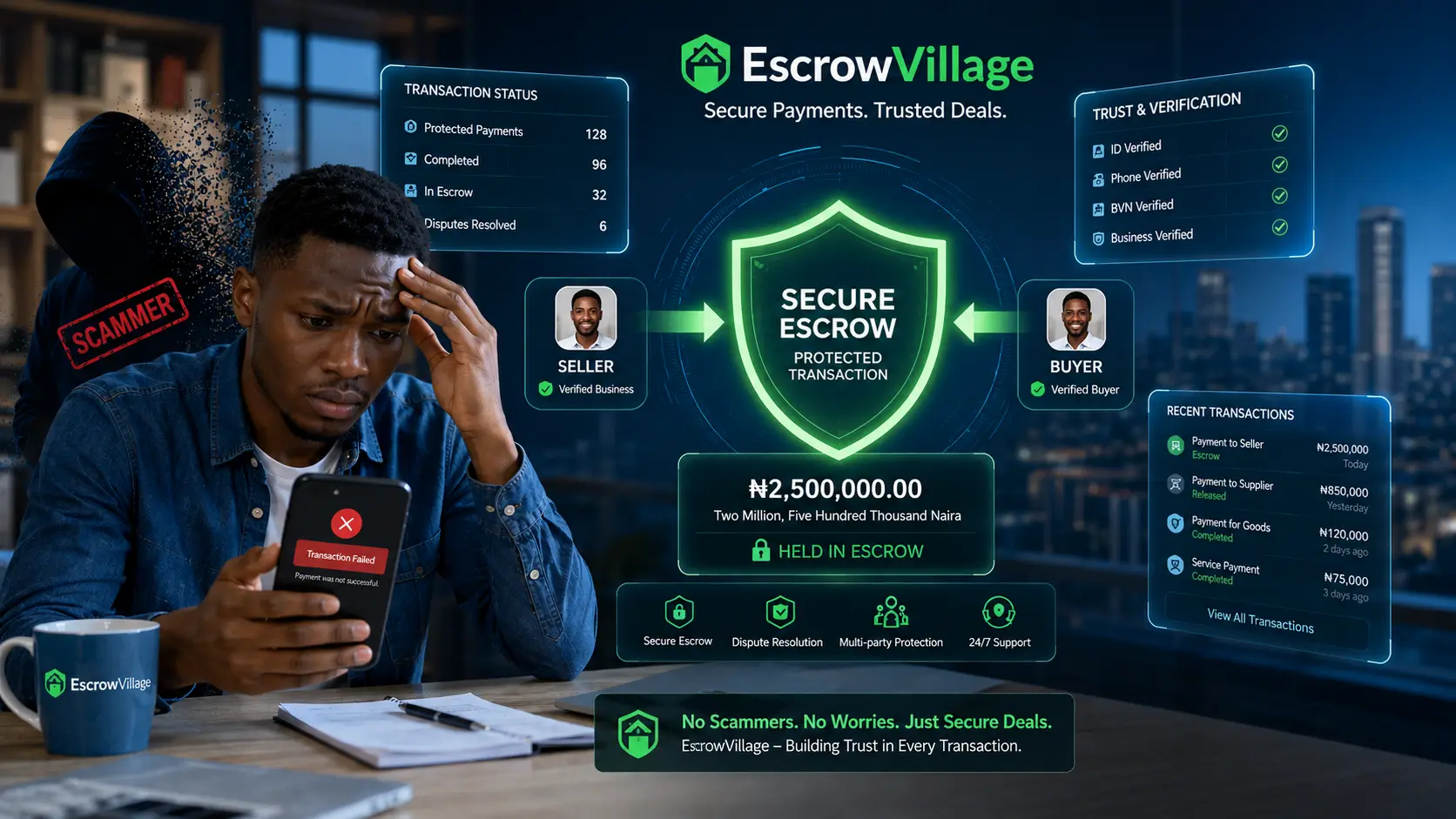
In Nigeria, Escrow Village acts as a regulated digital escrow agent, giving both local and global users peace of mind.
- 4. Buyer
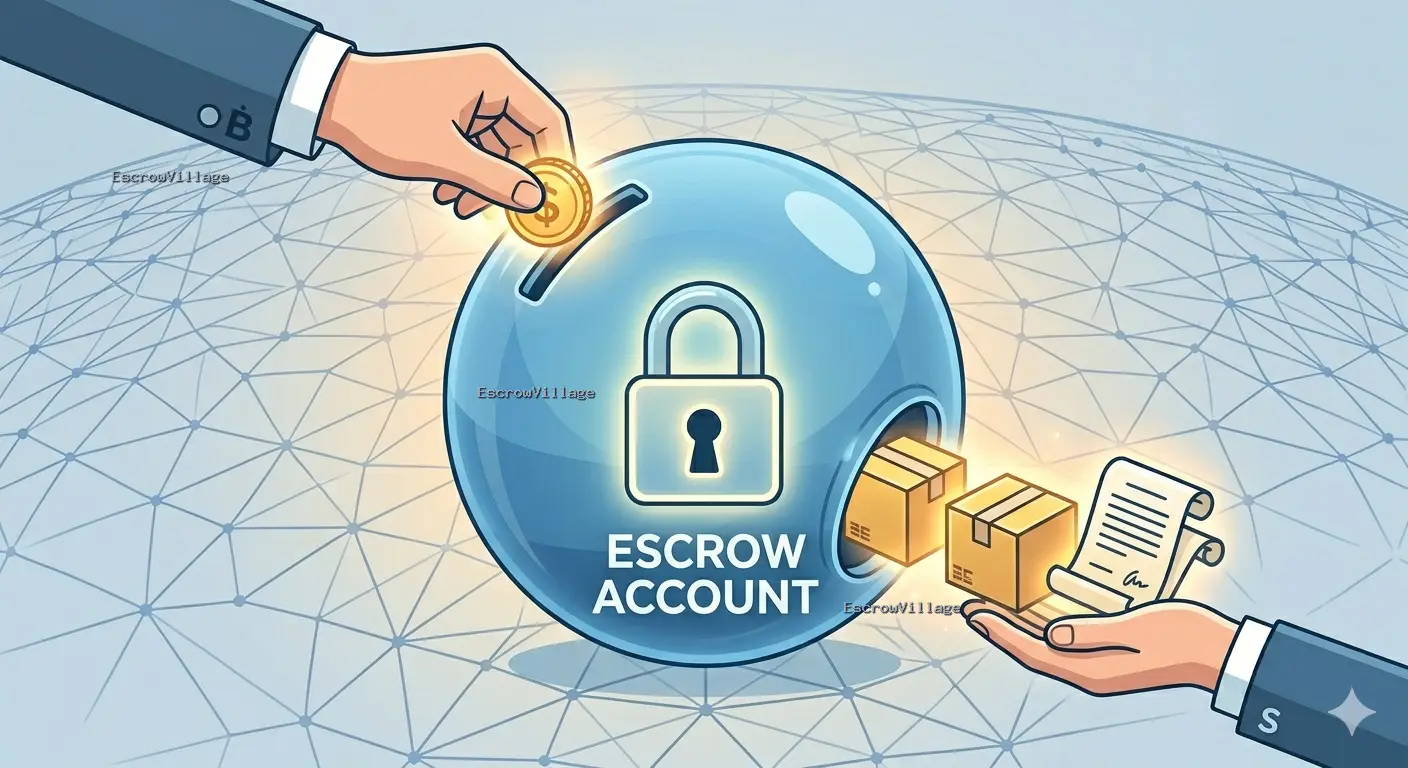
The party purchasing the goods, services or property. Fund the escrow account.
- 5. Seller
- 6. Disbursement
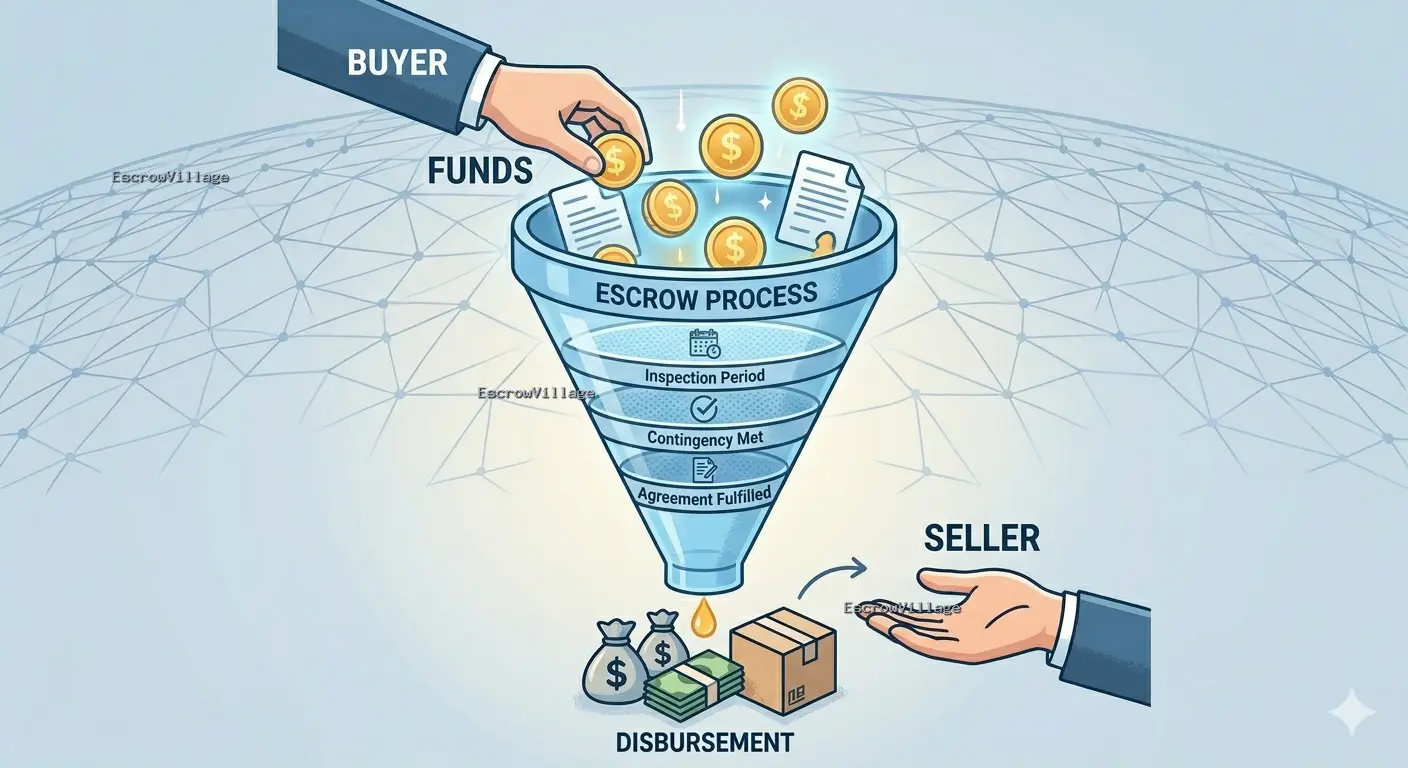
This is the actual act of releasing and transferring the funds from the escrow account to the seller’s bank account once all conditions are met.
- 7. Dispute Resolution

- 8. Know Your Customer (KYC)

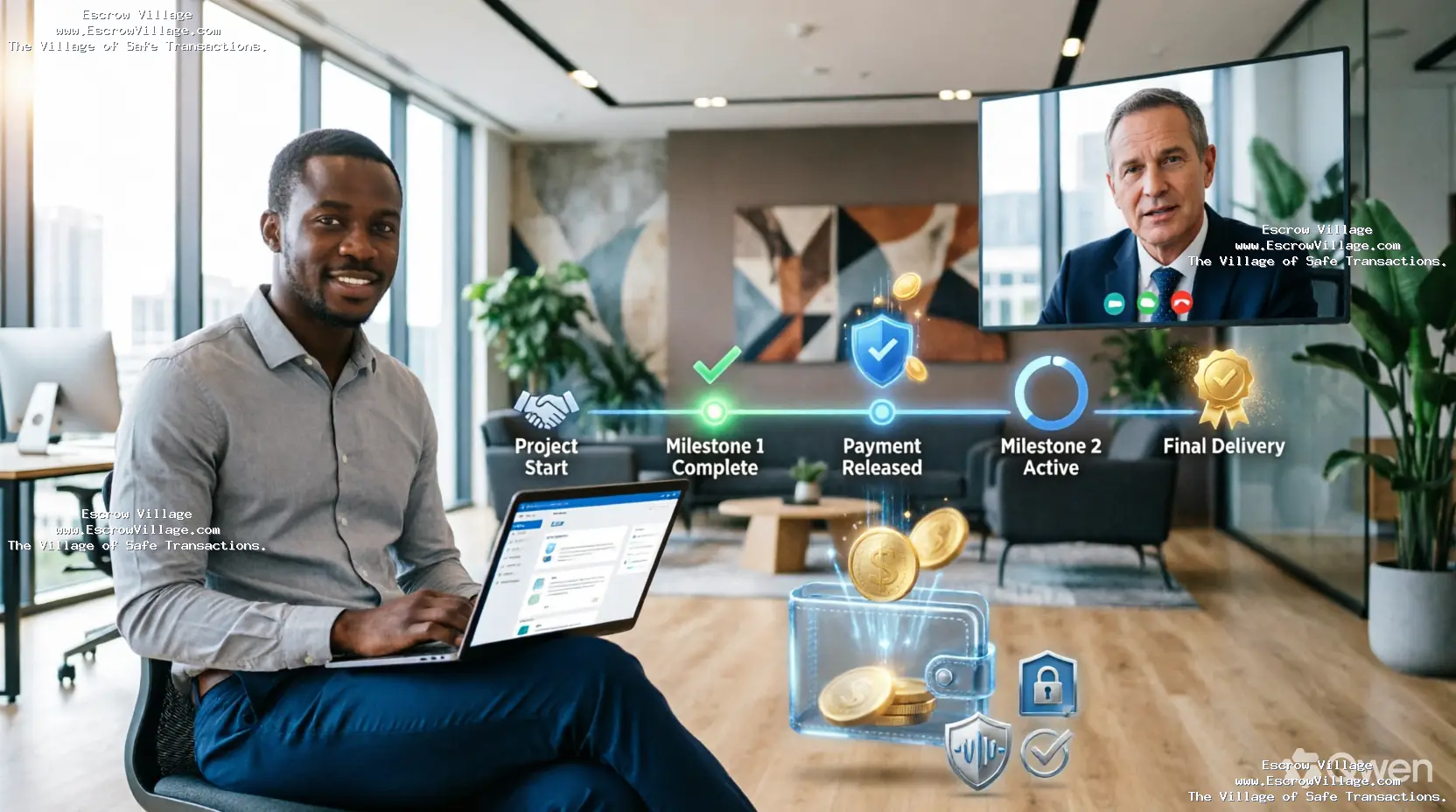
- 9. Milestone Payments
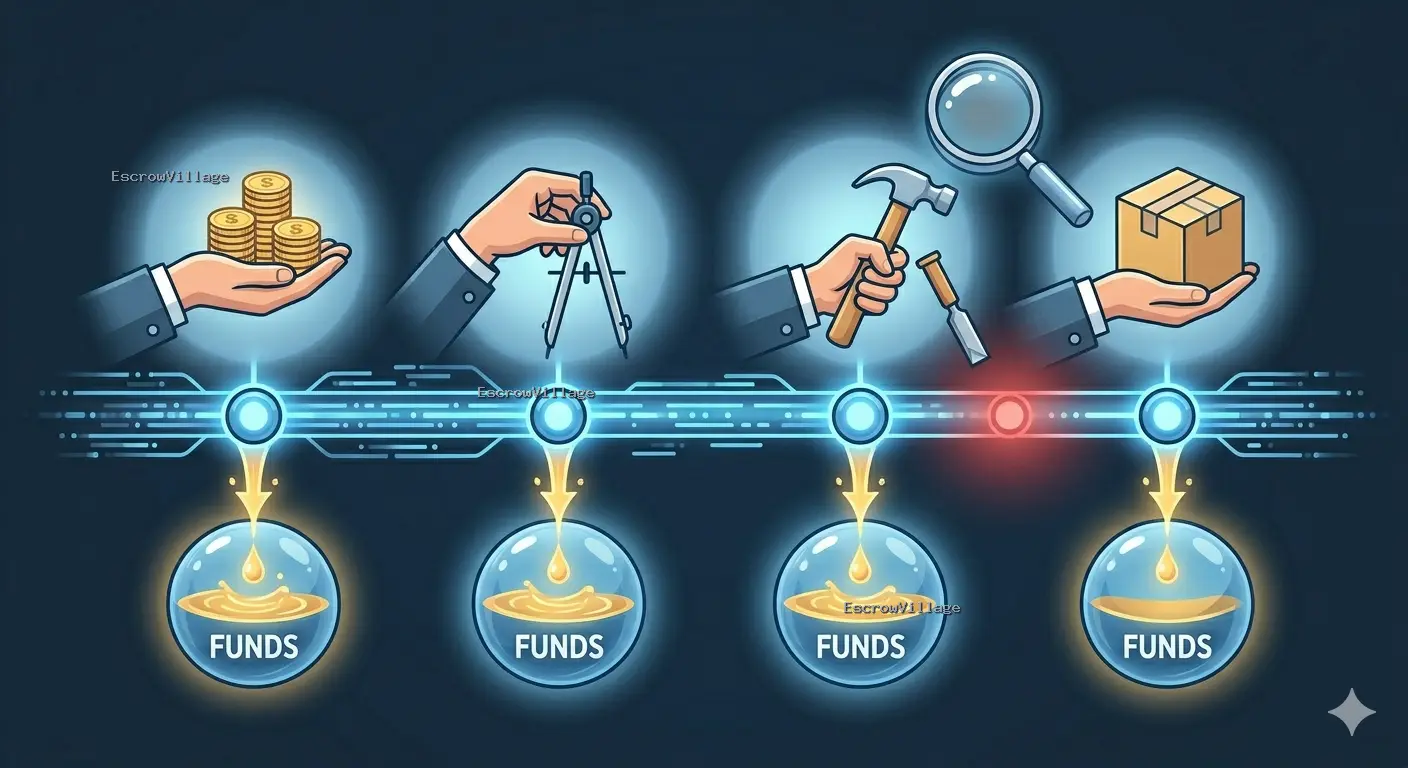
The customer funds the escrow account. The first half (400,000 naira) is released to the carpenter to buy the wood and other materials.
The carpenter finishes the sofa and sends it via an interstate delivery service. Once the sofa arrives in Abuja and the customer inspects and accepts it. The final half is released.
- 10. Contingency
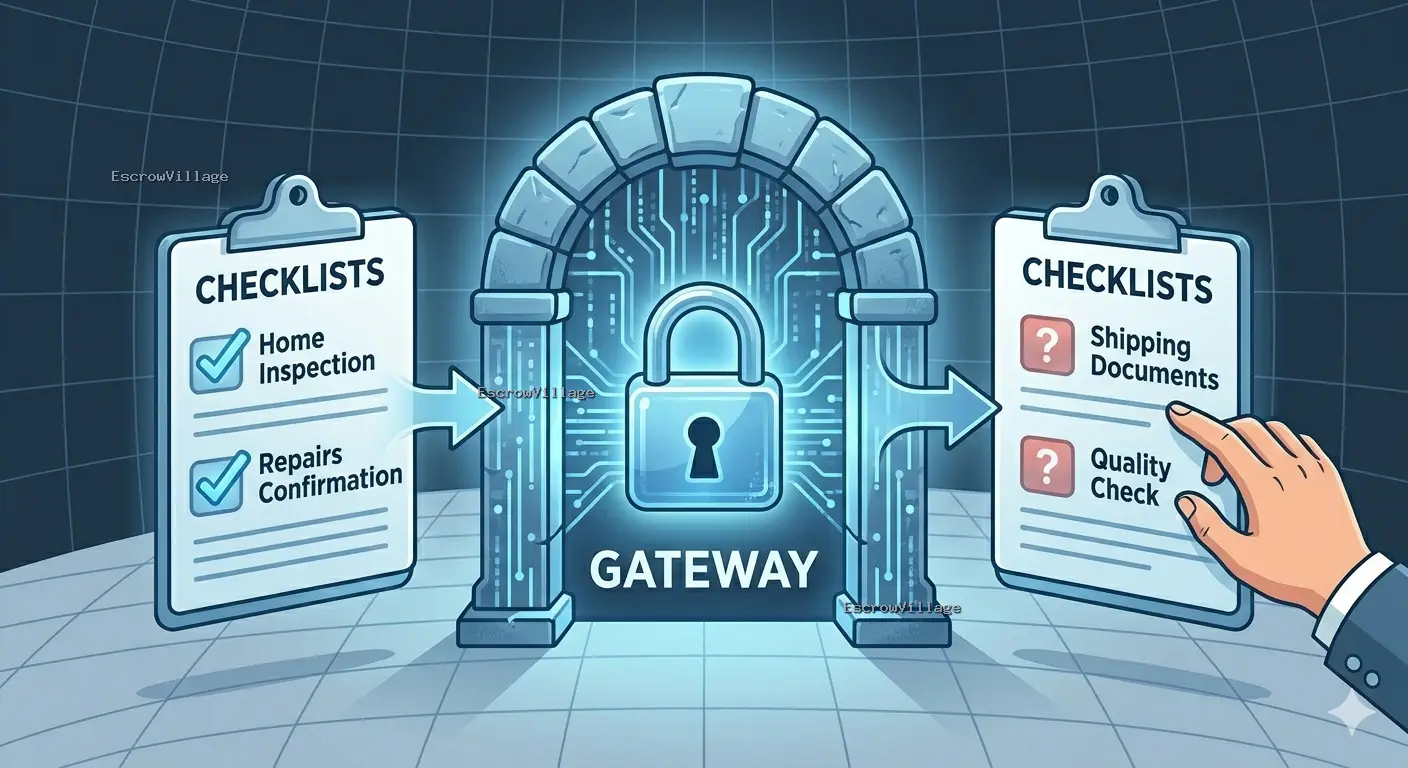
A Contingency is a condition that must be met before the escrow agent releases funds. Common Contingencies include home inspection, quality checks for digital products, or shipping confirmation.
- 11. Escrow account

A secure account where funds are temporarily held.
- 12. Create Escrow
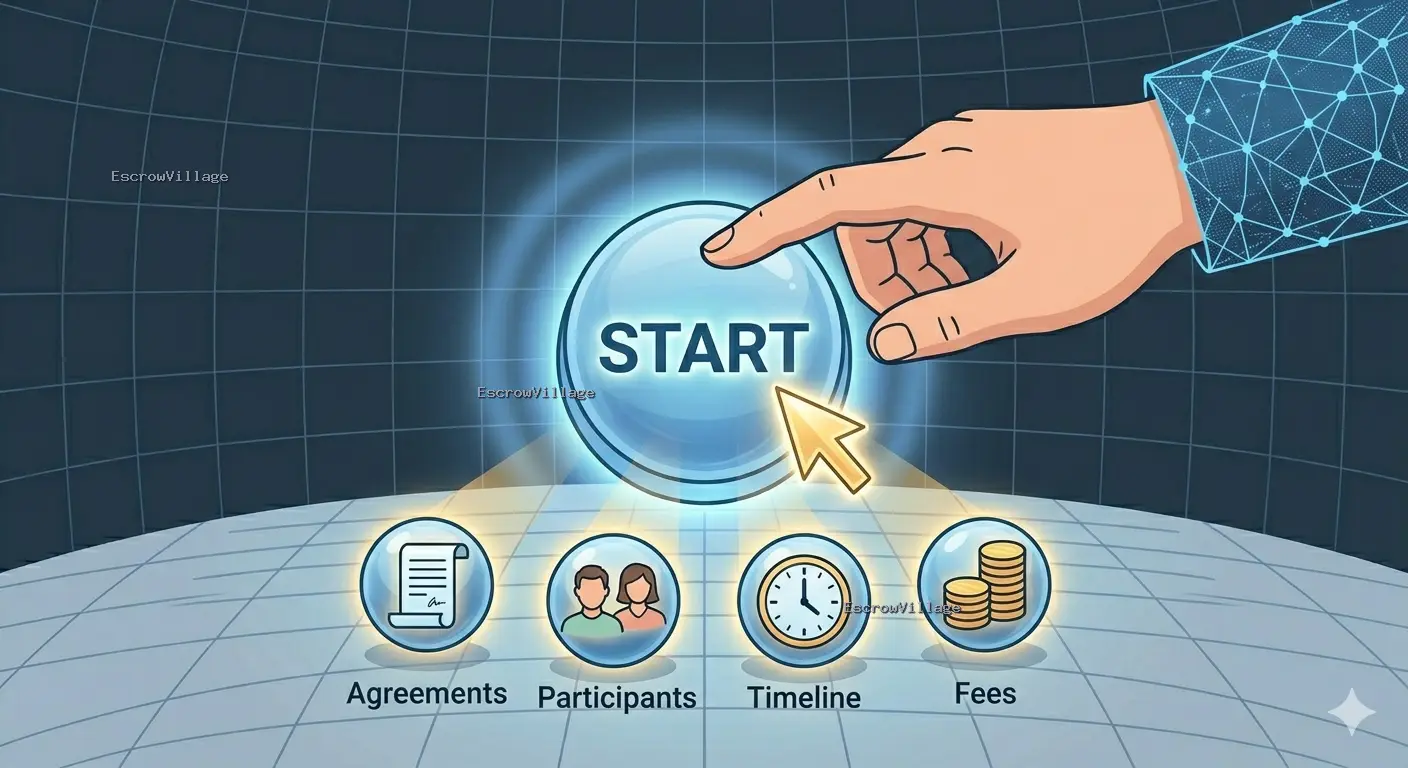
This is the process of initiating the escrow process. Typically after a purchase agreement is signed.
- 13. Closing
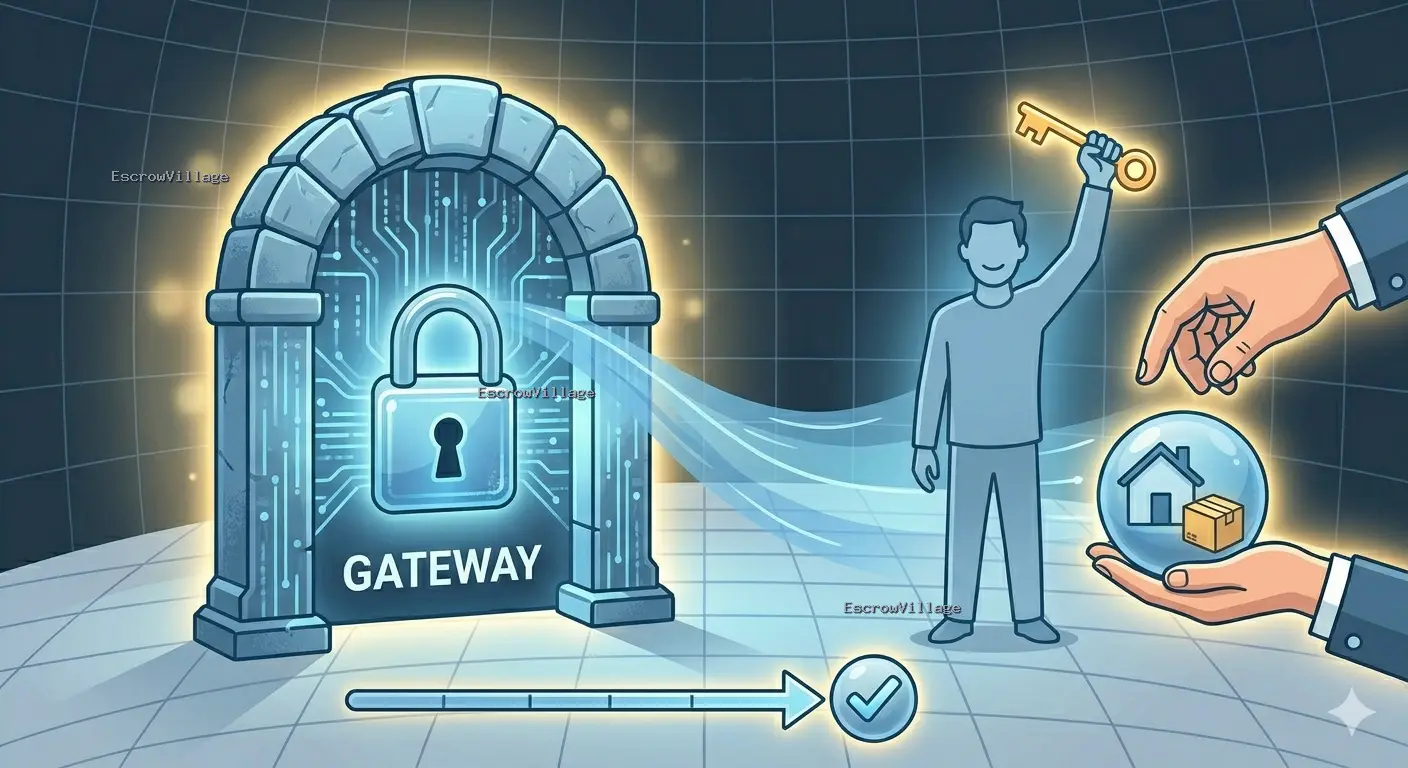
The point at which all conditions are satisfied and the transaction is completed.
- 14. Transaction Fee

The service charge for using the escrow platform/services.
- 15. Inspection Period
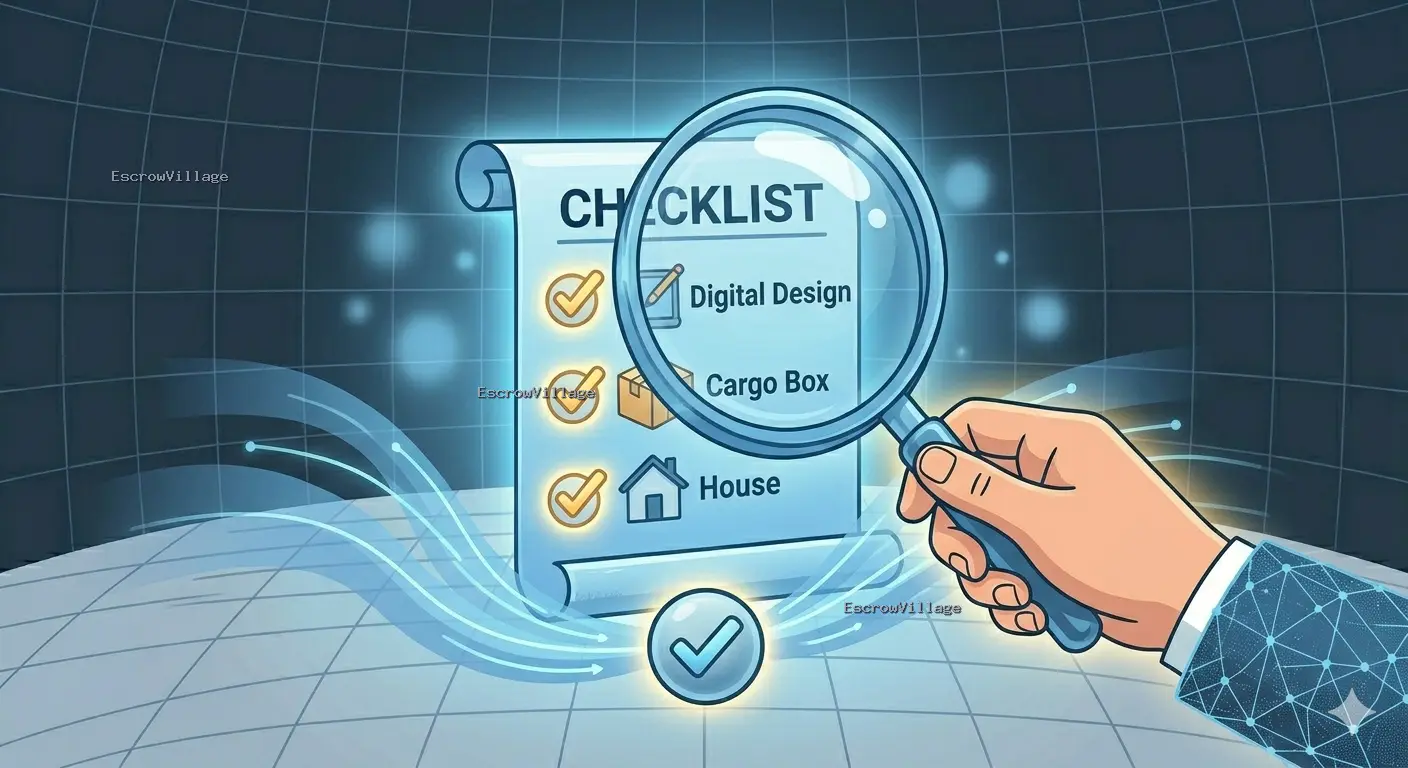
Time allowed for the buyer to inspect goods/services.
- Common Escrow Mistakes to Avoid
Avoid these Common errors
- ~ Not reading the escrow agreement terms carefully
- ~ Releasing funds before inspection
- ~ Using a fake escrow account
- ~ Ignoring dispute timelines
- ~ Rushing transactions because of pressure tactics.
- How Escrow Village Makes This Easy
That's why Escrow Village simplifies the entire process for buyers and sellers in Nigeria and across the world.
Instead of dealing with confusing payment arrangements or risky direct transfers, users can create secure transactions with clearly defined terms.
- Escrow Village helps users:
- ~ Create a transparent escrow agreement
- ~ Track payment status in real time
- ~ Protect both buyers and sellers
- ~ Manage the inspection period easily
- ~ Handle disputes fairly
- ~ Secure local and international transactions
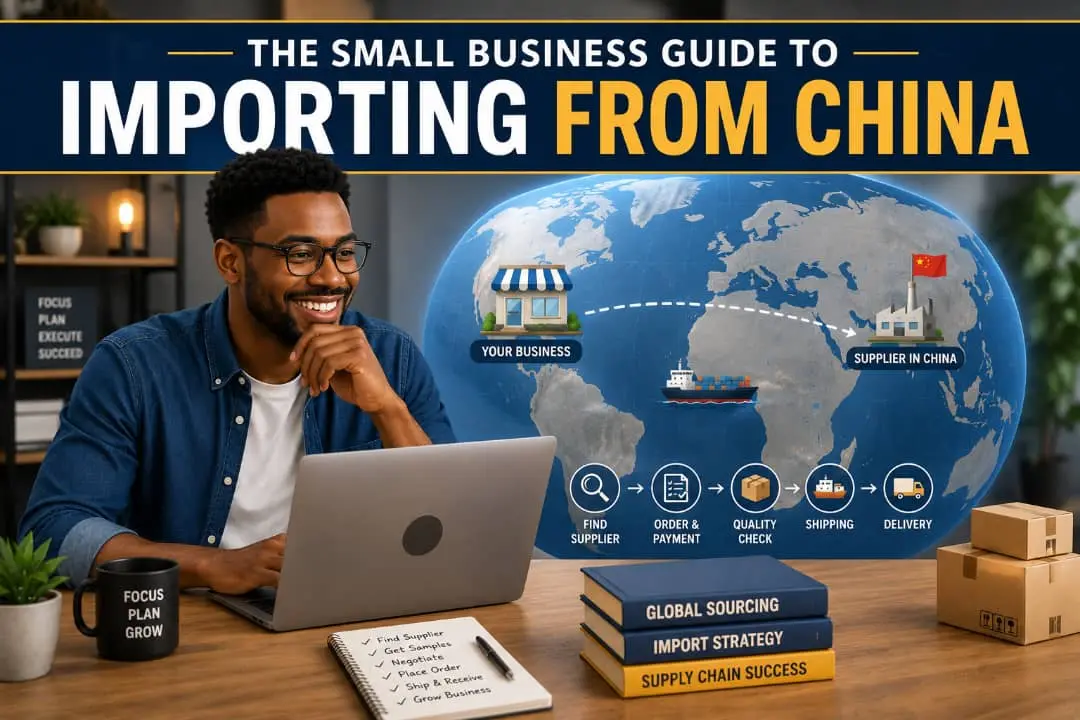
Whether you’re a freelancer receiving payment from abroad, a vendor selling luxury items online, or a business importing products, the platform makes the escrow process easier to understand and safer to use.
Most importantly, Escrow Village focuses on clarity. Users know exactly when money is held, when it can be released, and what conditions apply throughout the transaction.
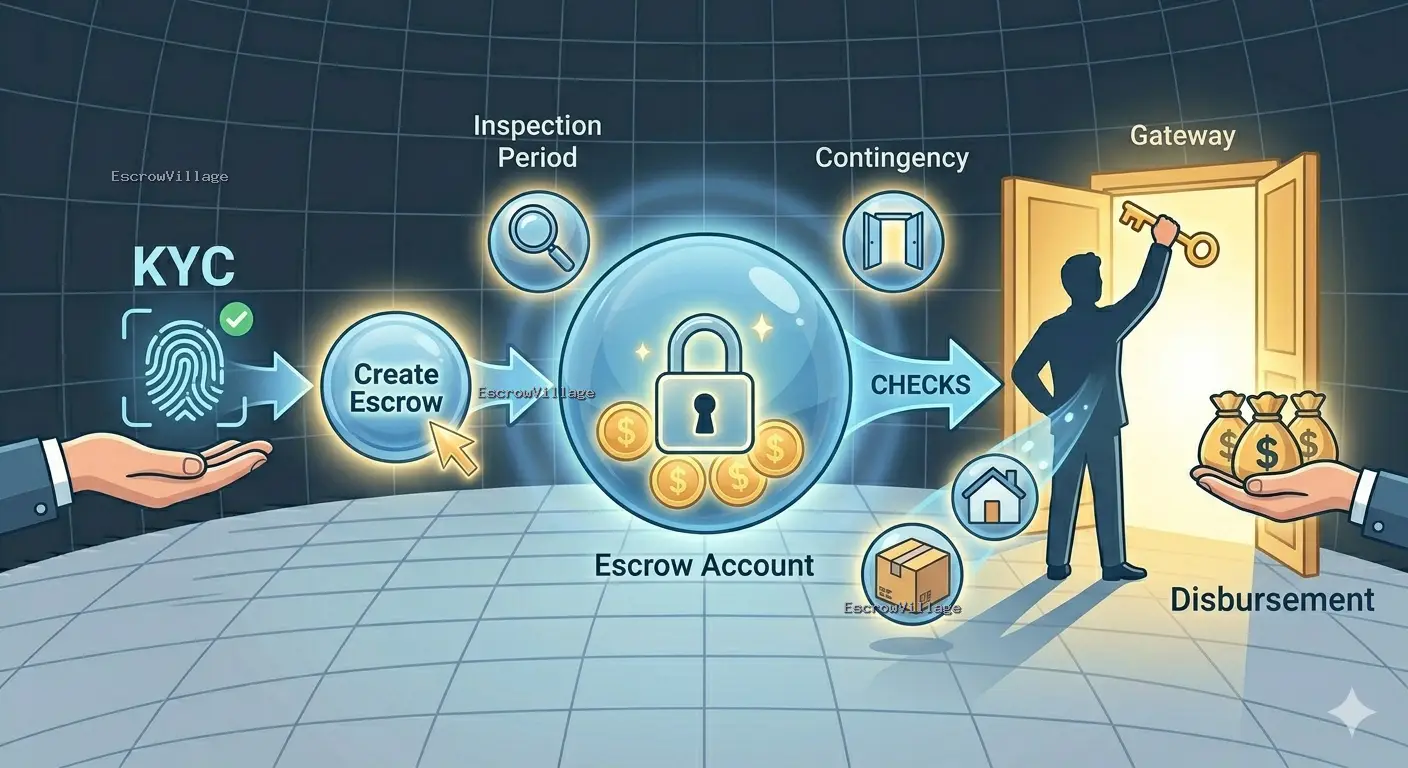
From escrow agreements and milestone payments to dispute resolution and earnest money deposits, these concepts help protect both buyers and sellers from unnecessary risk.
The good news is that escrow doesn’t have to be complicated. Once you understand the basics, you can confidently buy, sell, freelance, or trade online without relying purely on trust.
If you want a safer way to handle transactions locally or internationally, start your first escrow transaction on Escrow Village today it takes just a few minutes to get started.