Case Study: How Escrow Could Have Prevented a Real Nigerian Scam Story
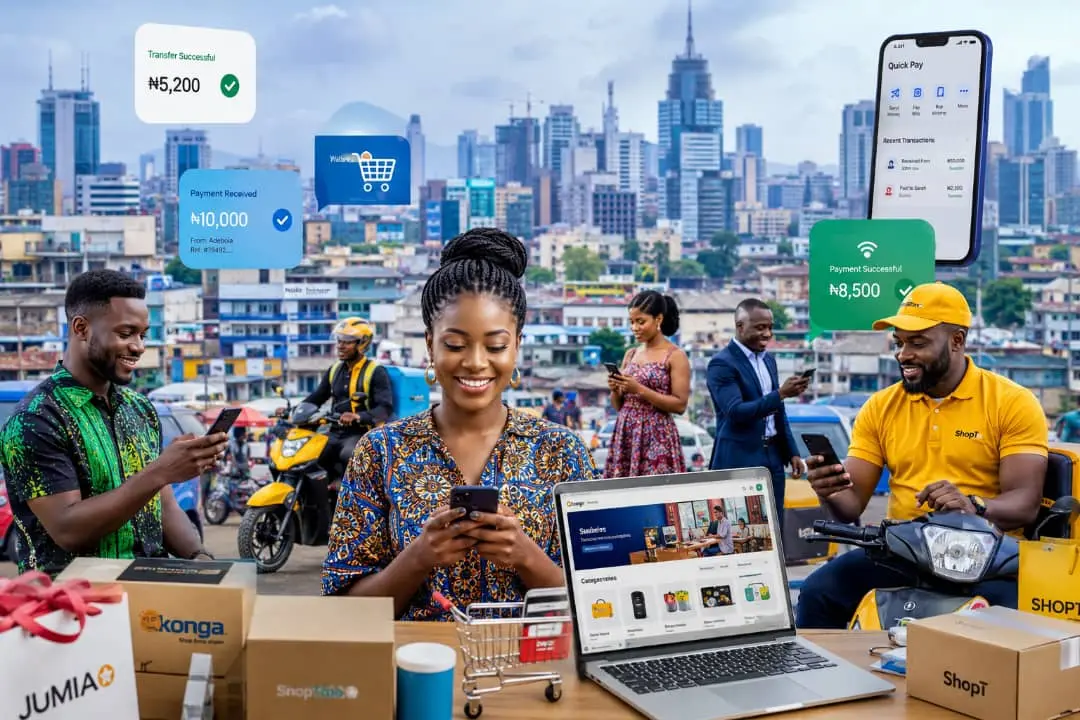
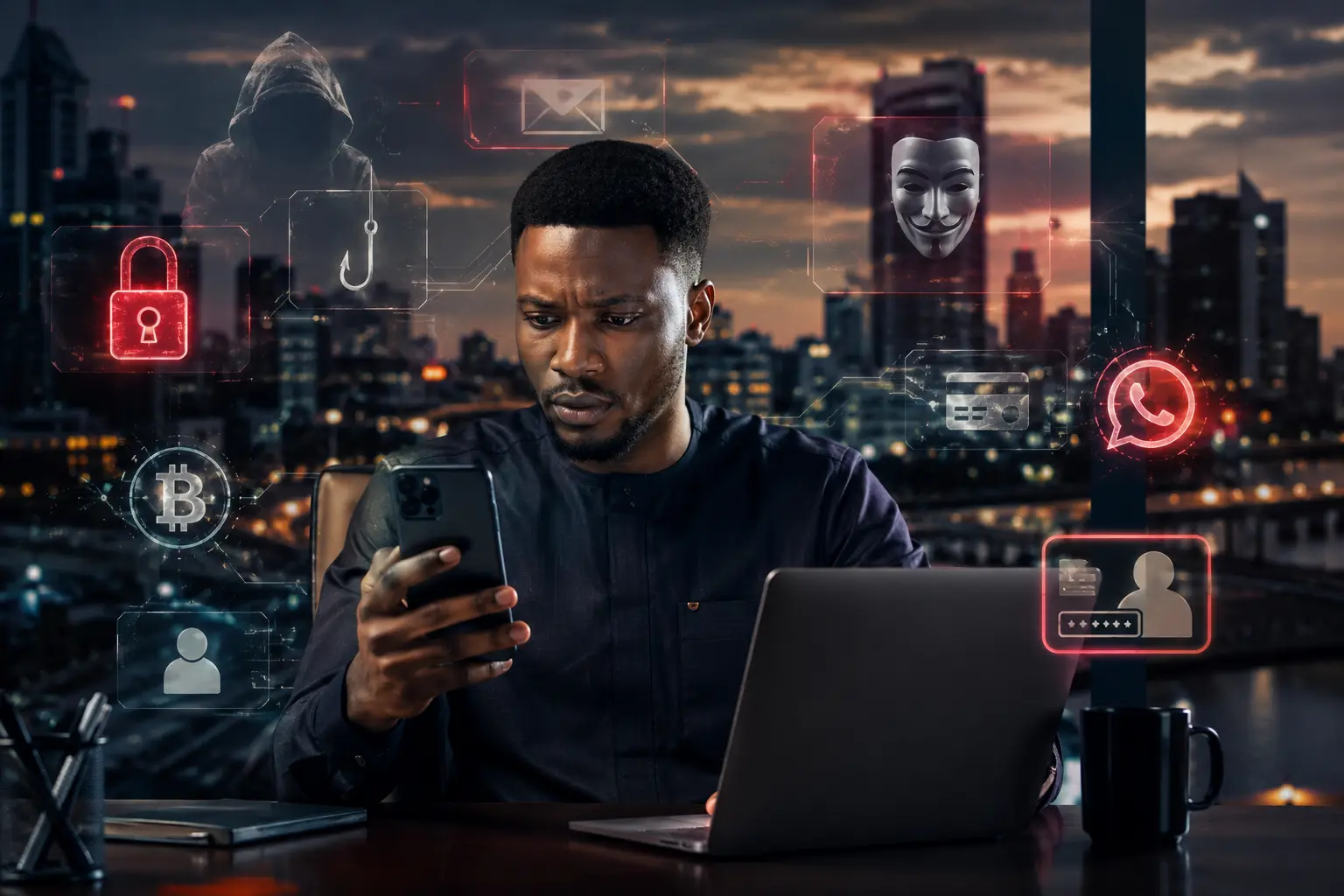
From fake sellers on Instagram and WhatsApp to buyers who disappear after receiving goods, Nigerian scam stories have become an almost daily feature of online commerce conversations.
Behind most of these incidents is one recurring problem: there's no trusted middleman standing between the buyer and the seller, so once money or goods change hands, either party is free to walk away.
That lack of a neutral third party is exactly why online fraud thrives in unregulated peer-to-peer transactions.
Without a system to hold funds until both sides confirm the deal is legitimate, trust is based on nothing more than hope.
In this article, we break down a real scam scenario, the kind that plays out in Nigerian online marketplaces every day and examine how a secure payments system like an escrow service could have completely changed the outcome.
By the end, you'll understand exactly where the transaction went wrong, what protections were missing, and how using escrow gives both buyers and sellers a safer, more accountable way to do business online.
- The Real Nigerian Scam Story
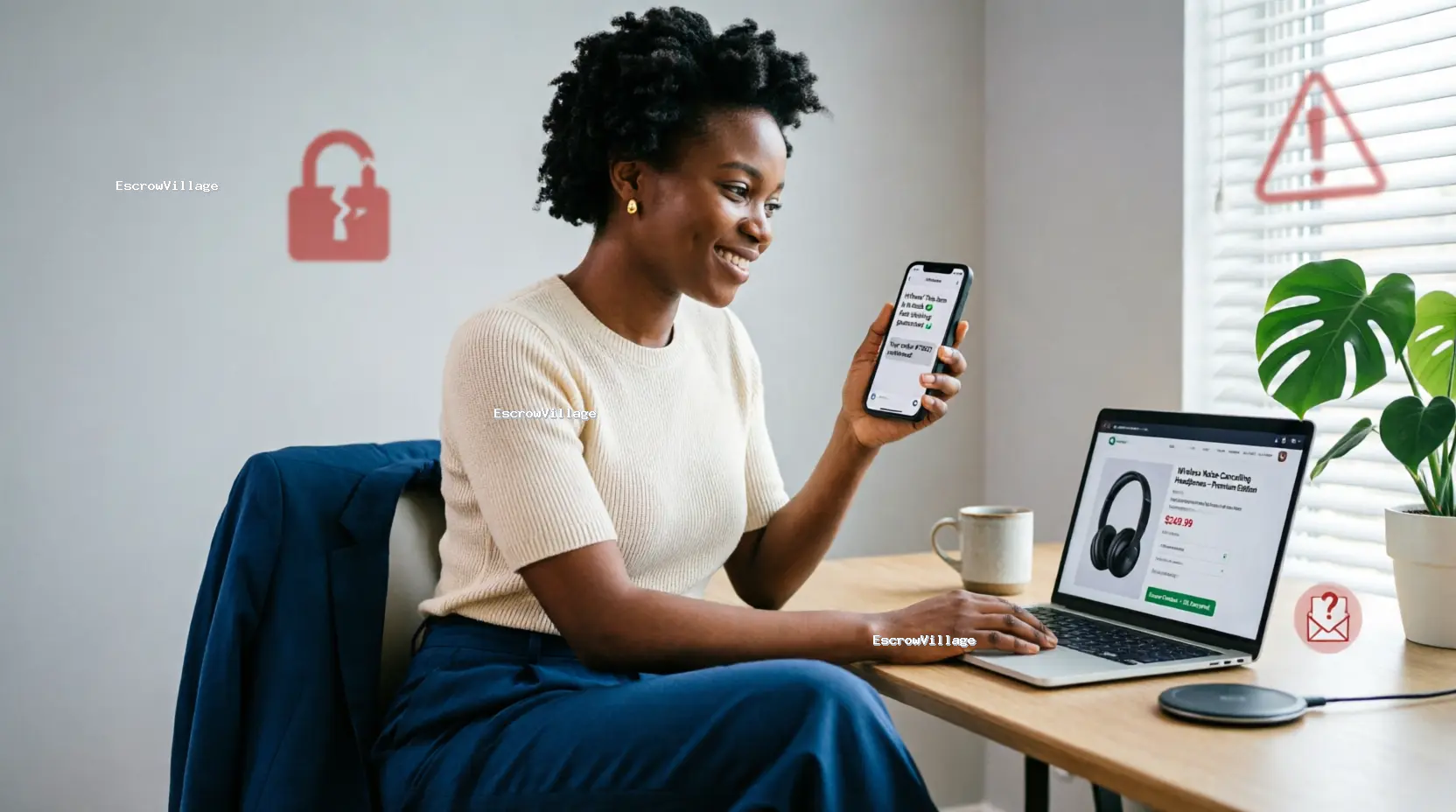
Adaeze, a young entrepreneur based in Lagos, had been searching for a used iPhone 13 to replace her ageing phone.
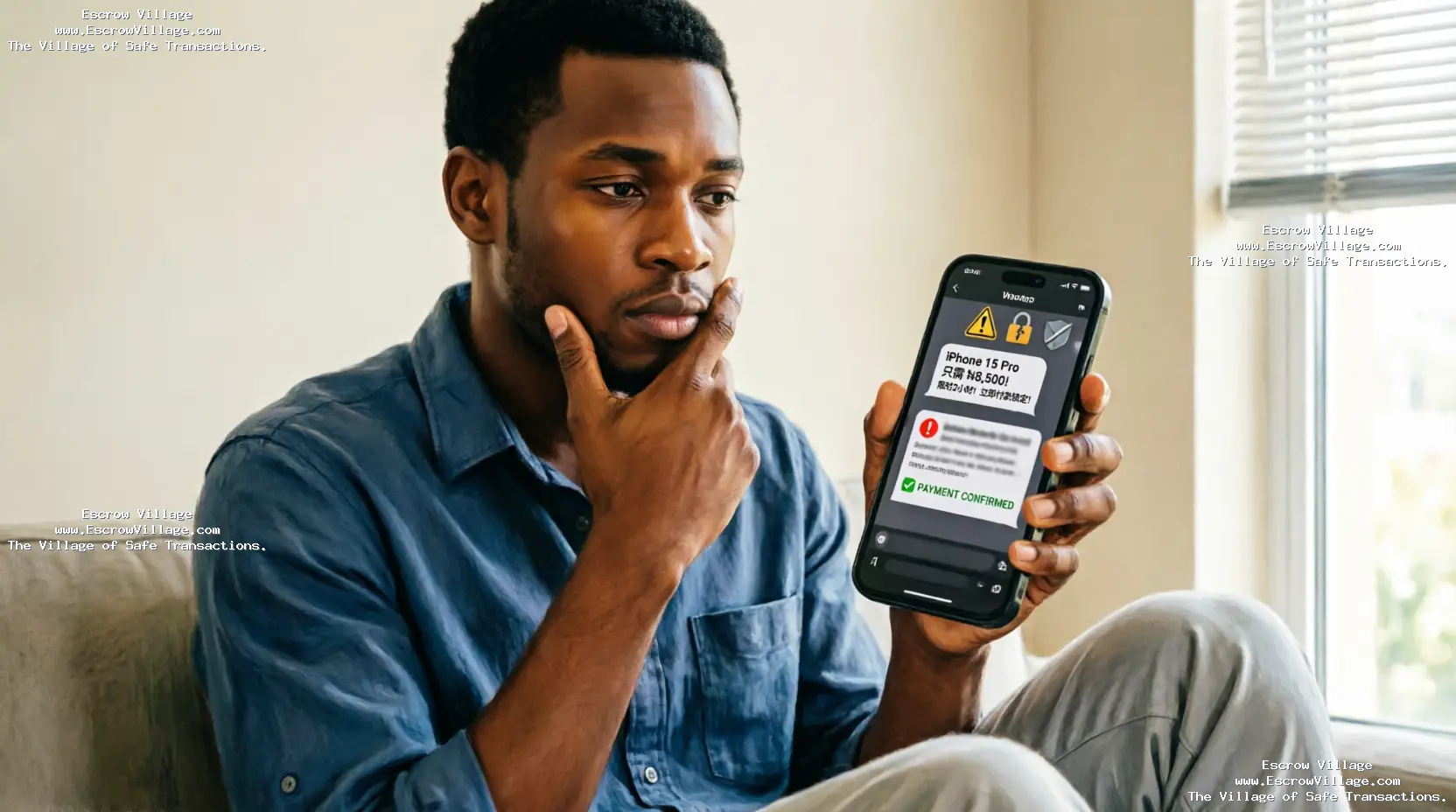
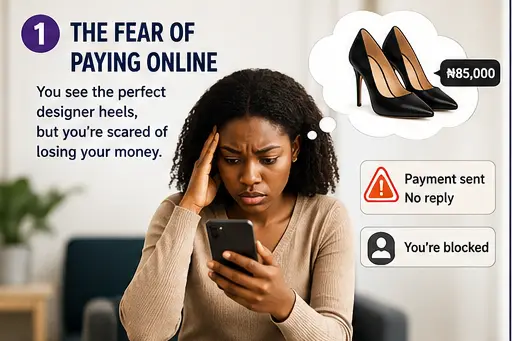
She found a Facebook Marketplace listing that seemed too good to pass up: a device selling for nearly ₦150,000 below the market rate, the price of the phone posted by a seller with a convincing profile and product photos was ₦380,000
The seller responded quickly, answered every question Adaeze asked, and even sent a video of the phone.
Eager to secure the deal before someone else did, she agreed to pay upfront via bank transfer; the seller insisted this was the only accepted payment method, citing "too many timewasters" as the reason for skipping delivery-on-payment options.
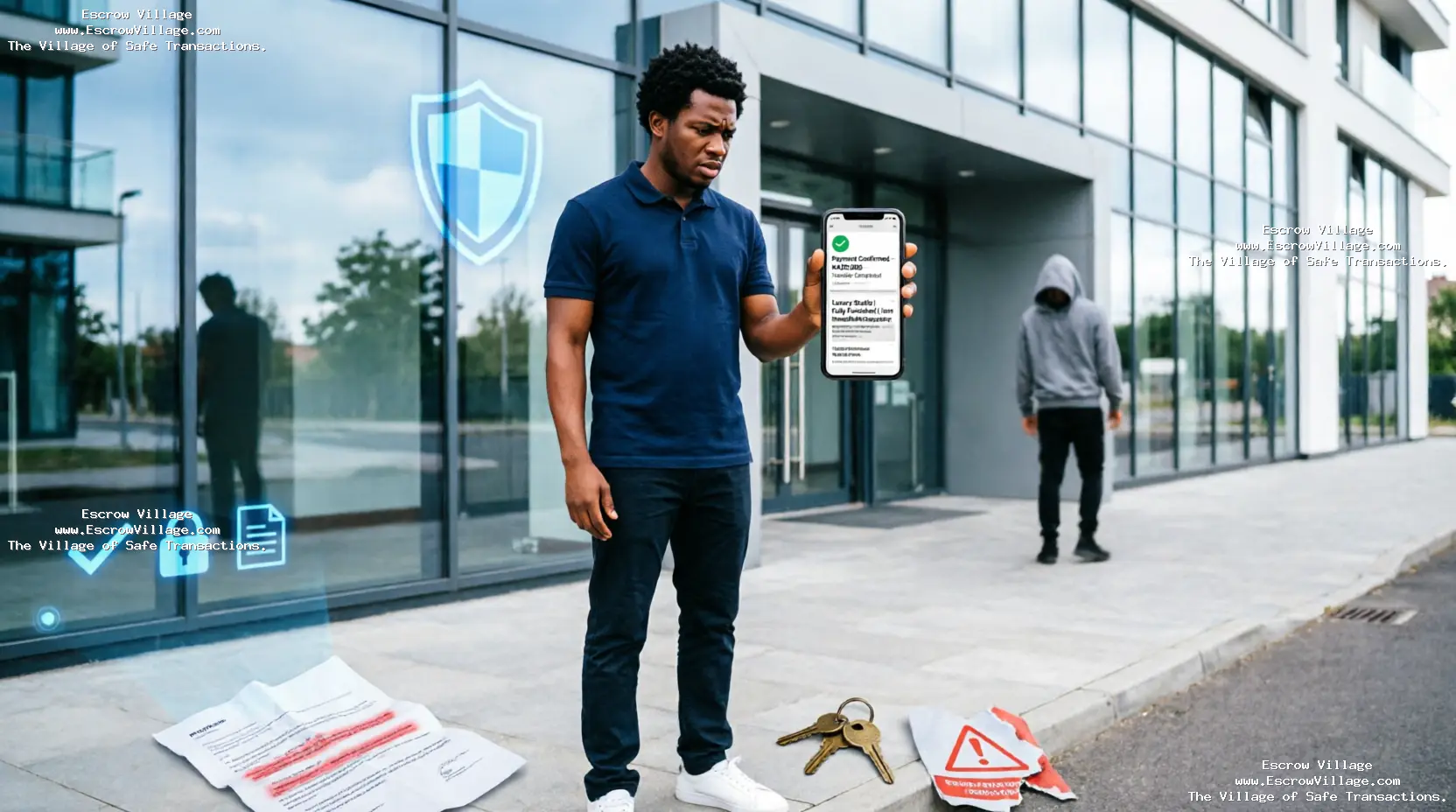
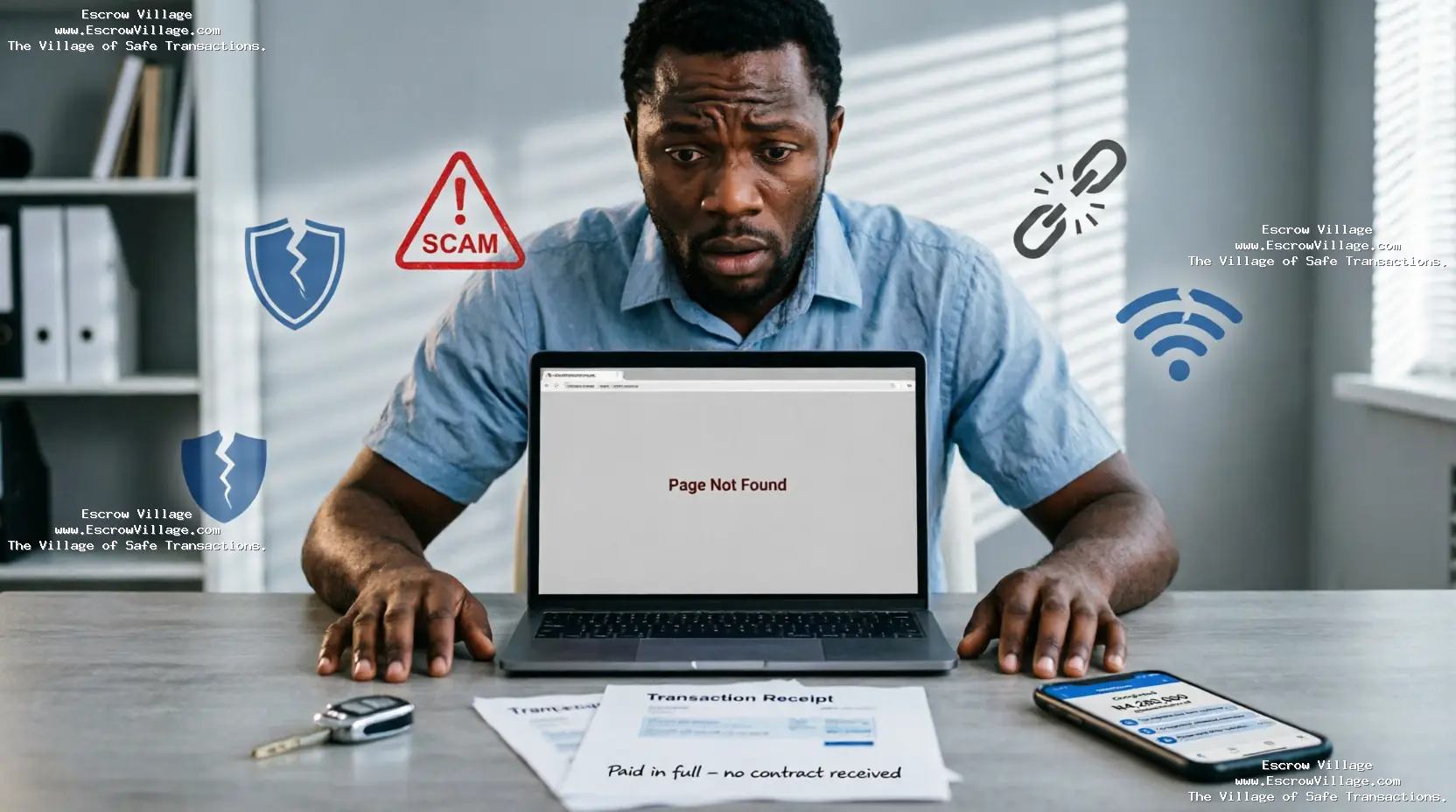
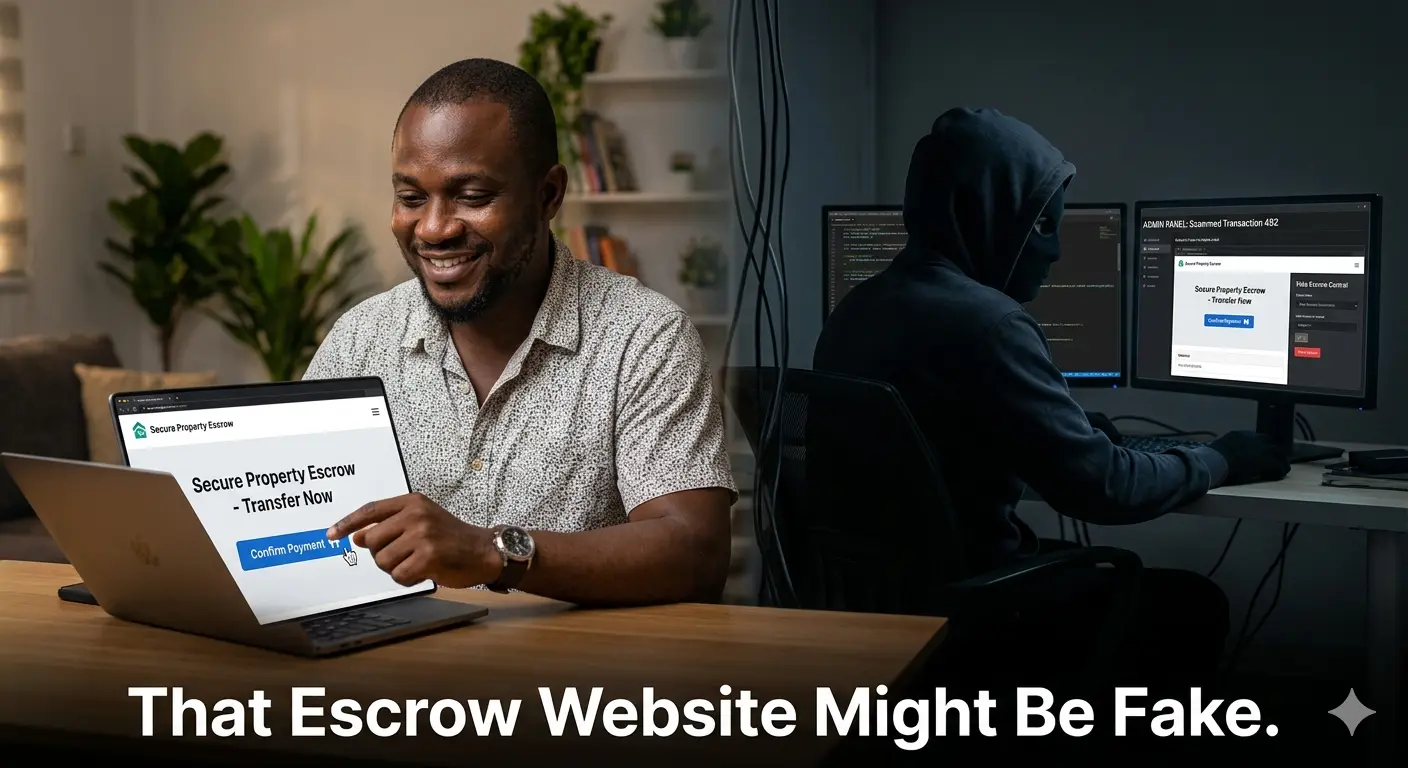
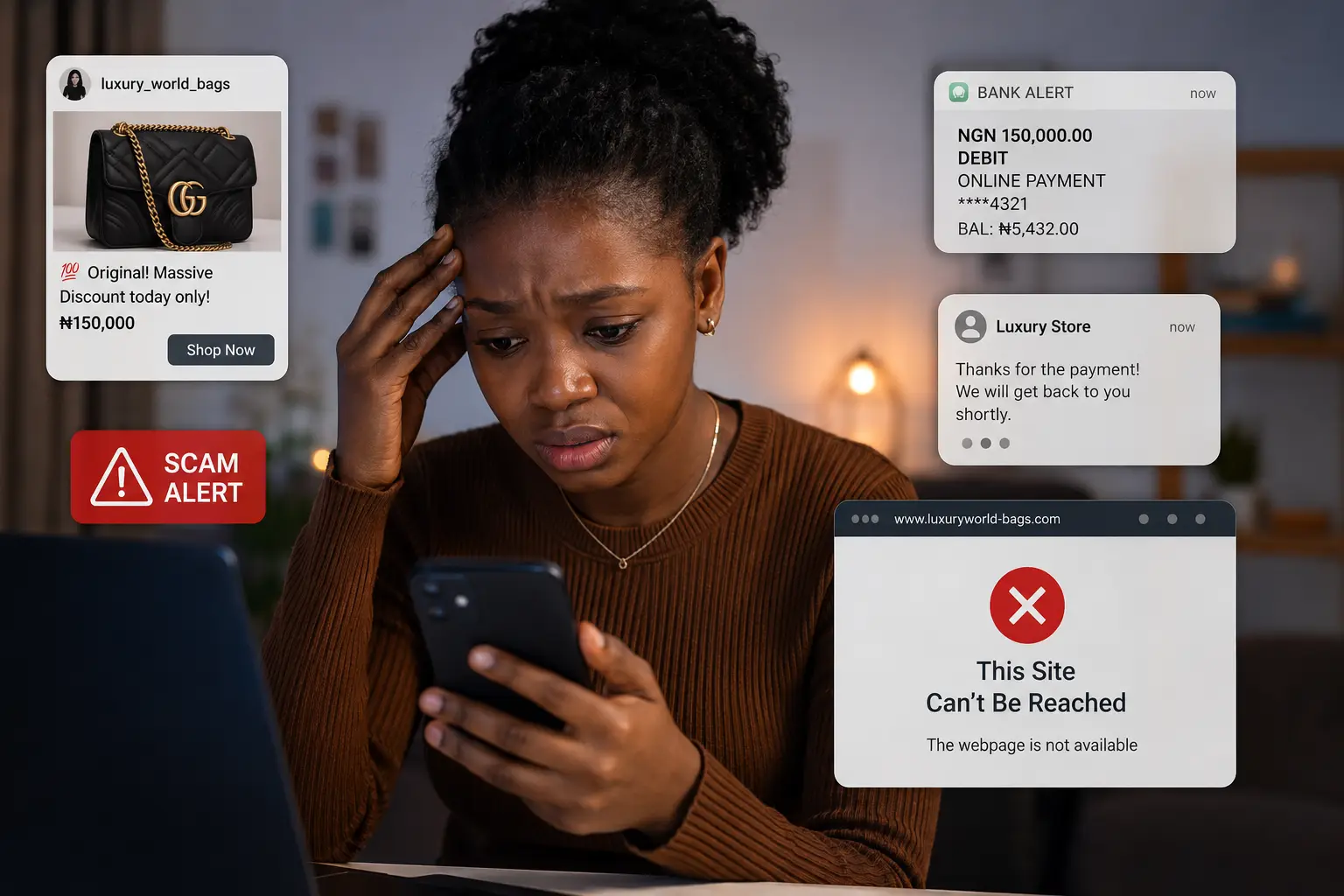
Once the transfer went through, communication slowed. The fake seller stopped responding to calls, then blocked her number entirely. The phone never arrived, and the account used for the transaction was deleted within 48 hours.
Beyond the ₦380,000 she lost, Adaeze faced the frustrating reality that most online fraud cases like hers rarely lead to recovered funds.
Reporting to her bank and the police brought little traction and other expenses, since the transaction was technically "authorised" by her own transfer.
Like many a scam victim, she was left absorbing both the financial loss and the emotional toll of the betrayal.
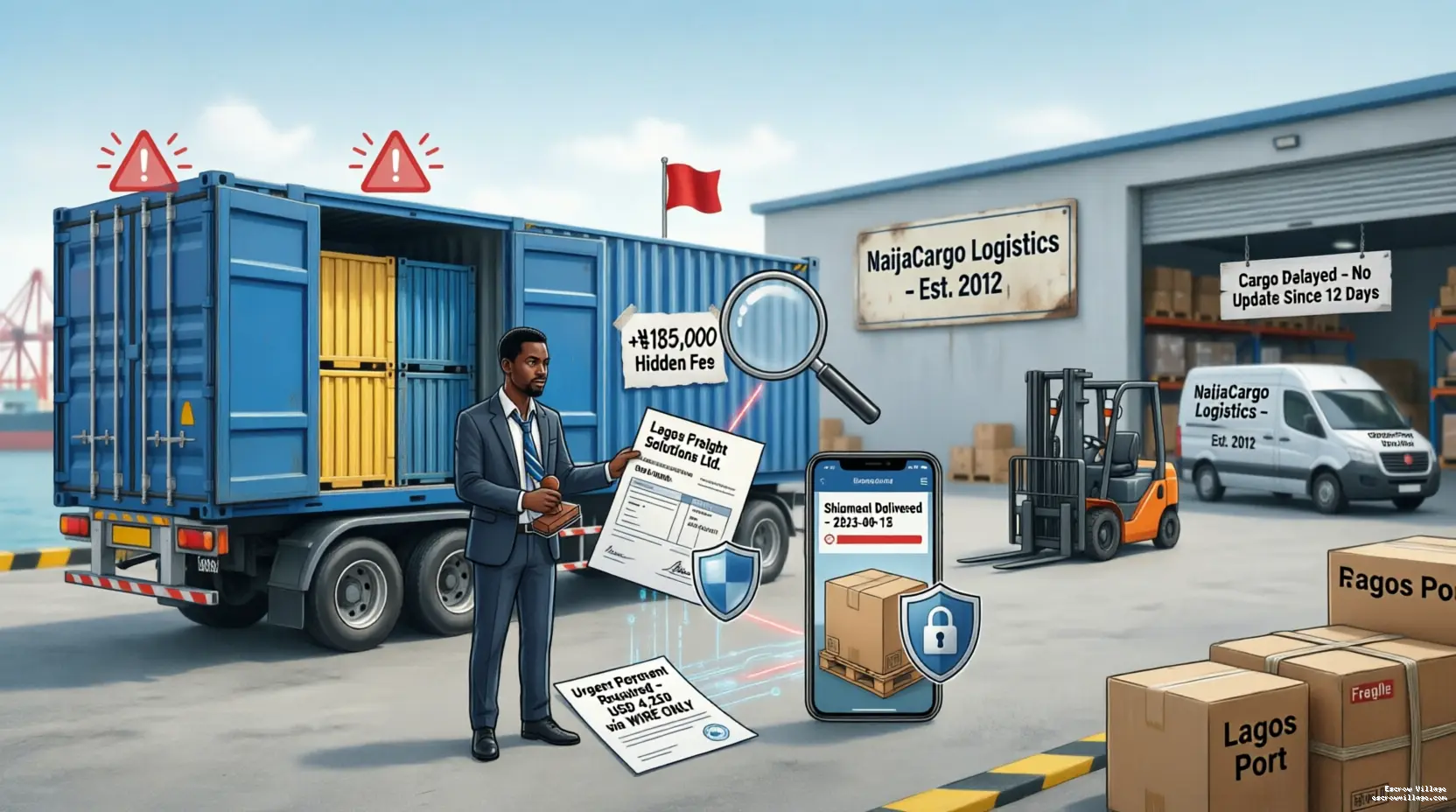
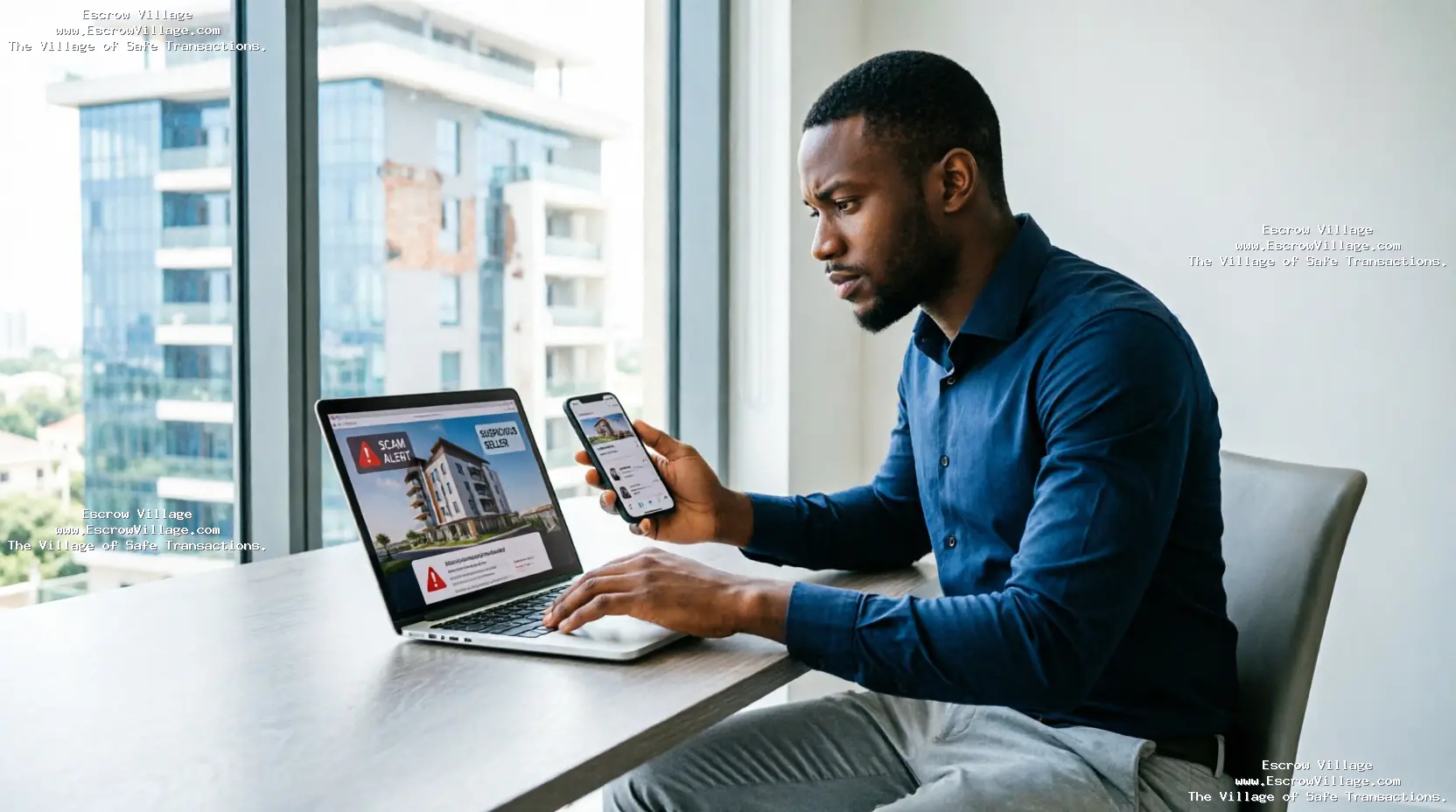
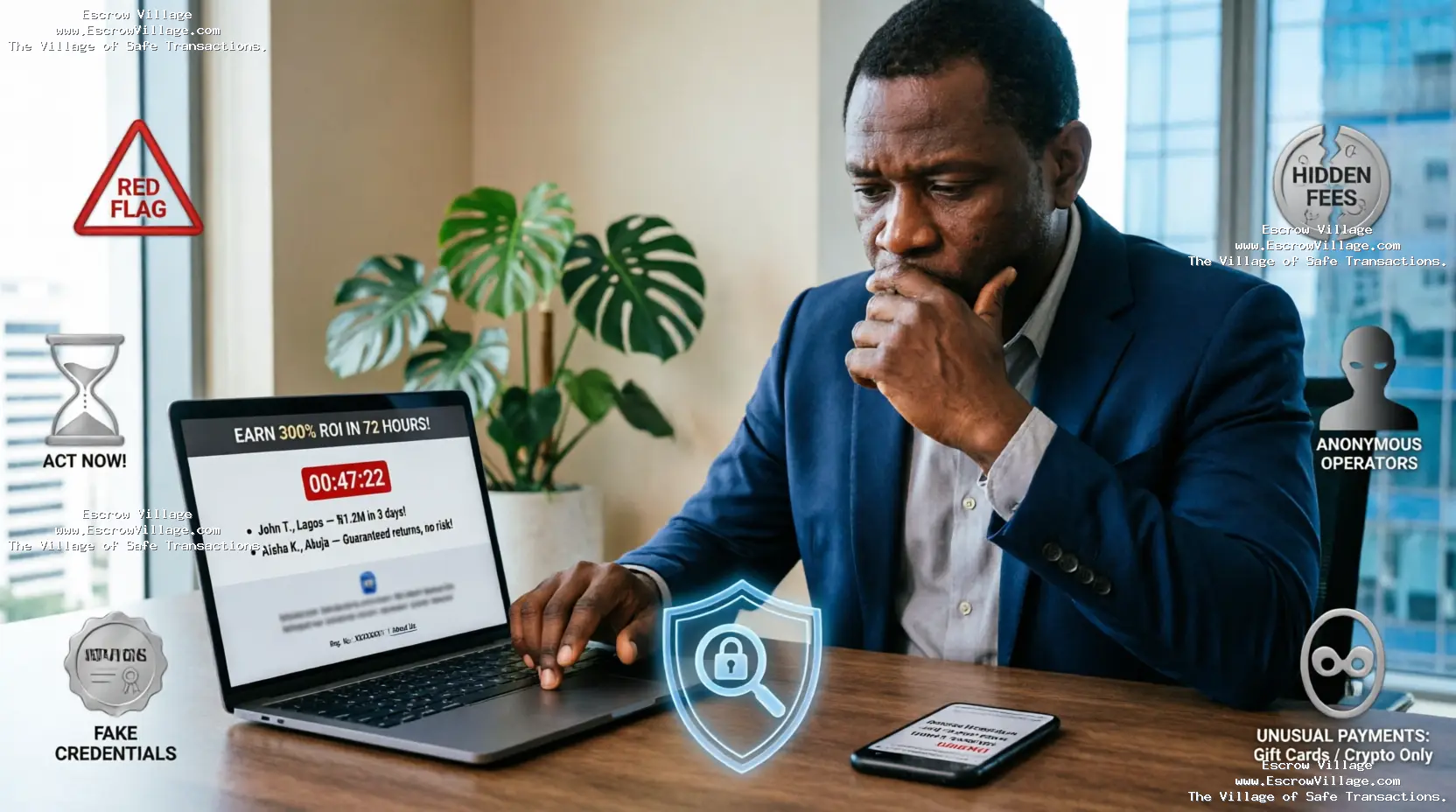
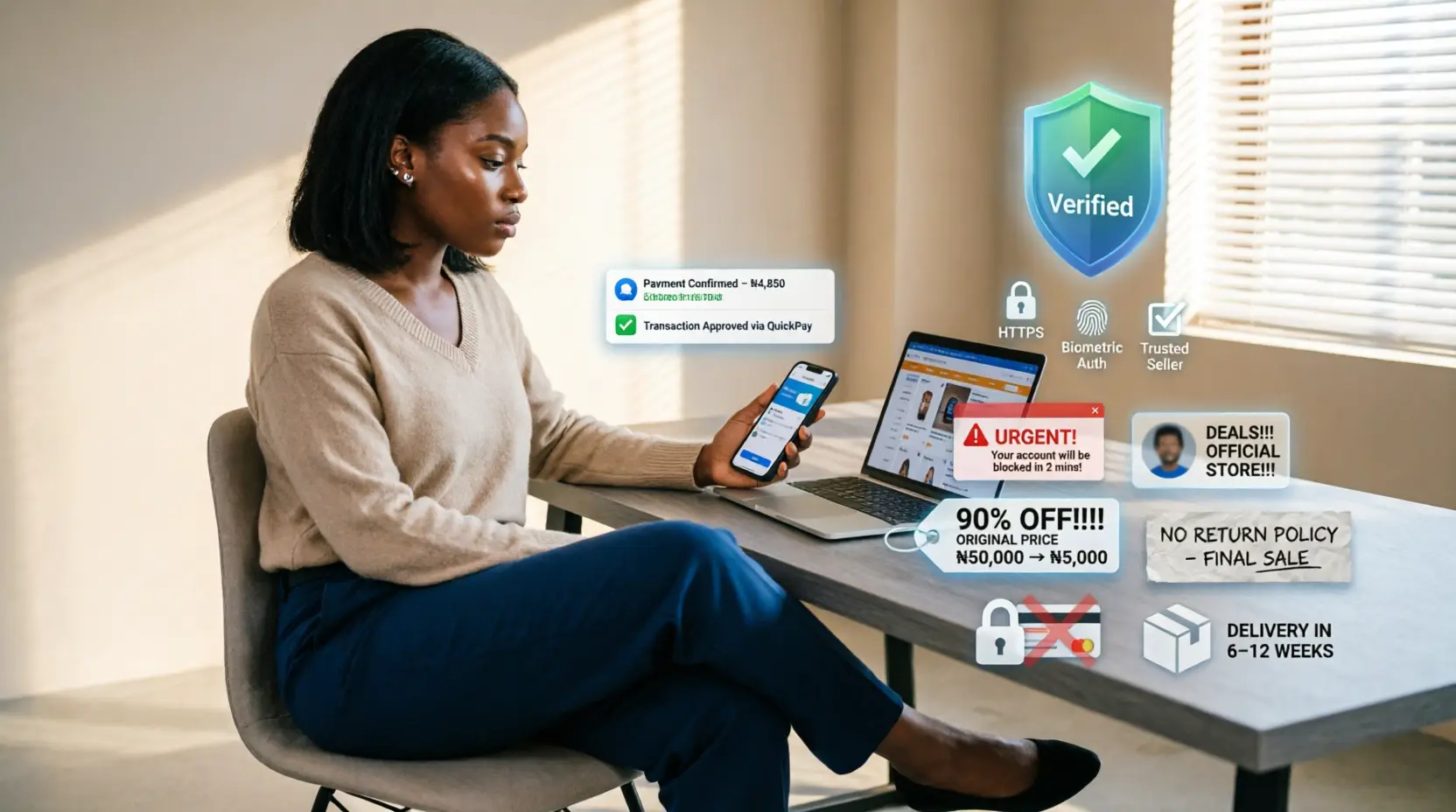
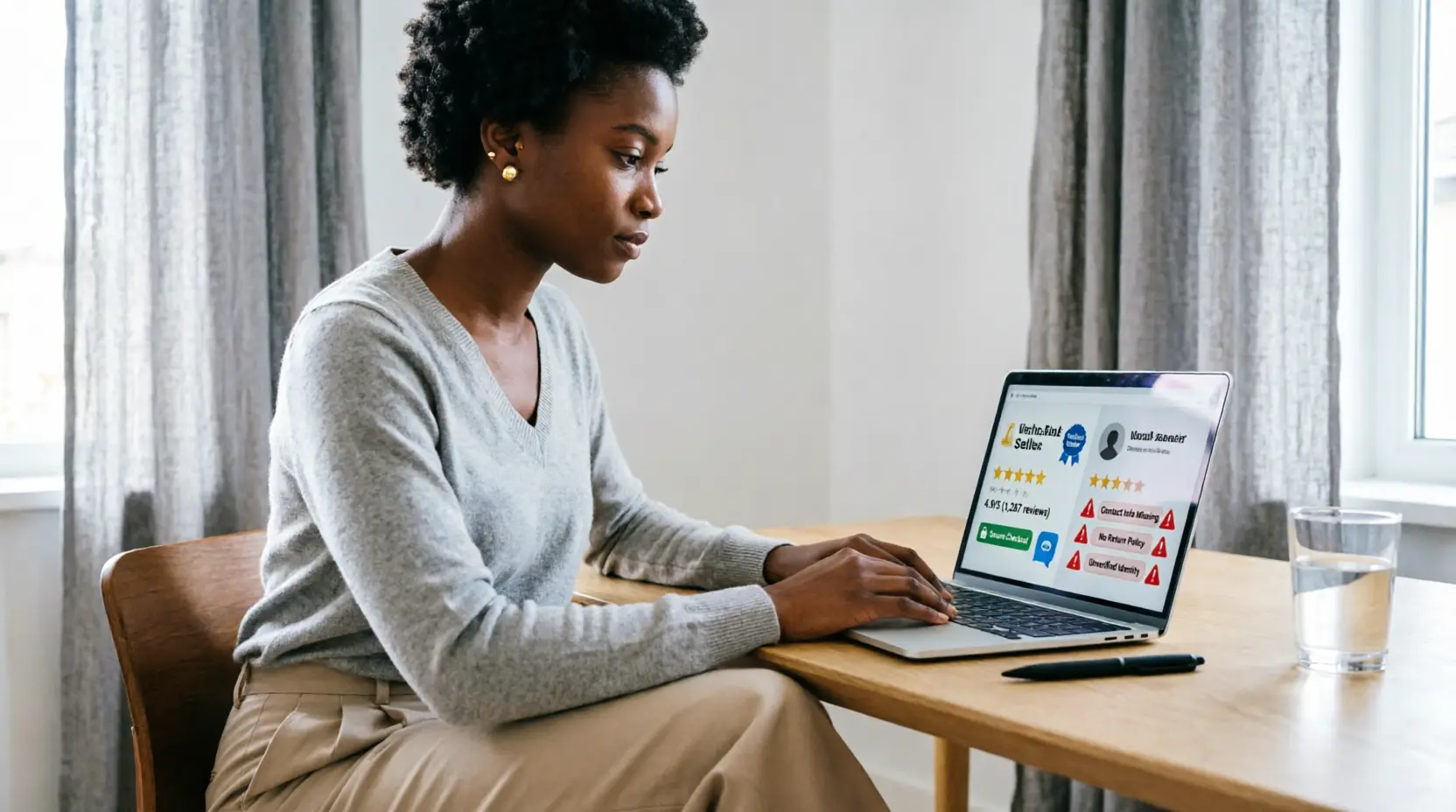
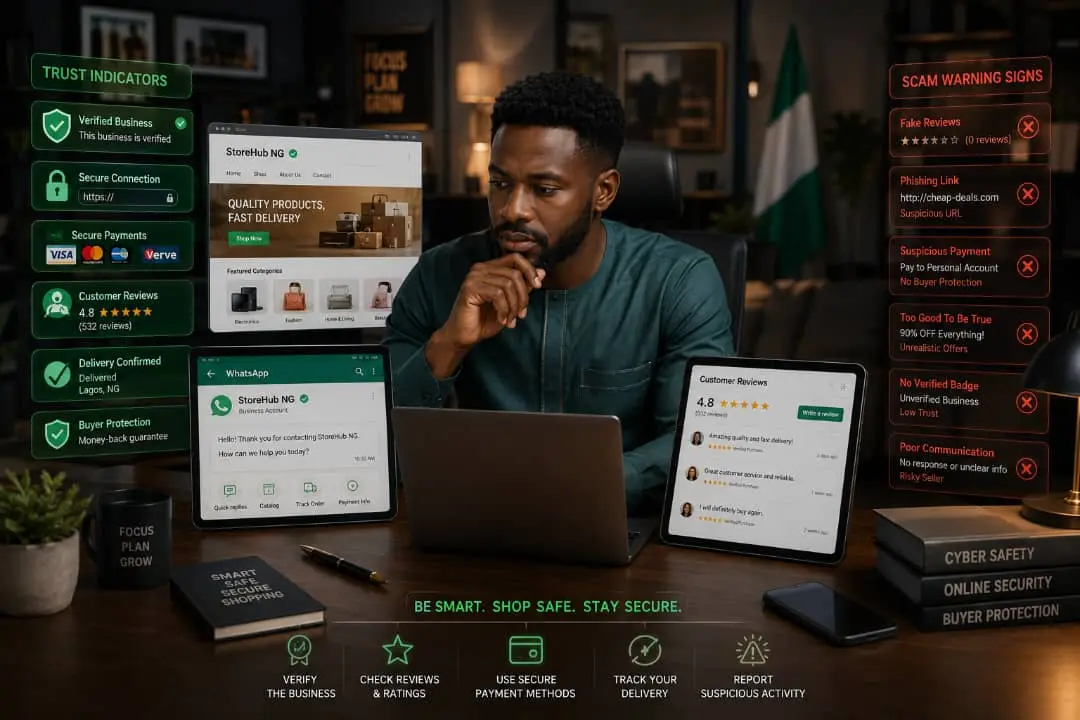
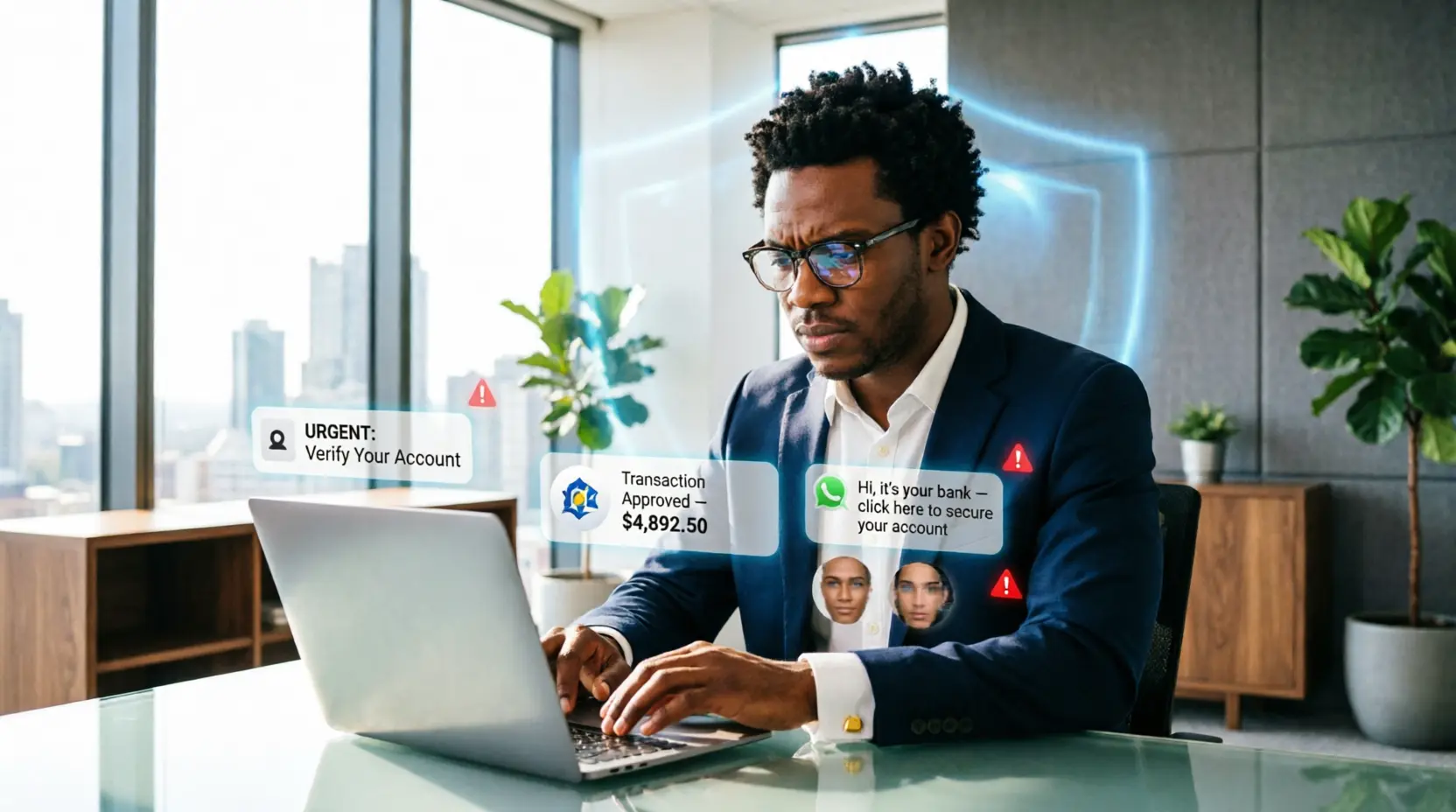
Looking back, several red flags were easy to miss in the moment:
- ● A price significantly below market value
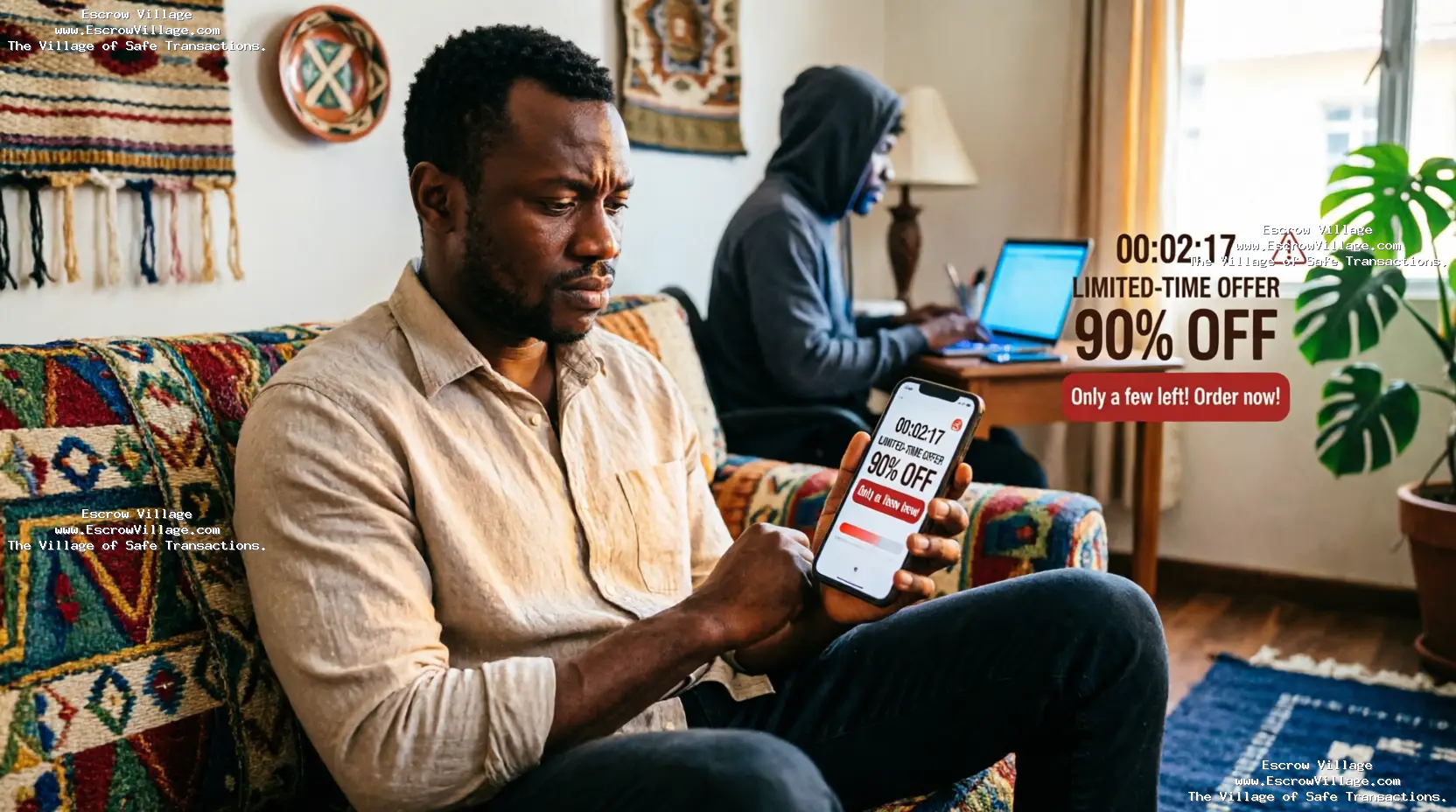
- ● Pressure to complete payment quickly, before "someone else buys it"
- ● Refusal to use any protected or verifiable payment method
- ● No storefront, reviews, or verifiable transaction history
- ● Communication that vanished immediately after payment
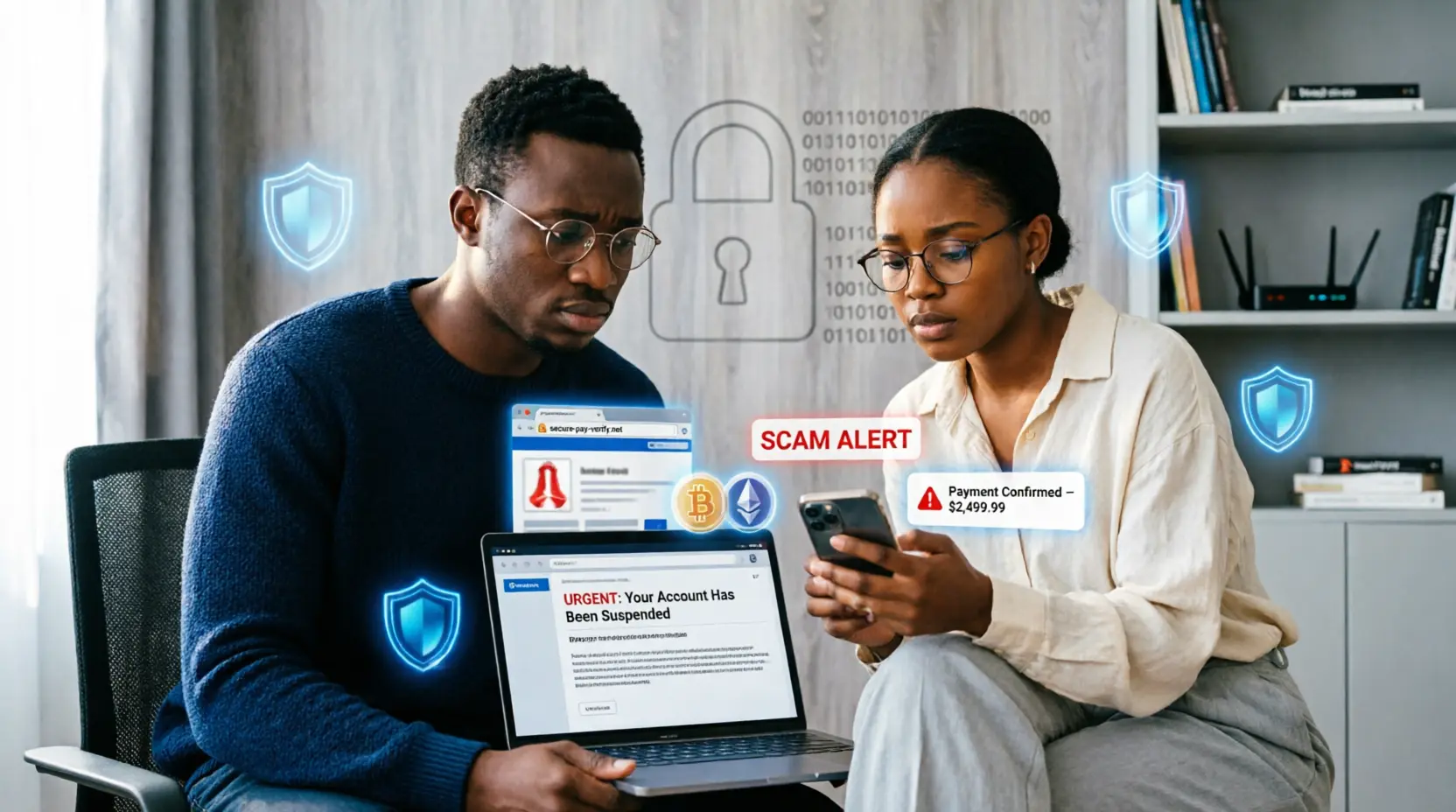
These signs are common across most fraud cases, but they're only obvious in hindsight, which is exactly why a structural safeguard, not just vigilance, is needed.
- What Went Wrong During the Transaction?
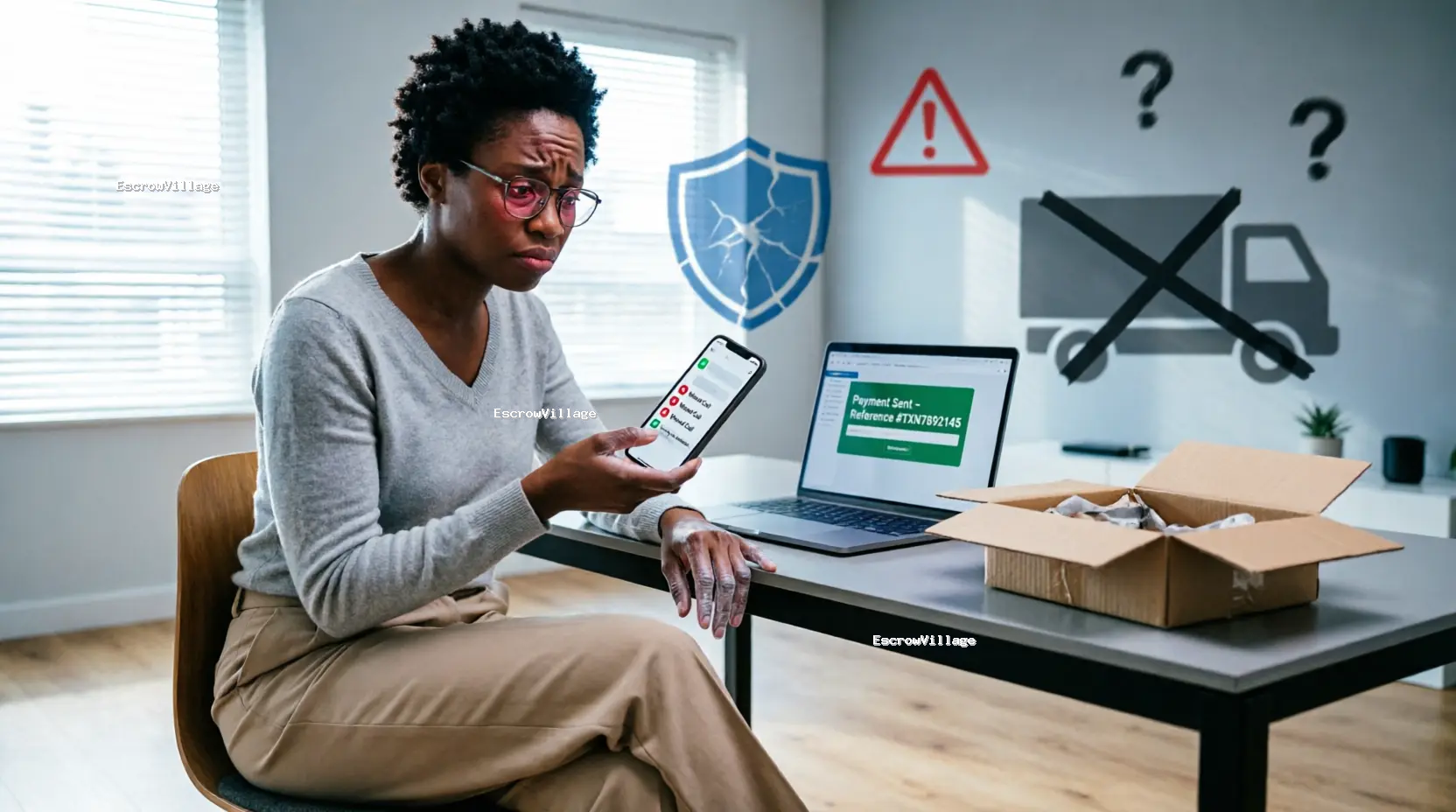
Adaeze's experience wasn't just bad luck; it was the result of several avoidable mistakes stacking on top of each other.
Breaking them down helps explain why this type of payment scam is so common and so preventable.- ● Lack of Verification
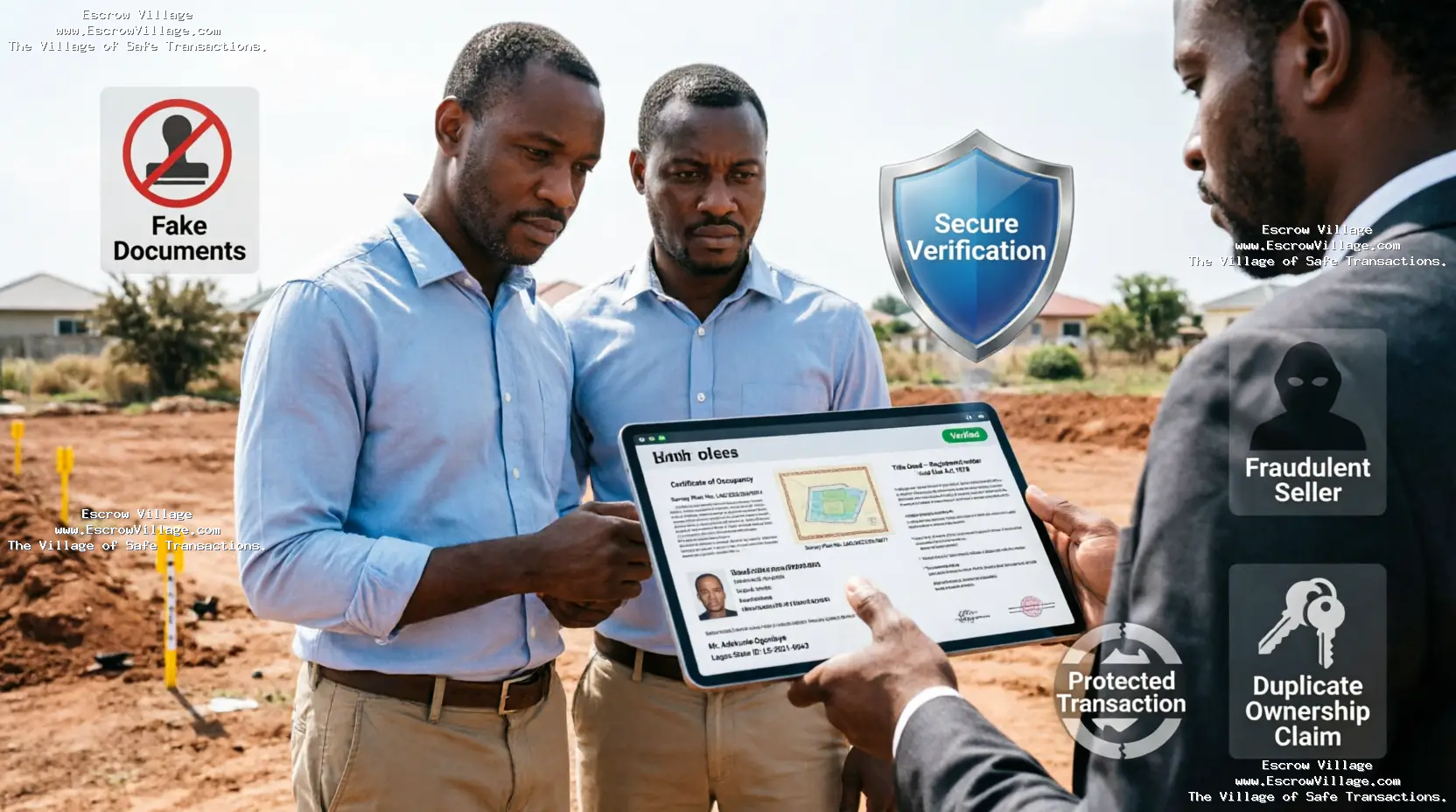
There was no way to confirm the phone even existed, let alone that it matched what was advertised.
Skipping verification is one of the most consistent scam warning signs across Nigerian online transactions.
Sellers who resist any form of accountability are rarely doing so for an innocent reason.
- ● Direct Payment Risks
The moment funds left her account, Adaeze had no mechanism to reverse the payment, hold the seller accountable, or trigger any kind of dispute process.
This is the core transaction risk built into upfront, unprotected payments: money moves in one direction, with no built-in checkpoint to confirm that the goods were ever delivered as promised.
- ● Communication Failures
The abrupt silence, blocked number, and deleted account were not random; they were the natural endpoint of a transaction designed to extract payment and vanish.
This pattern of online payment fraud relies specifically on communication collapsing only after money has already changed hands, when it's too late for the buyer to act.
Together, these failures show that this wasn't simply a case of Adaeze being careless, it was a transaction structurally designed to fail her, with no safeguard in place to catch the fall.
- How Escrow Could Have Prevented the Scam
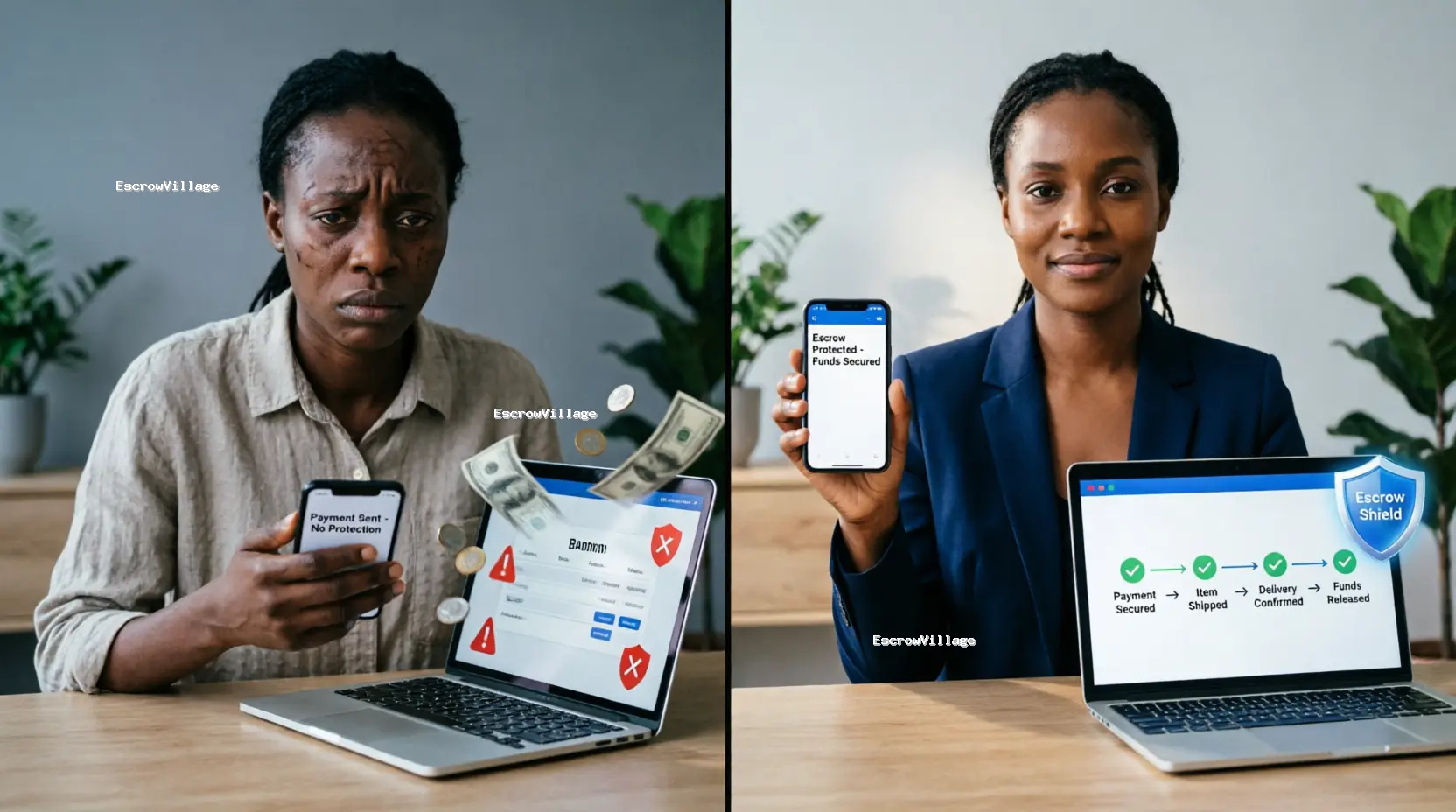
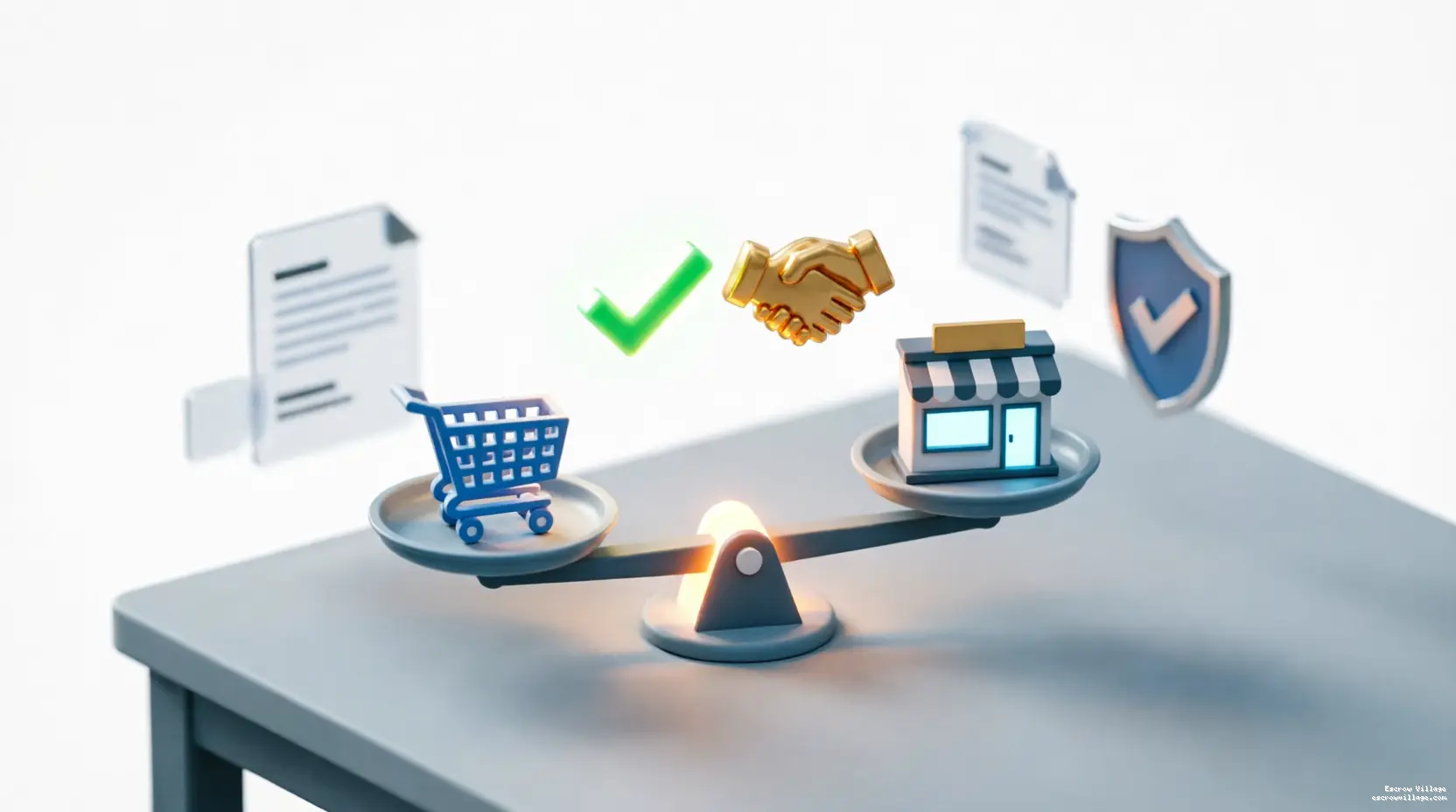
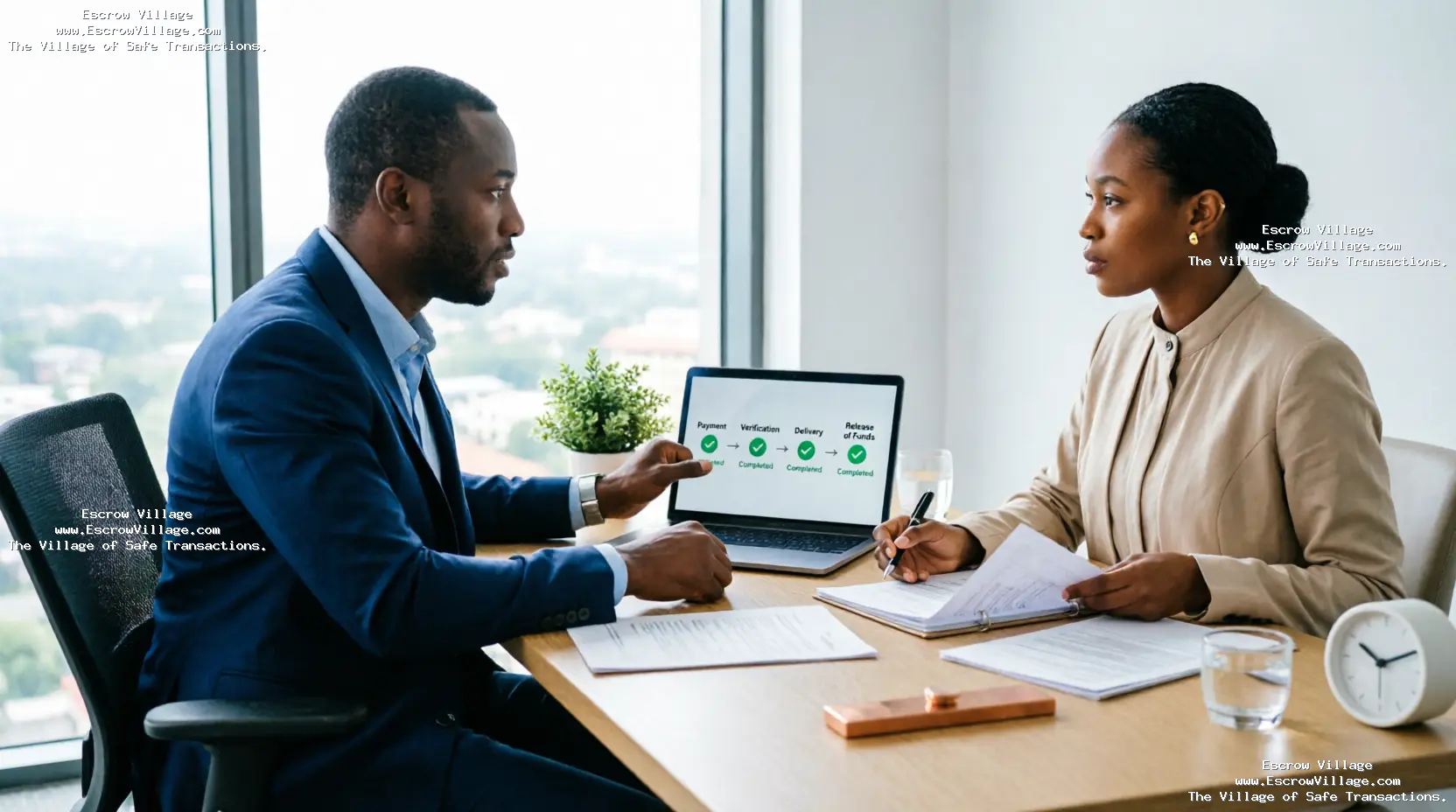
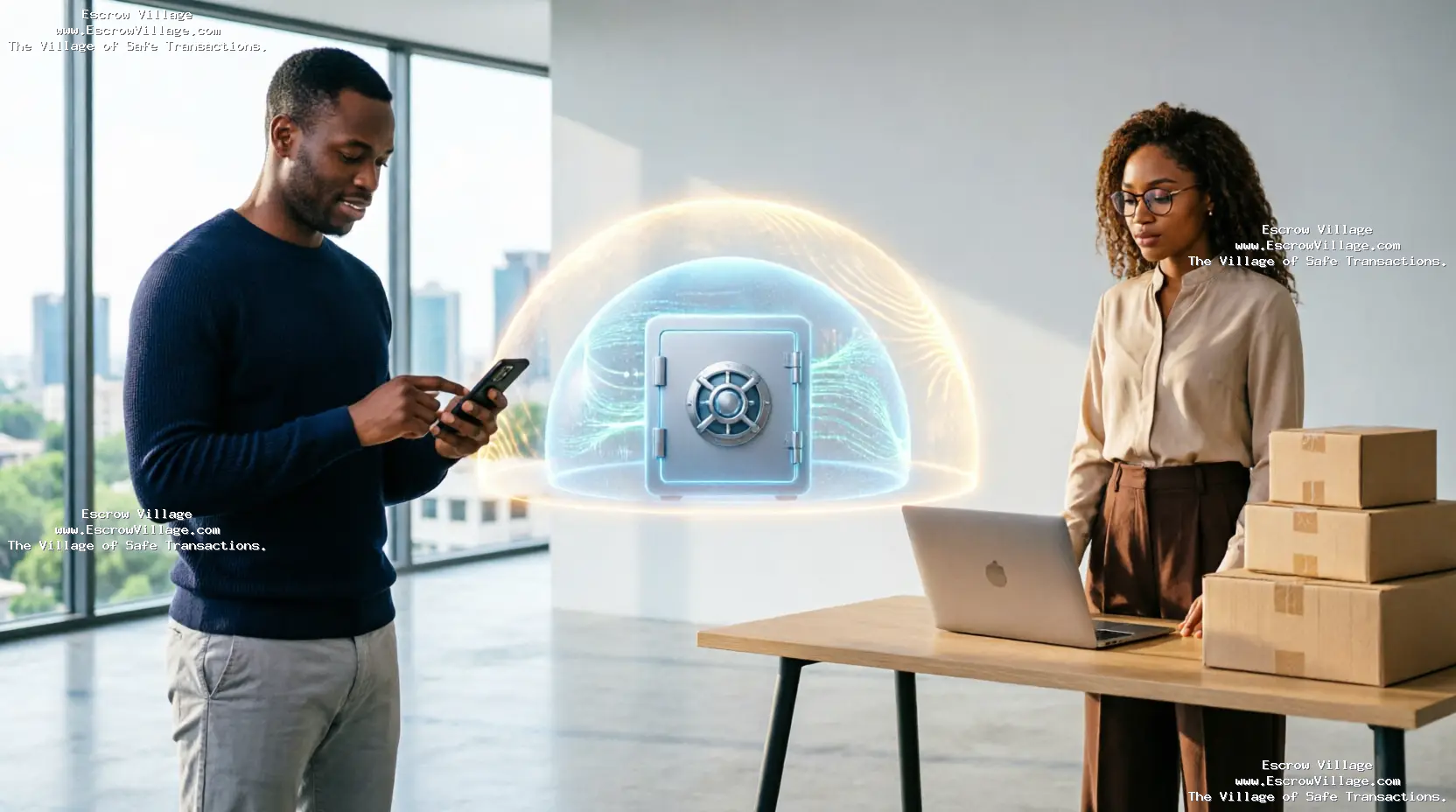
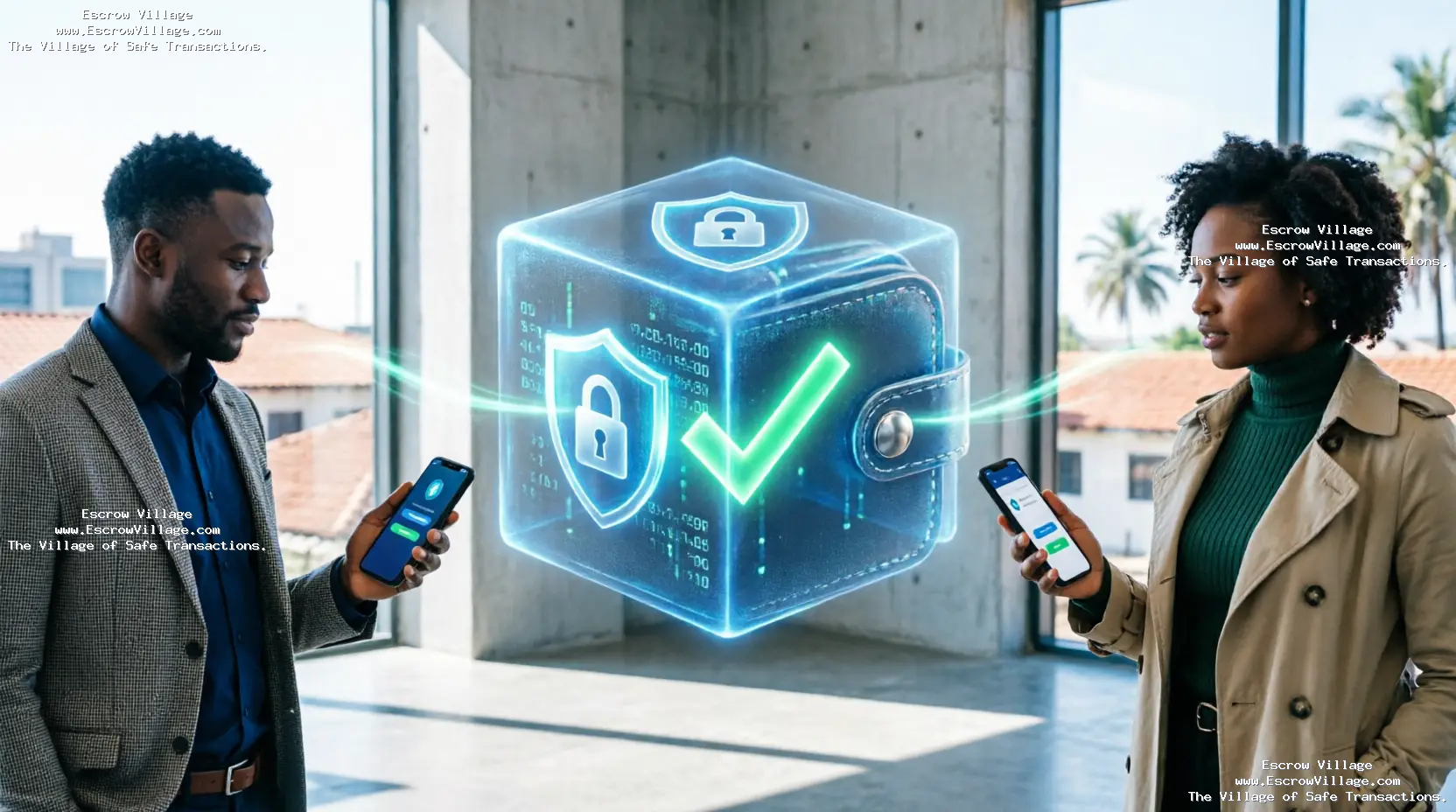
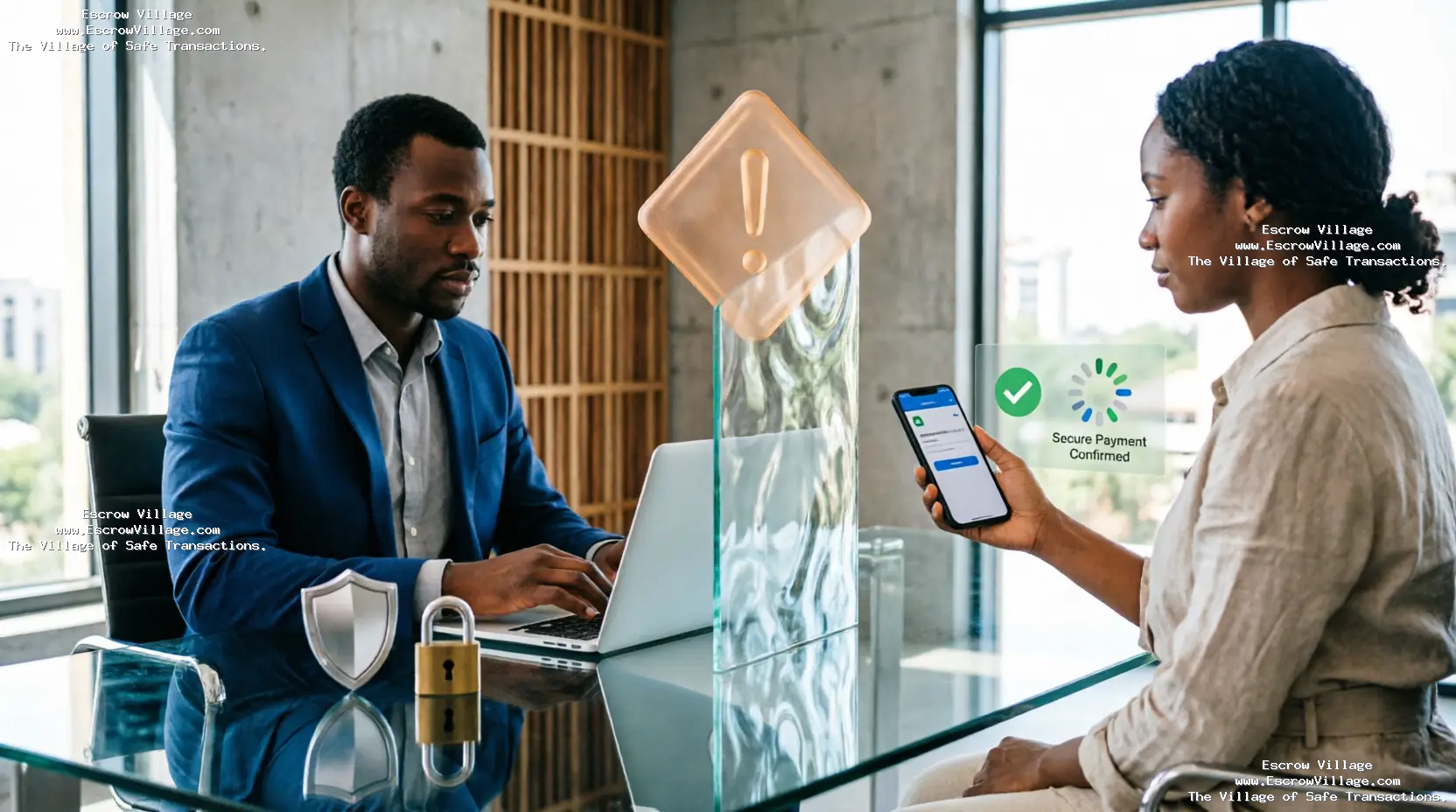
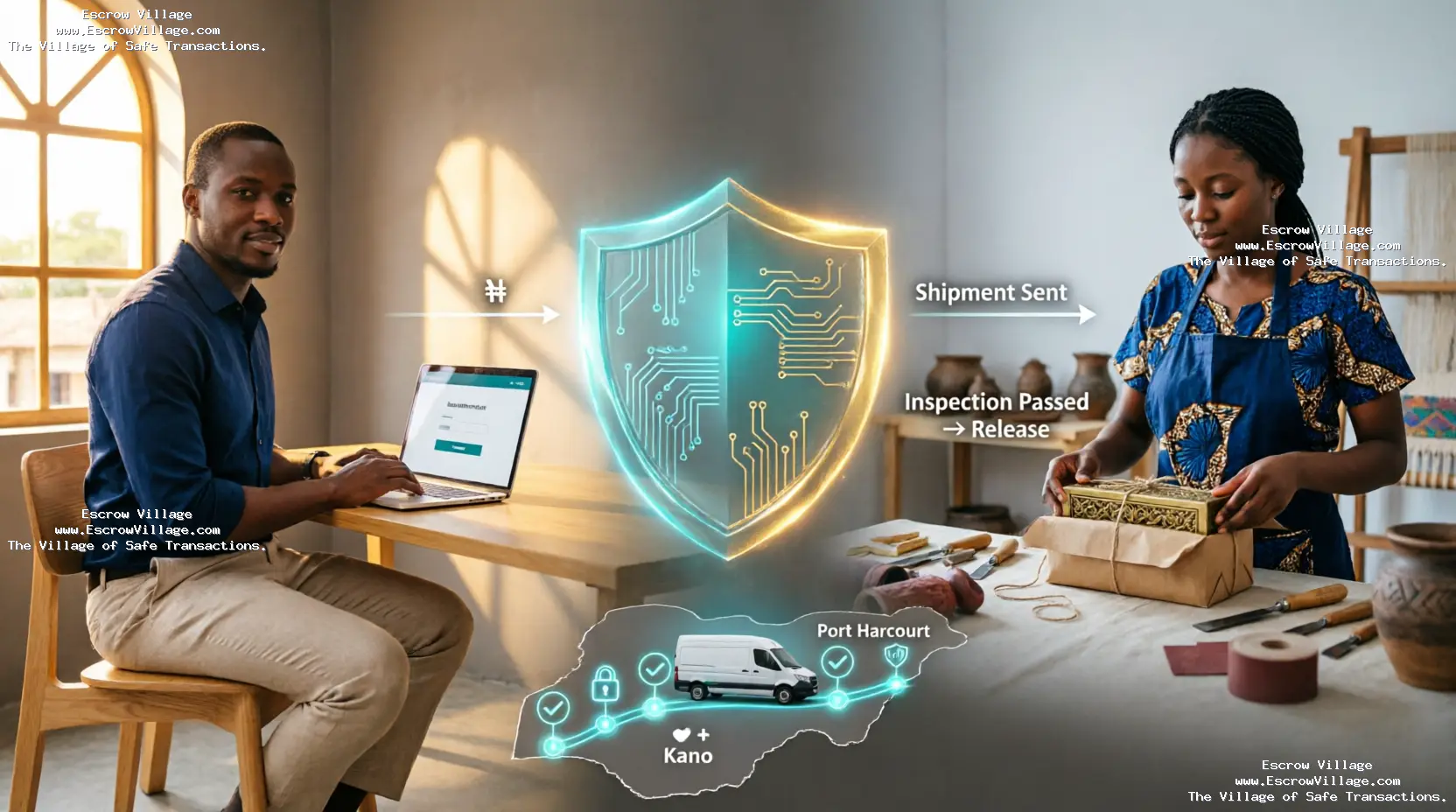
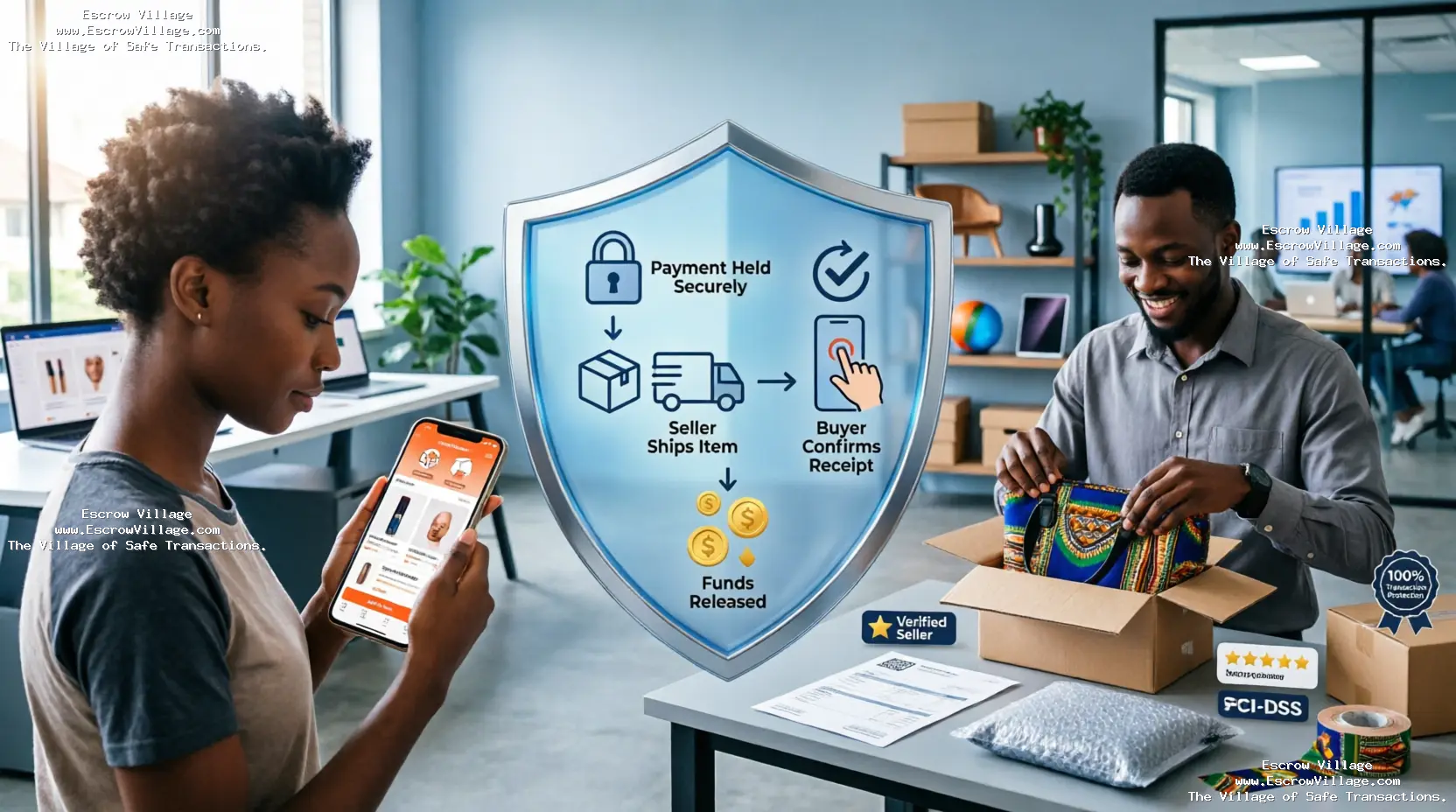
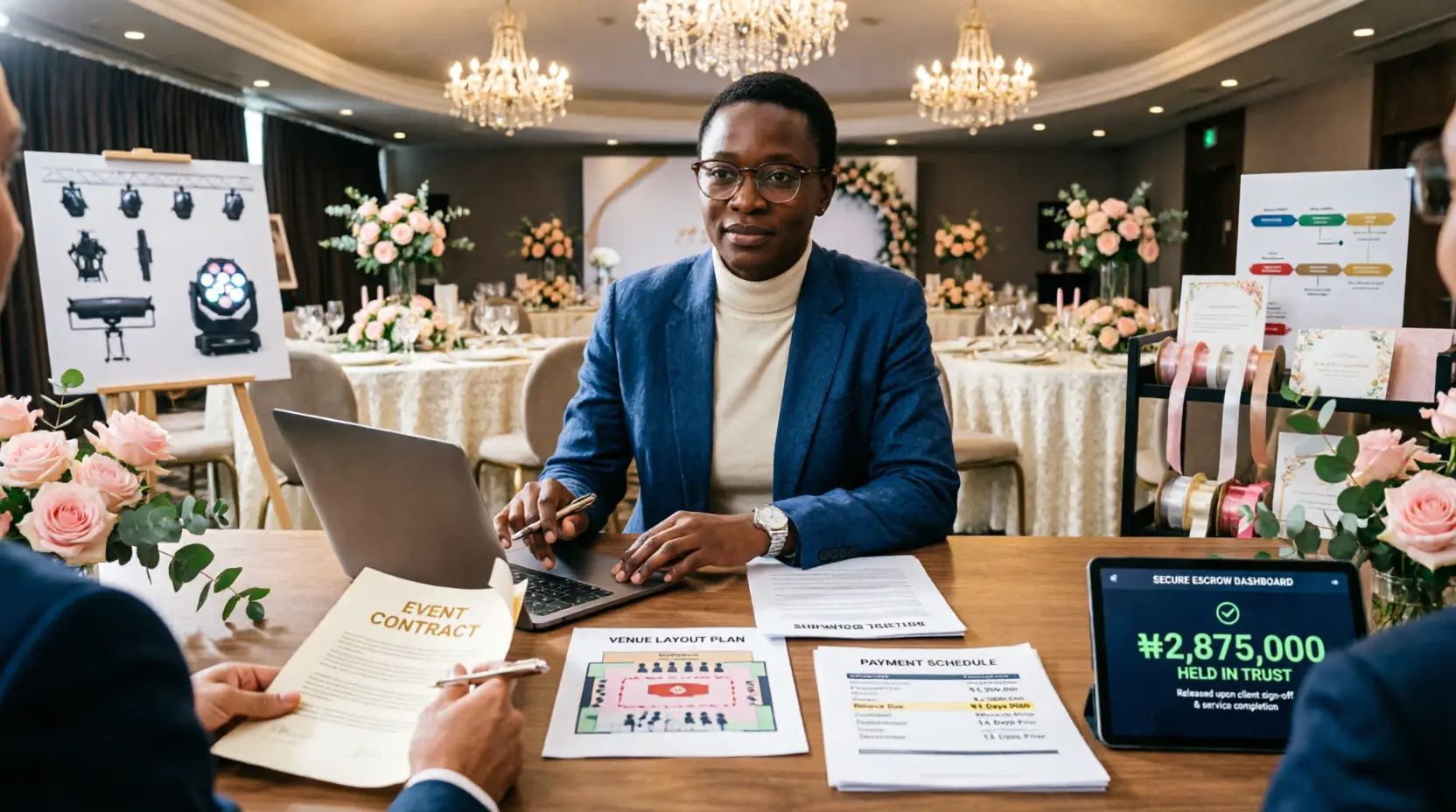
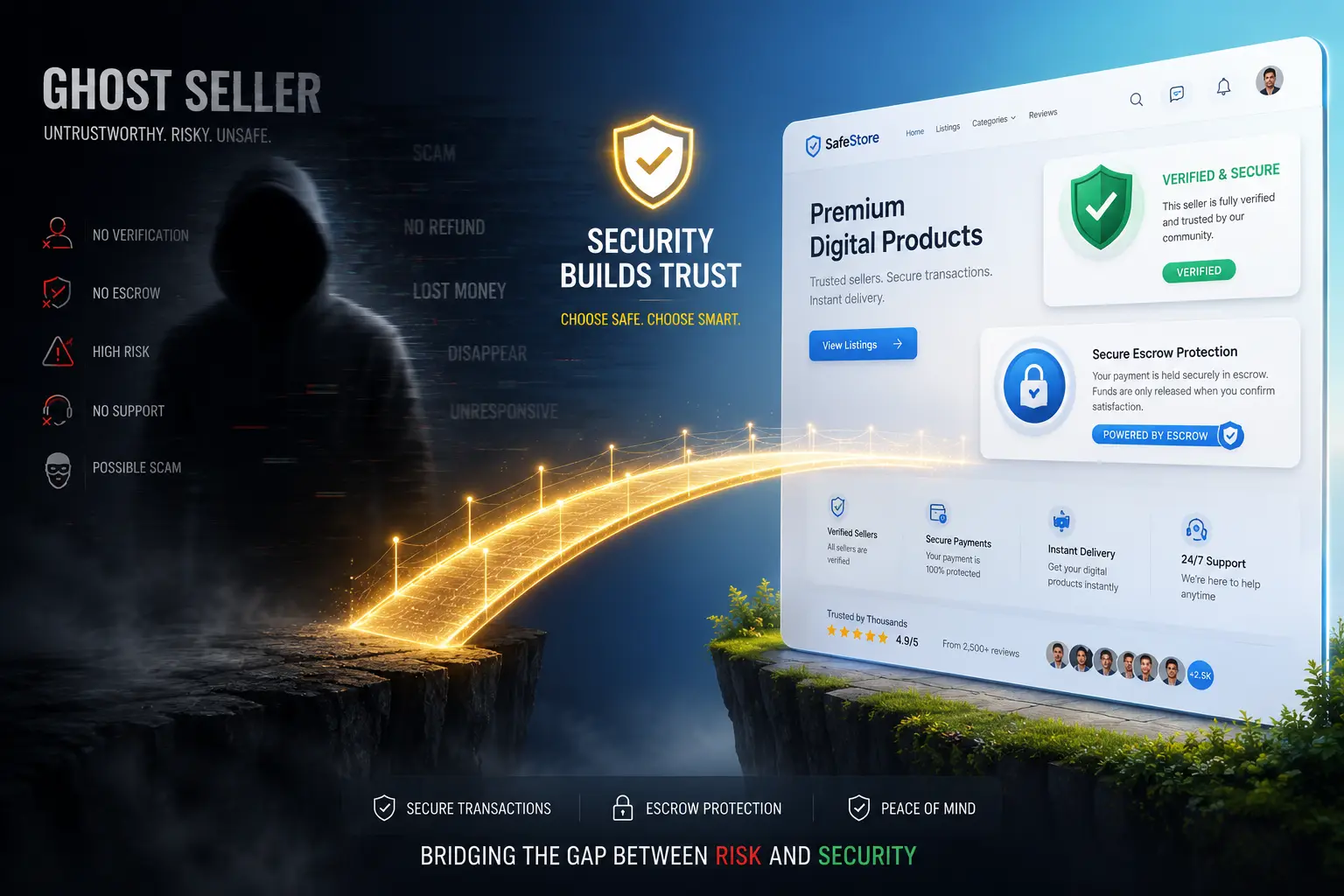
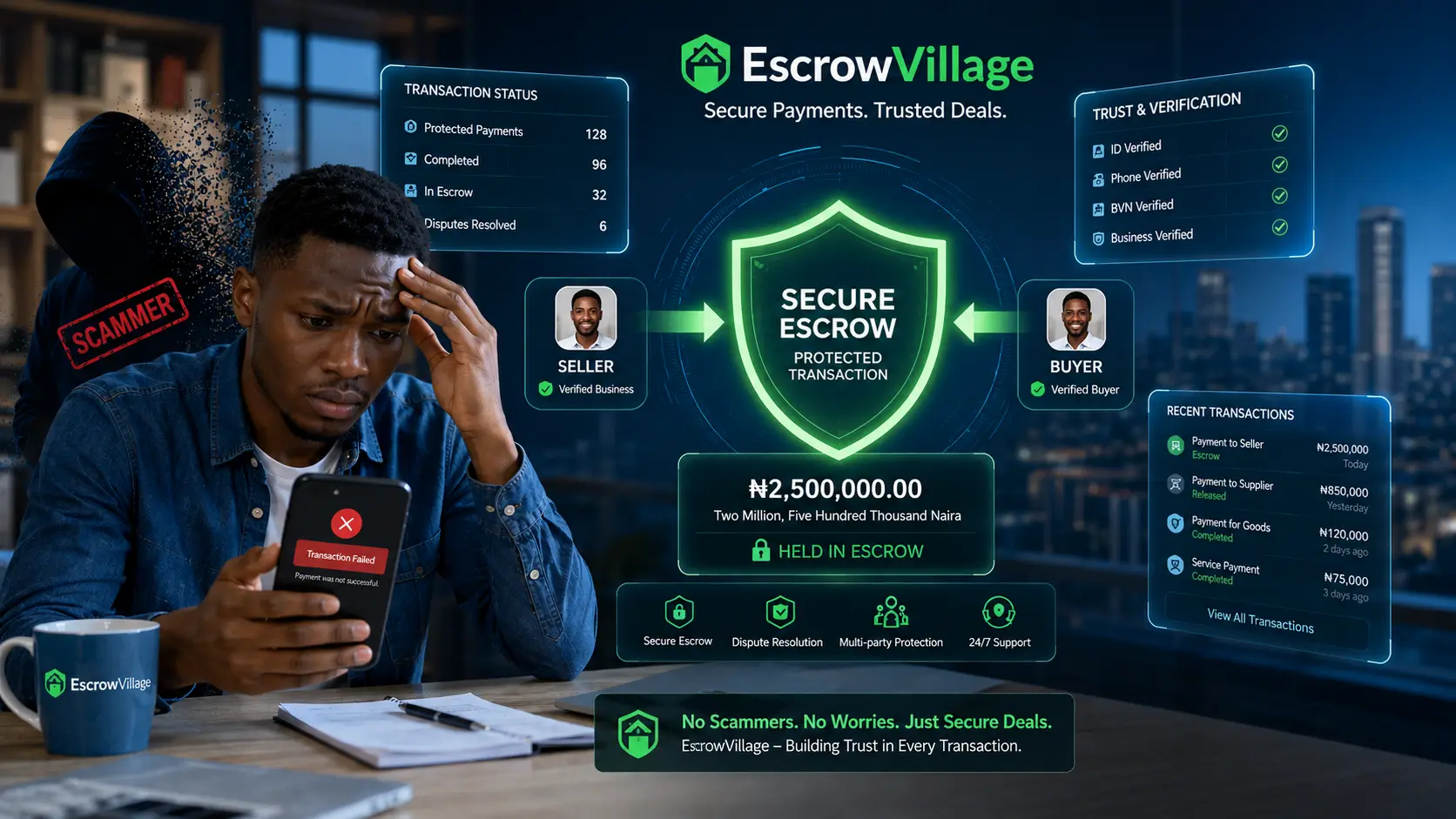
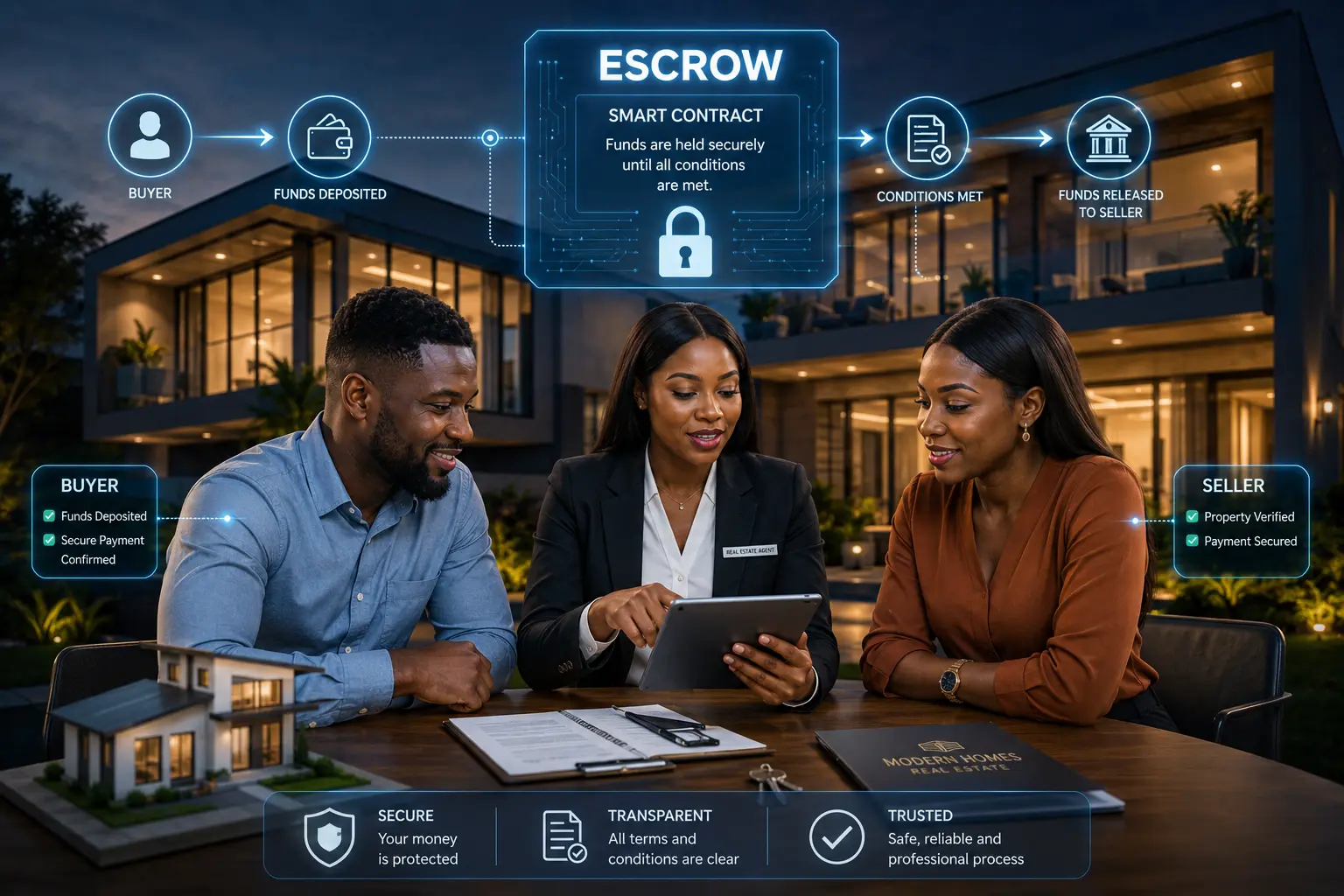
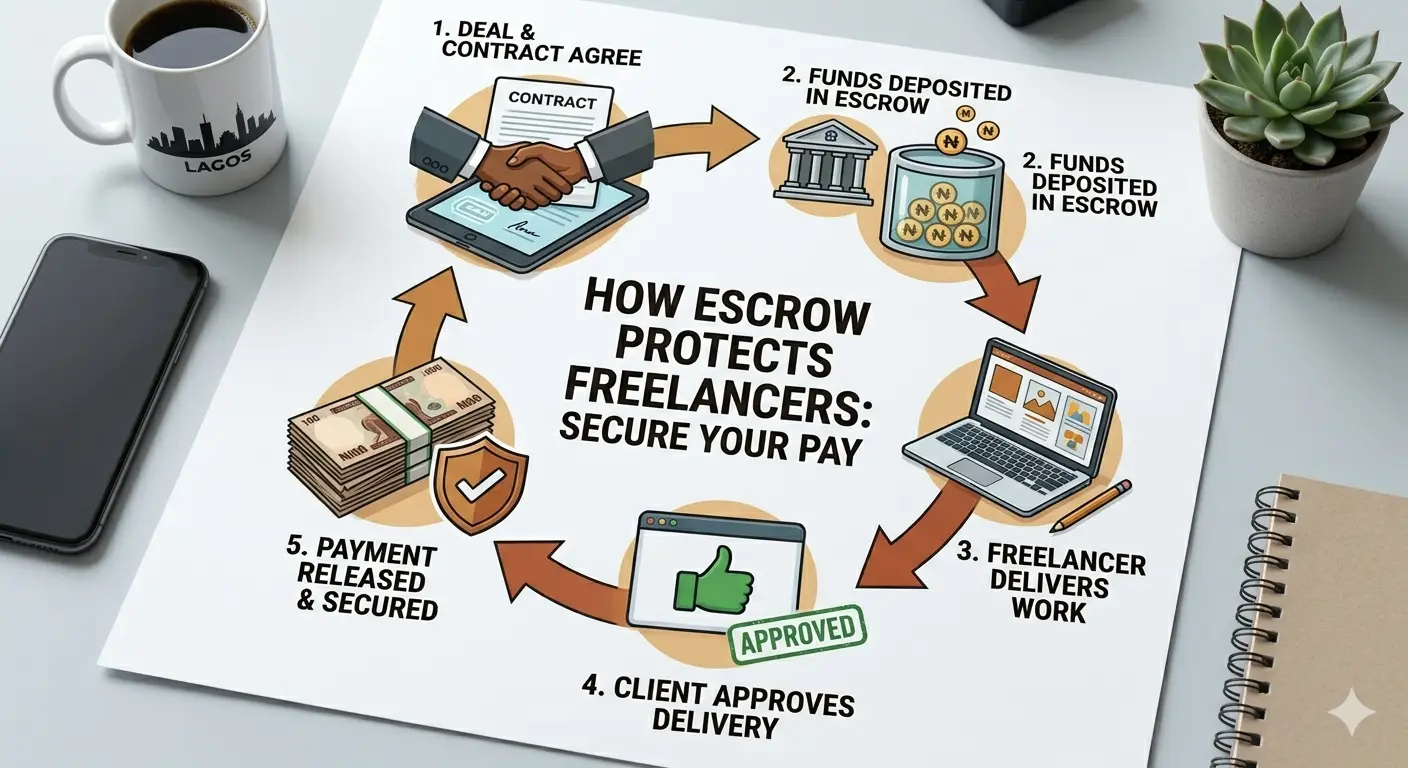
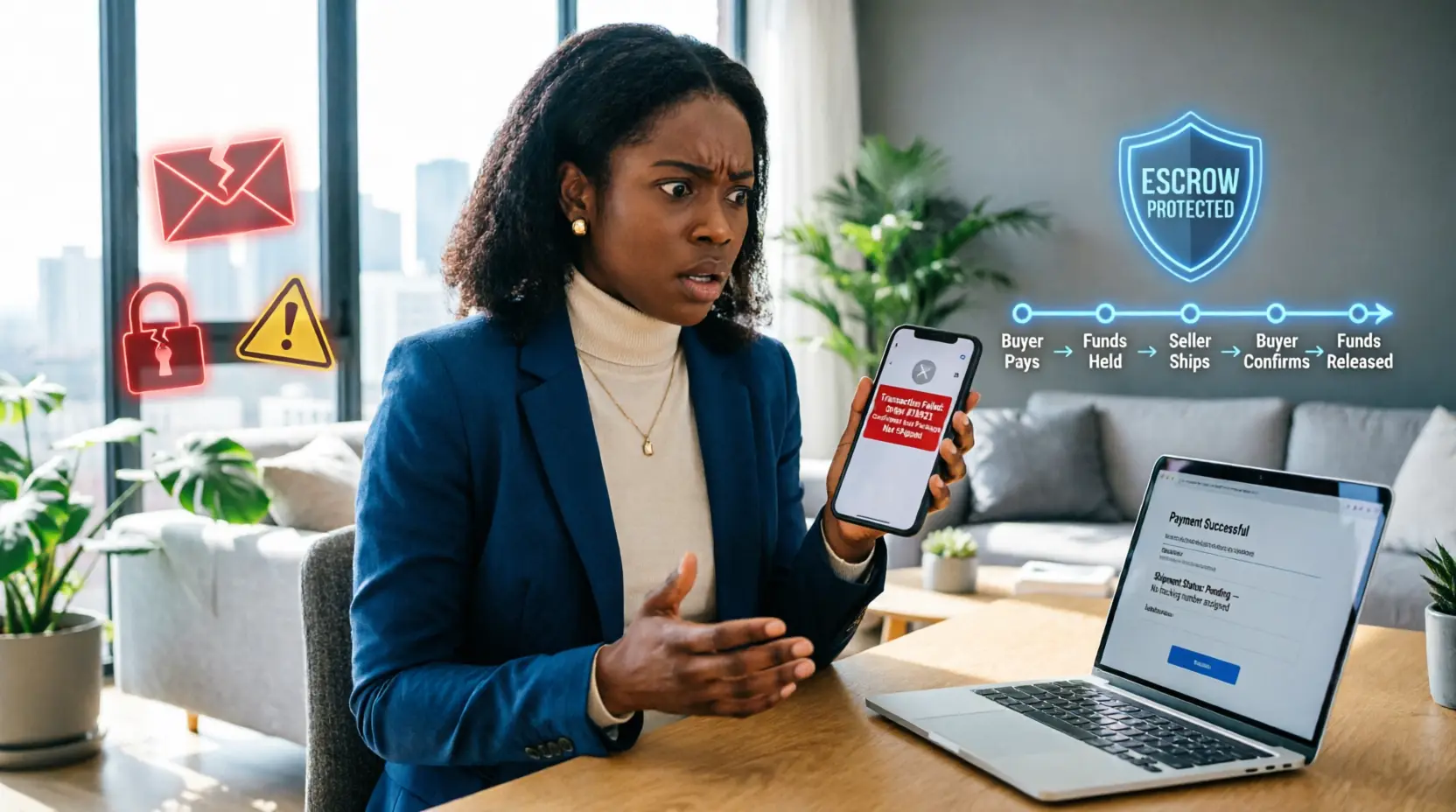
Had Adaeze used an escrow service for this transaction, the entire outcome would have looked different, not because escrow eliminates scammers, but because it removes their ability to profit from disappearing.
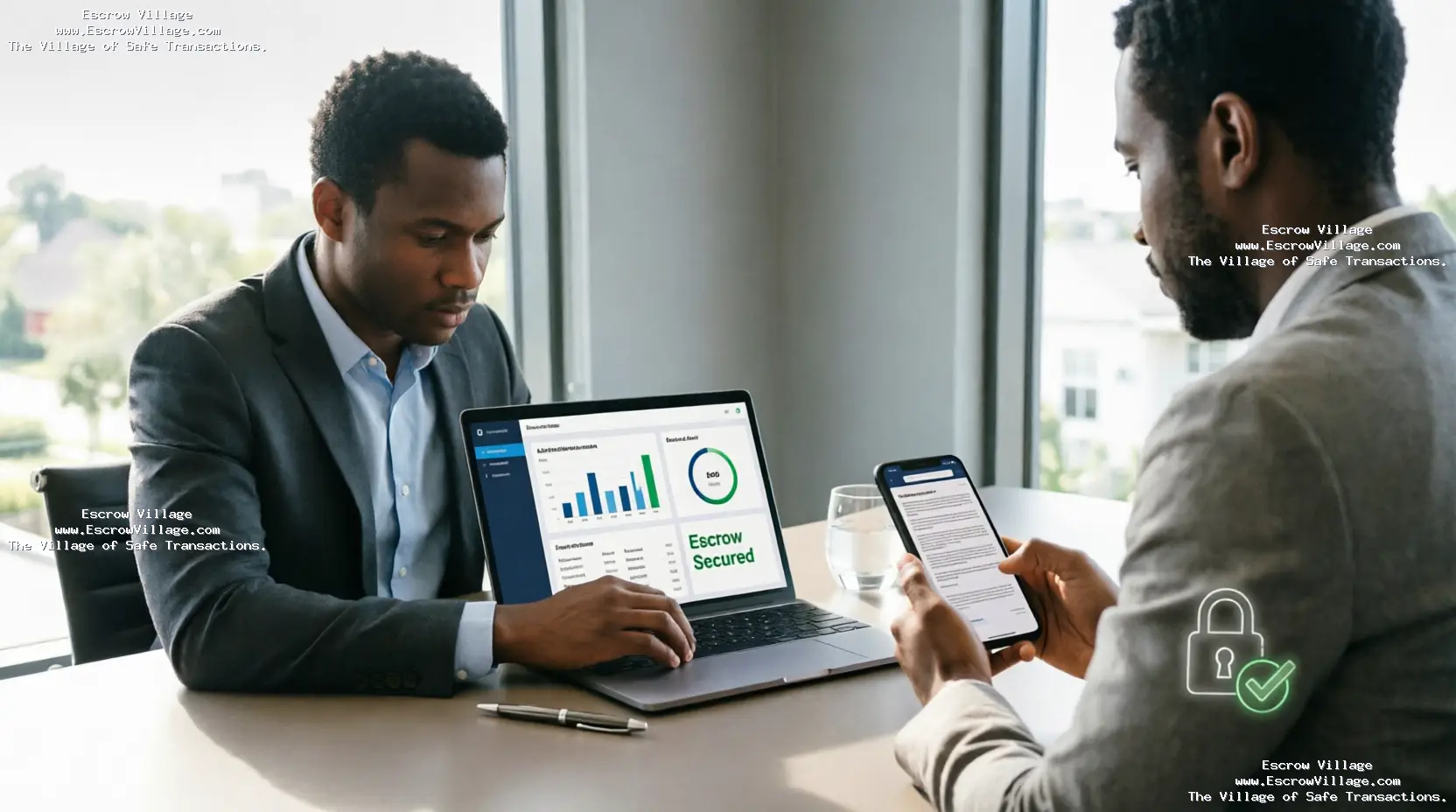
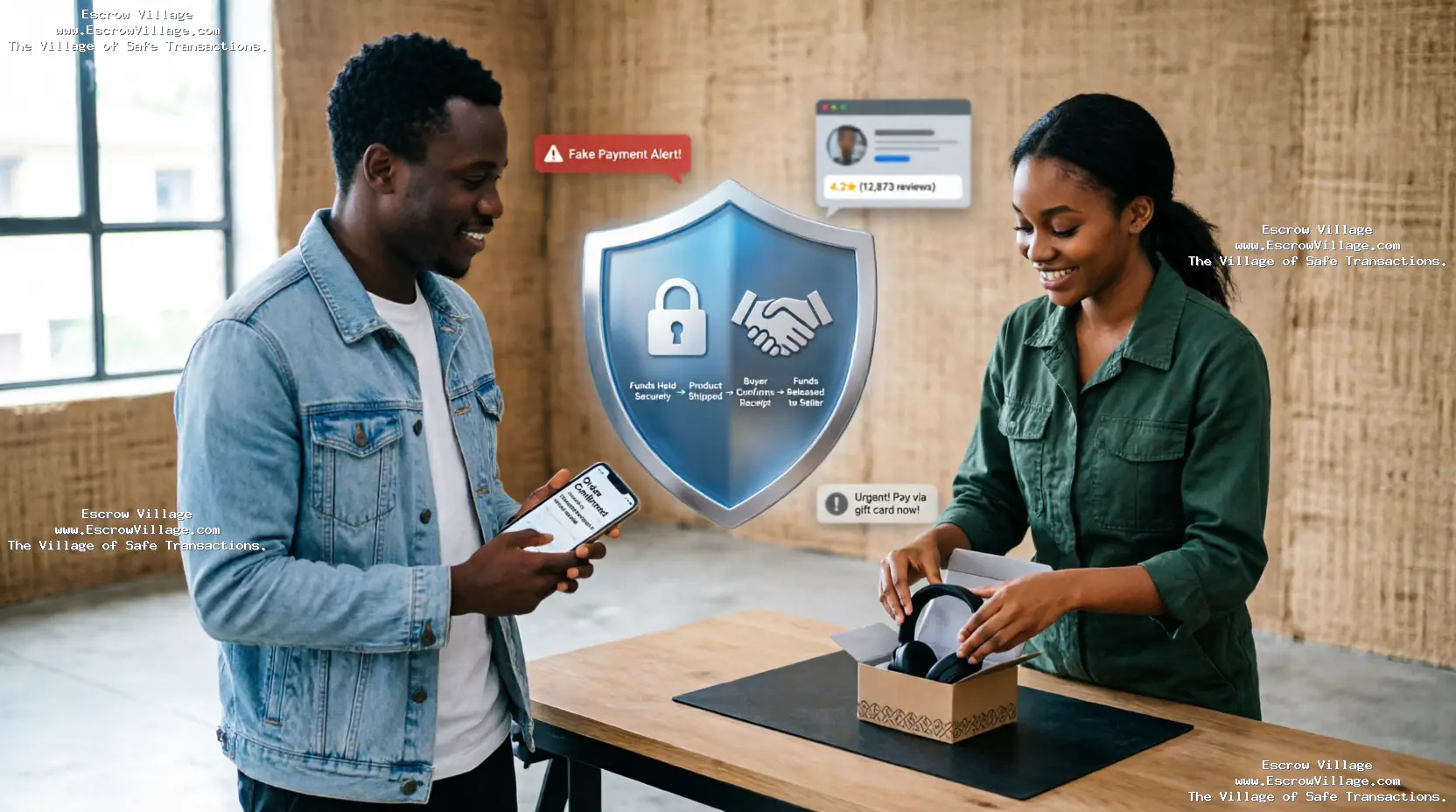
- ● How Escrow Works
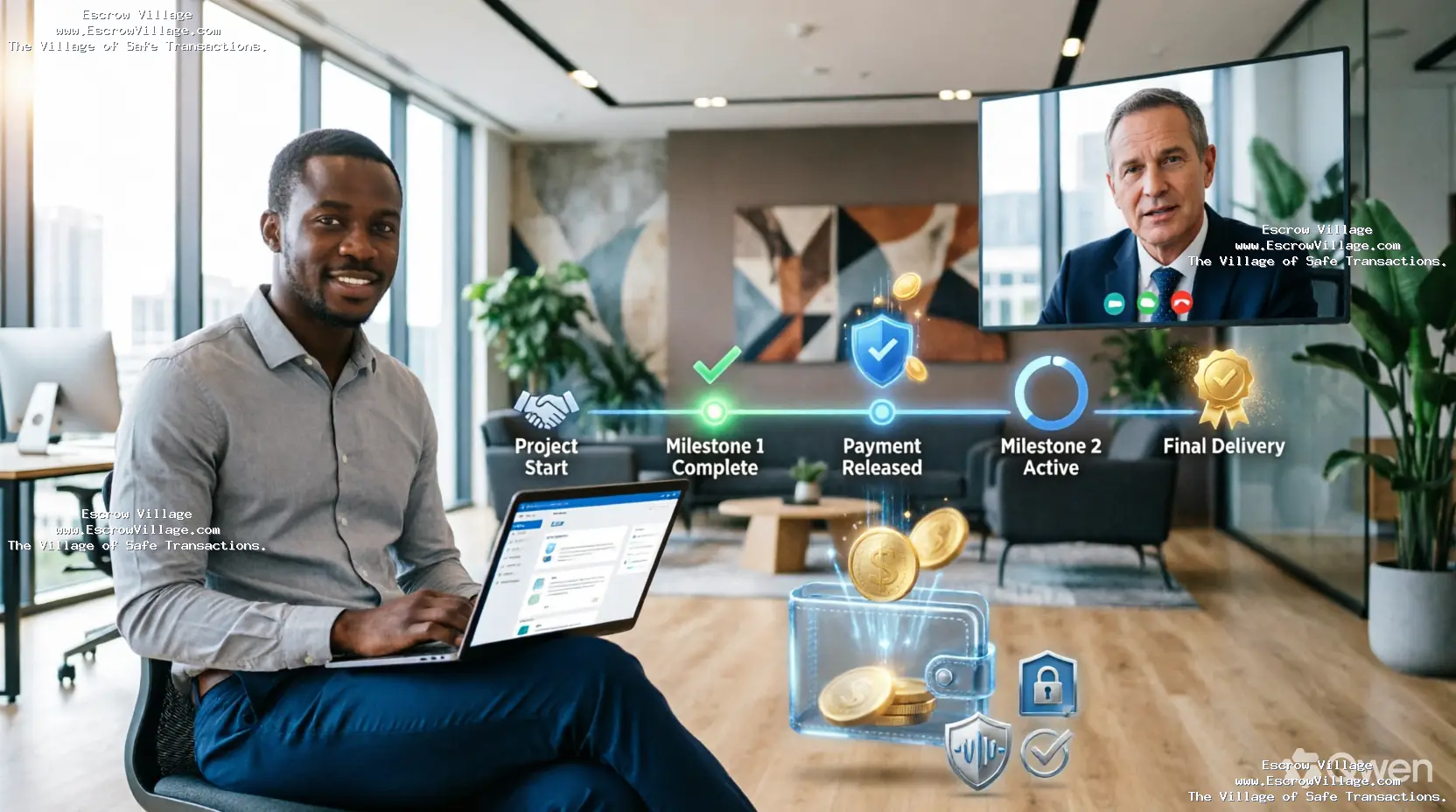
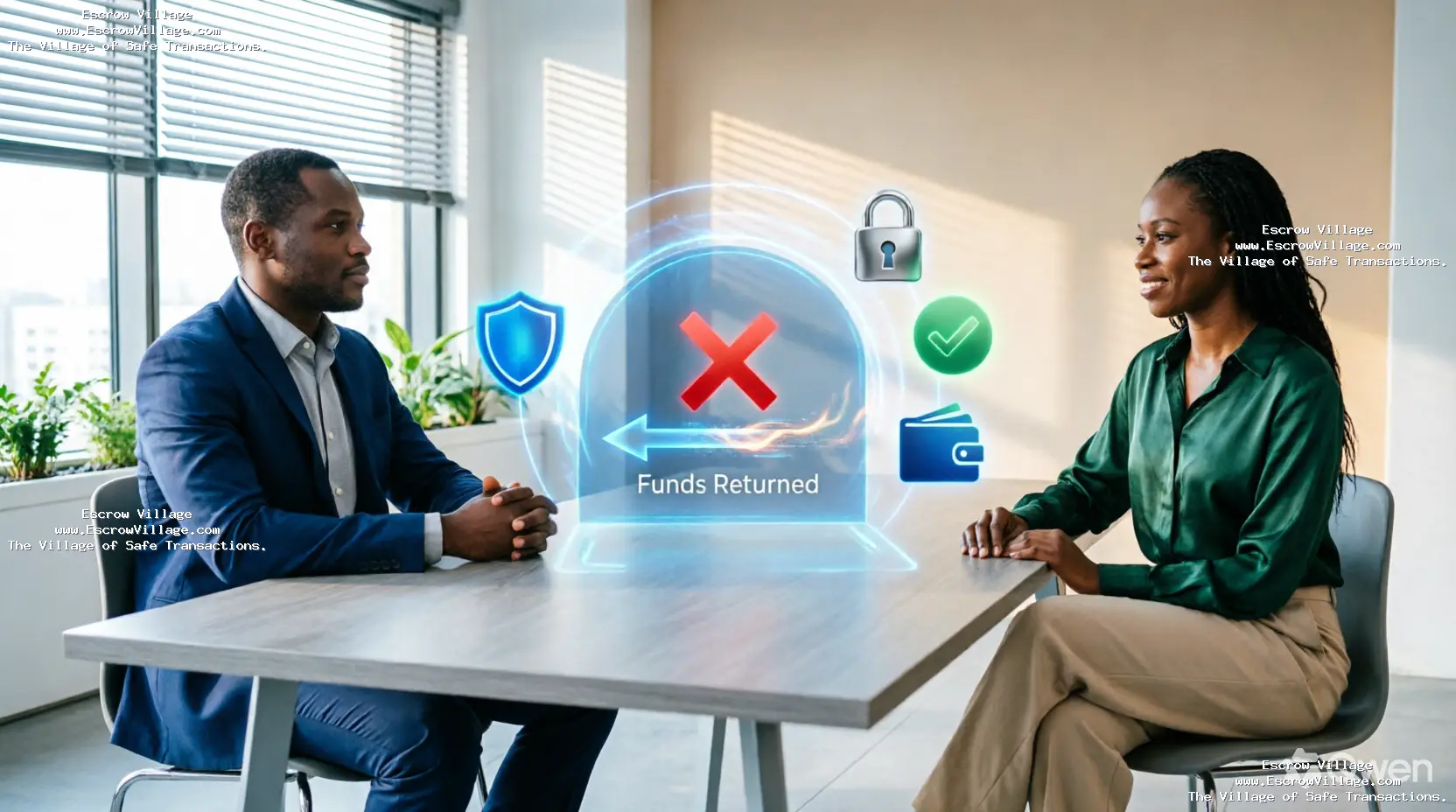
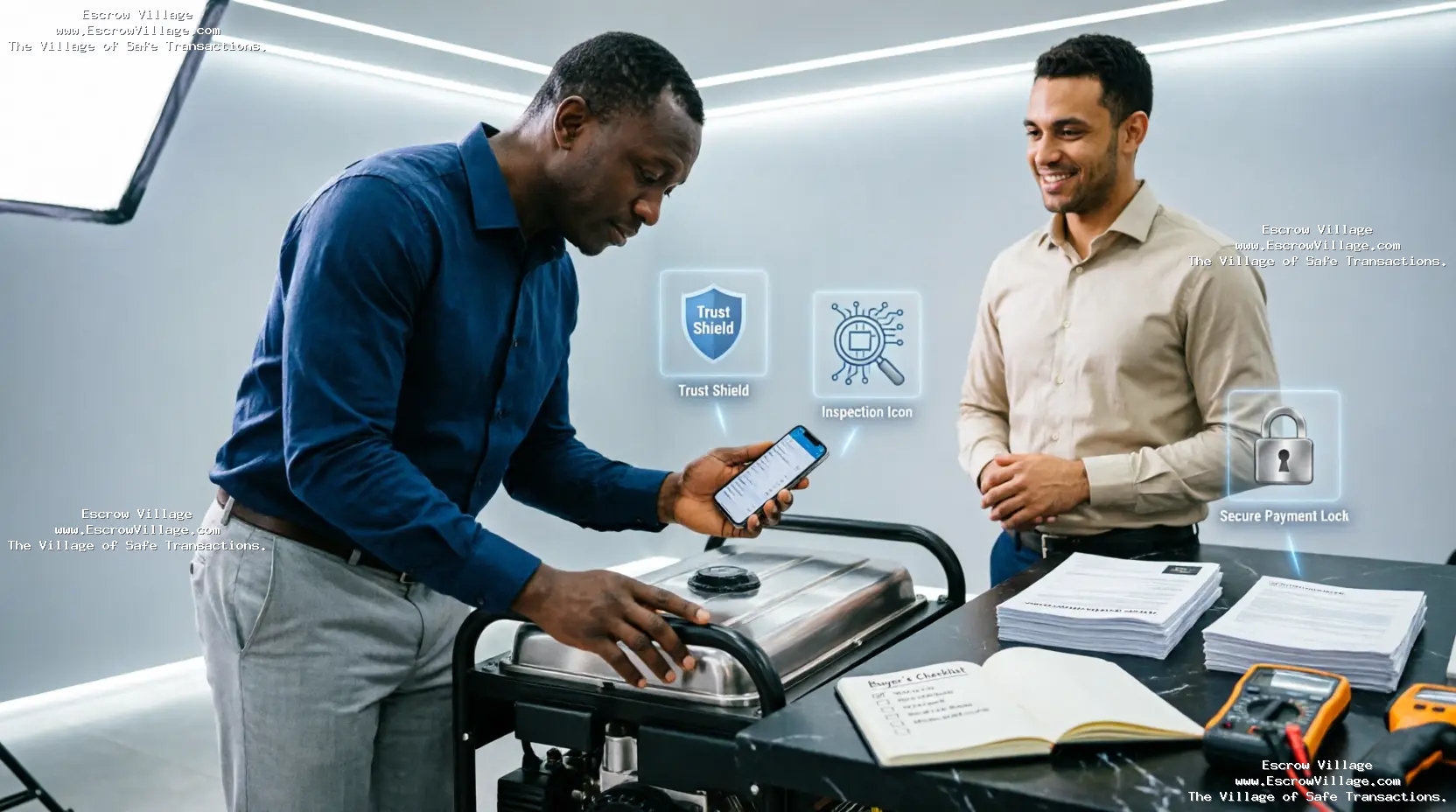
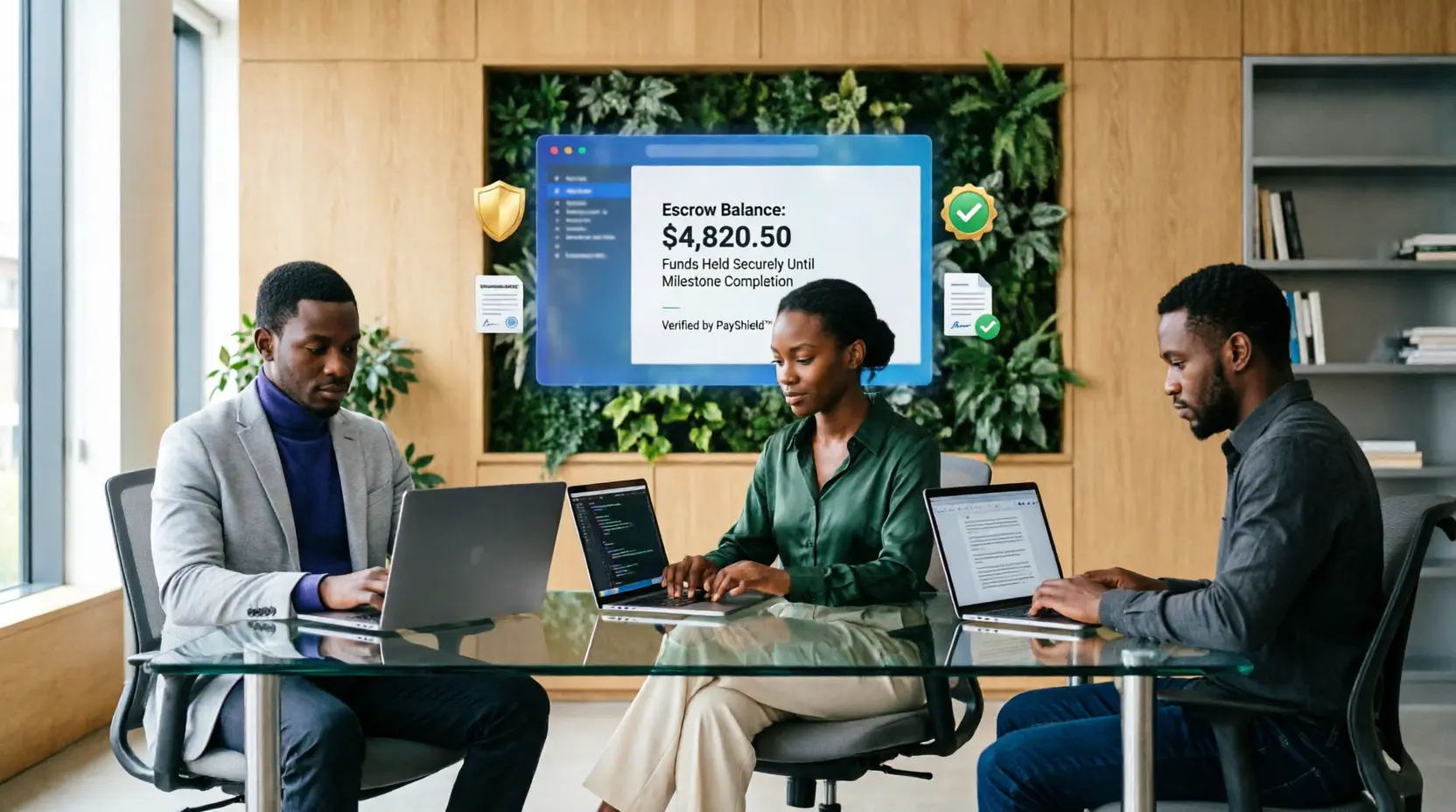
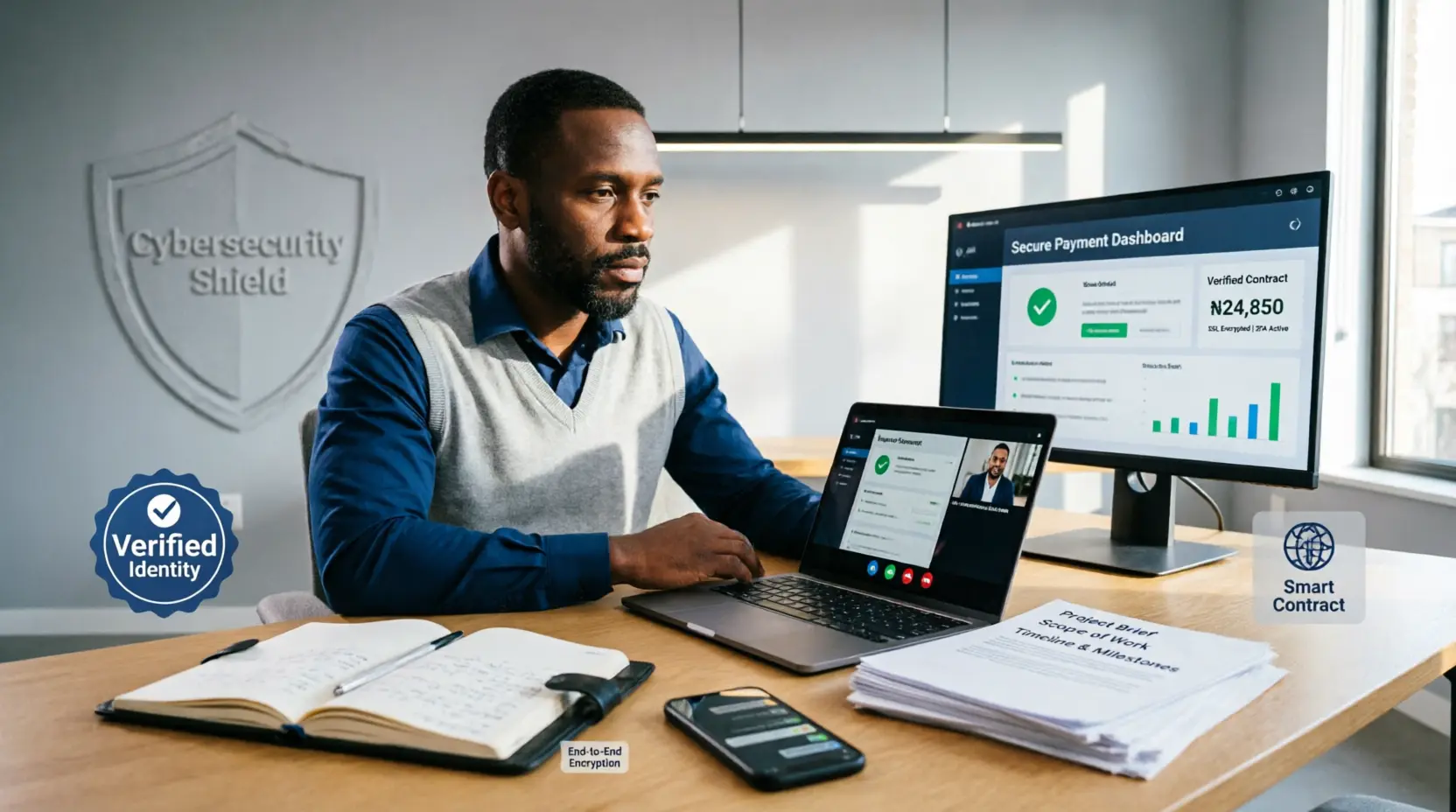
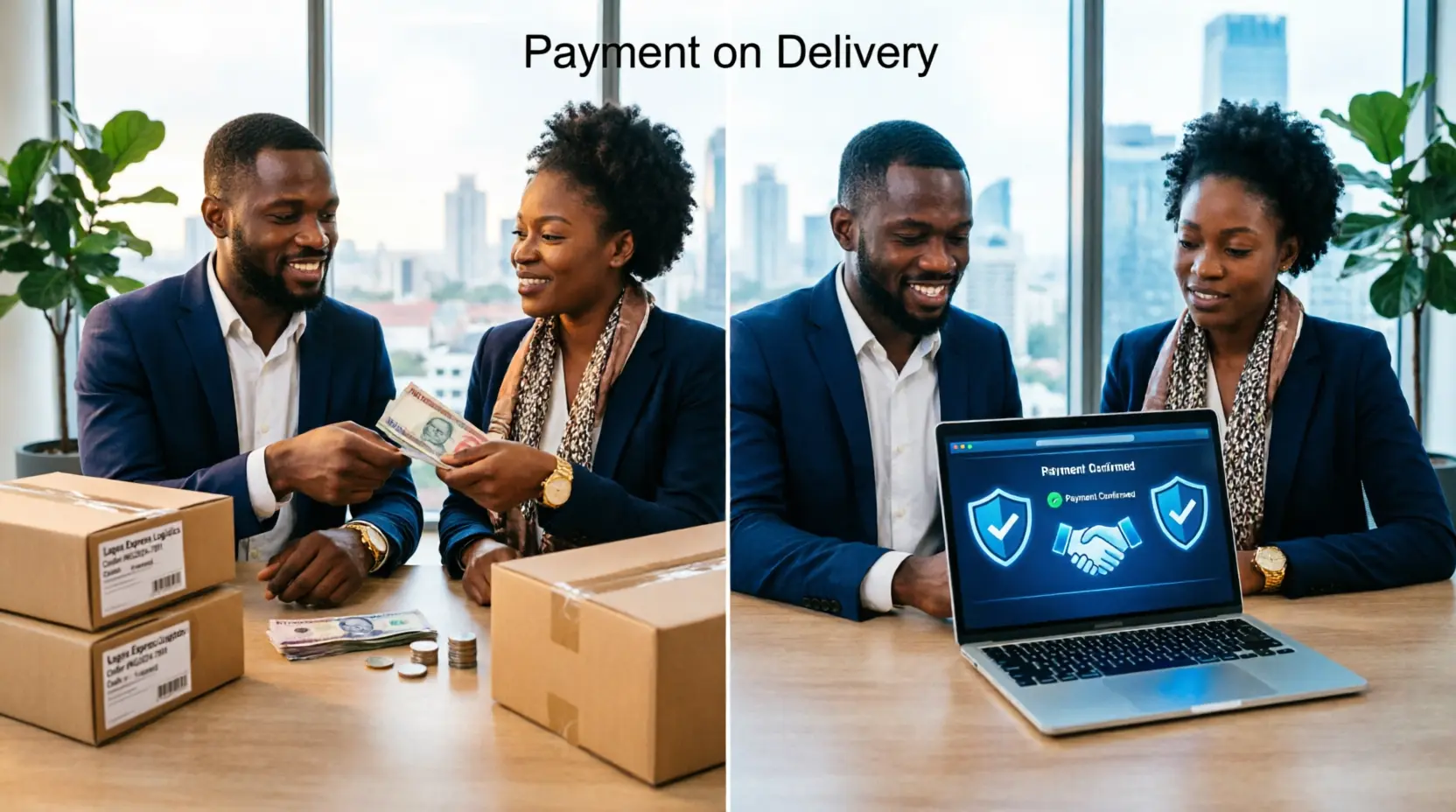
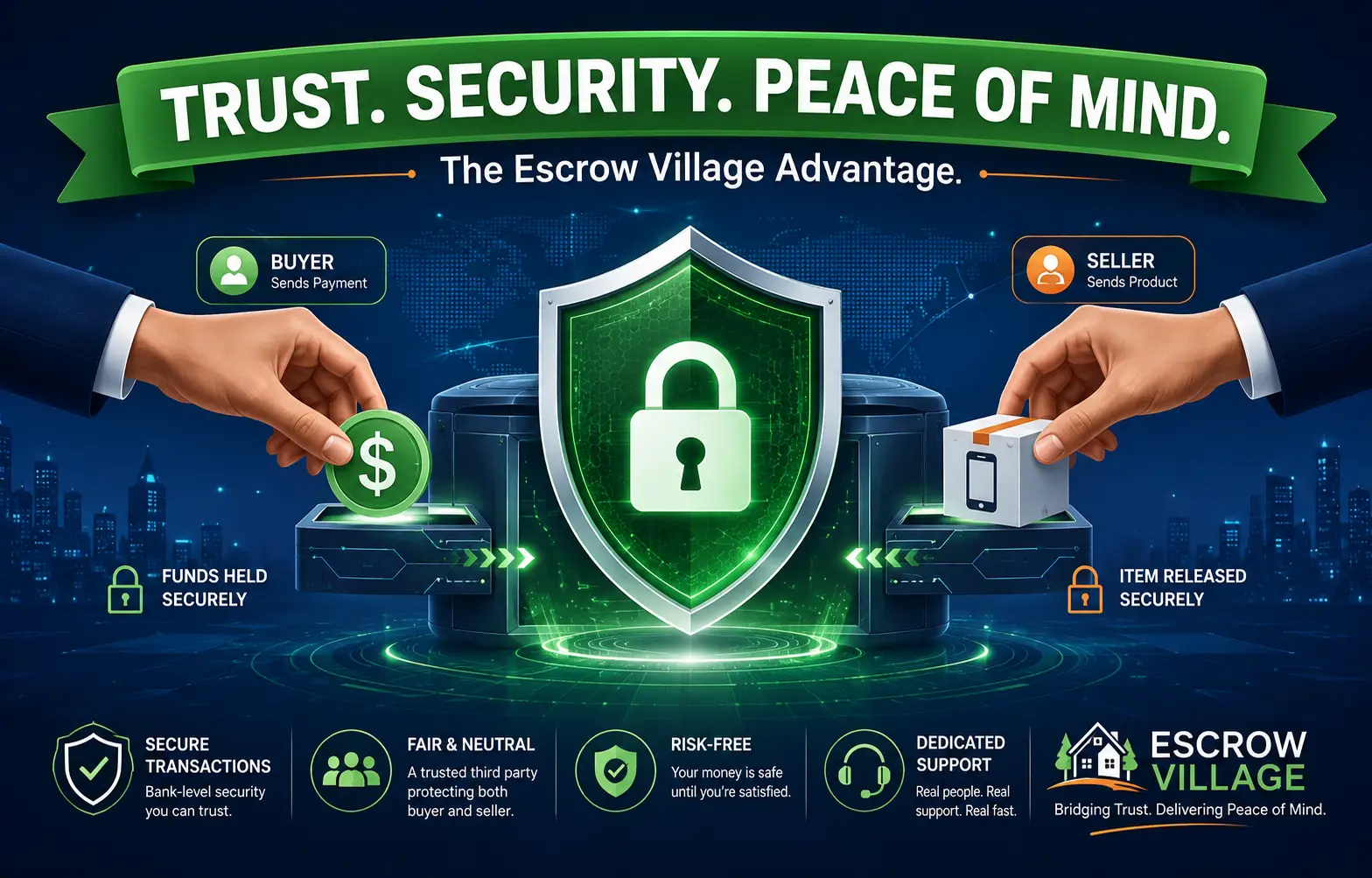
The seller only receives payment after the buyer confirms the item arrived as described and the buyer only gets a refund if it doesn't.
- ● How Funds Would Have Been Protected
The seller would have had no incentive to vanish immediately after payment, since doing so wouldn't have released a single naira.
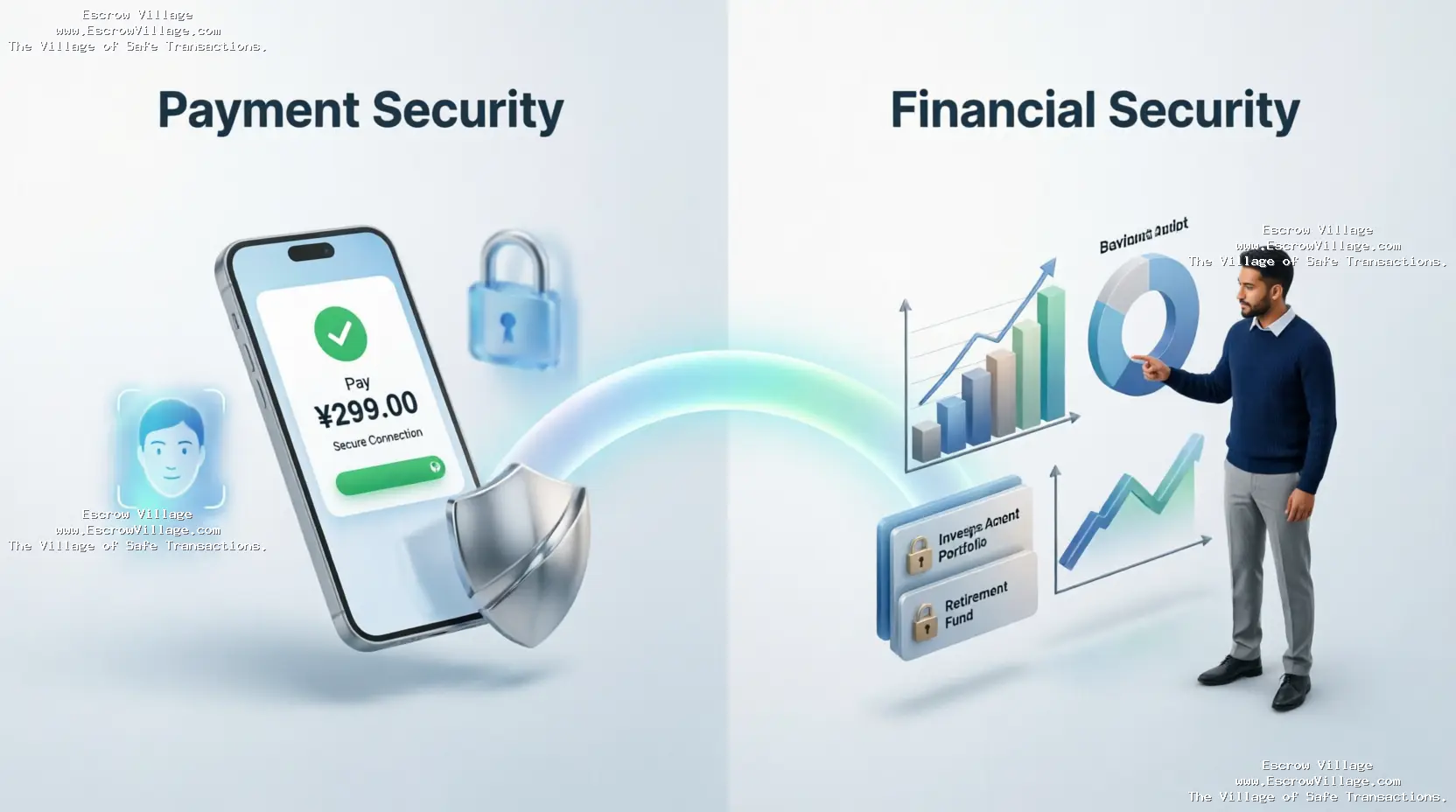
This is the core value of secure online payments, they shift the risk away from whoever pays first.
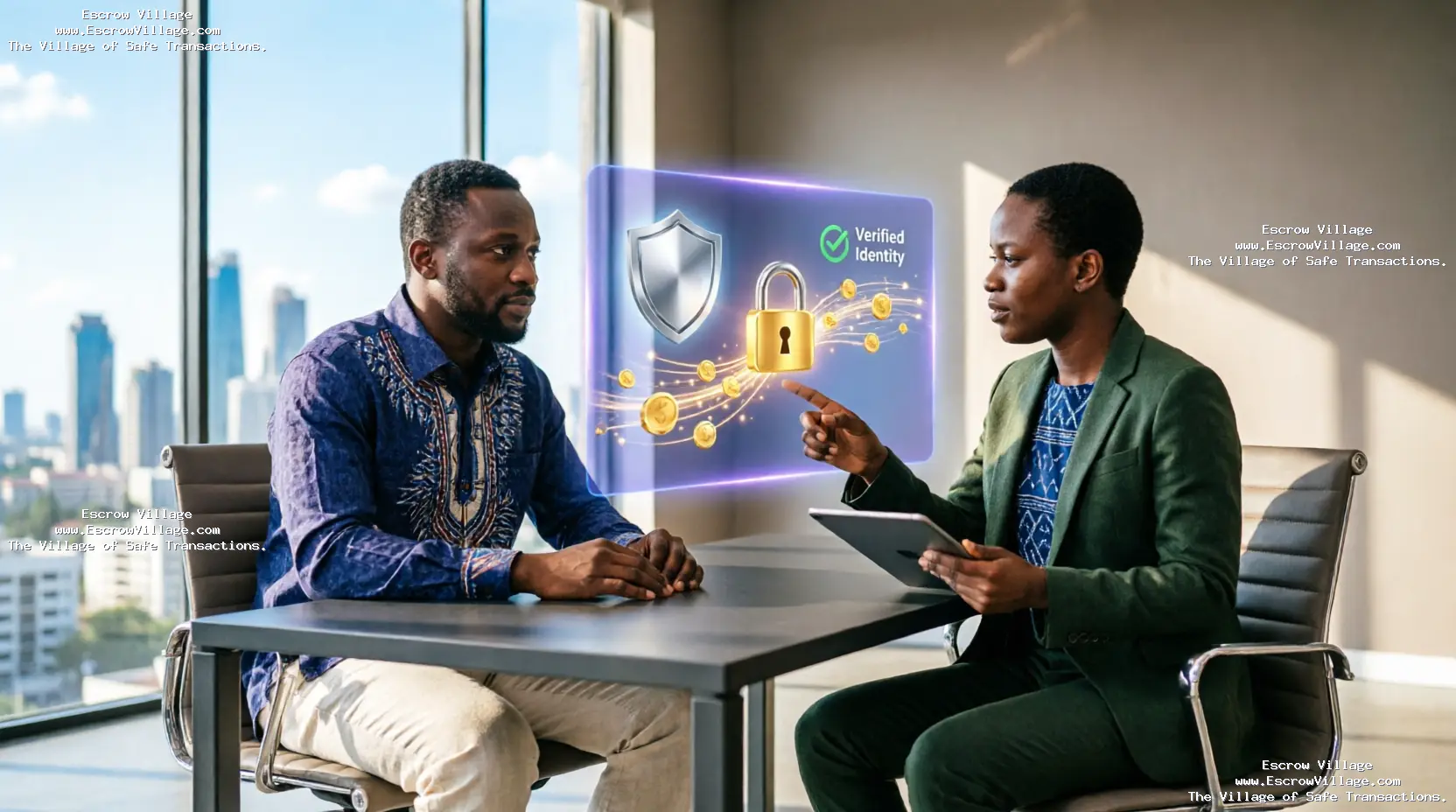
- ● Verification and Dispute Resolution
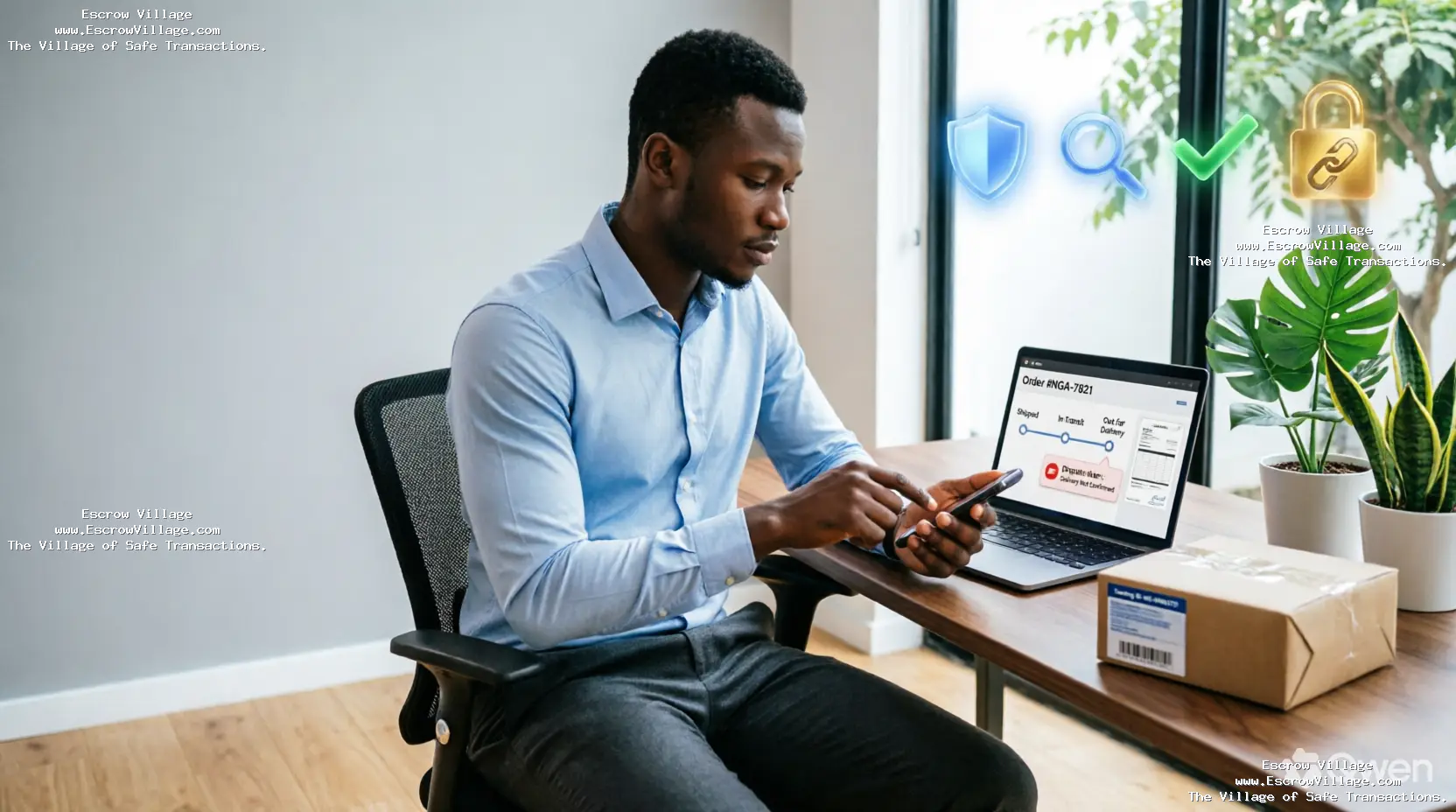
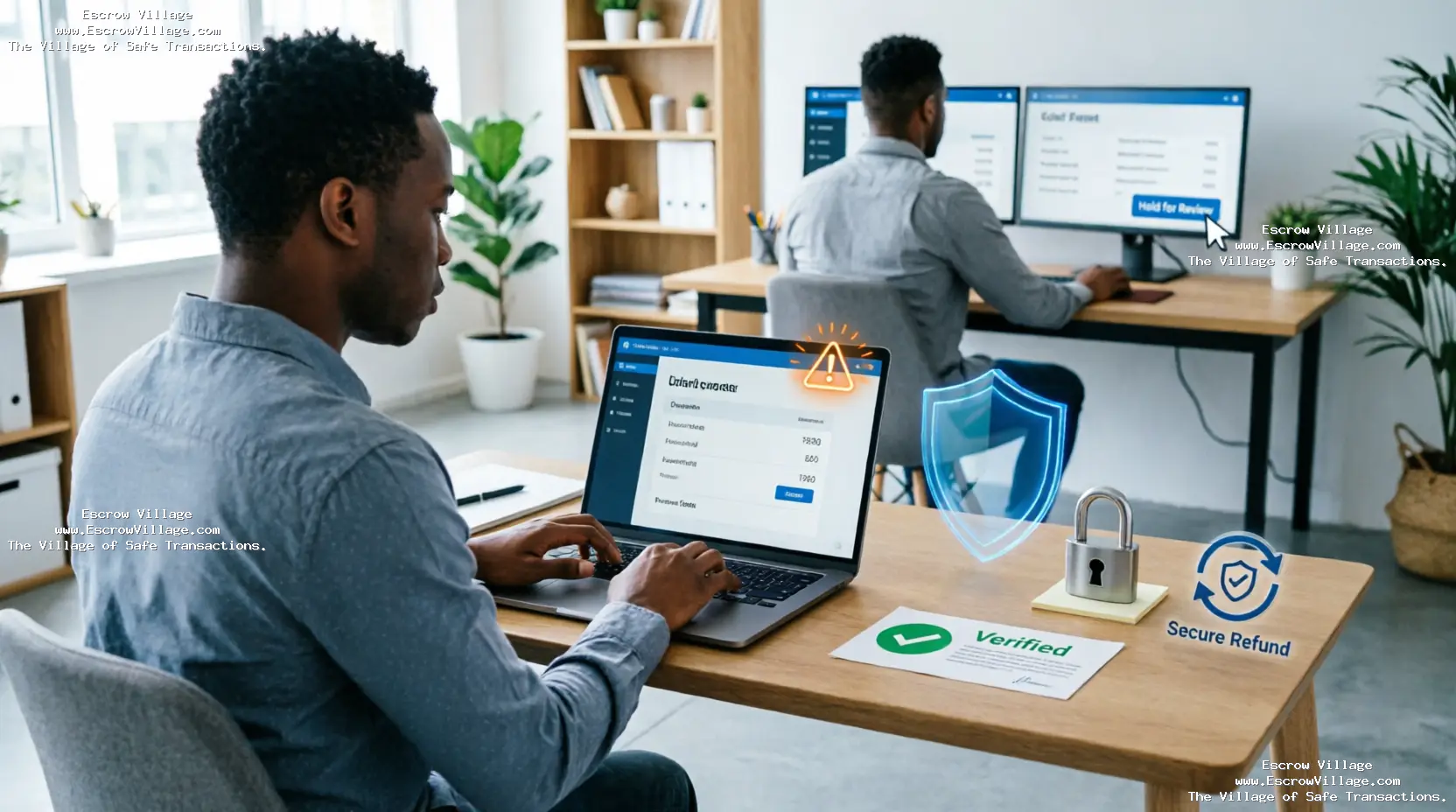
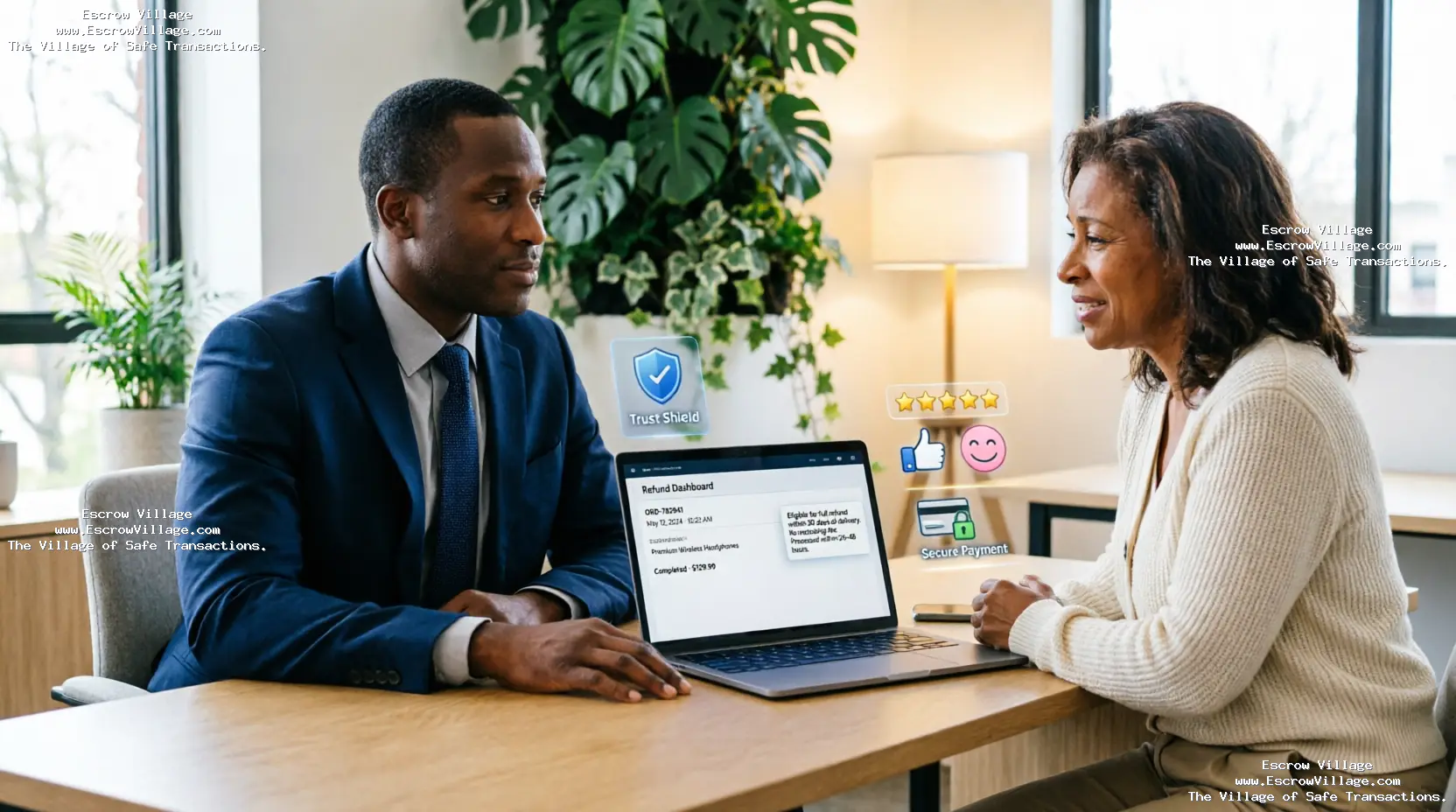
And if a seller had still tried to deliver the wrong item or nothing at all a formal dispute resolution process would have let Adaeze contest the transaction and reclaim her funds, rather than being left with a blocked number and a dead end.
- Lessons Every Buyer and Seller Should Learn

Adaeze's story isn't an isolated incident; it's a pattern that repeats across Nigerian online marketplaces daily.
These online safety tips apply to nearly every transaction where money changes hands before trust has been established.
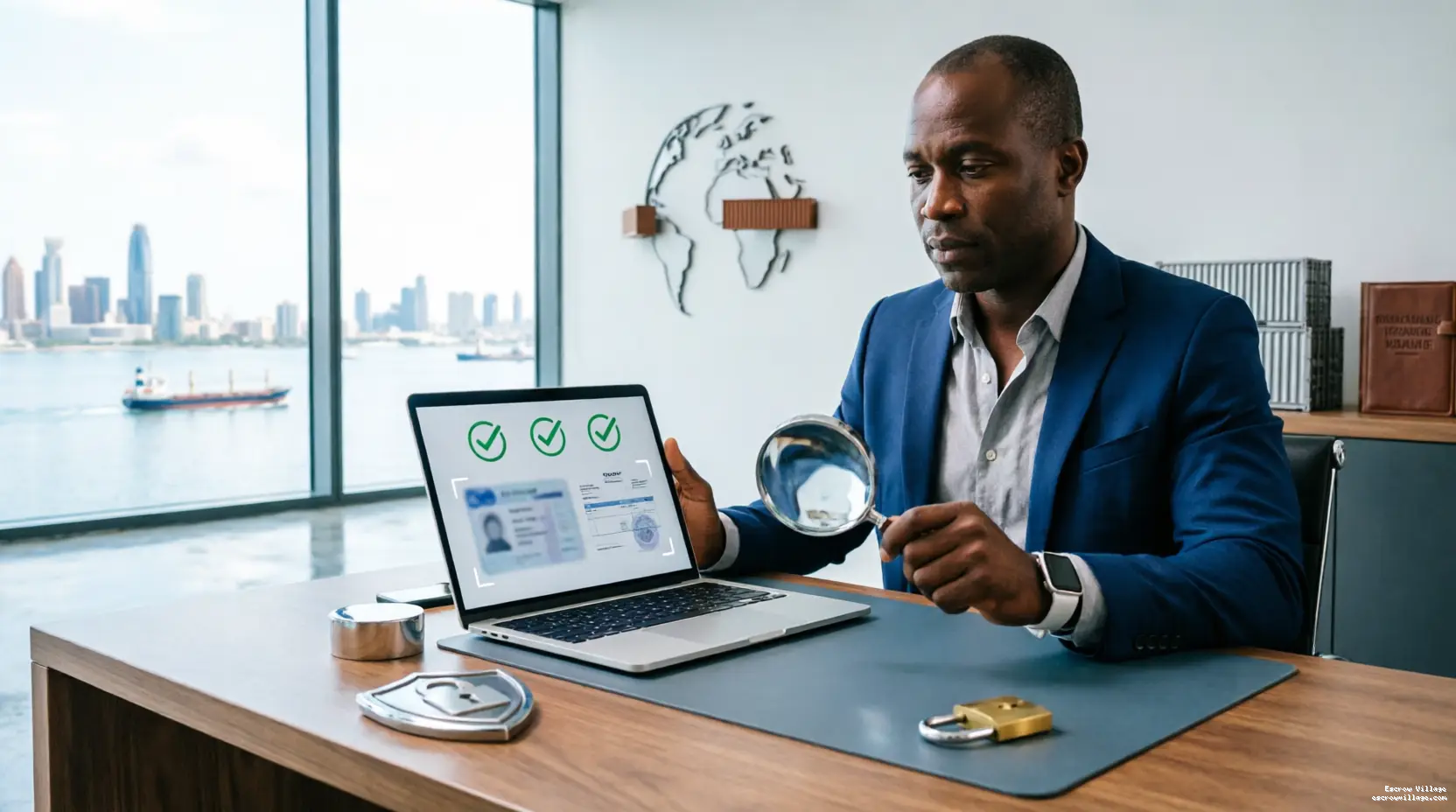
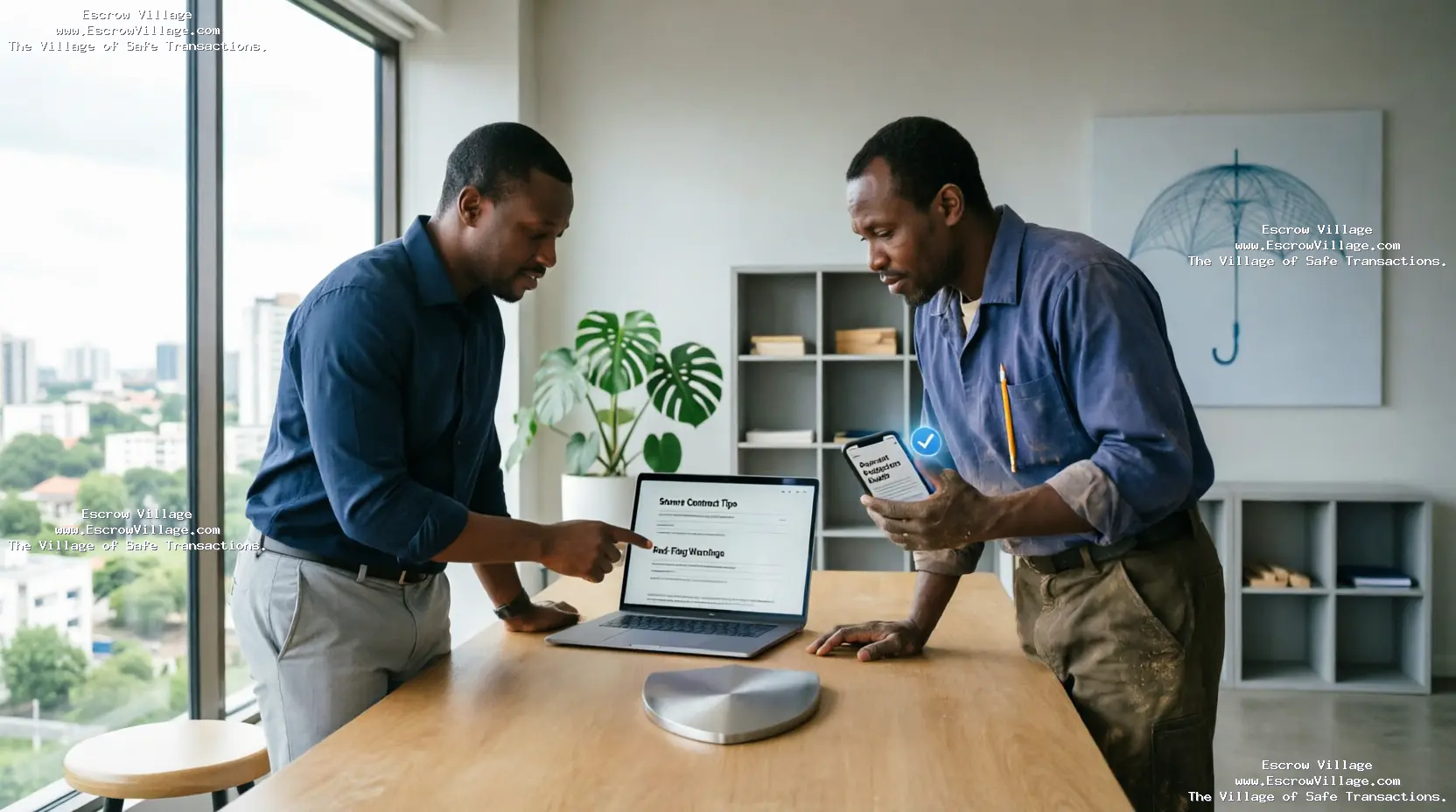
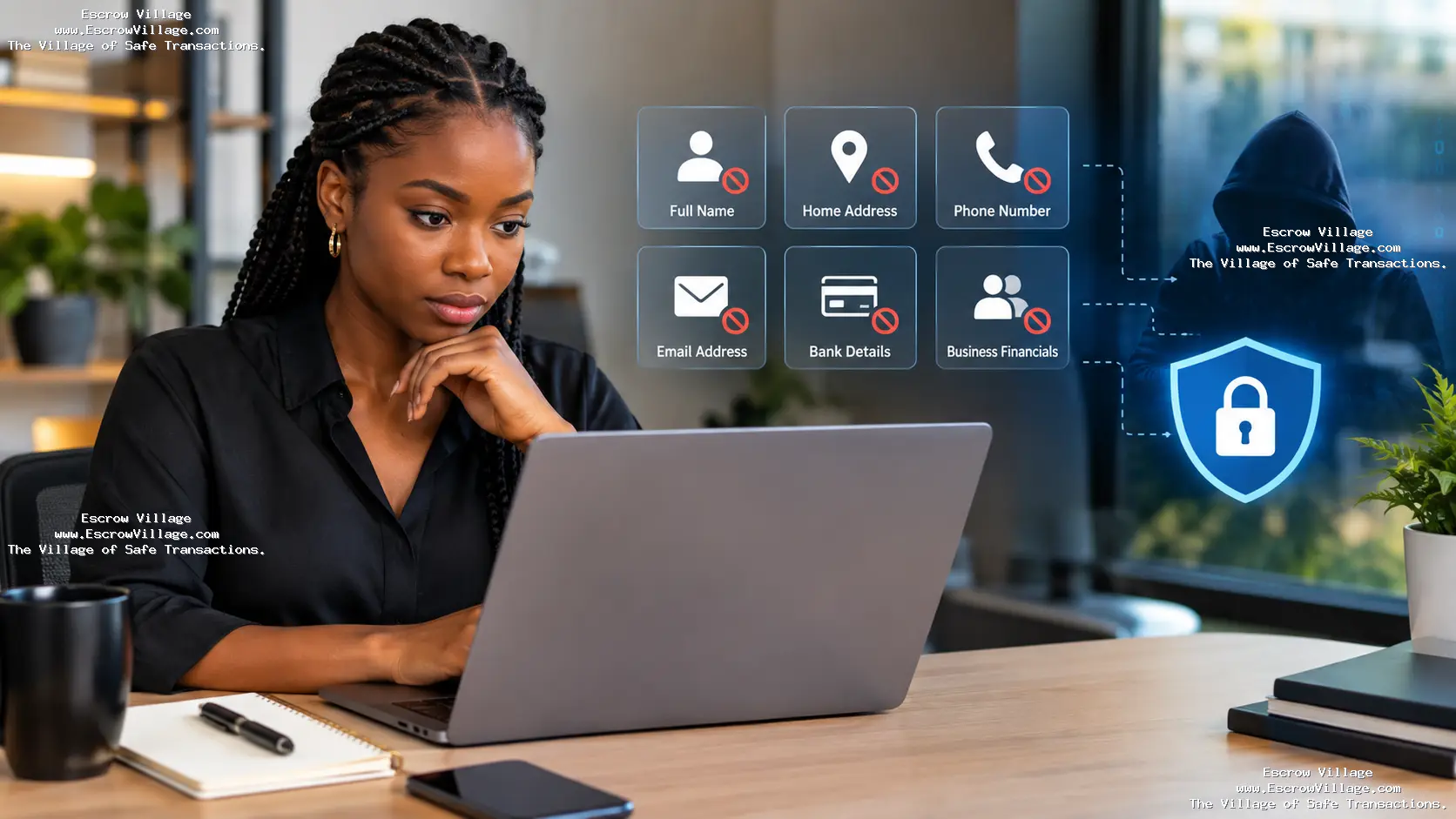
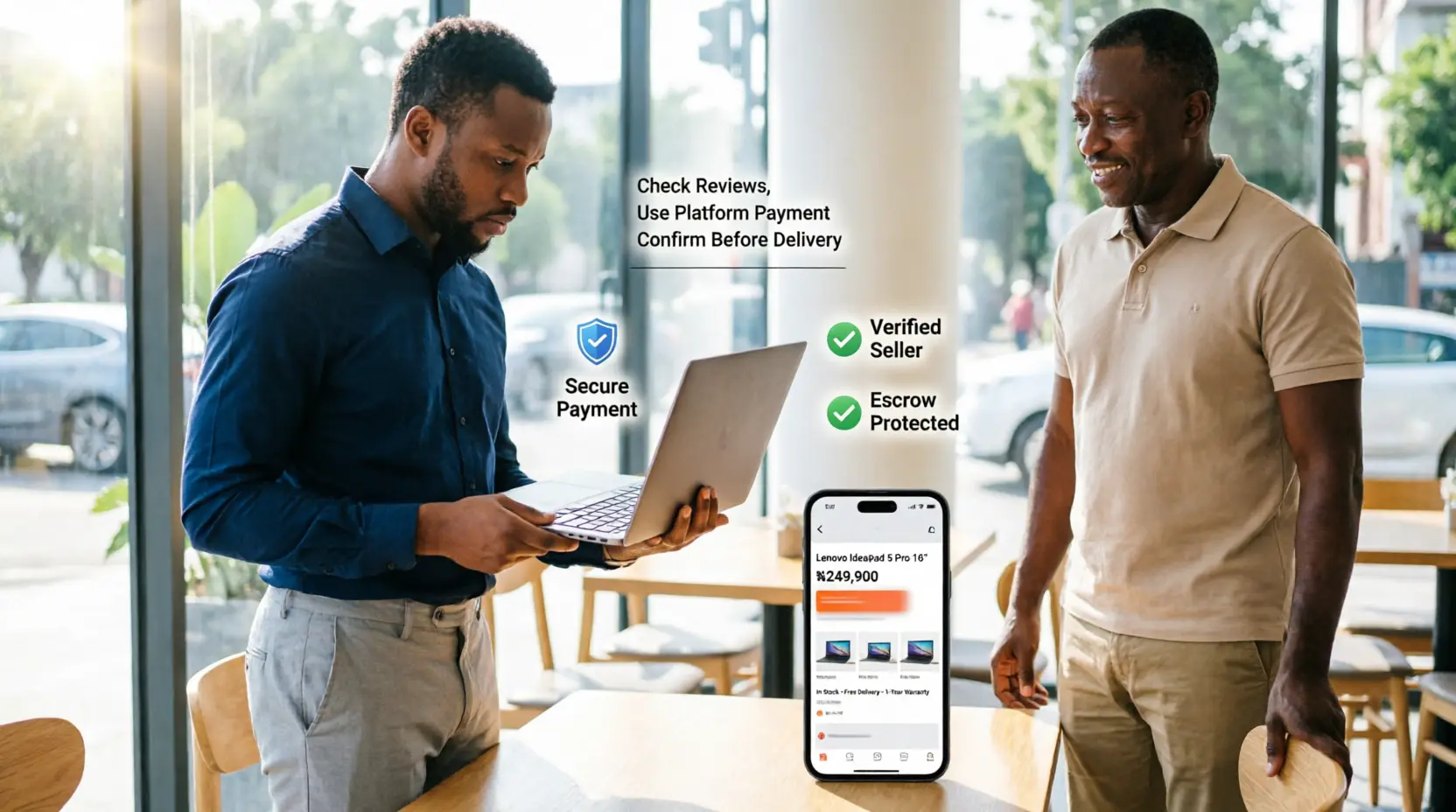
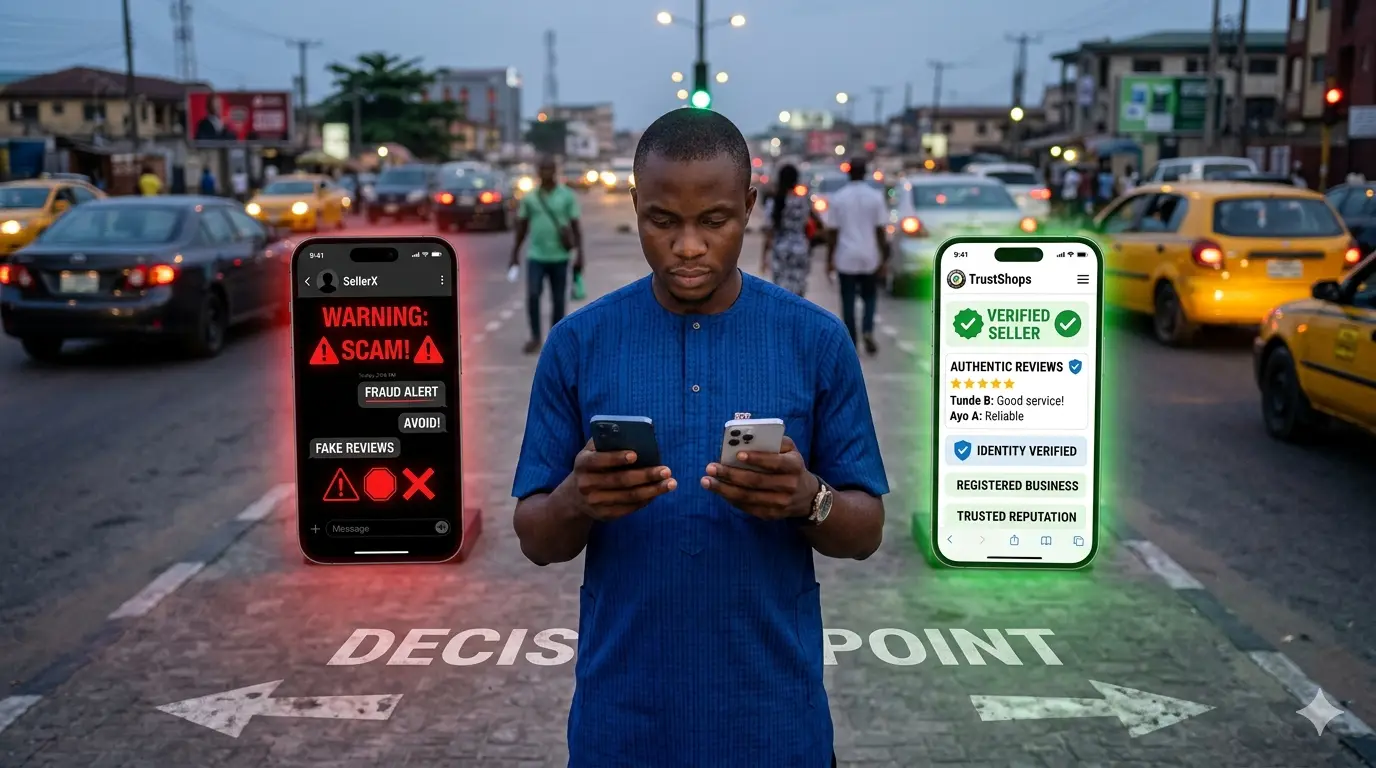
- ● Verify Identities
A real name, a verifiable address, an active business history, or a track record of completed transactions all matter more than a convincing profile picture.
Sellers who resist basic verification are telling you something important. Listen to that.
- ● Avoid Rushing Payments
A legitimate seller will rarely object to a buyer taking a reasonable moment to confirm details.
- ● Use Trusted Payment Methods
This single decision is often the difference between a resolvable dispute and a permanent loss.
- ● Keep Records of Conversations
Documentation won't stop a scam from happening, but it strengthens any dispute or report filed afterwards, a core piece of fraud prevention that's easy to skip at the moment.
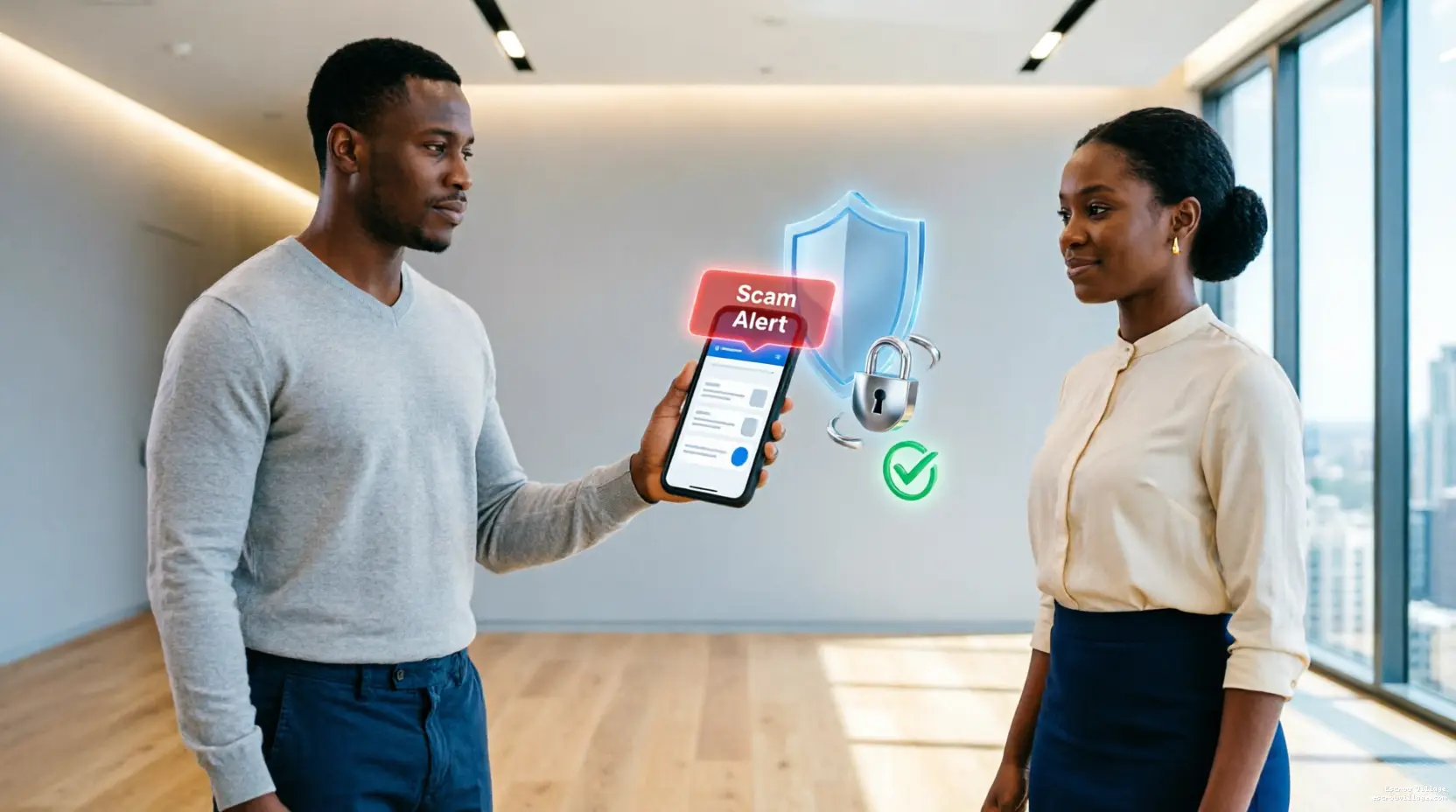
- ● Recognise Common Scam Tactics
Learning to spot these patterns is one of the most effective ways to avoid online scams before they cost you anything.
Ultimately, none of these habits fully replace a structural safeguard like escrow, but combined with it, they make online scams in Nigeria far harder to pull off successfully.
- Best Practices for Safe Online Transactions in Nigeria
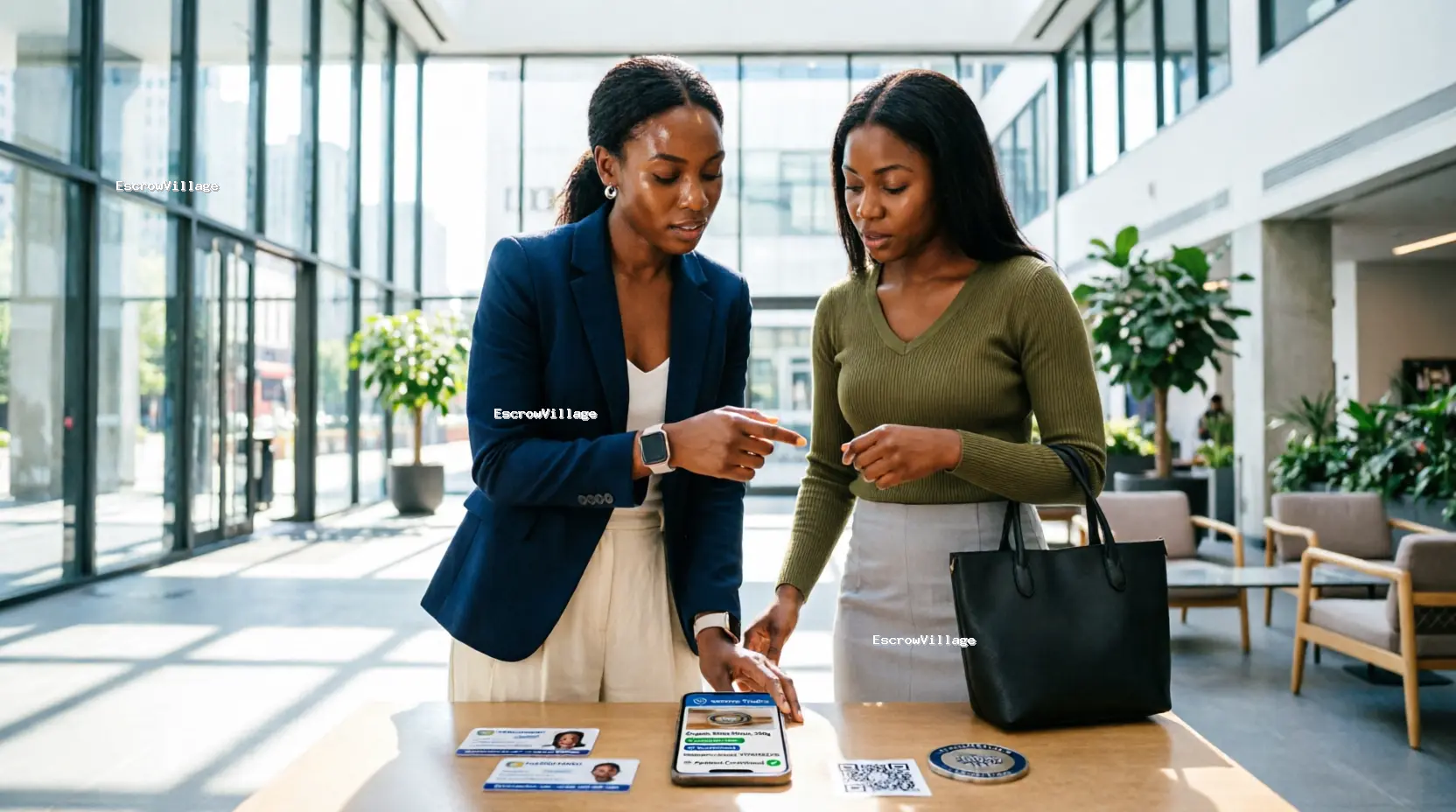
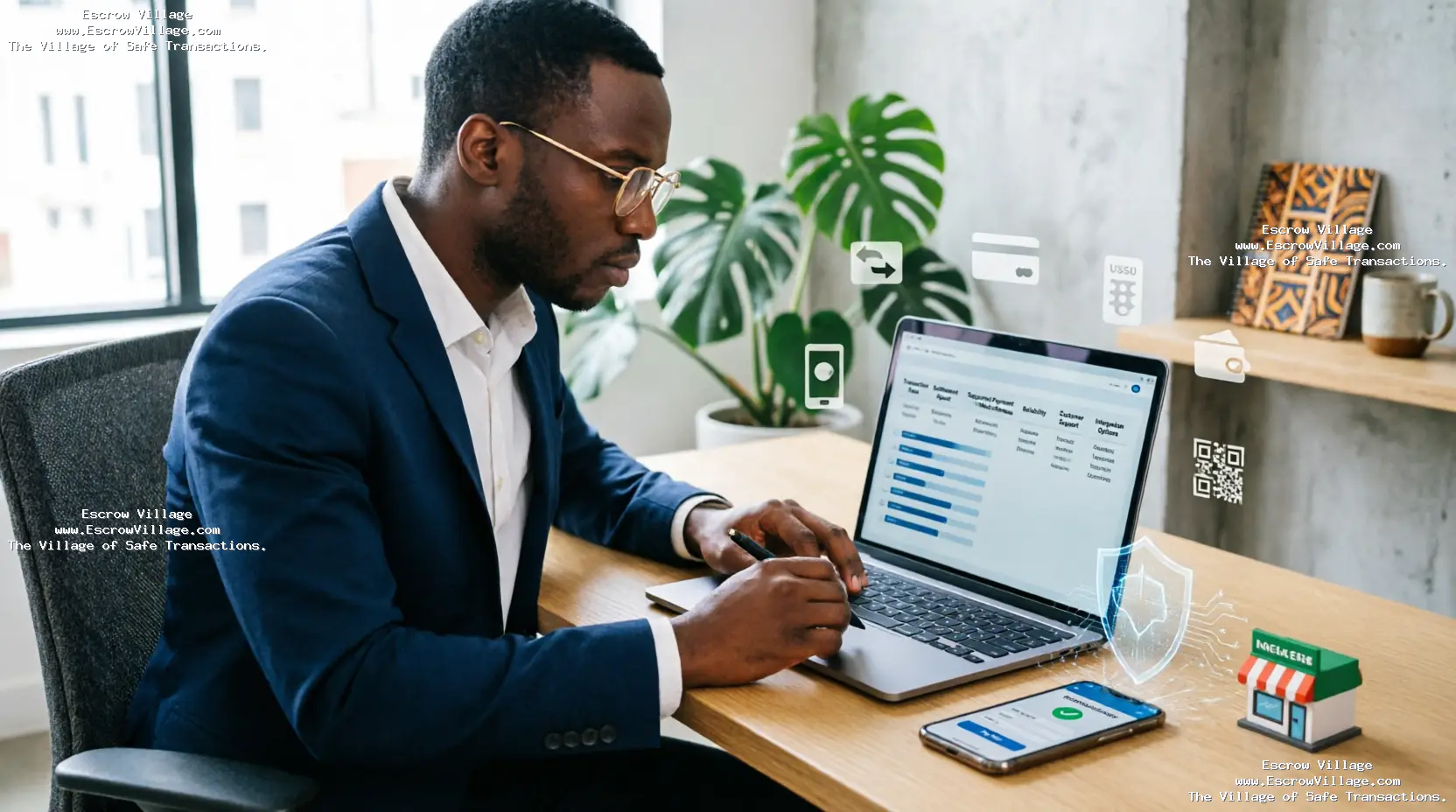
Beyond recognising red flags after the fact, there are concrete habits that make safe online shopping Nigeria-wide genuinely achievable, not just theoretically possible.
- ● Use Escrow for High-Value Transactions
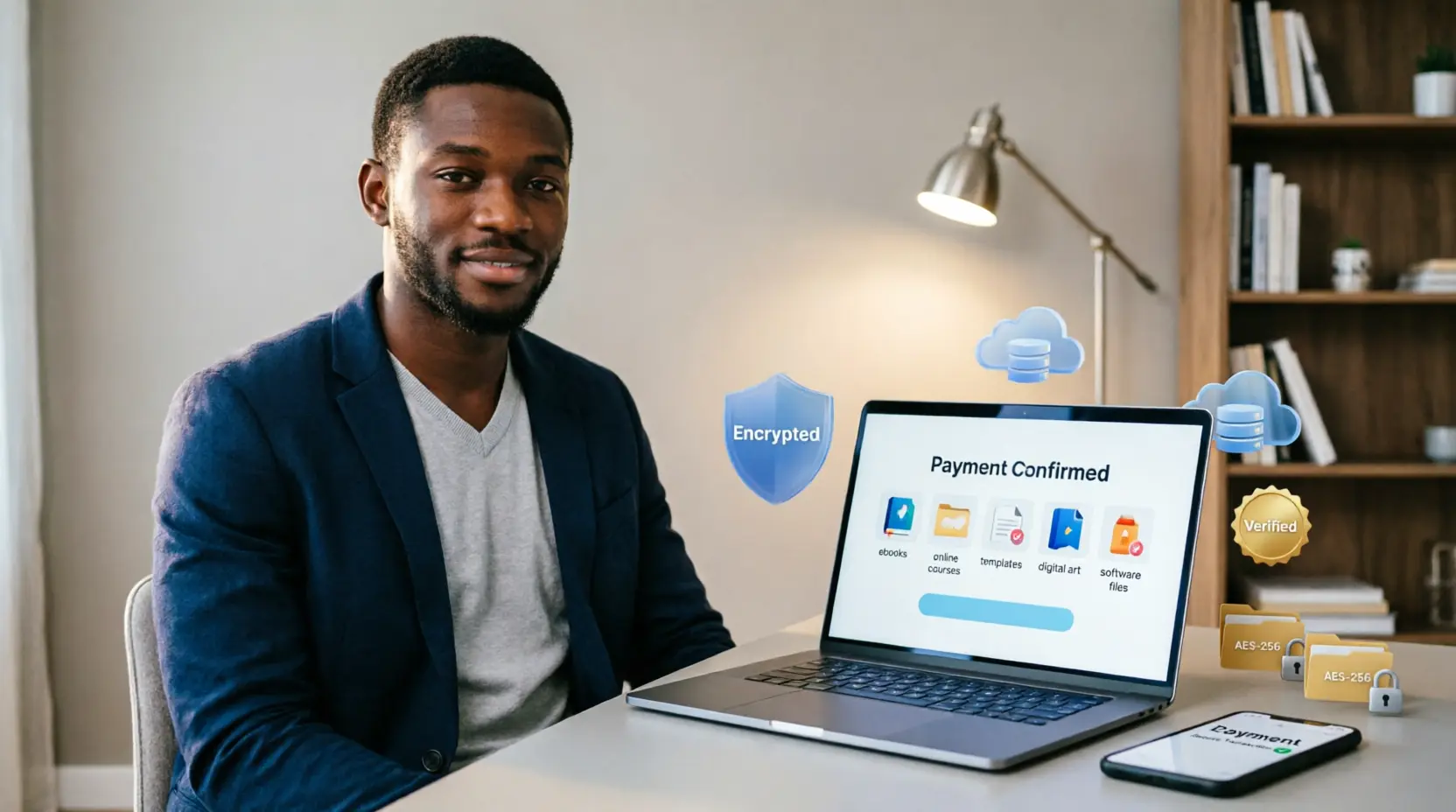
For purchases like phones, laptops, vehicles, or bulk goods, routing payment through an escrow platform isn't excessive caution, it's the single most effective way to guarantee online transaction security without relying on a stranger's goodwill.
- ● Research the Seller or Buyer
This applies to both sides of a deal; sellers benefit just as much from vetting buyers who may attempt reversals or disputes in bad faith.
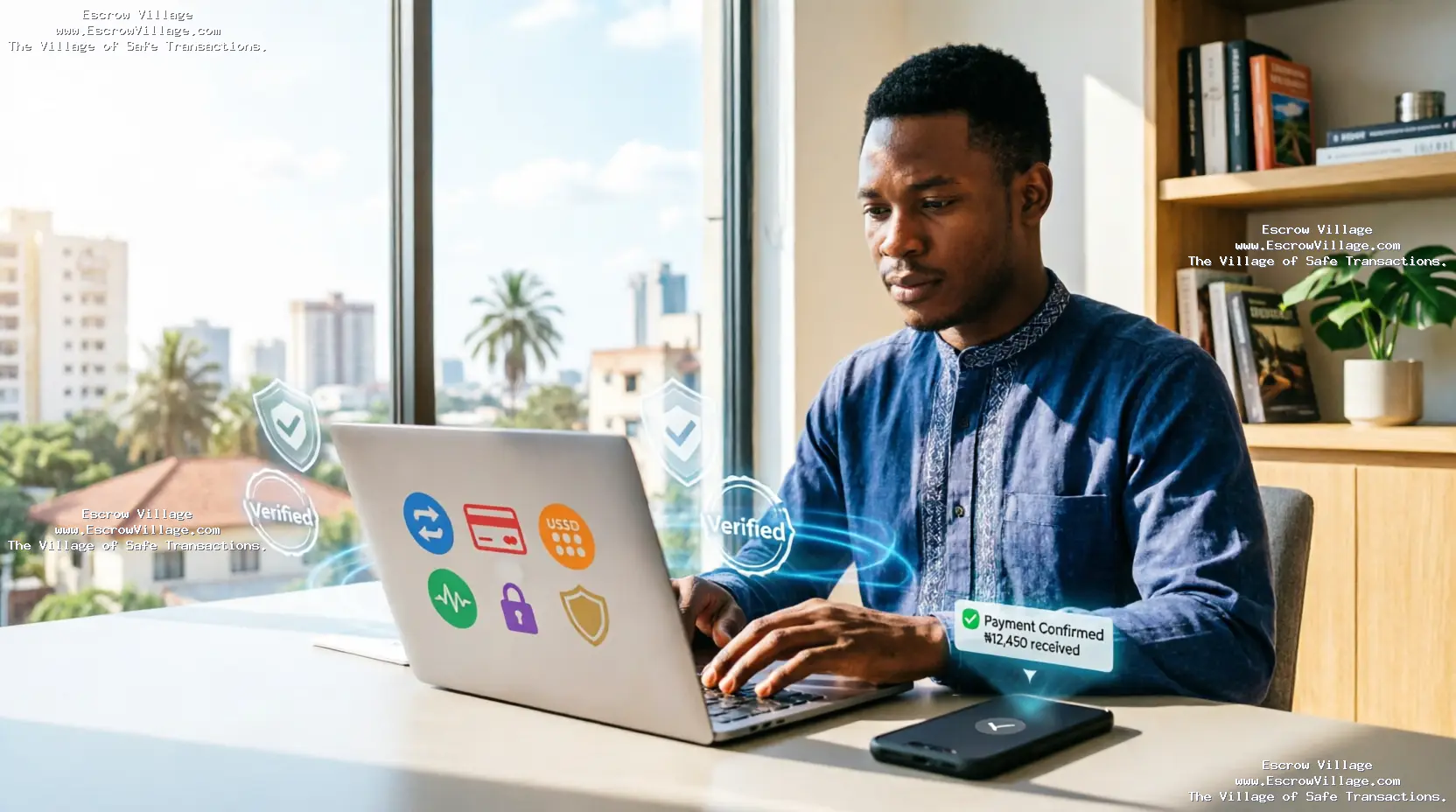
- ● Never Rely Solely on Screenshots of Payment
Confirming that funds have actually cleared, ideally through a secure payment method with built-in verification, protects against this specific and increasingly common tactic.
- ● Confirm Delivery Before Release.
This is precisely the checkpoint that direct transfers skip and exactly what escrow restores.
- ● Report Suspicious Activity
Every report contributes to a broader pattern of accountability that individual caution alone can't build.
Adopting these habits consistently is what separates buyers and sellers who get scammed once from those who transact safely for years.
- Why Escrow Is Becoming Essential for Online Businesses
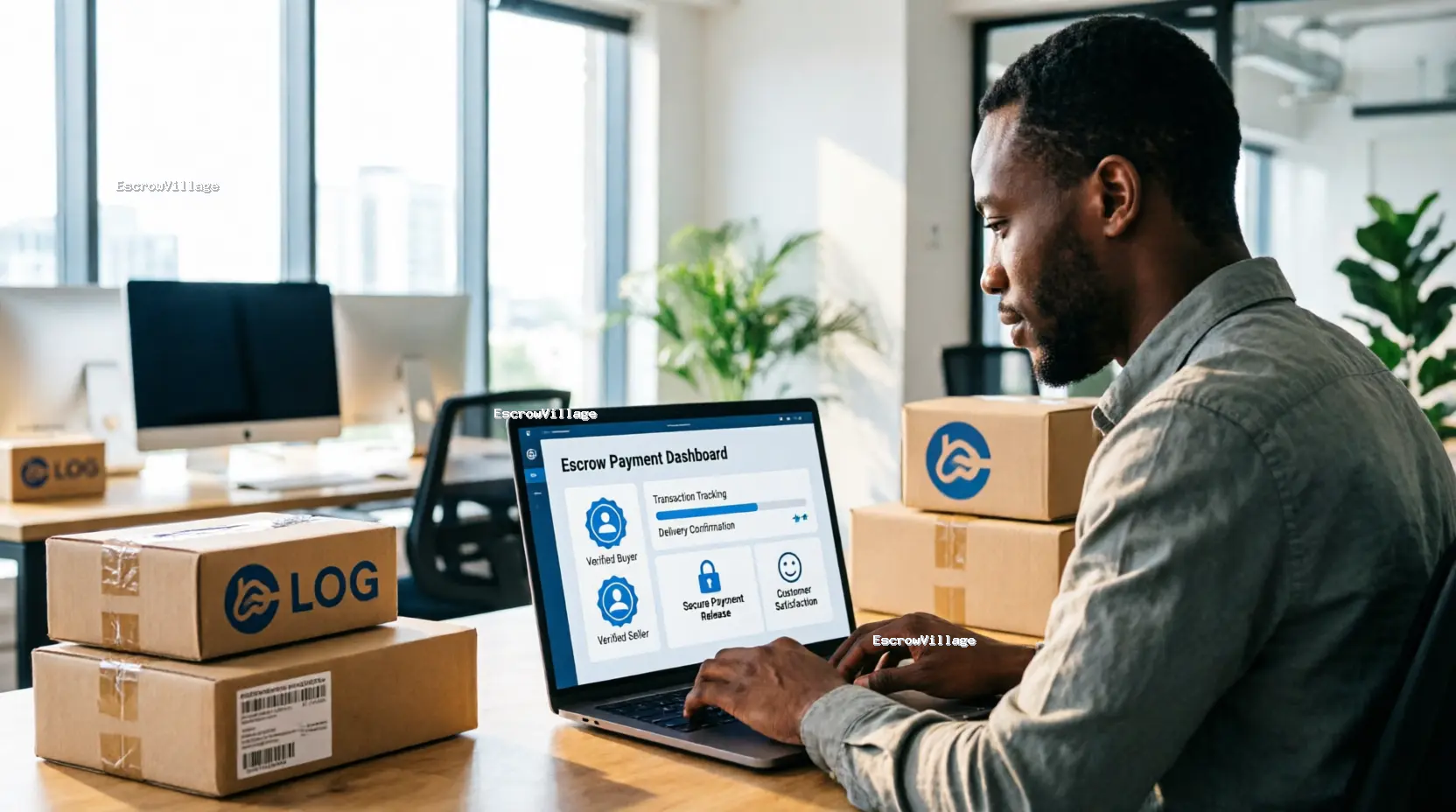
As Nigerian online commerce matures, escrow services are shifting from a nice-to-have to a baseline expectation, and the reasons go beyond preventing individual scam stories like Adaeze's.
- ● Increasing Trust Between Buyers and Sellers
Escrow removes the need to take that leap of faith by giving both sides a neutral structure to rely on buyers knowing their money is safe, and legitimate sellers knowing they'll actually get paid once they deliver.
- ● Reducing Fraud and Disputes
This structured fraud protection doesn't just stop individual scams, it reduces the overall volume of disputes a business has to manage, since funds only move once both sides confirm the deal was fulfilled as agreed.
- ● Protecting Business Reputation
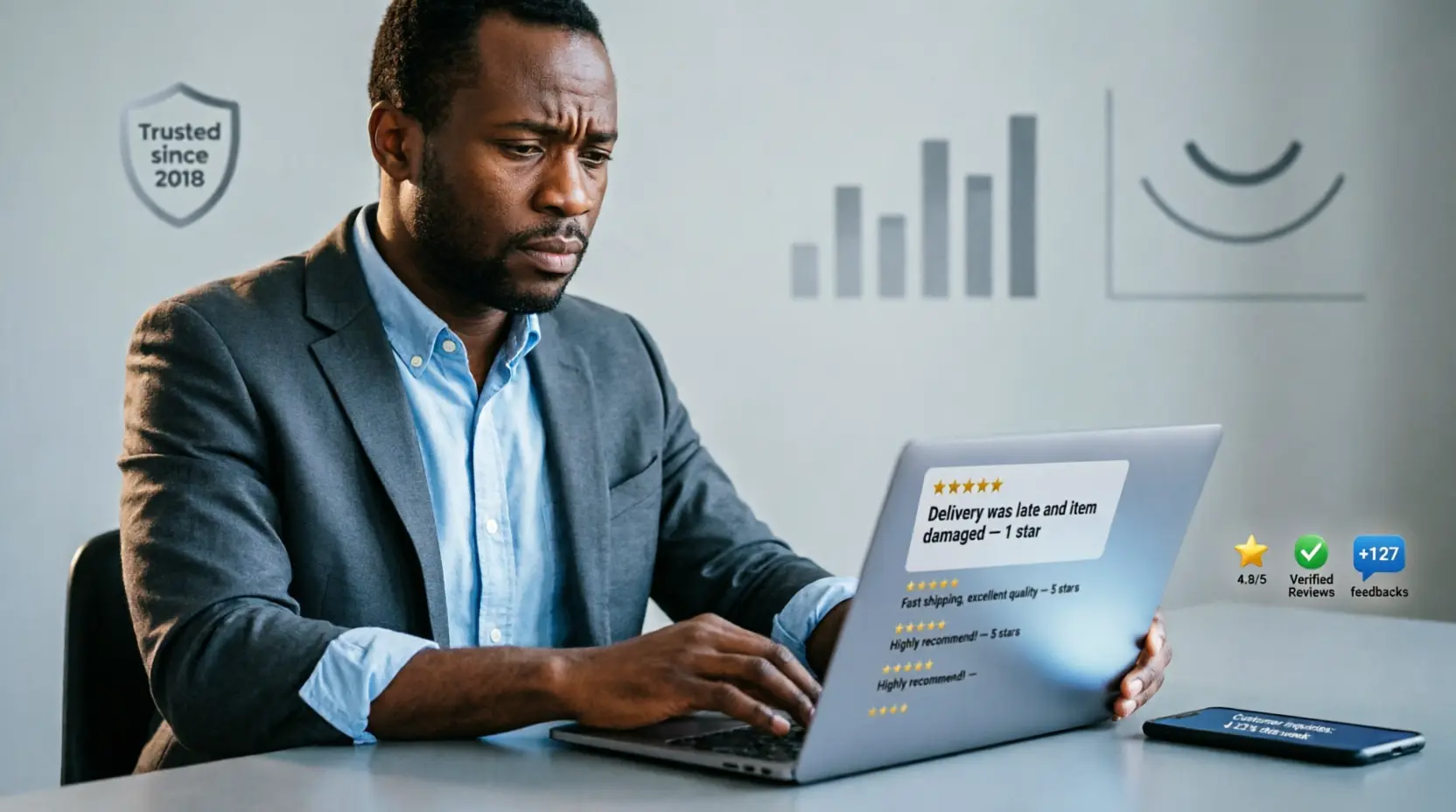
Using escrow gives legitimate businesses a way to visibly demonstrate accountability, which matters enormously in markets where word-of-mouth and social proof drive most purchasing decisions.
- ● Building Customer Confidence
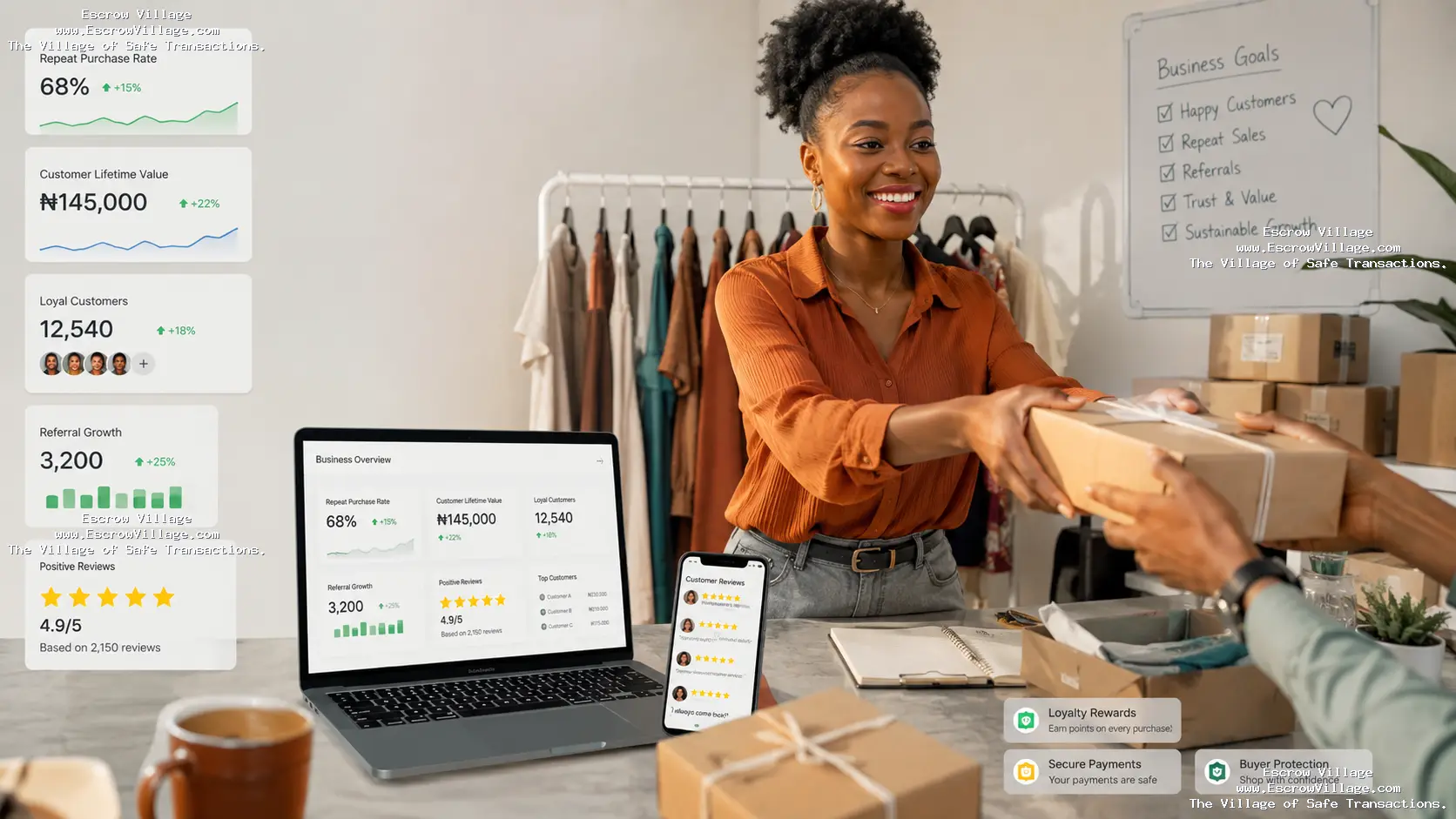
Buyers who complete even one safe, dispute-free transaction through escrow are far more likely to return, recommend the platform, and spend more freely on future purchases.
For businesses aiming to scale, this kind of trust is what makes secure ecommerce sustainable rather than a one-time workaround.
As more Nigerian buyers and sellers experience the cost of unprotected transactions firsthand, escrow is increasingly becoming the standard businesses adopt not out of caution, but out of competitive necessity.

From the lack of seller verification to the risks of an unprotected direct transfer, every mistake in this case study points back to one missing piece: a trusted middleman standing between payment and delivery.
Nigerian online scams will keep evolving, but the underlying vulnerability they exploit payment with no accountability attached remains the same.
As this case shows, most of these losses are entirely preventable once the right safeguards are in place, rather than something buyers must simply learn to watch for on their own.
Using an escrow service turns fraud prevention from a matter of vigilance into a matter of structure.
It offers real buyer protection by holding funds until both sides confirm the deal is legitimate, and it gives sellers a fair, verifiable way to get paid.
If you're buying or selling online in Nigeria, don't leave your money exposed to the same gaps that cost Adaeze ₦380,000. Choose secure online transactions and let escrow do the protecting for you.