A Complete Guide to Buying Used iPhones Safely in Nigeria
Written by BLESSING ABADI IFEOMA1,261 views
The used iPhone market in Nigeria is booming, and for good reason.
A brand-new iPhone can cost well over ₦1 million, pushing many buyers toward the more affordable "Tokunbo" (foreign-used) or locally-used market instead.
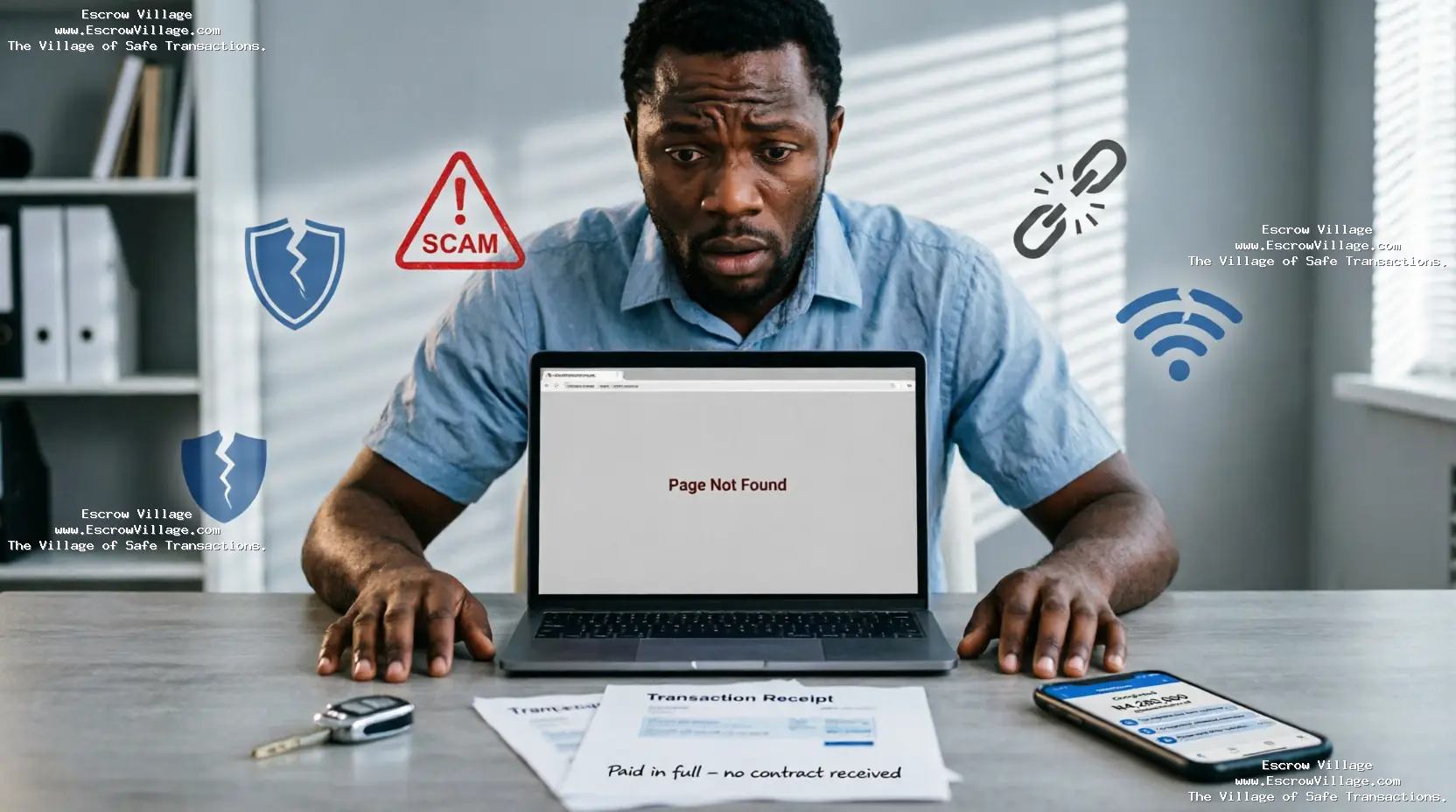
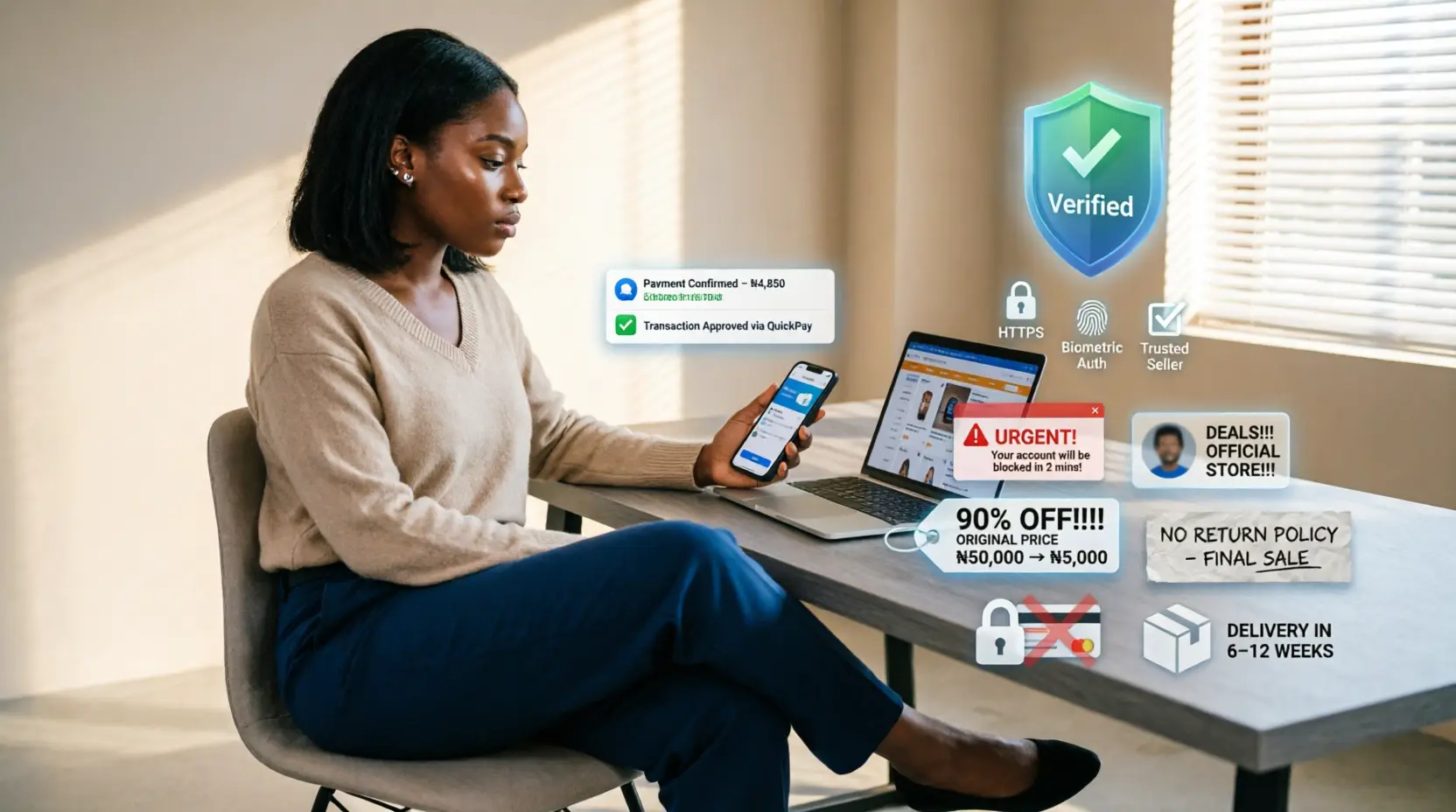
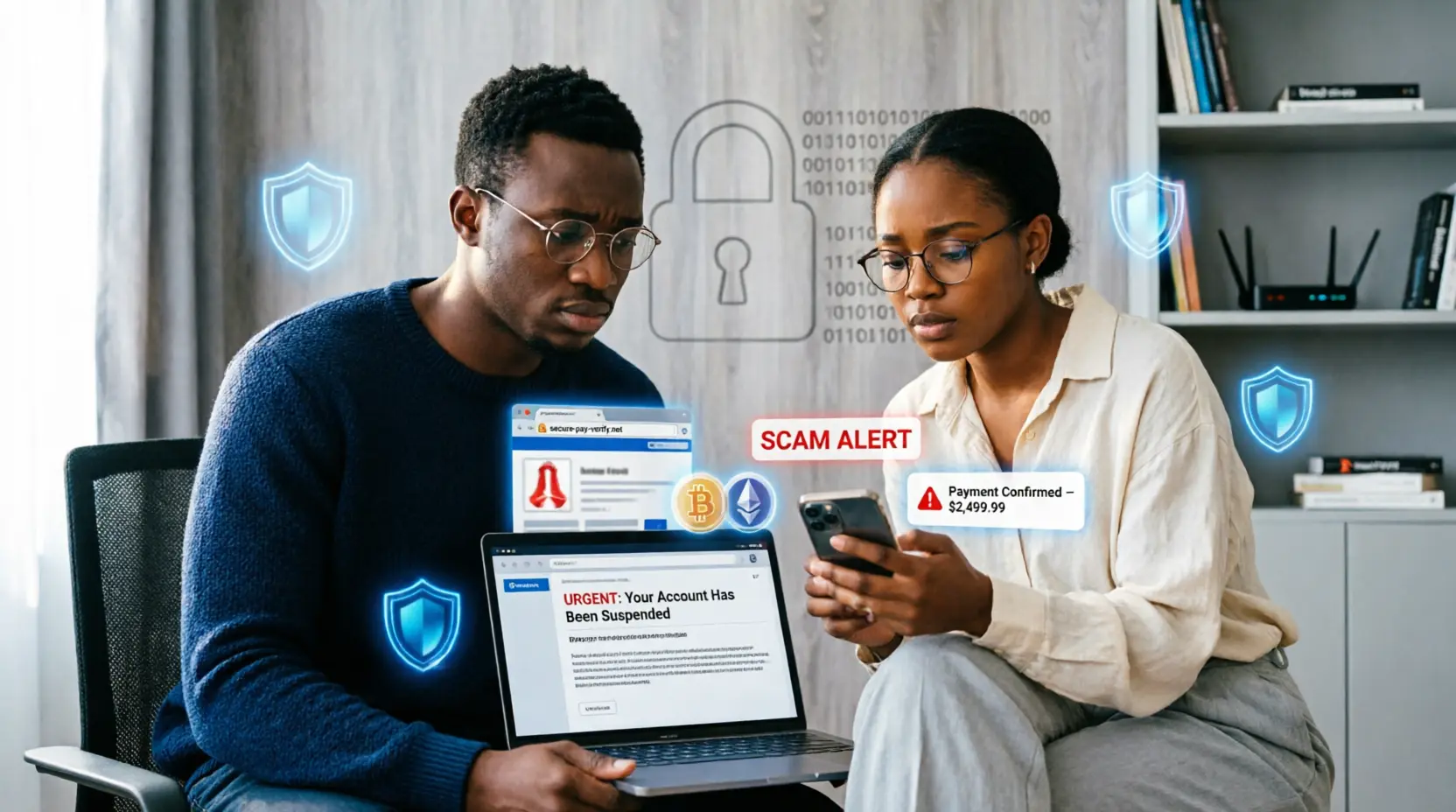
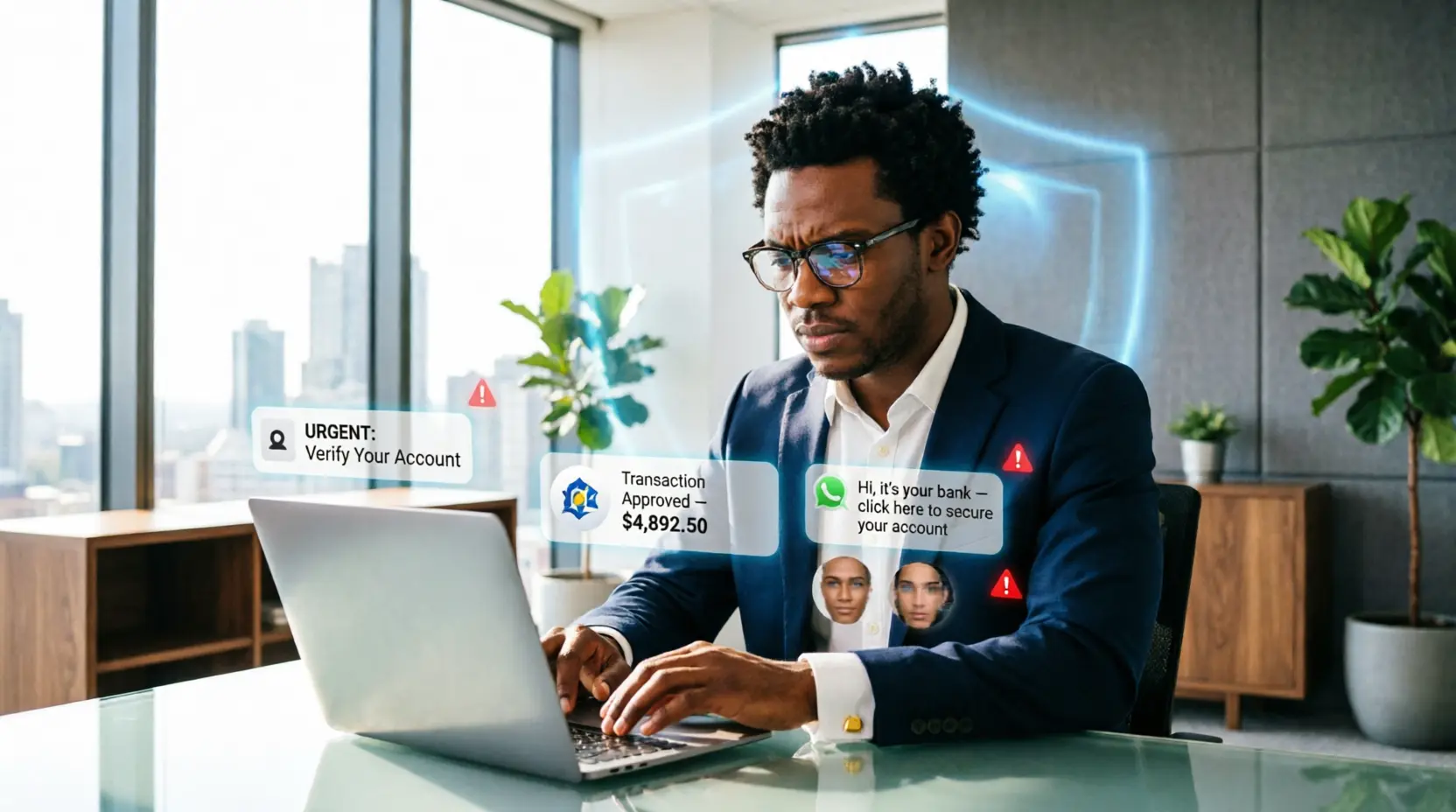
But this market is also a hotbed for fraud, from stolen devices to iCloud-locked phones and fake "sealed" units.
If you're shopping for a used iPhone in Nigeria, here's how to do it safely.
Why Buying Used iPhones in Nigeria Comes With Risks
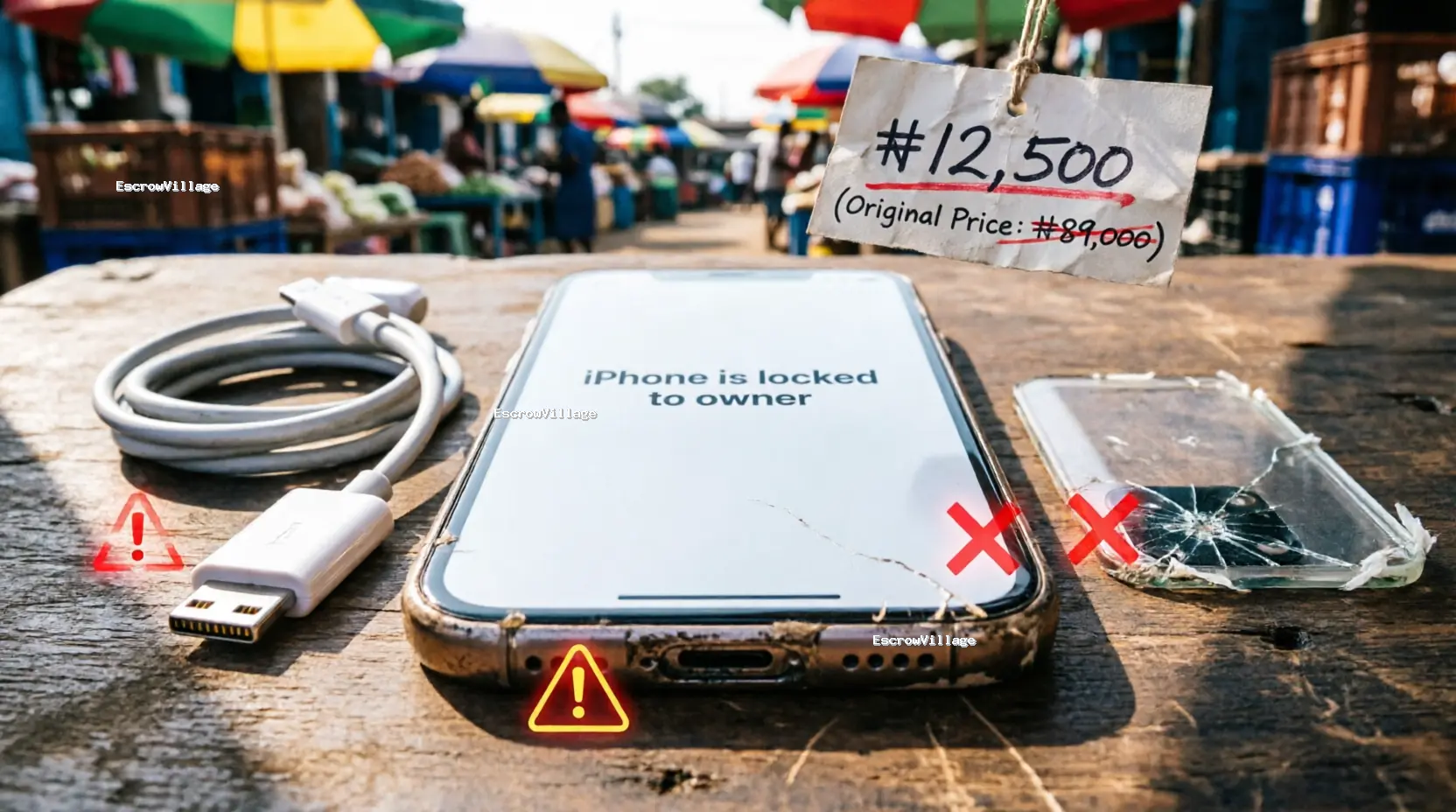
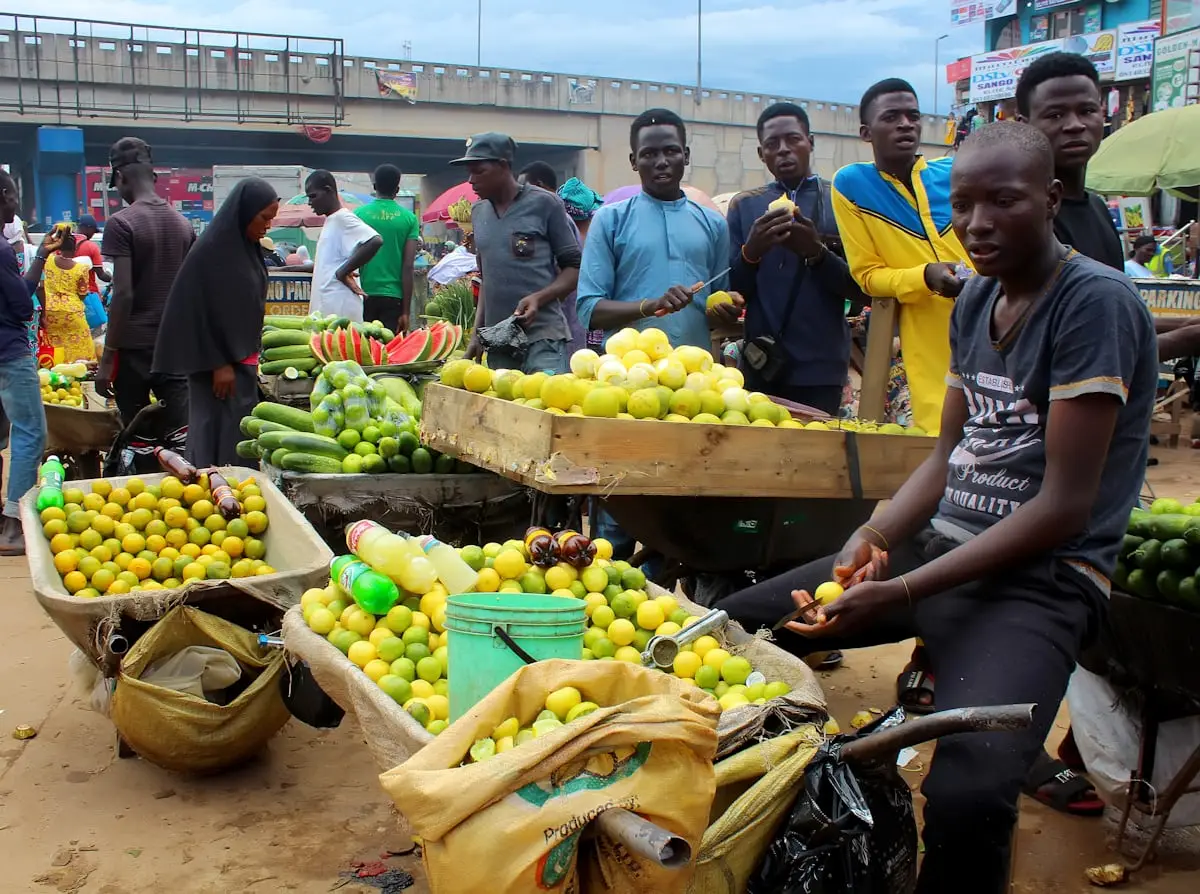
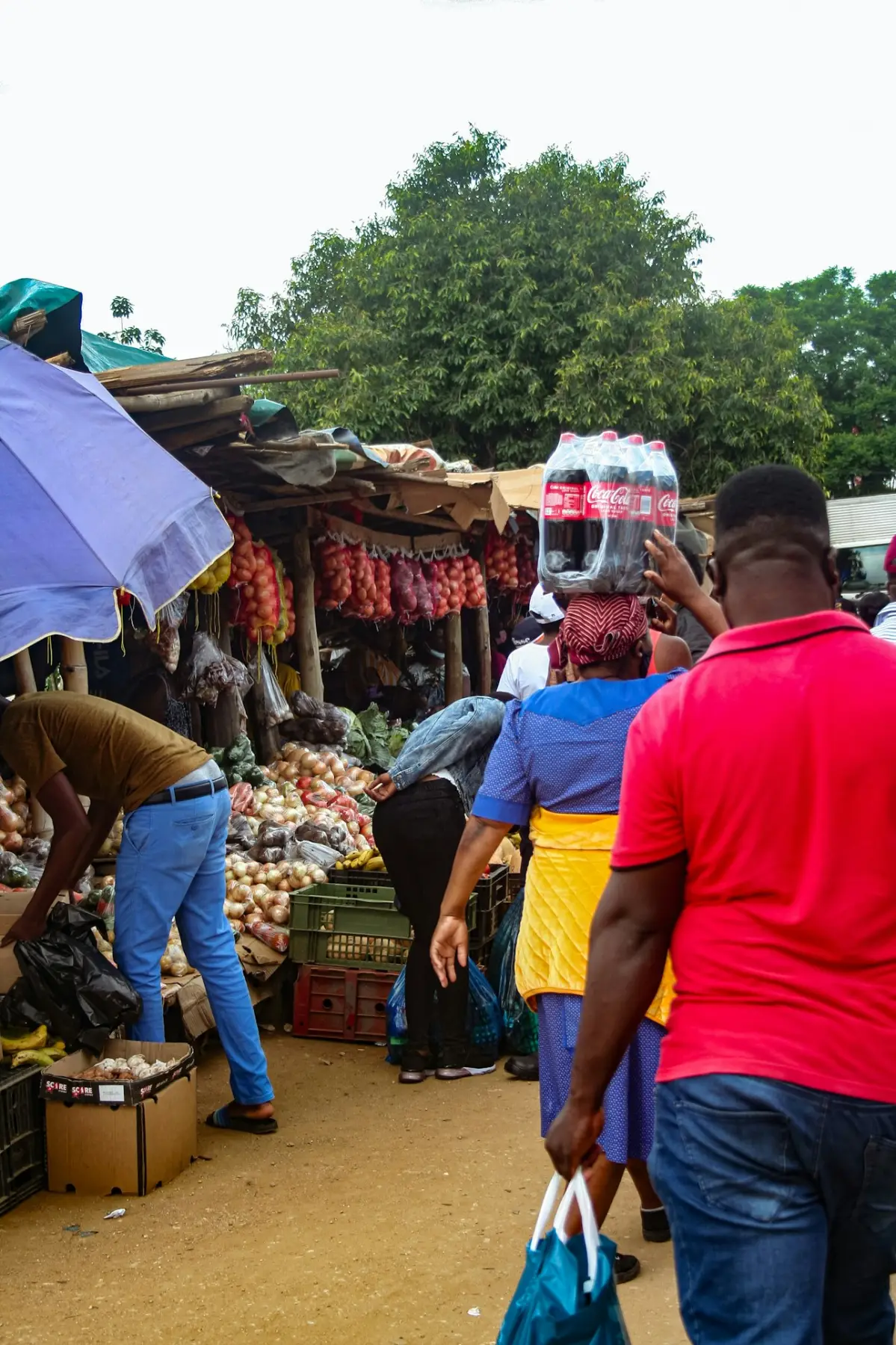
Nigeria's used electronics market, particularly hubs like Computer Village in Lagos moves fast, and scammers know it.
Common risks include:
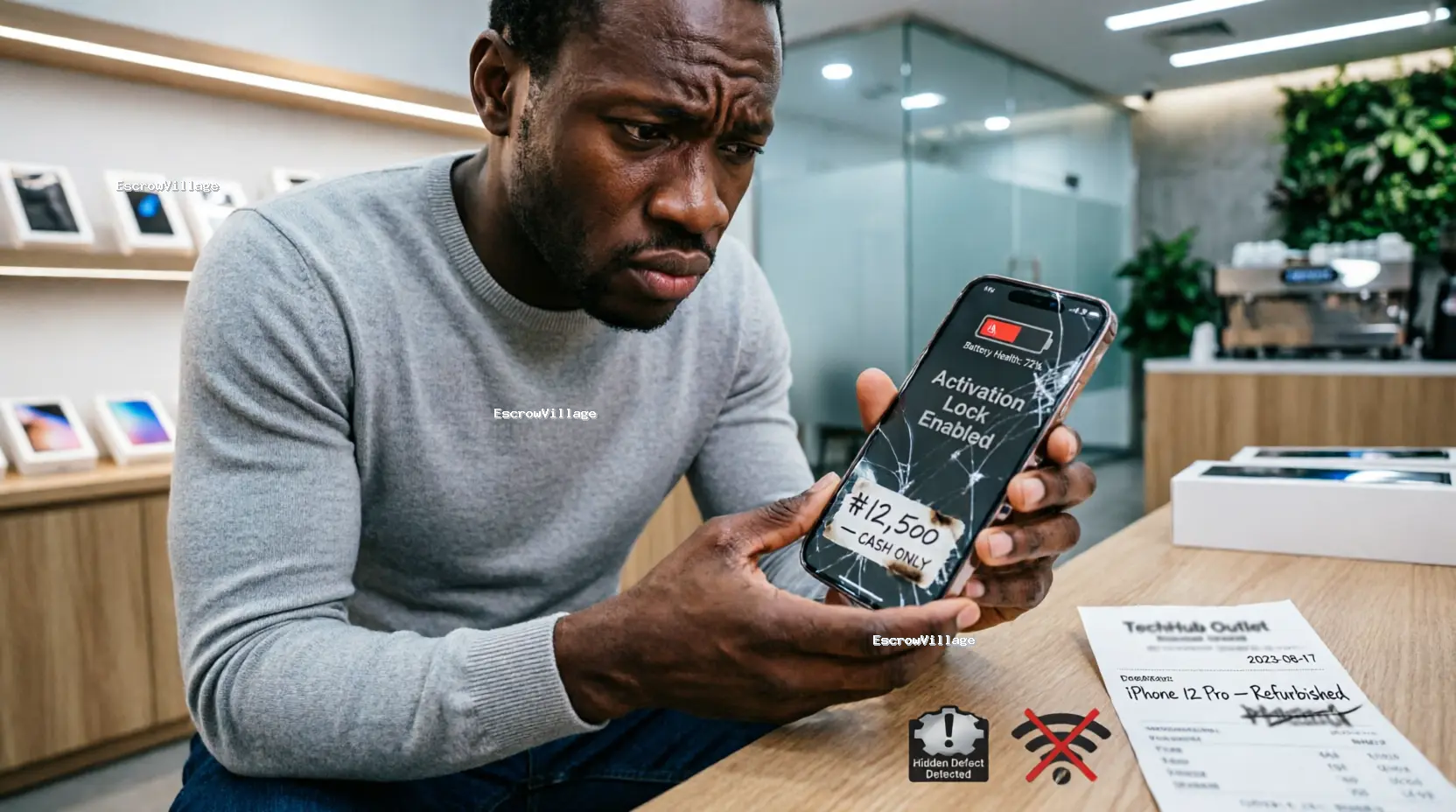
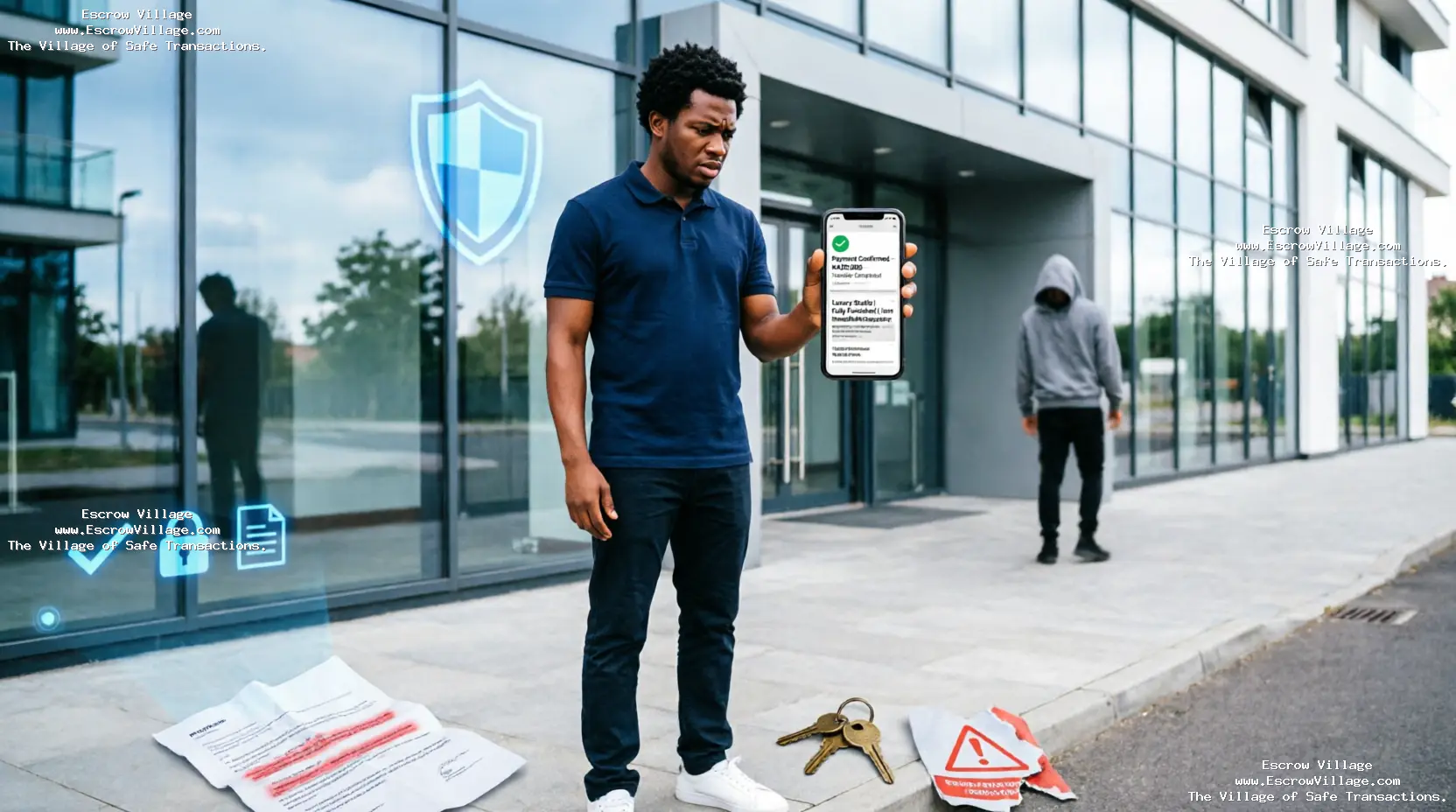
● iCloud-locked phones: The seller doesn't remove their Apple ID, leaving you with an unusable "brick" after payment.
● Stolen devices: You unknowingly buy a phone reported lost or stolen, which can be blacklisted by network carriers.
● Fake specs or grades: A phone advertised as "UK used, mint condition" turns out to have a swapped screen or battery.
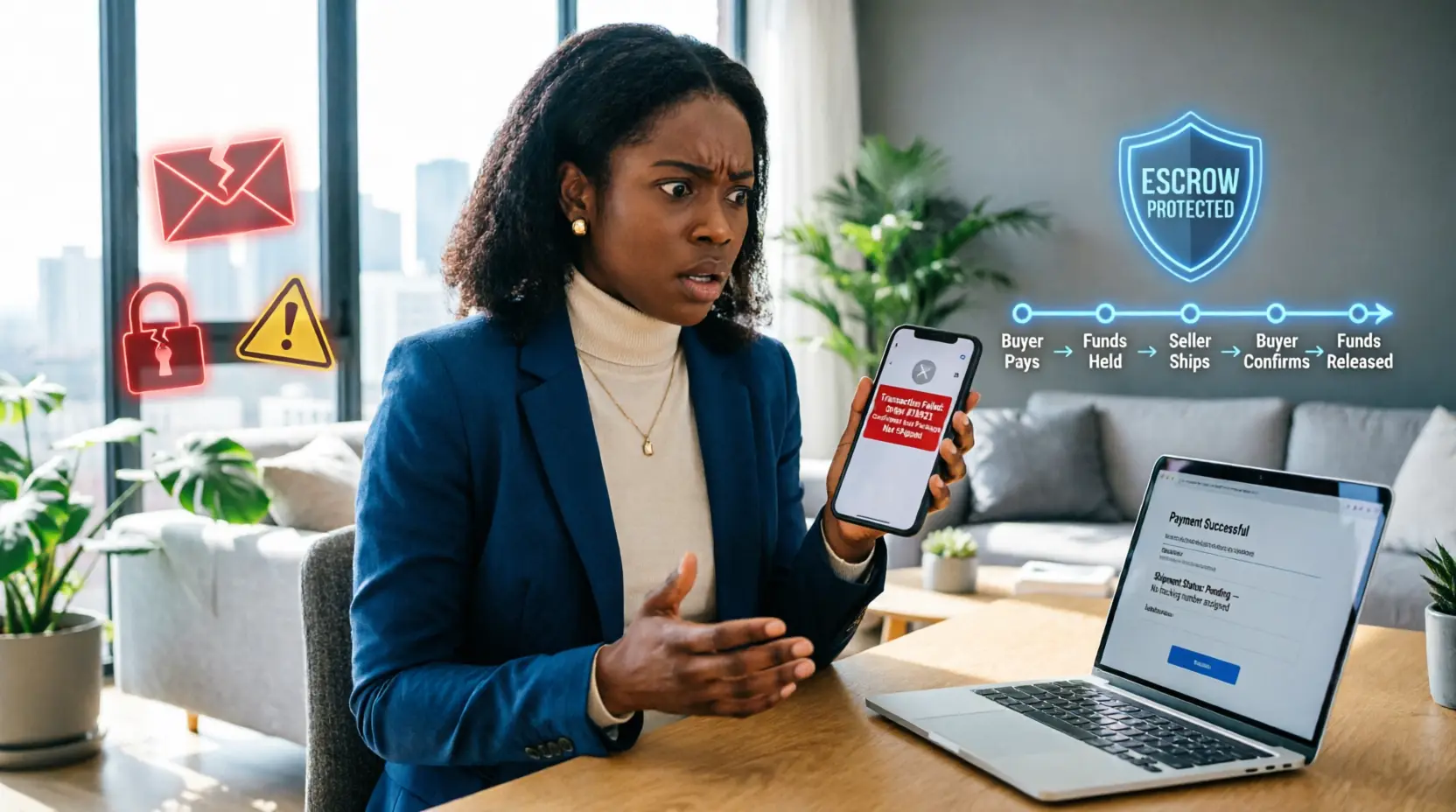
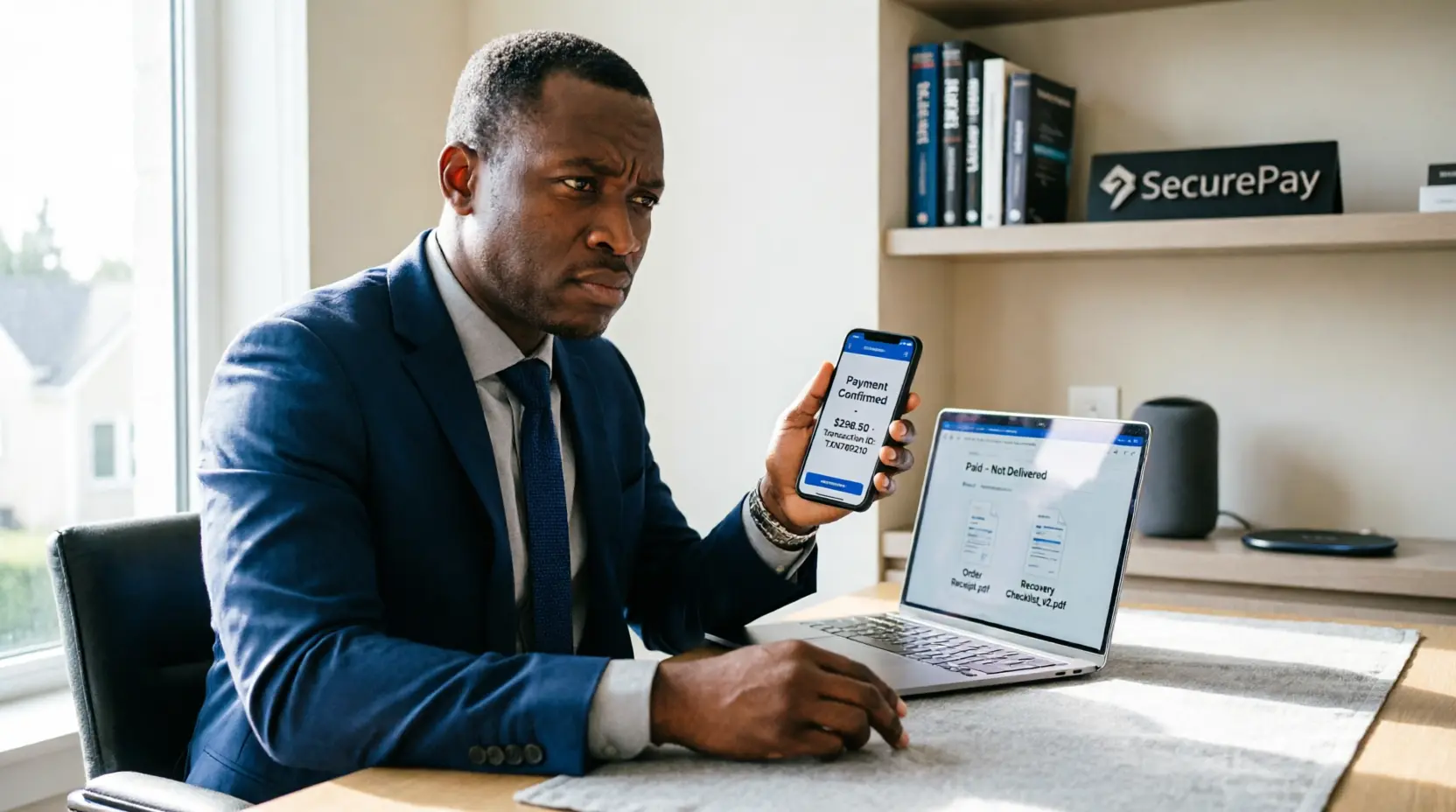
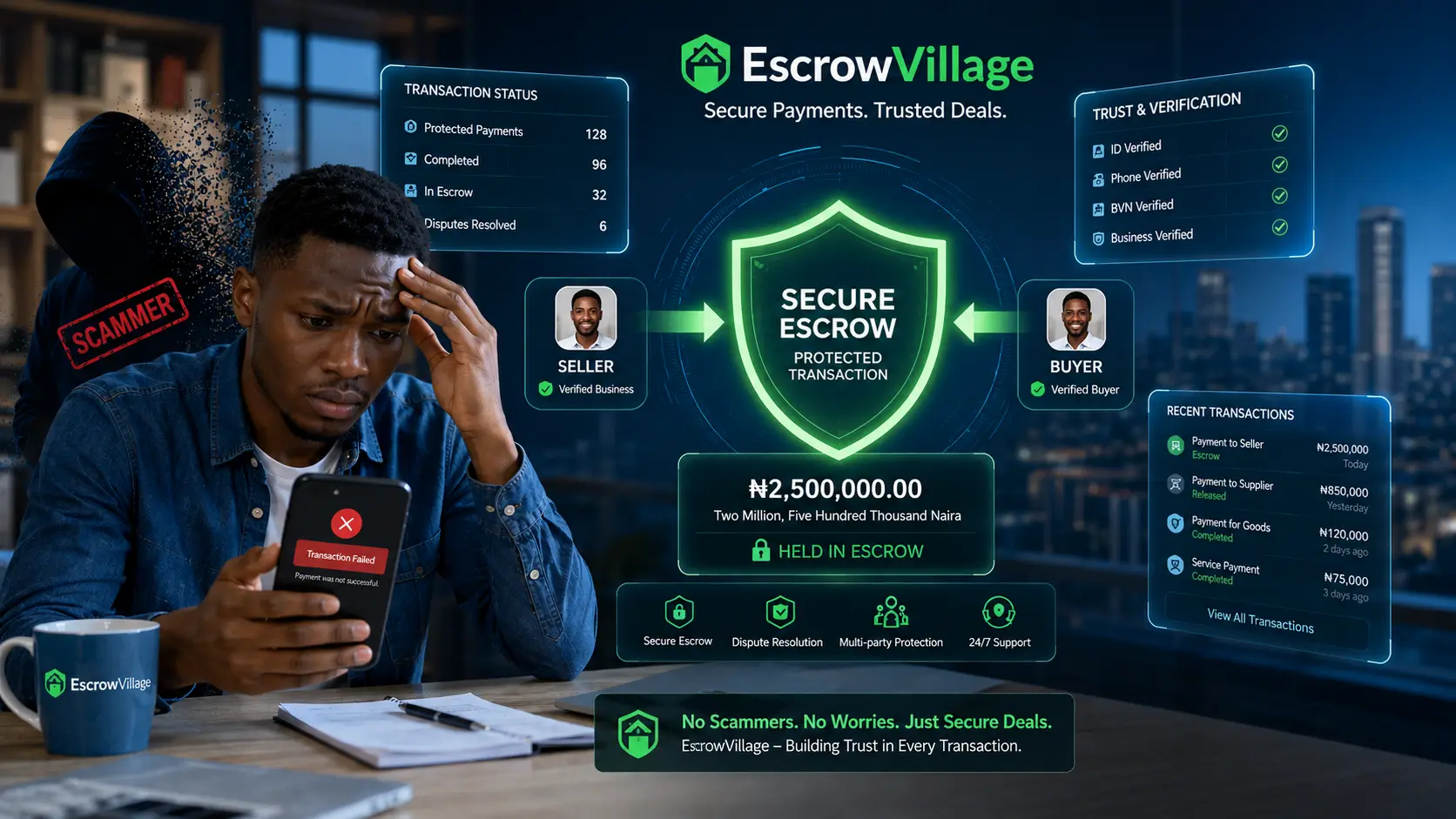
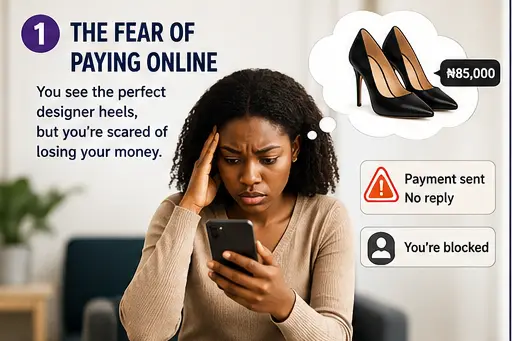
● Payment fraud: Buyers send money via bank transfer before inspecting the device, only for the seller to disappear.
Understanding these risks is the first step.
The second is knowing exactly what to check before money changes hands.
Step 1:Verify the IMEI Before You Pay
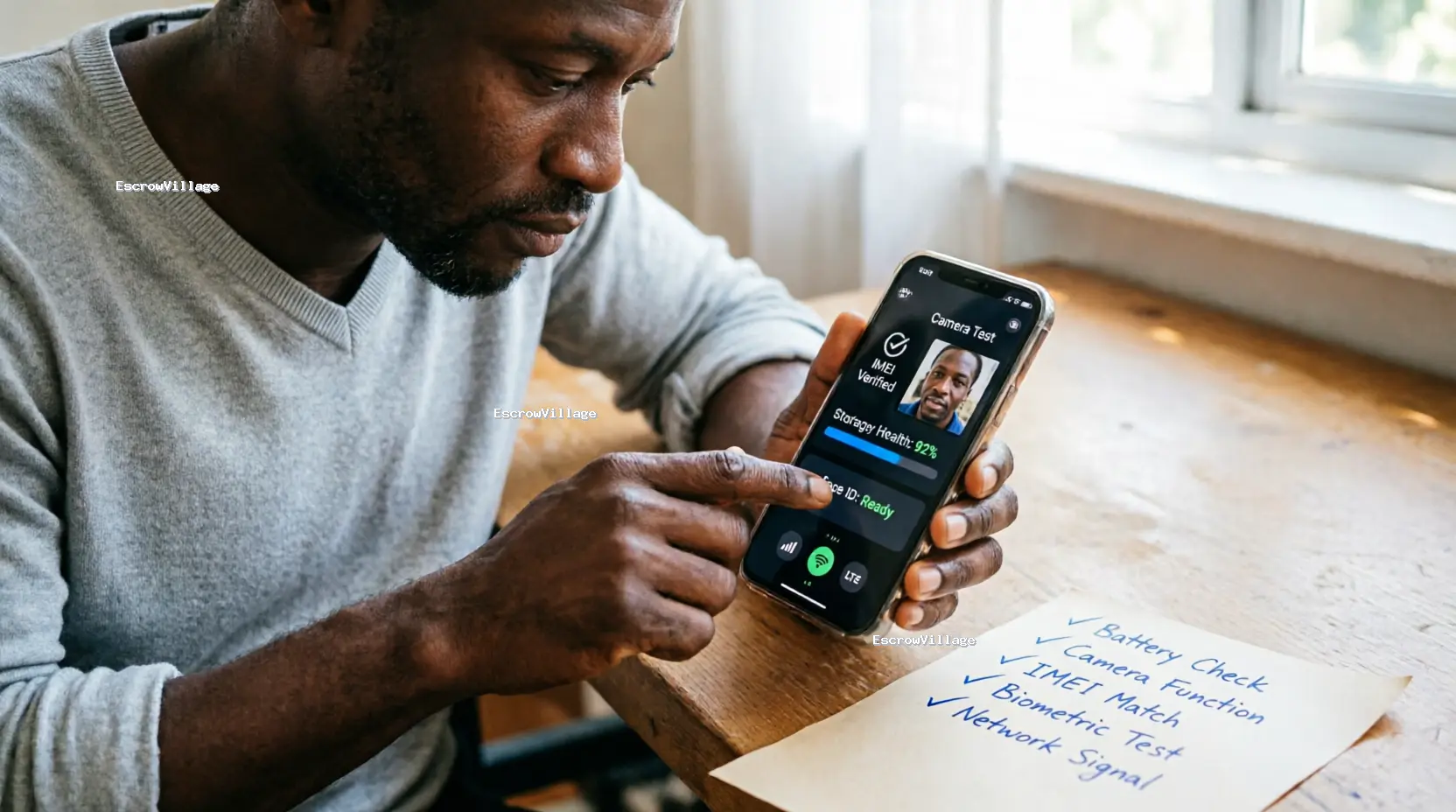
Every iPhone has a unique IMEI number, usually found under Settings > General > About.
Before paying:
Ask the seller for the IMEI in advance.
Check it against Nigeria's device registry or Apple's official coverage checker to confirm it isn't blacklisted or reported stolen.
Compare the IMEI on the box (if available) with the one on the device itself.
Step 2: Confirm the iCloud Status
This is the single most important check. Go to Settings > Find My iPhone and ensure it's turned off, or ask the seller to sign out of their Apple ID in your presence. Never accept a promise to "unlock it after payment", insist it happens before any money is sent.
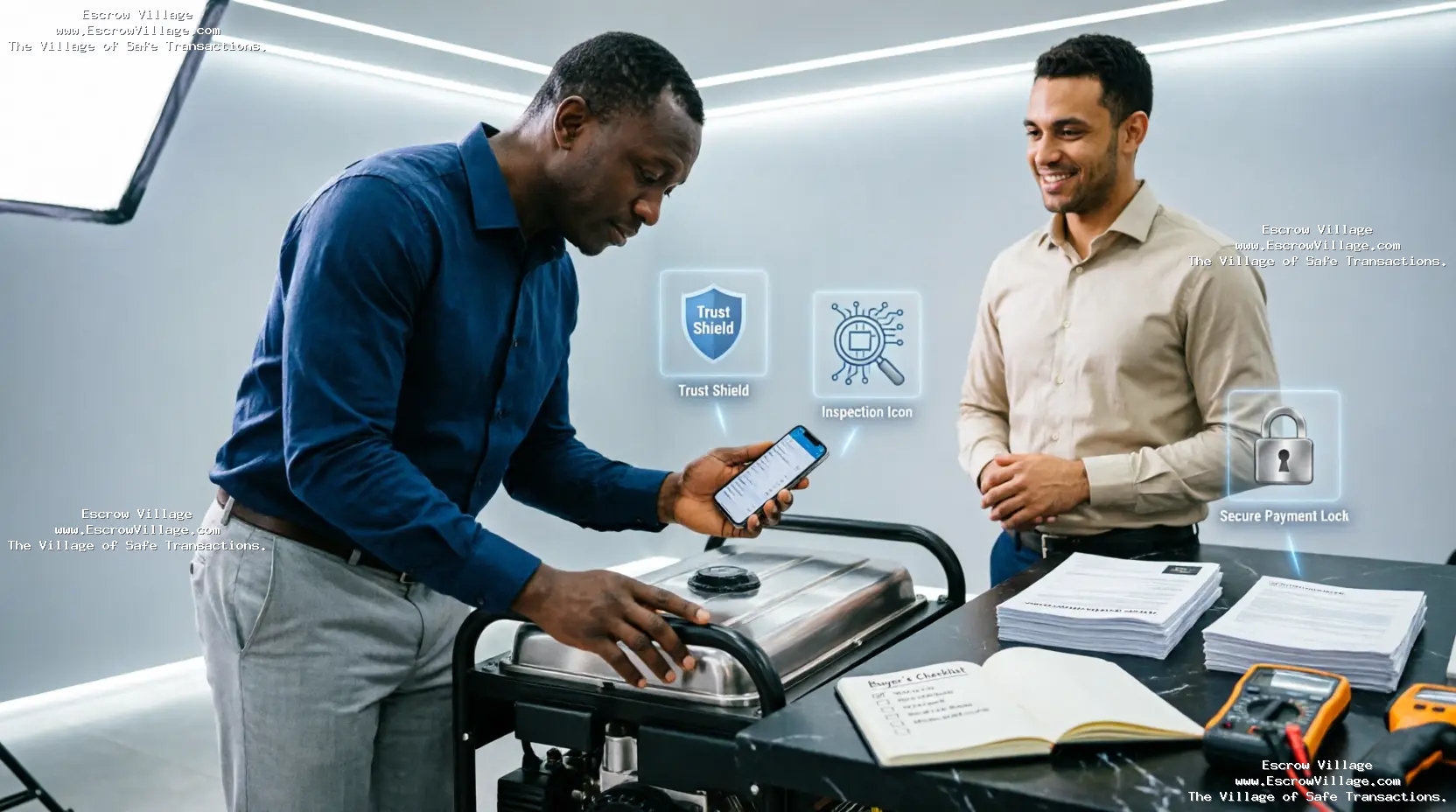
Step 3: Inspect the Phone Physically and Functionally
Before finalizing any deal:
~ Check the screen for scratches, dead pixels, or discoloration.
~ Test Face ID, the cameras, speakers, microphone, and charging port.
~ Check battery health under Settings > Battery > Battery Health (ideally 85% or above).
~ Confirm the phone isn't a refurbished unit with mismatched parts, which can affect performance and resale value.
Step 4: Buy From Verifiable Sellers
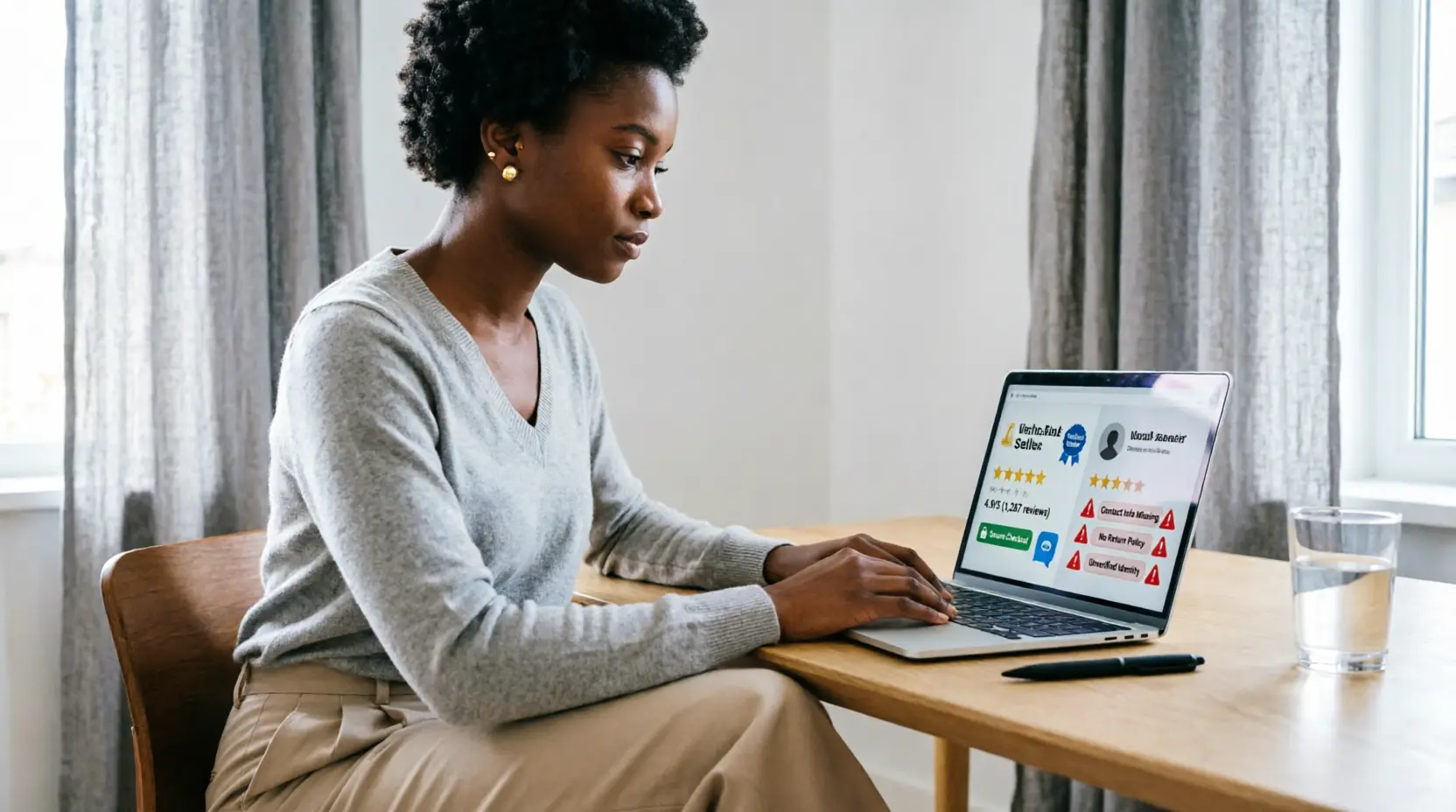
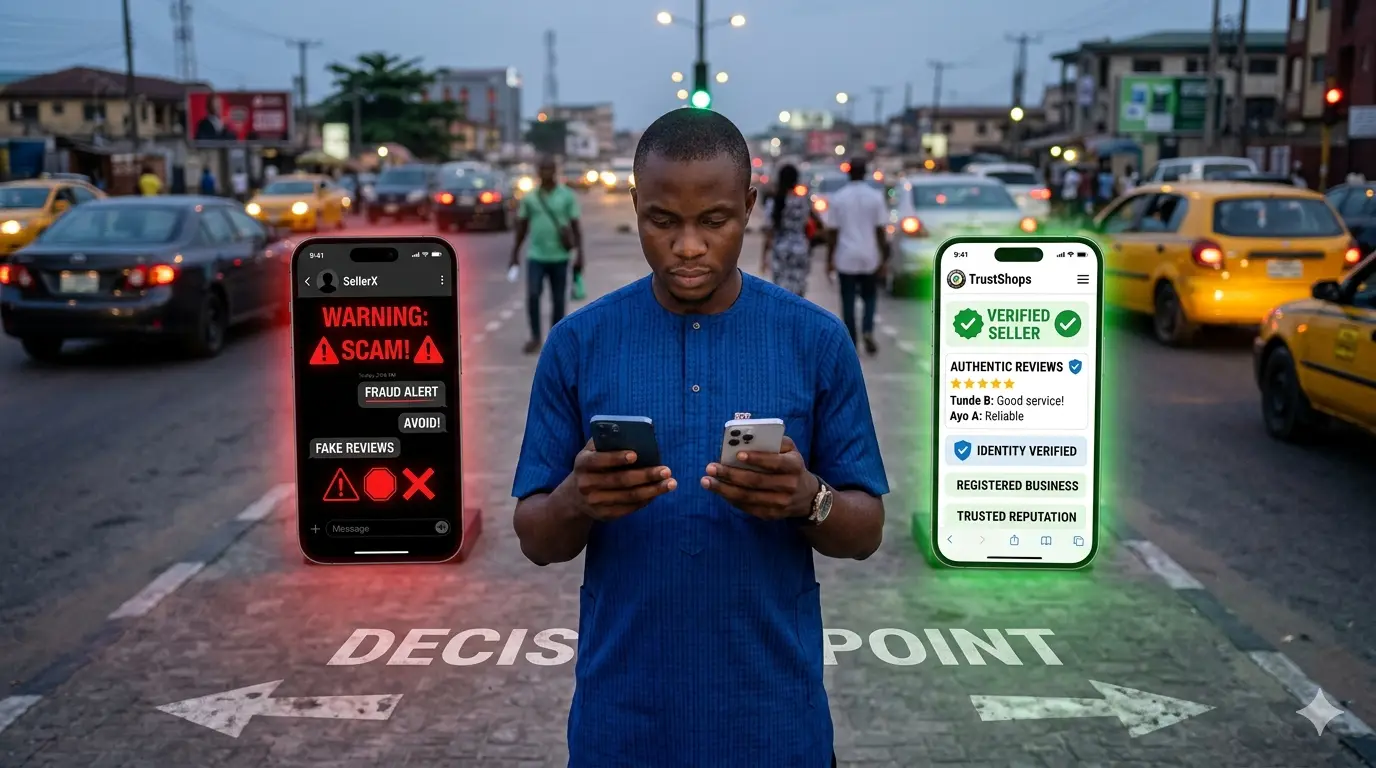
Whenever possible, buy from registered phone dealers rather than anonymous online listings.
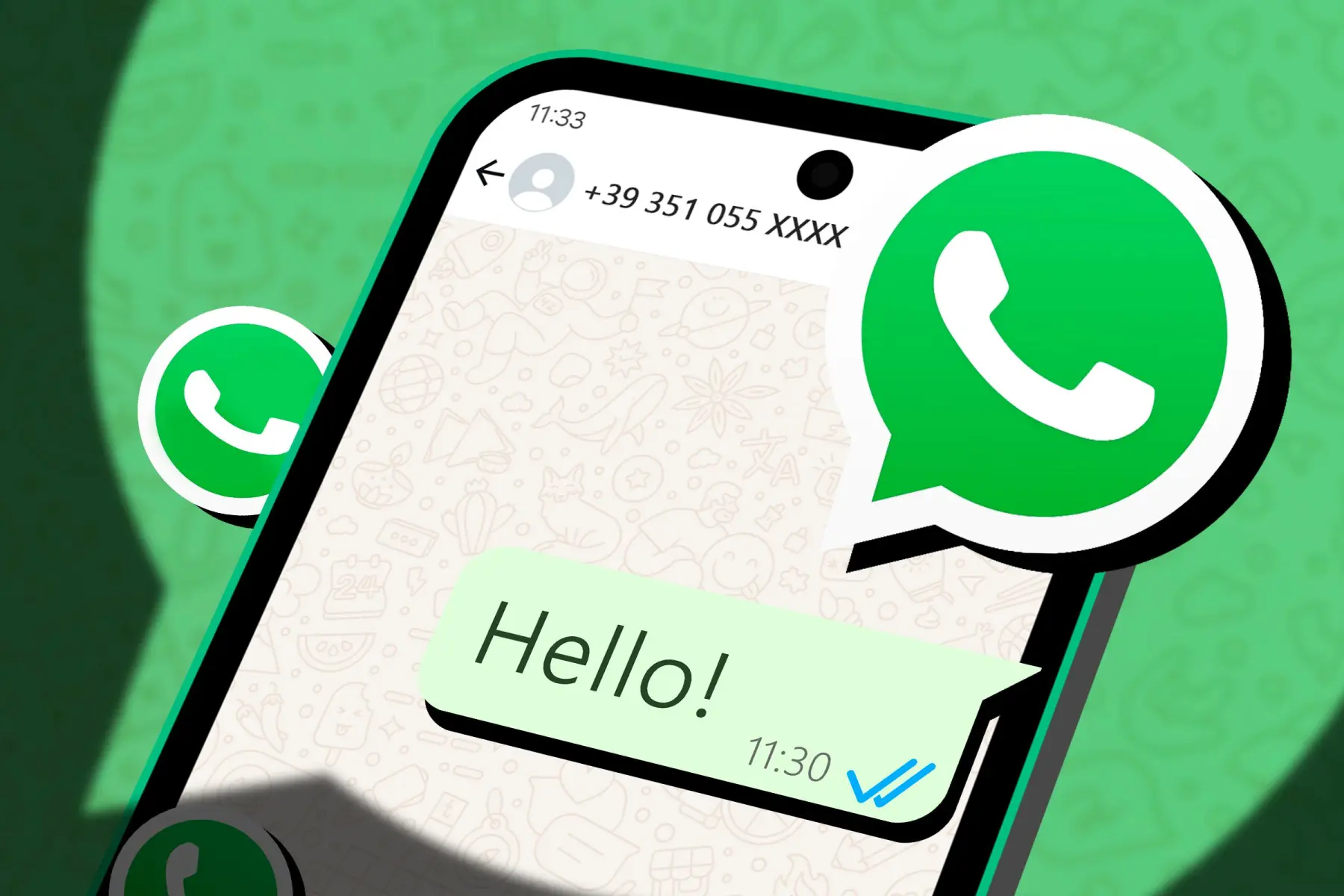
Ask for a receipt, and if buying from a shop in places like Computer Village, choose vendors with a physical location and a track record not just a WhatsApp number.
Step 5: Never Pay Before Verifying — Use Escrow
This is where most used iPhone deals in Nigeria go wrong.
Buyers are pressured to "send money first to reserve the phone," and once payment lands, the seller either disappears or the phone arrives with problems that weren't disclosed.
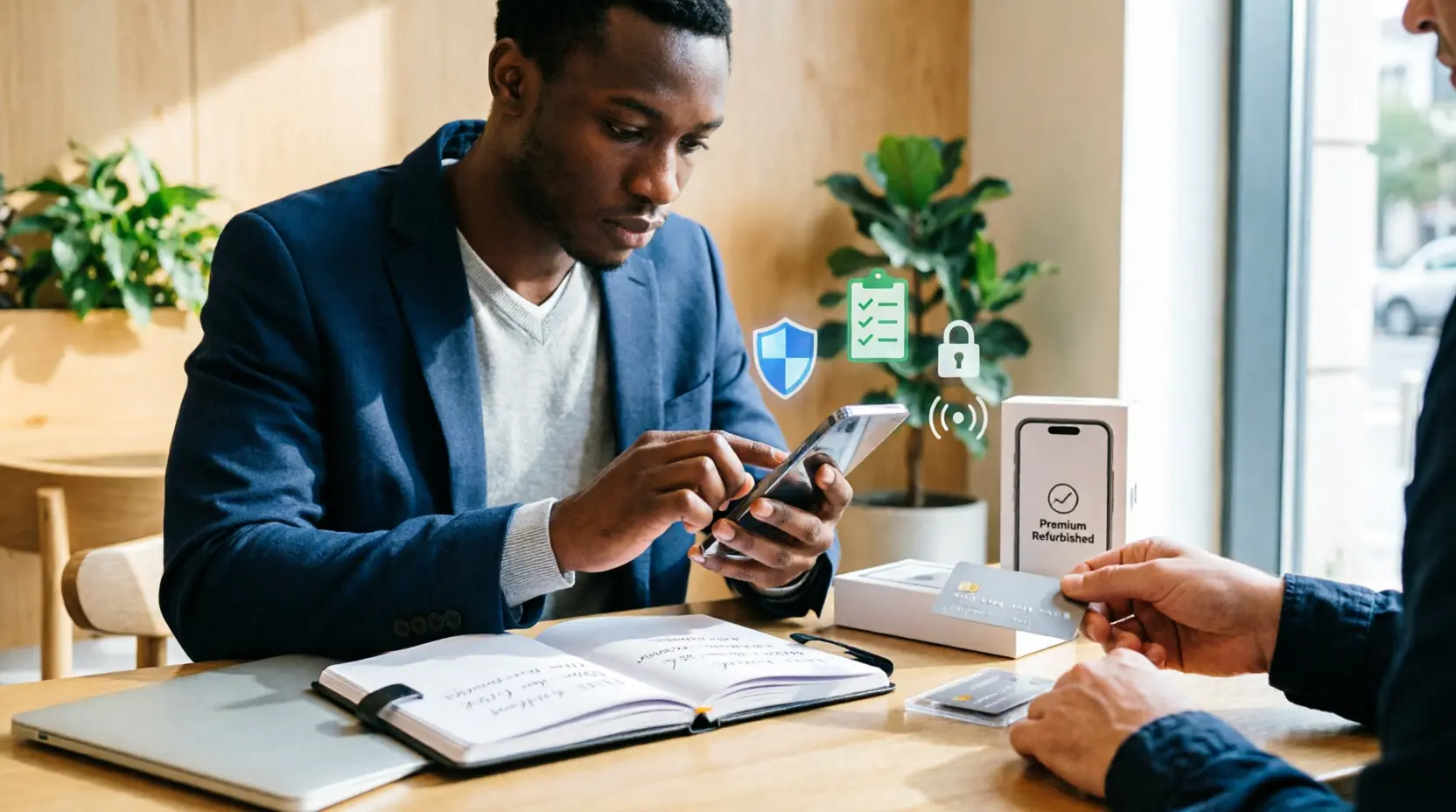
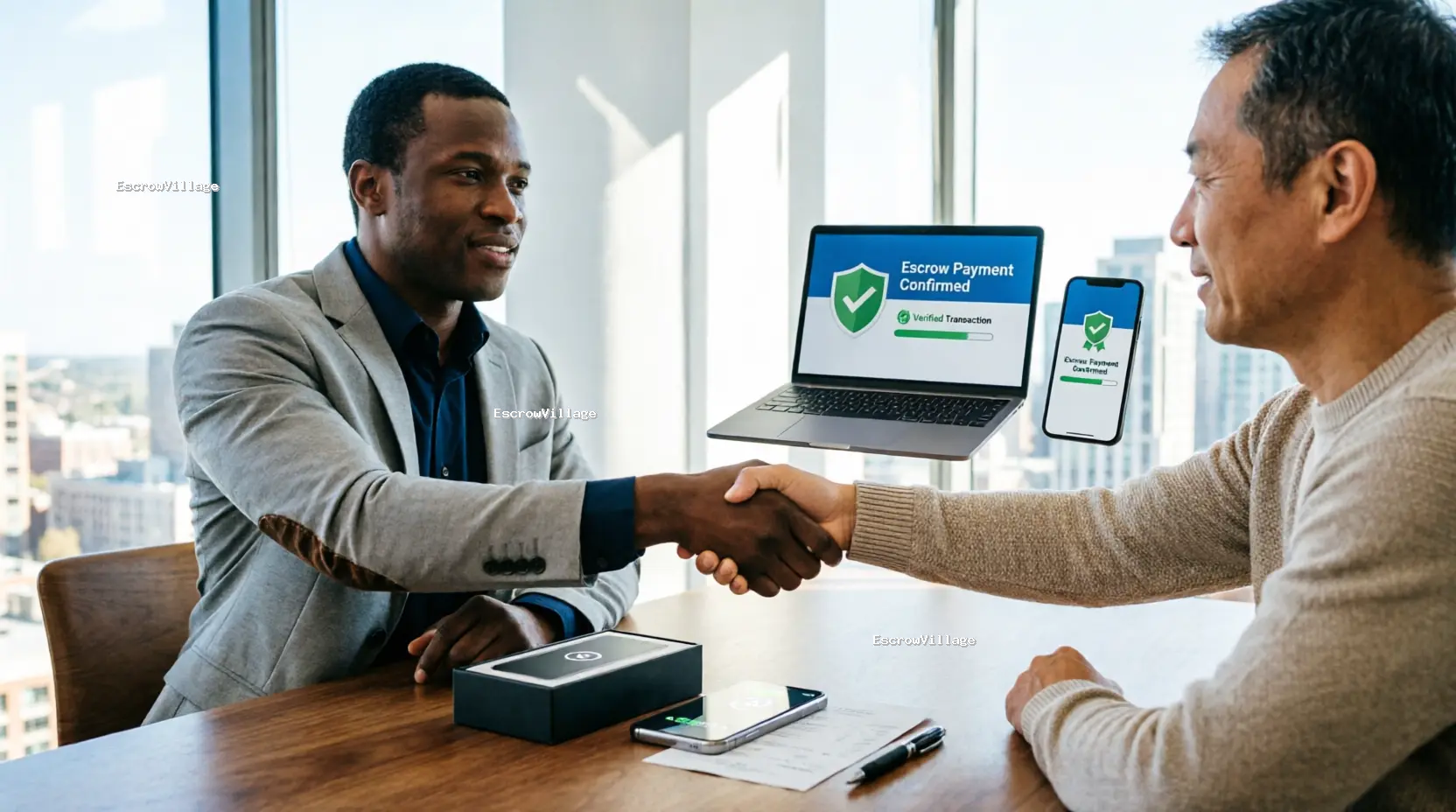
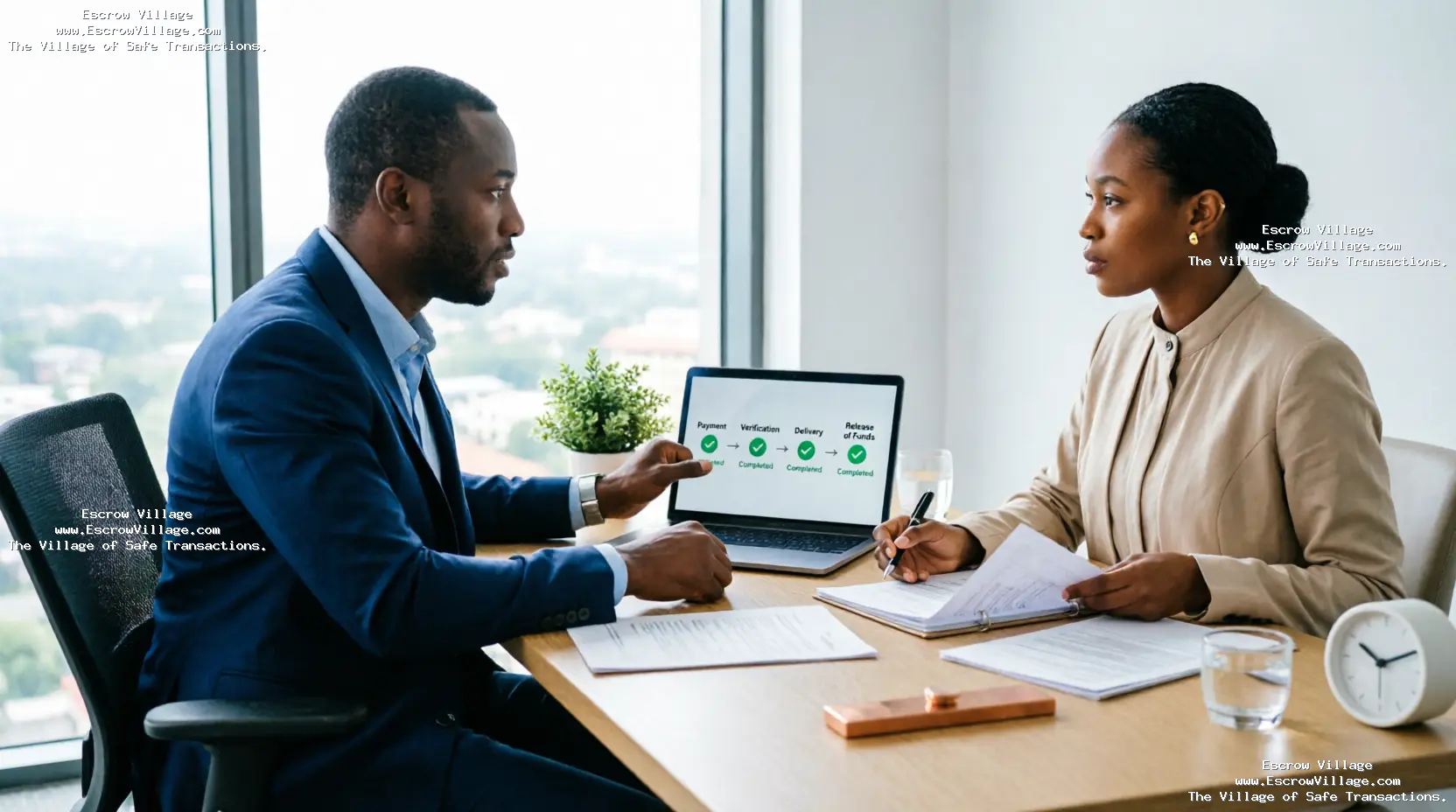
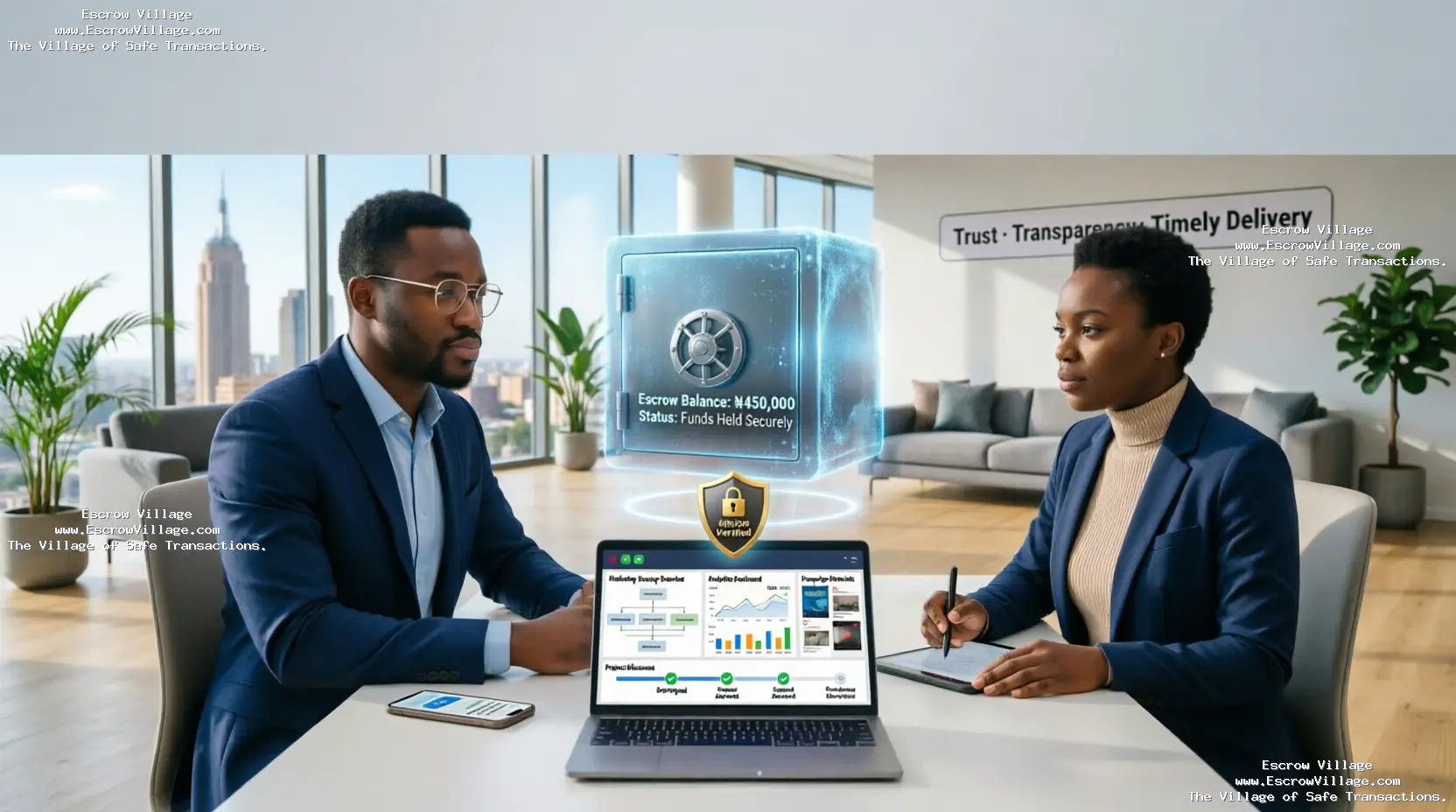
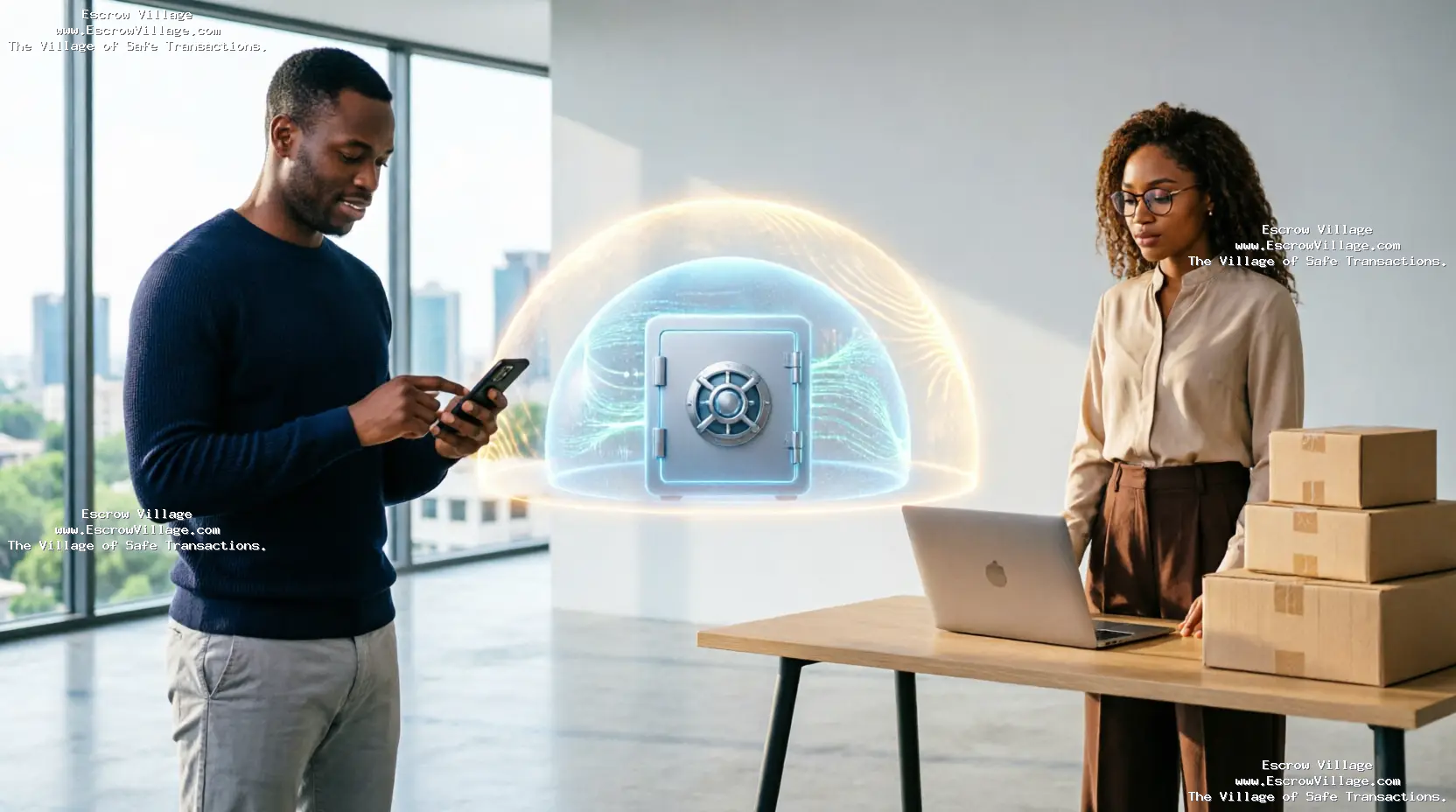
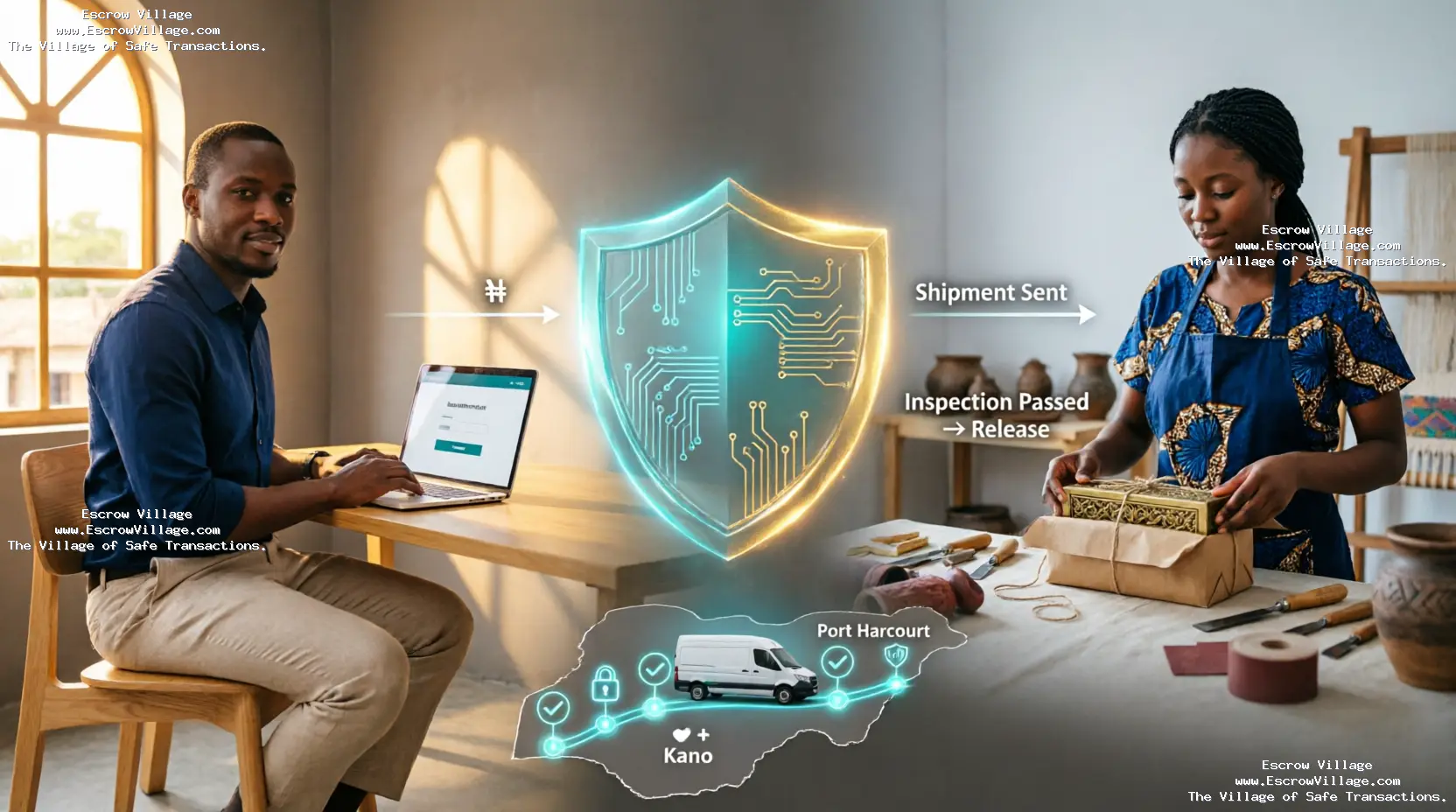
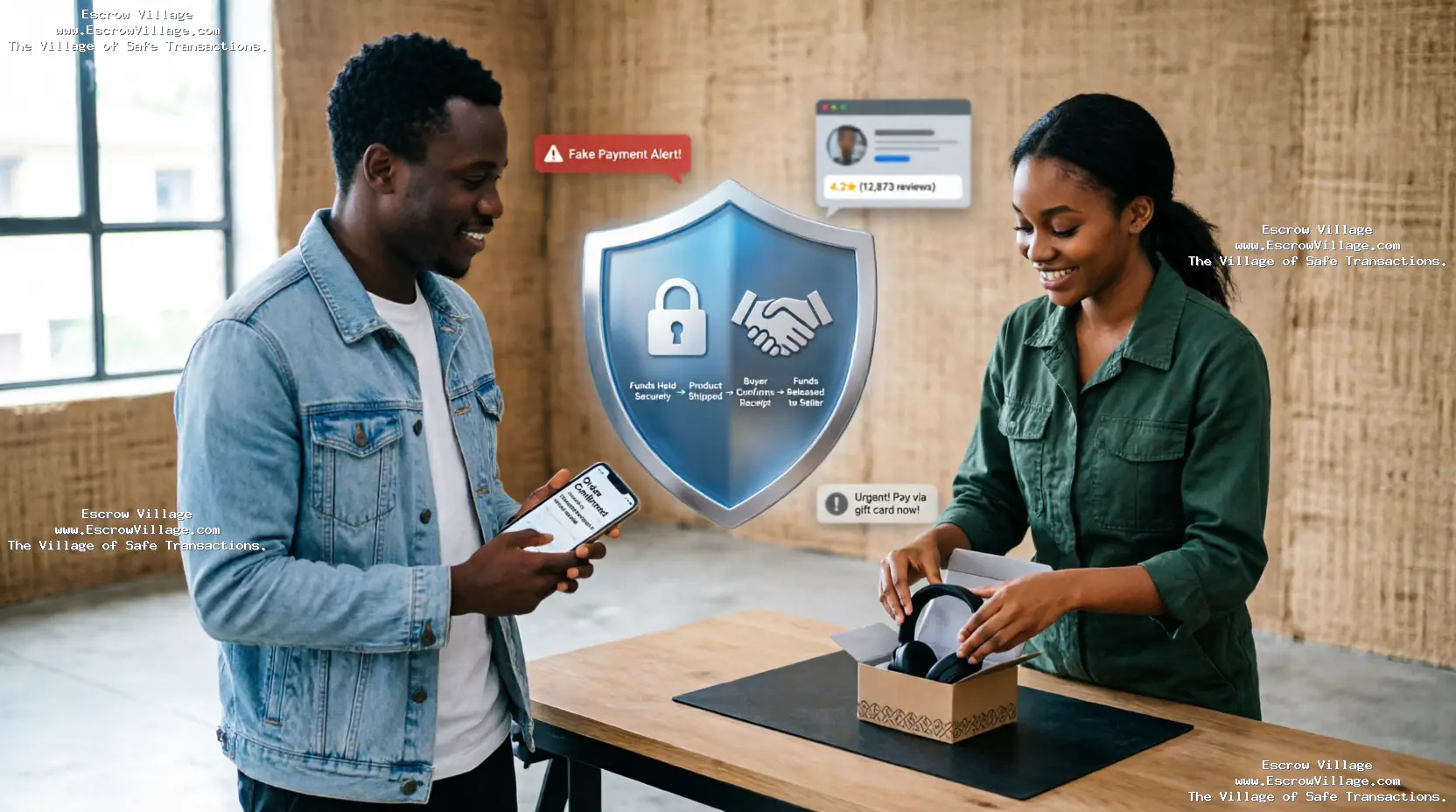
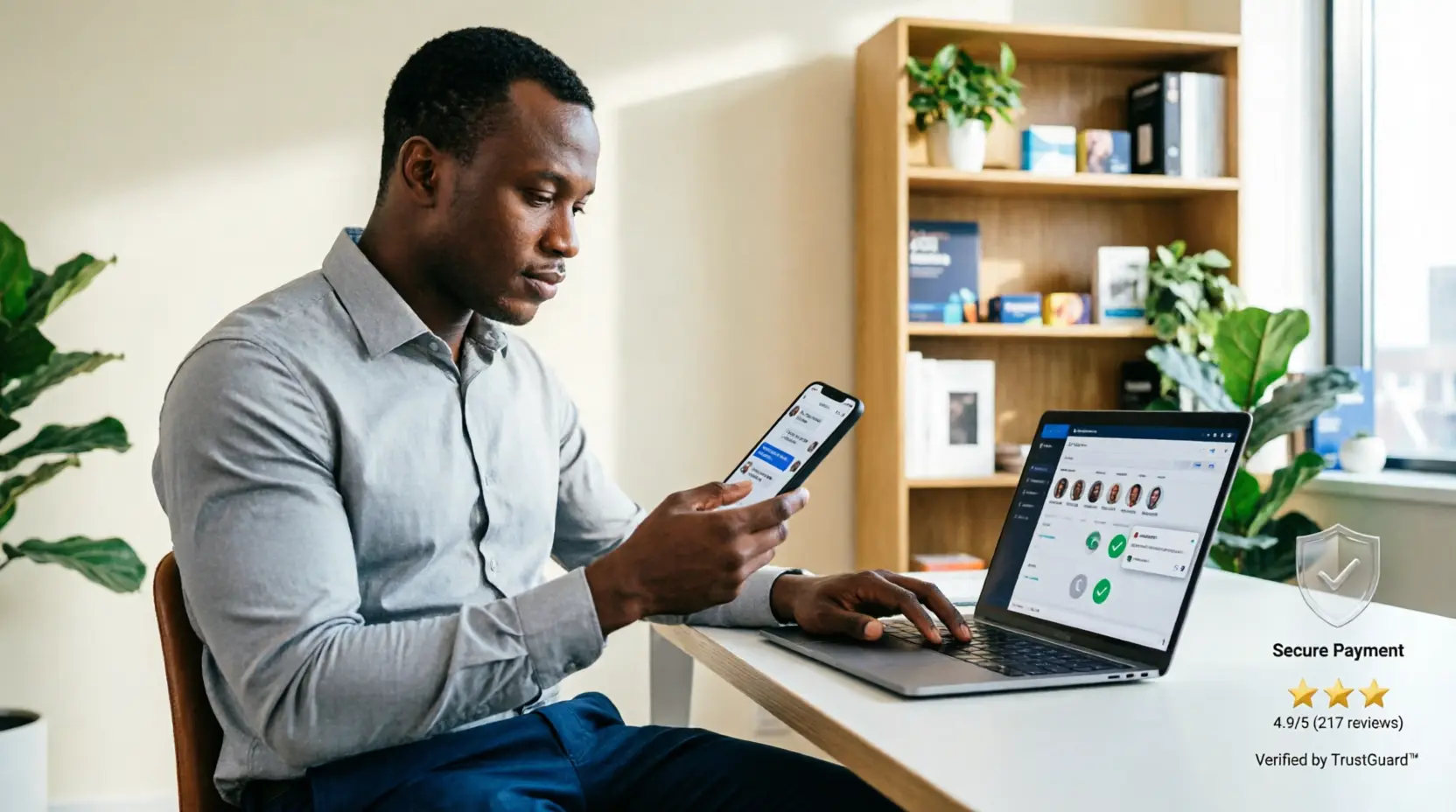
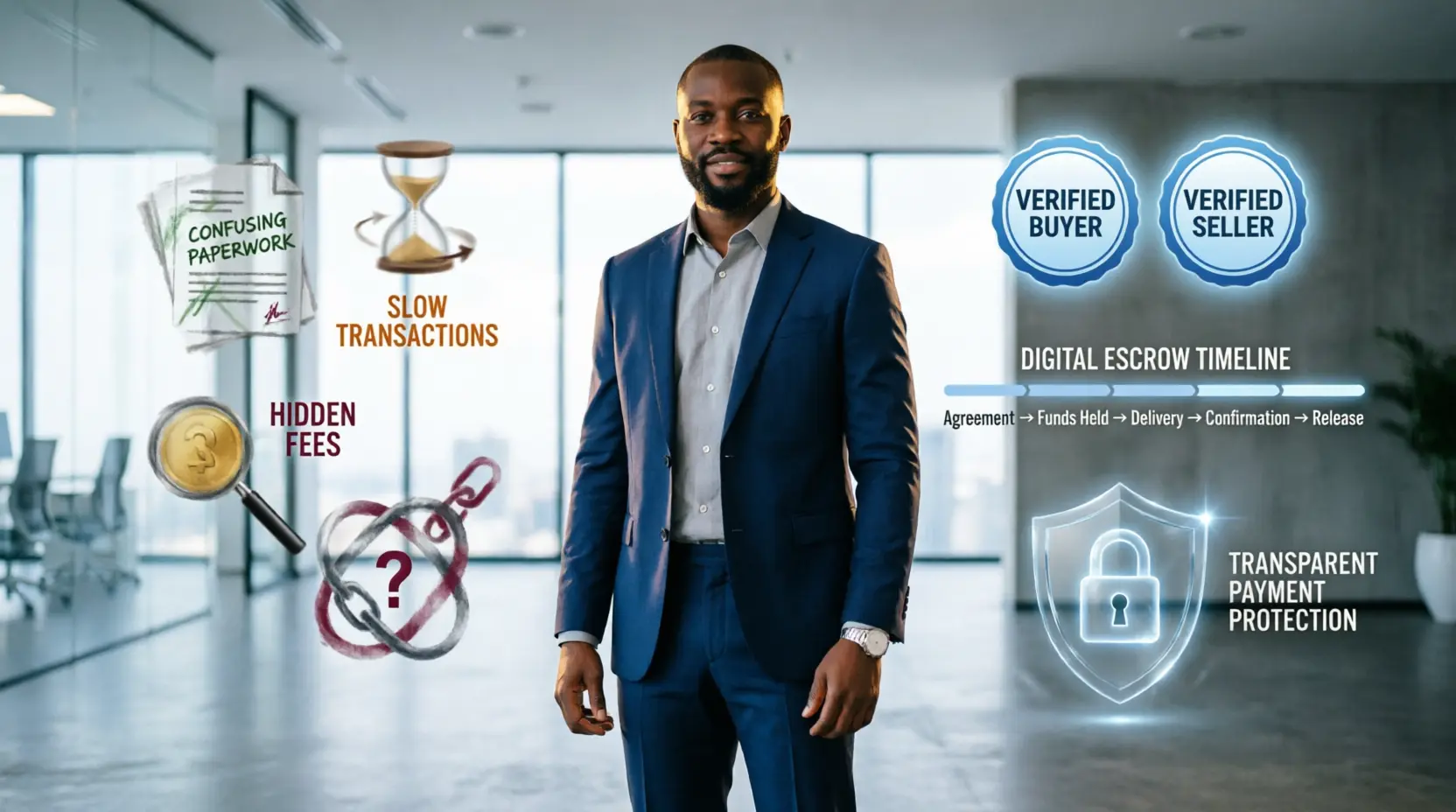
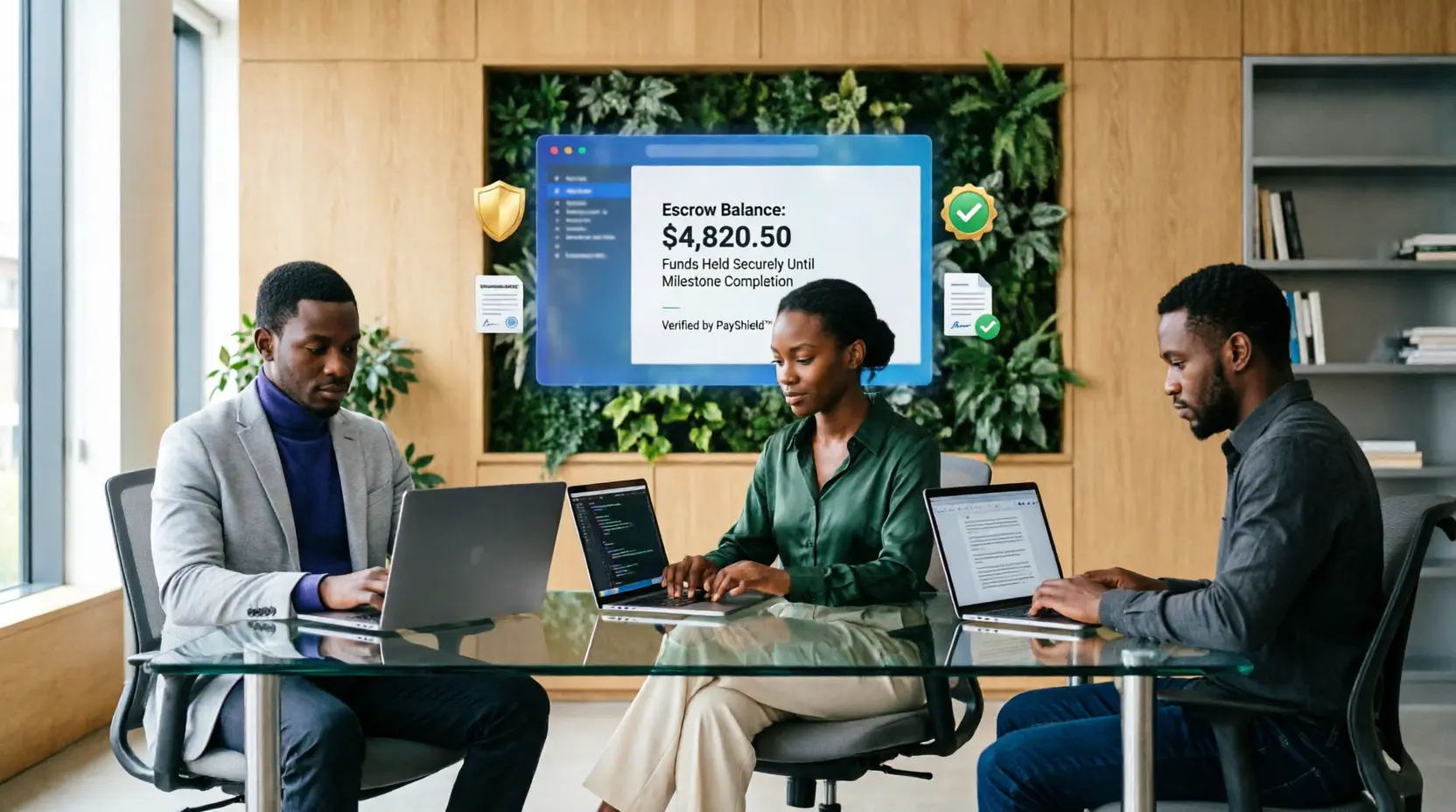
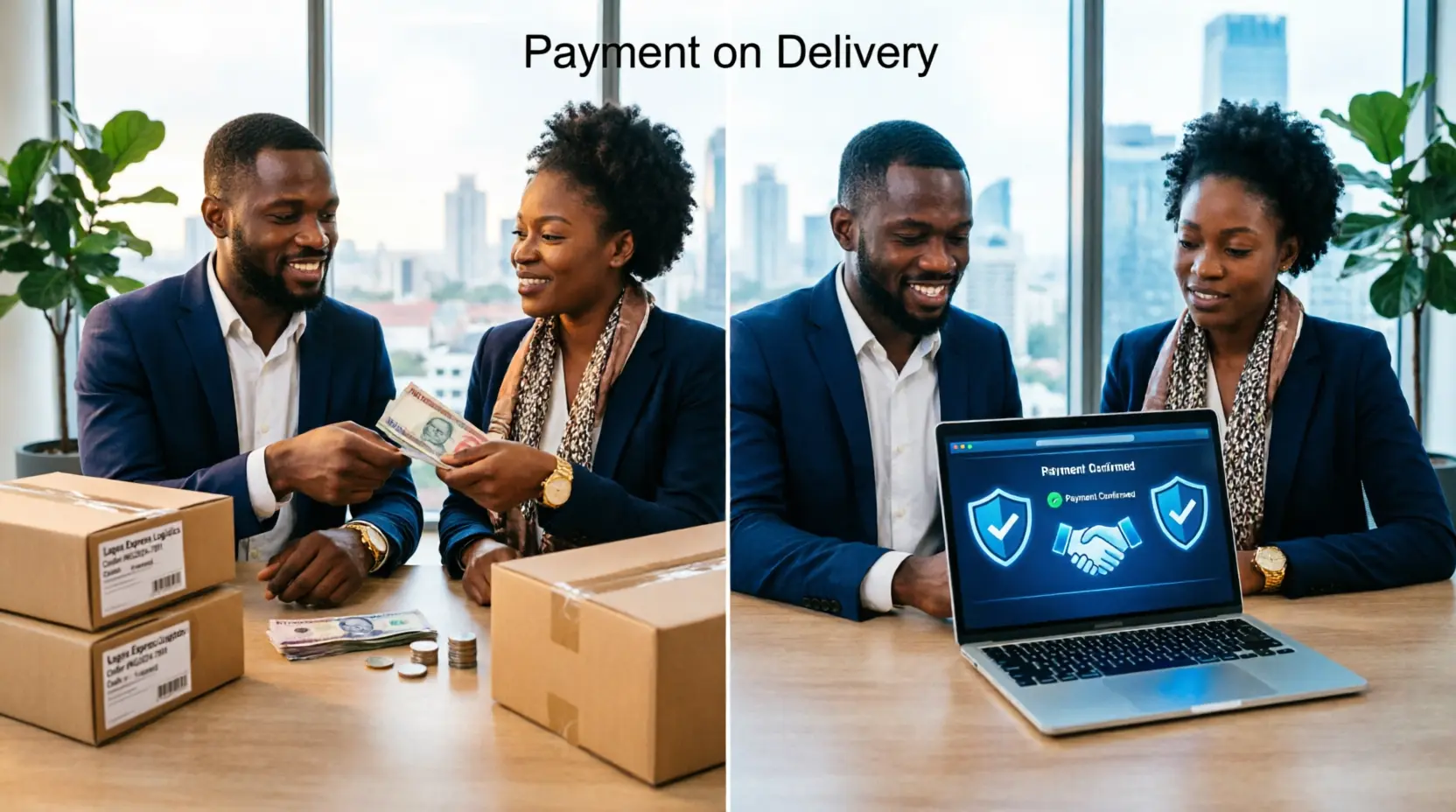
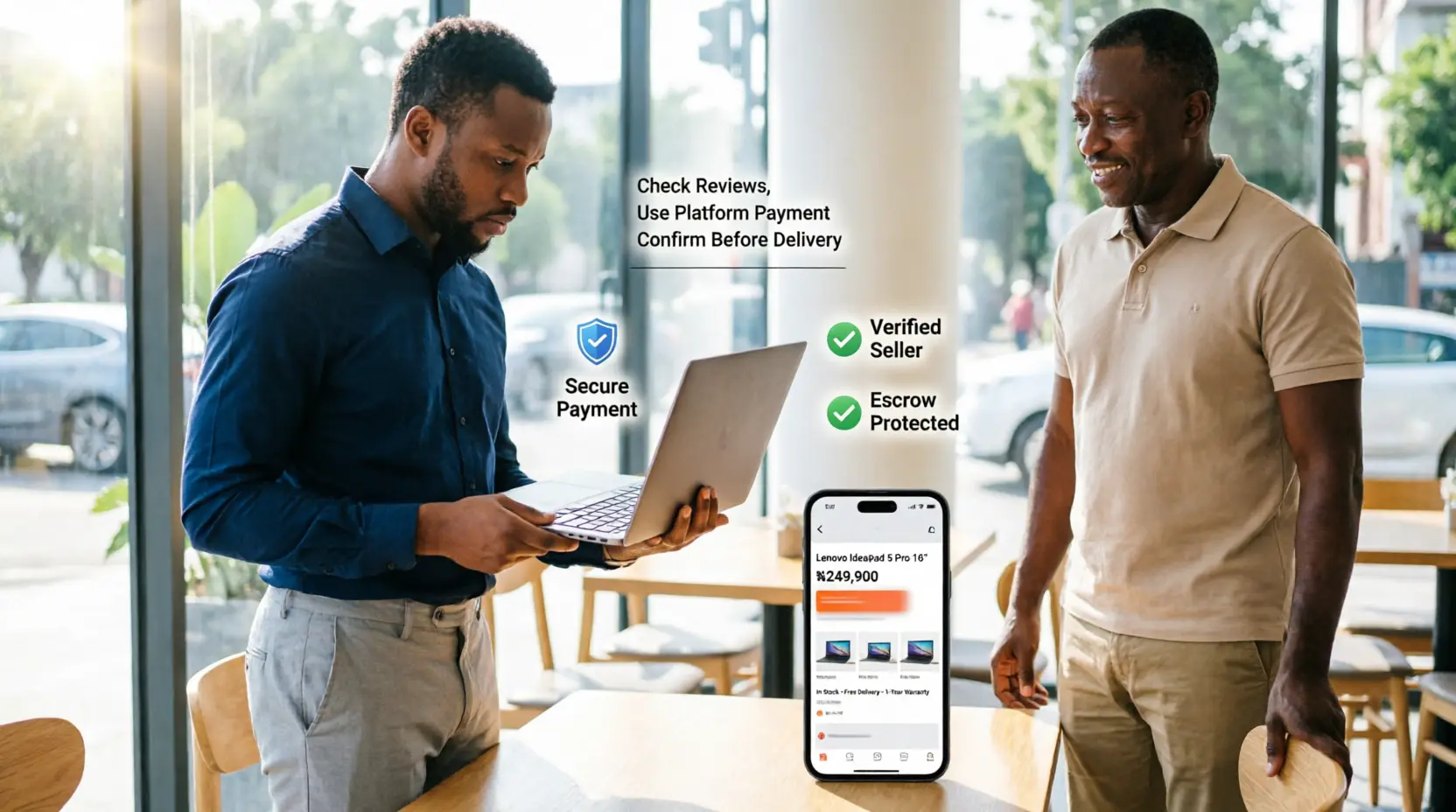
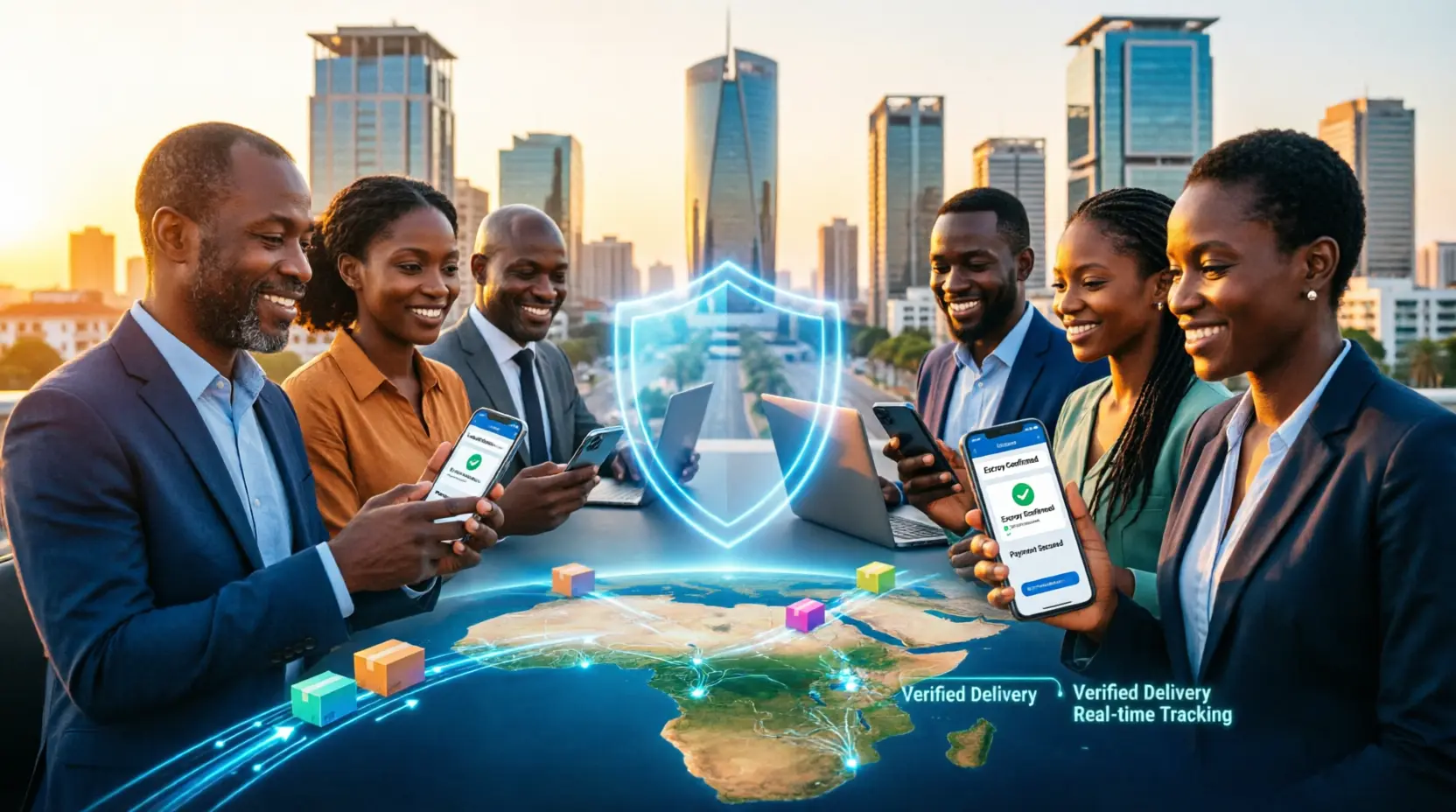
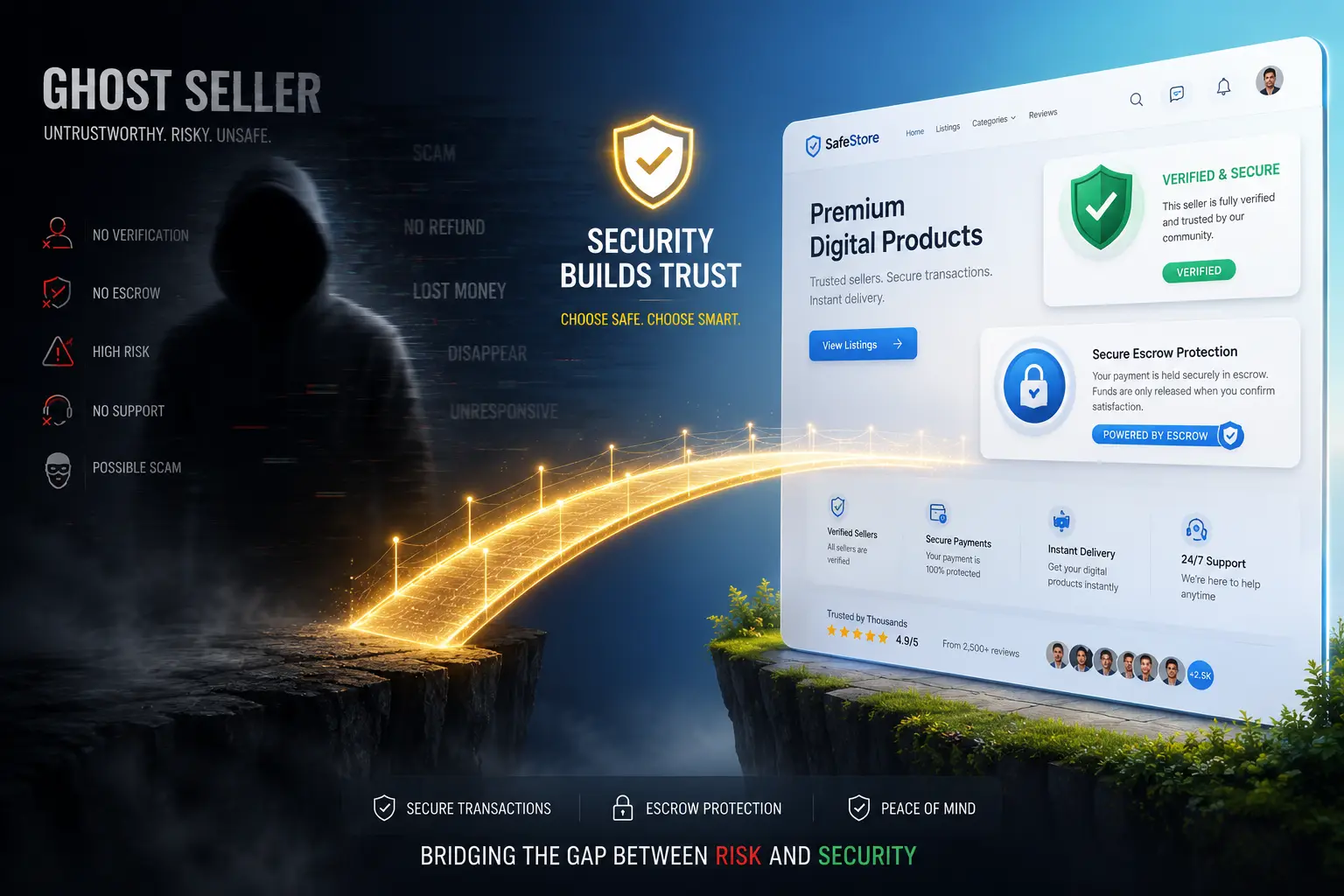
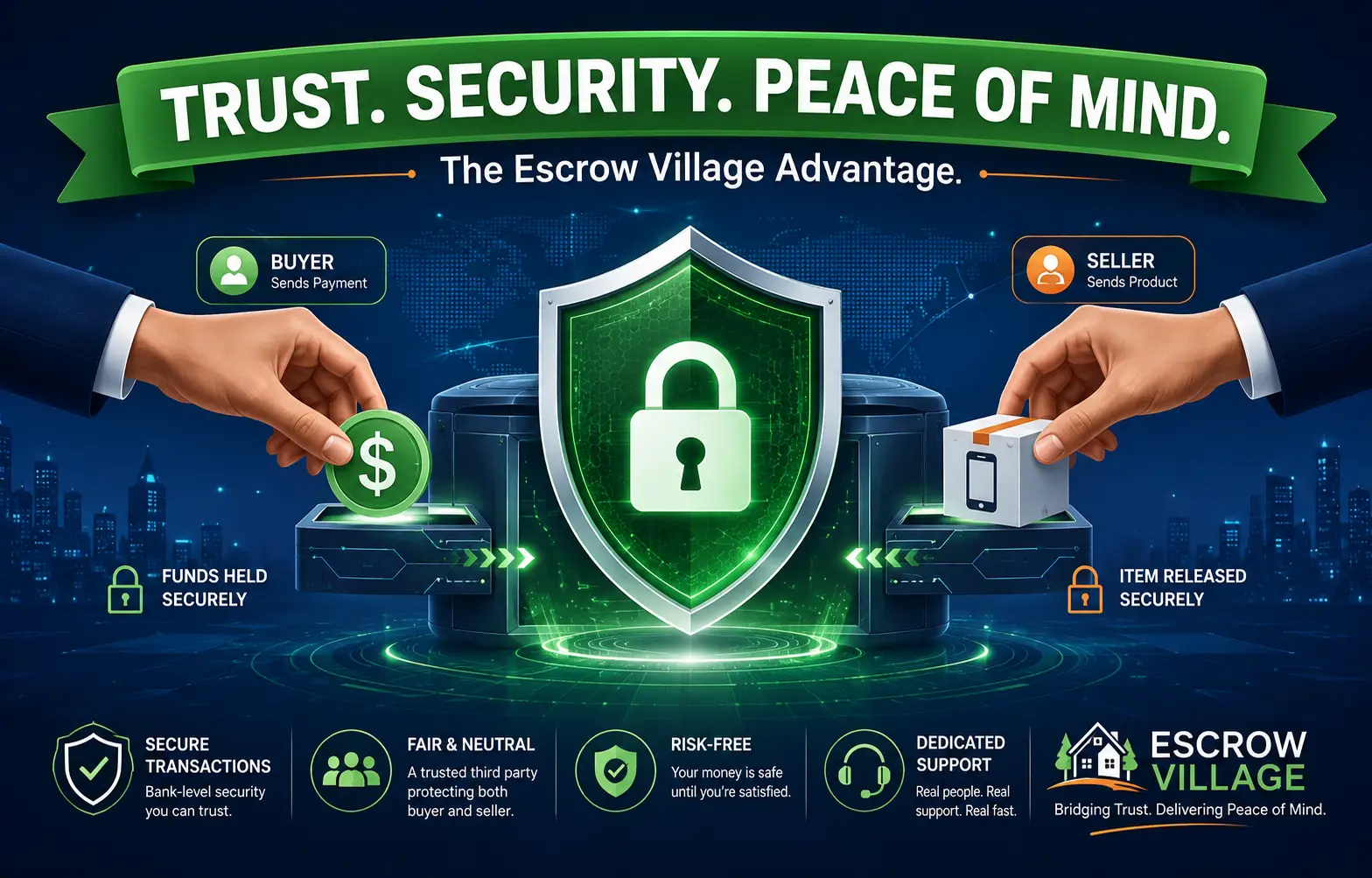
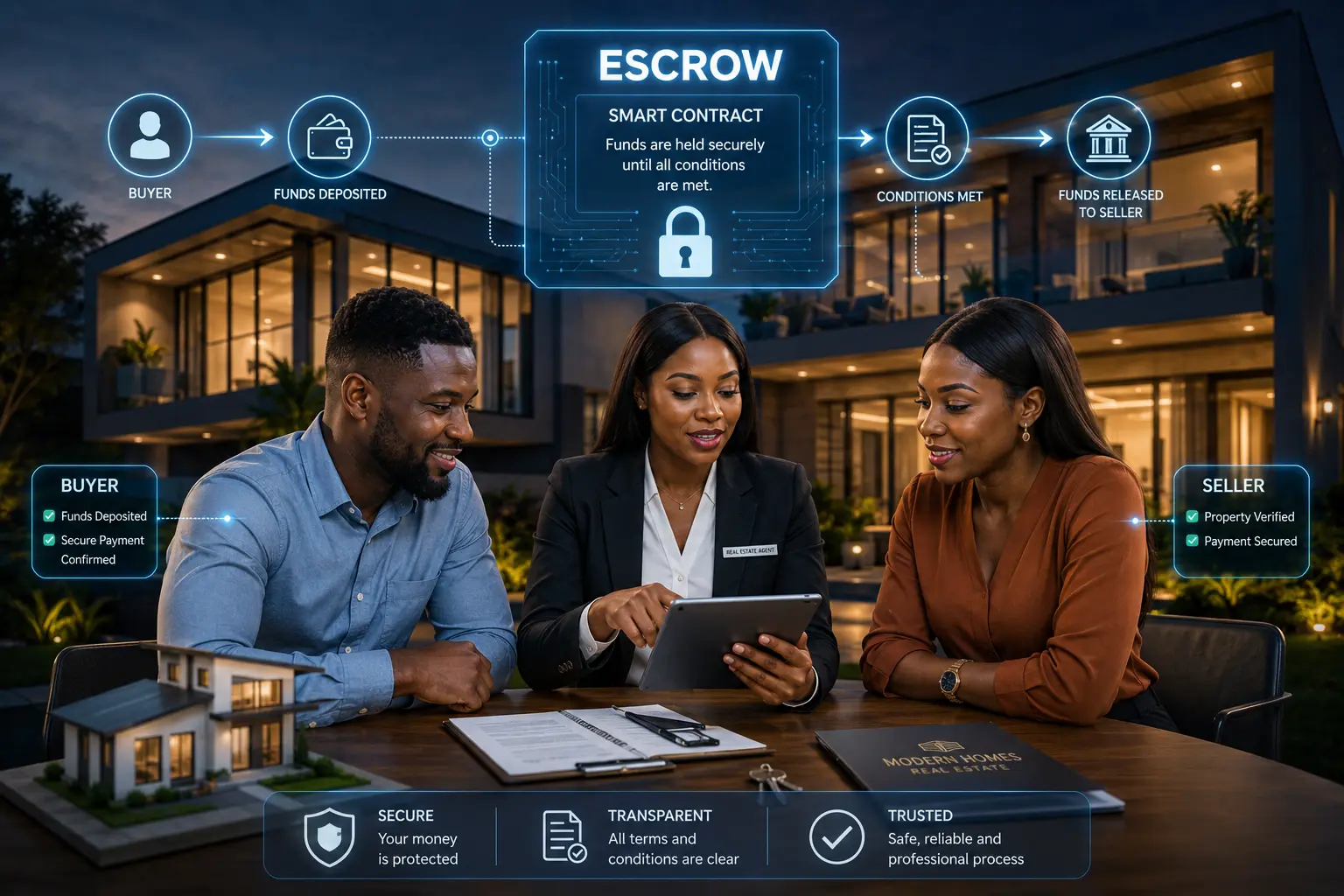
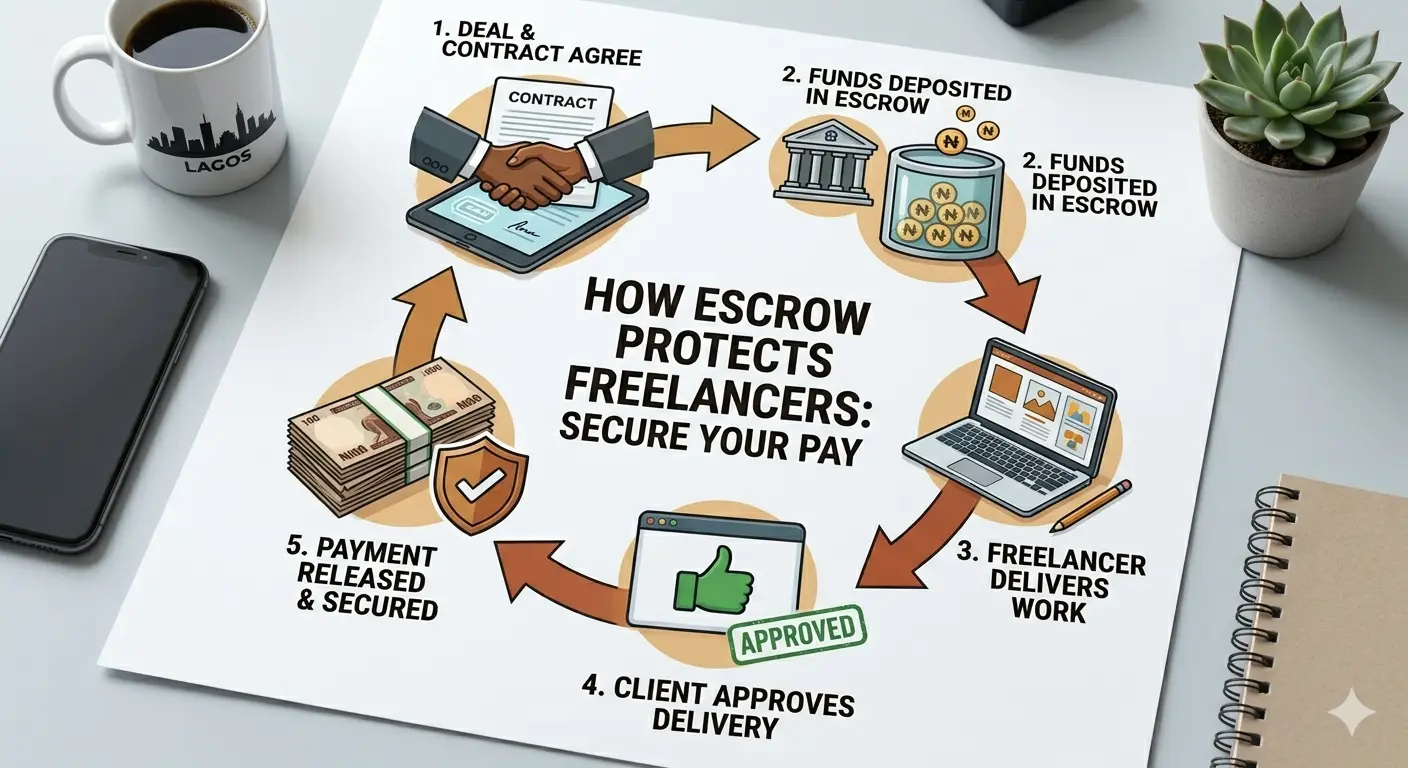
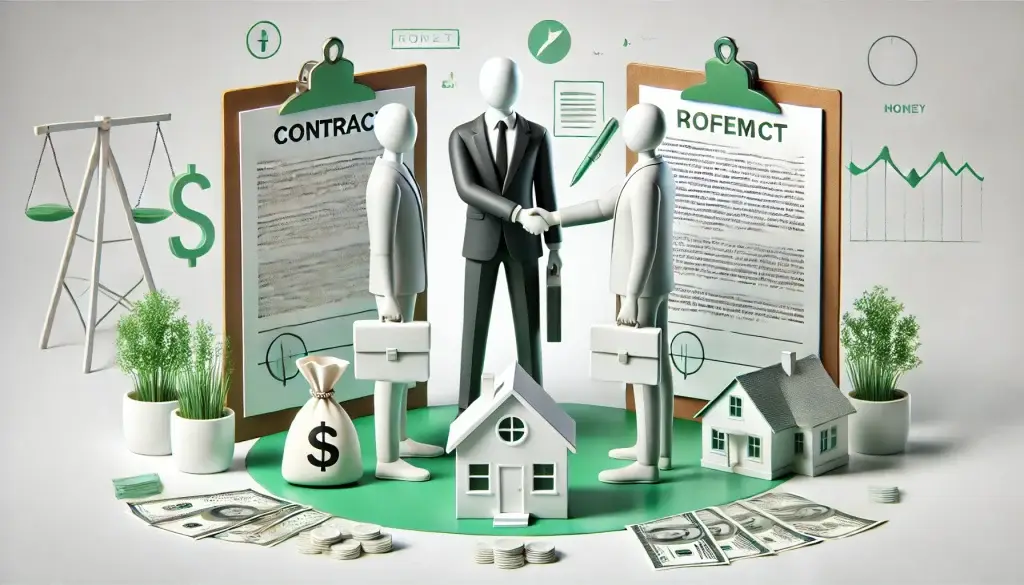
The safest approach is to use an escrow service for the transaction.
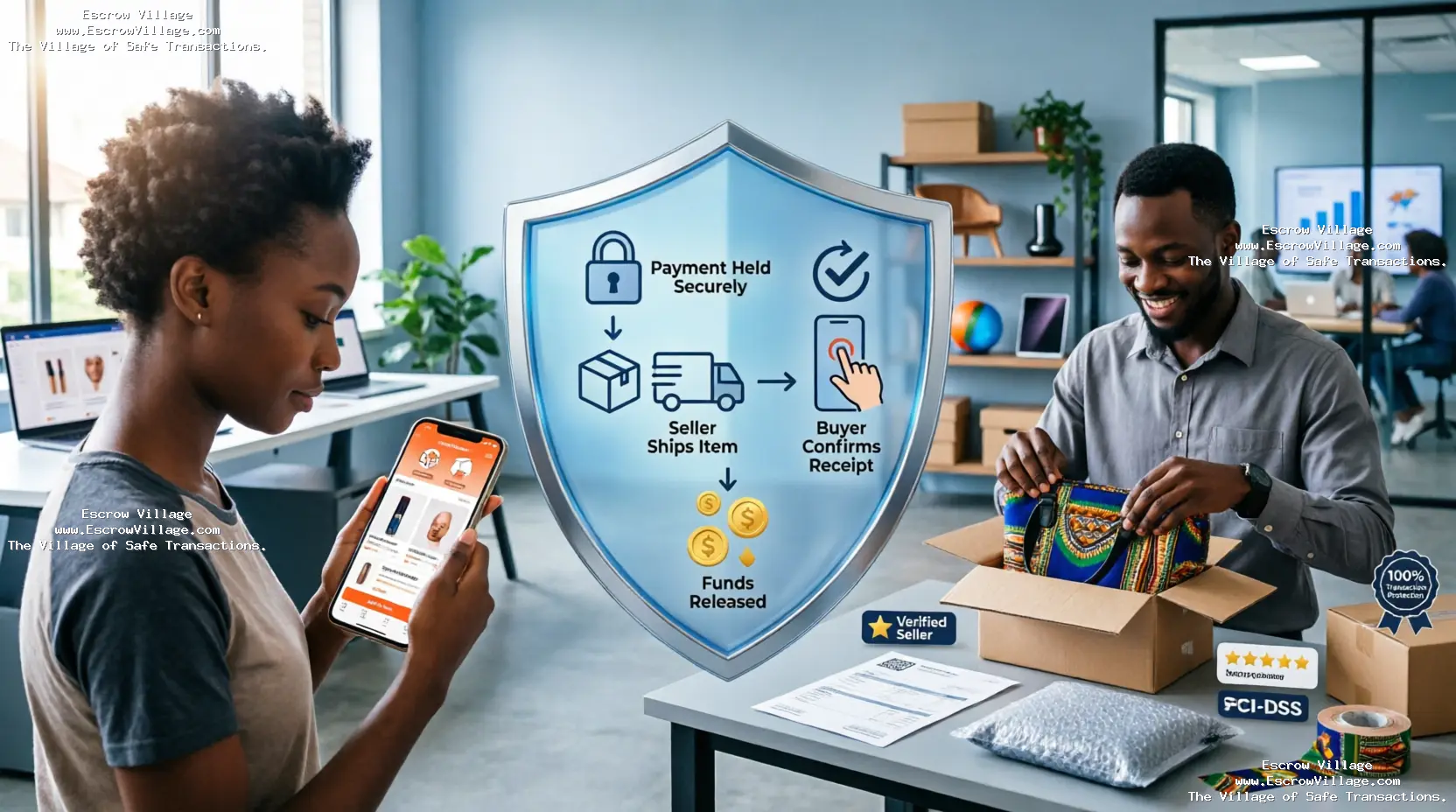
Here's how it works:
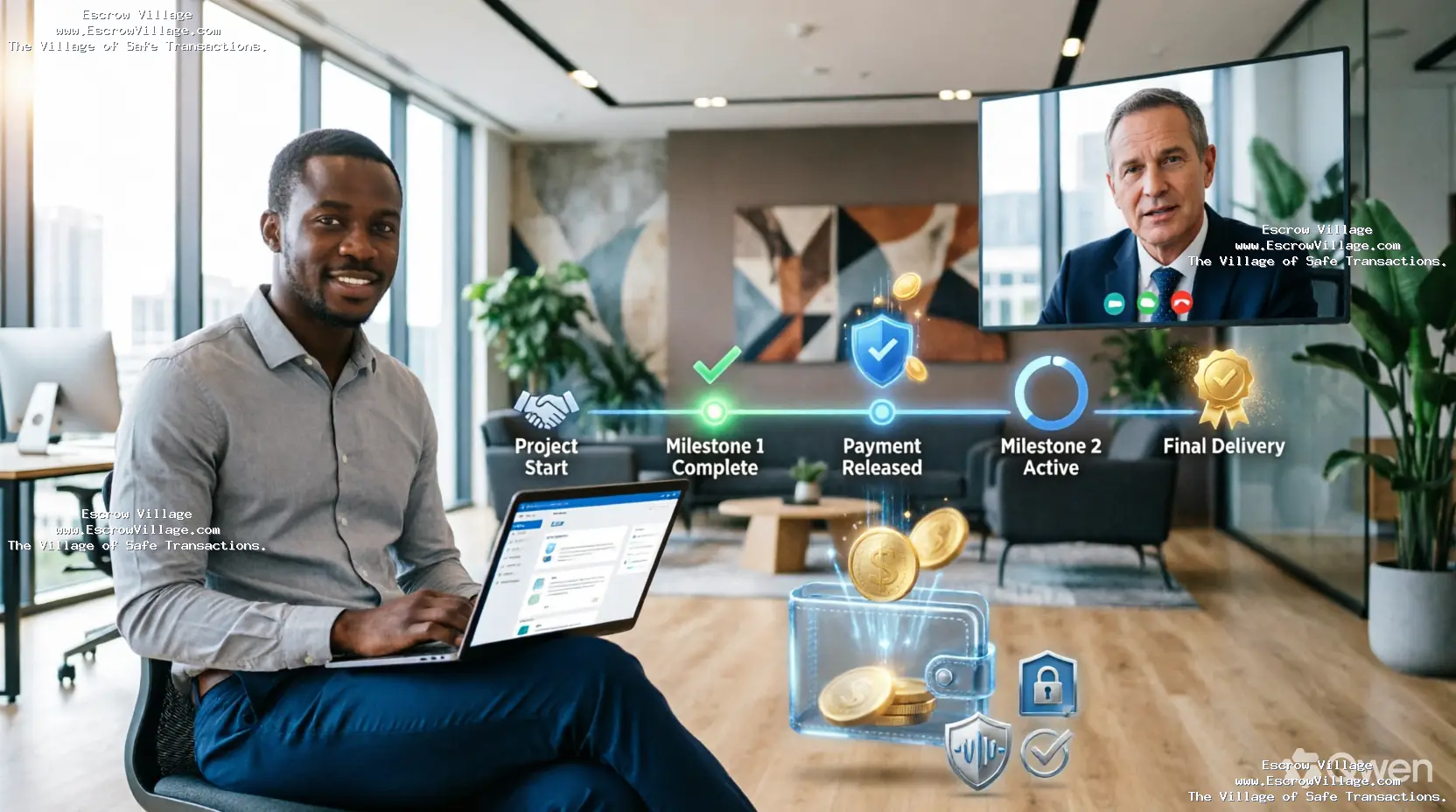
~ You and the seller agree on a price and terms through the escrow platform.
~ Your payment is held securely by the escrow provider not released to the seller yet.
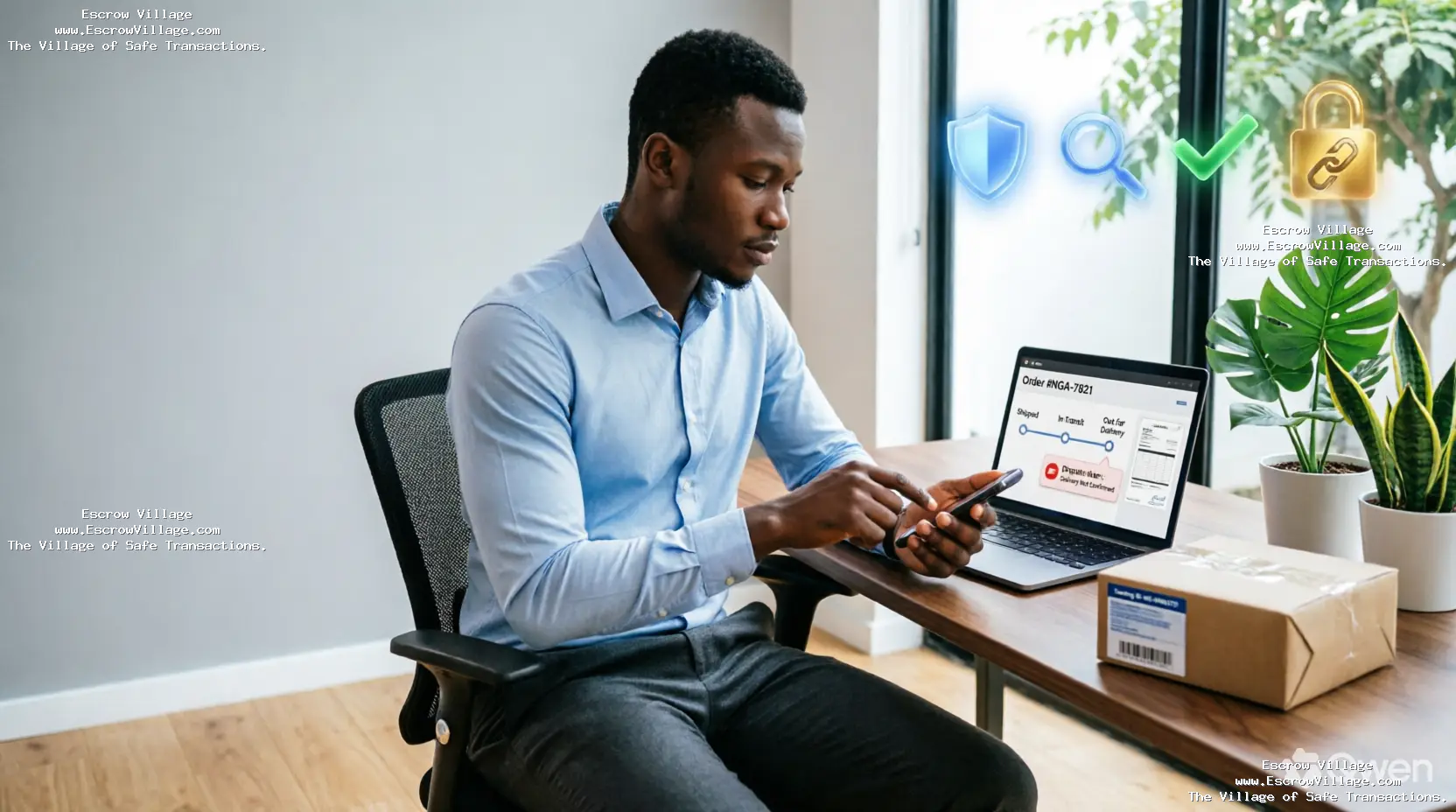
~ You receive and inspect the iPhone (checking IMEI, iCloud status, and functionality as outlined above).
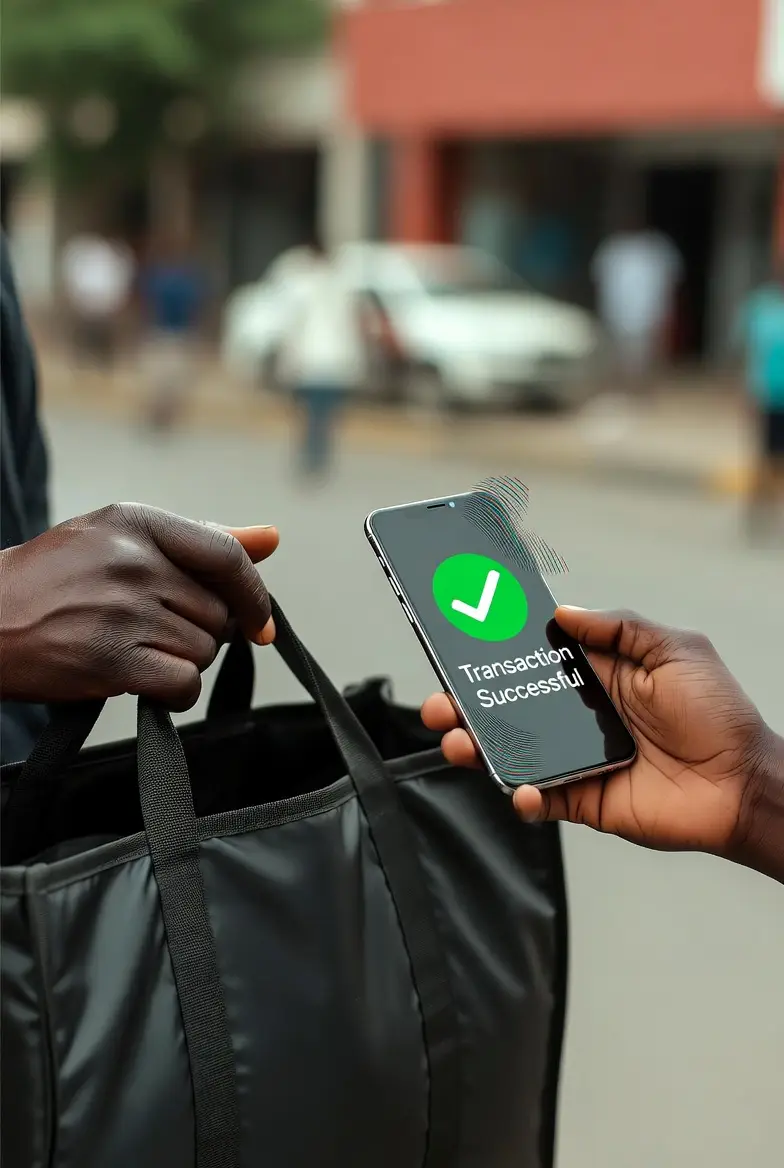
~ Only once you confirm the phone matches what was promised does the escrow platform release payment to the seller.
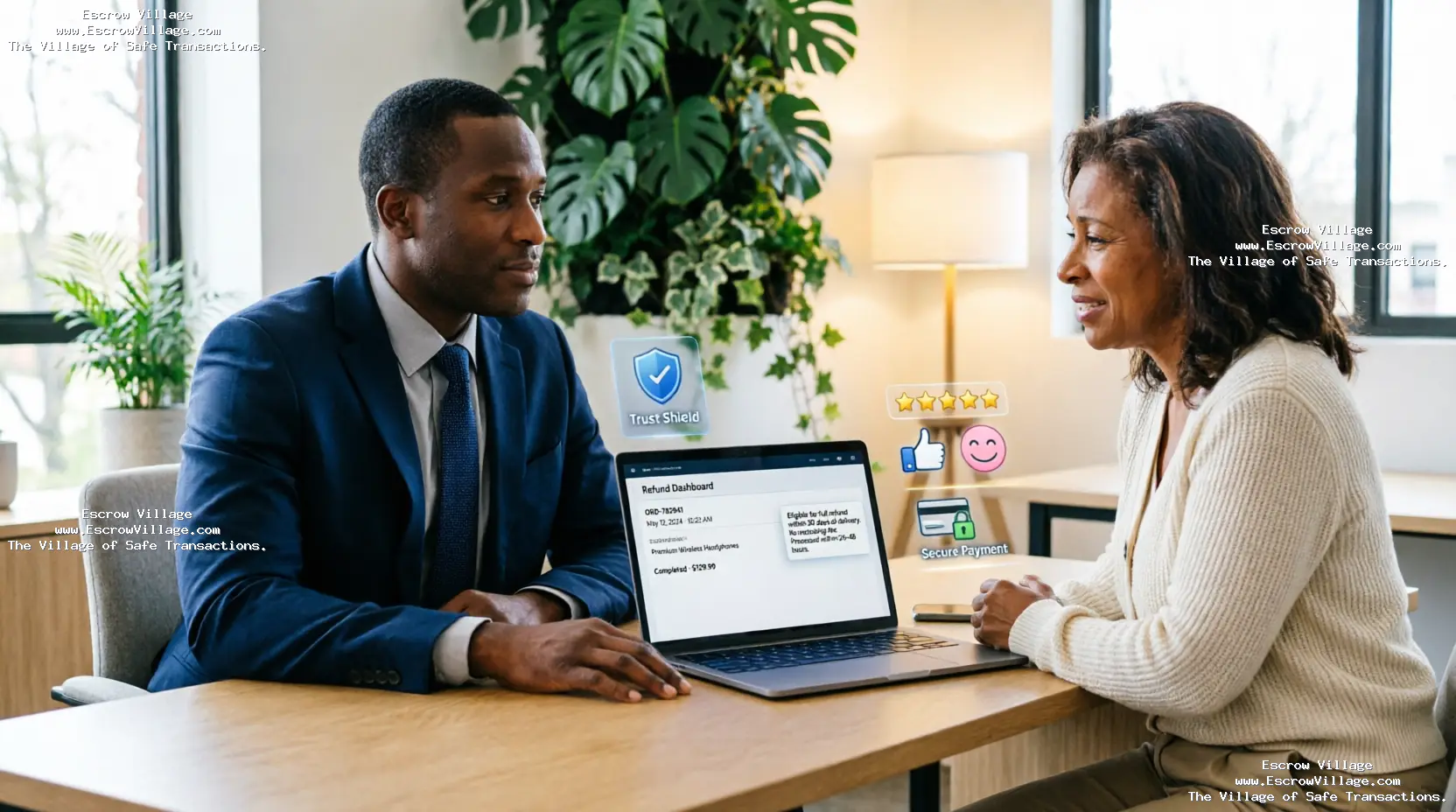
This structure removes the guesswork and power imbalance from person-to-person phone deals.
If the device doesn't match the description, you're protected your money hasn't already vanished into someone else's account.
Step 6: Get Everything in Writing
Even with escrow, keep records of:~ The agreed price and condition of the phone~ Screenshots of the chat or listing~ The IMEI number~ Confirmation that iCloud has been removed.
This documentation protects you if a dispute arises later.
Red Flags to Watch Out For
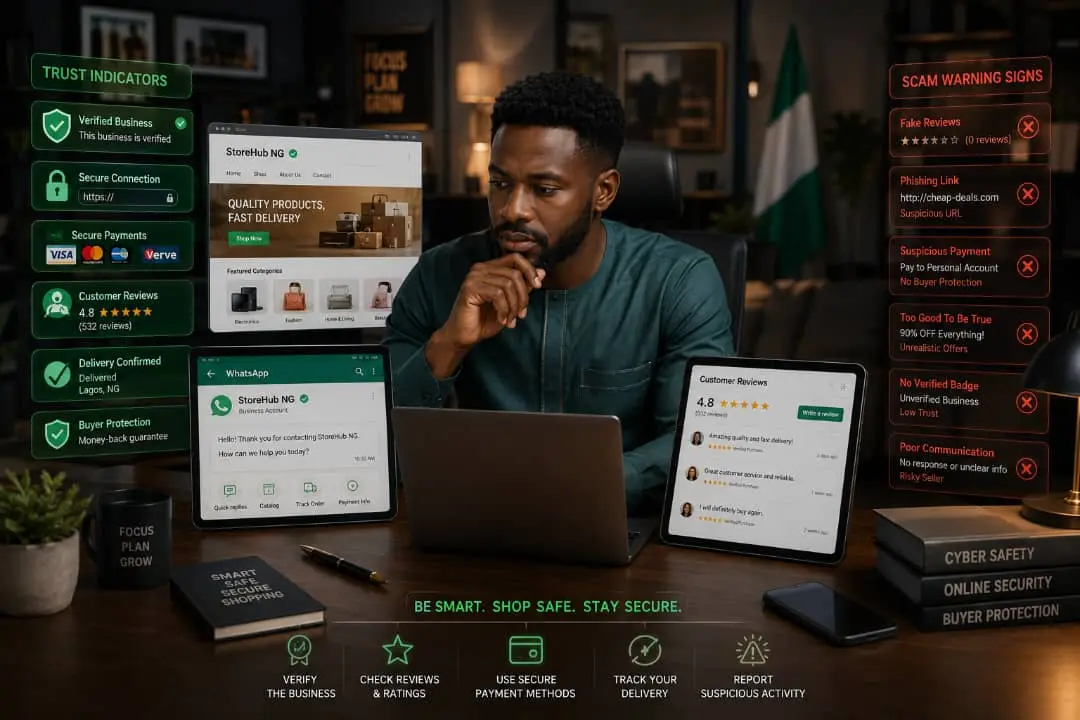
● Sellers who refuse to meet in person or show the IMEI before payment.
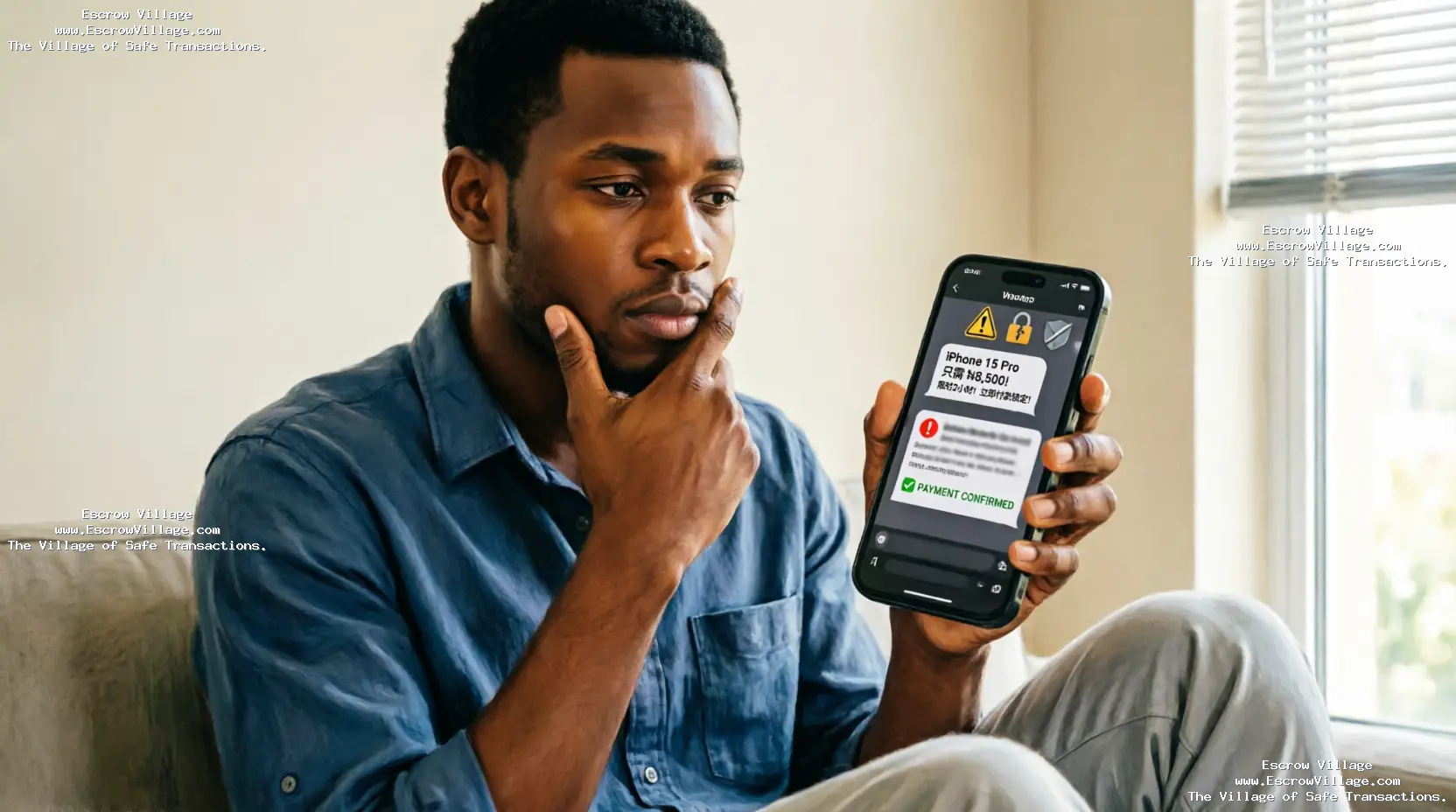
● Prices significantly below market rate for the model and condition.
● Pressure to pay quickly via bank transfer with no escrow or verification option.
● Sellers unwilling to let you test the phone thoroughly before payment.
Buying a used iPhone in Nigeria doesn't have to be a gamble.
With careful IMEI verification, a thorough physical inspection, confirmation that iCloud is unlocked, and most importantly using an escrow service to hold payment until you're satisfied, you can shop the used market with confidence instead of anxiety. The goal isn't to avoid the used phone market altogether; it's to shop it smart, using the same trust mechanisms that make online commerce safe everywhere else in the world.