
Why Most Nigerian Online Businesses Fail in the First Year
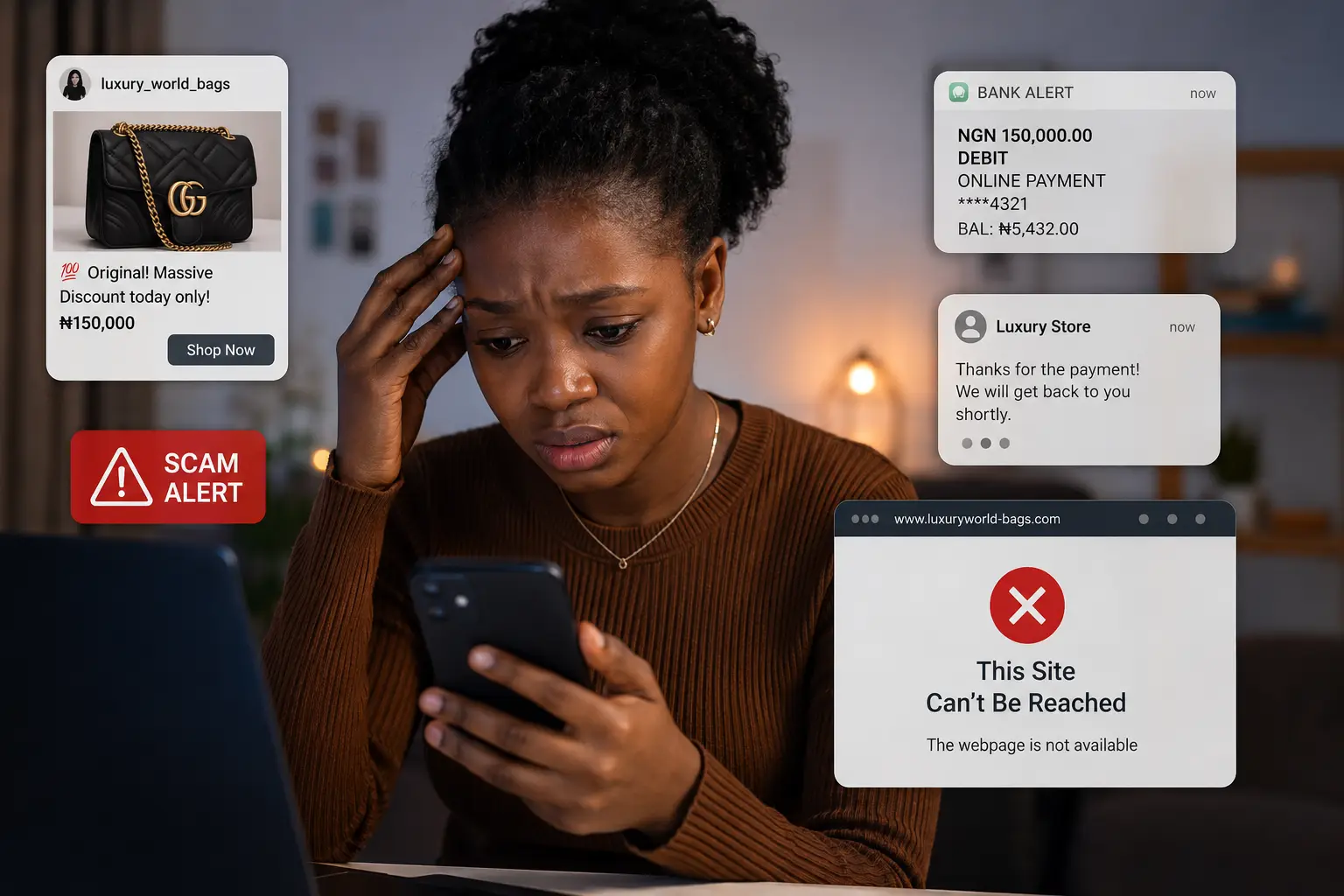
By Friday, orders start rolling in. Friends share the link, and bank notifications begin to pile up.
Six months later, the business has all but disappeared.
No fraud. No economic downturn. No sudden crisis.
Just a gradual accumulation of small missteps, the ones many first-time entrepreneurs don’t anticipate.
The reality is that many Nigerian online businesses fail not from lack of enthusiasm, but because owners underestimate what it takes to sustain a digital venture.
Issues like customer scepticism, inconsistent cash flow, and operational disorganisation often surface in the first year. Problems that passion alone can't resolve.
- What Exactly Counts as "Business Failure" Online?

Failure doesn’t always mean shutting down completely. For many digital entrepreneurs, it looks like:
- - Consistently spending more than they earn
- - Running out of funds to operate
- - Struggling to bring customers back
- - Quietly abandoning the business due to low sales
- - Letting social media pages and websites go inactive
In Nigeria’s digital marketplace, numerous online ventures don’t last long enough to build a loyal audience or turn a profit.
- Why Online Businesses Struggle in Nigeria

There’s limited nationwide data specifically tracking online business closures. However, broader SME statistics reveal troubling trends.
SMEDAN (Small and Medium Enterprises Development Agency of Nigeria) reports that many local businesses face difficulties securing funding, dealing with infrastructure issues, and accessing markets.The World Bank also highlights challenges like limited financing, unreliable power, and a tough operating environment. All of which makes early-stage survival harder.
While not every online business fails due to these factors, they create a high-pressure backdrop where even promising ventures can falter within months.
- 1. They Start Selling Before Earning Trust

Trust is a major hurdle in Nigerian e-commerce.
After years of encountering scams, fake sellers, and undelivered goods, consumers are cautious.
Picture someone discovering a new Instagram shop selling phones. The page shows:
- - No customer reviews
- - No verifiable testimonials
- - No physical address
- - No secure payment method
Today, trust isn’t an extra; it’s essential.
Businesses that prioritise transparency, real feedback, and safe transactions tend to outperform those focused only on promotion.
- 2. Poor Cash Flow Management Stalls Growth

Many beginners mistake revenue for profit. A seller makes ₦500,000 in sales and assumes success. But after accounting for:
- - Product costs
- - Delivery fees
- - Ads
- - Refunds
- - Platform charges
This is one of the most common yet overlooked reasons for startup failure.
Too often, businesses spend heavily on expansion before setting up solid financial controls.
Without proper budgeting, even steady sales can lead to collapse.
The Hidden Risk: Using Customer Payments for Daily Spending
A typical scenario: a business receives large upfront payments and uses them for personal or unrelated expenses. When suppliers raise prices or refund requests come in, there’s no buffer.
This leads to delayed deliveries, frustrated buyers, and damaging reviews. a downward spiral that’s hard to escape.
- 3. Overreliance on a Single Platform

Many online stores depend entirely on one channel, usually Instagram, sometimes TikTok or WhatsApp.
But platforms change. Algorithms shift.
Accounts get suspended. Ad costs rise.
When that happens, traffic and sales vanish overnight.
One of the most common pitfalls is failing to spread customer acquisition across multiple channels.
More resilient businesses gradually develop:
- - Email subscriber lists
- - Active WhatsApp groups
- - Functional websites
- - Organic search visibility
- - Referral networks
- 4. Neglecting Customer Retention

Most entrepreneurs focus on attracting new buyers. Few invest in keeping existing ones.
Yet retaining a customer is usually cheaper than acquiring a new one.
Still, many businesses fail to:
- - Follow up after a sale
- - Ask for feedback
- - Offer loyalty incentives
- - Create reasons for repeat purchases
In contrast, businesses that survive past year one often draw a significant share of revenue from returning clients.
- 5. Operating Without Clear Systems

Handling five orders manually might work at first.
But what happens at fifty? At a hundred? Without structured processes, errors multiply.
Orders get mixed up. Messages go unanswered. Deliveries lag. Customer frustration builds.
This kind of operational breakdown is a major contributor to early failure, especially for fast-growing online brands.
- How to Increase Survival Odds
- Despite the challenges, failure isn’t unavoidable.

Here are practical steps entrepreneurs can take:
- 1. Build Trust Early
- - Showcase authentic customer reviews
- - Use professional branding and clear contact info
- - Be upfront about delivery times
- - Offer secure payment options
- 2. Keep Business and Personal Finances Separate
- - Use dedicated business accounts
- - Record every expense
- - Set monthly budgets
- - Monitor cash flow regularly
- 3. Spread Out Traffic Sources
- - Launch a simple website
- - Invest in search engine visibility
- - Grow an email list
- - Start a referral program
- 4. Focus on Customer Experience
- - Respond promptly to messages
- - Handle complaints professionally
- - Encourage repeat purchases
- - Reward loyal buyers
- 5. Establish Basic Operational Systems
- - Document key workflows
- - Automate repetitive tasks when possible
- - Use inventory and accounting tools
- - Track performance regularly
The Missing Piece Most People Overlook Discussions about online business failure often centre on marketing, funding, or competition.
But one crucial factor rarely gets attention: transaction confidence.
Many potential buyers back out because they fear losing money to an unknown seller.
If customers doubt whether they’ll receive what they paid for, they hesitate to complete the purchase.
For online businesses, reducing this fear can directly boost conversion rates and trust.
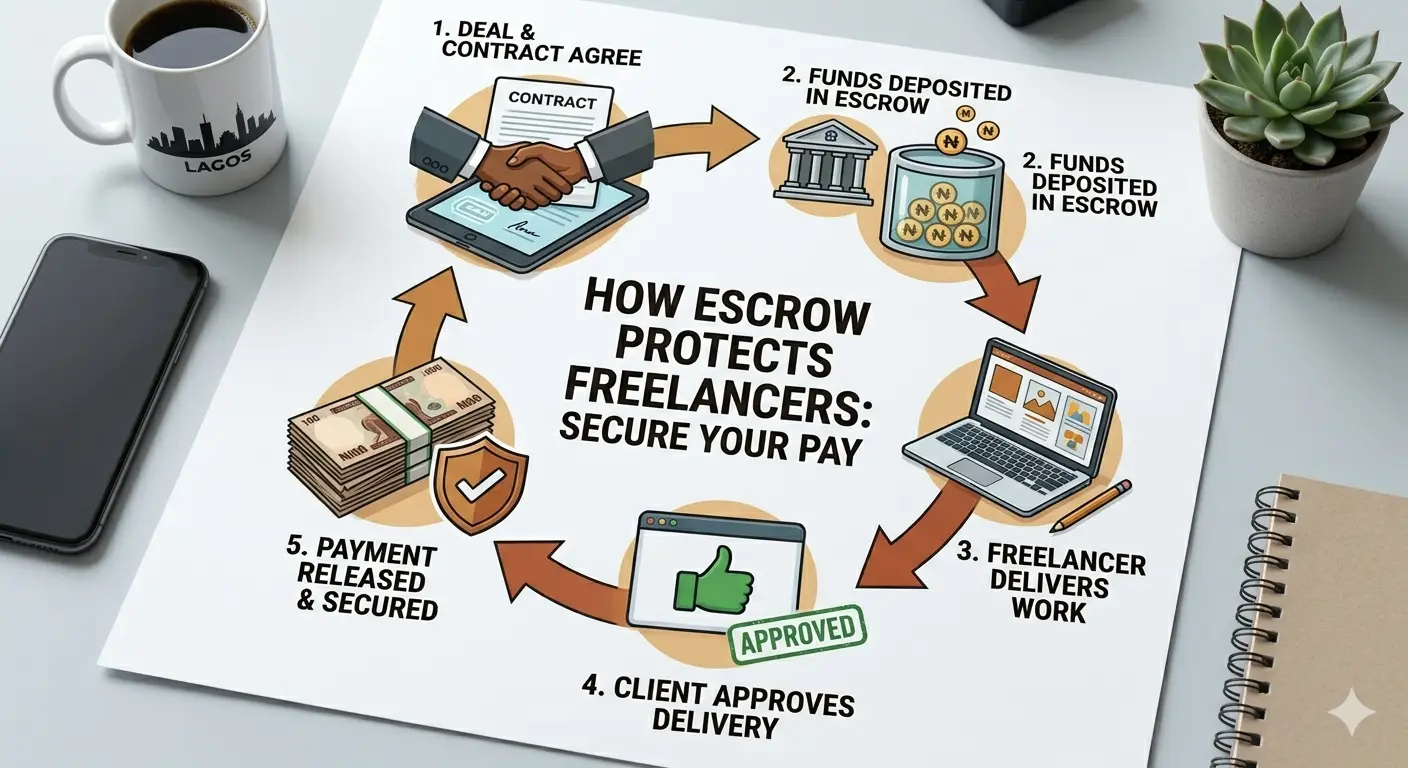
Secure payment systems and buyer protection mechanisms make a tangible difference, especially for new brands trying to prove themselves.
Most online businesses don’t fail because their owners lack effort or skill.
They fail because they overlook fundamentals: trust, cash flow, customer loyalty, and internal systems.
The good news? These are fixable problems.

If you're building an online business, start by creating a trustworthy experience from day one and put reliable systems in place before scaling up.
For safer online transactions and greater buyer confidence, visit EscrowVillage.com and discover how escrow payments can help protect both buyers and sellers during online transactions.
Other related topics:
How to Verify if an Online Vendor is Trustworthy
10 Online Scams Targeting Nigerians in 2026: And How to Avoid Them