How Fashion Vendors Can Reduce Fake Payment Alerts (2026 Guide)
Written by BLESSING ABADI IFEOMA762 views
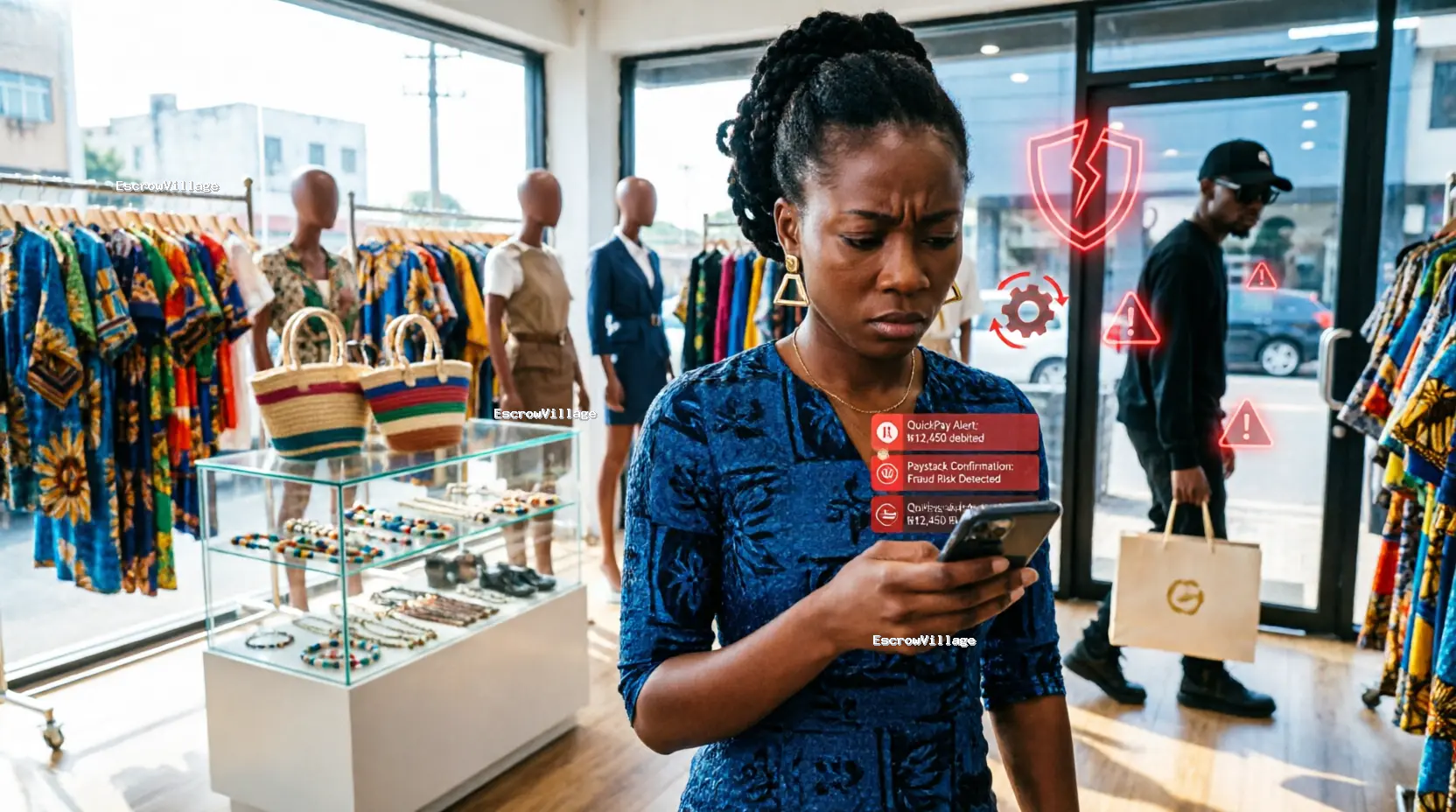
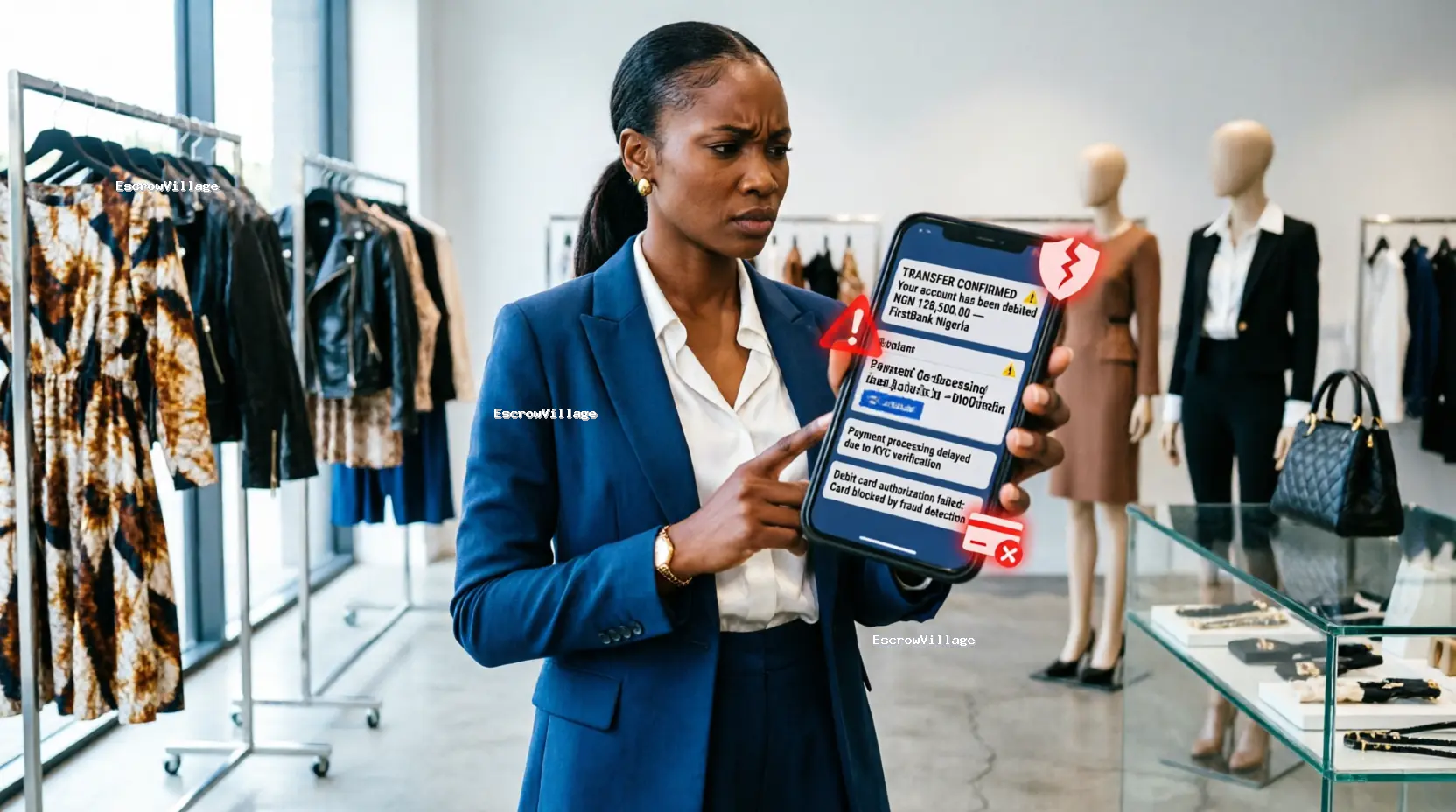
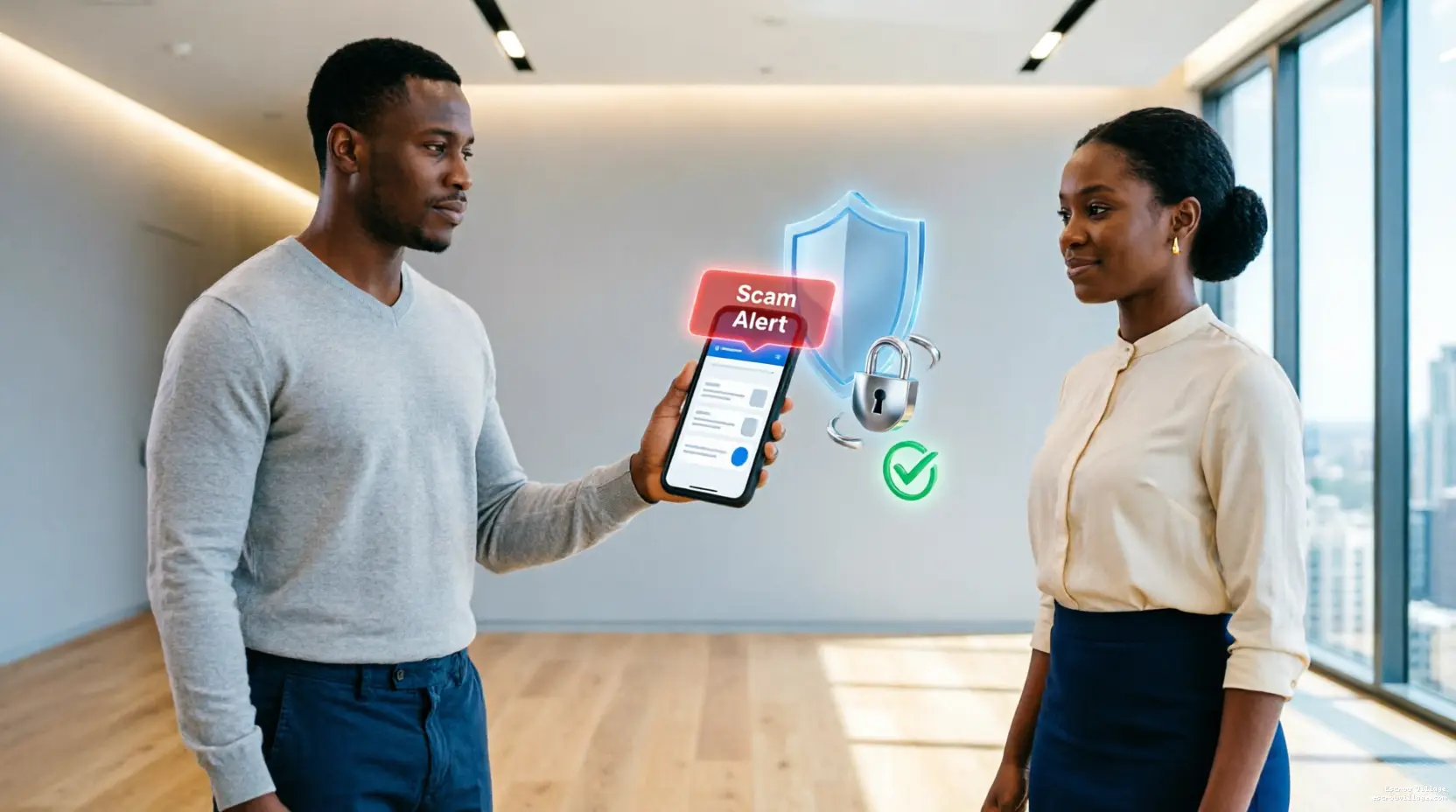
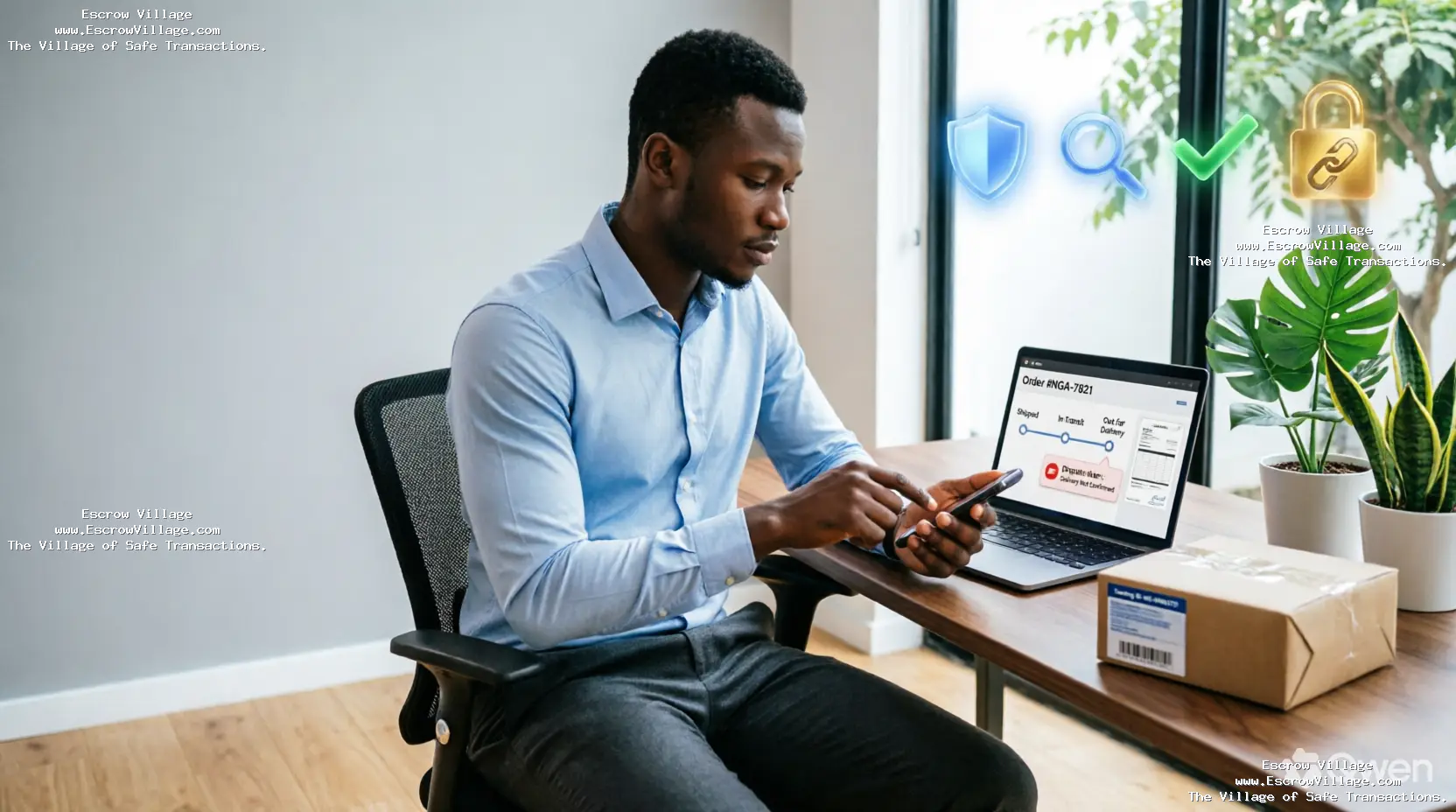
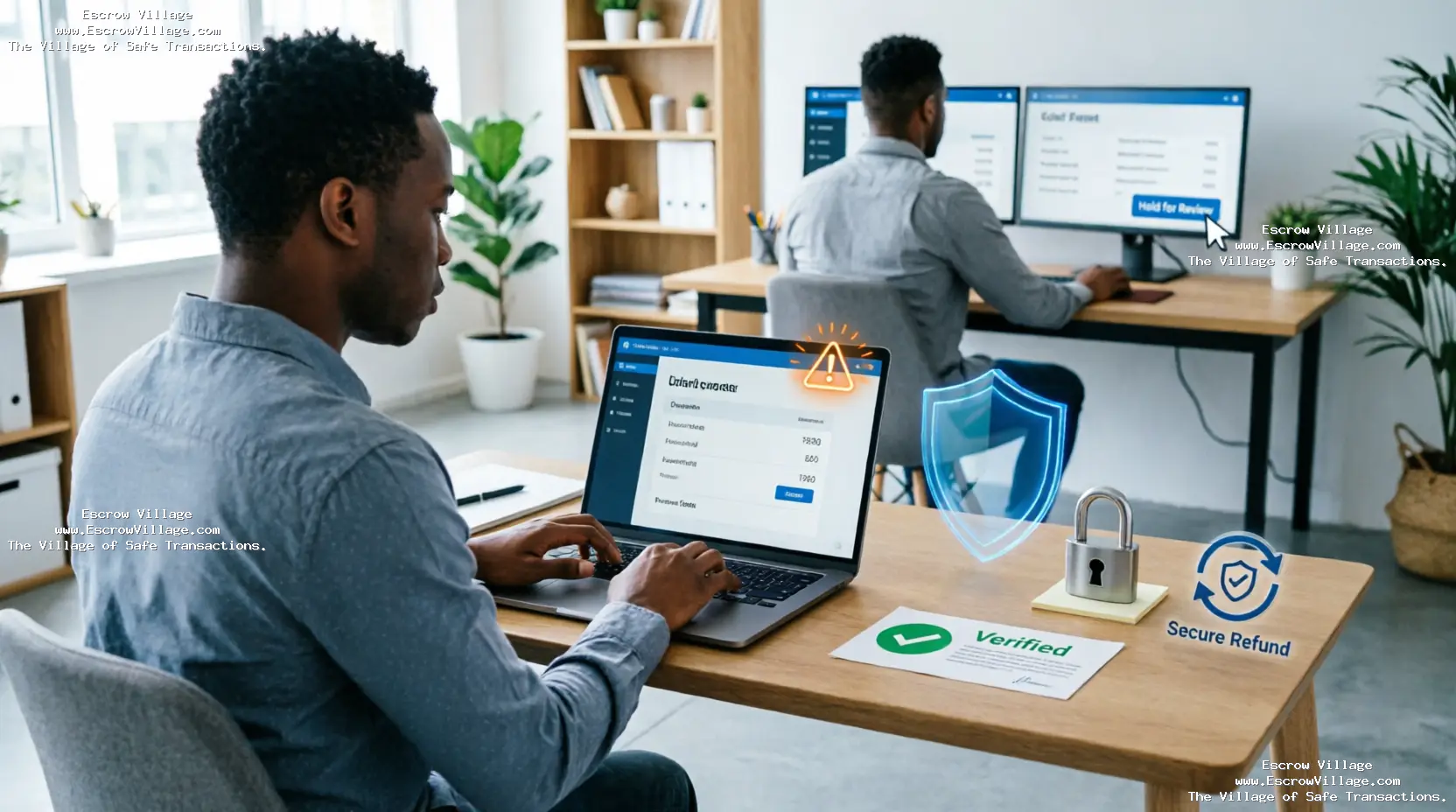
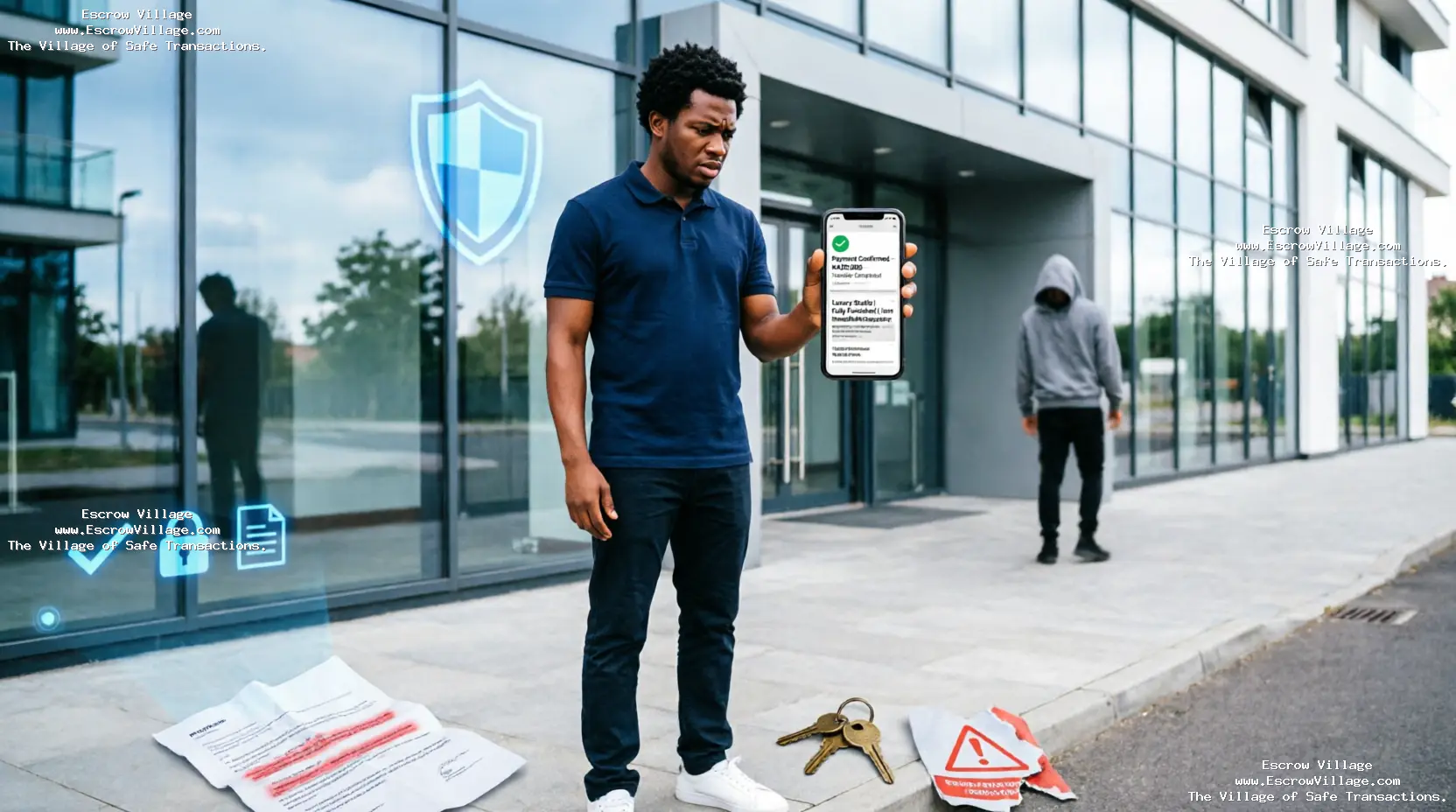
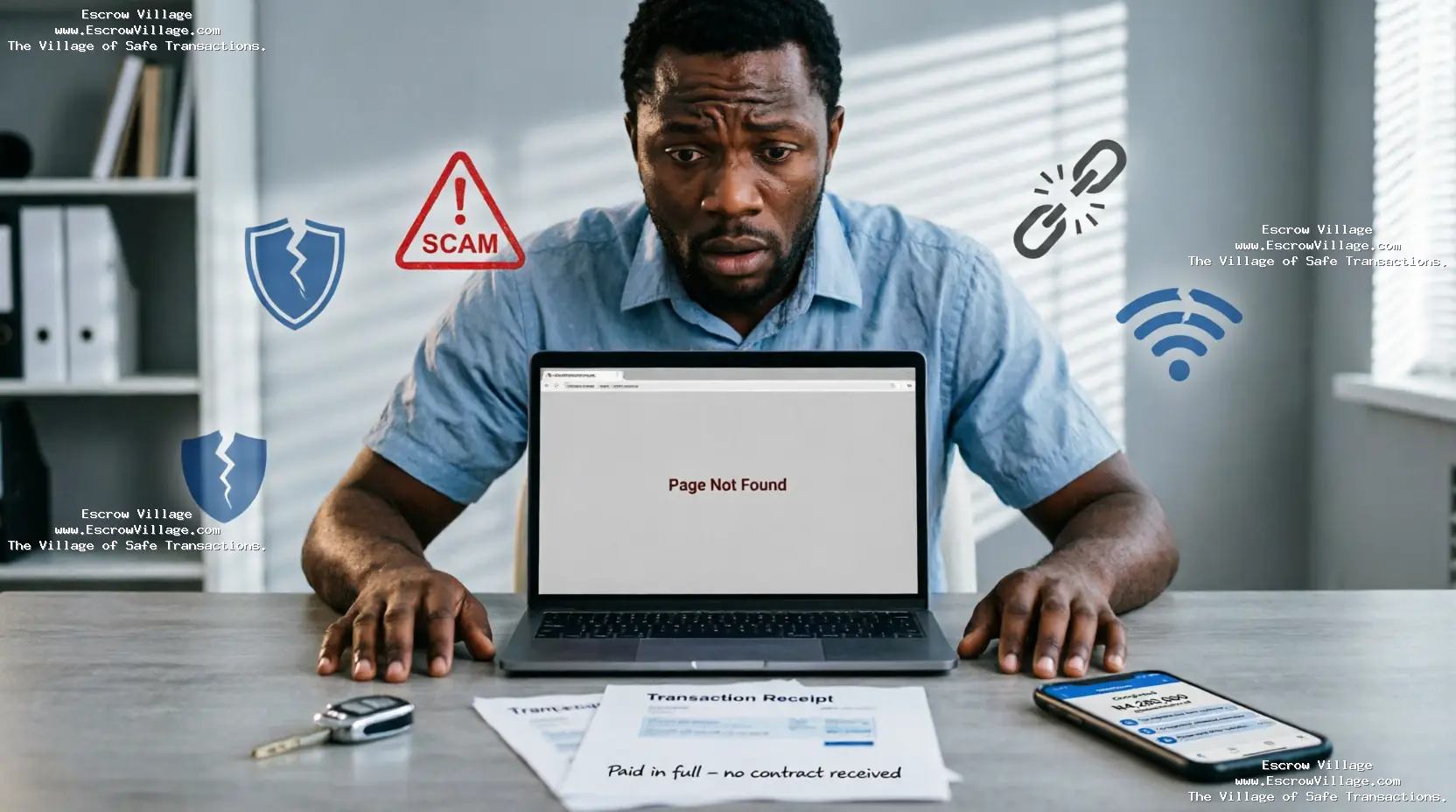
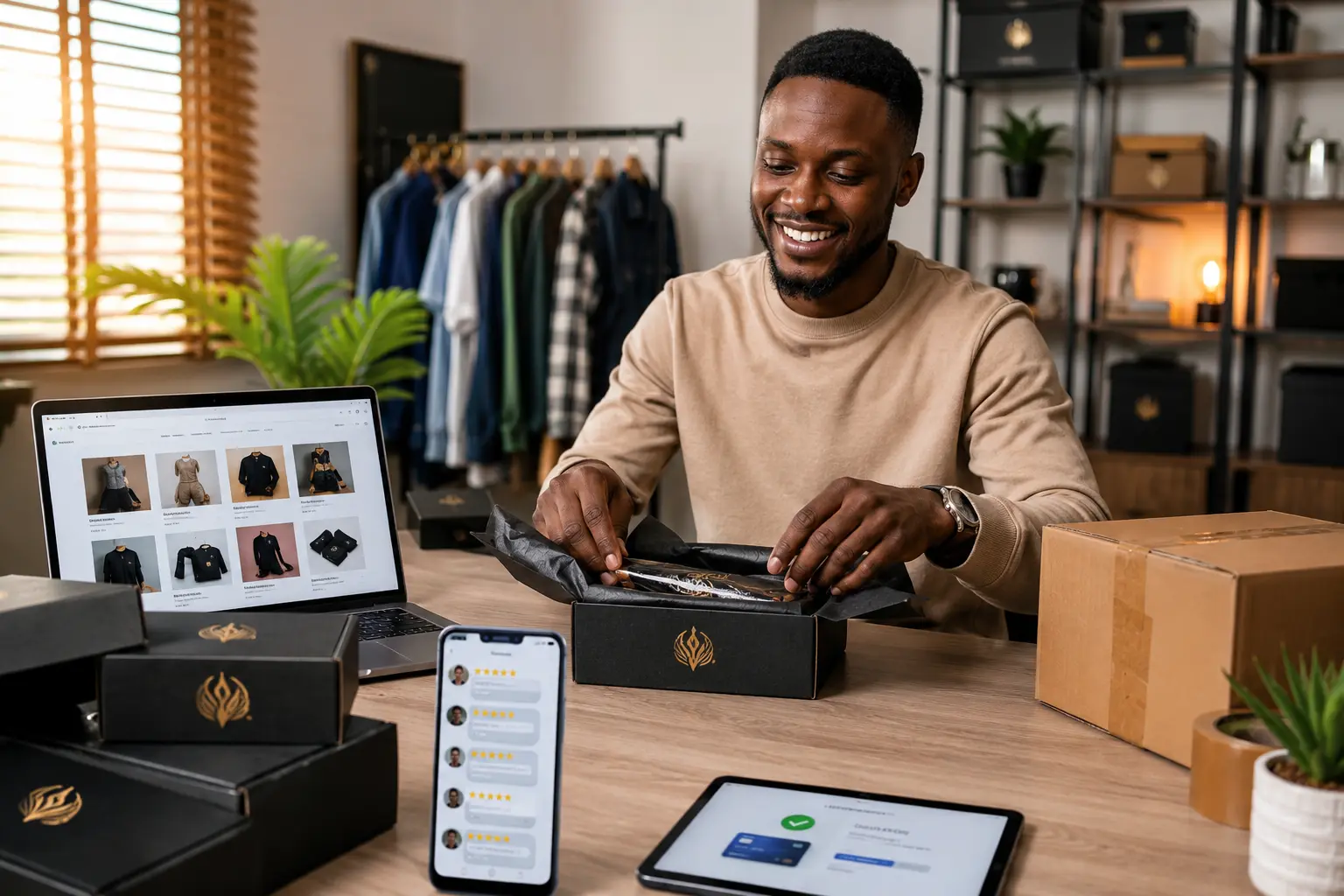
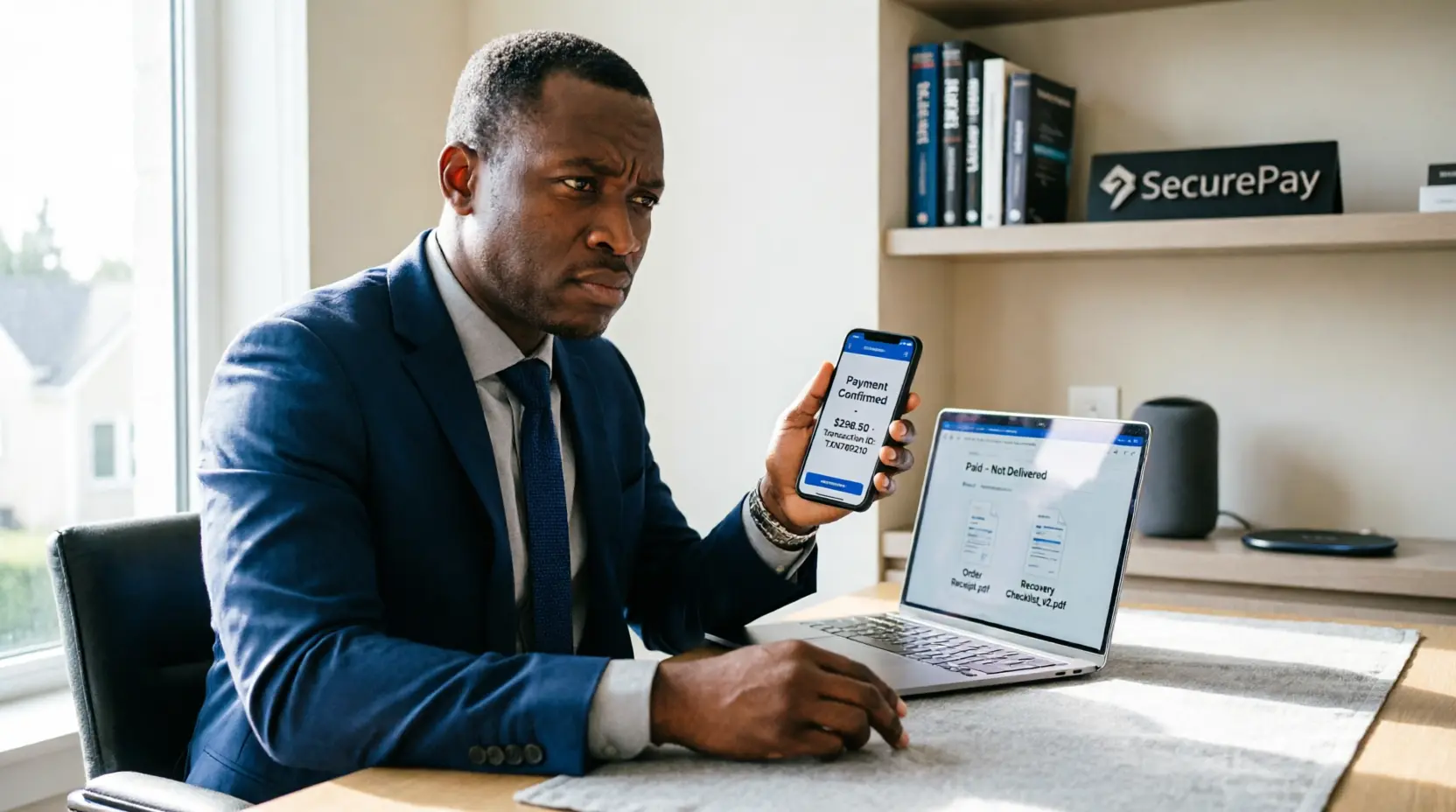
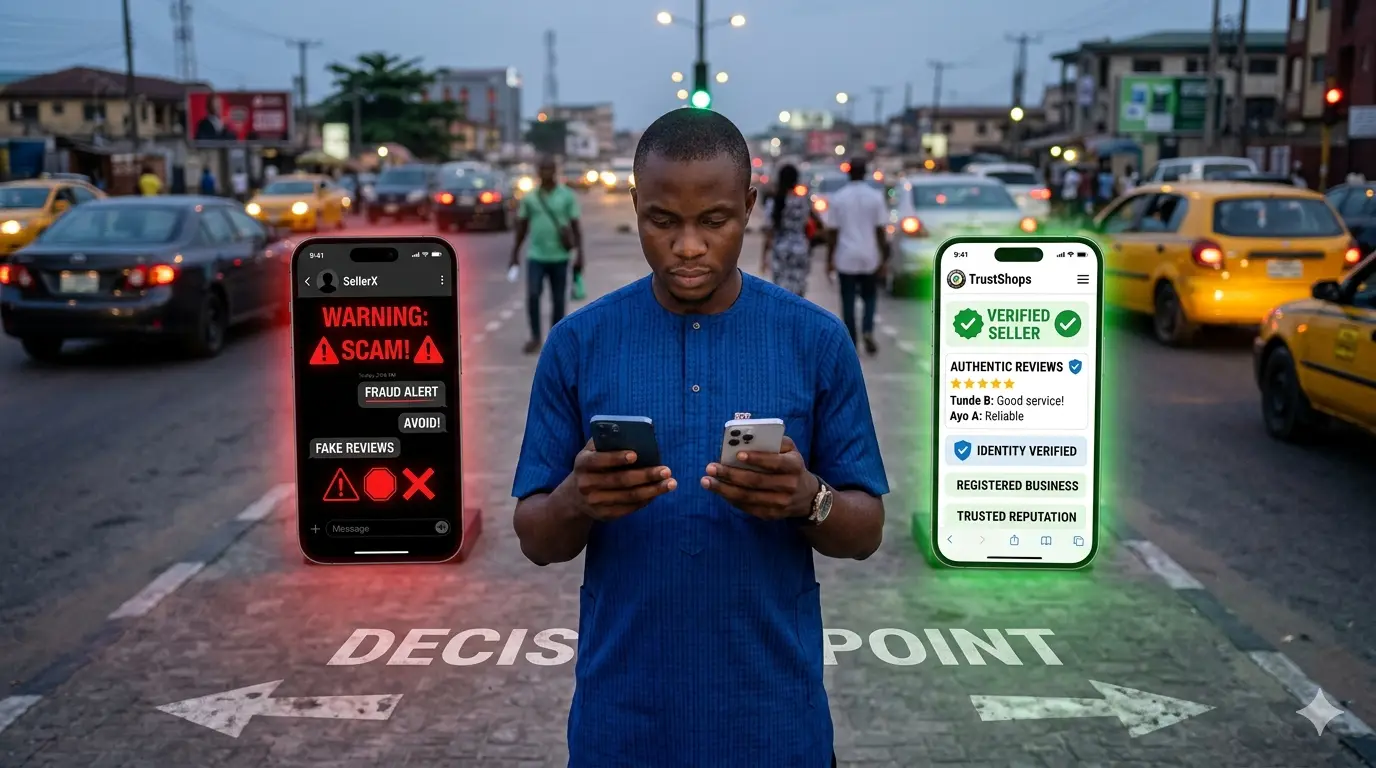
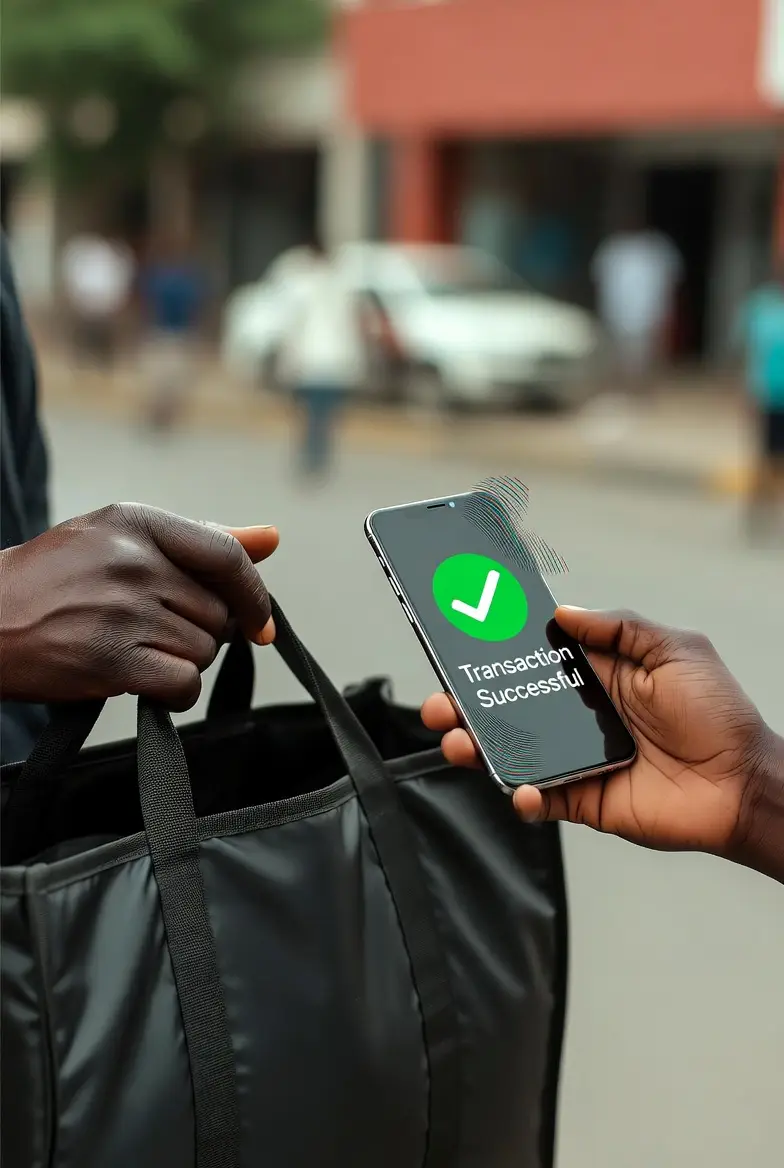
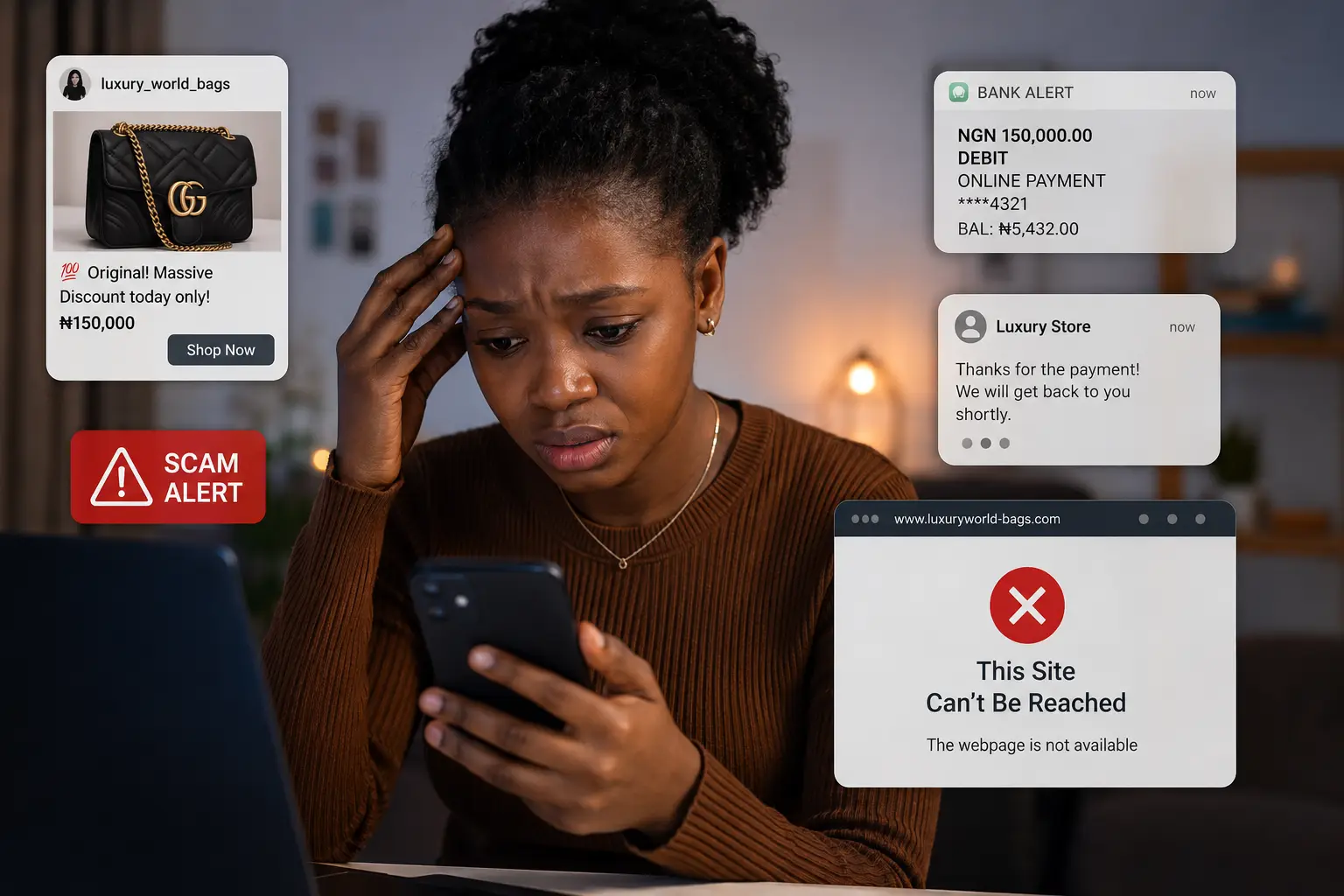
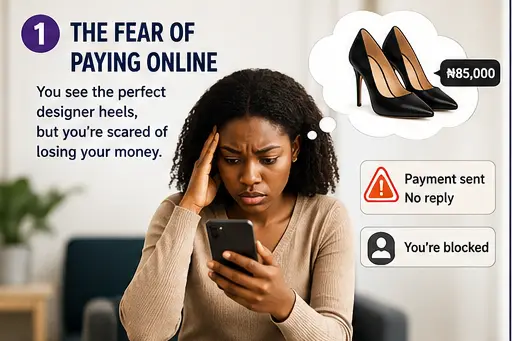
For many fashion vendors in Nigeria, nothing is more frustrating than packaging an order, handing it over to the customer, and later discovering the payment alert was fake.
Fake bank alerts have become one of the most common online scams in Nigeria affecting clothing vendors, shoe sellers, thrift businesses, luxury fashion stores, and online boutiques.
Scammers know that vendors are often in a hurry to deliver orders, especially during busy periods, and they exploit that urgency.
Whether you are running an online business through Instagram, WhatsApp, TikTok, Facebook Marketplace, or your own website, learning how to detect fake payment alerts can save your business from unnecessary losses.
In this guide, you'll learn practical ways to prevent fake payment alerts, protect your fashion business, and safely verify customer payments before sending out any order.
Why Fashion Vendors Are Frequent Targets
Functioning fashion businesses process hundreds of quick transactions every week.
Unlike large retailers with automated payment verification systems, many small fashion vendors rely on:
~ Screenshots
~ SMS alerts
~ WhatsApp messages
~ Customer confirmations
Unfortunately, these are easily manipulated. Fraudsters often:
~ Edit payment screenshots
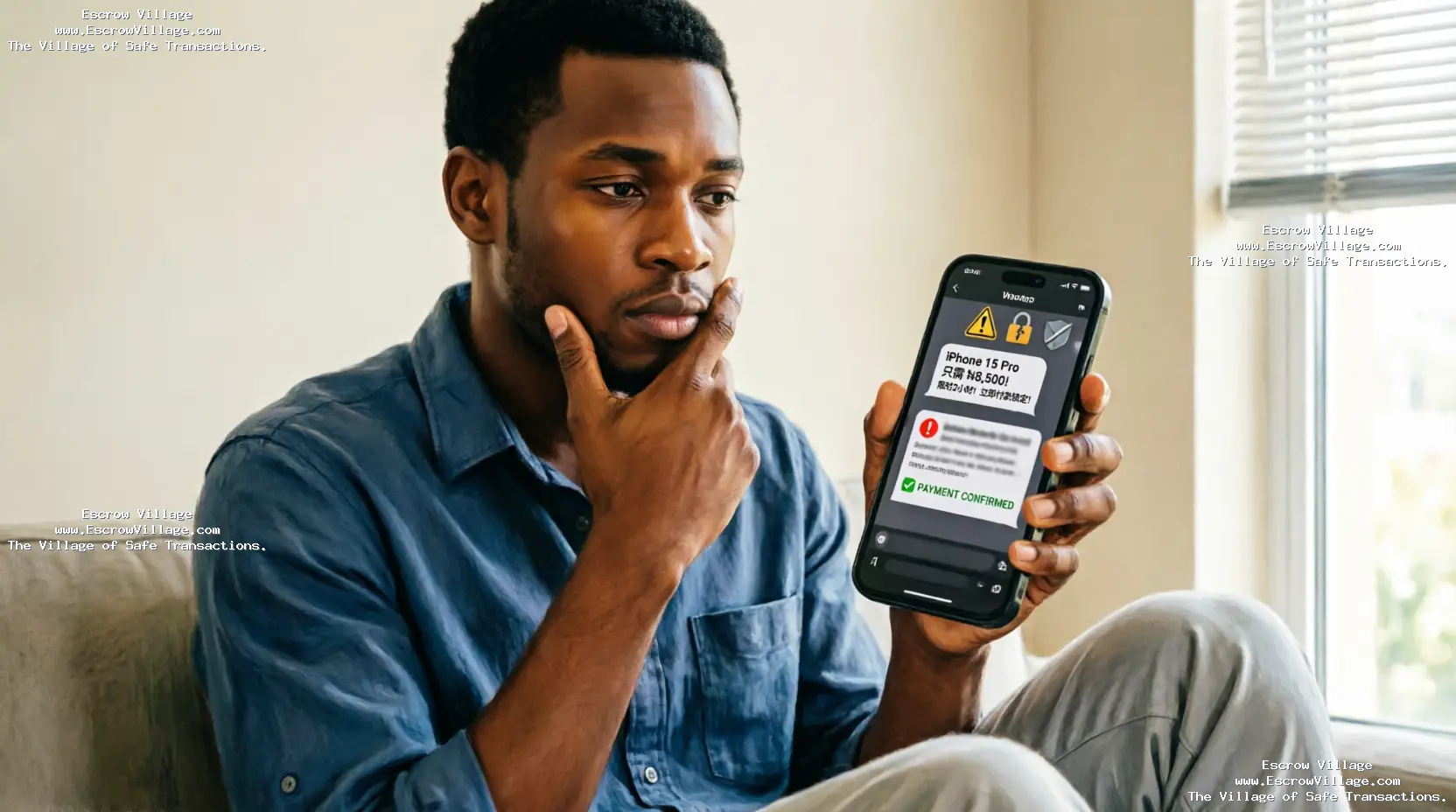
~ Send fake bank alert SMS
~ Create counterfeit bank transfer receipts
~ Claim transfers are "delayed"
~ Pressure vendors to release items immediately
This is why fashion business payment fraud continues to rise among small online businesses.
What Is a Fake Payment Alert?
A fake payment alert is any message that falsely claims money has been transferred into your account.
Examples include:
~ Fake bank SMS
~ Edited bank transfer screenshots
~ Fake mobile banking notifications
~ Counterfeit transaction receipts
~ Screenshots generated using editing apps
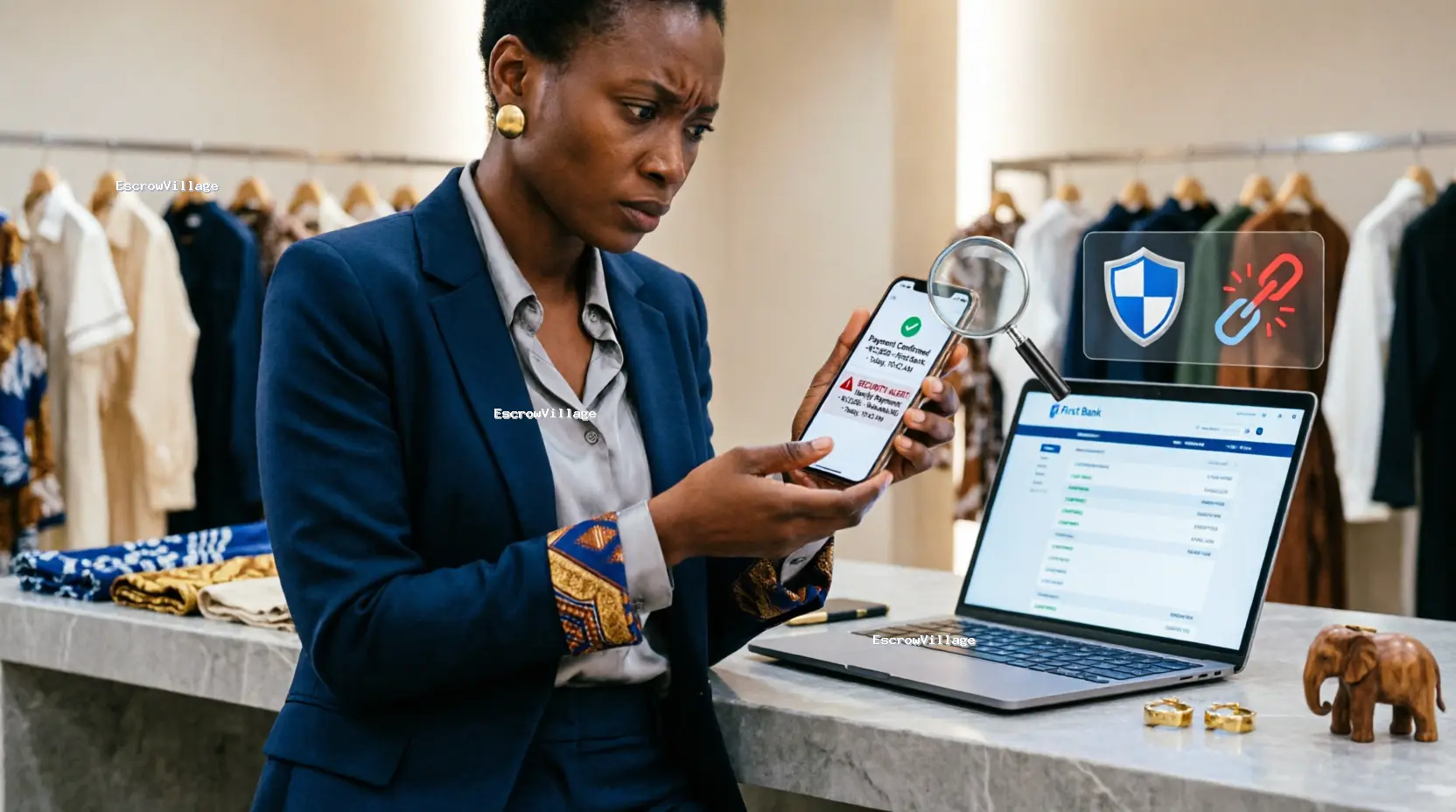
Many scammers create alerts that look identical to genuine bank notifications. That is why vendors should never rely solely on screenshots.
9 Ways to Detect Fake Payment Alerts
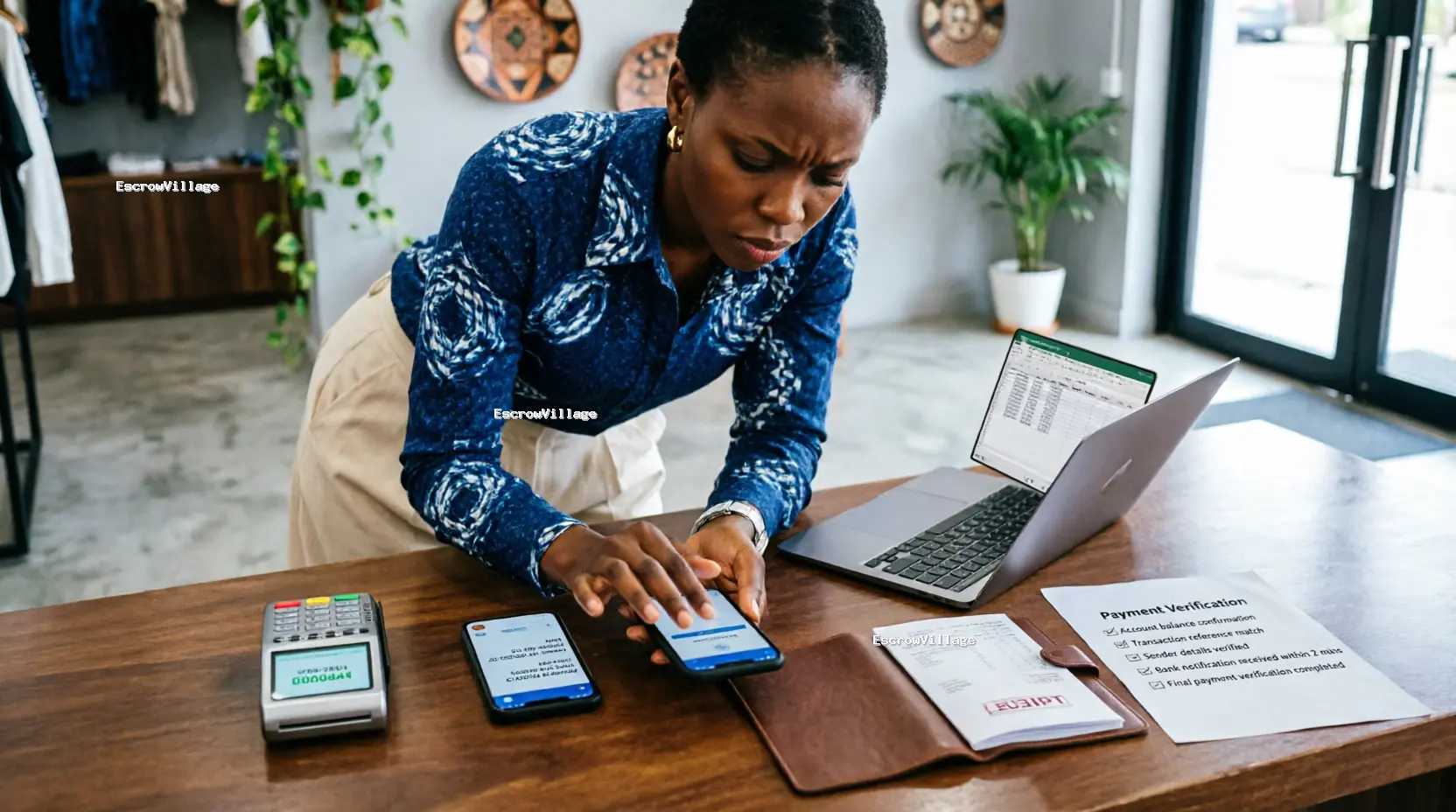
1. Always Check Your Bank Account
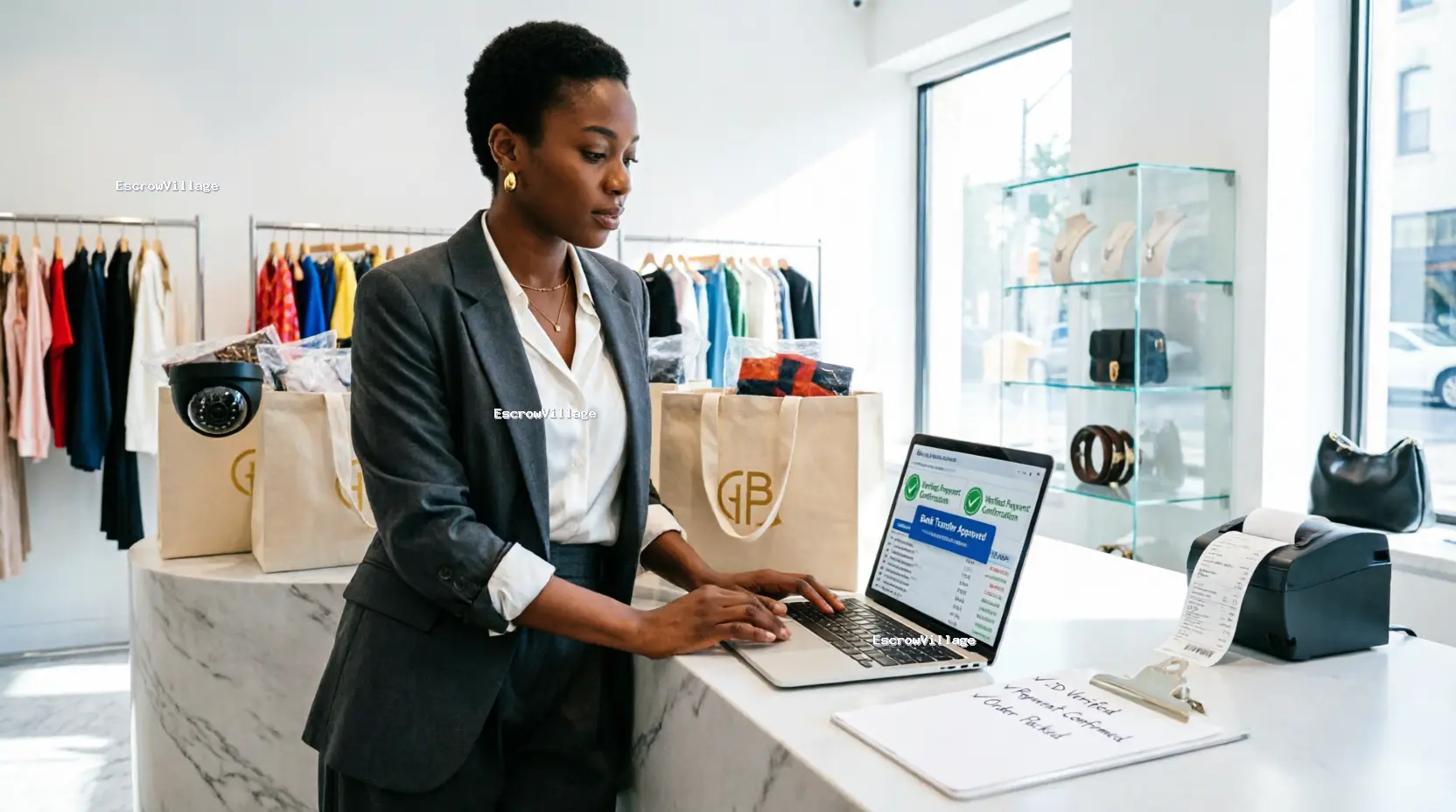
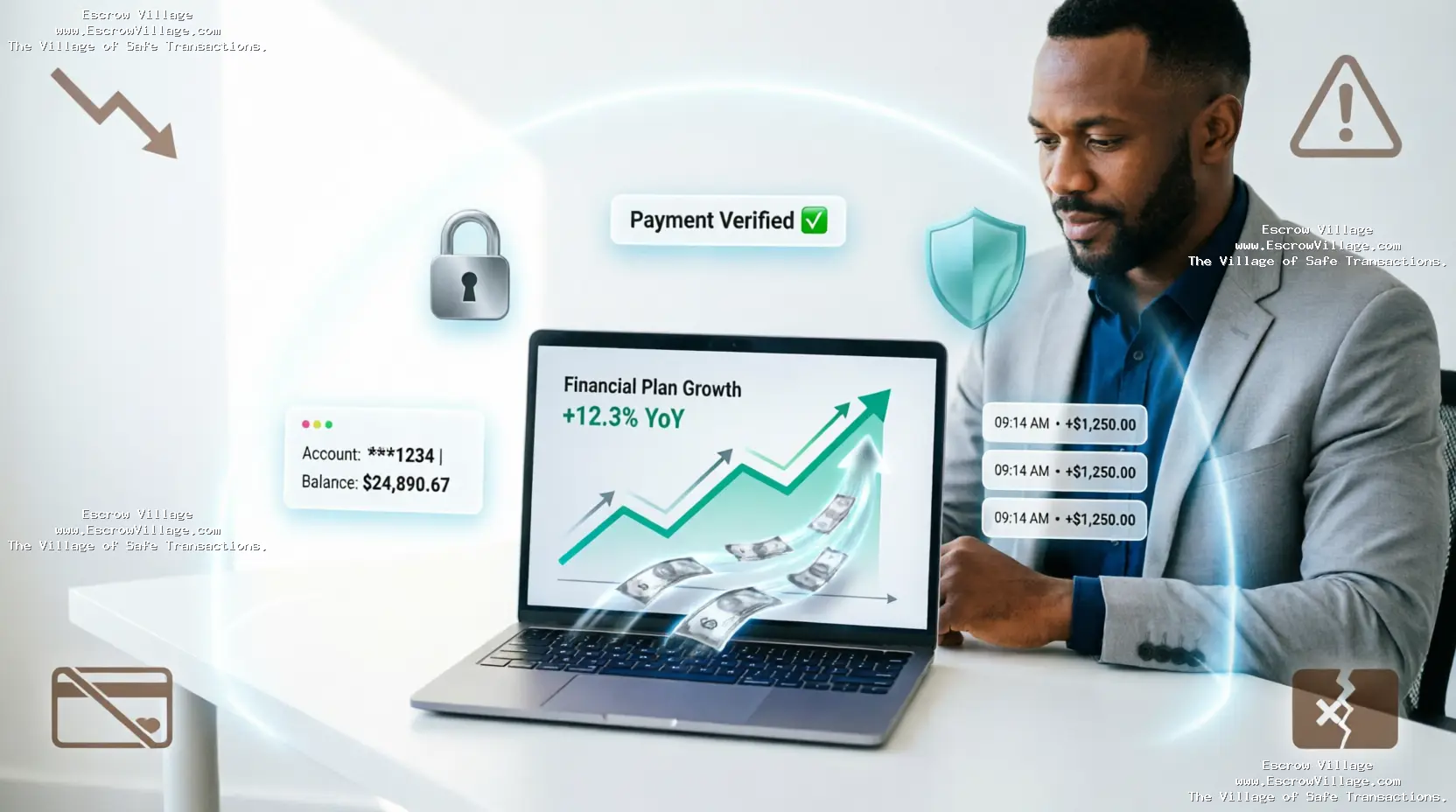
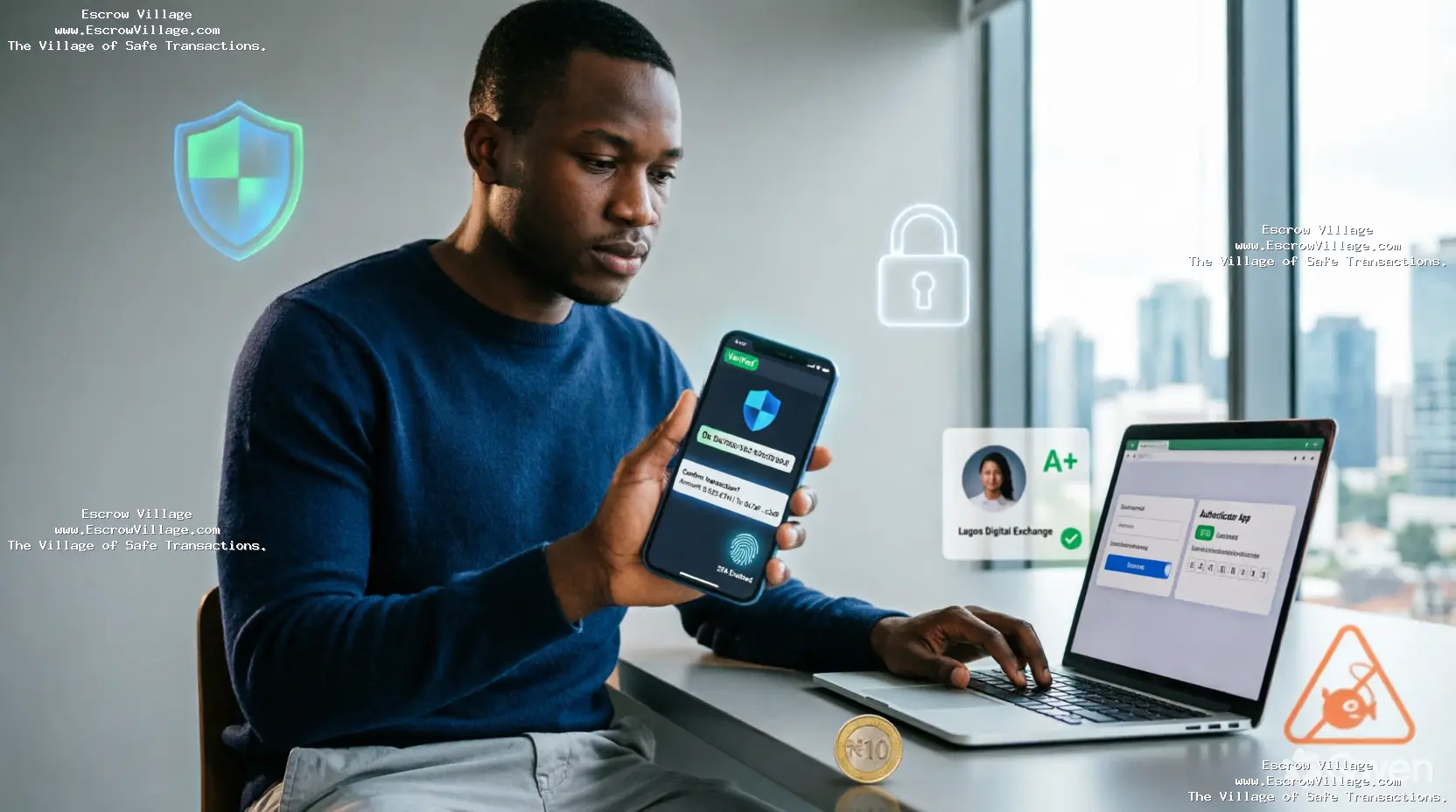
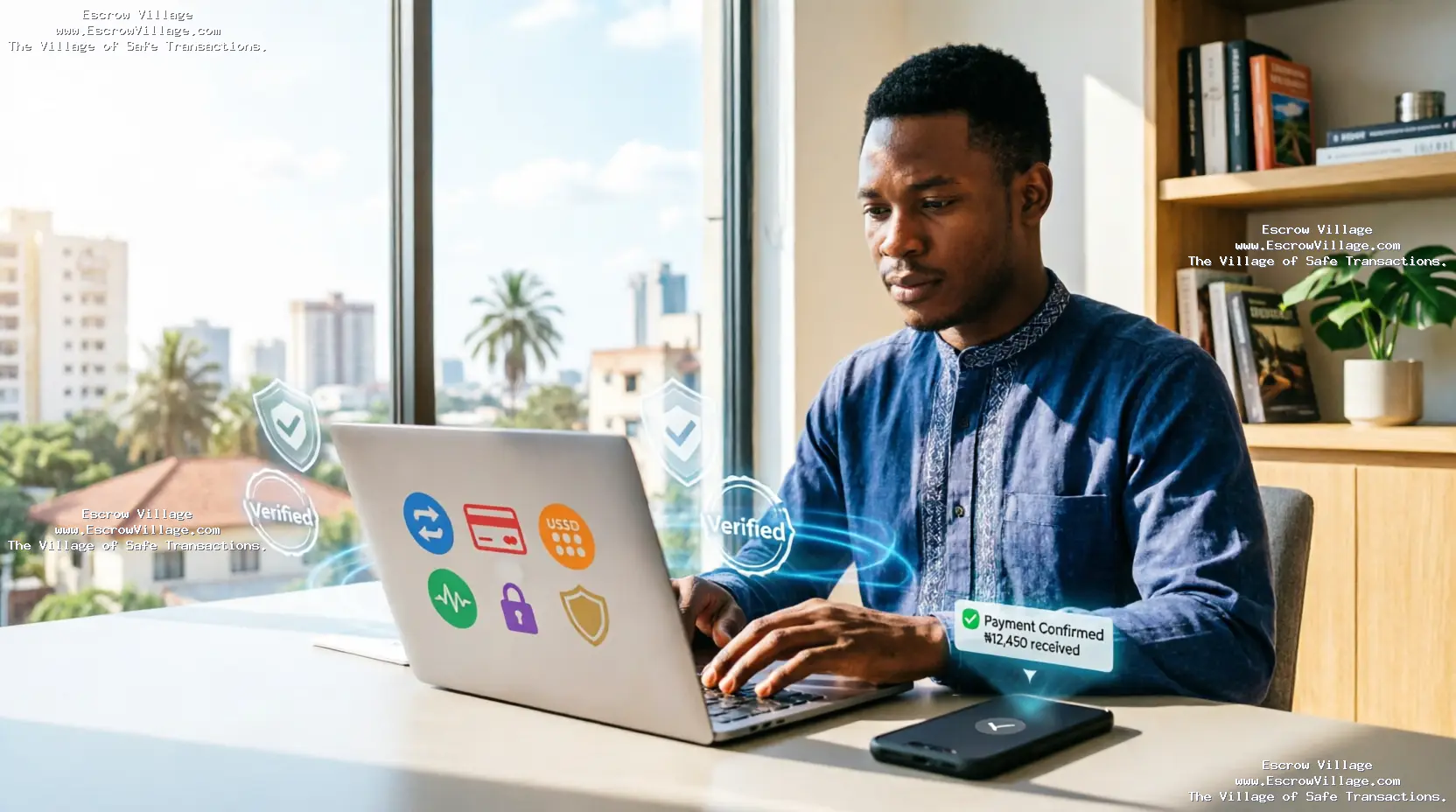
The safest way to confirm payment is by checking your banking app or internet banking.Never rely solely on:
~ SMS
~ Screenshots
~ WhatsApp receipts
If the money isn't in your account, don't release the order.
2. Verify Payments Before Delivery
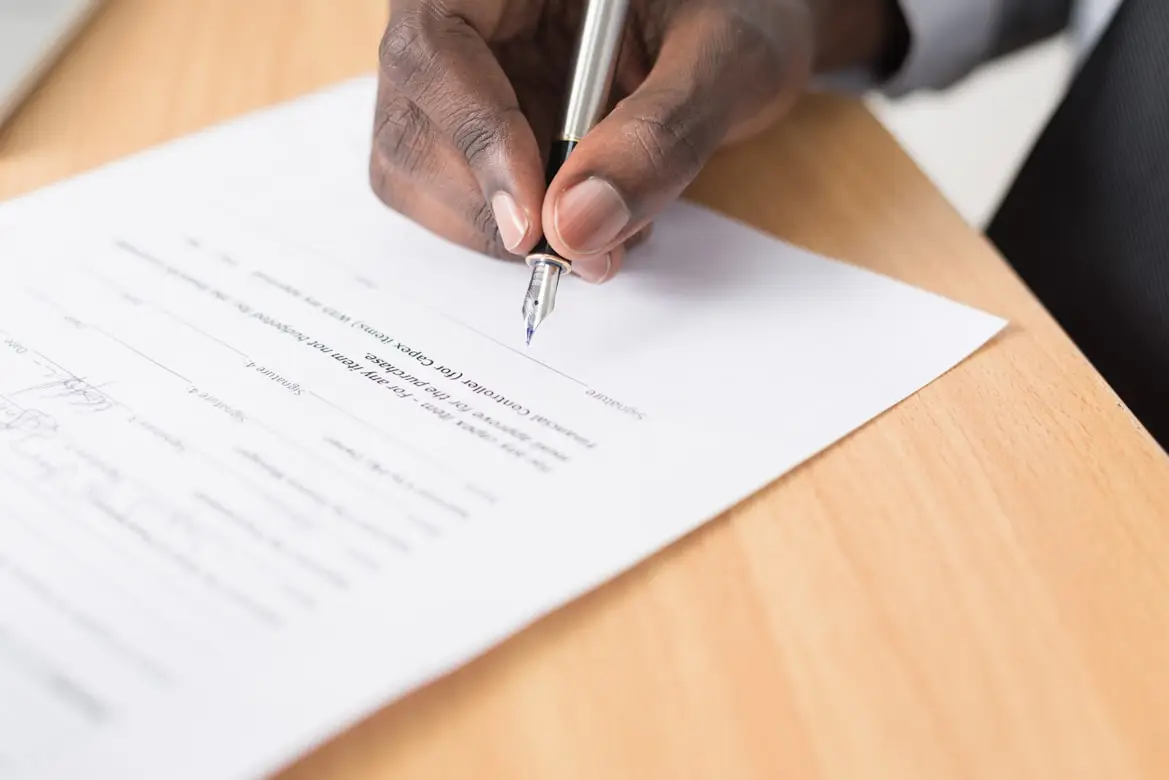
One of the biggest mistakes vendors make is dispatching products immediately after receiving a screenshot.
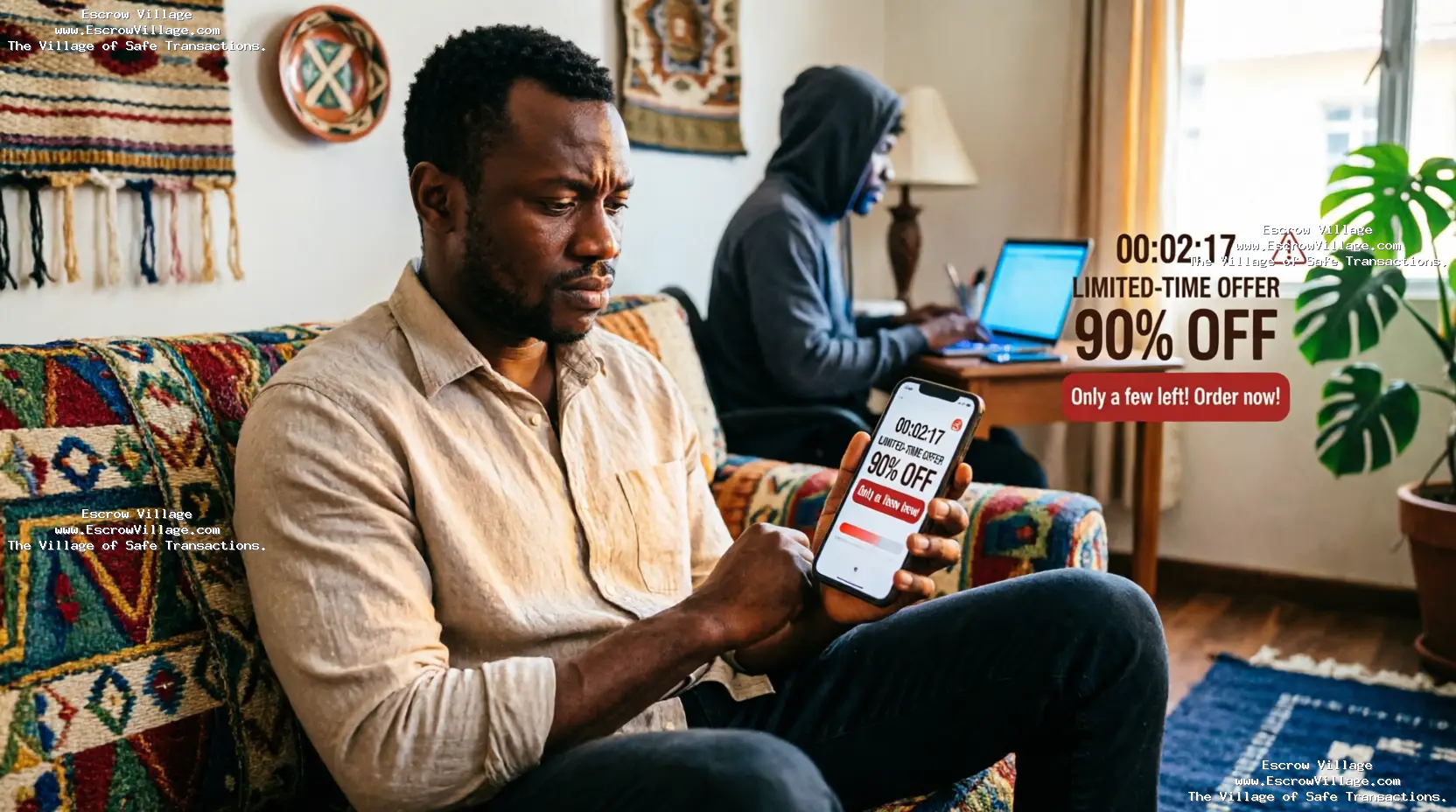
Scammers often say things like:"I'm already late.""The dispatch rider is waiting.""Please trust me.""The bank network is slow." Legitimate customers understand that payment verification is standard business practice.
Never rush because someone is creating pressure.
4. Watch for Poorly Designed Alerts
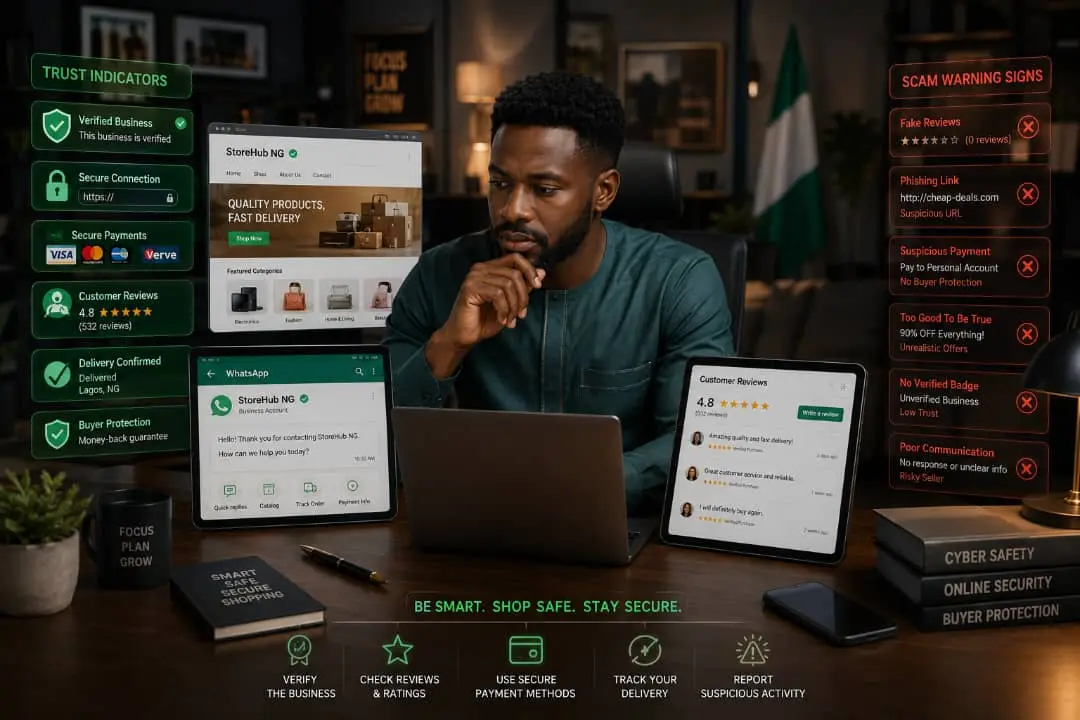
Learning how to detect fake payment alerts becomes easier when you know what to look for. Common signs include:
~ Different fonts
~ Wrong bank logo
~ Misspelled words
~ Incorrect transaction format
~ Blurry screenshots
~ Strange account numbers
Small inconsistencies often reveal fake alerts.
5. Confirm Large Payments Twice
If someone is buying:
~ Multiple outfits
~ Luxury fashion items
~ Designer shoes
~ Wedding dresses
~ Wholesale clothing
Double-check every payment. Higher-value orders deserve extra verification.
6. Avoid SMS-Only Confirmation
SMS alerts can sometimes be delayed—or even spoofed. Instead, use:
~ Mobile banking apps
~ Internet banking
~ Official bank notifications
These provide more reliable confirmation.
7. Keep Records of Every Transaction
Maintain records such as:
~ Customer name
~ Phone number
~ Transaction reference
~ Delivery address
~ Chat history
Good records help if disputes arise and support your overall vendor payment security process.
8. Use Secure Payment Platforms
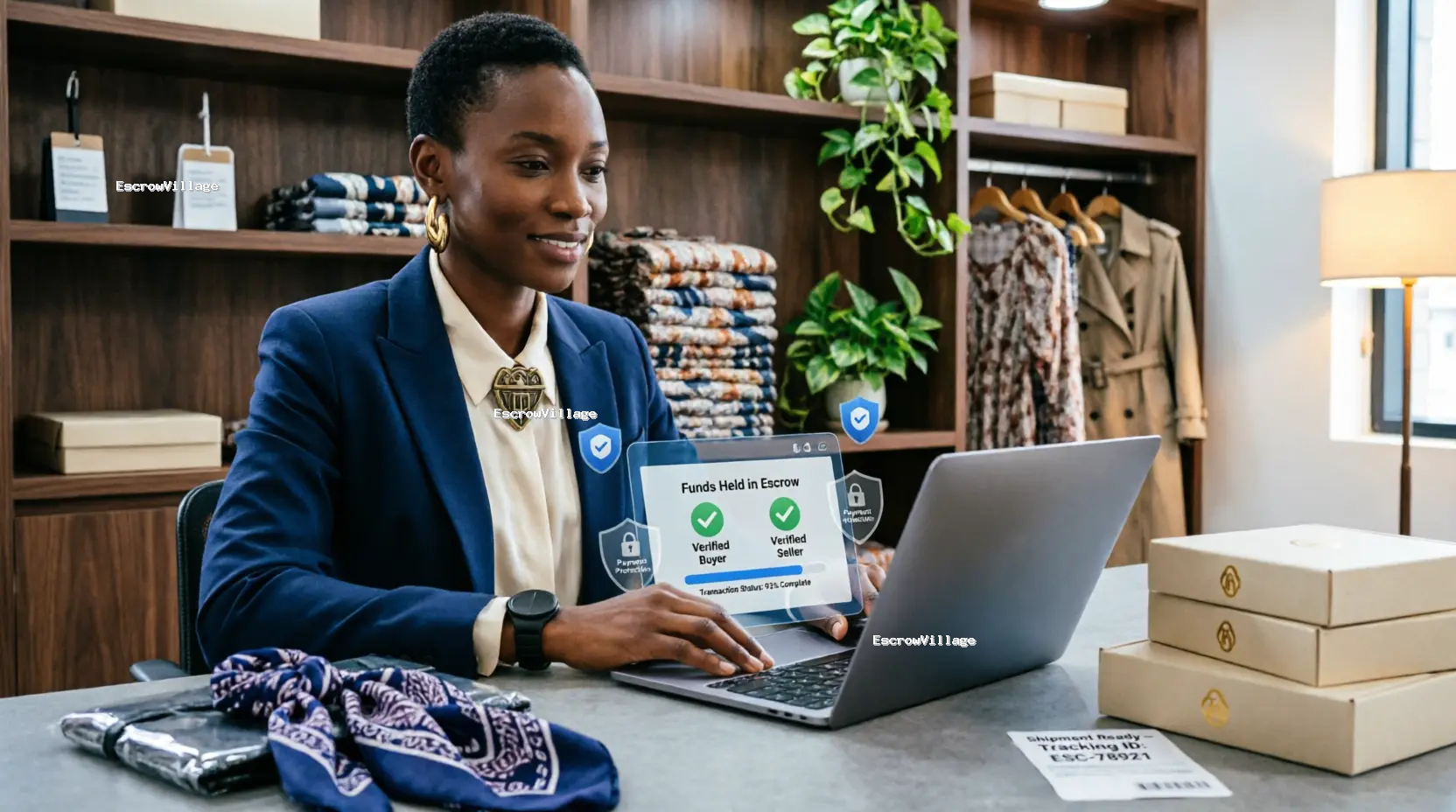
Rather than relying entirely on direct bank transfers, consider payment methods that include verification before goods are released.
Secure payment systems reduce the risk of online payment fraud by ensuring payments are confirmed before transactions are completed.
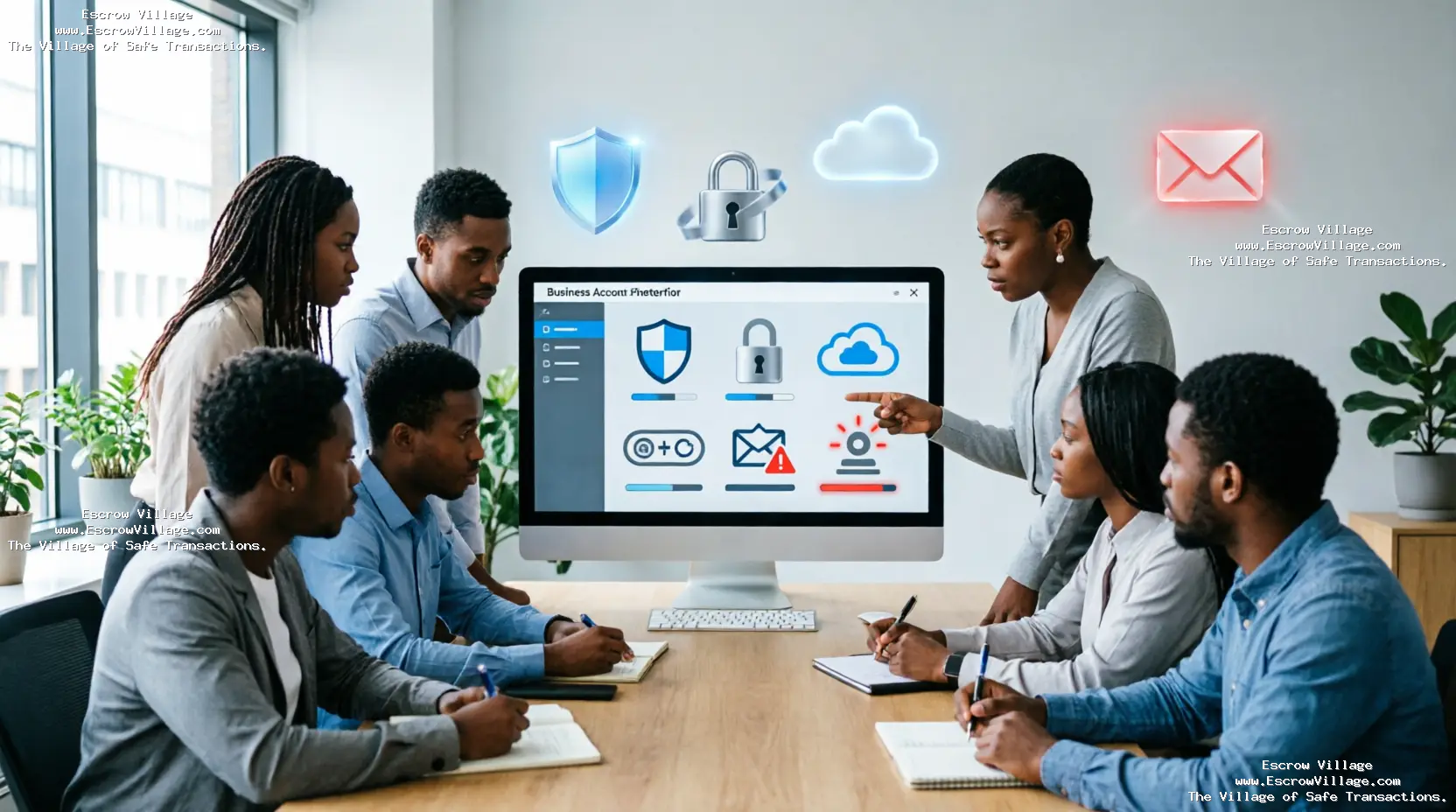
9. Educate Your Staff
If you have employees handling orders, train them to:
~ Never trust screenshots
~ Always confirm payments
~ Report suspicious customers
~ Follow your verification process
A single mistake by an employee can cost your business thousands of naira.
Common Fake Bank Alert Tricks Used Against Vendors
Here are some of the most common fake bank alerts for vendors:
● Edited Screenshots
Scammers alter old transfer receipts using editing software.
● Fake SMS Apps
Some apps generate messages that resemble real bank alerts.
● Delayed Transfer Excuse
The scammer claims:
"The transfer is successful. Your bank will credit you soon."
This is usually a tactic to get you to release goods before payment arrives.
● Fake Mobile Banking Notifications
Some fraudsters create convincing images that mimic banking apps.
Always verify through your own banking app.
Best Practices to Prevent Fake Payment Alerts
To prevent fake payment alerts, make these habits part of your daily operations:
~ Never release products based on screenshots.
~ Verify every payment from your bank account.
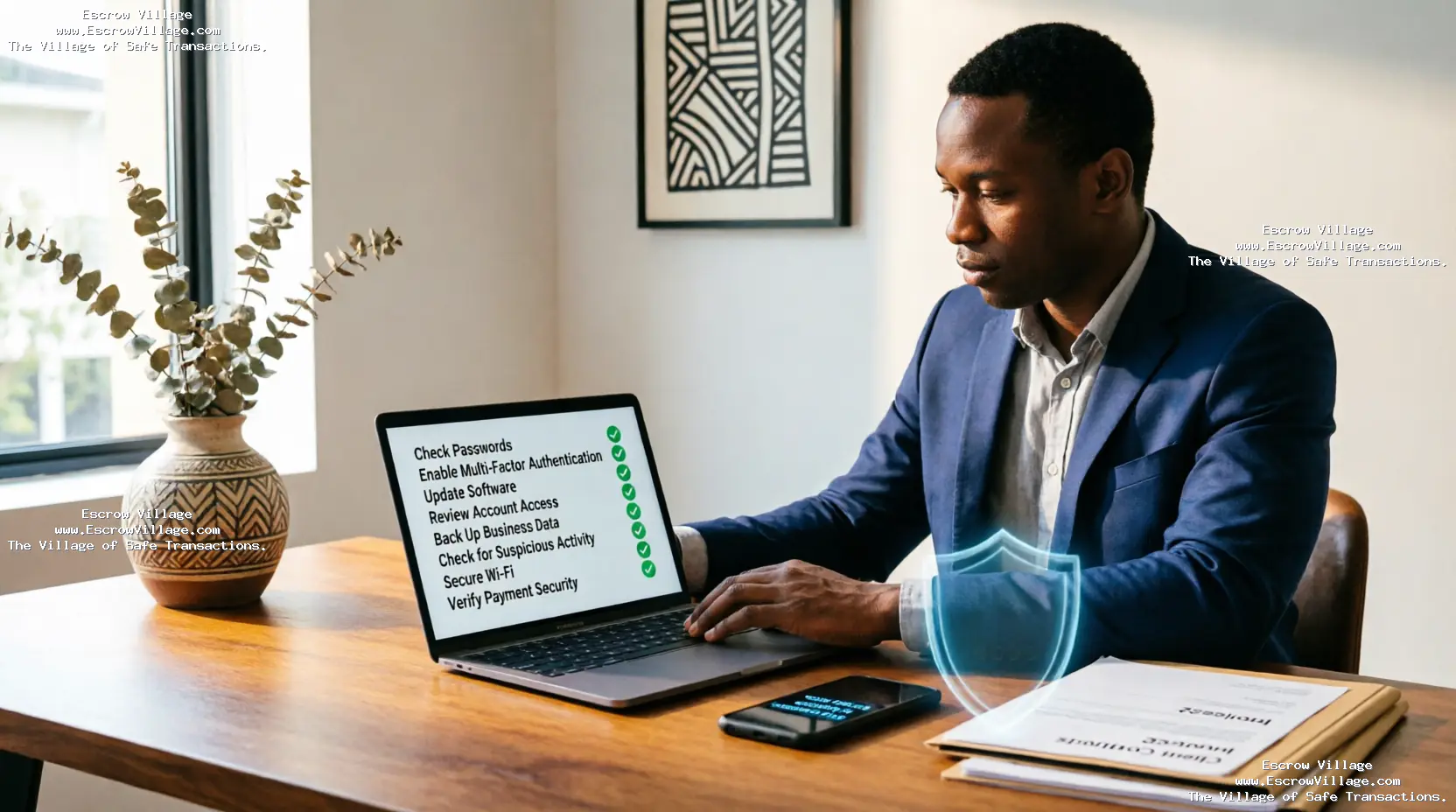
~ Create a standard payment verification policy.
~ Inform customers that all orders require payment confirmation.
~ Train staff regularly.
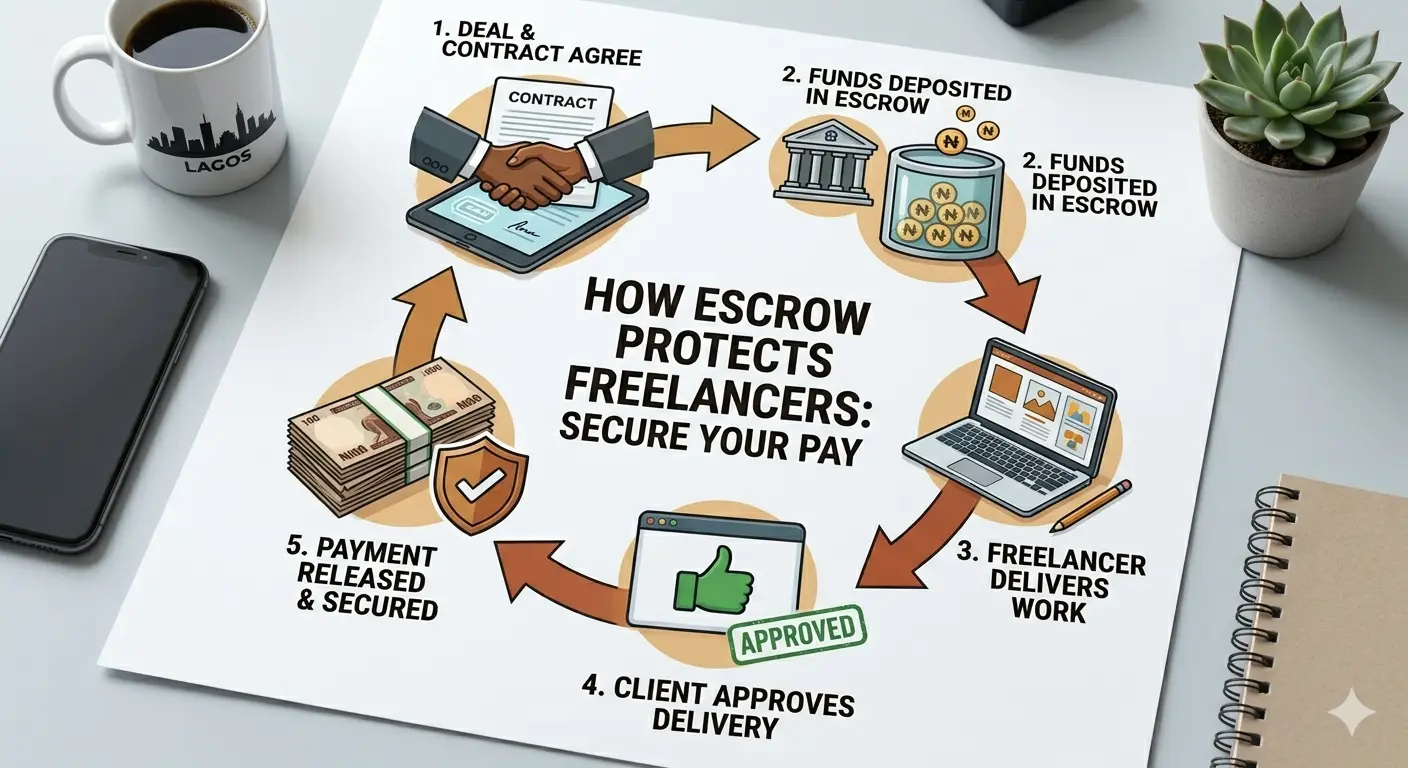
~ Use trusted payment and escrow solutions for high-value transactions.
~ Keep records of every sale.
These steps also improve your overall small business fraud protection strategy.
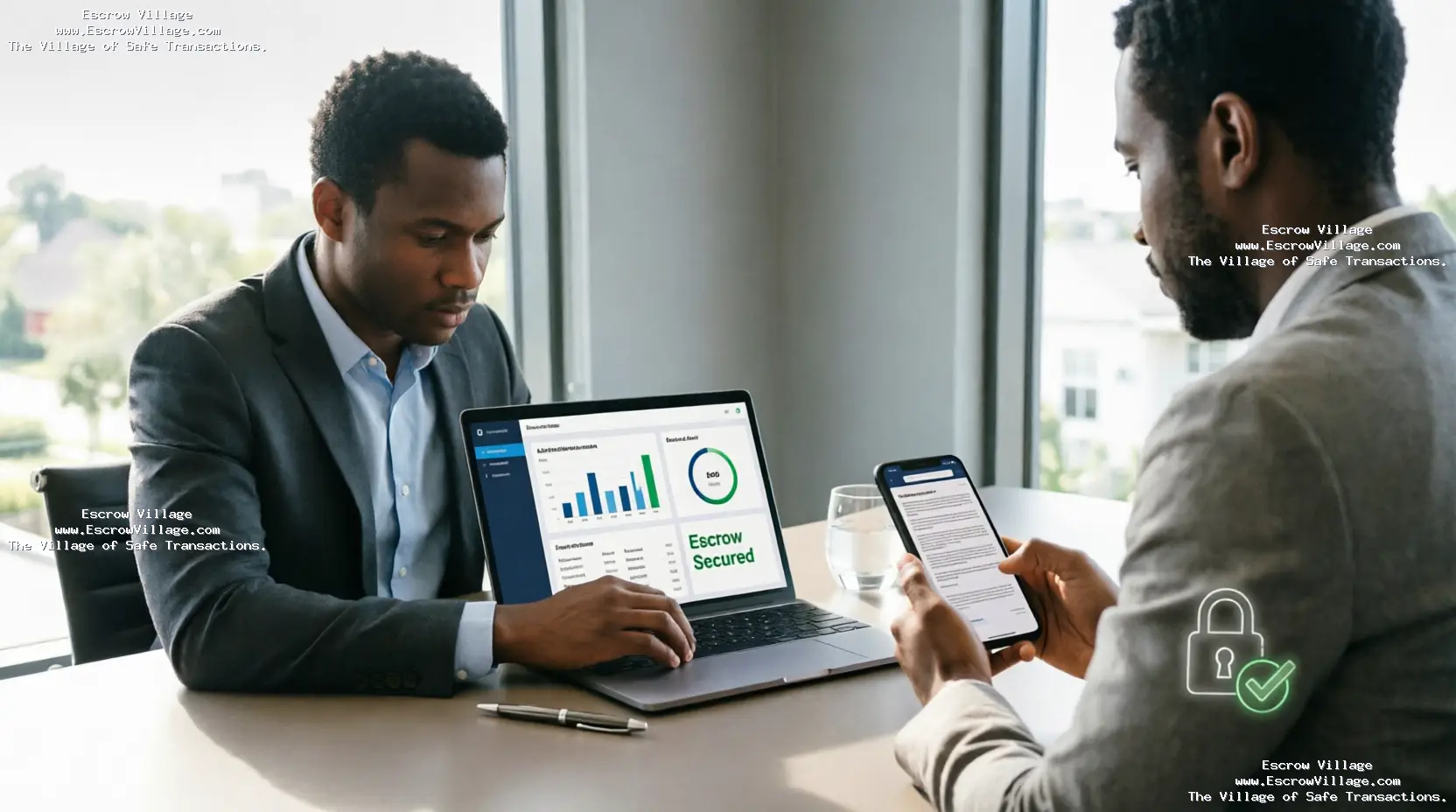
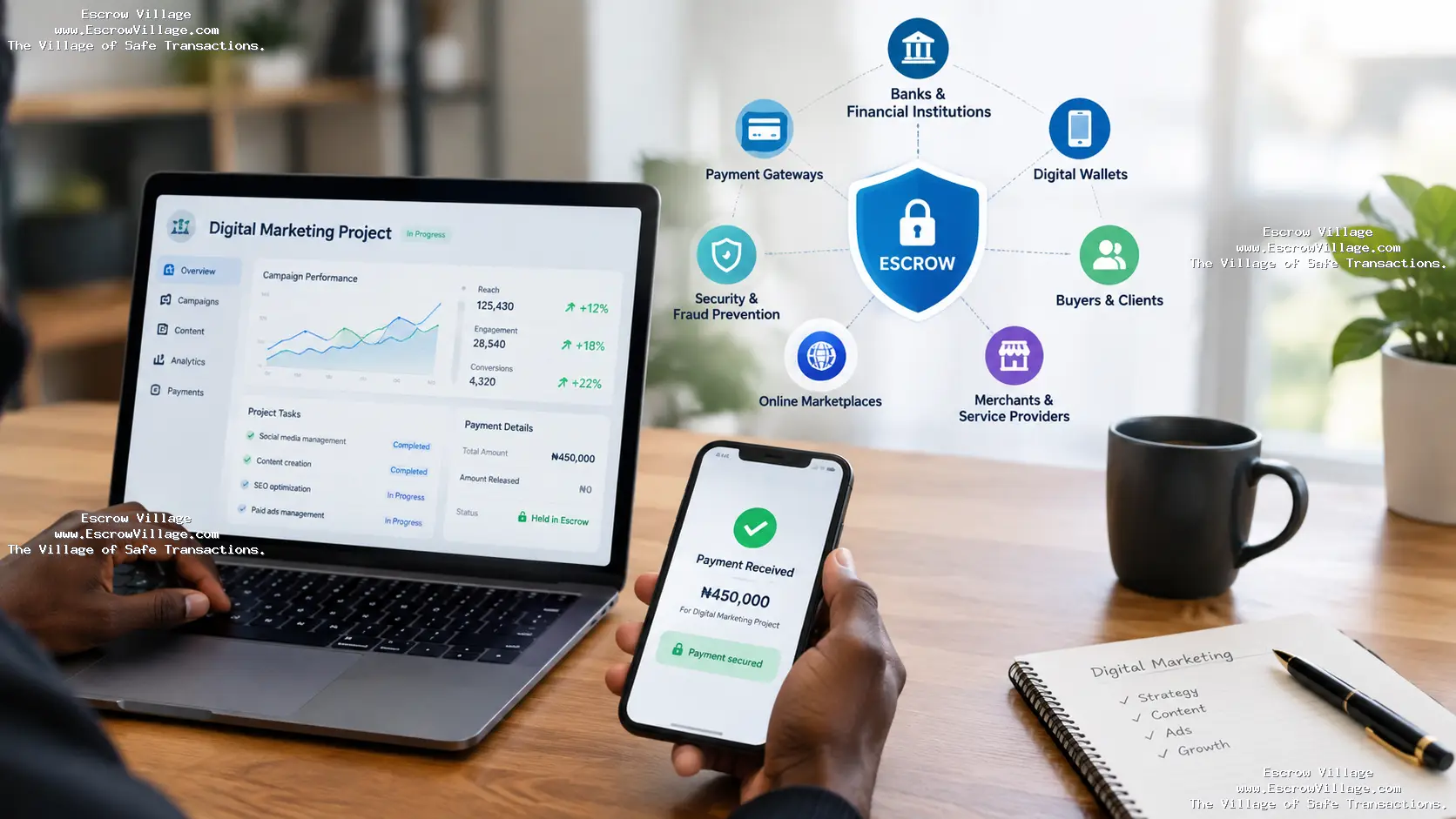
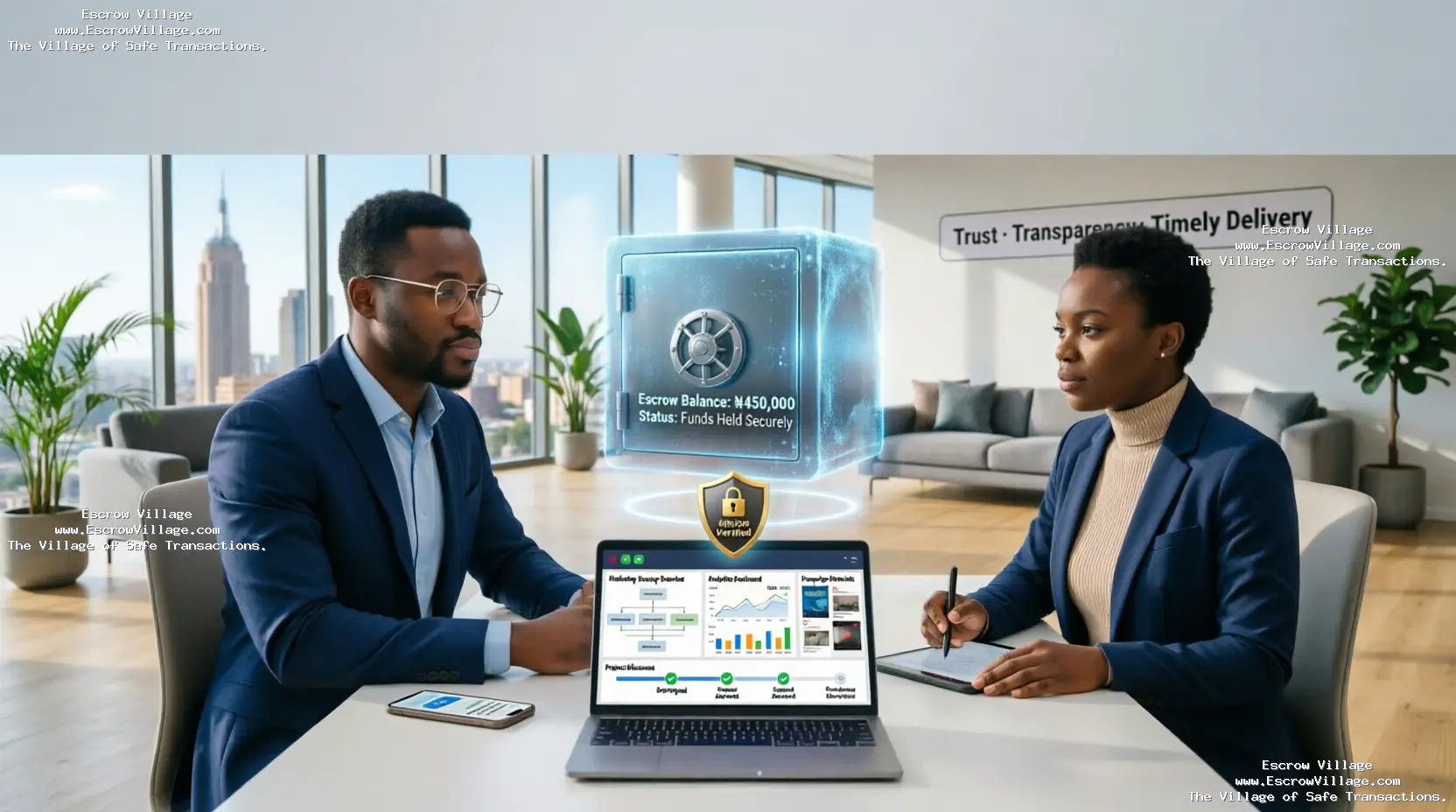
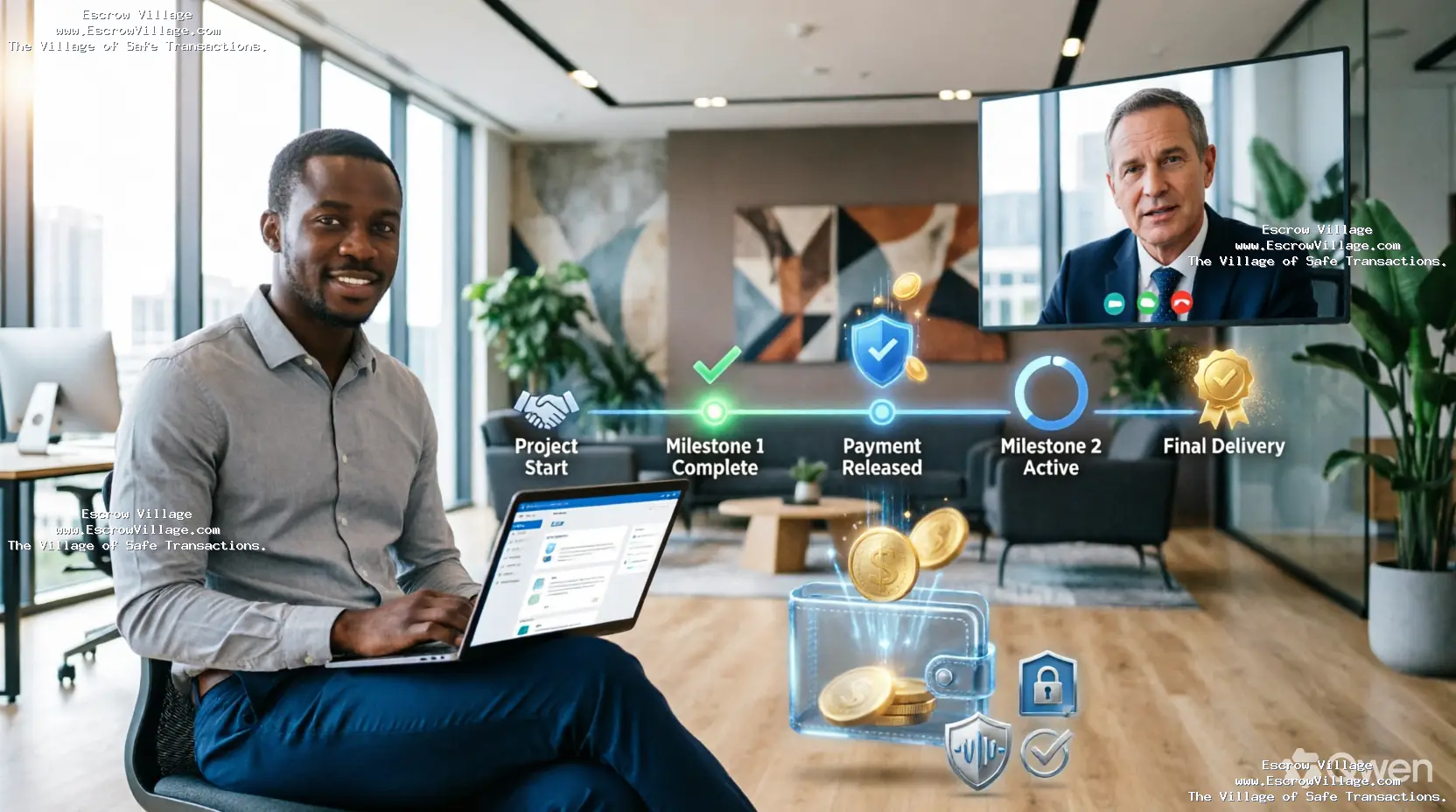
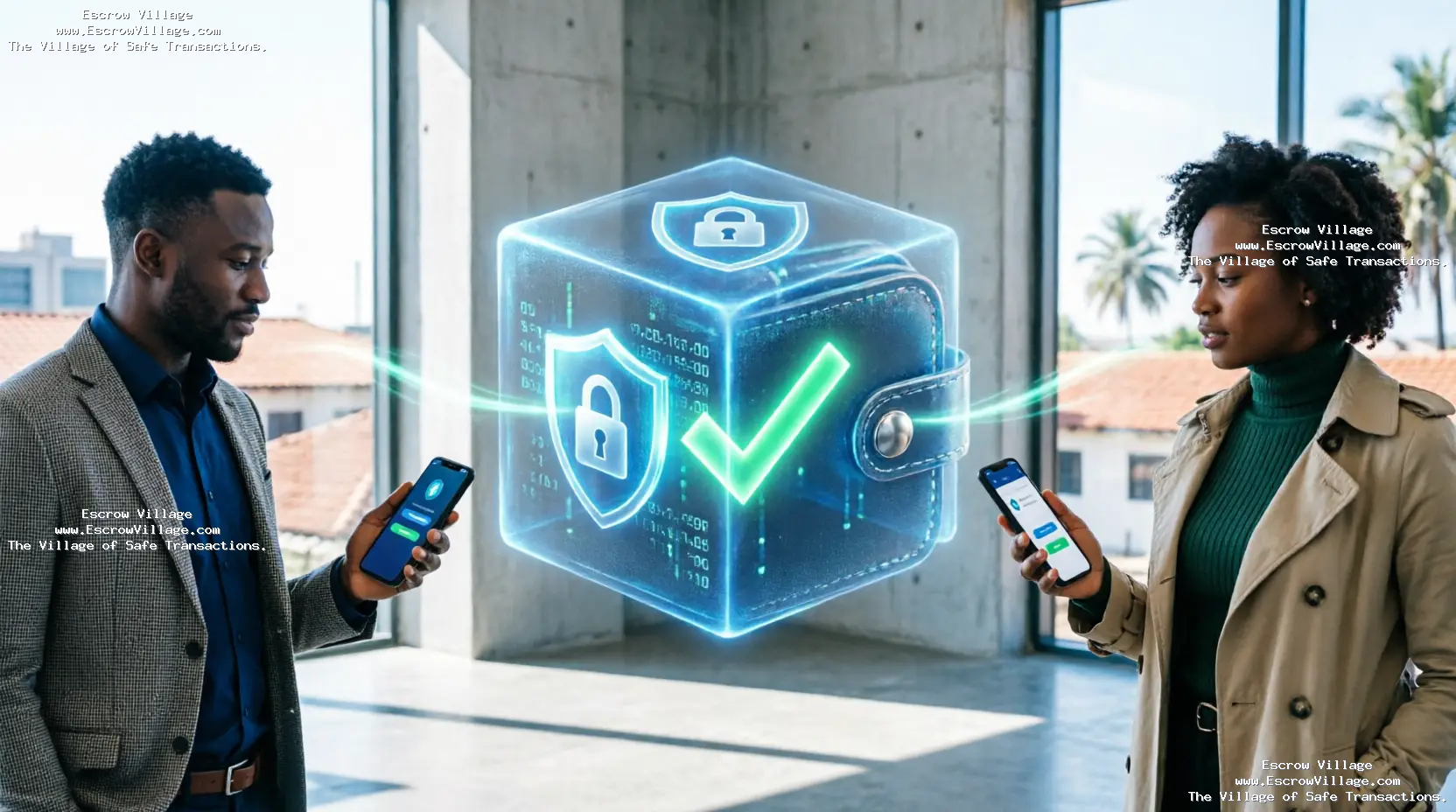
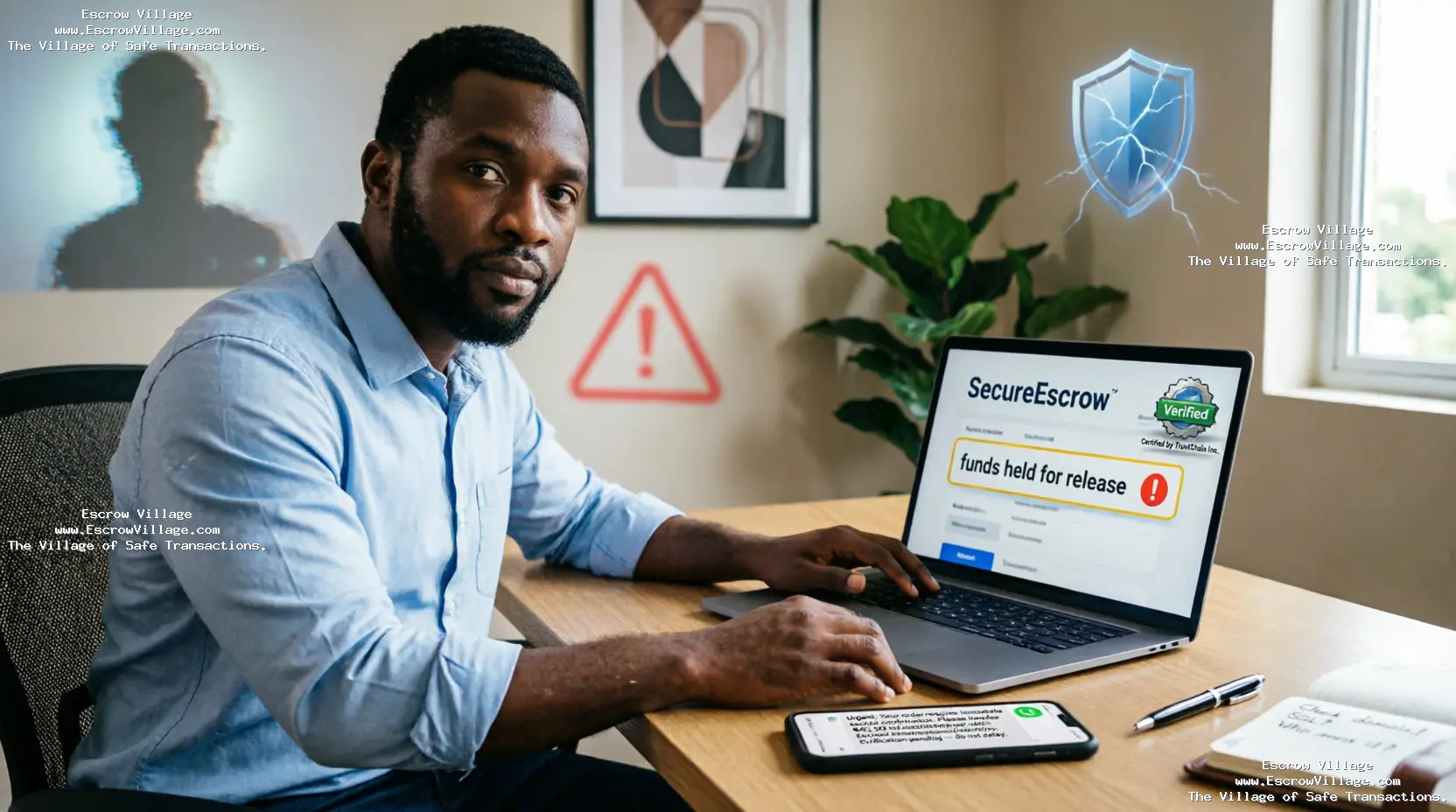
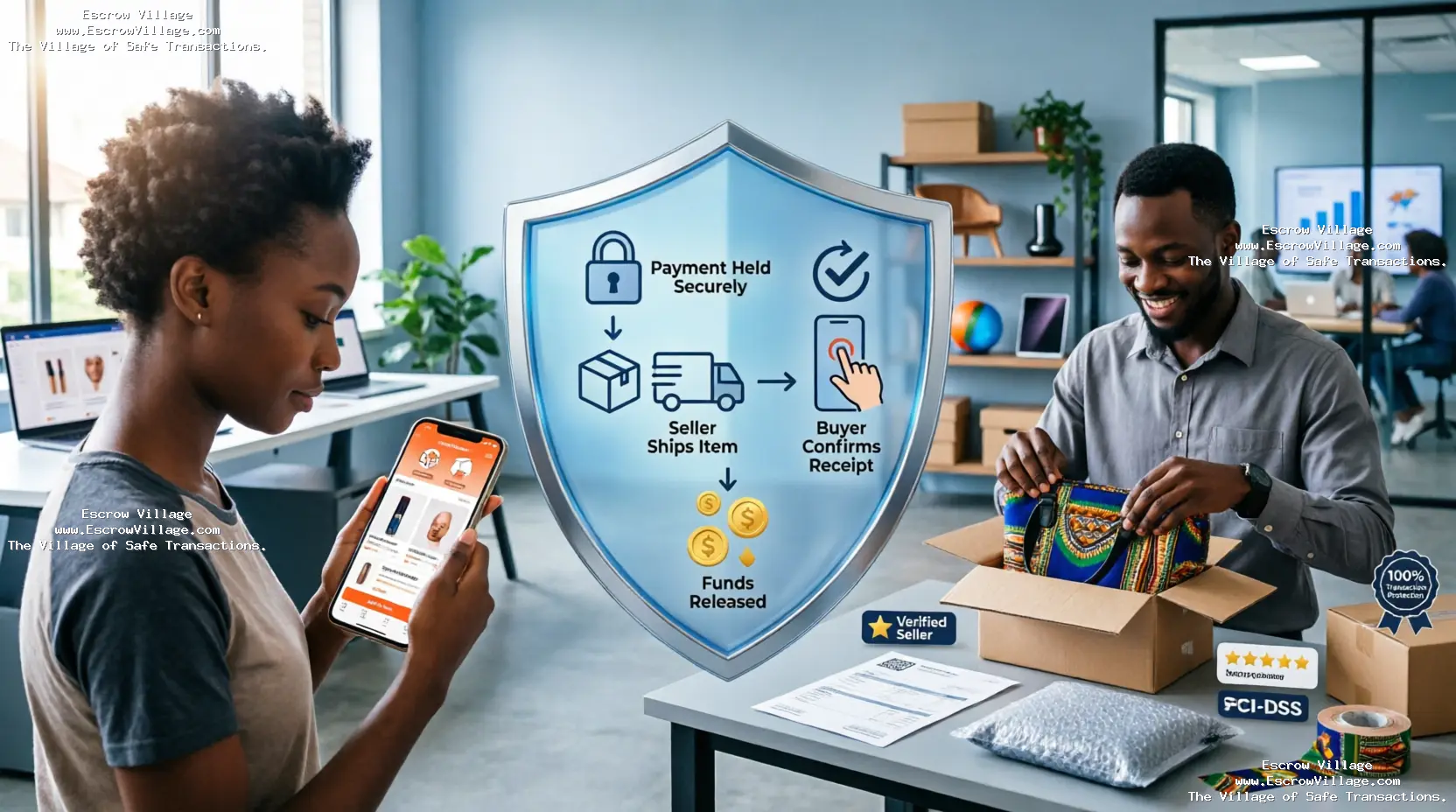
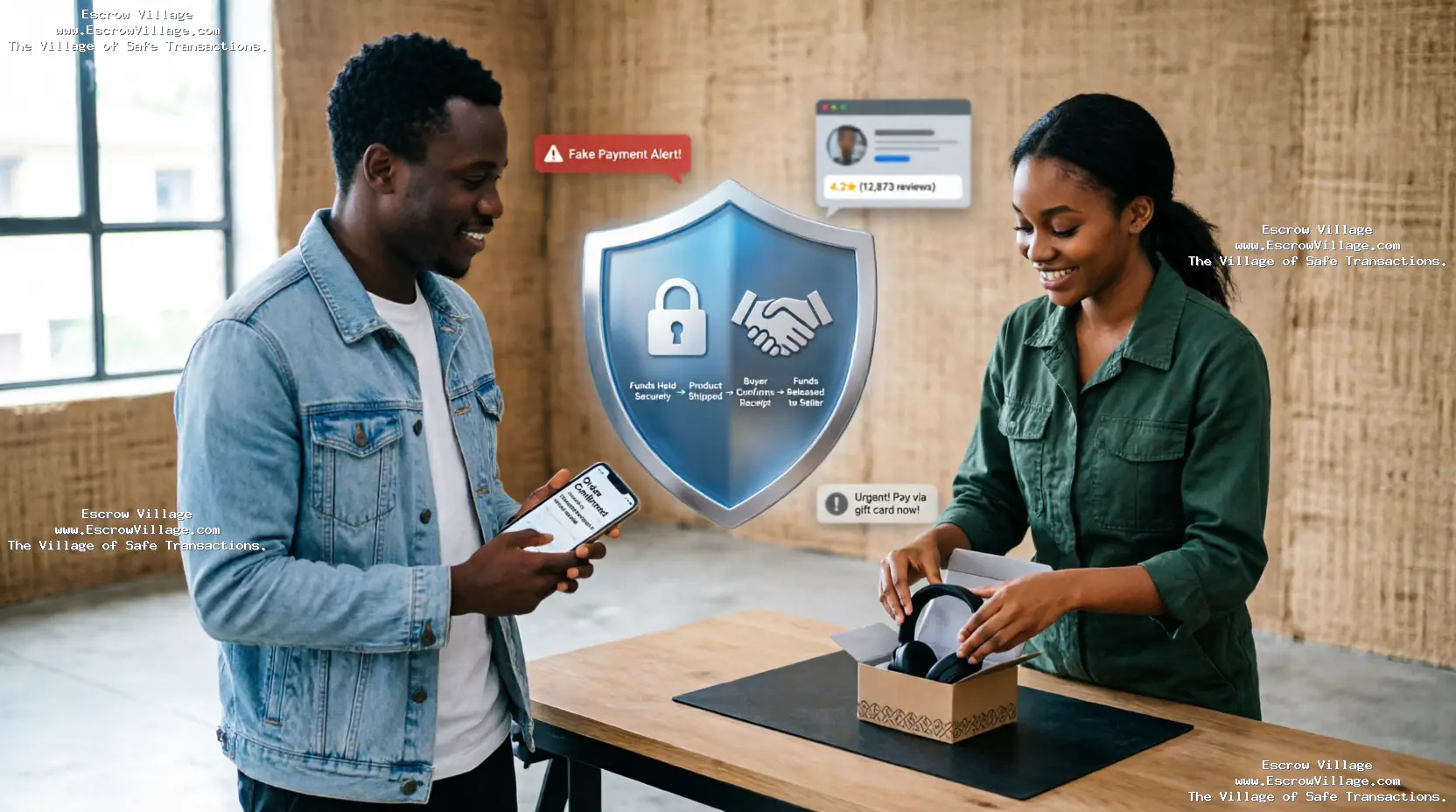
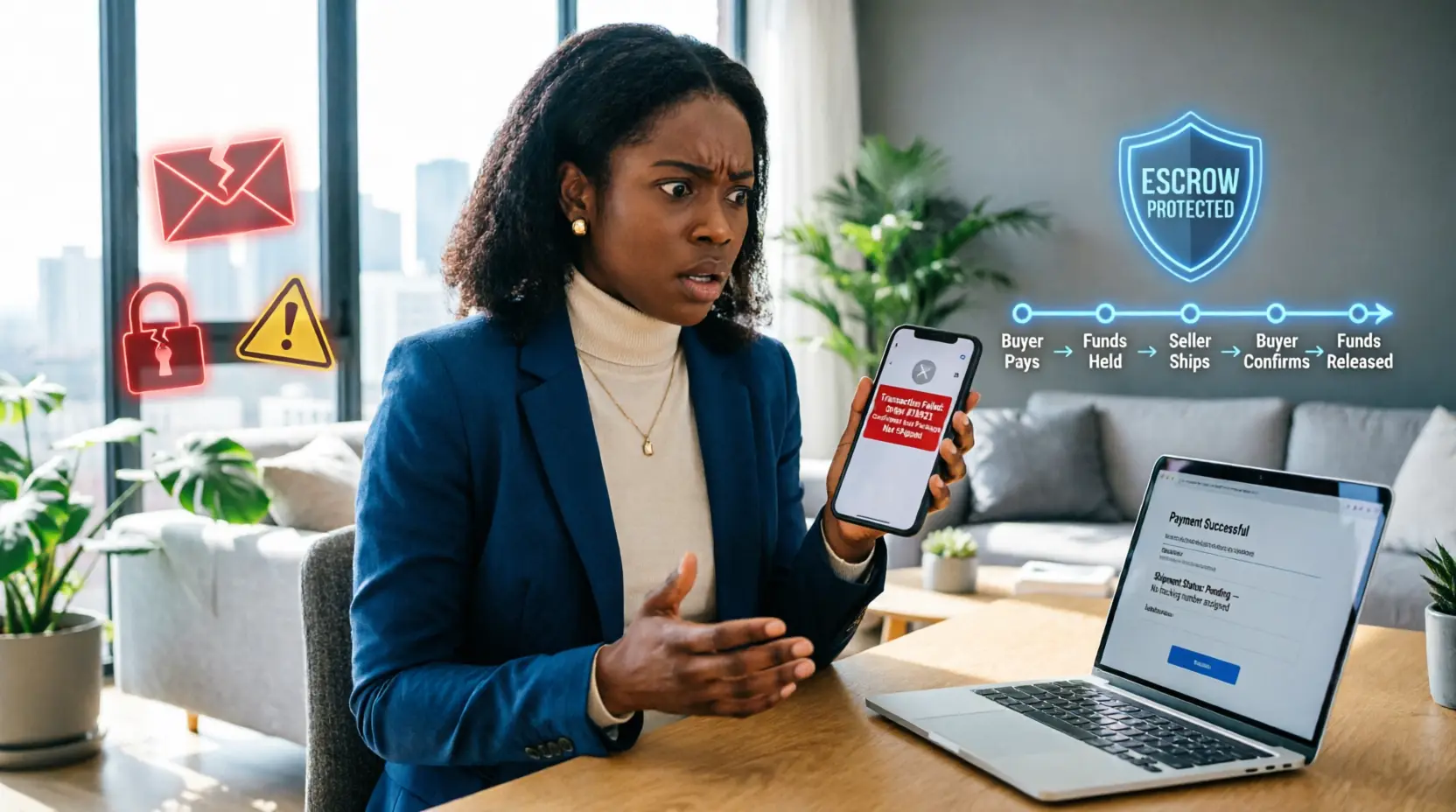
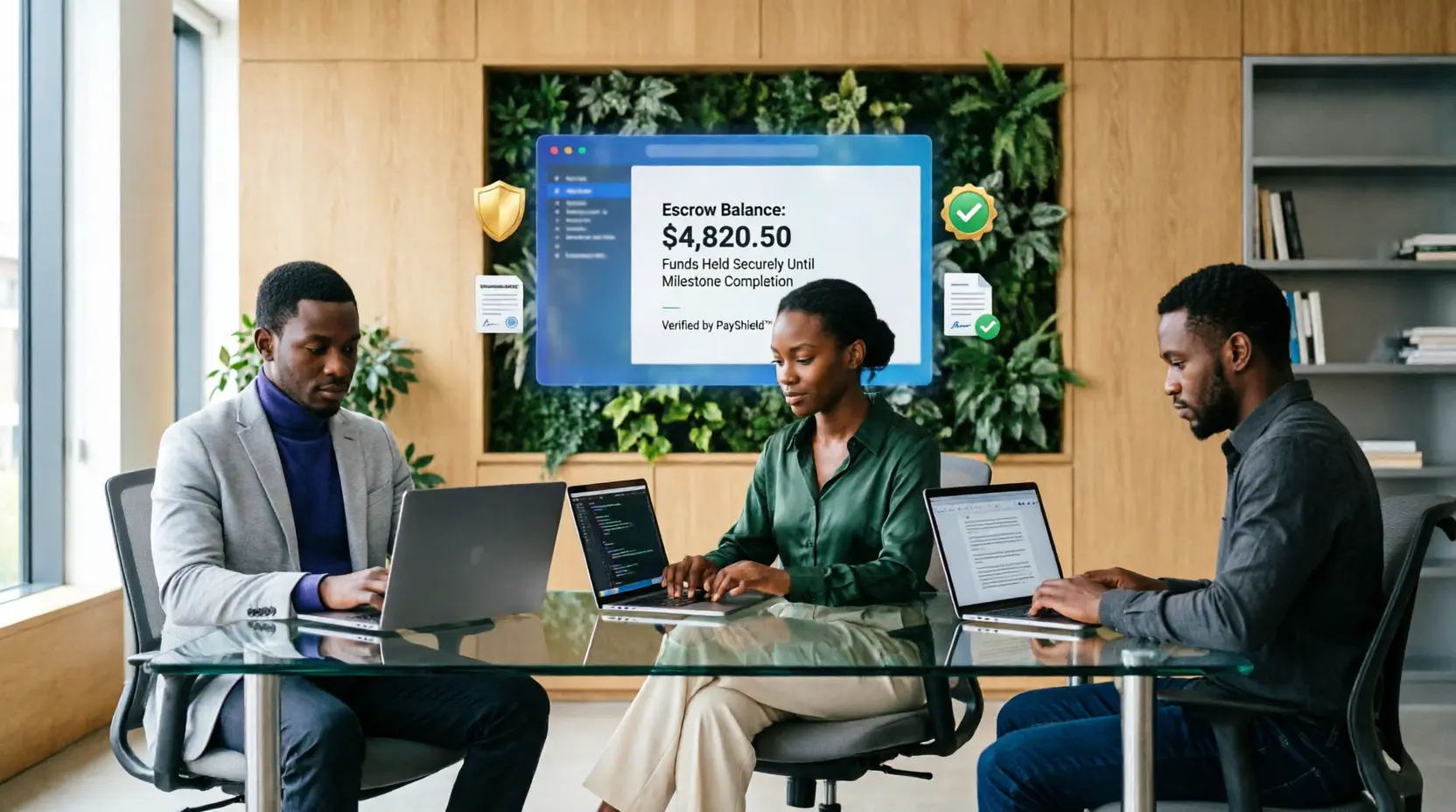
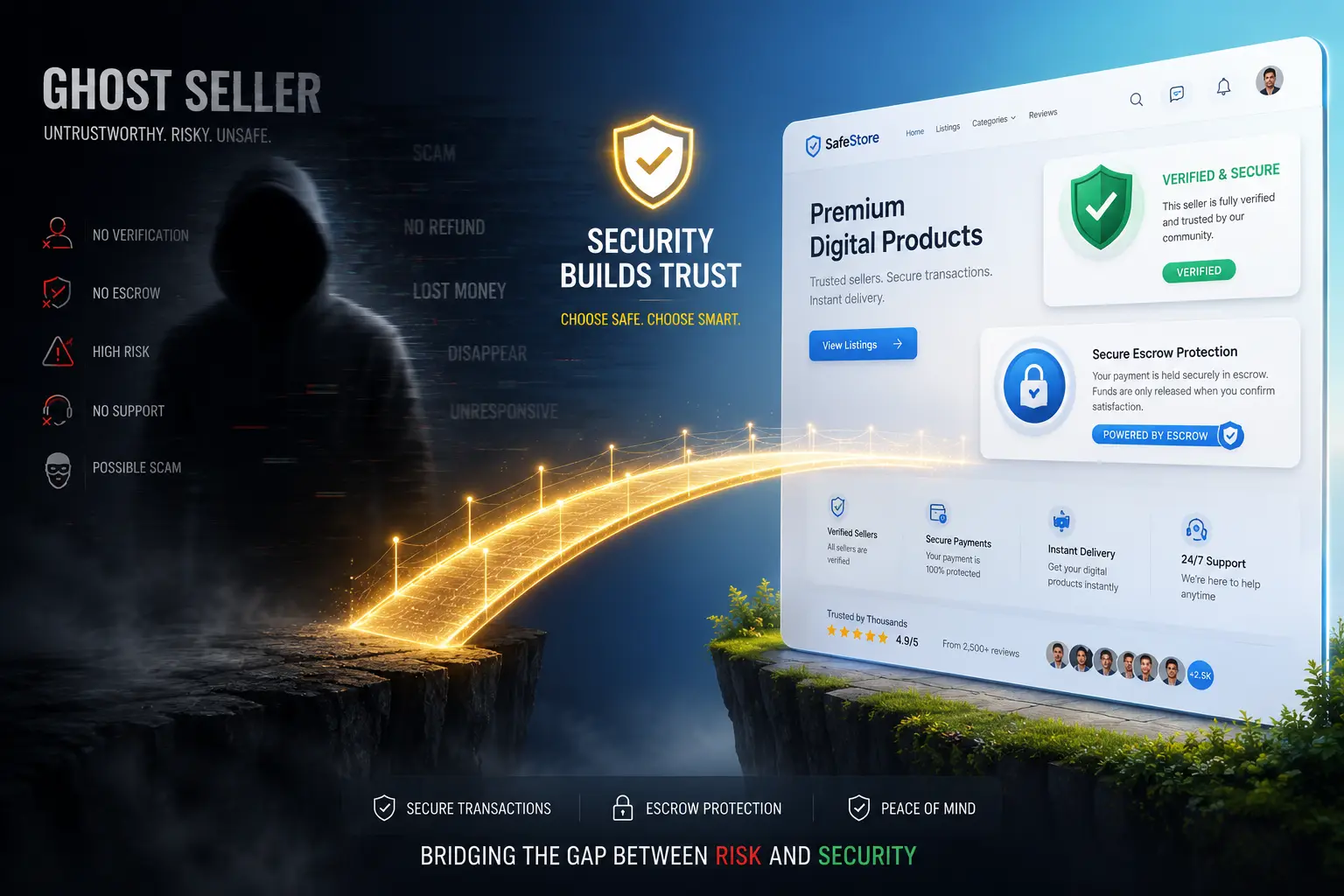
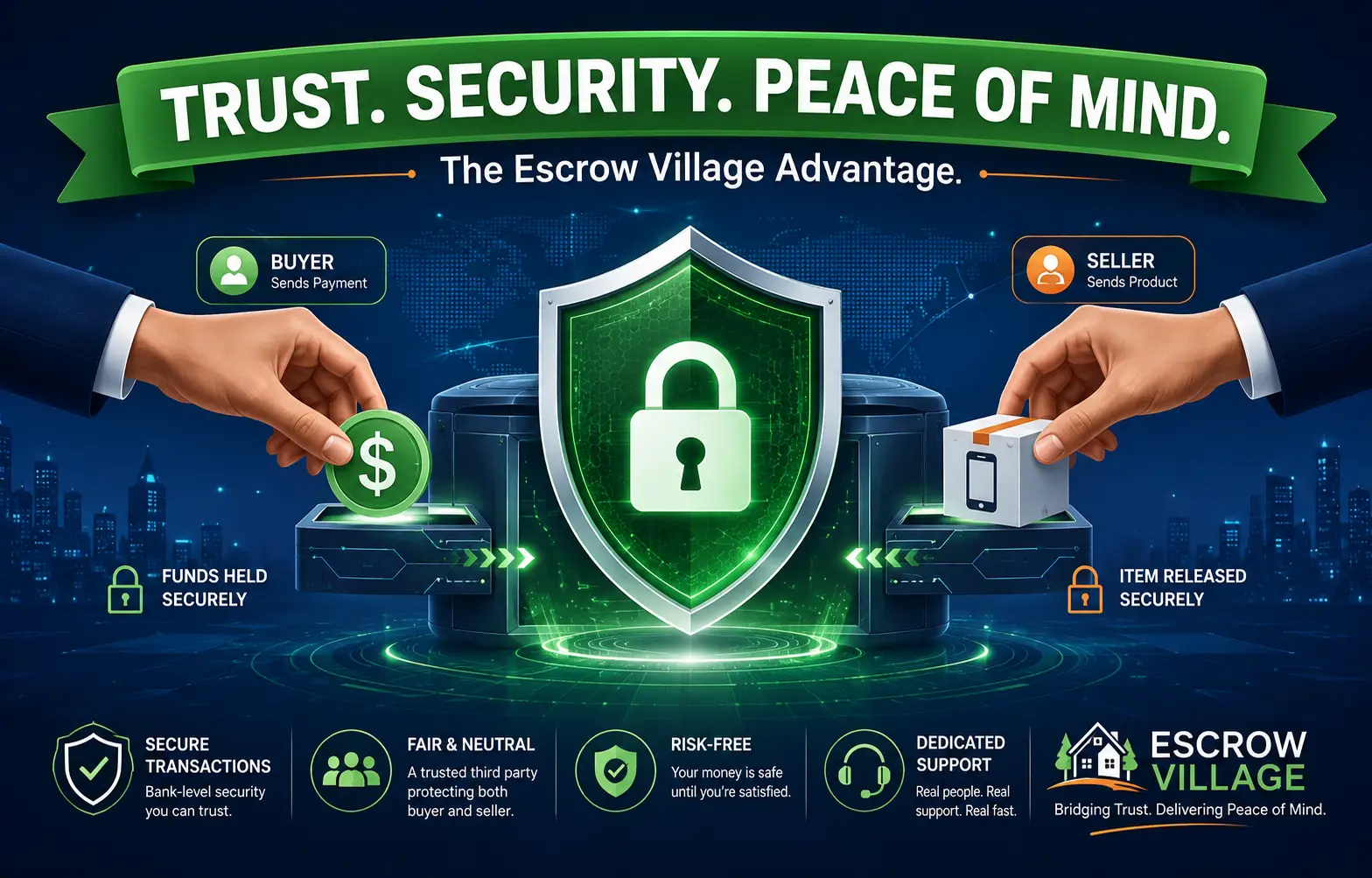
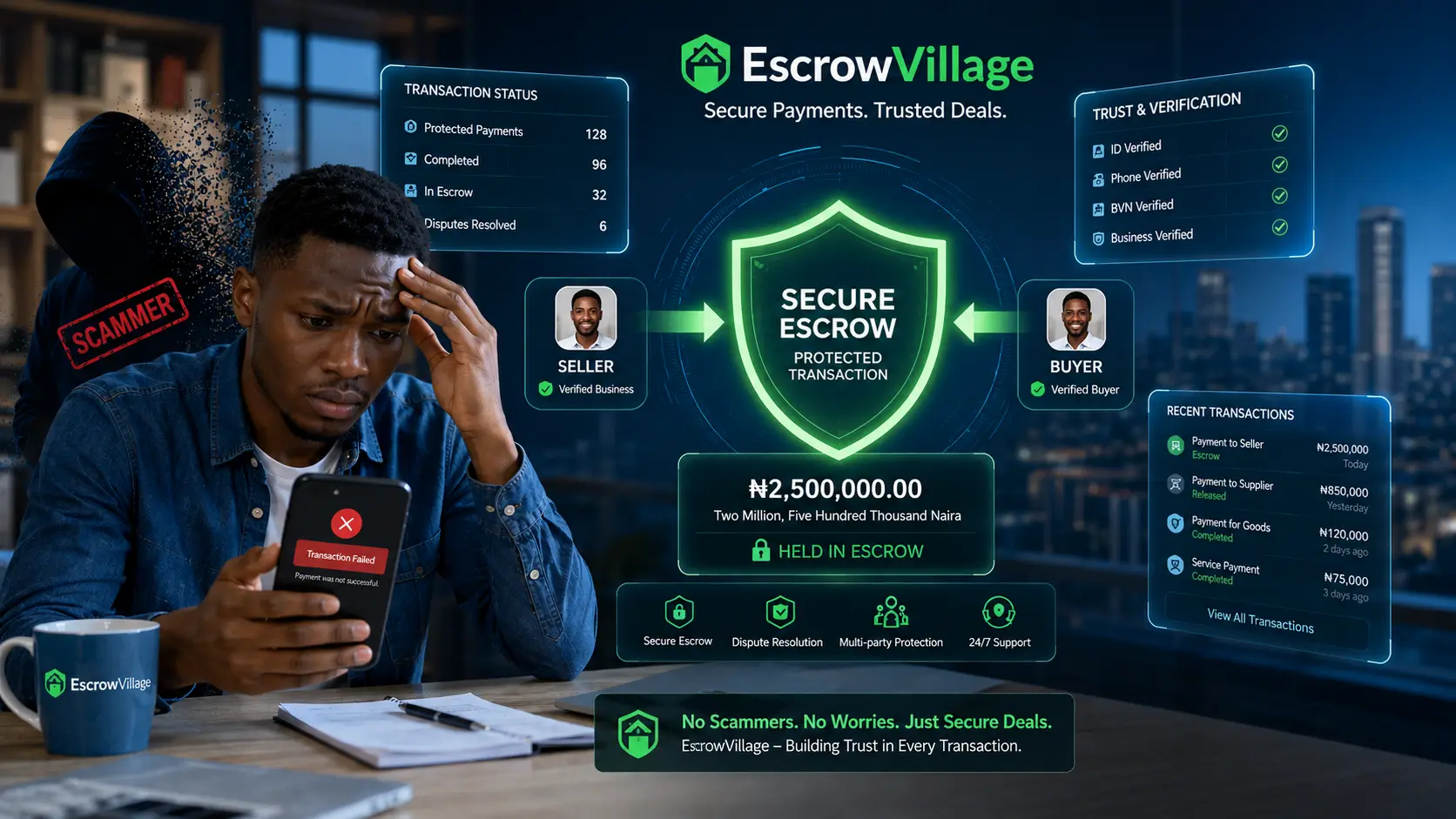
Instead of paying the seller directly, the buyer sends funds to the escrow platform.
The money is only released after payment is verified and the agreed conditions are met.
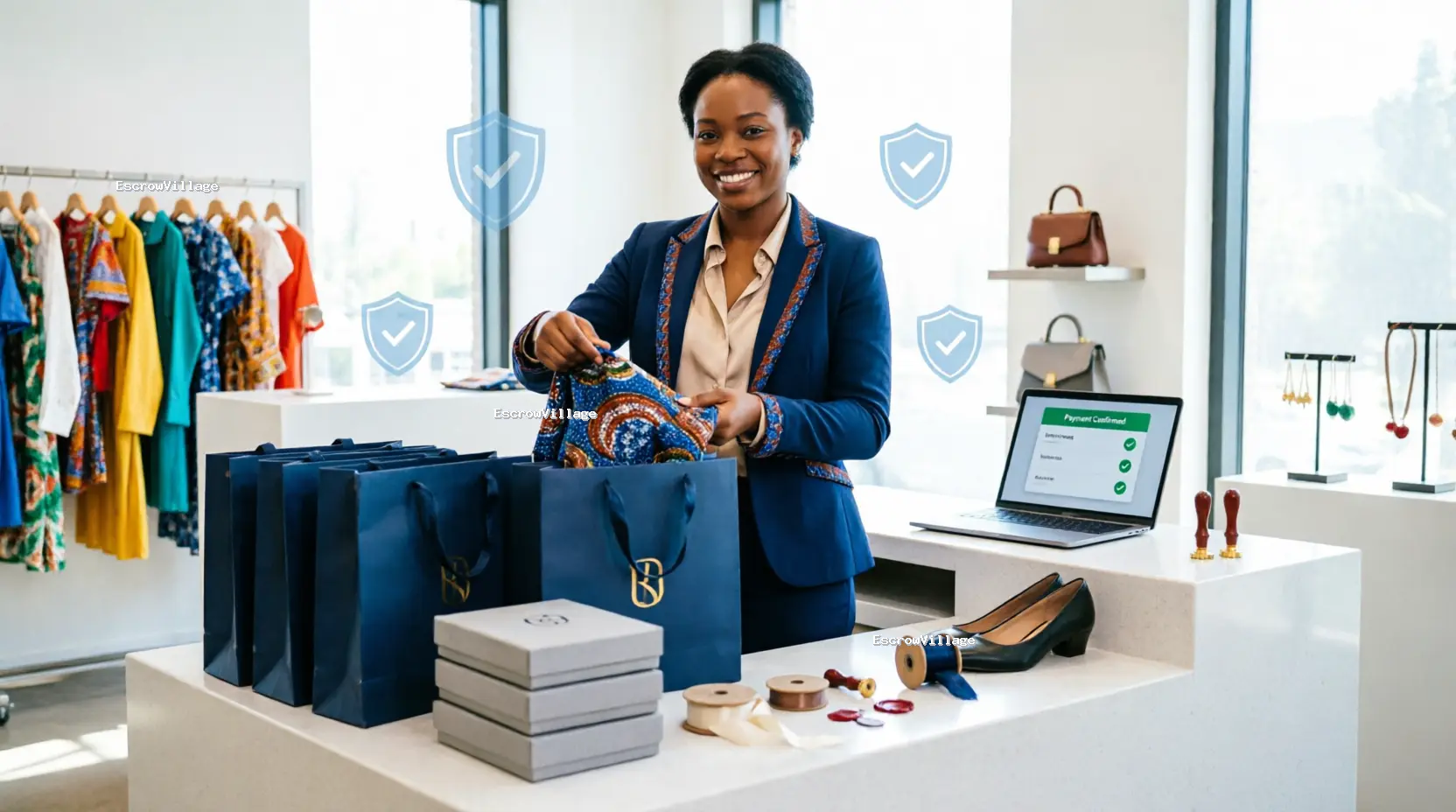
For fashion vendors selling expensive items, wholesale clothing, or custom-made outfits, escrow provides an extra layer of protection against fake payment alerts and other payment-related scams.
Fake payment alerts continue to affect thousands of Nigerian fashion businesses every year, but they are preventable.
Building a simple payment verification process, training your staff, and never relying on screenshots alone can significantly reduce your risk.
Whether you sell online or in-store, prioritising vendor payment security and following proper online payment fraud prevention practices will help protect your revenue and maintain customer trust.
Remember: no matter how urgent a customer seems, always verify payments before delivery.