How to Verify a Seller Before You Send Money Online
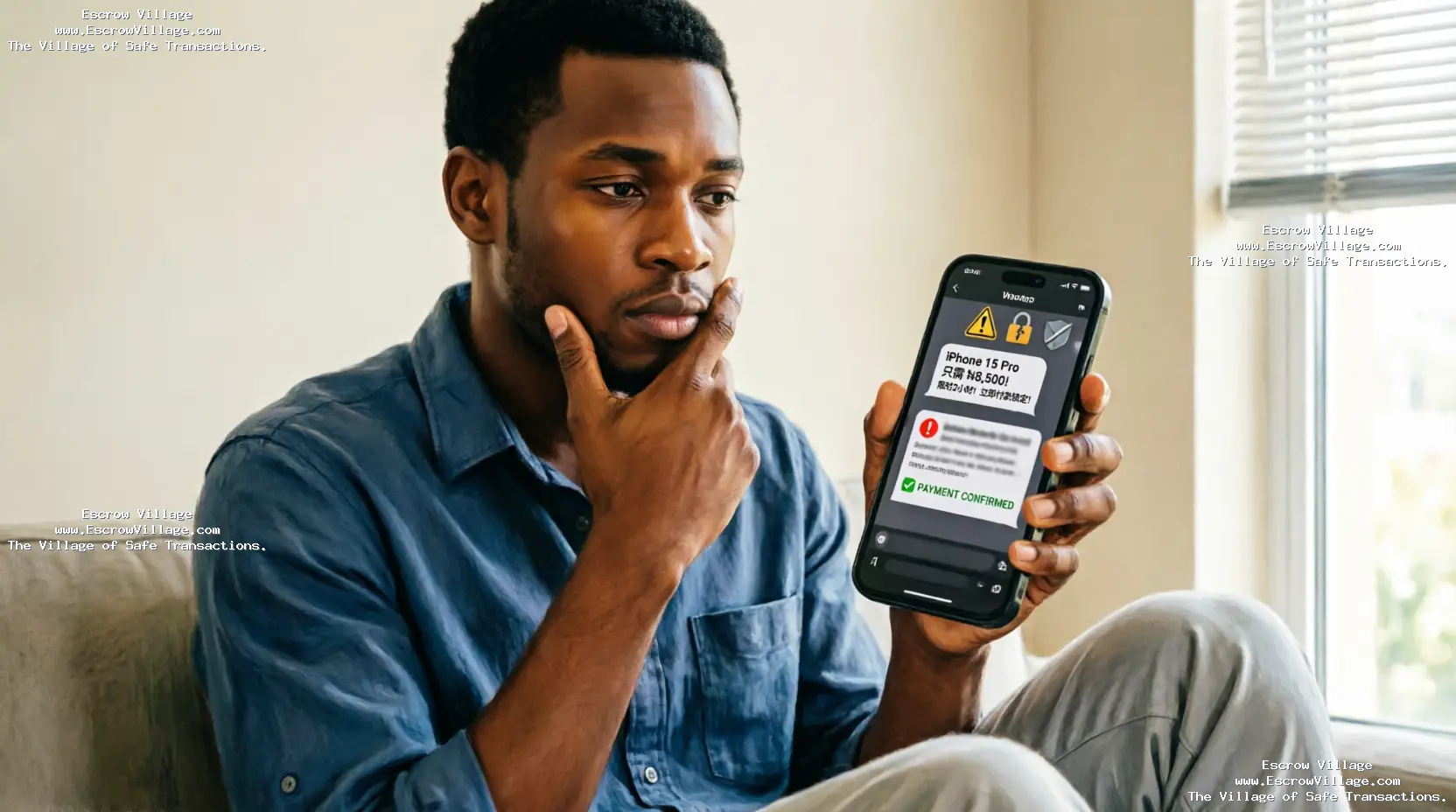
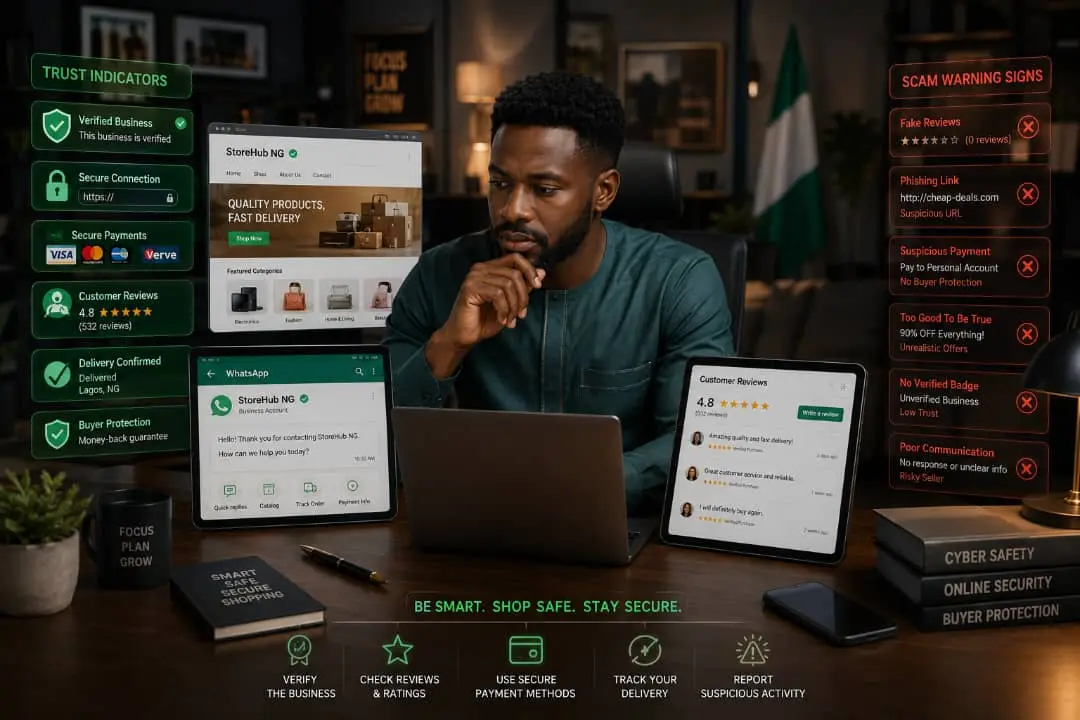
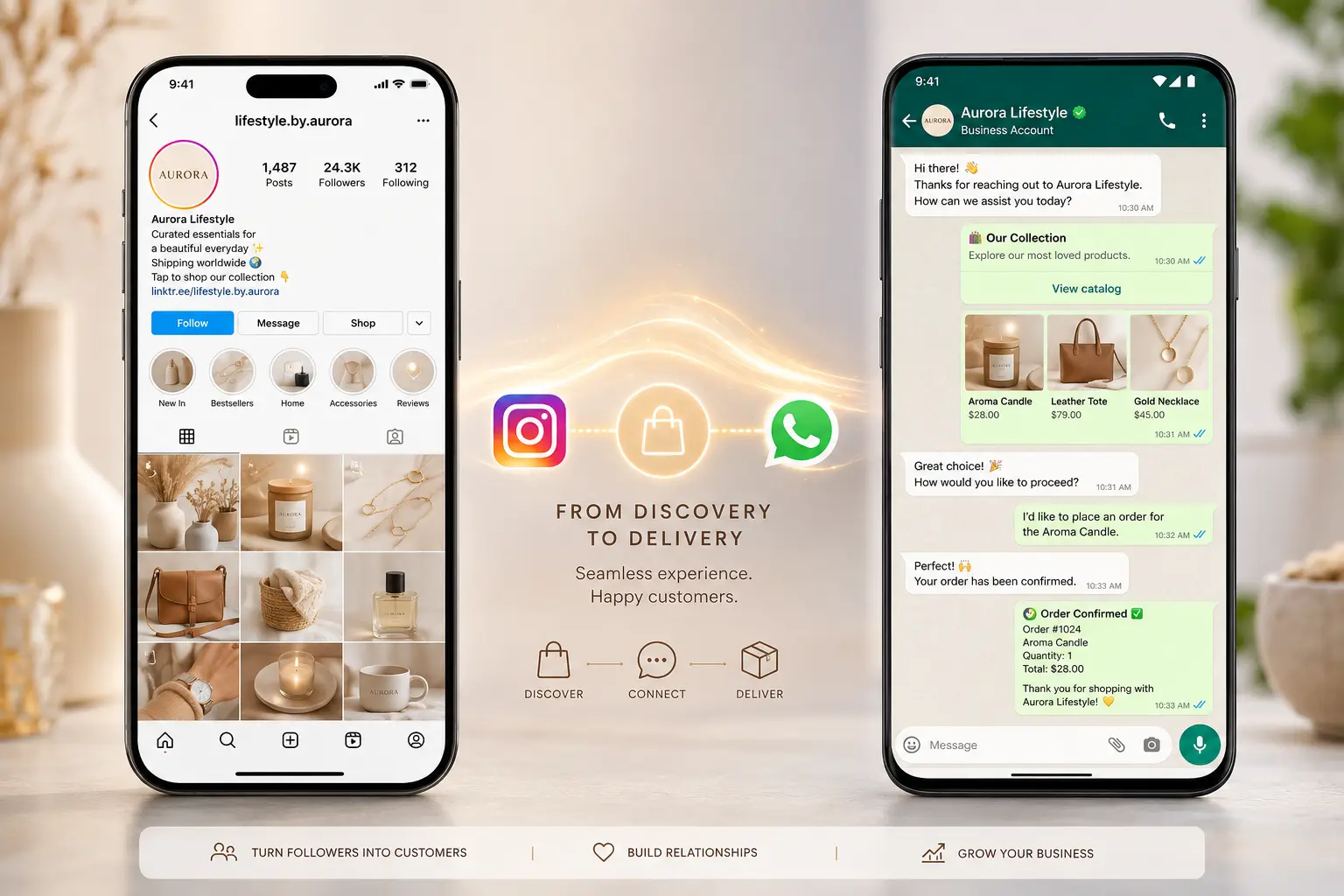
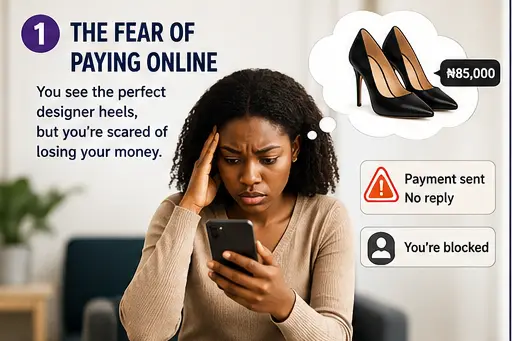
Online buying and selling have become part of our daily lives. From Jiji to WhatsApp groups to Instagram DMs, transactions are happening everywhere, and most of them are legitimate.
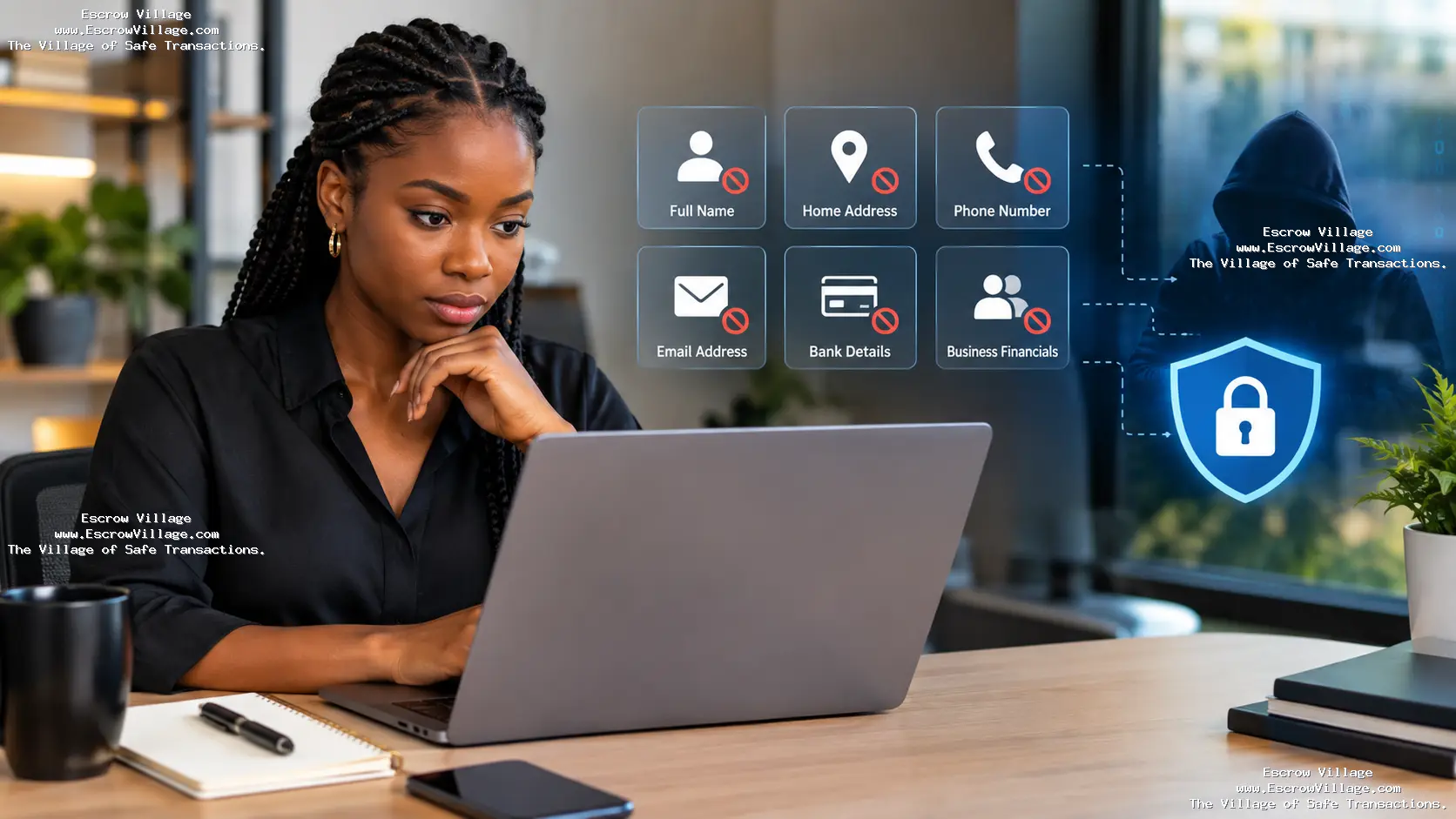
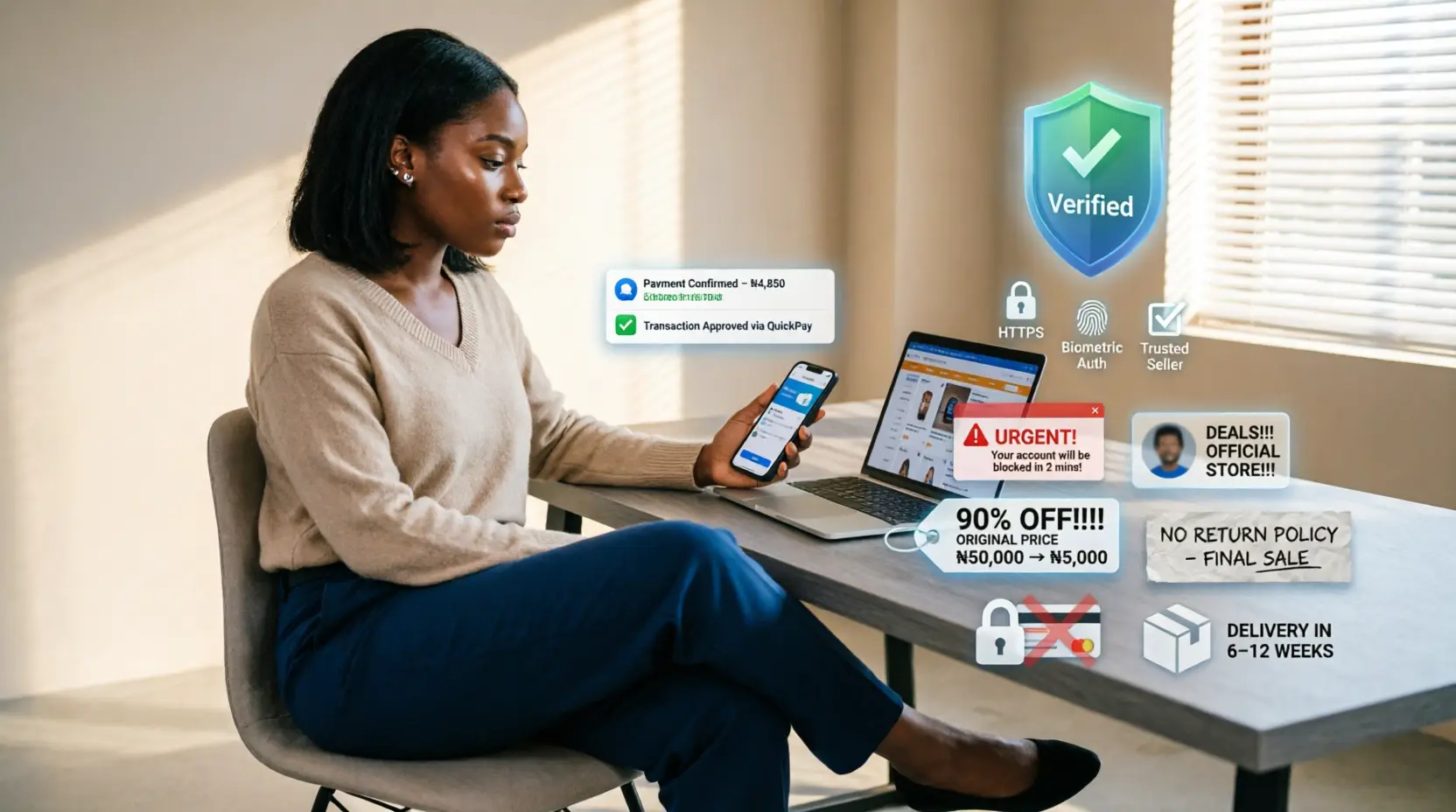
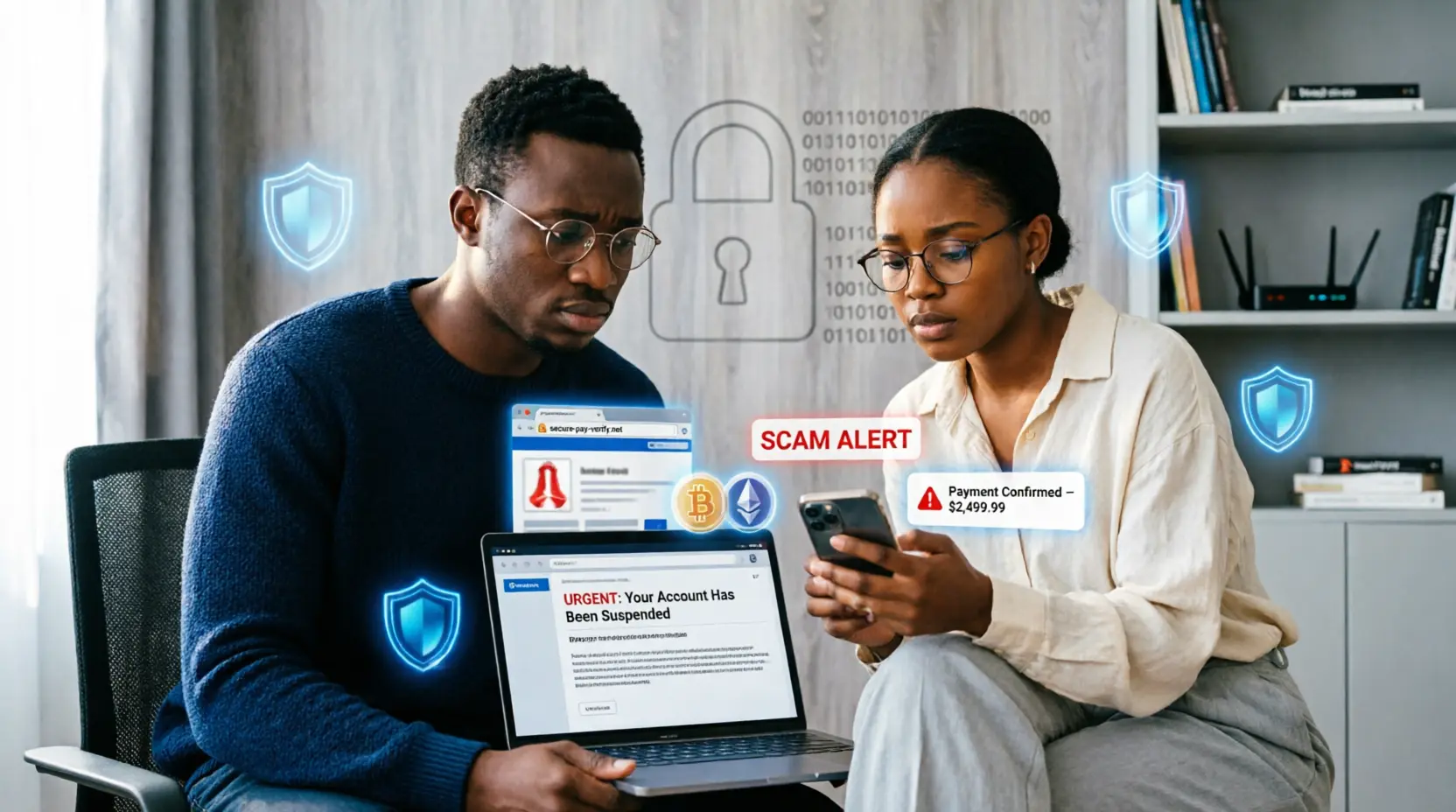
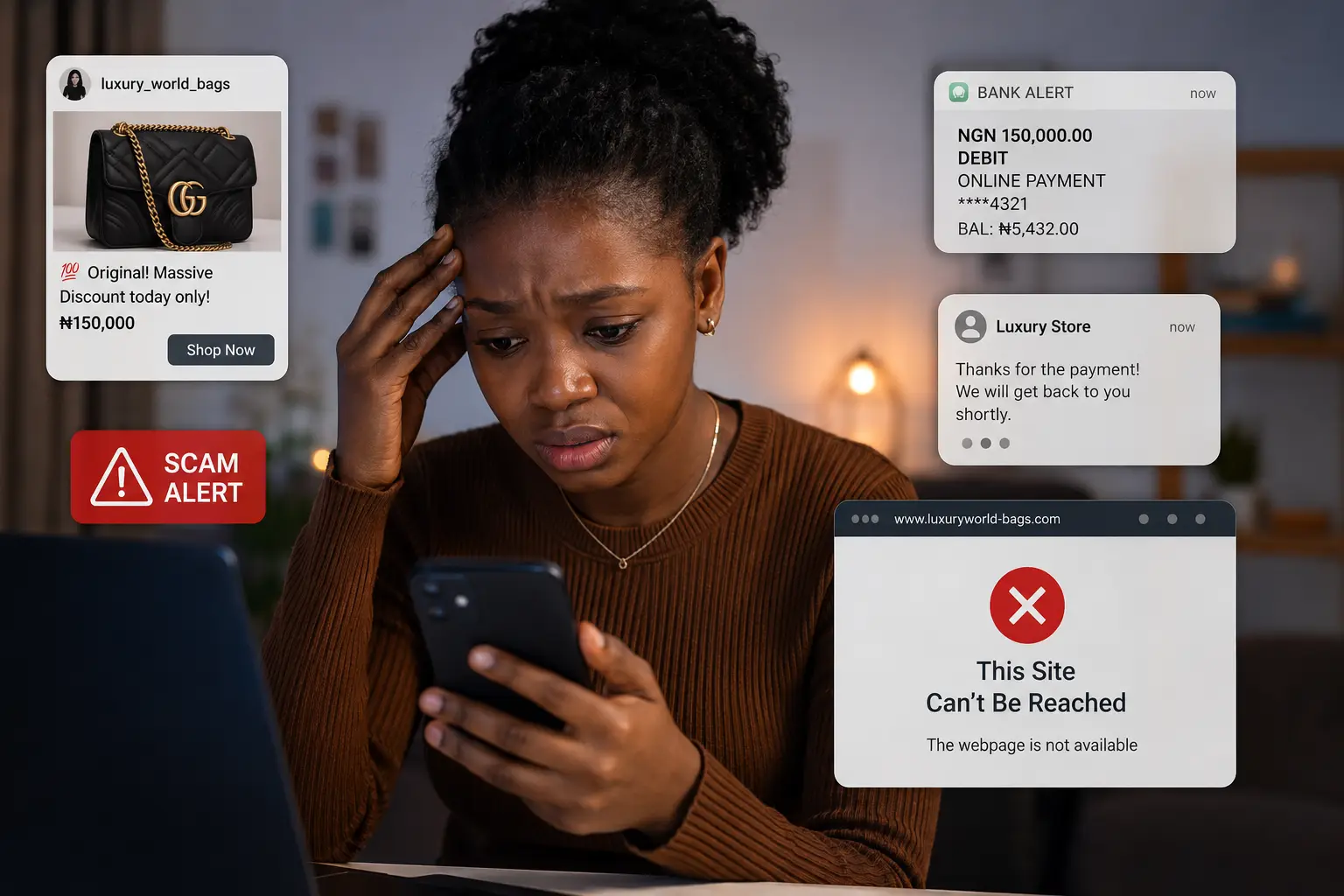
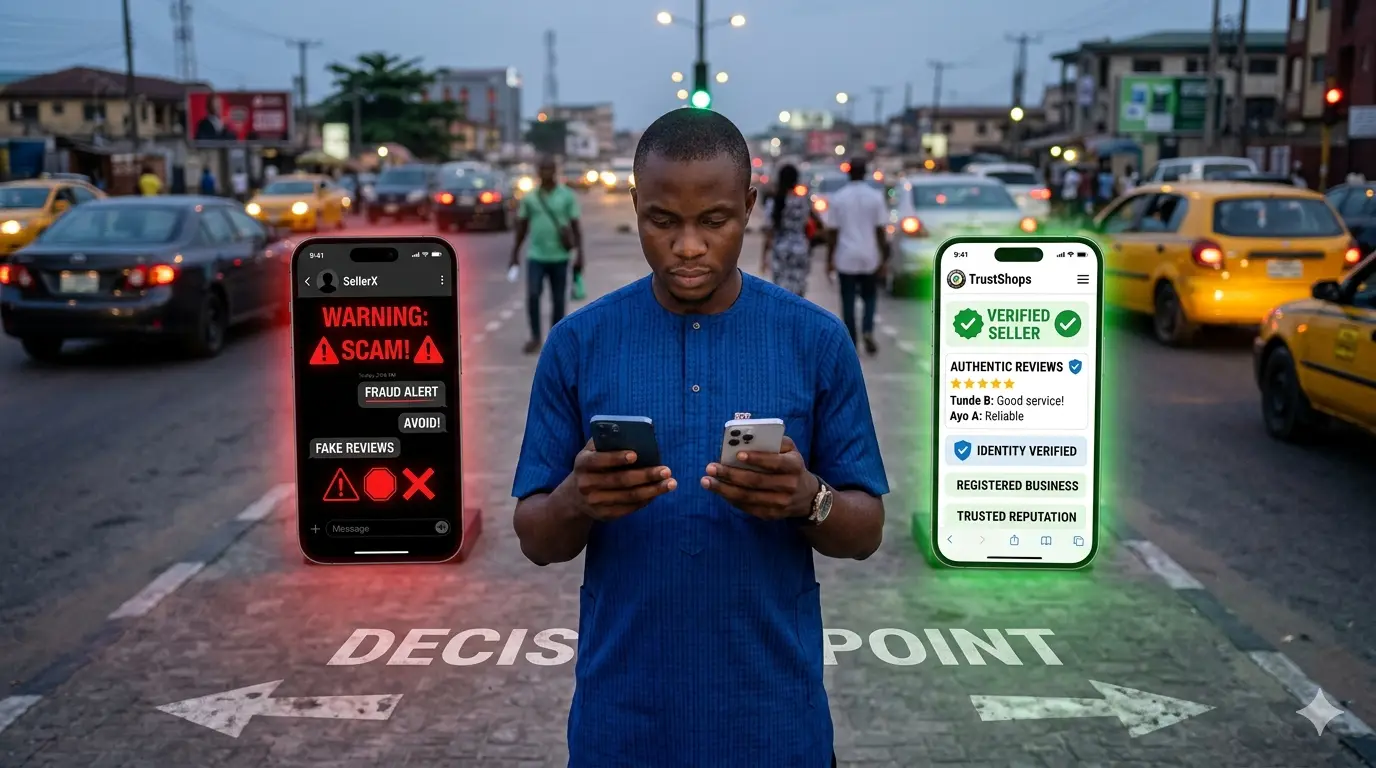
But the few bad ones? They can wipe out someone's entire savings in one afternoon.So before you hit "Send" on that transfer, here's how to make sure the person on the other end is actually who they claim to be.
- 1. Check Their Social Media History
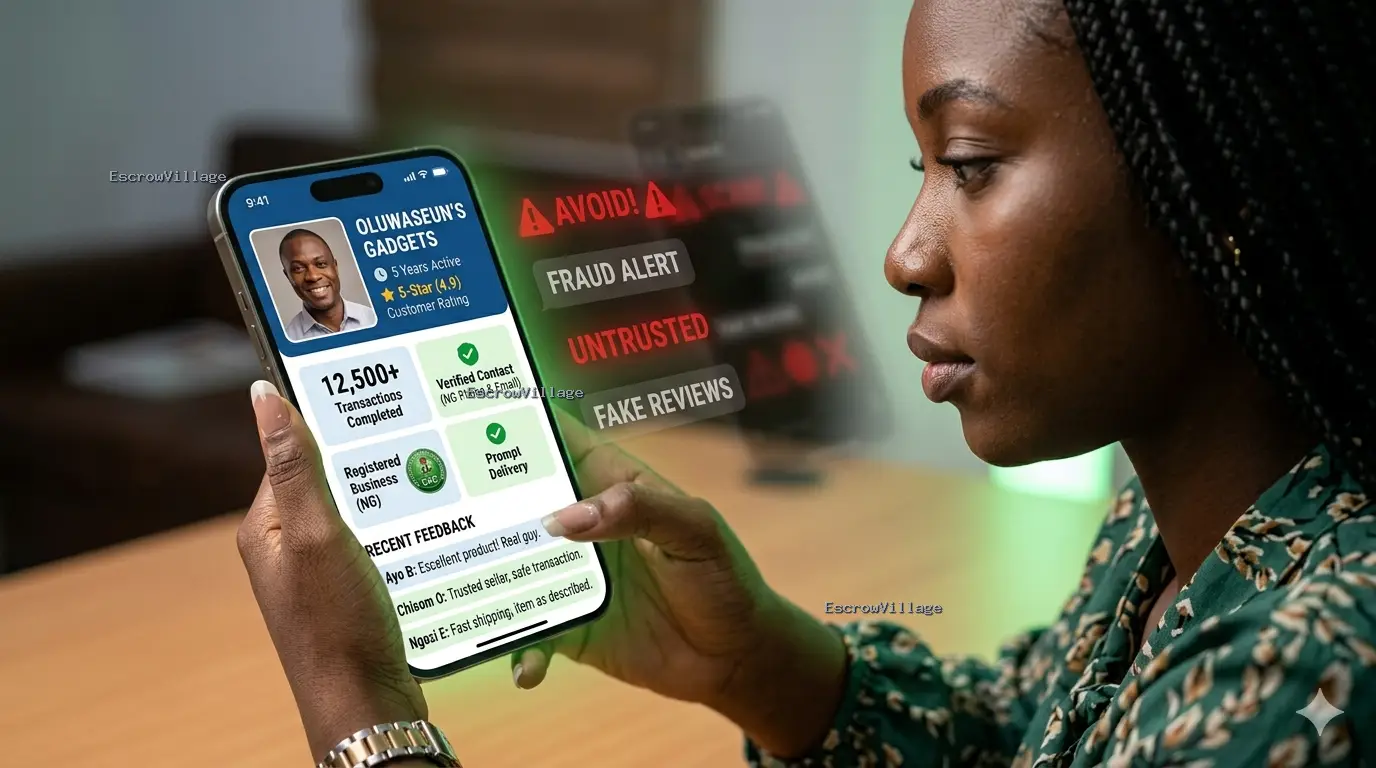
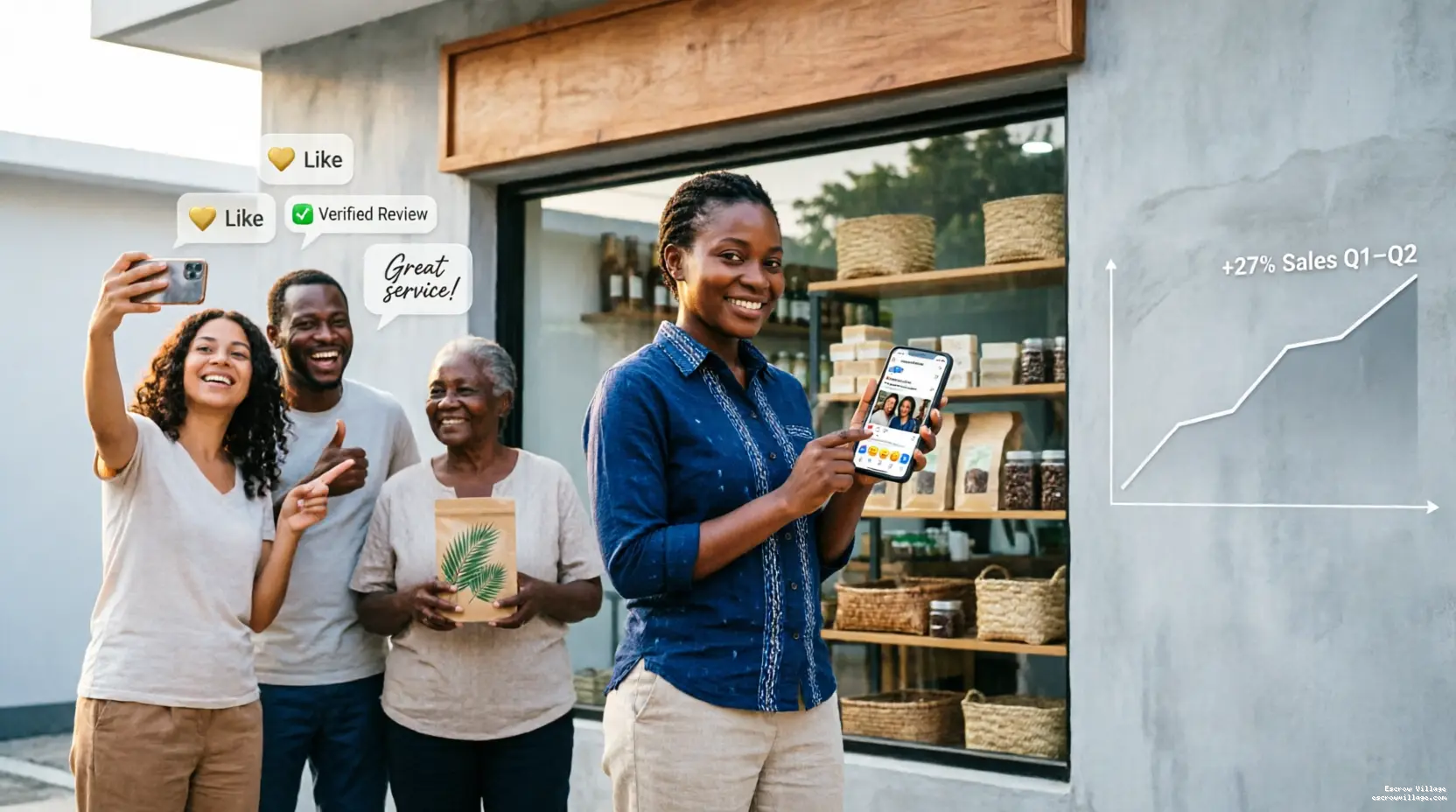
A serious seller has a history. Scroll down their page, not just the last two posts, but deep down.
How long have they been posting? Are there consistent uploads, customer reviews in the comments, and real conversations?
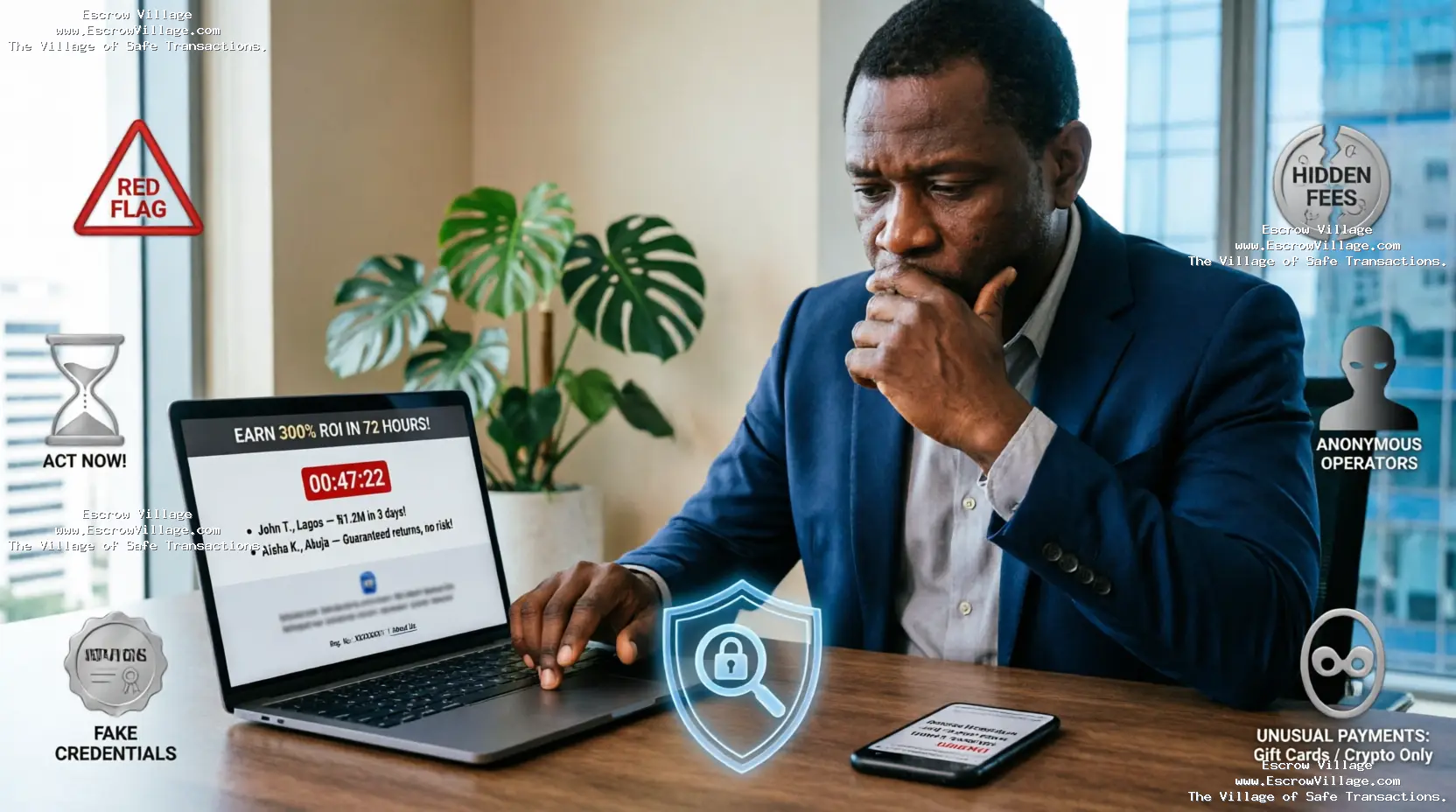
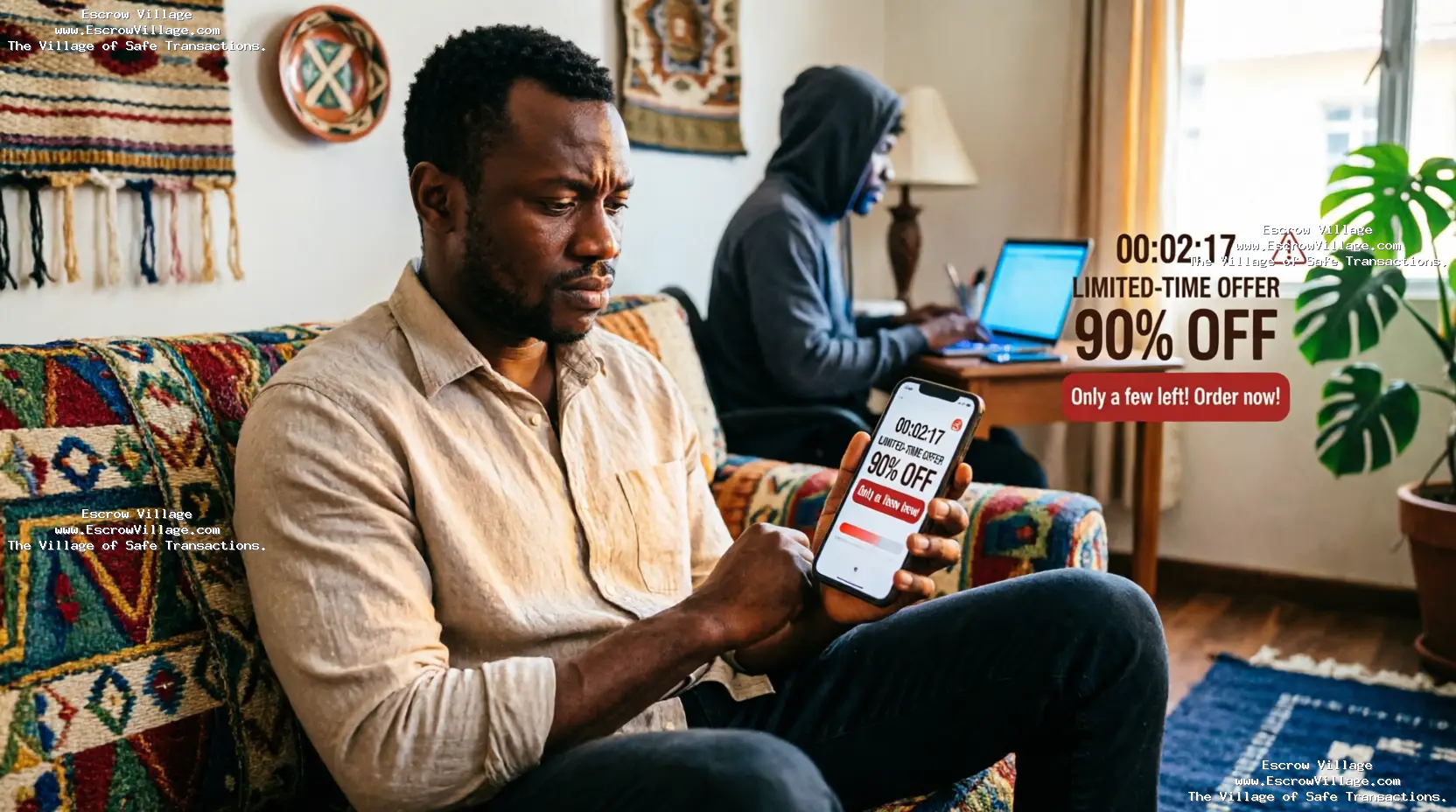
A page created last week with three posts and an urgent "pay now" energy should make you pause.
Also, check if their followers look real. 10,000 followers but 12 likes per post?
That's a purchased audience. Real businesses have real engagement.
- 2. Ask for Live Proof of the Item
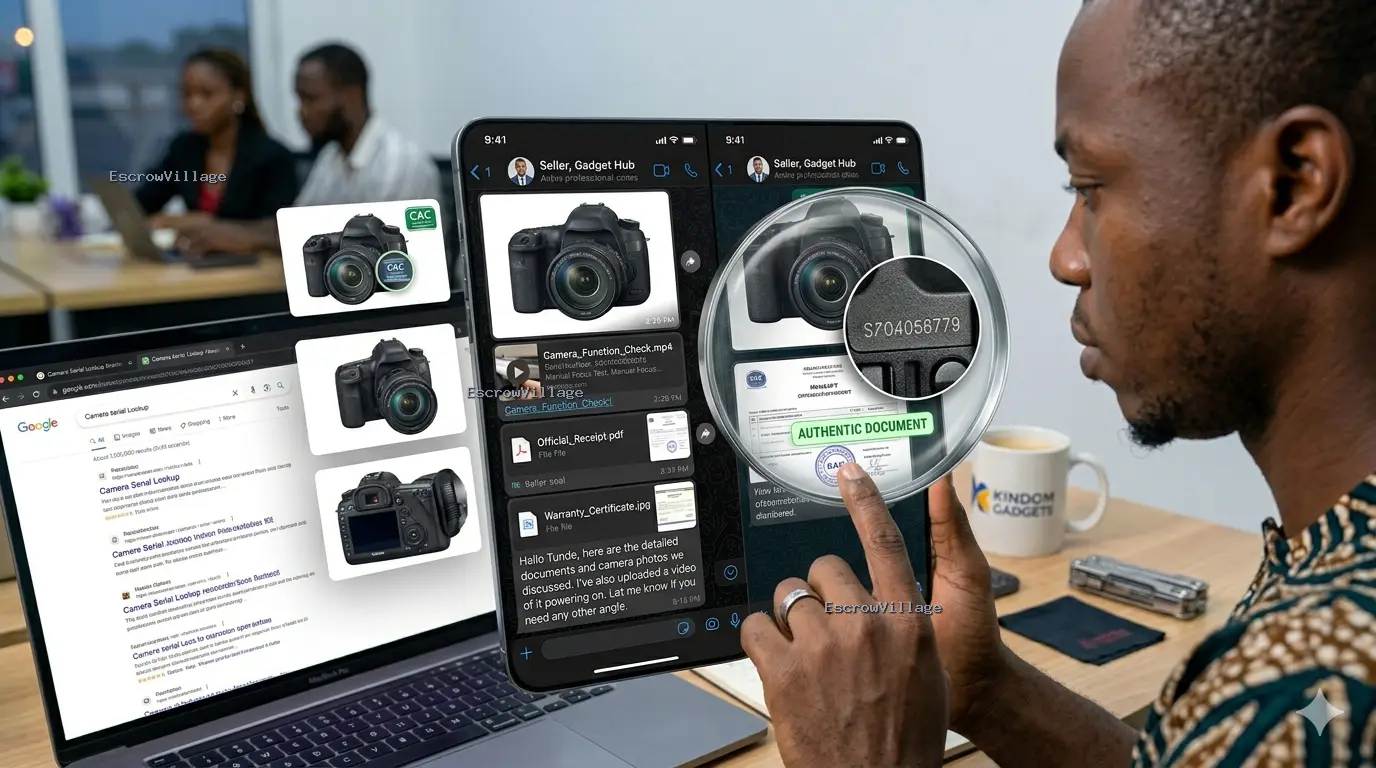
Ask them to send a fresh photo or short video of the exact item, not a stock image, not something recycled. Tell them to hold it up with today's date written on paper.
Legit sellers do this without blinking.
Scammers will suddenly have five reasons why they can't. How a seller responds to basic verification requests tells you everything.
- 3. Google Them, Seriously
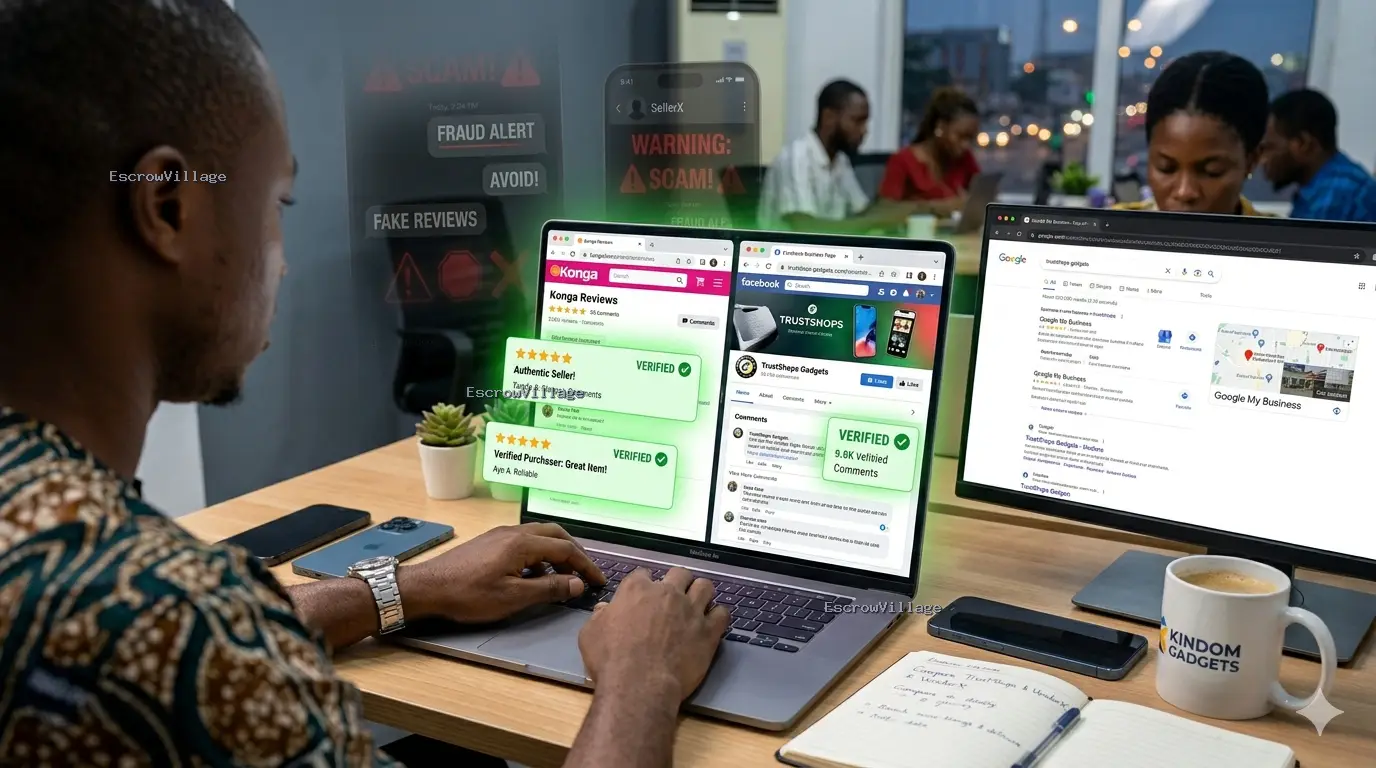
Type their business name into Google. Add words like "scam," "review," or "complaint." Nigerians talk. If someone has been collecting money and disappearing, the receipts are usually somewhere. Check X (Twitter), Nairaland, TikTok. Even Facebook groups.
Paste their phone number into Google, too. Fraudsters often recycle the same number across multiple platforms.
- 4. Use Escrow, Full Stop
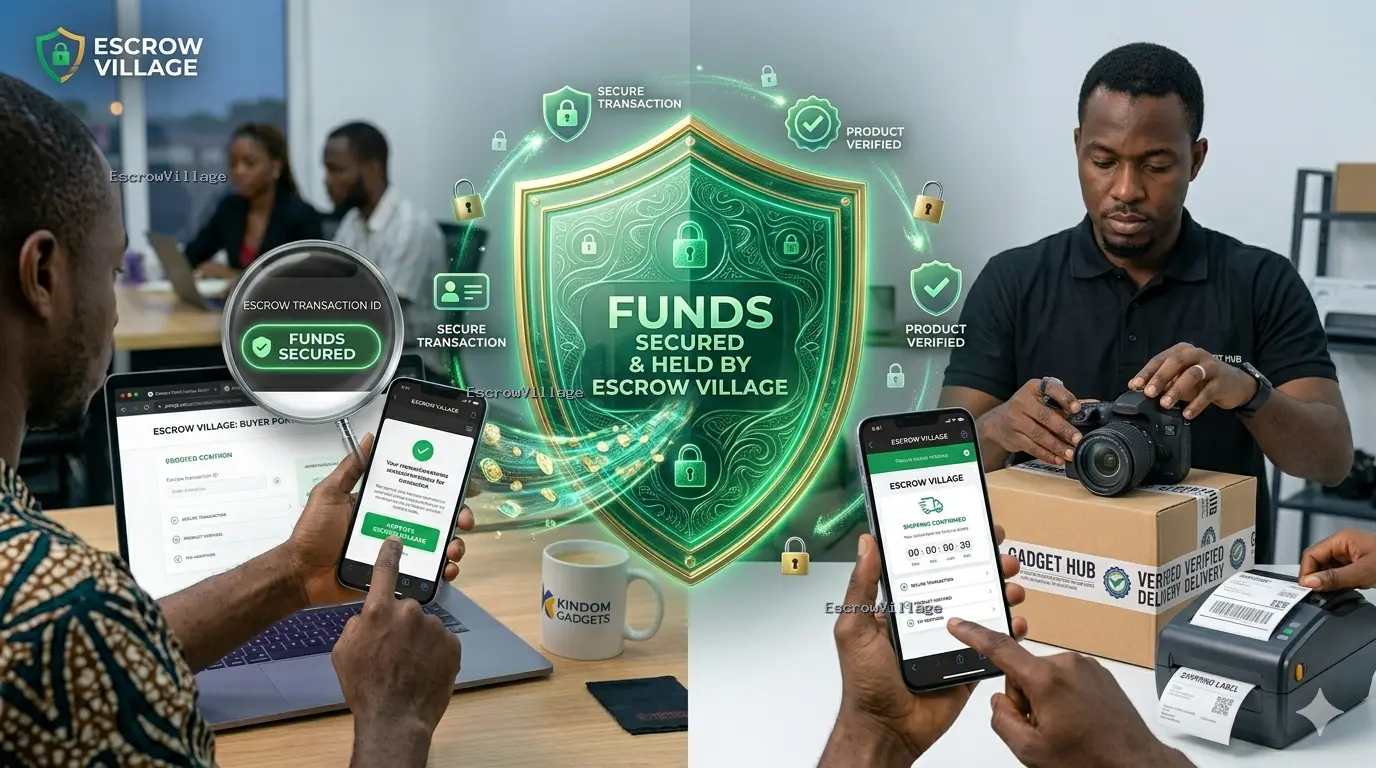
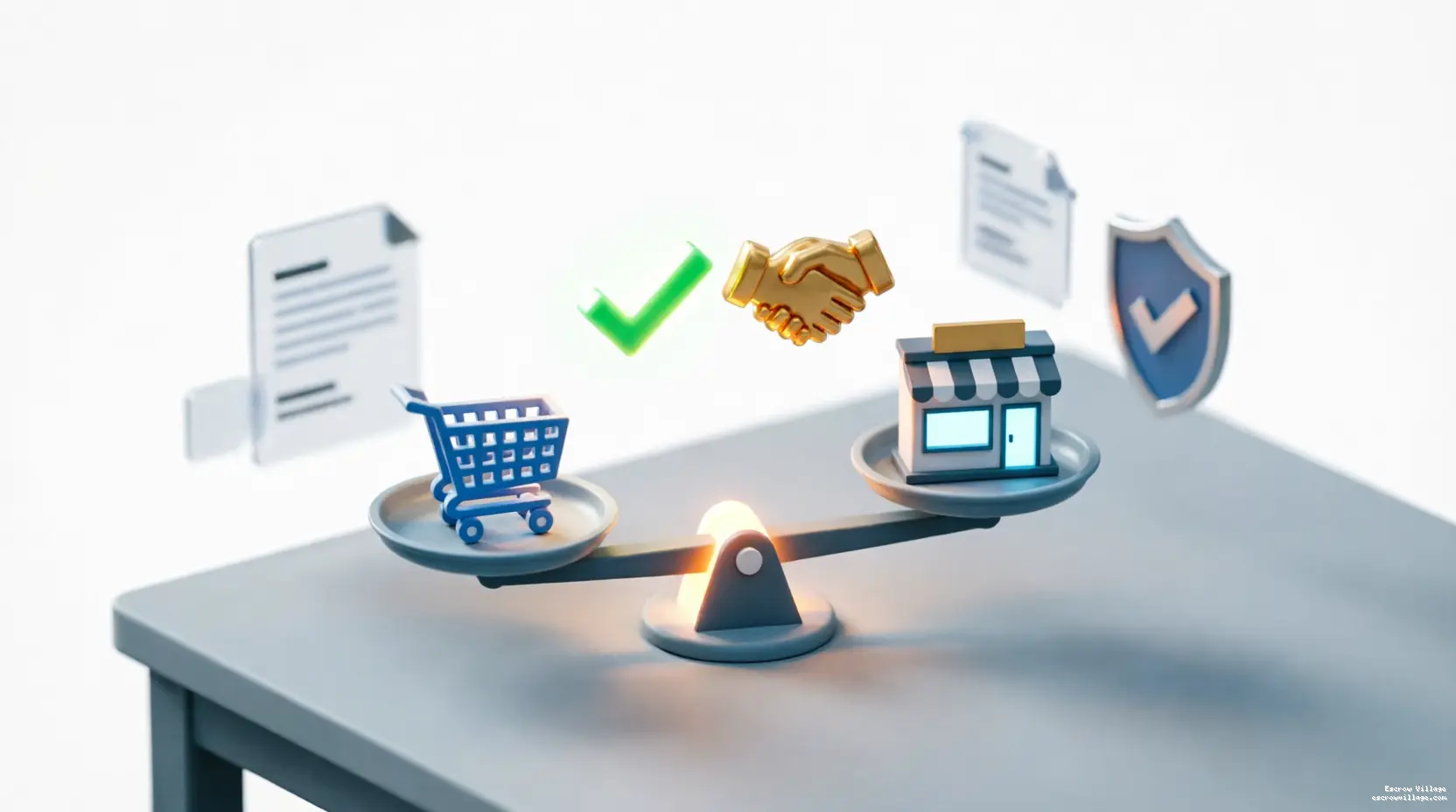
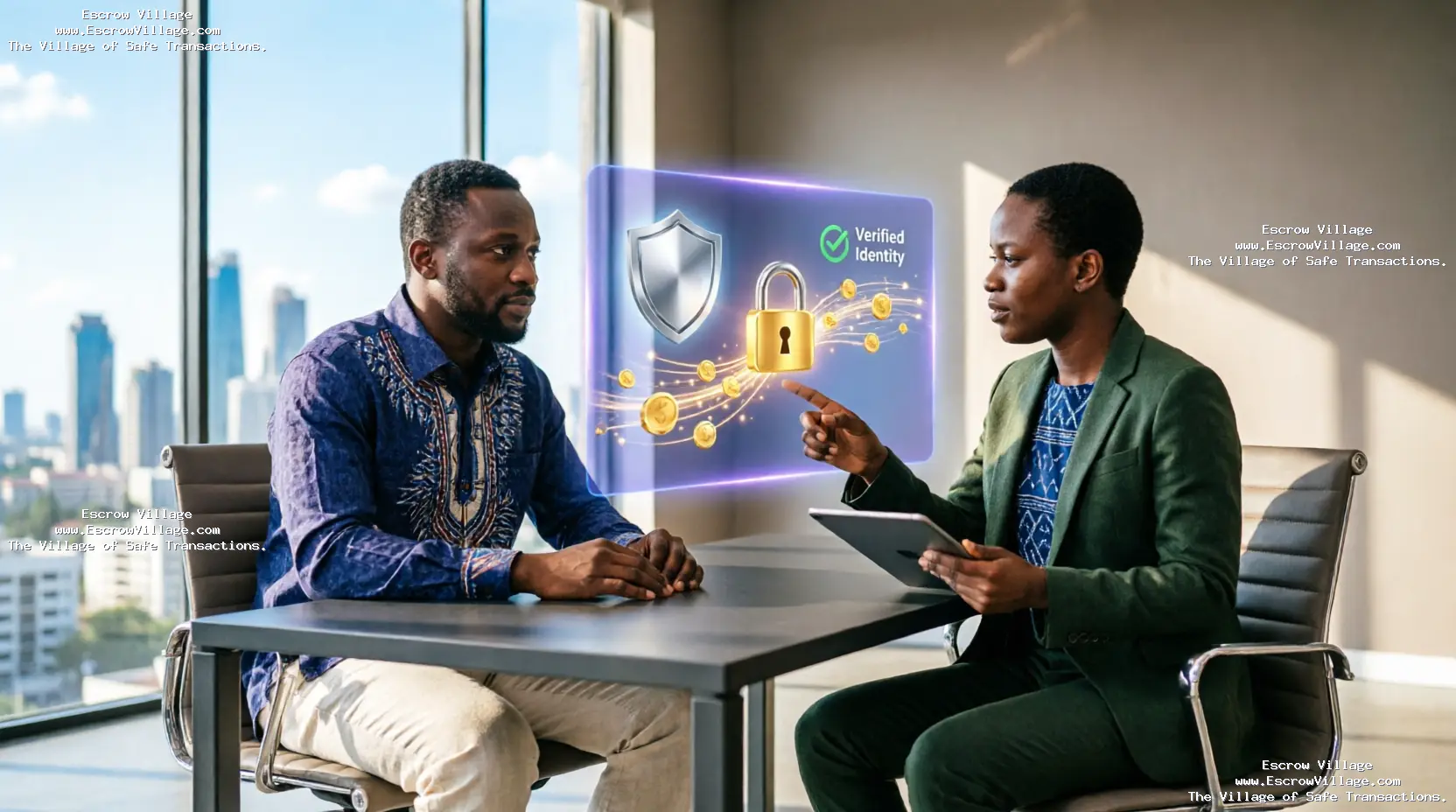
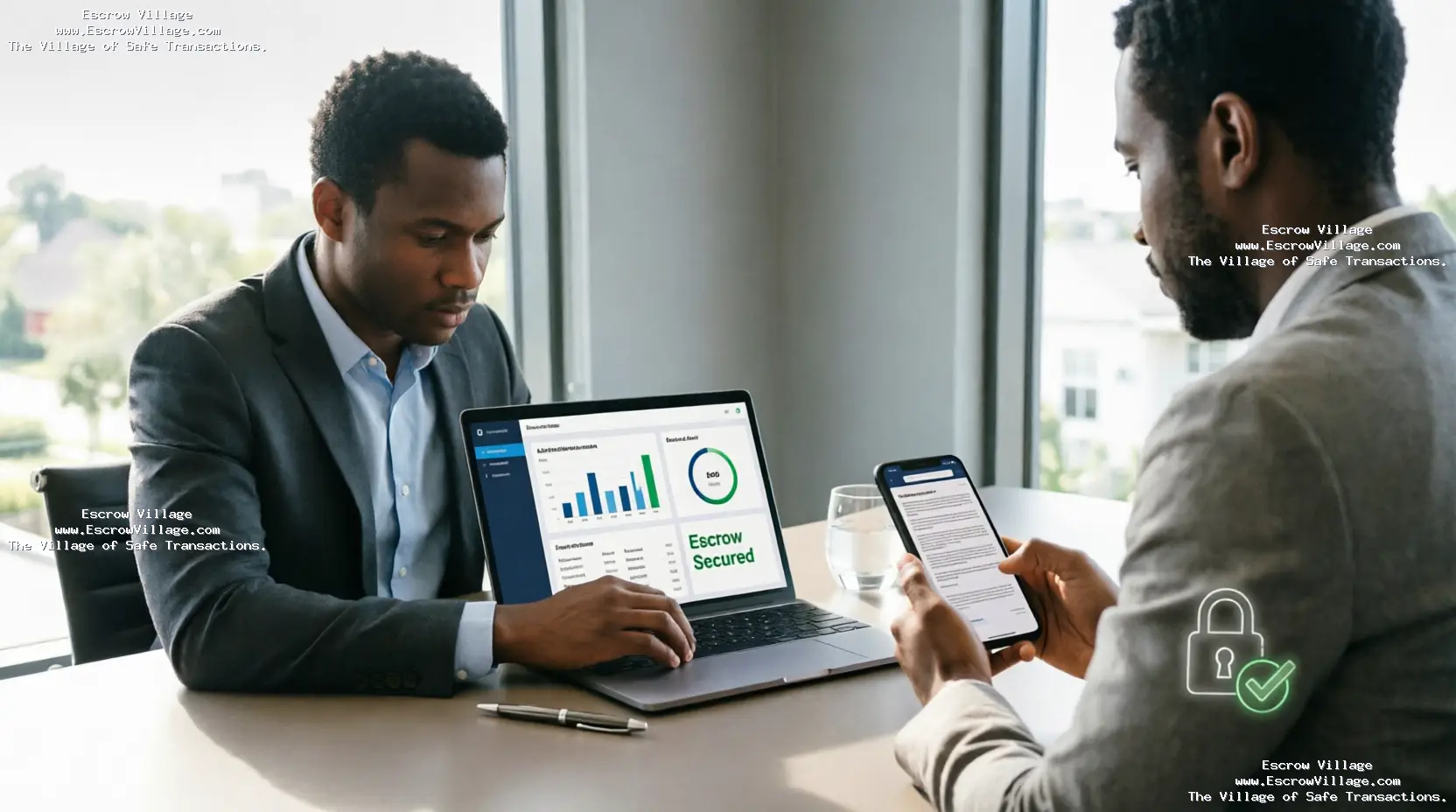
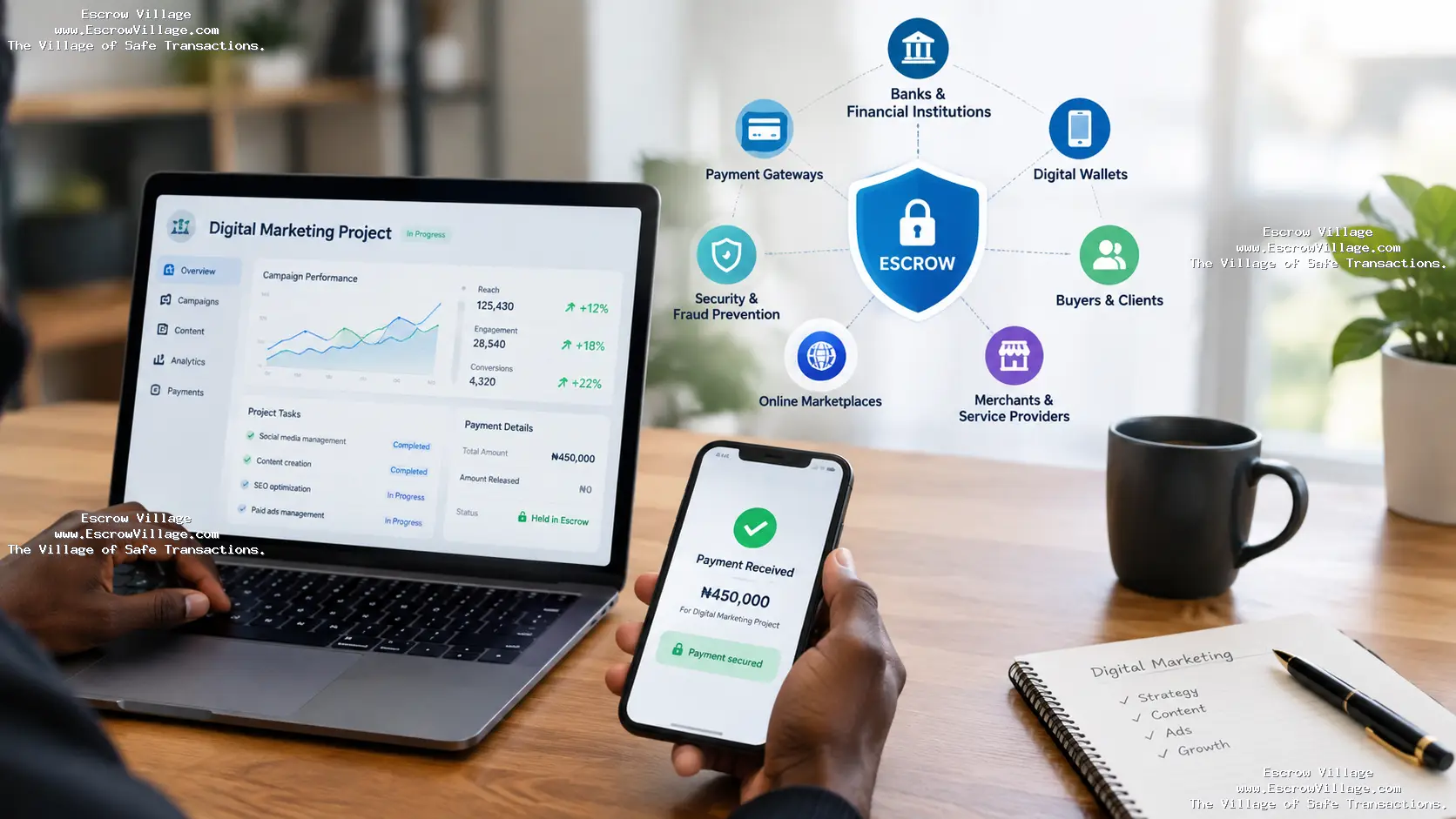
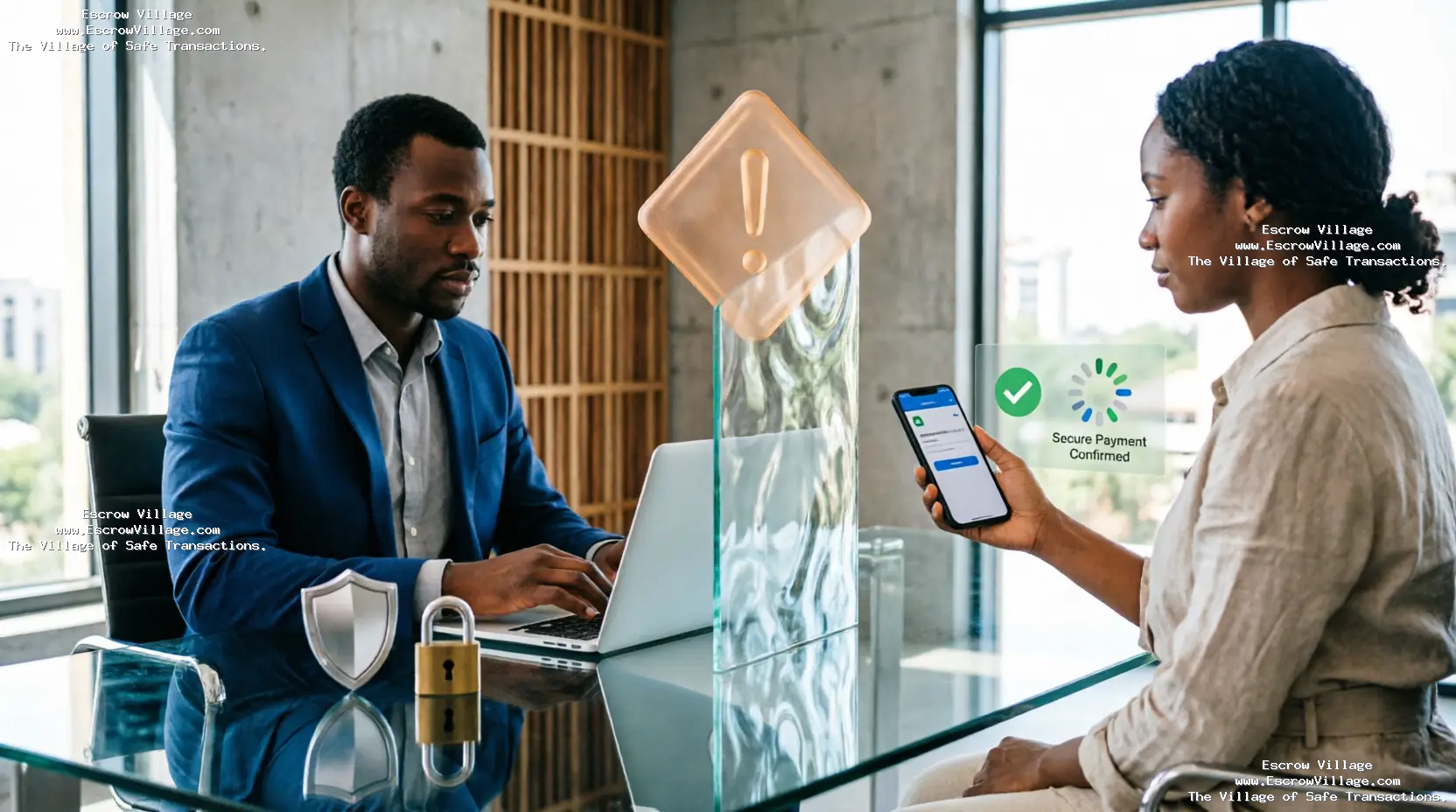
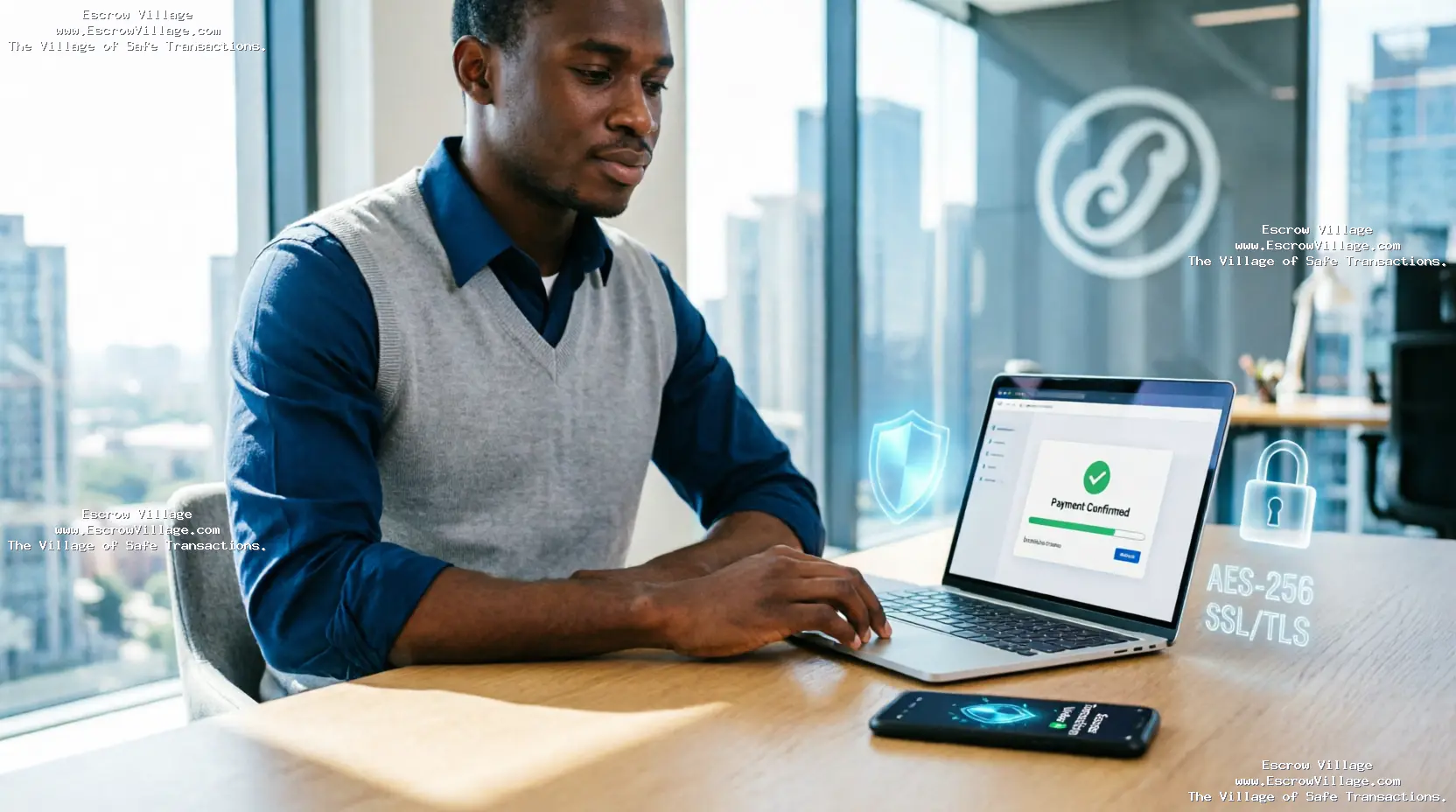
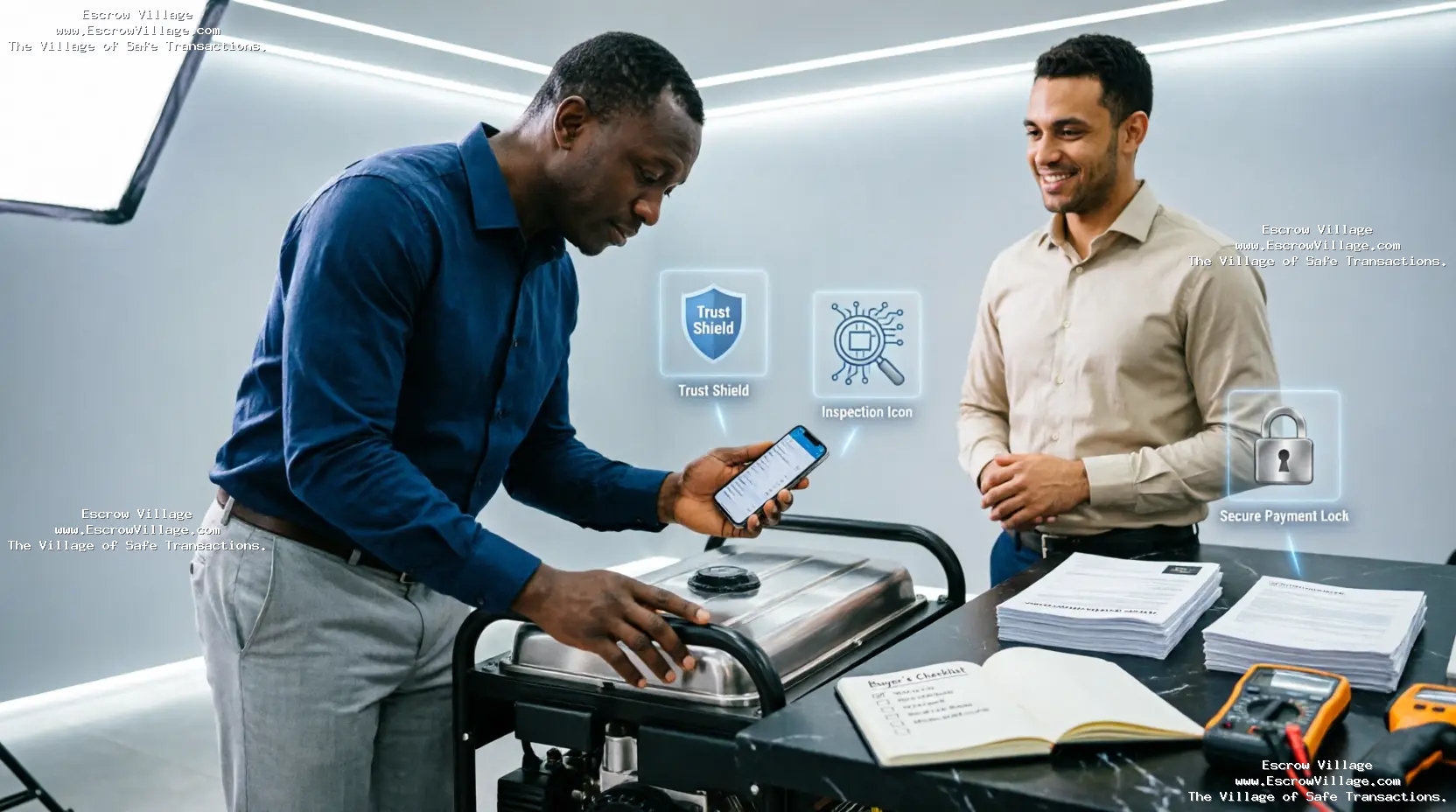
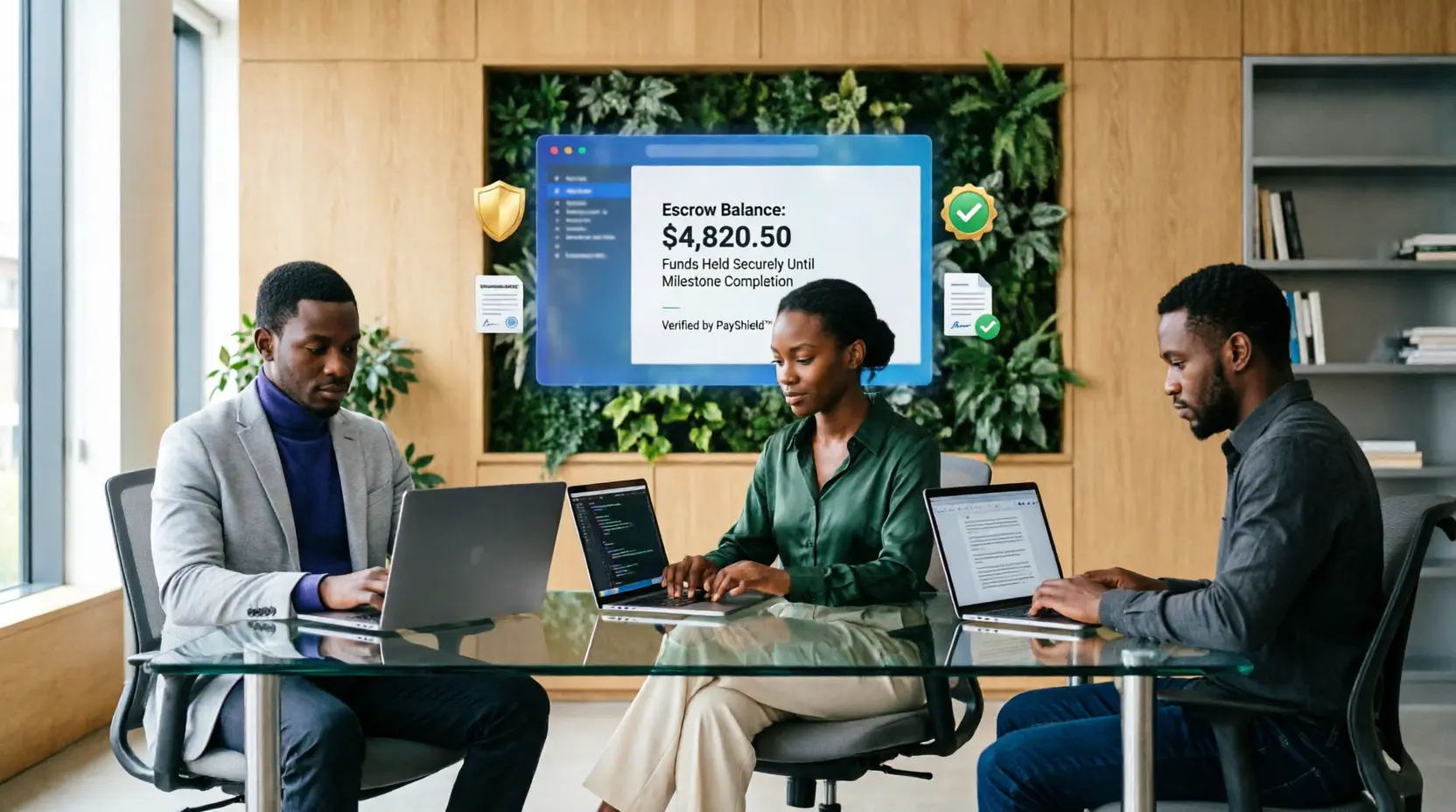
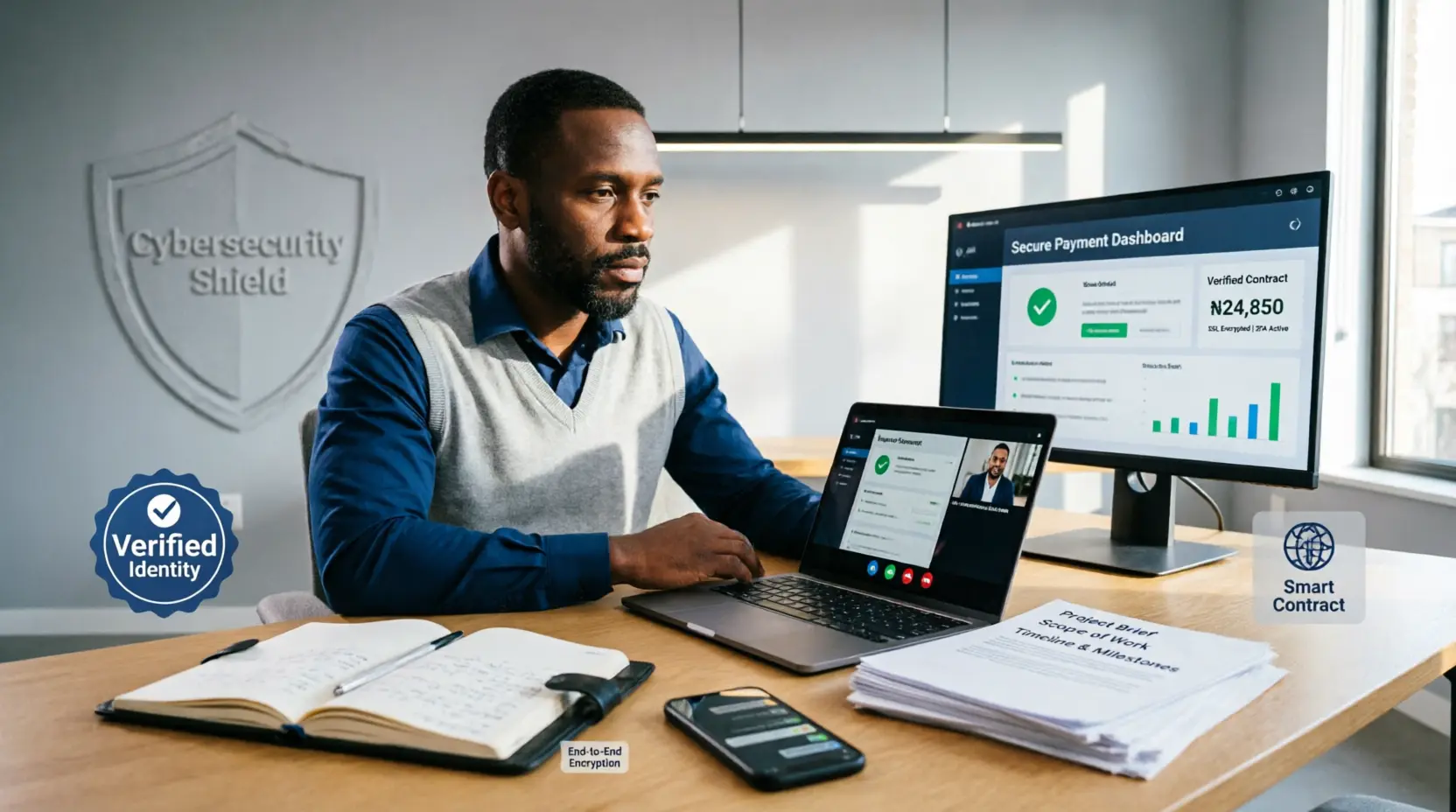
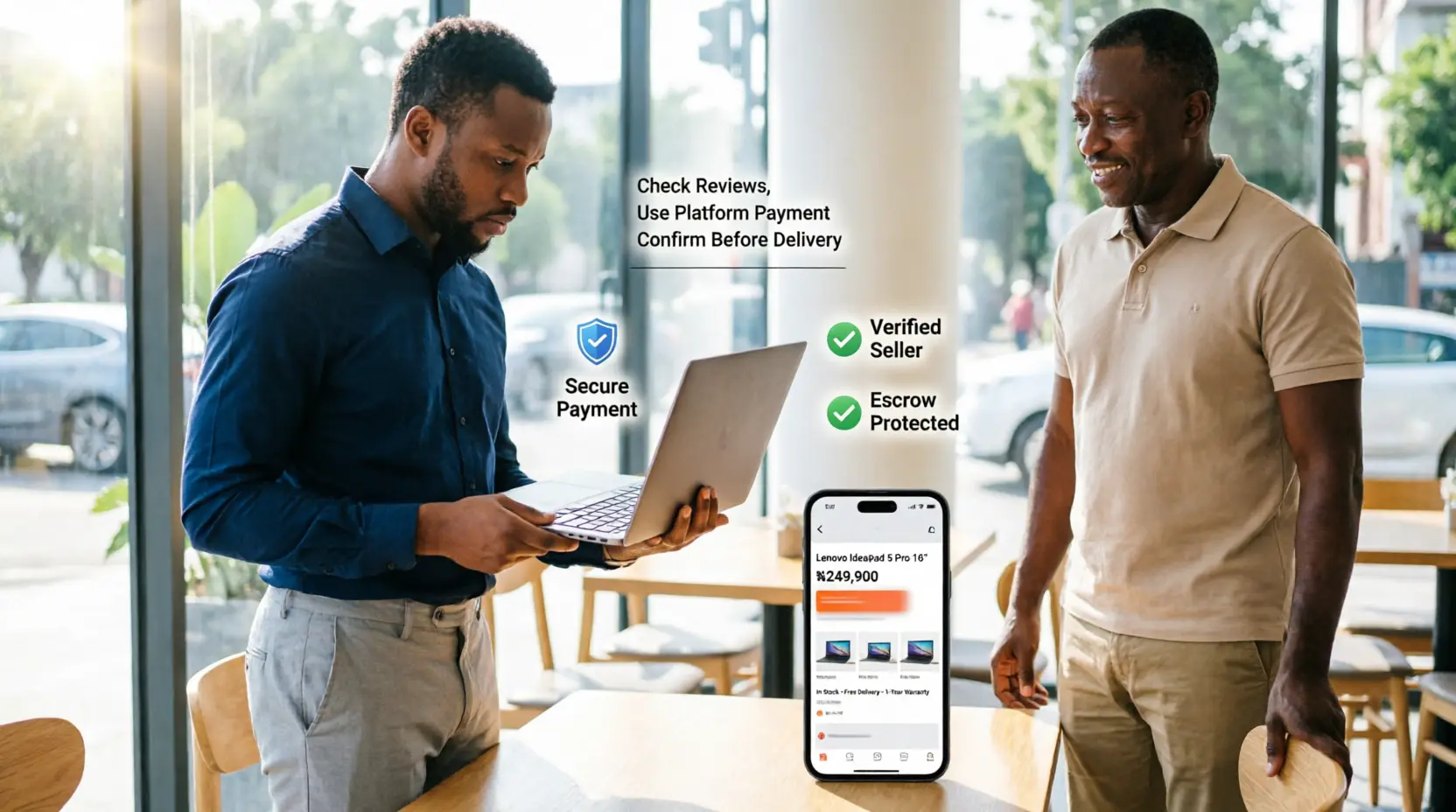
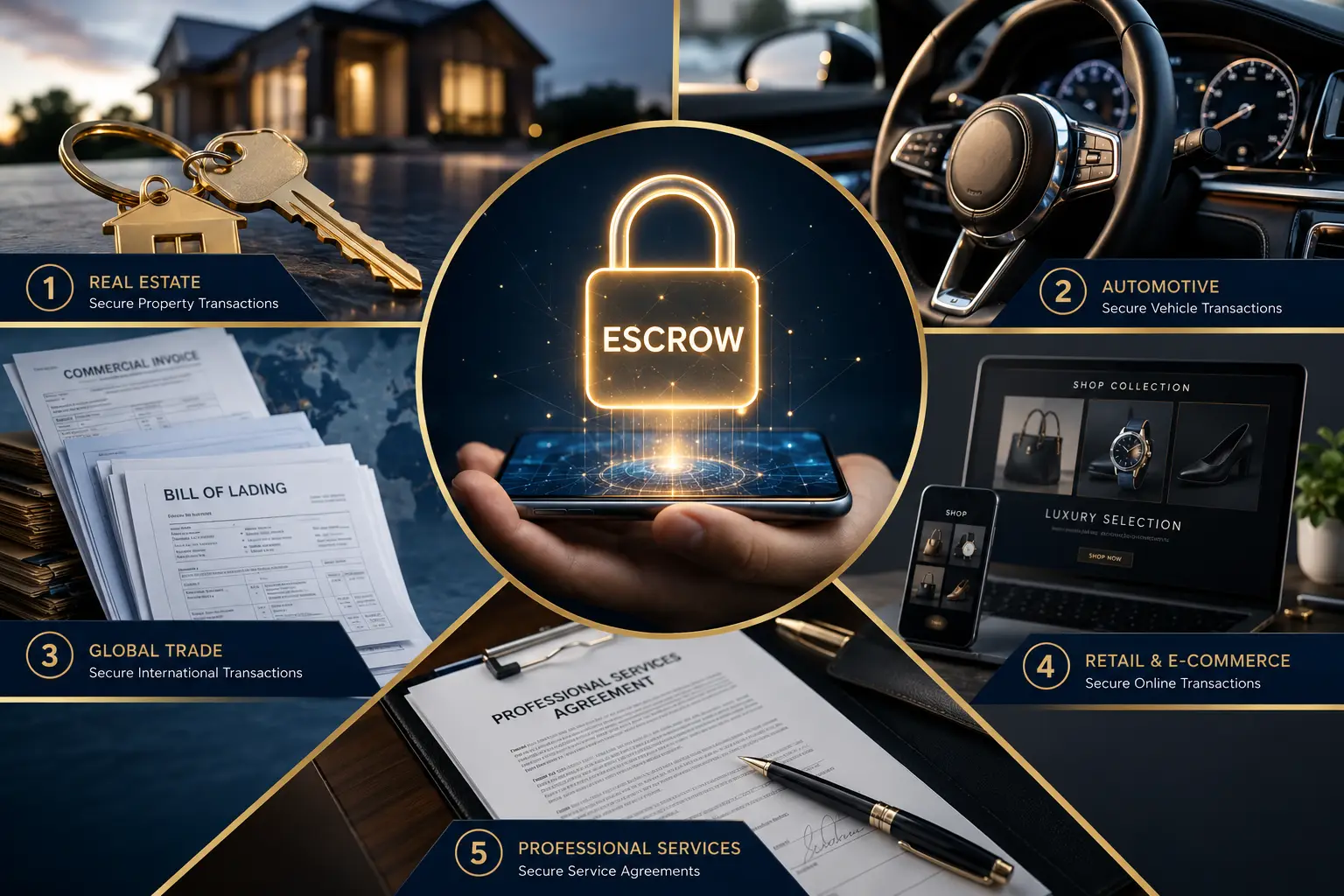
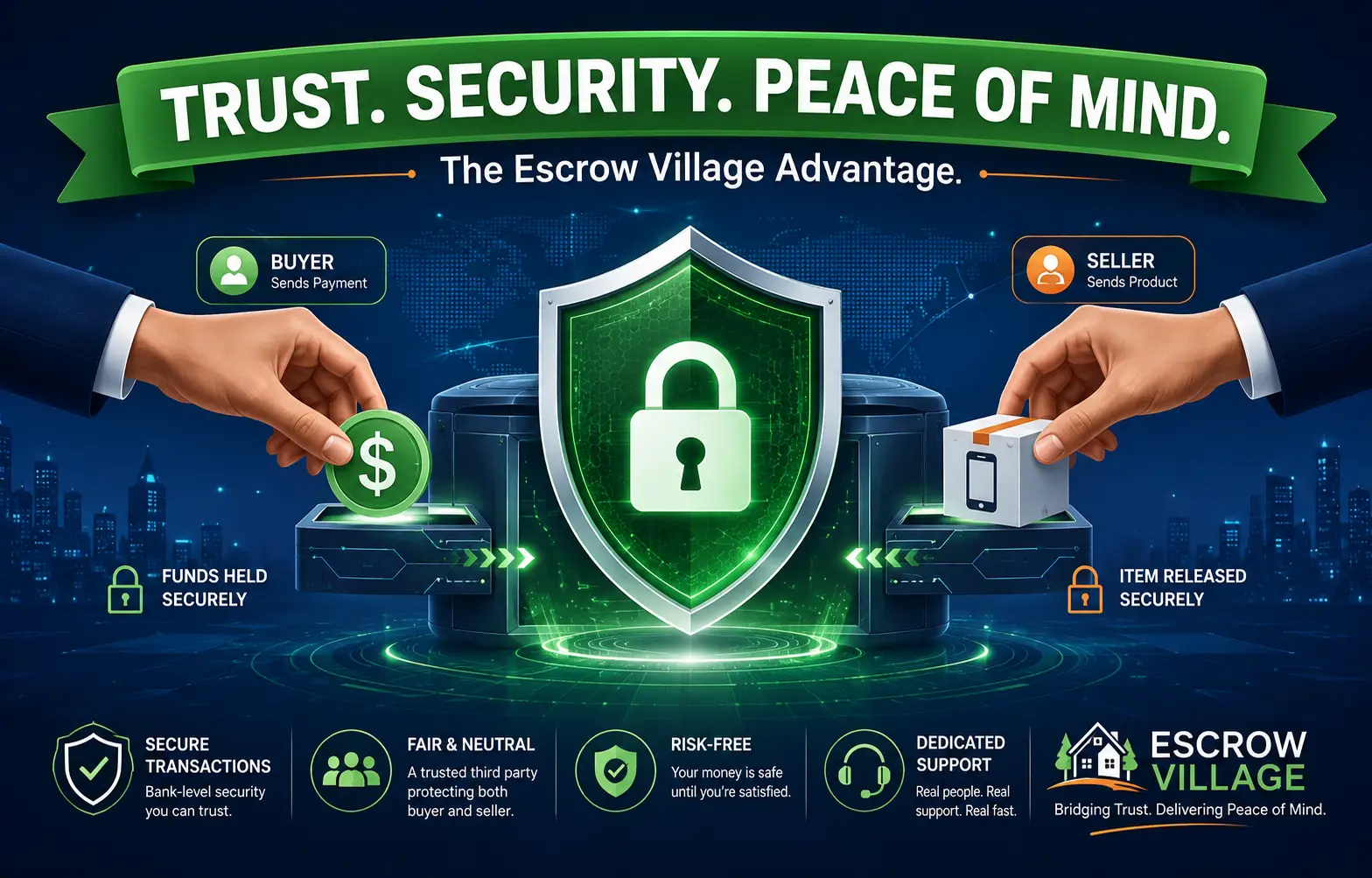
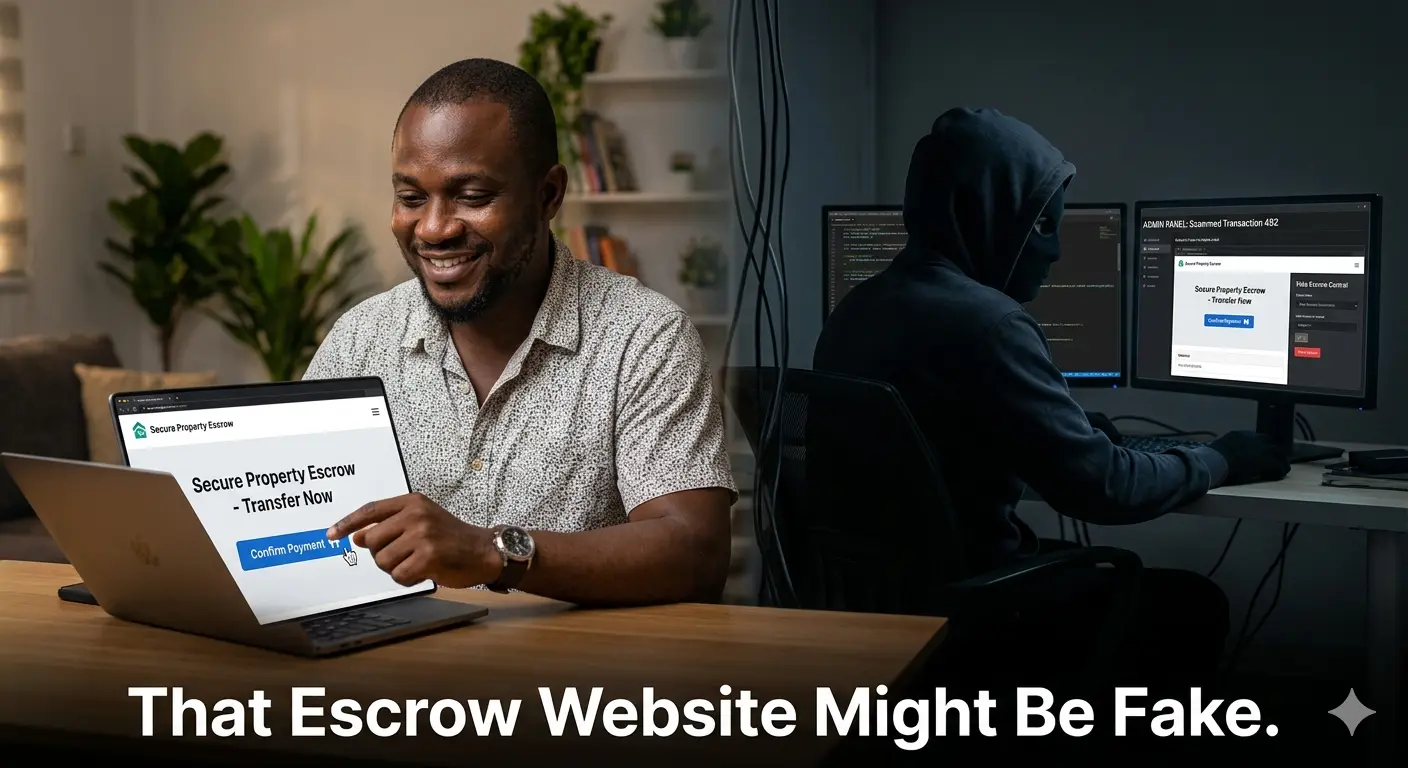
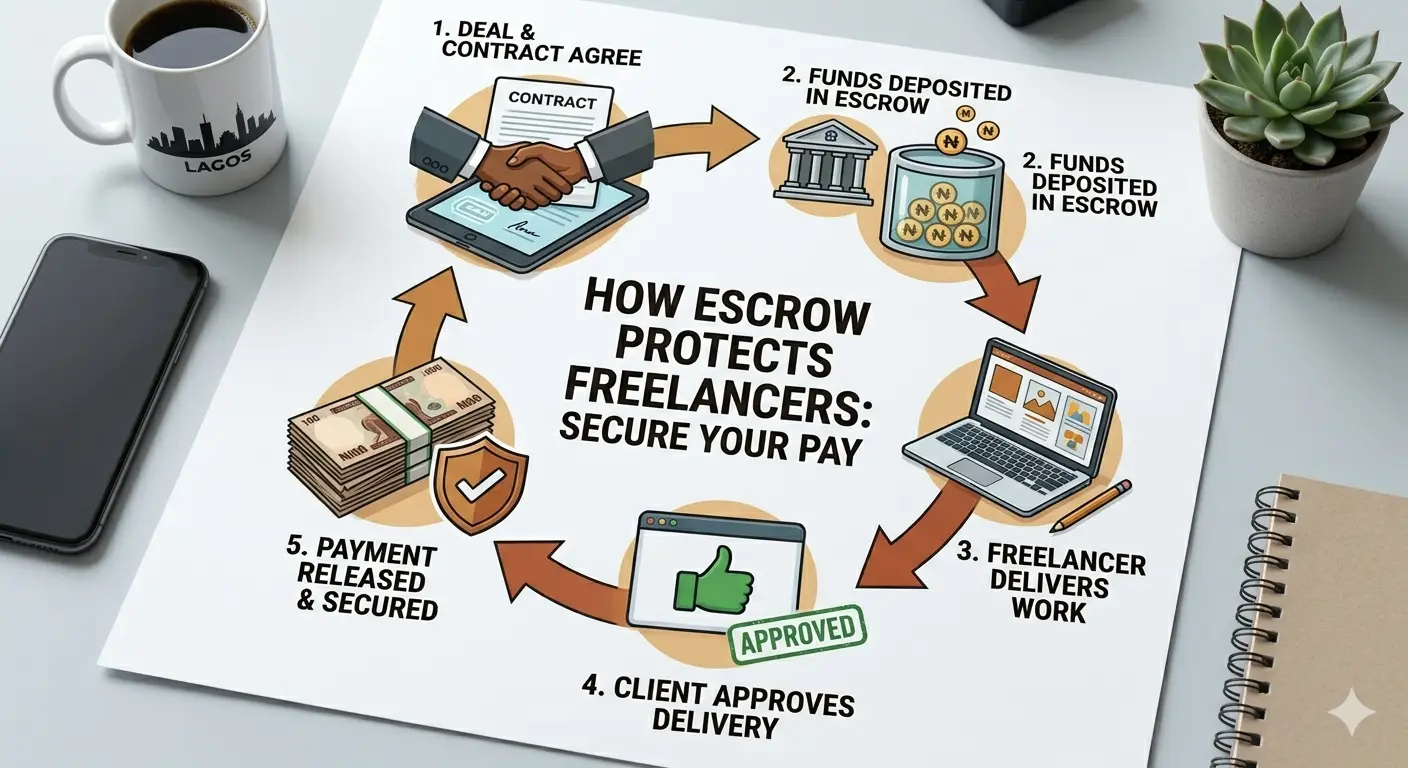
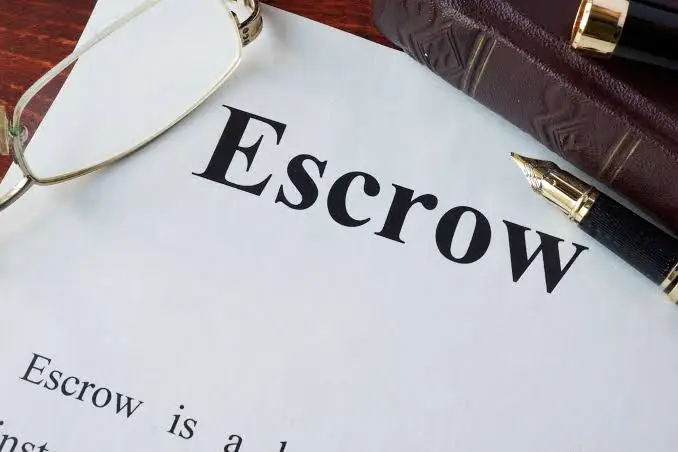
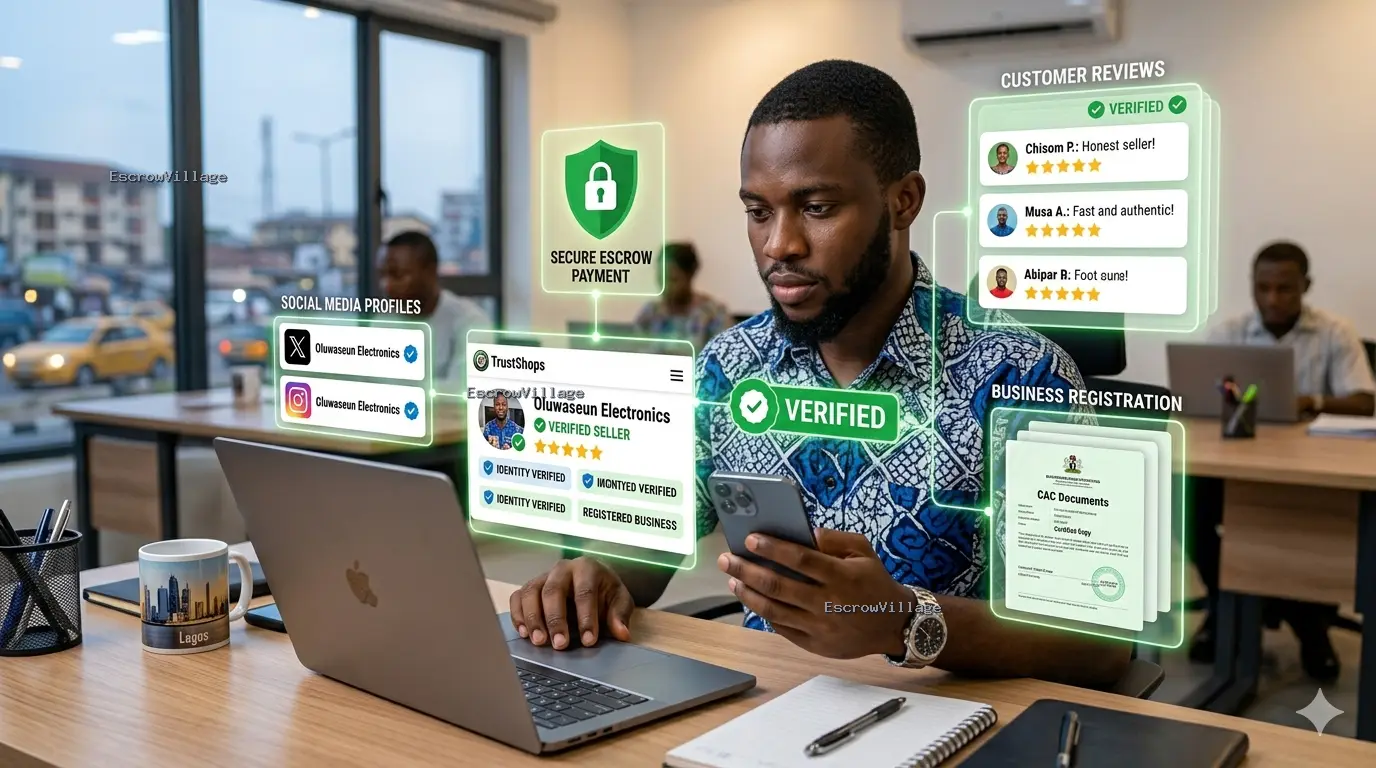
This is the most important point on this entire list. Instead of sending money directly to someone you're still not 100% sure about, use an escrow service.
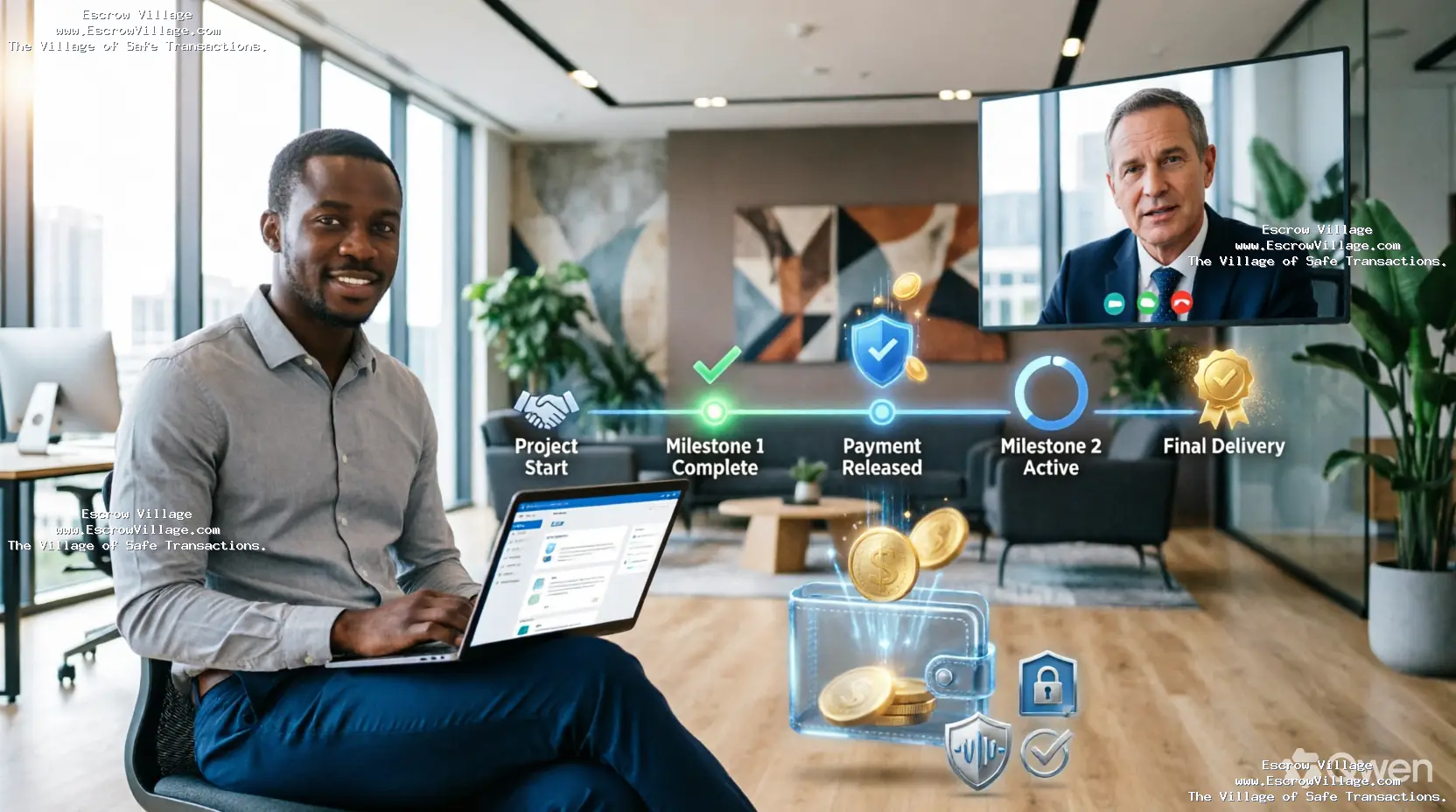
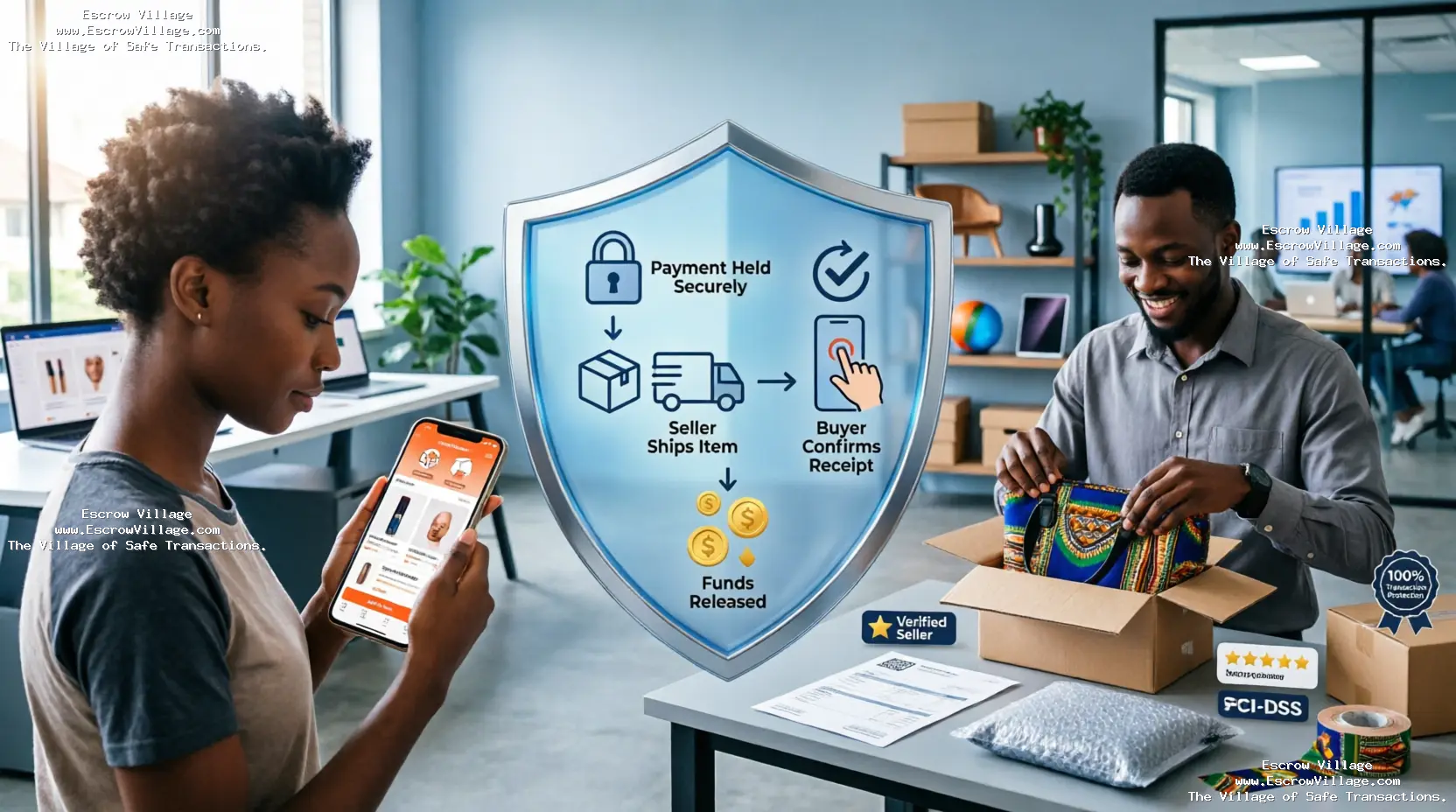
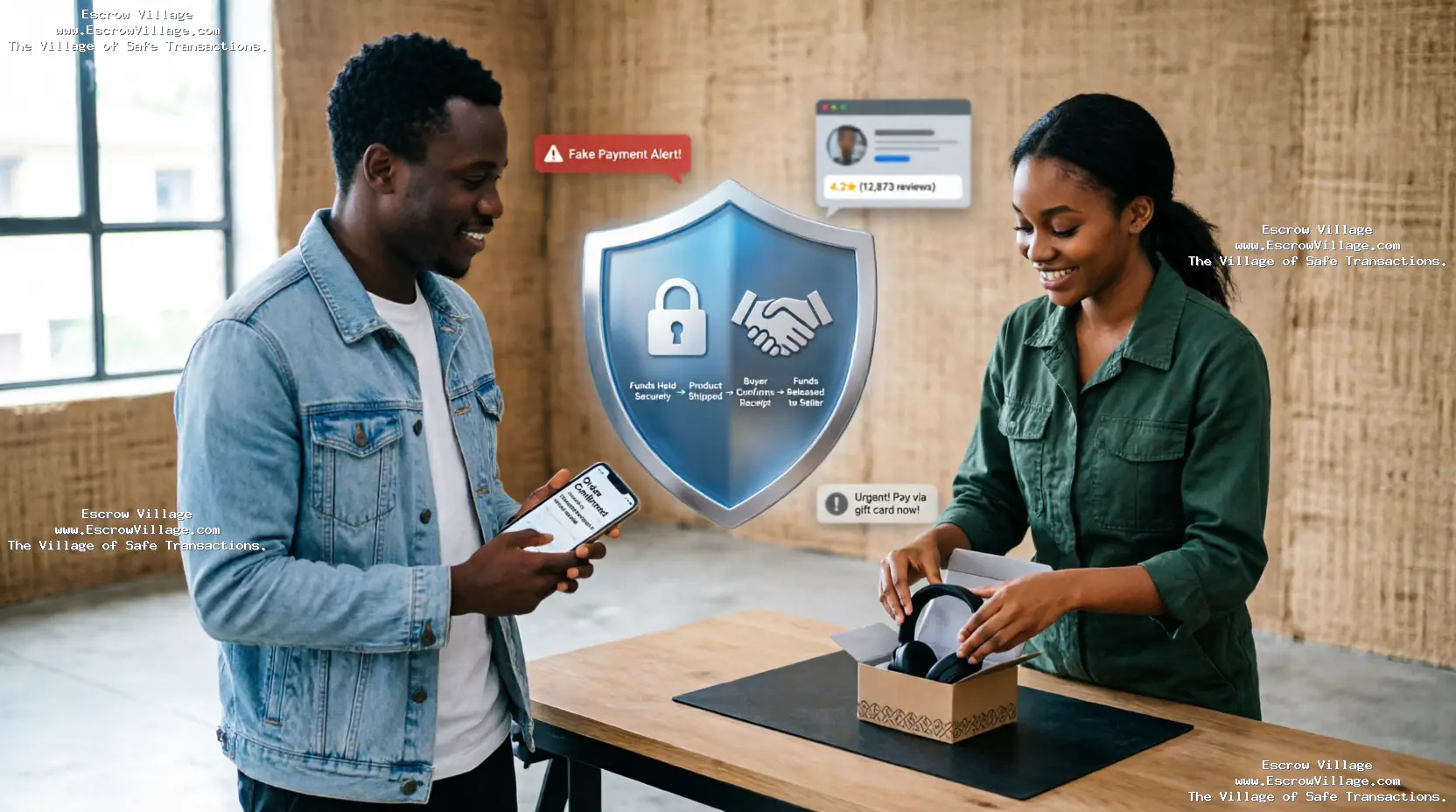
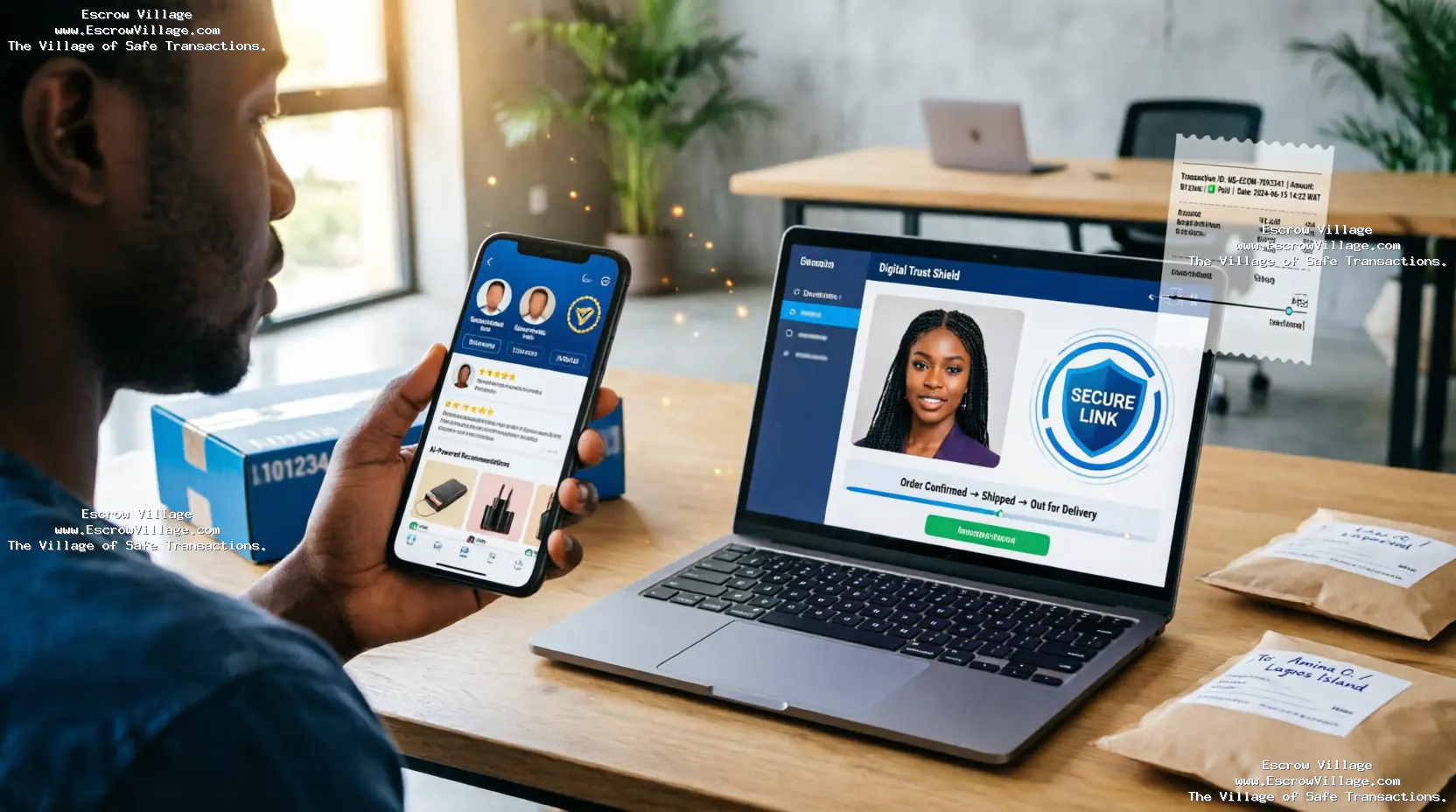
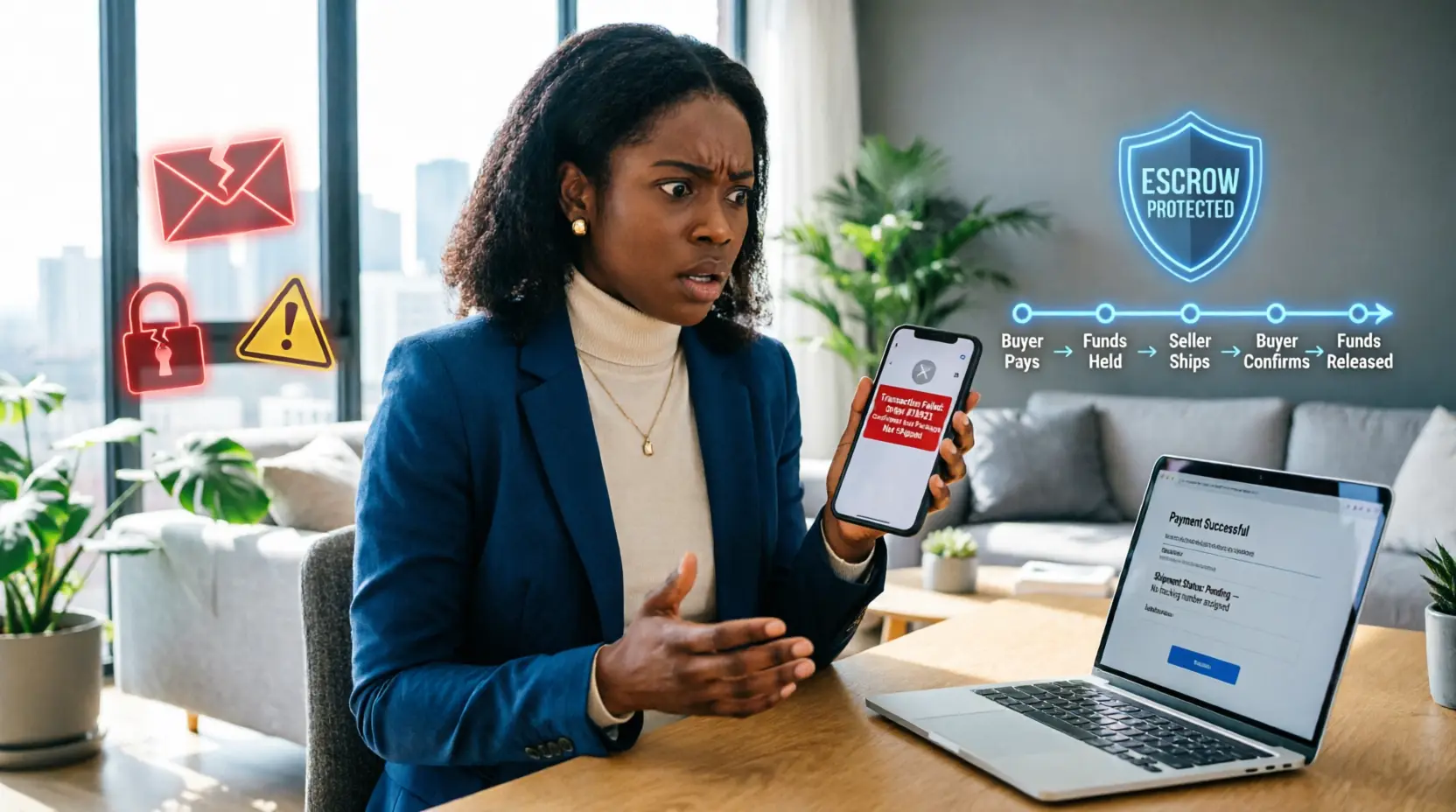
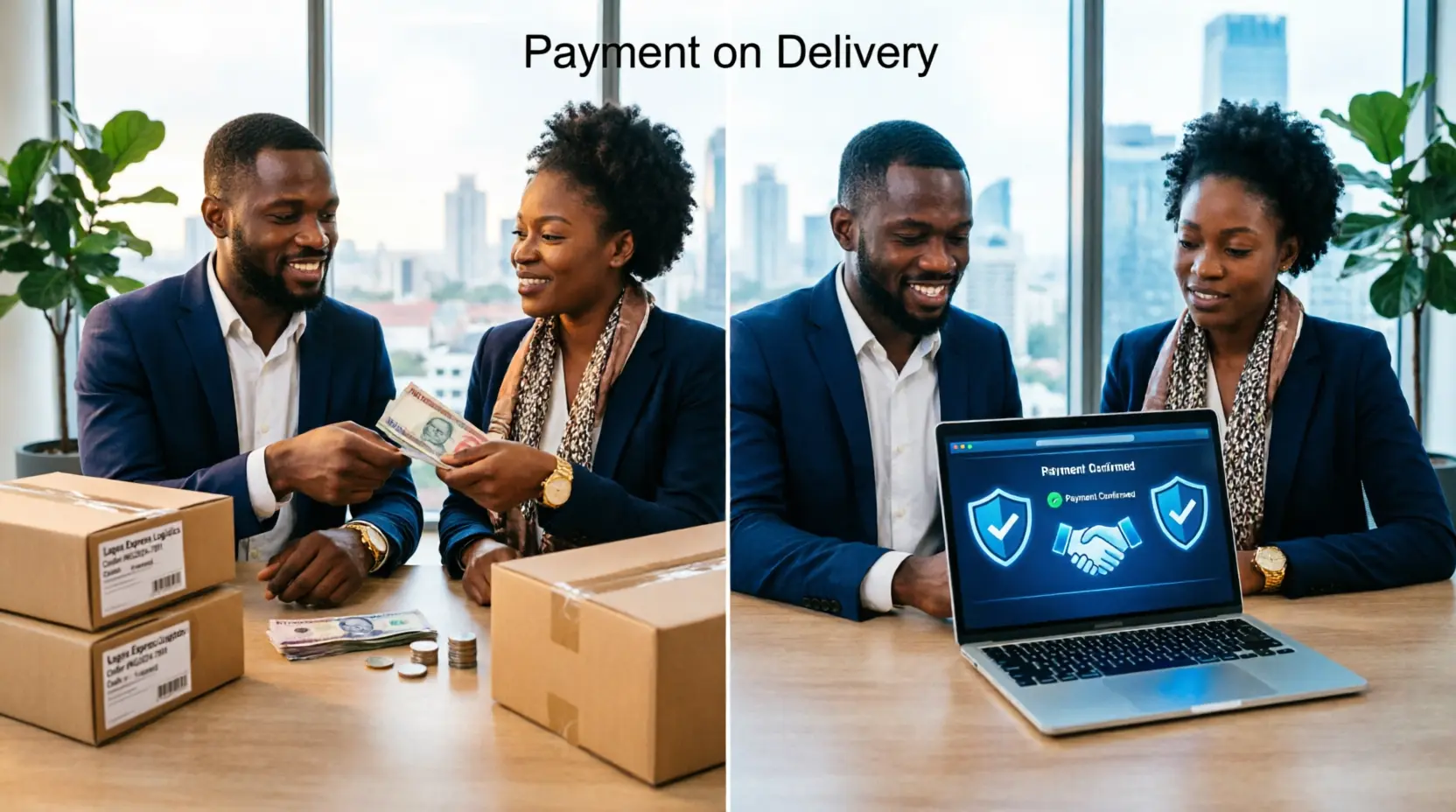
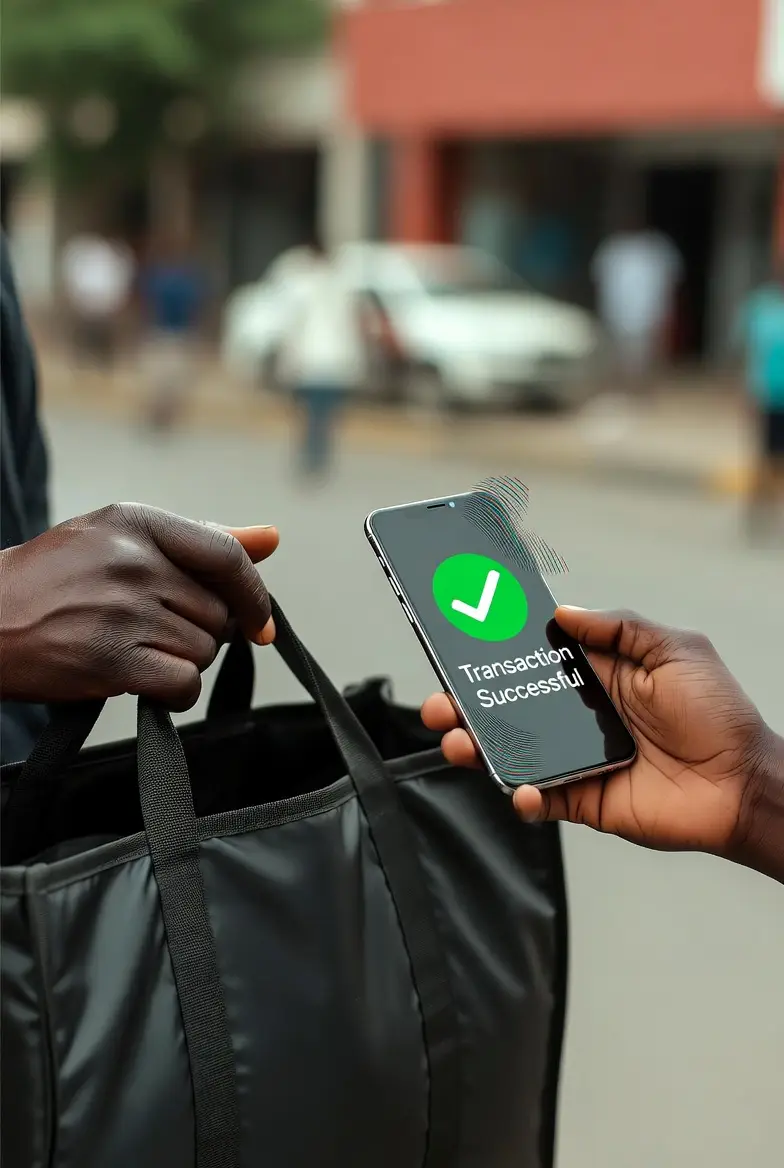
Here's how it works:- ~ You send your payment to the escrow platform, not the seller.
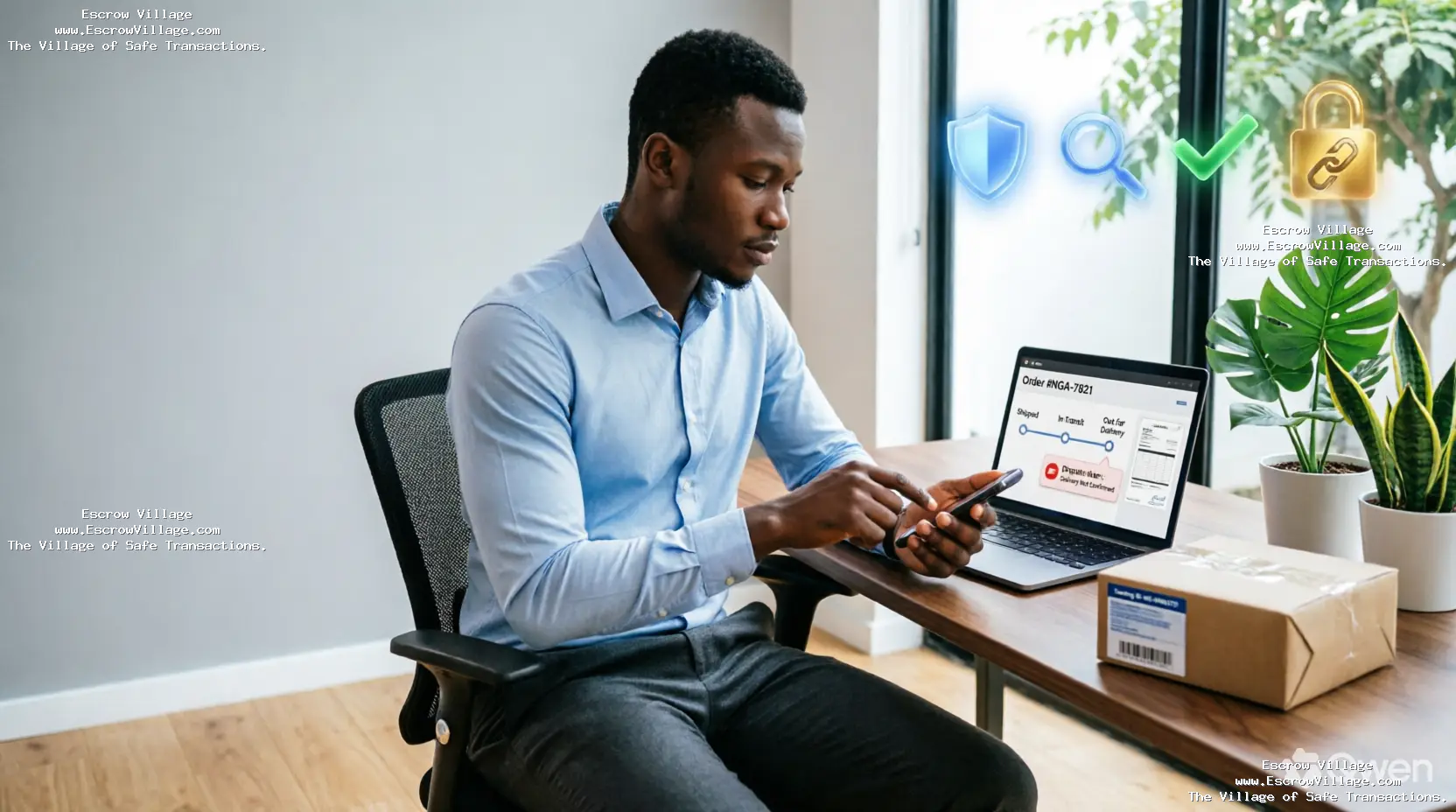
- ~ The seller ships the item. Once you confirm everything arrived correctly, the platform releases the funds. Nobody gets cheated. Nobody disappears with anybody's money.
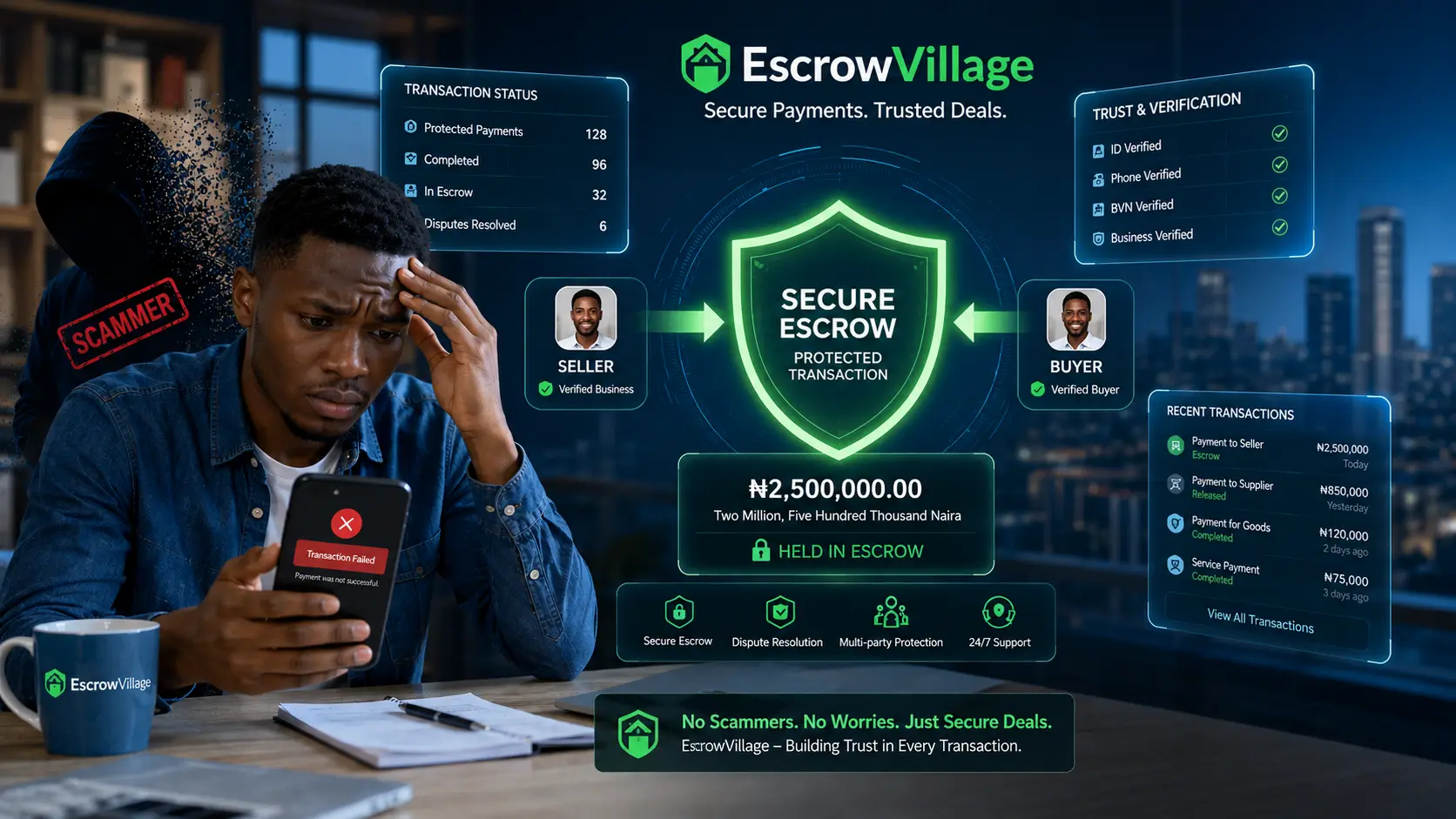
Platforms like Escrow Village exist specifically for this. Whether you're buying a phone, paying a vendor, or settling a deal with someone you've never met in person, escrow removes the risk completely. The seller is covered. You are covered. The transaction is clean.
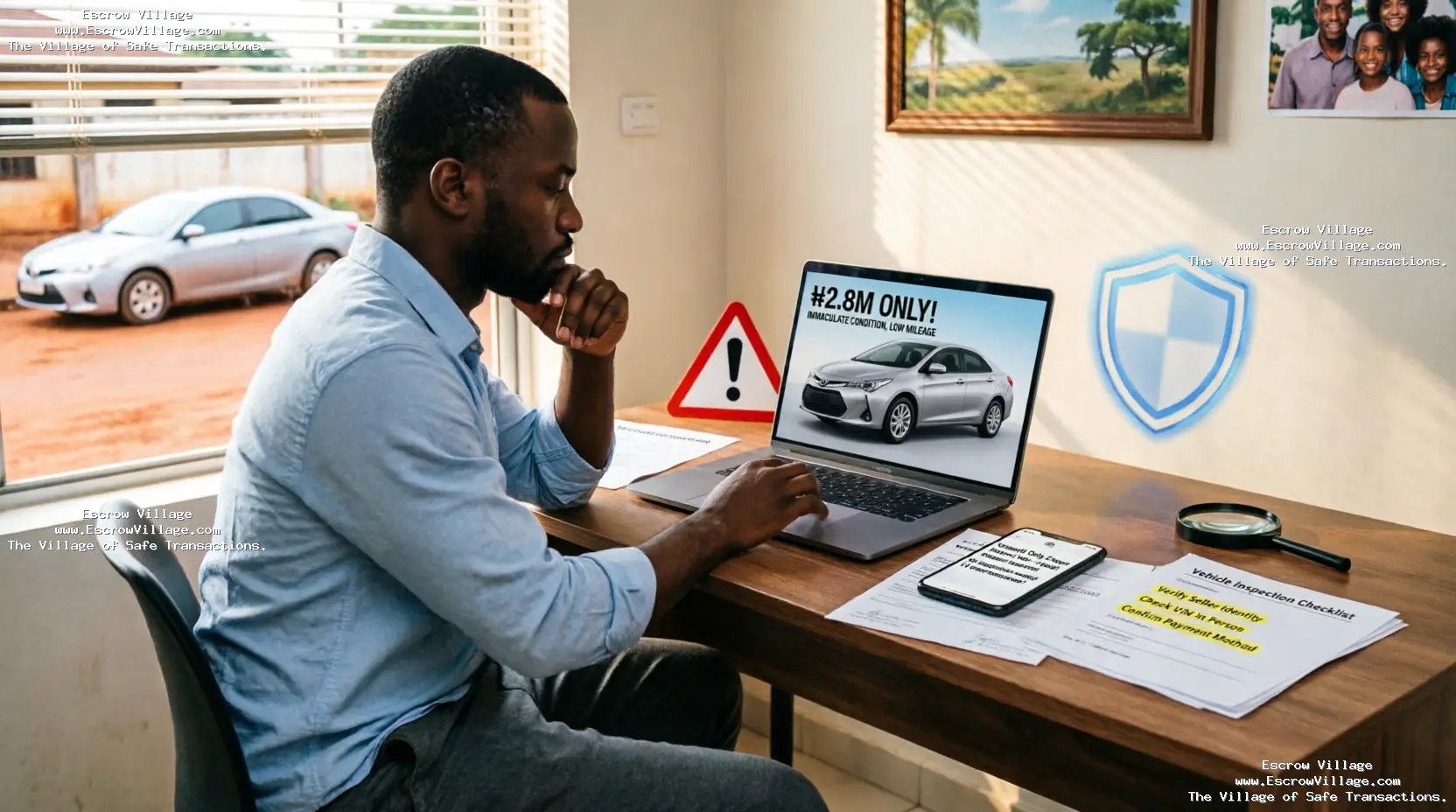
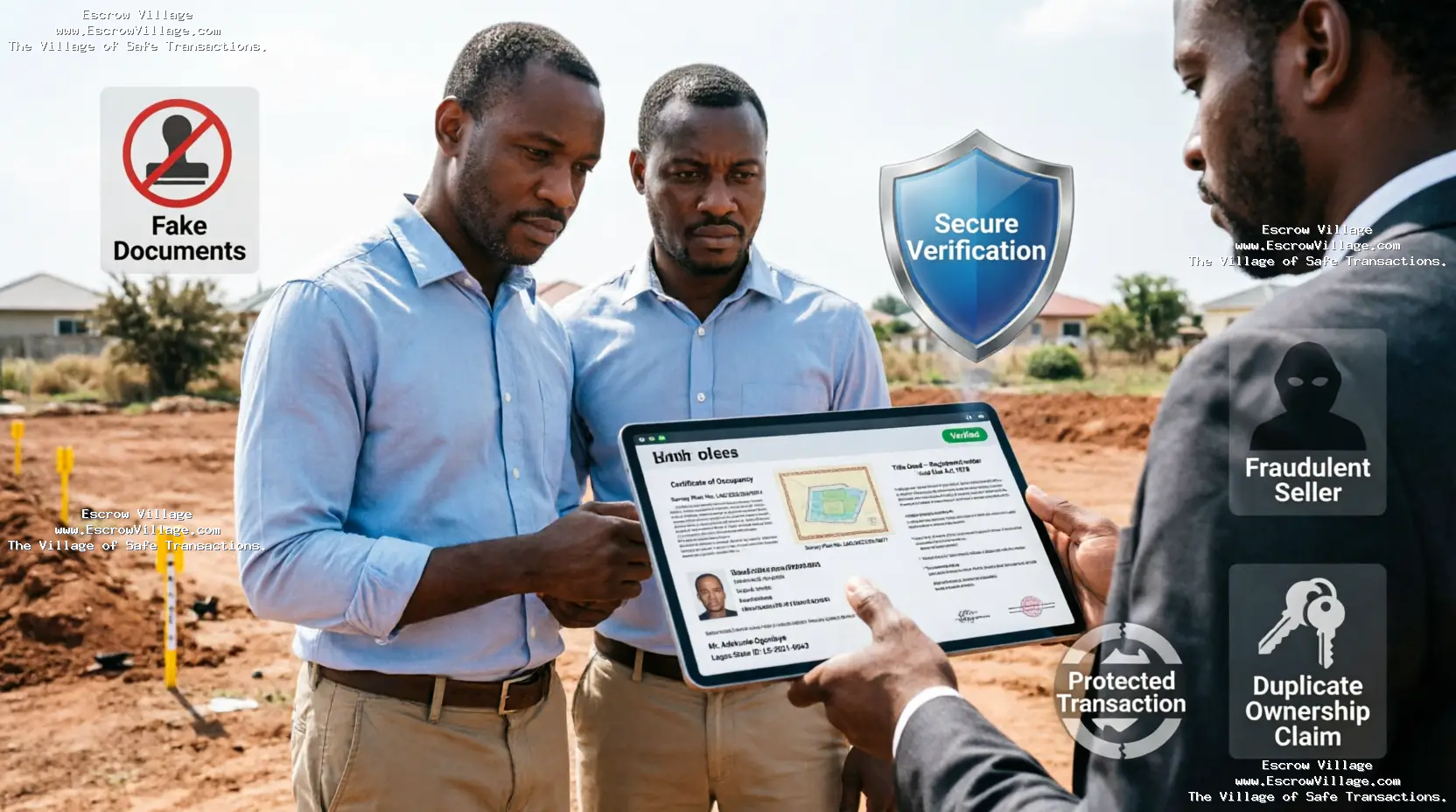
Asking a seller to verify themselves is not an insult; it's common sense. Any genuine seller will welcome it. The ones who push back, rush you, or make you feel like you're wasting their time? They're telling you exactly who they are.
Take your time. Ask your questions. And when the doubt doesn't go away, escrow exists for a reason.