Online Business Terms Every Nigerian Entrepreneur Should Know
Written by BLESSING ABADI IFEOMA892 views
Every Nigerian entrepreneur eventually encounters the same problem: a conversation, contract, or platform that assumes they already understand terms that nobody has ever explained.
Misreading a single phrase in a payment agreement or business proposal can result in missed deals, unfair contracts, or costly mistakes that could have been avoided entirely.
Understanding online business terms isn't just about sounding professional; it directly shapes how confidently you negotiate, price, and protect your business.
This article is beginner-friendly and built specifically for Nigerian business owners navigating digital commerce.
Whether you're new to online business vocabulary or brushing up on digital business terms you've heard but never fully understood, this guide breaks each one down in plain language you can actually use.
Why Understanding Business Terms Matters
Clear business terminology shapes how effectively a Nigerian entrepreneur operates day to day.
Knowing the right language helps you communicate confidently with clients, investors, and service providers, without second-guessing whether you've understood the terms of a deal.
It also makes contracts, proposals, and business discussions far easier to follow, reducing the chances of agreeing to something you don't fully understand.
For anyone running an online business, this knowledge builds genuine confidence; you negotiate better, ask sharper questions, and spot red flags early.
Ultimately, strong business communication is what helps small business owners in Nigeria avoid costly, preventable mistakes.
Essential Online Business Terms Every Entrepreneur Should Know
This section of our business glossary breaks down the online business terms you'll encounter most often as a Nigerian entrepreneur running a digital venture.
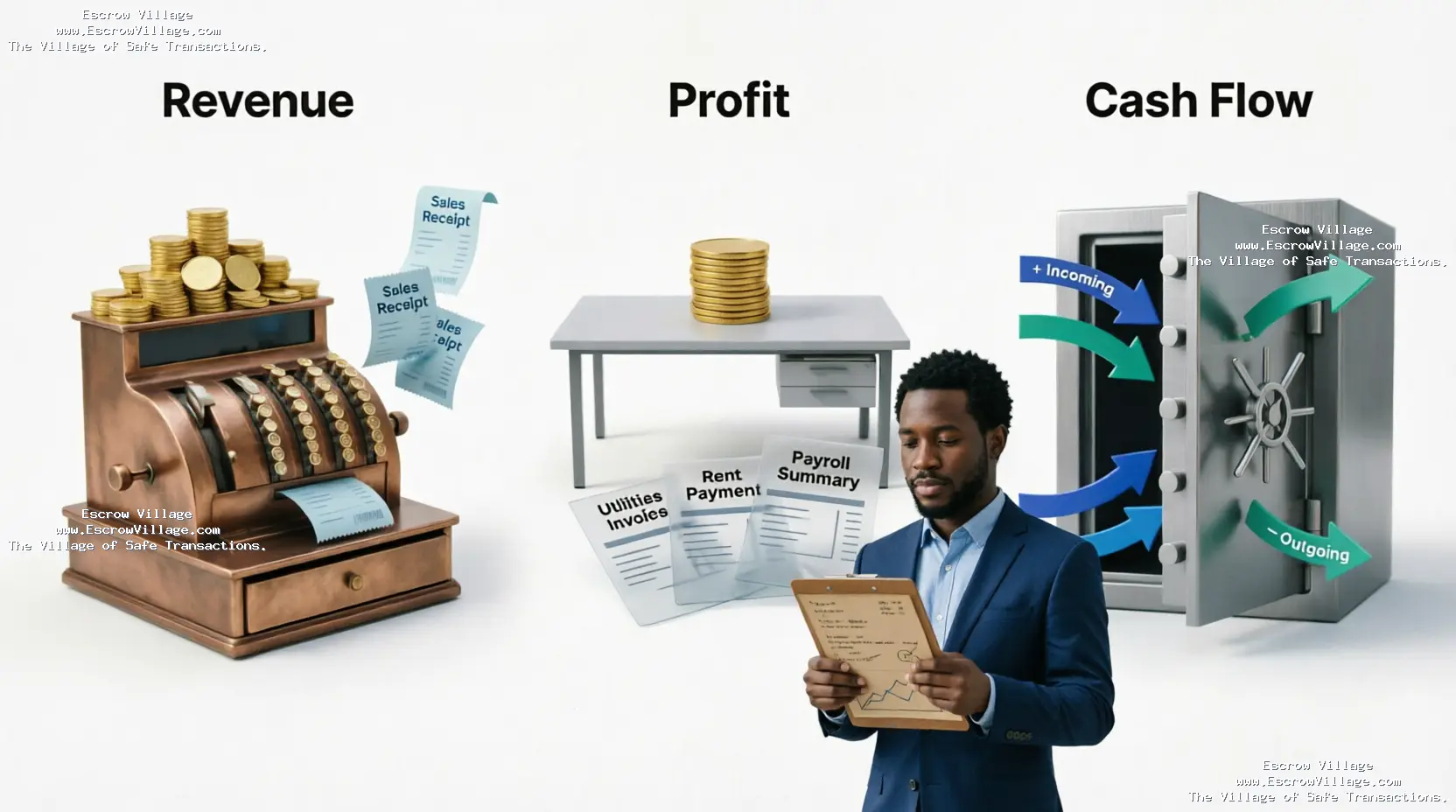
● Revenue: The total amount of money your business earns from sales before any expenses are deducted.
● Profit: What remains after all business expenses are subtracted from your revenue; this is your actual earnings.
● Cash Flow: The movement of money in and out of your business, showing whether you have enough cash on hand to cover expenses at any given time.
● Gross Profit: Revenue minus the direct cost of producing or acquiring your goods, before other expenses like rent or marketing are factored in.
● Net Profit: Your true bottom line is what's left after every single expense, including taxes and overhead, has been deducted from revenue.
● ROI (Return on Investment): A measure of how much profit you made compared to what you spent, used to judge whether a marketing campaign or purchase was worth it.
● Conversion Rate: The percentage of visitors or leads who take a desired action, such as making a purchase, out of everyone who saw your offer.
● Customer Acquisition Cost (CAC): The total cost of gaining one new paying customer, including marketing and sales expenses.
● Lifetime Value (LTV): The total revenue you can expect from a single customer over the entire time they keep buying from you.
● Sales Funnel: The step-by-step journey a customer takes from first discovering your business to actually completing a purchase.
● Lead: A potential customer who has shown interest in your product but hasn't purchased it yet.
● Target Audience: The specific group of people most likely to want or need what your business sells, defined by traits like age, location, or interests.
● Branding: The overall identity and perception of your business, shaped by everything from your logo to how you communicate with customers.
● Digital Marketing: Any marketing effort conducted online, including social media, email, and search engines, used to reach and convert customers.
● SEO (Search Engine Optimisation): The practice of optimising content so it ranks higher on search engines like Google, driving free, organic traffic.
● Call to Action (CTA): A prompt, such as "Buy Now" or "Sign Up," designed to push a visitor toward a specific next step.
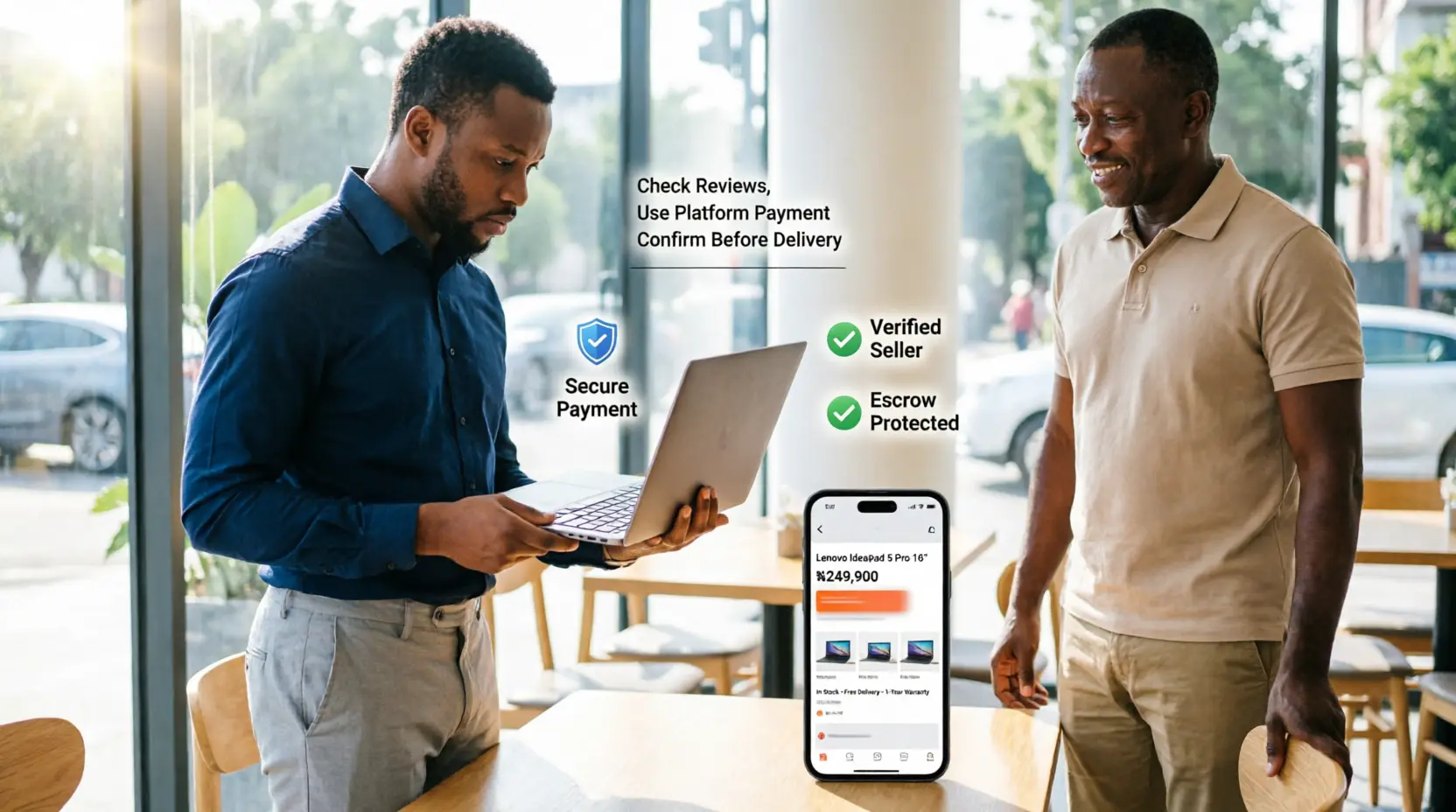
● Escrow Payment: A secure payment arrangement where funds are held by a neutral third party until both buyer and seller confirm a transaction is complete.
● Payment Gateway: The technology that processes online payments, securely transferring funds between a customer's bank and a business's account.
● Invoice: A formal document requesting payment for goods or services, outlining the amount owed and payment terms.
● Refund Policy: A business's stated terms for when and how customers can return products or receive their money back, essential for building trust in e-commerce terms Nigeria shoppers rely on when deciding whether to buy from an online selling Nigerian business.
How to Apply These Terms in Your Everyday Business
Knowing these terms is only useful once you start applying them.
As a practical online business tip, commit to learning one new business term each week rather than trying to absorb everything at once; real business growth comes from steady, applied knowledge, not memorisation.
Use analytics tools to monitor revenue and conversions regularly, so decisions are based on actual numbers rather than guesswork. Create clear, professional invoices and a well-defined refund policy upfront, since ambiguity here often leads to disputes later.
Before publishing content, take time to understand SEO basics so your effort actually reaches the right audience.
Similarly, track ROI carefully before spending on advertising, and for high-value transactions, use secure payment methods like escrow.
Together, these habits form a solid business strategy for any Nigerian entrepreneur building a small business Nigeria customers can trust.
Mastering online business terms isn't a one-time task; it's an ongoing part of running a business well.
As your venture grows, so should your business knowledge, since new challenges often come with new vocabulary attached.
For any Nigerian entrepreneur, understanding this language leads directly to sharper decisions, stronger negotiations, and fewer costly mistakes.
Keep learning as you go, and you'll find that steady online business growth and long-term business success naturally follow.