Money Management for Freelancers in Nigeria: A Practical Guide
Written by BLESSING ABADI IFEOMA1,236 views
The biggest threat to a Nigerian freelancer isn’t a lack of clients; it is the "feast or famine" cycle that leaves you broke in the third week of the month. When your income fluctuates between a six-figure windfall and zero naira, standard budgeting advice falls apart.
Money management for freelancers in Nigeria requires a shift from fixed-salary thinking to a system built for unpredictability. In this guide, we provide a concrete, step-by-step framework to stabilize your cash flow, build an emergency buffer, and ensure your hard-earned money stays in your pocket.
Why Is Financial Stability So Hard for Nigerian Freelancers?
Unlike a corporate role with a fixed salary, the Nigerian freelance landscape is defined by late payments, currency volatility, and the constant risk of "ghosting" by clients.
According to a report by the World Bank (2024), the informal sector where most freelancers operate faces significantly higher financial vulnerability due to limited access to formal credit and social safety nets.
When you rely on informal transfers via WhatsApp or unregulated platforms, a single unpaid invoice can disrupt your entire month.
The "Bucket" Method for Irregular Income
Stop treating your bank account as one big pot. Instead, divide your income into three digital "buckets" the moment it hits your account:
°Operating Expenses (40%): Cover your internet subscription, electricity (NEPA/Solar), and coworking space fees.
° Personal Salary (40%): This is your "fixed" monthly take-home.
°Tax & Emergency Fund (20%): Keep this in a separate, high-yield savings account to cover unexpected repairs or lean months.
How to Save Money as a Freelancer in Nigeria
Saving is not about what is left over after spending; it is about paying yourself first.
Many freelancers fail because they wait for a "big month" to save.
~ Automate Your Savings: Use features on apps like PiggyVest or Cowrywise to move a percentage of every incoming payment automatically.
~ Build a Buffer: Aim for a 3-month "runway" that covers your basic survival costs.
~ Avoid "Vendor Risk": If you are selling digital products or services, never start work without a deposit.
What Is the Most Effective Way to Manage Irregular Income?
The most effective way to manage irregular income is to establish a "Salary System."
Instead of spending money as it comes in, move all earnings into a primary business account. Pay yourself a fixed, consistent monthly salary from this account regardless of how much you earned that month.
This creates the stability needed to budget effectively, invest, and avoid the panic that leads to poor financial decisions.
Eliminating the "Non-Payment" Risk
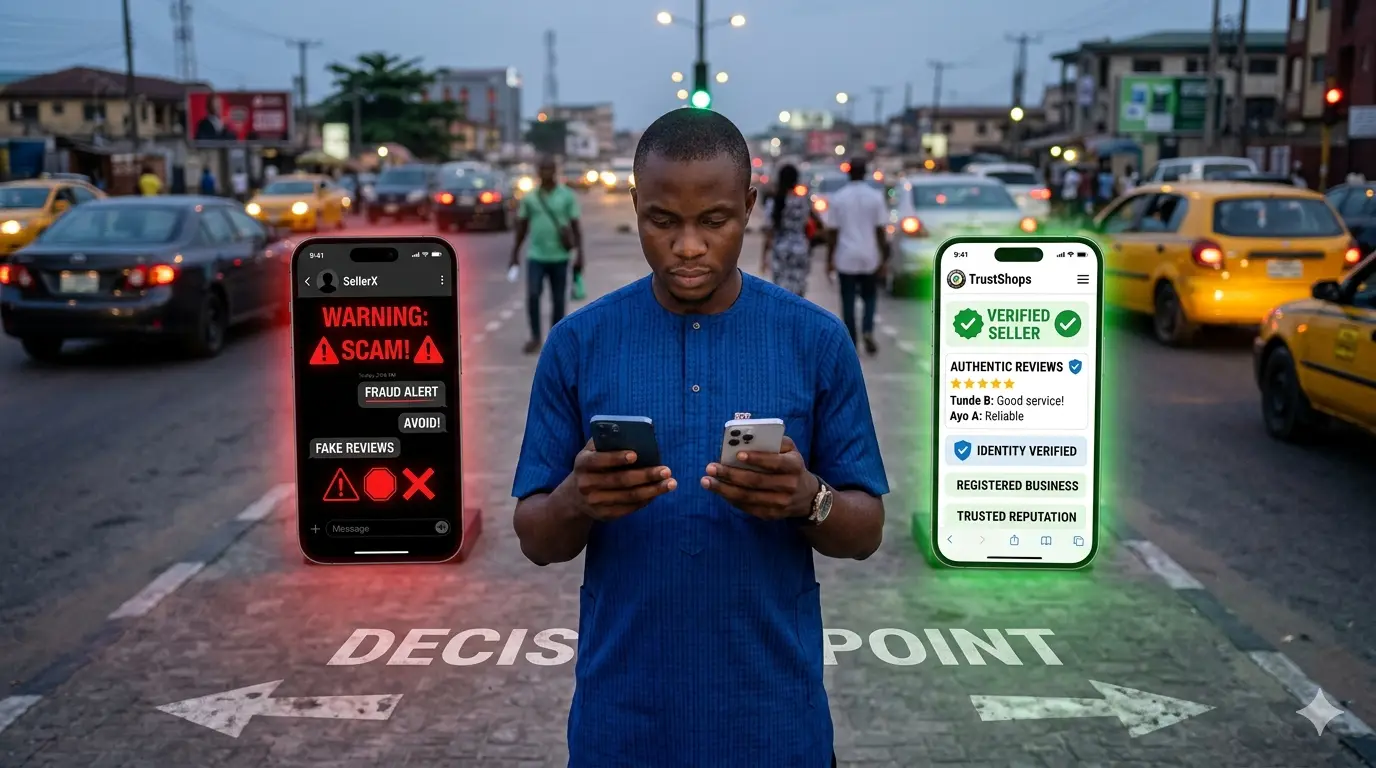
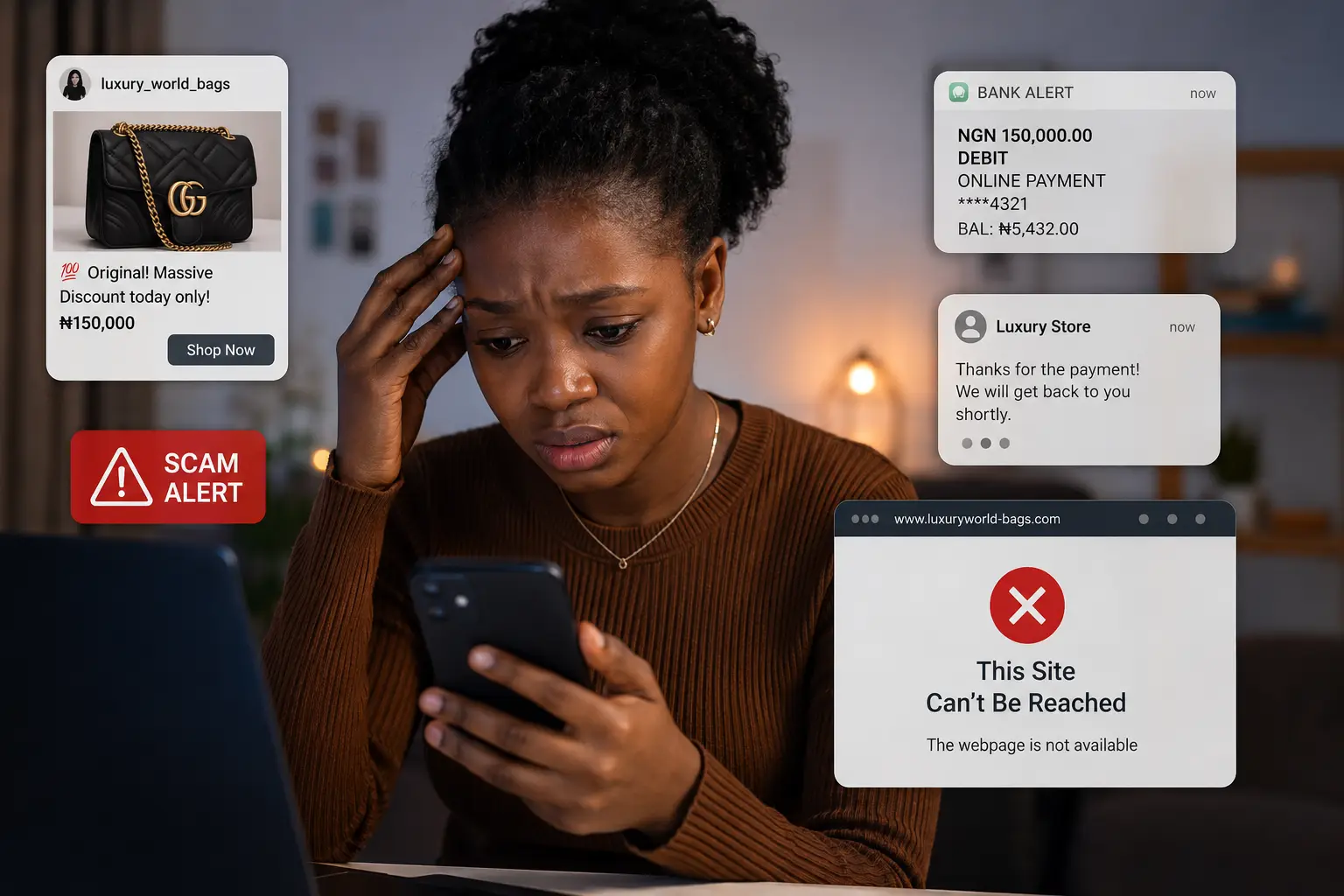
The greatest obstacle to financial predictability in Nigeria is the fear that a client will disappear after the work is delivered.
We have all heard the horror stories of freelancers who delivered a high-quality web design or a brand campaign, only for the client to go silent on WhatsApp.
Relying on "trust" alone in the Nigerian digital economy is a recipe for financial instability.
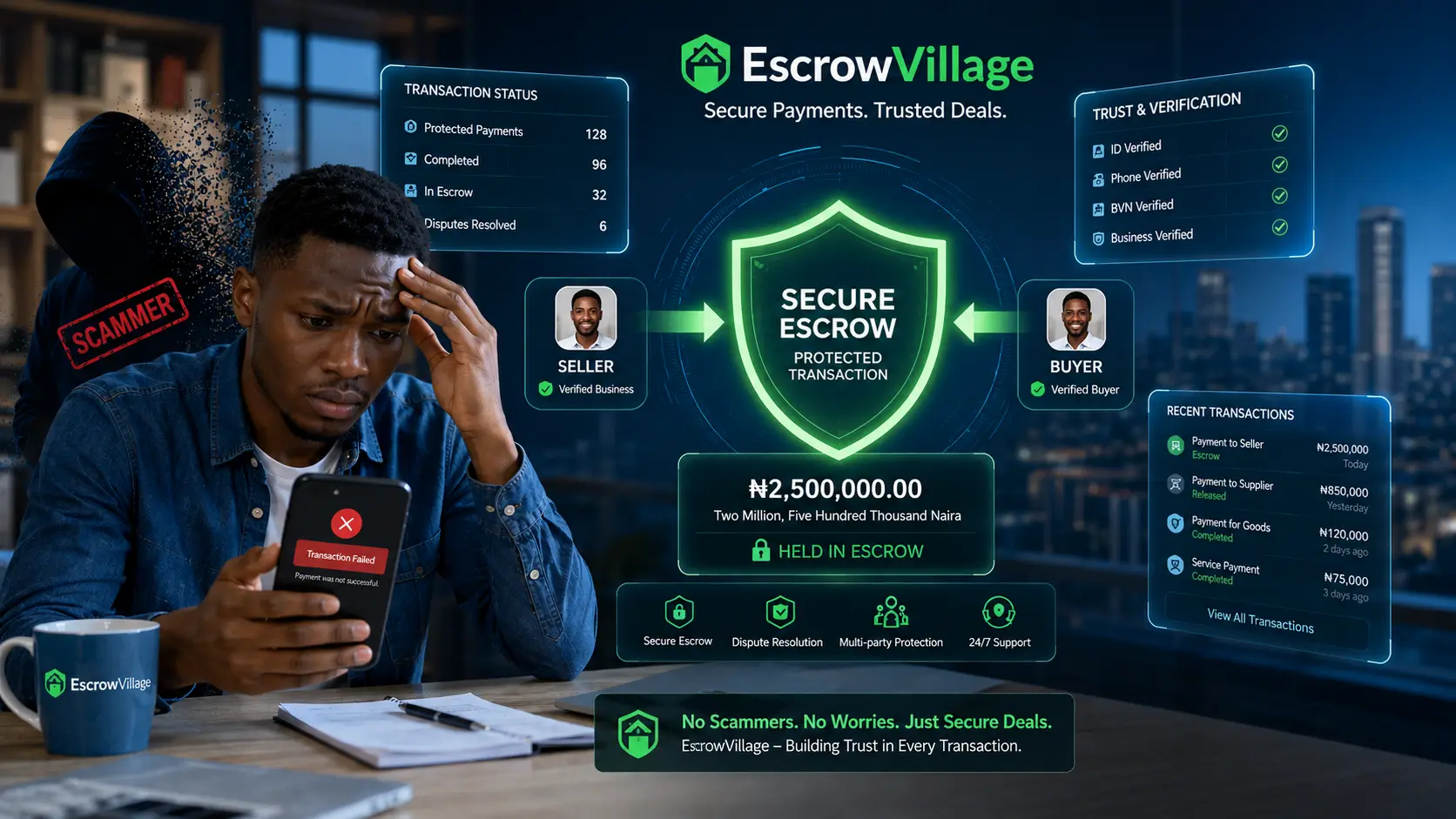
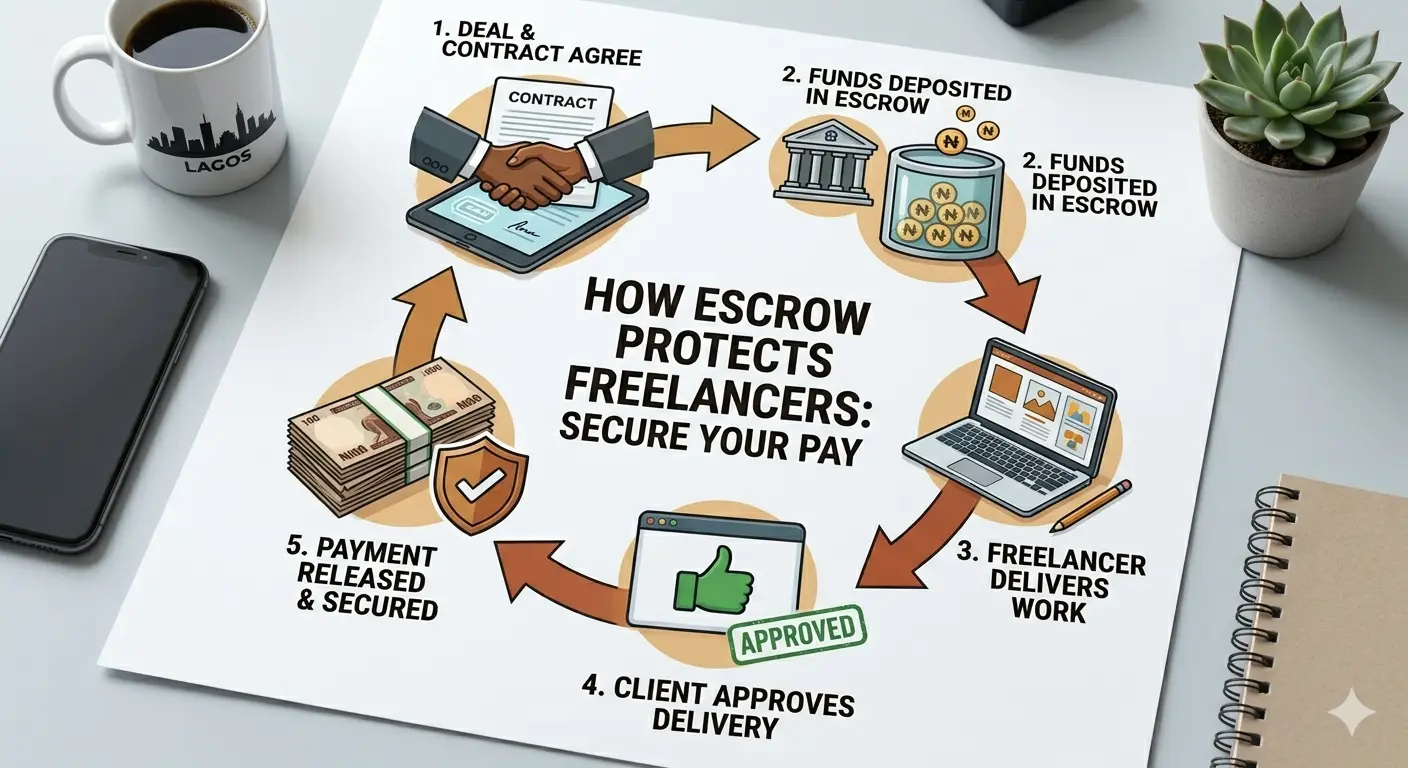
By using a professional escrow service, you shift the power dynamic. When you use Escrow Village, the client’s payment is secured upfront. You work with the peace of mind that the funds are already held by a trusted third party, independent of the client's mood or internal budget issues.
This removes the "will they pay?" anxiety, allowing you to focus on the work that actually grows your income.
Essential Tools for the Modern Nigerian Freelancer
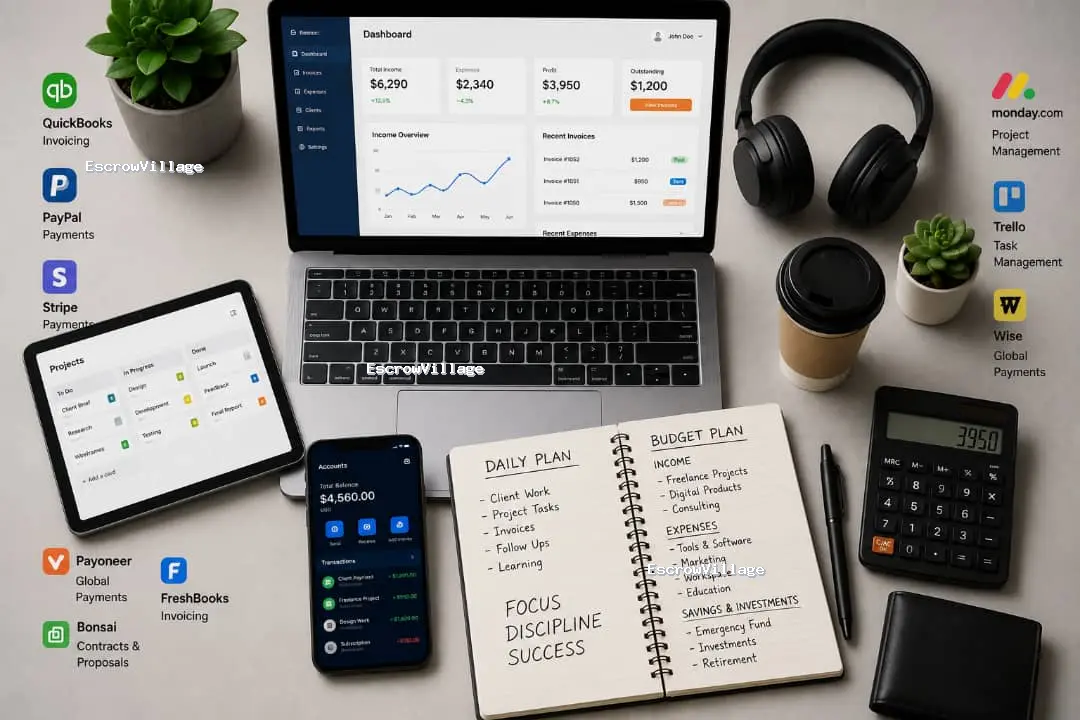
Financial management is easier when you use the right stack:
1. Tool Category: Payment SecurityRecommended: Escrow Village for securing milestonepayments.
2. Tool Category: BudgetingRecommended: Spreadsheets (Google Sheets) for tracking invoices vs. expenses.
3. Tool Category: SavingsRecommended: Automated platforms with high-interest tiers.
4. Tool Category: BankingRecommended: Separate accounts for "Business" and "Personal" use.
Take Control of Your Financial Future
Managing your freelance income in Nigeria doesn't require a finance degree; it requires discipline and the right tools.
By setting a fixed salary, automating your savings, and eliminating the risk of unpaid invoices, you move from surviving to thriving.
Stop leaving your income to chance. Secure your next project payment with Escrow Village today and turn your freelance hustle into a sustainable, predictable business.