
How to Handle Refund Requests Without Losing Customers
No business owner enjoys receiving a refund request. It can feel like you've lost a sale, disappointed a customer, or failed to meet expectations.
However, refund requests are a normal part of doing business. What truly matters is how you respond.
A poorly handled refund request can lead to negative reviews, lost customers, and damage to your brand's reputation.
On the other hand, a professional and empathetic approach can turn an unhappy customer into a loyal one.
In many cases, customers remember how a business resolved a problem more than the problem itself.
Whether you sell physical products, digital goods, or services, having a fair and transparent refund process can strengthen customer trust and encourage repeat business.
Here's how to handle refund requests without losing customers.
- 1. Create a Clear Refund Policy

The first step in managing refund requests is to have a refund policy that customers can easily understand.
Your policy should clearly explain:
- ● Which products or services qualify for a refund.
- ● The timeframe for requesting a refund.
- The conditions that must be met.
- ● Whether customers will receive a refund, exchange, or store credit.
- ● How refunds are processed.
Display your refund policy on your website, online store, or social media pages before customers make a purchase.
When expectations are clear from the beginning, misunderstandings are less likely to occur.
- 2. Respond Promptly and Professionally

When a customer requests a refund, respond promptly to avoid delays. Ignoring messages or taking several days to reply can make customers feel unimportant and frustrated.
Even if you need time to investigate the issue, acknowledge their request as soon as possible. Respond with empathy and professionalism.Thank them for reaching out, apologise for their experience if appropriate, and let them know you're reviewing the situation.
A respectful response immediately lowers tension and shows that your business values customer satisfaction.
- 3. Listen Before Making a Decision

Don't assume every refund request is unreasonable. Allow customers to explain what went wrong. They may have received a damaged product, experienced delivery issues, or misunderstood how your product or service works.
Ask questions when necessary and review any evidence they provide, such as photos, videos, or order details. Listening carefully helps you make fair decisions while making customers feel heard and respected.
- 4. Be Fair and Consistent

Consistency builds trust. If two customers experience the same issue, they should receive similar treatment.
Making exceptions for one customer while denying another can create confusion and accusations of unfairness.At the same time, remain flexible when unique situations arise. Sometimes offering a goodwill refund or replacement can protect your reputation and preserve a valuable customer relationship. Your goal isn't to win every dispute; it's to maintain trust while protecting your business.
- 5. Offer Alternatives When Appropriate

A refund isn't always the only solution. Depending on the situation, you might offer:
- ● A replacement product.
- ● An exchange.
- ● Store credit.
- ● A discount on a future purchase.
However, never pressure customers into accepting an alternative if they're clearly entitled to a refund under your policy.
- 6. Use Refund Requests as Learning Opportunities

Every refund request provides valuable feedback about your business.
Look for recurring patterns such as:- ● Product quality issues.
- ● Misleading product descriptions.
- ● Shipping delays.
- ● Poor packaging.
- ● Customer service problems.
If multiple customers raise the same concern, it's a sign that something needs improvement.
Addressing the root cause reduces future refund requests and improves the overall customer experience.
- 7. Train Your Customer Support Team

If you have employees handling customer enquiries, ensure they're properly trained. They should know:
- ● Your refund policy.
- ● How to communicate with empathy.
- ● When they can approve refunds.
- ● When to escalate complex cases.
- ● How to resolve conflicts professionally.
- 8. Protect Your Business from Fraud

While most refund requests are genuine, some customers may attempt to abuse your policy.
To reduce fraudulent claims:- ● Keep accurate order records.
- ● Require proof of purchase.
- ● Verify delivery information.
- ● Document customer communication.
- ● Monitor repeated refund requests from the same individual.
Having clear procedures helps you distinguish legitimate concerns from dishonest attempts without treating every customer with suspicion.
- 9. Build Trust with Secure Transactions

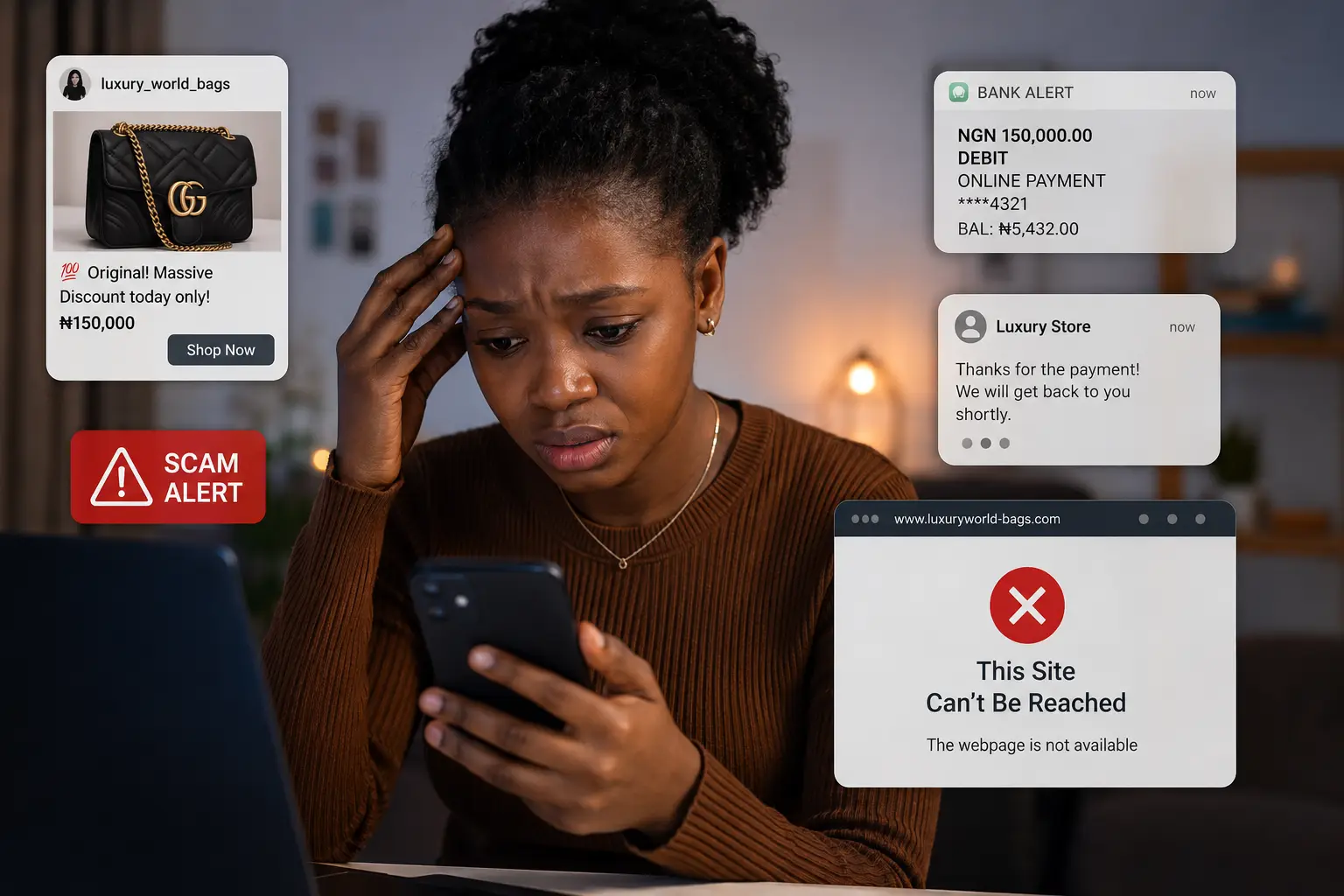
Many refund disputes begin because customers fear losing their money.
Providing secure payment methods and transparent transaction processes helps reduce these concerns from the start.
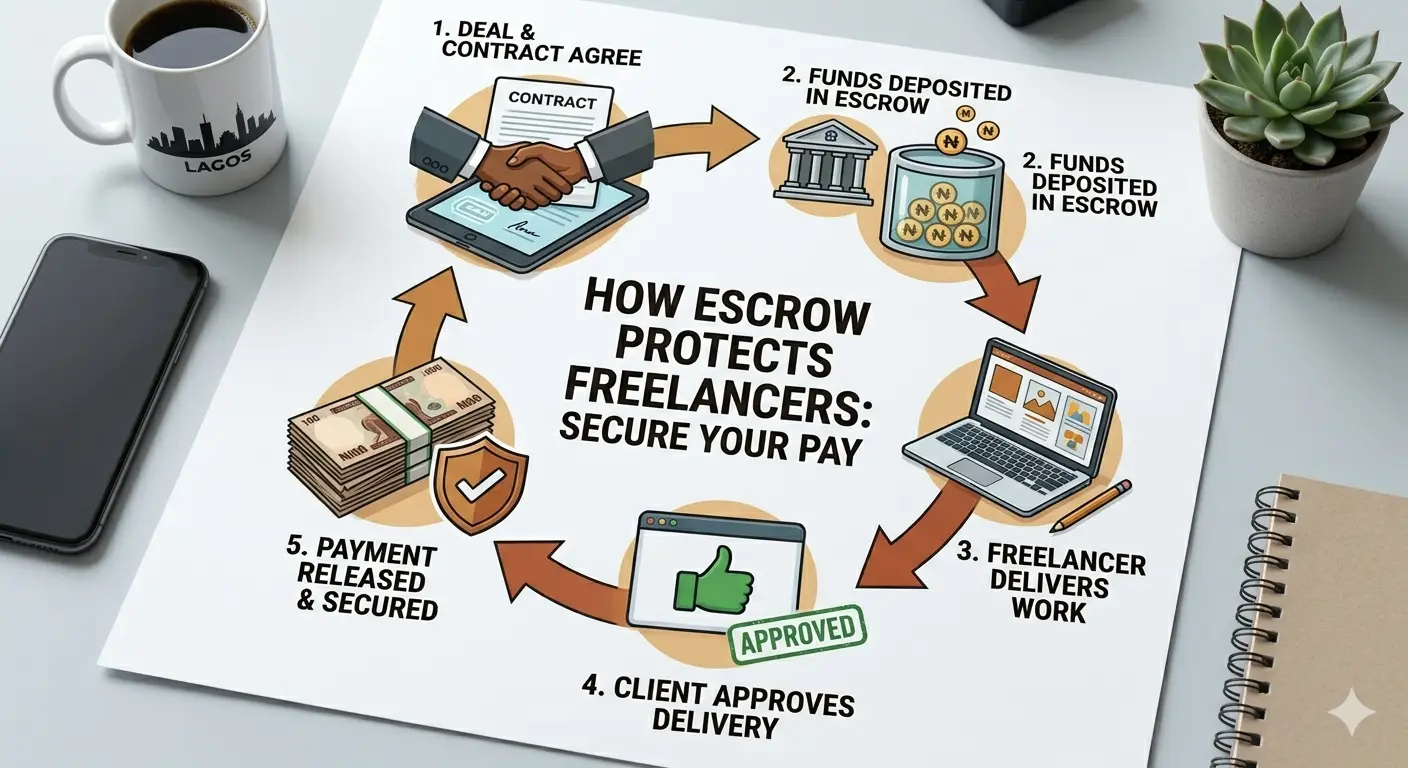
For high-value online transactions, using an escrow payment solution can provide added confidence by ensuring funds are only released after both parties meet the agreed terms.
This helps minimise disputes and creates a safer buying and selling experience.
Customers who trust your payment process are more likely to remain loyal, even if occasional issues arise.

Refund requests don't have to result in lost customers.
In fact, they can become opportunities to demonstrate professionalism, integrity, and excellent customer service.By creating a clear refund policy, responding promptly, listening carefully, treating customers fairly, and learning from feedback, you can resolve disputes while protecting your reputation.
Remember, customers understand that mistakes can happen. What they value most is how a business responds when things go wrong.
Businesses that handle refund requests with honesty, empathy, and consistency are more likely to earn repeat customers, positive reviews, and long-term success.