
How Escrow Works for Real Estate Transactions
That is exactly where escrow comes in.
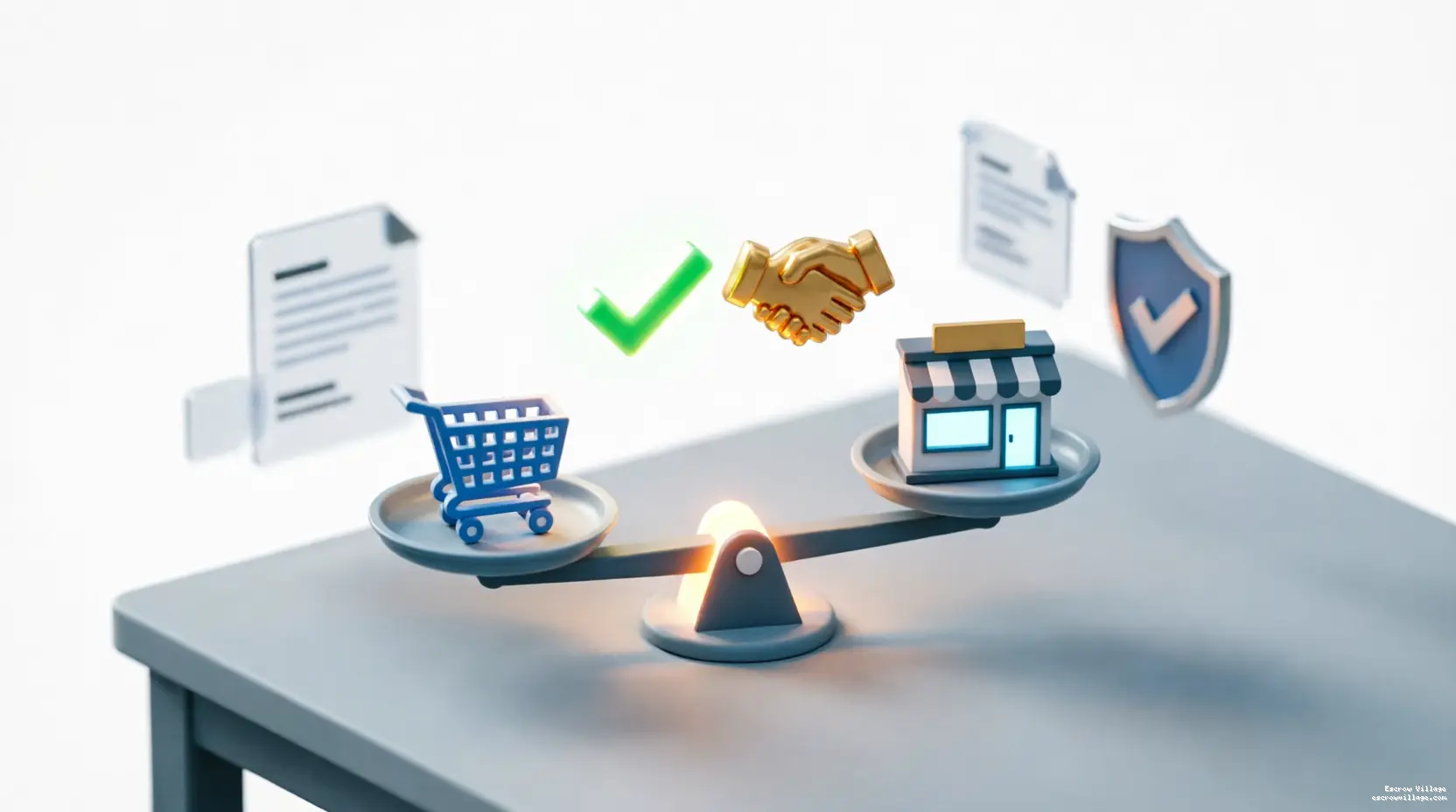
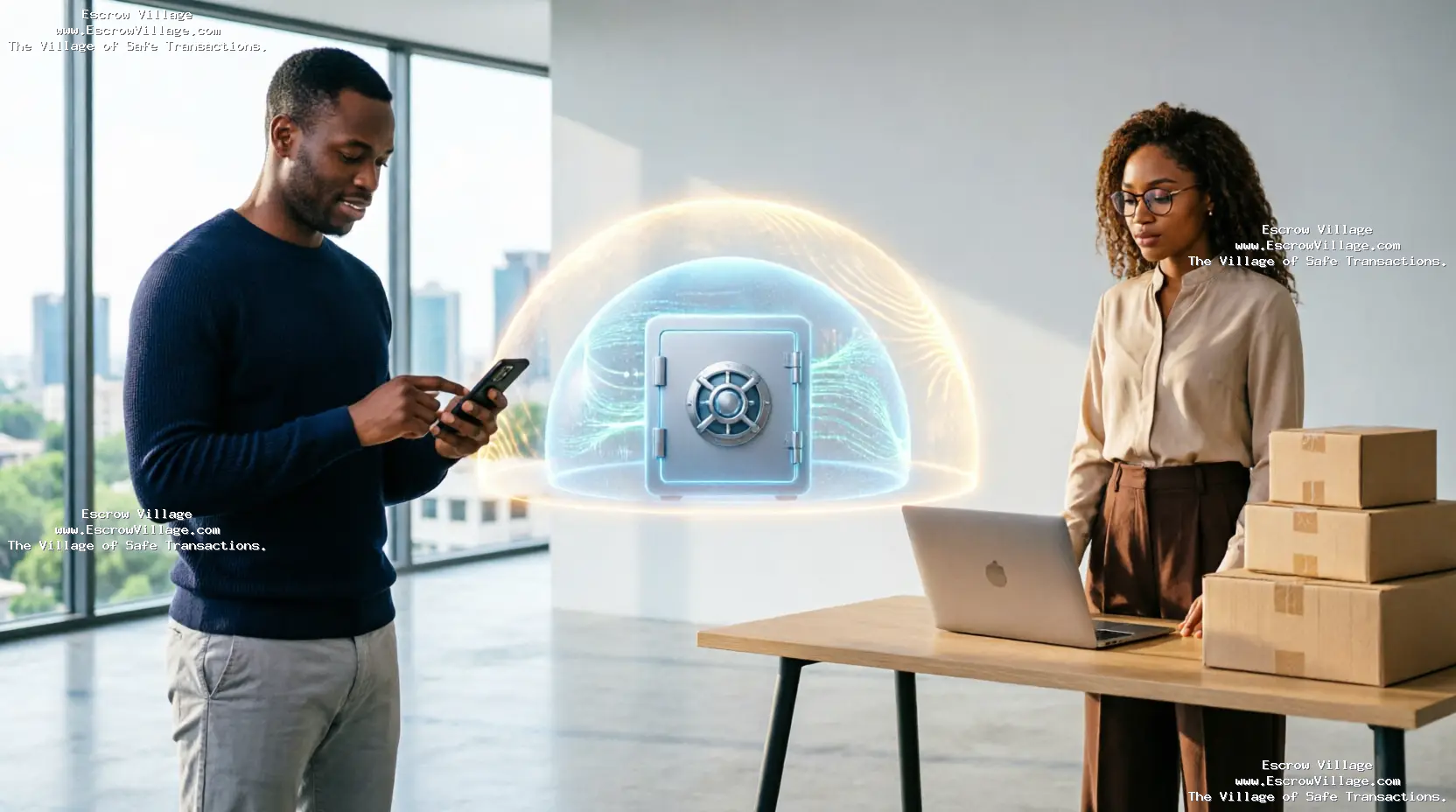
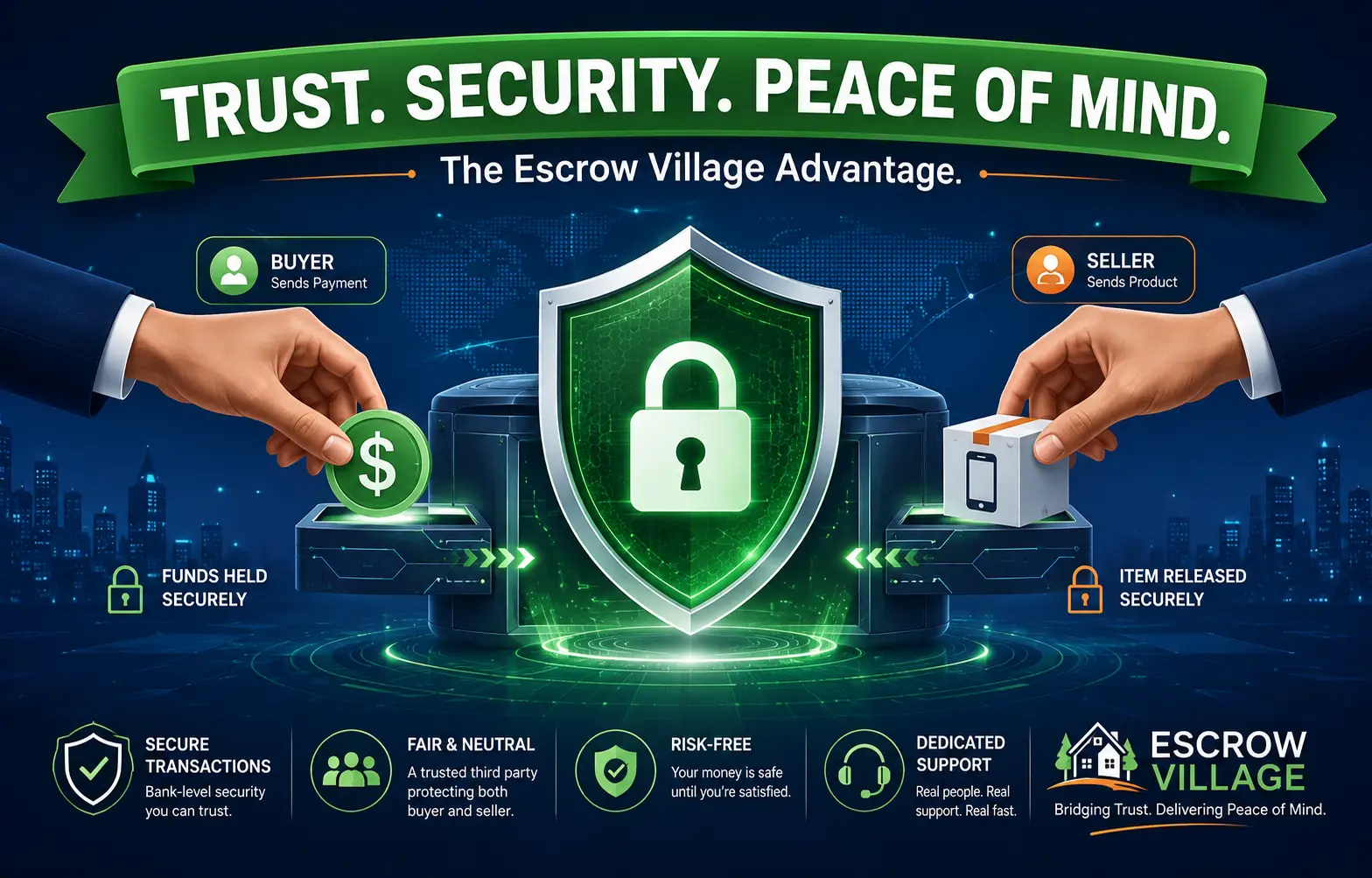
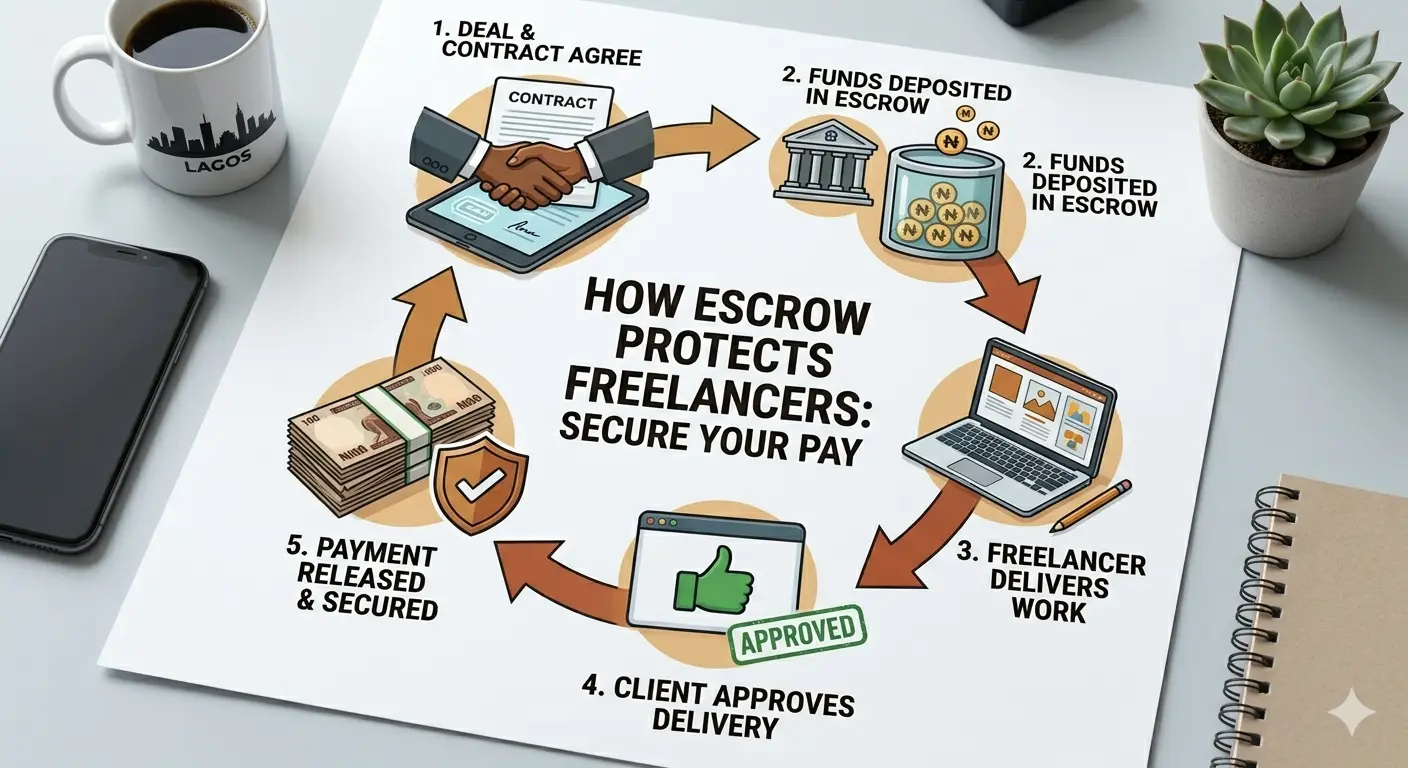
Escrow is a crucial component of the real estate transaction process that ensures the smooth transfer of ownership from seller to buyer. It acts as a neutral third party that holds and manages funds and documents until all parties fulfil their obligations under the contract.
Instead of sending money directly to a seller or transferring ownership before payment is secured, escrow ensures each party meets agreed conditions before anything changes hands.
Whether you're purchasing your first apartment in Lagos, investing in land, or closing a cross-border property deal, understanding escrow can help you avoid unnecessary risks and make decisions with more confidence.
In this article, you’ll learn what escrow means in property deals, how the escrow process works in real estate, the role of escrow agents, and how platforms like Escrow Village make transactions simpler and safer.
- What Is Escrow in Real Estate
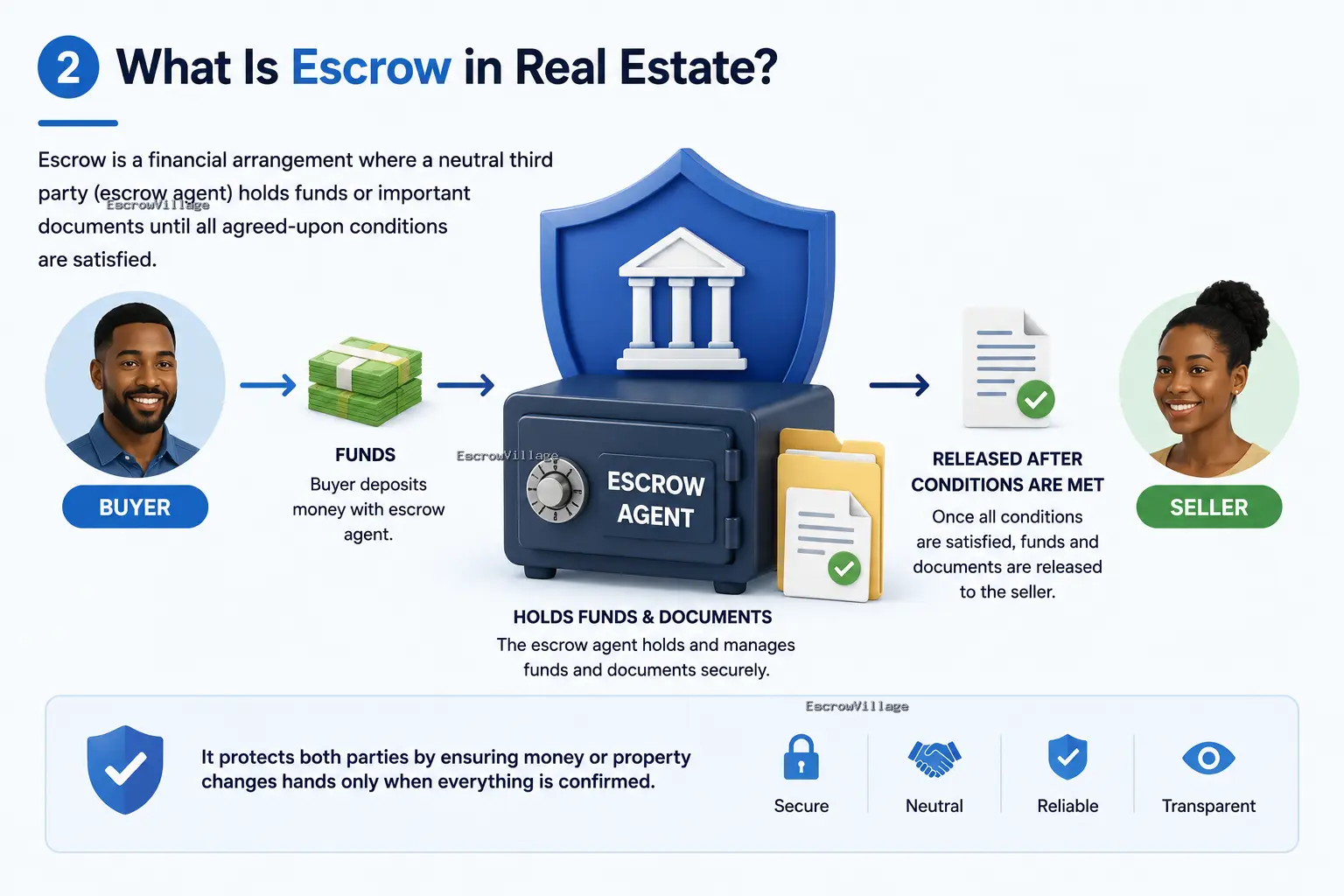
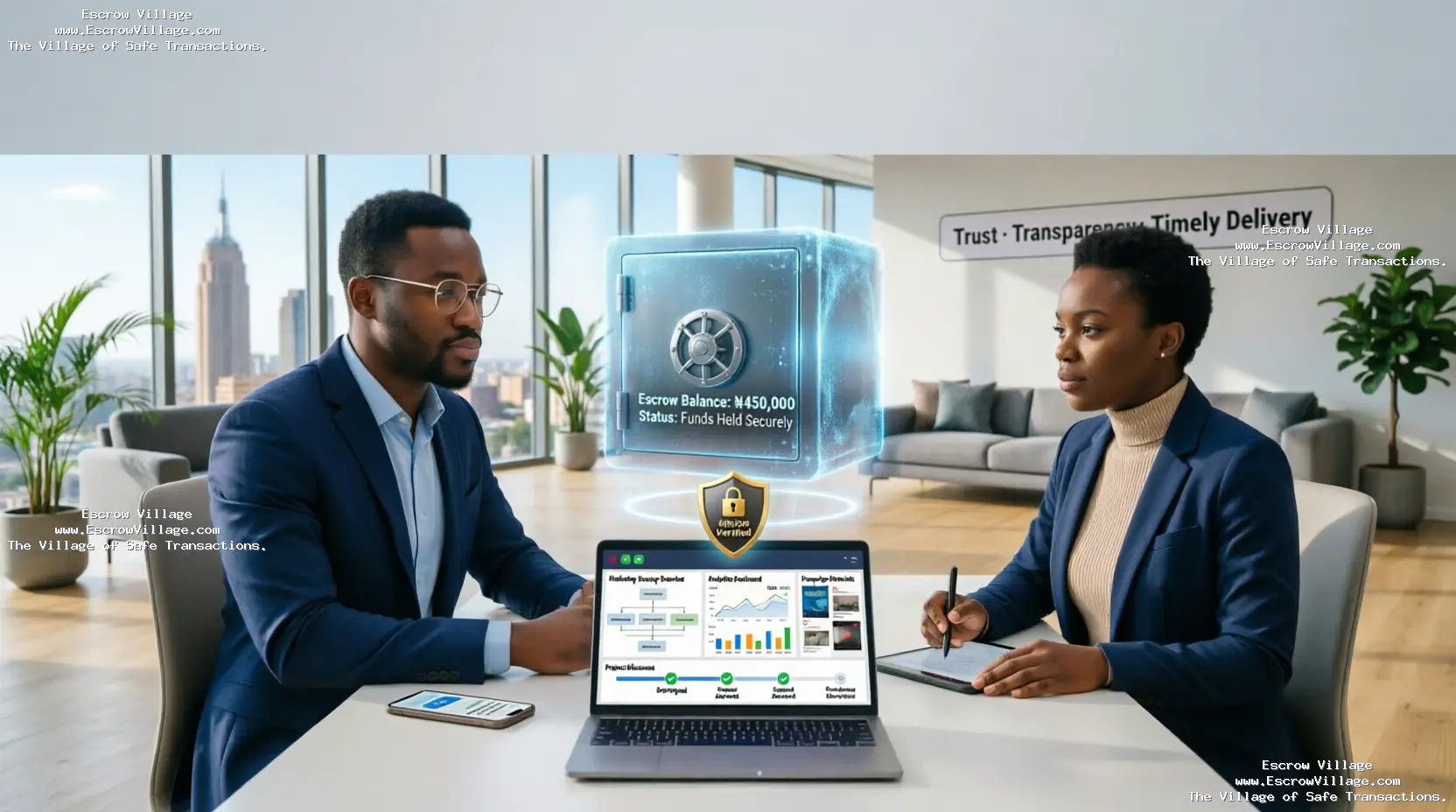
Escrow is a financial arrangement where a neutral third party called an escrow agent or escrow service holds funds or important documents on behalf of a buyer and seller during a transaction. Neither party gets the money until all agreed-upon conditions are satisfied.
In real estate, this is critical. Property deals are rarely simple. There are inspections, title verifications, property loan approvals, documentation reviews, and legal clearances all of which take time.
Escrow ensures that the buyer's money is safe while all of this is being sorted out, and the seller knows the funds are real and secured.
For Nigerian property buyers especially, this matters enormously. The market has seen cases of buyers losing deposits to sellers who couldn't deliver clean title documents. Escrow closes that loophole entirely. source
- The Escrow Agent Role in Real Estate

Every successful property transaction requires an impartial referee to manage the playing field. This is where the specialised escrow agent role in real estate becomes indispensable to the closing system.
An escrow agent acts as the dedicated custodian for both the buyer and the seller.
Their primary responsibilities include:
- ■ Receiving and holding the buyer’s money deposit securely.
- ■ Verifying that all contractual conditions, such as structural property inspections or title clearings, are perfectly met.
- ■ Reviewing legal closing documents to ensure complete regulatory compliance.
- ■ Disbursing final funds to the seller and transferring ownership deeds to the buyer simultaneously.
Because the agent is entirely neutral, they cannot favour one party over the other.
For instance, if a property inspection reveals a major structural defect that violates the purchase agreement, the agent ensures the buyer's deposit is safely refunded.
They will never release funds prematurely simply because a seller demands them. This rigorous objectivity acts as a solid shield, protecting your capital from sudden market disruptions, bad actors, or unexpected breaches of contract.
- The Escrow Process in Real Estate: Step by Step
- 1. Agreement and Escrow Opening

The buyer and seller define conditions:
- • Price
- • Timeline
- • Property documentation
- • Inspection requirements
- 2. Earnest Money Deposit
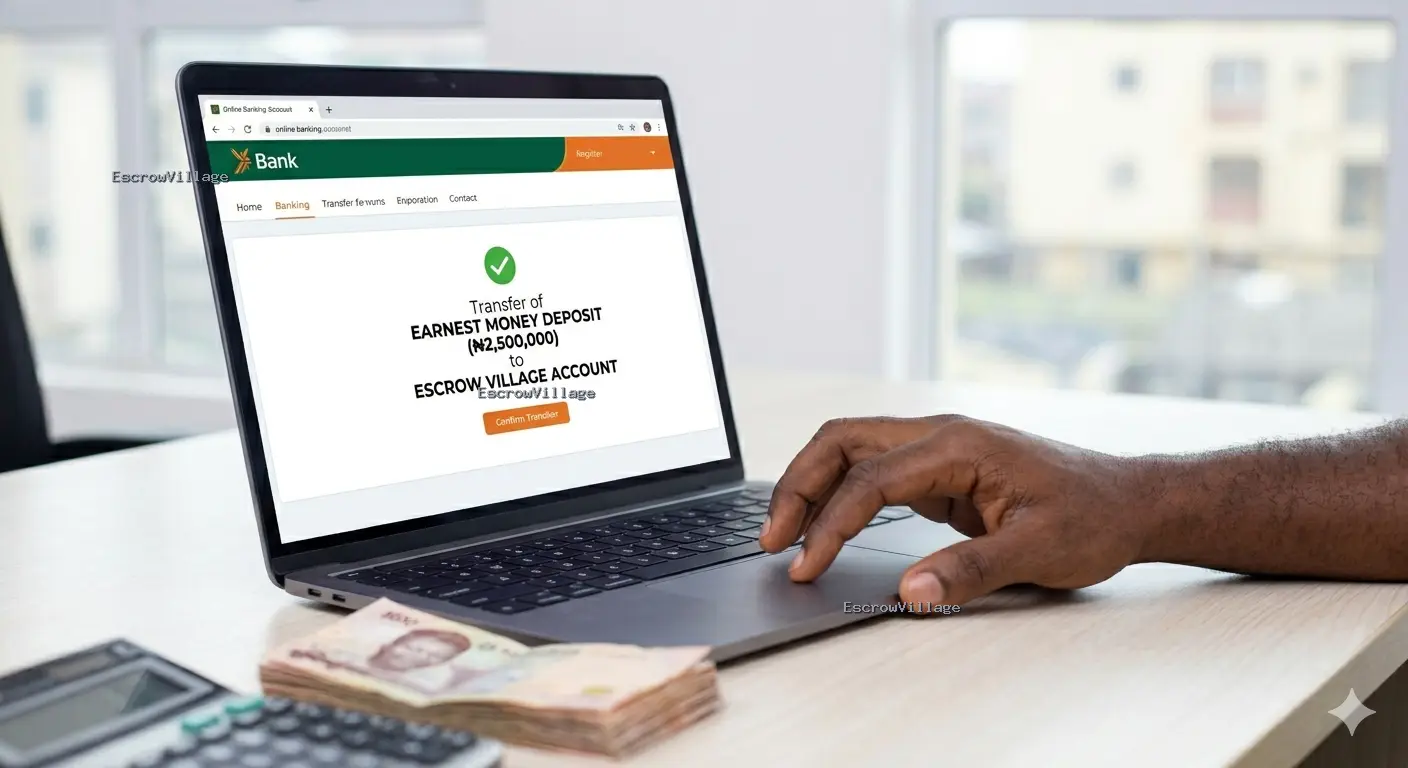
The buyer deposits an initial sum often called "earnest money" or a "good faith deposit" into the escrow account.
This signals commitment to the deal without handing money directly to the seller.
- 3. Due Diligence Period

- • Property inspections (structural, electrical, plumbing)
- • Title search and verification
- • Survey of land or building
- • Loan or financing approval (if applicable)
- 4. Document Review and Conditions

Both parties review and fulfil the conditions laid out during the escrow agreement. The seller may need to provide clean title documents; the buyer may need to secure financing.
- 5. Final Approval and Closing

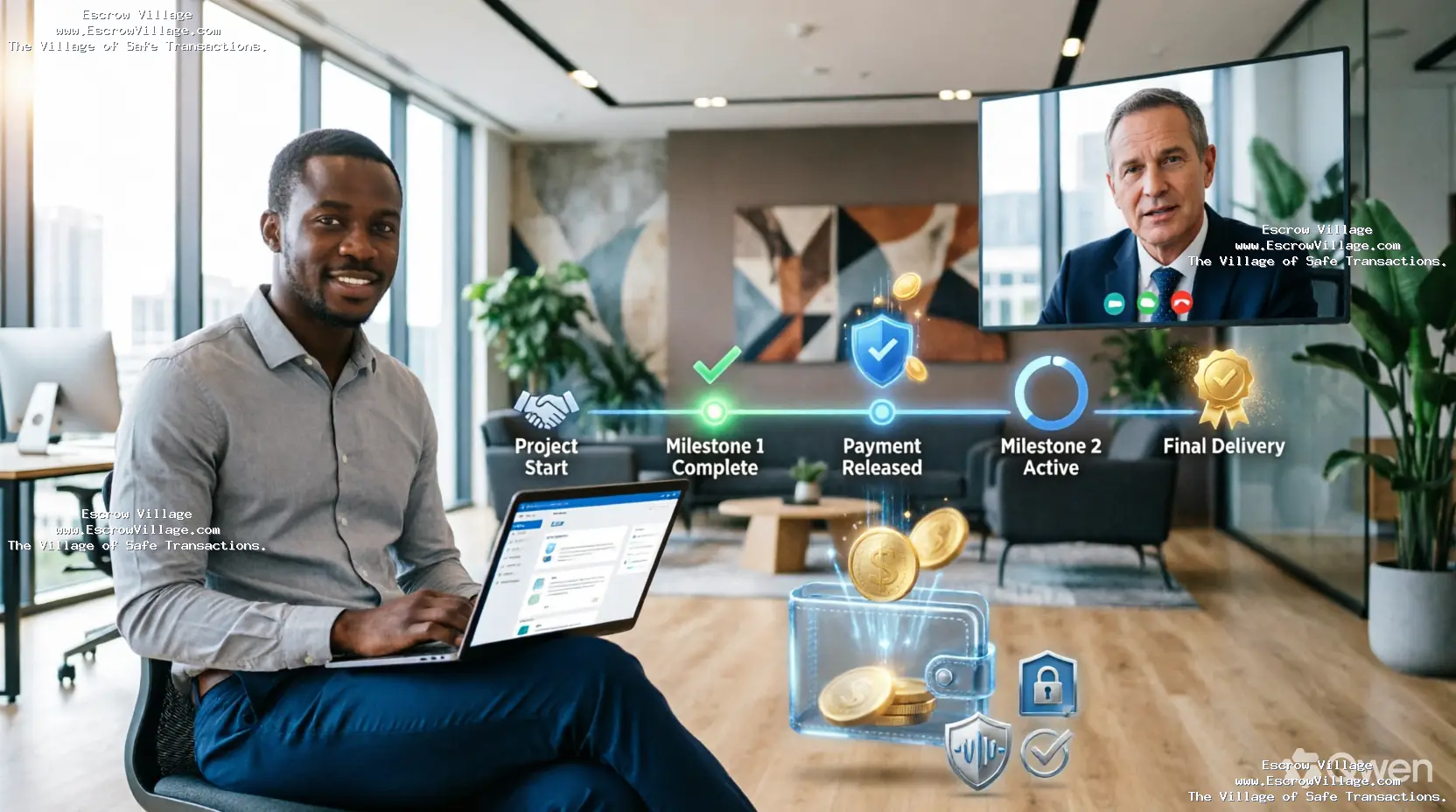
Once all conditions are met and verified, both parties approve the release of funds. The escrow agent disburses the money to the seller, and the property title is transferred to the buyer.
- 6. Escrow Closed

The transaction is complete. The buyer gets the keys. The seller gets paid. Everyone moves forward happily.
- Why an Escrow Account Is Essential for Your Home Purchase
Some buyers ask, “Can’t I just pay the seller directly or use a lawyer?” Yes, but direct payments expose you to significant risk. Here is why an escrow account home purchase is the gold standard.
- Without Escrow:
- • You pay upfront; the seller disappears
- • Seller fears you’ll back out after they vacate
- • Disputes take months in court
- • No independent verification of documents
- With Escrow
- • Money is only released after the title transfer
- • Seller sees verified funds, so they commit
- • Escrow instructions act as a binding roadmap
- • Escrow agent verifies signatures and deeds
- Real Estate Closing Escrow: What Happens Before Funds Are Released?
The final phase of a transaction is often called real estate closing escrow.
This is where all conditions come together.
Typical closing requirements may include:
- ● Property verification completed
- ● Payment confirmed
- ● Legal documents approved
- ● Ownership transfer prepared
- ● Final authorisation received
Only after completion does escrow release funds.
This step matters because timing is everything.
If money moves too early:
- ● Buyers risk losing funds
- ● If ownership moves too early:
- ● Sellers risk non-payment
- ● Escrow creates balance.
For many first-time property buyers, closing becomes less stressful because responsibilities are clearly organised.
- Common Misunderstandings About Escrow
- ° Escrow guarantees property quality.
- Not exactly.
- Escrow protects the transaction process not the condition of the property.
- ° Escrow only helps buyers.
- False.
- Sellers benefit too because buyer commitment becomes visible.
- ° Escrow makes transactions slower.
- Actually, structured processes often reduce confusion and delays.
- ° Escrow is only for luxury properties.
- Escrow can support transactions across different property sizes and values
- Overcoming Trust Deficits in Emerging Markets
For instance, stories of multiple buyers accidentally purchasing the same plot of land from fraudulent sellers are unfortunately common.
According to regional property market reports, a significant portion of real estate litigation stems from unverified land titles and premature payments to fraudulent developers.
Using a secure escrow account home purchase framework completely re-engineers this dynamic.
Instead of risking a massive upfront payment directly to a developer or agent based purely on a verbal promise, the money sits safely in a secure, neutral environment.
This model introduces a powerful psychological shift. When fraudulent sellers realise their funds will be held securely until public land registries verify ownership, they naturally back away from the deal.
Conversely, legitimate developers and honest land sellers highly appreciate the system because it proves the buyer actually has the financial capacity to close the deal.
It establishes a level playing field where honest business can finally thrive without fear.
- How Escrow Village Makes This Easy
Real estate transactions already involve enough moving parts.
Escrow should simplify them not add more complexity.
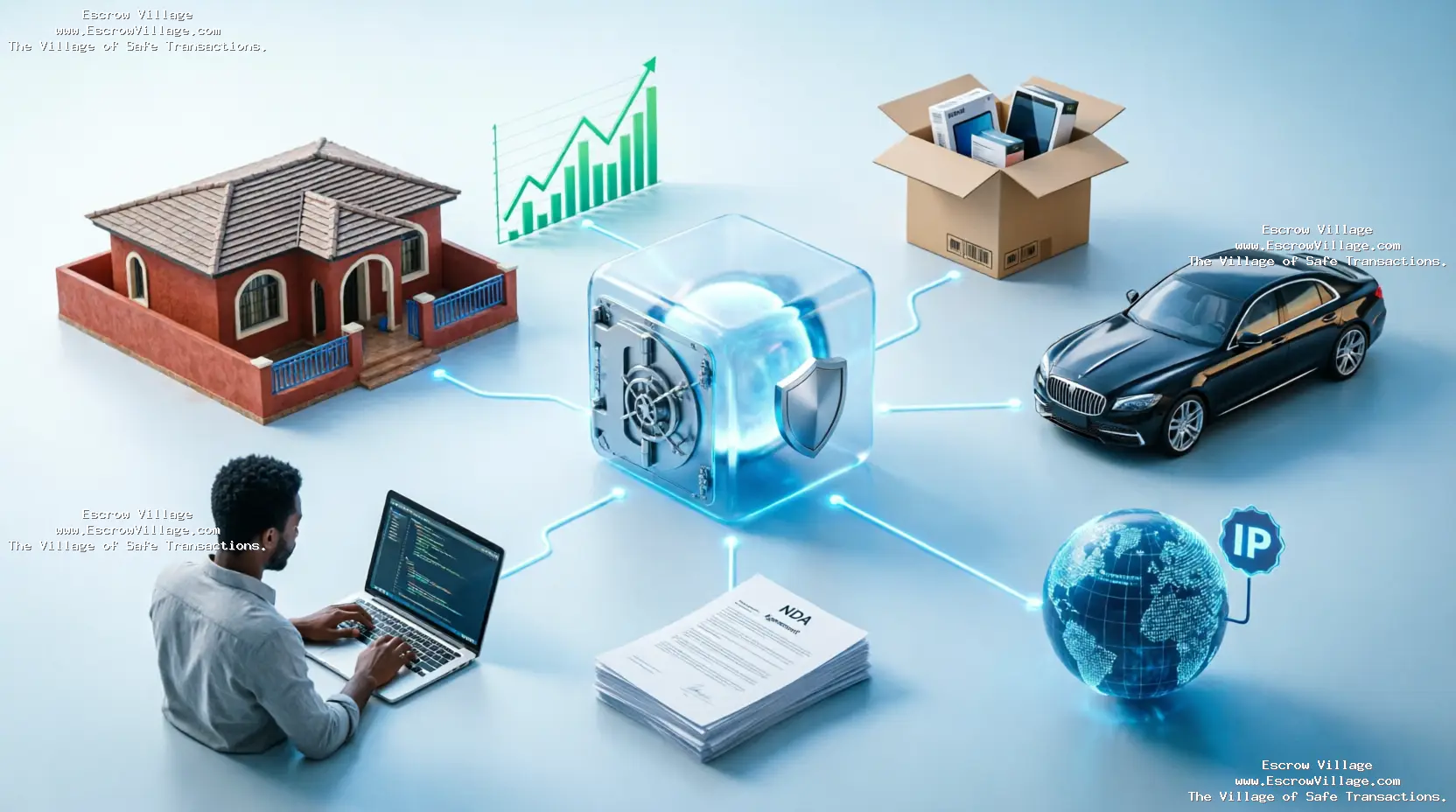
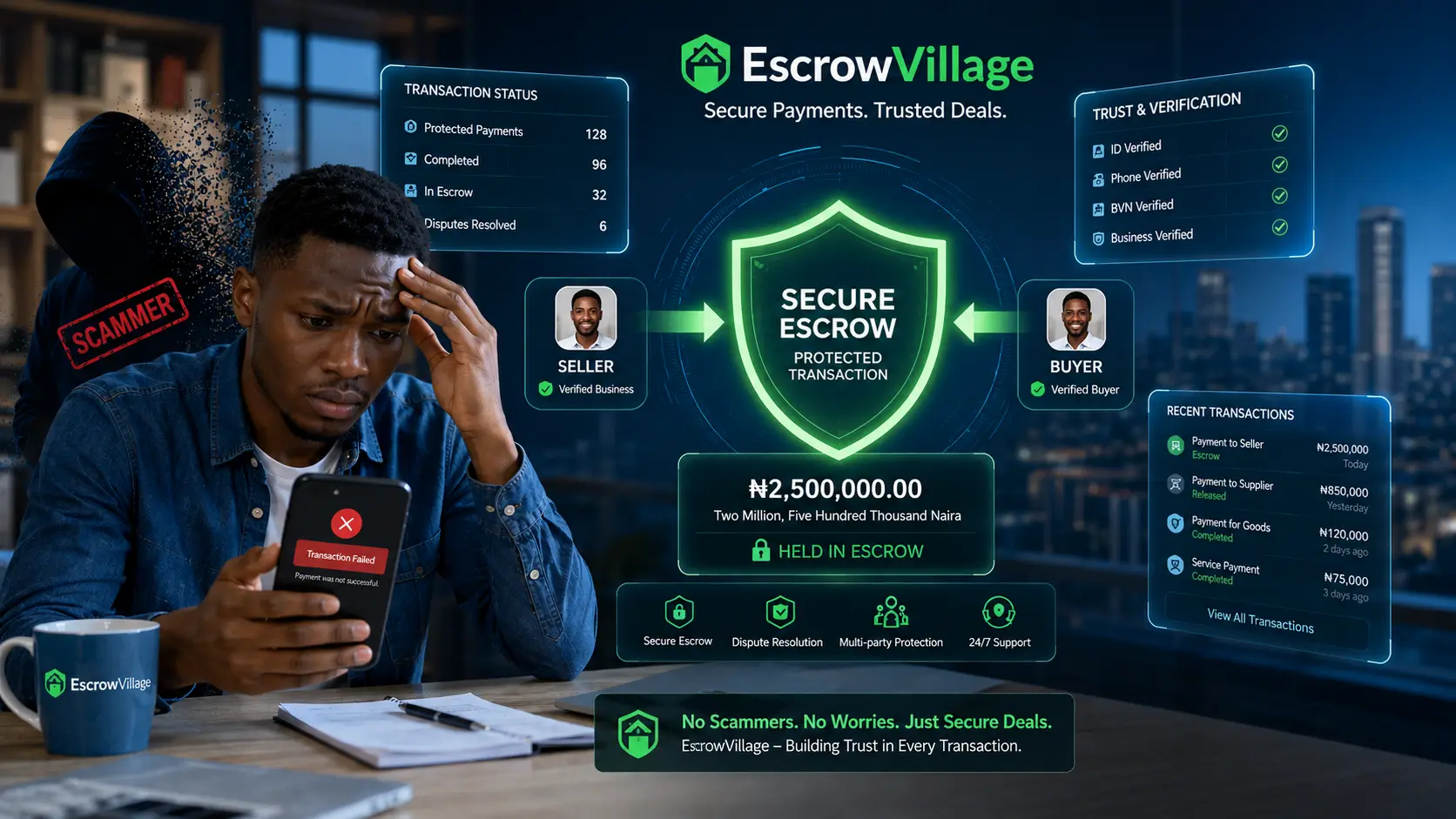
Escrow Village helps buyers and sellers create structured, transparent transactions where agreed conditions determine when funds move.
Instead of relying on assumptions or informal promises, users can define a transaction and keep funds protected while verification happens.
For property buyers, that means more confidence before releasing payment.
For sellers, it means knowing that funds have already been committed before transferring ownership.
This can be particularly useful for:
- •Remote property purchases
- •Cross-city transactions
- •International buyers
- •First-time investors
- •Digital property agreements
Escrow Village focuses on helping both sides complete transactions with clarity and trust without making the process feel complicated.