5 Smart Ways to Save Money While Running an Online Business
Written by BLESSING ABADI IFEOMA1,110 views
Every month, thousands of Nigerian entrepreneurs launch online businesses. Most quit within a year, and money problems are the number one reason why.
Not because they lacked ideas. Not because customers weren't there. Because they were never taught how to scale efficiently while keeping costs under control.
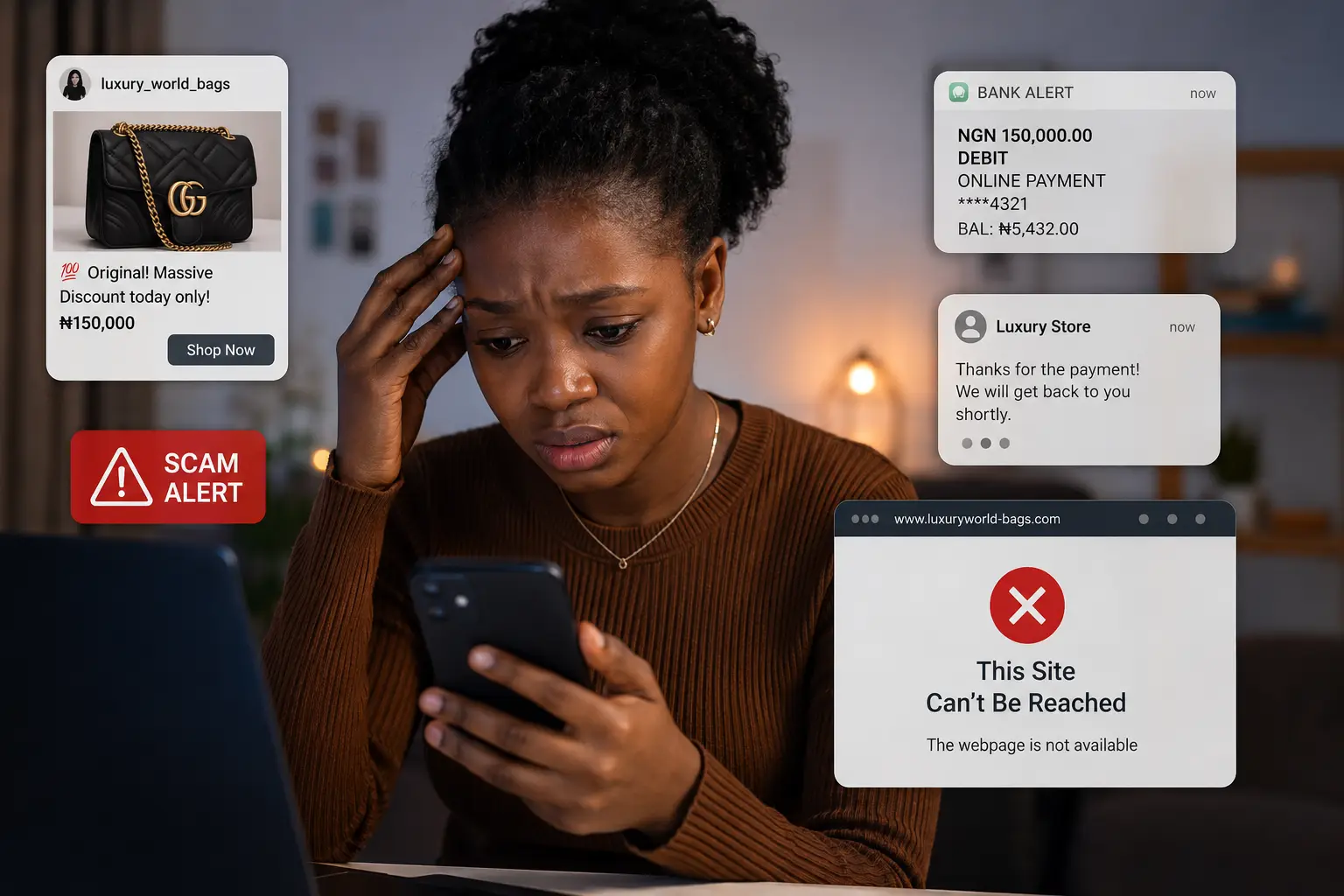
They overspent on tools they didn't need, trusted buyers who disappeared after delivery, and paid for mistakes that a little structure would have prevented.
Many online entrepreneurs focus heavily on increasing sales, but profitable businesses are often built by controlling expenses just as much as generating revenue.
Whether you're running a WhatsApp store, managing an e-commerce website, freelancing online, or building a content-driven business, learning how to save money in online business operations can significantly improve your bottom line.
The good news? Saving money doesn't always require drastic cuts. Often, small adjustments in how you spend, market, and operate can create substantial long-term savings.
What Does It Mean to Save Money in an Online Business?
Saving money in an online business means reducing unnecessary expenses while maintaining or improving the quality of your products, services, and customer experience.
The goal isn't simply to spend less, it's to spend smarter.
Examples include:
~ Using affordable software alternatives
~ Automating repetitive tasks
~ Reducing payment-related risks
~ Improving marketing efficiency
~ Negotiating better supplier terms
For growing businesses, smart cost management can create more room for investment, expansion, and profitability.
1. Audit Every Subscription You Pay For
One of the highest hidden costs for online entrepreneurs is subscription creep.
Many business owners sign up for multiple tools, such as email marketing software, design platforms, scheduling apps, analytics tools, and AI services, and continue paying for them long after they stop using them effectively.
How to identify unnecessary expenses:
• List all monthly subscriptions.
• Review usage over the past 30–90 days.
• Cancel tools you rarely use.
• Consolidate overlapping services.
For example, instead of paying for separate tools for project management, note-taking, and team collaboration, you may find one platform that handles all three. This is one of the most cost-effective online business tips because subscription costs compound over time.
2. Focus on Organic Marketing Before Increasing Ad Spend
Paid advertising can deliver results, but many small businesses burn through their budgets without a clear strategy.
Instead of relying solely on paid ads:
• Publish educational blog content
• Build a presence on Instagram and other social platforms.
• Create short-form videos
• Leverage email marketing
• Encourage customer referrals
A Nigerian fashion vendor, for example, may spend heavily on Instagram ads while ignoring the potential of search traffic from blog articles and short-video content answering common customer questions. Organic marketing requires patience, but it often becomes one of the most affordable online business strategies available.
3. Prioritise Strategic InventoryManagement
Overstocking is the silent killer of cash flow.
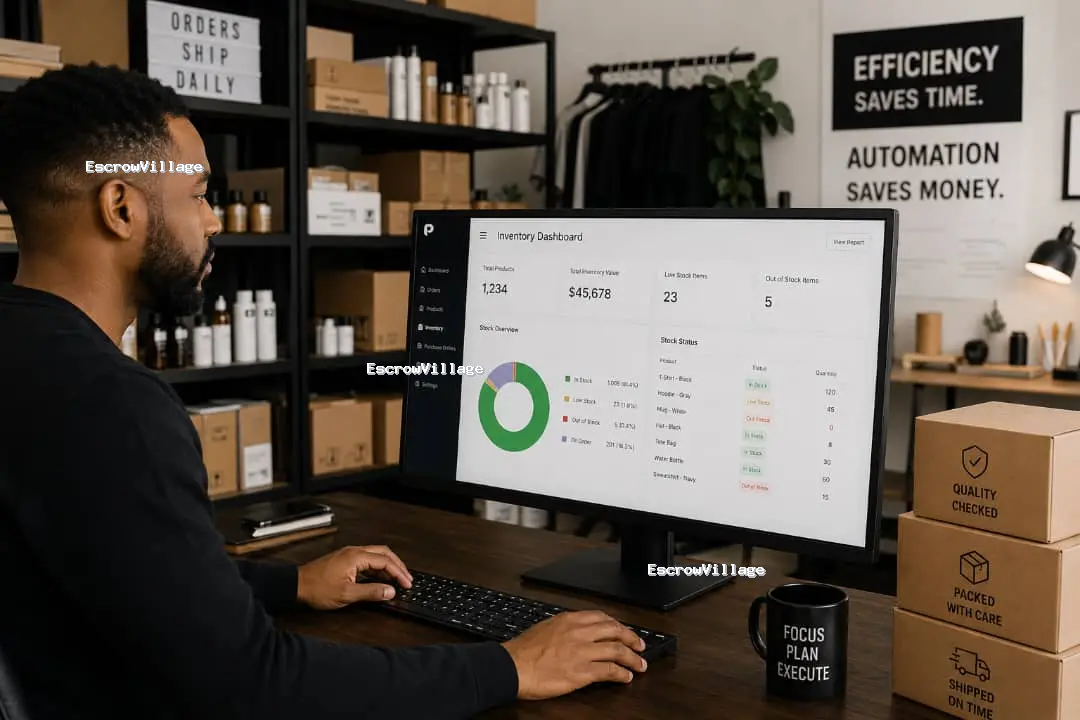
When you buy too much of an item that doesn't move, your capital is effectively locked in a box in your storage room. Just-in-Time (JIT) is a strategy where you order inventory only as you need it to meet customer demand. Instead of bulk-buying items that might sit for months, keep a "lean" stock. This reduces storage costs and ensures your cash is always liquid enough to pivot when you see a better market opportunity.
4. Create a Real Budget and Review It Monthly
Many online businesses operate without a proper budget.Revenue gets tracked. Expenses get forgotten. That's a problem.
Why budgeting matters, effective budgeting for e-commerce helps business owners:
• Control spending
• Forecast cash flow
• Identify waste
• Set growth targets
• Prepare for unexpected costs
Review your numbers monthly rather than waiting until the end of the year. Small leaks are easier to fix when spotted early.
5. Renegotiate with Suppliers and Logistics Partners
If you’ve been working with the same shipping company or product supplier for over a year without checking rates, you are likely overpaying. In the current economic climate, loyalty rarely pays off; negotiation does. Reach out to alternative logistics providers to see if you can get a better rate for bulk deliveries. Even a small reduction in per-unit shipping costs compounds significantly when you are moving dozens of orders a week.
Practical 5-Step Monthly Expense Audit (Do This Every 4 Weeks)
1. Download your bank statement (or app transaction history).
Highlight every subscription or recurring payment.
Ask: “Did I use this last month?” If not, cancel immediately.
2. For tools you used: “Can a free alternative do 80% of the job?” If yes, switch.
3. Run the numbers: Total saved this month. Put that into a separate “emergency or growth” account.
4. Batch Your Tasks: Instead of paying for daily delivery logistics, batch your deliveries for three days a week to save on transport and gas costs.
5. Focus on Retention: Acquiring a new customer is 5 to 25 times more expensive than retaining an existing one.
So spend effort on making sure your current customers come back.
6. Review your last three months of expenses. Identify one recurring cost to eliminate.
7. Create a simple monthly budget spreadsheet.
8. Evaluate your marketing channels and focus on the highest-performing ones.
9. Review inventory purchasing habits.
10. Assess payment processes and explore safer transaction methods.
By the end of the 4 weeks, you'll likely identify several opportunities to save money without affecting business growth.
Small Adjustments, Serious Savings
The difference between an online business that survives its first year and one that doesn't is rarely because of a big idea.
It's margin management. Knowing where money is leaking and closing those gaps before they grow. Cut the tools you don't use. Protect your transactions. Spend on ads you can measure. Outsource with intention. Negotiate what feels fixed. And if payment fraud or buyer-seller disputes have ever cost you money, it's time to change that. Start processing your transactions safely on Escrow Village, which is built for African online businesses that are serious about growth.