Escrow vs Payment on Delivery: Which Is Better for Nigerian Businesses?
Written by BLESSING ABADI IFEOMA865 views
For Nigerian businesses selling online, whether on Instagram, WhatsApp, Jiji, or a dedicated e-commerce site, the payment method you choose can make or break customer trust.
Two options dominate the conversation: Payment on Delivery (POD) and Escrow.
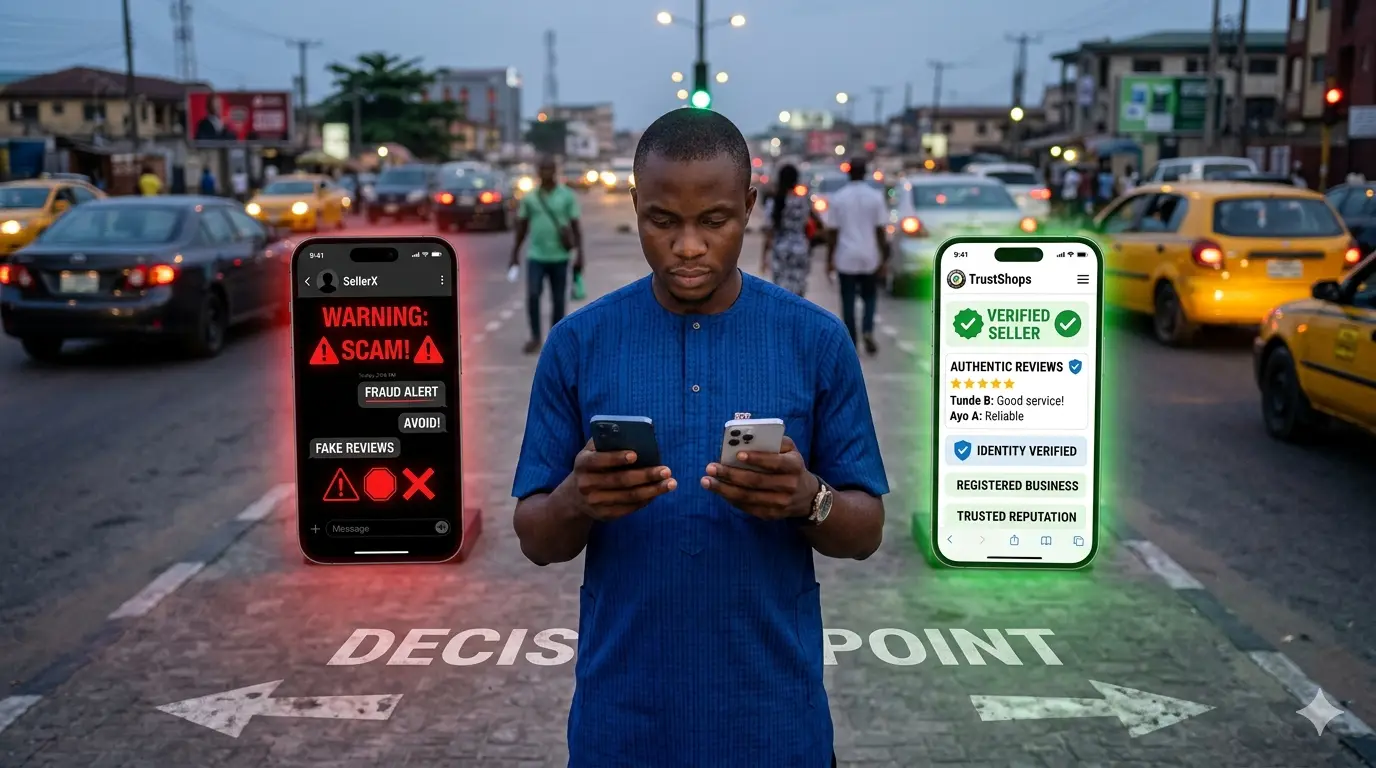
Both aim to solve the same problem, helping buyers and sellers trust each other in a market where fraud is common, but they work in very different ways.
Here's a full breakdown to help you decide which is right for your business.
What Is Payment on Delivery?
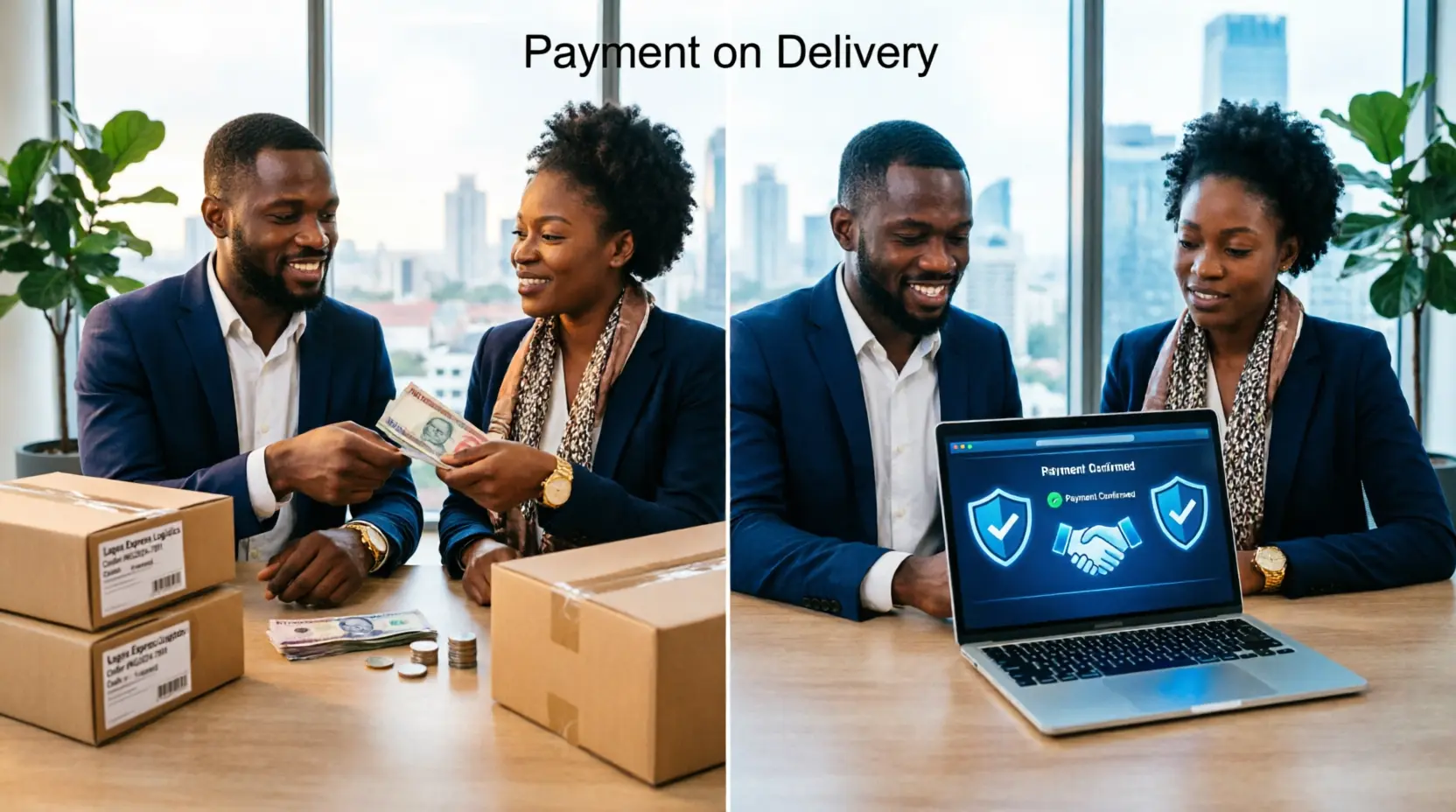
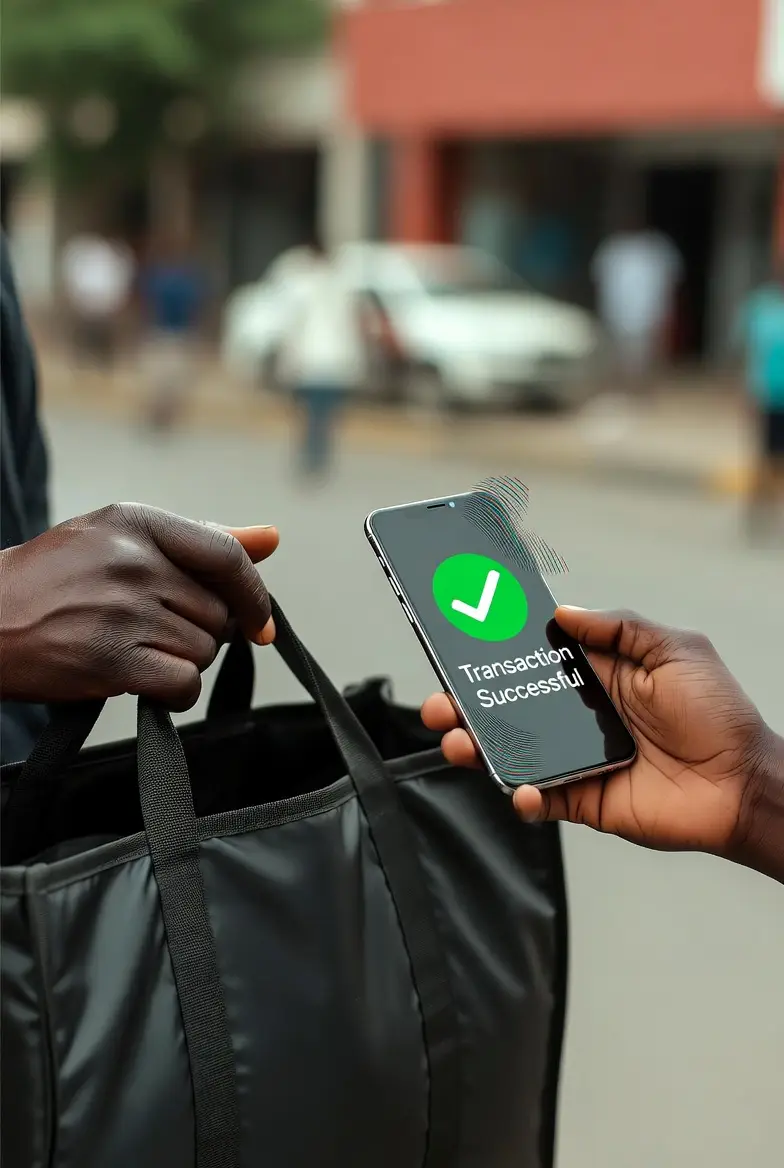
Payment on Delivery means the customer pays only when the product physically arrives.
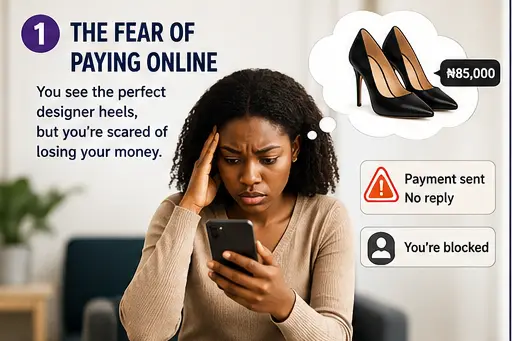
It became popular in Nigeria specifically because online fraud made buyers hesitant to pay upfront to sellers they'd never met.
Advantages of POD:
~ Builds initial buyer trust, as customers typically don't pay until they've seen the product.
~ Familiar and widely understood by Nigerian consumers. ~ No third-party platform or fees involved.
Disadvantages of POD:
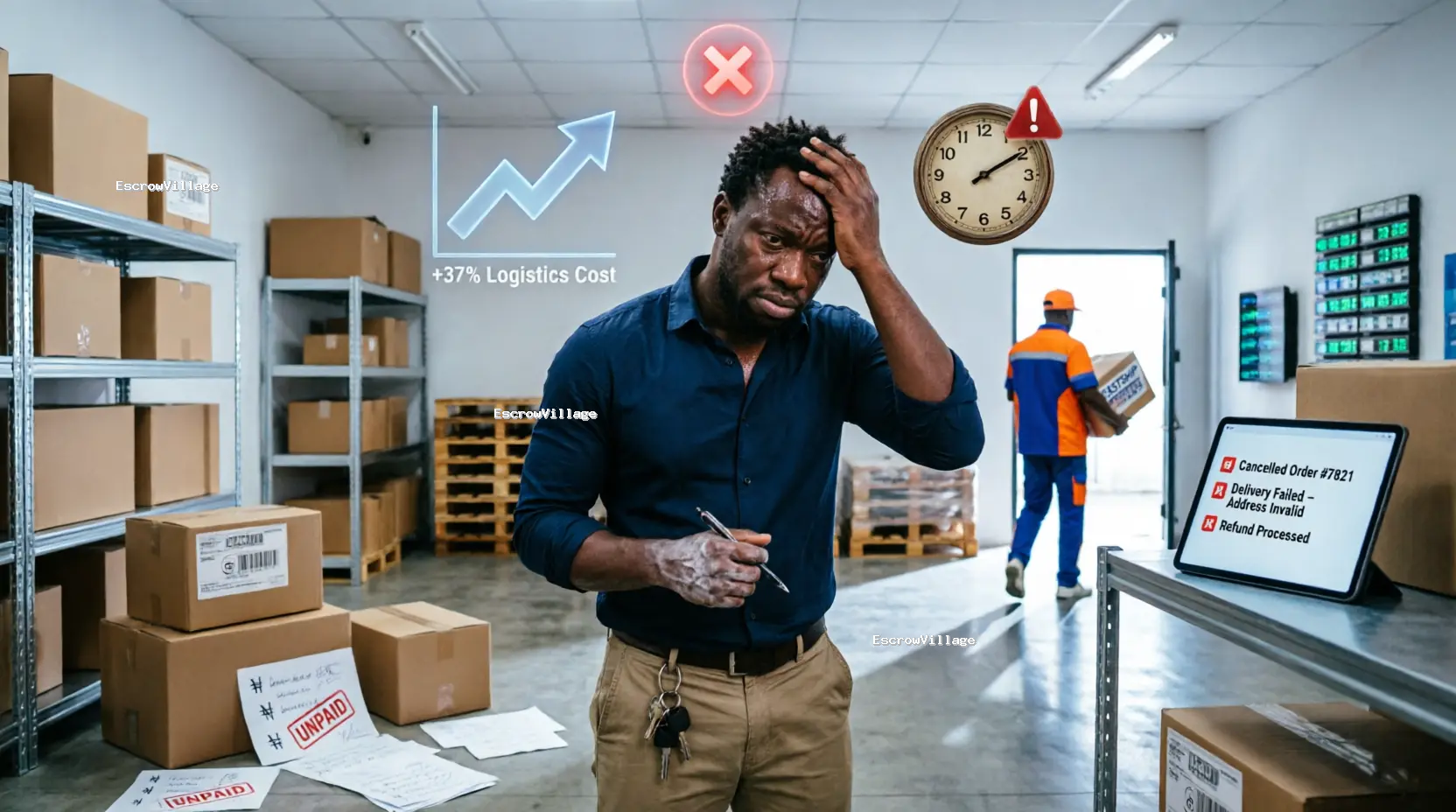
● High rate of order rejection:
Buyers can refuse the item at the door, leaving the business to absorb delivery costs both ways.
● Logistics risk:
Dispatch riders sometimes collect cash and never remit it to the business. • No protection for the seller: If a buyer refuses to pay after the item is delivered, or damages it and claims it "arrived broken," the seller has little recourse.
● Cash handling risk:
Physical cash exchanges at delivery points can be unsafe for riders and inconvenient for businesses trying to reconcile accounts.
Doesn't scale well: As order volumes grow, tracking who paid, who rejected, and who still owes becomes a logistical nightmare.
What Is Escrow?
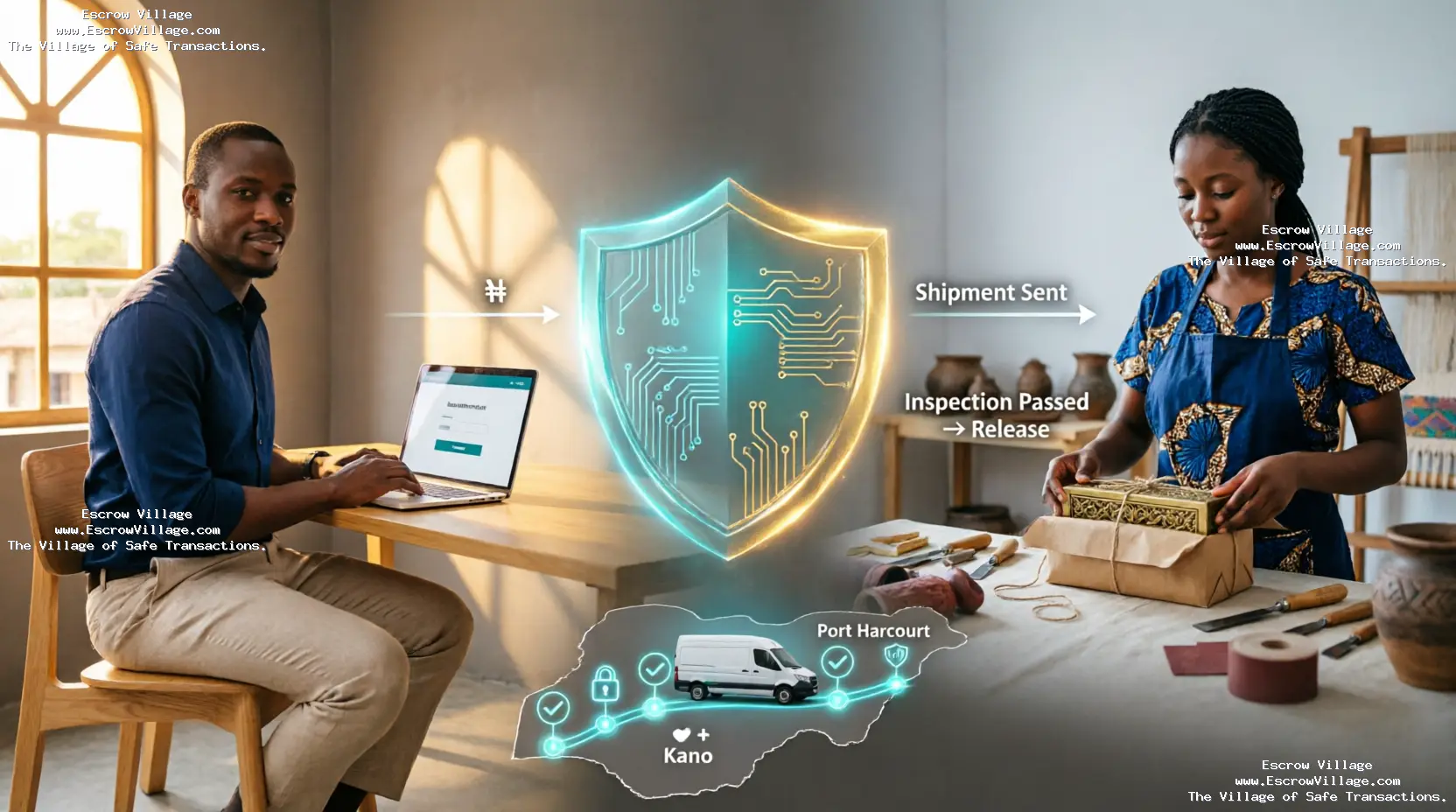
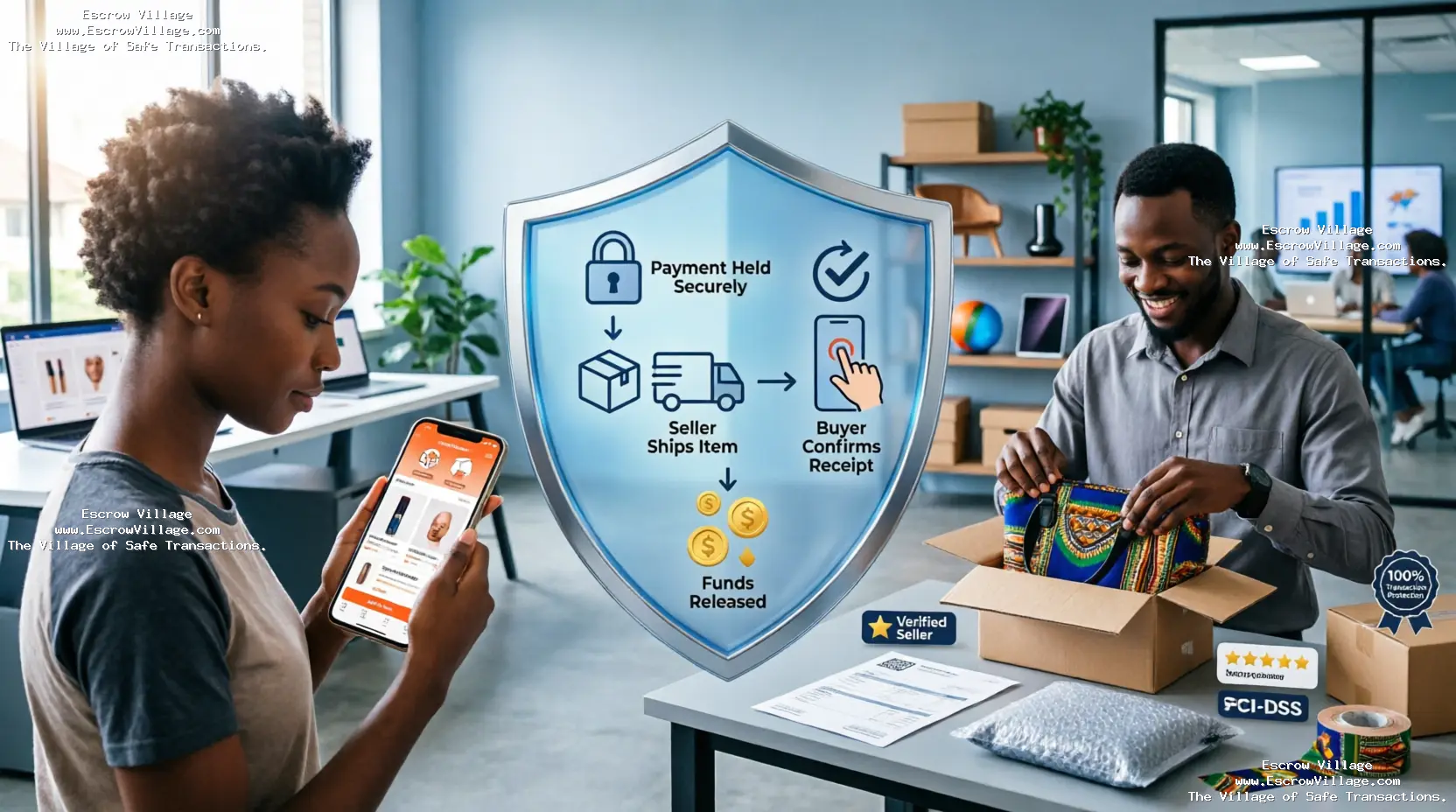
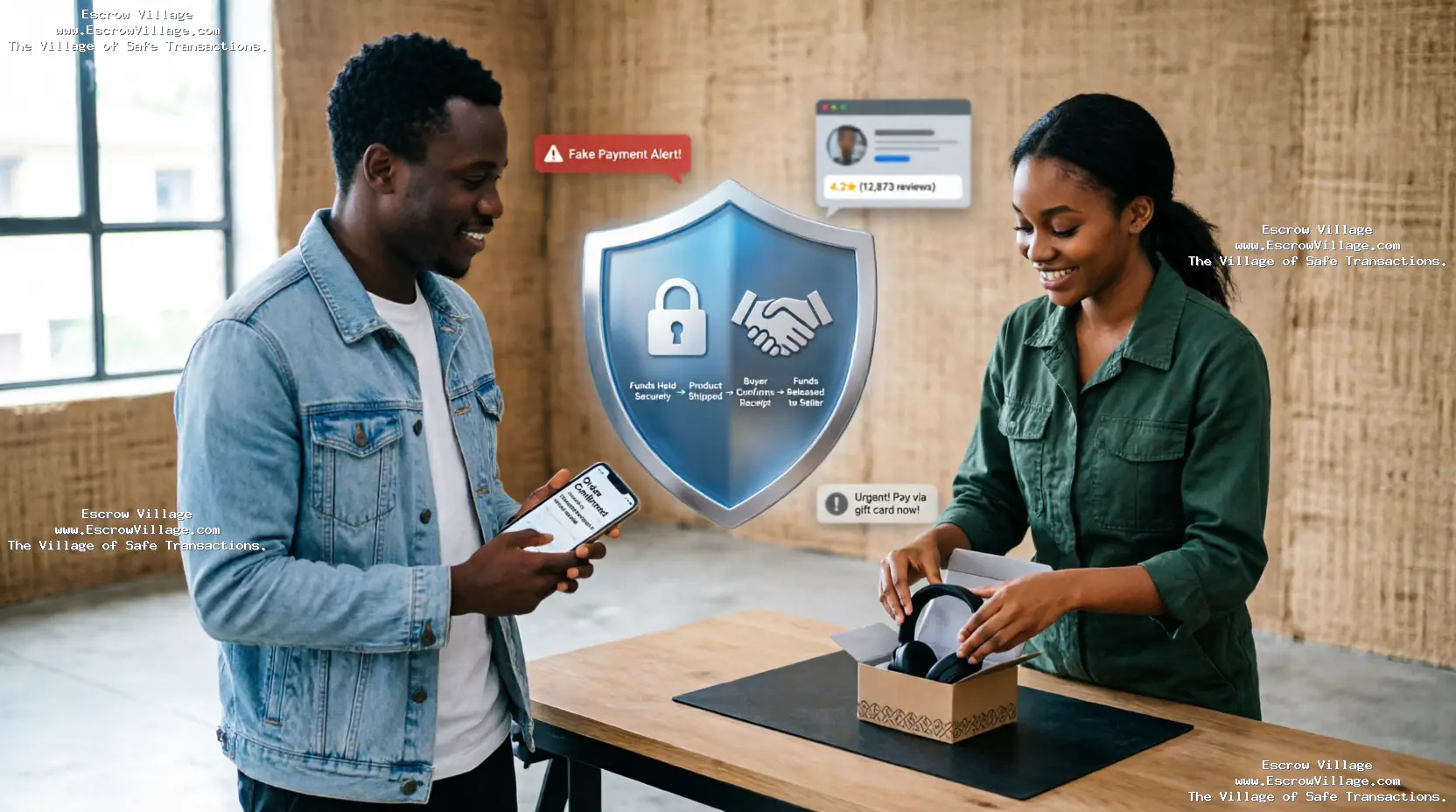
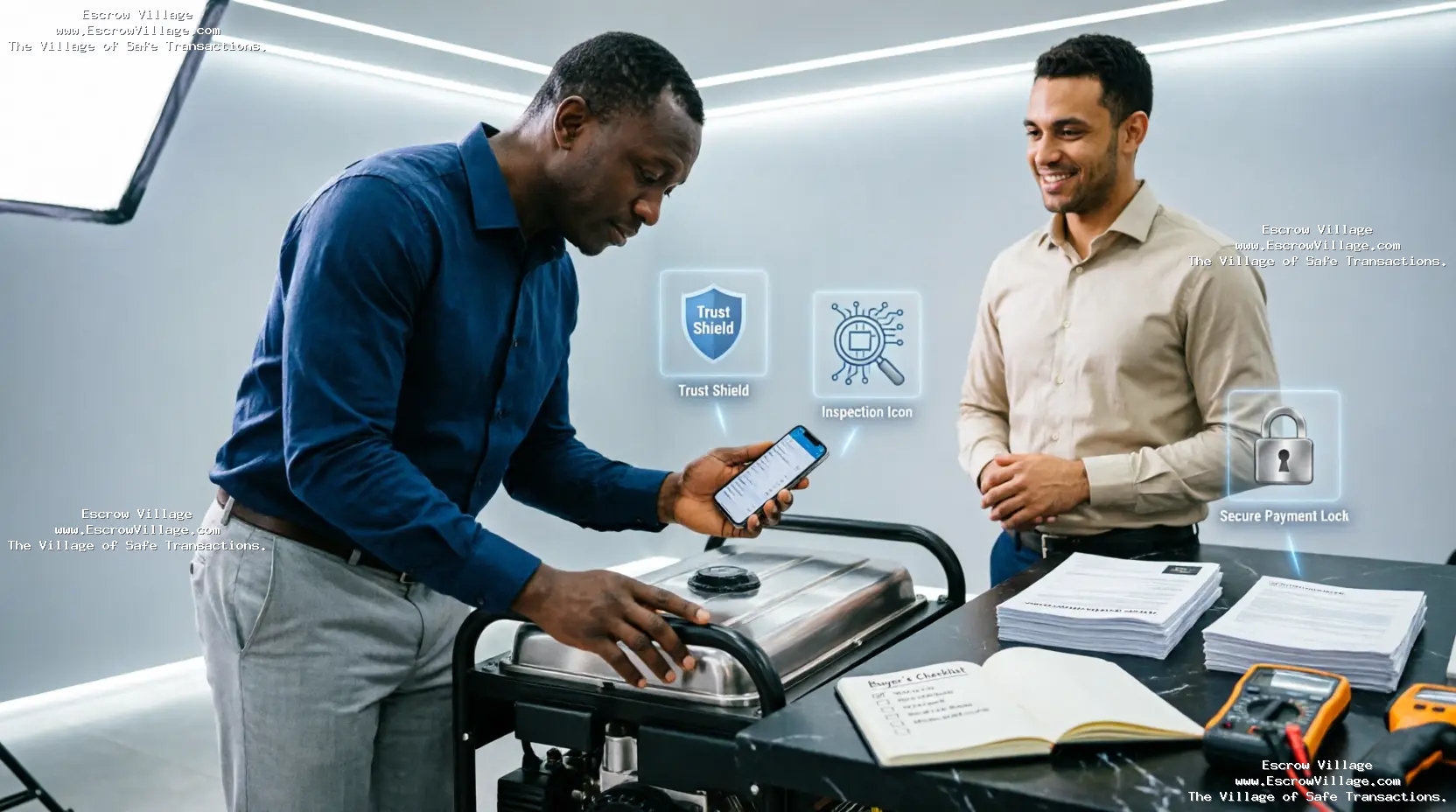
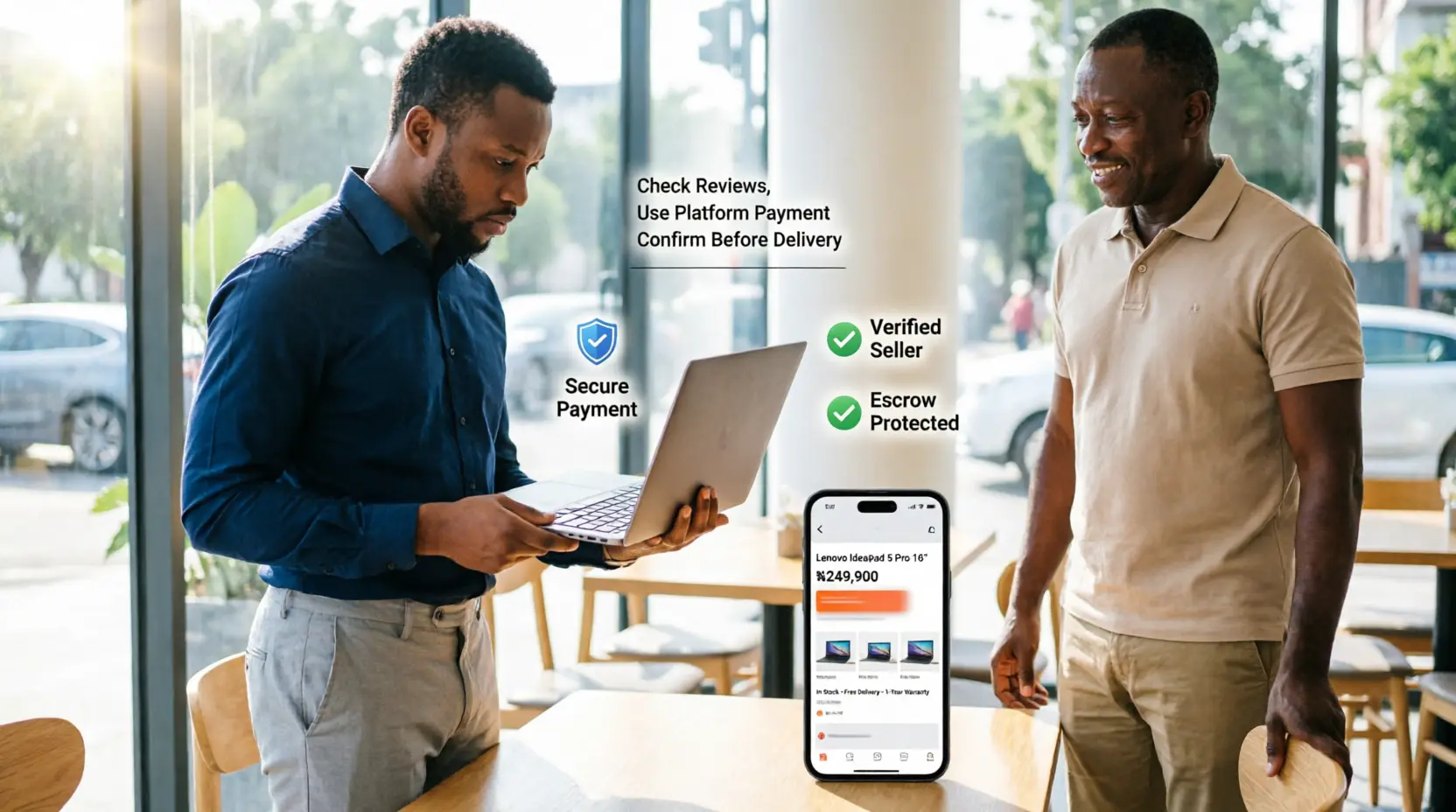
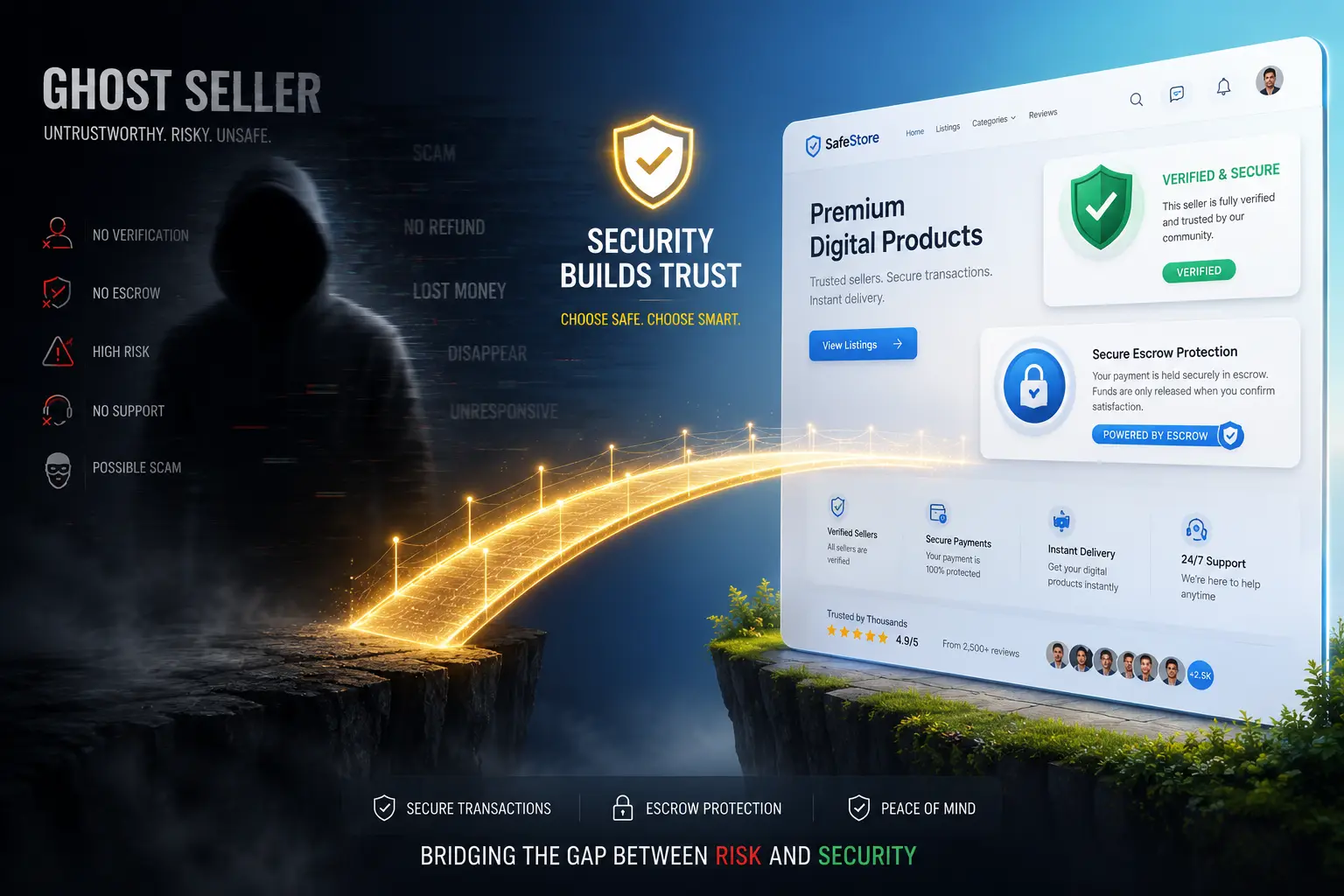
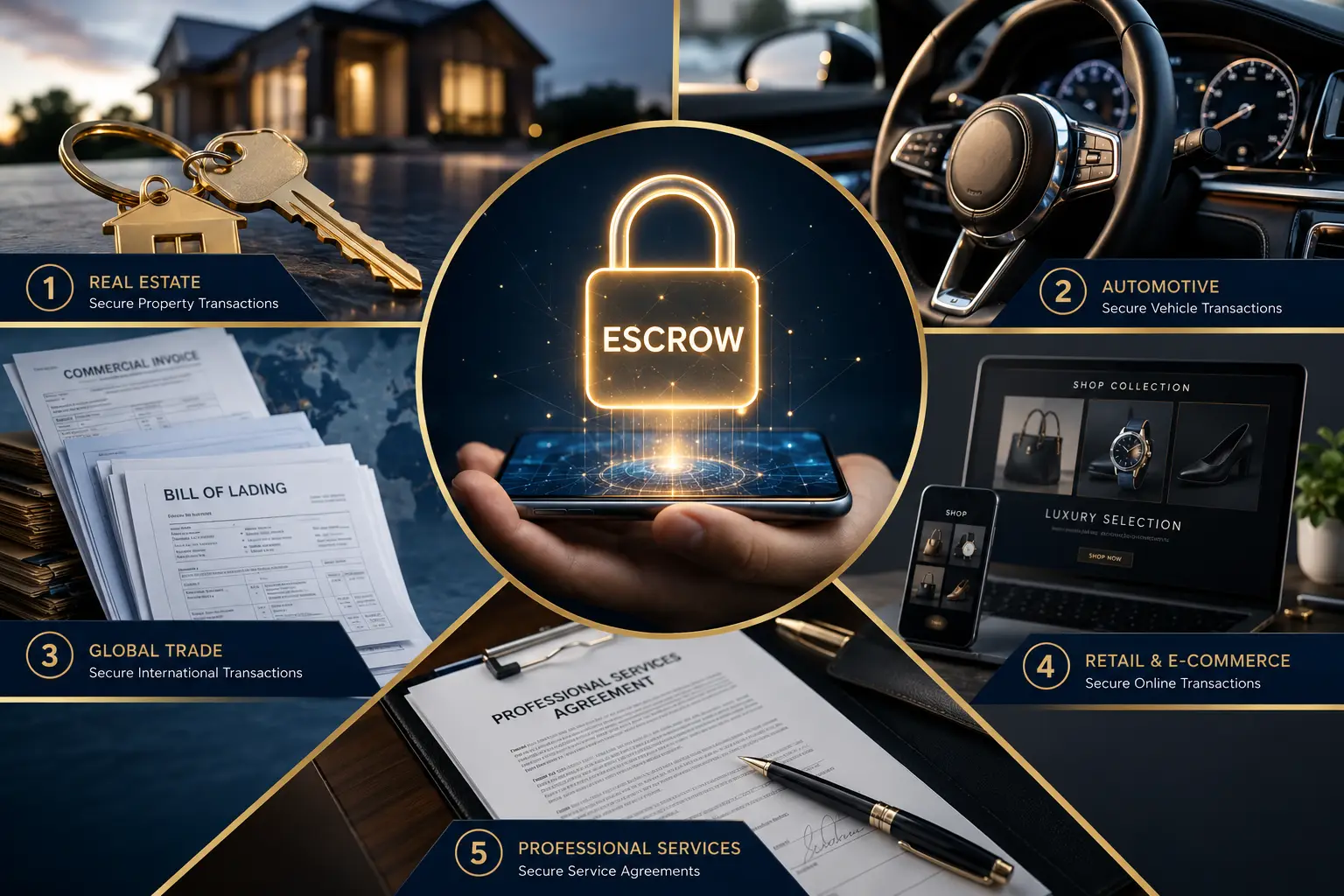
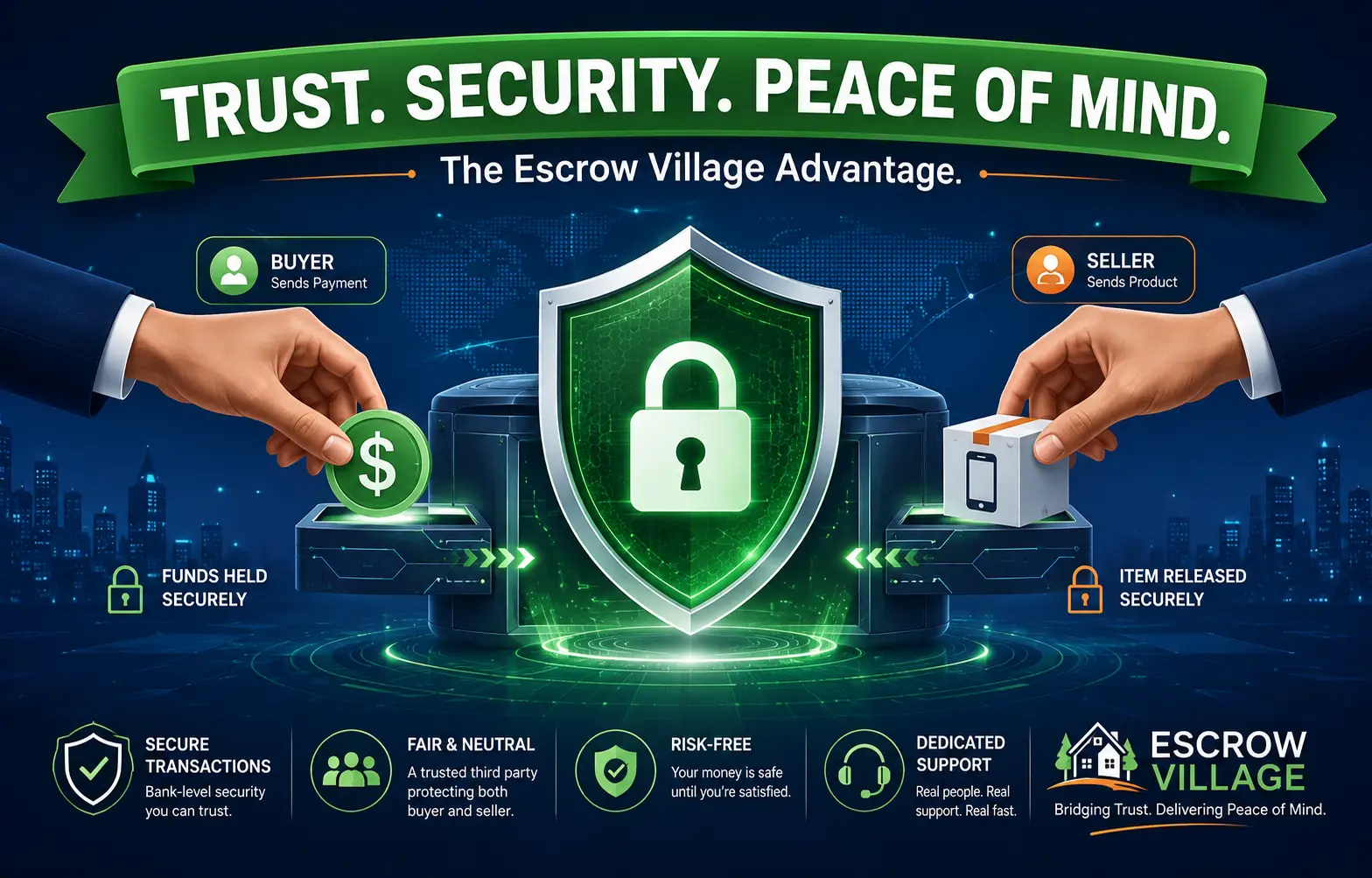
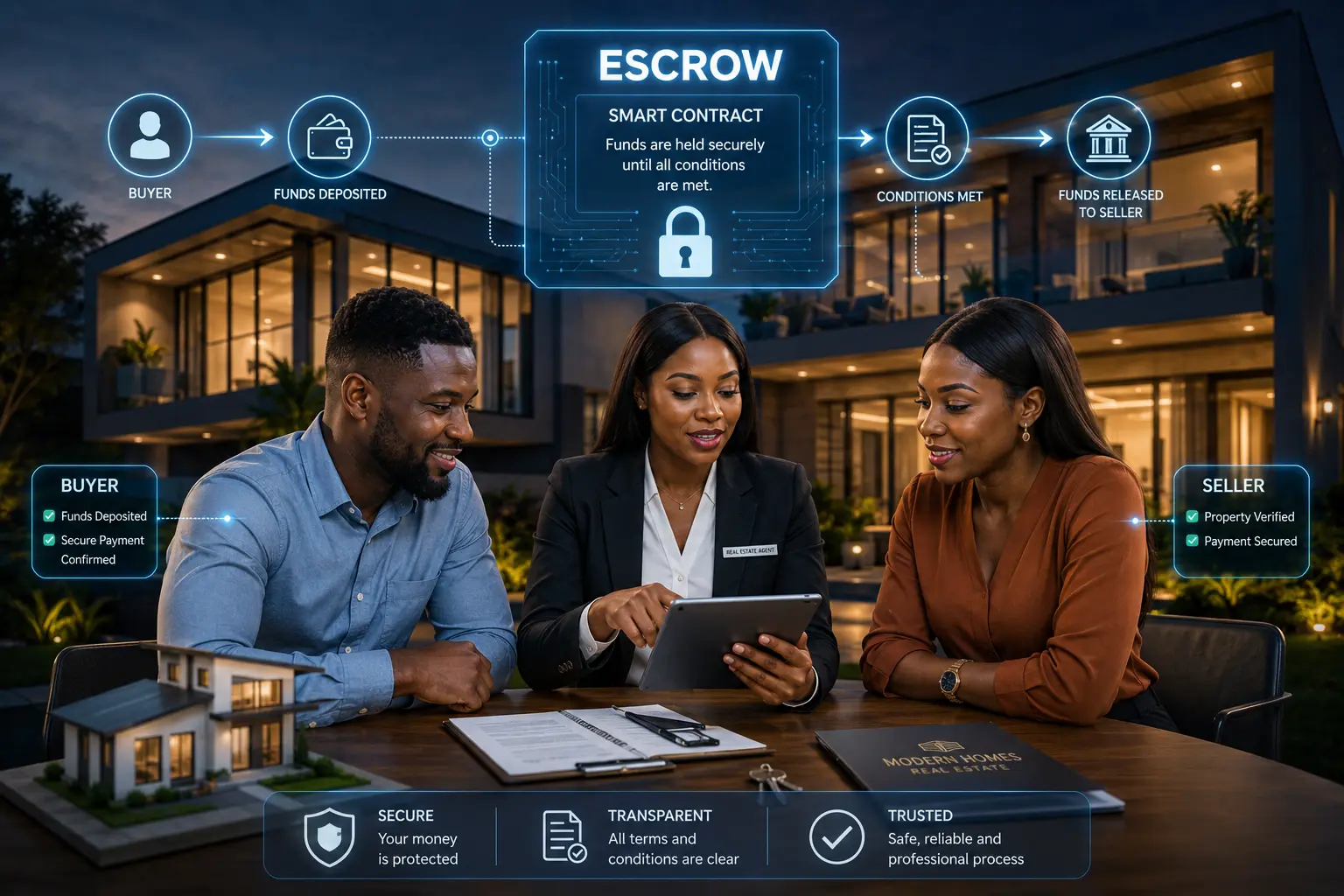
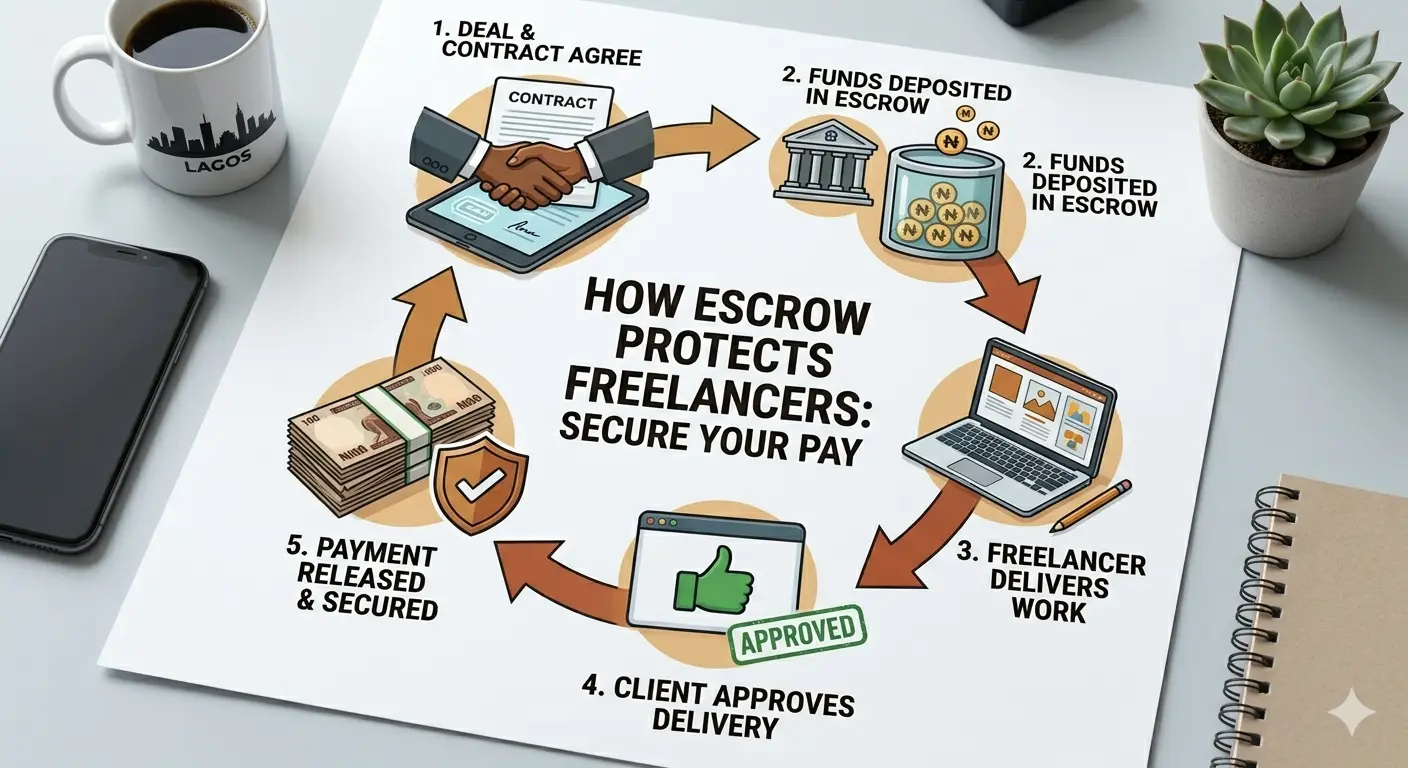
Escrow is a service where a neutral third party holds the buyer's payment until both sides confirm the transaction has gone as agreed.
The buyer pays upfront, but the money isn't released to the seller until the buyer confirms the product or service was delivered as described.
Advantages of Escrow:
● Protects both parties:
The buyer knows their money is safe if the product doesn't match what was promised. The seller knows payment is already secured before shipping.
● Reduces order rejection:
Because payment is already committed, buyers are less likely to reject items on a whim.
● Builds long-term trust:
Repeat customers feel safer buying from a business that uses escrow, since it signals accountability.
Better cash flow visibility: Sellers can see confirmed, committed payments rather than guessing which POD orders will convert.
● Dispute resolution built in:
If something goes wrong, there's a structured process to resolve it rather than a shouting match at the doorstep.
Disadvantages of Escrow:
~ Requires both parties to trust and use a third-party platform
~ Small transaction fees may apply
~ Buyers unfamiliar with escrow may need a bit of education on how it works
For low-volume, hyperlocal businesses, POD can still work, especially if you have a reliable dispatch network and low rejection rates.
However, as soon as a business starts scaling, shipping across states, or dealing with higher-value goods (such as electronics, furniture, or fashion wholesale), the weaknesses of POD become expensive and time-consuming to manage.
Why More Nigerian Businesses Are Shifting to Escrow
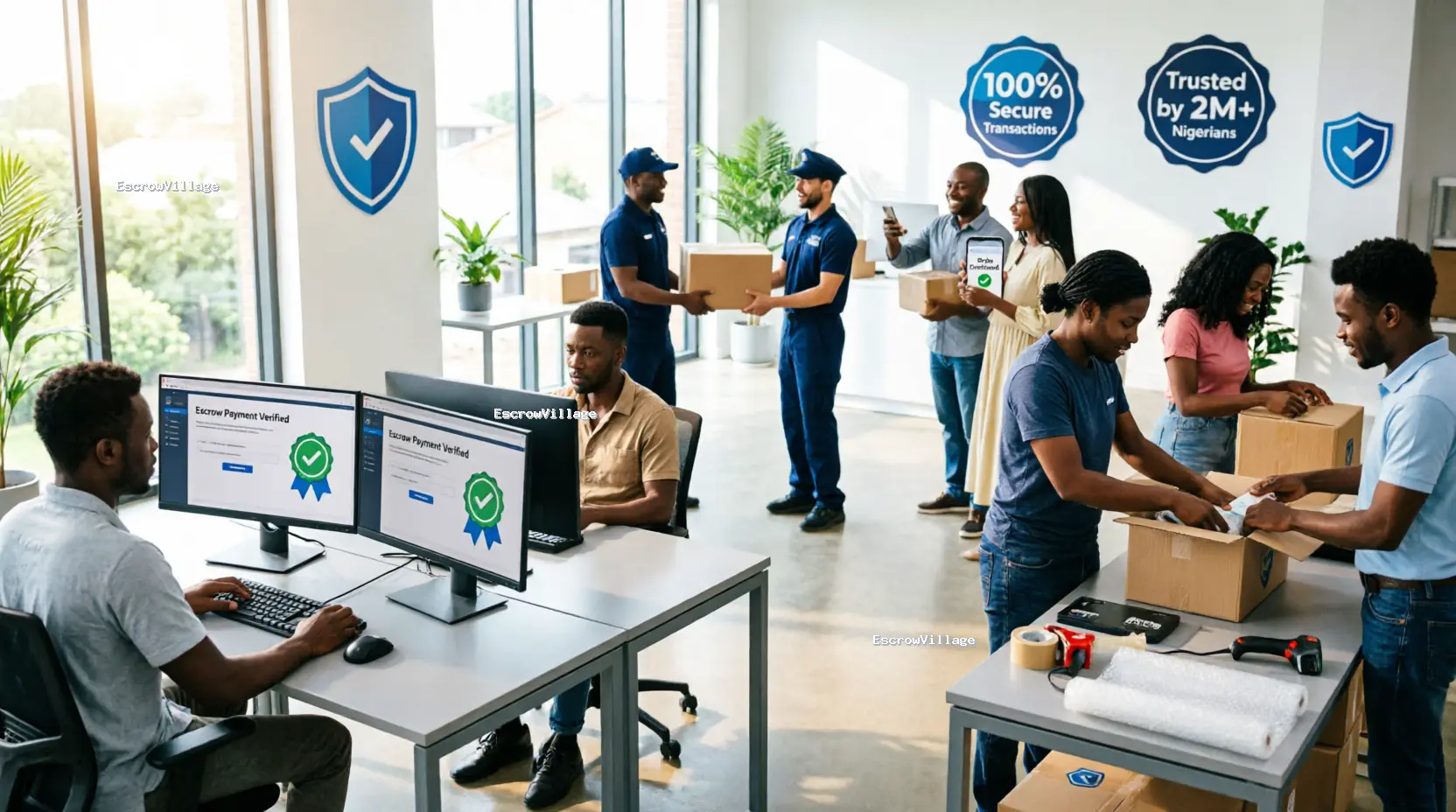
The shift toward escrow isn't just about safety , it's about running a more predictable business.
When payment is secured before a product ships, a business can:
~ Plan restocking and cash flow with more confidence
~ Reduce the back-and-forth of failed deliveries
~ Offer buyers a safer alternative to "send money first and hope for the best"
~ Compete with larger, more trusted e-commerce brands
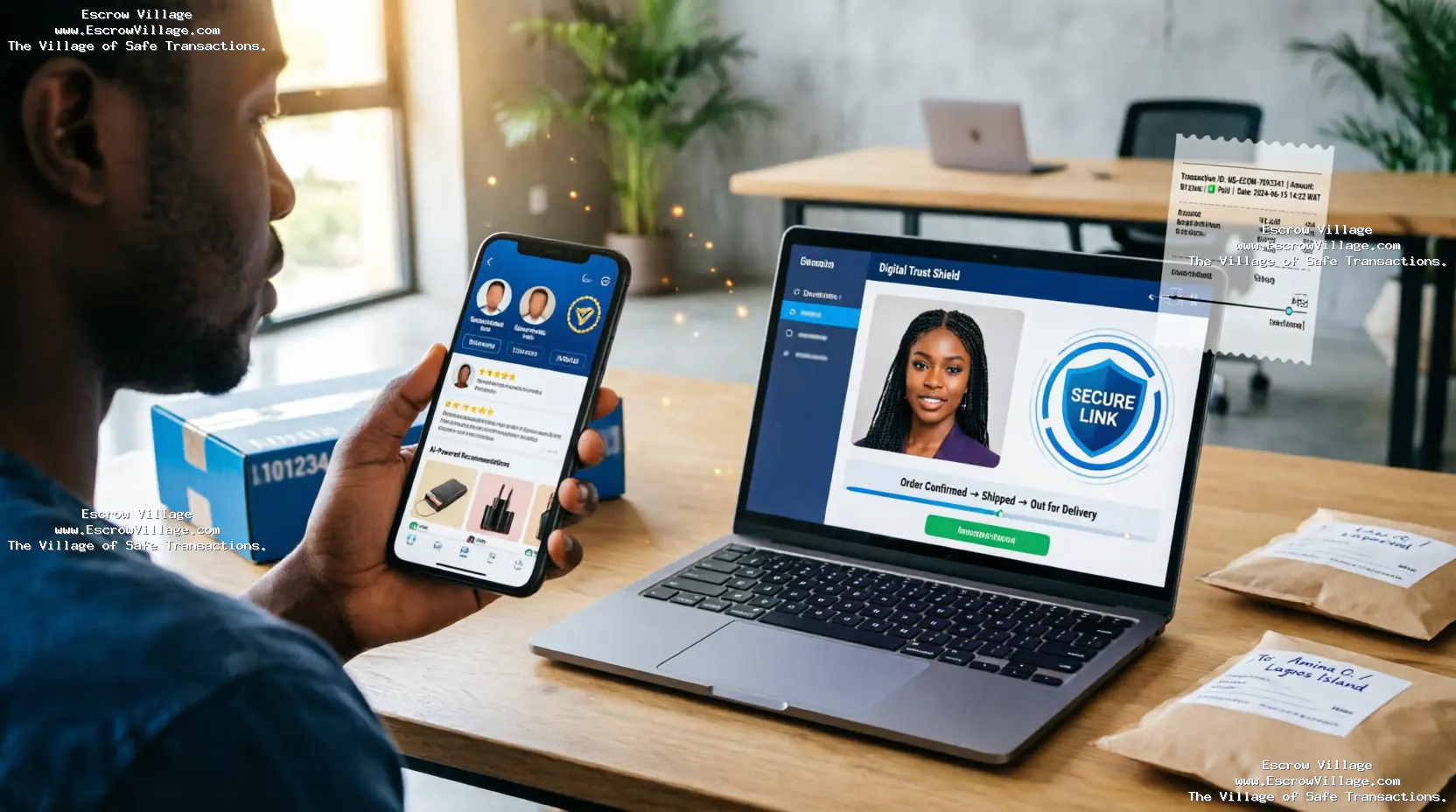
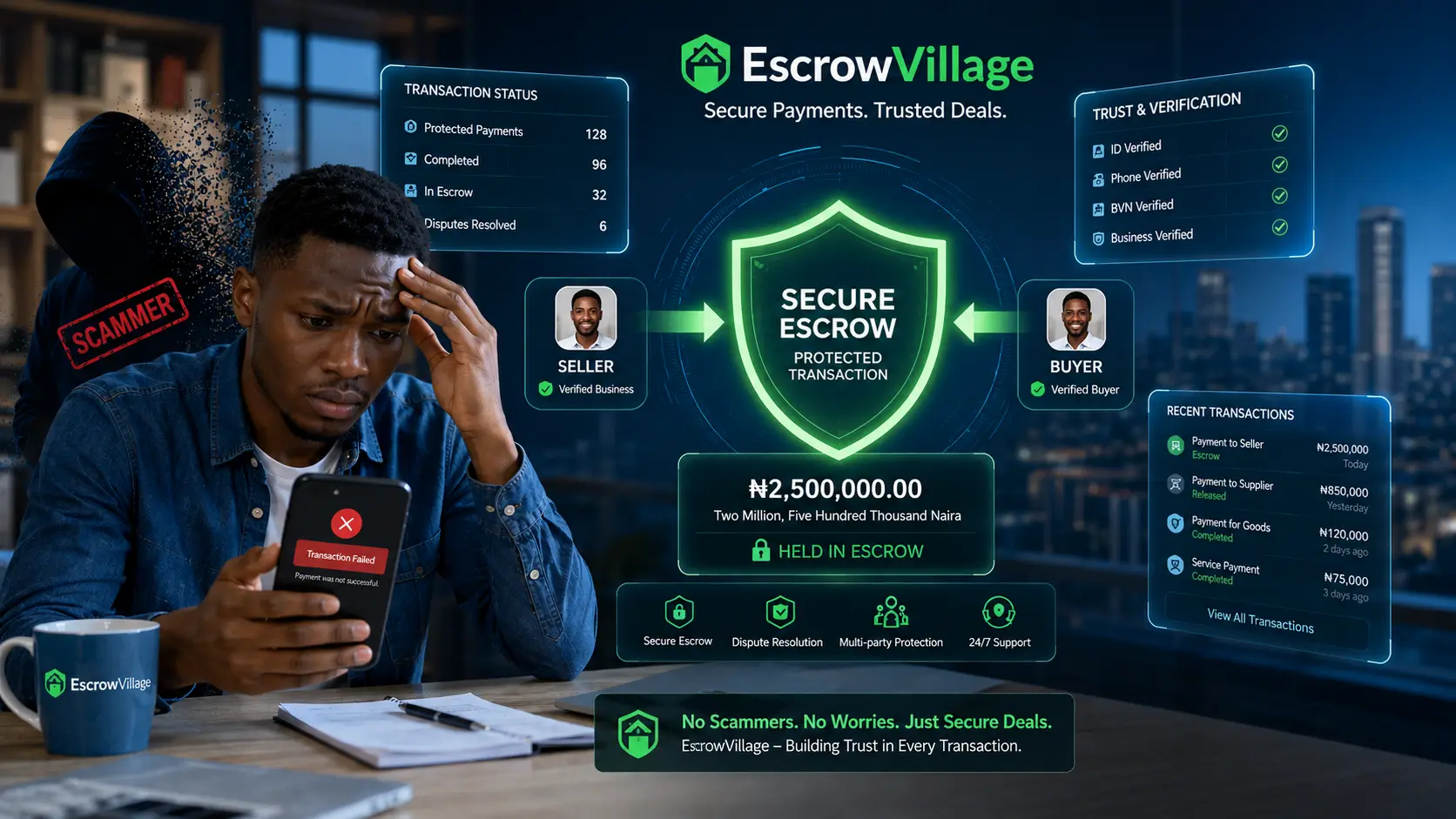
Platforms like Escrow Village make this shift simple for Nigerian businesses of any size, no need to build a custom payment infrastructure or negotiate trust deal by deal. The business sets terms, the buyer pays into escrow, and funds are released once both sides confirm the transaction is complete.
Payment on Delivery isn't disappearing overnight, and it still has a place for very small, local transactions.
But for Nigerian businesses looking to reduce fraud, cut down on order rejections, and build a reputation buyers can trust at scale, escrow is the stronger long-term model.
It shifts the relationship from "prove you're not a scammer" to "here's a system that protects both of us" , which is exactly the kind of trust modern Nigerian e-commerce needs to grow.