
EFCC Arrests Nigerian-American Over Alleged $320,000 Vehicle Import Fraud
According to the anti-graft agency, the suspect allegedly obtained hundreds of thousands of dollars from a victim under the pretence of importing luxury vehicles from the United States into Nigeria.
The arrest has drawn public attention to the growing threat of cross-border fraud, particularly in international trade and online transactions.
As investigations continue, the EFCC has reiterated its commitment to prosecuting individuals involved in financial crimes while urging Nigerians and foreign investors to verify business transactions before transferring funds.
- What Happened?
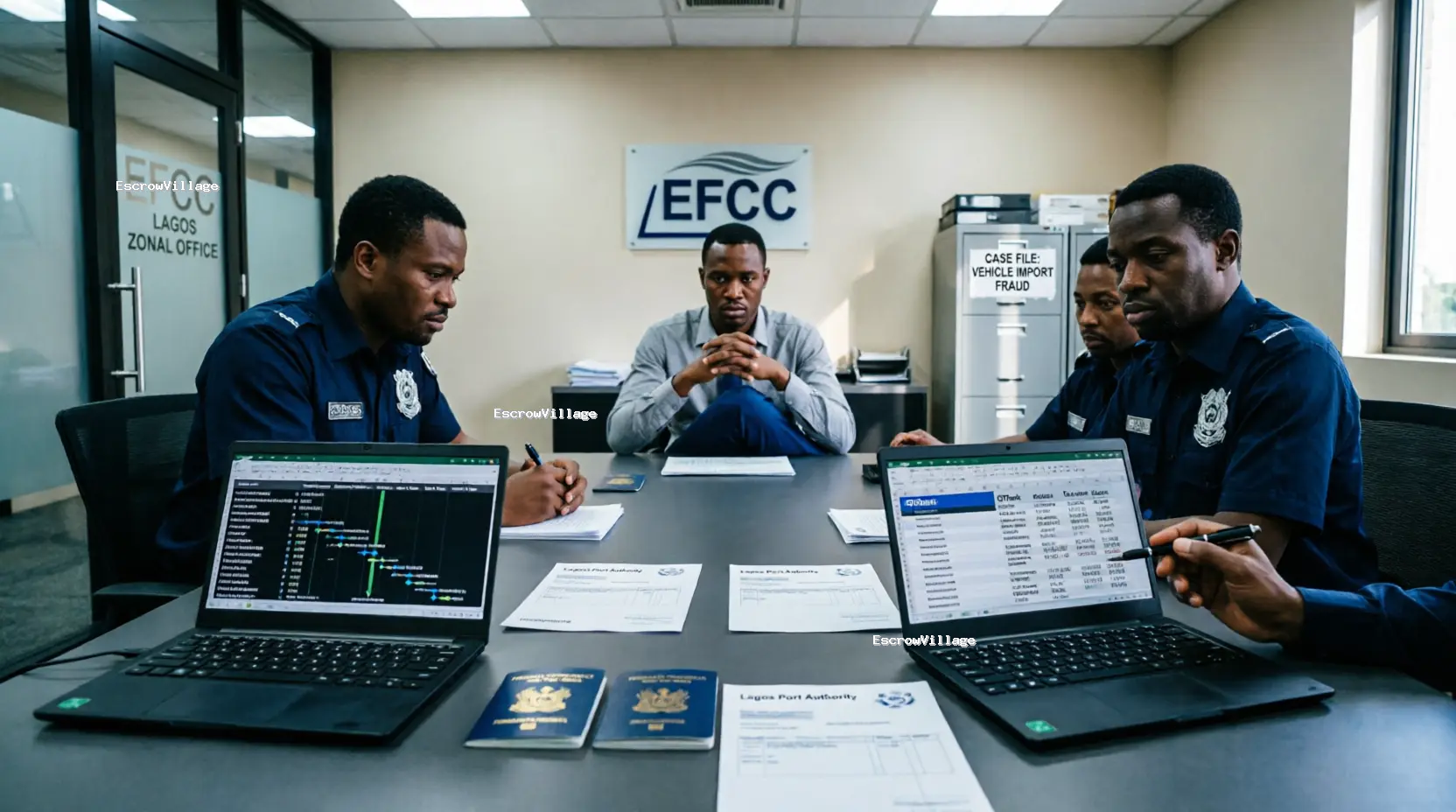
According to the EFCC, the suspect, a Nigerian-American with dual citizenship, allegedly convinced a victim to invest in the purchase and shipment of luxury vehicles from the United States to Nigeria.
However, investigators allege that the promised vehicles were never delivered. Instead, communication reportedly became inconsistent, prompting the victim to file a complaint with the EFCC.
Following intelligence gathering and investigation, the commission tracked down and arrested the suspect for questioning.
Authorities say the investigation is ongoing, and additional evidence is being reviewed before further legal action is taken.
- Understanding Vehicle Import Fraud
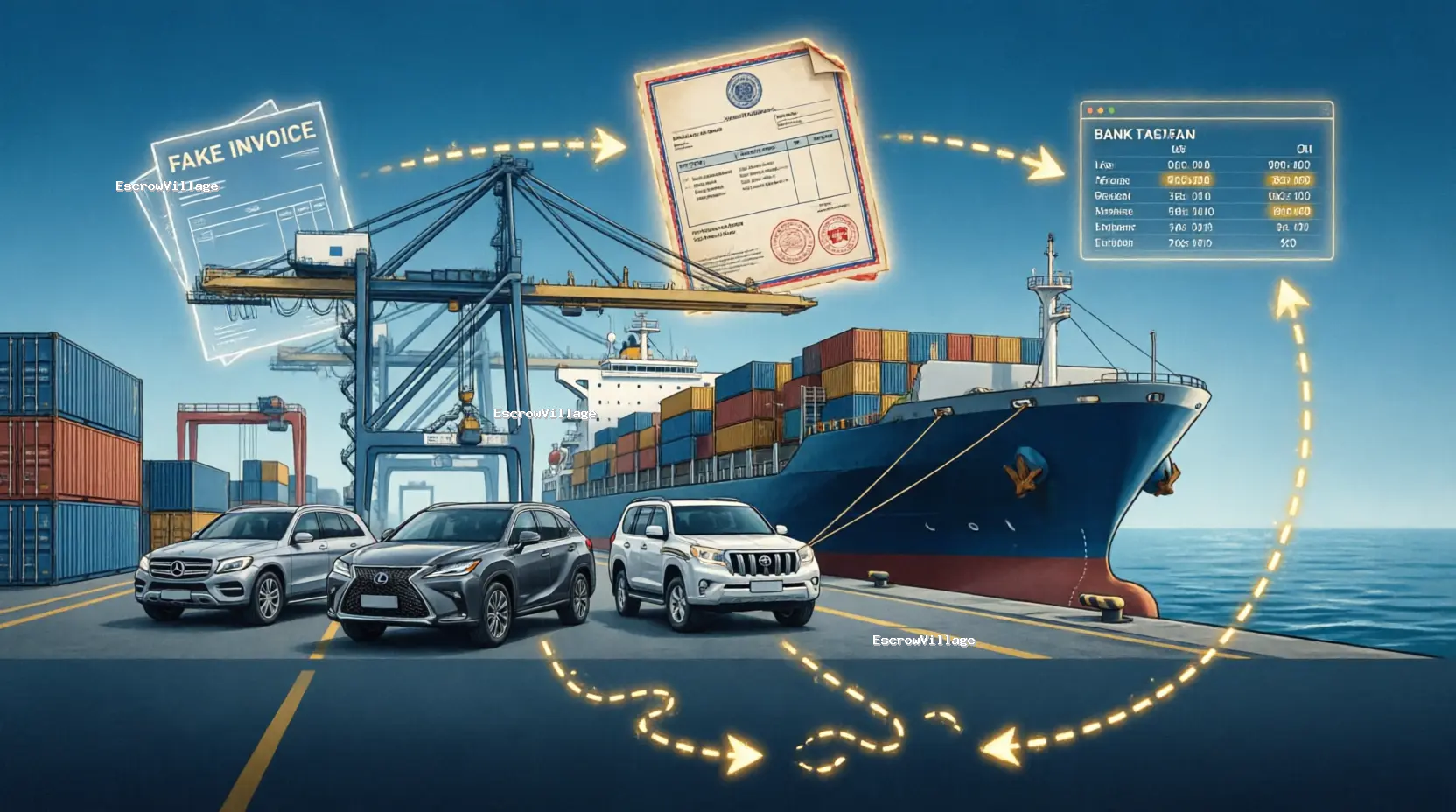
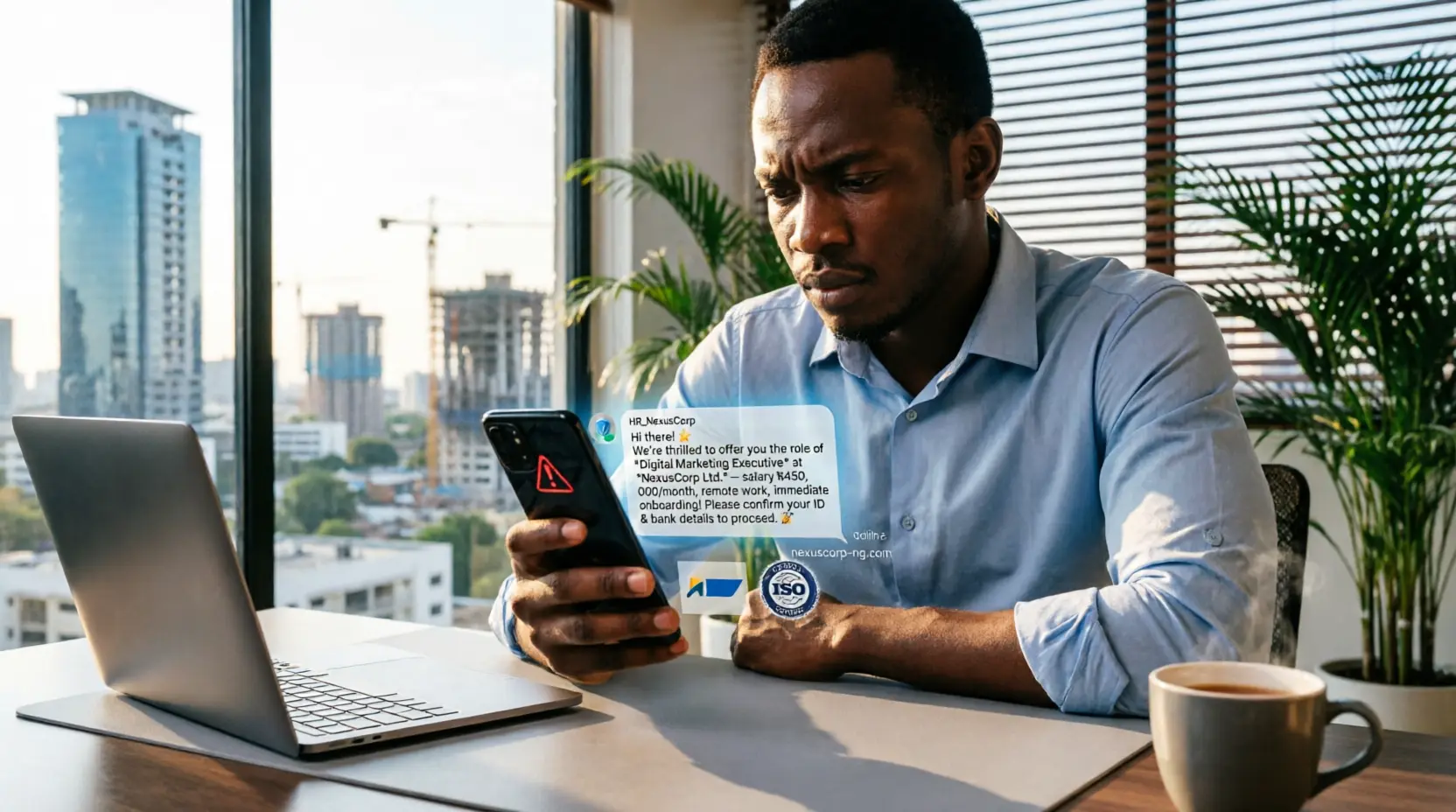
Vehicle import fraud is a type of financial scam where fraudsters pretend to have access to vehicles abroad, often at discounted prices.
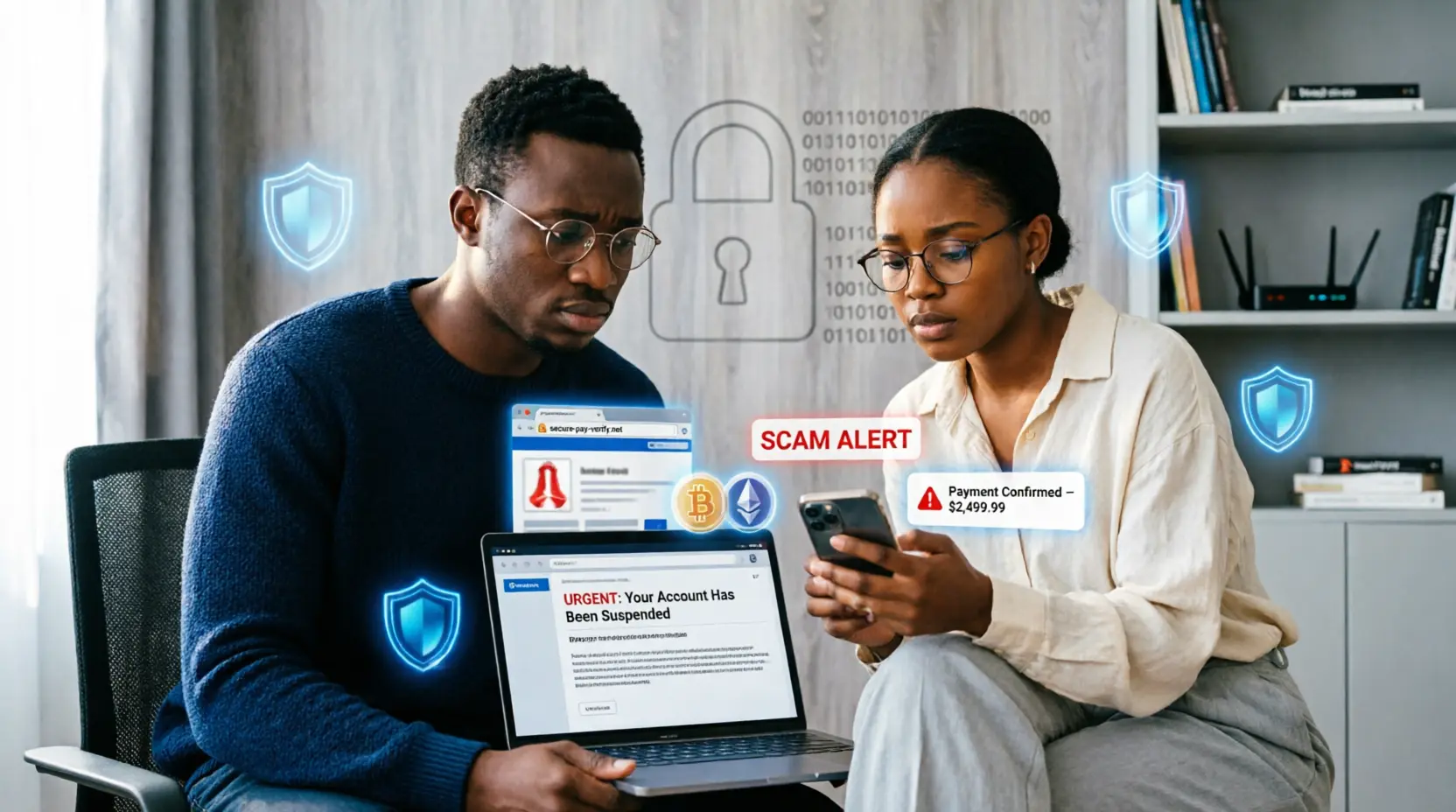
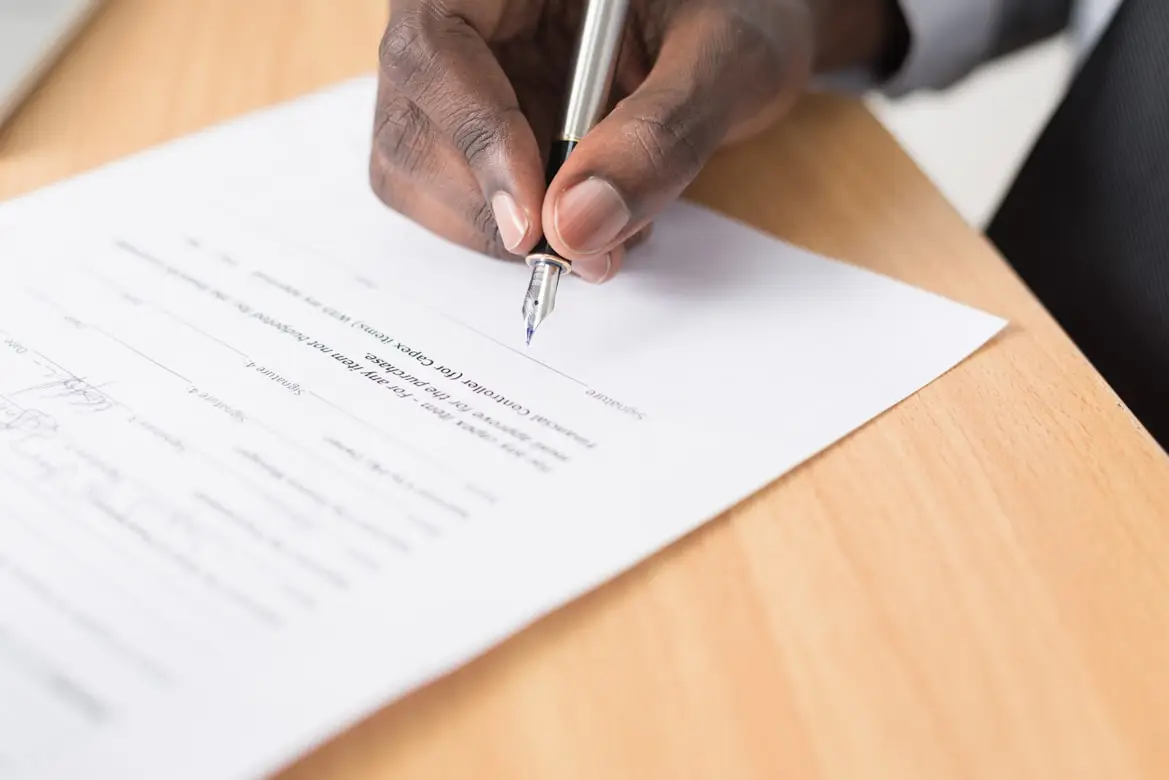
In many cases, scammers present fake shipping documents, forged customs paperwork, counterfeit invoices, and fabricated tracking information to make the transaction appear legitimate.
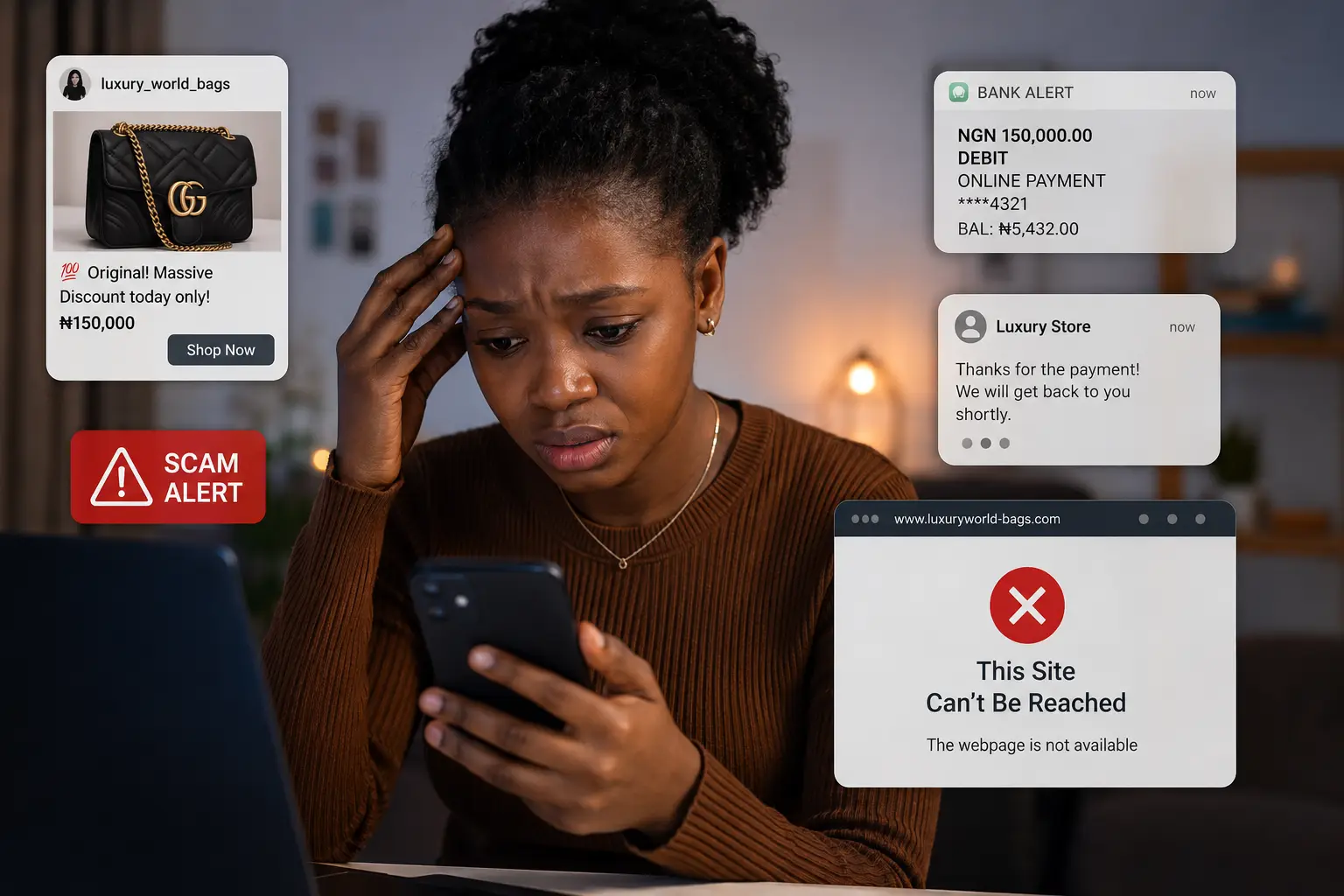
Once payment has been made, victims either receive repeated excuses for delays or lose all contact with the fraudsters.
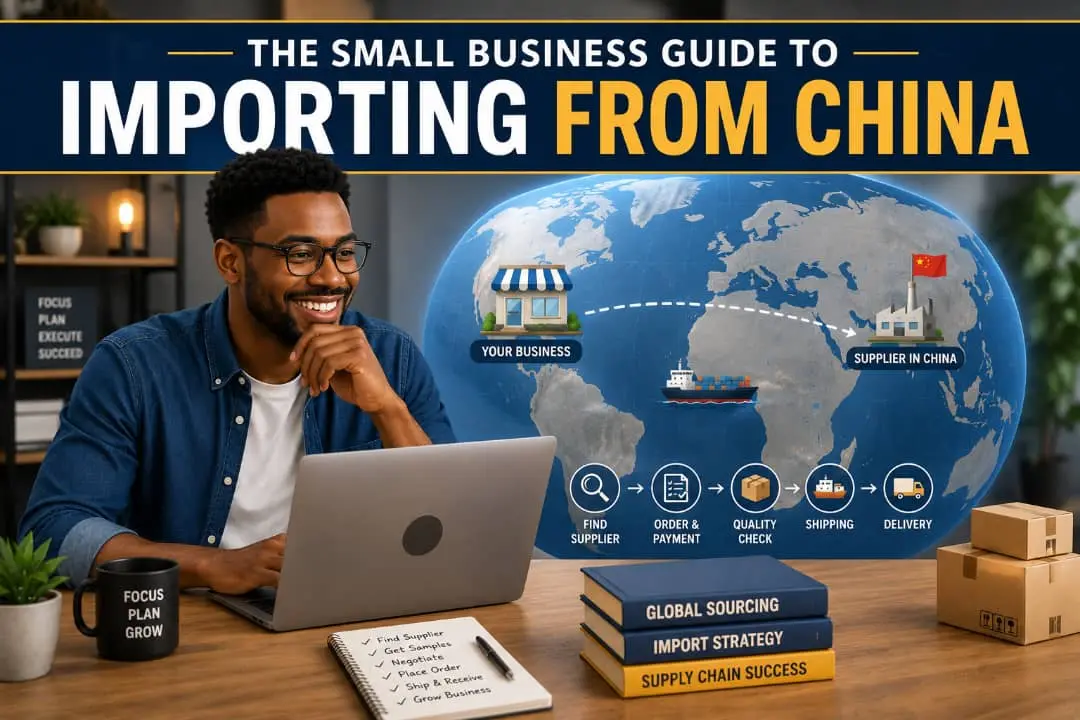
With the increasing popularity of online vehicle marketplaces and international shipping services, this form of fraud has become more sophisticated and difficult to detect.
- EFCC's Ongoing Crackdown on Financial Crimes

The arrest forms part of the EFCC's broader campaign against economic and financial crimes across Nigeria.
Over the past year, the commission has intensified investigations into internet fraud, investment scams, cybercrime, money laundering, and international financial fraud.The agency continues to collaborate with local and international law enforcement bodies to identify suspects, recover stolen assets, and prosecute offenders.
Officials have also encouraged members of the public to report suspicious financial activities promptly, noting that early reporting often increases the chances of successful investigations.
- How to Protect Yourself from Vehicle Import Scams

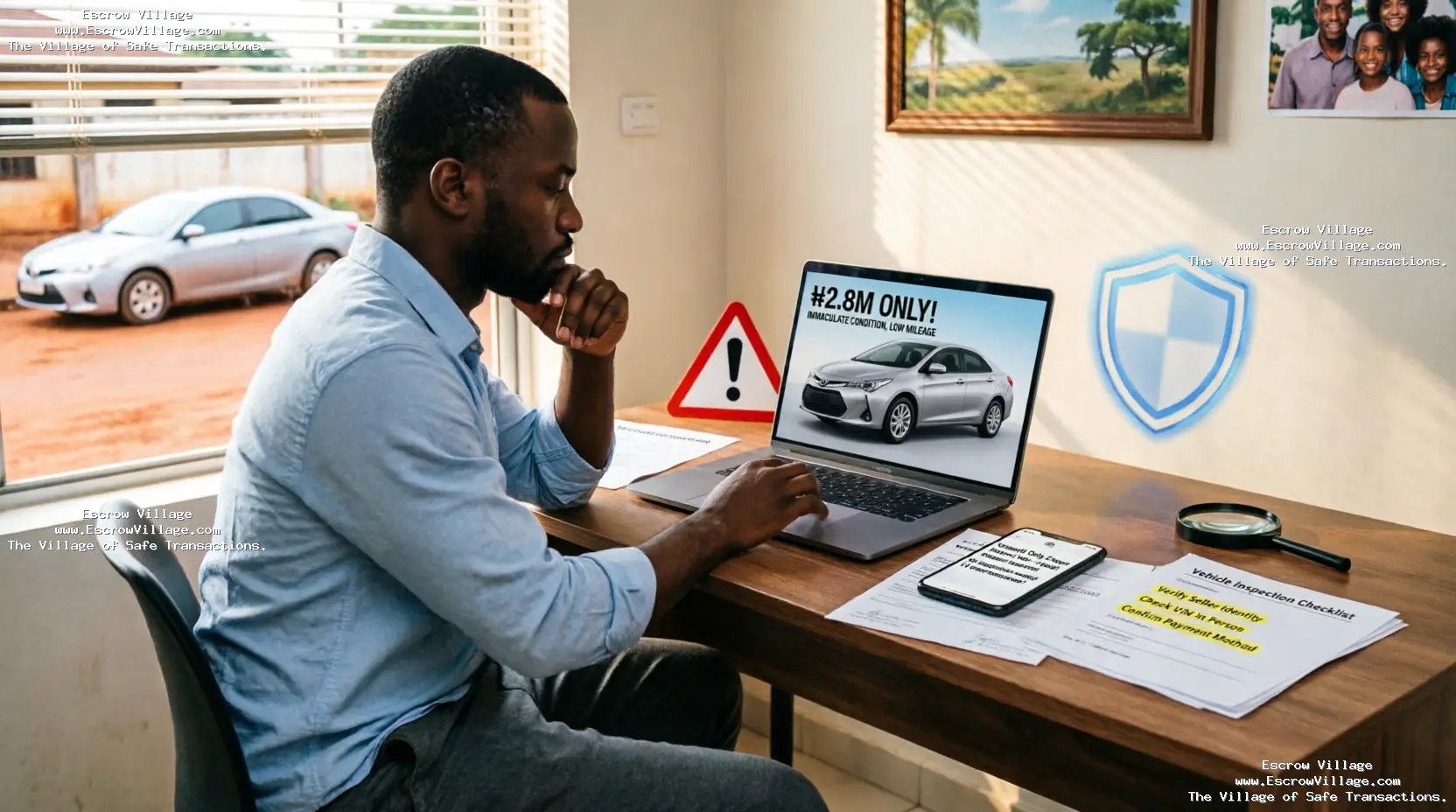
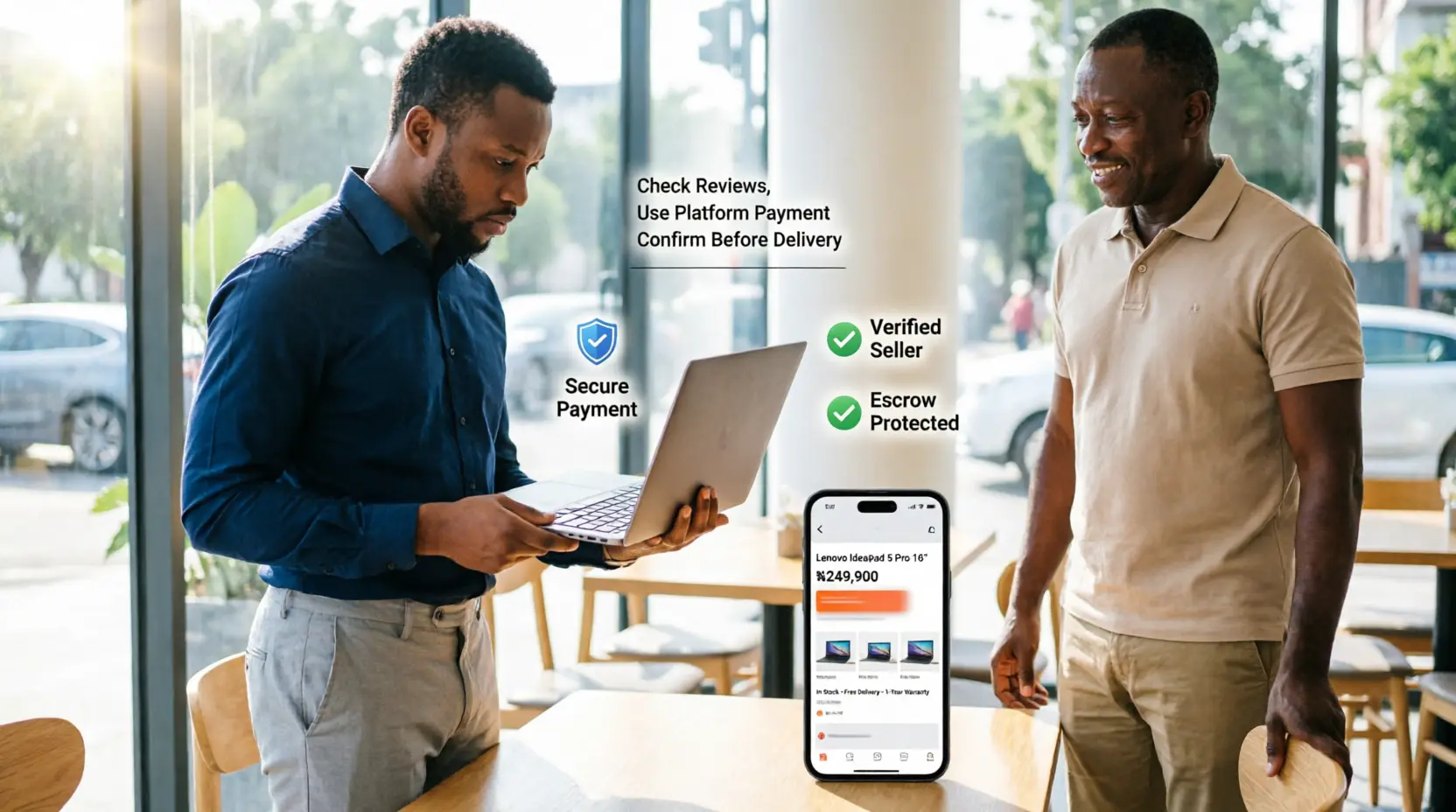
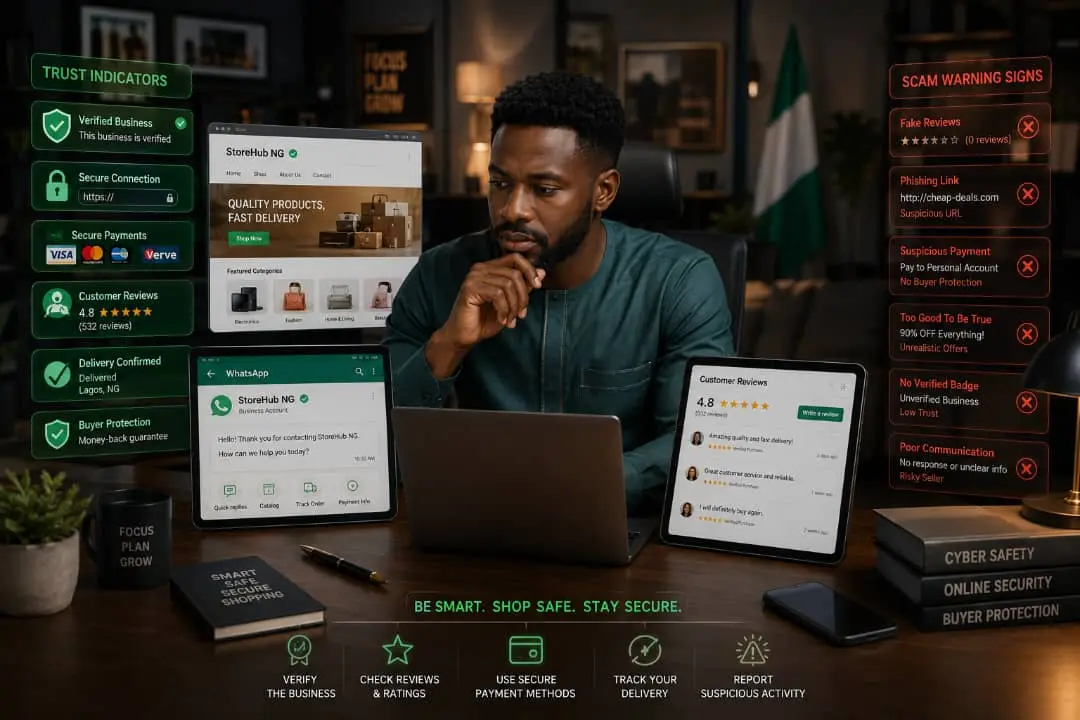
Whether purchasing a car locally or importing one from overseas, buyers should exercise caution before making any payments.
- - Verify the identity and business registration of the seller.
- - Request legitimate shipping and ownership documents.
- - Avoid making a full payment before confirming the vehicle exists.
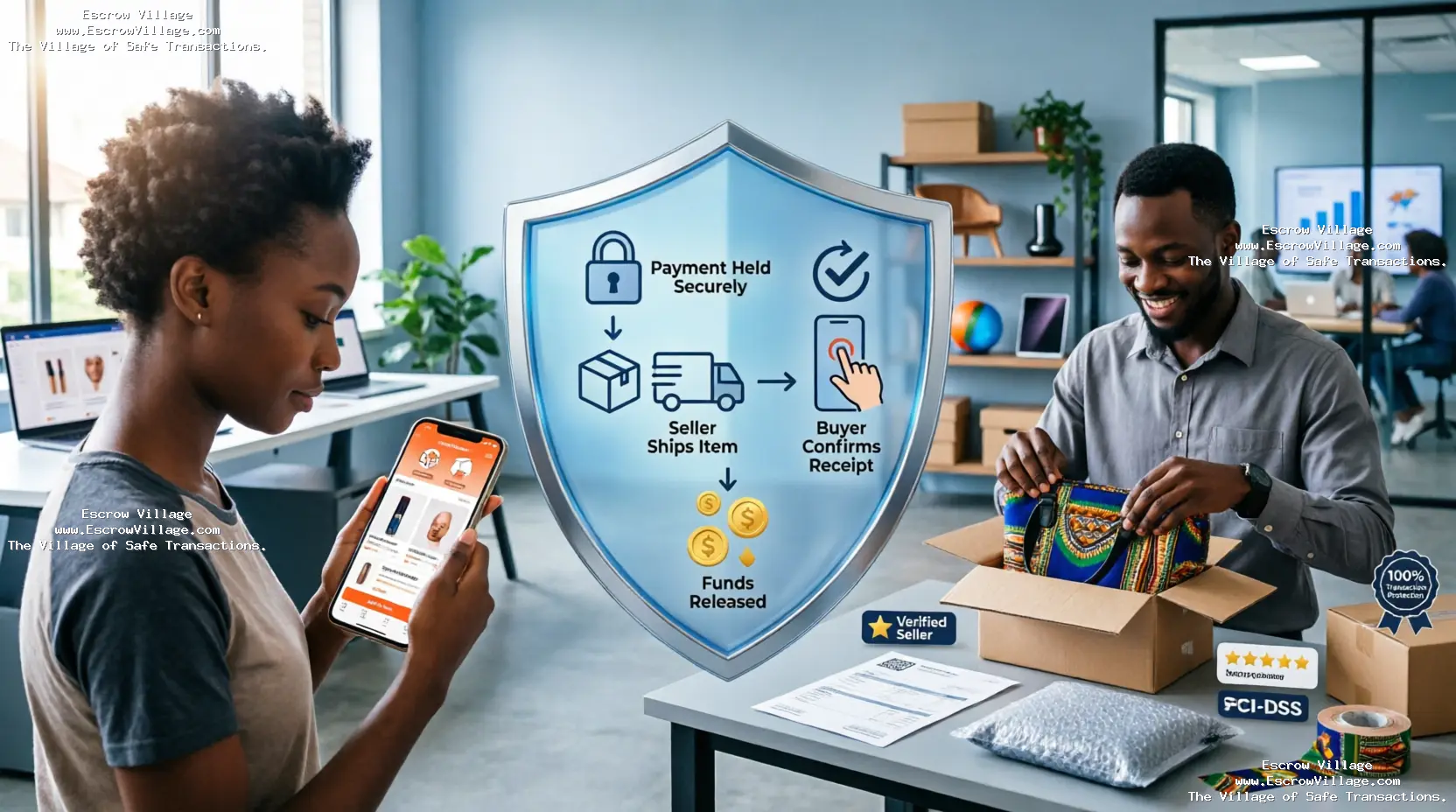
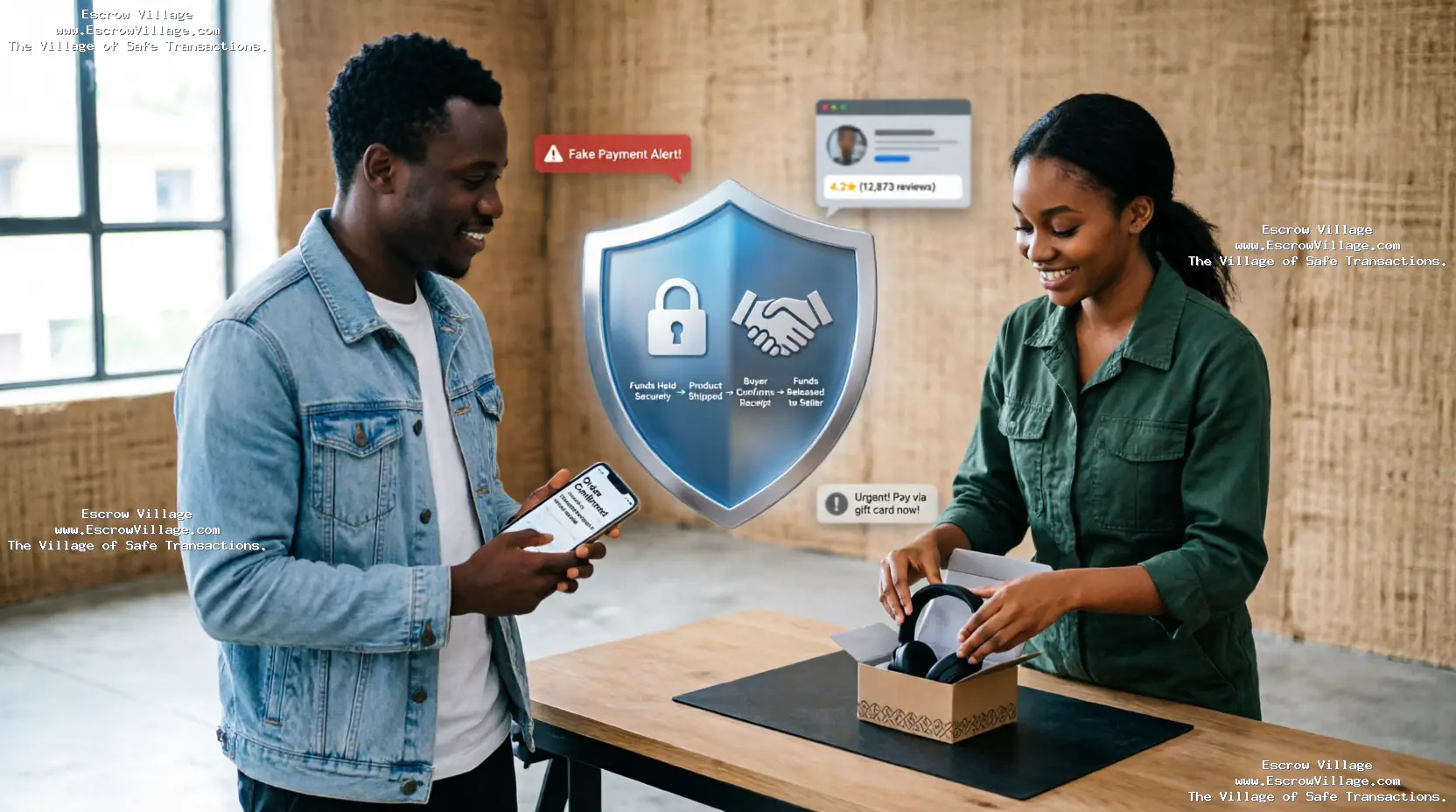
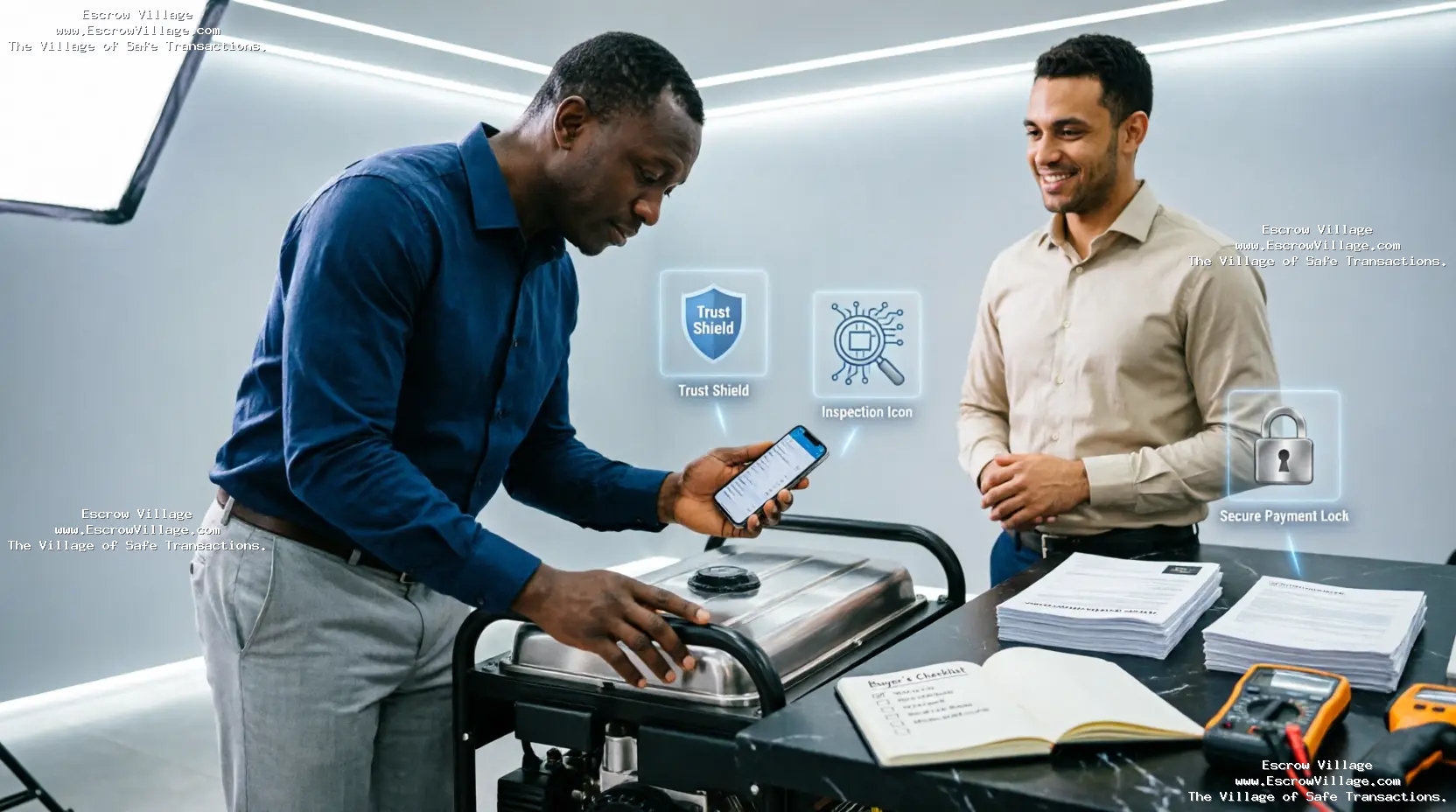
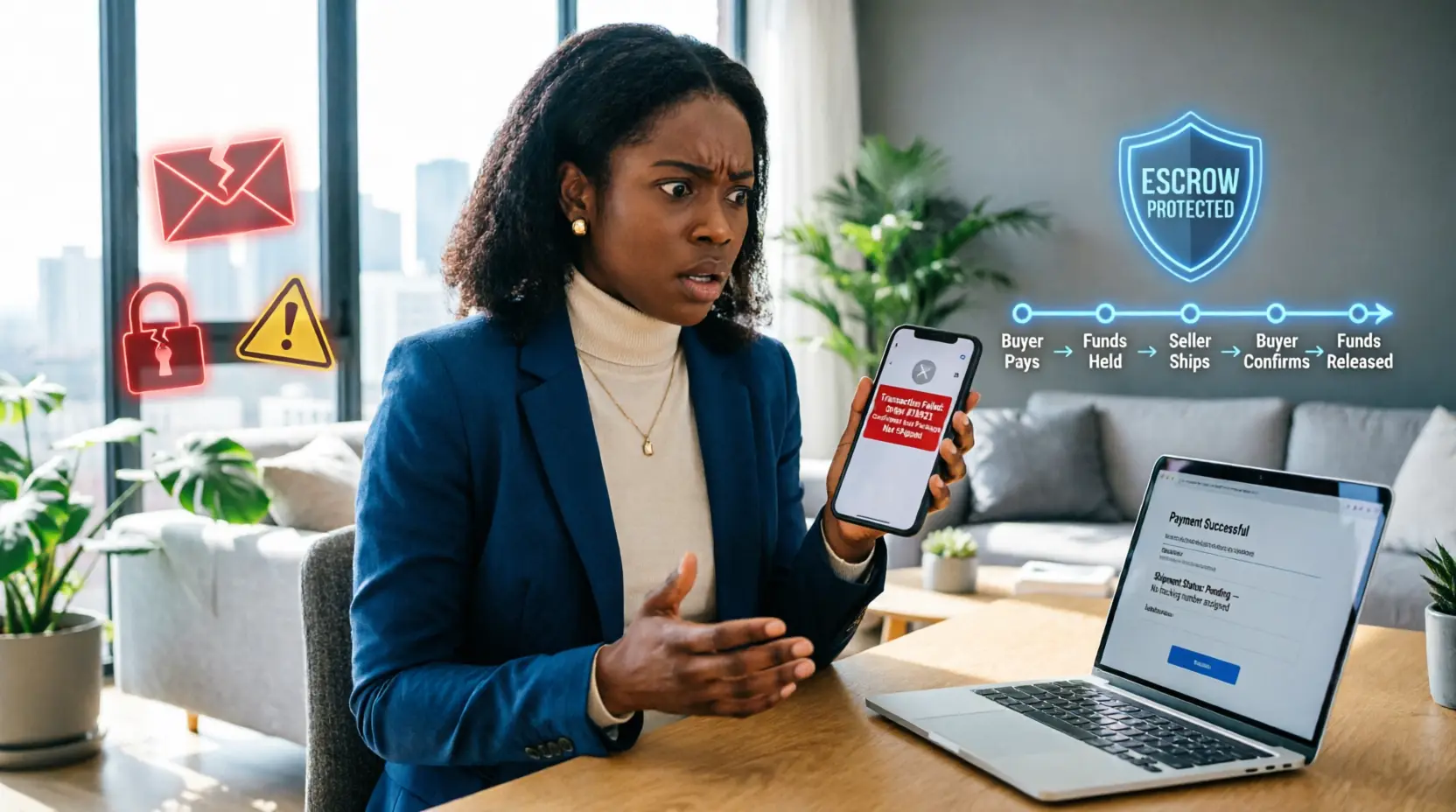
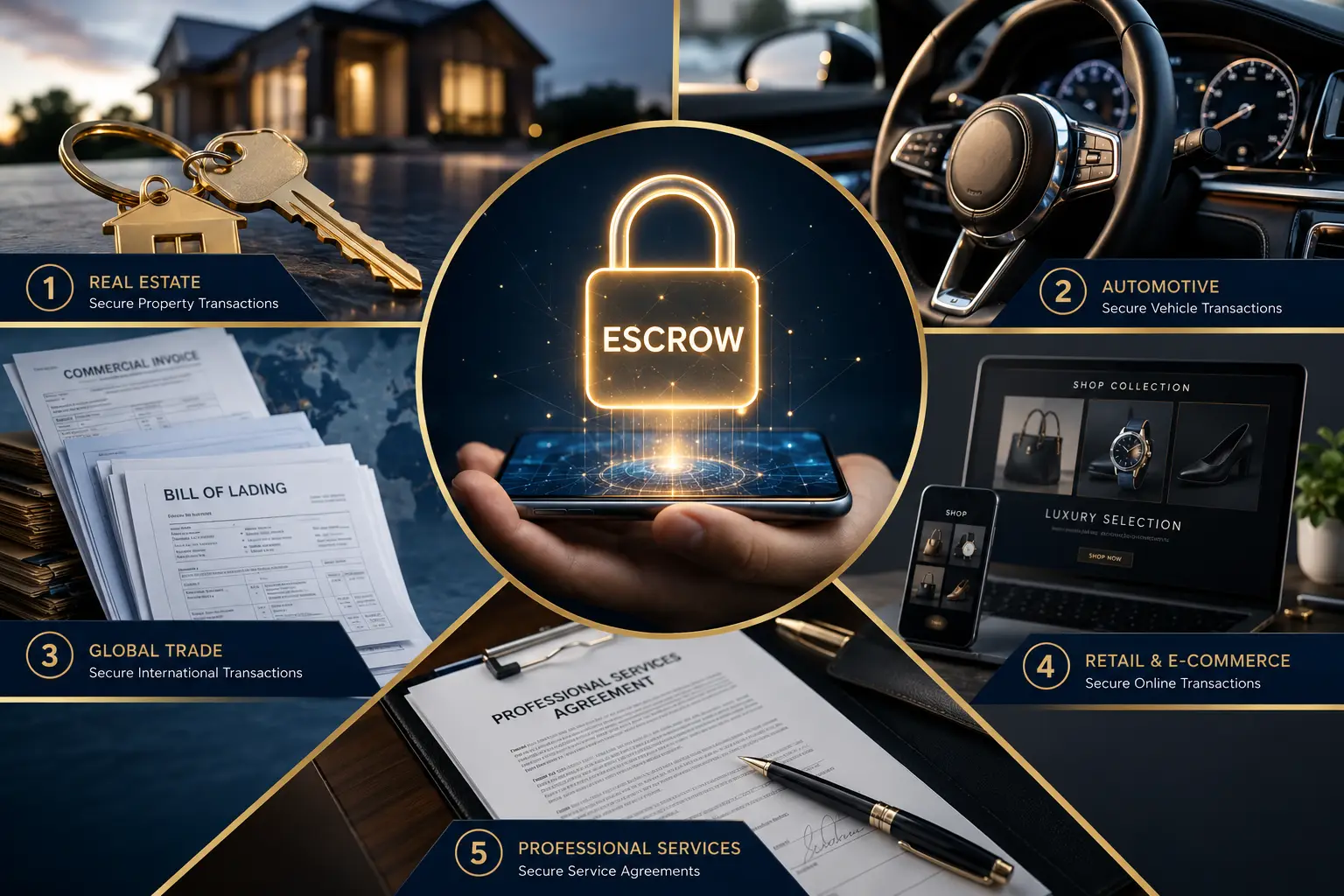
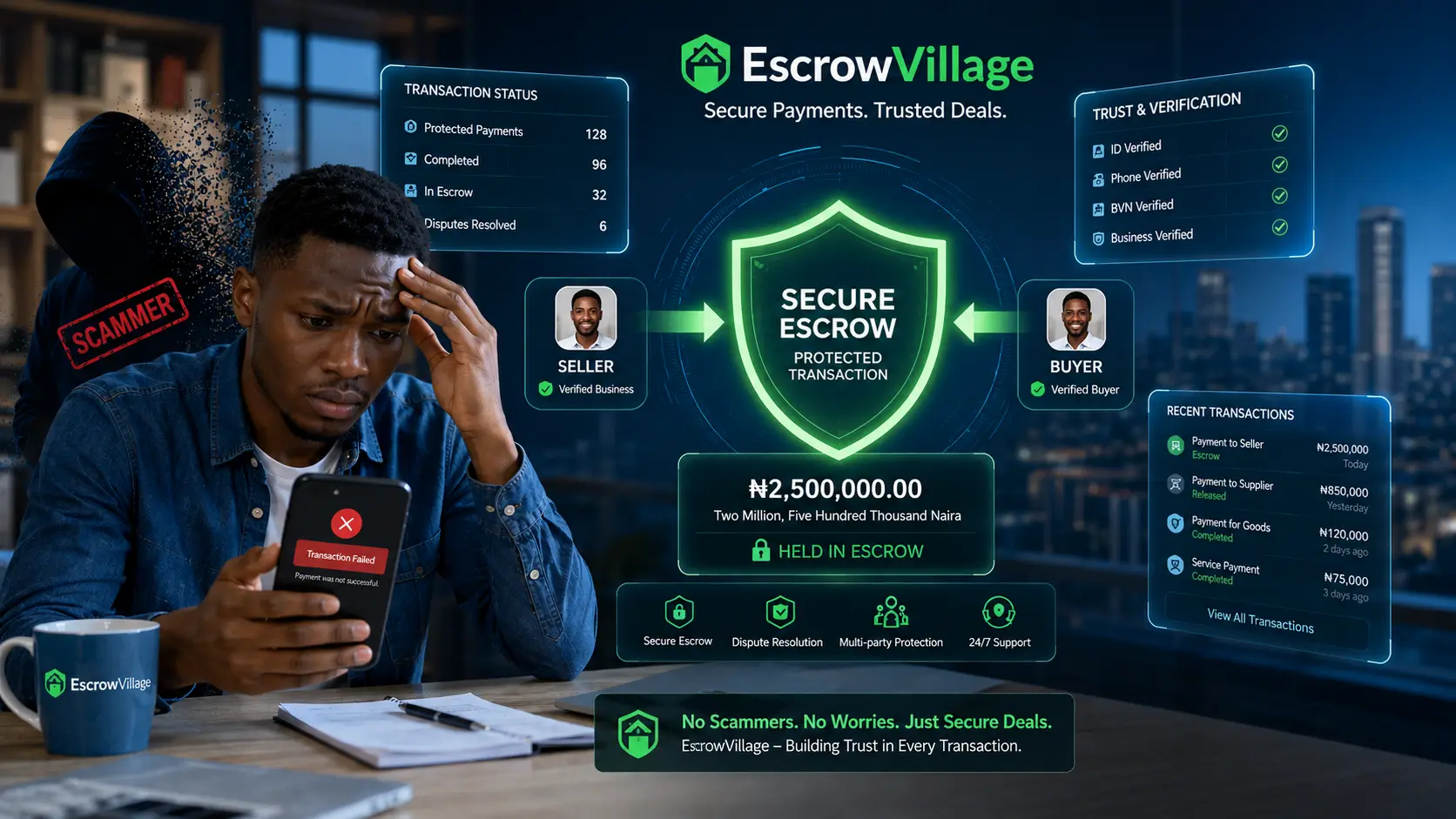
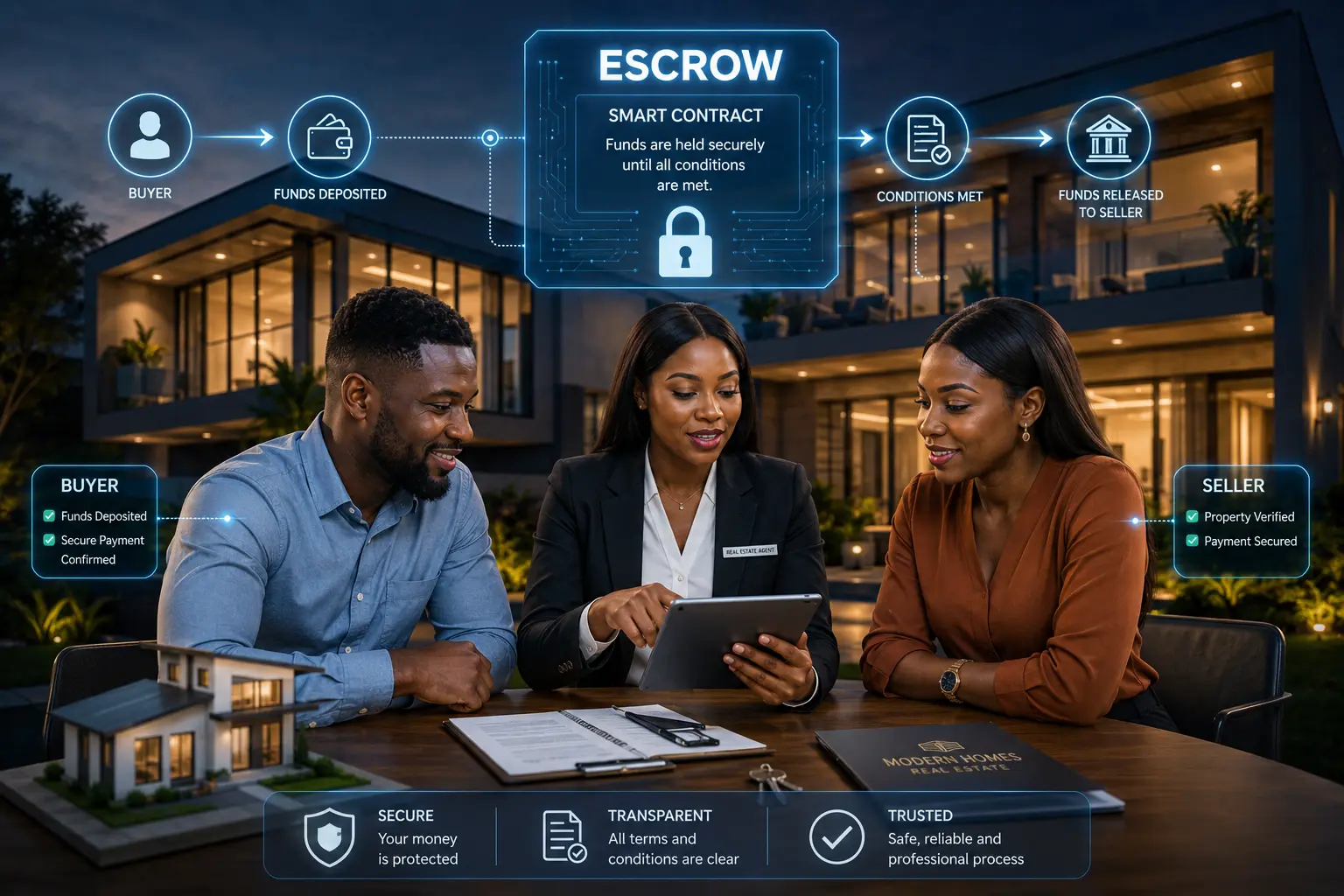
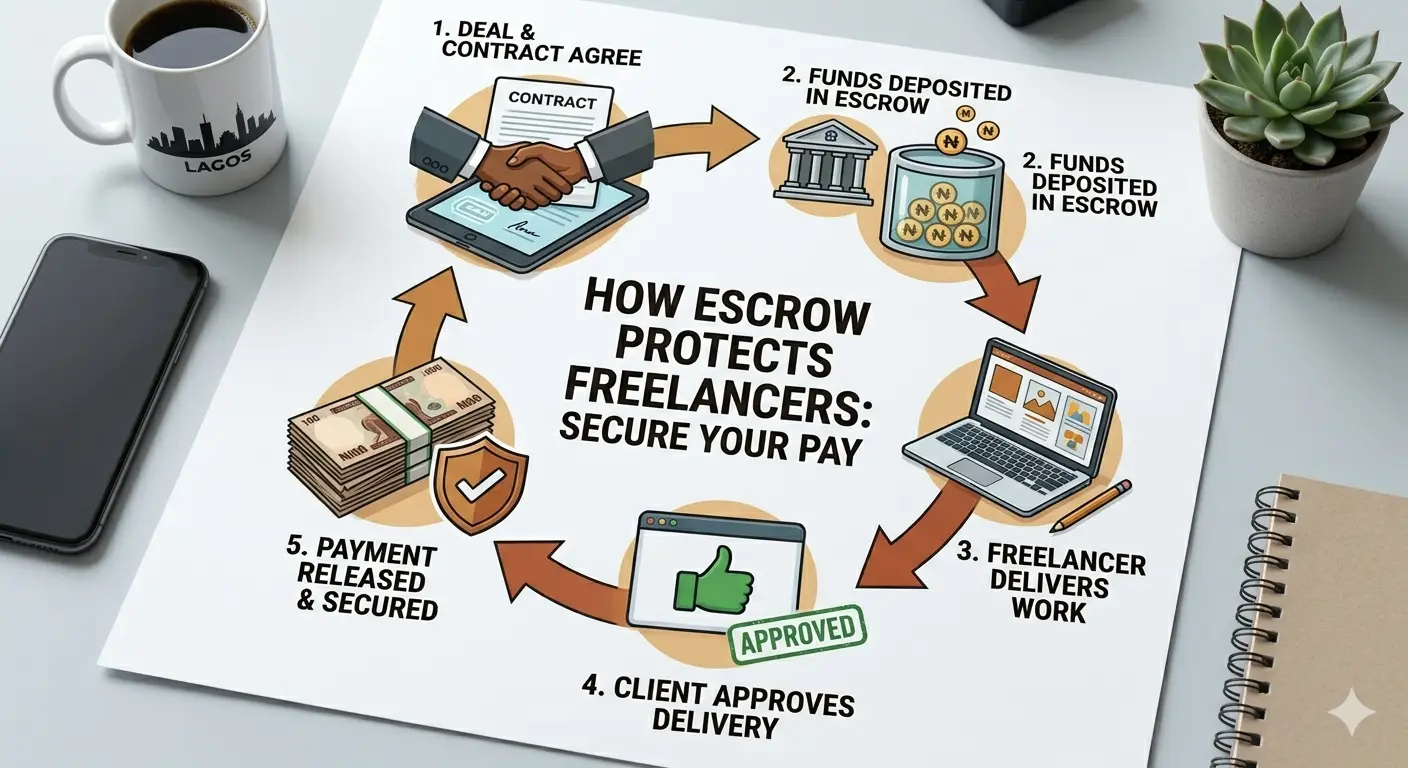
- - Use trusted escrow or secure payment services whenever possible.
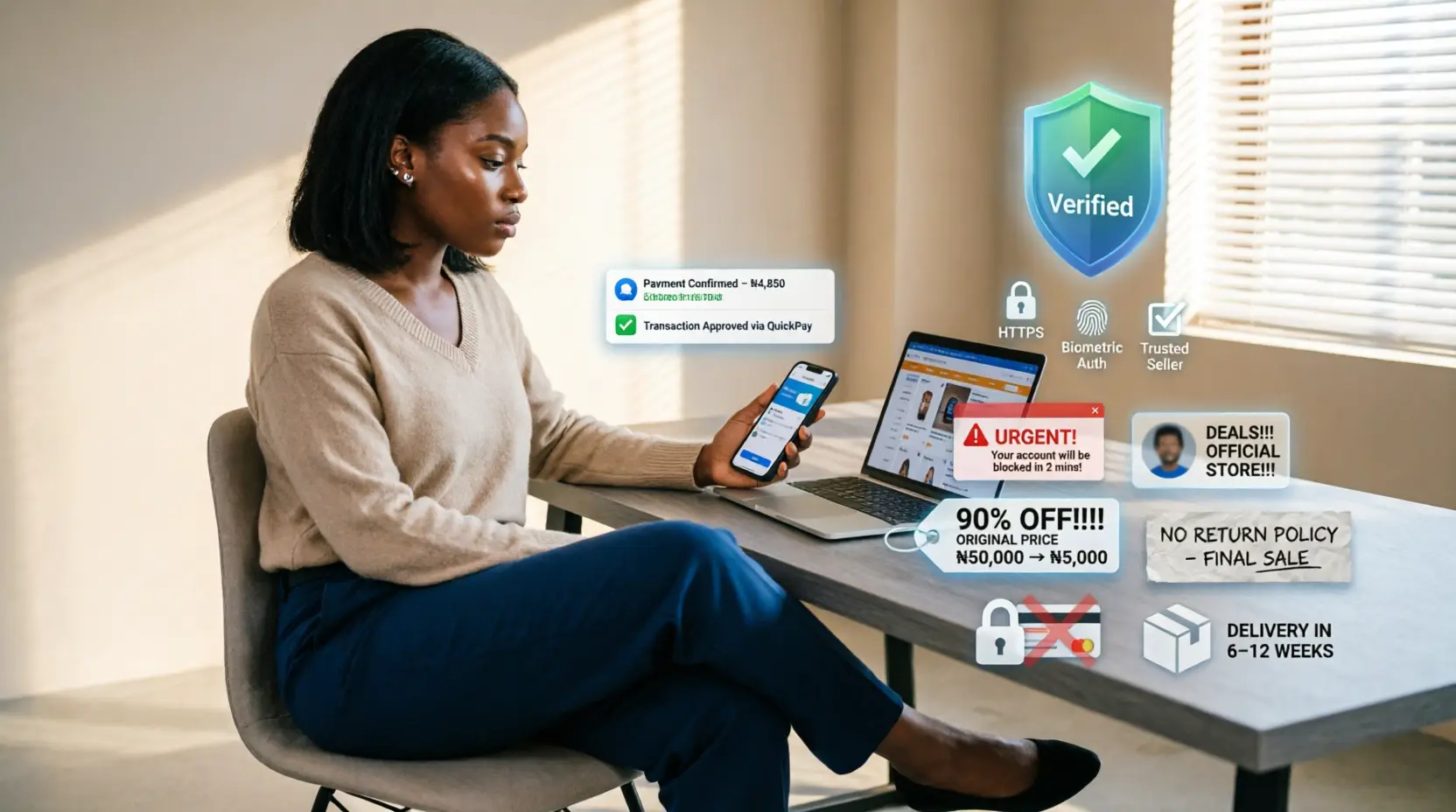
- - Be cautious of deals that seem significantly cheaper than market prices.
- - Conduct independent research on the importer before committing funds.
- - Consult legal or automotive professionals for high-value transactions.
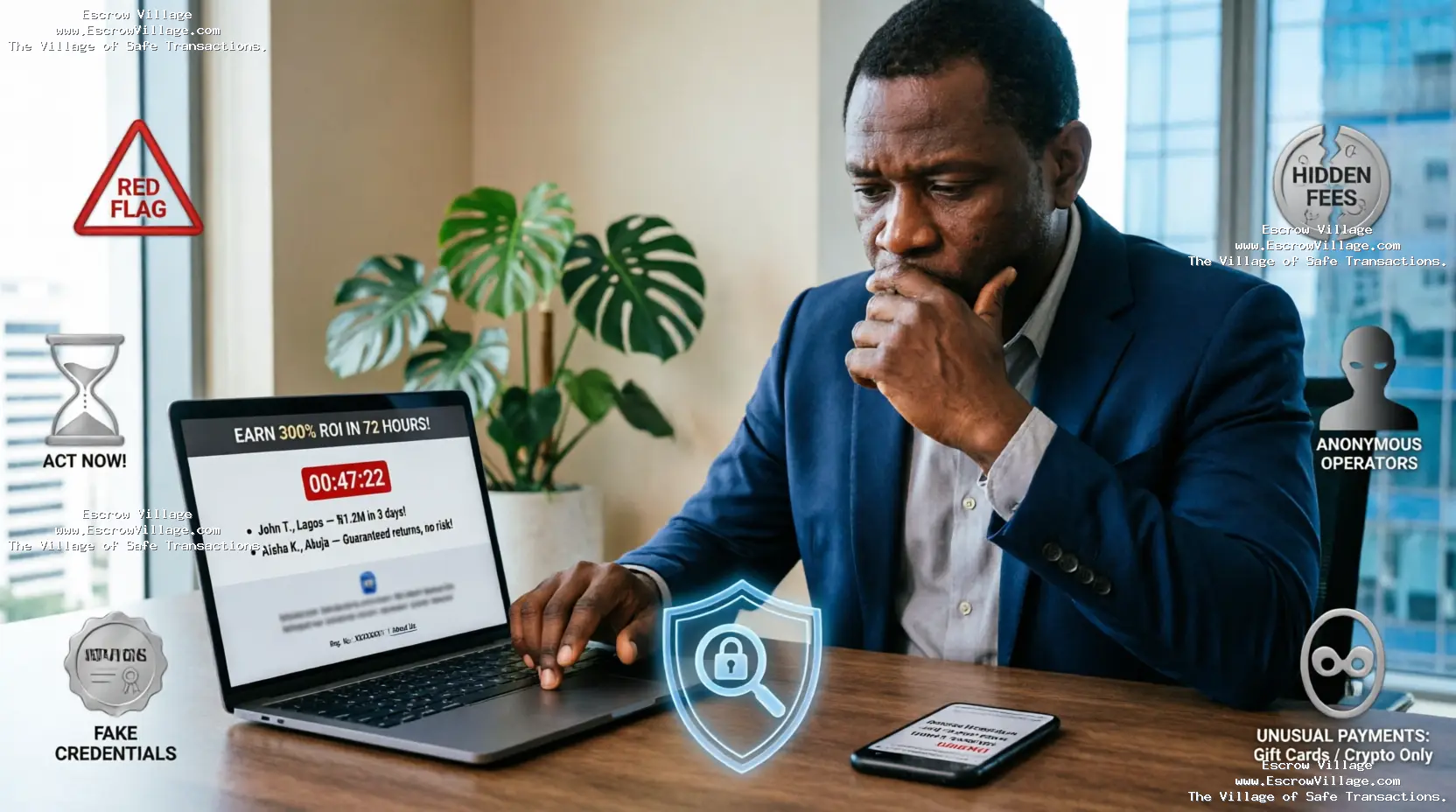
Taking these precautions can help buyers identify red flags before suffering financial losses.
- Why This Case Matters

The alleged $320,000 fraud case highlights the increasing complexity of cross-border financial crimes involving international commerce.
As online business transactions continue to grow, fraudsters are finding new ways to exploit trust and technology.This case serves as a reminder that due diligence is crucial, especially when making expensive purchases from overseas suppliers.
The EFCC's swift response also demonstrates the agency's determination to investigate complex fraud cases and hold suspected offenders accountable under Nigerian law.

The arrest of the Nigerian-American over the alleged $320,000 vehicle import fraud underscores the importance of vigilance in international business transactions.
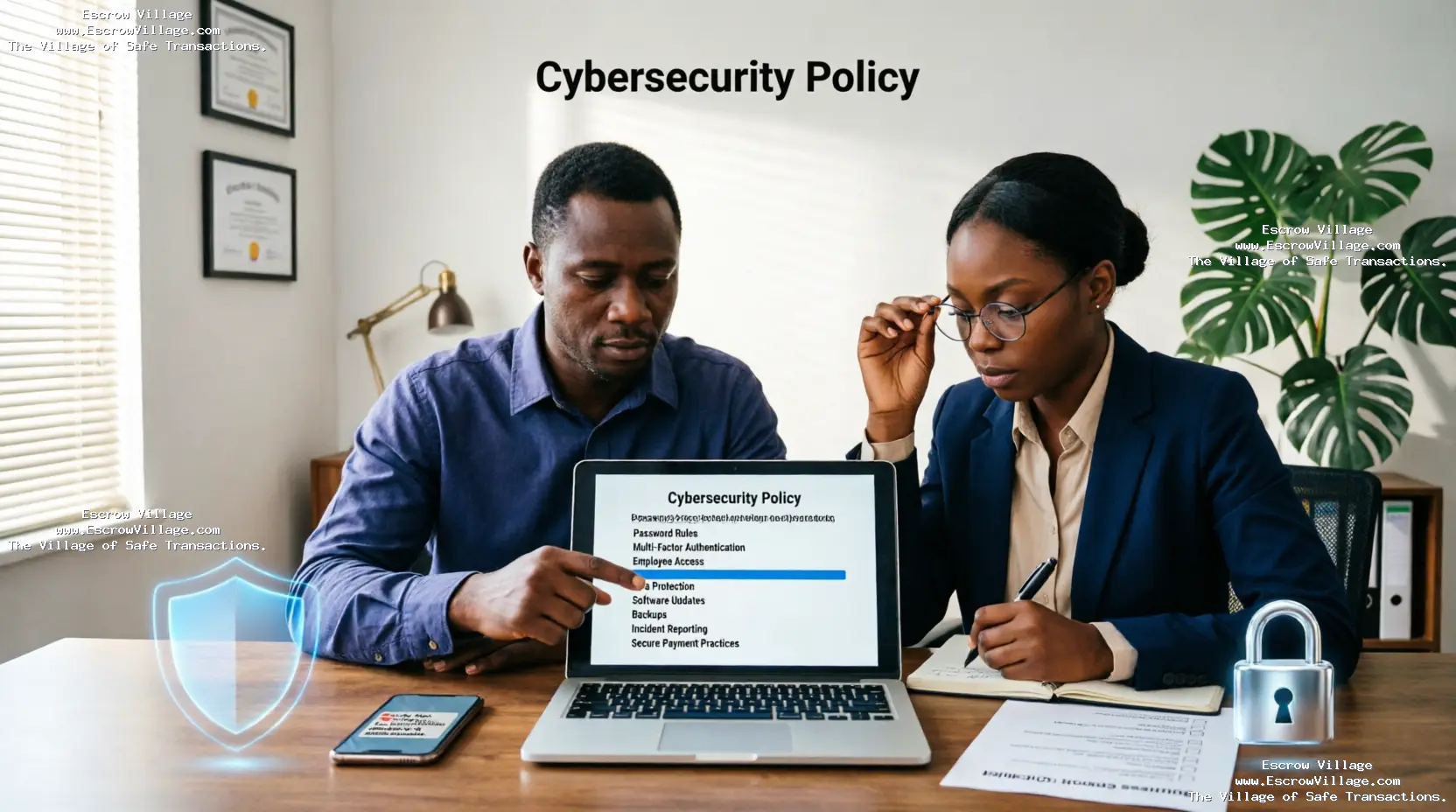
Verifying suppliers, confirming documentation, and using secure payment methods remain the best defences against financial fraud.
As the EFCC continues its investigation, Nigerians and international buyers alike are encouraged to remain cautious and report suspected fraud to the appropriate authorities to help combat financial crime.