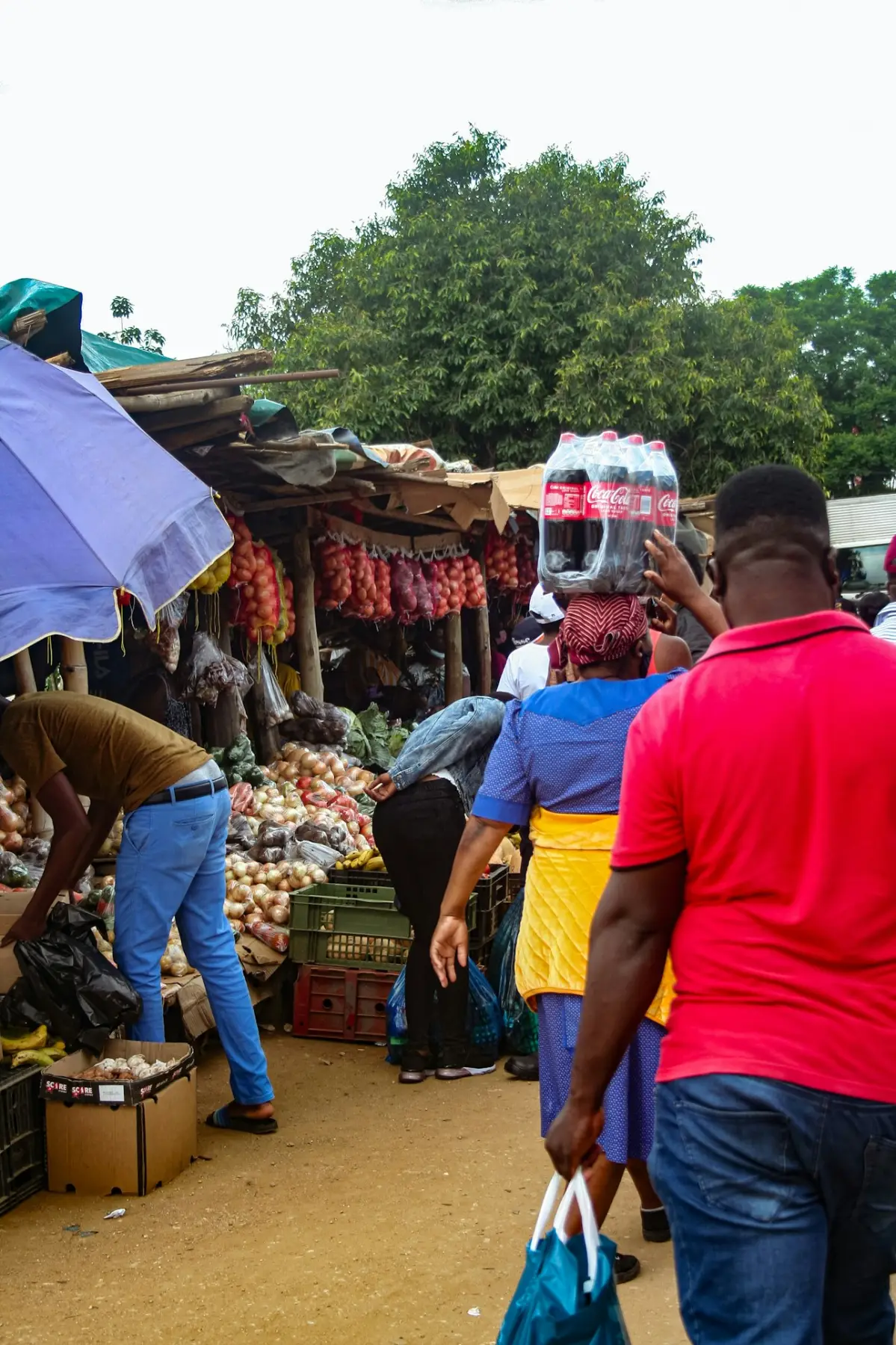

high-potential business opportunities/sectors worth exploring
From fintech and agritech to renewable energy, e-commerce, healthcare and local manufacturing, several sectors are being shaped by the country's growing population, digital adoption and changing consumer needs.
But opportunity does not automatically mean easy money. Nigeria's business environment still comes with challenges such as inflation, foreign-exchange volatility, unreliable infrastructure, regulation and rising customer acquisition costs.
The best opportunities are therefore not necessarily the trendiest ones. They are businesses solving real problems in ways that can generate sustainable revenue.
One reason 2026 stands out is the continued expansion of Nigeria's digital economy. DataReportal reported 109 million internet users in Nigeria at the end of 2025, representing internet penetration of 45.5%. There were also 165 million mobile connections.
At the same time, Nigeria's real GDP grew by 3.89% year-on-year in Q1 2026, according to the National Bureau of Statistics (NBS), while manufacturing grew by 3.29%. That combination creates room for entrepreneurs who can connect technology with everyday problems.
- How to Choose the Right Business Opportunity in Nigeria

- • Is there real demand? Can you identify people already paying for a similar solution?
- • How much capital do I need? Avoid businesses that require more money than you can realistically raise or recover.
- • What regulations apply? Fintech, healthcare, energy and manufacturing can require specific licences or approvals.
- • Can it scale? A business should ideally be able to serve more customers without costs increasing at the same rate.
- • What is the exit potential? If you eventually want investors or buyers, think about what makes the business valuable beyond your personal involvement.
Before building a full product, talk to at least 30 potential customers. Then create a simple MVP, test whether people will actually pay and build a lean financial plan.
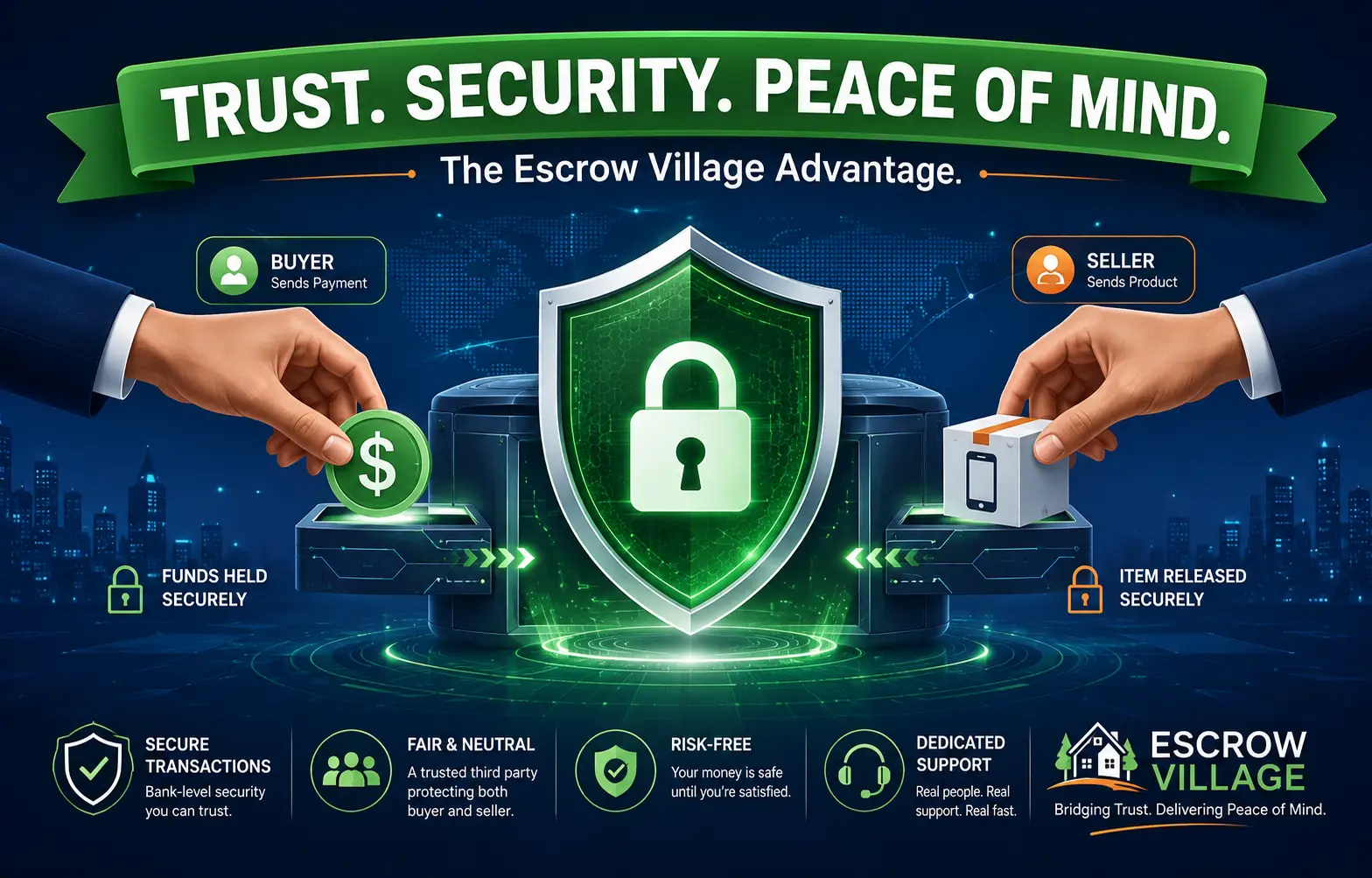
And when customers are paying unfamiliar vendors online, consider using a secure payment arrangement such as escrow to reduce the risk of either side being left exposed.
- 1. Fintech and Embedded Finance
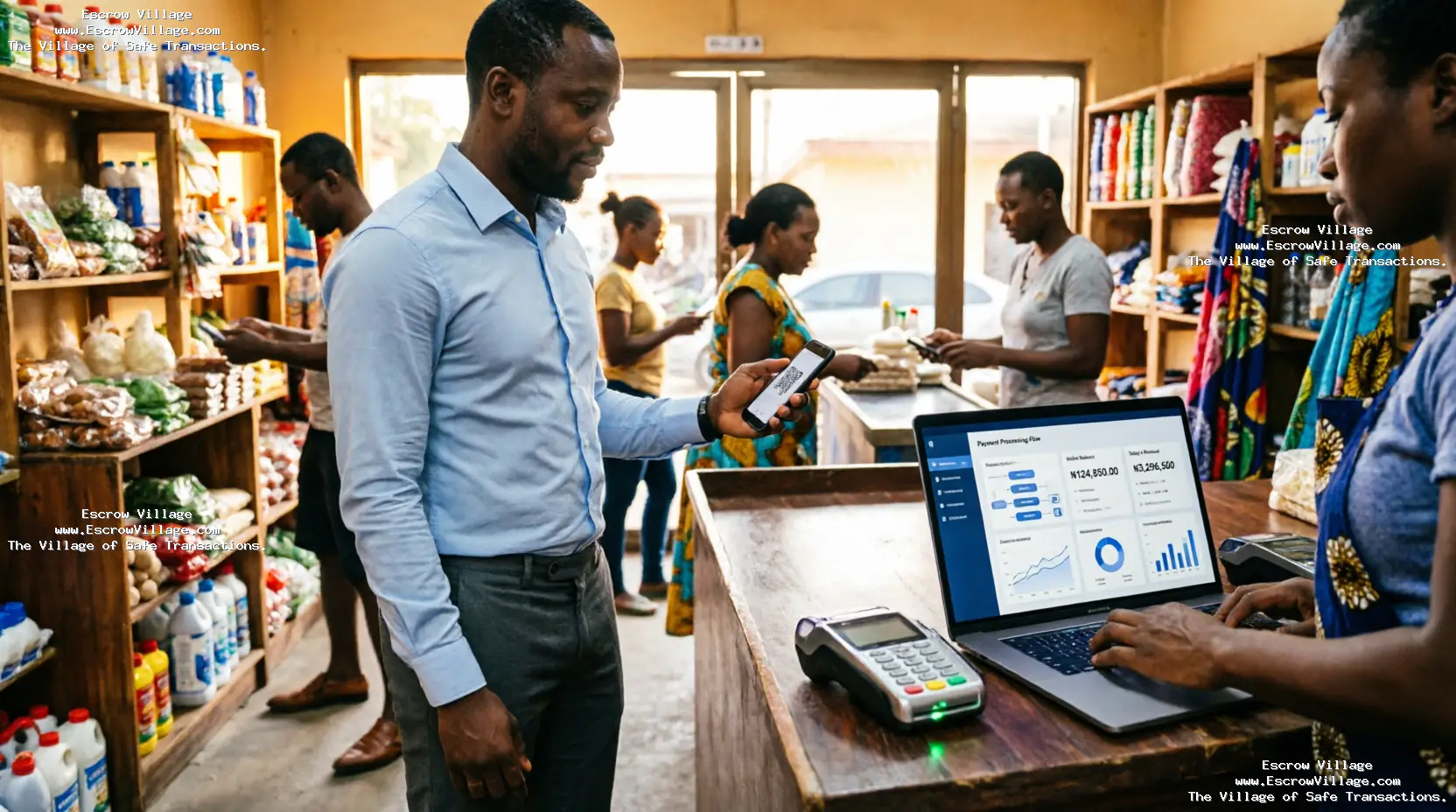
Fintech remains one of the most visible areas of Nigeria's startup ecosystem, but that does not mean another generic payment app is automatically a good business idea.
The bigger opportunity may be in solving specific financial problems for businesses and underserved customers.
Potential ideas include:
- • Digital lending tools for SMEs
- • Buy-now-pay-later services for selected e-commerce categories
- • Payment orchestration platforms
- Remittance optimisation
- • Embedded finance for marketplaces and business platforms
- • Financial management tools for small businesses
The business model could involve SaaS subscriptions, transaction fees, interest margins or a combination of these.
The key is to start with a narrow problem. For example, instead of building another general payment platform, you could build financial infrastructure specifically for online merchants, exporters or a particular industry.
However, fintech is heavily regulated. The Central Bank of Nigeria maintains regulations covering payment service providers, electronic payments, open banking, mobile money and other payment activities.
So, before launching, determine whether your business needs a licence or whether you should operate through a regulated financial institution.
For online transactions involving unfamiliar parties, secure payment mechanisms can also help reduce disputes and build trust.
- 2. Agritech and Modern Food Supply Chains
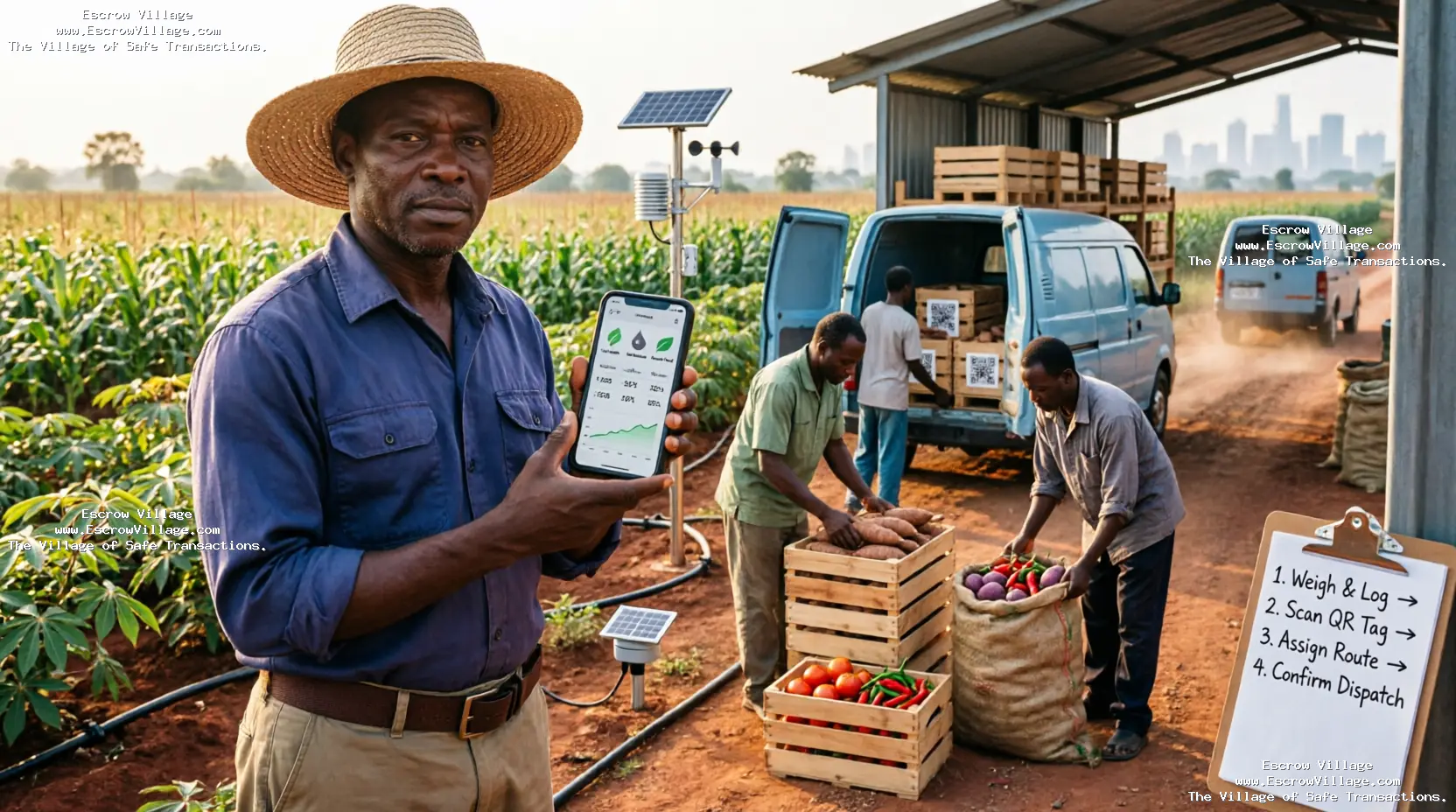
Agriculture remains one of the biggest areas of opportunity in Nigeria, but the opportunity is not limited to owning a farm.
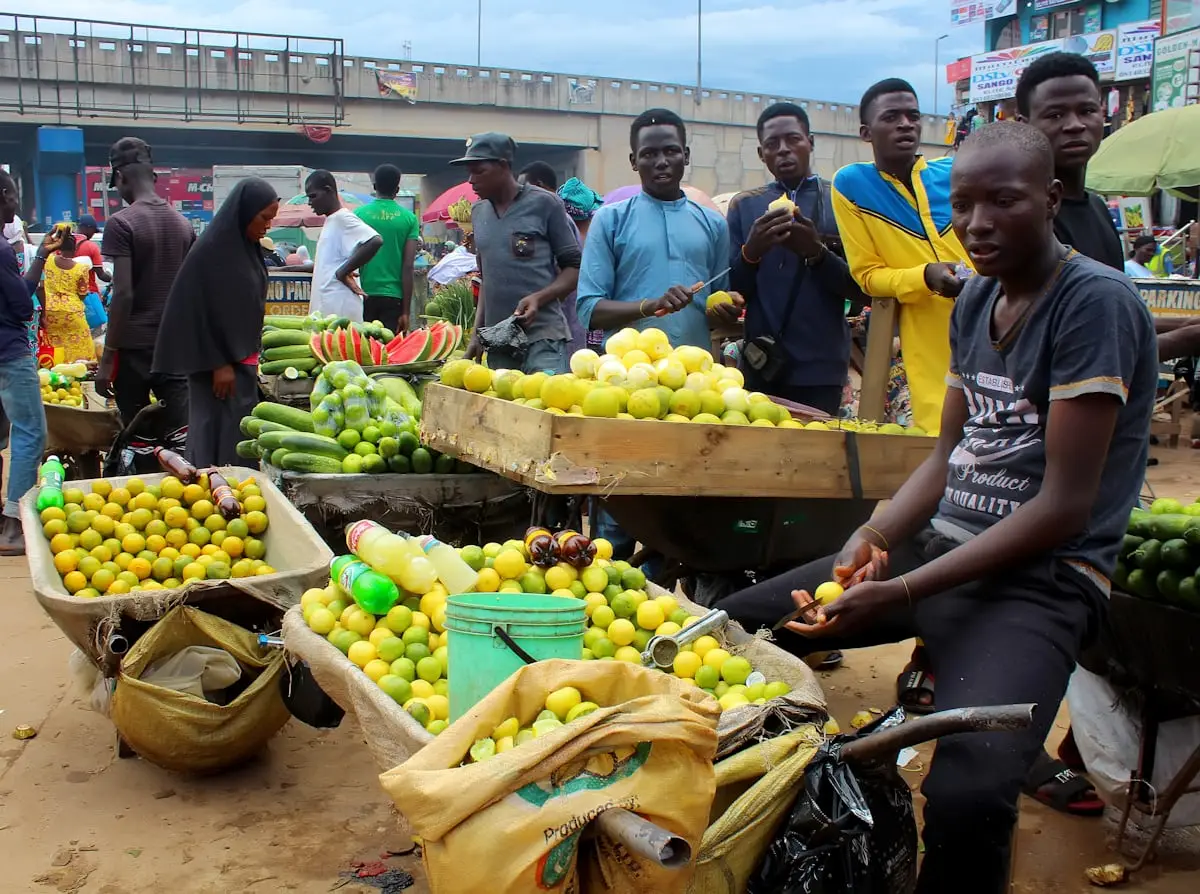
There are significant problems across the agricultural value chain, including access to inputs, financing, storage, transportation, market access and post-harvest losses.
This creates opportunities in agritech Nigeria, including:
- • Farm-to-market logistics
- • Digital marketplaces for agricultural inputs
- • Precision farming services
- • Storage and warehouse solutions
- • Agrifinance platforms
- • Farm management software
- • Produce aggregation
- • Cold-chain services
The African Development Bank approved $200 million in February 2026 to support agricultural production, value chains, digital and climate-smart agriculture in Nigeria.
The bank noted that agriculture employs about 38% of Nigeria's working population and contributes 25.2% of GDP.
That investment is another indication that agricultural productivity and food supply chains will remain important areas of development.
One practical customer-acquisition strategy is to work through farmer cooperatives, aggregators and agricultural extension networks instead of trying to recruit individual farmers one by one.
If your business connects farmers with buyers, equipment suppliers or financiers, secure payment arrangements can also reduce the risk associated with transactions between parties who do not know each other.
- 3. Renewable Energy and Off-Grid Power
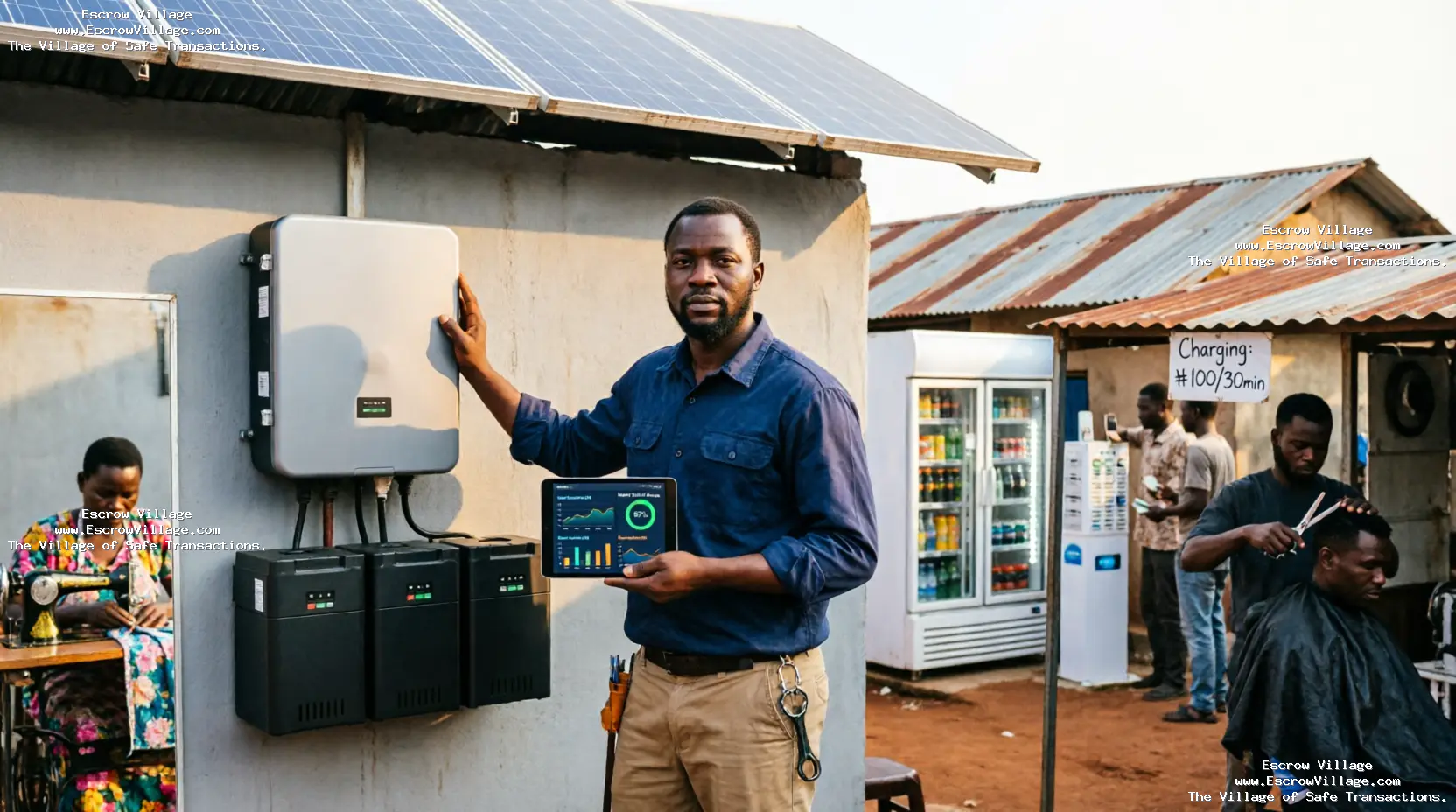
Nigeria's electricity challenges have created an obvious market for alternative power solutions. The opportunity goes beyond selling solar panels.
Entrepreneurs can build businesses around renewable energy Nigeria through:- • Pay-as-you-go solar systems
- • Commercial rooftop solar
- • Mini-grids
- • Battery storage
- • Energy-as-a-service
- • Solar installation and maintenance
- • Power solutions for SMEs
For example, a company could install solar systems for small businesses and charge customers through a monthly energy subscription rather than requiring them to pay the full installation cost upfront.
Mini-grid businesses also have a regulatory framework to work within. NERC published updated Mini Grid Regulations in 2026, so entrepreneurs should check the latest requirements before entering the sector.
Partnerships with development finance institutions, equipment manufacturers and established energy companies can also make large projects easier to finance.
For larger equipment purchases and installation contracts, staged or protected payments can help reduce disputes between customers, contractors and suppliers.
- 4. Logistics, Warehousing and Cold Chain
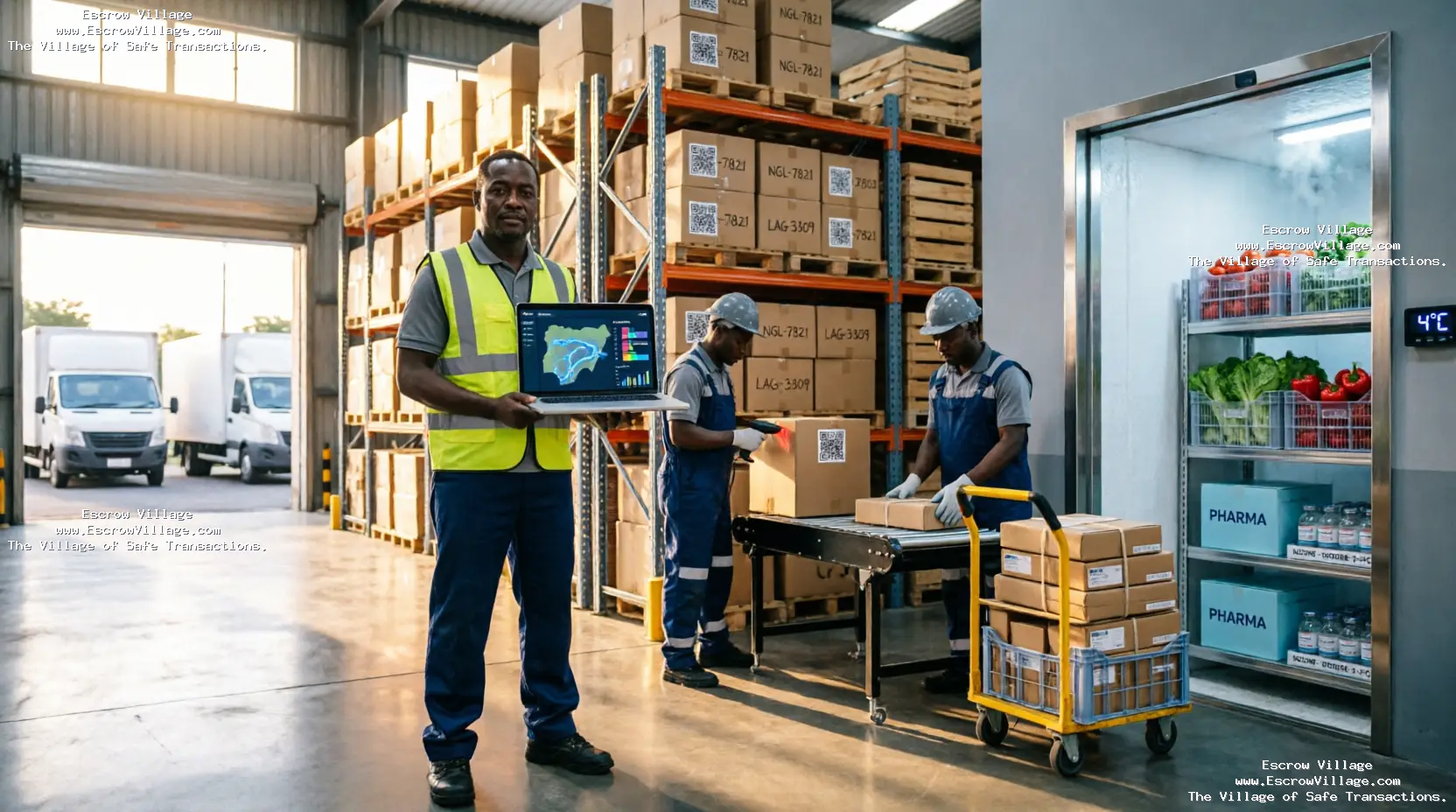
As e-commerce, food distribution and pharmaceutical supply chains grow, the movement and storage of goods becomes increasingly important.
Opportunities composting, Biogas include:
- • Last-mile delivery for underserved suburbs
- • Shared warehouses
- • Cold-chain logistics
- • B2B delivery software
- • Delivery management platforms
- • Storage for food producers
- • Pharmaceutical logistics
The important thing is to avoid competing only on price. Fuel, vehicle maintenance, failed deliveries, staff costs and route inefficiencies can quickly destroy margins.
A better approach is to specialise. For example, you could focus exclusively on cold-chain delivery for food businesses or delivery services for pharmacies.
For logistics businesses handling high-value goods, payment should ideally be tied to clear delivery milestones.
This reduces the risk of paying fully before an agreed service is completed.
- 5. E-Commerce Niches and D2C Brands

E-commerce in Nigeria is competitive, but that does not mean there is no room for new businesses. The mistake is trying to sell everything to everyone.
A focused e-commerce Nigeria business can target a specific customer group or product category, such as:
- • Specialised food products
- • Beauty products
- • Fashion
- • Ethnic clothing
- • Local artisan products
- • Home and lifestyle products
- • Subscription boxes
You can start with social media and WhatsApp commerce before investing in a sophisticated website. Influencer partnerships, short-form videos, customer referrals and WhatsApp follow-up can help drive early sales.
Trust is particularly important when customers are buying from a business they have never dealt with before.
Clear product descriptions, return policies, reviews and secure payment options can make customers more comfortable.
- 6. Healthcare Technology and Telemedicine

Healthcare access remains a major challenge, creating opportunities for technology businesses that make healthcare more convenient and accessible.
Potential healthcare startups Nigeria ideas include:
- • Primary-care telemedicine
- • Digital health records
- • Laboratory sample logistics
- • Chronic disease management
- • Pharmacy supply-chain verification
- • Appointment platforms
- •Health insurance technology
However, healthcare is not a sector where entrepreneurs should move fast and ignore regulation.
Businesses dealing with medicines, medical devices, food products or other regulated products may have obligations under NAFDAC rules.
NAFDAC states that regulated products must be registered before they are manufactured, imported, advertised, sold or distributed in Nigeria.
Entrepreneurs should therefore get professional regulatory advice before launching.
For health-related products purchased online, secure payment and clear fulfilment policies can also help protect customers from paying for products that are never delivered.
- 7. Education Technology and Skills Training

Nigeria's large young population creates continuing demand for education and employability skills.
The opportunity is not necessarily another general online course platform. More focused businesses may have better chances.Ideas include:
- • Technology skills training
- • Vocational training
- • Professional exam preparation
- • Micro-credential programmes
- • Corporate training
- • Digital marketing education
- • Training for trades and practical professions
Business models can include subscriptions, individual course payments, corporate contracts or cohort-based programmes.
One useful strategy is to focus on an outcome rather than simply selling information. For example, “learn digital marketing” is broad. “Learn how to run paid ads for small Nigerian businesses in six weeks” is much easier to position.
If learners pay for expensive training or equipment, use clear payment milestones and refund terms to avoid unnecessary disputes.
- 8. Creative Economy and Content Businesses

Nigeria's entertainment and creative industries have already demonstrated their ability to reach international audiences.
That creates opportunities beyond becoming an influencer.
Potential businesses include:
- • Niche content platforms
- • Creator management agencies
- • Digital marketing agencies
- • Short-form video studios
- • Music publishing services
- • Podcast production
- • Brand-content agencies
- • Social media management
The revenue model could include advertising, sponsorships, brand partnerships, memberships, retainers or licensing.
For digital marketing Nigeria businesses, one of the easiest ways to start is by choosing a niche.
Instead of offering marketing services to every company, specialise in helping restaurants, real estate agents, fashion brands or professional service businesses.
For client projects involving freelancers, agencies and businesses, milestone-based payments or escrow can protect both parties.
- 9. Real Estate and PropTech

Nigeria's urbanisation and housing challenges create opportunities for both traditional property businesses and technology-enabled models.
Potential real estate Nigeria opportunities include:
- • Property management software
- • Co-living spaces
- • Rent-to-own housing models
- • Mortgage facilitation
- • Property listing platforms
- • Short-let management
- • Property maintenance services
The challenge is capital. Real estate can require significant upfront funding, so entrepreneurs should consider models that generate revenue without requiring them to own large amounts of property.
Technology can also make fragmented processes more efficient. A property management platform, for example, could help landlords manage rent, maintenance requests, tenant communication and documentation.
Because property transactions involve substantial amounts of money, buyers and sellers should use clearly documented agreements and secure payment structures.
- 10. Manufacturing and Import Substitution
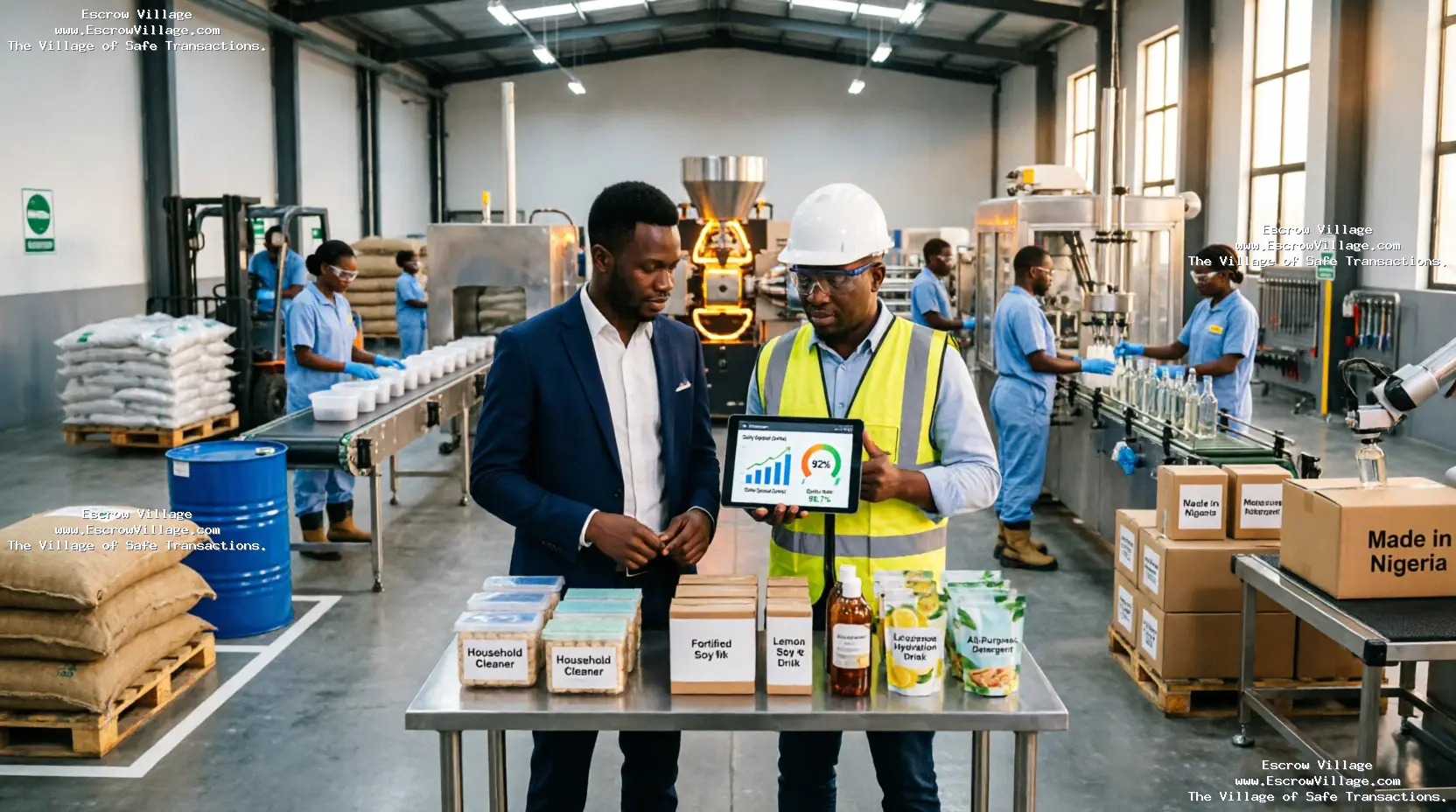
The rising cost and volatility associated with imported products can create opportunities for local manufacturers.
Rather than immediately building a huge factory, entrepreneurs can start with small-batch production or contract manufacturing.
Possible areas include:
- • Food processing
- • Packaging
- • Construction materials
- • Household products
- • Agricultural processing
- • Light assembly
- • Personal-care products
The biggest opportunity may be products that Nigerians already buy regularly but that can be produced locally at competitive quality.
Quality control matters, though. SON operates standards and conformity-assessment programmes for locally manufactured products, including MANCAP.
Businesses should also understand the relevant standards before spending heavily on equipment.
For manufacturing contracts, avoid relying entirely on informal agreements. Use written specifications, delivery milestones, quality requirements and protected payment arrangements.
- 11. Waste Management and the Circular Economy
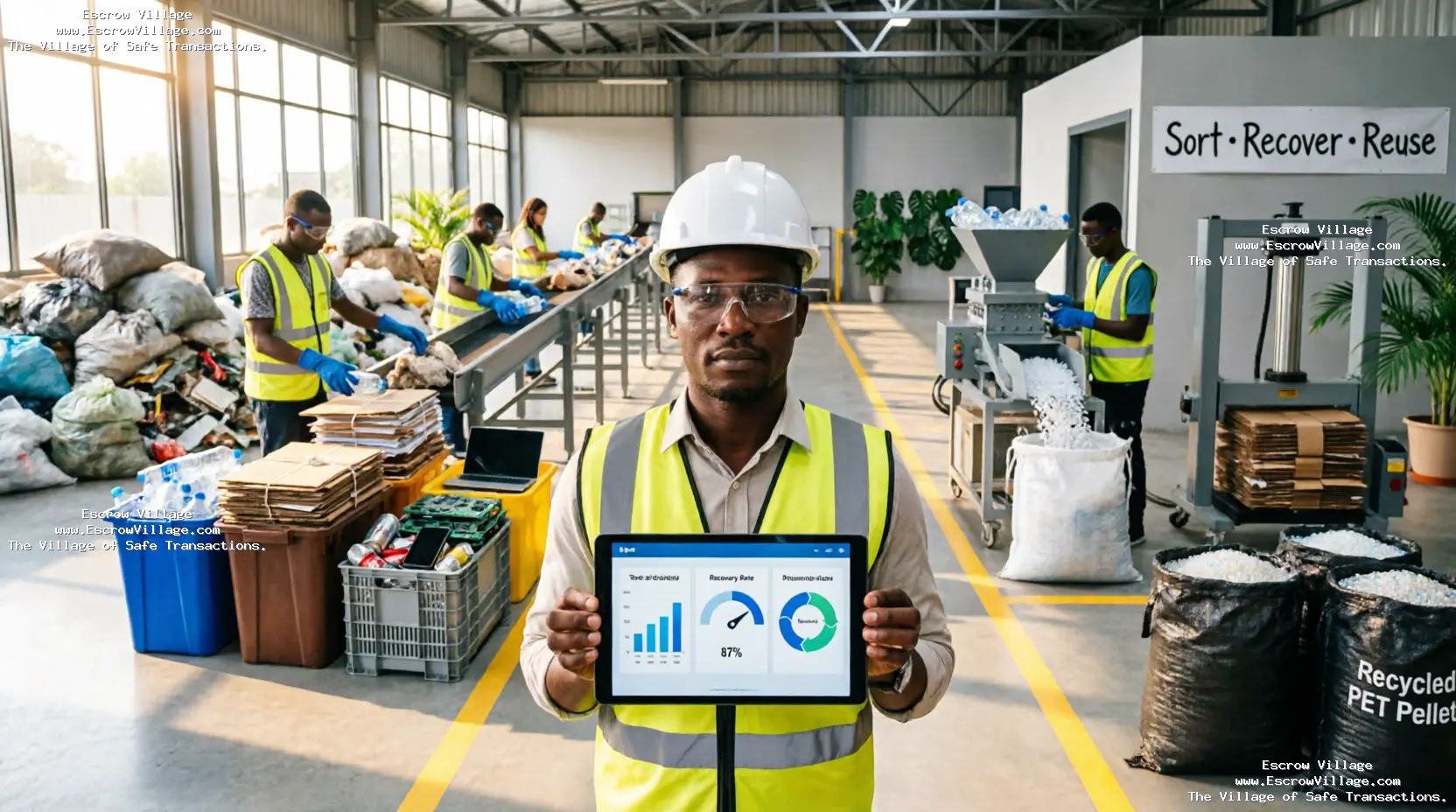
Waste is a major urban problem, but it is also a potential business opportunity.
Entrepreneurs can build businesses around:
- • Plastic collection and recycling
- • Organic waste compostingBiogas
- • E-waste collection
- • Electronics refurbishment
- • Waste sorting
- • Recycling logistics
The strongest models usually have both sides of the market figured out: where the waste comes from and who will pay for the processed material.
For example, a recycling company could collect plastic from businesses, process it and sell the resulting material to manufacturers.
Partnerships with businesses, municipalities and corporate organisations can provide a more reliable supply of recyclable materials.
For equipment purchases and corporate waste-management contracts, clearly defined delivery and payment milestones can reduce disputes.
- How Investors and Founders Can Win in 2026

Having a good business idea is only the beginning. The founders most likely to survive difficult markets are the ones who understand their numbers and validate demand before spending heavily.
Start with customer interviews. Ask what people currently use, what they dislike about it and what they already pay. Then try pre-sales.
If people will not pay for a simple version of your solution, building a more complicated version will not necessarily solve the problem.
Keep the first team lean and track:
- • Customer acquisition cost (CAC)
- • Customer lifetime value (LTV)
- • Gross margin
- • Monthly recurring revenue
- • Churn
- • Conversion rate
- • Average order value
- • Cash runway
Partnerships can also be valuable. Instead of building every part of the business yourself, work with banks, logistics companies, retailers, cooperatives, manufacturers or established technology companies.
And remember that funding is not the same thing as business success.
Venture capital is appropriate for some scalable companies, but many Nigerian businesses can grow through customer revenue, strategic partnerships, angel investors, grants or development-finance programmes.
For example, the Bank of Industry announced a ₦10 billion credit-guarantee partnership in 2026 aimed at expanding financing for women-led MSMEs, covering sectors including manufacturing, ICT, e-commerce, healthcare, education, renewable energy and waste management.
- Risks and Challenges to Watch in 2026

The Nigerian market offers opportunities, but founders should not ignore the risks.
- 1. Foreign Exchange Volatility
- Businesses that rely heavily on imported equipment, software or raw materials can be exposed to currency movements.
- • Mitigation: Build multiple supplier options and review pricing regularly.
- 2. Regulatory Changes
- Fintech, healthcare, energy and investment businesses can be affected by changing regulations.
- • Mitigation: Monitor the relevant regulator and obtain professional advice before launching regulated products.InfrastructurePower, internet access, transportation and other infrastructure challenges can increase operating costs.
- • Mitigation: Build infrastructure costs into your pricing and consider backup systems where necessary.
- 3. Customer Acquisition Costs
- Getting attention online does not automatically translate into sales.
- • Mitigation: Test multiple acquisition channels and calculate how much you can afford to spend to acquire each customer.
- Trust and Fraud
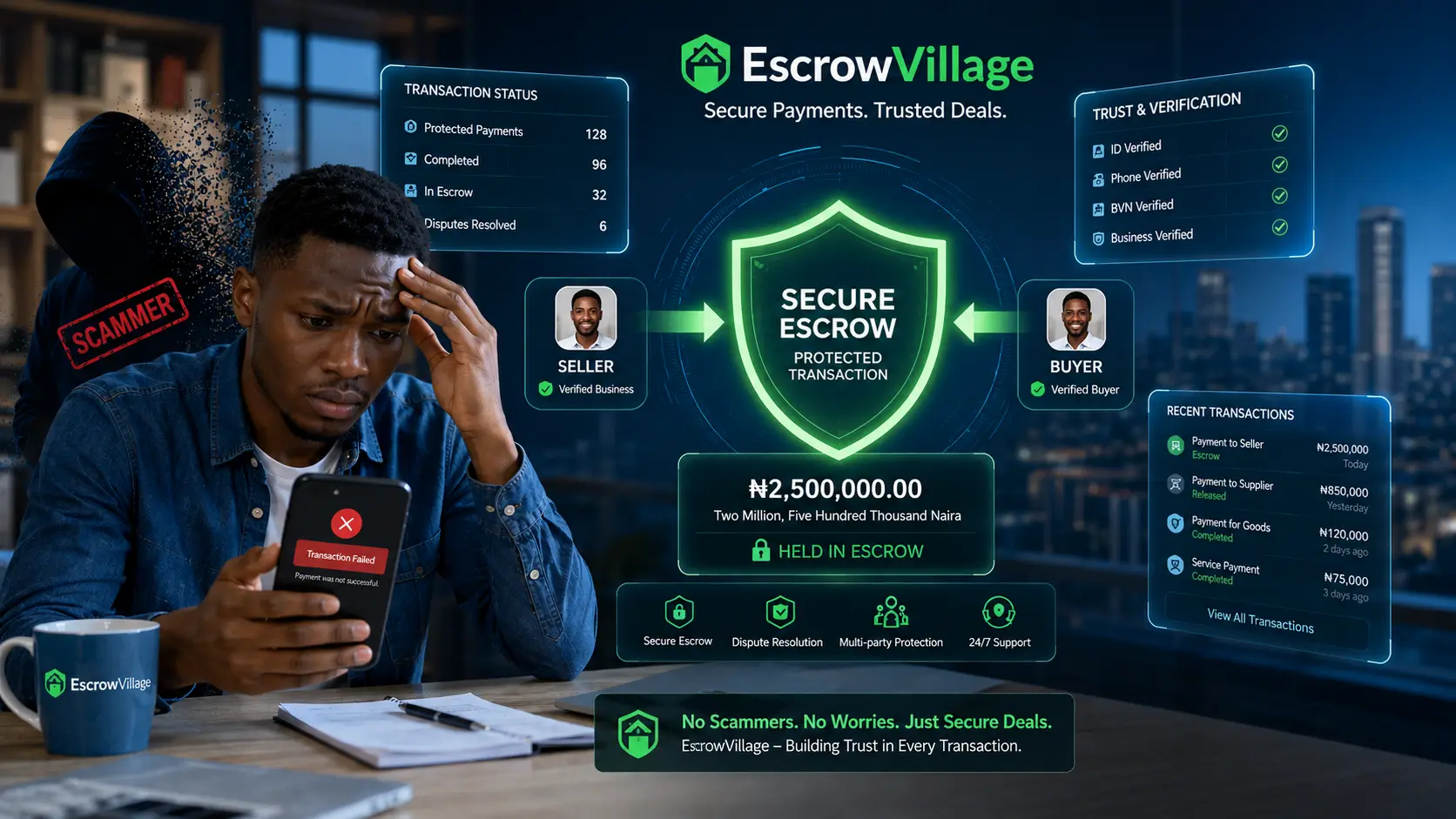
- Online businesses face payment fraud, fake identities, chargebacks, non-delivery and disputes.
- • Mitigation: Verify customers and vendors where appropriate, document agreements and use secure payment methods for transactions involving significant risk.
- Start Small, Validate Fast

The best business opportunities in Nigeria in 2026 are not necessarily businesses with the biggest headlines.
They are businesses solving problems people already have and are willing to pay to solve.Whether you choose fintech, agritech, renewable energy, e-commerce, logistics, healthcare, education, manufacturing or another sector, start small, speak to real customers and test your assumptions before committing serious capital.
Pick one opportunity, create a 30-day action plan and focus on getting your first paying customers before worrying about becoming the next big Nigerian startup.
If your business involves transactions between buyers and sellers who need additional protection, Escrow Village can also help create a safer payment process that gives both parties more confidence to transact.