For small businesses operating online, customer disputes are almost inevitable. A delayed delivery, a payment that seems to vanish, or a product that doesn't match its description can quickly turn a satisfied buyer into a frustrated one. Left unresolved, these misunderstandings don't just cost a single sale; they erode trust and damage a business's reputation over time. The good news is that most disputes can be prevented. By setting clear expectations and communicating proactively, small businesses can avoid the friction that leads to chargebacks, refund requests, and lost customers altogether. In this article, we will break down how small businesses can reduce customer disputes, with practical strategies that help build trust and stop friction before it starts.
Common Causes of Customer Disputes
Most customer disputes don't start with bad intentions; they start with confusion.
Understanding these common triggers is the first step in business dispute prevention.
● Unclear product or service descriptions.
When photos, sizes, or features don't match what's delivered, buyers feel misled, even if it was unintentional.
● Late deliveries or missed deadlines.
Nigerian online businesses often face logistics delays, but failing to communicate them turns a delay into a full-blown complaint.
● Poor communication.
Slow replies or vague answers leave customers guessing, and guessing breeds distrust.
● Unexpected fees or hidden charges.
Surprise costs at checkout are one of the fastest ways to trigger a dispute.
● Defective or incorrect products.
Wrong sizes, damaged items, or the wrong item entirely almost always lead to complaints.
● Unclear return and refund policies.
If customers can't find or understand your policy, they assume the worst.
● Payment misunderstandings.
Confusion over how or when payment is released is a leading cause of conflict — this is where secure escrow payments can prevent disputes before they start.
Best Practices to Prevent Customer Disputes
Preventing customer disputes isn't complicated; it mostly comes down to clarity, consistency, and communication.
Here are the practices that make the biggest difference for small businesses.
● Set clear expectations before payment. Before any money changes hands, make sure the customer knows exactly what they're paying for, when to expect it, and what happens if something goes wrong.
This single step prevents a huge share of disputes before they start, especially when paired with secure payment protection.
● Write accurate product and service descriptions.
Don't oversell. If a photo, size chart, or feature list doesn't match reality, customers notice, and they complain.
● Be transparent about pricing and delivery timelines.
List all fees upfront and give realistic delivery windows. Surprises, even small ones, erode customer trust fast.
● Create a clear refund and return policy.
Make it easy to find and easy to understand. A visible policy reassures buyers before they even ask.
● Respond quickly to customer inquiries.
Fast replies signal that a business is reliable and reduce the anxiety that turns a question into a complaint.
● Keep written records of agreements and conversations.
Screenshots, emails, and order confirmations protect both sides if a disagreement arises later, and they speed up customer dispute resolution when it's needed.
● Train customer support staff to handle complaints professionally.
A calm, solution-focused response can turn an angry customer into a repeat one. This is one of the simplest small business tips with the biggest payoff.
● Confirm orders before processing.
A quick confirmation step catches mistakes: wrong sizes, wrong addresses, wrong quantities before they become disputes.
● Follow up after delivery or service completion.
A simple check-in message shows customers you care about their experience, which builds long-term customer trust and often surfaces small issues before they escalate.
Together, these habits don't just reduce customer complaints. They build the kind of reputation that keeps customers coming back. For businesses handling payments online, using a platform like Escrow Village adds another layer of protection for both buyer and seller.
How Secure Payments Help Reduce Customer Disputes
Payment disputes usually happen because one side feels the other didn't hold up their end of the deal, a buyer pays and doesn't receive the item, or a seller delivers and doesn't get paid.
Without a neutral system in place, it's just one person's word against another's.
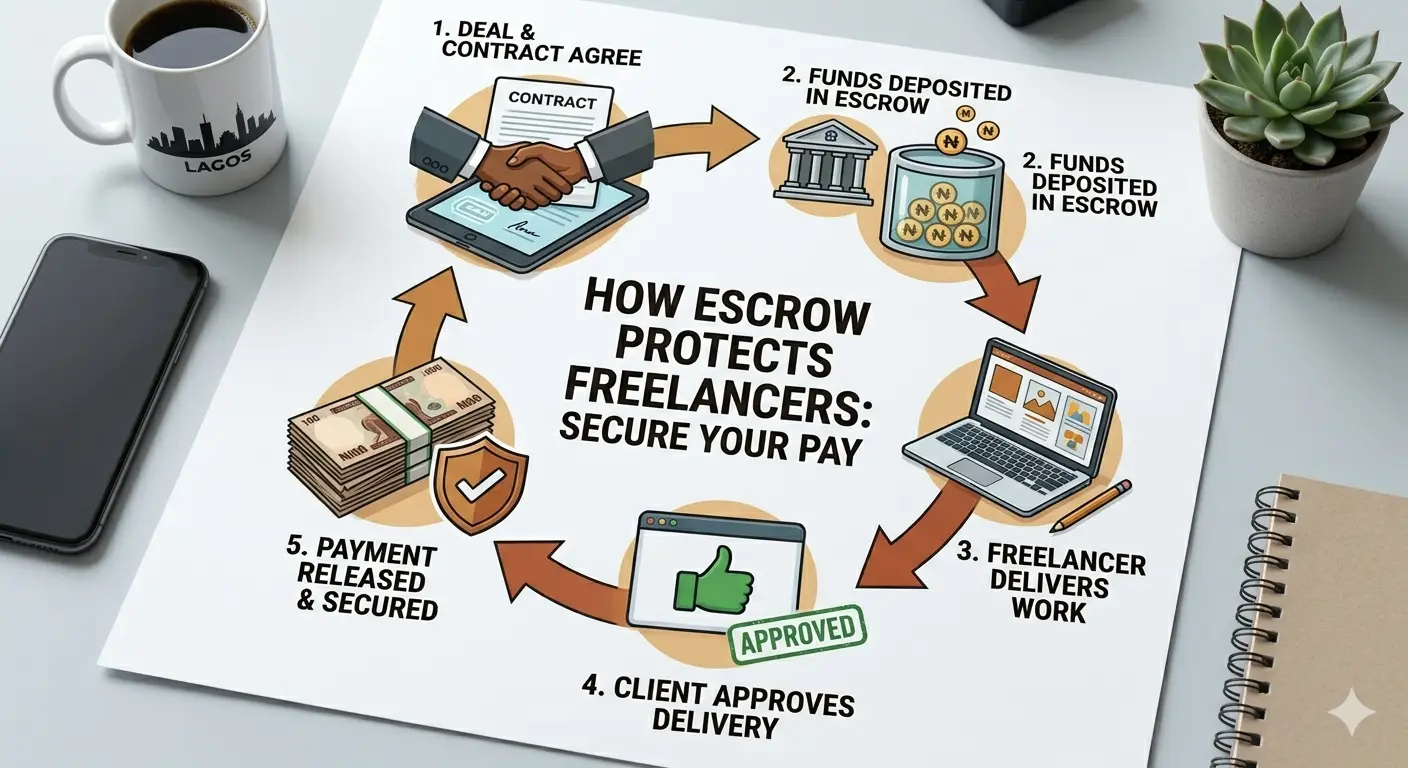
This is where escrow payment solves the problem. Instead of money going straight to the seller, it's held securely by a third party until both sides confirm the transaction went as agreed. This protects the buyer from paying for something that never arrives and protects the seller from delivering without getting paid.
Releasing funds only after agreed-upon conditions are met, like confirmed delivery or completed service, removes the guesswork that fuels most conflicts, building real customer trust in online transactions.
Businesses should especially consider escrow services for high-value orders, custom work, or first-time buyers and sellers, where trust hasn't been established yet.
Preventing customer disputes is always easier than resolving them after the fact. By focusing on clear communication, transparency, and secure payment systems, small businesses can avoid the misunderstandings that damage relationships and reputation.
Strong customer dispute resolution starts long before a complaint ever happens; it starts with how a business operates every day.
When businesses prioritise small business customer service and customer satisfaction, they earn more than a single sale; they earn trust. And that trust translates into positive reviews, repeat customers, and sustainable business growth. Ready to strengthen your customer relationships? Get started with Escrow Village.