Online Seller Refuses to Deliver After Payment? Here's Your Recovery Plan
Written by BLESSING ABADI IFEOMA1,265 views
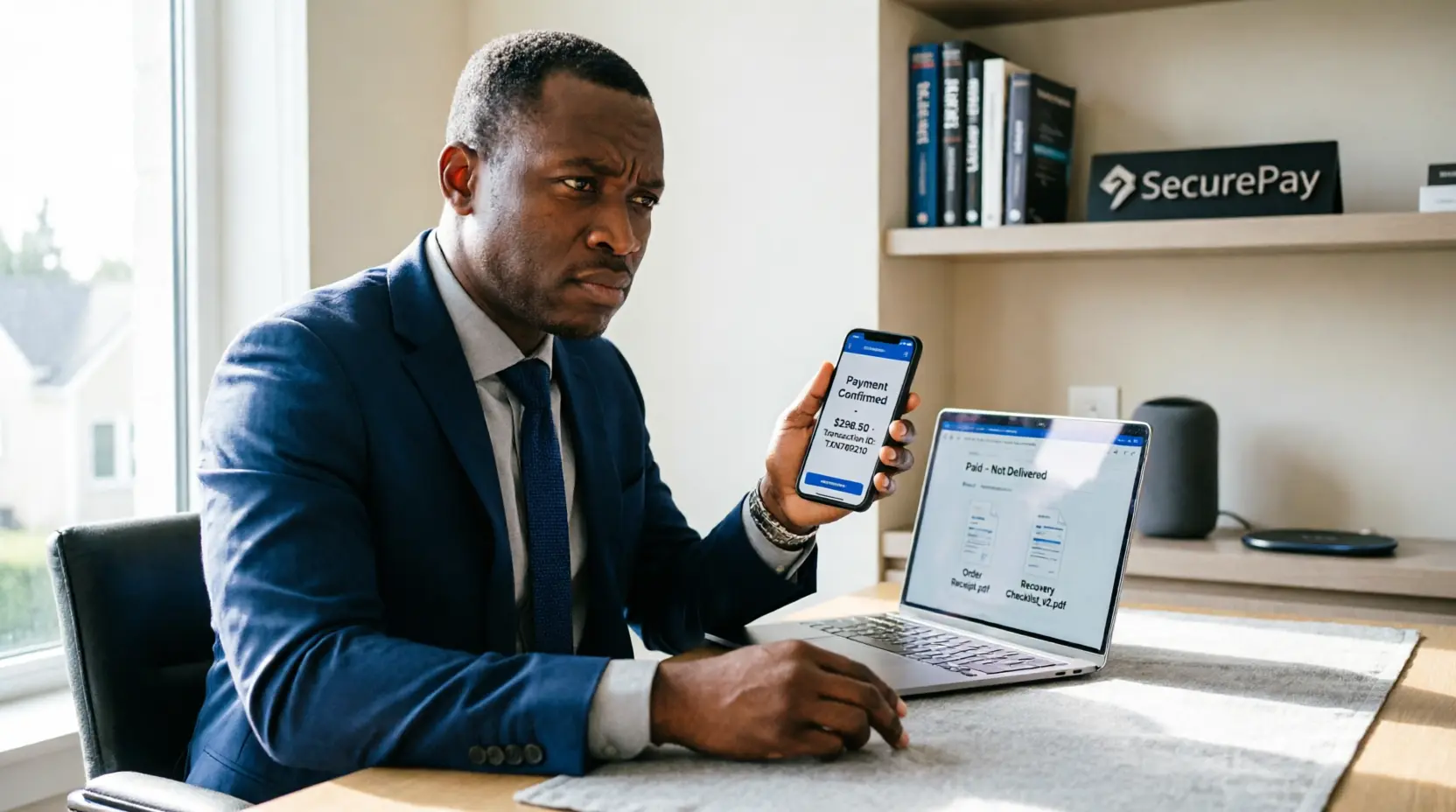
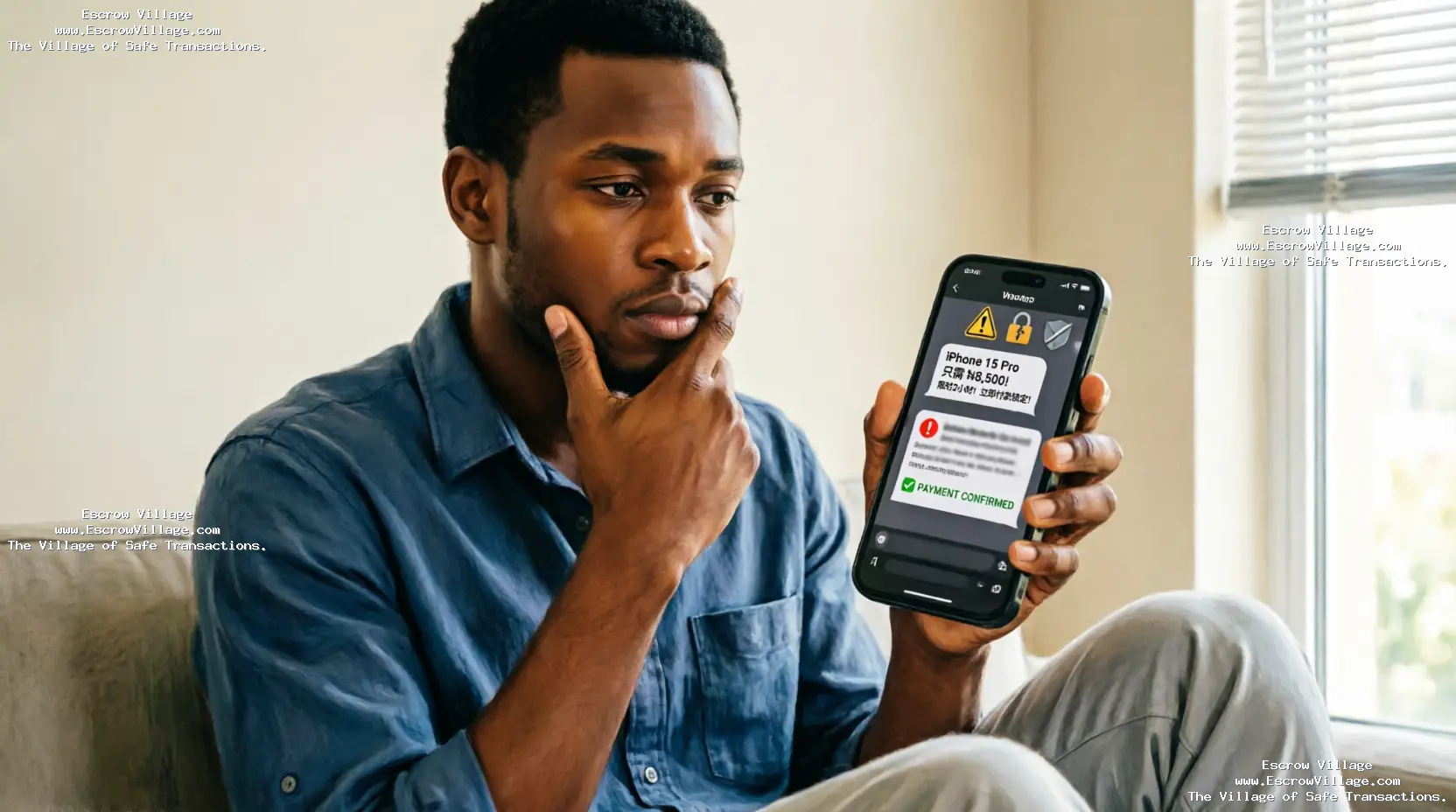
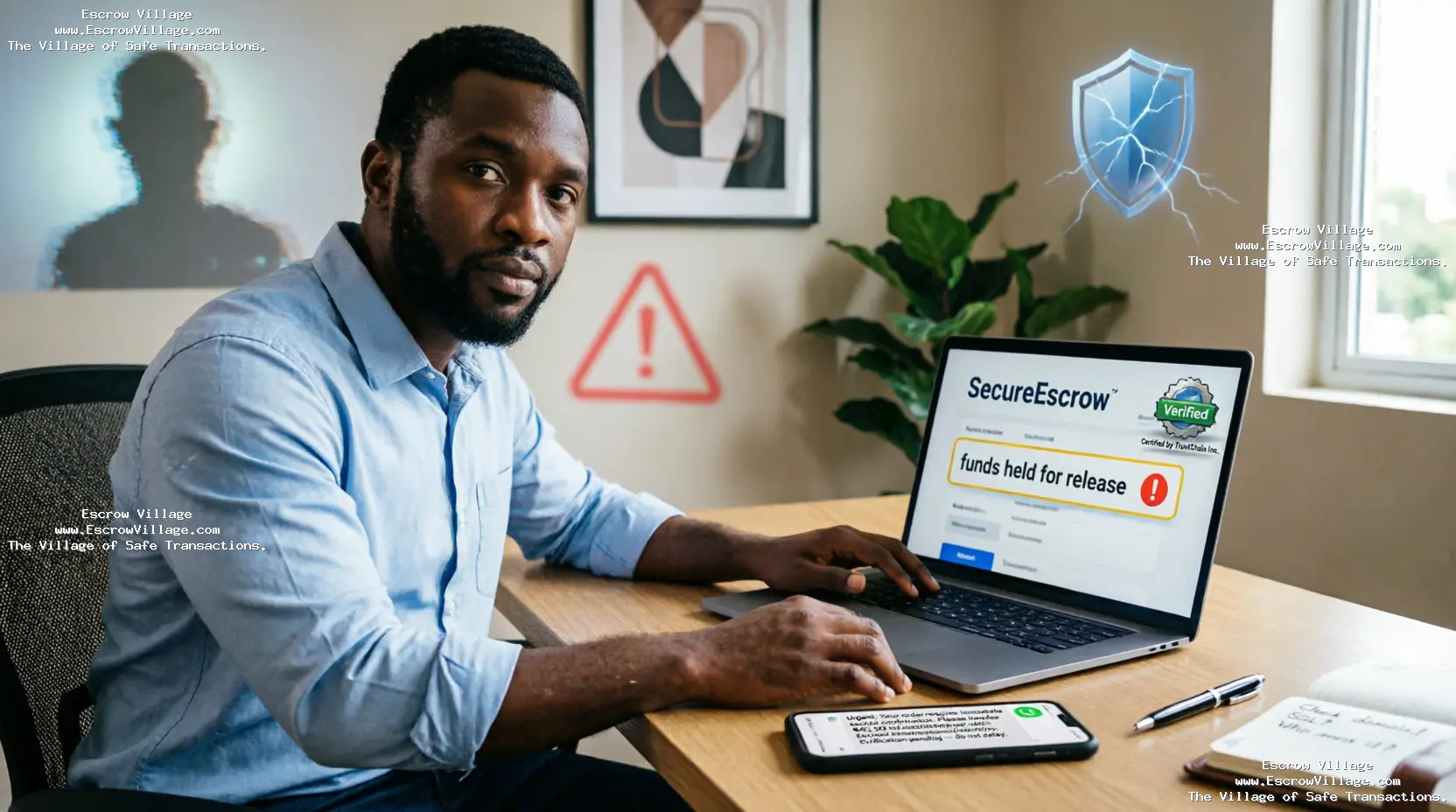
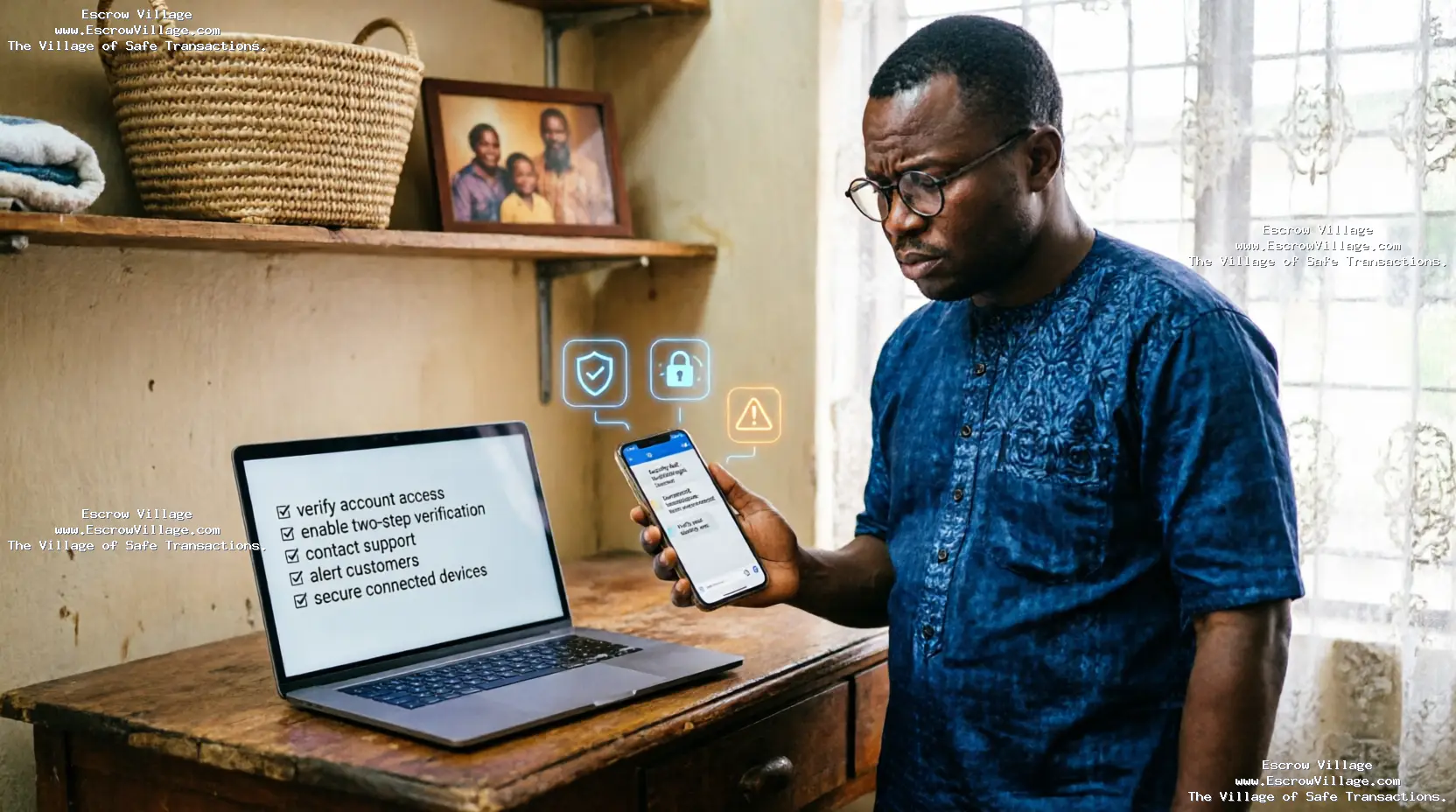
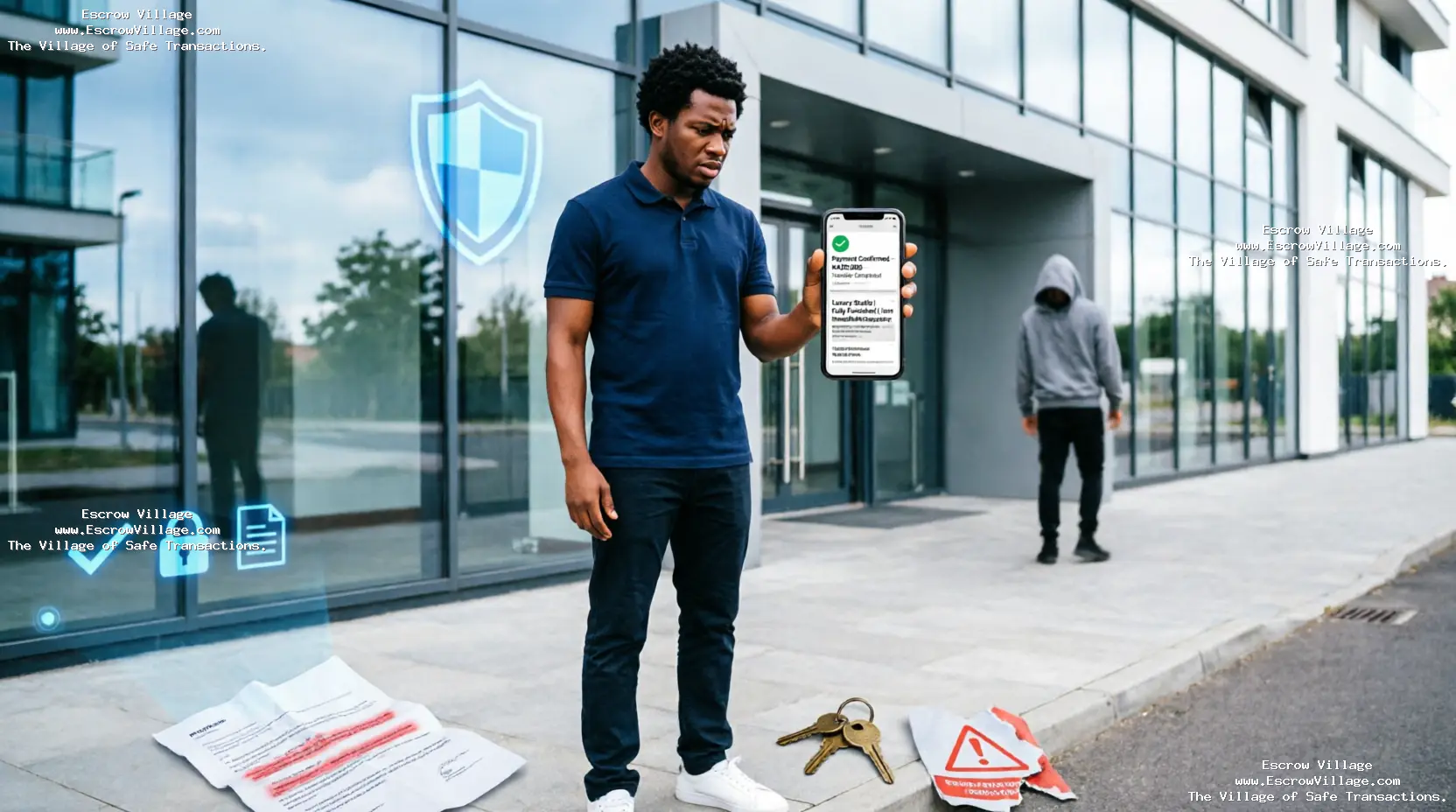
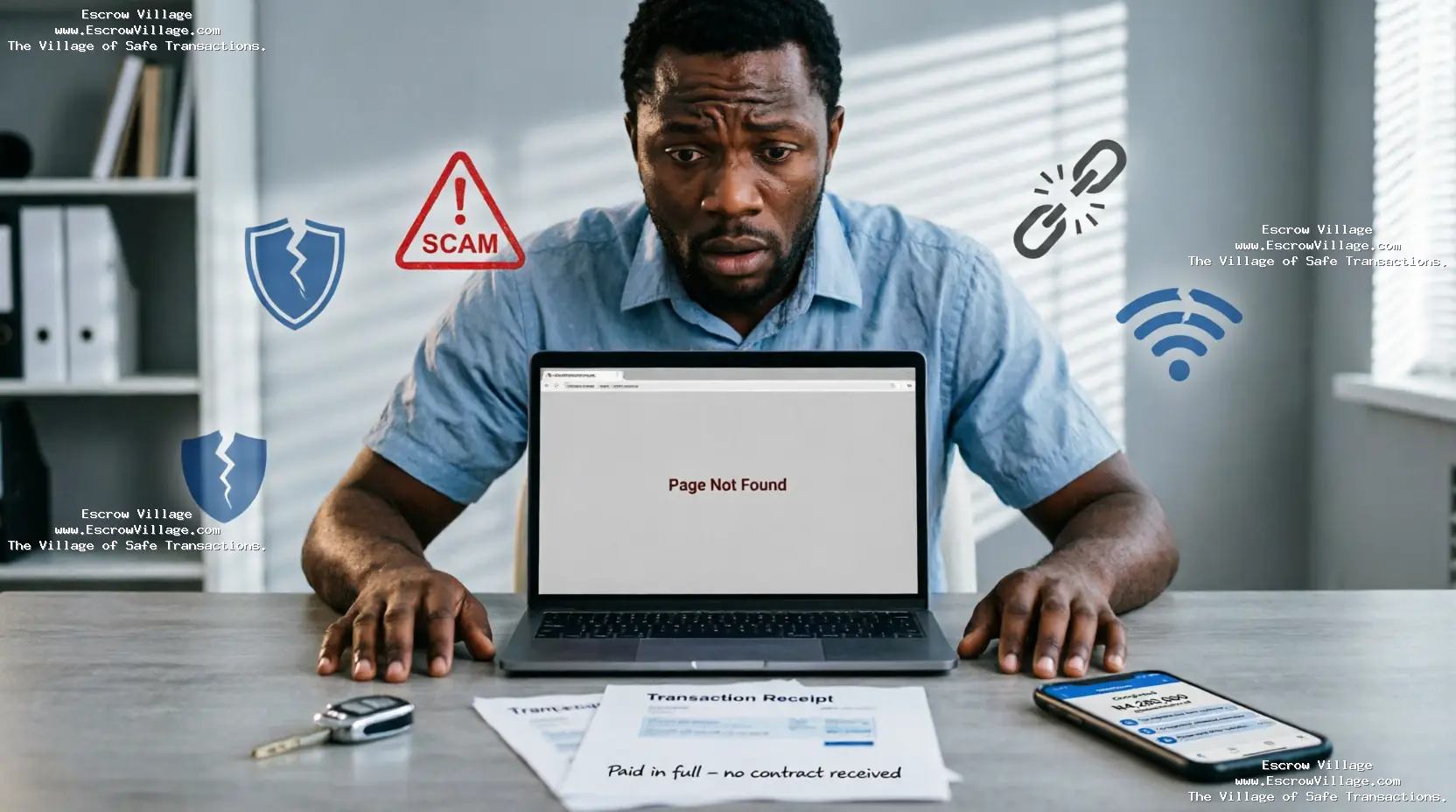
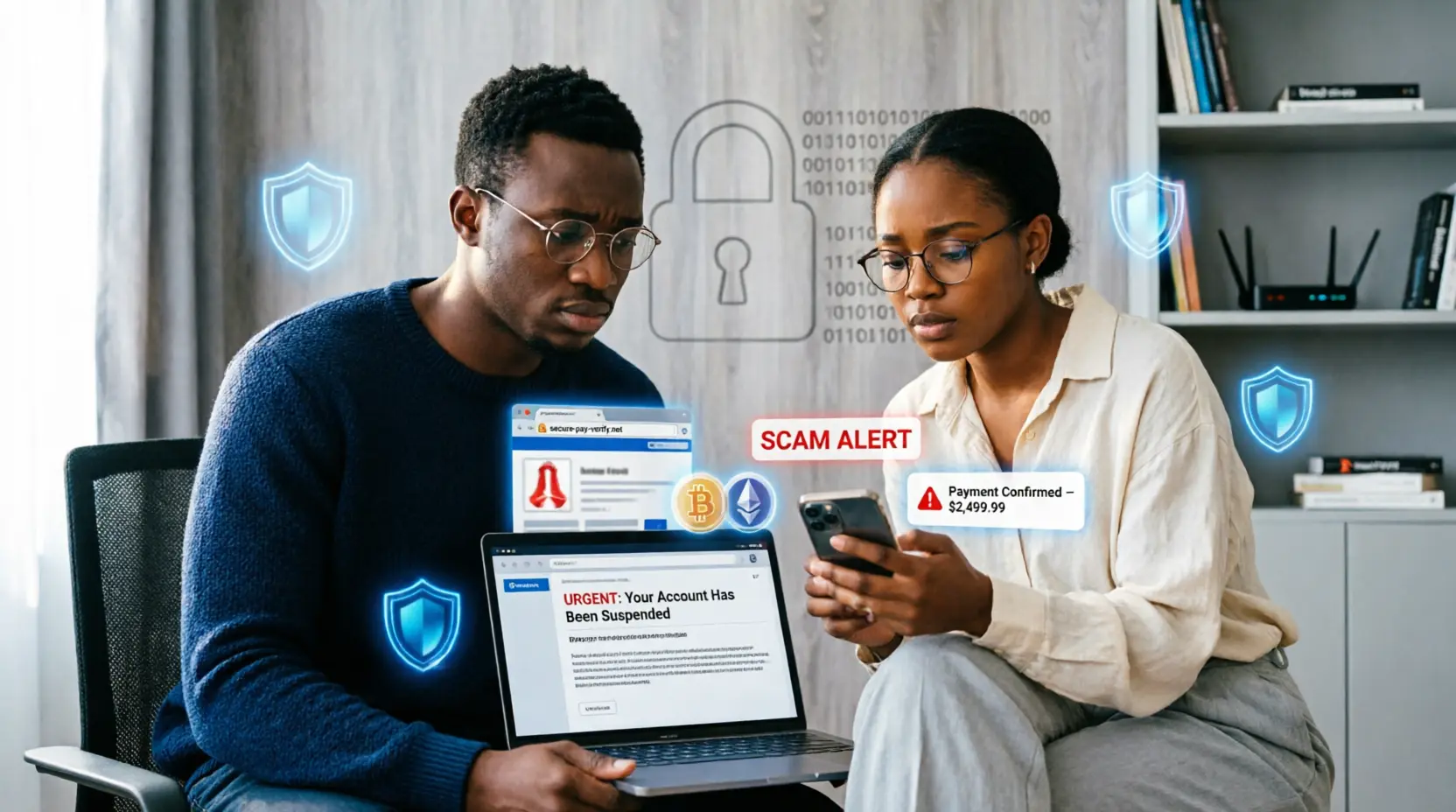
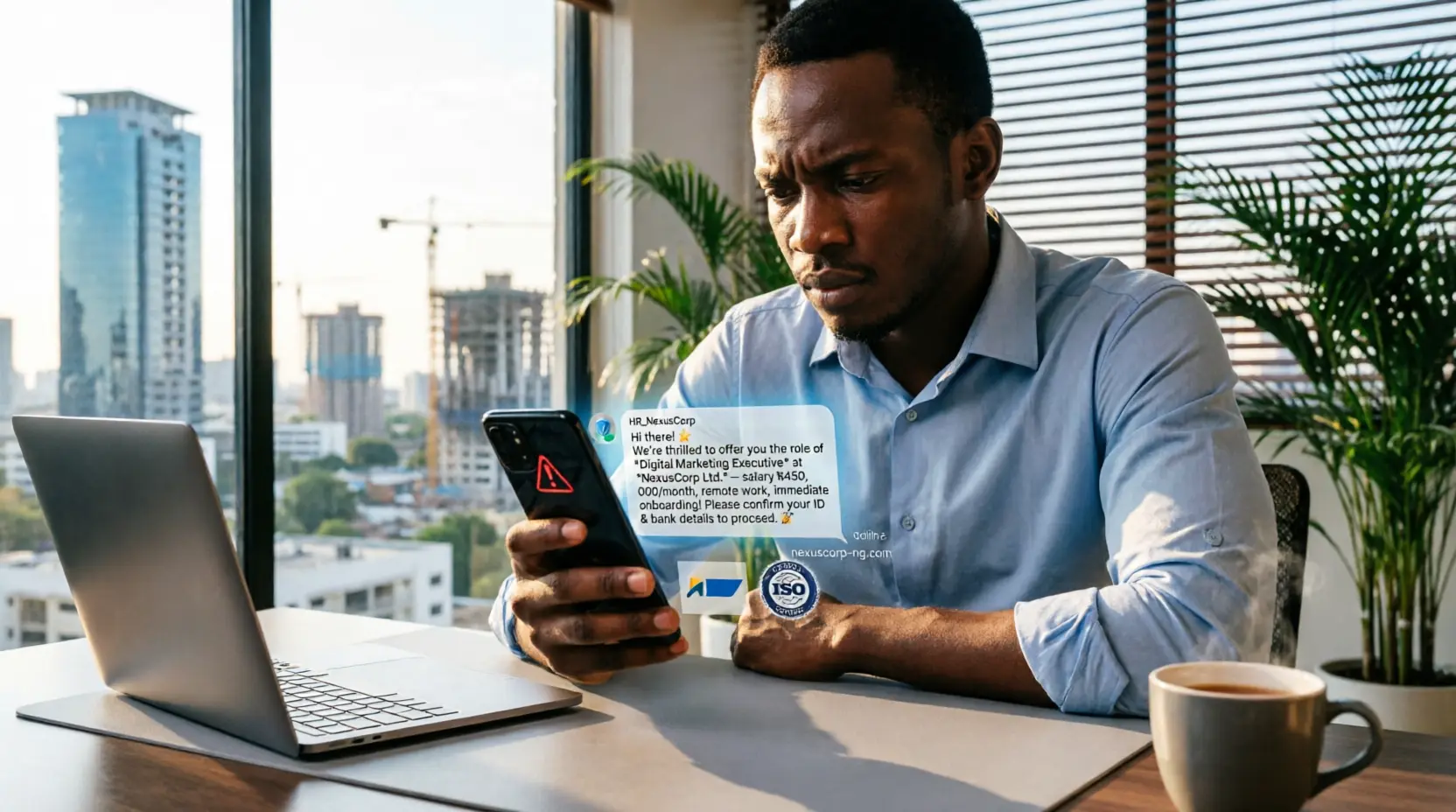
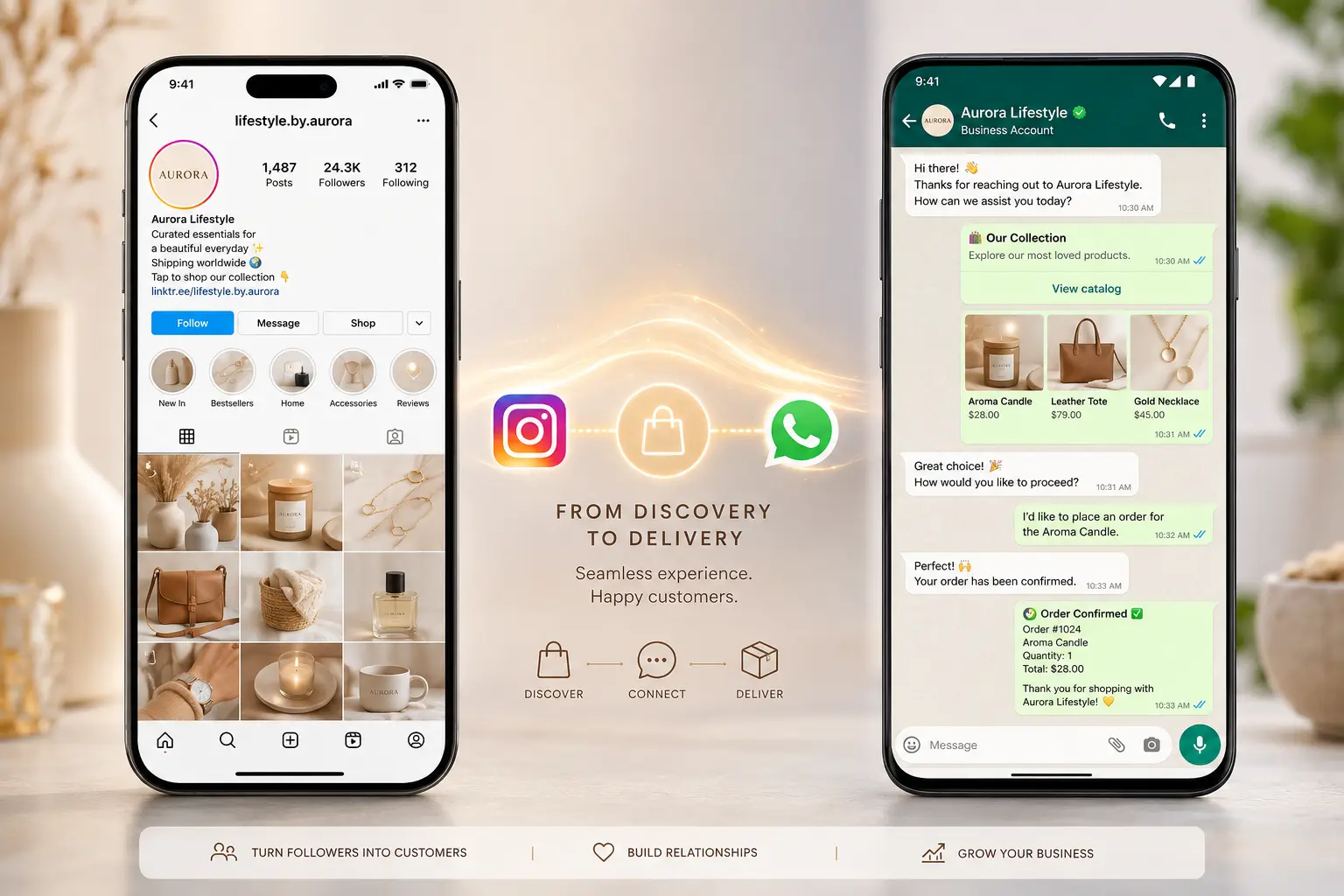
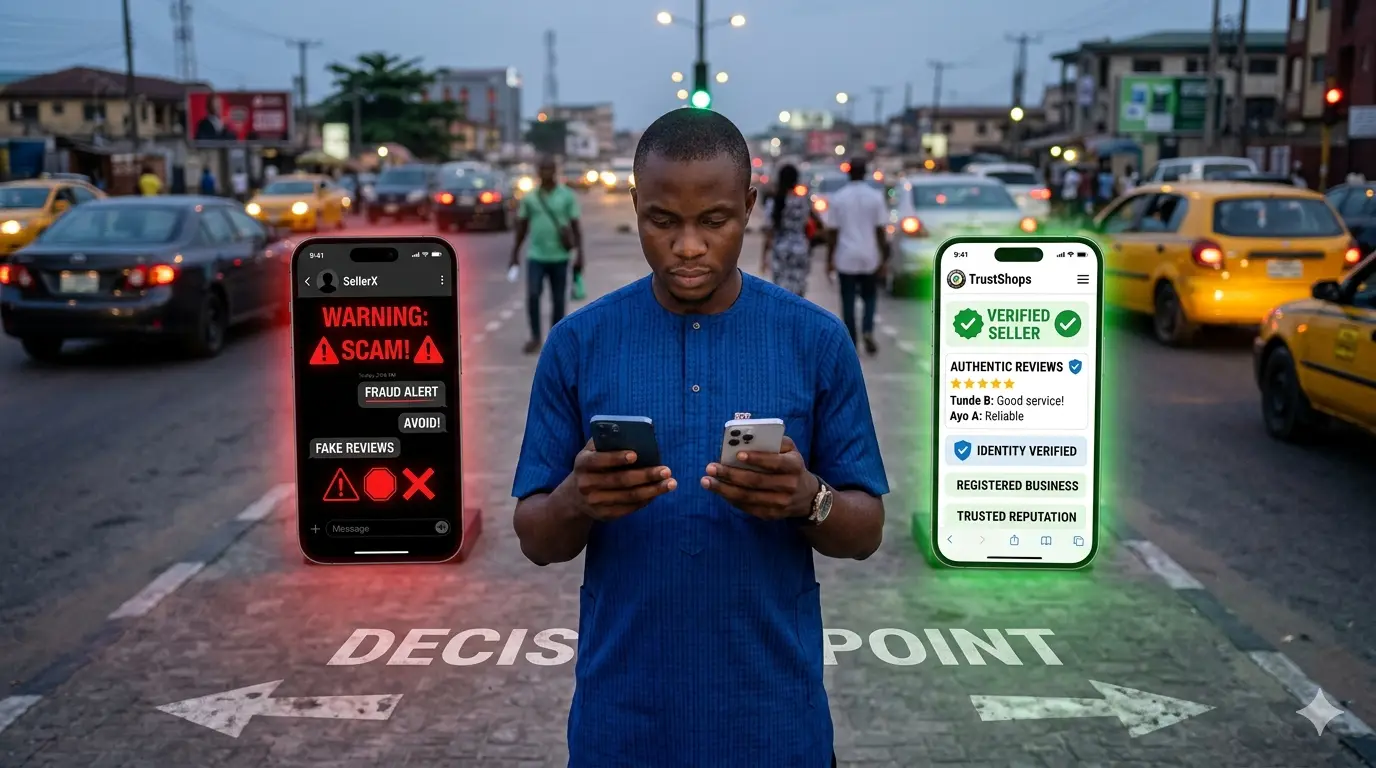
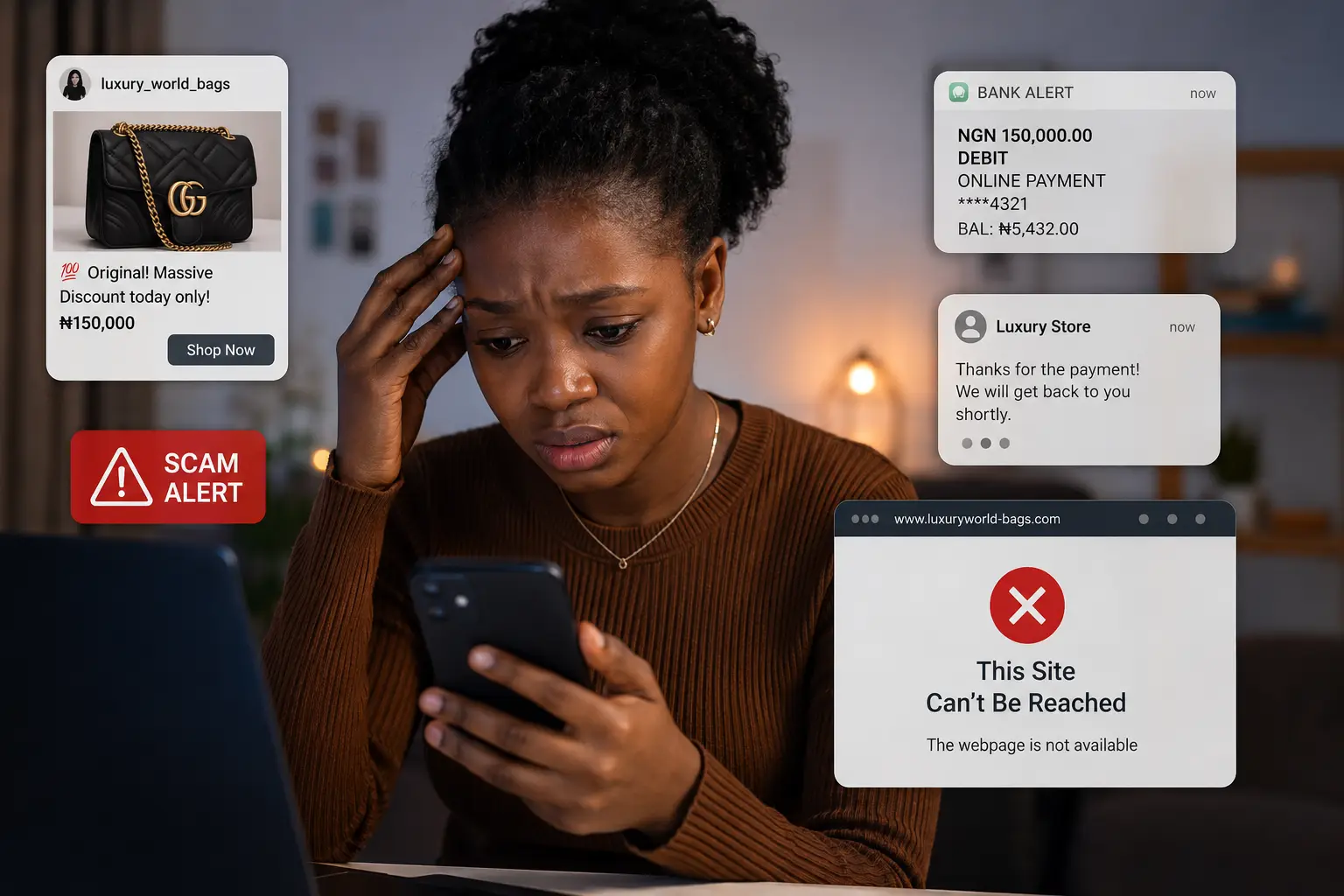
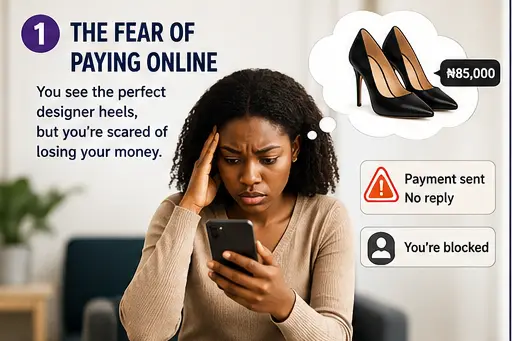
You paid ₦45,000 for a hair advertised on a WhatsApp status. The seller acknowledged receipt, promised delivery “by tomorrow,” and then vanished; calls go unanswered, and their profile picture is no longer visible. Does this ring a bell? This scenario is one of the most frequent ways Nigerians fall victim to online scams, and it’s more than just bad luck. If you’ve paid but aren’t receiving your item, there are steps you can take, but timing is critical.
What Exactly Is "Refusal to Deliver"?
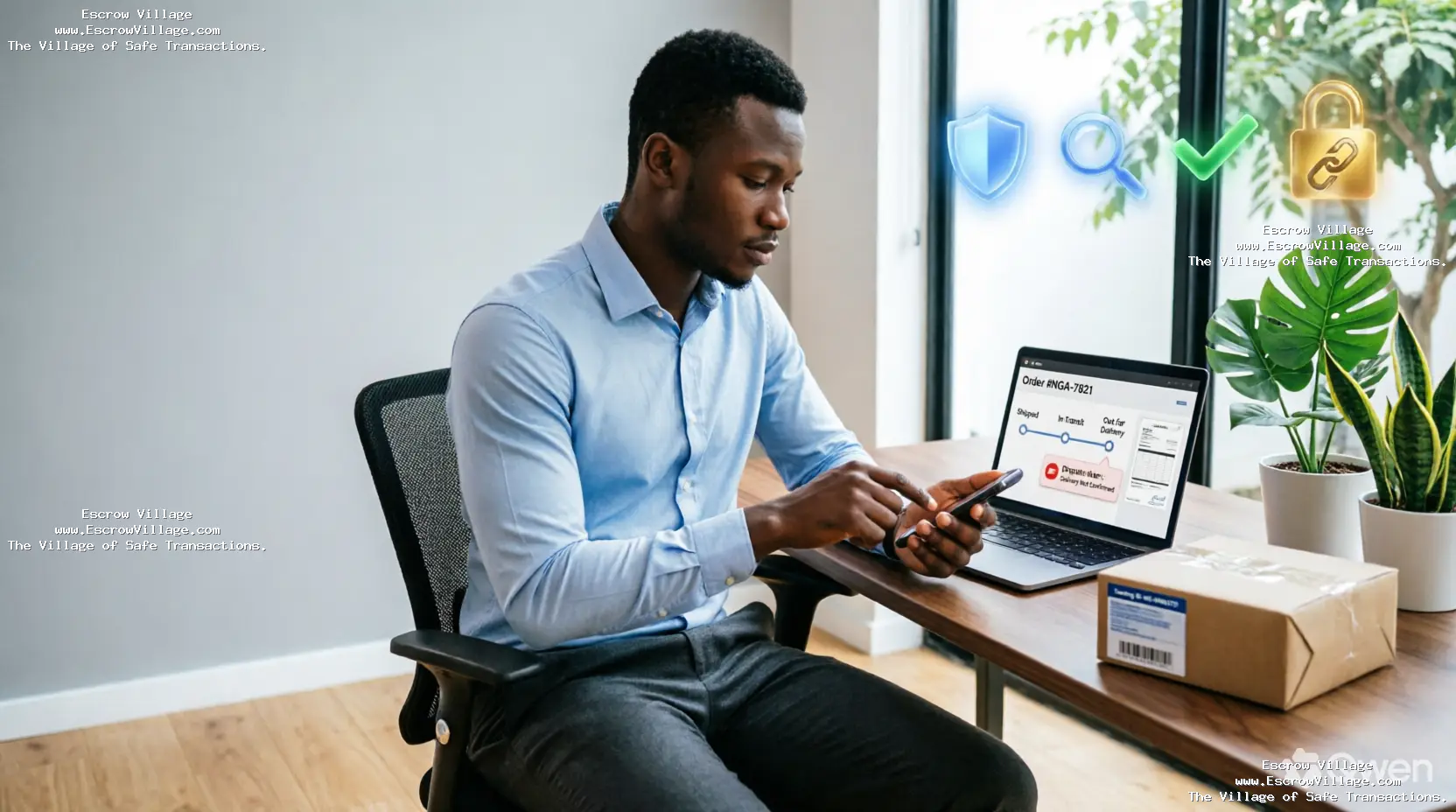
Refusual to deliever occurs when payment has been made, but the seller either fails to ship the product, stops responding, repeatedly delays delivery, or provides a fake tracking number. This isn’t the same as a legitimate delay with visible transit updates. Refusal involves silence, broken promises, or being completely cut off after sending money.
Step 1: Gather All Evidence Right Away
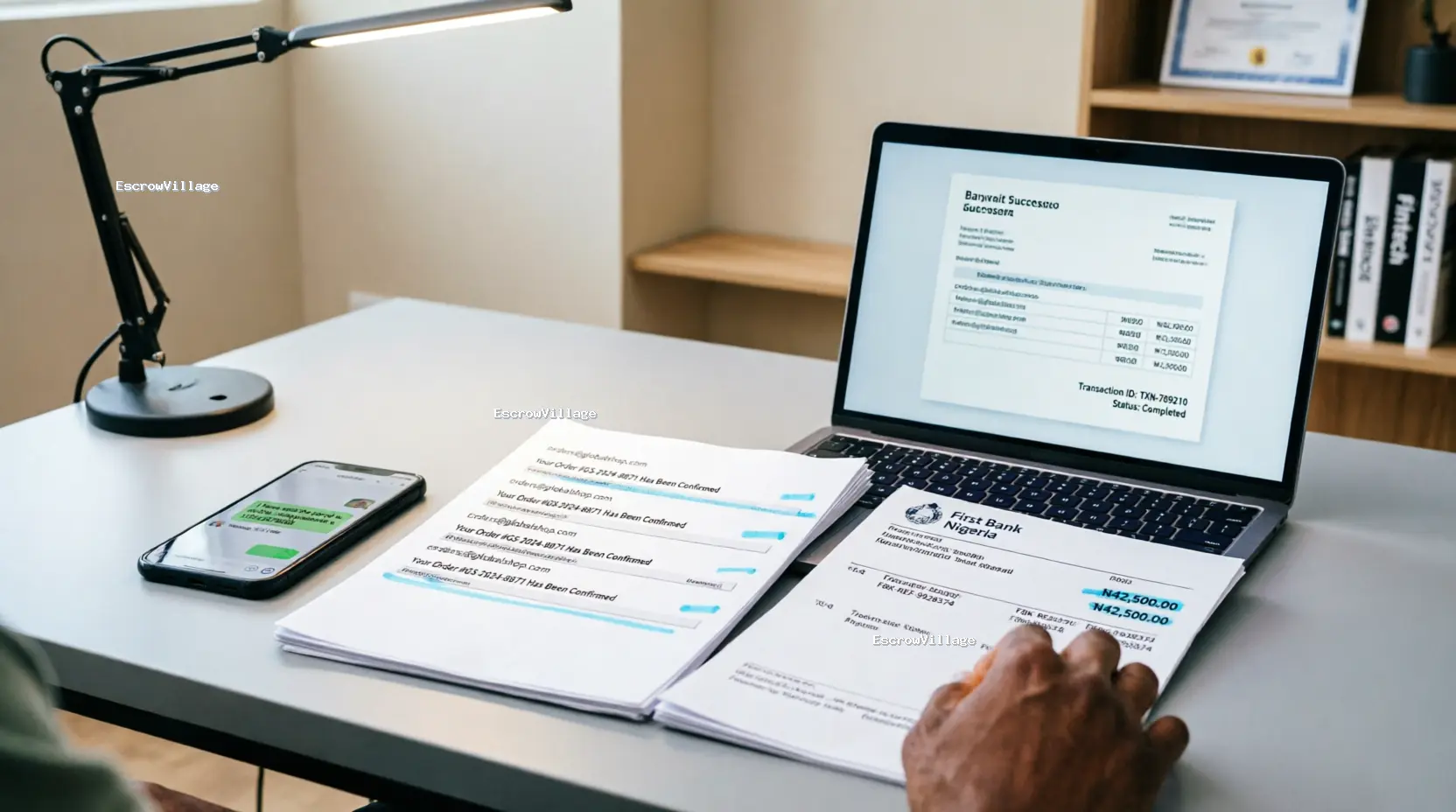
As soon as you suspect foul play, collect:
- The full conversation (from WhatsApp, Instagram DMs, or marketplace listings like Jiji)
- Proof of payment (bank alert, transaction receipt)
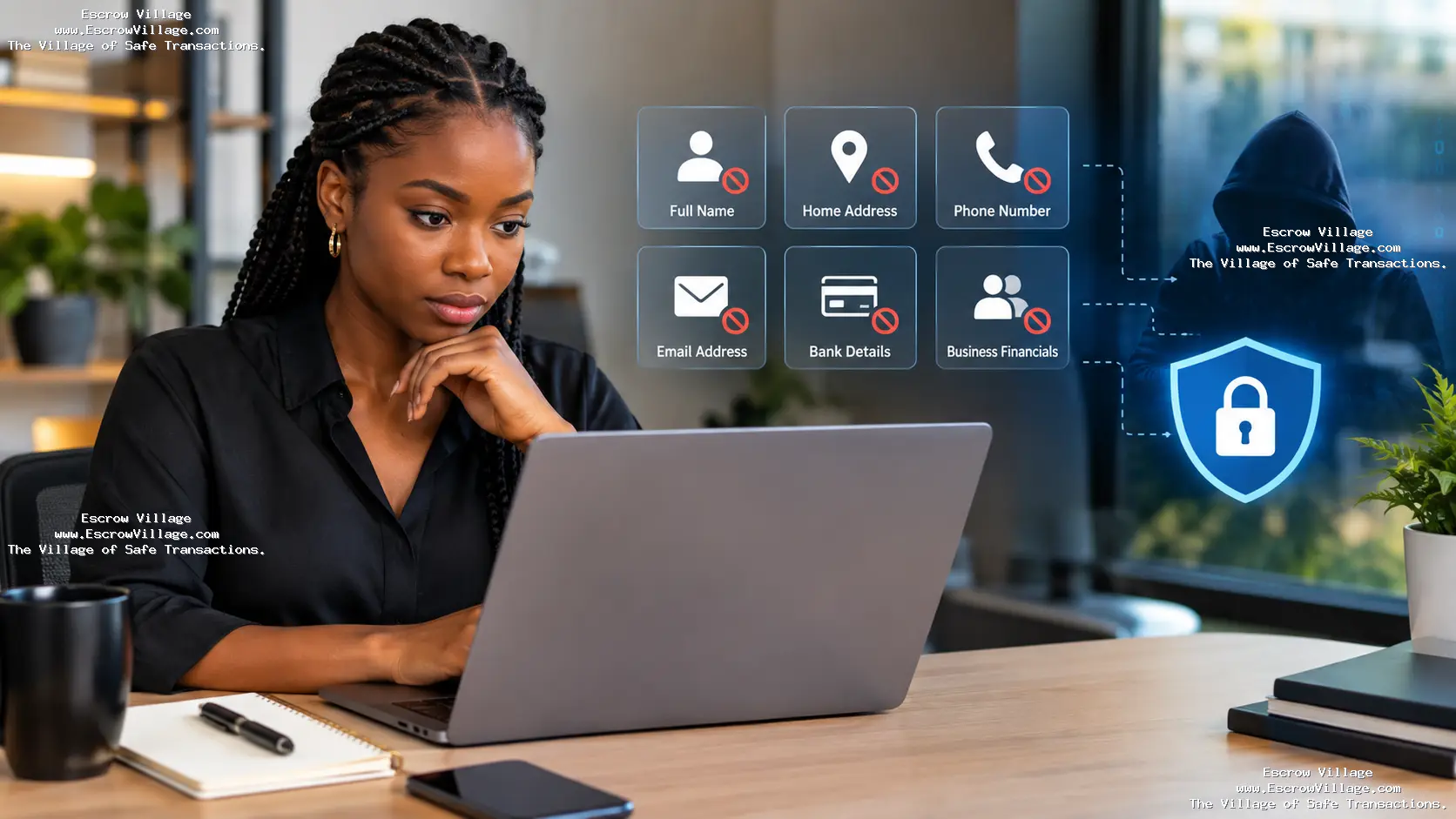
- The seller’s phone number, account name, and number
These documents will be essential when dealing with banks, law enforcement, or dispute resolution services.
Step 2: Reach Out to Your Bank or Payment Service
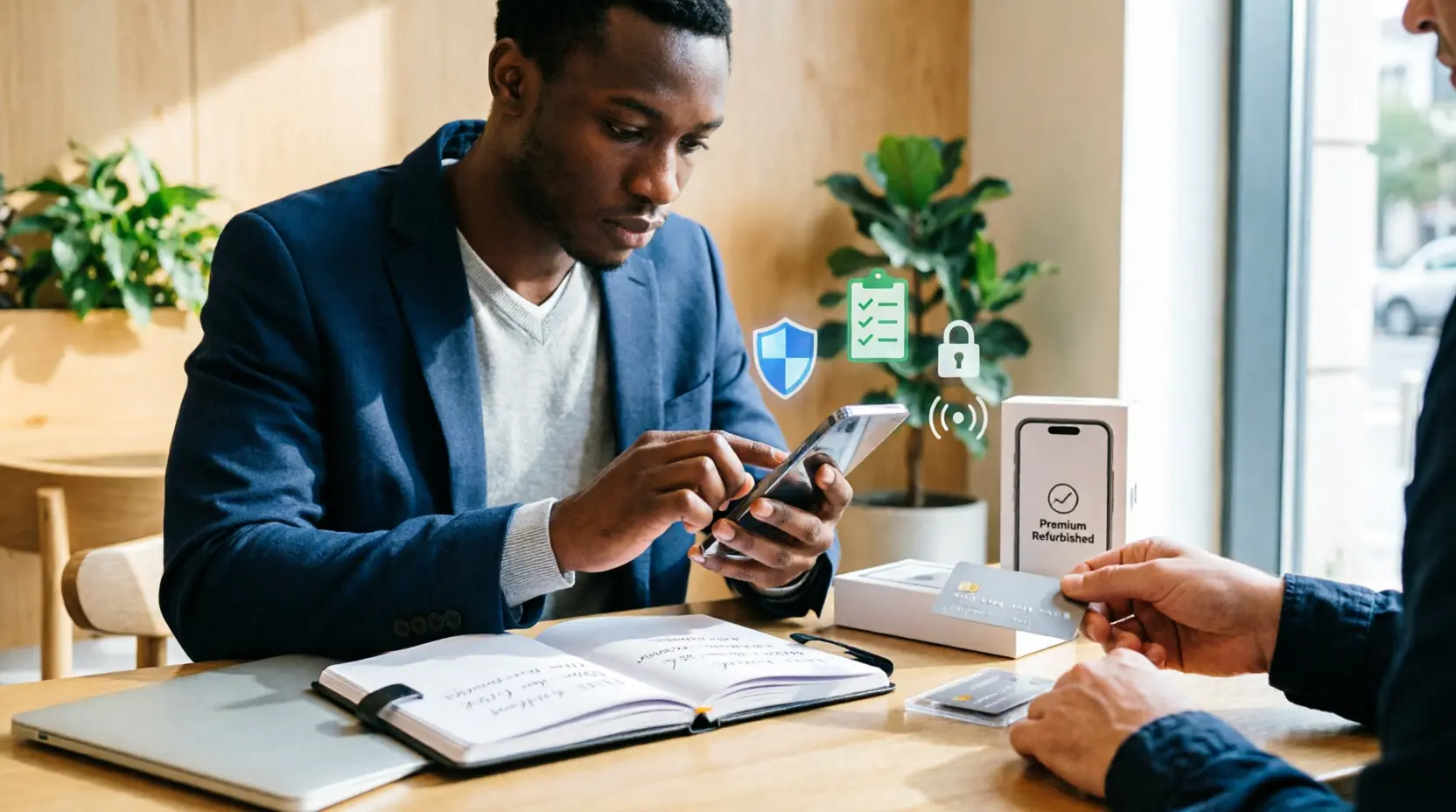
If you used a bank transfer or card, contact your financial institution within 24 to 48 hours.
Ask for a transaction trace or initiate a dispute. Banks may flag or freeze the recipient’s account, especially if others have reported the same. Acting quickly increases the chance of intervention.
Step 3: File Reports with the Proper Agencies
- EFCC: Submit a formal complaint online or in person at any office
- NPF Cybercrime Unit: Lodge a police report for the official record
- NIBSS Person of Interest Portal: Your bank can file a complaint here to help identify repeat offenders
Step 4: Use Public Platforms Wisely
Sharing the seller’s details on community forums like Jiji reviews, Twitter/X, or local scam-alert Facebook groups can sometimes prompt action.
But stick strictly to facts and avoid making unproven claims to prevent legal issues.
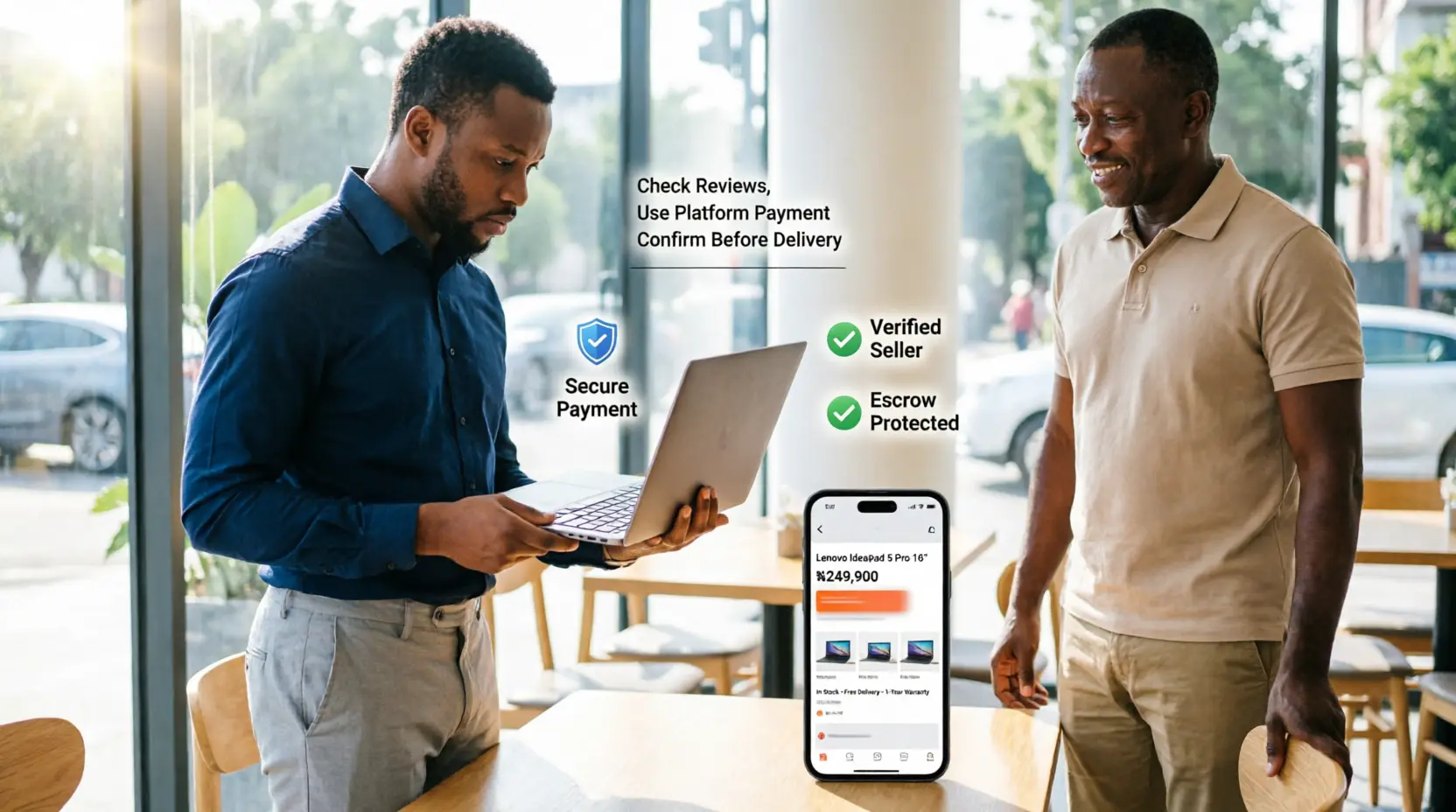
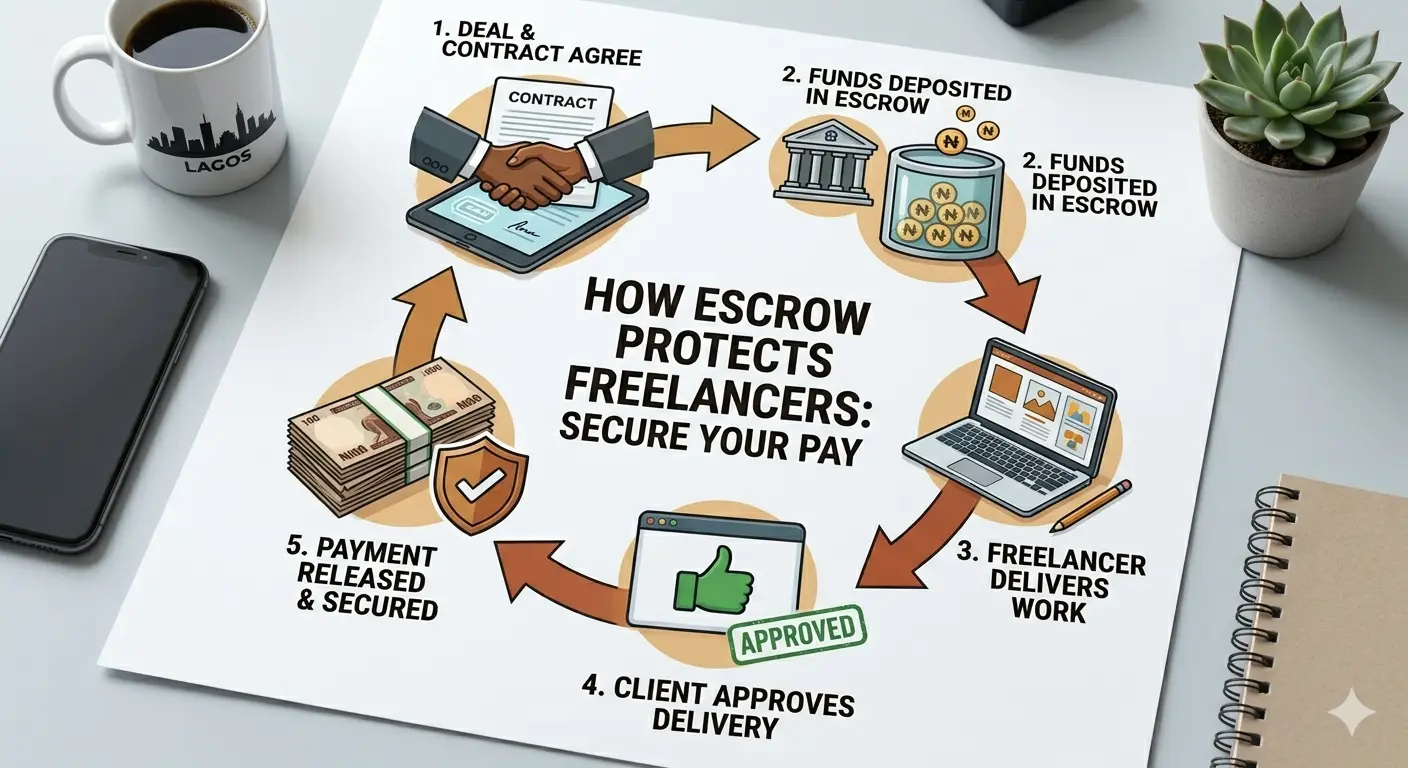
The Best Prevention? Use Escrow
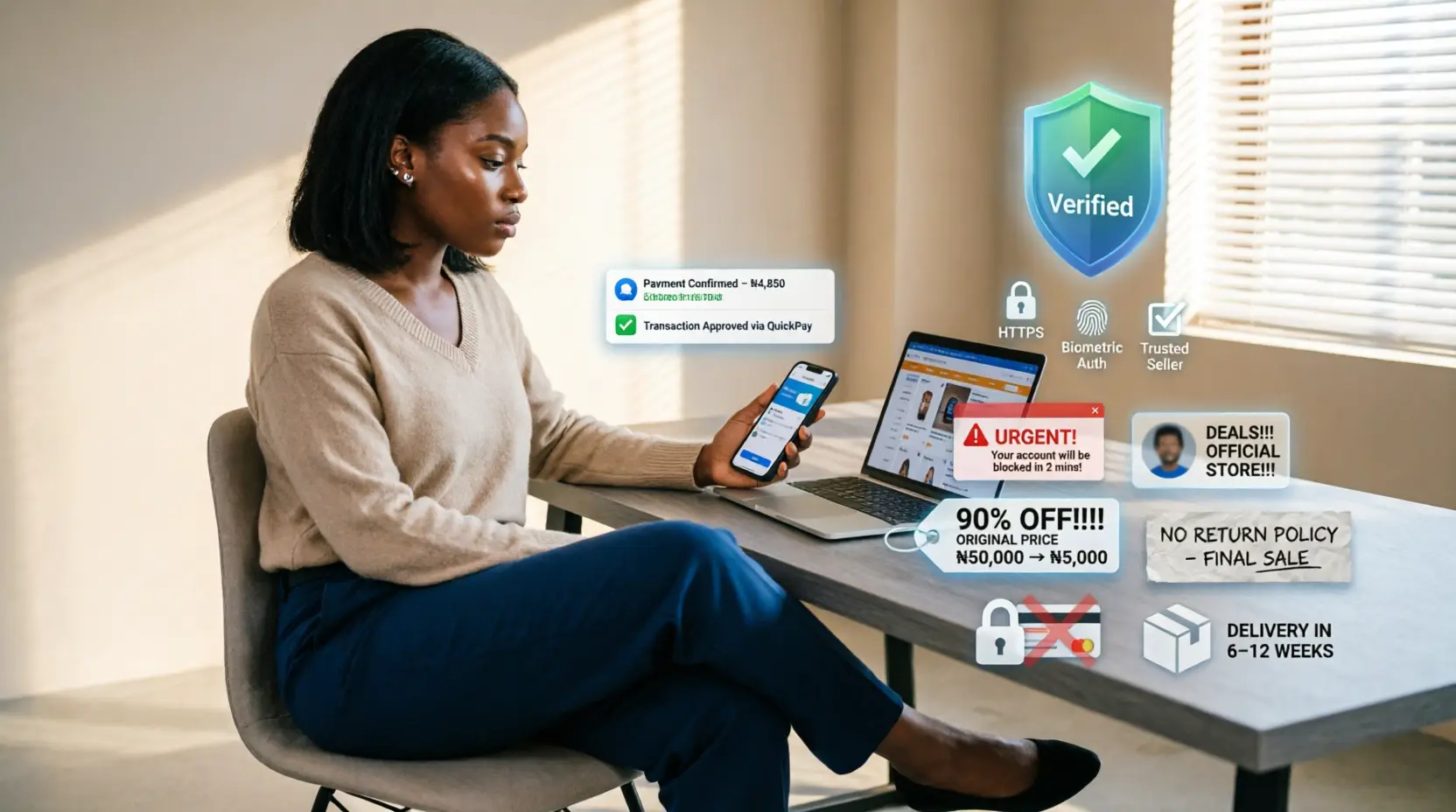
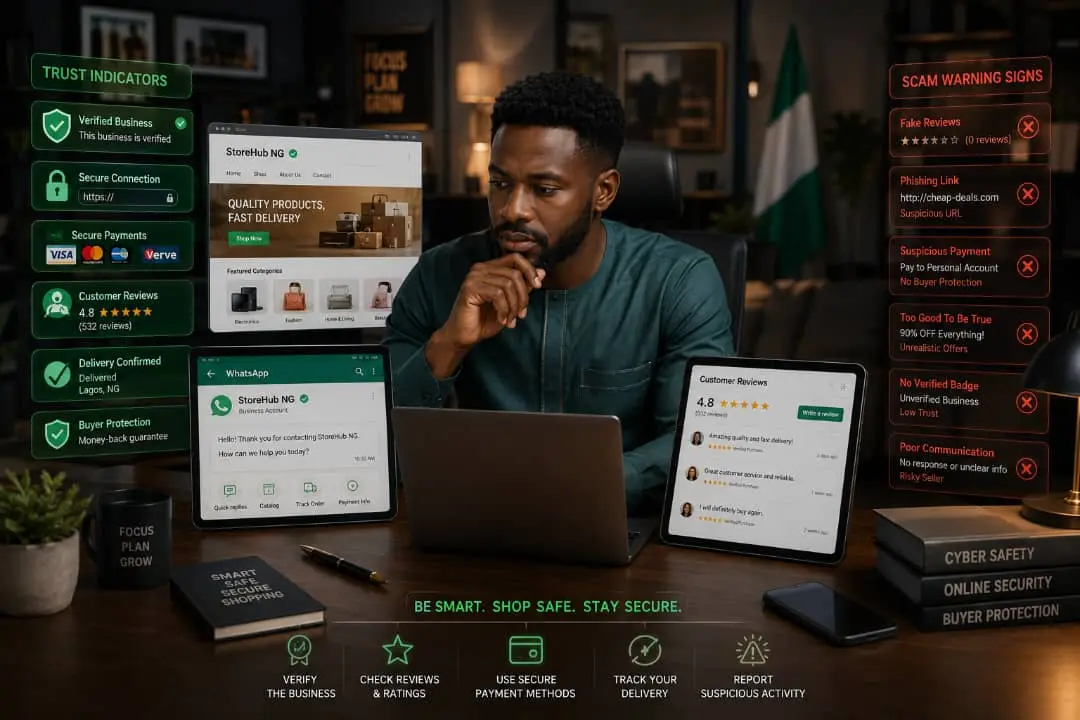
Most advice focuses on damage control, but the real solution lies in prevention:
~ Never send full payment directly to an unknown seller before receiving the item.
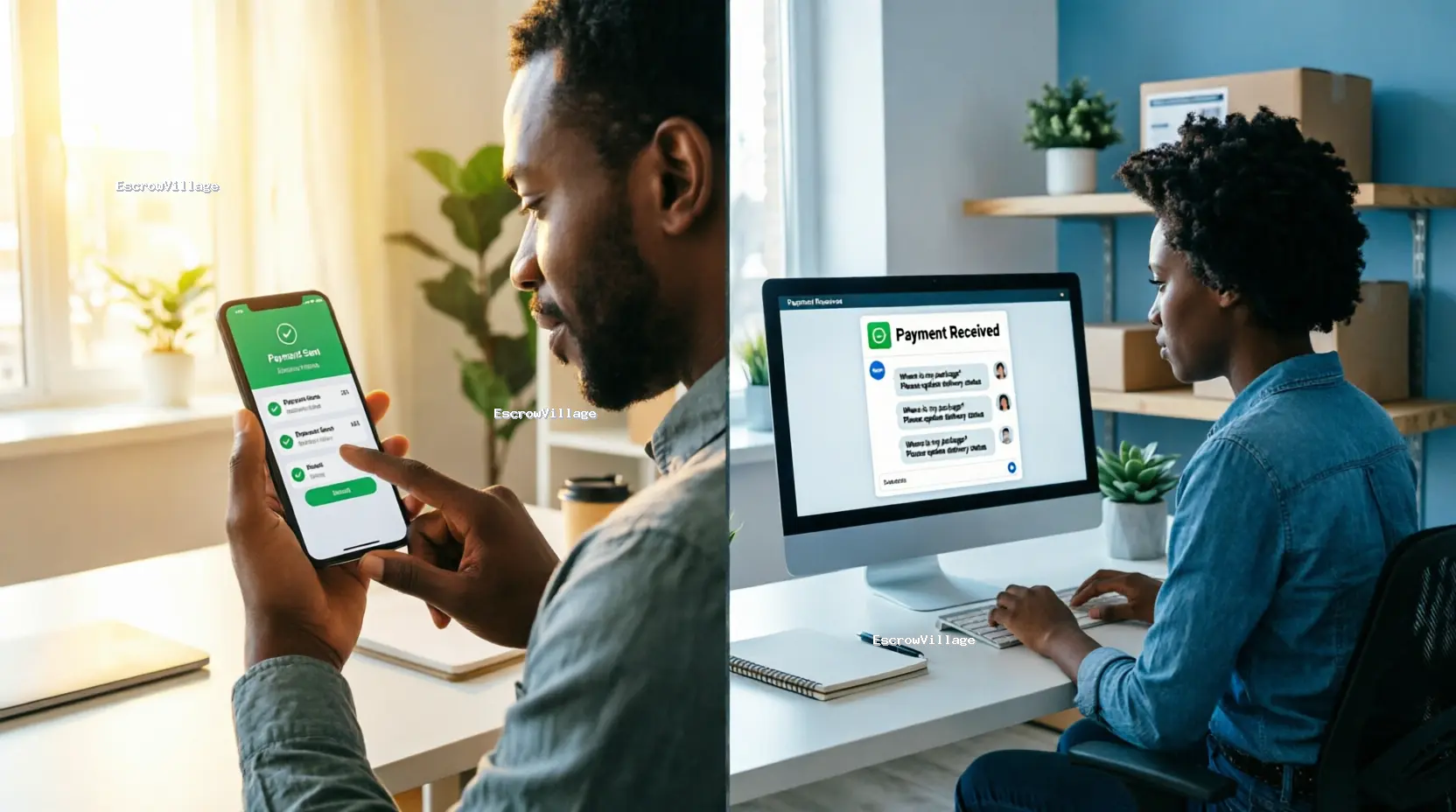
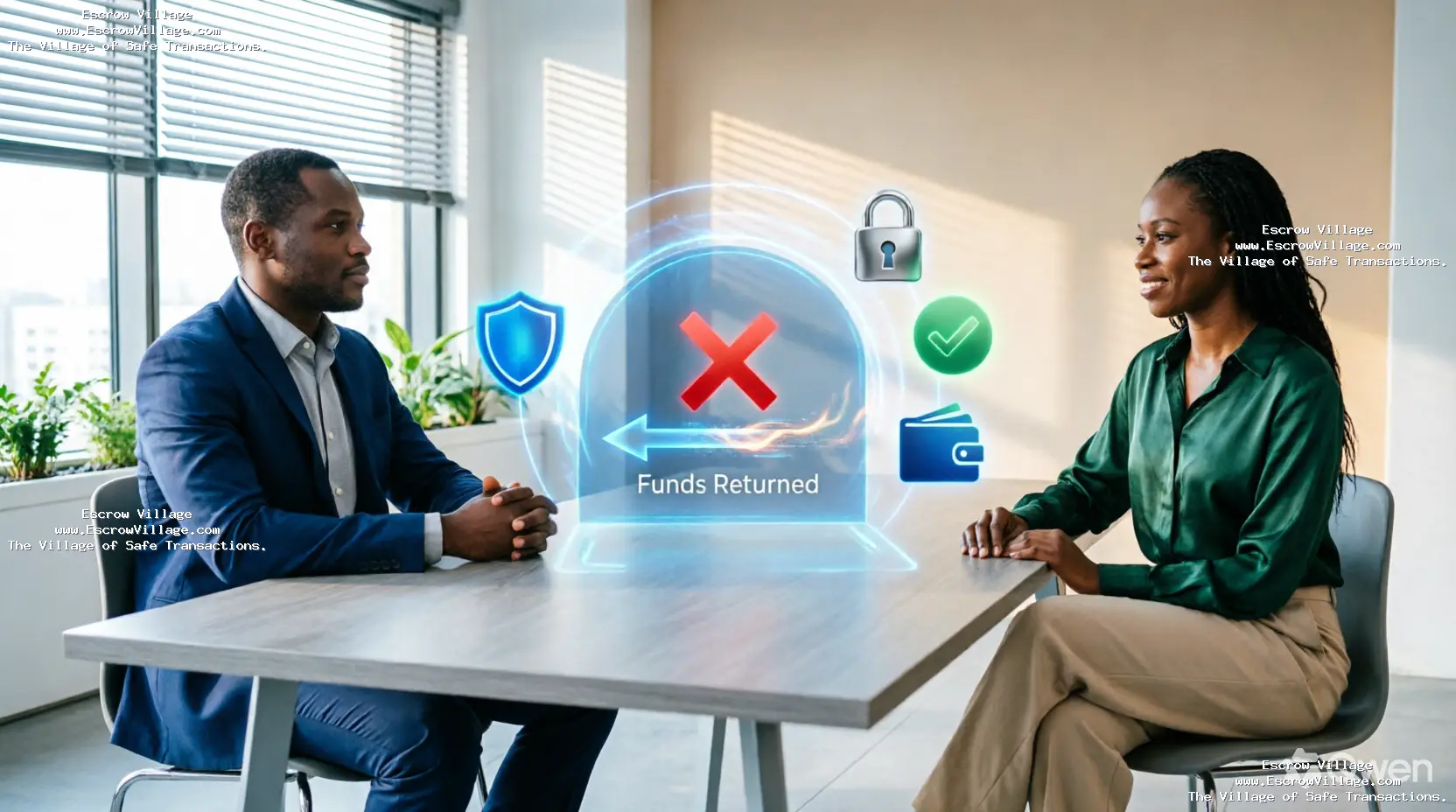
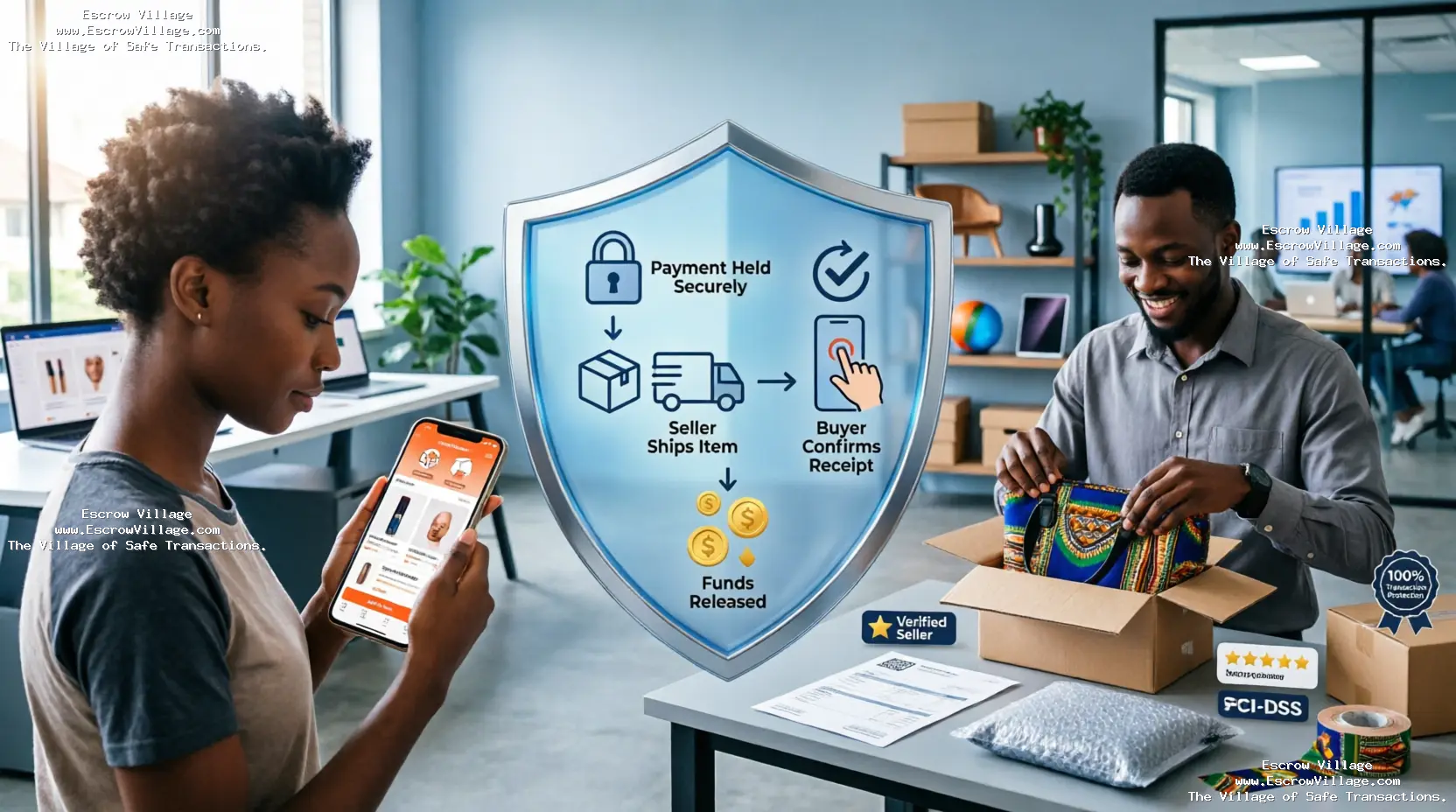
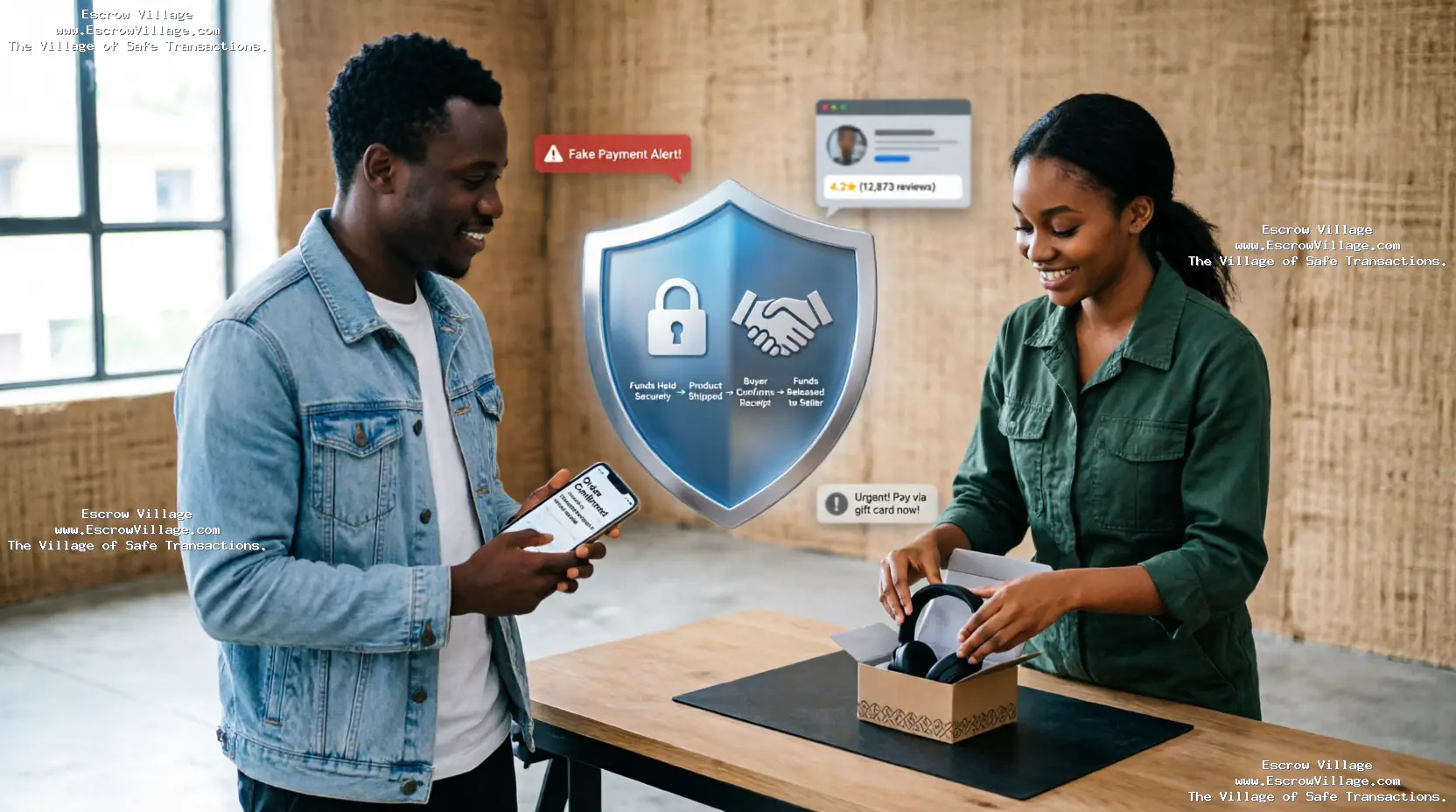
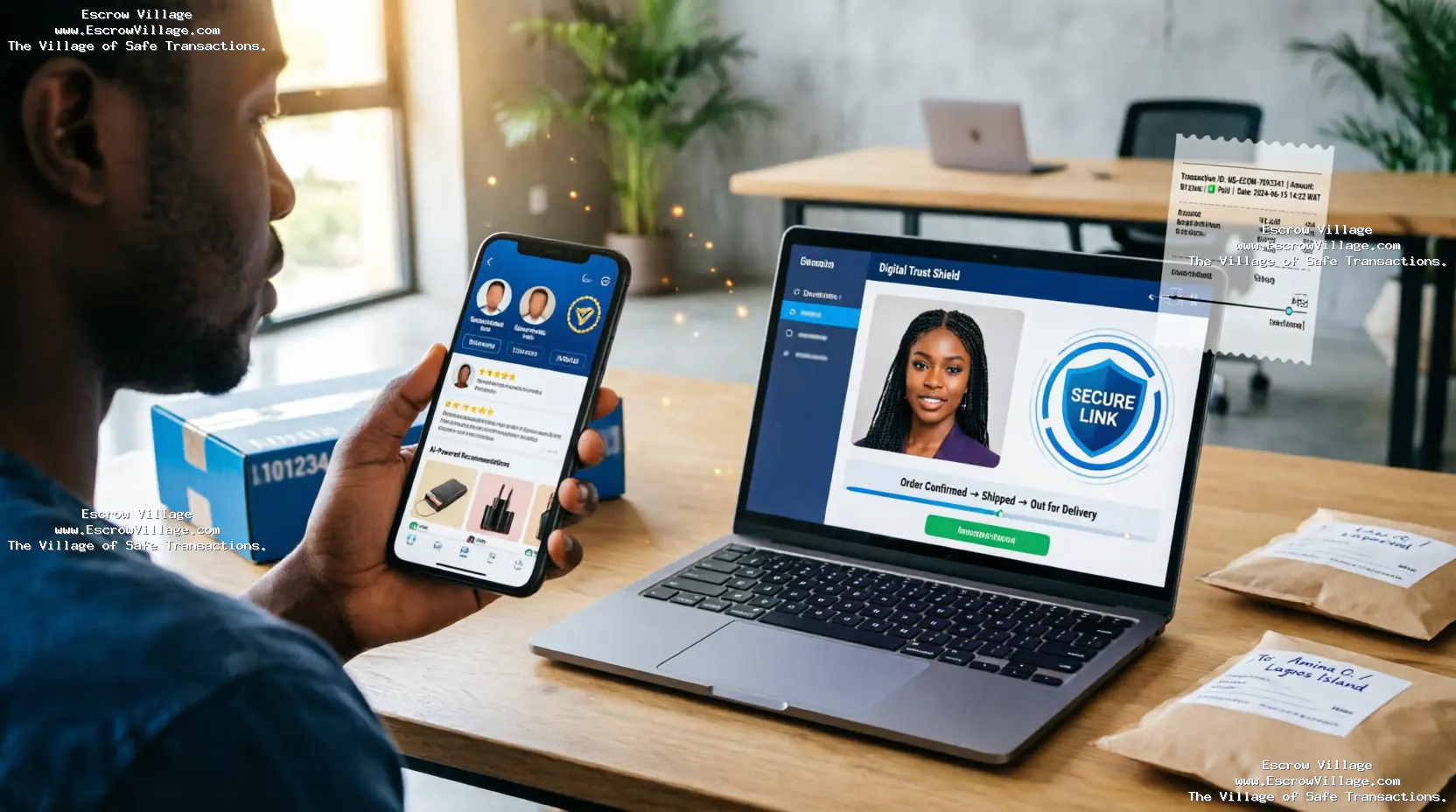
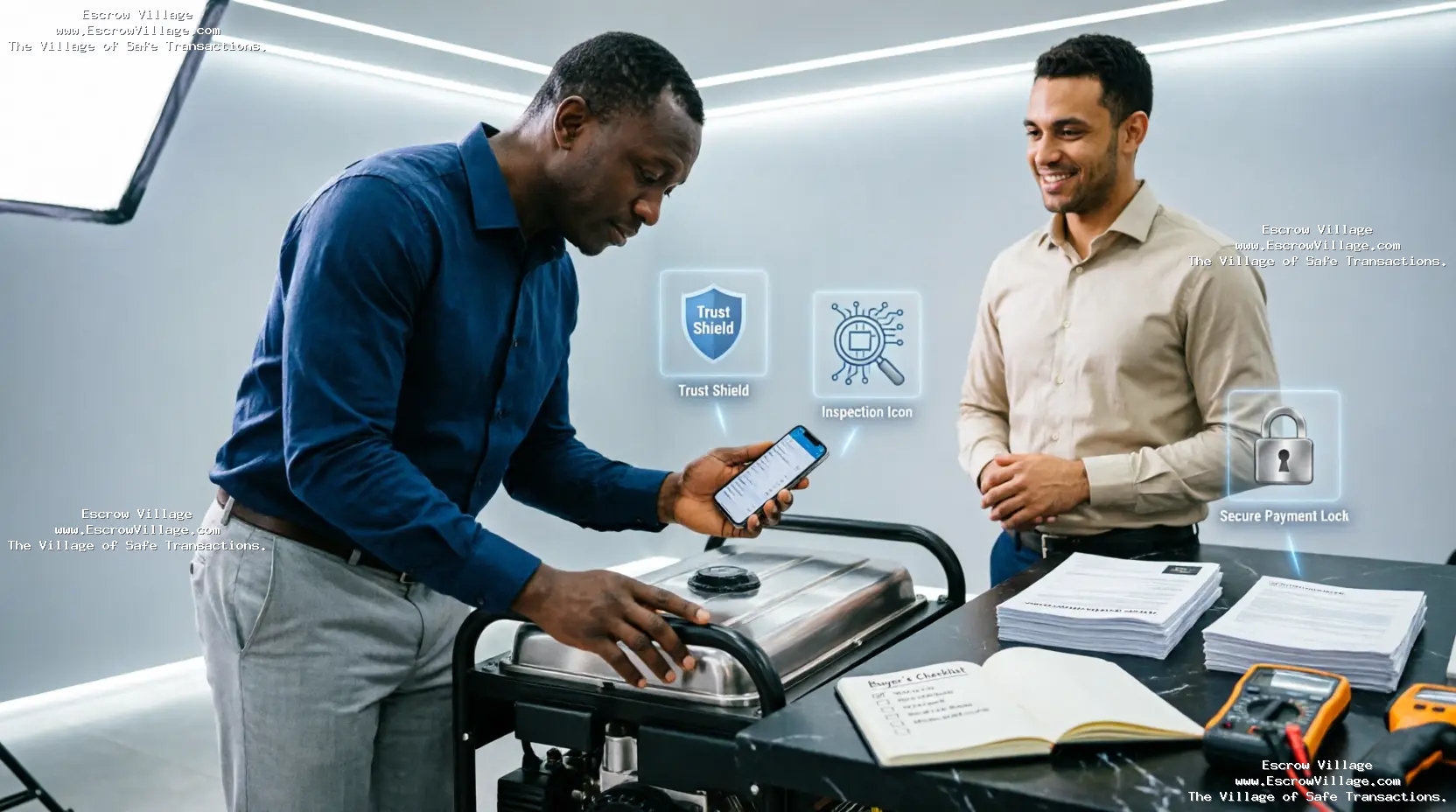
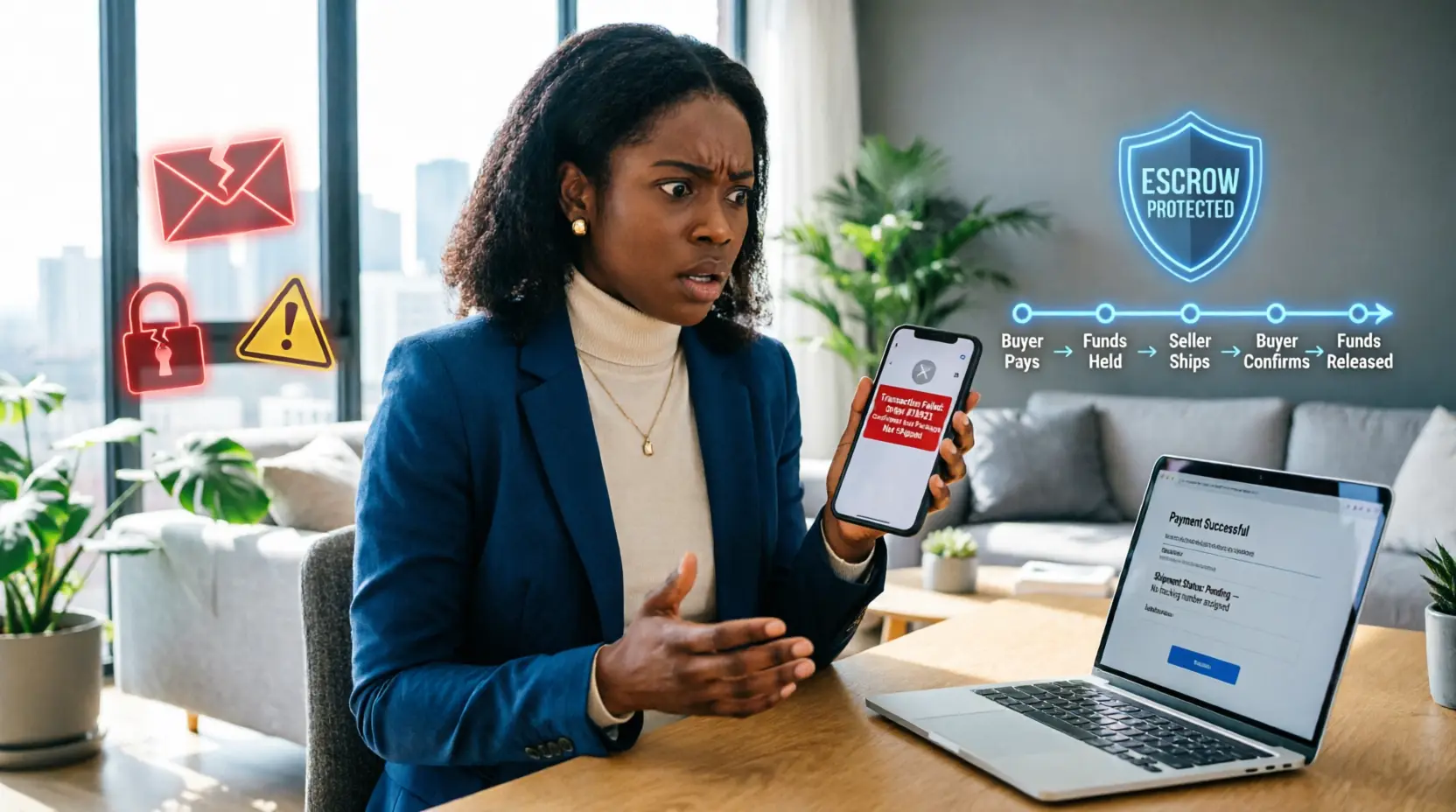
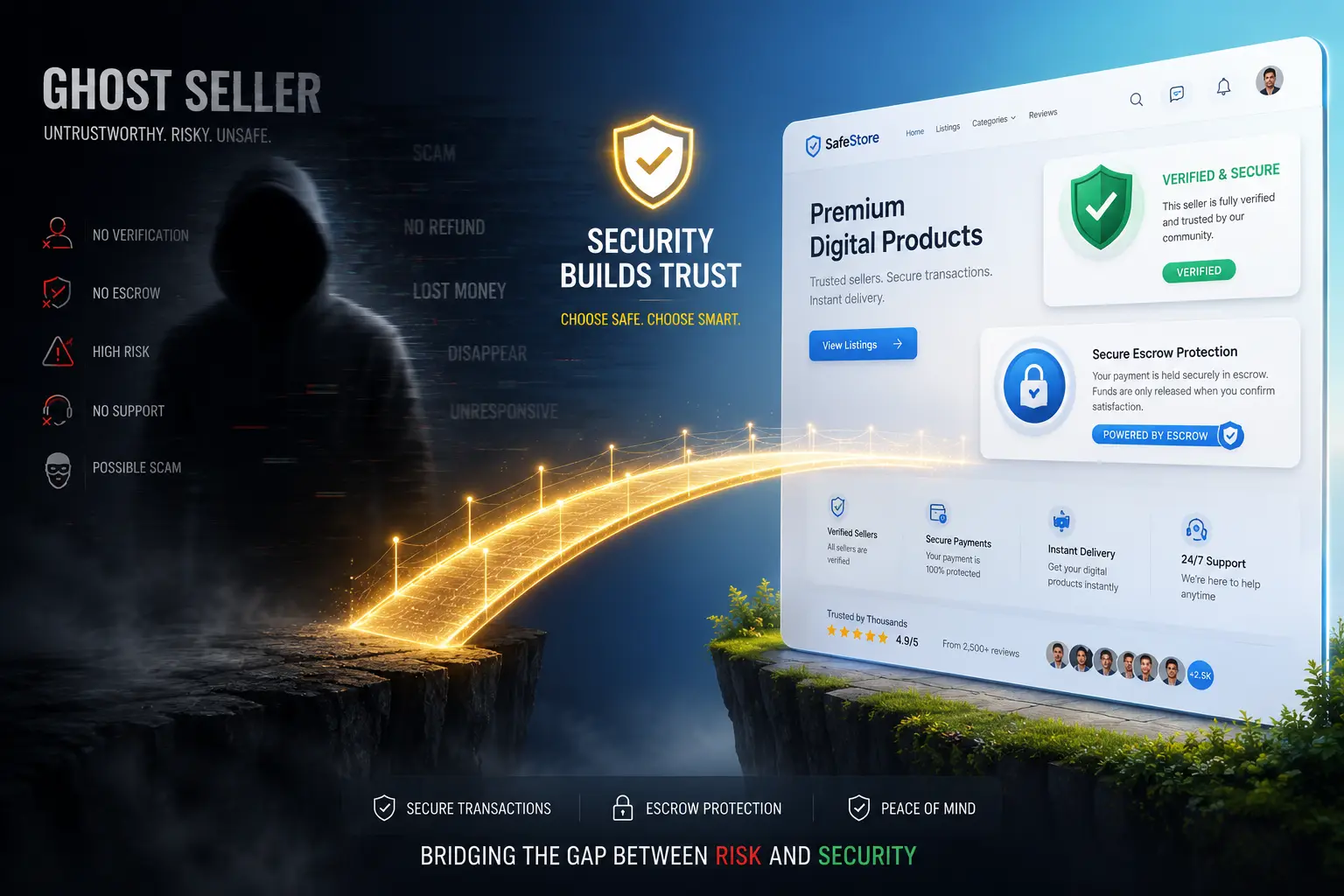
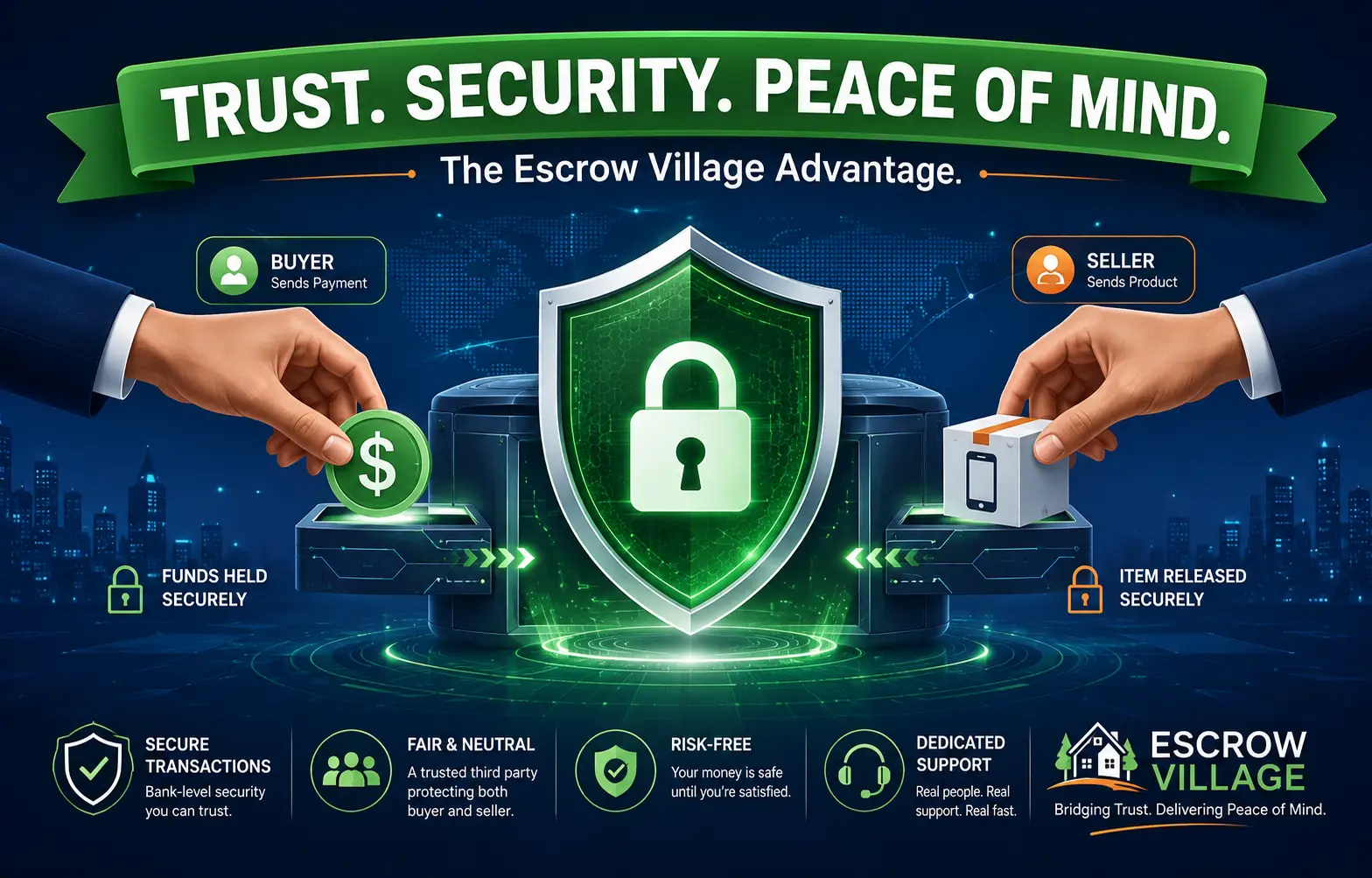
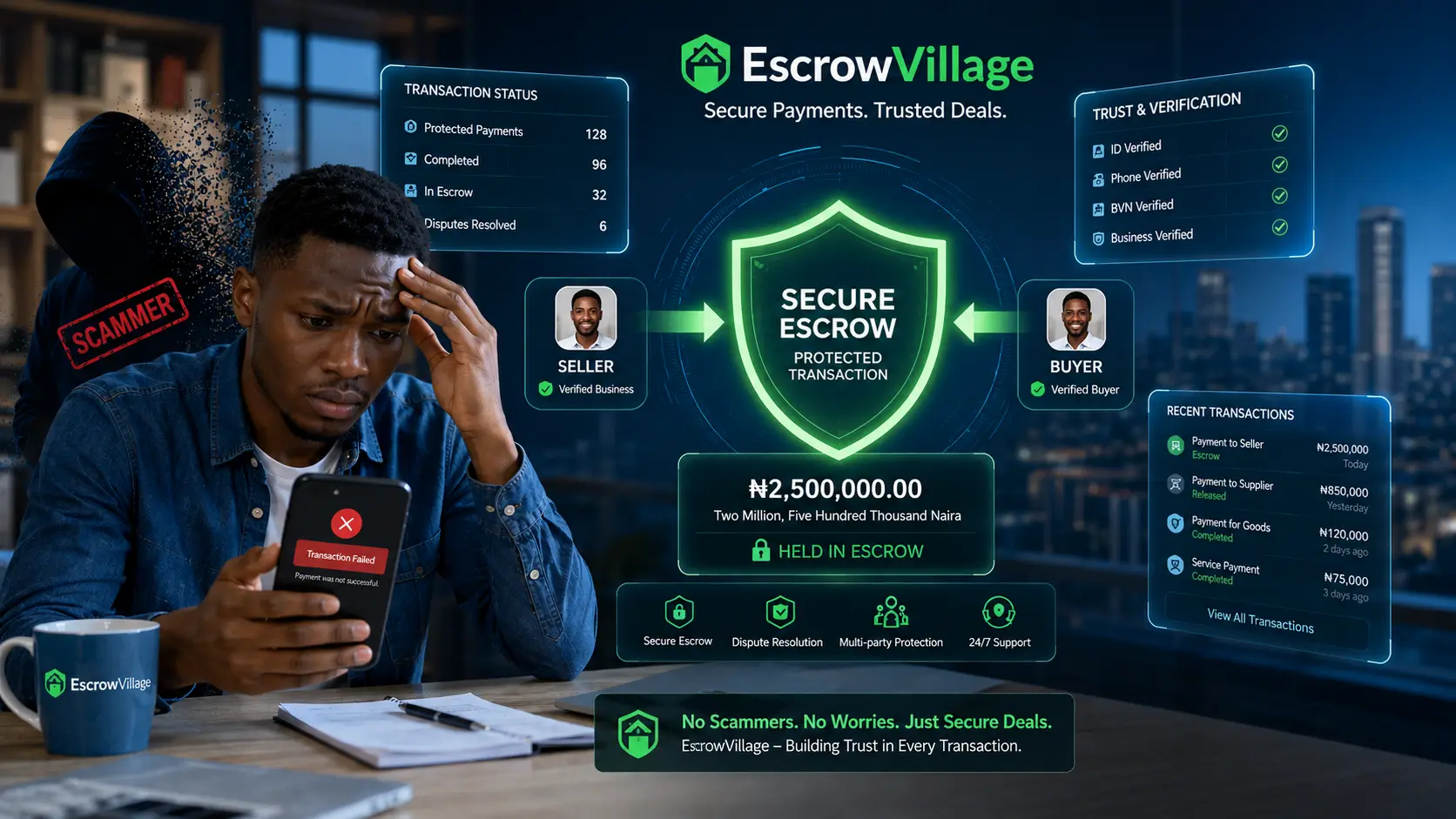
~ Services like Escrow Village hold your money securely until you confirm the product arrives as described. If the seller fails to deliver, the funds aren’t released. No need to chase or file reports, the system protects you upfront.
Frequently Asked Questions
~ Can I recover my money if delivery is refused?
Yes, especially with fast action through your bank, EFCC, or by using secure payment methods like escrow.
~ Is refusing to deliver after payment a crime?
Yes. It may constitute obtaining money under false pretences, which is a criminal offence under EFCC jurisdiction.
~ How long should I wait before taking action?
If the delivery deadline passes and the seller becomes unresponsive within 48 hours, begin gathering evidence and reporting immediately.
~ Does escrow protect against non-delivery?
Absolutely. Funds are only released upon confirmed delivery, eliminating the risk of losing money to ghost sellers.
Stay Ahead Next Time
Don’t wait until you’re chasing someone who’s already disappeared.
Start your next purchase safely. Use Escrow Village to keep your payment protected until the item arrives. Visit escrowvillage.com to shop with confidence.