How to Spot a Fake Job Offer on WhatsApp in Nigeria
Written by BLESSING ABADI IFEOMA1,614 views
It is no secret that scammers are everywhere, always on the lookout for every opportunity to take people's money. And one of the common scammers' means is “Fake Job Offers on WhatsApp.” For someone who had been unemployed, frustrated, and struggling to survive in an existing downsize economy, stumbling upon a job advertisement in a WhatsApp group was a welcome surprise. “A reputable company in Abuja is recruiting. Job title: Office Assistant, Salary: 250,000 naira. No experience required.d Send your CV to the provided number”
With excitement, you did reach out, but only to be told that you need to make an upfront payment for the processing fee.
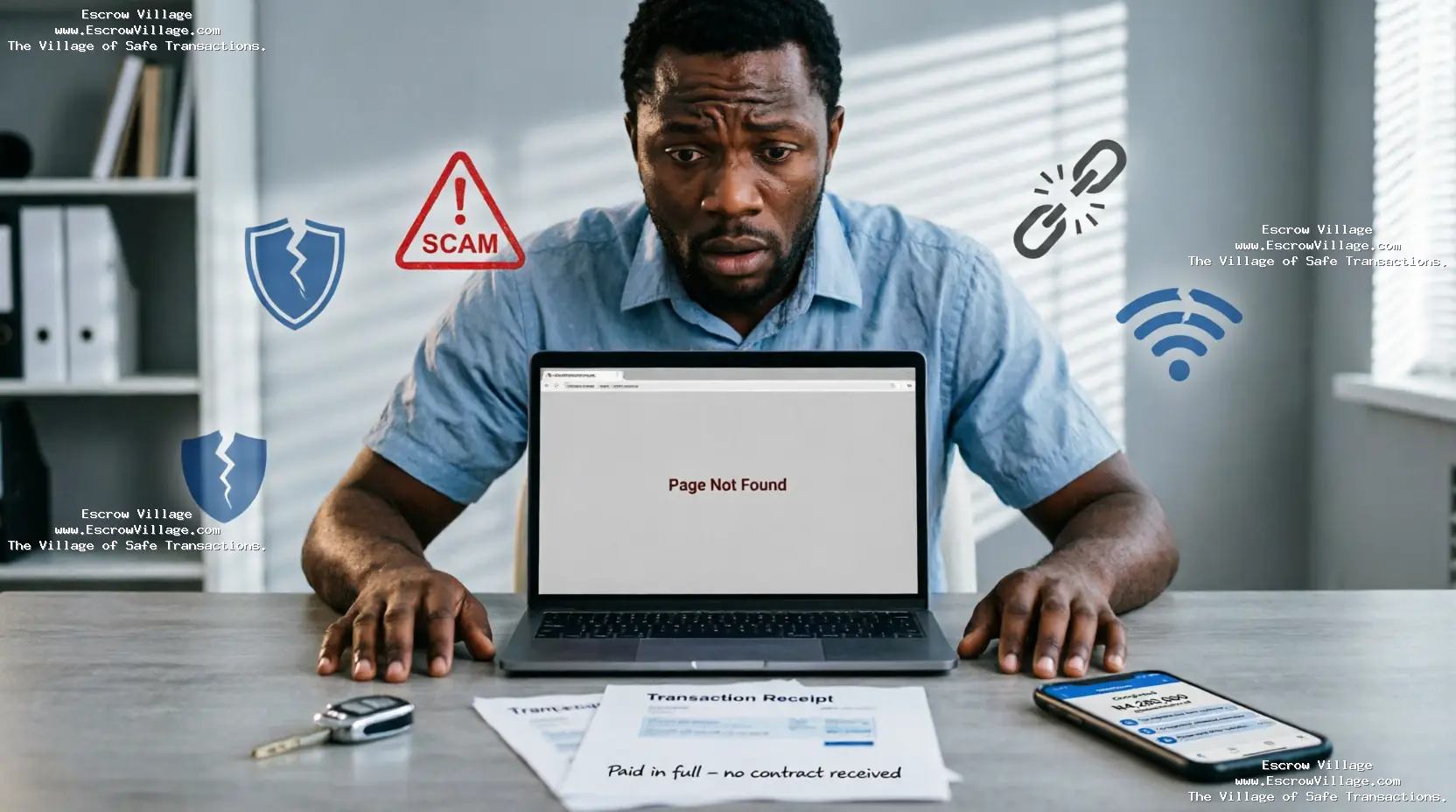
But because you felt the job looked real, I mean, the message came clean, it looked promising, and it was giving “Finally, your struggle is over.”You went ahead to pay a certain amount.
A week later, the WhatsApp group disappeared, and the WhatsApp number you chatted with has blocked you.
NO JOB, NO REFUND. Just left without more regret and pain, and the thought of “I will have used that money to eat better, swallow, and make vegetable soup.”
The Rise Of WhatsApp Job Scams in Nigeria
There is a massive increase in job scams in Nigeria.
According to the Nigerian Communications Commission (NCC), nearly 60% of Nigerian internet users have encountered some form of online scam, while EFCC and other agencies say cybercrime, including job scams, now costs victims tens of billions of naira. Scammers target job seekers because they are actively seeking opportunities, may act quickly, and often share personal information during applications. Scammers post attractive job ads, request personal information or fees, then disappear after collecting money, data, or account access from unsuspecting job seekers. So, how do you protect yourself as a Nigerian job seeker in this environment? How do you tell a real job vacancy in Lagos from a trap?
This article breaks it down in simple, practical language: Common Signs of a Fake Job Offer on WhatsApp, Red Flags in the Recruitment Process, How to Verify a Job Offer Before Responding, What to Do If You Suspect a WhatsApp Job Scam, and How to Protect Yourself from Future Job Scams.
Common Signs of a Fake Job Offer on WhatsApp
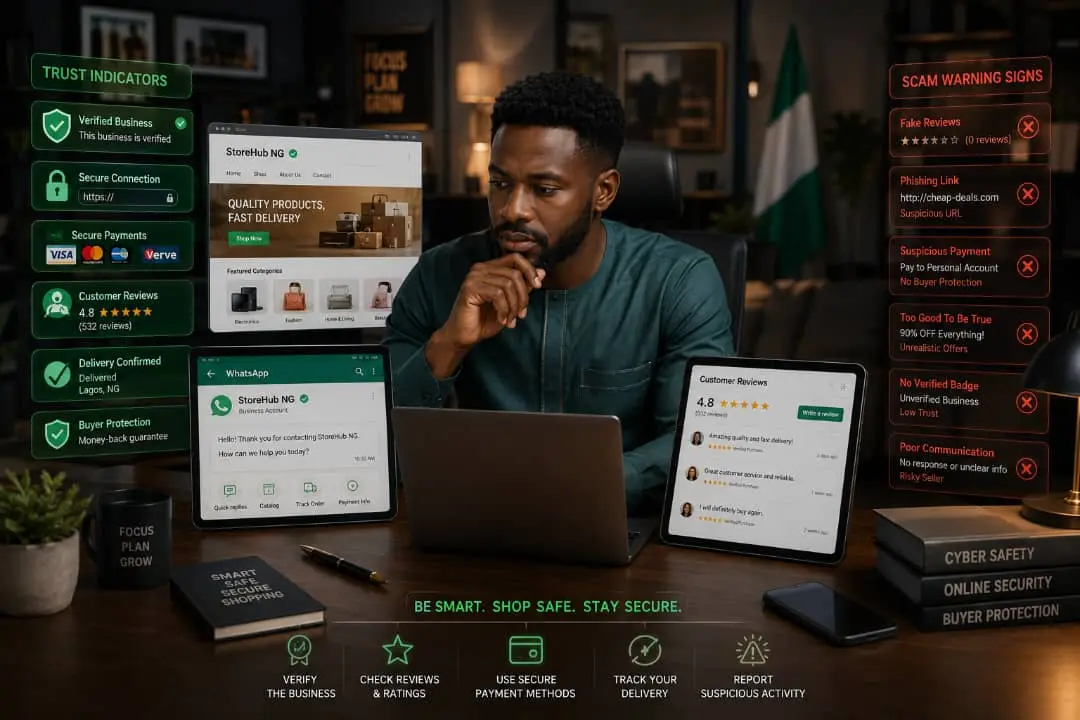
1. Unsolicited Job Offer
Be cautious if you receive a job offer without submitting an application.
Scammers often contact people randomly through email, social media, or messaging apps.
Legitimate employers typically follow a formal hiring process before making job offers or requesting information.
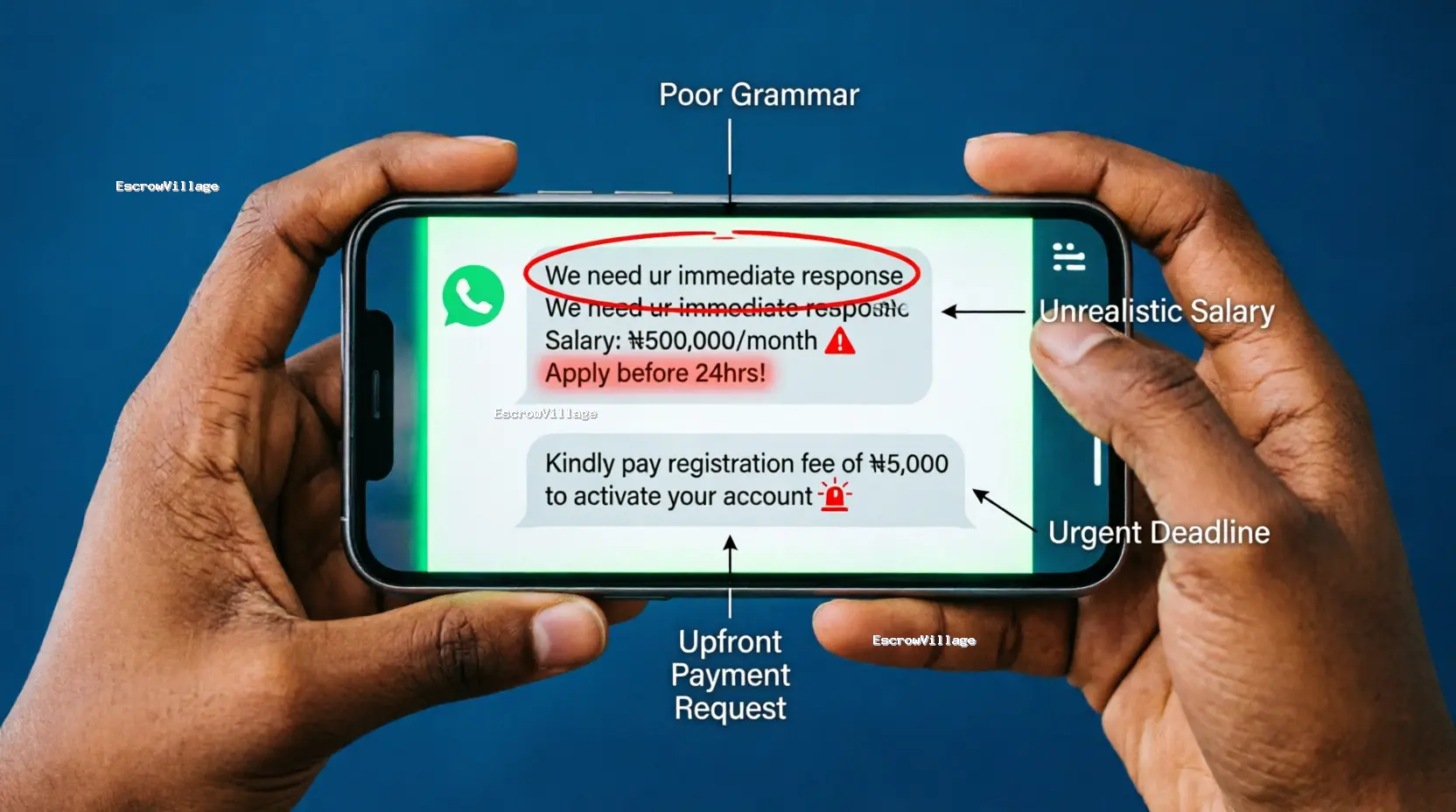
2. Promises of Unrealistic Salaries
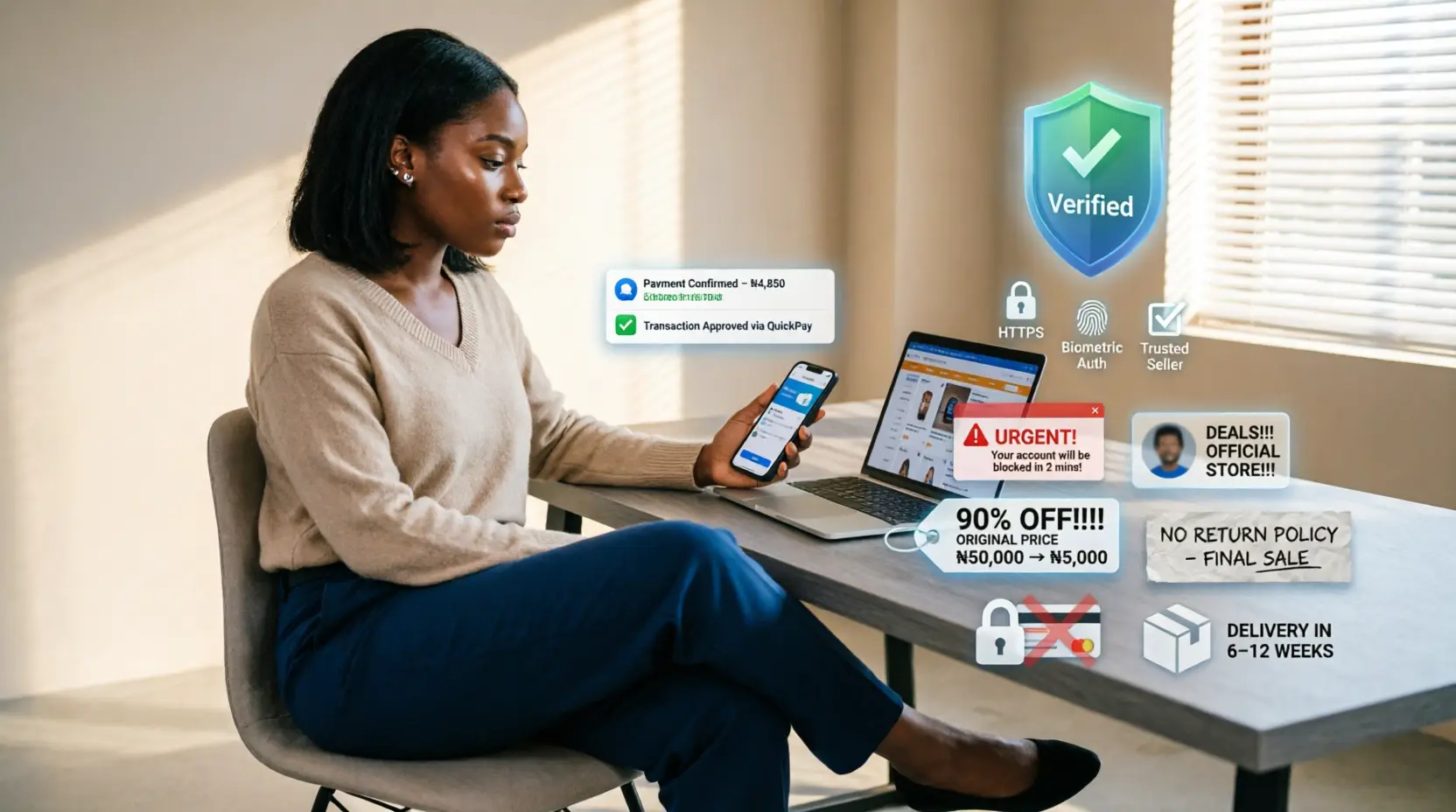
Scammers attract victims with unusually high pay for simple tasks or little experience.
Offers like “Earn ₦500,000 weekly from home” are common red flags.
Legitimate employers provide compensation that matches skills, experience, and job responsibilities.
3. Requests for Upfront Payments
Scammers may ask for registration, training, processing, or interview fees before employment.
Legitimate employers do not require candidates to pay to secure a job opportunity.
Never send money to recruiters or companies without verifying their authenticity first.
4. Poor Grammar and Unprofessional Communication
Many scam job offers contain spelling mistakes, grammatical errors, and awkward wording.
Messages that start with “Dear Applicant” instead of your name can be suspicious.
Legitimate employers usually provide clear company details, contact information, and professional communication.
5. Pressure to Act Quickly
Scammers create urgency with phrases like “Limited slots available” or “Pay today to secure your position.”
The goal is to make you act before checking the company's legitimacy.
Genuine employers rarely pressure candidates into rushed decisions or payments.
Red Flags in the Recruitment Process
° No formal interview process
Be cautious if a company offers you a job immediately without conducting interviews, assessments, or background checks.
Legitimate employers usually evaluate candidates before making offers.
Scammers often skip screening and quickly promise employment to gain trust or money.
° No verifiable company information
Scam employers often have no official website, physical address, or credible social media presence.
Some use invented company names or clone legitimate business profiles to appear trustworthy.
Research the company independently before applying, sharing personal information, or accepting offers.
° Personal numbers only
Be cautious when recruiters communicate exclusively through personal phone numbers.
Legitimate companies typically use corporate email addresses linked to their domain.
Scammers often restrict conversations to WhatsApp or messaging apps to avoid accountability and make verification more difficult.
° Suspicious documents and links
Scammers often send fake appointment letters, offer letters, or employment documents that appear official.
Links may lead to fake websites designed to steal personal information, passwords, or financial details.
Verify documents and website addresses before clicking links or sharing sensitive information.
How to Verify a Job Offer Before Responding
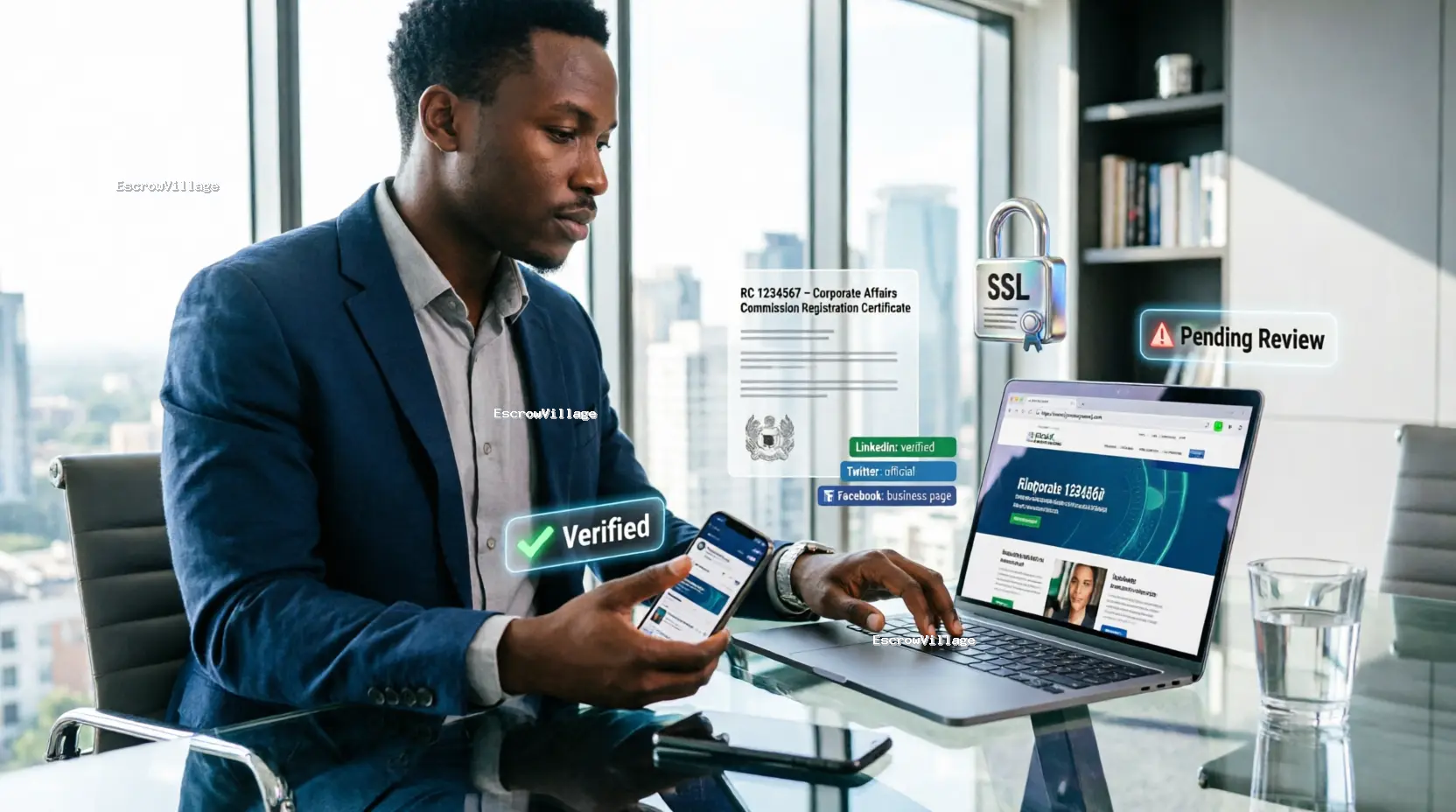
° Research the company thoroughly
Visit the official website to confirm the organisation's legitimacy, contact details, and job openings.
Review the company's social media accounts, employee feedback, and customer reviews.
Ensure information across websites, social media pages, and job advertisements matches and appears professional.
° Verify the recruiter’s identity
Search the recruiter's name online and review their professional presence.
Check whether they are listed on the company's website, LinkedIn profile, or official communication channels.
Contact the company directly to verify that the recruiter genuinely represents the organisation.
° Check email domains carefully
Legitimate companies usually communicate through official business email addresses linked to their domain, such as [email protected].
Recruiters using Gmail, Yahoo, or other free email accounts may not be genuine.
Compare the email domain with the company's official website.
° Contact the company directly
Use the official phone number, email address, or website listed by the company to verify the job opportunity.
Ask whether the advertised position exists and whether the recruiter is authorised to hire.
Avoid relying solely on information provided by the recruiter.
What to Do If You Suspect a WhatsApp Job Scam
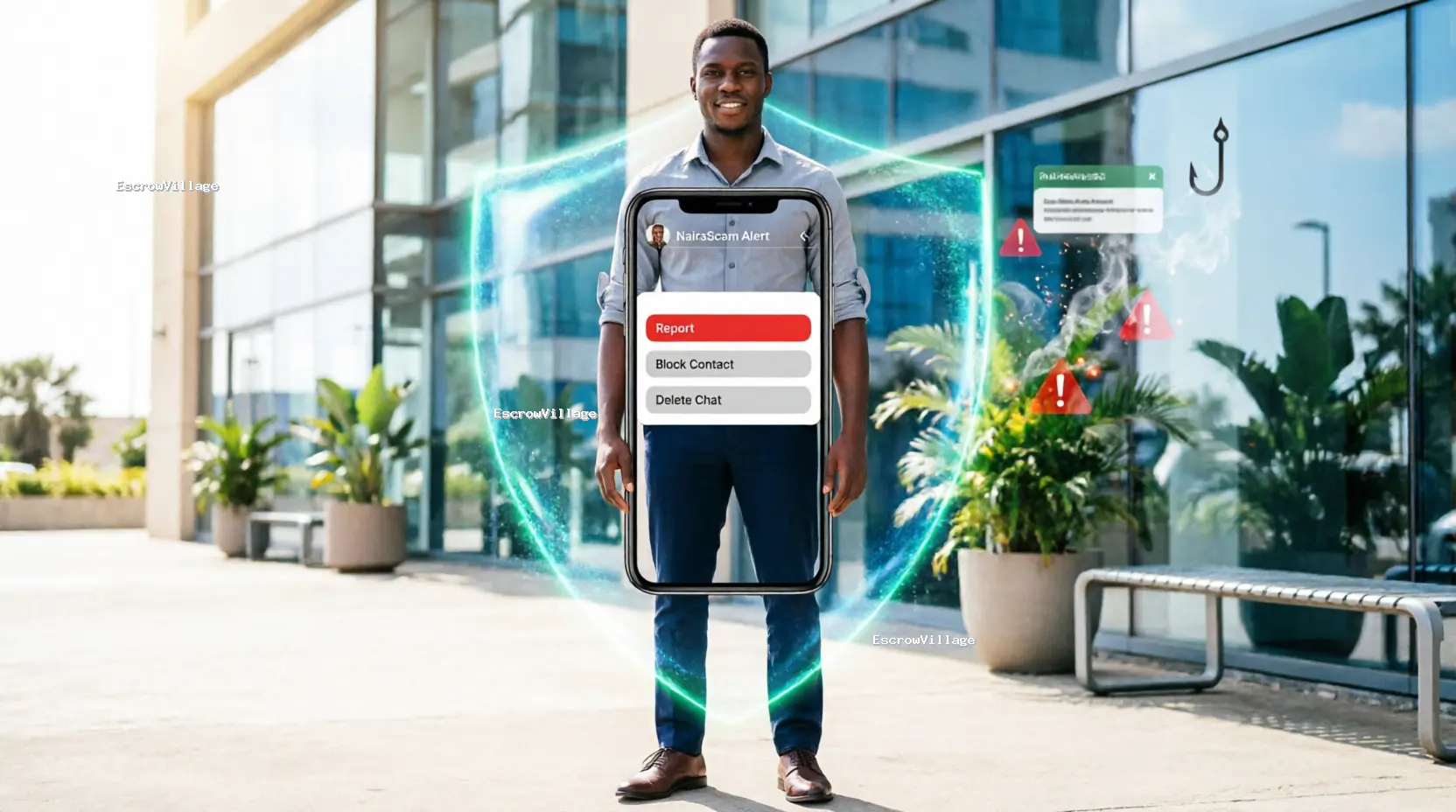
If you suspect a WhatsApp job scam, stop all communication with the sender immediately.
Do not send money, bank details, passwords, identification documents, or any personal information. Take screenshots of messages as evidence, then block and report the number through WhatsApp. Inform friends and family about the scam to prevent them from becoming victims. If you have already shared information or made a payment, act quickly by contacting your bank and changing affected account credentials. Finally, report the scam to the relevant authorities, consumer protection agencies, or cybercrime units for investigation and public awareness.
How to Protect Yourself from Future Job Scams
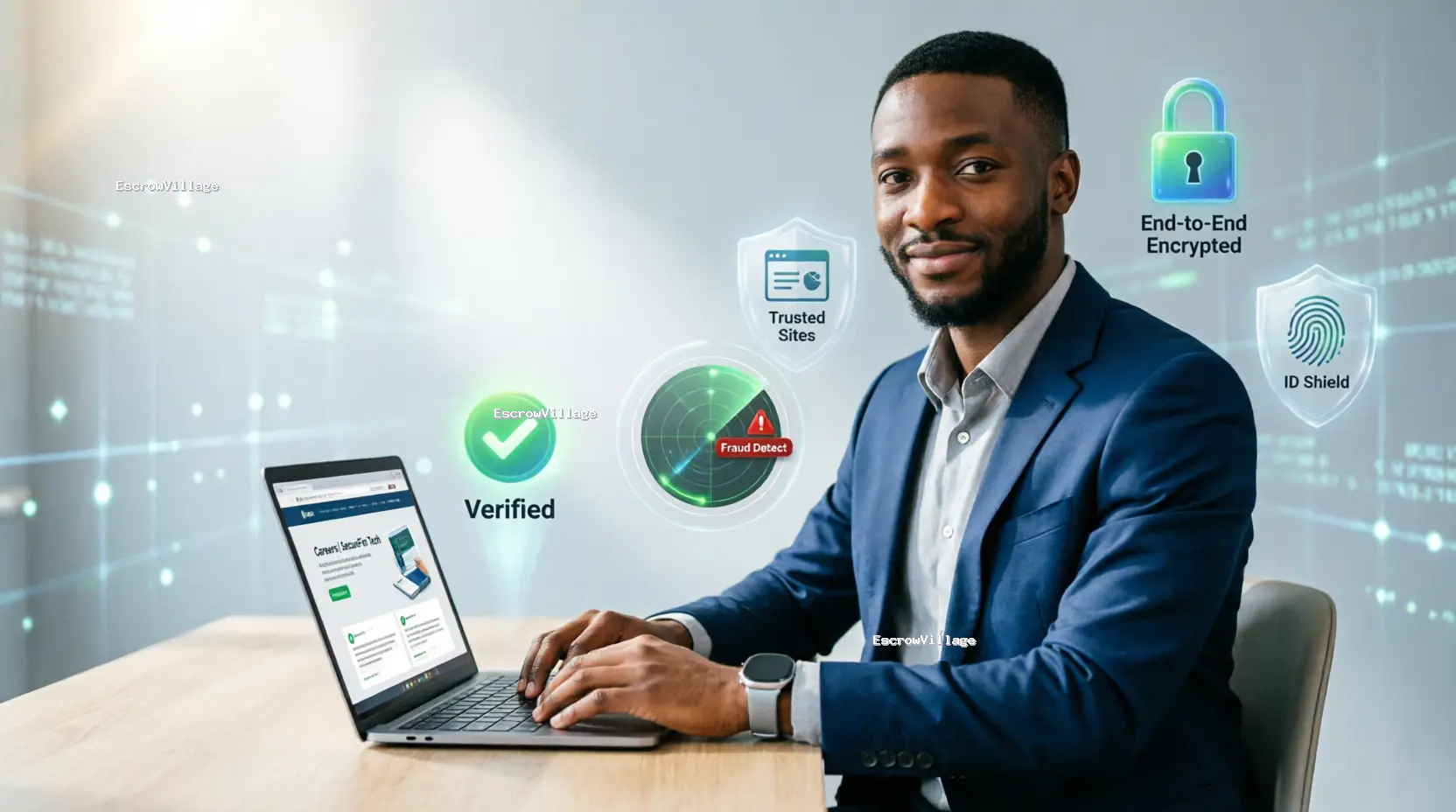
1. Use trusted job platforms: Apply for jobs through reputable websites, company career pages, and verified recruitment agencies.
2. Never pay for employment opportunities: Legitimate employers do not charge application, interview, training, or processing fees.
3. Protect your personal information: Share sensitive documents only after verifying the employer's identity and legitimacy.
4. Be sceptical of unrealistic offers: High salaries, instant hiring, and minimal requirements are common scam tactics.
5. Verify before engaging: Research companies, check reviews, confirm recruiter identities, and use online verification tools to validate job postings before responding or sharing information.
Fake job offers on WhatsApp are becoming increasingly sophisticated, making it more important than ever for job seekers to stay alert.
By recognising common warning signs such as unsolicited offers, requests for upfront payments, unrealistic salaries, and unverified recruiters, you can reduce the risk of financial loss and identity theft.
Always take time to research companies, verify recruiters, and confirm job vacancies through official channels before sharing personal information.
Remember, legitimate employers hire qualified candidates and pay them for their work. If a recruiter asks you to pay for a job opportunity, it is likely a scam and should be avoided.