
Why Small Businesses Should Take Cybersecurity Seriously
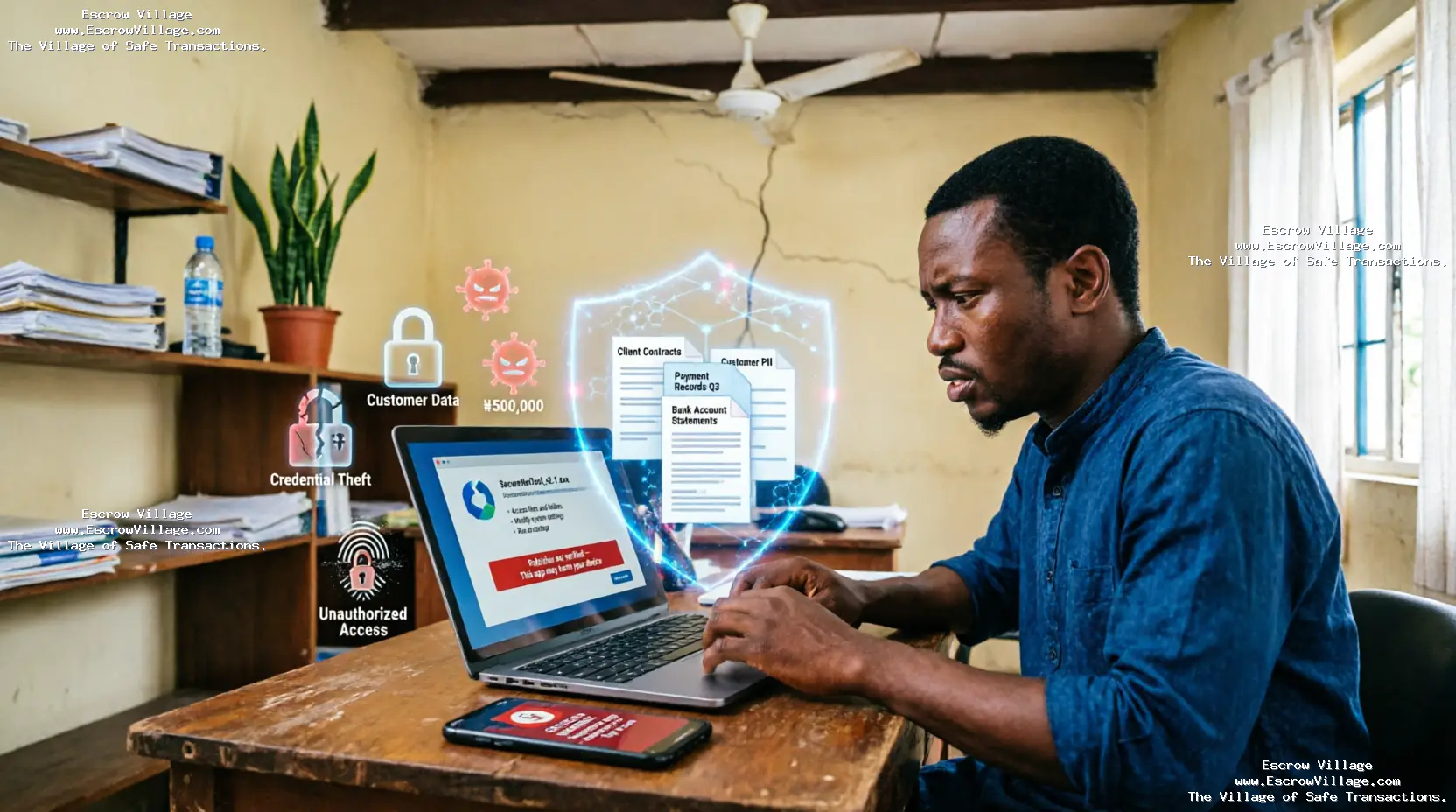
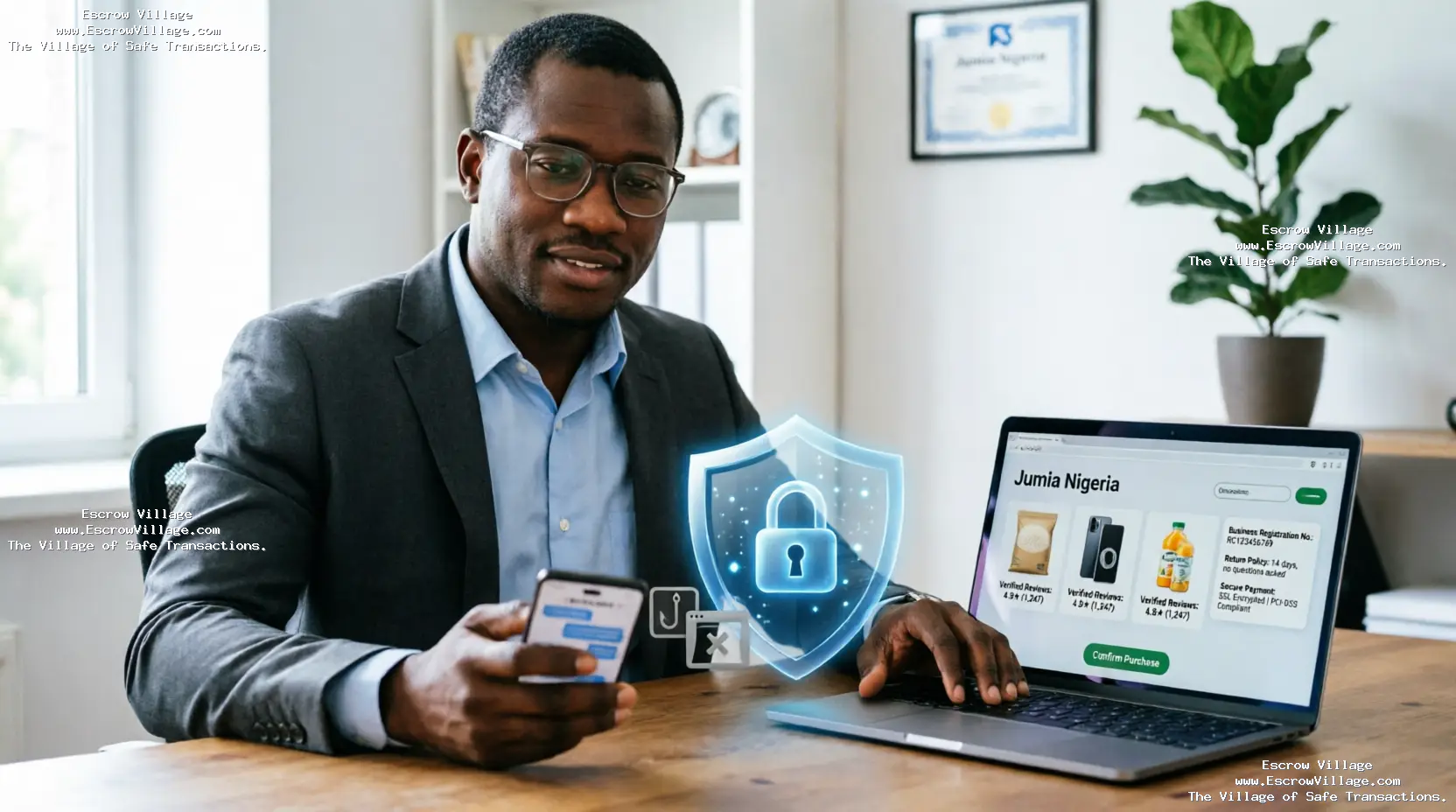
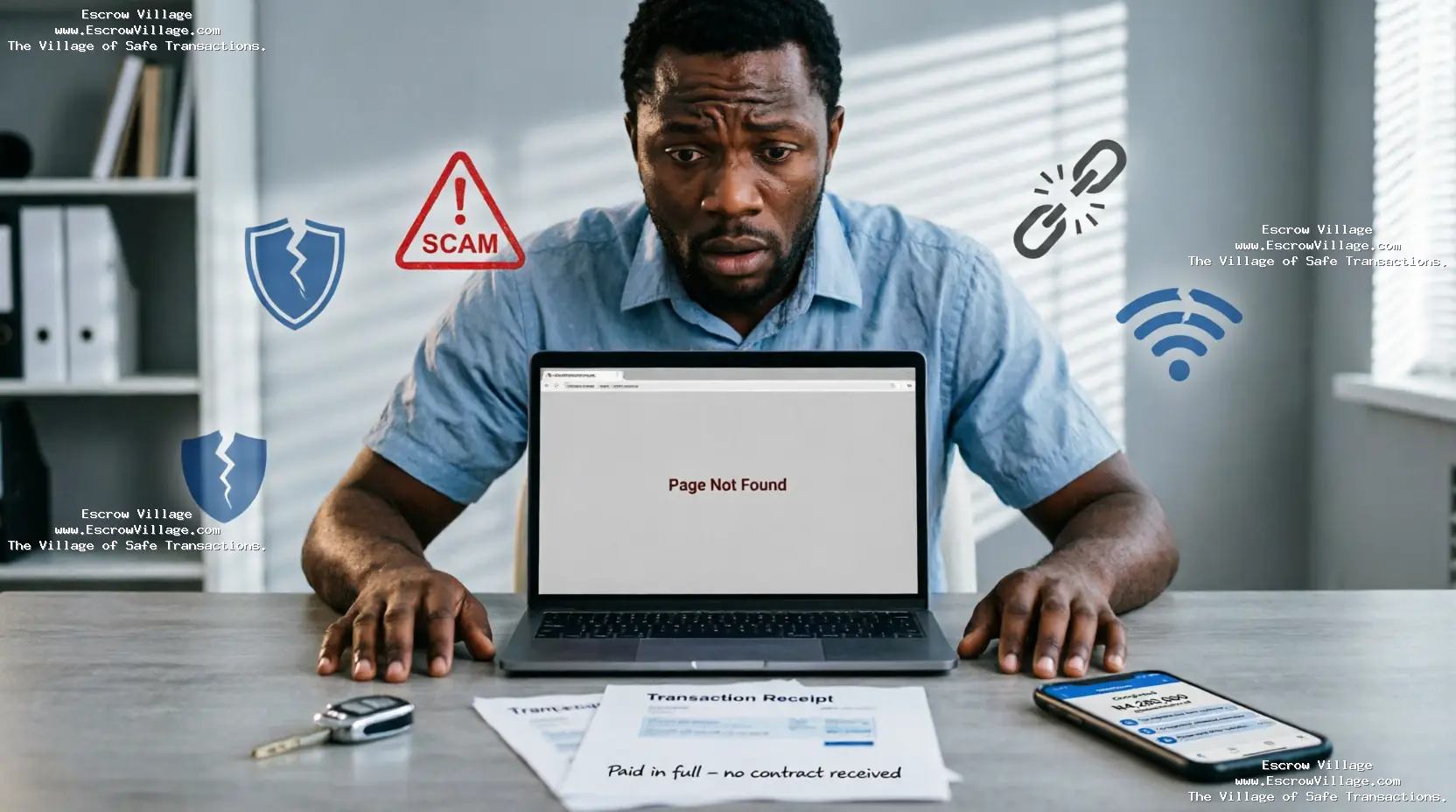
However, small businesses are increasingly becoming prime targets for cybercriminals. Many attackers assume that smaller businesses have weaker security systems, making them easier to exploit.
A single cyberattack can result in significant financial losses, damage to customer trust, operational downtime, and even legal consequences.
Whether you run an online store, a consulting business, or a growing startup, cybersecurity is no longer optional; it's a necessity.
The good news is that protecting your business doesn't always require a huge budget. By understanding the risks and adopting a few best practices, you can significantly reduce your chances of becoming a victim.
- 1. Small Businesses Are Frequent Targets

One of the biggest cybersecurity myths is that hackers only target large organisations.
In reality, small businesses are attractive because they often lack dedicated IT teams or advanced security measures.
Cybercriminals are aware that many small business owners prioritise sales and growth over digital security.No matter the size of your business, if you store customer information, process online payments, or use email for communication, you are a potential target.
- 2. Customer Data Is Valuable

Your customers trust you with sensitive information such as:
- ● Names
- ● Email addresses
- ● Phone numbers
- ● Payment details
- ● Delivery addresses
Protecting customer data isn't just good business practice; it helps build trust and strengthens your reputation.
- 3. Cyberattacks Can Be Expensive
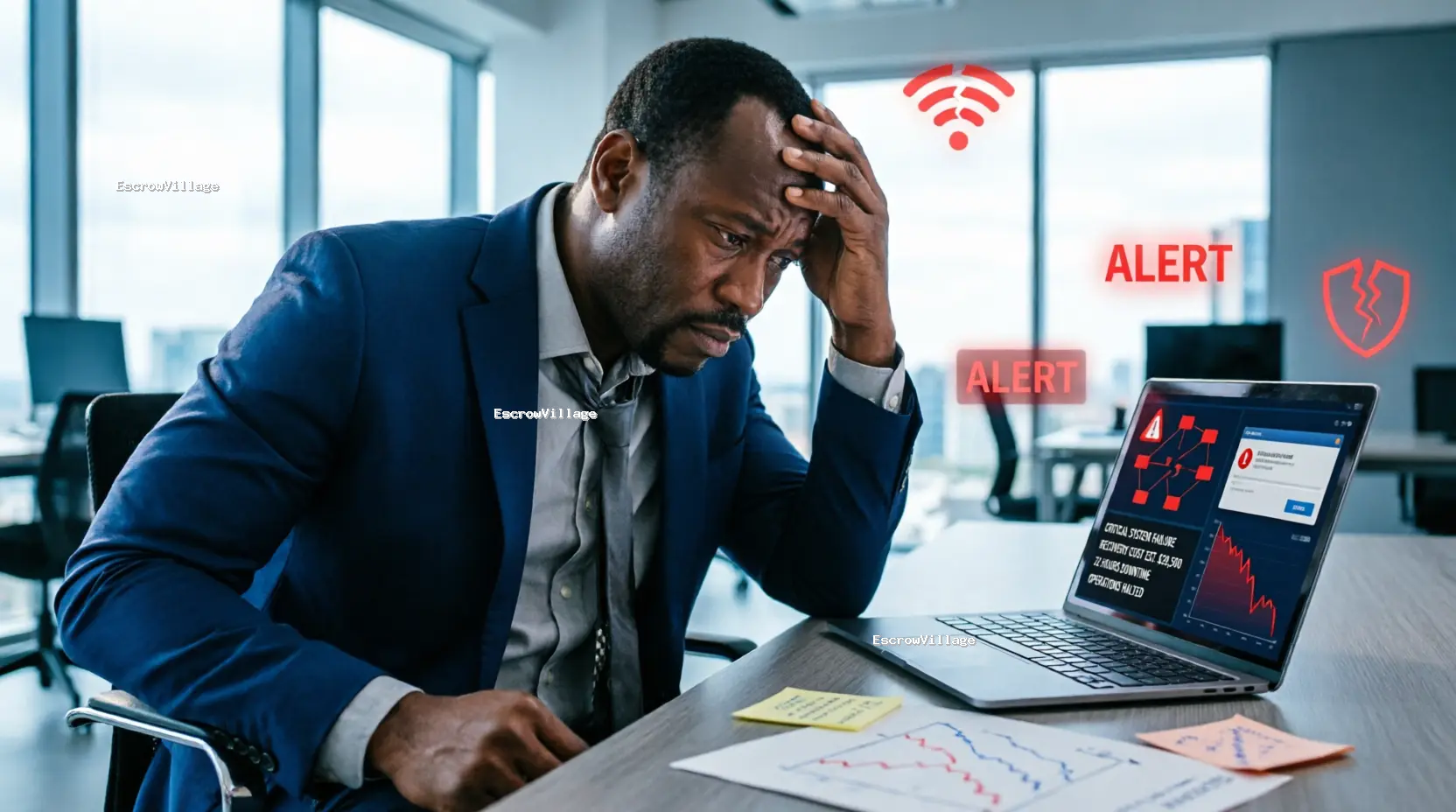
Recovering from a cyberattack often costs far more than preventing one.A security breach can result in:
- ● Lost sales
- ● Business interruptions
- ● Data recovery costs
- ● Legal expenses
- ● Reputation damage
- ● Customer compensation
Investing in cybersecurity today can save you significant money and stress in the future.
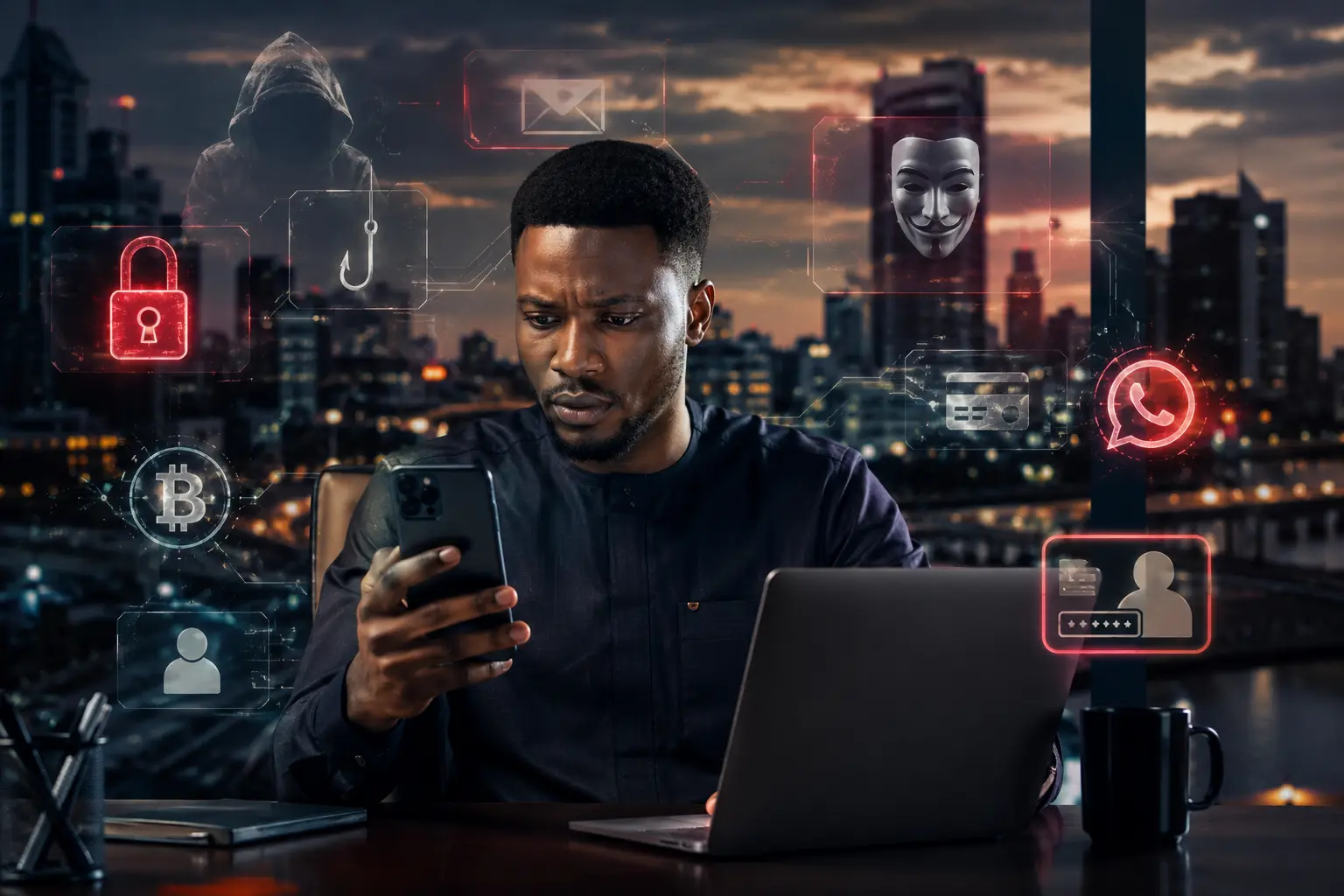
- 4. Phishing Scams Are Becoming More Sophisticated

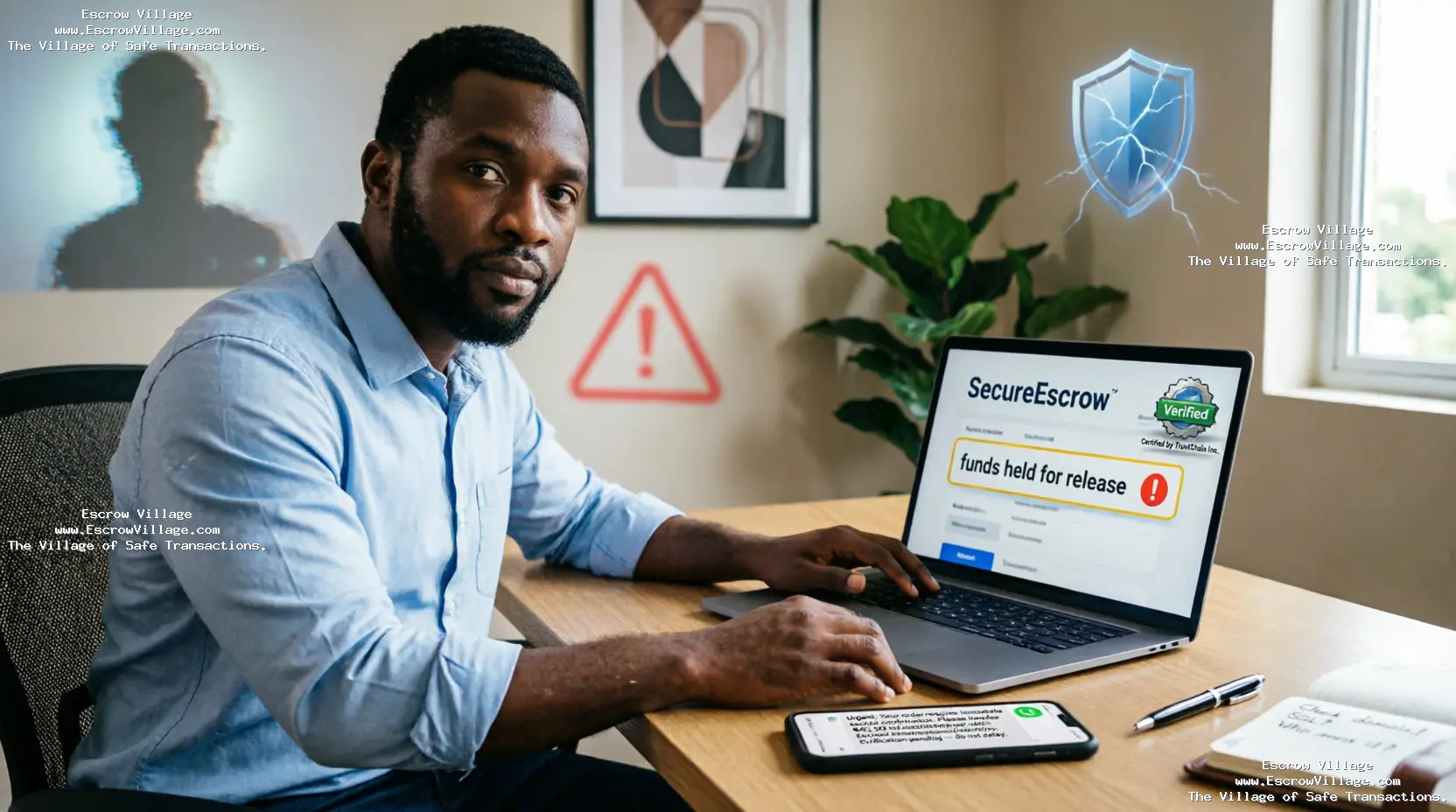
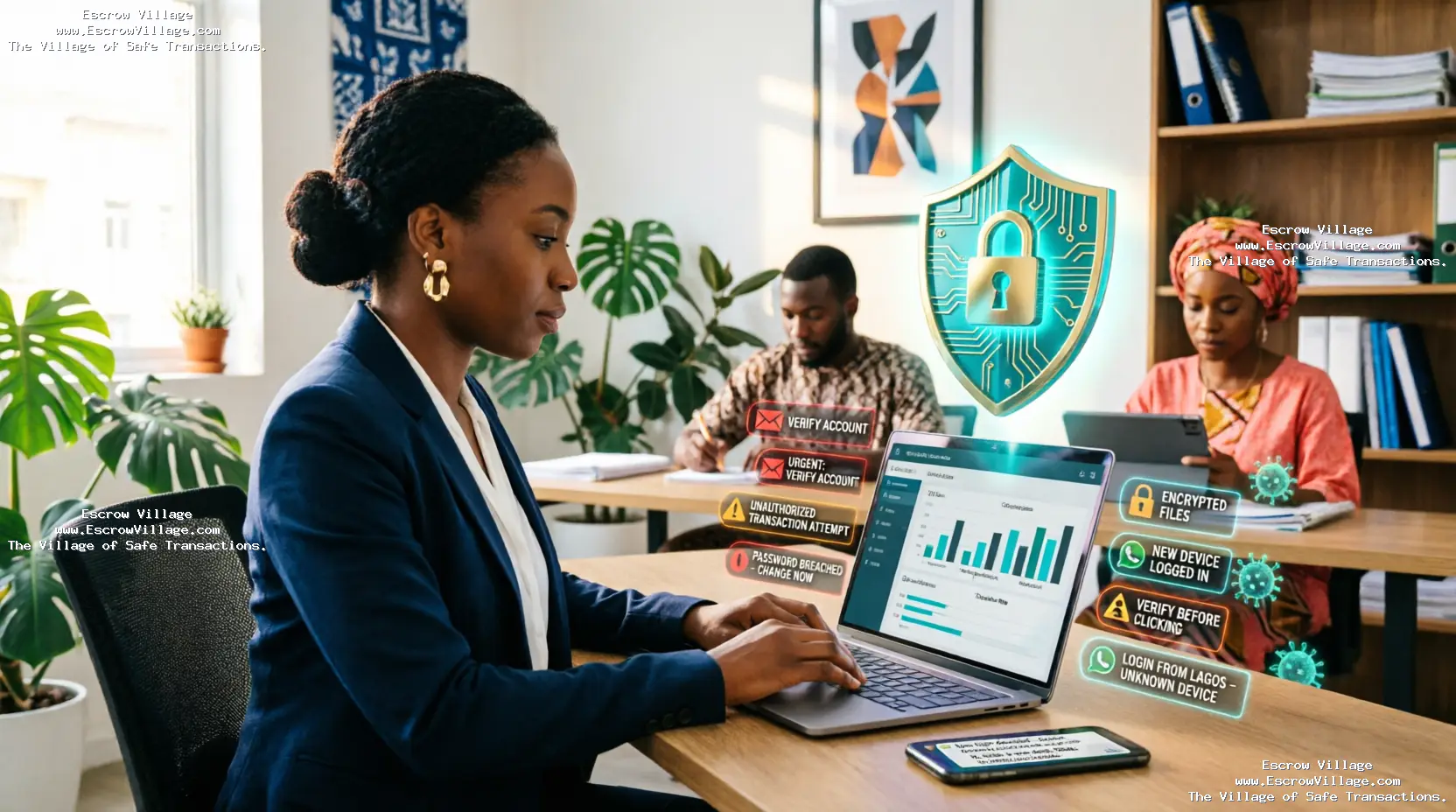
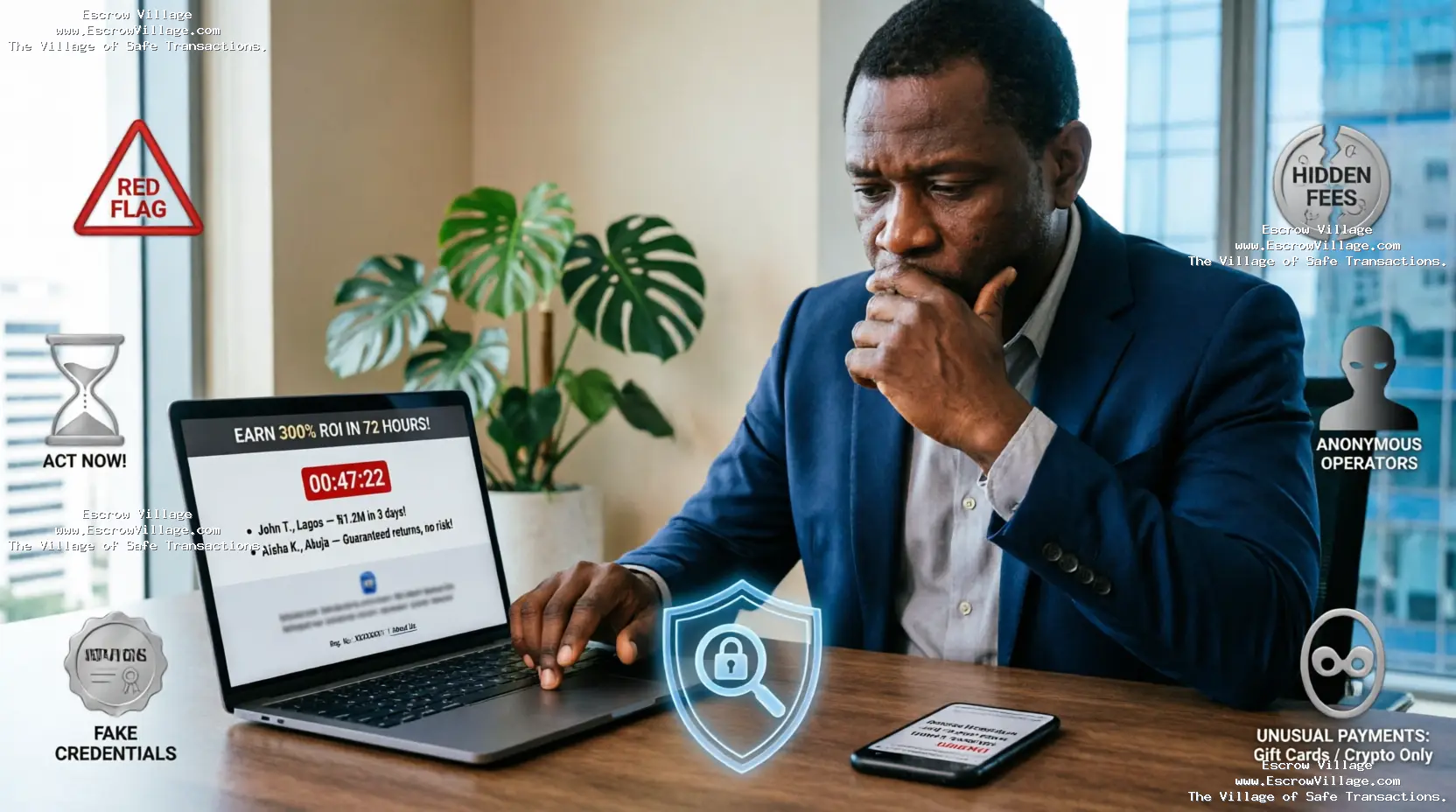
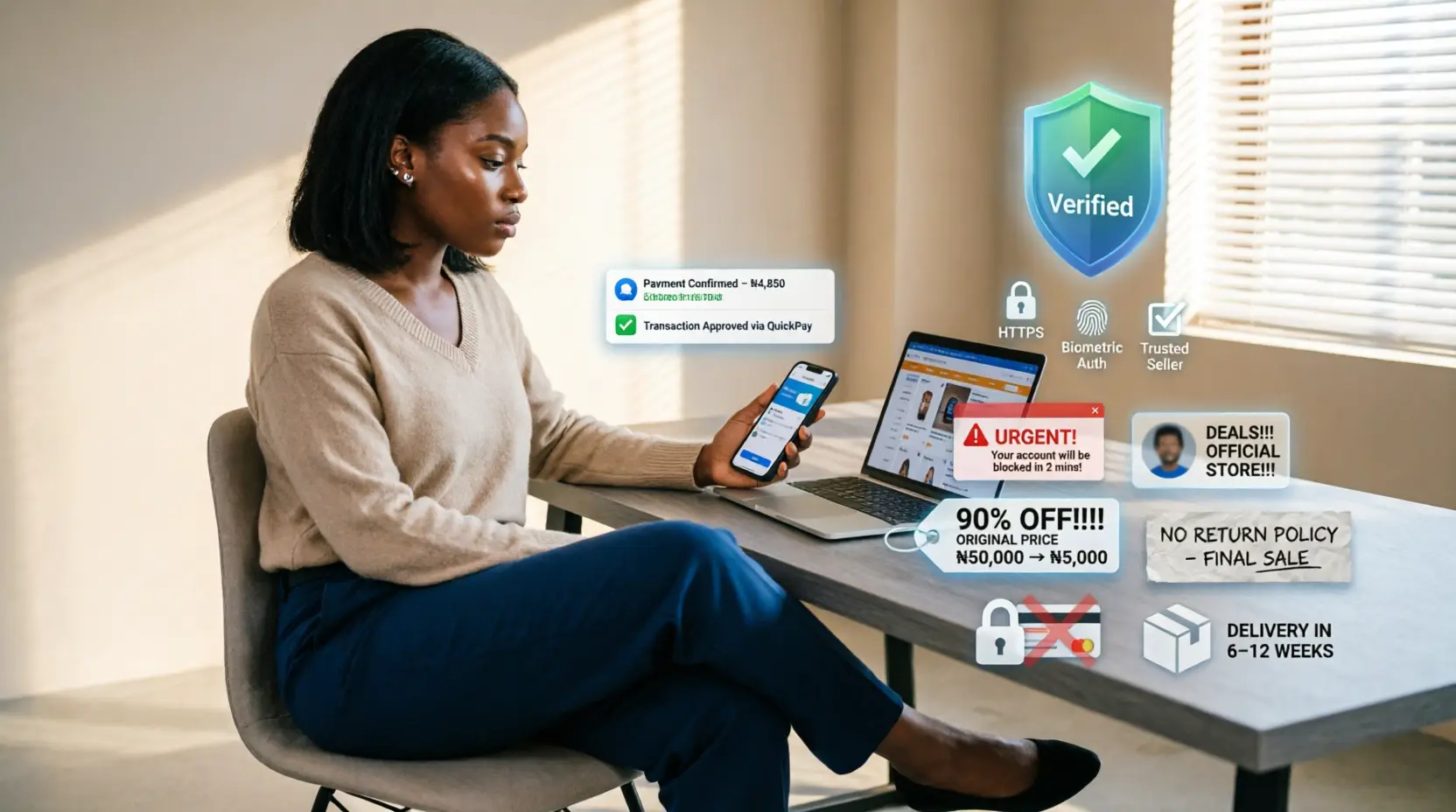
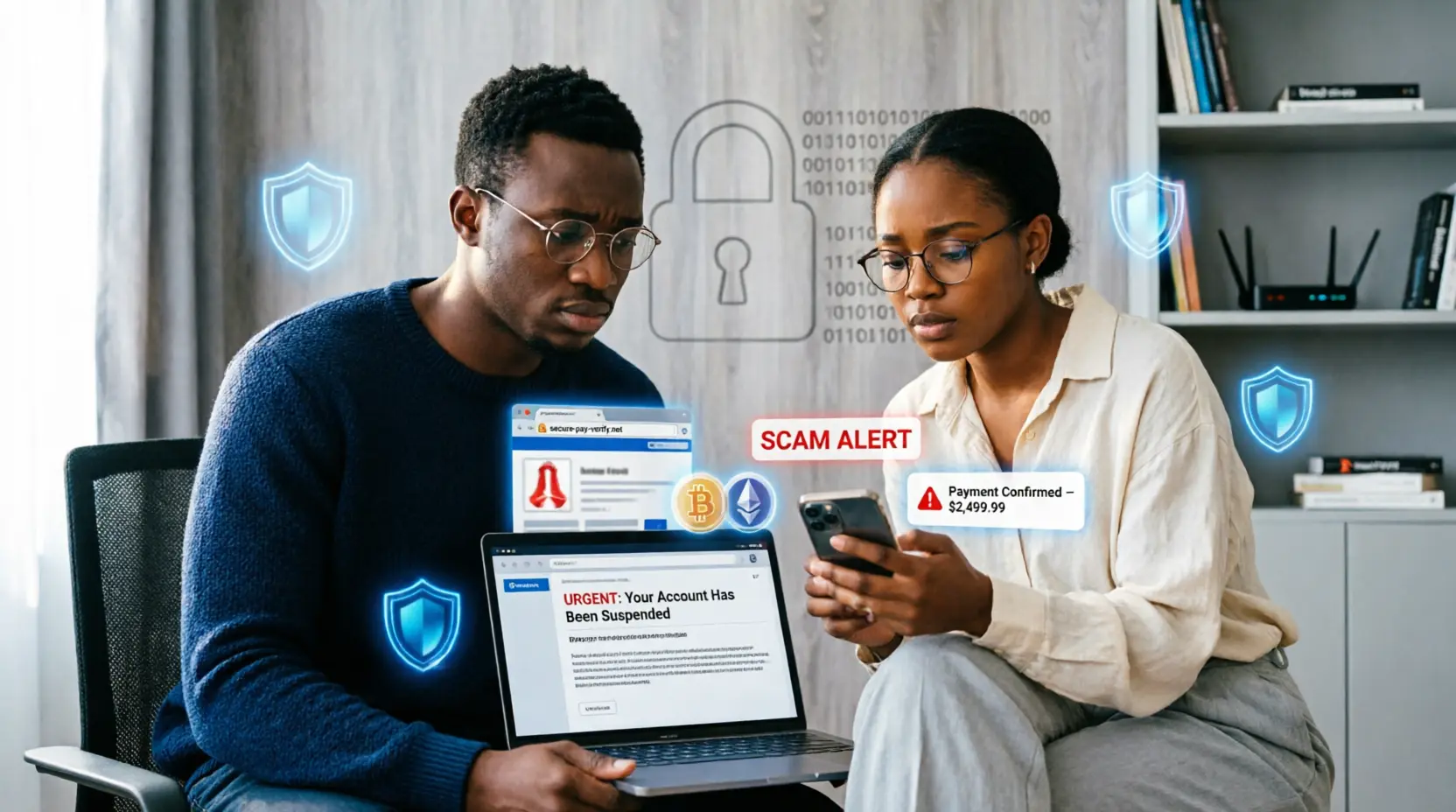
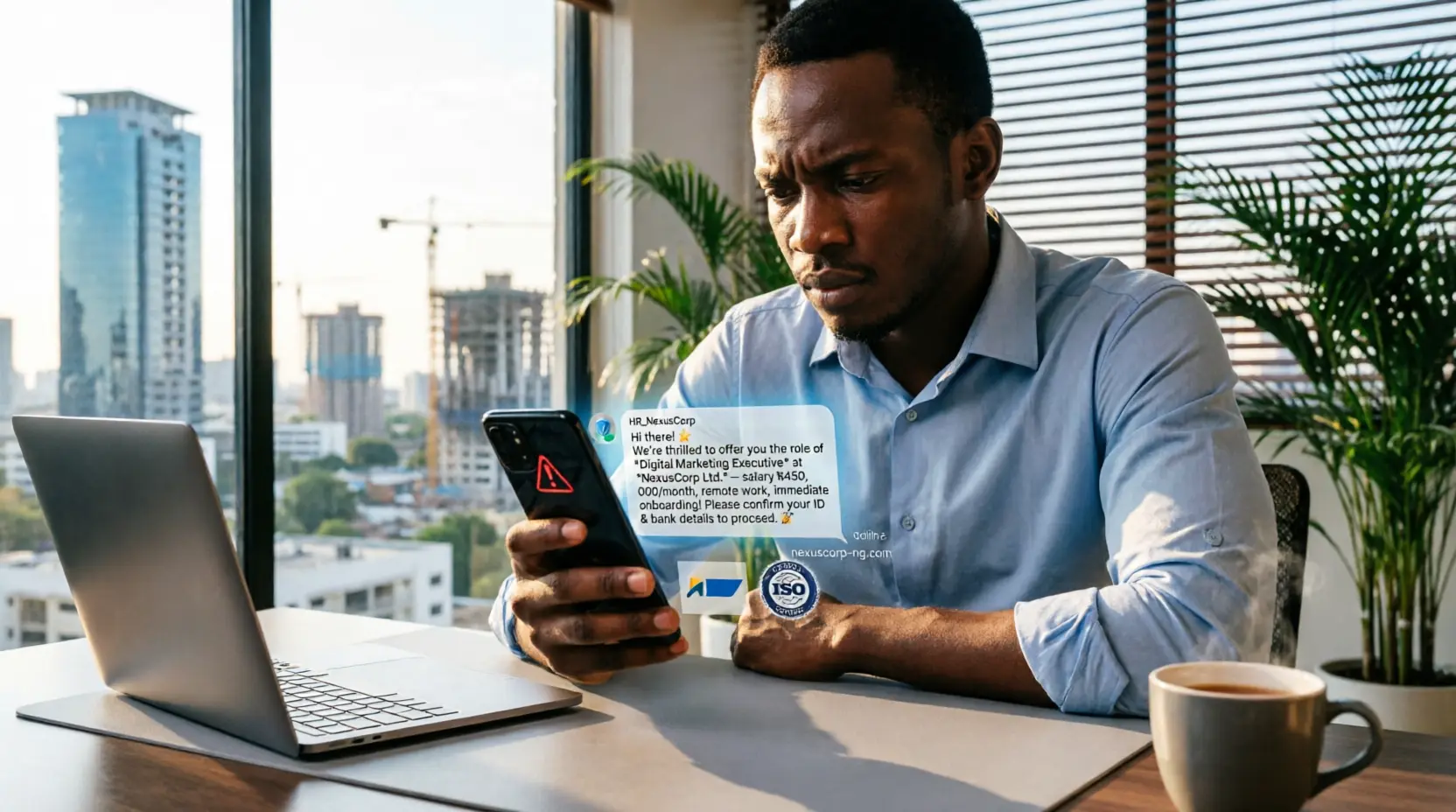
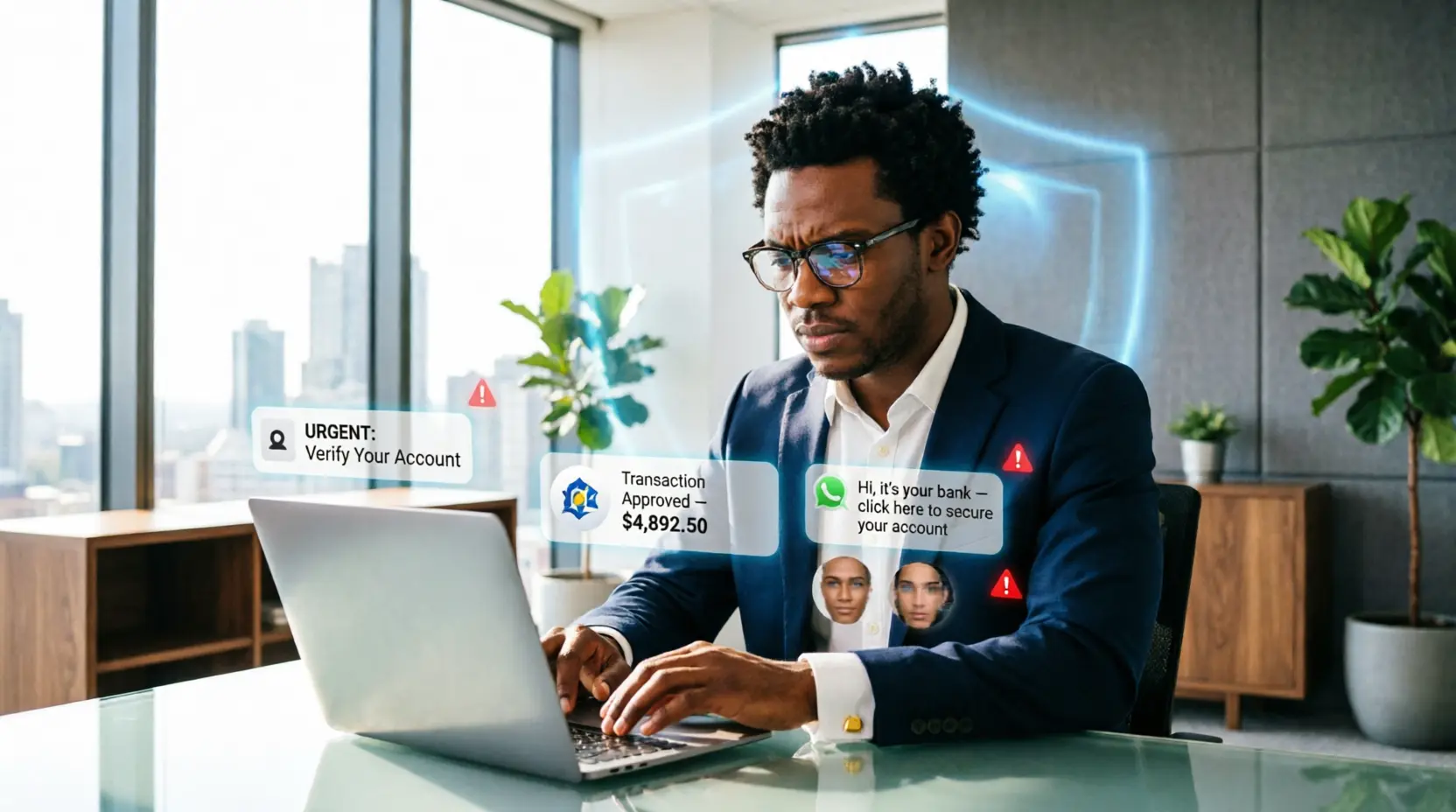
Phishing remains one of the most common cyber threats facing businesses.
Attackers often send fake emails or messages pretending to come from:- ● Banks
- ● Delivery companies
- ● Payment providers
- ●Suppliers
- ●Business partners
Always verify suspicious emails before clicking links or downloading attachments.
- 5. Strong Passwords and Multi-Factor Authentication Matter

Weak passwords are one of the easiest ways for attackers to gain access to business accounts.
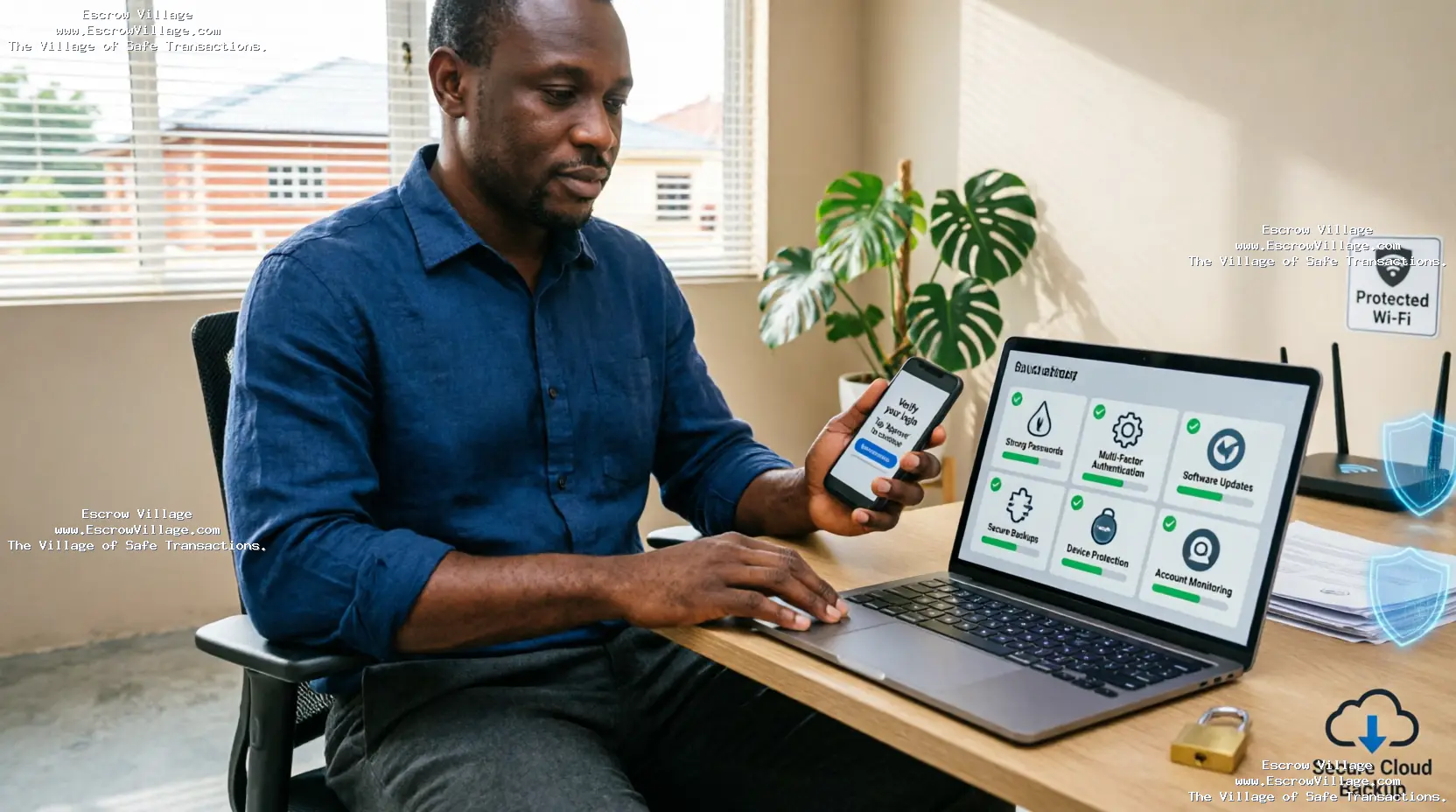
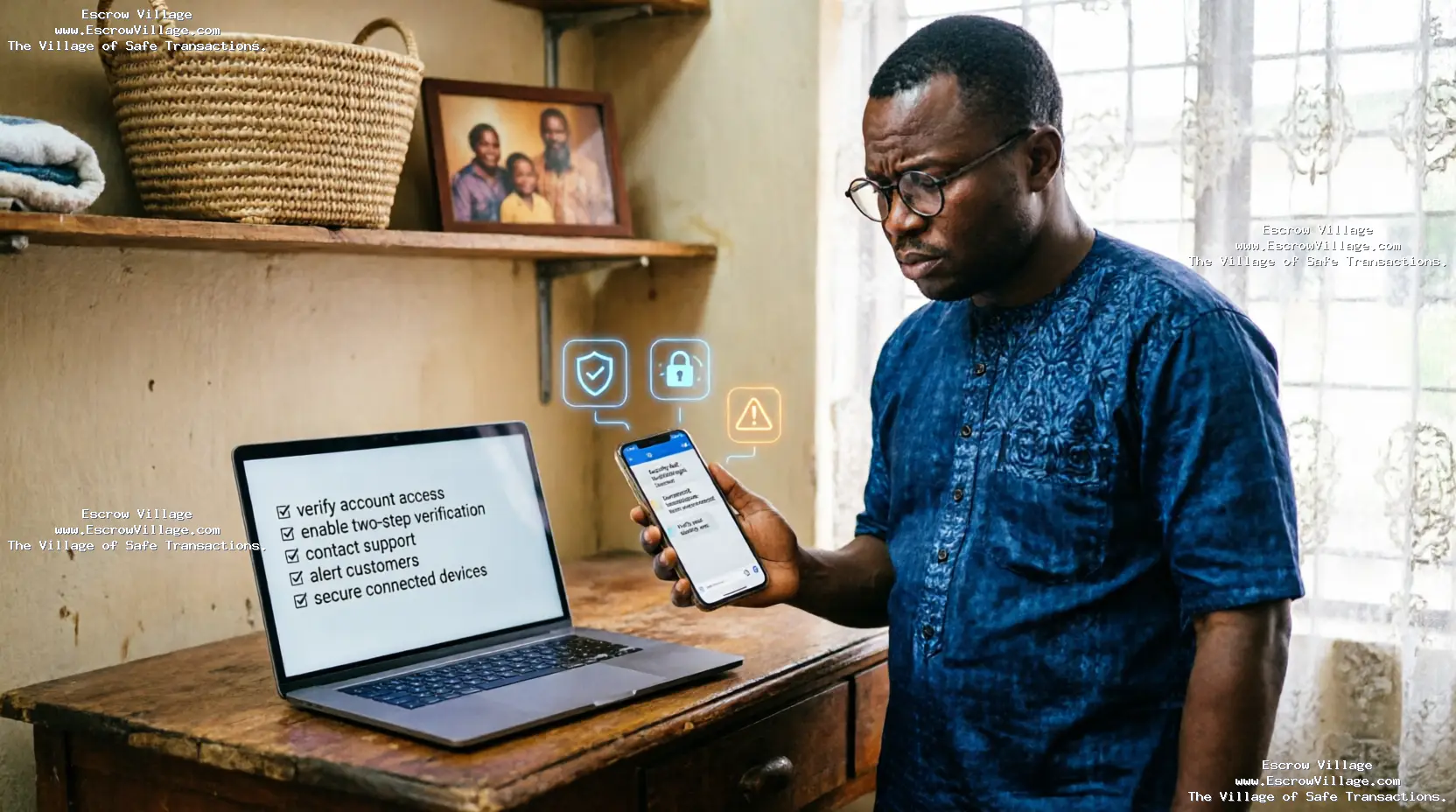
Every business should:- ● Use strong, unique passwords.
- ● Avoid reusing passwords across platforms.
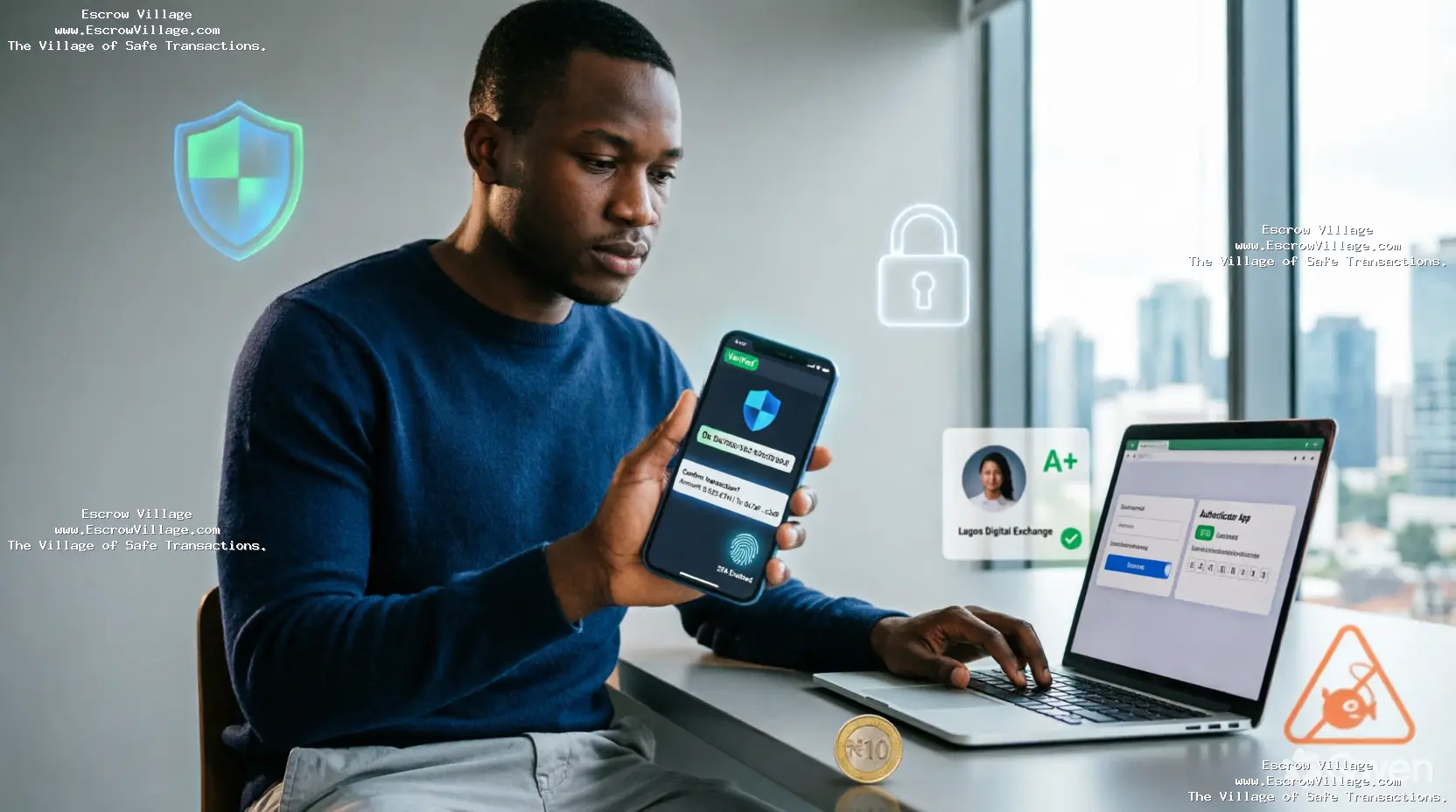
- ● Enable multi-factor authentication (MFA) wherever possible.
- ● Use a trusted password manager to store login credentials securely.
These simple steps add an extra layer of protection against unauthorised access.
- 6. Keep Software and Devices Updated
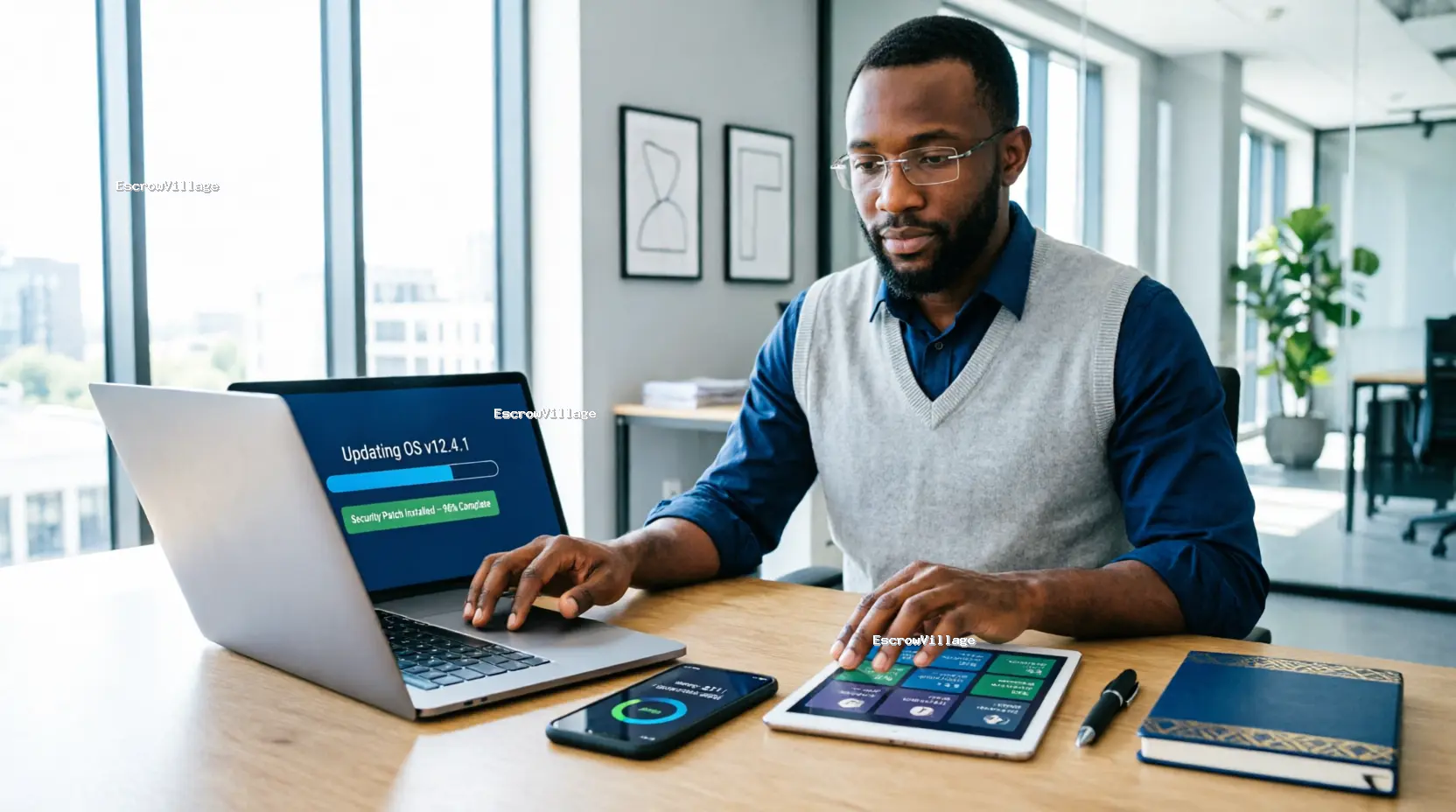
Software updates often include important security patches that fix newly discovered vulnerabilities.
Ignoring updates leaves your systems exposed to known threats.Regularly update:
- ● Operating systems
- ● Web browsers
- ● Business software
- ● Mobile devices
- ● Antivirus programmes
- 7. Train Employees on Cybersecurity

Technology alone cannot prevent every cyberattack.
Employees play a crucial role in protecting the business.
Provide regular training on:- ● Recognising phishing emails
- ● Safe internet browsing
- ● Secure password practices
- ● Reporting suspicious activity
- ● Handling customer information responsibly
A well-informed team is one of the strongest defences against cyber threats.
- 8. Back Up Your Business Data

Imagine losing all your customer records, invoices, or financial documents overnight.
Regular backups ensure your business can recover quickly if data is lost due to hacking, hardware failure, or accidental deletion.
Store backups securely and test them regularly to ensure they can be restored when needed.
Having reliable backups can make the difference between a temporary setback and a permanent business closure.
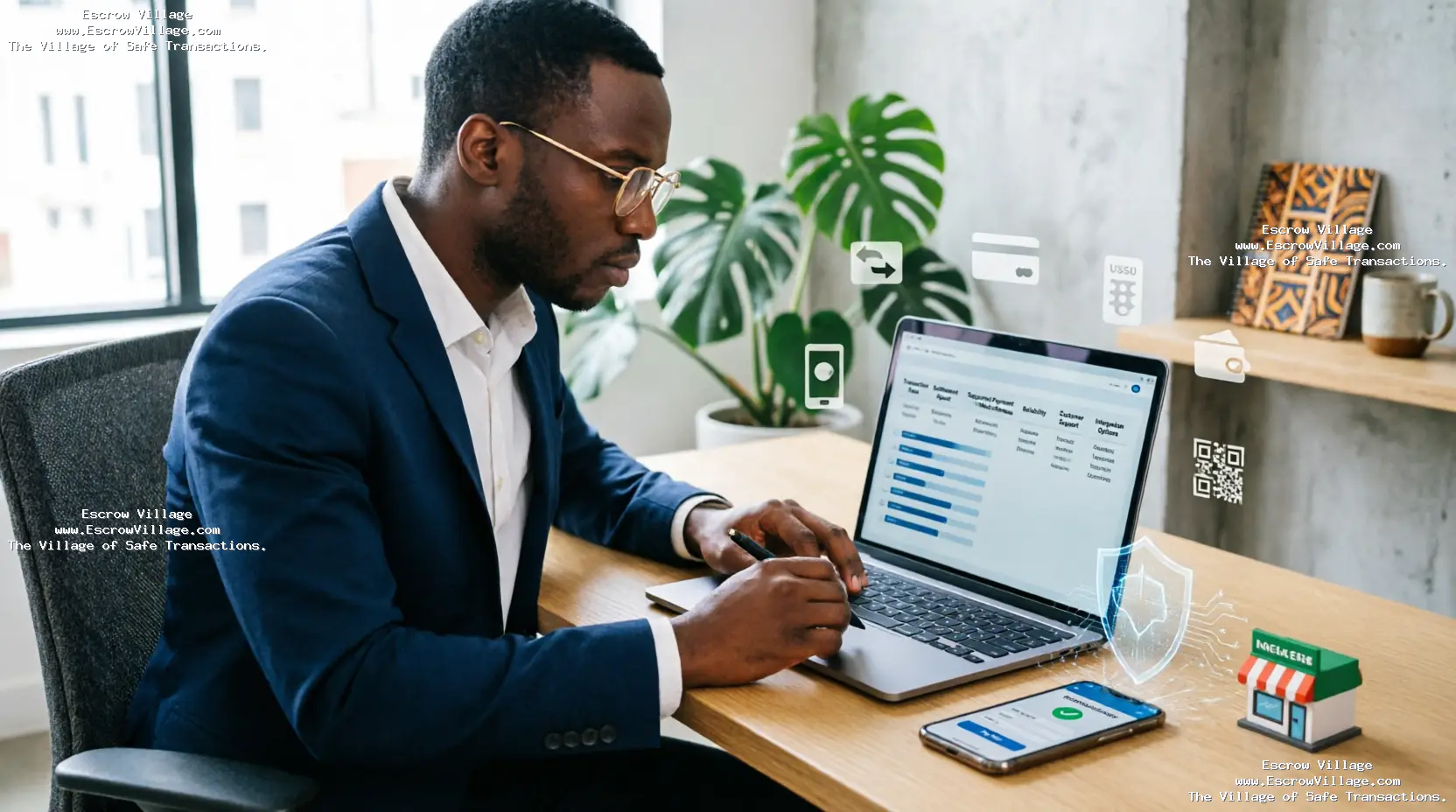
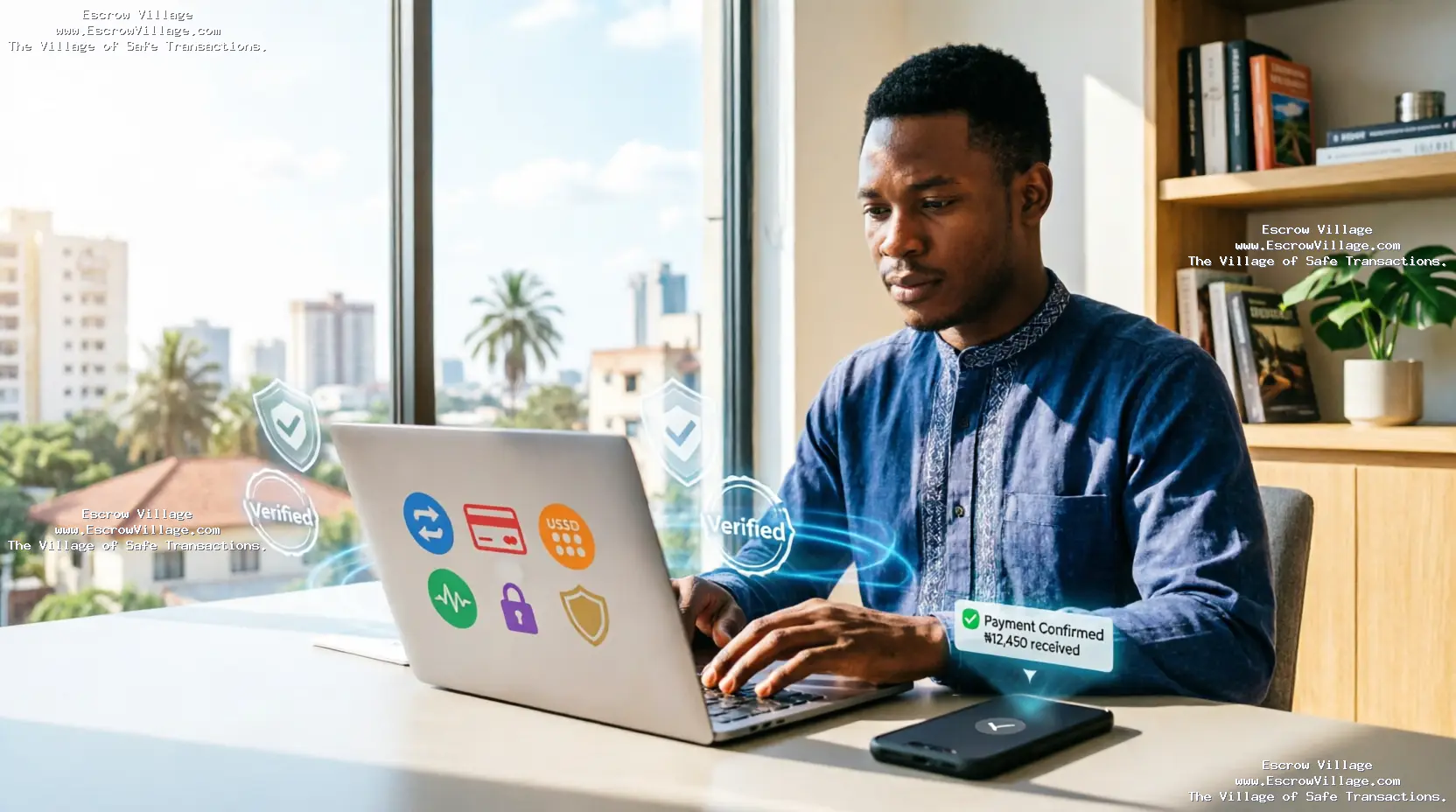
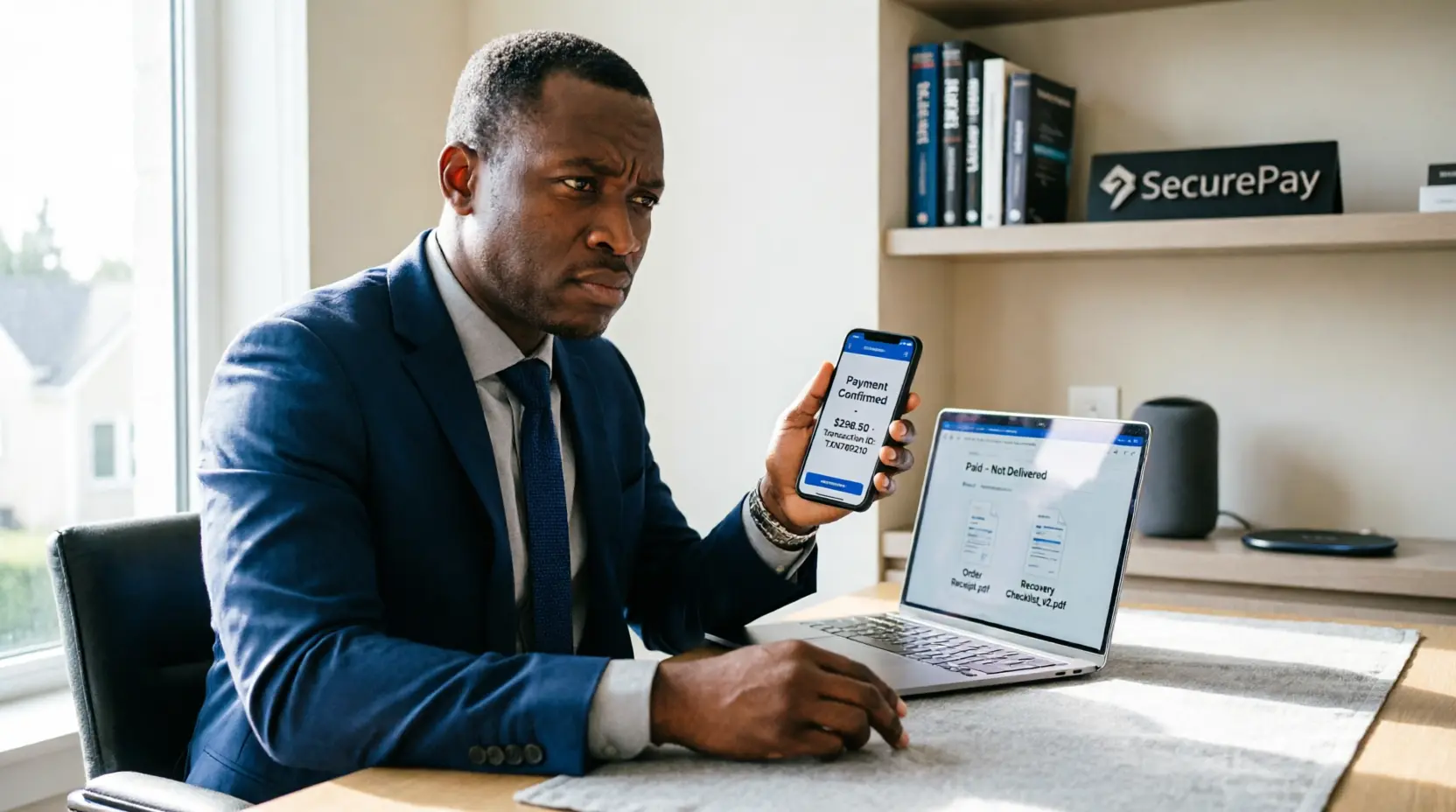
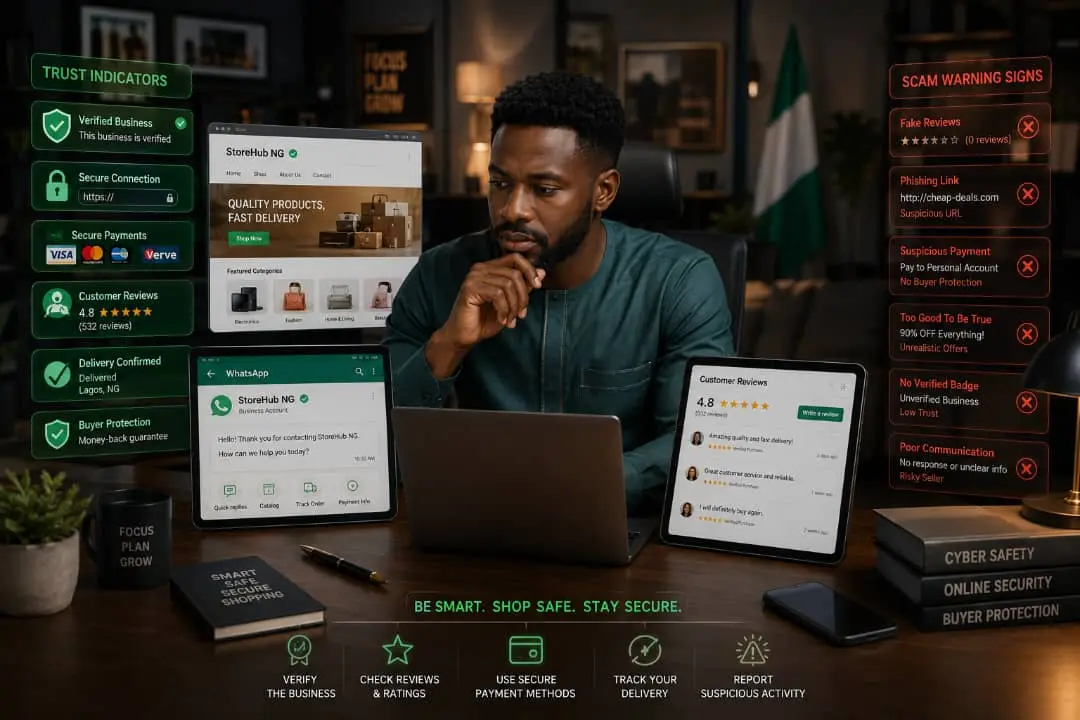
- 9. Secure Online Payments

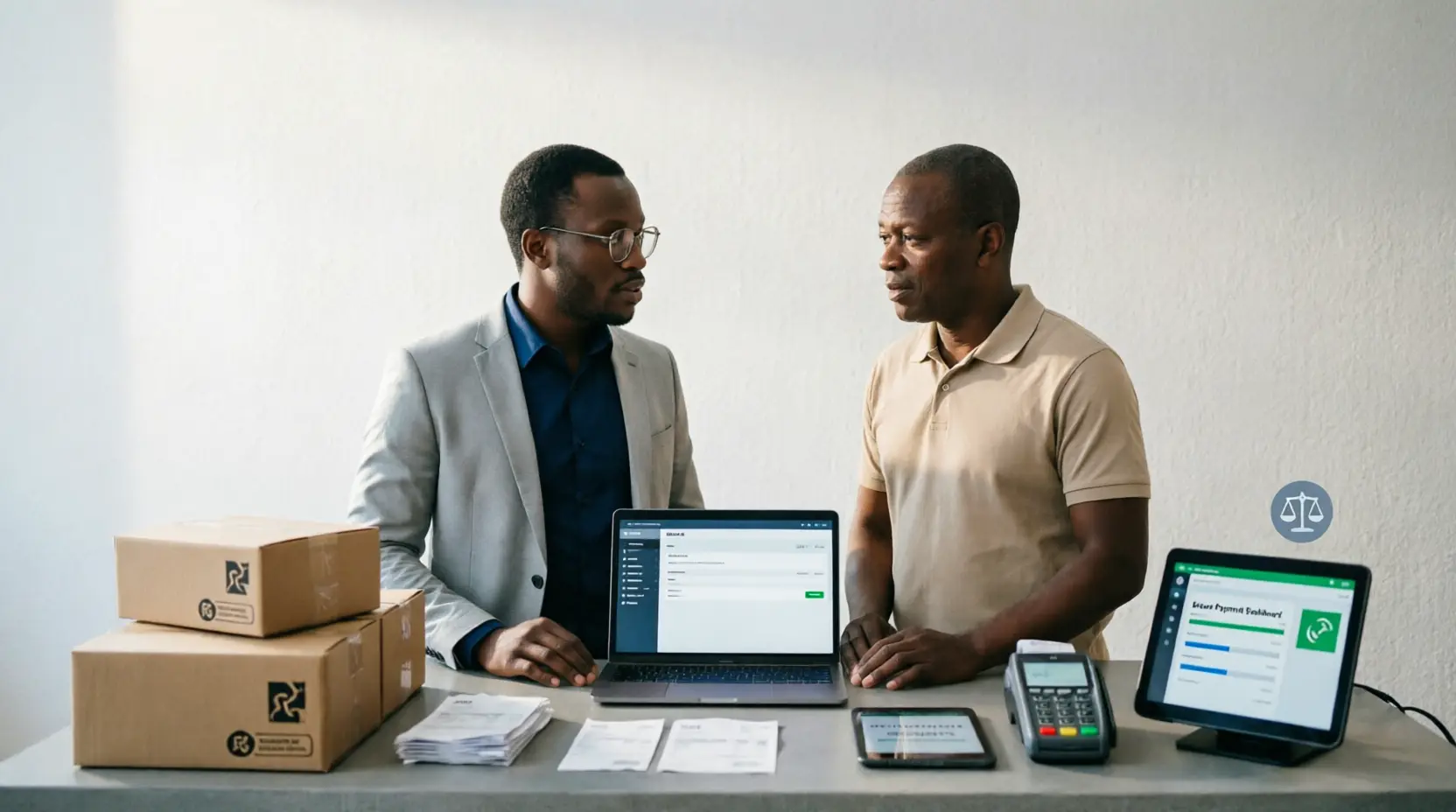
For businesses that sell products or services online, payment security is especially important.
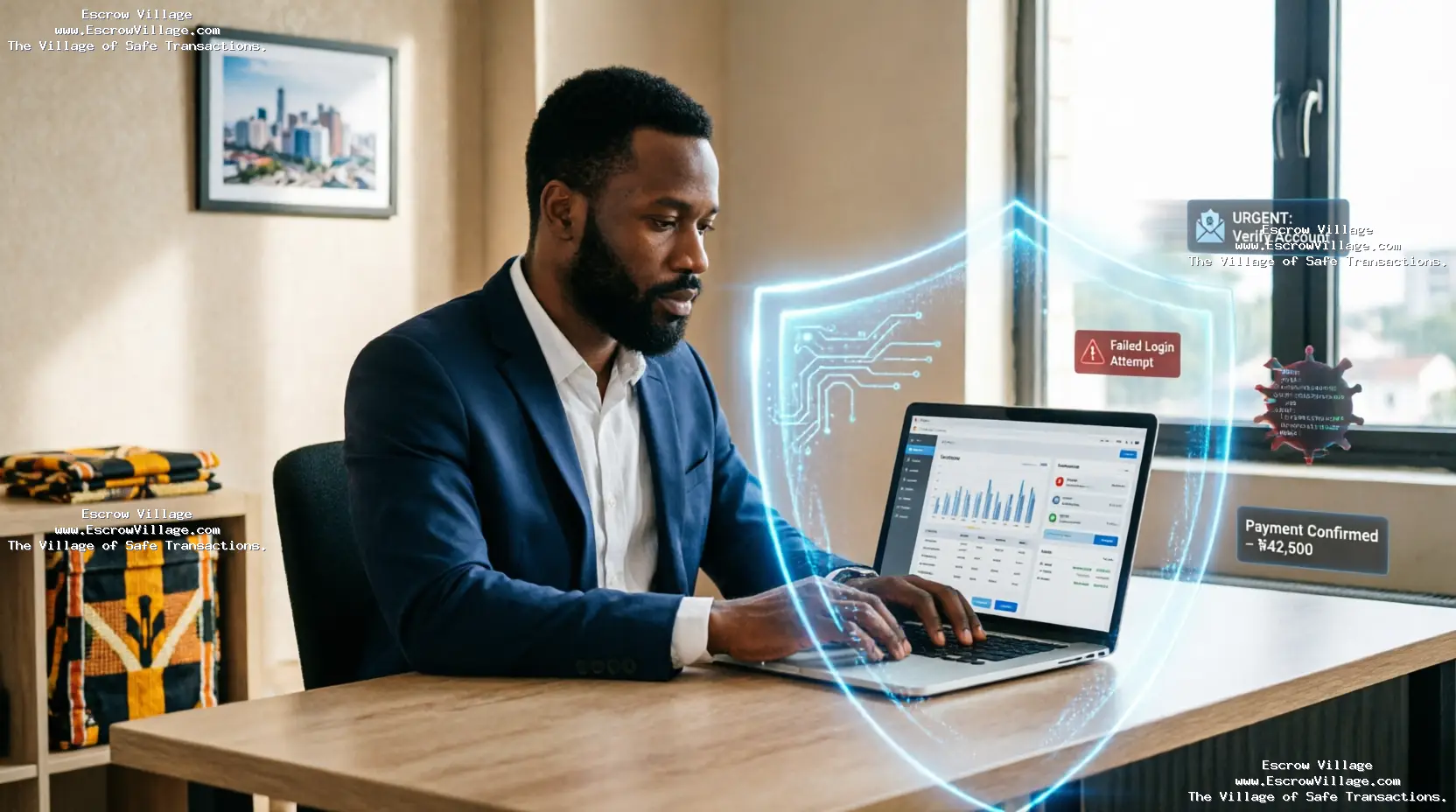
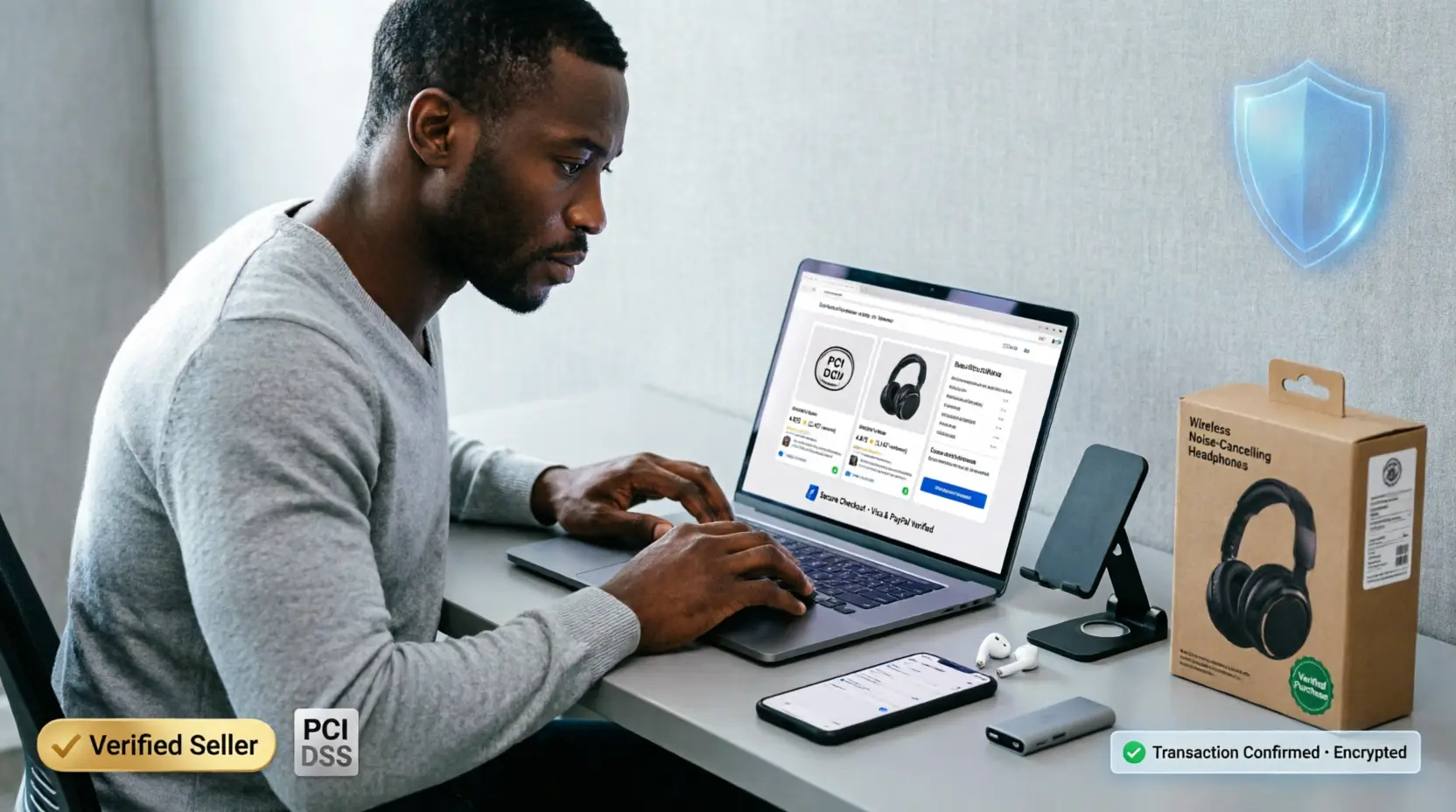
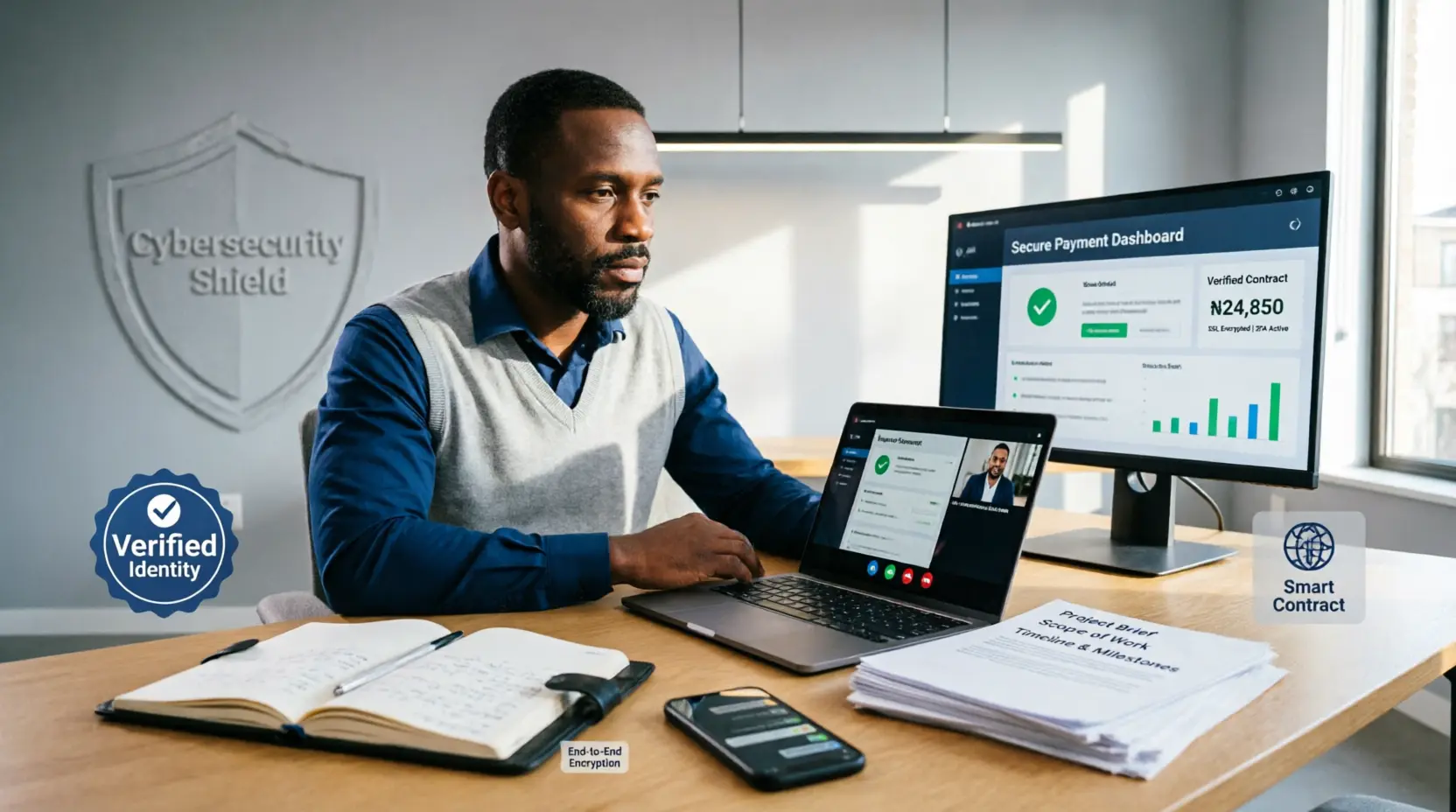
Use trusted payment providers, secure websites with HTTPS encryption, and monitor transactions for unusual activity.
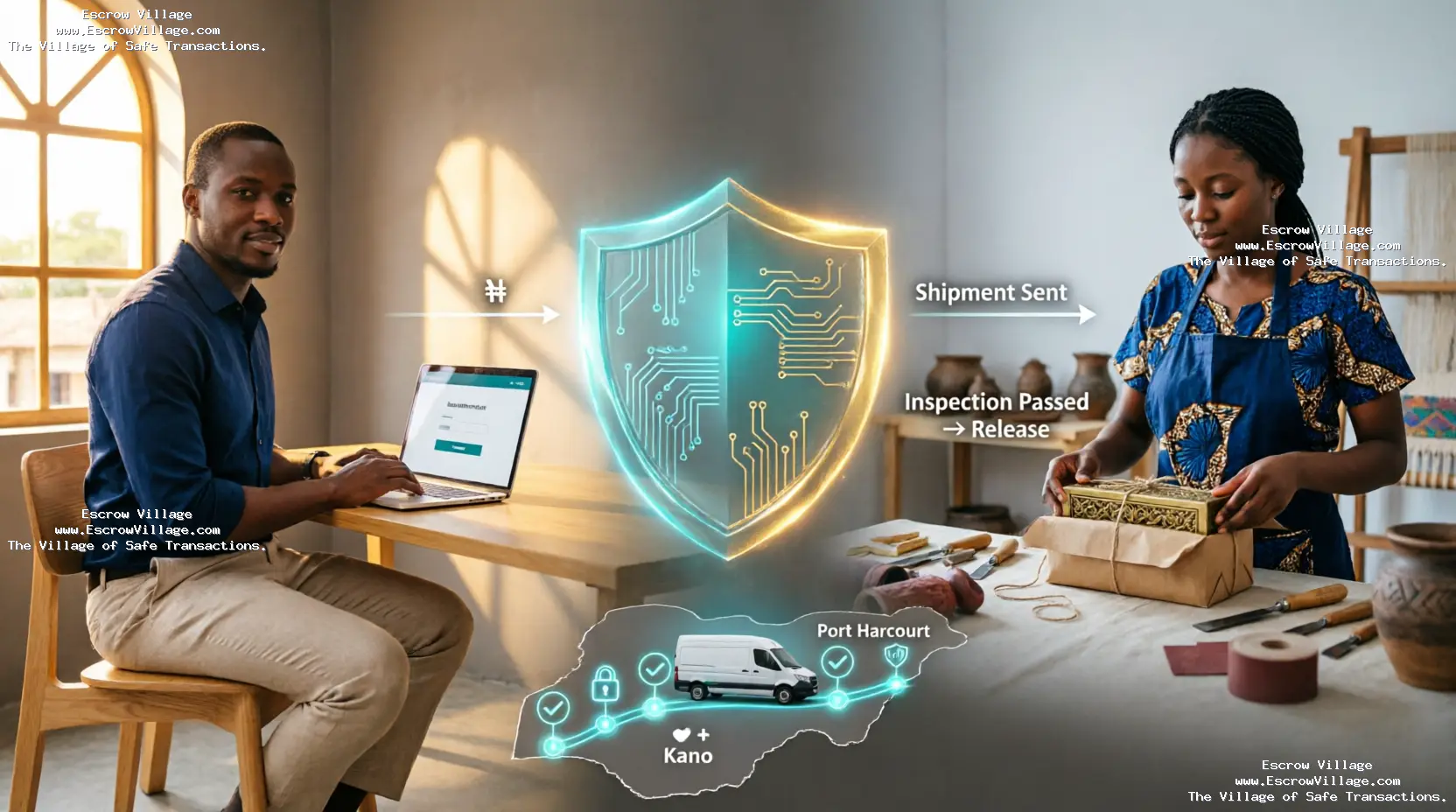
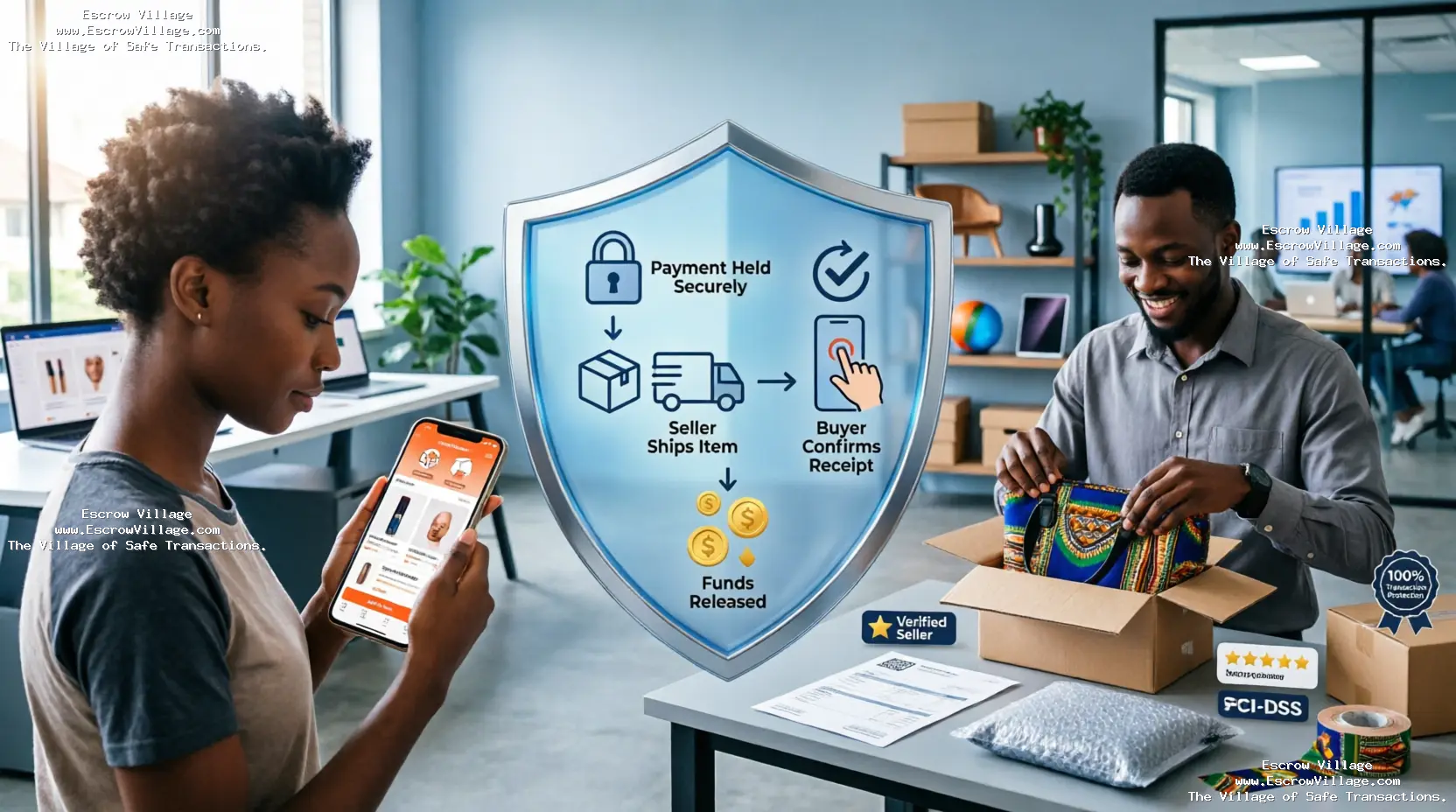
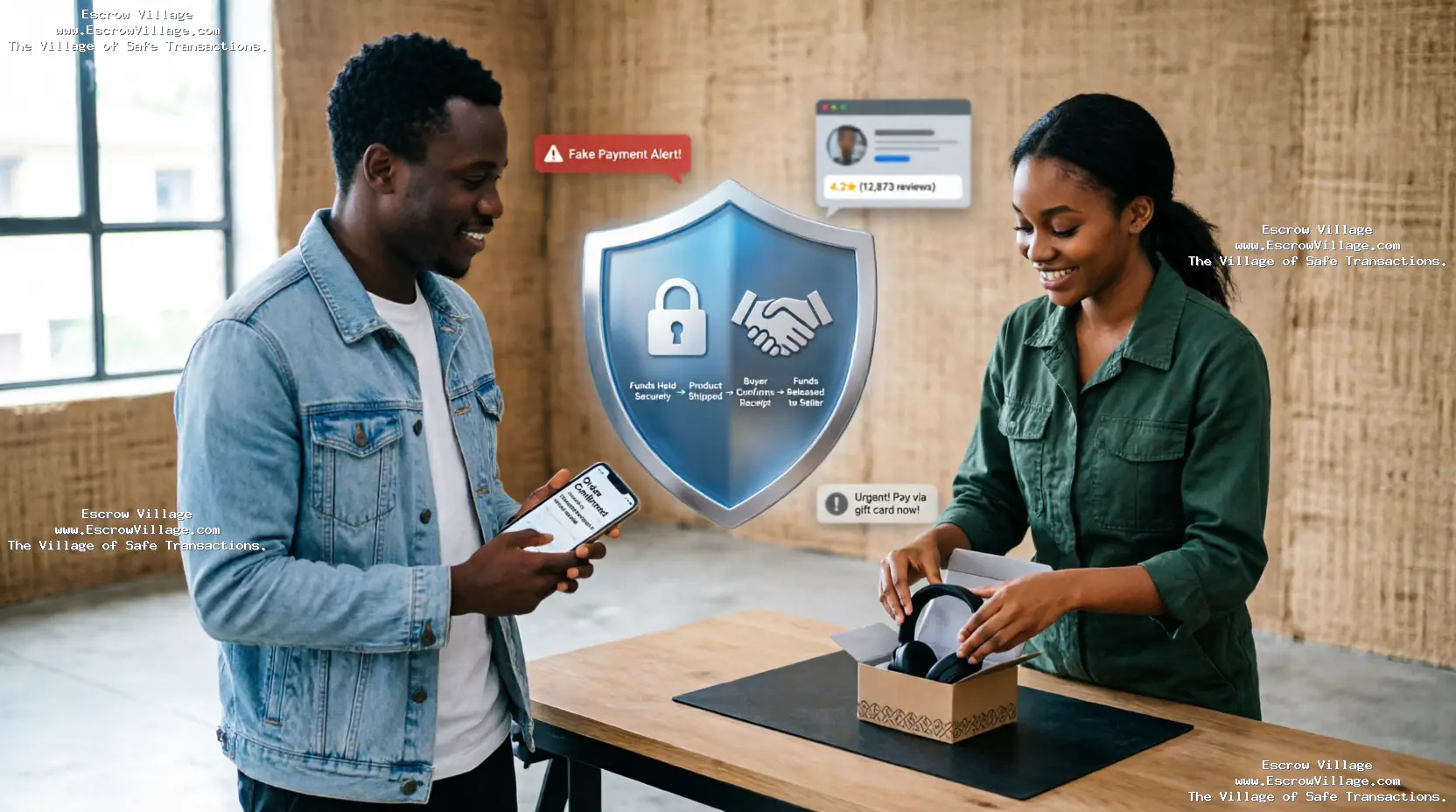
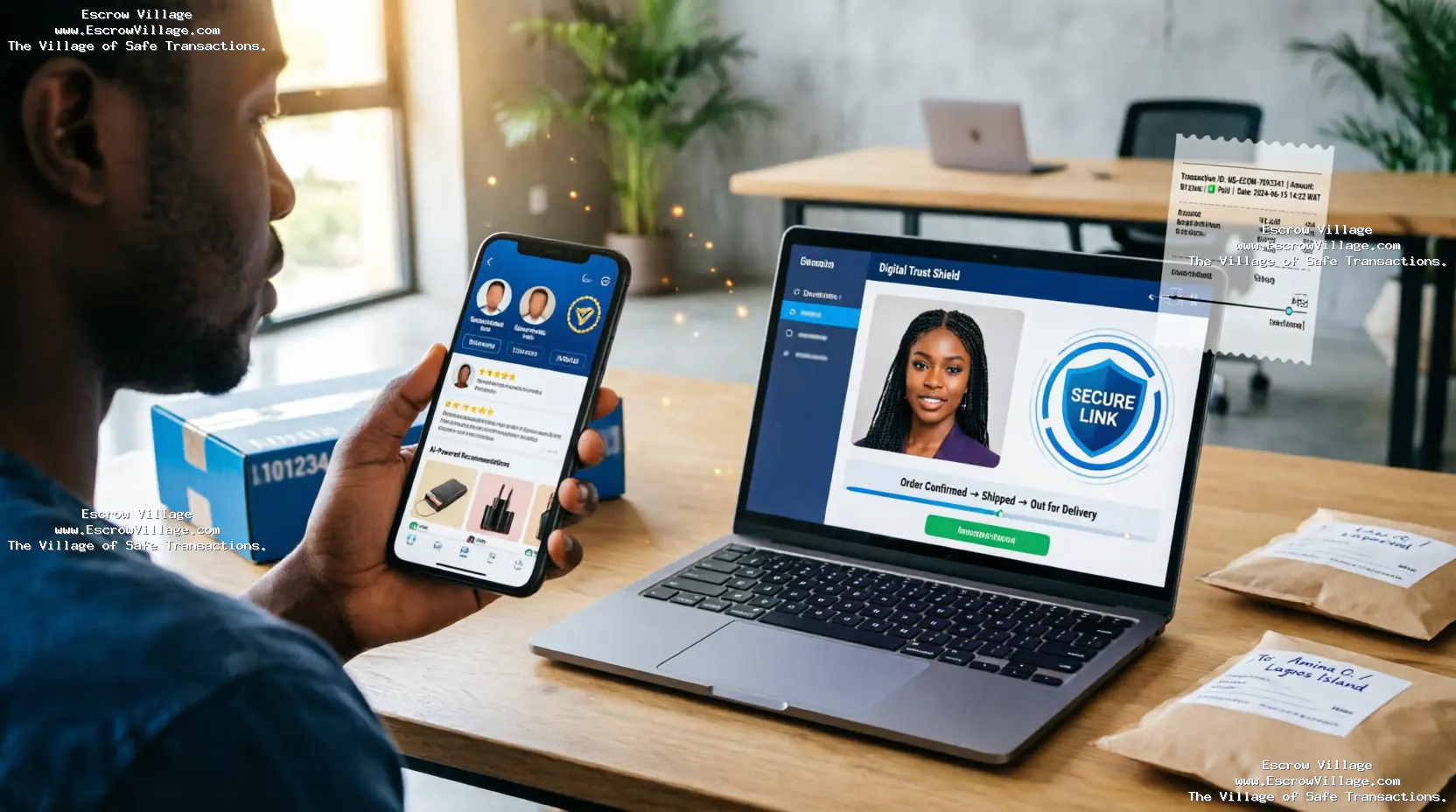
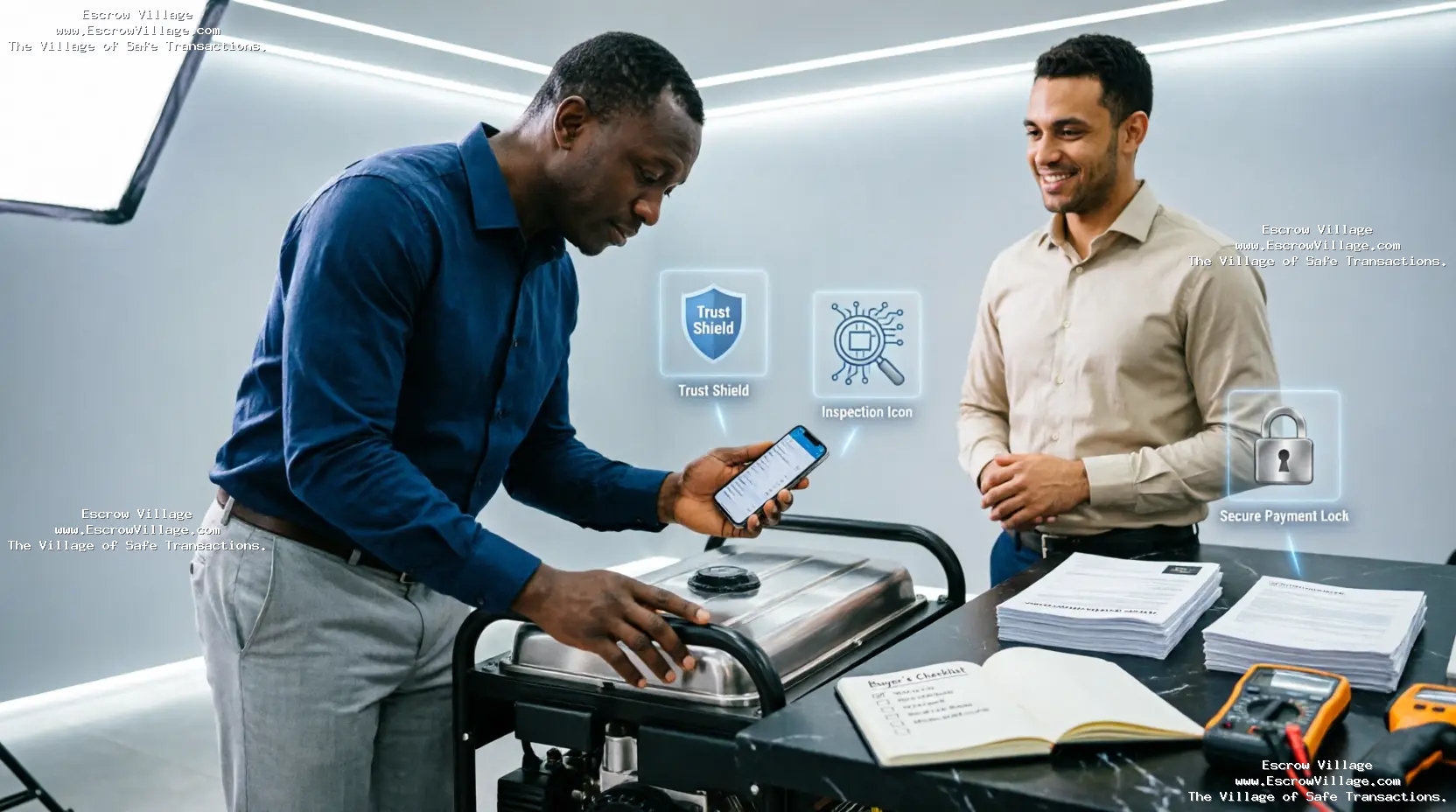
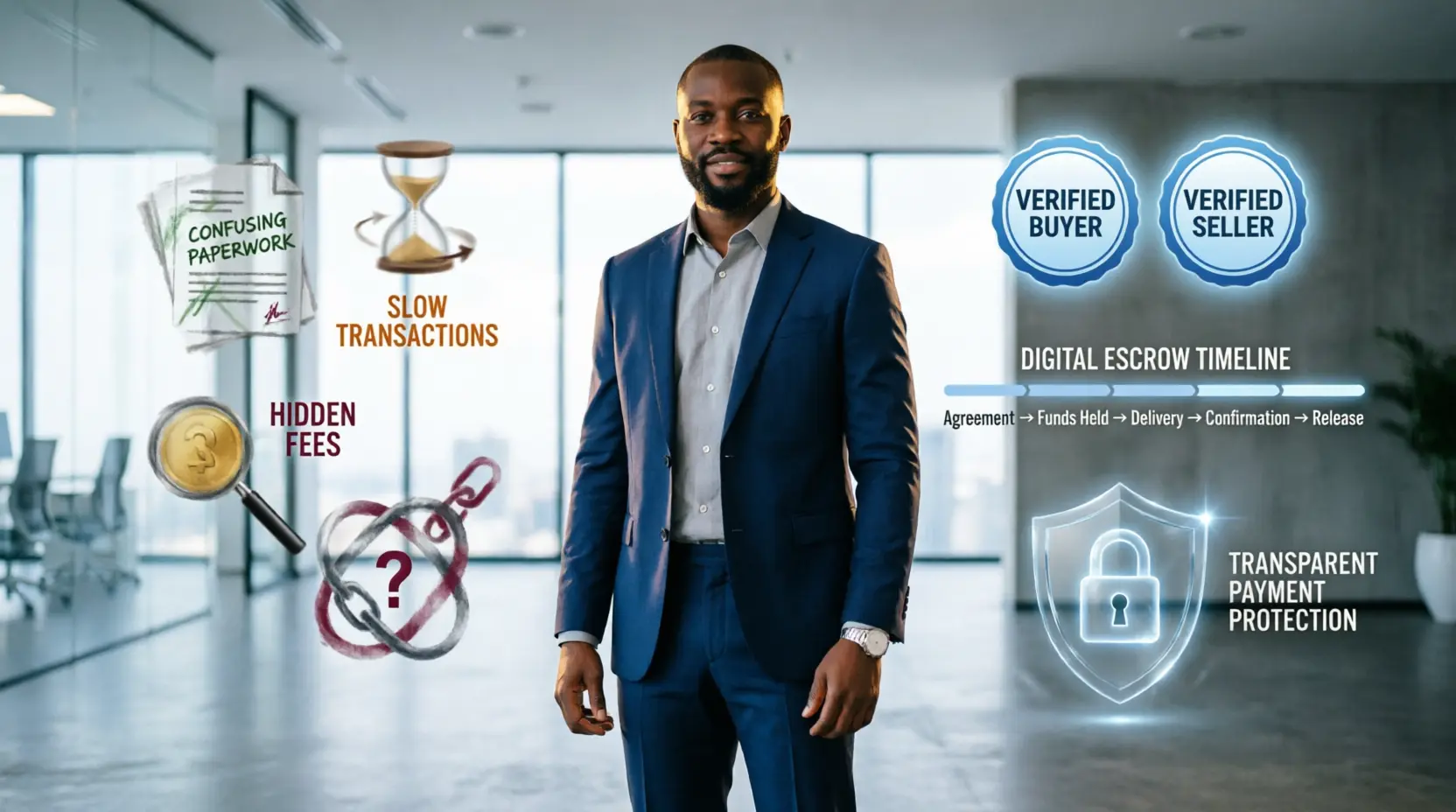
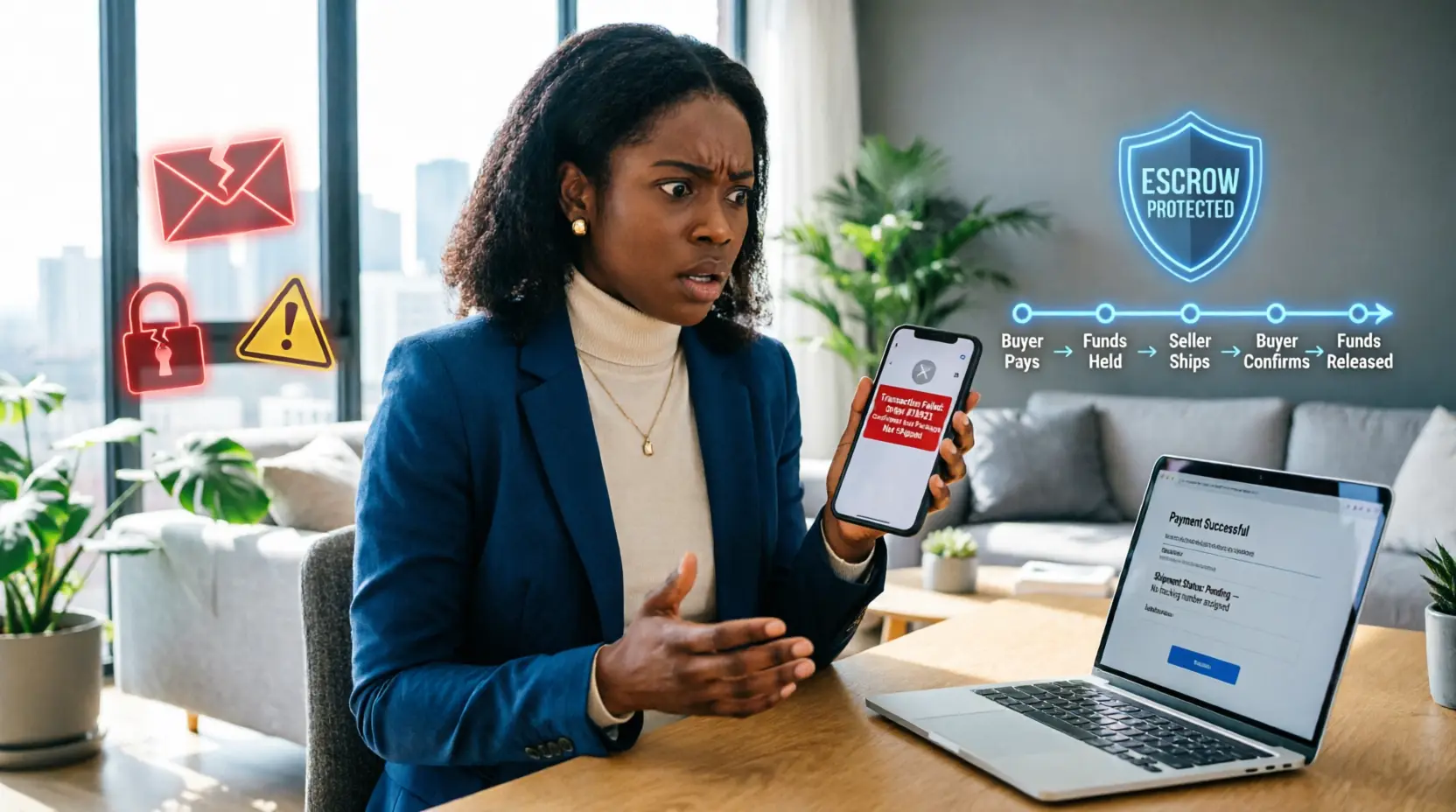
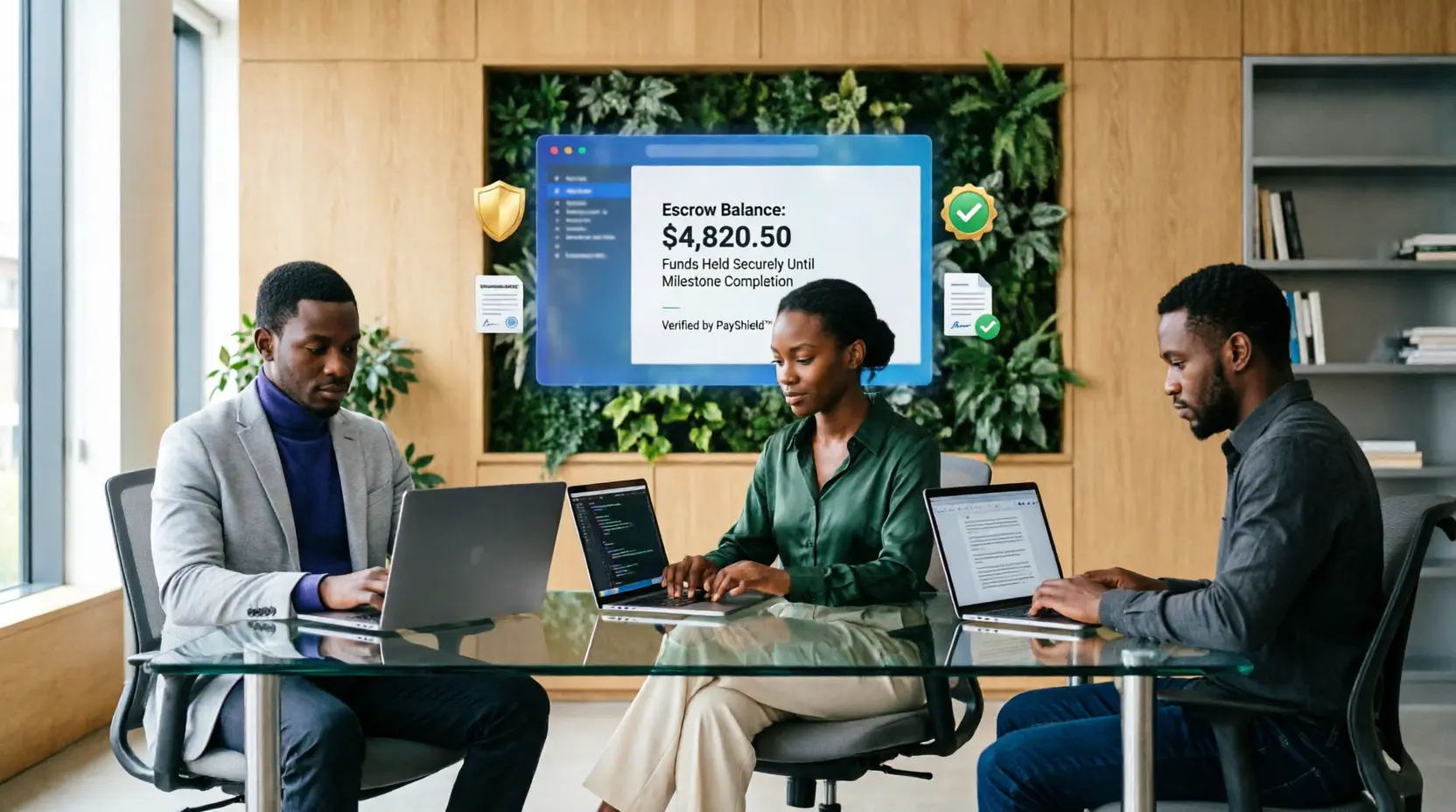
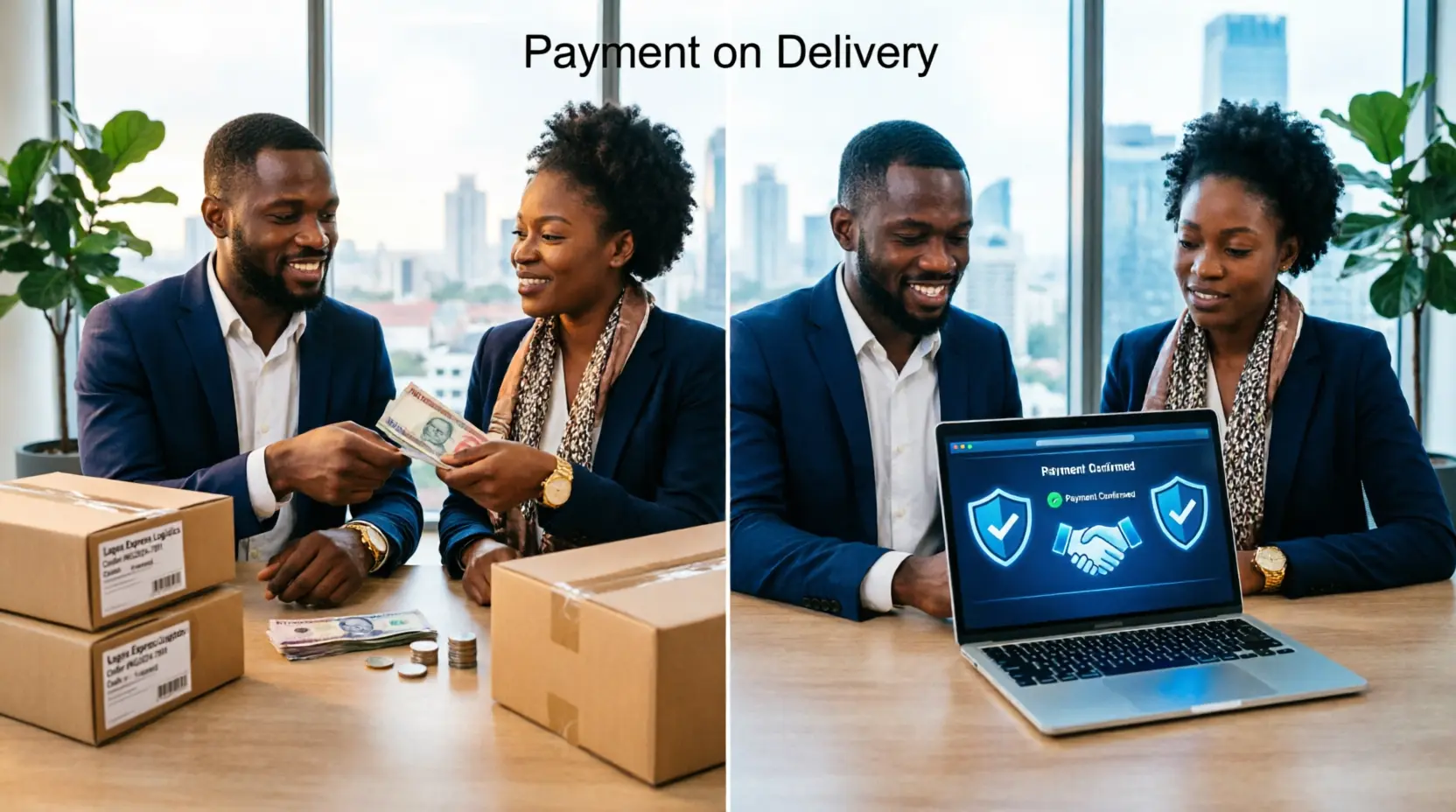
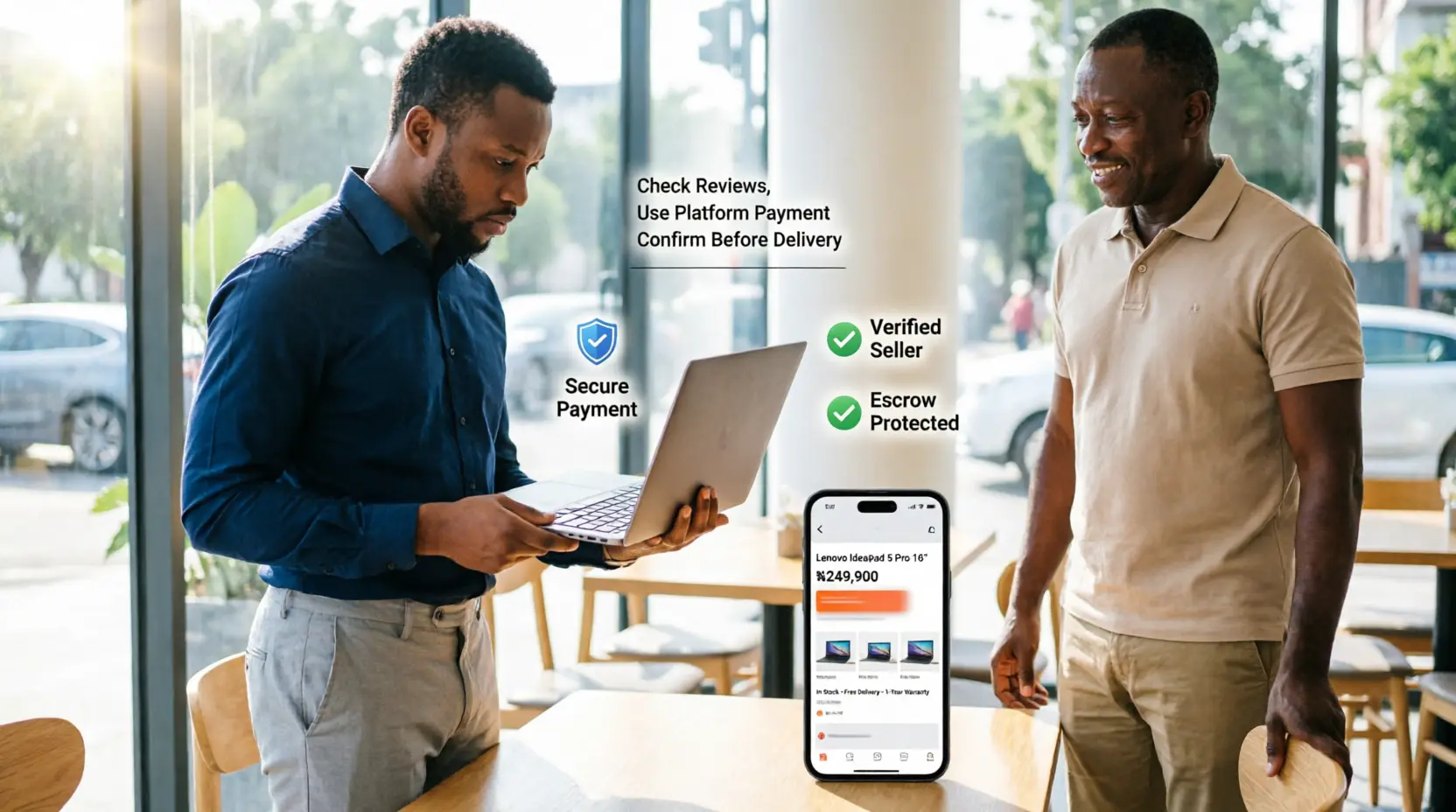
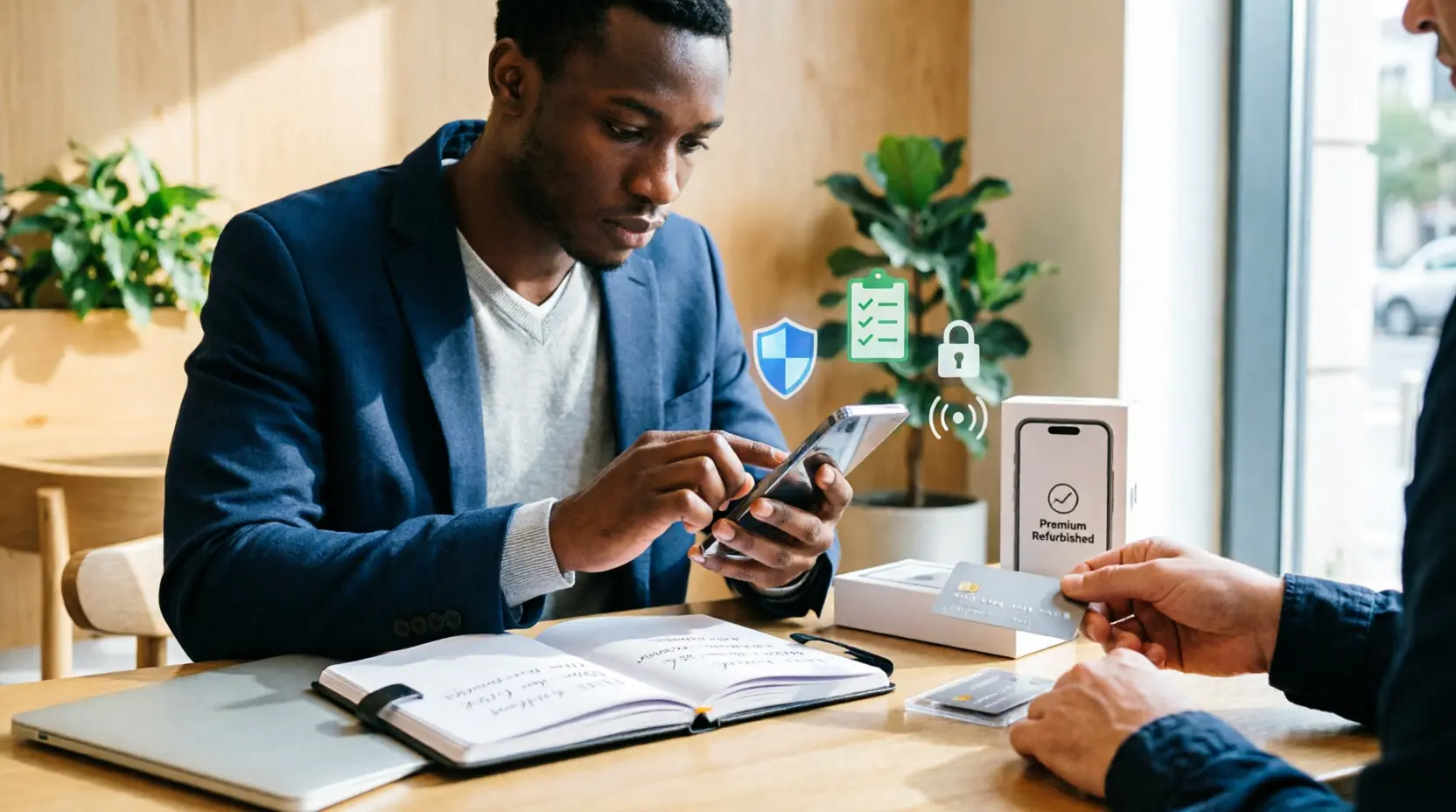
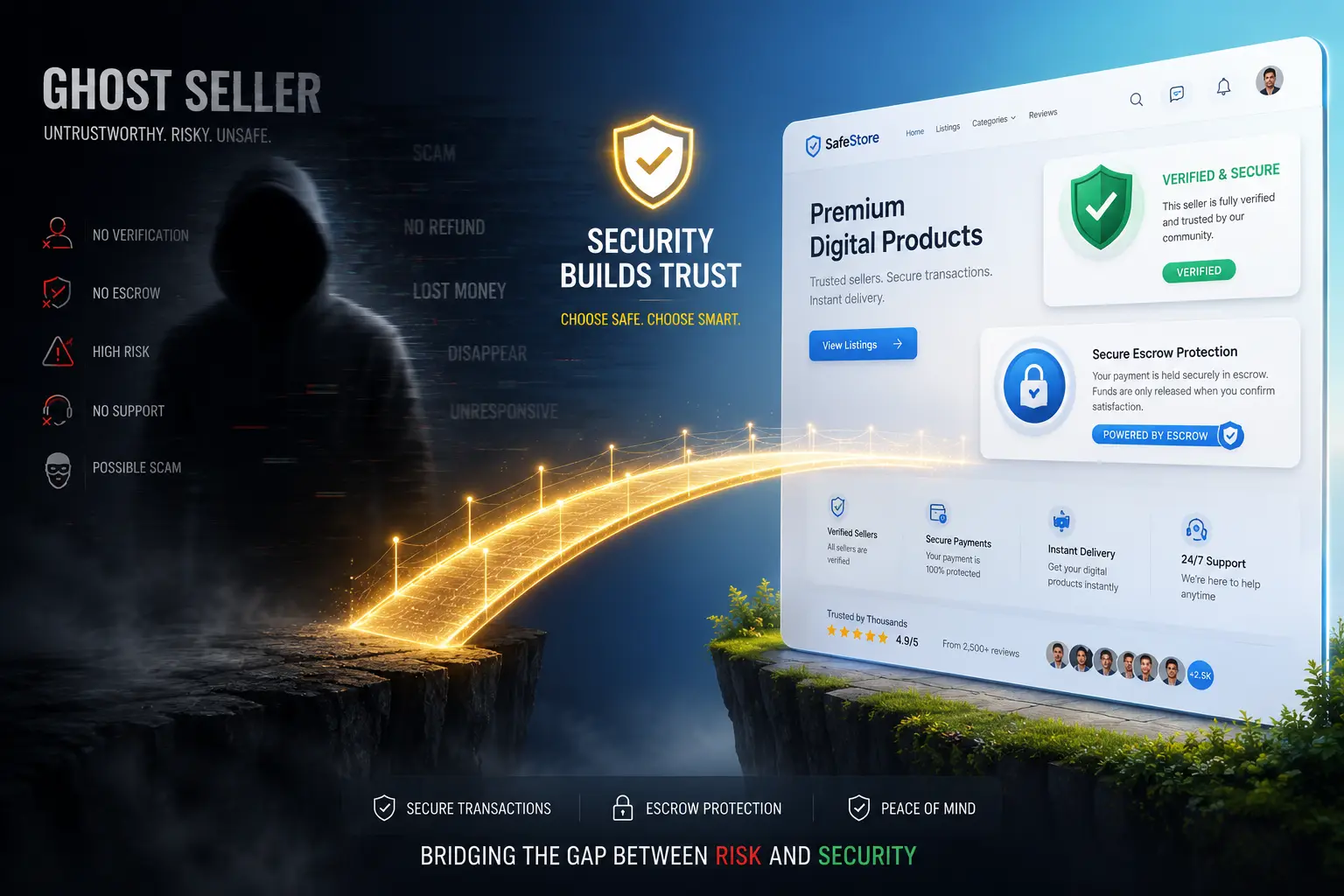
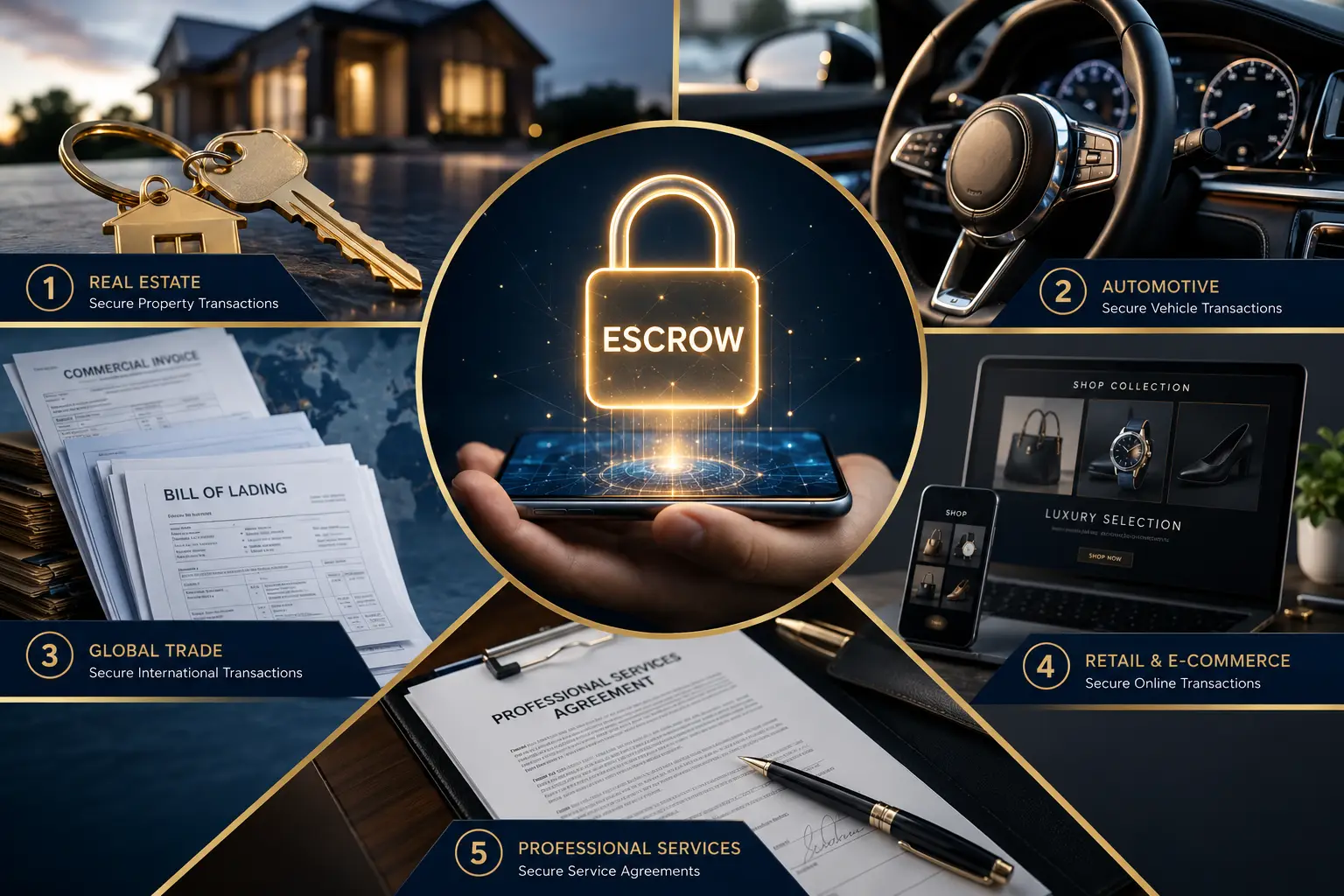
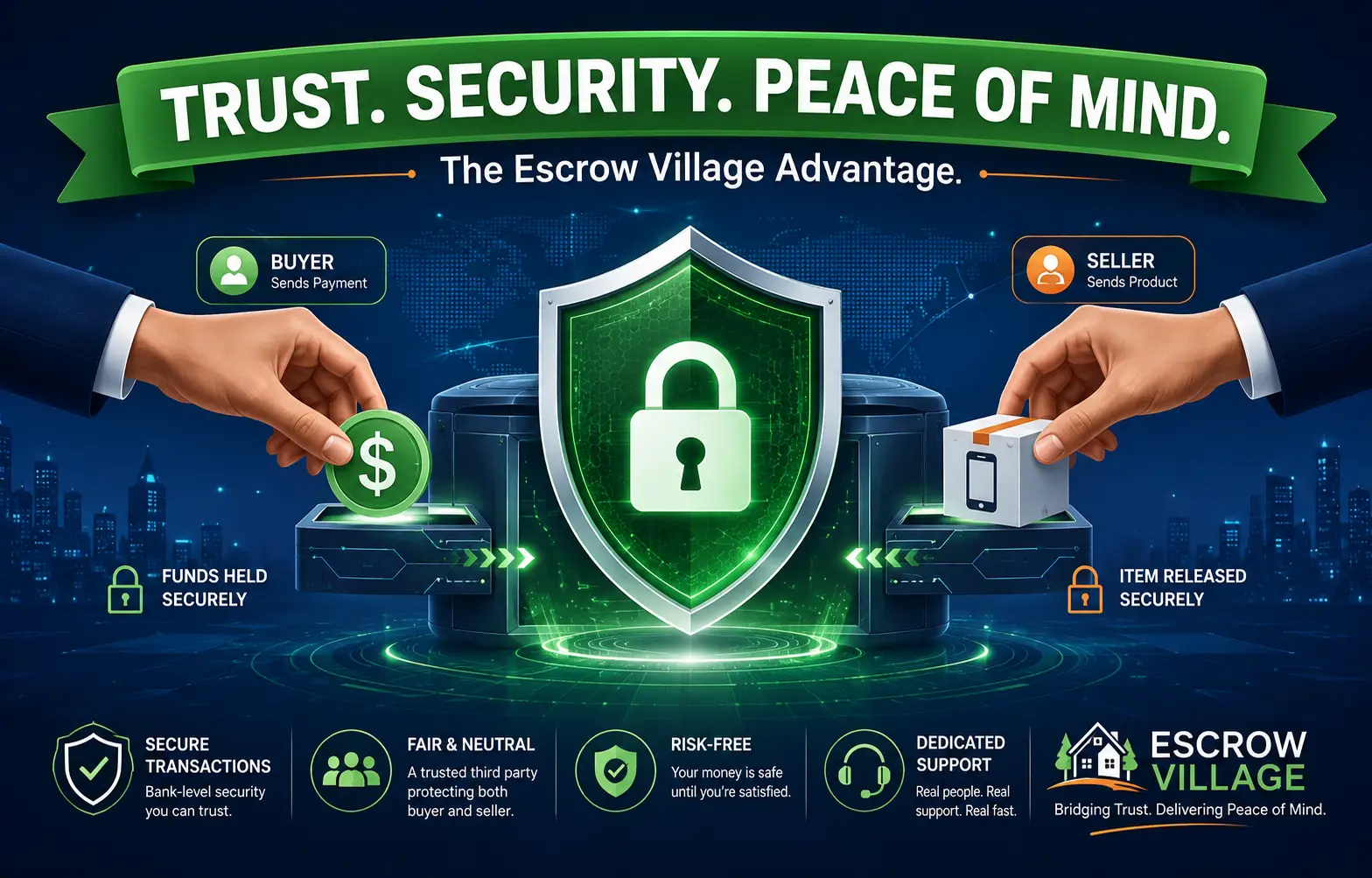
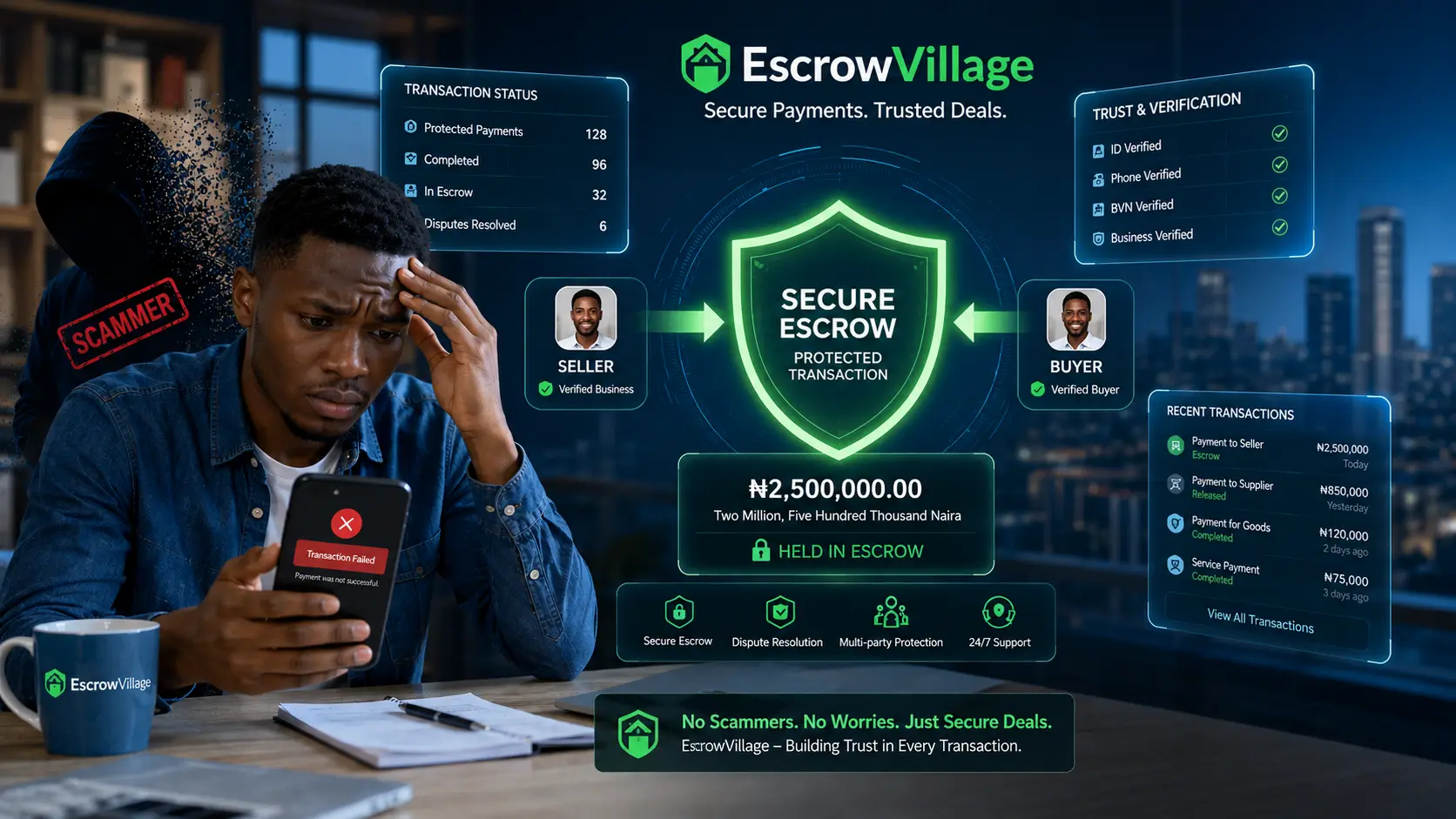
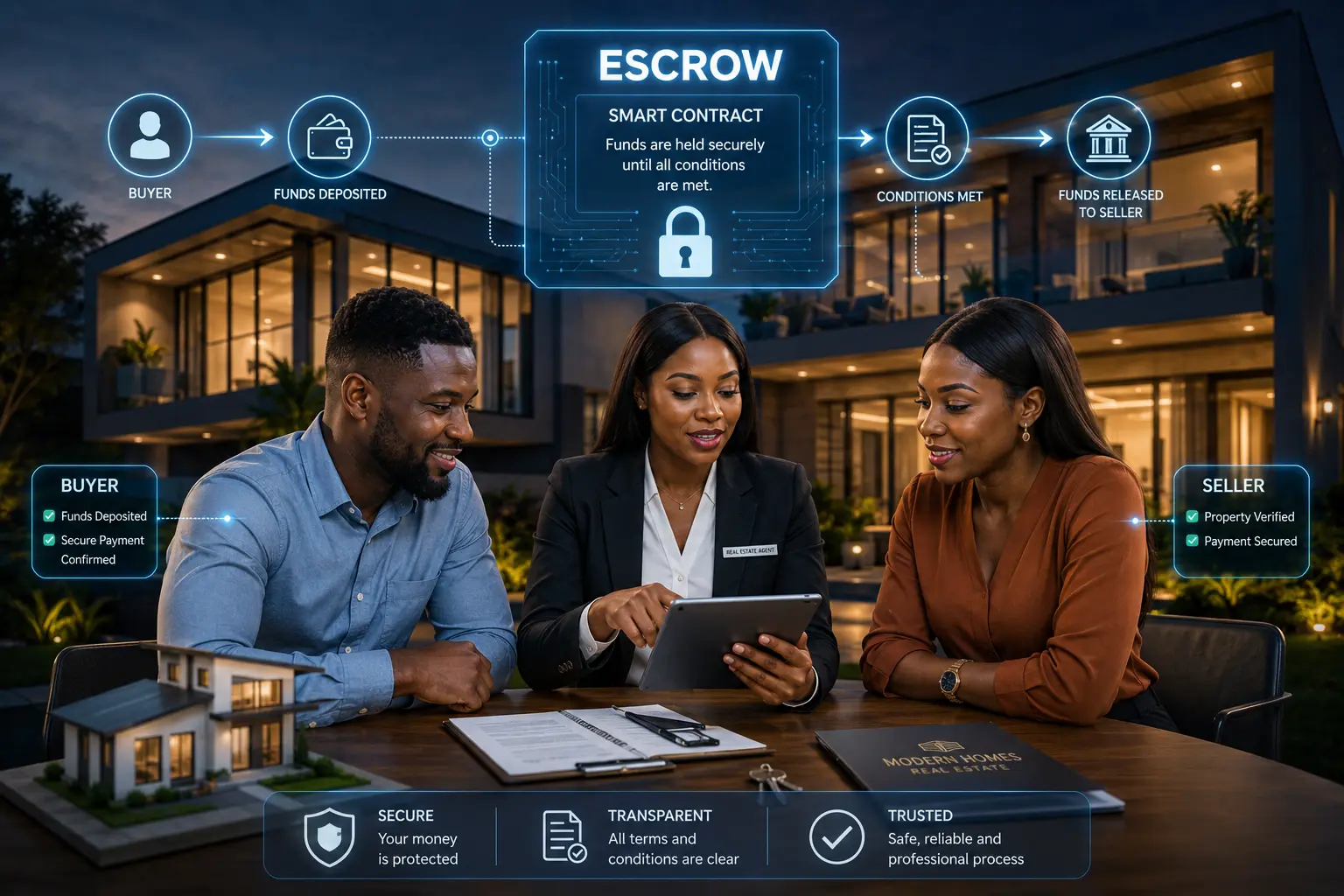
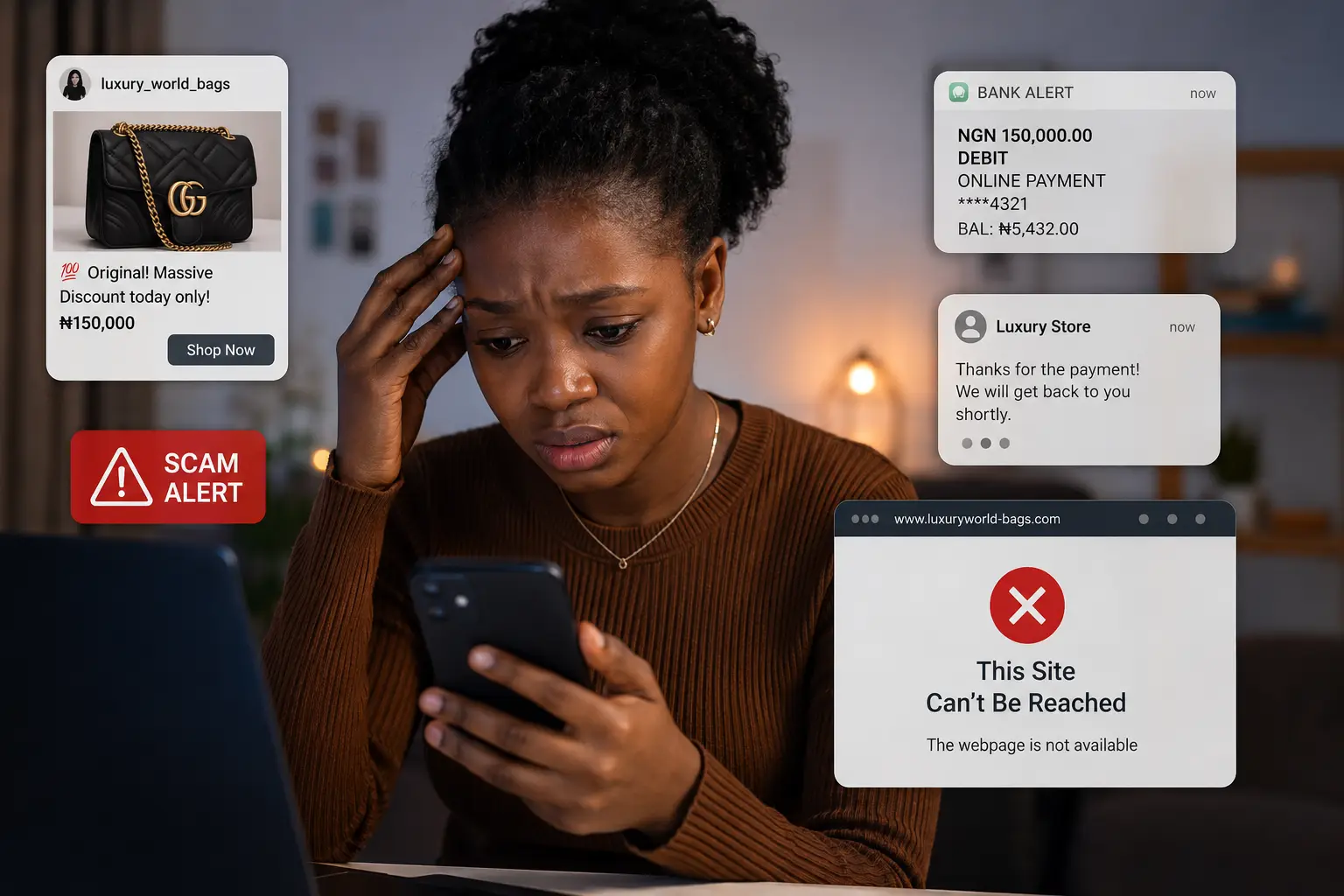
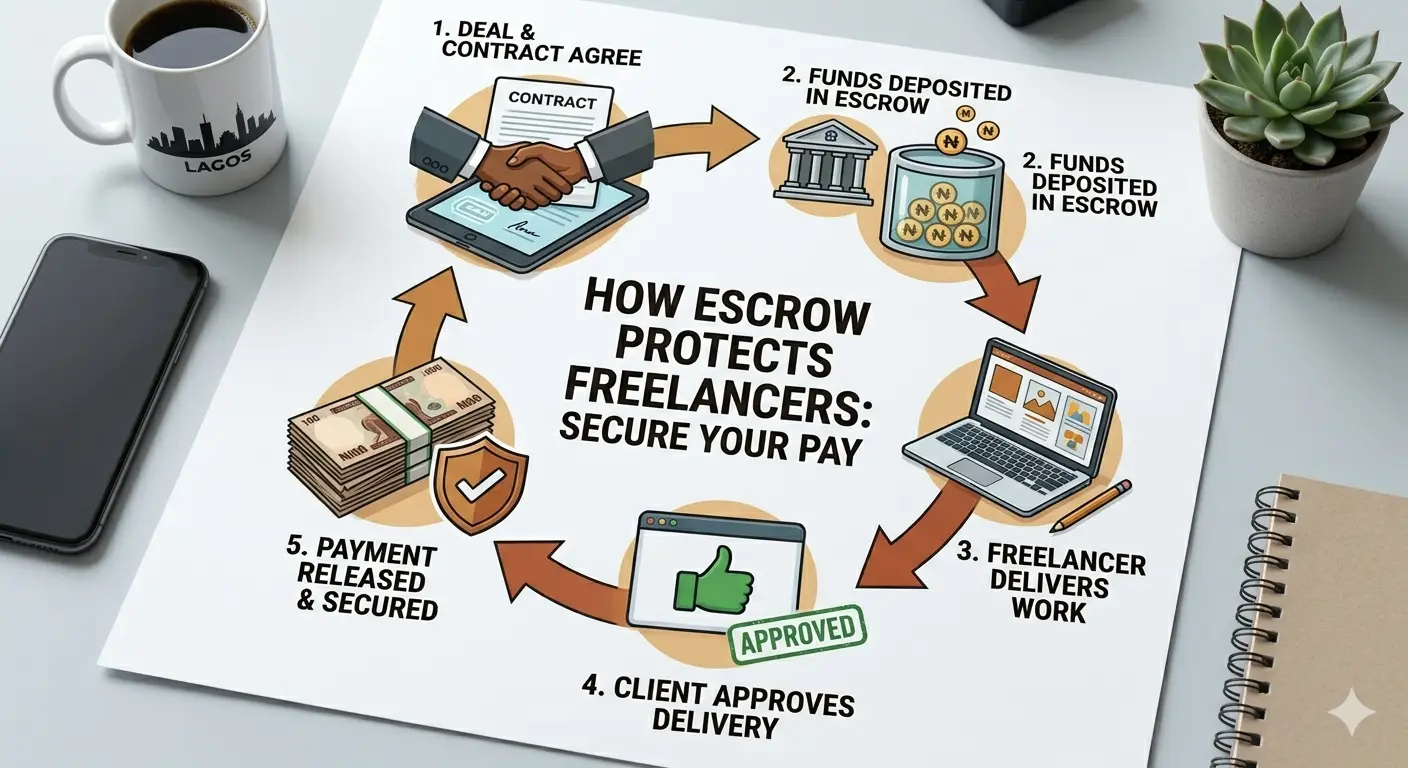
If you're buying or selling high-value goods or services online, using an escrow payment solution can also help reduce the risk of payment fraud by protecting both buyers and sellers until the agreed terms are met.
Building secure payment processes reassures customers that their money and information are safe.

Cybersecurity is no longer just an issue for large companies. Every small business that operates online faces potential digital threats, regardless of its size or industry.
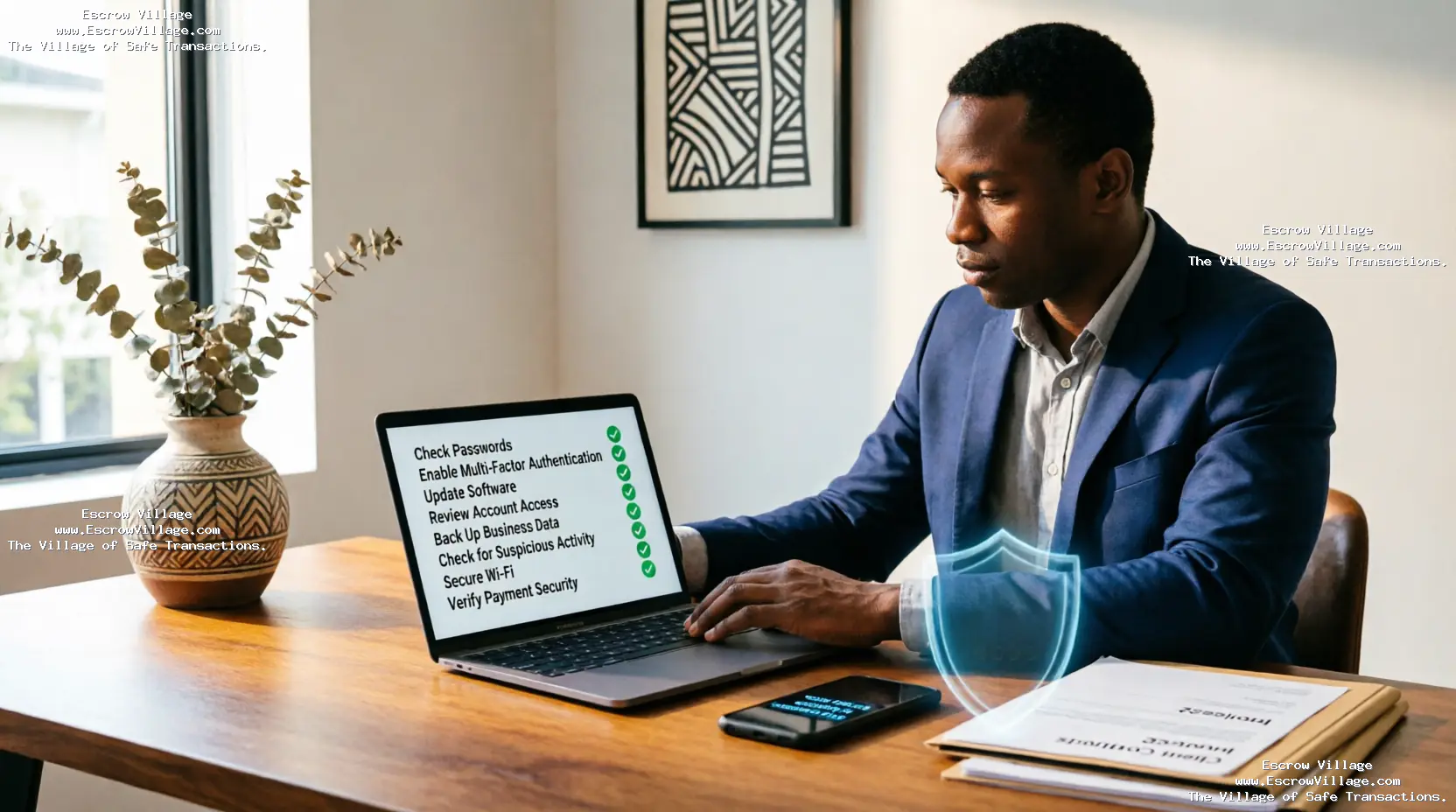
By strengthening passwords, training employees, keeping software updated, backing up important data, and securing customer information, you can greatly reduce your risk of cyberattacks.
Customers are more likely to do business with companies they trust. Taking cybersecurity seriously not only protects your business but also demonstrates your commitment to safeguarding the people who support it.
In today's digital economy, investing in cybersecurity is an investment in the long-term success and resilience of your business.